As we head into 2026, it’s pretty clear that the demand for Brush Cutter Machines is really ramping up around the world. I came across a report from Grand View Research, and it predicts that this market’s gonna keep growing — like, at an average rate of about 5.2% over the next few years. That kinda makes sense, given how much more people seem to be looking for effective landscaping and farming tools, especially in the more developed countries.
Big names like Stihl and Husqvarna are sitting pretty at the top of the game right now, offering a whole lineup of products aimed at both pros and regular folks who just want to do some yard work. When it comes to Brush Cutter Machines, their performance and efficiency are key if they're going to meet all the different needs out there. Of course, it’s not all smooth sailing — there are some hurdles, like making sure these machines are environmentally friendly and keeping up with the latest tech. And for buyers? It can definitely get a little overwhelming trying to sort through all the features and specs.
So, if you’re thinking about investing in one, it’s really worth taking your time to figure out what you need most. Think about power, weight, and how easy they are to handle — those things matter big time. With so many options out there, it’s also smart to think long-term—like, how easy are they to maintain and will they suit your future needs? Getting these details right will help you make a smarter choice that fits just right for your personal or business situation.

Overview of Brush Cutter Machines in 2026
In 2026, the landscape of brush cutter machines is evolving rapidly. Key industry reports indicate a projected growth of 7% in the global brush cutter market. This growth is driven by increasing demand in agriculture and landscaping sectors. Manufacturers are focusing on efficiency and user-friendliness. Newer designs feature lightweight materials and ergonomic grips, making operation easier for both amateurs and professionals.
The adoption of OEM Brush Cutter Machines is gaining traction. These machines often come with specific features tailored to regional needs. For instance, some models are designed to handle dense underbrush in diverse terrains. However, the variety can lead to confusion among buyers. Users may struggle to choose the right machine for their specific tasks.
Tip: Always check the weight and balance of a brush cutter. A well-balanced machine reduces fatigue during extended use.
Another trend includes enhanced safety features. Brush cutters now often include anti-vibration and noise-reduction technologies. These advancements cater to user comfort and compliance with regulations. However, the complexity of these machines can sometimes overshadow their usability. It is worth reflecting on how manufacturers balance innovation with practicality.
Tip: Consider investing in training for new users. This can enhance their skill and confidence when operating complex equipment.
Key Factors to Consider When Choosing a Brush Cutter
When selecting a brush cutter, several factors come into play. Buyers should consider the engine type. Two-stroke engines provide higher power but require more maintenance. Four-stroke engines are quieter and environmentally friendly, but they may lack the same power. Understanding these differences can help you choose better.
Cutting width is another significant aspect. A wider cutting width means fewer passes, saving you time. However, it can be challenging to maneuver in tight spaces. Ideal brush cutters should balance width with ease of use, especially for residential buyers. Pay attention to weight as well. A heavy machine can lead to fatigue over long periods.
Lastly, think about safety features. A brush cutter with protective gear and ergonomic handles will enhance user comfort. Always read reviews from other buyers. Their experiences can unveil the reliability of specific models. Especially for those considering Wholesale Brush Cutter Machines, this step becomes crucial to ensure a good investment.
Top Brands and Models Recommended for Global Buyers
When looking for brush cutter machines in 2026, global buyers should focus on quality and functionality. The top brands prioritize user experience and durability. Customers often recommend machines with easy-to-use controls and ergonomic designs. These factors enhance the cutting experience in various landscapes, from gardens to dense underbrush.
In recent reviews, models with fuel-efficient engines performed well. Their ability to tackle different types of vegetation makes them versatile. For those prioritizing eco-friendliness, electric machines are increasingly popular. They offer lower noise levels and minimal emissions. However, battery life can pose a challenge for larger jobs.
Tips: Always check the weight and balance of a machine. An awkward brush cutter can lead to fatigue. Also, consider the availability of parts and service. Local dealers can provide valuable insights. Ultimately, exploring ODM Brush Cutter Machines can yield surprising results, but buyer feedback is essential. Don’t rush the decision; take time to assess your specific needs.
Comparative Analysis of Brush Cutter Features and Performance
In 2026, buyers face a diverse selection of brush cutter machines. A recent industry report highlights that performance and efficiency are key features consumers prioritize. Notably, cutting power is essential for tackling thick vegetation. High-Quality Brush Cutter Machines typically offer varying engine sizes, with 25cc to 40cc engines being the most common. This range often delivers the necessary torque for demanding tasks.
Another crucial aspect is the weight of the machines. Many users prefer lightweight options for prolonged use. Machines under 10 kg tend to reduce operator fatigue. However, lighter models may compromise on cutting efficiency. Therefore, striking a balance between weight and power is vital for optimal performance.
The durability of materials used in construction is also a significant factor. Brush cutter machines with aluminum frames tend to have longer lifespans, though they may come at a higher cost. This raises a question: Is it worth investing in more expensive, durable models? While initial costs may be higher, their long-term savings can’t be overlooked. Users should consider their specific needs and select machines accordingly.
Pricing Trends for Brush Cutter Machines Worldwide
As we look toward 2026, the brush cutter market is evolving. Pricing trends indicate an increase in demand for powerful machines. In rural areas, buyers seek efficient and durable cutters. Prices can vary significantly based on features and specifications. High-end models may cost more but offer extended warranties and advanced technologies.
Regions exhibit unique trends. In North America, affordability is a key factor. Customers want reliable machines at a fair price. Conversely, some European markets prioritize eco-friendly options, even if they come at a higher cost. An emerging challenge is the fluctuation in raw material prices, impacting manufacturing costs and retail prices.
Buyers should also consider maintenance costs. A lower initial price might lead to higher long-term expenses. Understanding these trends can improve decision-making. Additionally, reviews and user experiences can provide insights into reliability, helping potential buyers make informed choices. The brush cutter landscape will continue to develop, shaped by these complex factors.
Maintenance Tips for Optimal Performance of Brush Cutters
Maintenance is key for brush cutters. Regular upkeep ensures they run efficiently. Start with the air filter. Clean or replace it as needed. A clogged filter reduces performance. Fuel quality is another aspect. Always use fresh, high-quality fuel. Old or contaminated fuel can damage components.
Check the cutting blades regularly. Dull blades struggle and can cause uneven cuts. Sharpen them or replace them promptly. Also, inspect the spark plug. A dirty spark plug can decrease power. Clean it or replace it to maintain optimal performance.
Remember to store your brush cutter properly. Keep it in a dry place, away from moisture. Moisture can lead to rust and damage. Also, clean the machine after each use. Removing debris prevents wear and tear. This simple act prolongs its lifespan. A little care goes a long way in ensuring peak performance.
Future Trends and Innovations in Brush Cutter Technology
As we look ahead to 2026, brush cutter technology is poised for significant advancements. Future models will likely incorporate smart technology for better efficiency. Imagine a brush cutter that adjusts its power based on the density of the vegetation. This adaptive capability would lead to less wasted energy and longer operational life. Many users will appreciate this innovation, enhancing productivity in both residential and commercial settings.
Another notable trend is the push towards eco-friendly designs. Brush cutters may embrace electric or hybrid power sources. This shift will reduce carbon emissions and lower noise pollution. While some may question battery life, advancements in battery technology suggest longer runtimes are on the horizon. Still, concerns about suitability for heavy-duty tasks require further exploration.
Moreover, ergonomic improvements will continue to be a focus. Lighter materials may be utilized, reducing operator fatigue. However, balancing durability with weight remains a challenge. As we observe these shifts, it’s essential to stay informed about the evolving landscape of brush cutter machines. Potential buyers should consider not only current features but also emerging innovations that may redefine their experience.
Best Brush Cutter Machines for Global Buyers in 2026
This chart illustrates the projected market share of brush cutter technology advancements and trends for the year 2026. The data reflects the expected growth in various categories, including efficiency, fuel type, weight, and innovative features.
Maximizing Precision and Efficiency: Insights from Industry Reports on Mini 25.4CC Hand Circular Saw Performance in Wood Cutting
In the realm of woodworking, precision and efficiency are paramount, especially when utilizing compact tools like the 25.4cc hand Circular Saw. This tool, with its optimal engine displacement of 25.4cc, is designed to maximize performance while ensuring ease of use in various woodcutting applications. With a maximum engine power of 0.75KW, it delivers enough strength to handle tougher materials without compromising on accuracy.
The ergonomics of this hand circular saw make it a reliable choice for professionals and DIY enthusiasts alike. Weighing in at just 6.5 kilograms, it provides a good balance of portability and stability, allowing users to maneuver through intricate cuts effortlessly. The 125mm blade diameter ensures clean and precise cuts, essential for achieving the desired finish in woodworking projects. Moreover, with a fuel tank capacity of 230ml and an oil tank capacity of 160ml, this saw is built for longer operational periods, reducing downtime and enhancing productivity on the job site.
Industry reports indicate that tools like the 25.4cc hand circular saw are becoming increasingly popular due to their efficiency and the quality of output they deliver. As woodworkers seek to maximize precision, this tool stands out by combining powerful performance with user-friendly features, making it an excellent addition to any workshop geared towards producing high-quality woodwork.
FAQS
: Focus on quality, functionality, and user experience. Ergonomic designs enhance comfort during use.
Weight affects balance and can lead to fatigue. Lighter machines are often easier to maneuver.
They are eco-friendly and quieter, but battery life may limit their use for larger tasks.
Demand for powerful machines is rising. Prices vary based on features and specifications.
Yes, lower initial costs may lead to higher long-term maintenance expenses. Assess total ownership costs.
Absolutely. They provide insights into reliability and performance, helping you make informed choices.
Fuel-efficient engines and user-friendly controls make machines adaptable to various vegetation types.
Different regions have varying priorities, like affordability in North America and eco-friendliness in Europe.
No, take your time to assess needs and explore different options for the best outcome.
Conclusion
In 2026, Brush Cutter Machines are expected to play a crucial role for both homeowners and professionals in maintaining landscapes and agricultural land. When selecting a suitable brush cutter, users should consider factors such as engine power, weight, and cutting efficiency, which significantly influence performance. A comparative analysis of various models will help buyers understand the features that best meet their needs, while pricing trends indicate a steady evolution in the market, reflecting advancements in technology and user preferences.
Moreover, to ensure optimal performance, regular maintenance such as cleaning the cutting head, checking the fuel system, and sharpening blades is essential. As we look to the future, innovations in Brush Cutter Machines, including enhanced fuel efficiency, ergonomic designs, and advanced safety features, are anticipated to further enhance their usability and effectiveness. These developments will cater to the diverse needs of global buyers, ensuring they have reliable tools for effective land management.

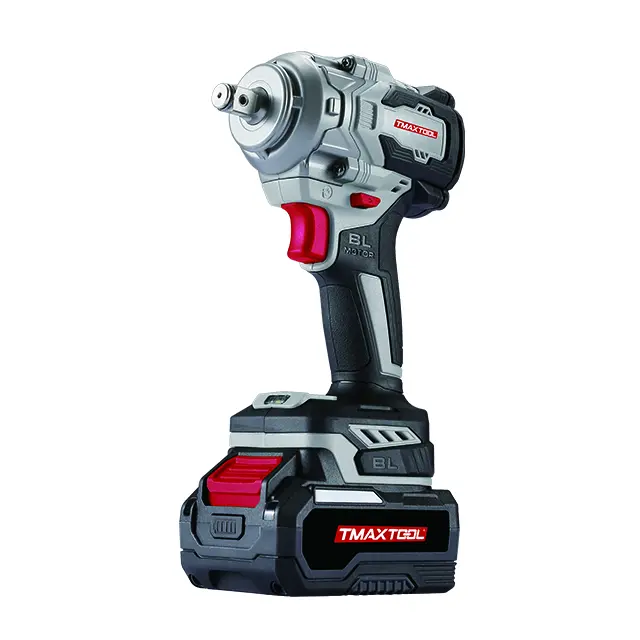
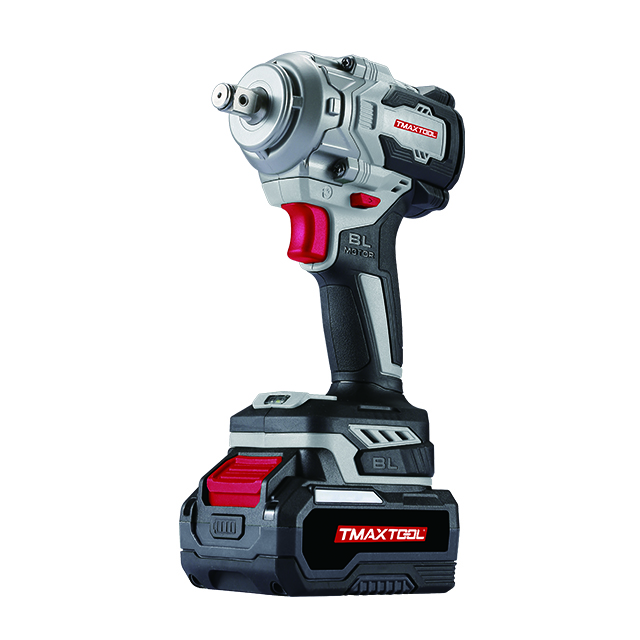 Impact Wrench
 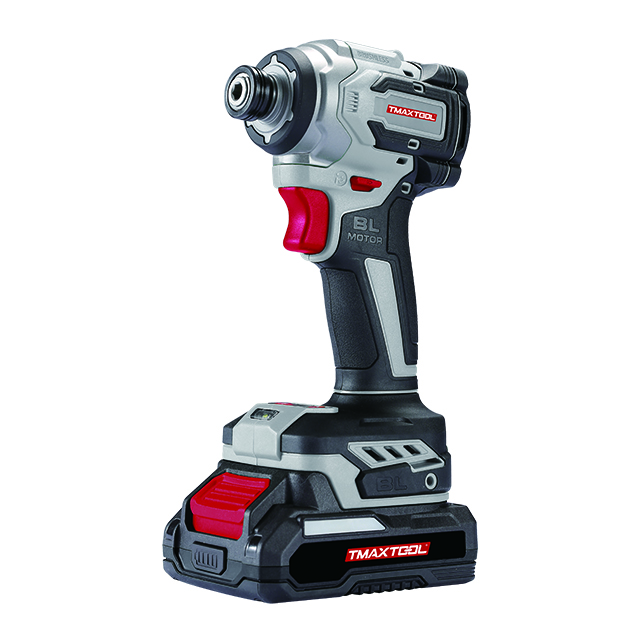 Screwdriver
 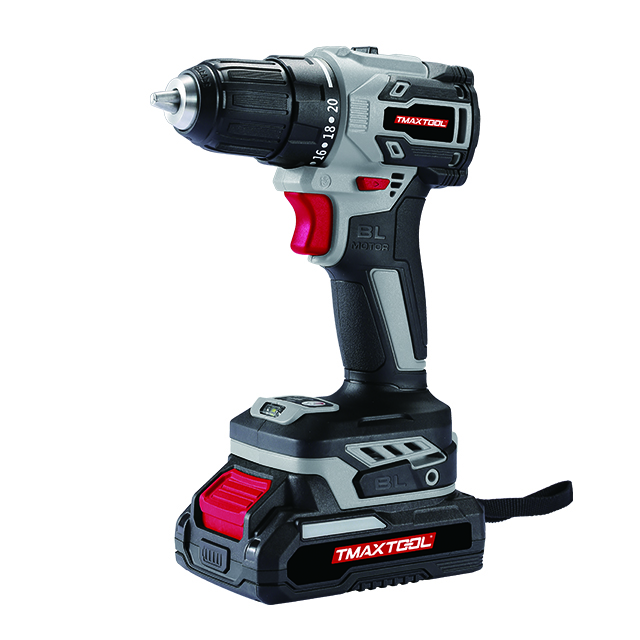 Cordless Drill
 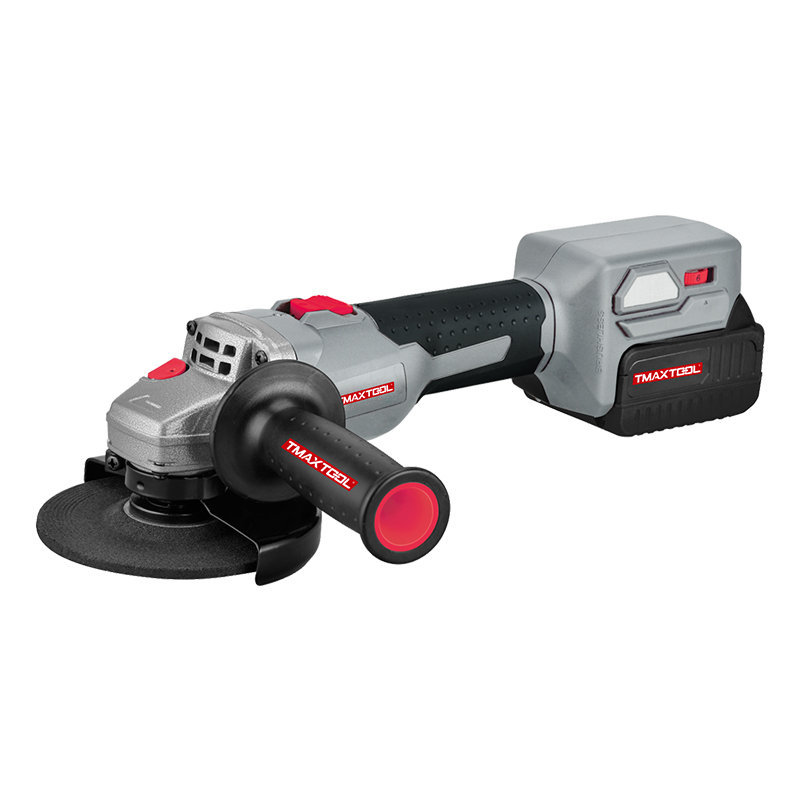 Angle Grinder
 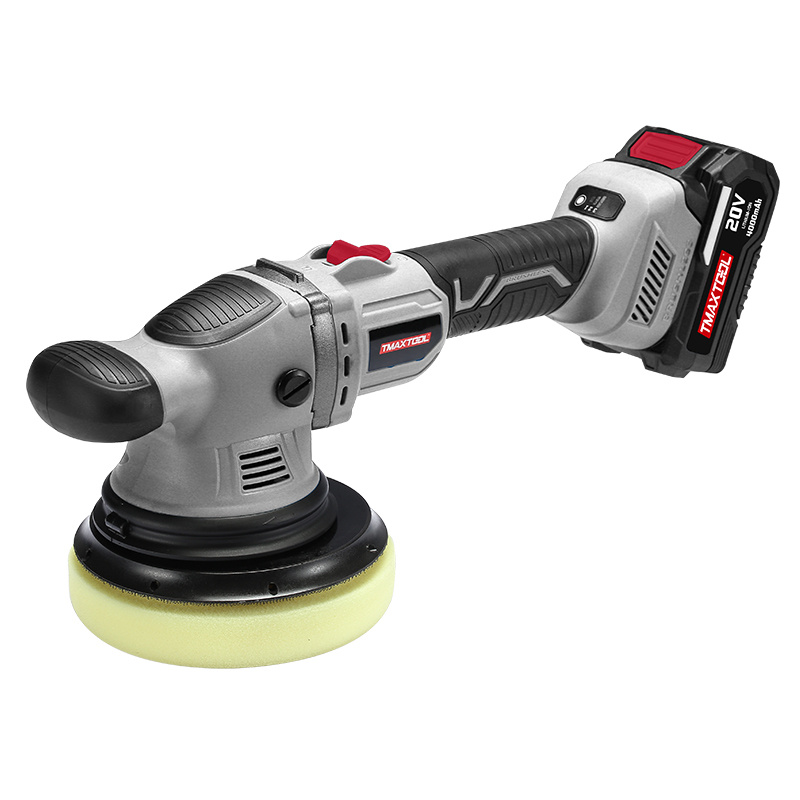 Polisher
 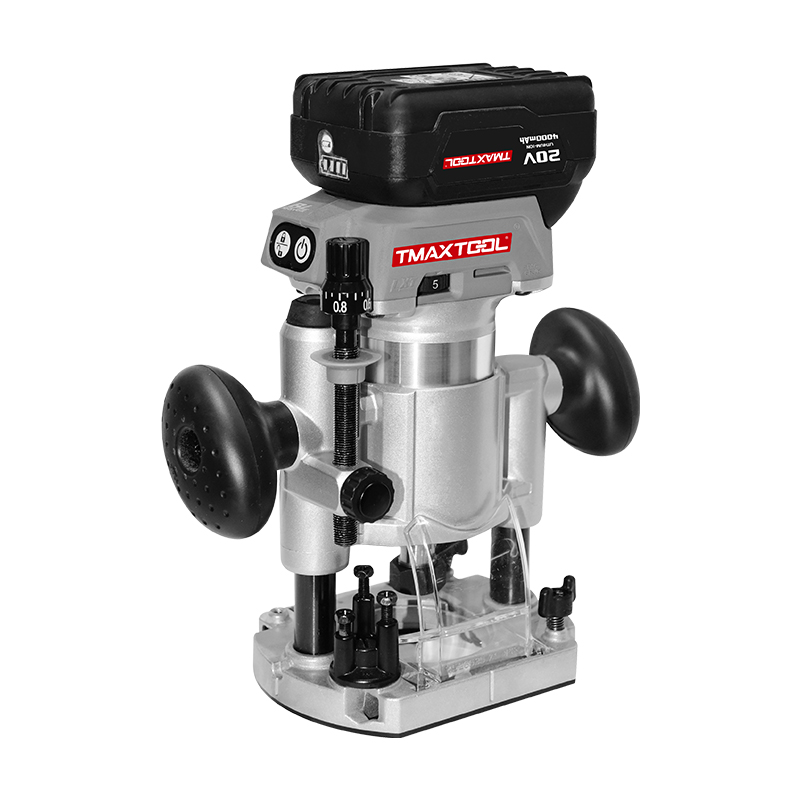 Wood Router
 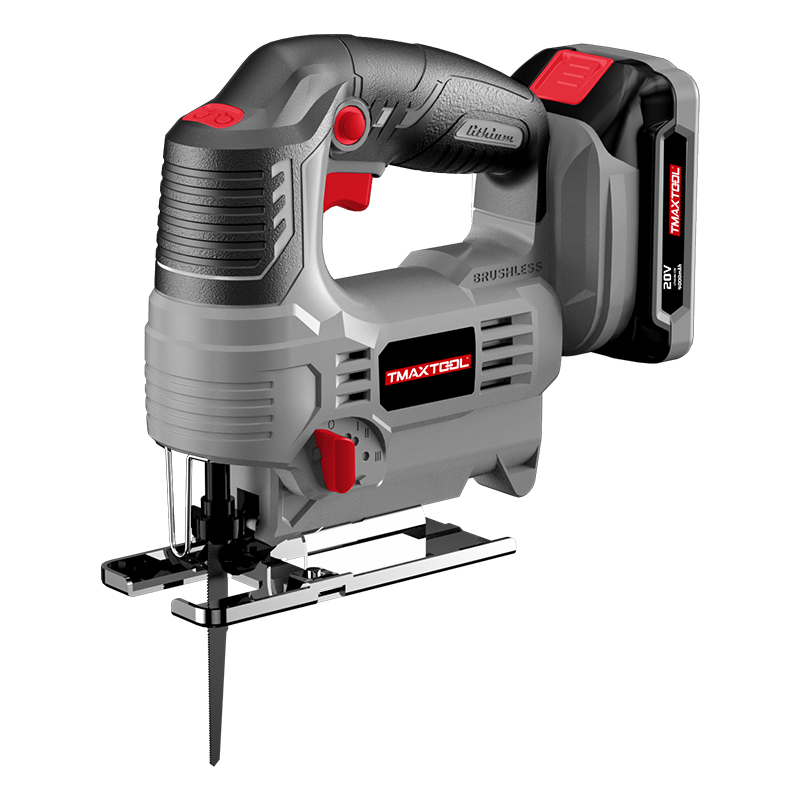 Jig Saw
 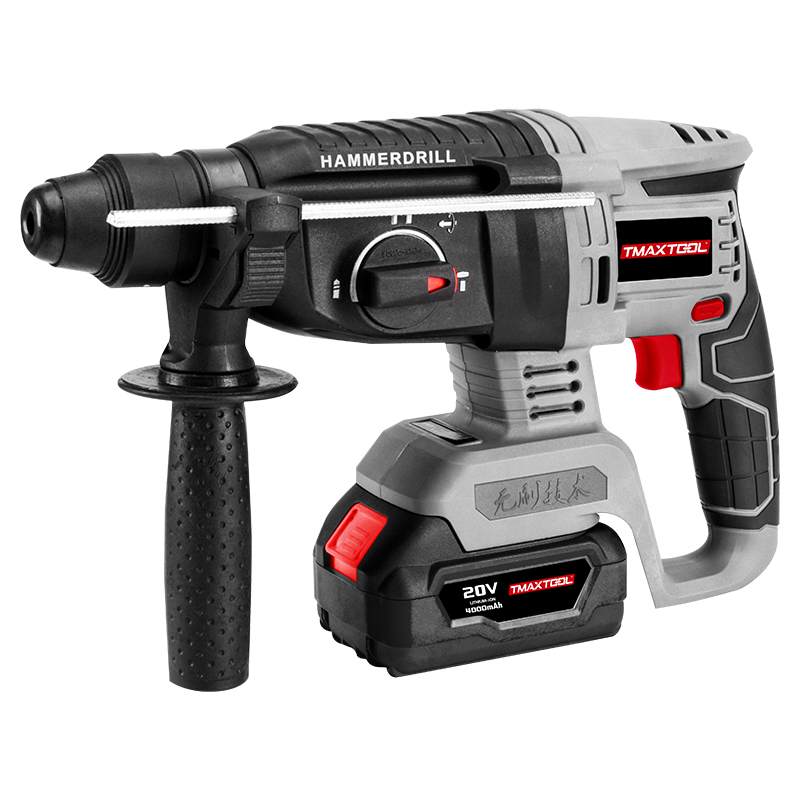 Hammer Drill
 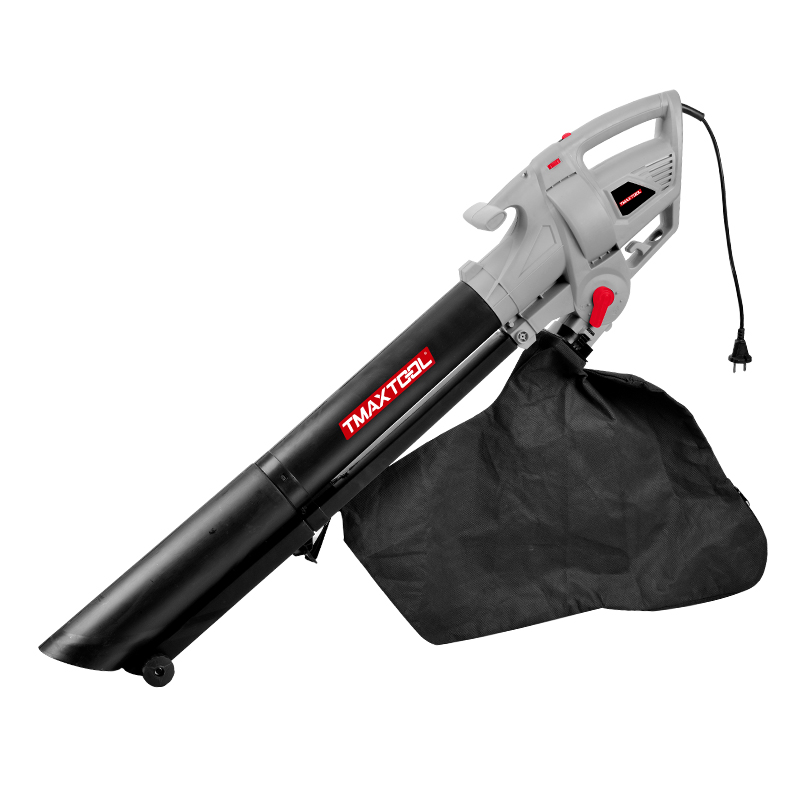 Portable Blower
 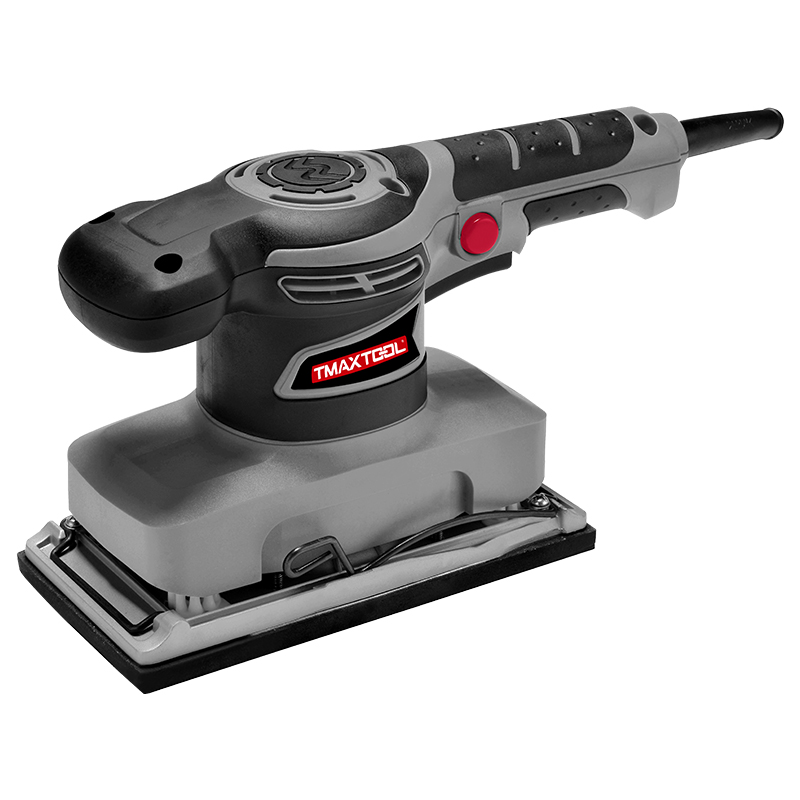 Orbital Sander
 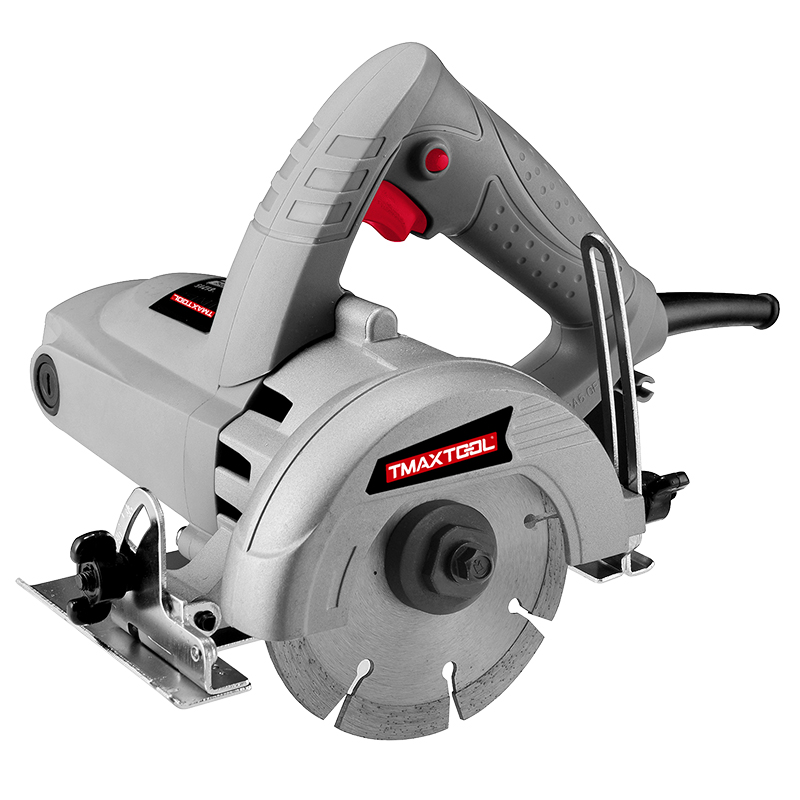 Marble Cutter
  GARDEN TOOLS
 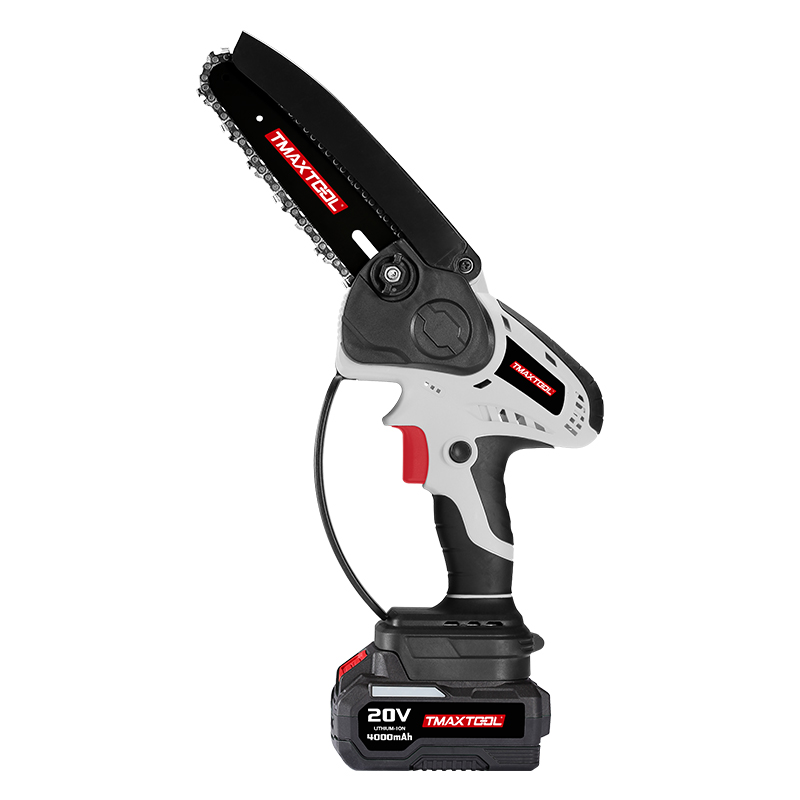 Battery Chain Saw
 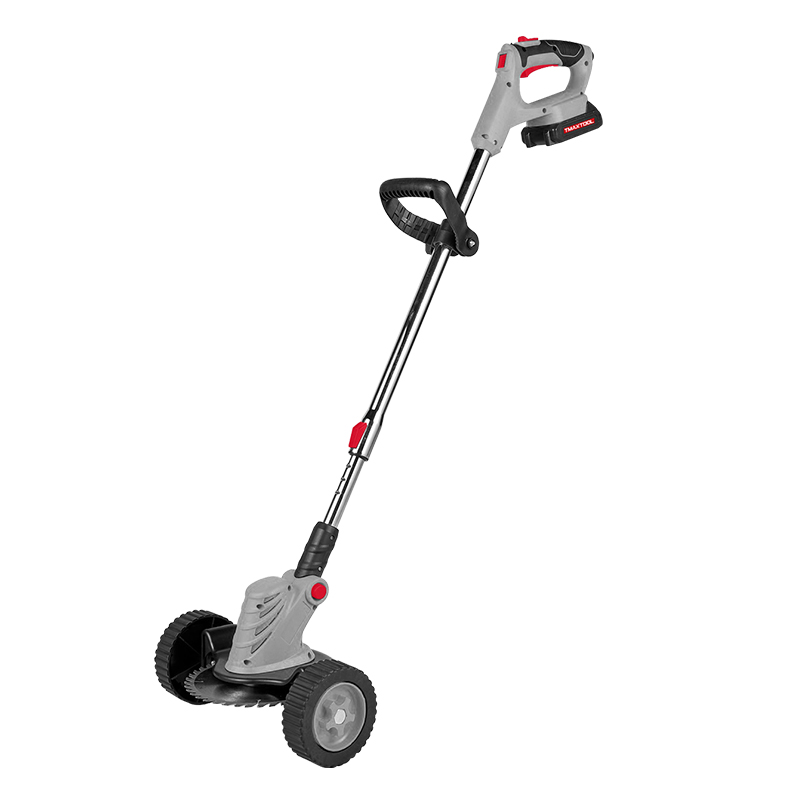 Battery Brush Cutter
 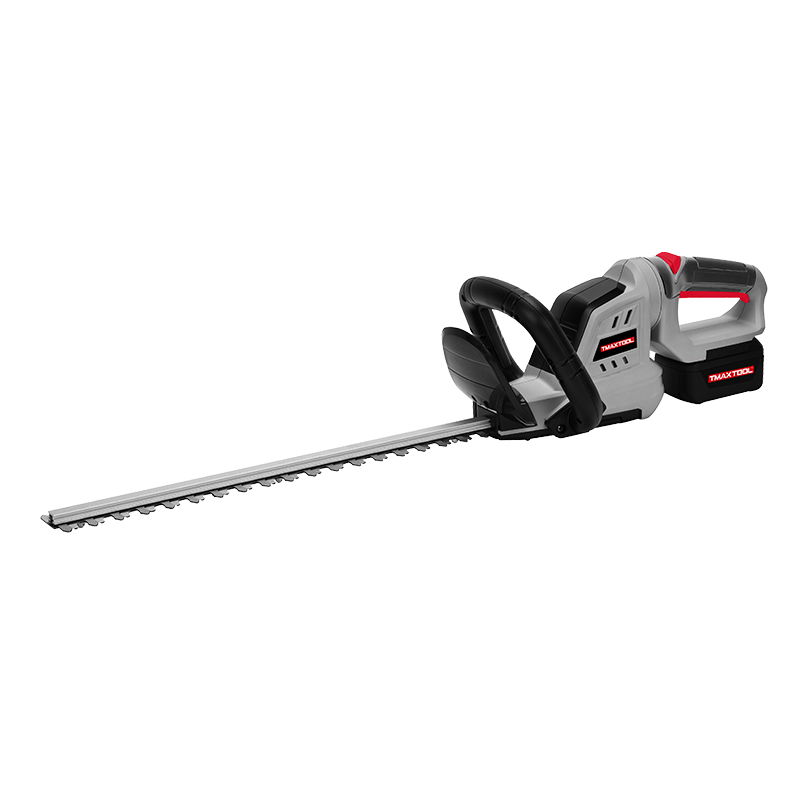 Battery Hedge Trimmer
 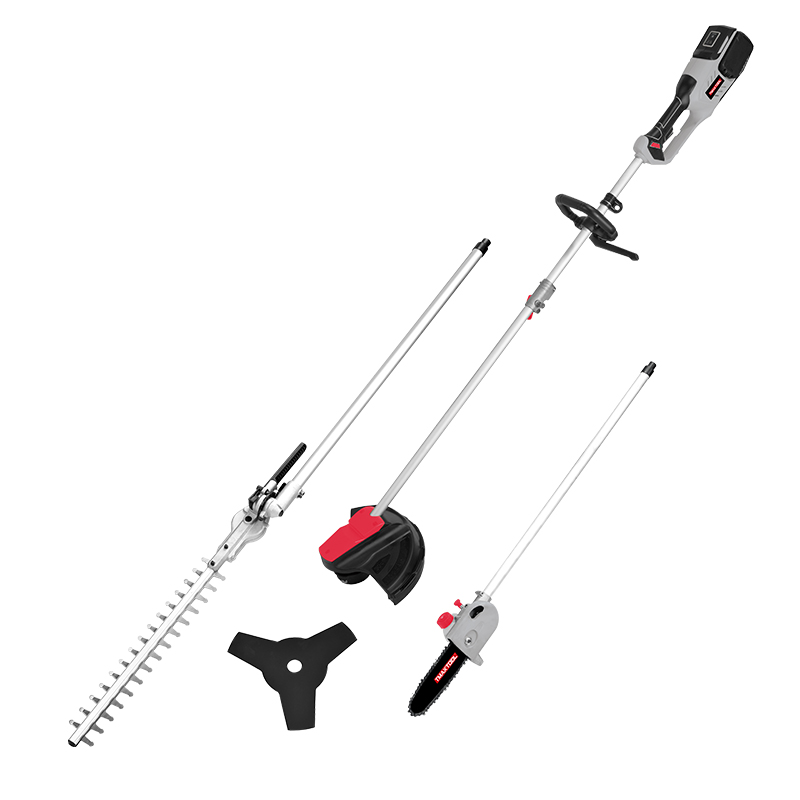 Battery Multi Tool
 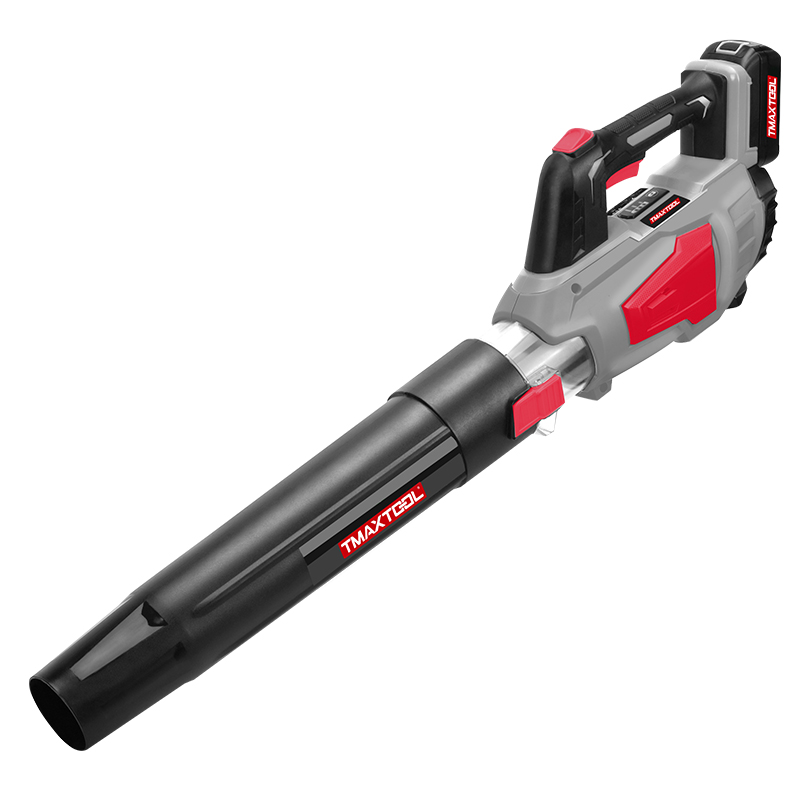 Battery Blower
 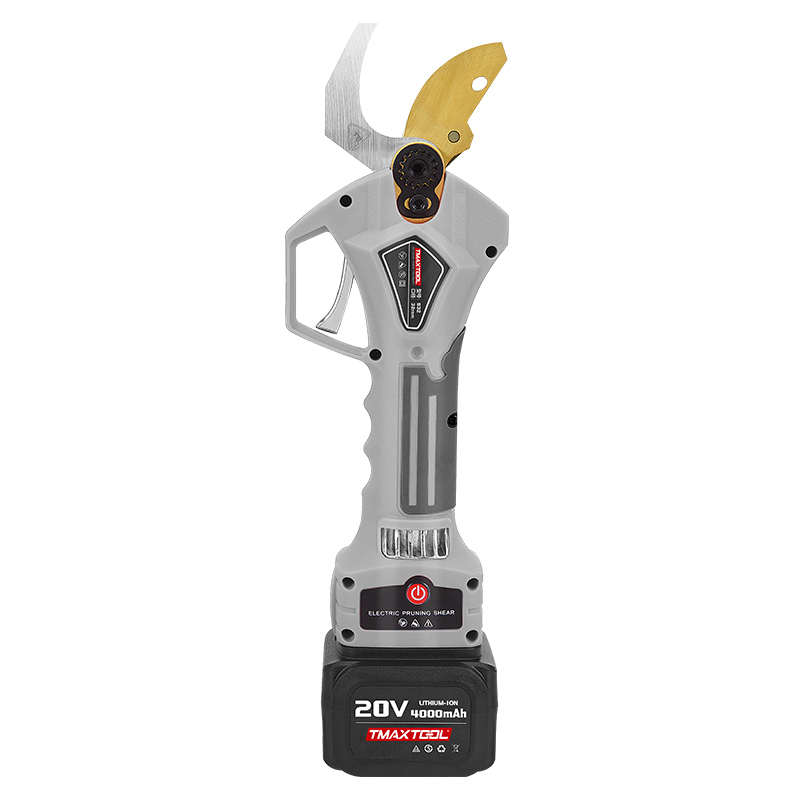 Batter Pruning Shears
 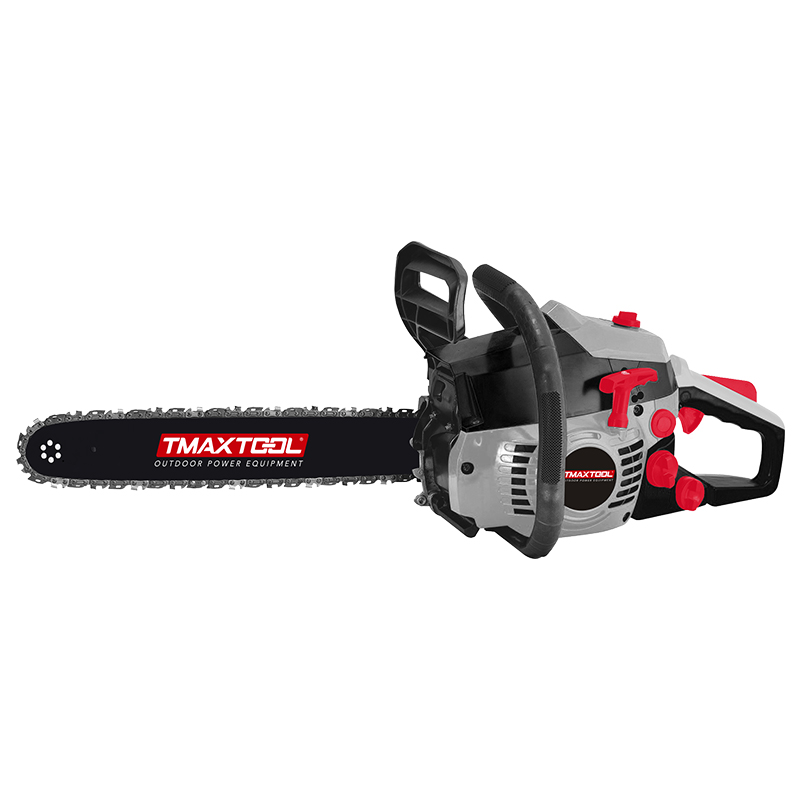 Chain Saw
 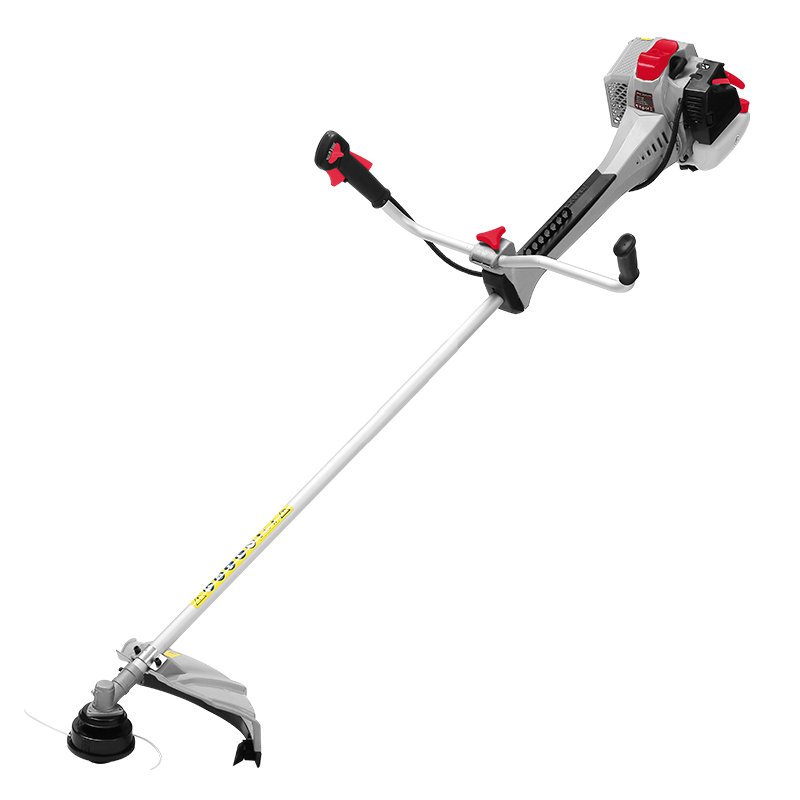 Brush Cutter
 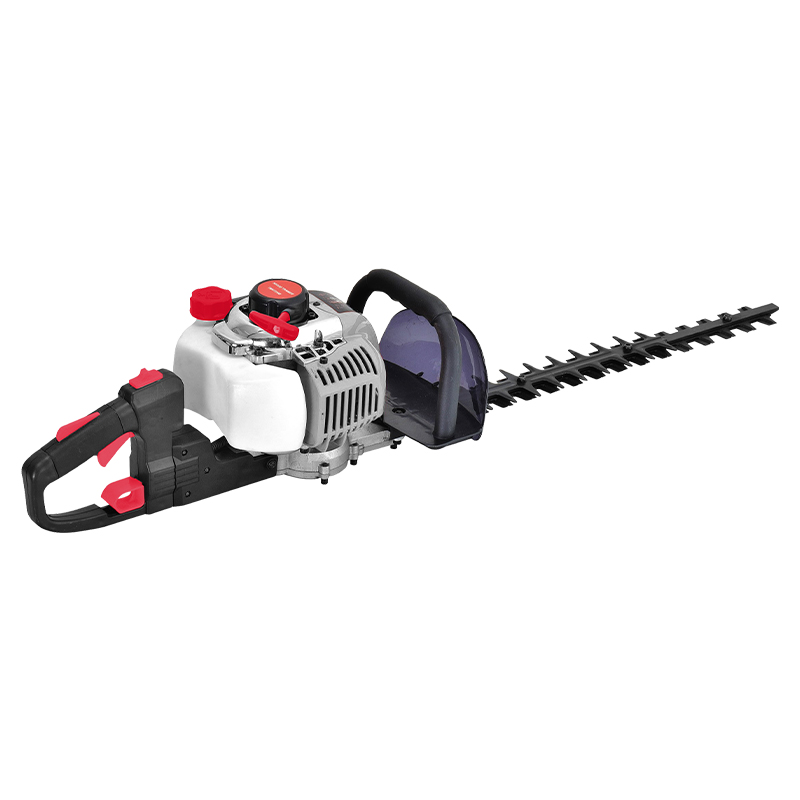 Hedge Trimmer
 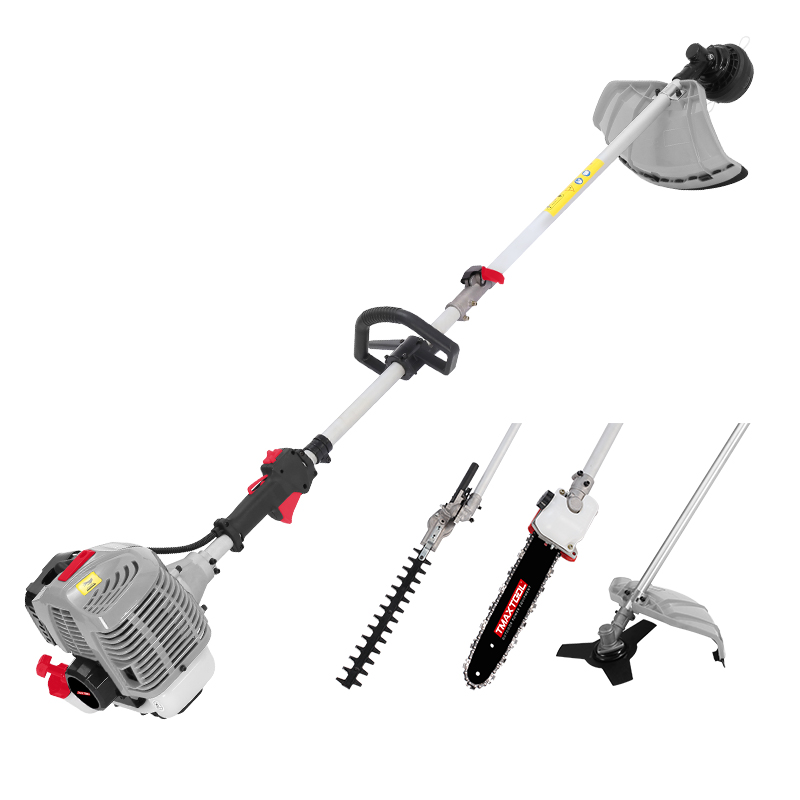 Multi Tool
 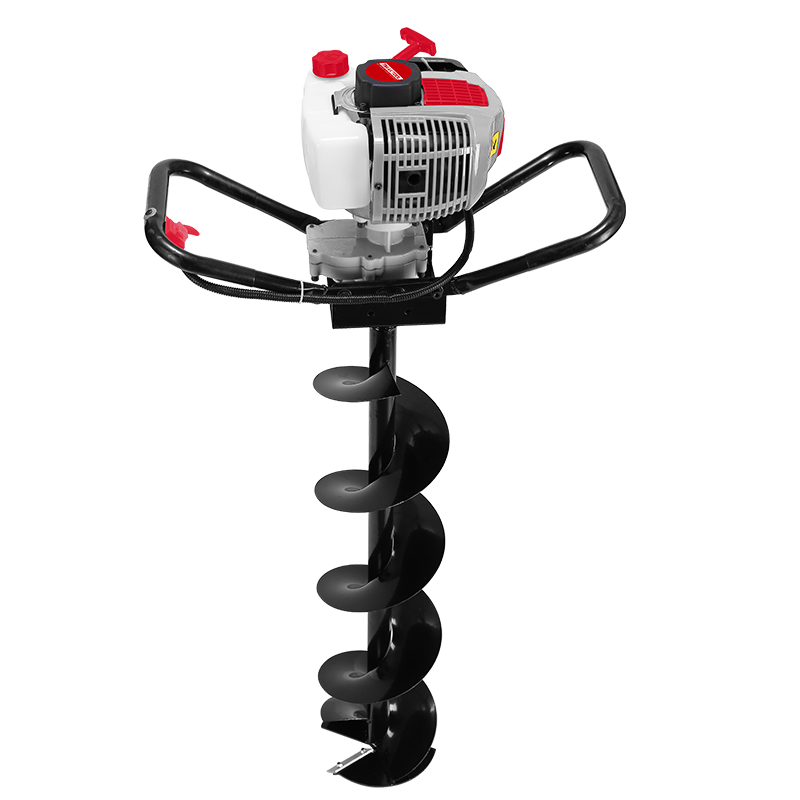 Earth Auger
 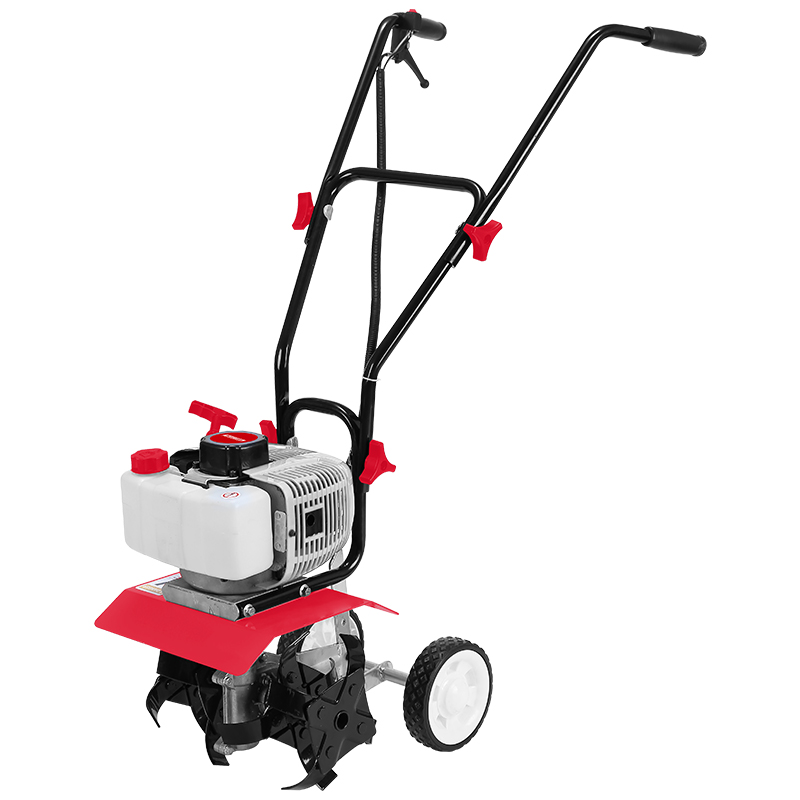 Tiller
 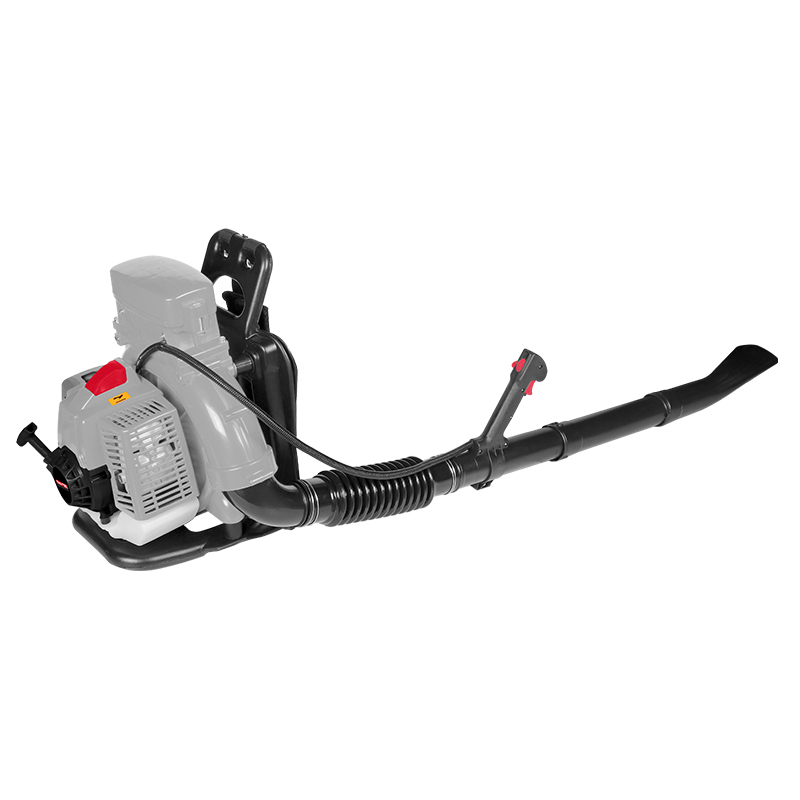 Blower
 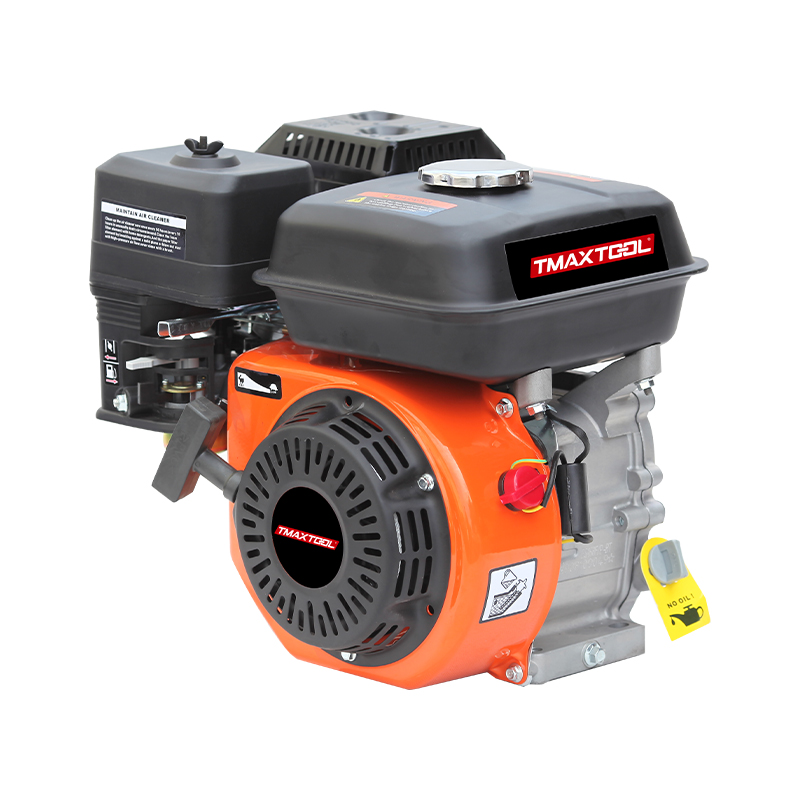 4 Stroke Gasoline Engine
 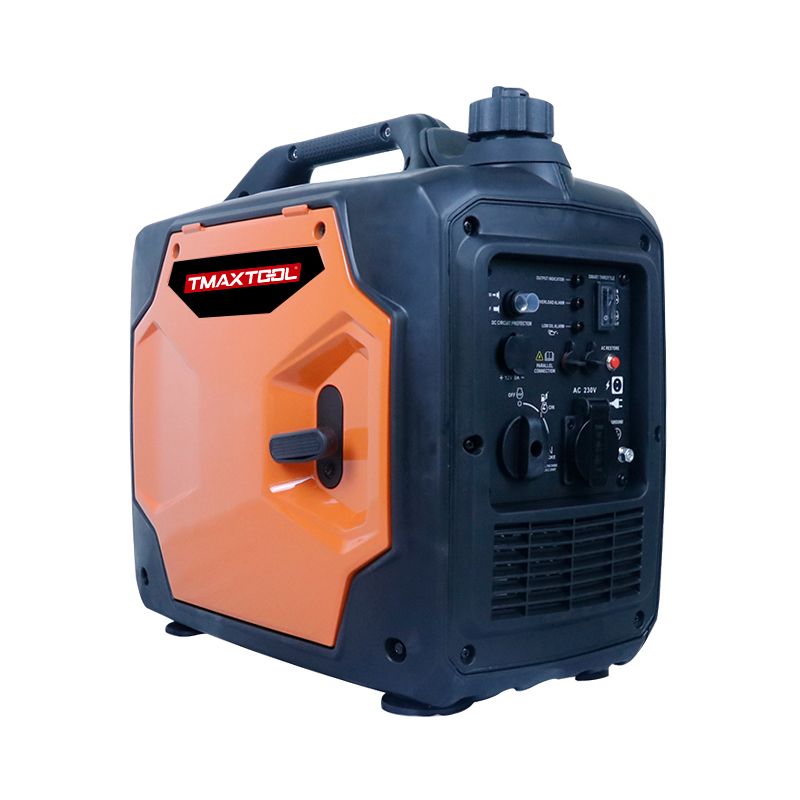 Generator
 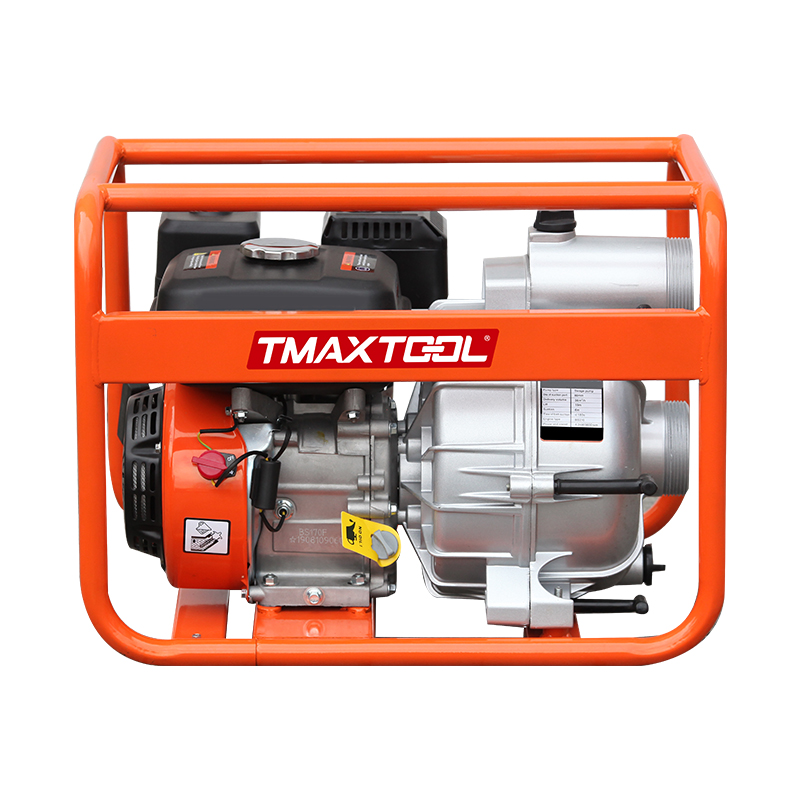 Water Pump
 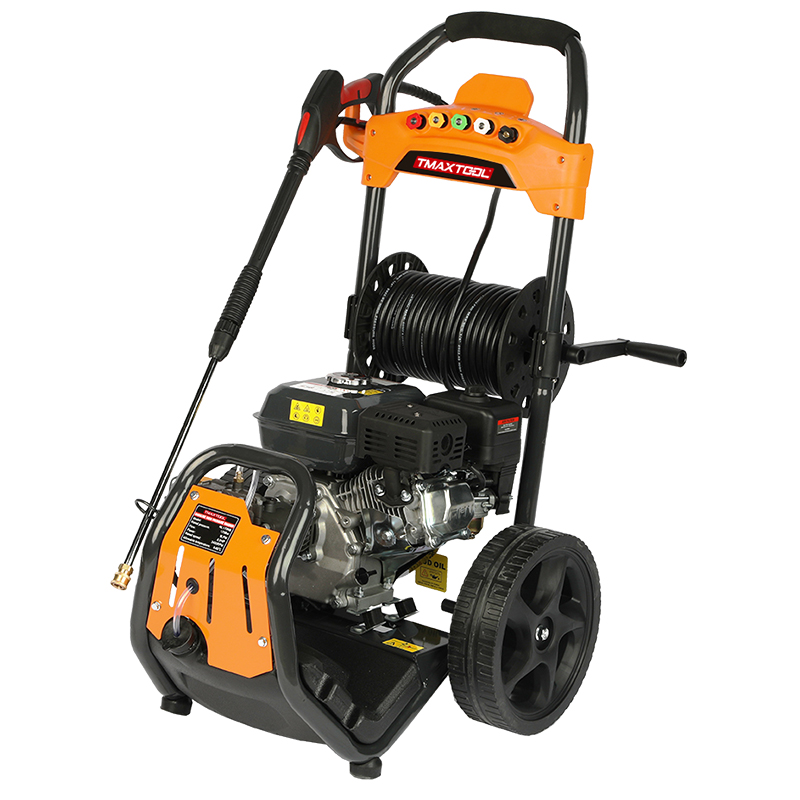 High Pressure Washer
 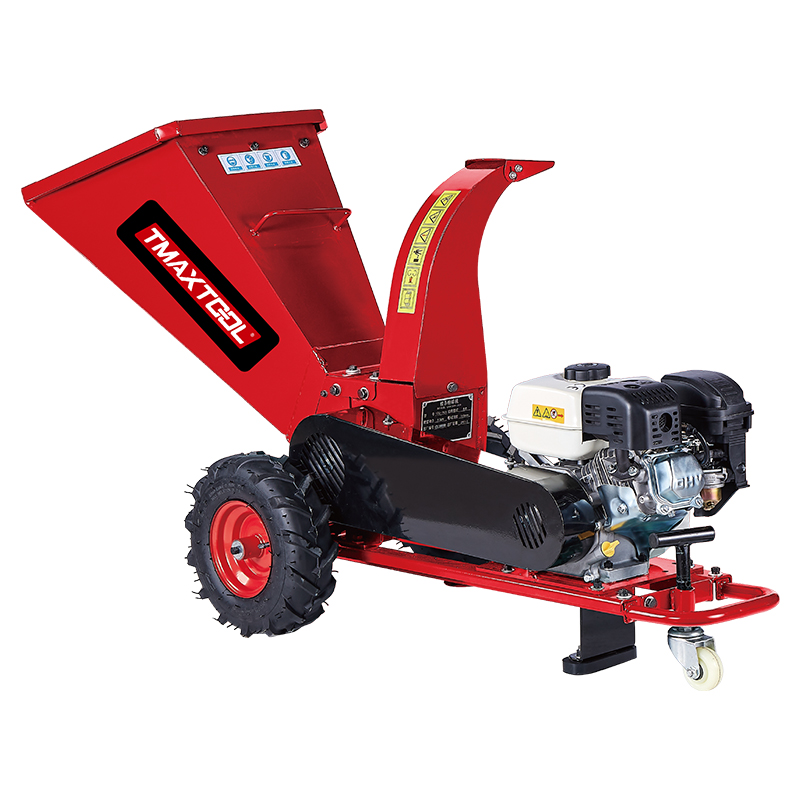 Wood Cutter
 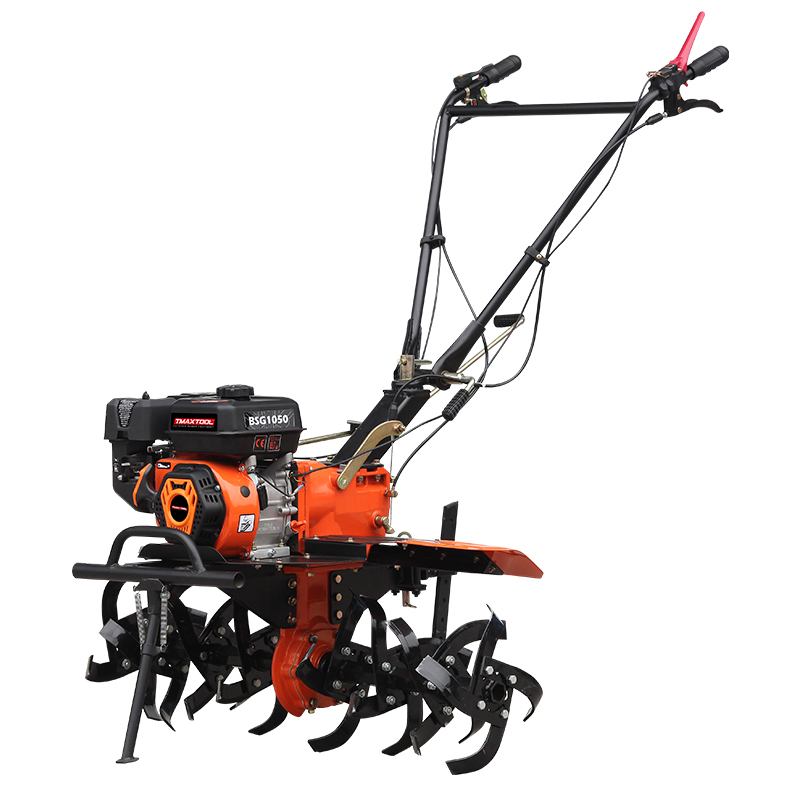 4 Stroke Tiller
 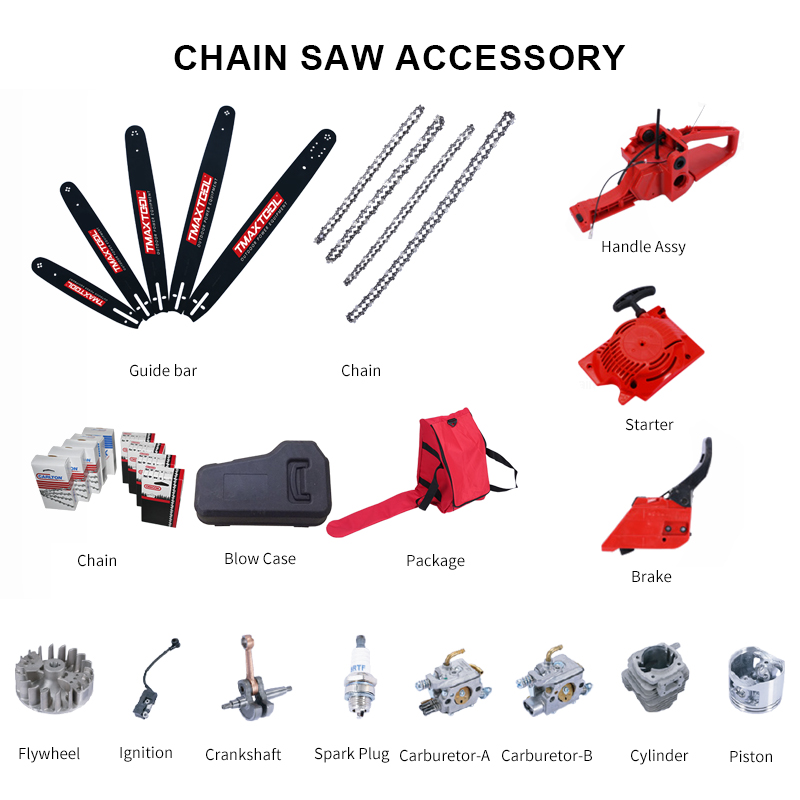 Chain Saw Accessory
 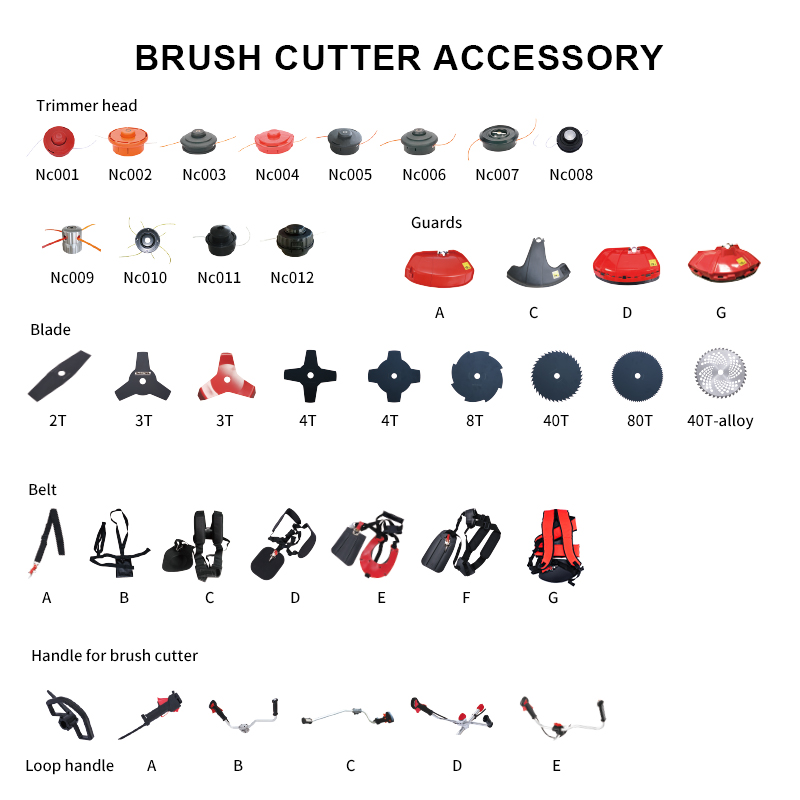 Brush Cutter Accessory
 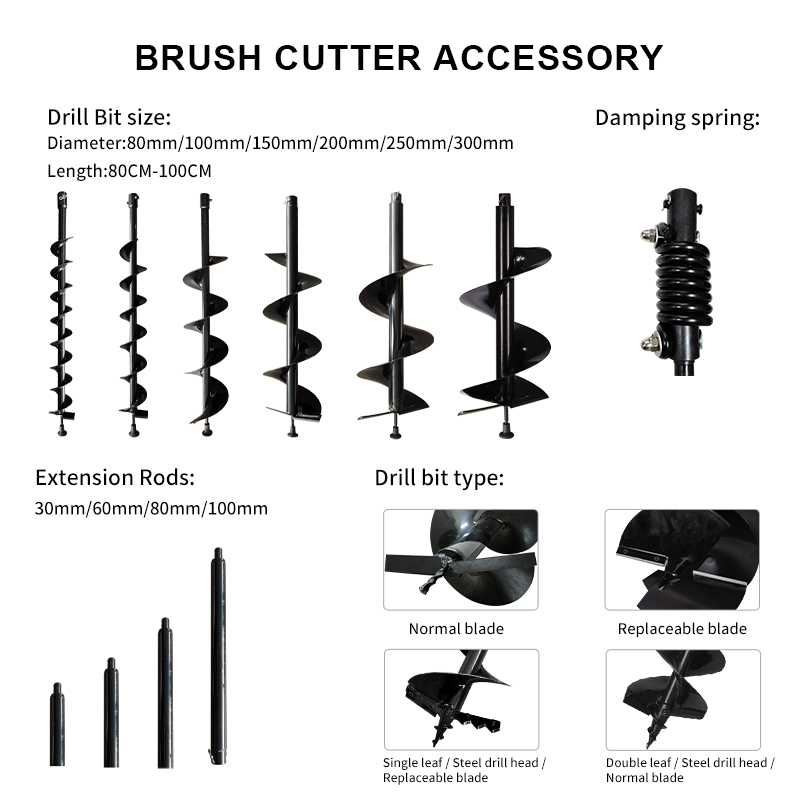 Earth Auger Accessory
  Protective Equipment Accessories


