You know, the Chain Saw Machinehas really become a go-to tool in various industries these days. If you ask me, especially in forestry and construction, these things are pretty much everywhere. I came across a report from Smith & Associates recently — turns out the global market for Chain Saws is expected to hit around $1.5 billion by 2025. Crazy, right? That just goes to show how much people want efficient cutting tools. But, with all that demand, there's definitely a big responsibility when it comes to safety and making sure operators know what they’re doing.
Dr. John Miller from TimberTech puts it nicely — he says, “Understanding how a Chain Saw Machine operates is crucial for effective and safe usage.” And honestly, that’s such an important point. There’s often this misconception that these machines are simple to handle, but that’s not really the case. A lot of accidents happen because folks underestimate just how complex and powerful these saws can be.
As more people jump into fields where they need a chain saw, it becomes even more essential to focus on proper training. Well-trained operators not only get the job done faster but also stay safe and sound. Even with all the tech advances, problems from misuse still happen way too often. I think we need to keep reaching for better training programs — it’s the best way to really make the most of modern chain saws while keeping everyone safe and sound.

What is a Chain Saw Machine?
A chain saw machine is a powerful tool for cutting wood. It consists of a motor, a guide bar, and a sharp chain. This tool is used mostly in forestry and gardening. It allows for quick and efficient cutting. The chain rotates at high speed around the guide bar. This movement helps it slice through various materials easily.
When considering a chain saw machine, pay attention to safety. Always wear protective gear, such as gloves and goggles. This is essential while operating the machine. Also, keep the chain sharp for better performance. A dull chain can create more wear and reduce efficiency. Researching Chain Saw Machine Price can help you make an informed choice.
Using a chain saw can be daunting. Proper training and practice are crucial. Many beginners underestimate its power. Always follow the manufacturer's guidelines. Mistakes can lead to serious injuries or damage. Take your time to learn and develop your skills. This will enhance both safety and effectiveness in your work.
History and Evolution of Chain Saw Technology
The history of chain saw technology dates back to the late 18th century. In 1780, a hand-held tool called the "osteotome" was designed for surgery. It eventually inspired the development of cutting tools for wood. By the early 20th century, the first motorized chain saw was created. These initial machines were heavy and cumbersome. They needed two people to operate effectively.
The post-World War II era saw significant advancements in design and functionality. Manufacturers recognized the need for portability. As a result, lighter models emerged. In the 1960s, innovation led to the introduction of the Chain Saw Cutting Machine. This revolutionized forestry work. Reports suggest that chain saws increased logging efficiency by over 50%. This boost allowed for faster timber harvesting, but it also raised concerns about deforestation and sustainability.
Today, chain saw technology continues to evolve. Modern machines feature improved safety controls and electric models. These advancements aim to lessen environmental impact. Yet, challenges remain. Many operators still lack proper training, leading to accidents. Data indicates that improper use accounts for a significant percentage of injuries. Balancing efficiency and safety is crucial as the industry moves forward.
Key Components of a Chain Saw: Anatomy Explained
A Chain Saw Wood Cutting Machine is a powerful tool designed for various cutting tasks. At its core, the chain saw consists of several key components, each playing a vital role in its operation. The most recognizable part is the chain. It has sharp teeth that rotate around a guide bar. This design allows for efficient cutting through wood and other materials.
Another essential component is the engine. Most chain saws have either electric or Gasoline Engines. According to industry reports, gasoline-powered models dominate the market due to their higher power and versatility. These engines typically produce between2 to 6 horsepower, making them suitable for heavy-duty tasks. Fuel consumption can vary, which poses a question about efficiency and environmental impact.
The safety features of a chain saw wood cutting machine are also crucial. Many models incorporate chain brakes and anti-vibration systems. These components help reduce user fatigue and improve safety. However, despite advancements, accidents still occur. Statistics reveal that thousands of chain saw-related injuries happen yearly. This highlights the importance of proper training and awareness when using these potent machines.
How a Chain Saw Works: The Mechanics Behind It
A chain saw machine is a powerful tool widely used in forestry and landscaping. Its effectiveness lies in its unique mechanism. A rotating chain, fitted with sharp teeth, moves around a guide bar. This design allows the chain saw to cut through wood with remarkable ease.
Understanding how a chain saw works involves looking closely at its components. The engine powers the chain's rotation. Most chain saws use a two-stroke engine, known for its high power-to-weight ratio. Reports indicate that the global chain saw market is expected to reach over $2 billion by 2027. However, many users may overlook the importance of maintenance. A dull chain can cause increased kickback and reduced efficiency, leading to frustration.
Safety is also a significant concern. Chain saws can be hazardous. In the U.S., over 36,000 injuries are reported annually related to chain saw usage. It highlights the importance of proficiency. Many new users lack proper training, leading to accidents. Education on using the tool safely is crucial for avoiding injuries. Regular inspection and blade sharpening can enhance performance and minimize risks. Even seasoned professionals need to remain vigilant and adaptable in their practices.
Chain Saw Performance Comparison
This chart illustrates the specifications of typical chain saw machines, comparing their power in horsepower, weight in pounds, bar length in inches, and speed in revolutions per minute. These parameters are essential for understanding the performance capabilities of chain saws.
Types of Chain Saws and Their Uses
Chain saws are versatile tools used for various cutting tasks. There are several types of chain saws, each designed for specific purposes. The most common types include electric, gas-powered, and battery-operated chain saws.
Electric chain saws are lightweight and ideal for small jobs. They are quiet and easy to maintain. Gas-powered models, on the other hand, are more powerful. They are suitable for larger tasks, such as logging or tree felling. Battery-operated chain saws provide mobility and are convenient for homeowners.
Tips: Always wear protective gear when using a chain saw. Safety glasses and gloves are essential. Take breaks to prevent fatigue. Chain saw operation can be tiring, and mistakes can happen. Check the chain tension before starting. A loose chain can cause accidents.
While using a chain saw, many overlook maintenance. A dull chain can lead to unsafe conditions. Regularly sharpen the chain and clean the bar. This ensures efficient cutting and extends the life of the tool. Always be aware of your surroundings when cutting. Distractions can lead to serious injury.
Safety Measures When Operating a Chain Saw
When operating a chain saw, safety is paramount. Always wear protective gear. This includes goggles, gloves, and sturdy boots. These items can help prevent serious injuries. It is easy to underestimate the dangers. A moment of distraction can lead to accidents.
Before starting your machine, inspect it thoroughly. Check the chain tension and make sure it is secure. If the chain is too loose, it can come off during use. This situation is risky and can cause harm. Also, ensure the fuel and oil levels are correct. An unserviced chain saw can malfunction.
While using the chain saw, maintain a firm grip. Use both hands on the handles. Stand in a stable position to avoid slipping. Keep the work area clear of obstacles. A cluttered space can lead to trips and falls. If you experience any kickback, step back immediately. It’s better to admit mistakes than to push through. Always stay alert and aware of your surroundings.
Maintenance Tips for Longevity of Chain Saw Machines
Maintaining a chain saw machine is essential for its longevity. Regular cleaning helps remove wood chips and debris. These can accumulate and affect performance. Check the air filter often. A clogged filter can reduce power and increase wear. Keep the chain well-lubricated. A dry chain leads to friction, which can cause overheating.
Inspect the chain tension regularly. A loose chain may derail, causing accidents. A tightly adjusted chain ensures smooth cutting. Look for signs of damage, like dull or broken teeth, and replace them when necessary. These little details can make a significant difference.
Even seasoned users can overlook simple maintenance tasks. Find a routine that suits you. Forgetting to clean the saw after each use can lead to bigger issues down the road. Always store it in a dry place to prevent rust. These practices can greatly enhance your Chain Saw Machine Wood Cutting efficiency. Regular vigilance makes your cutting tasks safer and more effective.
FAQS
: The service aims to provide accessible information to users. It focuses on user needs and delivers valuable insights.
Start by identifying specific questions. Navigate through categories to find relevant sections. Take your time to explore thoroughly.
Yes, some topics may be restricted or not fully covered. Additionally, responses can vary based on user inputs.
Absolutely! Follow-up questions are encouraged to gain clarity. Don't hesitate to ask if you need further information.
Information updates depend on various factors. However, strive to ensure accuracy as much as possible.
If you're unsure, please ask for clarification. It's important to address uncertainties in understanding.
Mostly, yes! Content may vary in complexity. Always consider the audience when seeking information.
Caution is advised in such situations. Use information as a guide, but seek professional advice for major decisions.
Feedback can be shared through designated channels. Your input helps improve the service, which is important for everyone.
Conclusion
A Chain Saw Machine is a powerful tool primarily used for cutting wood, designed with a rotating chain that moves along a guided bar. This article explores the history and evolution of chain saw technology, highlighting how it has transformed from a simple manual tool to the sophisticated machines we see today. Key components such as the engine, chain, and cutting bar are dissected to better understand their roles in the machine's functionality.
Additionally, the article delves into the workings of a chain saw, explaining the mechanics that allow it to perform efficiently. It outlines various types of chain saws tailored for specific uses, emphasizes essential safety measures for operation, and provides maintenance tips to ensure the longevity of chain saw machines. This comprehensive overview is crucial for anyone looking to utilize these machines effectively and safely in their woodworking tasks.

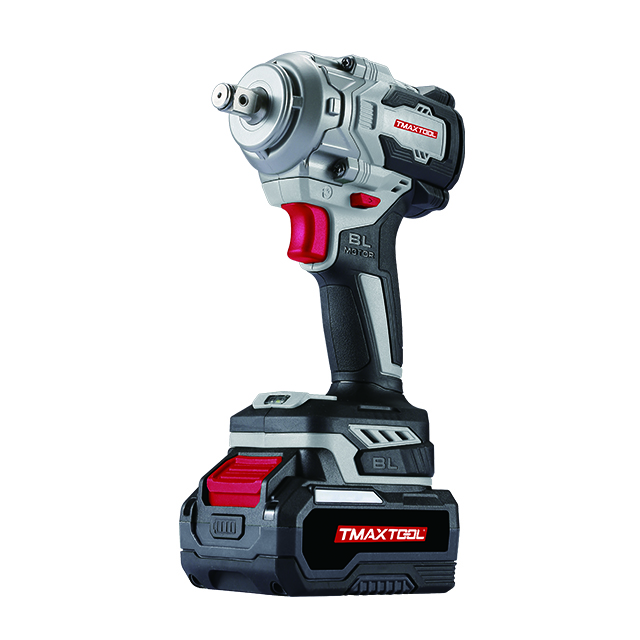 Impact Wrench
 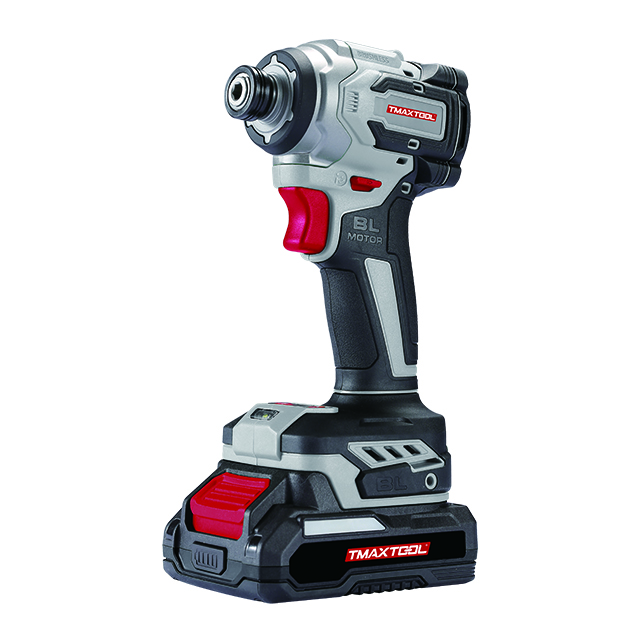 Screwdriver
 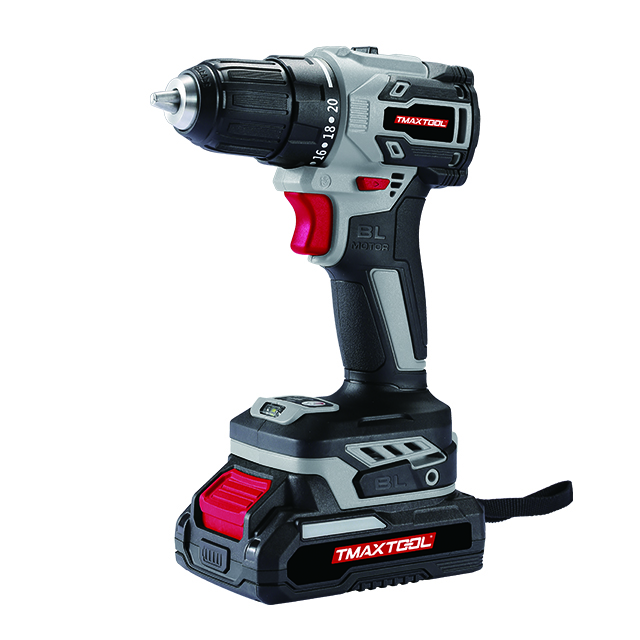 Cordless Drill
 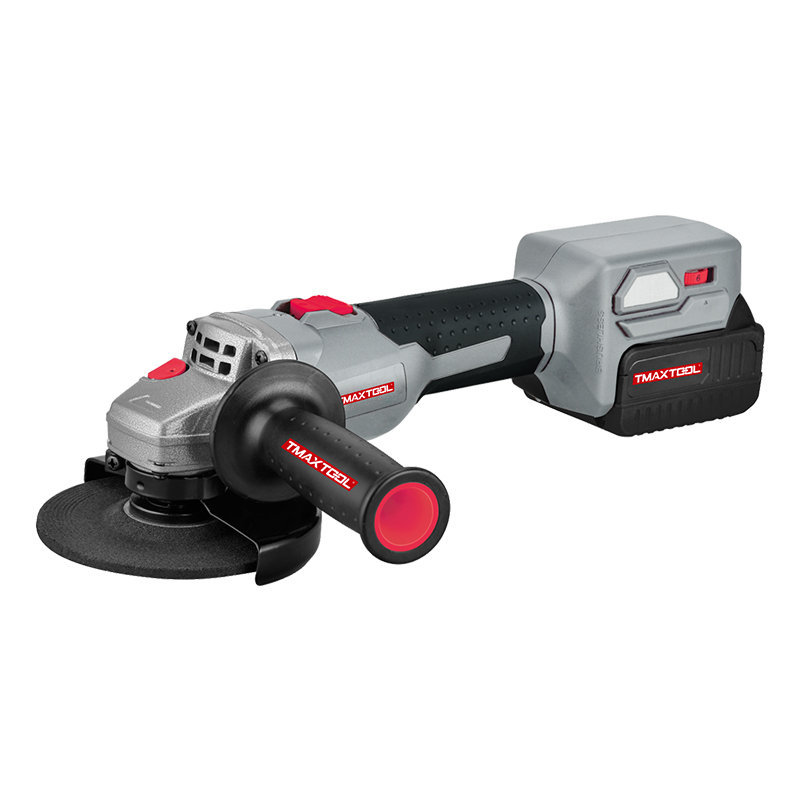 Angle Grinder
 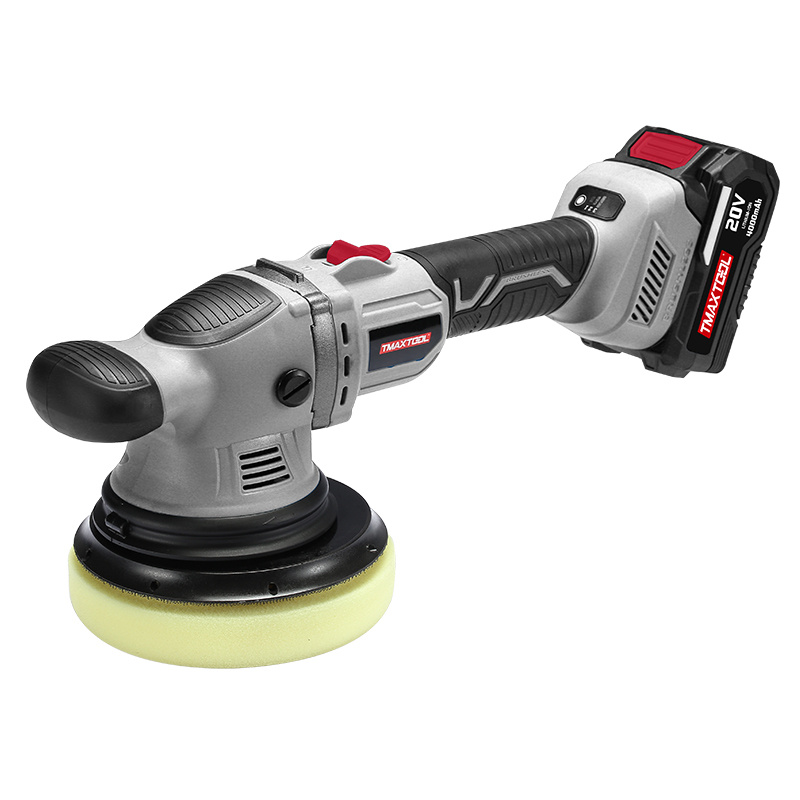 Polisher
 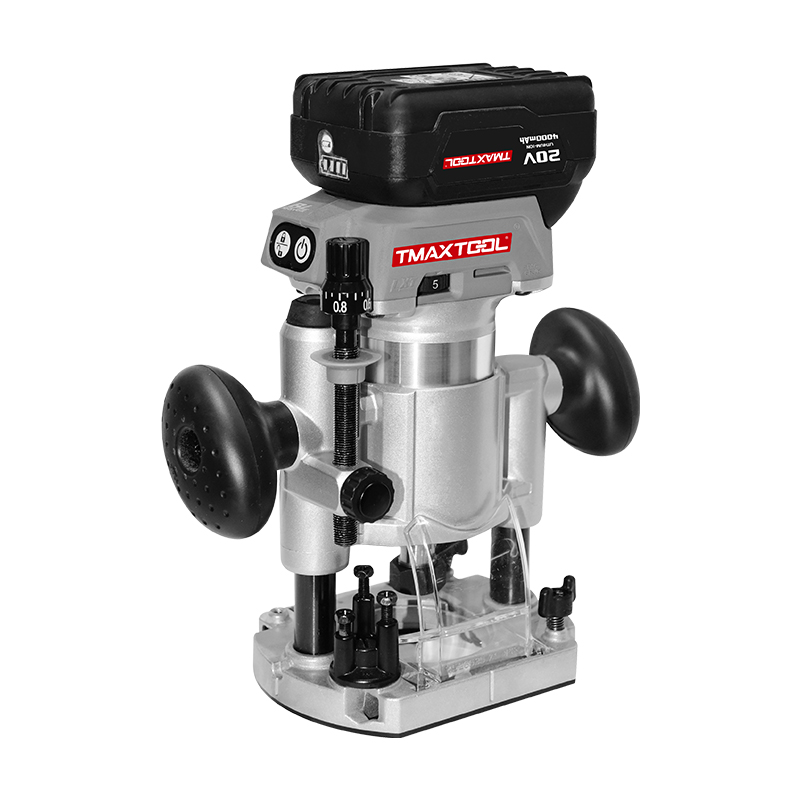 Wood Router
 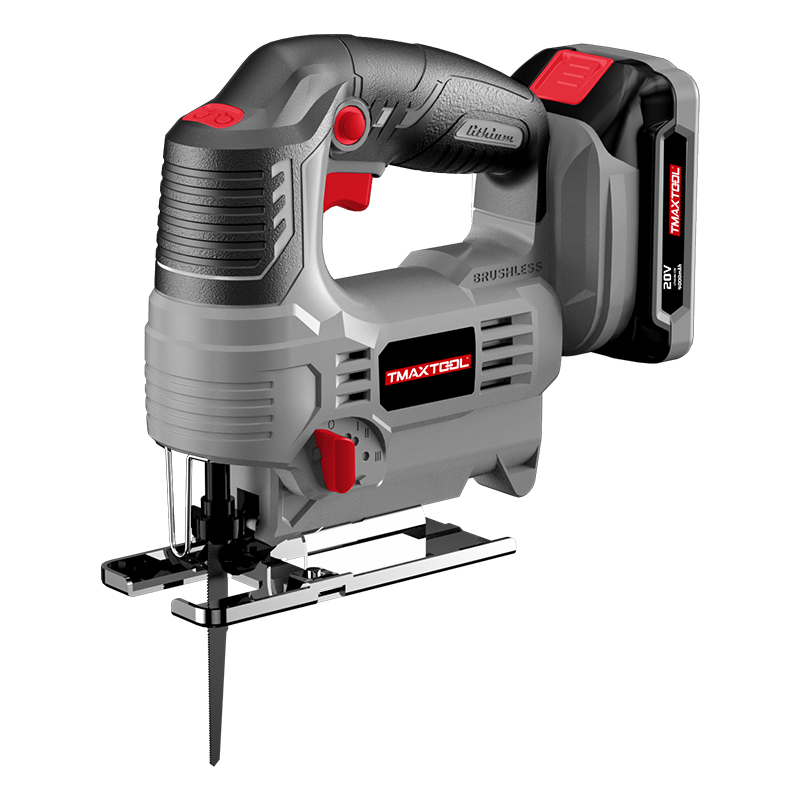 Jig Saw
 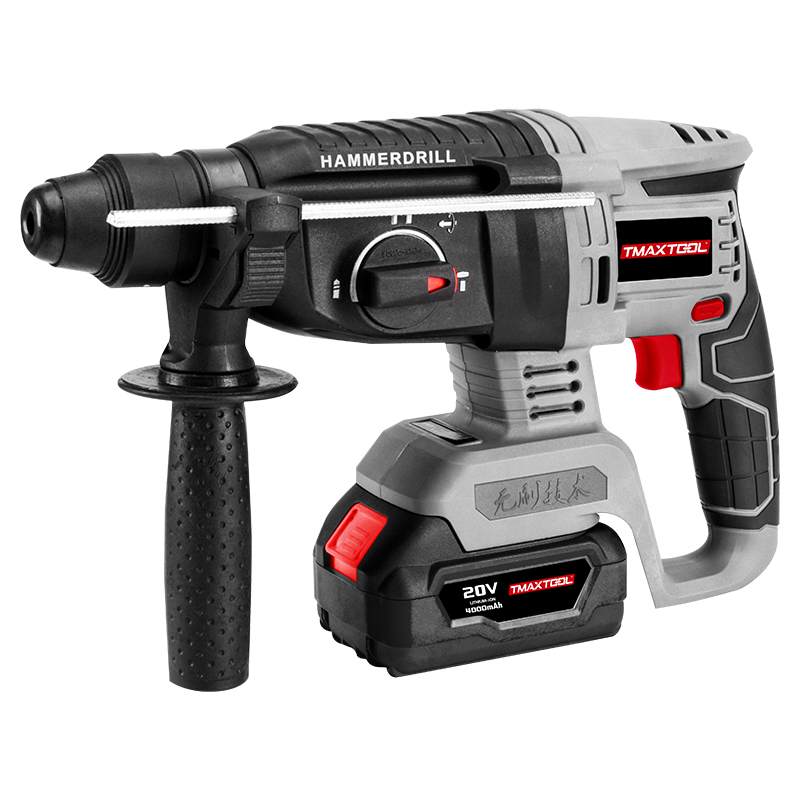 Hammer Drill
 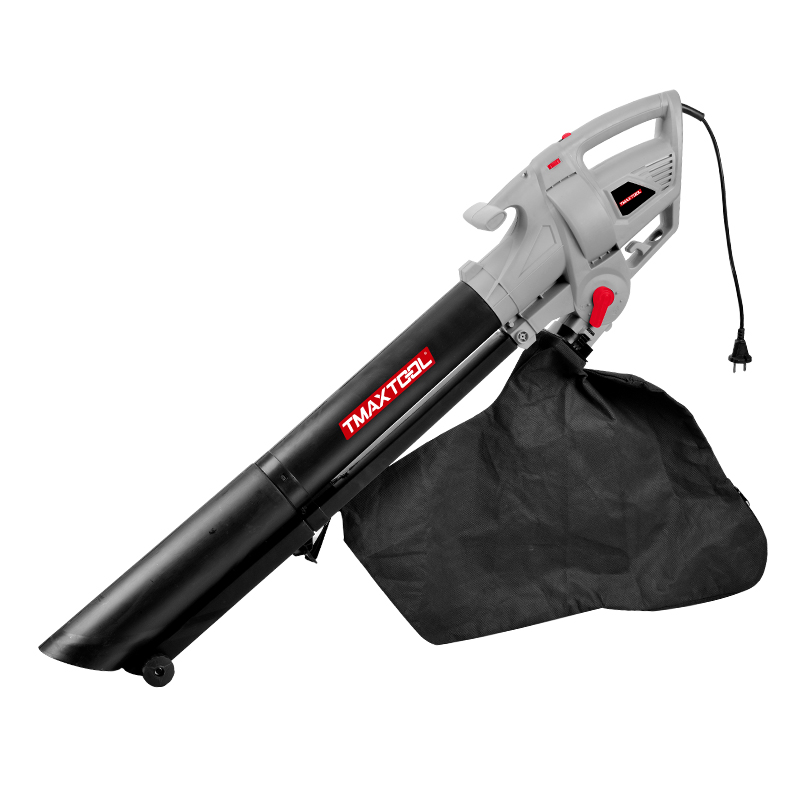 Portable Blower
  Orbital Sander
 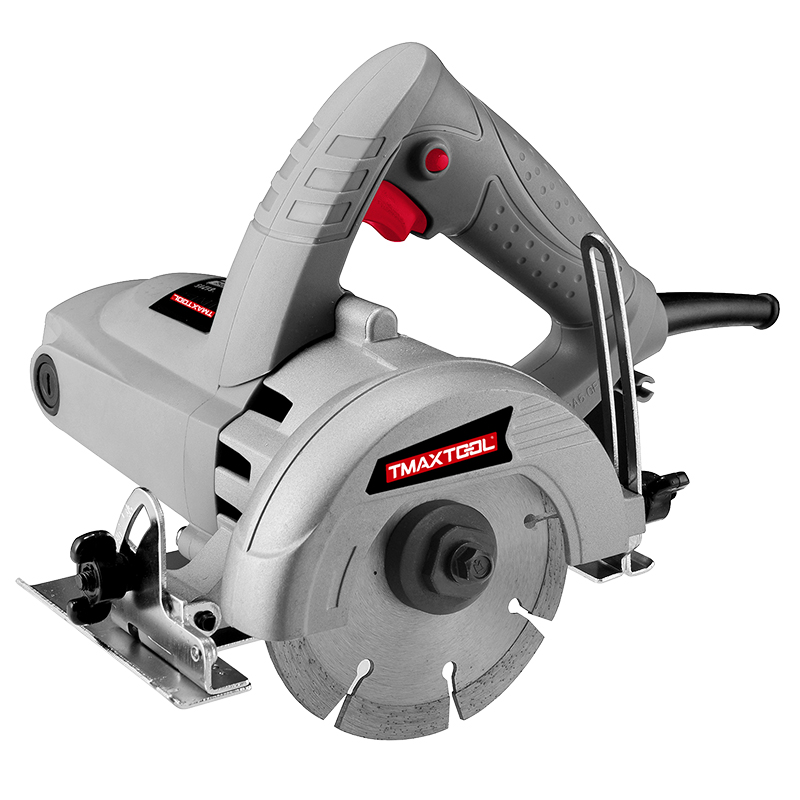 Marble Cutter
  GARDEN TOOLS
 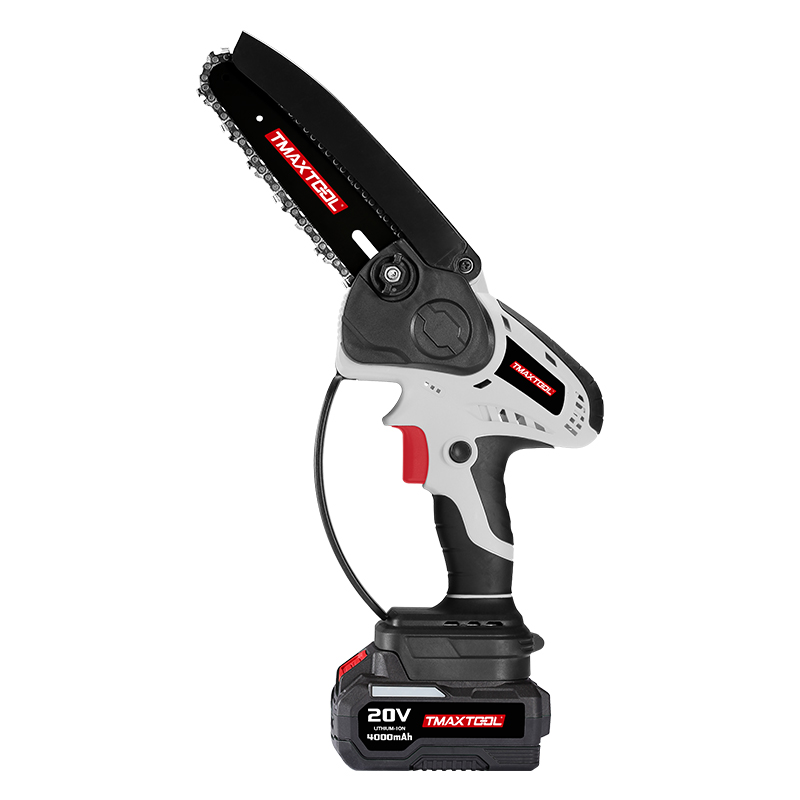 Battery Chain Saw
 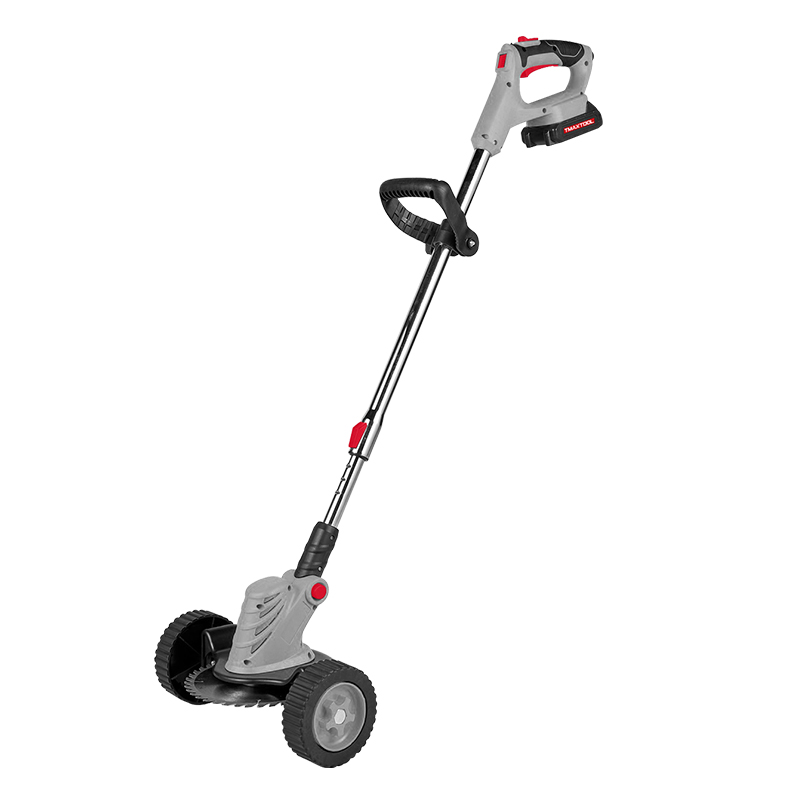 Battery Brush Cutter
 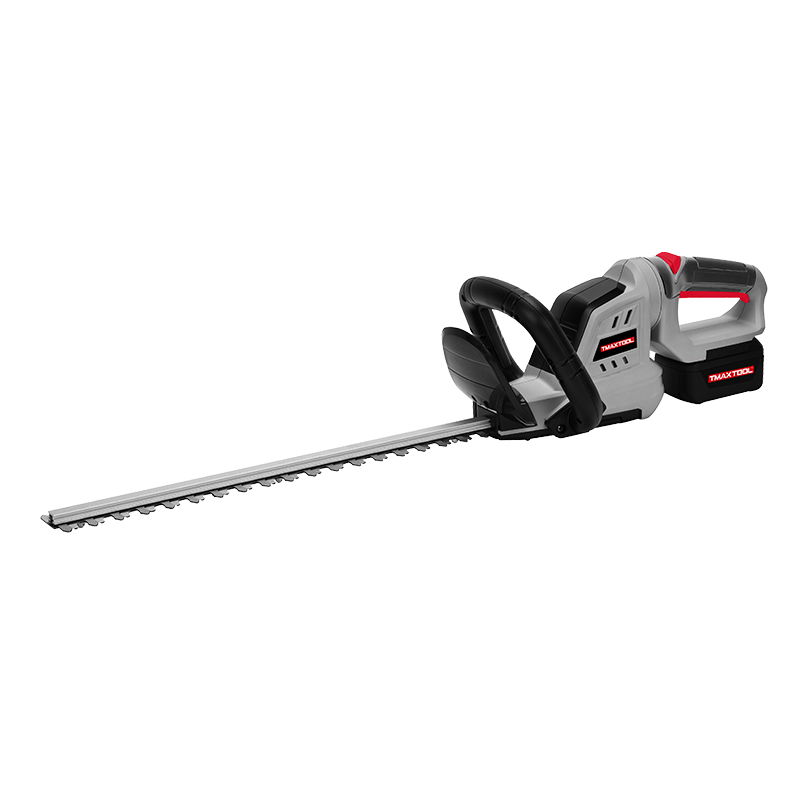 Battery Hedge Trimmer
 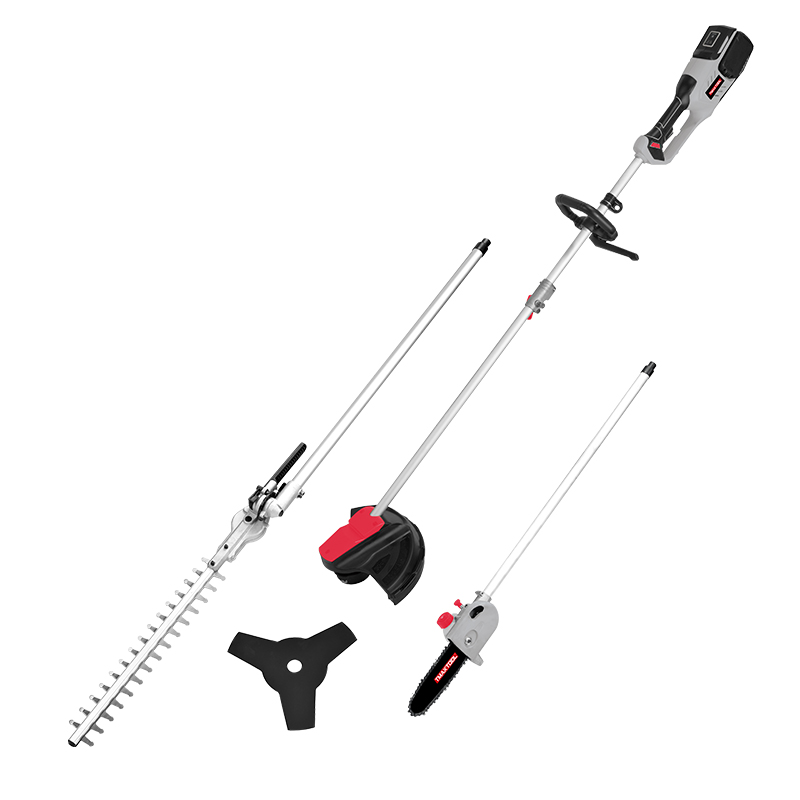 Battery Multi Tool
 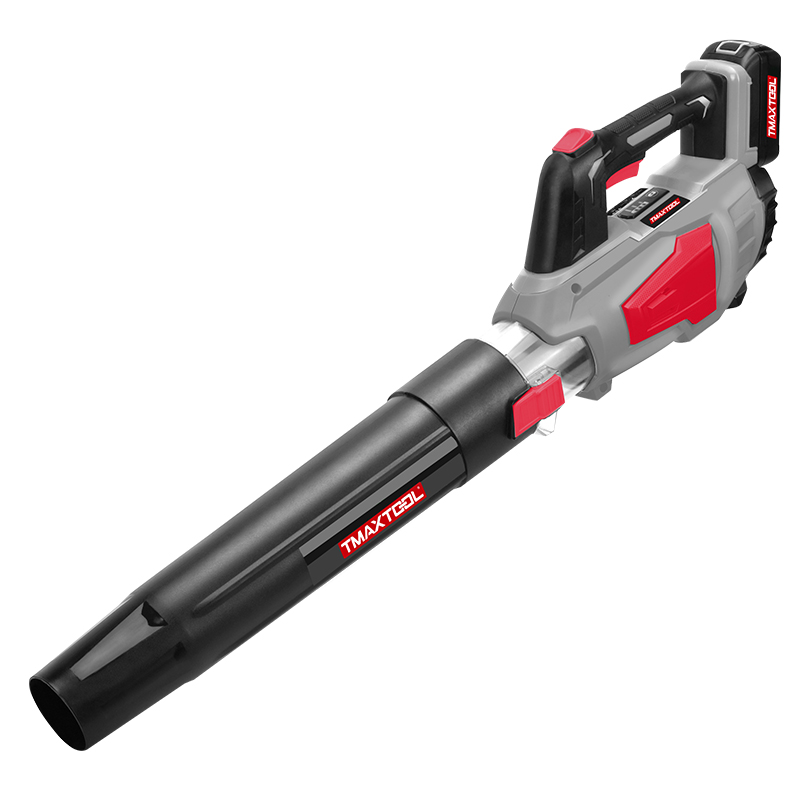 Battery Blower
 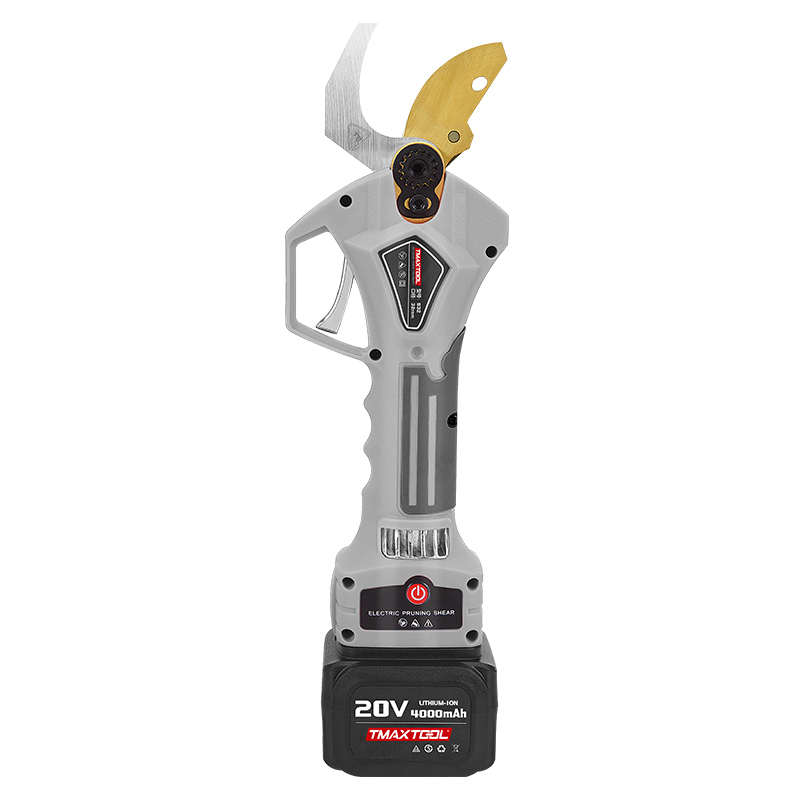 Batter Pruning Shears
 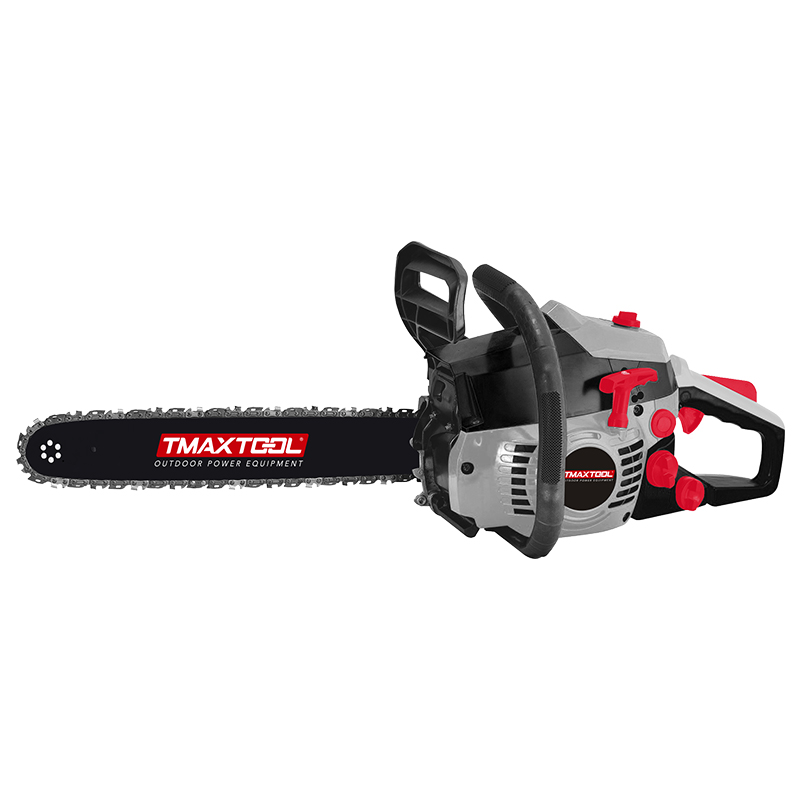 Chain Saw
  Brush Cutter
  Hedge Trimmer
 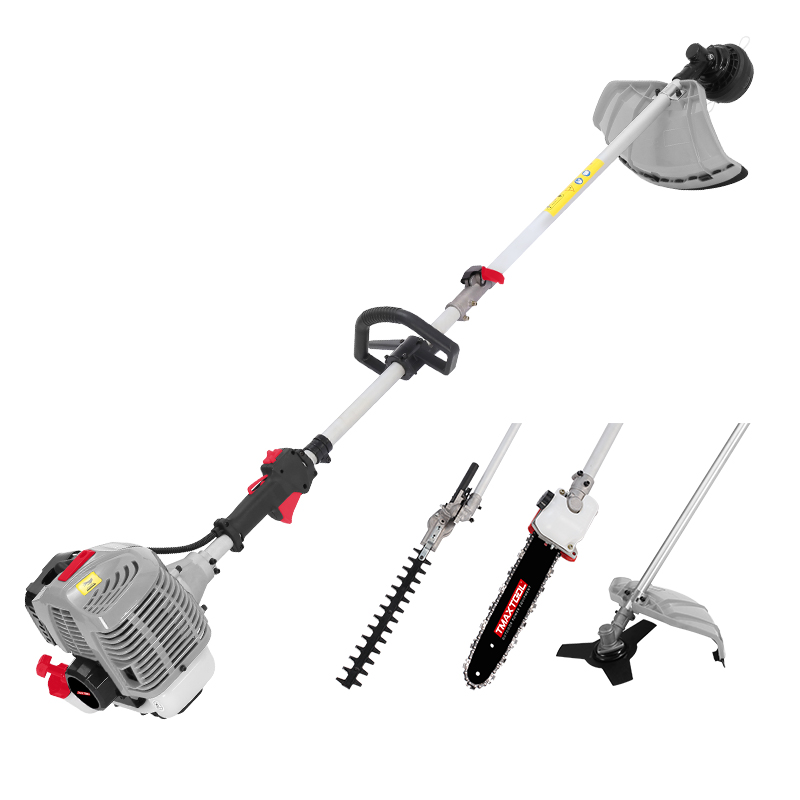 Multi Tool
 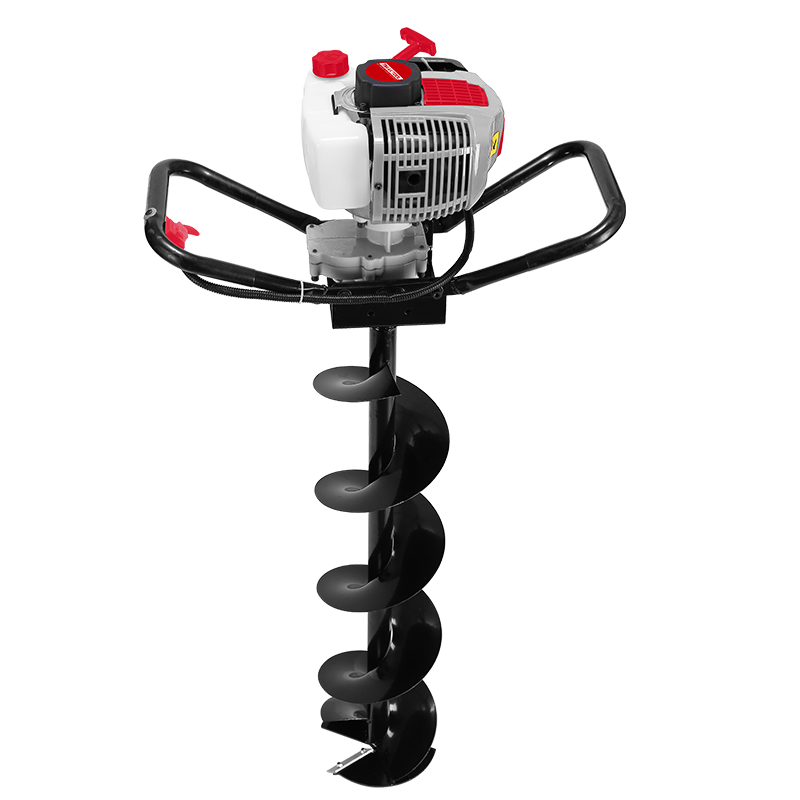 Earth Auger
 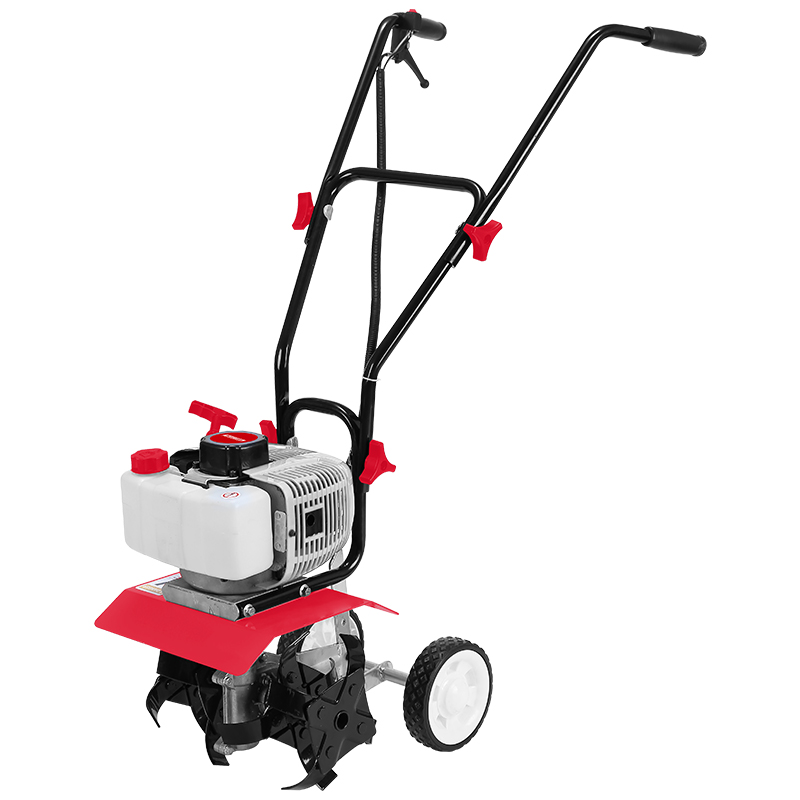 Tiller
 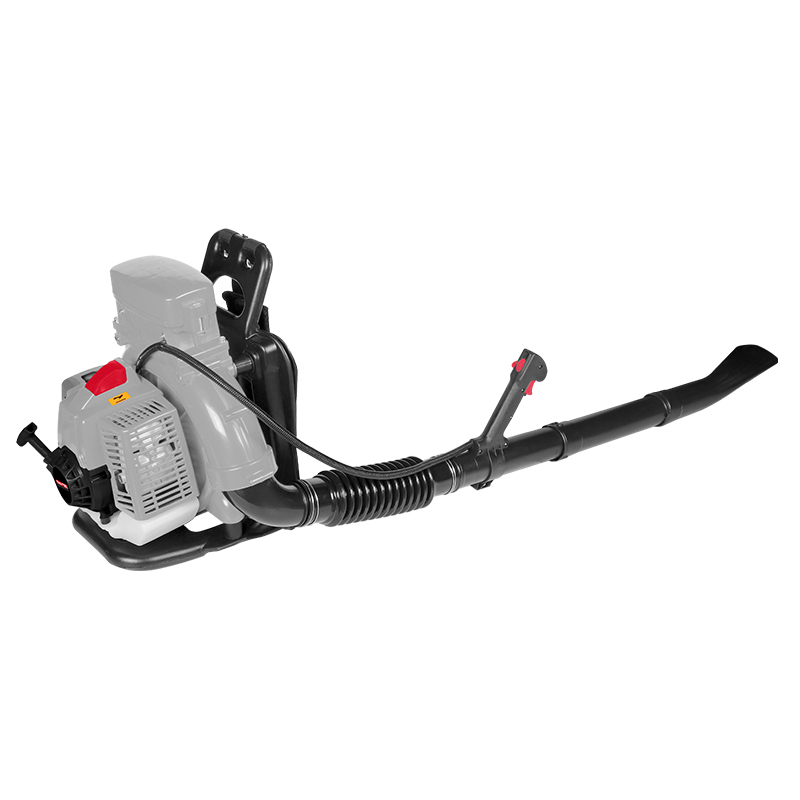 Blower
 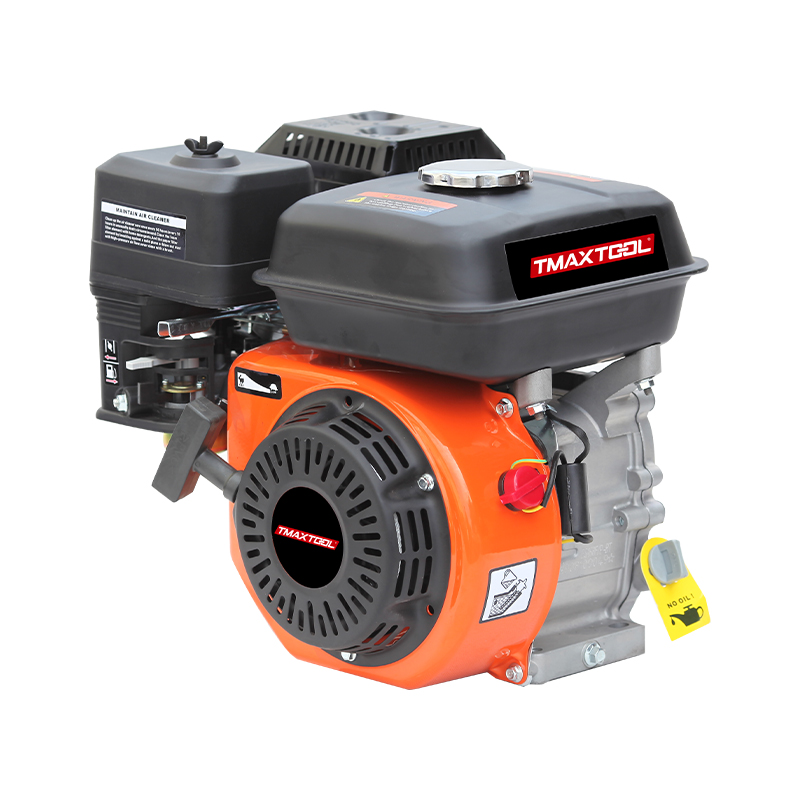 4 Stroke Gasoline Engine
 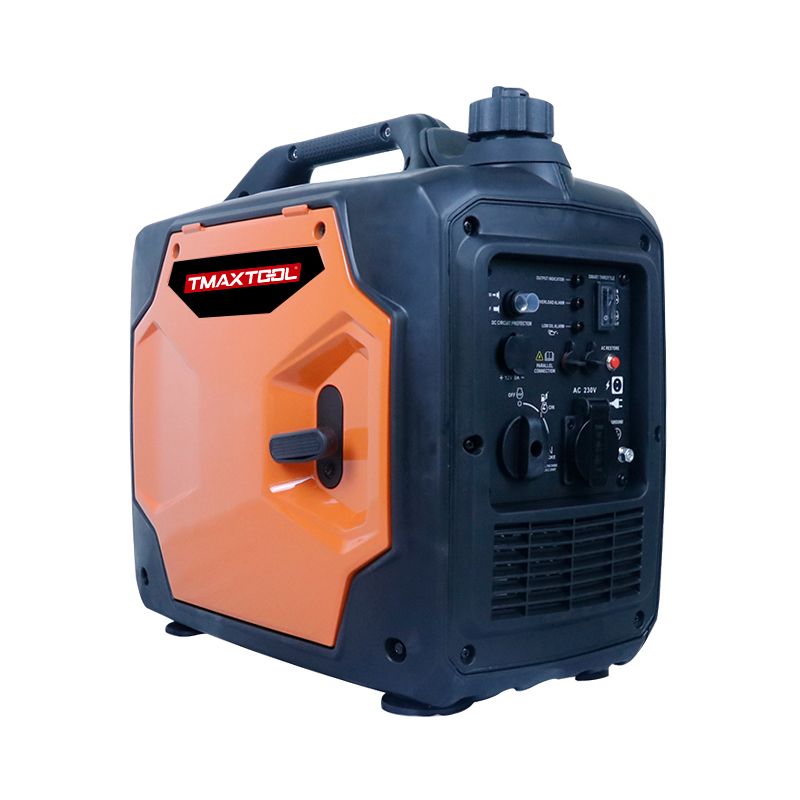 Generator
 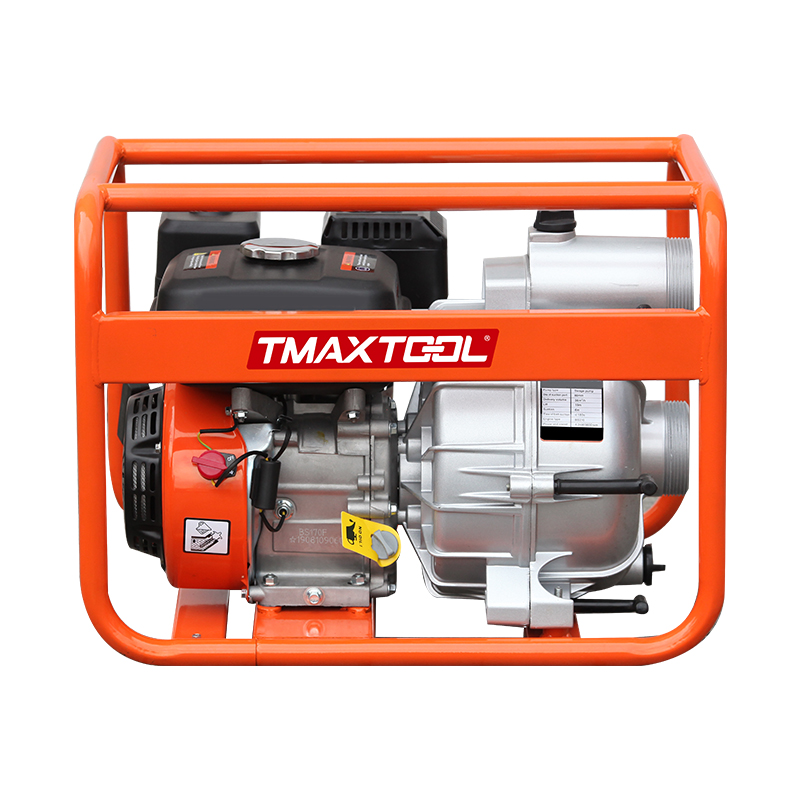 Water Pump
 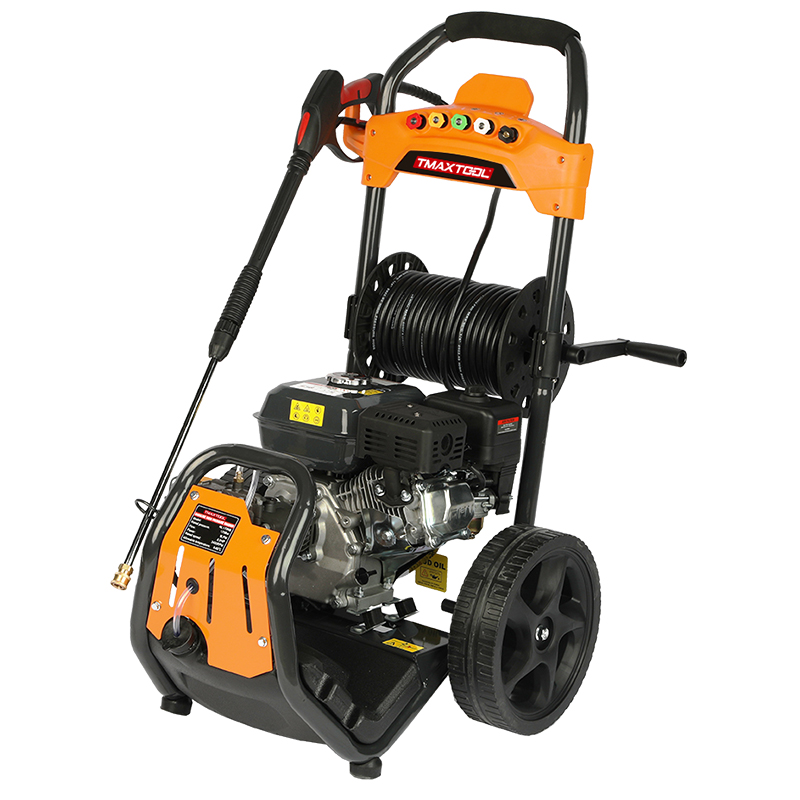 High Pressure Washer
 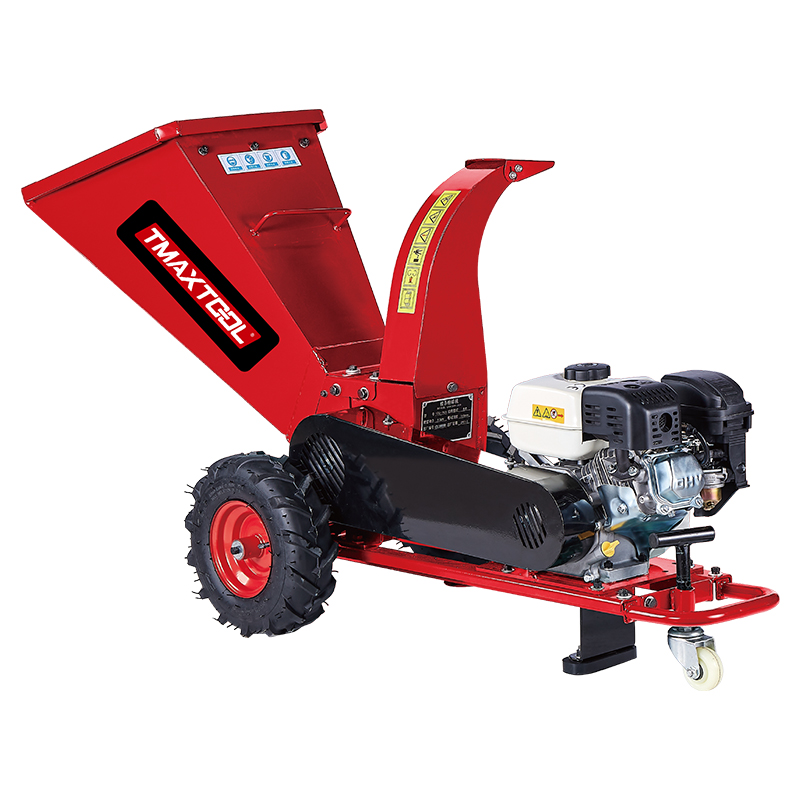 Wood Cutter
 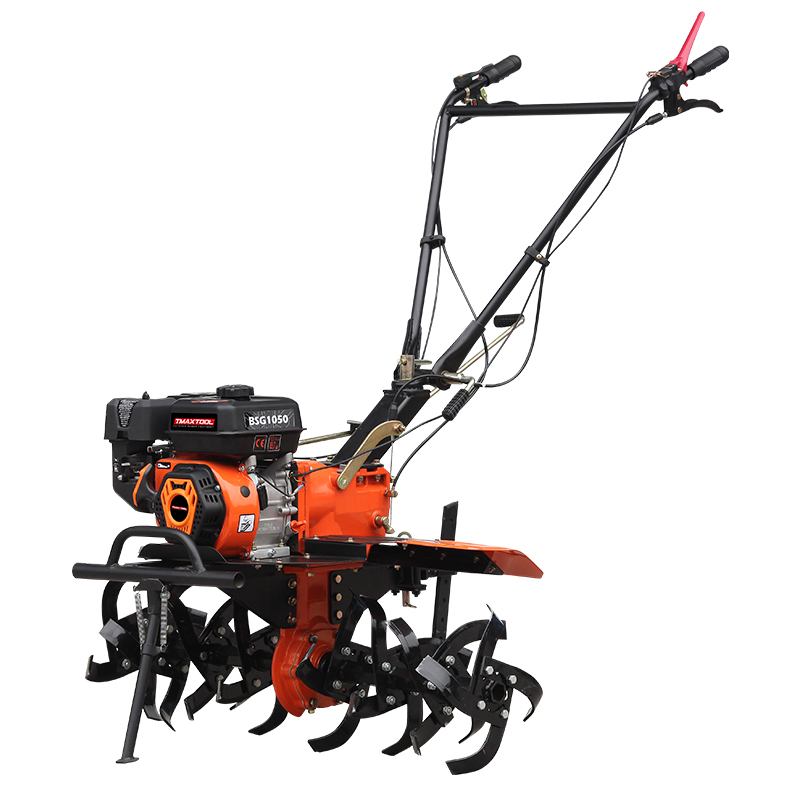 4 Stroke Tiller
 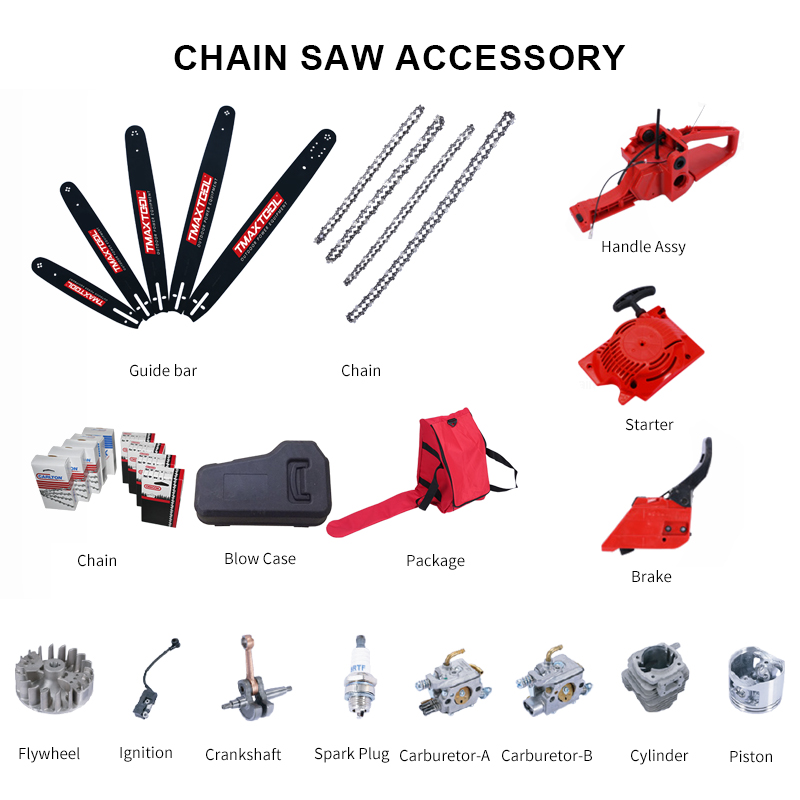 Chain Saw Accessory
 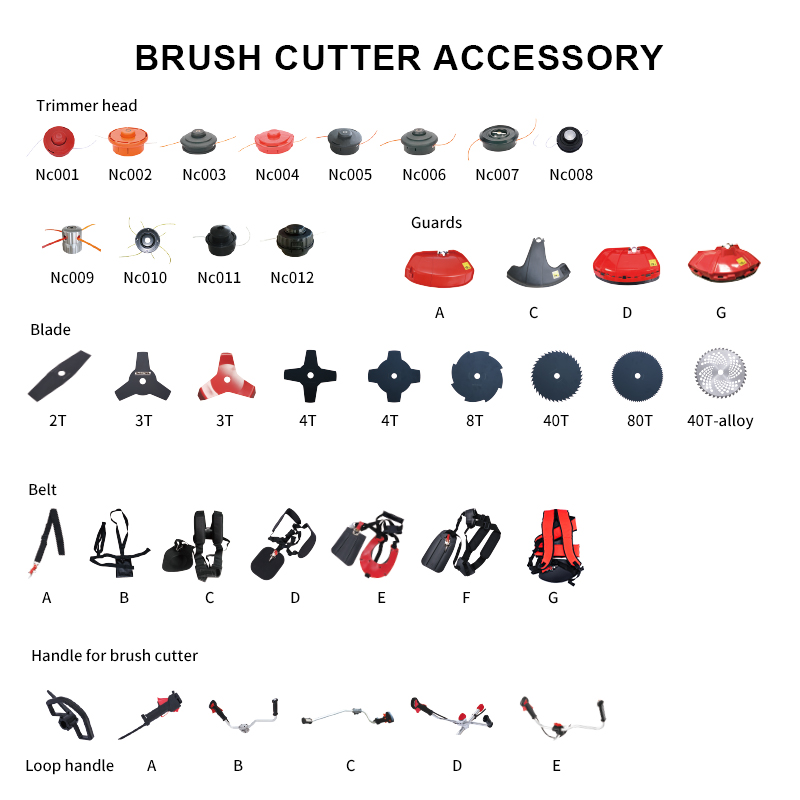 Brush Cutter Accessory
 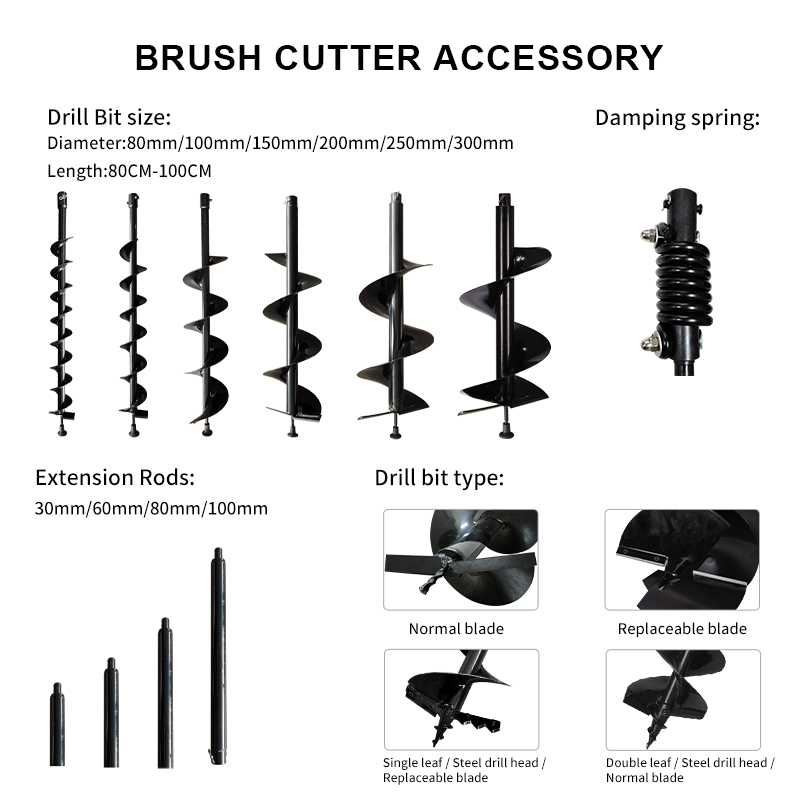 Earth Auger Accessory
 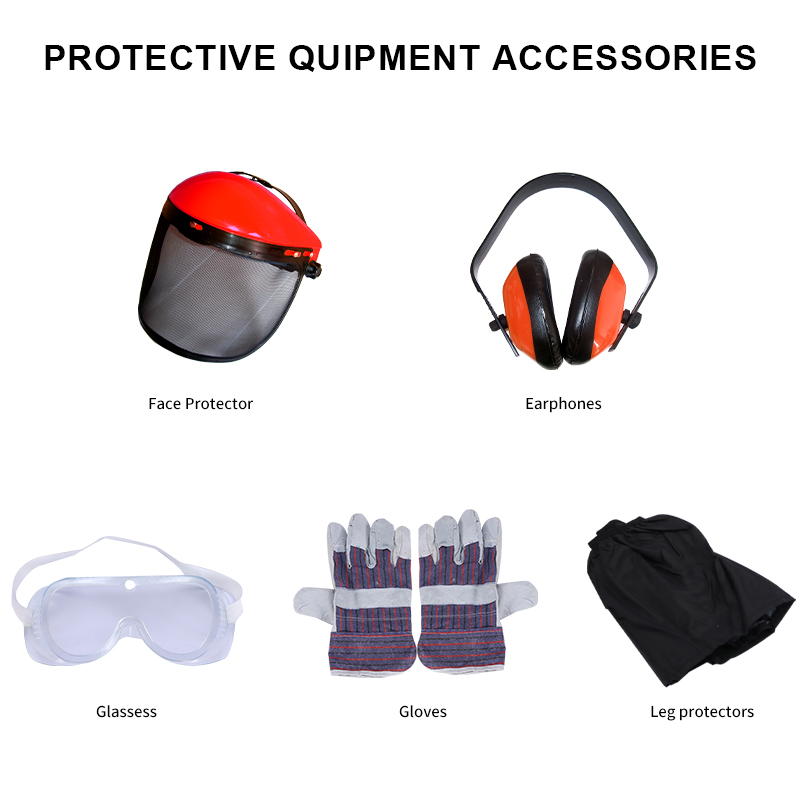 Protective Equipment Accessories


