When you’re diving into DIY projects, picking the right tools can really make all the difference—both in how good your work turns out and how smoothly everything goes.  One tool that’s pretty much a must-have in any toolkit is the Electric Drill. It’s super versatile—you can use it for drilling holes or screwing things in, and it’s really handy for so many tasks. At Jinhua U Win Import & Export Co., Ltd., with our trusted brand TMAXTOOL, we totally get how important it is to choose the right electric drill that fits your needs, whether you’re a beginner or a pro. We offer a wide range of high-quality power tools, including various drills, so you can count on finding reliable gear that’s built to perform. This little guide is here to help you keep in mind what to look for when picking out a drill—so you can make smarter choices and make your DIY projects a lot more enjoyable and successful.
Understanding Different Types of Electric Drills for DIY Tasks
Picking out the right electric drill for your DIY projects can feel a bit overwhelming at first, right? Honestly, it’s pretty helpful to know a bit about the different types out there and what they’re best at. For stuff around the house—like driving screws or drilling small holes in wood—a basic Cordless Drill driver usually does the trick. But if you’re tackling tougher jobs, say working with brick or concrete, you might want to go for a hammer drill. Those things pack a punch, literally—they hammer away to help you drill through hard surfaces faster and more easily.
And then there’s the impact driver, which is awesome when you need to drive screws into dense materials without ruining the screw or the material. It’s a lifesaver if you’re working with long screws or really thick wood. Oh, and if you’re into heavier-duty stuff, SDS drills are pretty much the professional’s best friend—they handle tough jobs like a champ and are great for serious DIYers or pros. Bottom line: picking the right drill for what you’re working on can seriously make your projects smoother, quicker, and a lot more fun.
---
Key Features to Consider When Selecting an Electric Drill
Picking out the right electric drill for your DIY projects isn't always straightforward, but a few key things can really help you make the right call. First off, think about how the drill gets its power. You’ve got corded models that stay plugged in, offering consistent power—even for the heavy-duty stuff—and then there are cordless ones that, honestly, give you a lot more freedom to move around without being tied down. If you’re looking at cordless drills, pay attention to the voltage—it’s usually a good indicator of how much punch the drill has. Higher voltage tends to mean it can handle tougher materials, so keep that in mind.
Next up, look at the chuck size—that’s the part that holds your drill bits. They usually come in 1/2-inch or 3/8-inch sizes. A bigger chuck is great if you're planning to use bigger bits for bigger projects. Oh, and don’t forget about speed settings—being able to adjust the speed gives you way more control, especially when working with different kinds of materials.
Lastly, ergonomic stuff matters too—think about the weight and how comfortable the handle feels. If it’s heavier or awkward to hold, it’s going to be tiring to work with over time. So, keep these things in mind, and you’ll find a drill that actually suits your DIY style perfectly.
Assessing Power and Speed: Choosing the Right Specifications
Looking to pick out the right electric drill for your DIY adventures? It’s super important to think about both power and speed to get the best results. Basically, a drill’s power is usually measured in watts or amps, and this directly affects how well it can handle different materials. If you're just doing light stuff—like drilling into soft wood—a less powerful drill might do the trick. But if you're planning to work with tougher stuff like metal or brick, you’ll probably want something more heavy-duty. Generally, a drill that’s around 500 watts or more gives you enough versatility to tackle a wide range of projects without breaking a sweat.
And let’s not forget about speed—this is another key feature that can really make your drilling easier. Most drills have variable speed controls, usually from 0 up to about 3,000 RPM. Higher speeds mean quicker drilling, which is great for soft materials, while slower options give you more control when dealing with harder surfaces. Oh, and having a reversible function is a game-changer too, making it easy to remove screws or switch directions without any hassle. By really thinking about both power and speed, you’ll be able to pick a drill that’s perfect for whatever DIY job you’ve got going on—making things easier, more efficient, and hopefully a bit more fun too!
Power and Speed Specifications of Electric Drills for DIY Projects
Ergonomics and Weight: Finding the Most Comfortable Drill
When you're choosing an electric drill for your DIY projects, things like how comfortable it feels and how heavy it is really matter. A good grip makes a big difference—look for drills with contours and rubberized handles because they can help reduce hand fatigue, especially when you're working on longer tasks. And if you can find one with adjustable handles or multiple positions, even better. That way, you can find the most comfy hold, whether you're drilling overhead or squeezing into tight spaces where awkward angles can be a real pain.
Weight is also super important, especially if you’re going to be using the drill for a while. Usually, lighter drills are easier to control and maneuver, which helps you stay precise and keeps your muscles from getting tired. But at the same time, you wanna balance that with power—heavier models tend to pack more torque, which is great for tougher materials. The best approach is to try out a few different drills to see what feels right for you. Finding that sweet spot between weight and comfort will make your DIY sessions way more enjoyable and productive.
Budgeting for Your Electric Drill: What You Need to Know
When you're picking out an electric drill for your DIY projects, your budget really plays a big role in what you end up choosing. It’s kinda important to have a rough idea of how much you’re willing to spend before you start browsing around. Usually, a decent drill can be found somewhere between $50 and $150, depending on the features and the brand. Think about what you’ll actually be using it for – if it’s just some quick fixes around the house, you probably don’t need to splurge on a super fancy model. But for bigger projects, it might be worth investing a bit more.
Oh, and here's a tip: keep an eye out for sales or deals at local hardware stores or online. Sometimes, grabbing an older model or a refurbished drill can save you a decent chunk of change but still do the trick. Also, bundled offers that include stuff like extra drill bits can give you a better bang for your buck.
Don’t forget to think about the long-term costs too. Cheaper drills might save you money upfront, but they might not be super durable or reliable, which could mean shelling out more later on for repairs or replacements. Spending a little extra on a trusted brand could actually pay off because it’ll last longer and work better.
And here’s another thing—check out customer reviews and ratings. That gives you a pretty good idea of how well the drill performs over time. Normally, a model that gets high praise for being reliable is worth considering, even if it costs a bit more initially.
Top Brands and Models Recommended for DIY Enthusiasts
So, when you're on the hunt for the perfect electric drill for your DIY projects, it really pays off to pick a good brand or model. The top-performing ones usually strike a nice balance between power, durability, and being easy to handle—making them great whether you’re just starting out or you've been at it for ages. Keep an eye on stuff like battery life if you're going cordless, how heavy the drill feels (nobody wants something that tires you out), and the torque settings, which come in handy for all sorts of materials and tasks.
Some of the best cordless drills out there, especially for DIY fans like us, have been thoroughly tested, so you get solid recommendations for the most reliable options. Look for drills that can switch easily between drilling holes and driving screws—things like that really make your life easier. The brands that keep showing up as trustworthy tend to offer a range of choices that fit different budgets too, so you’re more likely to find one that not only fits your wallet but also helps you get the job done faster and better.
How to Choose the Right Electric Drill for Your DIY Projects
| Feature | Description | Recommended Uses | Power Source |
| Cordless Drill | Battery-operated for portability and convenience. | General DIY tasks, furniture assembly, light drilling. | Battery |
| Hammer Drill | Combines rotation with a hammering action for tough materials. | Drilling into masonry, concrete, or brick. | Corded or battery |
| Corded Drill | Constant power supply for extended use without recharging. | Heavy-duty drilling, long projects. | Electricity |
| Impact Drill | Provides higher torque and rapid bursts for tough jobs. | Fastening, driving screws, heavy materials. | Corded or battery |
| Rotary Hammer | Specialized for heavy-duty demolition or drilling. | Concrete demolition, large drilling tasks. | Corded |
Exploring the Advancements and Market Trends in 16V Lithium Battery Brushless Drills: Insights from Recent Industry Reports
Lithium battery brushless drills, particularly those operating at 16V, are witnessing significant advancements and an upward trend in the market as reported by various industry analyses. The increasing demand for efficient handheld power tools is primarily driven by the growing popularity of DIY projects and home improvement, coupled with the preferences for lighter, more powerful equipment. Recent reports indicate that the global market for lithium battery tools is projected to expand at a CAGR of around 8% in the next five years, highlighting the robust growth potential.
One exemplary product in this field is the UW-DB16 model, which embodies the cutting-edge technology and performance expected in modern brushless drills. With a rated voltage of 16V DC, this drill boasts a motor that operates at speeds ranging from 0-500 to 1600 RPM, facilitating a wide array of drilling applications. The maximum torque of 40 Nm makes it suitable for both light and heavy-duty tasks, while the chuck capacity of 10mm ensures versatility in bit selection. Additionally, with a rated power of 320W, the UW-DB16 efficiently meets the energy demands of various projects, showcasing the advancements in battery technology and design.
Industry reports suggest that consumer trends are leaning towards tools that offer longer battery life, faster charging, and reduced maintenance, features that are well represented in the UW-DB16. The integration of brushless motors not only enhances the drilling experience but also minimizes energy loss and wear, leading to higher reliability and performance. As the market evolves, tools like the UW-DB16 are well-positioned to meet the needs of both amateur enthusiasts and professional contractors alike.
FAQS
: When selecting an electric drill, you should consider ergonomics and weight, as they greatly influence ease of use and prevent fatigue. Look for drills with comfortable grips, adjustable handles, and suitable weight for prolonged use.
Weight is critical, especially for extended use. Lighter drills are easier to maneuver, reducing muscle fatigue, while heavier drills typically offer more torque for tougher materials. Balance between weight and power is essential for a comfortable experience.
A decent electric drill typically ranges from $50 to $150, depending on features and the brand. The intended use will influence how much you should spend.
You can save money by looking for sales or promotions, considering previous models or refurbished options, and keeping an eye out for bundled deals that include essential accessories like drill bits.
Yes, investing in a more reliable brand can be beneficial as cheaper drills may not perform well over time, leading to replacement or repair costs. A higher initial price can pay off through longevity and better functionality.
Researching customer reviews and ratings can provide insight into the drill's performance and reliability over time, helping you justify a higher initial price for a quality product.
Conclusion
Picking the right electric drill really matters when you're into DIY projects. Getting a good handle on the different types out there is actually your first step. Whether you go for a corded or cordless model, each has its own perks and purposes. Some features you definitely want to keep in mind are adjustable torque (because yeah, you don’t want to strip those screws!), chuck size, and how long the battery lasts if you're going cordless. Of course, the power and speed ratings should match what you’re planning to do—balance it out so everything runs smoothly and efficiently.
Also, don’t forget about how comfortable the drill is to hold. Things like weight and grip really come into play, especially if you're working on a project for hours. Budgetting for a decent-quality drill is kind of a no-brainer too—spending a bit more on a trusted brand can save you headaches down the line. Companies like Jinhua U Win Import & Export Co., Ltd., and TMAXTOOL have a solid selection of reliable power tools, including electric drills. They’re perfect for folks like us who want durability and good performance without breaking the bank. By keeping all these factors in mind, you’ll end up with a drill that fits your needs perfectly—and makes your DIY adventures way more enjoyable.

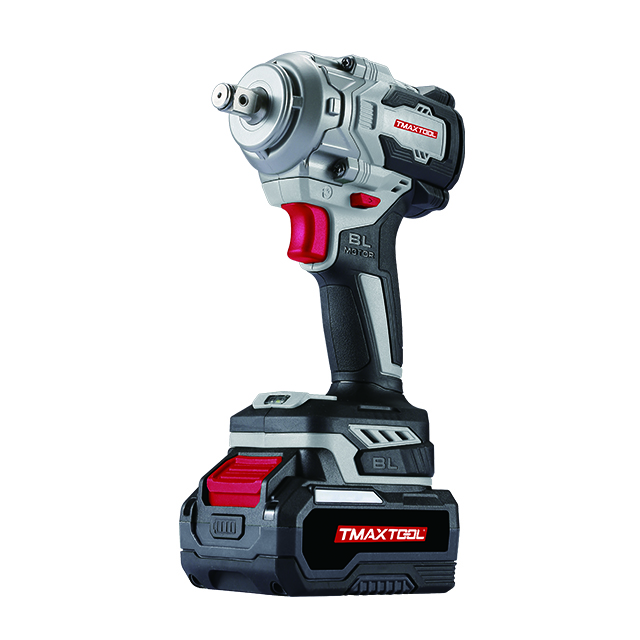 Impact Wrench
 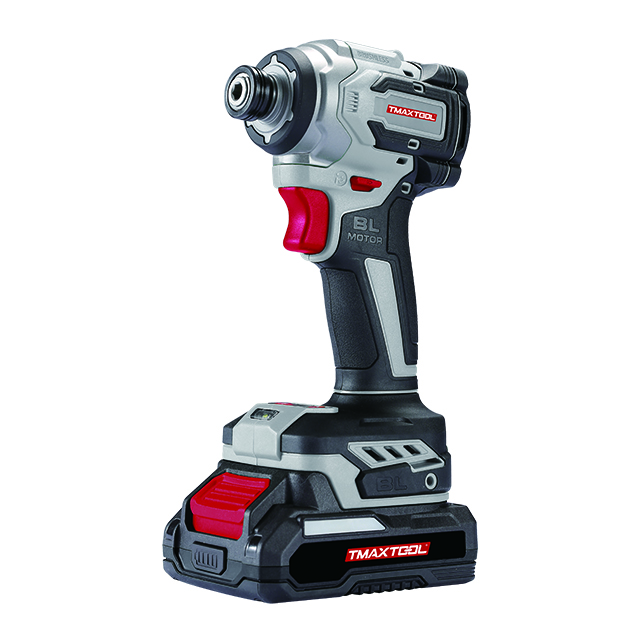 Screwdriver
 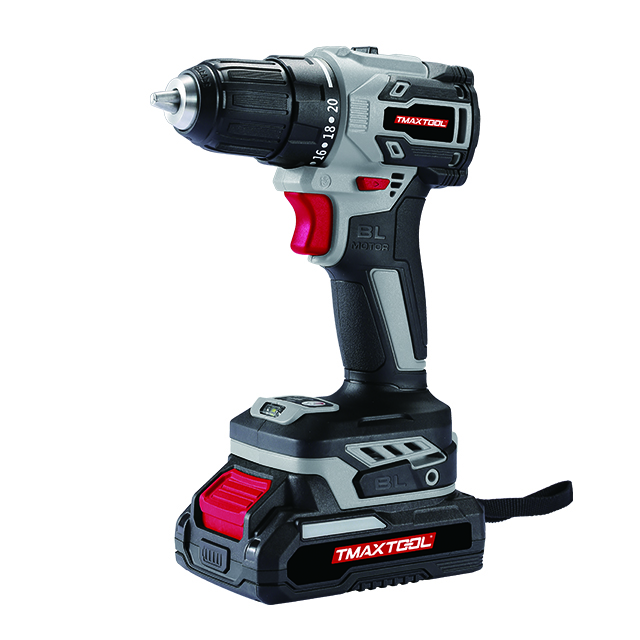 Cordless Drill
 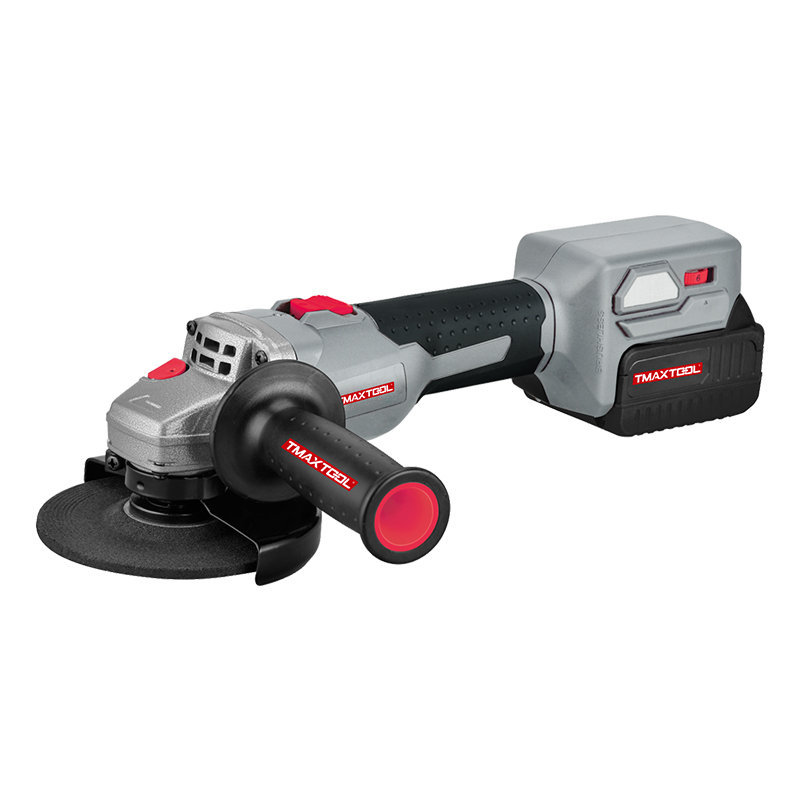 Angle Grinder
 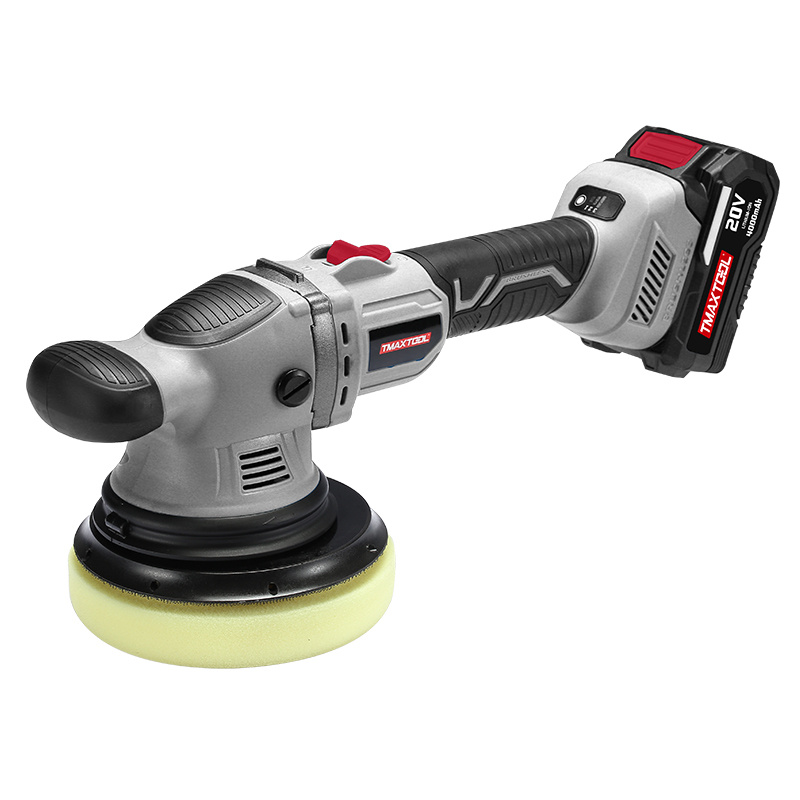 Polisher
 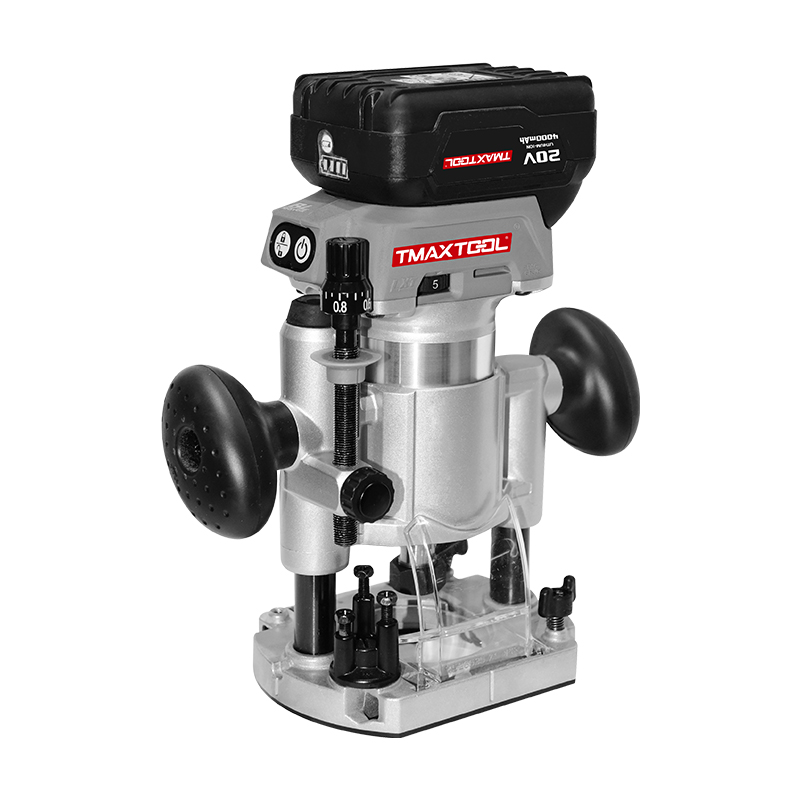 Wood Router
 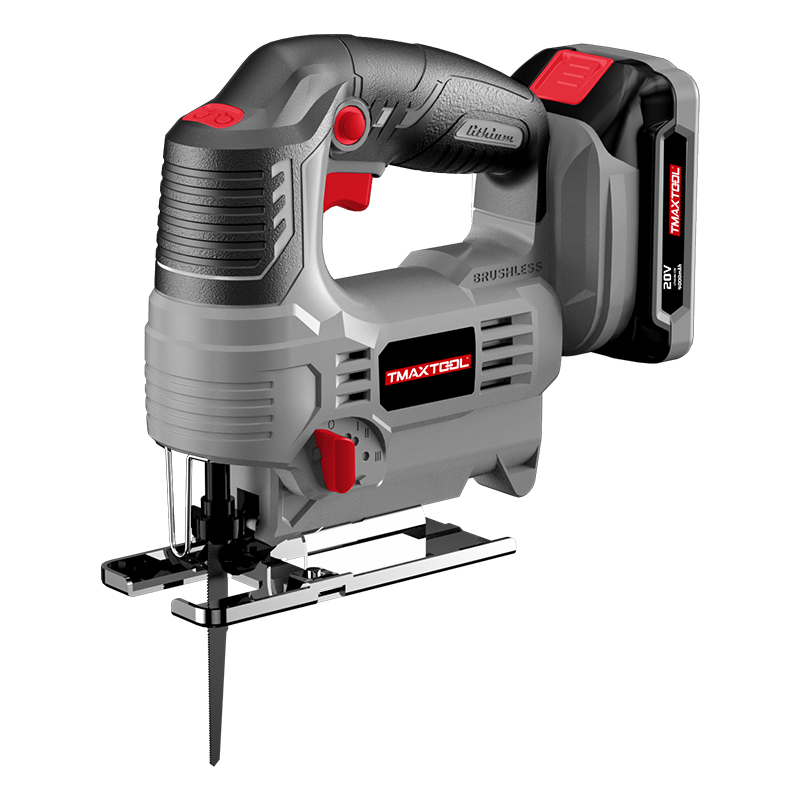 Jig Saw
 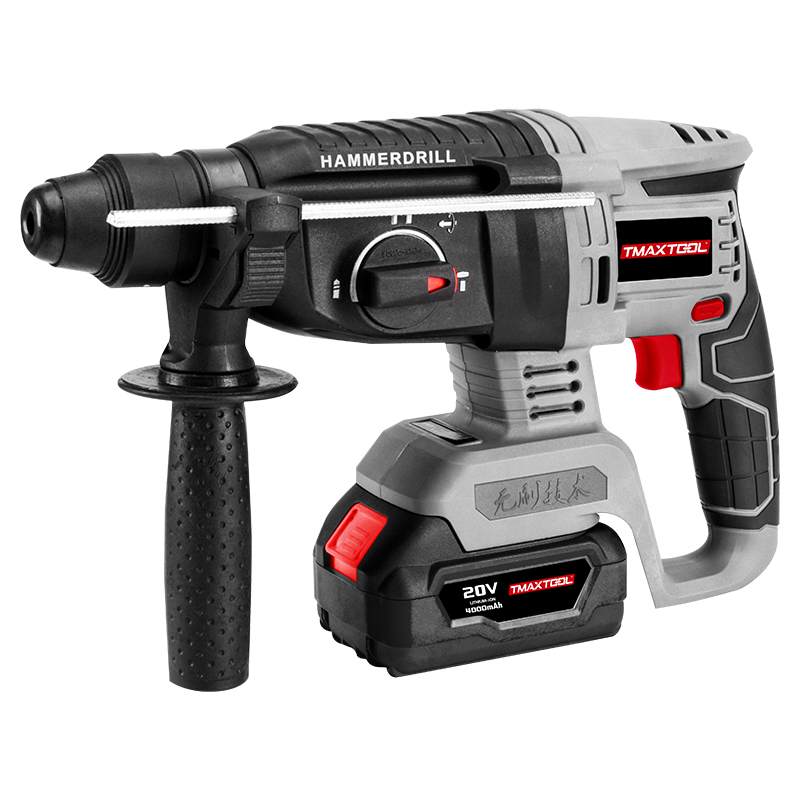 Hammer Drill
 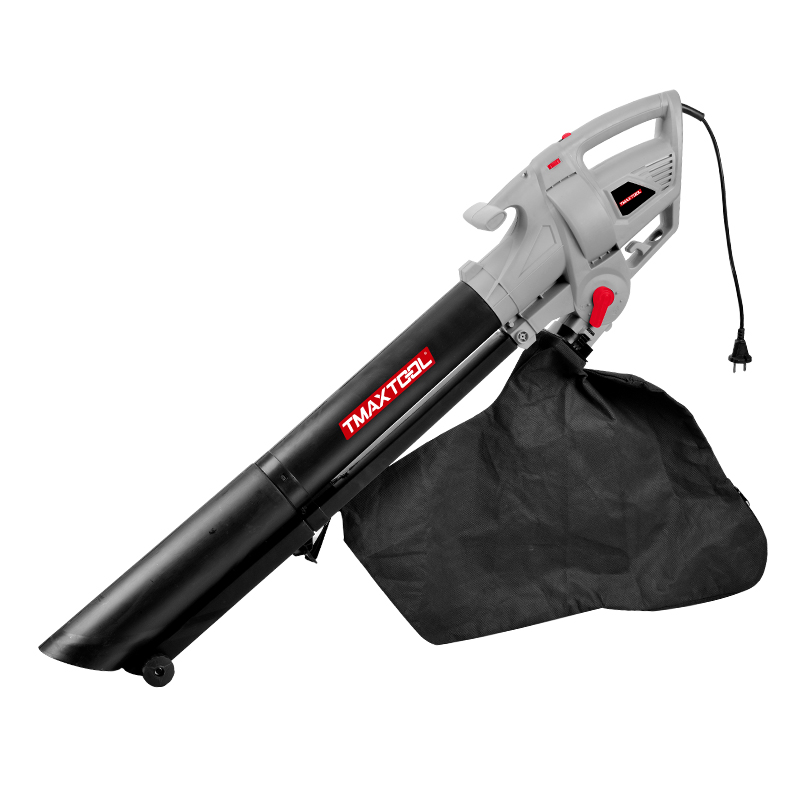 Portable Blower
 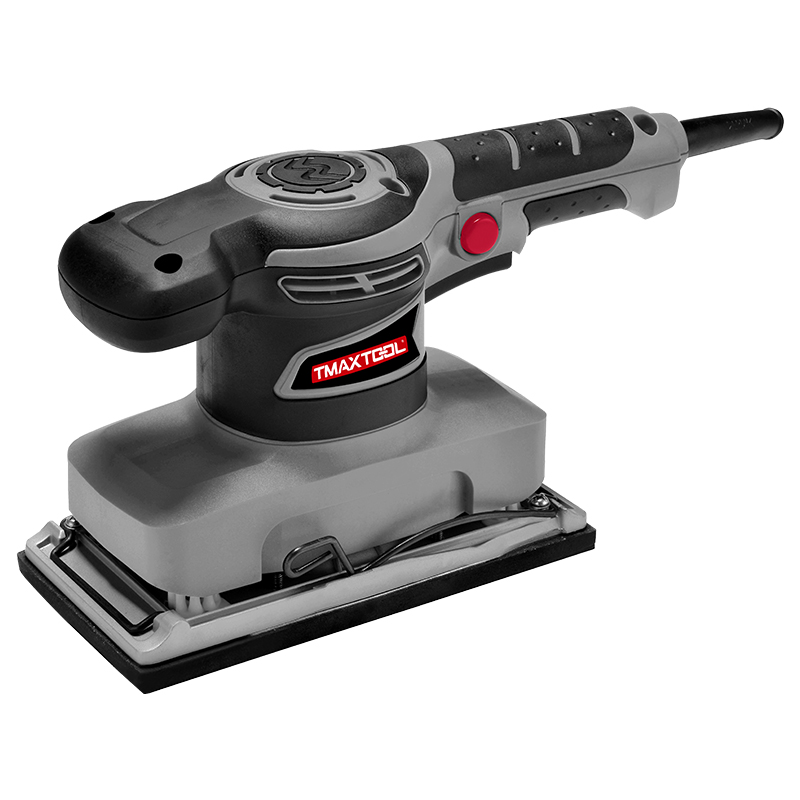 Orbital Sander
 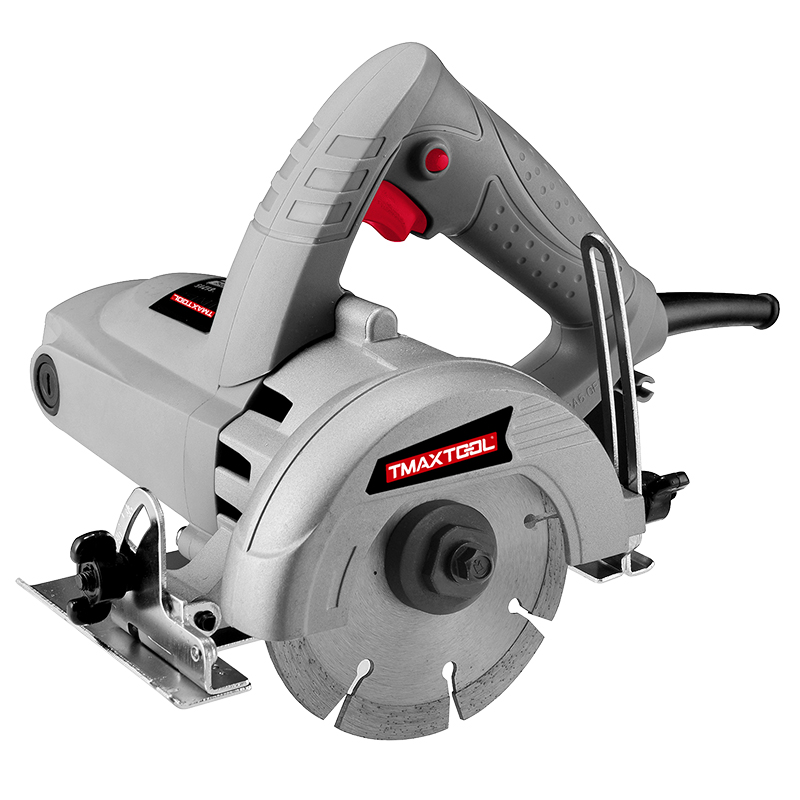 Marble Cutter
  GARDEN TOOLS
 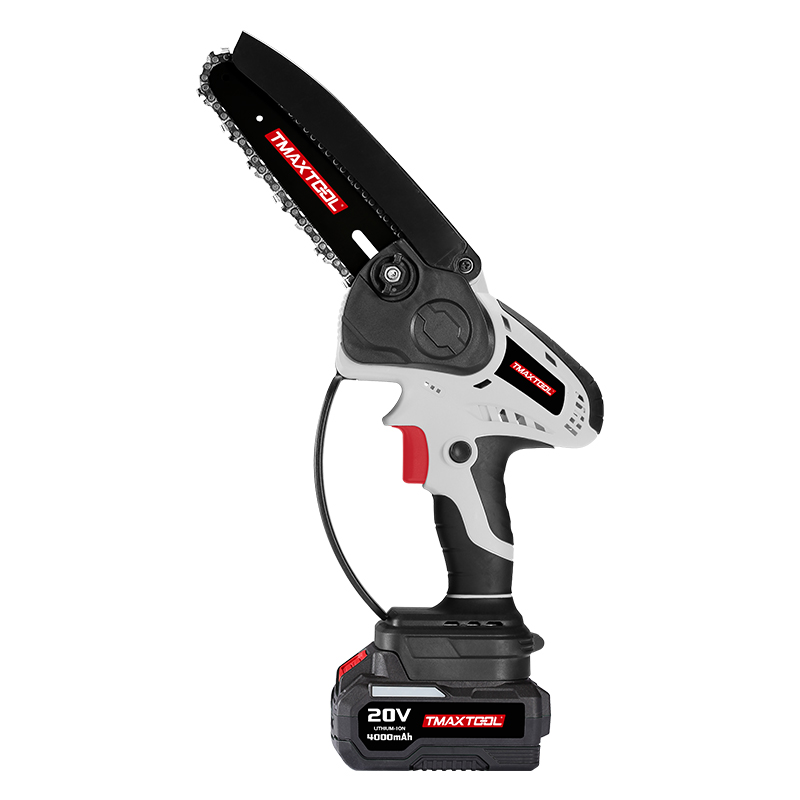 Battery Chain Saw
 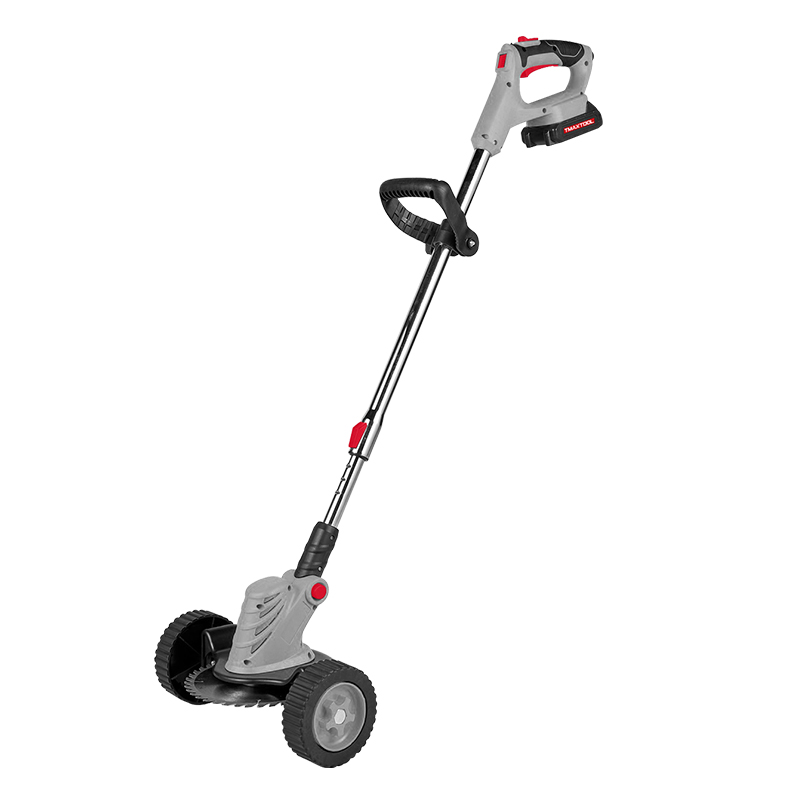 Battery Brush Cutter
 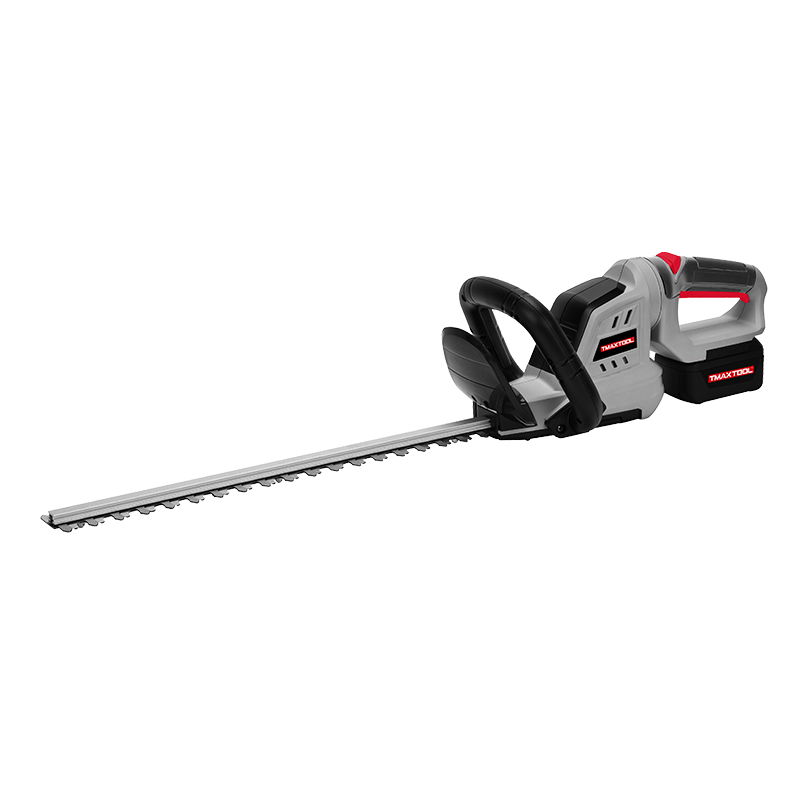 Battery Hedge Trimmer
 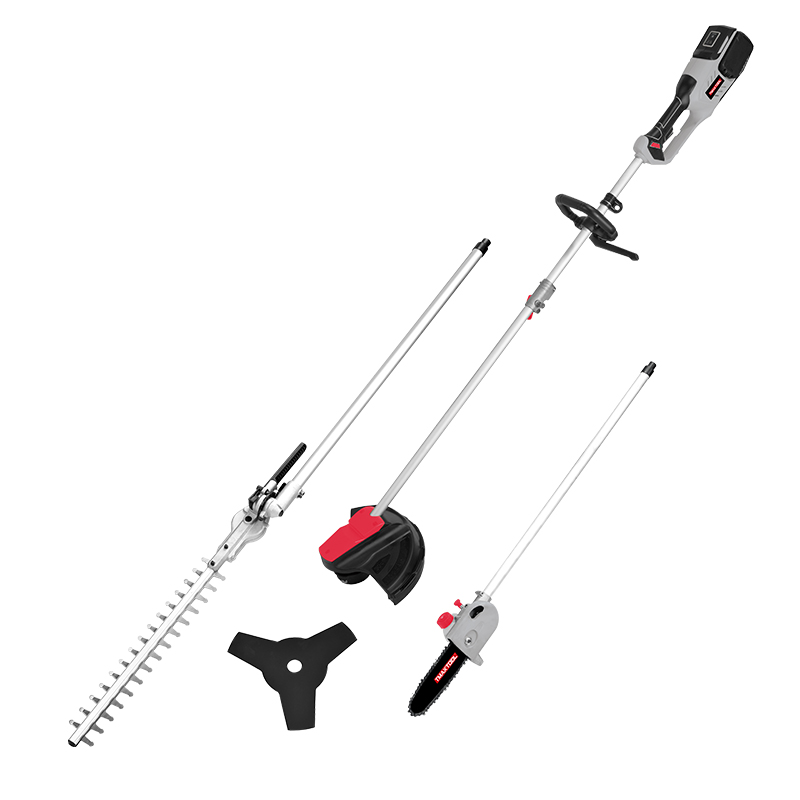 Battery Multi Tool
 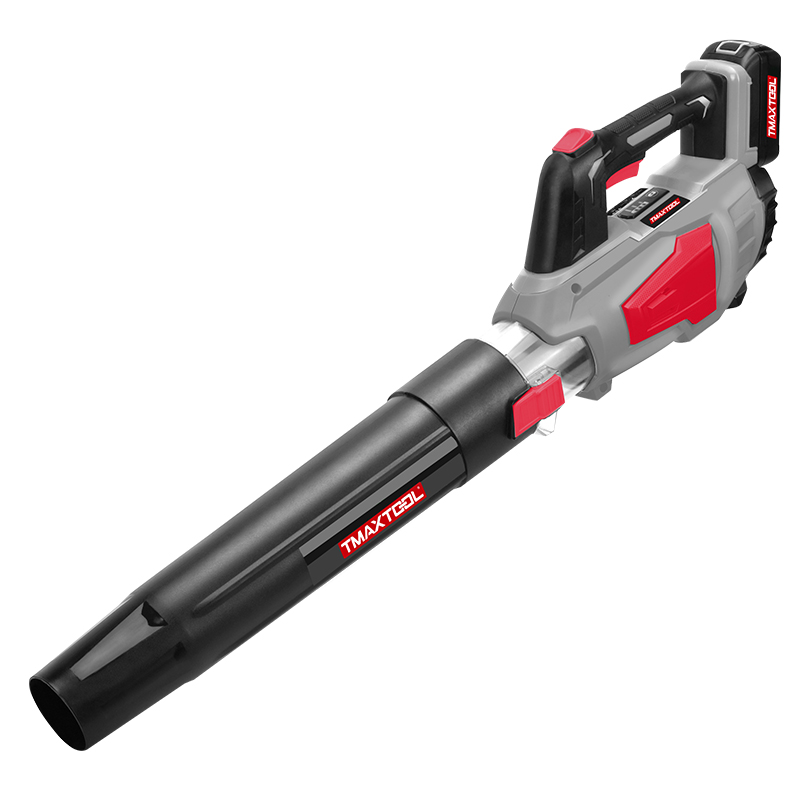 Battery Blower
 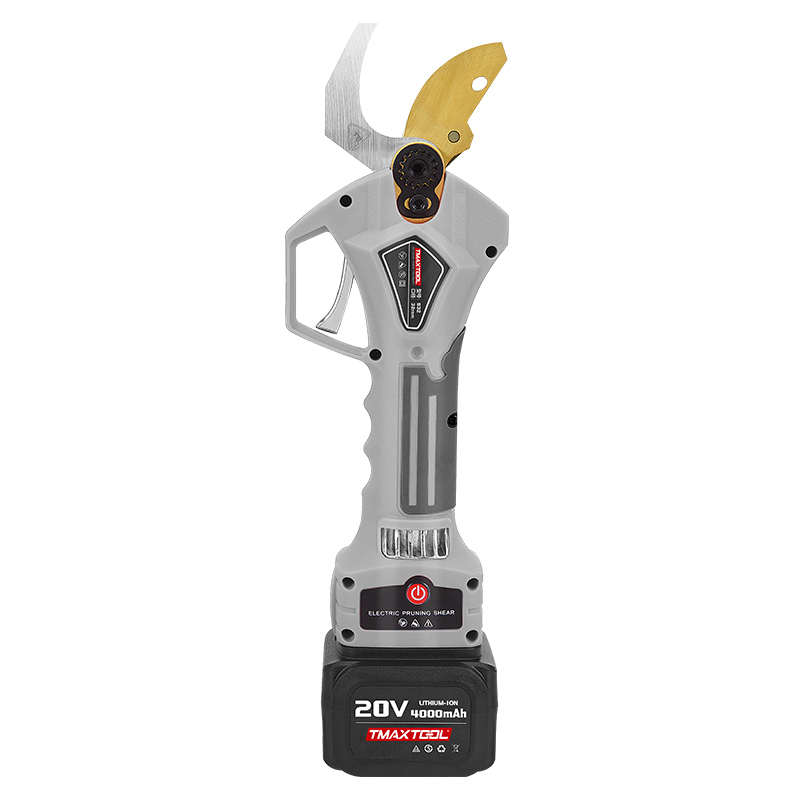 Batter Pruning Shears
 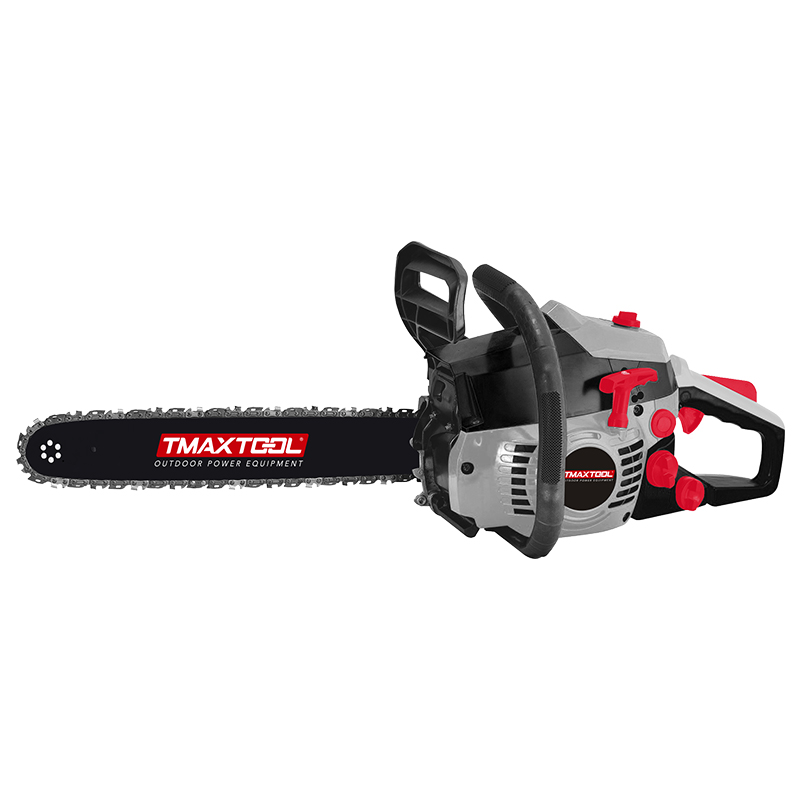 Chain Saw
 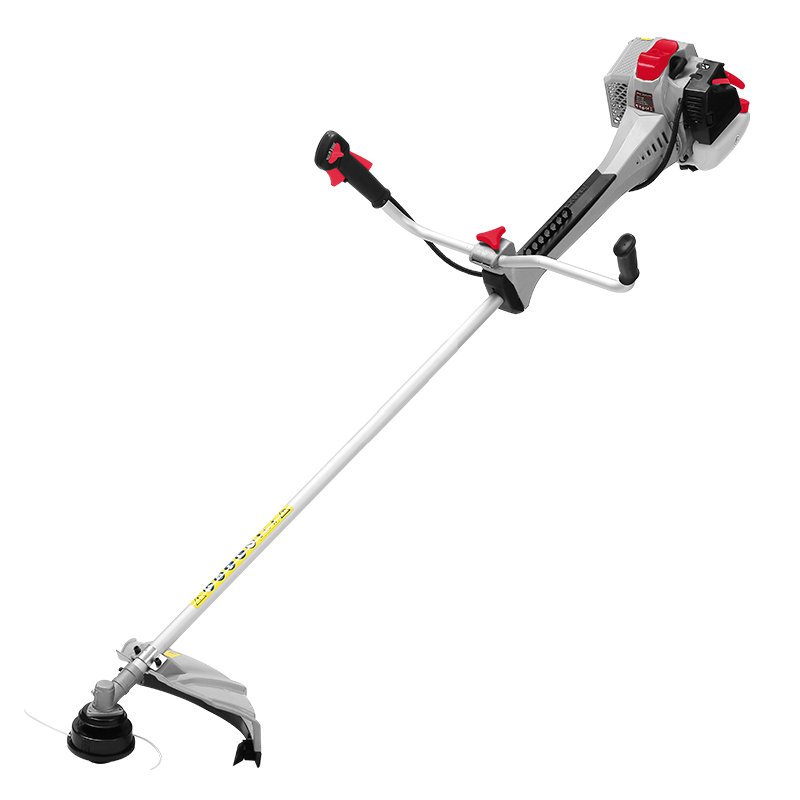 Brush Cutter
 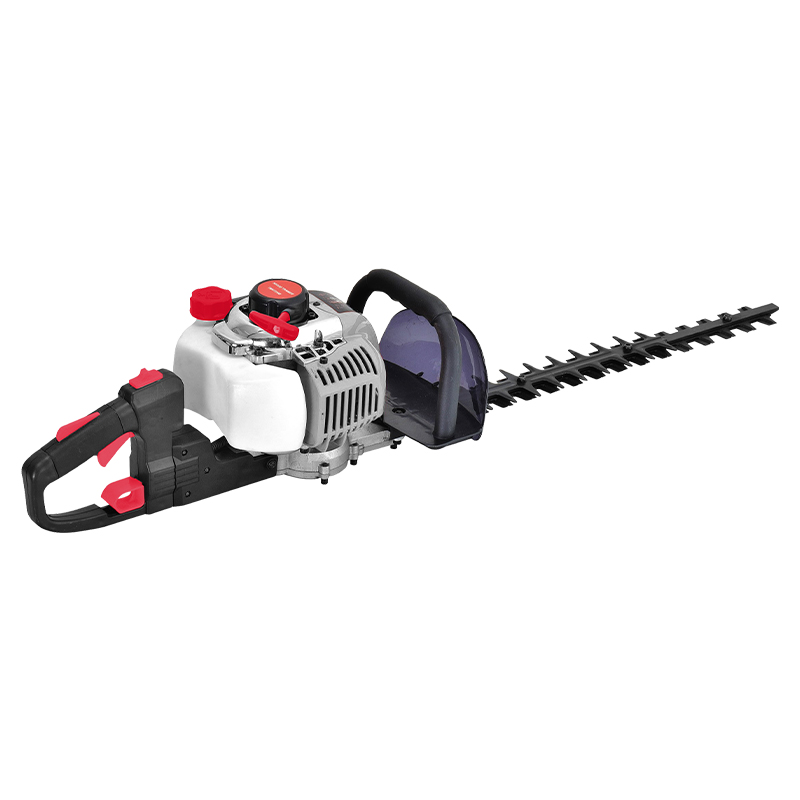 Hedge Trimmer
 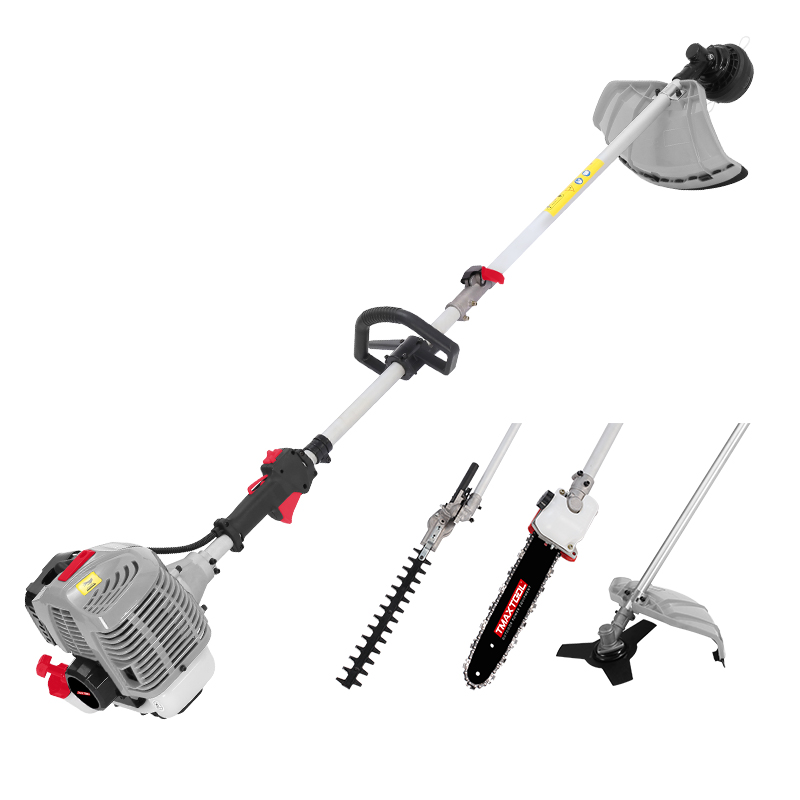 Multi Tool
 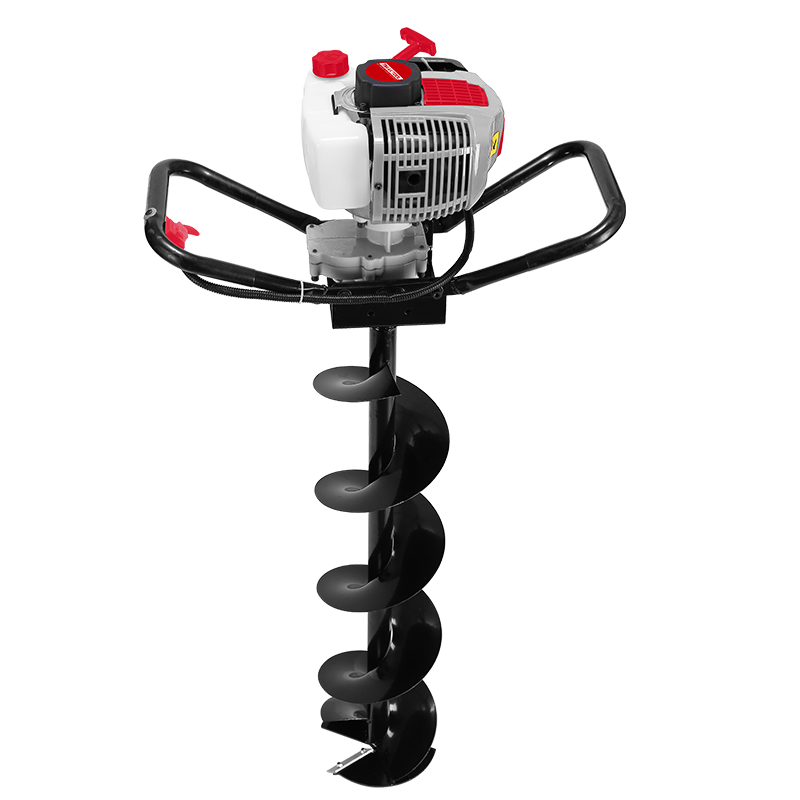 Earth Auger
 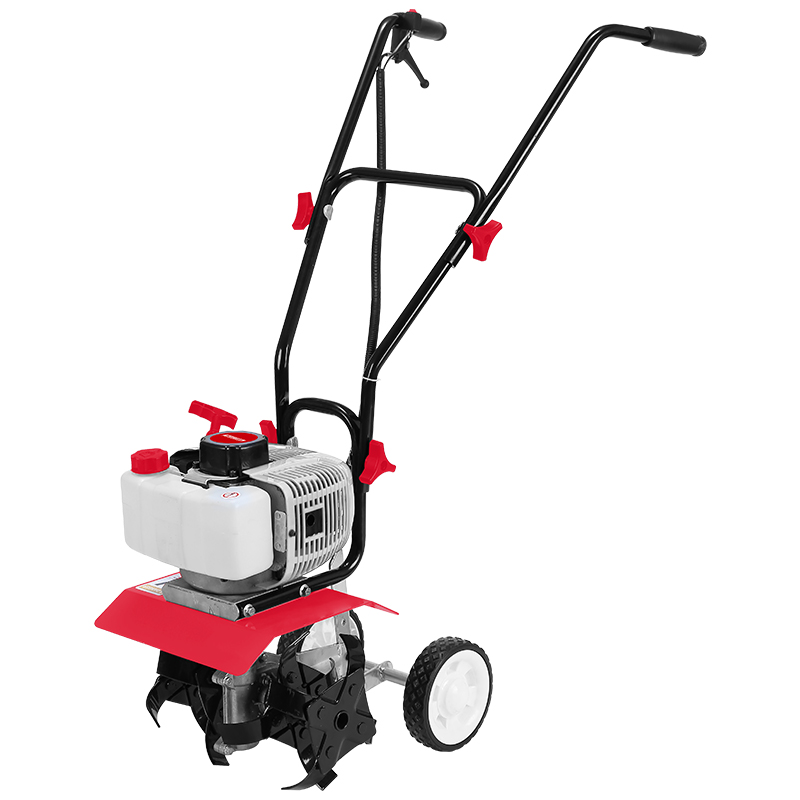 Tiller
 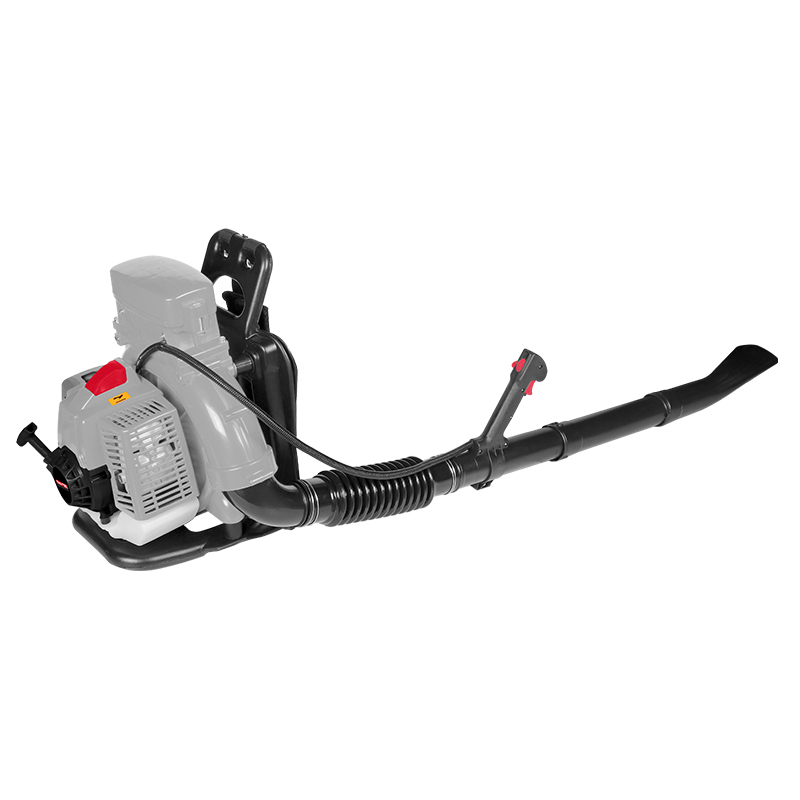 Blower
 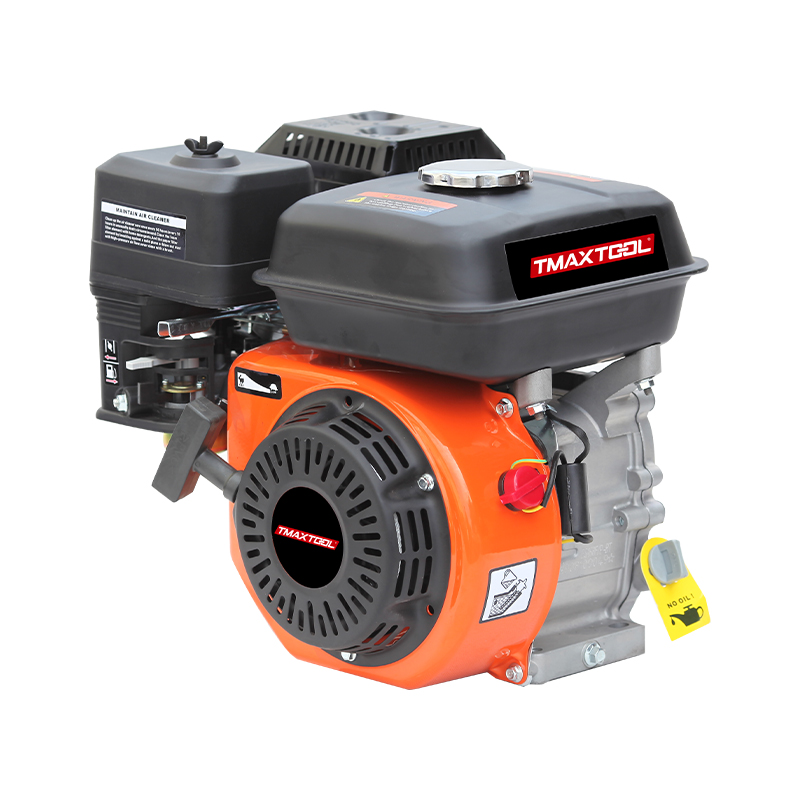 4 Stroke Gasoline Engine
 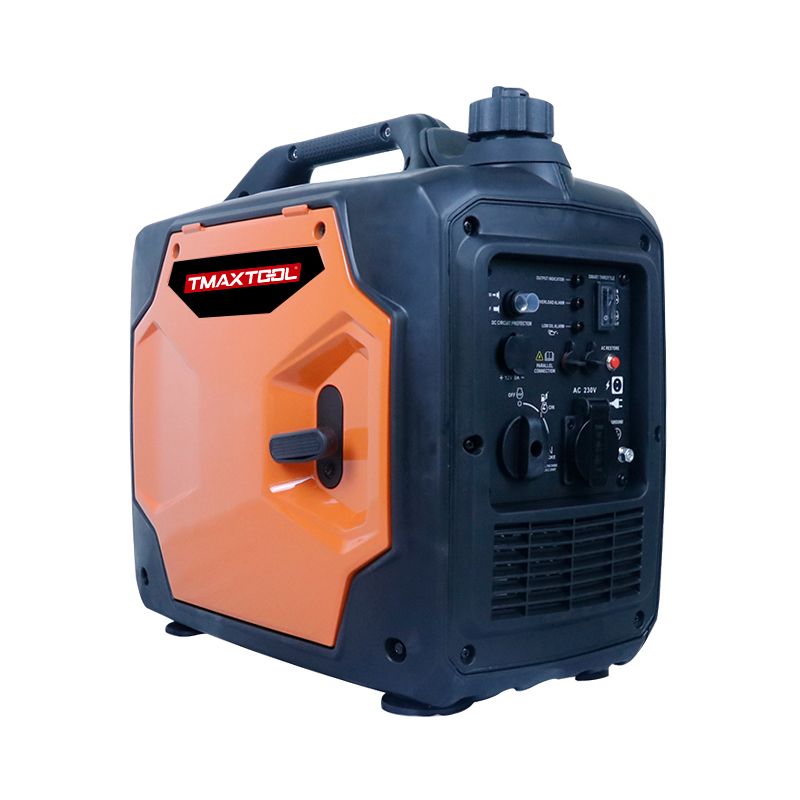 Generator
 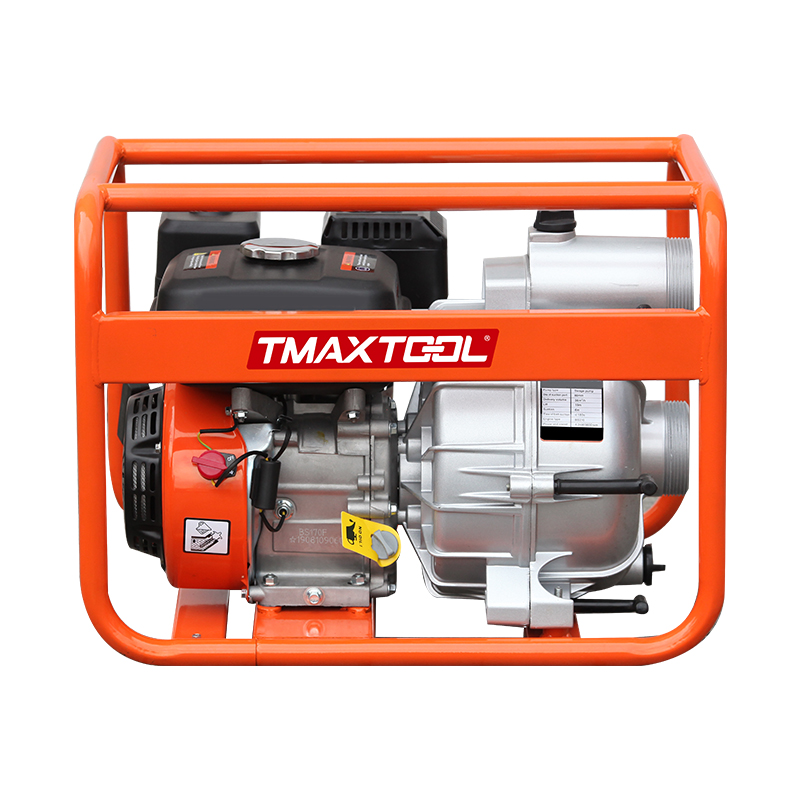 Water Pump
 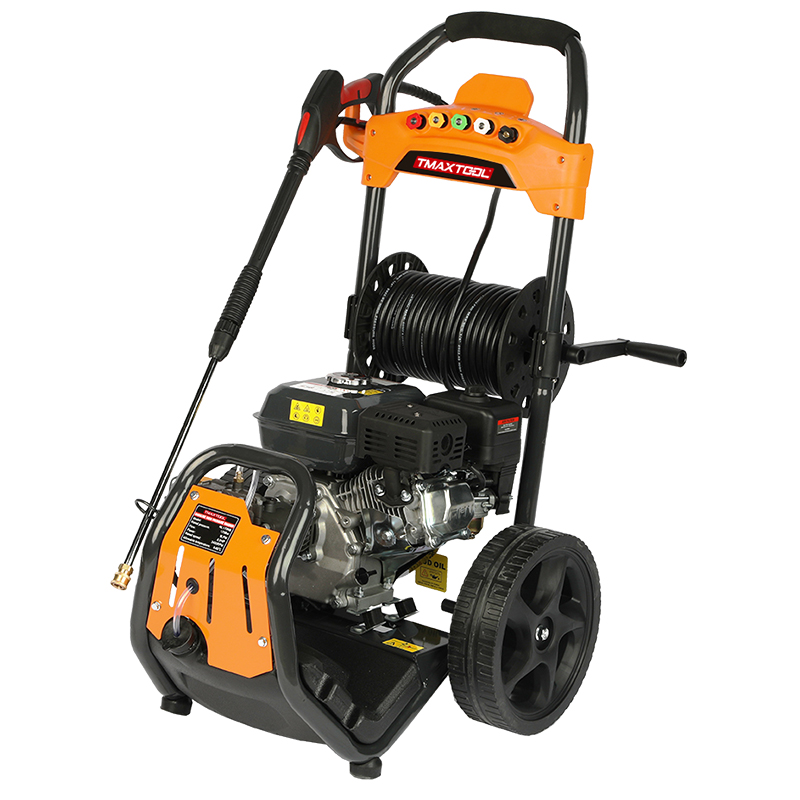 High Pressure Washer
 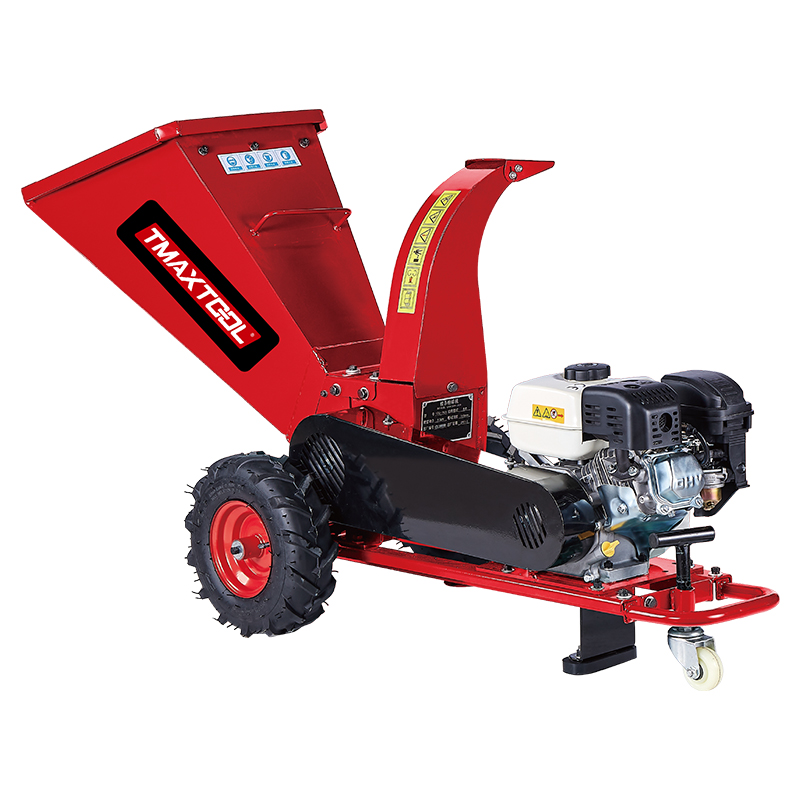 Wood Cutter
 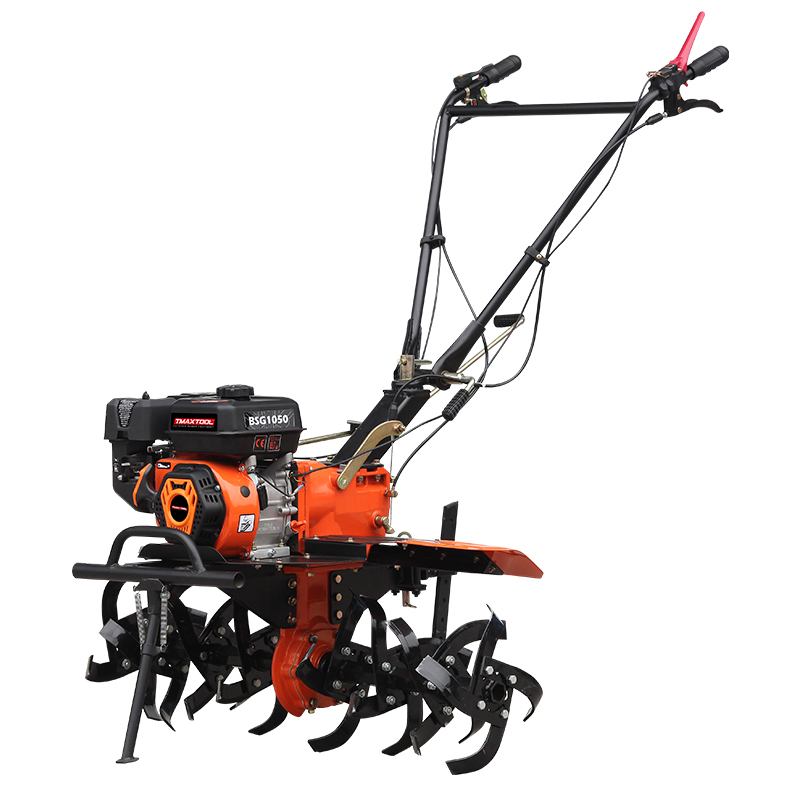 4 Stroke Tiller
 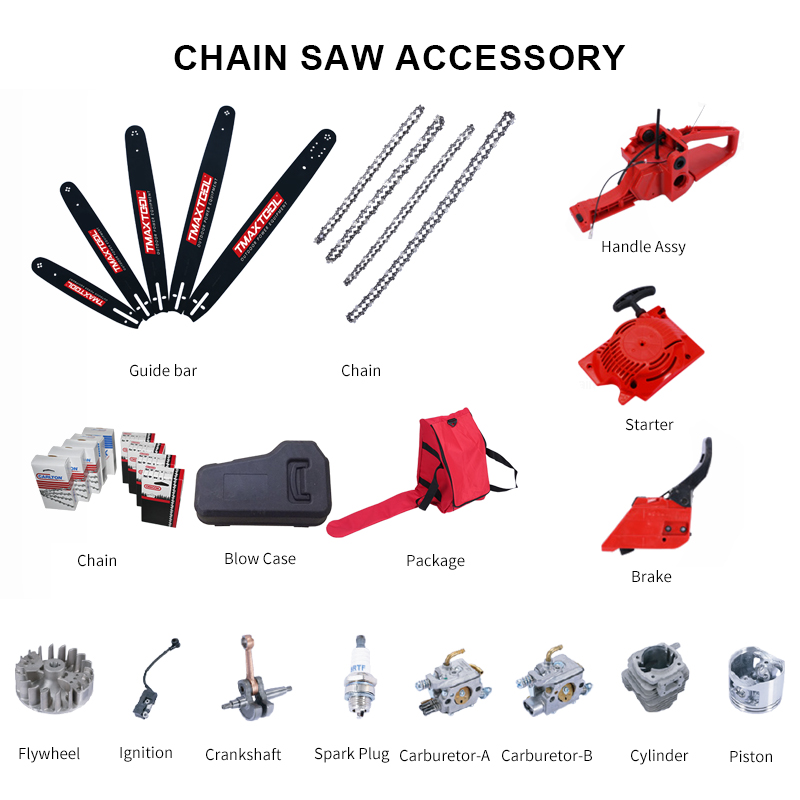 Chain Saw Accessory
 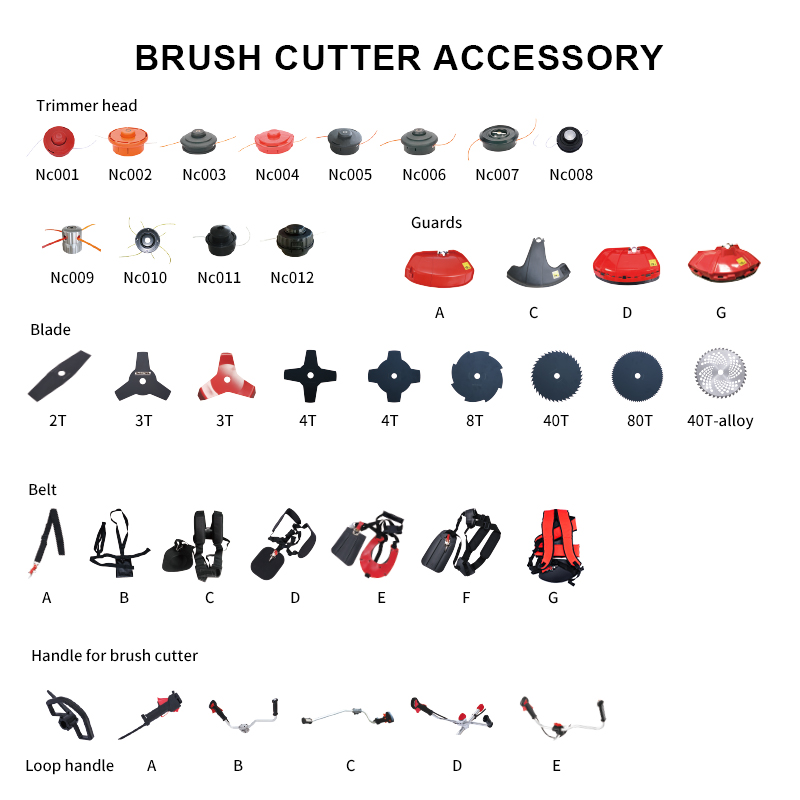 Brush Cutter Accessory
 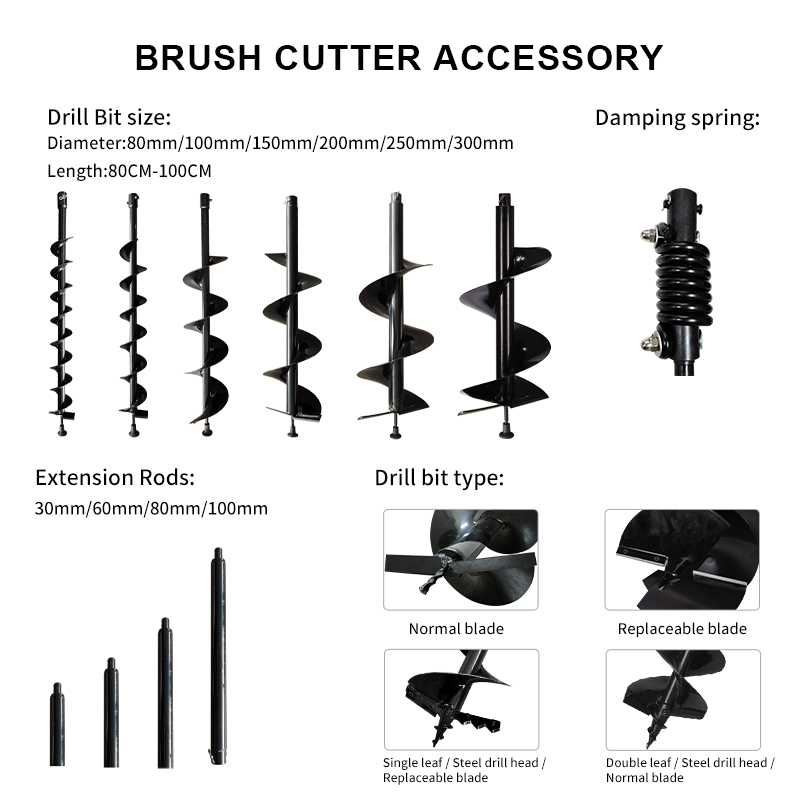 Earth Auger Accessory
 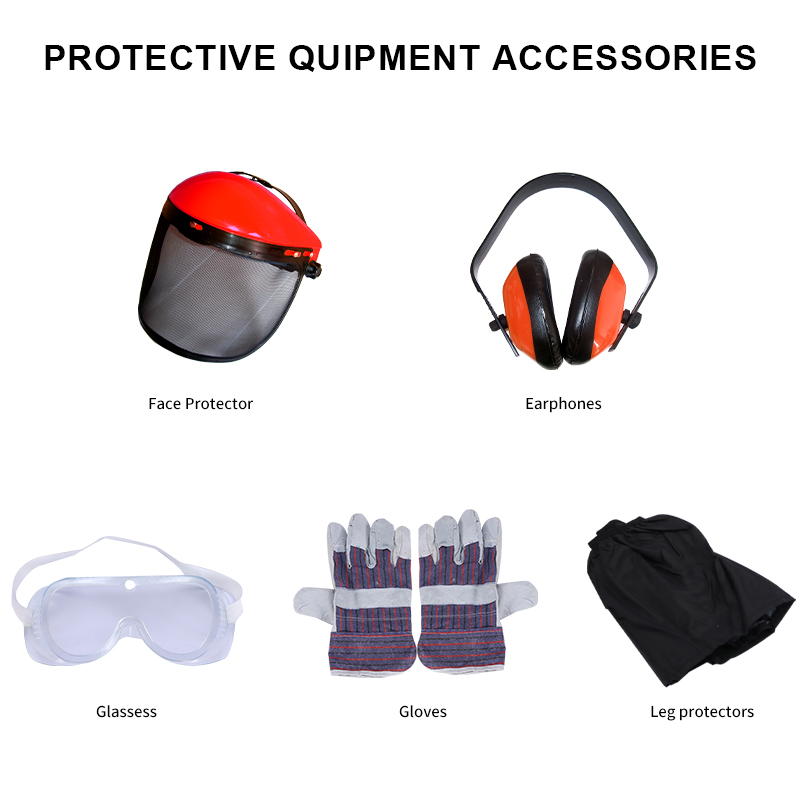 Protective Equipment Accessories


