
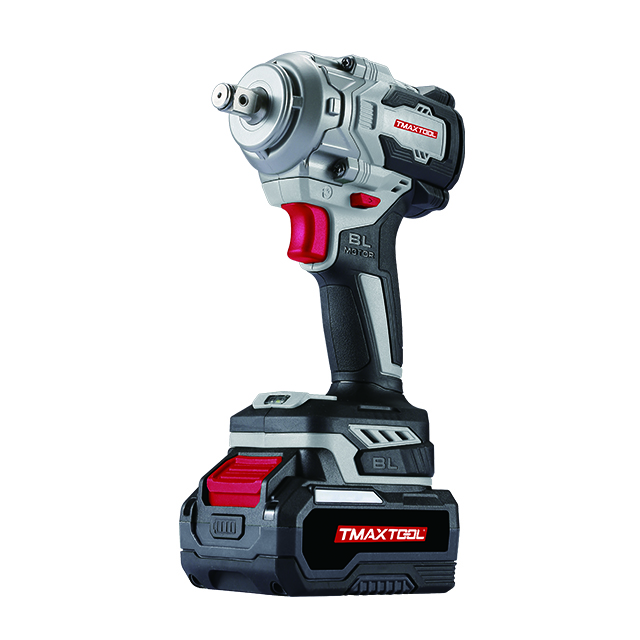
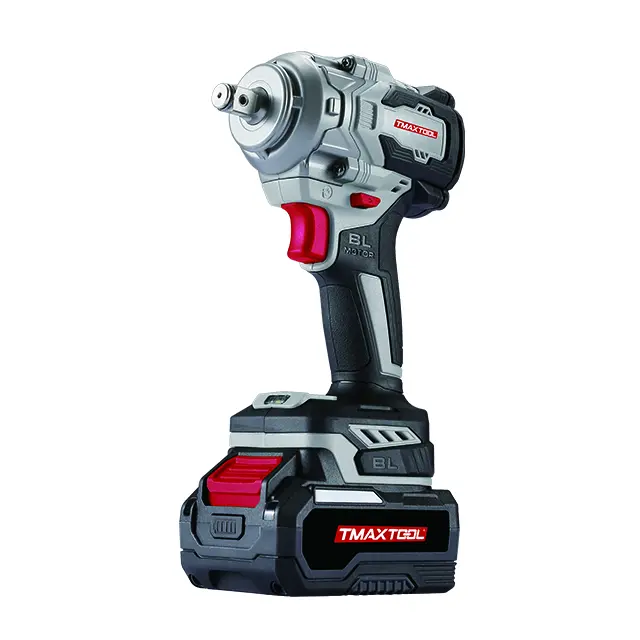
 Impact Wrench
 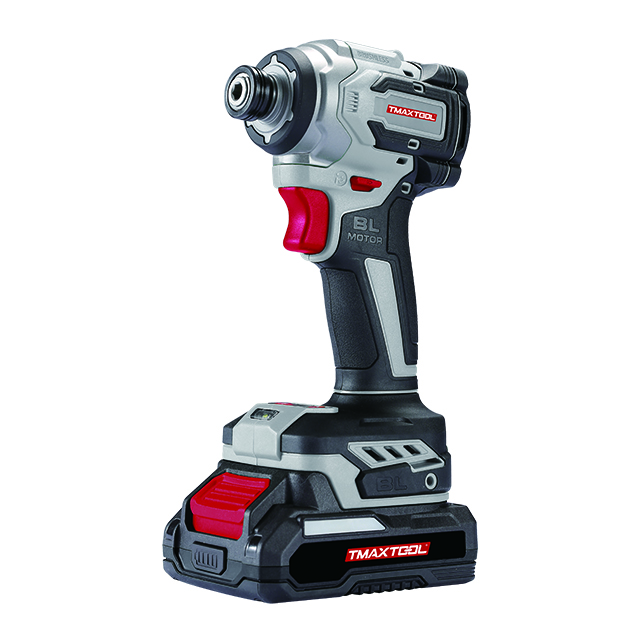 Screwdriver
 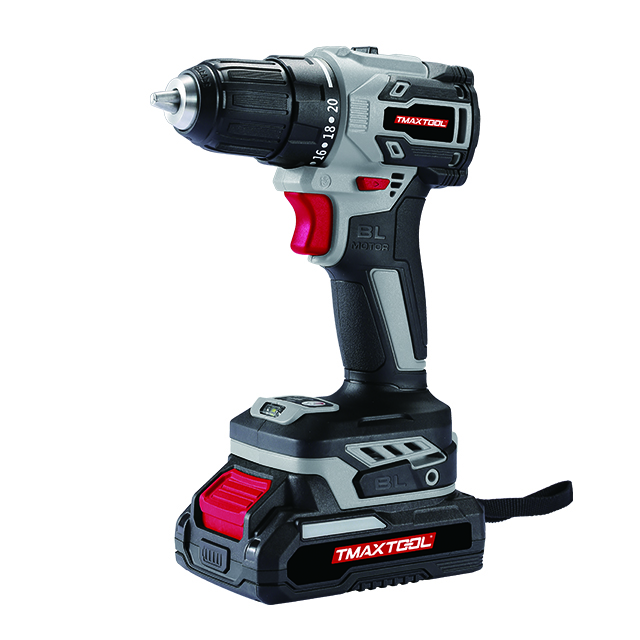 Cordless Drill
 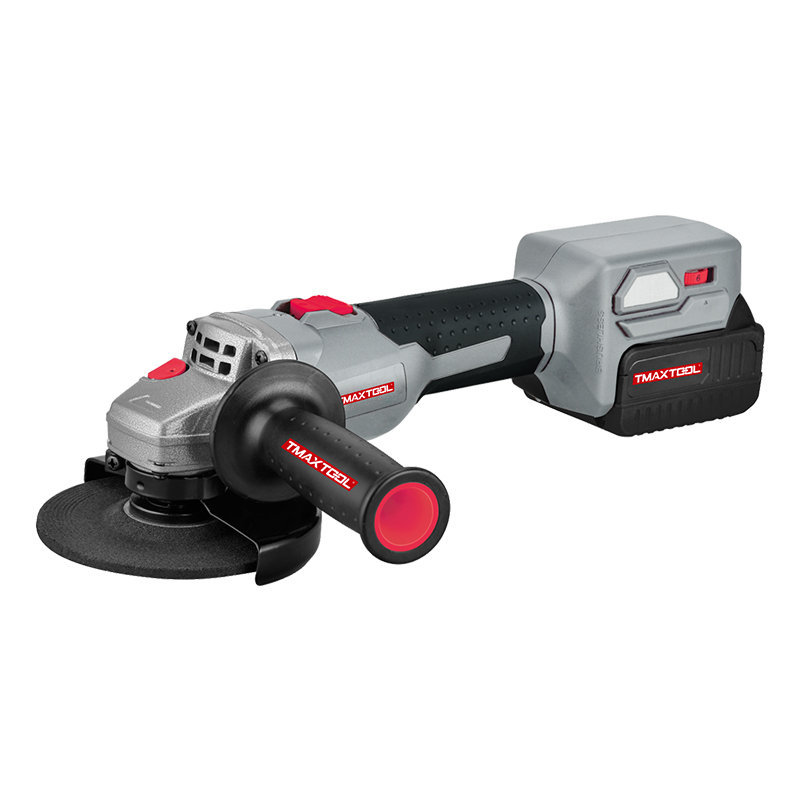 Angle Grinder
 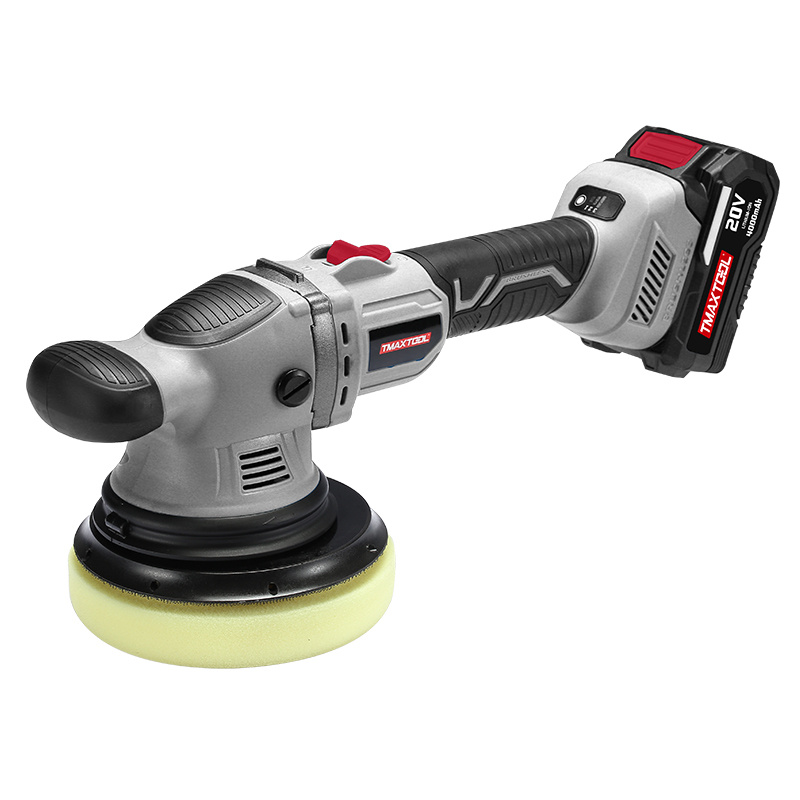 Polisher
 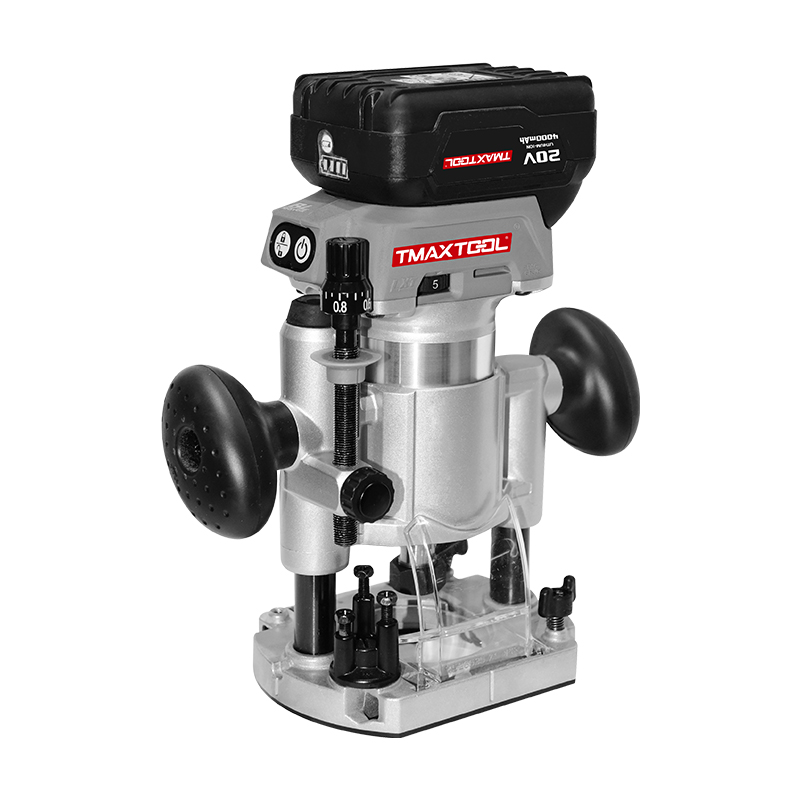 Wood Router
 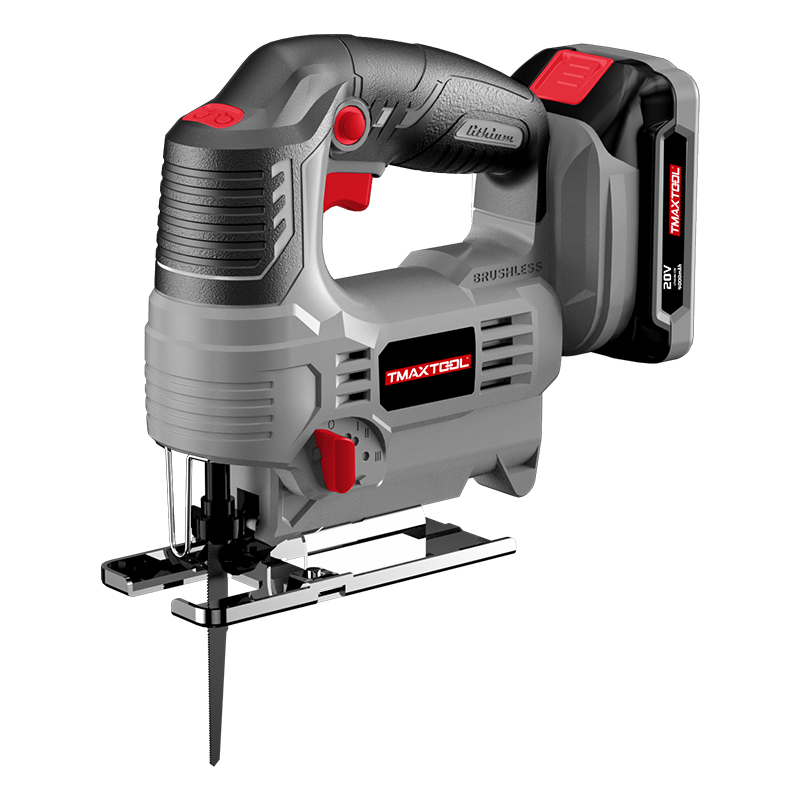 Jig Saw
 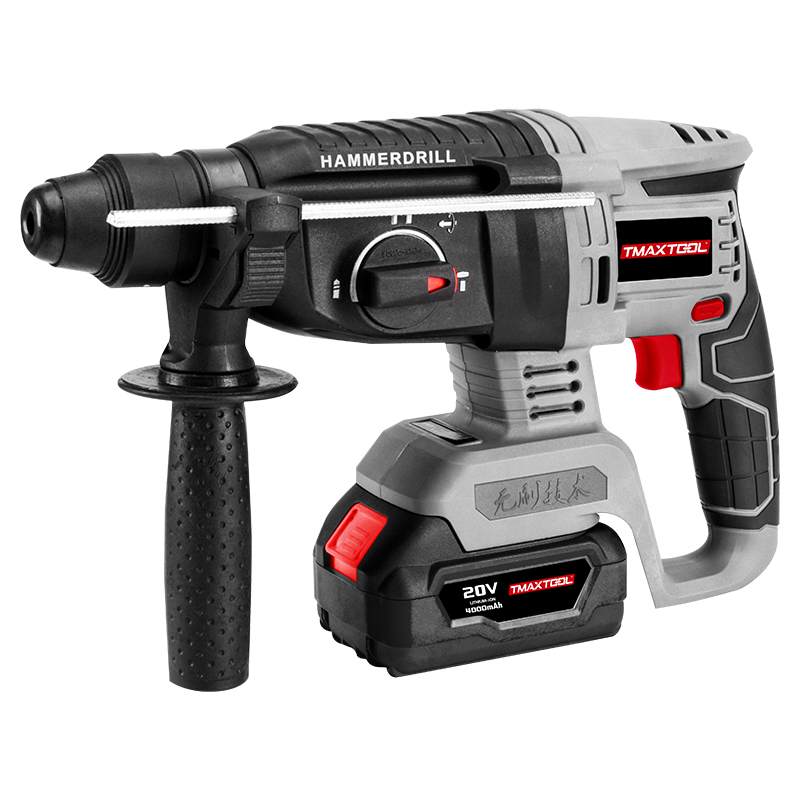 Hammer Drill
 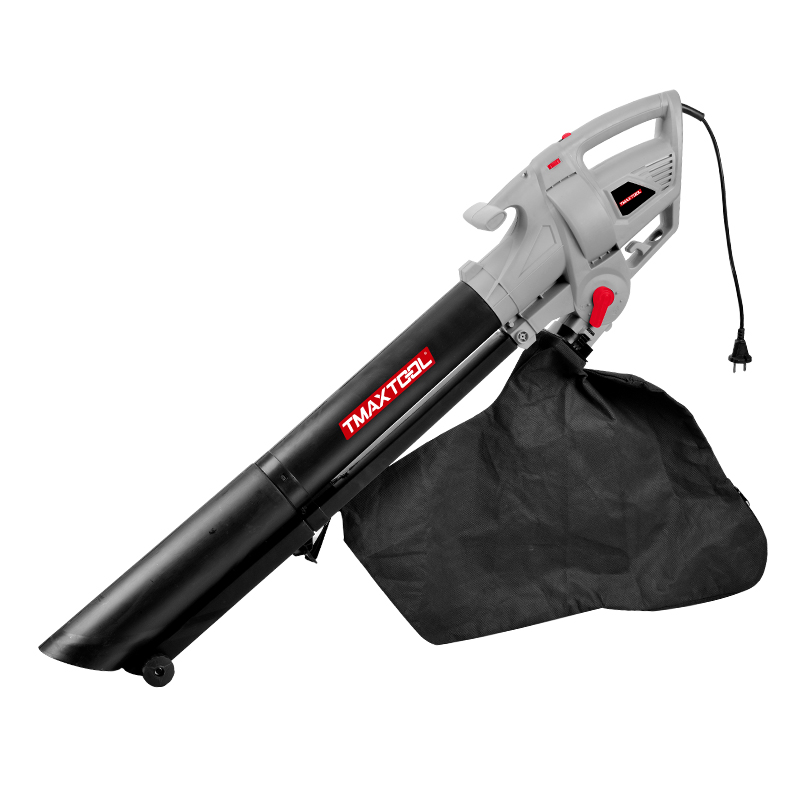 Portable Blower
 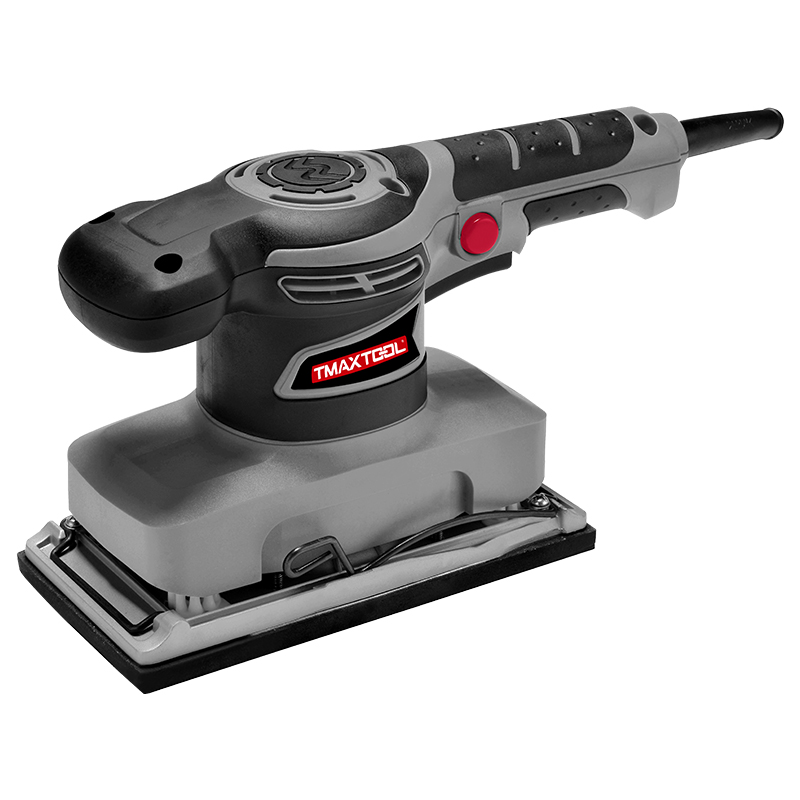 Orbital Sander
 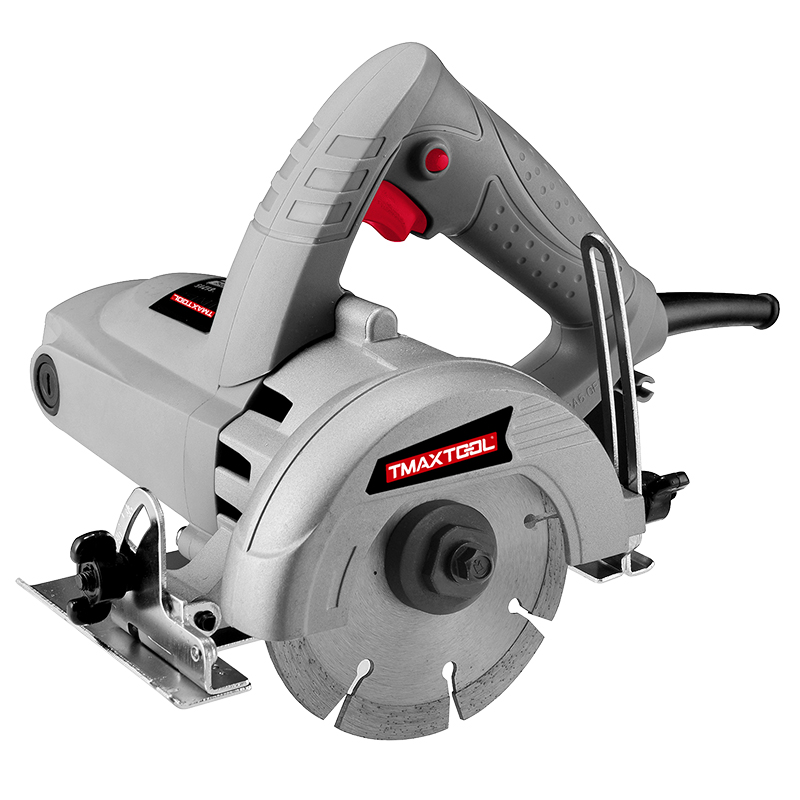 Marble Cutter
  GARDEN TOOLS
 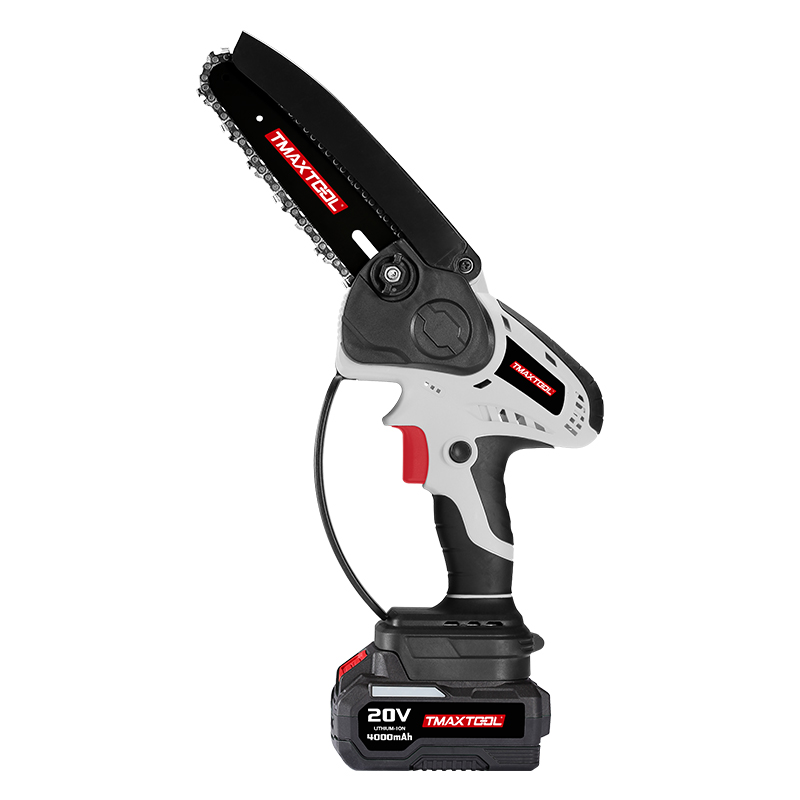 Battery Chain Saw
 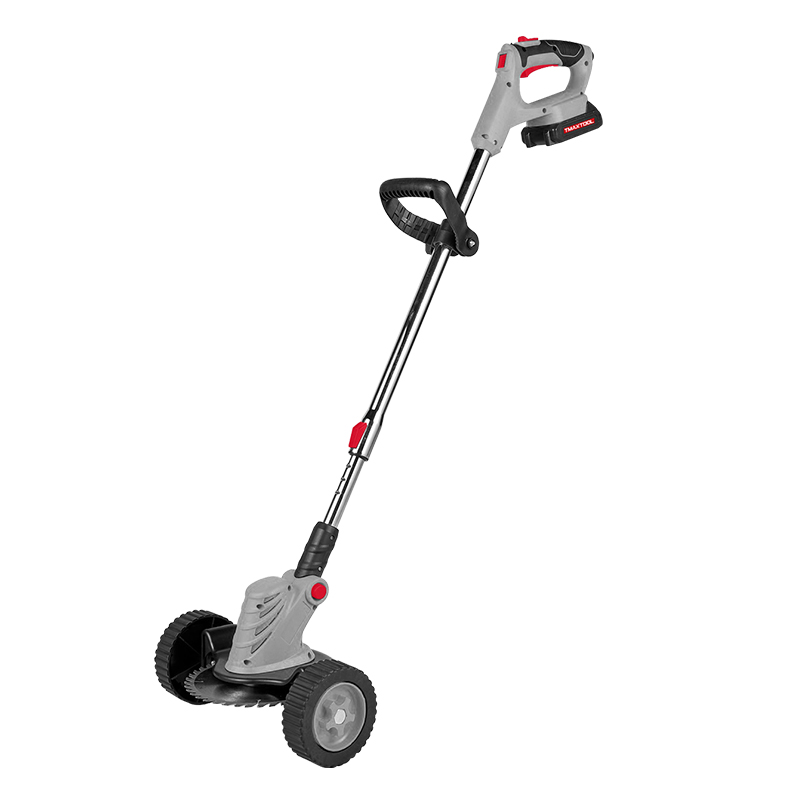 Battery Brush Cutter
 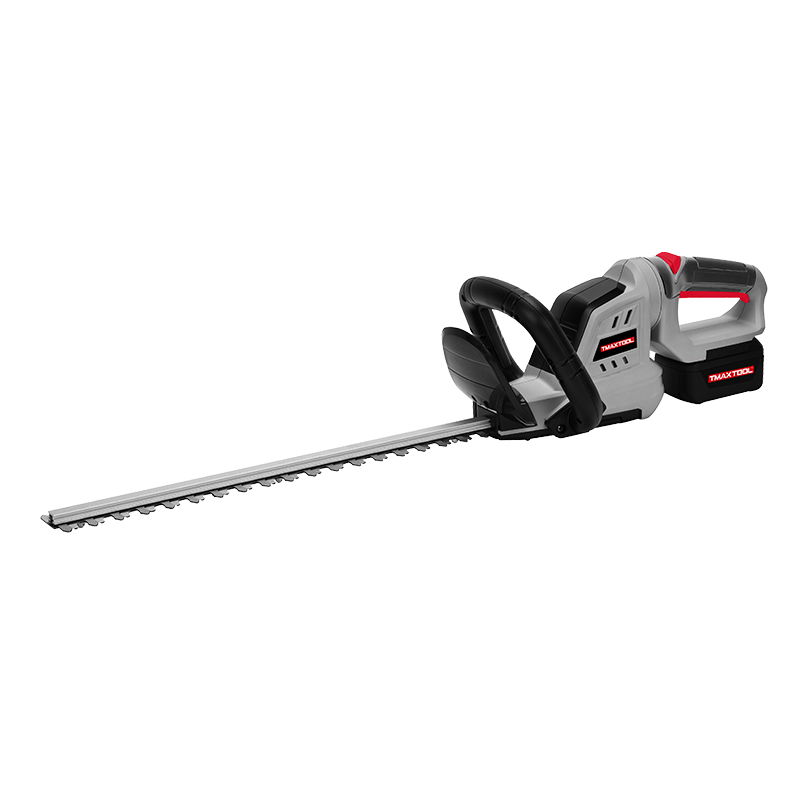 Battery Hedge Trimmer
 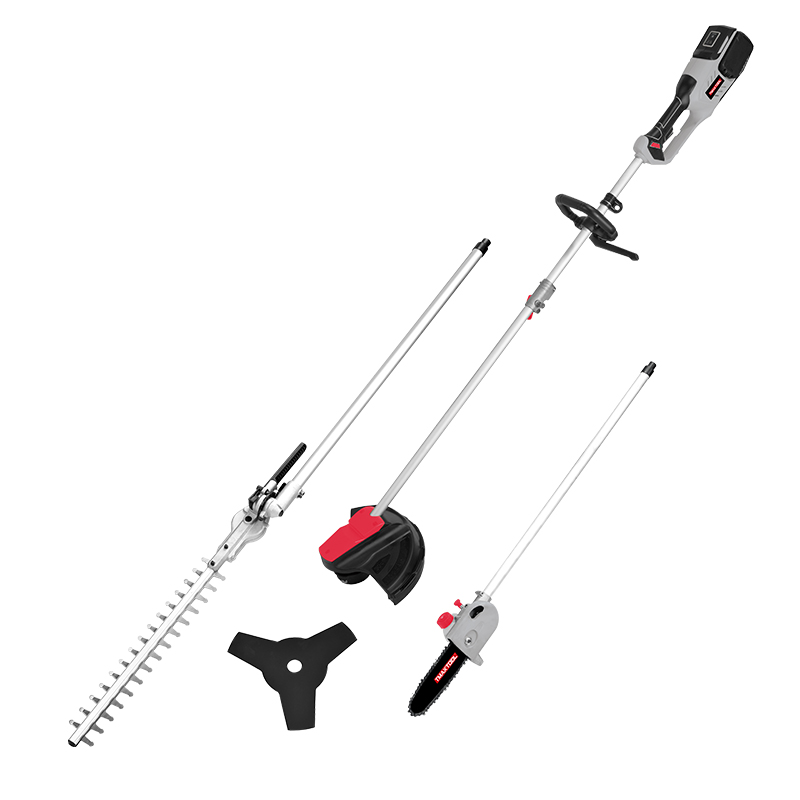 Battery Multi Tool
 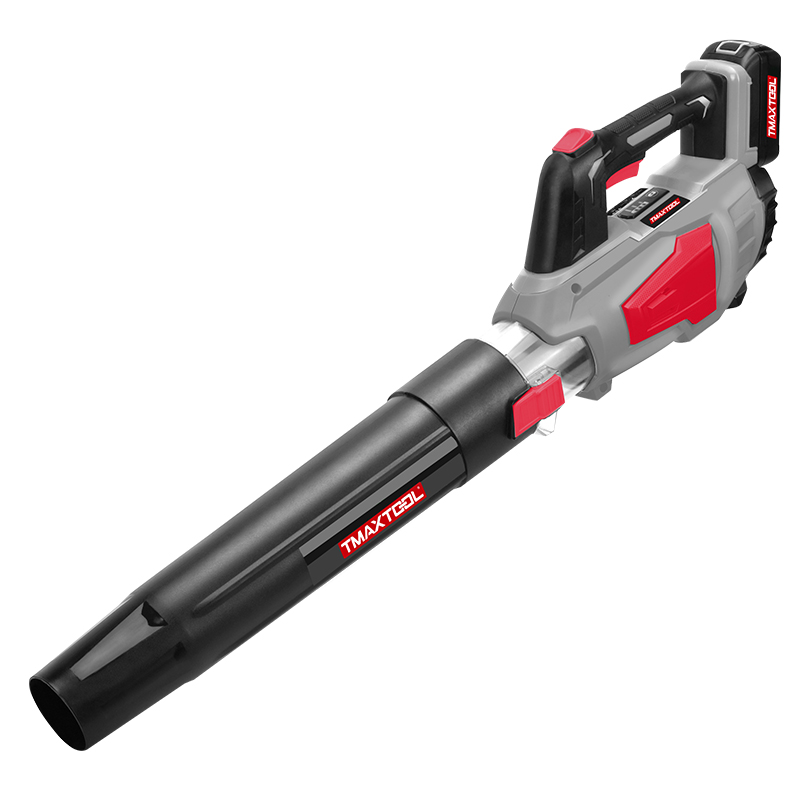 Battery Blower
 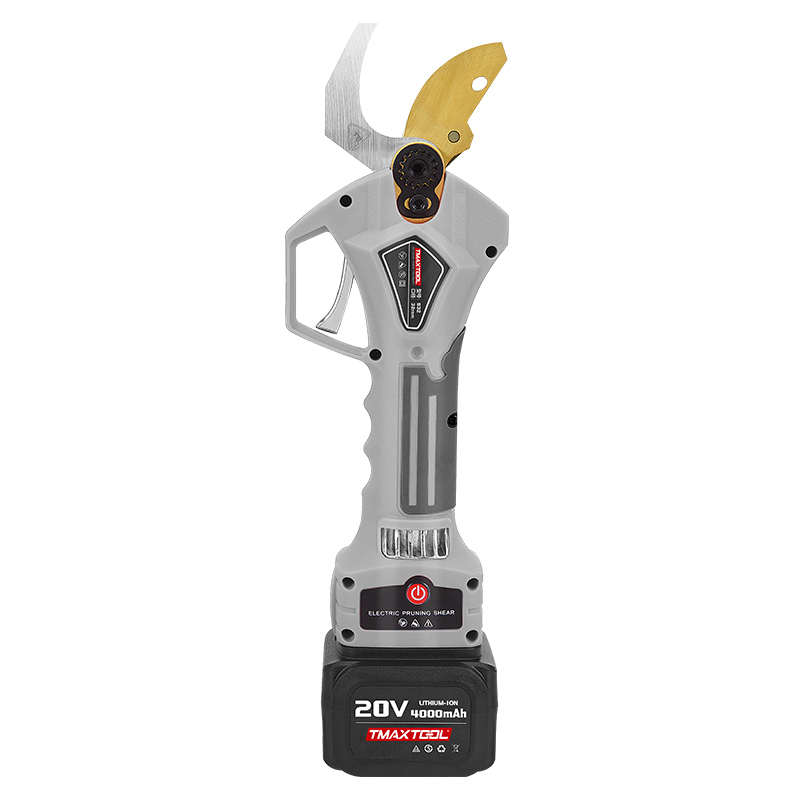 Batter Pruning Shears
 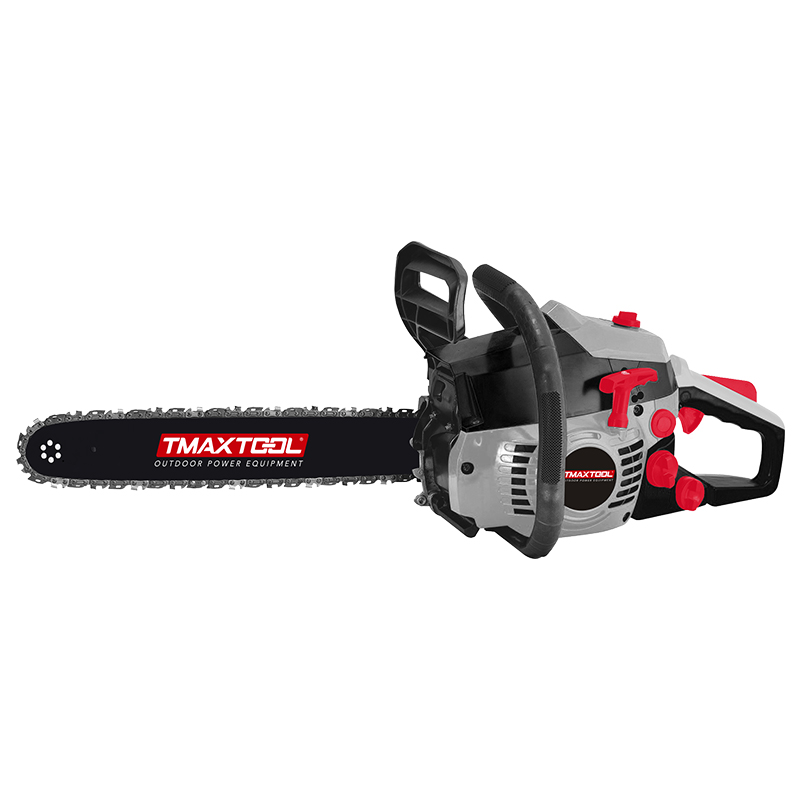 Chain Saw
 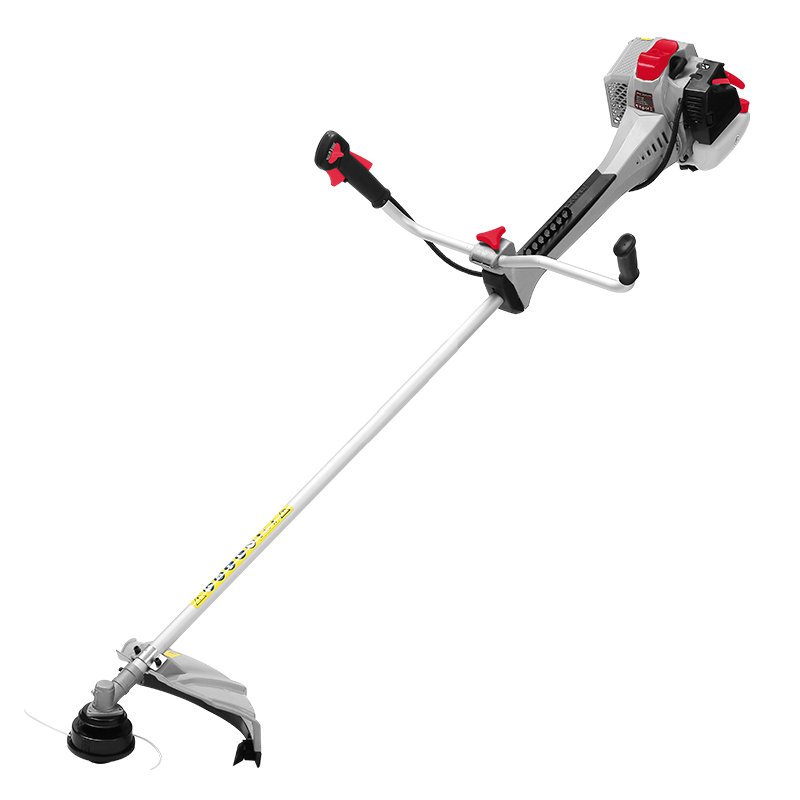 Brush Cutter
 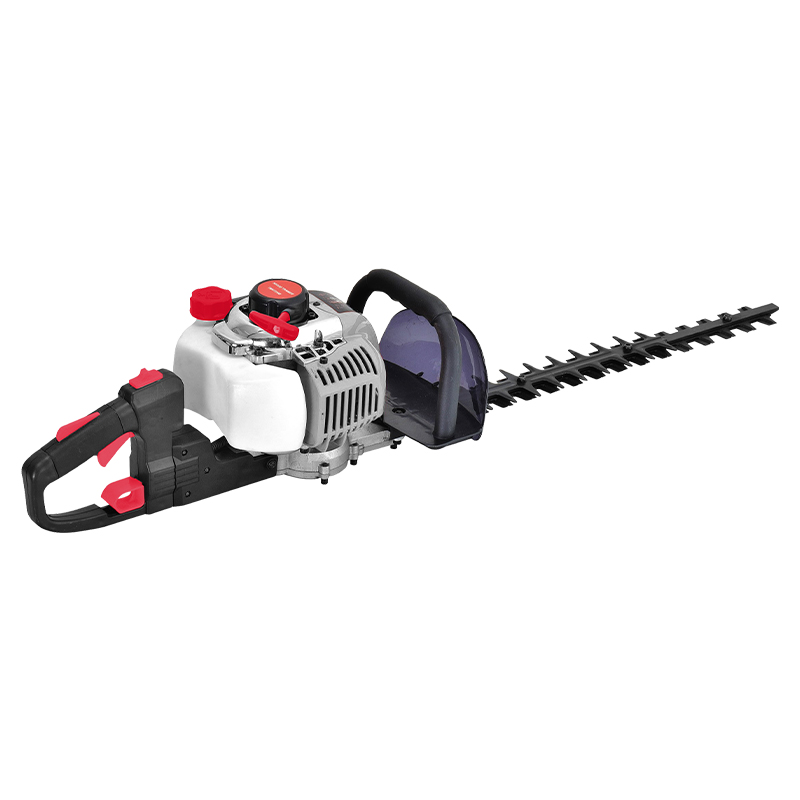 Hedge Trimmer
 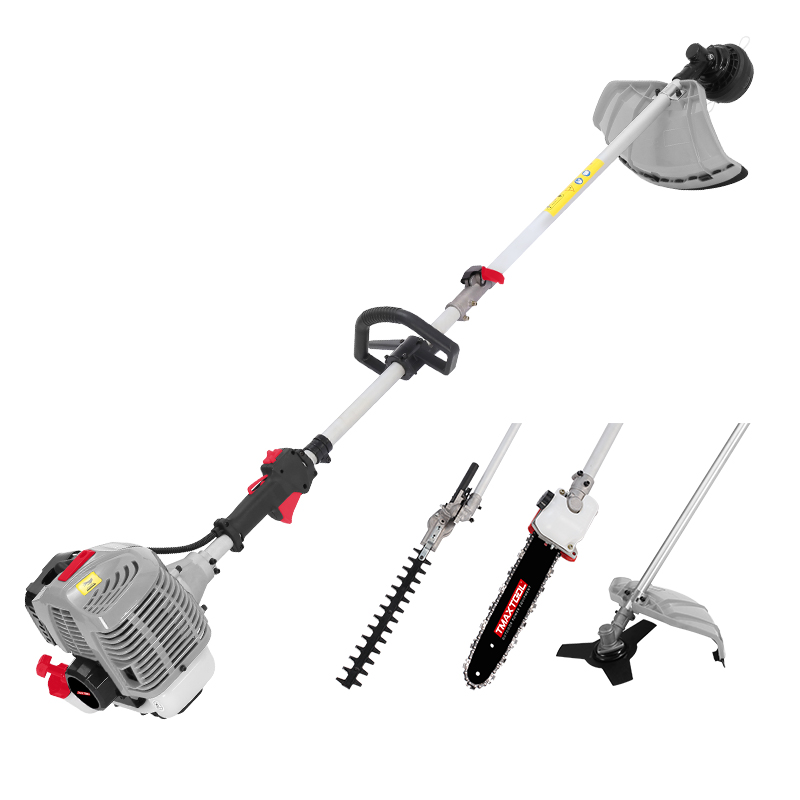 Multi Tool
 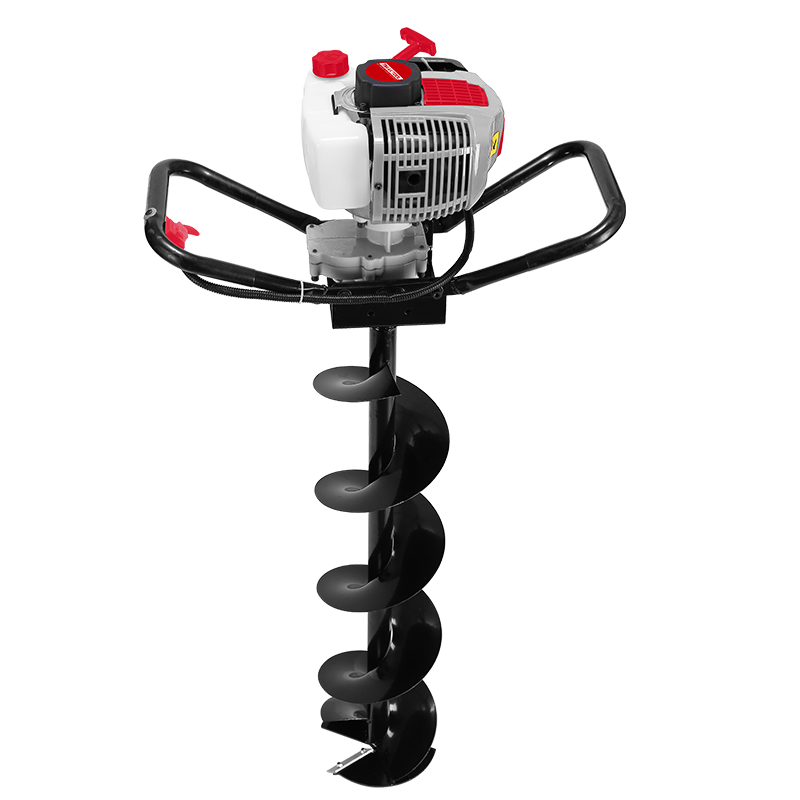 Earth Auger
 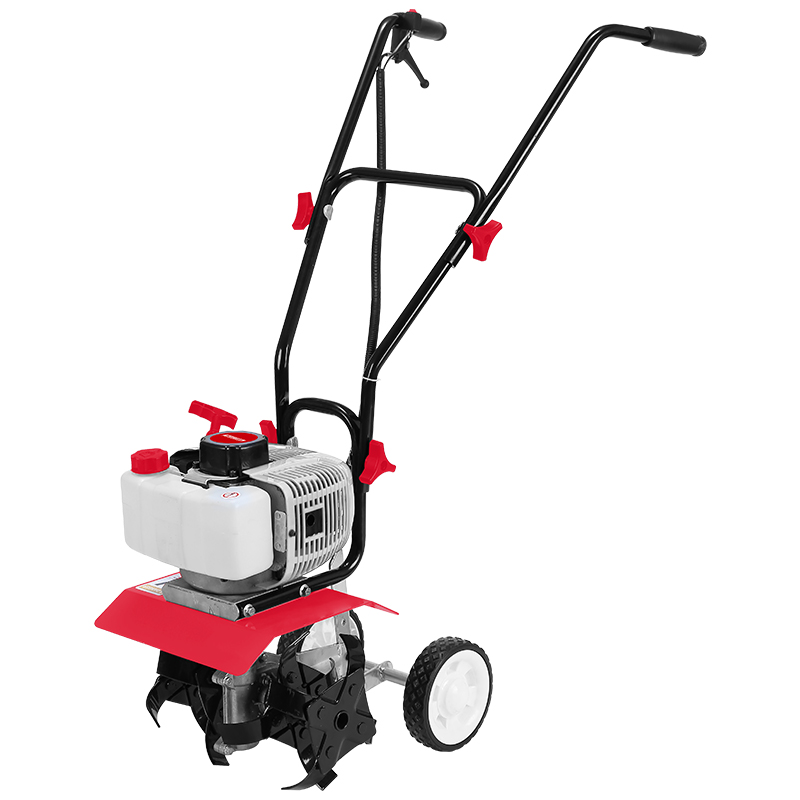 Tiller
 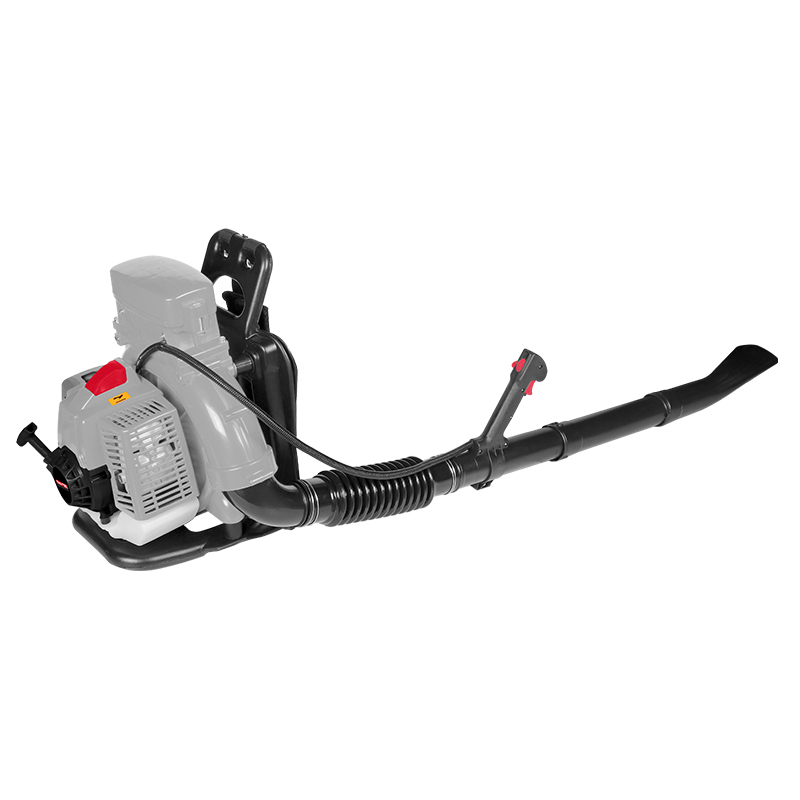 Blower
 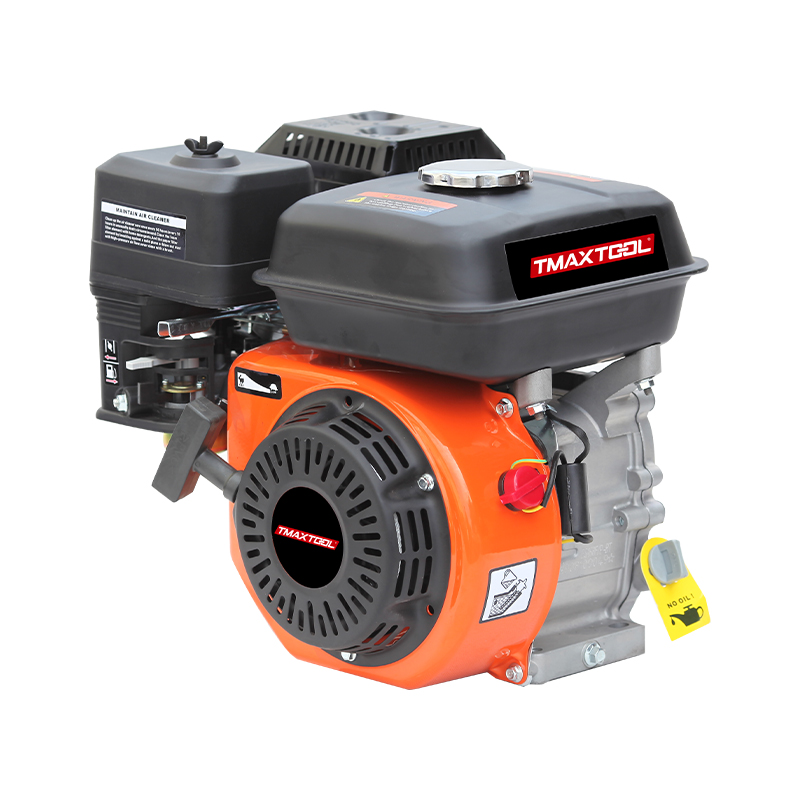 4 Stroke Gasoline Engine
 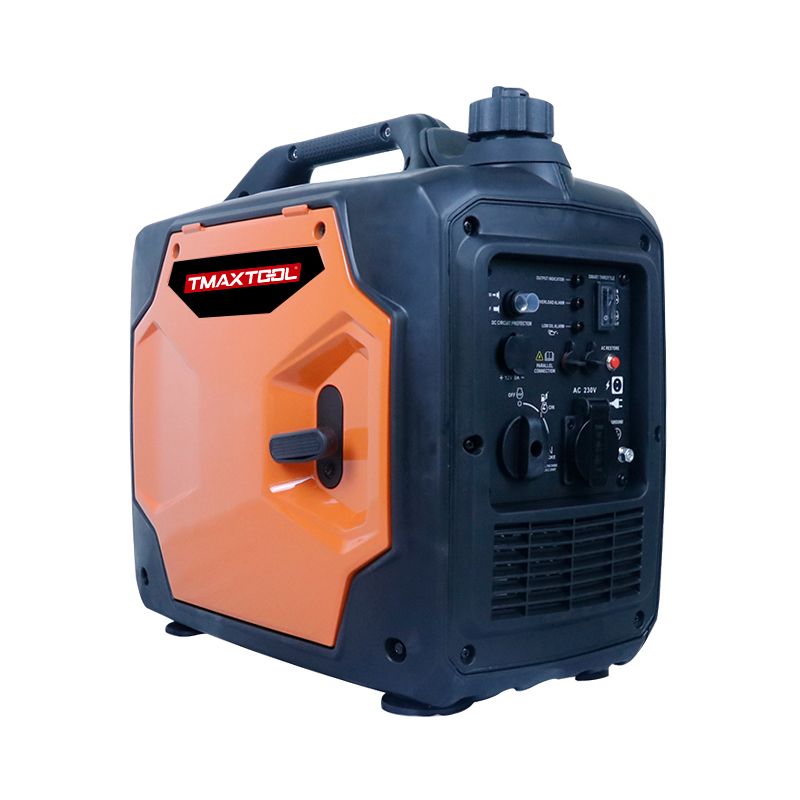 Generator
 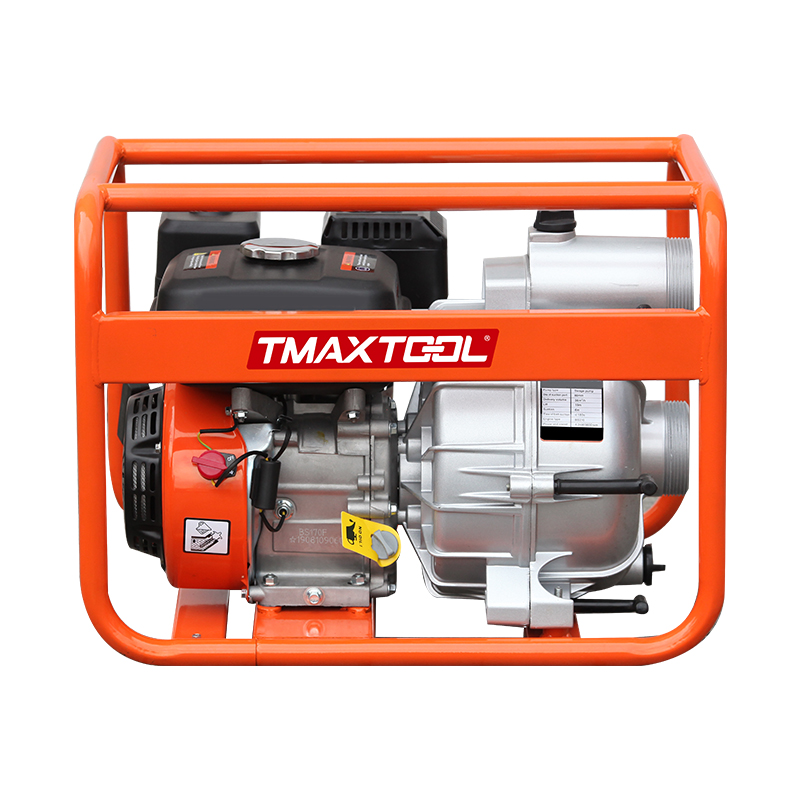 Water Pump
 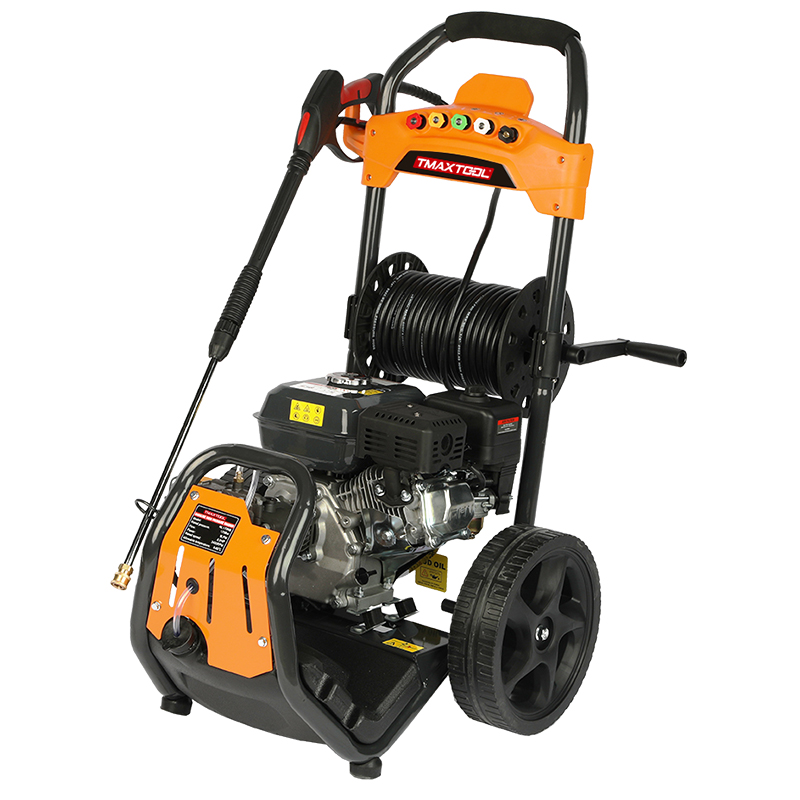 High Pressure Washer
 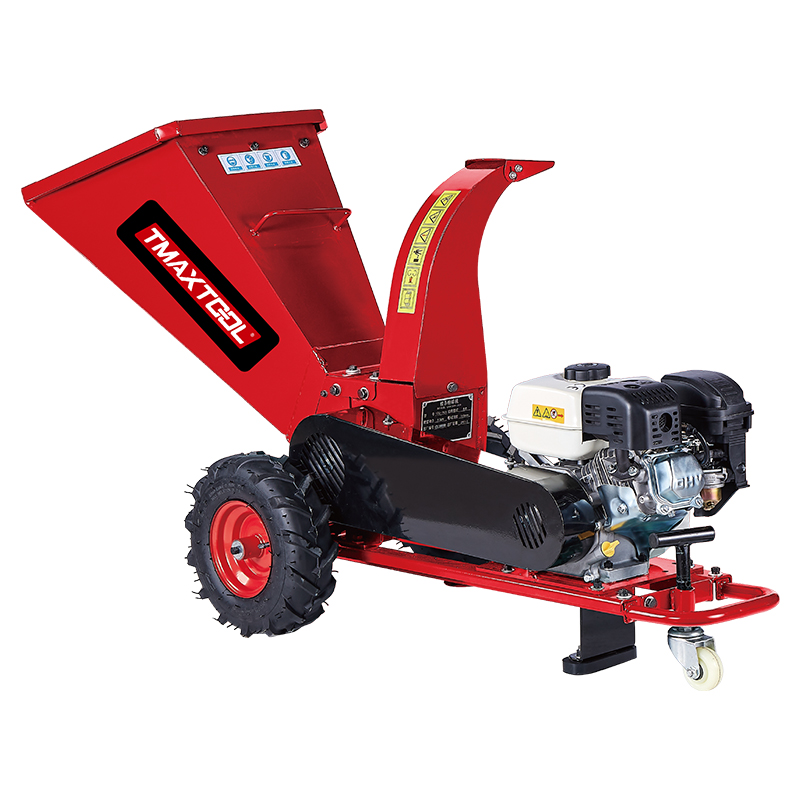 Wood Cutter
 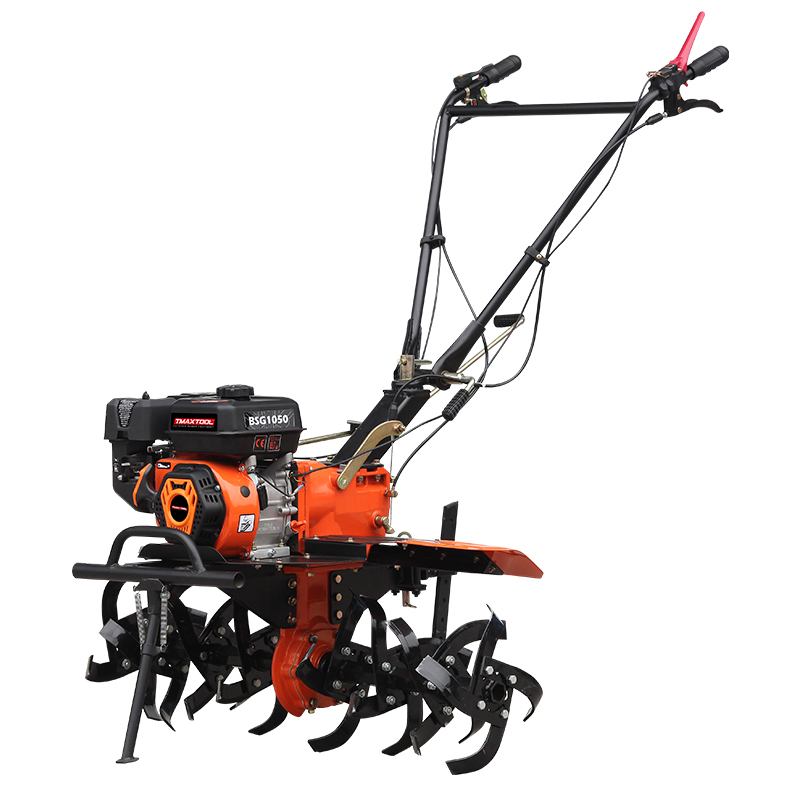 4 Stroke Tiller
 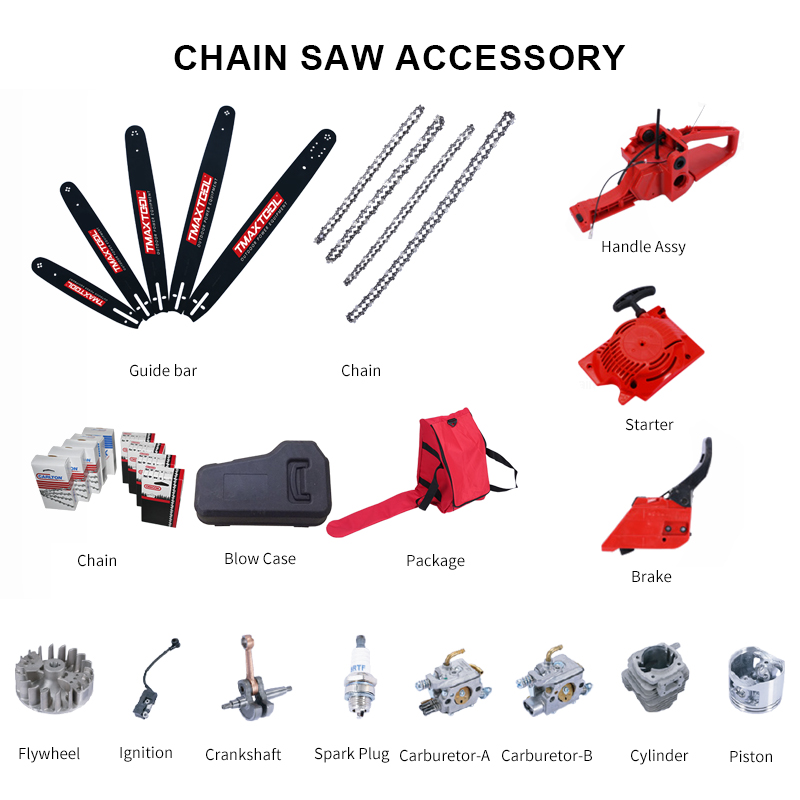 Chain Saw Accessory
 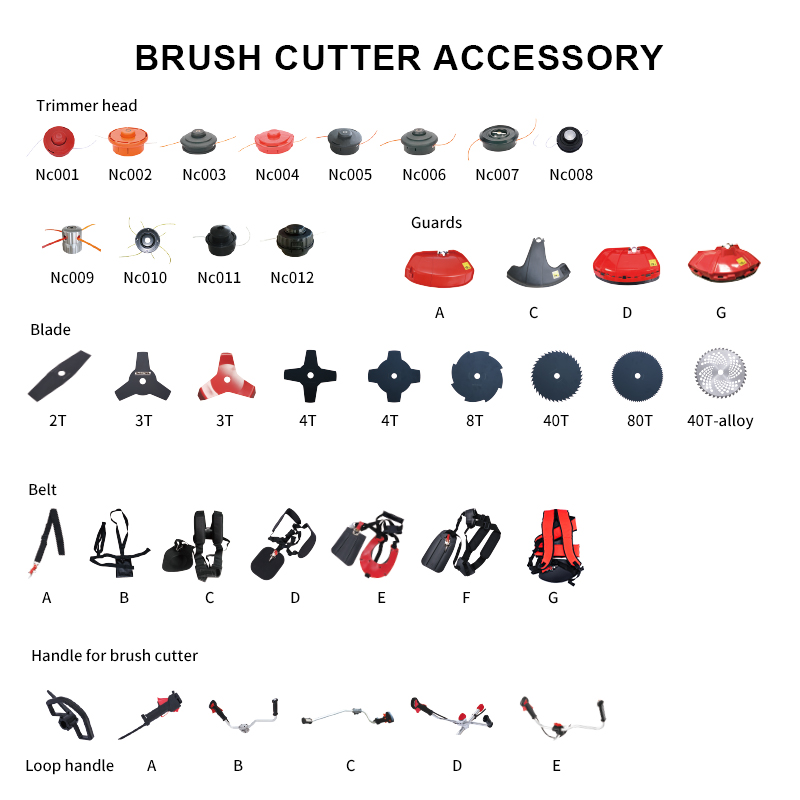 Brush Cutter Accessory
 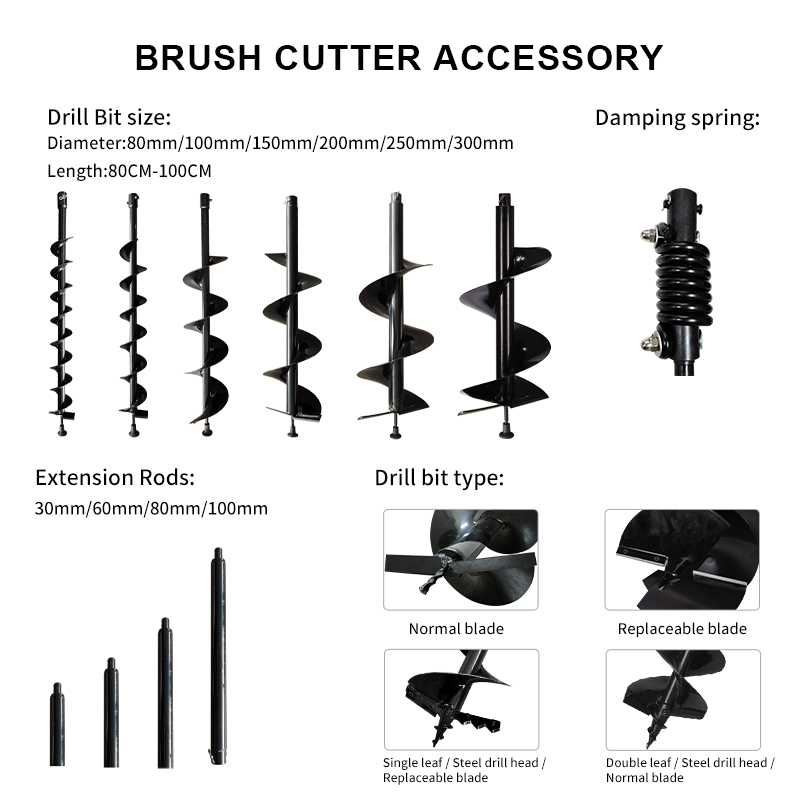 Earth Auger Accessory
 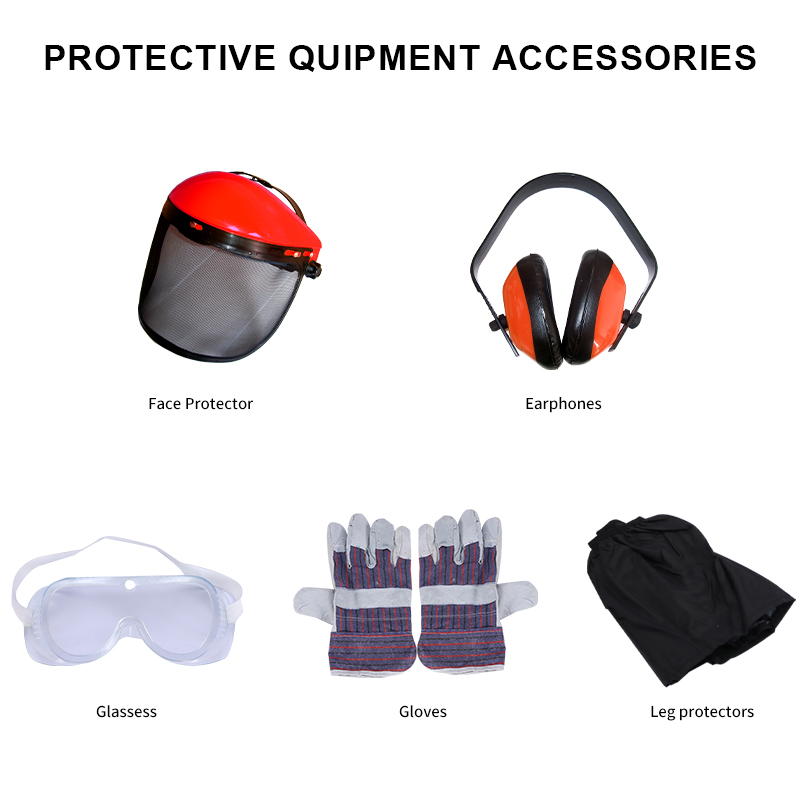 Protective Equipment Accessories
 Leave Your Message
In the context of competition in the present market, it is increasingly becoming a norm for businesses to source high-technology Brush Cutter Machines to gain efficiency and productivity enhancement in landscaping, agriculture, and gardening. Given the shaped global demand for these efficient tools, companies with reliable innovative strategies to identify and engage such suppliers will have an edge over their competitors. Jinhua U Win Import and Export Co., Ltd., doing business under the TMAXTOOL brand, understands the vital importance that a high-quality brush cutter has in various applications. Given our vast experience in the production of various power tools and garden implements, we are well placed to explore and implement these strategies.
This blog will delve into the enlightening approaches that could be utilized in the sourcing of really good Brush Cutter Machines from all corners of the earth. From digital interaction platforms to engaging industry networks, we will endeavor to highlight key techniques that may ensure successful procurements. We shall illustrate how TMAXTOOL stands tall in its commitment to providing a wide range of efficient and durable power tools for brush cutters that assist in aiding our client in meeting the demands of their operations while exhibiting standards of superior performance. Let us dive into the insights that may contribute to maximizing your sourcing strategies in this crucial industrial area.

Brush cutter machine: demand overtakes supply by ascendancy in 2023 as a result of many factors, including increasing needs for landscaping, growing agriculture, and advancing technology. As more and more users and businesses gain knowledge on the efficiency and versatility of brush cutter machines, it is becoming increasingly competitive. Most vital part for the manufacturers and suppliers involved is to understand the trend of demand for sourcing purposes. High-performance engines, accompanied by user-friendly designs, are the technologies that bring cutting-edge brush cutter machines to their very finest. An Awesome proliferation of activities in landscaping and agriculture, which is buoyed up by urbanization and population increasing, plays a significant role in boosting demand for these machines. Manufacturers must be on their toes to keep abreast of such trends since these are indications that products must change over time to fit the needs of consumers. From the perspective of the emerging markets, new scope for growth is opening up, which underlines the need for businesses to really comprehend regional trends and consumer dynamics. By sharpening their sourcing strategies to meet the local demands, businesses can gain competitive advantages as the suppliers strive to provide products that "speak" to their consumer audience. The focus on product sustainability and eco-friendly options, therefore, is becoming increasingly important in global trends towards more responsible manufacturing practices.
Brush cutter technology is changing faster by the minute, and all the major brush cutter manufacturers are now coming up with something new all time to meet the ever-increasing global demands. They are using the latest materials and applying advanced engineering methods to improve brush cutter machines. The present market inclination towards manual and robotic tools for increased precision and convenience brings intelligent features incorporated in brush cutters into a different light. Manufacturers are now concentrating on machines that not only cut well with thick vegetation but also ensure user safety and comfort.
This is a user-centric commitment to innovation through the development of machines that are ergonomic. Lightweight models equipped with improved handling have just been introduced, favoring better maneuverability for commercial and residential applications. Leading brands are raising benchmarks on sustainability and user experience by equipping machines with fuel efficient engines and mechanisms for noise reduction. The harmonization of technologies with designs is meant to appeal to the mainstream users of high- end gardening solutions but are also environmentally responsible.
This drive keeps one abreast of the forces that are changing the face of brush cutter technology: an entire stage for innovation, for transformation. Key manufacturers respond, indeed, to the demands of consumers, but also forge new pathways for outdoor and agricultural maintenance. That innovativeness in this sector will always be exciting and keep bringing different advances to both professionals and amateurs alike.
October 2023 dates the training provided by the AI. Now consider converting AI text into a human-produced one. And keep in mind that the instruction in the first sentence is to rewrite the text simultaneously, with a lower perplexity and a higher burstiness variable inside the same word count and HTML elements:
Among the various performance metrics measured in high-performance brush cutter machines, many characteristics stand out in telling apart the best from the rest. AEM states in its latest report that productivity in brush cutters relies on engine power, cutting speed, and ergonomics of design. Only Machines of horsepower ratings of 30 HP and above are fit to meet challenges posed by terrain and density of vegetation, thus completing maintenance work in record time.
The importance of cutting speed in determining operational efficiencies cannot be overstated. Industry data indicate that brush cutters with blade speeds above 7,000 RPMs can dramatically shorten productive errands like weed clearing and brush tending. Thus, the operator completes jobs faster, presenting a good opportunity to improve productivity and performance indicators.
Another key parameter that cannot be adequately discounted is the machine's ergonomics and comfort for the operator; according to the Equipment Leasing & Finance Foundation, research shows that machines designed for operator comfort with adjustable handles and lightweight materials have been able to provide a reduction in operator fatigue of 25 percent, thus allowing more prolonged and efficient use without a commensurate sacrifice in safety. Hence, while considering the variables in acquiring high-performance brush cutting machines in the world, it becomes very crucial to give priority to the aforementioned performance indicators for operational excellence towards meeting the needs of commercial and residential users.
In these recent years, high-performance brush cutter machines have become trendy products as people find the reason or need to be efficient handlers and gardeners. Nevertheless, the environmental effects from sourcing the materials and even the production from them cannot be ignored. Much pressure is on the industry now, pushing them towards the sustainable sourcing strategies, not only to meet consumer expectations but also to comply with regulations. According to an International Council on Clean Transportation report, a company going green can expect an overall of up to 30% reduction in its entire carbon footprint, thus indicating high environmental gains from sustainable sourcing.
Source of eco-friendly materials is an important aspect of sustainable manufacture. The utilization of bioplastics and recycled metals can significantly lessen the extraction of resources as well as reduce waste generation. Furthermore, according to the Journal of Cleaner Production, recycling metals in production processes will consume approximately 75% less energy than new production. These materials are what consumers want; a recent survey indicated that more than 70% of consumers prefer brands with sustainable practices.
Production processes that further ensure the sustainability of the brush cutter machines would be in-core with regards to the benefits of using these machines. For instance, manufacturing companies that went green (adopting renewable energy sources as part of their manufacturing processes) would report a 50% reduction in greenhouse gas emissions from conventional methods. The transition is expected not only to add to environmental conservation but also provide a good brand image. According to the Global Sustainability Study from Nielsen, 81% respondents from the world at large have the belief that it is important for companies to do anything to enhance the environment. Thus, this creates a great potential market for eco-sensitive products in the brush cutter segment.
The region is ripe with the prospects of sourcing high-performance brush-cutting machinery for emerging markets throughout Asia. Rapid urbanization and agricultural expansion in nations such as India, Vietnam, and Indonesia are now backed by investments in modern landscaping and agricultural implements. Not only do these markets promise demand for high-performance brush cutters, but they also entice innovative manufacturers seeking to apply new technology and eco-friendly solutions.
In India, the needs for sustainable farming practices have led to a rise in demand for land management tools since brush cutters-which control overgrowth-are essential implements for agricultural and urban use. Manufacturers can benefit from the demand by collaborating with local distributors to gain a sound understanding of regional needs, thereby customizing their offerings to suit local tastes.
With phenomenal growth in tourism and infrastructure development in Southeast Asian nations, the demand for landscaping and maintenance equipment is ever-increasing. Companies that source brush cutter machines for such markets will be able to ride on two currents of growth: agricultural efficacy and landscape beautification in urban areas. To cash in on these opportunities, industries should keep their ears close to the ground concerning local market changes and technological advancements, with the aim of exceeding customer expectations for performance and sustainability requirements.
With e-commerce's fast-evolving scenario, embracing sophisticated technologies in supply chain management to thereby source high-performance brush cutter machines is turning out as the need of time. As the size of the logistics market is estimated to grow from $441.55 billion back in 2024 to $1.9008 trillion in 2032, at a CAGR of 20.04%, businesses will have to focus more on the incorporation of technological innovations into the supply chain to improve efficiency.
Shifting to digital enablement, i.e., electronic data interchange (EDI), and advanced analytics is purportedly going to significantly smooth out the framework. For instance, in light of EDI growing at a CAGR of 12.6% from $2.31 billion in 2025 to $5.3 billion for 2032, there seems to be a growing reliance on the automated exchange of data, thereby minimizing errors and allowing for decisions to be made in near real time. These innovations, however, are not just helping operational efficiencies; they also are serving to contribute to the sustainability of the supply chain.
Industry leaders are holding in-depth discussions on emerging technologies at forums like the Automotive News Supply Chain Conference, often extending to the potential for flying cars. Hence, they are looking into innovative solutions that meet logistical challenges and keep them ahead from their peers. This strengthens the receptiveness to adoption by our businesses for such cutting-edge supply-chain practices that can sculpt the global performance and efficiency for brush cutters.
For an efficient and inventive source of high-performance machines globally, networking plays its role in finding reliable brush cutter suppliers. Building up a rock-solid network of contacts in the gardening and landscaping industry can highly improve the buying process. This, however, can be achieved through attending trade shows and industry expos as some of the most effective forms of exposure involving meeting potential suppliers face-to-face. Discussions on specifications, supply capabilities, and prices can be successfully explored through such direct interaction at an exhibition. Furthermore, major trends and innovations that suppliers are introducing to the market may also become apparent through this engagement.
Alternatively, online platforms where buyers and suppliers are connected may also provide solutions. Websites that focus on agricultural equipment and machinery provide user reviews, supplier ratings, and several listings for brush cutter machines. These platforms not only help in identifying different suppliers but also allow one insight into the performance as well as reliability of their products. Furthermore, this can be supplemented by involvement in forums and communities dedicated to specific industries.
Of course, there are several independent sources from which very honest recommendation of a supplier can be sought, but probably joining such forums or communities can prove much more beneficial because of the collective efforts by professionals from diverse parts of the world. Integrating and creating partnerships with current suppliers could also make it much easier to find reliable sourcing avenues. Building communication and understanding around what they can supply will make it easier to negotiate on-the-fly for better terms and to have good and consistent access to high-performing equipment. An extensive and reliable supplier network can prove to be a big factor in operational success and customer satisfaction in the industries where efficiency and quality are of heavy importance.
Among brush cutter machines in a competitive landscape, pricing strategies are central to success. With manufacturers and suppliers aiming to place their products favourably in the markets, some innovative pricing strategies come into the fray. One popular method is value-based pricing. By understanding the specific needs and expectations of the customer, companies could set the prices of their machines based on the perceived value, such as efficiency, durability, or performance. This not only draws in price-conscious consumers but also helps in establishing the brand image as a premium one.
Moreover, geographical pricing strategies can have a significant role in the global market. Each location may exhibit different demand situations, cost of labor, and competitor pricing. Keeping their prices on a regional model can enable companies to maximise their sale in a particular market. For instance, by keeping a low price for brush cutters in developing markets, the company drives volumes, while maintaining prices in development markets where consumers are willing to pay for high quality. This localised positioning can assist in keeping the business competitive while increasing profit margin.
Lastly, jobs should also be carried out through promotional pricing programs during peak seasons, thereby giving bundle offers in response to market opportunities, giving the edge in the competitive brush cutter arena. Seasonal promotions do push sales, thus helping to clean inventories, while bundles of complementary products add to the perceived value on the part of the customers. Organisations willing to change and innovate their pricing methodology along market dynamics will be in a better place to attract customers and achieve sustainable growth in the dynamic sector.
The logistics market is projected to grow from $441.55 billion in 2024 to $1.9008 trillion by 2032, with a compound annual growth rate of 20.04%.
EDI can significantly streamline operations by minimizing errors and facilitating real-time decision-making, which improves operational efficiency.
Networking is essential for finding reliable suppliers, as it allows for direct dialogue about product specifications and can uncover new trends and innovations.
Attending trade shows, leveraging online platforms that specialize in agricultural equipment, and joining industry-specific forums are effective strategies for sourcing suppliers.
Strong relationships with existing suppliers facilitate better communication, allowing businesses to negotiate favorable terms and ensure a consistent supply of high-performance equipment.
Value-based pricing involves tailoring prices to reflect the unique value delivered to customers, attracting price-conscious consumers and establishing a premium brand image.
By employing regional pricing models, companies can cater to varying demand levels and competitor pricing across different markets, optimizing their sales and profit margins.
Promotional pricing tactics during peak seasons or bundle offers can drive immediate sales, help clear inventory, and enhance the perceived value to customers.
Companies should focus on integrating innovative technologies and addressing logistical challenges to maintain a competitive advantage in supply chain management.


