In the world of gardening, things are always changing, and having the right tools can really make a difference in keeping your plants healthy and thriving. Did you know that the global garden tools market is expected to hit around 21.26 billion dollars by 2025? That’s mostly because more folks are getting into home gardening and landscaping — it’s just a big trend lately. Now, when it comes to tools, Pruning Shears are pretty much a must-have. They play a big role in keeping plants looking good and staying healthy. Or, put simply, good pruning shears can totally change how well your plants grow and how lush your garden looks.

Companies like TMAXTOOL, part of Jinhua U Win Import & Export Co., Ltd., are really good at making top-notch gardening tools, including a wide selection of pruning shears designed to meet different needs. Picking the right one can actually impact your pruning game — and ultimately, your garden’s success. With a little bit of info and maybe some advice from the pros, gardeners can make smarter choices and invest in tools that really work for them, making gardening a bit easier and more enjoyable.
Understanding Different Types of Pruning Shears for Your Garden
So, if you're diving into gardening and wondering about choosing the right pruning shears, it's pretty important to know what types are out there. There are basically four main kinds, each made for different jobs. Bypass pruners are kind of the go-to—they have two curved blades that slide past each other, which makes them perfect for making clean cuts on living plants. They’re gentle and great for delicate stuff like flowers or fresh stems. Then, you’ve got the anvil pruners, which have a straight blade that cuts against a flat surface. These are better suited for dealing with dead wood or thicker branches that need a little more muscle. Ratchet pruners are pretty handy too—they have a special mechanism that lets you cut through tougher stuff with less effort, kinda like a ratchet tool. And finally, there are loppers, which are those long-handled shears—super useful for reaching up high or tackling big, thick branches without causing your back to protest. Whether you're just starting out or you're a seasoned pro, picking the right shears can really make gardening easier and help keep your plants happy and healthy.
Key Features to Look for in Quality Pruning Shears
When you're picking out pruning shears, it's pretty important to get a handle on what features really matter—after all, you want tools that work well, right? Good quality shears usually have blades made from tough stuff like high-carbon steel or titanium, which helps keep them sharp longer and prevents rusting. I read somewhere, from the American Society of Horticultural Science, that shears with high-carbon steel blades can stay sharp around 25-30% longer than the typical stainless steel ones. That means less time sharpening and more time actually pruning your plants—definitely a win for garden lovers!
And let's not forget about the handle—how it feels in your hand can make a huge difference. Handles designed with ergonomics in mind can really save your hands from getting tired, especially if you're doing a lot of pruning. The National Gardening Association even says that about 70% of gardeners have experienced discomfort because their tools weren’t comfortable enough. So, investing in shears with padded or textured grips can make fencing and snipping way more comfortable, giving you better control and helping prevent hand fatigue. Plus, lighter handles—using materials like aluminum—can make those bigger pruning jobs feel way easier too.
5 Essential Tips for Selecting the Right Size of Pruning Shears
Picking the right size of pruning shears might seem like a small detail, but honestly, it makes a big difference in your gardening game. First off, just take a quick look at your hands—your comfort is key here. Since pruning shears come in all sizes, you wanna find a pair that feels just right—neither pinching your fingers nor feeling too loose. A good fit means better control and less fatigue, especially if you're at it for a while.
Then, think about the plants you're working on. For tiny, delicate stems, lightweight shears with shorter blades are usually the way to go—they're easier to maneuver, and you won't strain your hand. On the other hand, if you're tackling thicker branches or bigger plants, bigger shears with more leverage will save you some elbow grease.
Also, some shears come with adjustable features—like tension settings—that can help customize the grip and make the whole process even more comfortable. Paying attention to these little details isn't just about efficiency; it makes pruning much more enjoyable and less of a chore.
So yeah, take your time picking the right tools. It’ll make a noticeable difference—and hey, gardening should be fun, right?
Comparing Manual vs. Electric Pruning Shears: Which is Best?
When you're trying to pick out the right pruning shears, it can definitely feel a bit overwhelming—should you go manual or get those handy electric ones? Well, according to the Gardening Equipment Manufacturers Association, about 60% of passionate gardeners actually prefer manual shears because they give you that precise control and a real feel for the cut.
Plus, they’re usually lighter and easier on your wallet, making those delicate, detailed trims a lot more manageable.
Maintaining Your Pruning Shears: 4 Essential Care Tips
Taking good care of your pruning shears is actually pretty important if you want your gardening to go smoothly. Honestly, one of the first things experts will tell you is to keep those shears clean. Just giving them a quick wipe with a cloth after using them can really help prevent sap from collecting and stop nasty diseases from spreading between your plants. For a deeper clean every few weeks, a simple soap and water mix works wonders for keeping the blades sharp and in top shape.
And don’t forget about sharpening! Dull blades aren’t just annoying—they can actually hurt your plants more than help. Sharp shears make cleaner cuts, which is better for the plants and easier on you. Studies show that sharp blades can reduce the effort needed by up to 30%, making pruning less of a chore. The usual go-to is a sharpening stone or a file—just be sure to keep the angle steady so you get a nice sharp edge. Lastly, a few drops of oil on the pivot points can really make a difference, helping everything move smoothly and extending the life of your tools. Trust me, taking these small steps makes a big difference in the long run, and your shears will thank you for it!
The Ultimate Guide to Choosing the Best Pruning Shears for Every Gardening Need - Maintaining Your Pruning Shears: 4 Essential Care Tips | Type of Pruning Shears | Best Use Case | Key Features | Care Tips |
| Bypass Pruning Shears | For delicate and live branches | Sharp blades, lightweight | Clean blades after each use |
| Anvil Pruning Shears | For dead or thick branches | Powerful cutting action | Sharpen blades regularly |
| Ratchet Pruning Shears | For users with limited strength | Mechanism for easier cutting | Store in a dry place |
| Lopper Pruning Shears | For high branches and thicker stems | Long handles for leverage | Lubricate the pivot point |
When to Replace Your Pruning Shears: Signs You Shouldn't Ignore
When it comes to pruning shears, knowing when to replace them is super important if you want your garden to stay healthy. You know, just like how dogs can hide their pain, dull or damaged pruning shears might not show obvious signs of wear and tear, so it’s easy to overlook the fact that they need replacing. If your shears aren’t cleanly cutting through branches anymore, it can actually stress out your plants — kind of like how a pet in pain can suffer silently. Keep an eye out for frayed blades, rust spots, or if making a neat cut is suddenly a struggle—that’s a clear sign your tools aren’t working like they should be.

Plus, think about how you’re doing with your gardening tasks. If you’re always forcing the shears or having trouble making precise cuts, it might be time to get a new pair. Just like we pick up on those little cues that our pets aren’t feeling great, we should listen to what our tools are telling us too. Staying on top of the condition of your pruning shears really helps ensure your plants stay healthy and happy in the long run.
FAQS
: Selecting the right size of pruning shears is crucial for effective gardening, as a comfortable fit minimizes strain during prolonged use and enhances control and precision while cutting.
You should assess the size of your hands and ensure that the handles of the shears allow for a natural grip without feeling too tight or too loose.
For smaller plants and delicate stems, lightweight shears with shorter blades are more suitable as they allow for greater maneuverability.
Larger pruning shears are ideal for thicker branches or larger plants, providing more leverage for effective cutting.
Signs that indicate the need for replacement include frayed blades, rust, difficulty in making clean cuts, and the need for excessive force to achieve desired cuts.
Dull or damaged shears can cause unnecessary stress to plants, leading to poor pruning results and potentially harming plant health.
Look for adjustable features or sizes that can accommodate different grip styles and allow for tension adjustment for added comfort.
You should periodically check your pruning shears for signs of wear, especially if you notice changes in performance during use.
Ignoring the signs of wear can lead to inefficient gardening tasks and potentially harm the plants being pruned, as improper cuts can cause stress and damage.
Yes, selecting the right type and size of pruning shears can greatly improve gardening efficiency and make the pruning experience more enjoyable.
Conclusion
If you're into gardening, you’ve probably wondered about choosing the right pruning shears, right? Well, in this guide called "The Ultimate Guide to Choosing the Best Pruning Shears for Every Gardening Need," you'll get a pretty good rundown of all the main types out there. It's super helpful—whether you're just starting out or you’ve been tending your garden for years. The article points out what really matters when picking good pruning shears—stuff like how sharp the blades are, and whether they feel comfortable in your hand. Plus, it offers five handy tips on figuring out the perfect size for your needs. Oh, and it breaks down the difference between manual and electric shears, so you can decide what works best for your gardening style.
It doesn’t stop there, though. The guide also stresses how important it is to take care of your tools—things like proper cleaning and storage—and it shows you how to tell when your shears are just about ready to be replaced. As Jinhua U Win Import & Export Co., Ltd. points out, high-quality tools like TMAXTOOL's pruning shears can seriously boost your gardening game. All in all, this is a pretty useful read for anyone looking to make smart choices and get the most out of their gardening tools.

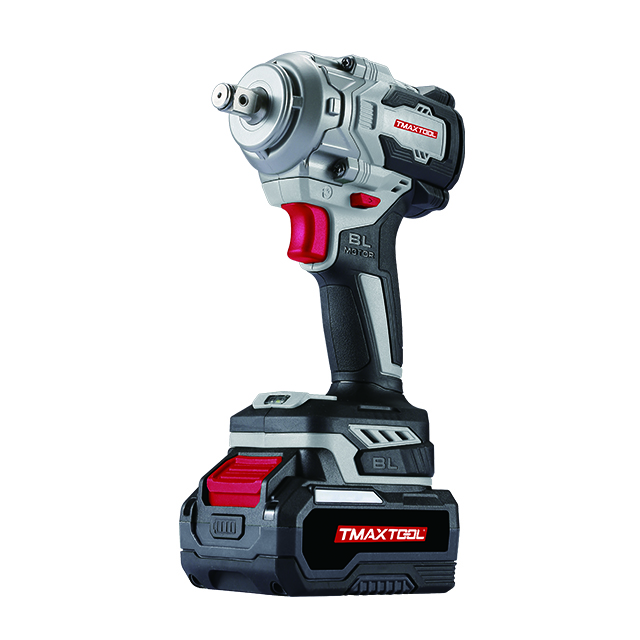 Impact Wrench
 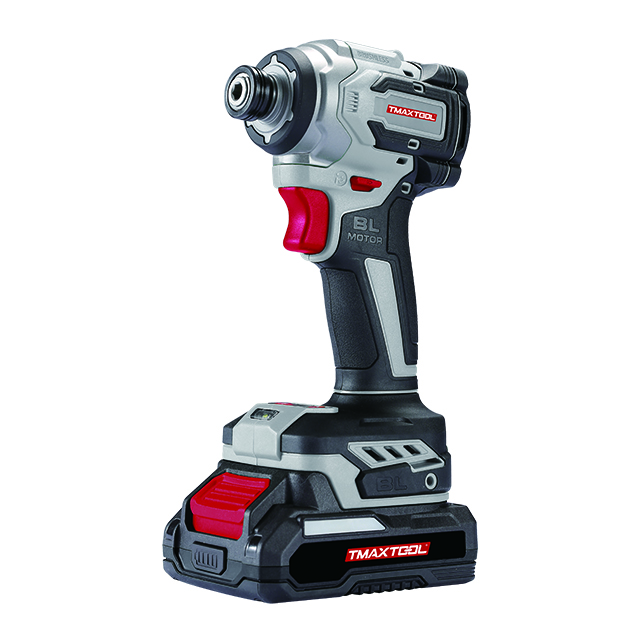 Screwdriver
 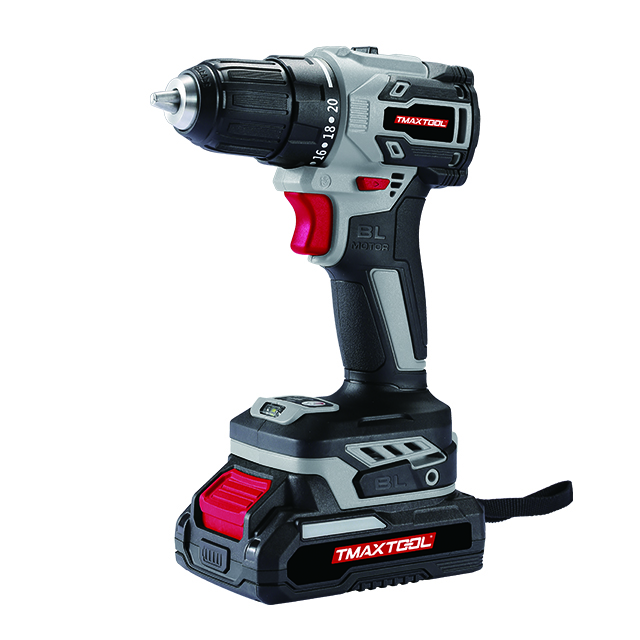 Cordless Drill
 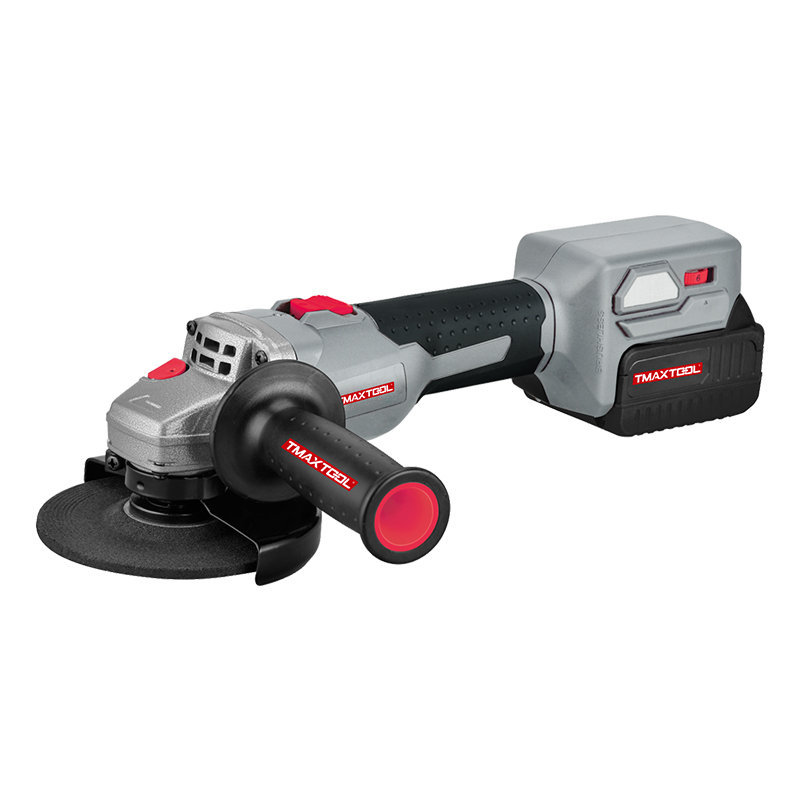 Angle Grinder
 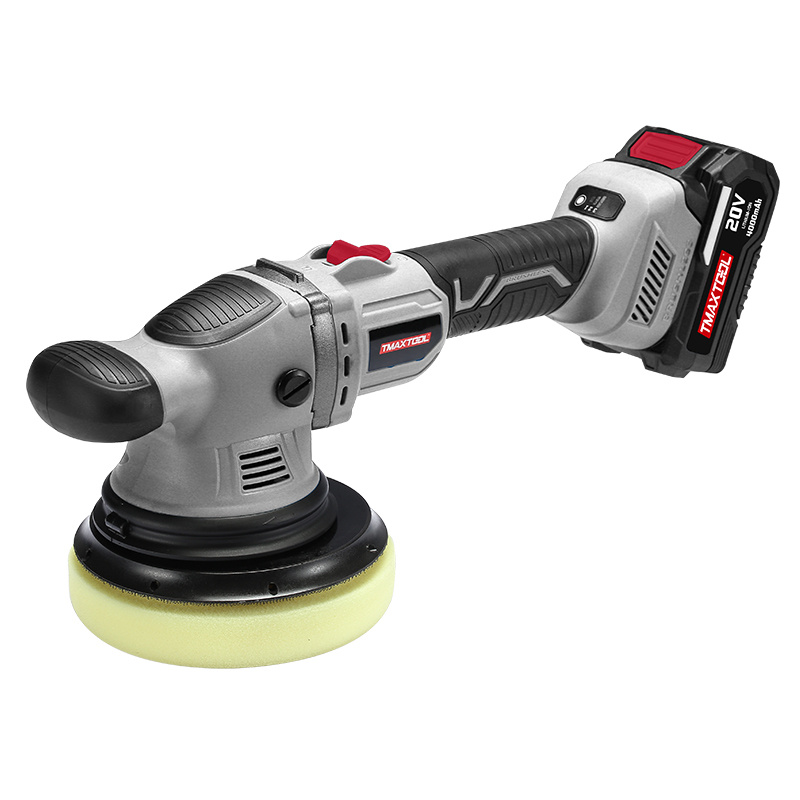 Polisher
 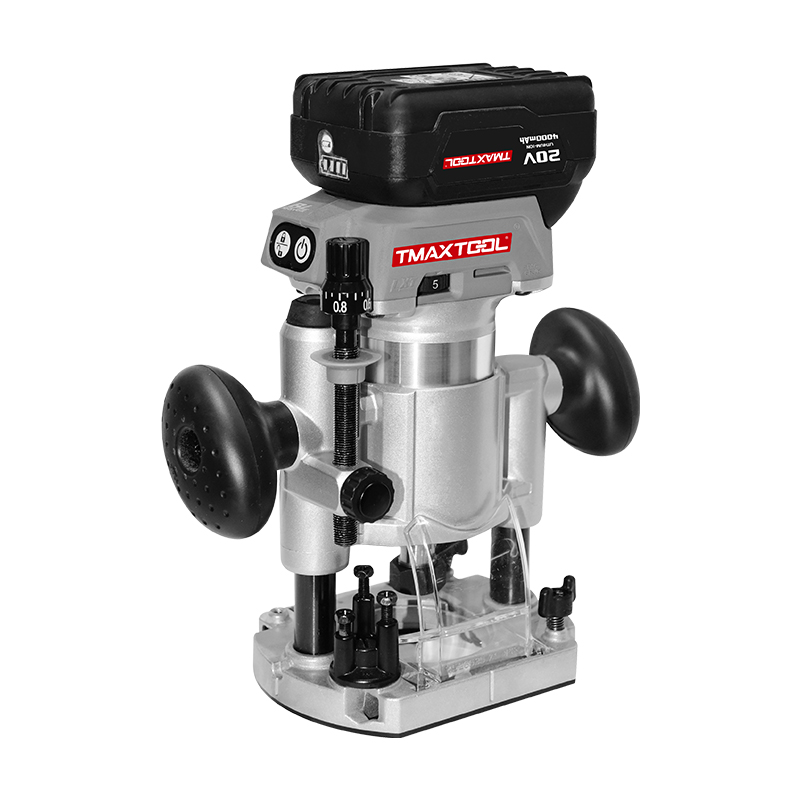 Wood Router
 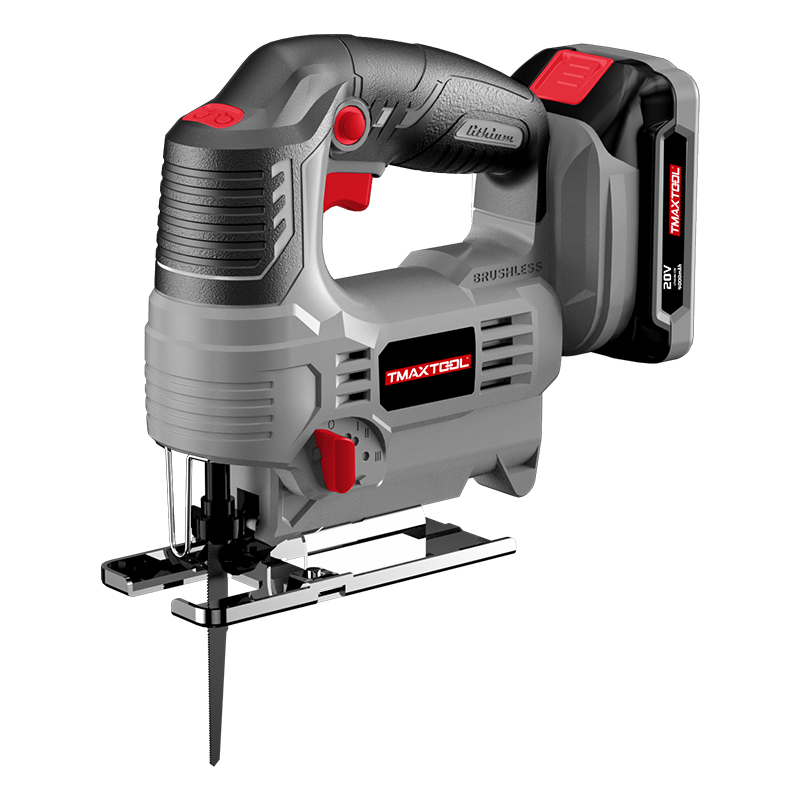 Jig Saw
 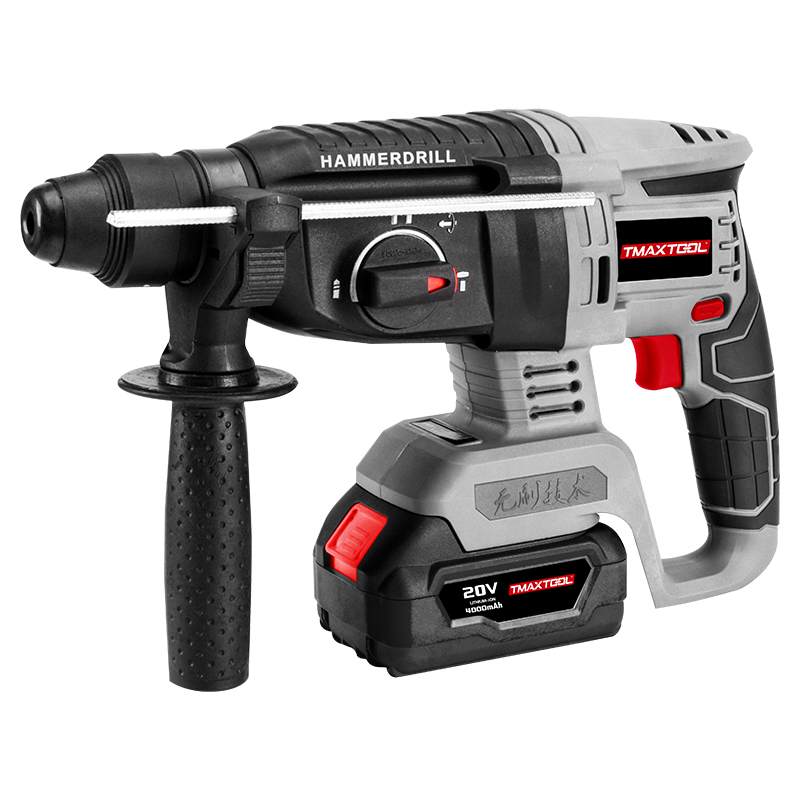 Hammer Drill
 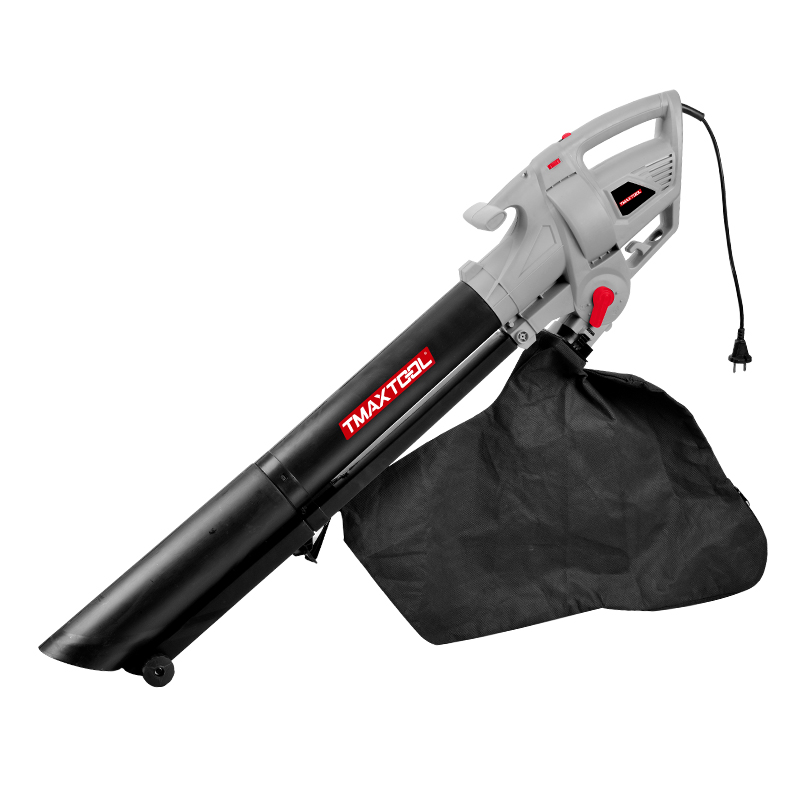 Portable Blower
 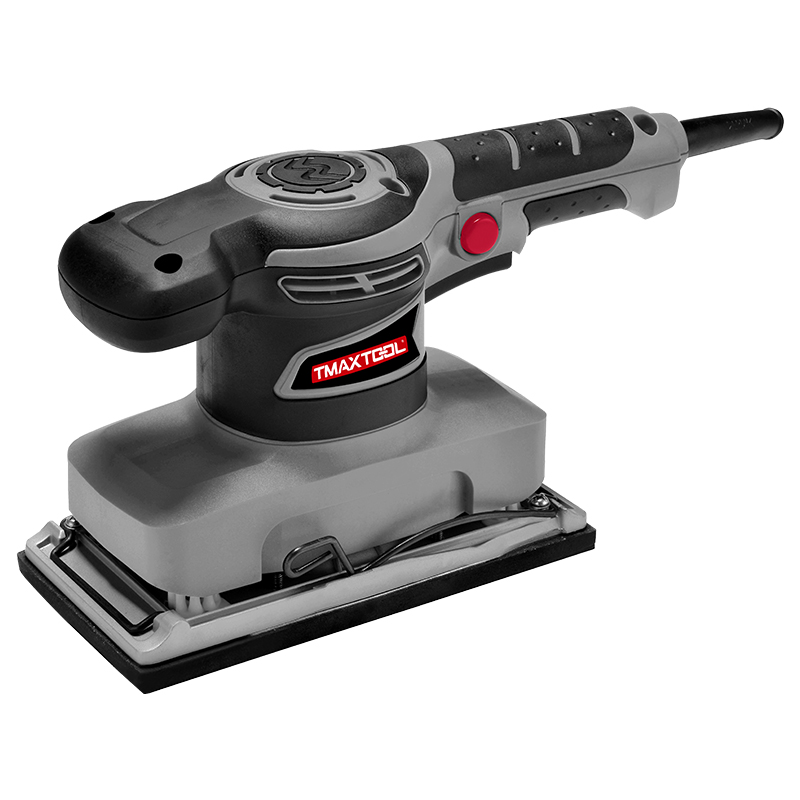 Orbital Sander
 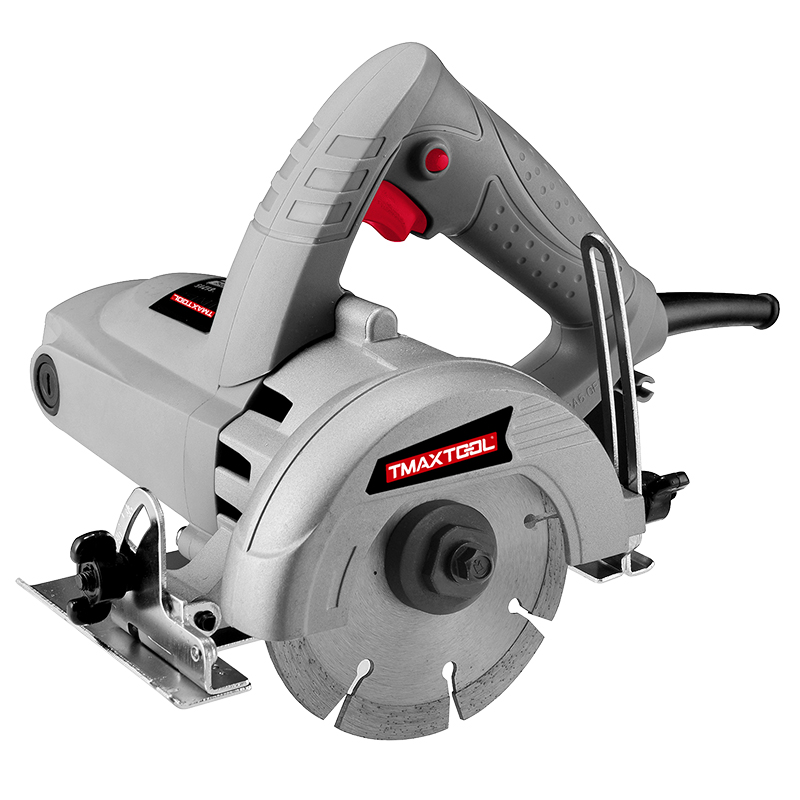 Marble Cutter
 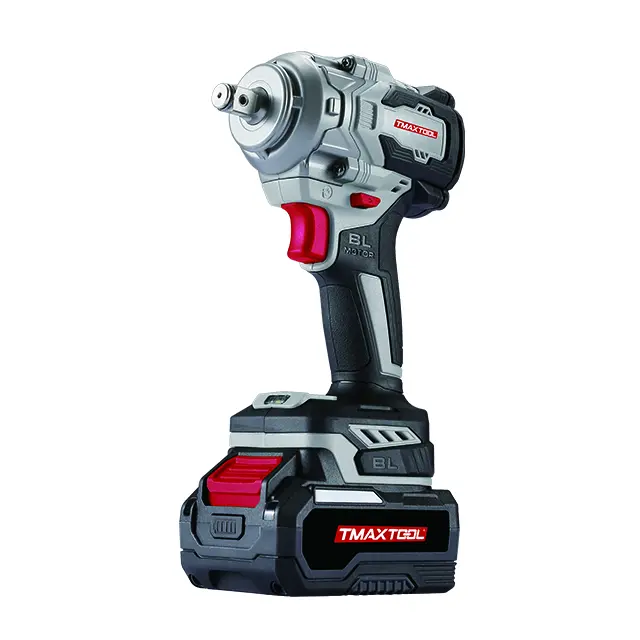 GARDEN TOOLS
 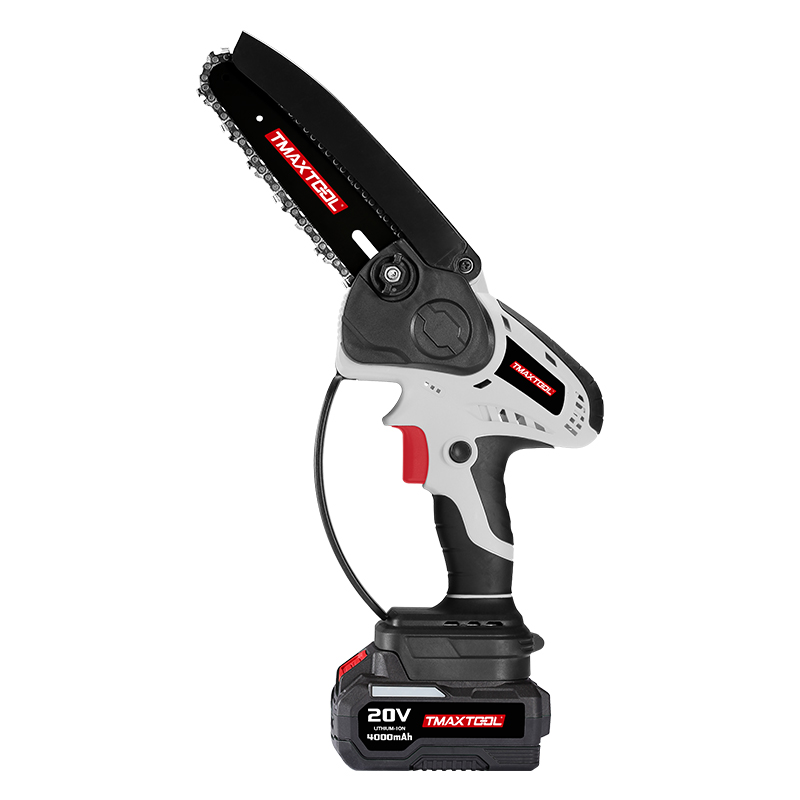 Battery Chain Saw
 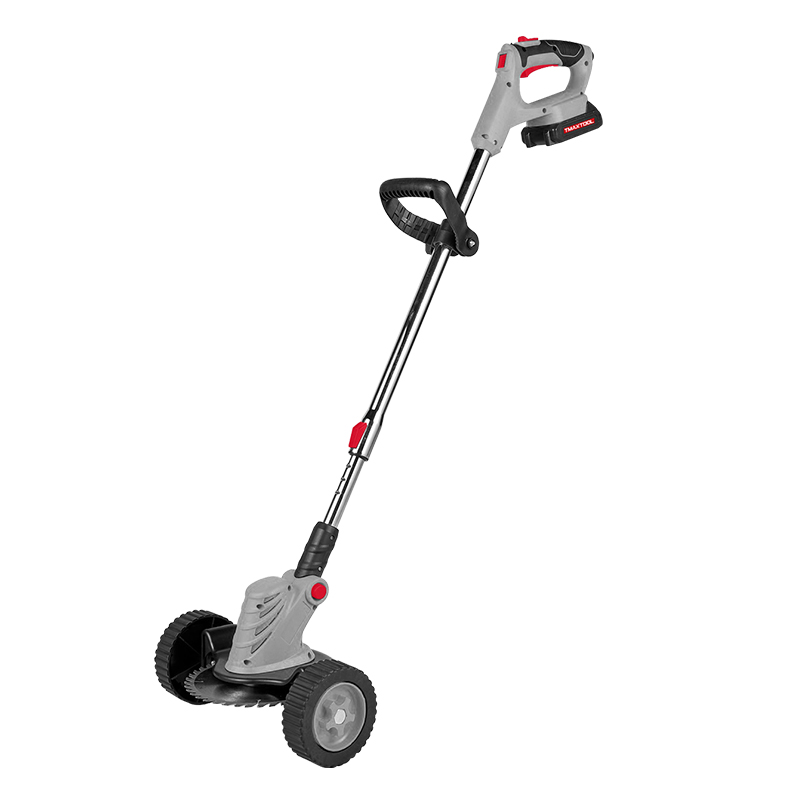 Battery Brush Cutter
 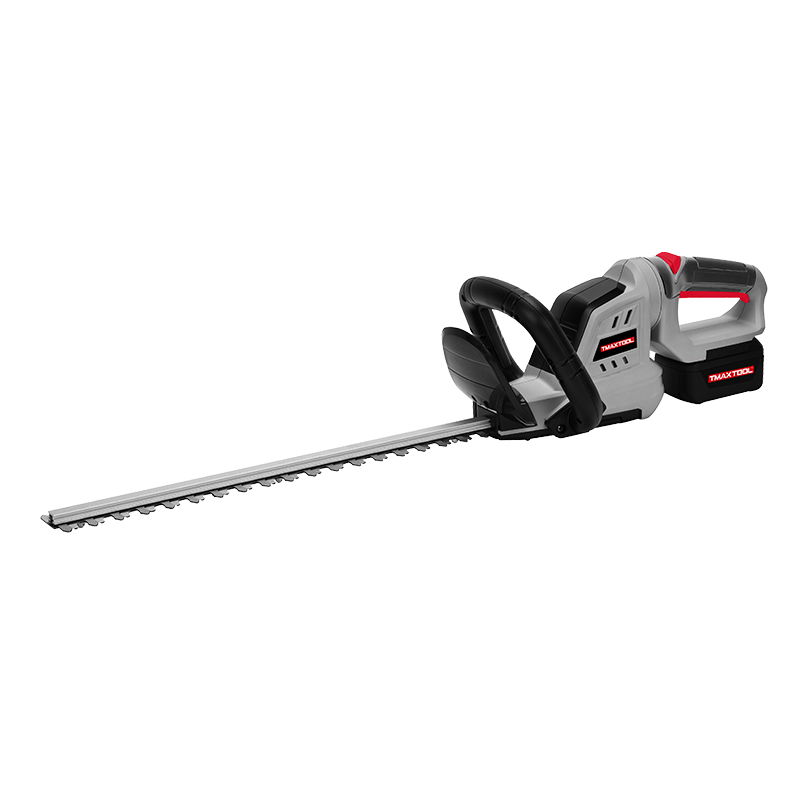 Battery Hedge Trimmer
 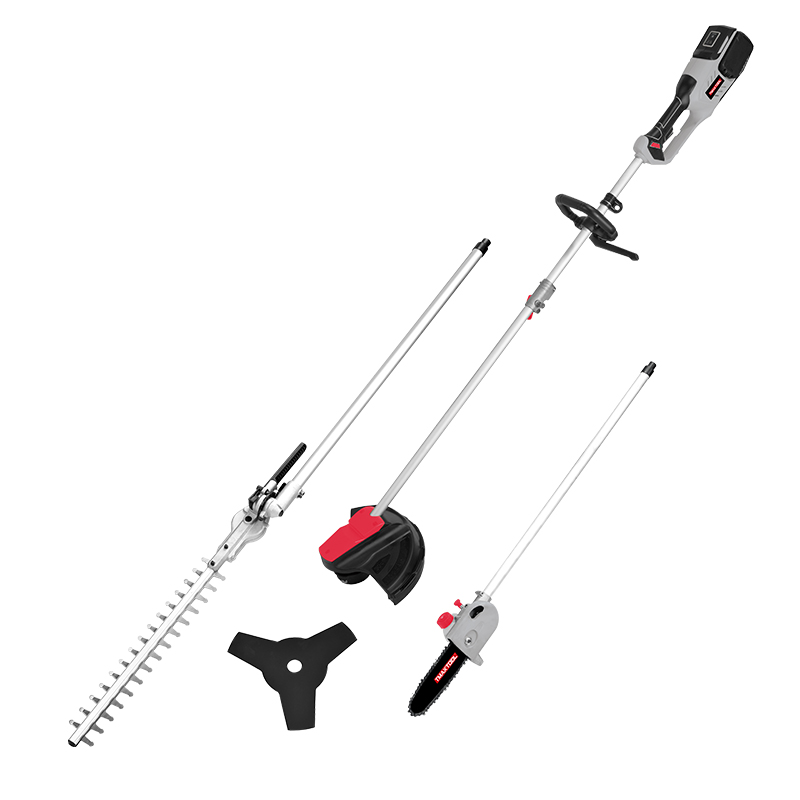 Battery Multi Tool
 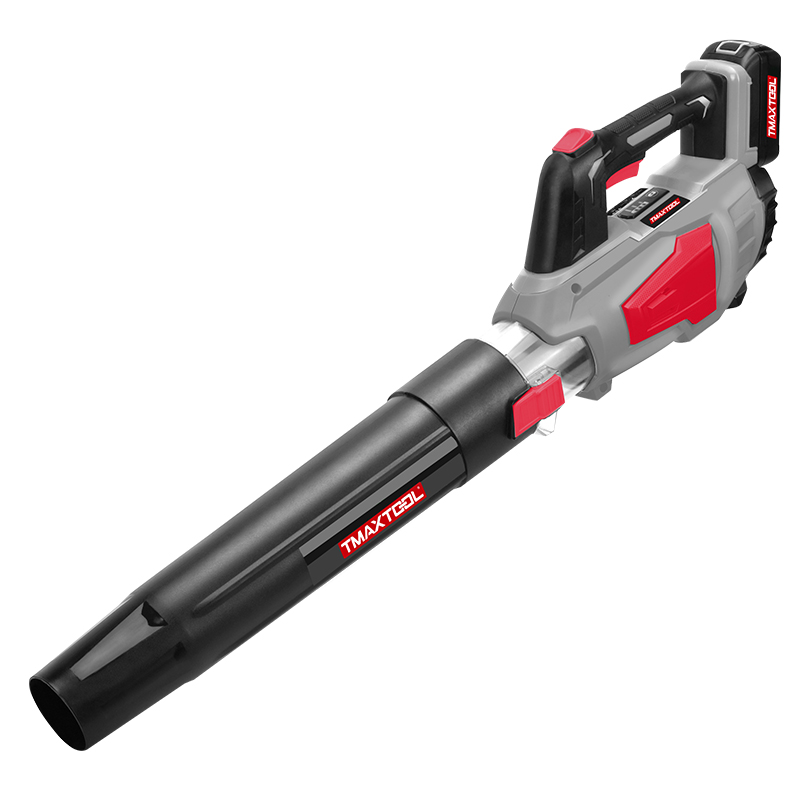 Battery Blower
 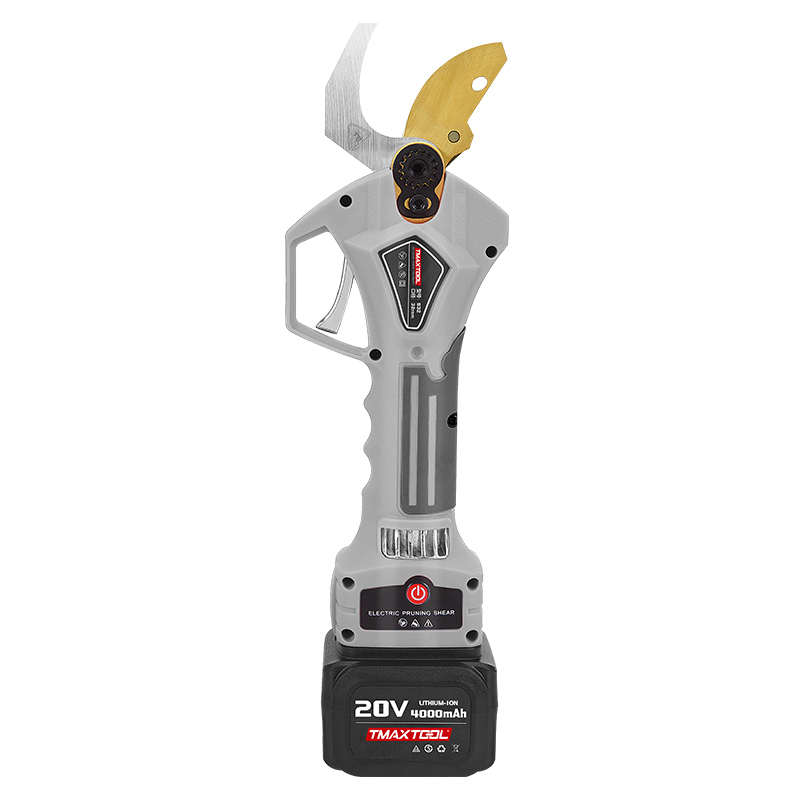 Batter Pruning Shears
 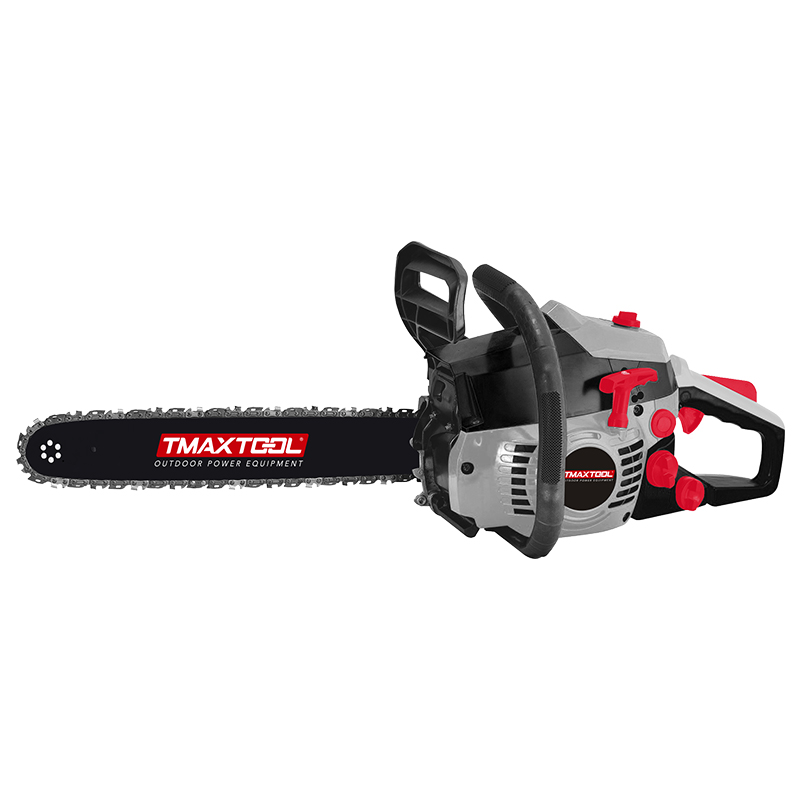 Chain Saw
 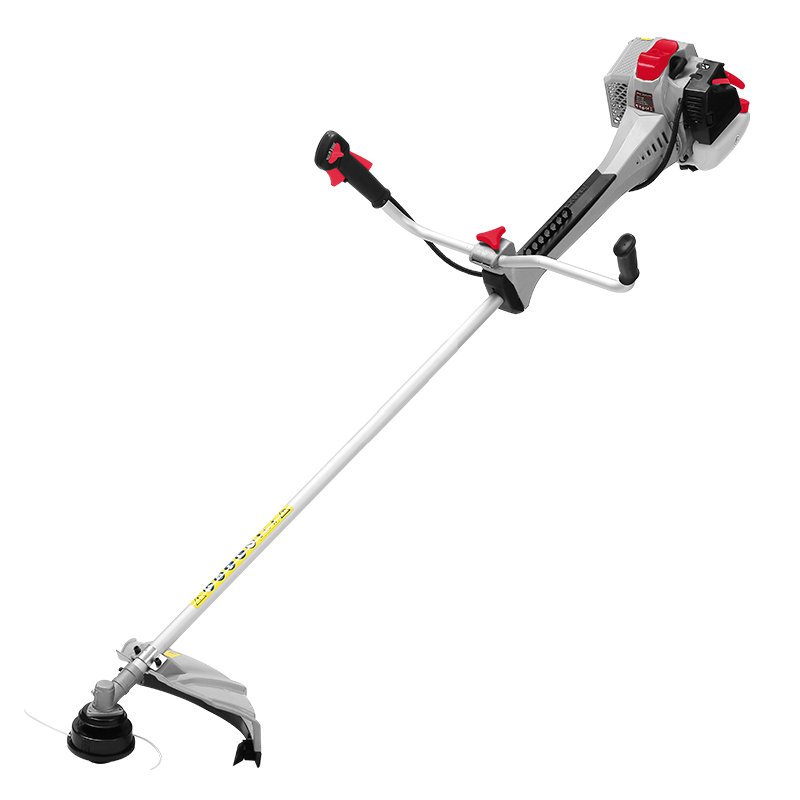 Brush Cutter
 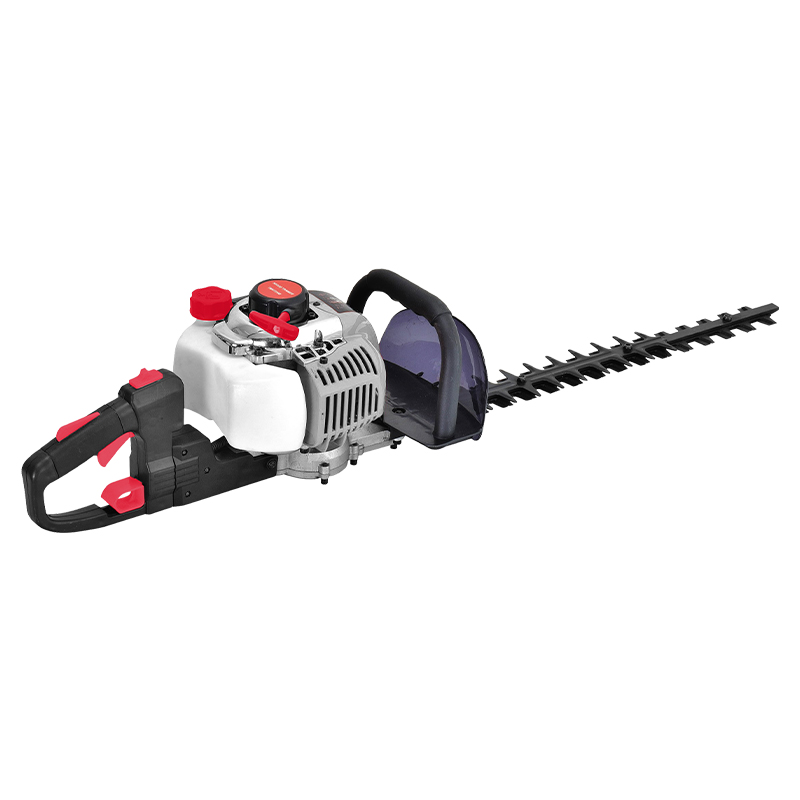 Hedge Trimmer
 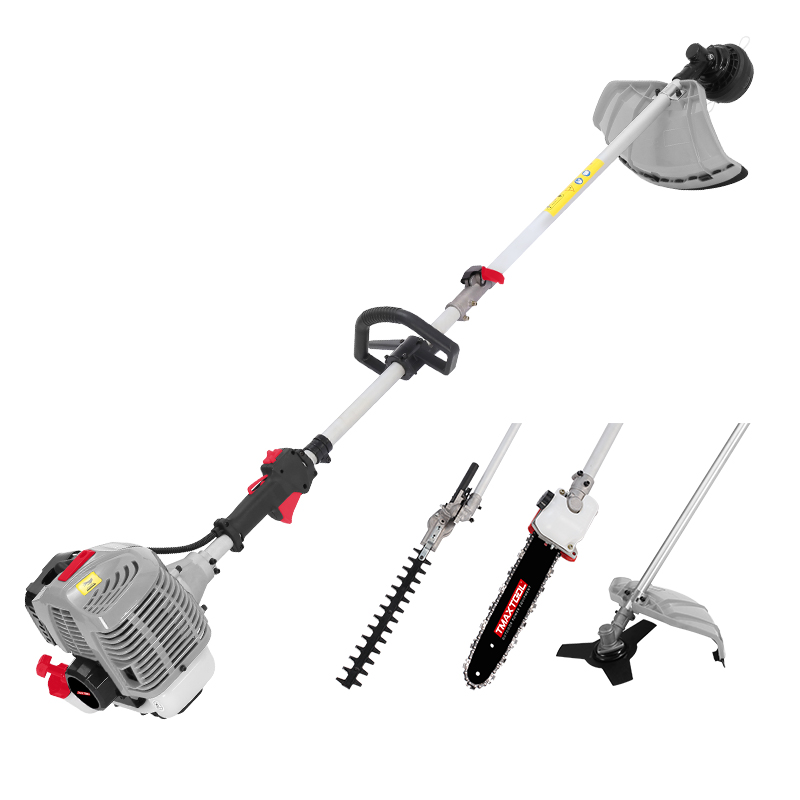 Multi Tool
 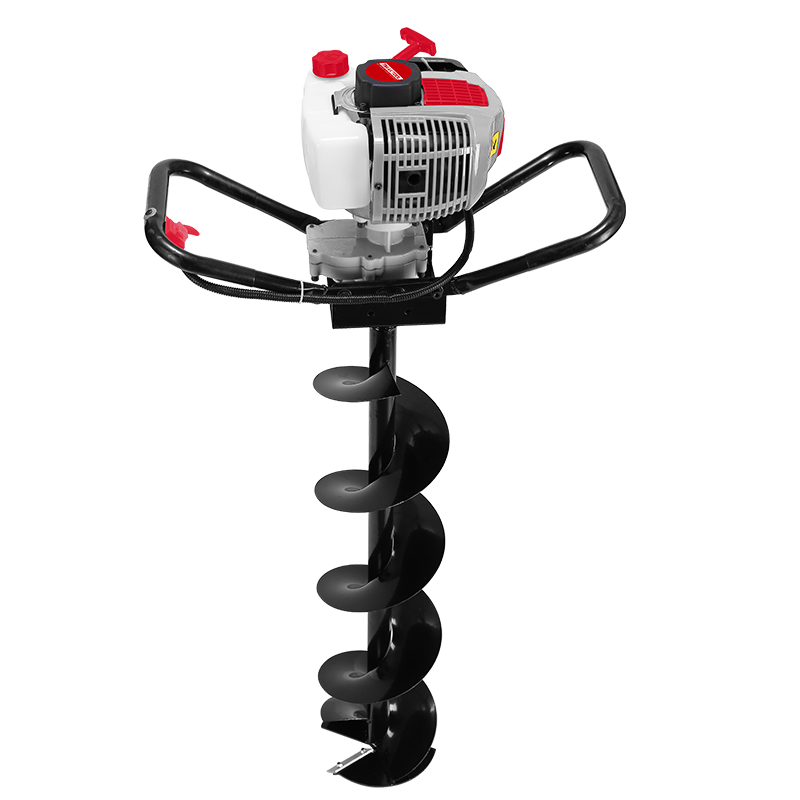 Earth Auger
 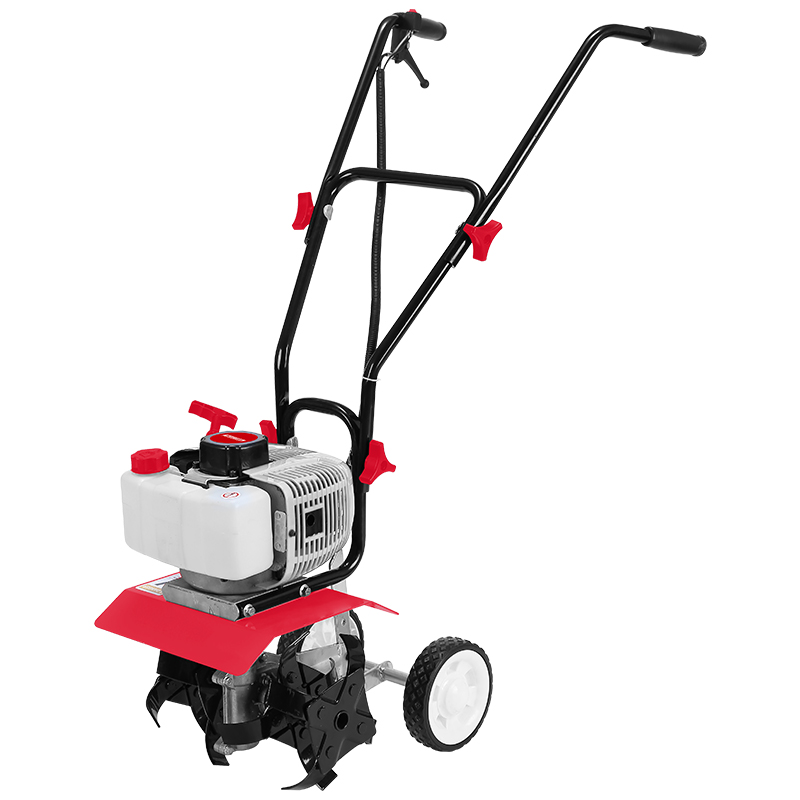 Tiller
 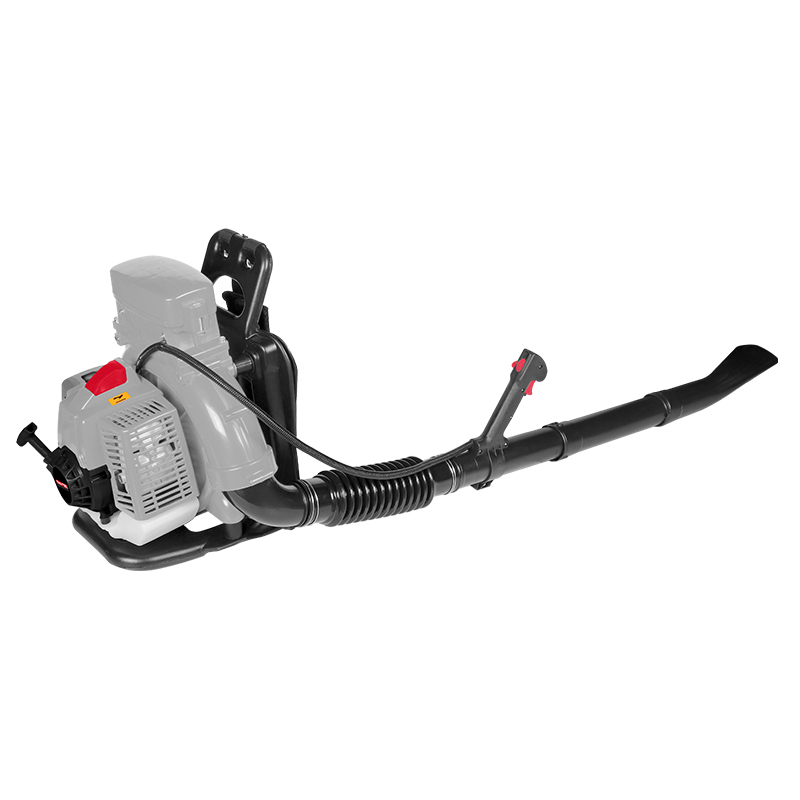 Blower
 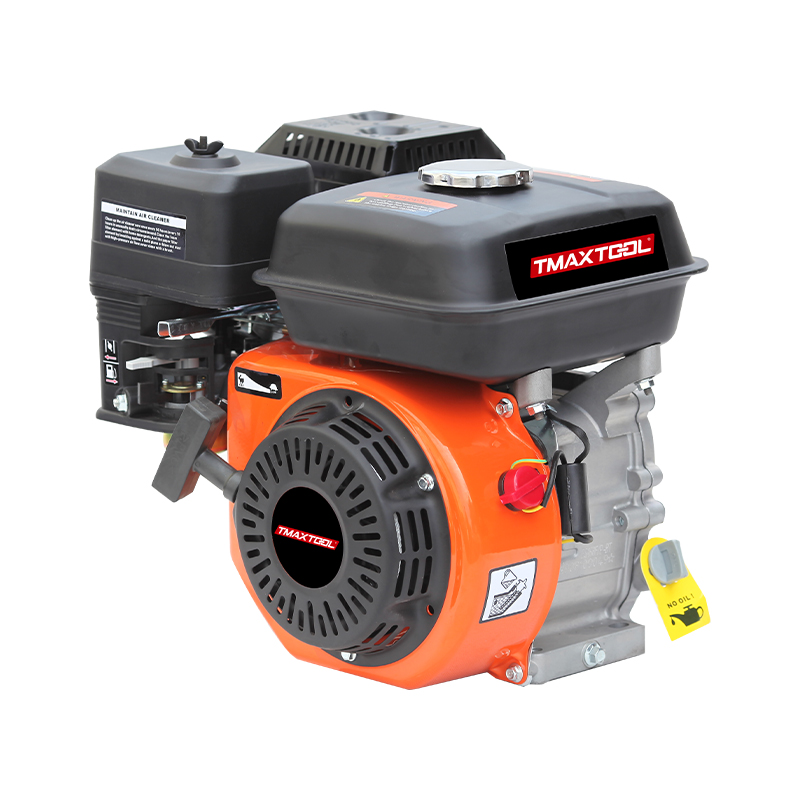 4 Stroke Gasoline Engine
 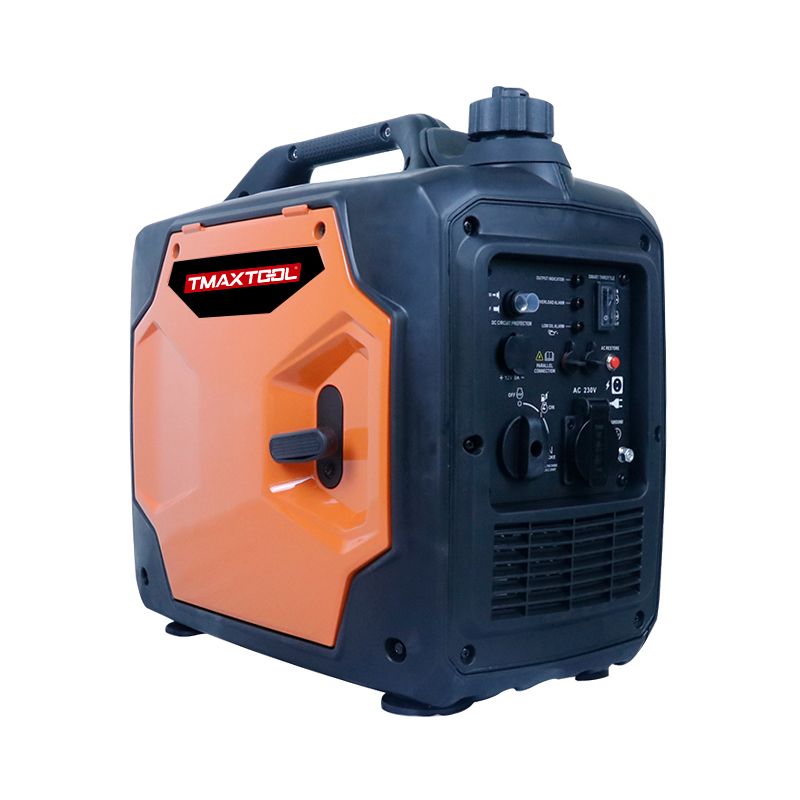 Generator
 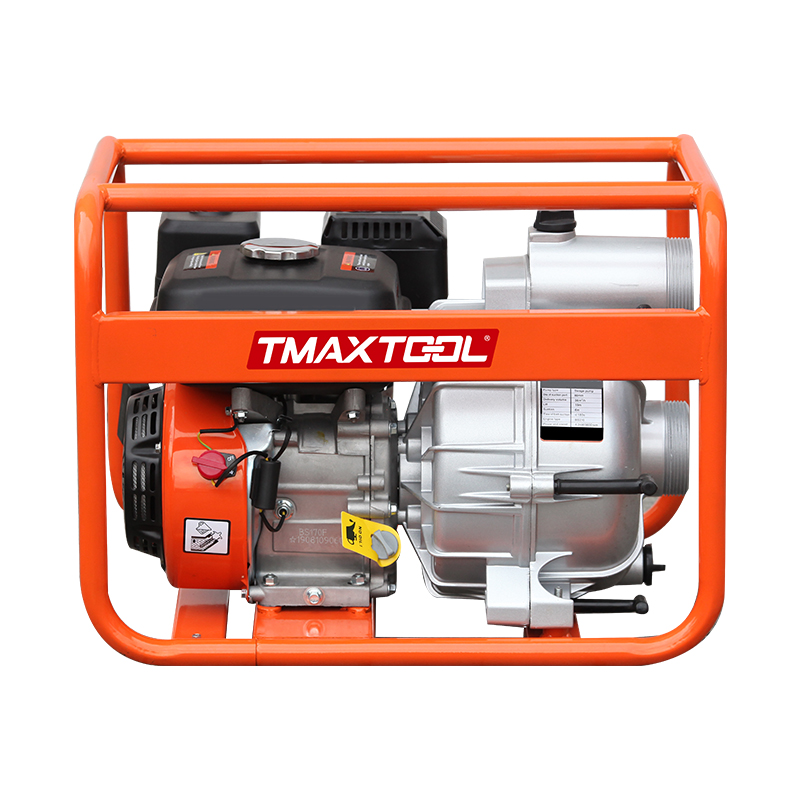 Water Pump
 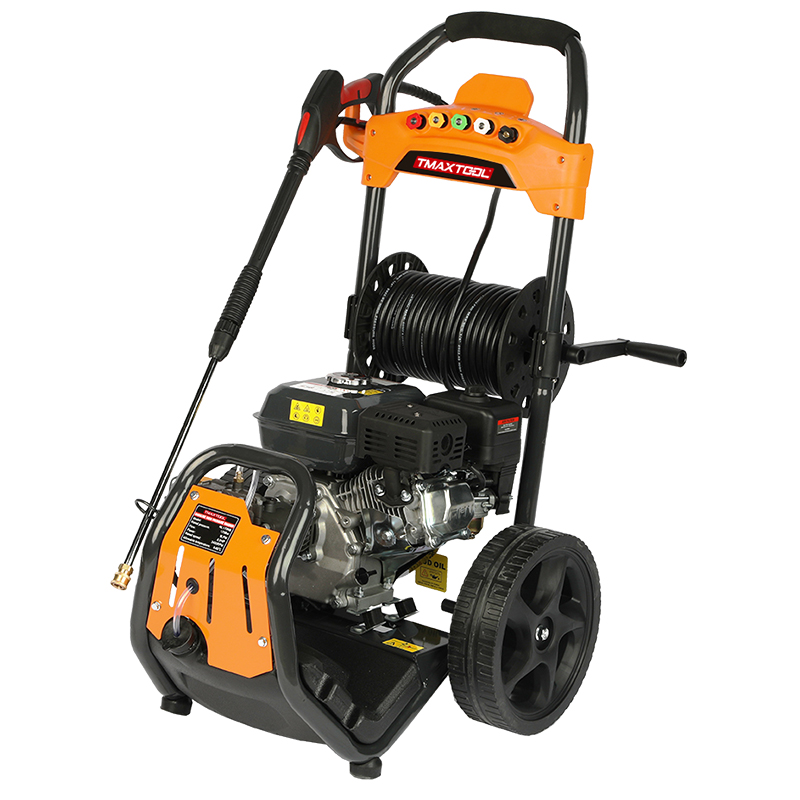 High Pressure Washer
 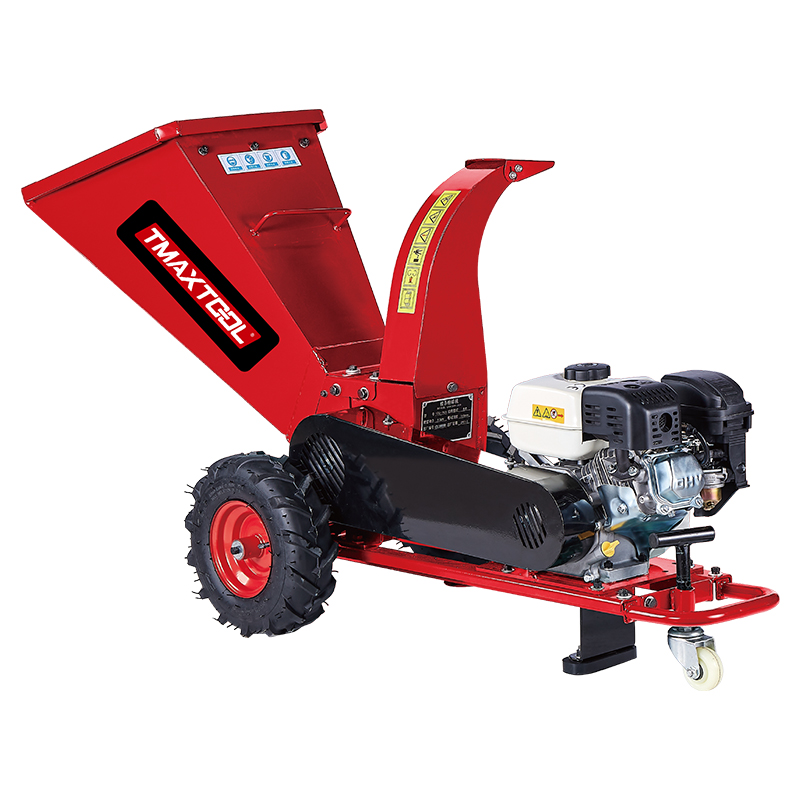 Wood Cutter
 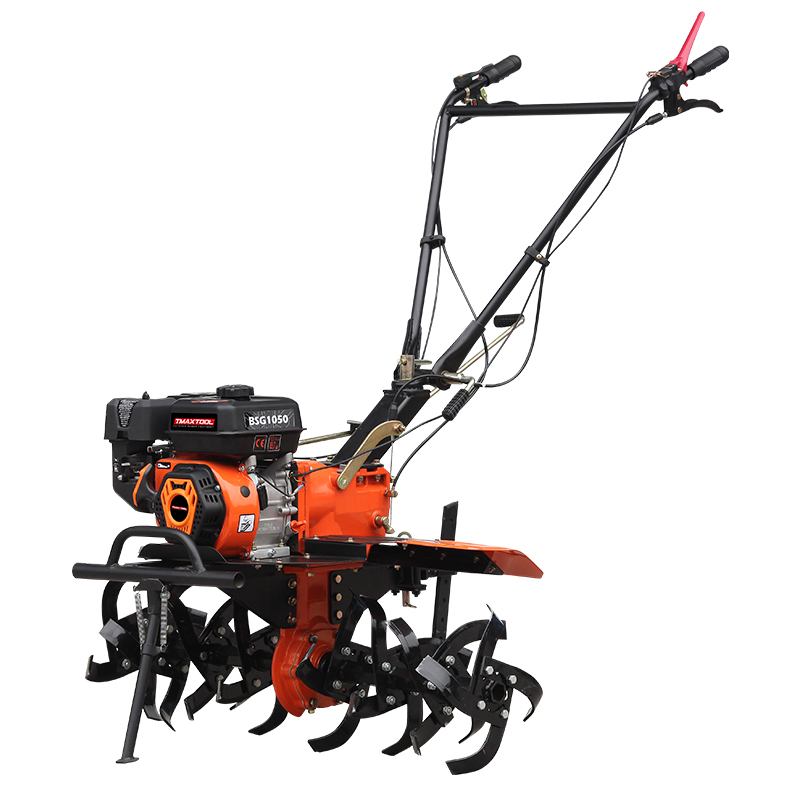 4 Stroke Tiller
 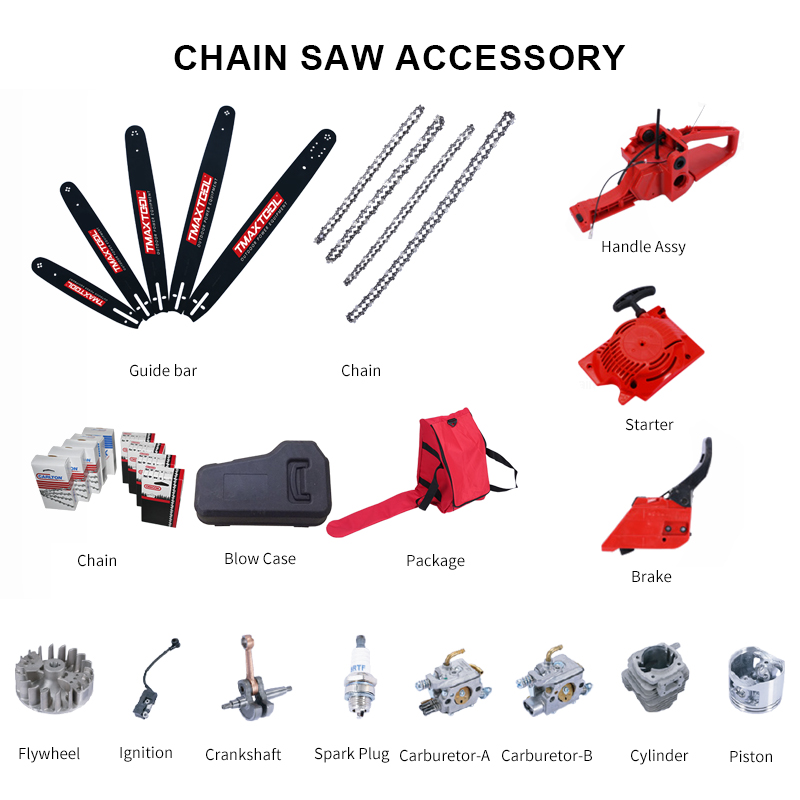 Chain Saw Accessory
 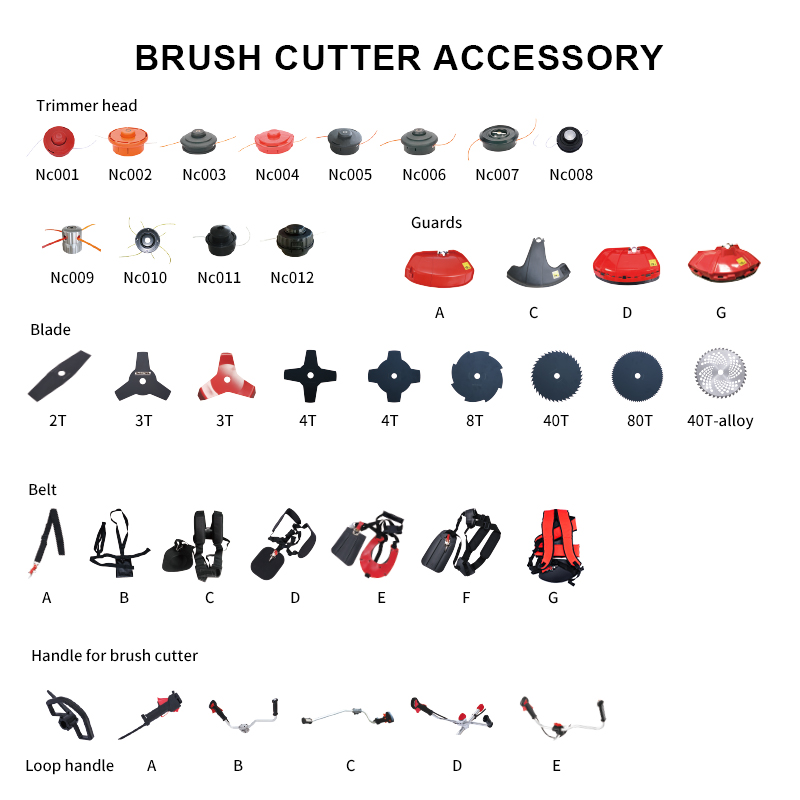 Brush Cutter Accessory
 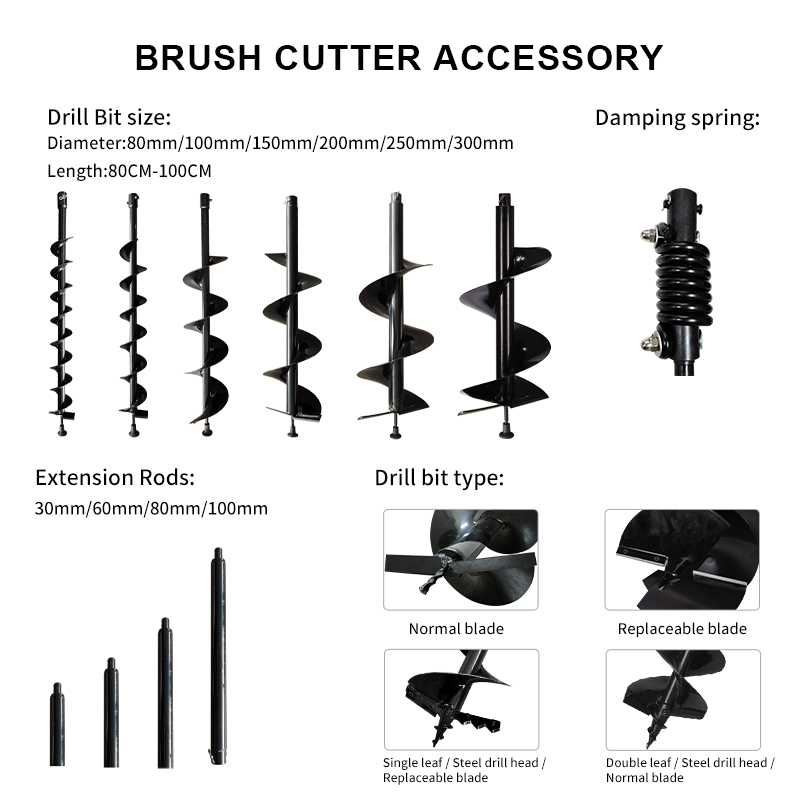 Earth Auger Accessory
 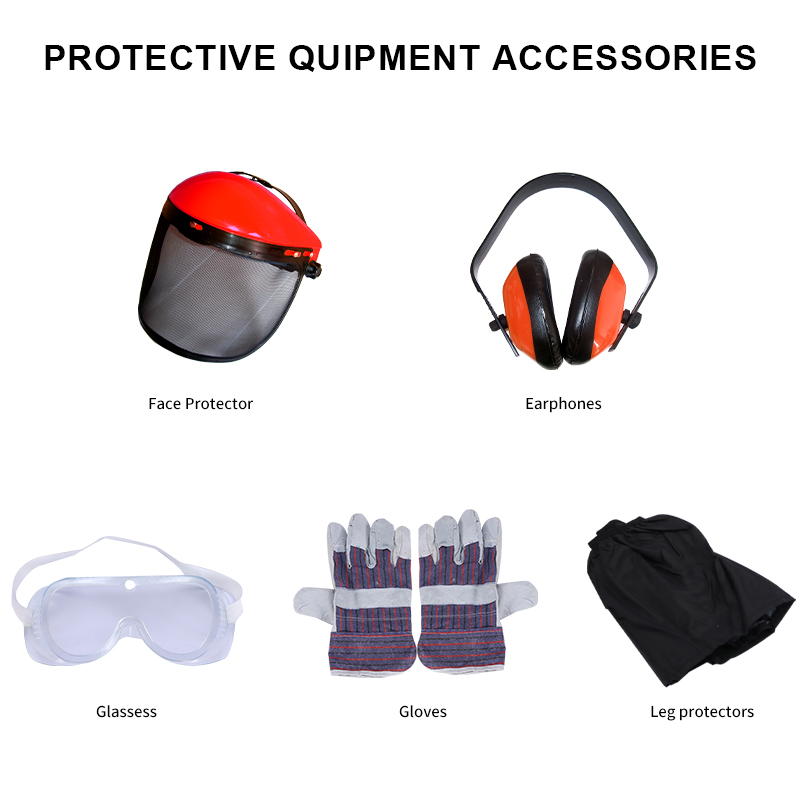 Protective Equipment Accessories


