
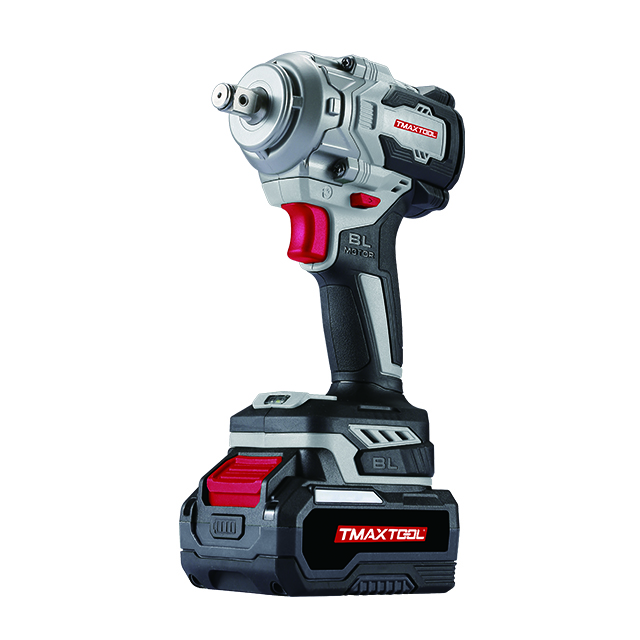
 Impact Wrench
 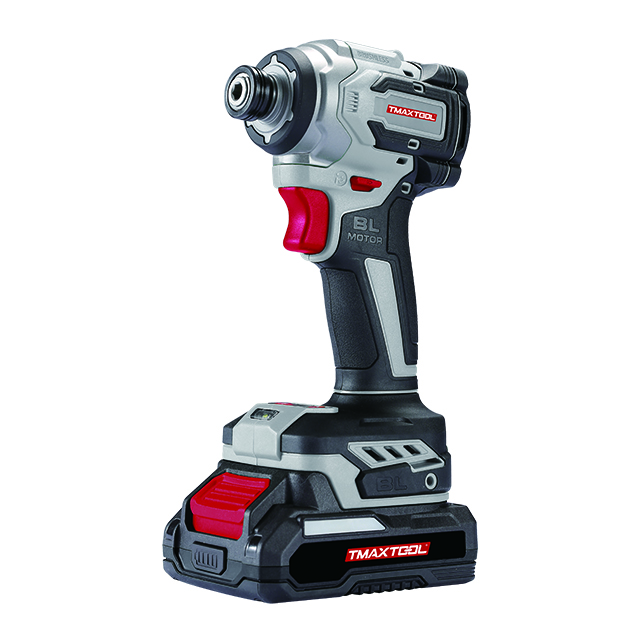 Screwdriver
 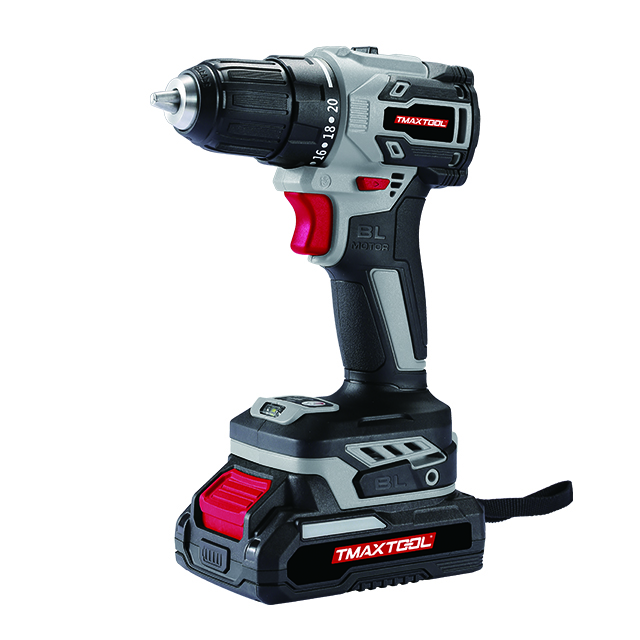 Cordless Drill
 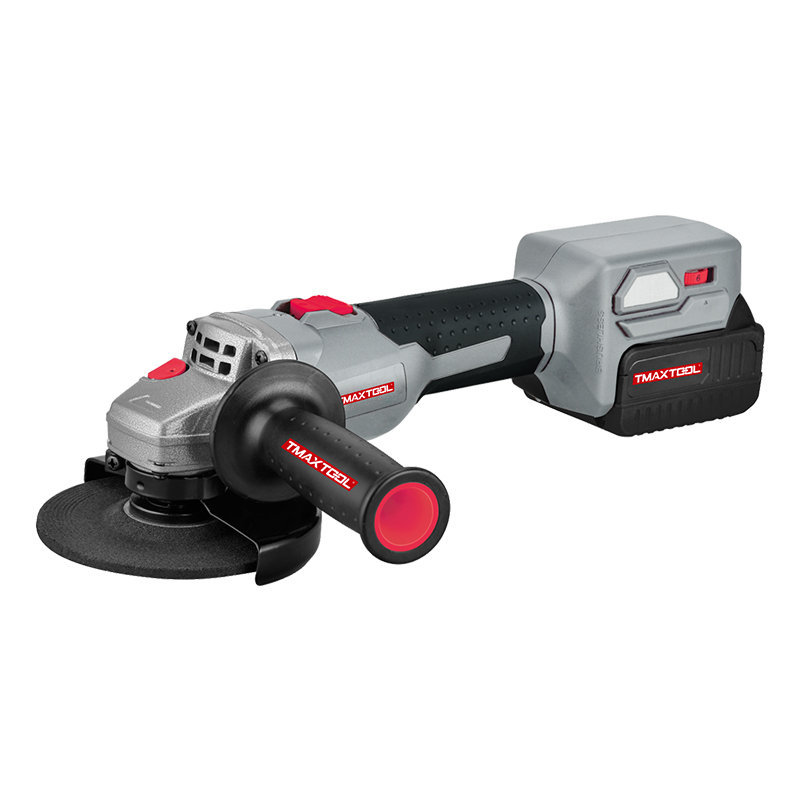 Angle Grinder
 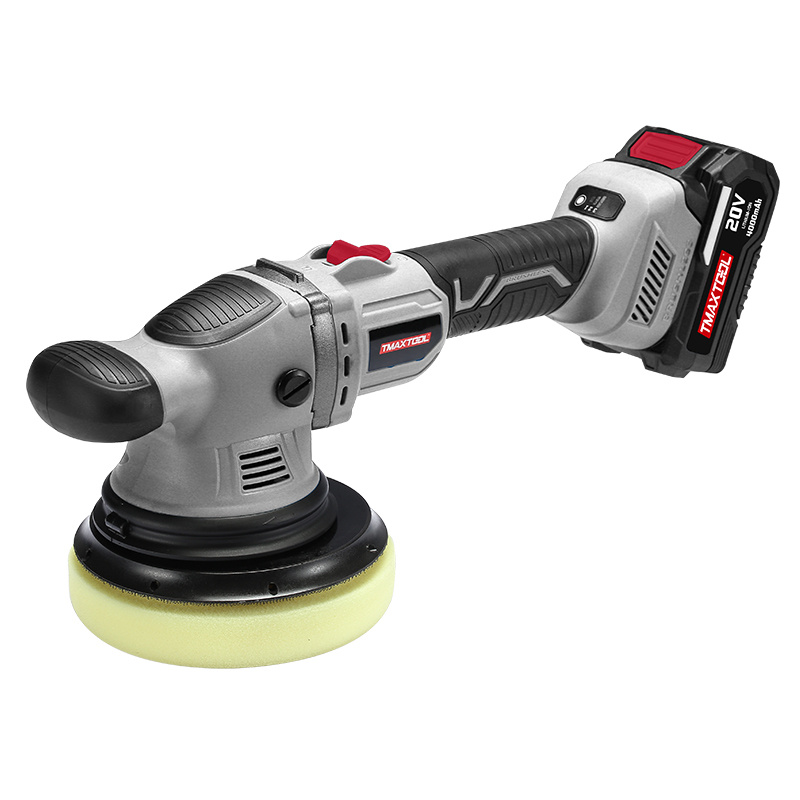 Polisher
 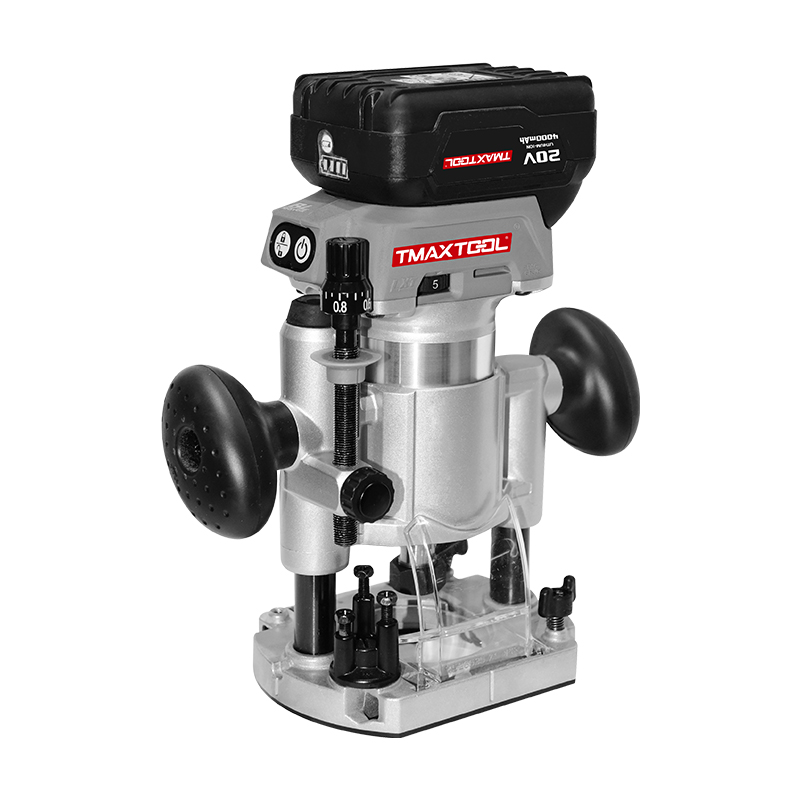 Wood Router
 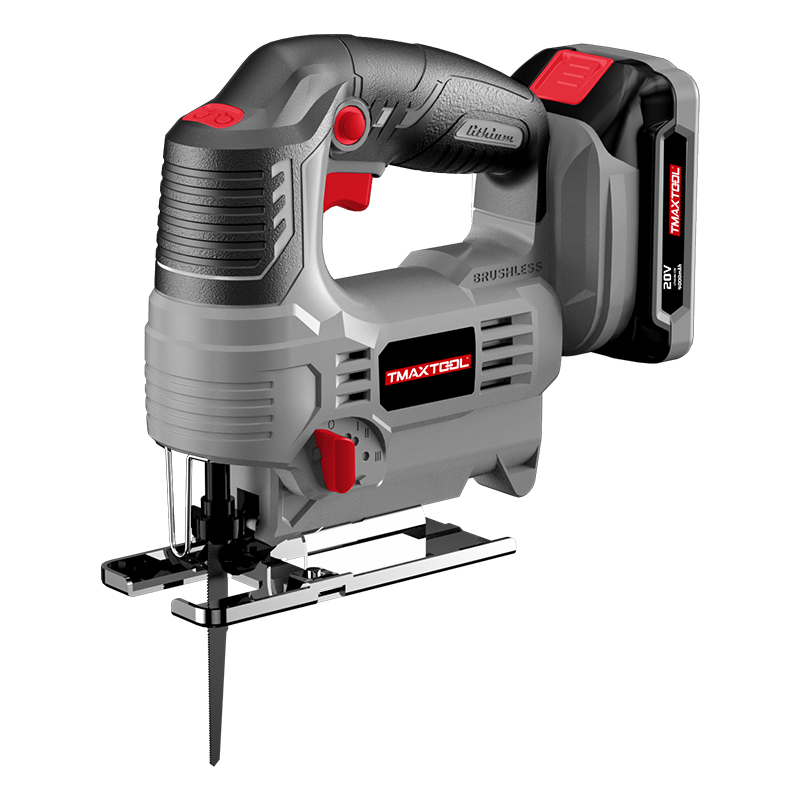 Jig Saw
 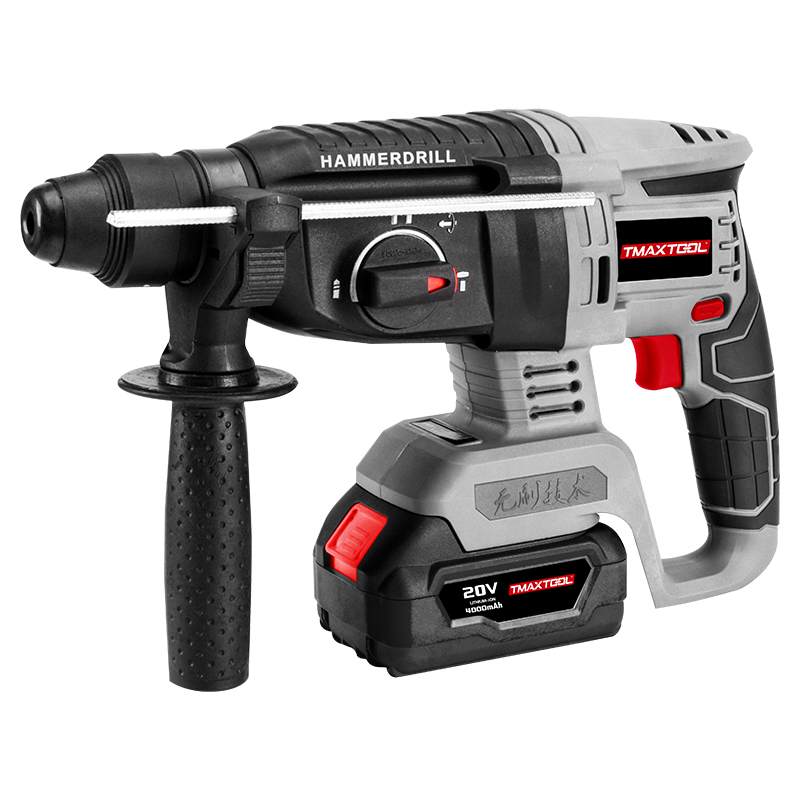 Hammer Drill
 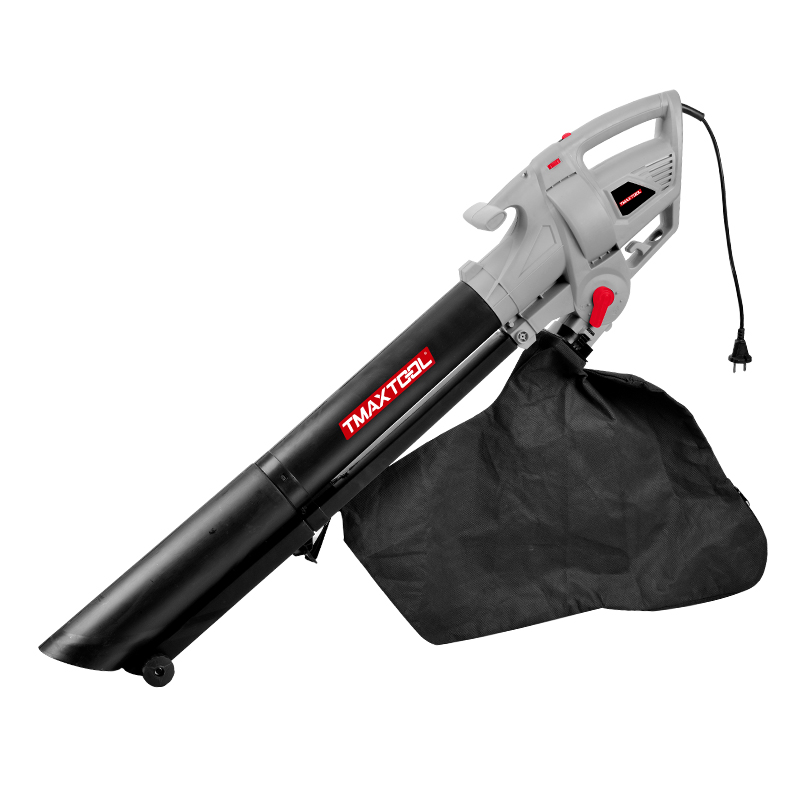 Portable Blower
 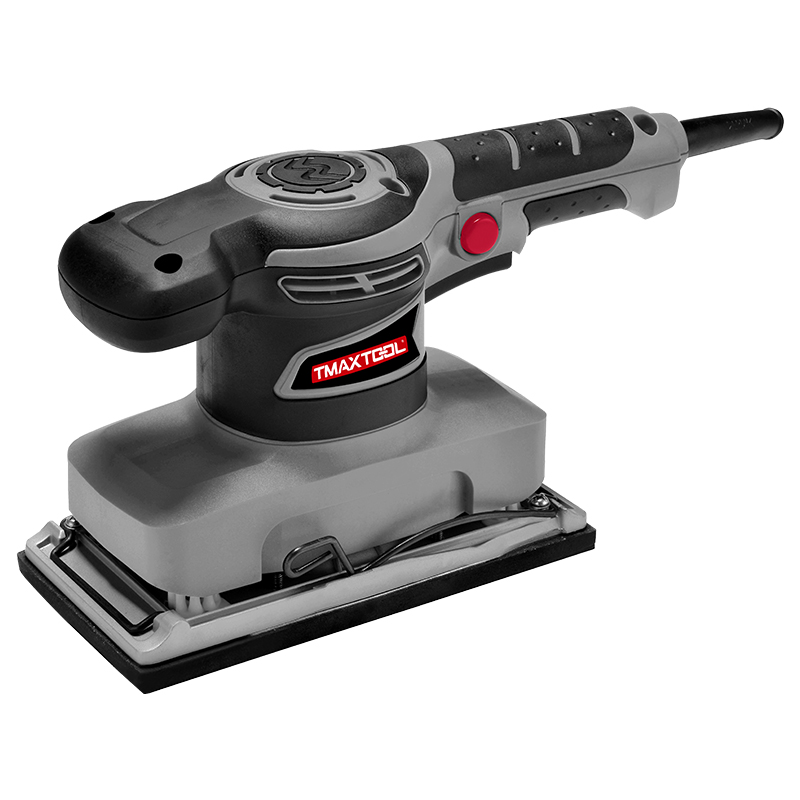 Orbital Sander
 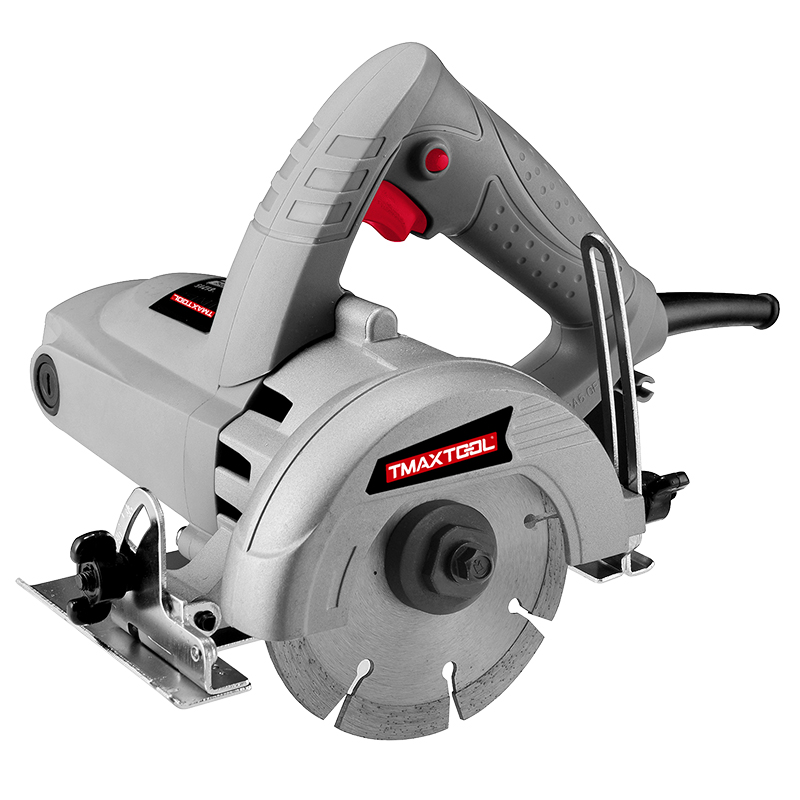 Marble Cutter
 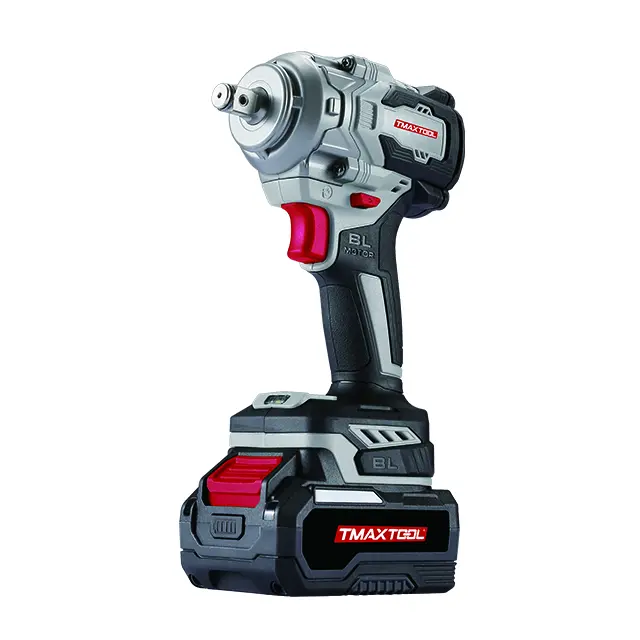 GARDEN TOOLS
 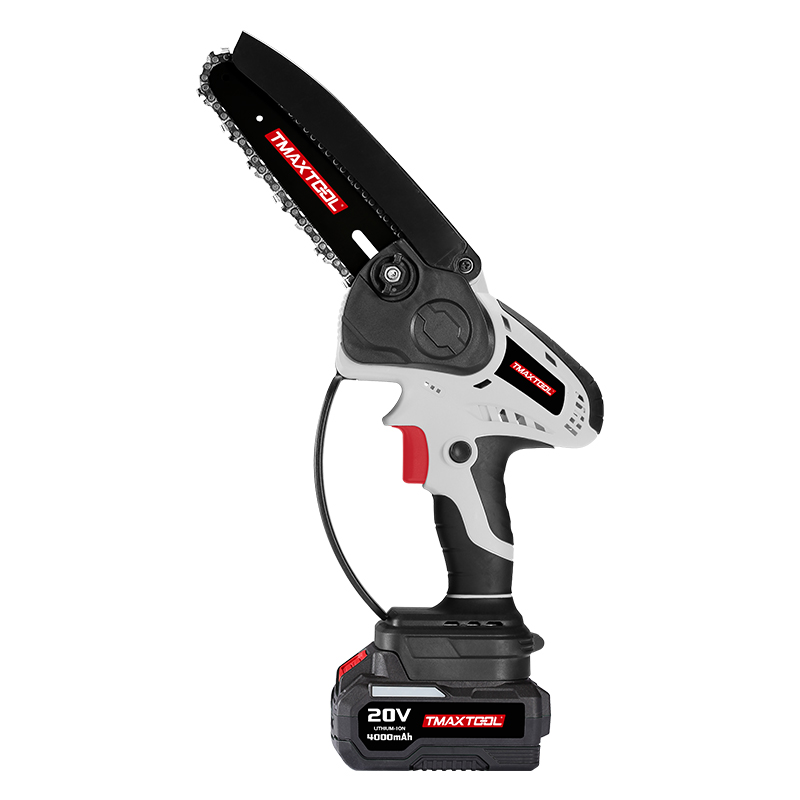 Battery Chain Saw
 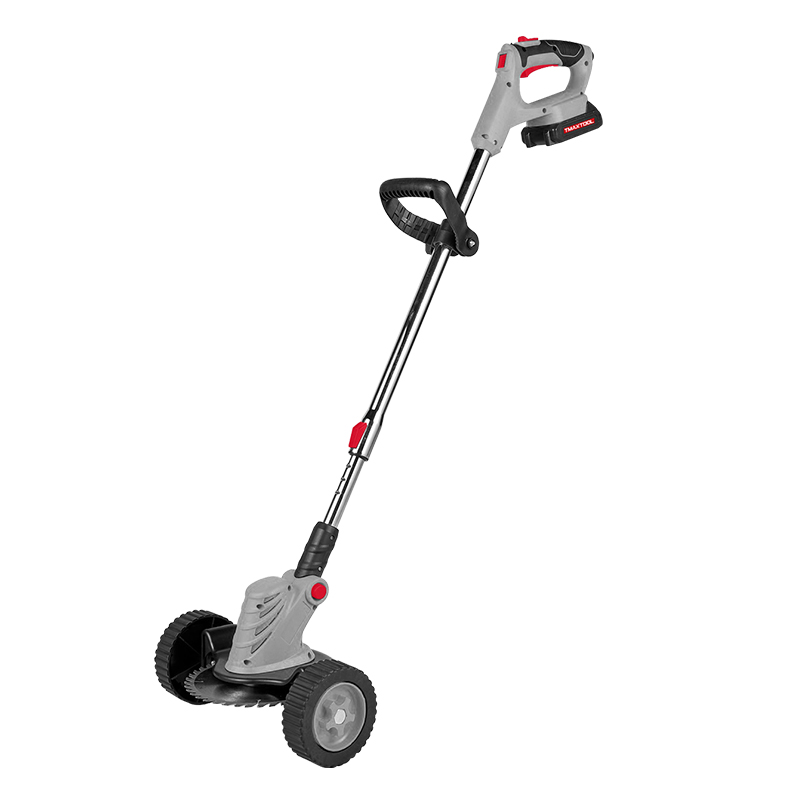 Battery Brush Cutter
 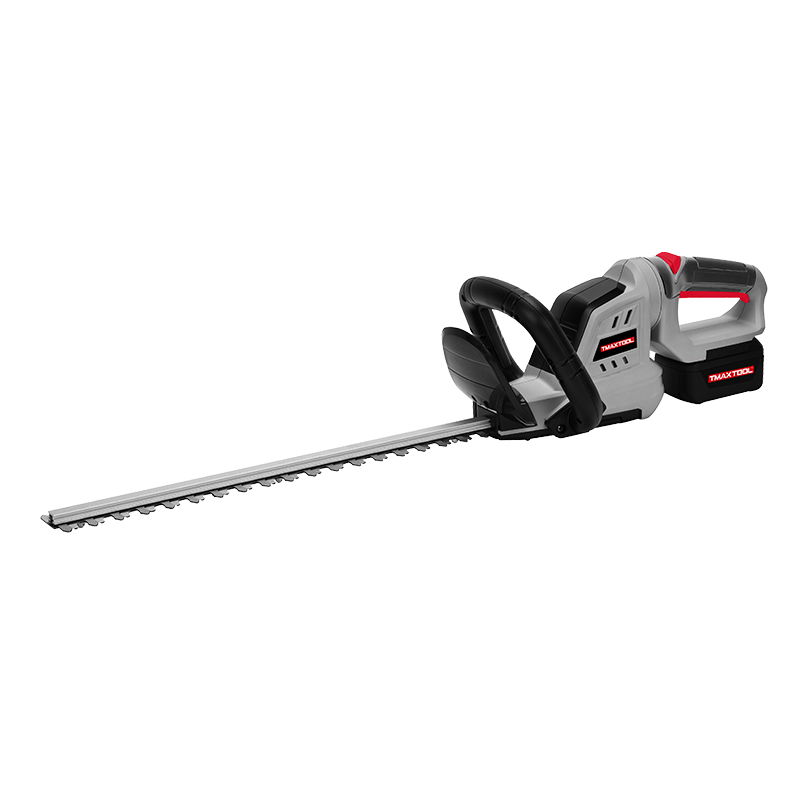 Battery Hedge Trimmer
 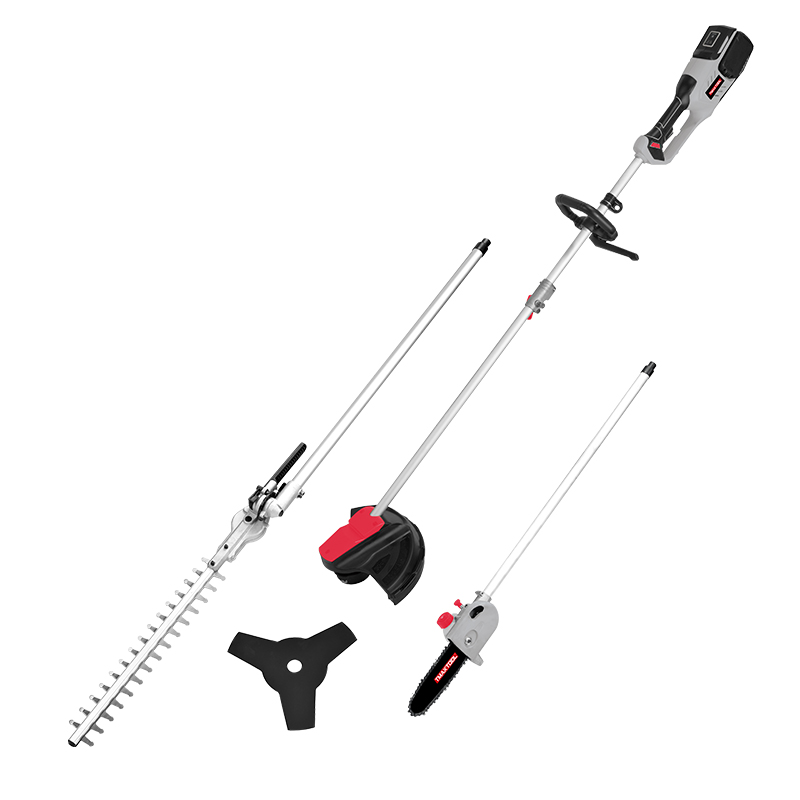 Battery Multi Tool
 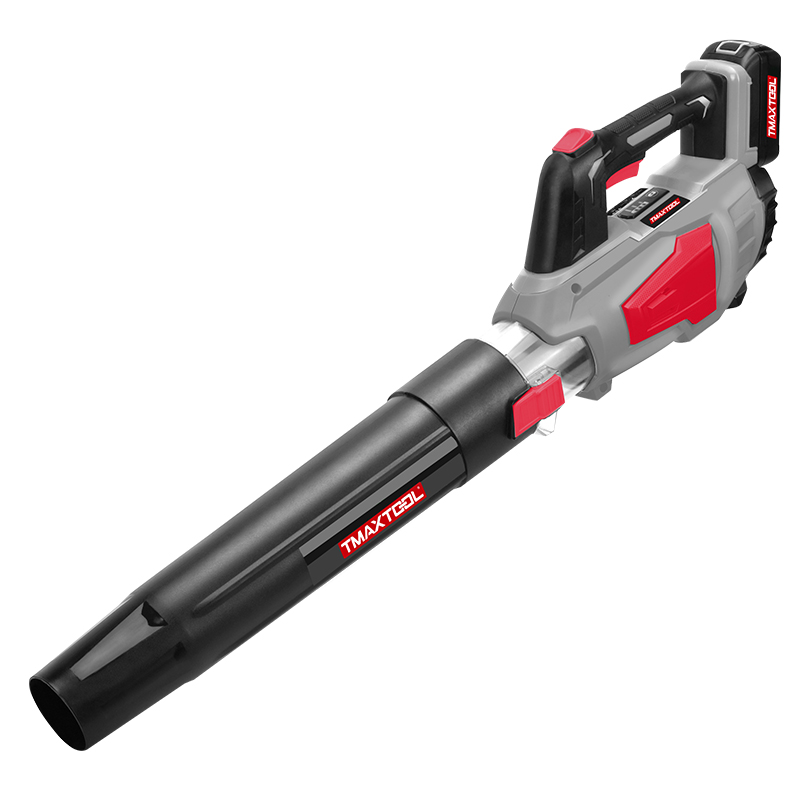 Battery Blower
 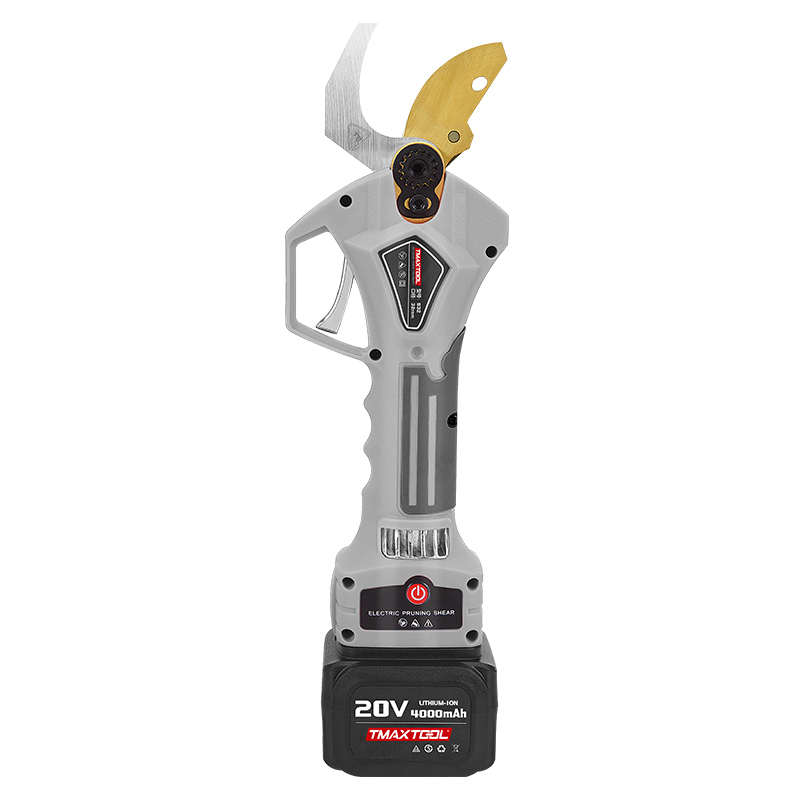 Batter Pruning Shears
 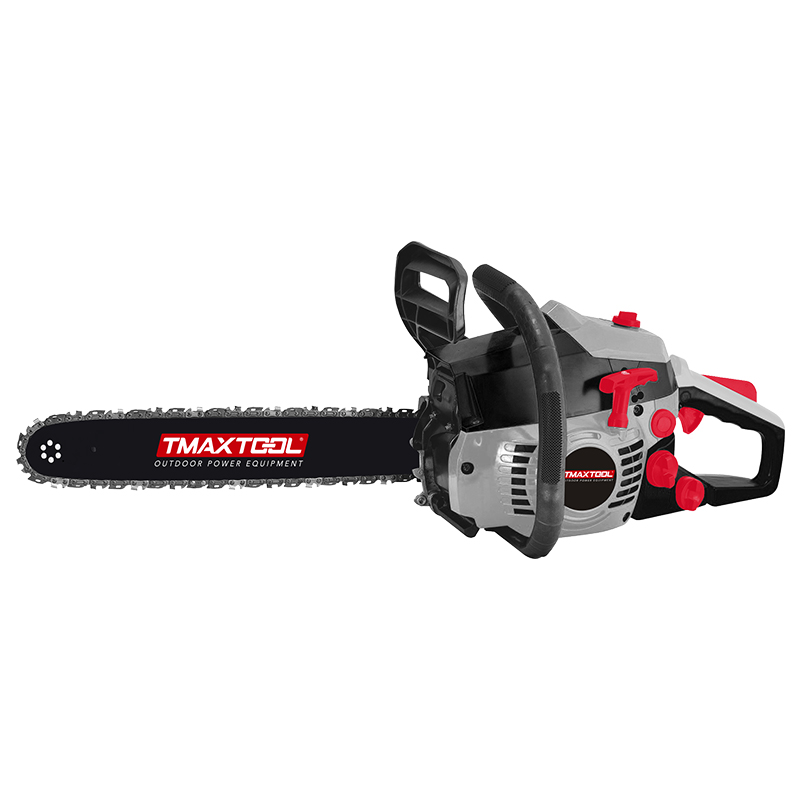 Chain Saw
 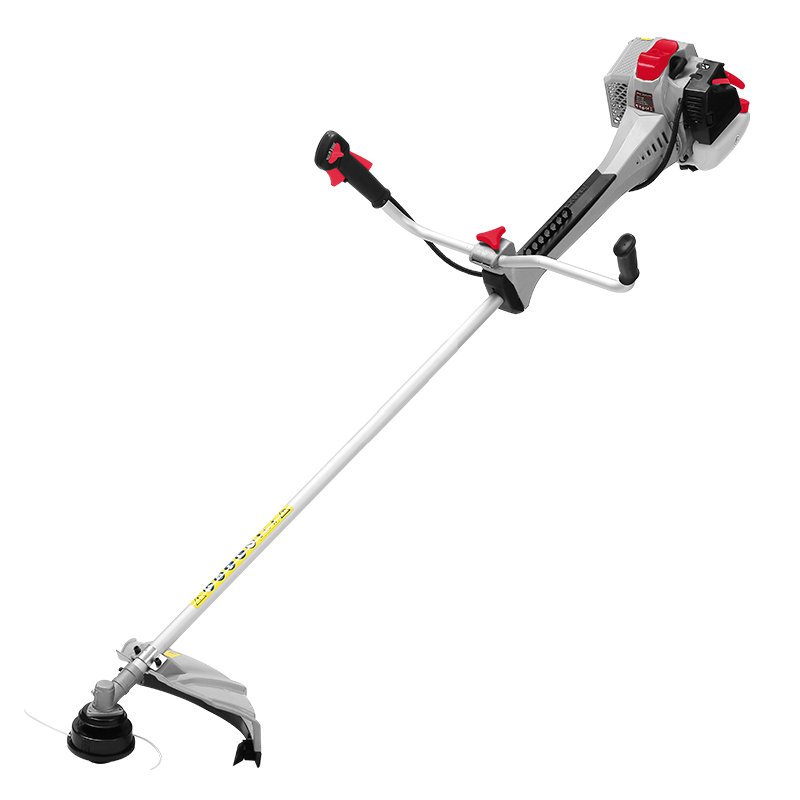 Brush Cutter
 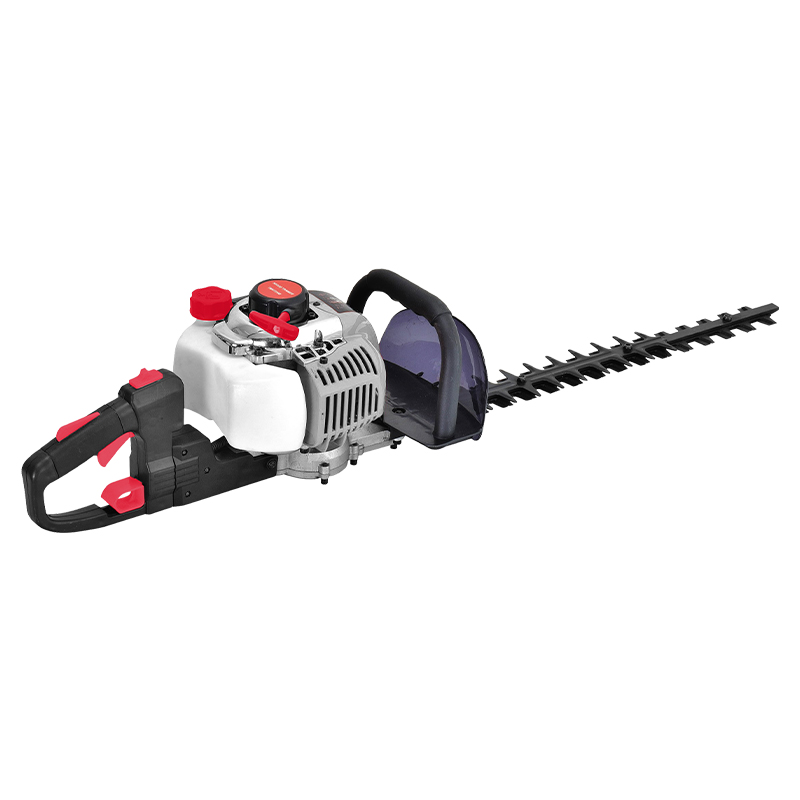 Hedge Trimmer
 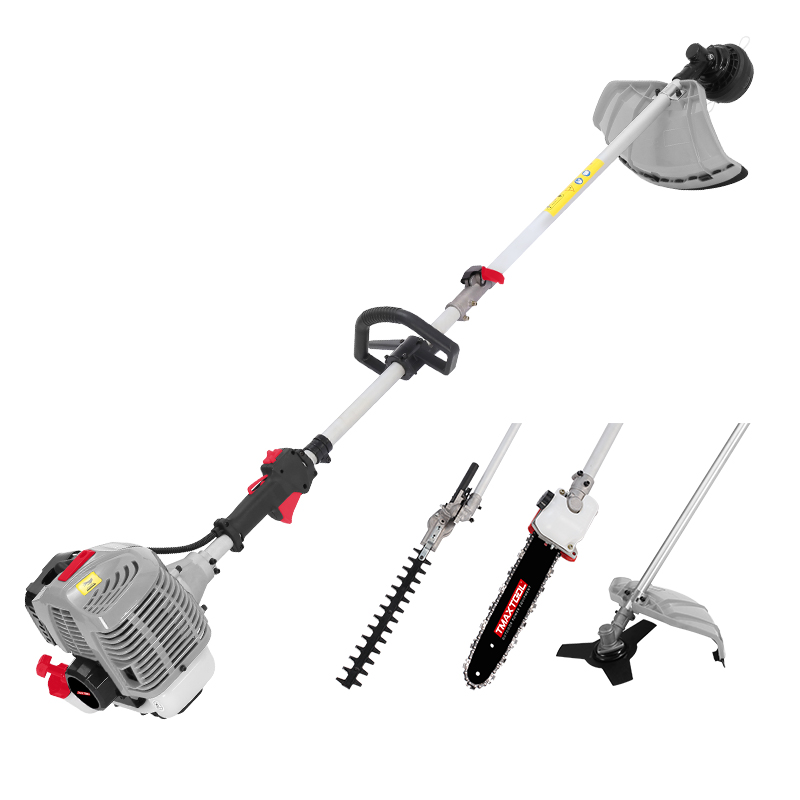 Multi Tool
 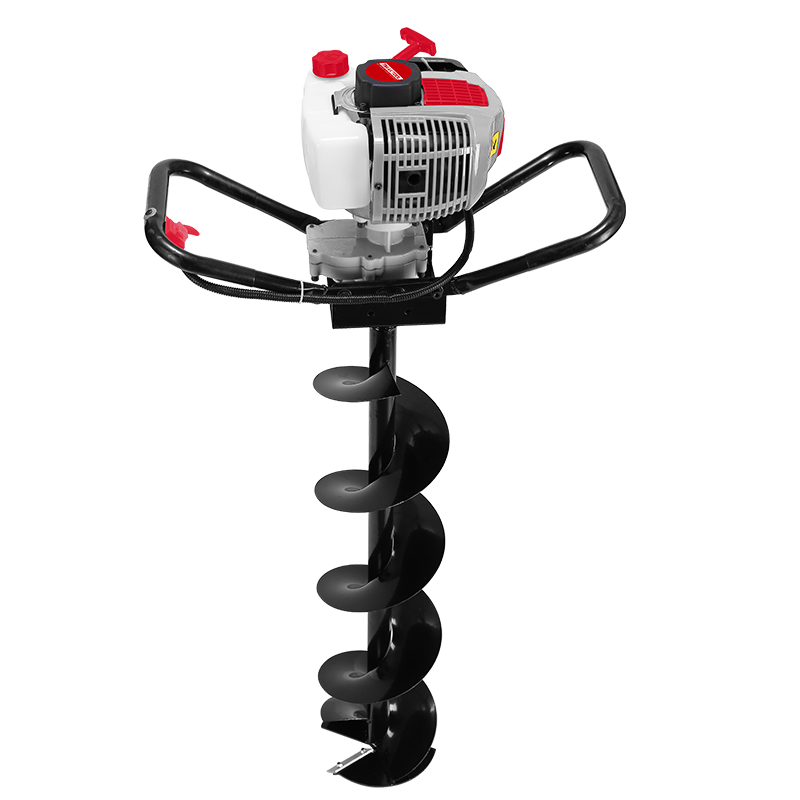 Earth Auger
 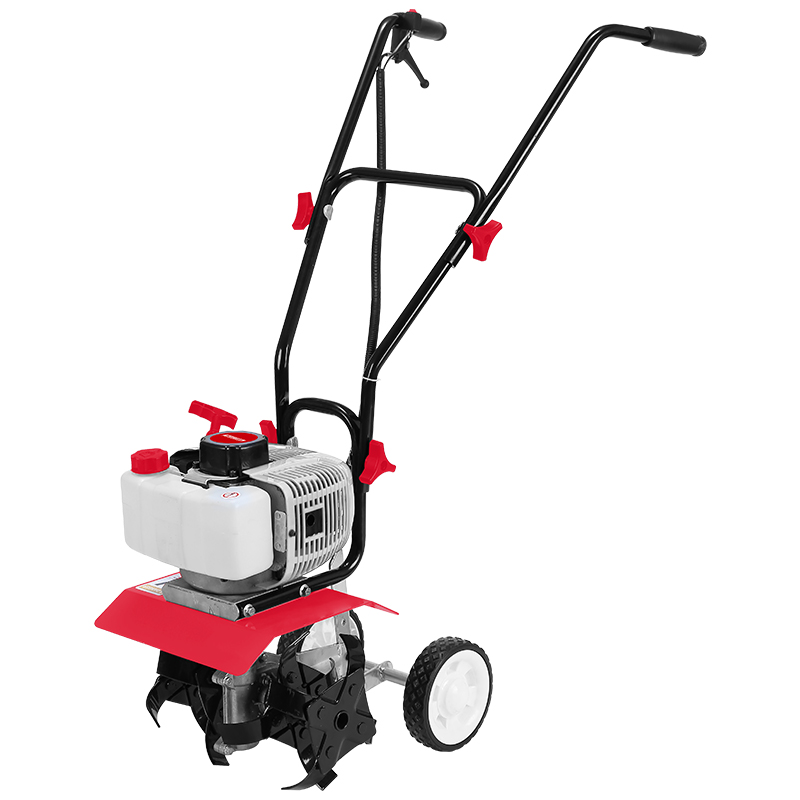 Tiller
 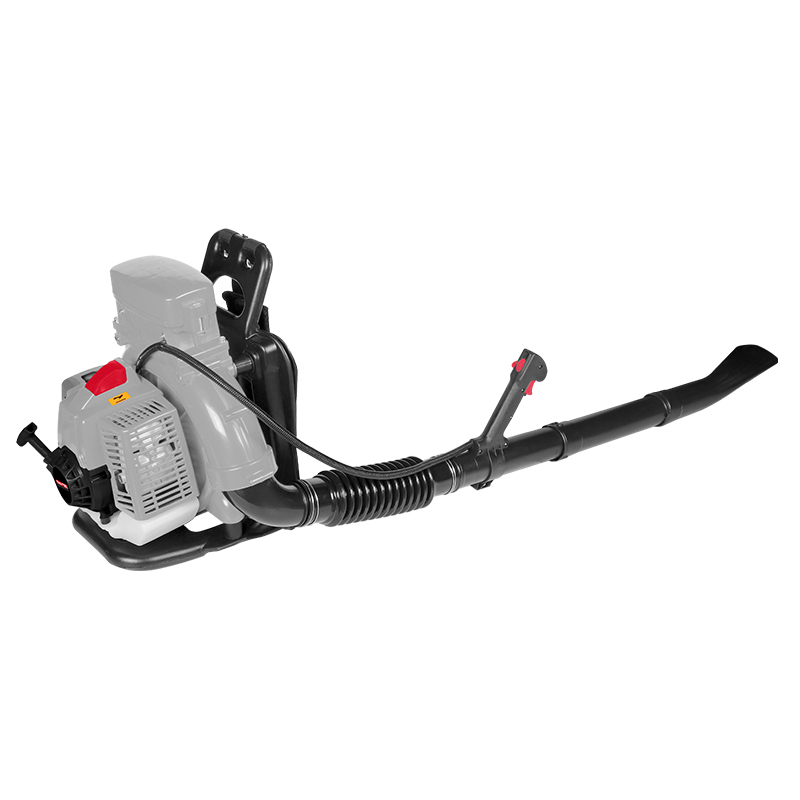 Blower
 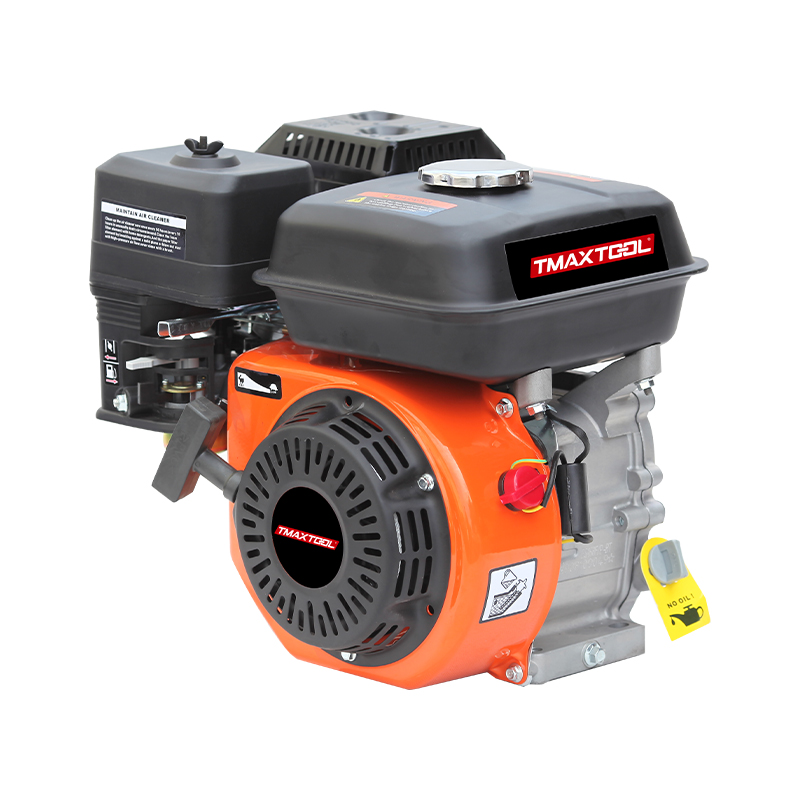 4 Stroke Gasoline Engine
 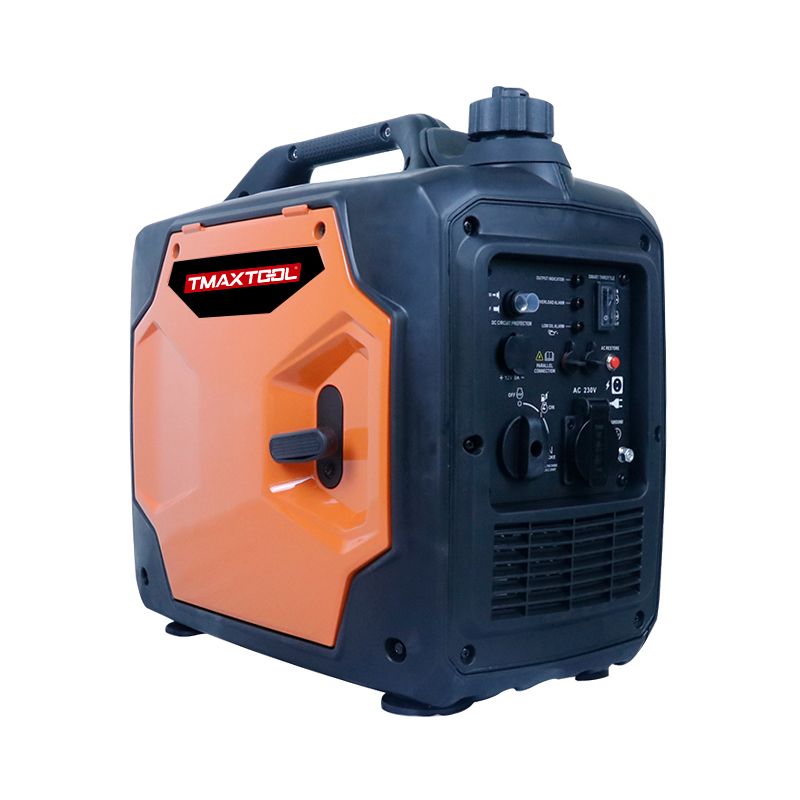 Generator
 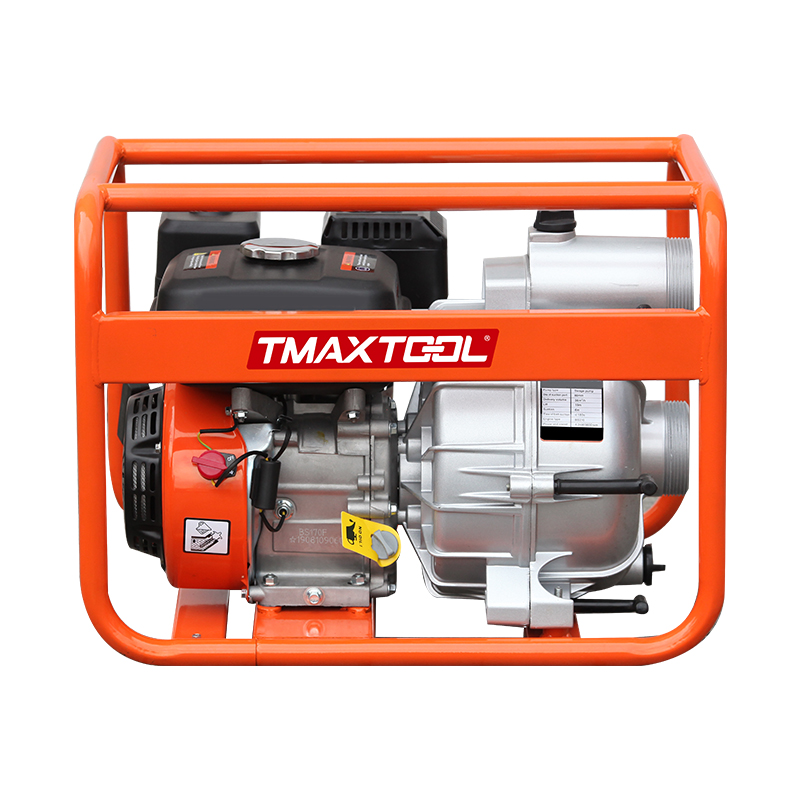 Water Pump
 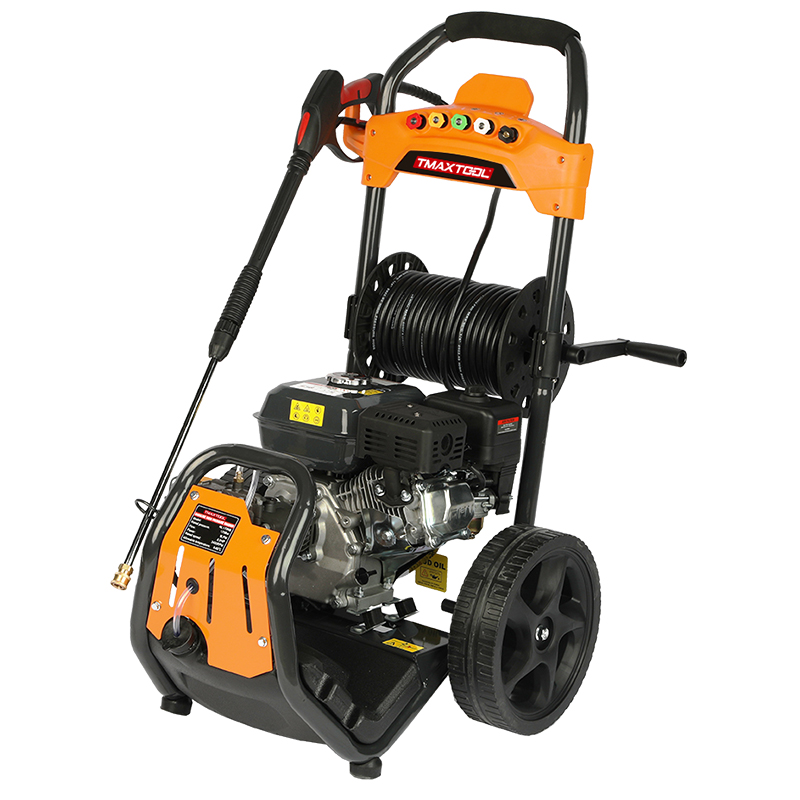 High Pressure Washer
 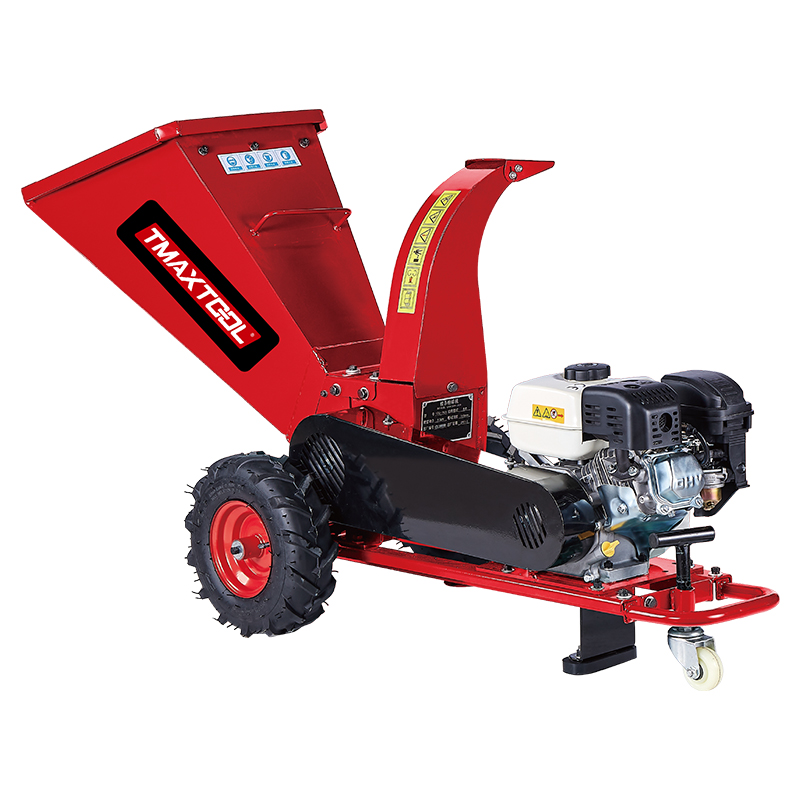 Wood Cutter
 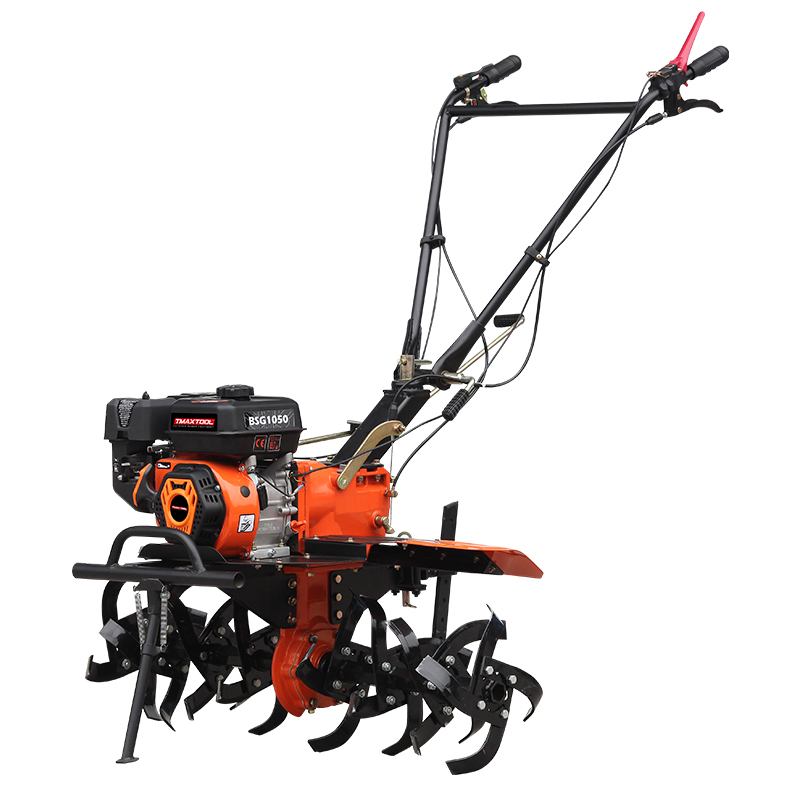 4 Stroke Tiller
 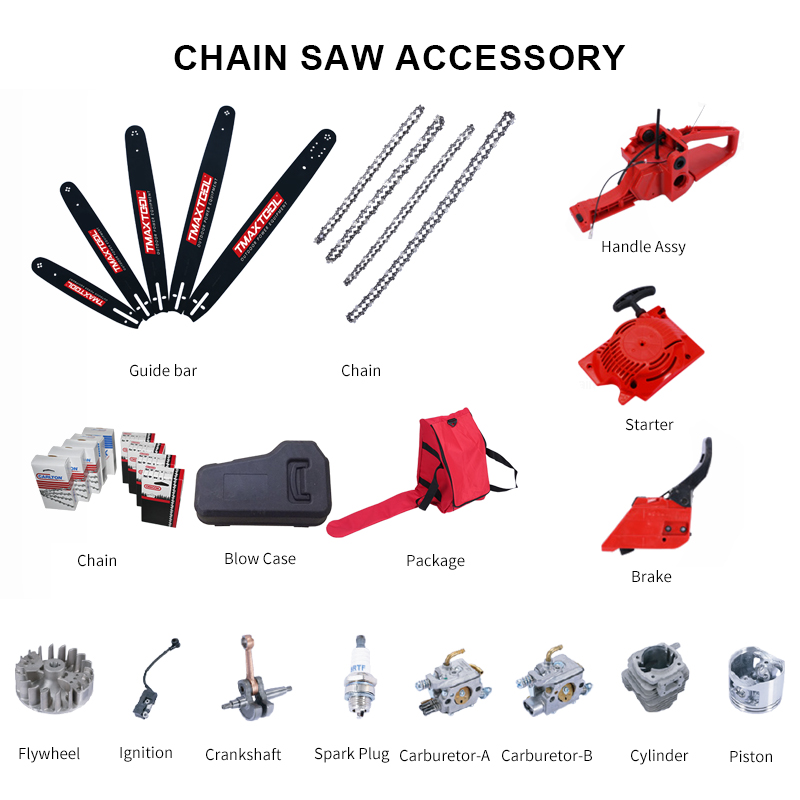 Chain Saw Accessory
 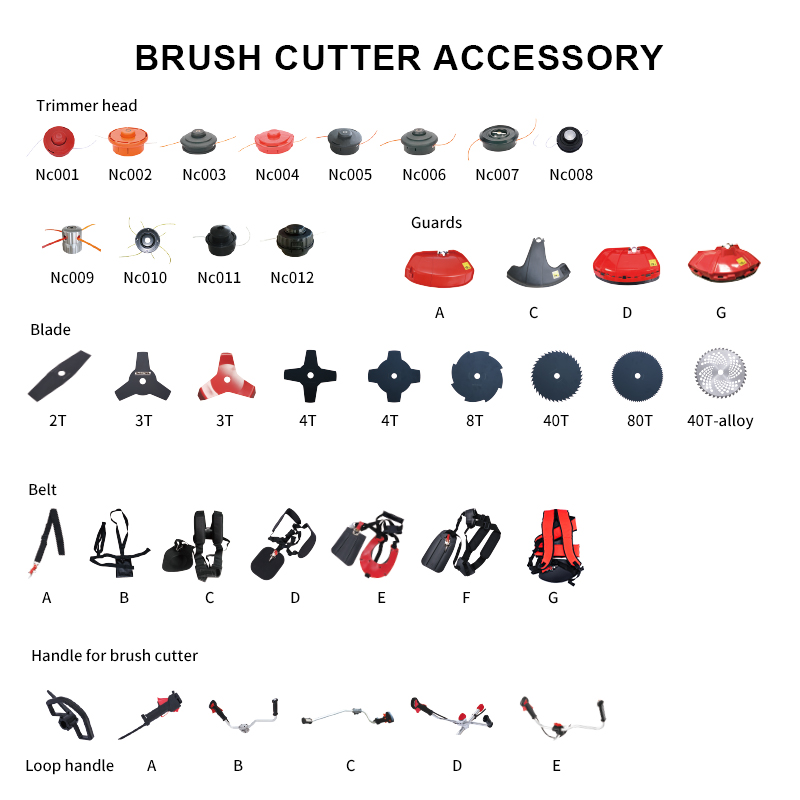 Brush Cutter Accessory
 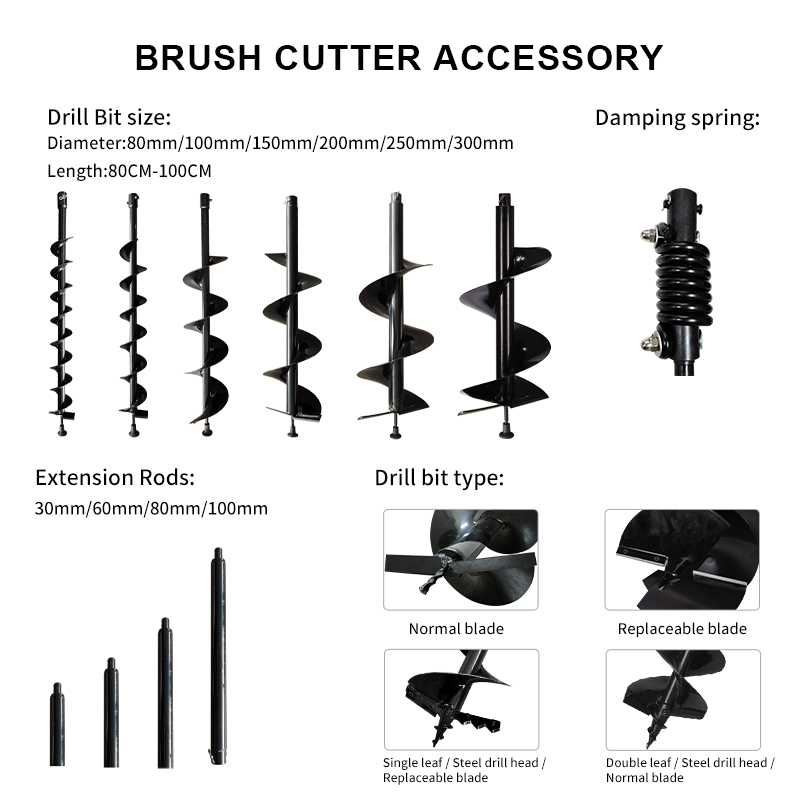 Earth Auger Accessory
 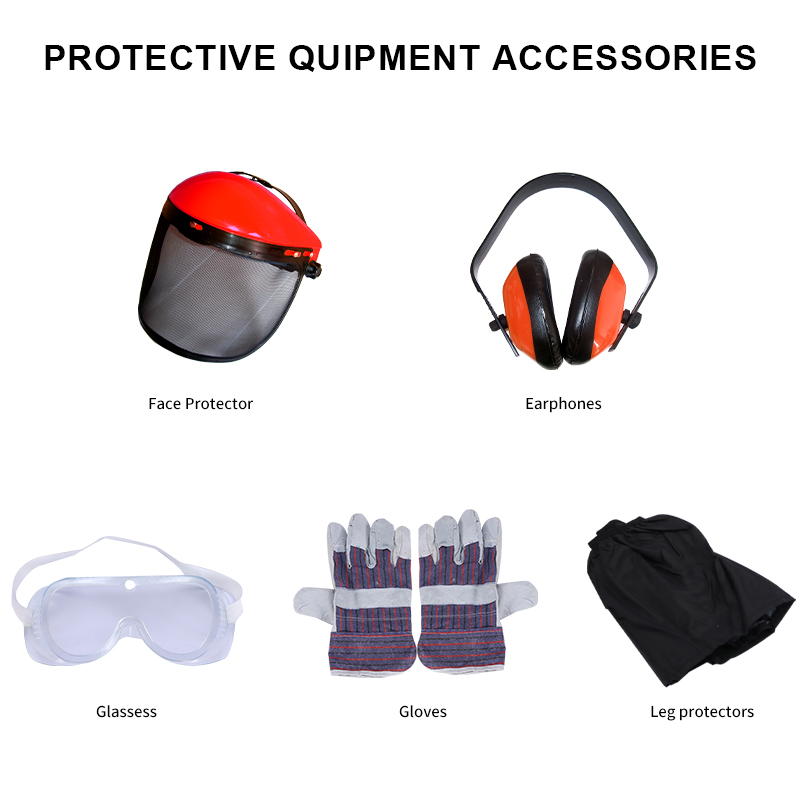 Protective Equipment Accessories
 Leave Your Message
Choosing the right Jig Sawcan honestly feel pretty overwhelming, especially if you’re just starting out. With so many options out there, it’s easy to get lost in the details and wonder what really actually matters. Sure, the Jig Saw is this versatile tool that’s great for cutting all kinds of materials, but understanding its features is kind of key.
When you’re picking one, it’s worth paying attention to aspects like the type of blade and the speed settings. Trust me, using the right blade can totally change your project for the better. And don’t forget about grip comfort—if it’s uncomfortable to hold, you’ll get tired way faster than you’d like. Also, think about where the power comes from; corded vs. cordless has its own set of pros and cons.
Even folks who’ve been around the block a few times sometimes find it tricky to pick the perfect jig saw. There’s always room to learn and improve. Every cut counts, and having the right tool can make a huge difference in how your project turns out. So take your time, weigh your options, and don’t rush—make a thoughtful choice.

Understanding the basics of jigsaws is essential for beginners. A jigsaw is a versatile tool commonly used for making curved and intricate cuts. According to industry data, over 60% of DIY enthusiasts use jigsaws as their primary cutting tool. This statistic highlights the importance of choosing the right model.
Different jigsaws offer various features that affect usability. For instance, stroke length and power dictate cutting precision. A jigsaw with a longer stroke can cut thicker materials. Keep in mind that not every tool is perfect for every task. Some beginners may struggle with the learning curve, especially when handling intricate cuts. It's crucial to practice consistently to improve your skills.
Choosing the right jigsaw also involves considering its design and comfort. An ergonomic design can significantly impact your cutting accuracy. This is vital since poor ergonomics can lead to fatigue and mistakes. For DIY projects, OEM Jig Saw options often provide a balance between cost and performance. Researching tools meticulously will help ensure you pick the right one that meets your needs.
In the competitive landscape of the OEM high-performance Gasoline Chain Saw market, maximizing efficiency while minimizing power consumption is paramount. Industry reports indicate that advancements in engineering and design are significantly improving the operational capabilities of modern chain saws. A standout product in this domain is the TM5200-4 model, which embodies these innovations with its robust specifications.
The TM5200-4 features a powerful 49.3CC engine displacement, delivering a maximum engine power of 1.8KW, which ensures that users can tackle demanding tasks with ease. Its fuel tank capacity of 550ml and oil tank capacity of 260ml allow for extended usage without frequent refueling, thus enhancing productivity. This chain saw is designed with a sprocket nose guide bar, available in lengths of 16" (405mm), 18" (455mm), and 20" (505mm), catering to various cutting needs. Additionally, weighing in at a manageable 7.0kg to 7.5kg, the TM5200-4 ensures that users can handle it comfortably while still benefiting from its powerful performance.
Moreover, the TM5200-4's design emphasizes not only efficiency but also cutting precision, making it an ideal choice for professionals who require reliable tools for their projects. With its thoughtfully engineered sprocket sizes of 0.325"/3/8", it optimizes chain speed and cutting performance, further solidifying its position as a top contender in the market. As industry trends continue to evolve, products like the TM5200-4 exemplify the balance between power and efficiency that consumers demand.
: Products such as health supplements, personal care items, and dietary aids are often mentioned.
Many consumers express excitement, but some share disappointment regarding results. Expectations vary widely.
Yes, concerns include effectiveness, potential side effects, and long-term health impacts. Transparency is crucial.
Users should research ingredients, read reviews, and consult a healthcare professional if needed.
Very important. Labels provide essential information on ingredients, usage, and potential allergens.
No, relying solely on products can be misleading. A balanced diet and lifestyle are vital.
Many wish they had looked deeper into reviews or asked more questions about the product.
Yes, but this perception can lead to disappointment. No product guarantees life-changing results.
Some claims are supported by research, but many lack solid evidence. Skepticism is healthy.
Seek out reputable sources, look for scientific studies, and consider professional opinions.
When choosing the right jig saw for your woodworking projects, it’s essential to understand the basics and key features that define a good tool. A jig saw is versatile and can handle various materials, making it a staple for both beginners and seasoned woodworkers. It's crucial to consider types of jigsaws, such as corded versus cordless, and know how different blade types can affect cutting performance. Features like ergonomic design enhance user comfort and control, essential for achieving precision cuts.
Safety should always be a priority when using a jig saw; following proper guidelines can prevent accidents. Additionally, regular maintenance will extend the life of your jig saw, ensuring it remains efficient and effective in your projects. By taking these factors into account, beginners can select the perfect jig saw that meets their needs while also ensuring a comfortable and safe cutting experience.


