You know, in pretty much every industry out there, a polisher really makes a huge difference when it comes to making surfaces look polished and professional. I came across a report by Research and Markets that says the global polishing machine market might hit around $3.5 billion by 2025—that’s quite a lot! It just shows how much more demand there’s been for polishers, especially in fields like automotive, aerospace, and manufacturing. Tools like the 18v Polisher have become pretty much essential for getting that perfect, high-quality finish that meets all those strict industry standards.
But here’s the thing—despite how important these tools are, a lot of companies don’t really pay enough attention to the details when it comes to polishing tech. Sometimes folks don’t fully understand what different polishers can do, which means they might not get the best results. For example, using the wrong pad can actually damage the surface or just make the whole process less efficient. It’s not just about having good equipment; it’s also about knowing the right techniques and workflows to get the job done right. And yeah, the advanced features in modern polishers can really take the results to the next level, but some organizations are still a bit hesitant to jump into investing in newer tech.
In the automotive world, the quality of surface finish isn’t just for looks—it heavily influences whether customers are happy with their purchase. According to Statista, over 80% of people care a lot about how the paint looks when they’re buying a new car. So, the role of a polisher becomes super important for brands trying to stay competitive. It’s worth taking a closer look at your polishing process and seeing how tools like the 18v Polisher can actually help boost your standards and deliver that perfect finish every time.

What Is a Polisher? Definition and Overview
A polisher is a tool used to achieve a smooth and shiny surface. It works by removing imperfections, scratches, and contaminants. In various industries, polishers serve different purposes. For example, in the automotive sector, an Auto Polisher is commonly used to enhance a car's finish. It eliminates swirl marks and provides a high-gloss look.
Polishers operate on similar principles, regardless of the material being polished. They typically use abrasive pads or compounds to achieve the desired outcome. In woodworking, a polisher helps to bring out the natural beauty of the wood. However, sometimes the results may not meet expectations, leading to frustration. Techniques can vary significantly, and finding the right approach can take time.
In metalworking, polishers are essential for creating a reflective surface. They help in achieving a polished finish that can resist corrosion and wear. Yet, the process can be labor-intensive and may require multiple steps. Users must pay attention to the details to avoid over-polishing, which can produce undesirable results. Ultimately, proper technique and the right tools are crucial for successful polishing.
Polishing Techniques Used in Different Industries
The Mechanism of Polishing: How Polishers Operate
A polisher is a tool used to smooth surfaces through abrasive action. It operates by rotating or moving pads that are coated with different grits. In various industries, polishers serve distinct purposes. For instance, in automotive care, a Tire Polisher is used to enhance the surface of tires. It can remove oxidation and give a shiny finish.
The mechanism involves several components. The motor powers the rotation, while pads come in varying textures. Coarser pads handle rough surfaces, while finer ones are for finishing. Properly selecting the right pad is crucial. An unsuitable choice might damage the surface, leading to costly repairs.
Tips: Always test the polisher on an inconspicuous spot first. This helps assess compatibility. Regularly check the pads for wear and tear. A worn pad may not work effectively. Take your time! Rushing can lead to unsatisfactory results. Focus on even pressure for the best finish.
Types of Polishers Used Across Various Industries
In various industries, polishers play a critical role in achieving smooth surfaces. Different types of polishers cater to specific needs based on the material and desired finish. For instance, in the automotive industry, rotary and dual-action polishers are common. These tools efficiently eliminate scratches and enhance the shine of vehicle surfaces. However, using these tools requires skill; improper technique can lead to uneven finishes or surface damage.
In the beauty industry, the Body Polisher is a standout tool. It is designed to exfoliate and smooth the skin. This process not only improves skin texture but also promotes a radiant appearance. Yet, it's important to choose the right product and method to avoid over-exfoliation. Factors like skin type and sensitivity must be considered.
Woodworking also utilizes specialized polishers. Random orbit sanders are typical for achieving a smooth finish on wooden surfaces. Users must be cautious, as excessive pressure can mar the surface. Awareness of different polishing techniques can greatly influence the final product's quality. The effectiveness of polishers varies greatly, often requiring hands-on experience and practice for best results.
Applications of Polishers in the Automotive Industry
The automotive industry heavily relies on polishers for vehicle refinishing and maintenance. Polishers are essential tools for removing scratches, oxidation, and enhancing paint clarity. According to industry reports, the global automotive polishing market is expected to grow significantly, with a projected value of over $10 billion by 2025. This growth reflects the increasing demand for vehicle aesthetics and maintenance.
In a busy workshop, polishers play a crucial role. Technicians often spend hours perfecting a car's finish before it’s delivered to customers. They use different types of polishers, such as rotary and dual-action models, to achieve specific results. However, challenges remain. Not all technicians are trained adequately, leading to inconsistencies in results. Improper techniques can cause swirl marks or damage to the paint.
Polishers also have applications beyond aesthetics. They are used in detailing, paint correction, and even headlight restoration. Despite the tools’ effectiveness, there is a constant need for skill development. The right technique can make a significant difference in the outcome, reflecting a continuous learning curve within the industry. Engaging with training programs could improve the quality of outcomes and client satisfaction.
The Role of Polishers in the Manufacturing Sector
In the manufacturing sector, polishers play a critical role in achieving high-quality finishes on products. These tools can enhance the appearance and functionality of various materials, such as metals, plastics, and glass. A Glass Polisher, for example, is essential for creating smooth, transparent surfaces that are both aesthetically pleasing and durable. Such equipment uses abrasives to gently refine surfaces, removing imperfections and scratches.
The application of polishers varies widely across industries. In automotive manufacturing, polishers help achieve a perfect shine on car exteriors. In jewelry making, they bring out the luster of metals and gemstones. However, the skill required to use polishers often raises concerns. Many workers overlook the technique needed for effective polishing, leading to subpar results. Mistakes such as over-polishing can damage materials instead of enhancing them.
In electronics, polishers are vital for ensuring precision on components. A Glass Polisher in this field helps maintain clarity in screens. However, the fast-paced environment can lead to hasty work. This lack of focus may result in uneven surfaces or missed details. Manufacturers must invest time in training while also encouraging their teams to reflect on their polishing techniques for optimal outcomes.
Polishers in the Home Improvement and DIY Industry
Polishing is an essential task in home improvement and DIY projects. A polisher can elevate the appearance of various surfaces. It smooths out rough edges and adds shine to wood, metal, or concrete. Many DIY enthusiasts use polishers to enhance their furniture or flooring. This process requires understanding the type of surface and the right technique.
In the home improvement sector, polishers come in handy for more than just aesthetics. They help in restoring old items. For example, polishing can revive a tarnished metal lamp or a scratched wooden table. Some users struggle with the right pressure and technique, often leading to uneven surfaces. It’s vital to take the time to practice and learn. Mistakes are common, but they provide lessons for future projects. Each attempt, even if imperfect, teaches valuable skills.
What Is a Polisher and How Does It Work in Different Industries?
| Industry | Polisher Type | Common Uses | Materials Polished | Benefits |
| Home Improvement | Electric Polisher | Car detailing, floor polishing | Wood, metal, plastic | Time-saving, high-quality finish |
| Manufacturing | Orbital Polisher | Surface finishing, deburring | Metals, composites | Uniform finish, reduces surface defects |
| Art and Craft | Manual Polisher | Jewelry finishing, stone polishing | Gemstones, ceramics | Precision, control over detail |
| Construction | Concrete Polisher | Concrete surface preparation, finishing | Concrete floors, slabs | Durability, enhances surface aesthetics |
| Automotive | DA Polisher | Paint correction, waxing | Automobile paint, clear coat | High gloss, minimizes chances of burning paint |
Benefits of Using Polishers for Surface Finishing
Polishers are essential tools in various industries for achieving a smooth, reflective surface finish. They work by using abrasive materials to remove imperfections, scratches, and rough textures from surfaces like metal, wood, and stone. The process can enhance both aesthetic appeal and functional quality.
Using polishers offers several benefits. For example, a polished surface can improve the longevity of materials by reducing wear and tear. In automotive and manufacturing sectors, the shine attracts customers and conveys a sense of quality. However, achieving a perfect finish requires practice. Over-polishing can lead to damage, like creating uneven surfaces or removing too much material. This highlights the need for skilled users who can balance technique and precision.
In woodworking, polishers help emphasize the grain and beauty of natural materials. Yet, if not used properly, they can leave swirl marks that detract from the overall look. Consider the balance between speed and quality. Sometimes, a rush to polish can lead to more harm than good. Users must reflect on their technique to ensure the best possible results.
Enhancing Automotive Shine: Insights from Industry Reports on Tmaxtool Cordless Lithium Electric Double Action Car Polisher
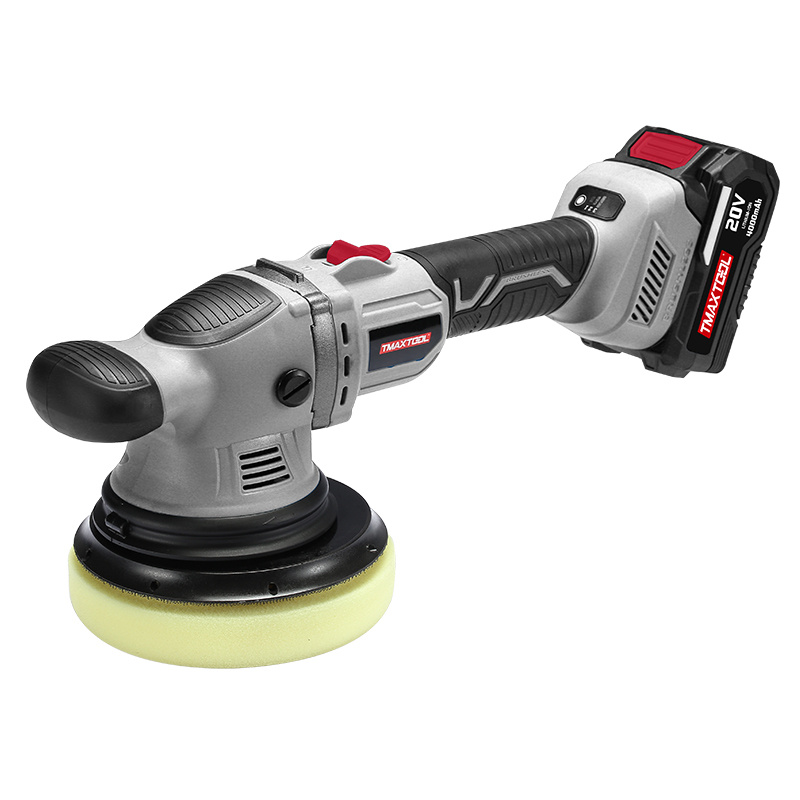
The automotive detailing industry has seen remarkable advancements in polisher technology, notably with products designed to enhance the shine and finish of vehicles. One such innovation is the Tmaxtool Cordless Lithium Electric Double Action Car Polisher, which has garnered attention for its efficient performance and user-friendly features. With a powerful brushless motor, this polisher operates at a voltage of 20V, allowing it to deliver a no-load speed ranging from 1800 to 5000 revolutions per minute. Such versatility makes it suitable for both professionals and automotive enthusiasts alike.
Weighing in at just 1.94 kg, the Tmaxtool polisher is lightweight and easy to maneuver, ensuring that users can achieve a flawless finish without experiencing fatigue. The device accommodates various pad diameters (125mm and 150mm) and features an orbit diameter of 15mm, facilitating effective polishing across different surfaces. The included foam pad enhances the polishing experience, while the 4.0Ah battery capacity ensures prolonged usage without frequent recharging. Additionally, packaging includes essential accessories like a spanner and a side handle for improved control and stability during operation, making this polisher an excellent choice for those looking to elevate their automotive shine with ease and precision.
FAQS
: This product aims to enhance everyday convenience. It simplifies tasks people usually find difficult.
It's suitable for a broad audience. However, young children or those with disabilities may require assistance.
Safety precautions are necessary. Users should always read instructions carefully to avoid potential issues.
Store it in a cool, dry place. Exposure to moisture can affect its performance over time.
Outdoor use is possible. However, extreme weather can impact its effectiveness. Use caution in harsh conditions.
You should contact customer support for help. They can guide you through troubleshooting steps.
Regular check-ups are advisable. Cleaning and inspections help ensure it continues to work well.
Results may vary based on usage. Consistent application usually brings noticeable improvements over time.
It can, but it may not suit every situation. Consider when traditional tools might be more effective.
Individual experiences differ. Factors like technique, environment, and frequency of use could play a role.
Conclusion
A polisher is a versatile tool designed to enhance the surface finish of various materials across multiple industries. It operates through a mechanism that typically involves a rotating abrasive pad, which smooths and refines surfaces to achieve a desired sheen. Different types of polishers, including rotary, dual-action, and orbital models, cater to specific needs in sectors such as automotive, manufacturing, and home improvement.
In the automotive industry, polishers are essential for restoring vehicle paint and achieving a glossy finish. In manufacturing, they are utilized to enhance product surfaces, ensuring quality and aesthetic appeal. The home improvement and DIY sectors also benefit from polishers, as they aid in tasks like furniture refinishing and floor maintenance. Overall, polishers offer significant benefits for surface finishing, making them indispensable tools in both professional and household applications.

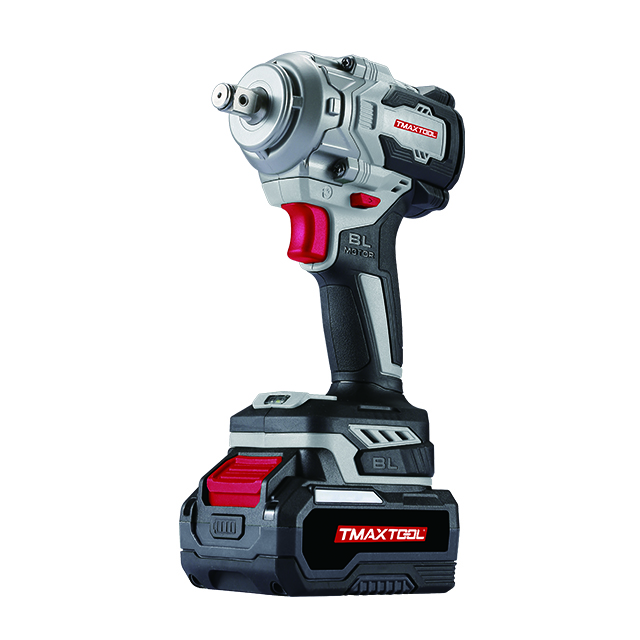 Impact Wrench
 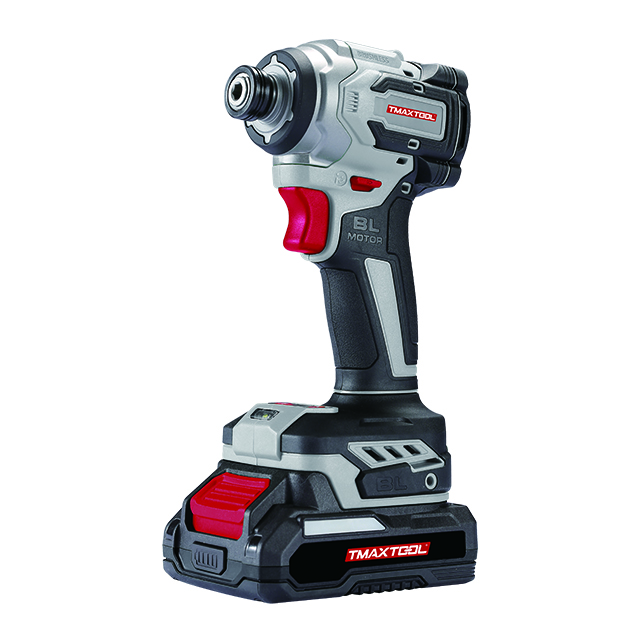 Screwdriver
 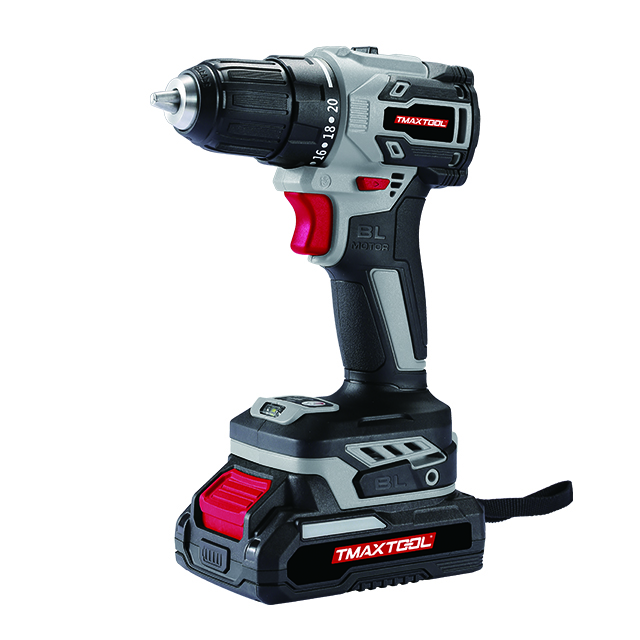 Cordless Drill
 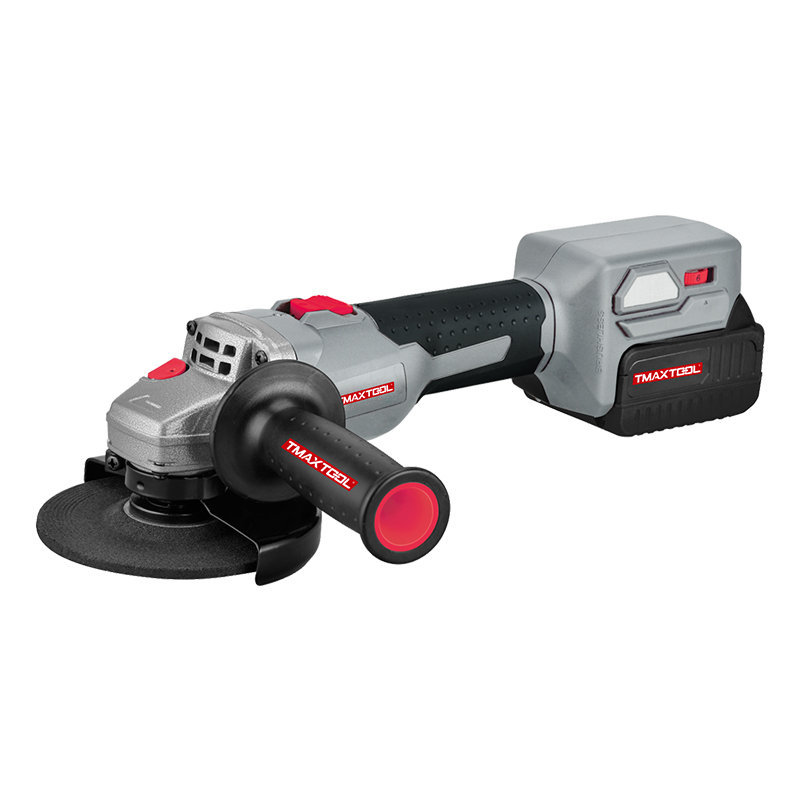 Angle Grinder
  Polisher
  Wood Router
  Jig Saw
  Hammer Drill
 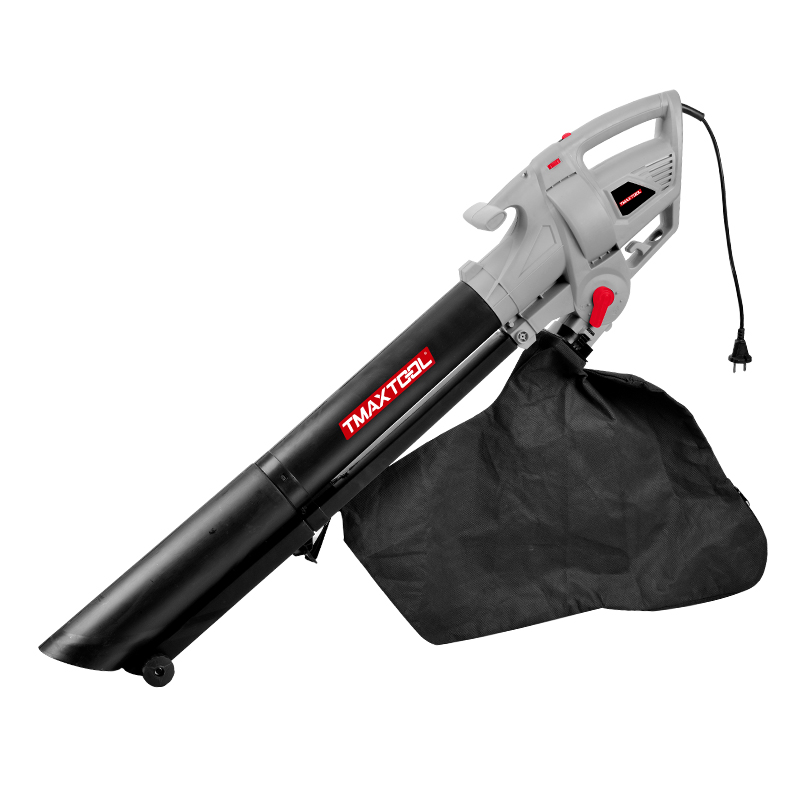 Portable Blower
 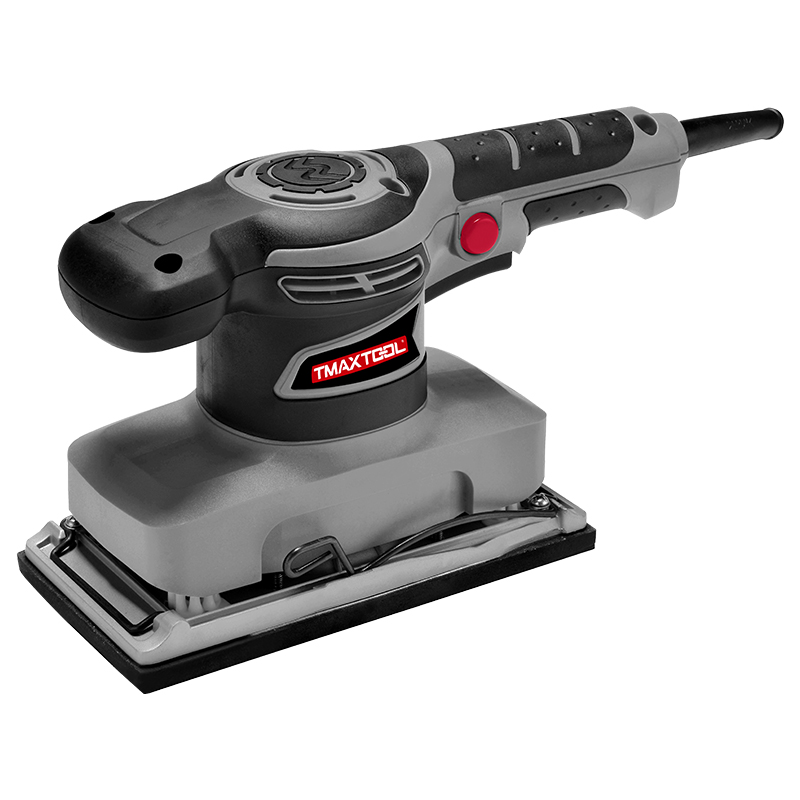 Orbital Sander
 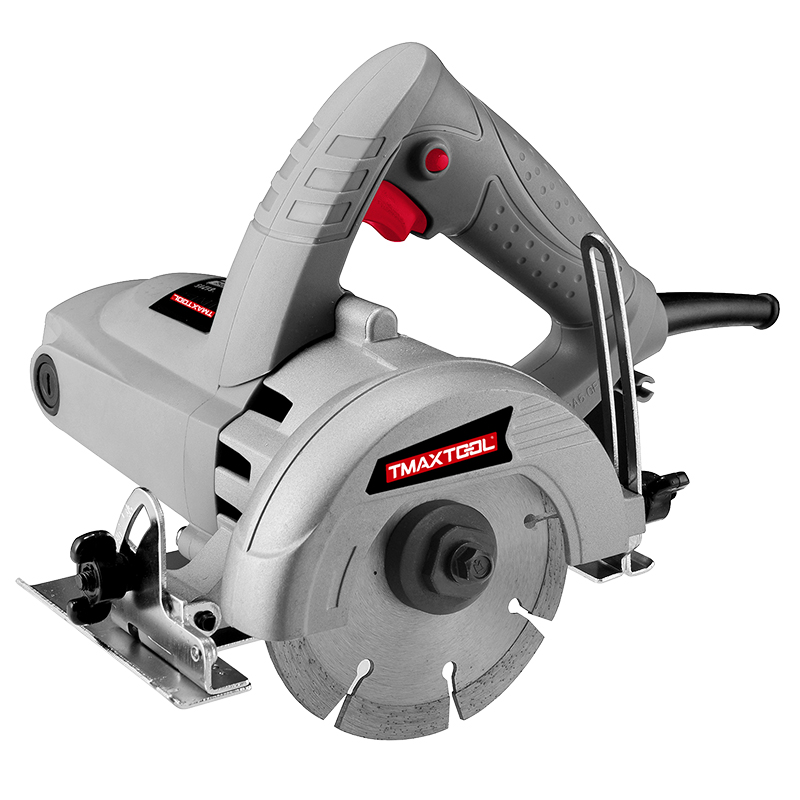 Marble Cutter
  GARDEN TOOLS
 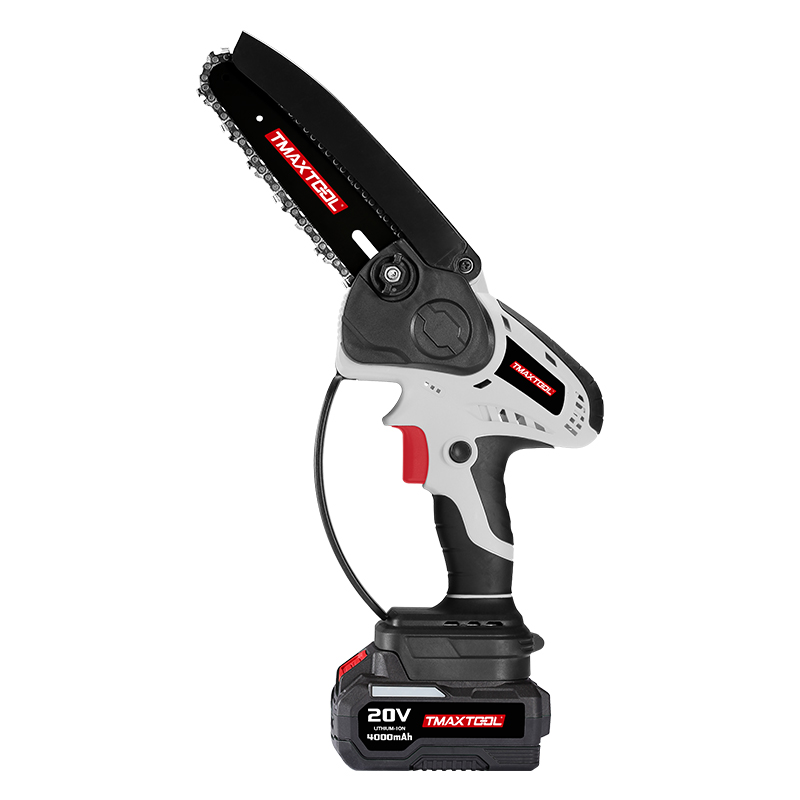 Battery Chain Saw
 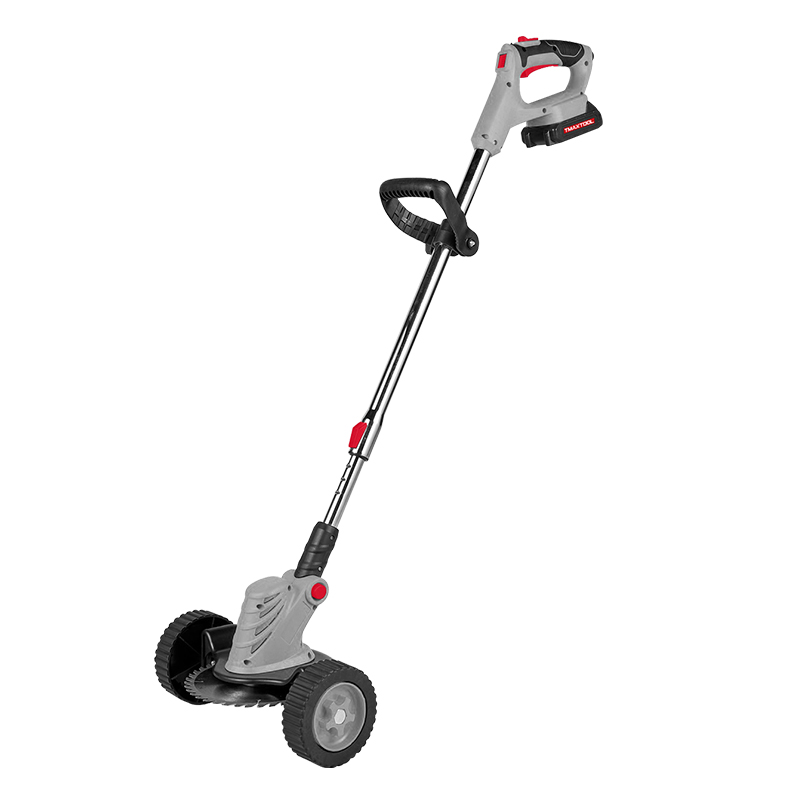 Battery Brush Cutter
 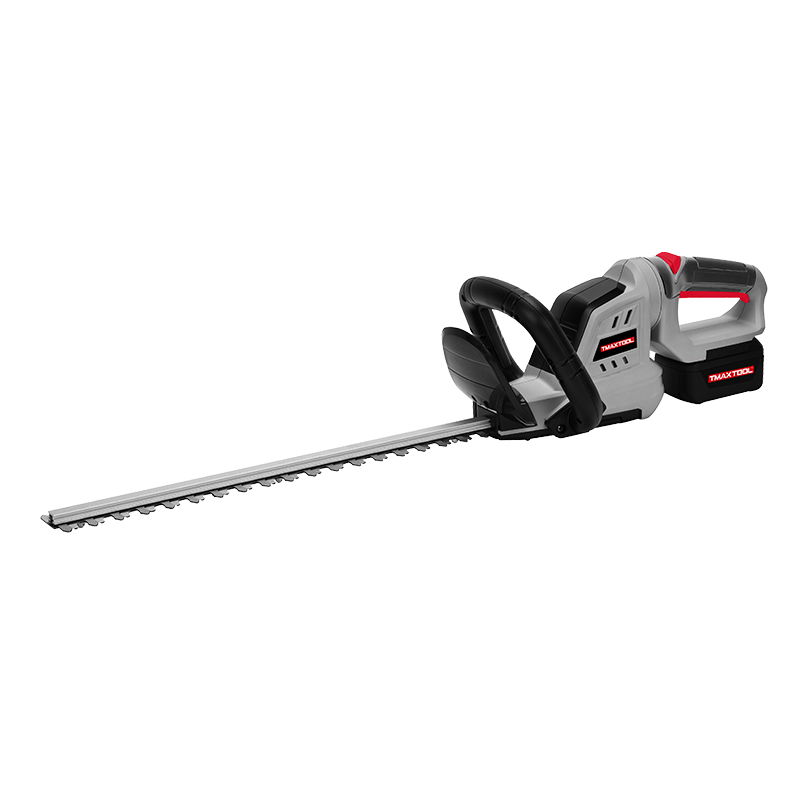 Battery Hedge Trimmer
 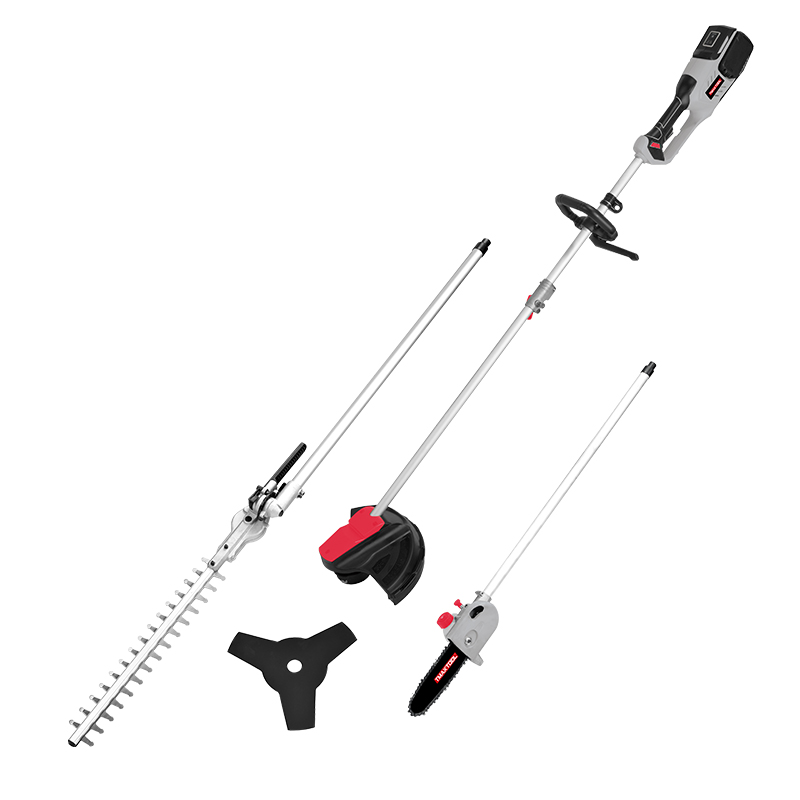 Battery Multi Tool
 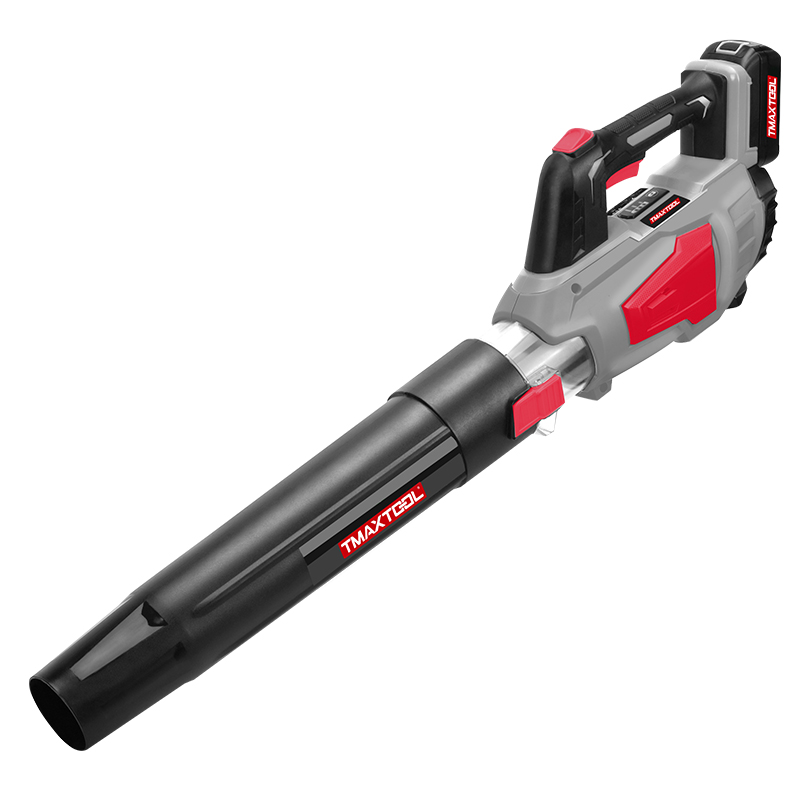 Battery Blower
 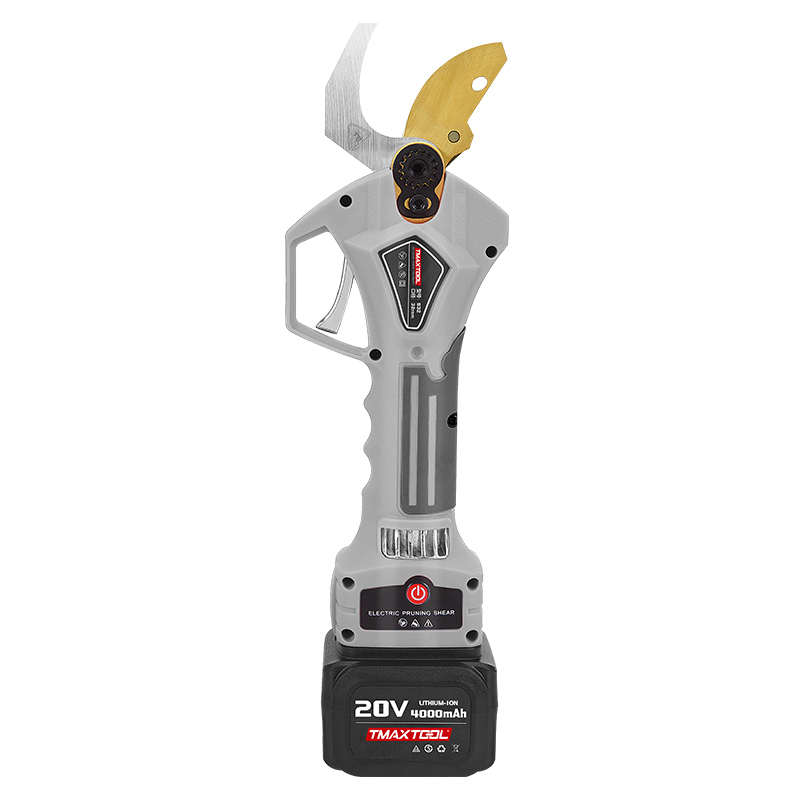 Batter Pruning Shears
 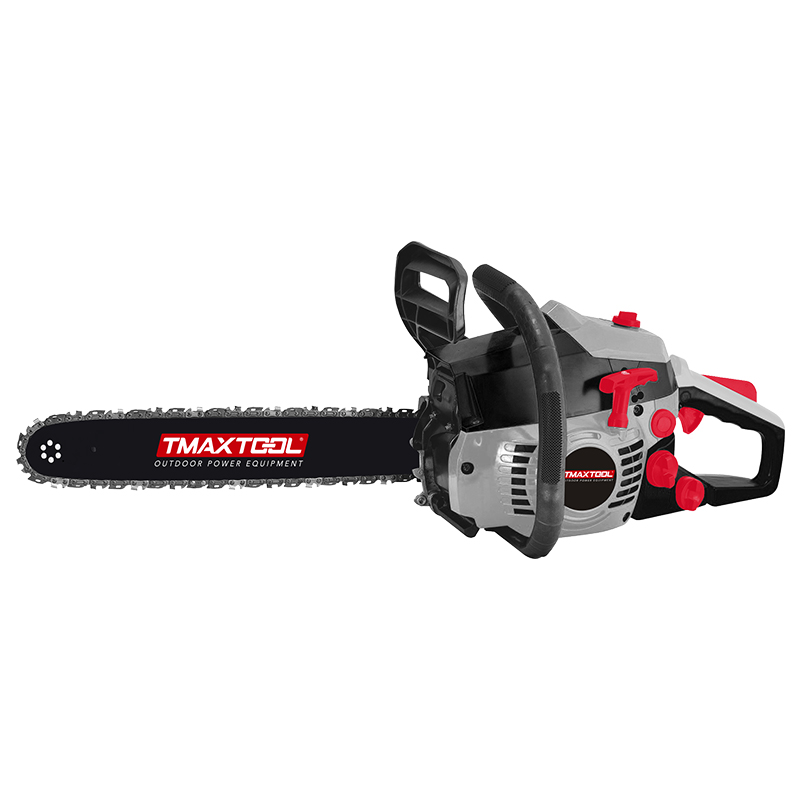 Chain Saw
 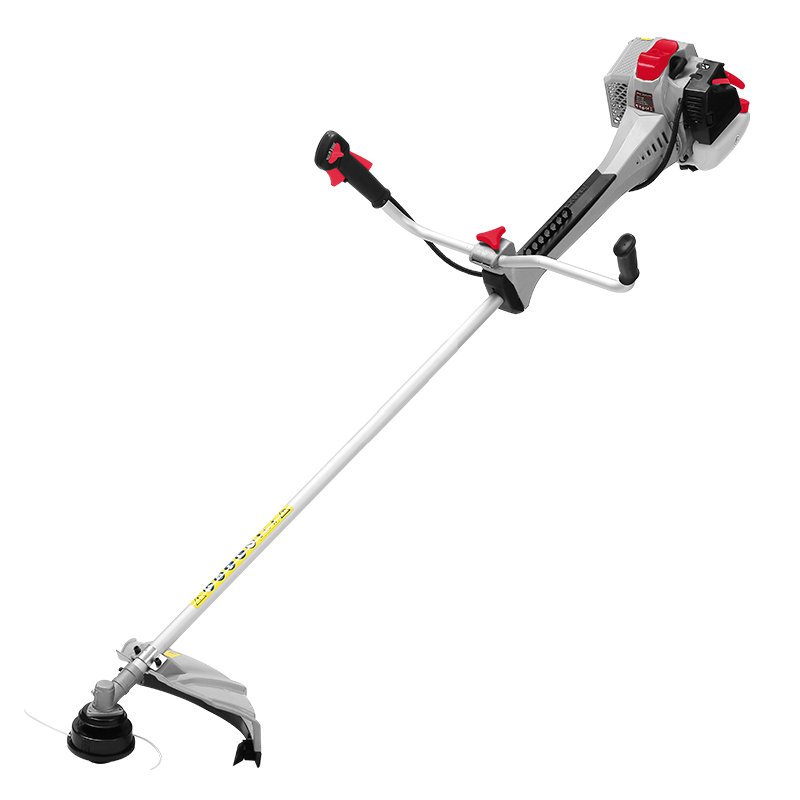 Brush Cutter
 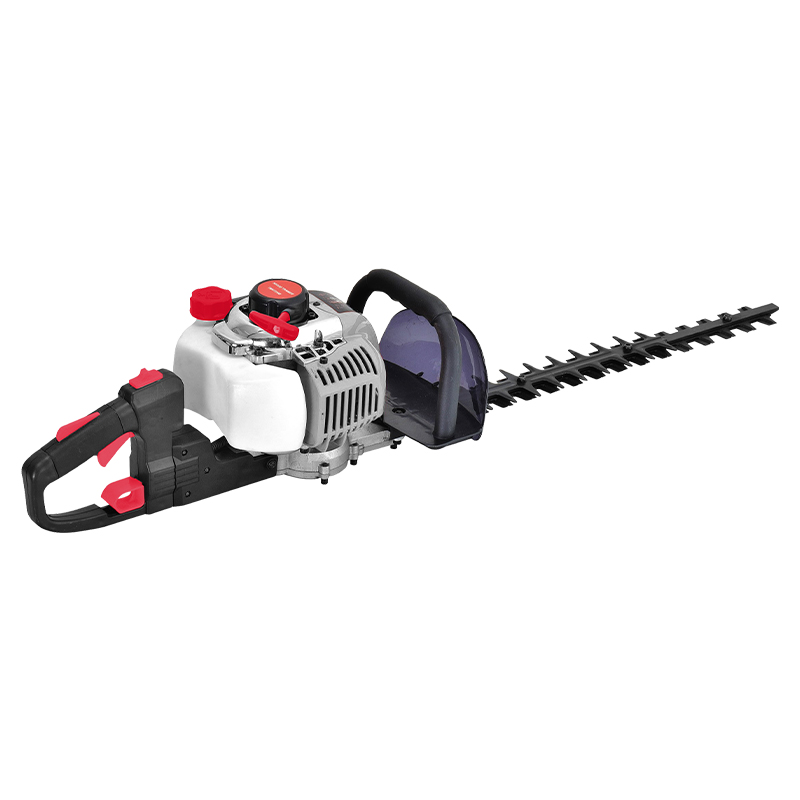 Hedge Trimmer
 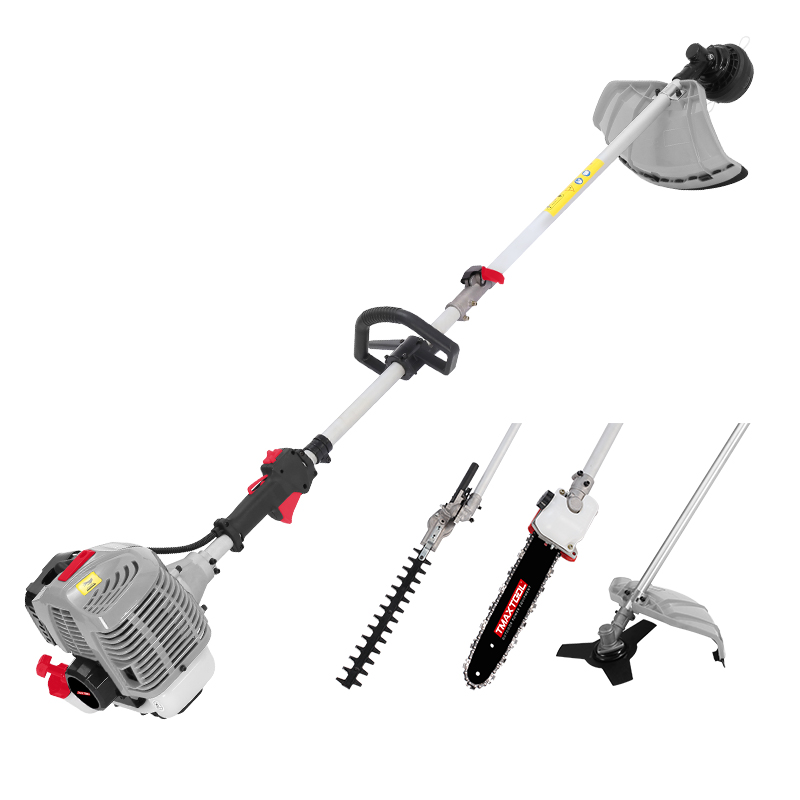 Multi Tool
 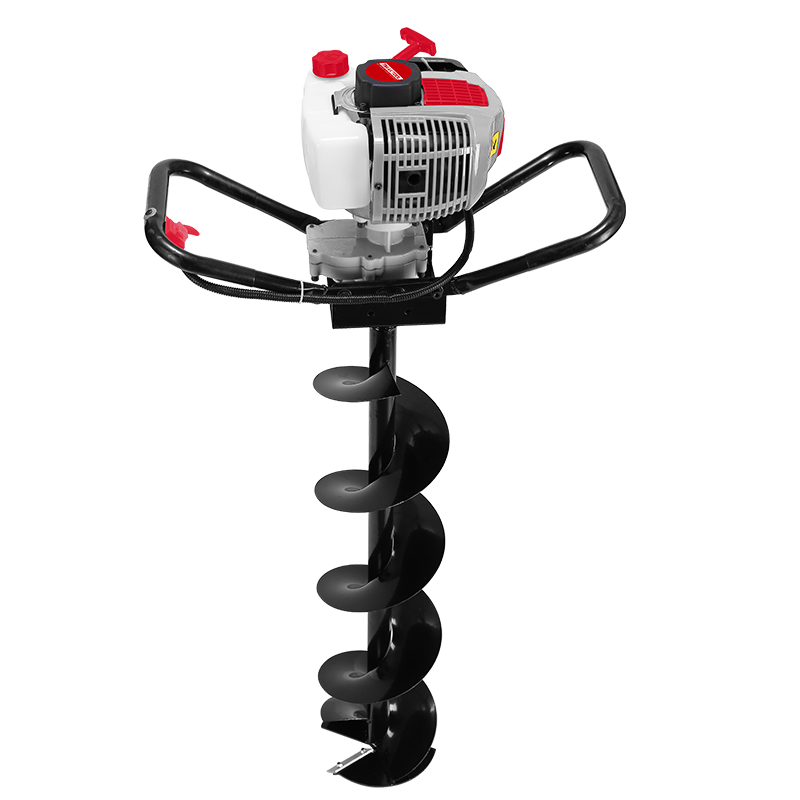 Earth Auger
 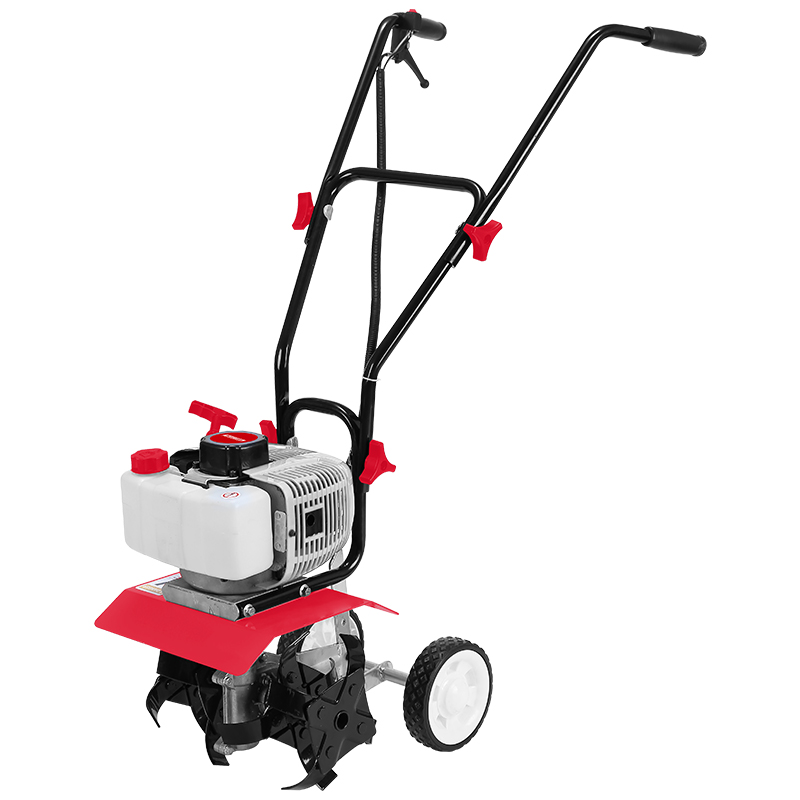 Tiller
  Blower
  4 Stroke Gasoline Engine
  Generator
  Water Pump
 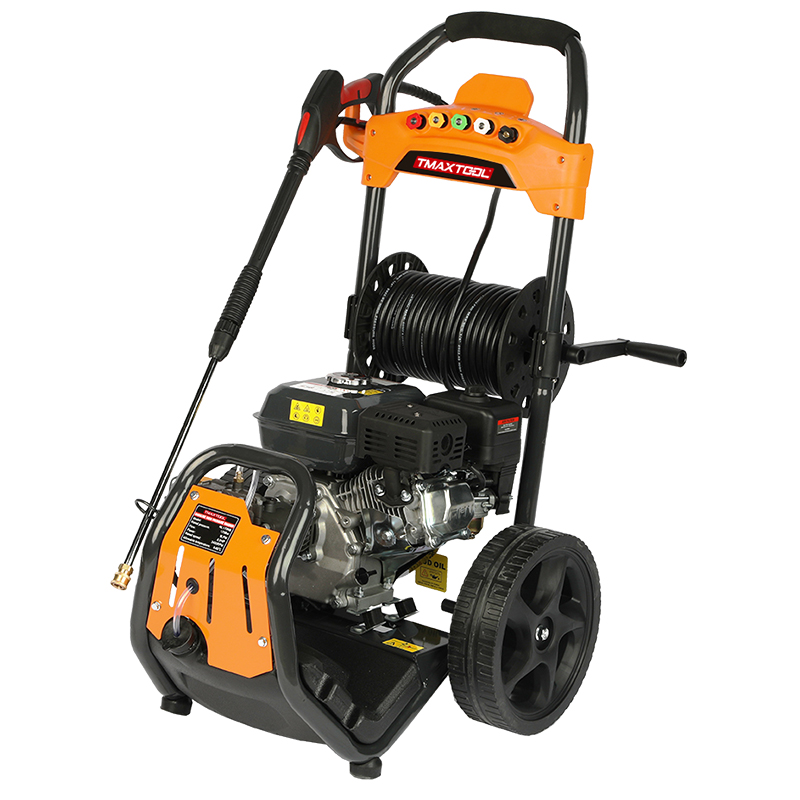 High Pressure Washer
 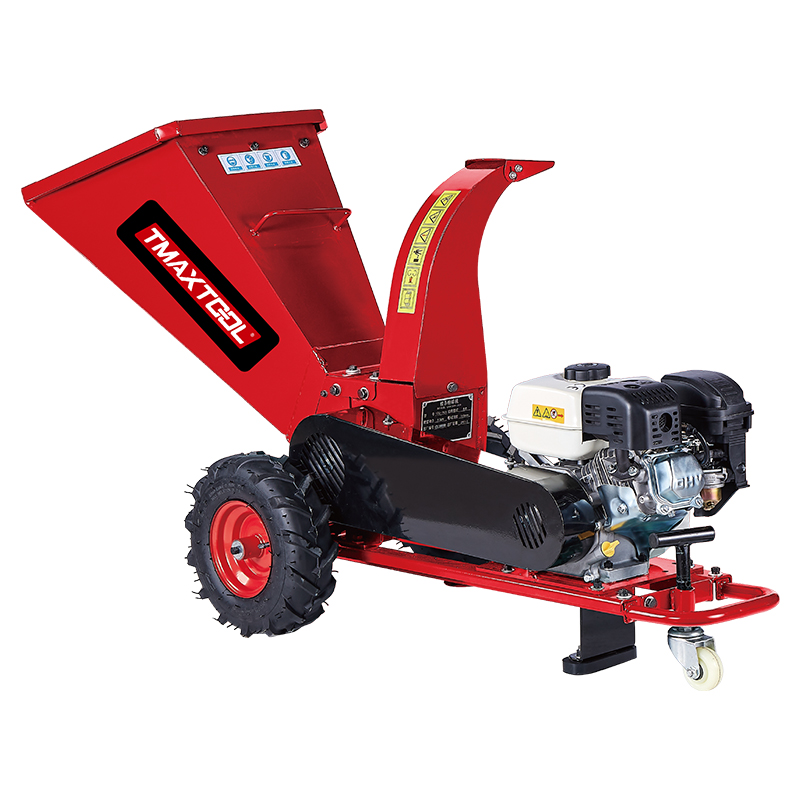 Wood Cutter
 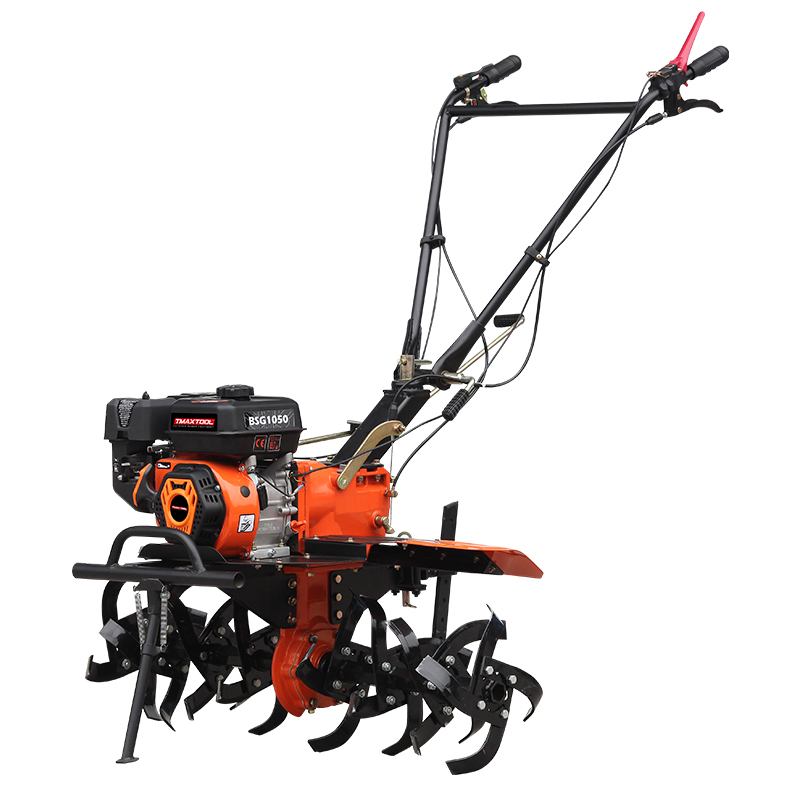 4 Stroke Tiller
 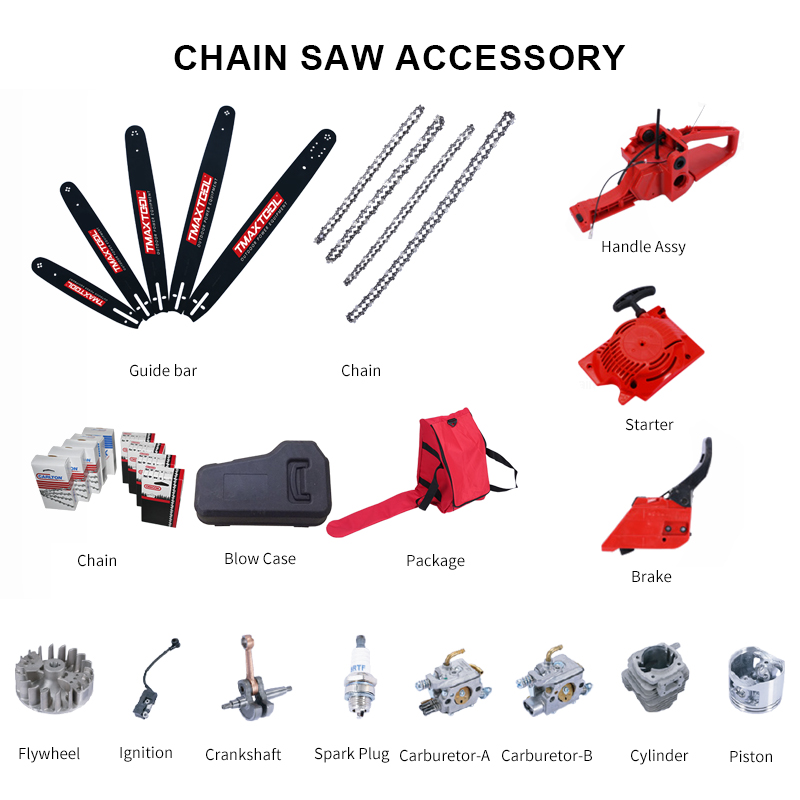 Chain Saw Accessory
 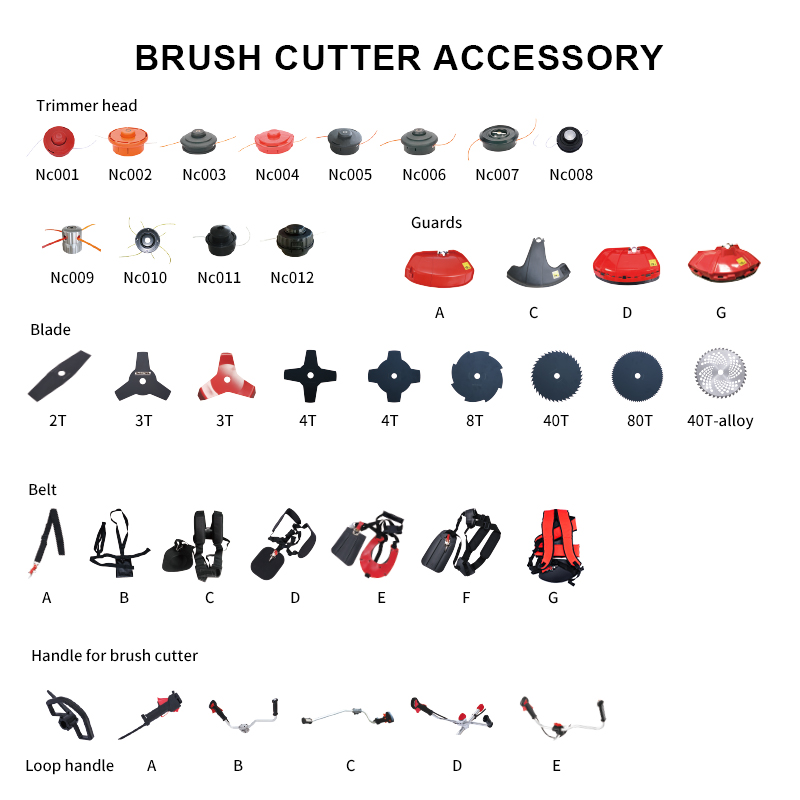 Brush Cutter Accessory
 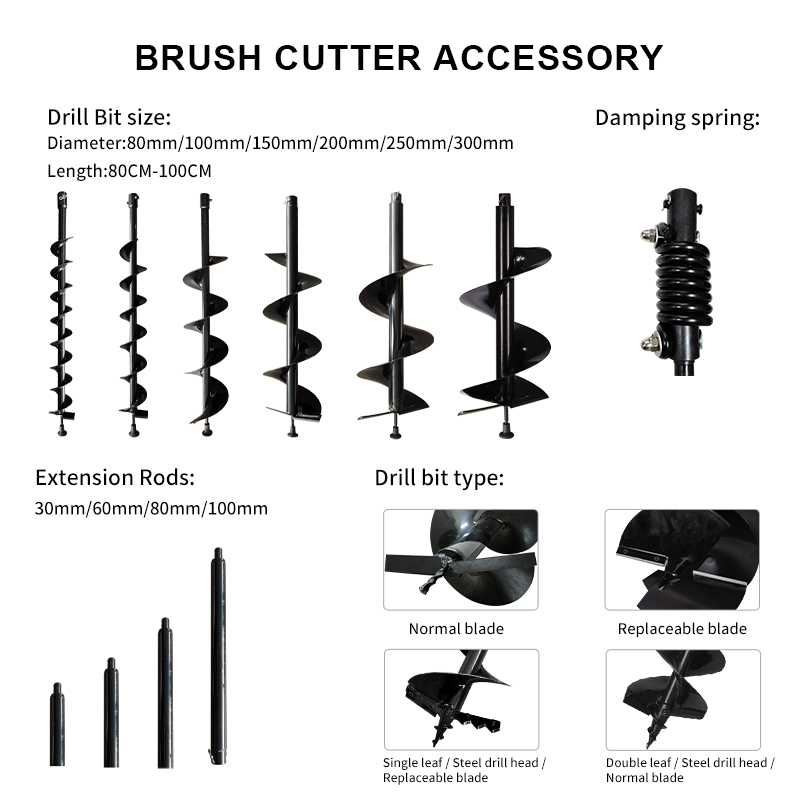 Earth Auger Accessory
  Protective Equipment Accessories


