Lately, it seems like everyone’s talking about woodworking tools — and honestly, the demand’s really picking up. According to reports from MarketsandMarkets, the global market for woodworking machinery is expected to hit around $8.8 billion by 2026. One tool that’s definitely catching everyone's eye is the Wood Router. It’s pretty amazing because it’s so versatile and precise. With it, you can shape edges, cut out grooves, or even craft some really intricate designs.
People, whether they’re pros or just hobbyists, all seem to appreciate how useful this tool is. A Wood Router can really help you pull off detailed work and give your projects that extra touch of quality. That said, I know a lot of folks still find it tricky to get the most out of it. If you're new to the game, figuring out the right settings and router bits can feel overwhelming at first.
And honestly, every woodworker has hit a snag or two along the way. Maybe you picked the wrong bit or misjudged the depth — it happens to everyone. Getting the perfect routing experience takes practice and a bit of learning. As the industry continues to grow, so does the need for good training and guidance. Spending some time understanding how everything works can seriously make a difference. Plus, learning to roll with those little mistakes is all part of growing your skills — it’s how you turn a rough start into something really impressive.

What is a Wood Router?
A wood router is a versatile tool used for hollowing out areas in a piece of wood. It can create intricate designs, grooves, and shapes that enhance the beauty of woodworking projects. The router uses a rotating bit to achieve these effects. It can handle soft and hardwood equally well, making it a favorite among artisans and DIY enthusiasts.
Using a wood router requires some skill. Beginners might struggle with the router's speed and precision. It’s essential to maintain a steady hand while guiding the tool to avoid uneven edges. An OEM Wood Router offers options for speed control that can help improve accuracy, especially for delicate designs. However, understanding the right bit for different applications is vital.
Practice is key. Many users find the first few attempts challenging. Mistakes can happen easily, leading to rough cuts or accidental overcuts. By consistently working with the router, woodworkers can learn how to better control the tool. Feedback from experienced users often highlights the importance of safety measures too, as the router can be dangerous if not handled properly.
The History and Evolution of Wood Routers
Wood routers have a rich history that traces back to ancient woodworking practices. The earliest known routers date to the late 1800s. These rudimentary tools shaped wood manually and relied on skilled craftsmen. As woodworking demand grew, so did the need for efficiency. This led to the creation of powered routers in the 20th century. Electric routers revolutionized the industry, making intricate designs easier to achieve.
Over the years, wood routers evolved in design and functionality. The introduction of variable speed controls and interchangeable bits allowed for greater versatility. Today, wood routers are essential for both hobbyists and professionals. They are used for shaping edges, hollowing out areas, and creating decorative patterns. The advancements have made these tools more accessible, encouraging many to explore woodworking.
Tips: When considering tools, look for options that fit your skill level. Investing in a Wholesale Wood Router can save money. Remember, practice is crucial; mastering a router takes time. Watch tutorials and read manuals to understand the intricacies of your tool. Mistakes are part of learning, so embrace them and refine your skills.
Types of Wood Routers and Their Key Features
Wood routers are versatile tools in woodworking. Different types serve specific purposes, each with unique features. The most common types include fixed-base routers and plunge routers.
Fixed-base routers are excellent for creating edge profiles and grooves. They stay at a set depth. This tool is user-friendly, but you might find it limited for deeper cuts. Plunge routers, on the other hand, allow you to start your cut at any point. This can lead to more intricate designs. However, they require more skill to handle effectively.
Another type is the trim router, which is smaller and more lightweight. It’s ideal for small projects and detail work. It offers great maneuverability but might not handle larger tasks well. Always consider the project at hand. Choosing the right type of router can significantly affect the results.
What is a Wood Router and How Does it Work? - Types of Wood Routers and Their Key Features
| Router Type | Power (Watts) | Collet Size | Speed Range (RPM) | Key Features |
| Fixed Base Router | 1200 | 1/4 inch | 8000 - 24000 | Stable for edge work, accurate in-depth settings |
| Plunge Router | 1500 | 1/4 inch & 1/2 inch | 6000 - 21000 | Adjustable depth settings, versatile for different tasks |
| Trim Router | 800 | 1/4 inch | 16000 - 34000 | Lightweight, ideal for laminate trimming and small projects |
| Combo Router | 1300 | 1/4 inch & 1/2 inch | 10000 - 23000 | Versatile, combines features of fixed and plunge routers |
Basic Components of a Wood Router
A wood router is a versatile tool used in woodworking. It shapes and finishes edges, creates joints, and hollows out areas. Understanding its basic components can enhance your woodworking projects.
The router has several key components. The motor powers the tool. It can be variable speed, allowing you to adjust for different tasks. The base provides stability. A flat base makes it easier to guide along the wood. The bit is crucial, as it determines the cut's shape. Different bits create various profiles. Choosing the right one makes a difference.
For beginners, always start with softer wood when using an ODM Wood Router. This helps you practice without damaging the material. Check the depth settings before making cuts. It’s easy to go too deep, which can ruin your work.
Don't overlook the importance of safety gear. A face shield protects your eyes from flying debris. Hearing protection is also wise, as routers can be loud. Take your time to adjust to the router's handling. Rushing can lead to mistakes that you may regret later.
How to Use a Wood Router Safely
Using a wood router can enhance your woodworking projects significantly. However, safety should remain your top priority. When using a High-Quality Wood Router, wearing protective gear is essential. Safety goggles shield your eyes from debris. Ear protection helps reduce noise exposure. Don't forget a dust mask; the dust can be harmful.
Ensure your workspace is clutter-free. A clean area minimizes the risk of accidents. Check your router's power cord regularly for any damage. A frayed cord can pose serious hazards. Always use both hands on the router for better control. Avoid distractions; even a moment of inattention can lead to mistakes.
Make sure to understand the router's settings. Adjusting the speed can affect how the cutting is done. Test the router on scrap wood before working on your main project. This practice can help you gauge your settings. Mistakes are learning opportunities, so don't worry about them too much. Remember, safety comes first; never rush the process.
Common Applications of Wood Routers in Carpentry
Wood routers are versatile tools commonly used in carpentry. They allow woodworkers to carve out designs, create edges, and form joints. These machines enhance both functionality and aesthetics in woodworking projects. From decorative edges to intricate patterns, the applications are diverse. For instance, a wood router can help in creating dovetail joints, which are strong and attractive.
In cabinetry, routers play a crucial role. They are excellent for making precise cuts and adding profiles to doors and drawers. Woodworkers often use routers for trimming laminate surfaces. This creates a clean, professional finish that stands out.
Tip: Always secure your workpiece. A loose piece can lead to uneven cuts or accidents. Adjusting the router's speed helps with different materials. Lastly, practicing on scrap wood before a significant project can save time and materials. Remember, making mistakes can be part of the learning process. Reflecting on what went wrong helps improve techniques for next time.
Tips for Maintaining Your Wood Router for Longevity
Maintaining your wood router is essential for its longevity and performance. Regularly inspect the router for any wear or damage. Check the power cord and the base for cracks. A small crack can lead to bigger issues down the road. Dust and debris often build up in the motor and bits. Use a soft brush to clean these areas, ensuring nothing gets stuck. It is a good idea to do this before and after each use.
Lubrication is key to keeping your wood router running smoothly. Apply a light machine oil to the motor and any moving parts. Avoid using too much oil; just a drop will do. Too much oil can attract dirt, leading to more problems. Pay attention to the router bits as well. Dull bits can cause excessive wear on the motor. Replace or sharpen bits when necessary. Sometimes, forgetting this detail can result in poor cuts or damage.
Storing your wood router properly can also extend its life. Keep it in a dry place, away from moisture. Moisture can rust the metal parts, leading to malfunctions. If you notice rust, it may not be easy to remove. It requires careful scrubbing and attention. Regular maintenance might feel tedious, but it saves time and effort in the long run.
Wood Router Usage Statistics
Optimizing Wood Milling Efficiency: Insights from Industry Reports on the 72cc Wood Milling Chain Saw for 272XP 61 268
The optimization of wood milling efficiency is a critical concern for many in the forestry and woodworking industries, especially when utilizing powerful machinery such as the 72cc Chain Saw designed for models like the 272XP, 61, and 268. Recent industry reports indicate that the key to maximizing productivity in wood milling lies in selecting the right tools and understanding their specifications. For instance, the two-stroke air-cooled gasoline engine of this chain saw provides a robust output of 3.6 kW, enhancing its cutting performance and allowing for efficient milling across various wood types.
Notably, with a displacement of 72cc and a maximum engine idling speed of 1250 rpm, this chain saw stands out for its robust power-to-weight ratio. The combination of a sprocket nose guide bar available in lengths of 20 to 30 inches ensures versatility in cutting different wood sizes, while the capability to achieve a maximum cutting length of 60 cm makes it suitable for medium to large milling tasks. Industry analyses demonstrate that tools featuring automatic oil feeding systems, like this model, maintain optimal chain lubrication which further enhances cutting efficiency and prolongs the lifespan of the equipment.
Additionally, the inclusion of an advanced CDI ignition system and a pump-film type carburetor contributes to the reliability of operation and ease of maintenance, thus allowing users to focus on refining their milling techniques rather than wrestling with equipment inconsistencies. Reports indicate that adequately maintaining a gasoline/oil mixing ratio of 40:1 not only sustains engine health but also optimizes energy output, thus ensuring each milling session is as productive as possible.
FAQS
: This product aims to enhance user experience and convenience. It offers practical solutions for everyday tasks.
Anyone seeking efficiency or improved functionality can benefit. It's designed for both individuals and professionals.
Follow the user manual closely. Pay attention to setup and operation details for best results.
Yes, users often overlook setup instructions. This may lead to improper use and unsatisfactory results.
Check the manual for troubleshooting tips. Many problems are easy to fix if the steps are followed.
It is compact and lightweight, making storage simple. Ensure it's kept in a dry place to avoid damage.
Yes, sharing is possible, but consider individual preferences. Not everyone will have the same experience.
Customer support is available via various channels. Reach out with specific questions for better assistance.
Yes, it has certain capabilities. Users should understand these to avoid unrealistic expectations and disappointment.
Regular maintenance is crucial. Cleaning it every few weeks can prolong its lifespan and effectiveness.
Conclusion
A wood router is a versatile power tool used in woodworking to hollow out an area in a piece of wood. It has evolved over the years from hand-cranked devices to sophisticated electric models, catering to a wide range of woodworking applications. There are various types of wood routers, including fixed-base and plunge routers, each with unique features suited for different tasks. Understanding the basic components, such as the motor, base, and bit, is essential for effective use.
Safety is paramount when operating a wood router, so following proper guidelines is crucial to prevent accidents. Common applications include edge profiling, creating decorative patterns, and joinery tasks in carpentry. To ensure longevity and optimal performance, regular maintenance of your wood router is recommended. By familiarizing oneself with the tool's capabilities and care, woodworkers can enhance their craftsmanship and achieve precise results.

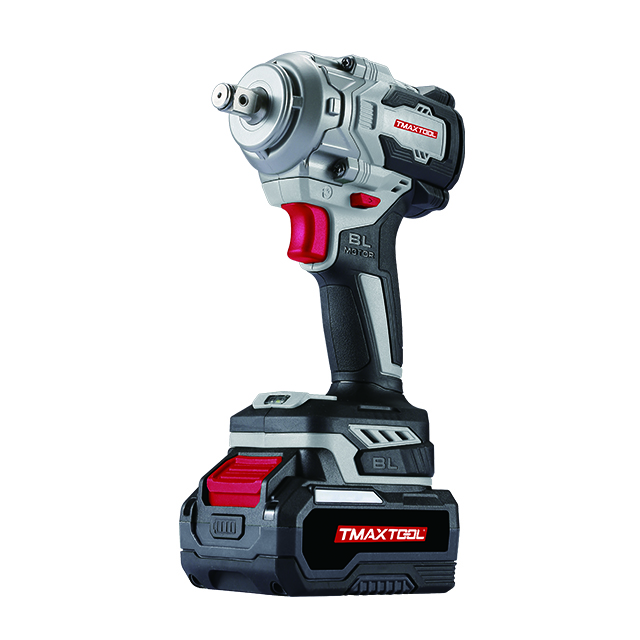 Impact Wrench
 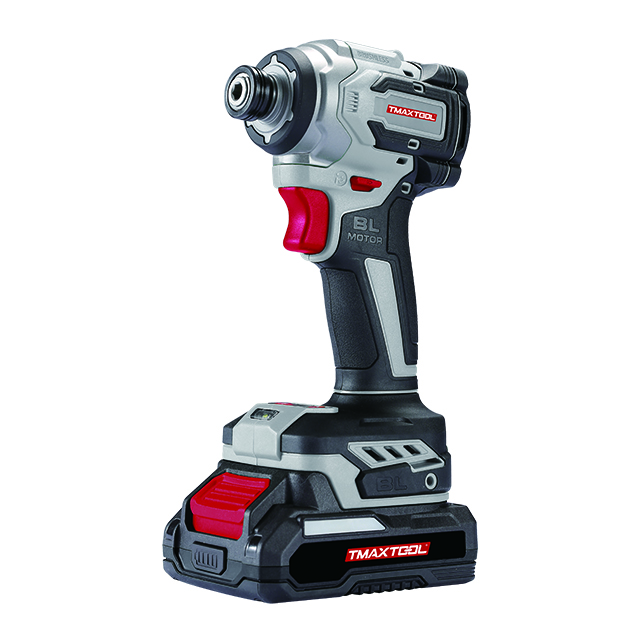 Screwdriver
 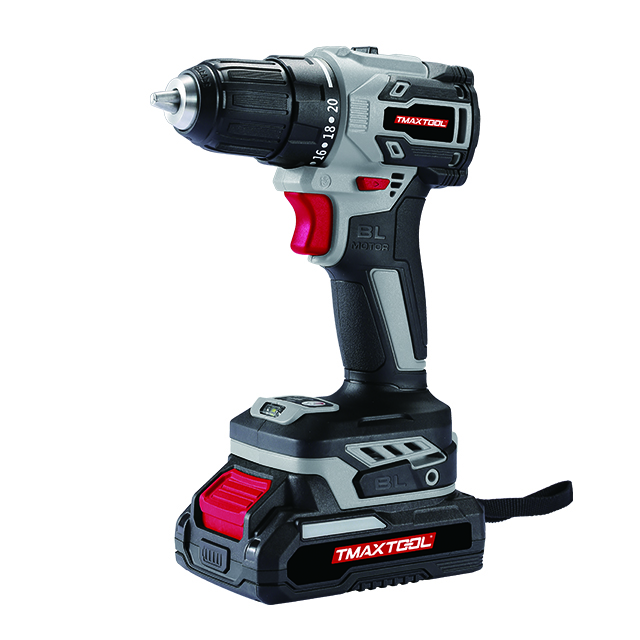 Cordless Drill
 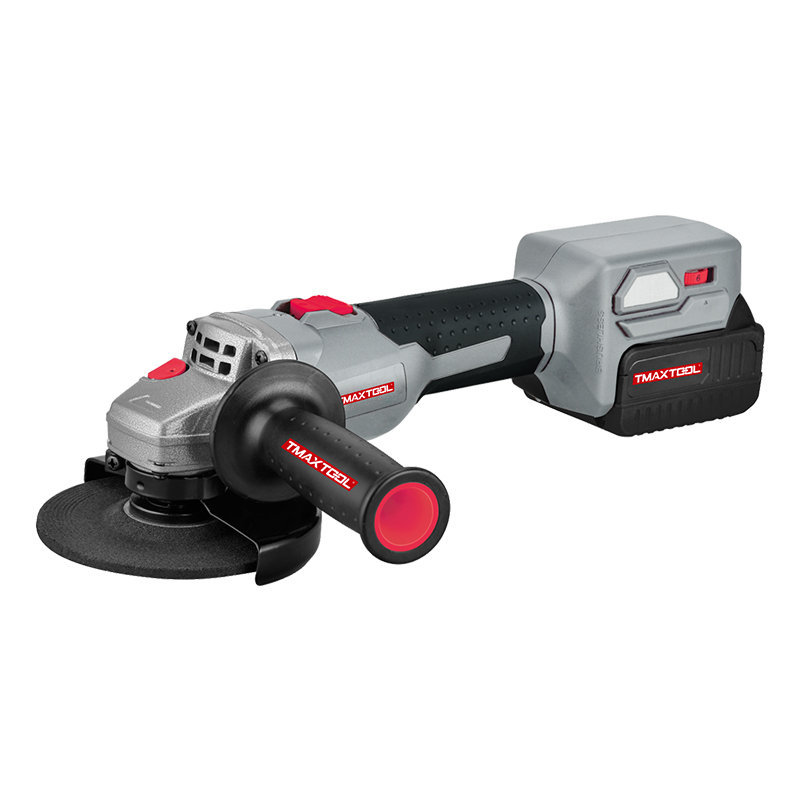 Angle Grinder
 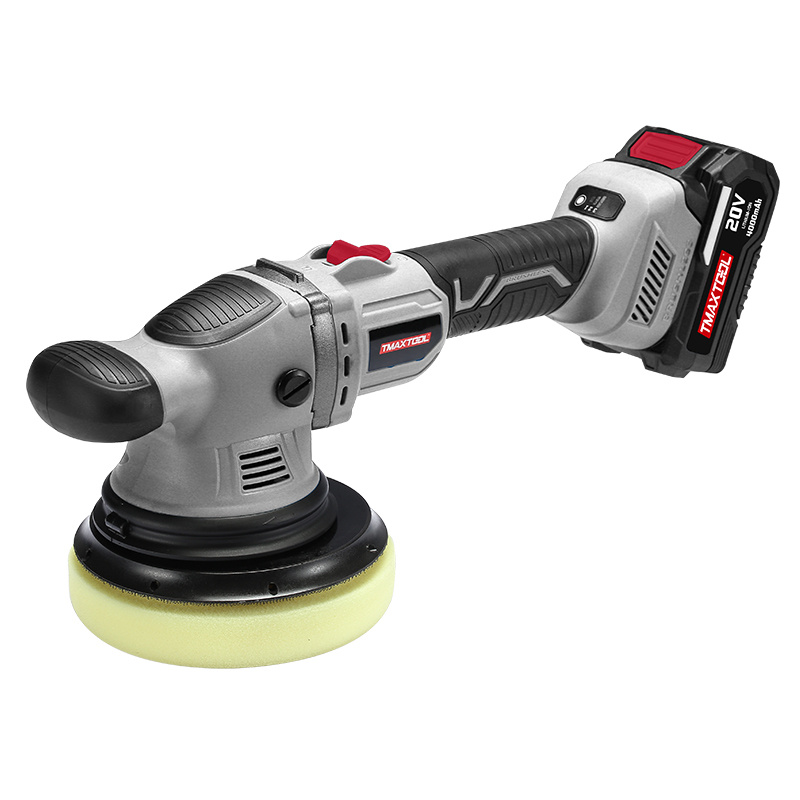 Polisher
 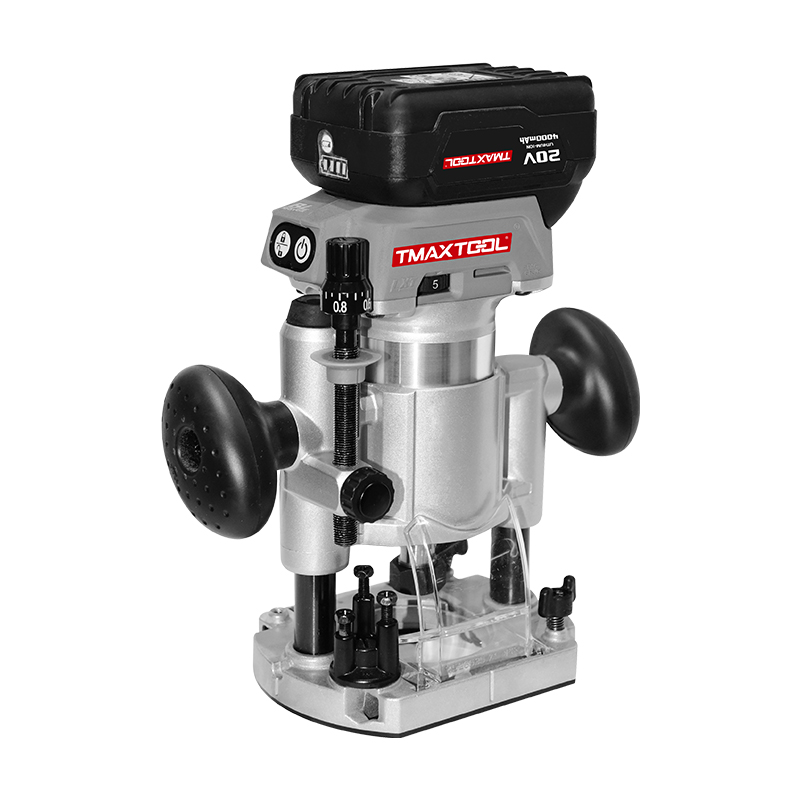 Wood Router
 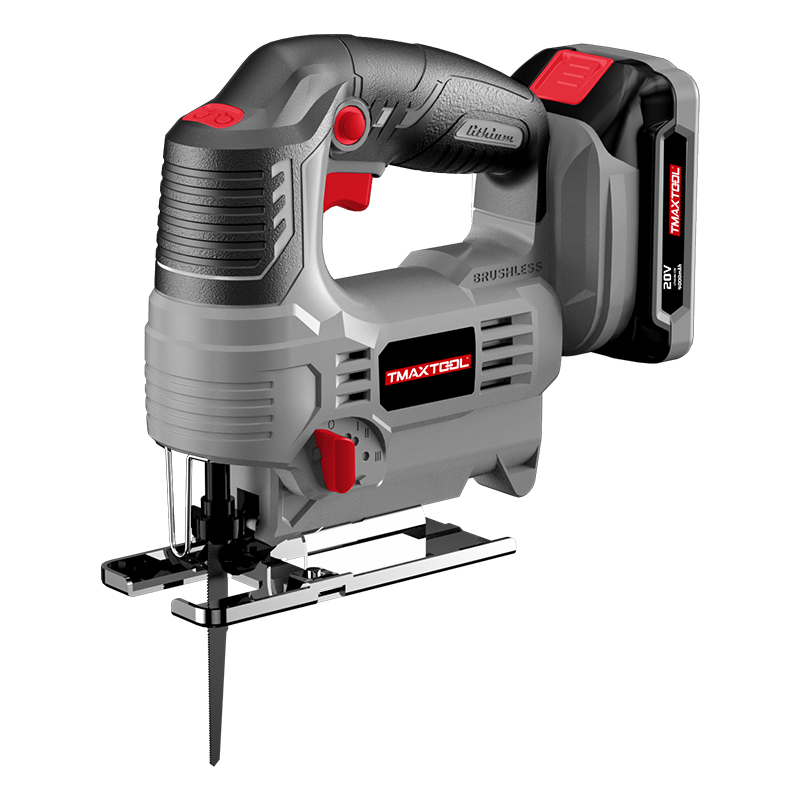 Jig Saw
 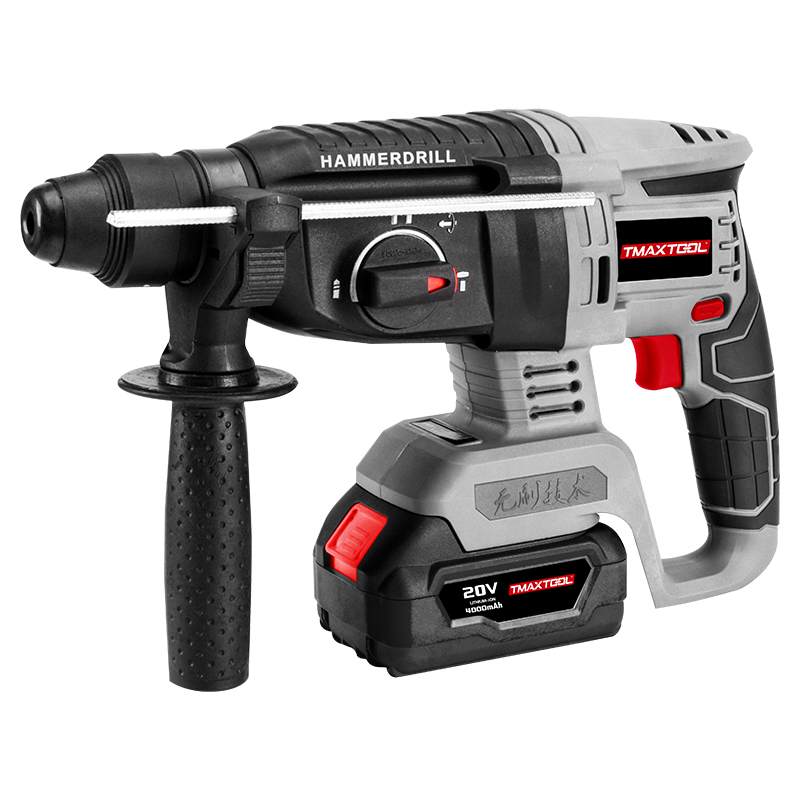 Hammer Drill
  Portable Blower
  Orbital Sander
  Marble Cutter
  GARDEN TOOLS
  Battery Chain Saw
 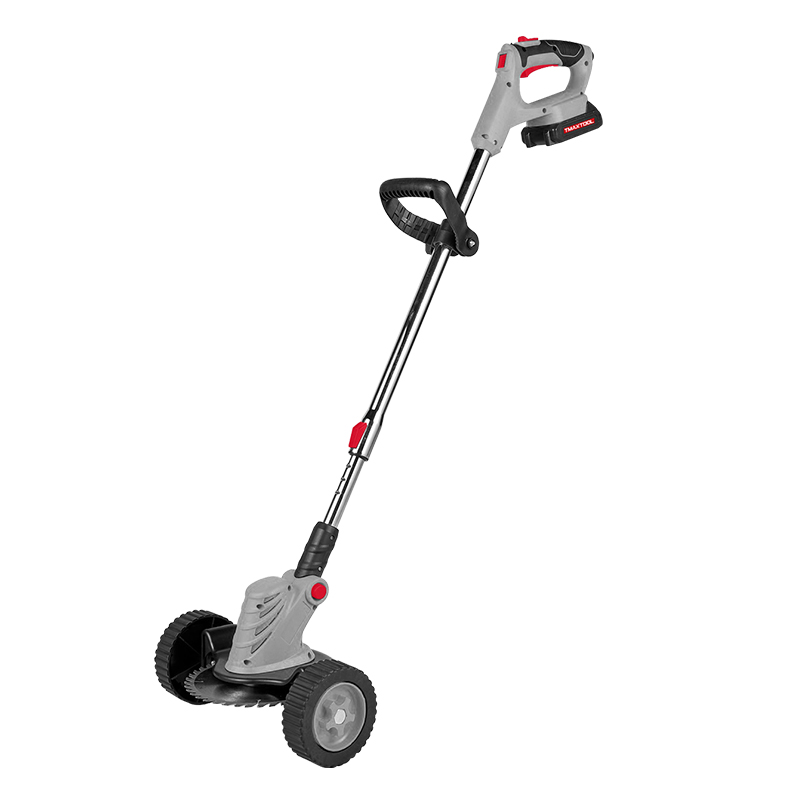 Battery Brush Cutter
 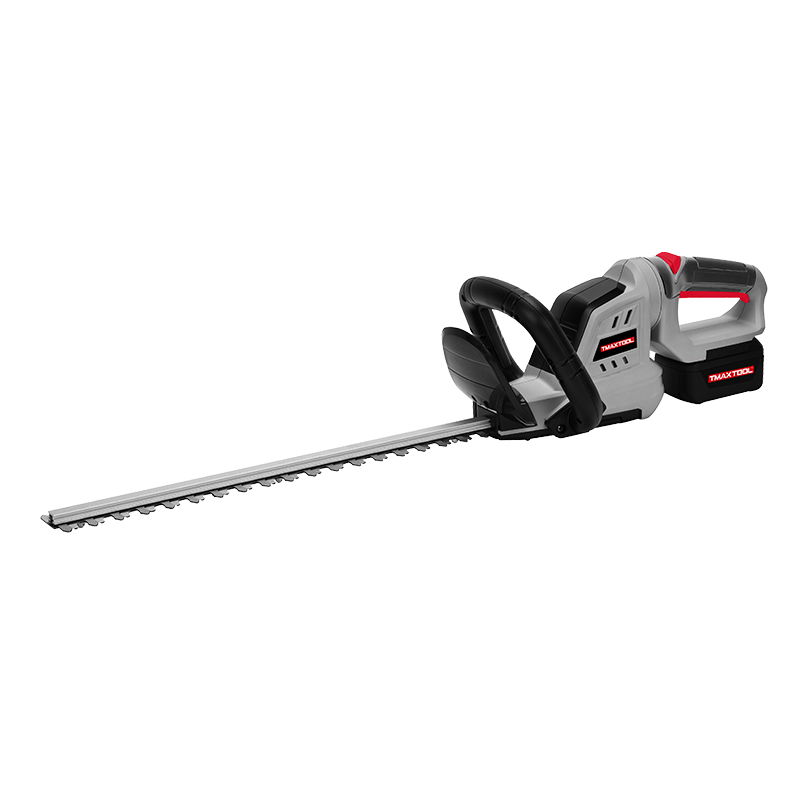 Battery Hedge Trimmer
 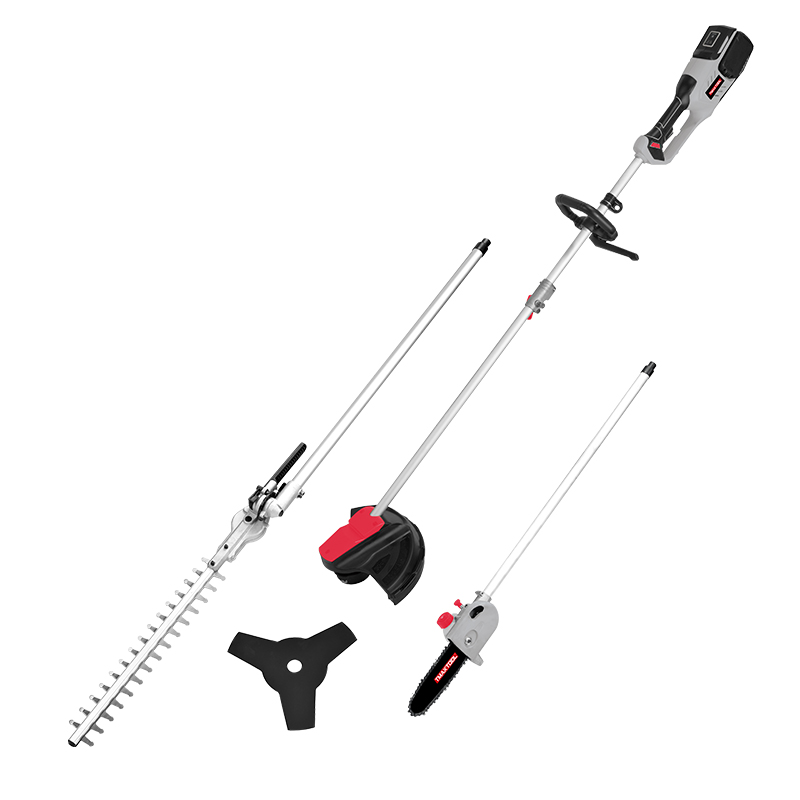 Battery Multi Tool
 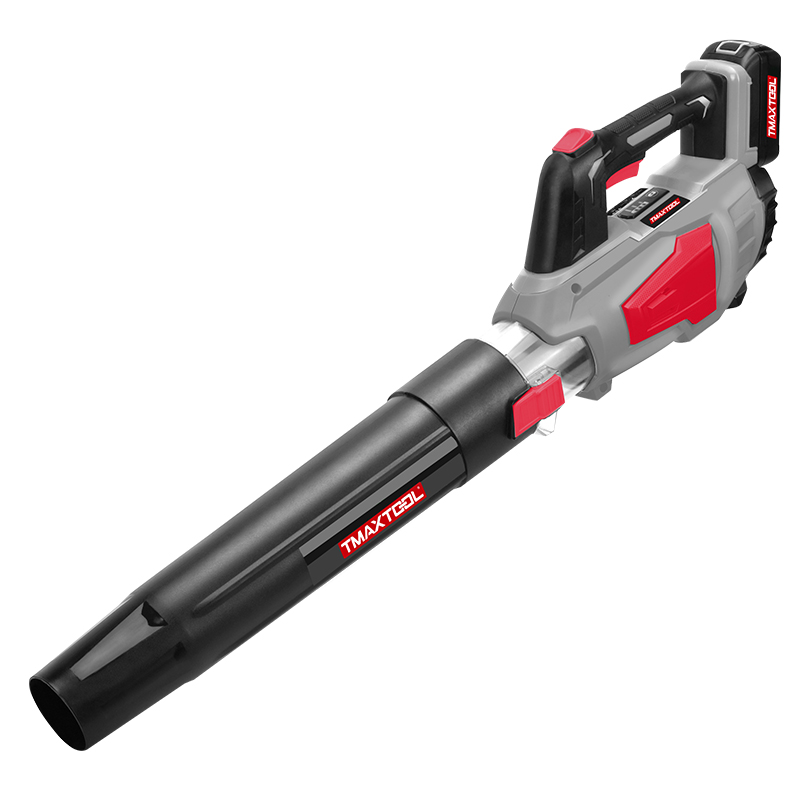 Battery Blower
 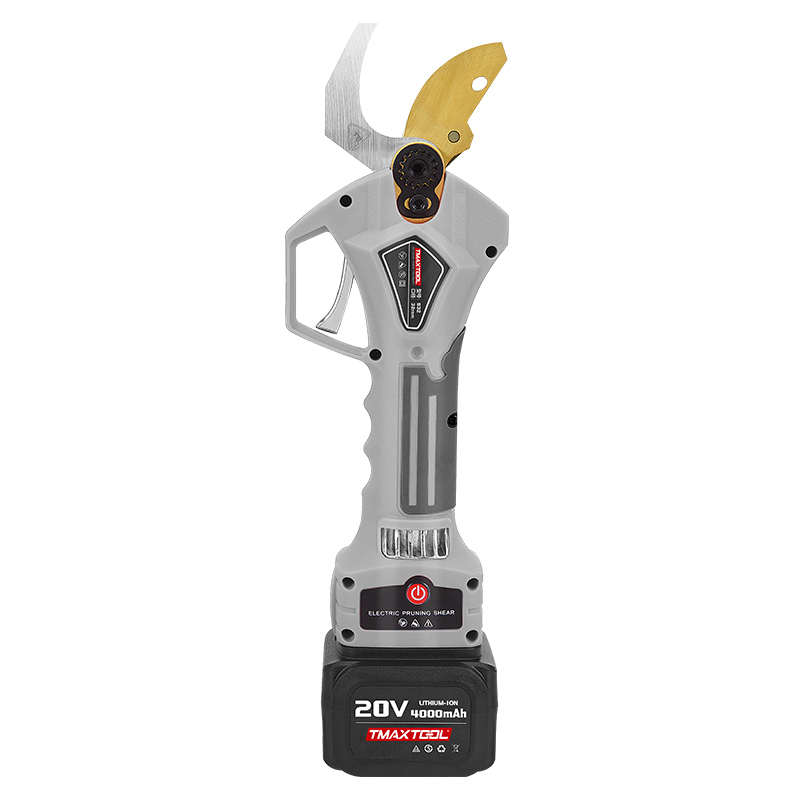 Batter Pruning Shears
 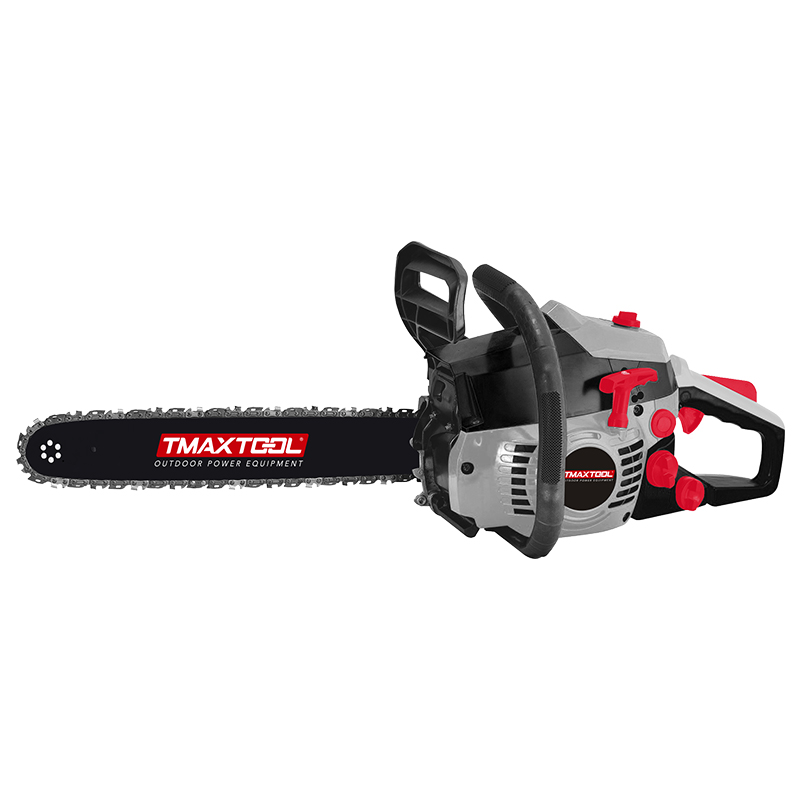 Chain Saw
  Brush Cutter
 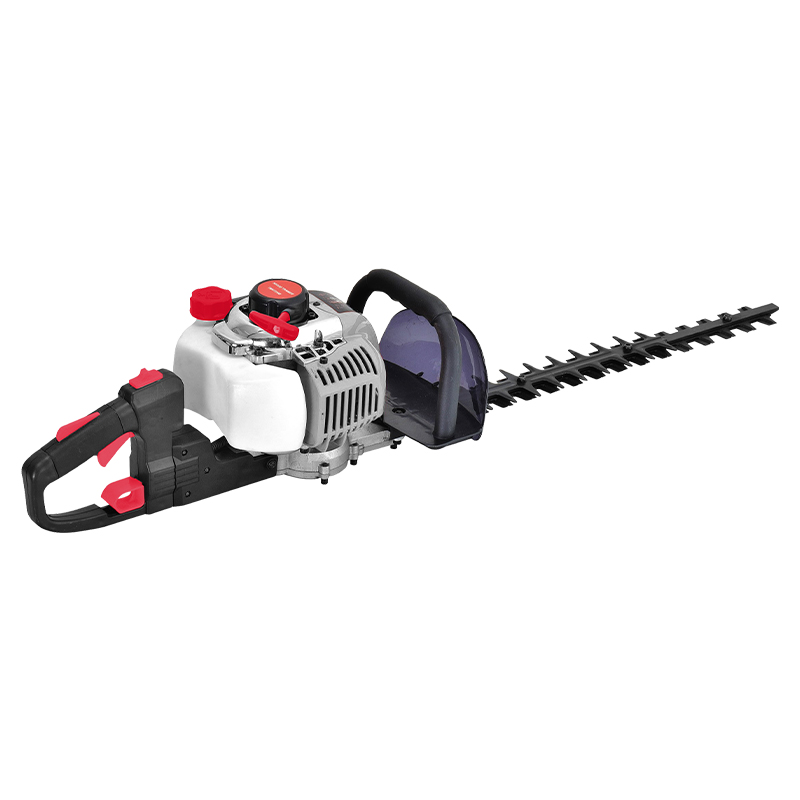 Hedge Trimmer
 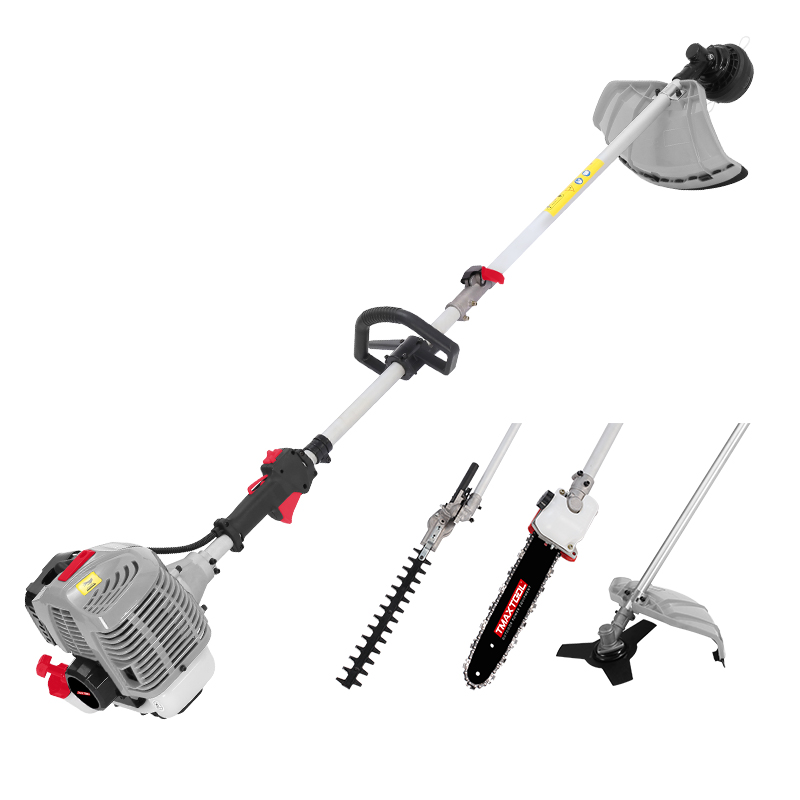 Multi Tool
 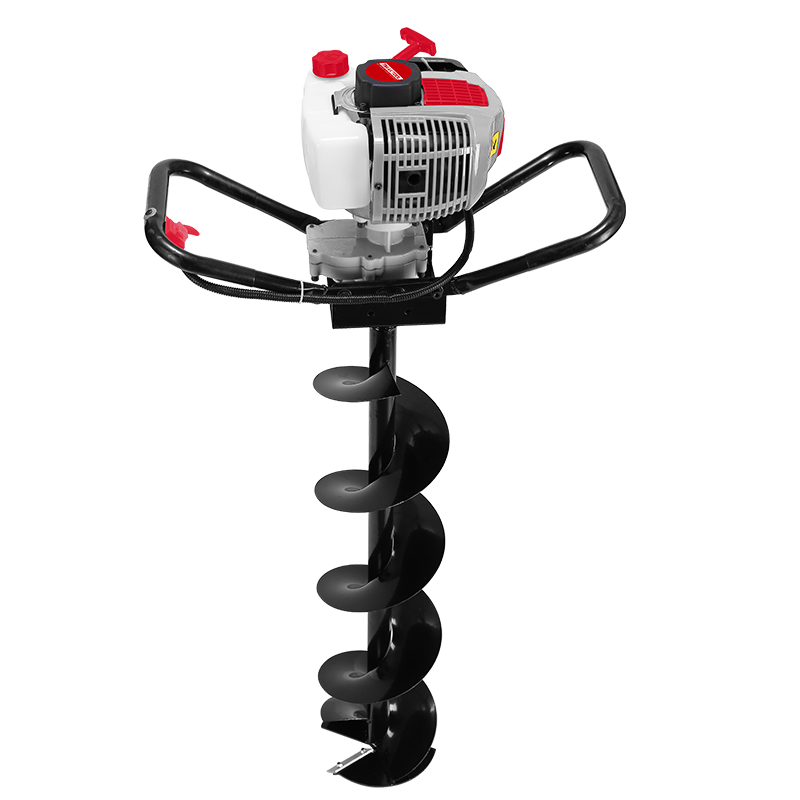 Earth Auger
 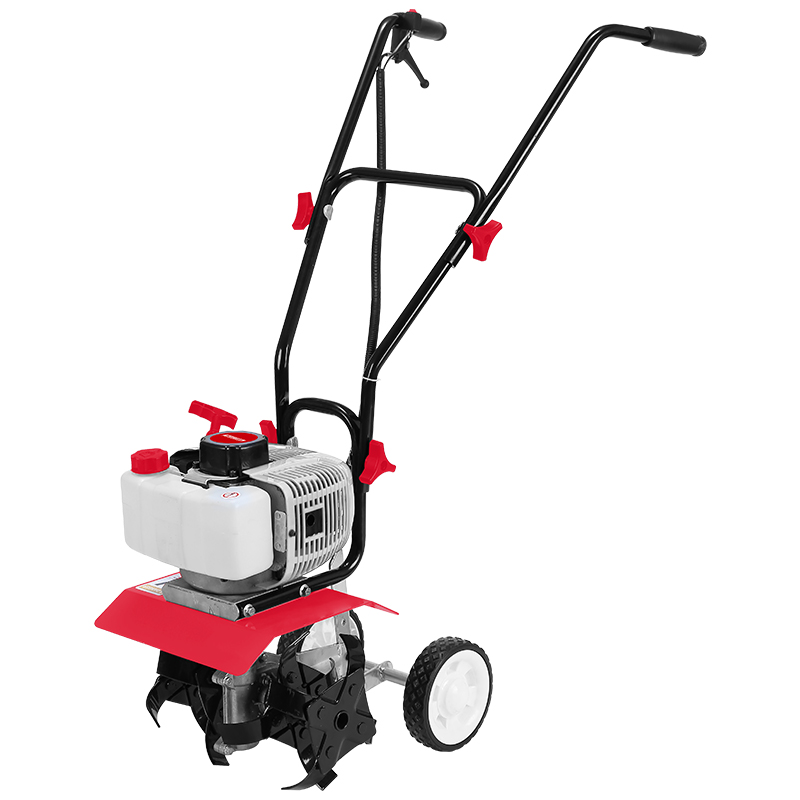 Tiller
  Blower
 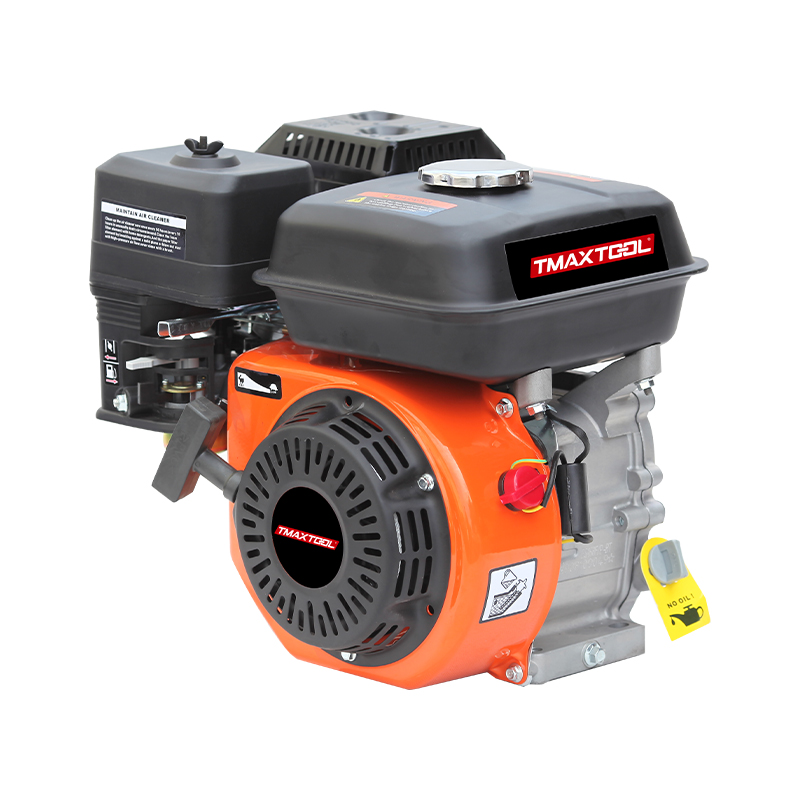 4 Stroke Gasoline Engine
 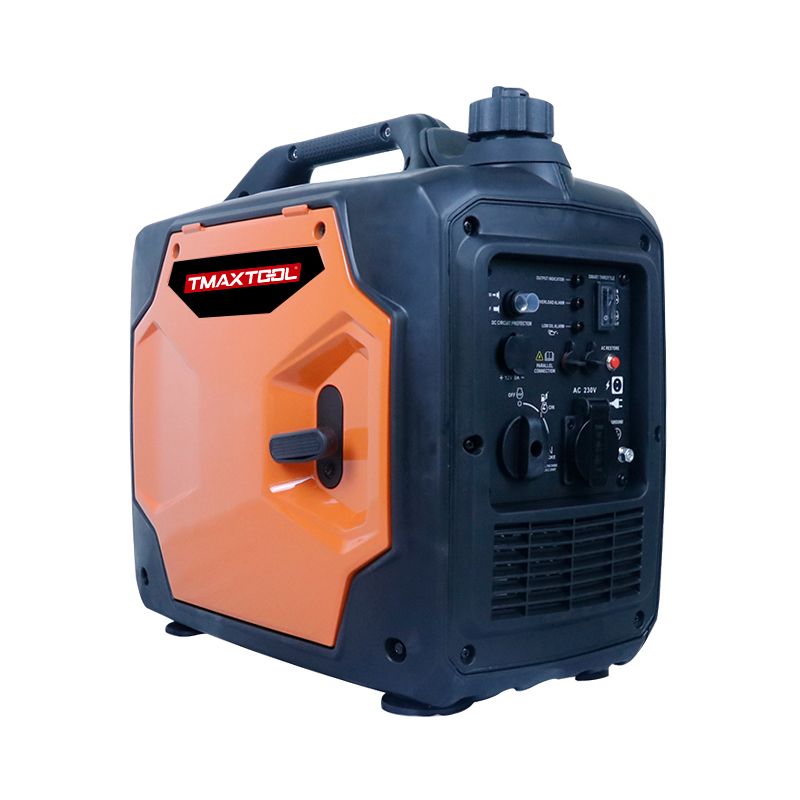 Generator
 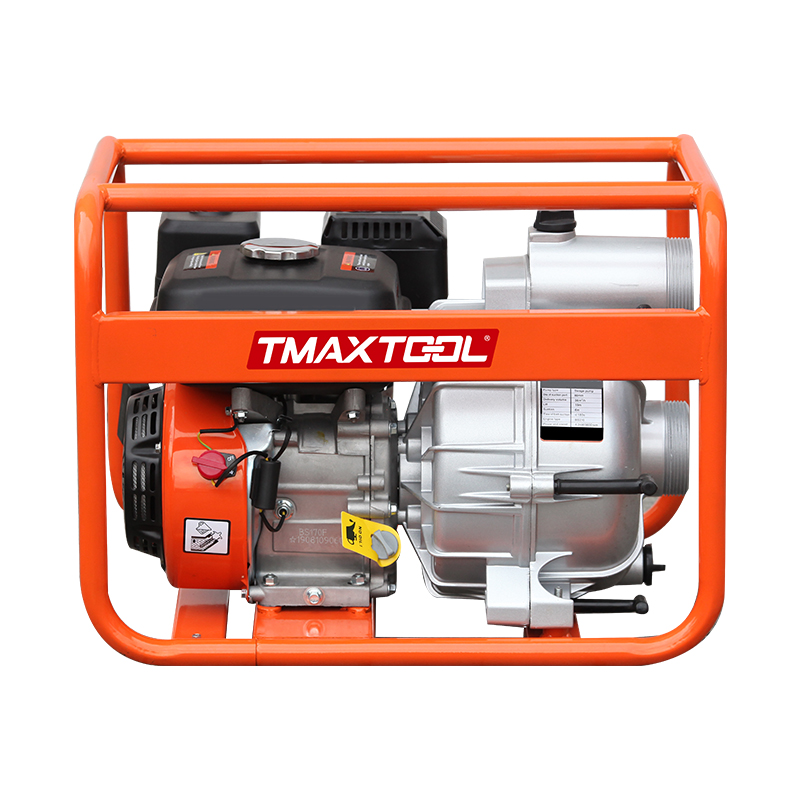 Water Pump
 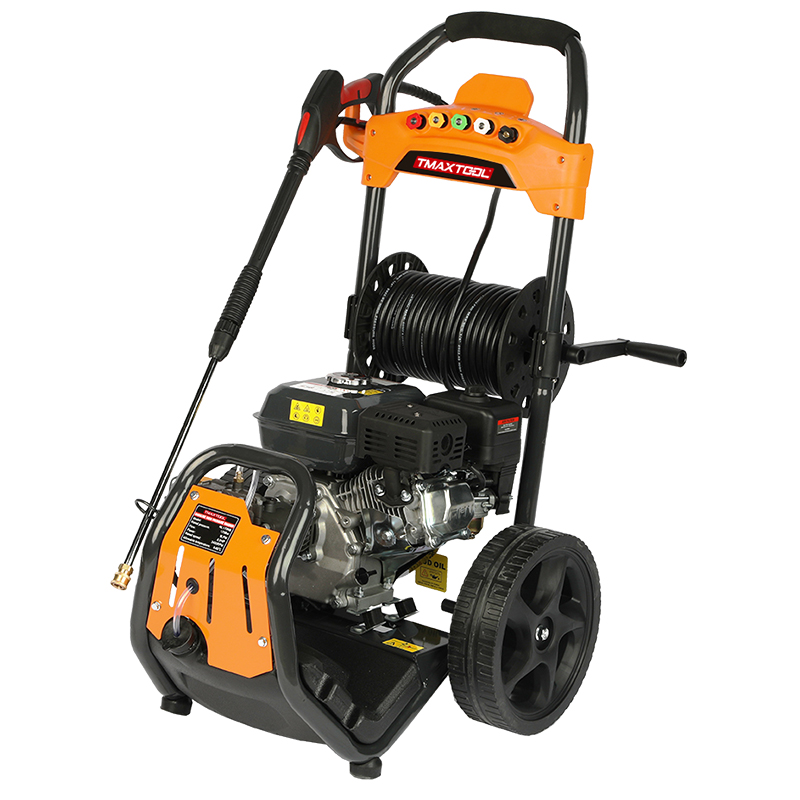 High Pressure Washer
 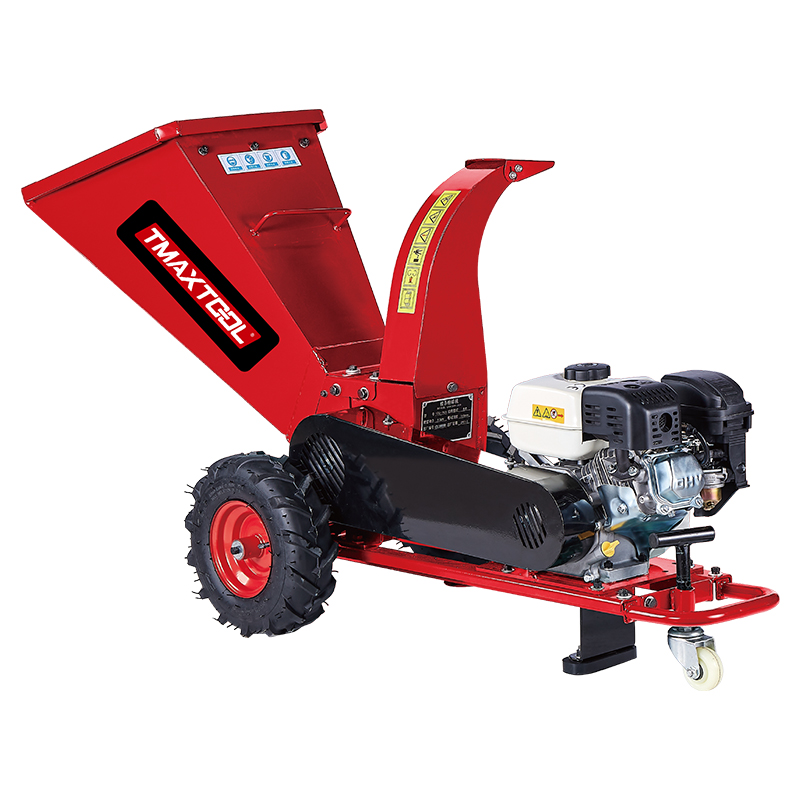 Wood Cutter
 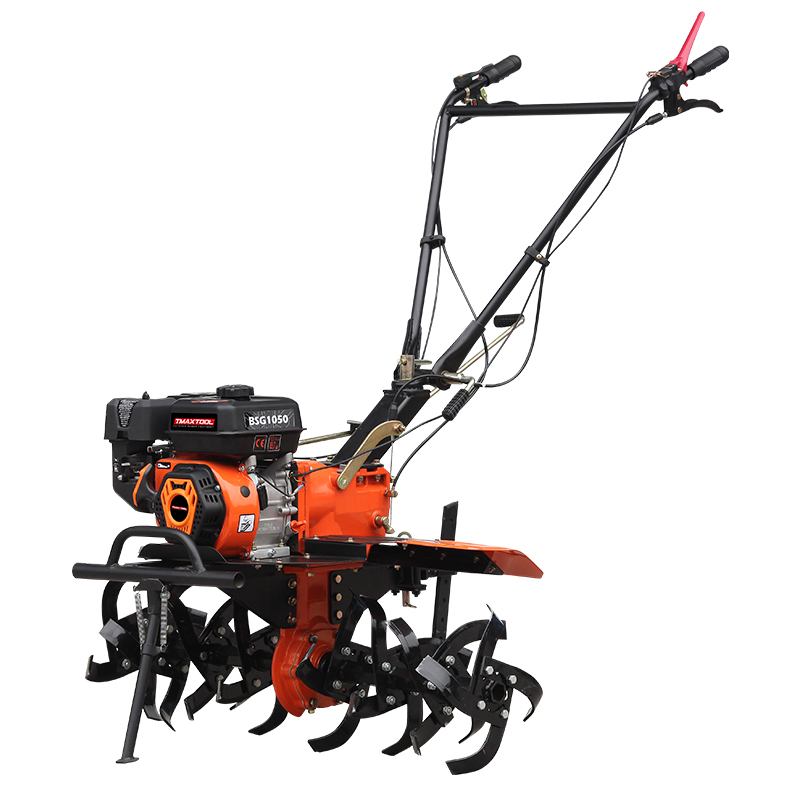 4 Stroke Tiller
  Chain Saw Accessory
 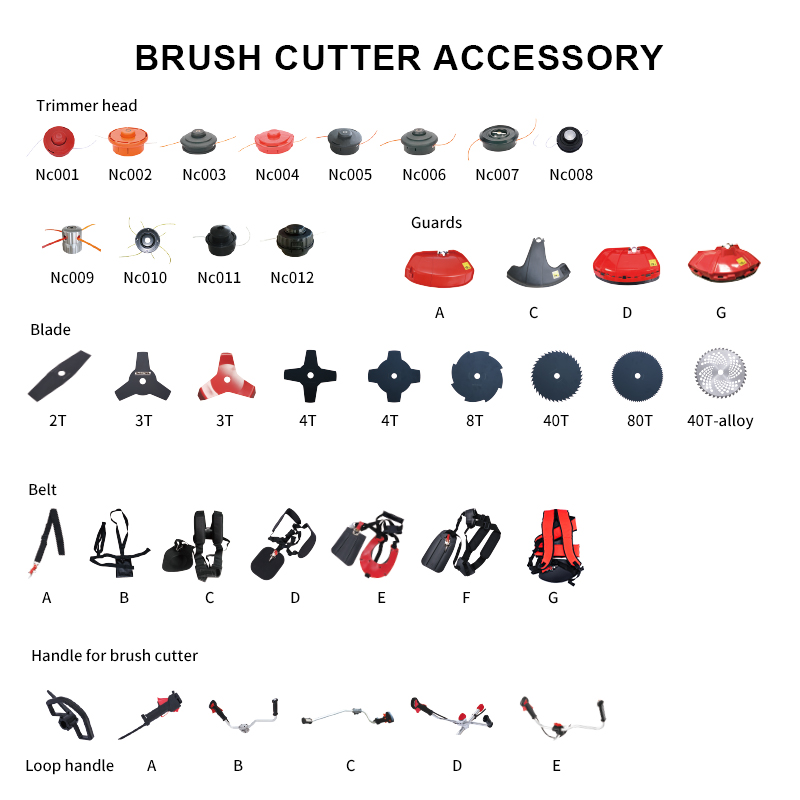 Brush Cutter Accessory
 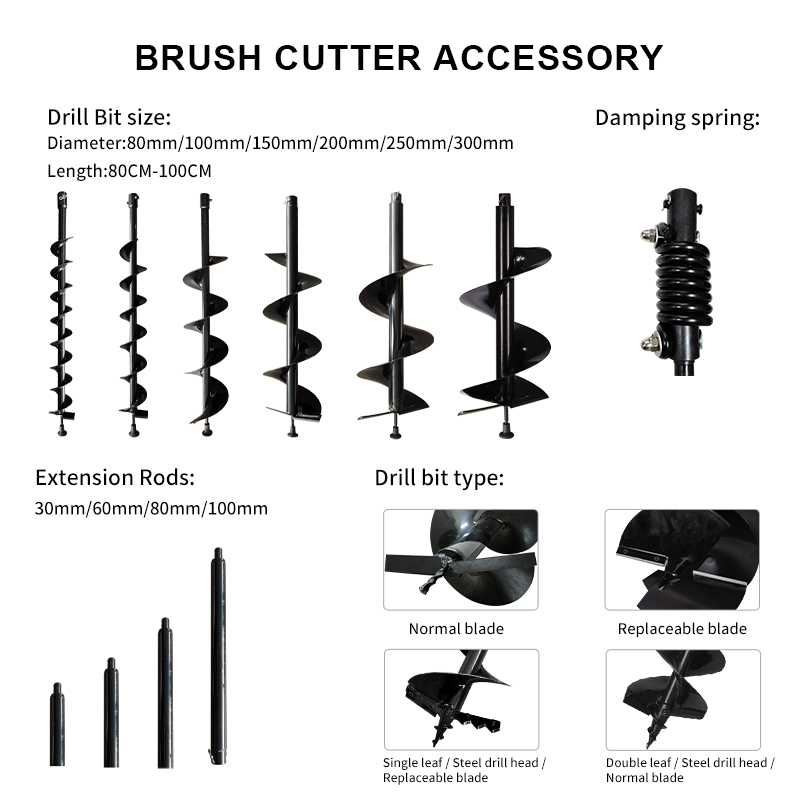 Earth Auger Accessory
  Protective Equipment Accessories


