
 Impact Wrench
 Screwdriver
 Cordless Drill
 Angle Grinder
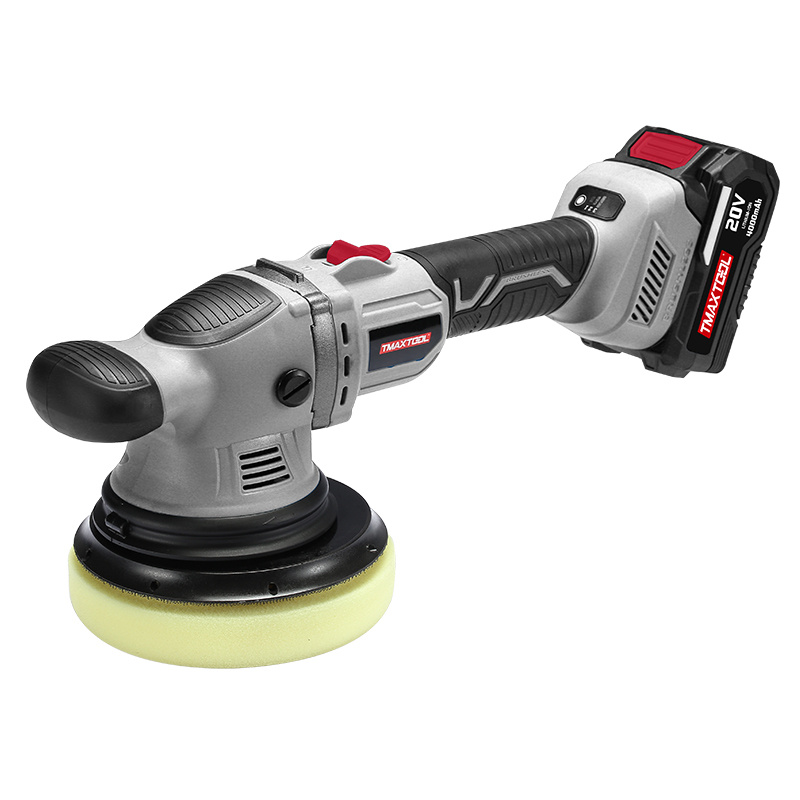 Polisher
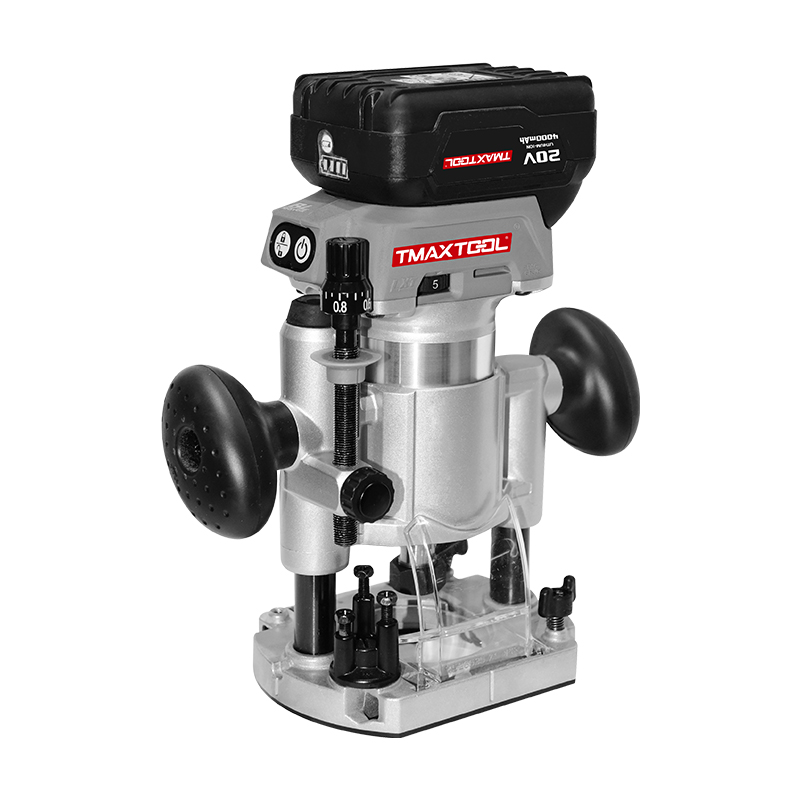 Wood Router
 Jig Saw
 Hammer Drill
 Portable Blower
 Orbital Sander
 Marble Cutter
 GARDEN TOOLS
 Battery Chain Saw
 Battery Brush Cutter
 Battery Hedge Trimmer
 Battery Multi Tool
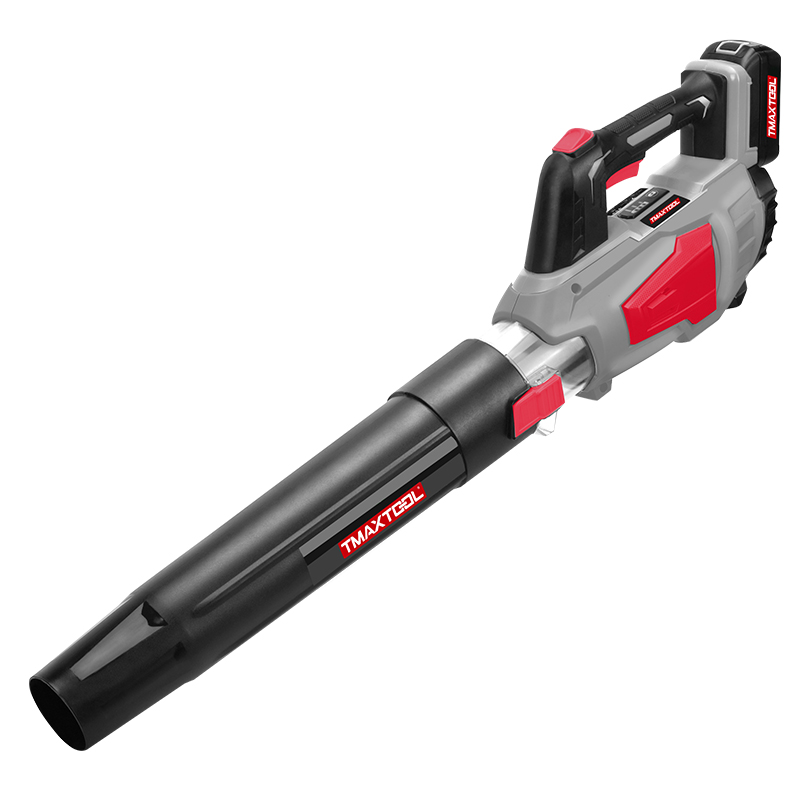 Battery Blower
 Batter Pruning Shears
 Chain Saw
 Brush Cutter
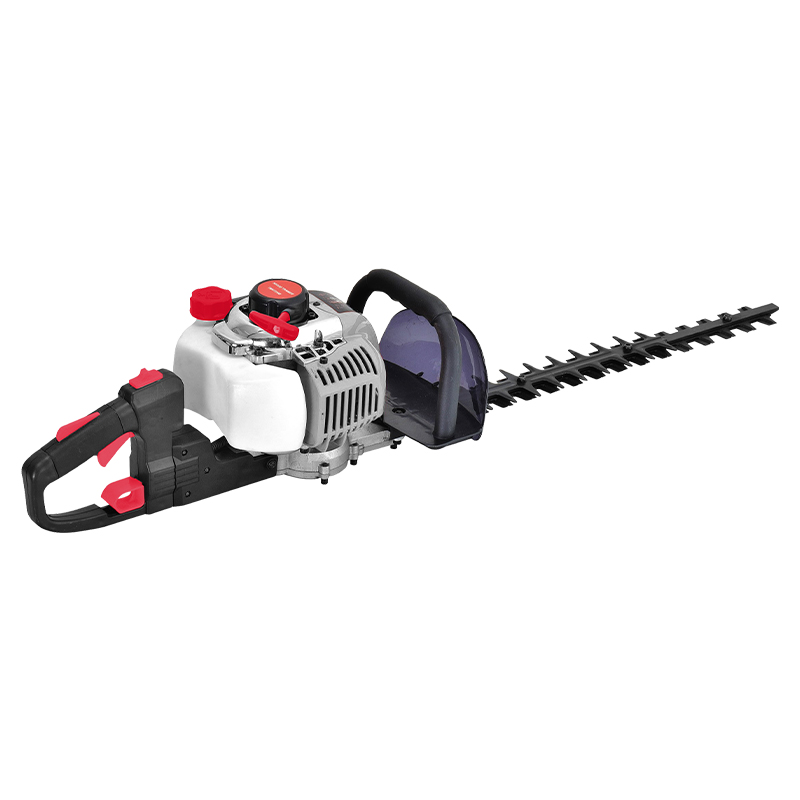 Hedge Trimmer
 Multi Tool
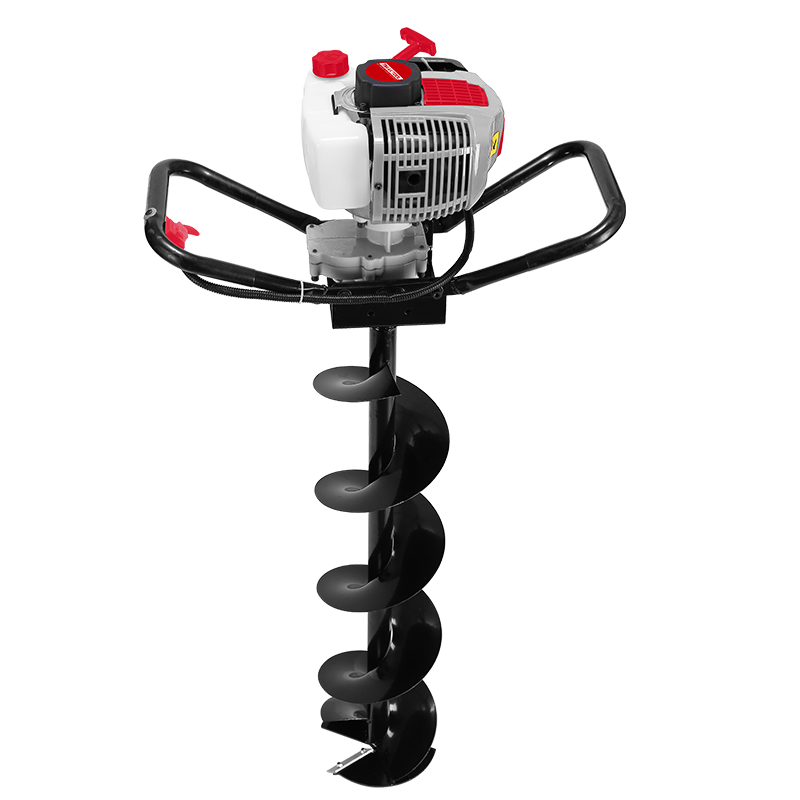 Earth Auger
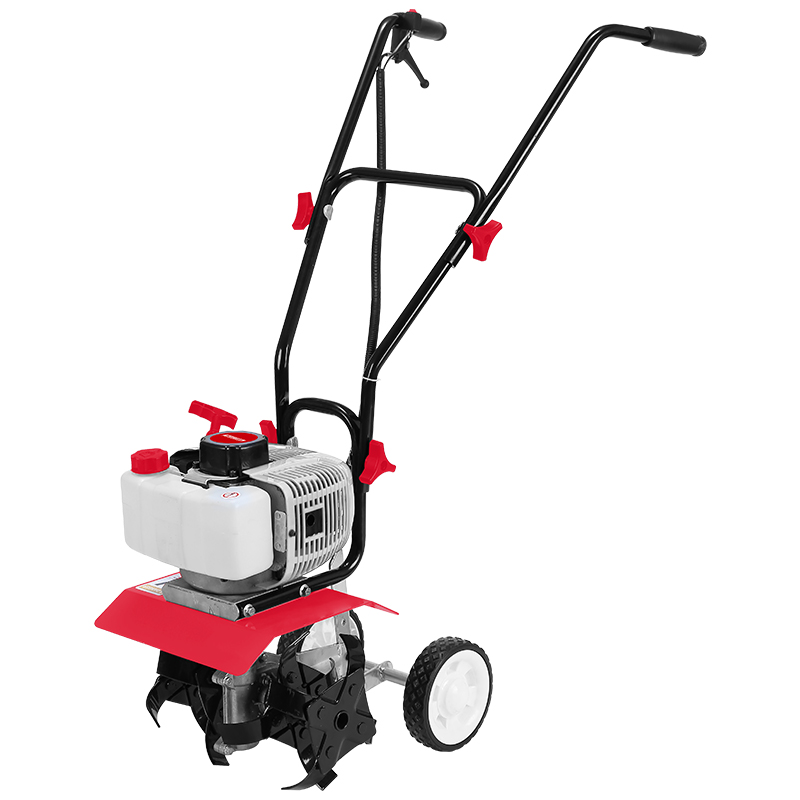 Tiller
 Blower
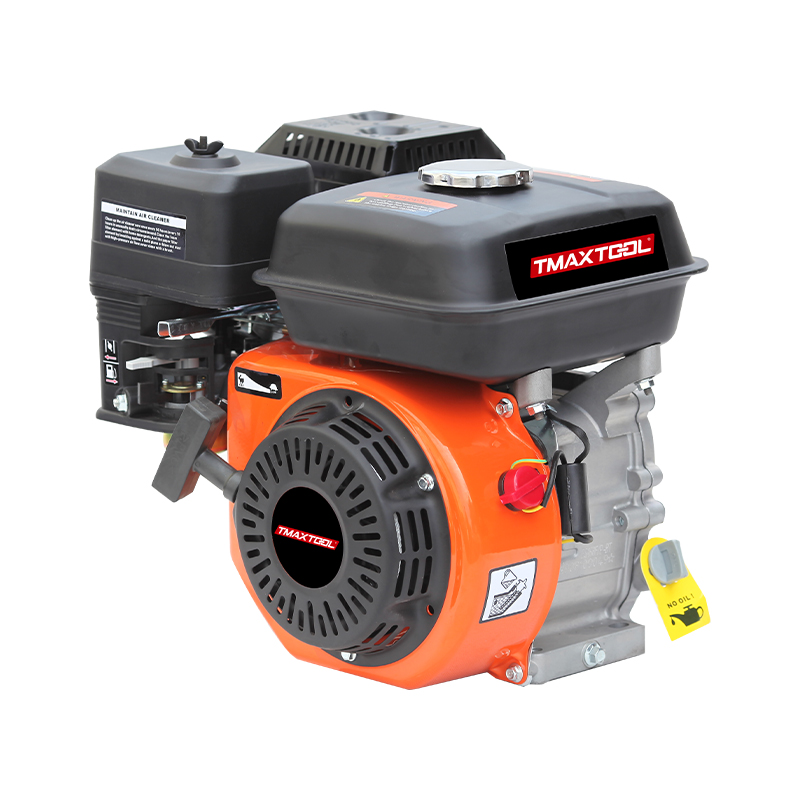 4 Stroke Gasoline Engine
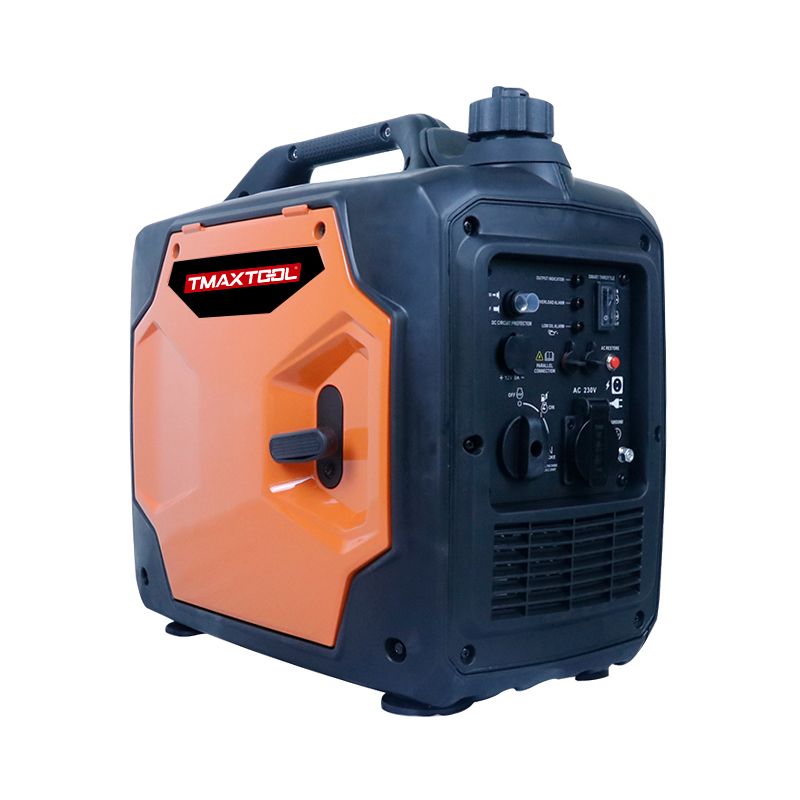 Generator
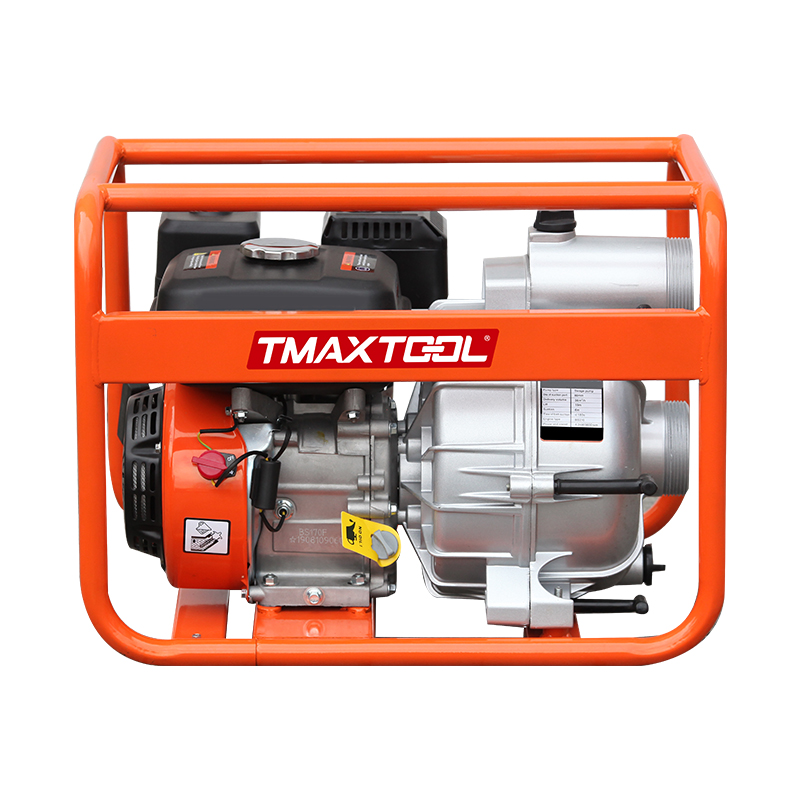 Water Pump
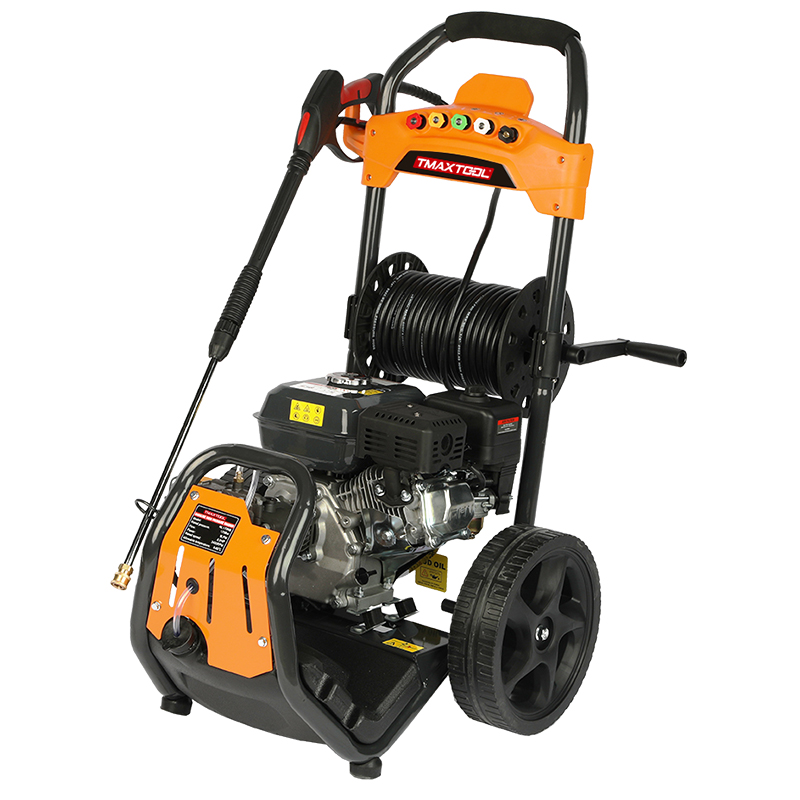 High Pressure Washer
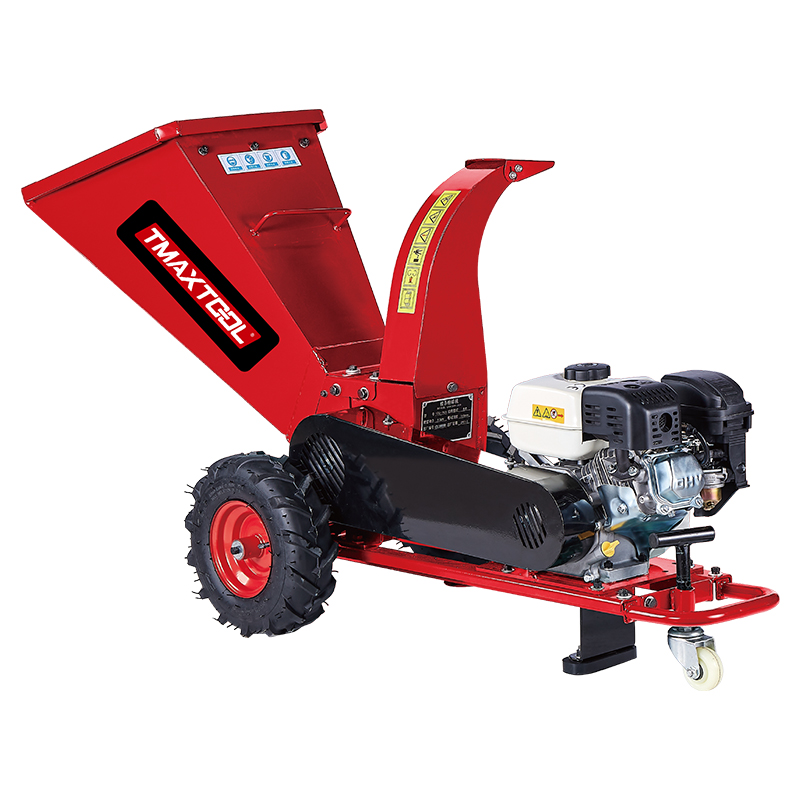 Wood Cutter
 4 Stroke Tiller
 Chain Saw Accessory
 Brush Cutter Accessory
 Earth Auger Accessory
 Protective Equipment Accessories

Brush Cutter


52cc 62cc 65cc Petrol Corn Rice Cutter Harvesting Machine
product DETAILS


product description
Cleaning the carburetor of a gasoline brush cutter is a relatively professional process that requires certain tools and careful operation. The following are the basic steps, but it is strongly recommended to refer to the user manual or consult professionals without experience to avoid equipment damage or personal injury:
means of preparation
Carburetor cleaner
Screwdriver
Rubber hoses or compressed air
• Cleaning cloth or brush
Container (used to hold parts)
Appropriate sealing gaskets or O-rings (if replacement is required)
Close and disassemble
1. Disconnect the power: Ensure that the gasoline brush cutter is completely turned off and that the gasoline has been completely discharged to avoid the risk of fire.
2. Disassembling the carburetor: Use tools such as a screwdriver to gradually disassemble the carburetor according to the instructions in the user manual. Pay attention to storing all screws and components to prevent loss.
3. Separate the float bowl: If the carburetor design allows, gently remove the float bowl, being careful not to damage the float or needle valve.
Cleaning process
1. Spray cleaning agent: Evenly spray the carburetor cleaning agent on all components of the carburetor, especially on areas prone to carbon accumulation such as nozzles, throttle bodies, and float chambers.
2. Soaking: For stubborn carbon deposits, some components can be soaked in cleaning agents and operated according to the product instructions.
3. Soft brush cleaning: Use a soft bristled brush or old toothbrush to gently scrub various components to remove loose dirt and carbon deposits.
4. Blow dry: Use compressed air or rubber hoses to gently blow dry the inside and outside of the carburetor, ensuring that there is no residual moisture.
Reassembly and inspection
1. Check the parts: Before reassembly, check if all components are intact and replace damaged sealing rings or O-rings if necessary.
2. Reassembly: Carefully reinstall the carburetor and all components in the reverse order of disassembly, ensuring tight and correct connections.
3. Test run: Add fresh gasoline again, try starting the brush cutter, observe if it can work properly, and pay attention to whether there is any oil leakage.
Please note that if the carburetor is found to be severely damaged during the cleaning process or still cannot function properly after cleaning, professional repair or replacement with a new carburetor may be required. Throughout the entire process, safety always comes first, ensuring compliance with all safety operating procedures.