When you're into DIY projects, picking the right tools really makes all the difference. Take a Jig Saw, for example — it can totally change the game, whether you're a pro or just DIY-ing on the weekend. I read somewhere that Sarah Johnson, a well-known woodworking expert, says, “A quality Jig Saw can unlock your creativity and help you be precise,” which totally hits home. It just goes to show how important it is to choose the right tool for your creative projects.
Jig Saws are pretty versatile. They’re great for all sorts of cuts, especially those tricky curves and intricate details that other saws might struggle with. But not all Jig Saws are the same — some come with fancy features like variable speeds, different blade options, and ergonomic designs for comfy handling. If you pick one that's not quite right, it can lead to annoying mistakes and results that aren’t quite up to snuff.
Honestly, a lot of people jump into projects without really understanding their tools, which can cause all sorts of headaches mid-cut. This often turns into spending more time fixing things than actually enjoying the process. That’s why investing in a good Jig Saw upfront can save you a lot of trouble — it’s all about making your DIY experience smoother and way more fun.

Factors to Consider When Choosing a Jigsaw for DIY Projects
When choosing a jigsaw for your DIY projects, several factors come into play. The power of the tool is essential. Generally, a jigsaw with a motor of at least 5 amps can handle various materials effectively. This ensures smooth cuts in wood, metal, and even plastics. A more powerful motor can make the tool more responsive. It helps prevent stalling during tougher jobs.
Another key consideration is stroke length and speed settings. A longer stroke allows deeper cuts. Variable speeds provide flexibility for different tasks, enabling detailed work on intricate designs. It's vital to have a jigsaw that can adjust based on your project’s needs. Features like orbital action can also enhance cutting performance, especially for curved shapes.
The blade type is equally crucial. Blades come in various designs for different materials. Investing in quality OEM Jig Saw blades can elevate your cutting precision. Safety features and comfort should not be overlooked. Anti-vibration systems help reduce fatigue during prolonged use. Choosing a tool that feels right in your hand can make a noticeable difference.
Types of Jigsaws: Overview of Different Models and Their Uses
Choosing the right jigsaw can elevate your DIY experience. There are several types of jigsaws available, each designed for specific tasks. For instance, orbital jigsaws provide a more aggressive cutting action, ideal for wood and softer materials. Meanwhile, straight-cut jigsaws excel in precision for intricate designs, making them perfect for detailed work.
Research shows that jigsaw sales increased by 25% over the past year. Enthusiasts appreciate these tools for their versatility. A good jigsaw can handle different materials—metal, wood, or plastic—with ease. Professionals recommend using a blade suitable for the material to avoid damaging it. The right blade can make all the difference in your project’s outcome.
Tip: Always keep an extra set of blades handy. Different projects may require changing blades frequently. Remember to follow safety measures and wear protective gear while cutting. The flexibility of jigsaws is a significant advantage, but misusing them can lead to mistakes or injuries. Take your time to master the tool, ensuring a successful DIY project.
Best Jig Saw for Your Next DIY Project? - Types of Jigsaws: Overview of Different Models and Their Uses
| Jigsaw Type | Power Source | Blade Type | Best for |
| Corded Jigsaw | Electric | U-Shank | Heavy-duty cutting |
| Cordless Jigsaw | Battery | T-Shank | Portability and convenience |
| Variable Speed Jigsaw | Electric | T-Shank | Precision cutting |
| Orbital Jigsaw | Electric | T-Shank | Curved cuts and fast cutting |
| Compact Jigsaw | Electric | U-Shank | Tight spaces and controlled cuts |
Key Features to Look for in a High-Quality Jigsaw
When selecting a high-quality jigsaw for your DIY projects, several key features demand attention. First, consider the blade type. A versatile jigsaw should accommodate both curved and straight cuts. Look for a tool that allows easy blade changes. Quick-release mechanisms enhance workflow and minimize downtime, making your project smoother.
Another critical aspect is the jigsaw's power and speed settings. A tool with variable speed control gives you flexibility for different materials. For intricate work, lower speeds can prevent splintering. Conversely, higher speeds are great for cutting through thicker materials. Noise levels can also be a concern. A quieter model enhances comfort during lengthy sessions.
Take note of the jigsaw's weight and grip. A well-designed grip helps prevent fatigue, especially when working on extended projects. However, balance is important; a lighter jigsaw may lose stability. Make sure to read reviews, but rely on your hands-on experience. Trust your instincts when test-driving the tool in-store. Consider borrowing a friend's jigsaw if possible, before committing to a purchase.
Top Brands in the Jigsaw Market and Their Best Models
When considering the best jigsaw for your next DIY project, understanding the market's top brands is essential. Each brand offers unique features tailored to different needs. Some specialize in lightweight designs, making them easy to handle. Others excel in power, providing faster and cleaner cuts.
Among the leading brands, user experiences often highlight varying levels of power and precision. A popular choice might have exceptional speed settings but struggle with intricate cuts. In contrast, another model could handle delicate work excellently, but users note it lacks in sturdiness over time. Understanding these nuances is vital before purchasing.
A well-rounded jigsaw should balance speed, control, and durability. Consider testing in a store to feel how each model performs in your hands. It’s also wise to read reviews to glean insights from users’ experiences. Every project is different, so reflect on your specific needs. This reflection will guide you toward the most reliable choice for your DIY endeavors.
Safety Tips for Using a Jigsaw Effectively
Using a jigsaw can be a rewarding experience for any DIY enthusiast. However, safety should always come first. A jigsaw is a powerful tool. Proper handling reduces risks significantly.
Before you start cutting, wear safety goggles. Protection for your eyes is essential. They safeguard against flying debris. Gloves are also a wise choice. They enhance grip and protect your hands from sharp edges. It's crucial to keep your workspace tidy. A clutter-free area prevents accidents.
When using the jigsaw, ensure you have a firm grip. Steady hands make precision cuts easier. Always keep both feet on the ground, maintaining balance. If you’re using a piece of wood, secure it firmly. Clamps can help hold it in place, reducing movement. Remember to unplug the tool when changing blades.
Take breaks if you're feeling tired. Fatigue can lead to mistakes. Reflect on your cutting technique regularly. A slight error can ruin your project. Above all, practice makes perfect. A steady, slow approach yields the best results, especially if you’re considering Wholesale Jig Saw options for future projects.
Maintenance Tips to Extend the Life of Your Jigsaw
Maintaining your jigsaw is essential for optimal performance and longevity. Regular cleaning can prevent debris buildup that affects its function. After each use, wipe down the tool and check for any signs of wear. Pay special attention to the blade, ensuring it stays sharp and free of rust. With proper care, an ODM Jig Saw can serve you well through multiple projects.
Blade replacement is another crucial aspect of maintenance. A dull blade can lead to uneven cuts and unnecessary strain on the motor. It's wise to replace blades frequently, especially when working with tough materials. Utilize the appropriate type of blade for your cuts, and don't hesitate to experiment. If you've struggled with rough edges, this could point to not only the blade choice but also your cutting technique.
Additionally, keeping your tool's motor free from dust is vital. Use compressed air to blow out particles that may accumulate inside. This step is often overlooked but can significantly impact performance. If you've faced any issues, consider if it stemmed from neglect. Proper maintenance ensures that your ODM Jig Saw remains efficient and reliable for all your DIY adventures.
Common DIY Projects Perfect for Jigsaw Use
When it comes to DIY projects, jigsaws are incredibly versatile tools. They excel in activities like crafting custom furniture, creating intricate designs, or even tackling home renovations. Recent industry reports indicate that over 60% of DIY enthusiasts consider jigsaws essential for their projects. This highlights the widespread recognition of their capabilities.
Jigsaws are perfect for cutting various materials, including wood, metal, and plastic. They allow for intricate curves and designs that other saws struggle with. For instance, if you're making a wooden shelf with unique edges, a High-Quality Jig Saw is your best option. However, precision is crucial, and some users may find it challenging to maintain smooth cuts. It's important to practice and refine your technique.
Many DIYers use jigsaws for flooring projects, as well. Installing laminate or hardwood flooring often requires cutting around corners and obstacles. Studies show that improper cuts can lead to waste. Therefore, it’s essential to take your time and measure accurately before each cut. Embracing the learning process will make your projects not only successful but more enjoyable.
Maximize Your Woodworking Efficiency: The Benefits of the 72cc Wood Milling Chain Saw for 272XP, 61, and 268 Models
When it comes to maximizing woodworking efficiency, the choice of tools plays a critical role. The 72cc wood milling chainsaw is specifically designed for models like 272XP, 61, and 268, offering several advantages that enhance overall performance. The robust two-stroke air-cooled Gasoline Engine, with a displacement of 72cc, generates an impressive power output of 3.6 kW, ensuring that even the toughest cuts are manageable. With a maximum engine idling speed of 1250 rpm, this chainsaw delivers the reliability and power needed for extensive woodworking projects.
One of the key features of the 72cc model is its versatile guide bar, available in multiple lengths from 20 inches to 30 inches. This flexibility allows woodworkers to handle various tasks, whether they require precision for fine details or greater reach for bulk cutting. The chainsaw's sprocket nose design further enhances maneuverability, making it easier to navigate through intricate wood patterns. Coupled with an automatic oil feeding system that includes an adjuster, the chainsaw ensures consistent lubrication, minimizing wear and prolonging the life of both the chain and the bar.
Moreover, the 40:1 gasoline/oil mixing ratio optimizes fuel efficiency while ensuring smooth engine operation. Reports indicate that tools with a fuel tank capacity of around 750ml can provide a significant working time, allowing woodworkers to focus on their projects without frequent interruptions for refueling. With innovative features like a CDI ignition system and an effective decompression valve, this 72cc wood milling chainsaw stands out as an essential tool that significantly boosts the efficiency and effectiveness of woodworking endeavors.
FAQS
: A jigsaw with at least 5 amps is preferred. It handles various materials effectively.
A longer stroke allows for deeper cuts. It helps with intricate designs and diverse tasks.
They provide flexibility for different projects. It allows you to adjust based on your needs.
Blades vary for different materials. Investing in quality blades improves cutting precision.
Regular cleaning after each use is key. It prevents debris buildup and maintains performance.
Replace blades if they become dull. This prevents uneven cuts and strain on the motor.
Keeping the motor dust-free is crucial. Use compressed air to clean out accumulated dust.
A comfortable grip reduces fatigue. It makes cutting easier during prolonged projects.
Yes, poor technique can lead to rough edges. Experimenting can sometimes yield better results.
Neglect can cause performance issues. Regular maintenance ensures reliability in your projects.
Conclusion
When embarking on a DIY project, selecting the right jig saw is crucial for achieving precision and efficiency. Consider several factors such as blade types, power rating, and versatility when choosing a jig saw. The market offers various types, including variable speed saws and those with orbital settings, each catering to different cutting needs. Essential features include ergonomics, ease of blade changes, and integrated dust blowers to enhance visibility while cutting.
Prioritizing safety is paramount; always wear protective gear and follow operational guidelines to avoid accidents. Regular maintenance, such as cleaning the saw and checking blade sharpness, helps prolong the tool's lifespan. A jig saw is ideal for a range of DIY projects, from crafting intricate designs to making straight cuts in various materials, making it an invaluable tool for both novice and experienced DIYers alike.

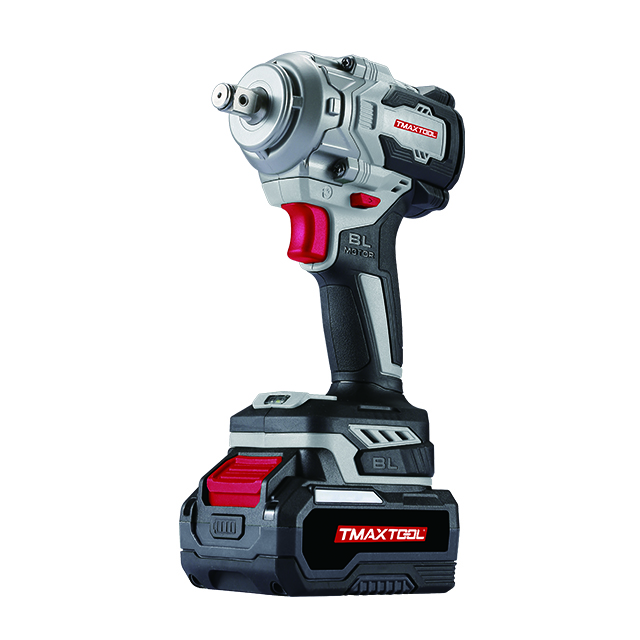 Impact Wrench
 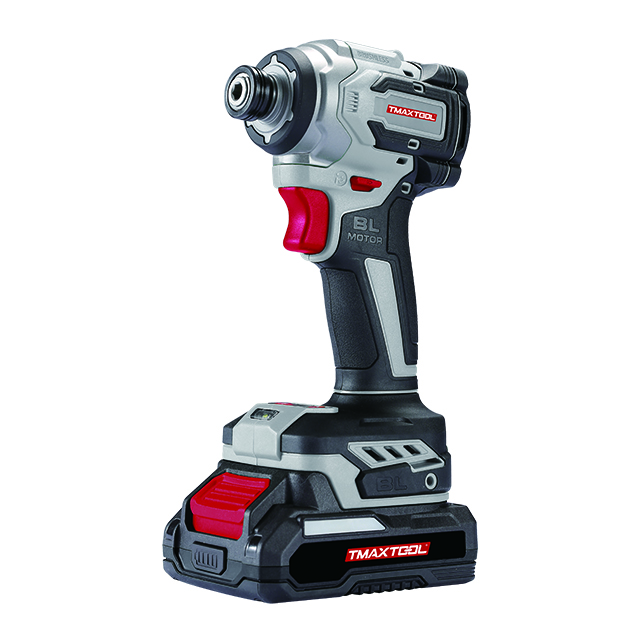 Screwdriver
 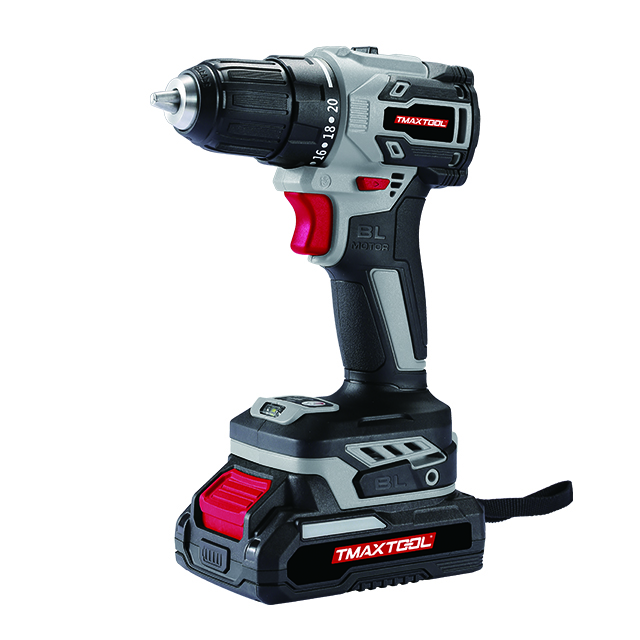 Cordless Drill
 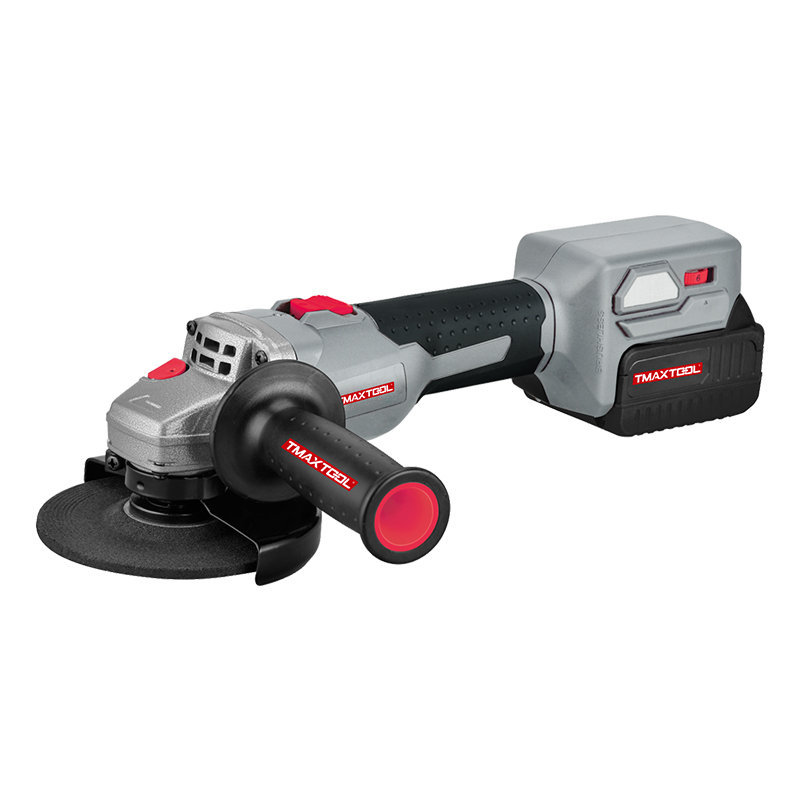 Angle Grinder
 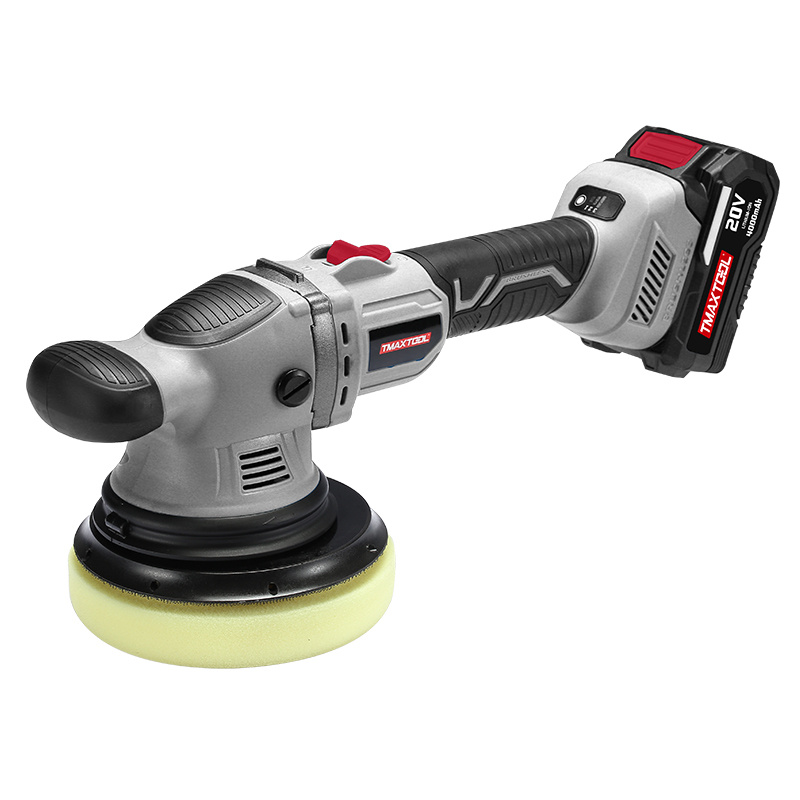 Polisher
 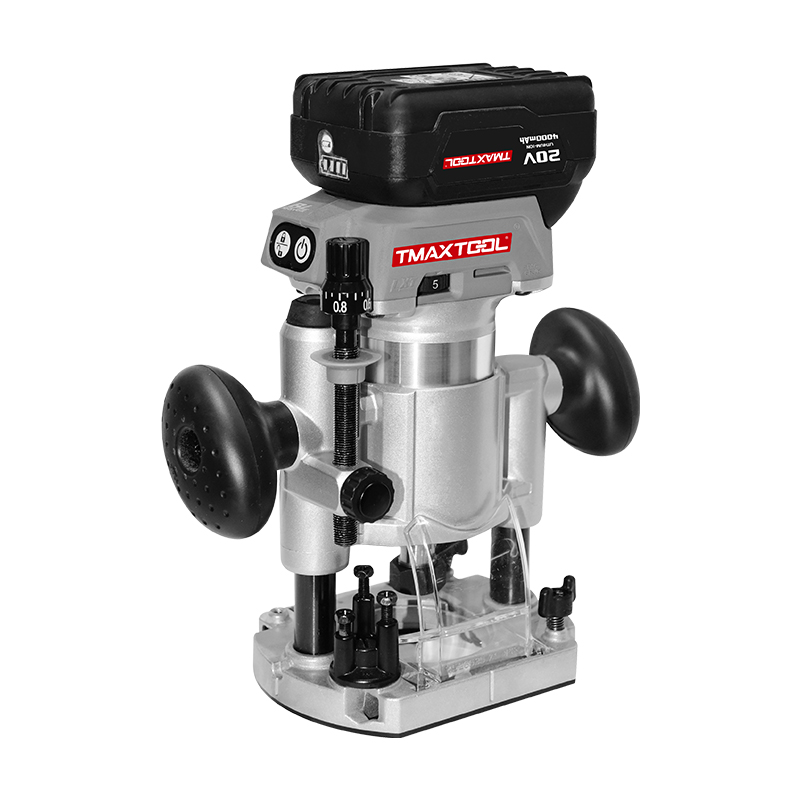 Wood Router
 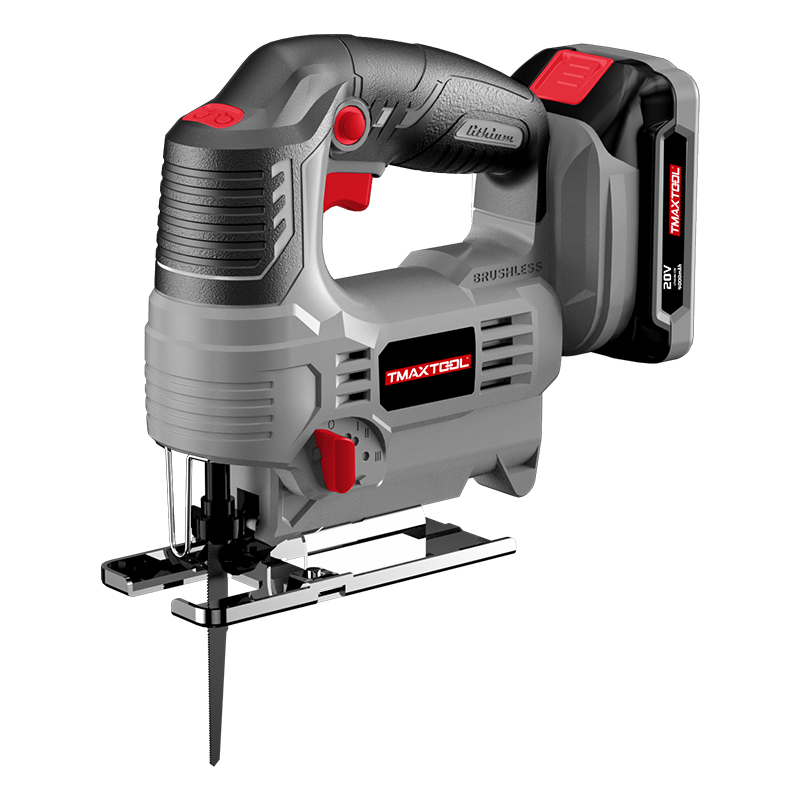 Jig Saw
 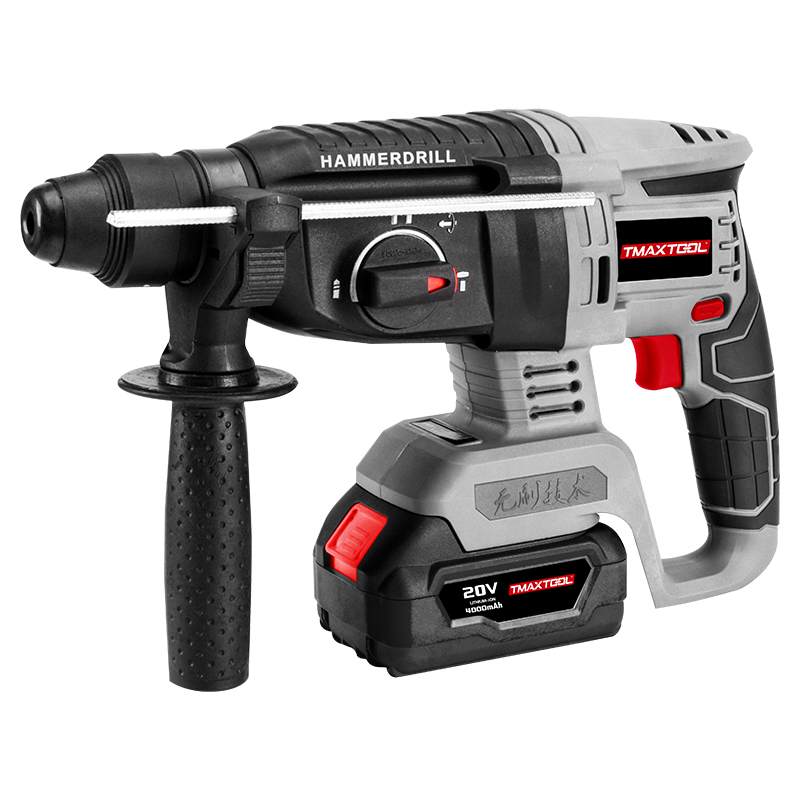 Hammer Drill
 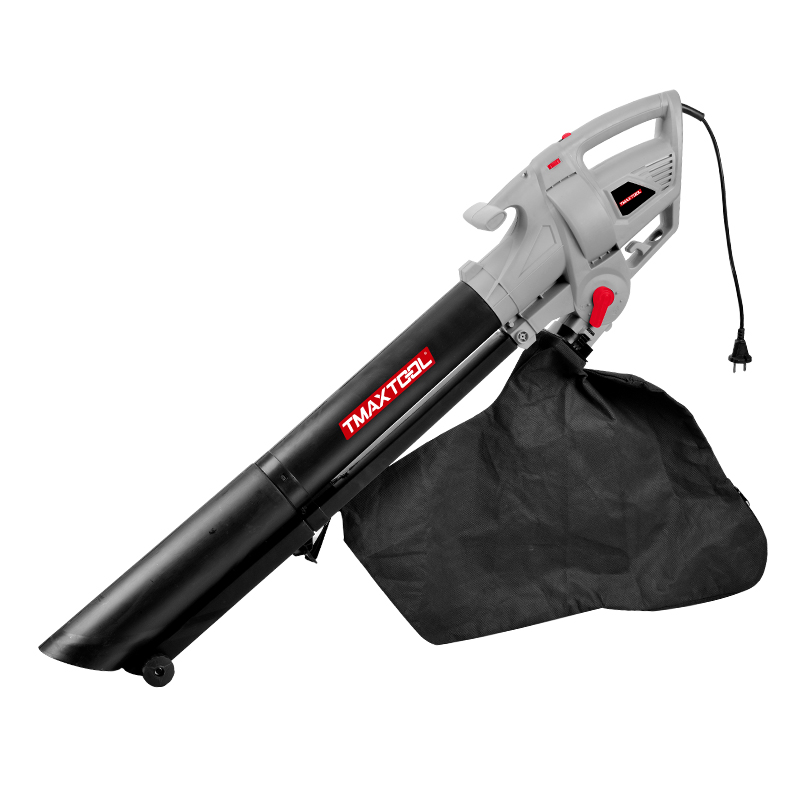 Portable Blower
 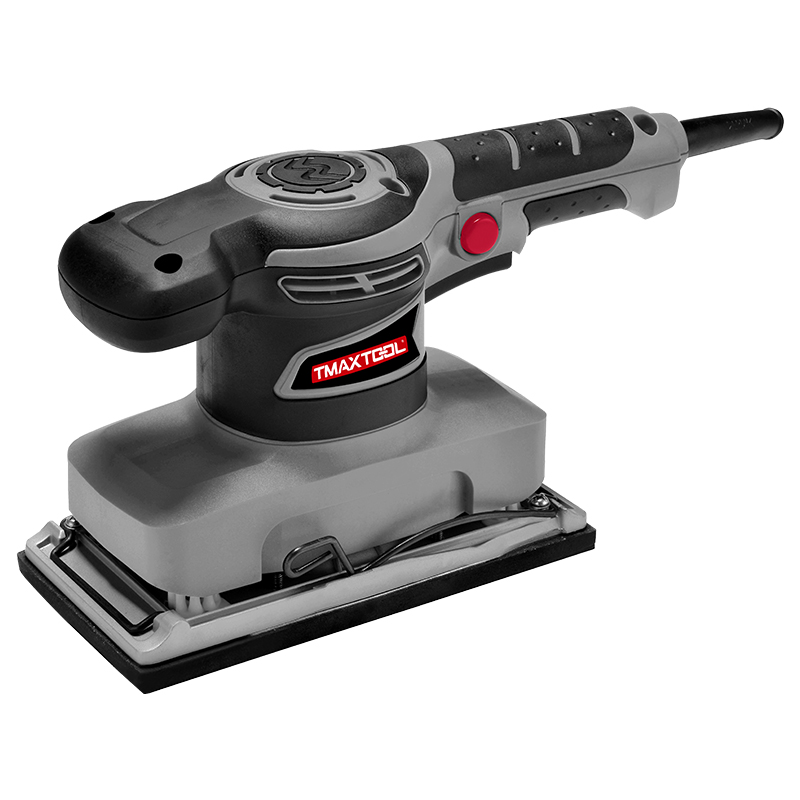 Orbital Sander
 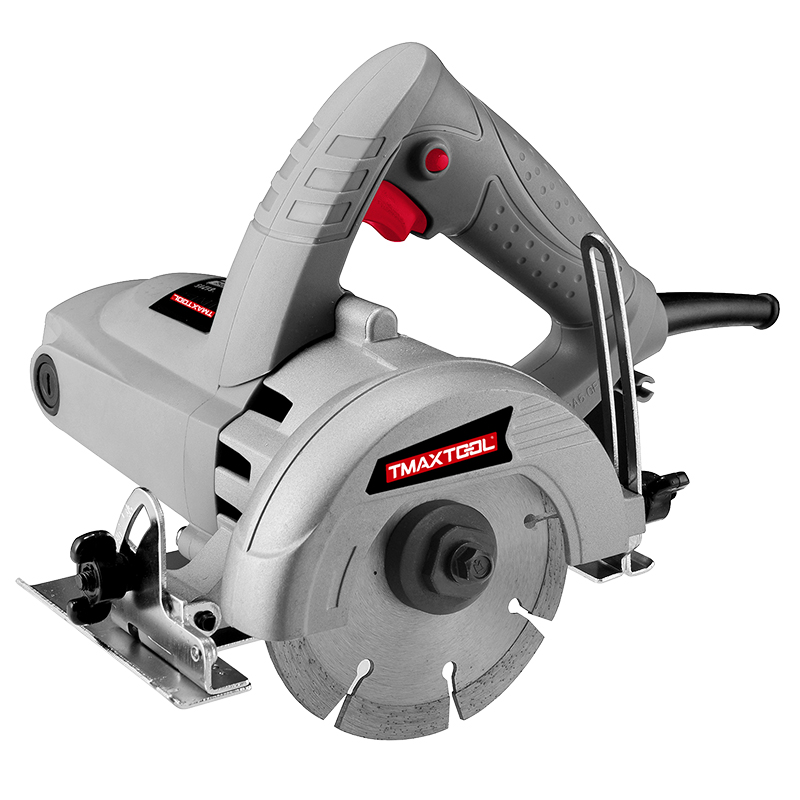 Marble Cutter
  GARDEN TOOLS
 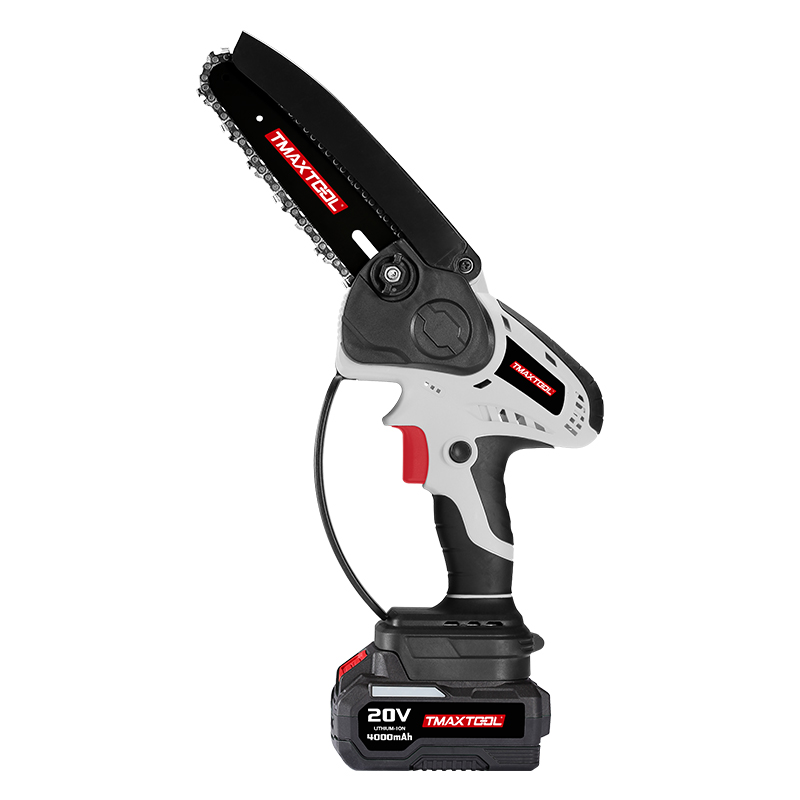 Battery Chain Saw
 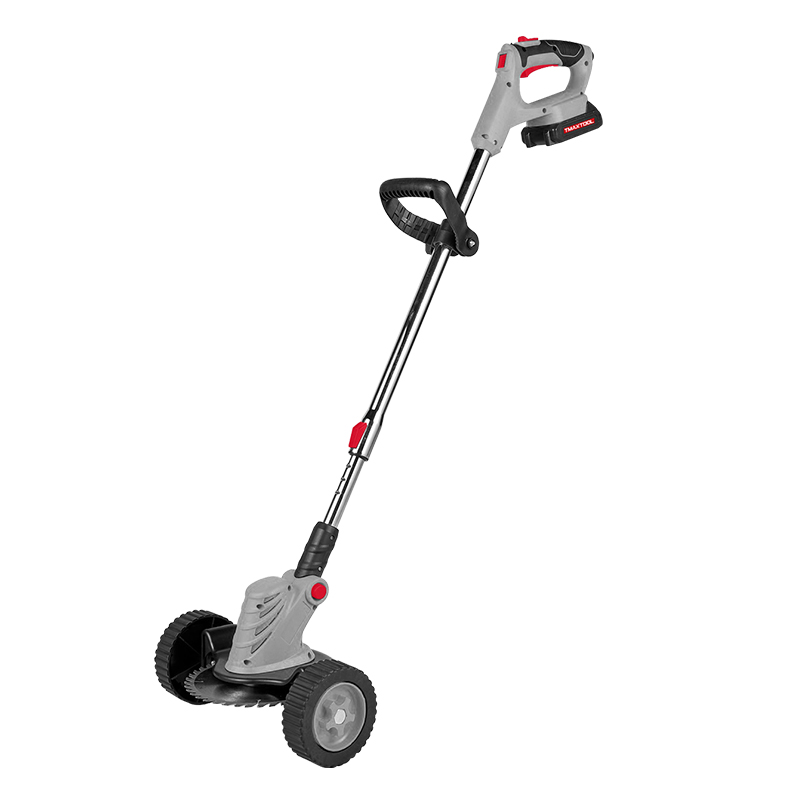 Battery Brush Cutter
 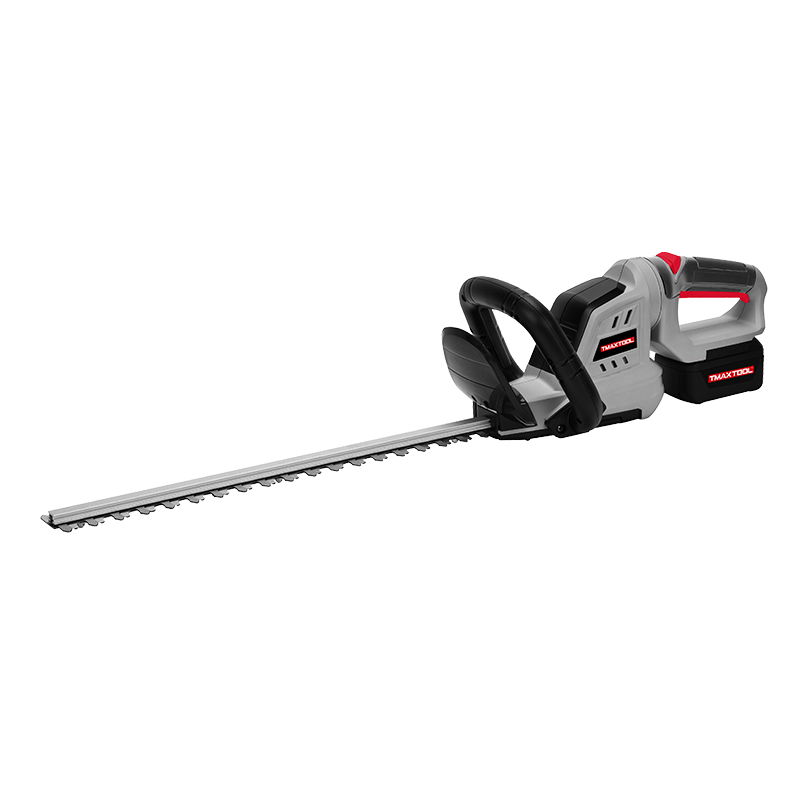 Battery Hedge Trimmer
 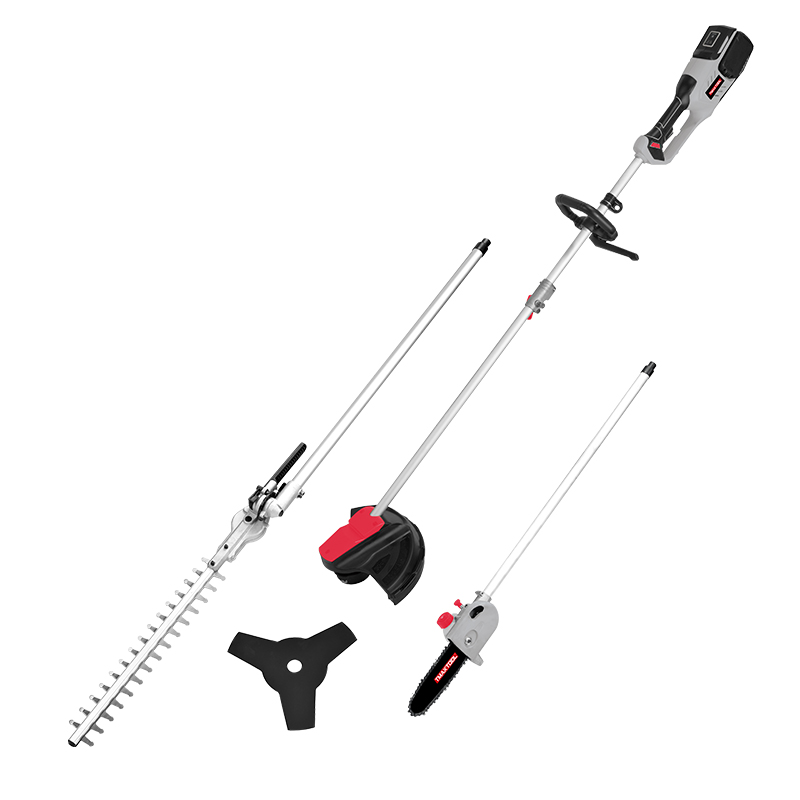 Battery Multi Tool
 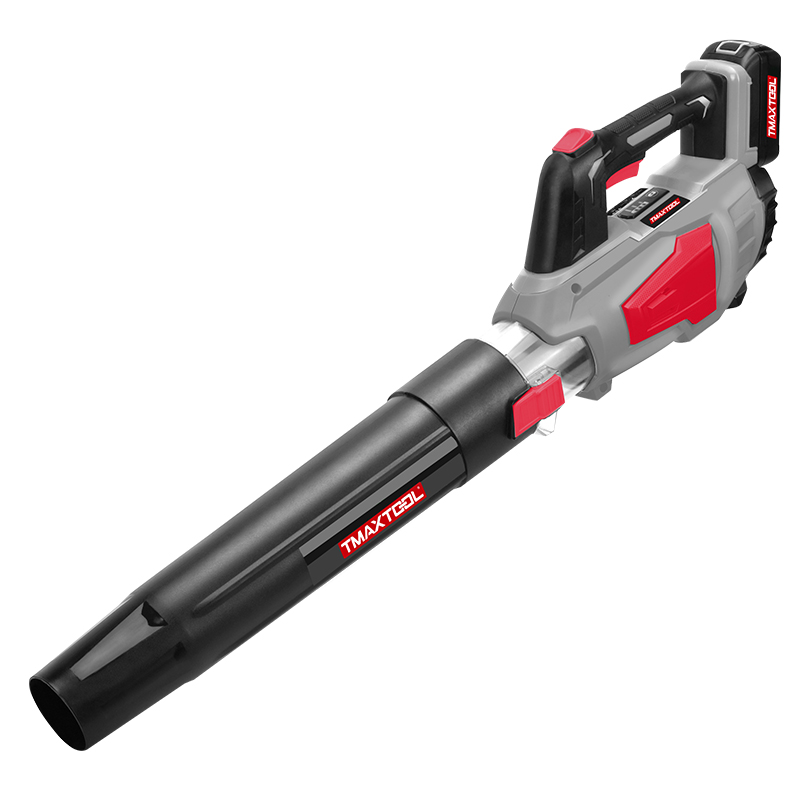 Battery Blower
 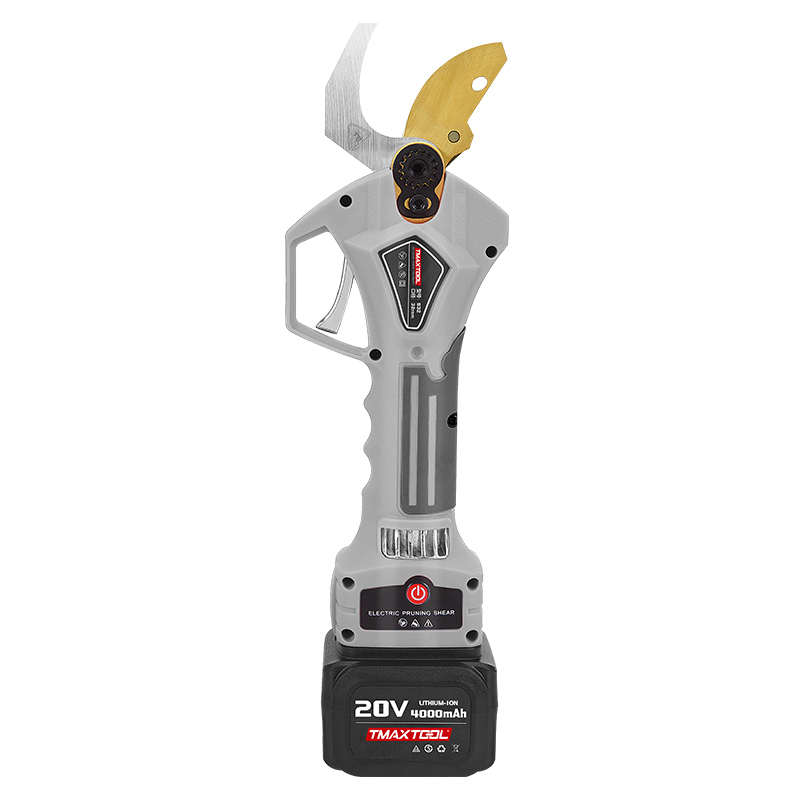 Batter Pruning Shears
 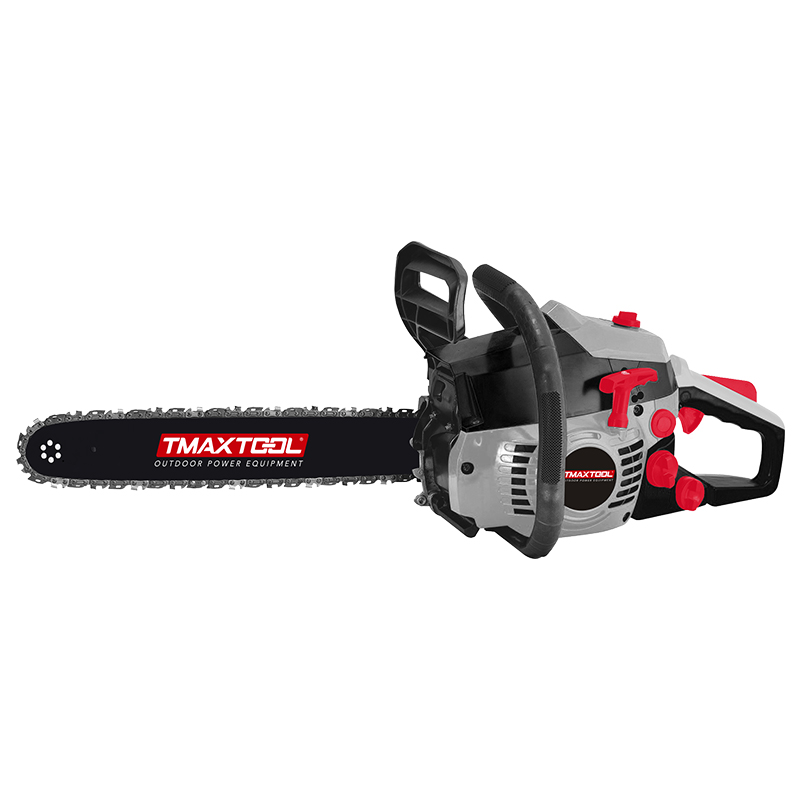 Chain Saw
 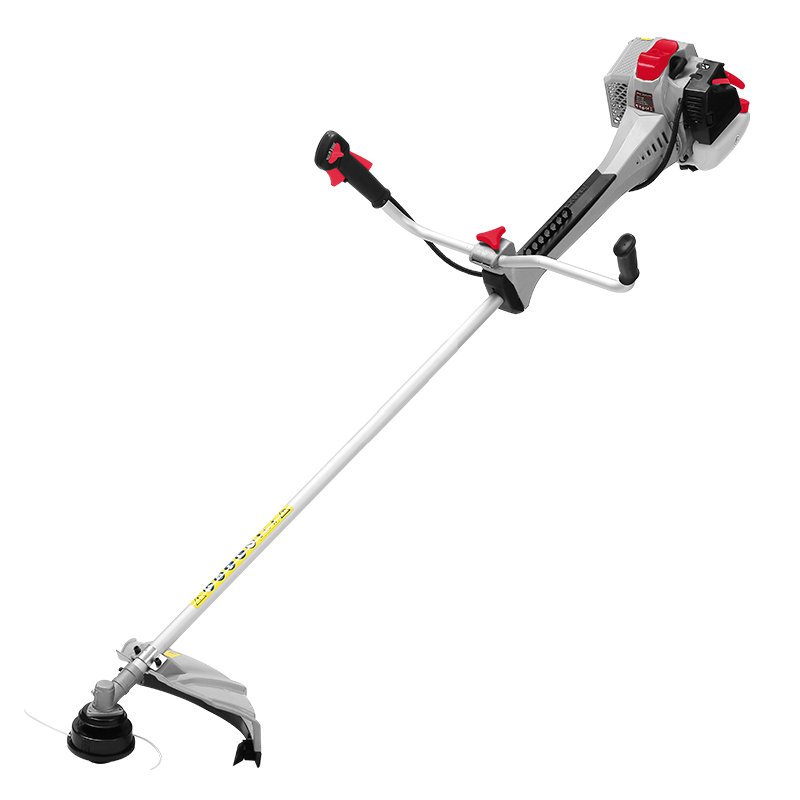 Brush Cutter
 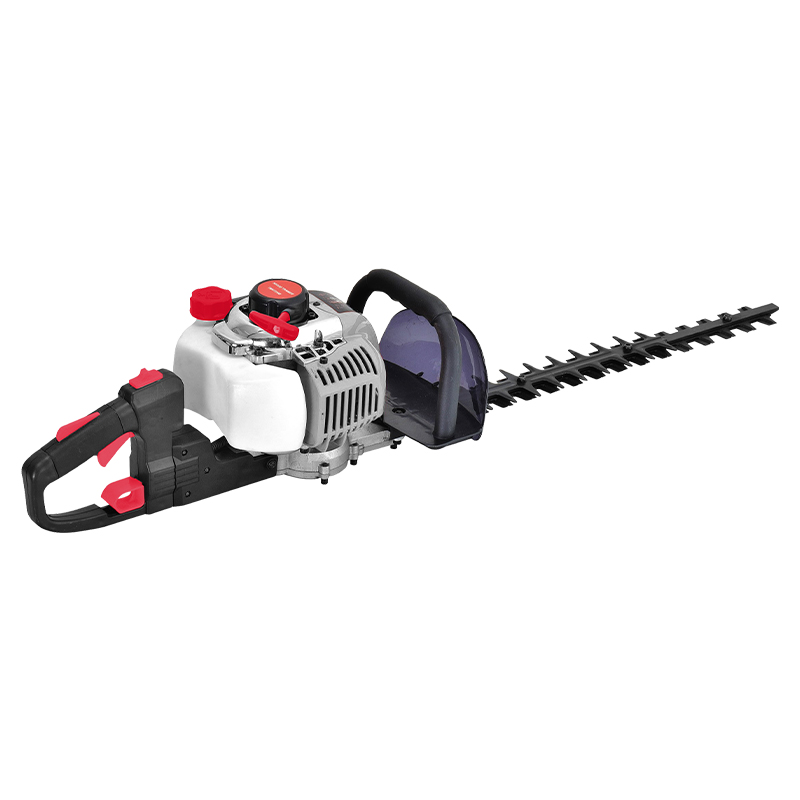 Hedge Trimmer
 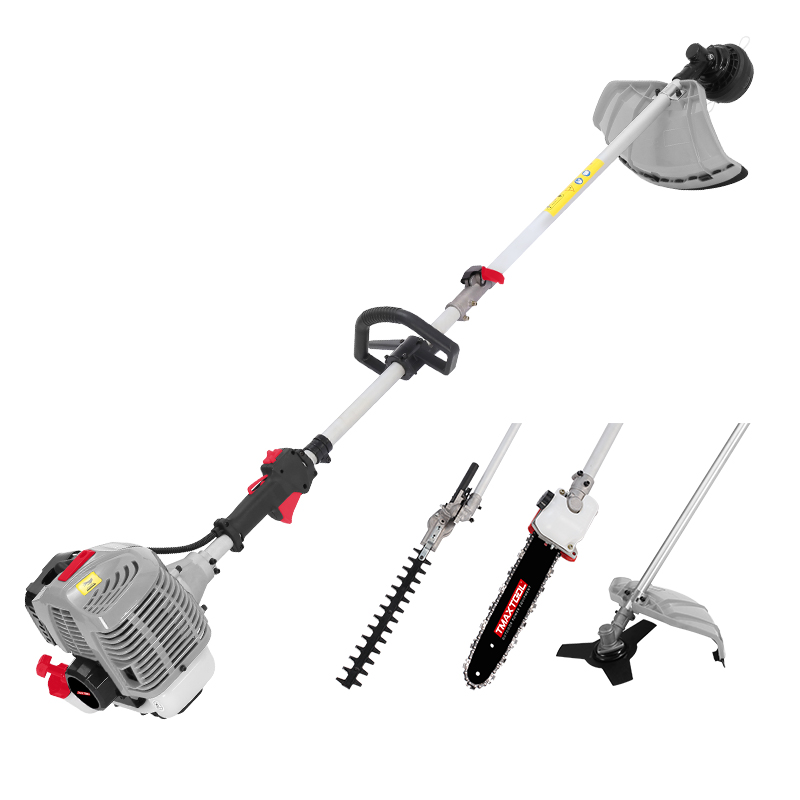 Multi Tool
 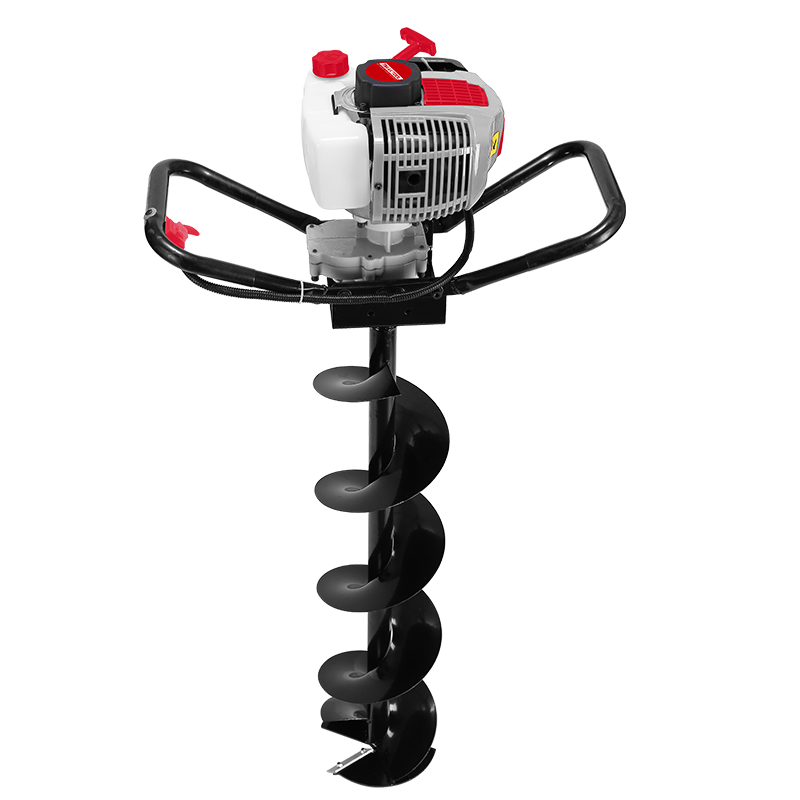 Earth Auger
 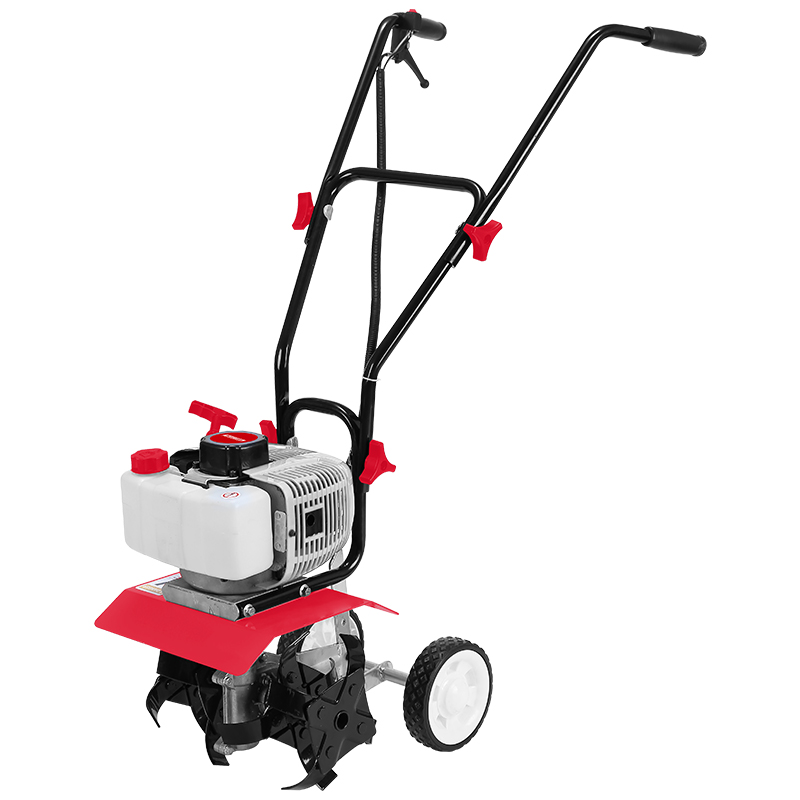 Tiller
 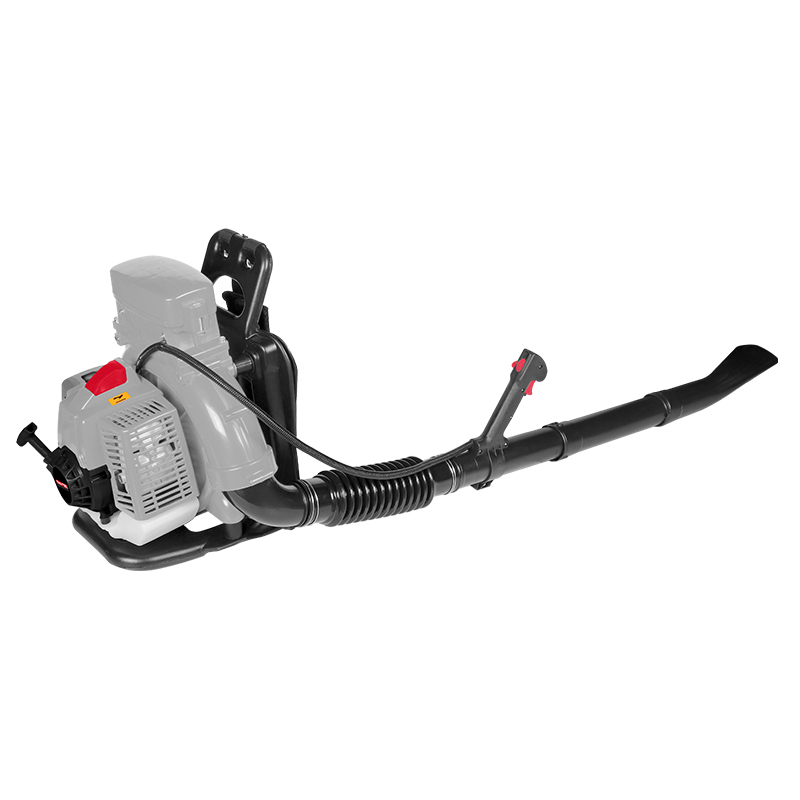 Blower
 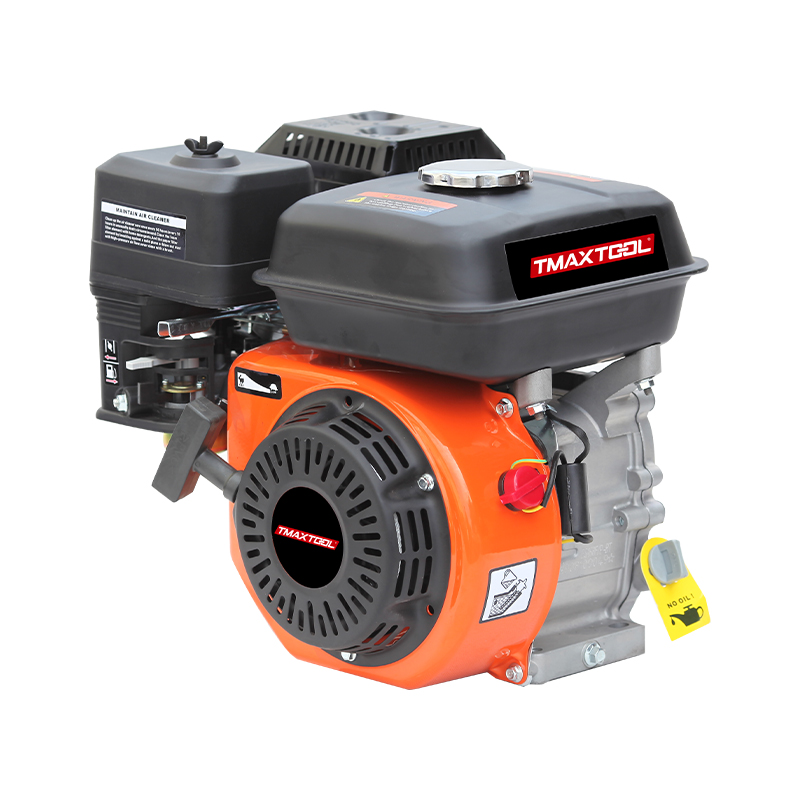 4 Stroke Gasoline Engine
 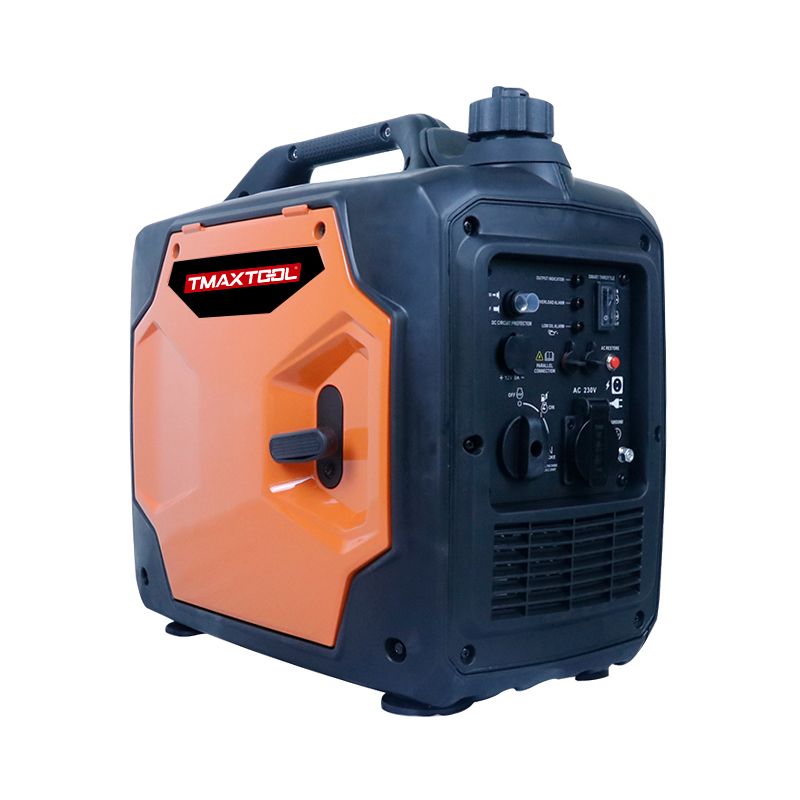 Generator
 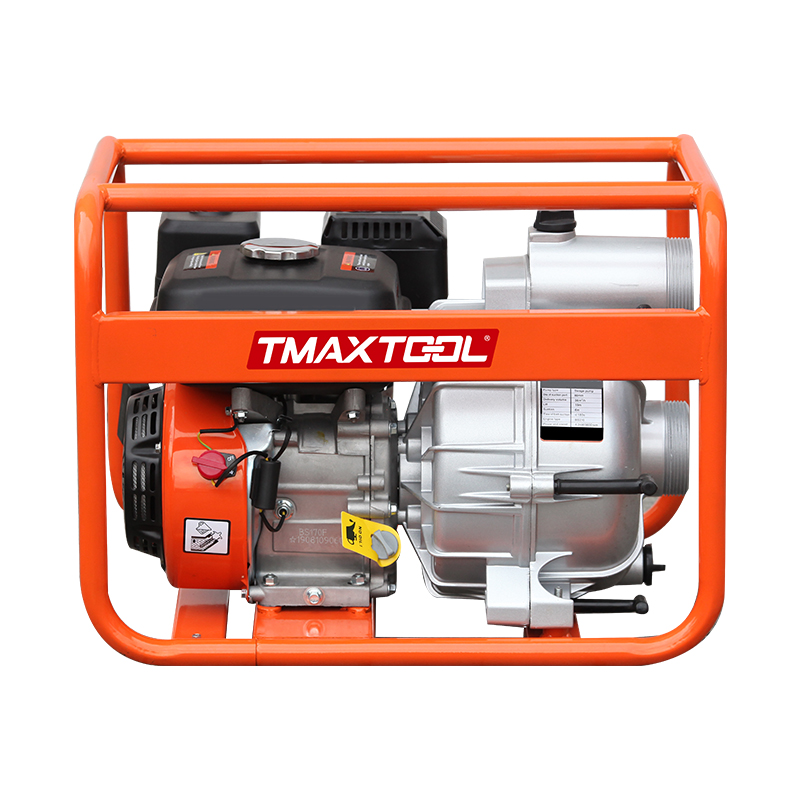 Water Pump
 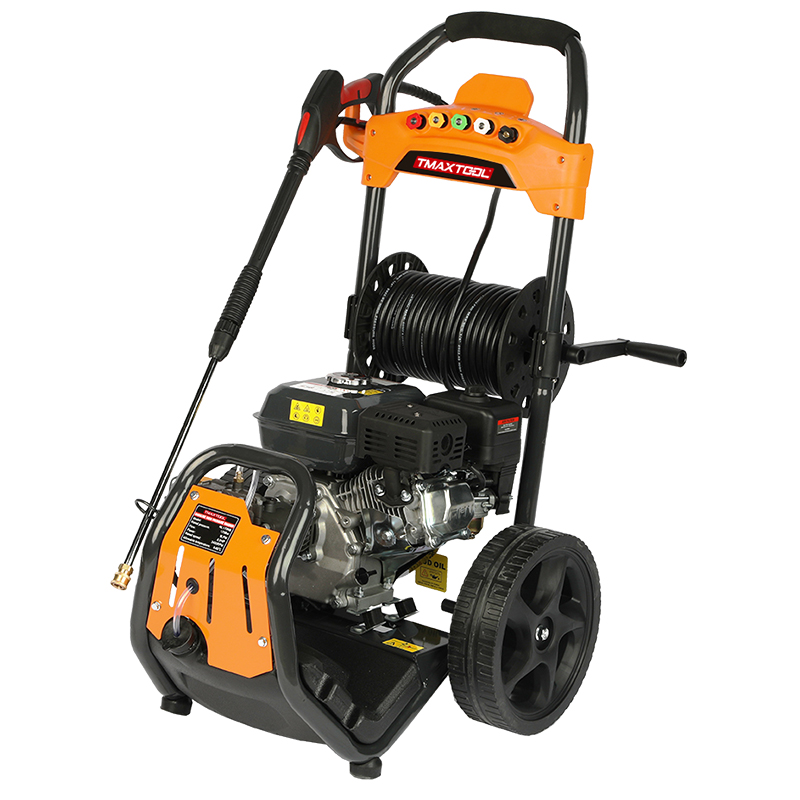 High Pressure Washer
 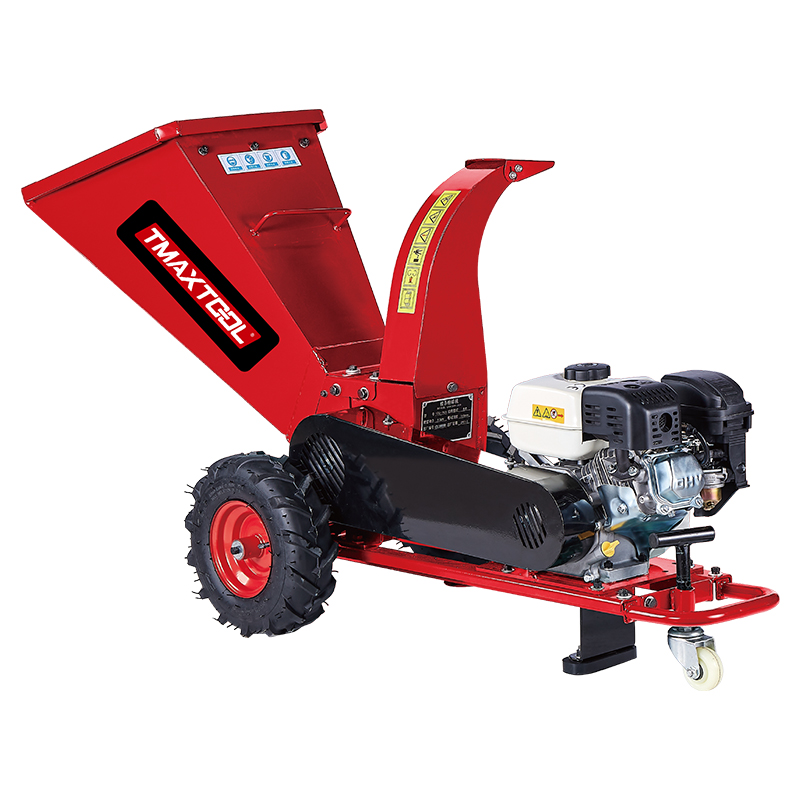 Wood Cutter
 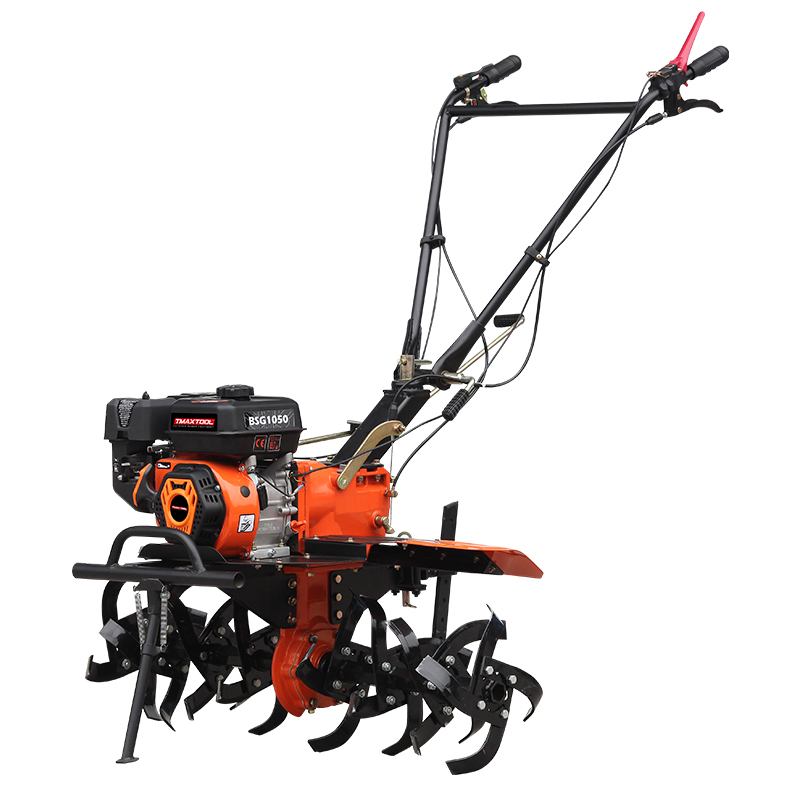 4 Stroke Tiller
 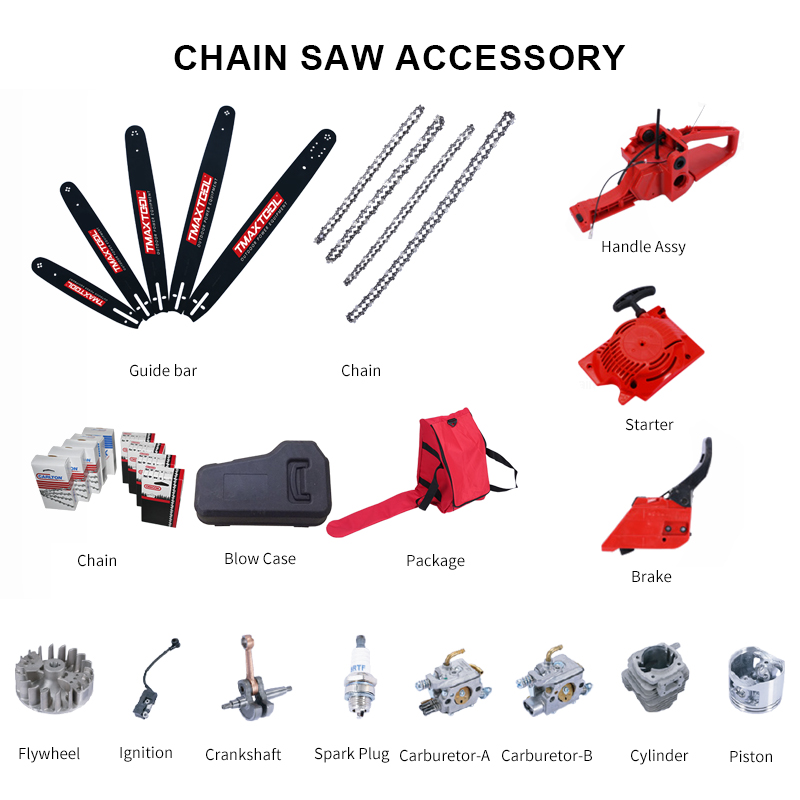 Chain Saw Accessory
 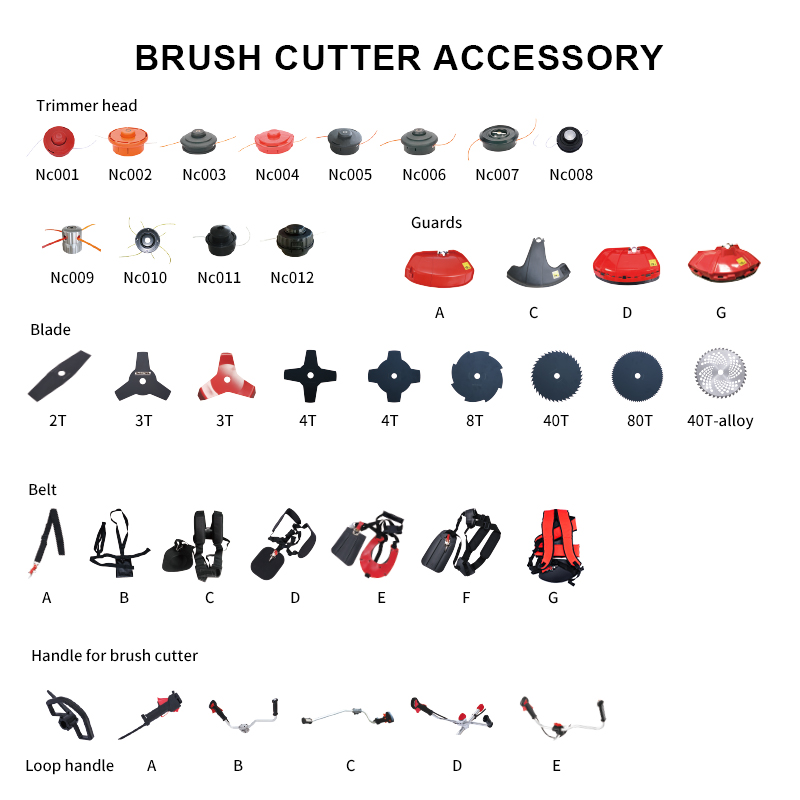 Brush Cutter Accessory
 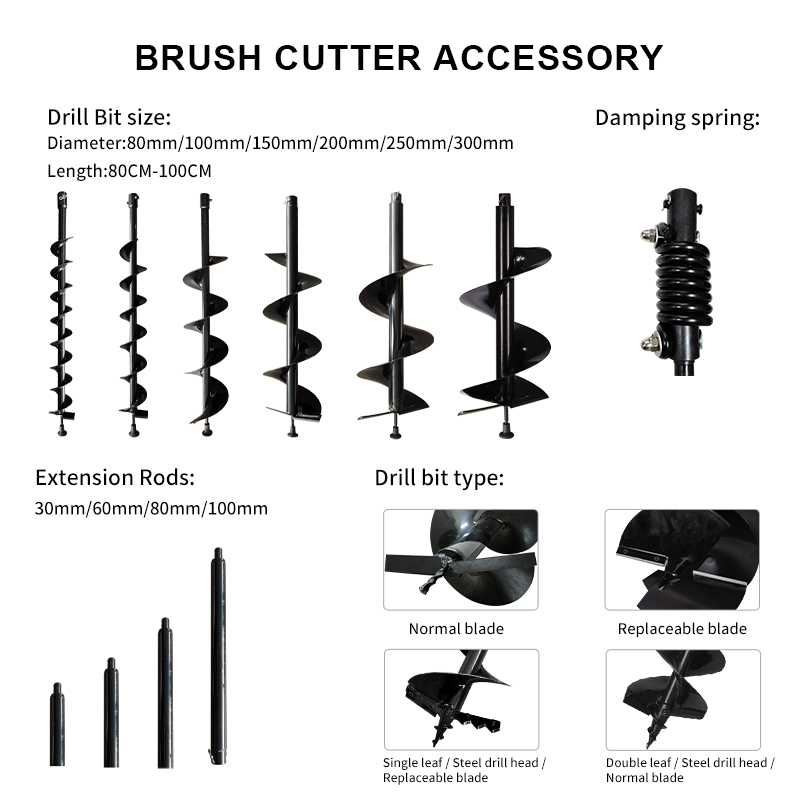 Earth Auger Accessory
  Protective Equipment Accessories


