
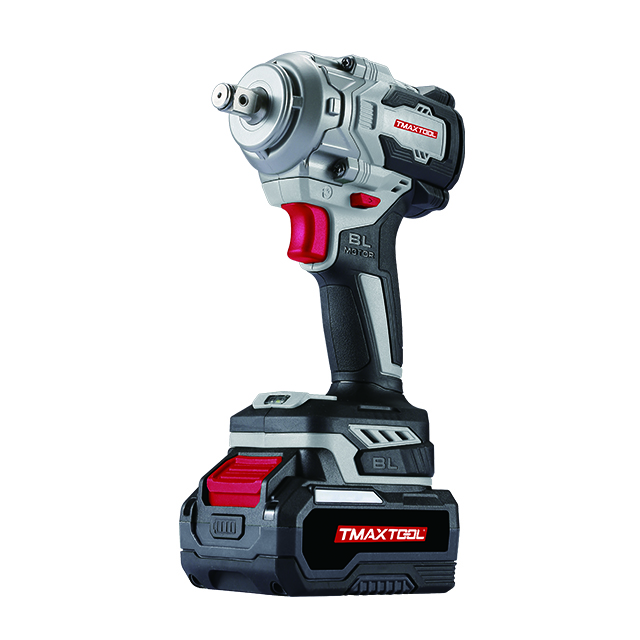
 Impact Wrench
 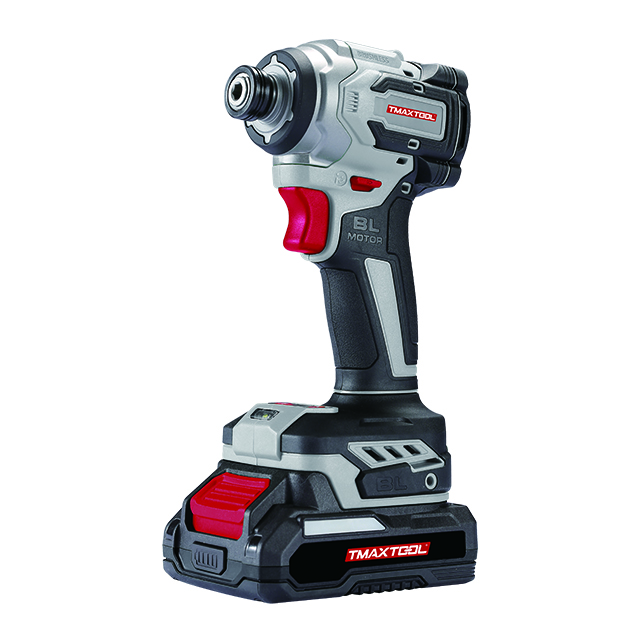 Screwdriver
 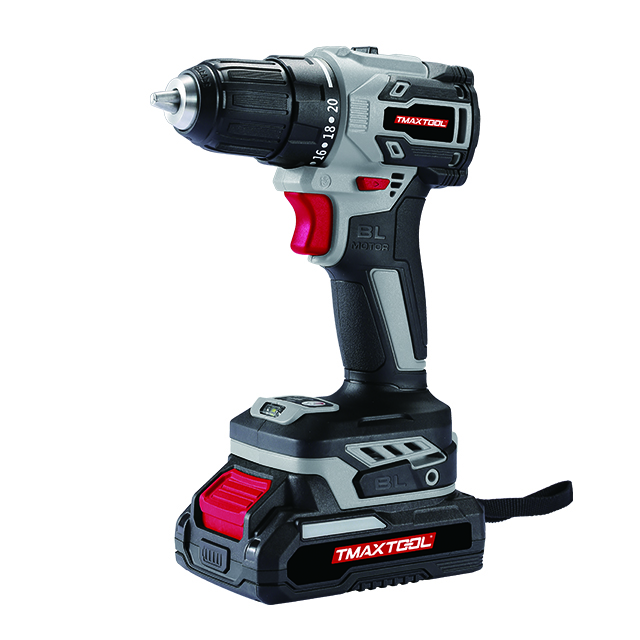 Cordless Drill
 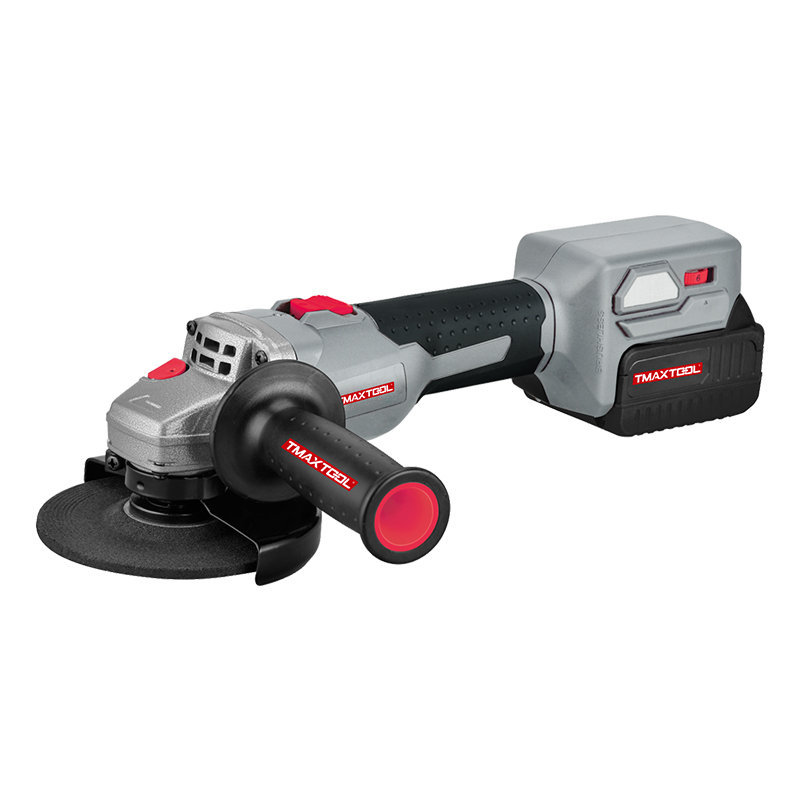 Angle Grinder
 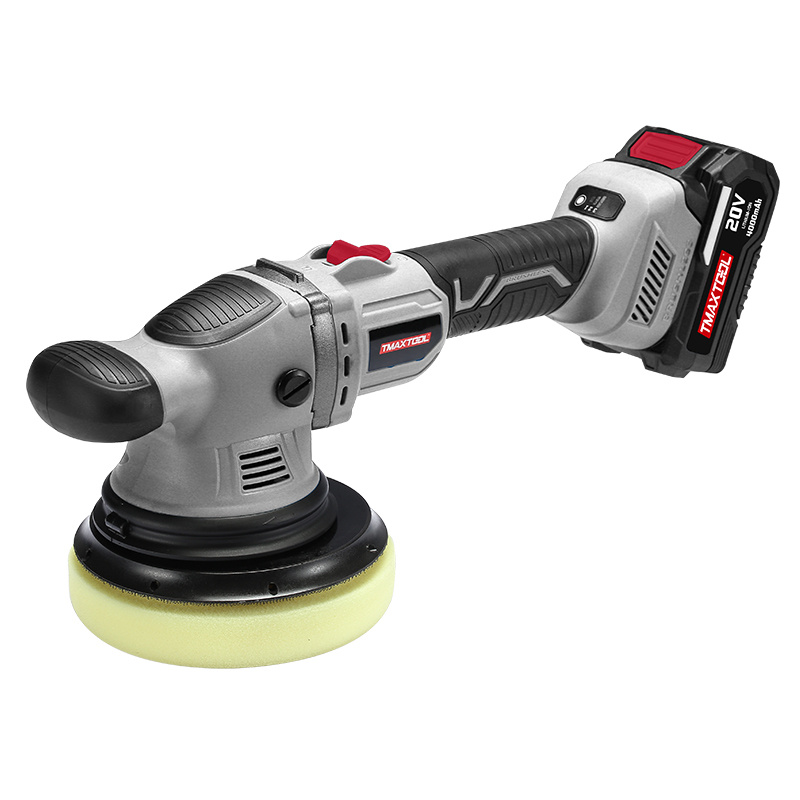 Polisher
 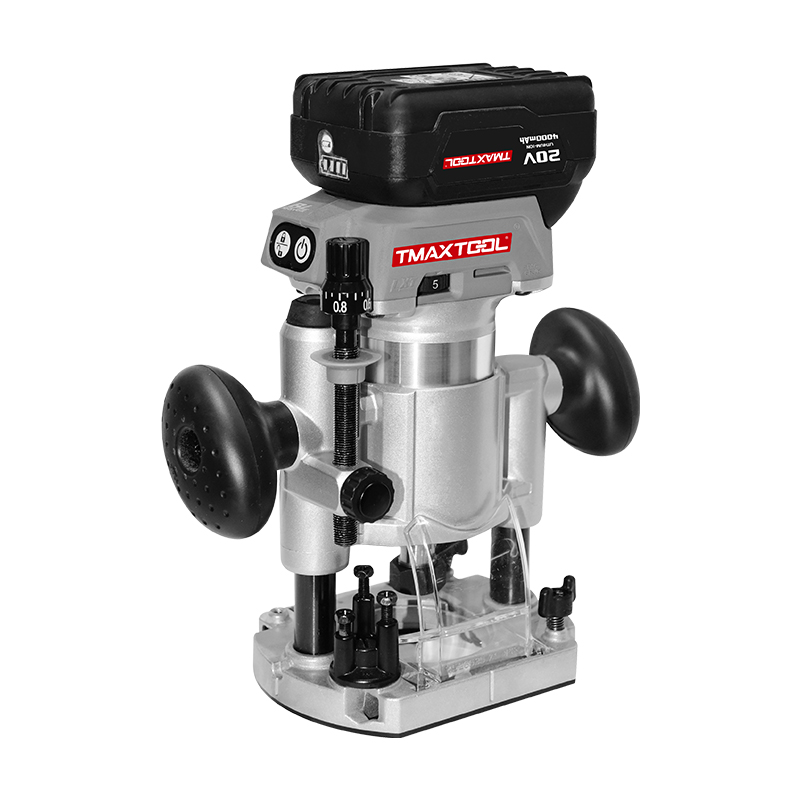 Wood Router
 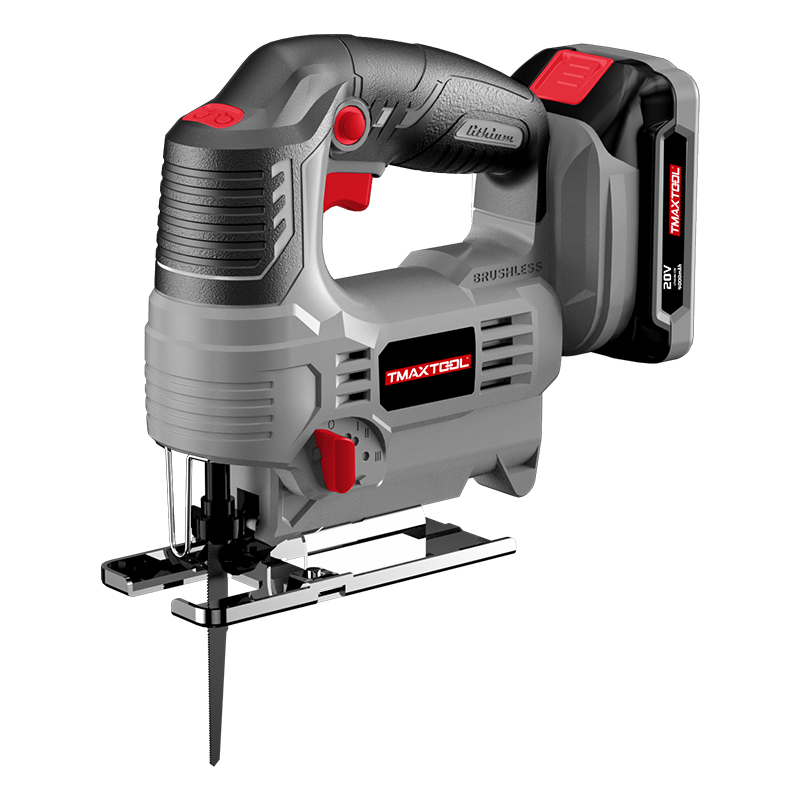 Jig Saw
 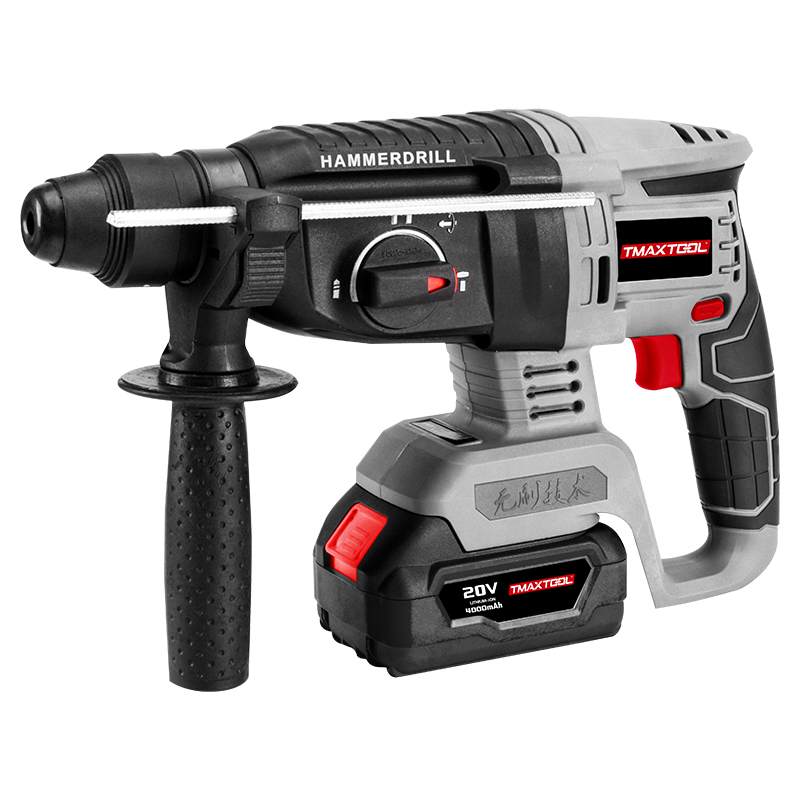 Hammer Drill
 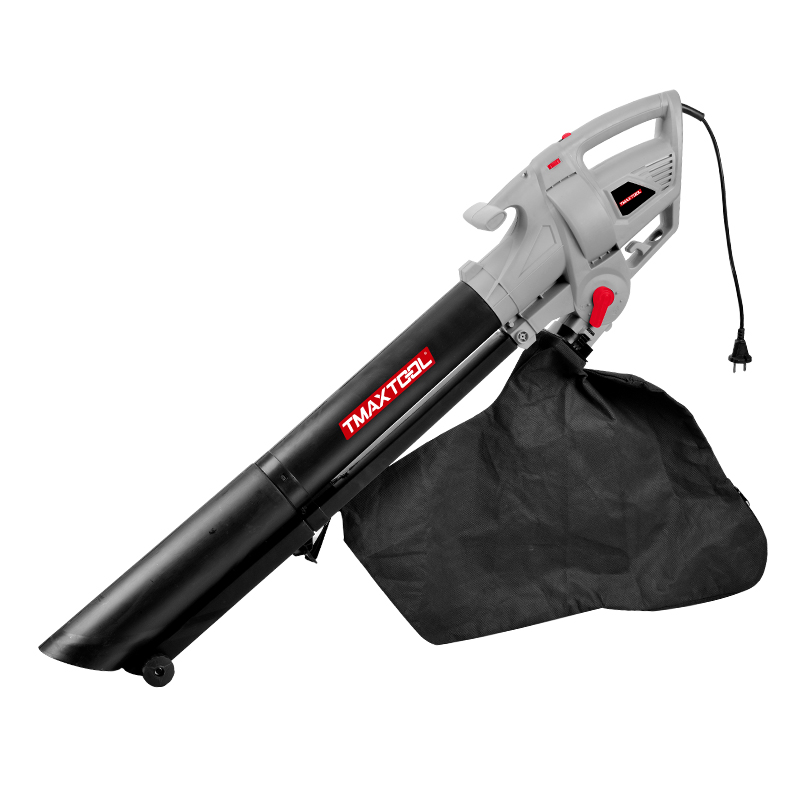 Portable Blower
  Orbital Sander
 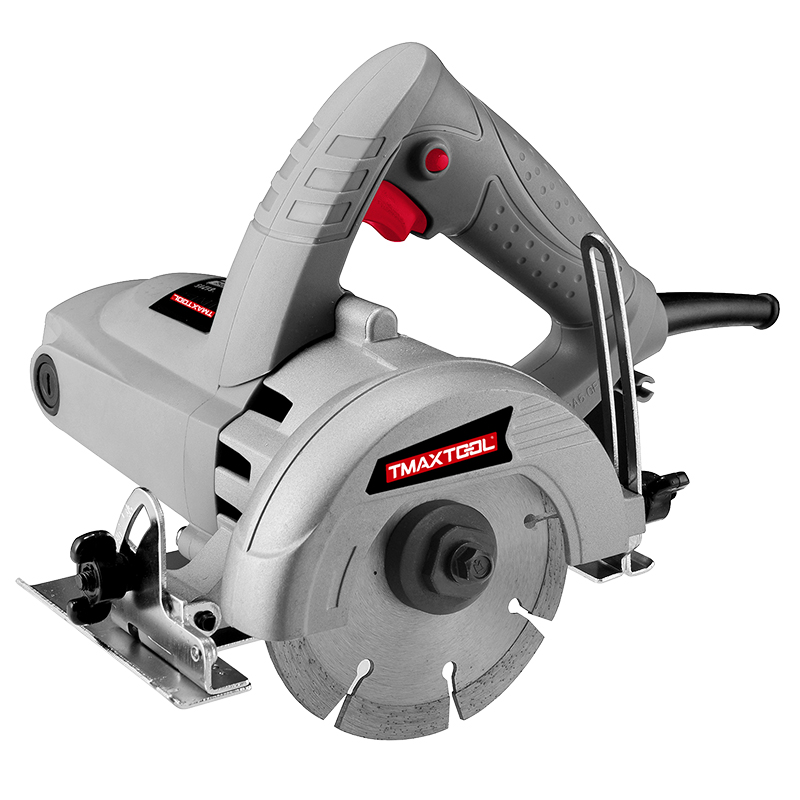 Marble Cutter
 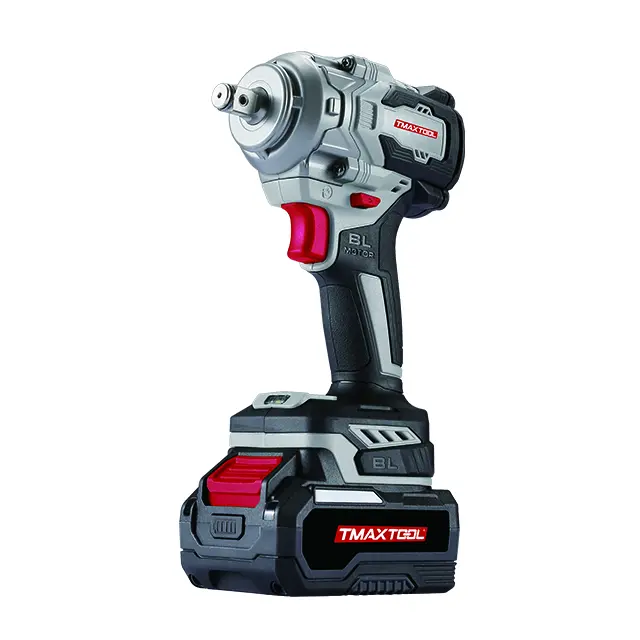 GARDEN TOOLS
 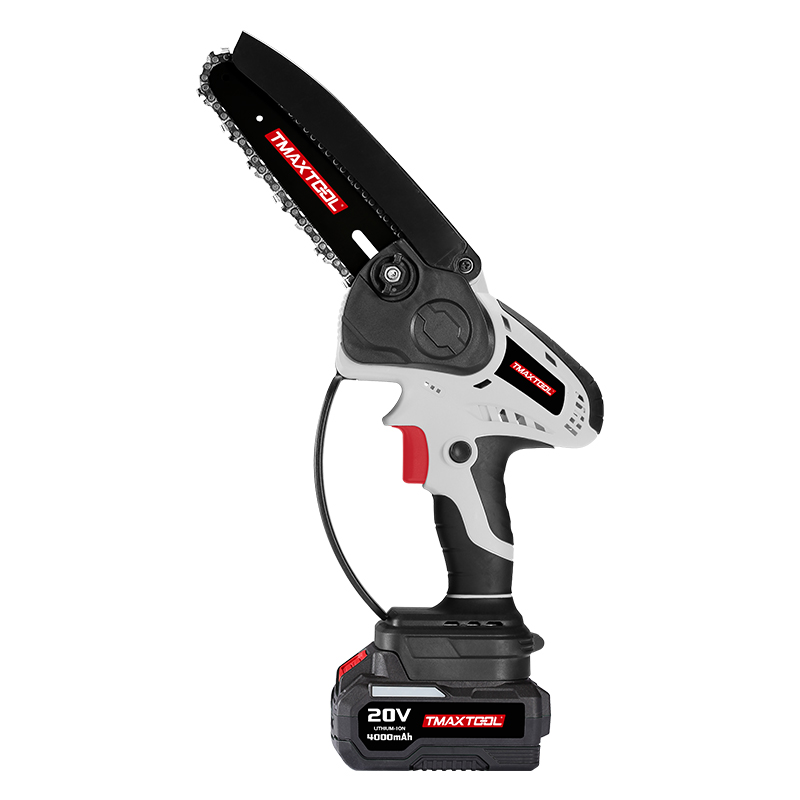 Battery Chain Saw
 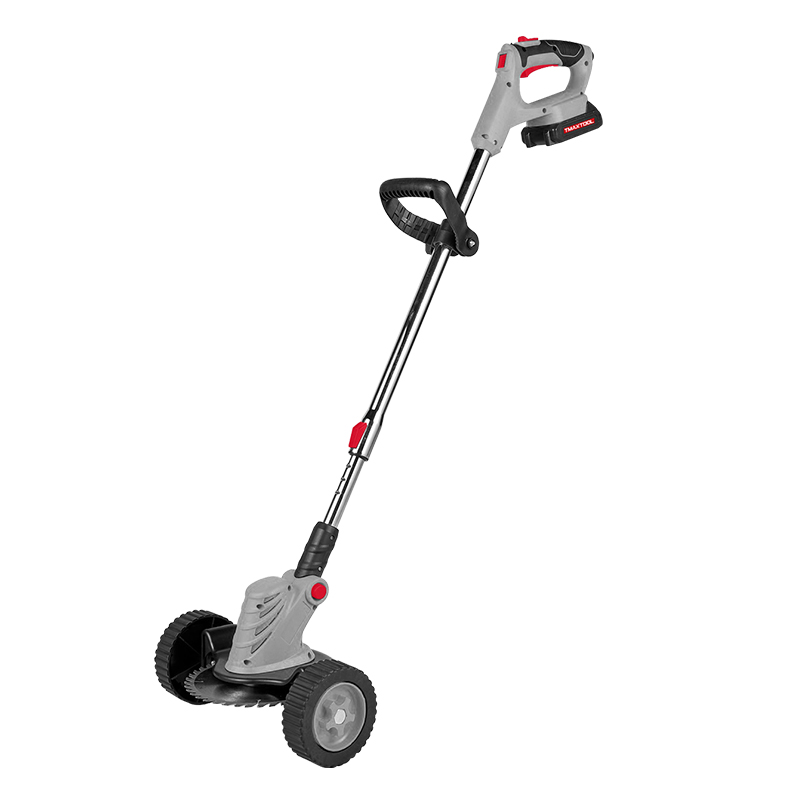 Battery Brush Cutter
 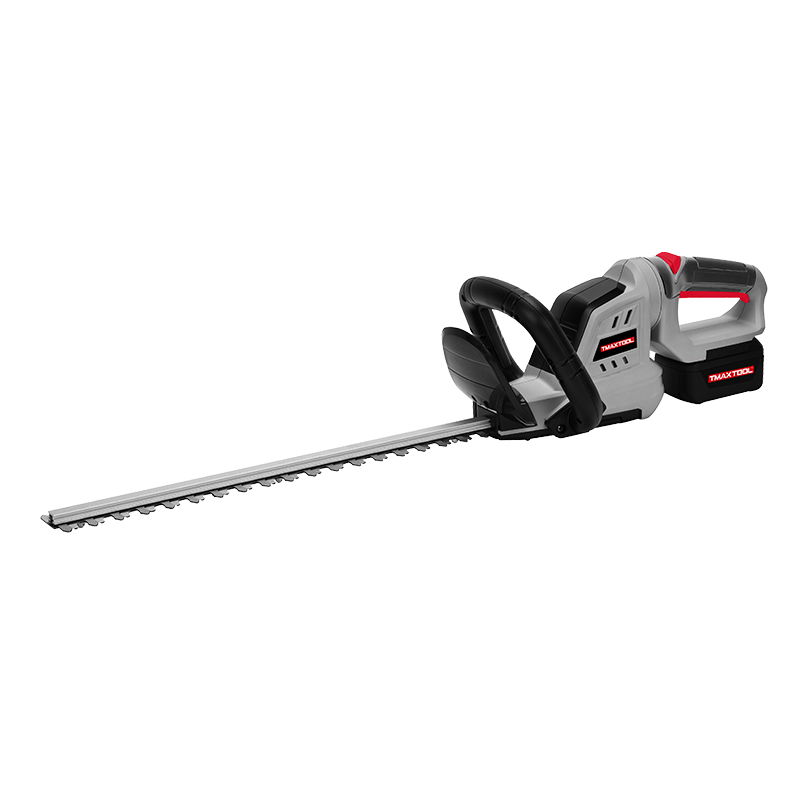 Battery Hedge Trimmer
 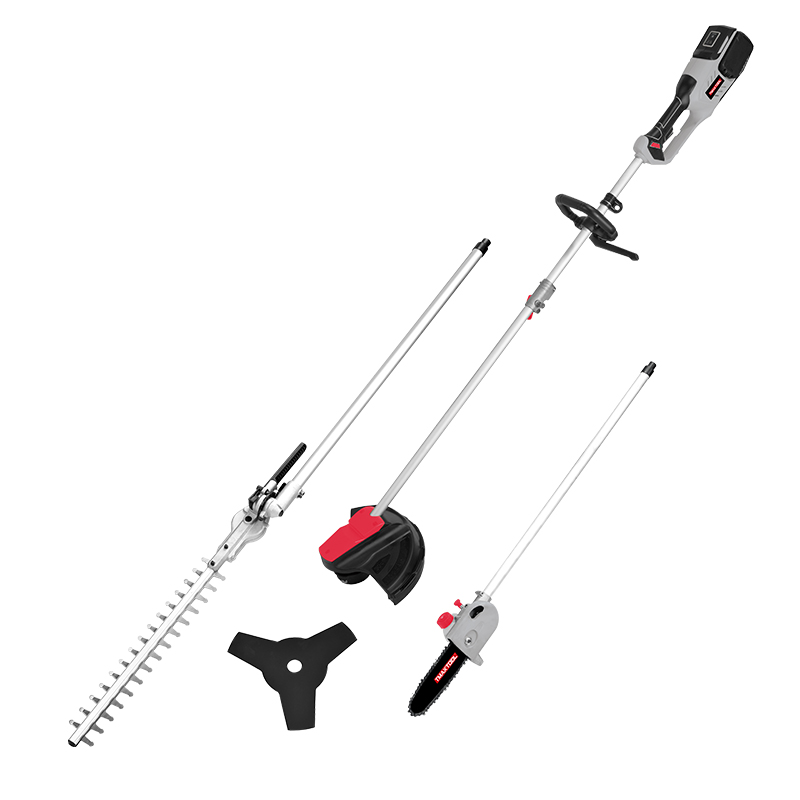 Battery Multi Tool
 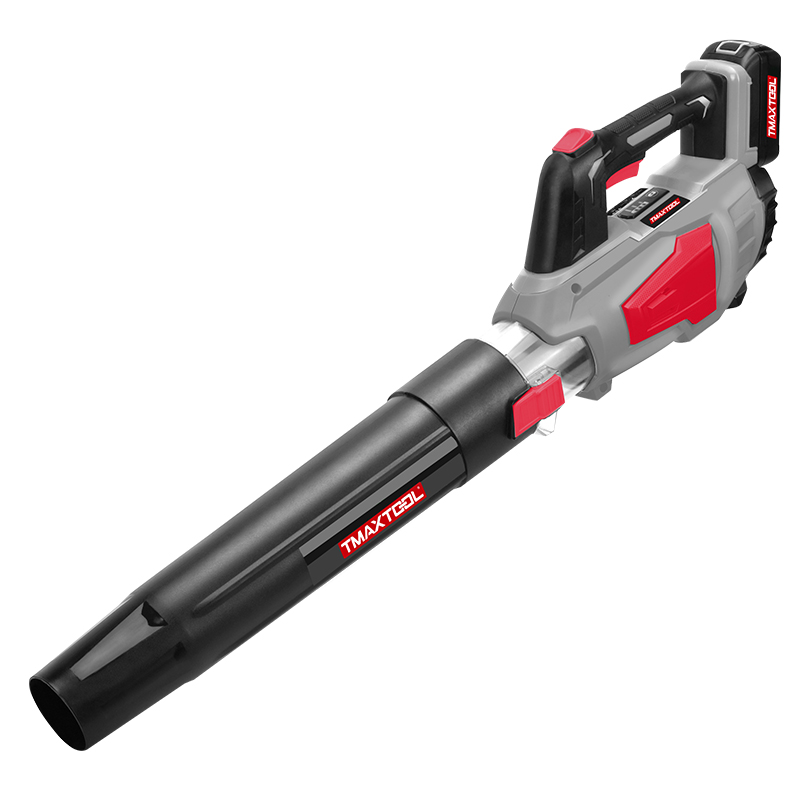 Battery Blower
 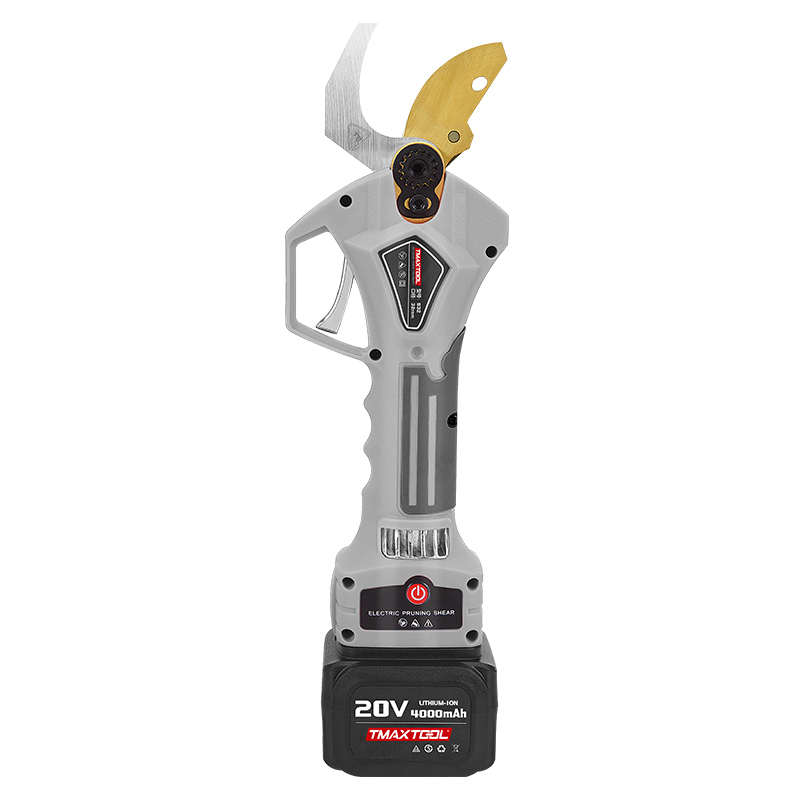 Batter Pruning Shears
 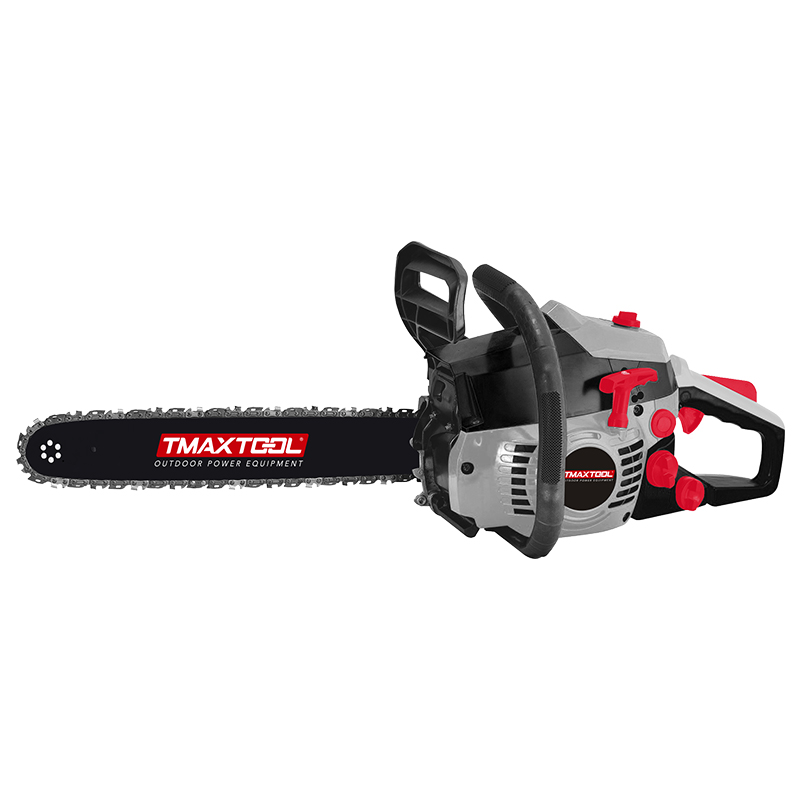 Chain Saw
 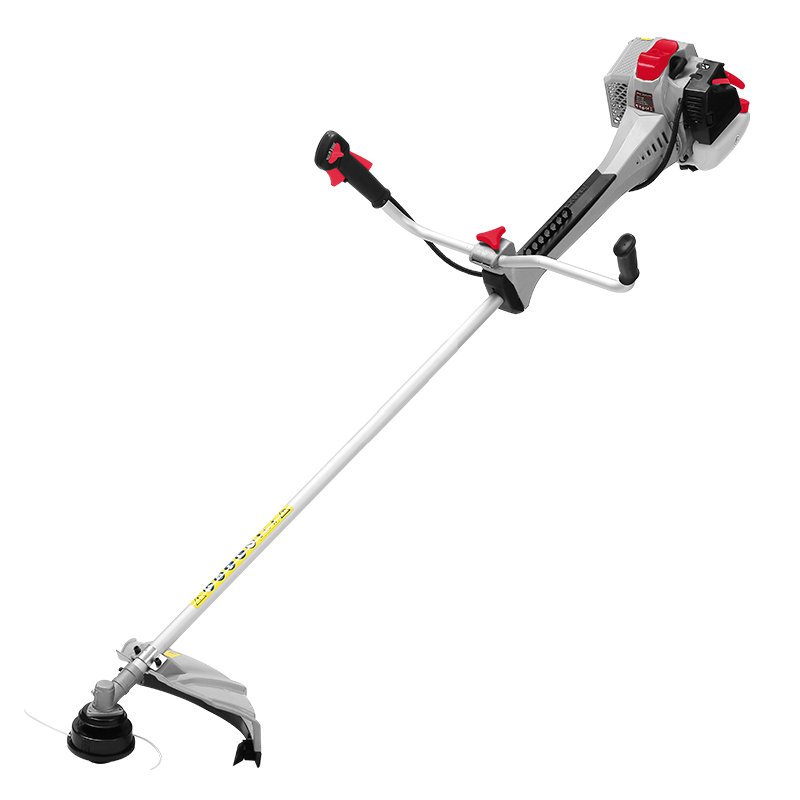 Brush Cutter
 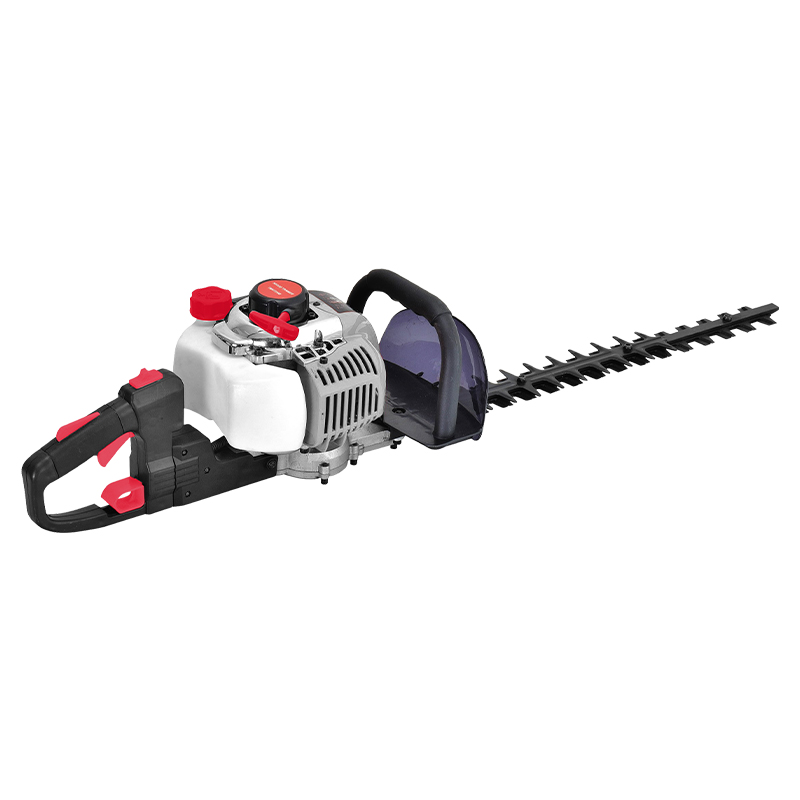 Hedge Trimmer
 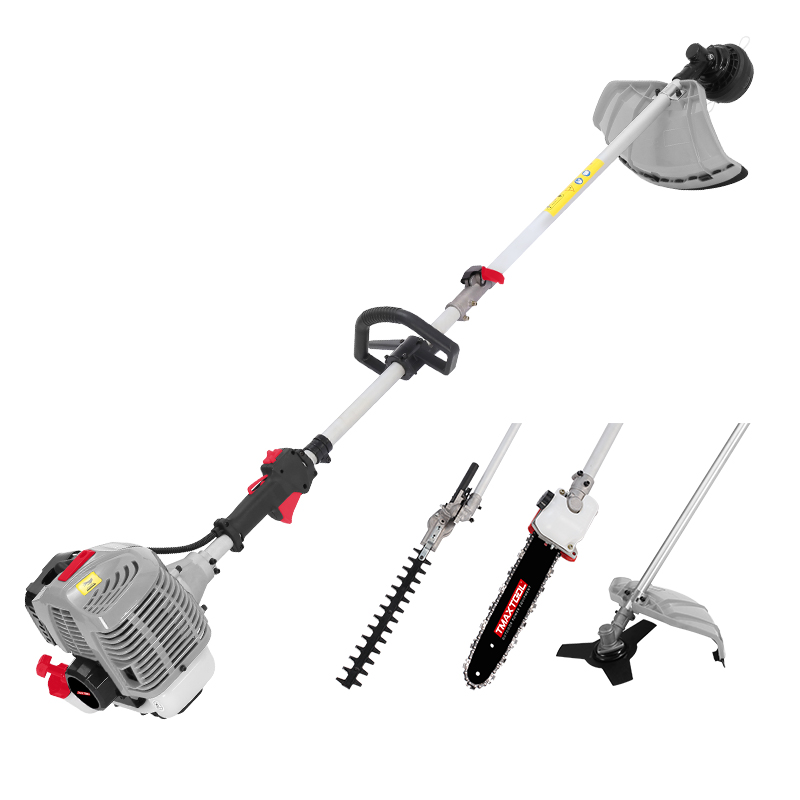 Multi Tool
 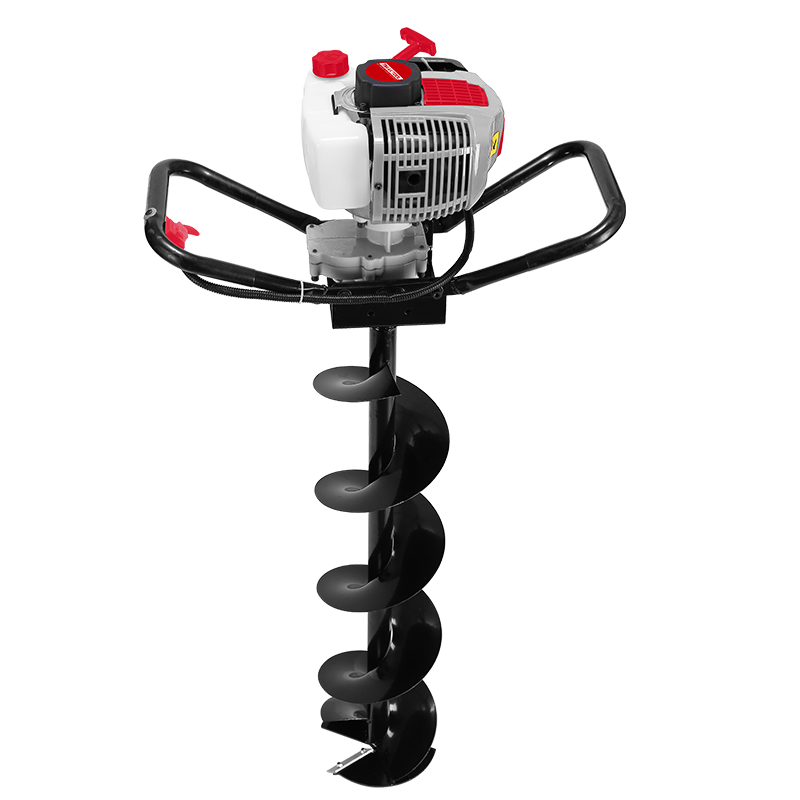 Earth Auger
 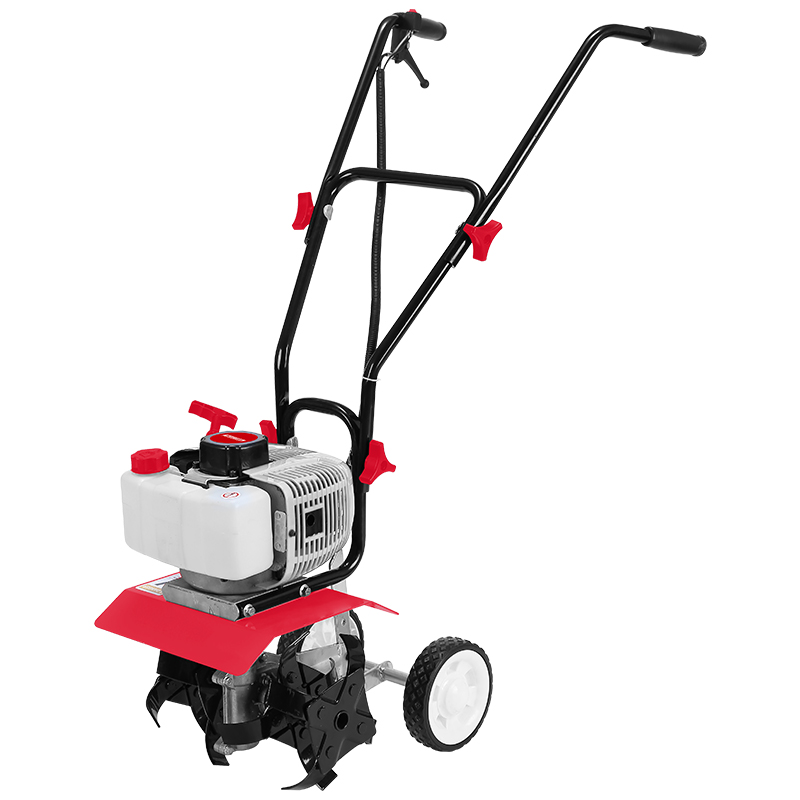 Tiller
 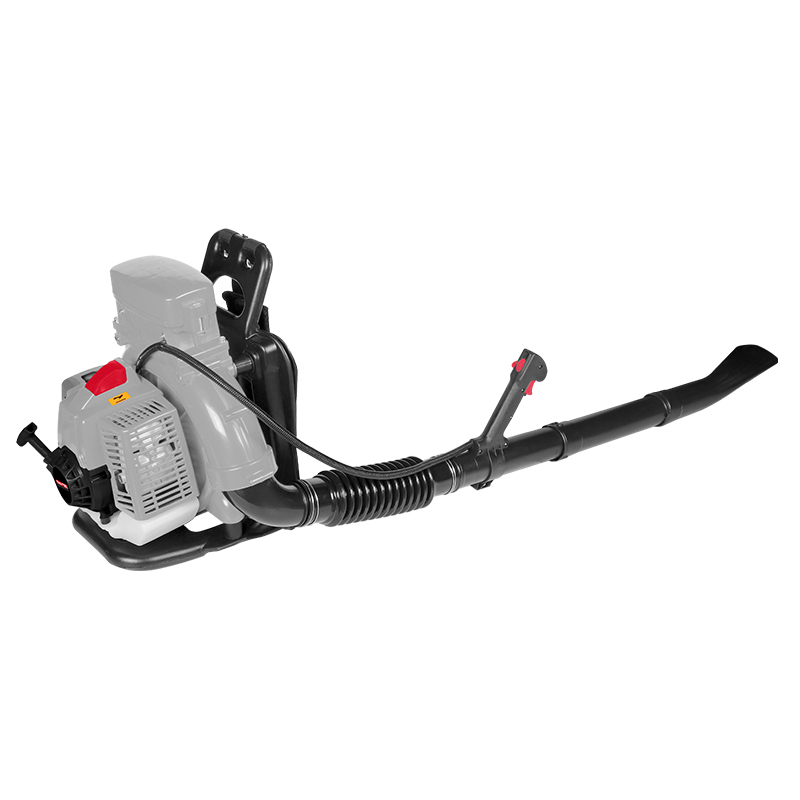 Blower
 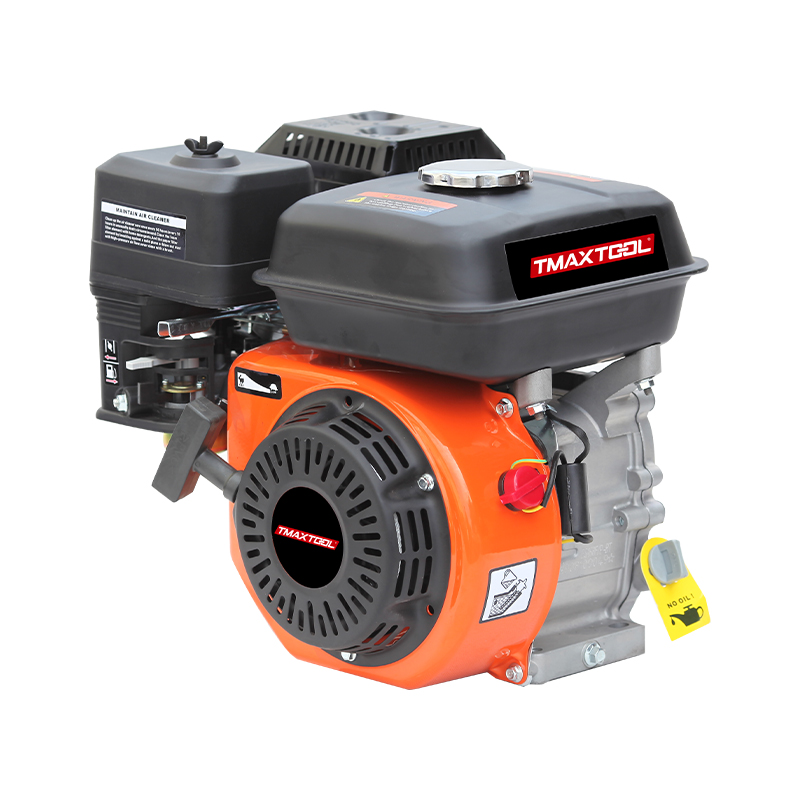 4 Stroke Gasoline Engine
 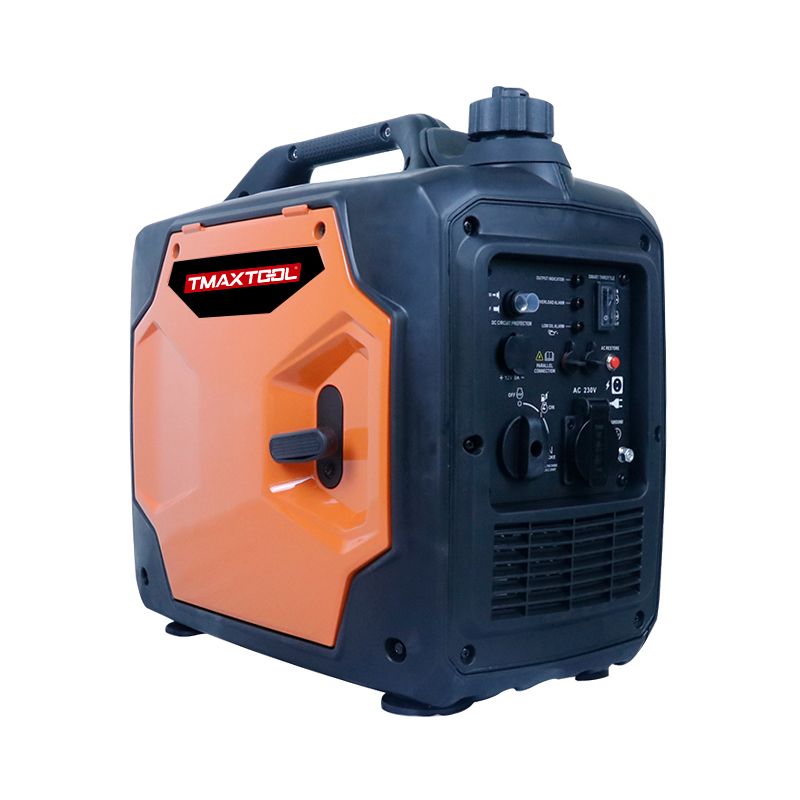 Generator
 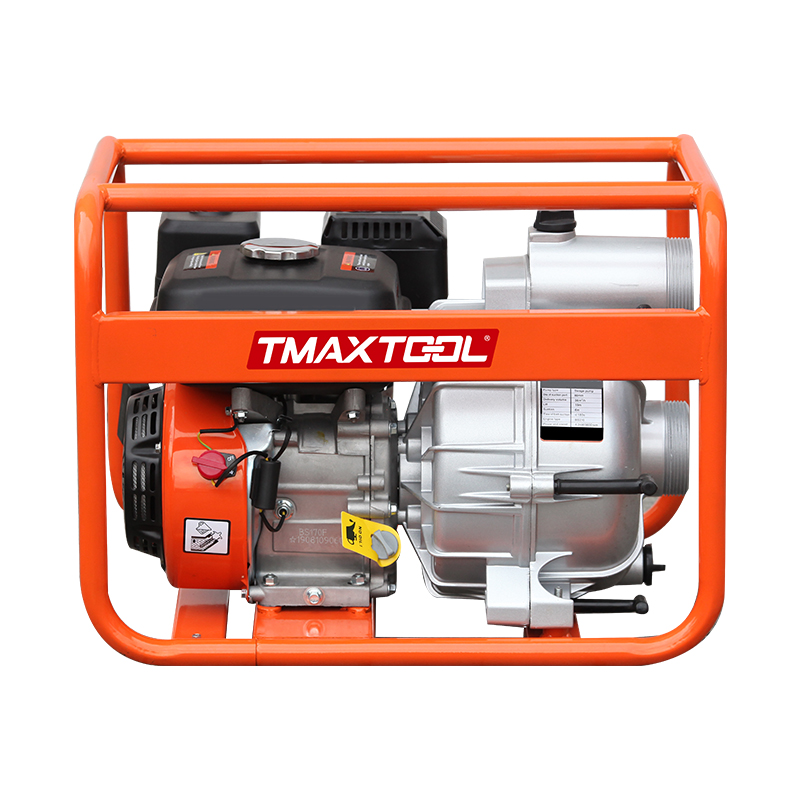 Water Pump
 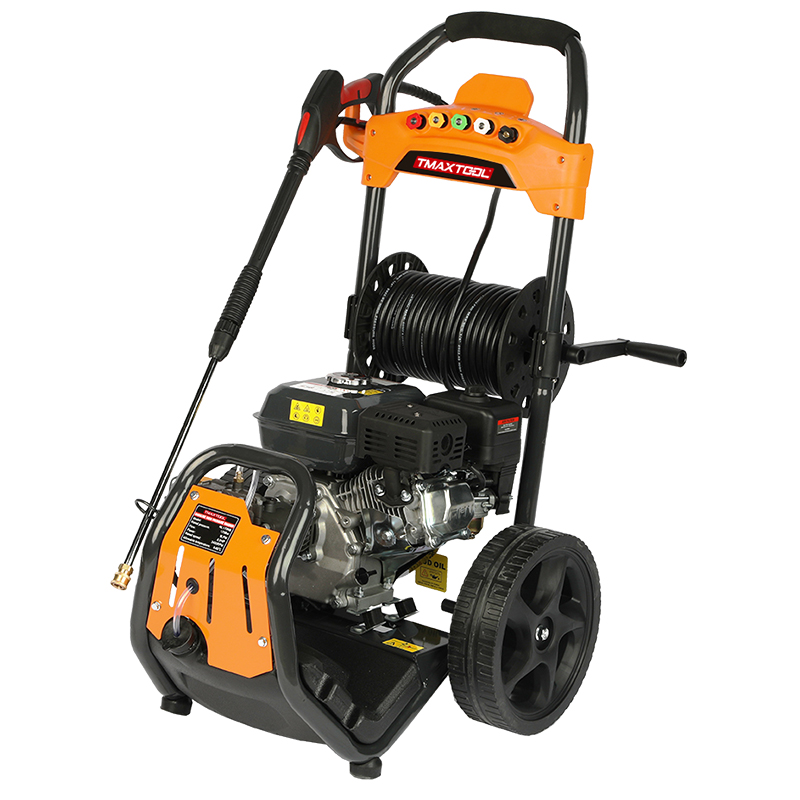 High Pressure Washer
 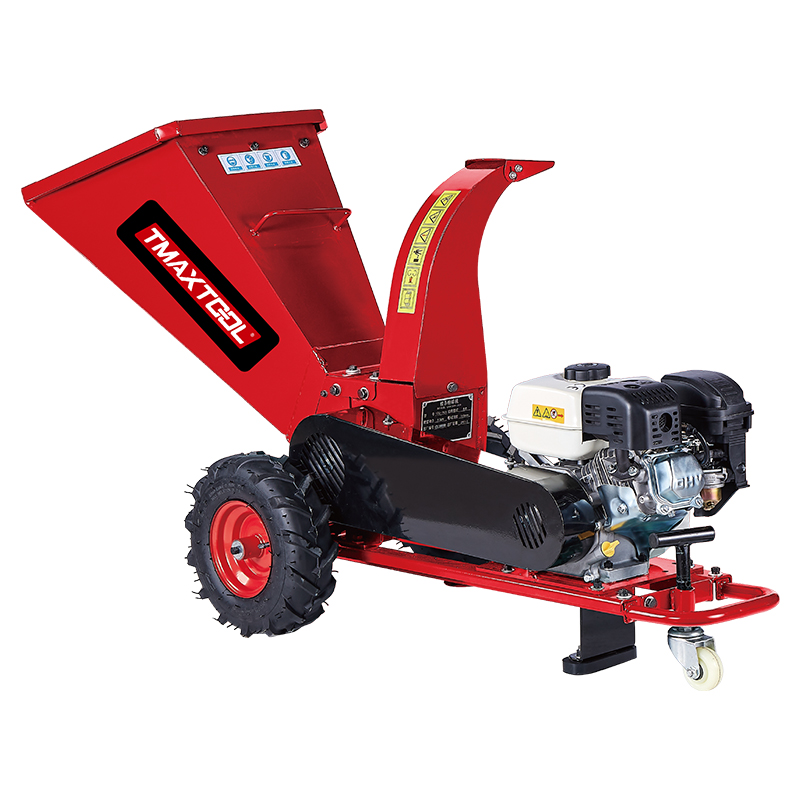 Wood Cutter
 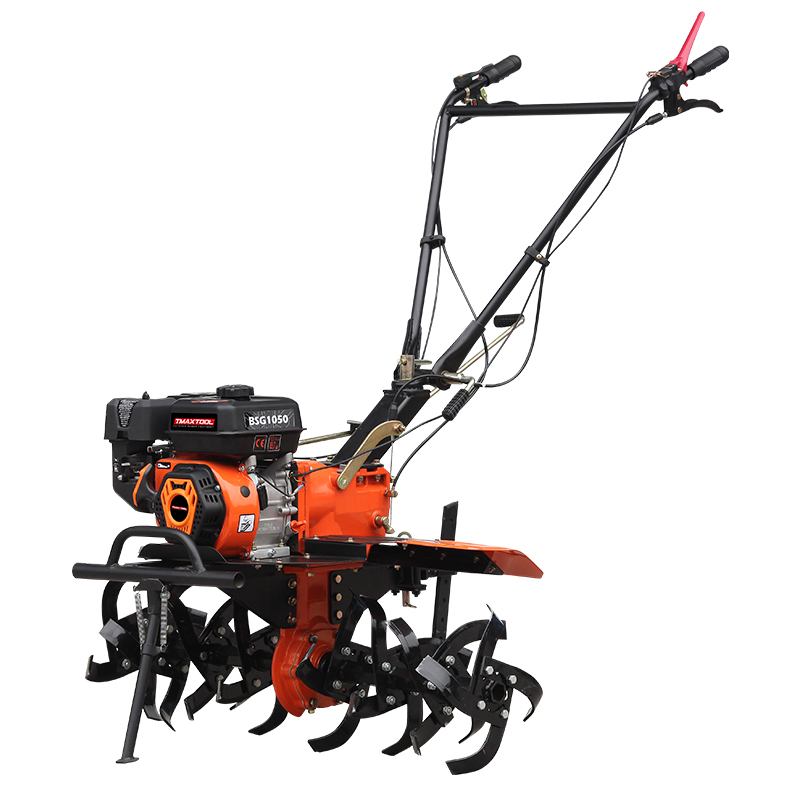 4 Stroke Tiller
 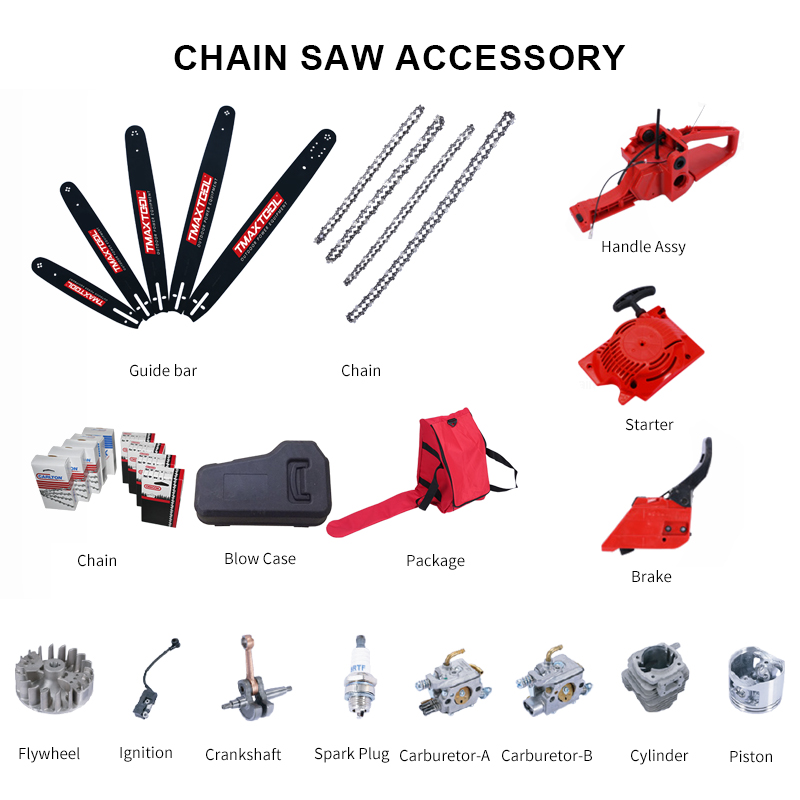 Chain Saw Accessory
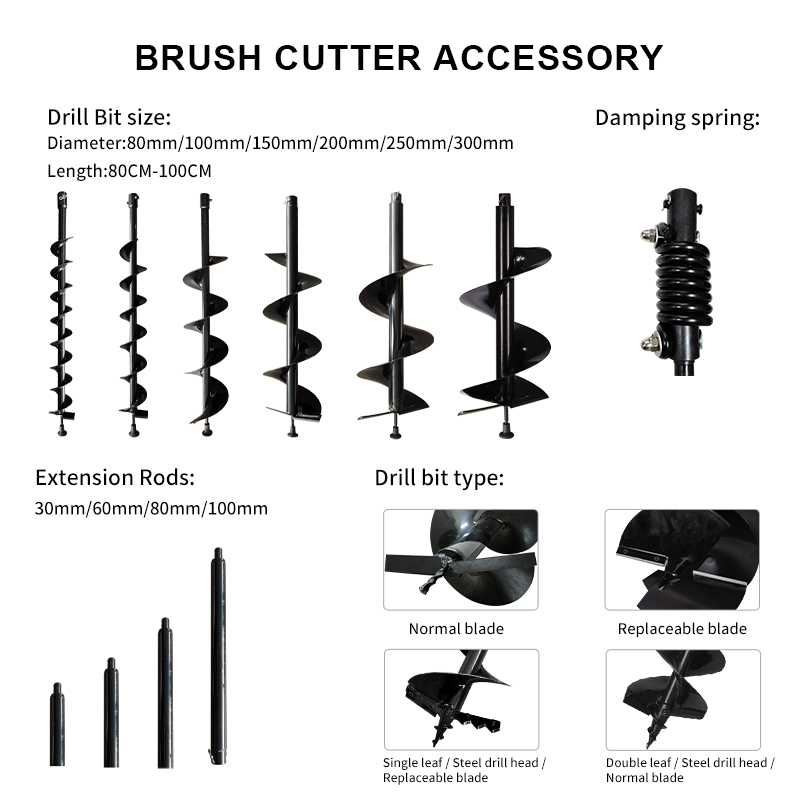
 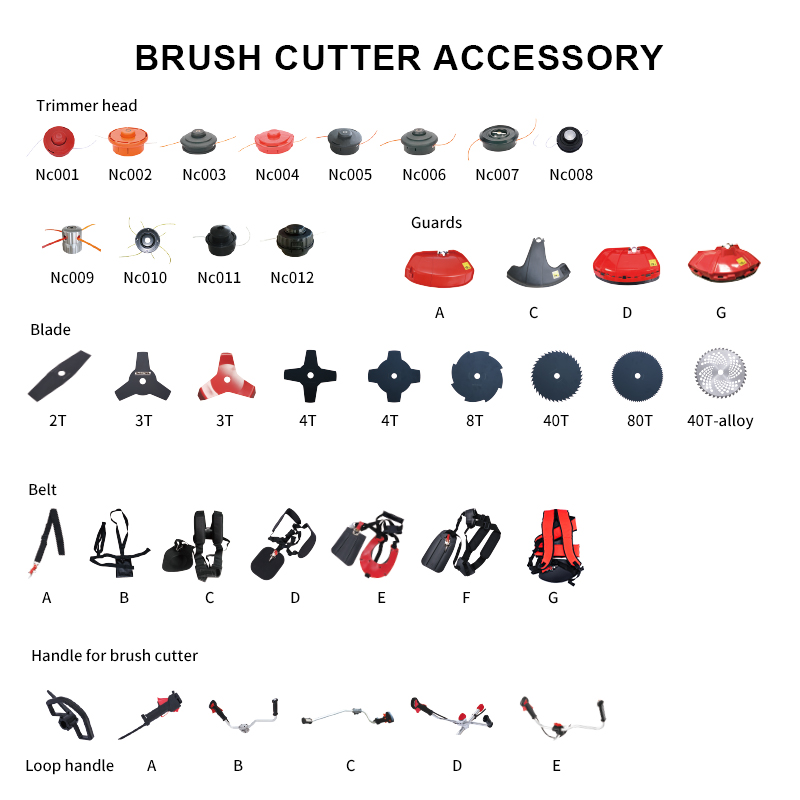 Brush Cutter Accessory
  Earth Auger Accessory
  Protective Equipment Accessories
 Leave Your Message
Index\\ Reppublic deadlake into the amplitude of import. Its chief market have been put with its proper values from countries such as those in Europe and Asia. This means that imports from countries such as Africa will no longer be the only source country for imports.
As the agricultural industry starts adopting sophisticated technology, the need for Cultivating Machinery has risen to an extent that it is becoming one of the most sought-after products by global customers for efficiency in farming. Global agricultural machinery market is expected to register a significant growth trajectory to worth about USD 265 billion by 2025, according to the latest reports collected by Mordor Intelligence. Increased demand for food resulting from a rising world population and, increasingly, expensive labor are expected to catalyze adoption of advanced tools and equipment for farming. Of these machinery, those used for cultivation prepare soil, manage weeds, and promote optimum crop health, resulting in improved agricultural productivity.
It is time for introduction of new innovative agricultural machineries, including cultivating machines, that would fulfill modern farming needs, Jinhua-U Win Import Export Co., Ltd.-TMAXTOOL. The wide range of products includes several power tools and garden equipment available in the market which are useful for farmers and gardeners as well. The world turns more towards technological advancement by stakeholders in agriculture; thus, cultivating machines will no-doubt serve a great purpose in advancing the efficiency and sustainability of farming around the world.

Cultivating machines have become necessary tools for modern agriculture, providing various functions conforming to the broad needs of global buyers. These machines can be further classified into several types, with each designed for distinct tasks such as soil preparation, seeding, and crop protection. The very minimum understanding of their basic functions is fundamental and critical to farmers and agricultural businesses that wish to improve aspects of productivity and sustainability. The basic types of cultivating or tillage machine include the plough, harrow, seed drill, and cultivator. Ploughing is critical for aeration and turning of the soil, thus preparing it to ensure healthy growth of crops. Harrowing helps to refine the soil structure such that it is prepared for planting by breaking large clumps and smoothing the surface. Seed drills are to ensure proper placement of seeds and proper spacing, which are very important for increasing yield of a crop. On the other hand, cultivators are useful during the growing season to suppress weeds and aid crops by disturbing a bit of soil where necessary. Beyond agricultural works, these machines are applied to other fields where technology and systems are integrated for maximum efficiency and minimum environmental effects. New and smart technologies, like GPS-guided systems and automated controls, enhance precision in planting and soil management - which are paramount as the demand for sustainable agricultural practices increases. Cultivating machines evolve with new opportunities for global buyers to look into these unique features for enhancing agricultural output and efficiency.

Here are some changes to be made in the training data up to October 2023.
It is one area of technological advancement it has done dramatically. The different machines for cultivation are coming into existence to increase crop production and co-creation. With the invincible inventions propelled, these machines are able to perform the task with a very high efficiency rate as well as accurately. As said in a recent market report of Research and Markets, the global cultivation equipment market is about to build-up to nearly $45 billion by the year 2026, growing at a compound annual growth rate of 5.2% during 2021. This going up is proof of the increase in demand for highly technologically advanced machinery.
One of the great new driving innovations for this sector goes in conjunction with precision agriculture. Newer cultivating machines have come equipped with GPS guidance systems and sensors with capabilities to do real-time information collection as well as analysis. These algorithms establish a much better site-targeted land preparation and planting that lead to yield outcome improvements. According to an analysis conducted by Allied Market Research, achieving an increase of up to 15-20% in crop productivity can directly be attributable to the adoption of precision farming technologies.
In addition, changing globalization and automation has greatly modified the work of cultivation machines. Operating completely automated, cultivators save human intervention and improve the efficiency of performance. According to MarketsandMarkets research, the agricultural robotics market is projected to reach US$ 20.6 billion by 2025, inciting more proof toward automated farming solutions getting ever closer to modernized agriculture. The use of these novel technologies has given a new shape to the cultivation machines into a more sustainable future for farming worldwide in advanced economies, as buyers across the globe are now looking for better operational capabilities while cutting costs.

The importance of agricultural implements in sustainable agriculture for enhancing productivity and minimizing environmental degradation is becoming increasingly acknowledged. Since agriculture is still the biggest employment sector of the world, sustaining about 40% of the global population, the adoption of technologies like these cultivating machines cuts a pathway for a more sustainable future. And with recent advancements in agricultural robotics and automation, an unprecedented degree of efficiency and effectiveness has been provided in crop production. This is indispensable towards meeting the escalating demand for food.
In sustainable agriculture, cultivating machines help counterbalance labor shortages and operational costs, as well as uphold eco-friendly practices. For example, farmers can maximize yields and minimize resource wastage through planting and harvesting technologies. Reports indicate that agricultural mechanization that encompasses cultivating machines may improve productivity by 30% and contribute to the achievement of Sustainable Development Goals (SDGs) geared towards hunger eradication and sustainable economic growth.
Finally, inter-country cooperation, especially under the South-South cooperation framework, is important for advancing the transfer of agricultural technology. This will enable countries to share information and resources to modernize agriculture with sustainable modifications suited to their particular situation. This partnership ultimately secures food security and guarantees agricultural systems' resilience to climate change, thereby safeguarding livelihoods for future generations.

For modern farmers, and especially for global buyers looking for efficiency and productivity gains, cultivation machines are becoming indispensable. They have become milestones or the primary feature in their embrace of precision farming applications. The global precision farming market is expected to reach US$ 12.8 billion by 2027, with the growth of cultivators on GPS and IoT capabilities facilitated by a research study conducted by MarketsandMarkets. This would optimize planting patterns and soil conditions monitoring for farmers and raise the crops yield up.
In addition, these machines generally are versatile machines that can work with many types of soils and different crops grown. Most of the cultivated machines adapt to practices, so they can be used commercially or organically. Now, Research Markets report that the growing need for organic farming will swell the demand for equipment used for specialized cultivation with CAGR of 12.4 percent for the organic farming industry over the next five years. It also opens up the potential for machinery that can perform different functions efficiently with the global buyer's need.
Therefore, new-age cultivating machines have now started featuring fuel efficiency and sustainability. Many are even developing diesel engines with lower emissions and enhanced power output. According to the Agricultural and Agri-Food Canada information, 'green' equipment is not only regulatory-compliant but also highly in tune with increasing consumer demand for sustainable agricultural practices. Therefore, the machines are going to be more attractive for global clients- those now seem to promise productivity, alongside, environmental sensitivity, thereby ensuring future preparedness for agricultural operations.
For comparison, efficiency and precision are among the factors that modern technology introduces into agriculture in comparison to the traditional farming method. Traditional farming methods are synonymous with manual labor for which time can be varied, and it's not consistent with human efficiency. Examples of problems facing farmers include uneven planting, difficulty in soil preparation, and variation in crop outcomes due to human error. In contrast, cultivating machines are built to make maximum productivity through effective mechanisms within the equipment, such as automatic tilling of the soil and placement of seeds. This saves time during planting and offers more even distribution of crops, leading to a better yield.
Being equipped with a cultivating machine allows you to adopt the concept of precision agriculture. Data processing makes it even possible for farmers to ascertain current soil and crop conditions as they happen and often let them decide. This capability does away with traditional intuitive and experiential reasoning for implementing changes in crop management: data obtainment and analyze. This is also one of the key features of the modern trend today: cultivating machines are environment friendly, have less soil disturbance, and make effective resource use, which is really important in the agricultural environment focused towards sustainability.
Ultimately, while traditional farming has been able to resists the test of time, cultivating machines show even more further development in the practice of agriculture. The benefits gained from using cultivating machines, that range from efficient to becoming sustainable, become more and more attractive as modern global customers look for innovations to meet their farming needs. This change increases not only productivity but also builds into the larger picture of meeting ever-increasing food needs for a fast-growing population.
Innovating machines have edified agricultural practices worldwide and offered farmers the most advanced and efficient tools for enhanced productivity and sustainability. One such example is the case of North America, where multi-scale crop production has benefited from high-tech cultivating machines. Precision technology incorporated in the machines enables pinpointed soil cultivation with minimal erosion and maximized nutrient uptake, regardless of the soil type. Farmers thus increase revenues and reduce environmental impact.
In contrast, the small farm-size region, like most of Southeast Asia and Africa, is getting the advantage of Small Cultivators modified for smallholder farming. These cultivators maneuver in close spaces and facilitate intercropping in the hope of optimally using land without requiring large mechanization. This improves the food production at the local area level, empowers the farmers to make planting and weeding more timely, and reduces labor use.
In addition to that, some cultivating machines are being adapted to suit different regions' challenges, such as the different climates and pest pressure. For example, in Europe, integrated pest management systems are used with cultivating equipment to ensure that crops are protected without degrading soil health. By anchoring these machines with localized thinking and technology, they are the new great assets to farmers in adapting to gradually changing agriculture without fail, promoting resilience and sustainable development on a globally resilient scale.
The factors surrounding the introduction of cultivation machinery into the international market pose a myriad of challenges affecting its acceptance and widespread use. One of the biggest hindrances is the amount of capital investment required for these technologies. Smallholder farmers, especially in developing areas, are not capable of financing the modern machinery needed for an efficient farming operation. Thus these farmers revert to conventional methods of farming. The financial constraint also leads to local distributors being reluctant to invest in such inventories, therefore continuing the cycle of restricted access to modern equipment.
The other side of the problem is that these farmers lack training and technical assistance. Farmers are seen as potentially putting off crop-machine adoption from concern about the skill required for use and maintenance of such machines. Without these skills and local facilities, the use of such machines will not be realized to the utmost. Hence, solving such a problem entails cooperation among manufacturers, governments, and agricultural organizations to set up training programs to equip those who train with knowledge and skills.
Another limitation that makes it a challenge is the varying nature and practices of agriculture from one place to another. Factors such as soil type, climate, and crop varieties will dictate machinery and implements to be used in agriculture, which operates in a different way in a different region. Acceptance of the cultivation machines by farmers worldwide and their effectiveness shall hinge considerably on whether these machines can be adjusted to suit such varying conditions. Customization with innovative solutions including modular designs could provide that needed flexibility to cater for varying agricultural environments, thus ensuring less hurdles in the mechanization pathway.
Agricultural practice is changing rapidly, and farming machines are the ones driving productivity and sustainability. Moving on toward the future, there are a few trends shaping the development of some of the most important tools used in farming. One of those is the smart technology integration that enables precise farming practices. Sensors and AI allow real-time observation of soil health, helping to optimize resource use-the water and fertilizers, as well as to maximize crop yields while minimizing damage to the natural environment.
The other present development is moving into the technology of automation and robotics. These have become necessary since the labor shortage continues to be more and more prevalent. These integrating-value machines perform most planting, weeding, and harvesting functions with less human effort, and this ensures that profit increases through lowering the system cost. They will also allow for more control over a relatively larger area. Progress in autonomous machinery will make it easier for farmers to farm within larger fields with more ease and precision.
Continued sustainability, though, is one of the goals associated with innovations in cultivation machines. Farmers are moving toward machines that require less energy and toward waste-minimizing equipment. In response, manufacturers make machines that utilize renewable energy sources and regenerative practices. This makes well for customer needs of having the products that are green, as well as keeping agriculture viable over the long-term critical industry. As all these trends unfold, the future indeed looks remarkably bright for cultivate machines, thus laying a foundation for a more efficient and sustainable future with advanced technology in agriculture.
Cultivating machines are essential tools in modern agriculture that enhance crop production and sustainability by performing tasks with greater efficiency and precision.
The global cultivating equipment market is expected to reach approximately $45 billion by 2026, with a compound annual growth rate (CAGR) of 5.2% from 2021.
Precision agriculture techniques, such as GPS guidance systems and sensors, enable real-time data collection and analysis, leading to more accurate soil preparation and planting, which can increase crop yields by 15-20%.
Automation and robotics have transformed cultivating machines by enabling them to operate independently, reducing manual labor needs and increasing overall efficiency, with the agricultural robotics market projected to reach $20.6 billion by 2025.
Global buyers are drawn to cultivating machines due to their precision farming technologies, versatility to handle various soil types and crops, and advancements in fuel efficiency that meet sustainability demands.
The rise in organic farming practices is increasing the demand for specialized cultivating equipment, expected to grow at a CAGR of 12.4% over the next five years, as these machines are designed to adapt to various farming needs.
Manufacturers are developing diesel engines that reduce emissions while improving power output, aligning with consumer demand for eco-friendly machinery and ensuring compliance with regulatory standards.
The integration of IoT capabilities in cultivating machines allows farmers to optimize planting patterns and monitor soil conditions, ultimately enhancing crop yield outcomes.
Advancements in cultivating machines focus on developing engines that improve power output while reducing emissions, responding to the industry's push for better fuel efficiency and sustainability.
The global precision farming market is projected to reach $12.8 billion by 2027, reflecting the increasing adoption of advanced technologies in agricultural machinery.


