Lately, there's been a real uptick in demand for specialized toolsin construction and renovation—especially precision gear like Marble Cutters. Industry reports and chatter point to a global power-tools market that's headed toward about$43 billion by 2027, with a sizable slice coming from marble and stone processing tools.
Jinhua U Win Import & Export Co., Ltd., along with its TMAXTOOL brand, is riding this wave, offering a solid lineup of high-quality tools—from power wrenches and drills to marble cutters that actually get the job done.
As we look at the different options for the best marble cutter and what makes each one unique, it's not just about raw functionality. The tech behind the tools—improved performance, smarter design—plays a big role too. Our commitment to quality means professionals across various trades can count on reliable tools to deliver spotless results on their projects.
The Evolution of Marble Cutters: Advancements in Technology and Design
Marble cutters have come a long way, driven by tech advances and smarter design, and it’s changed how artisans tackle the delicate job of slicing marble. Think back to the old days with nothing but hand tools—everything depended on pure strength and skill. Today, though, we’ve got machines with diamond-tipped blades and computer controls that make the job far more precise, faster, and safer. Advances in materials science mean blades can cut through different grades of marble with less wear and a cleaner finish. Modern cutters aren’t one-size-fits-all either. Wet saws keep dust and heat down by using water, which is great for intricate patterns or big slabs. Portable cutters let craftsmen work on-site without dragging heavy gear around. And with smart tech, you can program cutting patterns into modern machines, underscoring just how customizable today’s marble work can be. All in all, this evolution isn’t just about engineering feats; it mirrors a growing appreciation for marble’s aesthetic potential in architecture and art.
Key Features to Consider When Choosing a Marble Cutter
Choosing the right marble cutter for your project isn’t just about picking any tool - it’s about dialing in a few key features that really affect performance and how easy the device is to work with. For starters, take a look at the blade type: diamond blades are a go-to choice because they are durable and deliver clean, precise cuts. The blade diameter also matters, since bigger blades let you cut deeper and that is essential for thicker marble slabs. Another big factor is the cutter’s power; a more powerful motor makes cutting through tough material quicker and with less effort, reducing the risk of damage to both the cutter and the marble. Don’t overlook weight and portability, especially if you move the cutter between job sites - lighter models are easier to handle, while heavier ones can feel more stable for larger cuts. By weighing these features, you can pick a marble cutter that fits your needs and boosts your overall cutting experience.
Different Types of Marble Cutters and Their Specialized Applications
When you start exploring marble cutting, it’s helpful to get a grip on the different kinds of marble cutters out there and what each one is best for. From simple handheld tools to high-end machines, every cutter has its own job, and that can really affect how the final piece looks. A Market Research Future report notes that the global market for stone processing equipment is expected to grow at about 5.6% CAGR over the next five years, underscoring the growing demand for efficient marble cutting solutions.
For small projects, handheld Angle Grinders are the go-to—they’re flexible for tight, detailed cuts. For larger slabs, wet saws are preferred because they cut cleaner and kick up less dust. If you’re running bigger operations, CNC stone cutting machines deliver top-notch precision and can handle complex designs with surprising ease. All these tools give pros the chance to pick the best option for the job at hand.
Tip: When you’re choosing a marble cutter, think about the material thickness and the project goals to pick the right tool. Tip: Regular maintenance really pays off—check parts for wear, replace as needed, and you’ll keep performance steady.

Quality Control in Chinese Manufacturing: Ensuring Top-Notch Marble Cutters
Quality control in China’s manufacturing sector has really become a cornerstone of the marble cutter industry. As demand for reliable, high-performance cutting tools grows, manufacturers face real pressure to meet strict standards. That means thorough testing at every step—starting with raw materials and carrying through to final assembly. When companies run these quality checks, they can catch defects early, cut down on waste, and protect their reputation in a competitive market.
Moreover, marble cutters are used in a variety of ways, so they need features and capabilities that match the task. Some jobs call for intricate cuts in architectural details, while others simply involve basic tile installation. So manufacturers are pushing for innovation and adopting advanced technologies—think laser cutting and precision diamond blades—while trying to keep the tools affordable and accessible to a broad audience.
Focusing on quality control not only improves performance but also enhances the overall customer experience, helping people trust products made in China.
User Experiences: Real-World Applications of Marble Cutters in Construction
Marble cutters have become essential tools in construction thanks to how precisely and efficiently they shape natural stone. Across the industry, pros share their experiences, revealing a wide range of uses that show just how versatile these machines can be. A report from IBISWorld notes that the stone cutting and polishing sector grows at about 3.5% per year, underscoring how more people are turning to advanced tools like marble cutters. Users aren't just using them for flooring anymore - these machines handle intricate countertop designs, bold wall cladding, and even sculptures, proving their adaptability in both homes and commercial projects.
When you're choosing a marble cutter, it helps to match the tool to your specific project needs. Tip 1: Pair the cutter's power and blade type with the marble's density to cut efficiently without risking damage. Tip 2: Check user reviews or case studies to see how different models perform in real-world situations; they can offer real insight into durability and effectiveness.
People also want ergonomic designs and easy operation. A survey by the National Association of Home Builders found that 78% of contractors say user-friendly tools boost productivity. Tip 3: Look for features like adjustable speed settings and dust collection systems, which can make indoor renovations safer and cleaner and easier to manage, especially where dust control matters.
Exploring Diverse Options for the Best Marble Cutter and Their Unique Applications - User Experiences: Real-World Applications of Marble Cutters in Construction
| User | Application | Material Type | Cutting Method | User Rating |
| User A | Bathroom Remodeling | Marble | Wet Cutting | 4.5/5 |
| User B | Countertop Installation | Granite | Dry Cutting | 4.0/5 |
| User C | Flooring | Marble | Precision Cutting | 5.0/5 |
| User D | Wall Panels | Limestone | Bevel Cutting | 4.3/5 |
| User E | Outdoor Landscaping | Travertine | Tile Saw | 4.7/5 |
Comparative Analysis: Chinese Marble Cutters vs. Global Competitors
The global market for marble cutters has been growing steadily, fueled by rising demand from construction and renovation projects. A recent industry report from Market Research Future puts the market on track to hit about USD 3.5 billion by 2025, with an annual growth rate of around 4.5%. In this fast-moving space, Chinese marble cutters stand out as strong contenders, often praised for being affordable and for solid manufacturing capabilities. Data show that Chinese products make up more than 30% of the world supply, thanks to advanced production techniques and lower labor costs.
But when you compare Chinese marble cutters with global peers like Italy and Germany, you can see clear differences in quality and tech innovation. Italian manufacturers are celebrated for precision and design, with many products favored for high-end applications. For example, Technavio’s study notes Italian cutters hold about 25% of the premium market, appealing to luxury construction projects. On the other side, German firms emphasize engineering and durability, earning a reputation for heavy-duty cutting tools suited to industrial use. As buyers weigh these options, it helps to understand each type’s standout features and best-fit applications to make smarter procurement choices.

Maximizing Efficiency in Agriculture: Insights from Industry Reports on the Petrol Mini Corn Rice Cutter Harvesting Machine
Maximizing Efficiency in Agriculture: Insights from Industry Reports on the Petrol Mini Corn Rice Cutter Harvesting Machine
In the quest to enhance agricultural productivity, the Petrol Mini Corn Rice Cutter Harvesting Machine emerges as a robust solution, as highlighted in recent industry reports. This machine is designed to significantly streamline the harvesting process, allowing farmers to save time and labor while maximizing yield. With variants like the TMHVX35 and TMHVX50, it caters to different needs with powerful engines of 37.7cc and 47.9cc, delivering output of 0.9KW and 1.25KW, respectively. These features ensure that tough harvesting conditions are met with efficiency and ease.
Moreover, the thoughtful engineering of the Petrol Mini Corn Rice Cutter reflects in its versatile handle options—ranging from P handle to anti-vibration and rotatable handles, which allow for comfortable operation tailored to user preferences. The machine is equipped with a sturdy shaft, boasting diameters of 26mm and 28mm, ensuring durability during extensive use. Importantly, the blades are designed for versatility, with options for nylon cutters and metal blades, enabling farmers to tackle various crops effectively. This adaptability not only facilitates the harvesting of corn and rice but also stands as a testament to the commitment towards modernizing agricultural practices for optimal output.
FAQS
: Marble cutters have evolved from traditional hand tools to sophisticated machines with diamond-tipped blades and computerized controls, resulting in improved precision, efficiency, and safety in the marble cutting process.
Wet saws utilize water to minimize dust and heat during cutting, making them ideal for intricate designs or larger slabs, which helps ensure cleaner cuts.
There are various marble cutters, including handheld angle grinders for smaller projects, wet saws for larger slabs, and CNC stone cutting machines for exceptional precision in complex designs.
When choosing a marble cutter, consider the thickness of the material and the specific requirements of your project to ensure the best option is selected.
Quality control is crucial in ensuring marble cutters meet stringent standards through rigorous testing at every production stage, which helps prevent defects and reduces waste.
Smart technology allows for programmable settings tailored to specific cutting patterns, emphasizing customization and improving the overall cutting experience.
Innovations in materials science have led to the creation of advanced blades capable of cutting various grades of marble efficiently, reducing wear and providing a cleaner finish.
Regular maintenance enhances the longevity and cutting performance of marble cutters by ensuring that parts are evaluated for wear and tear and replaced as needed.
The global market for stone processing equipment, including marble cutters, is projected to grow at a CAGR of 5.6% over the next five years, indicating increasing demand for efficient cutting solutions.
The unique applications for various cutting tasks, from intricate architectural designs to basic tile installation, necessitate specific features and capabilities in marble cutters to meet diverse needs.

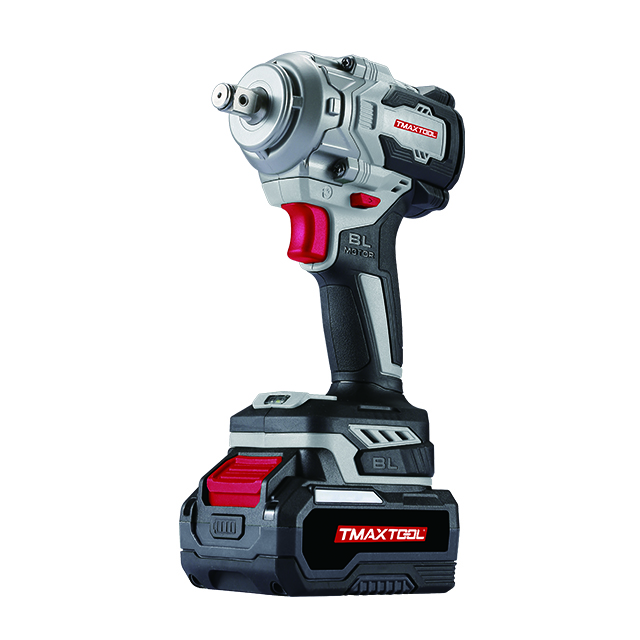 Impact Wrench
 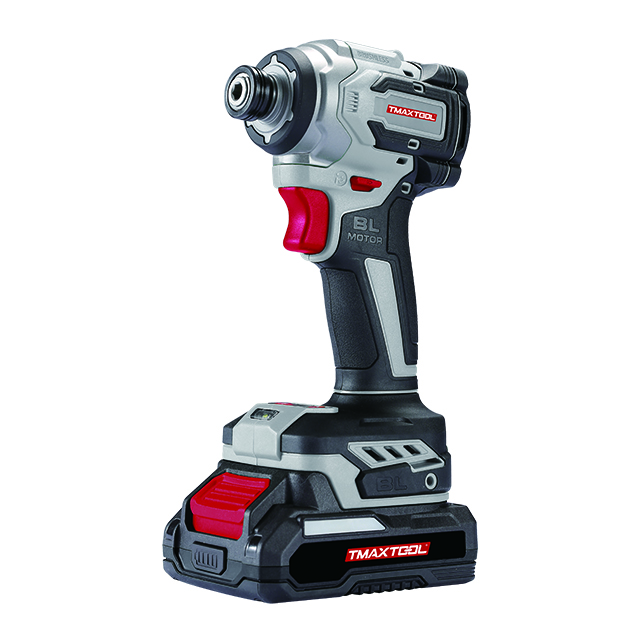 Screwdriver
 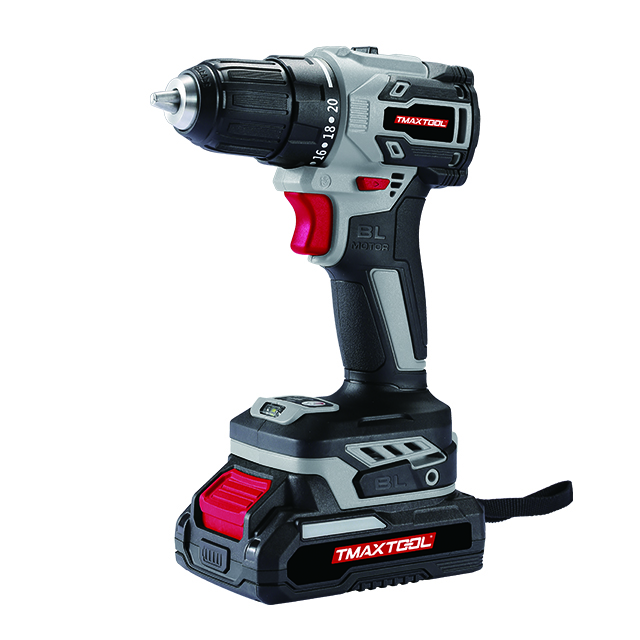 Cordless Drill
 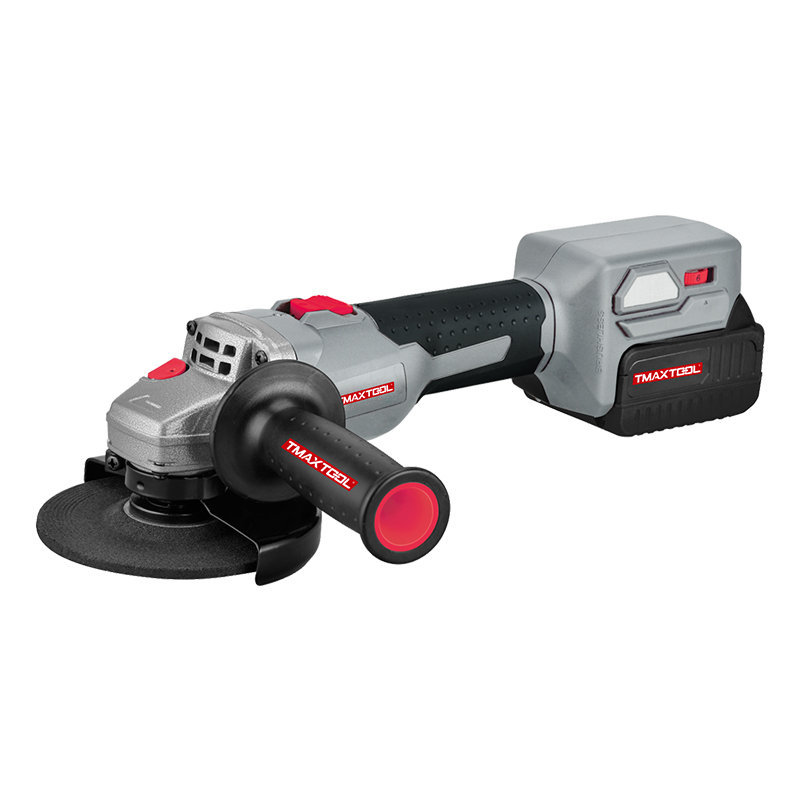 Angle Grinder
 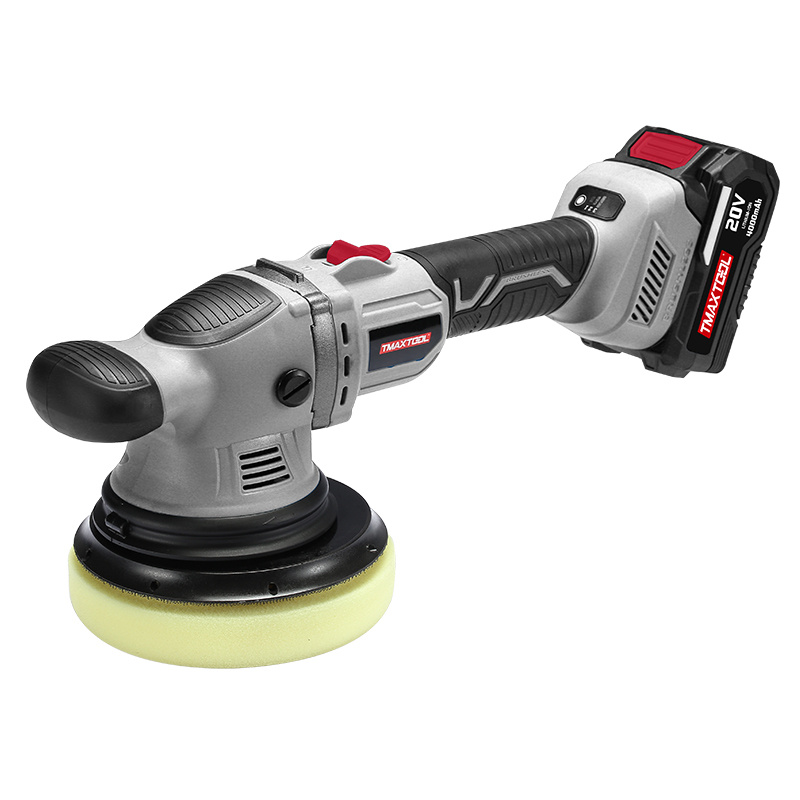 Polisher
 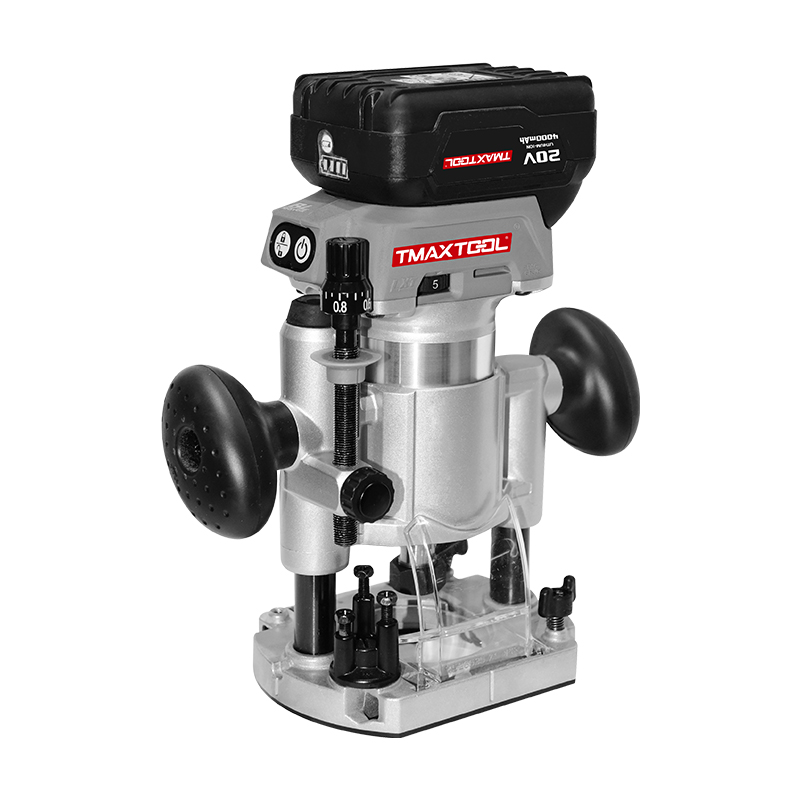 Wood Router
 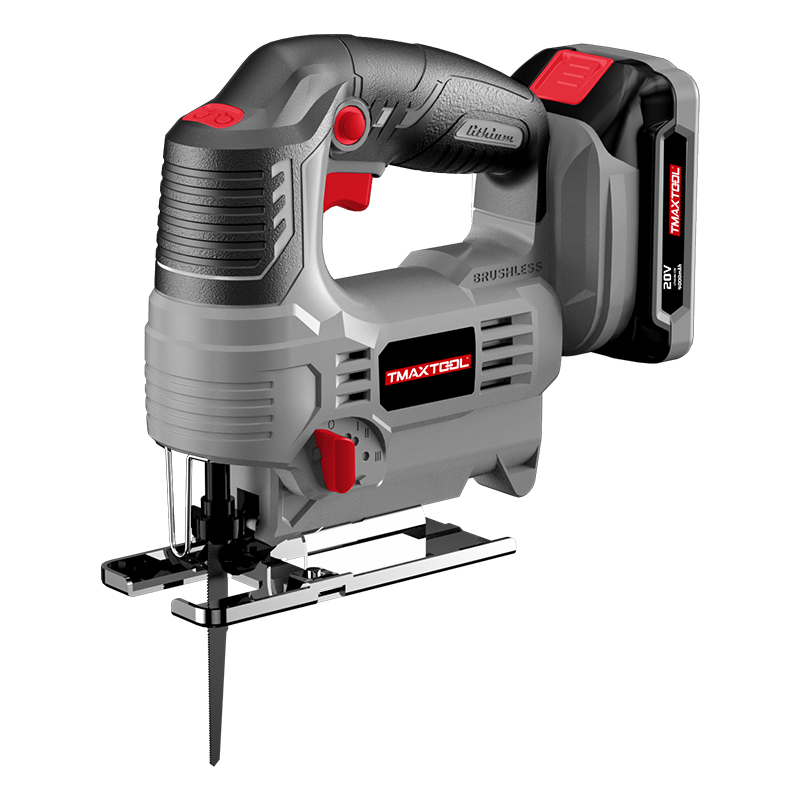 Jig Saw
 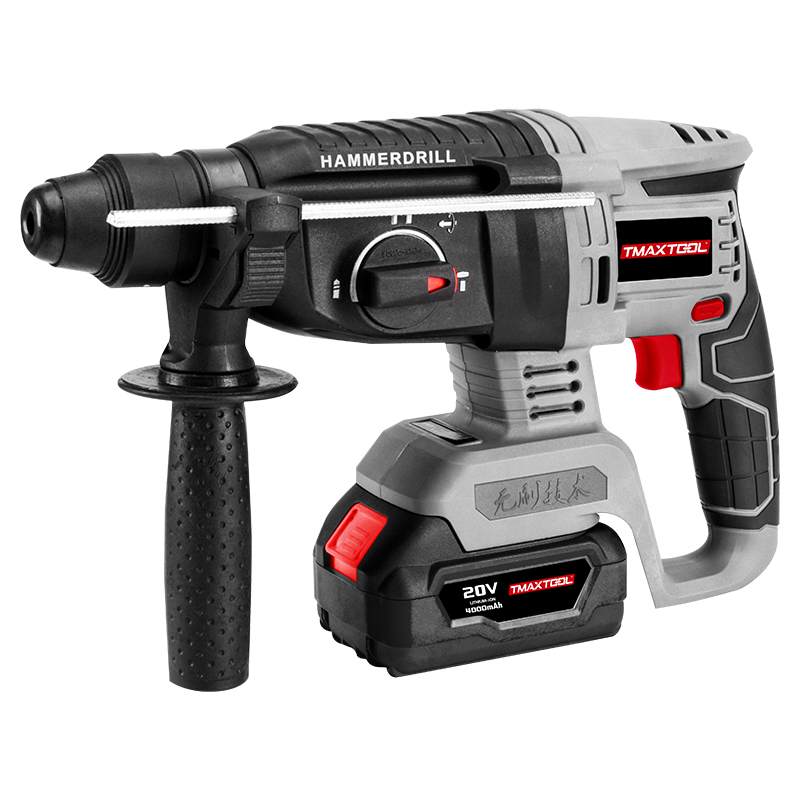 Hammer Drill
 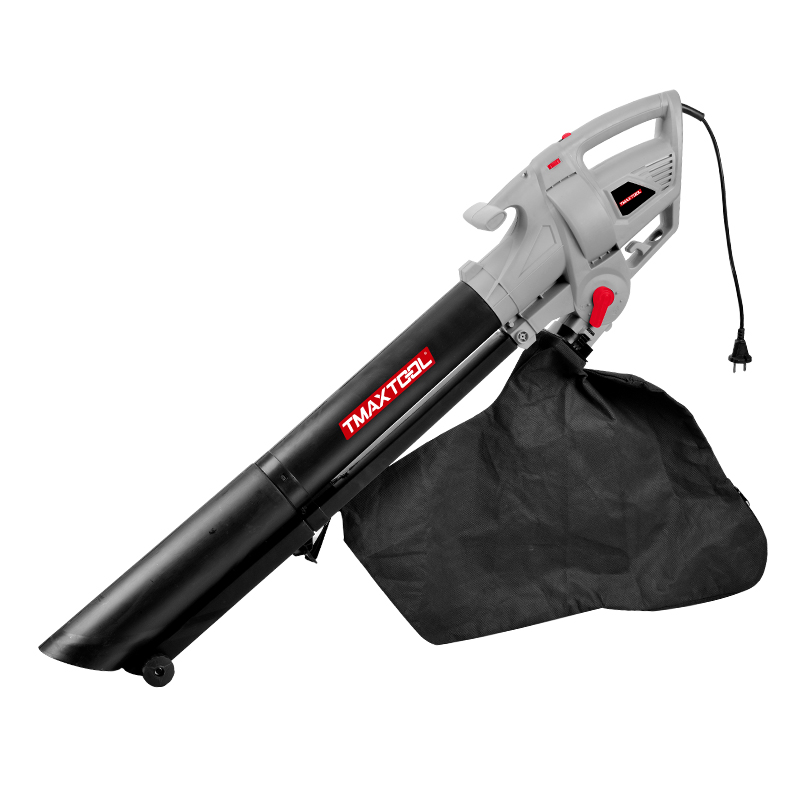 Portable Blower
 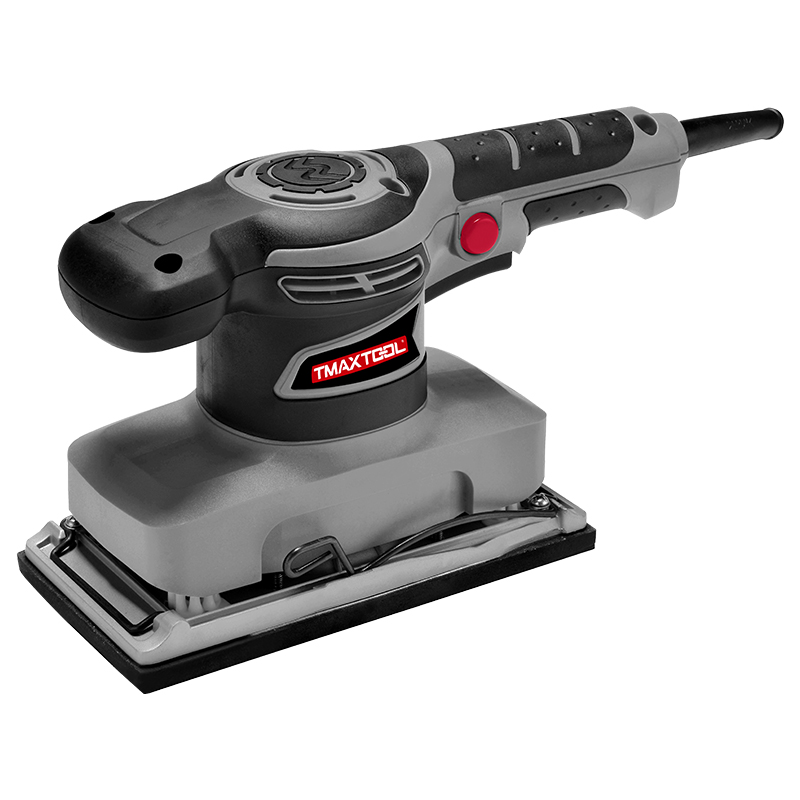 Orbital Sander
 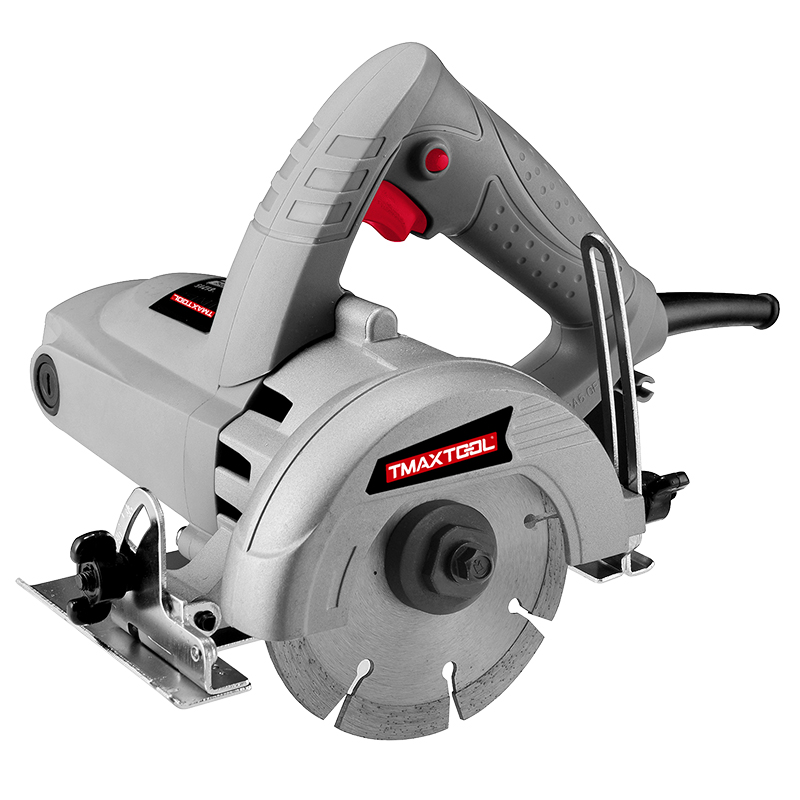 Marble Cutter
  GARDEN TOOLS
 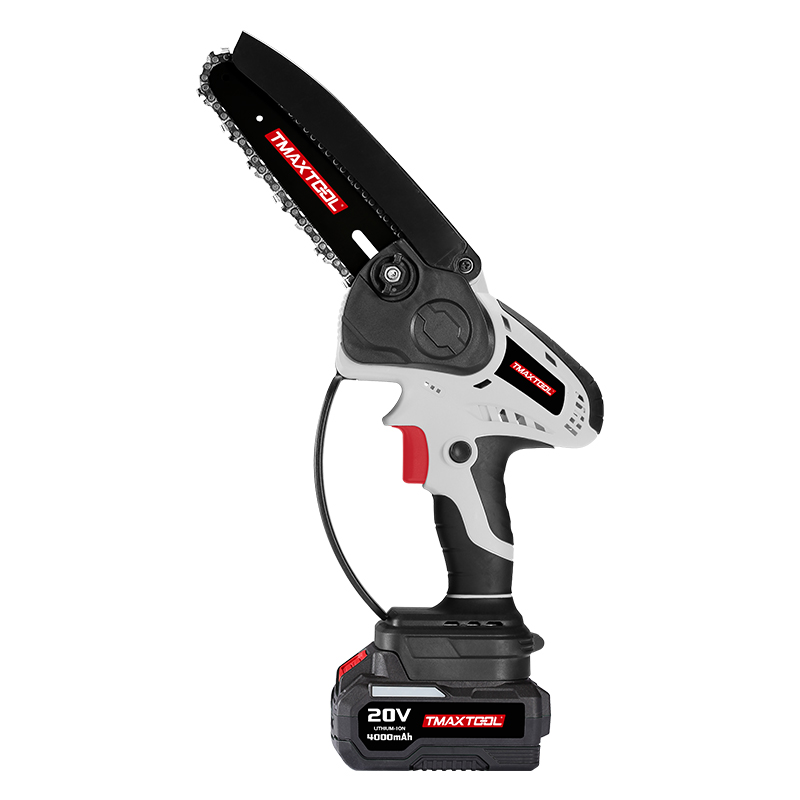 Battery Chain Saw
 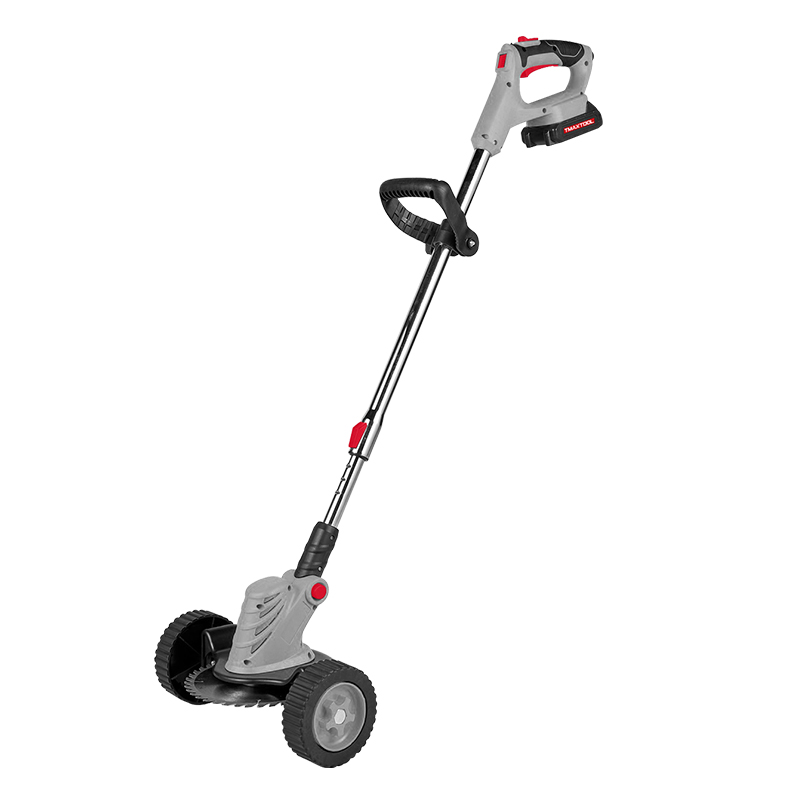 Battery Brush Cutter
 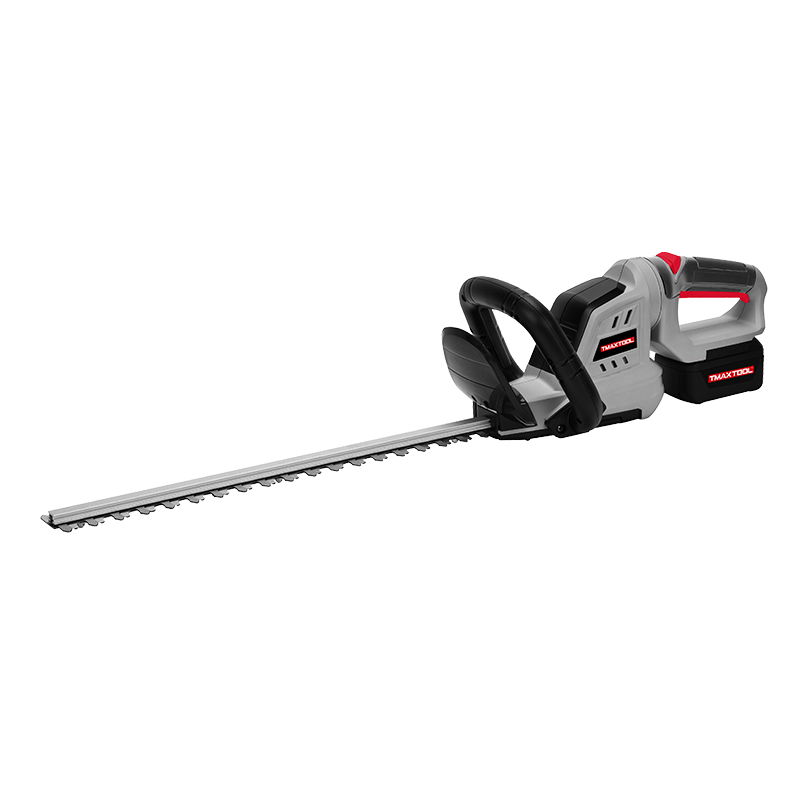 Battery Hedge Trimmer
 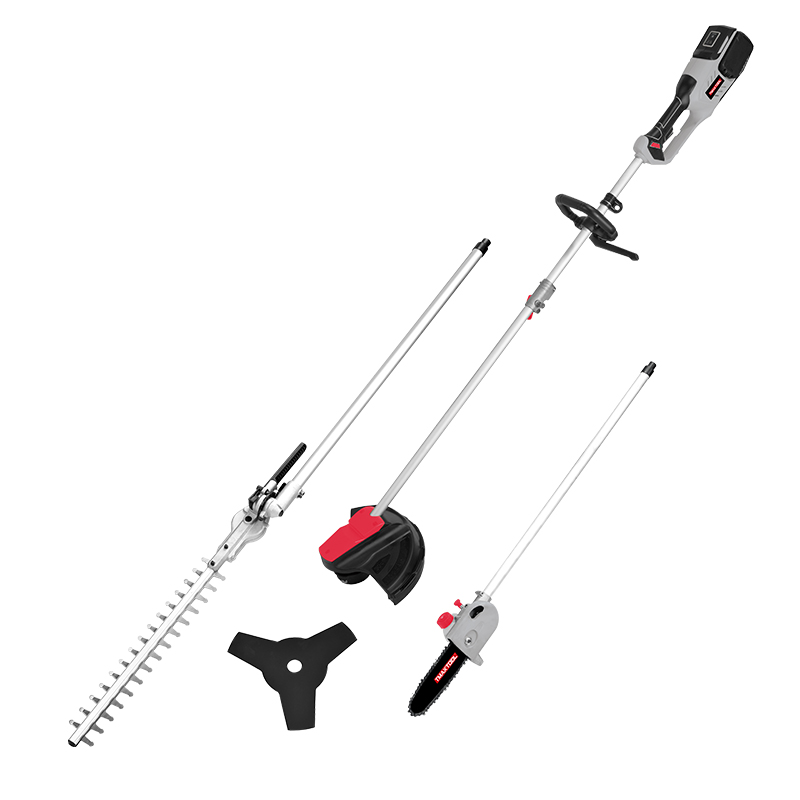 Battery Multi Tool
 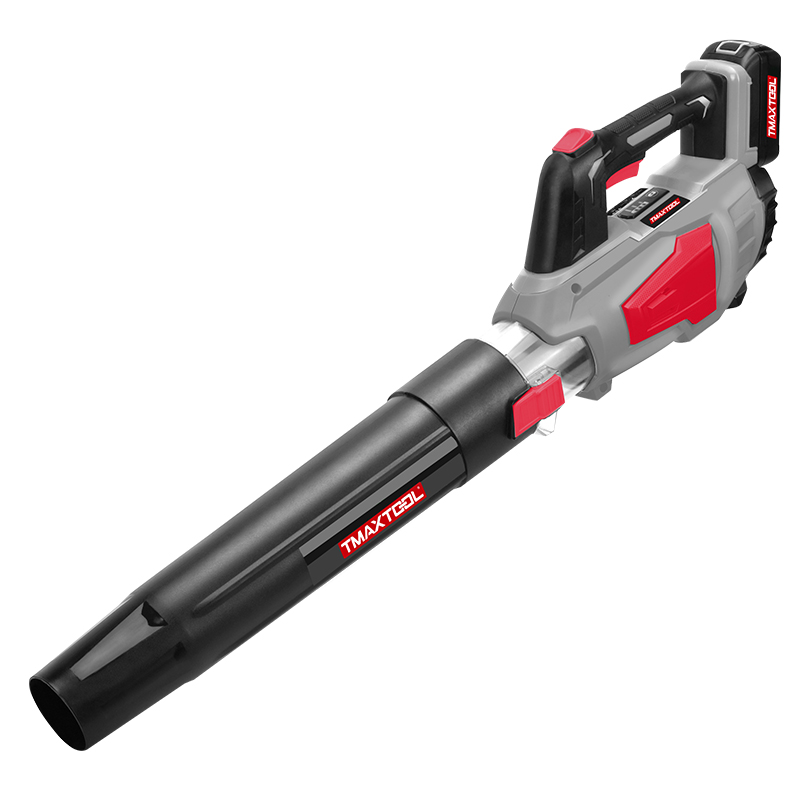 Battery Blower
 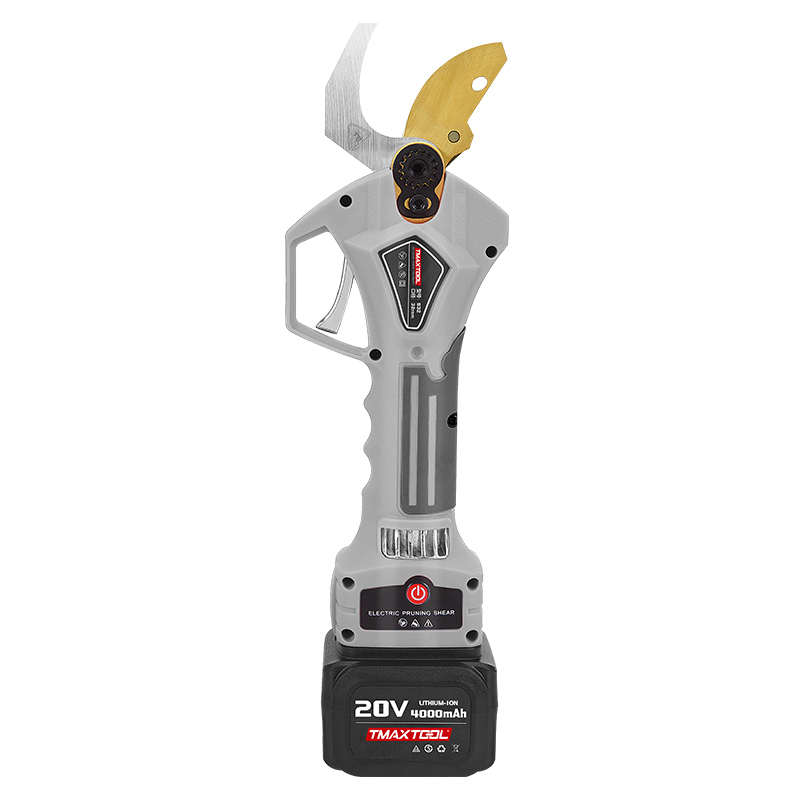 Batter Pruning Shears
 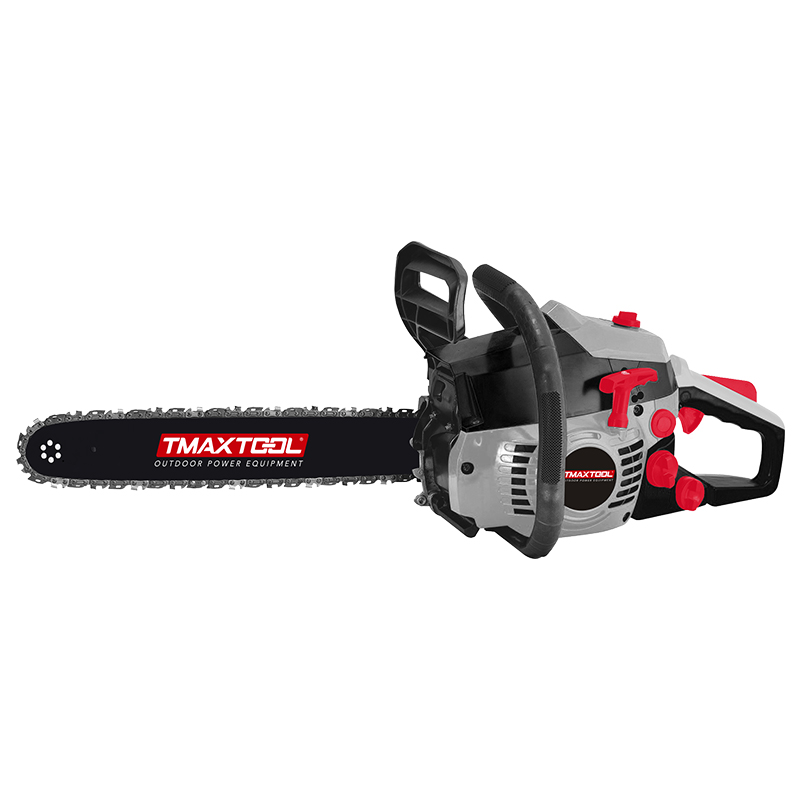 Chain Saw
 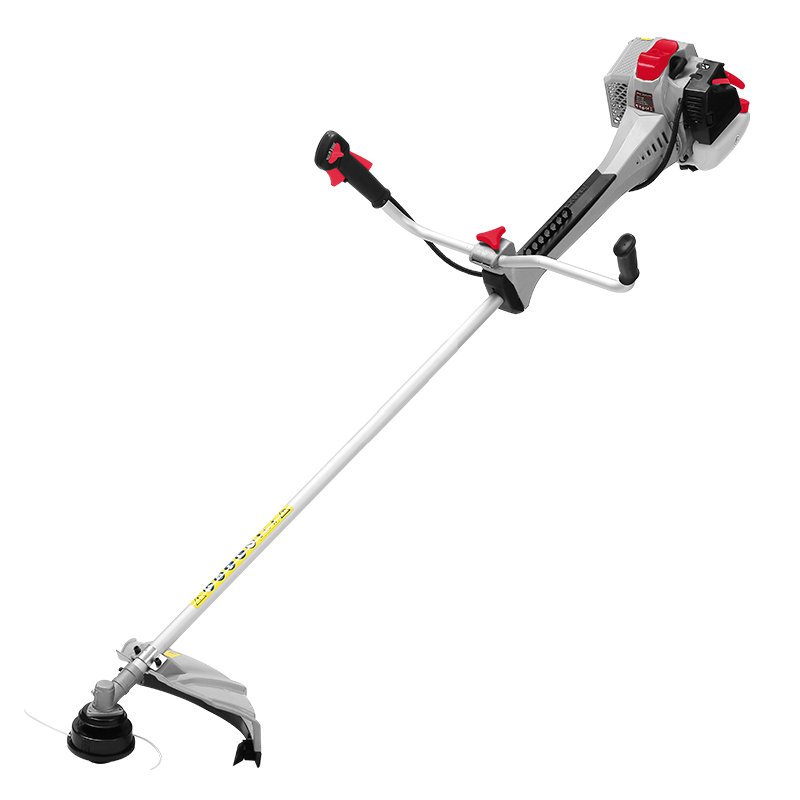 Brush Cutter
 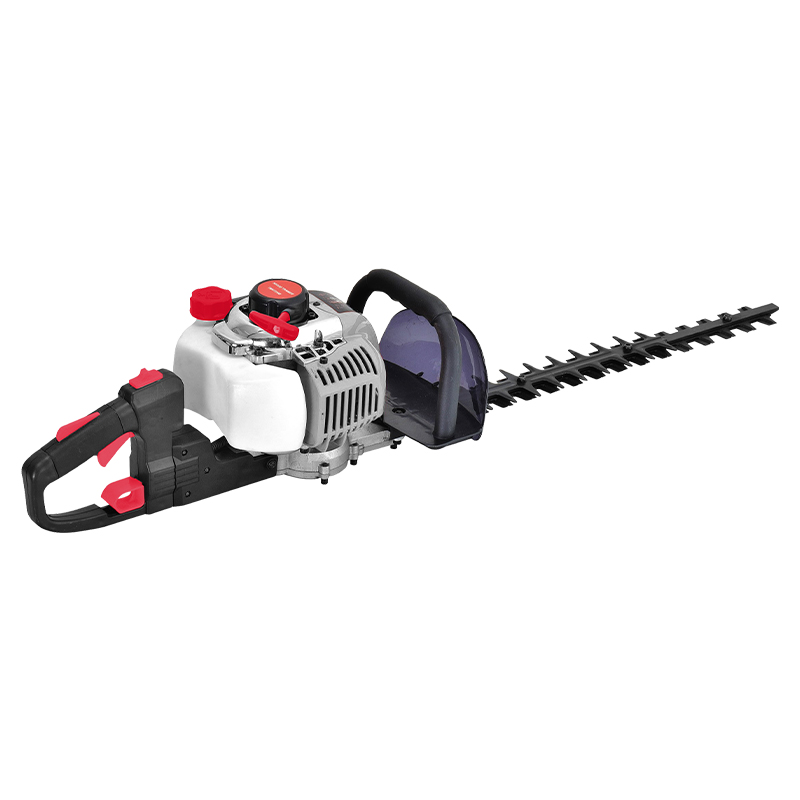 Hedge Trimmer
 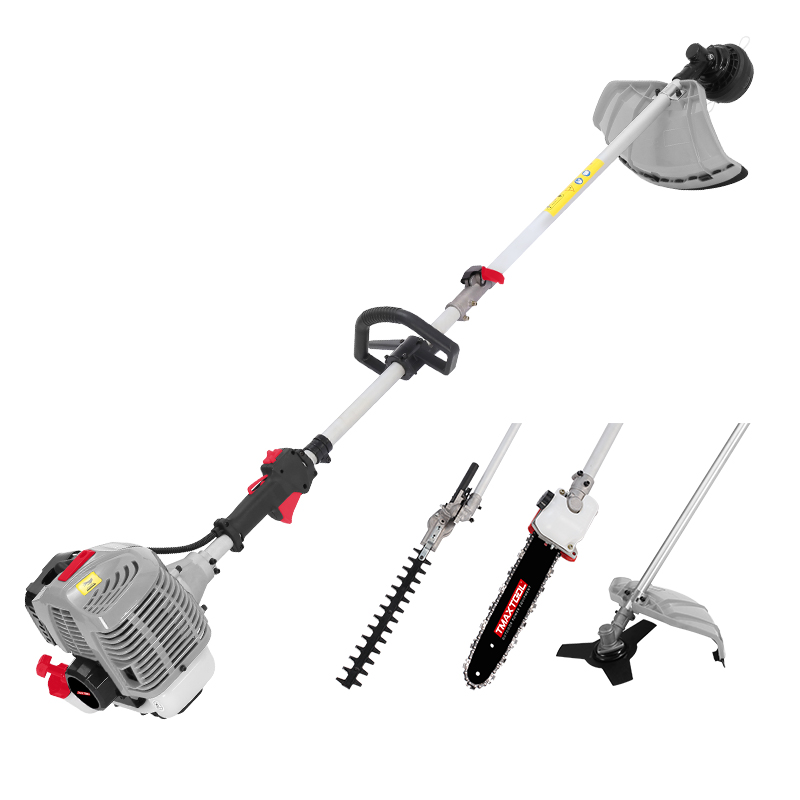 Multi Tool
 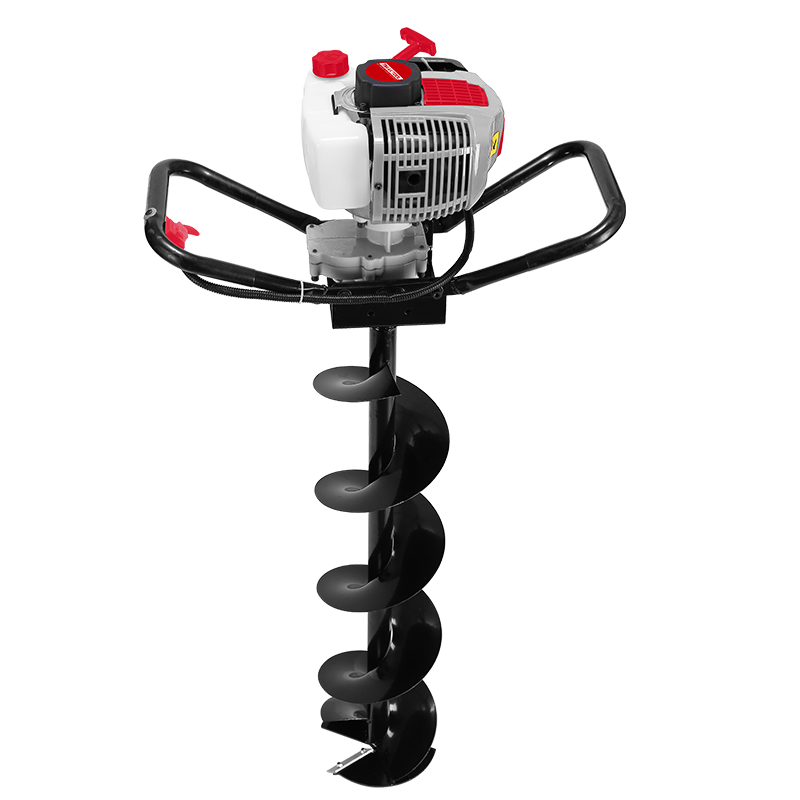 Earth Auger
 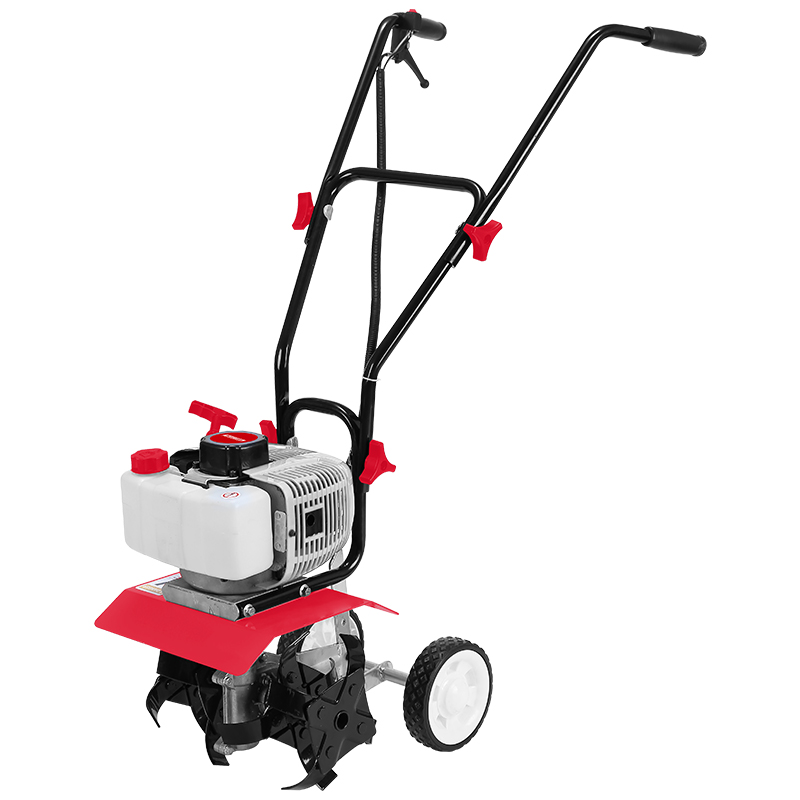 Tiller
 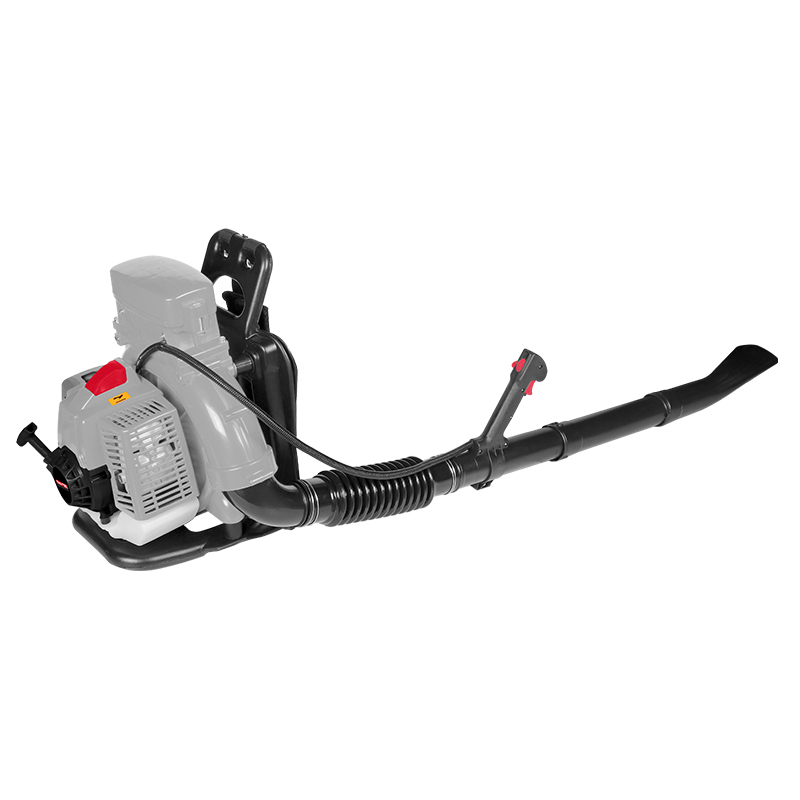 Blower
 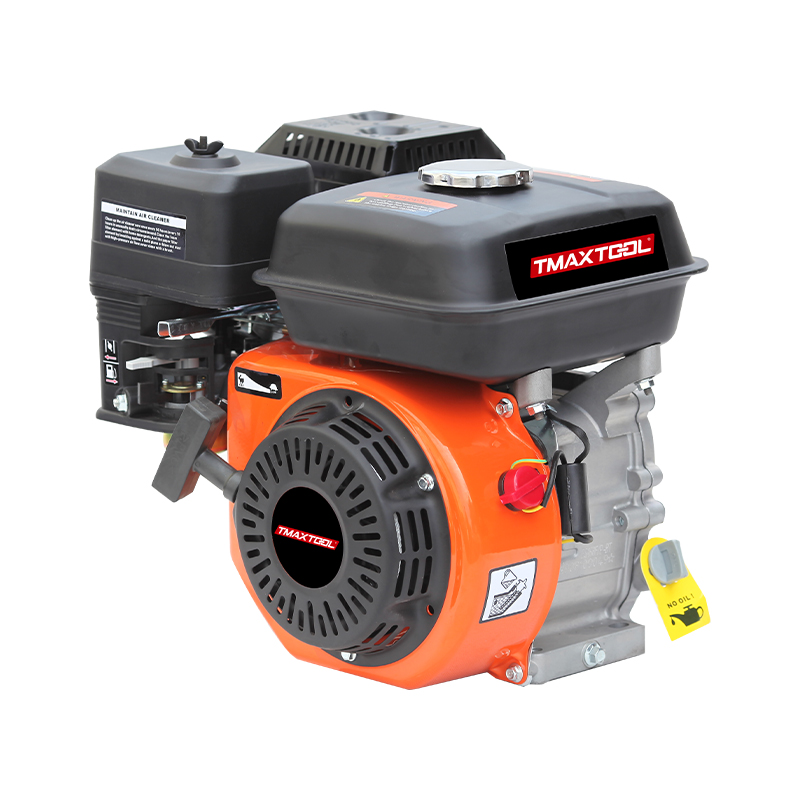 4 Stroke Gasoline Engine
 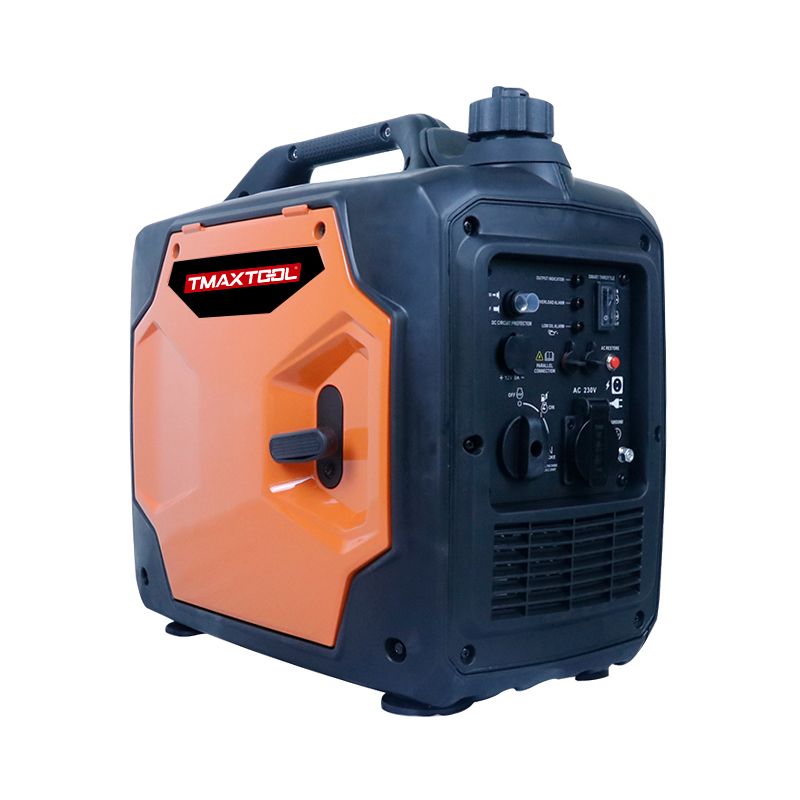 Generator
 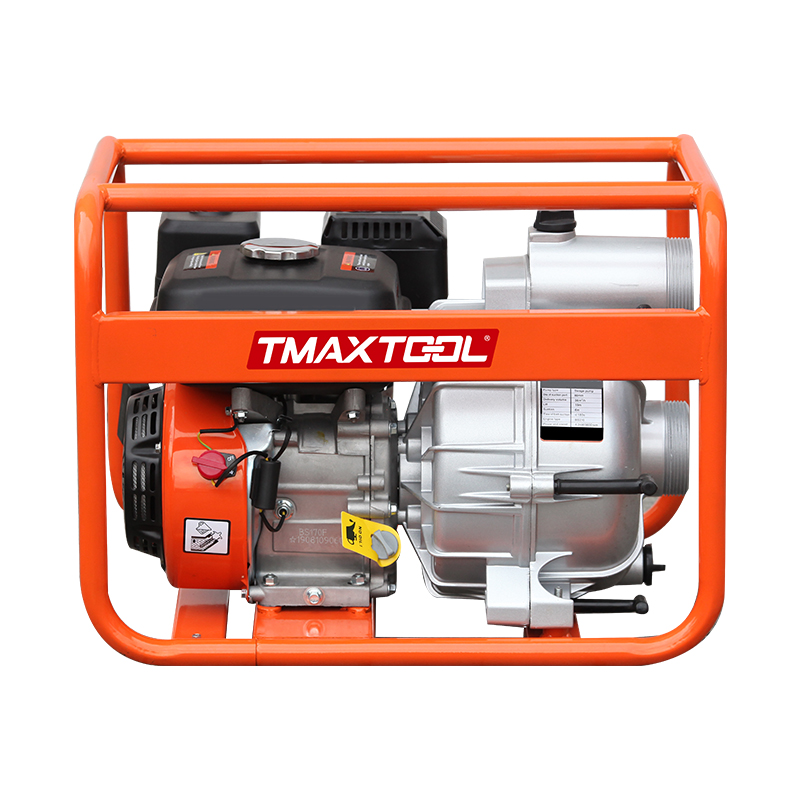 Water Pump
 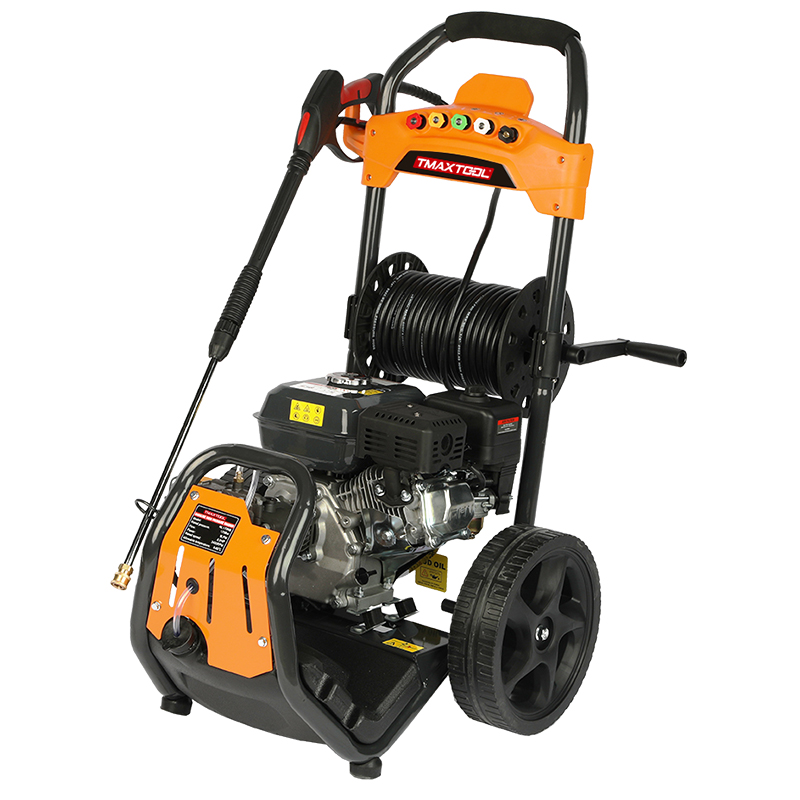 High Pressure Washer
 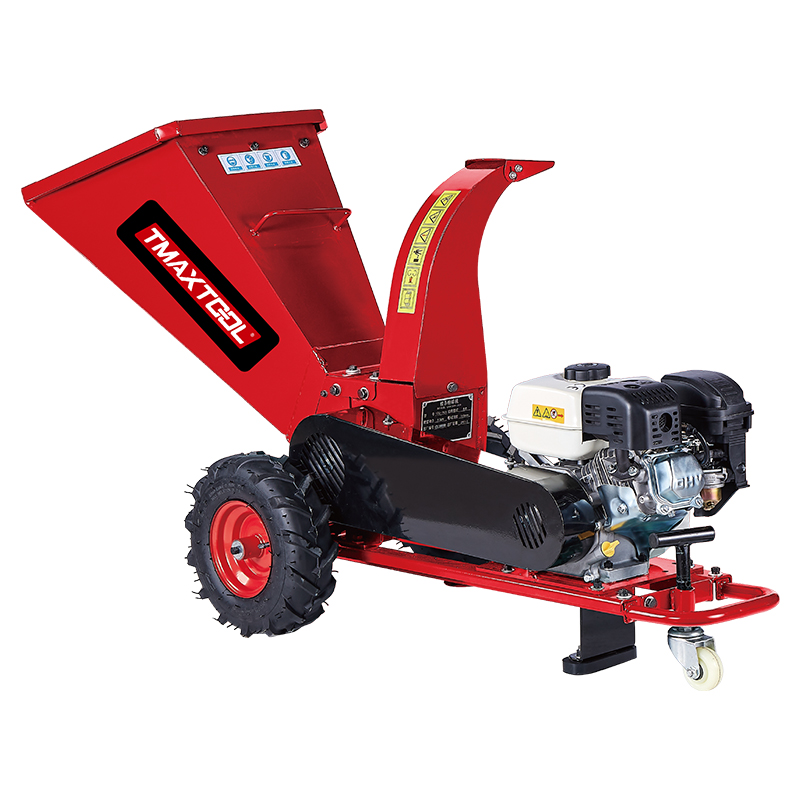 Wood Cutter
 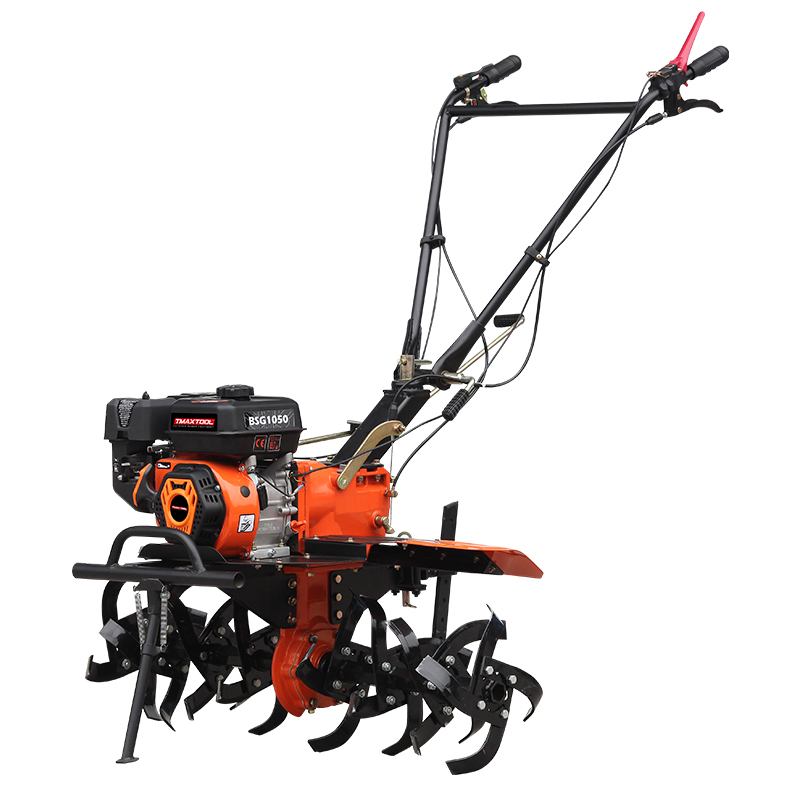 4 Stroke Tiller
 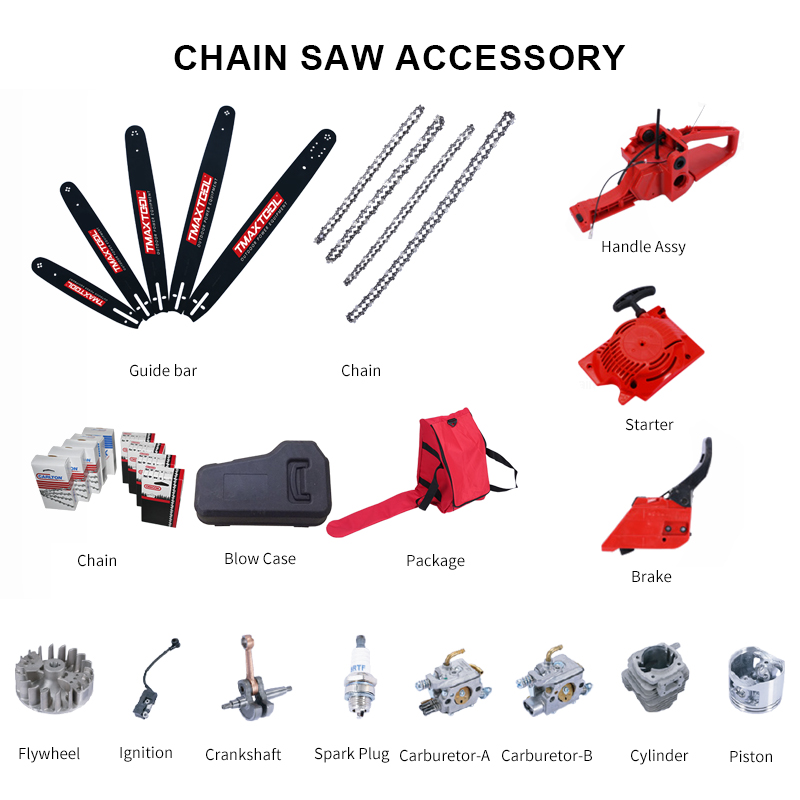 Chain Saw Accessory
 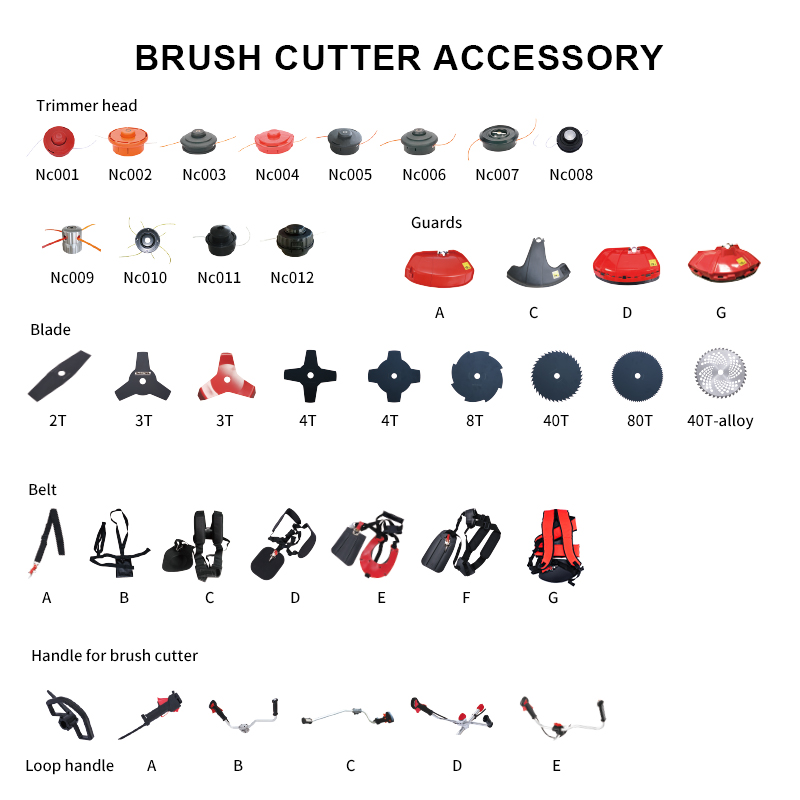 Brush Cutter Accessory
 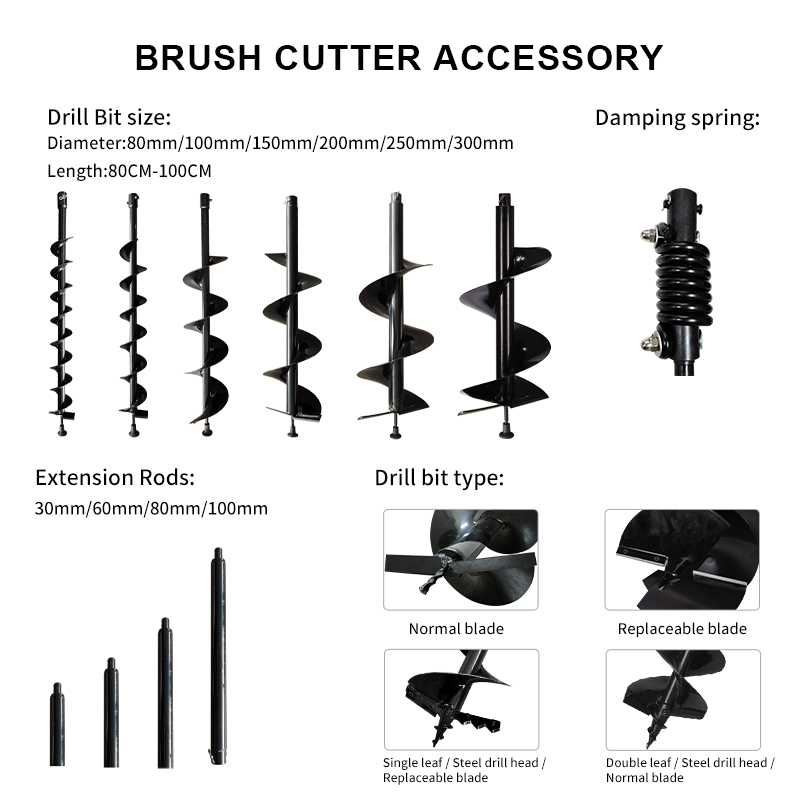 Earth Auger Accessory
 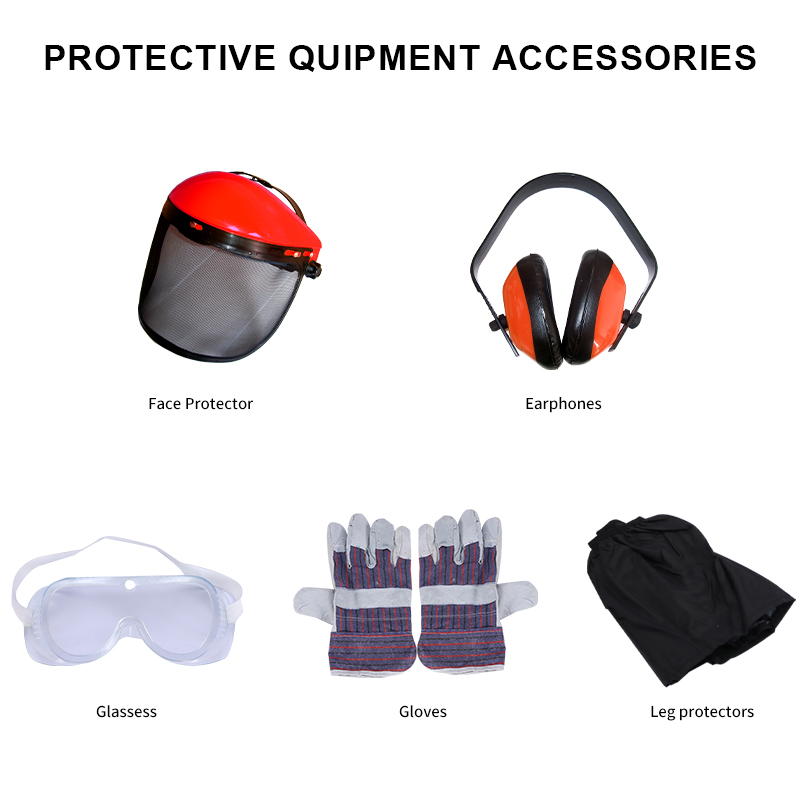 Protective Equipment Accessories


