You know, with all the tariffs flying back and forth between the U.S. and China, it’s pretty impressive to see how strong China’s manufacturing sector has been. Take TMAXTOOL, for example—officially known as Jinhua U Win Import & Export Co., Ltd. They've really managed to rise above these challenges and keep pumping out quality stuff like power tools, garden tools, and even agricultural machinery. I mean, they’ve got a whole lineup, from power wrenches to drills, and let’s not forget about their Portable Blower. It’s cool to see how being strategic and adaptable can keep a company thriving. Plus, with more folks looking for efficient and handy tools for outdoor work and landscaping, TMAXTOOL’s Portable Blower is definitely making waves, showing off how committed they are to quality and performance, even with all those international trade ups and downs.
The Impact of US-China Tariffs on Manufacturing Dynamics
You know, the whole US-China tariff situation is really shaking up how manufacturing works nowadays. It's fascinating to see how trade tensions are actually changing the game for a bunch of industries. Even with the tariffs going up, China's manufacturing sector has shown some impressive resilience. Reports are coming in that, while these tariffs are pushing consumer prices up, manufacturers in China have been pretty smart about adjusting their supply chains and production methods to keep things running smoothly. For example, just the other day, I read an analysis that pointed out how shifting towards automation and innovation has helped Chinese manufacturers keep their prices competitive on things like portable blowers, which is pretty remarkable, especially considering the tariff hikes.
And we can’t overlook the demographic changes happening in China either. Sure, there’s a lot of chatter about a shrinking population, but right now, their labor force is strong. Industry stats show that China still cranks out about a third of the world’s manufacturing output, which is no small feat! So, in the short term, they've got enough labor and are making some smart tech investments that really put them in a good spot to handle the challenges from US tariffs. Then there’s the construction sector; it’s forecasted to face even higher costs in 2025 due to ongoing tariffs, which just underscores how complicated this whole trade dynamic is becoming for both producers and consumers alike in these markets.
Resilience of Chinese Manufacturers in Adversity
Lately, we've really seen how resilient Chinese manufacturers can be. They've been crucial for keeping their edge in the portable blower market, especially with all those US tariffs getting in the way. This grit is a perfect example of how industries can shift, adapt, and even thrive when the going gets tough. You know, much like how high schoolers in China are showing they can do better in school and feel more balanced just by being resilient. It turns out, businesses can also make it through tough times by weaving resilience into how they operate. Reports are saying that companies with a solid digital strategy tend to be pretty nimble and can handle economic hiccups a lot better. That’s a lesson that really hits home in different areas, like power tools and garden gear.
If companies want to boost their resilience, a smart move is to switch things up in their supply chains. Various studies show that this tactic can really cut down on the risks tied to the vulnerabilities we’ve seen in global supply chains, especially with the recent crises shaking things up. Plus, creating a culture of innovation within the organization can lead to sustainable practices. This not only helps bounce back from setbacks but also opens up new opportunities in the market.
So, here are a few tips to keep in mind:
1. Keep checking in on your supply chain strategies and tweak them here and there to minimize risks.
2. Pour some resources into your digital infrastructure to make sure you're quick on your feet when the market shifts.
3. Foster a resilient mindset in your team so they can adapt and innovate when it matters most.
China's Manufacturing Resilience Driving Best Portable Blower Sales Amid US China Tariff Challenges China's Manufacturing Resilience and Portable Blower Sales (2020-2023)
This chart illustrates the resilience of Chinese manufacturers in driving portable blower sales during the challenging tariff environment with the USA. Sales figures in thousands show consistent growth from 2020 to 2023, reflecting a robust manufacturing sector in China.
Innovative Strategies Driving Growth in Portable Blower Sales
You know, the portable blower market is really booming these days, and it's all thanks to some pretty clever strategies that are keeping up with what people want. As folks are becoming more eco-conscious and outdoor fun is on the rise, these portable blowers are catching a lot of attention for how versatile and handy they are. Manufacturers are really stepping up their game too—they're working on making these devices even better, with cool features like lightweight designs, cordless options, and energy-saving tech. All these upgrades not only make them easier to use but also help them stand out in a pretty crowded market.
On top of that, China's manufacturing scene is playing a key role in pushing these improvements forward. Even with all the fuss over tariffs between the US and China, these manufacturers are being really smart about things. They're using flexible production methods and tapping into local resources to keep prices down while also being innovative. This proactive mindset is keeping sales of portable blowers strong, fitting right into the bigger picture of the Outdoor Power Equipment market, which is expected to grow a ton in the next decade. As more consumers hunt for quality and efficient outdoor tools, how well the industry can adapt will be super important for staying in the game.
Comparative Analysis of Market Trends in US and China
You know, lately, the manufacturing scene has really changed a lot, especially with all the back-and-forth between the US and China over trade. It's pretty impressive how Chinese manufacturers have managed to stay strong, adapting their strategies to keep up with the market trends and staying competitive, even with those pesky tariffs. One interesting example is the boom in the global market for portable blowers—it's projected to hit record sales! Chinese manufacturers are really stepping up their game, streamlining their operations and improving product quality to meet what international buyers are looking for.
If you look at what's happening in the market, it’s clear that while tariffs are tough, they’re also pushing companies from both countries to get creative and rethink their strategies. Take those Swedish multinational companies—they’re really leaning into “China-for-China” strategies to better connect with local customers. And in China, industries are buzzing with innovation, with a recent study showing just how determined China is to become a heavyweight in technology and manufacturing.
This whole competitive scene really shows how important it is for companies to diversify their supply chains so they can deal with any risks that come from these geopolitical tensions. Plus, research is pointing to a big shift in global manufacturing patterns, with China proving its toughness. It's playing a leading role in areas like portable blowers. All of this really highlights the need for manufacturers to be adaptable and forward-thinking as they tackle the ups and downs of the global economy, making sure they keep their spot in this constantly changing marketplace.

Consumer Preference Shifts Amidst Trade Challenges
You know, as the world of trade keeps changing, it’s really interesting to see how consumer preferences are shifting—especially with all this back-and-forth going on with U.S.-China tariffs. With prices going up and a lot of uncertainty around imported stuff, folks are starting to think twice about what they buy. This whole situation has led to a pretty noticeable uptick in interest for products made right here at home, where quality and reliability really matter. One particular item that's catching people's attention these days is portable blowers. Everyone seems to be on the hunt for options that fit their needs while also coming from sturdy manufacturing places, like China.
China's manufacturing scene seems to be rolling with the punches, too. Companies are tweaking their strategies left and right just to hold onto their market share despite the tariffs. This kind of adaptability helps keep prices competitive without skimping on quality. And hey, consumers are all about value and performance these days! Brands that can show they’re committed to quality and tackle the worries from international trade hiccups are probably going to come out on top. It's pretty fascinating to see how innovative and durable portable blowers are making waves—reflecting how quick shifts in what people want can shape market trends right before our eyes.
China's Portable Blower Market Share Analysis (2023)
This pie chart illustrates the market share distribution among various brands of portable blowers in China for the year 2023. Domestic brands hold a strong lead with 45% market share, followed by international brands at 30%, emerging brands at 15%, and other brands making up the remaining 10%. This reflects the resilience of China's manufacturing sector amidst tariff challenges.
Future Outlook for Chinese Manufacturing Post-Tariff Era
You know, China’s manufacturing has always been a big player in the global economy. But then came the tariffs from the U.S., and let me tell you, that threw a major wrench in the works. Still, instead of throwing in the towel, Chinese manufacturers have really stepped up their game. They’ve shown a lot of grit and innovation, and guess what? Portable blower sales are bouncing back in a big way! Companies are really figuring out how to adapt to these shifts, using their skills in production tech and managing supply chains to crank up the quality of their products and really meet what customers are looking for.
Looking ahead, the future for Chinese manufacturing after all the tariff drama seems pretty bright. Manufacturers are probably going to start diversifying, looking for fresh markets beyond the usual trading partners. Plus, they’re diving into cutting-edge stuff like automation and AI. This isn’t just about dodging the risks that come with trade tensions; it’s also a smart move to grab new opportunities in exciting fields like clean energy and smart home gadgets. As they weave in sustainability and drive for innovation, these companies are on track to reshape how they’re seen globally, really solidifying China’s place as a heavyweight in manufacturing excellence.


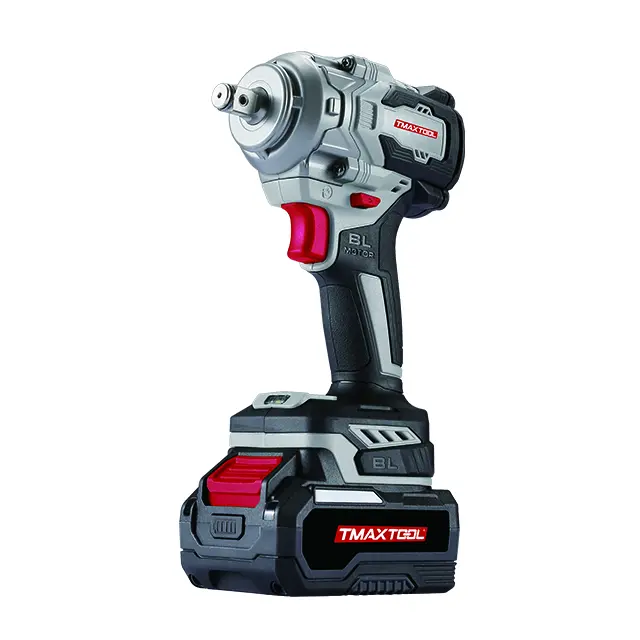
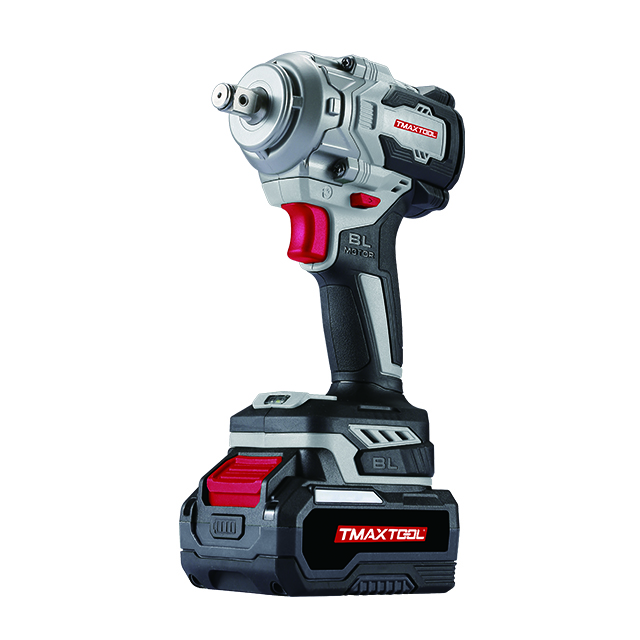 Impact Wrench
 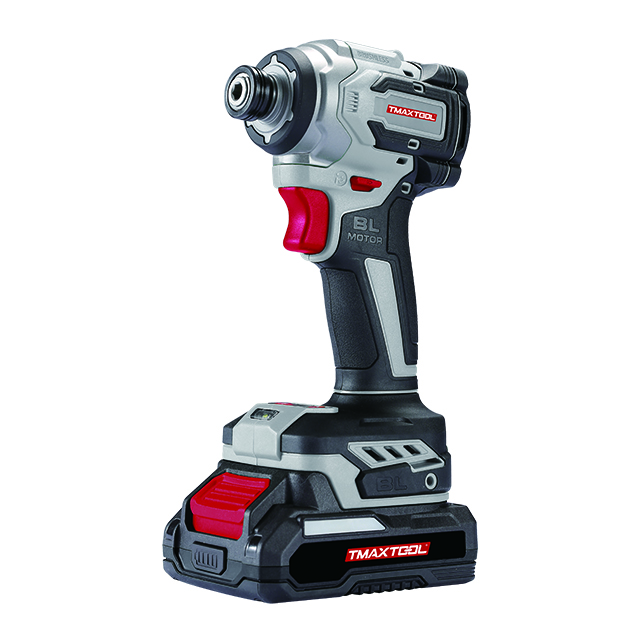 Screwdriver
 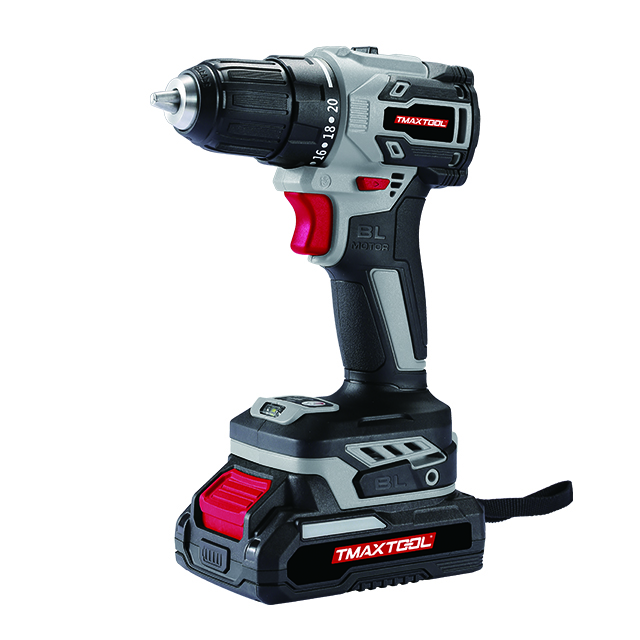 Cordless Drill
 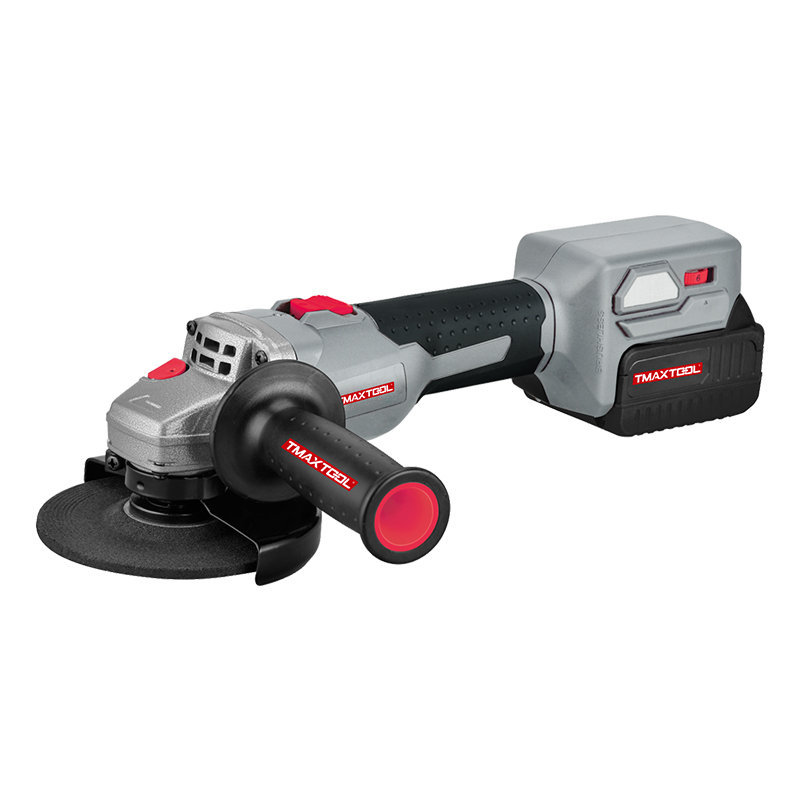 Angle Grinder
 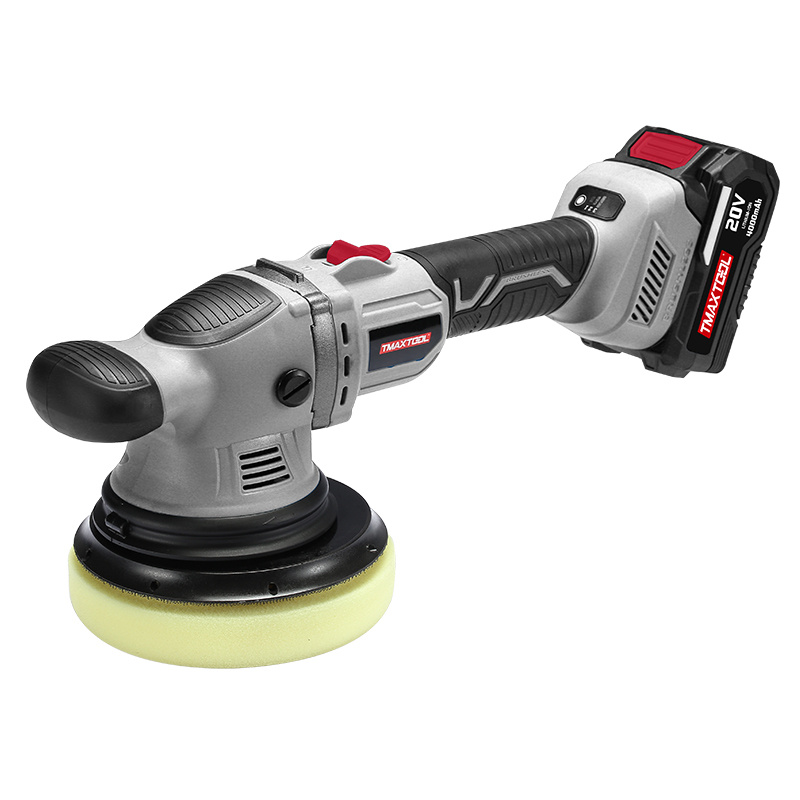 Polisher
 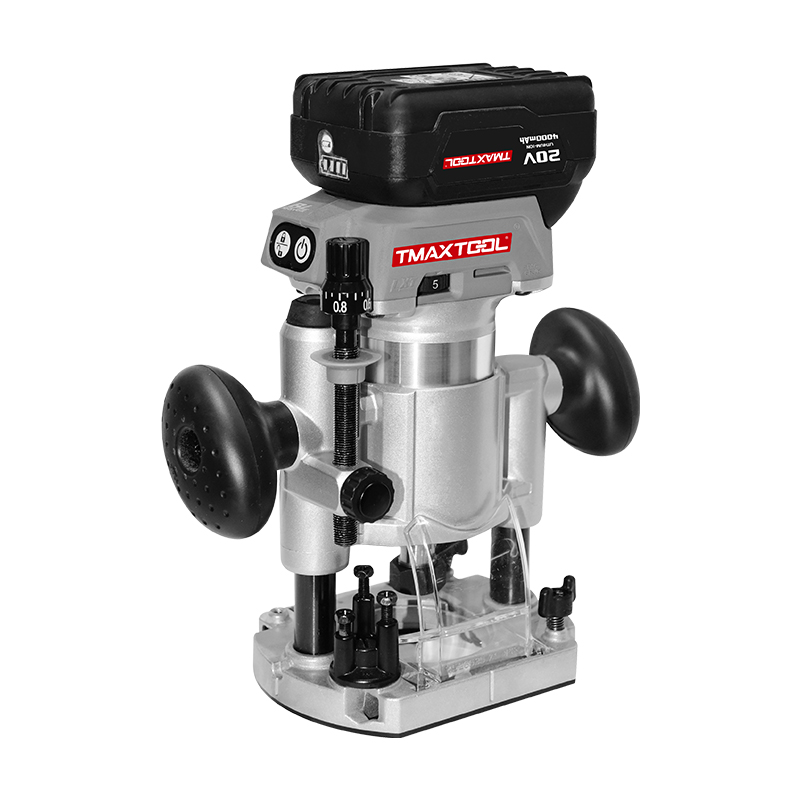 Wood Router
 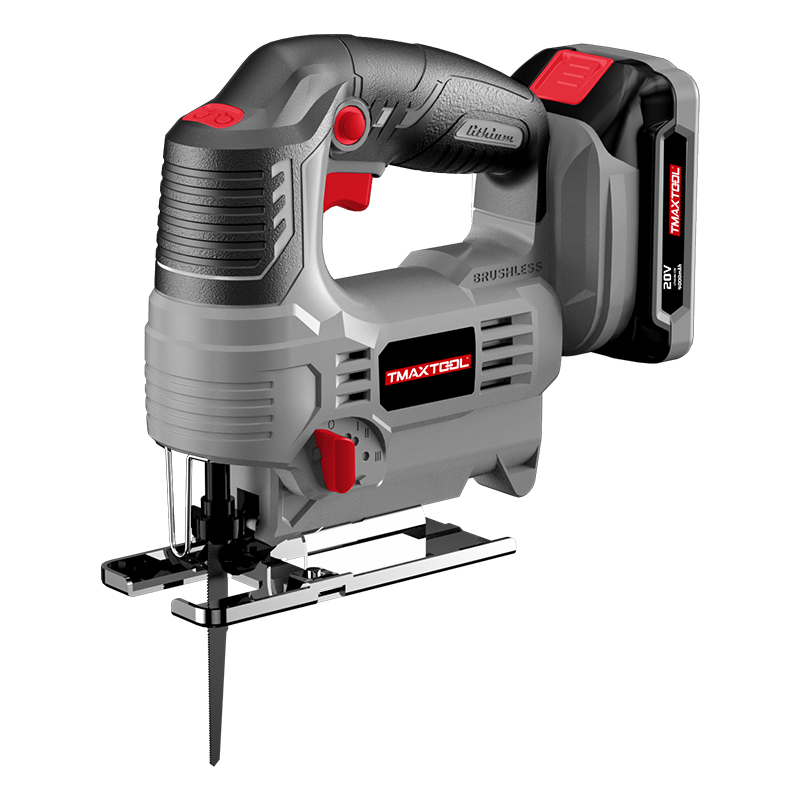 Jig Saw
 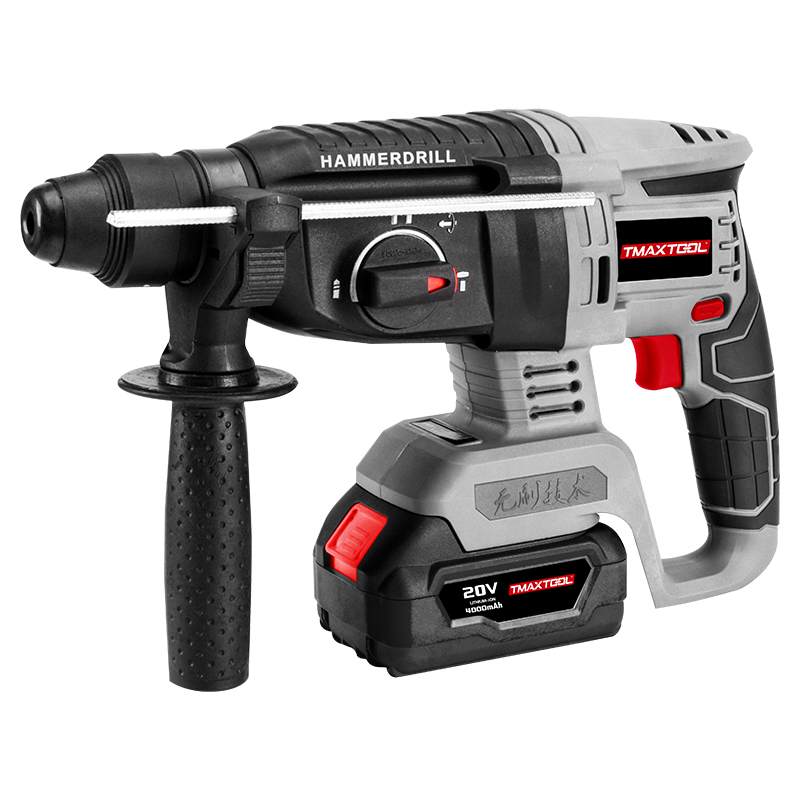 Hammer Drill
 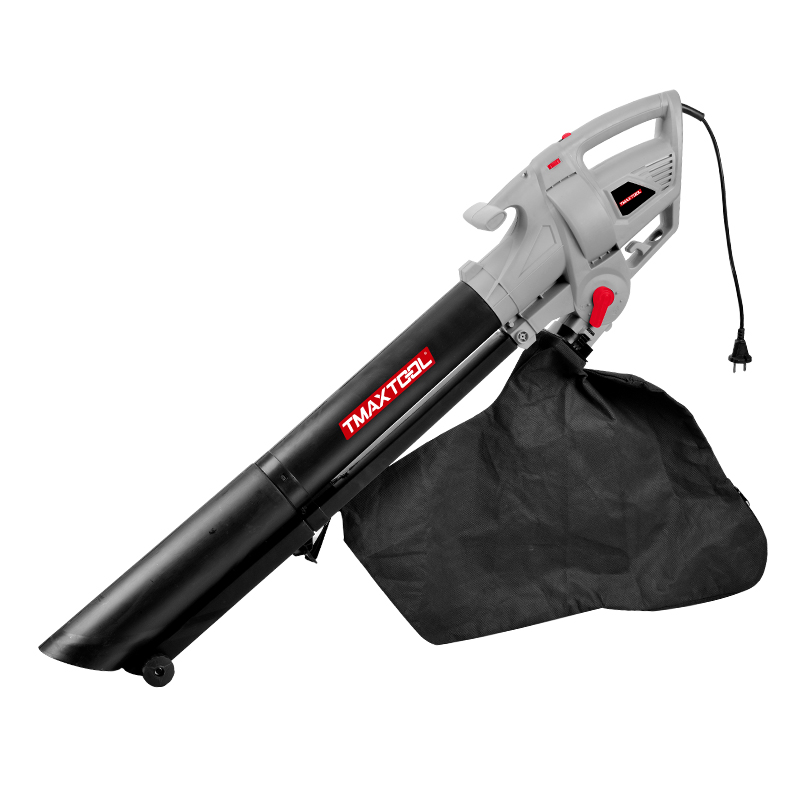 Portable Blower
 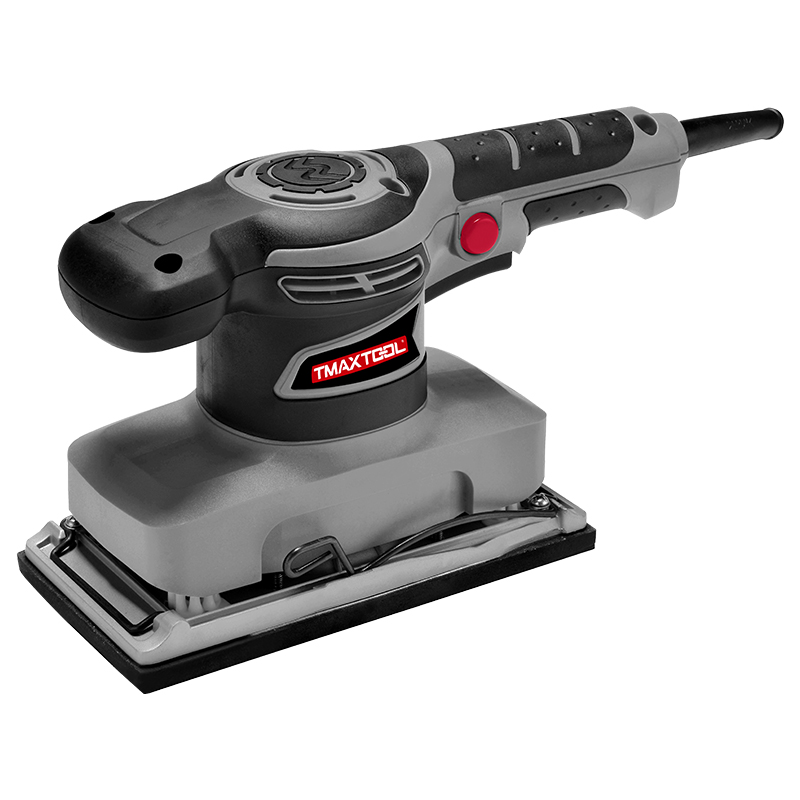 Orbital Sander
 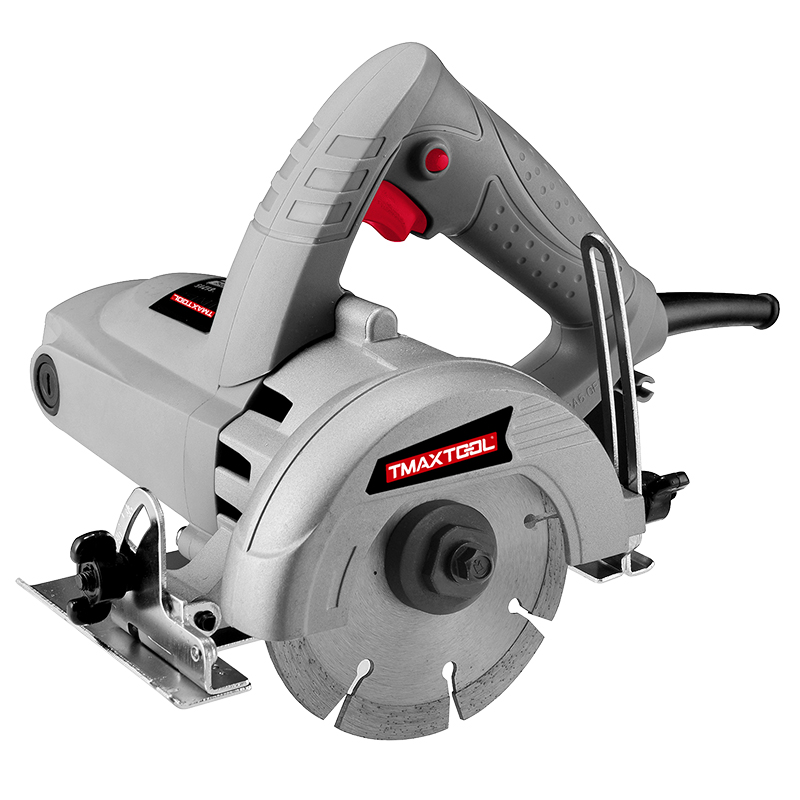 Marble Cutter
  GARDEN TOOLS
 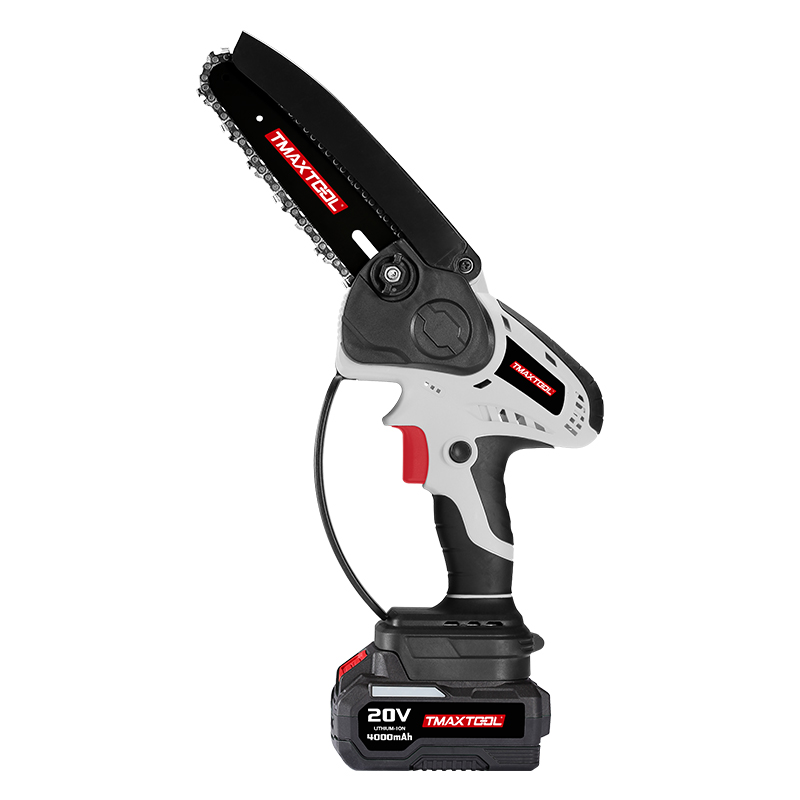 Battery Chain Saw
 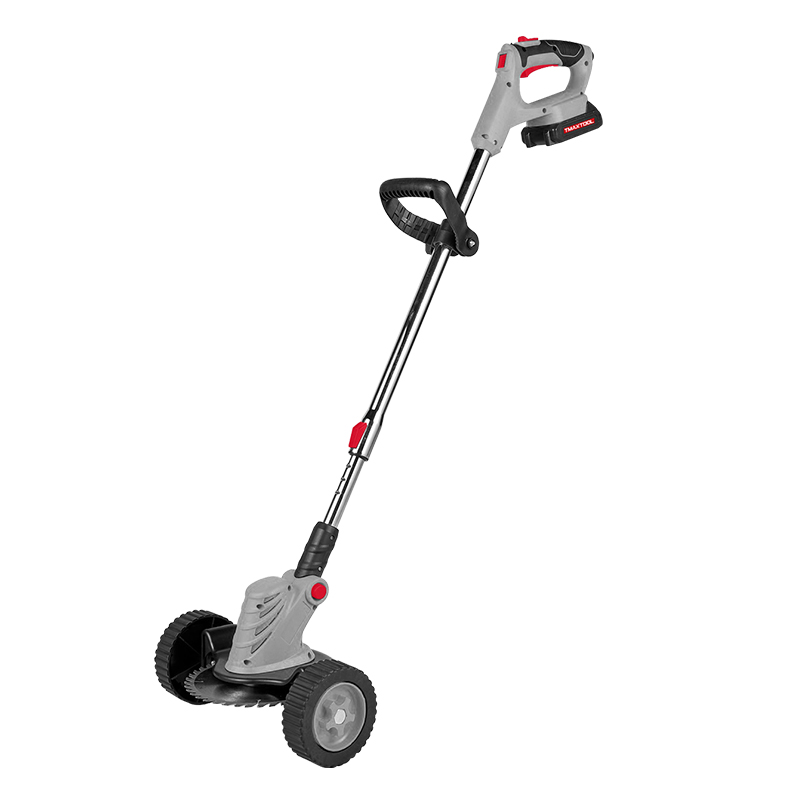 Battery Brush Cutter
 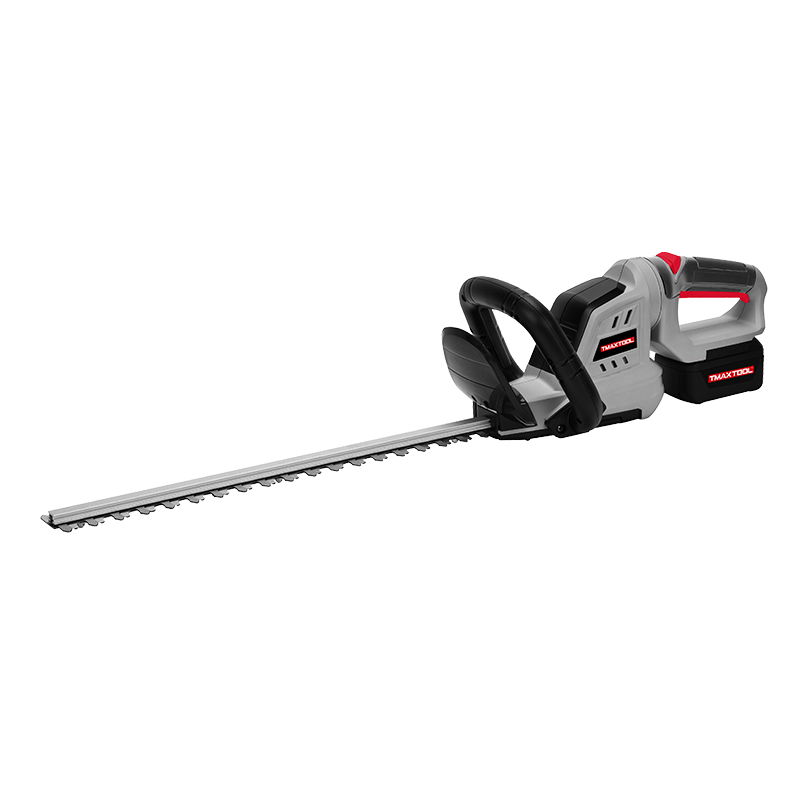 Battery Hedge Trimmer
 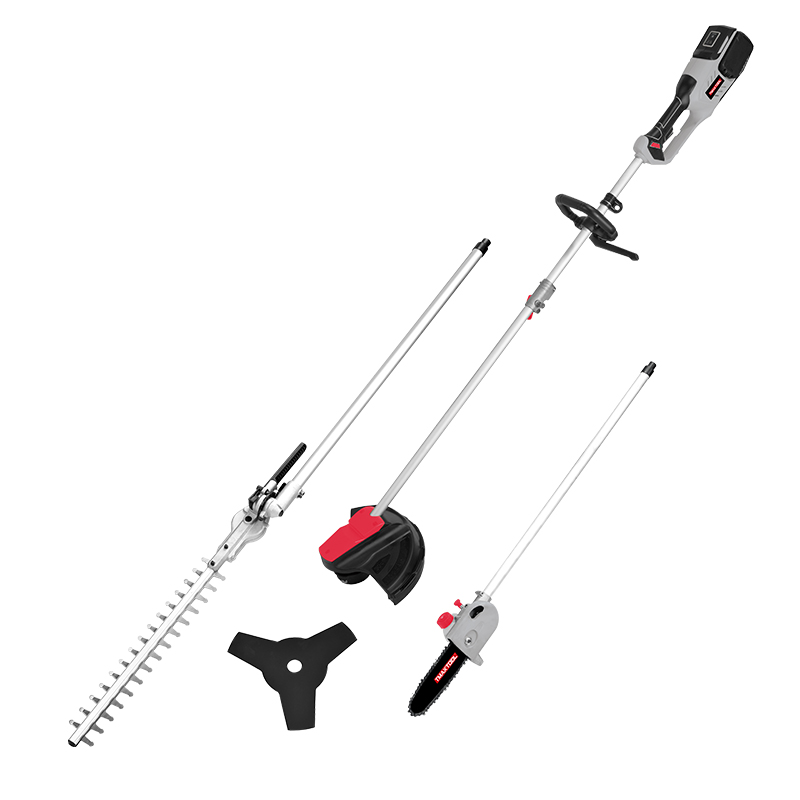 Battery Multi Tool
 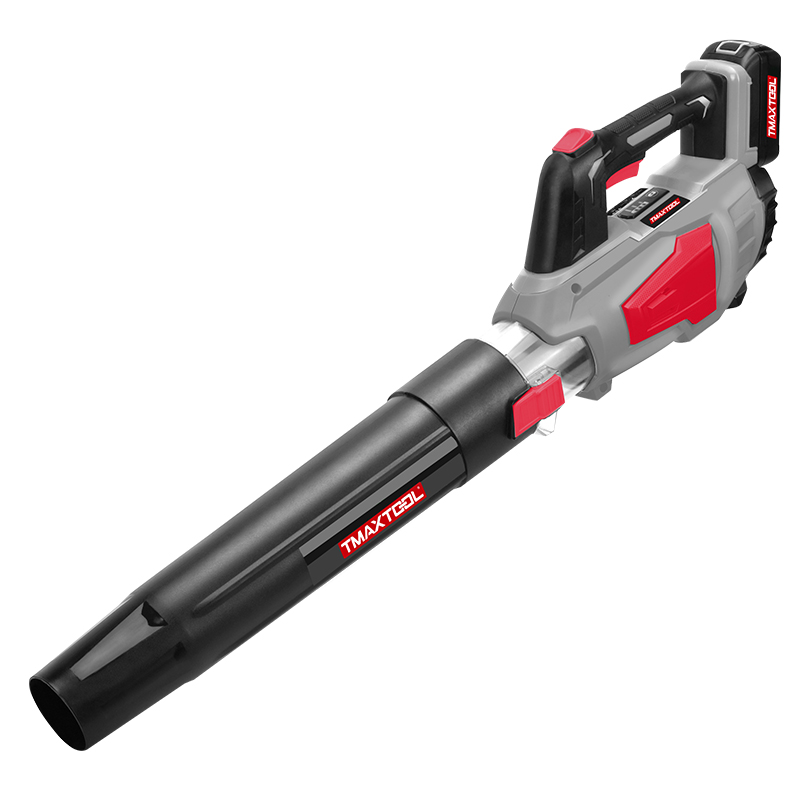 Battery Blower
 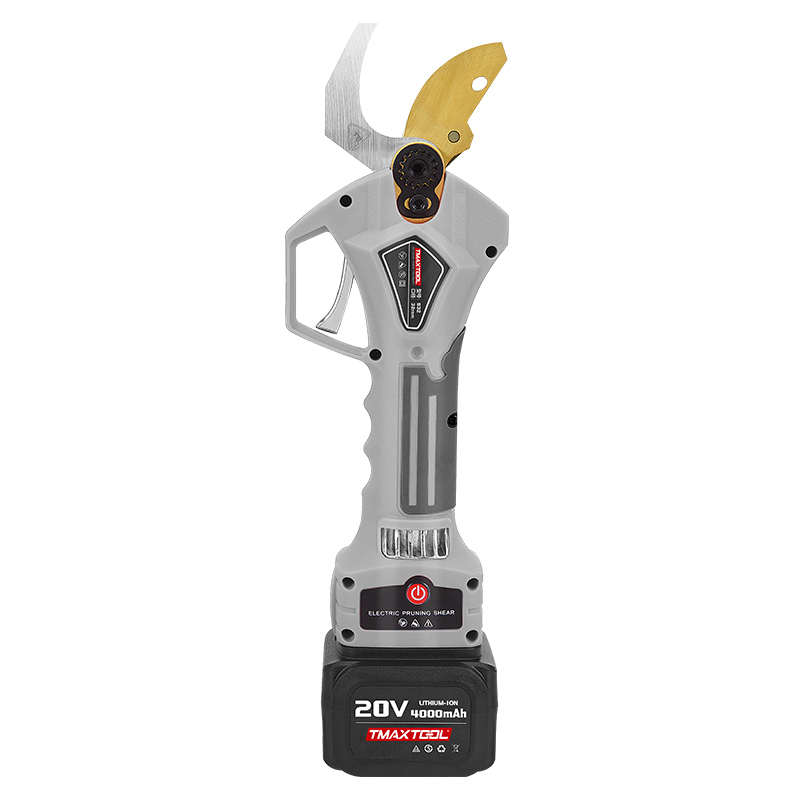 Batter Pruning Shears
 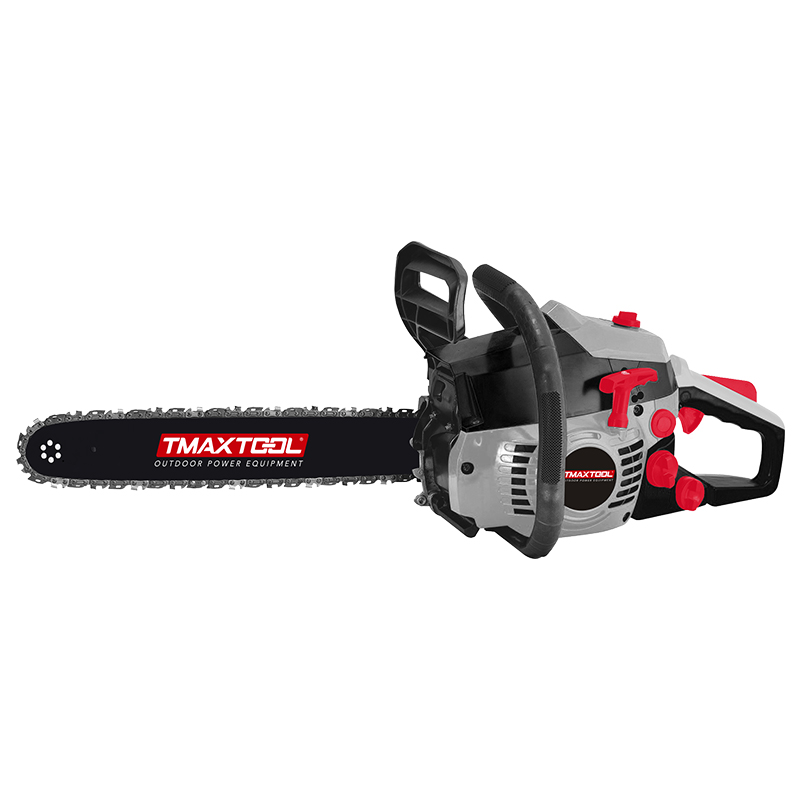 Chain Saw
 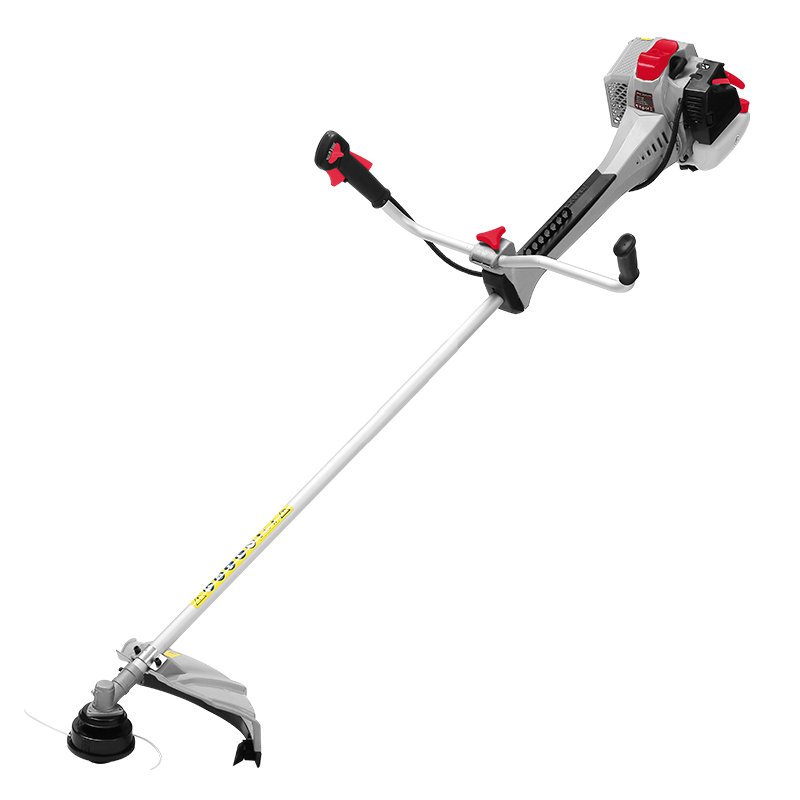 Brush Cutter
 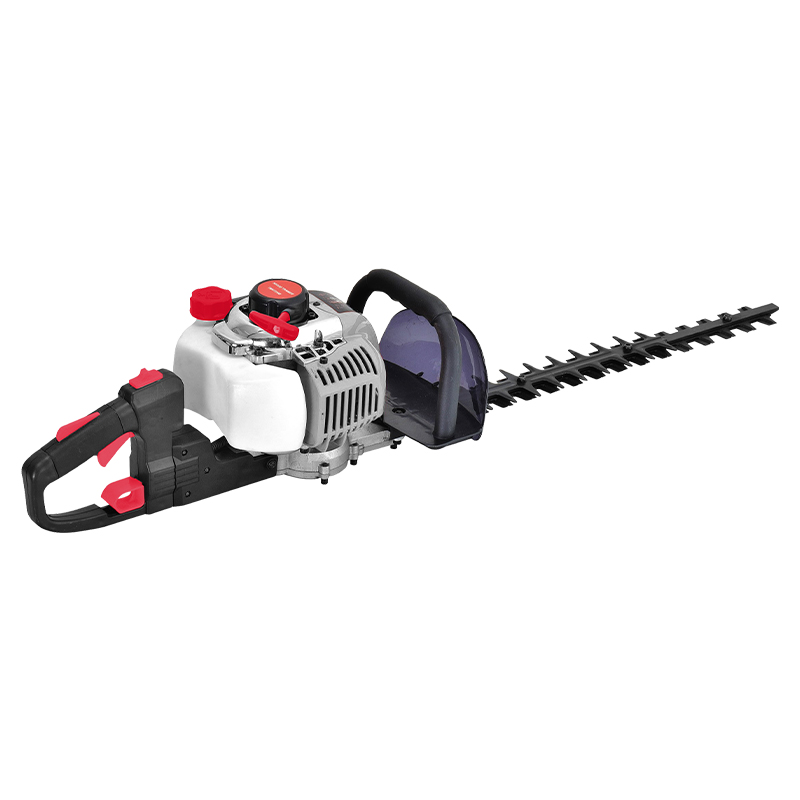 Hedge Trimmer
 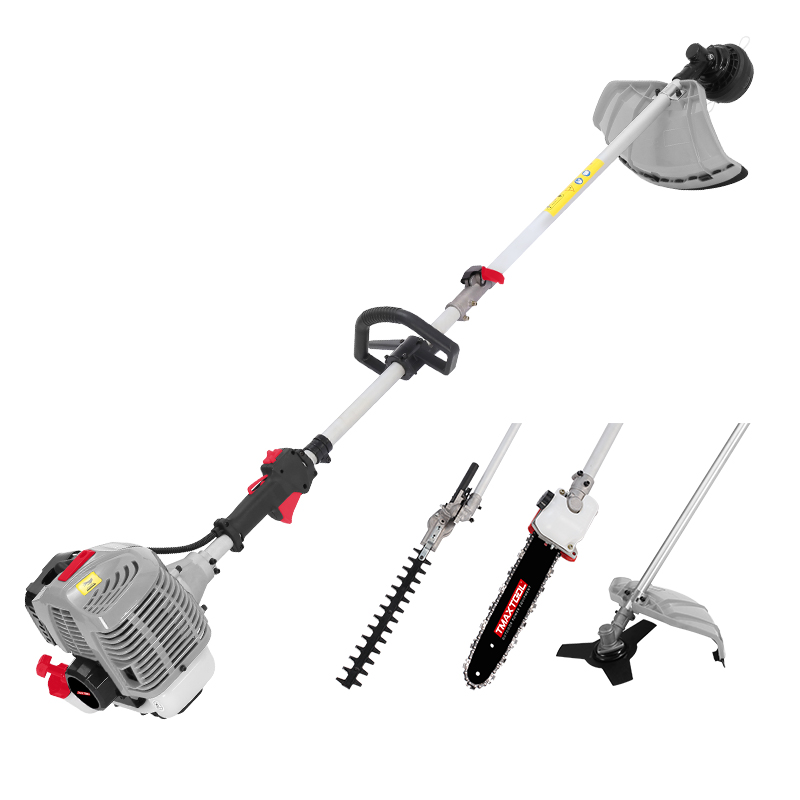 Multi Tool
 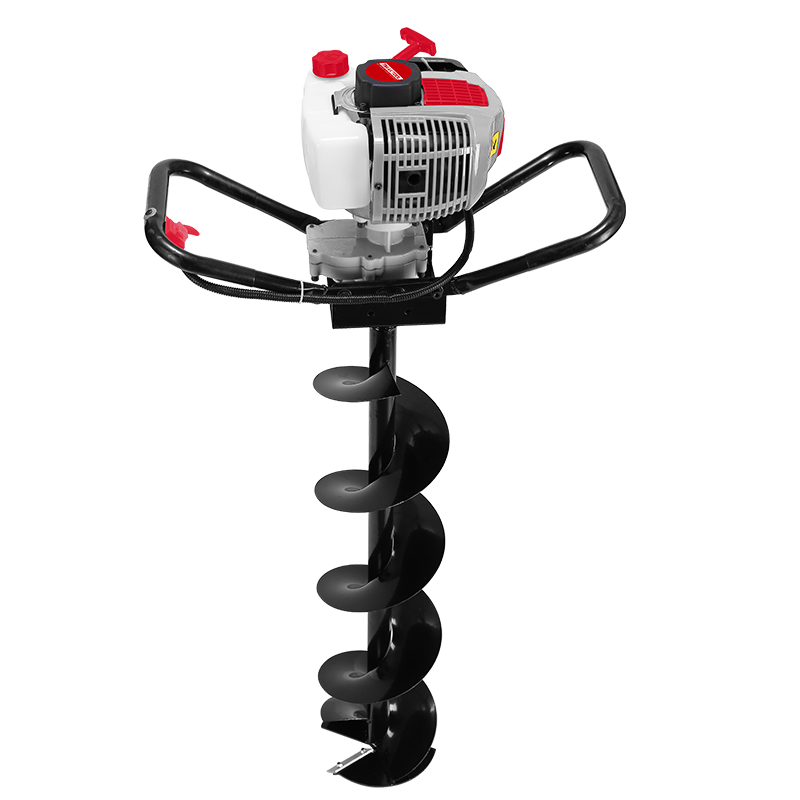 Earth Auger
 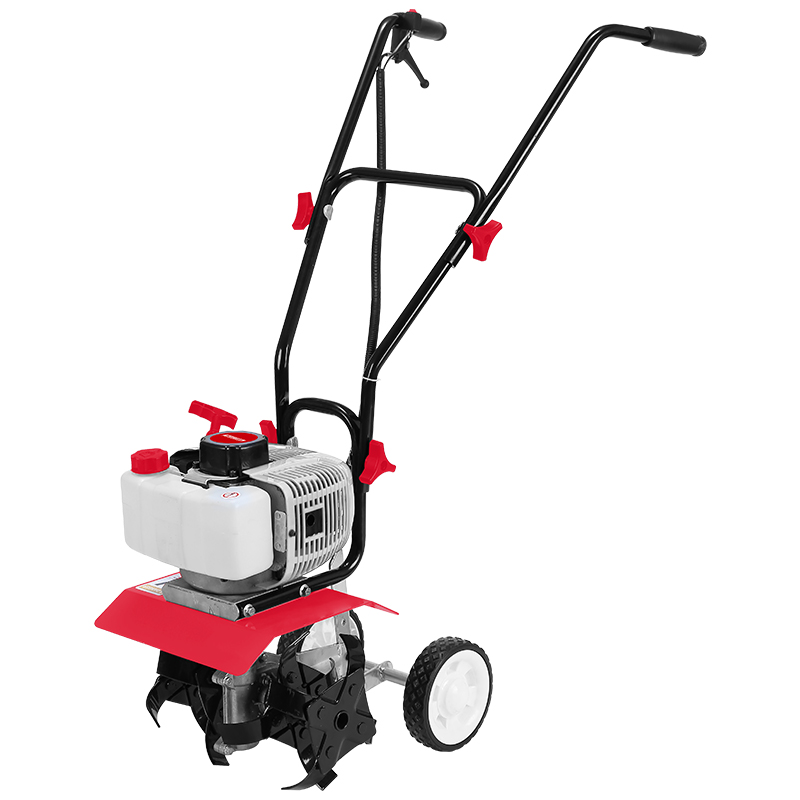 Tiller
 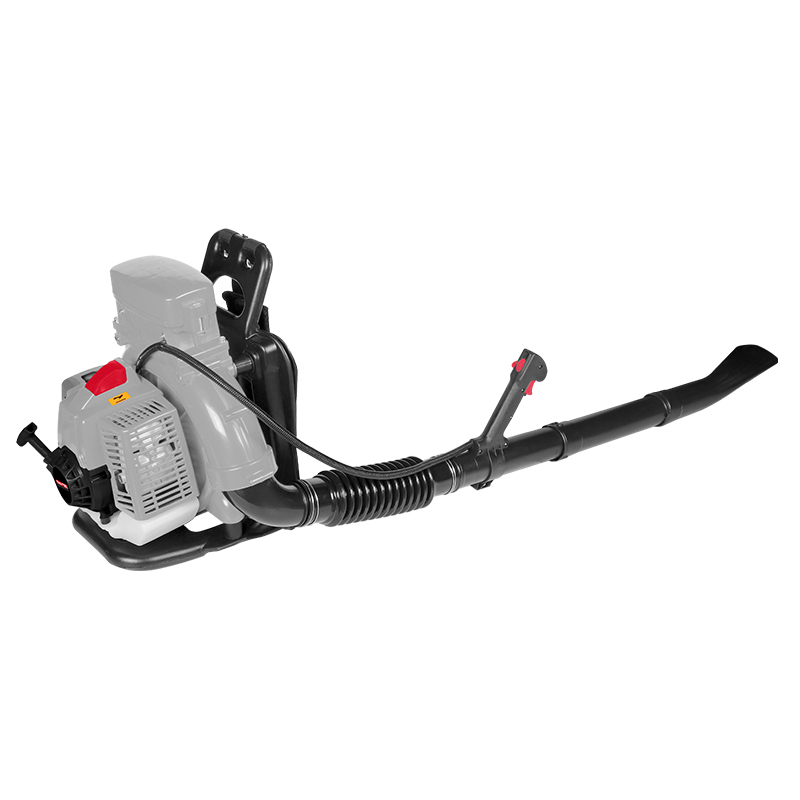 Blower
 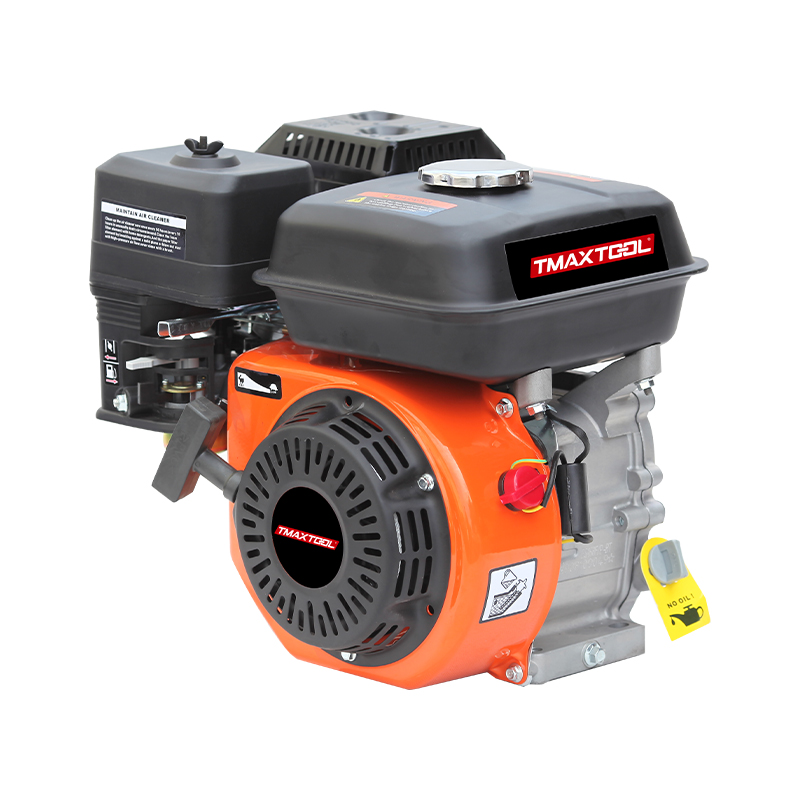 4 Stroke Gasoline Engine
 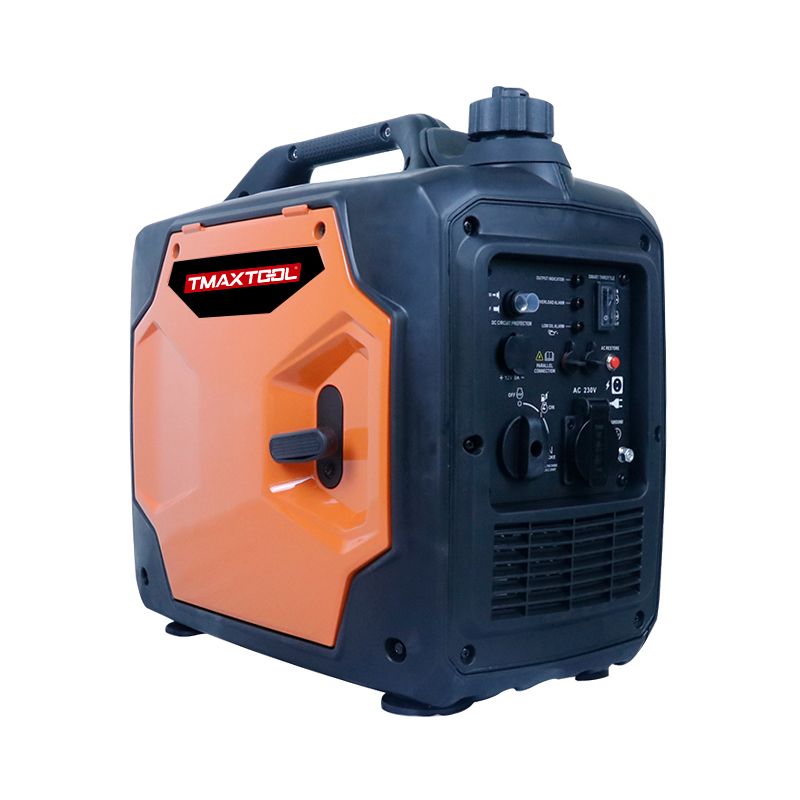 Generator
 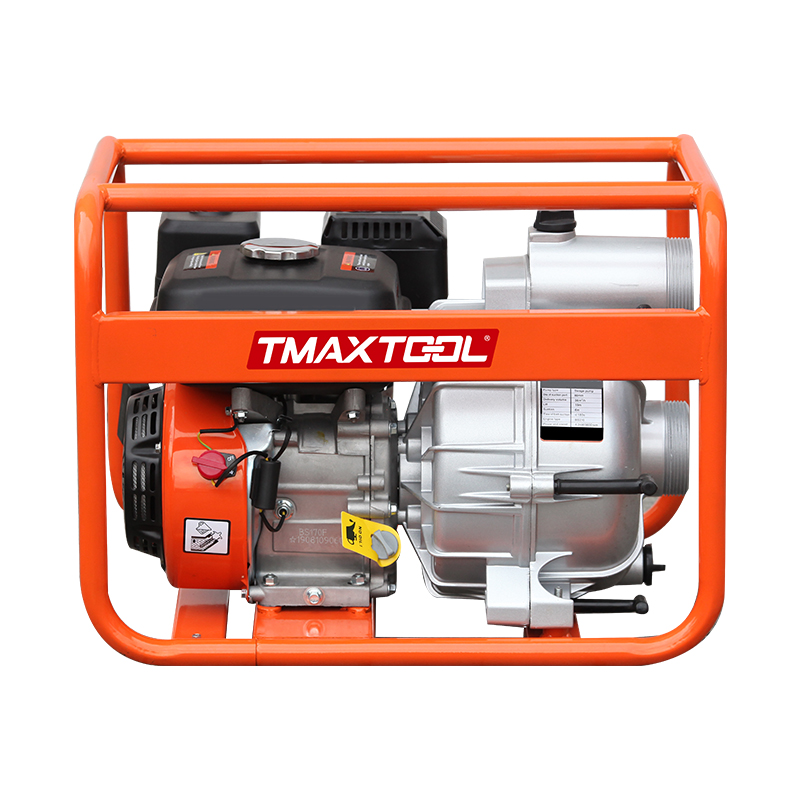 Water Pump
 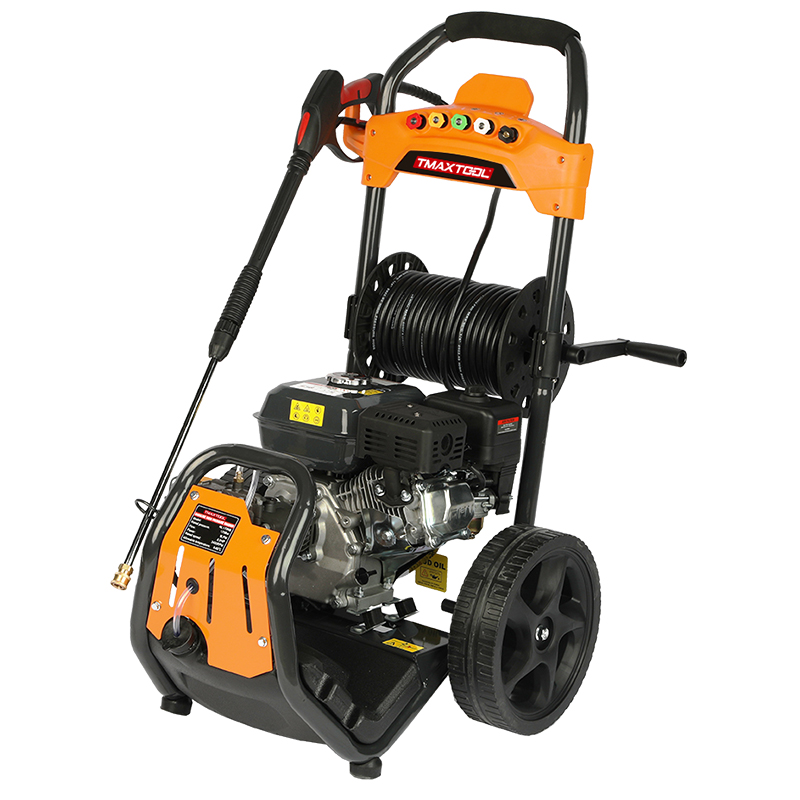 High Pressure Washer
 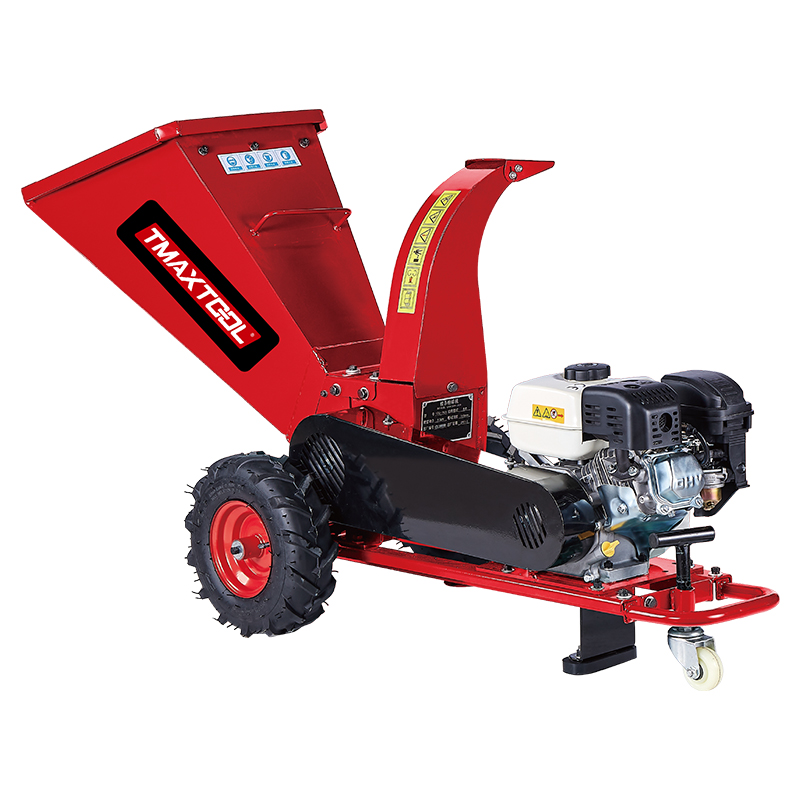 Wood Cutter
 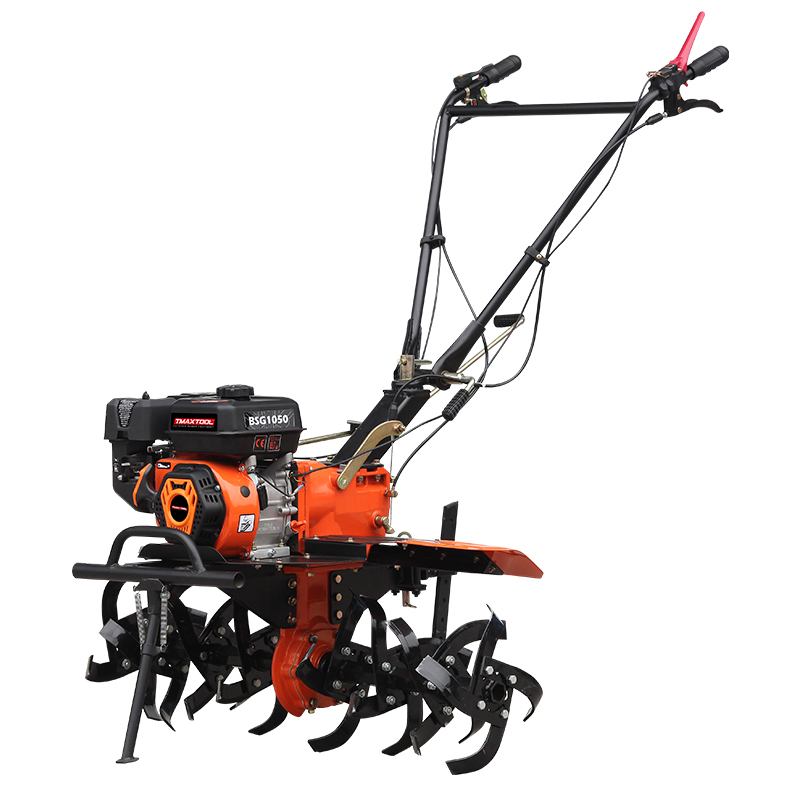 4 Stroke Tiller
 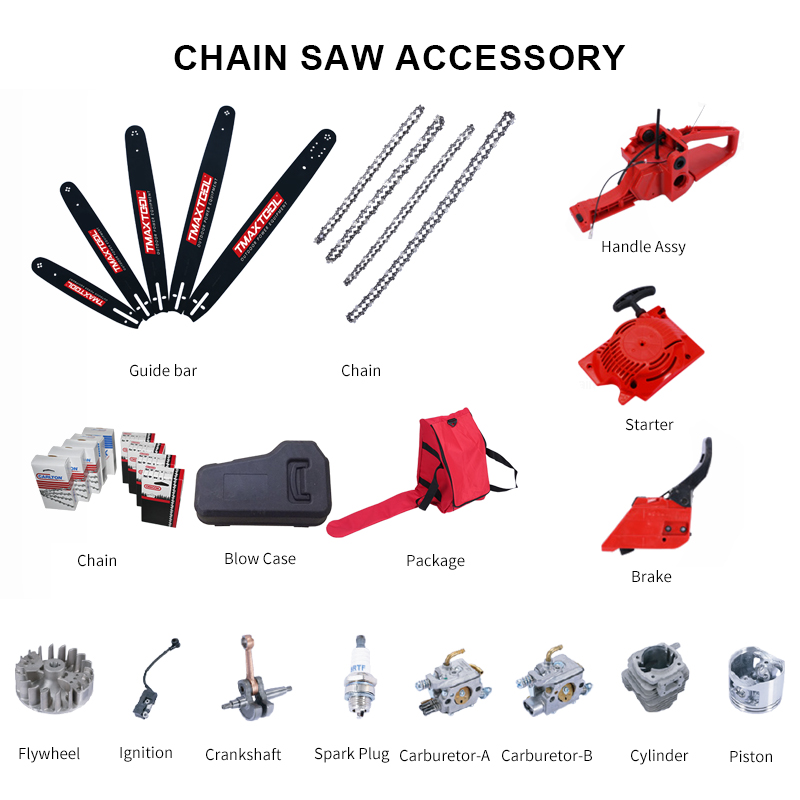 Chain Saw Accessory
 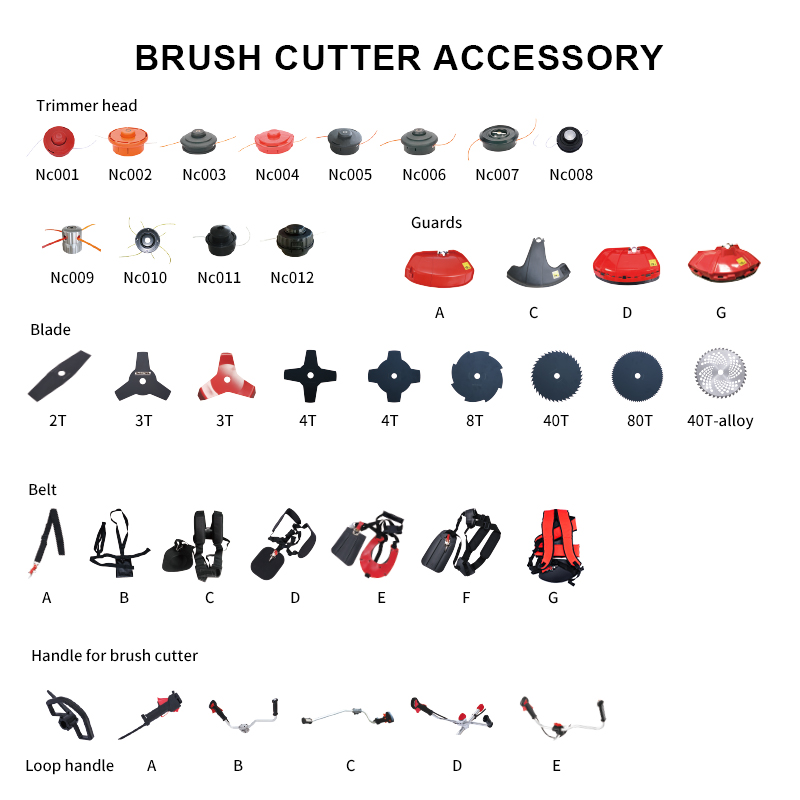 Brush Cutter Accessory
 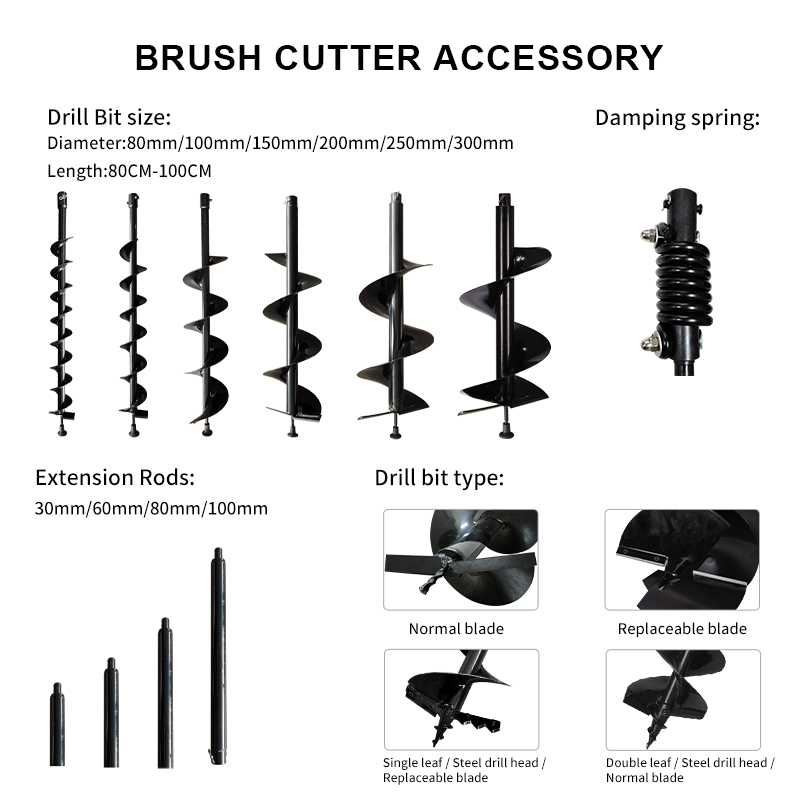 Earth Auger Accessory
 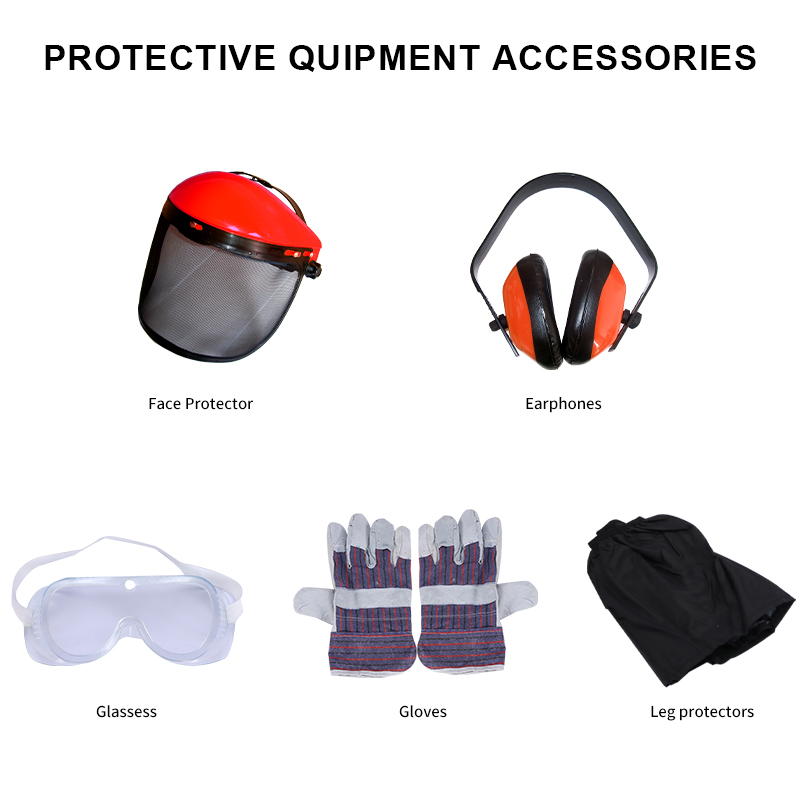 Protective Equipment Accessories


