
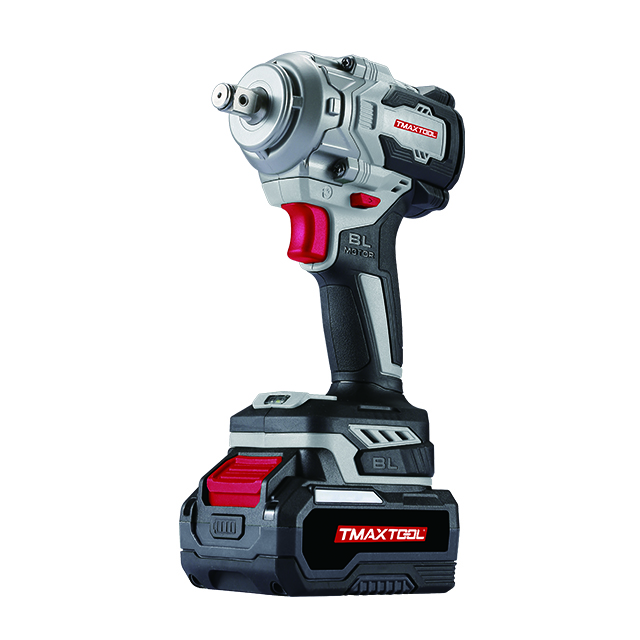
 Impact Wrench
 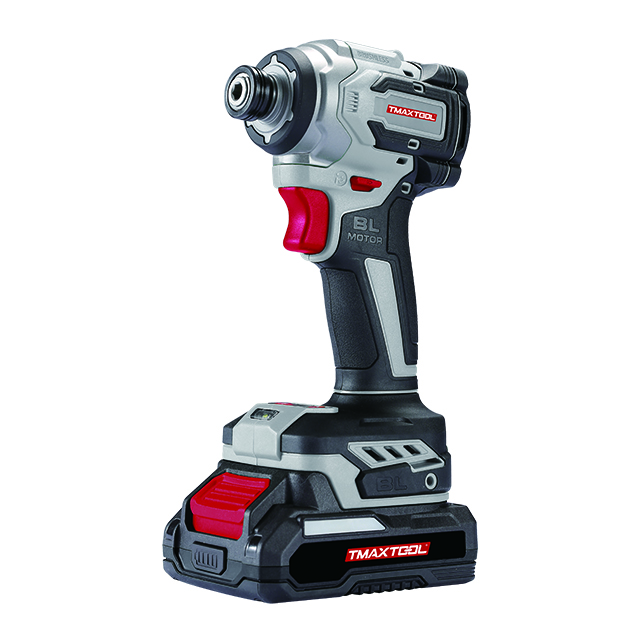 Screwdriver
 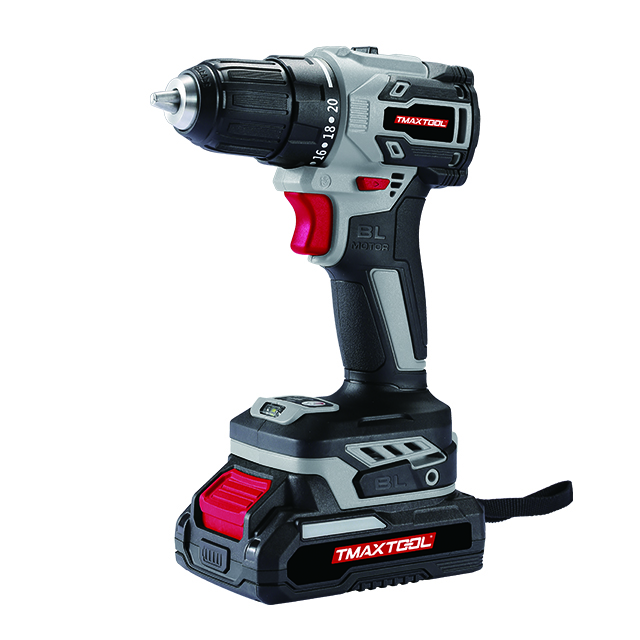 Cordless Drill
 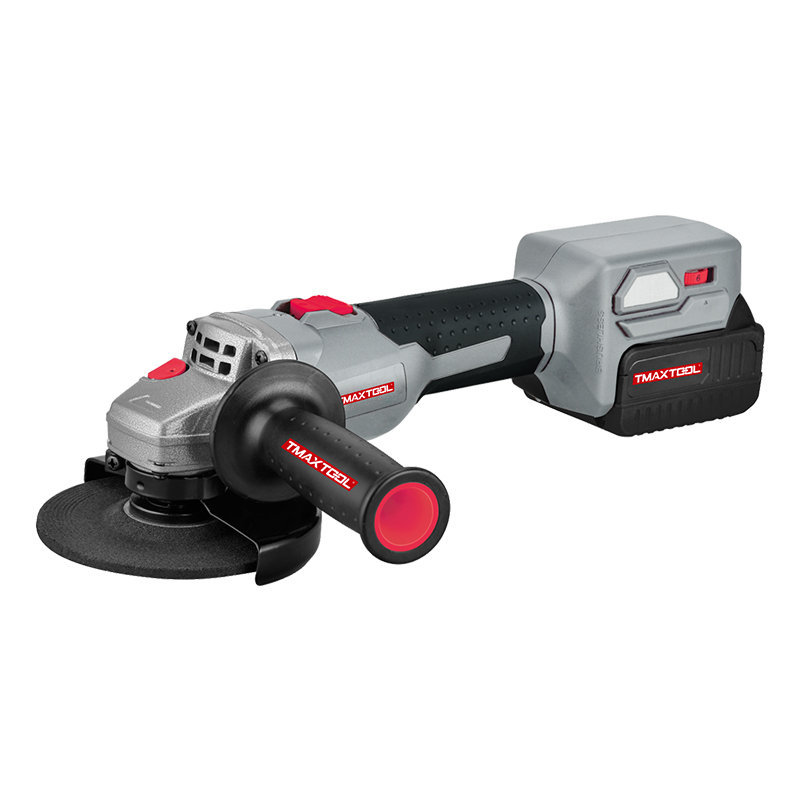 Angle Grinder
 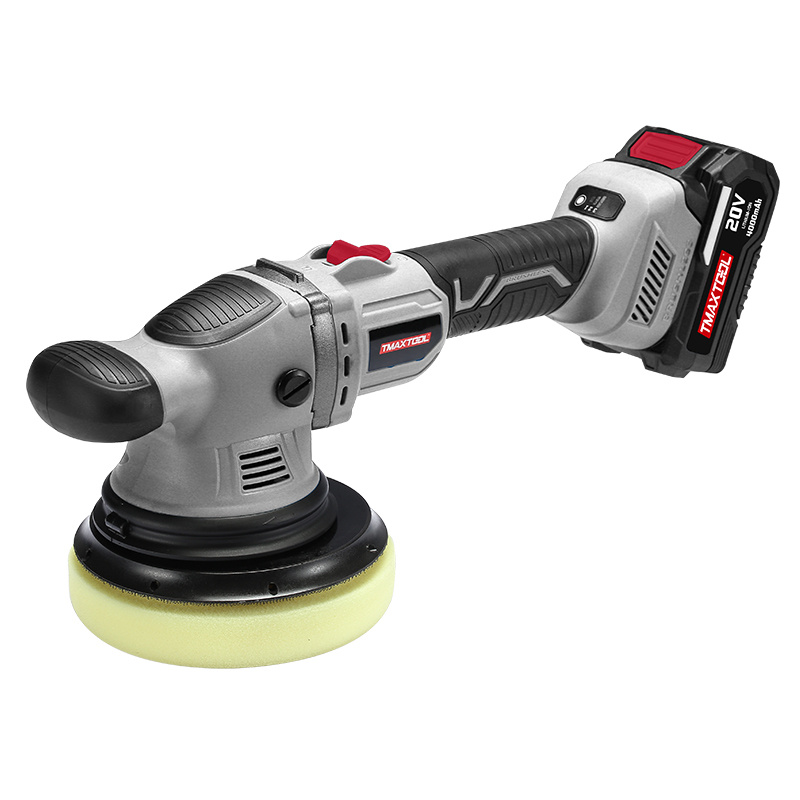 Polisher
 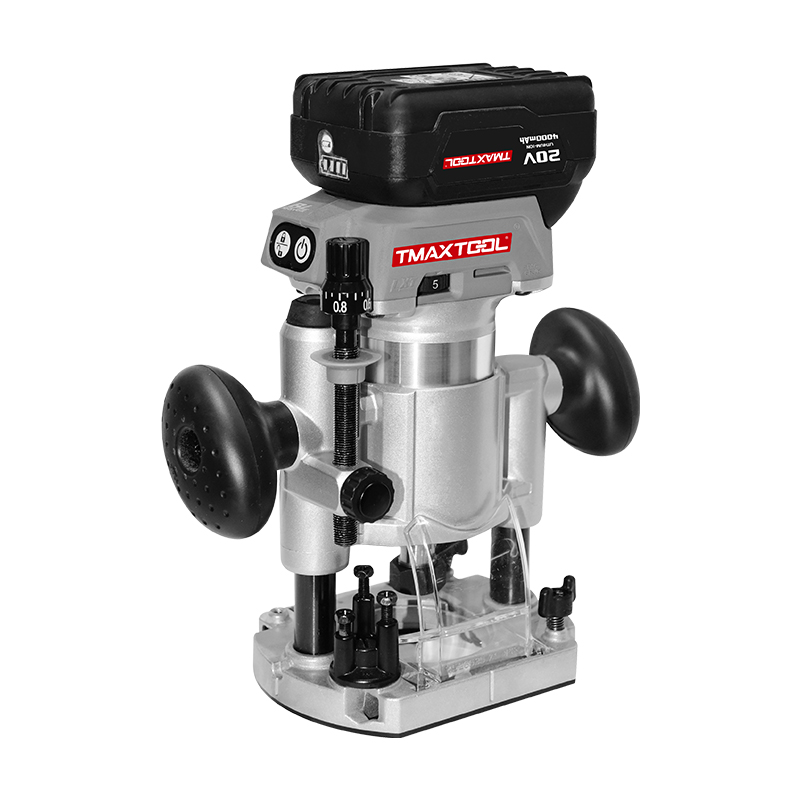 Wood Router
 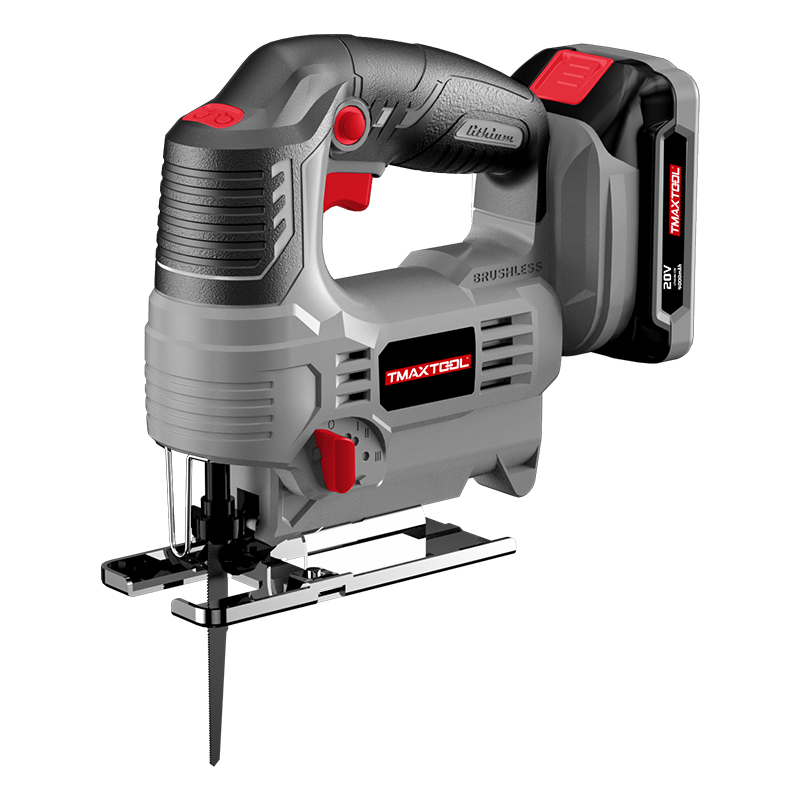 Jig Saw
 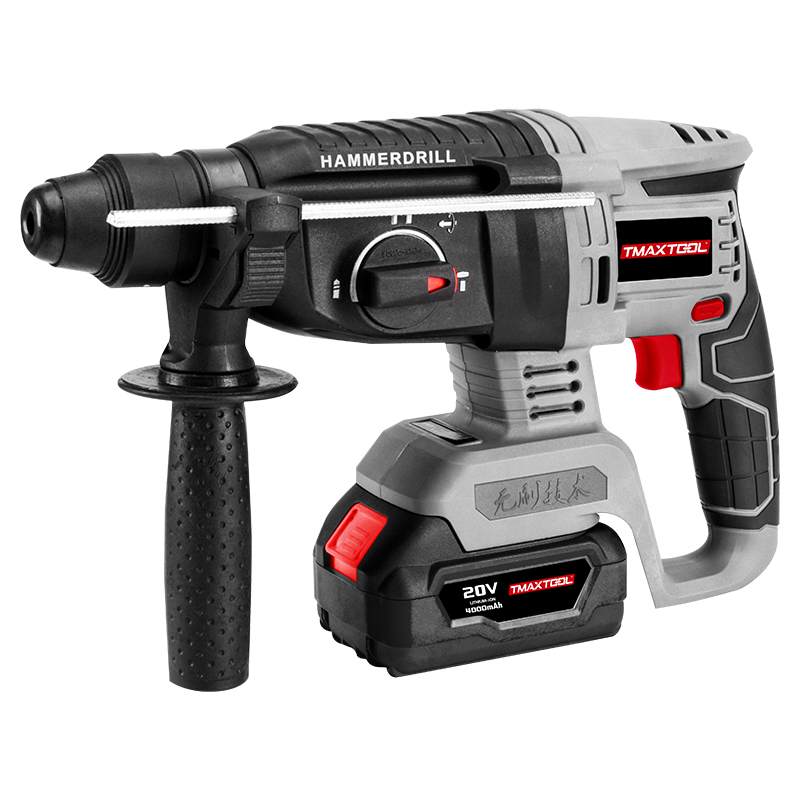 Hammer Drill
 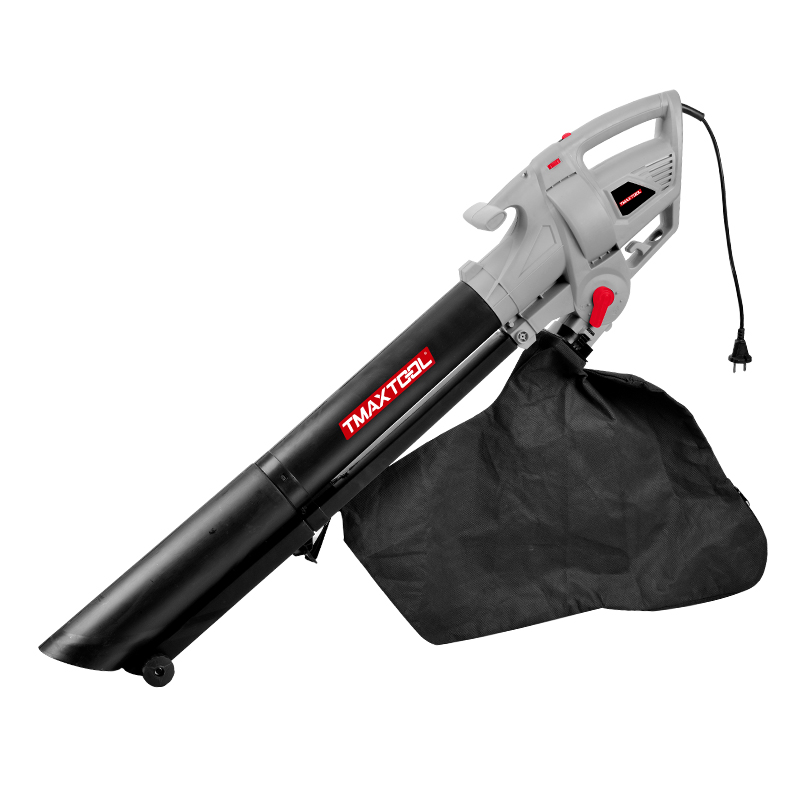 Portable Blower
 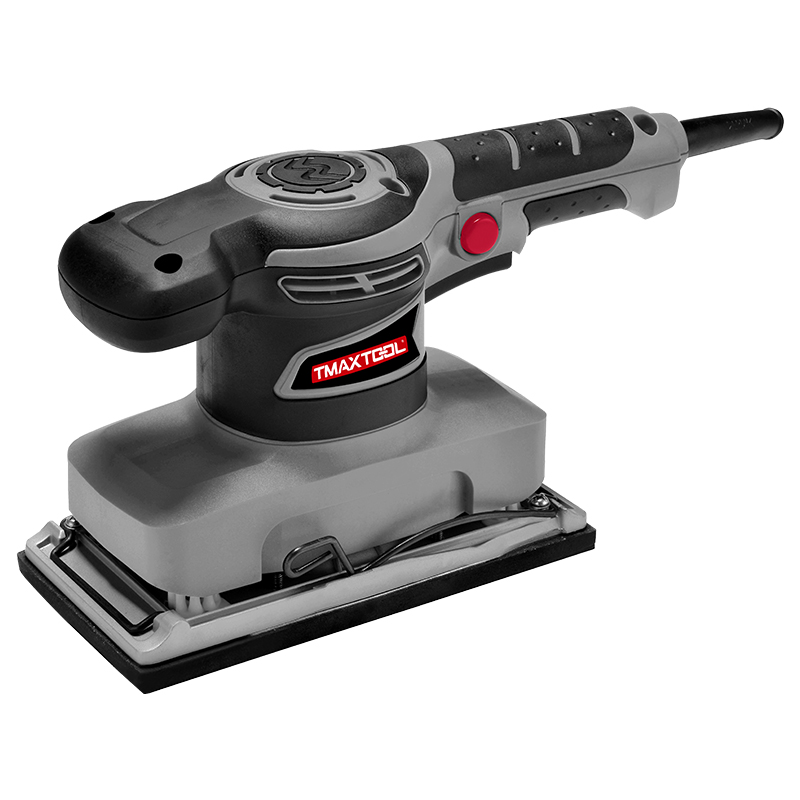 Orbital Sander
 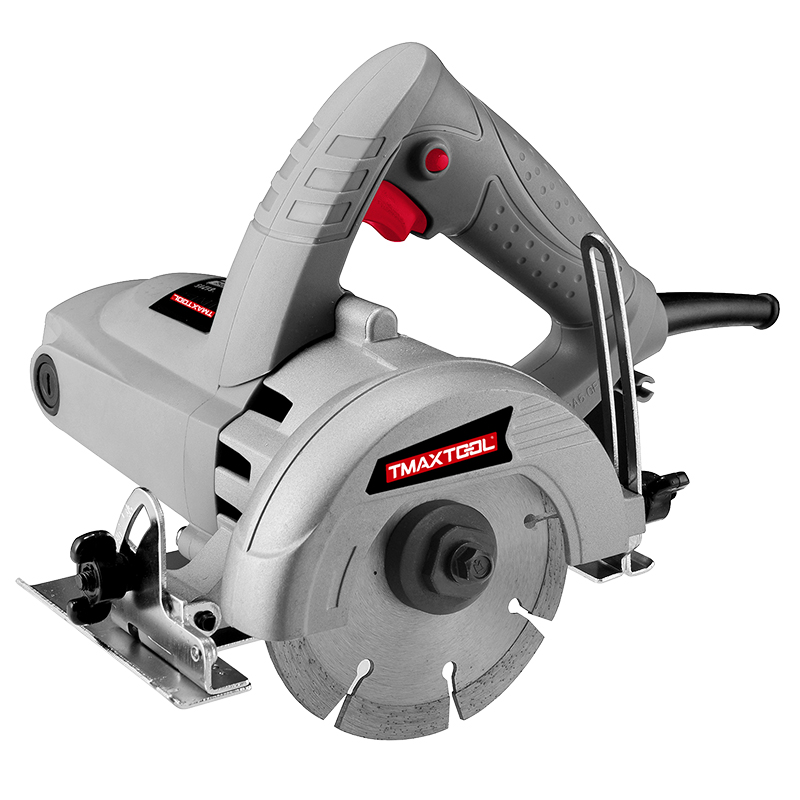 Marble Cutter
 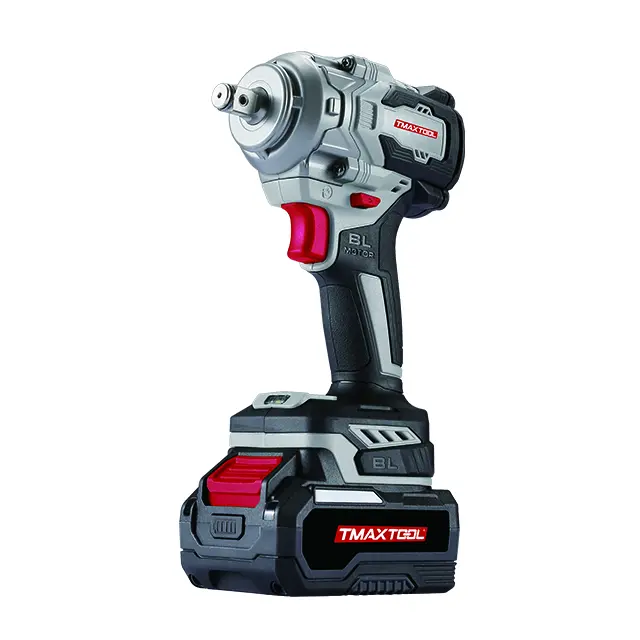 GARDEN TOOLS
 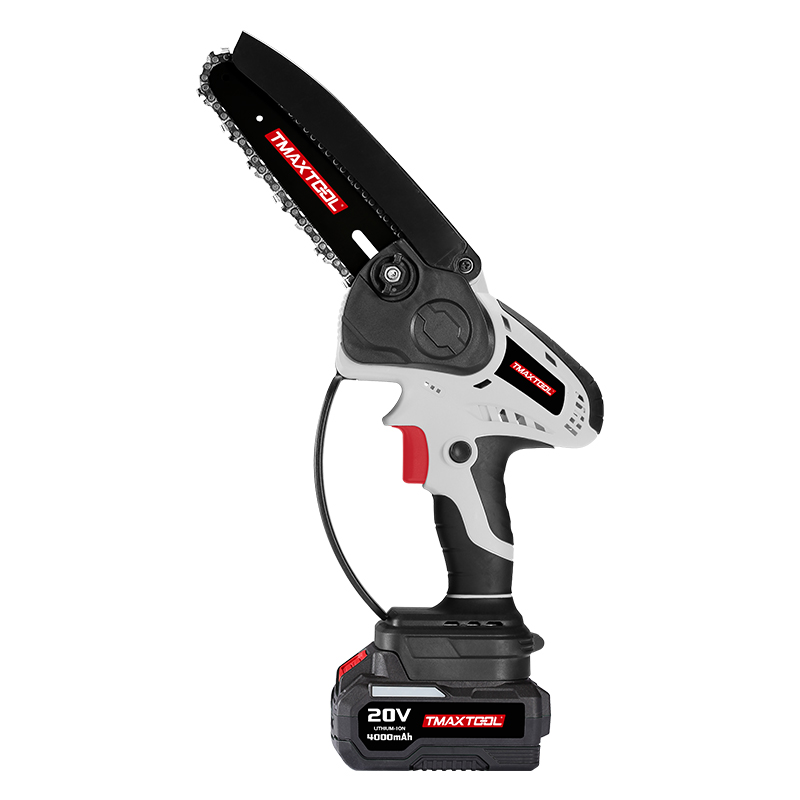 Battery Chain Saw
 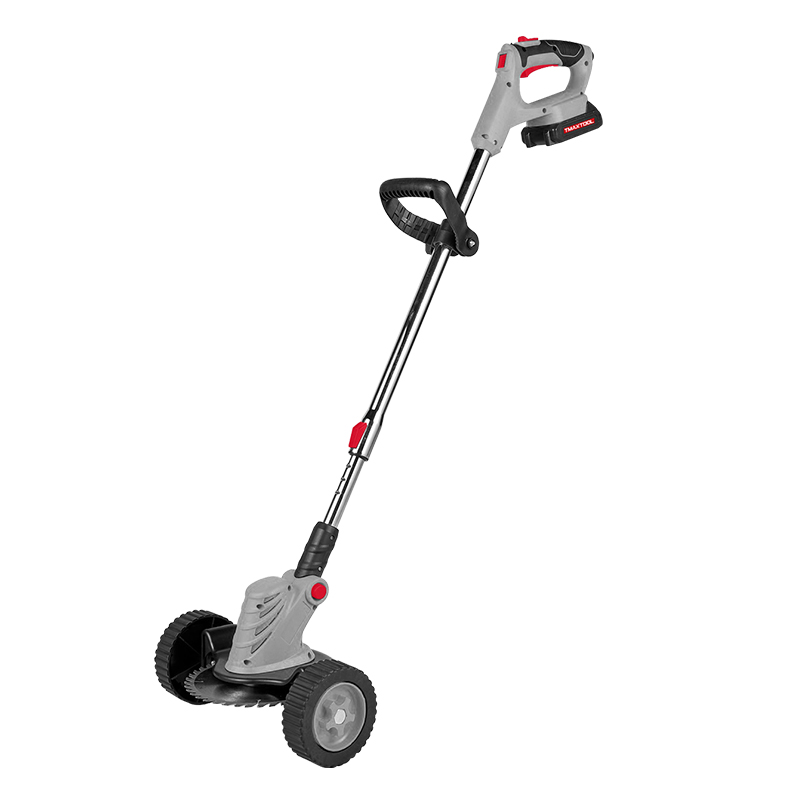 Battery Brush Cutter
 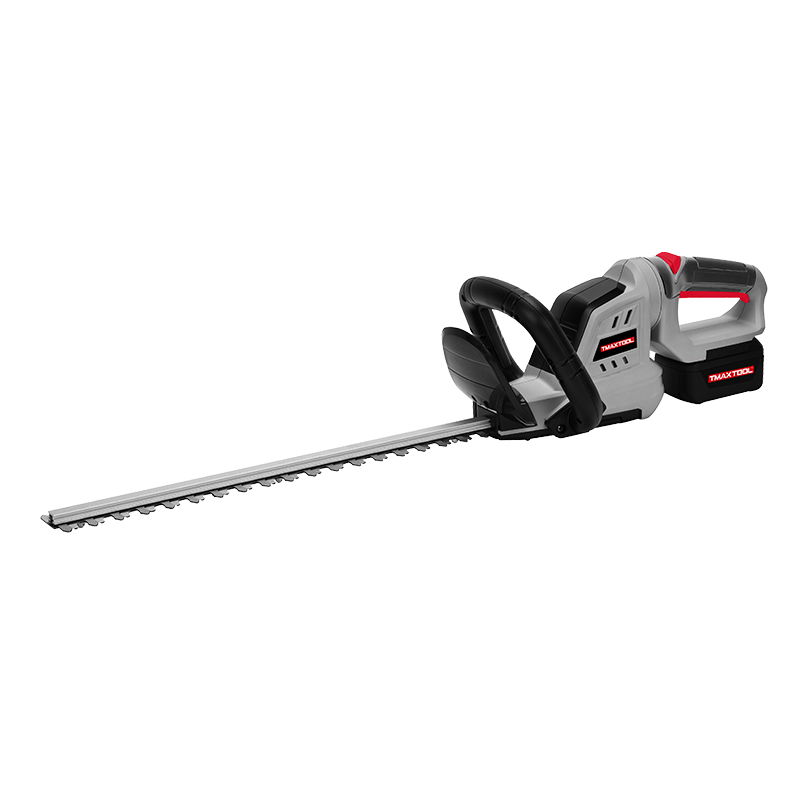 Battery Hedge Trimmer
 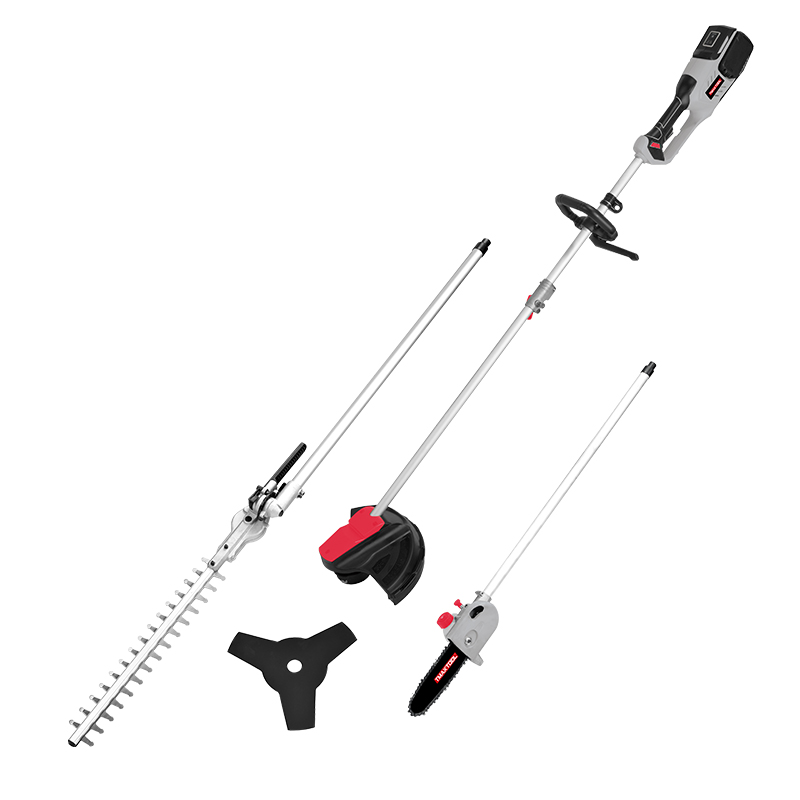 Battery Multi Tool
 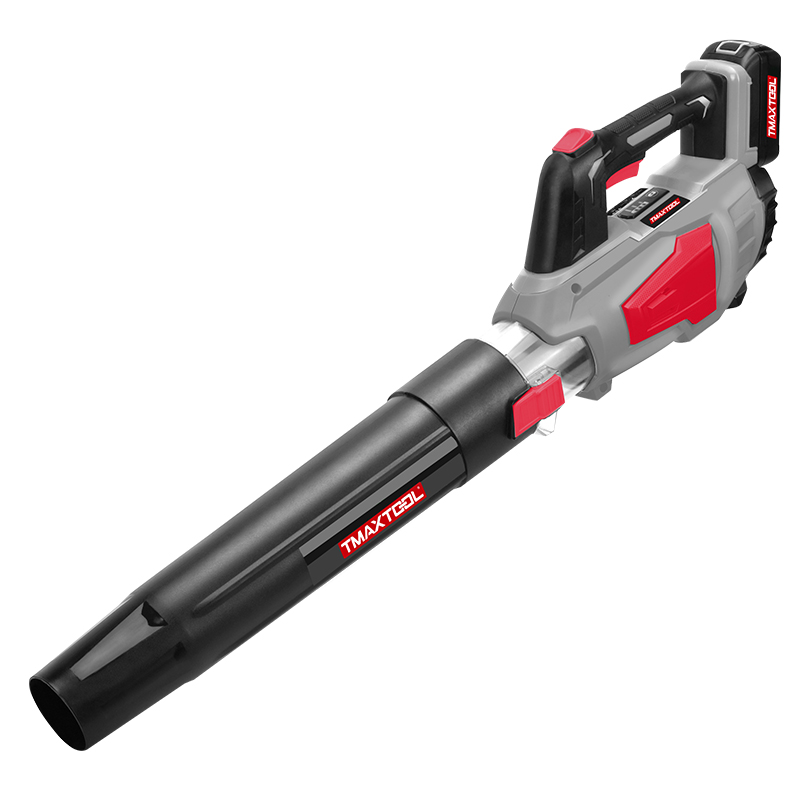 Battery Blower
 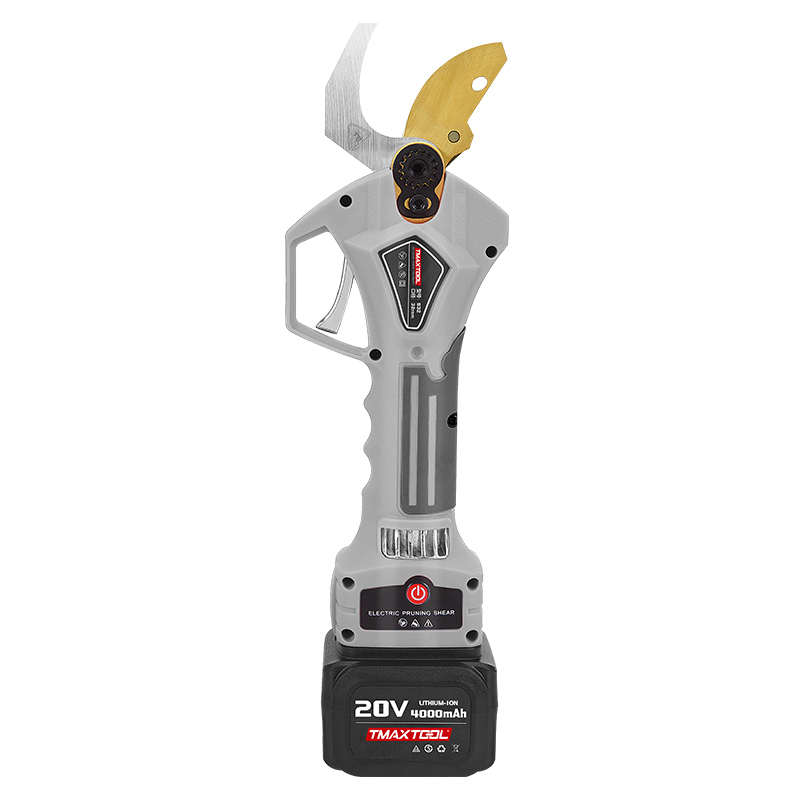 Batter Pruning Shears
 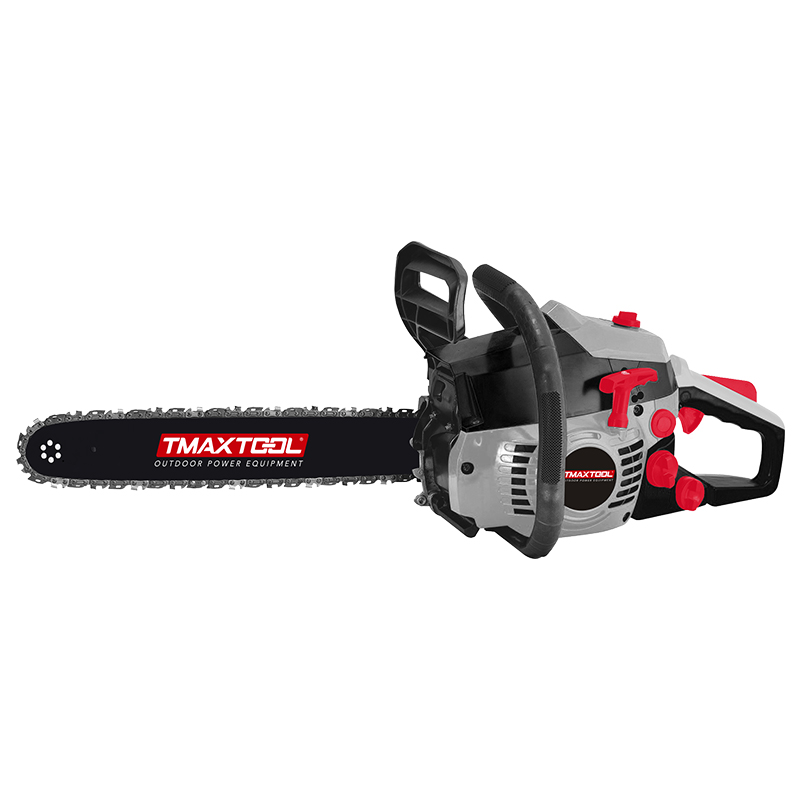 Chain Saw
 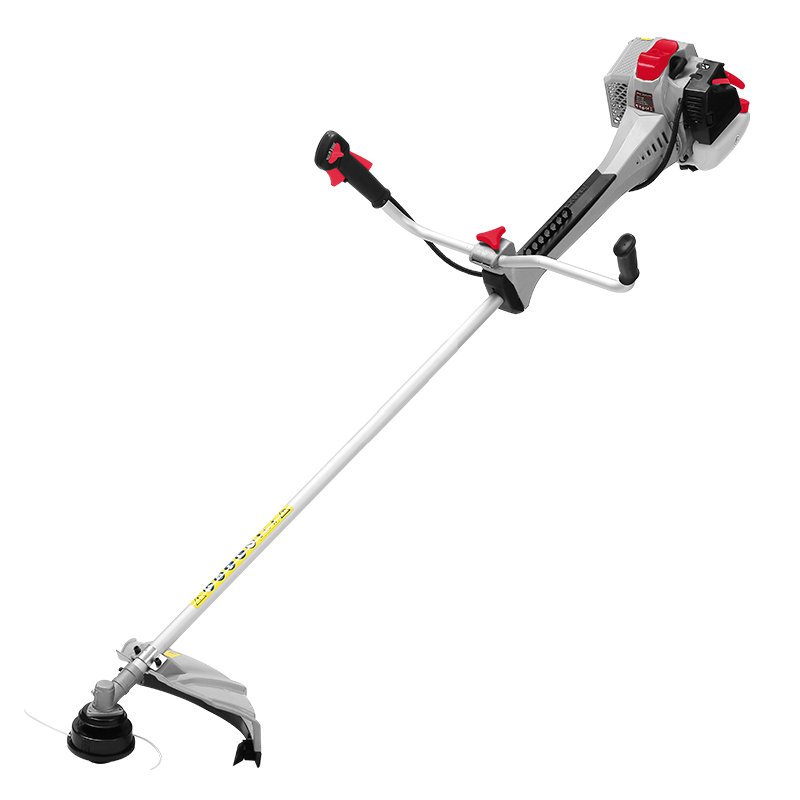 Brush Cutter
 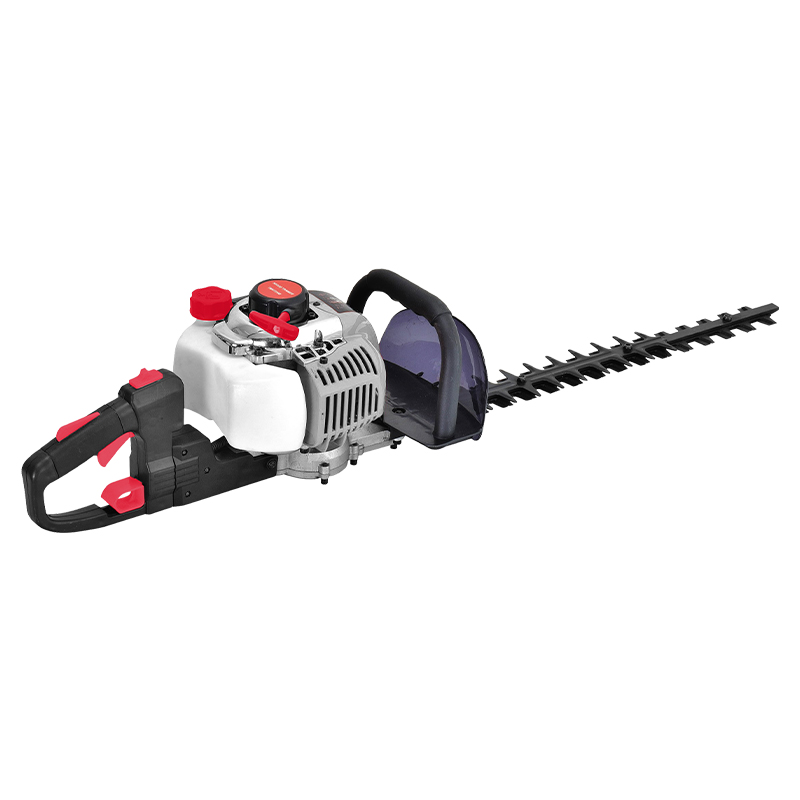 Hedge Trimmer
 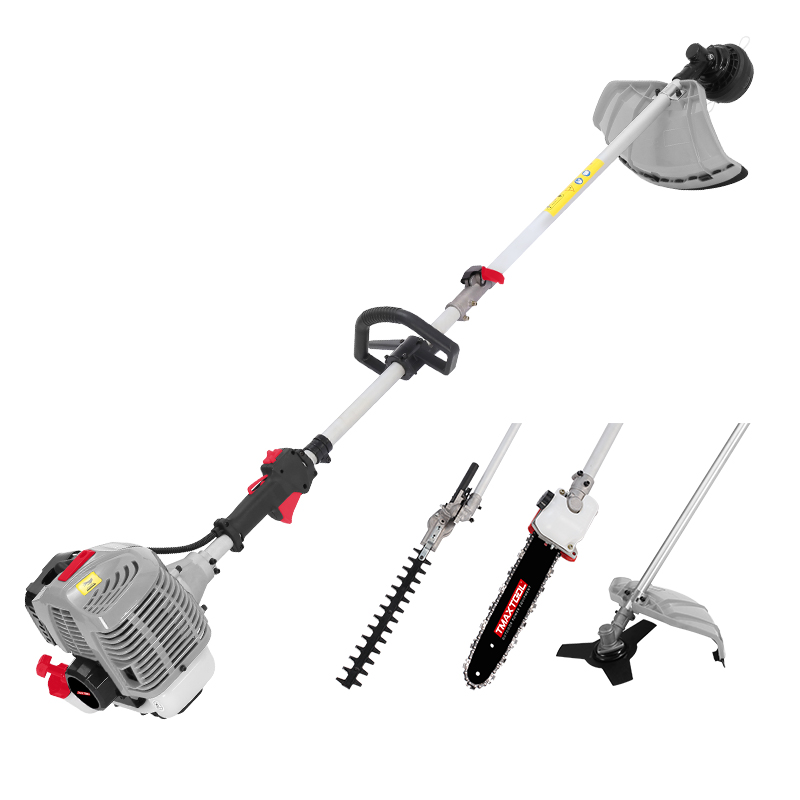 Multi Tool
 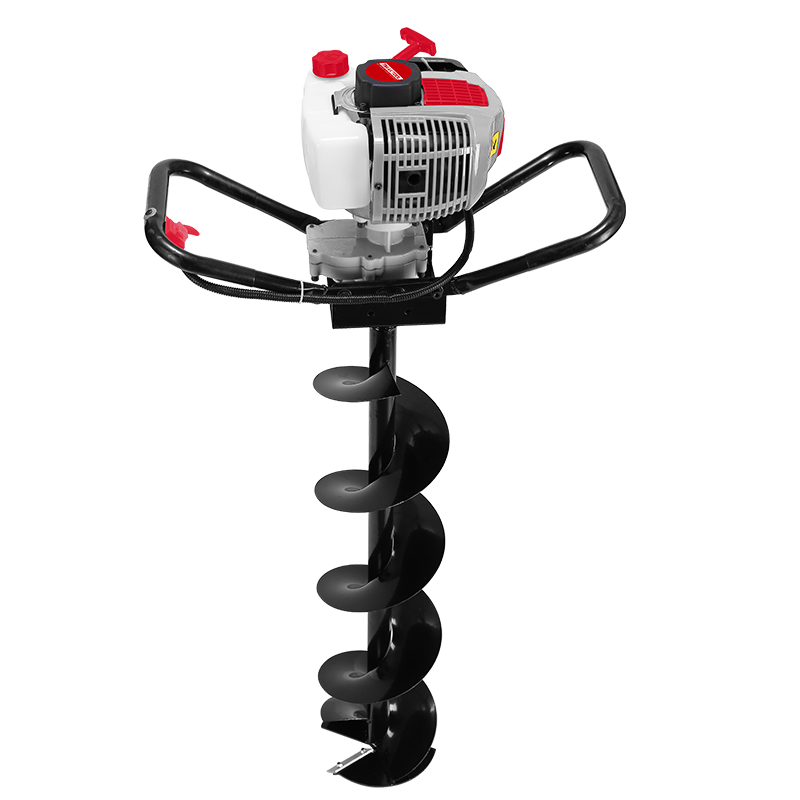 Earth Auger
 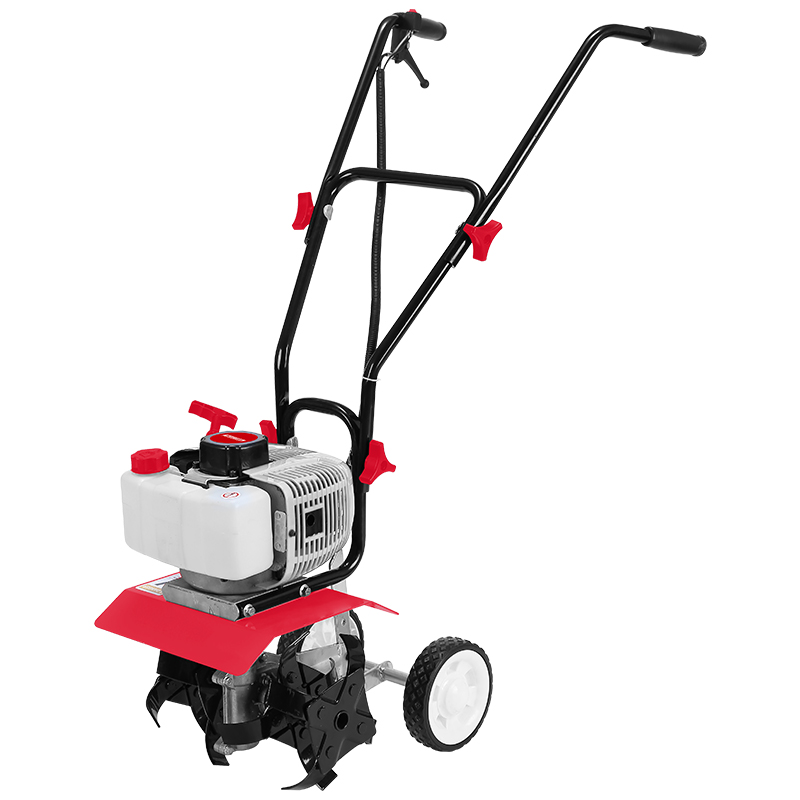 Tiller
 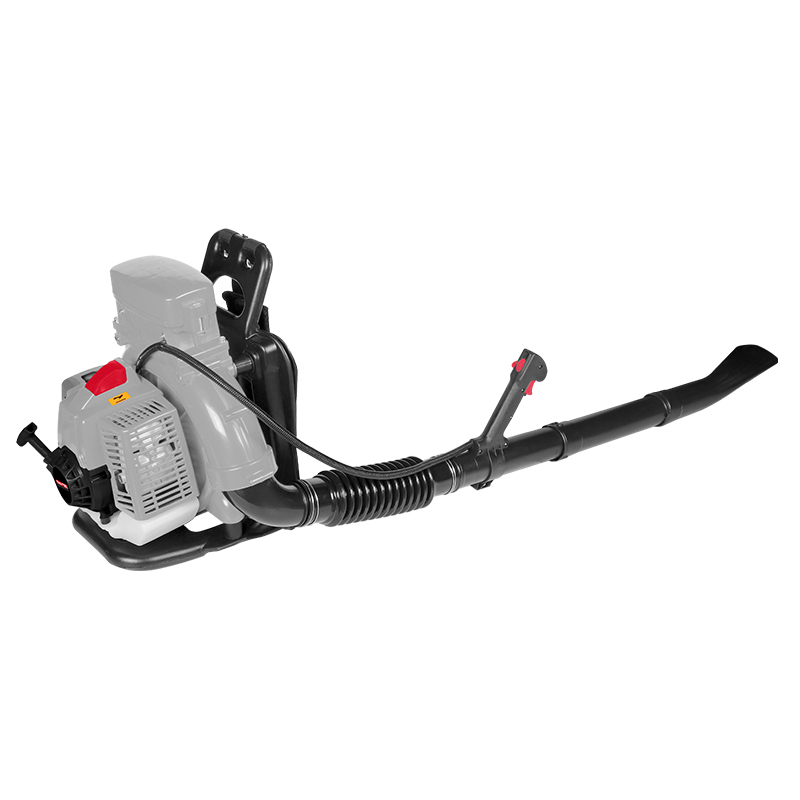 Blower
 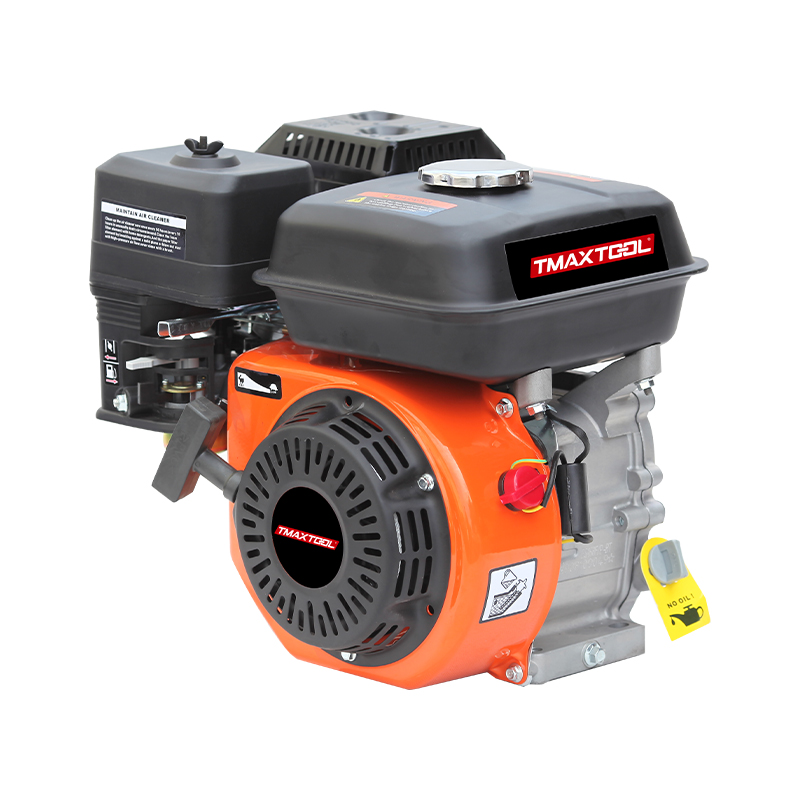 4 Stroke Gasoline Engine
 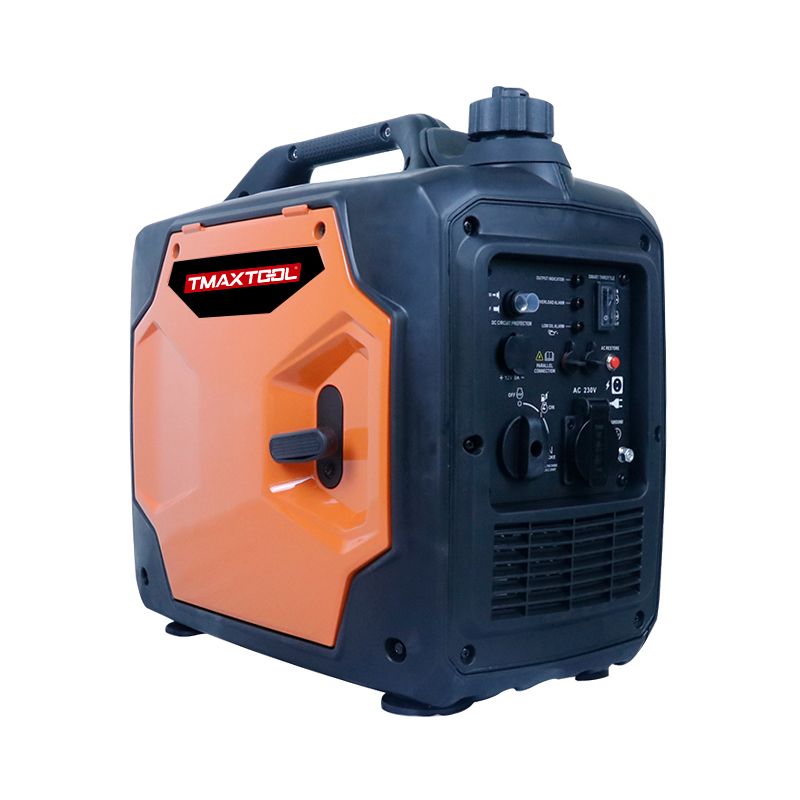 Generator
 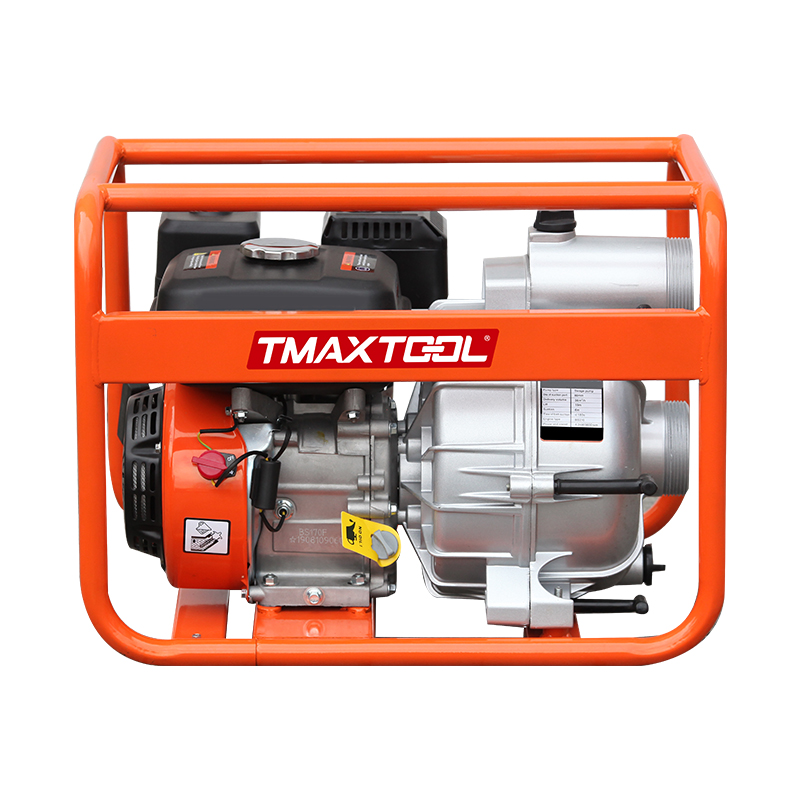 Water Pump
 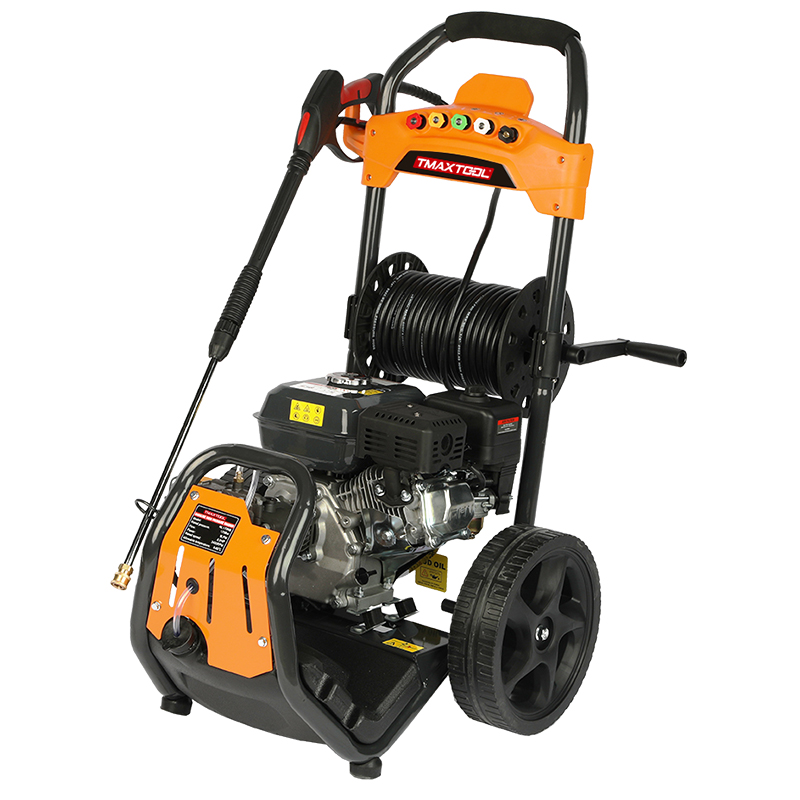 High Pressure Washer
 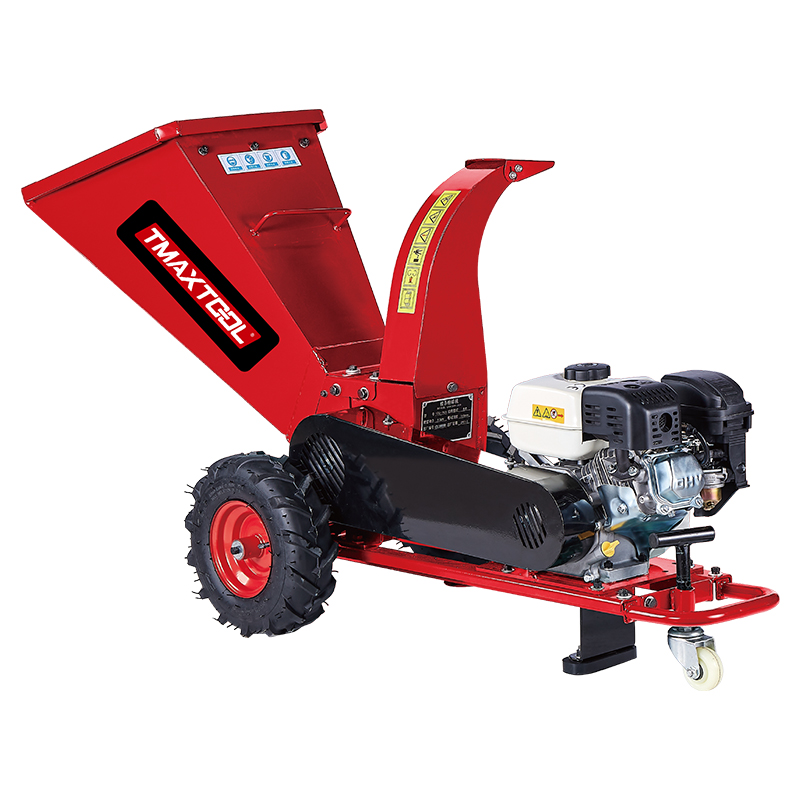 Wood Cutter
 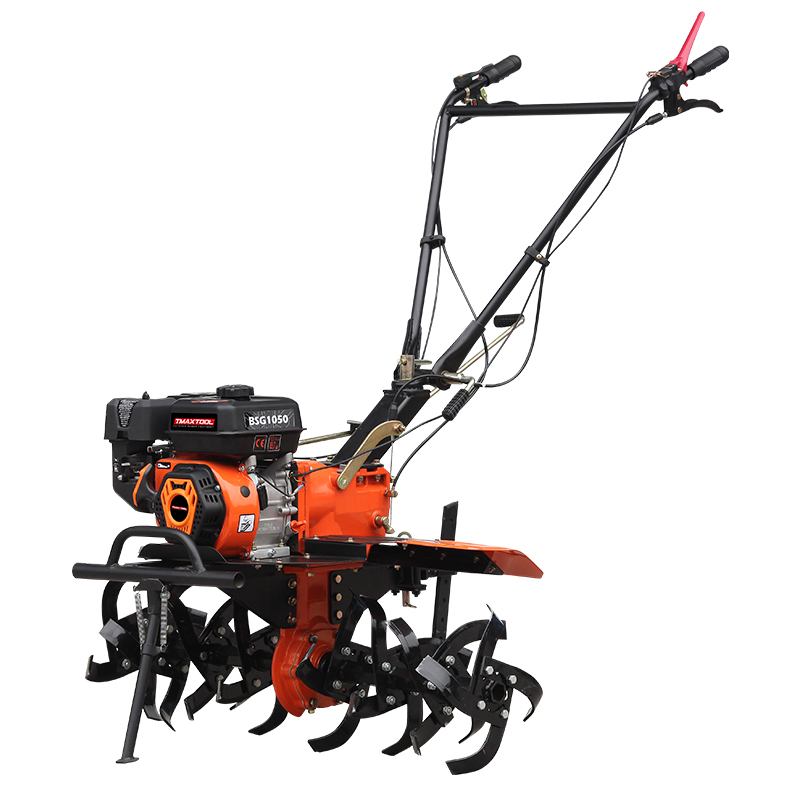 4 Stroke Tiller
 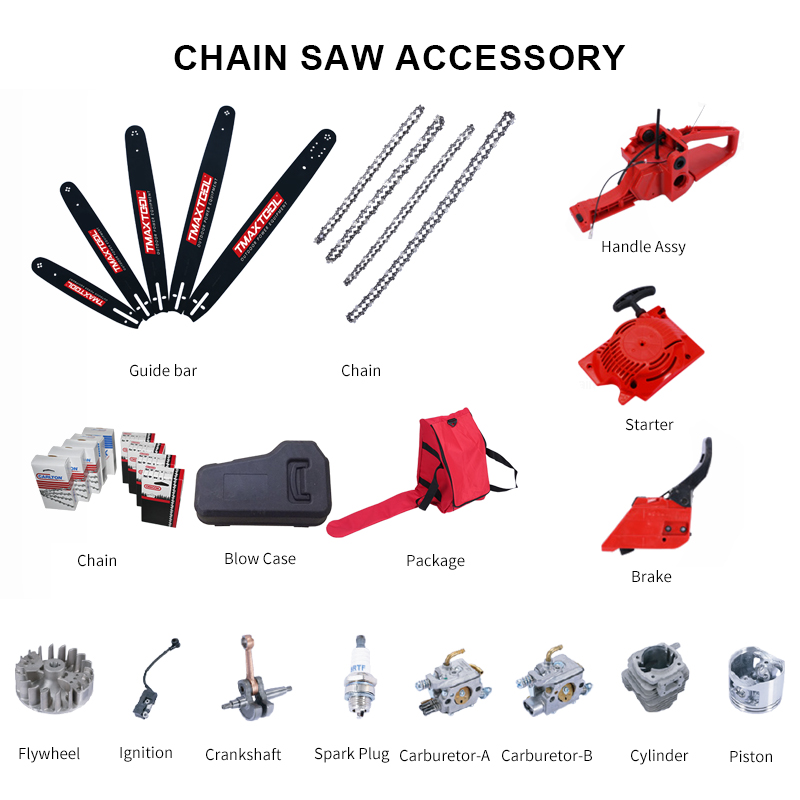 Chain Saw Accessory
 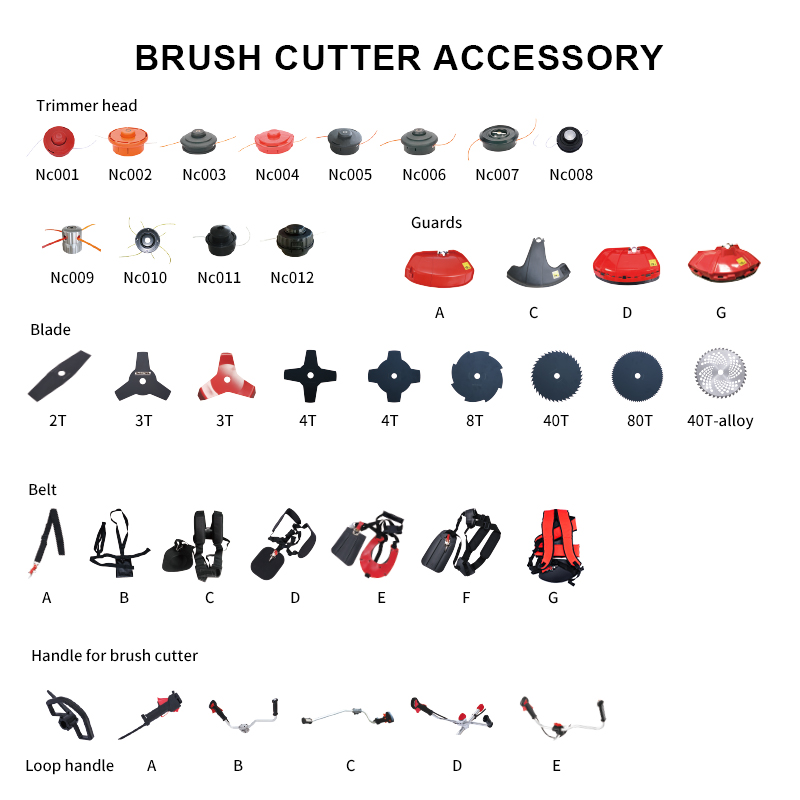 Brush Cutter Accessory
 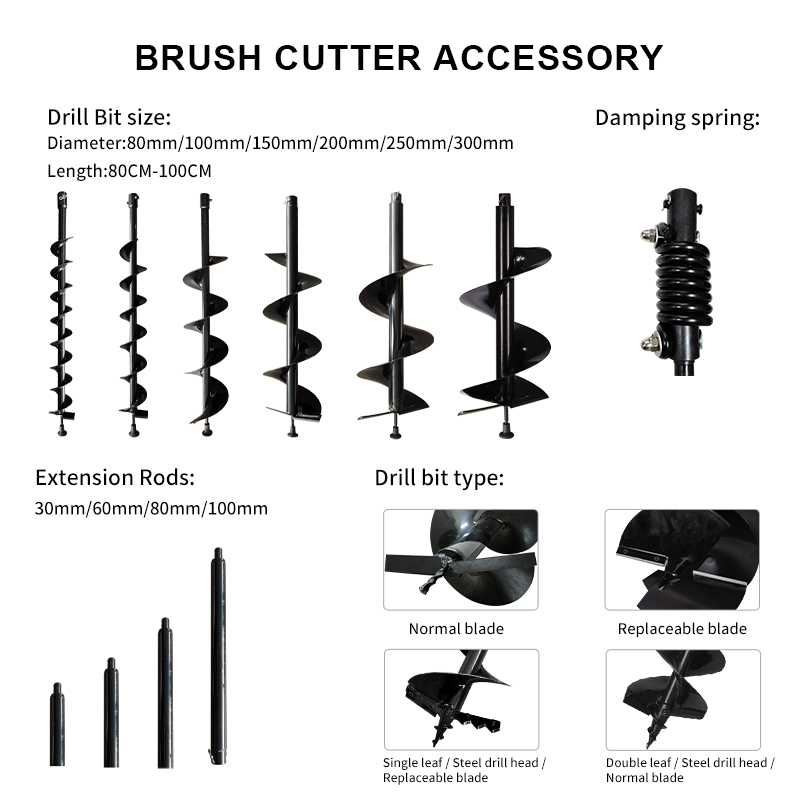 Earth Auger Accessory
 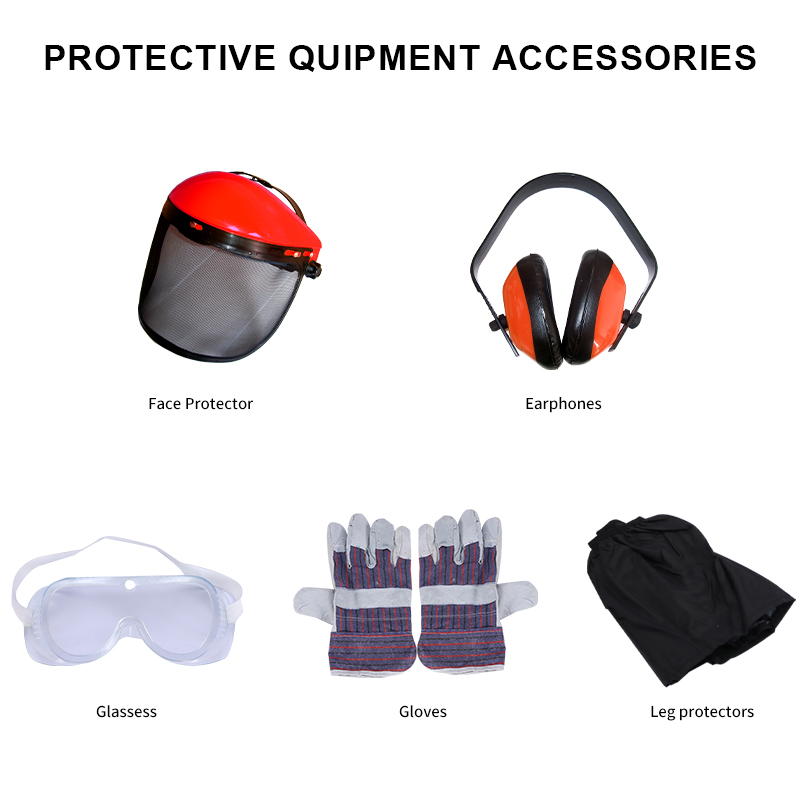 Protective Equipment Accessories
 Leave Your Message
So, when you’re looking to tackle all sorts of cutting, grinding, and polishing tasks, picking out the right Angle Grinder is totally key to getting the best results. Let’s be real, though— with so many options out there, it can feel a bit overwhelming trying to figure out which one actually fits your needs. Whether you’re a DIY whiz or just diving into the world of power tools, it's super important to wrap your head around the different features and functionalities these grinders offer. In this handy comparison guide, we’ll break down the various types of angle grinders, what you can use them for, and some key things to consider when you're on the hunt for the perfect tool for your projects.
At Jinhua U Win Import & Export Co., Ltd., we're all about high-quality power tools, and that includes angle grinders that work great for both home projects and industrial jobs. Our wide range of products is designed to meet all kinds of customer needs, so you can count on durability, efficiency, and precision. By sharing our know-how in manufacturing power tools, we hope to help you find the right angle grinder that fits right into your tool collection. So, let’s dive in and explore the essential features and comparisons to help you snag the perfect angle grinder for what you’re working on!

So, when you’re on the hunt for an angle grinder, it’s super important to know about the different types out there. It really helps you pick the right tool for what you need, you know? Basically, angle grinders fall into three main categories: corded, cordless, and pneumatic. Each brings something unique to the table, especially depending on what kind of work you're tackling. If you’re looking for something that packs a punch and can handle heavy-duty jobs, corded angle grinders are definitely your best bet. They thrive on consistent power and can keep going for a while, making them perfect for grinding metal or concrete. Just keep in mind, you’ll need to be near an electrical outlet, which can be a bit of a hassle in some spots. Now, cordless angle grinders are a bit different—they’re all about freedom and convenience. These battery-powered tools are awesome if you need to move around a lot or are working somewhere without easy power access. Just be aware that they might not be as powerful as the corded versions. Then we have pneumatic angle grinders. They’re not as well-known, but they really shine in professional environments, especially in the manufacturing and automotive fields. These bad boys work on compressed air, which means they’re lightweight and can spin at super high speeds. They’re built to last and can run for long periods without overheating, which is a big plus. Of course, you’ll need a good air compressor to really get them going. So, by getting to know these various types of angle grinders, you’ll be in a much better place to make a choice that really fits your needs and fits your project like a glove.

So, when you're on the hunt for an angle grinder, it’s super important to get a handle on a few key features that’ll help you pick the perfect tool for what you need. First off, let’s talk about motor power, which is usually measured in amps. In general, the higher the amp rating, the more power you're looking at. That’s a big deal if you’re diving into heavy-duty stuff like grinding metal or slicing through concrete. But if your tasks are a bit lighter, like cutting tile or maybe polishing stuff up, then a grinder with lower amps should do just fine.
Now, another thing you can’t overlook is the size of the disc. They usually range from about 4.5 to 9 inches, right? If you’re working on something intricate or need to get into tight spaces, smaller discs are your best friend. But for bigger jobs that need a lot of material taken off, larger discs are definitely the way to go. Oh, and don’t forget about RPMs (revolutions per minute) - this can really affect how well your grinder performs. Higher RPMs can speed things up, but they might sacrifice some precision on more delicate materials.
And hey, safety should be at the top of your list when you’re choosing. Keep an eye out for grinders that come with protective guards, anti-restart features, and vibration dampening. These can really help reduce strain during those long sessions. Plus, ergonomic designs are key if you want to keep things comfy, especially when you’re working at weird angles or in tight spots. By carefully considering all these features, you’ll definitely find an angle grinder that not only meets your needs but helps you work more efficiently too.

Choosing the right angle grinder can be a bit tricky, but getting a handle on power ratings is super important if you want it to perform well for what you need it for. So, power ratings are usually measured in watts or amps, and they really affect how efficiently your grinder can cut, grind, or polish different materials. Generally, the higher the wattage or amperage, the more powerful the tool—meaning it can tackle tougher jobs without breaking a sweat. For example, a 10-amp grinder will usually do a better job under heavy loads compared to a 6-amp one. So, when you're picking one out, it's essential to think about what you’re going to use it for in terms of power.
Also, don’t forget about the voltage rating; that’s pretty important too! Most angle grinders run on either 110V or 220V, and the 110V ones are more common for home use. A higher voltage can give you more consistent performance, especially if you’re working on something for a while. But hey, don’t overlook portability! If you just need something for light, quick jobs, a lower-voltage grinder could be a better fit. In short, you want the power rating and voltage to kind of match up with what you’re planning to do—finding that sweet spot between getting the job done and being easy to work with.
Plus, understanding how those power ratings impact torque and speed is key to picking the right tool for specific tasks. A higher RPM (that’s revolutions per minute) usually means you've got a speedy grinder, which is perfect for lighter work like cutting through metal sheets. On the flip side, if you’re into heavy-duty grinding, you might want to look at lower RPM models since they often offer better torque. By comparing these different elements, you can make sure you pick an angle grinder that fits your needs, boosts your efficiency, and holds up through whatever projects you throw at it.

When selecting an angle grinder, the disc size is a crucial factor that directly impacts your grinding efficiency and the type of tasks you can perform. According to industry studies, angle grinders are available with disc sizes ranging from 4-1/2 inches to 9 inches. Each size serves different purposes and choosing the right one can significantly enhance your work output. For instance, smaller discs (4-1/2 to 5 inches) are ideal for detailed work, such as cutting and polishing metal, while larger discs (7 to 9 inches) are more suited for heavy-duty grinding tasks like concrete and stone work.
Moreover, the choice of disc size also influences the tool's power requirements and safety aspects. Research from the American National Standards Institute (ANSI) indicates that larger discs require higher amperage motors to effectively handle the increased workload. As a result, investing in a well-matched grinder can prevent overheating and ensure consistent performance. Additionally, larger tools pose more risk, making safety features and proper protective gear even more critical.
In the realm of professional applications, a well-chosen disc size can determine not only the speed of the job but also the quality of the finish. Studies show that using the right disc size for a specific material type can yield better results, prolong the lifespan of the grinder, and reduce wear on the grinding discs themselves, leading to lower operational costs over time. Understanding these dynamics is essential for both professionals and DIY enthusiasts to optimize their tool selection for numerous grinding tasks.
Alright, so let’s talk about angle grinders. If you're like most folks—whether you're a pro or just someone who loves DIY—deciding between corded and cordless models can feel like a bit of a puzzle. A recent report from Grand View Research predicts that the global power tools market is gonna hit a whopping USD 36.4 billion by 2025, with more and more people leaning towards cordless tools, thanks to some pretty cool improvements in battery tech. And honestly, cordless angle grinders are a game changer; they give you awesome portability and convenience, letting you work in all kinds of places without being stuck to a wall socket.
But hey, let’s not forget about corded models. They’ve still got some serious strengths when it comes to power and runtime. According to a study by the Tool Manufacturers Association, corded angle grinders usually pack more wattage—often over 1500 watts—which is crucial when you're deep into those heavy-duty tasks. This is especially important in industrial settings where you really don’t want to deal with constant interruptions to recharge. I mean, some industrial-grade corded grinders can keep going for hours on end—that’s a big deal for pros who are tackling big projects.
Now, on the flip side, cordless grinders are really stepping up their game too. With advanced lithium-ion batteries, you can get anywhere from 30 to 60 minutes of run time, depending on the model you pick. Bosch even came out with some new cordless models that can deliver power similar to certain corded ones, which is pretty impressive if you ask me. So, in the end, it really comes down to what you need: if you value mobility and flexibility, go for a cordless grinder. But if you're all about that sustained power and performance, a corded grinder might just be your best bet.
Alright, so when you're on the hunt for an angle grinder, safety really should be at the top of your list. You wouldn’t believe this, but there are over 4,000 grinder-related injuries every year, as per a report from the Bureau of Labor Statistics. That really drives home how crucial it is to know about the safety features these tools pack. First off, you definitely want a grinder that comes with a safety guard. It’s like a shield against flying debris, which can help keep you safe and sound while you work. Studies suggest that having a safety guard can lower the chances of serious injuries by a whopping 30%! Pretty impressive, right?
Now, let’s talk about another nifty feature—a “dead man's switch.” This little gem kicks in and turns off the grinder automatically if you happen to lose your grip. It can really save you from nasty accidents in those unexpected moments. Research published in the Journal of Safety Research shows that tools with this switch cut down hand-related injuries by up to 50%. Talk about peace of mind!
And we can’t skip over vibration reduction technology. If you’re using an angle grinder regularly, those jolts can cause something called Hand-Arm Vibration Syndrome (HAVS). That’s a real health concern to watch out for. Thankfully, there are grinders out there designed with anti-vibration systems that can effectively reduce those risks, letting you work comfortably for longer. So, yeah, when you’re picking an angle grinder, going for one that features all these safety upgrades not only protects you but also boosts overall safety in the workplace. It’s a win-win!
So, let’s talk about angle grinders for a sec. If you want to get the most out of your grinder, keeping it well-maintained is super important. I can’t stress enough how regular cleaning can really make a difference. Dust and all that gunk can build up in the motor and ventilation slots, and trust me, that can cause overheating or even some serious breakdowns. After you’re done using it, just take a minute to wipe it down and maybe blow out any leftover debris with some compressed air. It’s such a simple thing, but it can actually help your tool last a lot longer.
And don’t forget about the grinding wheel – that’s another biggie. Over time, those wheels can get pretty worn or even damaged. Using an old or unsuitable wheel isn’t just going to mess with how well your grinder works, but it can also be a safety issue. Make it a habit to check the wheel regularly for any chips or cracks and replace it when it looks like it’s seen better days. Plus, making sure the wheel is properly aligned and tightened can really boost both efficiency and safety when you’re grinding away.
Lastly, let’s not overlook lubrication and checking those moving parts. It’s a good idea to oil up the bearing surfaces and pivot points every now and then to keep everything working smoothly. And hey, take a look at the power cord too – if it’s frayed or damaged, that could mean trouble down the line. By sticking to these simple maintenance tips, your angle grinder will be a trusty sidekick for years to come.
Choosing the right angle grinder can be a bit of a game changer, you know? The brand you pick really plays a big role in how your projects turn out. Some of the top names out there are DeWalt, Bosch, and Craftsman, and they all bring something a little different to the table. DeWalt, for instance, is famous for making tough, long-lasting tools—perfect for anyone from pros to weekend warriors. If you go for one of their cordless models, you're gonna love the freedom of not having to deal with a cord, especially when you’re off the beaten path with your projects.
On the other hand, Bosch is all about innovation. Their angle grinders come with cool tech like automatic speed and torque adjustments, which really helps boost efficiency when you’re cutting or grinding. It’s like having a little helper that adjusts to whatever you’re working on, making it easier to get those pro-level results, even if you’re just starting out! As for Craftsman, they’re pretty popular too—mainly because they offer solid tools that don’t break the bank. They’re a go-to for DIY folks who want reliable gear without emptying their wallets.
Lately, there’s been a big push towards cordless models, which really shakes things up by highlighting versatility and ease. These new cordless angle grinders are perfect for anyone on the move. Whether you're doing some home improvements or taking on tougher jobs, finding the right angle grinder from one of these brands can really make a difference in how smoothly your work goes. So, take a good look at what each brand offers, and you’ll be on your way to picking the grinder that fits your needs just right!
Angle grinders are available with disc sizes ranging from 4-1/2 inches to 9 inches.
Smaller discs are ideal for detailed work, such as cutting and polishing metal.
Larger discs are more suited for heavy-duty grinding tasks like concrete and stone work.
Larger discs require higher amperage motors to effectively handle the increased workload, preventing overheating and ensuring performance.
Larger tools pose more risks, making safety features and proper protective gear critical during operation.
Using the correct disc size for specific materials can enhance job speed and finish quality, prolong the grinder's lifespan, and reduce wear on grinding discs.
Regularly cleaning the grinder to remove dust and debris from the motor and ventilation slots is crucial for preventing overheating and mechanical failure.
You should regularly inspect the grinding wheel for chips or cracks and replace it when necessary for safety and performance.
Periodically oiling bearing surfaces and pivot points, along with inspecting the power cord for wear or damage, is recommended to ensure smooth function.
Proper maintenance can maximize the lifespan of the grinder and ensure optimal performance, making it a reliable tool for various grinding tasks.


