
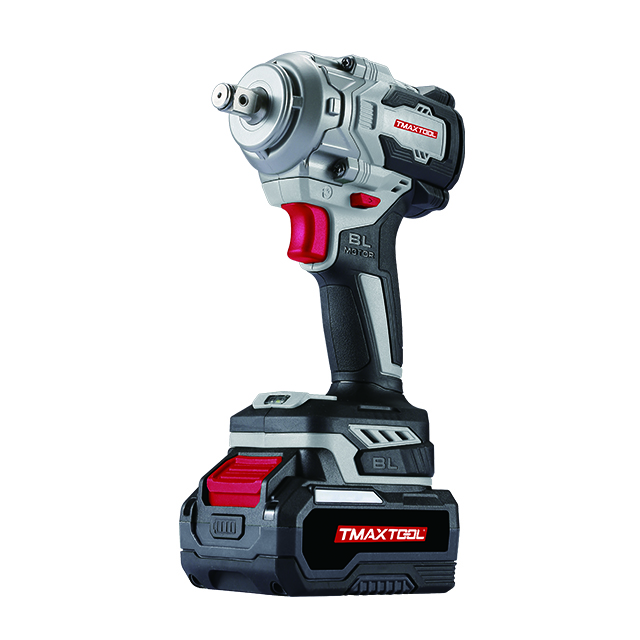
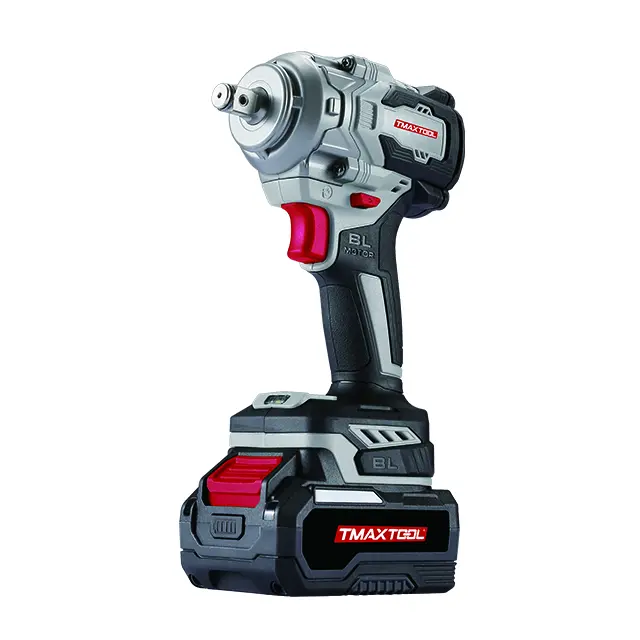
 Impact Wrench
 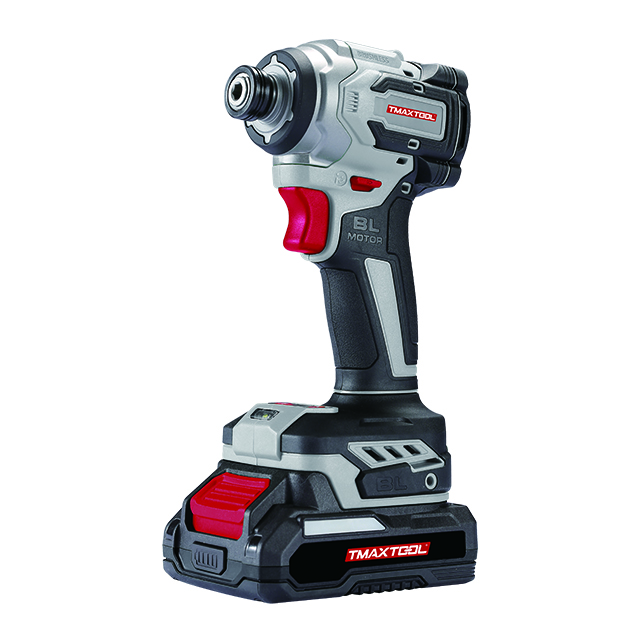 Screwdriver
 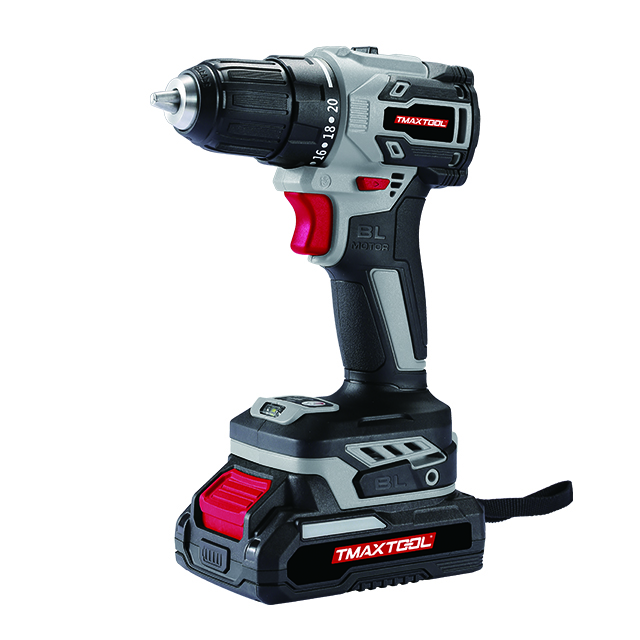 Cordless Drill
 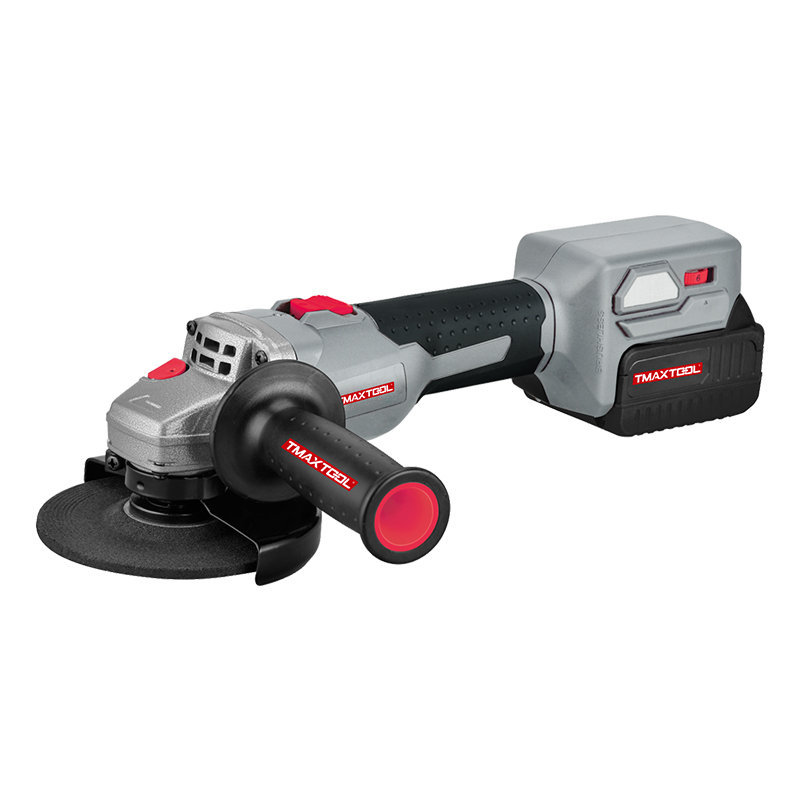 Angle Grinder
 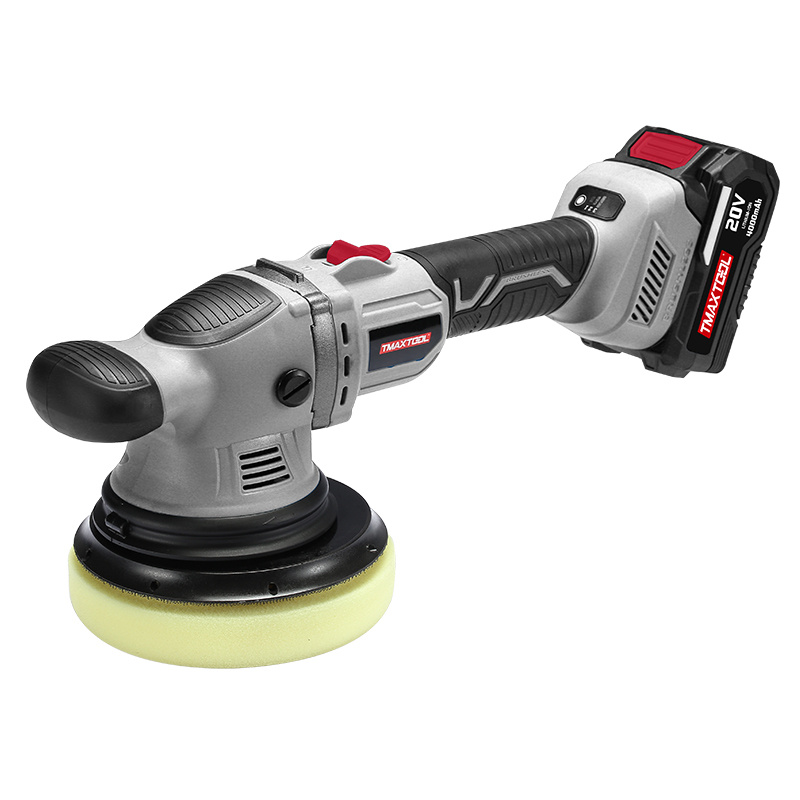 Polisher
 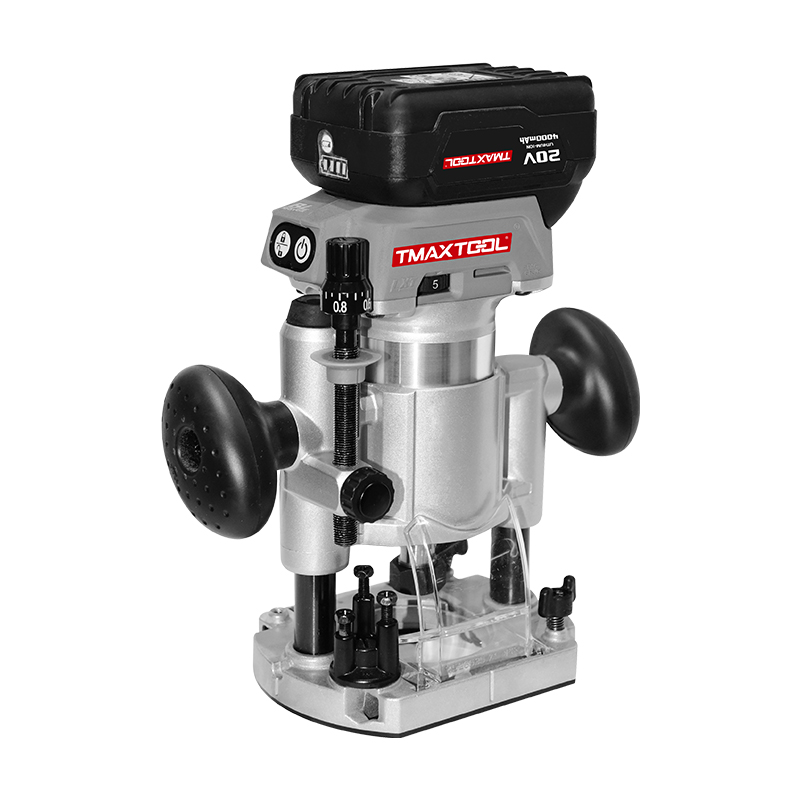 Wood Router
 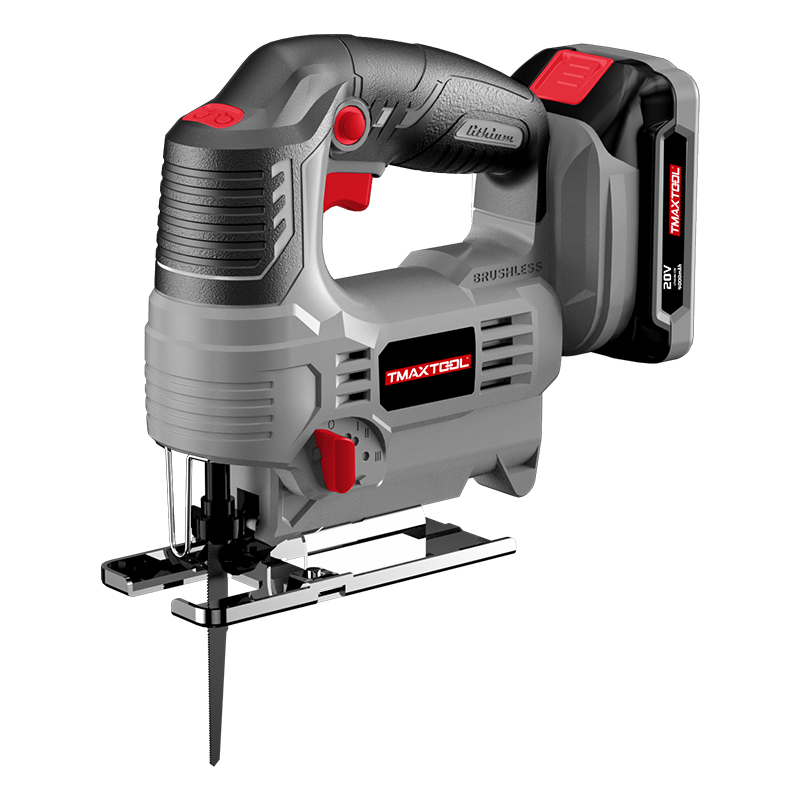 Jig Saw
 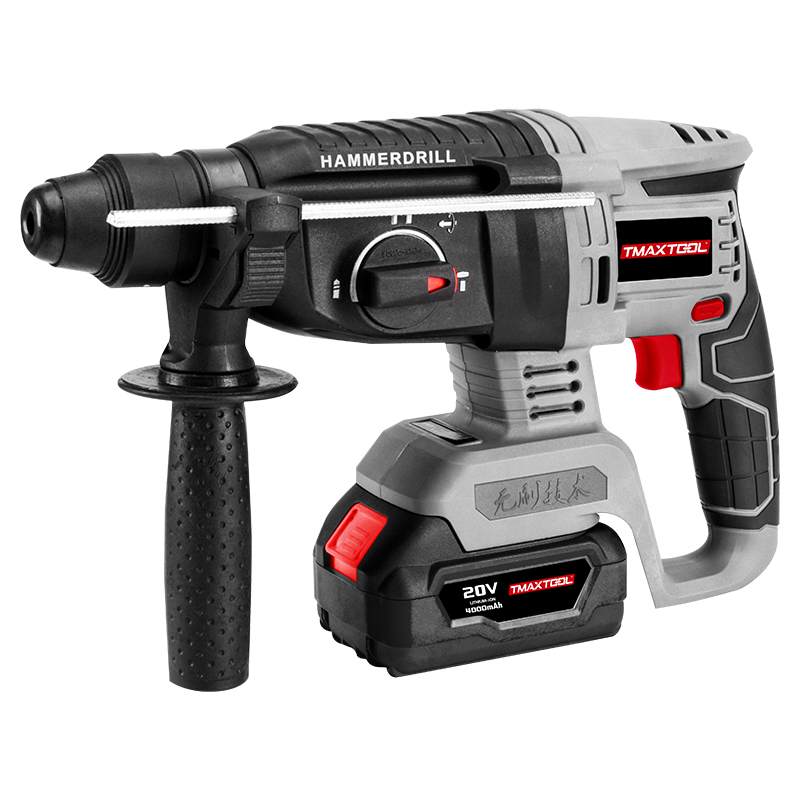 Hammer Drill
 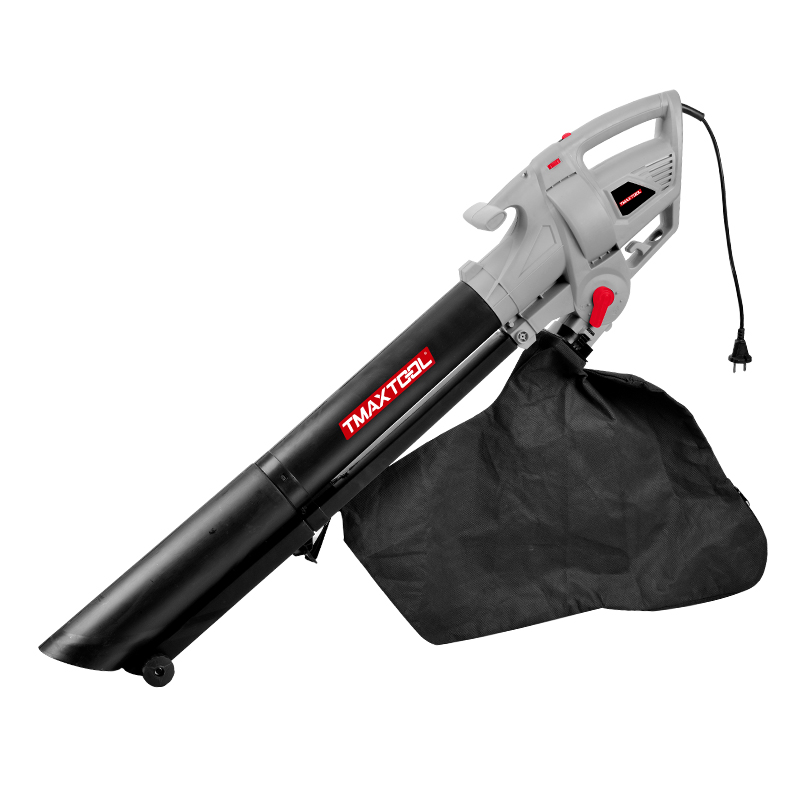 Portable Blower
 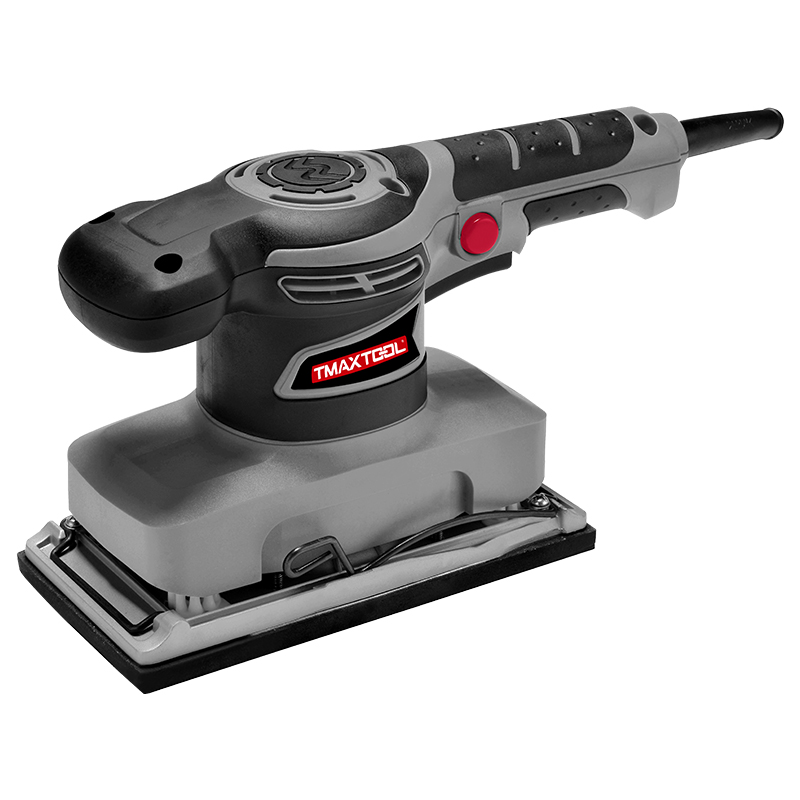 Orbital Sander
 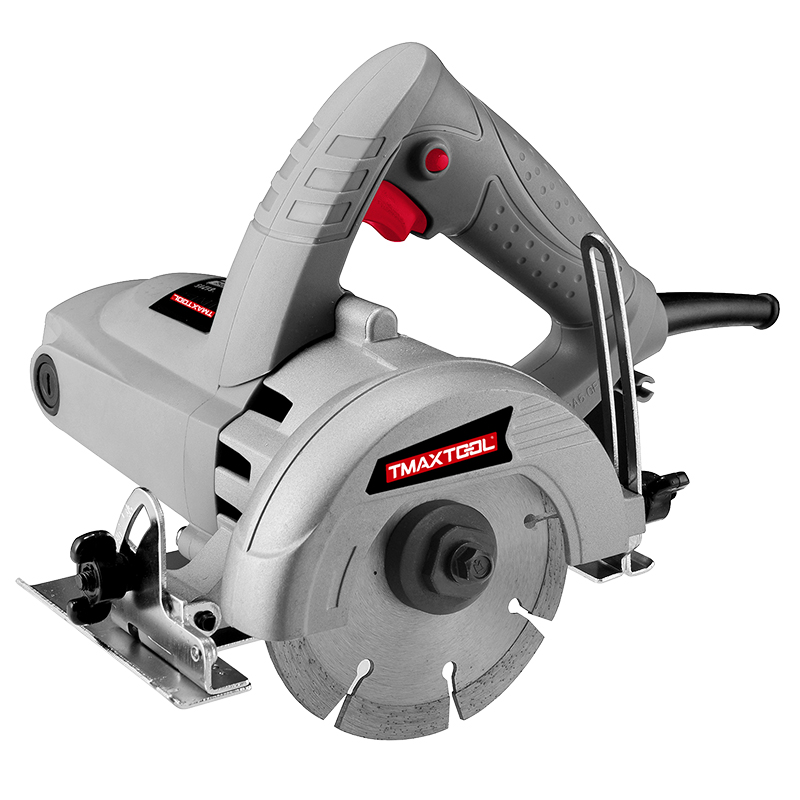 Marble Cutter
  GARDEN TOOLS
 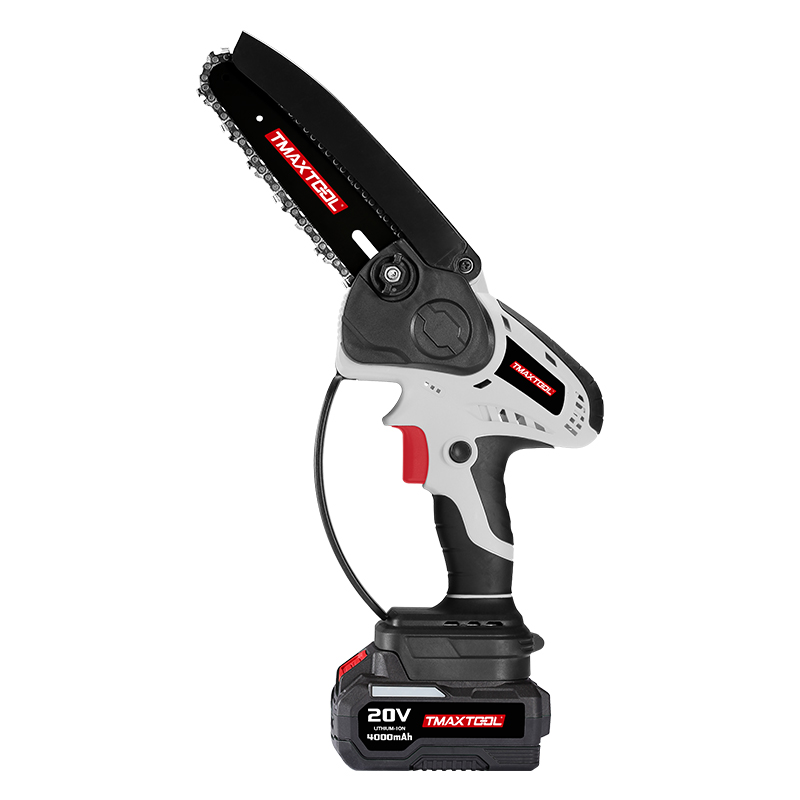 Battery Chain Saw
 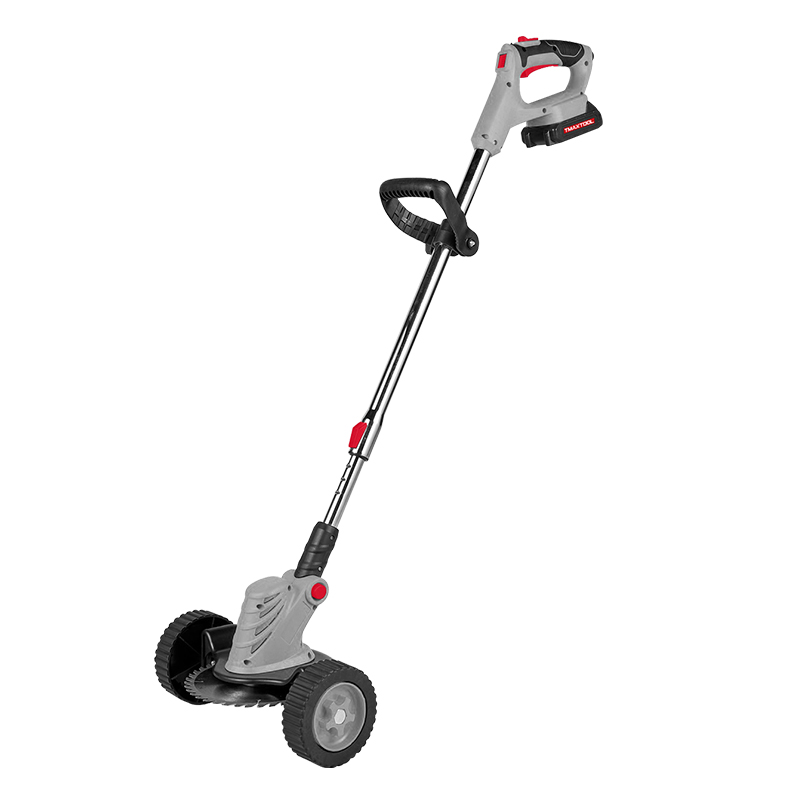 Battery Brush Cutter
 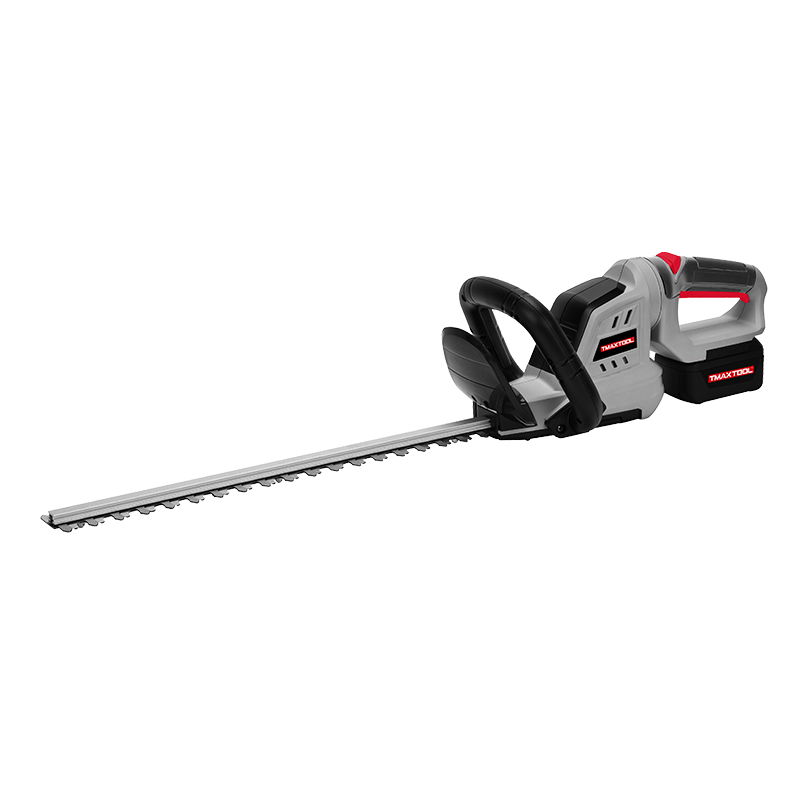 Battery Hedge Trimmer
 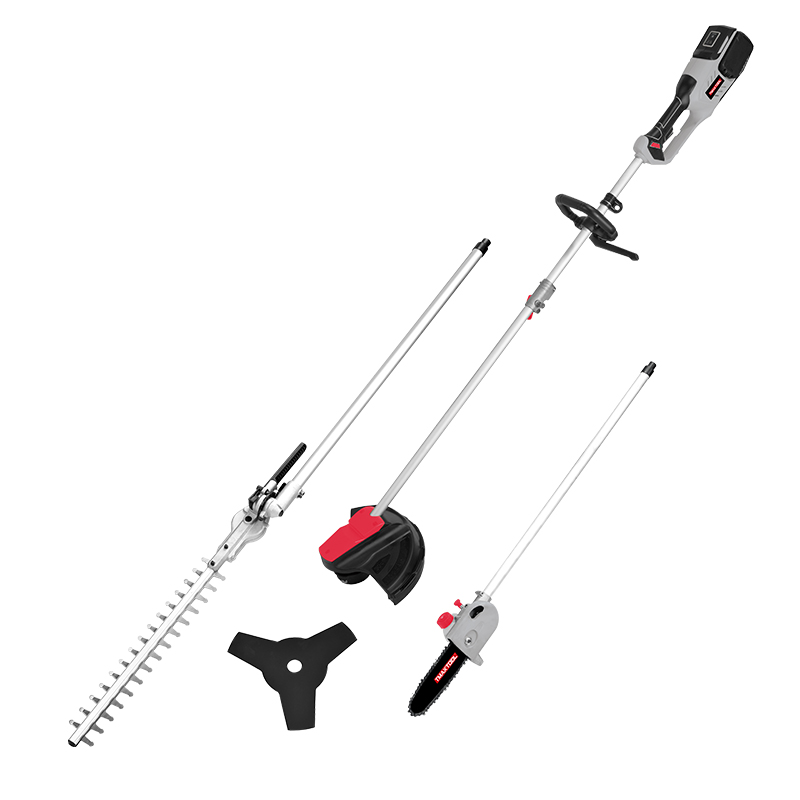 Battery Multi Tool
 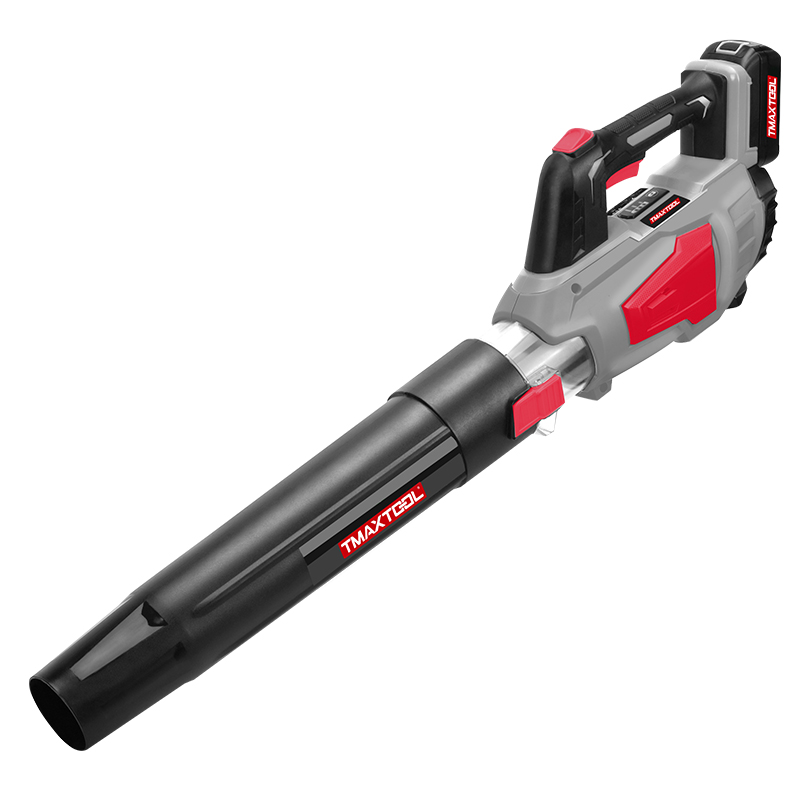 Battery Blower
 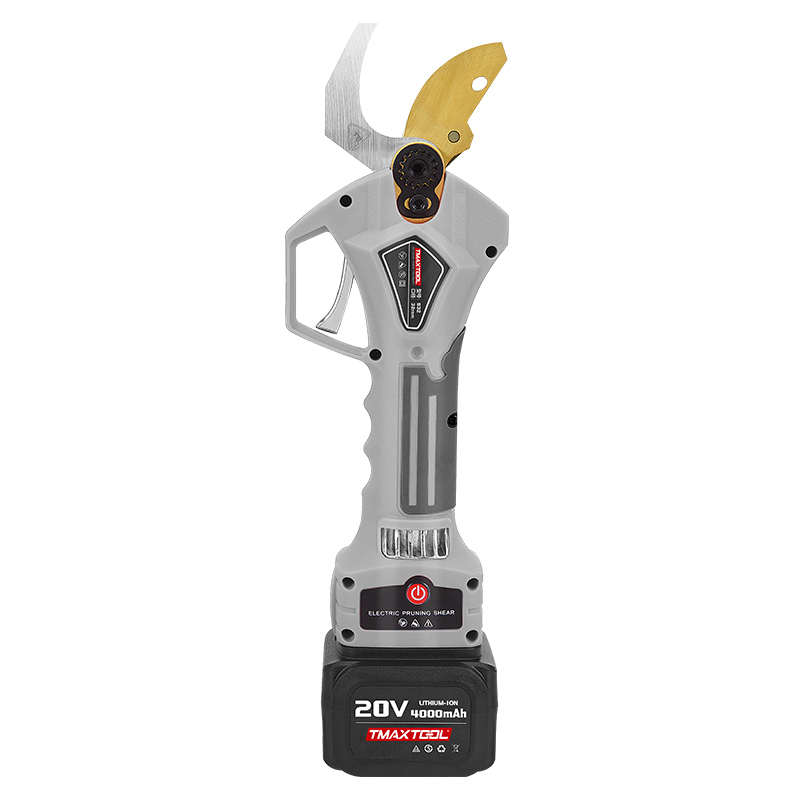 Batter Pruning Shears
 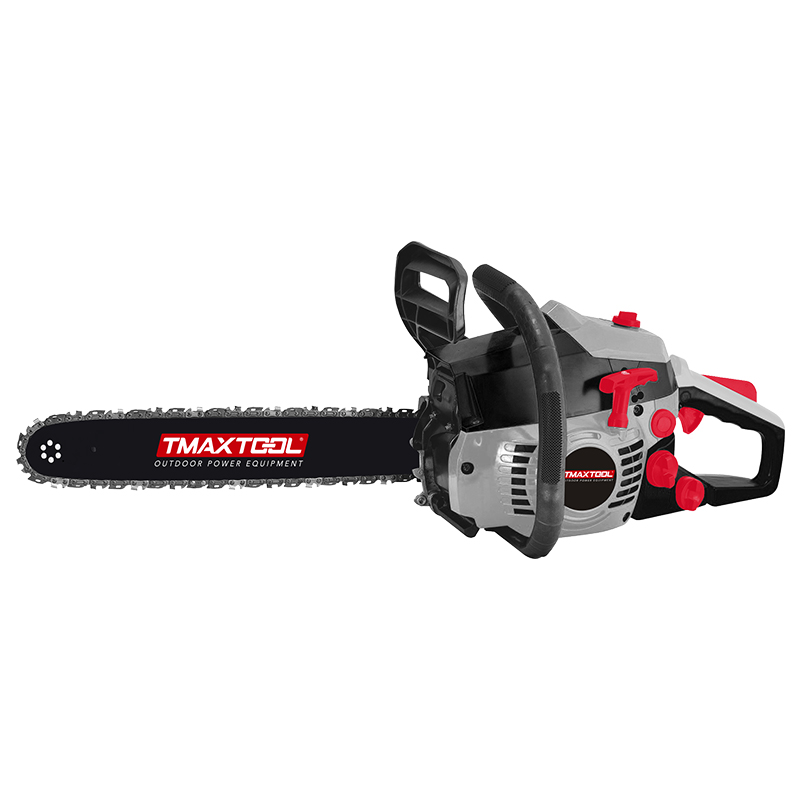 Chain Saw
 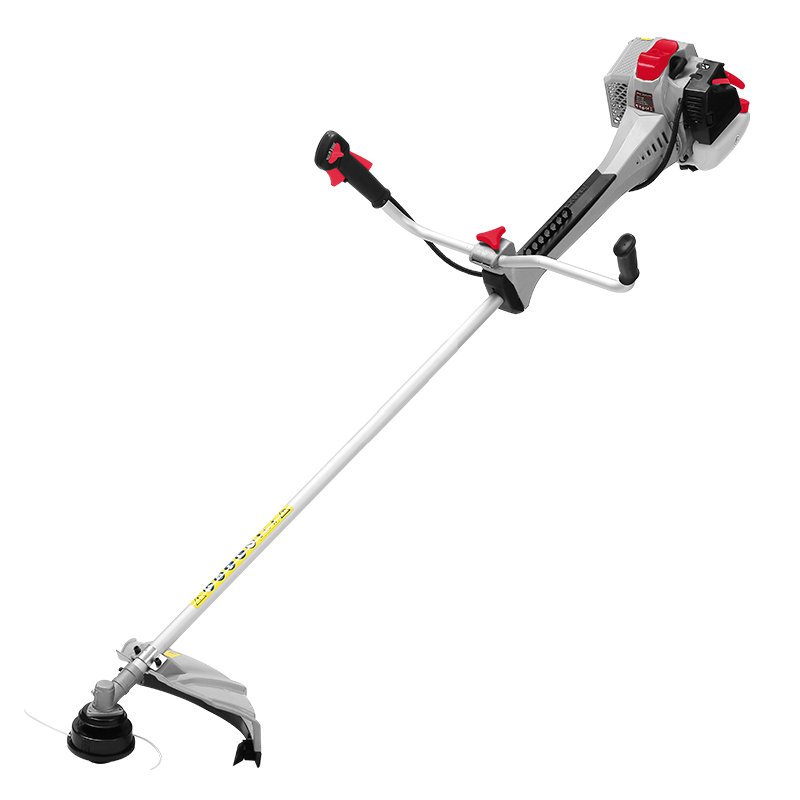 Brush Cutter
 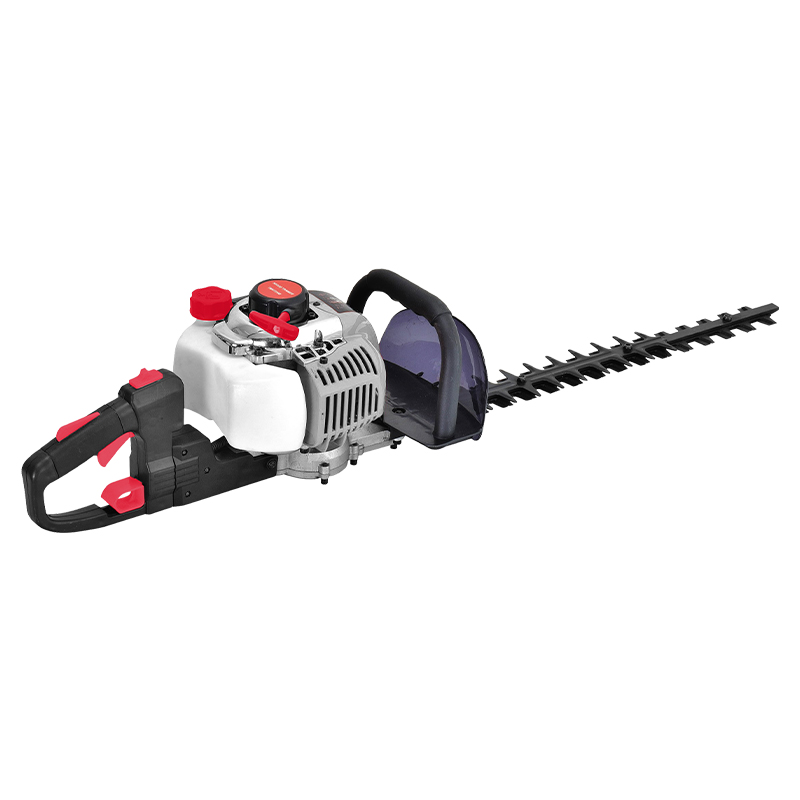 Hedge Trimmer
 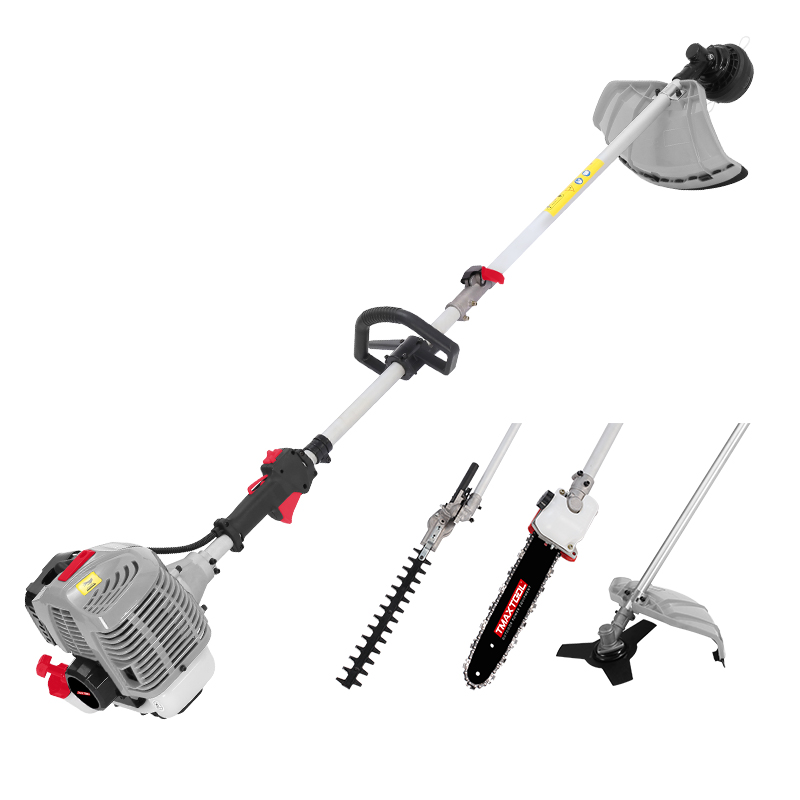 Multi Tool
 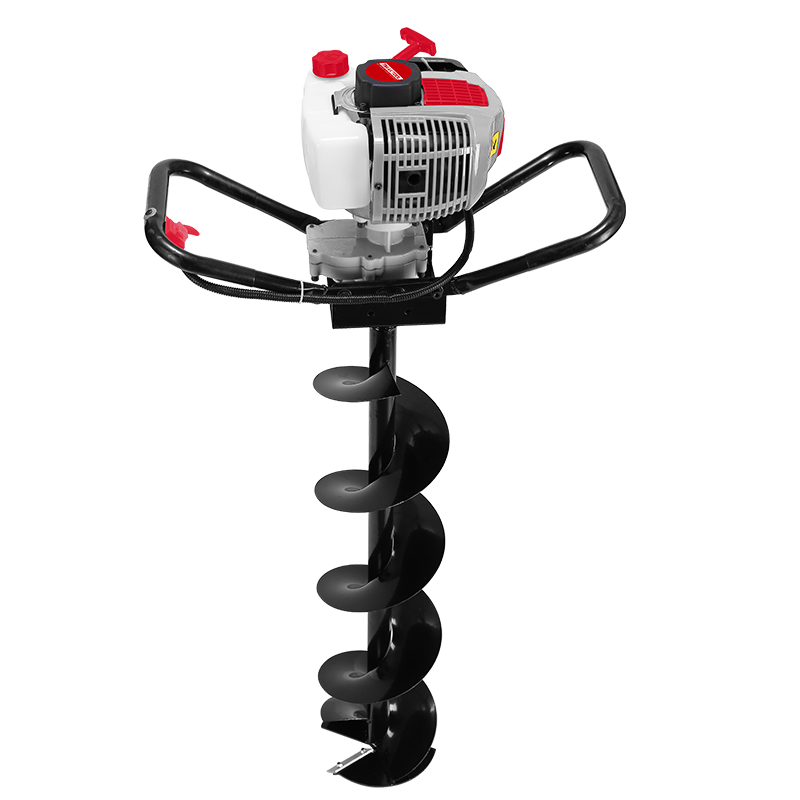 Earth Auger
 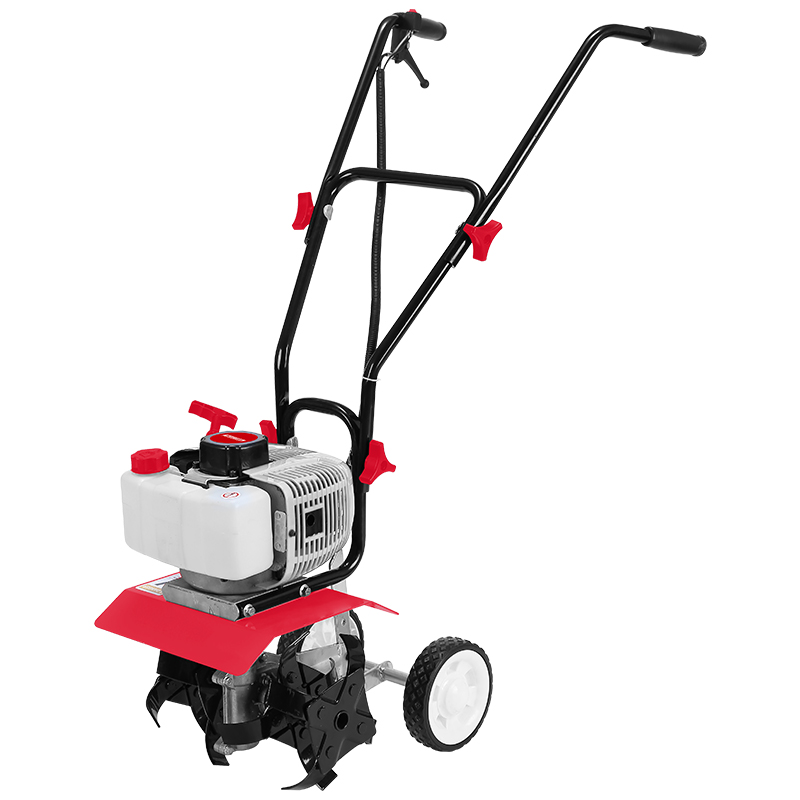 Tiller
 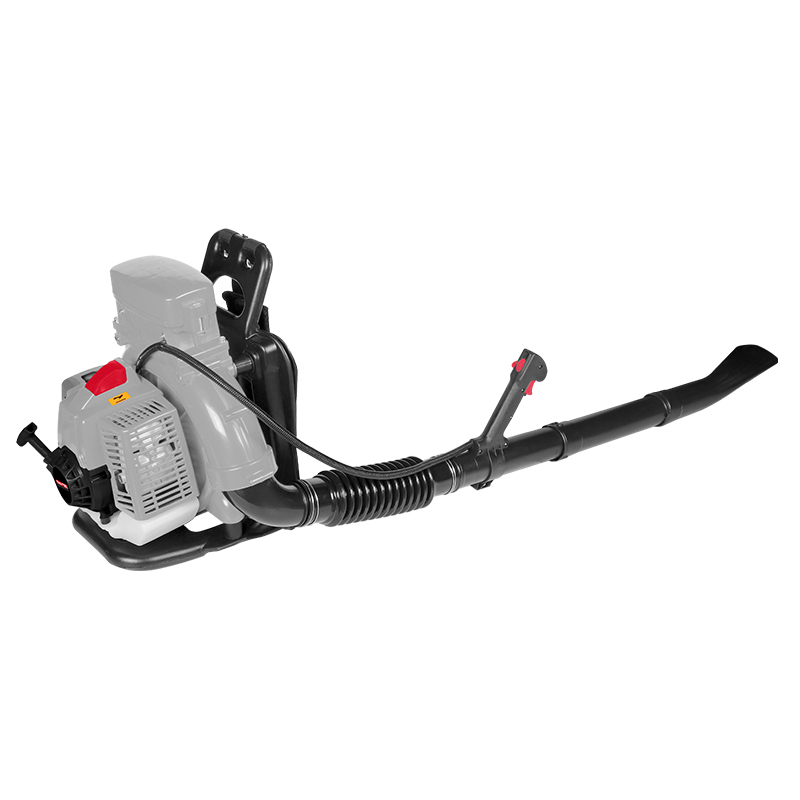 Blower
 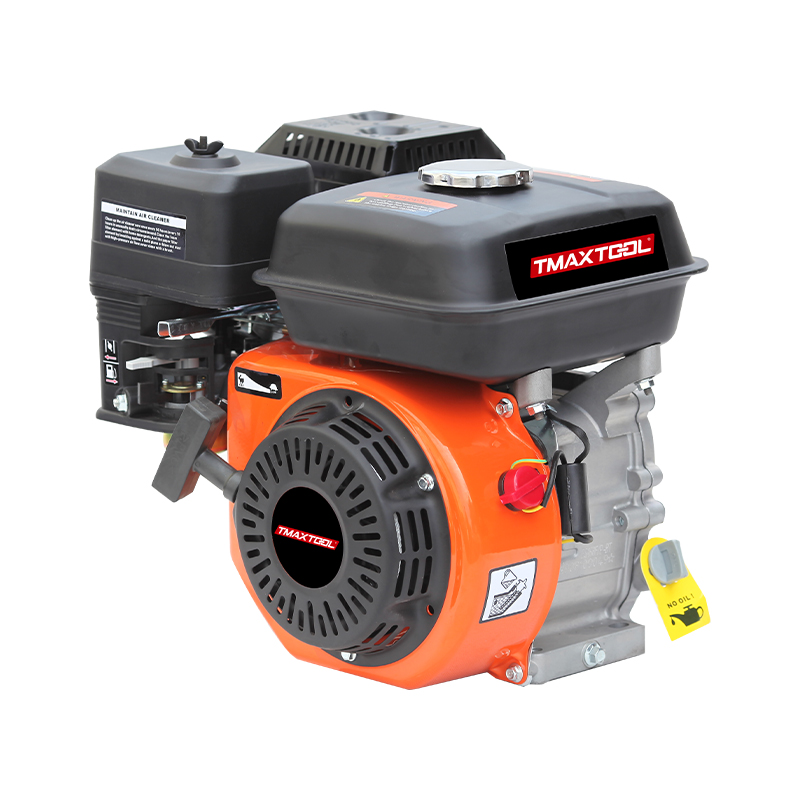 4 Stroke Gasoline Engine
 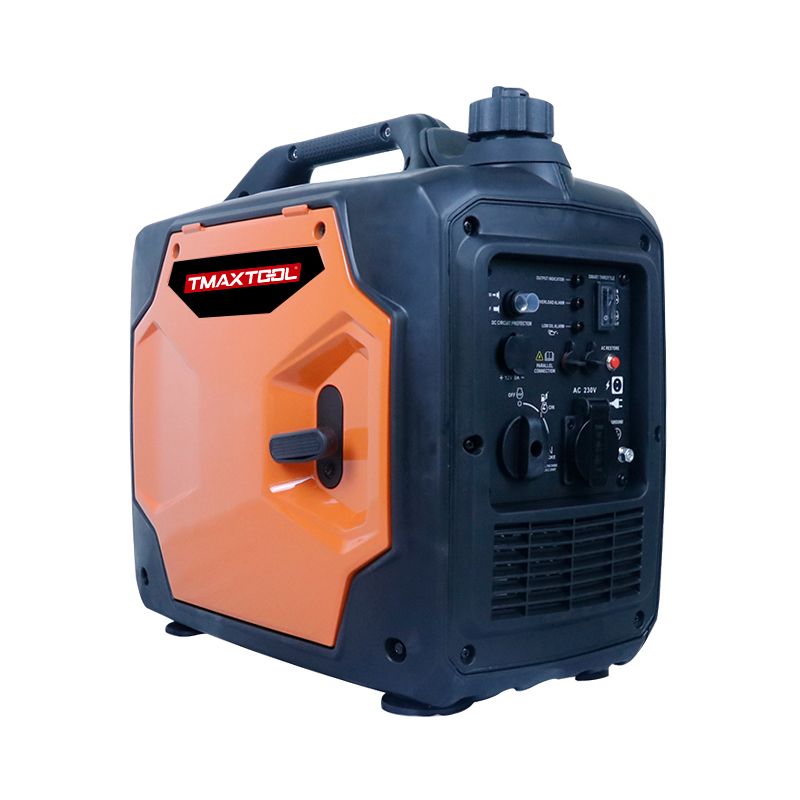 Generator
 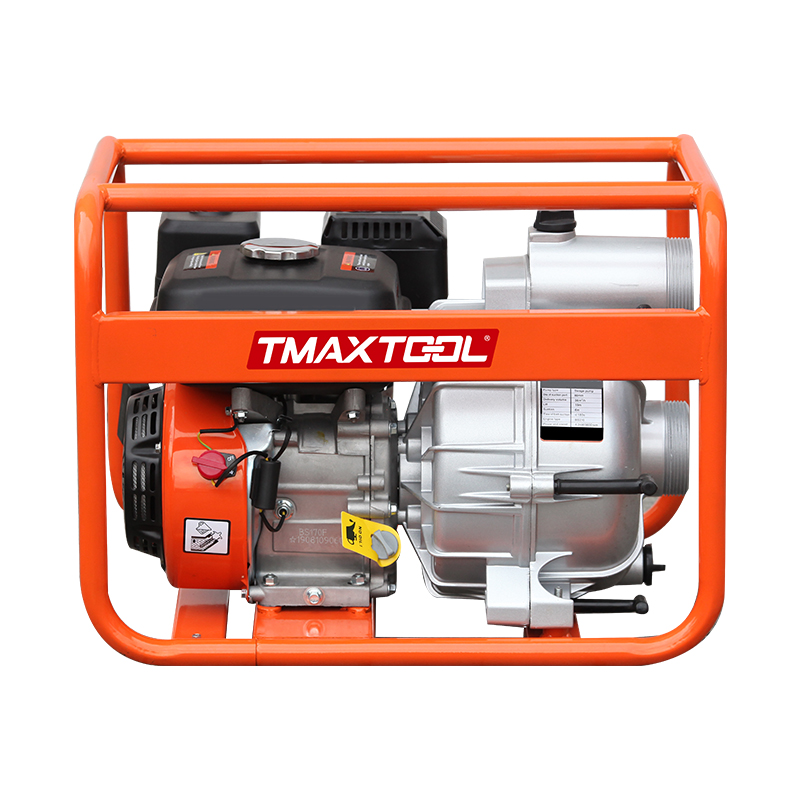 Water Pump
 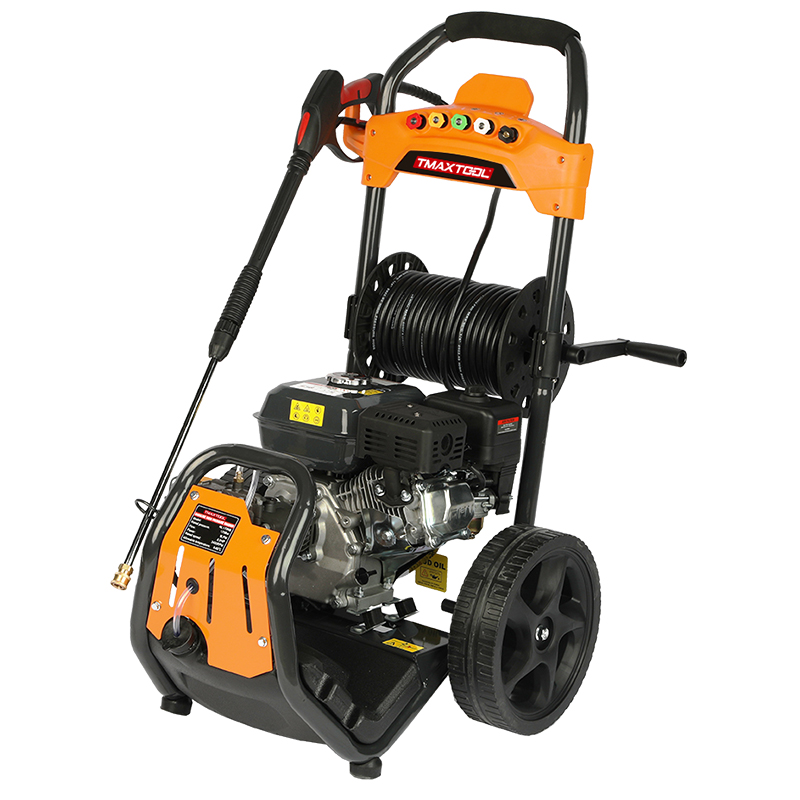 High Pressure Washer
 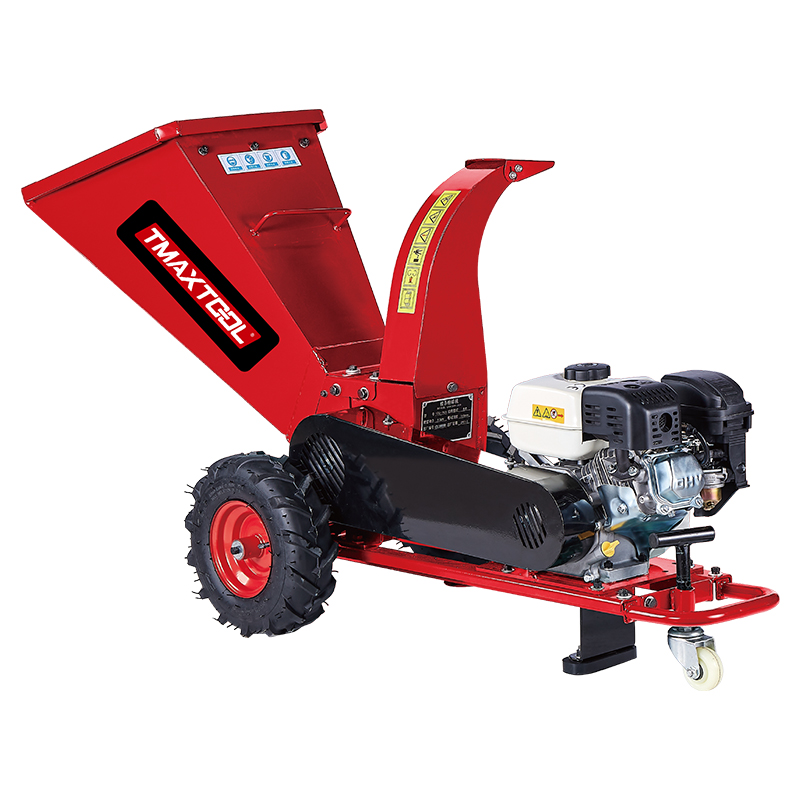 Wood Cutter
 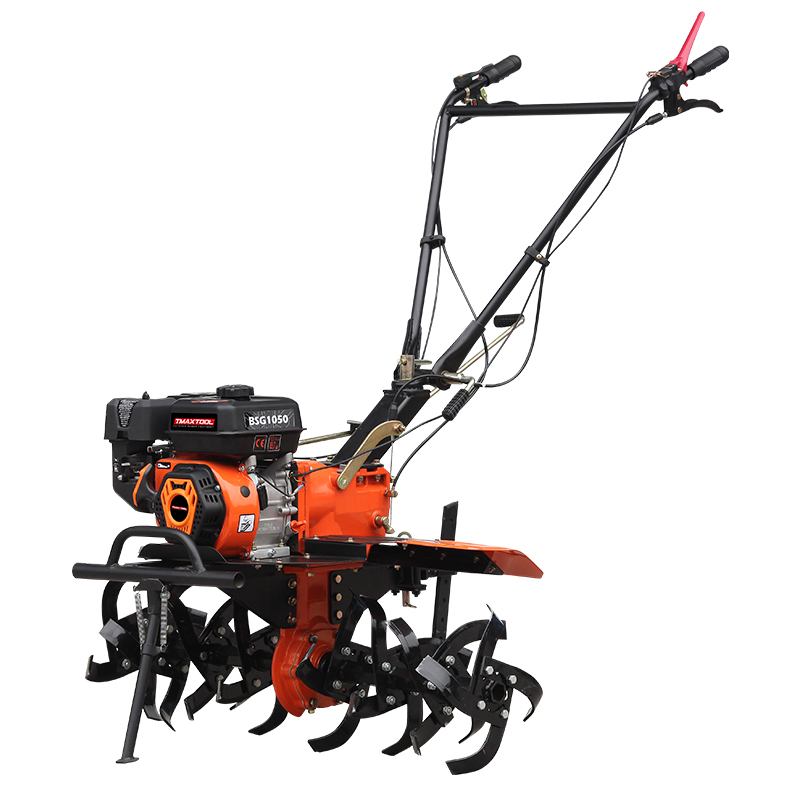 4 Stroke Tiller
 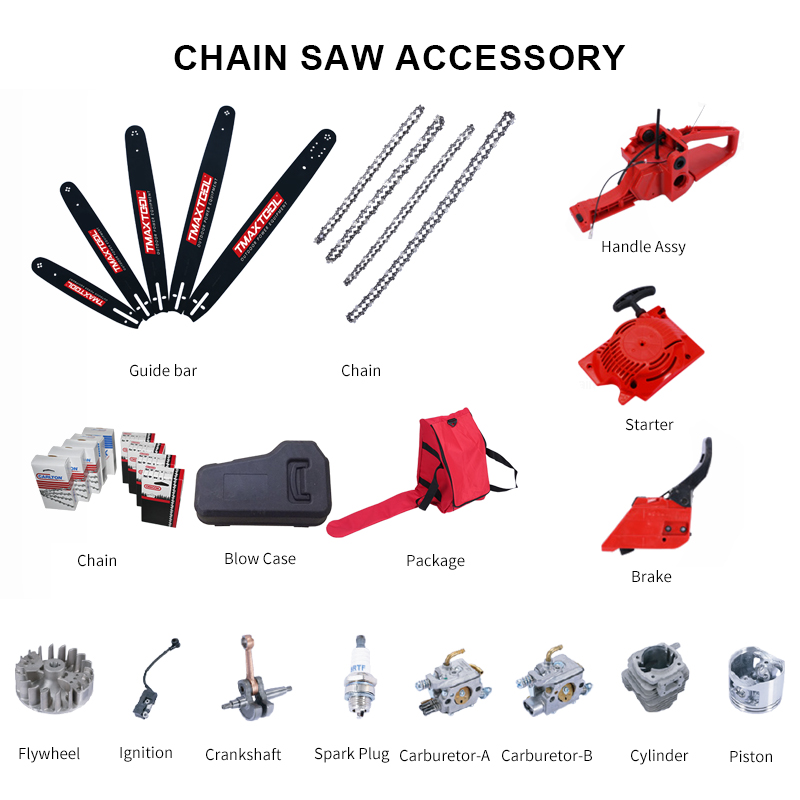 Chain Saw Accessory
 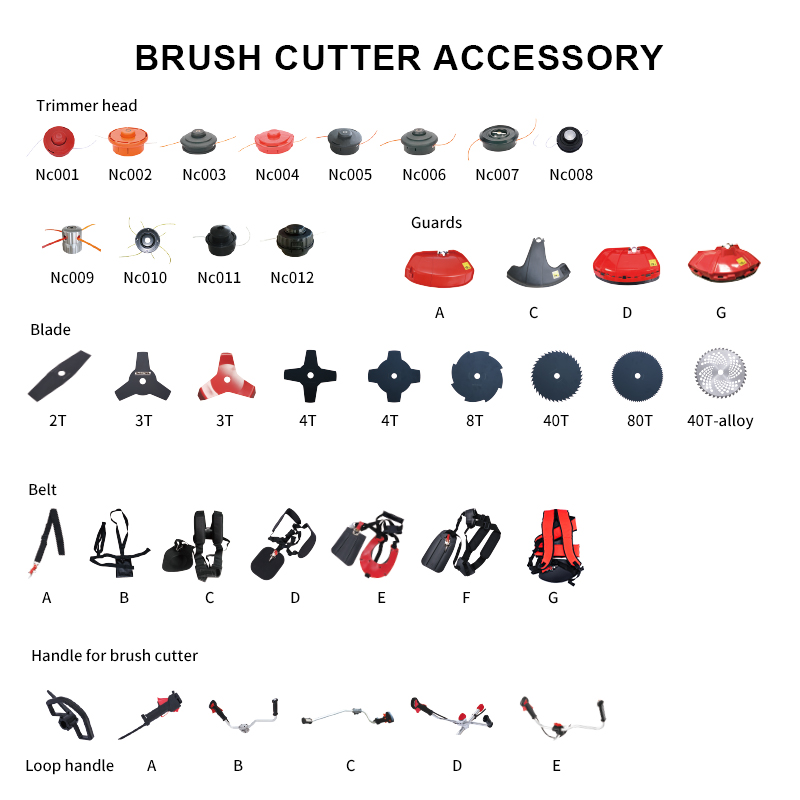 Brush Cutter Accessory
 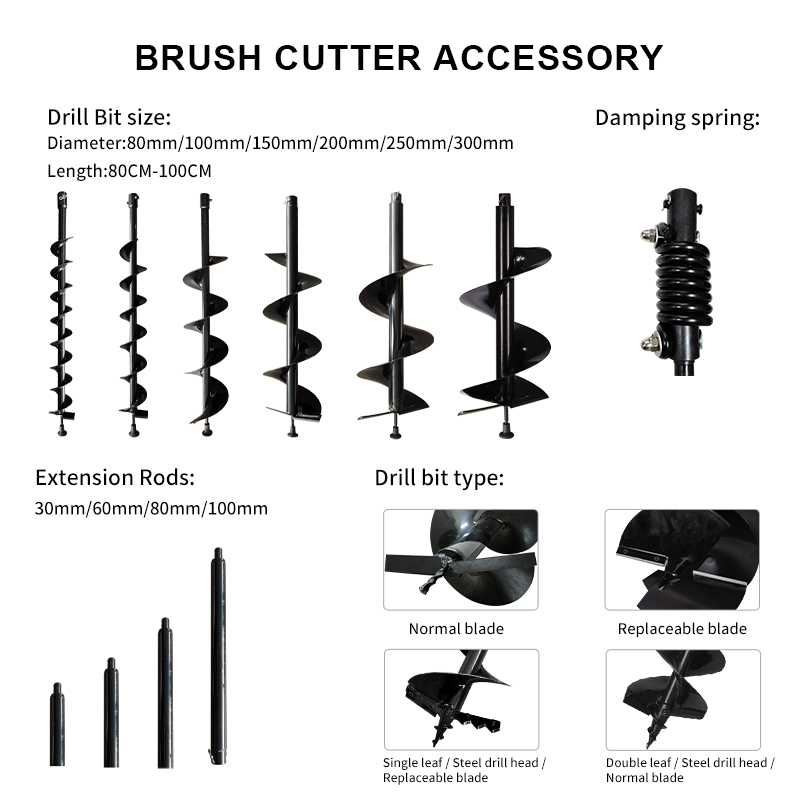 Earth Auger Accessory
 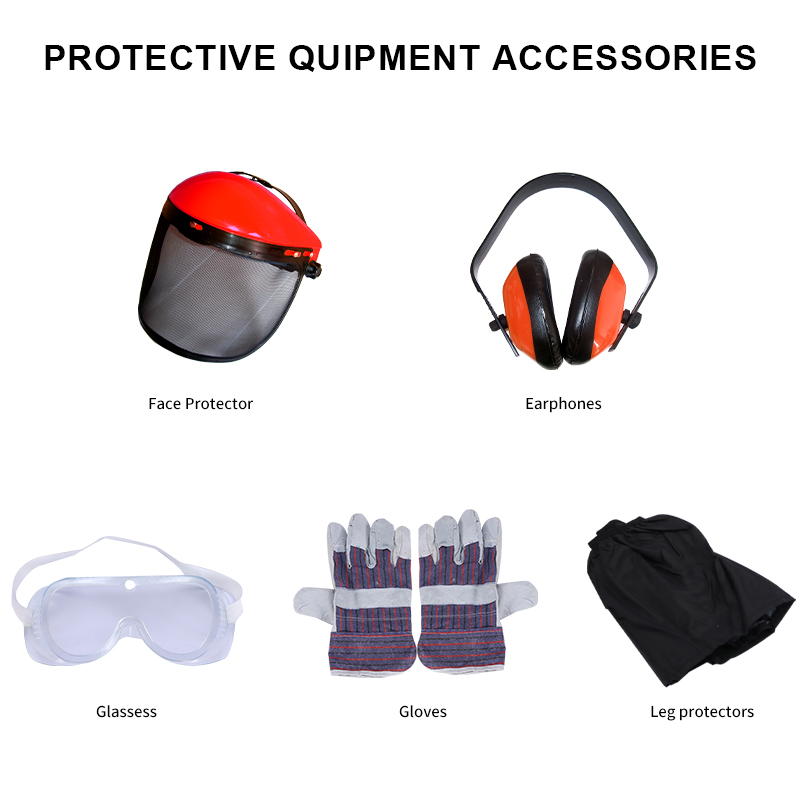 Protective Equipment Accessories
 Leave Your Message
This is an important consideration when it comes to keeping your garden or lawn immaculate. The models available in the market today will not help you save time without understanding their essential features and specifications in detail. An appropriate grass trimmer helps in making your outdoor space aesthetic, while simplifying the garden maintenance process, enabling you to enjoy the beauty of your greenery without having to deal with the mess brought about by overgrown weeds and unruly grass.
Jinhua U Win Import & Export Co., Ltd. TMAXTOOL strongly focuses on manufacturing diverse power tools and garden equipment, including this high performance grass trimmer. Thus, you have at your disposal the best tools for your gardening needs since we have been granted the best experience in power tools and commitments to quality. This blog will take you through some vital tips that will help you choose the perfect grass trimmer and ensure you achieve a garden solution meeting your requirements using our very own creative designs and robust product offering.

Trimmers are essential equipment when talking about the whole maintenance of the lawn or garden. Knowing the various types of grass trimmers will greatly influence your purchase. Grass trimmers are basically divided into three categories: electric trimmers, gas trimmers, and battery-powered trimmers. Each category has its own merits and demerits to suit different gardening needs and user preferences. Electric grass trimmers are very lightweight and easy to use. They should be used for small to medium-sized yards where noise and little maintenance are key. These trimmers are limited in mobility because they typically run off of a power source but are great for customers who want a very uncomplicated trimming experience. Gas-powered trimmers take over the field in grass trimming across the globe. They have stronger engines and thus can be used in thicker grass and weeds, which is why they are used more on larger properties or difficult terrains. Gas trimmers are, however, high-maintenance and very loud and heavy. Battery-powered trimmers have become increasingly in vogue due to their operating convenience and less pollution. They find a unique position between gas trimmers and electric trimmers in terms of mobility and ease of use. They are perfect for those seeking portability without dealing with cords or the maintenance of gas engines. As battery technology advances, steadily, more people find that these trimmers have adequate power and runtime for most mowing tasks and thus are a very viable option for the modern gardener.

Understanding essential elements would make a huge difference when finding the right grass trimmer for a particular need. One should first ascertain what kind of trimmer one needs-a corded, cordless, or gas-powered type. Corded trimmers are best suited for small yards because they provide constant power. On the other hand, cordless ones will provide the user with freedom and ease in maneuverability for larger areas. Gas-powered trimmers have the perfect balance for heavy-duty jobs but come at the cost of being really loud and need maintenance.
That biggest that one should consider before buying any equipment would be the cutting width. The wider the cutting diameter, the more area it will cover in one stroke, which means the less time you'll spend cutting the grass in bigger lawns. Narrow trimmers, on the other hand, would be easier to maneuver in small spaces. Some models also come with adjustable heights of cut, allowing flexibility in achieving the right height for different grass types and weed management for a more professional finish.
Finally, an important aspect that determines how comfortable, or otherwise, the operational process is ergonomics and weight. A well-balanced, lightweight machine considerably reduces operator fatigue over extended periods of operation, while an ergonomic handle design will enhance grip and control. Finally, consider other features like dual-line cutting systems for efficient trimming and easy mechanisms for replacing lines. Focus on these important aspects, and the grass trimmer will suit you well for your exact needs.

Understanding the power source of your trimmer is a key part of the decision-making process when choosing the right grass trimmer. Of course, there are gas, electric and even battery power, each carrying its own perks and disadvantages. According to industry reports, the most favorite among the three options tends to be gas trimmers. It is because of the sheer power that gas trimmers can bring for the most heavy jobs. Gas power is usually referred to by its engines. They can hold anywhere from 25cc to 50cc engines and serve high-performance cutting over larger landscapes. In fact, they do cause emissions, plus they also need more maintenance, which may not be for the environmentally conscious users.
Electric trimmers are pretty much better than these since they produce little sound and do not harm the environmentally conscious ear. There are two types of electric trimmers: those using cords and those that don't. Nearly 40% of homeowners would choose to go the electric way for their urban and suburban gardening, otherwise called registered studies, which would weigh very little. Unlimited run time is available with corded models; battery-operated trimmers improve performance with the advances in lithium-ion batteries and now offer run times up to 60 minutes in a single charge. Casual users who value convenience over raw power will find these increasingly appealing.
Those who believe in using grass trimmers should understand that the aspect upon which the right fit will really depend is about the source of power they will need for such. Heavy-duty yard maintenance is probably best served by gas-powered trimmers, while electric ones will suffice for much lighter, routine maintenance. Considering that the market for gardening tools is beginning to evolve toward sustainability, battery-powered trimmers are anticipated to occupy a bigger portion in town where consumers are leaning toward green technology in doing their landscaping outdoors.

When it comes to selecting a grass trimmer, the width with which the grass is cut and the type of trimmer line would all play an important role in prucing to best suit individual trimming needs. The cutting width refers to a specification on how much grass can be cut in a single pass. Cuts are made quicker using wider cutting attachments, usually around 30 cm, good for medium to large size lawns. For example, one can find in the newer generation battery-operated high-performance trimmers the perfect cutting width and one of its features includes the tilting cutter head, which improves the edging ability for lawns.
Line type is also important to how a grass trimmer performs. Lines come in several materials, including nylon and titanium, where each is coined for different durability and cutting capabilities. Yea, a common nylon one would be for regular trimming against soft grass; a heavy-duty line would suit tougher weed and thicker grass cutting jobs once known for being more cutting efficient. Reports indicate that using the correct line type can significantly increase cutting efficiency while reducing the time for lawn maintenance.
Besides, it has been indicated by both user reviews and industry testing that the performance of electric or battery-powered models is more than a little distance ahead of that by gas-powered ones. Electric string trimmers are becoming increasing popular as well on account of their extremely lightweight and minimal maintenance features, turning out to be the answer for homeowners who need convenience with little or no power compromise. The enhanced efficiency offered by advances in battery technology by 2025 revolved those models into reliability and a capability of handling larger areas, making them a smart investment for a residential lawn.
When buying a grass trimmer, it is most important to consider the weight of the device. A lighter model can help a great deal in trimming, enabling a longer duration with less fatigue. For homeowners in the larger lawns or those who need to go around their gardens and flowerbeds, a trimmer which is light will reduce strain on your arms and back. The right balance is when the tool feels good in your hands yet power full enough to tackle those tough grasses and weeds.
Into that mix is also the ergonomics of the trimmer. Look at an adjustable handle, a pad grip, and an adequate wrist angle. They all have something to contribute to an enjoyable operation, which will create tension in those extended sessions. A
Well-designed trimmer supports proper posture while also minimizing the possibility of repetitive strain injuries. And when looking into the different models, they should be tested for the feeling that they mesh well with your body's mechanics and personal preference.
Choosing a grass trimmer is just like getting a partner in yard work; only that best fit works for a smooth relationship. The weight and the ergonomics are important in this discussion because they directly impact comfort and efficiency. By placing such importance on them, your maintenance is a guided joy rather than a dreaded chore.
The ability to buy something decent without upsetting the financial balances is, therefore, very critical for one to consider: in buying a grass trimmer. According to IBISWorld's latest industry research, the lawn care equipment industry is steadily rising with growing consumer expenditure on home and landscaping improvements. This trend emphasizes the need to spend wisely on equipment like grass trimmers.
In the end, a good gas or electric grass trimmer should cost between $100 and $300. The less expensive models may look tempting, but by getting something better, you are saving in the long run. The Technavio report states that while expensive models cost more upfront than the cheap ones, they generally last longer than their cheaper counterparts and work better and incur fewer repair and replacement costs, which eventually eat into your costs in the long run.
Further features would perhaps be nice to aid your experience and efficiency. Companies such as Stihl and Echo provide professional-grade equipment that costs somewhat more upfront but ultimately features advanced engineering and ergonomic design for prolonged use. The additional investment usually equates to less fatigue and more productivity. Ultimately, the balance between price and quality guarantees you pick a grass trimmer that suits your budget while delivering what you expect in performance for keeping your yard looking good.
When it comes to grass trimmer maintenance, regular upkeep is indispensable. According to the Outdoor Power Equipment Institute (OPEI) report, almost 30% of users encounter decreased performance due solely to poor maintenance practices. Simple things can add years to your trimmer's lifespan while allowing it to work optimally.
The line of the trimmer must be checked and replaced in a timely manner. A dull or worn line will cause cutting efficiency to dip up to 50%, causing frustration and more time trimming. OPEI recommends replacing the trimmer line every 2-3 months or sooner if noticeable cutting power decline occurs. Ensure that any accumulation of grass clippings around the cutting head is removed, as this aids in cooling down the trimmer and, hence, prevents overheating that can damage the motor.
Closely inspect engine and electric parts—another vital maintenance tip. The Engineering Society of Detroit attributes 60% of trimmer failures to engine and ignition systems being poorly maintained. Checking filters, spark plugs, and fuel lines at the beginning of the season can safeguard against sudden failures and costly repairs. Maintenance done after this manner will ensure that your grass trimmer is working practically, letting you have a well-kept yard with minimum bother.
User reviews and recommendations are vital in choosing the right trimmer. Survey results published by the Lawn Care Association have shown approximately 65% of respondents consult online reviews before purchasing lawn care equipment. Such data affirms why learning from another's experience is vital to assuring that an individual selects a trimmer suited to their specific needs.
Reviews provide insight into another major consideration: battery life in cordless trimmers. Cordless grass trimmer battery life is one of the most important components ranked by users in a Consumer Reports survey, almost 72% of respondents emphasizing that it nevertheless contributed to their overall satisfaction. In the opinion of many users, trimmers that run for at least 30 to 45 minutes on a given charge are recommended-mostly for larger yards with longer working sessions.
Another significant finding points to the importance of weight and maneuverability. Data by Landscape Industry Standard show that more than 58% of homeowners prefer lightweight trimmers for easy maneuverability, especially in hard-to-reach areas, while users usually recommend models weighing under 10 lbs for comfort during operation, leading to reduced fatigue on extended yard work.
In addition to battery life and weight, noise levels are something many users are concerned about. In other words, equipment operating above 85 decibels is determined unpleasant for the user and the neighbors, according to a standard report prepared by the American National Standards Institute. Again, many reviews recommend electric models since they operate more quietly; thus, they are more advantageous in urban or suburban enclaves where noise regulations may apply.
The main types of power sources for grass trimmers are gas, electric, and battery-powered options, each with their own advantages and considerations.
Gas trimmers are favored for their robust power and ability to handle heavy-duty tasks, typically featuring engines ranging from 25cc to 50cc for high-performance cutting.
Gas trimmers produce emissions and require more maintenance, which might be a drawback for environmentally conscious users.
Electric trimmers are quieter and more eco-friendly, with users appreciating their lower weight and ease of use, especially in urban and suburban areas.
Corded electric trimmers provide unlimited runtime but require a power outlet, while cordless (battery-powered) trimmers offer mobility but have limited runtimes, typically up to 60 minutes on a single charge.
It's recommended to change the trimmer line every 2-3 months or sooner if you notice a drop in cutting power, as a dull line can significantly reduce cutting efficiency.
Regularly checking and replacing the trimmer line, keeping the cutting head clean, and performing routine inspections of the engine and electrical components are crucial maintenance practices.
Nearly 30% of users experience decreased performance due to neglecting maintenance, and improper maintenance of the engine and ignition systems is linked to 60% of trimmer failures.
Performing routine inspections at the start of the season, including checking filters, spark plugs, and fuel lines, can help prevent unexpected breakdowns and costly repairs.
As the gardening tools market shifts towards sustainability, battery-powered trimmers are likely to gain a larger market share, reflecting a preference for green technology in outdoor landscaping.


