If you're serious about getting that perfect, spotless finish on your vehicle, then having a good quality Wheel Polisher is pretty much a must-have in any car enthusiast’s toolkit. You know, lately, there’s been a real bump in demand for detailing gear—including polishers—and industry reports suggest this trend isn't slowing down anytime soon. In fact, it’s growing at about 5.5% each year, all the way through 2026. Here at Jinhua U Win Import & Export Co., Ltd., we’re super proud of our wide selection of power tools—especially our top-notch polishers—that suit all kinds of users. Whether you’re a pro detailer or just someone who loves tinkering with your car as a hobby, we've got the perfect wheel polisher to help make your job easier and your results shine. So, as we dive into the ultimate guide to picking out the best wheel polisher for you, let’s go over some key things to consider—that way, you can find exactly what fits your needs best.

Understanding Wheel Polishers: Types, Features, and Specifications
When you're trying to pick out the right wheel polisher, it's pretty important to understand the different types, features, and specs out there. Honestly, wheel polishers usually fall into a few categories—like rotary, dual-action, and forced rotation. Rotary Polishers are the high-speed, professional-grade kind that give you that super shiny, mirror-like finish. If you're just starting out or want something a bit easier on your paint, dual-action polishers are great since they combine rotary movement with a gentle oscillation, making it less risky for the paint job.
Beyond just knowing the type of polisher, it's also smart to look at features like power, speed options, and which pads it works with. The power rating really affects how effective the tool is, and having variable speeds gives you more control, especially when working on different wheels or surfaces. By the way, Jinhua U Win Import & Export Co., Ltd., TMAXTOOL, is a pretty well-known name in the power tool world. They’ve got a wide selection of polishers designed for all kinds of projects—whether you're fixing up a car, pruning your garden tools, or working on farm machinery. Grasping these details will help you pick out the perfect wheel polisher for what you need and make your projects turn out just right.

Key Factors to Consider When Choosing a Wheel Polisher
When you're trying to pick out the best wheel polisher for your needs, there are a few key things you should keep in mind to help you make a smart choice. For starters, think about the size and type of your wheels. Bigger wheels usually call for a more powerful polisher with a larger pad so you can cover more ground without wasting time. Also, don’t forget to consider what material your wheels are made of — different finishes can require a more gentle or specialized touch to avoid damage and get that awesome shine you’re after.
Another thing to watch out for is the speed and heat settings on the polisher. Having a variable speed option is super handy because it gives you more control—you can dial in the right power based on how your wheel looks or feels. Heat can be a real issue, especially on polished or painted surfaces, so it’s smart to go for models that help prevent overheating.
And let’s not forget about comfort and safety. A lightweight, easy-to-hold polisher that’s ergonomic can make all the difference, especially if you’re spending some serious time at it. It keeps things both efficient and, honestly, a bit more fun too.
Industry Insights: Top Wheel Polisher Brands and Their Performance Ratings
Taking care of your car's wheels? Honestly, investing in a good quality wheel polisher can make a pretty big difference. Lot of experts and reviews point out that some brands just keep standing out because they perform well, last long, and users are happy with them. Brands like Griot's Garage and Meguiar's are well-known for their smart designs and effective polishing tools. For example, Griot's Garage stuff is often praised because it's pretty user-friendly—they’re great whether you're just starting out or you’ve been into detailing for years.
When you look at the performance ratings, they really do help you figure out what’s best for you. Like, the Flex XFE7-15 150 Cordless Polisher gets a lot of love for its power and versatility—perfect whether you’re working on curved sections or flat surfaces. On the flip side, the Porter-Cable 7424XP is pretty much a go-to for car enthusiasts because it's reliable and handles tough grime pretty easily. Overall, these reviews and ratings just drive home the point that you should pick a polisher that suits your needs and also lives up to the industry standards. It’s all about finding the one that fits your situation best—easy to use, effective, and reliable.
The Complete Ultimate Guide to Choosing the Best Wheel Polisher for Your Needs
| Wheel Polisher Type | Power (W) | Weight (lbs) | Speed Settings | Performance Rating (out of 5) | Price ($) |
| Electric Rotary | 900 | 5.5 | Variable Speed | 4.5 | 120 |
| Battery-Powered | 400 | 4.0 | 2 Speed Settings | 4.0 | 150 |
| Cordless Polisher | 500 | 4.5 | 3 Speed Settings | 4.2 | 180 |
| Dual Action | 600 | 6.0 | Multiple Settings | 4.7 | 200 |
| Random Orbital | 650 | 5.0 | 2 Speed Settings | 4.3 | 175 |
Comparative Analysis: Electric vs. Pneumatic Wheel Polishers
So, when you're trying to pick the best wheel polisher, one of the main choices you'll face is whether to go with an electric or a pneumatic model. Honestly, each has its own perks and quirks, which makes them more suitable for different folks and situations. Electric polishers tend to be more user-friendly and versatile — great for beginners or folks working on their own cars at home. They're usually lighter and easier to handle, which makes detailed polishing a lot less of a hassle.
On the flip side, pneumatic polishers are all about power and speed. They often run at higher RPMs, so you can get the job done faster and achieve that professional finish. The catch? You’ll need an air compressor, and they might not be the best choice if you’re looking for something portable or super easy to use for casual stuff. With more tool options popping up thanks to new trends and growing demand, knowing these differences is key — it'll help you pick a polisher that actually fits your needs, rather than just guessing.
Safety Considerations and Best Practices for Using Wheel Polishers
Whenever you're using wheel polishers, it's super important to keep safety in mind—like, always. OSHA warns us that mishandling these tools can lead to serious injuries. In fact, over 50,000 injuries happen each year just because people don’t use them properly. So, to stay safe, make sure you're wearing the right gear—think gloves, safety goggles, and a dust mask. Also, try to work in a well-ventilated space to avoid breathing in all those tiny dust particles kicked up during polishing.
Here's a handy tip: before you dive in, give your wheel polisher a quick once-over. Look for any signs of wear or damage. Regular maintenance isn't just good for the tool—it actually helps prevent accidents. A study from ANSI showed that people who keep their tools in good shape reduce injury chances from malfunctioning by about 30%. Pretty significant, right?
Oh, and don’t forget to read the manufacturer’s instructions for your specific model. Using it incorrectly can not only mess up your polish job but also cause it to overheat. A good idea is to practice on a scrap piece of metal or a hidden spot first—just to get a feel for it without risking your real wheels.
And here’s another thing: always keep a firm but steady grip on the tool. Don’t go pushing too hard—that can gouge the surface or even cause burns. Taking it slow and controlled will help you get that really nice shiny finish, plus it keeps things safe for you.
The Complete Ultimate Guide to Choosing the Best Wheel Polisher for Your Needs
This chart represents the popularity of different types of wheel polishers based on user preferences. It highlights the distribution of choices between light-duty, medium-duty, heavy-duty, and professional-grade polishers, reflecting user needs and safety considerations when selecting the right tool for specific tasks.
Cost-Benefit Analysis: Investing in Quality vs. Budget Options in Wheel Polishers
When you're picking out a wheel polisher, it's really important to weigh the pros and cons—like, investing in a quality tool versus going for something more budget-friendly. Sure, a high-end polisher might cost you a bit more upfront, but honestly, it usually pays off in the long run thanks to its durability and how well it performs. These premium models tend to have powerful motors, fancy polishing tech, and solid build quality. That means fewer repairs or replacements down the line, and they just make the whole polishing job smoother and easier. If you're into car detailing or even a professional, these tools can give you that polished, professional look without much hassle.

On the flip side, if you're just starting out or only do polishing occasionally, those cheaper options might seem tempting. They might not have all the bells and whistles of the pricier models, but they can still get the job done for basic cleaning and shining up your wheels. However, it’s worth thinking about the trade-offs here. Cheaper polishers might not last as long or pack as much punch, which could mean shelling out more money in the long run to replace or fix them. The key thing is to consider how often you’ll be using it and what kind of results you're really after. That way, you can pick something that fits your needs and budget without ending up disappointed.
FAQS
: The main types of wheel polishers are rotary polishers, dual-action polishers, and forced rotation models. Rotary polishers are ideal for professionals seeking a high-speed, mirror-like finish, while dual-action polishers combine rotary and oscillating movements, making them suitable for both beginners and experts.
Power rating is crucial as it determines the efficiency and effectiveness of the tool. A higher power rating typically allows for better performance in polishing wheels with different finishes and materials.
Variable speed settings offer versatility for different applications, enabling users to adjust the speed according to the specific requirements of the wheels they are polishing.
Safety precautions include wearing appropriate personal protective equipment (PPE) such as gloves, safety goggles, and a dust mask, ensuring the workspace is well-ventilated, and inspecting the polisher for signs of wear or damage before use.
Regular maintenance extends the life of the equipment and decreases the likelihood of accidents, with studies showing it can reduce malfunction-related injuries by as much as 30%.
Before starting, it is recommended to familiarize yourself with the manufacturer's instructions for the specific model, and practice on a less visible area or scrap metal to hone your technique safely.
Improper use can lead to ineffective polishing, overheating, and even damage to the wheels, which highlights the importance of following guidelines and using the tool correctly.
Users should keep the tool under control, applying steady, moderate pressure to avoid gouging the surface or causing burns, which helps achieve a polished finish while enhancing safety.
Conclusion
Picking the right wheel polisher can really make a difference in your car maintenance routine. It’s pretty important to get a good sense of the different types, features, and specs out there. This guide is here to help you figure things out—covering stuff like performance ratings from top brands and a quick comparison between electric and pneumatic models. Oh, and don’t forget: safety tips and proper techniques are key to getting a great result without any mishaps.
As a trusted manufacturer, Jinhua U Win Import & Export Co., Ltd. specializes in top-quality power tools, including wheel polishers. Going for a solid, high-quality tool can save you time and really boost your car’s look. Of course, if you’re on a tight budget, there are some decent options that cover the basics. Weighing the costs and benefits helps you pick what’s best for you—ensuring your polishing jobs come out perfectly and safely every time.

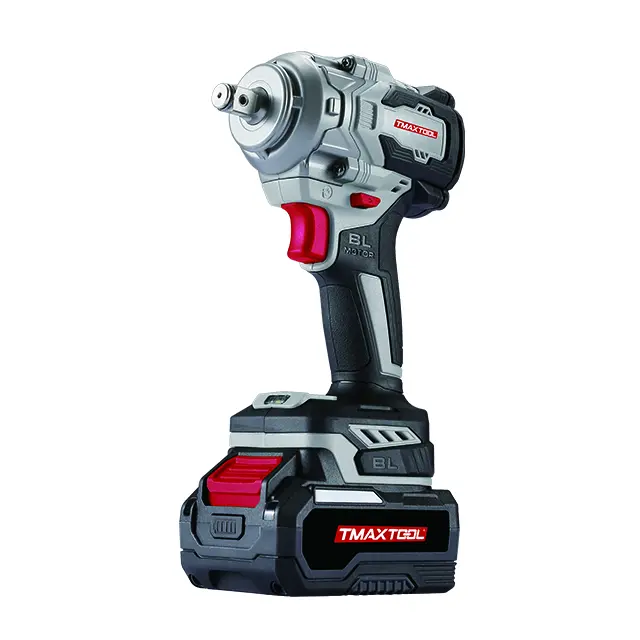
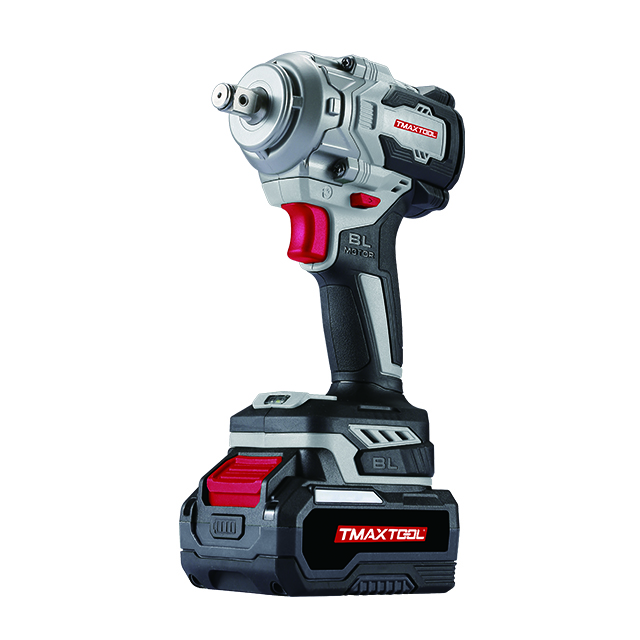 Impact Wrench
 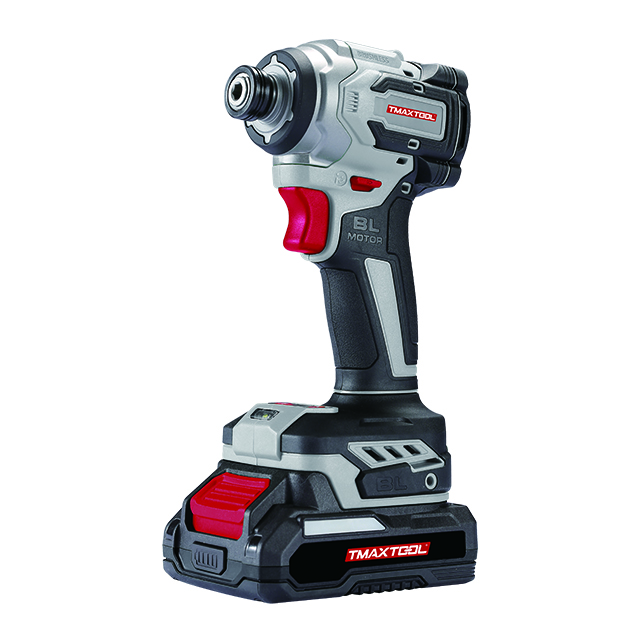 Screwdriver
 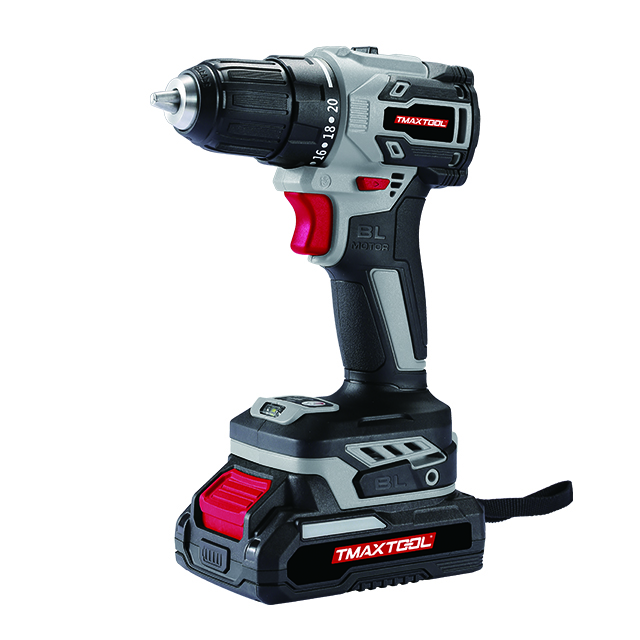 Cordless Drill
 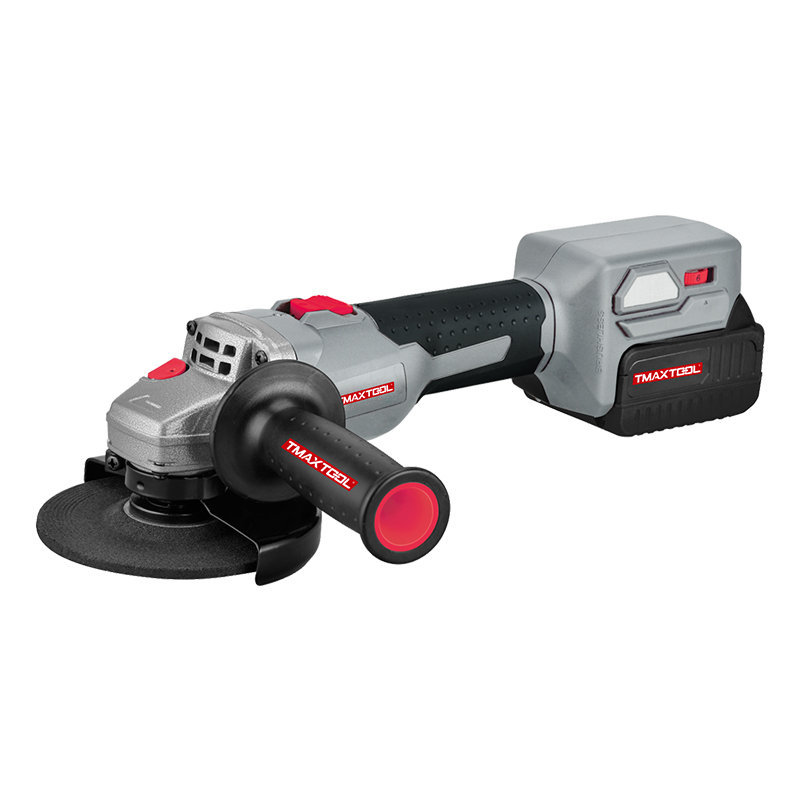 Angle Grinder
 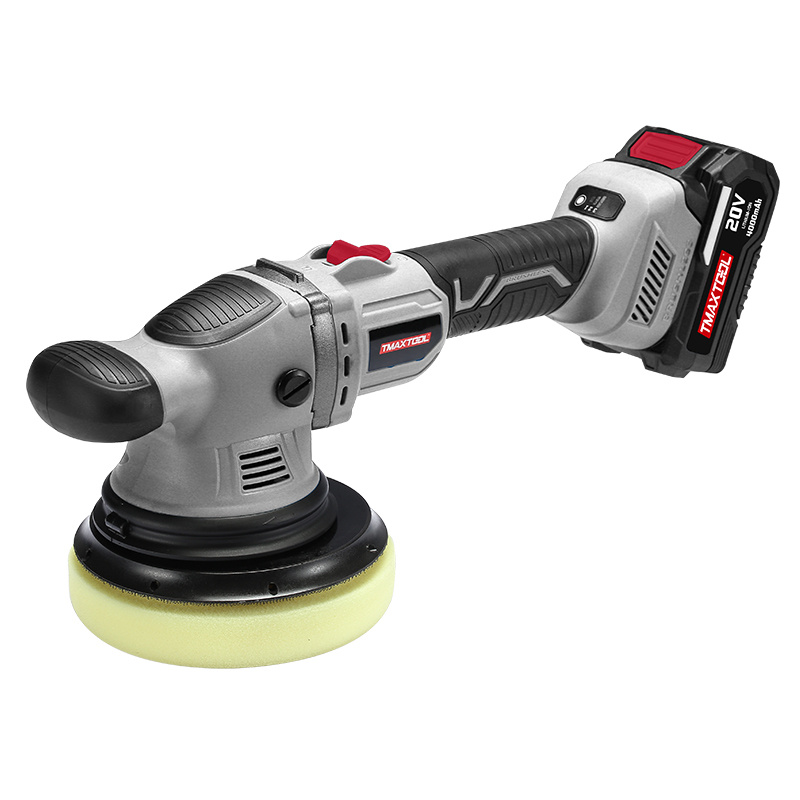 Polisher
  Wood Router
  Jig Saw
  Hammer Drill
 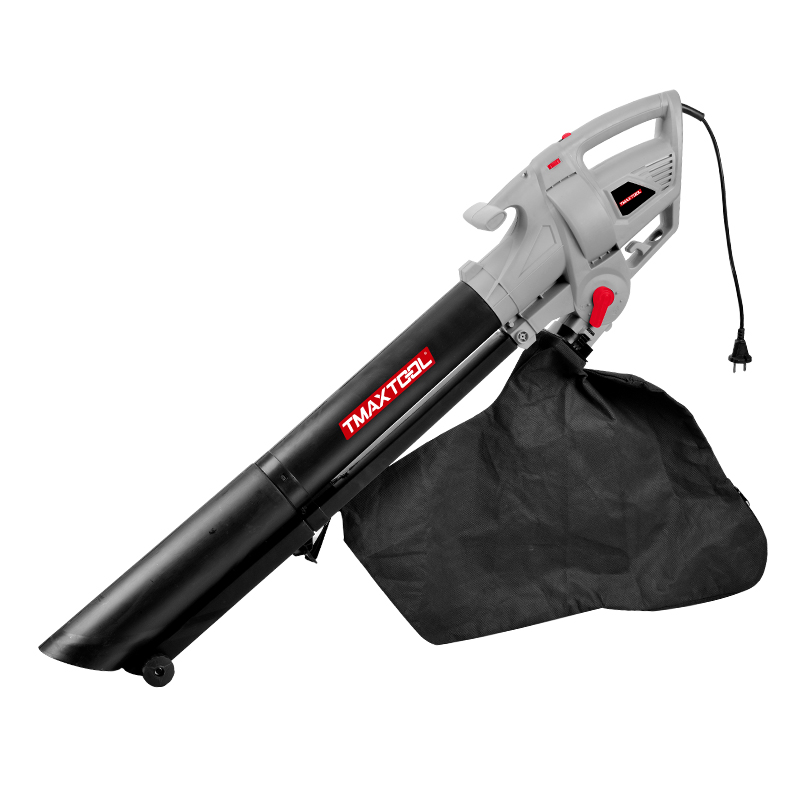 Portable Blower
 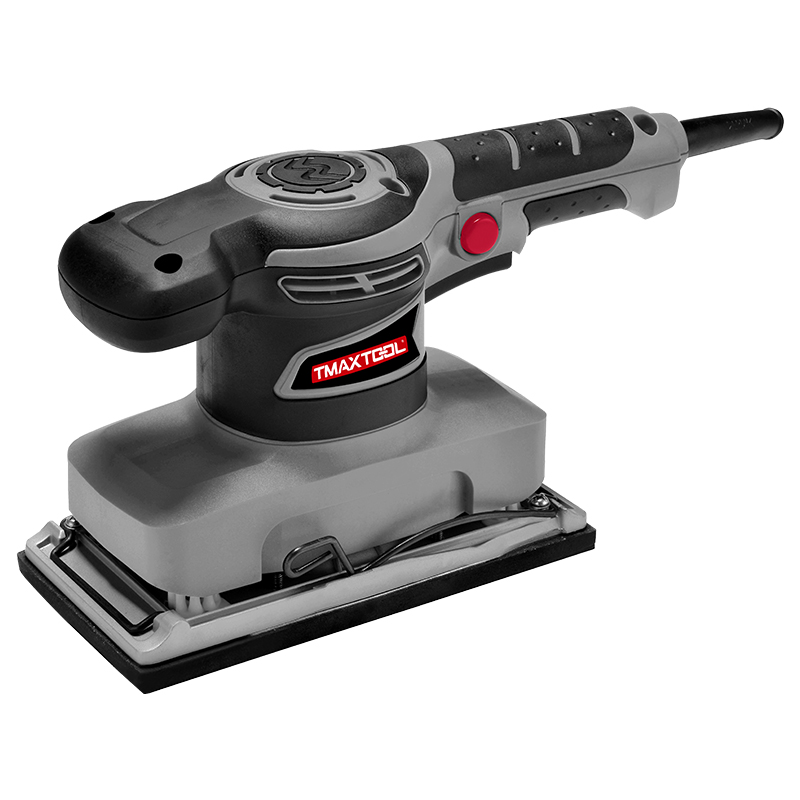 Orbital Sander
 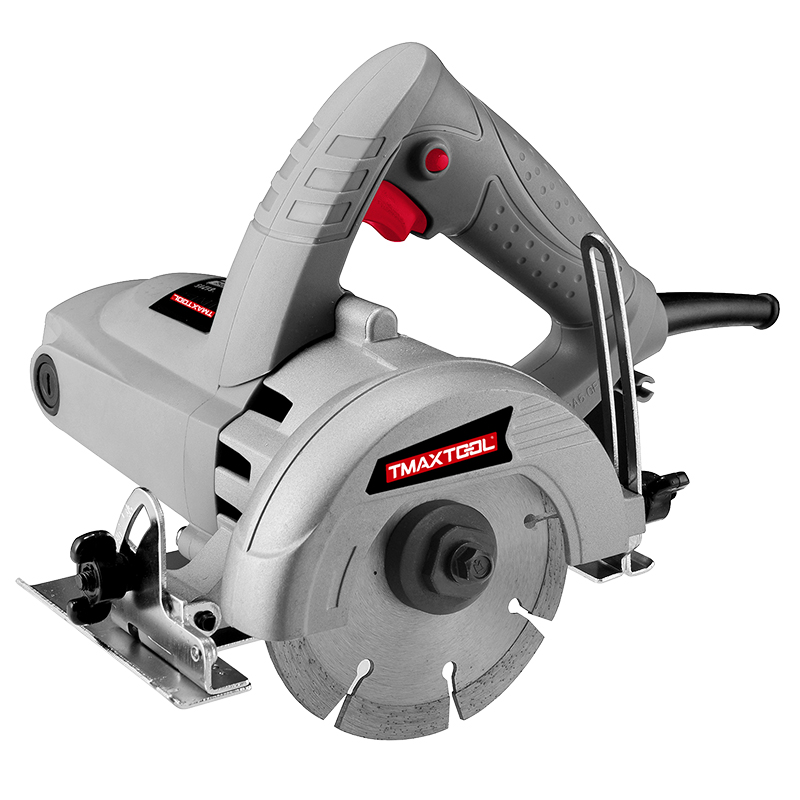 Marble Cutter
  GARDEN TOOLS
  Battery Chain Saw
  Battery Brush Cutter
  Battery Hedge Trimmer
  Battery Multi Tool
 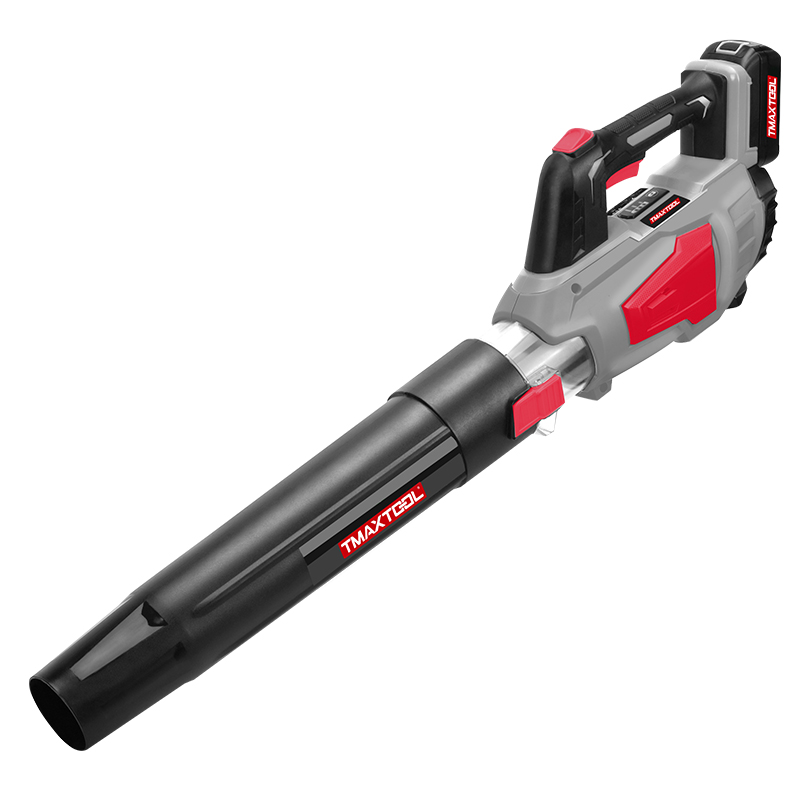 Battery Blower
 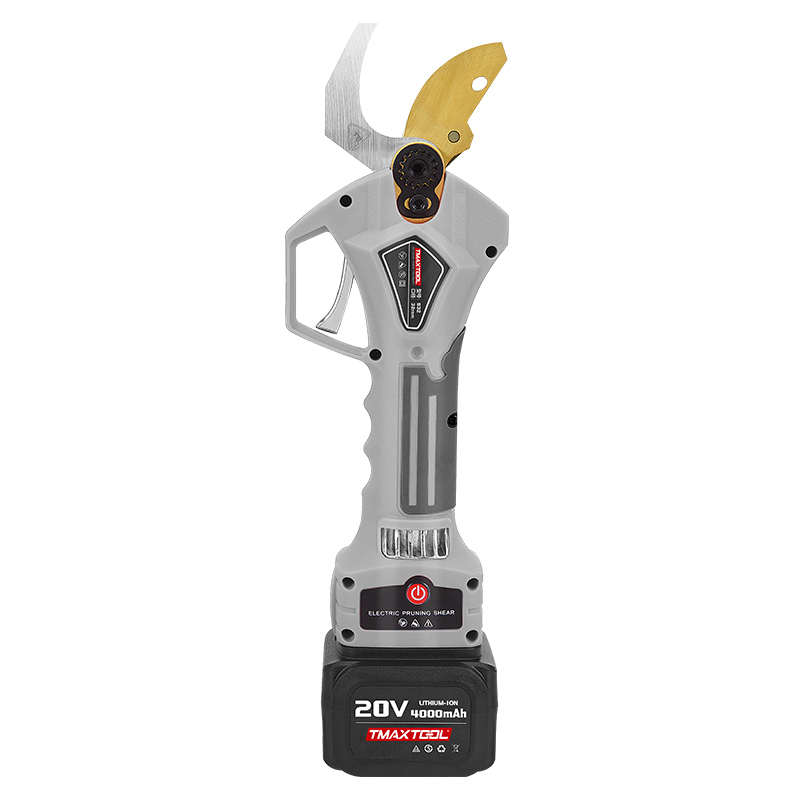 Batter Pruning Shears
 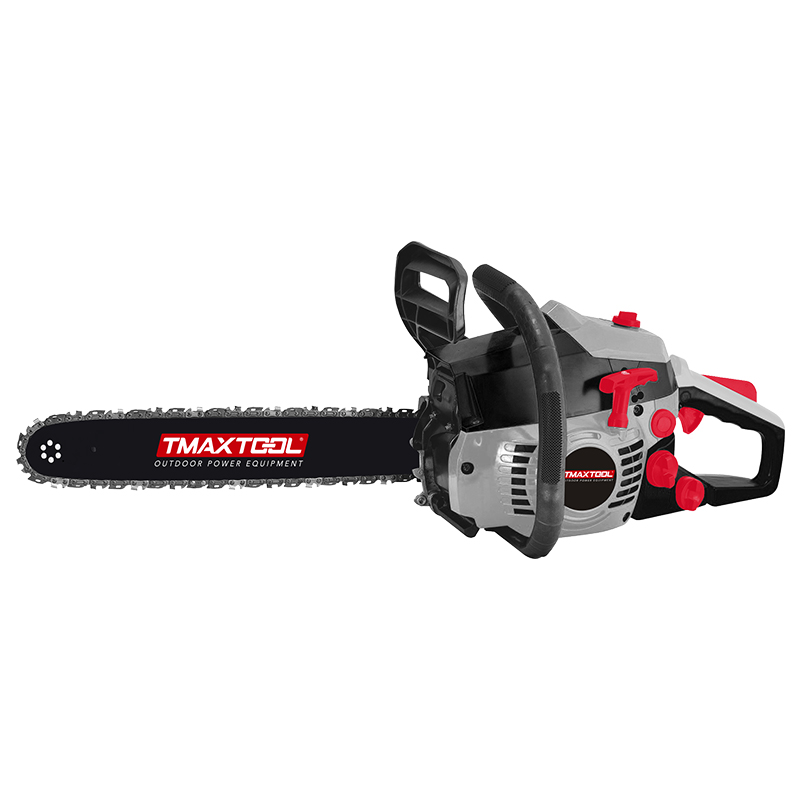 Chain Saw
 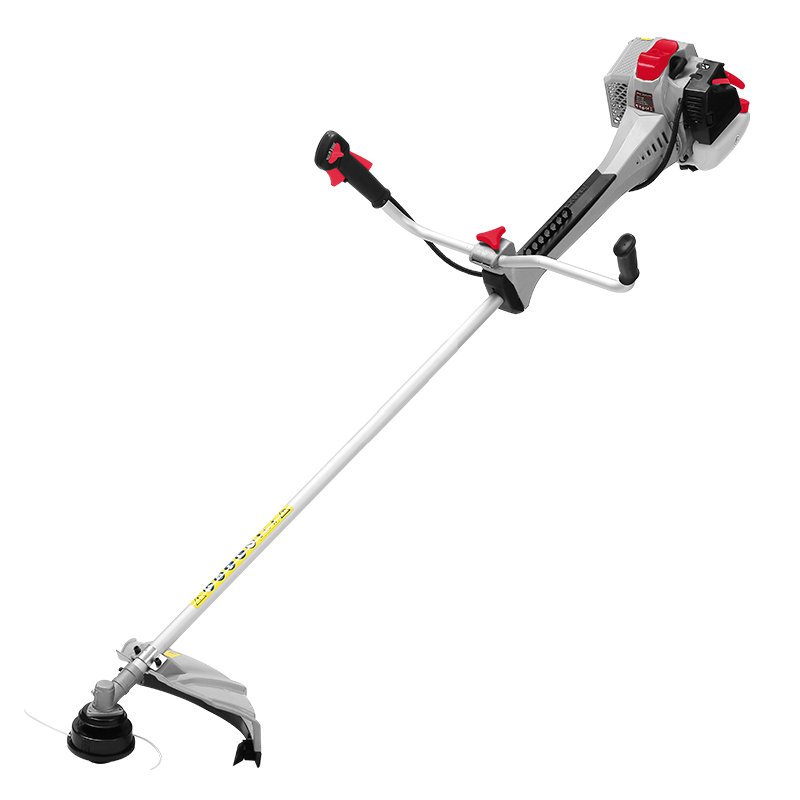 Brush Cutter
 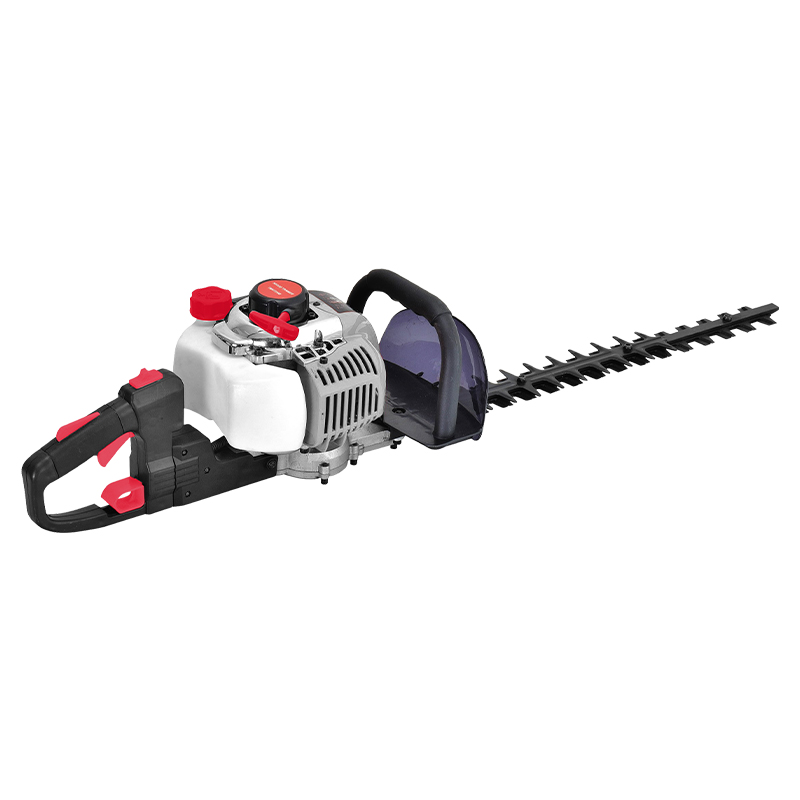 Hedge Trimmer
 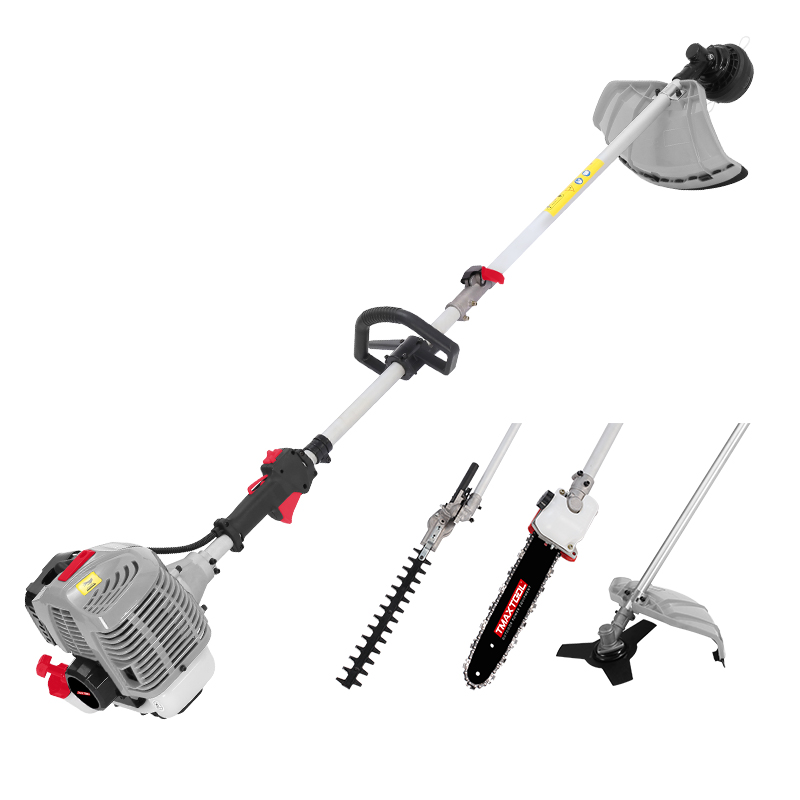 Multi Tool
 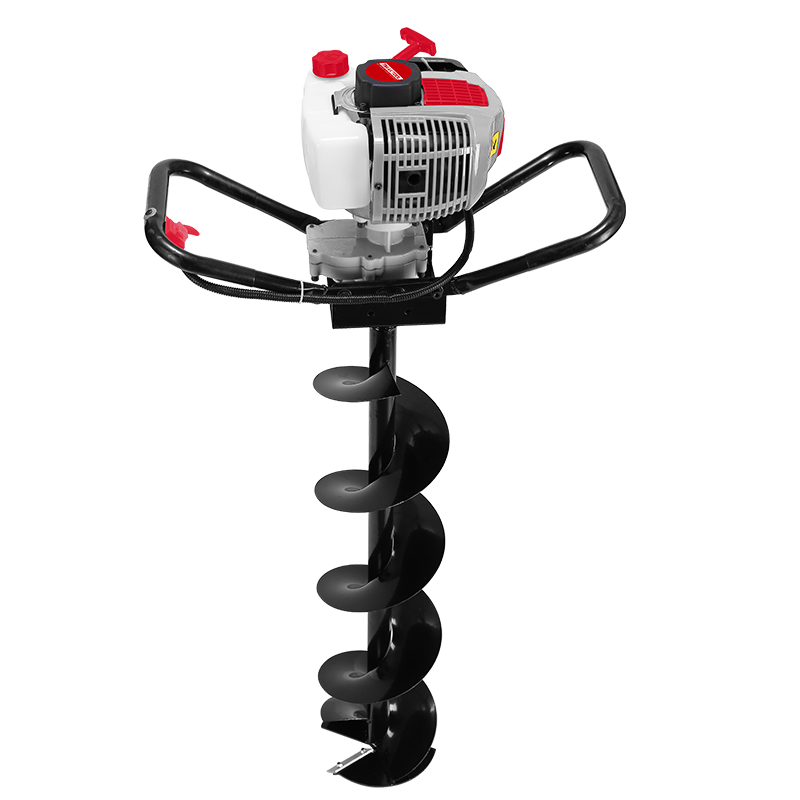 Earth Auger
 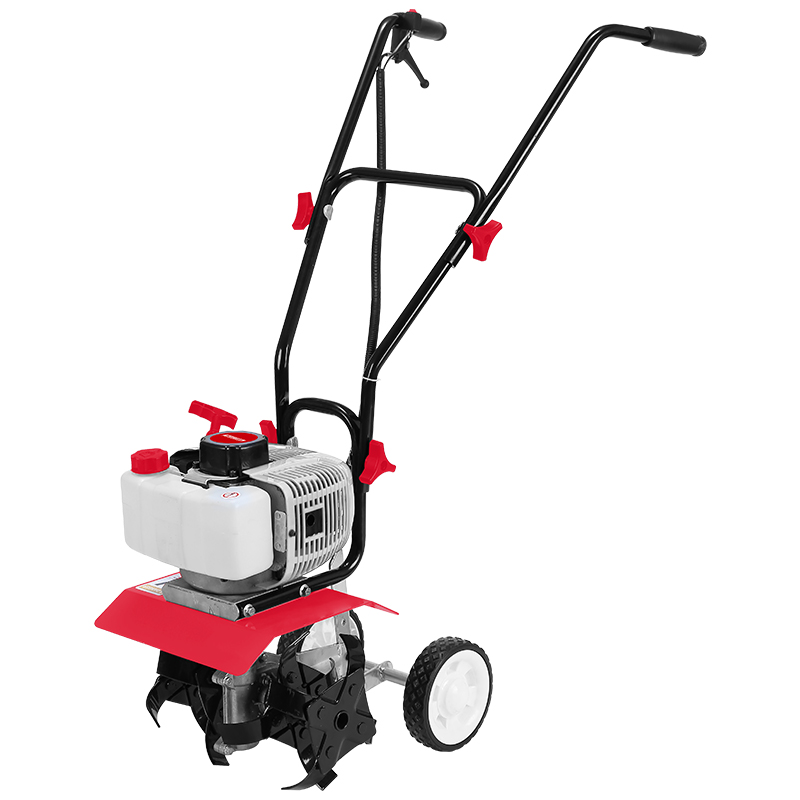 Tiller
  Blower
  4 Stroke Gasoline Engine
  Generator
  Water Pump
 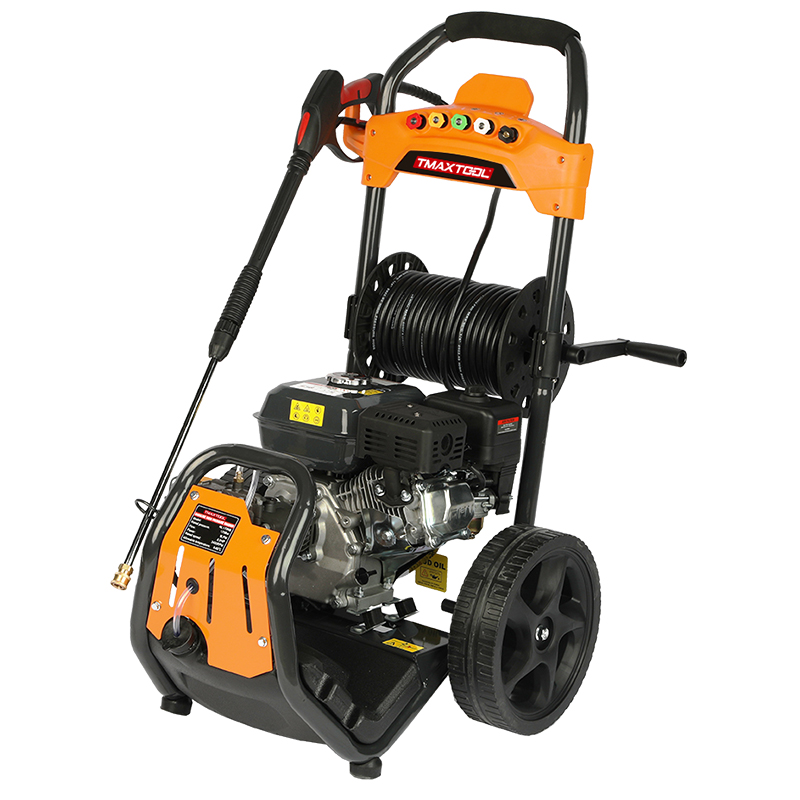 High Pressure Washer
 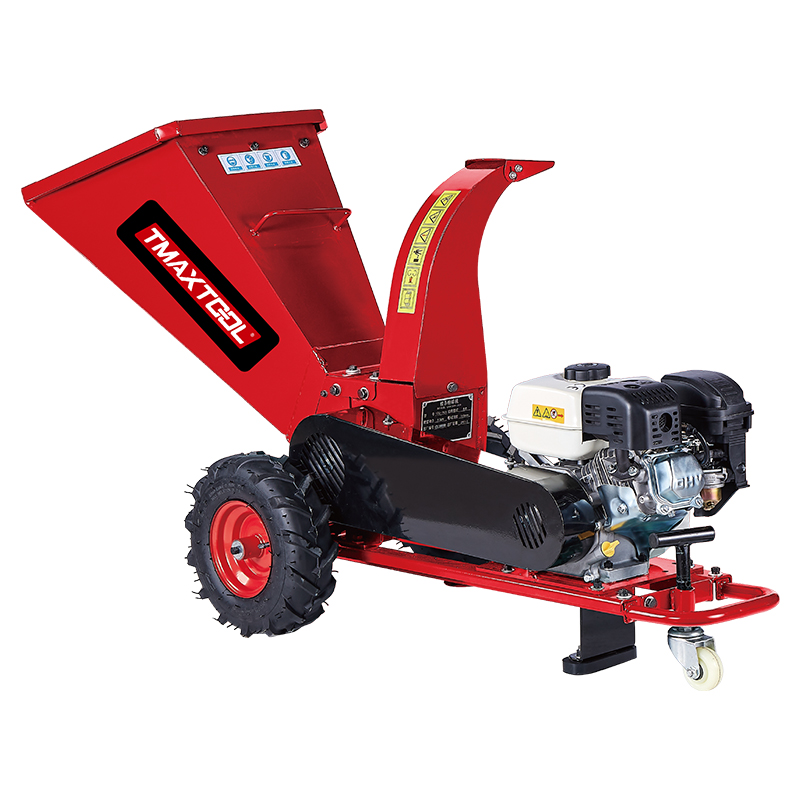 Wood Cutter
 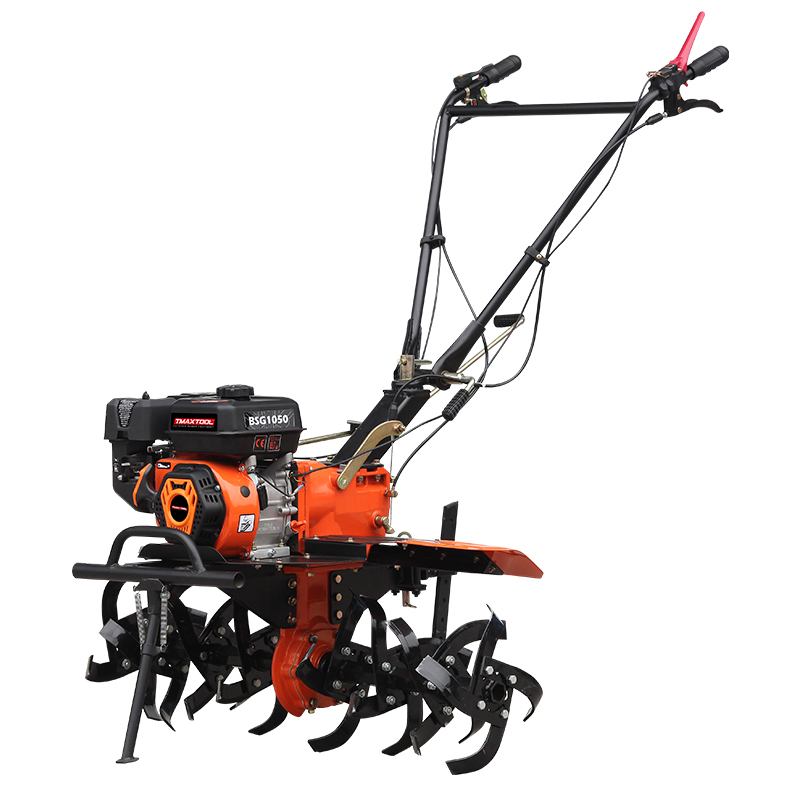 4 Stroke Tiller
 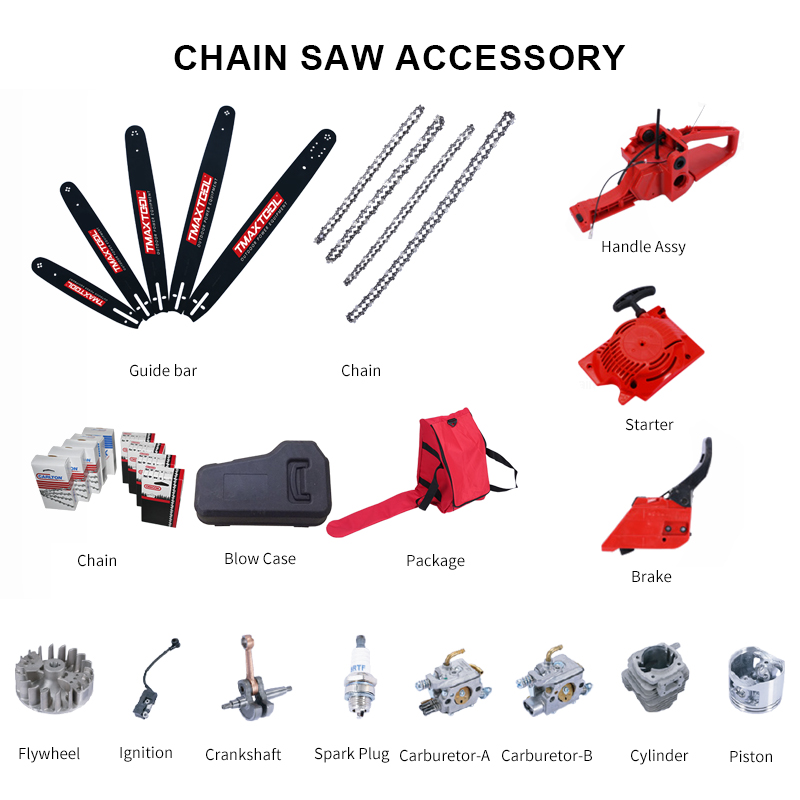 Chain Saw Accessory
 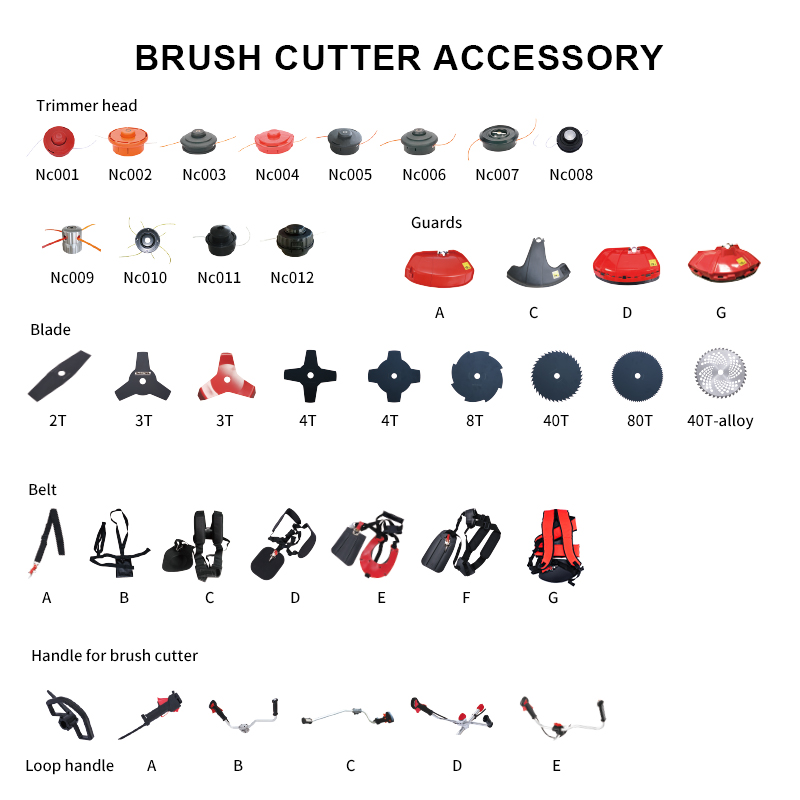 Brush Cutter Accessory
 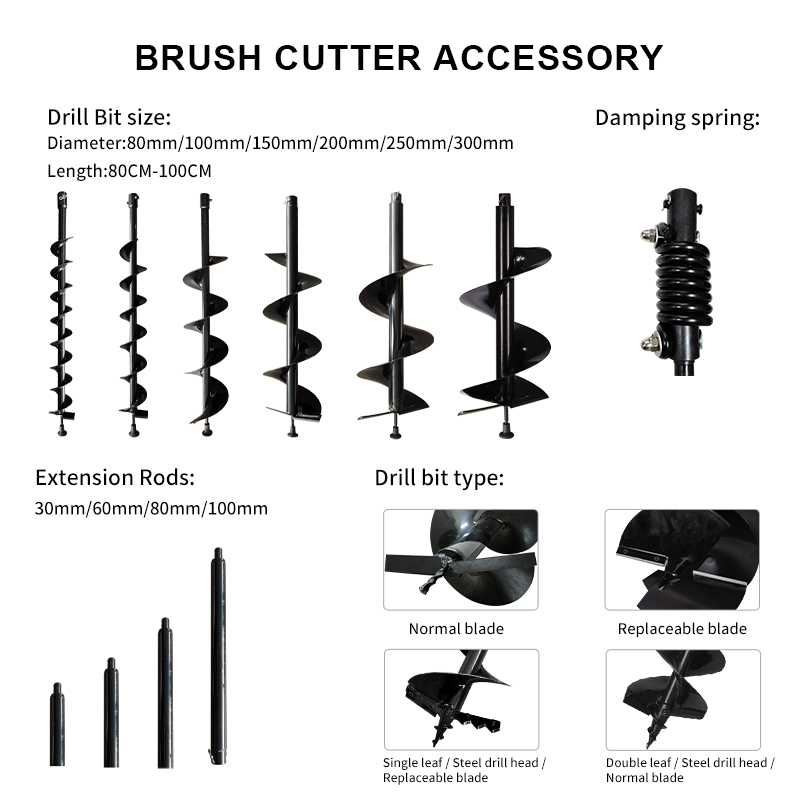 Earth Auger Accessory
 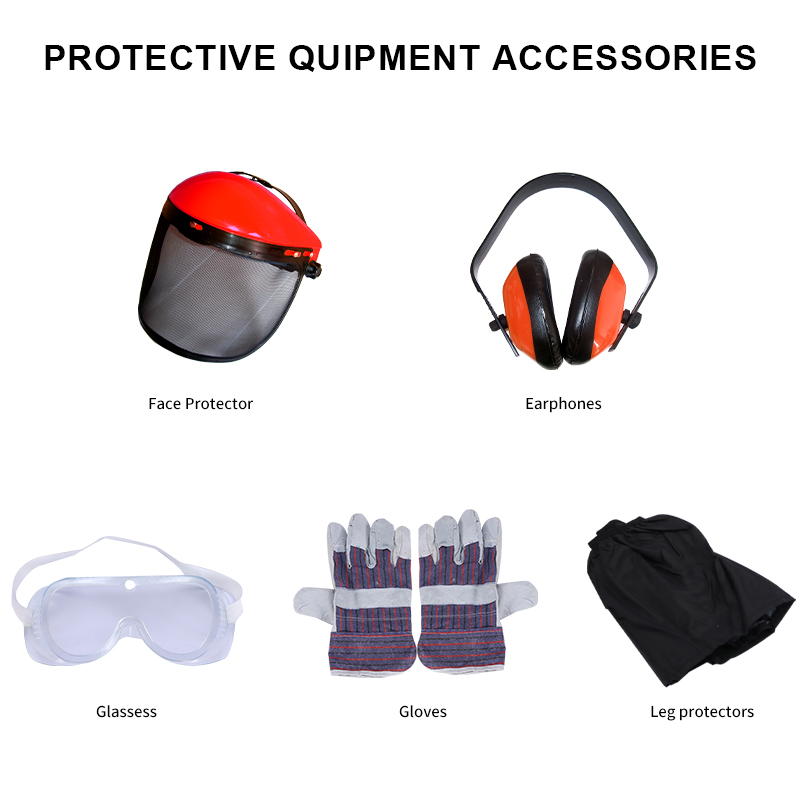 Protective Equipment Accessories


