The Electric Drill has really become a must-have for both DIY lovers and pros out there. It’s totally changed the way we tackle home improvements and construction projects. I read somewhere—actually, a report from Research and Markets—that in 2020, the global electric drill market was worth around $8 billion. And it’s only expected to grow, mainly because more folks are into DIY projects, and construction activity is picking up everywhere.
Companies like Jinhua U Win Import & Export Co., Ltd. and TMAXTOOL are leading the way, focusing on making a bunch of different power tools, especially drills. Thanks to new battery tech and better design that’s easier on your hand, these modern drills aren’t just more efficient—they make complicated tasks way more doable, even if you’re not a pro.
Honestly, this kind of tool has become a total game-changer. It lets us finish projects that used to be super labor-intensive, with more ease and precision. It’s really transforming everything—from simple repairs around the house to big professional jobs in different industries.
What Defines an Electric Drill and Its Key Components for DIY Enthusiasts
An electric drill is honestly one of those tools every DIY lover should have in their toolkit. It’s pretty versatile and honestly a bit of a game-changer. Basically, it’s made up of a few main parts — like the motor, the chuck, the grip, and the switch. The motor powers the drill bit, while the chuck keeps it nice and snug. The grip’s designed to feel comfortable, making it easier to handle and get precise control. And then there’s the switch, which lets you adjust the speed depending on what you’re working on — whether you’re drilling into wood, metal, or plastic.
When you’re using an electric drill, a quick heads-up: pick the right drill bit for the material you're working with. For wood, a spade or twist bit usually does the trick. If you’re dealing with concrete or masonry, go for a masonry bit. And here’s a little pro tip — start slow! Using a lower speed at first helps prevent the bit from overheating, especially if you're drilling into tougher stuff. Also, don’t forget to clamp down whatever you’re working on. It might seem like a small thing, but it really boosts safety and gives you better control.
If you’re new to all this, I'd suggest practicing on some scrap pieces first. Trust me, it’ll boost your confidence and help you get a feel for how the drill acts with different materials. One more thing — apply steady pressure when drilling, but don’t push too hard. Let the drill and bit do the work. With a little patience and these tips, your electric drill can become your best buddy in the DIY world, turning what used to seem like hard tasks into pretty straightforward jobs.
Understanding Different Types of Electric Drills: Corded vs. Cordless
When you’re diving into DIY projects, understanding the difference between corded and Cordless Drills can really make a difference—and save you some headaches. Corded drills are usually more powerful and great for those long, heavy-duty jobs like drilling through thick wood or metal. Plus, they keep on going with a steady power supply. But, here’s the catch: you’re tied to a plug, which can be a pain if you’re working in tight spots or doing something big that needs a lot of wire extension. It’s not super flexible, you know?
On the flip side, cordless drills are a godsend when it comes to convenience and moving around. No cords, no fuss—just pick it up and go anywhere. They’re perfect for quick fixes or when you need to get into tricky spots where a cord would get in the way. The only thing is, their batteries don’t last forever, so for longer projects, you might need an extra one so you don’t run out of juice halfway through.
**Pro tip:** If you’re going cordless, definitely grab an extra battery—trust me, it’s a lifesaver. Also, keep an eye on the torque settings. Using the right amount of power for different materials—whether it’s wood, metal, or bricks—can save you from ruining your materials or the drill itself. And don’t forget to switch out the drill bits depending on what you’re working with; it really helps get those clean, professional-looking results!
Comparison of Corded and Cordless Electric Drills
The Role of Torque and RPM in Optimizing DIY Project Efficiency
An electric drill is really one of those tools that can make your DIY projects way easier and more efficient. At the heart of that are two pretty important things: torque and RPM (that’s revolutions per minute). Torque is basically the twisting force the drill can put out, and RPM tells you how fast the drill bit spins. Knowing what these mean helps you pick the right settings for different materials and jobs, so you get the best results without risking damage.
For example, if you're working with tougher stuff like metal or hardwood, cranking up the torque is a good idea — it gives you that extra push to drill through without the bit getting stuck. On the other hand, for softer materials like drywall or plastic, setting the drill to a higher RPM can make the process quicker and the holes cleaner. The trick is to find a good balance between torque and RPM — too much torque on something fragile might cause splitting, and not enough RPM on dense material can lead to overheating or wearing out your bit faster. When you really get the hang of using both settings wisely, your DIY projects turn out more professional-looking, and honestly, it’s a lot less stressful too.
What is an Electric Drill and How Does It Revolutionize Your DIY Projects
| Feature | Description | Impact on DIY Projects |
| Torque | Measurement of rotational force applied by the drill | Higher torque allows for efficient drilling and driving into harder materials |
| RPM (Revolutions Per Minute) | Speed at which the drill bits rotate | Optimized RPM helps in controlling heat generation and enhances precision |
| Chuck Size | Diameter of the drill chuck that holds the bits | Larger chuck sizes accommodate wider bits for diverse project requirements |
| Battery Voltage | Power rating of cordless drills | Higher voltage indicates more power, allowing for extended use and performance |
| Weight | Total weight of the drill | Lightweight drills minimize fatigue during extended DIY sessions |
Essential Accessories for Electric Drills: Bits and Attachments You Can't Ignore
When you're working on DIY projects, choosing the right accessories for your electric drill is just as important as picking the tool itself. Things likedrill bits and attachments can really make a difference in how your project turns out. For example, drill bits come in all sorts of sizes and materials—there's high-speed steel, titanium-coated, masonry bits—you name it. Each one is made for specific tasks. Having a good set of bits means you're ready to handle pretty much any material, whether it’s wood, metal, or concrete, and do it with precision and ease.

And it’s not just about the bits—attachments really amp up what your drill can do. Things like sanding drums, polishing pads, or even spirit levels can turn a simple drill into a super versatile tool that does way more than just drilling holes. For instance, a sanding drum makes smoothing out surfaces a breeze, and a polishing pad can bring back the shine on different materials. The bottom line? If you invest in the right bits and attachments, you’re really getting the most out of your electric drill. It becomes a go-to tool, like an extra set of hands, helping you get your projects done quicker and with better results.
Impact of Electric Drill Technology Advancements on Home Improvement Trends
You know, the advances in electric drill tech have really made a big difference in how we approach home improvement these days. I was reading some recent market reports from Grand View Research, and it looks like the global electric drill market is expected to hit around $13.1 billion by 2025. That's pretty impressive, especially considering it’s growing at about 4.6% annually. A big reason for this boom? Well, more homeowners are getting into DIY projects—about 70% of folks in the U.S., according to the National Association of Realtors, have tried doing some sort of home upgrade or repair in the past year. Sounds familiar, right?

And honestly, the tech behind these drills has come a long way. Things like brushless motors and swap-in batteries have made a real difference—they’re more powerful, run longer, and are way lighter, which makes working on things way less of a chore. Whether you’re a beginner or a pro, these upgrades make electric drills so much easier to use. A Statista survey even says that nearly half of DIY fans prefer electric tools for their projects—that’s a clear sign folks are leaning toward better, more reliable gear. All these improvements have turned electric drills into must-have tools, helping us tackle more tasks around the house and even sparking some creative ideas for projects that might have seemed super intimidating before.
Safety Tips and Best Practices for Using Electric Drills Effectively
Electric drills are pretty much must-have tools if you're into DIY projects—they really take things up a notch by offering precision, efficiency, and a lot of versatility. But hey, to get the most out of them and stay safe, it’s super important to follow some basic best practices. Before you start drilling, make sure you’re wearing the right gear—think safety glasses and gloves—to protect yourself from flying debris. Also, it helps a ton to secure your workspace and keep your materials steady; trust me, this stuff can save you from some messy accidents.
Getting the hang of how to use an electric drill properly isn’t just about safety—it also makes your work way better. Pick the right drill bit for what you’re working on, and don’t forget to tweak the speed depending on the material. For example, soft stuff like wood needs a different setting compared to harder materials like metal or brick. By the way, TMAXTOOL, from Jinhua U Win Import & Export Co., Ltd., —they’re a top name when it comes to power tools—stresses that high-quality equipment can really make your DIY projects smoother and more efficient. And hey, always check out the user manual for your specific drill; it’s got all the tips to help you operate it safely and make it last longer.
Boosting Woodworking Efficiency: Insights from Industry Reports on Hand-held Cordless Electric Planers
When it comes to enhancing woodworking efficiency, one indispensable tool stands out— the hand-held cordless electric planer. With advancements in design and technology, modern planers like the UW58218 model offer power and precision that significantly streamline woodworking projects. This specific model boasts an impressive planing width of 82mm, making it ideal for both large and detailed tasks.
Equipped with a robust 850W rated input power and a no-load speed of 17,000 revolutions per minute, the UW58218 efficiently tackles various materials, ensuring smooth finishes with a maximum cutting depth of 2mm. The rated voltage of 220-240V allows it to be utilized in different environments without hassle, while the rated frequency of 50/60Hz ensures compatibility with various power sources. These features not only enhance the performance but also improve the user's overall woodworking experience.
In a landscape where efficiency and quality are paramount, choosing the right tool can make all the difference. The UW58218 stands as a testament to the progress in electric planers, combining ease of use with powerful capabilities, ultimately allowing woodworkers to achieve higher standards in their projects. Investing in such innovative tools can lead to significant improvements in productivity and project outcomes.
FAQS
: An electric drill is a versatile power tool that includes key components such as the motor, chuck, grip, and switch. The motor drives the drill bit, the chuck holds the bit securely, the grip provides comfort for maneuvering, and the switch controls the speed settings.
The right drill bit depends on the material you are working with. For wood, use a spade or twist bit, while masonry bits are recommended for concrete.
Start with a lower speed when drilling tougher materials and apply steady pressure without forcing the drill. This allows the bit to work effectively without overheating.
Securing your workpiece with clamps enhances stability, which improves both safety and accuracy during drilling tasks.
Always wear appropriate personal protective equipment, such as safety goggles and gloves, to protect yourself from flying debris and potential accidents.
Beginners should practice on scrap materials before starting their projects, which helps them understand how the tool behaves with different materials.
Consulting the user manual provides specific instructions for safe operation and proper maintenance of the tool, ensuring its longevity and optimal performance.
Softer materials like wood require different drilling speeds compared to harder materials such as metal or masonry, so adjusting the speed is crucial for effective drilling.
If you encounter issues, stop using the drill and consult the user manual or a professional for guidance to avoid damaging the tool or causing injury.
Conclusion
Electric drills are pretty much essential for any DIY enthusiast – they really make a big difference because you get that perfect combo of power and precision. You know, these drills have core parts like the motor, the chuck, and the switch, and they mainly come in two flavors: corded and cordless. Getting a handle on things like torque and RPM can really help you get the most out of your project. Plus, with a bunch of accessories like different drill bits and attachments, you can make your drill do so much more than just basic tasks. Lately, all the advances in electric drill tech have totally changed the game in home improvement, making tools more accessible and even easier to use.
Here at Jinhua U Win Import & Export Co., Ltd. TMAXTOOL, we totally get how important electric drills are when it comes to powering up your DIY projects. We offer a wide range of power tools, including tons of drill models, tailored for both beginners and pros. Our goal is to make sure everyone’s got the right tools to knock out their home upgrades safely and effectively.

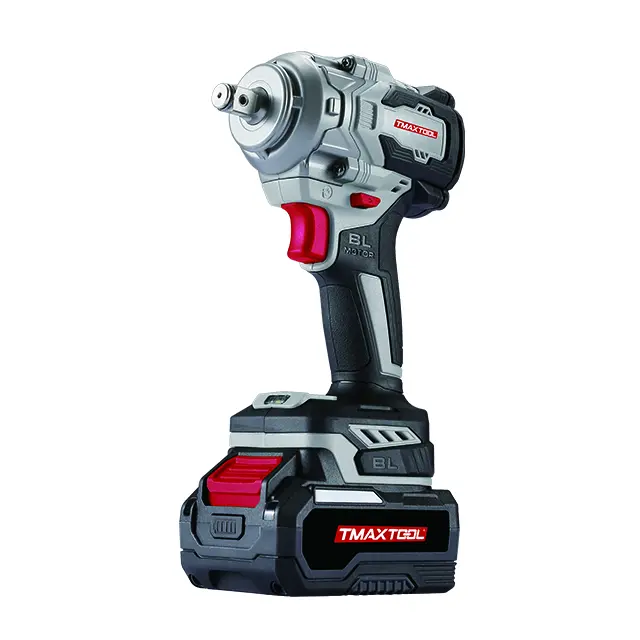
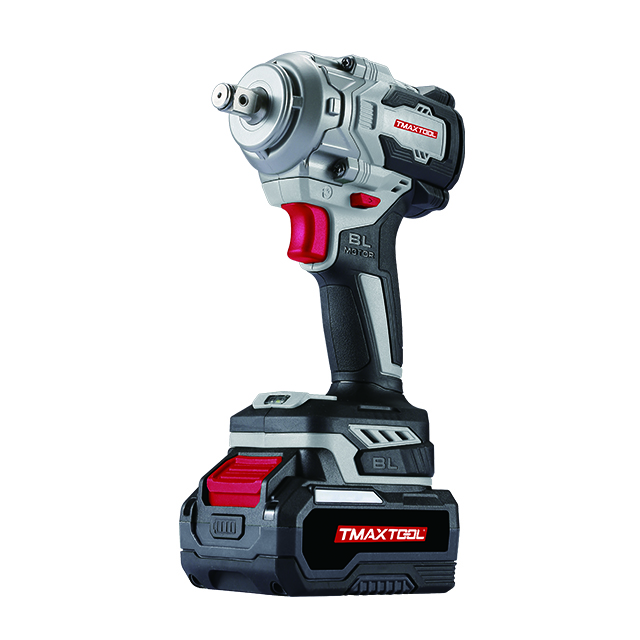 Impact Wrench
 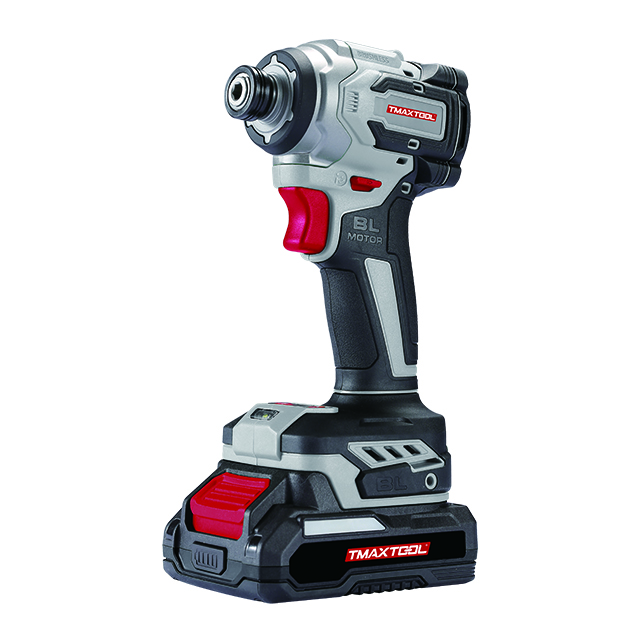 Screwdriver
 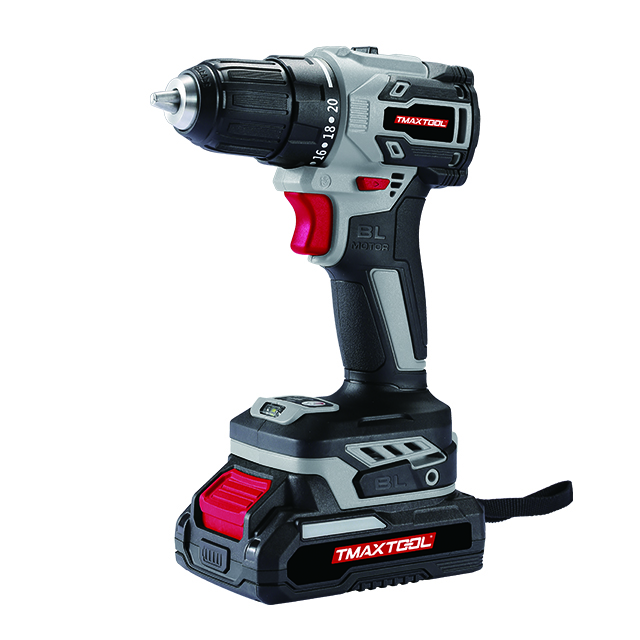 Cordless Drill
 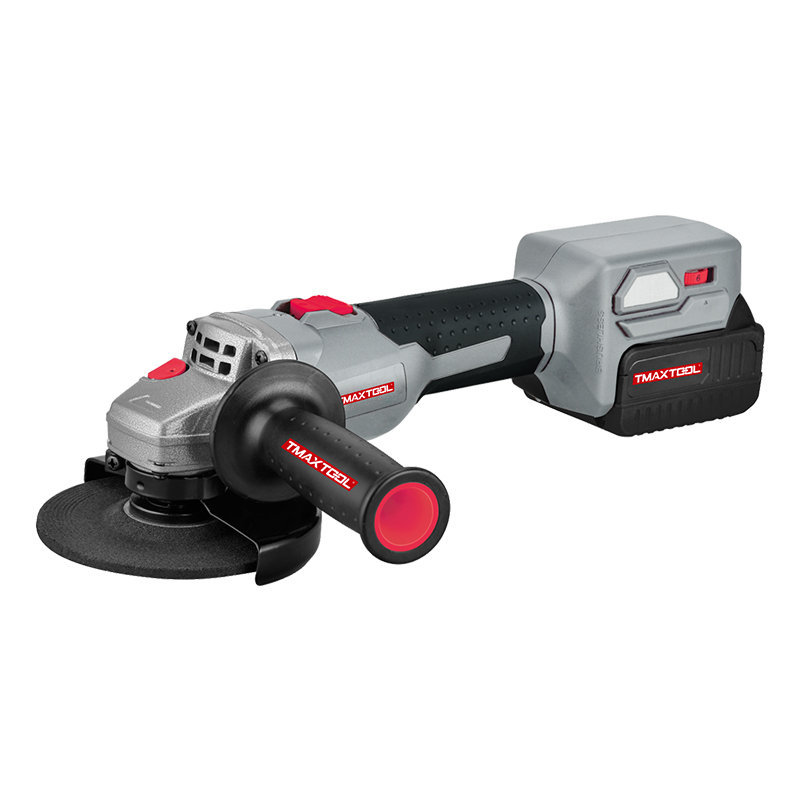 Angle Grinder
 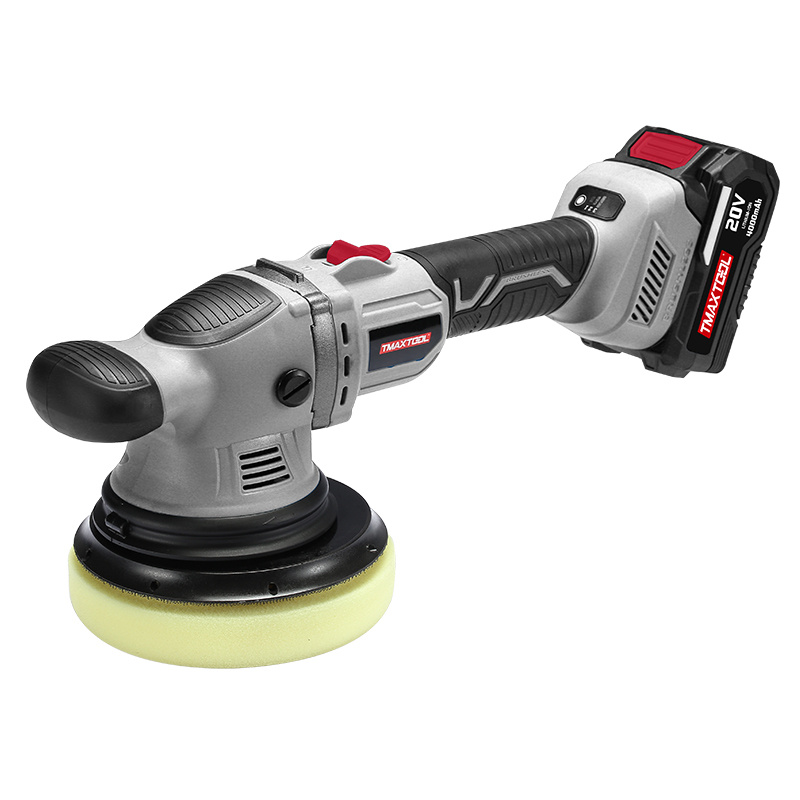 Polisher
 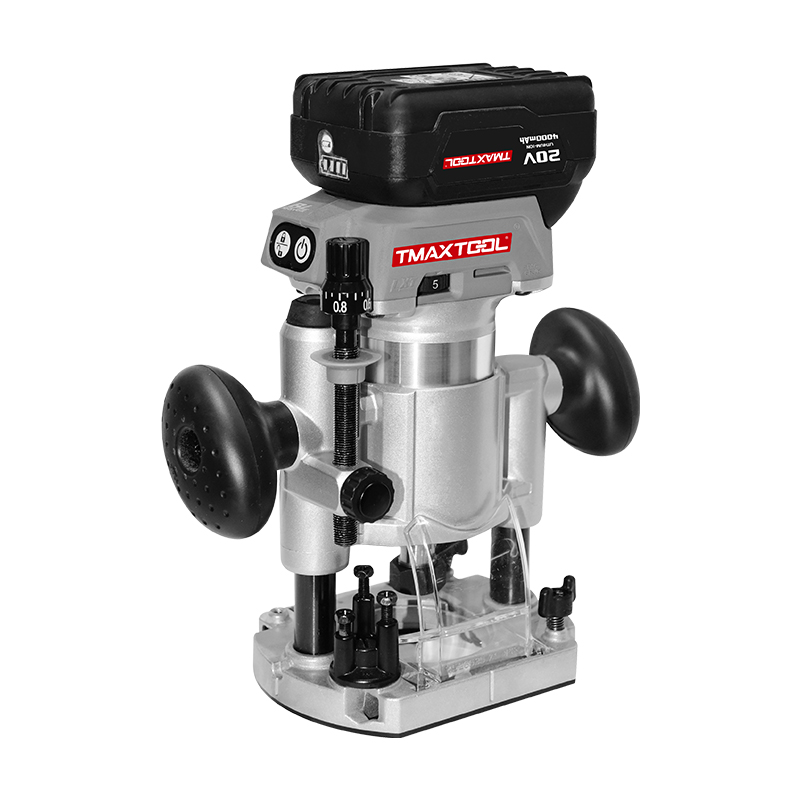 Wood Router
 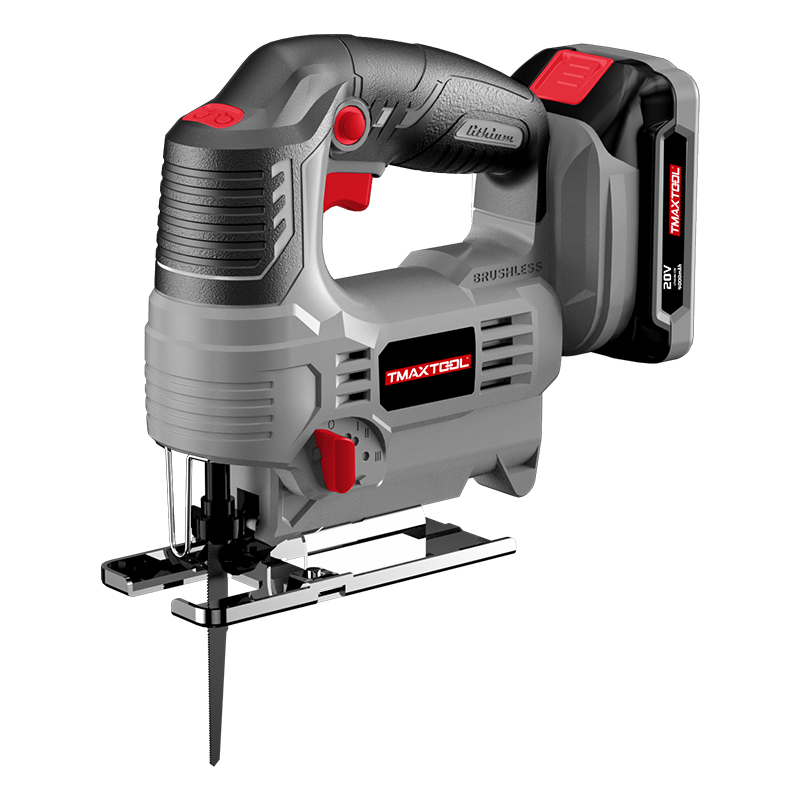 Jig Saw
 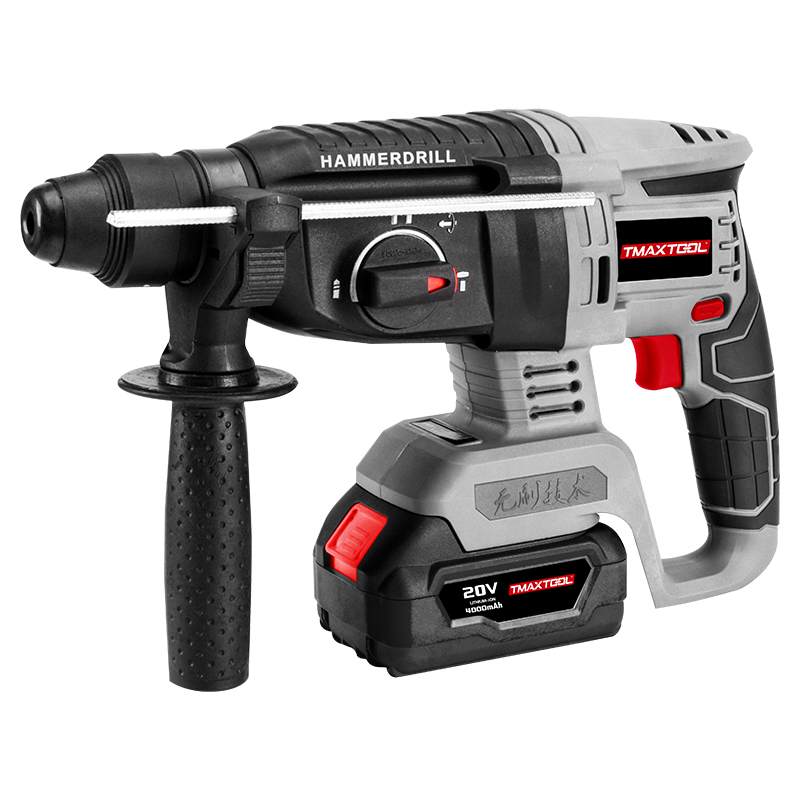 Hammer Drill
 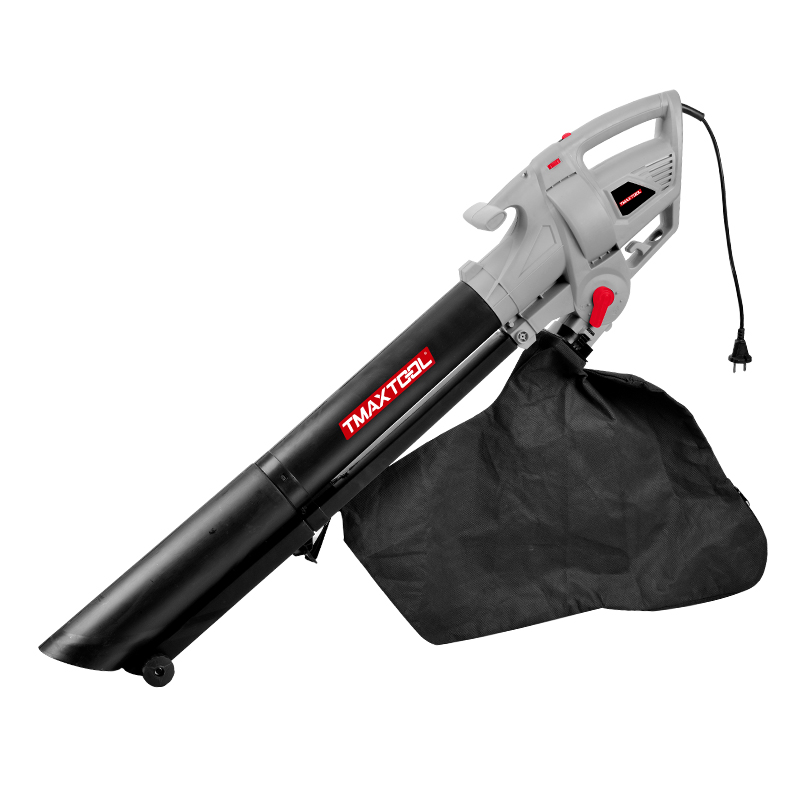 Portable Blower
 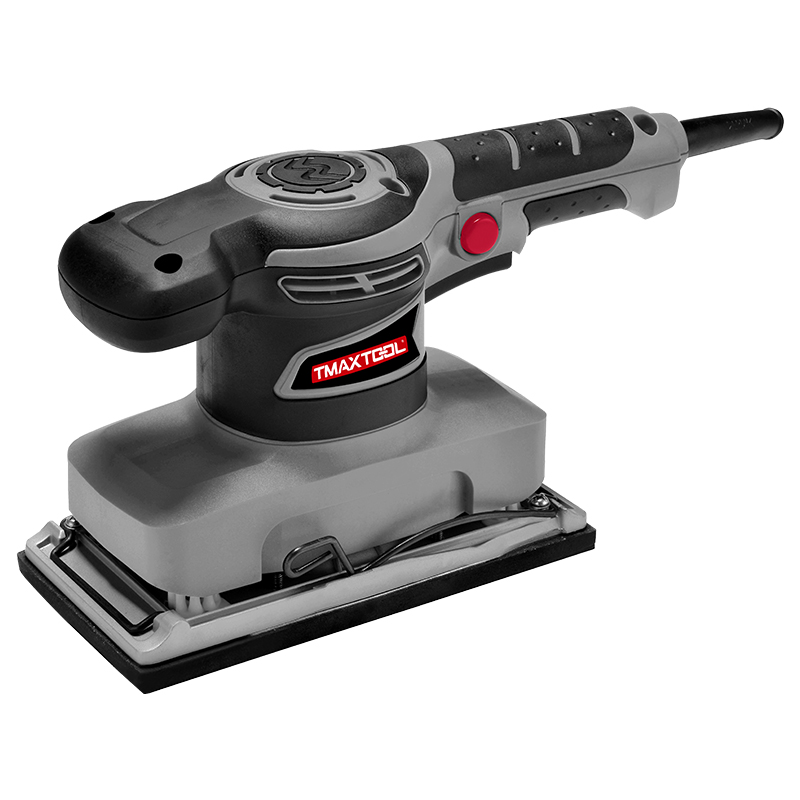 Orbital Sander
 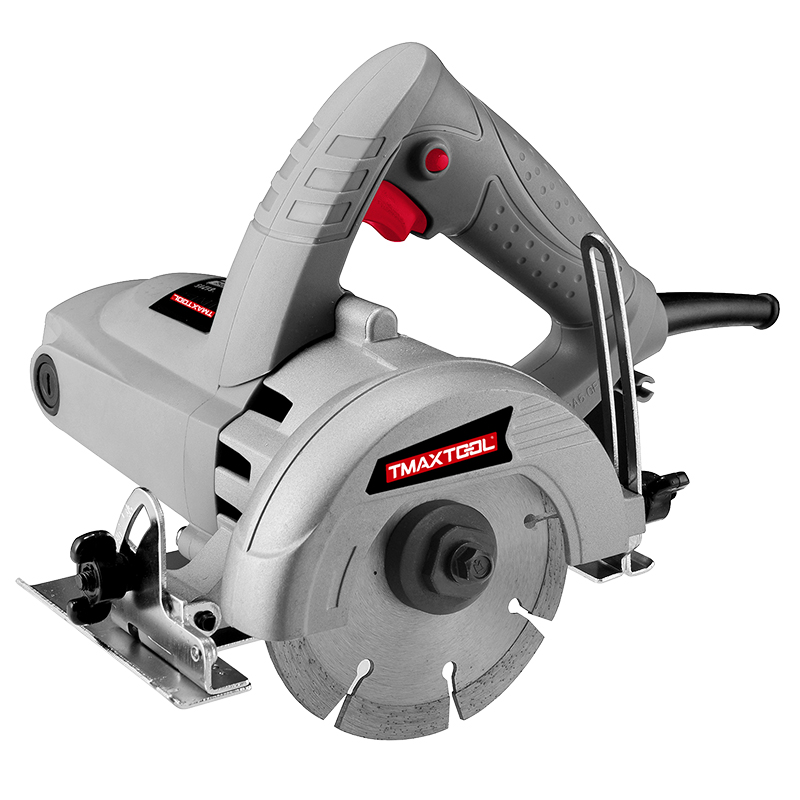 Marble Cutter
  GARDEN TOOLS
 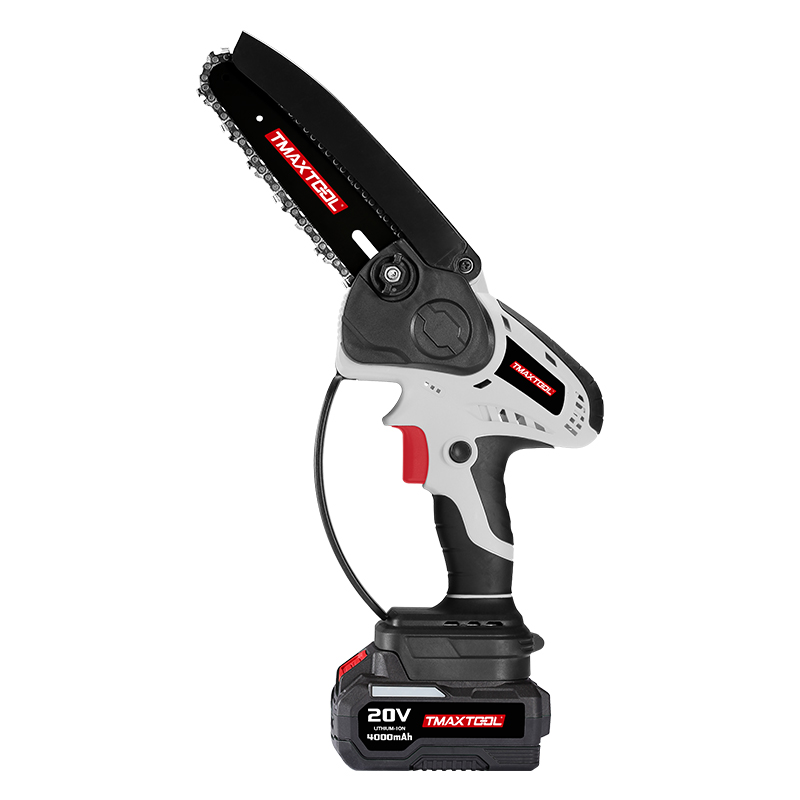 Battery Chain Saw
 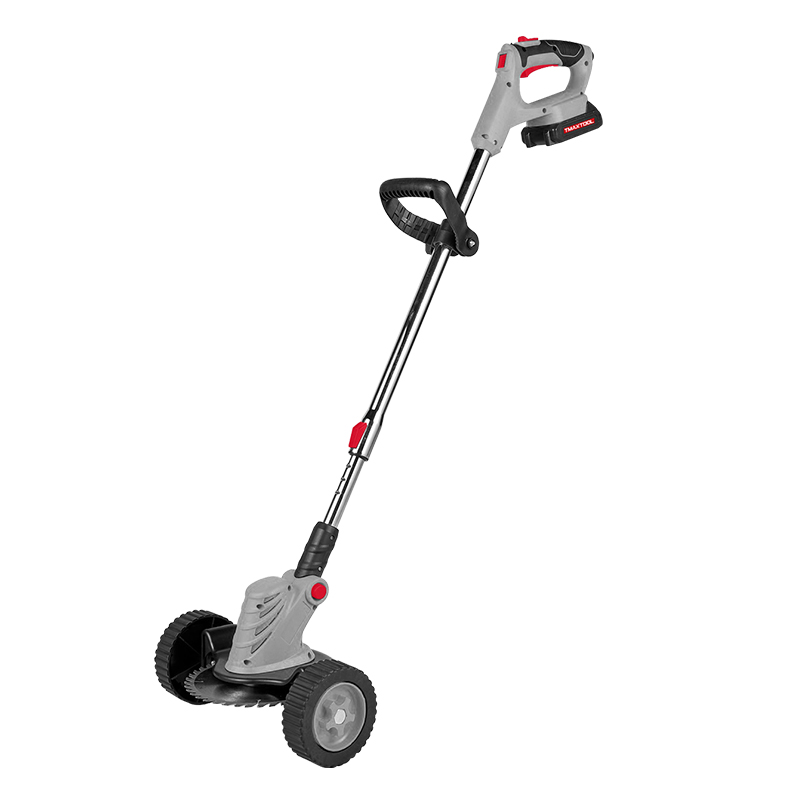 Battery Brush Cutter
 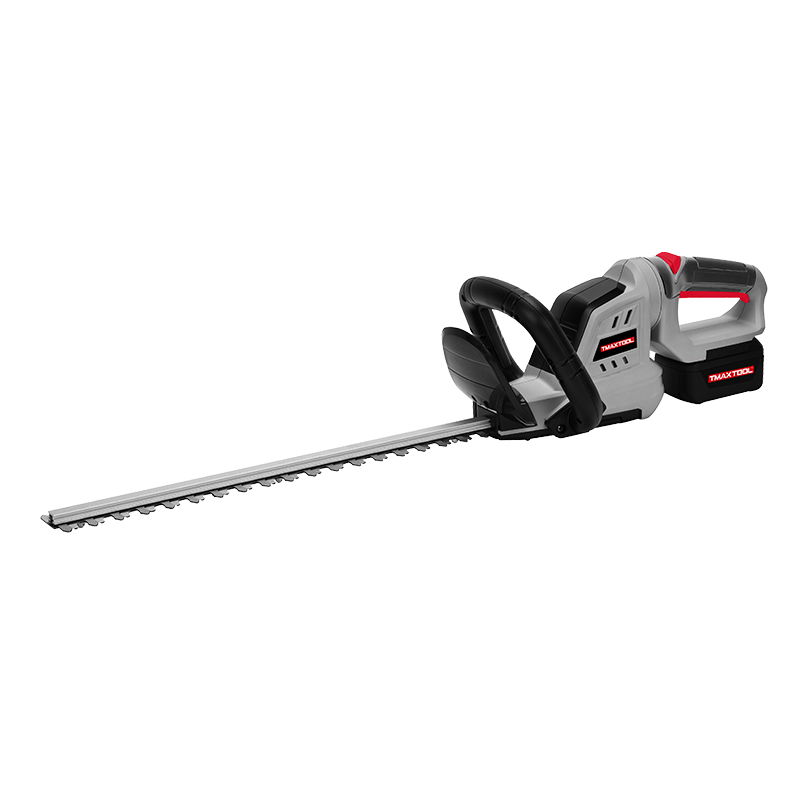 Battery Hedge Trimmer
 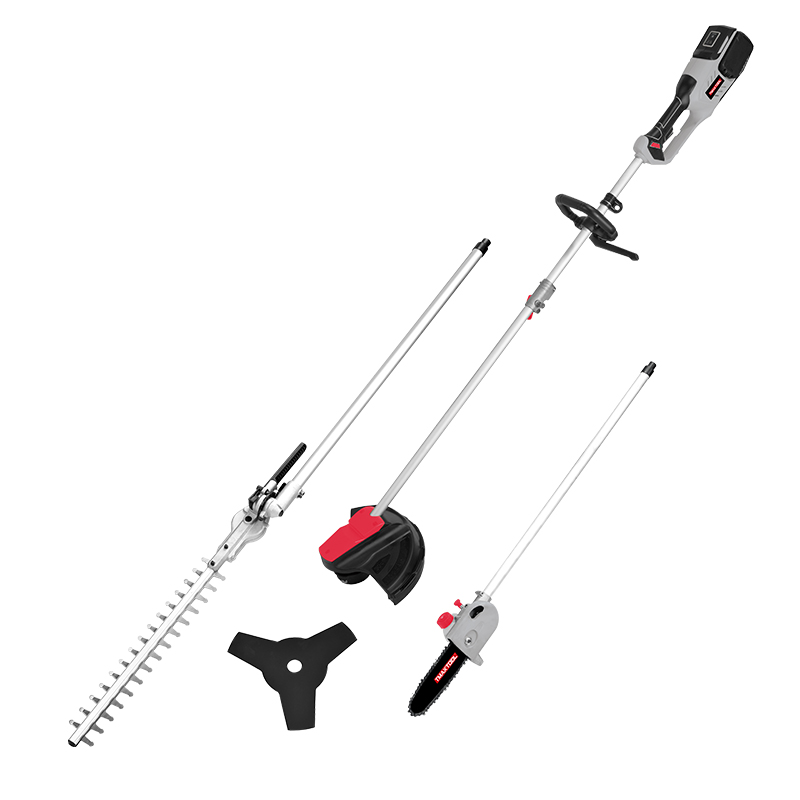 Battery Multi Tool
 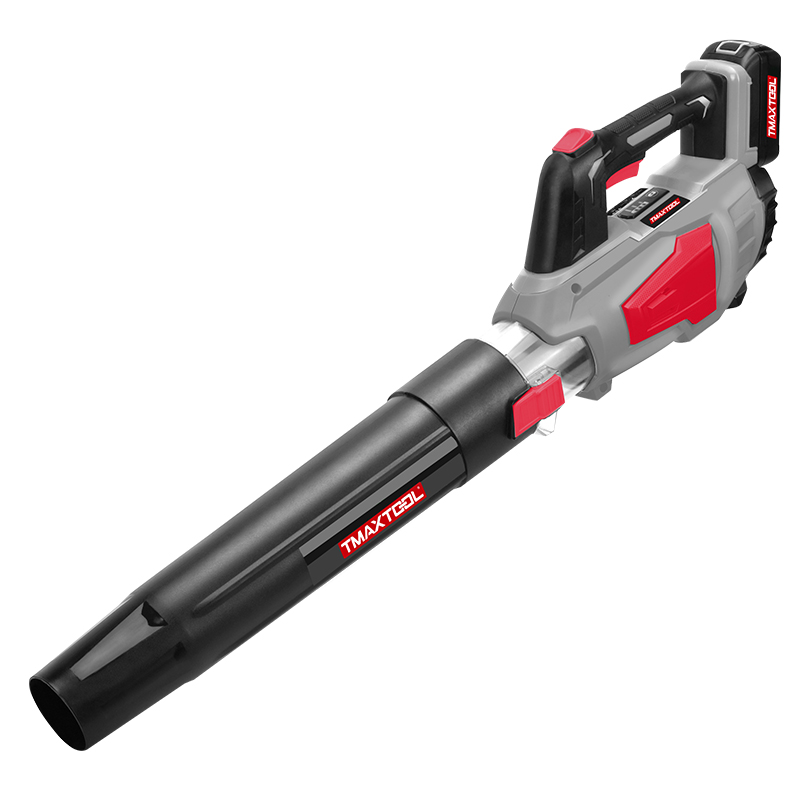 Battery Blower
 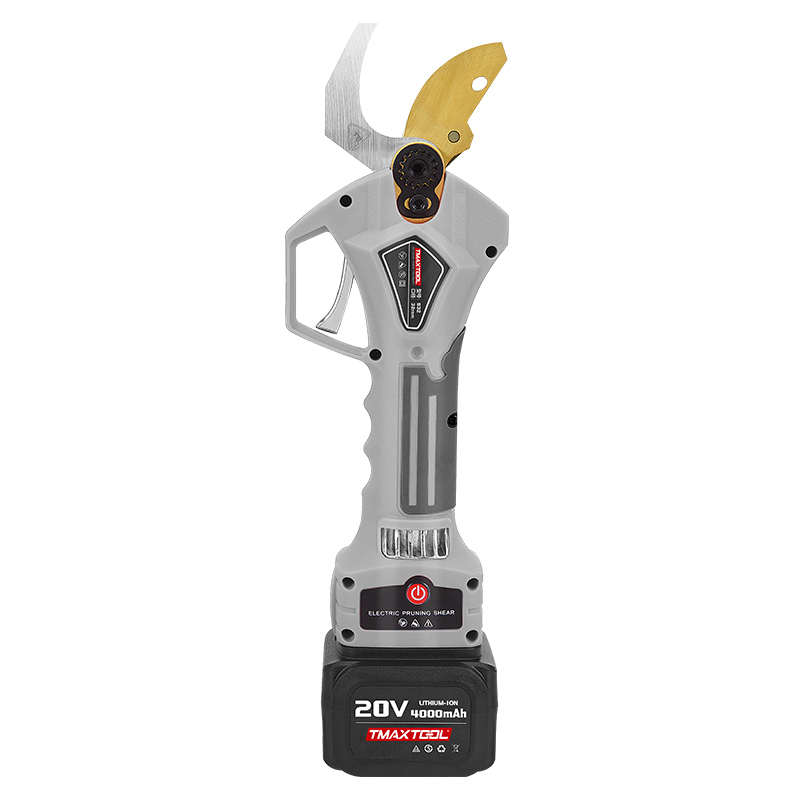 Batter Pruning Shears
 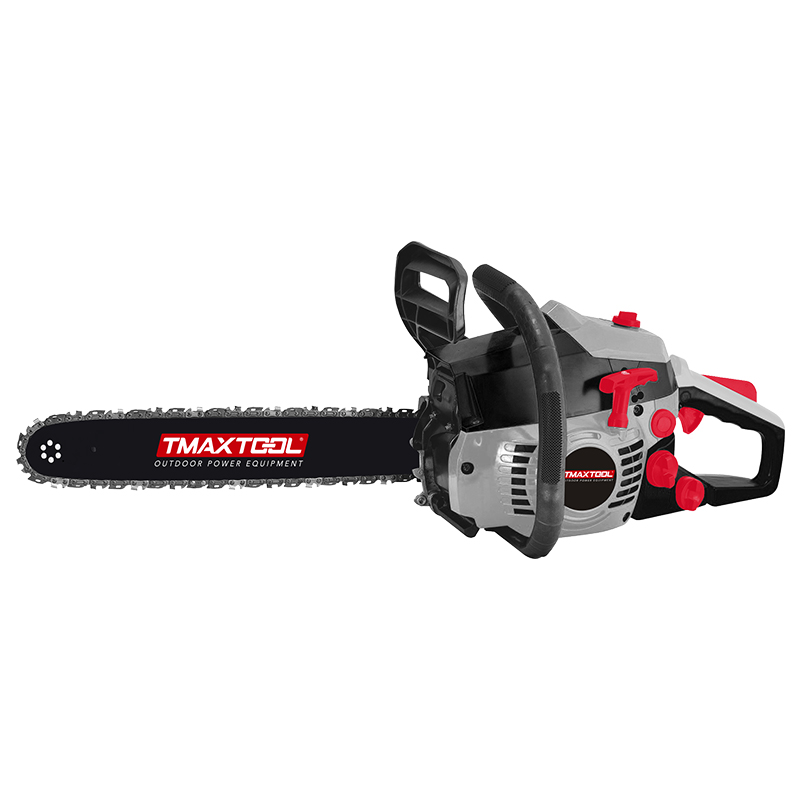 Chain Saw
 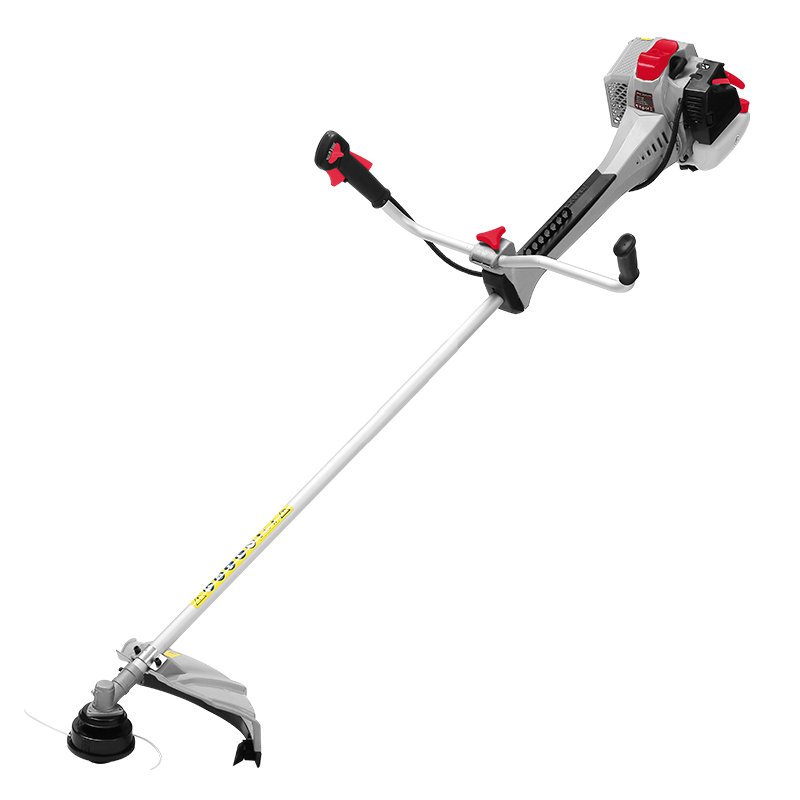 Brush Cutter
 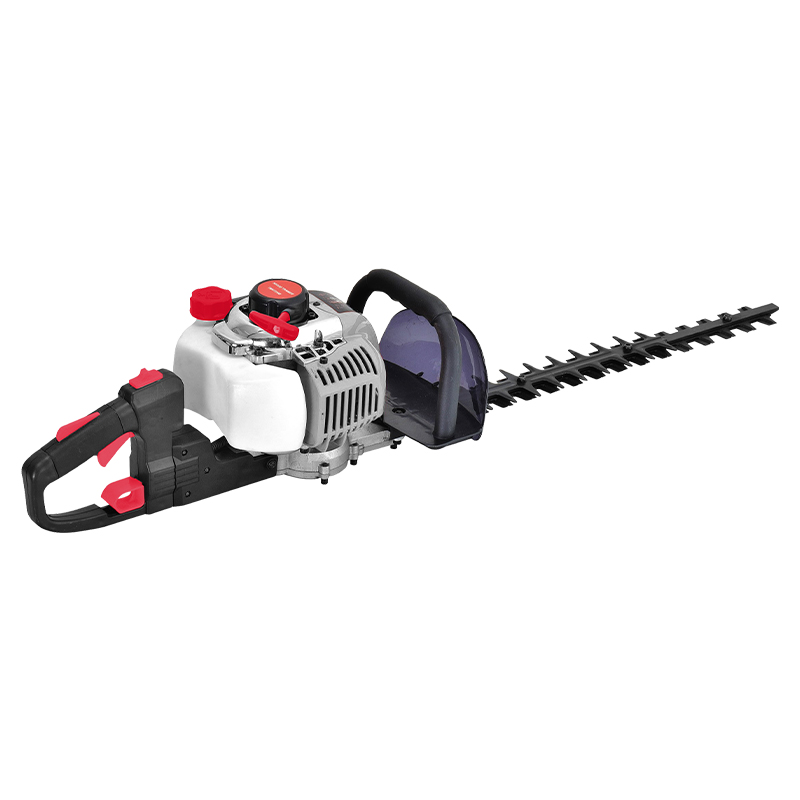 Hedge Trimmer
 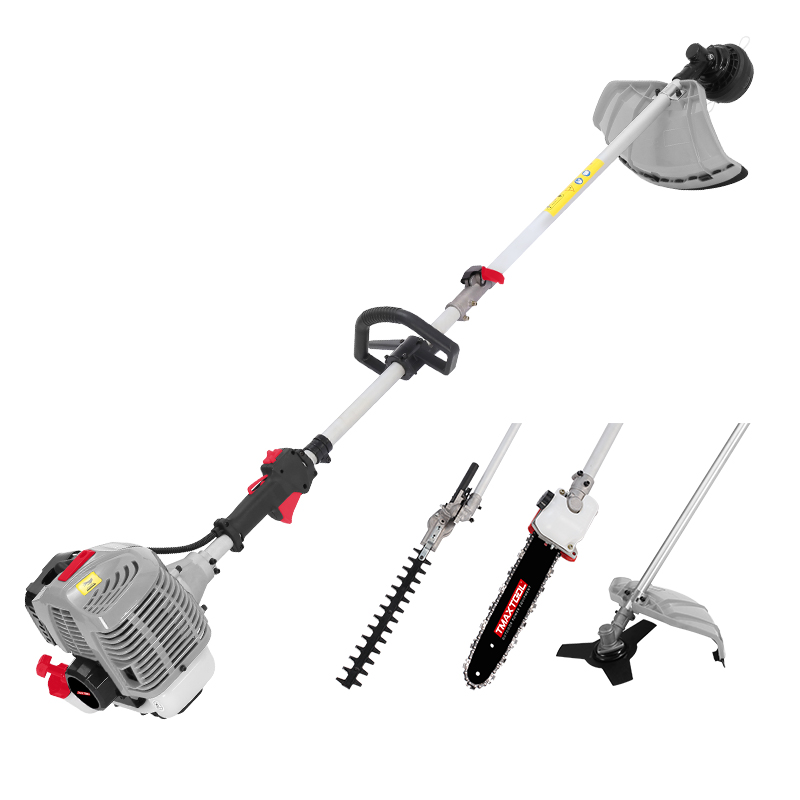 Multi Tool
 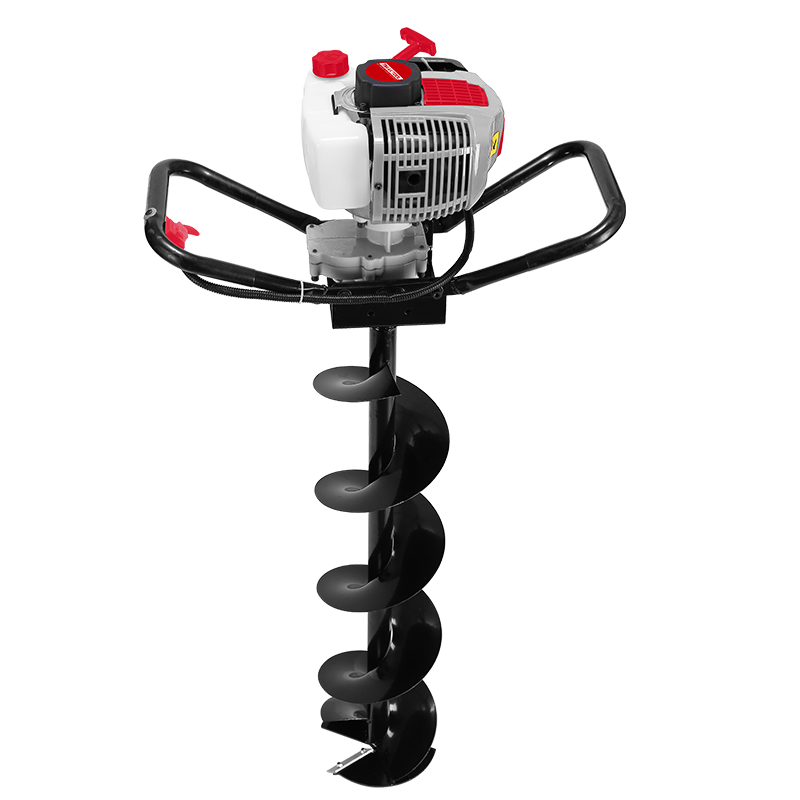 Earth Auger
 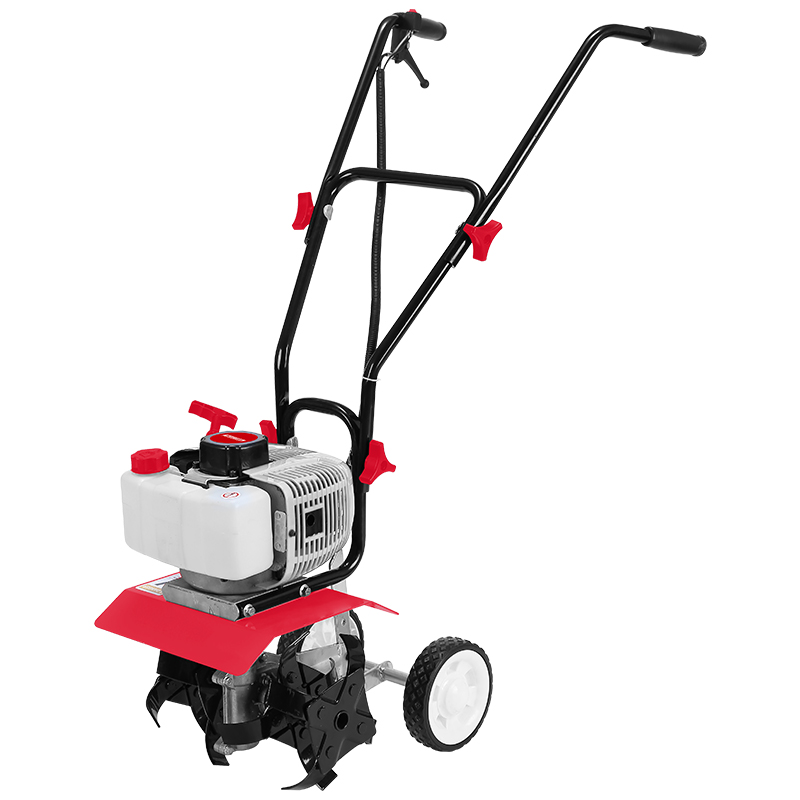 Tiller
 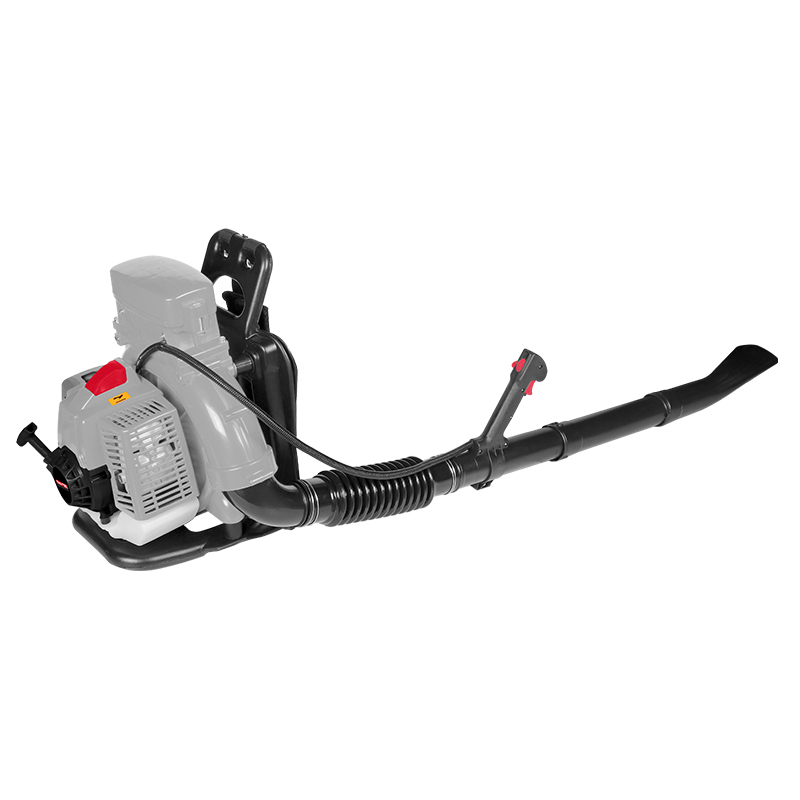 Blower
 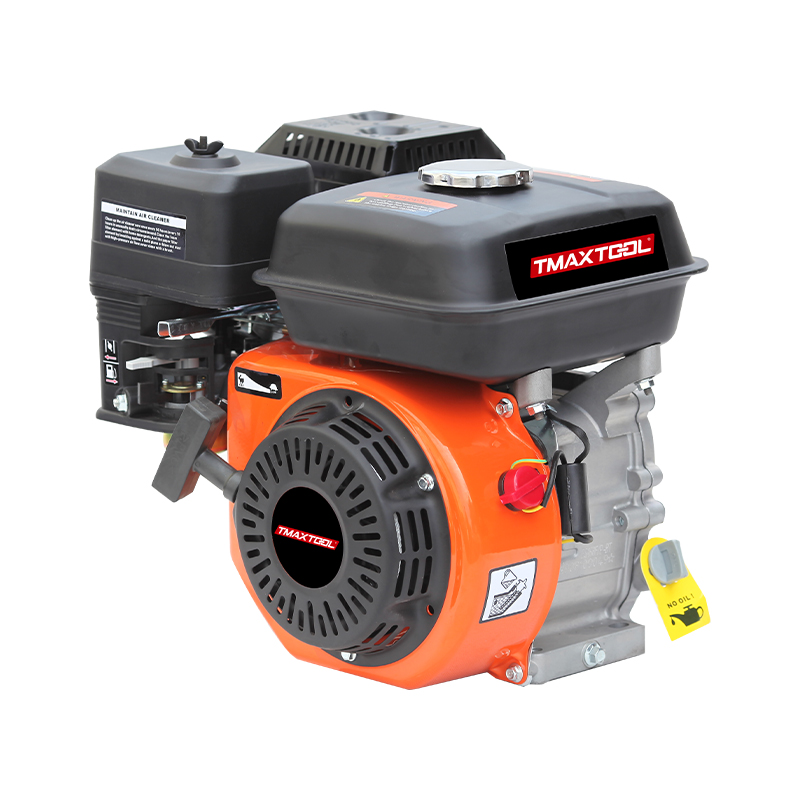 4 Stroke Gasoline Engine
 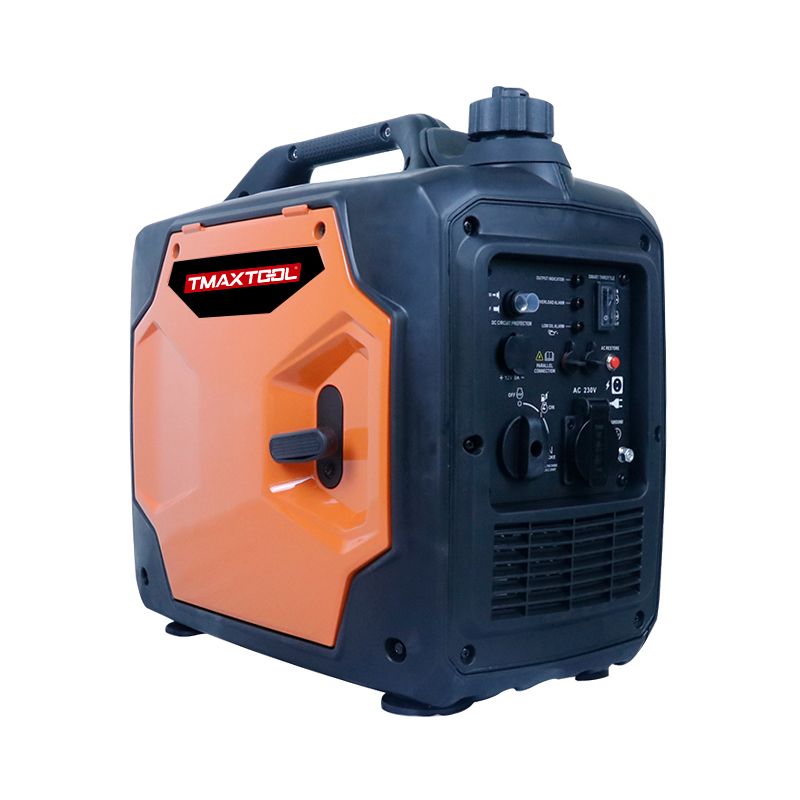 Generator
 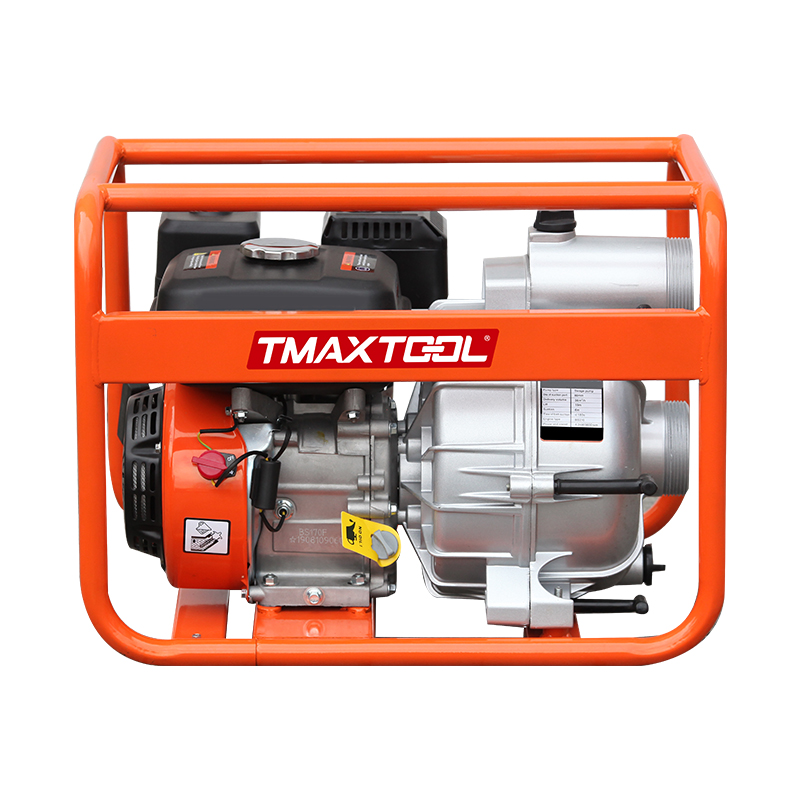 Water Pump
 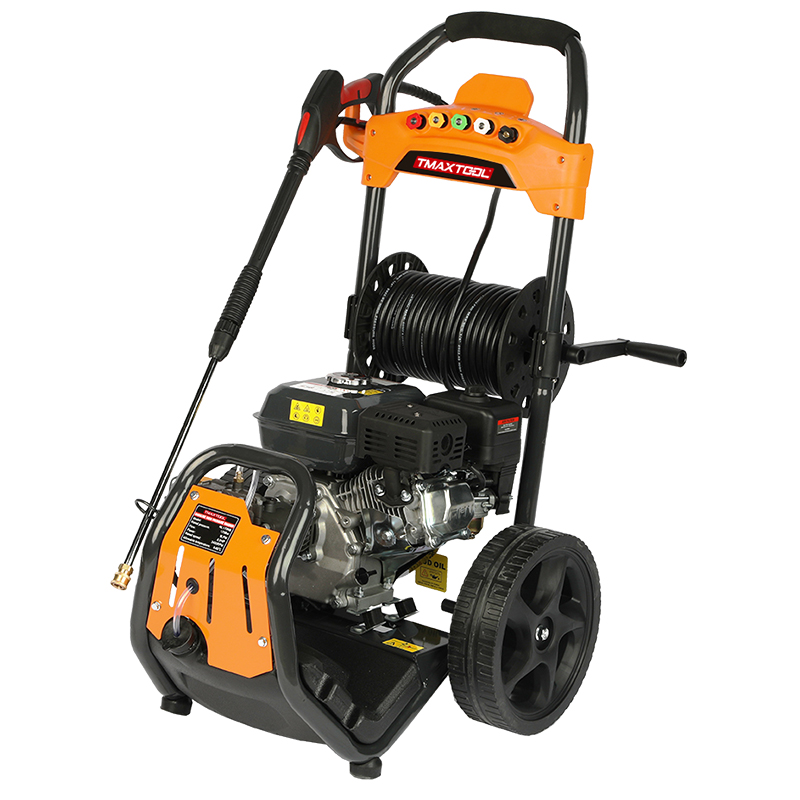 High Pressure Washer
 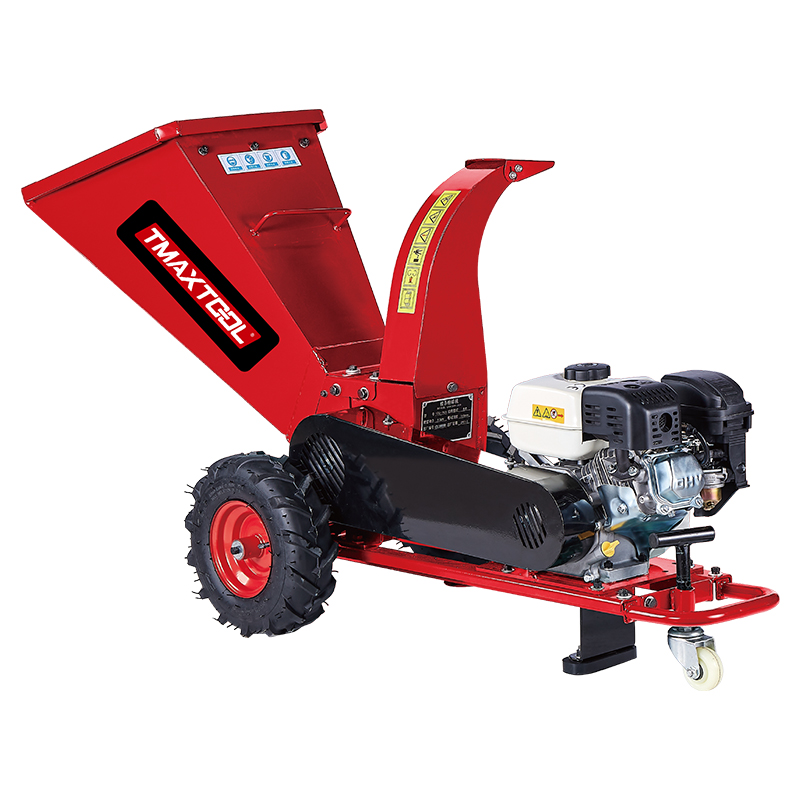 Wood Cutter
 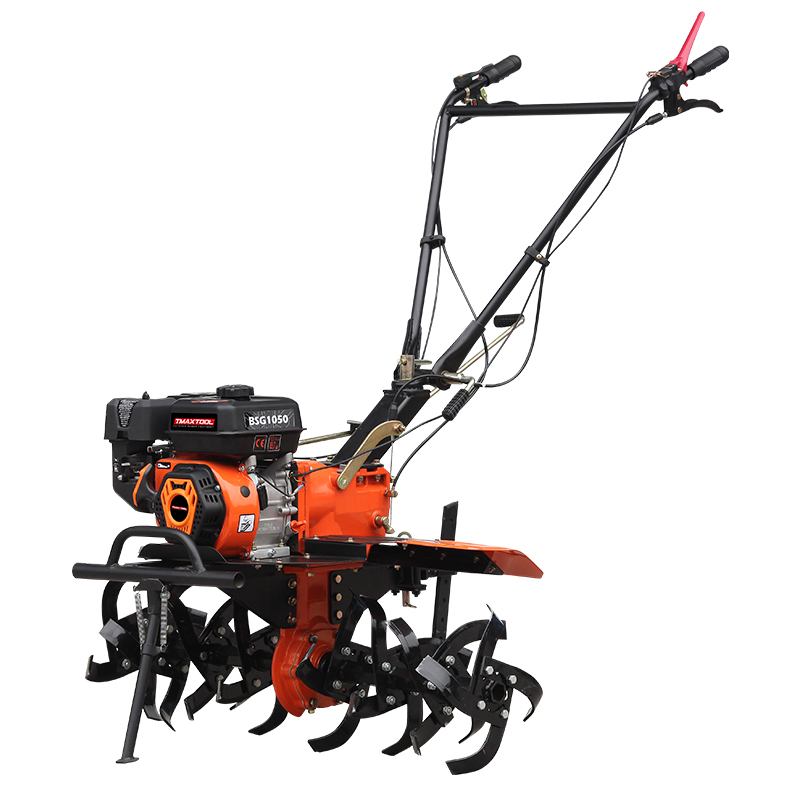 4 Stroke Tiller
 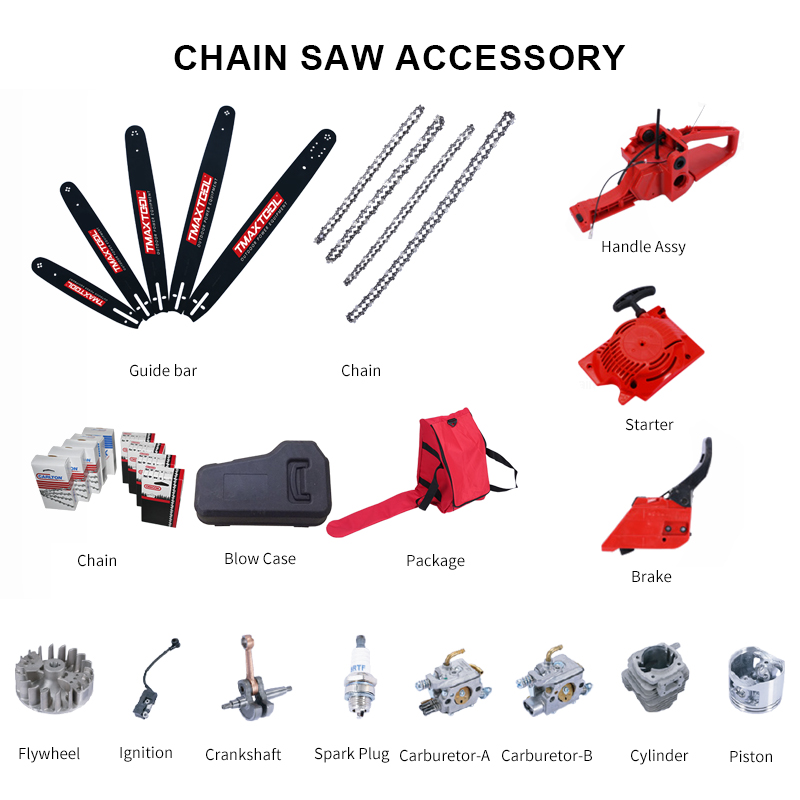 Chain Saw Accessory
 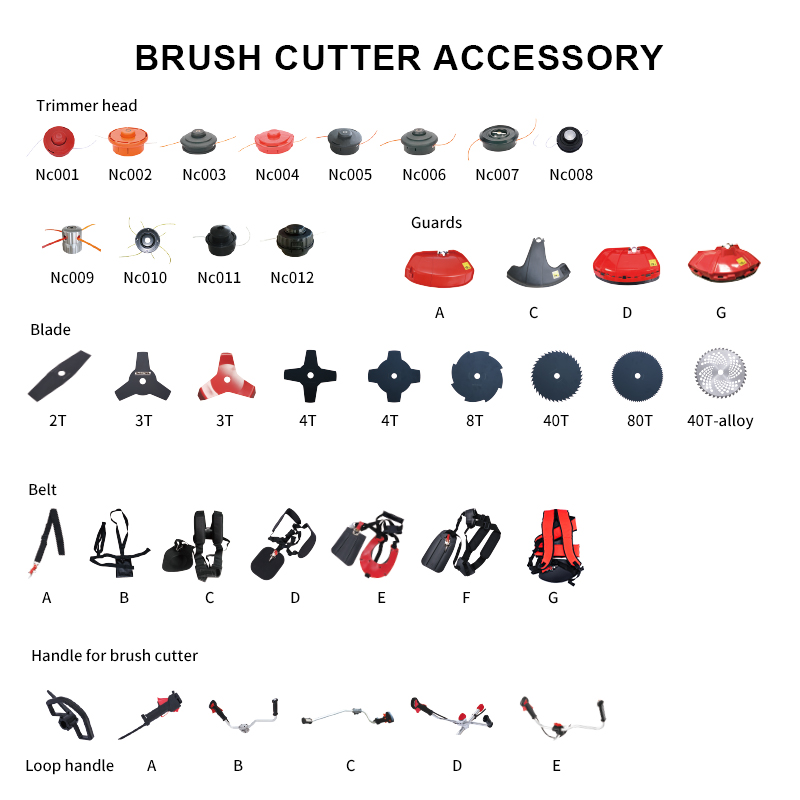 Brush Cutter Accessory
 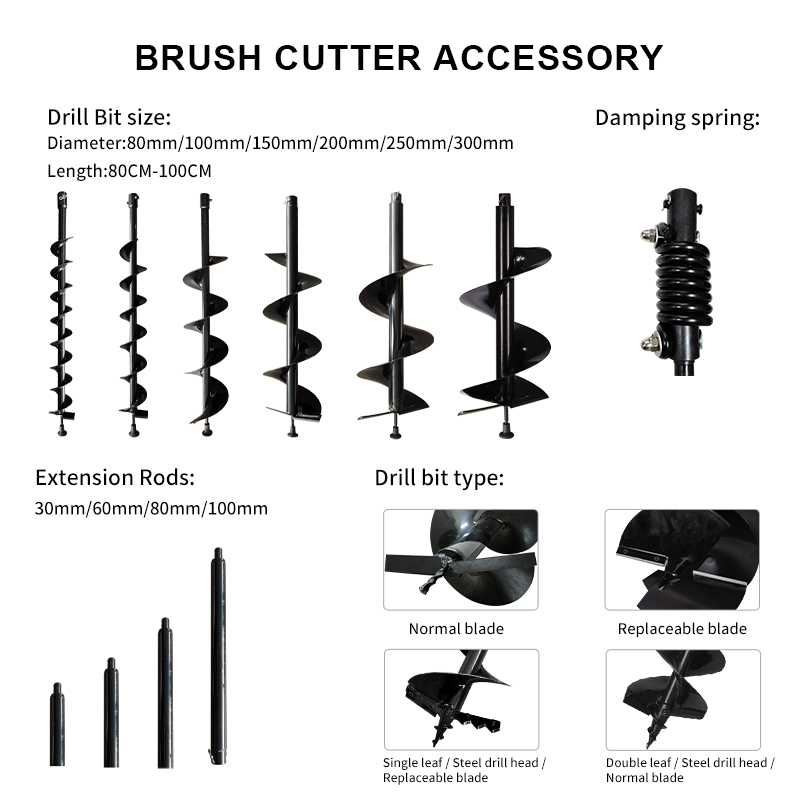 Earth Auger Accessory
 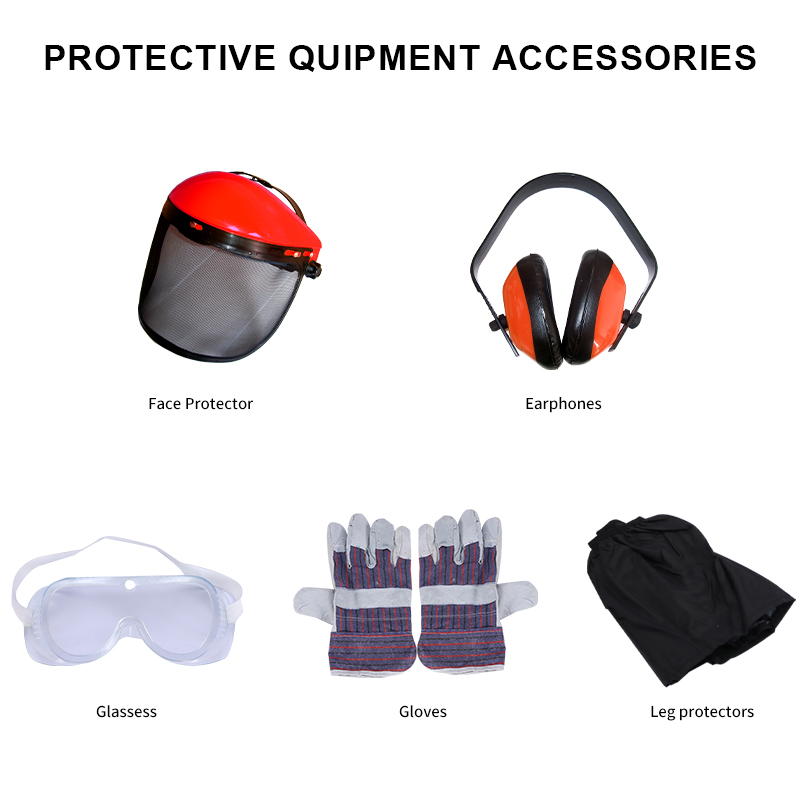 Protective Equipment Accessories


