Reciprocating Saws have really become a must-have in both professional contractor setups and DIY projects. I mean, they’re super versatile for all kinds of cutting jobs. Recently, I came across an industry report that says the global market for these saws could hit around $1.2 billion by 2025 — pretty impressive, right? It’s mainly because more folks are using power tools for construction and home renovations.  Jinhua U Win Import & Export Co., Ltd., under their TMAXTOOL brand, is definitely leading the charge here. They make top-notch power tools, not just reciprocating saws but a bunch of other stuff too—like power wrenches and drills. Knowing the key features of reciprocating saws isn’t just about getting the job done faster; it’s also about staying safe and working smarter, whether you’re a pro or just into DIY. So, in this post, I’m gonna break down the seven most important features of reciprocating saws. That way, you can make smarter choices whether you’re in your workshop or on the job site.
Key Advantages of Using Reciprocating Saws in Home Renovation
Reciprocating saws have really become a must-have for anyone doing home renovations—no wonder! One of the biggest perks is how versatile these tools are. They can cut through all sorts of materials—wood, metal, even plastic—which means you can pretty much handle a bunch of different jobs with just one saw. Whether you're tearing down old stuff, trimming a tree, or fitting new fixtures, this little guy can do it all. That kind of flexibility is a huge time-saver and honestly, it saves you some money too—you won’t need to buy a bunch of different specialized saws.
And let’s be honest, one of the best parts is how easy they are to use. They’re great whether you're a DIY newbie or a seasoned pro. You can usually operate them with one hand, which gives you better control and makes your cuts more precise. Plus, with the right blade, they can get into tight spots that are normally a pain to reach during a project. The fact that they don’t vibrate too much and are lightweight makes working with them way less tiring—no sore arms after a long session. All in all, the combination of power, simplicity, and comfort makes reciprocating saws a top choice if you want to get your home renovation done without pulling your hair out.
Understanding the Versatility of Reciprocating Saws for Various Materials
Reciprocating saws have really become a must-have in construction, demolition, and renovation projects these days. They’re super versatile, capable of cutting through all sorts of materials — from wood and metal to plastic and even masonry. I read somewhere that, according to MarketsandMarkets, the global market for these saws is expected to hit around $3.2 billion by 2026. That’s mostly because industries like construction and automotive just can’t get enough of them right now. It really shows how handy these tools are — whether you’re a pro or just into DIY projects, they’re reliable and easy to use for a variety of tasks.
One of the reasons they’re so versatile? The wide range of blades you can swap out. For example, a study by ToolCrowd pointed out that using the right blade makes a huge difference — it can boost your performance and help you get cleaner, more precise cuts without all the frustration. Whether it’s a bi-metal blade for metal or a carbide-tipped one for tougher stuff, having the right blade means you can tackle different materials with confidence, saving time and making the job way easier. Plus, most reciprocating saws come with adjustable speed settings, which lets you tweak the cutting pace depending on what you’re working on. All these features combined really make it a go-to tool for just about anything you're up for tackling.
7 Essential Features of Reciprocating Saws
How Ergonomic Design Enhances User Experience with Reciprocating Saws
Whenever you're working with reciprocating saws, having an ergonomic design really makes a difference. Trust me, especially if you’ve spent hours cutting away—you want something that eases the strain on your hands and wrists. A good grip isn’t just comfy; it helps you stay in control, which is super important whether you’re renovating or doing some woodworking. Picking a saw with a handle shape that fits your palm can honestly be a game-changer.
Pro tip: Look for models that come with vibration-dampening features. They cut down on fatigue big time, so you can work longer without feeling all worn out.
And don’t forget about weight distribution. A well-balanced saw is easier to handle, especially when you’re cutting at weird angles or in tight spots. Ergonomic models usually are lighter and have their weight spread out evenly, making your cuts smoother and more precise.
Another tip: Before you buy, grab it and give it a test run. Make sure it feels comfortable and balanced in your hands—that way, you’ll avoid potential injuries and get better results with your cuts.
Exploring Power Options: Corded vs Cordless Reciprocating Saws
When you're picking out a reciprocating saw for your next project, one of the biggest questions is whether to go for a corded or cordless model. These days, Cordless Saws have become super popular—and for good reason. They’re so much more convenient since you don’t have to stay close to an outlet, which is a real lifesaver if you're working outdoors or somewhere without easy access to power. Plus, with tech getting better all the time, modern cordless saws pack quite a punch—they last longer and handle tougher jobs just fine.
But, on the flip side, corded reciprocating saws still have their perks. They give you steady, reliable power throughout your whole project, which is pretty important if you’re doing a lot of cutting. No worries about batteries dying when you’re in the middle of something big—that’s a real bonus. If you’re tackling larger jobs or working with tougher materials, a corded saw might just be the way to go because it provides that consistent, strong power needed.
In the end, it all comes down to what’s most important for your specific needs and the kind of projects you’re into. Whatever you choose, TMAXTOOL has got you covered with quality tools that fit all kinds of jobs—so you’re always ready to get the job done right.
Safety Features That Make Reciprocating Saws a Smart Choice for DIY Projects
Reciprocating saws are seriously powerful tools that can really make your DIY projects a lot easier. But, honestly, safety should always come first. One feature you definitely want to look out for is an electric brake—this is the kind that stops the blade almost instantly once you let go of the trigger. It’s a total game-changer because it helps prevent accidents and also gives you better control while working on different materials.
Another handy feature is a blade clamp that allows you to change blades without any tools—super convenient and safer too, since it reduces the risk of cuts. And hey, don’t forget to gear up with the right safety gear, like safety glasses and gloves. It might seem like a small thing, but it really makes a difference.
When you're using your saw, keep a firm grip and stay steady—lose your balance, and things can get messy quickly. Cutting in a controlled, deliberate way can really cut down on slips or mishaps. And honestly, keeping your workspace clean and free of clutter is a huge help; a messy area can lead to accidents pretty easily. By knowing these safety features and following some basic tips, you’ll be able to use your reciprocating saw confidently and safely—happy DIY-ing!
7 Essential Features of Reciprocating Saws You Should Know
| Feature | Description | Safety Benefits |
| Variable Speed Control | Allows users to adjust the cutting speed for different materials. | Reduces the risk of kickback and improves precision. |
| Tool-Free Blade Change | Enables quick and easy blade swaps without additional tools. | Minimizes downtime and keeps hands away from moving parts. |
| Anti-Vibration Technology | Reduces hand fatigue during prolonged use. | Enhances control and comfort, reducing accidental slips. |
| LED Work Light | Illuminates the cutting area for better visibility. | Improves accuracy and reduces the chance of errors in dark areas. |
| Safety Guard | Protective shield around the blade to prevent debris and injuries. | Enhances user safety by minimizing exposure to the blade. |
| Ergonomic Design | Designed for comfortable gripping and ease of use. | Decreases the likelihood of strain or injury during use. |
| Electric Brake | Instantly stops the blade for enhanced safety. | Reduces the risk of accidental contact with the blade. |
Selecting the Right Blades for Optimal Performance in Reciprocating Saws
When you're choosing the right blades for your reciprocating saw, it’s really important to get a handle on how blade design and thickness can impact how well they work. Recent research shows that the shape and structure of the blades actually make a big difference in how clean and efficient your cuts are. For example, blades that have specially designed teeth tend to break less often, kind of like how the shape of keel saw blades influences tibial fractures in knee replacements—crazy analogy, but it shows how small design tweaks can have a big impact. Picking the right blade isn’t just about speed or convenience; it’s also about avoiding messy surprises during your cutting work.
Now, let’s not forget about thickness — it really matters too. Thicker blades tend to be more stable, which makes them perfect for tougher jobs and heavy-duty use. On the flip side, thinner blades are great when you need to be more precise, especially with lighter materials. From what I’ve seen, folks get better results when they match the right blade type to the specific task and material they’re working with. So, understanding these little details can seriously level up your cutting game and make sure everything goes smoothly and efficiently — no fuss, no mess.
Unleashing Power and Precision: The Ultimate Guide to the Manufacturer OEM High Performance Gasoline Chain Saw
Unleashing Power and Precision: The Ultimate Guide to the Manufacturer OEM High Performance Gasoline Chain Saw
When it comes to tackling tough outdoor tasks, the TM5200-4 model stands out as a high-performance gasoline chain saw that combines power with precision. With an engine displacement of 49.3CC and a maximum power output of 1.8KW, this chain saw is designed to handle a variety of cutting jobs with ease. Its well-engineered sprocket nose guide bar ensures smooth and efficient operation, making it the ideal tool for both professionals and hobbyists alike.
Not only does the TM5200-4 deliver on performance, but it also boasts practical features that enhance user experience. With a fuel tank capacity of 550ml and an oil tank capacity of 260ml, you can expect longer runtimes without frequent refueling. The chain bar comes in various lengths—16" (405mm), 18" (455mm), and 20" (505mm)—allowing you to choose the perfect size for your cutting needs. Weighing in at 7.0kg for the 16" model and 7.5kg for the larger options, this chain saw strikes an excellent balance between power and portability, ensuring that you can work longer without feeling fatigued.
Designed for durability and efficiency, the TM5200-4 is equipped with a sprocket chain size of 0.325"/3/8", further enhancing its cutting capabilities. Whether you're felling trees, trimming limbs, or cutting firewood, this chain saw promises unmatched performance to get the job done right. Experience the ease and efficiency of the TM5200-4 and unlock your potential in outdoor power tasks.
FAQS
: Reciprocating saws can easily cut through wood, metal, plastic, and masonry, making them versatile tools suitable for various applications.
Using the correct blade type enhances the saw's performance, enabling users to achieve precise cuts more easily. Different blades are designed for specific materials, such as bi-metal blades for metal and carbide-tipped blades for tough materials.
Ergonomic design minimizes strain on the hands and wrists during extended use, improving user comfort and control for precision cutting tasks.
Vibration-dampening technology reduces fatigue, allowing users to work longer without experiencing discomfort, which enhances overall user experience.
A well-balanced and lighter reciprocating saw allows for smoother movements and better control, especially when cutting at different angles or in tight spaces.
Cordless reciprocating saws offer flexibility and convenience by allowing users to operate without being tethered to a power outlet, making them ideal for outdoor use or locations with limited electricity access.
Corded reciprocating saws provide consistent power output, which is essential for prolonged cutting tasks without the concern of battery life running out.
The choice between corded and cordless saws should be based on specific needs and the nature of projects; corded for heavy-duty tasks requiring consistent power, and cordless for flexibility and convenience.
Conclusion
If you're into DIY projects or home renovations, you've probably heard about reciprocating saws—they're pretty much a game-changer. The blog titled "7 Essential Features of Reciprocating Saws You Should Know" dives into why these tools are so awesome and versatile. Honestly, they’re great for cutting through all kinds of materials, so whether you're working with wood, metal, or just about anything, a reciprocating saw is a real lifesaver. Plus, the ergonomic design makes it way more comfortable to use, especially during those long sessions. We also take a look at the different power options—like cordless versus corded—so you can pick what fits your needs best, whether you're on the go or plugged in at home.
Safety is a big deal, and the blog highlights features that help keep you protected while still delivering solid performance. And to get the most out of your saw, choosing the right blades is key—after all, it’s all about matching the blade to the job. Here at Jinhua U Win Import & Export Co., Ltd., TMAXTOOL, we’ve got a good selection of power tools, including some high-quality reciprocating saws designed to handle everything from professional gigs to weekend DIY projects. We really want you to get the best tools for your needs—so, yeah, happy cutting!

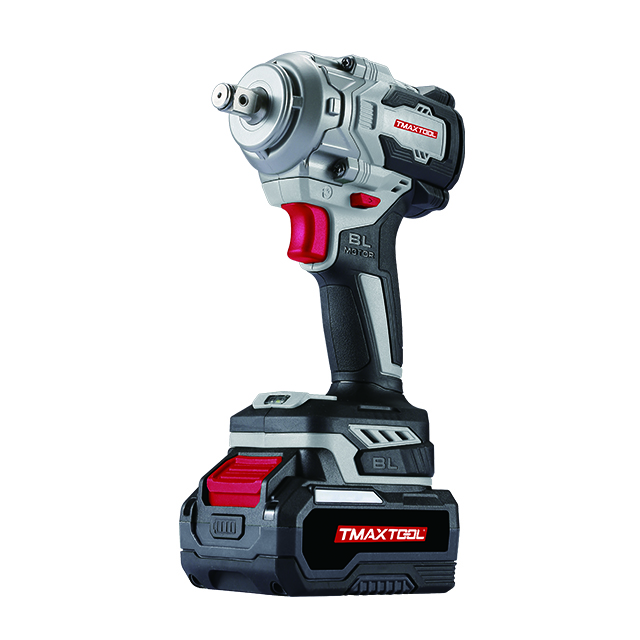 Impact Wrench
 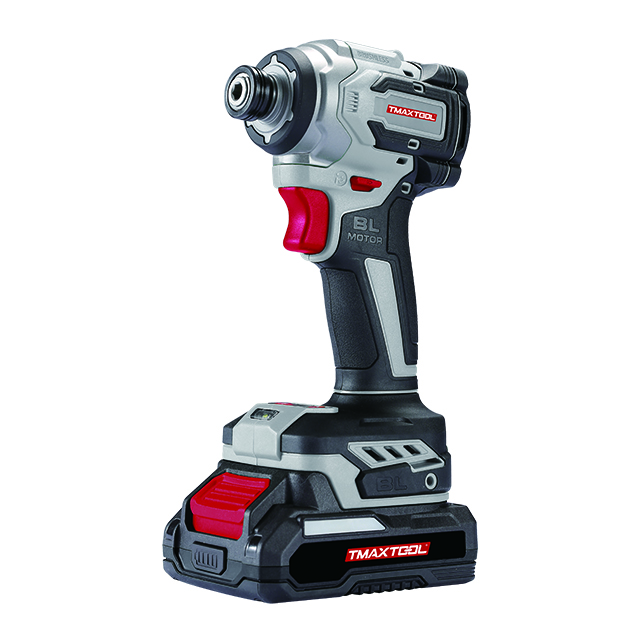 Screwdriver
 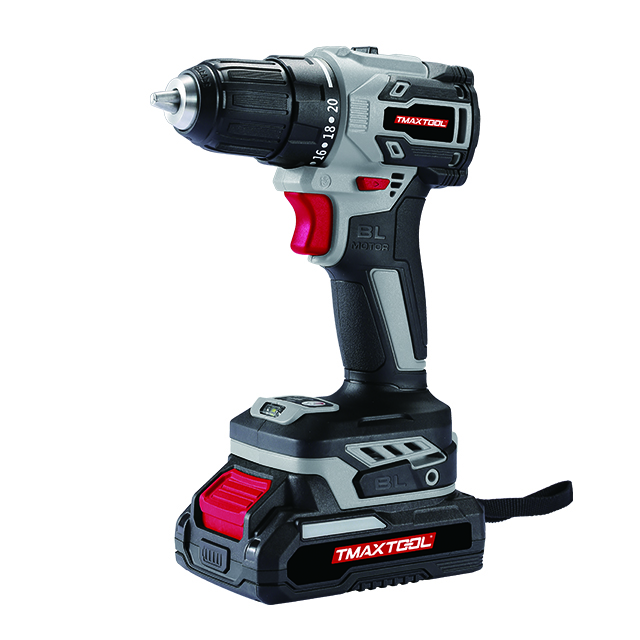 Cordless Drill
 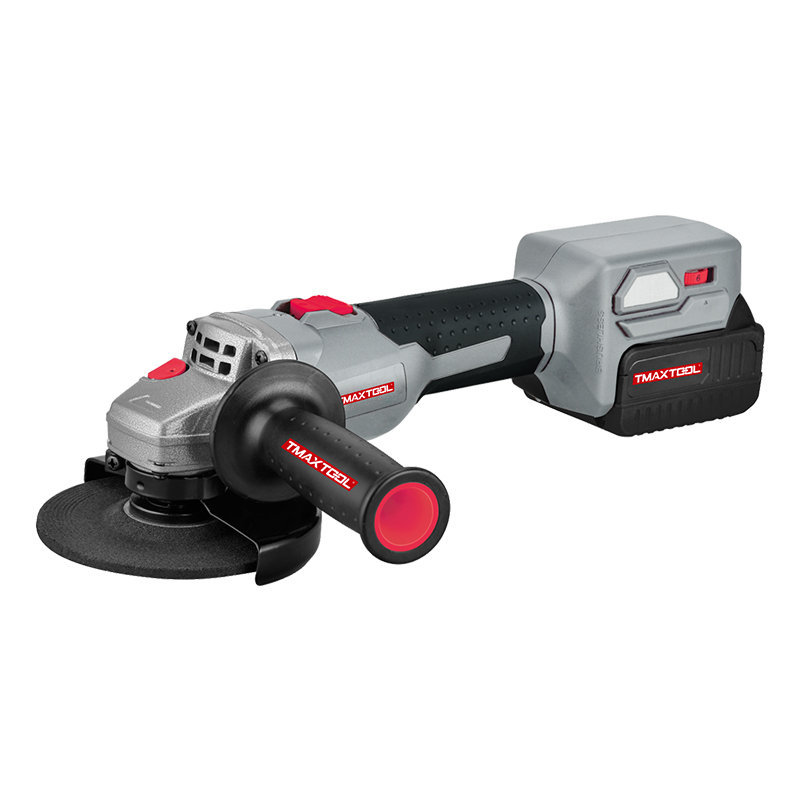 Angle Grinder
 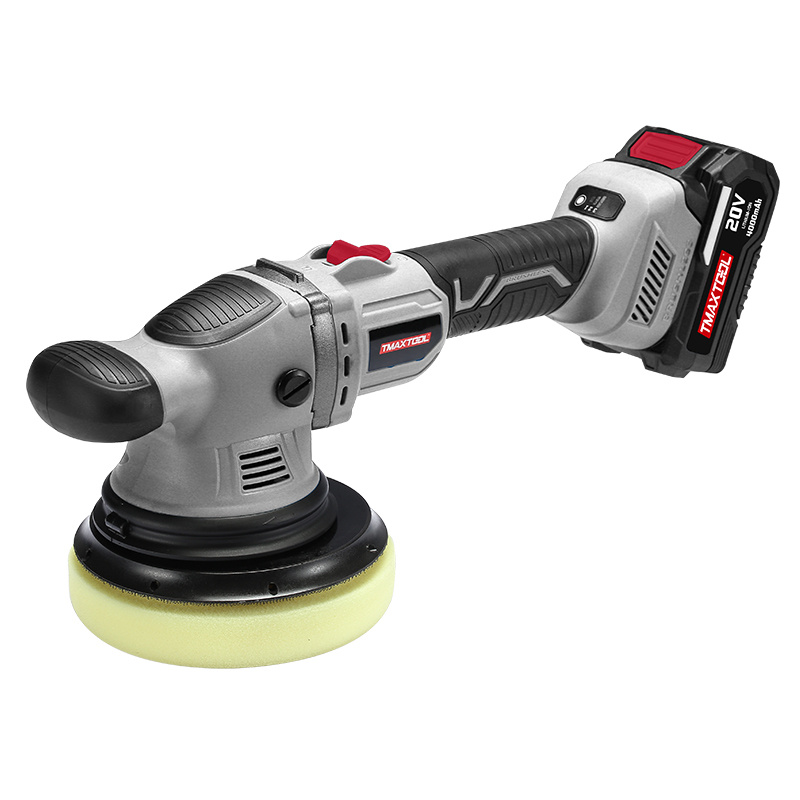 Polisher
 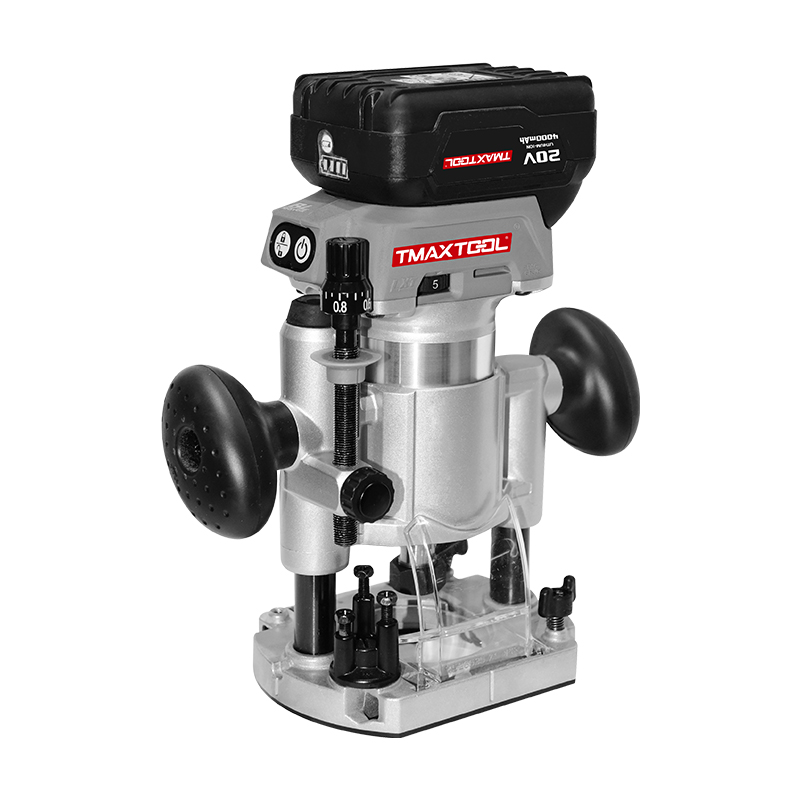 Wood Router
 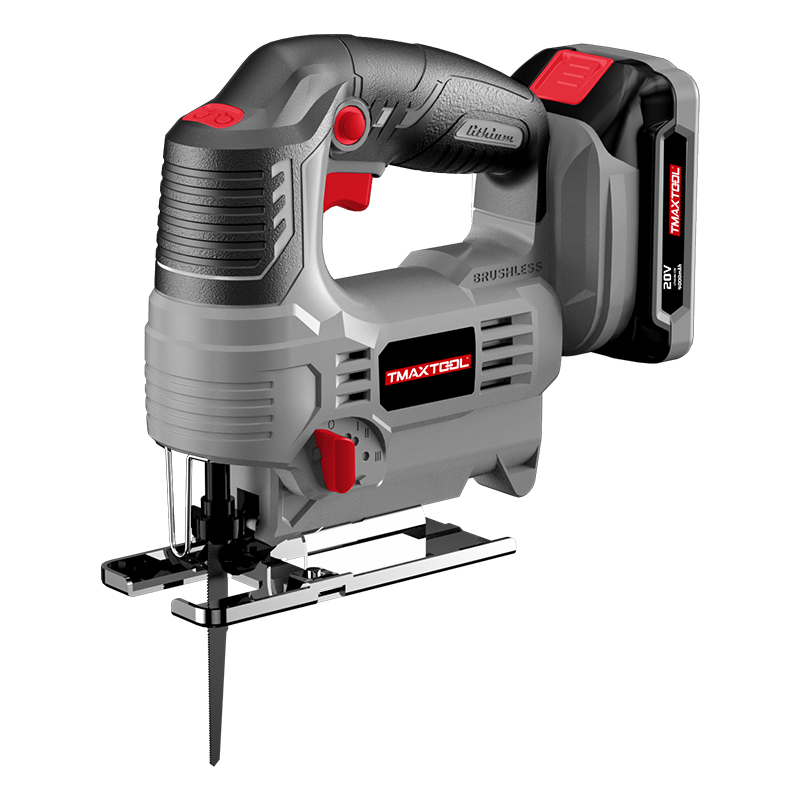 Jig Saw
 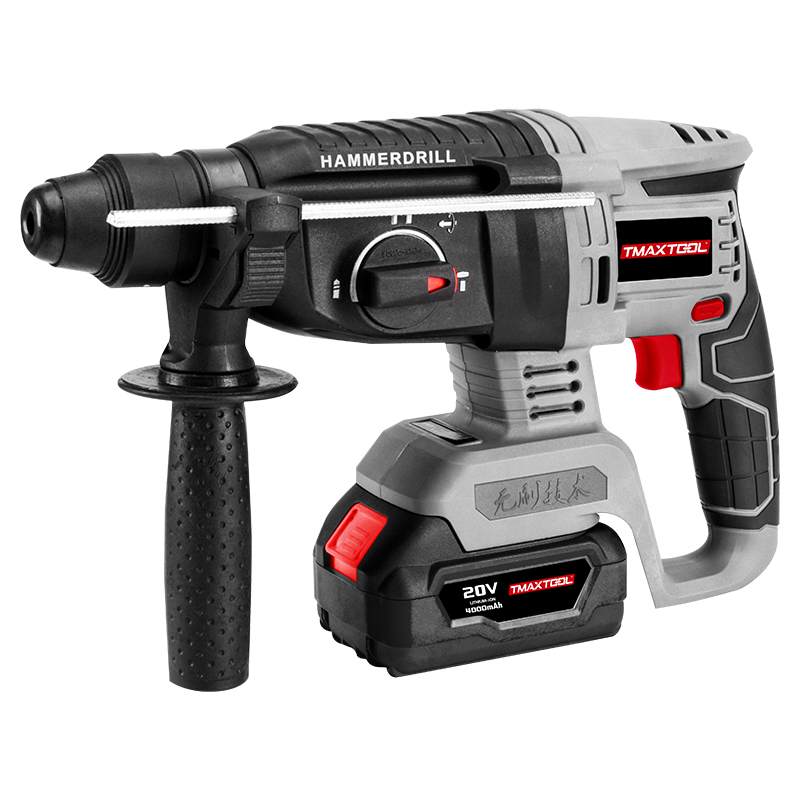 Hammer Drill
 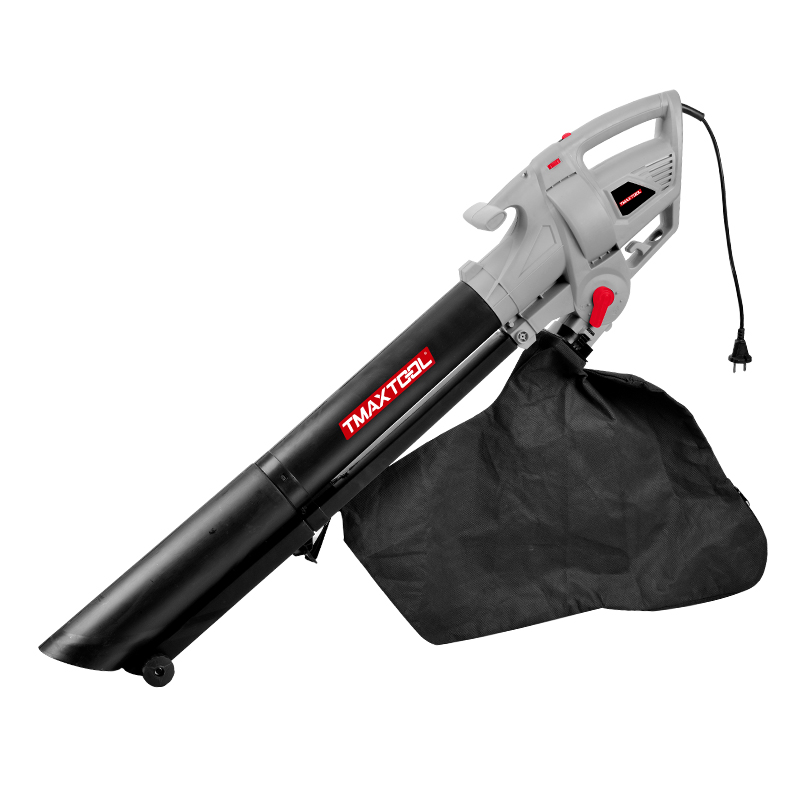 Portable Blower
 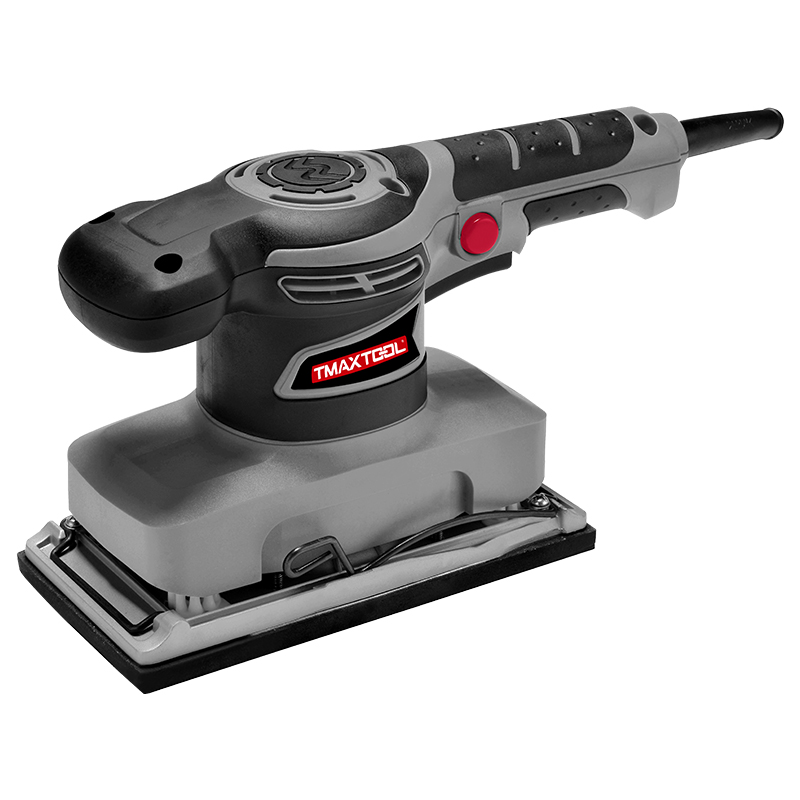 Orbital Sander
 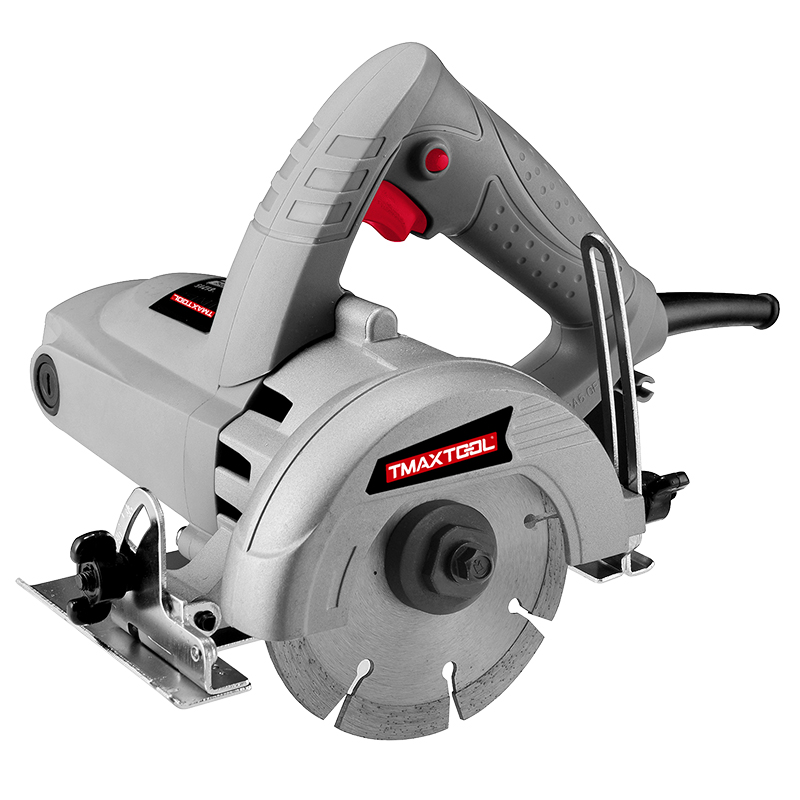 Marble Cutter
  GARDEN TOOLS
 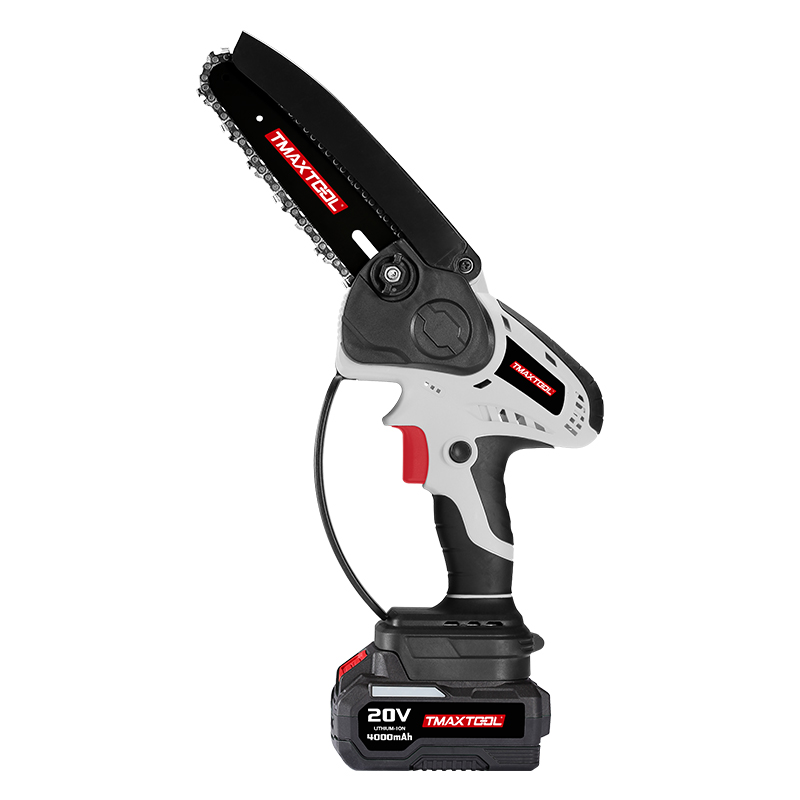 Battery Chain Saw
 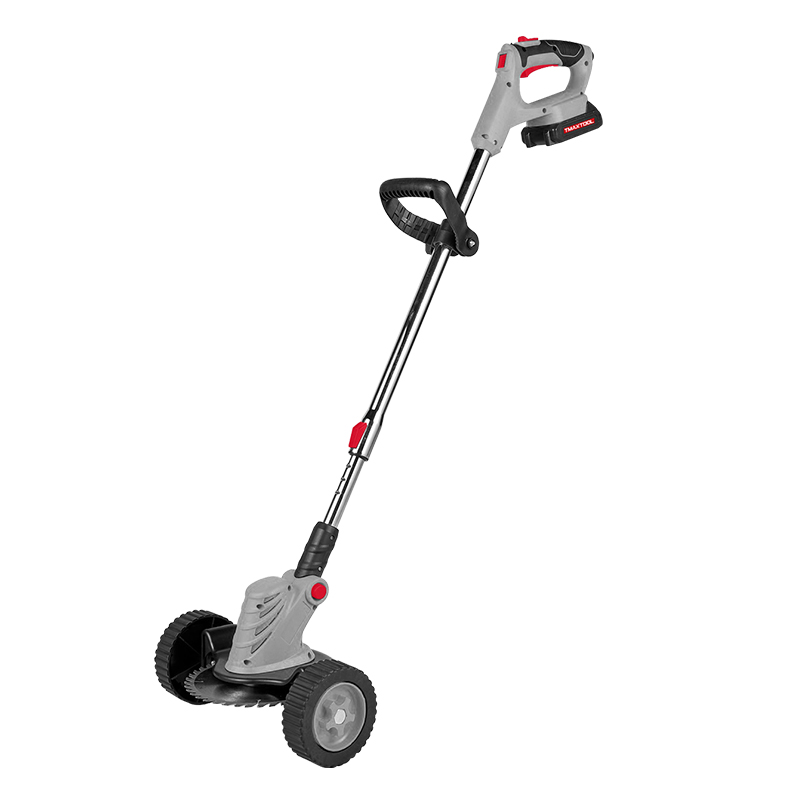 Battery Brush Cutter
 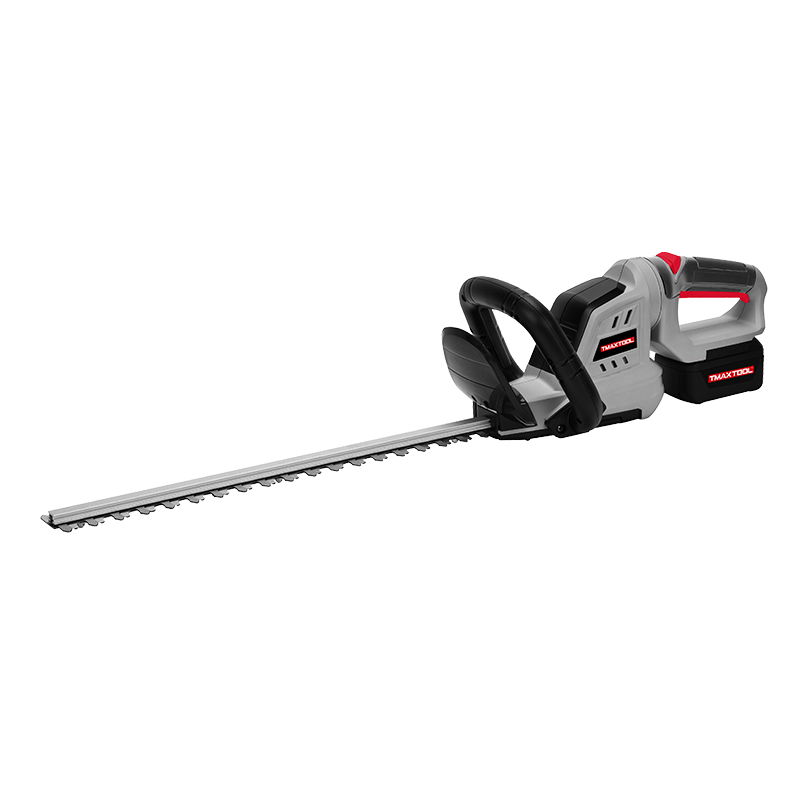 Battery Hedge Trimmer
 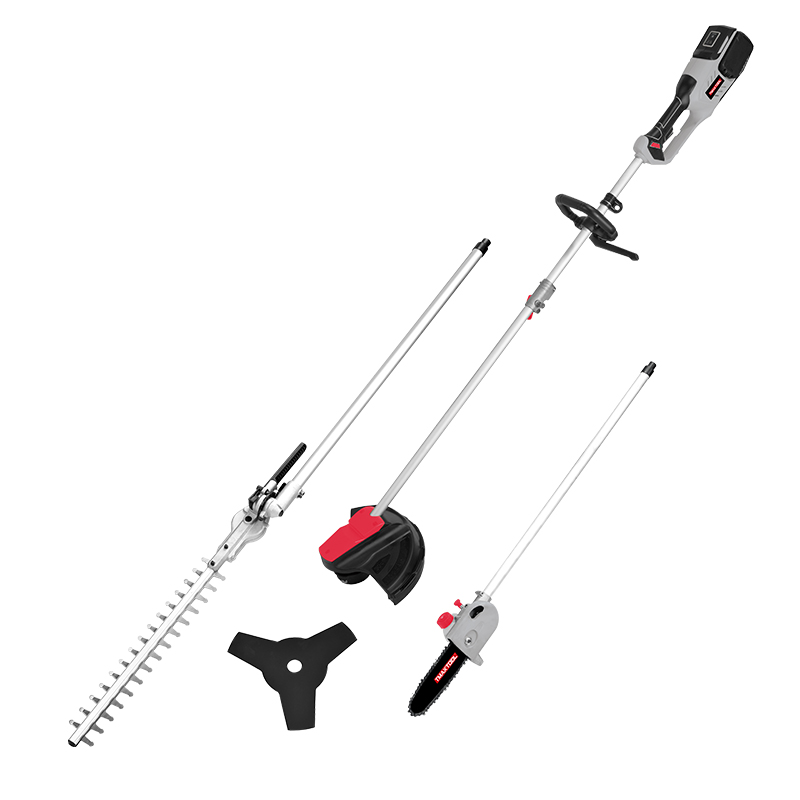 Battery Multi Tool
 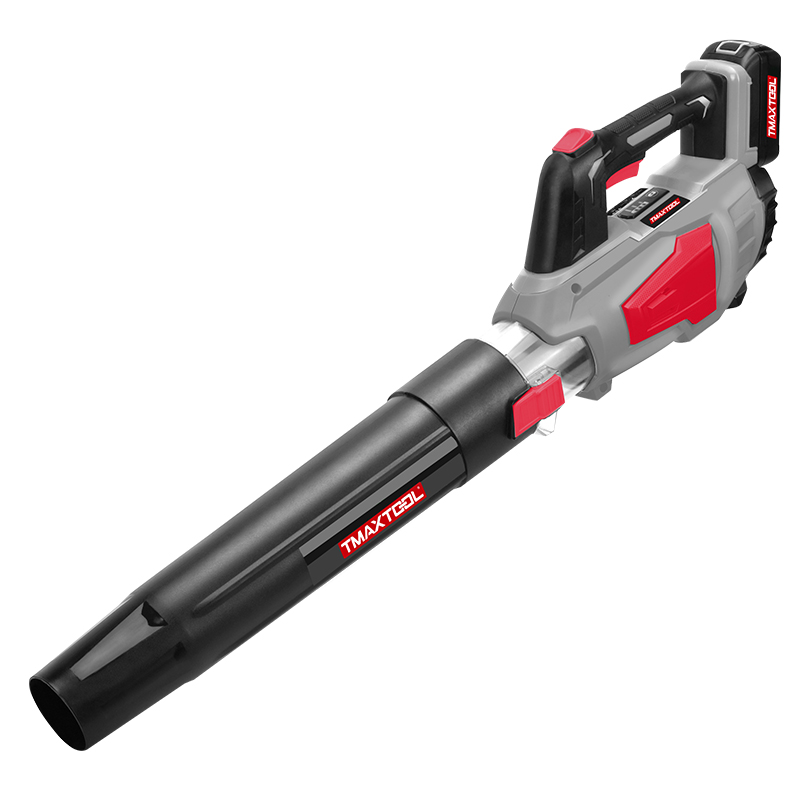 Battery Blower
 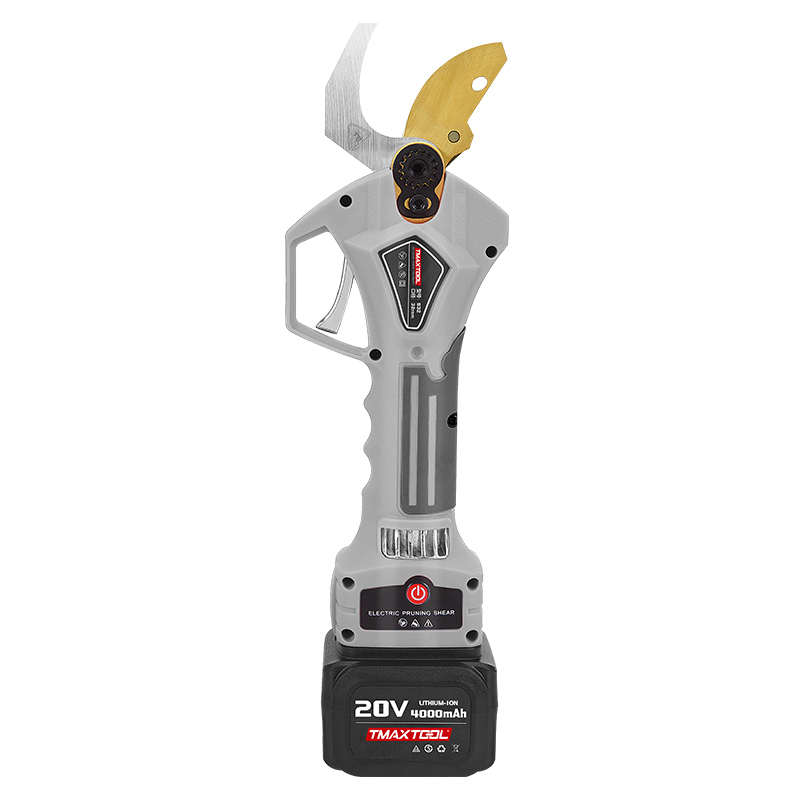 Batter Pruning Shears
 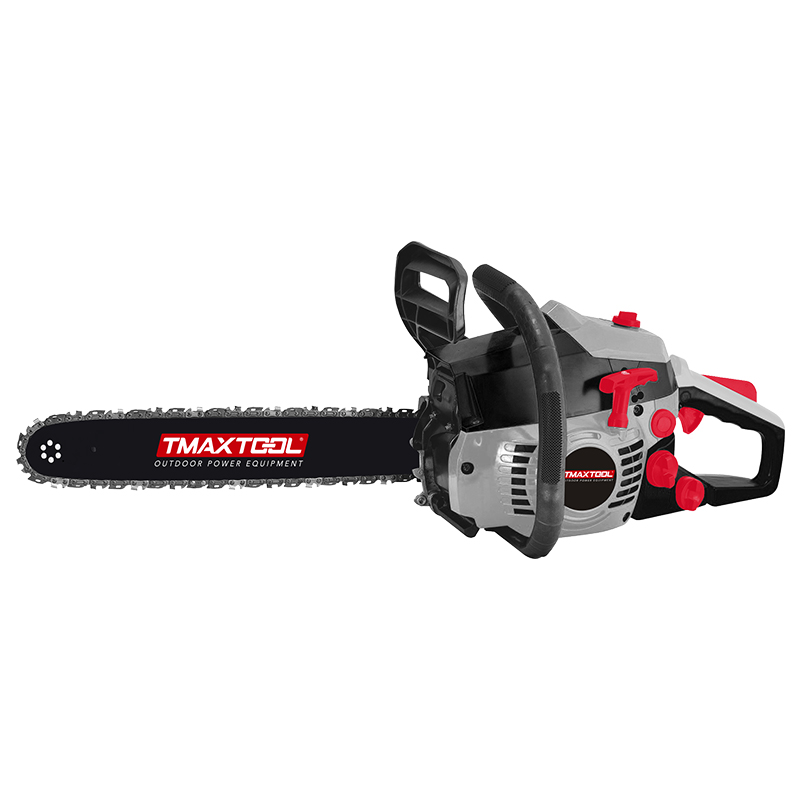 Chain Saw
 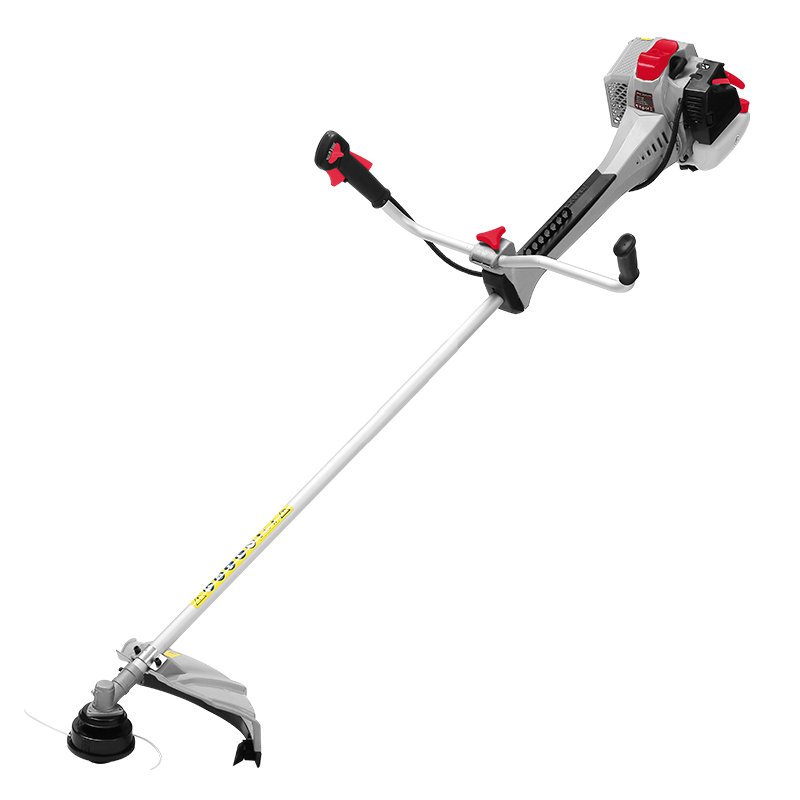 Brush Cutter
 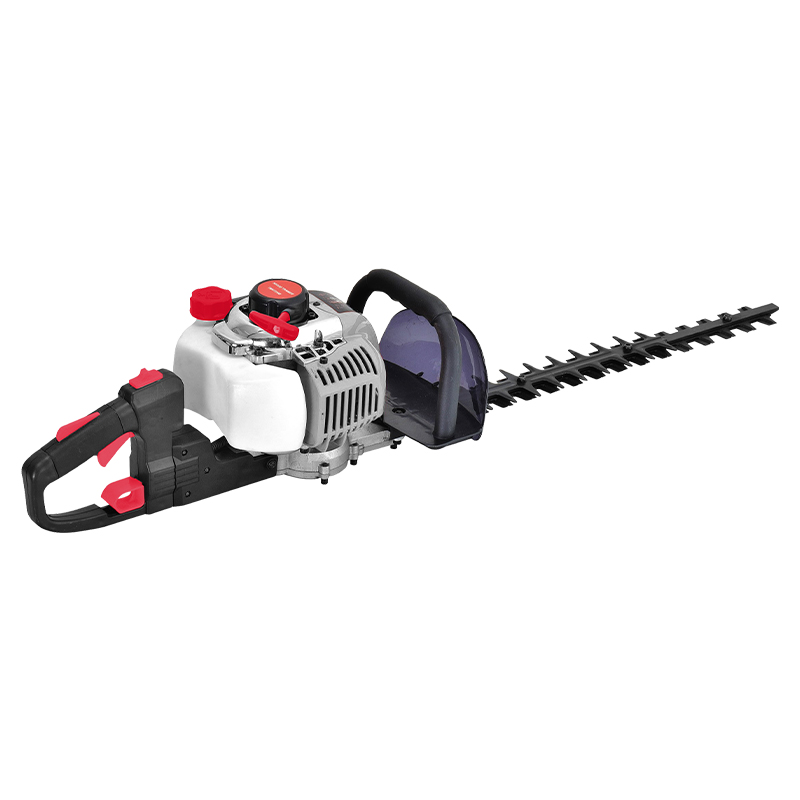 Hedge Trimmer
 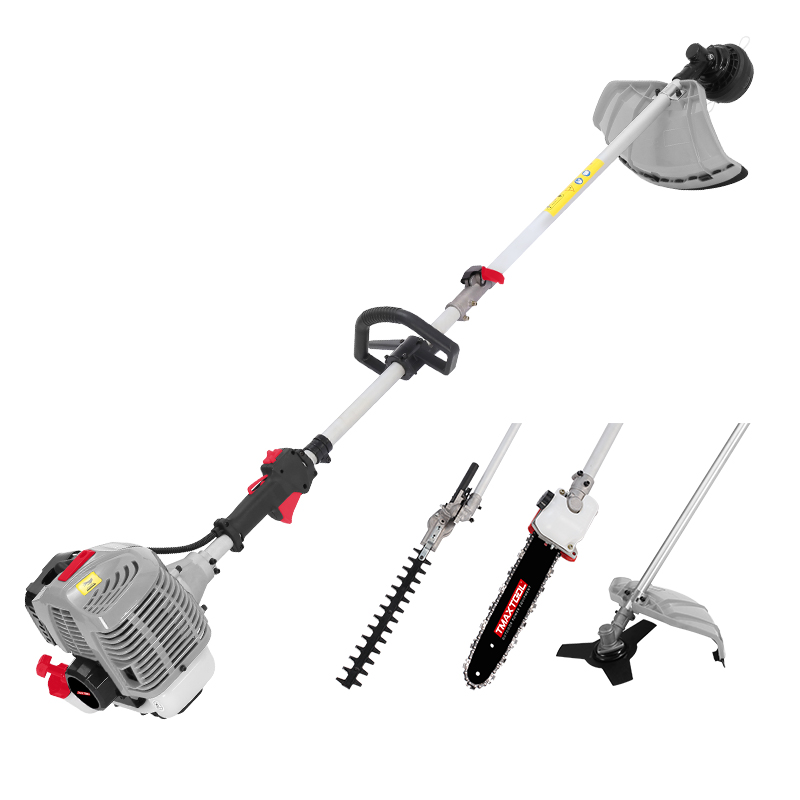 Multi Tool
 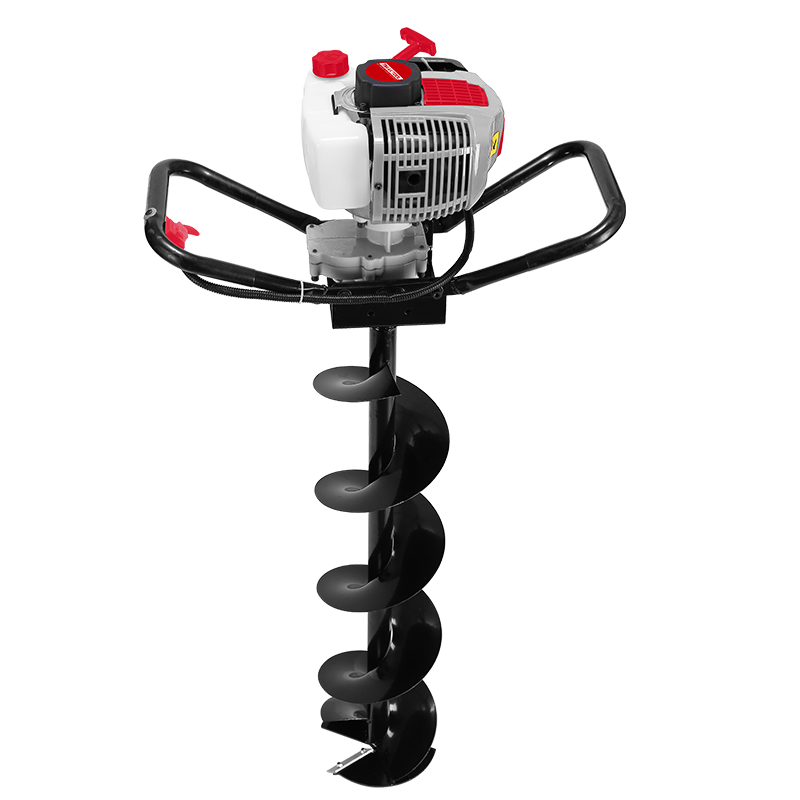 Earth Auger
 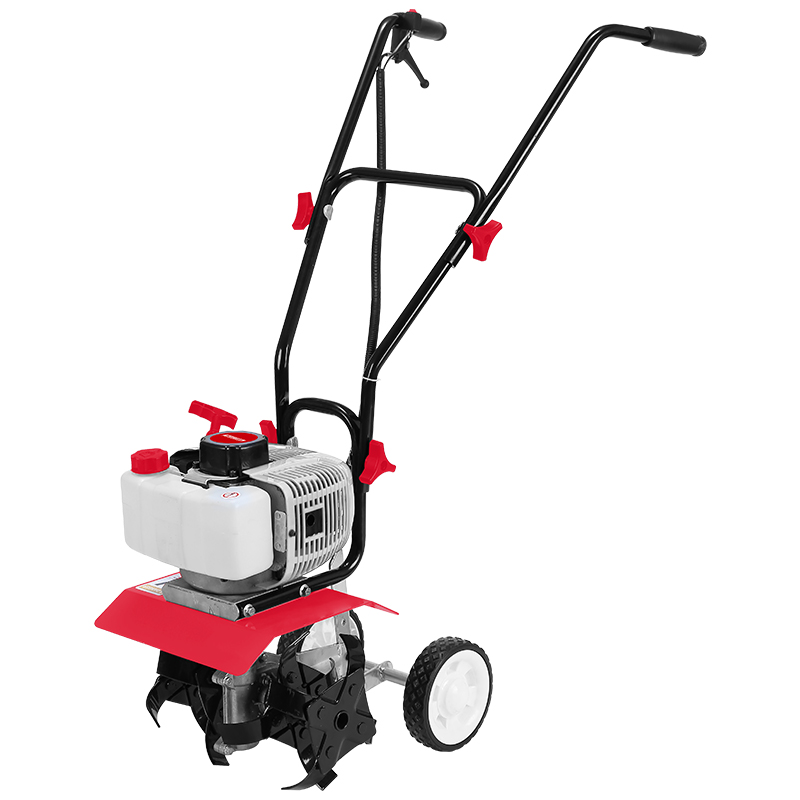 Tiller
 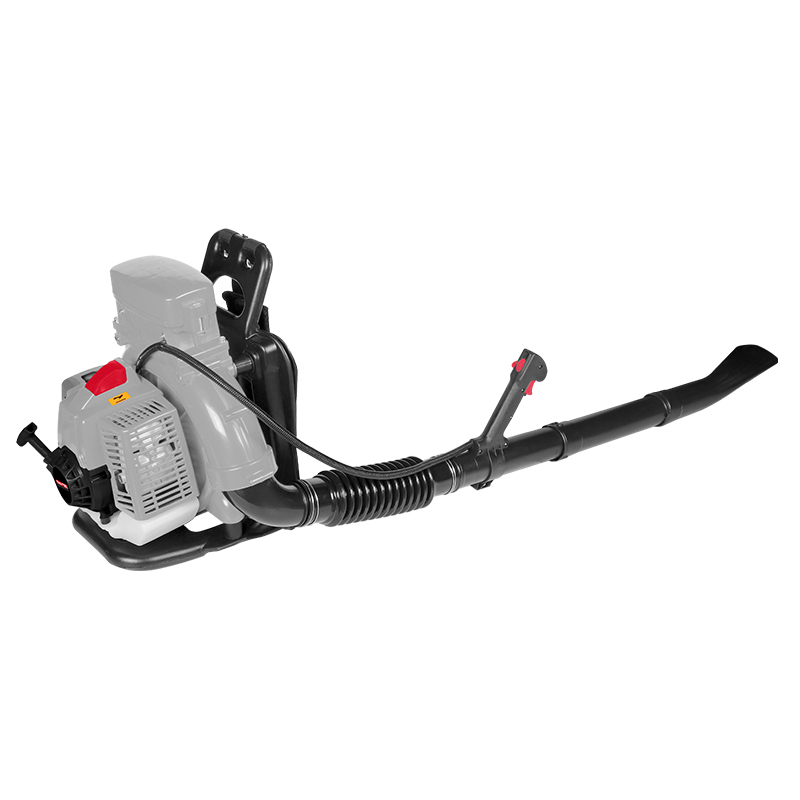 Blower
 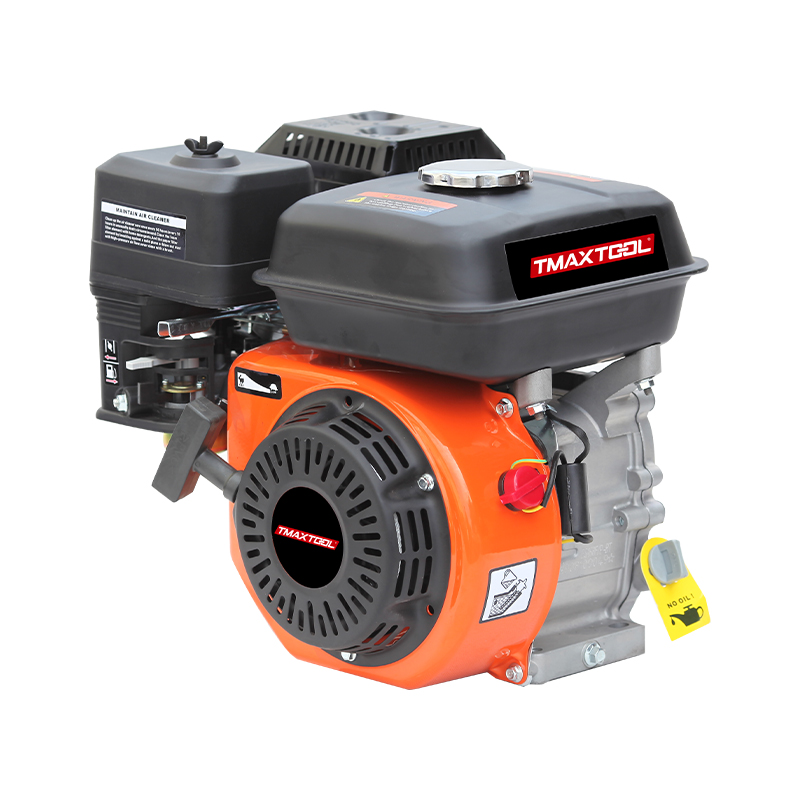 4 Stroke Gasoline Engine
 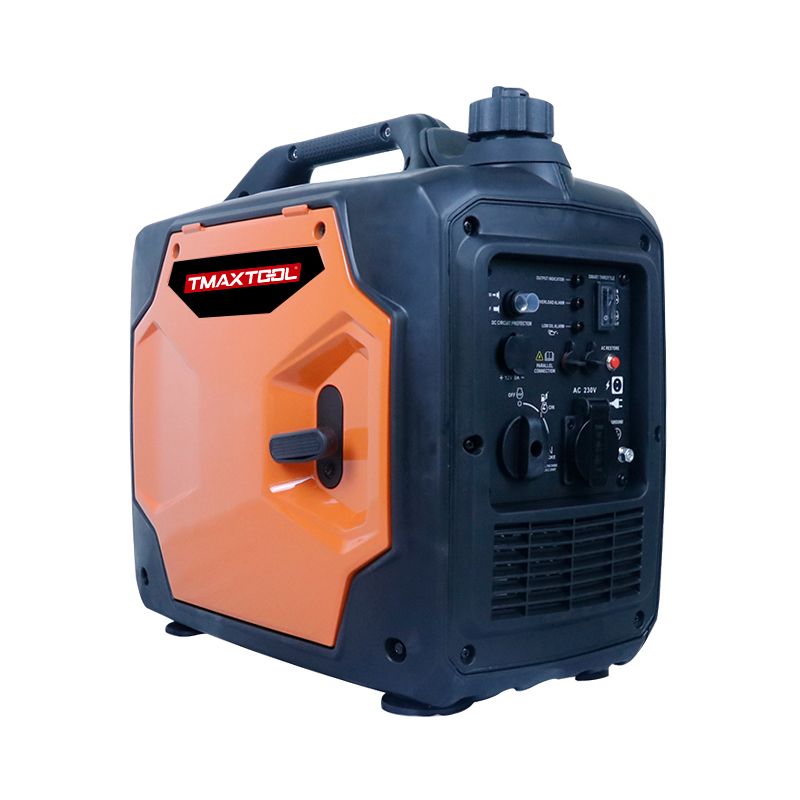 Generator
 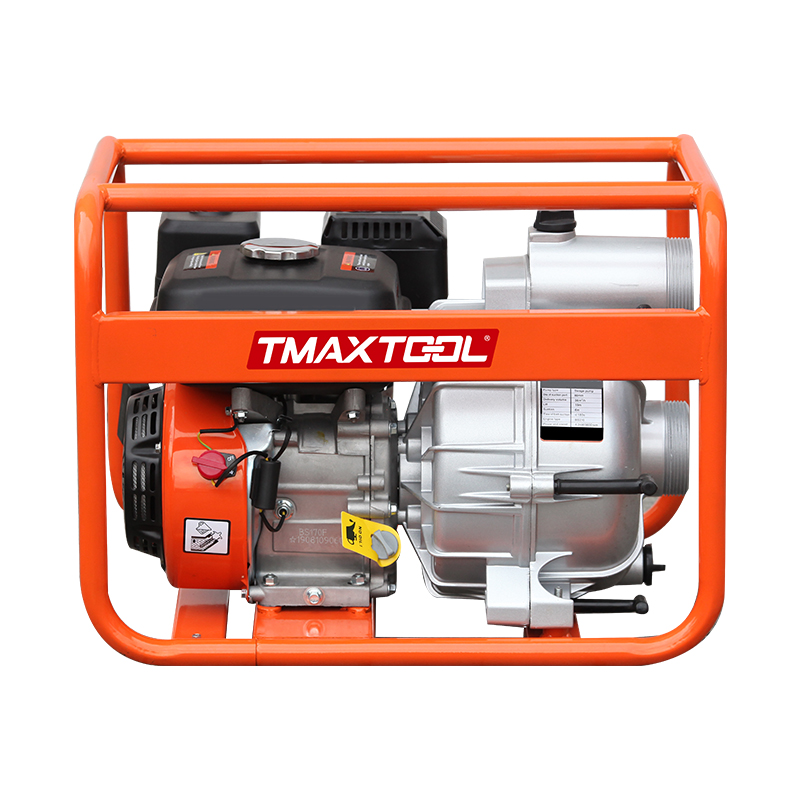 Water Pump
 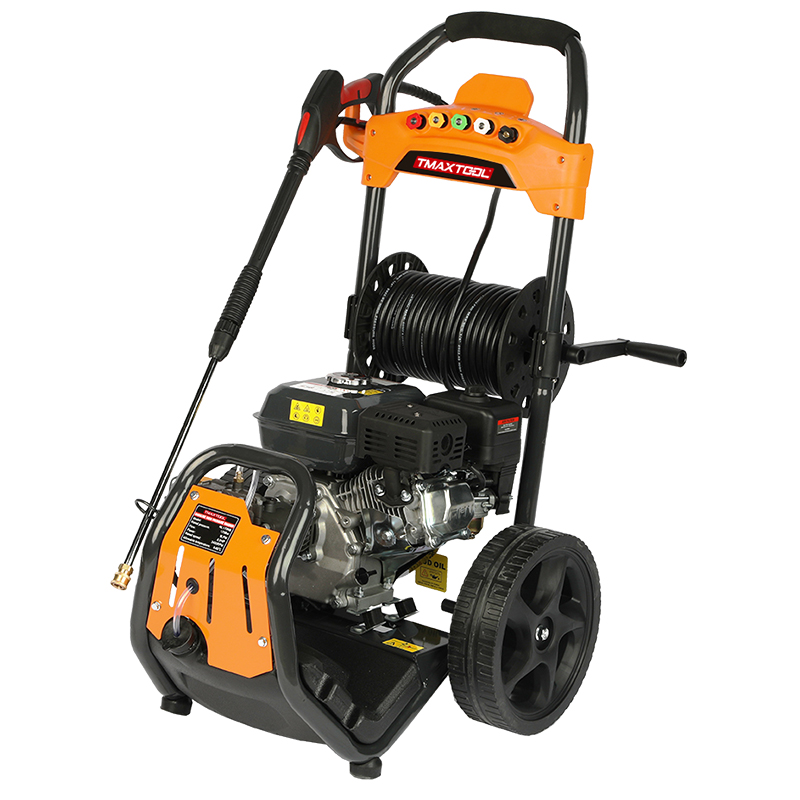 High Pressure Washer
 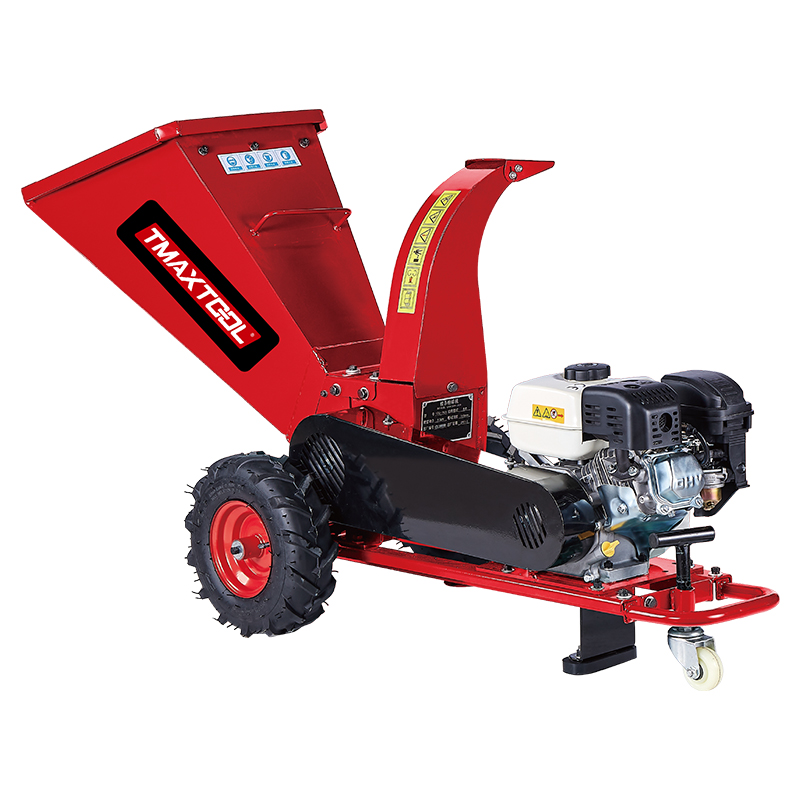 Wood Cutter
 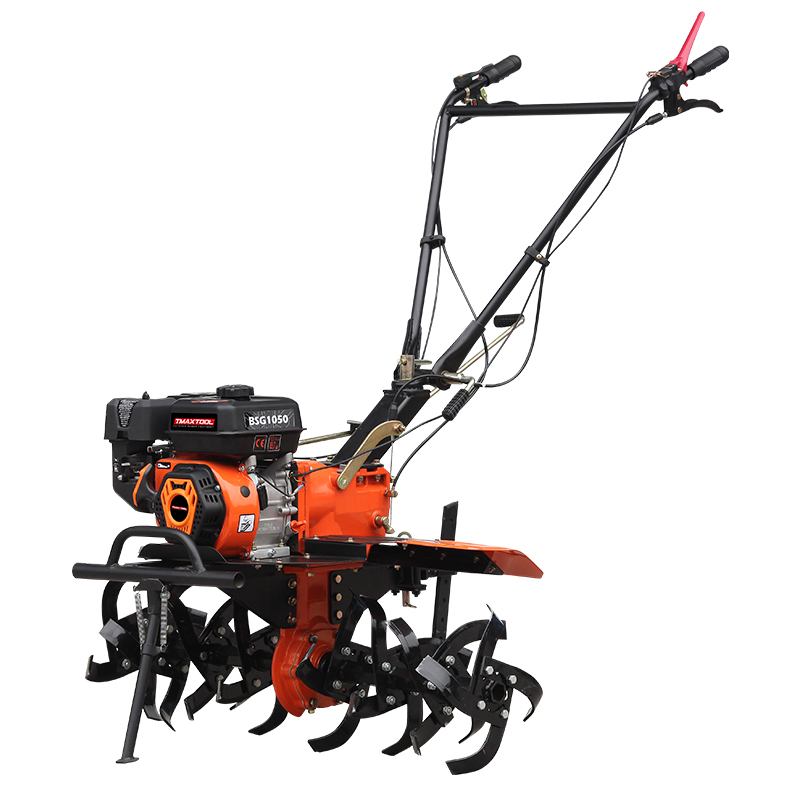 4 Stroke Tiller
 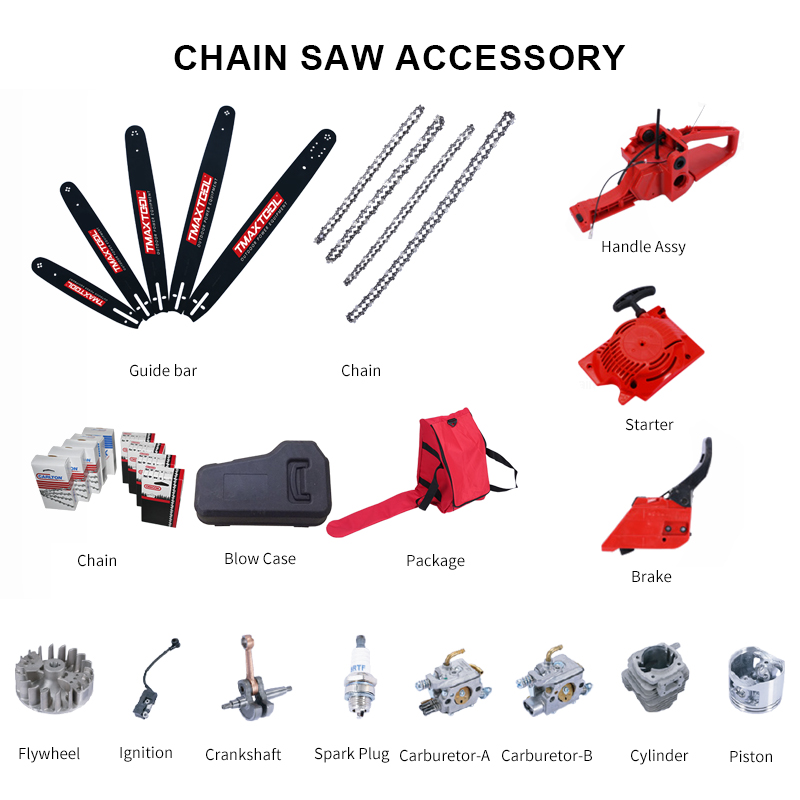 Chain Saw Accessory
 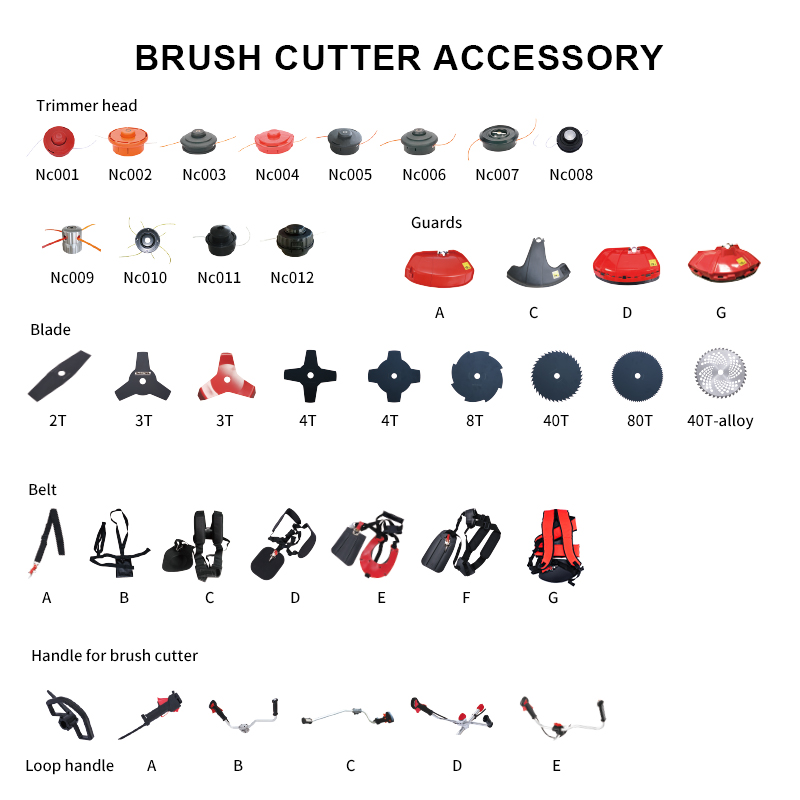 Brush Cutter Accessory
 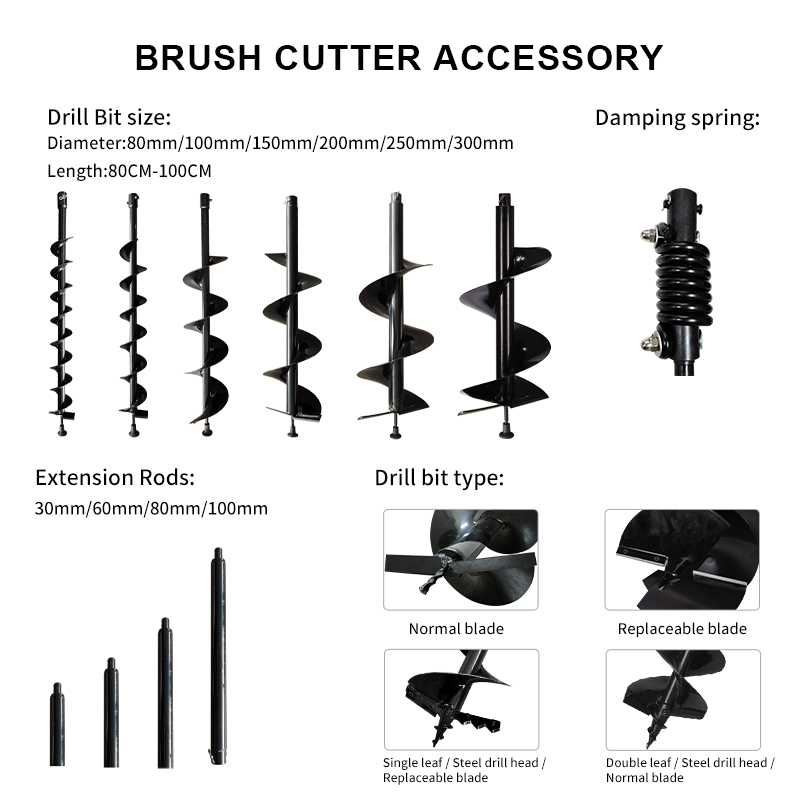 Earth Auger Accessory
 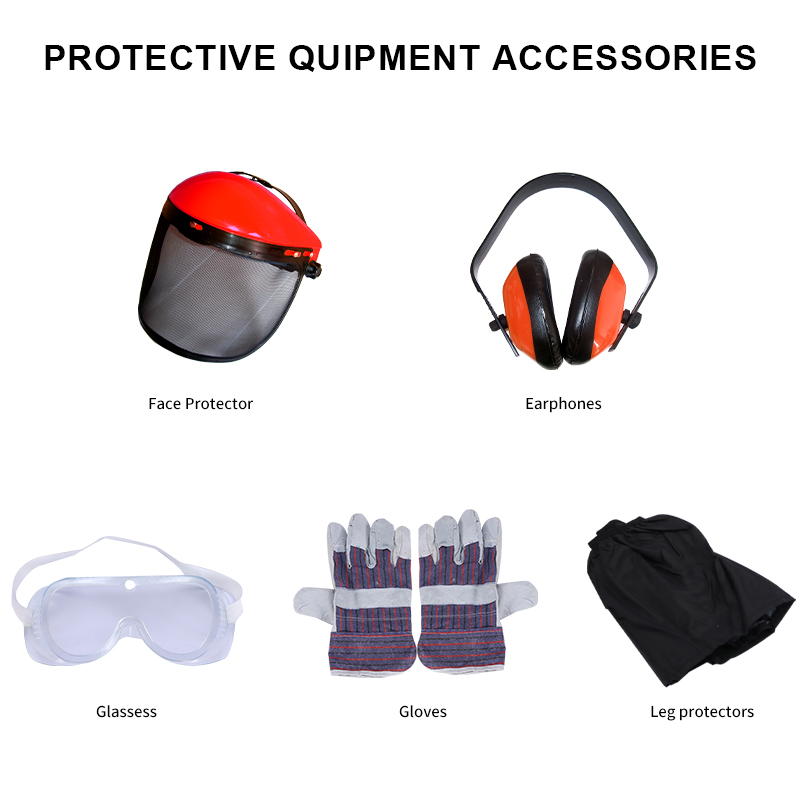 Protective Equipment Accessories


