
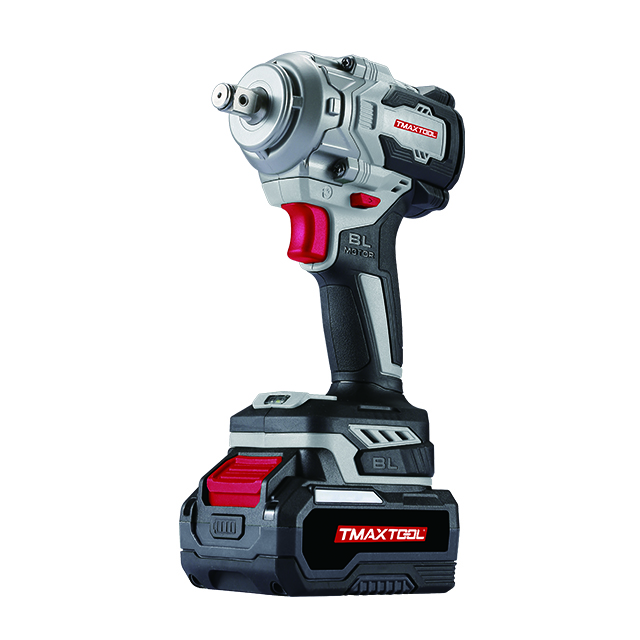
 Impact Wrench
 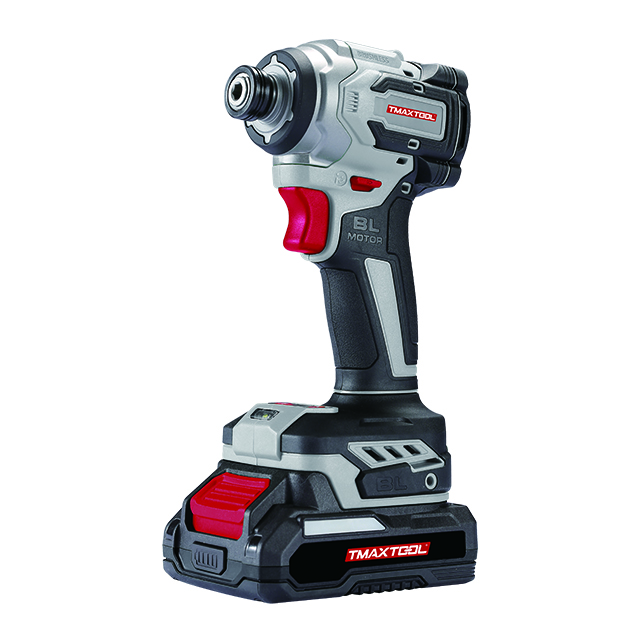 Screwdriver
 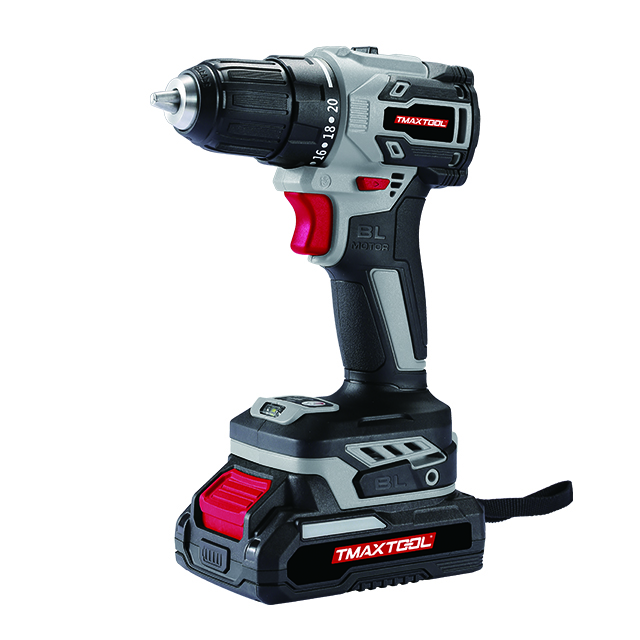 Cordless Drill
 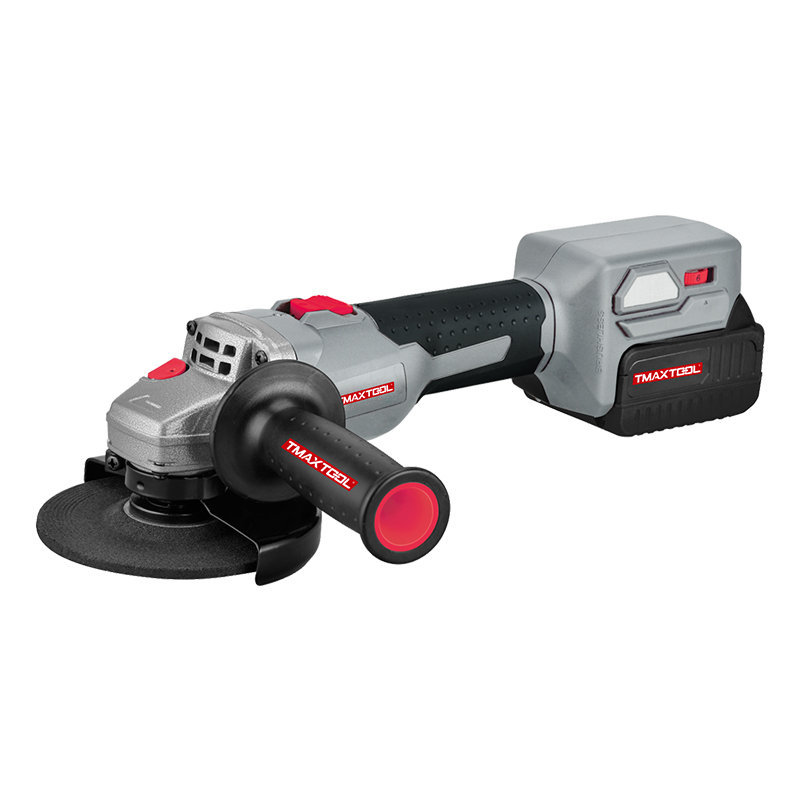 Angle Grinder
 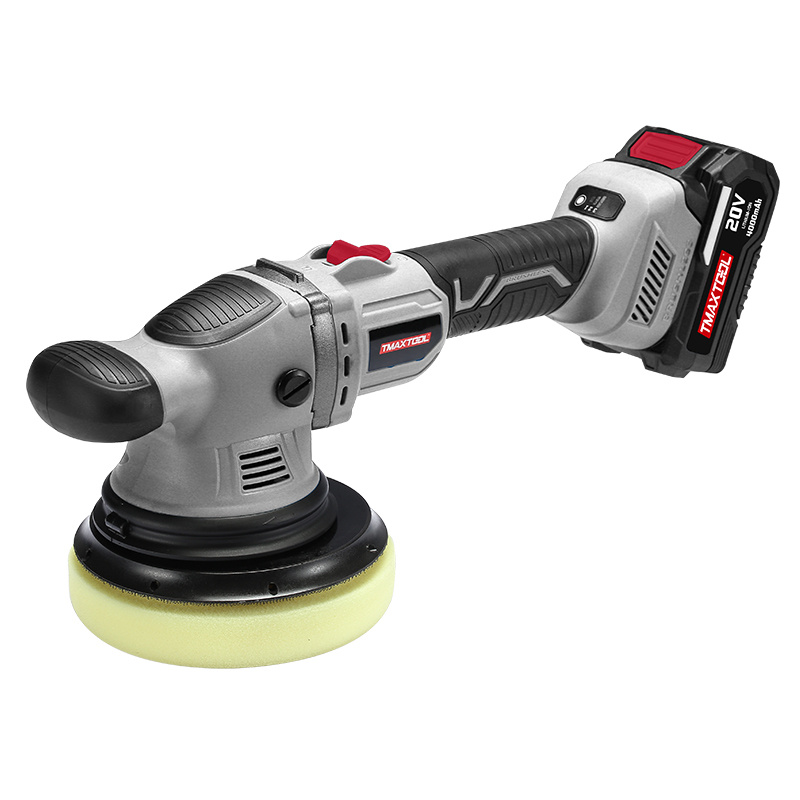 Polisher
 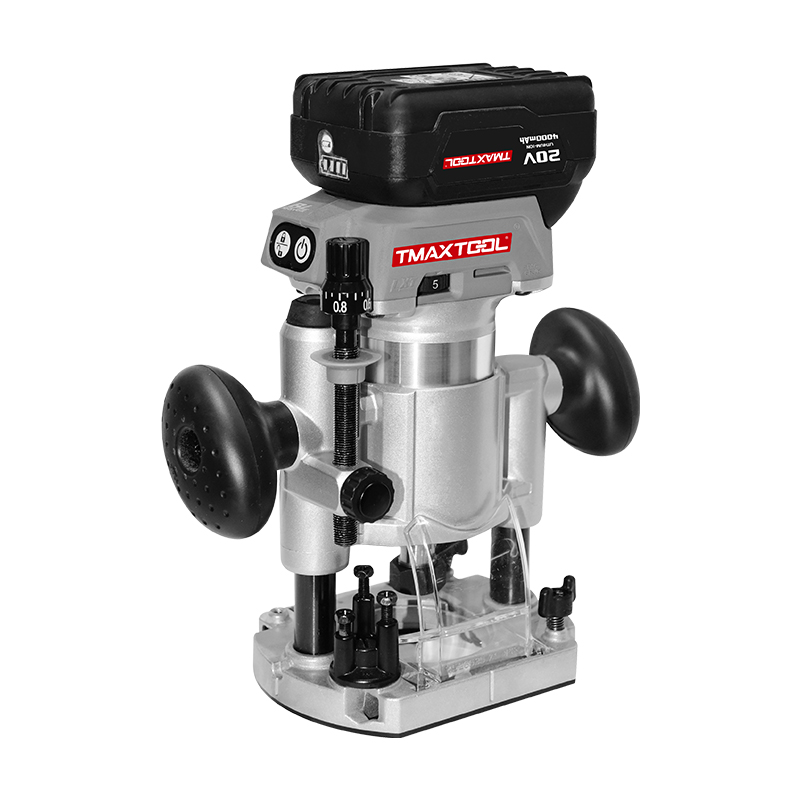 Wood Router
 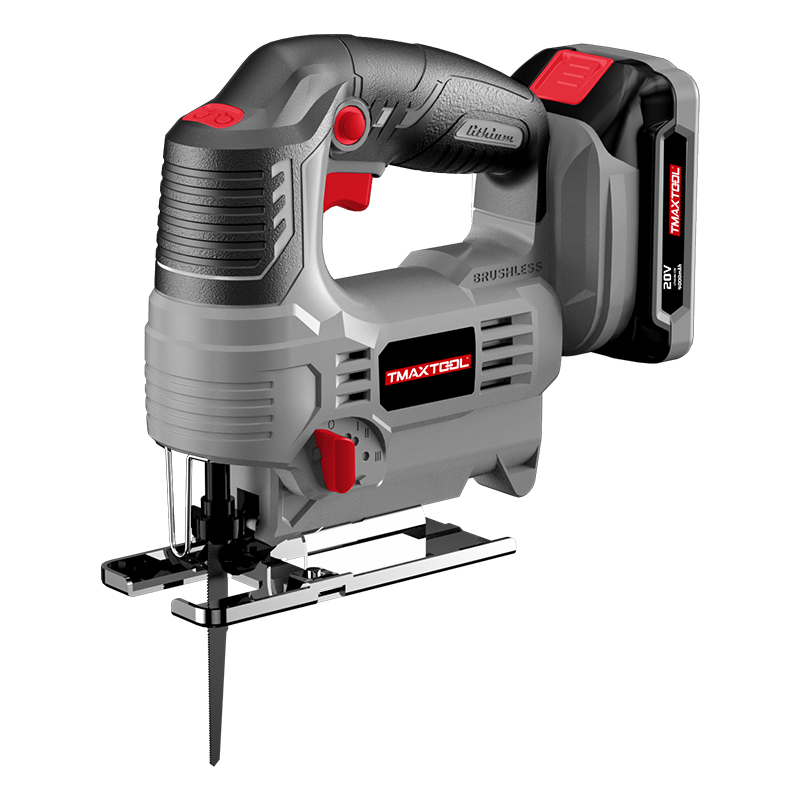 Jig Saw
 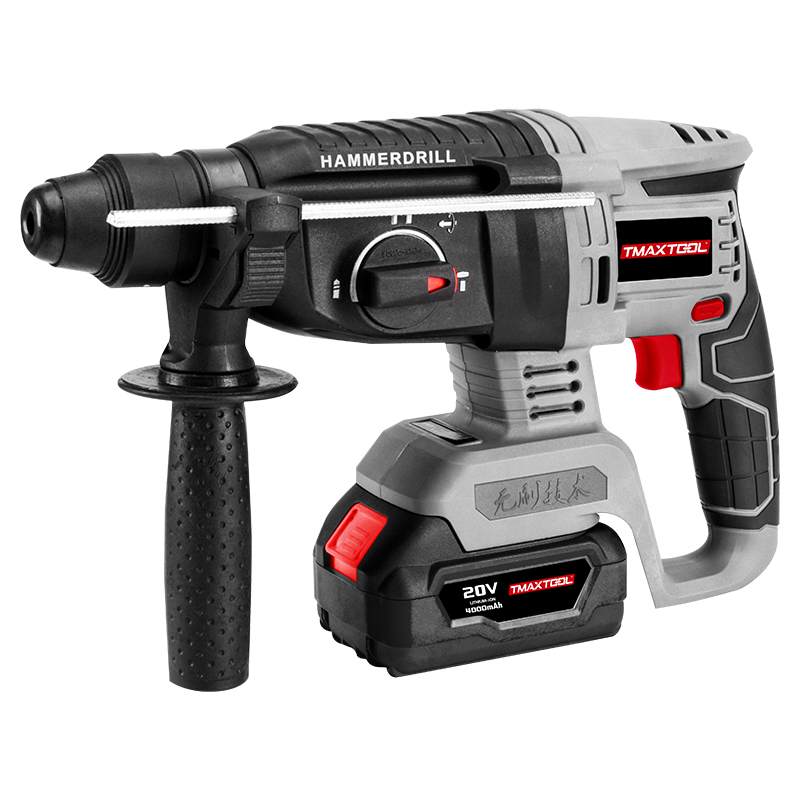 Hammer Drill
 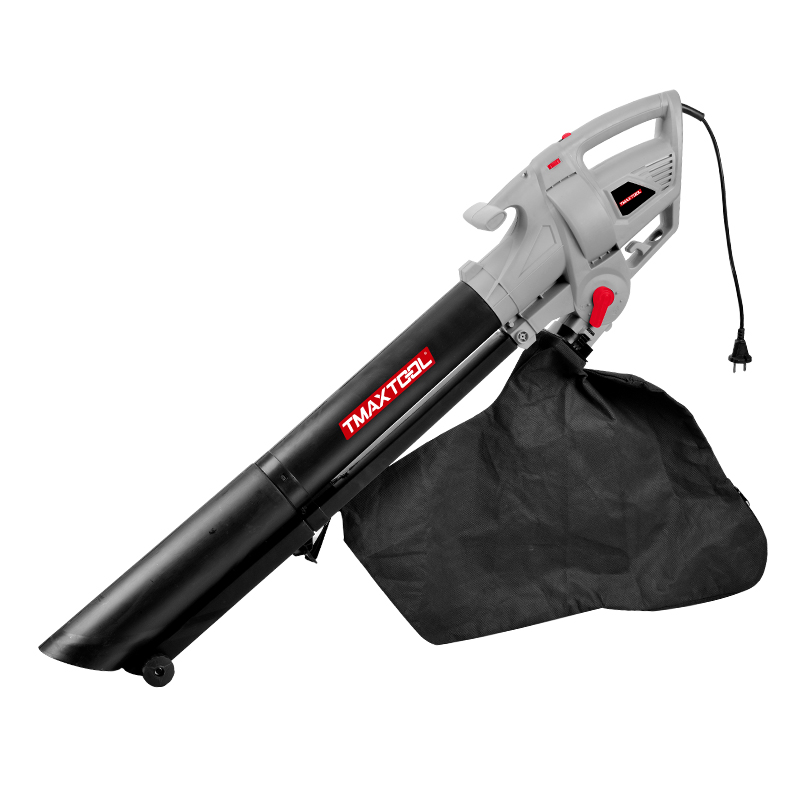 Portable Blower
 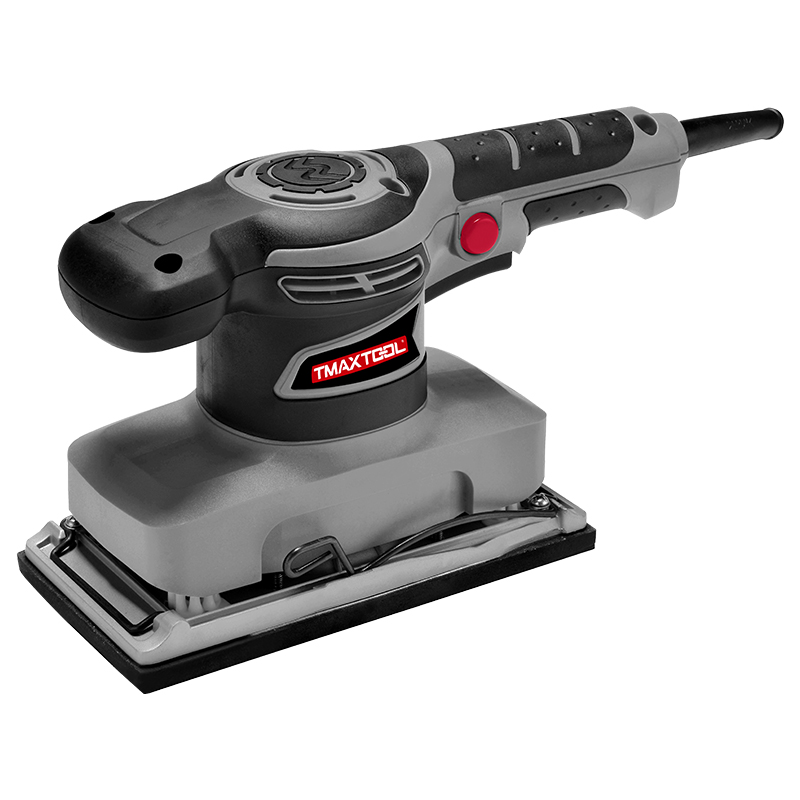 Orbital Sander
 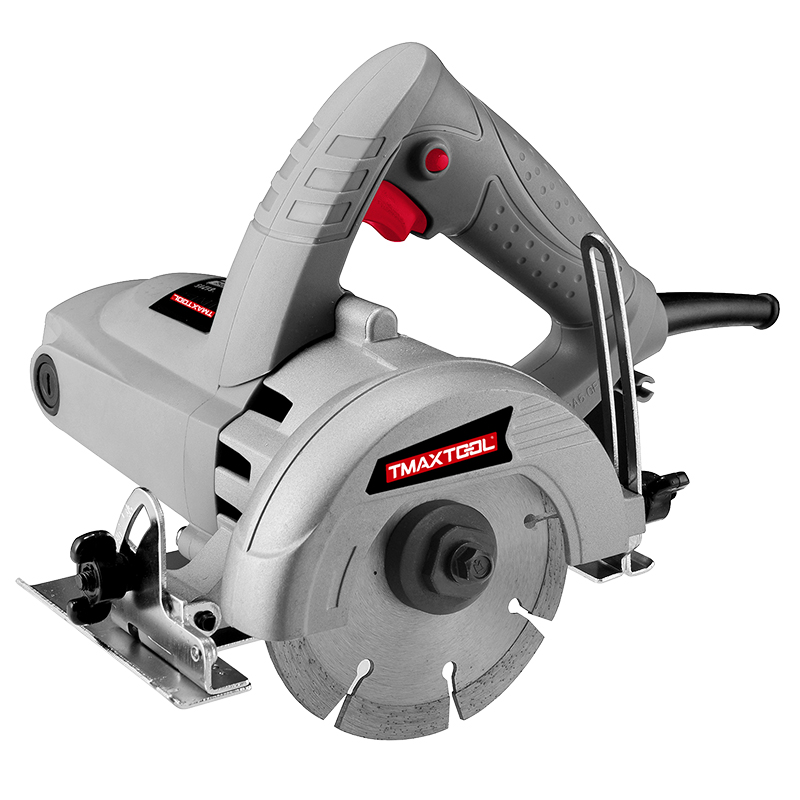 Marble Cutter
 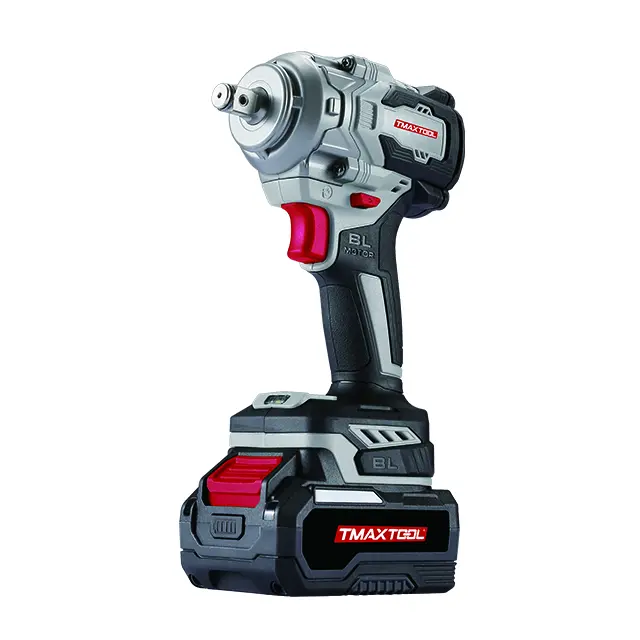 GARDEN TOOLS
 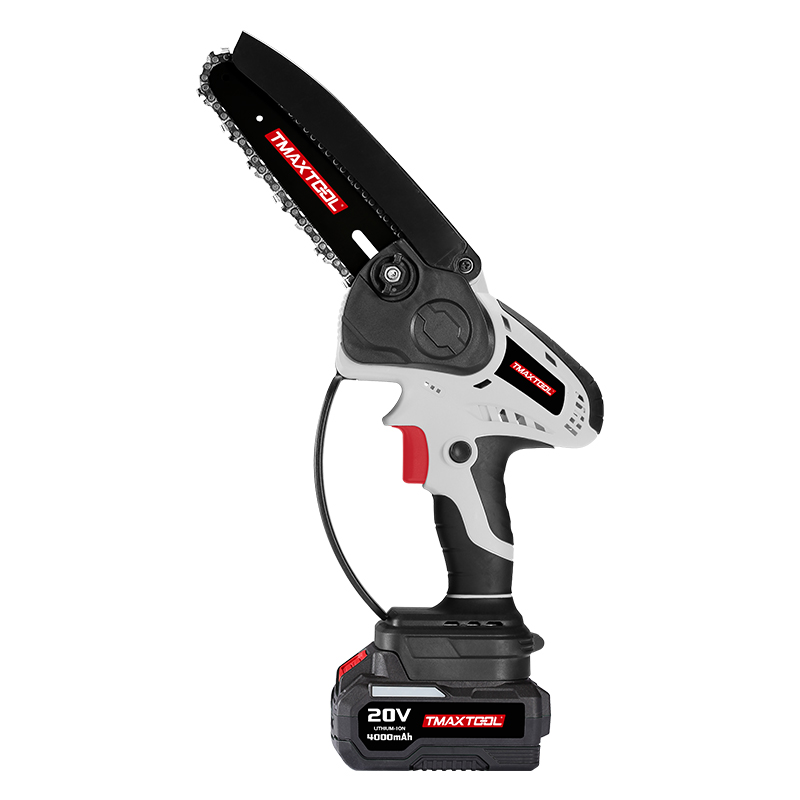 Battery Chain Saw
 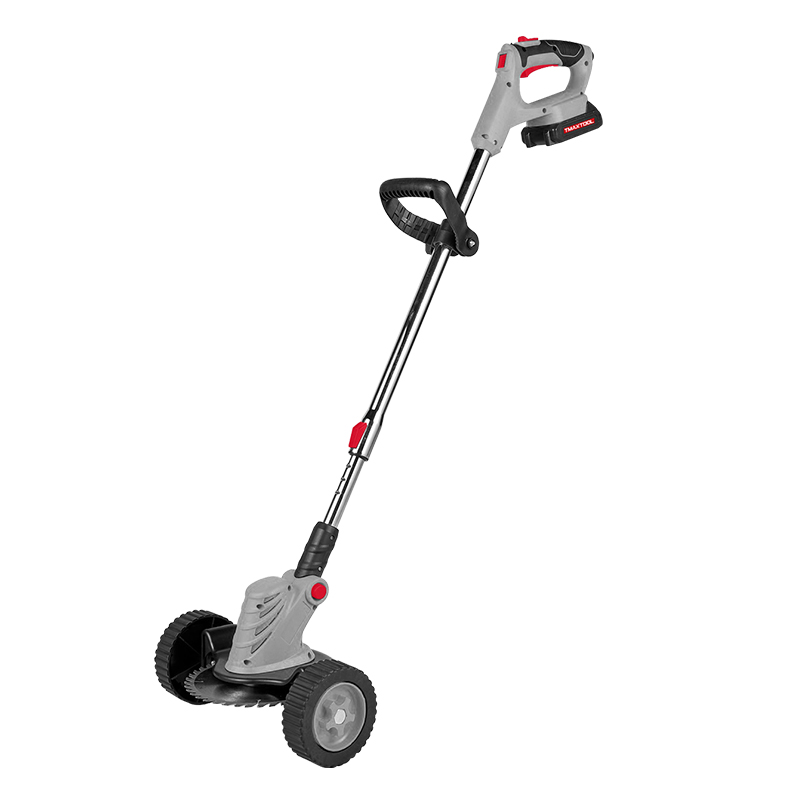 Battery Brush Cutter
 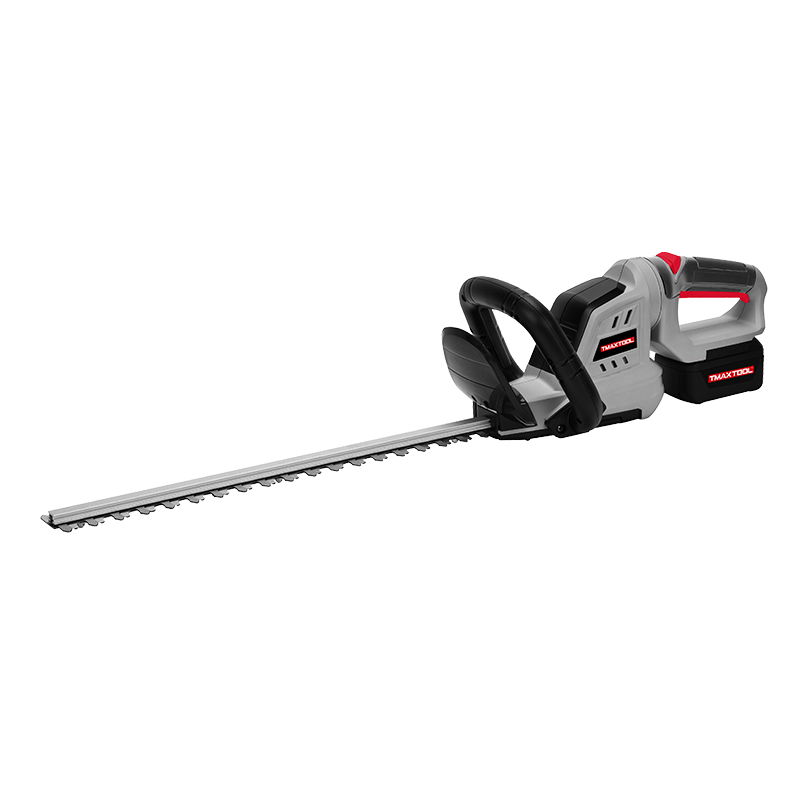 Battery Hedge Trimmer
 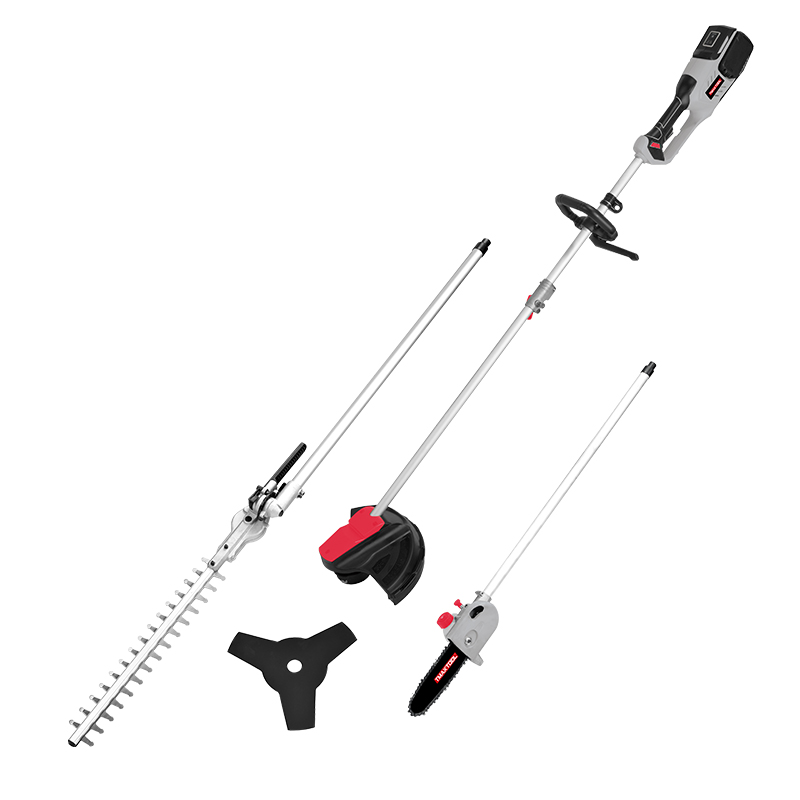 Battery Multi Tool
 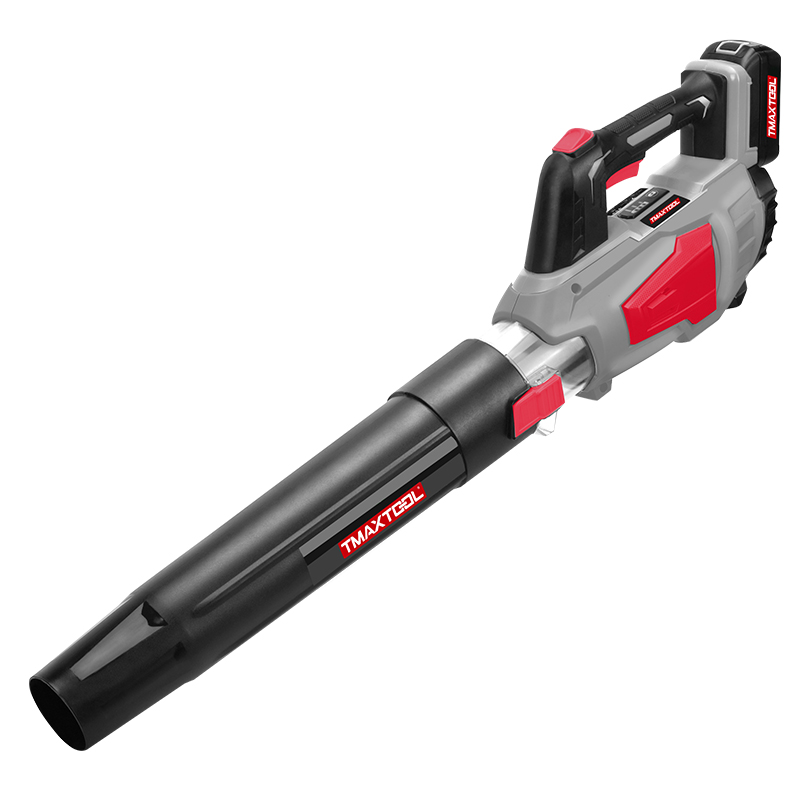 Battery Blower
 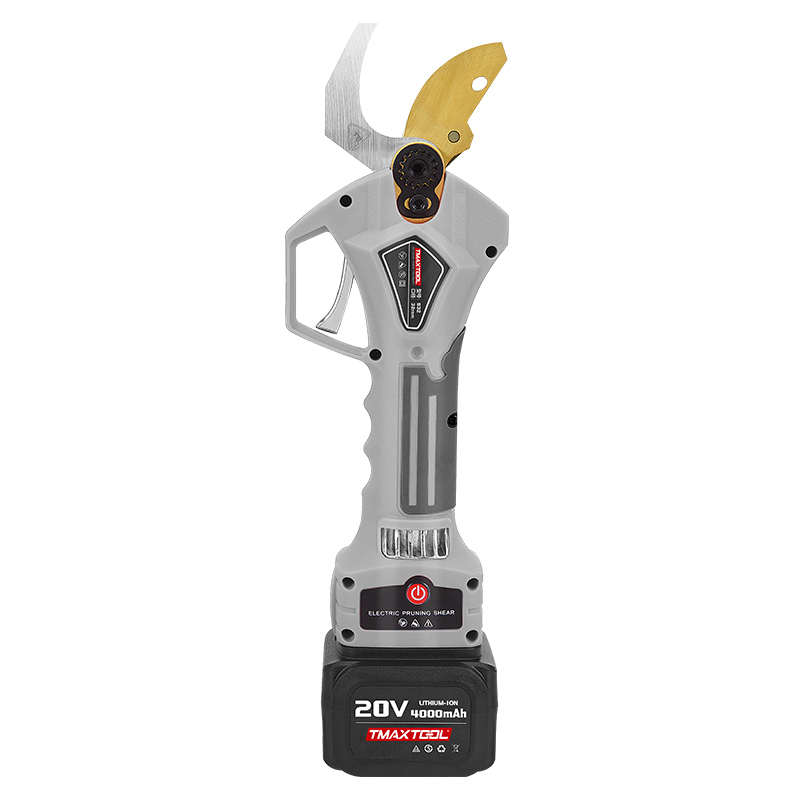 Batter Pruning Shears
 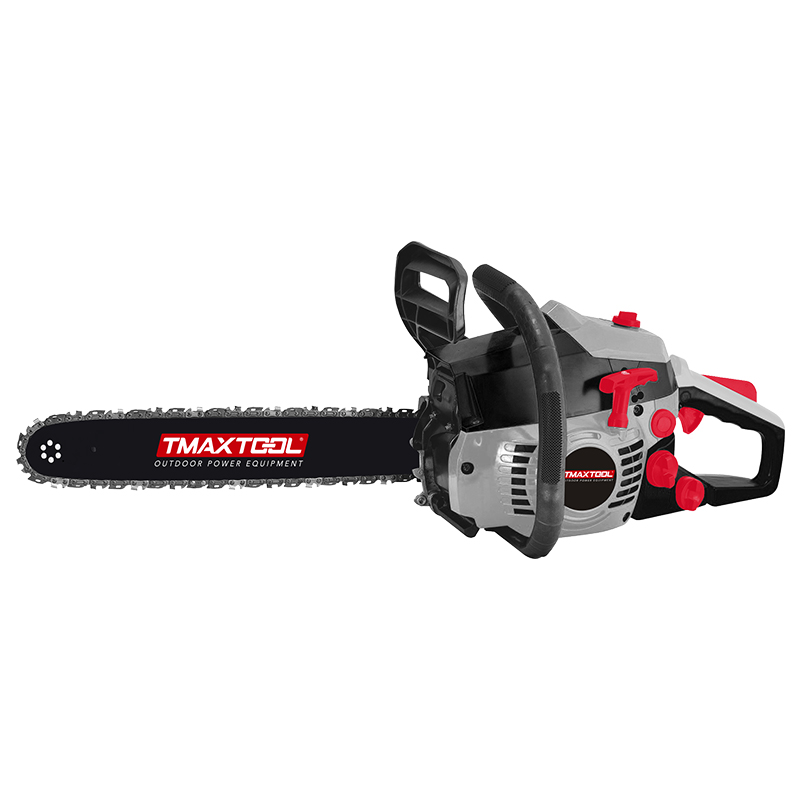 Chain Saw
 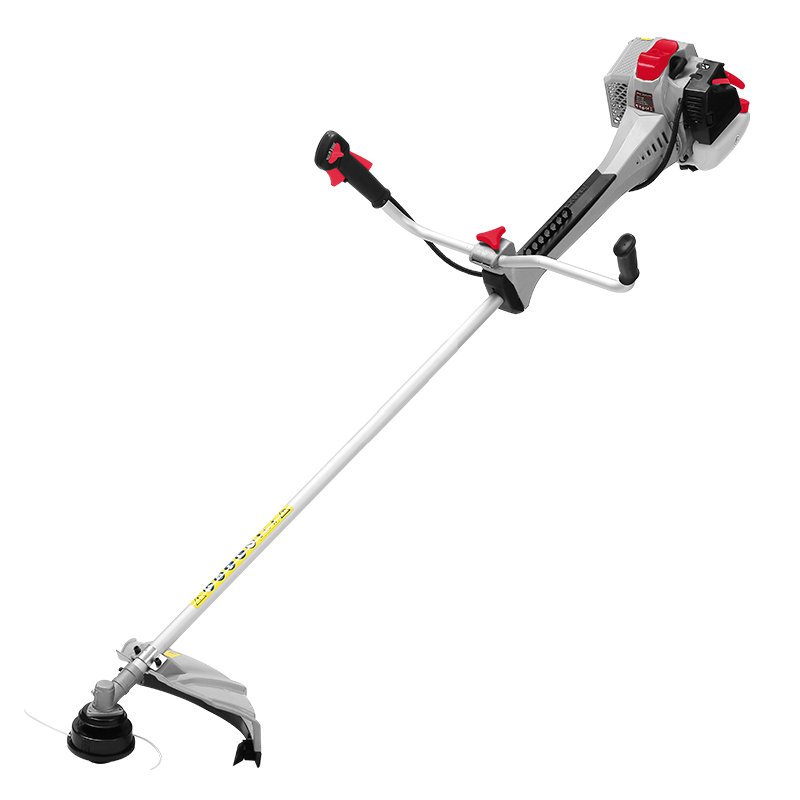 Brush Cutter
 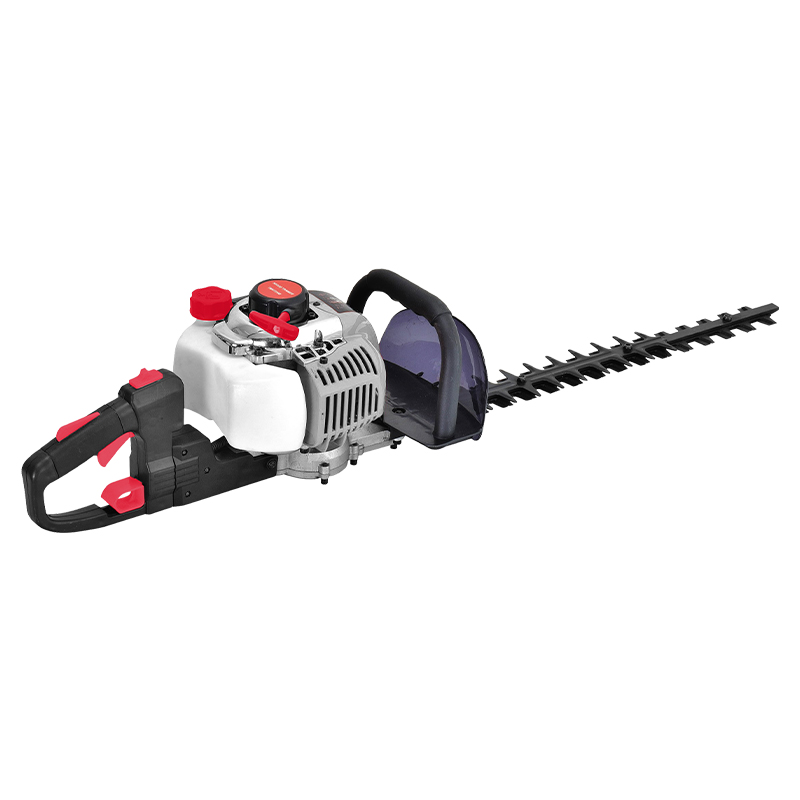 Hedge Trimmer
 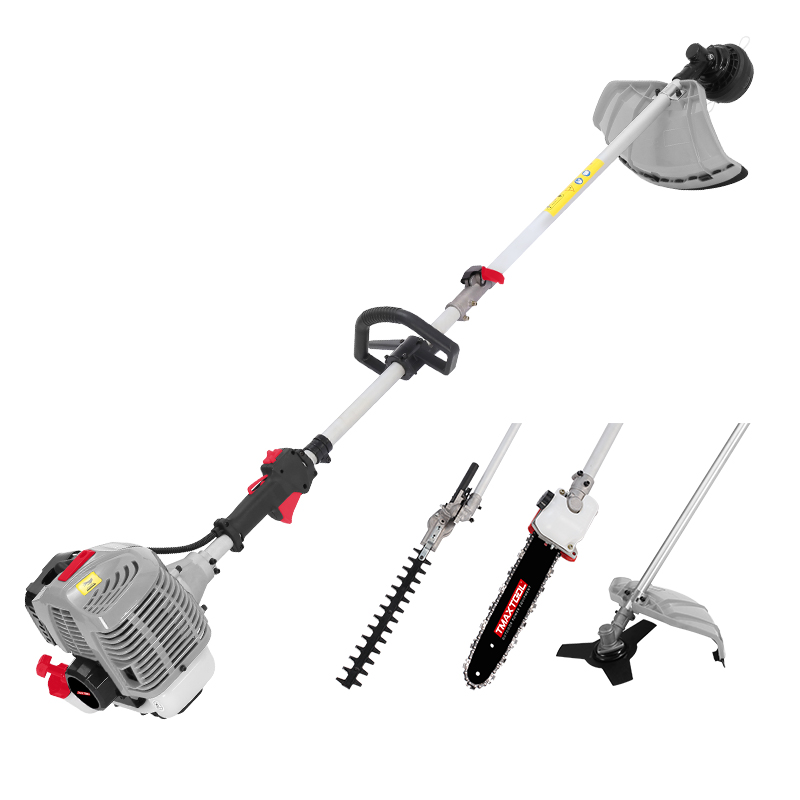 Multi Tool
 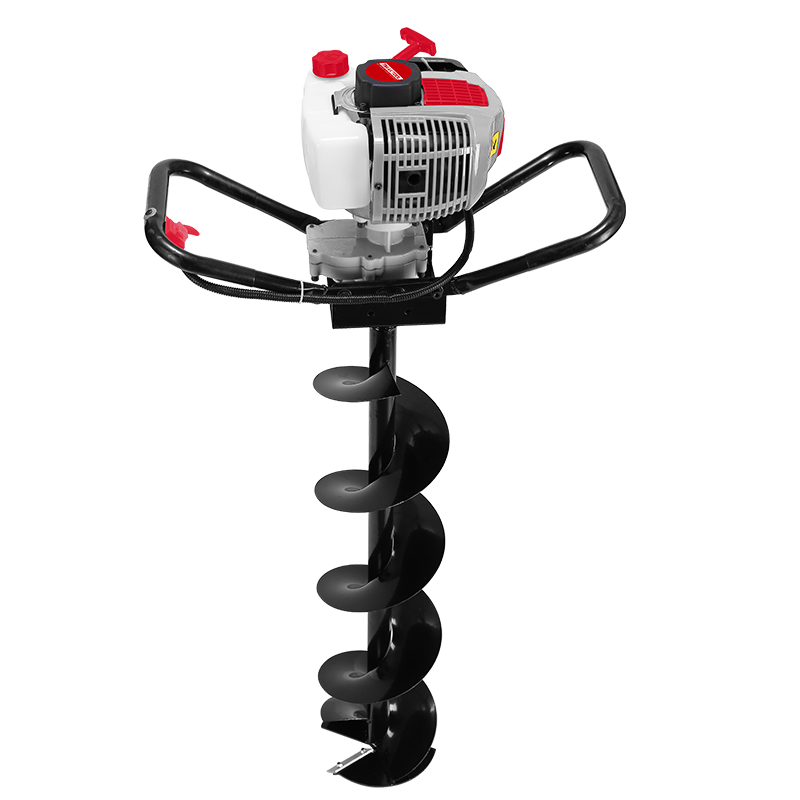 Earth Auger
 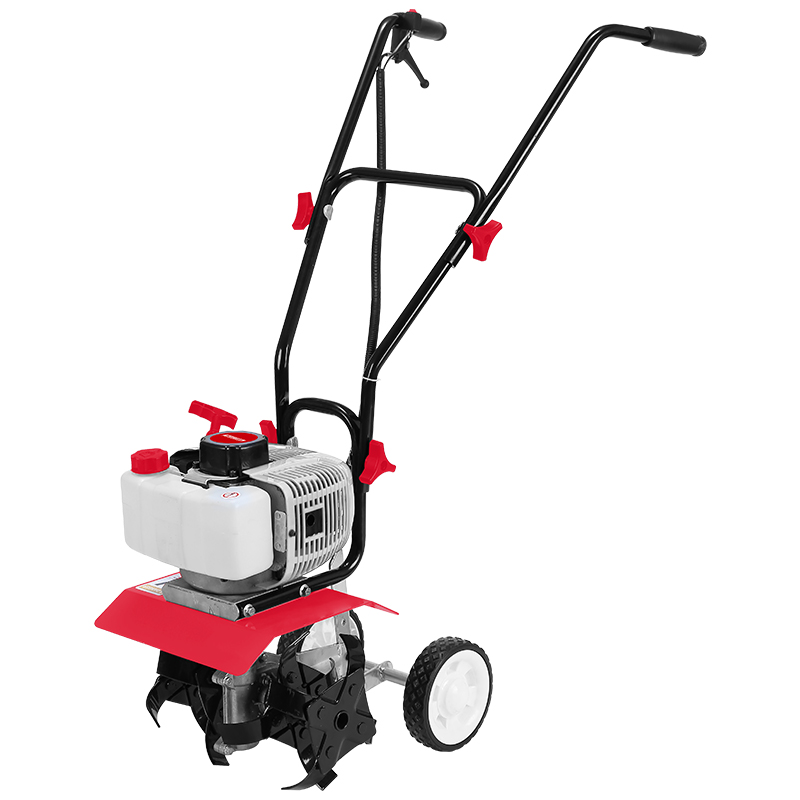 Tiller
 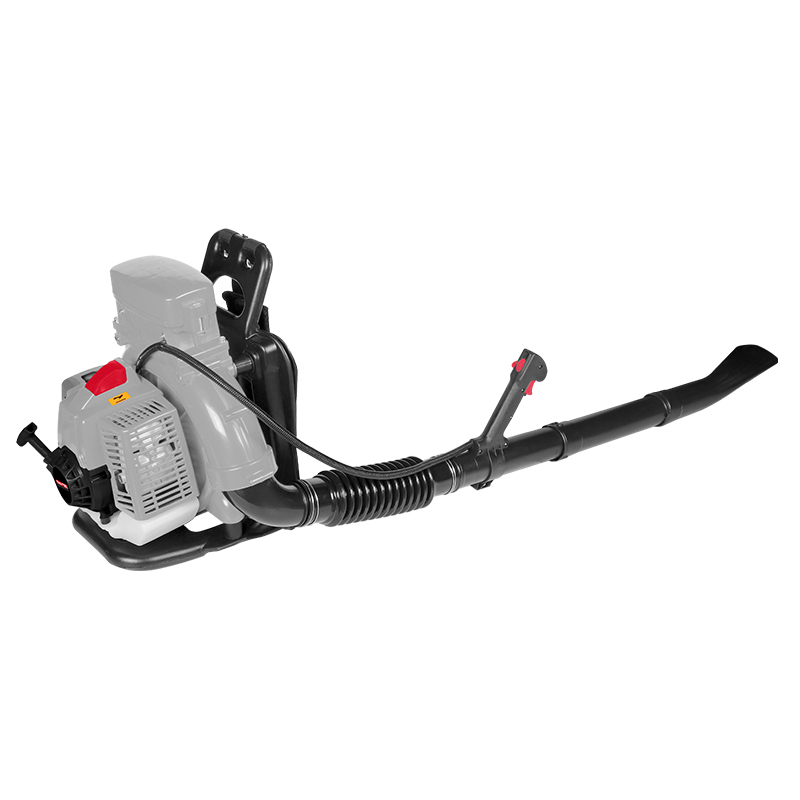 Blower
 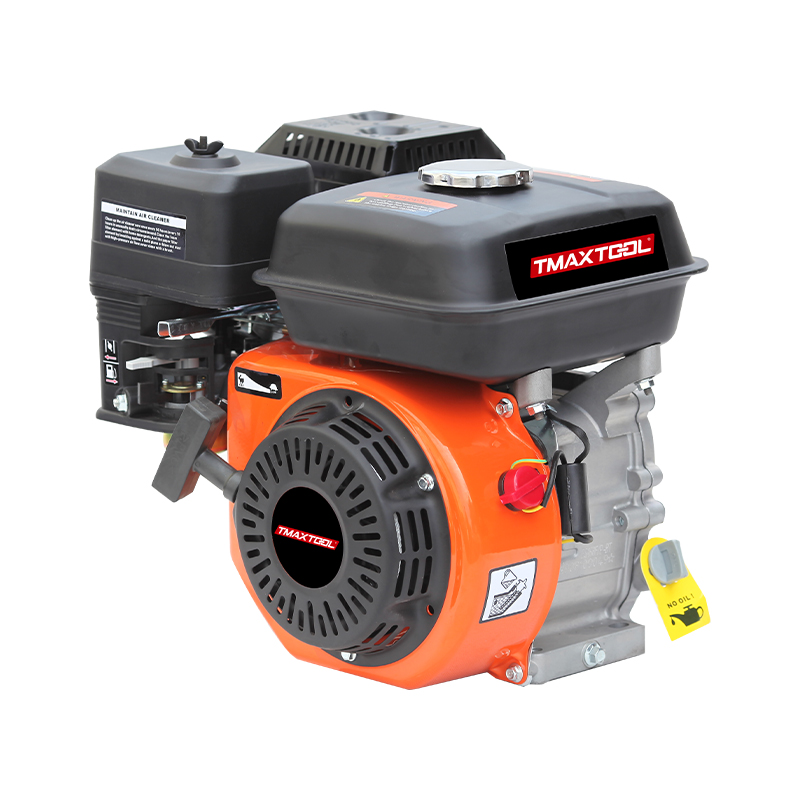 4 Stroke Gasoline Engine
 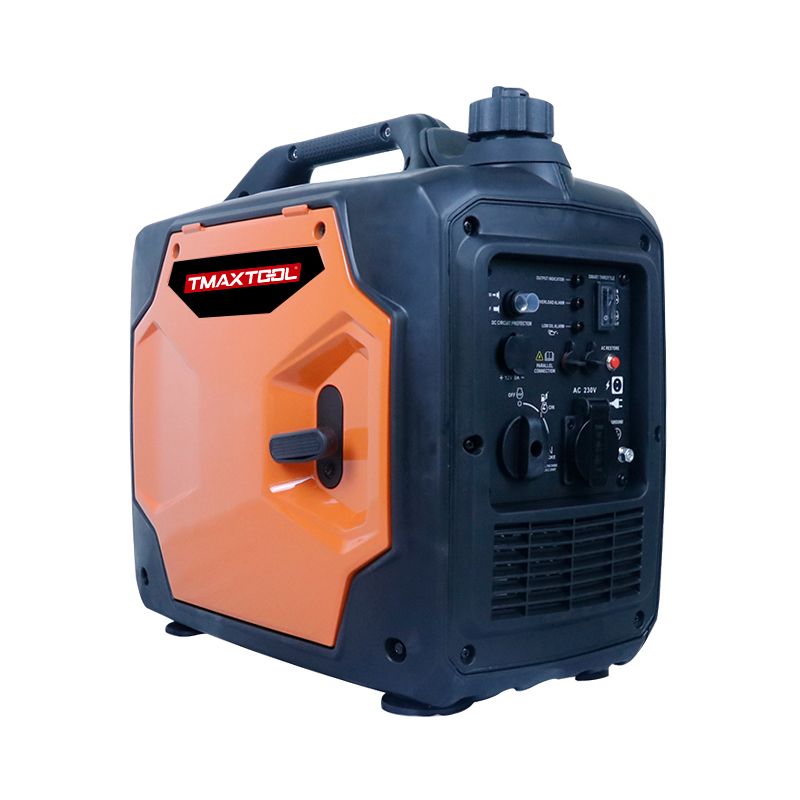 Generator
 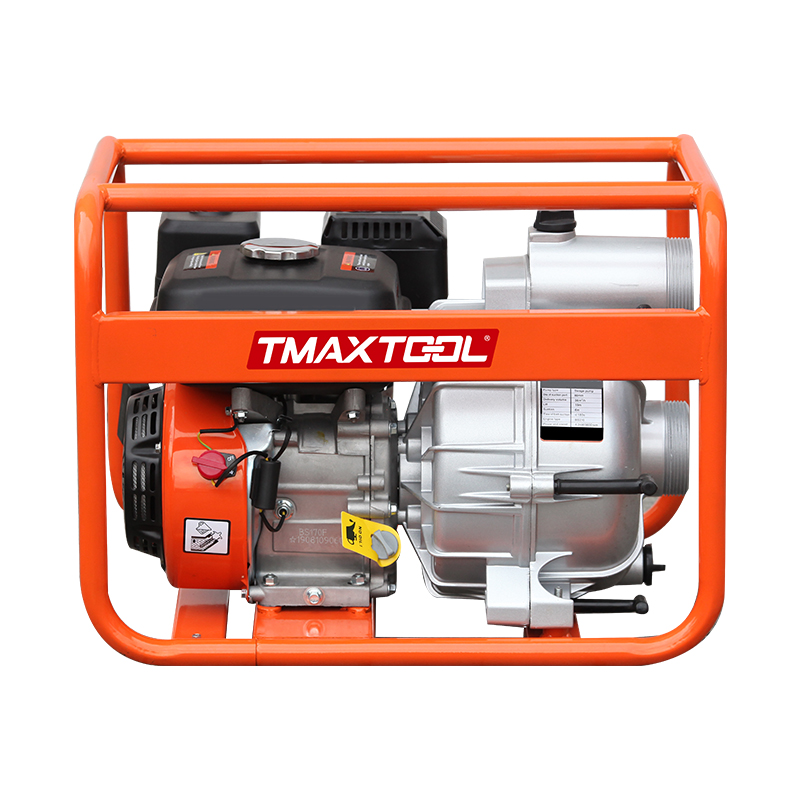 Water Pump
 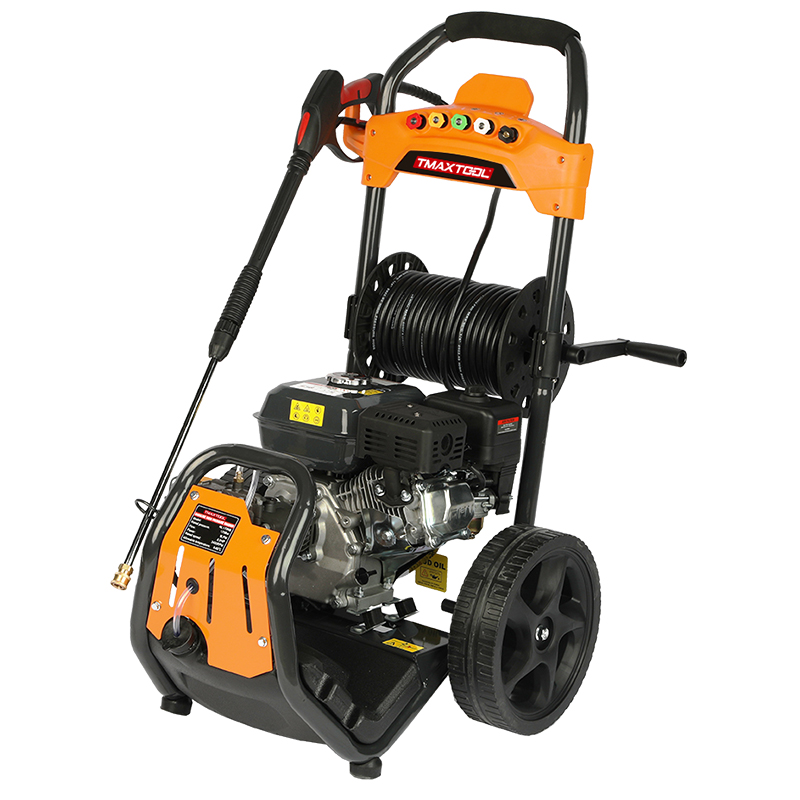 High Pressure Washer
 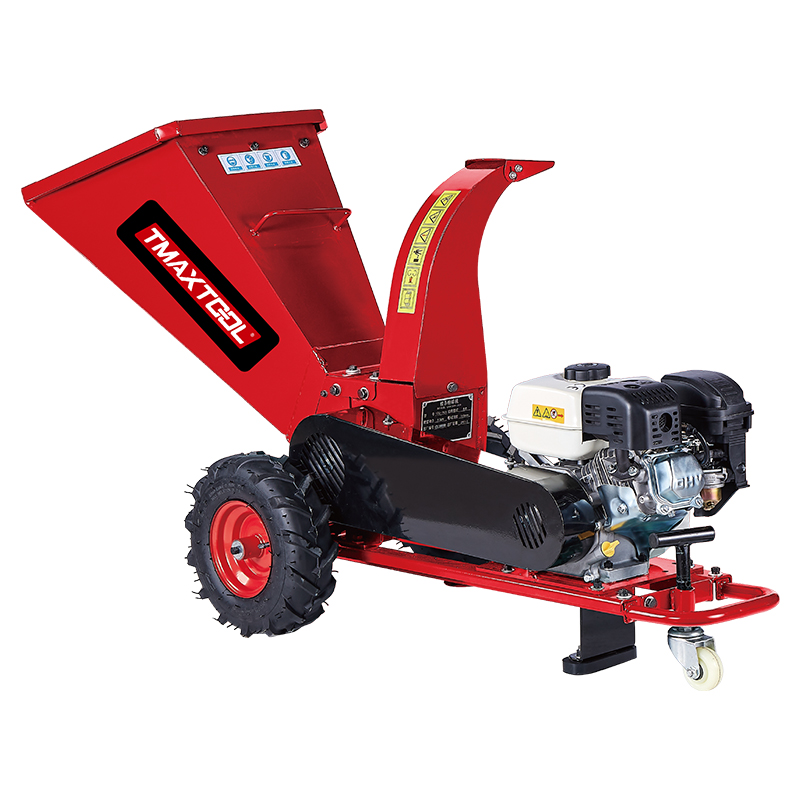 Wood Cutter
 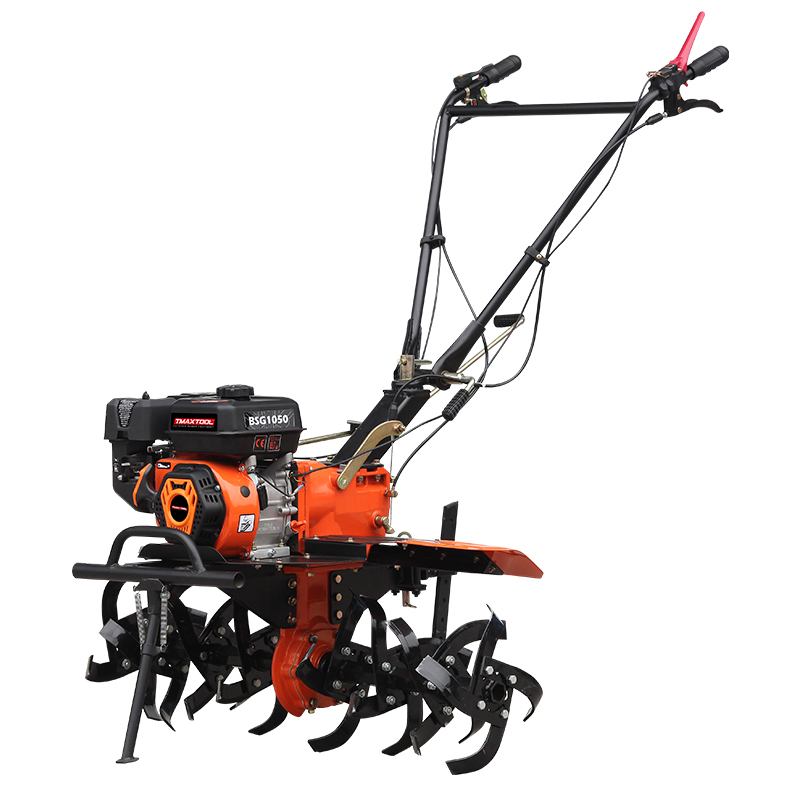 4 Stroke Tiller
 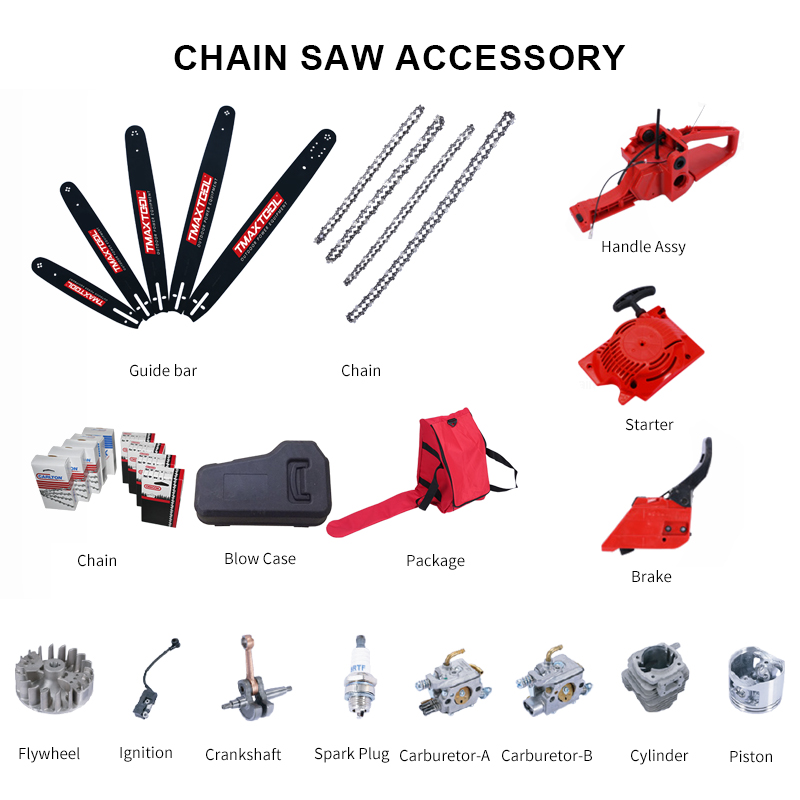 Chain Saw Accessory
 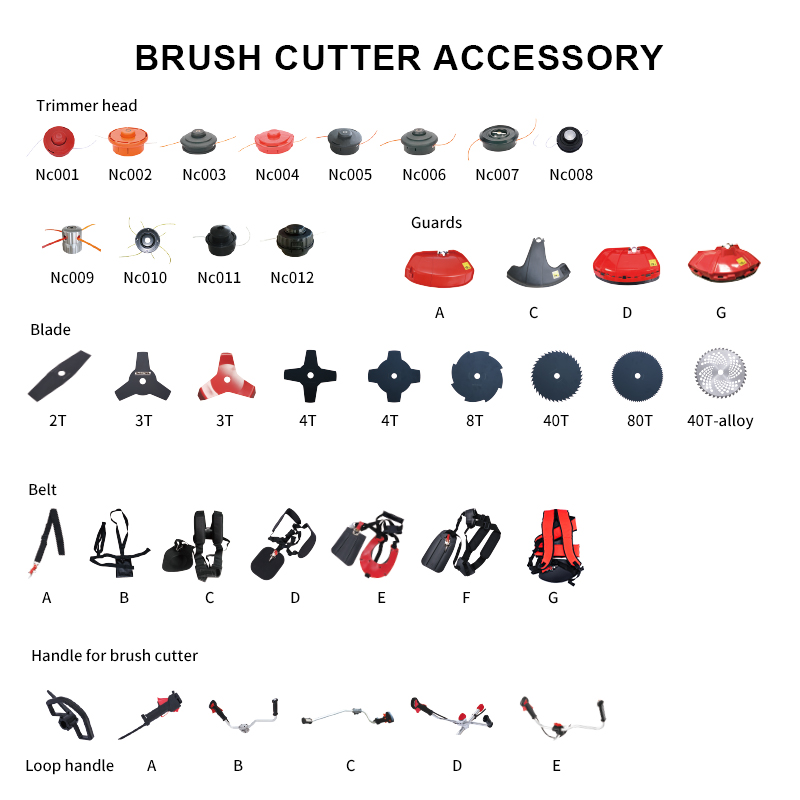 Brush Cutter Accessory
 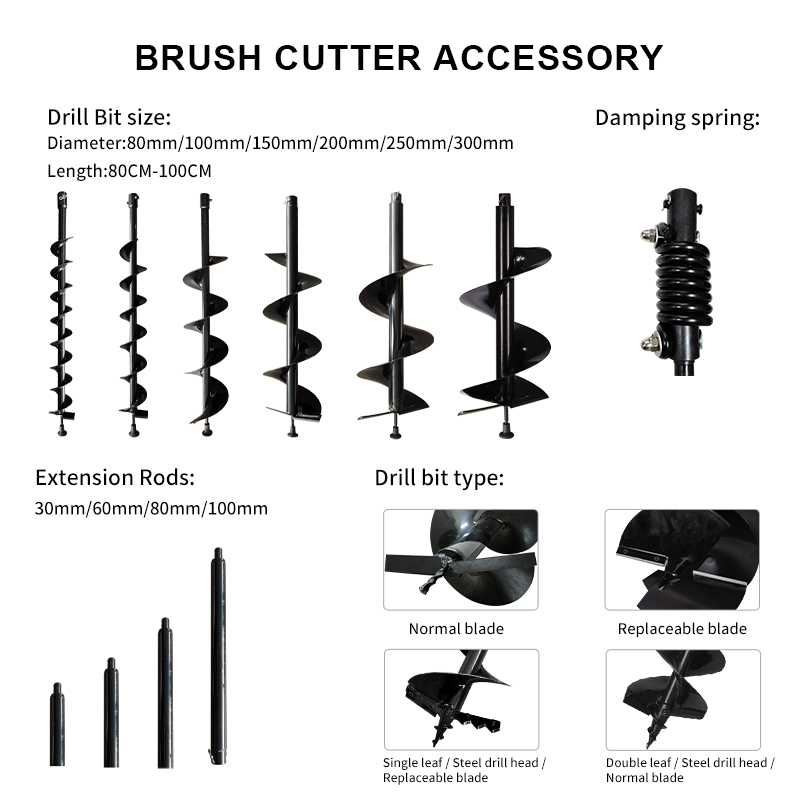 Earth Auger Accessory
 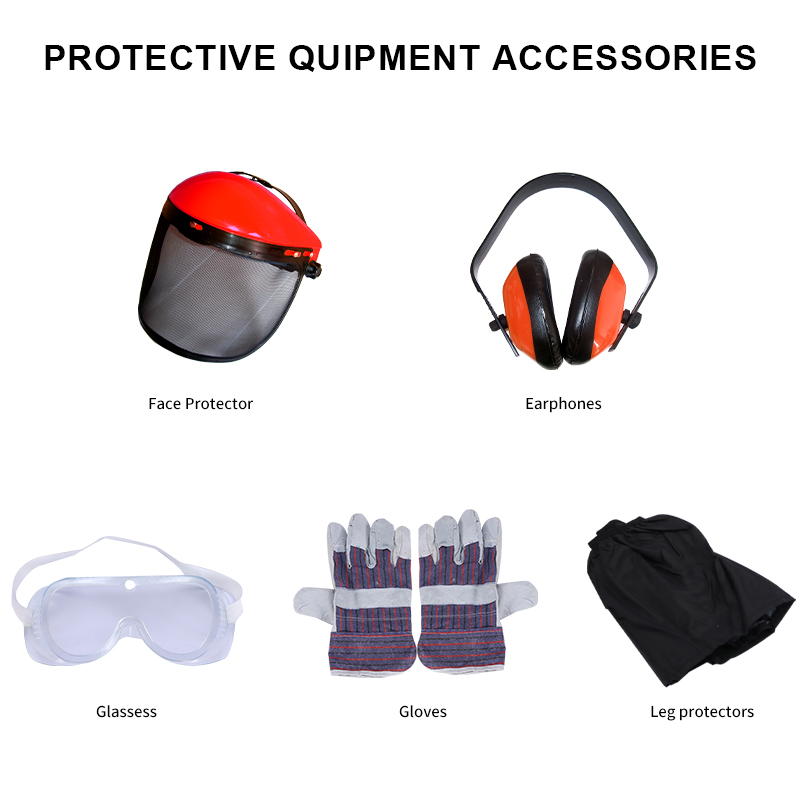 Protective Equipment Accessories
 Leave Your Message
You know, the world of power tools is really changing fast these days. Take the Reciprocating Saw, for example – its popularity is skyrocketing! A fresh report from MarketsandMarkets reveals that the global power tools market is expected to hit a whopping USD 36.3 billion by 2026. What’s driving this surge? Well, versatile tools like reciprocating saws are super efficient and user-friendly, making them must-haves for both construction pros and DIY enthusiasts tackling home improvement projects. Speaking of which, Jinhua U Win Import & Export Co., Ltd., also known as TMAXTOOL, is leading the charge when it comes to innovation in this space. They offer a huge selection of power tools – not just reciprocating saws, but also drills, angle grinders, and even garden tools. Their focus on quality and performance has really put them on the map as a global player, helping both professionals and hobbyists achieve fantastic results.

Hey there! So, let’s talk about how Chinese manufacturers are really making waves in the reciprocating saw market. It’s pretty impressive when you think about it – this surge really shows just how fast China is advancing in power tool tech. Back in 2020, the power tools and hand tools market in China was sitting at around USD 7.53 billion, and it's expected to grow at a compound annual growth rate of about 6.5% all the way through to 2028. That's some serious growth, right? A lot of this progress is thanks to urbanization and hefty investments in infrastructure throughout the Asia-Pacific region, putting Chinese brands right at the cutting edge of innovation.
Oh, and here’s a little tip for you: when you're on the hunt for a reciprocating saw, look for models with variable speed settings. They really help you get a grip on different cutting tasks, you know? And if you’re leaning towards cordless, definitely check that the battery life is solid – that can massively boost your productivity out in the field!
Also, have you heard about the global saw blades market? It’s projected to grow at a CAGR of 4.7% from 2025 to 2035, which just goes to show how dynamic the power tool industry is becoming. As these Chinese manufacturers keep upping their game in terms of quality and performance, they’re likely to carve out a bigger spot in global markets, becoming tough competition for the big names.
Another thing to keep in mind is to choose reciprocating saws that come with a range of blade options. This way, you can tackle different materials easily, making your projects a whole lot more efficient!
Happy cutting!
This pie chart illustrates the market share distribution among leading reciprocating saw manufacturers in 2023, highlighting the significant presence of Chinese manufacturers in the global market.
The reciprocating saw has evolved significantly, driven by innovations that enhance performance across various applications. Recent advancements in carbide teeth technology have set a new industry standard, offering extreme durability and longevity in cutting through wood, metal, and general-purpose materials. The introduction of a full range of carbide-tipped reciprocating saw blades demonstrates a commitment to amplifying productivity and efficiency, thereby meeting the rigorous demands of both professional contractors and DIY enthusiasts.
In addition to cutting technologies, the integration of advanced battery systems has further boosted saw performance. Many modern saws are now equipped with brushless motors that offer superior energy efficiency, prolonging battery life while ensuring optimal cutting speeds. According to data, users can expect up to 50% additional runtime when using tools equipped with these innovations compared to their traditional counterparts. This leap in technology underlines the ongoing quest for innovation in the woodworking and construction industries, keeping tools at the forefront of productivity and user satisfaction. As brands continue to compete, the evolution of performance-enhancing features ensures that cutting tools will only get more efficient and reliable in the future.

Hey there! You know, the power tool market has really taken off lately, especially when it comes to reciprocating saws. It’s pretty cool to see Chinese manufacturers stepping up and becoming strong contenders in the game. A report from Market Research Future even says that the global market for reciprocating saws is on track to hit about USD 1.5 billion by 2025, with a solid growth rate of 5.6% each year. A lot of this growth? It’s thanks to some serious tech advancements and improvements in production over in China, helping their tools come out as both budget-friendly and high-performing compared to those made in the West.
Now, if you put Chinese saws side by side with Western brands, you’ll notice some pretty big differences in price and features. A study by Statista points out that while brands like DeWalt and Bosch are known for being durable and trusted over the years, up-and-coming names like Xiaomi and Ryobi are becoming favorites for folks who want both affordability and innovation. To give you an idea, a reciprocating saw from a Chinese brand can cost about 30% less than a comparable Western model, yet still offers features like variable speed settings and comfy ergonomic designs. It really seems like as the market keeps pushing towards better prices and smarter features, we’ll see those Chinese manufacturers grabbing an even bigger slice of the pie in the global sales game going forward.
| Feature | Chinese Reciprocating Saws | Western Competitors |
|---|---|---|
| Price Range | $50 - $200 | $100 - $400 |
| Power (Watts) | 600 - 1200 | 800 - 1500 |
| Weight (kg) | 2.5 - 4.5 | 3.0 - 5.5 |
| Blade Change Mechanism | Tool-free | Tool-required |
| Durability (Years) | 3 - 5 | 5 - 8 |
| Warranty Period (Years) | 1 - 2 | 2 - 5 |
You know, sustainability in manufacturing has really become a big deal for the reciprocating saw industry over in China. It’s awesome to see so many companies stepping up and adopting eco-friendly practices! A report from Research and Markets actually says that by 2026, the global power tools market, including our beloved reciprocating saws, is set to hit a whopping $43.45 billion. A huge part of that growth is coming from innovative sustainable practices, which is pretty cool. Chinese manufacturers are at the forefront here—reducing waste and embracing circular economy principles. Not only does this help the environment, but it also makes things run a lot smoother and more efficiently.
If you're curious about how to ensure sustainability in manufacturing, here are a couple of tips. First off, think about investing in renewable energy sources like solar and wind to power those production facilities. Also, next-gen manufacturing tech like automation can really cut down on energy use and waste materials. And get this—a survey by Statista found that 60% of consumers are actually willing to shell out more cash for products from companies that focus on sustainability. That just shows how much of an advantage there is in going green!
On top of cutting energy and waste, many Chinese manufacturers are hopping on the trend of using recycled materials in their products. This move not only sets them apart in a crowded marketplace but also vibes well with the global shift towards sustainability. Oh, and did you know? The International Energy Agency mentions that improving energy efficiency in manufacturing could potentially slash CO2 emissions by as much as 50%! That really emphasizes the vital role that adopting sustainable practices will play in creating a greener future for the industry.

When it comes to selecting a reciprocating saw, users prioritize several key features that enhance usability and performance. Understanding these insights can significantly improve the design and functionality of these tools. Users often seek lightweight and ergonomic designs, which allow for extended usage without fatigue. Battery life is also crucial, especially for those working on longer projects where power access may be limited.
Tips: Always check for models with adjustable speed settings, as they provide greater control for precision cutting. Additionally, consider saws that come with quick-change blade systems; this feature allows for seamless transitions between different types of cuts, saving time and increasing efficiency.
Another factor that users look for is the versatility of the reciprocating saw. Many prefer models that can handle various materials—from wood to metal—giving them the flexibility to tackle diverse tasks. The presence of anti-vibration technology is also highly valued, as it minimizes discomfort during prolonged use.
Tips: When evaluating different models, read customer reviews to gain insights into real-world performance and durability. Also, look for saws that offer a variety of blade options, ensuring you can achieve the best results for any job.
You know, the reciprocating saw industry is really on the brink of some major changes. They're diving headfirst into cutting-edge tech and adapting to what consumers are craving these days. It's projected that the market will grow around 5.2% each year and could hit a whopping $1.2 billion by 2027, as per a report from MarketsandMarkets. This uptick is mainly because of some cool advancements in battery tech—people are really loving their cordless tools, whether they’re pros on the job or just tackling DIY projects at home.
One of the coolest things happening right now is the shift toward smart technology in these saws. We’re talking features like real-time performance tracking, better battery management, and designs that just feel good in your hands. Plus, with automation and robotics starting to make a splash in construction and demolition, there are tons of new opportunities for manufacturers in this space. A report from Grand View Research shows that as more folks start using automated tools for their home improvement projects, the demand for advanced reciprocating saws is really going to take off. These tools are becoming more and more essential, not just for skilled tradespeople, but for hobbyists too!
: The global reciprocating saw market is projected to reach USD 1.5 billion by 2025, growing at a CAGR of 5.6%.
Chinese reciprocating saws can retail for approximately 30% less than similar models from Western brands while still offering competitive features.
Users prioritize lightweight and ergonomic designs, battery life, adjustable speed settings, quick-change blade systems, versatility for handling various materials, and anti-vibration technology.
Chinese manufacturers are focusing on reducing waste, using renewable energy sources, implementing advanced manufacturing technologies, and utilizing recyclable materials.
A survey by Statista found that 60% of consumers are willing to pay more for products from companies that prioritize sustainability.
Energy efficiency improvements could lead to a reduction of up to 50% in CO2 emissions from the manufacturing sector.
Battery life is crucial for users working on longer projects where access to power may be limited, impacting the saw's usability.
Anti-vibration technology minimizes discomfort during prolonged use, enhancing user comfort and control.
Customers should read reviews to gain insights into real-world performance and durability and look for saws that offer a variety of blade options for diverse tasks.
Competitive pricing, coupled with increased functionality, positions Chinese manufacturers to capture a larger share of global sales in the reciprocating saw market.


