When it comes to cutting efficiently, getting to know your chainsaw really makes all the difference. Chris Johnson, a well-known pro over at TimberWorks, likes to say, 'A well-maintained chainsaw can totally change the way you work.' And honestly, he's onto something—whether you’re just starting out or are a seasoned pro. The more you understand how to use your chainsaw properly, the safer and quicker your results will be.
Picking the right chainsaw chain for your project is super important, too. There are different kinds and sizes for all sorts of jobs. For example, a low-profile chain is perfect if you're just getting started, but if you’ve got some tougher materials to deal with, an aggressive chain is the way to go. One mistake folks often make is forgetting about regular maintenance, and that’s when things slow down—literally. When your chain gets dull, it’s like trying to cut through butter with a butter knife. It just doesn’t work well.
Knowing what your chainsaw can and can’t do is just as crucial. Every cut requires a certain angle and technique to do it efficiently. But honestly, many people stick to the same old habits because they’re comfortable with them. Trying out new methods can really boost your performance. Don't be shy about experimenting, just keep safety in mind at all times. After all, cutting stuff should be productive, but never at the expense of safety.

Choosing the Right Chain Saw for Your Cutting Needs
When selecting the right Chain Saw, consider what you'll be cutting. Different tasks require different saws. For light pruning, a smaller, electric saw may suffice. If you’re tackling larger trees, a more powerful model is necessary. Assessing your cutting needs is crucial.
Weight and balance also play a role. A heavier saw can cause fatigue quickly. Many overlook the ergonomic features of a chain saw. A comfortable grip can improve your cutting precision. It’s wise to hold various models before deciding. Explore options that feel right in your hands.
Power type matters too. Gas saws provide portability but can be noisy. Electric saws are quieter and require less maintenance. Battery-operated models offer convenience with a trade-off in runtime. Reflect on where and how you’ll use your saw. Each choice comes with unique advantages and limitations. Do your research before making a purchase. Your decision should align with your specific cutting needs.
Understanding Chain Types and Their Applications
Understanding different chain types is vital for efficient cutting. There are three main types: full chisel, semi-chisel, and low-profile chains. Full chisel chains have square-cut teeth, offering fast, clean cuts. However, they dull quickly and require more maintenance. Industry reports indicate they are best for experienced users working in softwoods.
Semi-chisel chains feature rounded teeth. They are more forgiving and retain sharpness longer, making them ideal for users in diverse environments. These chains work well with hardwoods and traverse debris effectively. A survey found that nearly 40% of users prefer semi-chisel chains for their balance of speed and durability.
When choosing a chain, consider the cutting conditions. For instance, if you're working in dusty or dirty environments, opt for a low-profile chain. This type is less aggressive and offers safety benefits. Regular assessments of your chain's condition are essential. A dull chain can lead to increased kickback and reduced efficiency. Remember, the right Chain For Chain Saw can make a significant difference in your cutting experience.
Mastering Proper Chain Saw Grip and Body Positioning
Mastering proper chain saw grip and body positioning is crucial for safety and efficiency. A secure grip ensures control. Wrap your fingers around the handle, keeping your thumb underneath. This grip stabilizes the saw during cuts. You should aim for a comfortable, firm hold that doesn’t cause fatigue.
Your body positioning greatly impacts your cutting technique. Stand with feet shoulder-width apart for balance. Lean slightly forward to maintain proper weight distribution. This stance helps you respond quickly to any kickback. Position yourself at an angle where you can see your cutting line clearly. Avoid reaching too far; this can lead to mistakes. By focusing on your grip and stance, you enhance your cutting performance.
Remember, practice is essential. Even experienced users sometimes struggle with maintaining grip under different situations. Adjust your technique based on the wood and environment. Reflect on your past experiences to identify areas for improvement. Understanding the nuances of grip and positioning can lead to safer and more effective cutting sessions.
Learning Efficient Cutting Angles and Techniques
Understanding efficient cutting angles and techniques is vital for any chainsaw user. When cutting, the angle of the blade significantly affects performance. An optimal cutting angle allows the chainsaw to bite into the wood easily. Generally, a 45-degree angle is recommended for most logs. However, this can vary depending on the size and type of wood. Experimenting with angles can improve your skills.
Practicing different techniques is just as important. For instance, you can try the plunge cut. This method is effective for making deep cuts into thick wood. Using a steady hand and proper body positioning can make a world of difference. Pay attention to the position of your feet and the grip on the chainsaw. While mistakes are part of the learning process, reflecting on them can lead to improvement. Seek feedback from experienced users, and keep refining your skills.
Remember, not every cut will be perfect. You may face challenges like kickback or uneven cuts. Taking the time to analyze these issues is crucial. Utilize safety gear and work slowly to enhance your cutting techniques. The journey toward mastering efficient cutting angles takes time and patience, but the results are worth it.
Maintaining a Sharp Chain for Enhanced Performance
Maintaining a sharp chain is crucial for effective cutting with your chain saw. A dull chain not only slows you down but also increases the risk of kickback. Regular sharpening promotes smoother cuts and reduces the strain on your engine. It is essential to learn the correct sharpening techniques or tools available for this task. Poorly done sharpening might cause uneven cutting or even damage your chain.
Inspect your chain regularly for wear and tear. Check for broken or bent teeth, as these can affect performance. A chain saw gas engine performs best with a well-maintained chain. The optimal cutting speed directly correlates with a sharp chain. If you're not certain about maintenance, consult a professional. It's easy to overlook detailed care steps, and that can lead to bigger issues later. Keeping your tools in peak condition takes effort, but the results are worth it.
Safety Gear and Precautions for Chain Saw Operation
When operating a chain saw, safety should always be the priority. Reports indicate that improper handling leads to thousands of injuries annually. In fact, about 36,000 chainsaw-related injuries are treated in emergency rooms across the United States each year. Wearing the right safety gear significantly reduces risk. Always invest in cut-resistant chaps, gloves, and goggles. Hearing protection is also crucial, particularly when operating a chain saw for extended periods.
Using a Chain Chain Saw Petrol effectively requires awareness of safety protocols. Always inspect your equipment before use. Ensure the chain is sharp and properly tensioned. A dull chain increases the risk of kickback, which can be dangerous. Position yourself correctly and maintain a good stance. Keep feet firmly planted and balance your weight. This not only enhances stability but also helps prevent accidents.
Consider your surroundings before starting. Avoid cutting in slippery areas. Stay aware of potential hazards like branches that could fall. Even experienced operators make mistakes. Remember to rest and evaluate your technique often. Maintaining focus is key to effective and safe operations. Neglecting any of these precautions can lead to serious consequences, so commitment to safety while using a chain saw is essential.
Regular Maintenance Tips for Longevity of Your Chain Saw
Regular maintenance is crucial for the longevity of your chain saw. A well-maintained chain saw performs better and is safer to use. One key step is to clean the air filter. A clogged filter can affect the saw’s performance. Check it after every few uses. Use a soft brush to remove debris. Replace it if it looks damaged.
Inspect the chain regularly. Look for wear and tear. A sharp chain cuts efficiently, while a dull one can cause accidents. Keep the tension adjusted. Too loose or too tight can lead to problems. Use OEM Chain Chain Saw Gas designed for your specific model. It helps maintain engine performance.
Don't forget the bar and chain oil. Regularly oiling the chain prevents friction. This reduces wear and ensures smooth operation. Every few months, clean the bar groove. Dust and debris can accumulate there. Pay attention to these basic maintenance tips. They are essential for a reliable chain saw.
Top 10 Chain Saw Tips for Efficient Cutting Techniques
| Tip | Description | Frequency | Benefits |
| Keep the Chain Sharpened | Regularly sharpen the chain to cut smoothly. | Every 3-5 cuts | Increased efficiency and reduced strain. |
| Check Tension Regularly | Ensure correct chain tension for optimal cutting. | Before each use | Improved safety and performance. |
| Clean the Air Filter | Keep the air filter clean to maintain engine performance. | Monthly | Better fuel efficiency and longer engine life. |
| Lubricate Moving Parts | Regularly lubricate moving parts to prevent wear. | After every use | Ensures smooth operation and longevity. |
| Inspect Bar for Damage | Check the guide bar for any signs of wear or damage. | Every use | Prevents accidents and promotes safety. |
| Use Proper Fuel Mix | Follow the correct oil-to-gas ratio for fuel. | Every refill | Avoids engine damage and maximizes performance. |
| Store Properly | Keep the chainsaw in a dry, cool place. | After each use | Prevents rust and damage. |
| Wear Protective Gear | Always wear safety glasses, gloves, and ear protection. | Every use | Ensures personal safety during operation. |
| Follow Manufacturer Guidelines | Refer to the owner's manual for specific maintenance tips. | Ongoing | Maximizes chainsaw lifespan and performance. |
FAQS
: Consider what you’ll be cutting. Different tasks require different types of chainsaws for best performance.
A heavier chainsaw can lead to quicker fatigue. Choose a model that feels balanced and comfortable in your hands.
Gas saws are portable but noisy. Electric saws are quieter and require less maintenance. Each has its pros and cons.
A 45-degree angle is commonly recommended, but it can vary. Experimenting with angles can enhance your cutting skills.
Practice different techniques like the plunge cut. Proper body positioning and grip are essential for effective cuts.
A sharp chain allows smoother cuts and reduces kickback risks. Regular sharpening keeps your chainsaw running efficiently.
Regularly check for wear and tear, broken or bent teeth. These issues can significantly affect performance.
Mistakes can teach valuable lessons. Reflecting on them helps in refining your skills and avoiding future errors.
Consult a professional if you're uncertain. It's easy to overlook details, which can lead to bigger problems later.
Not every cut will be ideal. Challenges like kickback may arise, but analyzing these situations is vital for growth.
Conclusion
This article provides essential tips for using a chain saw effectively and safely. It begins with guidance on selecting the right chain saw tailored to specific cutting needs, emphasizing the importance of understanding different chain types and their respective applications. Proper grip and body positioning are crucial for achieving efficiency and safety while operating a chain saw, as are mastering the correct cutting angles and techniques to enhance performance.
Maintenance is another key aspect covered, focusing on the necessity of keeping the chain sharp for optimal cutting ability and longevity. Additionally, the importance of wearing the appropriate safety gear and following necessary precautions cannot be overstated. Regular maintenance tips ensure that your chain saw remains in good working order, providing a reliable tool for all your cutting tasks while minimizing risk and extending its lifespan.

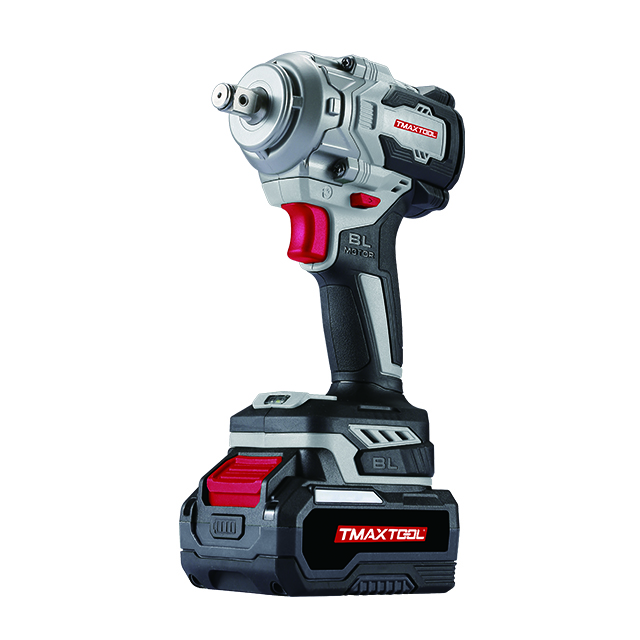 Impact Wrench
 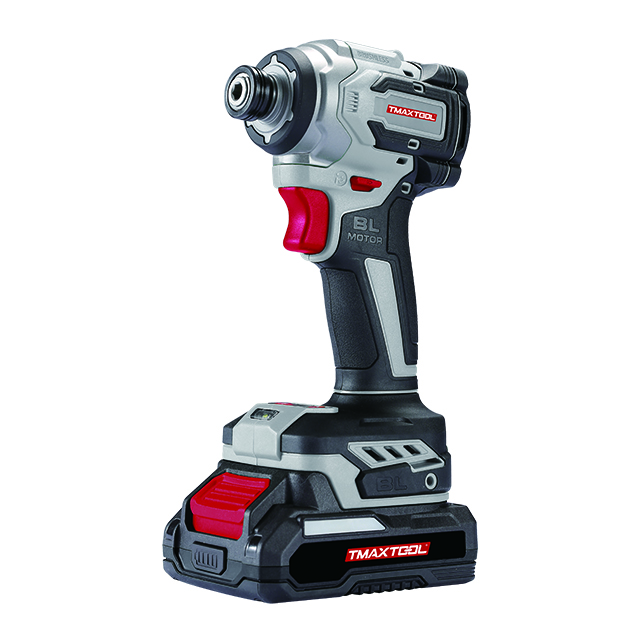 Screwdriver
 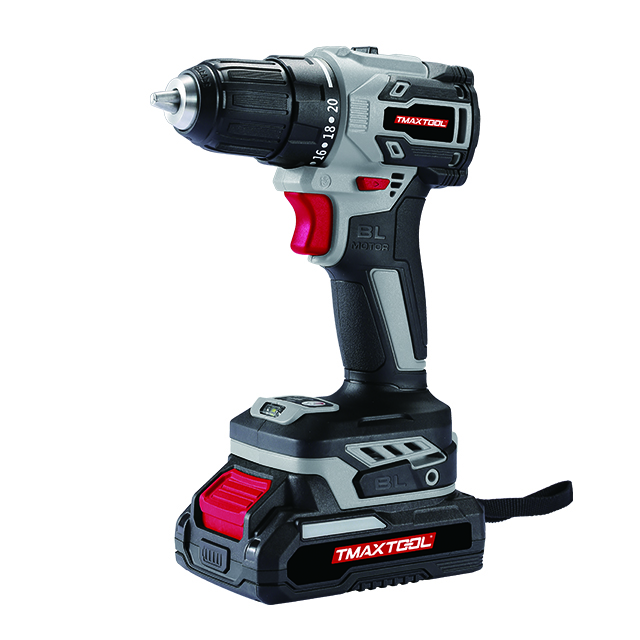 Cordless Drill
 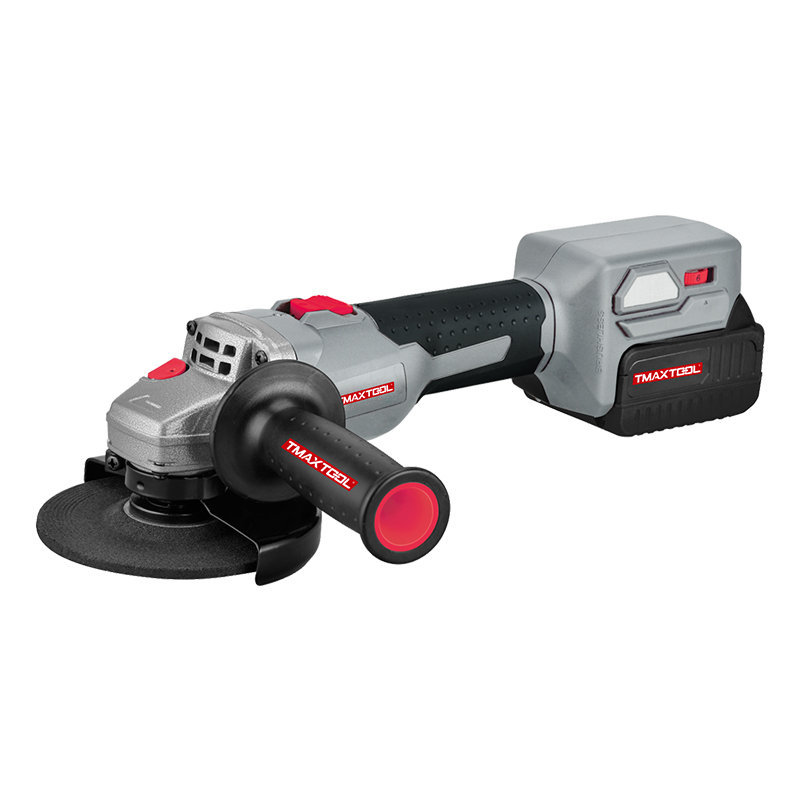 Angle Grinder
 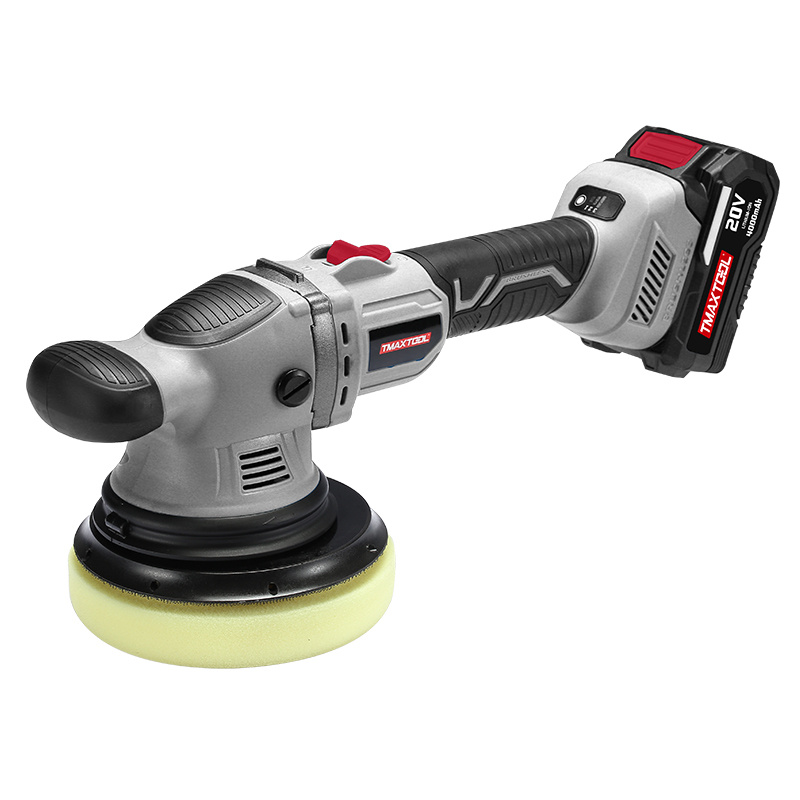 Polisher
 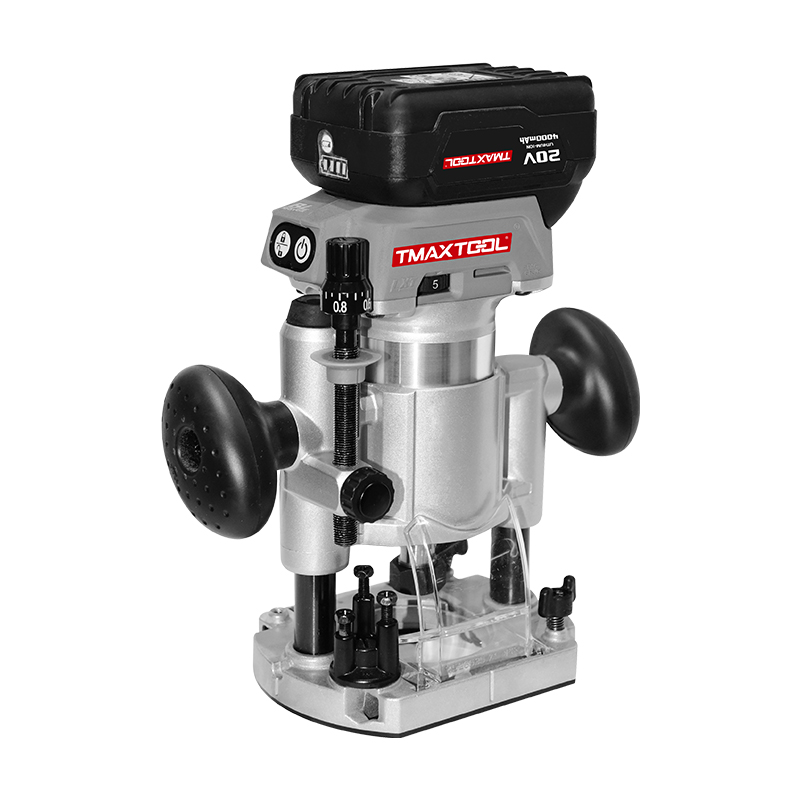 Wood Router
 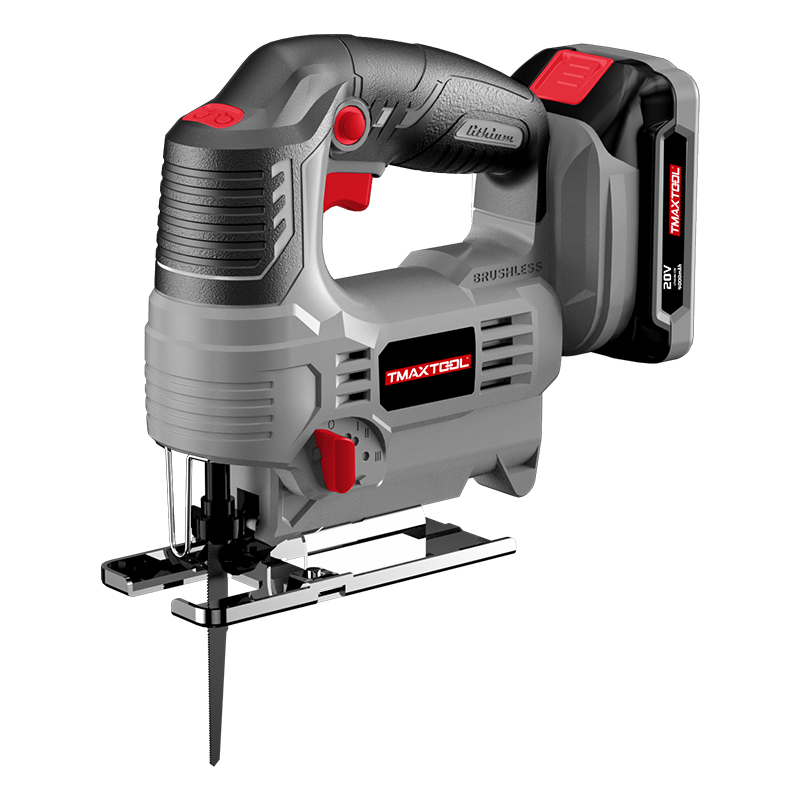 Jig Saw
 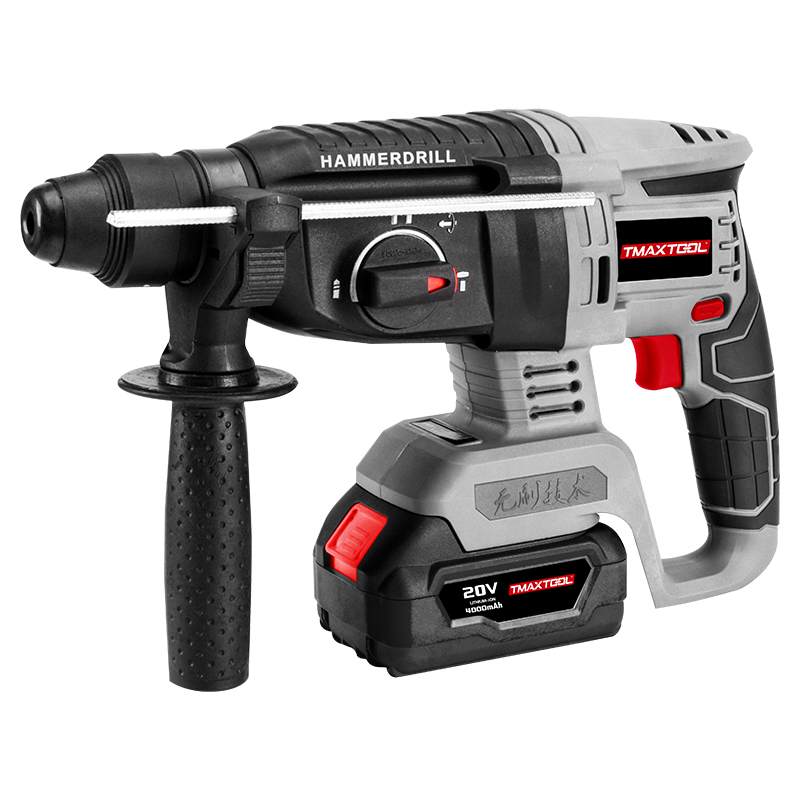 Hammer Drill
 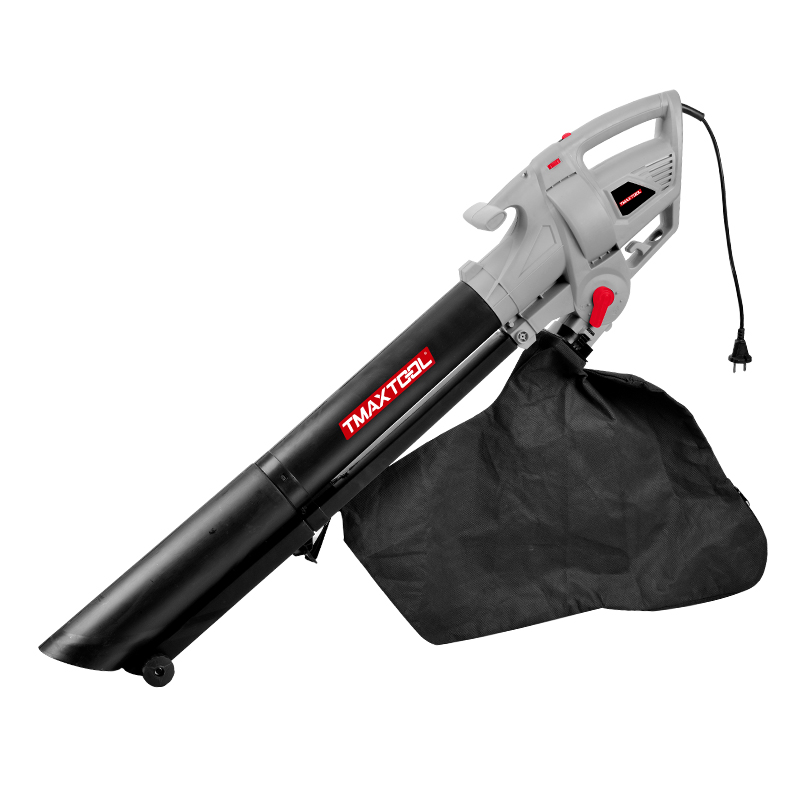 Portable Blower
 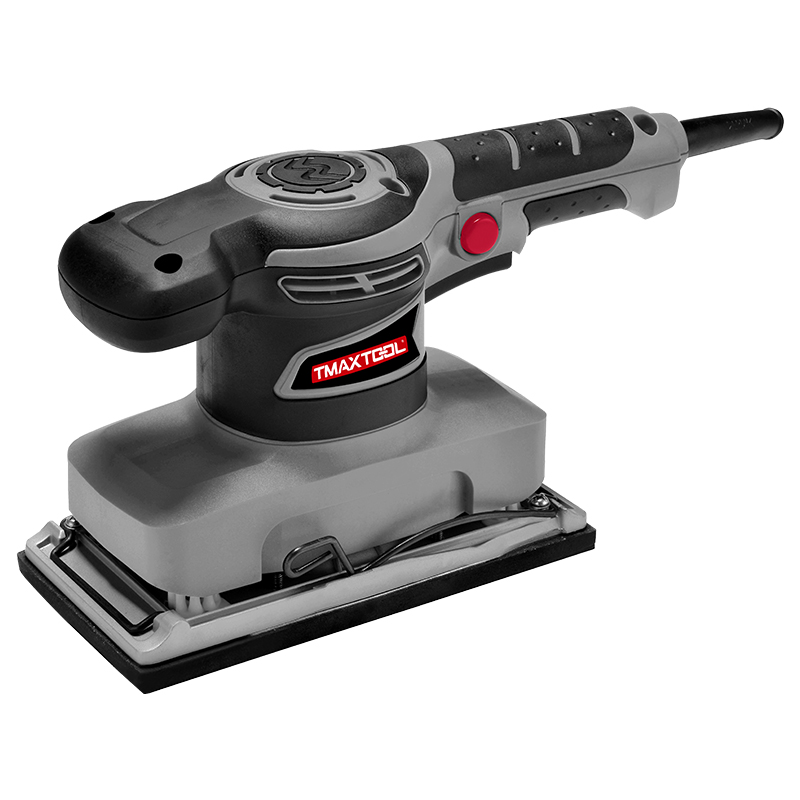 Orbital Sander
 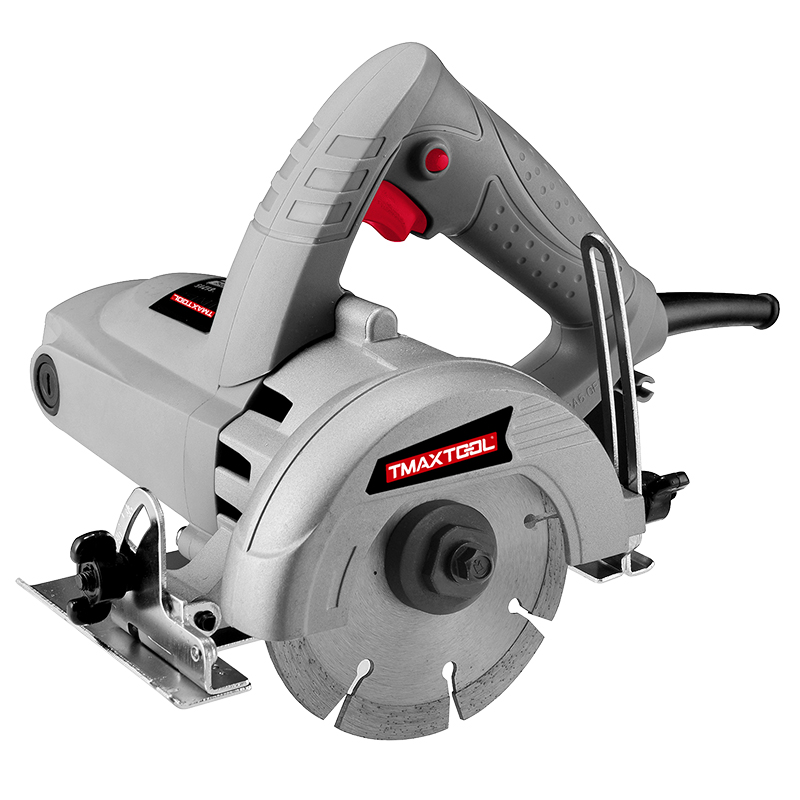 Marble Cutter
 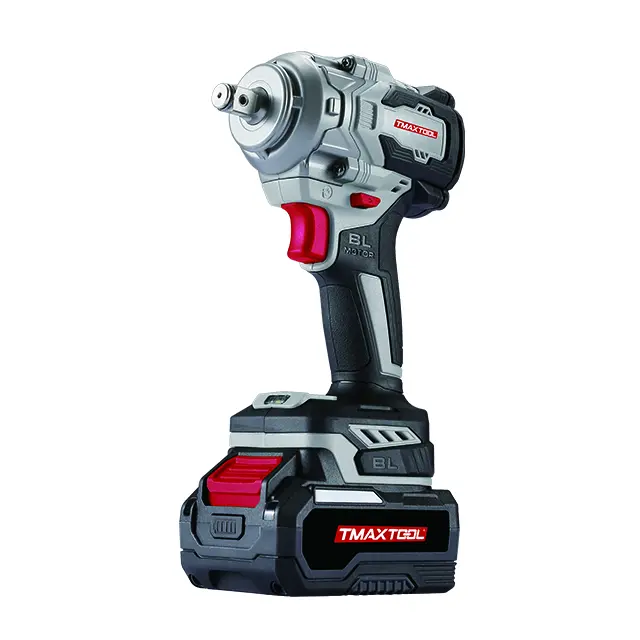 GARDEN TOOLS
 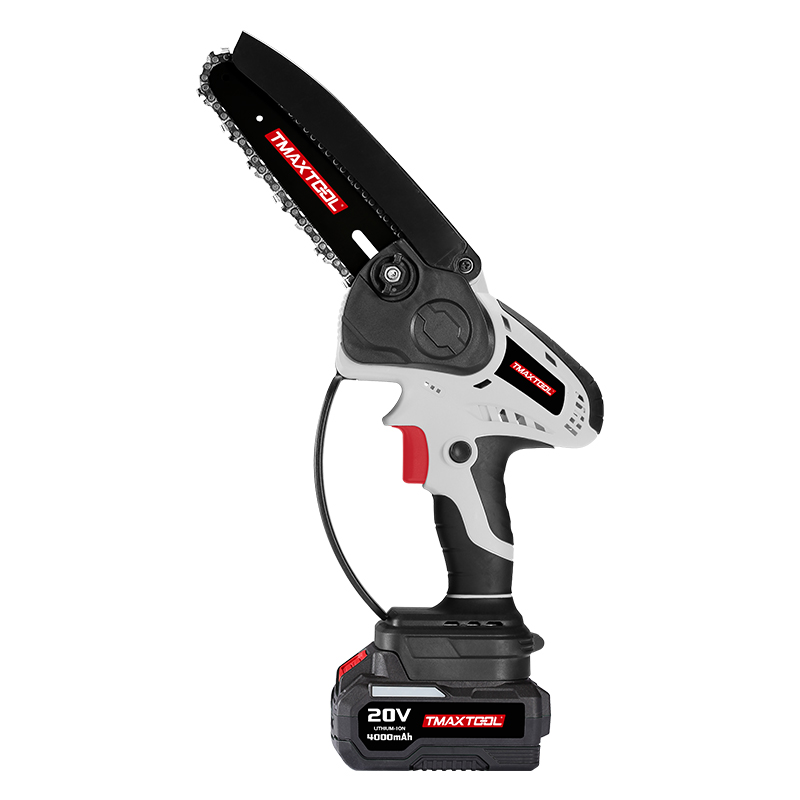 Battery Chain Saw
 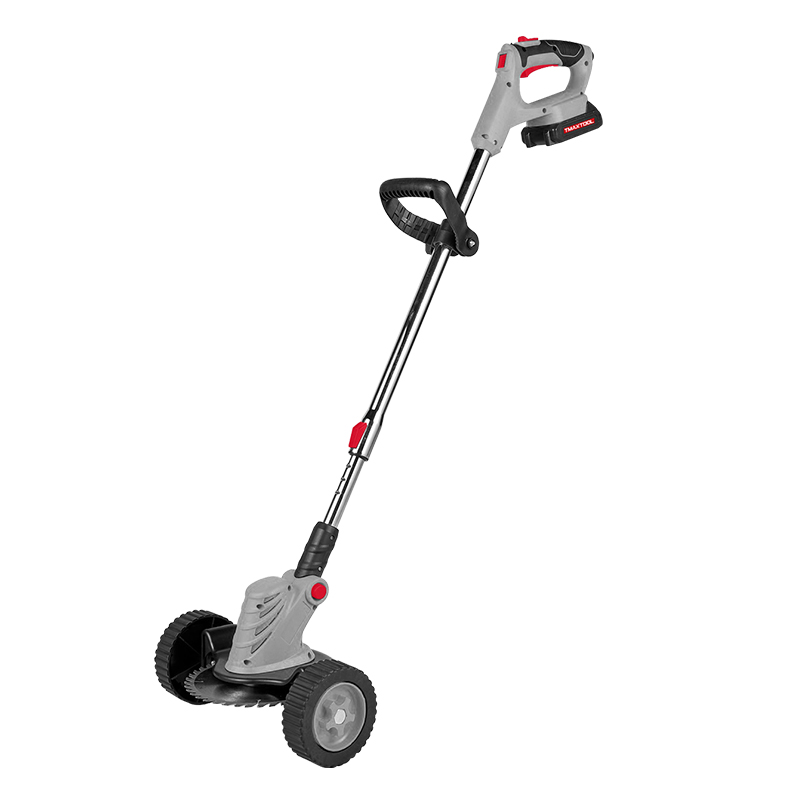 Battery Brush Cutter
 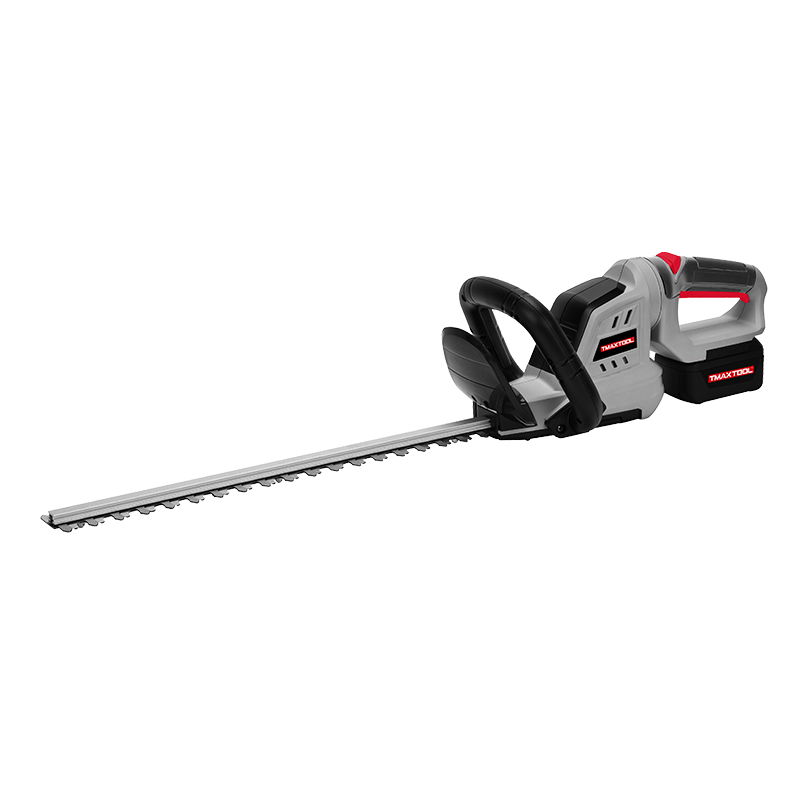 Battery Hedge Trimmer
 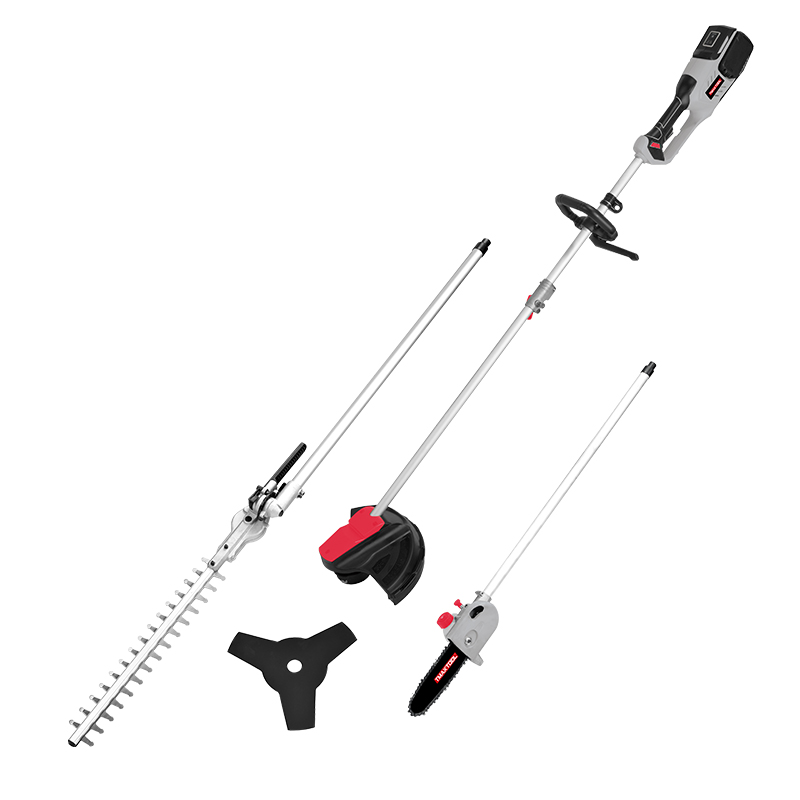 Battery Multi Tool
 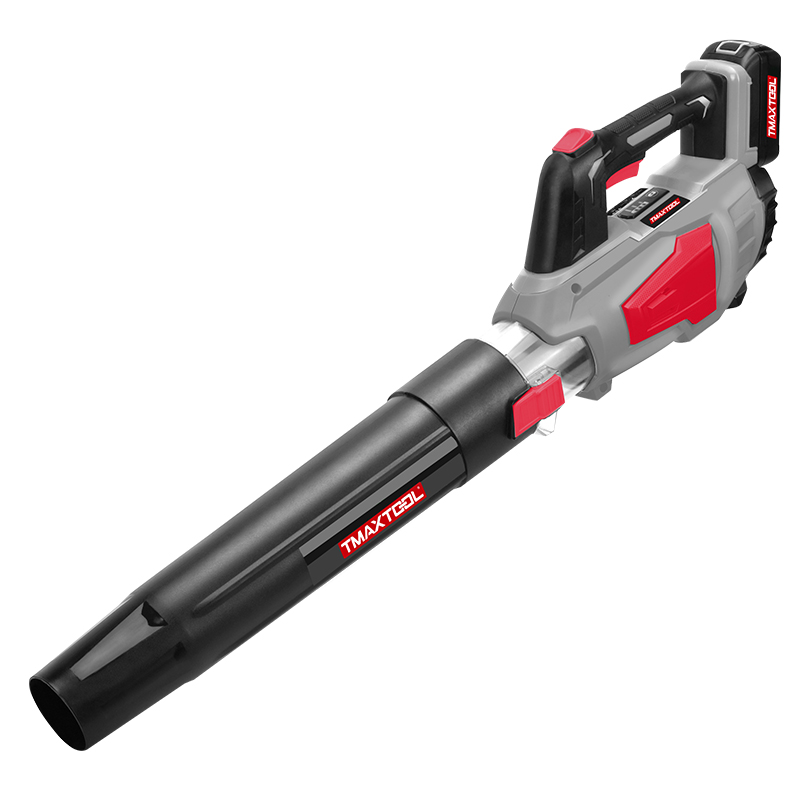 Battery Blower
 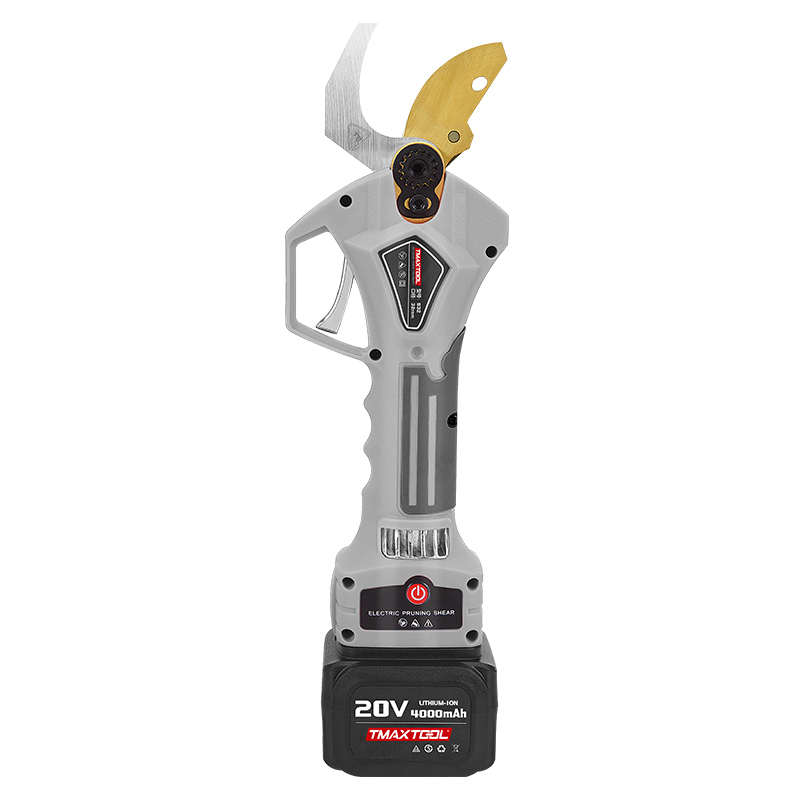 Batter Pruning Shears
 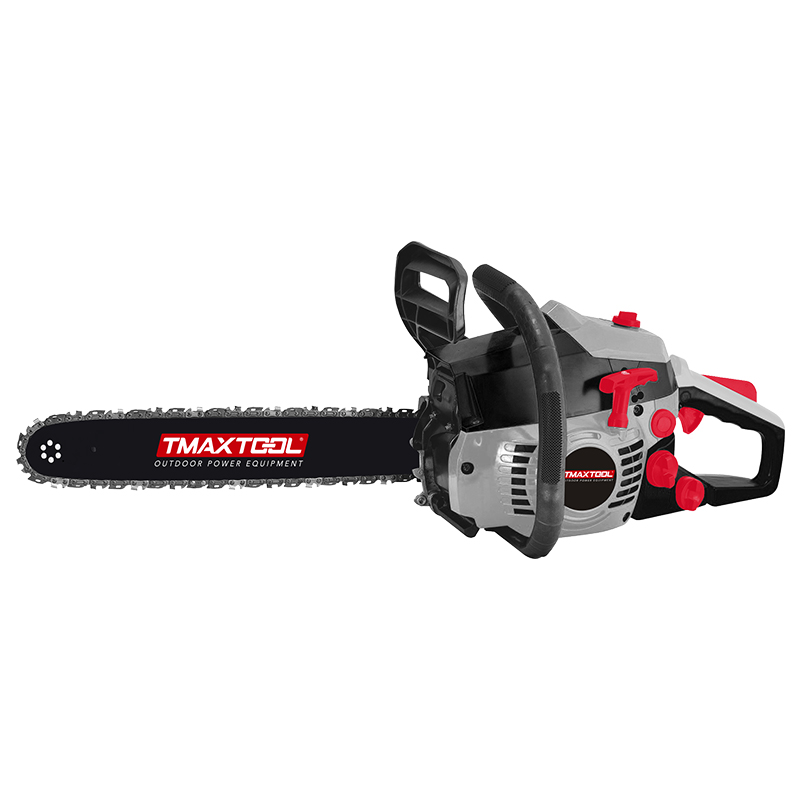 Chain Saw
 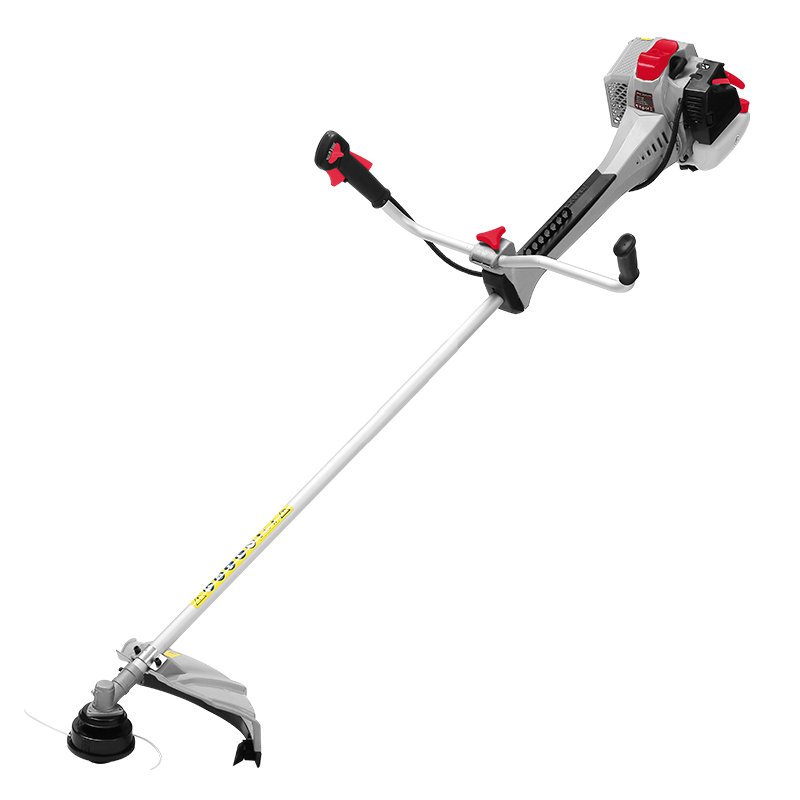 Brush Cutter
 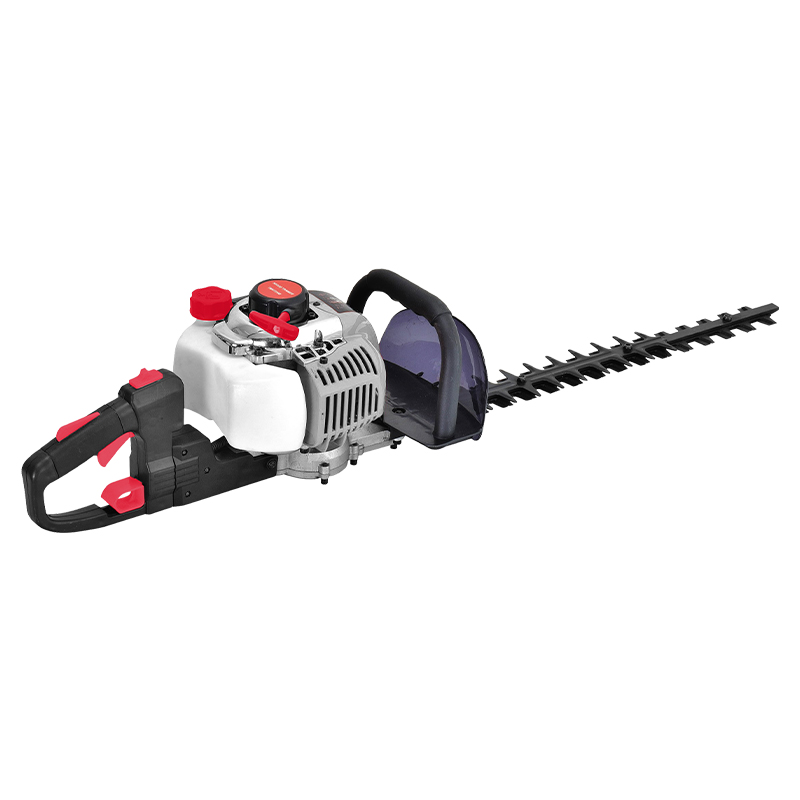 Hedge Trimmer
 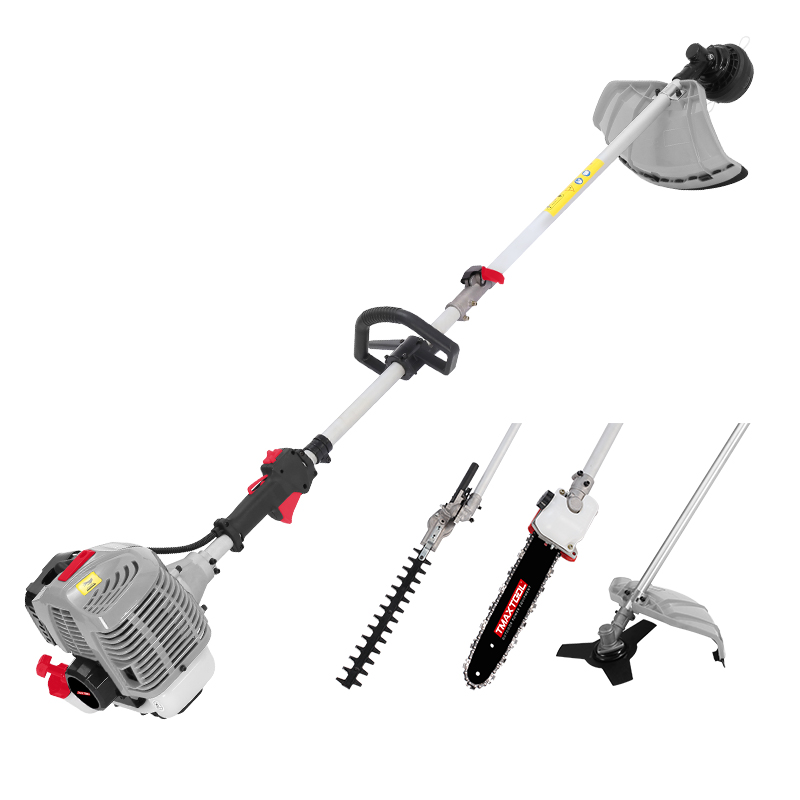 Multi Tool
 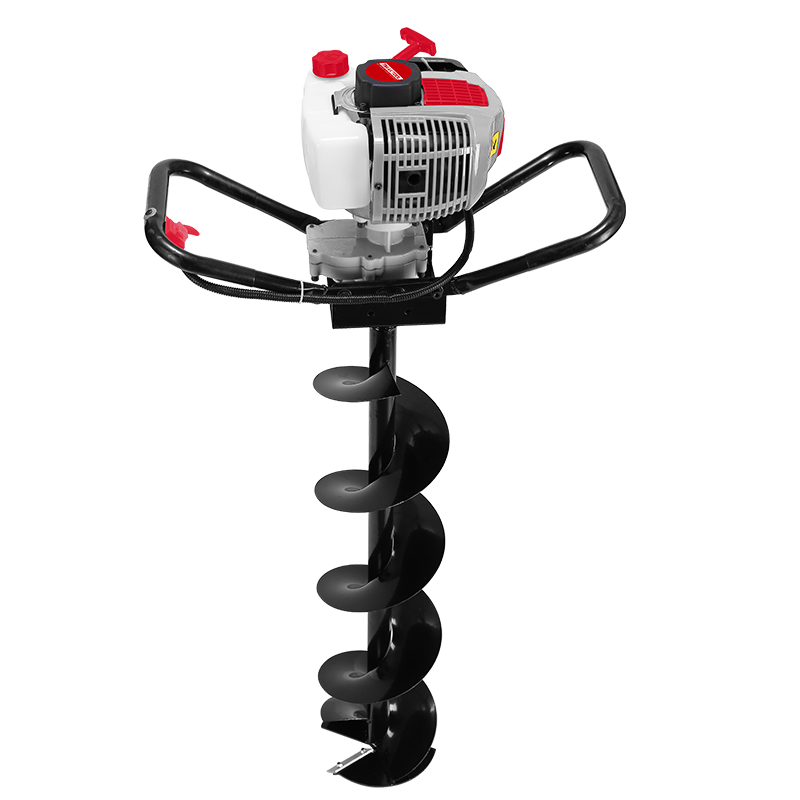 Earth Auger
 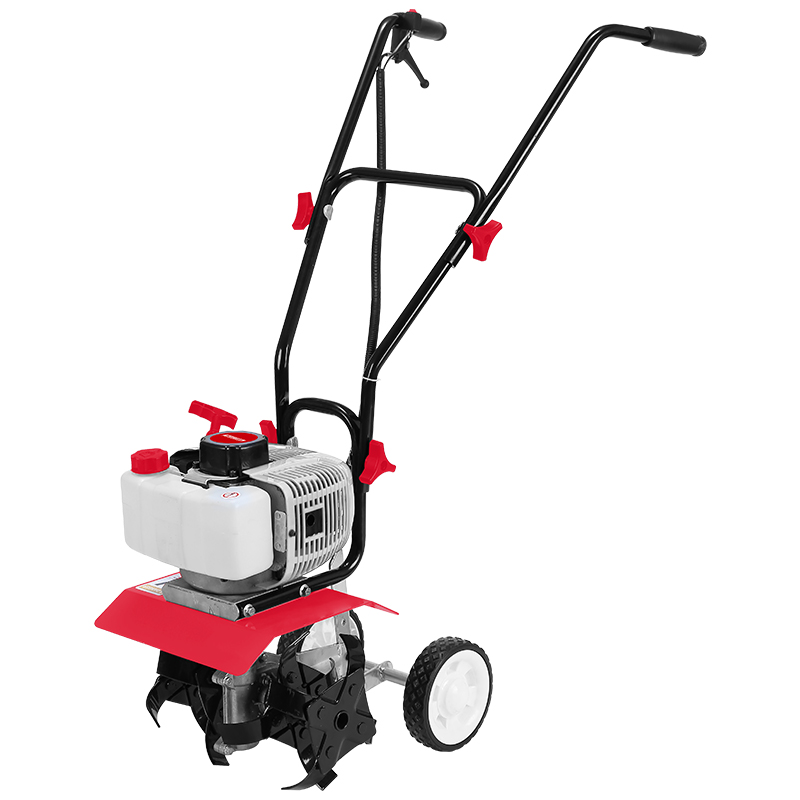 Tiller
 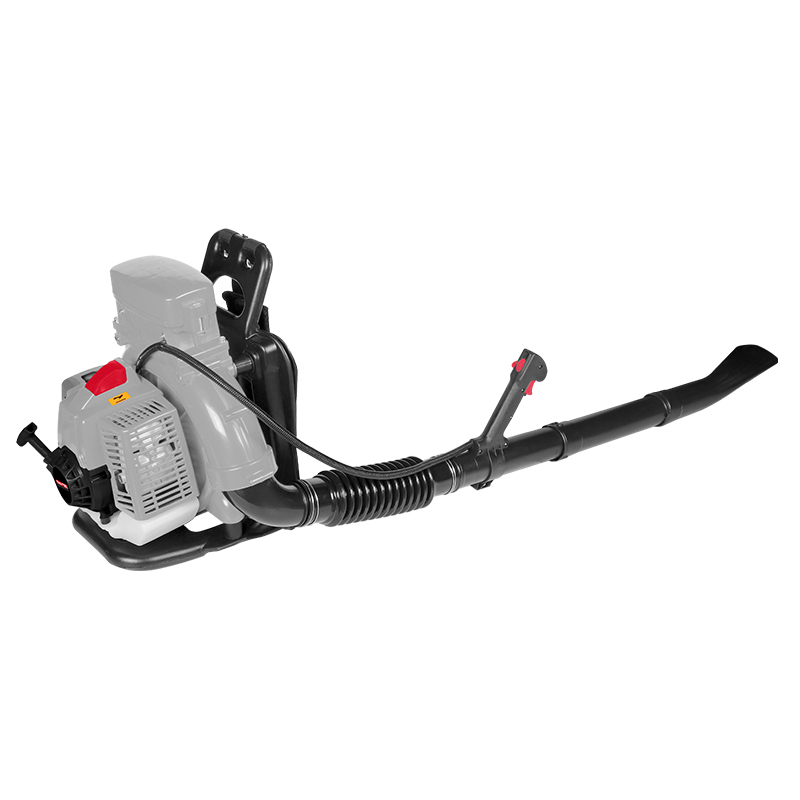 Blower
 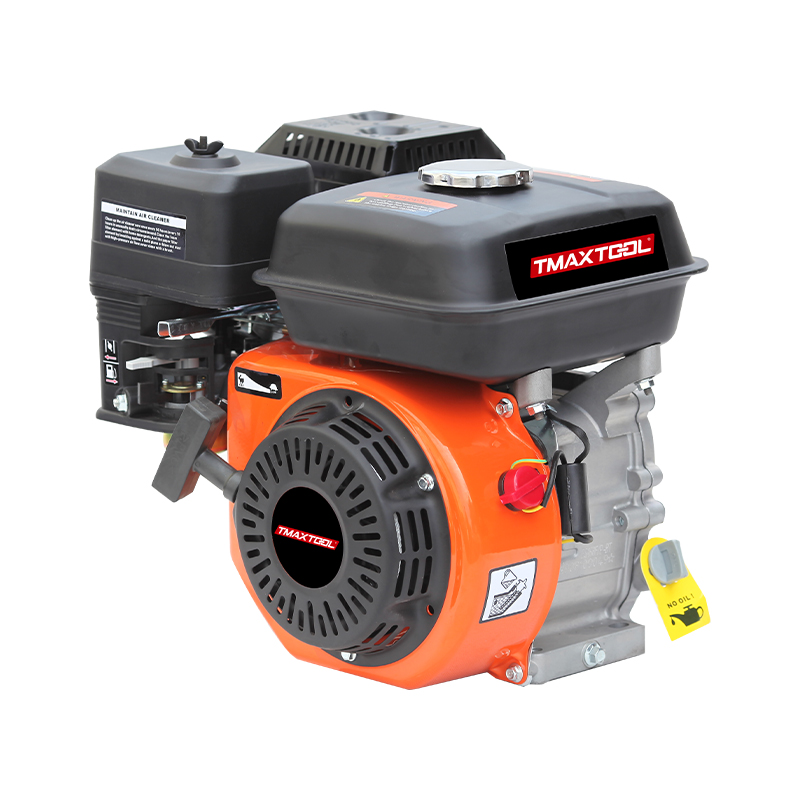 4 Stroke Gasoline Engine
 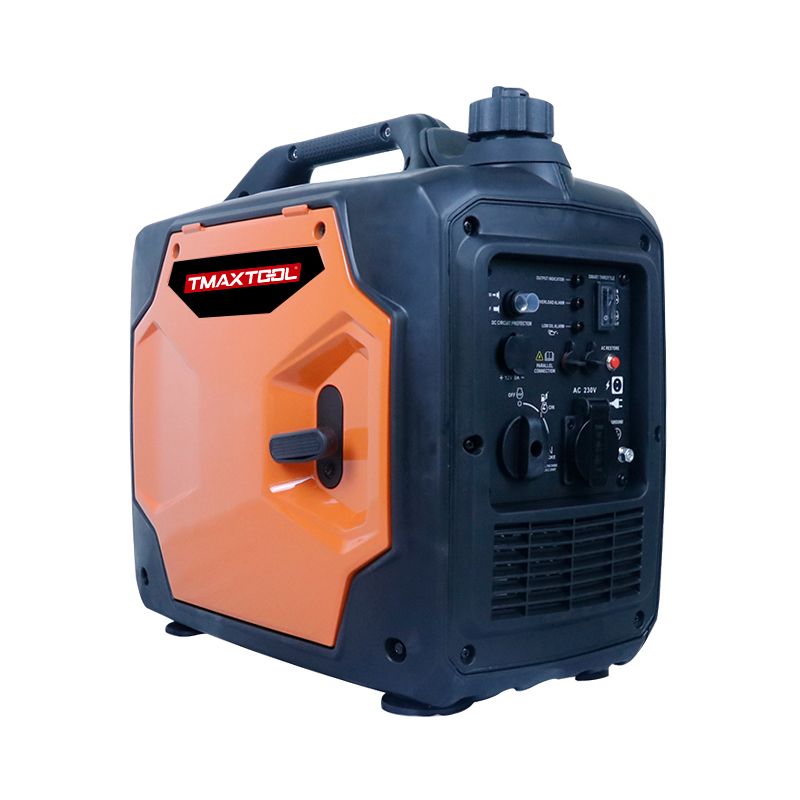 Generator
 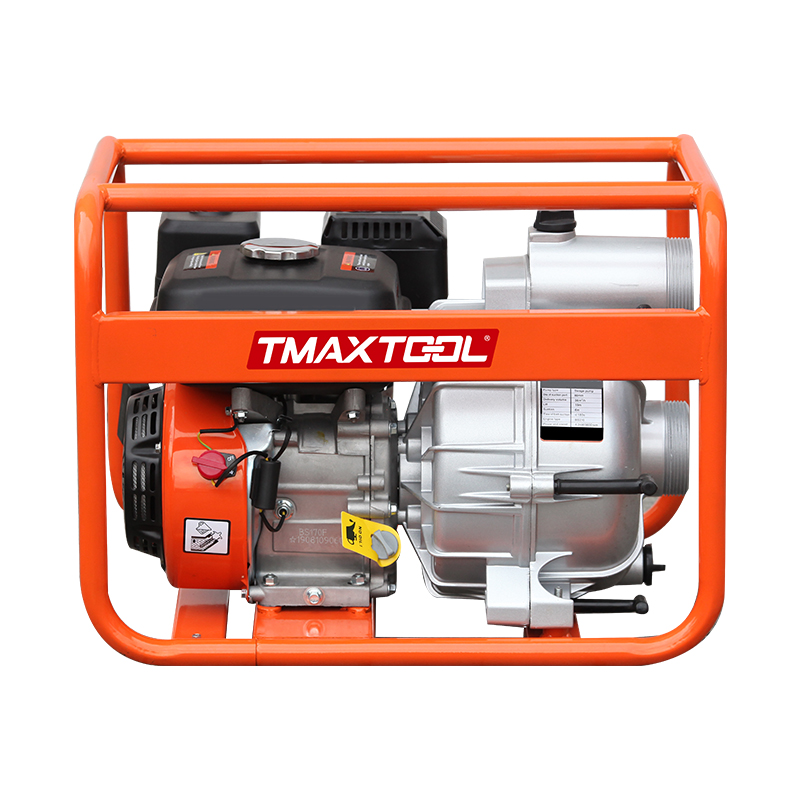 Water Pump
 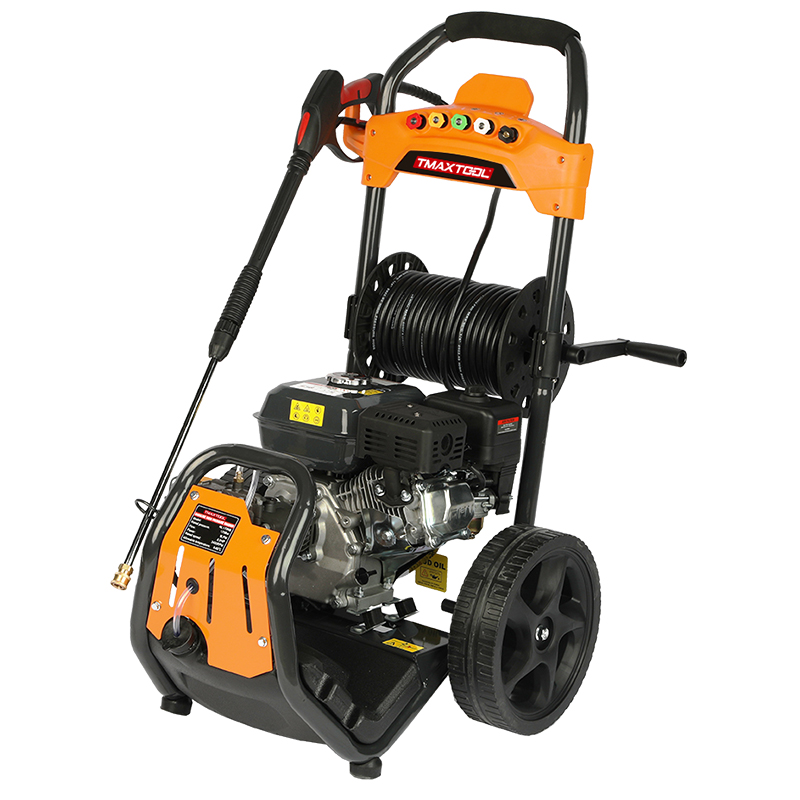 High Pressure Washer
 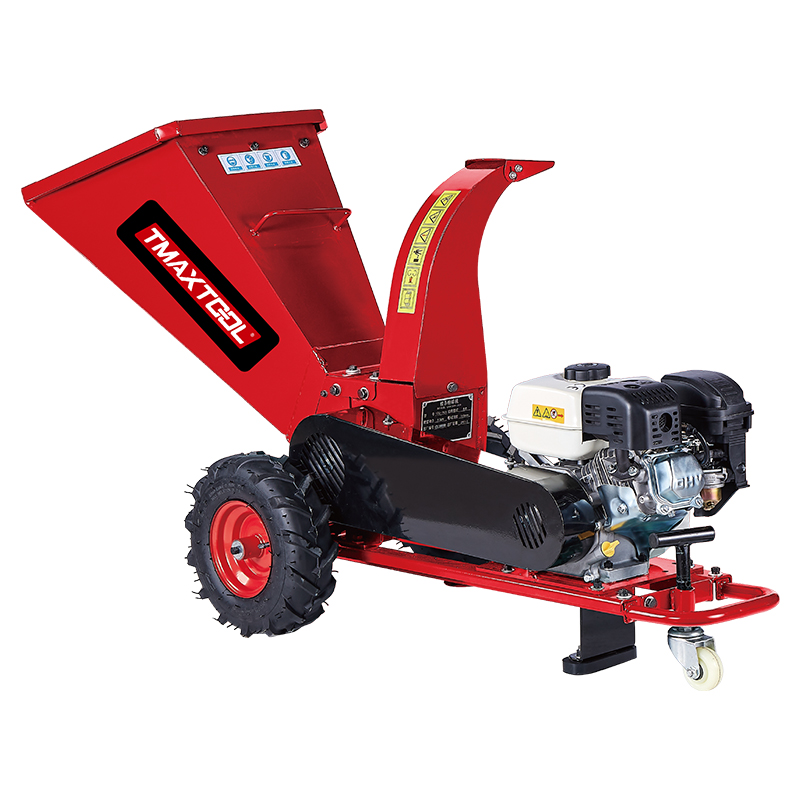 Wood Cutter
 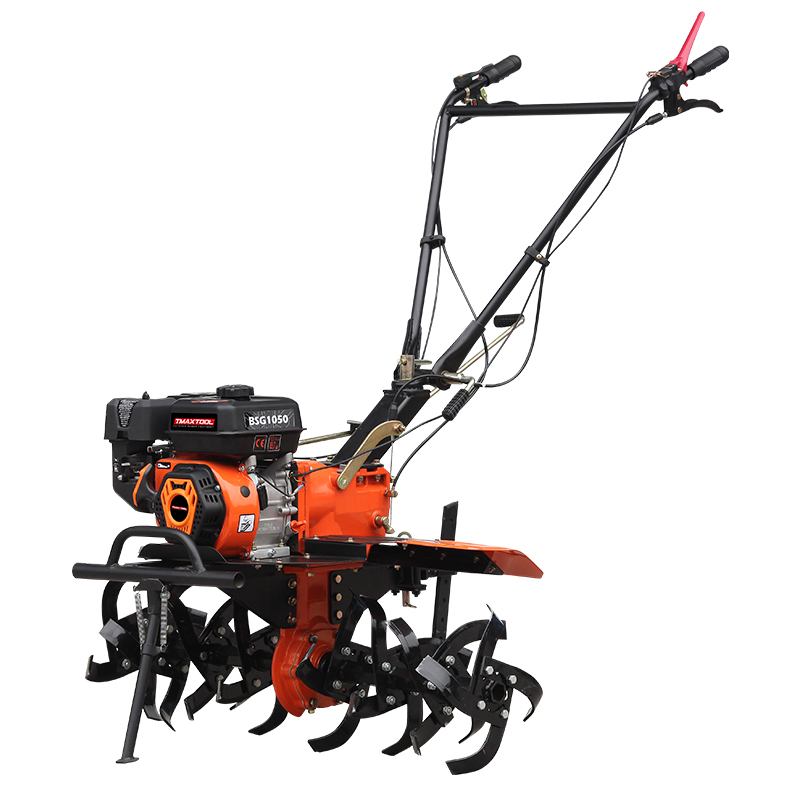 4 Stroke Tiller
 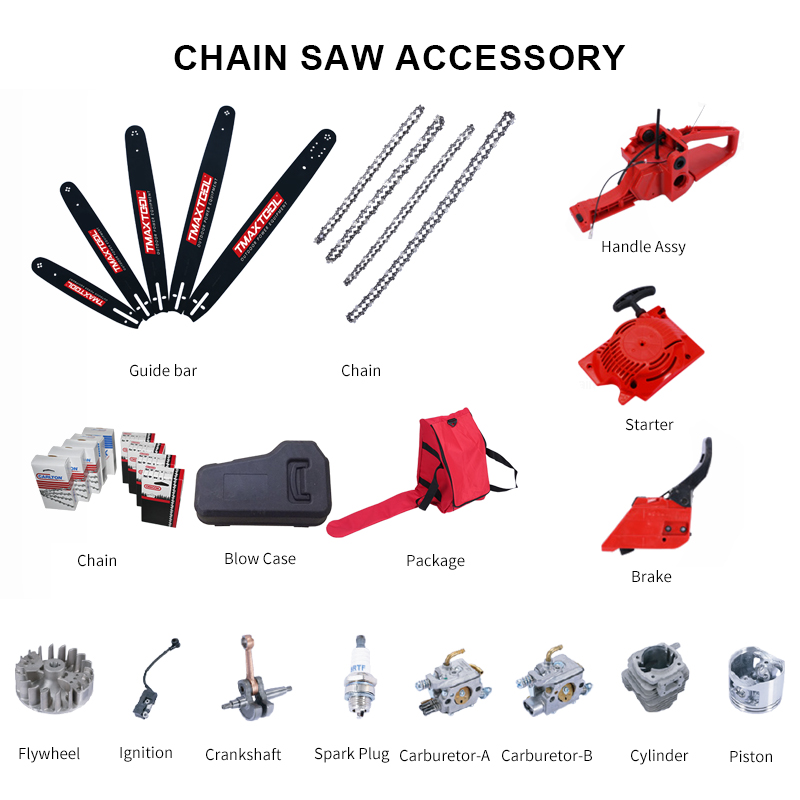 Chain Saw Accessory
 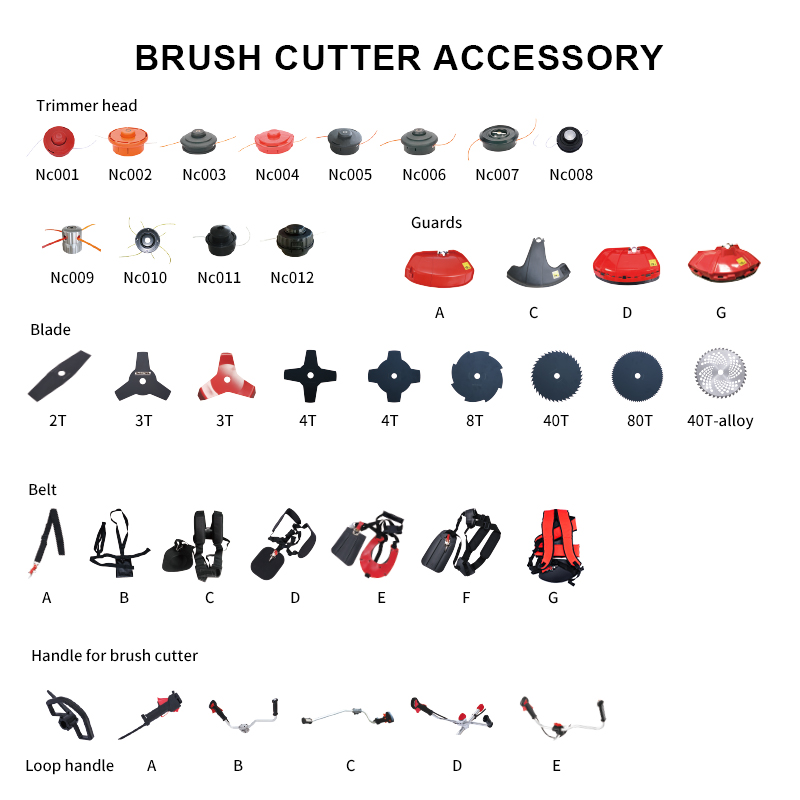 Brush Cutter Accessory
 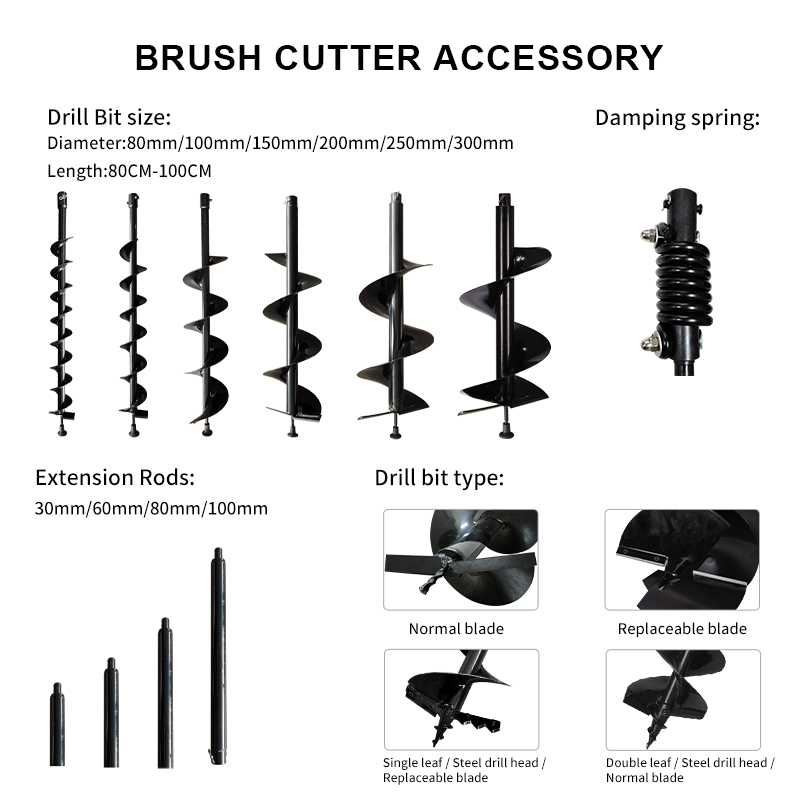 Earth Auger Accessory
 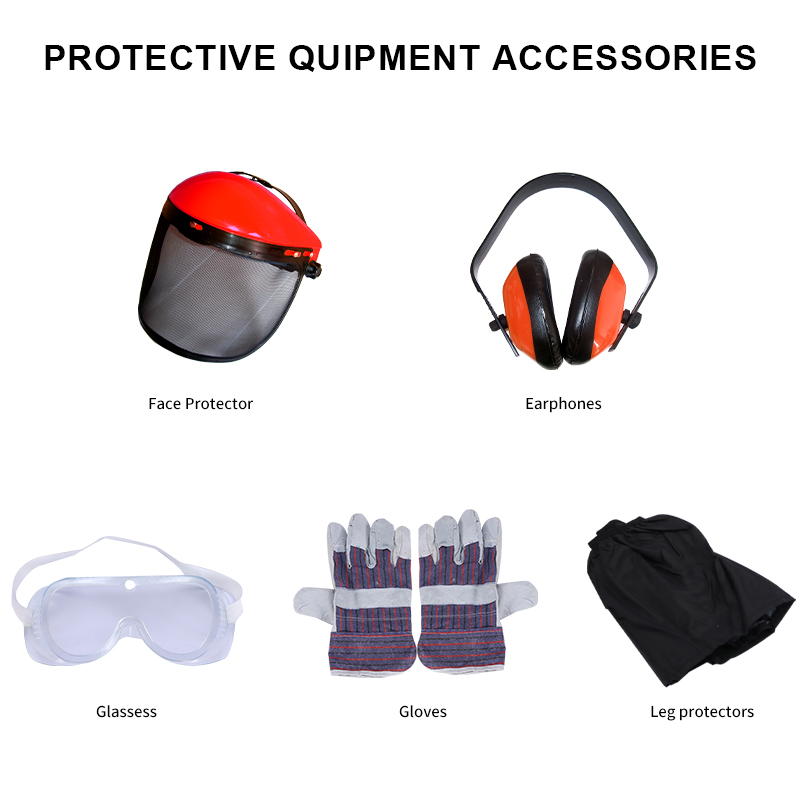 Protective Equipment Accessories


