So, when you’re diving into DIY projects, getting to know what an Angle Grinder can do is kinda essential. Jack Thompson, who’s pretty much a legend at ProTools Inc., once said, "An Angle Grinder can really change your toolkit, but you gotta respect it and know how to use it safely." Whether you’re using a Cordless Angle Grinder or a Brushless one, these tools are surprisingly versatile — perfect for cutting metal, sharpening blades, and more. But here’s the thing: a lot of hobbyists tend to overlook some safety tips, which can be risky.
Getting good at using an Angle Grinder takes practice and a steady hand. It can seem pretty intimidating at first, especially if you’re new to it, leading to mistakes. But if you handle it with care and practice, you’ll not only cut down on accidents but also get way more creative with your projects. For example, picking the right disc for what you’re working on is super important. Using the wrong one can cause accidents or just give you subpar results — a good reminder that there’s always more to learn.
Getting comfortable with an Angle Grinder means accepting that it has its challenges. Every project teaches you something new. Just keep in mind that even small slip-ups can mess things up or affect your work. The trick is to balance power and caution. Once you get the hang of it, using this tool not only boosts your skills, but also deepens your appreciation for craftsmanship and DIY spirit.

Top Angle Grinder Uses for DIY Projects
Angle grinders are versatile tools for DIY enthusiasts. They shine in metal cutting, grinding, and polishing tasks. Homeowners often use them to restore old furniture. For example, you can easily cut metal pipes or grind down rust on tools. The compact nature of an angle grinder makes it perfect for small spaces. You may need to practice to use the tool effectively, but the results are worth it.
Another popular use is in tile cutting and masonry work. An OEM cordless angle grinder is often favored for this, providing the freedom to move without cords. It allows for clean cuts on ceramic tiles, minimizing chips and cracks. Just remember that goggles and protective gear are essential. Safety sometimes feels tedious, but it is vital.
Polishing surfaces is another significant function. A brushless angle grinder can achieve a high shine on metal surfaces. However, achieving that perfect finish takes practice. It may require multiple passes and the right polishing pads. Mistakes can happen if you're not careful, leading to scratches. Each project teaches valuable lessons that improve skills over time.
Essential Safety Precautions When Using an Angle Grinder
When using an angle grinder, safety should be a priority. The tool can be hazardous if not handled properly. Always wear protective eyewear to shield your eyes from sparks and debris. Hearing protection is also essential, as the noise level can be quite high. Gloves must fit well; loose gloves can get caught in the grinder.
Check your work area before starting. Make sure it's clean and free of any flammable materials. Pay attention to the material you are grinding. Some materials may emit toxic fumes or create excessive dust. A Wholesale Cordless Angle Grinder Brushless Angle Grinder is great for versatile uses, but safety still comes first.
Always ensure the grinder’s guards are in place. Never bypass safety features. It’s easy to forget the risks when you're focused on the task. After a long day, accidents can happen due to fatigue. Always take breaks to stay focused. You might even find yourself making small mistakes if you rush. Your safety is worth the extra time spent.
Top Angle Grinder Uses
This bar chart illustrates the common uses of angle grinders among DIY enthusiasts, highlighting their versatility and effectiveness in various applications.
Choosing the Right Angle Grinder for Your Needs
When selecting an angle grinder, consider its power source. Corded grinders are powerful. They provide consistent torque for tough cuts. However, corded tools limit mobility. In contrast, a cordless option like an ODM Cordless Angle Grinder offers freedom to move. Battery life is a crucial factor. Choose a model with a durable battery, or keep a spare handy.
Next, focus on the size of the grinder. Most DIY projects benefit from a 4.5-inch model. It’s versatile for sanding, cutting, and grinding. A larger grinder may suit heavy-duty tasks. Weight is another consideration. Heavier models can strain your wrists during prolonged use. Opt for ergonomic designs that fit comfortably in your hand.
Also, think about safety features. A guard is essential. It protects you from sparks and debris. A brake feature stops the wheel quickly, enhancing safety. Buying an ODM Cordless Angle Grinder Brushless Angle Grinder may be beneficial, as brushless motors often have a longer lifespan. Lastly, don’t overlook your experience level. Advanced users might want a more powerful tool, while beginners should stick to simpler models.
Common Accessories and Attachments for Angle Grinders
When it comes to angle grinders, understanding common accessories is crucial for any DIY enthusiast. A grinding disc is one of the most essential attachments. It can effectively remove material from surfaces. These discs come in various grits, allowing for different finishes. A coarse grit can handle heavy-duty work, while a fine grit can polish surfaces to a shine. Selecting the right grit is vital, as the wrong choice may lead to unsatisfactory results.
Cutting wheels are another popular accessory. They are perfect for slicing through metal, tile, and concrete. Quick and efficient, these wheels save time. However, they can wear down quickly. Be mindful of using the right thickness for your specific cutting needs. Safety goggles are a must when working with these tools. The flying debris can cause serious injury.
Backing pads are also important. They allow for the use of flap discs, which are great for blending and finishing tasks. Without the proper backing, you may experience issues with stability. Remember, even with the best tools, practice is necessary to achieve excellent results. Experiment with different accessories and techniques to find what works for you.
Step-by-Step Guide to Cutting with an Angle Grinder
Cutting with an angle grinder can be an efficient way to tackle various DIY projects. This powerful tool is often used for metal cutting, concrete work, and even tile projects. According to industry reports, about 41% of DIY enthusiasts prefer angle grinders for metal-related tasks. The precision and speed of cutting with this tool make it a favorite among professionals and amateurs alike.
Begin by choosing a High-Quality Cordless Angle Grinder Brushless Angle Grinder. This type offers better battery life and efficiency. Proper setup is crucial. Always wear safety gear, including goggles and gloves. Ensure your workspace is clear. Measure and mark the area you want to cut accurately. Keeping distractions away is important for maintaining focus. Miscalculations can lead to wastage and unsafe working conditions.
When cutting, hold the grinder firmly. Use both hands for better control. Let the tool do the work; don’t force it. This ensures smoother cuts and extends the tool's life. According to a recent study, improper handling can reduce the lifespan of your grinder by up to 30%. It’s easy to rush, but rushing often leads to mistakes. Always take a moment to ensure everything is in place before you start. Using an angle grinder can be rewarding, but it comes with a learning curve. Each project should help you improve your technique.
Smoothing and Polishing: Techniques for Finishing Touches
Smoothing and polishing with an angle grinder can transform rough surfaces into sleek finishes. Choosing the right attachment is essential. Flap discs are great for smoothing, while polishing pads work wonders for that glossy look. It’s not just about the tool, but also about technique. Practice makes perfect, but don’t expect flawless results immediately.
When working on metal or wood, keep a steady hand. Uneven pressure can lead to scratches or burns. Take breaks to inspect your progress. Don’t hesitate to adjust your approach if things don’t look right. Remember, the goal is to refine your technique.
Also, take care of safety. Use protective gear like goggles and gloves. Dust and debris can be a nuisance, so work in a well-ventilated area. If you’re feeling unsure, consider practicing on scrap materials first. It can save you time and frustration later. In polishing, perfection is a journey, not a destination.
Maintenance Tips to Prolong Your Angle Grinder’s Life
Maintaining your angle grinder is vital for its longevity. Regularly check the brushes, as worn ones can reduce performance. Clean the air vents to prevent overheating. Dust accumulation can lead to malfunction.
Tips for keeping the grinder in top shape: Always disconnect it before changing blades. This small step can prevent serious injuries. Use the right disc for each task. Incorrect discs can damage both the grinder and the material.
Store the grinder properly when not in use. A damp environment can lead to rust and other issues. Regularly inspect the cord for frays. A damaged cord can be a safety hazard. Regular maintenance can extend the life of your tool significantly.
Exploring the Benefits of Cordless 21V 4.0Ah Lithium Battery 100MM Angle Grinder: Insights from Industry Reports and Market Trends
The cordless 21V 4.0Ah lithium battery 100MM angle grinder has emerged as a game-changer in the power tools industry, offering significant advantages that cater to both professional tradespeople and DIY enthusiasts. With its robust battery voltage of 21V and a capacity of 4.0Ah, this tool provides a reliable and sustained power source for extended use, making it ideal for tackling a variety of grinding, cutting, and polishing tasks. The flexibility of operating at no load speeds ranging from 3000 to 8500 r/min ensures optimal performance tailored to different materials and applications.
A notable feature is the grinding disc diameter options of 100mm (4 inches) and 125mm (5 inches), allowing users to select the perfect size for their specific projects. The inclusion of a 2.0A charge current ensures quick recharge times, reducing downtime on the job site. Additionally, this angle grinder is packaged in a durable BMC box alongside a carton, providing secure storage and easy transport. As industry reports highlight a growing trend towards cordless tools, this angle grinder stands out as a versatile and efficient solution for modern day-to-day tasks.
FAQS
: Assess your skills. Understand your resources and time. Reflect on your motivation.
Create a schedule. Prioritize tasks. Break projects into smaller pieces. Review daily progress.
Communication issues often arise. Different working styles clash. Conflicts may occur. Reflect on team dynamics.
Consider feedback seriously. It may help you grow. Don’t take it personally. Reflect on valid points.
Goals provide direction. They help measure progress. Without them, focus may fade. Regularly reassess your goals.
Take online courses. Read books related to your interest. Practice regularly. Seek feedback often and adapt.
Accept it as part of growth. Analyze what went wrong. Learn from mistakes. Adjust your approach next time.
Networking opens opportunities. It allows sharing of ideas. Relationships can lead to collaborations. Reflect on your connections.
It helps identify strengths and weaknesses. Regular reflection can clarify your goals. Take time to think deeply about your experiences.
Find your passion. Set achievable milestones. Celebrate small wins. Regularly remind yourself why you started.
Conclusion
The article "Top Angle Grinder Uses and Tips for DIY Enthusiasts" provides a comprehensive guide for anyone looking to effectively utilize an angle grinder in their DIY projects. It highlights various applications, such as cutting, grinding, and polishing, making it an indispensable tool for home improvement tasks. Essential safety precautions are emphasized to ensure user protection, alongside advice on selecting the right angle grinder to cater to specific project needs.
Furthermore, the article discusses common accessories that enhance the functionality of angle grinders and offers a step-by-step guide on cutting techniques, as well as tips for smoothing and polishing surfaces. To maintain optimal performance and prolong the lifespan of your angle grinder, the article concludes with practical maintenance tips, ensuring that DIY enthusiasts can make the most out of their tools while achieving high-quality results in their projects.

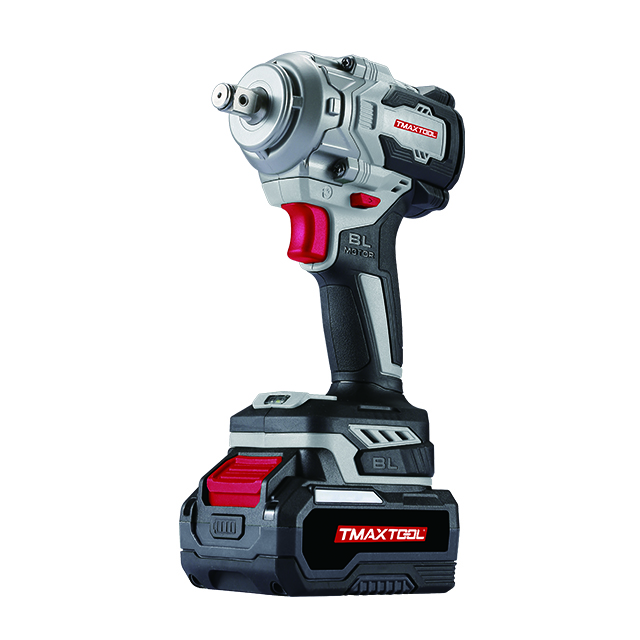 Impact Wrench
 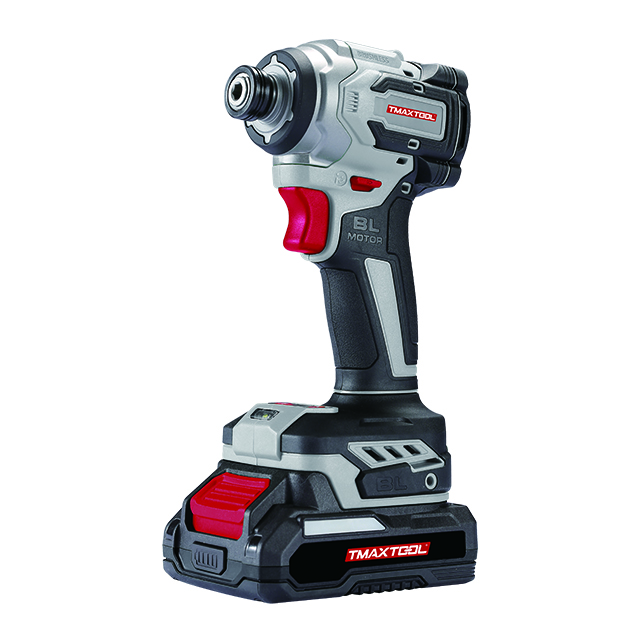 Screwdriver
 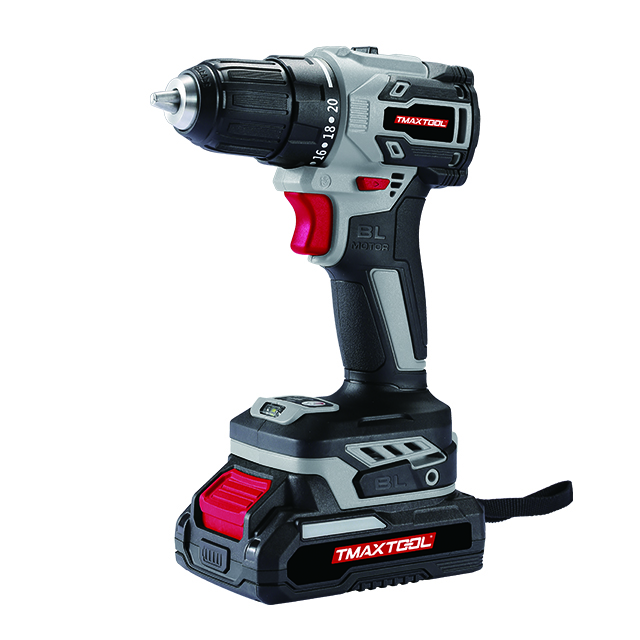 Cordless Drill
 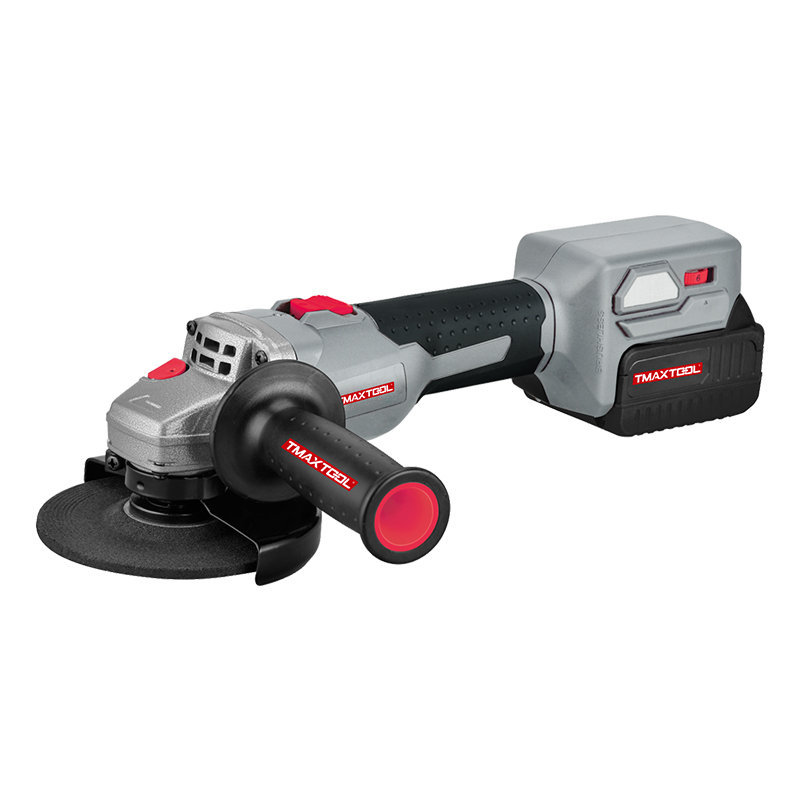 Angle Grinder
 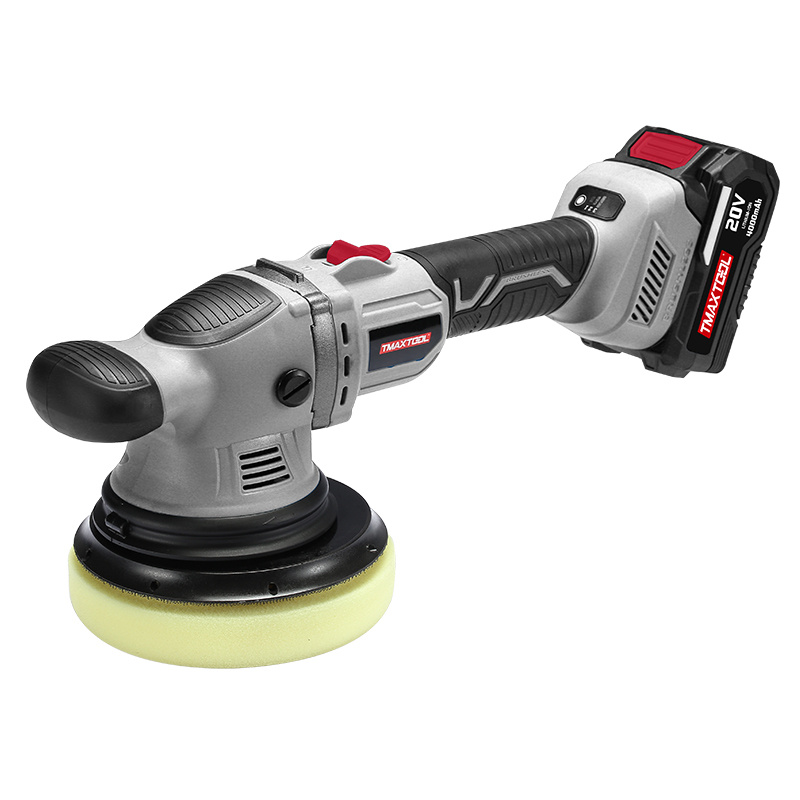 Polisher
 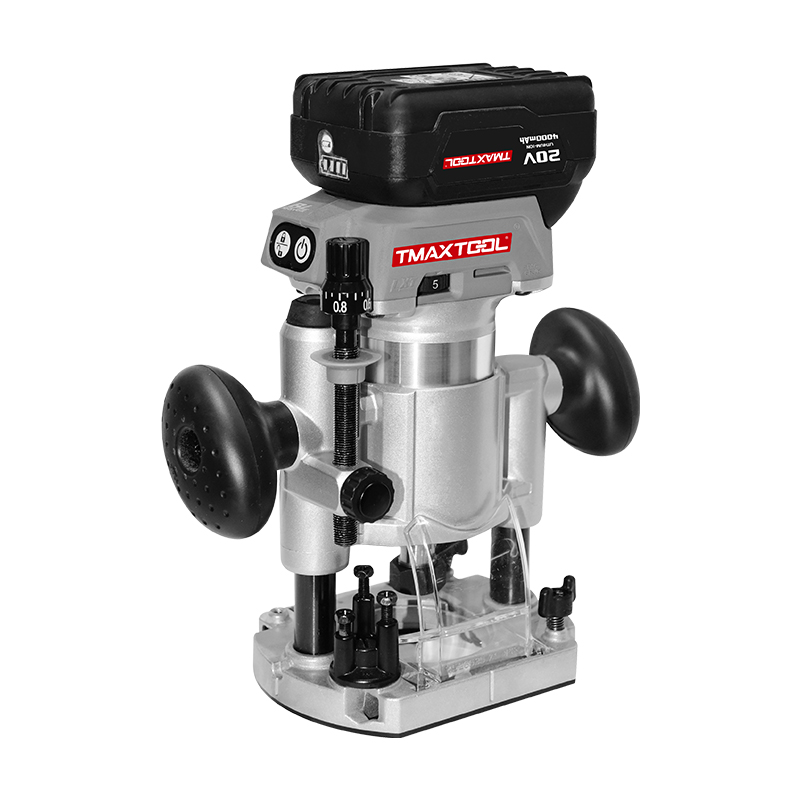 Wood Router
 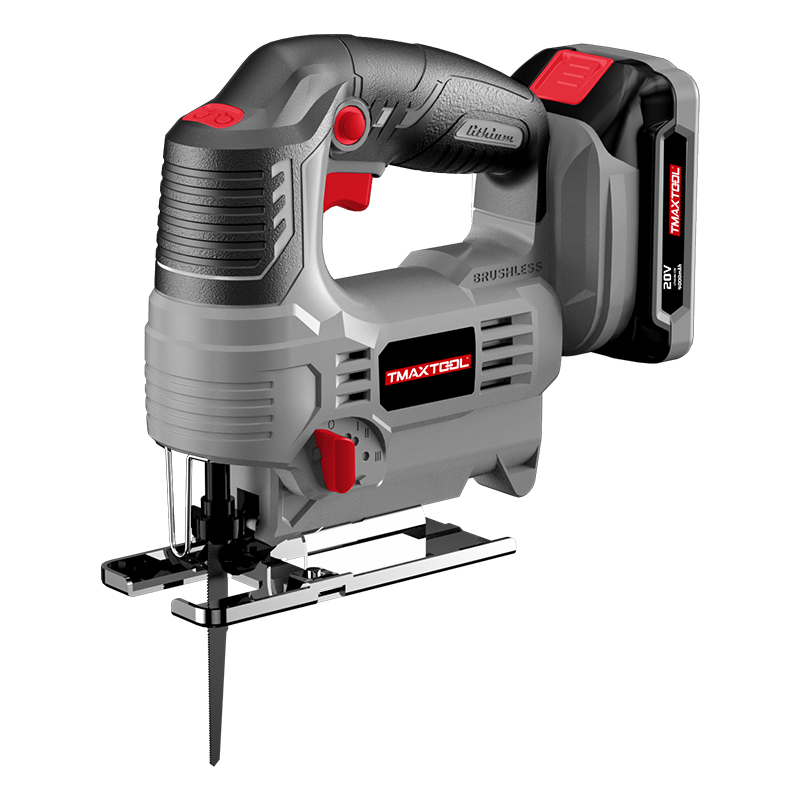 Jig Saw
 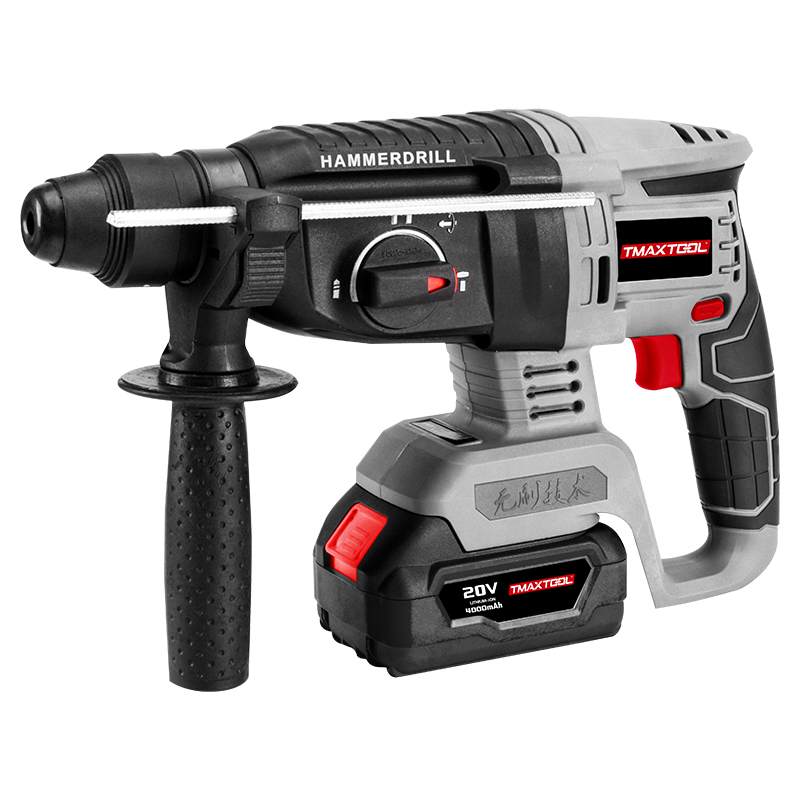 Hammer Drill
 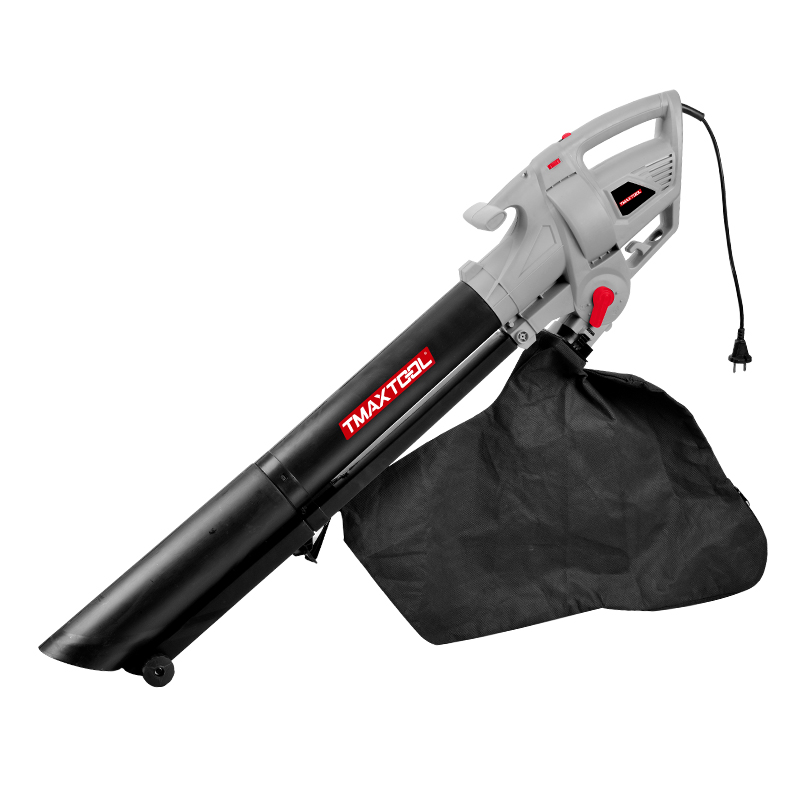 Portable Blower
 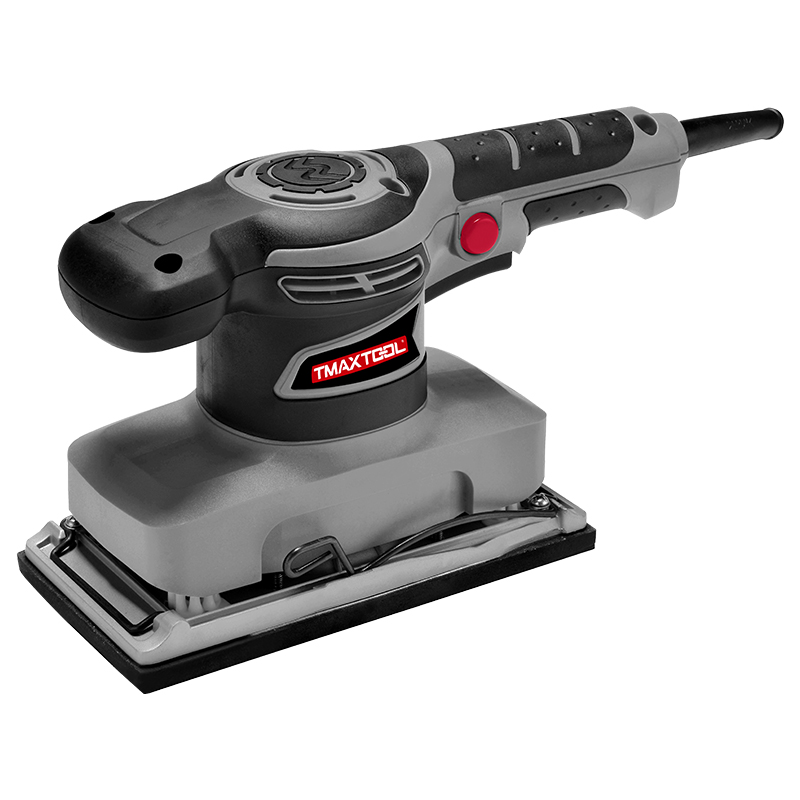 Orbital Sander
 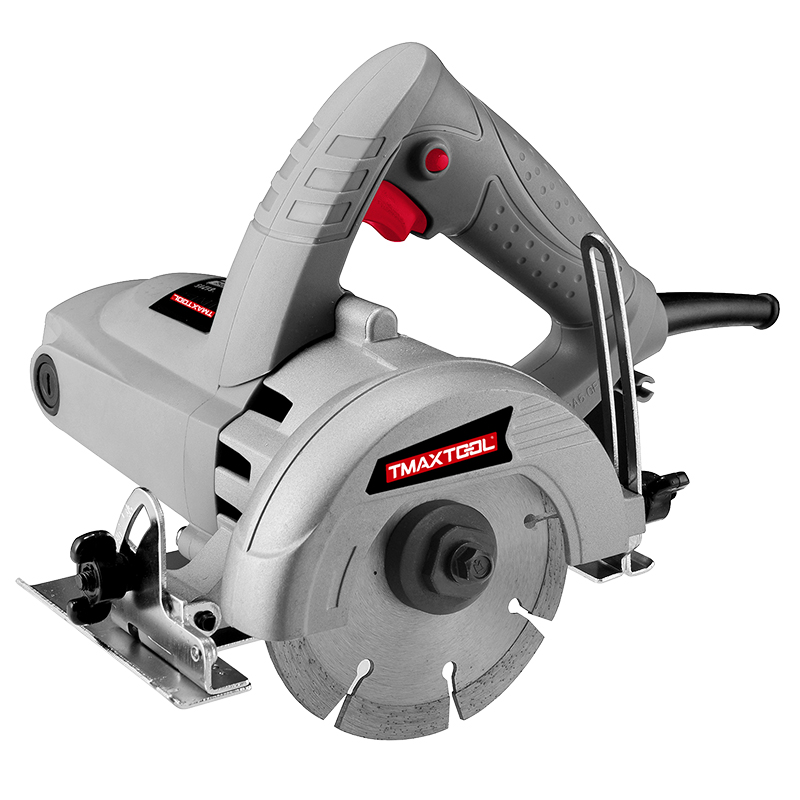 Marble Cutter
  GARDEN TOOLS
 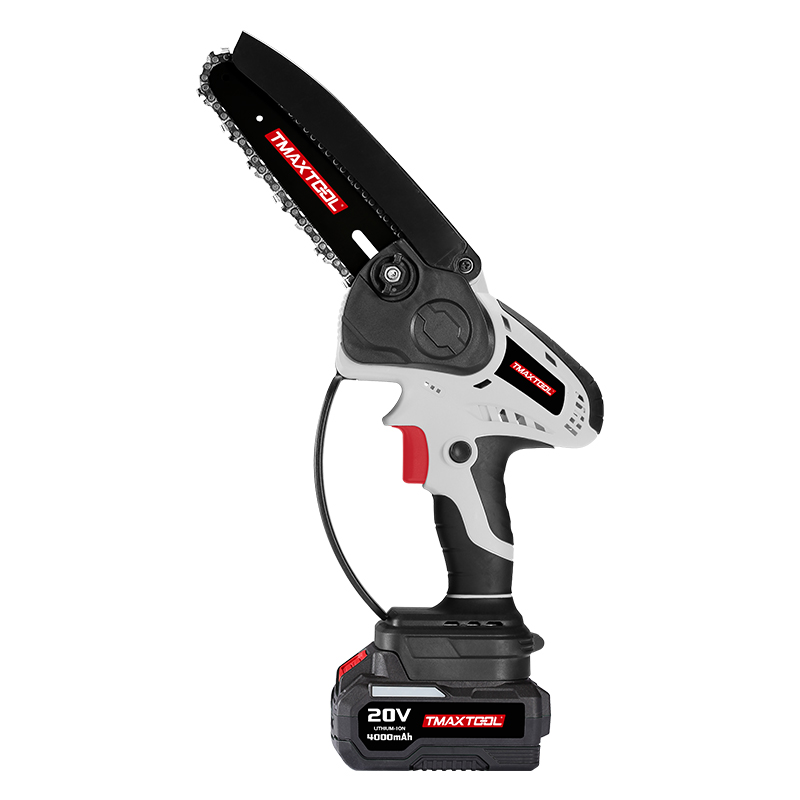 Battery Chain Saw
 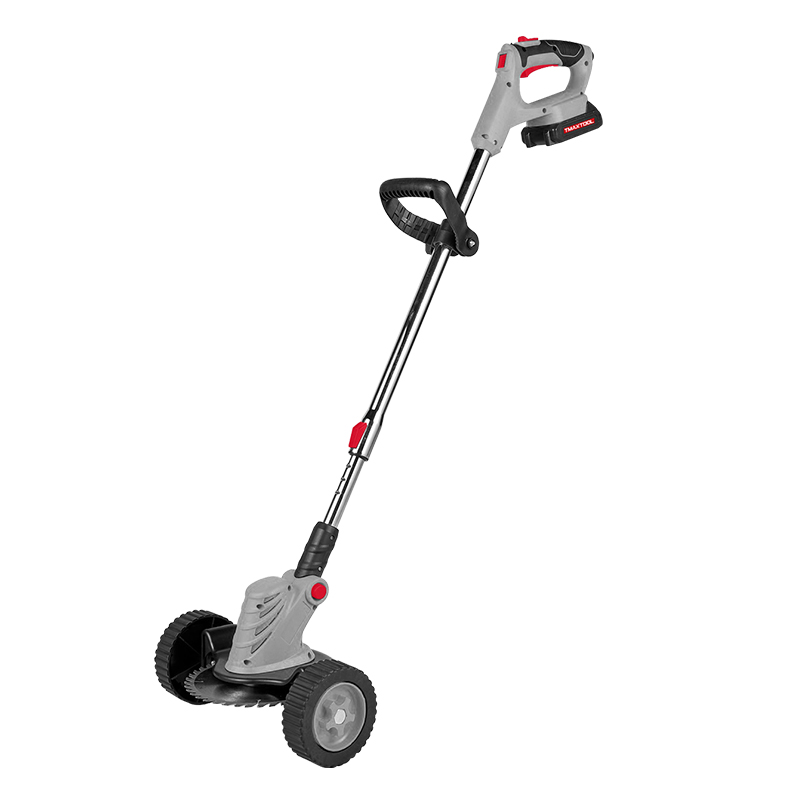 Battery Brush Cutter
 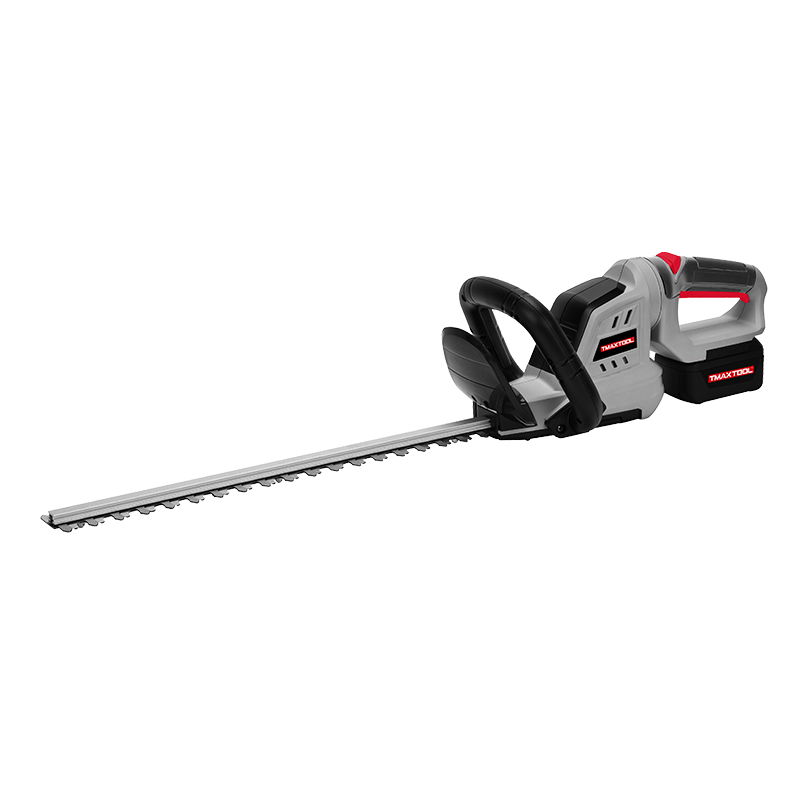 Battery Hedge Trimmer
 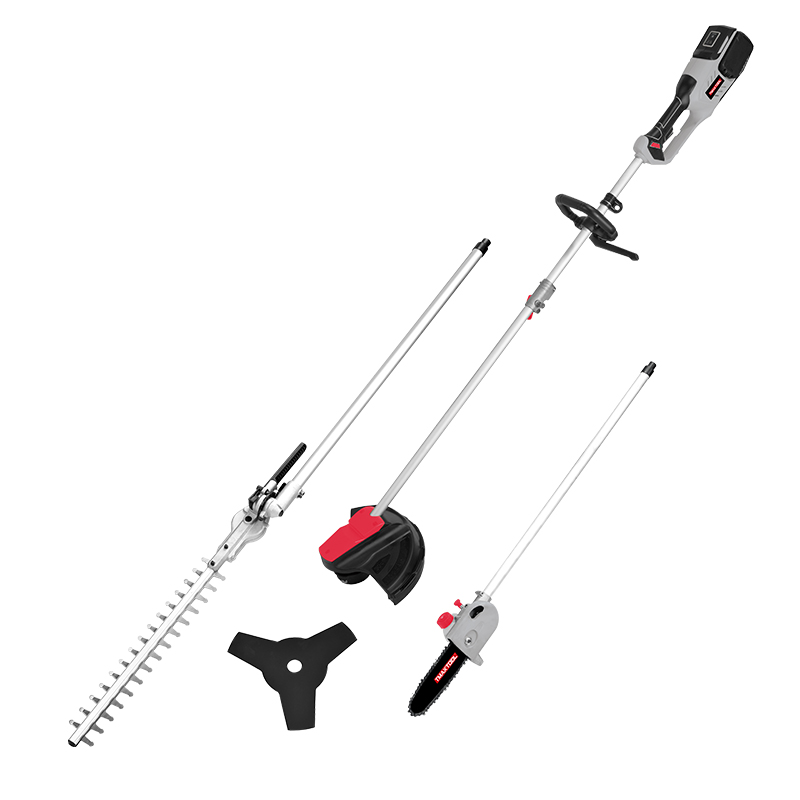 Battery Multi Tool
 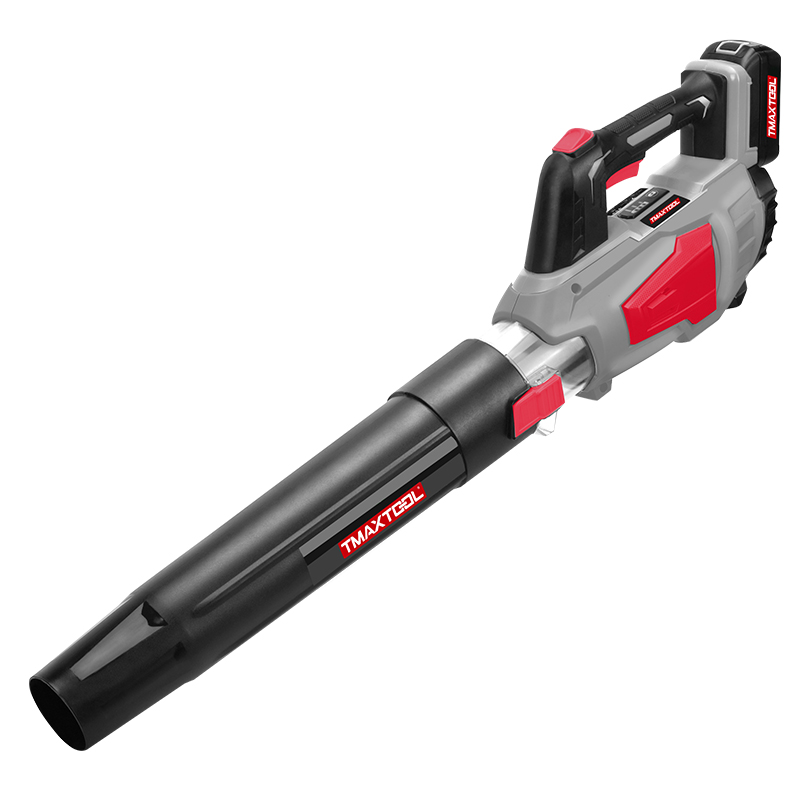 Battery Blower
 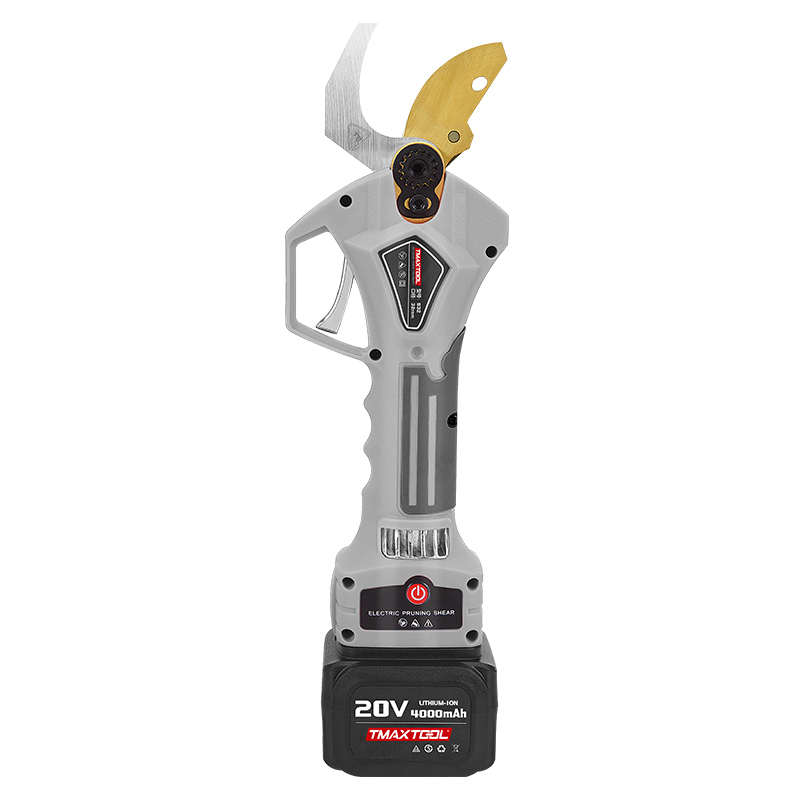 Batter Pruning Shears
 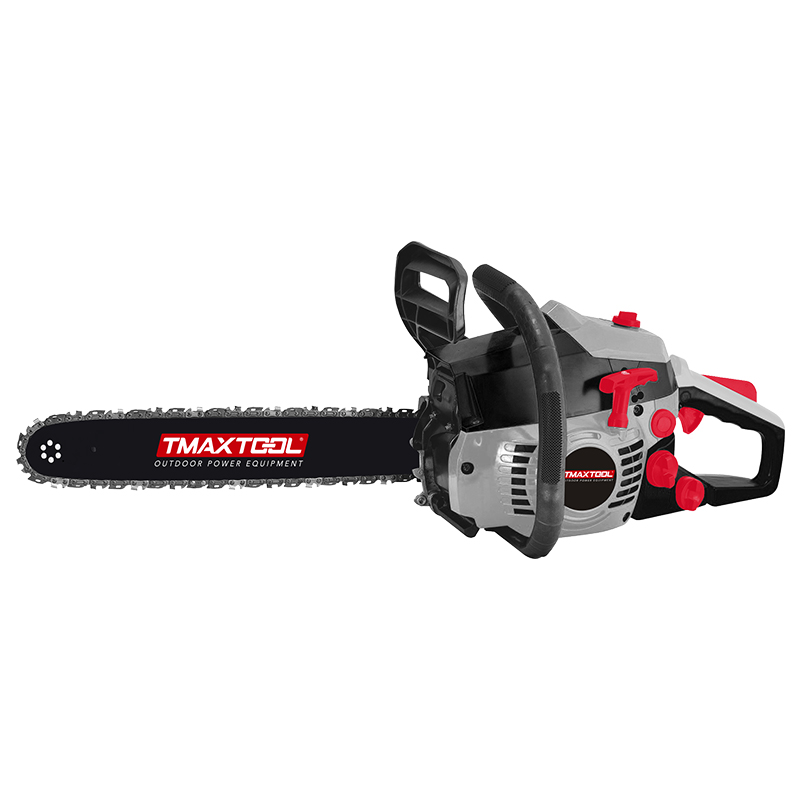 Chain Saw
 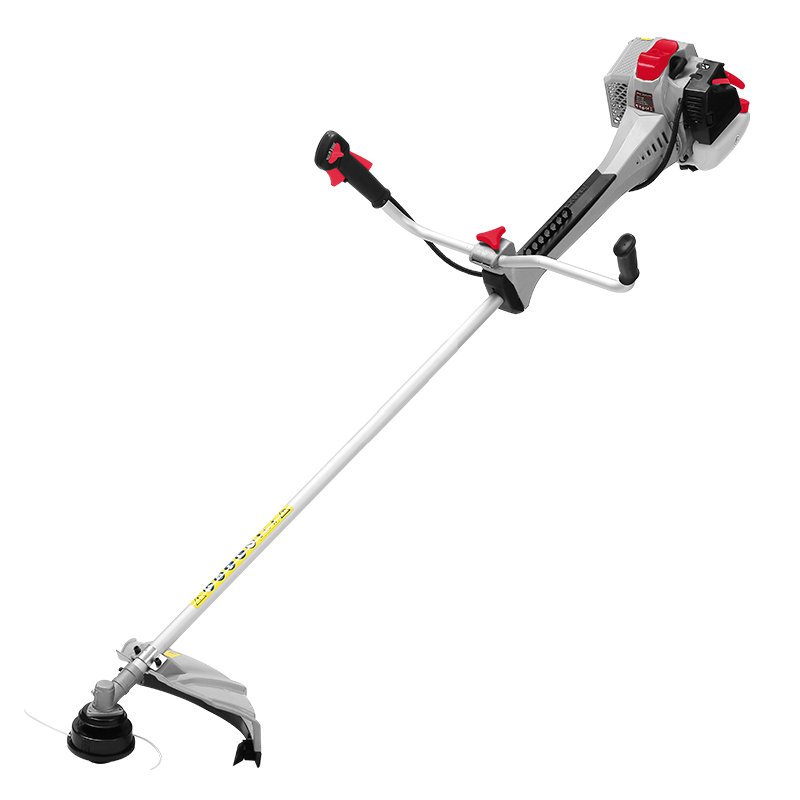 Brush Cutter
 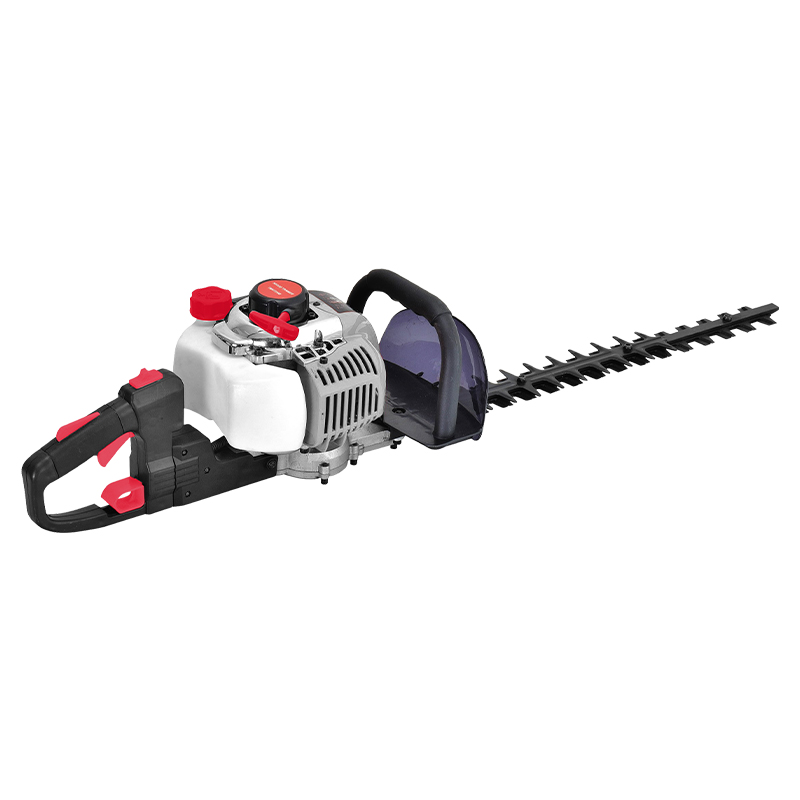 Hedge Trimmer
 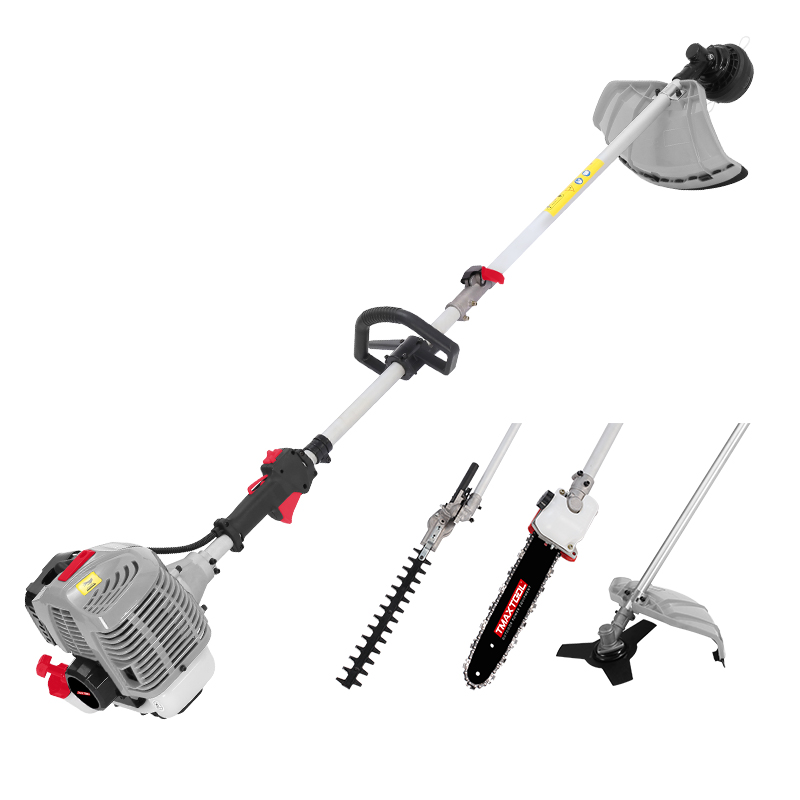 Multi Tool
 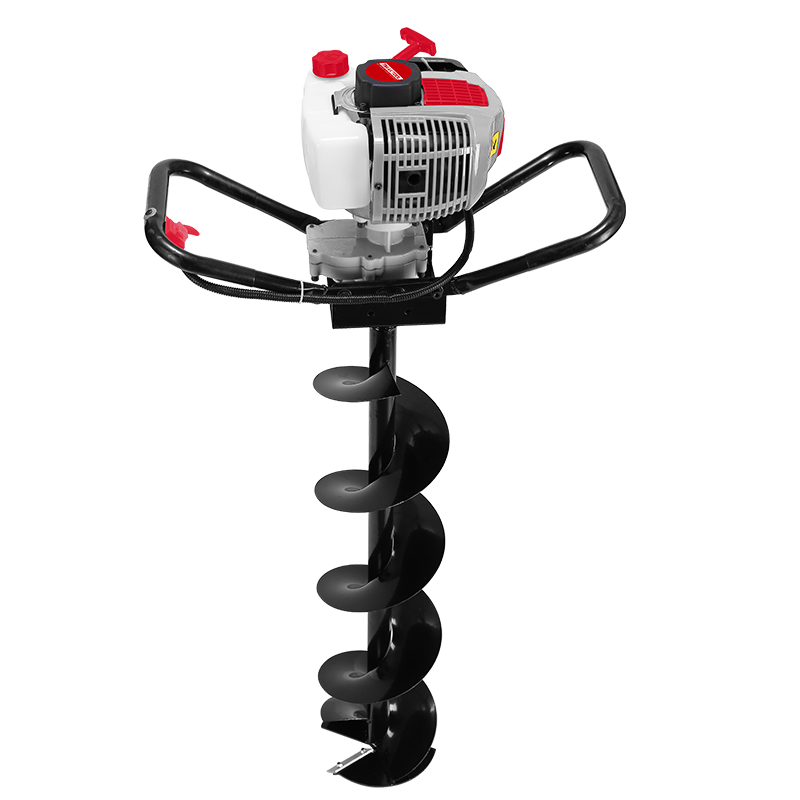 Earth Auger
 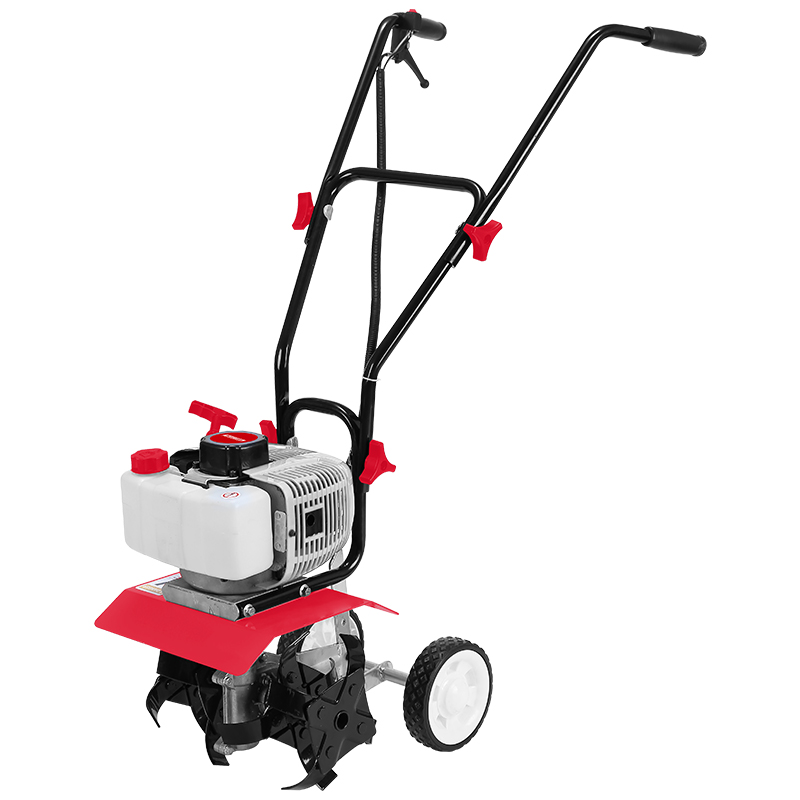 Tiller
 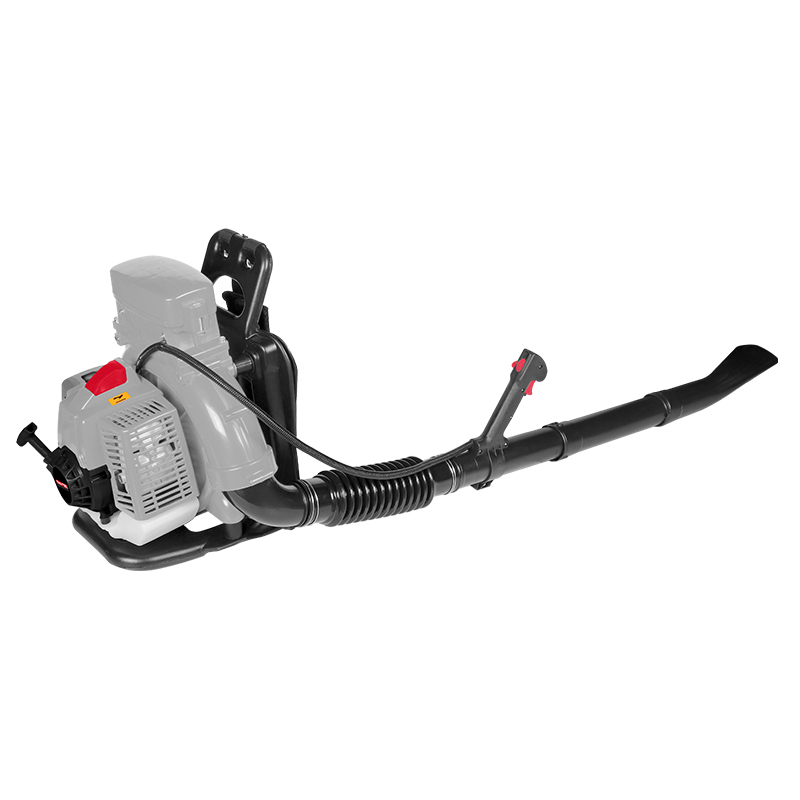 Blower
 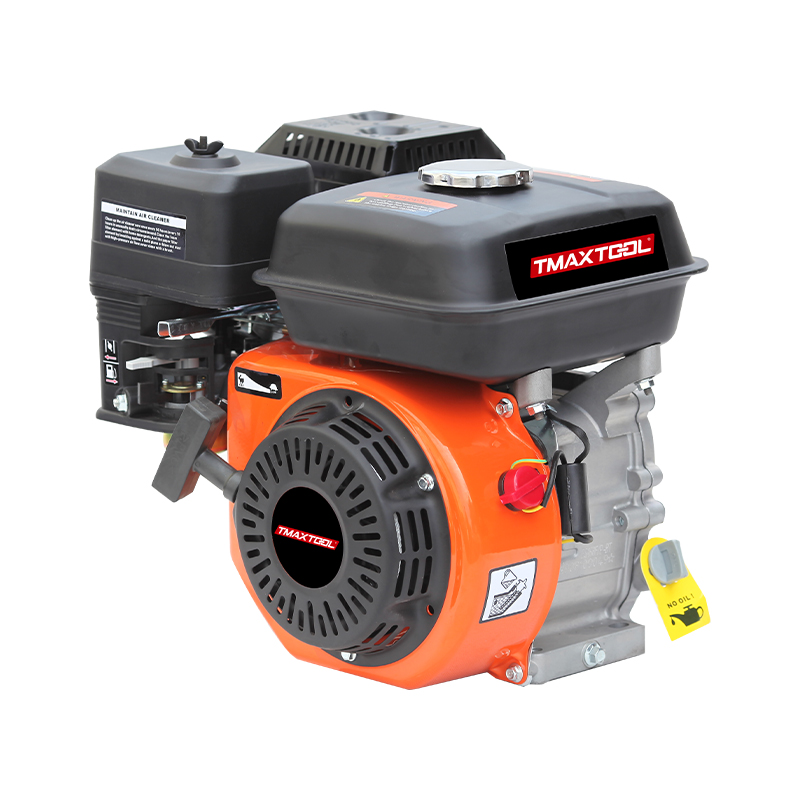 4 Stroke Gasoline Engine
 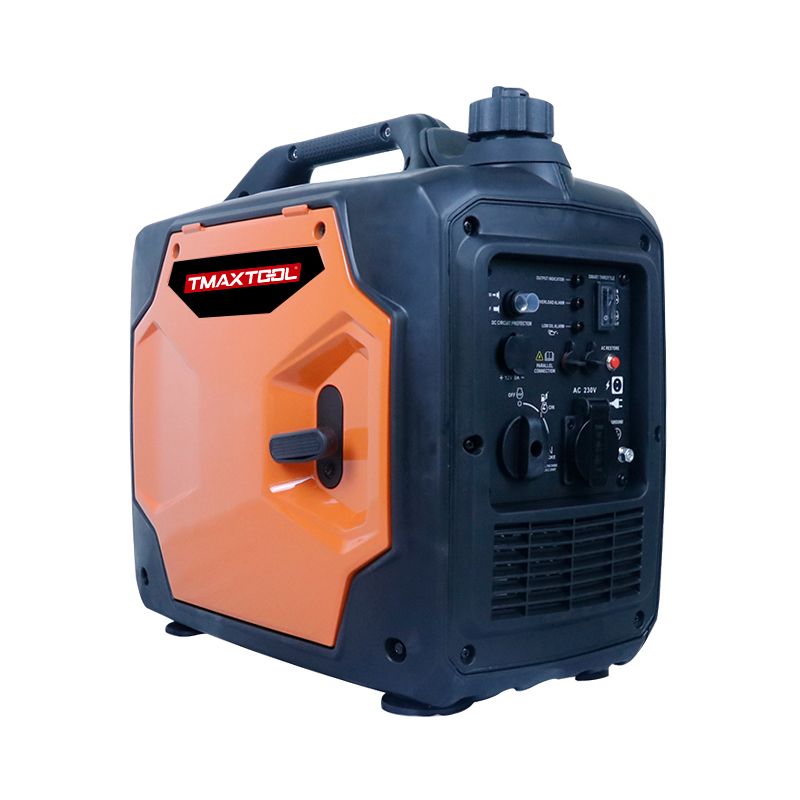 Generator
 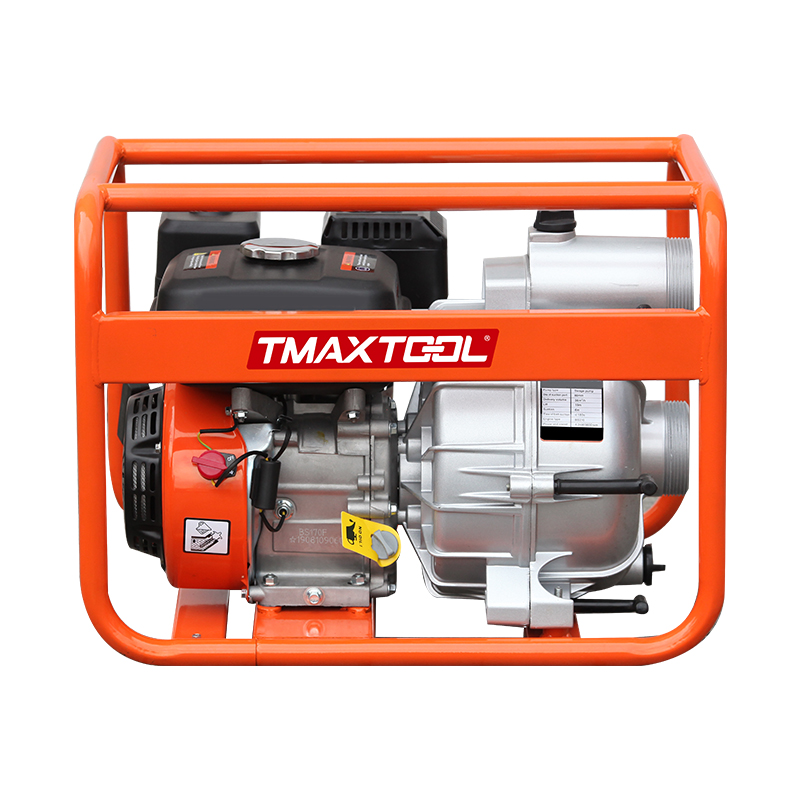 Water Pump
 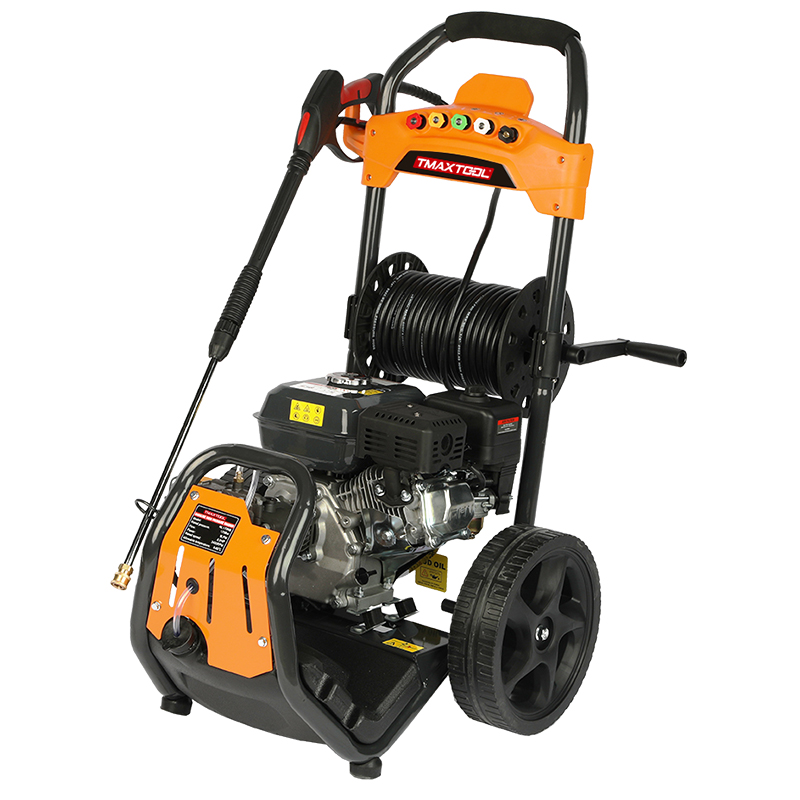 High Pressure Washer
 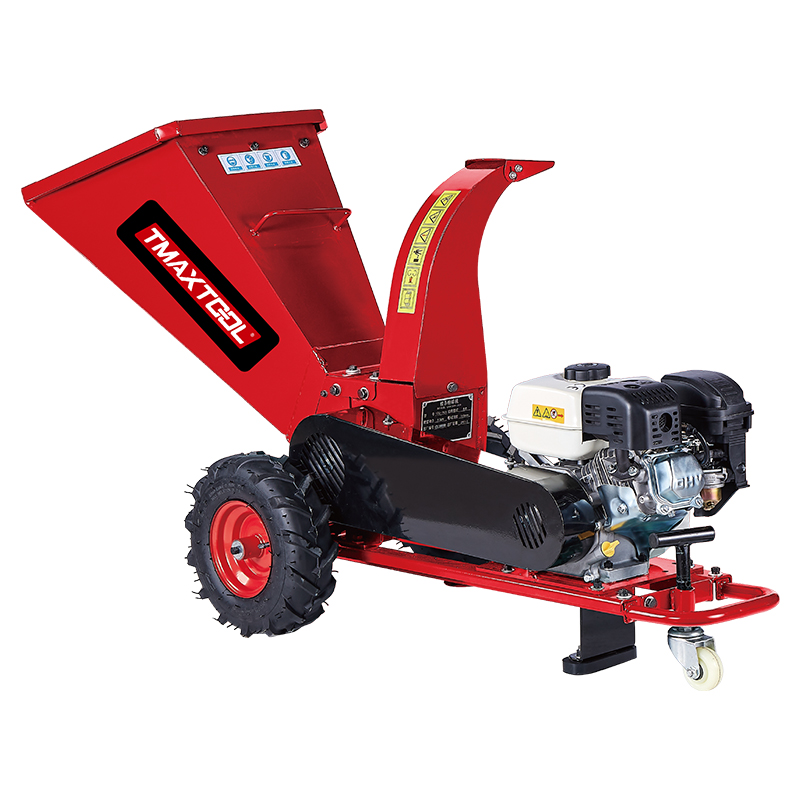 Wood Cutter
 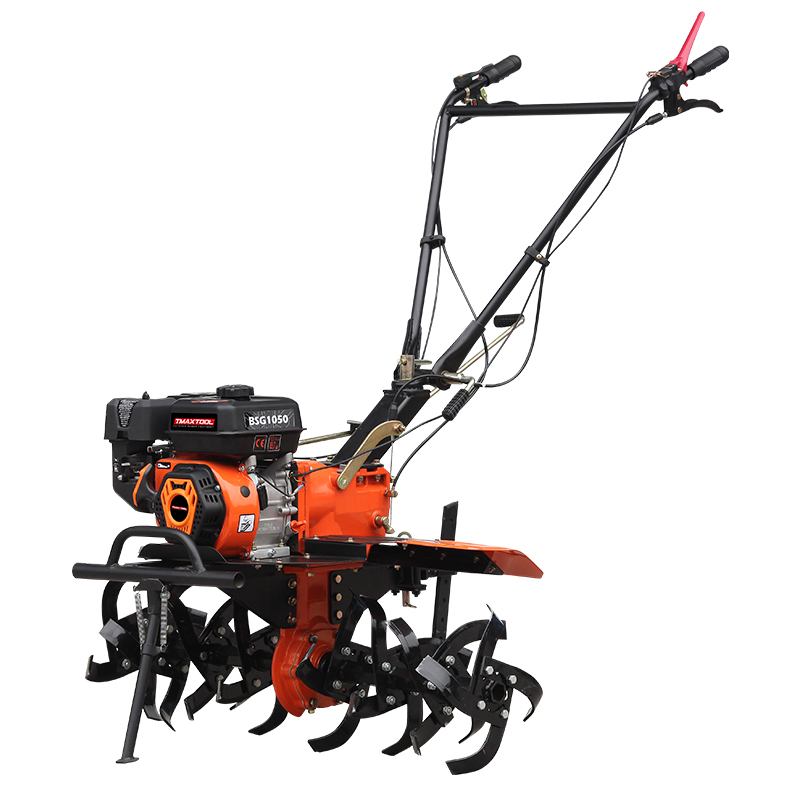 4 Stroke Tiller
 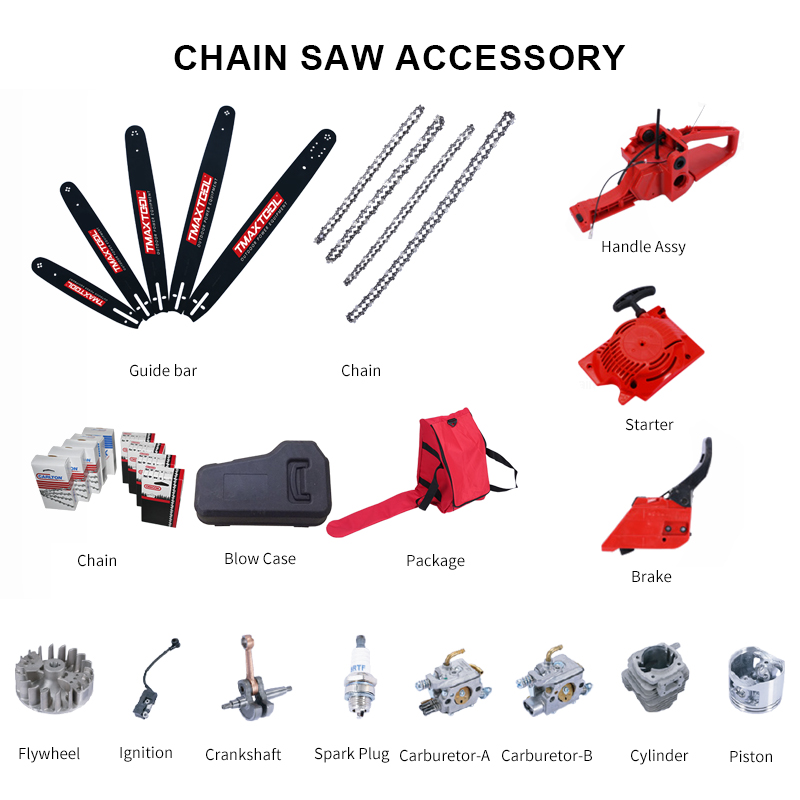 Chain Saw Accessory
 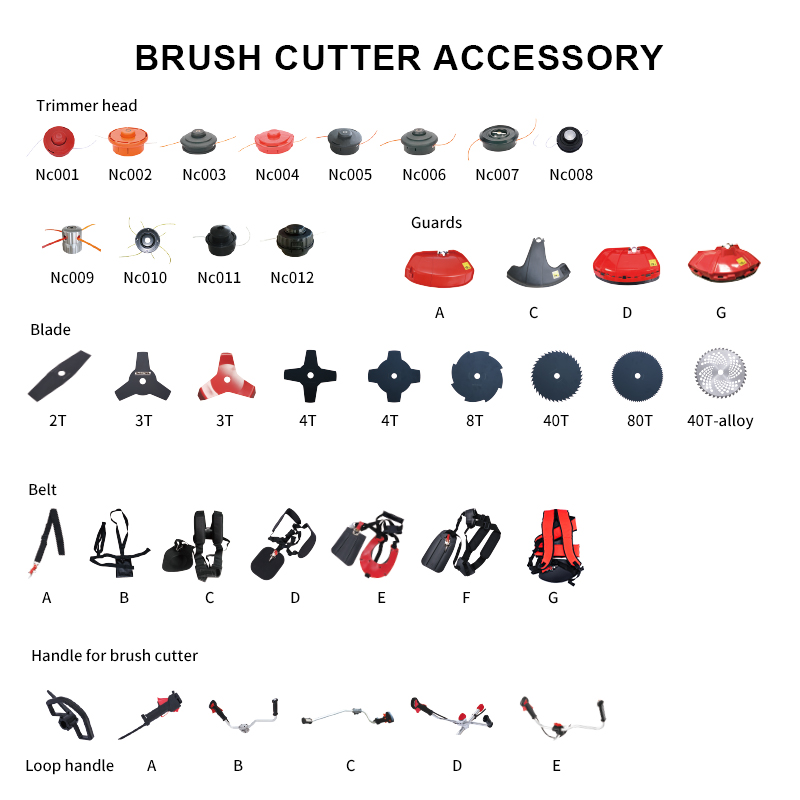 Brush Cutter Accessory
 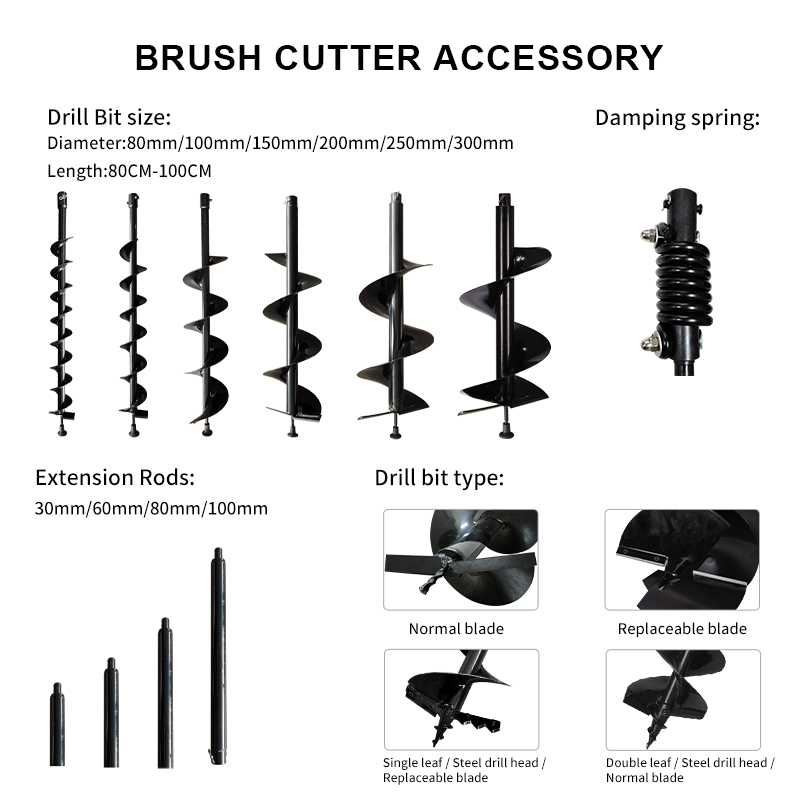 Earth Auger Accessory
 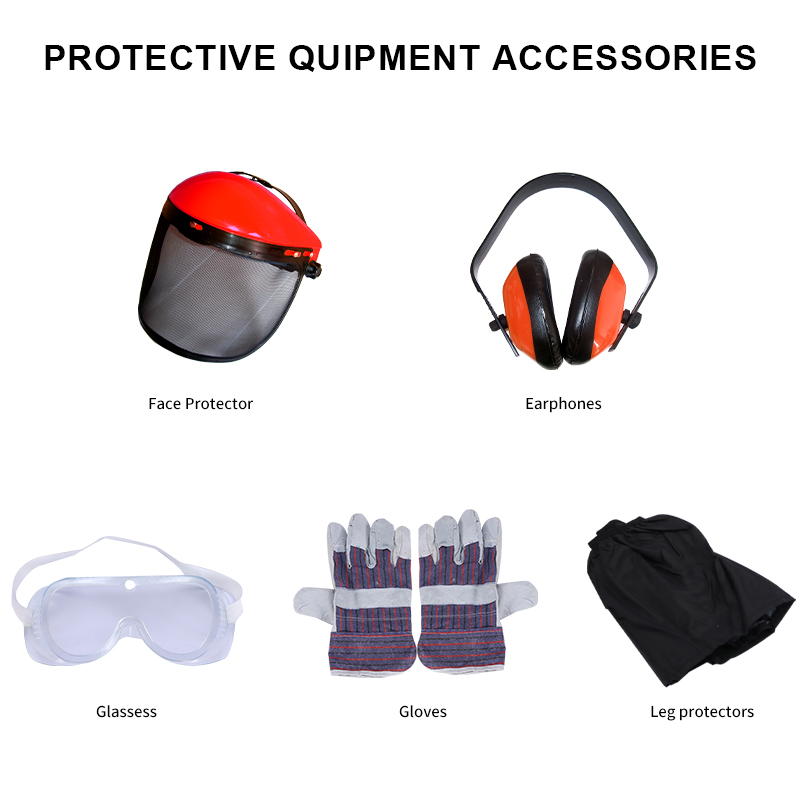 Protective Equipment Accessories


