So, when you're diving into woodworking projects, picking the right tools can make a huge difference in how everything turns out. I was chatting with John Smith from Woodworking Solutions, and he emphasized that having a solid Wood Planer is pretty much a must-have if you want those smooth, even surfaces. Honestly, the right planer can save you tons of time and boost the overall quality of your work. With so many options out there, though, making the right choice can feel a bit overwhelming.
A good Wood Planer doesn’t just make things look better; it also helps you achieve precision. When your surfaces are flat and even, everything fits together nicely, and your project turns out way more polished. But, let’s be real—choosing the right planer isn’t always straightforward. Many folks overlook stuff like blade quality or how easy it is to adjust. Ignoring those little details can lead to frustration and results that aren’t quite up to snuff. Figuring out exactly what you need before buying can save you a lot of headache.
Sure, high-end tools tend to cost more at first, but honestly, investing in a quality Wood Planer really pays off over time. Cheaper options might seem tempting, but they can end up wasting your time and materials because they don’t perform as well. Think about what matters most to you—your projects, your craftsmanship, your budget. Good tools help you do your best work, so it’s worth choosing wisely. When it comes to woodworking, quality really does count.

Understanding the Importance of a Wood Planer in Woodworking
A wood planer is essential in woodworking for precise finishing. It helps in leveling and smoothing wood surfaces. By removing thin layers, it enhances the quality of your projects. The right wood planer ensures that your pieces fit together seamlessly. Without proper tools, achieving that level of detail can be challenging.
Tips: Always check the sharpness of the blades. Dull blades can lead to tear-out and uneven surfaces. Make sure to adjust the thickness settings carefully to avoid taking off too much material. The ideal wood planner should accommodate various wood types and sizes.
When selecting an OEM Wood Planer, consider its power and speed. A powerful motor will make light work of harder woods. However, balance that with ease of use. Many woodworkers find it difficult to manage heavy planers. Finding that sweet spot in weight and functionality can be tricky. Be prepared for some trial and error as you refine your technique.
Types of Wood Planers: A Comprehensive Overview
When considering wood planers for your projects, understanding the different types is essential. There are mainly two categories: handheld and stationary planers. Handheld planers are portable, making them great for smaller tasks and quick adjustments. They are ideal for DIY enthusiasts. In contrast, stationary planers are designed for larger projects, offering more precision and efficiency. According to industry reports, stationary planers are favored by professionals who require consistent results.
Selecting the right type of wood planer enhances your woodworking outcome. A recent survey revealed that 70% of woodworkers experienced improved quality with the right tool. For achieving the best results, always ensure your blades are sharp and adjust the depth properly before starting a project. Even with reliable equipment, minor adjustments can greatly influence the final product's smoothness.
Tip: Always test your settings on a scrap piece of wood before working on your actual project. This practice saves materials and time. If you're considering a Wholesale Wood Planer, pay attention to the specifications and features that best meet your needs. An informed choice can prevent common mistakes, ensuring you achieve the desired finish every time.
Key Features to Look for in a High-Quality Wood Planer
When choosing a wood planer, understanding key features is essential. A high-quality planner can significantly affect the finish of your woodworking projects. Many professionals recommend looking for a planer with adjustable cutting depths. This feature allows for versatility, accommodating different wood thicknesses. Reports indicate that planers with an adjustable cutting depth can deliver smoother finishes, enhancing overall project quality.
Motor power is another critical factor. A strong motor can handle tougher wood types, making the planning process efficient. The average motor power acceptable for in-home projects ranges from 12 to 15 amps. However, more robust models can range up to 20 amps. Choosing a model with sufficient power prevents wear and tear, ensuring longevity.
Dust collection systems should not be overlooked. A good wood planer should have an efficient dust extraction feature. This can minimize cleanup time and improve overall workspace safety. Interestingly, studies show that excess sawdust can affect air quality, leading to respiratory concerns for woodworkers. By investing in an ODM Wood Planer with a quality dust collection system, users promote a healthier working environment while boosting productivity.
Benefits of Using the Best Wood Planer for Your Projects
When it comes to woodworking, a quality wood planer becomes an essential tool for several reasons. A top-notch planer transforms rough lumber into smooth, flat surfaces. This process is vital for ensuring that pieces fit together snugly in your projects. When you achieve a perfect finish, the result elevates the overall appearance of your work. However, this doesn't mean every wood planer offers the same results.
Using the best wood planer enhances precision. You will notice how consistent thickness improves the joinery in your projects. It reduces the risk of uneven edges and gaps, which can lead to frustrating setbacks. Additionally, a reliable planer can save you time. Instead of sanding down imperfections, you can achieve a smooth surface in fewer passes.
Nonetheless, it’s essential to acknowledge that not all planners are foolproof. Even the best tools can require adjustments and maintenance. New users may face a steep learning curve, leading to initial mistakes. Experimenting with different settings is part of the journey. By reflecting on these experiences, you can refine your skills over time. Embracing this learning process ultimately leads to better outcomes in your woodworking projects.
How to Choose the Right Wood Planer Based on Your Needs
Choosing the right wood planer for your projects is essential. Different projects require different tools. The right wood planer helps achieve desired results. Focusing on specific needs will guide your selection process.
Consider the types of woodworking tasks you frequently undertake. If you work mainly with rough lumber, you’ll need a powerful machine. A High-Quality Wood Planer can handle tough materials. For finer work, a compact model may suffice. Each task has its unique requirements, influencing your choice.
Durability and ease of use matter. Some planers are heavier and more difficult to maneuver. If you’re not careful, you may end up with more frustration than satisfaction. An adjustable depth setting could be beneficial. This allows you to tailor cuts for different projects. A quality tool can enhance your craftsmanship and efficiency. Recognizing your preferences will lead to better outcomes in your woodworking journey.
Maintenance Tips for Keeping Your Wood Planer in Top Condition
Keeping your wood planer in top condition is crucial for achieving precision and quality in your projects. Regular maintenance extends the life of your tool and improves performance. Poorly maintained planers can lead to uneven cuts, wasting materials and time. In fact, according to a survey by the Fine Woodworking Association, around 30% of woodworkers report issues directly related to equipment neglect.
Start with routine inspections. Check the blades frequently. Dull blades can damage wood and slow down your workflow. A sharp blade can enhance cut quality and efficiency. Research shows that using a sharp blade can reduce time spent on finishing by up to 25%. Cleaning the planer after each use is also vital. Wood shavings and dust can accumulate and affect the tool's functionality. Make it a habit to clean thoroughly to avoid buildup.
Lubrication is another critical step. It helps keep moving parts functioning smoothly. Refer to the user manual for specific lubrication points. Ignoring this step can lead to increased friction and wear. The Woodworking Machinery Industry Association states that regular lubrication can extend the life of mechanical components by up to 50%. Lastly, remember to store the planer in a dry, dust-free environment. Exposure to moisture can lead to rust and degradation. Proper care ensures that your wood planer remains a reliable asset for all your woodworking needs.
Wood Planer Usage and Maintenance Frequency
Common Mistakes to Avoid When Using a Wood Planer
When using a wood planer, avoiding common mistakes can make a big difference in your projects. One frequent error is not properly setting the cutting depth. Too deep, and you risk damaging the wood. Too shallow, and you may get uneven surfaces. Always test the depth on a scrap piece first. This simple step can save you time and materials.
Another mistake is failing to feed the wood at a consistent speed. Inconsistent feeding can lead to snipe—a condition where the ends of the board become tapered. This is frustrating when you want a smooth, even edge. To mitigate this, practice steady movements. Focus on maintaining even pressure as you guide the wood through the planer.
Lastly, neglecting to maintain the tool itself can lead to poor results. Dull blades create rough edges and increase the risk of kickback. Always check the sharpness before starting any project. Regularly clean and replace blades as necessary. These small details can significantly impact the quality of your finished work.
Conclusion
A wood planer is an essential tool in woodworking that enhances the quality and precision of finished projects. Understanding the different types of wood planers and their key features is crucial for selecting the right tool. A high-quality wood planer not only improves efficiency but also ensures smooth, flat surfaces, making it an invaluable asset for any woodworker.
When choosing a wood planer, it's important to consider your specific needs and how often you'll use the tool. Regular maintenance plays a vital role in keeping your wood planer in optimal condition, while being aware of common pitfalls can prevent damage and enhance performance. By investing in the best wood planer, you can significantly elevate your woodworking projects and achieve professional results.

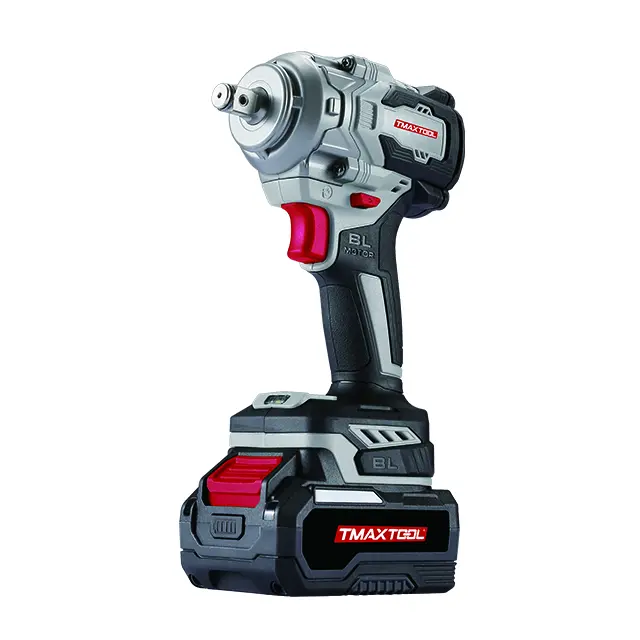
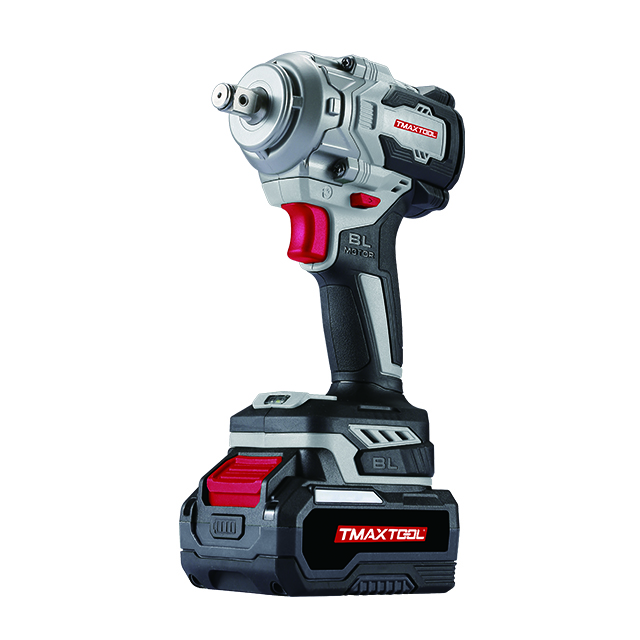 Impact Wrench
 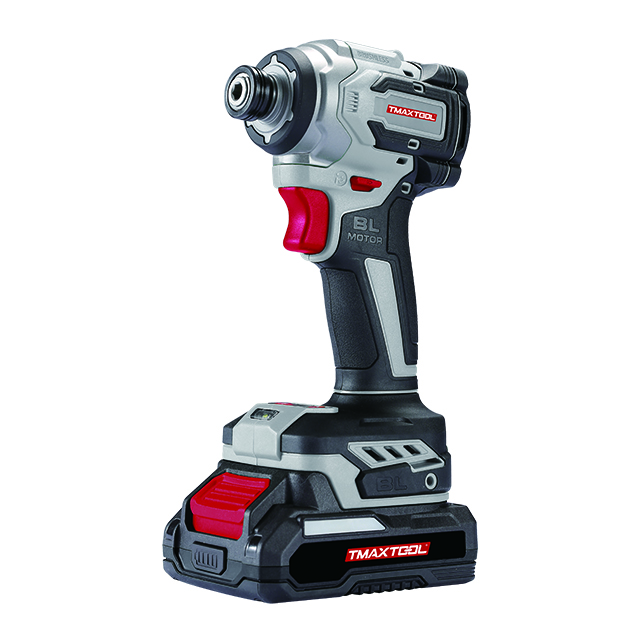 Screwdriver
 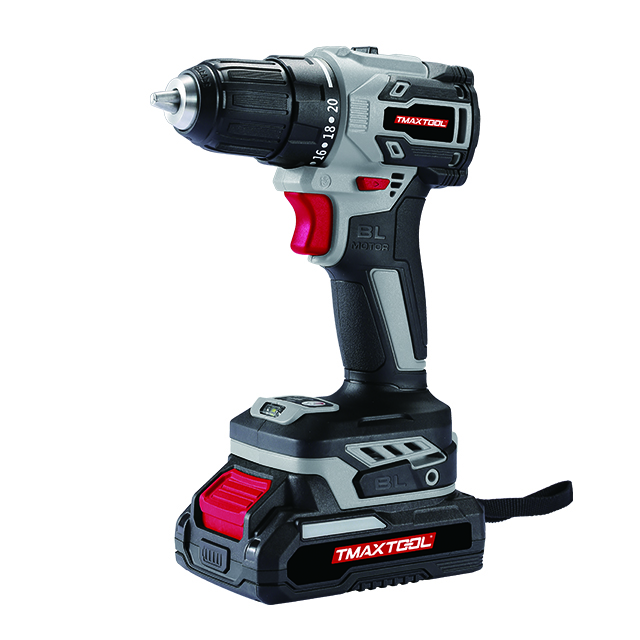 Cordless Drill
 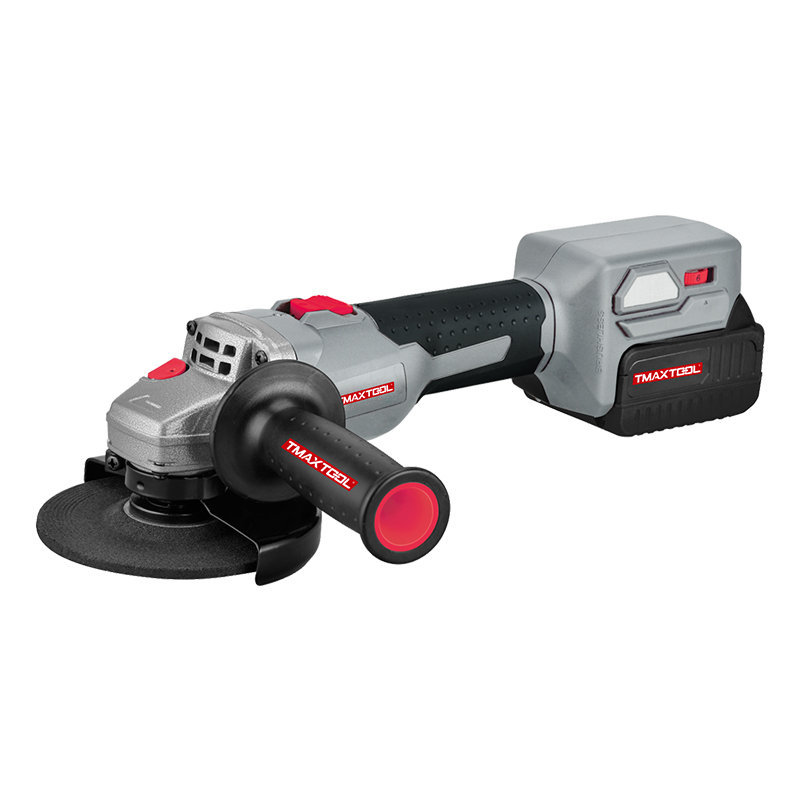 Angle Grinder
 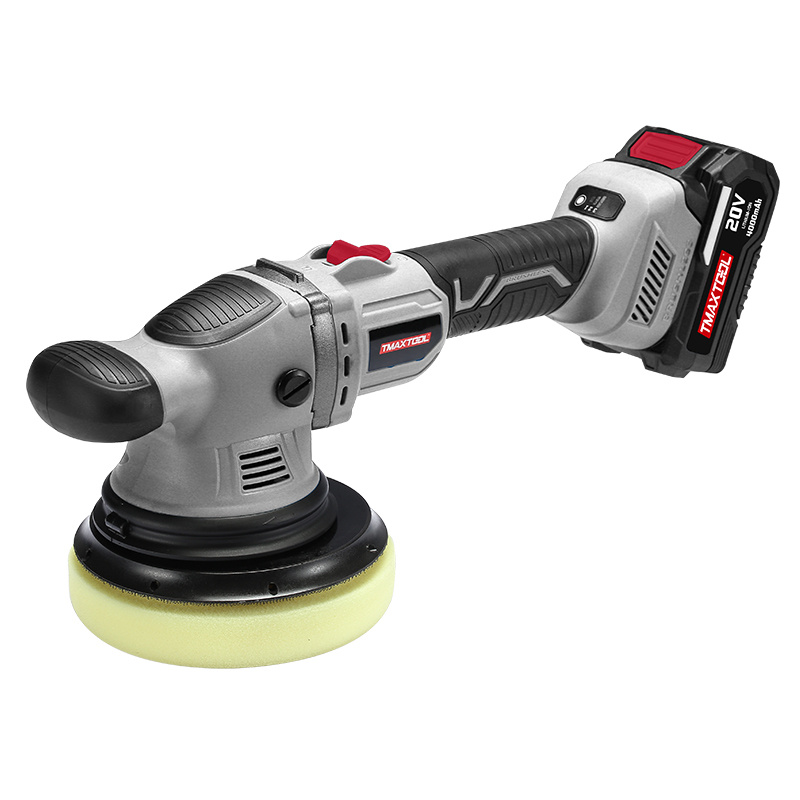 Polisher
 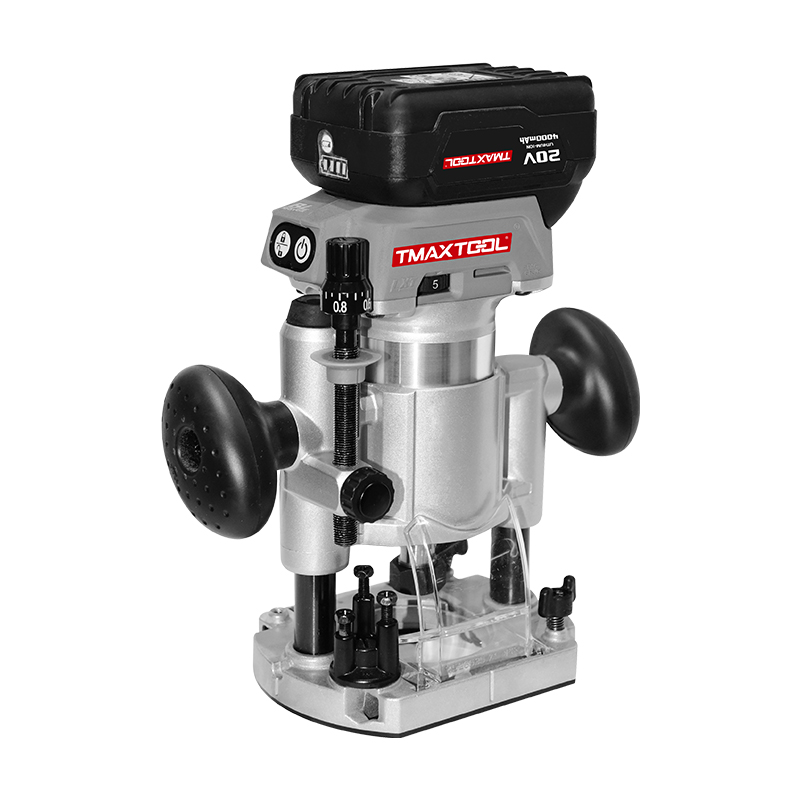 Wood Router
 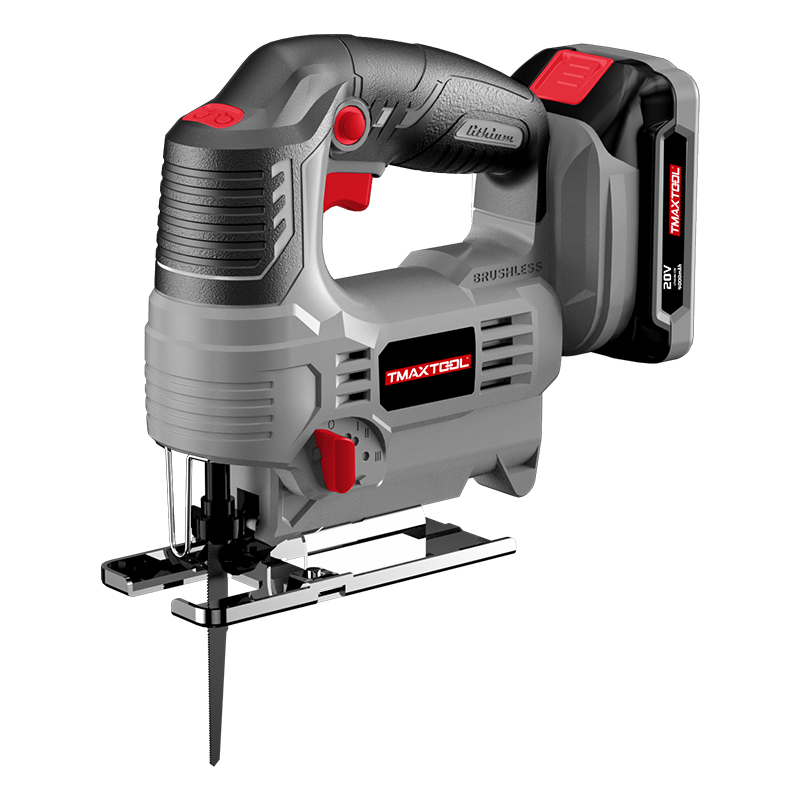 Jig Saw
 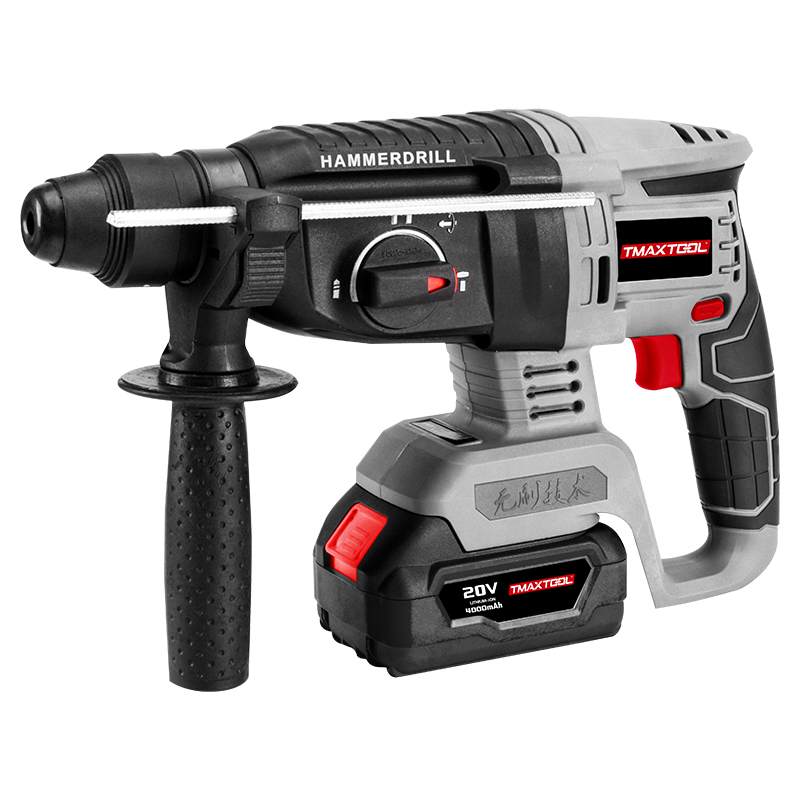 Hammer Drill
 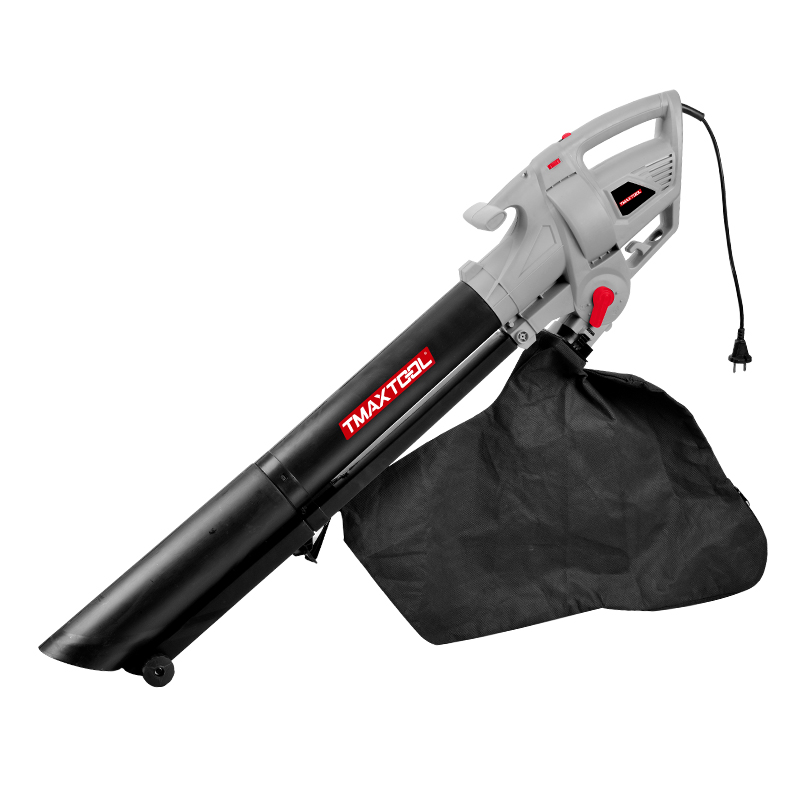 Portable Blower
 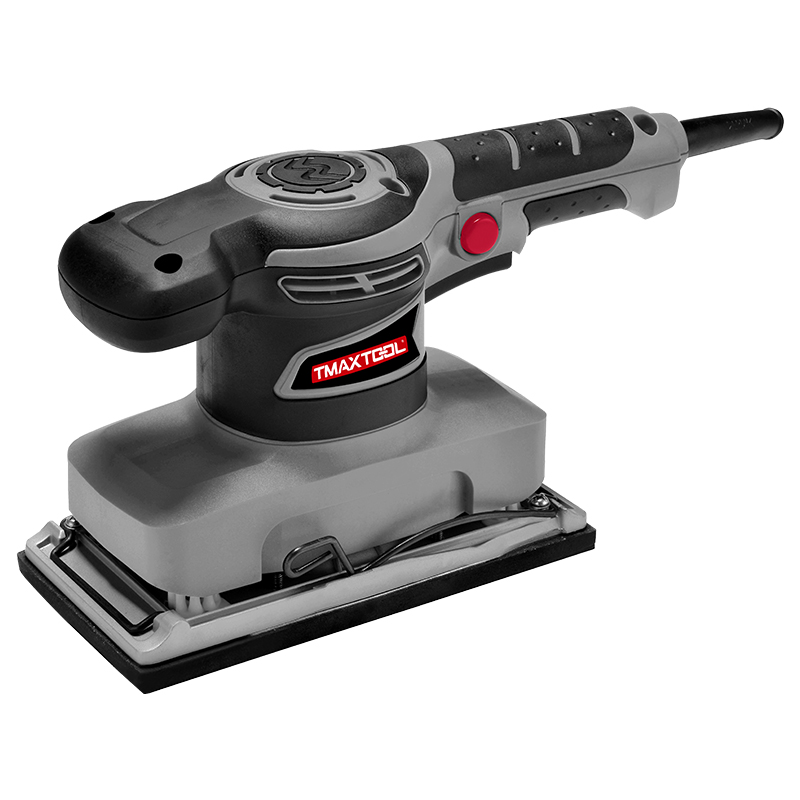 Orbital Sander
 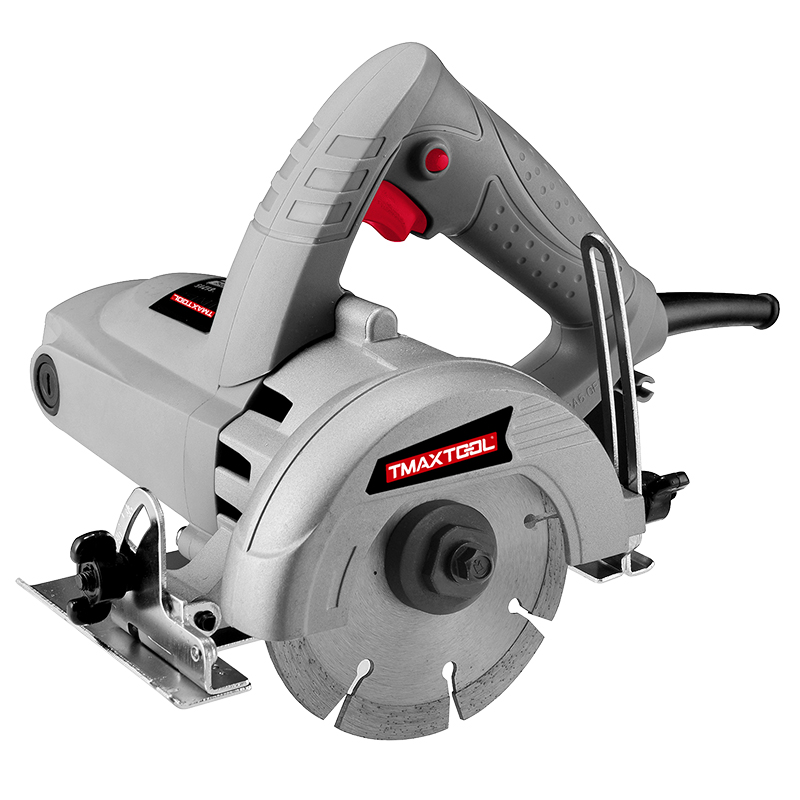 Marble Cutter
  GARDEN TOOLS
 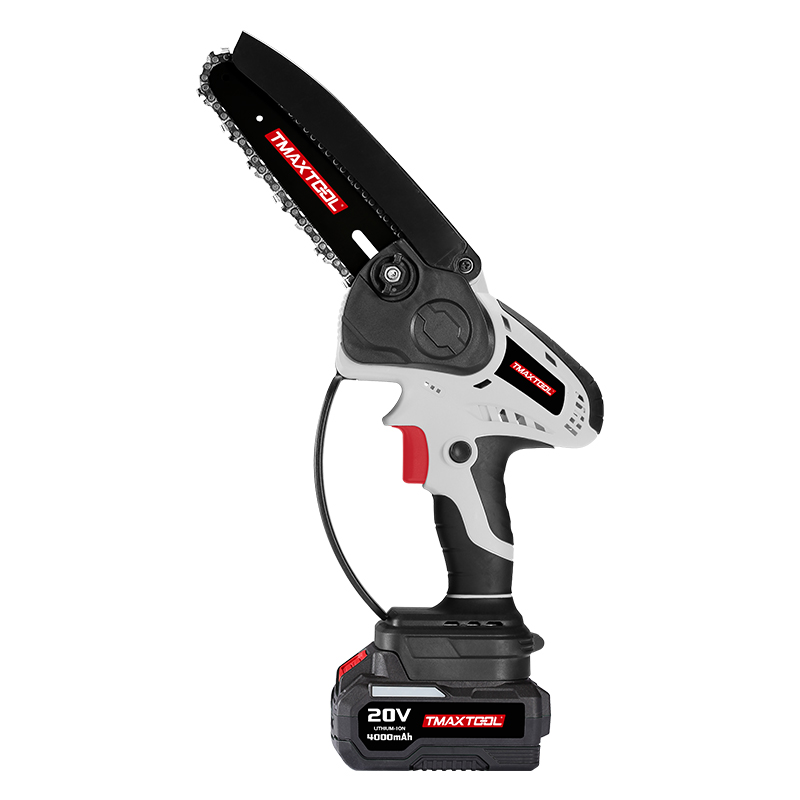 Battery Chain Saw
 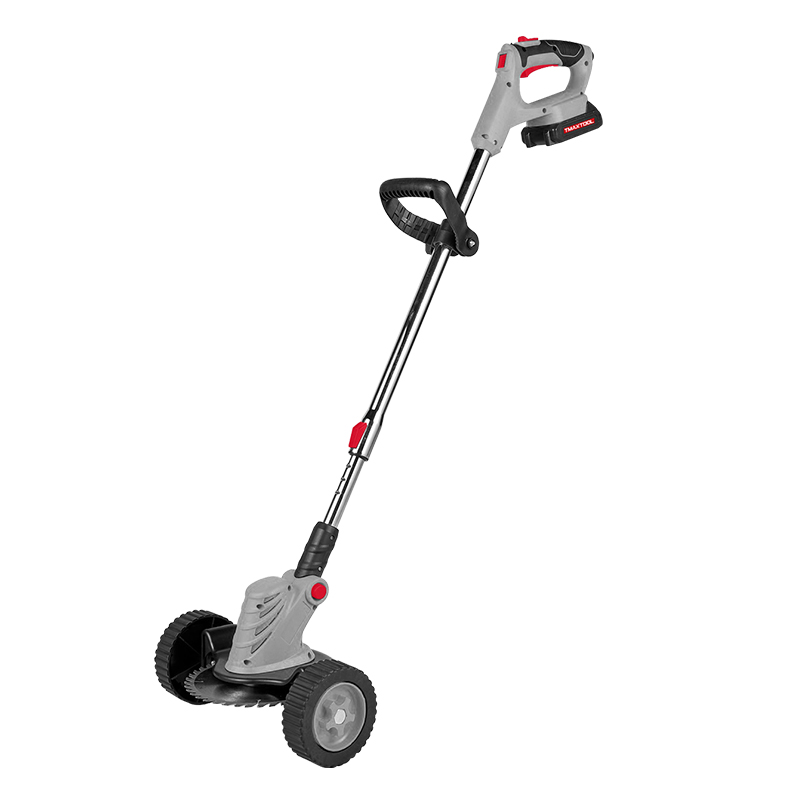 Battery Brush Cutter
 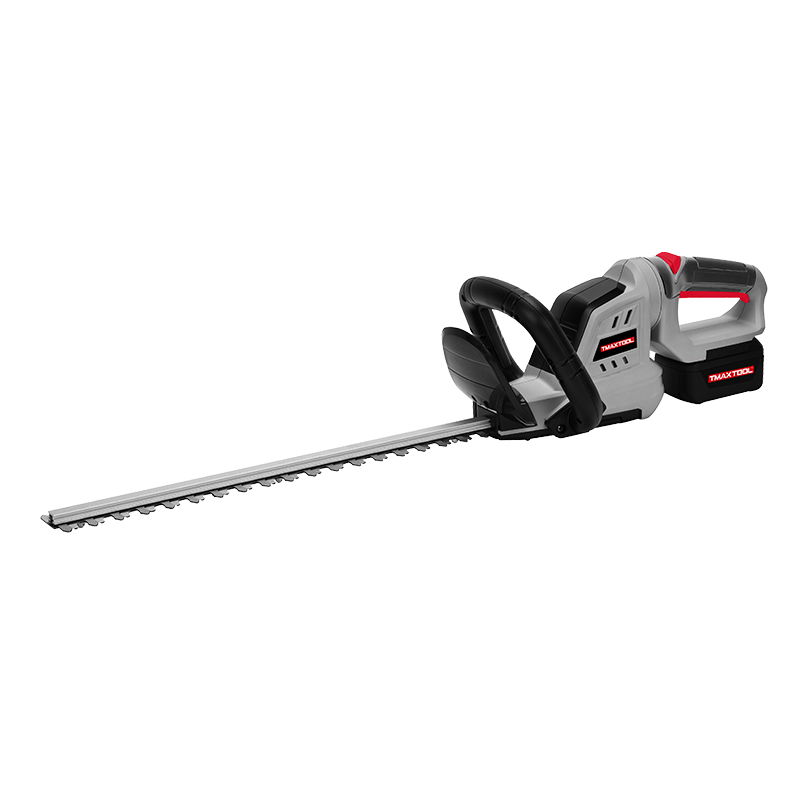 Battery Hedge Trimmer
 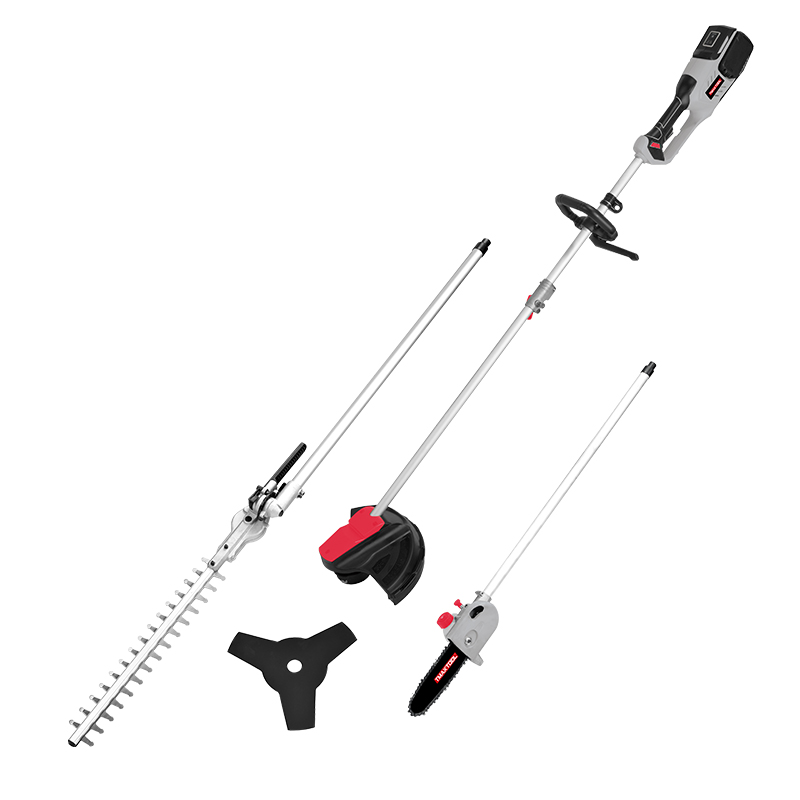 Battery Multi Tool
 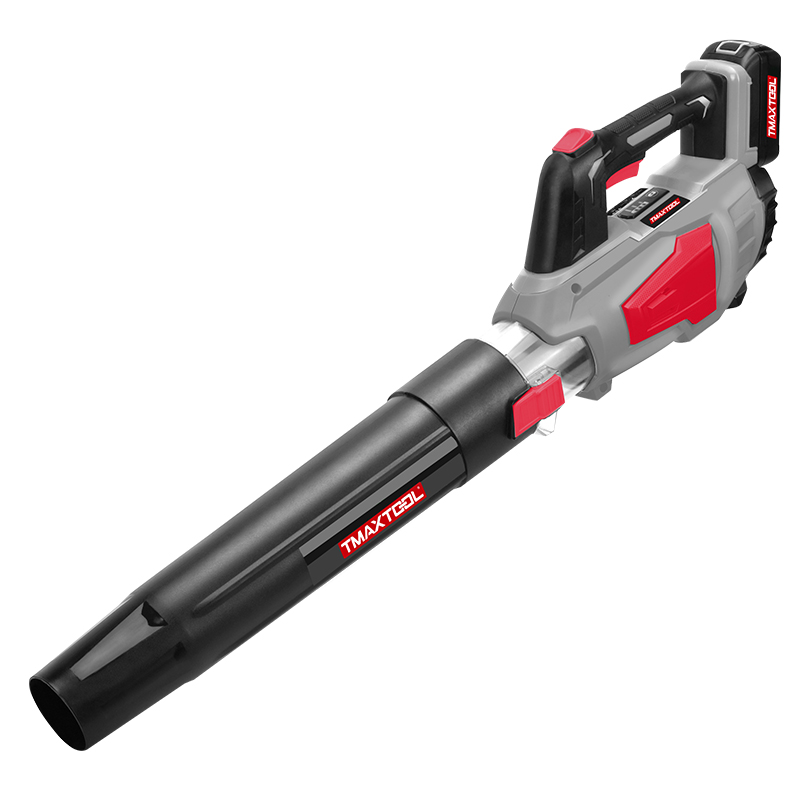 Battery Blower
 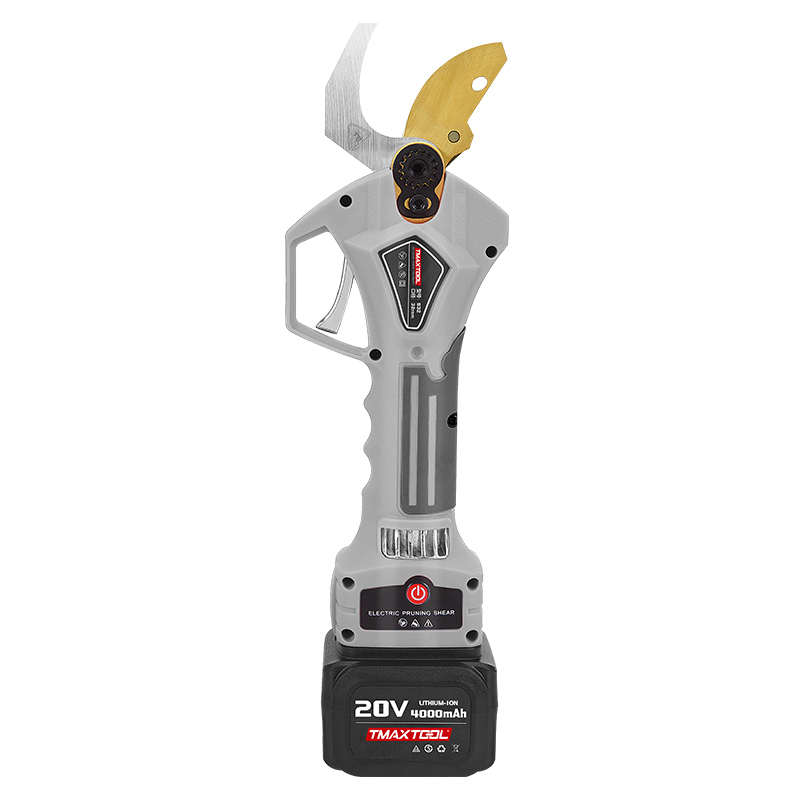 Batter Pruning Shears
 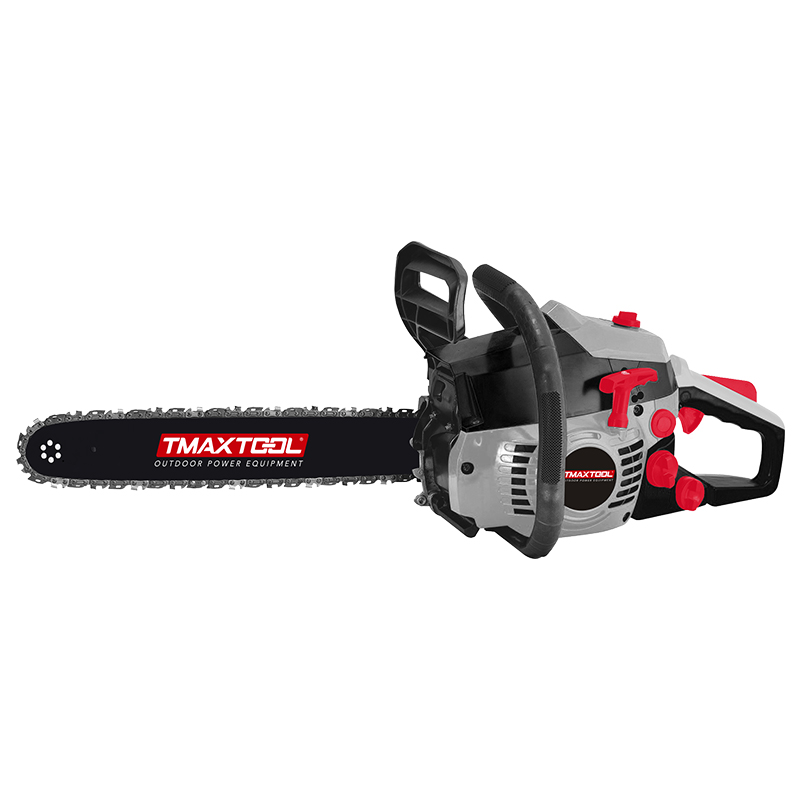 Chain Saw
 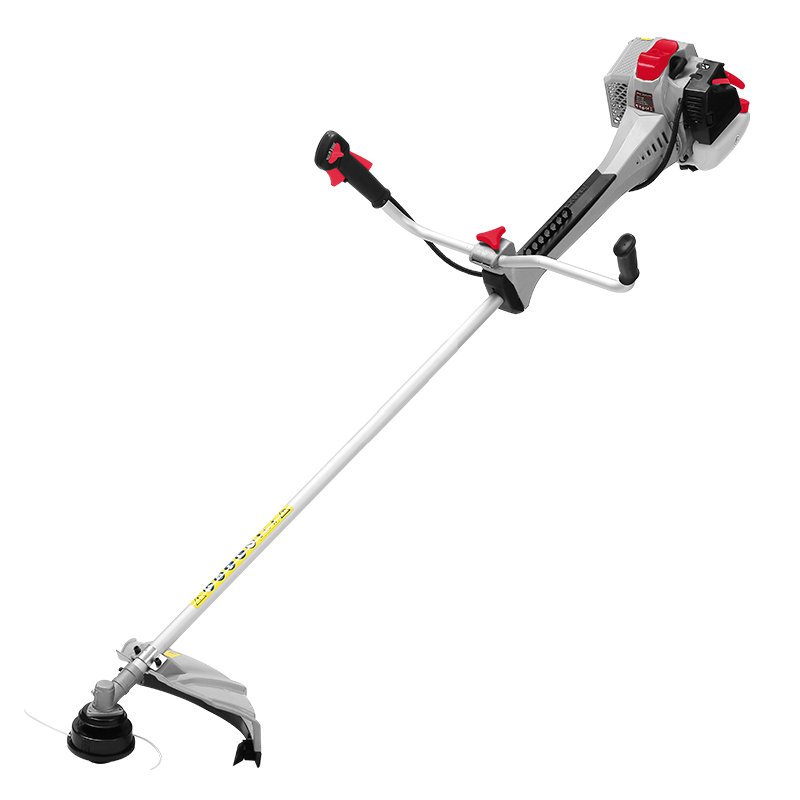 Brush Cutter
 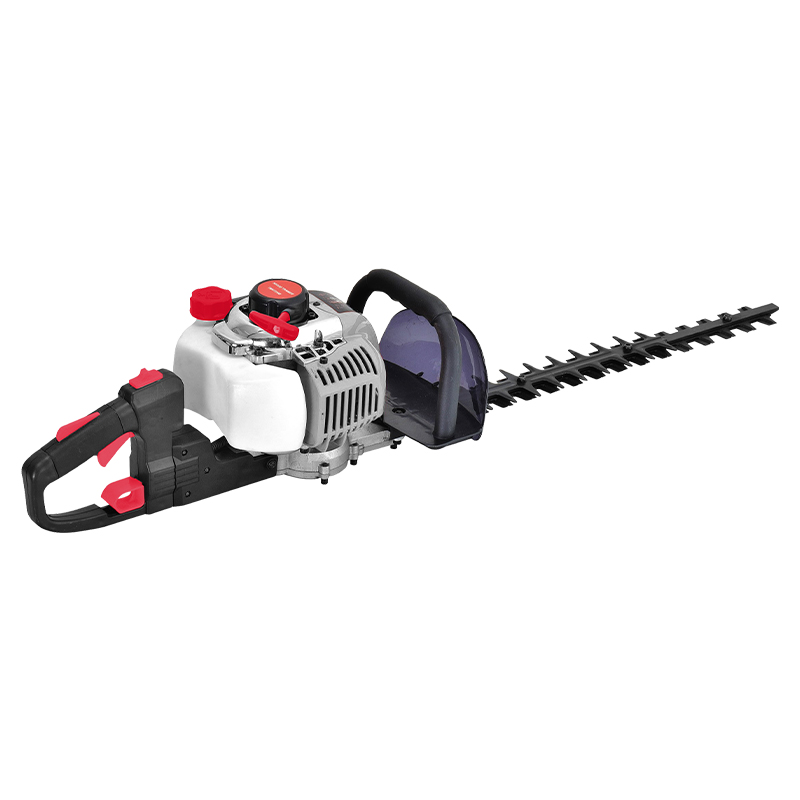 Hedge Trimmer
 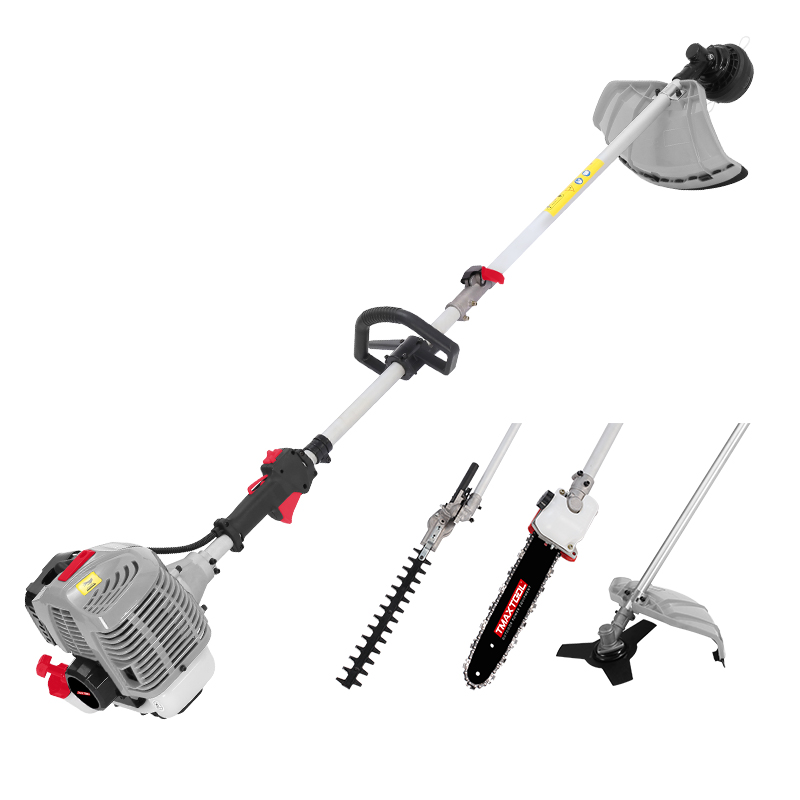 Multi Tool
 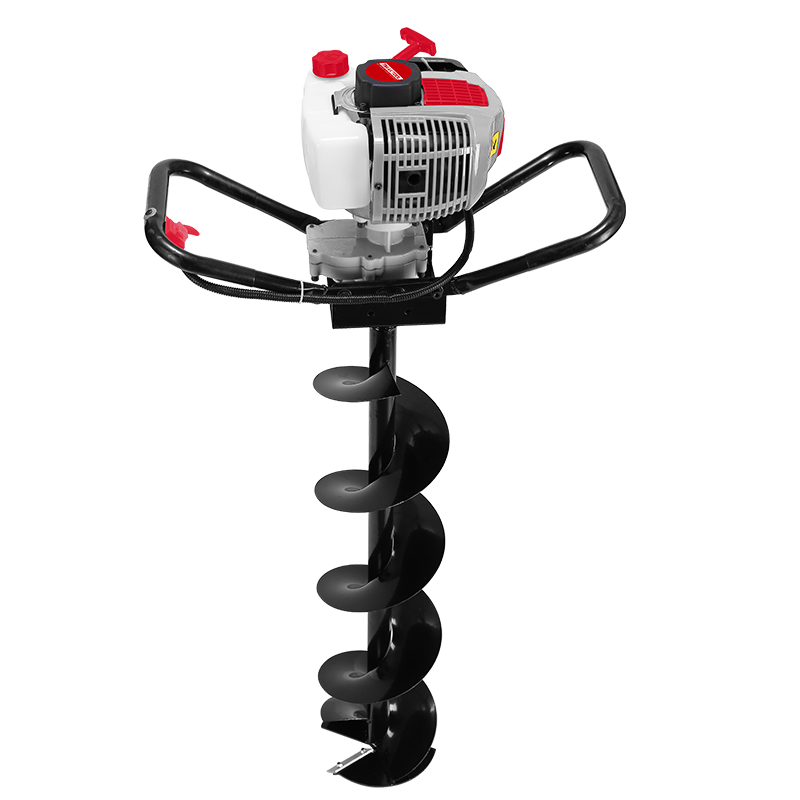 Earth Auger
 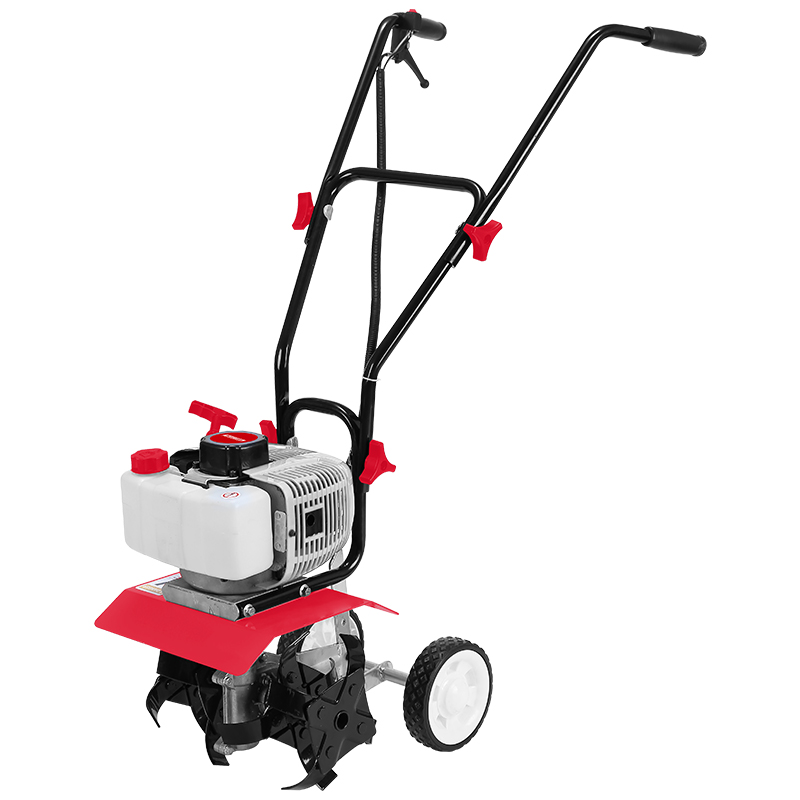 Tiller
 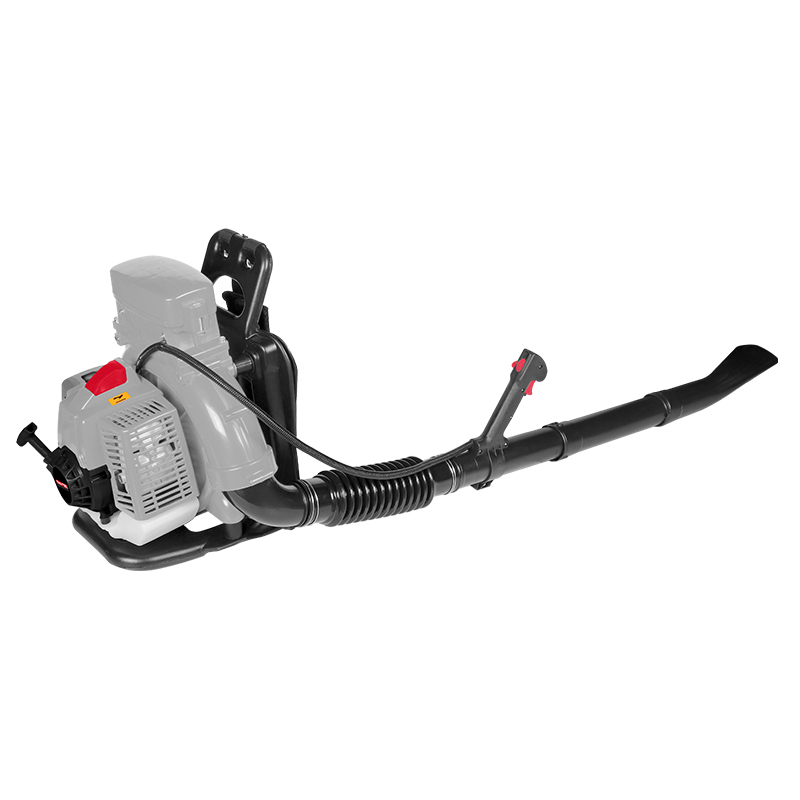 Blower
 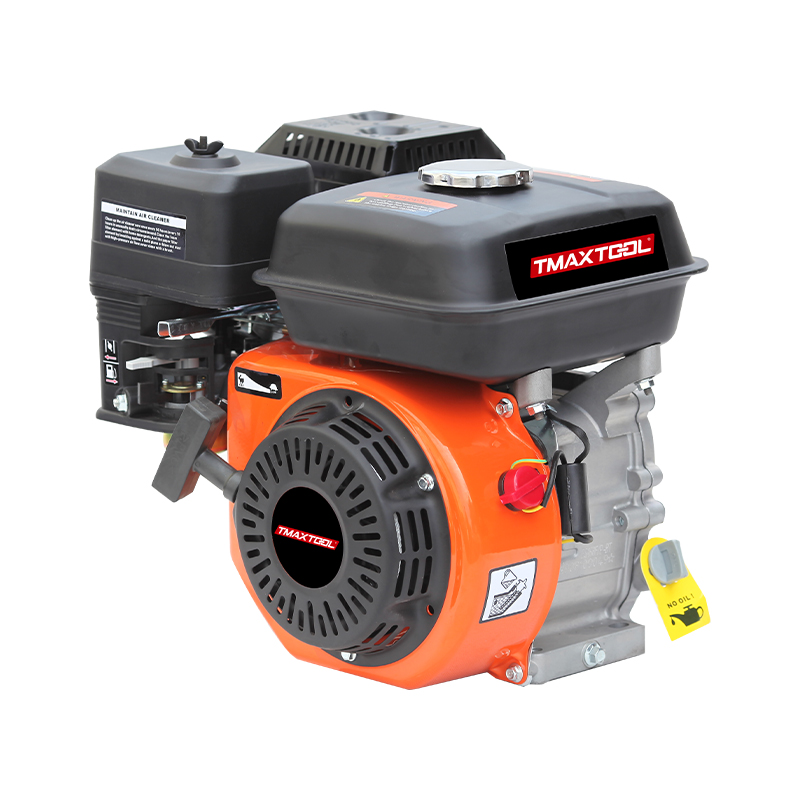 4 Stroke Gasoline Engine
 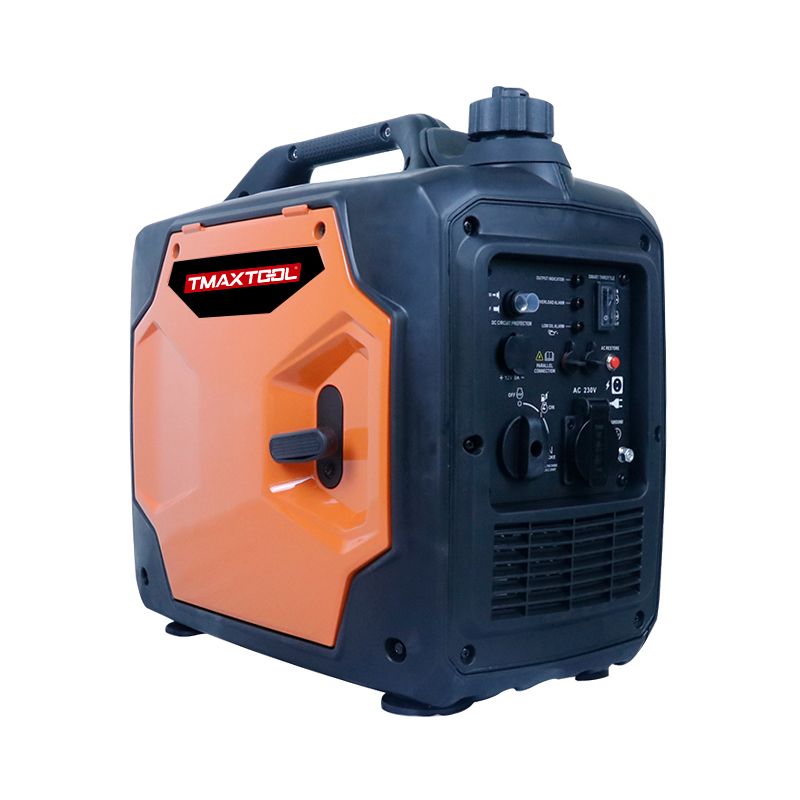 Generator
 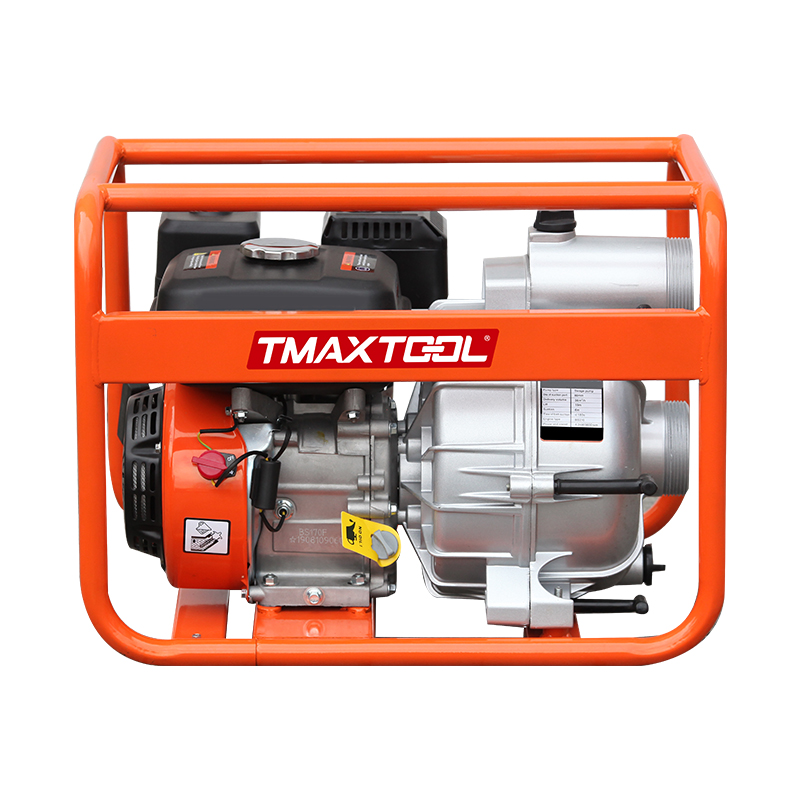 Water Pump
 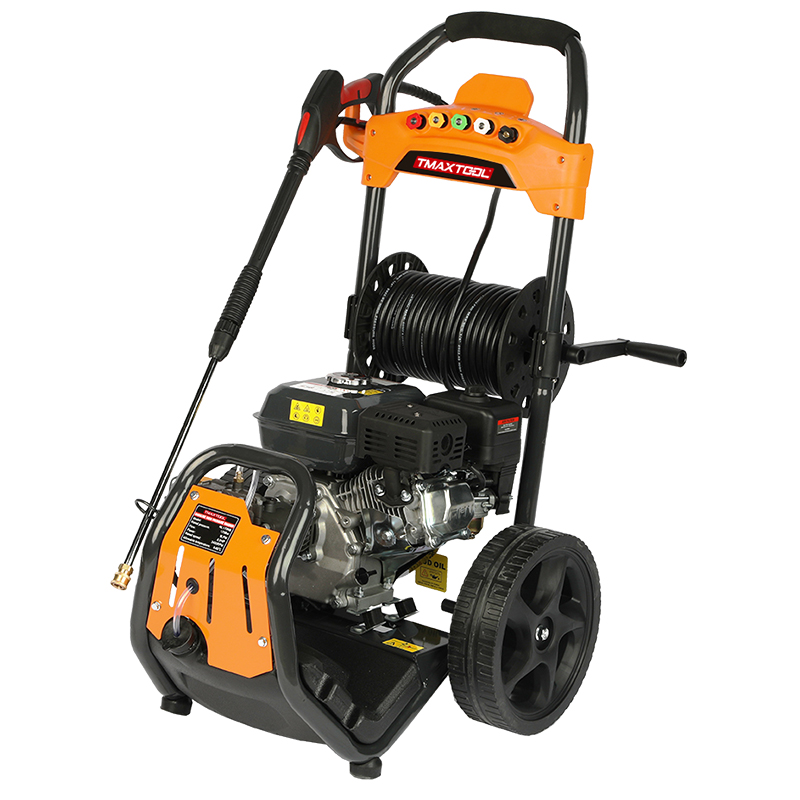 High Pressure Washer
 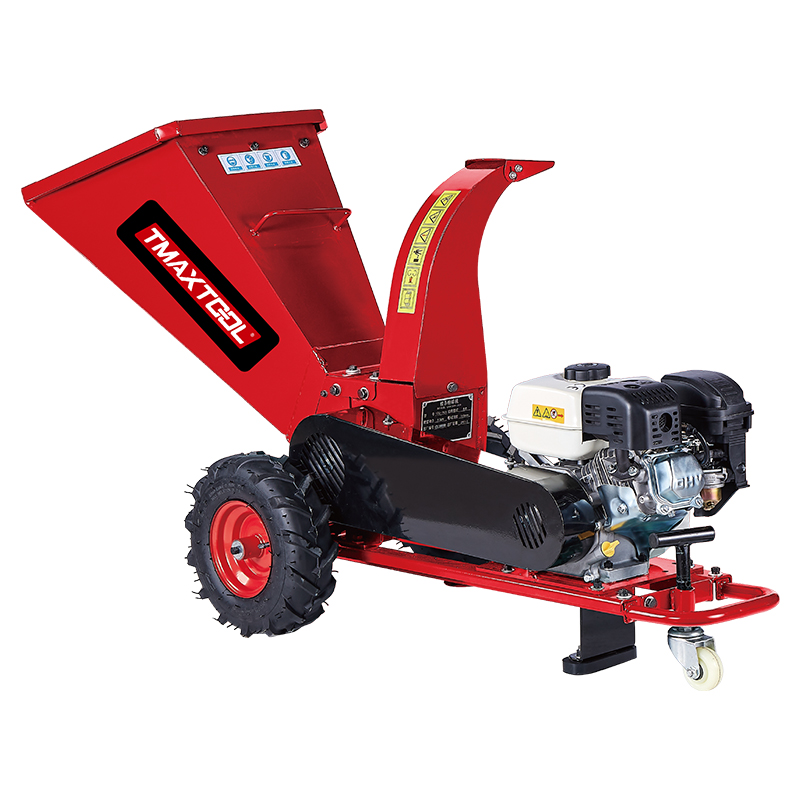 Wood Cutter
 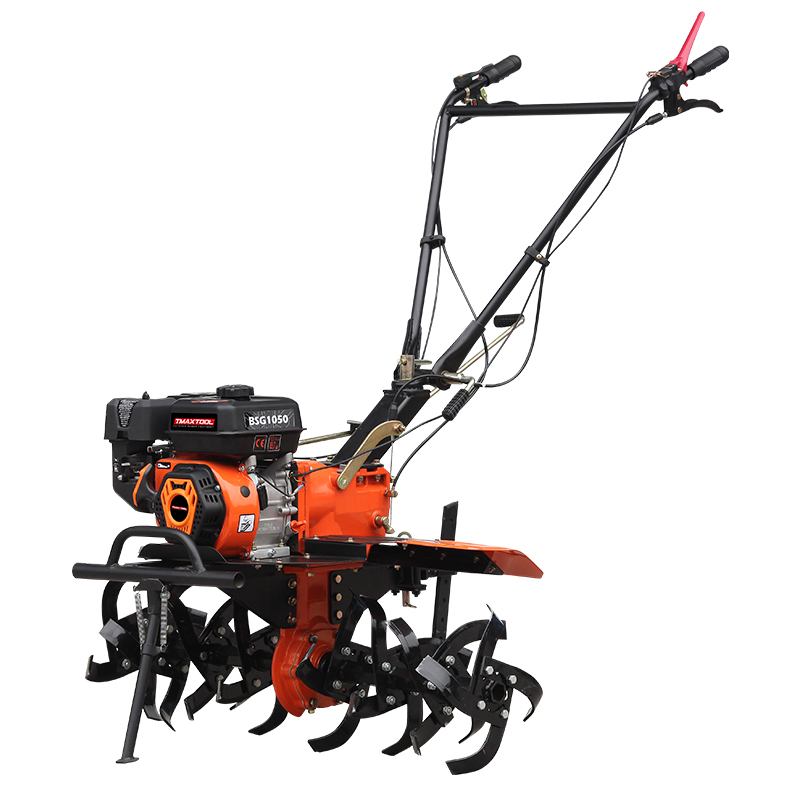 4 Stroke Tiller
 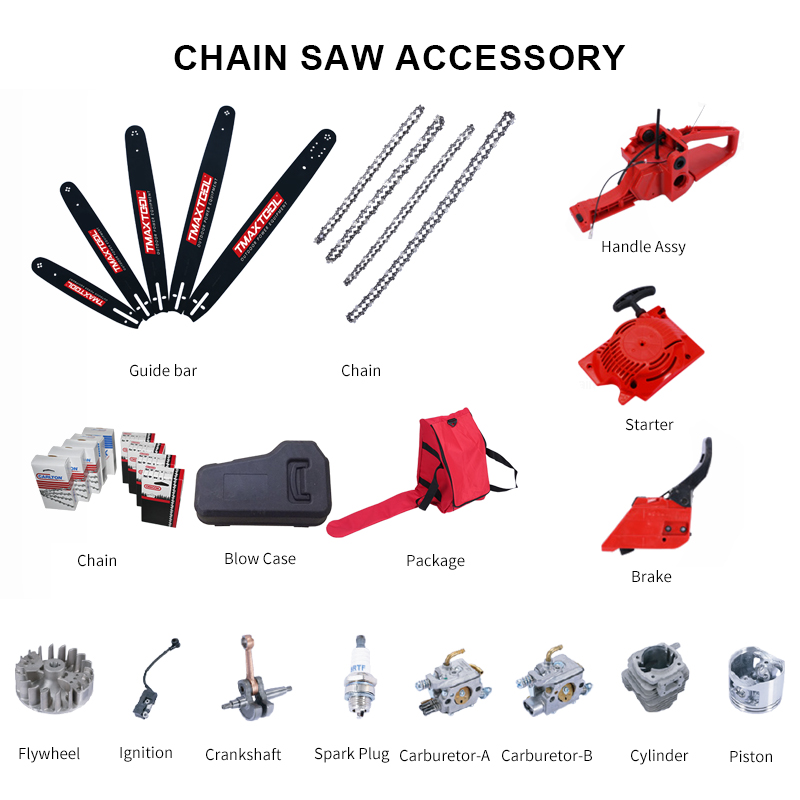 Chain Saw Accessory
 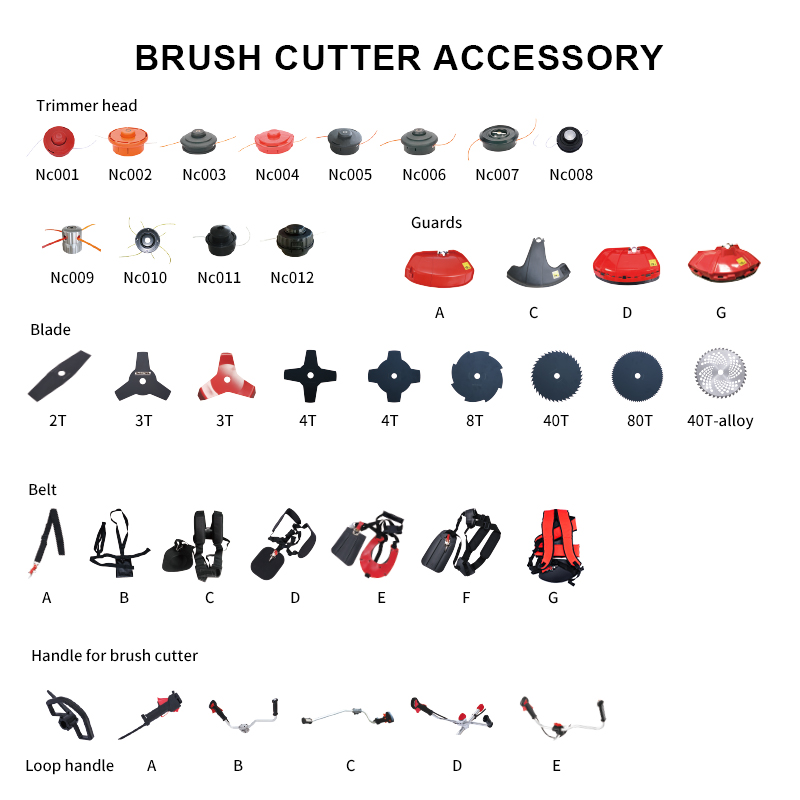 Brush Cutter Accessory
 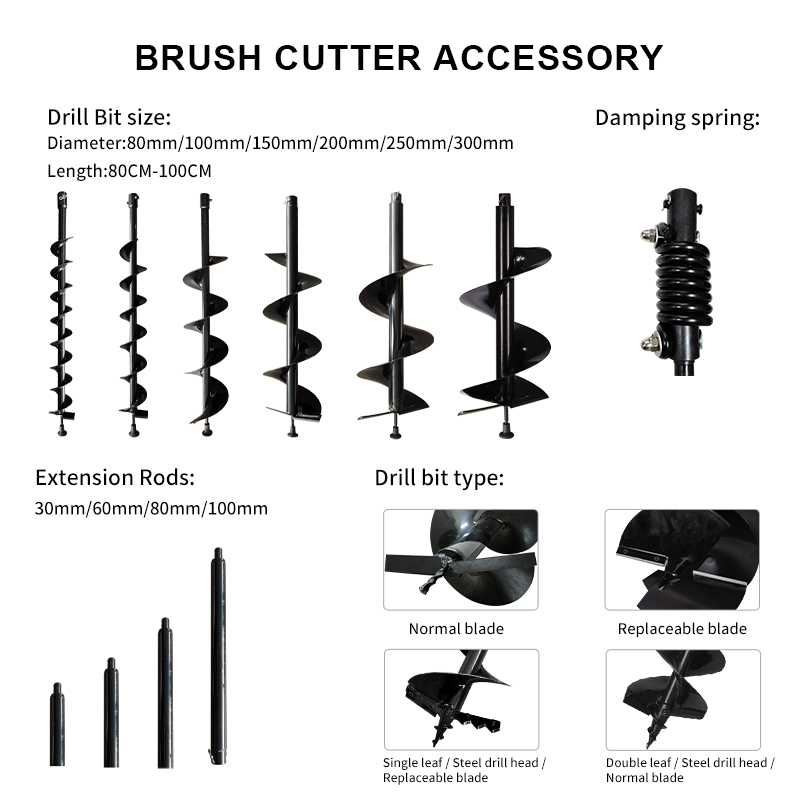 Earth Auger Accessory
  Protective Equipment Accessories


