Picking out the right tool can really make or break your project, you know? Take a Reciprocating Saw, for example — it's a pretty versatile power tool that both pros and DIY enthusiasts love. The fact that it can cut through wood, metal, and a bunch of other materials makes it super handy. But, honestly, not all Reciprocating Saws are built the same.
When you're on the hunt for one, think about what you actually need it for. Are you tackling big renovation jobs or just fixing up small stuff? The key is to find a saw that matches your needs—whether that's a lightweight, easy-to-handle model or something more powerful and sturdy. Some saws are super light and easy to maneuver, really great for tight spots, while others pack more punch and last longer.
Also, it’s a good idea to stick with trusted brands like DeWalt or Milwaukee—they're usually known for quality. But don’t just buy blindly! Even with well-known names, some models might not live up to your expectations, so it pays to do a little homework. Reading reviews and doing some research can save you a lot of headaches later on. A rushed or careless choice can lead to frustration and wasted effort. The right reciprocating saw can really make your work easier and more efficient, but picking the wrong one might just slow you down instead.

Factors to Consider When Selecting a Reciprocating Saw
When selecting the right reciprocating saw, several factors are essential to consider. Power is a critical element. Most models range from 7 to 15 amps, influencing performance. A 12-amp saw handles tougher materials better, while a 9-amp model suffices for home DIY tasks. Battery-powered options also gain popularity. Many users appreciate the convenience but may find runtime limited.
Blade compatibility should not be overlooked. Look for models that accept various blade types, including bi-metal and carbide-tipped options. This flexibility allows for more customization based on project needs. Additionally, consider the stroke length. A longer stroke improves cutting efficiency, especially in thicker materials. Stroke rates typically range from 0 to 3,000 strokes per minute, affecting speed and precision.
Vibration control is another dimension to ponder. High vibration levels can hinder precision and cause fatigue, making projects less enjoyable. Some saws offer anti-vibration technology, enhancing user comfort. A report by the National Institute for Occupational Safety and Health emphasizes that tools designed with ergonomics in mind can reduce user strain.
An OEM Reciprocating Saw might include features catering to these needs, making it a worthwhile investment for frequent use.
Choosing the right saw could significantly impact your project’s outcome.
Understanding Different Types of Reciprocating Saws Available Today
When choosing a reciprocating saw, understanding the different types available is essential. There are corded and cordless options to consider. Corded saws offer continuous power, ideal for extended cuts. However, they can limit mobility. Cordless Saws, on the other hand, provide flexibility. This makes them great for job sites without accessible outlets.
Another important distinction is blade type. Standard blades work well for wood, while specialized blades cut through metal or plastic. It’s crucial to match the blade type to your material. Some users may find themselves frustrated when the wrong blade is selected.
Weight and design also play a role. Heavier models can be cumbersome, affecting user fatigue over time. Lightweight options can improve maneuverability but may sacrifice power in some cases. Each choice comes with trade-offs. Explore these details before making a decision. Assessing your specific project needs will guide you in selecting the best reciprocating saw for your tasks.
Comparison of Different Types of Reciprocating Saws
The Importance of Blade Compatibility and Selection
Choosing the right reciprocating saw blade is vital for your project’s success. Blade compatibility affects performance and results. Not all blades fit every saw. Different tasks require specific blades. A wood-cutting blade may not cut metal effectively. Therefore, understanding which blade to use is essential.
Consider the material you will cut. Blades designed for wood have fewer teeth and are designed for speed. In contrast, metal blades have more teeth for a smoother finish. Experimentation may be necessary. Some users find that a single blade type is not enough. It's wise to keep a variety in your toolbox.
Pay attention to the blade length and thickness too. Shorter blades provide precision but limit reach. Thicker blades are more robust but can be harder to control. Finding the right balance is key. Reflect on your previous projects. Did you face any challenges with blade selection? Reflecting on these experiences can guide future choices.
Safety Features to Look for in a Reciprocating Saw
When selecting a reciprocating saw, safety features are paramount. One key feature to consider is the blade guard. A robust blade guard can prevent accidental cuts. It’s important to choose a saw where the guard doesn’t obstruct your view while working. This enhances precision and keeps you safe.
Vibration control is another critical element. High vibration levels can lead to fatigue and loss of control. Look for models designed with anti-vibration technology. This can make a significant difference, especially during extended use. A sturdy grip is essential for maintaining control. Evaluate how the handle feels in your hand.
Tips: Always wear safety glasses and gloves while operating power tools. They protect against flying debris and sharp edges. Check the saw's lockout feature, which prevents accidental starts. This is vital for ensuring safe operation when switching blades. Choosing an ODM Reciprocating Saw with these features can enhance safety and efficiency.
How to Choose the Best Reciprocating Saw for Your Projects? - Safety Features to Look for in a Reciprocating Saw
| Feature | Description | Importance | Rating (1-5) |
| Blade Lock | Allows for safe and quick blade changes. | High | 5 |
| Variable Speed Control | Adjusts cutting speed for different materials. | Medium | 4 |
| Anti-vibration Handle | Reduces user fatigue and improves control. | High | 4 |
| Safety Guard | Protects user from sparks and debris during cutting. | High | 5 |
| Electric Brake | Stops the blade quickly when the trigger is released. | High | 5 |
| Soft Start Feature | Gradually increases power to avoid kickback. | Medium | 3 |
Evaluating Brand Reputation and Customer Reviews in the Industry
When choosing a reciprocating saw, brand reputation plays a significant role. A tool from a trusted name often ensures you get a High-Quality Reciprocating Saw. Not every brand lives up to expectations. Some may boast features, but they lack performance. Researching customer reviews reveals these truths. Look for real feedback from users who have tested the saw under different conditions.
Examining reviews helps identify pros and cons. Customers often share experiences about durability and ease of use. Pay attention to how frequently they mention broken parts or battery issues. This data can guide you toward a reliable choice. Remember, no tool is perfect. Some may handle wood effortlessly but struggle with metal. Customer insights can highlight these limitations.
Consider what features matter most for your projects. A high-quality reciprocating saw may have various attachments. Reviewers often discuss which attachments were useful. Their insights clarify what to expect before purchasing. Engaging with user experiences can help make a more informed decision, ensuring you invest wisely in your tools.
Budget Considerations: Finding Value Without Compromising Quality
When selecting a reciprocating saw, budget plays a critical role. Many professionals and DIY enthusiasts find themselves in a dilemma. A common misconception is that a higher price guarantees better performance. However, studies show that over 30% of users reported satisfaction with mid-range options. These models often provide a balance between cost and quality.
Understanding your specific needs is essential. If you mainly tackle home projects, a less expensive saw may suffice. According to industry reports, the average cost of a reliable reciprocating saw ranges from $100 to $250. It's important to assess features like power, stroke length, and durability. Investing less doesn’t necessarily mean sacrificing effectiveness.
Quality should not be overlooked. Even budget models can perform well. Reviews from trade professionals indicate that features like a comfortable grip and variable speed settings significantly influence user satisfaction. A thoughtful choice can yield robust performance without overspending. Remember to read user reviews and compare specifications carefully. Each individual project has different demands, so weigh options based on realistic expectations.
Conclusion
When selecting a reciprocating saw for your projects, it's essential to consider several factors that affect both performance and usability. First, understanding the different types of reciprocating saws available—such as corded and cordless options—is crucial. Pay attention to key specifications, including power, stroke length, and speed, as these will greatly impact the saw's efficiency and capability in various applications.
Additionally, blade compatibility is vital; selecting the right blades for your tasks ensures optimal cutting results. Safety features are another important aspect to evaluate to protect yourself during use. Finally, reviewing brand reputation and customer feedback can provide insights into the reliability of different models. Balancing these considerations with your budget will help you find the best value in a reciprocating saw without compromising on quality.

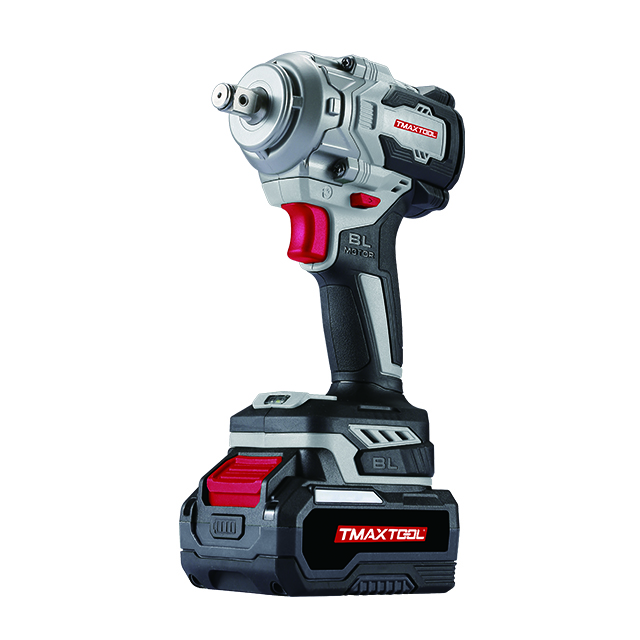 Impact Wrench
 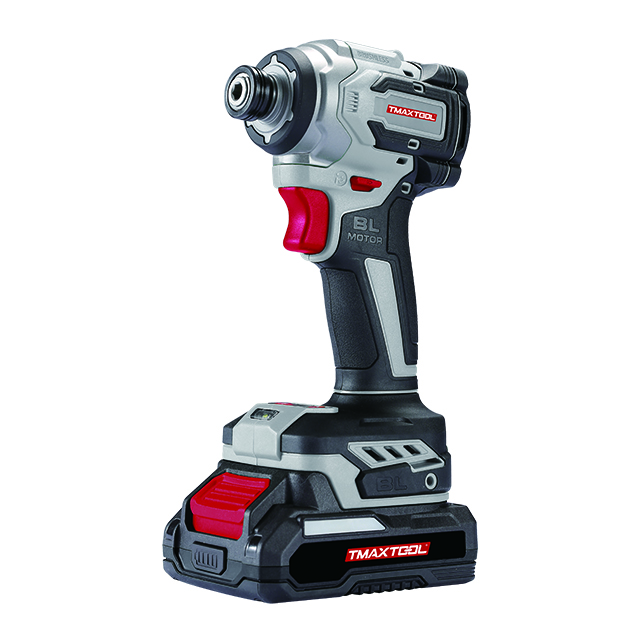 Screwdriver
 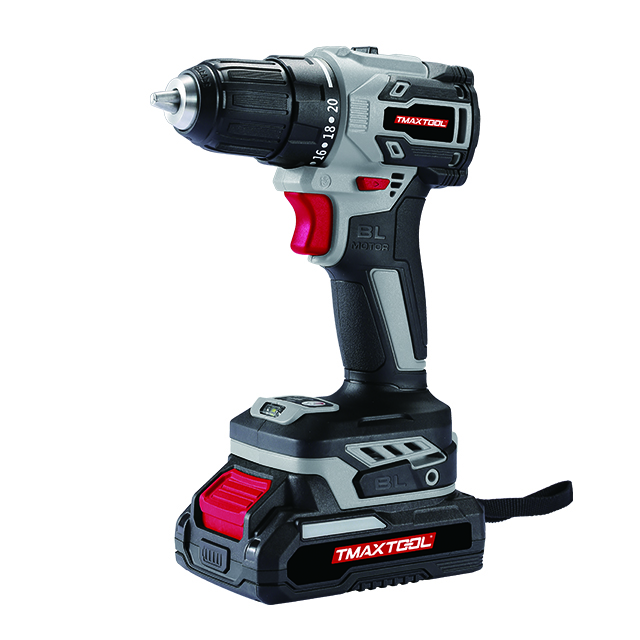 Cordless Drill
 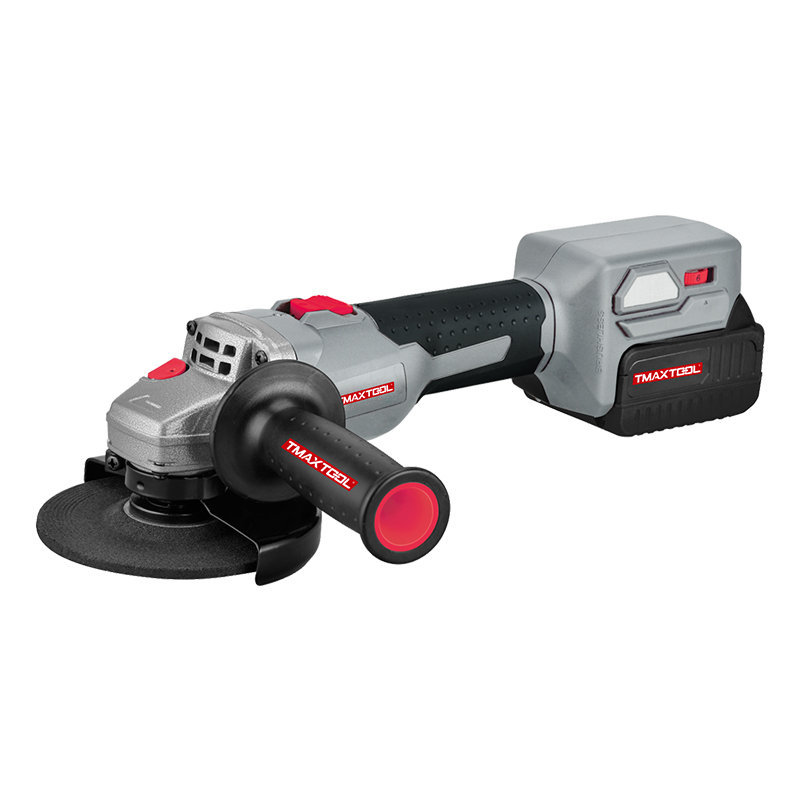 Angle Grinder
 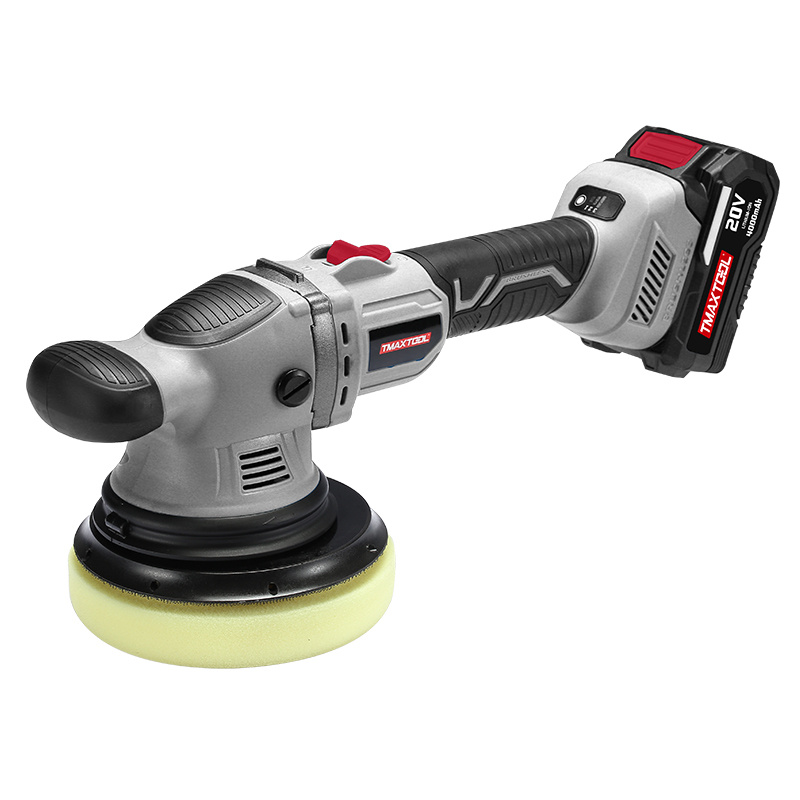 Polisher
 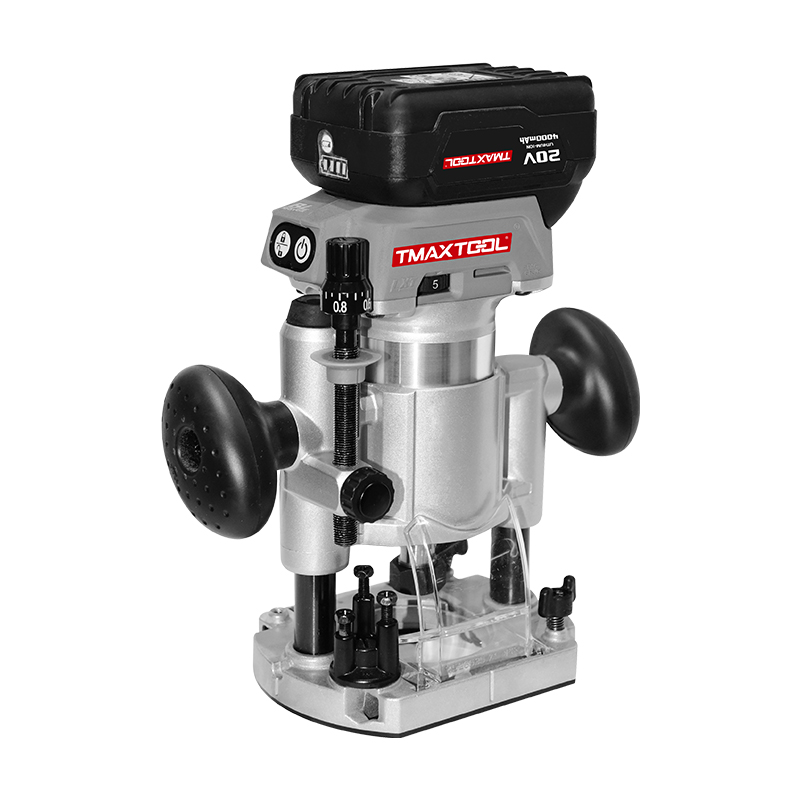 Wood Router
 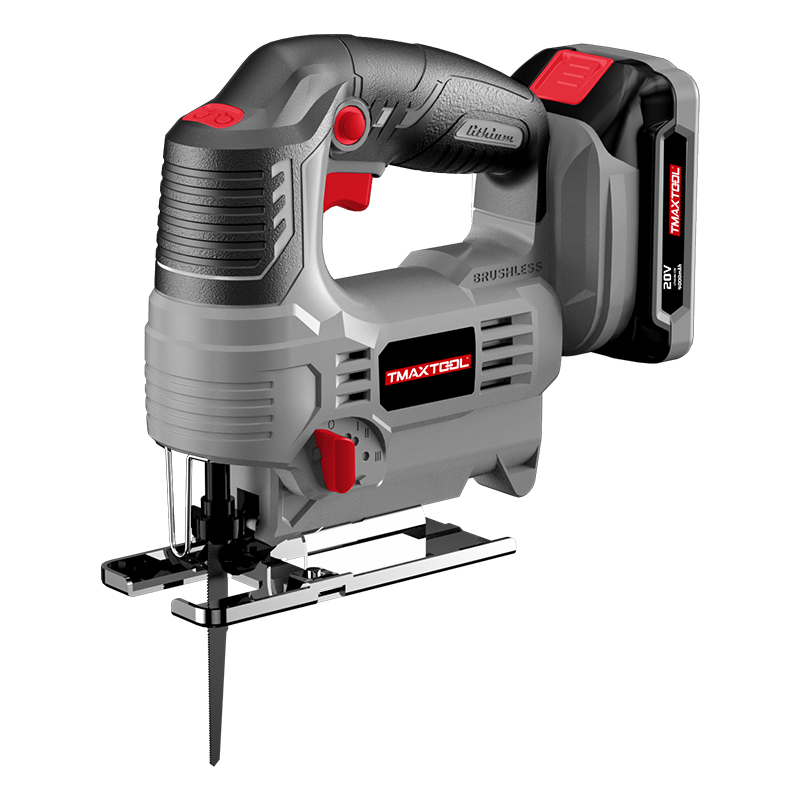 Jig Saw
 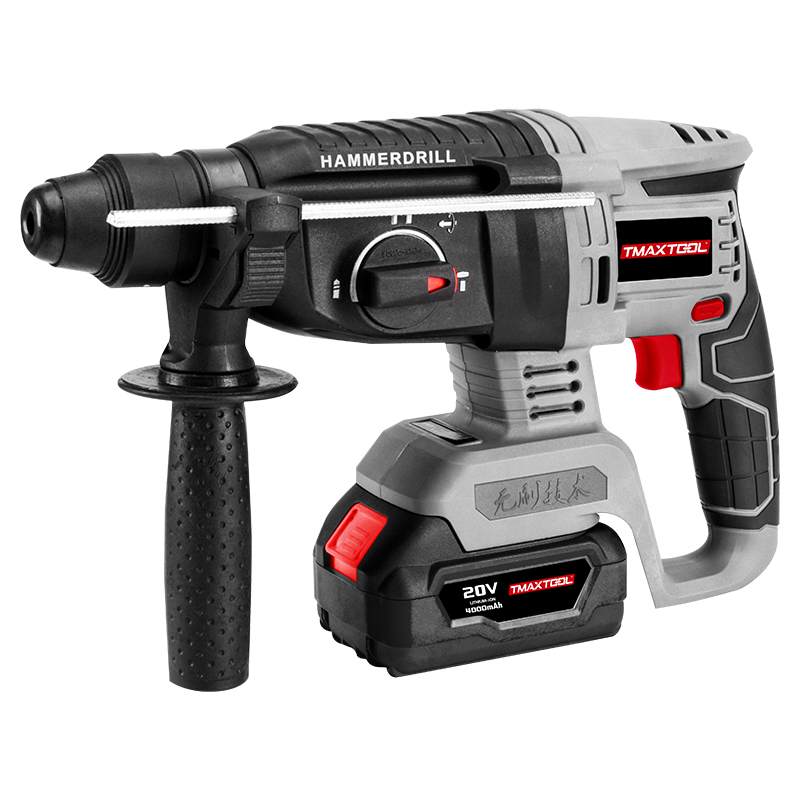 Hammer Drill
 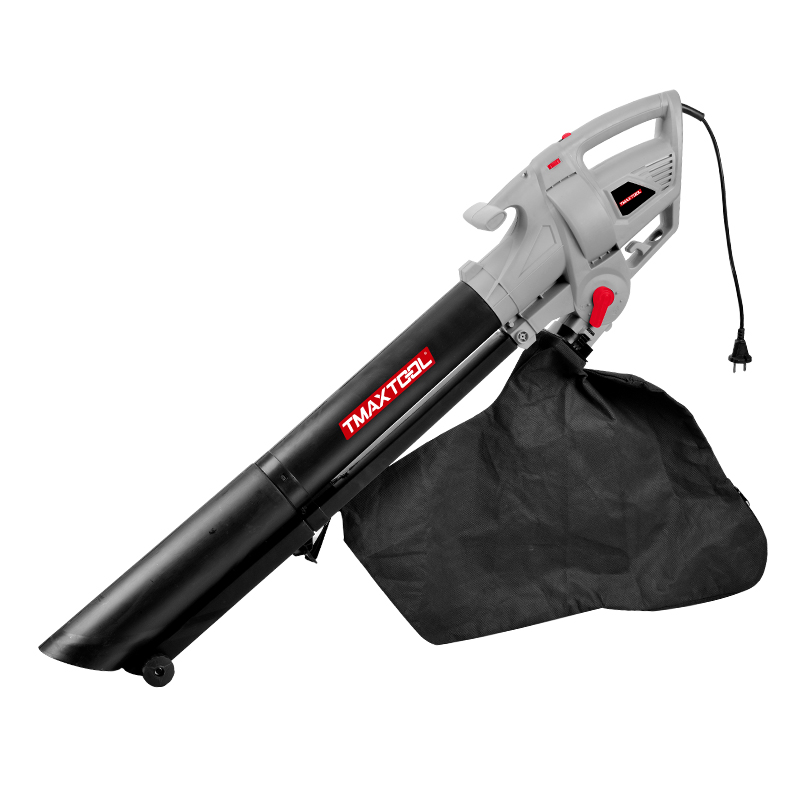 Portable Blower
 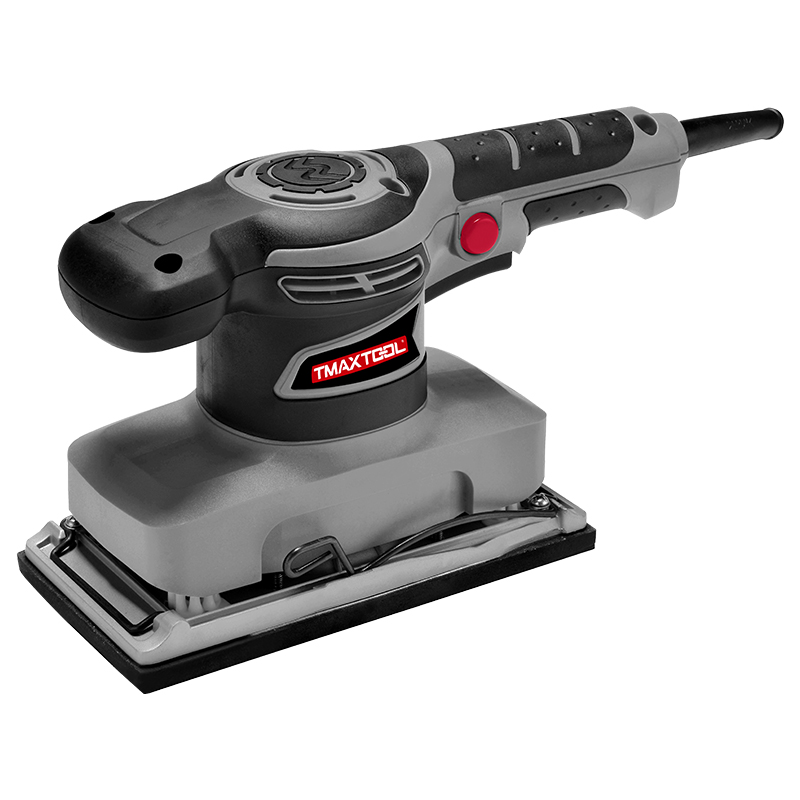 Orbital Sander
 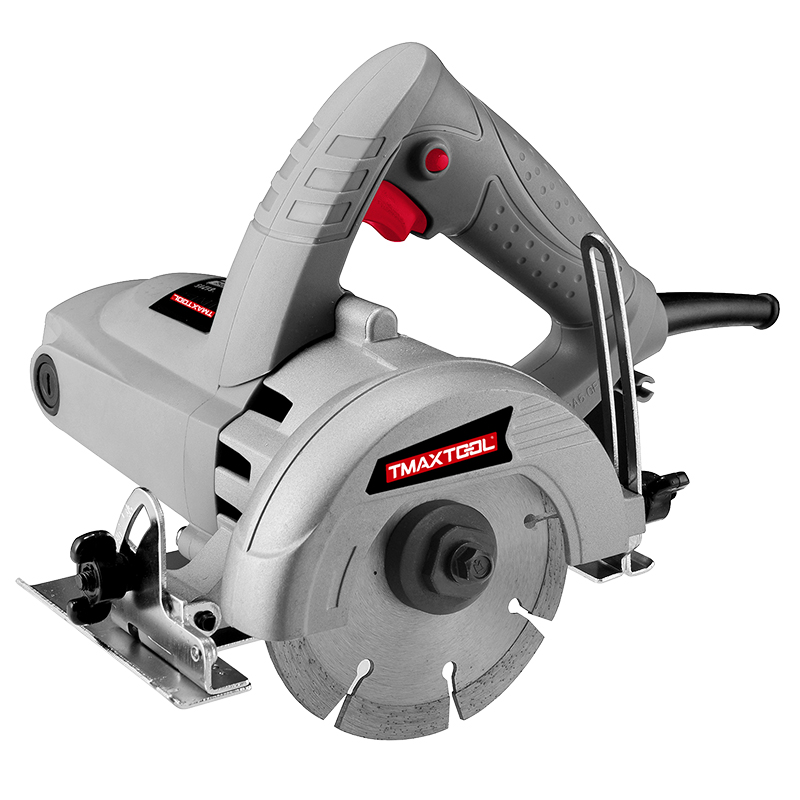 Marble Cutter
 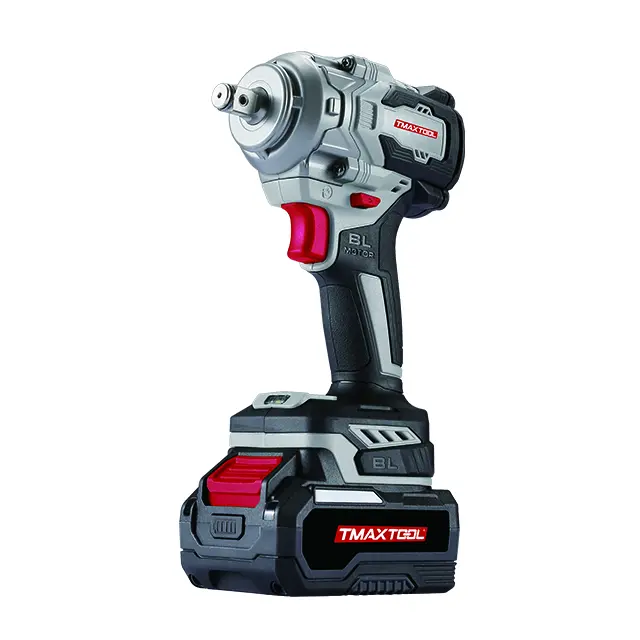 GARDEN TOOLS
 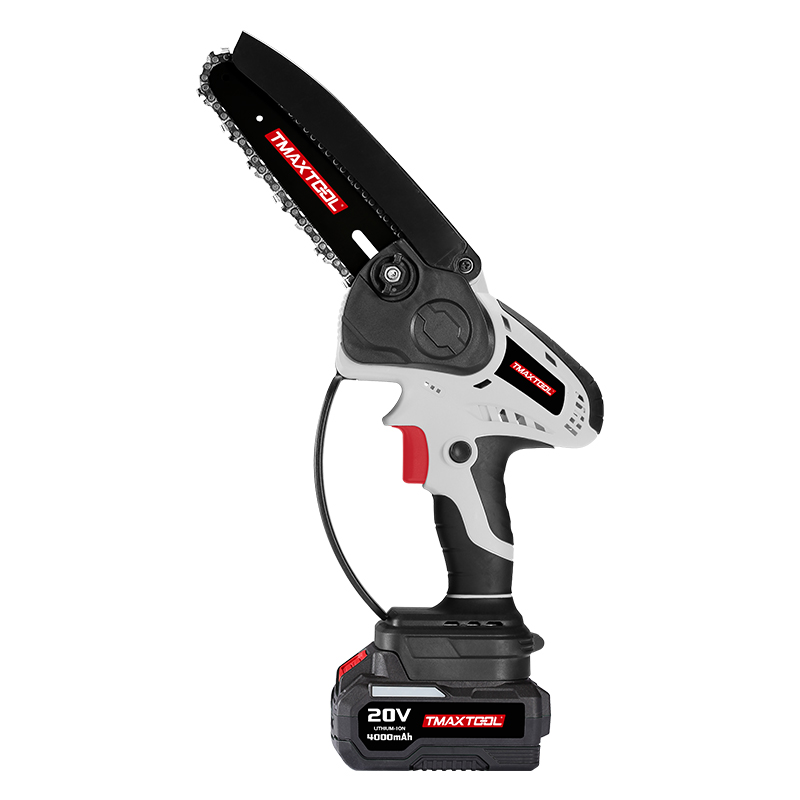 Battery Chain Saw
 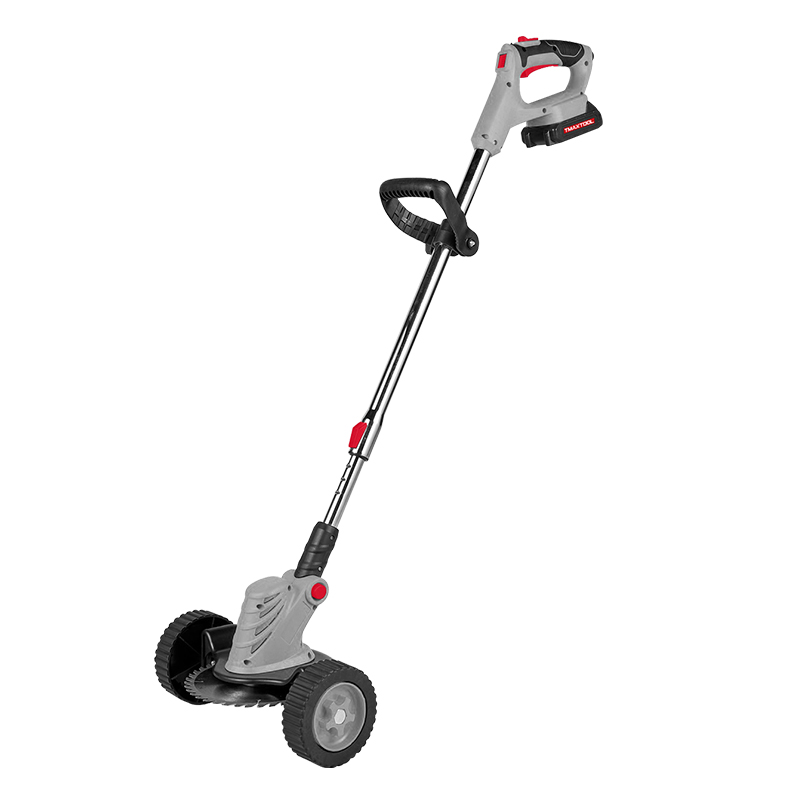 Battery Brush Cutter
 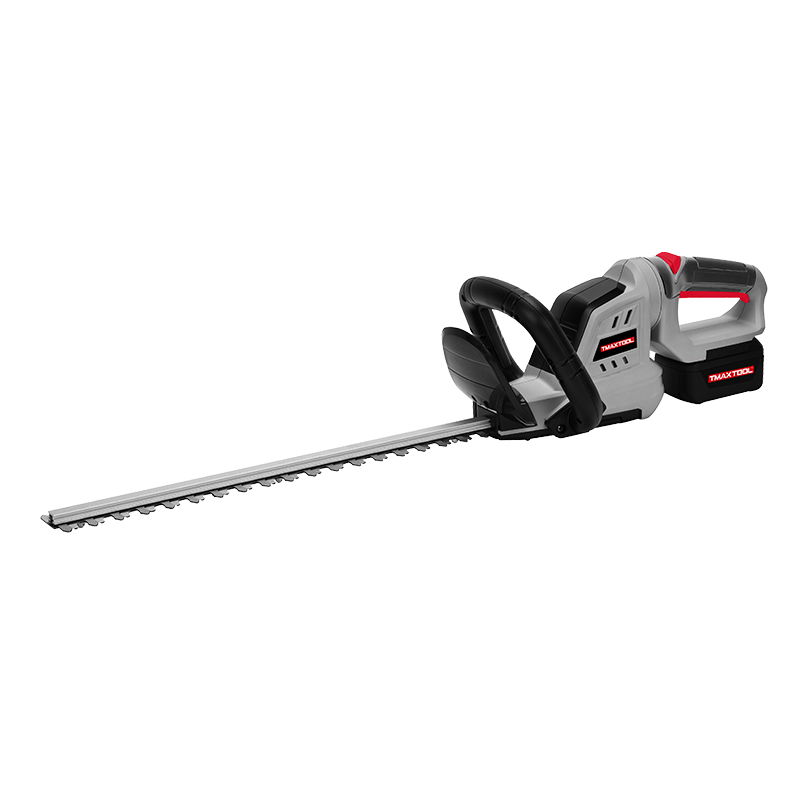 Battery Hedge Trimmer
 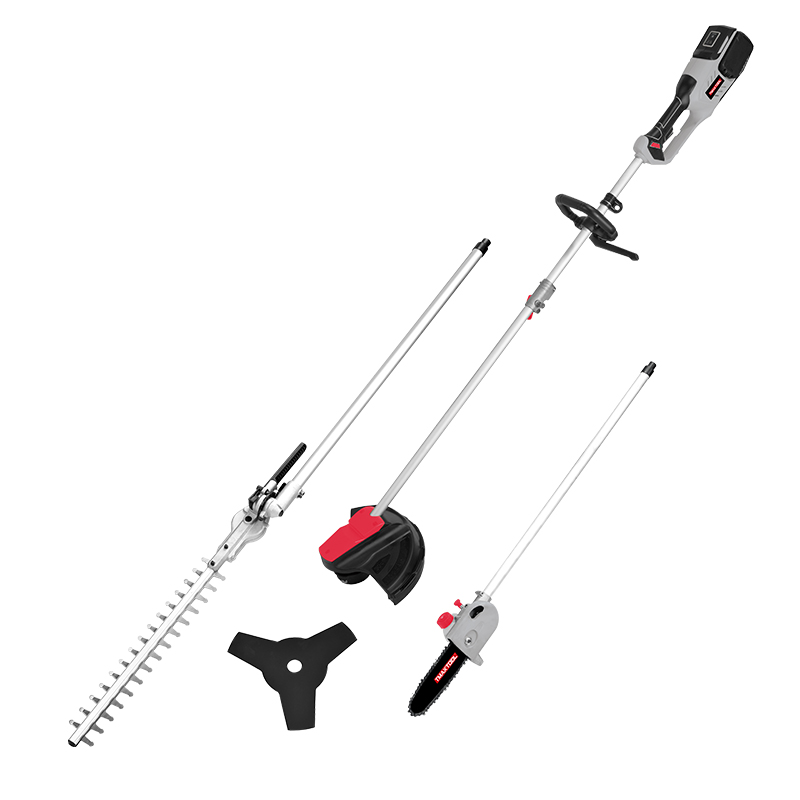 Battery Multi Tool
 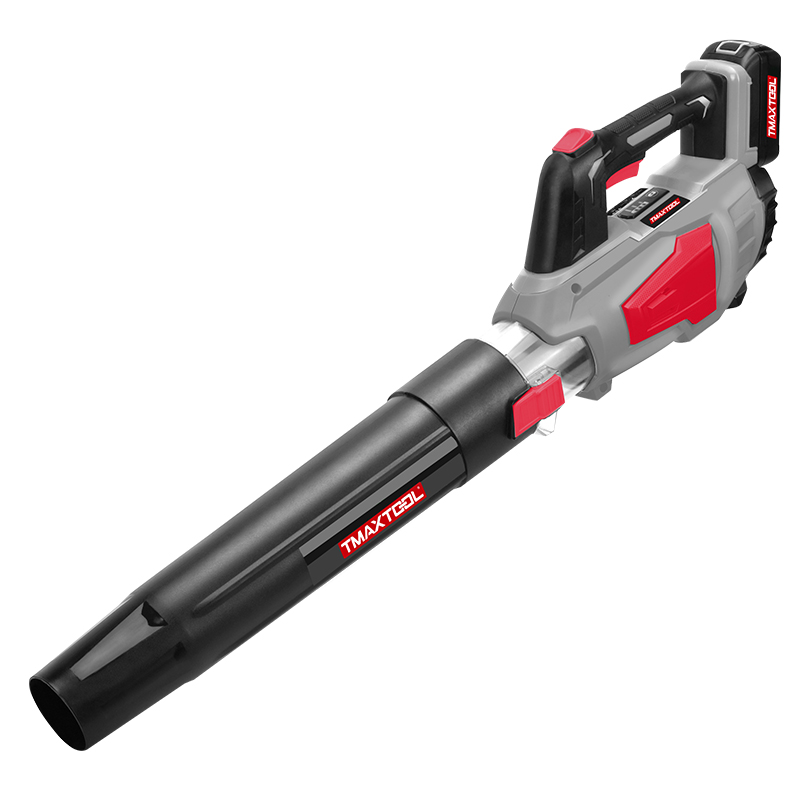 Battery Blower
 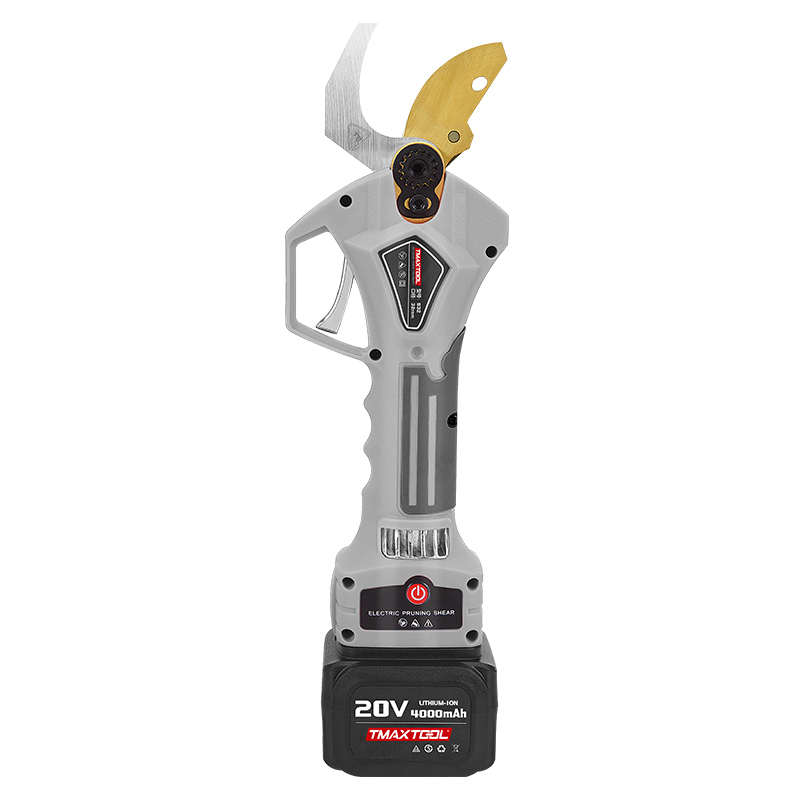 Batter Pruning Shears
 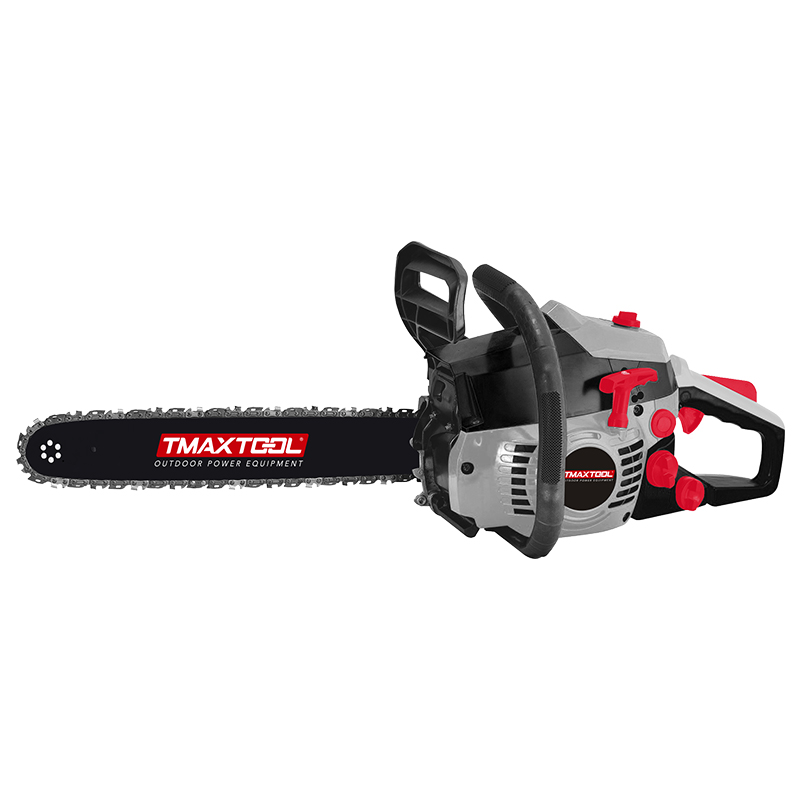 Chain Saw
 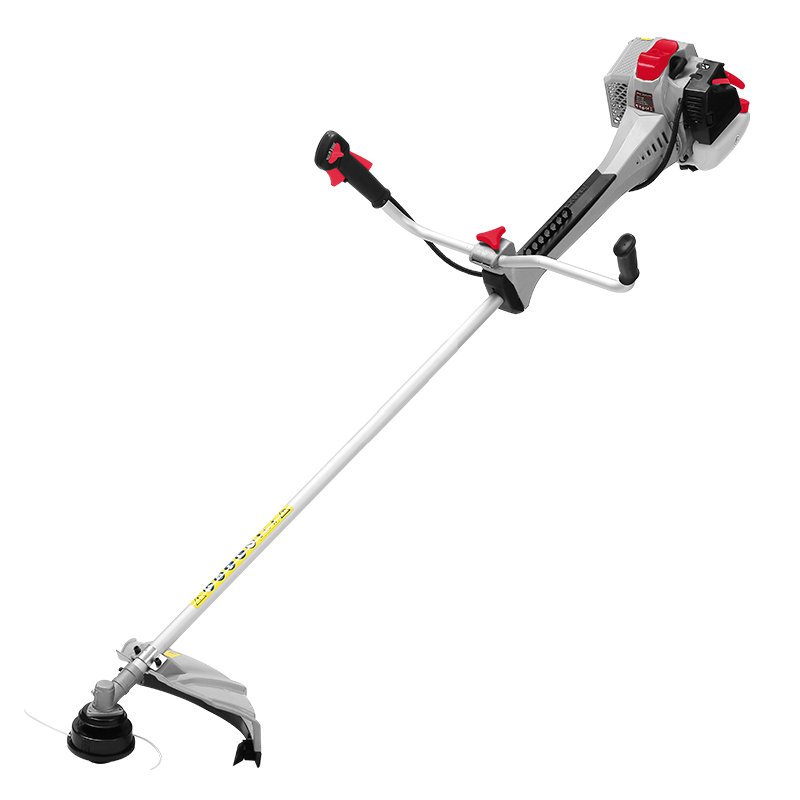 Brush Cutter
 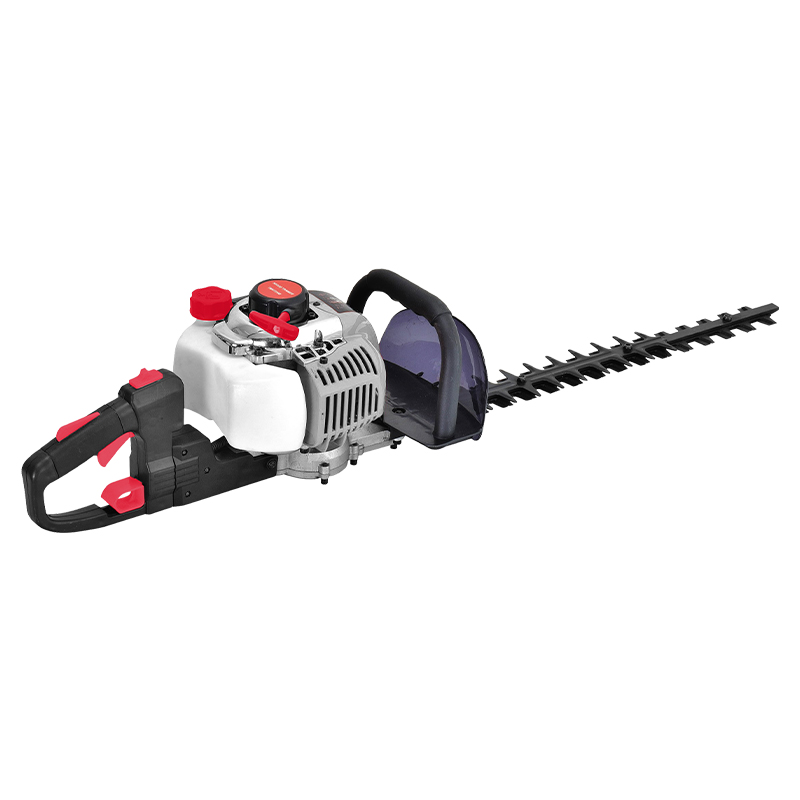 Hedge Trimmer
 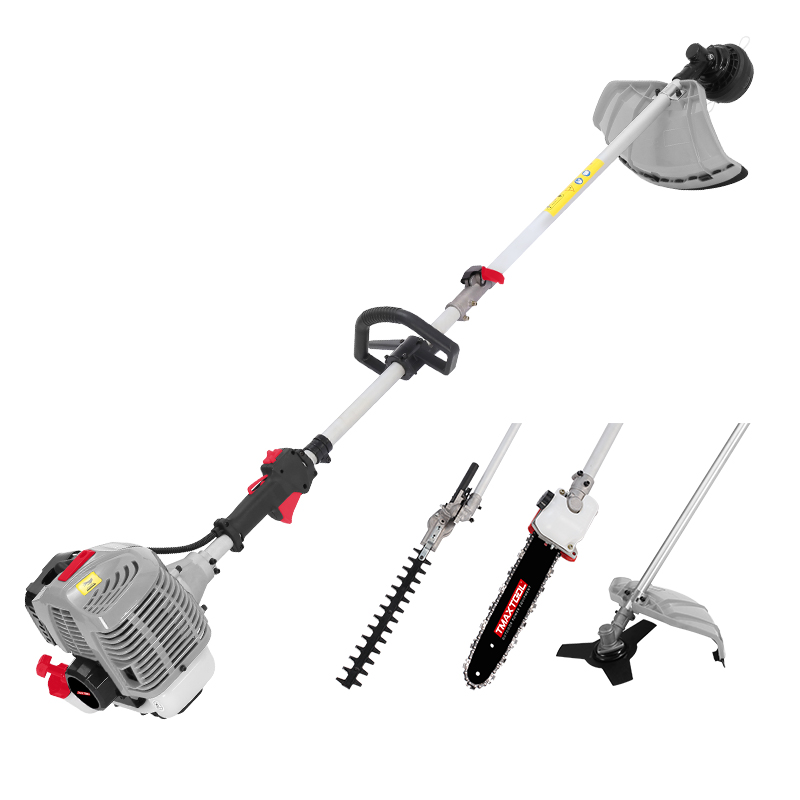 Multi Tool
 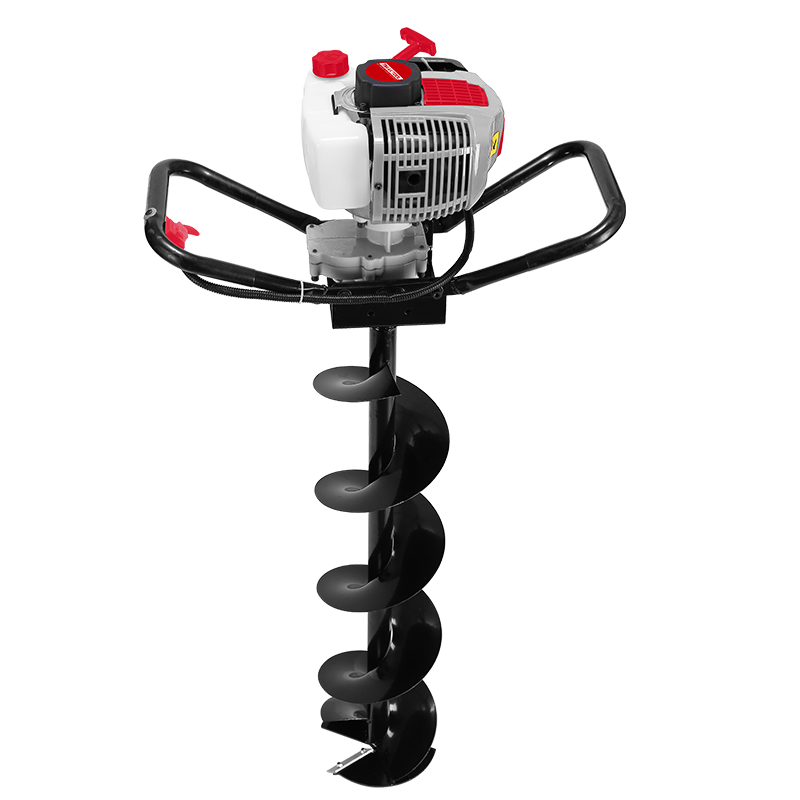 Earth Auger
 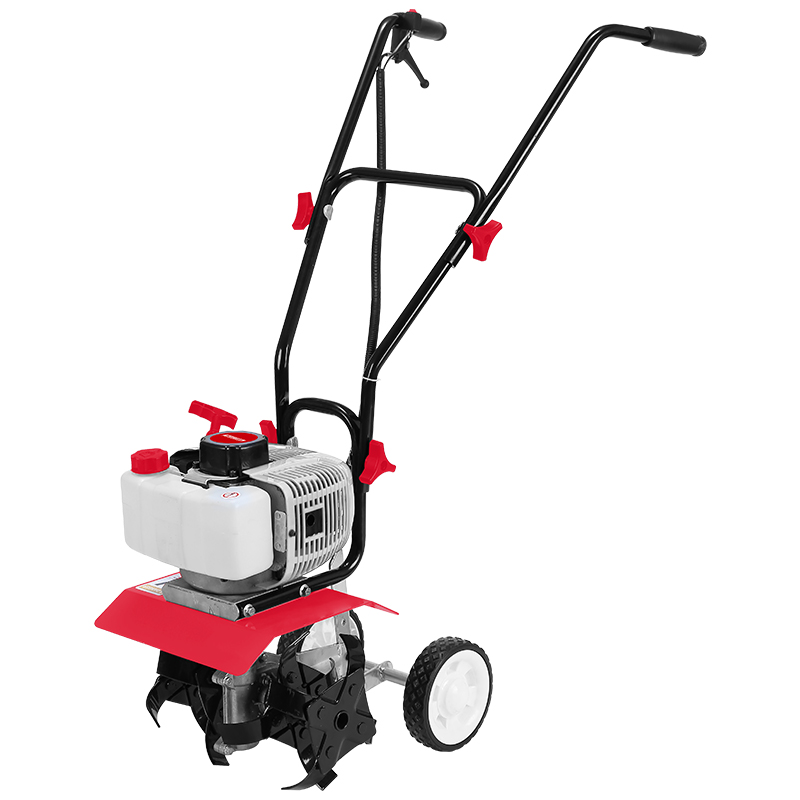 Tiller
 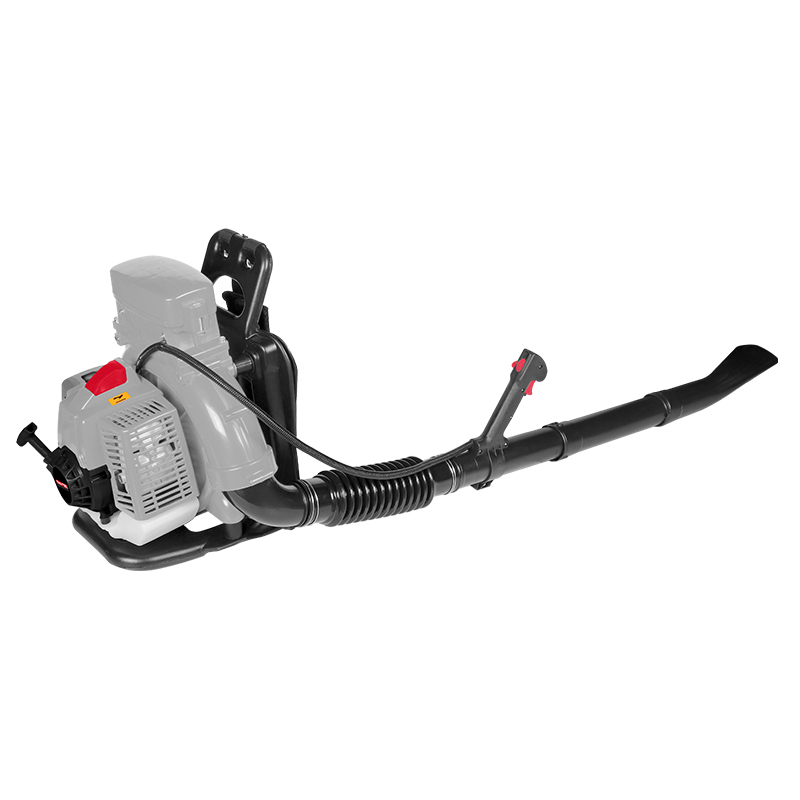 Blower
 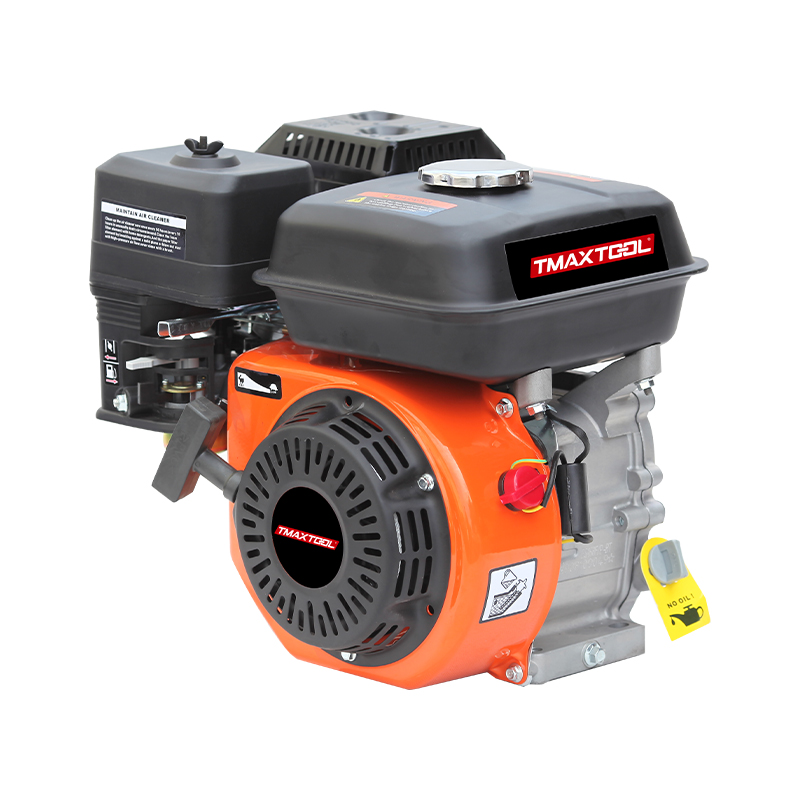 4 Stroke Gasoline Engine
 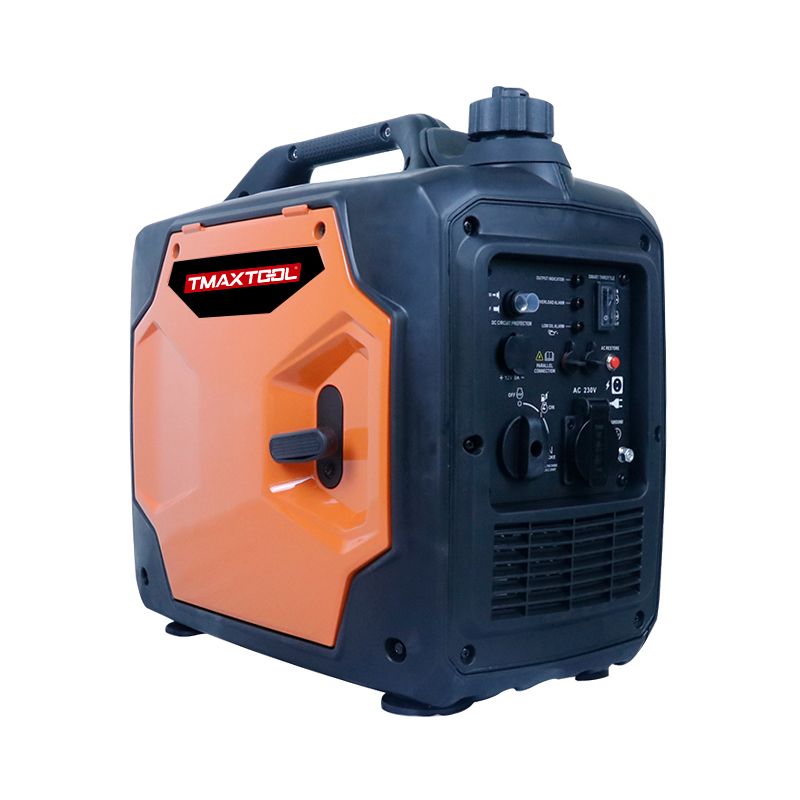 Generator
 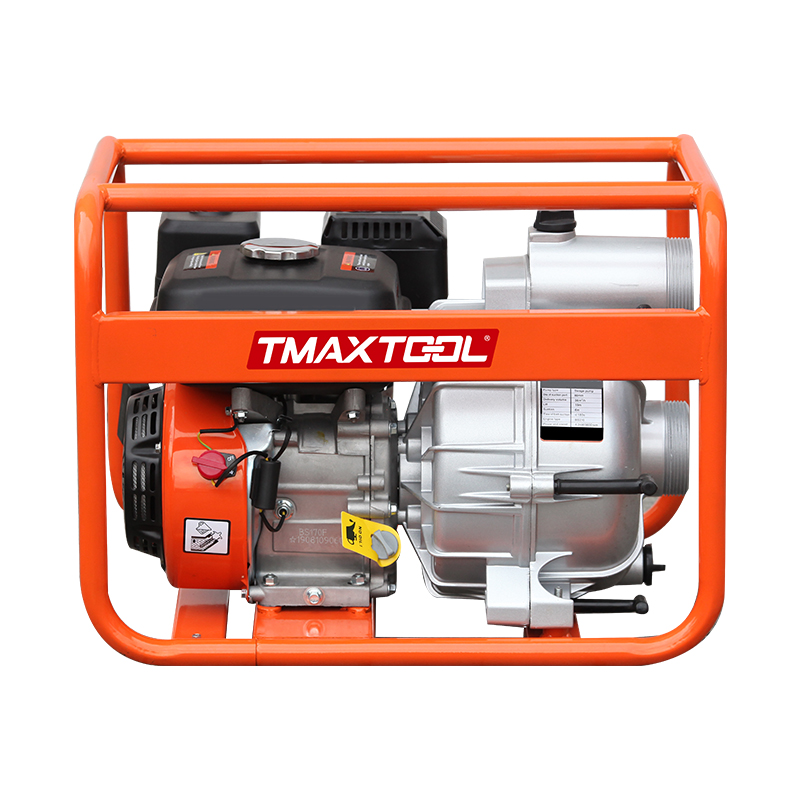 Water Pump
 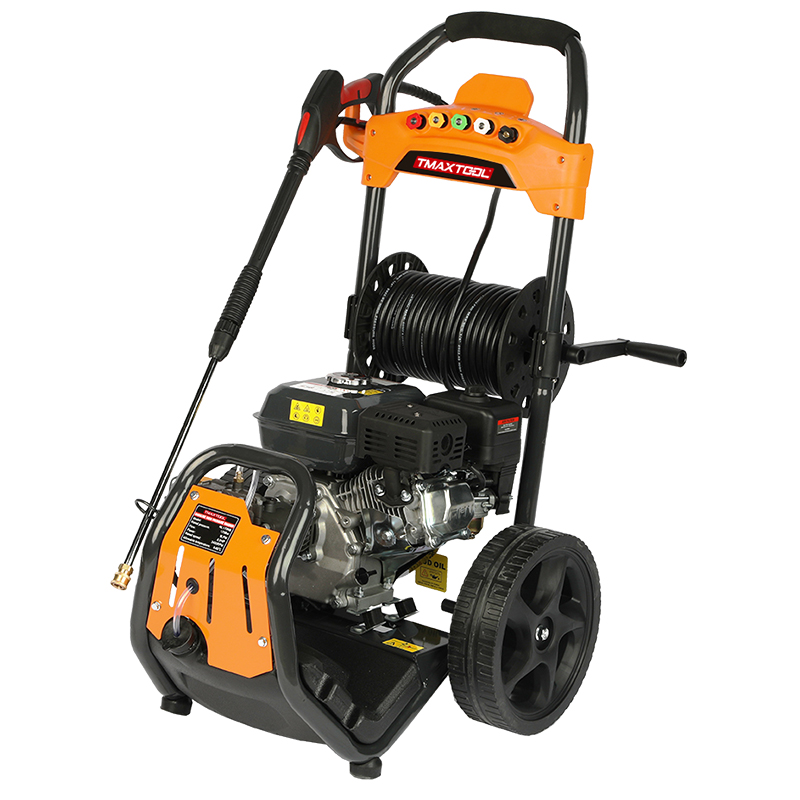 High Pressure Washer
 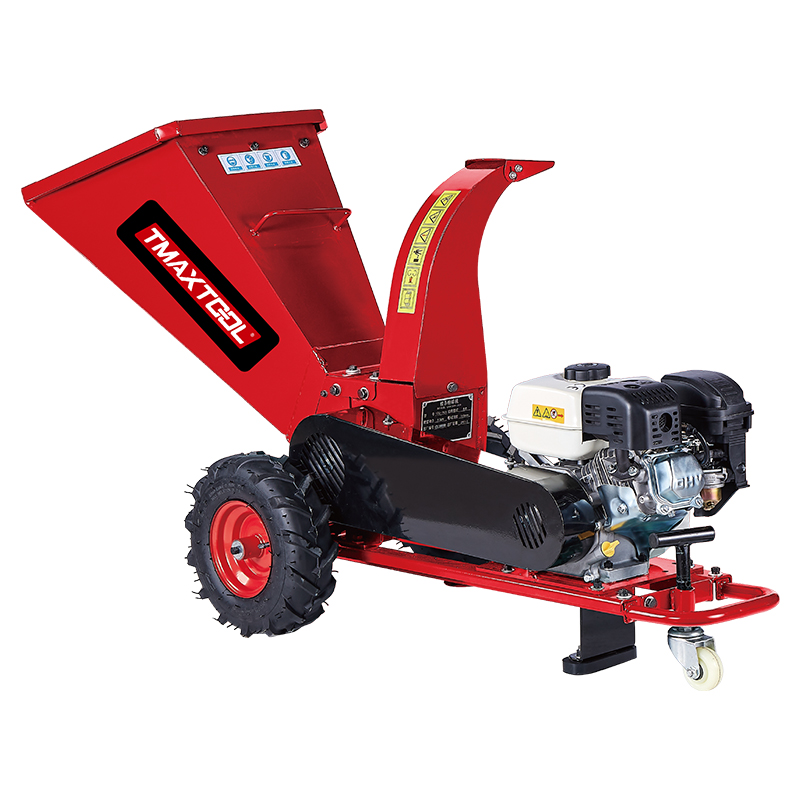 Wood Cutter
 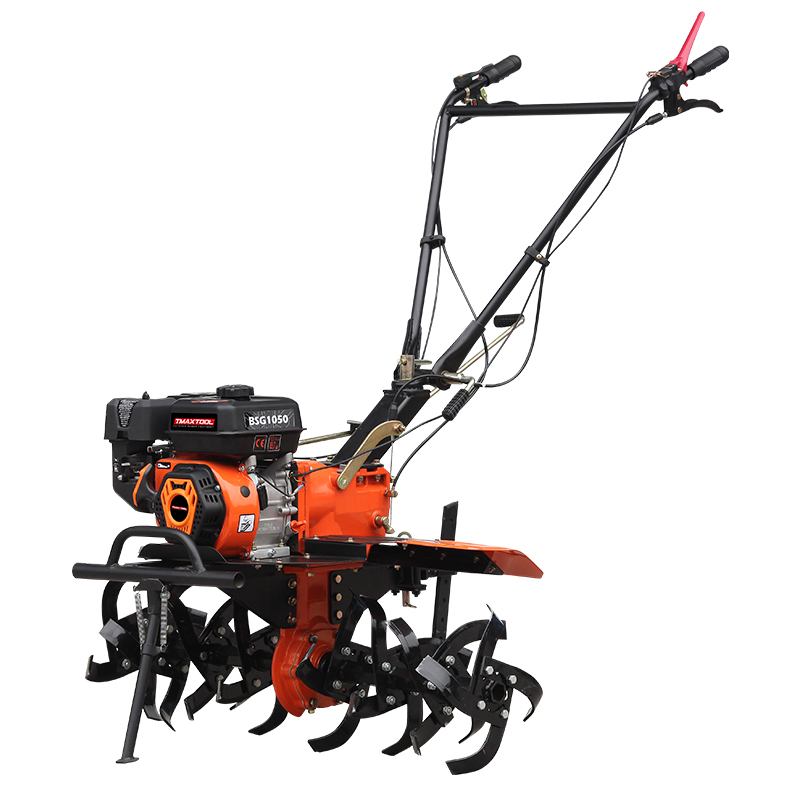 4 Stroke Tiller
 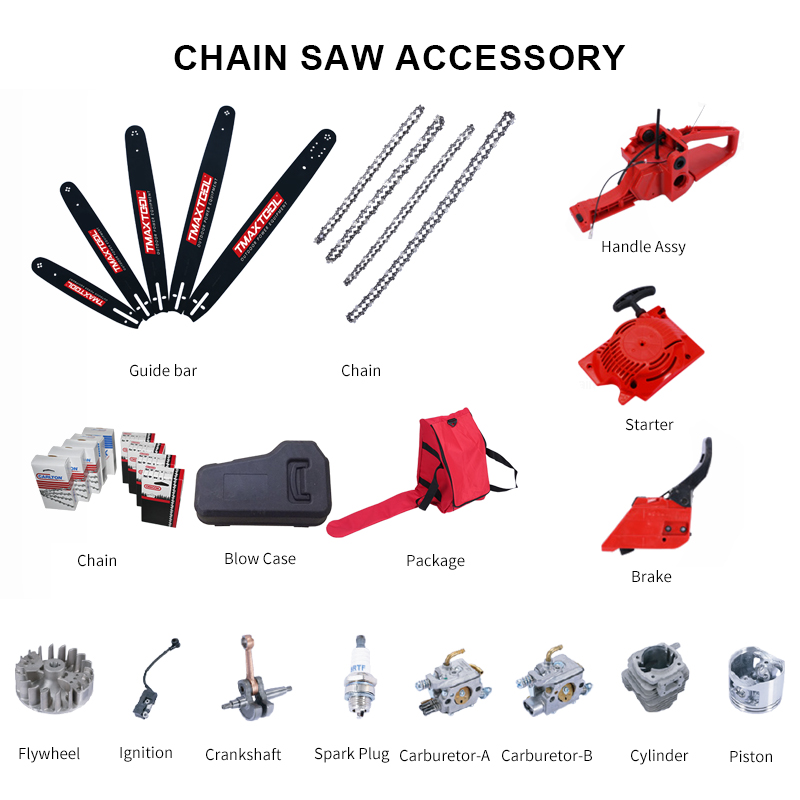 Chain Saw Accessory
 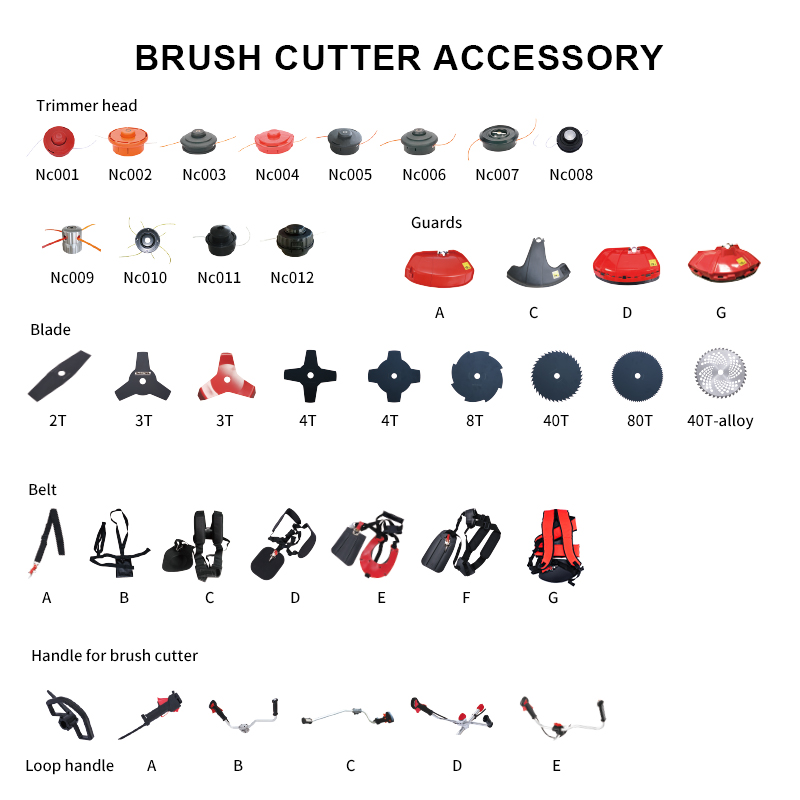 Brush Cutter Accessory
 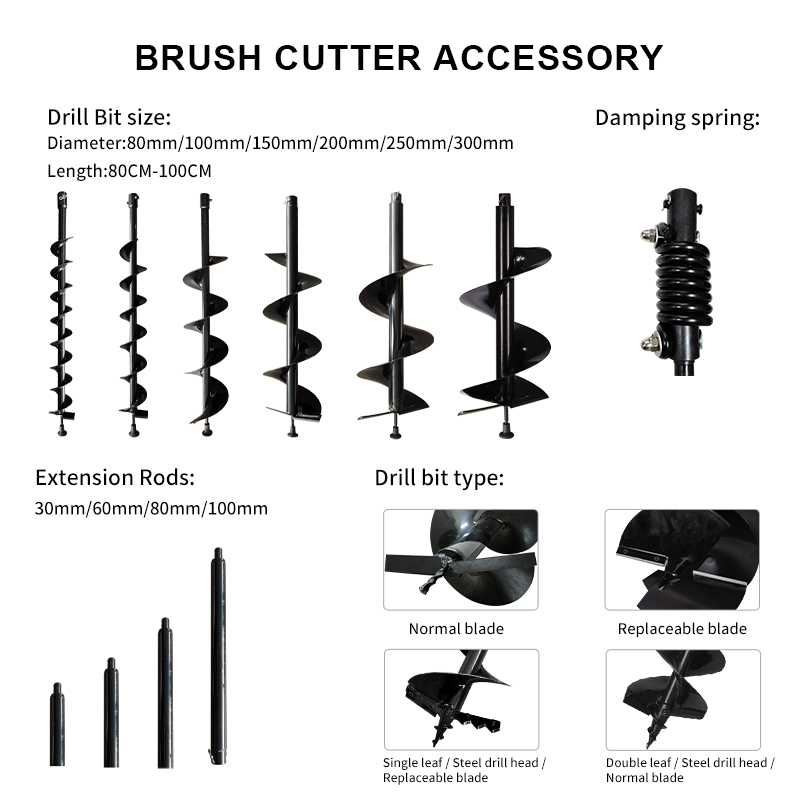 Earth Auger Accessory
 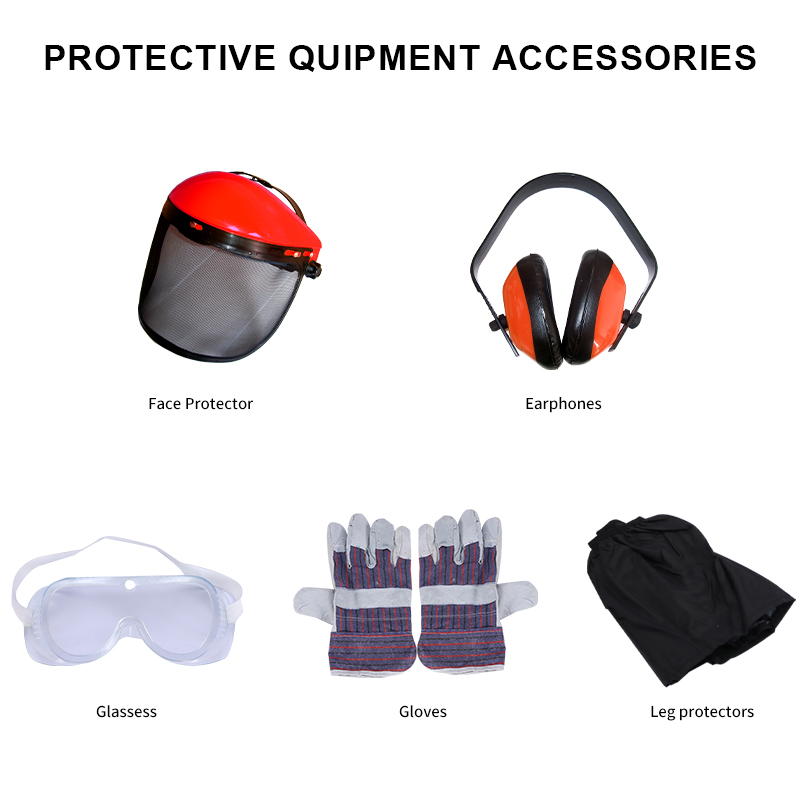 Protective Equipment Accessories


