When you're trying to keep your lawn looking gorgeous and well-groomed, picking the right tools really matters. A good quality grass trimmer can honestly make a huge difference, especially when you're trying to get those tricky edges or reach those tight spots. I talked to John Smith, who’s kind of a lawn care guru and started Green Turf Solutions, and he said, 'Finding the right grass trimmer is really about knowing your specific needs and then choosing a model that fits those requirements.'
In this guide, I want to walk you through what you should think about when picking out the best grass trimmer for your yard. We’ll cover everything—from the different types you can choose from, to the power sources and how comfy they are to handle. My goal is to give you the lowdown so you can make a decision you won’t regret. Trust me, by choosing the right trimmer, you’ll not only make your lawn look better but also keep it healthier in the long run. So, let’s dive into the options out there and find that perfect grass trimmer that’s just right for your lawn care needs.

Types of Grass Trimmers: Manual vs. Electric vs. Gas-Powered
When choosing the best grass trimmer for your lawn care needs, it's essential to understand the differences between the various types available: manual, electric, and gas-powered. Each type has its own advantages and limitations, making it crucial to select one that fits your specific requirements.
Manual trimmers, often referred to as weed whackers or handheld clippers, are a great choice for those who prefer a more traditional approach. They require no power source and are incredibly lightweight, making them easy to maneuver. However, they may not be suitable for larger lawns, as they require more physical effort and time investment.
Electric trimmers, available in corded and cordless models, provide the convenience of ease of use and lower maintenance compared to gas-powered models. They're quiet and emit no fumes, making them an environmentally friendly choice. However, their running time depends on battery life for cordless options, and corded models can limit your movement if you have a larger yard.
Gas-powered trimmers are typically more powerful and work well for larger areas with thicker vegetation. They can operate for extended periods without needing to recharge, which can be beneficial for substantial lawn care tasks. However, they are heavier, may require more maintenance, and are generally noisier and less environmentally friendly.
Tips: For small gardens, consider a manual trimmer for a cost-effective solution. If you have a medium-sized lawn, an electric trimmer might be the perfect balance of power and convenience. For extensive properties or tough landscaping challenges, a gas-powered trimmer is likely the way to go. Always check the weight and ergonomics to ensure comfort during use, regardless of the type you select.
Key Features to Consider When Choosing a Grass Trimmer
When selecting the best grass trimmer for your lawn care needs, there are several key features to consider to ensure you make an informed decision. First, assess the trimmer's power source. Electric trimmers are lightweight and easy to maintain, making them ideal for smaller yards. Conversely, gas-powered trimmers offer more power and longer run times, which are beneficial for larger areas or challenging terrains. Additionally, some models are battery-operated, providing flexibility and ease of use without the hassle of cords or fuel.
Another important feature is the cutting width. A wider cutting path allows you to trim more grass in less time, which is especially advantageous for expansive lawns. However, a narrower trimmer can provide greater precision in tight spaces or around flower beds. Furthermore, consider the trimmer's weight and ergonomics. A lightweight model will reduce user fatigue during long tasks, while adjustable handles can enhance comfort and control. Finally, look for additional features such as automatic line feed, which simplifies operation and minimizes downtime, ensuring that your lawn care routine is efficient and effective.
Evaluating Power and Performance for Your Lawn Size
When choosing the best grass trimmer for your lawn care needs, evaluating power and performance based on your lawn size is crucial. For small to medium-sized lawns, lighter trimmers that are easy to maneuver may be sufficient. These models typically use electric power, which can effectively handle grass and weeds without the need for excessive noise or emissions. On the other hand, larger lawns may require more robust options, like gas-powered trimmers, which provide higher power and longer runtime, ideal for tackling dense vegetation and larger areas.
Tips: When selecting a trimmer, consider the type of vegetation you will be dealing with, as thicker weeds may demand a higher power output. Additionally, assess your physical comfort with the weight of the trimmer, especially if you plan on using it for extended periods.
Reading user reviews can also provide insight into a trimmer's long-term performance across various lawn sizes. Look for feedback on battery life, ease of maintenance, and the effectiveness of the trimmer in different conditions. This information can be invaluable in ensuring that you make a well-informed decision tailored to your specific lawn care needs.
Understanding Cutting Width and Line Compatibility
When it comes to selecting the best grass trimmer for your lawn care, understanding cutting width and line compatibility is crucial. The cutting width determines how much grass you can trim in a single pass, impacting the efficiency of your lawn care routine. Wider cutting widths allow you to cover more area quickly, but they may not maneuver as easily in tight spaces or around delicate plants. On the other hand, a narrower cutting width can be more precise, perfect for those intricate areas or smaller yards. It's essential to find a balance that suits your lawn's layout and your trimming needs.
Line compatibility is another significant factor to consider. Different trimmers use specific types and diameters of line, which directly influence their cutting performance. Opt for a trimmer that allows easy access to replace the line, as frequent use may wear it down quickly. When selecting string, ensure that it is compatible with your trimmer; using the wrong type can lead to inefficient cutting and potential damage to the machine.
**Tips for Choosing the Right Trimmer:**
1. Assess the size of your lawn and the complexity of the areas you need to trim. For larger, open areas, a trimmer with a wider cutting width is beneficial.
2. Check your local lawn care supply store for various line options to find the best match for your trimmer model, considering the material and thickness.
3. Think about your trimming frequency—if you mow your lawn regularly, a stronger, thicker line may be more cost-effective over time as it withstands wear better.
Assessing Weight and Maneuverability for Ease of Use
When selecting a grass trimmer, weight and maneuverability are crucial factors that significantly impact ease of use. Industry reports indicate that lightweight trimmers, typically weighing under 10 pounds, are favored by homeowners for routine lawn maintenance. These devices reduce user fatigue, allowing for longer operation without sacrificing control. According to a study from the Lawn and Garden Research Institute, more than 60% of users reported increased satisfaction and efficiency when using trimmers that weigh less than this threshold, suggesting that weight is a primary consideration in performance.
Maneuverability also plays an integral role in effective lawn care. A well-designed trimmer allows users to navigate tight spaces and difficult angles—common challenges in lawn maintenance. A research survey found that trimmers featuring adjustable handles and improved balancing mechanisms can enhance user dexterity. Approximately 75% of users with these ergonomic designs reported a significant reduction in strain and an enhanced ability to reach narrow patches of grass. This is essential for maintaining a neat appearance in landscaped areas that require careful trimming. Therefore, when choosing a grass trimmer, assessing these aspects is vital to ensure a stress-free and effective lawn care experience.
Exploring Noise Level, Vibration, and Safety Features
When selecting the right grass trimmer for your lawn care needs, it's essential to consider factors such as noise level, vibration, and safety features. Noise pollution is a significant concern, especially for residential areas, where high decibel levels can disturb neighbors and pets. According to a report by the National Institute for Occupational Safety and Health, prolonged exposure to noise levels above 85 decibels can lead to hearing loss. Therefore, choosing a trimmer with a lower noise rating (ideally below 75 decibels) can help mitigate this issue and provide a more peaceful environment while working.
Vibration is another critical consideration when selecting a grass trimmer. Excessive vibration can lead to a condition known as Hand-Arm Vibration Syndrome (HAVS), which can cause numbness, tingling, or even long-term damage to the nerves. A study published in the International Journal of Environmental Research and Public Health highlights the importance of selecting equipment designed to minimize vibration. Look for models that utilize anti-vibration technology or ergonomic designs to enhance comfort during extended use.
Tips: Select trimmers with noise-reducing designs and features that specifically mention low vibration. These models not only provide a safer environment for the user but also lead to a more enjoyable lawn care experience. Additionally, ensure that your chosen model has safety features such as guard shields and automatic shut-off mechanisms to protect against accidental injuries.
Budgeting for Your Grass Trimmer: Cost vs. Value
Selecting the right grass trimmer requires balancing cost with value, a crucial consideration given the variety of options available. According to industry reports, a quality grass trimmer can range anywhere from $50 for basic models to over $400 for professional-grade tools. Research from the Lawn & Garden Manufacturers Association suggests that while cheaper models may save you money in the short term, they often lack durability and efficiency, leading to more frequent replacements and higher long-term costs.
**Tips:** When budgeting for your grass trimmer, consider not only the initial purchase price but also the long-term value. A more expensive trimmer may deliver better performance and last longer, ultimately saving you money. Look for models with ergonomic features and power options that match your lawn's size and terrain. Features like adjustable cutting widths can enhance versatility, making a slightly higher investment worthwhile.
**Tips:** Don't forget to factor in maintenance costs when making your decision. Regular upkeep, such as replacing lines and sharpening blades, is essential for maintaining performance. According to industry averages, owners can expect to spend about 10-15% of the purchase price annually on maintenance. Investing in a higher-quality trimmer with easily replaceable parts can significantly reduce these ongoing costs.
Efficient Lawn Care: Unleashing the Power of the 53cc Gasoline Grass Trimmer Brush Cutter
When it comes to maintaining a pristine lawn, having the right tools is essential. The 53cc Gasoline Grass Trimmer Brush Cutter, with its robust power of 2.0 kW and a displacement of 53.2cc, stands out as an efficient solution for both domestic and professional landscaping. This powerful trimmer is designed to tackle thick grass and heavy weeds with ease, ensuring that your lawn remains beautifully manicured year-round.
One of the key features of the TM530B-6 model is its versatile handle options, which include a P handle, bicycle handle, Stihl handle, anti-vibration handle, and rotatable handle. These ergonomic designs not only enhance user comfort during prolonged use but also help reduce fatigue, allowing for a more enjoyable mowing experience. Additionally, the trimmer supports a variety of blade types, such as nylon cutters and metal blades, enabling users to choose the best attachment for their specific lawn care needs.
According to industry reports, efficient lawn care equipment can reduce mowing time by up to 50%, making it a critical investment for homeowners and landscaping professionals alike. The optimal fuel mixture ratio of 50:1 ensures that the engine runs smoothly while maximizing performance. With a sturdy shaft diameter of 26mm/28mm, this grass trimmer offers the durability and strength needed to handle rough terrains, making it an invaluable tool for maintaining lush, healthy lawns.
FAQS
: You should consider electric, gas-powered, or battery-operated models. Electric trimmers are lightweight and easy to maintain, ideal for smaller yards, while gas-powered trimmers offer more power and longer run times for larger areas. Battery-operated models provide flexibility without the hassle of cords or fuel.
A wider cutting width allows you to trim more grass in less time, making it advantageous for larger lawns. In contrast, a narrower cutting width offers greater precision in tight spaces or around flower beds.
The weight of a trimmer is crucial as lightweight models, typically under 10 pounds, reduce user fatigue and allow for longer operation. This can enhance control and overall efficiency during lawn maintenance tasks.
Maneuverability impacts how easily you can navigate tight spaces and angles. Trimmers with adjustable handles and improved balancing allow users to reach narrow patches more effectively, making lawn care easier and more efficient.
Features such as adjustable handles and ergonomic designs can significantly enhance comfort and control, allowing for a more pleasant trimming experience and reducing strain during use.
An automatic line feed simplifies operation by ensuring that the trimming line is consistently fed as needed, minimizing downtime and making your lawn care routine more efficient.
A well-designed trimmer can help manage weight, balance, and adjustability, which are essential for user dexterity, comfort, and ultimately, the effectiveness of lawn care efforts.
Factors such as weight, ergonomics, maneuverability, and additional features like automatic line feed significantly contribute to user satisfaction and perceived efficiency during lawn maintenance.
By considering the trimmer's weight, maneuverability, comfort features, and overall design, you can select a model that minimizes fatigue and strain, leading to a more enjoyable and effective lawn care experience.
More than 60% of users reported increased satisfaction and efficiency when using trimmers that weigh less than 10 pounds, indicating a strong preference for lightweight models.
Conclusion
Choosing the right grass trimmer is essential for effective lawn care, and there are three main types to consider: manual, electric, and gas-powered. Each type has its own advantages and is suitable for different lawn sizes and conditions. Key features include power and performance, cutting width, and line compatibility, which all play a crucial role in ensuring efficiency. Additionally, the weight and maneuverability of the grass trimmer are vital for ease of use, particularly for extended periods.
Potential buyers should also evaluate noise levels, vibration, and safety features to enhance the user experience. Budgeting effectively means weighing the cost against the value of the grass trimmer's performance and durability. By considering these aspects, homeowners can select a grass trimmer that meets their lawn care needs while optimizing their investment.

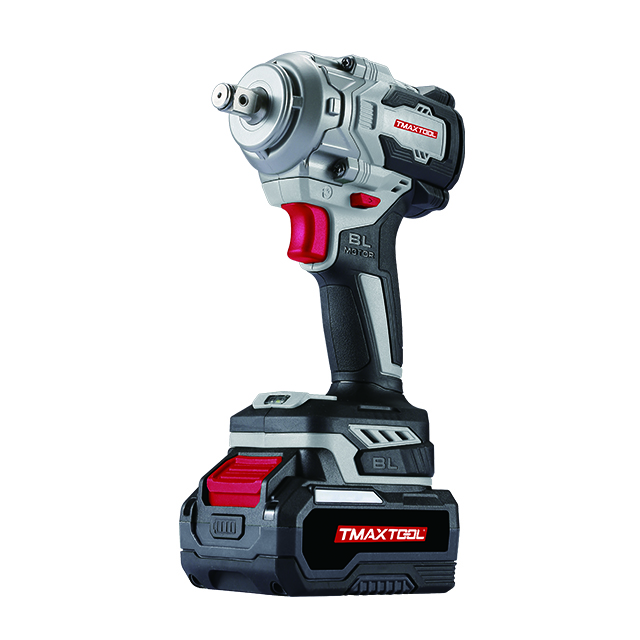 Impact Wrench
 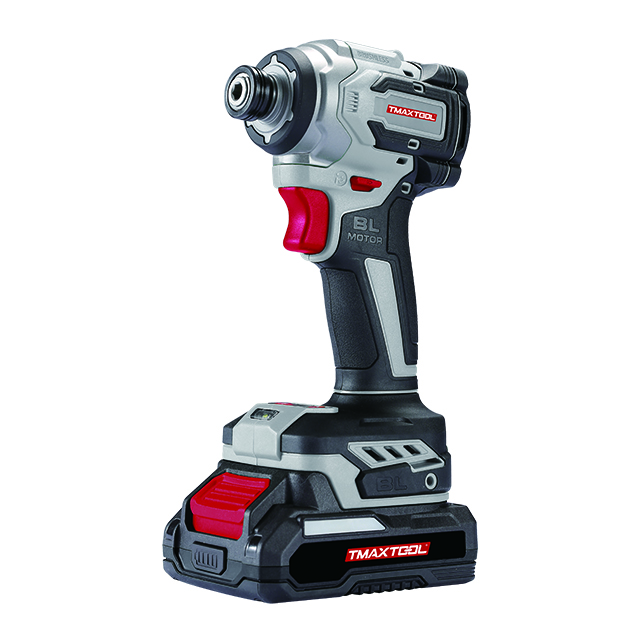 Screwdriver
 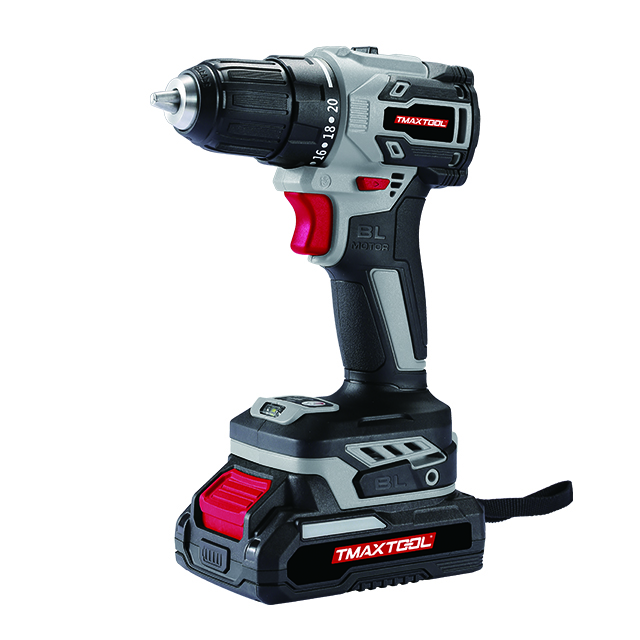 Cordless Drill
 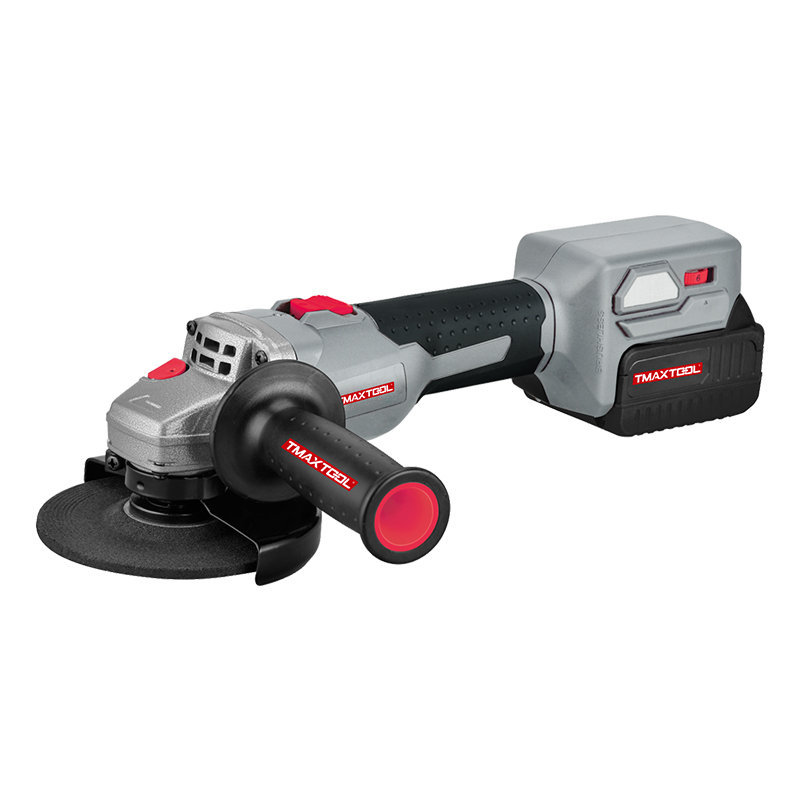 Angle Grinder
 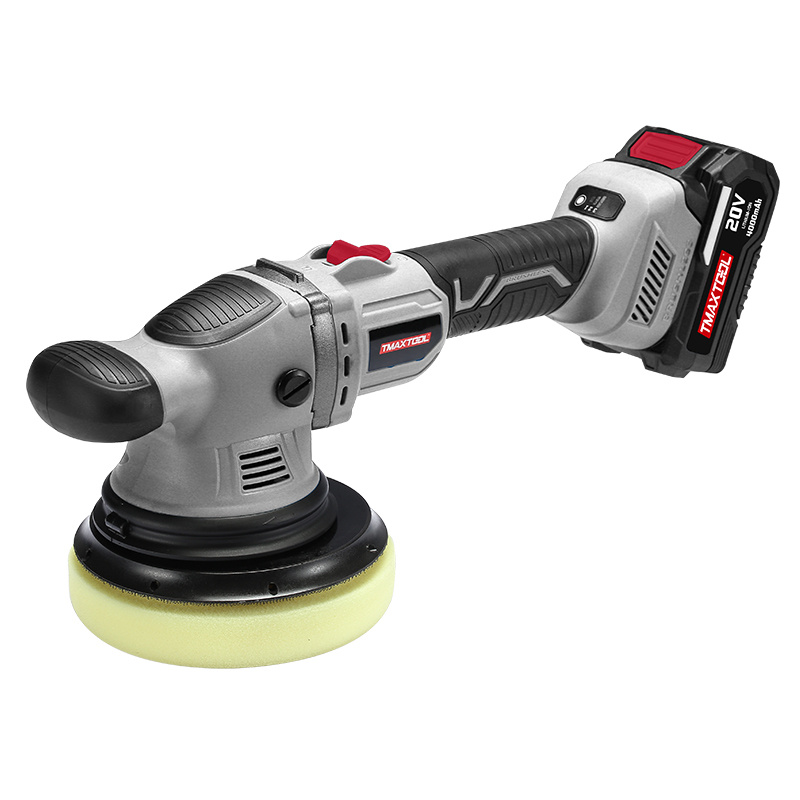 Polisher
 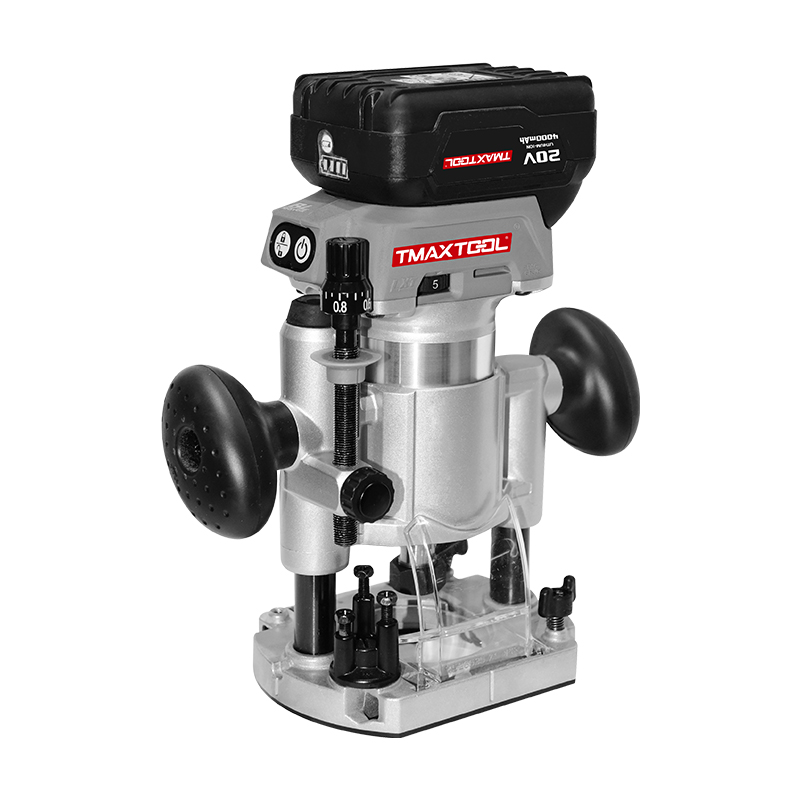 Wood Router
 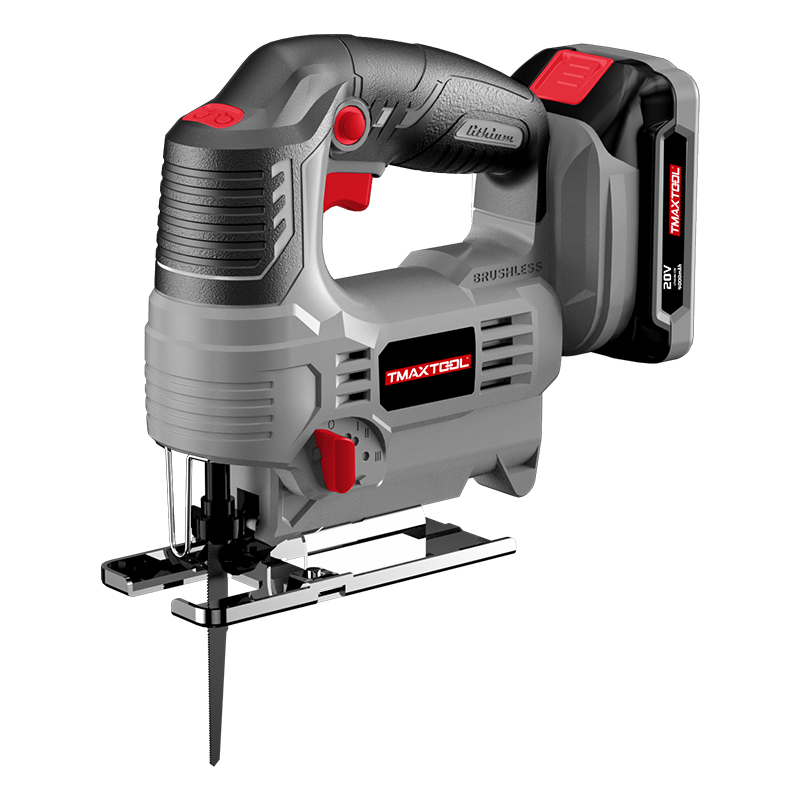 Jig Saw
 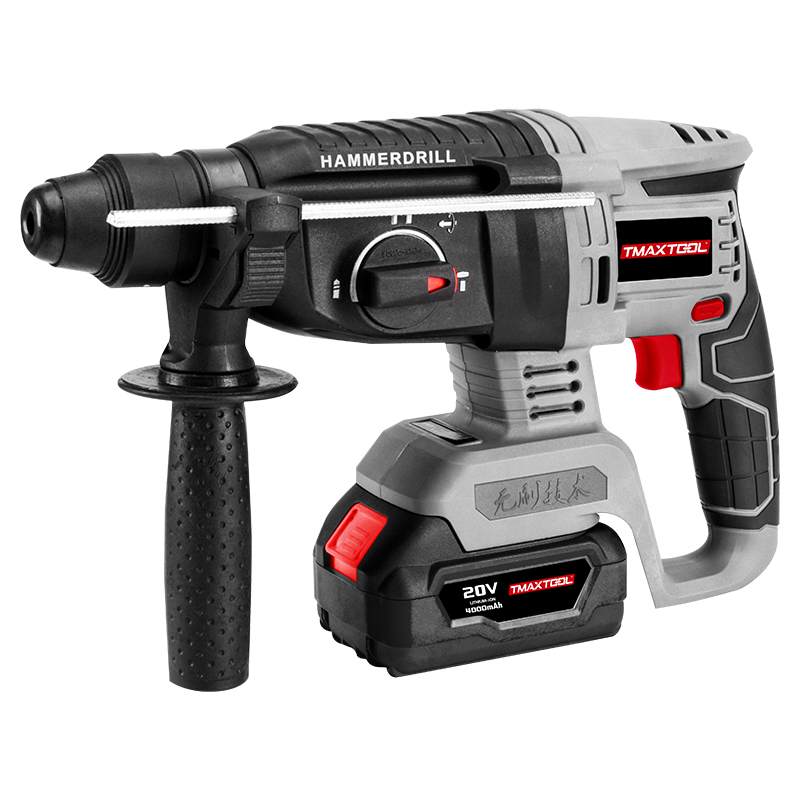 Hammer Drill
 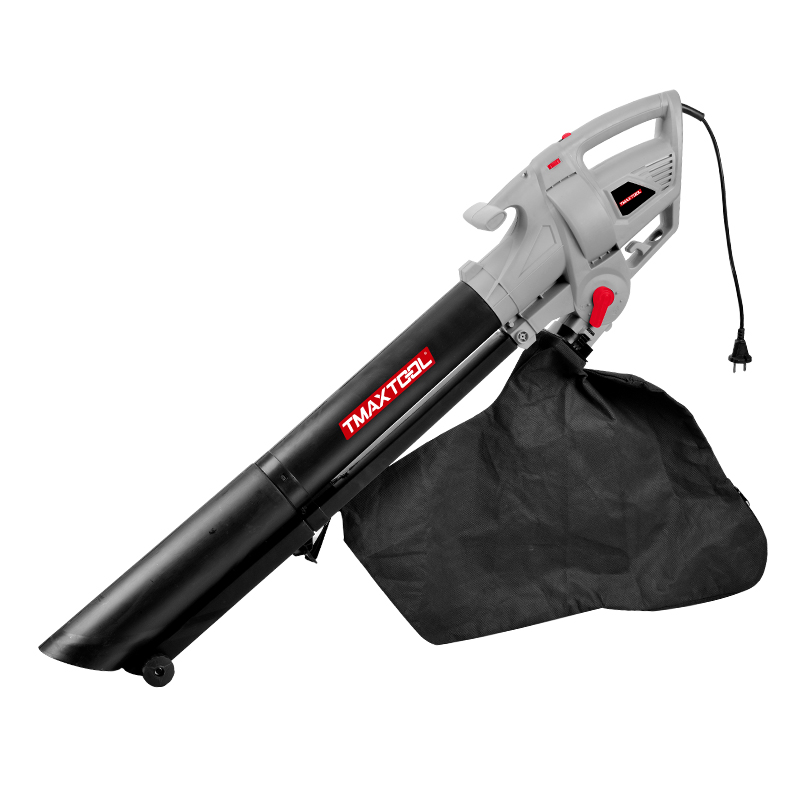 Portable Blower
 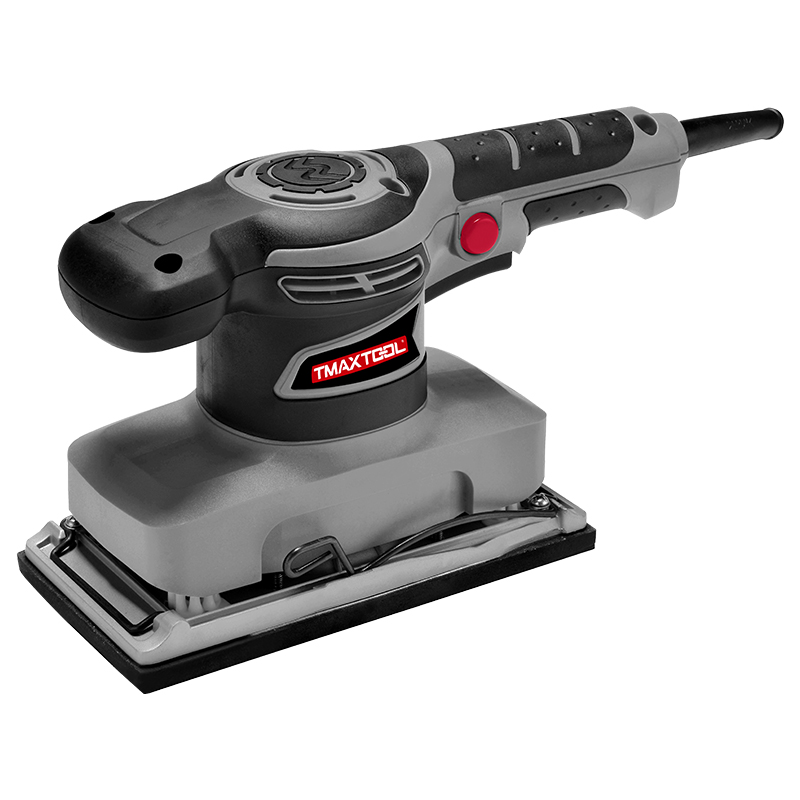 Orbital Sander
 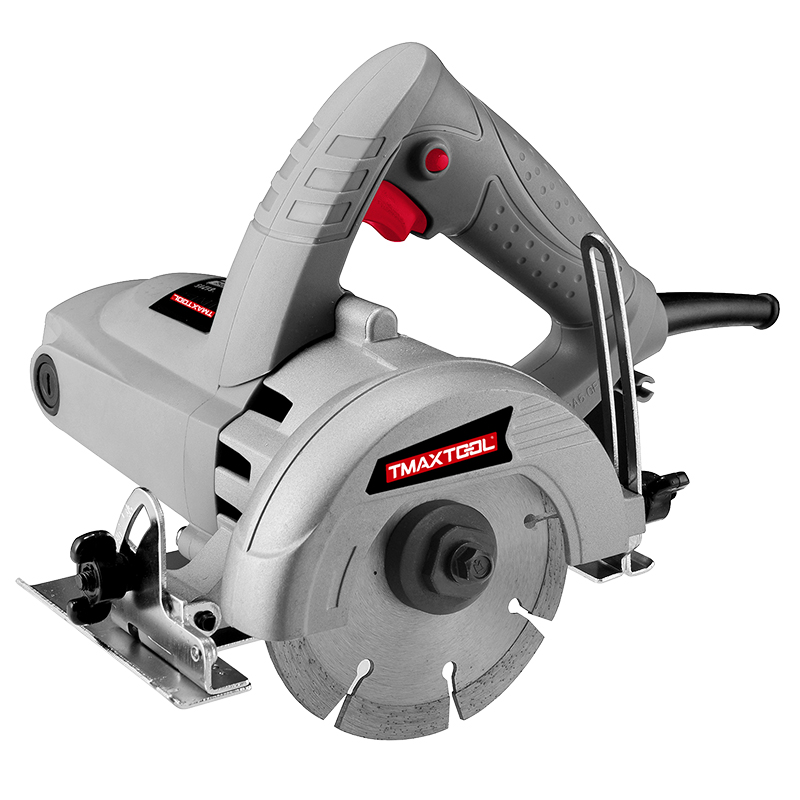 Marble Cutter
  GARDEN TOOLS
 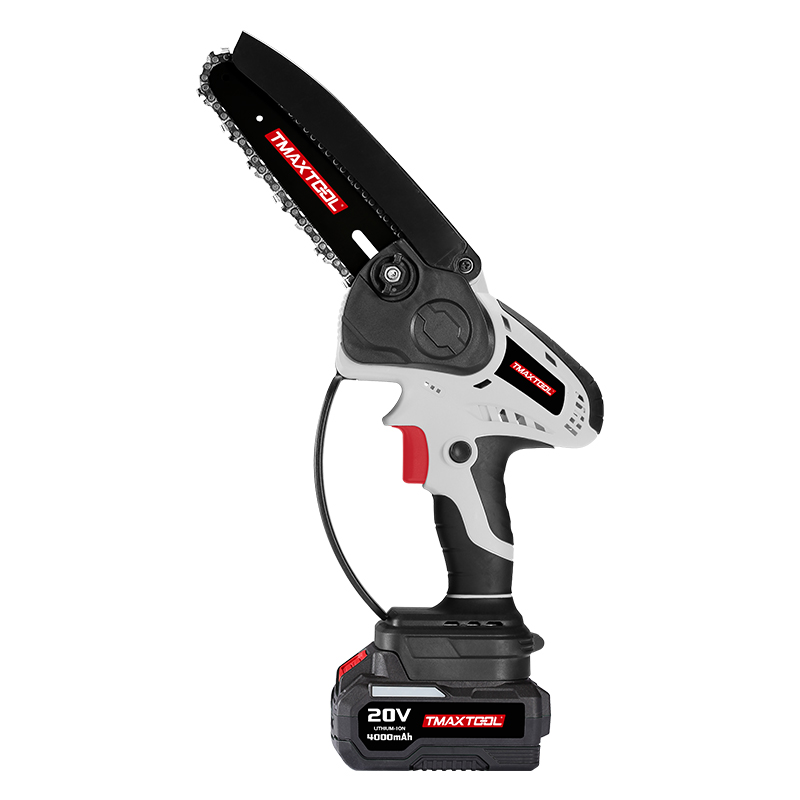 Battery Chain Saw
 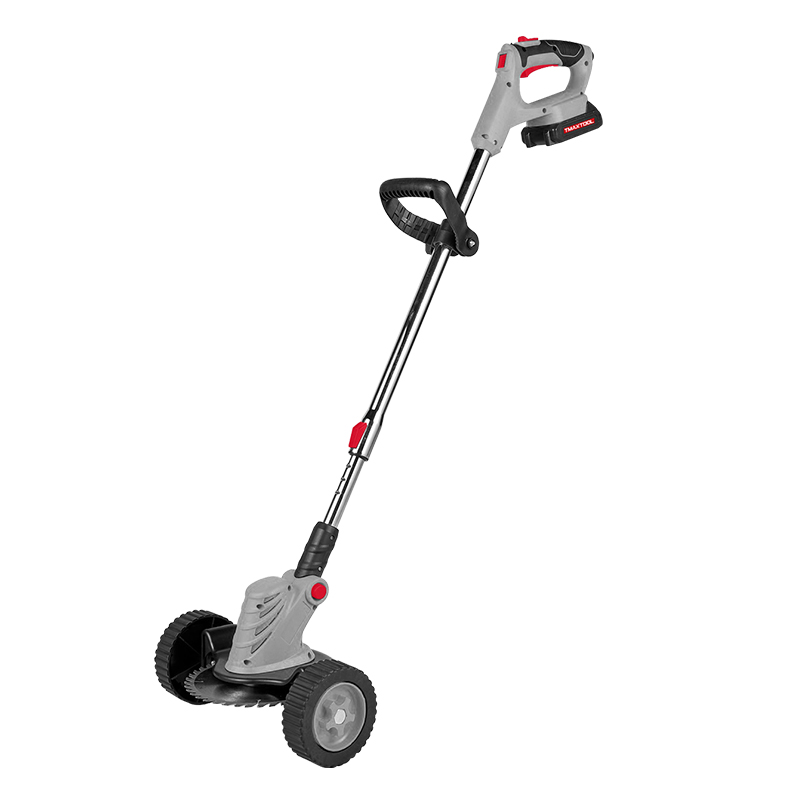 Battery Brush Cutter
 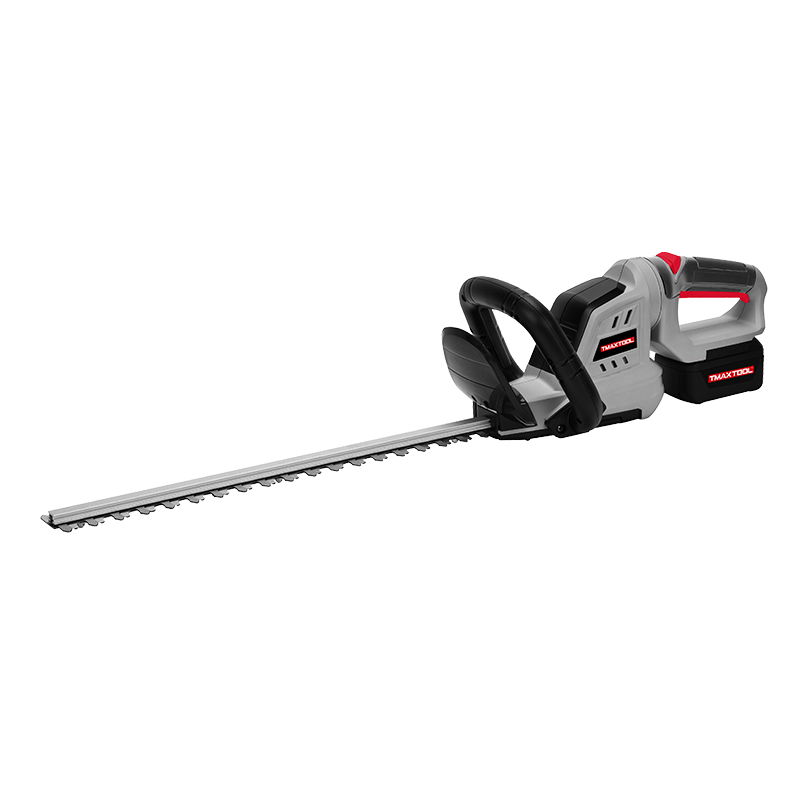 Battery Hedge Trimmer
 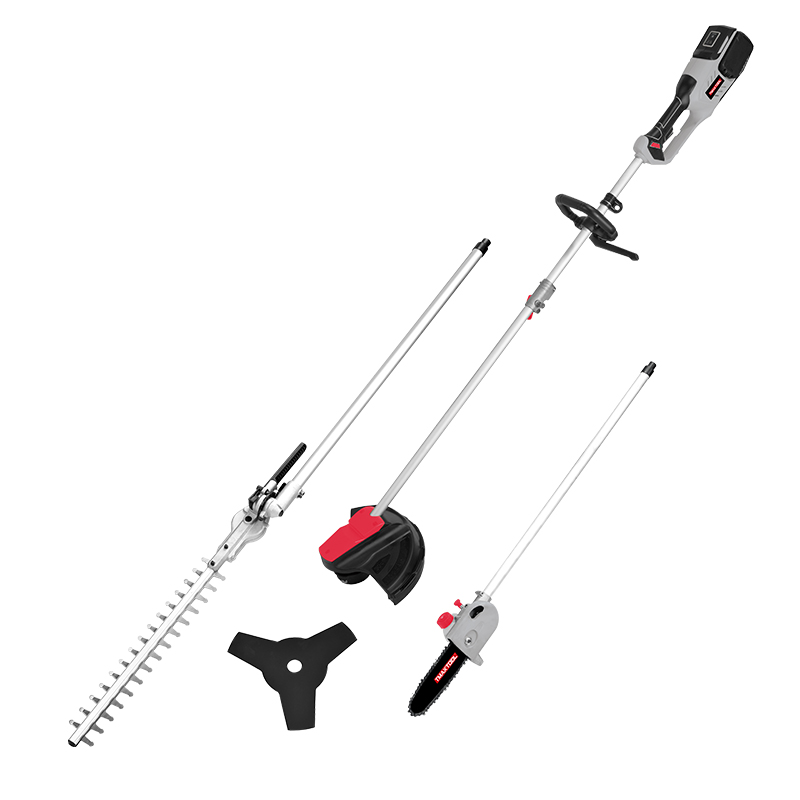 Battery Multi Tool
 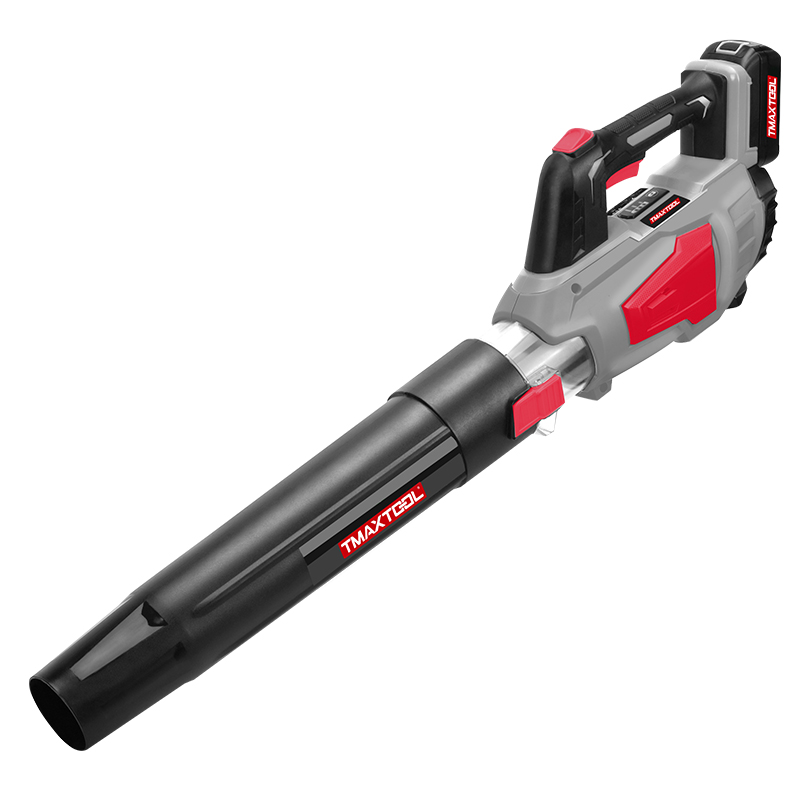 Battery Blower
 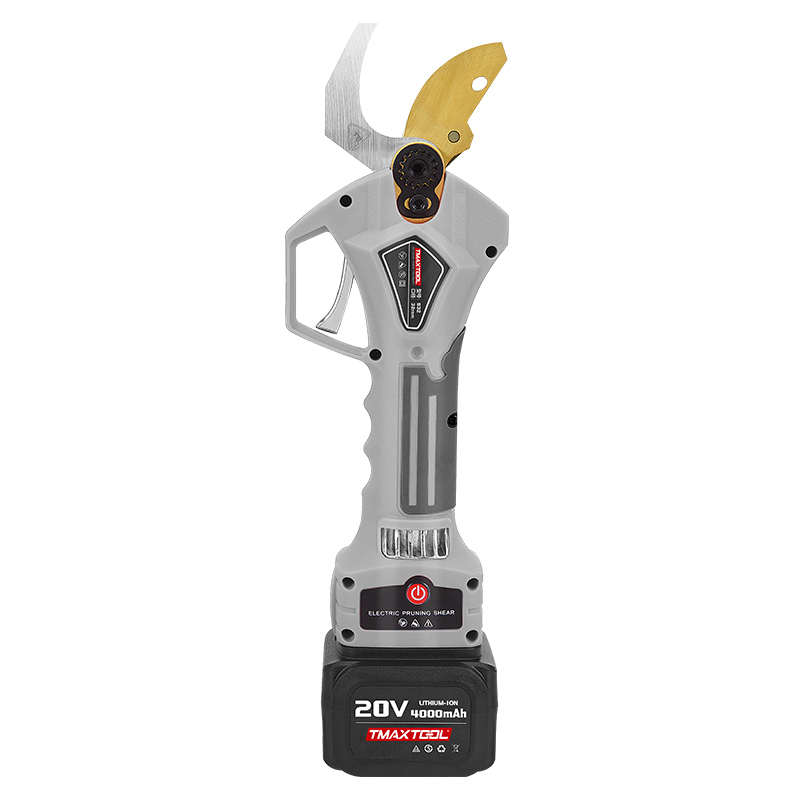 Batter Pruning Shears
 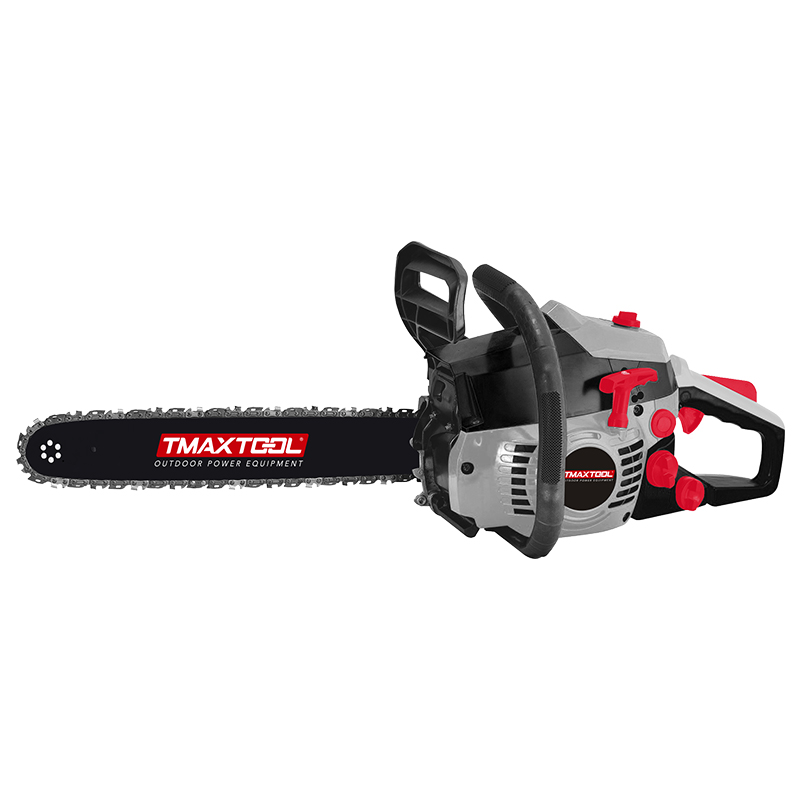 Chain Saw
 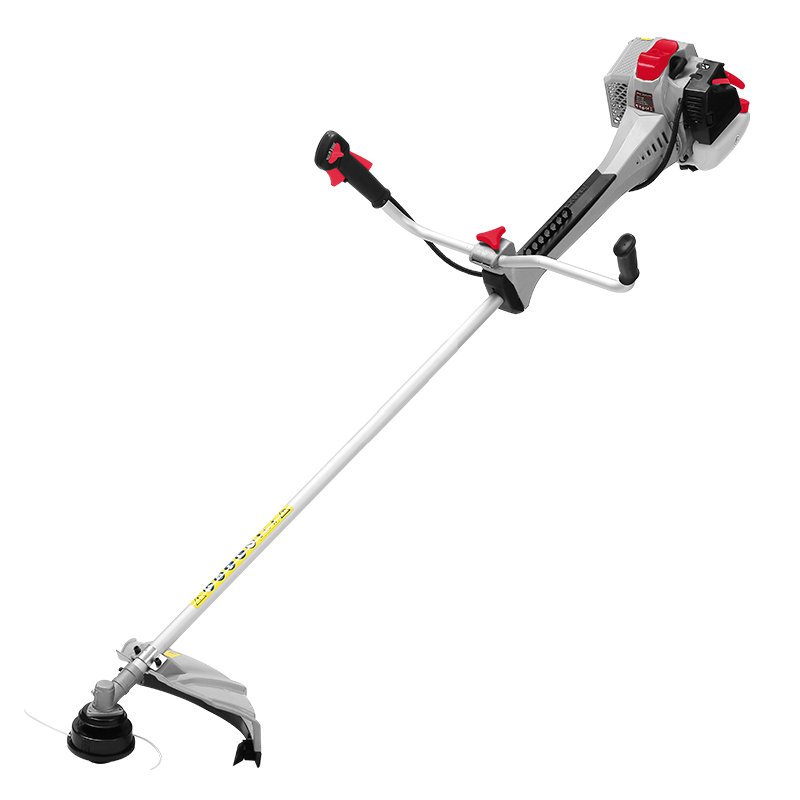 Brush Cutter
 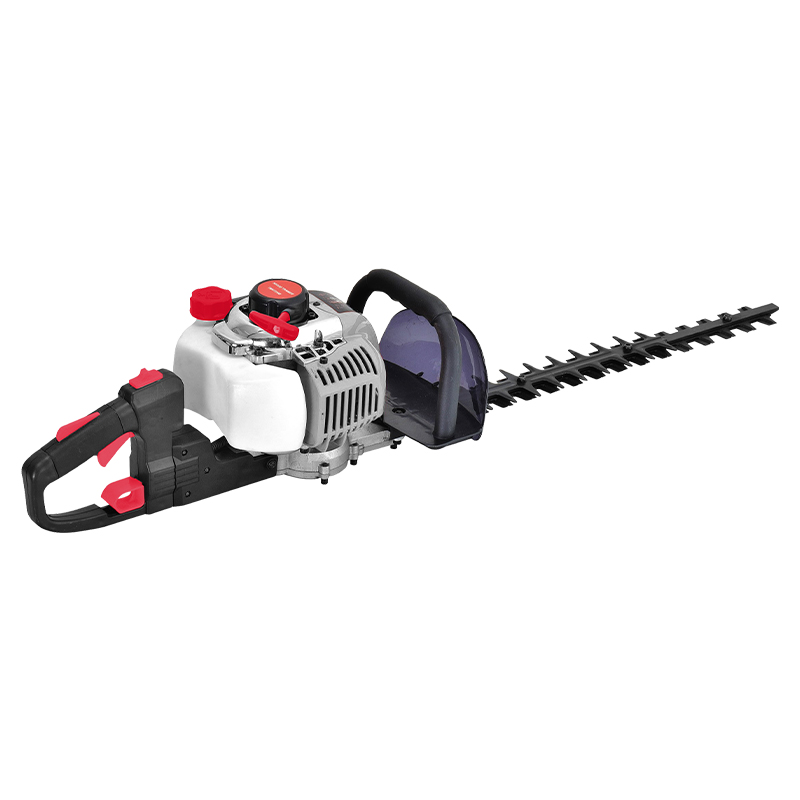 Hedge Trimmer
 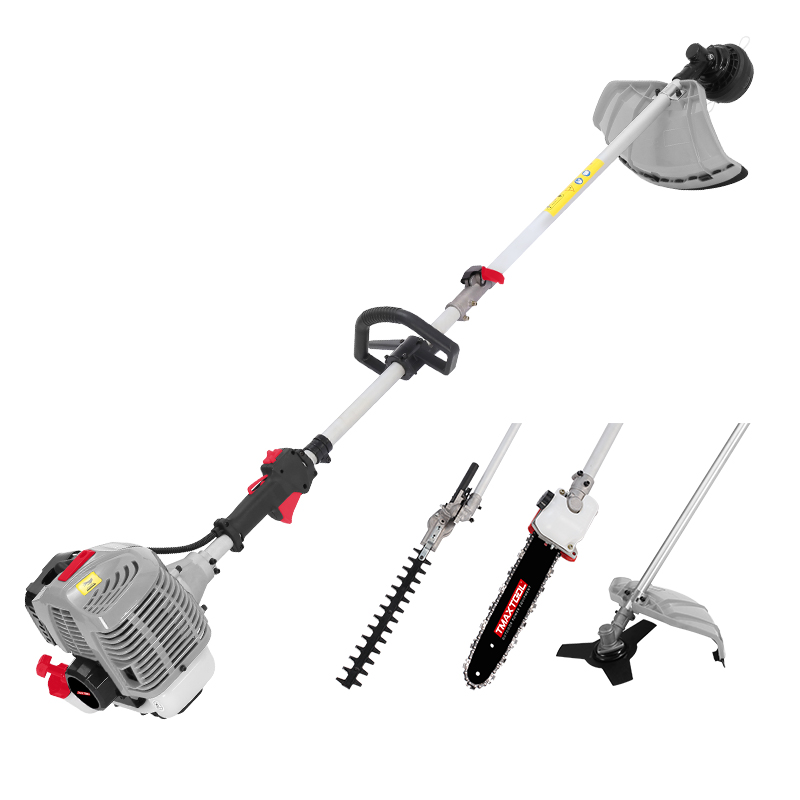 Multi Tool
 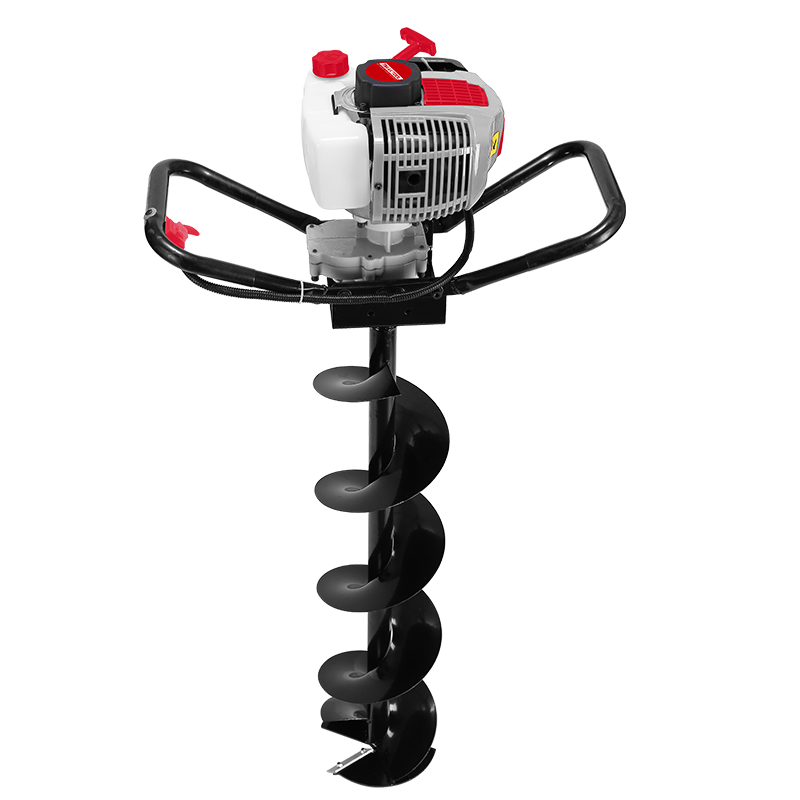 Earth Auger
 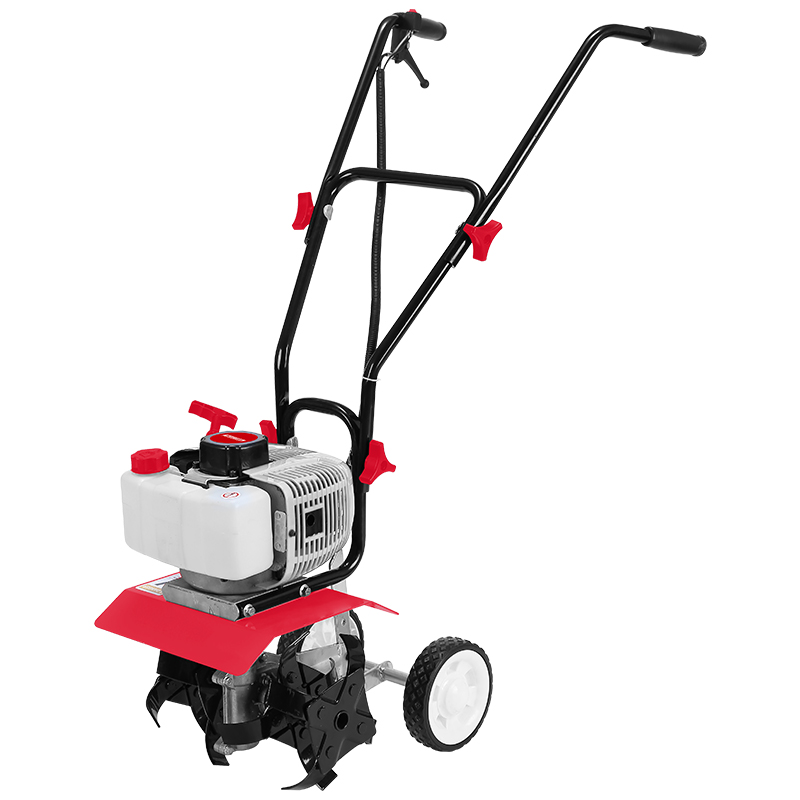 Tiller
 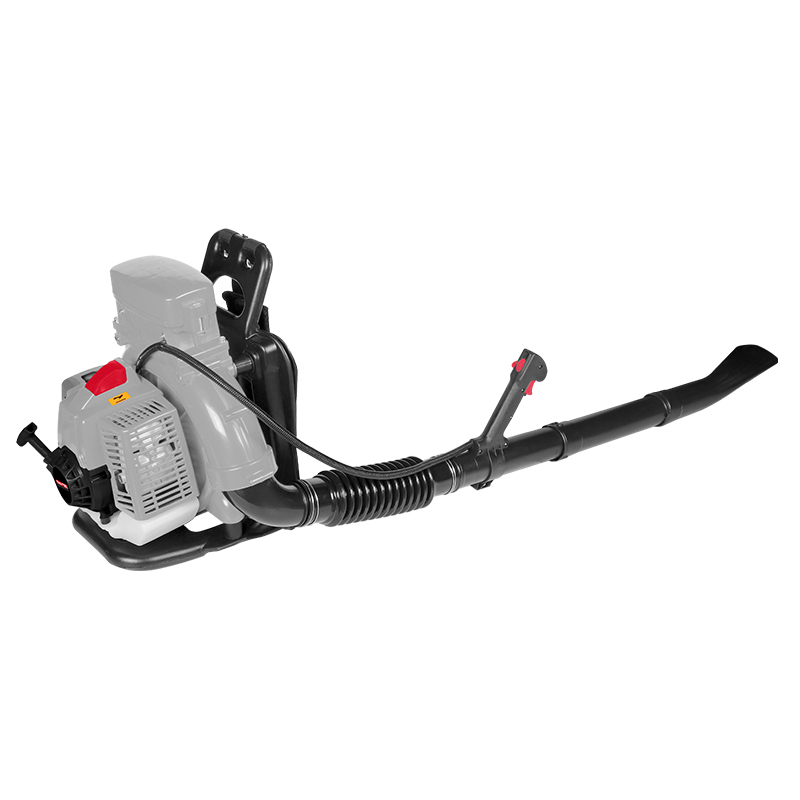 Blower
 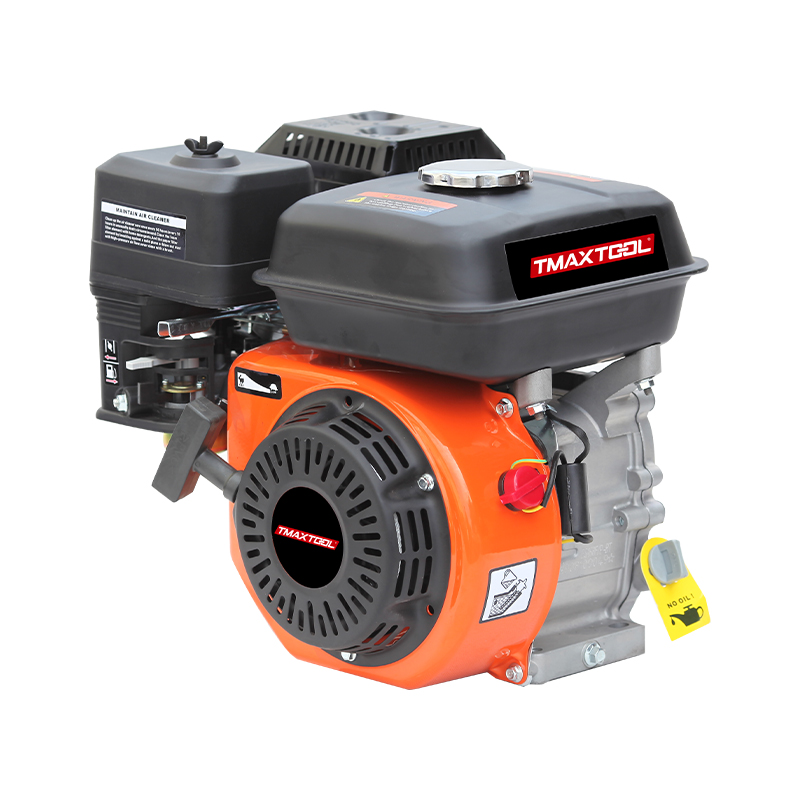 4 Stroke Gasoline Engine
 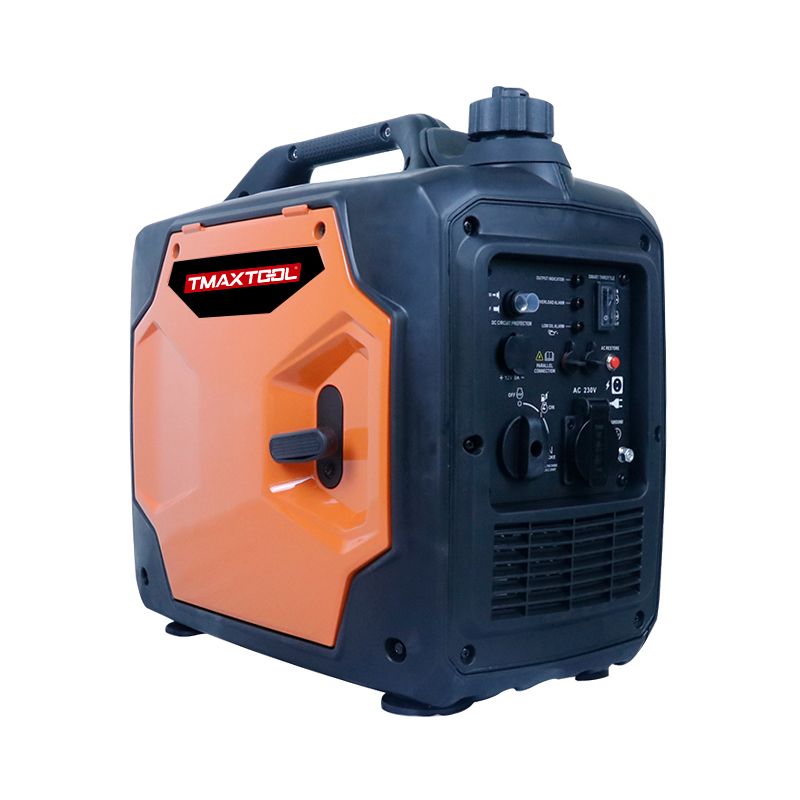 Generator
 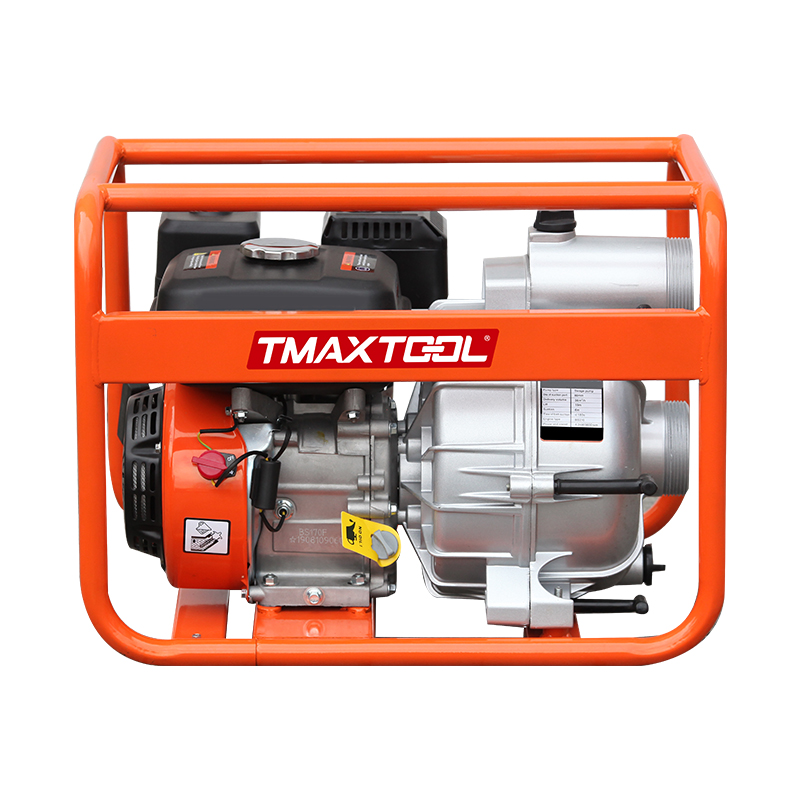 Water Pump
 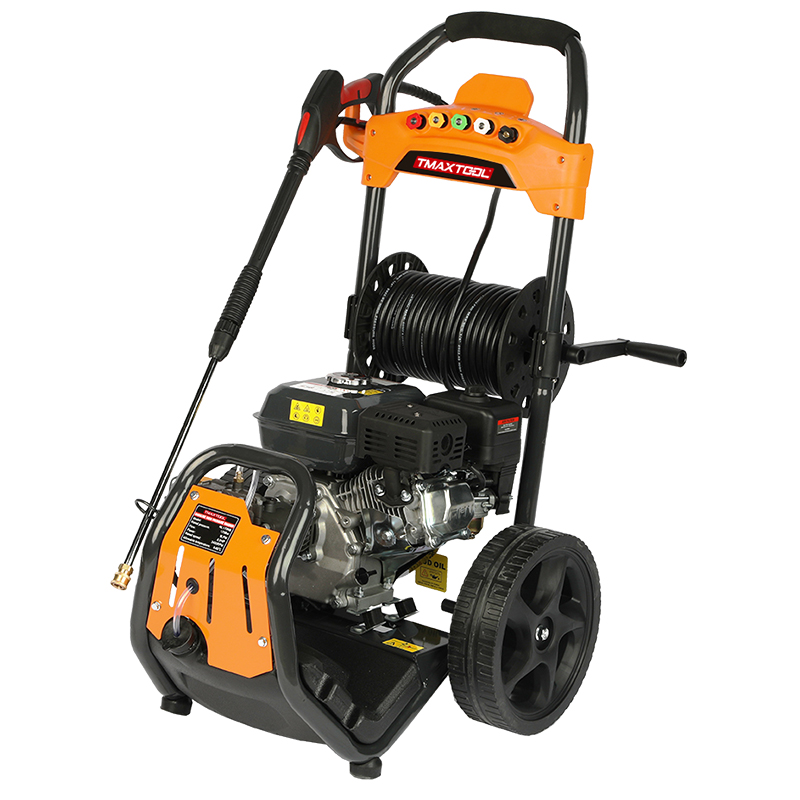 High Pressure Washer
 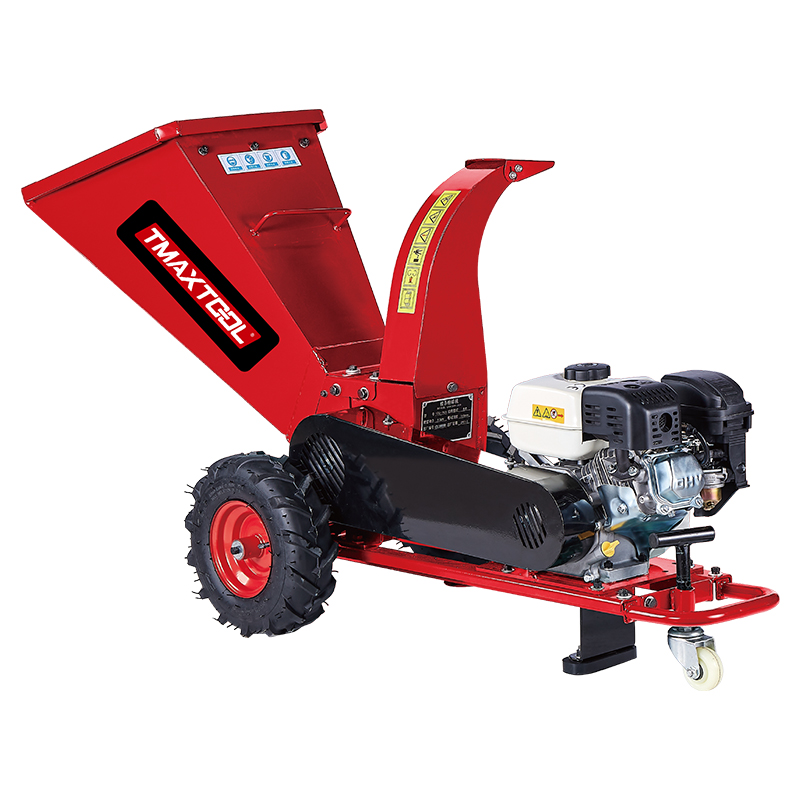 Wood Cutter
 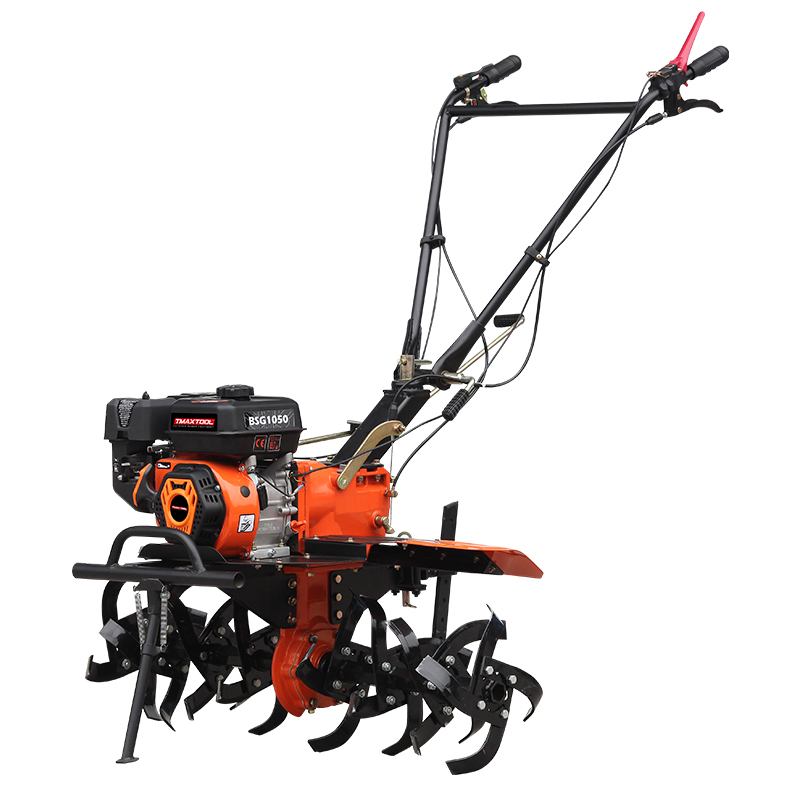 4 Stroke Tiller
 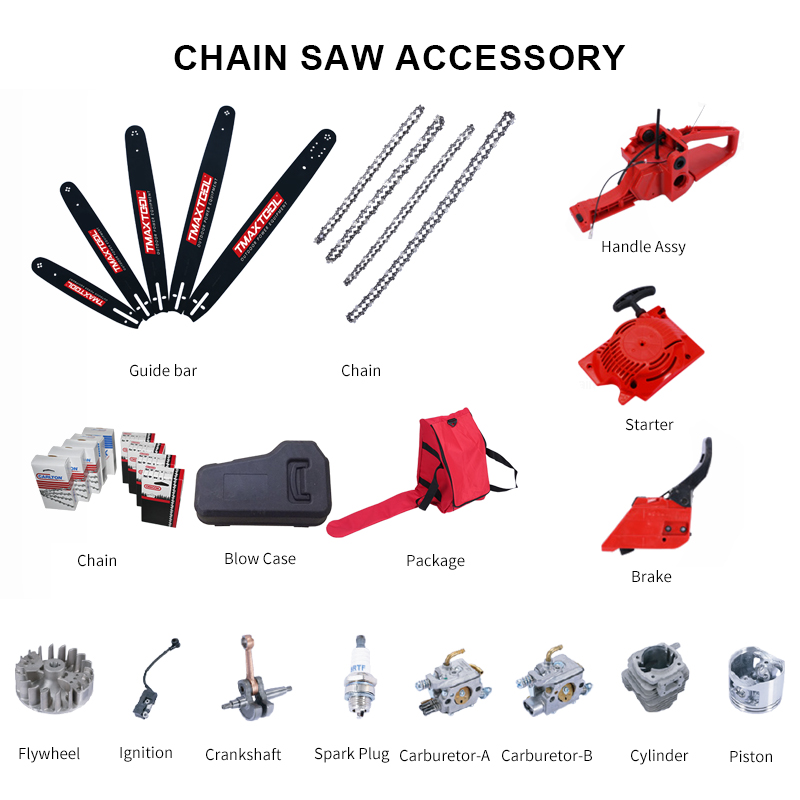 Chain Saw Accessory
 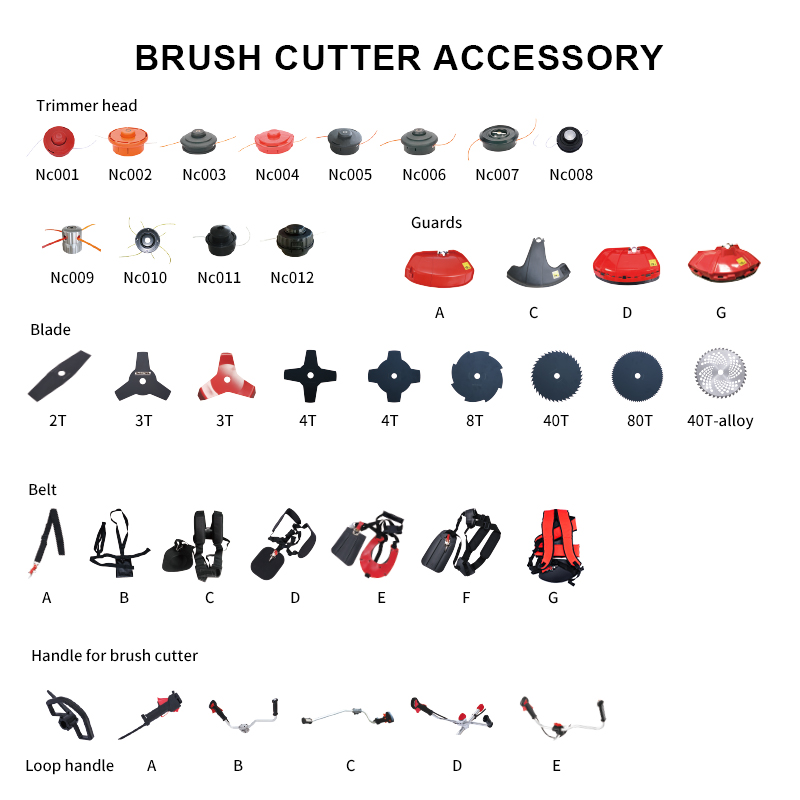 Brush Cutter Accessory
 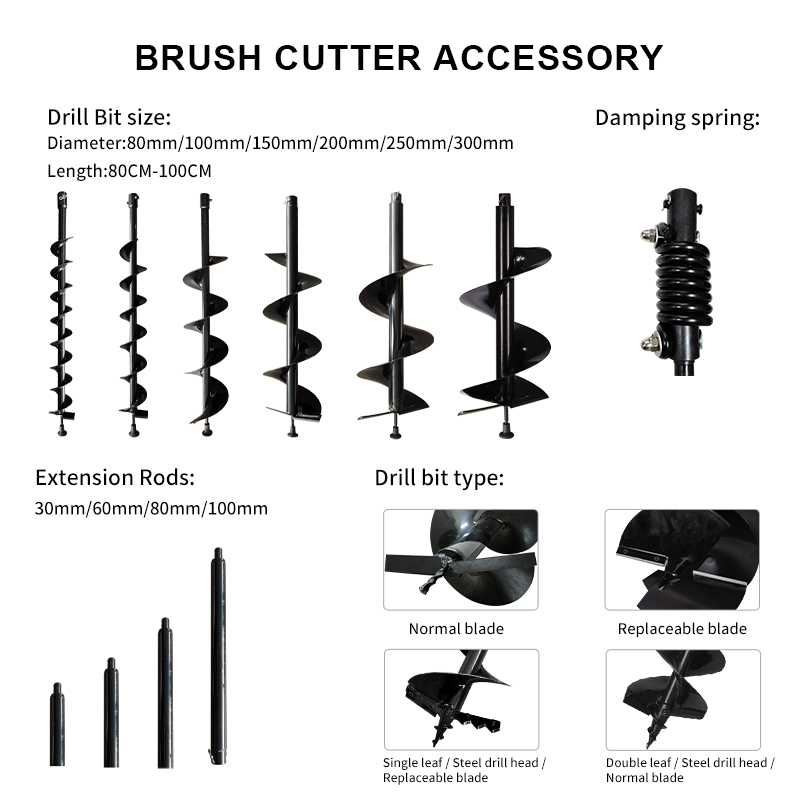 Earth Auger Accessory
 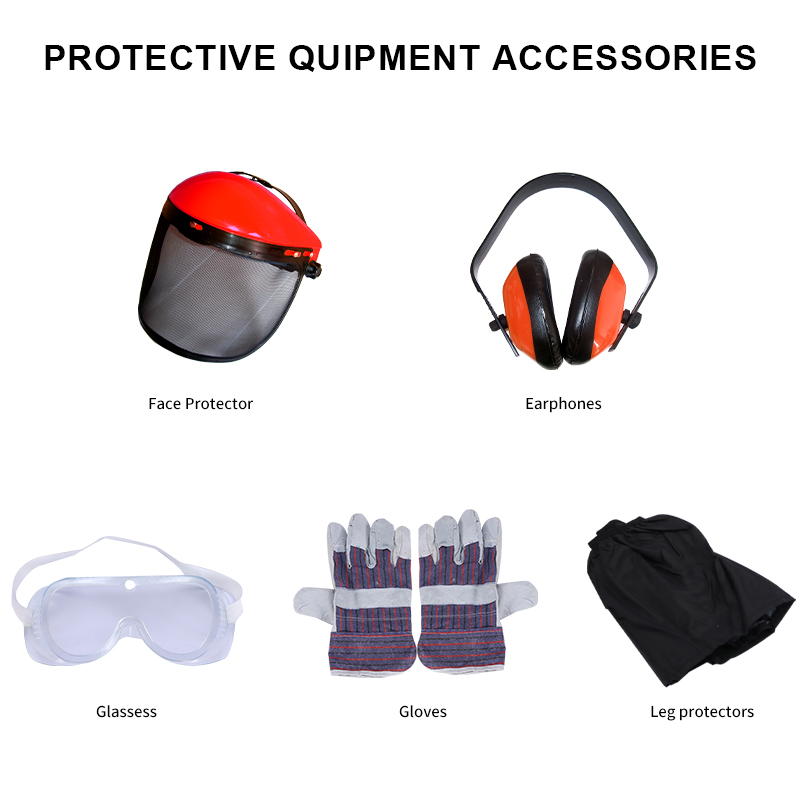 Protective Equipment Accessories


