In the woodworking and DIY circles, the Jig Sawreally stands out as one of those must-have tools. It’s pretty amazing for its precision and versatility — you can easily cut out all sorts of complicated shapes and curves, no sweat. John Smith, who’s well-known in the industry and also a co-founder of WoodCraft Tools, once said, “A quality Jig Saw can take your project from ordinary to something truly special.” Honestly, he's got a point there.
Understanding how a jig saw actually works can be kinda fascinating, but it’s not always straightforward. Basically, it has a straight saw blade that moves up and down, slicing through different materials. The tricky part is mastering the controls — keeping your hand steady and your cuts precise. It’s easy to mess up and end up with uneven lines if you're not used to it.
And then there’s the whole thing about picking the right blade for your project. That’s another layer of complexity, and if you grab the wrong one, it can get pretty frustrating and lead to wasted materials. Plus, the various settings and adjustments on a jig saw can feel overwhelming at first. It’s a pretty powerful tool, but honestly, it just takes some practice, patience, and a bit of trial and error to really get the hang of it and see the best results.

What is a Jig Saw?
A jig saw is a versatile power tool designed for cutting various materials. It features a straight, narrow blade that moves up and down. This motion allows for intricate cuts in wood, metal, and plastic. The design provides flexibility not found in many other saws.
In 2020, the global power tools market was estimated at over $30 billion. Among these, jig saws account for a significant sector due to their widespread use in furniture making and construction. Users often favor jig saws for their ability to create curves and angles. However, the learning curve can be steep.
Improper handling can lead to inaccuracies and safety risks. Beginners may struggle to maintain a steady hand. Additionally, the choice of blade affects the quality of the cut. A wrong selection may produce rough edges. Not all projects require a jig saw, yet when used appropriately, it excels in precision cutting.
The Anatomy of a Jig Saw
A jig saw is a versatile power tool used for cutting various materials. Its anatomy comprises several key parts that work in unison. The base plate, often made of metal or plastic, provides stability. Above it, the motor drives the blade. This is where the magic happens. With each pull of the trigger, the blade moves up and down rapidly.
The blade itself is crucial. It comes in different sizes and styles to suit various materials. Shorter blades cut wood, while longer ones are for metal or plastic. Adjusting the speed allows for precision cuts. However, using the wrong blade can lead to frustration. It might bend or break during use.
Another important part is the handle. It offers grip and control, but can feel uncomfortable after prolonged use. Taking breaks is essential to prevent fatigue. Users should also keep safety in mind. Wearing goggles is a good practice, yet many forget this step. This tool requires respect and knowledge. Understanding its anatomy helps improve skills. Each cut teaches something new, shaping the journey of learning.
How a Jig Saw Works: The Mechanism Explained
A jig saw is a versatile power tool, designed for making curved and intricate cuts in various materials. Its mechanism relies on a reciprocating blade, which moves up and down rapidly. As the blade travels, it pierces through materials, allowing for smooth transitions in design. The adjustable speed control allows users to adapt the cutting speed based on the material's density.
When using an OEM Jig Saw, it's essential to choose the right blade for the task. Different blades are available for wood, metal, and plastic. Using the wrong blade can lead to uneven cuts or damage to the material. Always ensure that the blade is securely installed before starting your project.
Here’s a tip: practicing on scrap materials is beneficial. It helps you get a feel for the tool's handling. Sometimes, a simple mistake can alter your project significantly. A steady hand and slow movements can lead to better results. Remember, patience is key when mastering the jig saw’s intricacies.
Types of Jig Saws and Their Features
Jig saws come in various types, each designed for specific tasks. The standard jig saw is perfect for general cutting. It uses a straight blade that moves up and down quickly. This model is versatile, making it ideal for projects like furniture assembly or art crafts. A more advanced option is the orbital jig saw. It features an additional motion that allows the blade to move in a slight circular motion. This enhances cutting efficiency, especially for thicker materials.
Then, there are cordless jig saws. They provide flexibility as there are no cords to manage. These tools are excellent for outdoor projects or areas without convenient power sources. However, battery life can be a concern. It might die right when you are in the zone. Additionally, some jig saws have speed settings. Adjusting the speed can improve precision, but it can also lead to mistakes if not done carefully. Choosing the right type requires consideration of project needs and personal skill levels. Overall, understanding each type helps in making a better decision.
Common Uses of a Jig Saw in Various Projects
A jig saw is a versatile power tool used in many projects. It can cut through various materials, including wood, metal, and plastic. This makes it an essential tool for DIY enthusiasts and professionals alike. Its ability to create intricate cuts sets it apart from other saws.
In woodworking, a jig saw is perfect for making curves and complex shapes. Whether you are crafting furniture or decorative items, it allows for precise designs. When cutting tiles or sheet metal, accuracy is vital. The jig saw can handle these materials with finesse. Many users appreciate its portability; it's easy to move around the workspace.
Common uses also extend to home improvement projects. From installing shelves to crafting custom window frames, the jig saw proves handy. It can make cutting templates simple. Users often find themselves experimenting with different blades to achieve various finishes. There's a learning curve, and sometimes mistakes happen. However, these experiences lead to better techniques. Wholesale Jig Saw options make acquiring this tool more accessible for projects. Each use teaches new skills and fosters creativity.
Safety Tips for Using a Jig Saw
Using a jig saw requires careful attention to safety. Accidents can happen quickly. According to a report by the U.S. Consumer Product Safety Commission, around 30,000 people are injured by power tools each year. Proper safety measures can significantly reduce these risks.
Always wear safety goggles when operating an ODM Jig Saw. This protects your eyes from flying debris. Hearing protection is also important, as prolonged exposure to noise can lead to hearing loss. Ensure that your workspace is clean and free of distractions. A cluttered area can lead to mishaps. Keep your hands clear of the blade's path.
Using a jig saw can produce wood splinters or metal shards. Be aware of your surroundings while cutting. Choose the right blade for the material you are working with; using the wrong one can lead to breakage. Additionally, stay focused on the task. Distractions can lead to mistakes. Before starting, inspect your tool for any damage. Regular maintenance can prolong the life of your ODM Jig Saw and enhance safety. Following these basic tips can lead to a more secure working environment.
Jig Saw Usage Statistics
Maintenance and Care for Your Jig Saw
Maintaining a jig saw is crucial for ensuring optimal performance and longevity. A recent industry report highlights that regular maintenance can increase tool lifespan by up to 30%. This means cleaning the tool after each use, checking the blade tension, and lubricating moving parts are essential steps. A neglected jig saw can lead to poor cuts and potentially hazardous situations.
Proper blade selection is also significant. Using the right type of blade for specific materials contributes to cleaner cuts. Professionals recommend changing blades after every few projects. Dull blades can cause vibrations, which might lead to tool damage over time. Small adjustments in care can substantially enhance performance, especially when using a High-Quality Jig Saw.
Lastly, storing the jig saw in a dry place prevents rust and damage. A protective case can be beneficial. Neglecting to store tools properly often leads to unnecessary repairs. Learning from past mishaps is key. Investing time in maintenance today could save headaches tomorrow.
Maximizing Efficiency in Forestry Operations: The Impact of the Manufacturer 52CC 2.0KW Gasoline Chain Saw on Productivity and Safety
In the forestry industry, operational efficiency and safety are paramount for maximizing productivity. The use of high-performance tools such as gas-powered Chain Saws can significantly impact these factors. For instance, a chain saw with a 52CC engine displacement and a maximum engine power of 2.0KW can deliver the necessary power for various cutting tasks. This capacity allows operators to tackle larger trees and tougher materials with ease, resulting in reduced working hours and improved overall output.
Furthermore, considerations regarding fuel and oil tank capacities—550ml and 260ml respectively—play a crucial role in operational efficiency. Tools with larger capacities require less frequent refueling, allowing forest workers to maximize their time on the job rather than spending it in maintenance. According to industry reports, optimizing fuel efficiency can lead to a 15-20% reduction in operational costs, significantly enhancing productivity over time.
Weight and ergonomics are also essential for safety and effectiveness in forestry operations. With a weight of 7.0kg, a chain saw that balances power and portability can minimize user fatigue while maximizing handling precision. The availability of various chain bar lengths (16", 18", and 20") enables operators to select the most appropriate tool for the specific job, enhancing safety by offering better control during use. The incorporation of a sprocket nose guide bar further aids in maneuverability, making intricate cuts safer and more efficient.
FAQS
: This product offers convenience and efficiency. It simplifies daily tasks for better time management.
Follow the user guide closely. Take time to understand the features for optimal results.
Some users report a learning curve. Others find certain features confusing at first.
Yes, many users notice improved organization. It helps streamline various activities in daily life.
Refer to the troubleshooting section in the manual. Reach out for support if needed.
Regular cleaning and checks are recommended. This helps avoid issues and prolongs lifespan.
It is designed for regular use. However, heavy usage may impact performance over time.
Yes, certain environments may affect functionality. Avoid extreme conditions to ensure efficiency.
It generally offers better features and usability. However, some users may prefer different options.
Feedback varies; many praise its efficiency. Others wish for more intuitive features. Reflection is essential.
Conclusion
A Jig Saw is a versatile power tool equipped with a straight, reciprocating blade designed for cutting intricate curves and shapes in various materials such as wood, metal, and plastic. Understanding its anatomy, including the base plate, blade clamp, and motor, is essential for effective usage. The jig saw operates through a mechanism that incorporates a vertical movement of the blade, allowing for precision and control while cutting.
There are several types of jig saws, each featuring unique attributes suited for different projects, from DIY home improvements to professional carpentry. Common uses of a jig saw include cutting out intricate designs, making straight cuts, and navigating tight corners. However, safety should always be a priority; users should adhere to recommended safety tips. Additionally, proper maintenance and care can significantly extend the lifespan and performance of your jig saw, ensuring it remains a reliable tool for all your cutting needs.

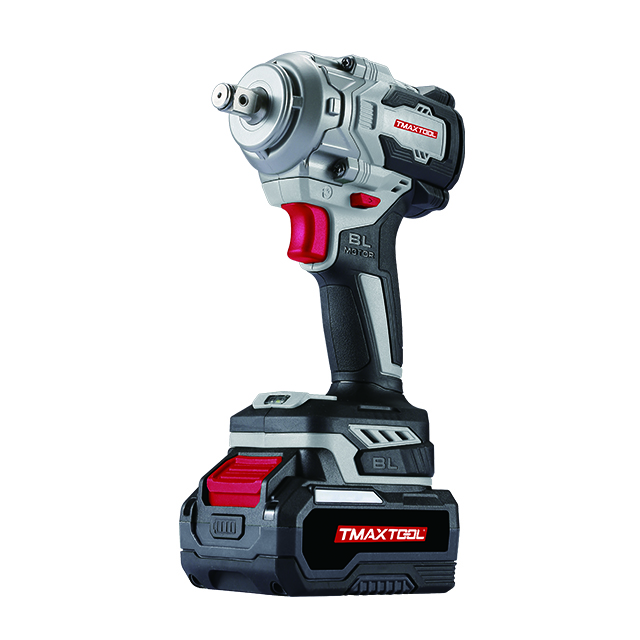 Impact Wrench
 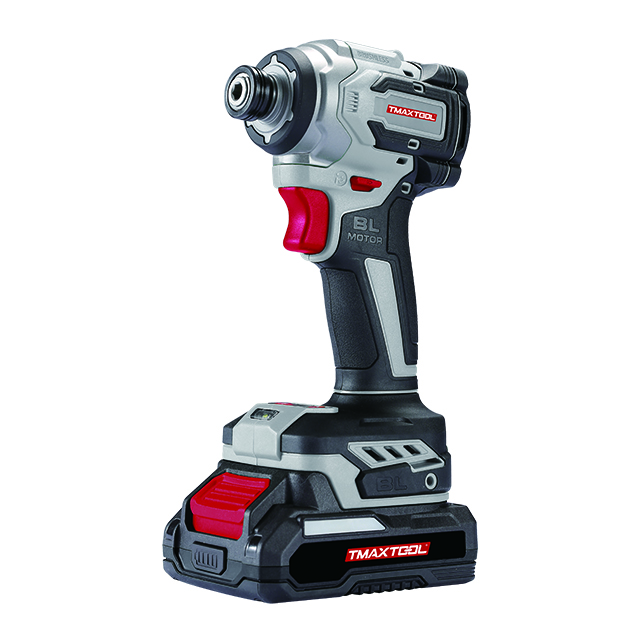 Screwdriver
 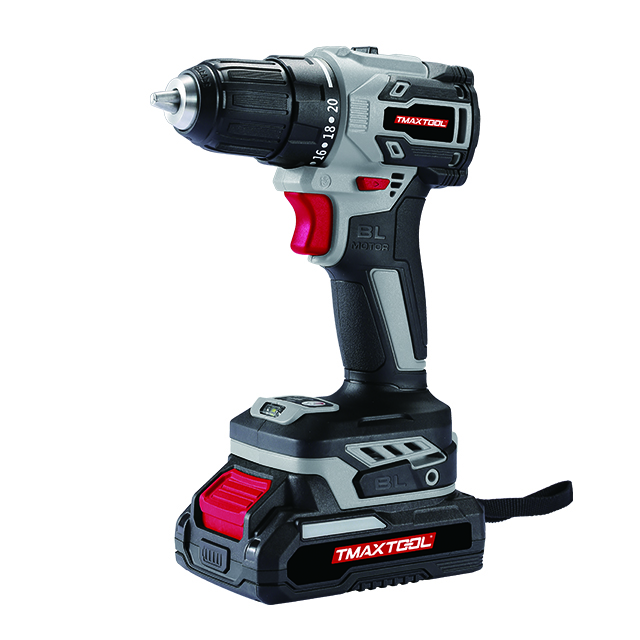 Cordless Drill
 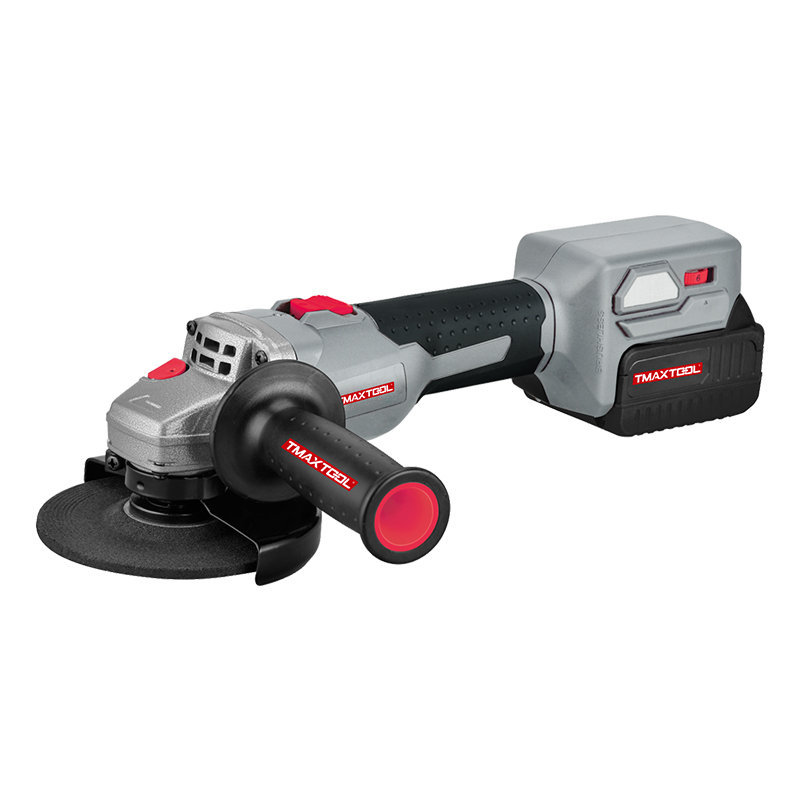 Angle Grinder
 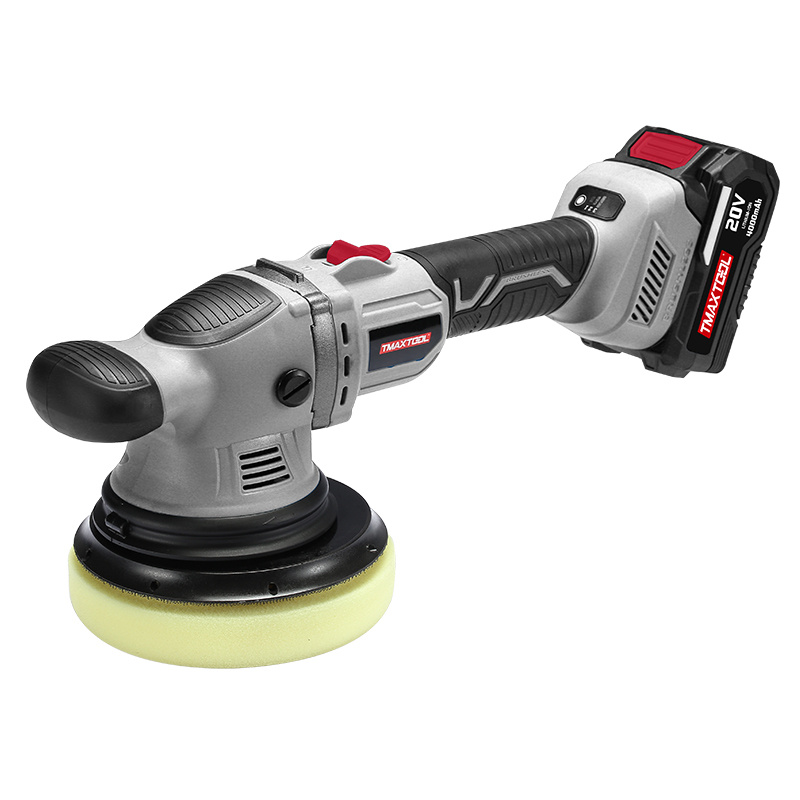 Polisher
 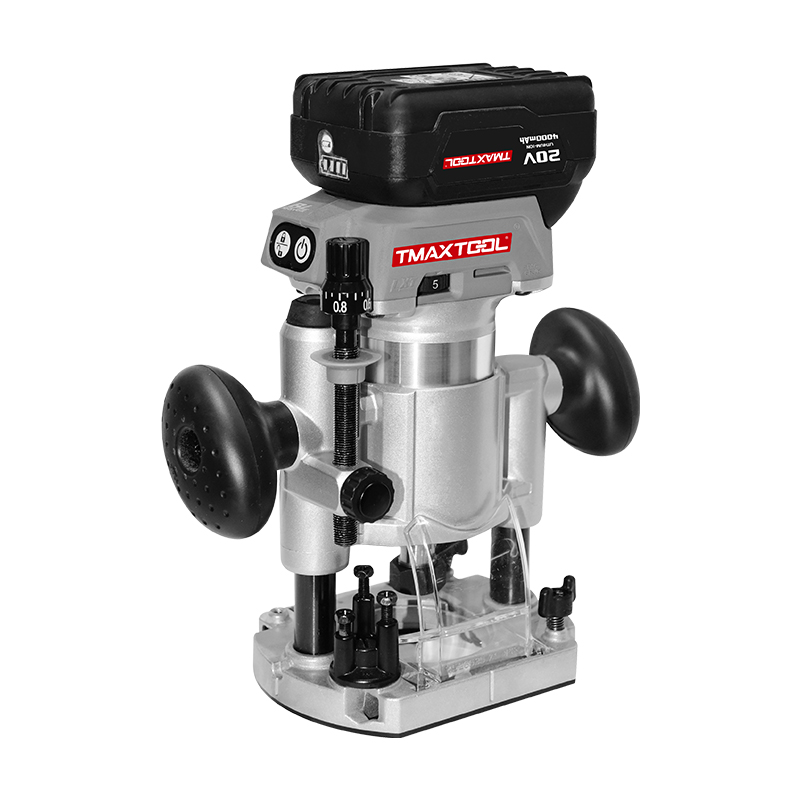 Wood Router
 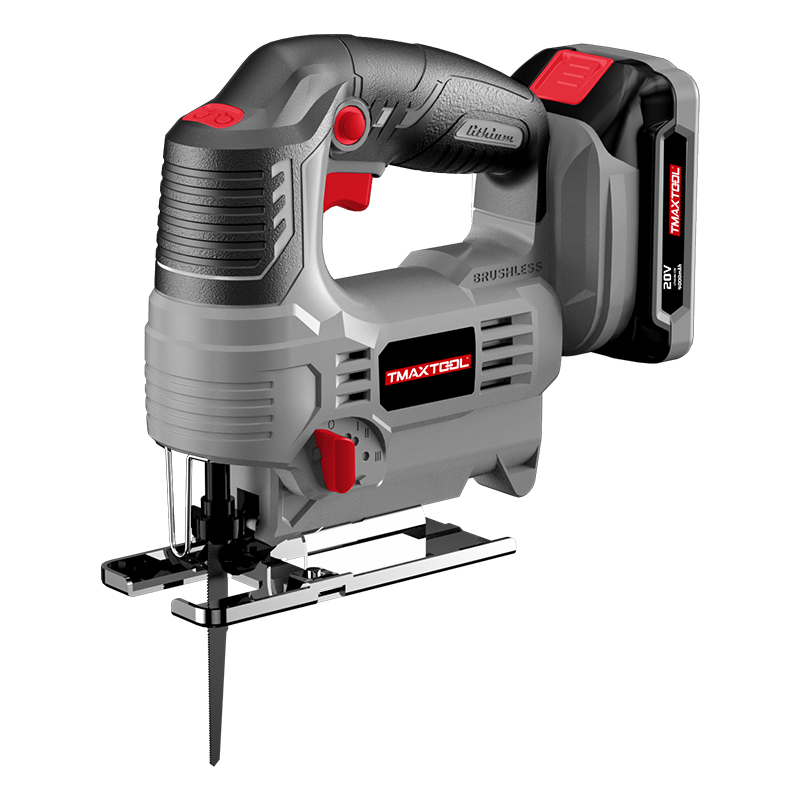 Jig Saw
 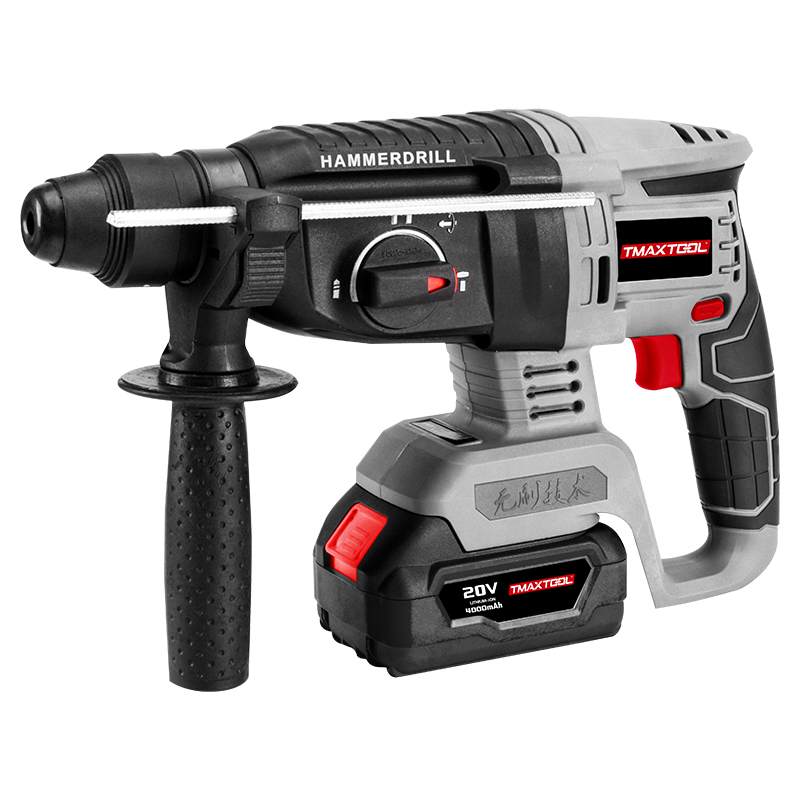 Hammer Drill
 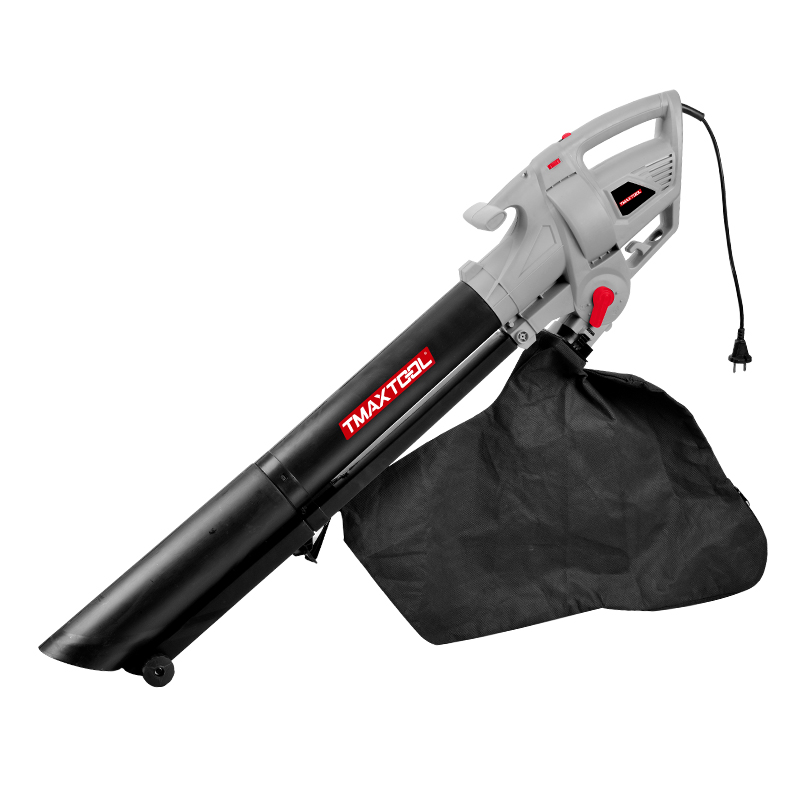 Portable Blower
 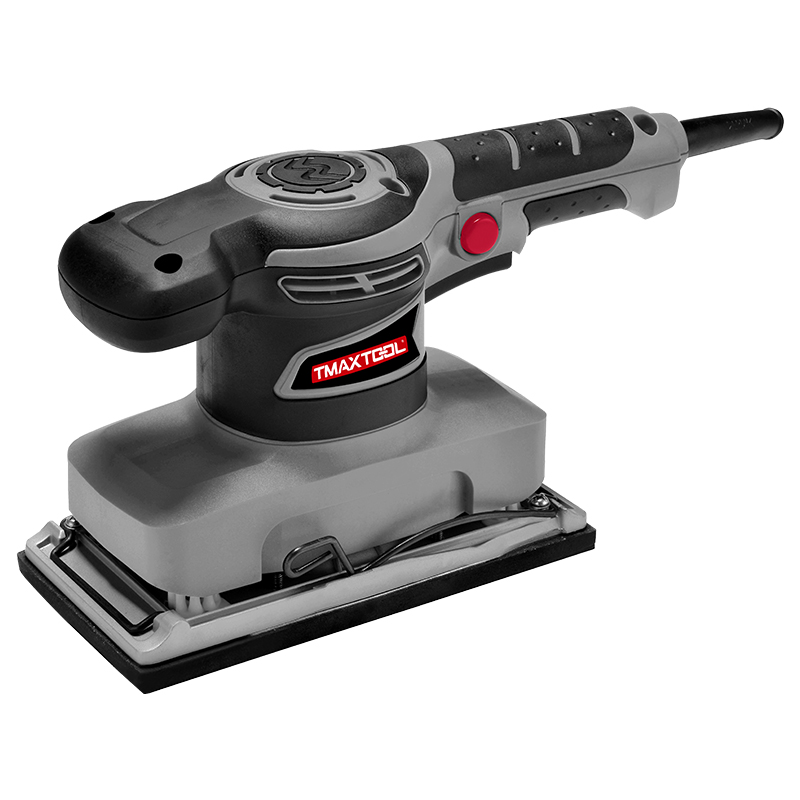 Orbital Sander
 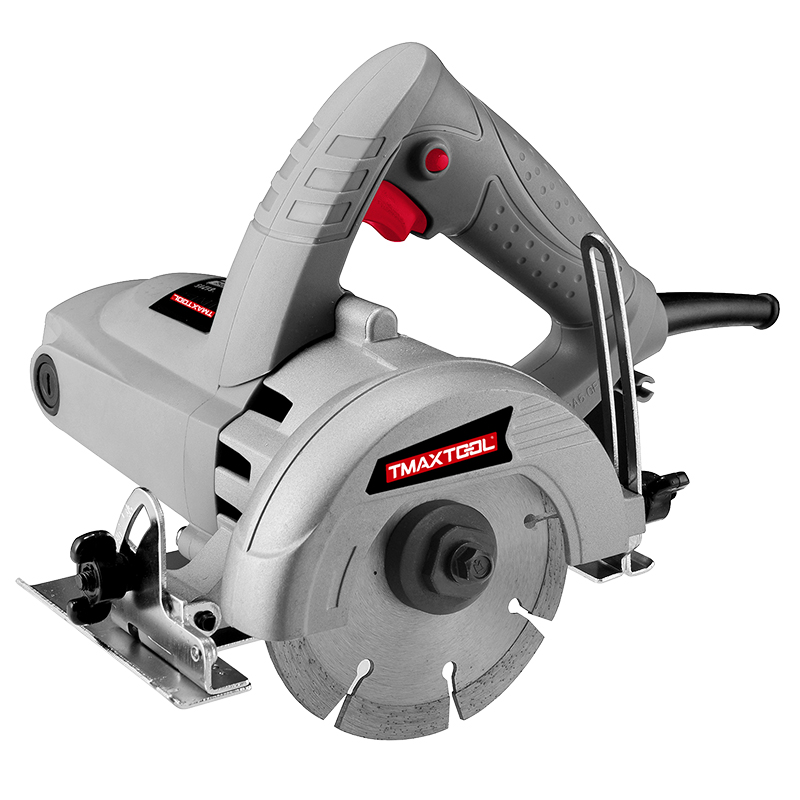 Marble Cutter
  GARDEN TOOLS
 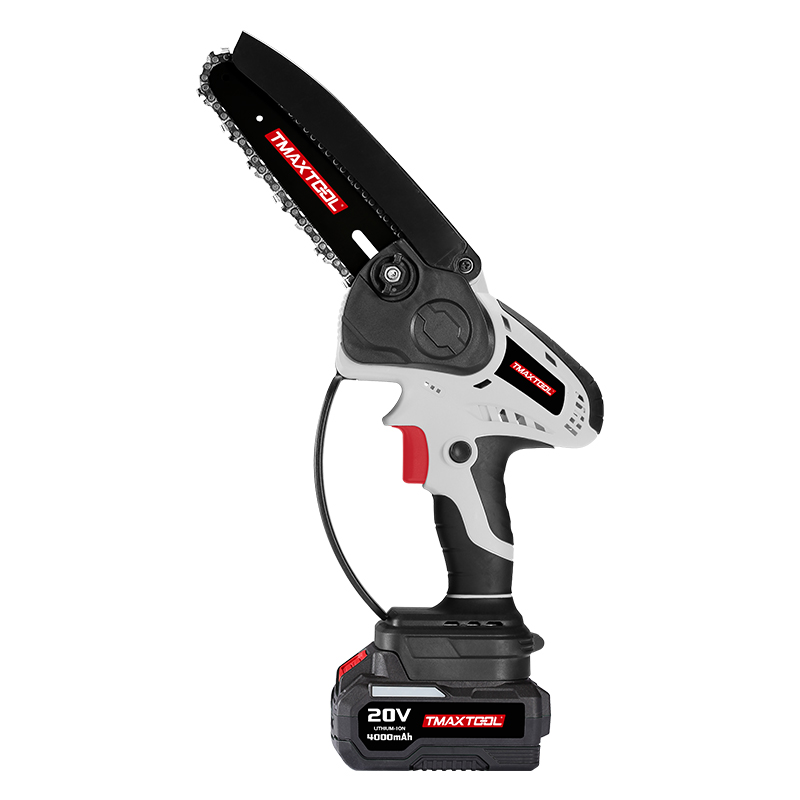 Battery Chain Saw
 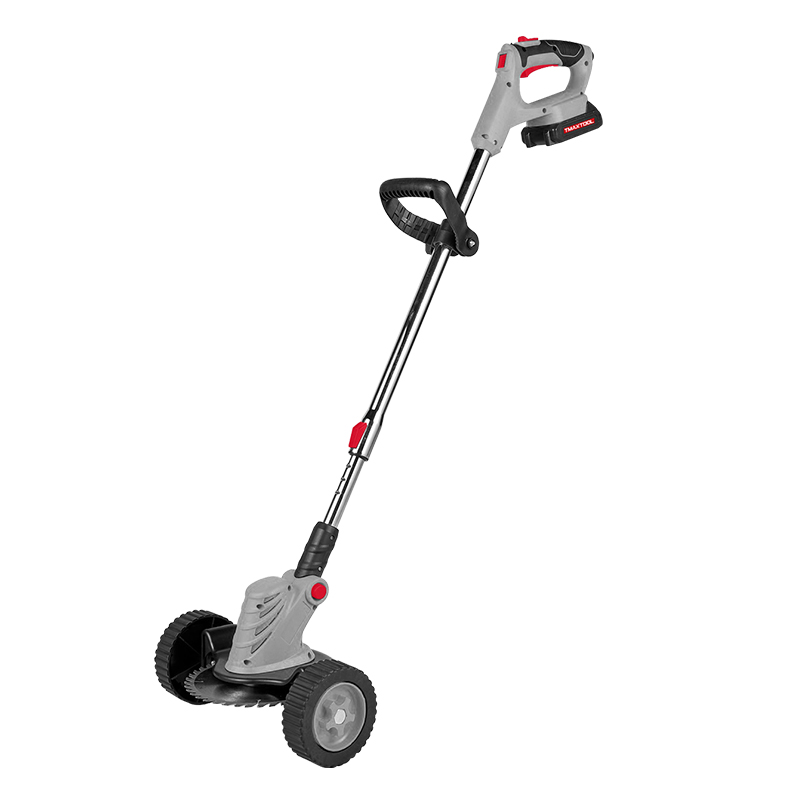 Battery Brush Cutter
 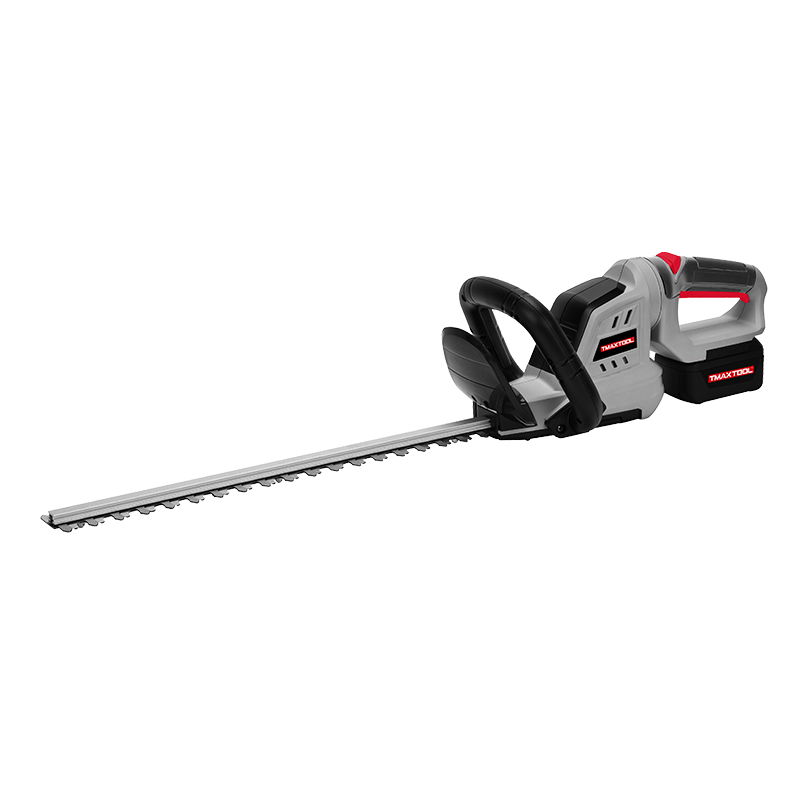 Battery Hedge Trimmer
 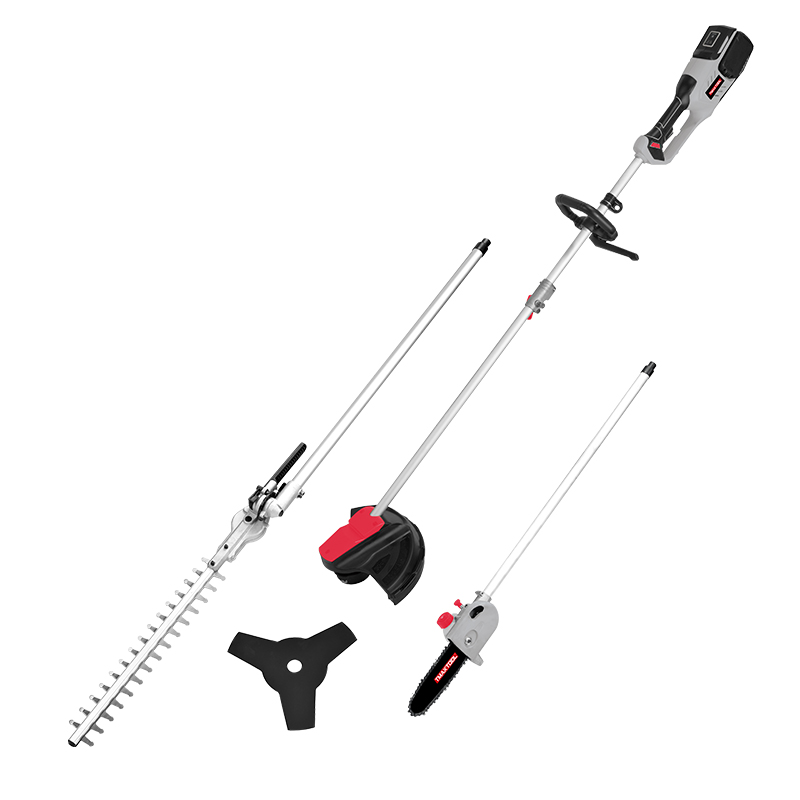 Battery Multi Tool
 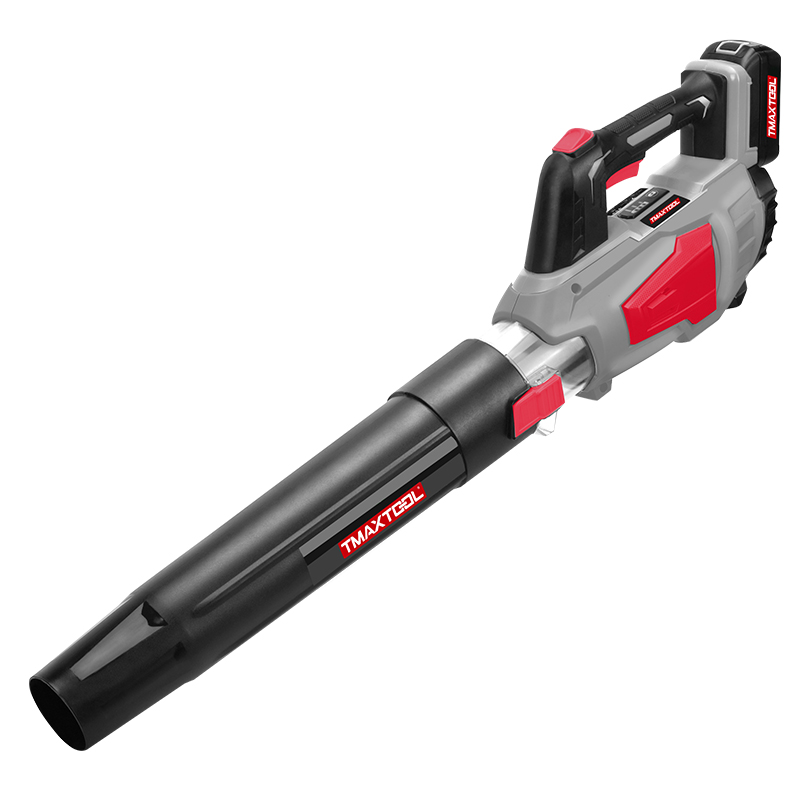 Battery Blower
 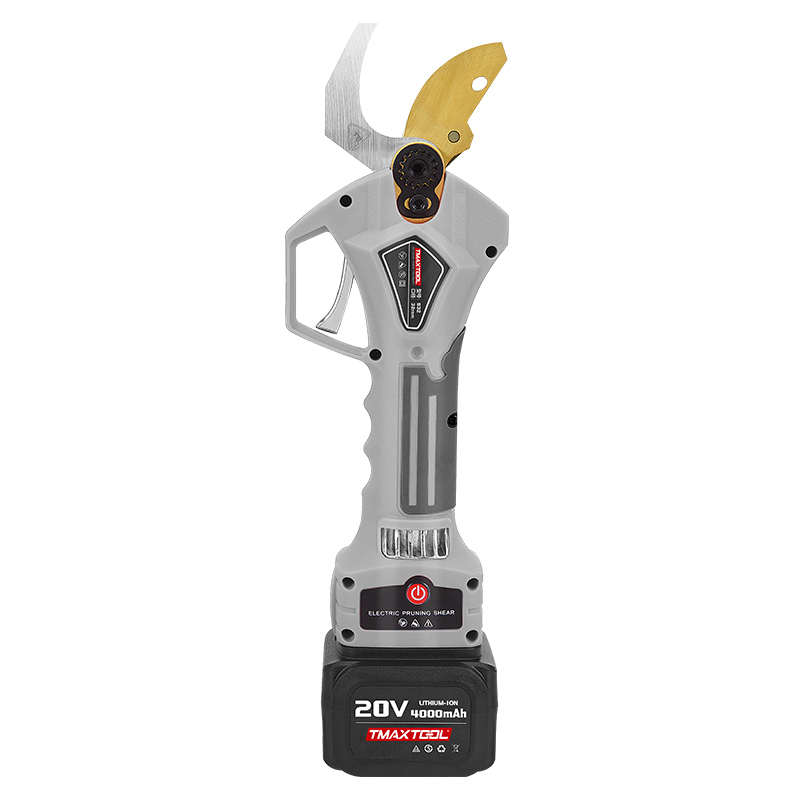 Batter Pruning Shears
 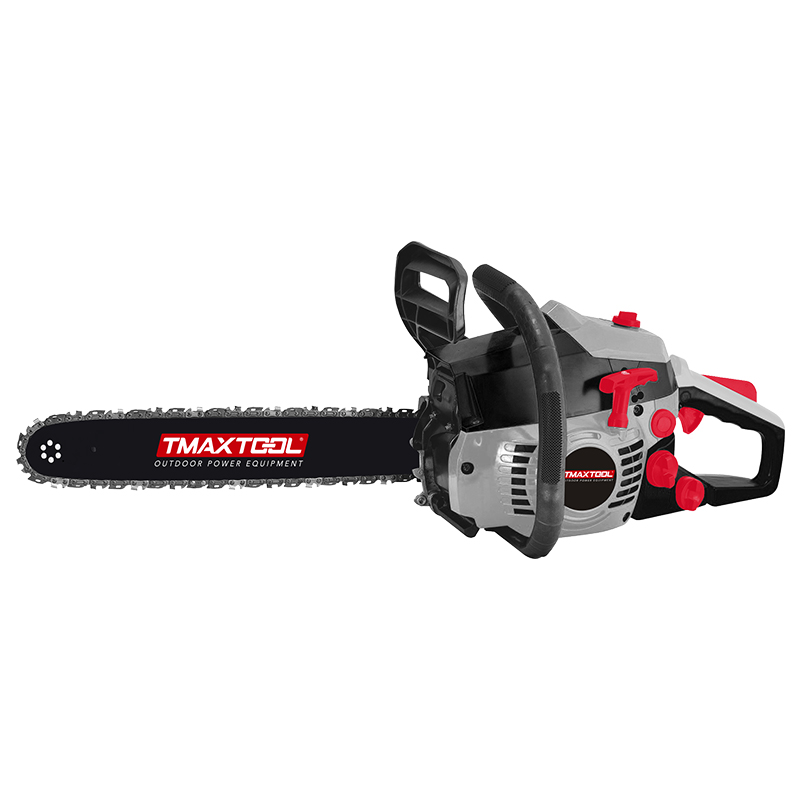 Chain Saw
 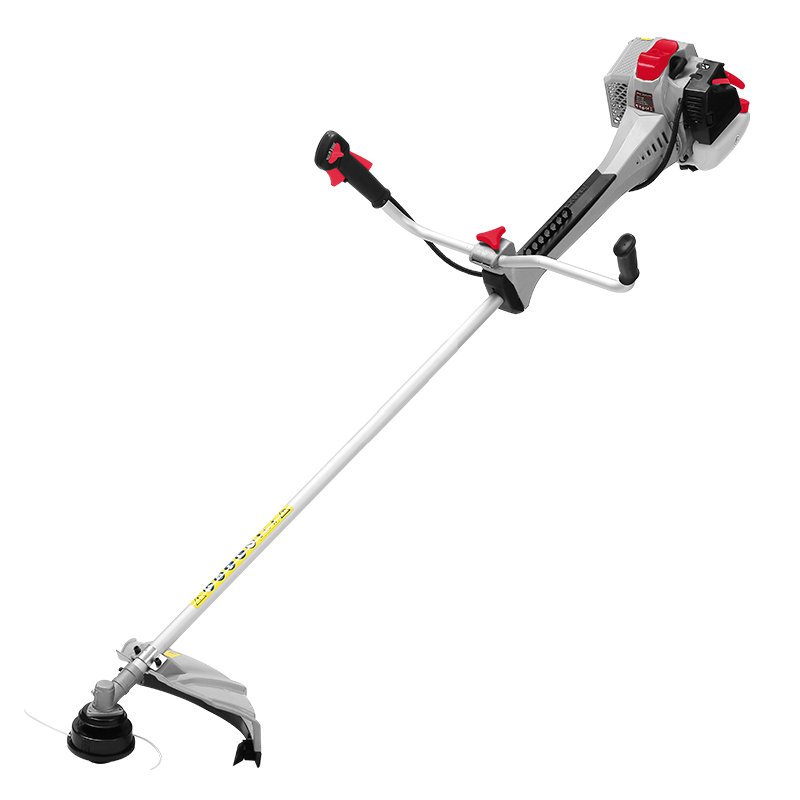 Brush Cutter
 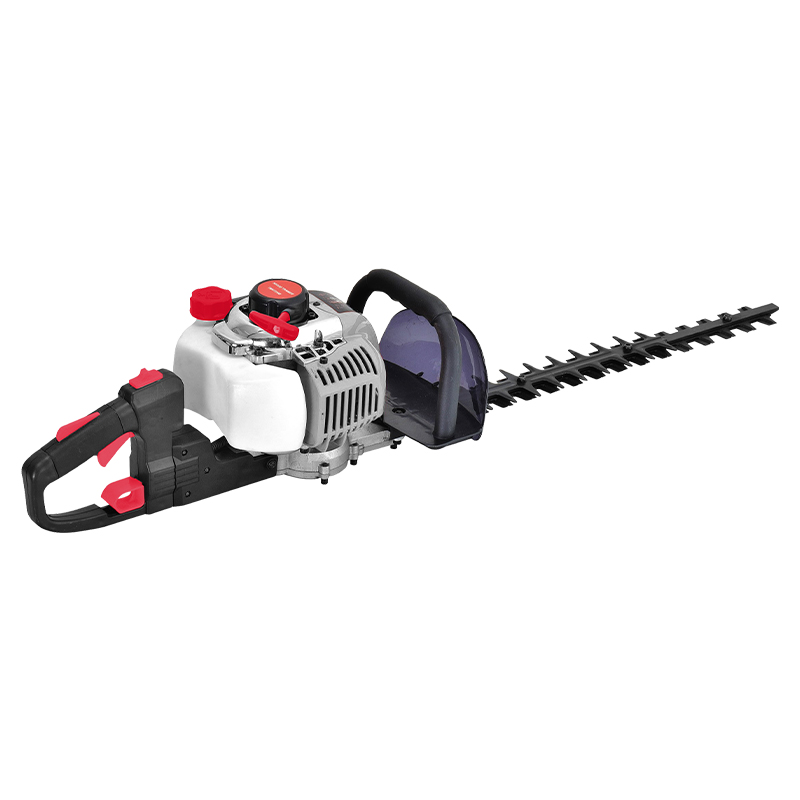 Hedge Trimmer
 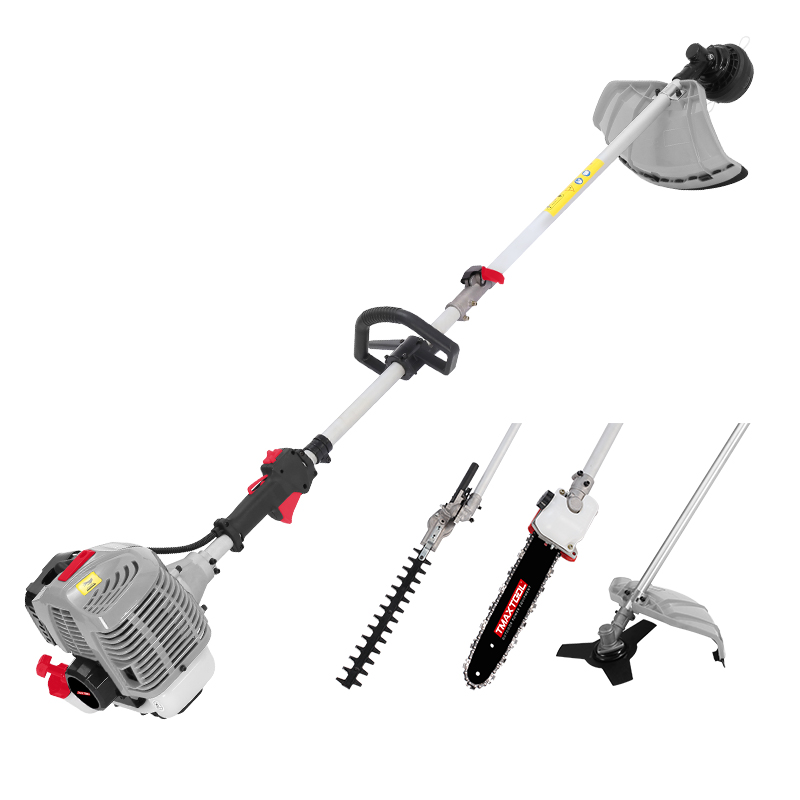 Multi Tool
 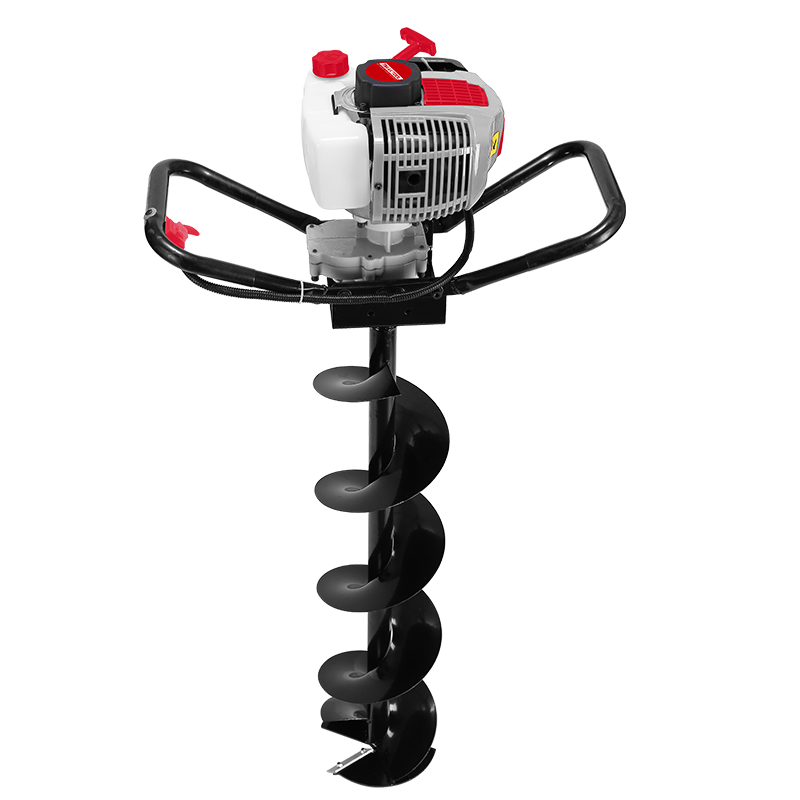 Earth Auger
 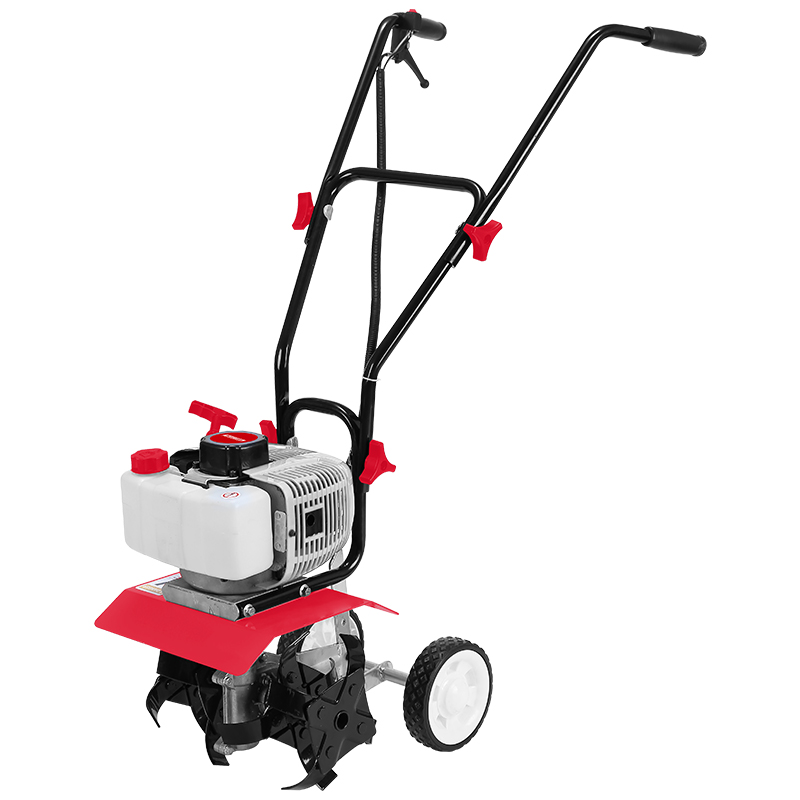 Tiller
 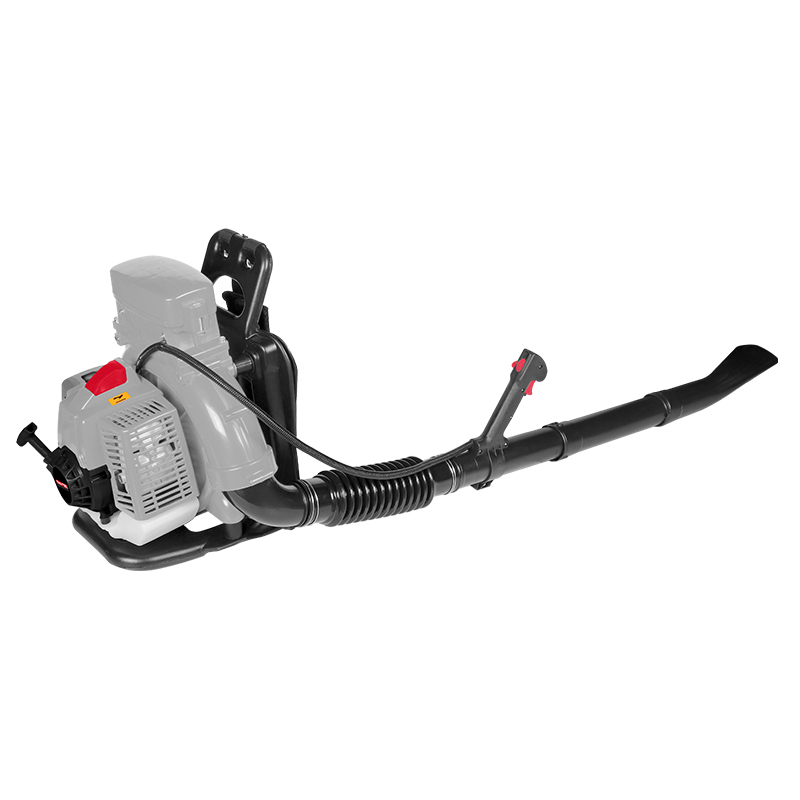 Blower
 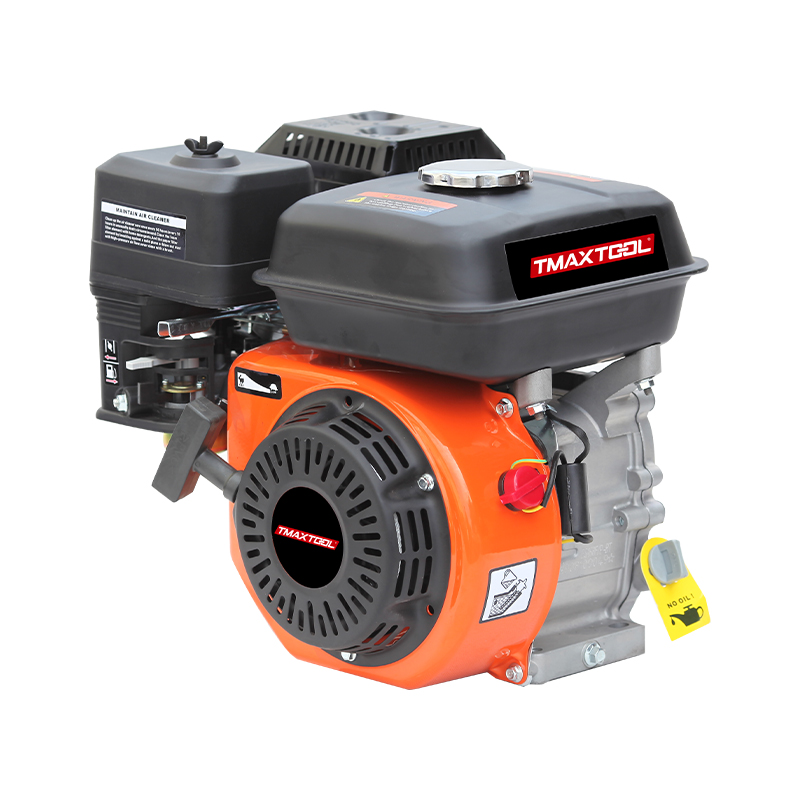 4 Stroke Gasoline Engine
 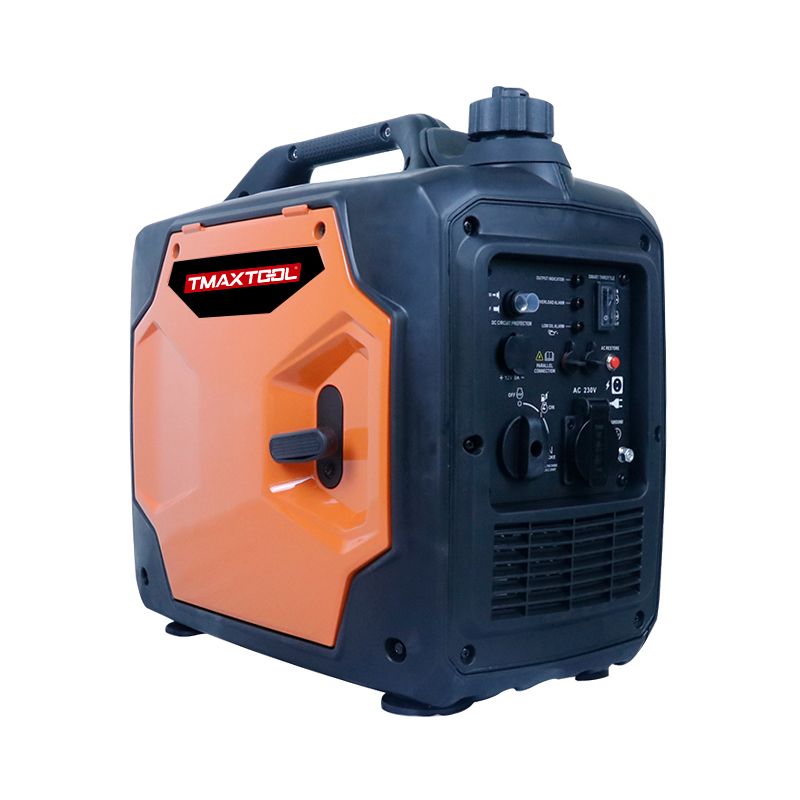 Generator
 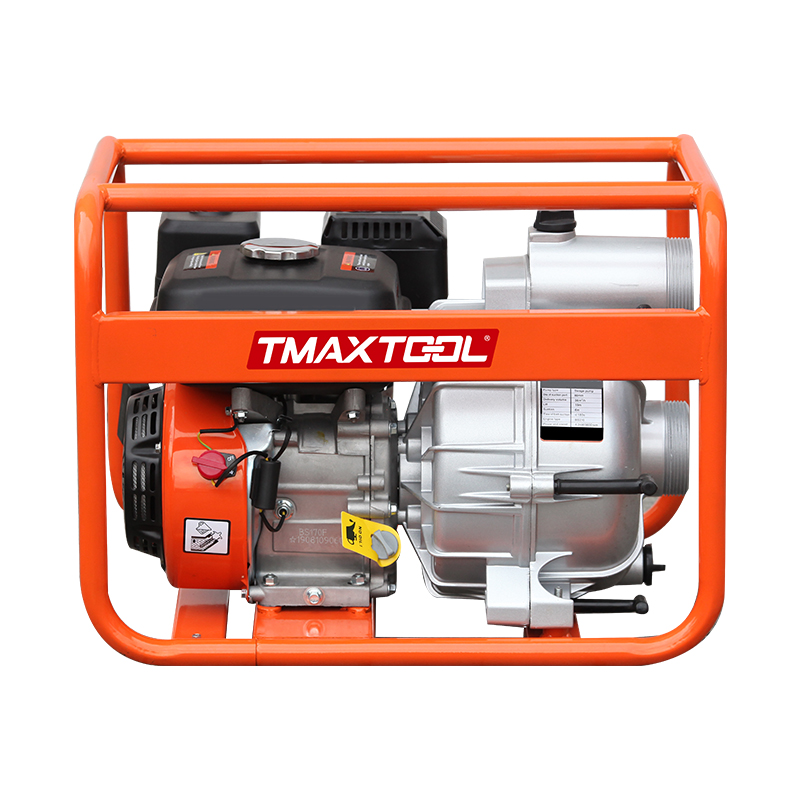 Water Pump
 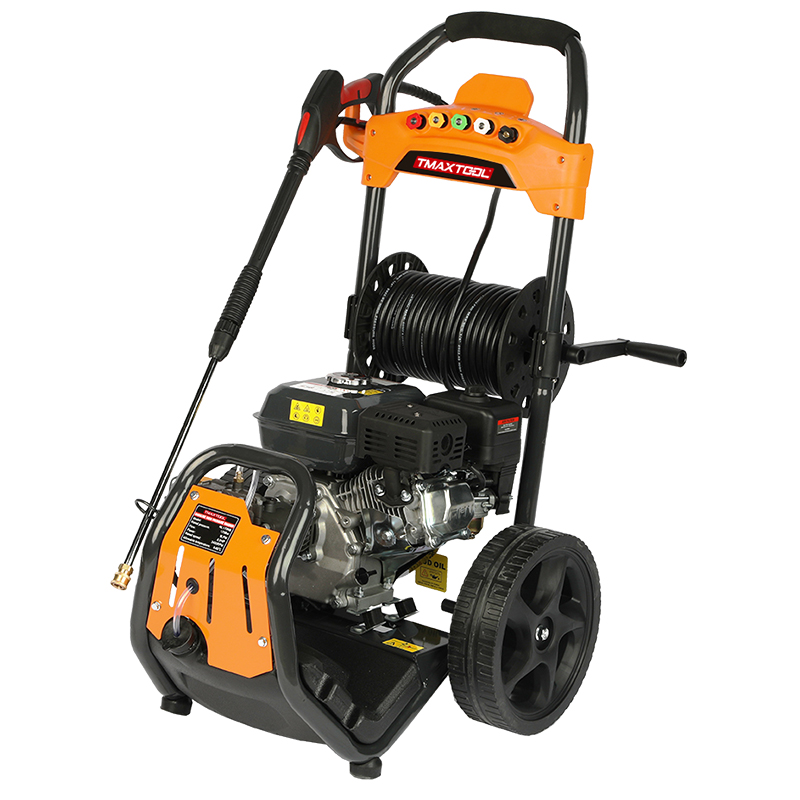 High Pressure Washer
 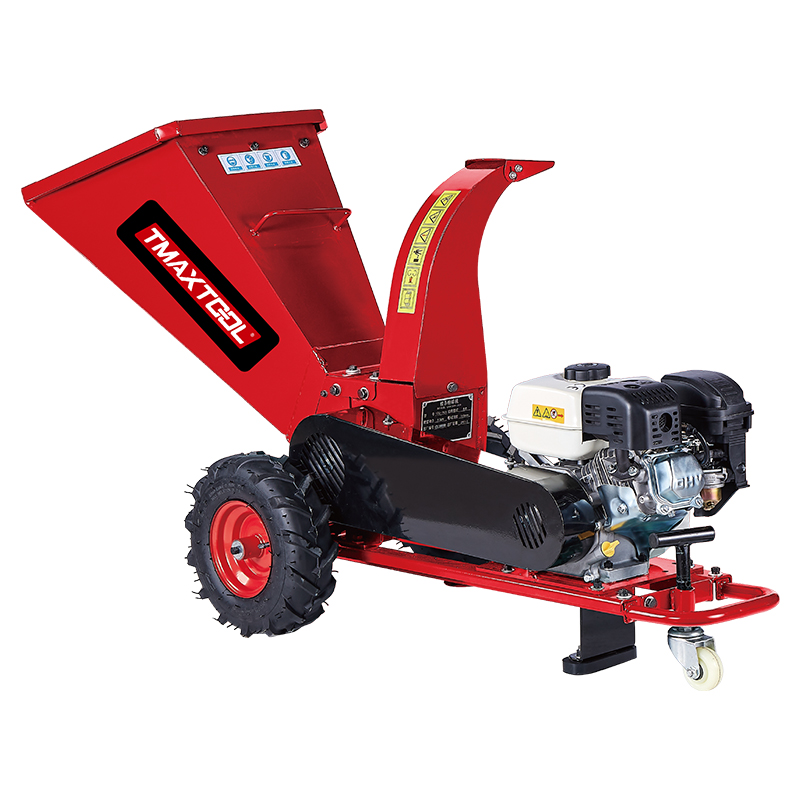 Wood Cutter
 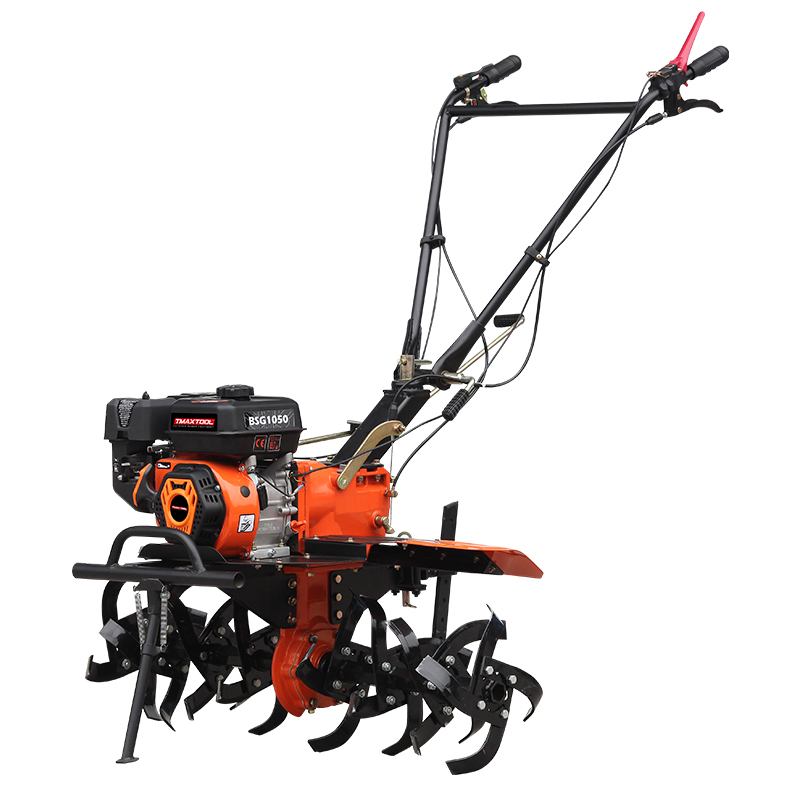 4 Stroke Tiller
 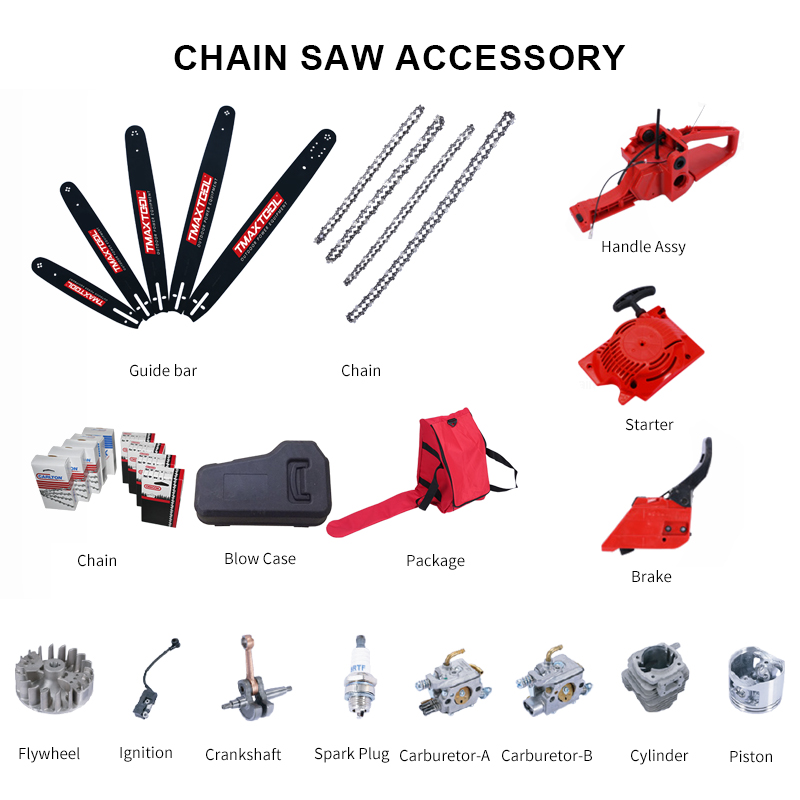 Chain Saw Accessory
 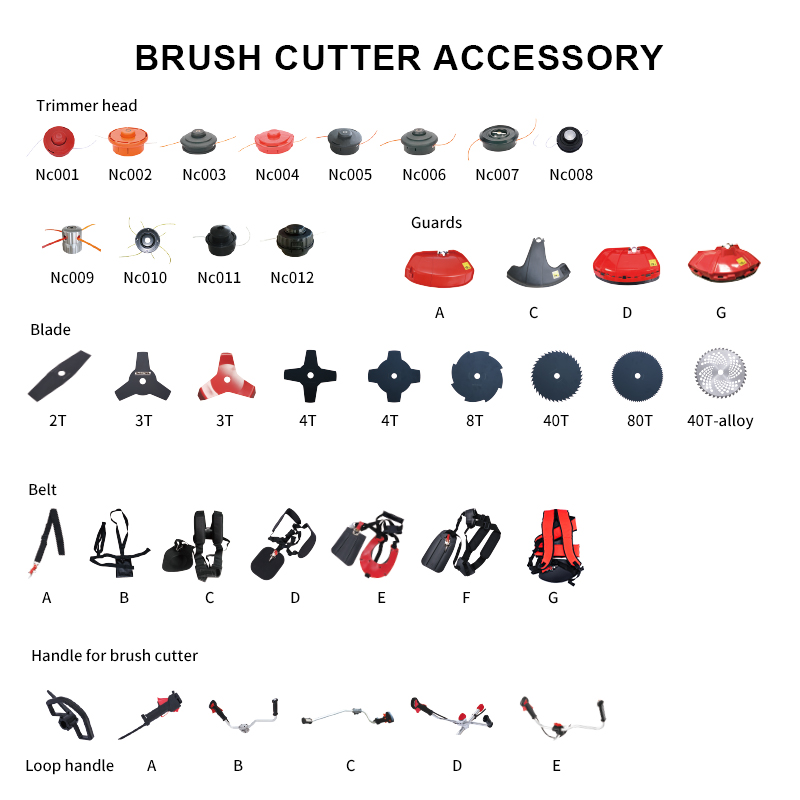 Brush Cutter Accessory
 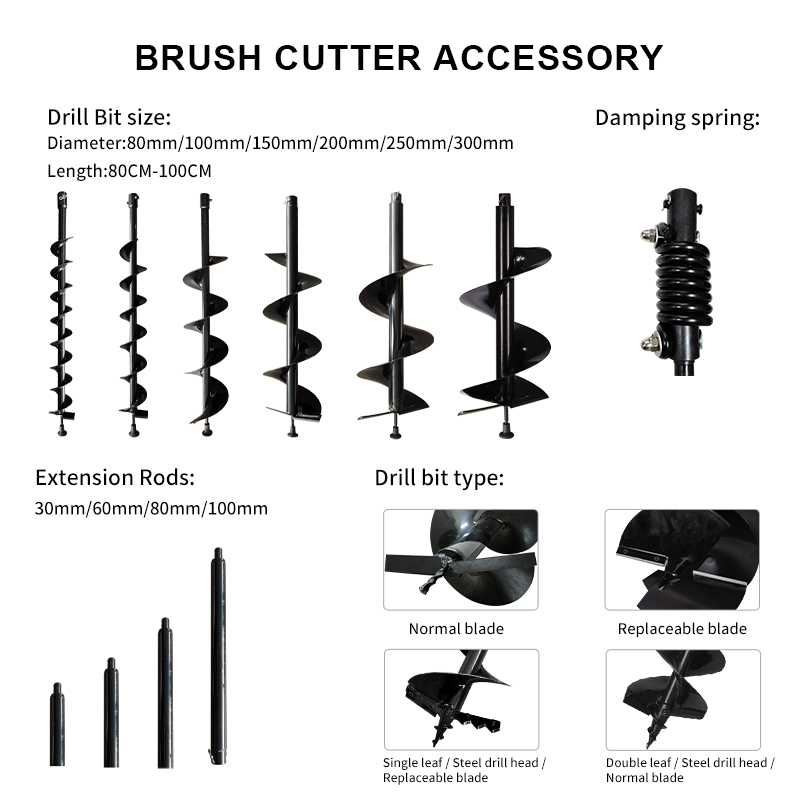 Earth Auger Accessory
  Protective Equipment Accessories


