Picking the right chainsaw isn’t just about grabbing any power tool off the shelf. It really makes a big difference when it comes to getting work done efficiently and safely, especially in woodworking projects. Did you know? According to recent reports from the International Society of Woodworking Professionals, the global market for chainsaws is actually expected to hit around $1.5 billion by 2025. That’s pretty wild, but it just shows how much more people—both pros and hobbyists—are looking for specialized tools that suit their needs.
James O'Reilly from Cutting Edge Tools Inc., someone everyone in the industry trusts, emphasizes, “Knowing the key features of a chainsaw is super important if you want to make a smart purchase.” Things like engine power, blade length, and safety features can really differ from one model to another. Picking the right specs can not only boost your productivity but also make your tools last longer, which is a win-win.
And let’s be honest—many folks don’t really think about how ergonomic a chainsaw is, but trust me, that stuff matters a lot. If the design isn’t comfortable, using it for long stretches can be tough on your hands and arms—and worst case, could even lead to accidents. So, taking the time to carefully choose a reliable chainsaw with the right features is definitely worth it. It’s more than just a purchase; it’s an investment that needs some know-how and a bit of foresight to get right.

Key Safety Features of Chain Saw Machines for Buyers
When considering a Chain Saw Machine, safety features are paramount. A machine that includes an automatic chain brake is crucial. This feature helps stop the chain immediately in case of kickback, a common accident during operation. Additionally, a chain saw equipped with anti-vibration technology can reduce user fatigue. Minimizing vibrations helps prevent long-term injuries, making the tool safer to use over extended periods.
Buyers should also look for protective guards. These guards shield users from debris and unexpected accidents. A well-designed safety switch is another essential feature. It prevents accidental starts, enhancing user safety. Look for models with easy-to-use controls, as cumbersome mechanisms can lead to mistakes.
The Chain Saw Machine Price varies widely based on these features. Machines with superior safety options may come at a premium. However, investing in safety is wise. Poor choices can lead to injuries that might incur higher costs. Balancing features and price is key. Prioritize safety to ensure not just quality work, but safe work as well.
Top Chain Saw Machine Features Buyers Need to Know
| Feature | Description | Importance |
| Safety Switch | A mechanism that prevents accidental startup. | Prevents injury and increases safety |
| Chain Brake | Stops the chain immediately in case of kickback. | Critical for user protection |
| Vibration Dampening | Reduces operator fatigue during prolonged use. | Enhances comfort and control |
| Anti-Kickback Design | Includes features to reduce the chance of kickback. | Essential for safety during operation |
| Ergonomic Handle | Designed for comfort during use, allowing for better grip. | Improves handling and reduces strain |
| Automatic Oiling System | Ensures the chain remains lubricated without manual intervention. | Extends the tool's lifespan |
Understanding Chain Saw Power Ratings: Horsepower vs. Voltage
When choosing a Chain Saw Cutting Machine, understanding power ratings is crucial. Buyers often encounter two primary metrics: horsepower and voltage. Horsepower relates to the machine's output capability. Higher horsepower generally indicates more power, suitable for tough jobs. A powerful chain saw can cut through thicker wood with ease. However, it’s essential to balance power with what you need. Not every task requires maximum horsepower.
Voltage, on the other hand, represents the electrical input. A chain saw cutting machine with higher voltage typically runs more efficiently. Machines operating at higher voltages perform better under load. This means less strain on the motor and potentially longer life for the machine. However, working with higher voltage tools requires awareness of safety measures. Misunderstanding electricity can lead to accidents.
Buyers often overlook these details, focusing solely on brand names or price. It’s a mistake that can lead to regret down the line. Knowing what each metric means can guide you to a better selection. Don’t rush the decision; consider your specific needs first.
Essential Cutting Bar Lengths and Their Impact on Performance
When choosing a chain saw, the cutting bar length plays a crucial role. The bar length affects how deeply you can cut into the wood. Shorter bars allow for better maneuverability, ideal for pruning and smaller tasks. On the other hand, longer bars provide more reach, making them suitable for larger trees. Selecting the right length impacts your cutting efficiency significantly.
Consider the type of projects you undertake. If you're typically working on close, detailed cuts, a shorter bar will benefit you. However, for those tackling sizable logs, longer bars are essential. A mismatched bar can lead to performance issues. For instance, too short of a bar can strain the chain saw, while too long can make the tool unwieldy.
Tips: Always check the manufacturer guidelines for optimal bar lengths. Test various lengths to see what feels most comfortable. Also, remember to periodically assess your cutting needs. Your choice of cutting bar should evolve with your skills and project size. Sometimes, learning from past experiences can lead to more informed decisions in the future.
The Role of Chain Speed in Cutting Efficiency and Precision
When considering a Chain Saw Wood Cutting Machine, chain speed is crucial. It significantly impacts cutting efficiency and precision. A higher chain speed allows for faster cuts, reducing the time spent on each project. However, too much speed can lead to loss of control, especially for beginners. It's essential to find a balance that suits your skill level and the material being cut.
Tips for maintaining optimal chain speed: Regularly check the chain tension. A loose chain can drag, slowing down your cuts. Also, ensure that your chain and bar are well-lubricated. This reduces friction, maintaining speed and prolonging the lifespan of the equipment. Understanding this relationship will contribute to better results.
Choosing the right saw involves understanding how chain speed varies among different machines. Experienced users often recommend testing various models. The feel of the machine in your hands can give insight into its performance. Watch for signs of wear, and learn how to adjust the speed appropriately. These aspects can make the difference between a smooth cut and a frustrating experience.
Ergonomics and Weight Distribution: Enhancing User Comfort
When choosing a top chain saw machine, ergonomics and weight distribution play crucial roles. Proper ergonomics reduce strain on the user’s body. A well-designed handle allows for natural grip and reduced fatigue. According to a study from the American National Standards Institute, ergonomic designs can cut fatigue by up to 25% during extended use.
Weight distribution is equally important. A chain saw that balances well prevents awkward handling. Poorly balanced models can lead to frustration and increased risk of accidents. Reported data shows that manufacturers focusing on optimized weight distribution experience a 30% reduction in user complaints about discomfort.
In practice, many users ignore the significance of weight and ergonomics. This often leads to unanticipated aches. Users should prioritize trying different models to find the best personal fit. Investing time in selecting a machine tailored to personal comfort is essential for safety and efficiency. Balancing performance with user comfort should not be overlooked.
Maintenance Features to Look for in a Chain Saw Machine
When selecting a chain saw machine, maintenance features play a crucial role in ensuring longevity and performance. Regular upkeep can avoid costly repairs and extend the life of your equipment. Look for models with easy-access air filters and spark plugs. This allows you to clean and replace parts quickly. A chain saw should facilitate straightforward chain tensioning. This will ensure you can maintain the right tension without needing specialized tools.
Another essential aspect is the lubrication system. A good system reduces friction and overheating during use. Opt for models with automatic oilers. They provide consistent lubrication and help prevent wear over time. Slow, irregular lubrication may lead to damaging the chain and bar. Regularly check the bar and chain for signs of wear. This helps catch issues before they become serious problems.
Finally, consider the ease of cleaning. The body design should allow for quick and effective cleaning after use. This may sound simple, but failures in cleaning can lead to long-term damage. Look for attachments that provide easy access to hard-to-reach areas. Well-designed maintenance features can save time and effort, ensuring your chain saw remains reliable.
Top Chain Saw Machine Features Buyers Need to Know
Evaluating Chain Saw Noise Levels and Compliance Standards
When purchasing a chain saw machine, buyers should prioritize noise levels. High noise can lead to hearing damage over time. Regulations often dictate maximum noise limits for equipment used in residential areas. Understanding these standards ensures compliance while protecting your hearing.
It's important to check the noise level ratings before buying. Many models provide these ratings in decibels (dB). A quieter machine may cost more but will save your ears in the long run. Tips for handling noise include using hearing protection and choosing quieter models when possible.
The chain saw machine's wood cutting capability also affects noise production. Efficient cutting techniques can reduce strain and noise. Keep blades sharp and well-maintained for optimal performance. Remember, a smoother cut generally leads to less noise. Always be mindful of your surroundings and the noise your equipment generates.
FAQS
: Horsepower indicates a chain saw's cutting power. Higher horsepower is better for tough jobs.
Higher voltage means greater efficiency. It helps the saw run better under load and can extend its lifespan.
The cutting bar length affects your cutting depth and efficiency. Short bars are better for maneuverability.
A mismatched bar length can strain the saw. A short bar limits cuts while a long bar can feel unwieldy.
Chain speed affects cutting efficiency. Faster speeds reduce project time but may cause loss of control.
Regularly check chain tension and lubrication. This keeps cuts smooth and prolongs equipment lifespan.
Many focus on price or brand, neglecting essential specs. This can lead to regret when the tool doesn't meet needs.
Understand your project needs and skill level. Testing various models can provide a feel for performance.
Assess your cutting needs regularly. They may evolve, and past experiences can inform better decisions.
Yes, checking guidelines ensures you choose optimal bar lengths. They are tailored for specific models and tasks.
Conclusion
When considering the purchase of a chain saw machine, buyers should pay close attention to key safety features that significantly enhance user protection. Understanding power ratings—specifically horsepower and voltage—is crucial, as these metrics influence the tool's performance capabilities. Additionally, the cutting bar length plays a vital role in determining the saw's efficiency, while chain speed affects both cutting precision and overall effectiveness.
Ergonomics and weight distribution are also important factors that contribute to user comfort during operation. Buyers should seek out maintenance features that simplify upkeep, ensuring the longevity of the chain saw machine. Lastly, evaluating noise levels and compliance with standards can help users select a machine that is not only efficient but also considerate of environmental and community noise regulations. This comprehensive understanding will enable buyers to choose the right chain saw machine for their needs.

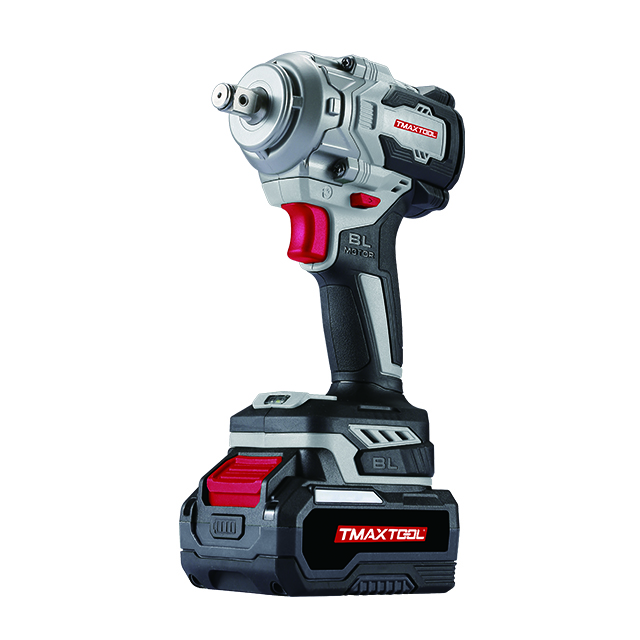 Impact Wrench
 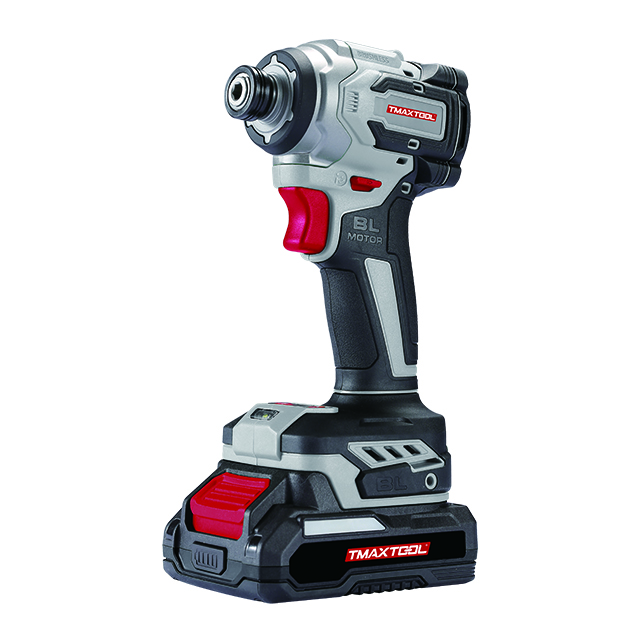 Screwdriver
 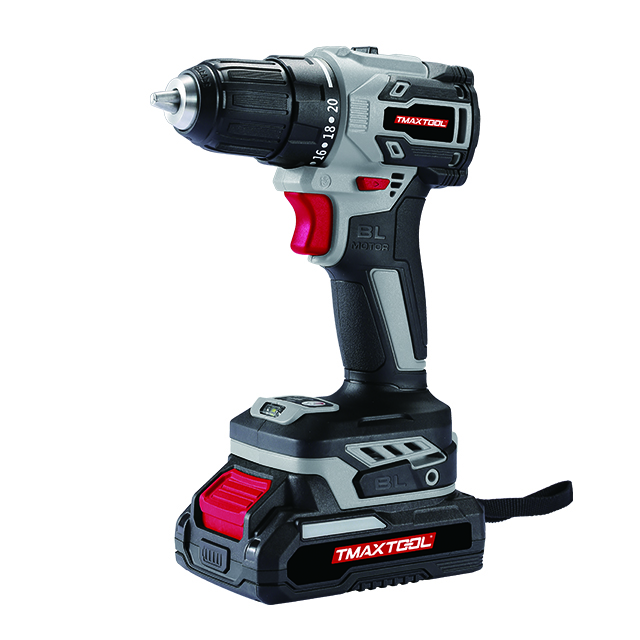 Cordless Drill
 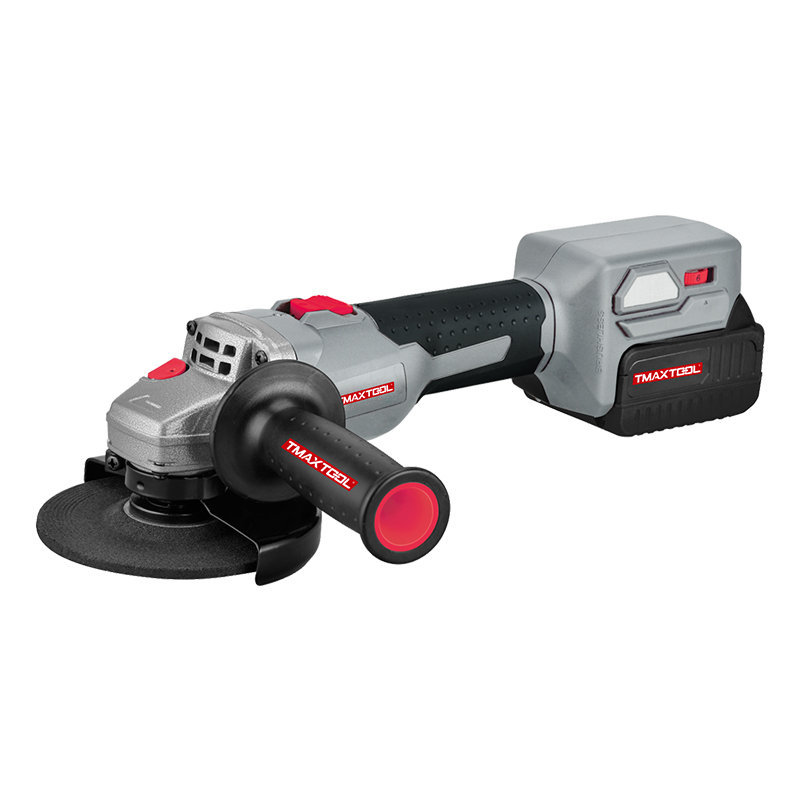 Angle Grinder
 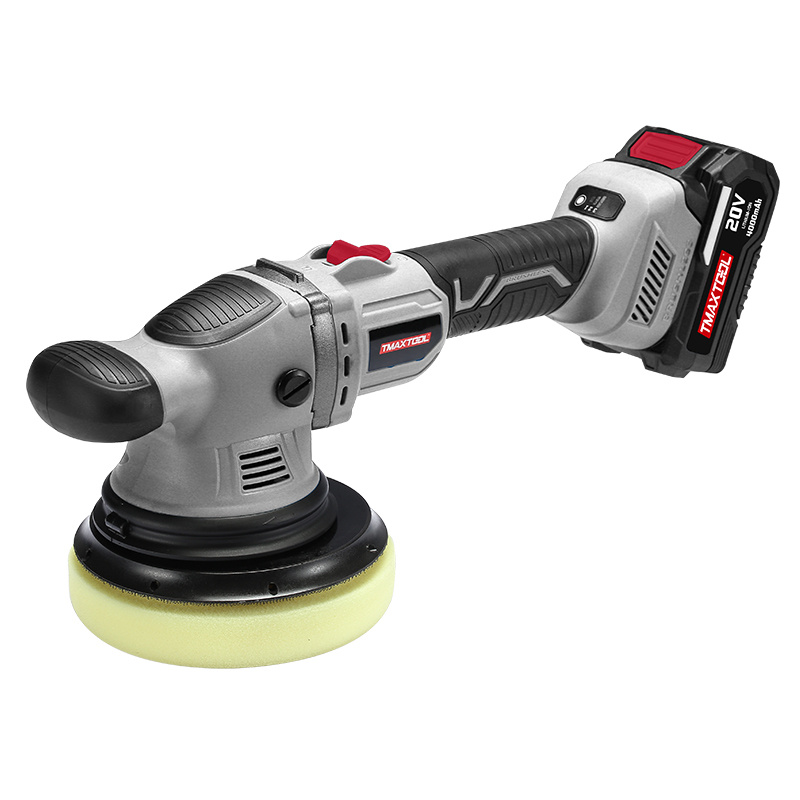 Polisher
 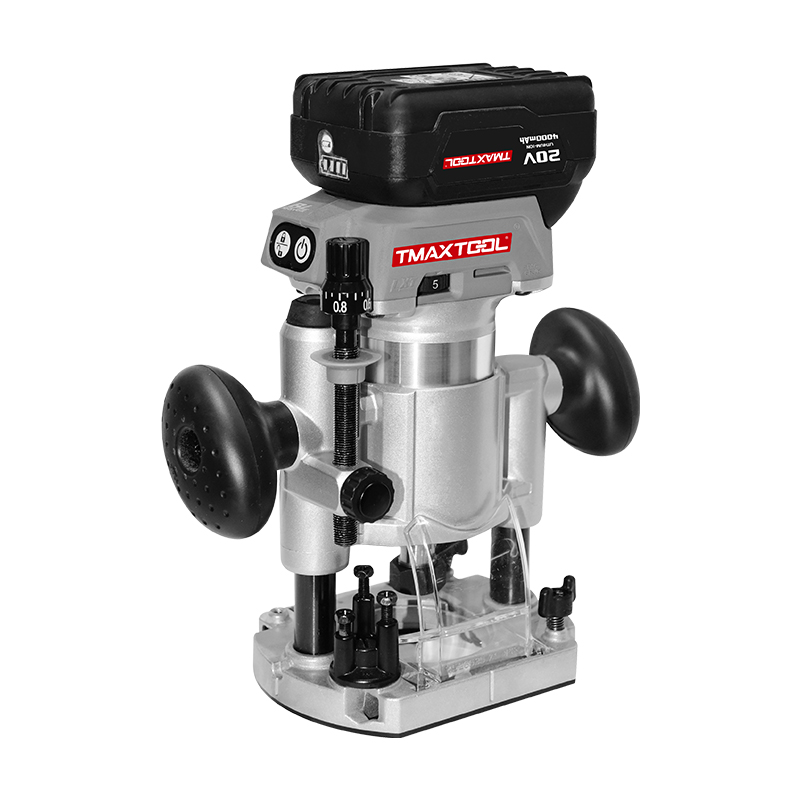 Wood Router
 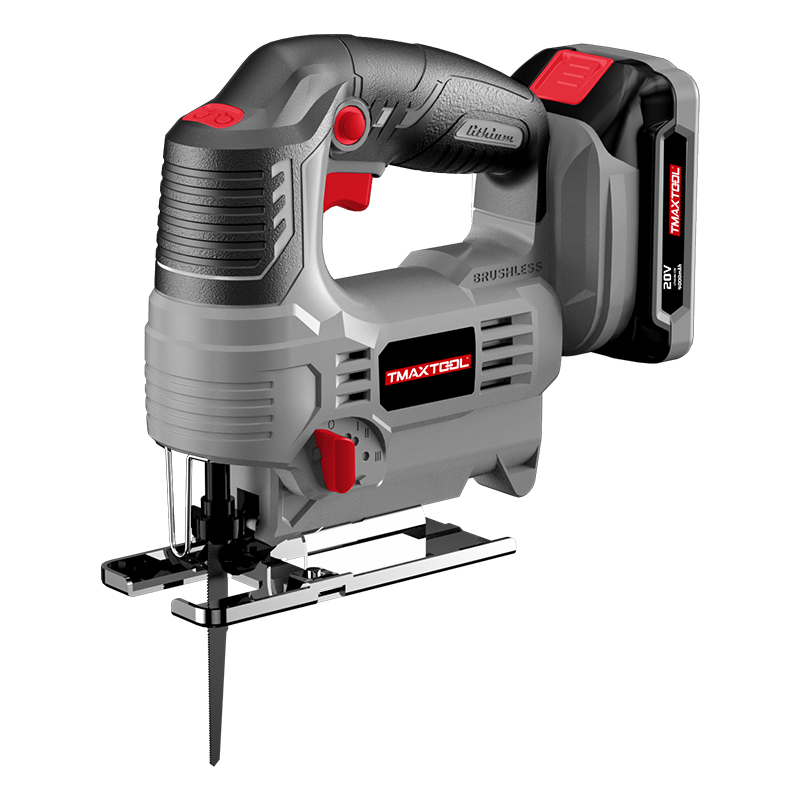 Jig Saw
 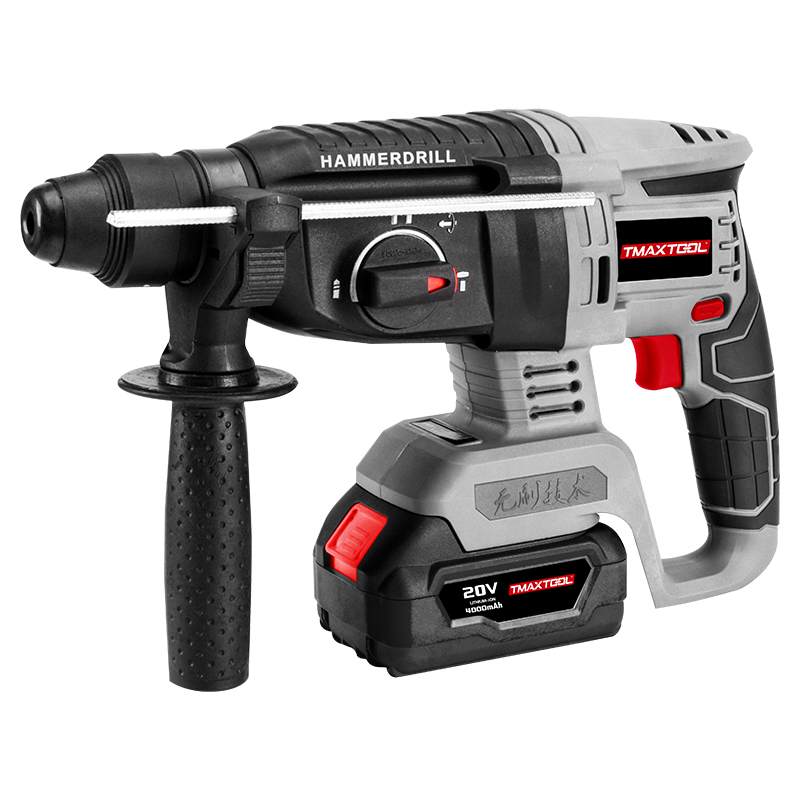 Hammer Drill
 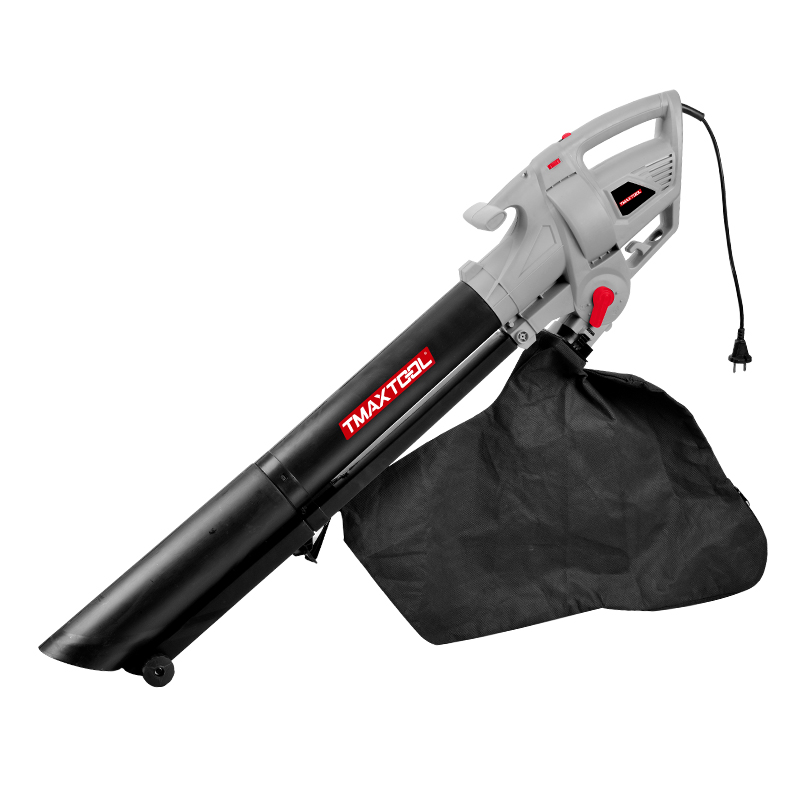 Portable Blower
 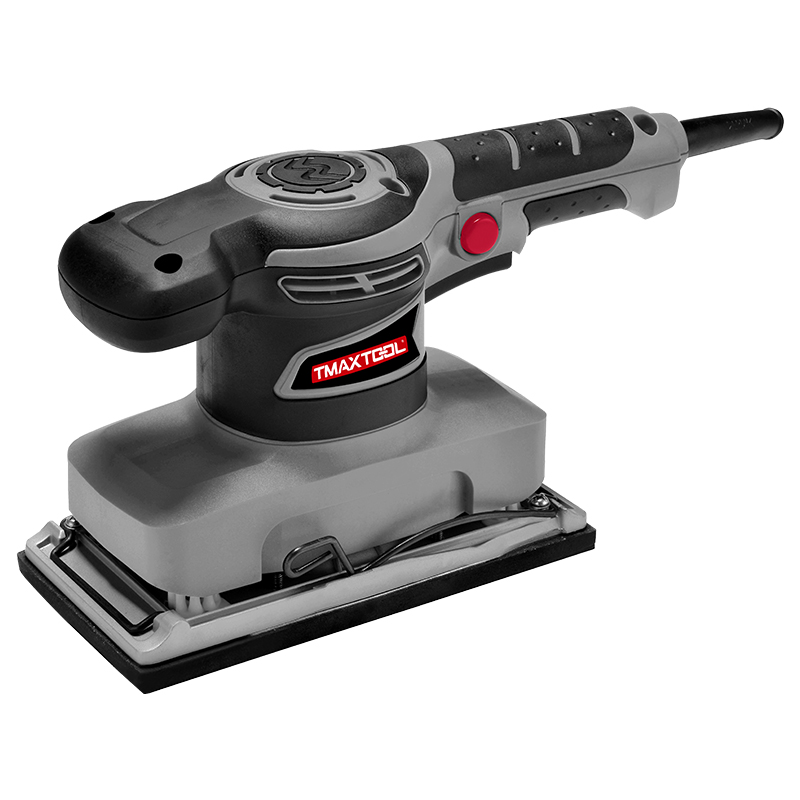 Orbital Sander
 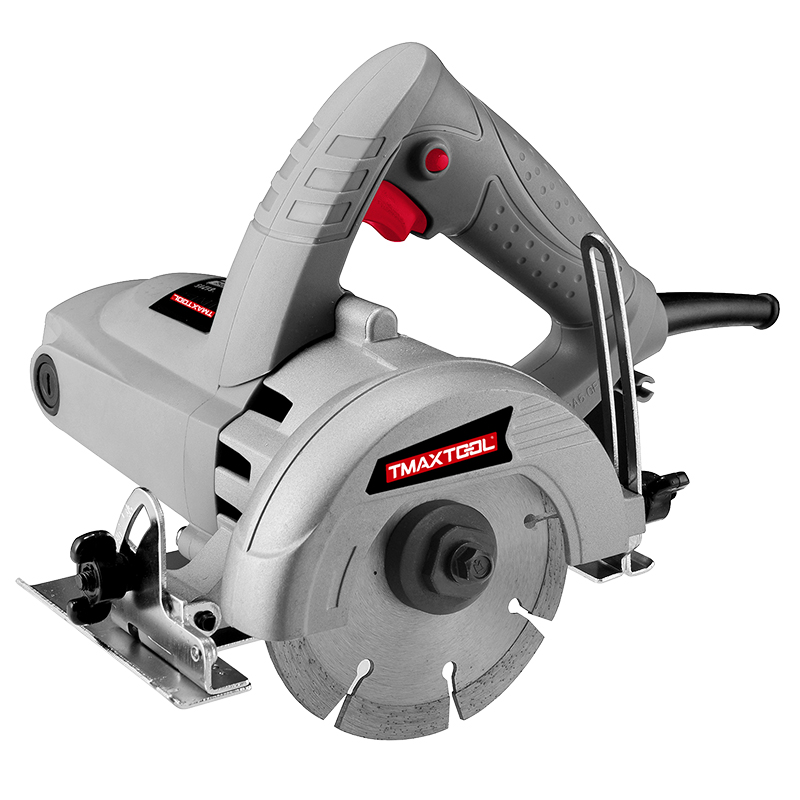 Marble Cutter
  GARDEN TOOLS
 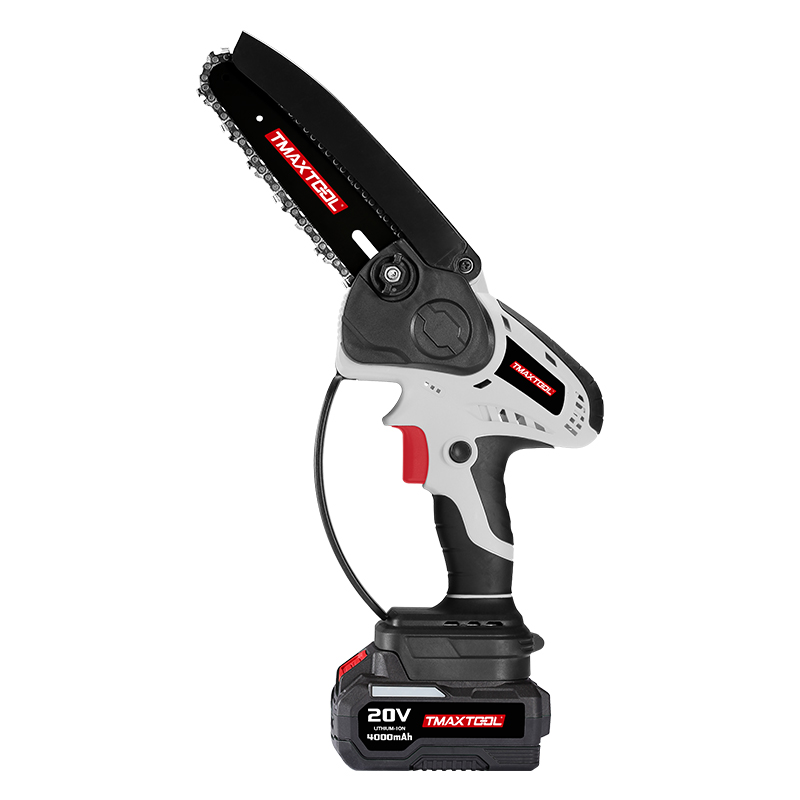 Battery Chain Saw
  Battery Brush Cutter
  Battery Hedge Trimmer
  Battery Multi Tool
 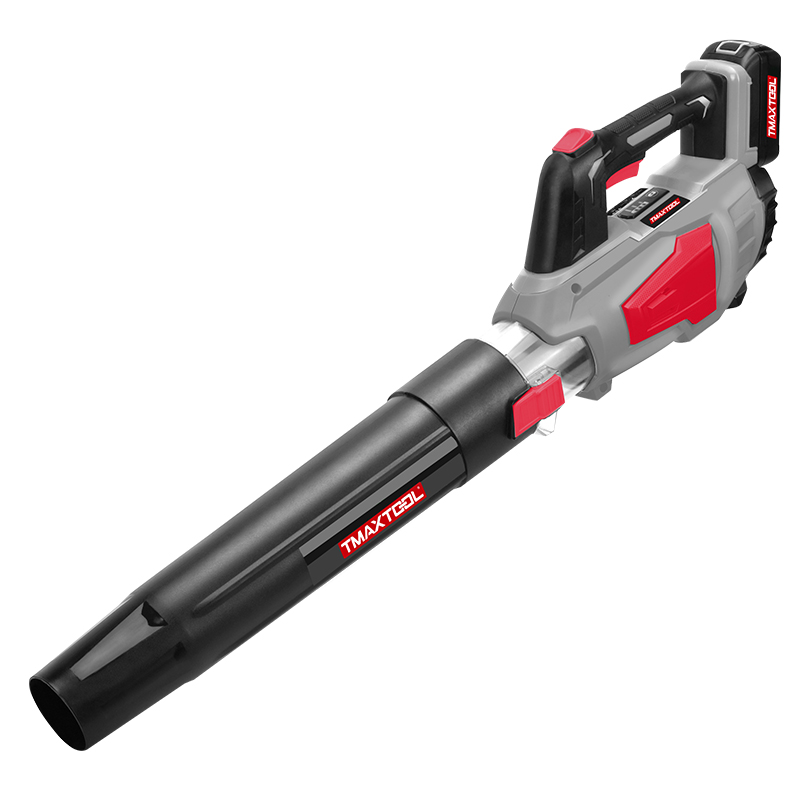 Battery Blower
 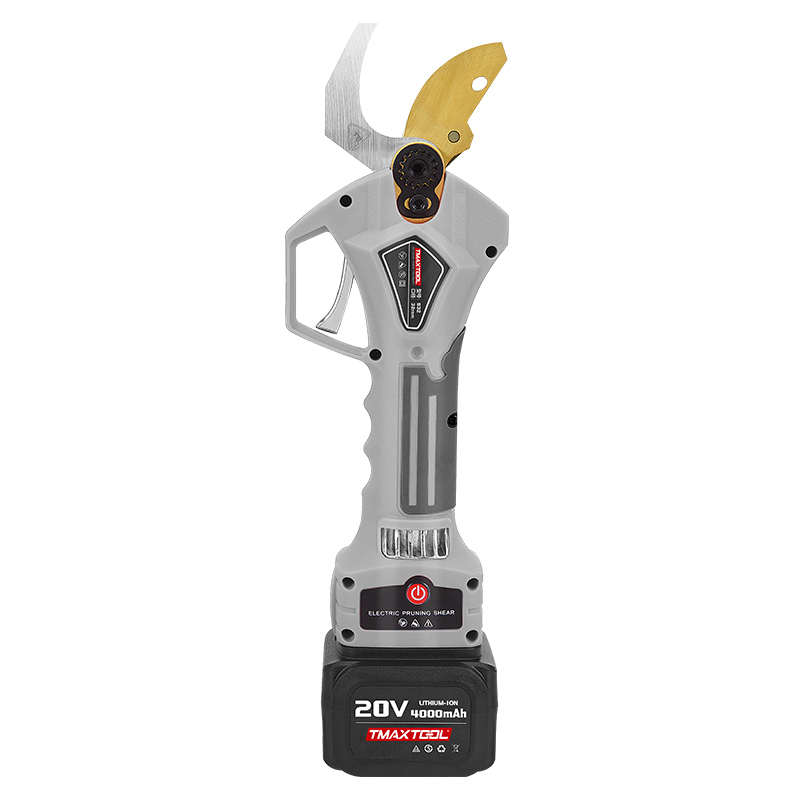 Batter Pruning Shears
 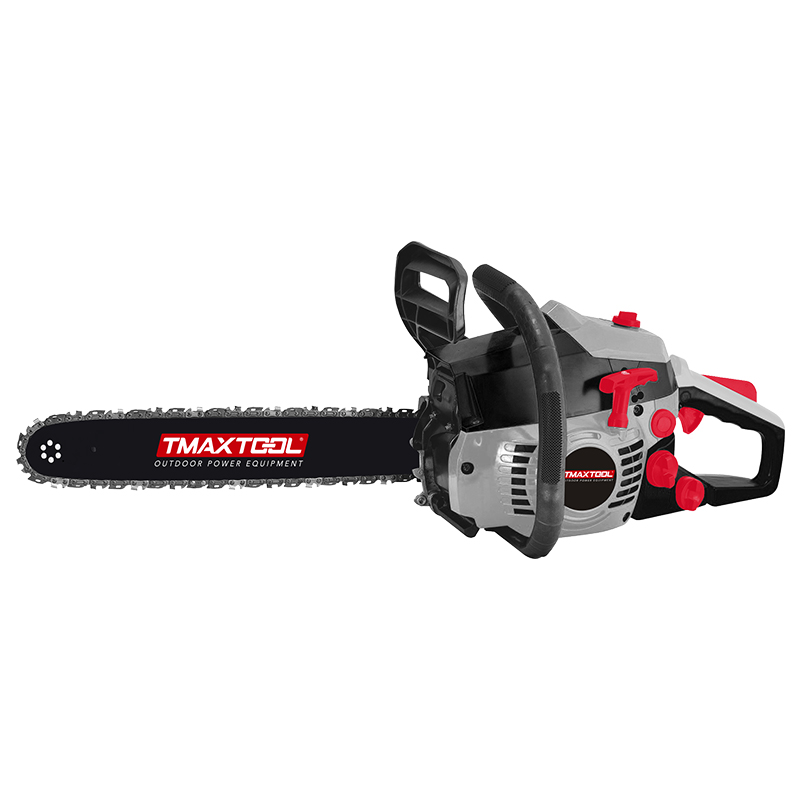 Chain Saw
 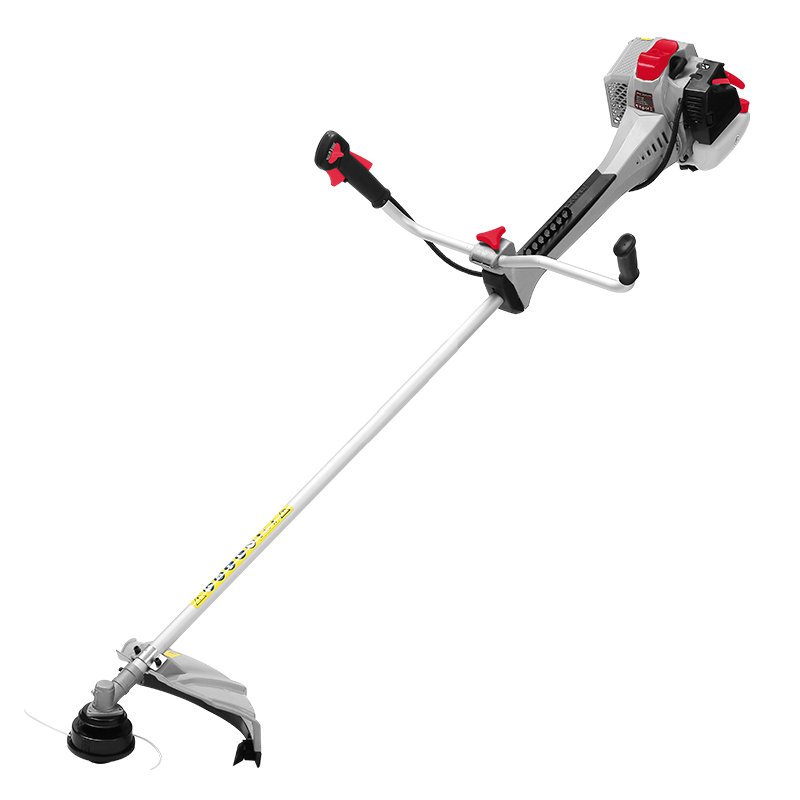 Brush Cutter
 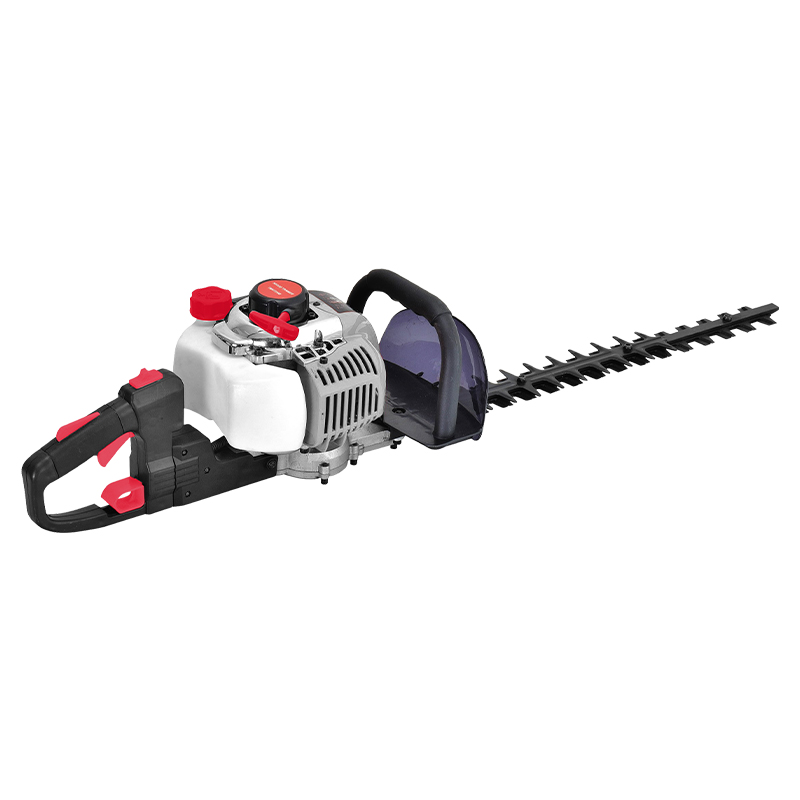 Hedge Trimmer
 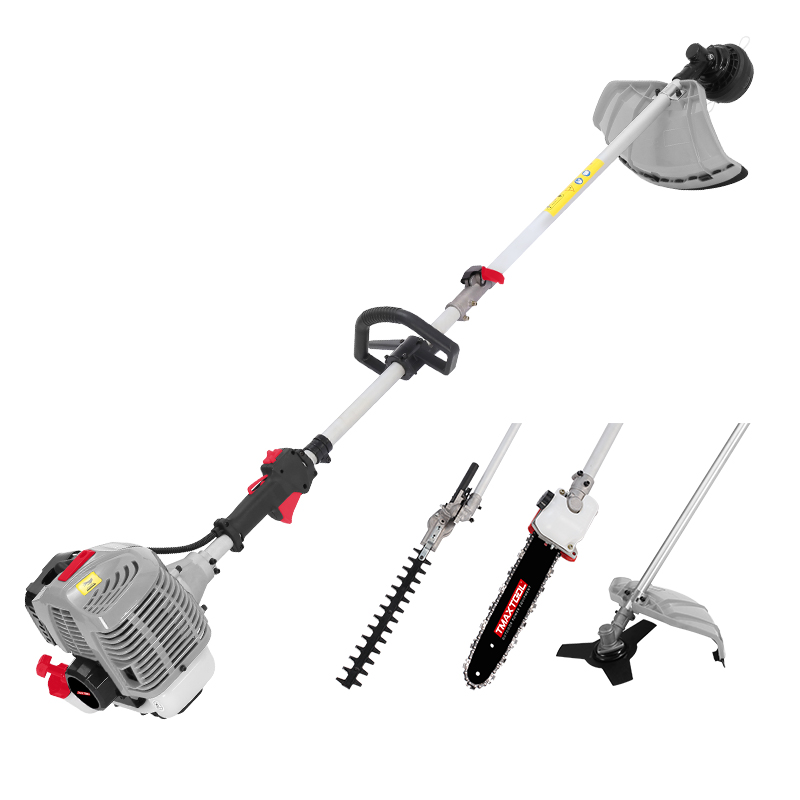 Multi Tool
 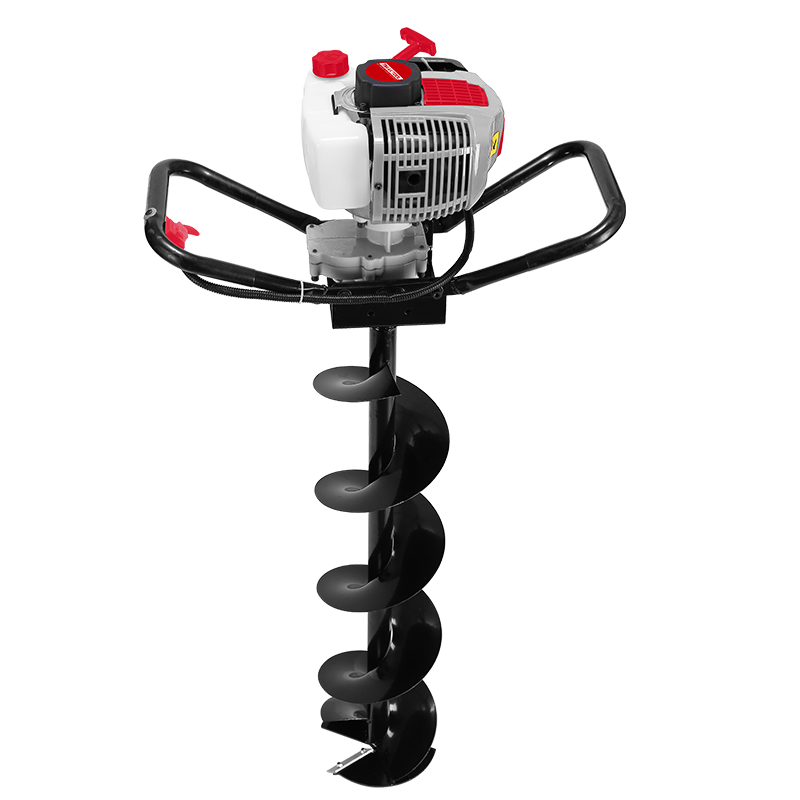 Earth Auger
 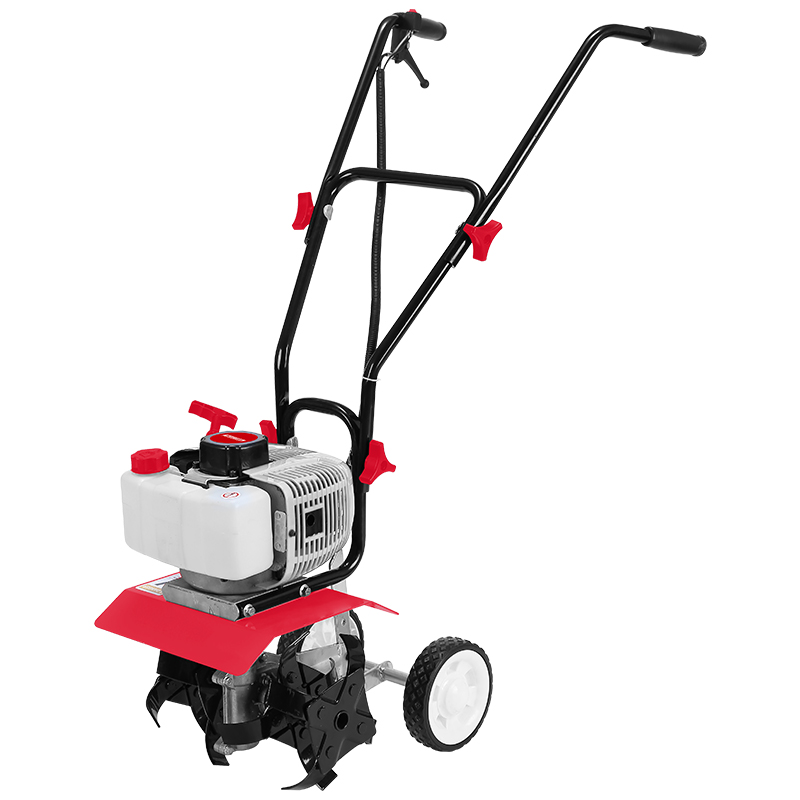 Tiller
 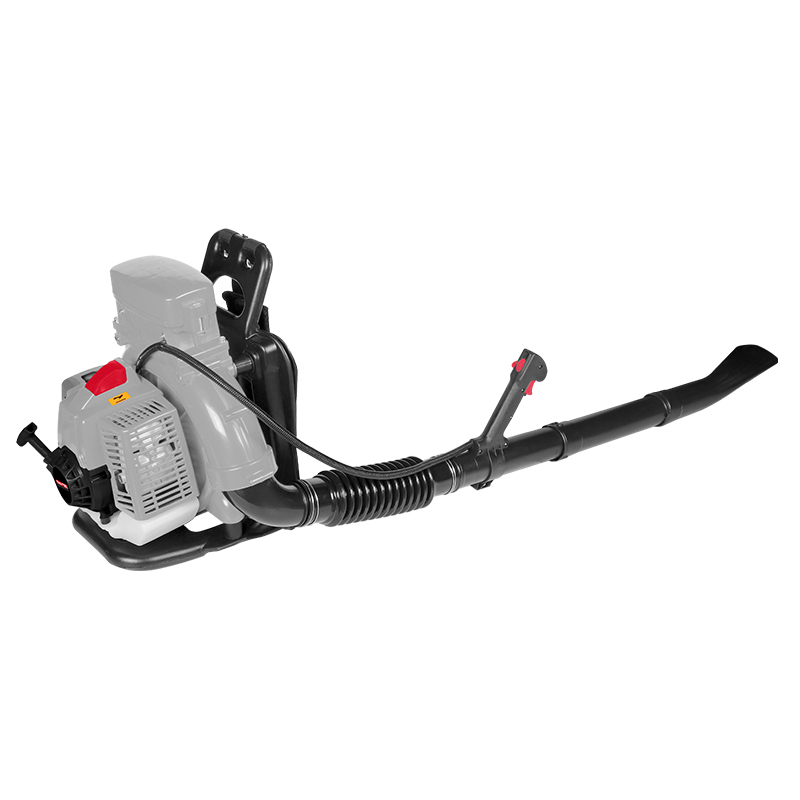 Blower
 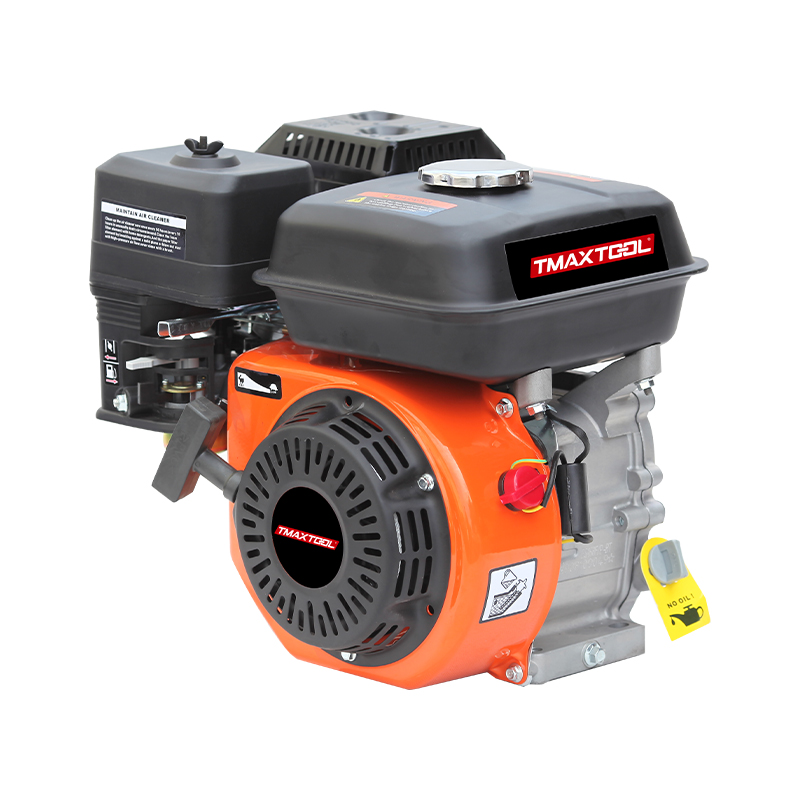 4 Stroke Gasoline Engine
 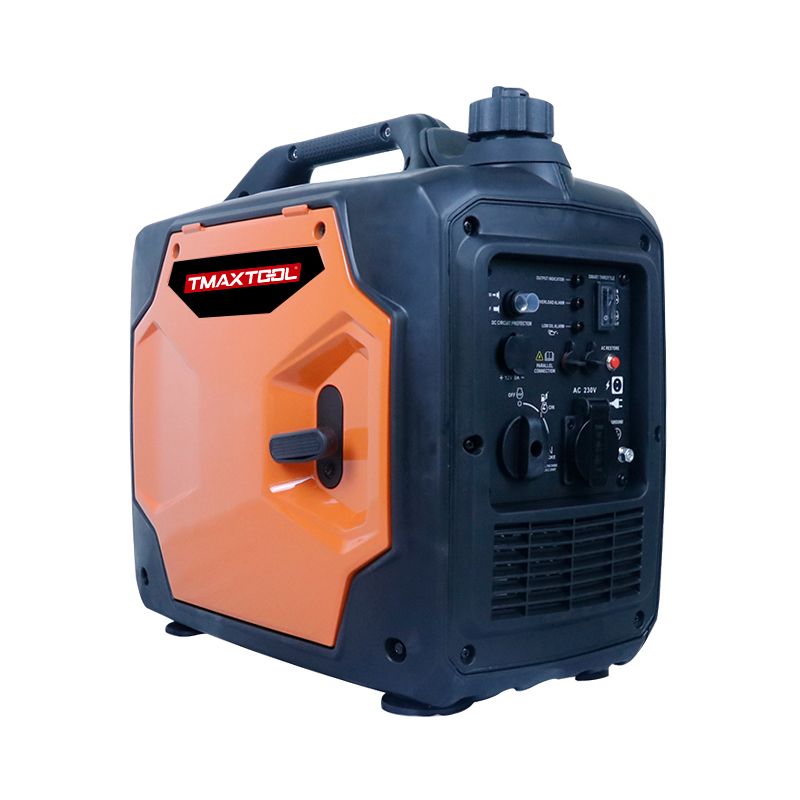 Generator
 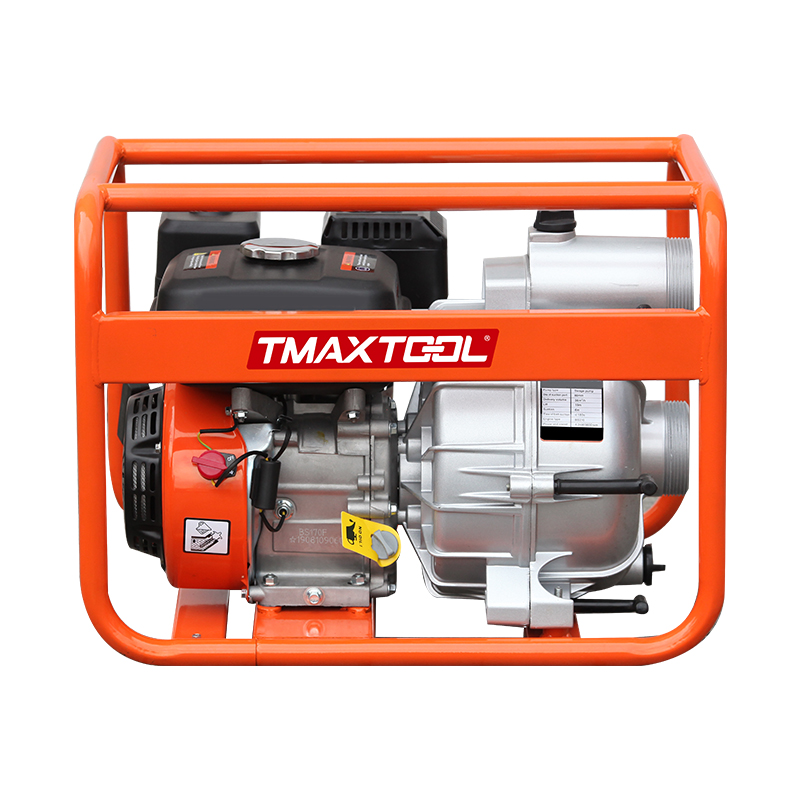 Water Pump
 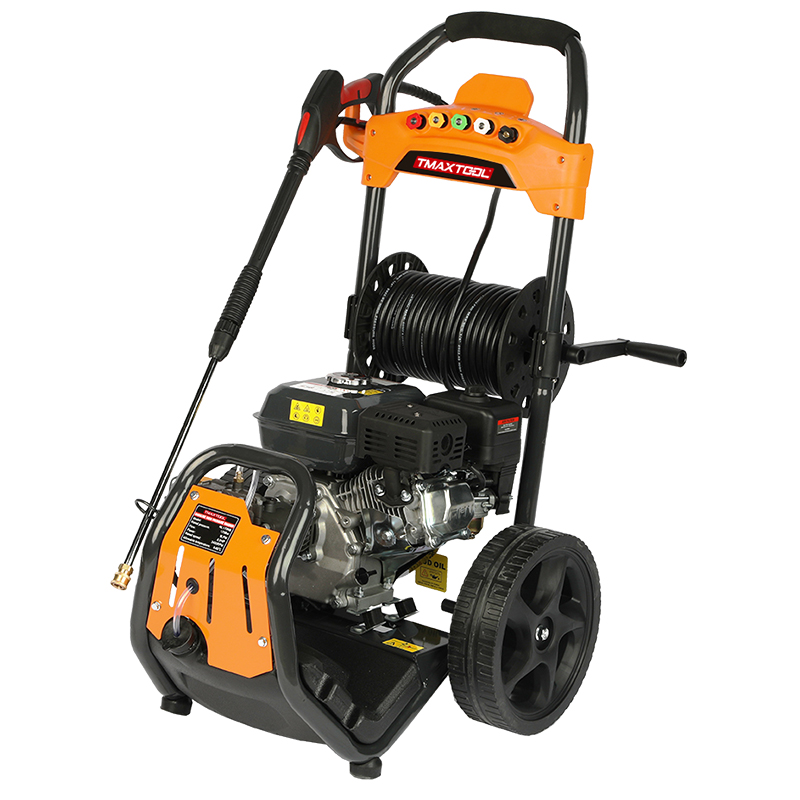 High Pressure Washer
 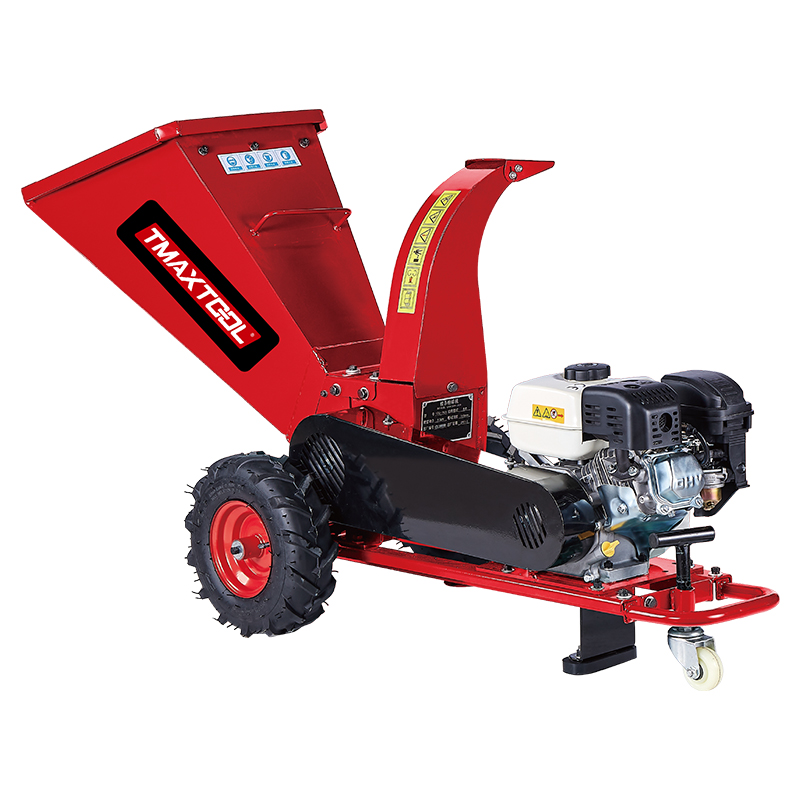 Wood Cutter
 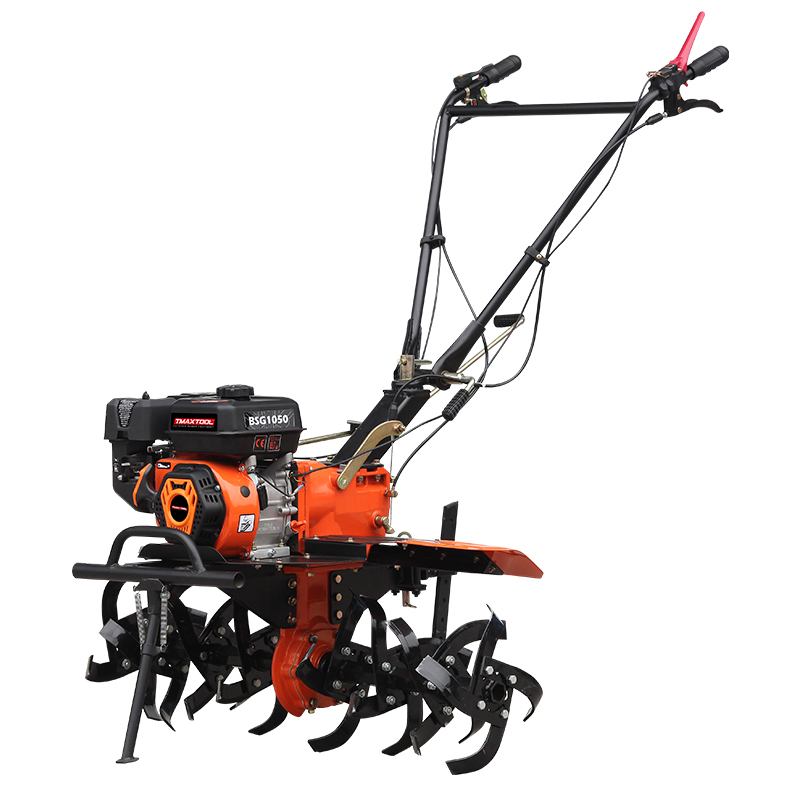 4 Stroke Tiller
 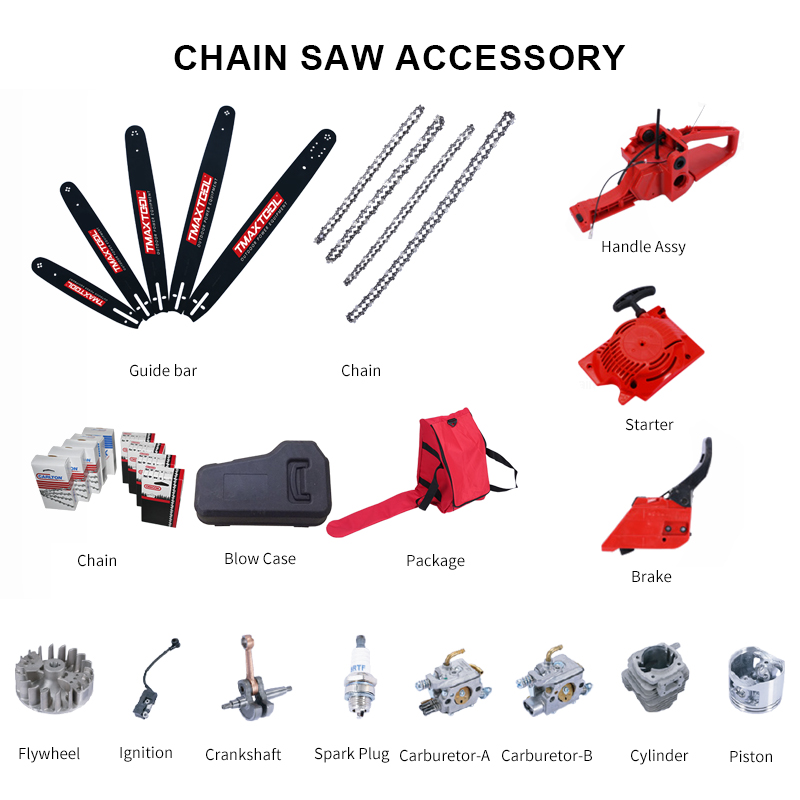 Chain Saw Accessory
 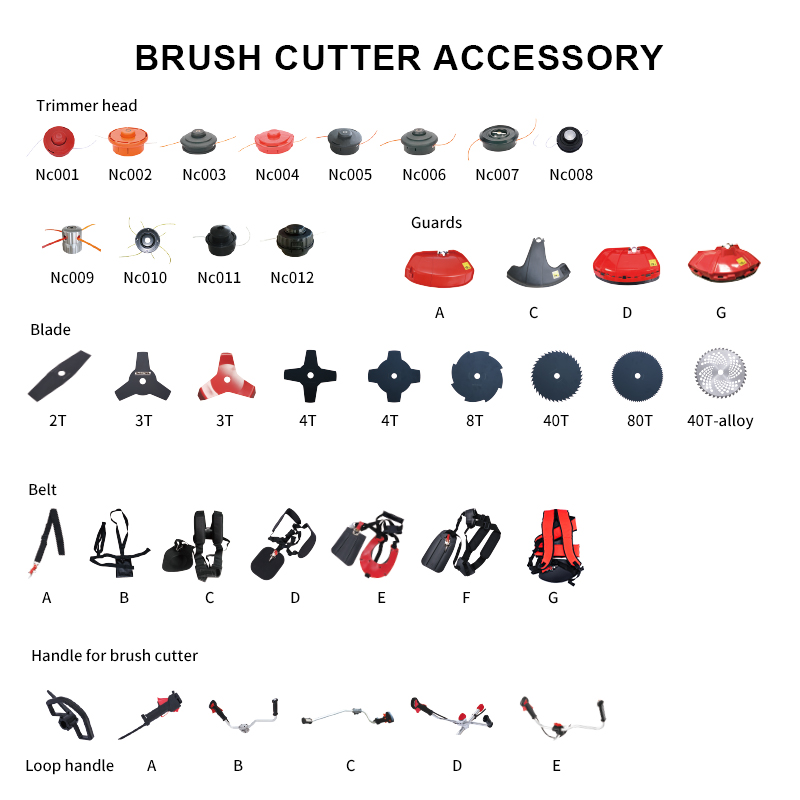 Brush Cutter Accessory
 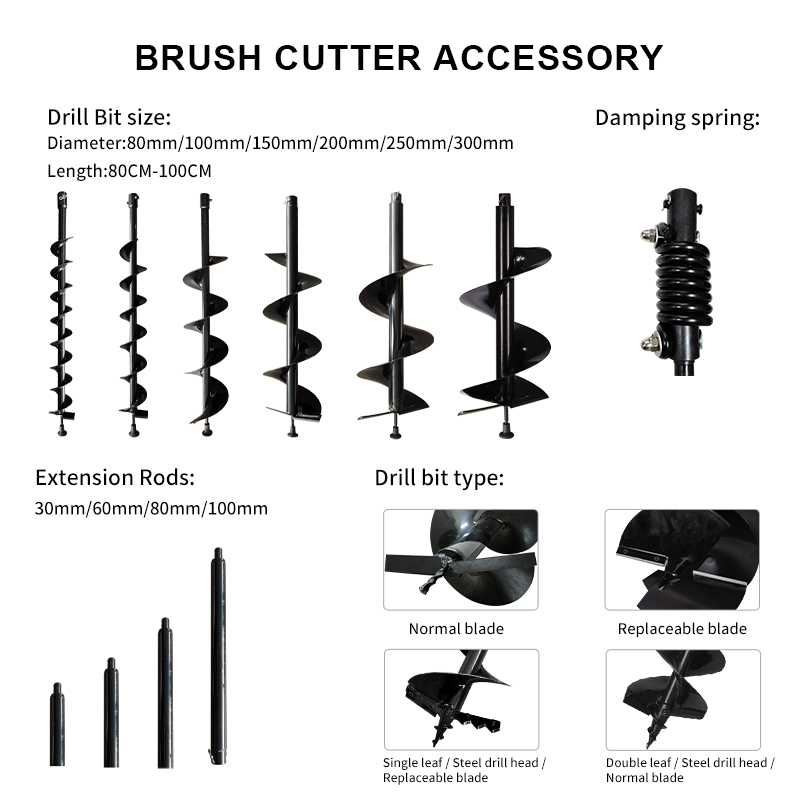 Earth Auger Accessory
 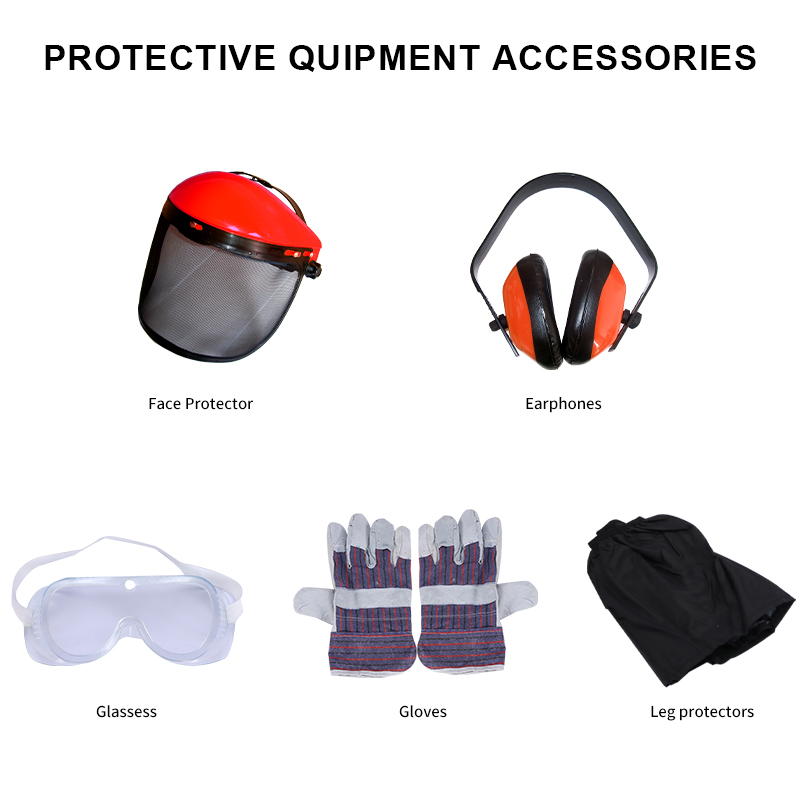 Protective Equipment Accessories


