
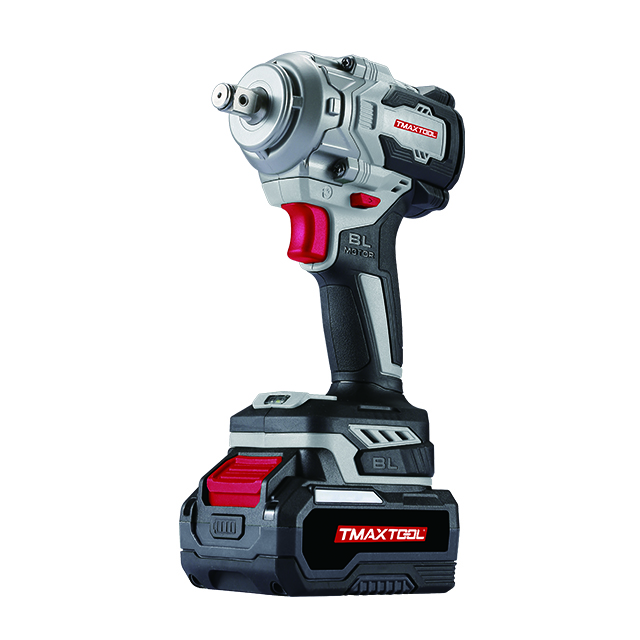
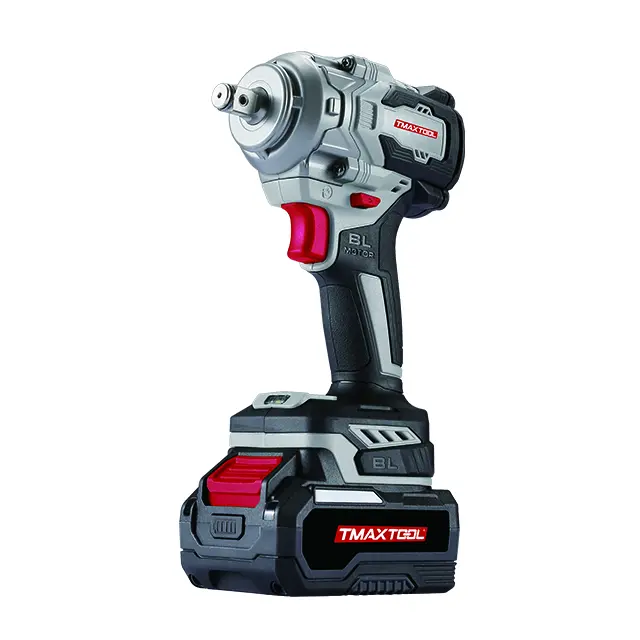
 Impact Wrench
 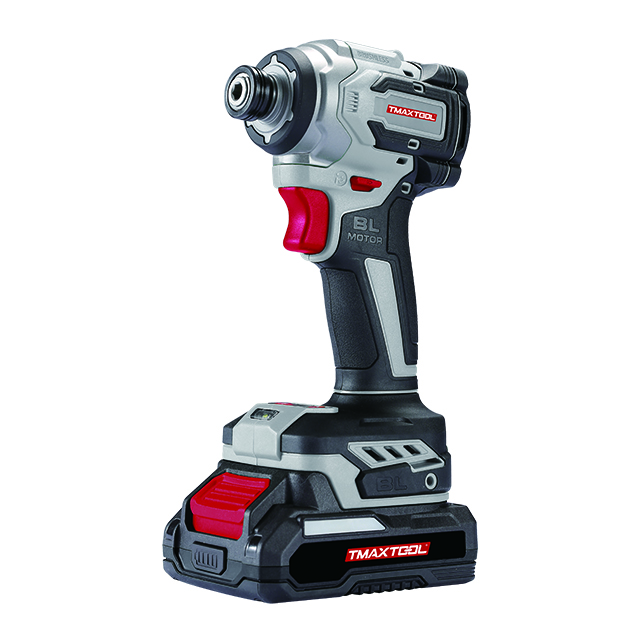 Screwdriver
 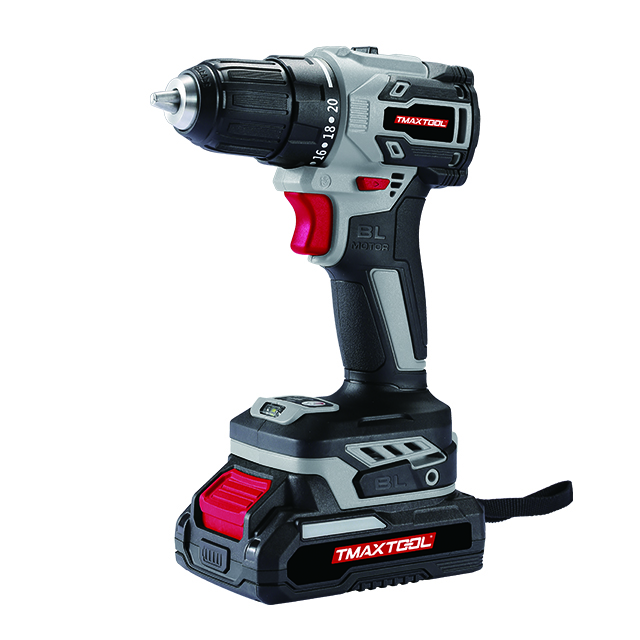 Cordless Drill
 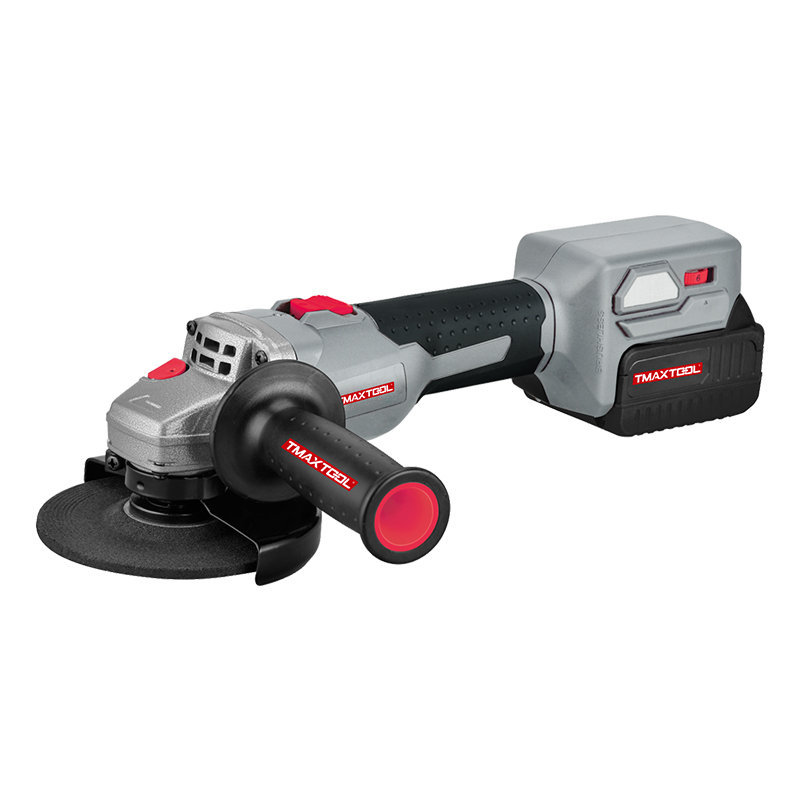 Angle Grinder
 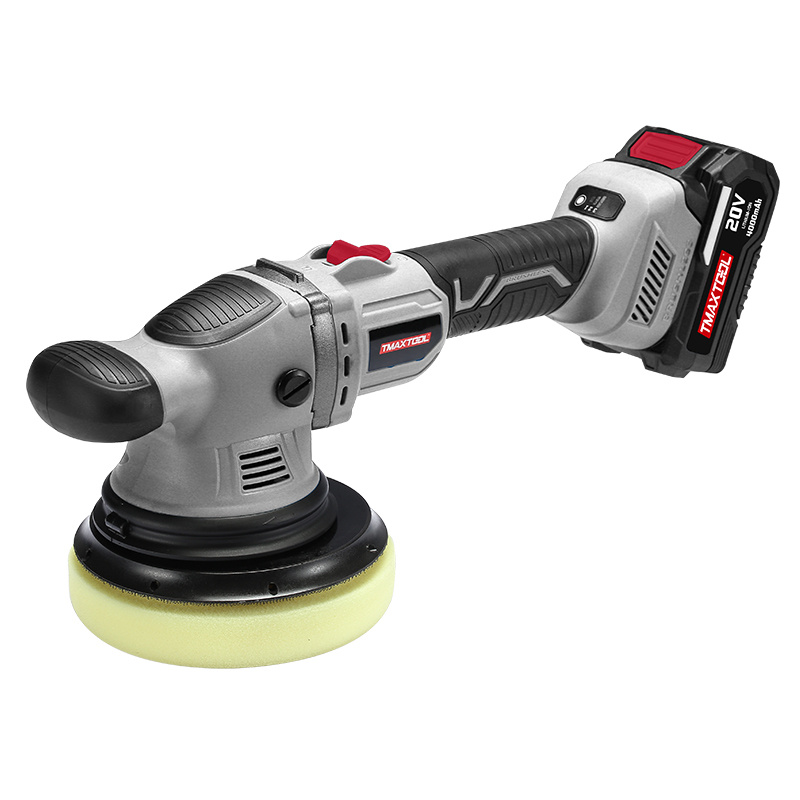 Polisher
 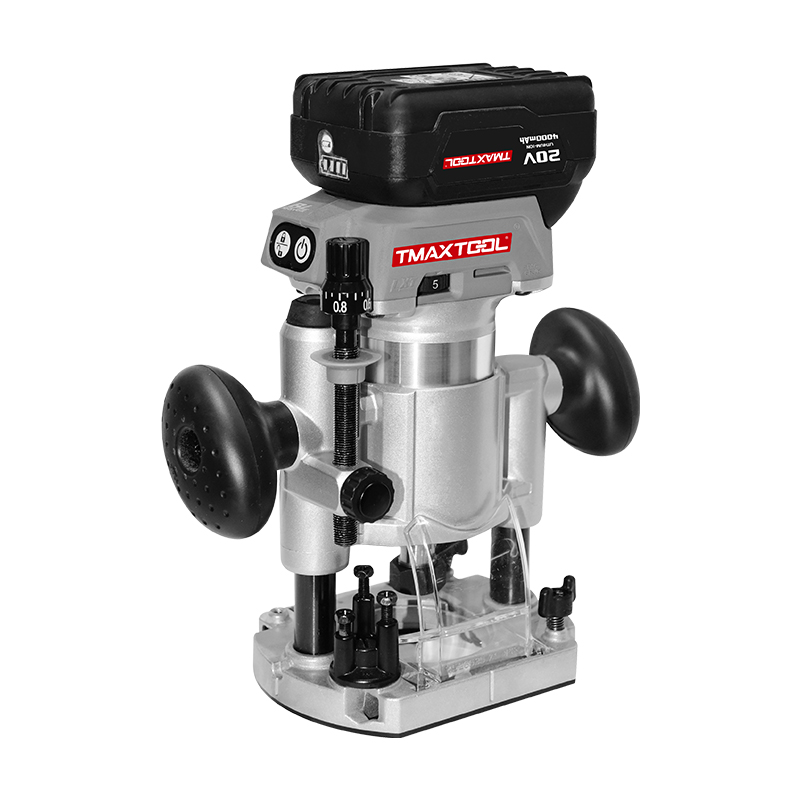 Wood Router
 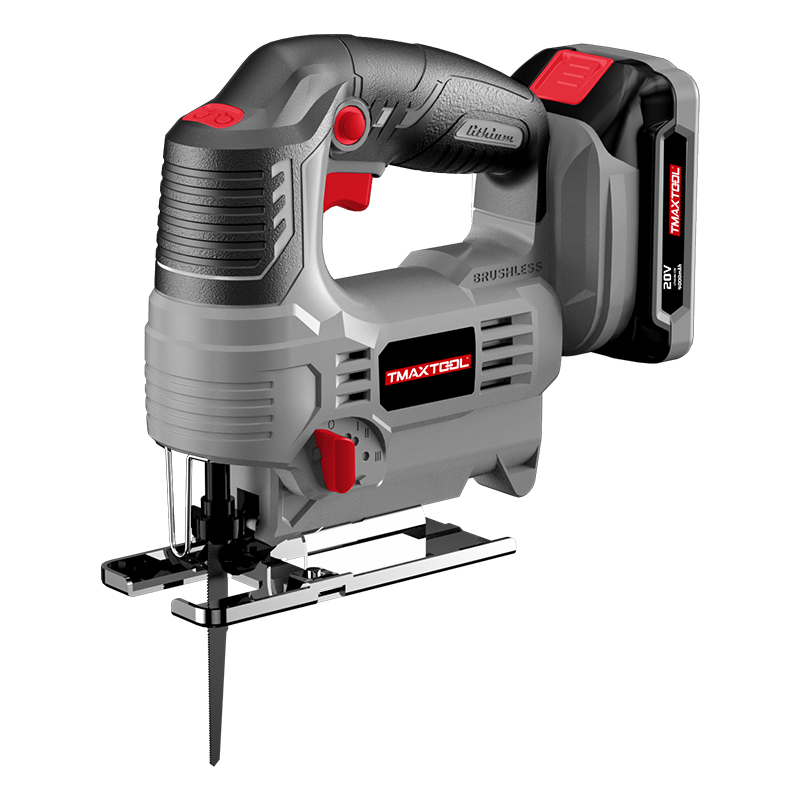 Jig Saw
 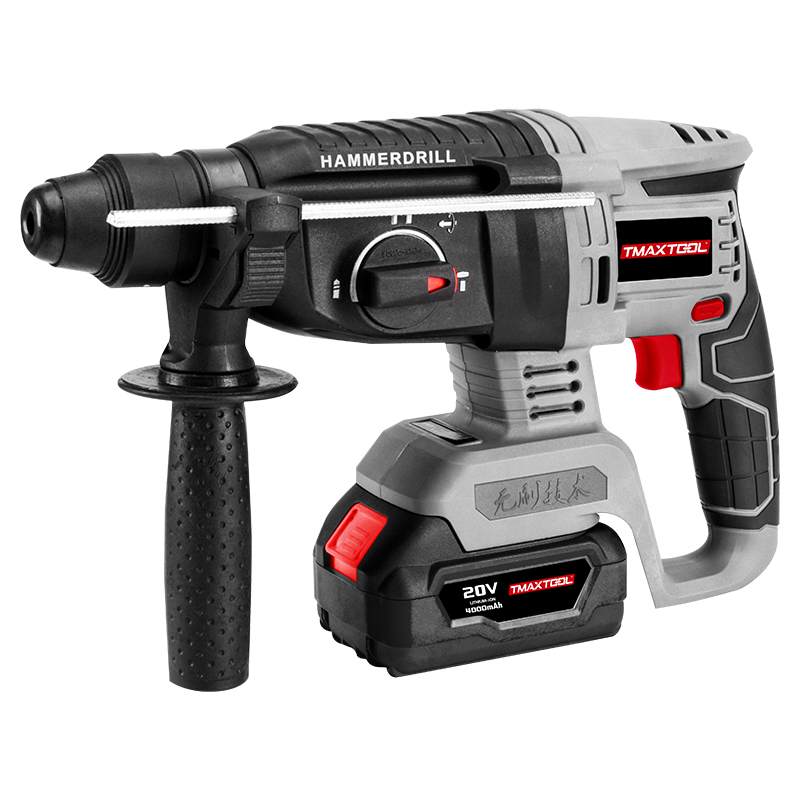 Hammer Drill
 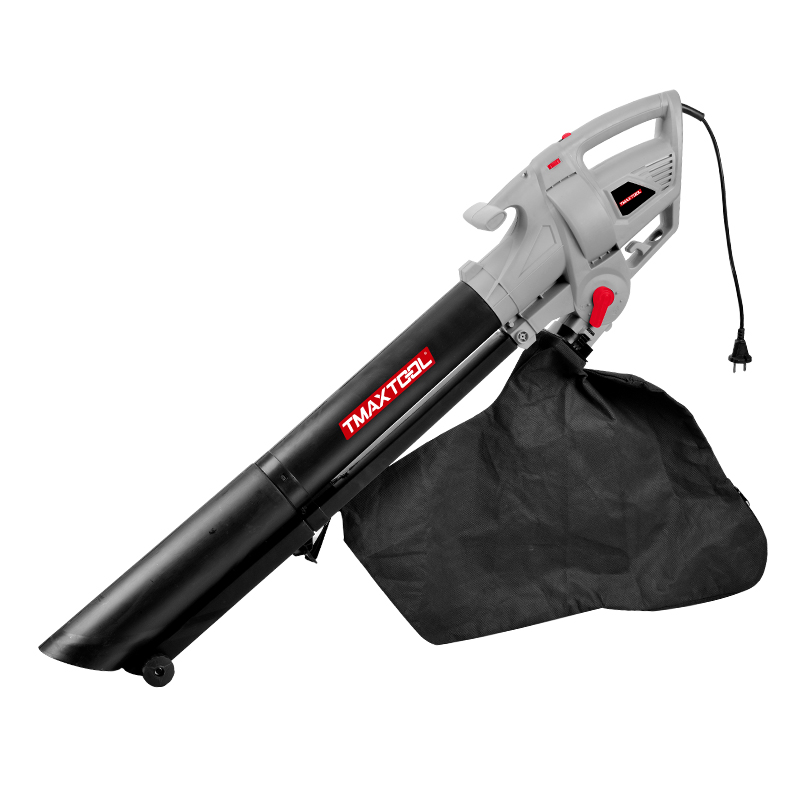 Portable Blower
 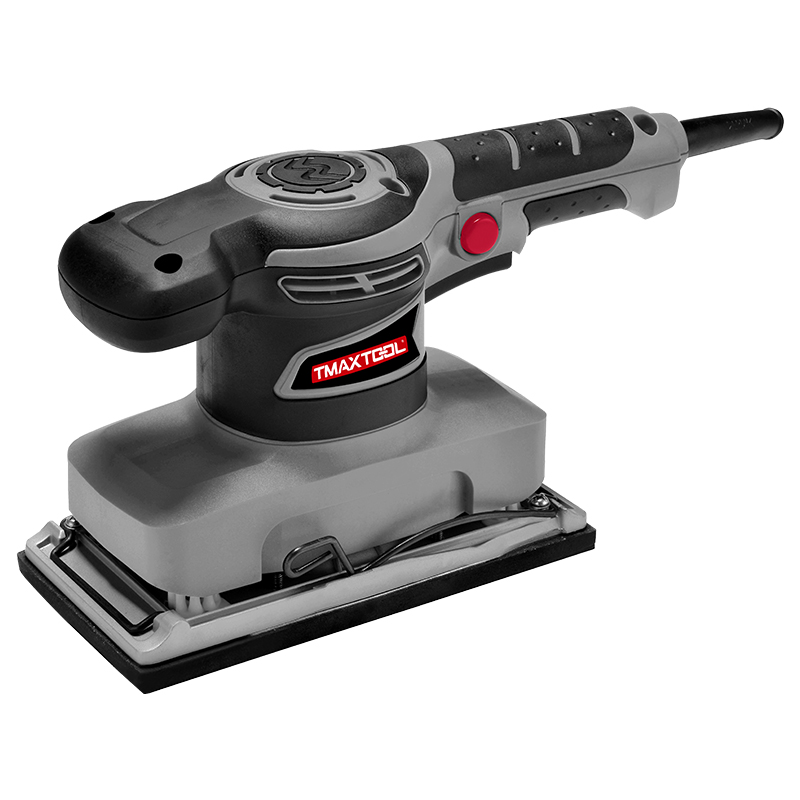 Orbital Sander
 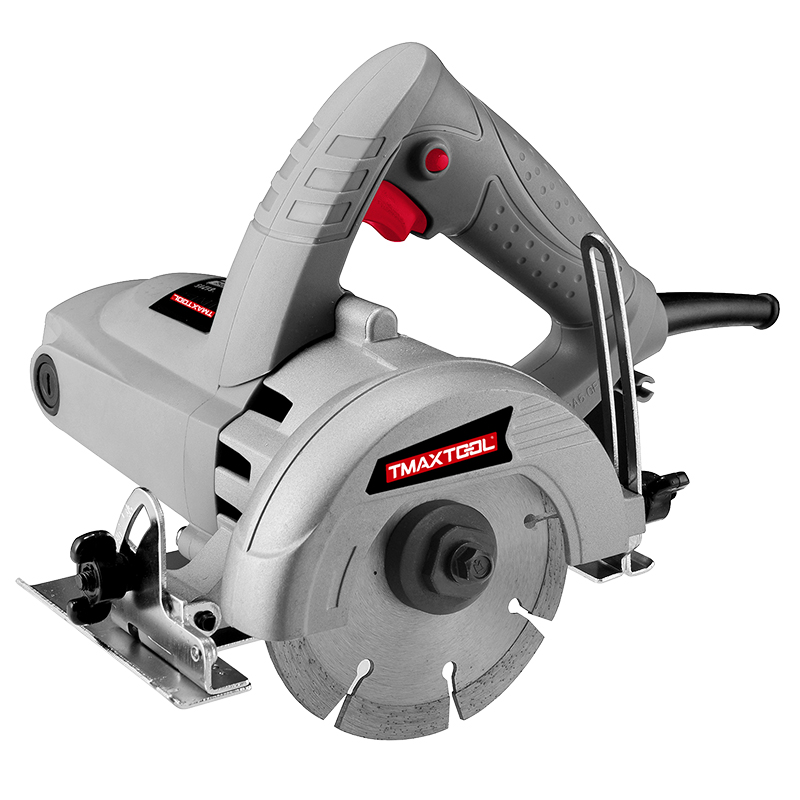 Marble Cutter
  GARDEN TOOLS
 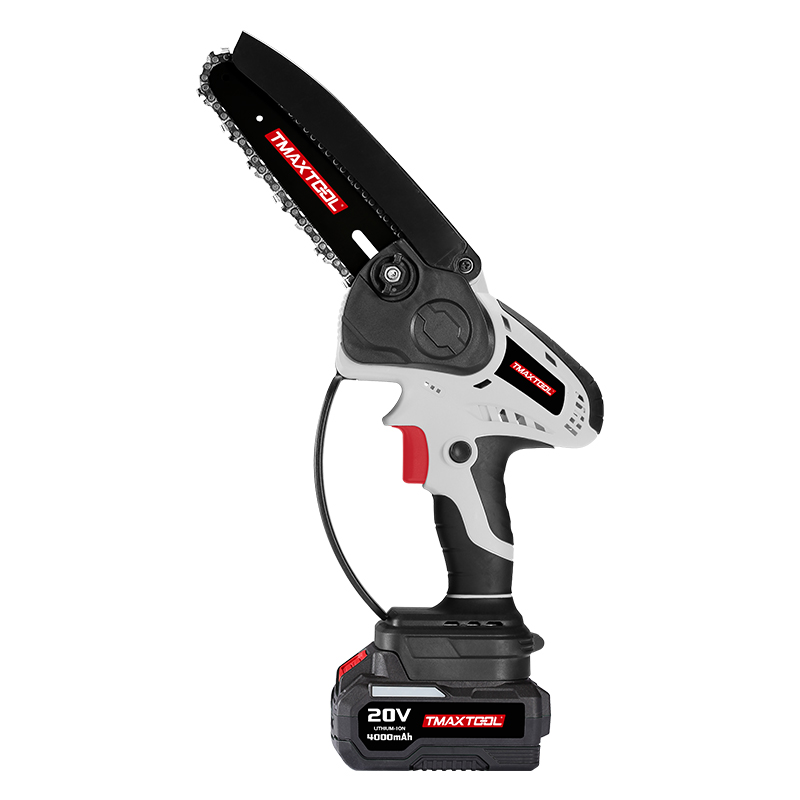 Battery Chain Saw
 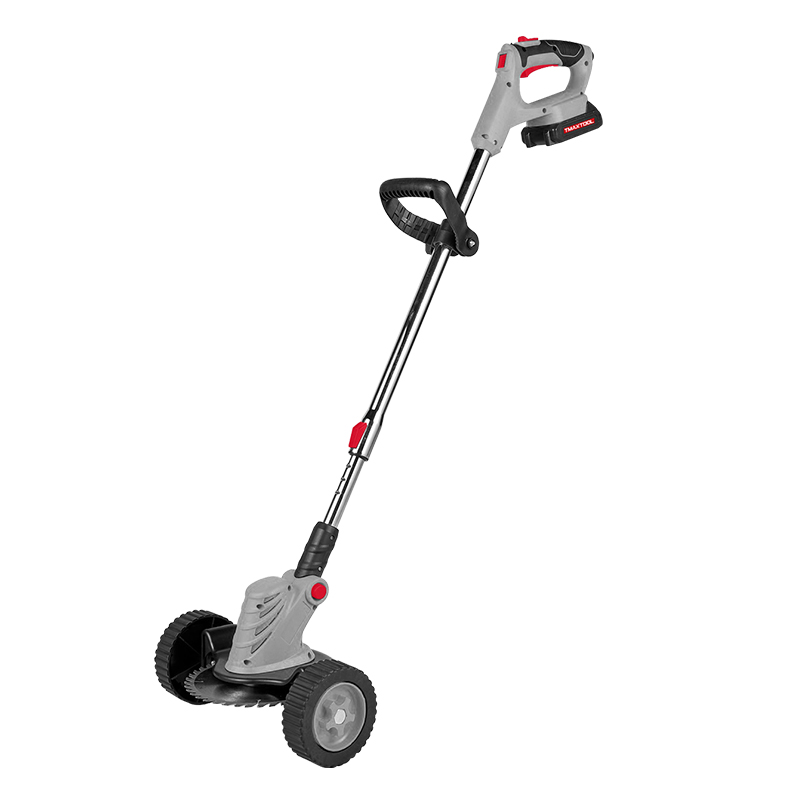 Battery Brush Cutter
 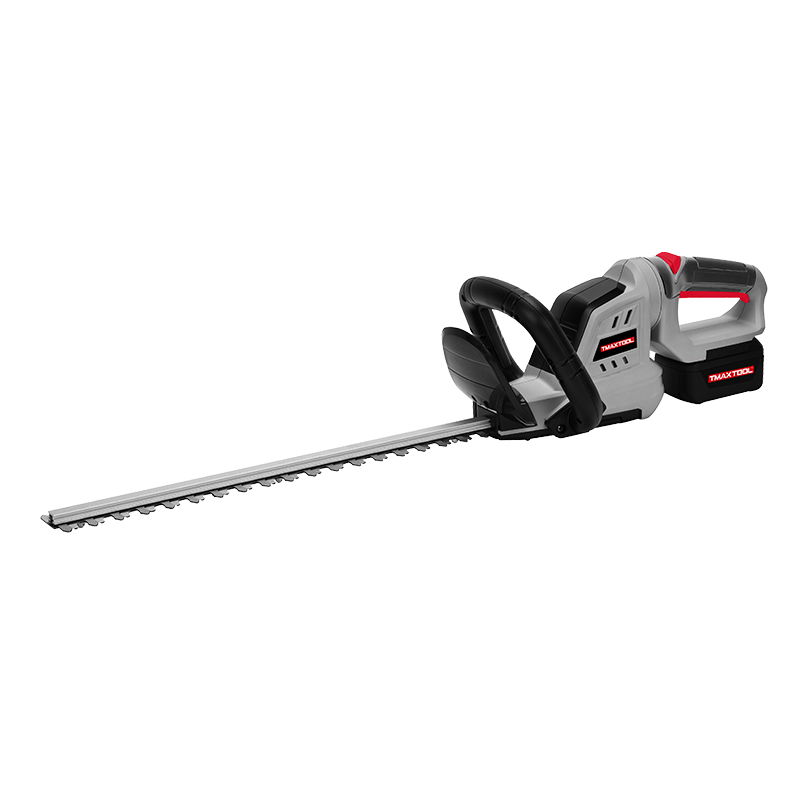 Battery Hedge Trimmer
 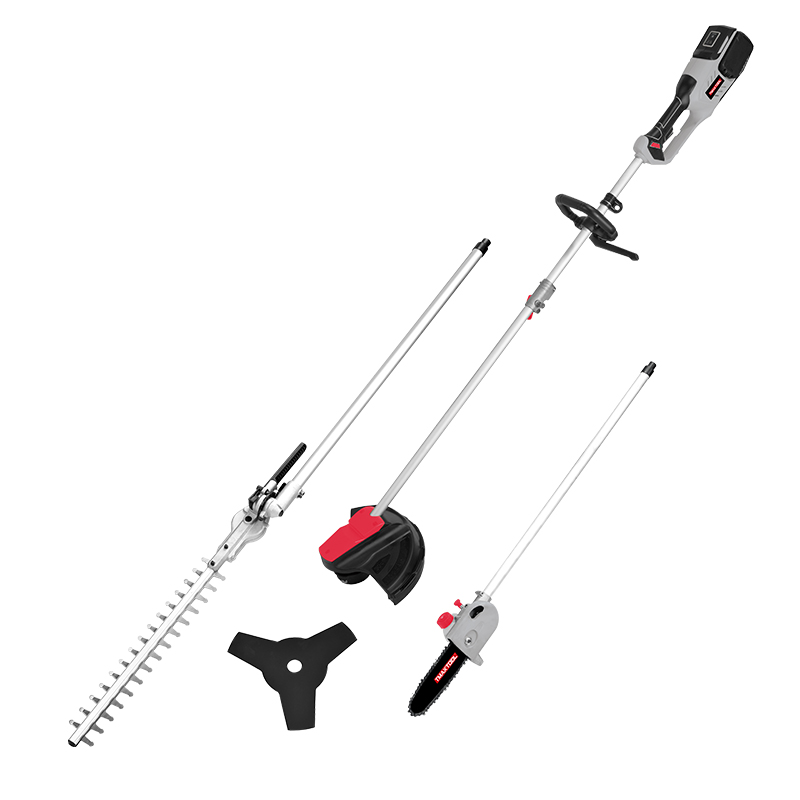 Battery Multi Tool
 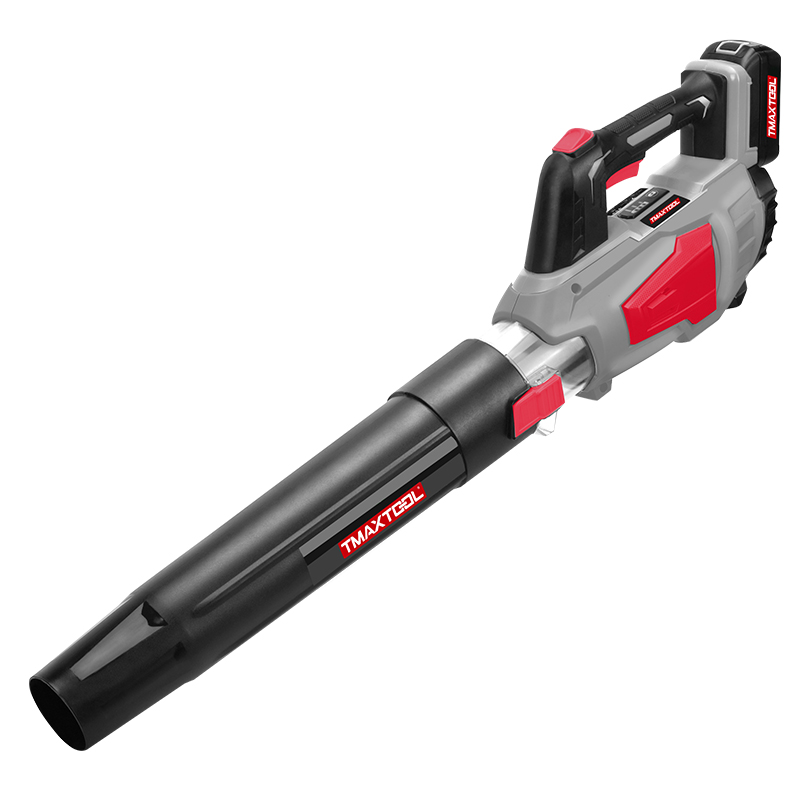 Battery Blower
 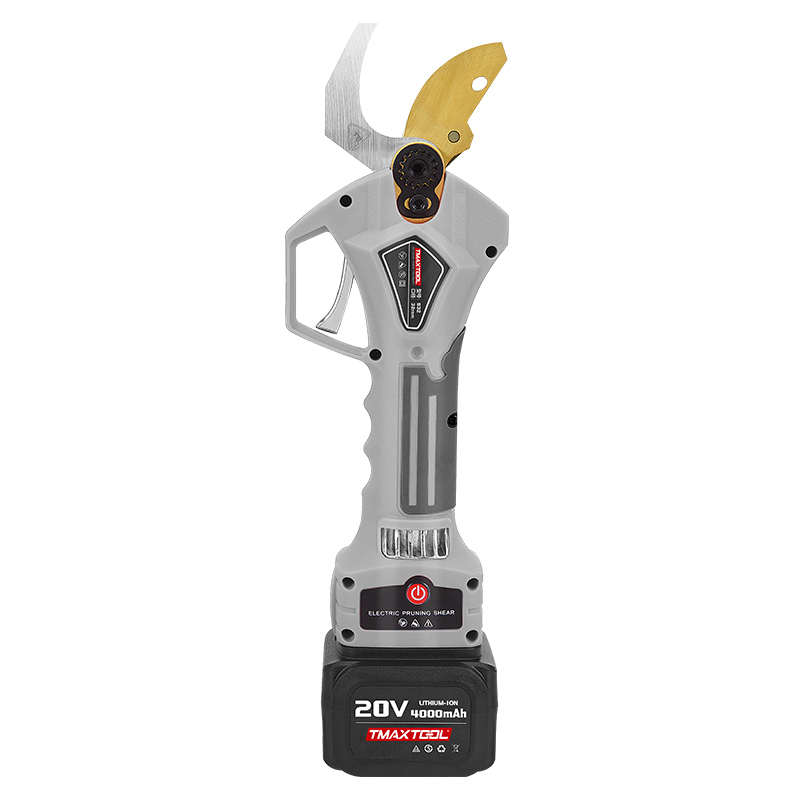 Batter Pruning Shears
 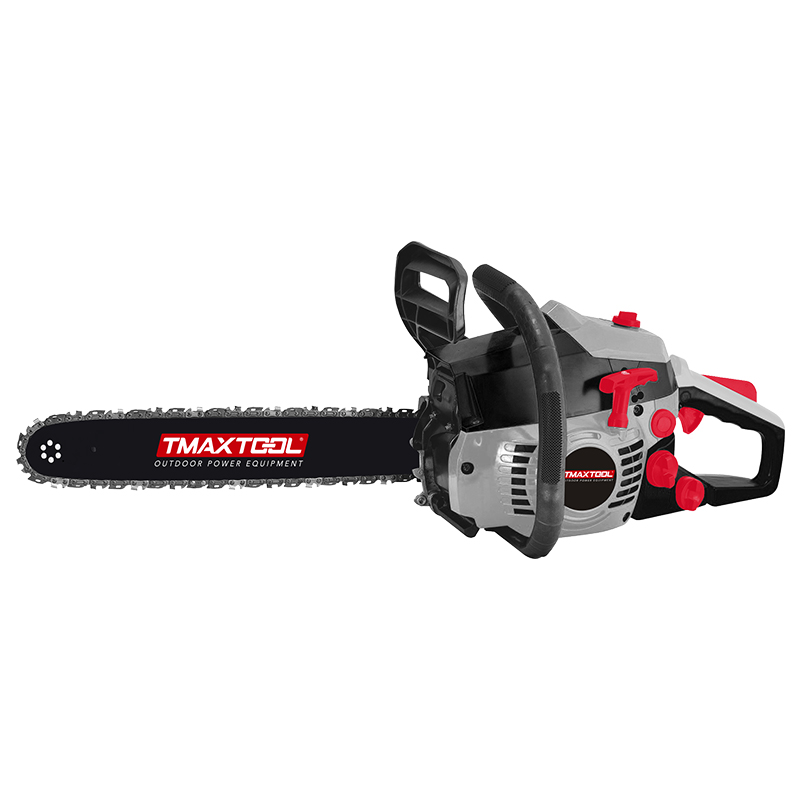 Chain Saw
 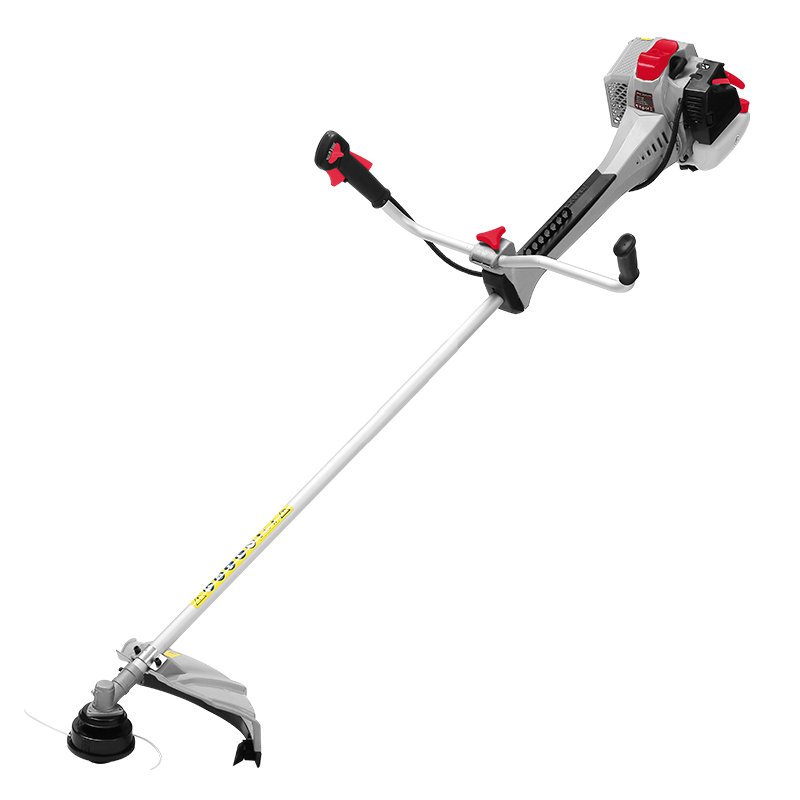 Brush Cutter
 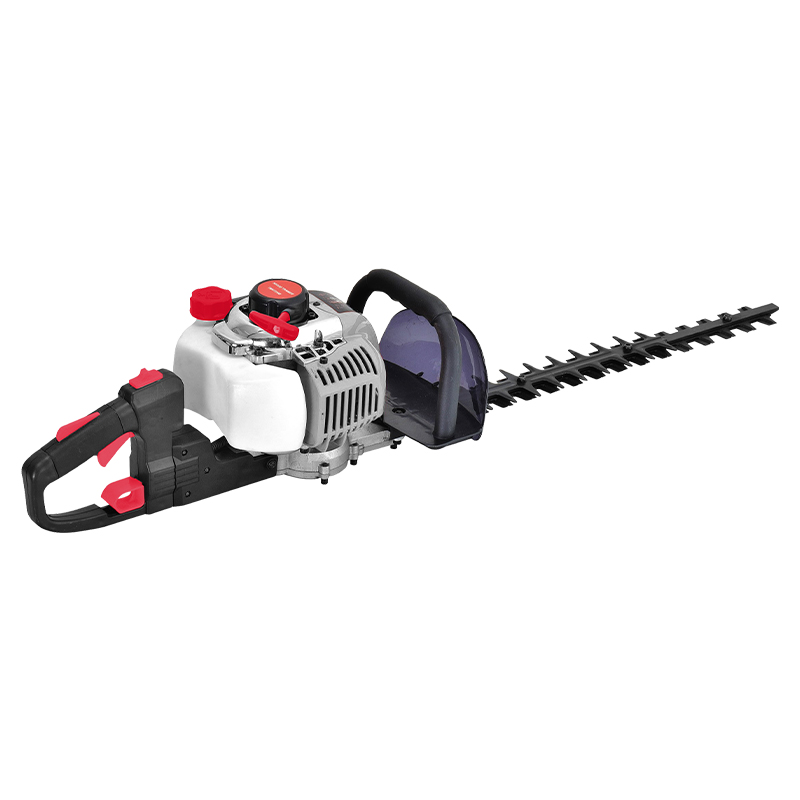 Hedge Trimmer
 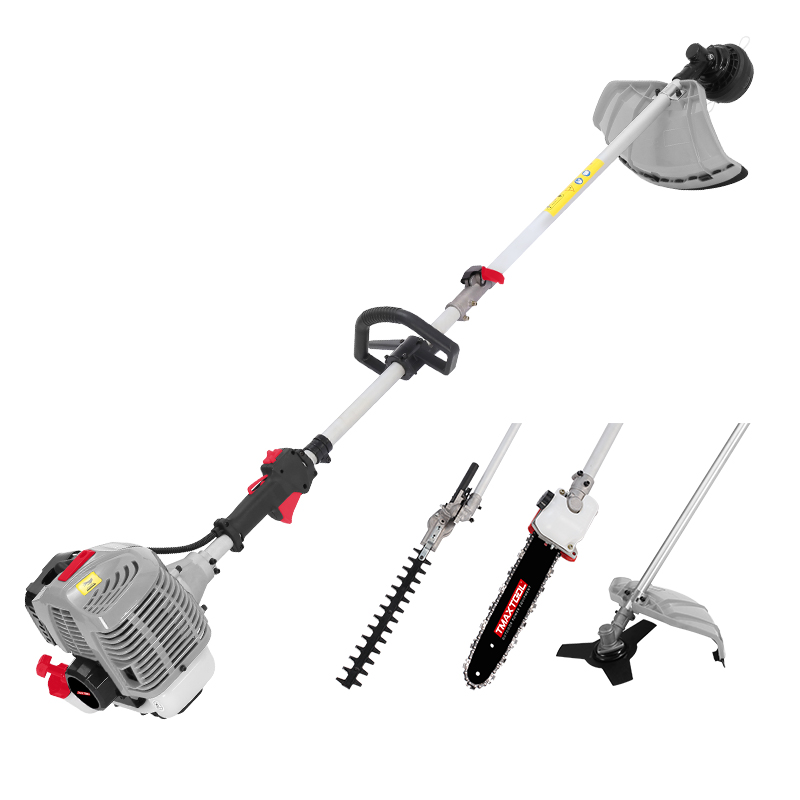 Multi Tool
 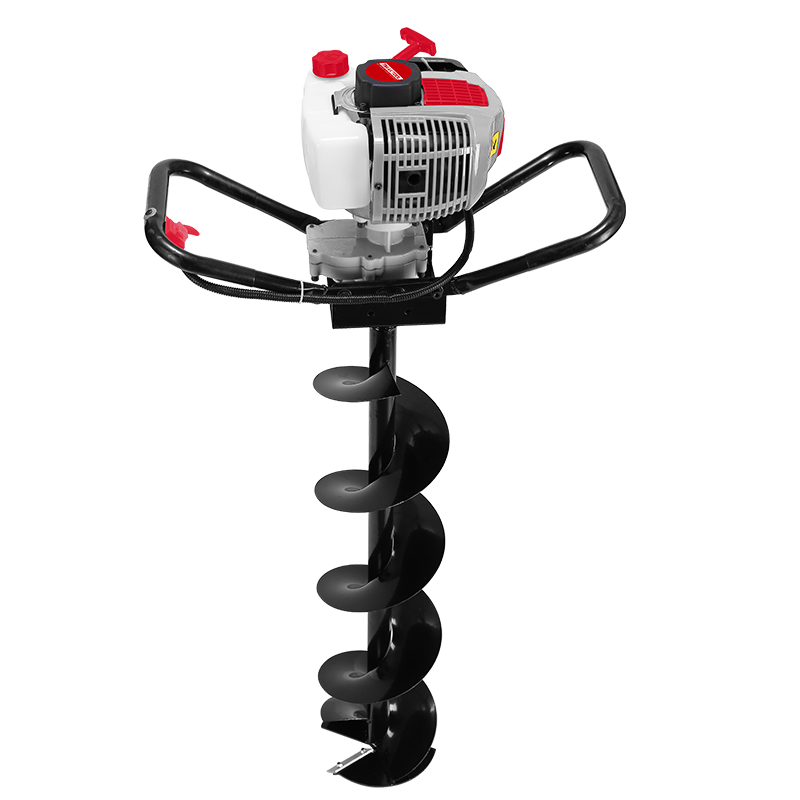 Earth Auger
 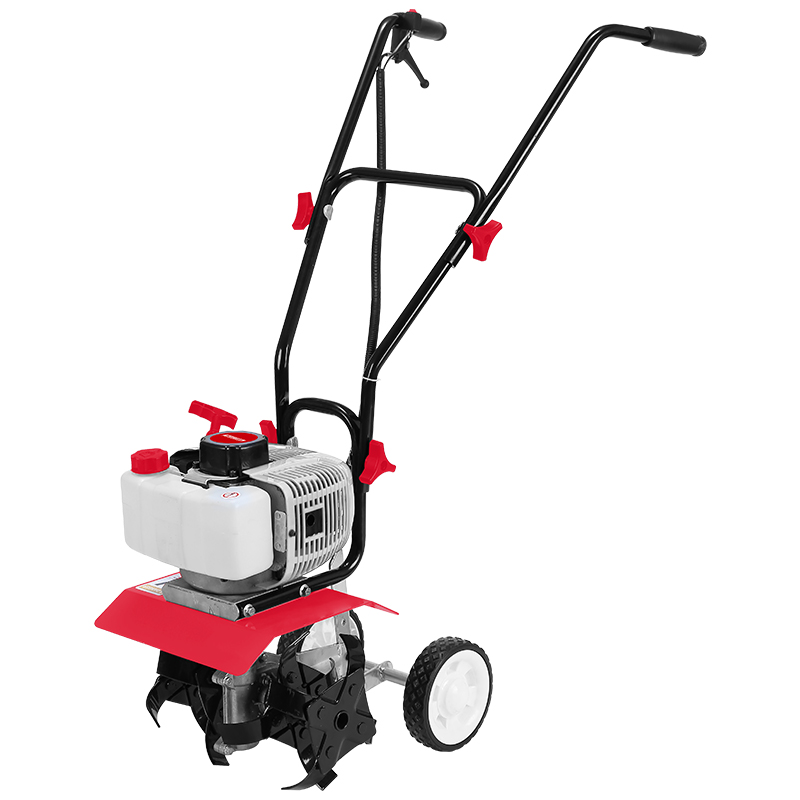 Tiller
 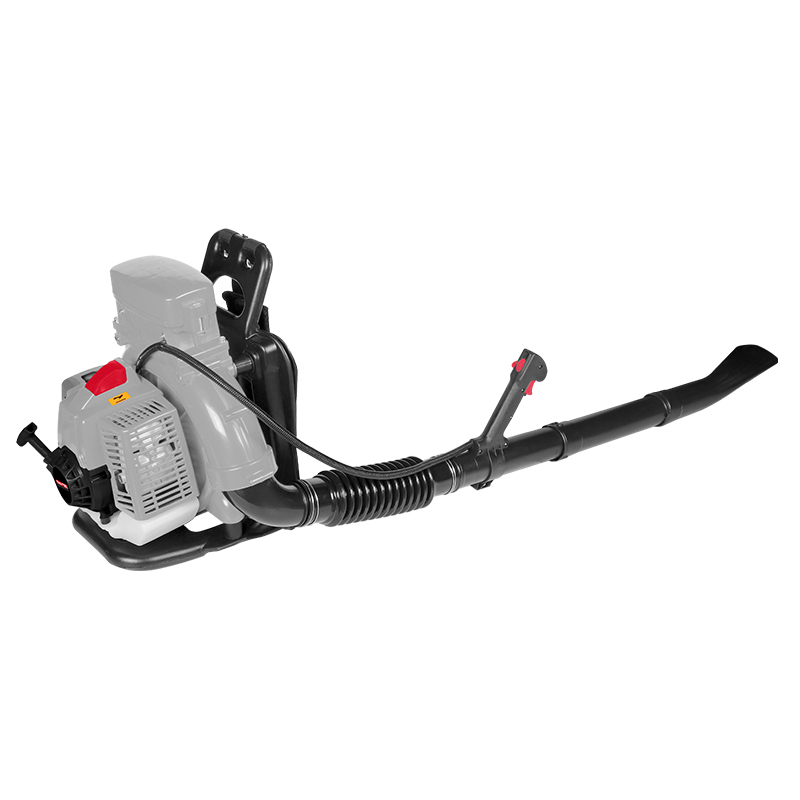 Blower
 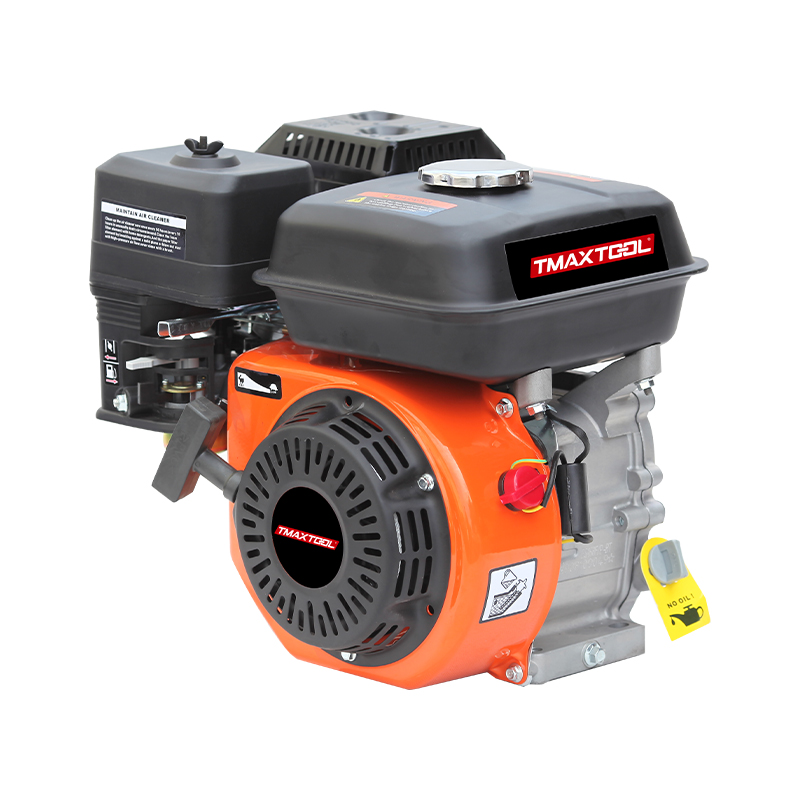 4 Stroke Gasoline Engine
 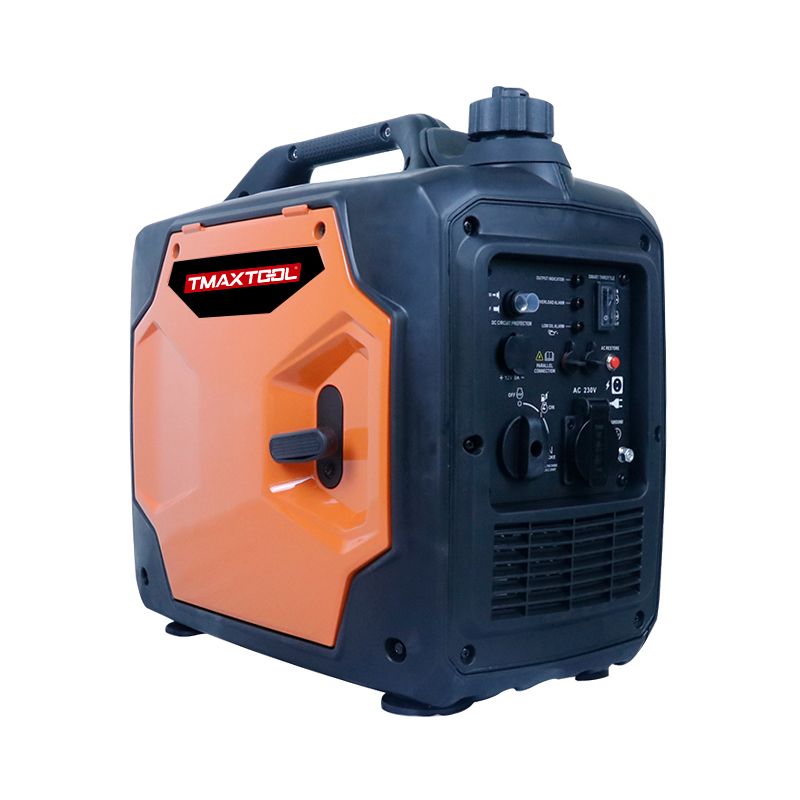 Generator
 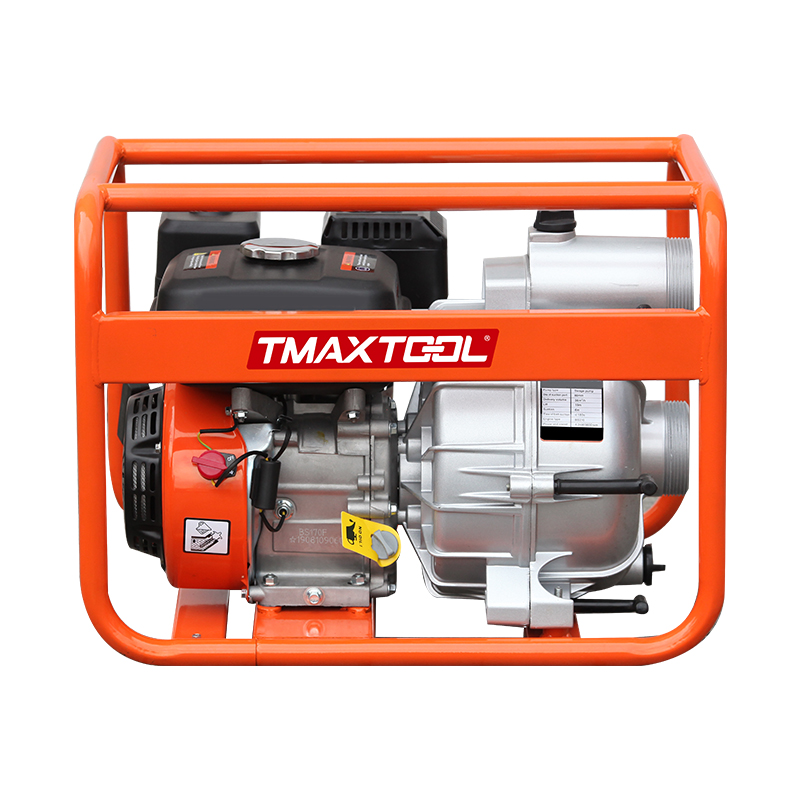 Water Pump
 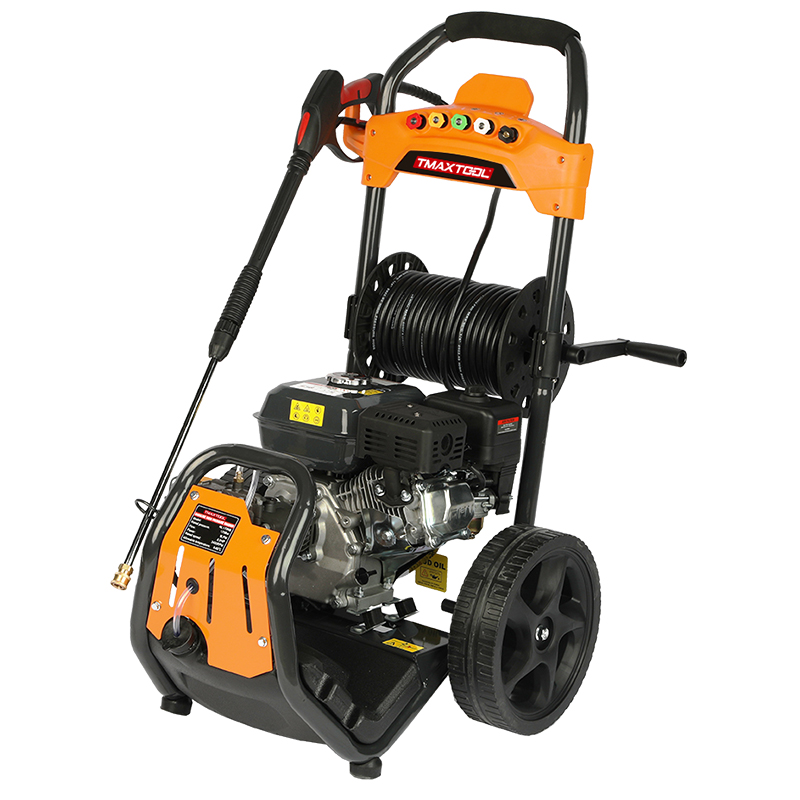 High Pressure Washer
 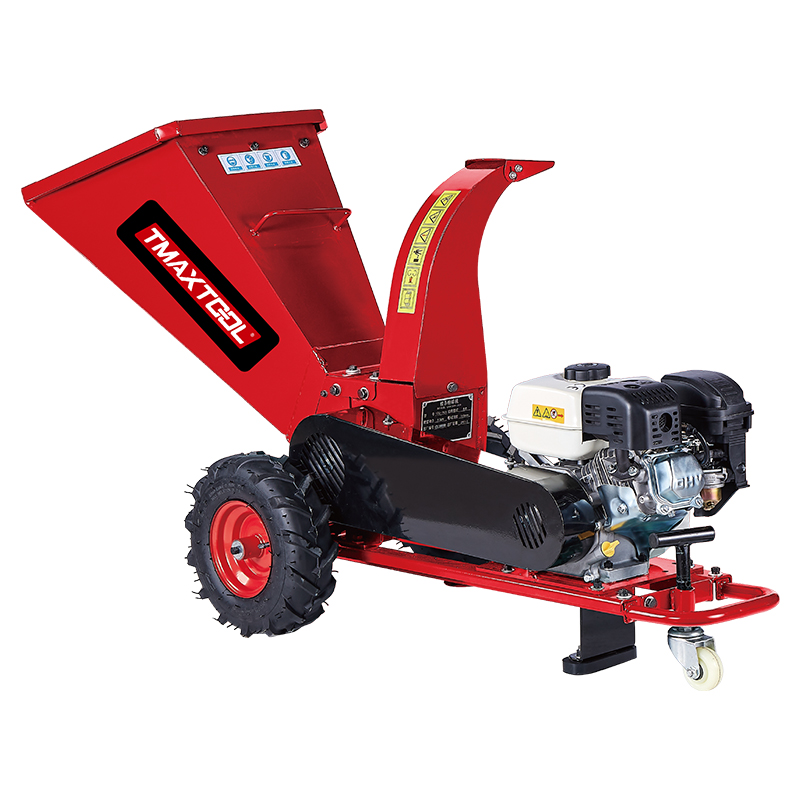 Wood Cutter
 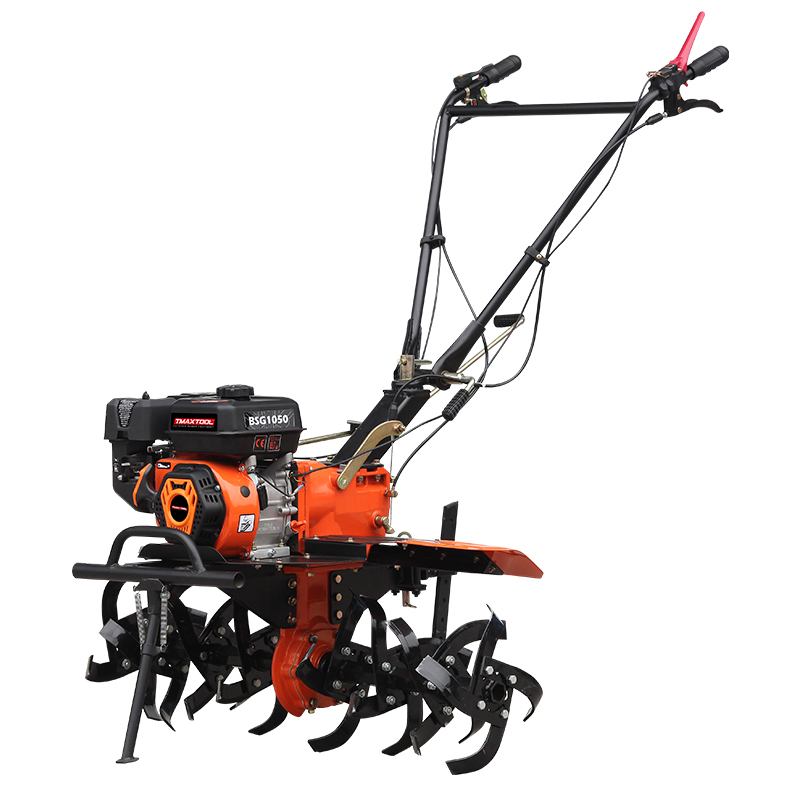 4 Stroke Tiller
 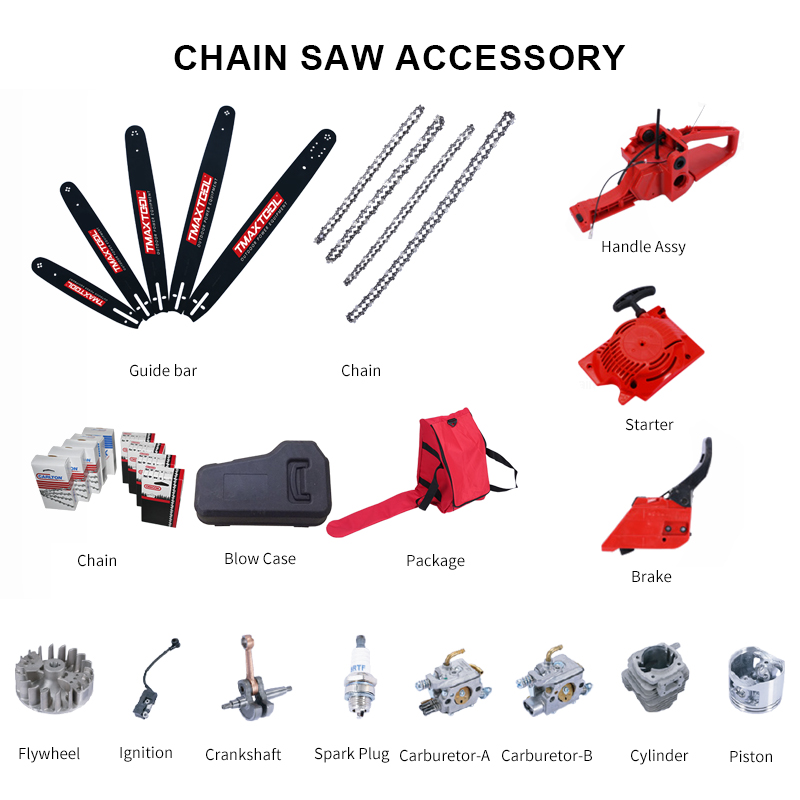 Chain Saw Accessory
 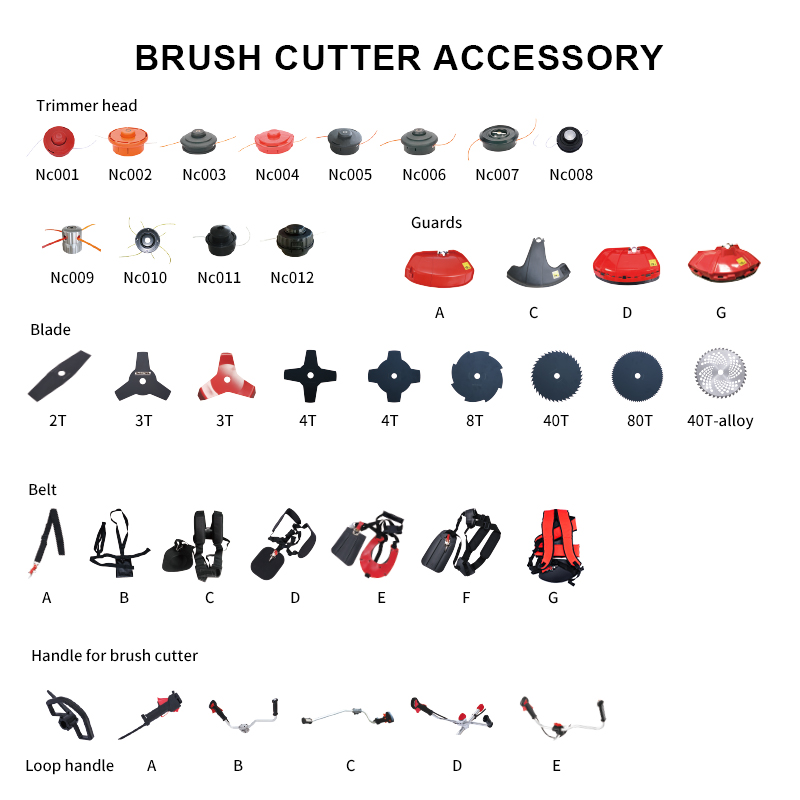 Brush Cutter Accessory
 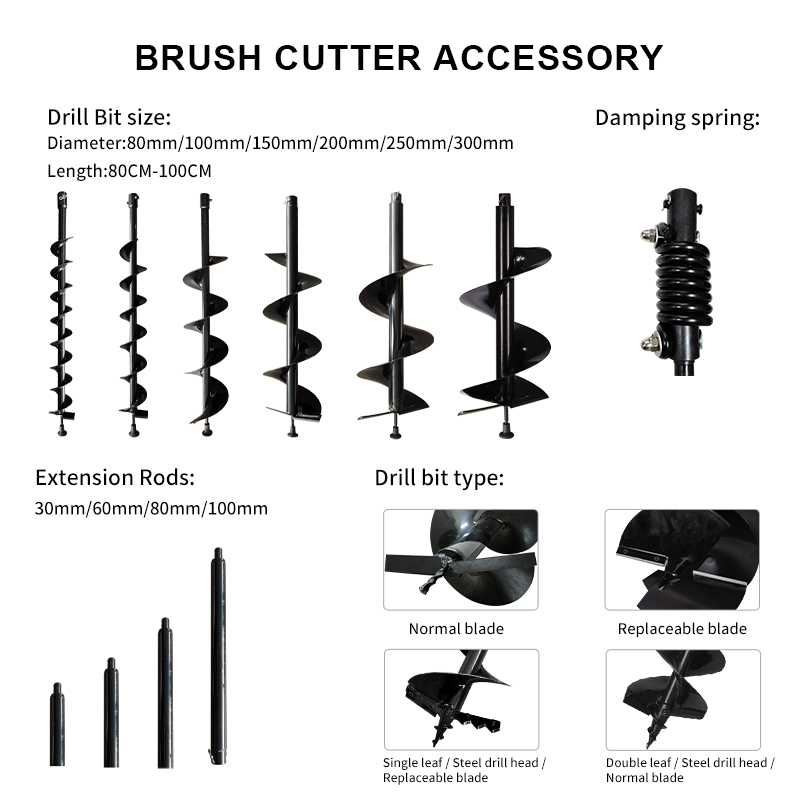 Earth Auger Accessory
 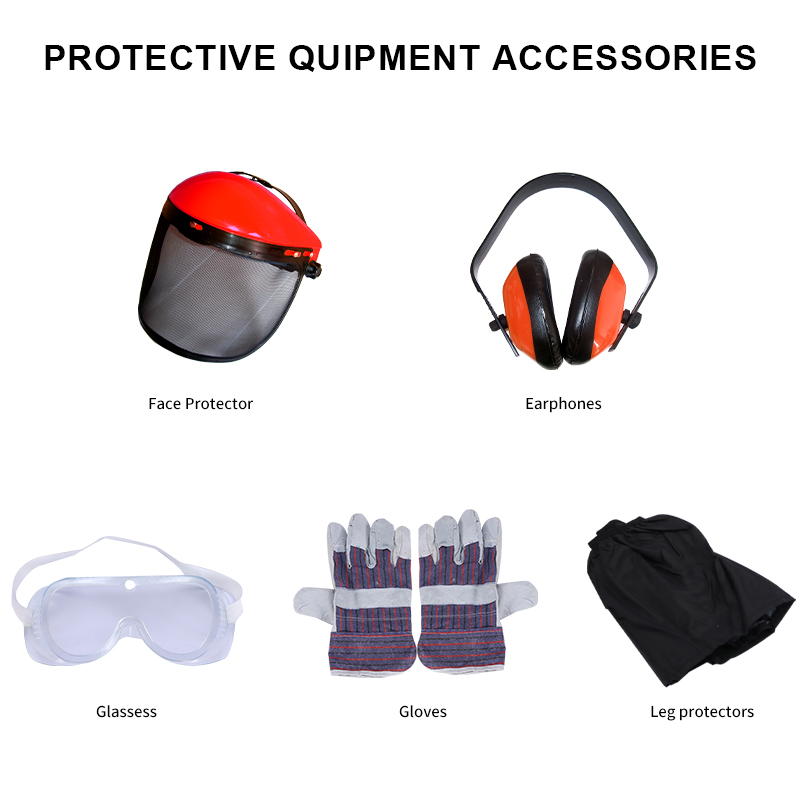 Protective Equipment Accessories
News
Leave Your Message


0102030405
Agricultural Equipment Import Guide
2026-07-20
Agricultural Equipment Import Guide: A Complete Roadmap for Global Distributors & Farm Business Buyers
Introduction
For agricultural distributors, farm co-ops, independent machinery dealers, and large commercial farming operators, importing agricultural equipment unlocks access to diversified product lines, competitive total cost of ownership, and specialized machinery tailored to regional growing conditions. However, cross-border procurement carries layered risks: mismatched regional compliance standards, opaque supplier pricing, oversized cargo logistics delays, customs clearance bottlenecks, and insufficient after-sales spare parts support.
This comprehensive guide is built exclusively for international buyers, walking you through every actionable stage of importing tractors, tillers, garden machinery, power farm tools, irrigation equipment, and agricultural accessories. It balances practical trade knowledge, regional regulatory breakdowns, cost forecasting frameworks, and proven risk mitigation tactics to help you execute profitable, low-hassle import orders, whether you are placing your first bulk order or scaling long-term machinery supply chains.
Table of Contents
- Step 1: Align Equipment Specifications With Local Market Demand
- Step 2: Vet Global Manufacturers & Select Reliable Supply Partners
- Step 3: Calculate Full Total Import Cost (Beyond Unit Price)
- Step 4: Master Regional Compliance & Mandatory Certification Rules
- Step 5: Negotiate Secure Trade Terms & Payment Structures
- Step 6: Organize Logistics, Shipping & Cargo Protection for Heavy Machinery
- Step 7: Complete Customs Clearance, Quarantine & Local Registration
- Step 8: Establish Long-Term After-Sales & Spare Parts Inventory Plans
- Most Common Import Mistakes & How to Avoid Them
- Final Checklist for Smooth Agricultural Equipment Import
Step 1: Align Equipment Specifications With Local Market Demand
Before reaching out to any manufacturers, ground your purchasing decisions in the unique agronomic, climate, and customer needs of your target territory. Generic machinery will underperform in local field conditions and hurt your resale reputation.
Key Regional Factors to Evaluate
- Farm scale segmentation: Smallholder plots require compact, low-horsepower multi-functional tools, while large commercial farms demand high-output tractors, harvesters, and precision planting equipment.
- Terrain and crop types: Hilly regions need lightweight, stable tillers; rice-growing zones prioritize water-resistant irrigation pumps and wet-field transplanters; dry climate markets rely heavily on durable Brush Cutters and drought-resistant watering systems.
- Local repair infrastructure: If regional mechanics lack advanced electronic training, prioritize mechanical, low-electronics machinery that can be serviced with basic tools.
- Seasonal sales cycles: Map planting and harvesting windows to schedule shipments 30–60 days ahead of peak demand to avoid stock shortages.
Action Tip
Create a standardized specification sheet for every machine category, including engine power, voltage standards, tire configuration, safety guard requirements, and language for operation manuals. Share this document with suppliers to eliminate miscommunication during quotation rounds.
Step 2: Vet Global Manufacturers & Select Reliable Supply Partners
The quality of your imported equipment hinges entirely on rigorous supplier due diligence. Many overseas buyers face costly delays, defective batches, or unresponsive after-sales support by skipping formal factory verification.
Core Supplier Evaluation Criteria
- Export track record Confirm the manufacturer has existing client partnerships in your target continent or country. Long-term export experience means they understand regional certification, labeling, and shipping packaging standards without additional guidance from your team.
- Production capacity & lead times Review monthly output volume, active production lines, and standard order lead times. Clarify flexible minimum order quantities (MOQ) for new distributors testing market demand.
- Quality control protocols Request third-party pre-production and pre-shipment inspection reports, production pass rate data, and finished product testing procedures for engines, hydraulics, and power components.
- Customization flexibility Ask whether the factory offers OEM branding, regional engine emission adjustments, colorway customization, and accessory bundle matching to differentiate your local product lineup.
- Transparent after-sales framework Verify spare parts supply speed, warranty coverage duration, and dedicated export account managers for international client inquiries.
Supplier Shortlist Strategy
Build a pool of 3–5 verified manufacturers for each equipment category. Request identical quotation packages from all vendors to compare pricing, included accessories, compliance documentation, and shipping terms on an equal basis. Avoid locking orders with a single supplier without cross-comparison.
Step 3: Calculate Full Total Import Cost (Beyond Unit Price)
Many new importers only budget for the machinery unit price and overlook hidden fees that can inflate total expenditure by 15%–30%. Successful buyers calculate the full landed cost for every order before signing contracts.
All Cost Components to Include in Forecasting
- Base machinery unit price
- Customization, packaging, and export labeling fees
- Sea or air freight charges (differentiate FCL full container vs. LCL less-than-container load)
- Cargo insurance for heavy, high-value farm equipment
- Port handling, loading, and crating fees for oversized machinery
- Destination customs duties, import taxes, and processing administrative fees
- Biosecurity quarantine inspection charges
- Inland trucking from destination port to your warehouse or distribution center
- Third-party pre-shipment inspection fees
- Currency exchange fluctuation buffers (allocate 3–5% contingency)
- Spare parts initial stocking costs for after-sales service
Cost Optimization Tactics
- Consolidate multiple machinery types into one full container shipment to cut per-unit freight costs.
- Schedule bulk orders during off-peak shipping seasons to secure discounted carrier rates.
- Leverage free trade agreements between your importing country and manufacturing origin to reduce duty rates.
- Negotiate bundled spare parts discounts alongside large equipment orders to lower long-term operational costs.
Step 4: Master Regional Compliance & Mandatory Certification Rules
Every market enforces unique safety, emission, and electrical compliance standards for agricultural machinery. Missing required certifications results in customs seizure, fines, and complete inability to sell equipment locally.
Major Global Regulatory Standards Overview
European Union Markets
All farm machinery must carry the CE marking aligned with Machinery Directive 2006/42/EC. Diesel engine units require Stage V emission certification. Additional national registration systems apply for tractors and heavy tillage equipment in individual EU member states.
North American Markets
Equipment sold in the United States and Canada must meet EPA engine emission standards, ANSI safety specifications, and electrical UL certification for battery-powered farm tools. Certain states enforce additional noise-level testing for outdoor machinery.
Southeast Asia, Africa & Latin America
Regulatory frameworks vary widely by nation. Most territories require basic ISO 9001 manufacturing certification, product origin certificates, and clean biosecurity declarations to prevent invasive plant material transfer via machinery tires and frames. Some countries mandate localized operation manuals printed in national official languages.
Australia & New Zealand
Strict biosecurity quarantine rules apply to all imported farm equipment. All machinery must undergo full pressure washing at the origin factory before shipment, with official cleaning documentation submitted alongside customs paperwork. Engine emission and safety compliance certifications are also mandatory.
Critical Compliance Checklist Before Production
- Confirm the manufacturer can supply all required test reports and certification documents specific to your import country.
- Verify machine labeling requirements (safety warning symbols, voltage marks, emission tags) match local regulatory formats.
- Request translated operation and maintenance manuals in your region’s primary language.
- Reserve third-party compliance testing slots well in advance of production timelines to avoid shipment delays.
Step 5: Negotiate Secure Trade Terms & Payment Structures
Clear, written contract terms eliminate disputes over production delays, defective goods, delivery liability, and warranty coverage. Focus negotiations on balanced risk allocation between buyer and supplier.
Recommended Incoterms for Agricultural Equipment Imports
- FOB (Free On Board): The most flexible option for most buyers. You retain control over freight forwarder selection, shipping scheduling, and cargo insurance once goods load onto the vessel.
- CFR (Cost and Freight): Suitable for buyers who prefer manufacturers to manage sea freight, though you must independently arrange cargo insurance.
- Avoid DDP (Delivered Duty Paid) agreements with unfamiliar suppliers, as hidden duty miscalculations often create last-minute delivery hold-ups.
Secure Payment Terms to Reduce Financial Risk
For first-time supplier partnerships, use tiered payment schedules rather than full upfront deposits:
- 30% deposit upon signed sales contract to initiate raw material procurement
- 60% balance due after pre-shipment inspection passes and photos of loaded containers are shared
- 10% retention payment released 30 days post-delivery, after verifying equipment condition and complete documentation delivery
Always use traceable, secure international payment channels such as bank telegraphic transfers or irrevocable letters of credit for high-value bulk orders. Avoid untraceable cash transfers with no formal purchase contract in place.

Step 6: Organize Logistics, Shipping & Cargo Protection for Heavy Machinery
Agricultural equipment ranges from compact handheld power tools to oversized tractors and heavy agricultural machinery, requiring specialized shipping solutions to prevent transit damage.
Shipping Method Breakdown for Farm Equipment
- Full Container Load (FCL) Sea Freight Best for bulk mixed orders of power tools, garden machinery, and small tractors. Standard 20ft and 40ft dry containers work for compact units; flat rack or open-top containers accommodate oversized heavy machinery to avoid disassembly.
- RoRo Vessel Shipping Ideal for large tractors, mini loaders, and tillers that cannot fit inside standard containers. Machines roll directly onto cargo ships, minimizing disassembly and reassembly labor costs at destination ports.
- Less Than Container Load (LCL) Sea Freight Suitable for small test orders or accessory batches, but expect longer transit times and higher risk of cargo damage from shared container storage.
- Air Freight Only recommended for emergency spare parts or tiny sample shipments due to extreme cost premiums for heavy metal farm equipment.
Cargo Damage Prevention Best Practices
- Require manufacturers to secure all loose attachments, cover hydraulic components with waterproof protective film, and install shock-absorbing wooden crating for precision power tools.
- Purchase comprehensive marine cargo insurance covering collision, water damage, and loss during transit.
- Book a third-party inspector to supervise container loading and document all cargo condition before vessel departure.
Step 7: Complete Customs Clearance, Quarantine & Local Registration
Customs clearance errors are the top cause of costly shipment delays for agricultural equipment importers. Prepare a full document packet well before your cargo arrives at the destination port.
Mandatory Customs Documentation Packet
- Signed commercial invoice listing full machine models, serial numbers, unit pricing, and total order value
- Detailed packing list separating equipment, spare parts, and accessory quantities
- Original bill of lading issued by the shipping carrier
- Certificate of origin to qualify for preferential duty rates under trade agreements
- All regional compliance certification files (CE, EPA, ISO, emission test reports)
- Biosecurity cleaning declaration (required for Australia, New Zealand, and most agricultural nations)
- Import business registration documents and tax identification numbers for your company
Post-Clearance Local Registration
Many countries require official machinery registration before commercial resale or farm use. Tractors, motorized tillers, and harvesting equipment often need serial number recording with national agricultural ministries. Complete this step immediately after customs release to avoid legal restrictions on product sales.
Step 8: Establish Long-Term After-Sales & Spare Parts Inventory Plans
Sustainable profitability as an agricultural equipment importer depends on reliable after-sales support for your retail and farm customers. Neglecting spare parts supply will damage brand trust and reduce repeat orders.
Strategic Spare Parts Management Tips
- Order core wear parts (blades, batteries, engine filters, Trimmer Heads) alongside every machinery shipment to build base inventory.
- Negotiate emergency spare parts express shipping terms with your manufacturer for fast turnaround on customer repairs.
- Create a digital parts catalog shared with local repair technicians to simplify part identification and ordering.
- Align spare parts stock levels with regional equipment sales volume to avoid overstocking slow-moving components.
Warranty Administration Framework
Clarify warranty scope within your purchase contract: define covered manufacturing defects, excluded wear-and-tear damage, warranty claim submission processes, and supplier liability for replacement component shipping costs. Translate warranty terms into local customer-facing documentation for transparent communication with end buyers.
Step 9: Most Common Import Mistakes & How to Avoid Them
- Underestimating landed total cost Solution: Build a standardized landed cost spreadsheet including every logistics, tax, and compliance fee before finalizing order budgets.
- Skipping pre-shipment quality inspections Solution: Mandate third-party inspection for all bulk orders; hold final payment until passing inspection reports are received.
- Ordering machinery incompatible with local regulatory standards Solution: Share full regional compliance requirements with suppliers at quotation stage, and validate certification samples pre-production.
- Poor packaging leading to transit damage Solution: Add detailed crating and protection requirements to your sales contract, with photo verification during loading.
- Insufficient spare parts inventory for peak service demand Solution: Forecast seasonal repair needs and pre-order wear parts quarterly to eliminate customer wait times.
- Unclear Incoterms and liability boundaries Solution: Explicitly write agreed Incoterms into the formal purchase contract to avoid cost disputes over shipping delays or cargo loss.
Step 10: Final Checklist for Smooth Agricultural Equipment Import
Review this complete checklist before confirming any bulk import order to eliminate last-minute disruptions:
- Market specification sheet matching local crop, terrain, and regulatory needs finalized
- 3+ verified manufacturers quoted and cross-compared on pricing, compliance, and lead time
- Full landed cost calculation completed with contingency budget allocated
- All regional safety, emission, and biosecurity certification requirements confirmed with supplier
- Written sales contract with clear Incoterms, tiered payment schedule, and warranty terms
- Custom crating, waterproofing, and shock protection standards documented
- Cargo marine insurance policy purchased to cover full shipment value
- Customs document checklist compiled and aligned with destination country requirements
- Initial spare parts stock order bundled with main machinery shipment
- Local machinery registration process researched and mapped for post-delivery completion
Conclusion
Importing agricultural equipment creates powerful growth opportunities for global distributors, farm supply businesses, and agricultural operators, but success hinges on structured planning across specification alignment, supplier vetting, compliance, logistics, and after-sales strategy. By following the step-by-step framework laid out in this guide, you can eliminate avoidable delays, cut hidden overhead costs, and deliver reliable, market-fit machinery to your customer base.
Long-term import profitability relies on building collaborative, transparent partnerships with manufacturers that prioritize consistent quality, flexible customization, and responsive global support. With rigorous pre-order due diligence and proactive risk mitigation, cross-border agricultural equipment procurement becomes a predictable, scalable revenue stream for your agribusiness.