
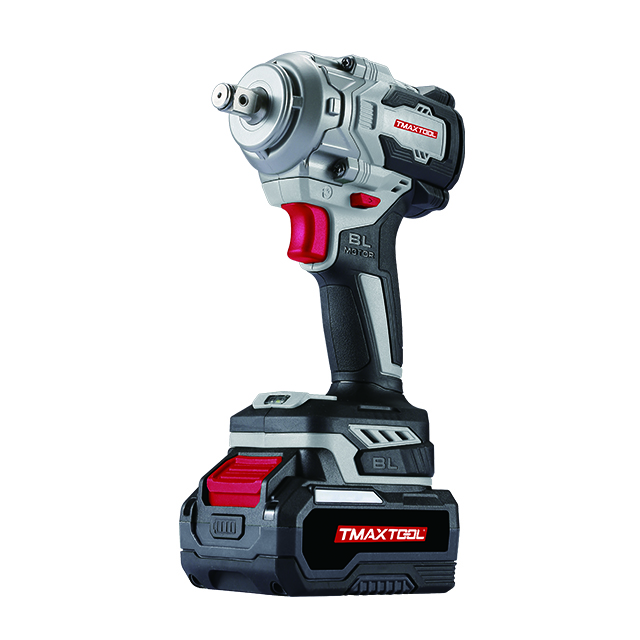
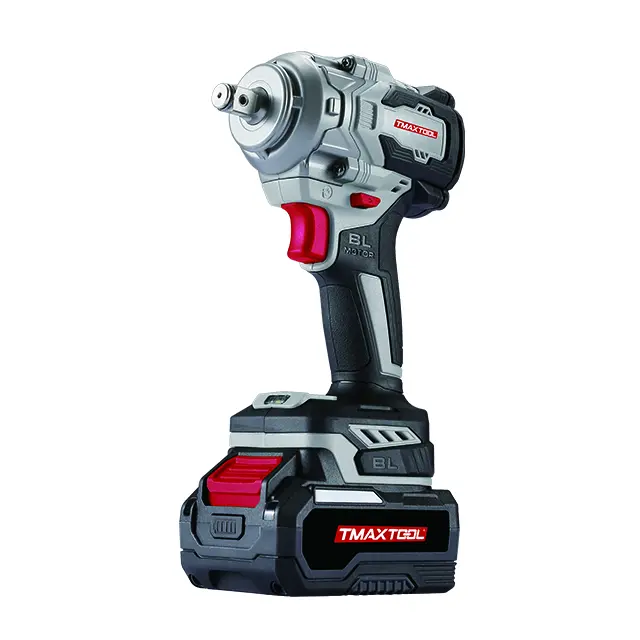
 Impact Wrench
 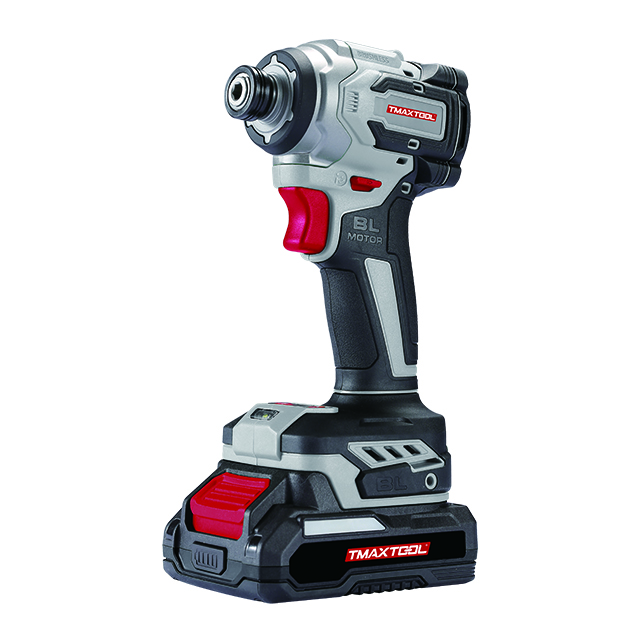 Screwdriver
 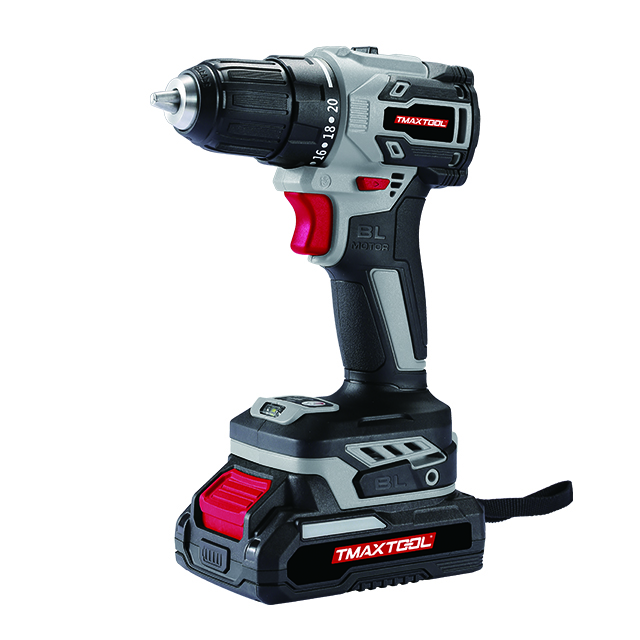 Cordless Drill
 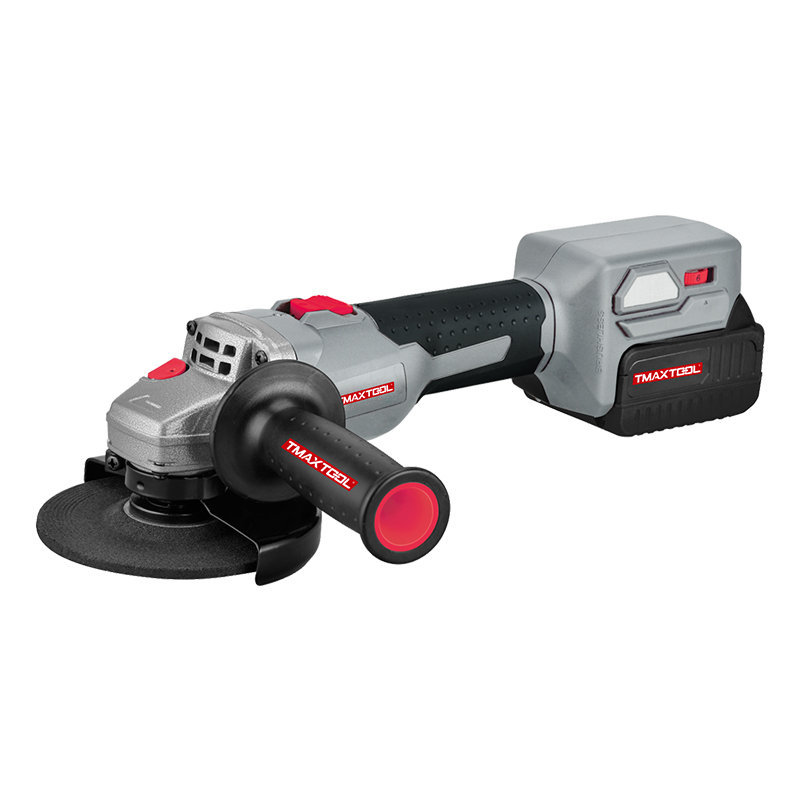 Angle Grinder
 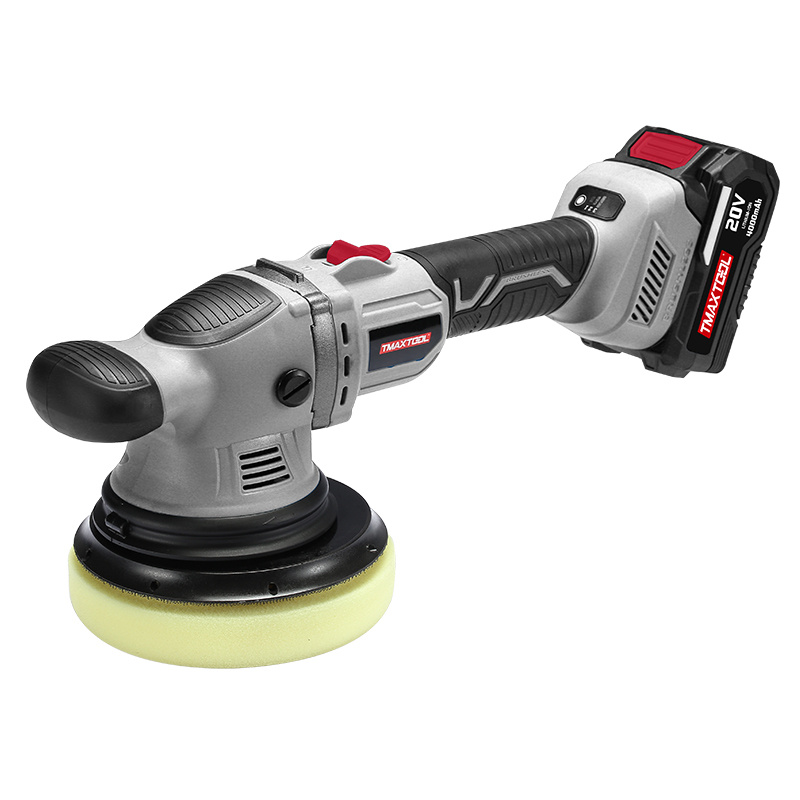 Polisher
 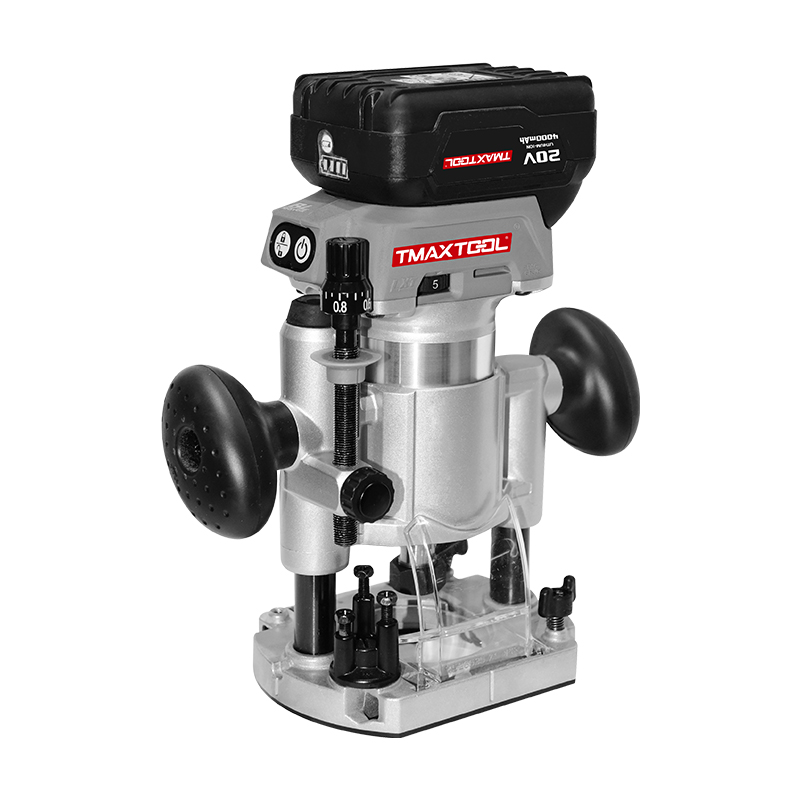 Wood Router
 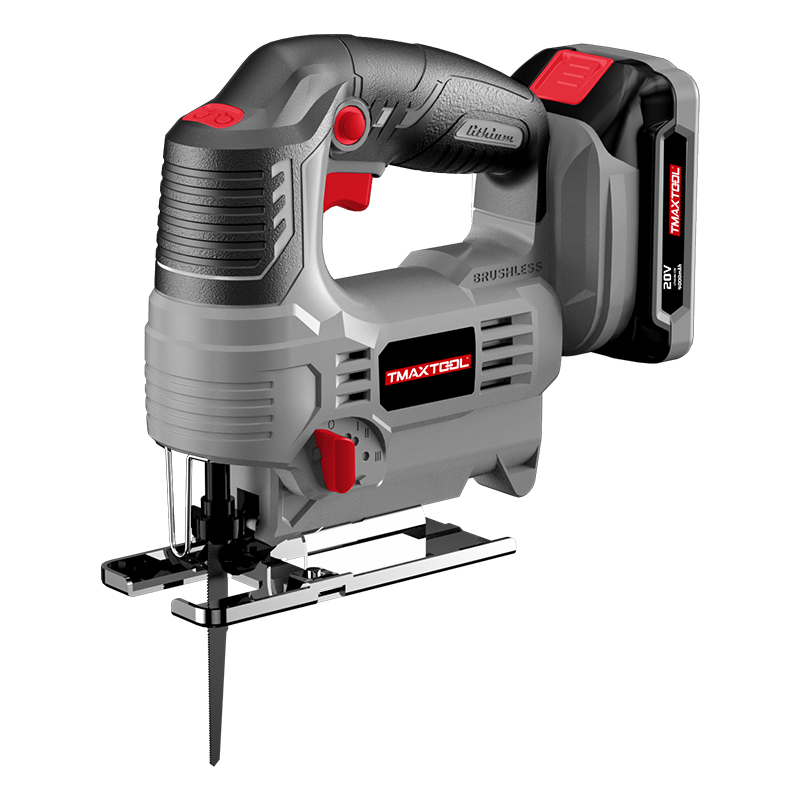 Jig Saw
 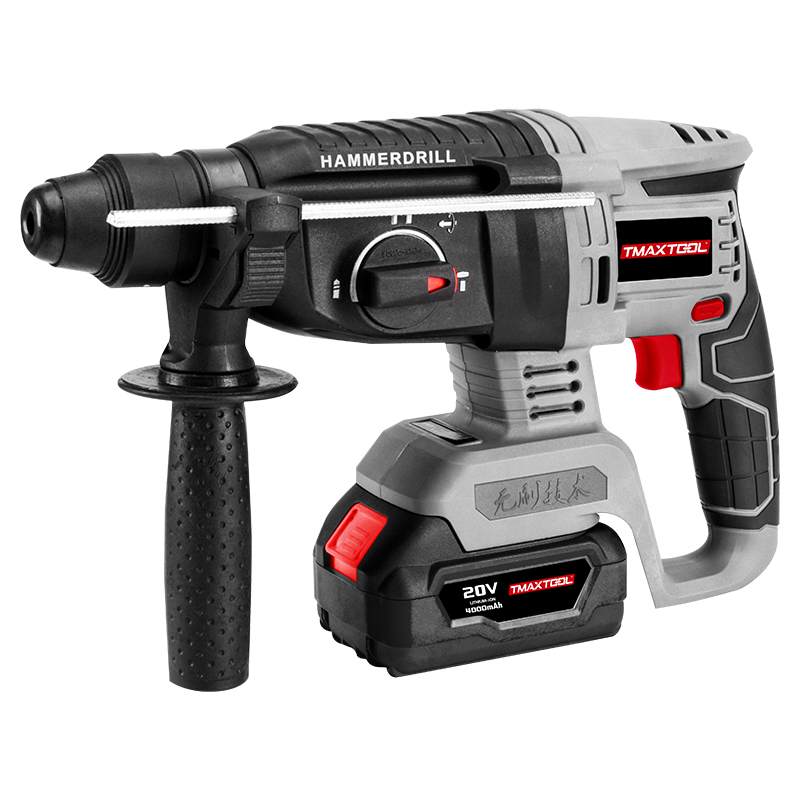 Hammer Drill
 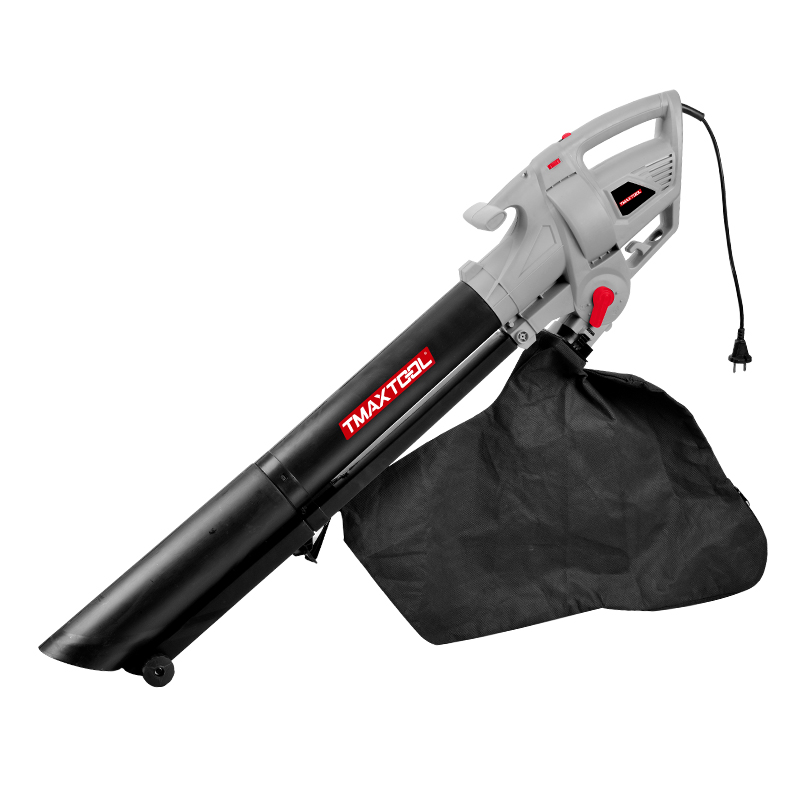 Portable Blower
 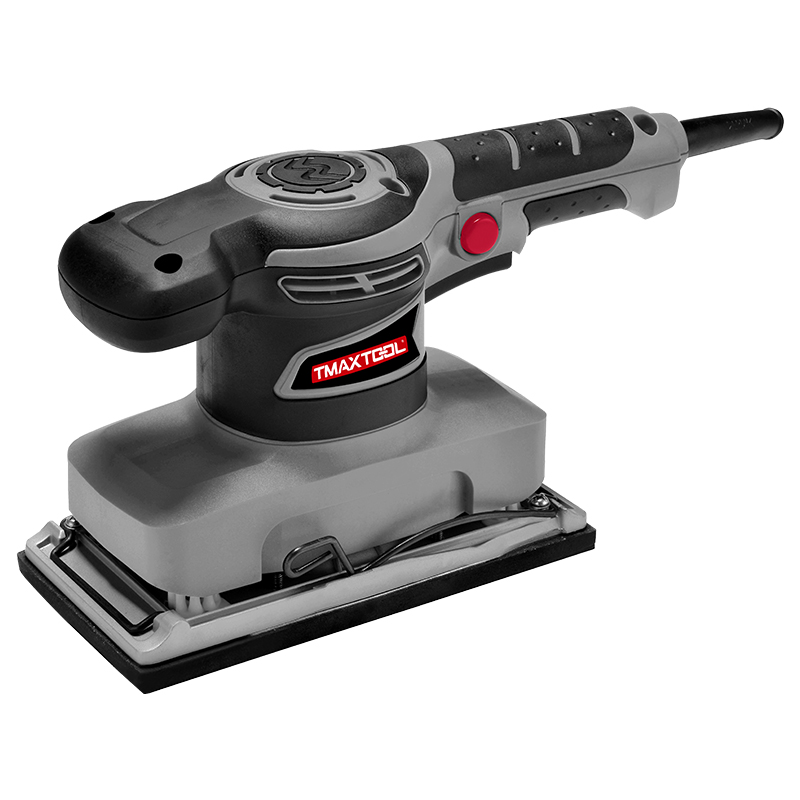 Orbital Sander
 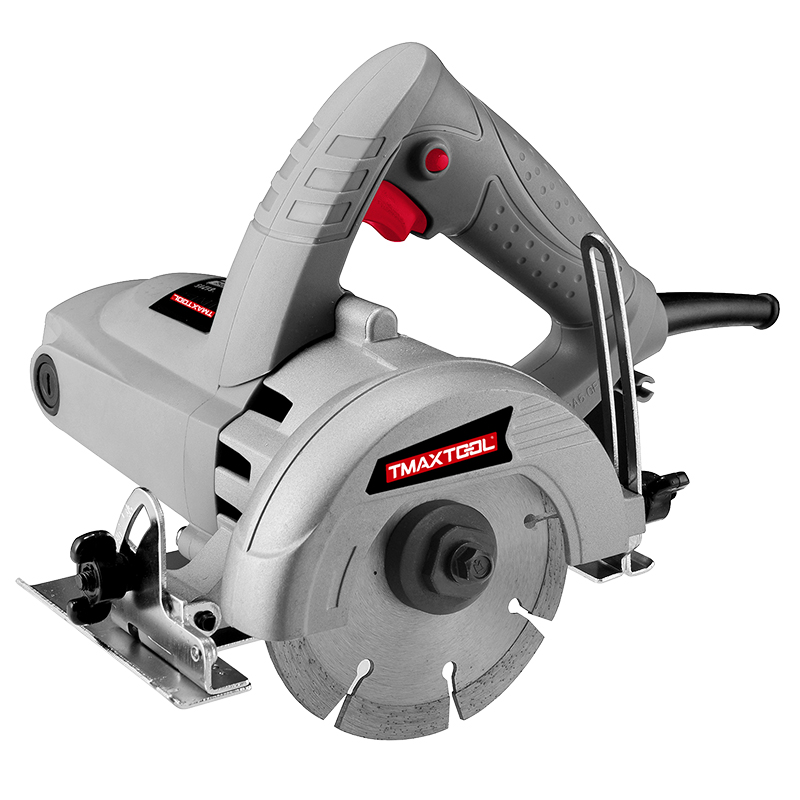 Marble Cutter
  GARDEN TOOLS
 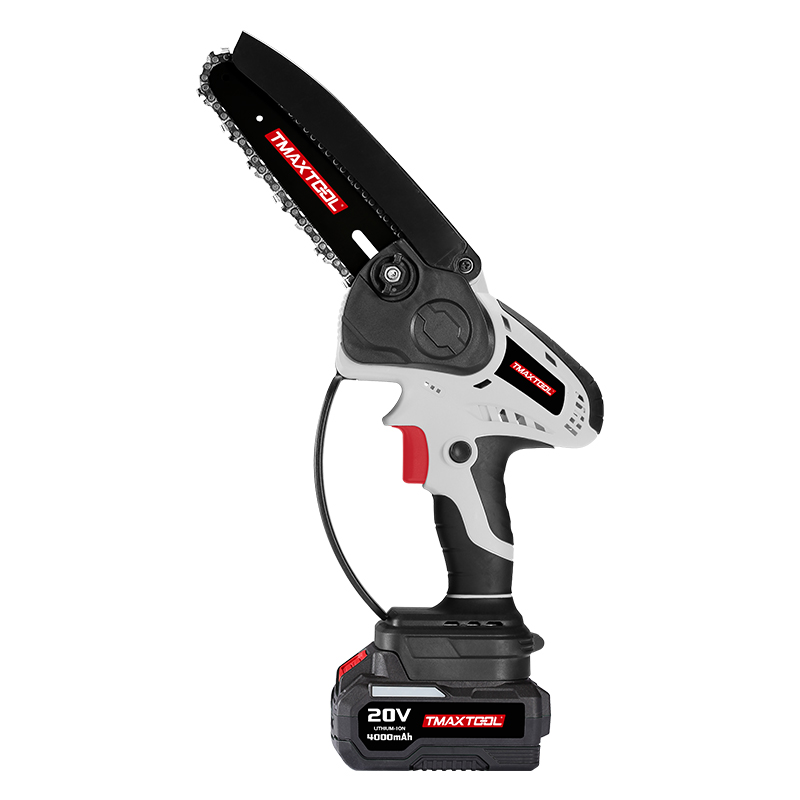 Battery Chain Saw
 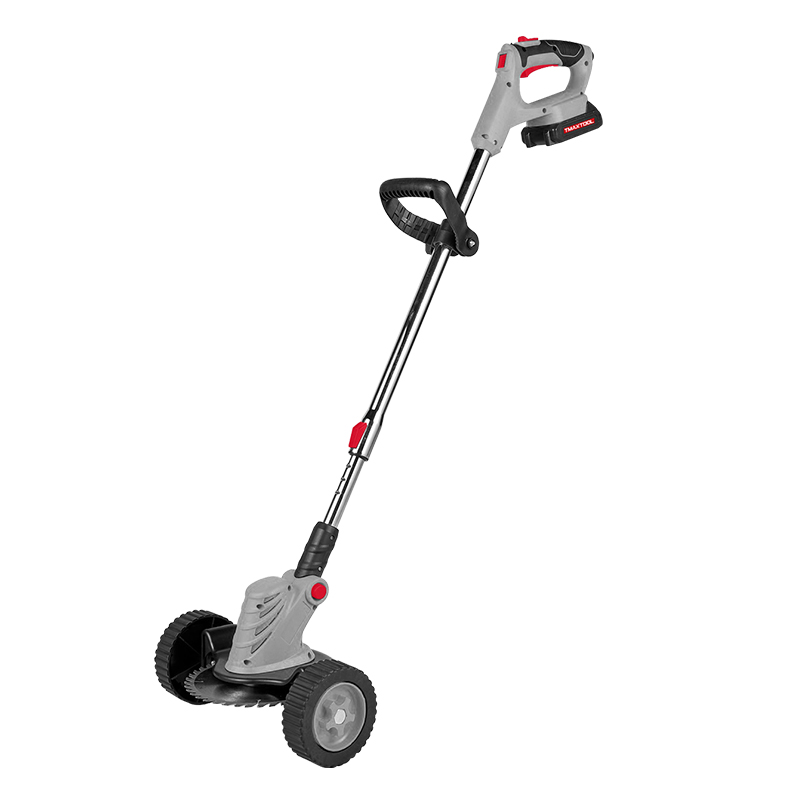 Battery Brush Cutter
 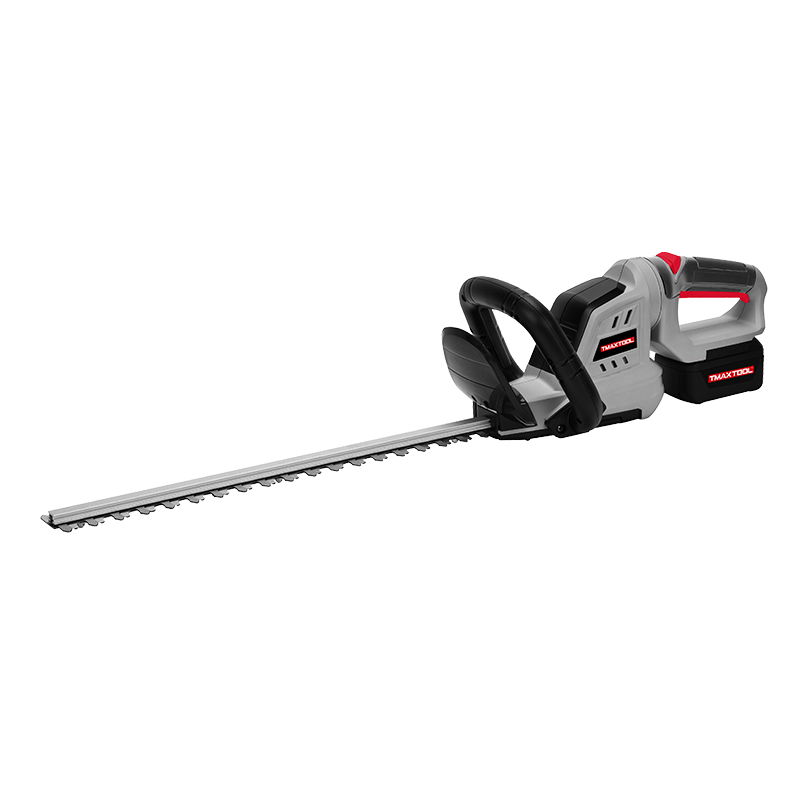 Battery Hedge Trimmer
 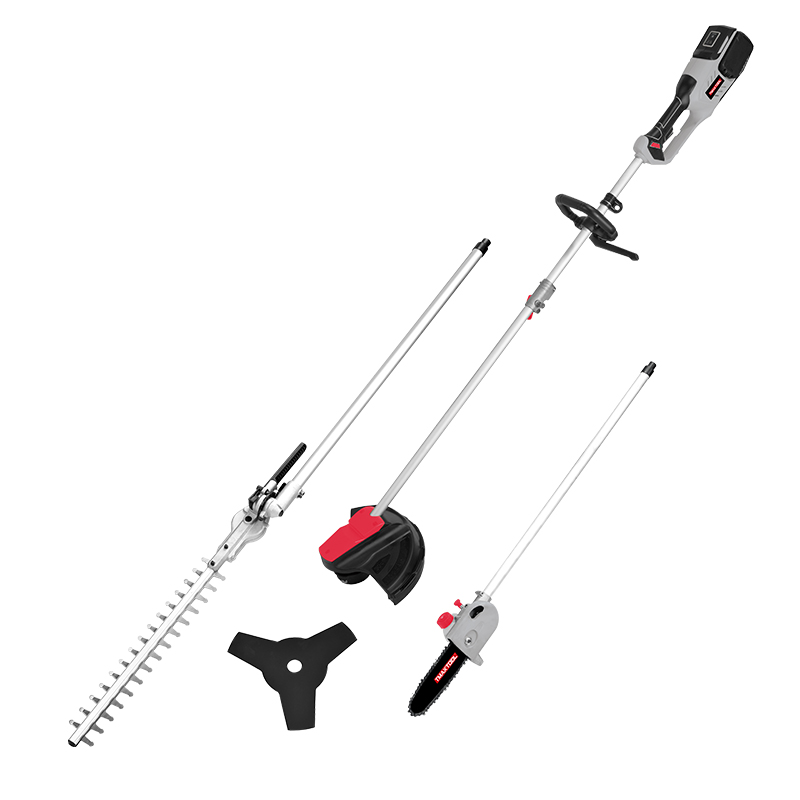 Battery Multi Tool
 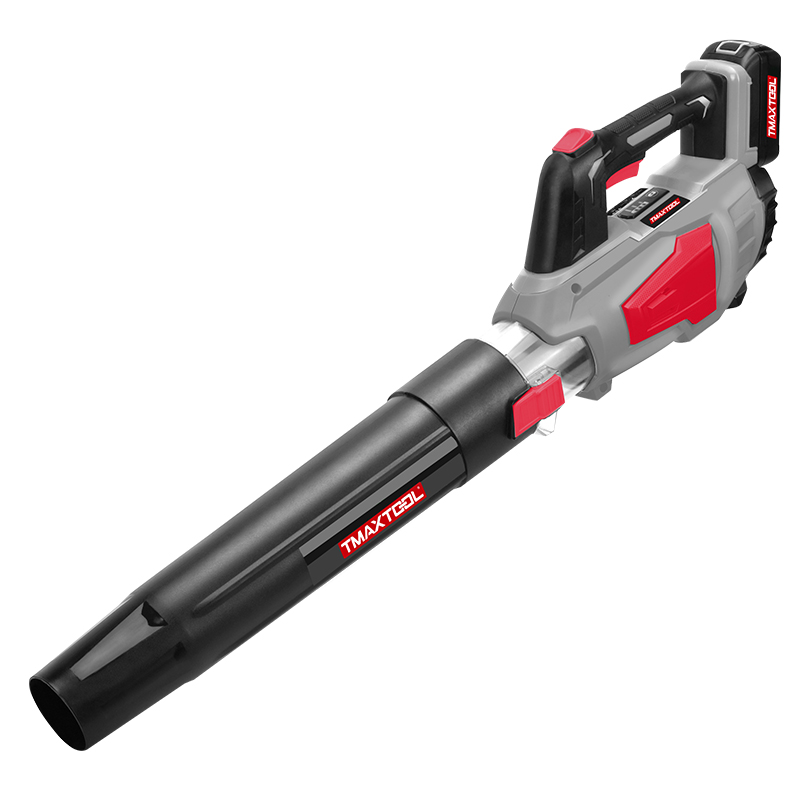 Battery Blower
 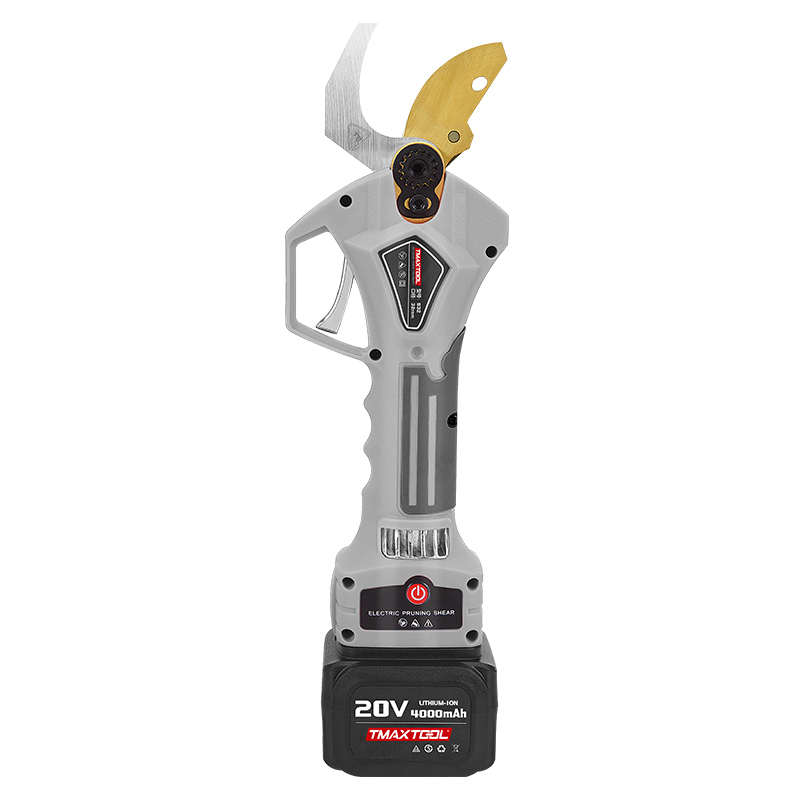 Batter Pruning Shears
 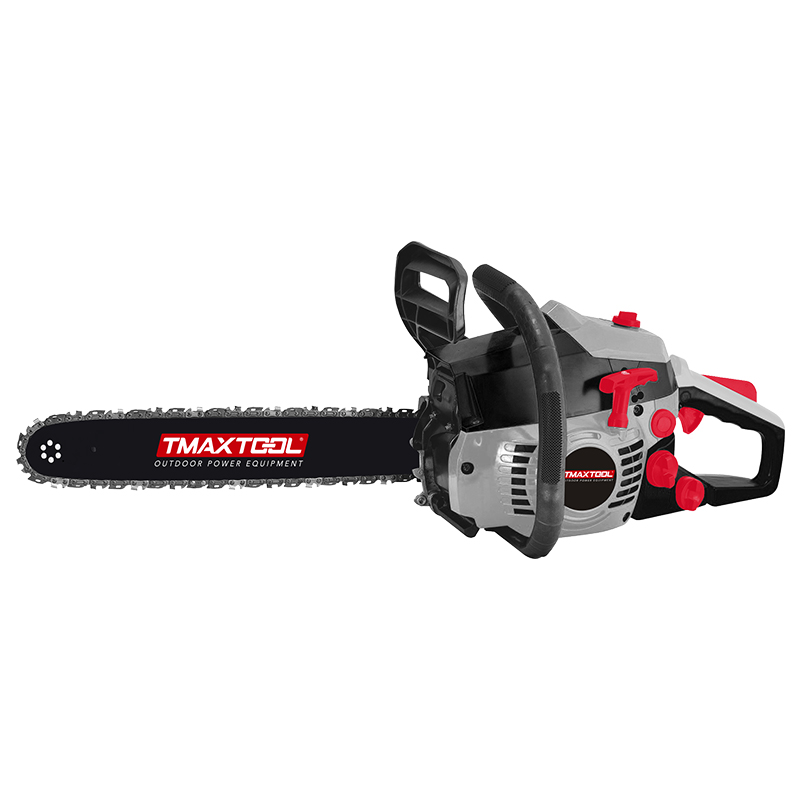 Chain Saw
 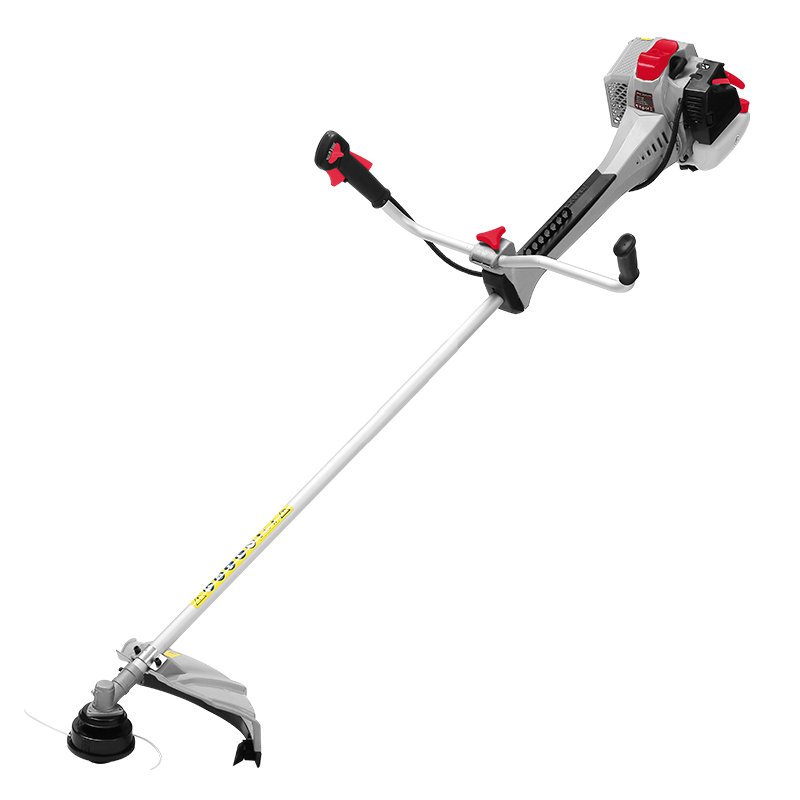 Brush Cutter
 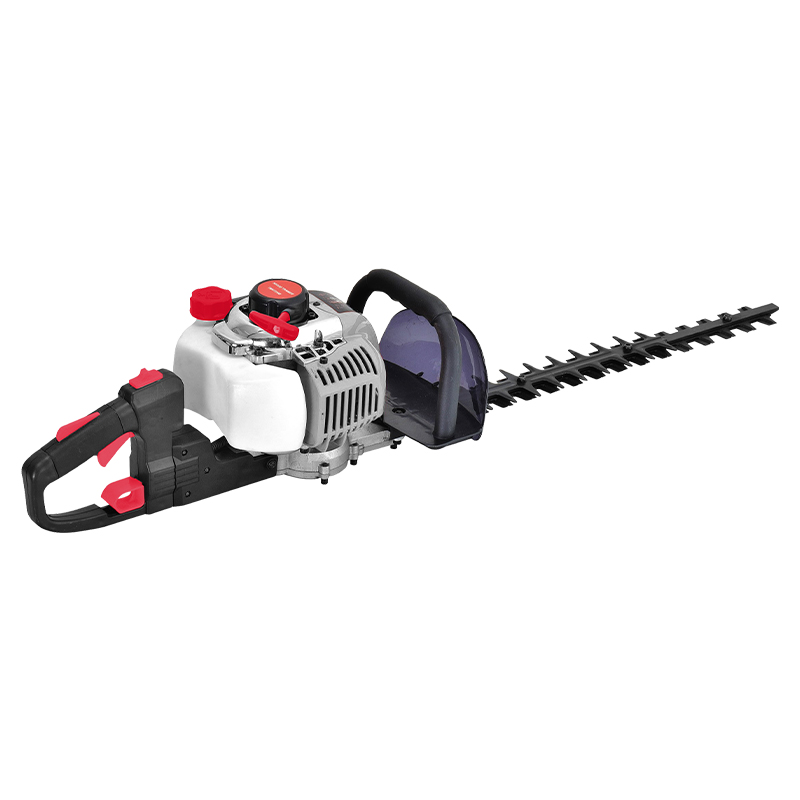 Hedge Trimmer
 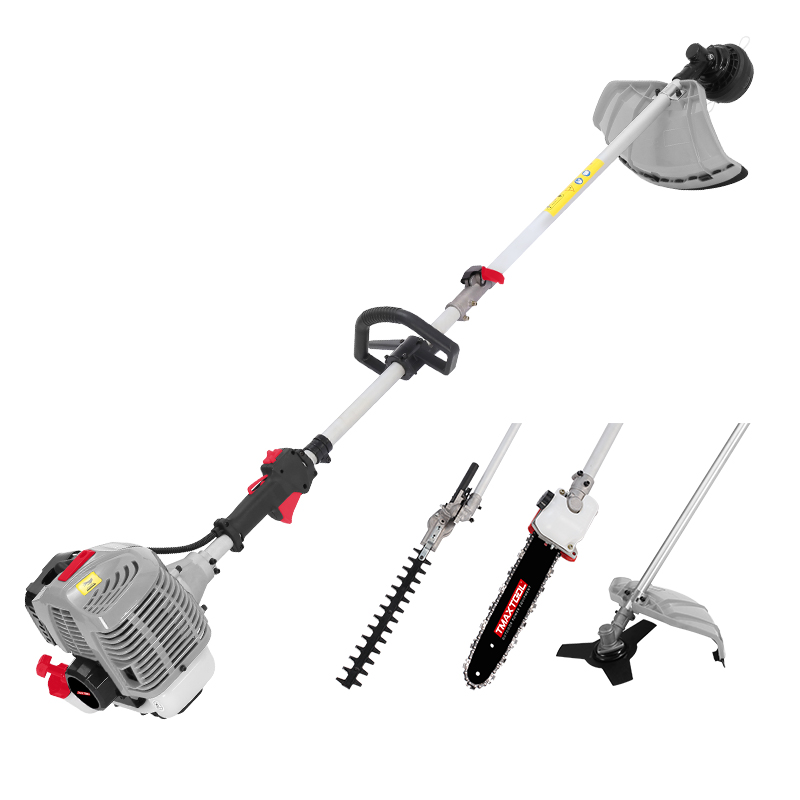 Multi Tool
 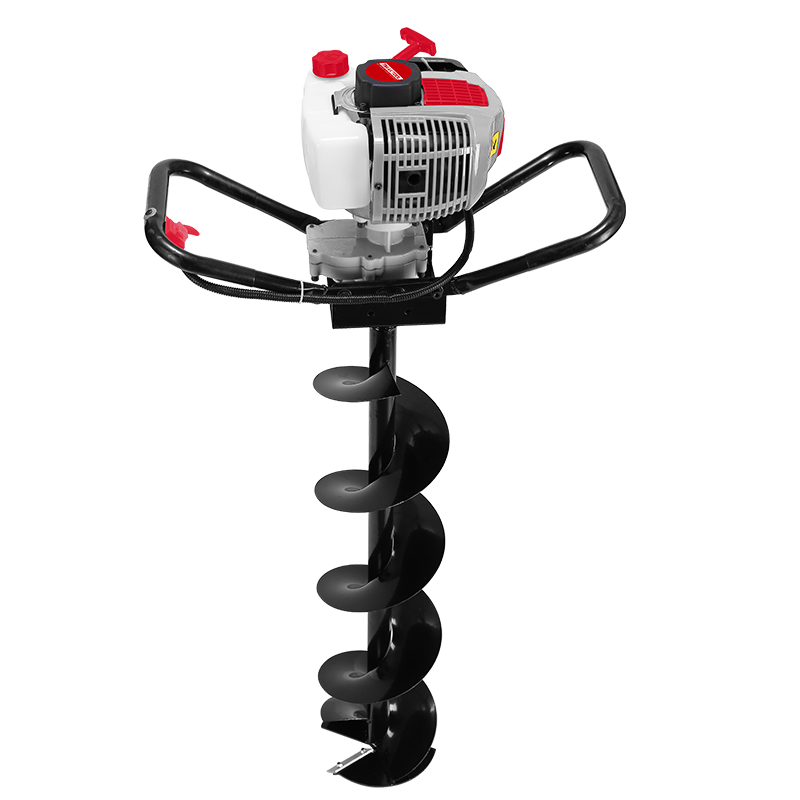 Earth Auger
 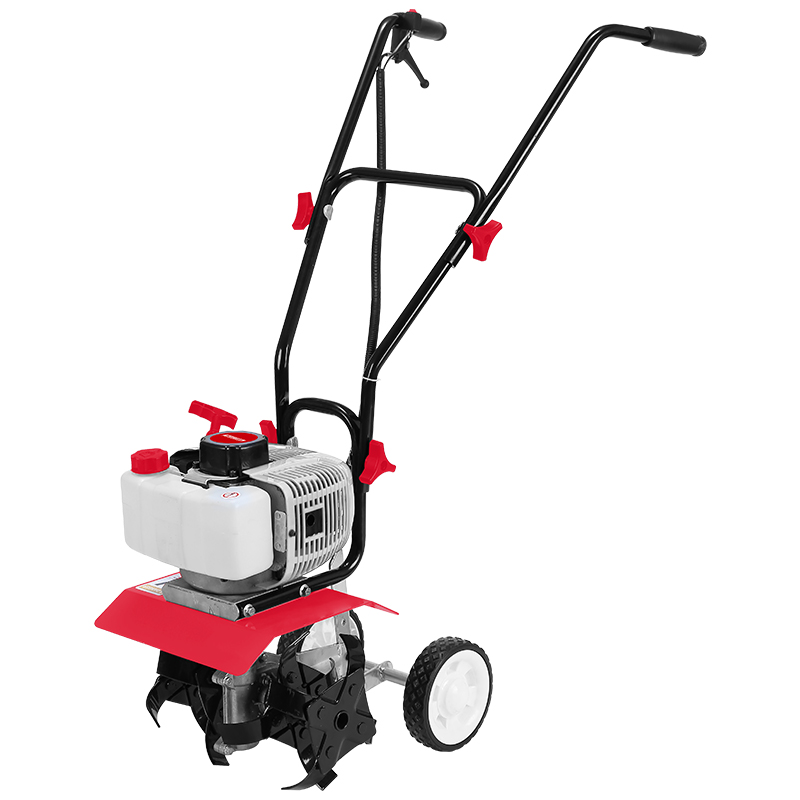 Tiller
 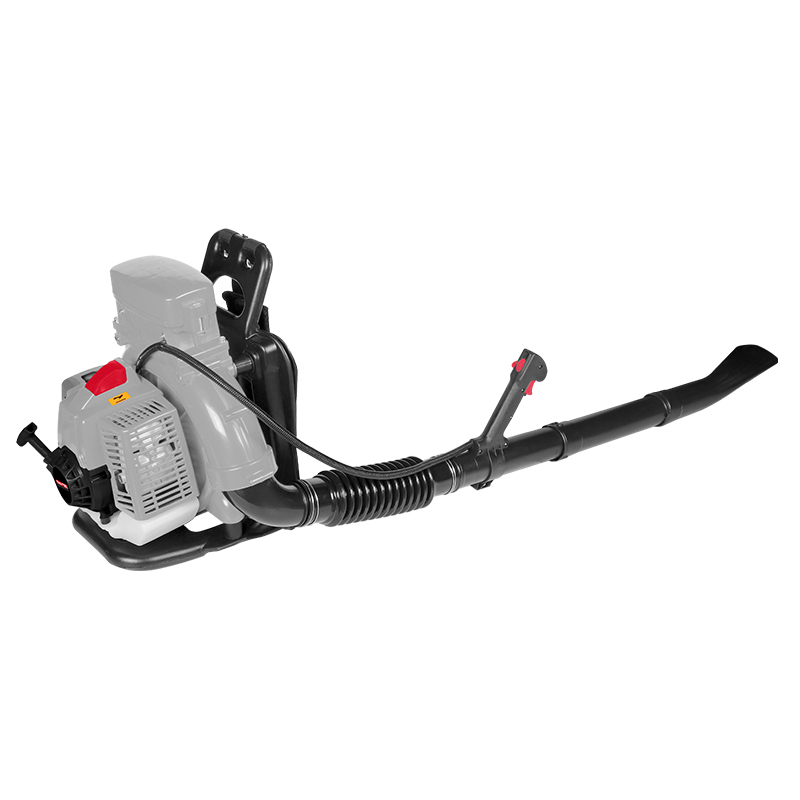 Blower
 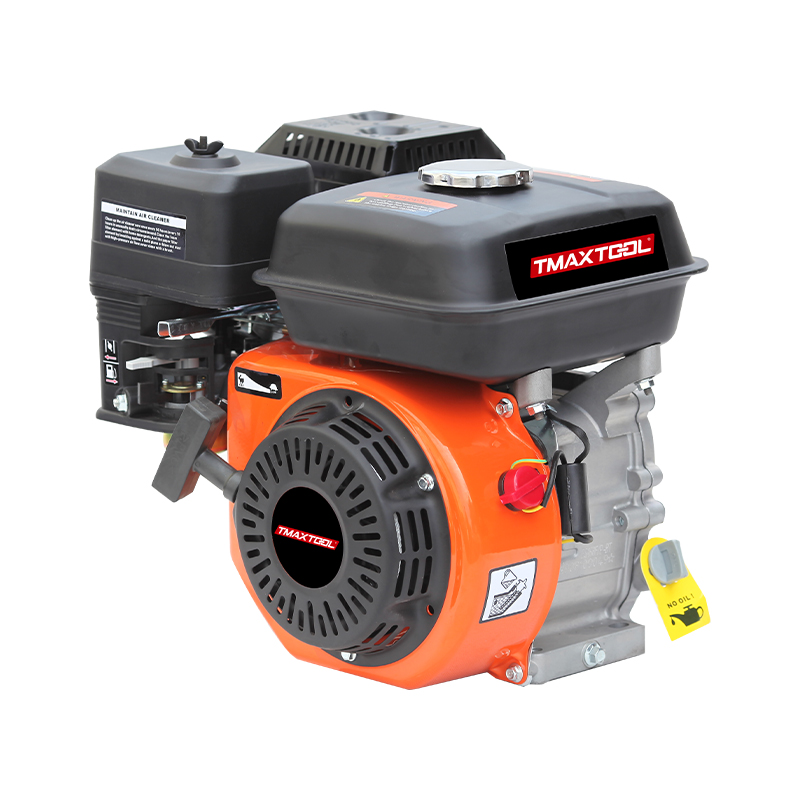 4 Stroke Gasoline Engine
 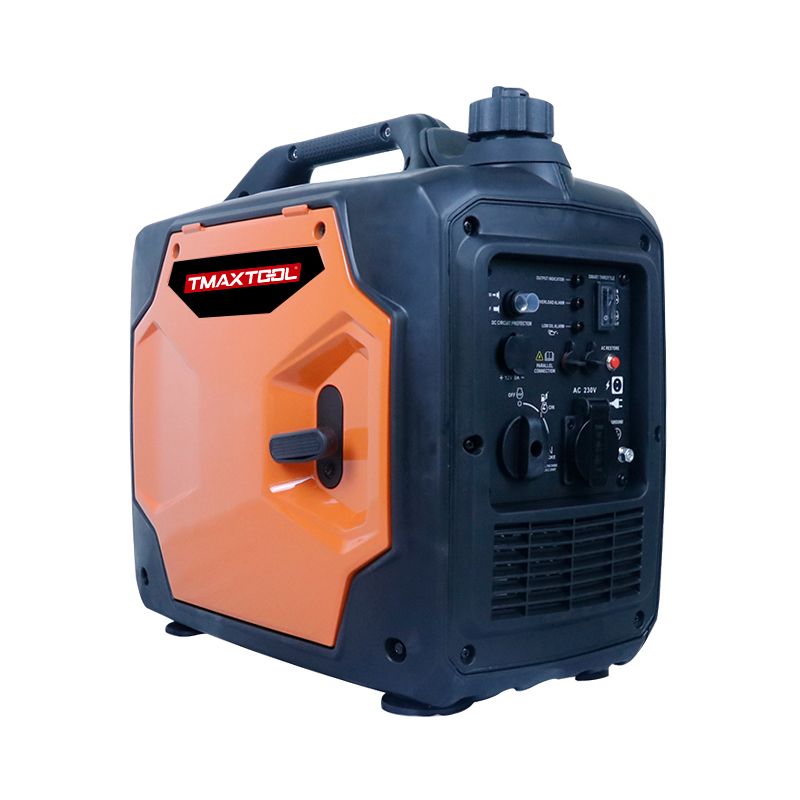 Generator
 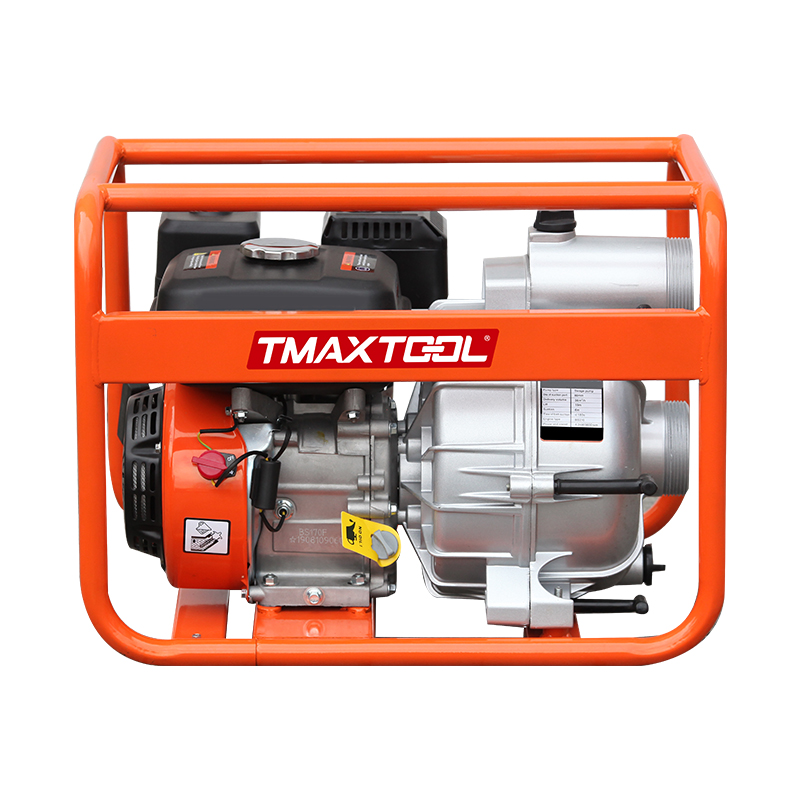 Water Pump
 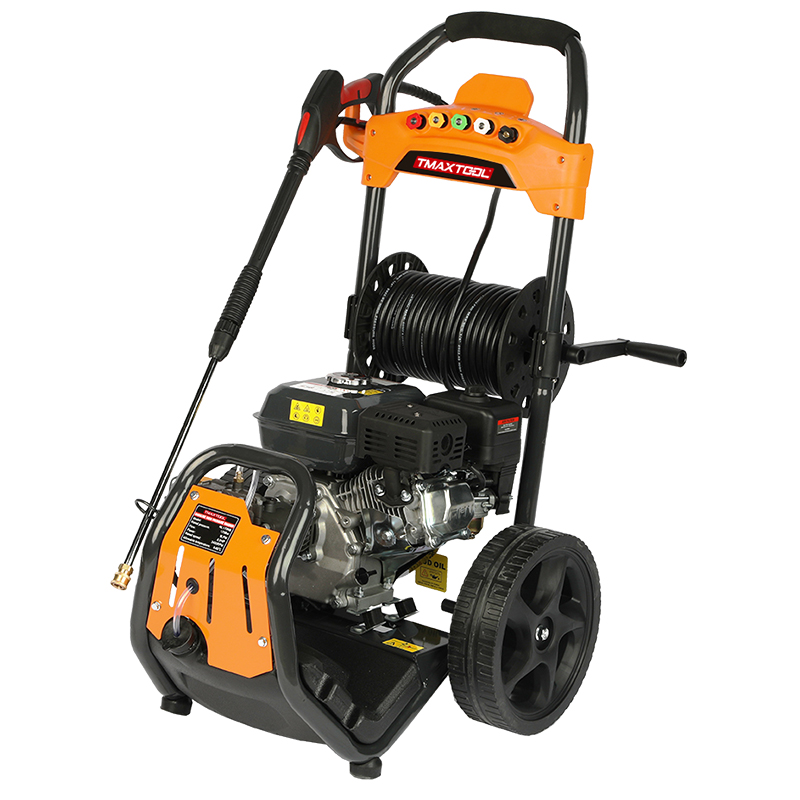 High Pressure Washer
 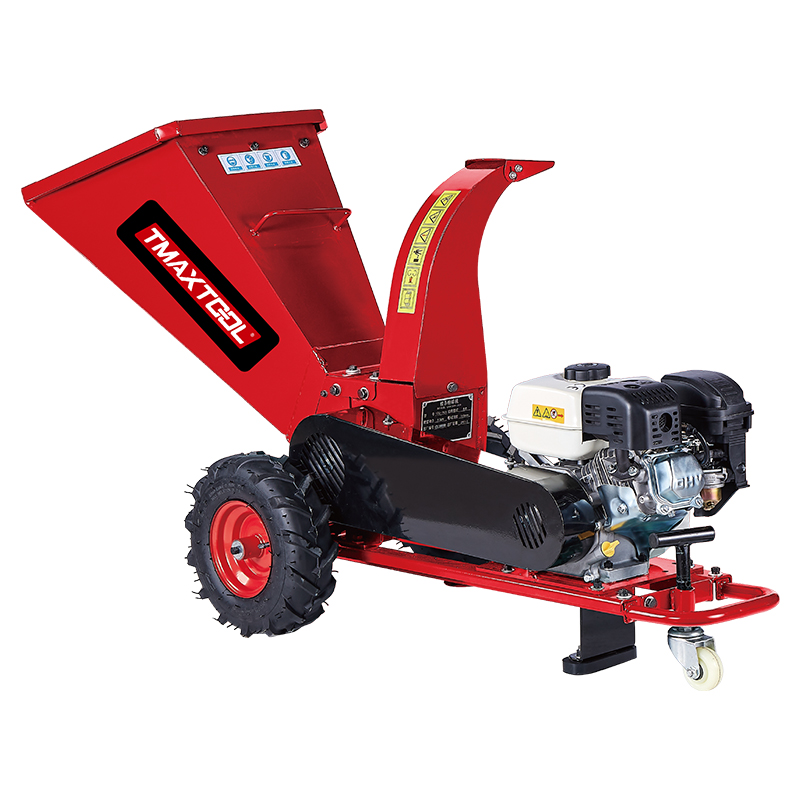 Wood Cutter
 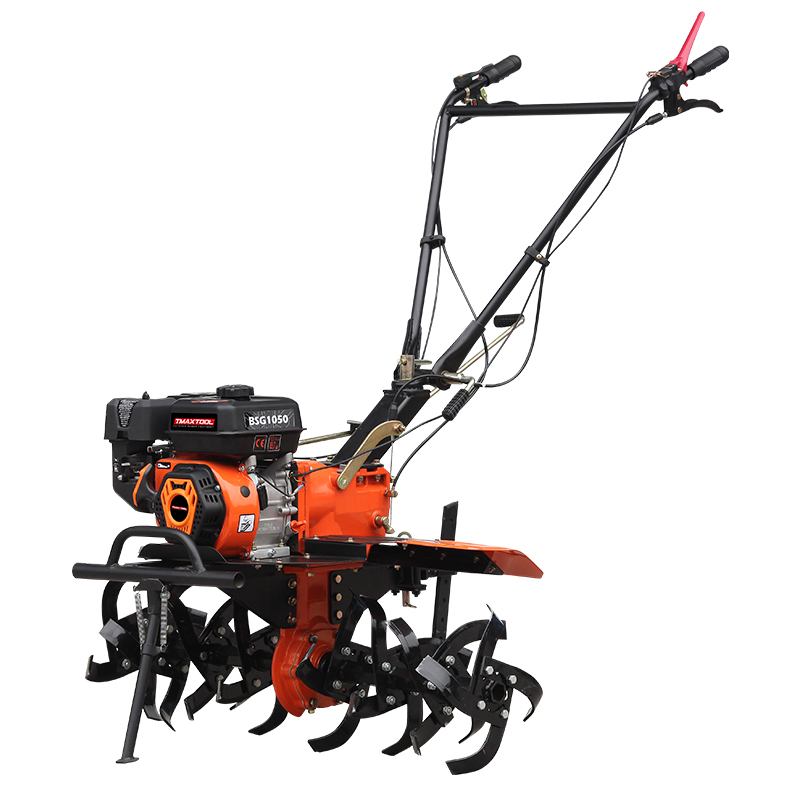 4 Stroke Tiller
 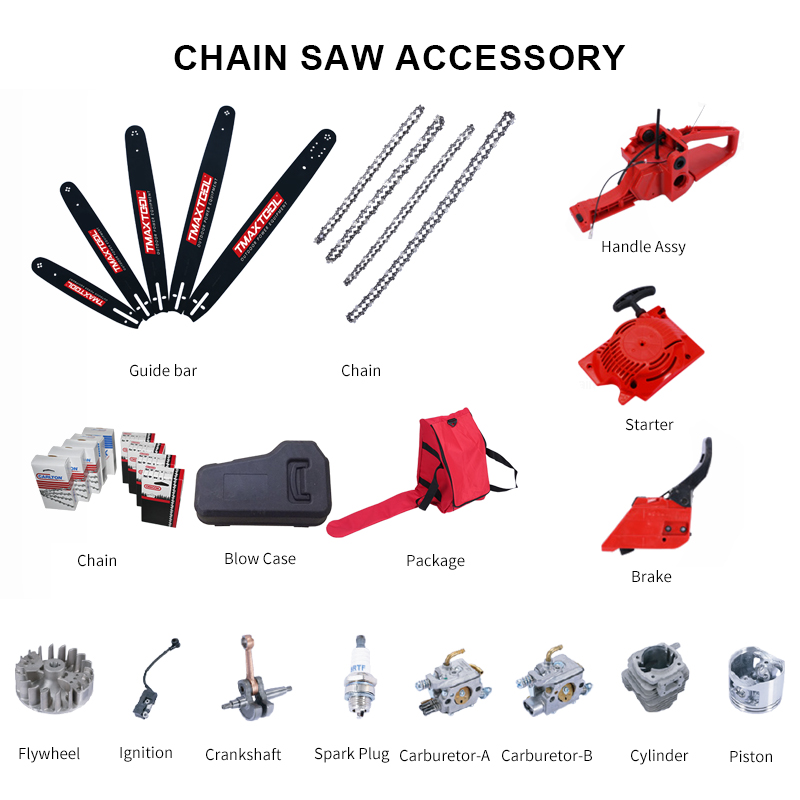 Chain Saw Accessory
 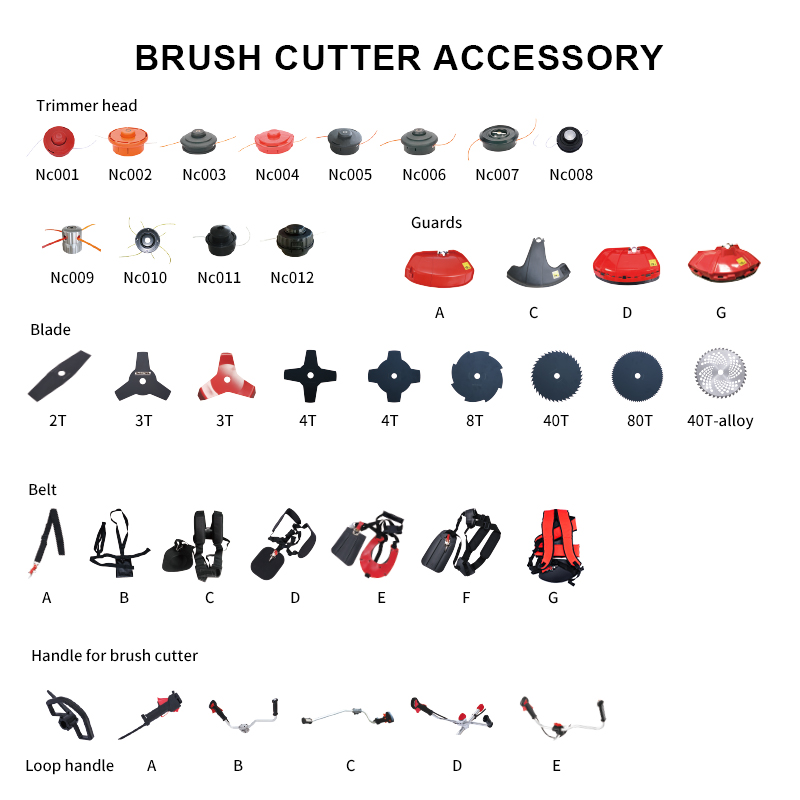 Brush Cutter Accessory
 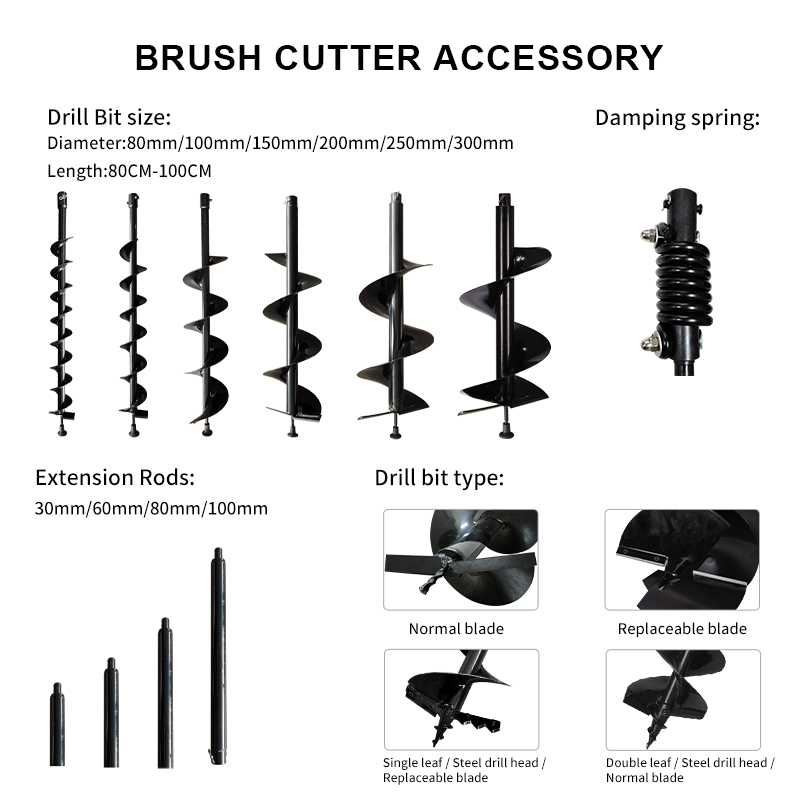 Earth Auger Accessory
 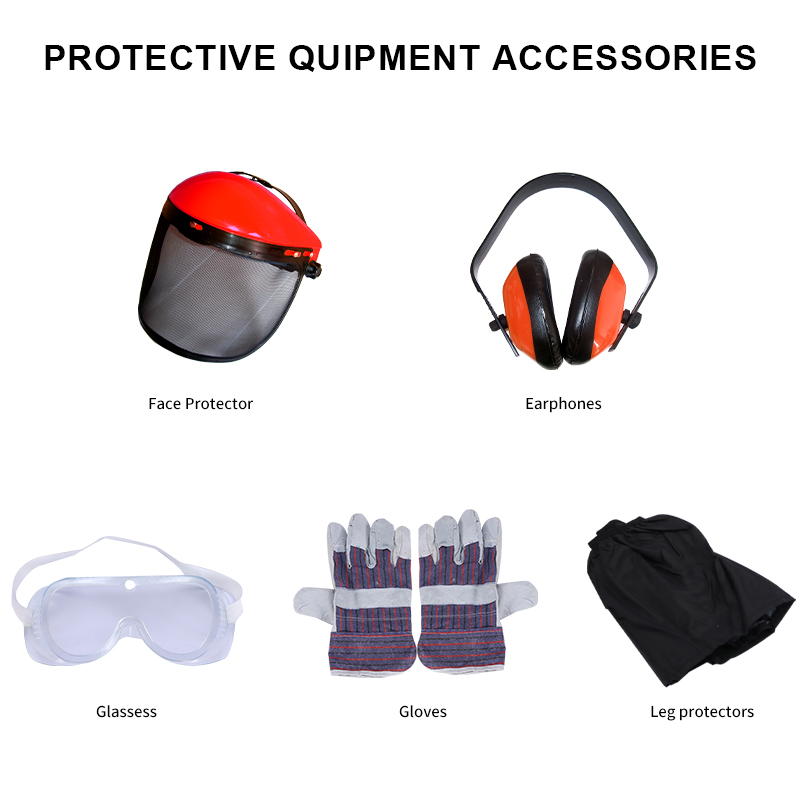 Protective Equipment Accessories
News
Leave Your Message


0102030405
Power Tools Bulk Order Management
2026-07-06
Mastering Power Tools Bulk Order Management: A Complete Guide for Global Wholesale Buyers
Introduction
For global distributors, hardware retailers, construction contractors and industrial procurement managers, bulk power toolsorders form the backbone of annual revenue streams. Lithium drills, garden trimmers, petrol multi-tools and hand Tool Sets cover diverse end-user markets across construction, agriculture, home improvement and industrial maintenance. Yet most international buyers struggle with consistent pain points: unstable delivery timelines, inconsistent batch quality, unoptimized cost structures, fragmented cross-border logistics and disjointed after-sales coordination.
Poor bulk order management erodes profit margins, delays shelf restocking and damages long-term client trust. This guide breaks down actionable, globally applicable bulk order management frameworks, covering demand forecasting, supplier collaboration, quality control, logistics planning and long-term partnership optimization, tailored entirely to cross-border wholesale procurement workflows.
1. Pre-Order Demand Planning & SKU Rationalization
Effective bulk order management starts long before submitting formal purchase orders. Many overseas buyers make the critical mistake of placing reactive, last-minute bulk orders without structured demand analysis, leading to overstock of slow-moving models or stockouts of high-demand power tools.
1.1 Historical Sales Data Segmentation
Split your historical sales records into three core market segments to shape accurate bulk order volumes:
- Residential retail market: Compact 12V–20V lithium drills, small garden trimmers and basic hand tool kits with low unit price and fast turnover
- Commercial construction market: 21V brushless power tools, high-pressure washers and heavy-duty cutting tools with stable monthly bulk demand
- Agricultural & industrial market: Petrol multi-tools, long-blade trimmers and matching replacement accessories (blades, belts, battery packs) with seasonal peak orders
Track quarterly sales fluctuations, regional seasonal trends and local construction project cycles. For example, garden tool bulk orders surge 60% in spring for European and North American markets, while industrial power tool demand peaks before winter infrastructure projects. Use 12-month rolling sales data to set minimum bulk order thresholds and avoid capital tie-up in slow-selling SKUs.
1.2 SKU Streamlining & Low MOQ Strategy Negotiation
Power tool product lines carry dozens of voltage variants, battery capacities and accessory combinations, which complicates bulk inventory control. Consolidate overlapping SKUs by standardizing core configurations for core sales regions, while retaining customizable packaging, branding and voltage options for exclusive distributor partners.
When negotiating bulk terms with manufacturers, prioritize flexible minimum order quantity clauses. Reliable professional tool manufacturers offer low entry MOQs starting from 50 pieces per model, allowing buyers to test new power tool lines without committing to full container loads upfront. Split bulk orders into test batches and mass production batches to balance market risk and cost efficiency.
1.3 Pre-Sample Validation to Avoid Bulk Production Defects
Never confirm large bulk orders without full sample testing. Standard pre-order sample workflows include:
- 7-day fast sample turnaround for custom-branded power tools
- Third-party lab testing for compliance certifications (RoHS, BSCI, ISO 9000, regional safety standards)
- Continuous running performance testing of lithium batteries, brushless motors and cutting components
- Packaging drop and moisture testing for long ocean freight transit
Sample approval locks final product specifications, eliminating costly full-batch rework or rejection after mass production. All sample test reports should be attached to formal bulk order contracts as enforceable quality benchmarks.
2. In-Bulk Production Order Tracking & Quality Control Governance
Once bulk orders enter production, real-time visibility over manufacturing progress and standardized batch quality checks prevent delivery delays and inconsistent product performance—two top complaints from global power tool wholesale buyers.
2.1 Structured Production Lead Time Management
Most standard power tool bulk orders carry a 30-day production lead time, while customized OEM/ODM orders require extended 35-day cycles. Build tiered timeline milestones into all bulk purchase contracts:
- Raw material preparation confirmation (3–5 working days post deposit)
- First article production inspection (10 days post order confirmation)
- Semi-finished product batch audit (20 days post order confirmation)
- Full finished goods pre-shipment inspection (3 days before container loading)
Request weekly production progress reports from suppliers, including factory output volume, production line utilization and identified production bottlenecks. Reputable digitalized tool manufacturers operate 10+ automated production lines with monthly capacity exceeding 30,000 units, capable of absorbing large bulk order surges without extended delays. Set contractual penalties for late delivery to secure on-time shipment performance above 98%.
2.2 Multi-Layer Batch Quality Control for Large Orders
Mass production of power tools faces consistent risks: inconsistent battery output, uneven motor assembly, defective switch components and surface cosmetic flaws. Establish three mandatory inspection stages for all bulk shipments:
- Incoming raw material inspection: Verify lithium cell grade, metal blade hardness and plastic housing raw material compliance
- In-line production sampling: Random sampling every two hours during continuous production, with production pass rate targets maintained above 98%
- Full pre-shipment batch inspection: Random selection of 3% of finished power tools for full function, safety and appearance testing
All defective units must be separated, reworked or replaced before container loading. Formal inspection reports with photo evidence should be shared with buyers for sign-off prior to shipment. This standardized QC process cuts post-delivery after-sales failure rates below 3%, drastically reducing cross-border return and replacement logistics costs.
2.3 Customization Coordination for Branded Bulk Shipments
Many global distributors require private labeling, custom color boxes, multilingual user manuals and bundled accessory packs for bulk power tool orders. Centralize all customization requirements into a single specification document attached to the bulk order to avoid miscommunication.
Coordinate graphic design, printing and packaging production parallel to power tool manufacturing to prevent production timeline extensions. Suppliers with dedicated marketing material teams provide ready-to-use product images and promotional videos for exclusive distributors, streamlining your local retail marketing planning alongside bulk order delivery.
3. Cross-Border Logistics & Bulk Shipment Cost Optimization
Shipping full container loads of power tools introduces unique logistics challenges: heavy battery classified goods, volume-heavy packaging, port congestion risks and fluctuating ocean freight pricing. Strategic logistics management directly lowers total landed cost for every bulk order.
3.1 Container Load Planning & Consolidation Strategies
Consolidate multiple power tool categories into single full container loads to cut per-unit shipping expenses. Mix slow-turnover industrial petrol tools with high-volume lithium garden tools to maximize container space utilization. Calculate packaging dimensions and unit weight during order planning to avoid underutilized container capacity and wasted freight spend.
For small-scale bulk buyers without full container demand, explore consolidated LCL shipping arrangements with fellow regional distributors, or utilize supplier consolidated monthly shipments to split container costs across multiple buyers.
3.2 Battery Compliance & Freight Documentation Standardization
Lithium power tool batteries fall under international dangerous goods shipping regulations. All bulk shipments must carry complete standardized documentation: certification test reports, battery safety data sheets, customs clearance invoices and packing lists aligned with destination country import rules.
Create a reusable document template for recurring bulk orders to eliminate repeated paperwork drafting and reduce customs clearance delays. Suppliers with long-term export experience covering 50+ global markets maintain pre-verified documentation libraries for North America, Europe, Southeast Asia and Oceania, accelerating port clearance for every shipment.
3.3 Freight Timeline Buffer Planning
Global port congestion, seasonal shipping rate hikes and weather disruptions frequently extend transit times. Build a 7–10 day logistics buffer into all bulk order sales cycles to avoid retail shelf stockouts. Track real-time container movement via supplier logistics tracking systems, and coordinate local warehouse receiving schedules in advance of vessel arrival.
4. Post-Delivery Inventory & After-Sales Bulk Order Management
Effective bulk order oversight does not end once goods clear destination customs. Structured inventory rotation and standardized after-sales frameworks protect your bulk investment and support repeat large-scale orders.
4.1 Batch Inventory Coding & Stock Rotation
Assign unique batch codes to every bulk shipment, linking production date, inspection records and warranty coverage to each unit. Organize warehouse stock by production batch and expiration of 12-month factory warranty periods to prioritize selling older inventory first.
Separate power tool main units and spare accessory stock to simplify fast order fulfillment for retail clients. Maintain minimum safety stock levels of high-wear spare parts (trimmer blades, drive belts, replacement batteries) to avoid secondary small-batch emergency orders with inflated unit costs.
4.2 Centralized Bulk Order After-Sales Framework
Large bulk orders require unified warranty support rather than fragmented individual unit repairs. Formalize three core after-sales terms in all bulk supplier contracts:
- 12-month global factory warranty covering motor, battery and core electronic components
- Free supply of spare parts for defective units within warranty period, shipped alongside your next bulk order to cut separate freight costs
- Dedicated technical guidance for wholesale client retail staff training on power tool maintenance and troubleshooting
Track bulk order failure rates quarterly to identify underperforming SKUs and adjust future bulk order volume accordingly. Suppliers providing dedicated technical support teams can resolve most product failure inquiries within 2 hours of your message submission, minimizing retail client downtime.
5. Long-Term Bulk Order Partnership Optimization
For buyers placing recurring quarterly or annual bulk power tool orders, shifting from one-off transactional purchasing to framework partnership agreements delivers sustained cost, timeline and service advantages.
5.1 Volume-Based Tiered Pricing & Annual Frame Contracts
Negotiate tiered unit pricing scales tied to annual bulk order volume thresholds. Higher yearly total purchase value unlocks steeper unit discounts, free bundled accessory packs and priority production line scheduling during peak manufacturing seasons.
Sign annual framework bulk agreements to lock in fixed raw material and unit pricing for 12 months, insulating your profit margins from global metal and lithium battery price volatility. Framework partners also receive priority access to new product pre-release bulk orders before general market launch.
5.2 Exclusive Distributor Bulk Support Benefits
Exclusive regional distributor partnerships unlock additional bulk order management support:
- Reserved monthly factory inventory guarantee to eliminate stockout risks for large recurring orders
- Full authorization of all product certifications for local market registration
- Custom localized market analysis reports to guide seasonal bulk order volume planning
- Regular new product trial stock allocations at reduced minimum order quantities
5.3 Quarterly Bulk Order Performance Review
Schedule quarterly performance reviews with your core power tool supplier to audit three key bulk order KPIs: on-time delivery rate, batch product defect ratio and total landed cost per unit. Adjust order planning, production timelines or customization requirements based on review outcomes to continuously refine your bulk procurement efficiency year over year.
Conclusion
Comprehensive power tools bulk order management unites pre-order demand forecasting, real-time production oversight, cost-efficient cross-border logistics and structured post-delivery inventory control. By standardizing every stage of the bulk procurement workflow, global wholesale buyers cut unnecessary overhead, stabilize supply chain reliability and protect long-term retail profitability across all power tool product lines.