
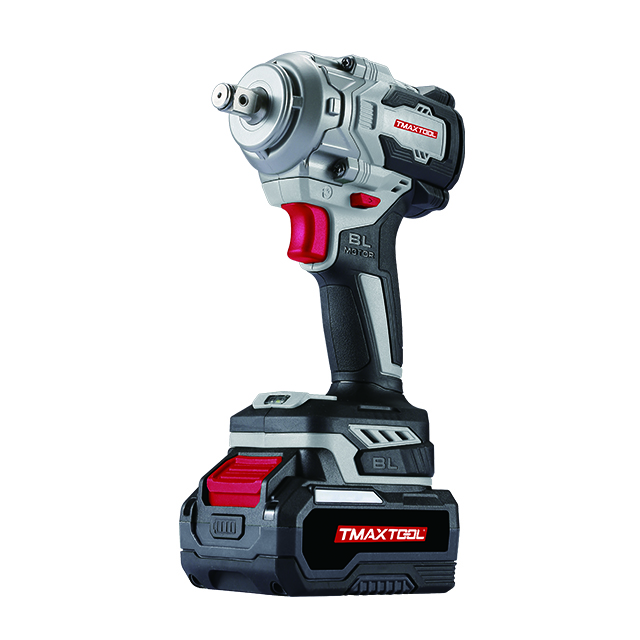
 Impact Wrench
 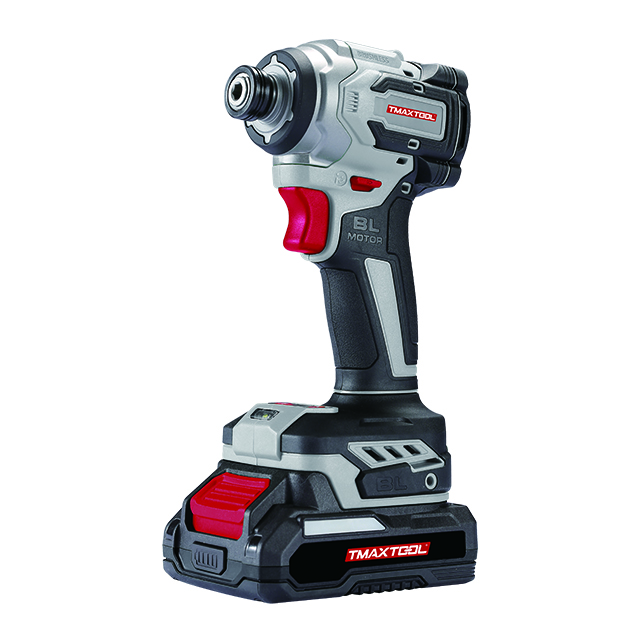 Screwdriver
 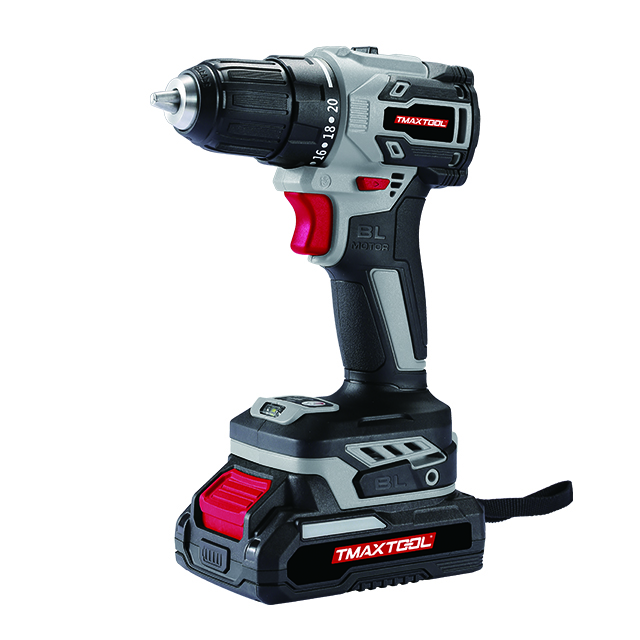 Cordless Drill
 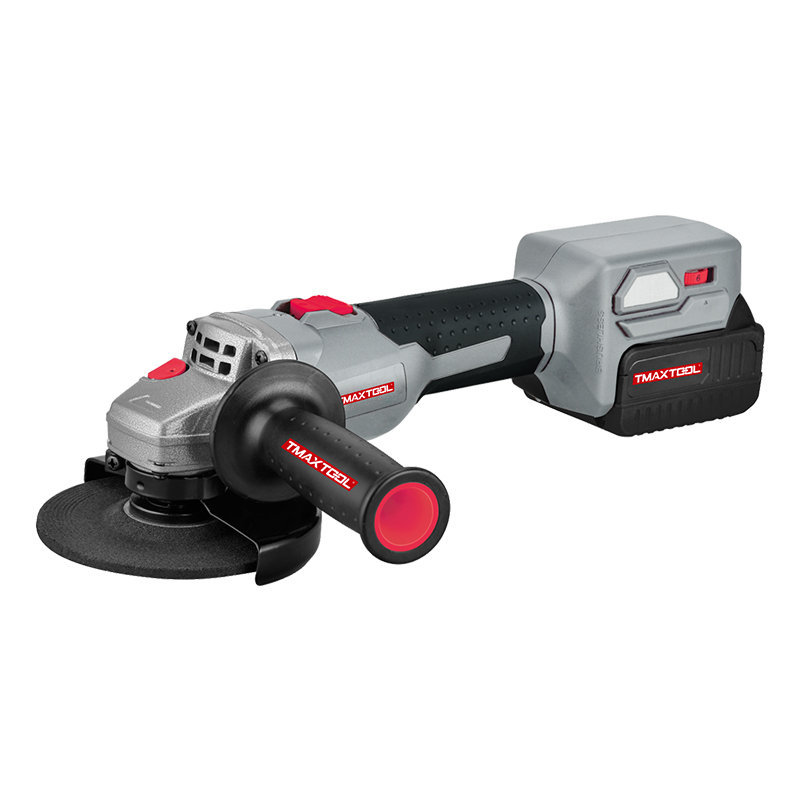 Angle Grinder
 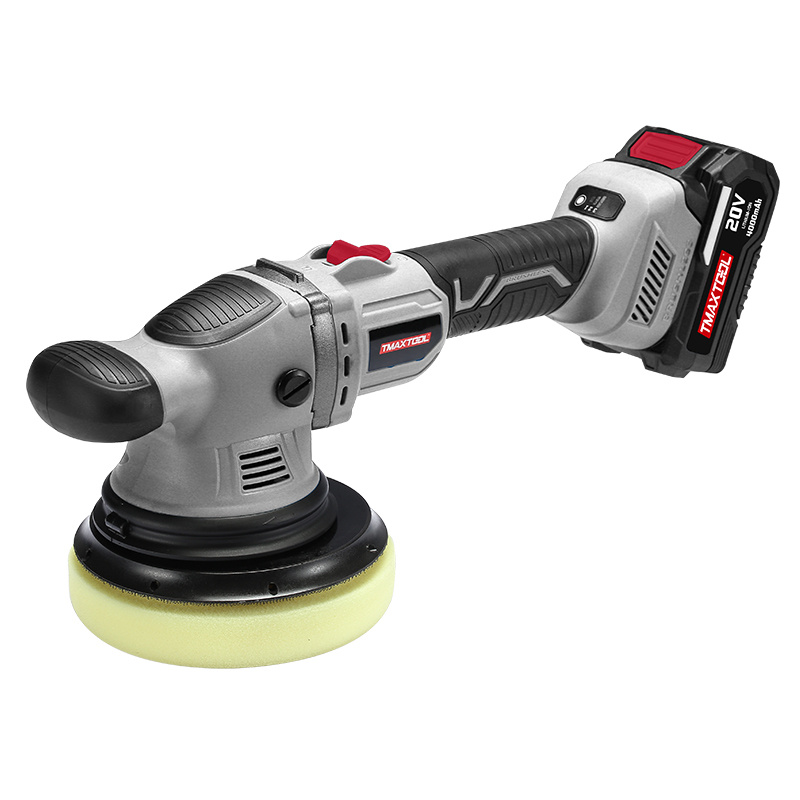 Polisher
 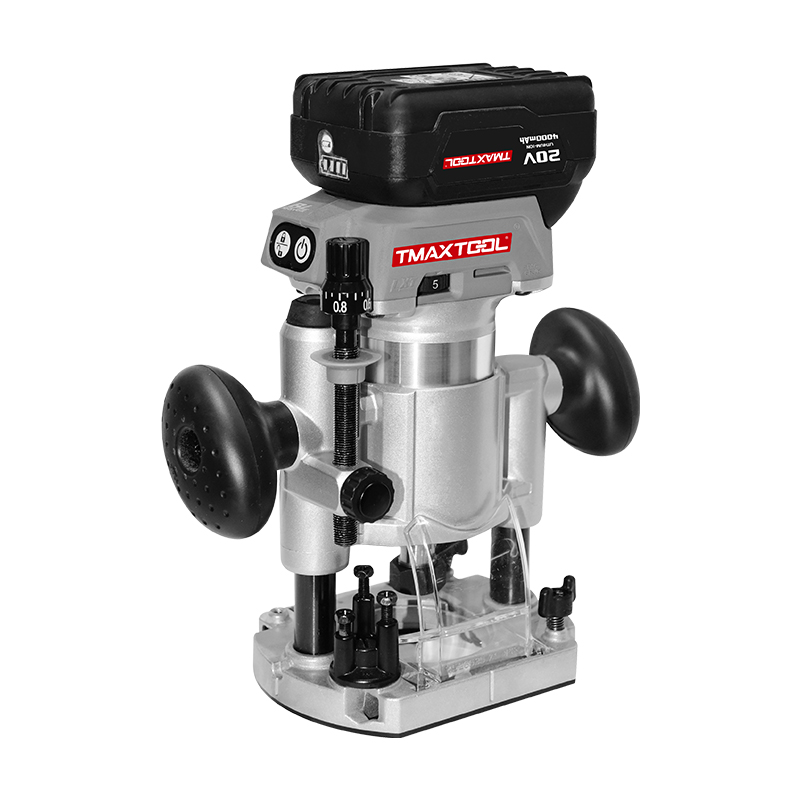 Wood Router
 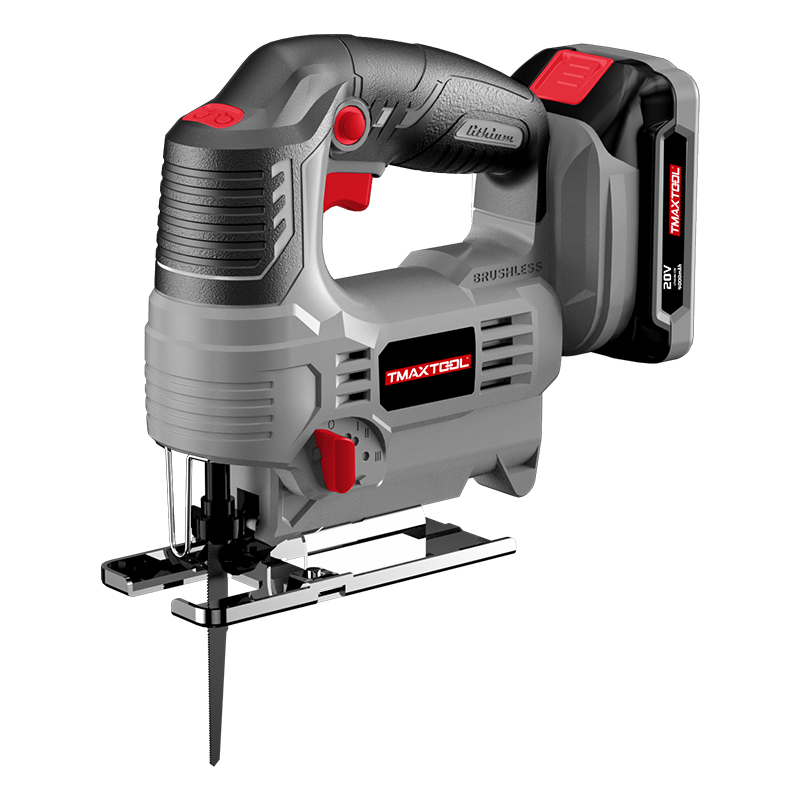 Jig Saw
 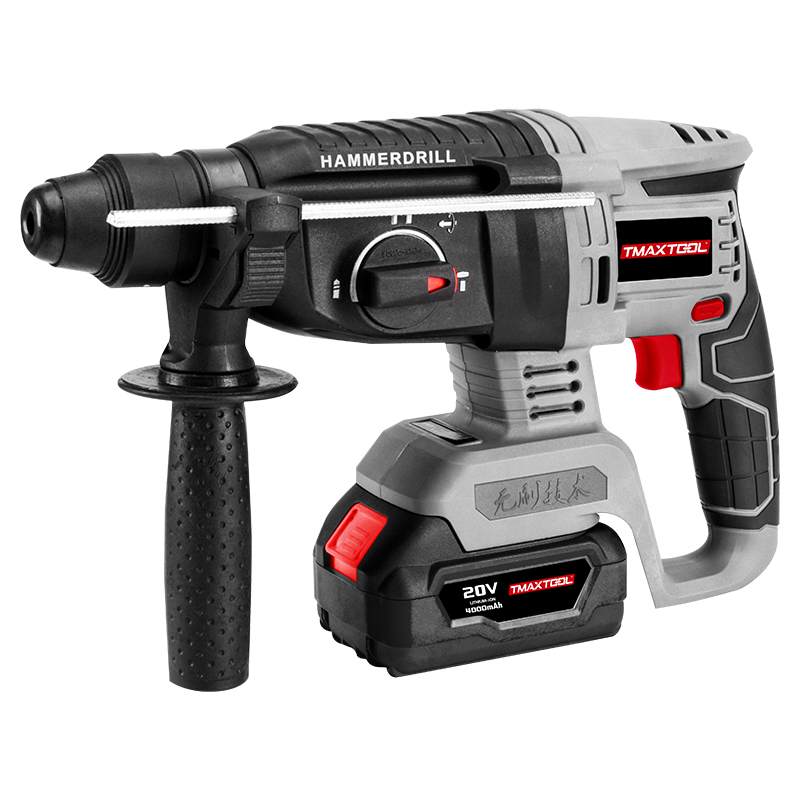 Hammer Drill
 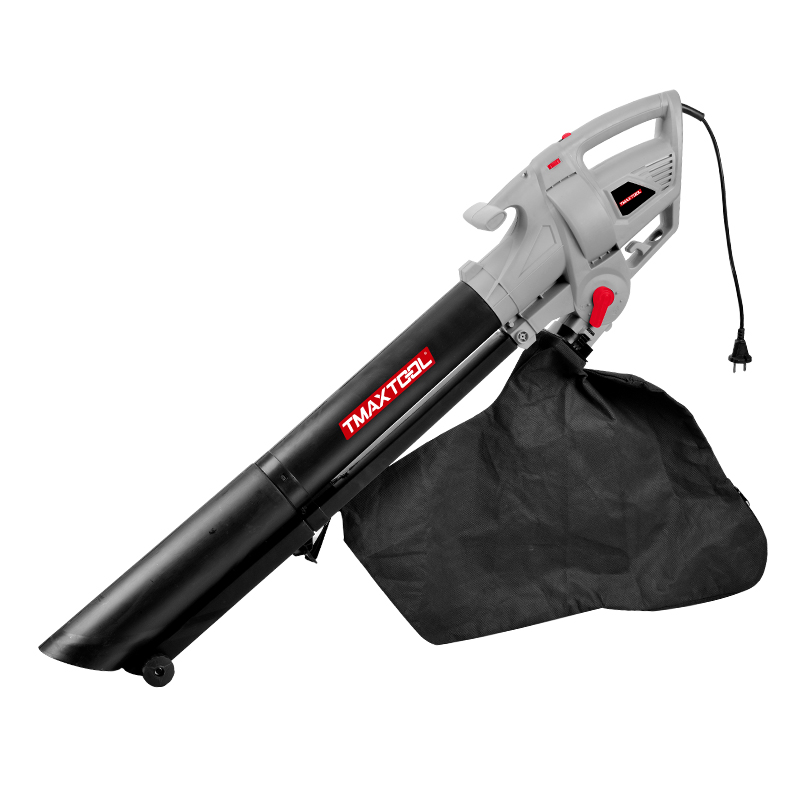 Portable Blower
 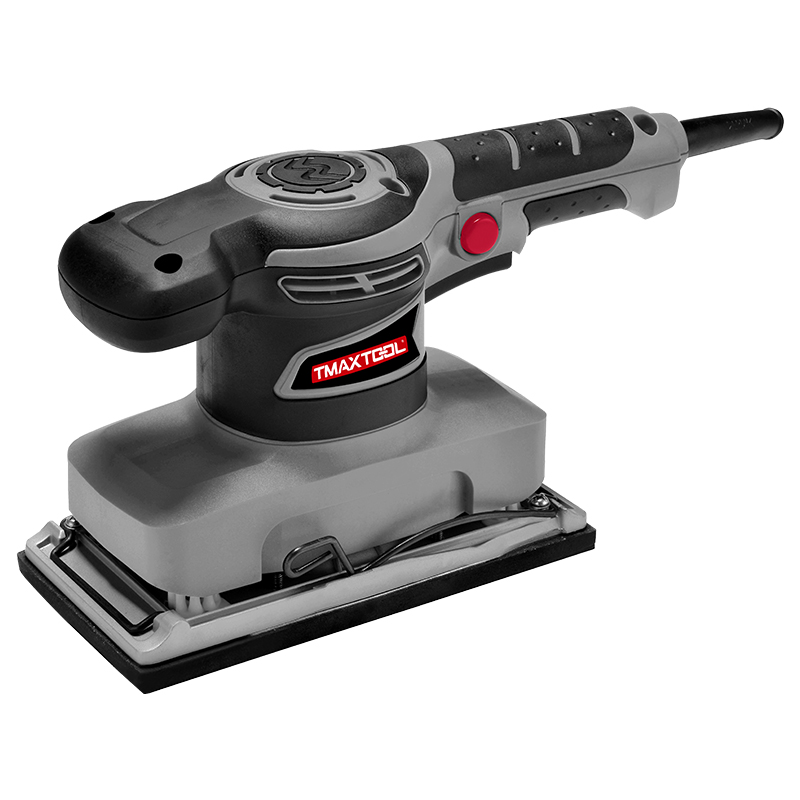 Orbital Sander
 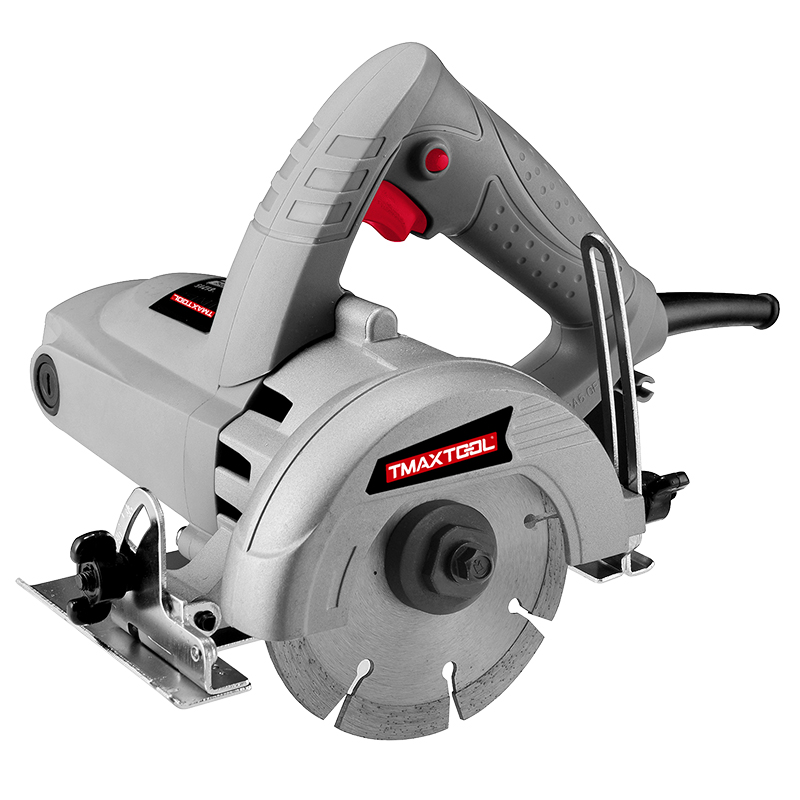 Marble Cutter
  GARDEN TOOLS
 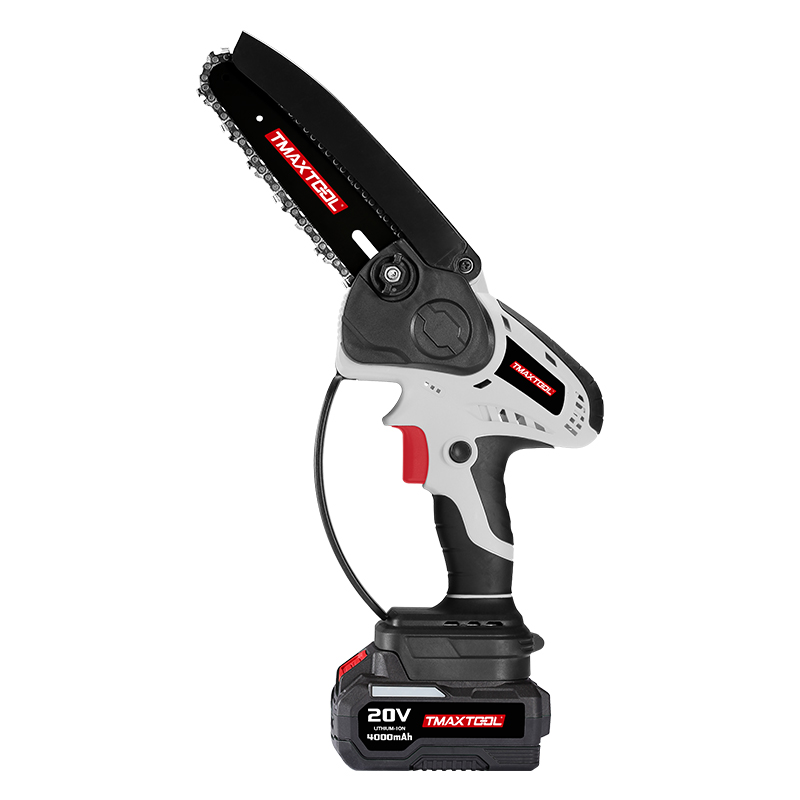 Battery Chain Saw
 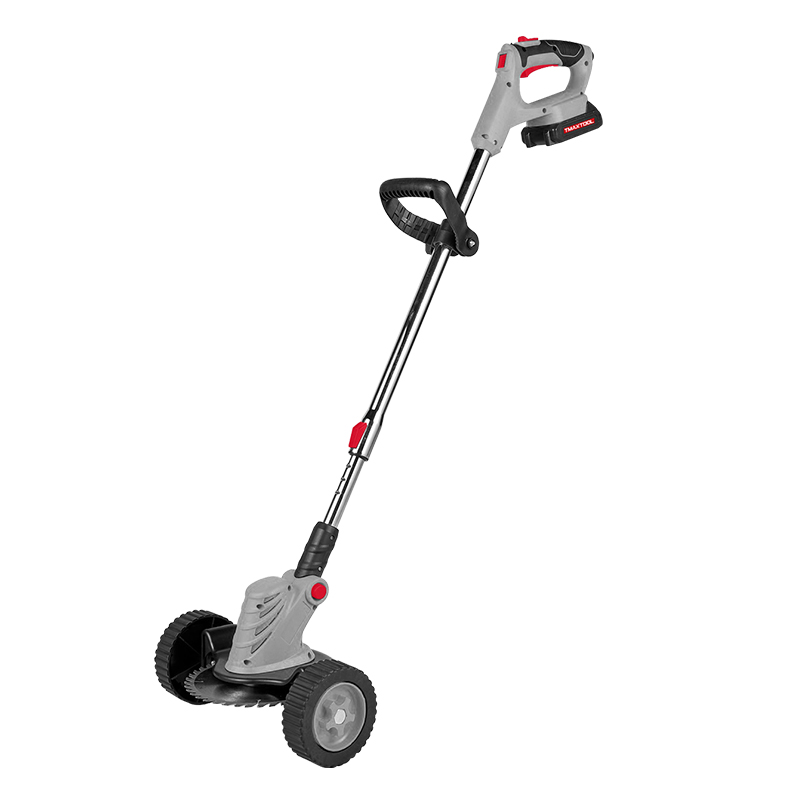 Battery Brush Cutter
 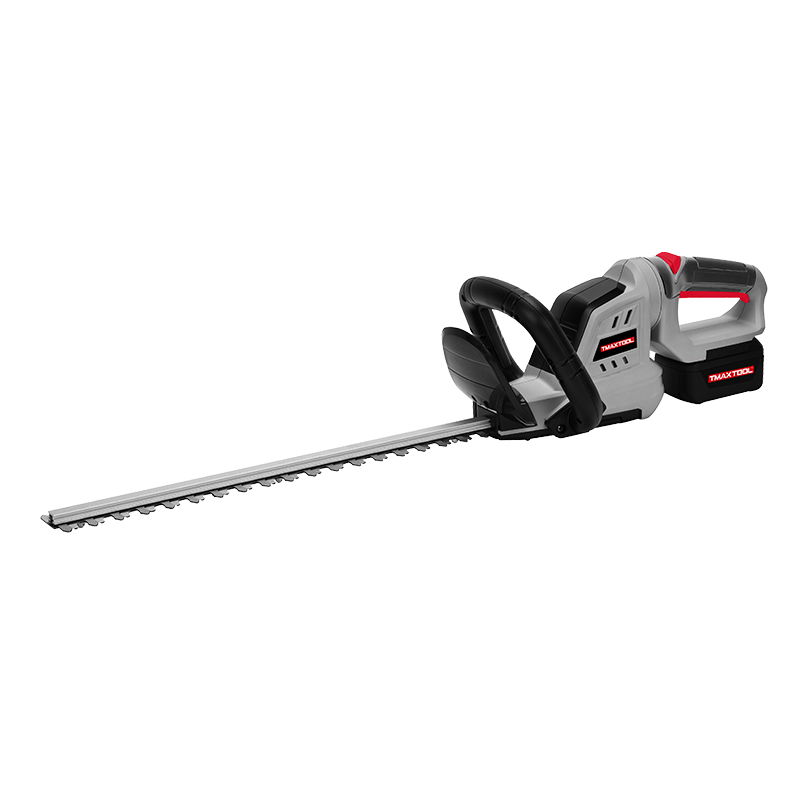 Battery Hedge Trimmer
 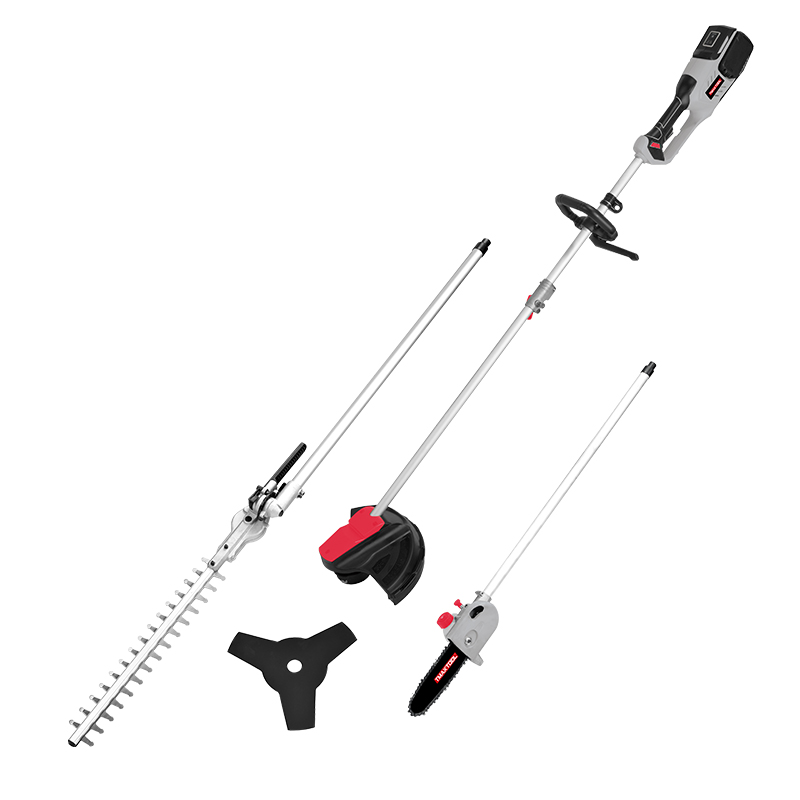 Battery Multi Tool
 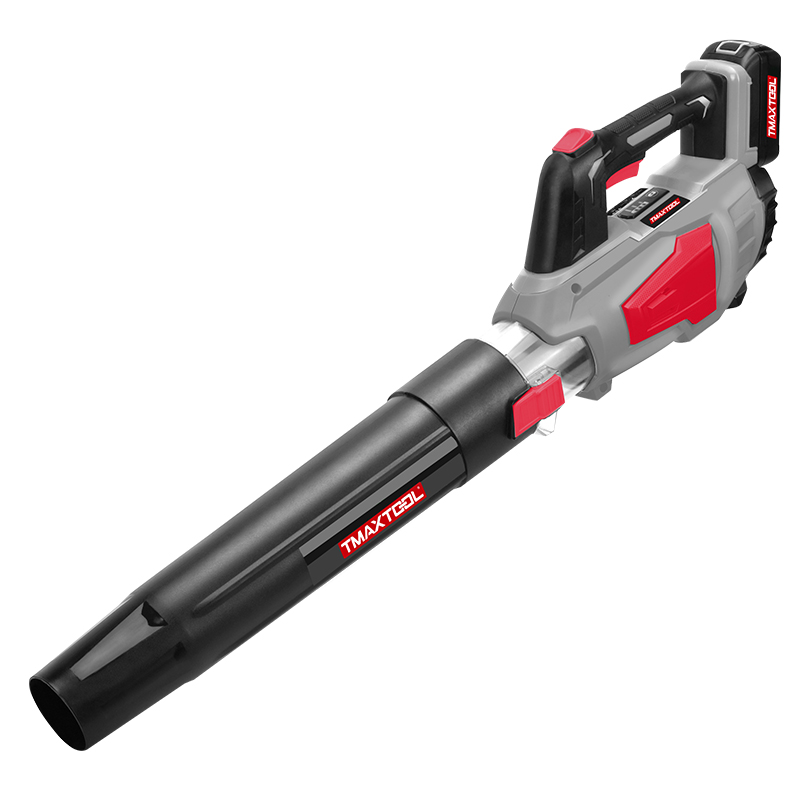 Battery Blower
 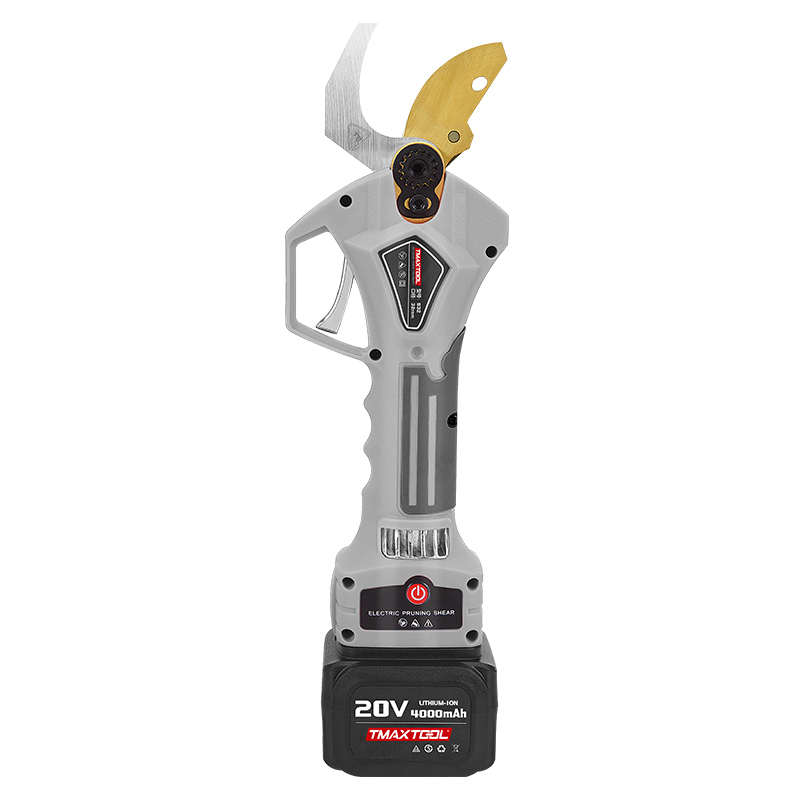 Batter Pruning Shears
 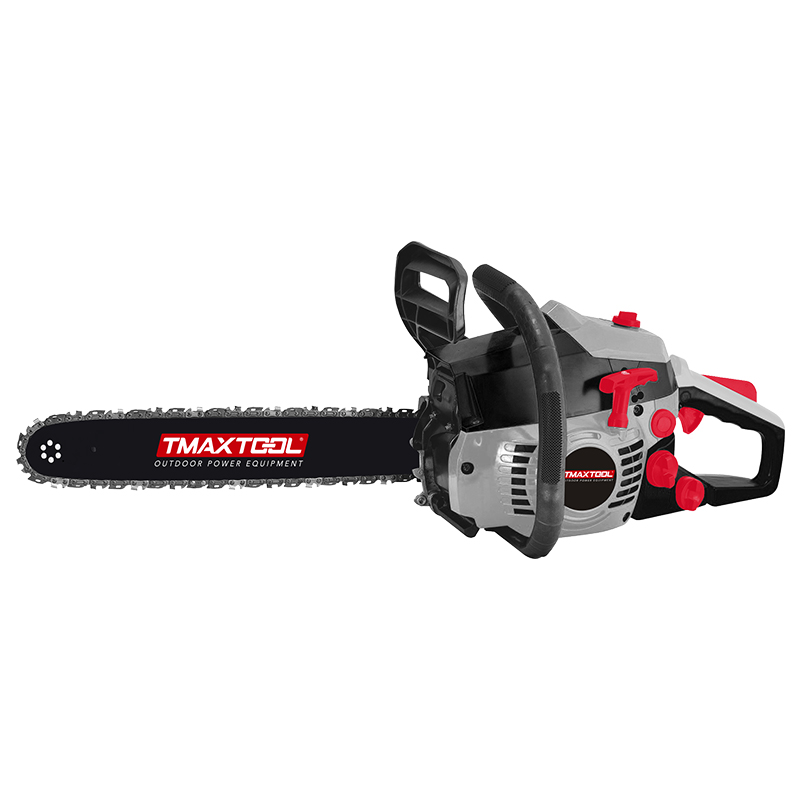 Chain Saw
 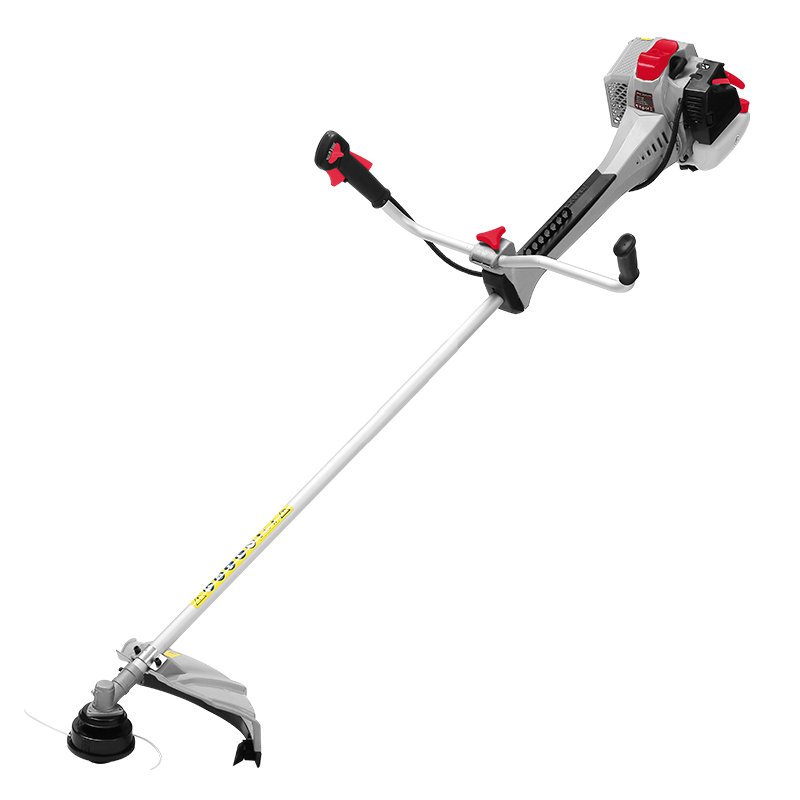 Brush Cutter
 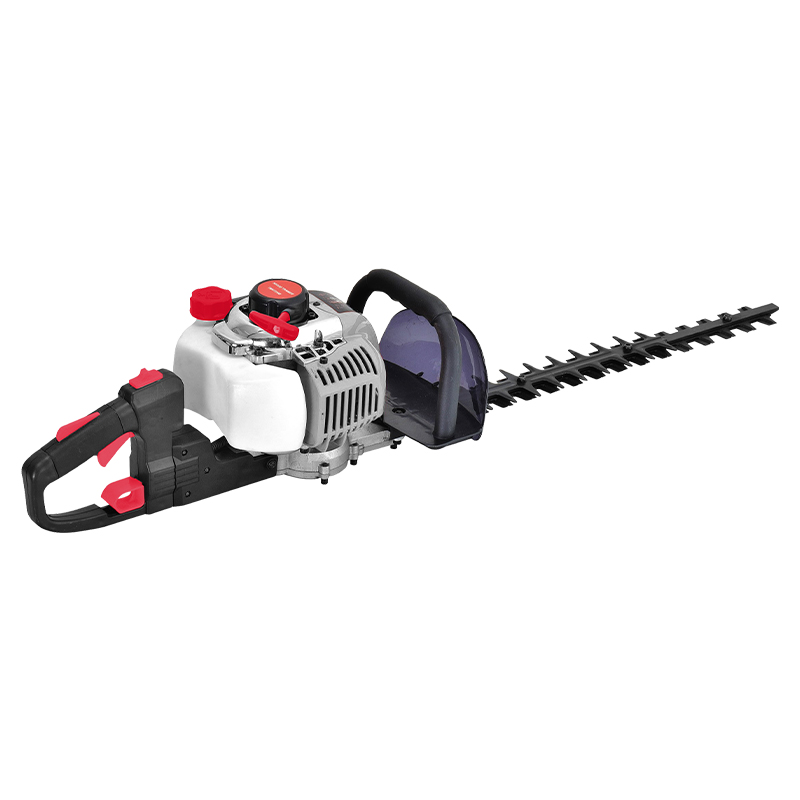 Hedge Trimmer
 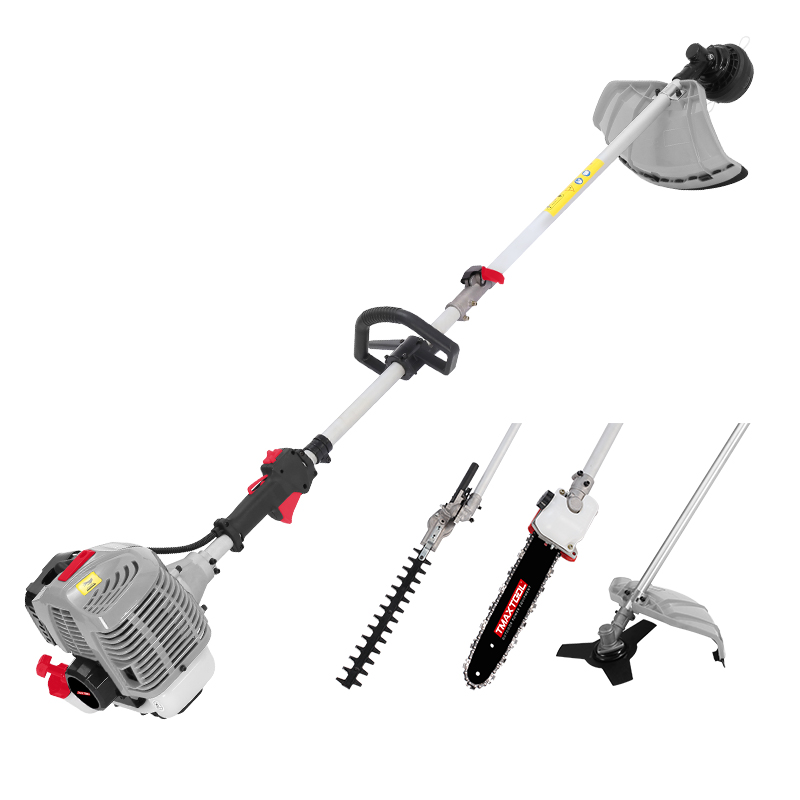 Multi Tool
 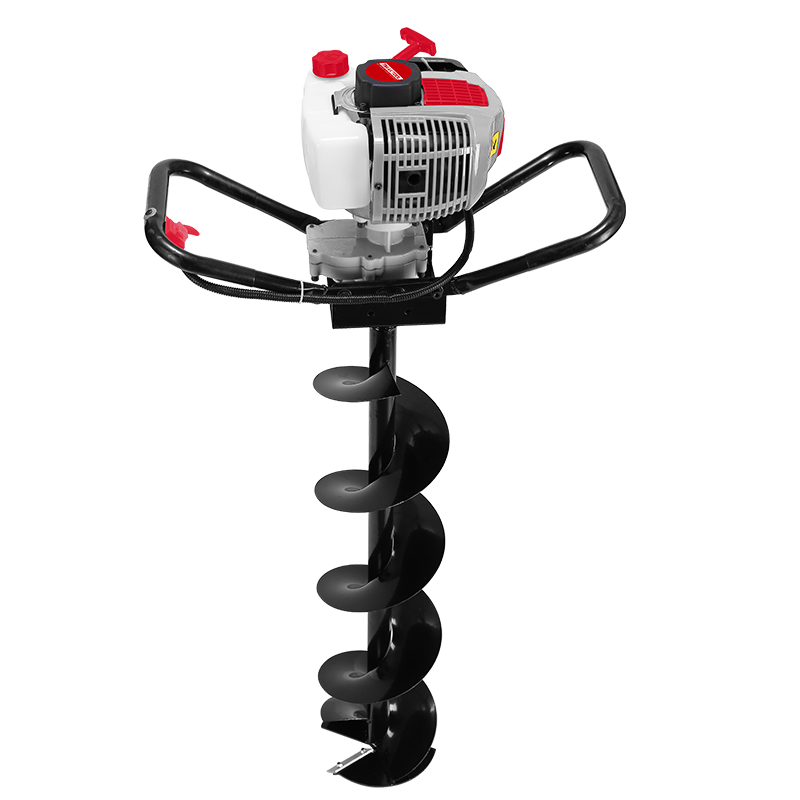 Earth Auger
 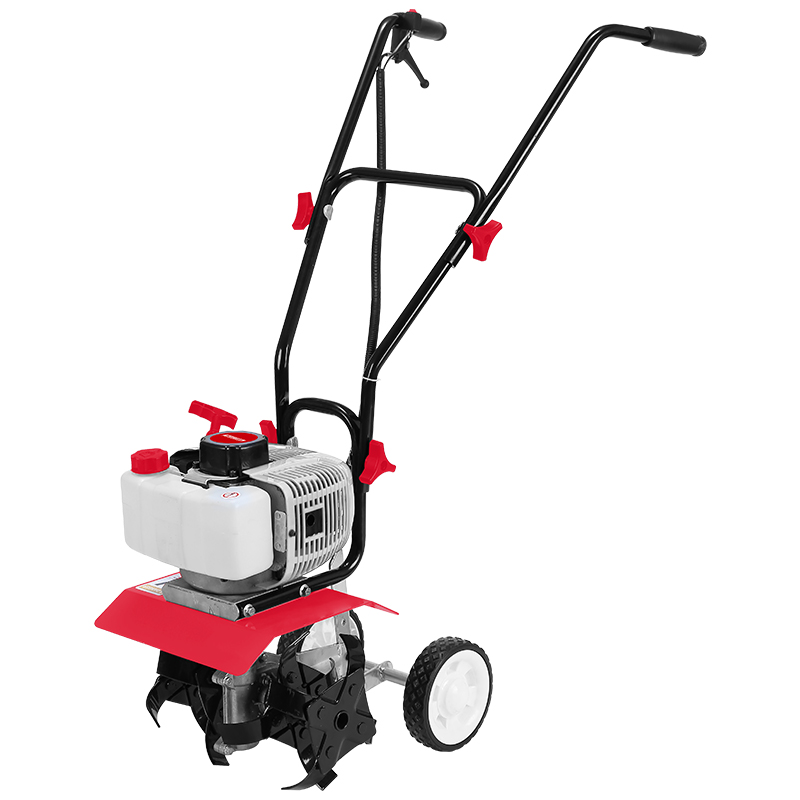 Tiller
 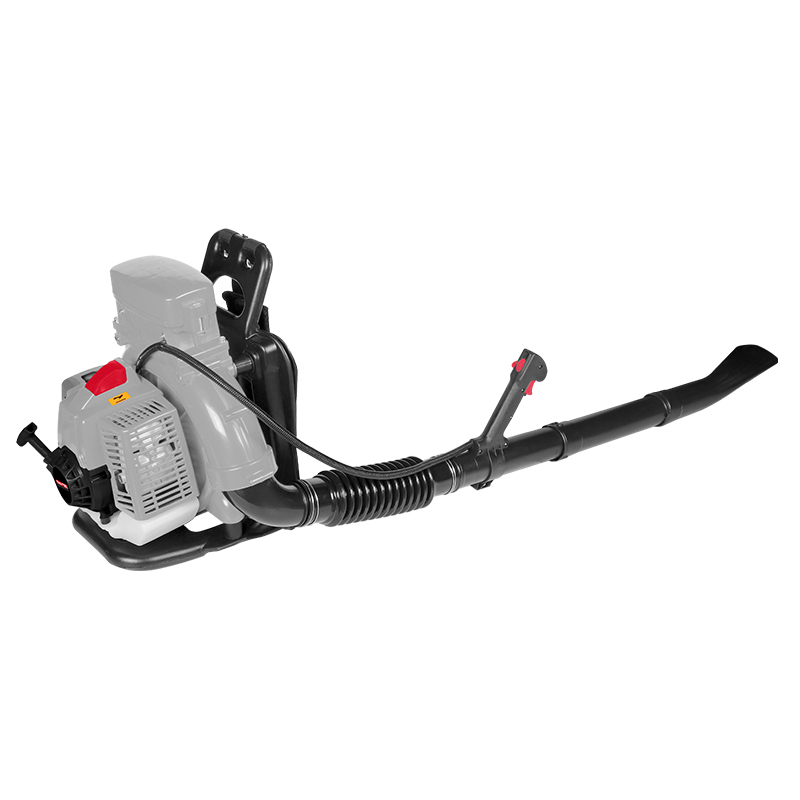 Blower
 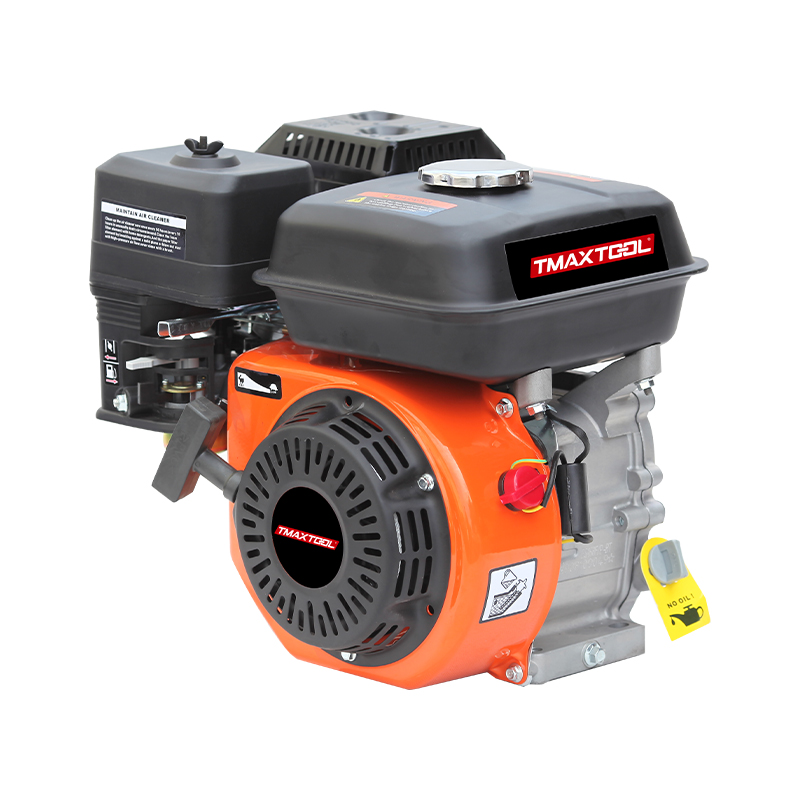 4 Stroke Gasoline Engine
 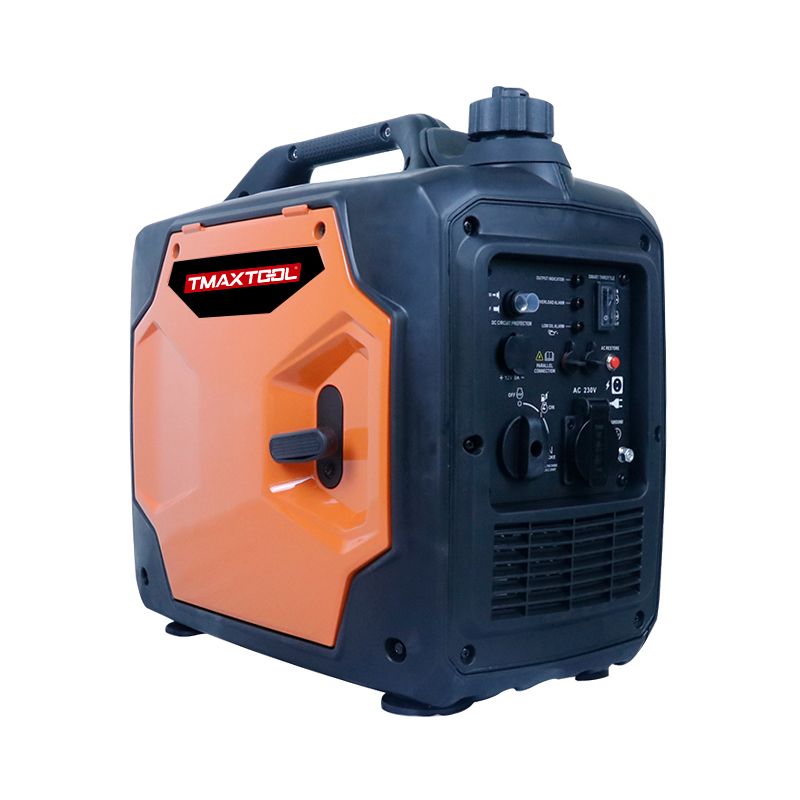 Generator
 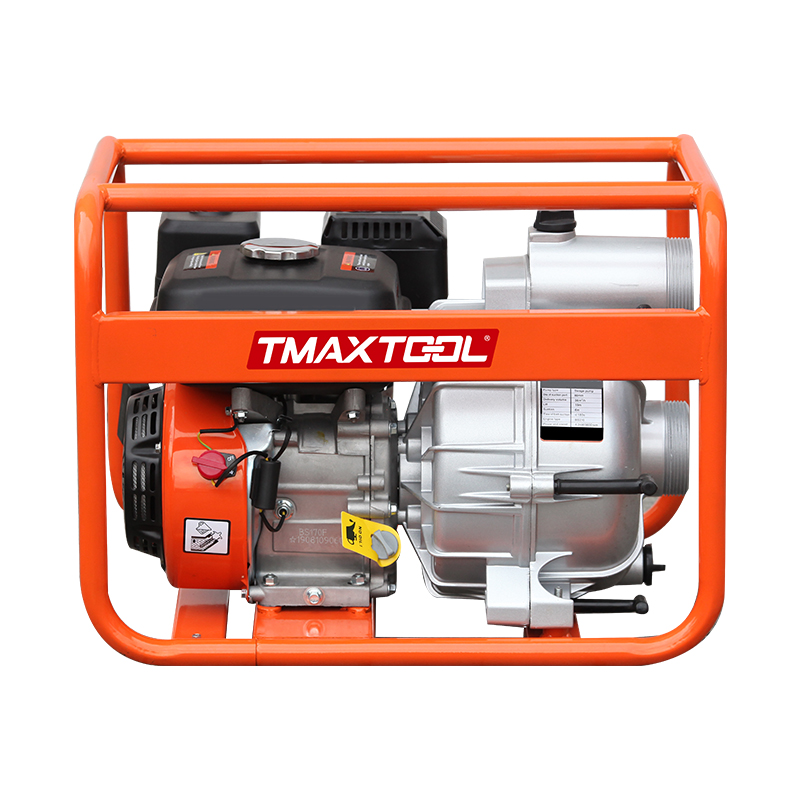 Water Pump
 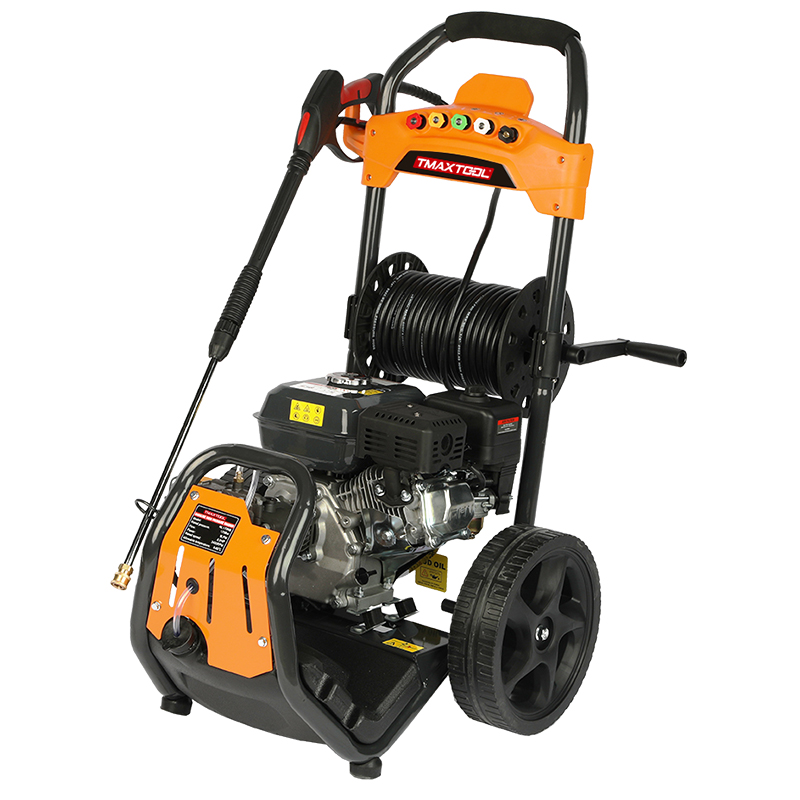 High Pressure Washer
 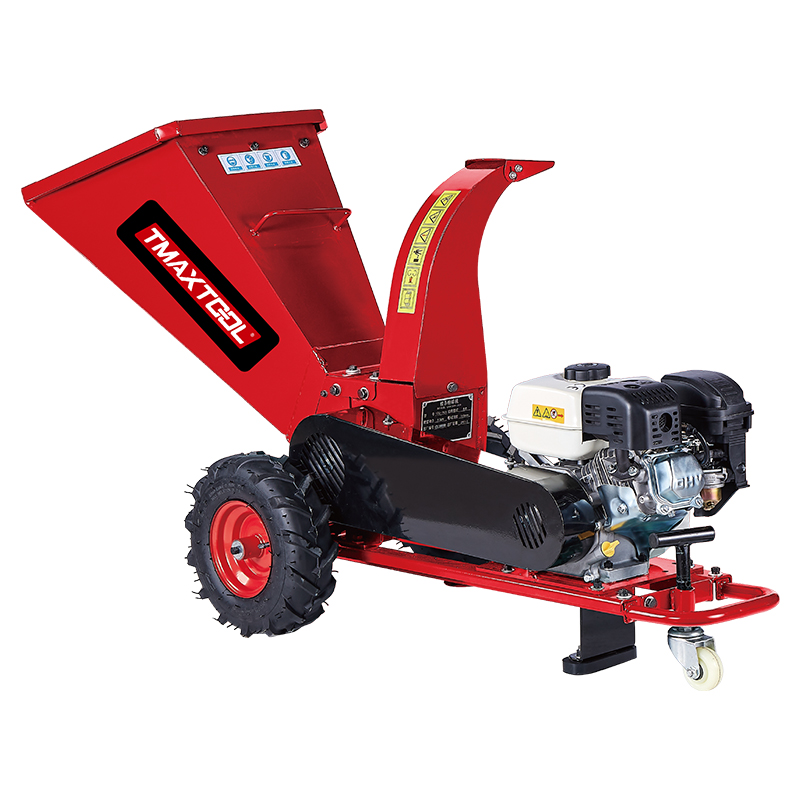 Wood Cutter
 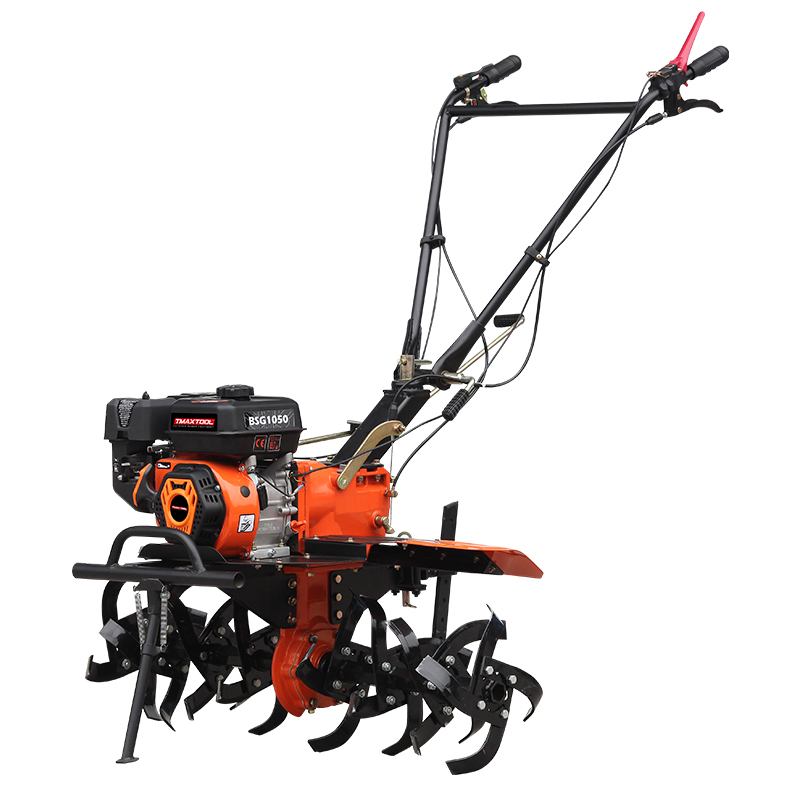 4 Stroke Tiller
 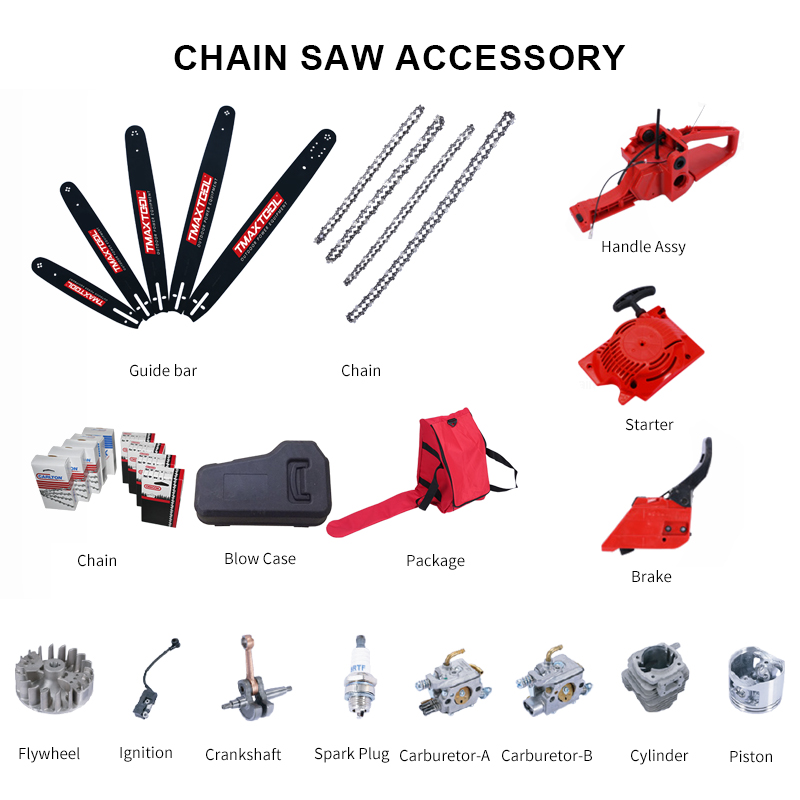 Chain Saw Accessory
 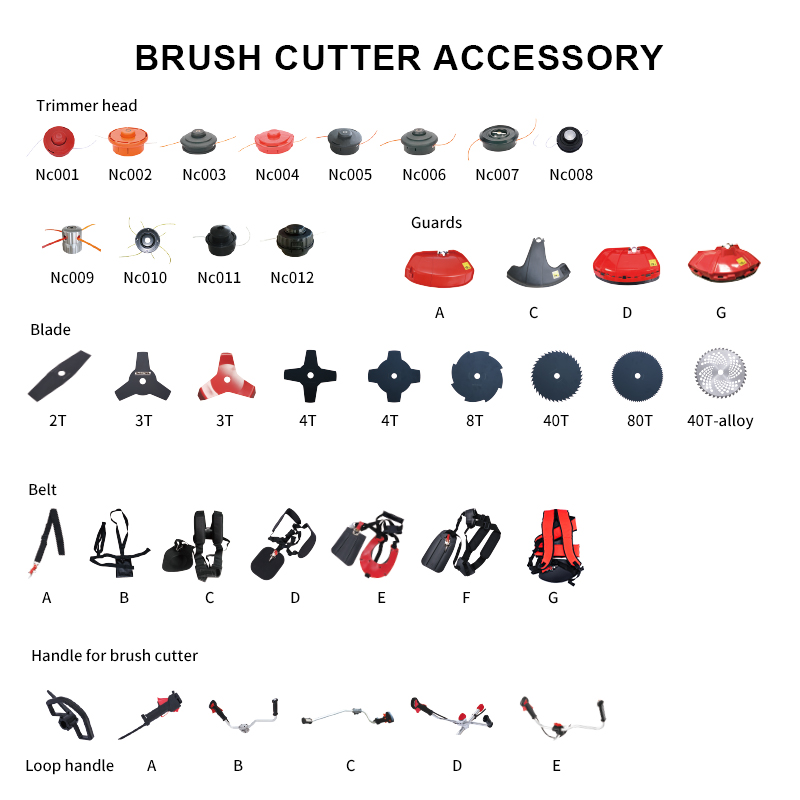 Brush Cutter Accessory
 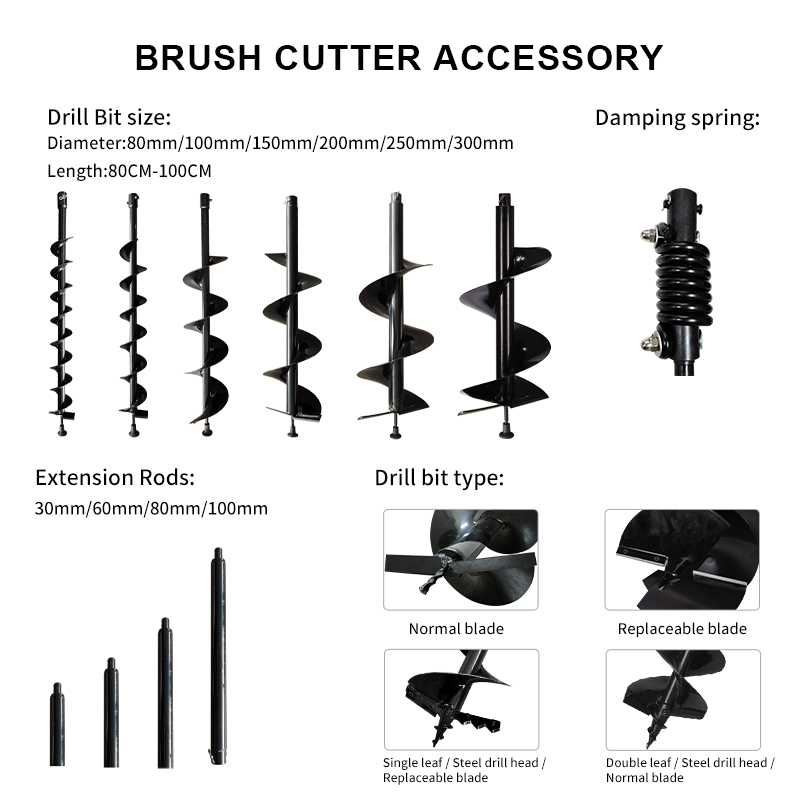 Earth Auger Accessory
 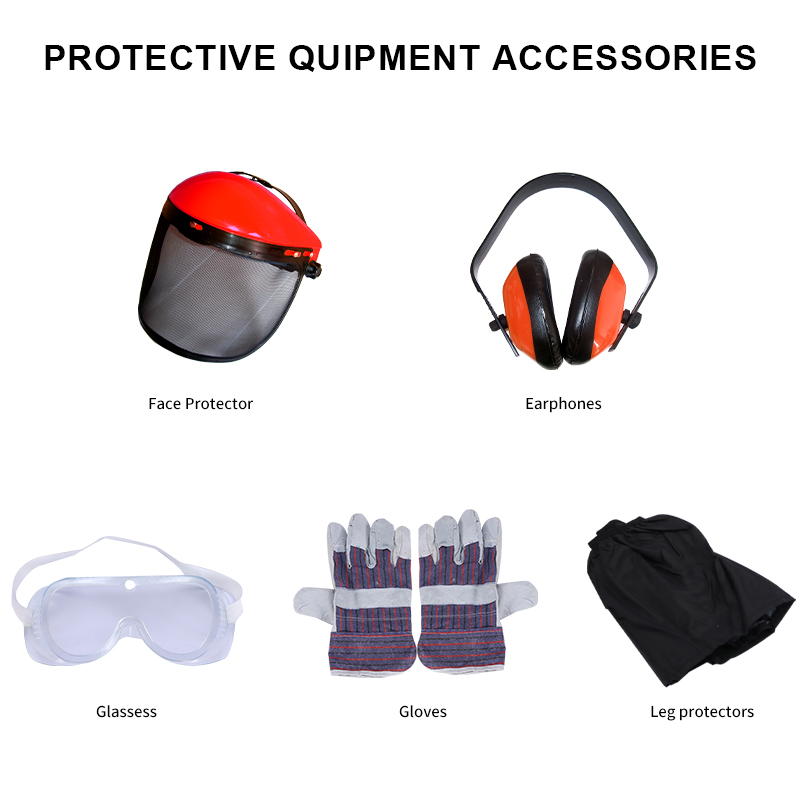 Protective Equipment Accessories
News
Leave Your Message


0102030405
Electric vs Manual Garden Tools Comparison
2026-07-15
Electric vs Manual Garden Tools: Full Comparison for Global Retail & Commercial Buyers
Quick Overview
There is no universal “better” category between electric and manual garden tools. Each line serves distinct end-user groups, project scales, regional market demands, and profit margins for resellers, hardware store owners, landscape contractors, and agricultural supply distributors worldwide.
Manual garden tools deliver ultra-low entry pricing, zero operational overhead, unbeatable precision for delicate work, and broad appeal to casual hobbyists and low-budget consumers. Electric garden tools cut labor time drastically, reduce physical strain for large-scale jobs, and dominate sales among professional landscapers, property management firms, and homeowners with expansive yards.
This breakdown compares both tool types across performance, cost, target customer profiles, storage, maintenance, regional market fit, and resale profitability to help you build balanced inventory assortments aligned with your local buyer base.

Core Comparison: Manual Garden Tools
How Manual Garden Tools Function
Manual garden tools rely entirely on human force to complete gardening tasks. This category covers hand hoes, Pruning Shears, rakes, hand cultivators, manual hedge trimmers, grass sickles, and hand augers. No batteries, power cords, motors, or charging infrastructure are required for operation.
Key Advantages
- Unmatched precision for intricate gardening Manual blades and tines let users control cutting depth, tilling range, and trimming boundaries with full accuracy. For raised bed planting, delicate flower bed weeding, or pruning young fruit tree saplings, manual tools avoid over-disturbing topsoil or damaging shallow plant root systems common with motorized equipment. Many master gardeners exclusively use hand hoes for organic plots to prevent buried weed seeds from being churned to the surface.
- Zero ongoing operational costs Once purchased, manual tools require no electricity, replacement batteries, or charging accessories. End users face no recurring utility fees, making them ideal for remote rural properties, off-grid homesteads, rooftop container gardens, and locations without accessible power outlets.
- Compact, lightweight storage & transport Most manual garden gear features slim, stackable frames with minimal bulk. They fit easily in small garden sheds, apartment balconies, vehicle storage compartments, and market stall displays. For resellers, manual tools also lower warehouse space overhead and reduce shipping weight costs for bulk orders.
- Near-zero maintenance requirements Upkeep is limited to occasional blade sharpening and basic rust prevention with oil. There are no motors, circuit boards, lithium-ion battery packs, or wiring to inspect, repair, or replace. For consumers, this eliminates expensive service calls; for distributors, it cuts after-sales support workload and warranty claims.
- Universal affordability for all consumer tiers Manual tools carry far lower manufacturing and retail price points, opening sales to entry-level gardeners, low-income households, student garden projects, and small-scale subsistence farmers. They act as high-volume loss-leader products to drive foot traffic into hardware and agricultural supply shops.
Limitations of Manual Garden Tools
- Slow output for large-area projects Tilling, trimming, or clearing plots over 80 square meters requires hours of repetitive physical labor. Commercial landscaping teams managing municipal parks, resort grounds, or farm acreage cannot rely solely on manual tools to meet tight job deadlines.
- High physical fatigue for extended use Continuous bending, gripping, and cutting strains wrists, shoulders, and lower backs. Older users, users with mobility limitations, and full-time landscape crews report rapid exhaustion after long manual gardening sessions.
- Limited cutting power for dense vegetation Thick hardwood branches, overgrown brush, compacted clay soil, and heavy root mats demand excessive human strength to process. Manual shears and hoes struggle to tackle mature, unkempt greenery efficiently.
Ideal End Buyers for Manual Garden Tools
- Casual hobby gardeners with small backyard or balcony plots
- Organic growers prioritizing minimal soil disruption
- Low-budget residential consumers and student garden enthusiasts
- Remote rural farmers without reliable grid power
- Landscapers finishing delicate touch-up detail work
- Educational institutions and community garden programs
Core Comparison: Electric Garden Tools
How Electric Garden Tools Function
Electric garden tools split into two primary subcategories: corded electric models plugged into mains power, and cordless lithium battery-powered units. Built-in electric motors drive cutting blades, rotating tines, and spinning trimmer heads to automate labor-intensive gardening work. The product line includes electric lawn mowers, cordless pruning shears, battery hedge trimmers, electric tillers, leaf blowers, and cordless grass trimmers.
Key Advantages
- Massive time savings for large-scale work Motorized power cuts job completion time by 60–75% compared to equivalent manual tools. A cordless electric tiller can prepare a 1,000 square meter vegetable plot in under two hours, while manual hoes would require a full day of continuous labor. Commercial landscape contractors rely on electric equipment to fulfill multiple client jobs per day.
- Minimal physical strain for operators The motor absorbs nearly all cutting and tilling resistance. Users avoid repetitive muscle strain, making electric tools accessible to older gardeners, users with joint pain, and full-time crews working 8+ hour gardening shifts. Ergonomic grip designs further reduce fatigue during all-day operation.
- Consistent, powerful cutting performance High-torque electric motors slice through thick hardwood branches, tangled overgrown grass, and compacted clay soil with consistent force. Brushless motor variants deliver steady power output without performance drops during long work sessions.
- Strong premium pricing & profit margins for resellers Electric garden tools carry higher retail price tags and wider profit margins than manual alternatives. Battery replacement packs, spare cutting blades, and charging stations create repeat accessory sales streams to boost long-term revenue for distributors and retail stores.
- Low noise emissions vs gas-powered machinery Compared to petrol garden equipment, electric units operate quietly, complying with residential neighborhood noise restrictions and municipal sound ordinances. This opens sales opportunities in dense suburban housing developments, urban community gardens, and school grounds where loud gas tools face strict usage time limits.
Limitations of Electric Garden Tools
- Higher upfront purchase cost for end users Cordless electric models with high-capacity lithium batteries carry a significant initial price premium. Price-sensitive casual gardeners often hesitate to invest in electric gear for once-per-season light maintenance work.
- Dependent on power access or battery life Corded electric tools are restricted by outlet cable length, limiting mobility across large yards. Cordless units face runtime limits based on battery capacity; extended field work requires spare battery packs, adding extra consumer expense. Remote farming locations without charging infrastructure cannot support regular electric tool use.
- More complex maintenance & warranty risks Electric tools require regular battery care, motor inspection, and wiring safety checks. Damaged batteries, burnt-out motors, or faulty circuit boards create costly repair scenarios. Distributors face higher after-sales service volume and warranty replacement overhead relative to simple manual tools.
- Larger storage & shipping footprint Electric motor housings, battery packs, and extended handle frames increase product size and weight. This raises warehouse storage costs and bulk shipping fees for international buyers importing full container loads of inventory.
Ideal End Buyers for Electric Garden Tools
- Professional landscape contractors and commercial property maintenance teams
- Homeowners with large suburban yards, orchards, or extensive flower gardens
- Municipal parks, resort grounds, and school campus maintenance crews
- Elderly gardeners or users with limited physical strength
- Urban commercial landscaping firms operating within noise regulation zones
- Retail customers willing to pay premium pricing for labor-saving convenience
Side-by-Side Full Comparison Table
| Evaluation Factor | Manual Garden Tools | Electric Garden Tools |
|---|---|---|
| Initial Consumer Cost | Very low entry price point | High upfront investment, premium tier pricing |
| Long-Term Operating Expense | Zero recurring costs | Charging electricity fees, spare battery purchases, motor repair fees |
| Work Speed & Output | Slow, low-volume output | Fast, optimized for large-area continuous work |
| Physical Strain on User | High repetitive muscle fatigue | Minimal strain, motor absorbs cutting resistance |
| Precision Control | Exceptional for delicate, targeted work | Limited fine control; risk of over-tilling/over-trimming |
| Storage & Shipping Weight | Lightweight, compact stackable design | Heavy, bulky motor and battery assemblies |
| Maintenance Burden | Minimal (blade sharpening only) | Regular battery upkeep, motor, wiring inspection |
| Operational Restrictions | Usable anywhere, no power required | Corded models limited by outlet access; cordless limited by battery runtime |
| Noise Level | Near silent operation | Low-moderate noise, far quieter than gas tools |
| Target Market Segment | Casual hobbyists, low-budget buyers, organic growers, small subsistence farms | Professional landscapers, large-property homeowners, commercial facility maintenance teams |
| Reseller Profit Margin | Low per-unit margin, high sales volume | Wide per-unit profit margin, steady accessory repeat sales |
Matching Inventory to Global Regional Market Demand
European & North American Urban Suburban Markets
These regions feature high volumes of mid-to-large residential yards and strict neighborhood noise rules. Maintain a balanced mix: stock lightweight manual tools for balcony and small-plot hobbyists, paired with a full lineup of cordless electric tillers, trimmers, and mowers for mainstream homeowners and local landscaping businesses. Electric tools will drive the majority of high-margin revenue in these territories.
Southeast Asian, African, & Rural Latin American Markets
Grid power access is inconsistent across wide rural areas, and most small-scale farmers operate on tight household budgets. Prioritize broad manual tool assortments as core inventory, with a smaller secondary electric tool selection targeting commercial farm cooperatives and urban landscaping companies concentrated in major cities.
Premium Resort & Commercial Landscaping Global Segments
Hotels, golf courses, municipal park systems, and luxury residential property management exclusively prioritize electric garden equipment. For buyers catering to this niche, limit manual tool stock to small touch-up hand shears and rakes, and focus bulk orders on high-torque brushless electric machinery with extended battery runtime.
Common Buyer Misconceptions to Address With Your Customers
- “Electric tools completely replace manual garden gear for all tasks” False. Even full-time professional landscapers keep a full set of manual hand tools for precise detail work around ornamental plants, raised beds, and delicate saplings. Electric machinery excels at bulk clearing and heavy labor, while manual tools deliver unrivaled fine control. Successful retailers stock both categories to cover every gardening workflow.
- “Manual tools are outdated and low-demand products” False. Global organic gardening trends have boosted manual tool sales steadily over the past five years. Eco-conscious consumers actively avoid motorized tillers that disrupt beneficial soil microbes and spread dormant weed seeds, creating consistent repeat demand for hand hoes, manual cultivators, and hand pruning shears.
- “Electric tools are always more profitable to stock” False. While per-unit margins are higher for electric tools, manual tools deliver far faster inventory turnover and lower shipping/warehousing overhead. For buyers serving low-income rural regions, manual lines generate more consistent overall annual revenue due to higher sales volume.
How to Build a Balanced Inventory Assortment
- Start with core manual SKUs for universal baseline demand Hand hoes, multi-purpose rakes, manual pruning shears, and lightweight hand cultivators sell consistently across every global market, acting as entry-level products to attract new retail customers.
- Curate electric tool lines based on local customer demographics If your client base leans heavily toward residential homeowners and landscape contractors, expand cordless electric mower, trimmer, and tiller inventory. If serving rural smallholder farmers, limit electric SKUs to heavy-duty commercial-grade models only.
- Pair cross-selling accessories with both product lines For manual tools: stock replacement steel blades, sharpening stones, anti-rust protective oil, and ergonomic replacement handles. For electric tools: carry spare lithium battery packs, rapid charging stations, replacement cutting tines, and protective operator safety gear to unlock secondary profit streams.
Frequently Asked Questions
Q: Which tool category sees higher seasonal sales spikes?
Electric lawn mowers, tillers, and trimmers hit peak sales in early spring ahead of growing seasons. Manual tools maintain steady year-round sales, with smaller secondary spikes in spring planting and autumn harvest periods.
Q: Do electric garden tools carry higher warranty claim rates?
Yes. Electric units with lithium batteries and internal motors generate more warranty service requests than manual steel hand tools. Distributors can mitigate this by sourcing electric machinery with extended 12-month manufacturer warranties and clear replacement part supply chains.
Q: Can manual and electric tools be marketed to the same end customer?
Absolutely. Most dedicated gardeners own both sets of equipment. They rely on electric tools for large plot clearing and heavy labor, then switch to manual hand tools for finishing, precision trimming, and organic soil maintenance tasks. Retail displays that showcase paired manual and electric tool bundles consistently lift average order values.
Final Takeaway
The optimal product lineup never chooses exclusively between electric or manual garden tools—both categories fill irreplaceable niches in the global gardening supply chain. Manual tools deliver accessible, low-risk inventory for price-sensitive, off-grid, and organic-focused consumers, driving steady high-volume sales with minimal after-sales overhead. Electric garden tools capture premium spending from commercial contractors and large-property homeowners, generating wider profit margins and recurring accessory revenue.
By aligning your stock mix with the unique demographic, geographic, and power-access realities of your target regional market, you can maximize sales volume, profit margins, and long-term customer loyalty across all gardening customer segments.