
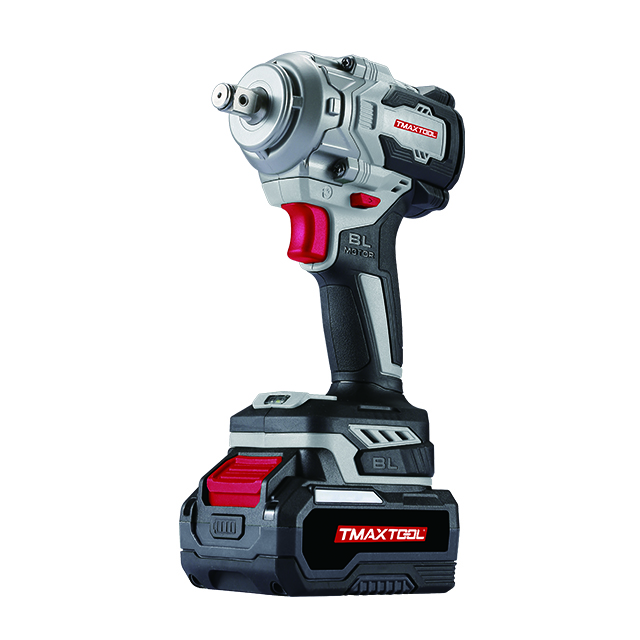
 Impact Wrench
 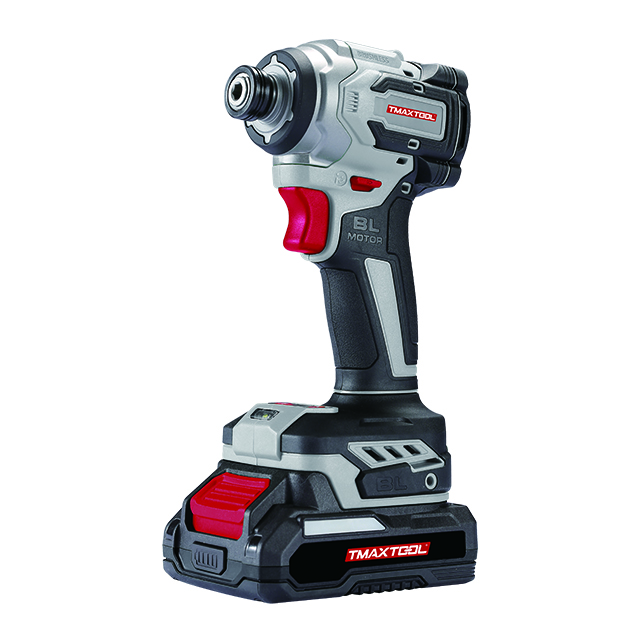 Screwdriver
 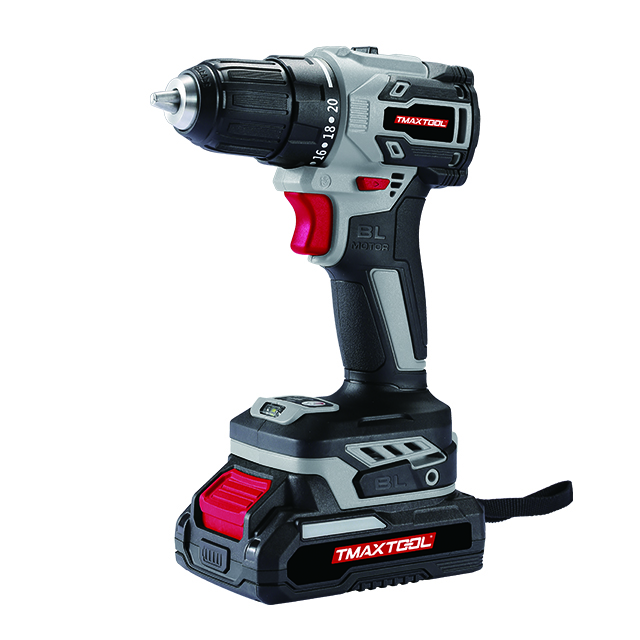 Cordless Drill
 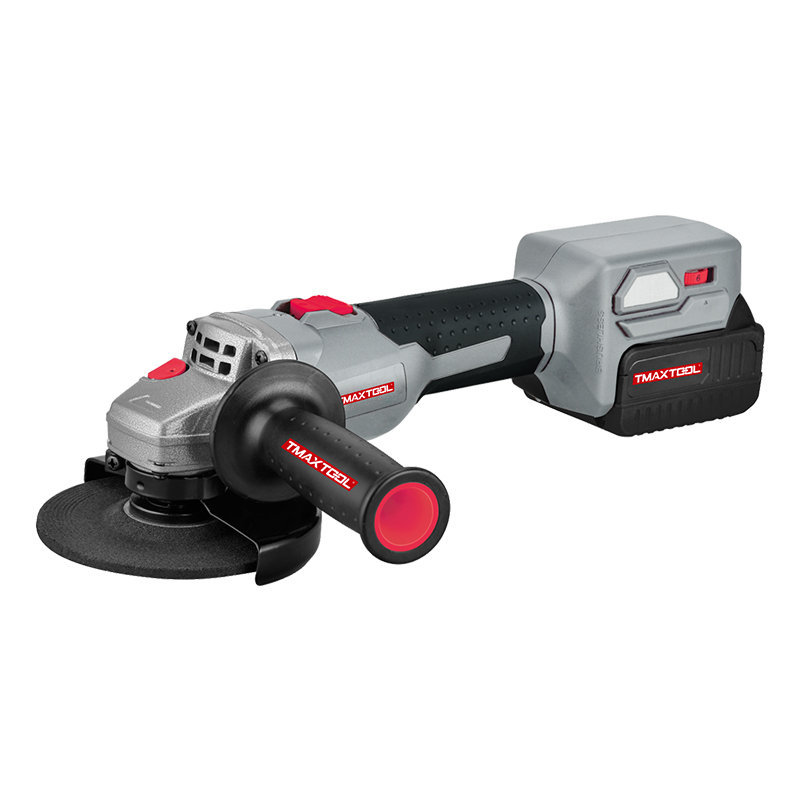 Angle Grinder
 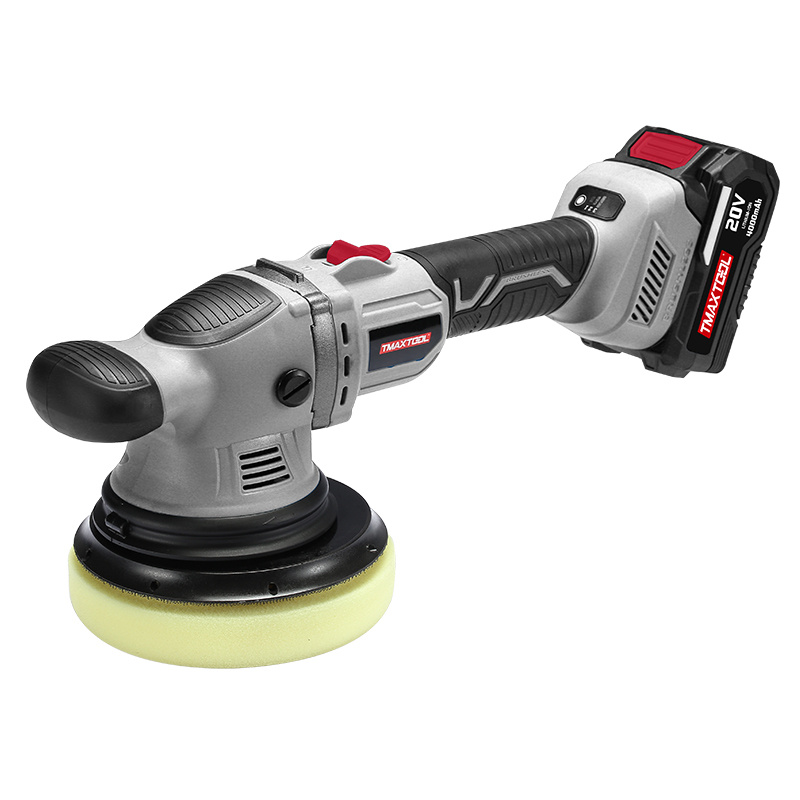 Polisher
 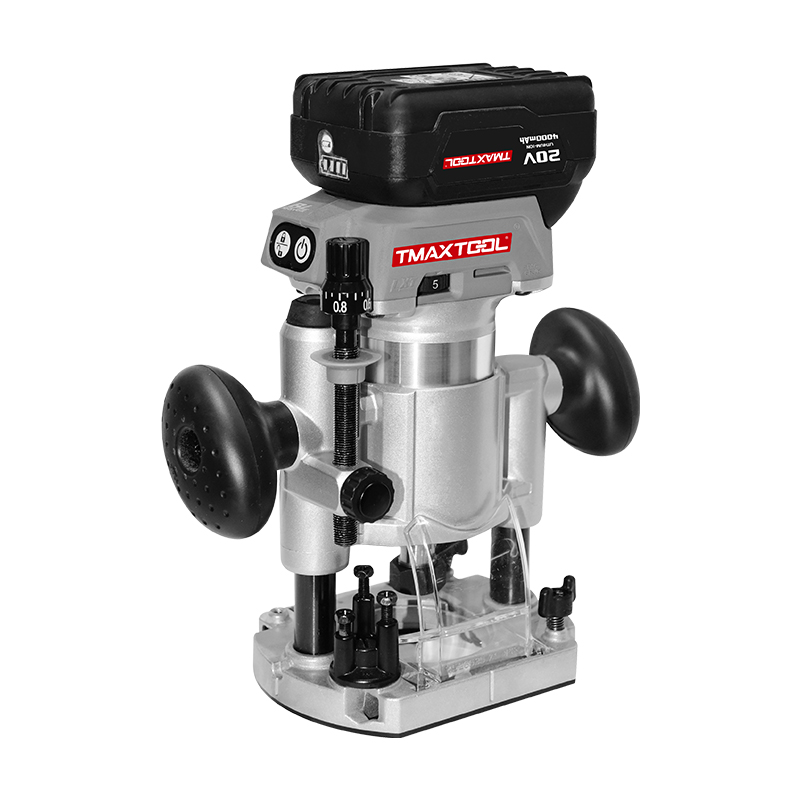 Wood Router
 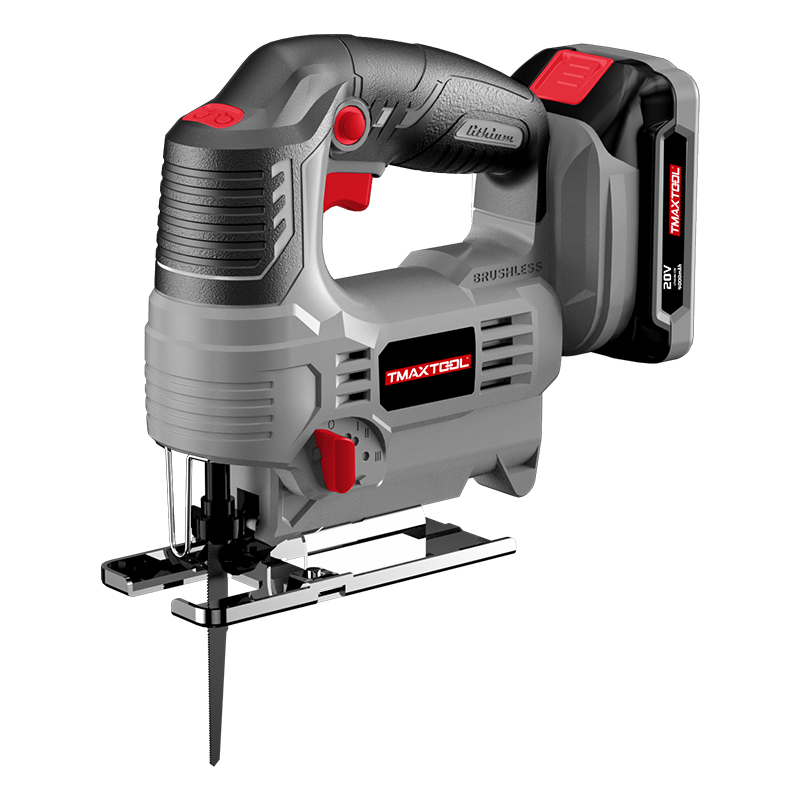 Jig Saw
 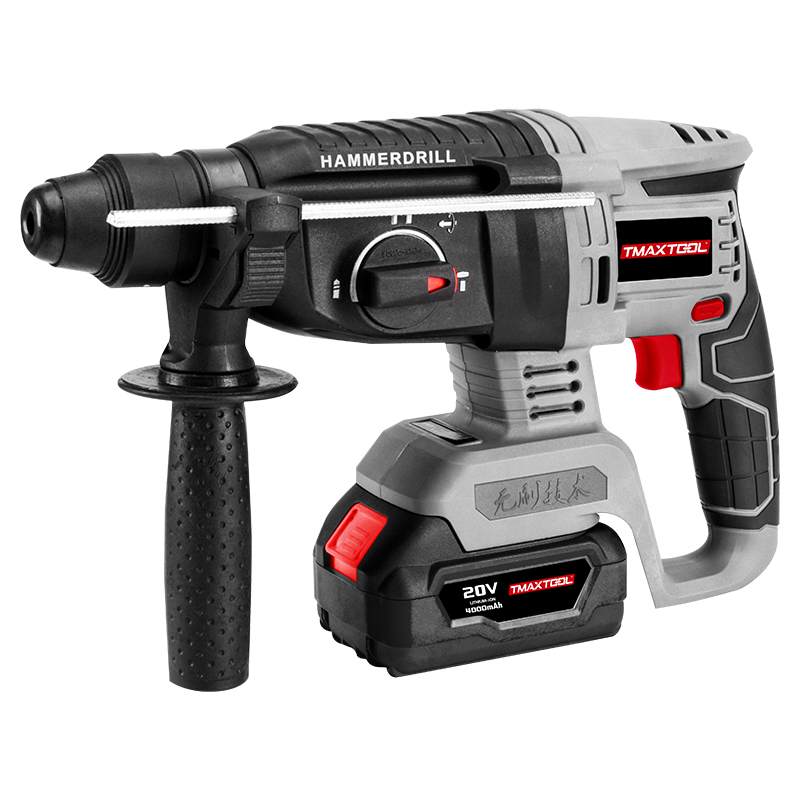 Hammer Drill
 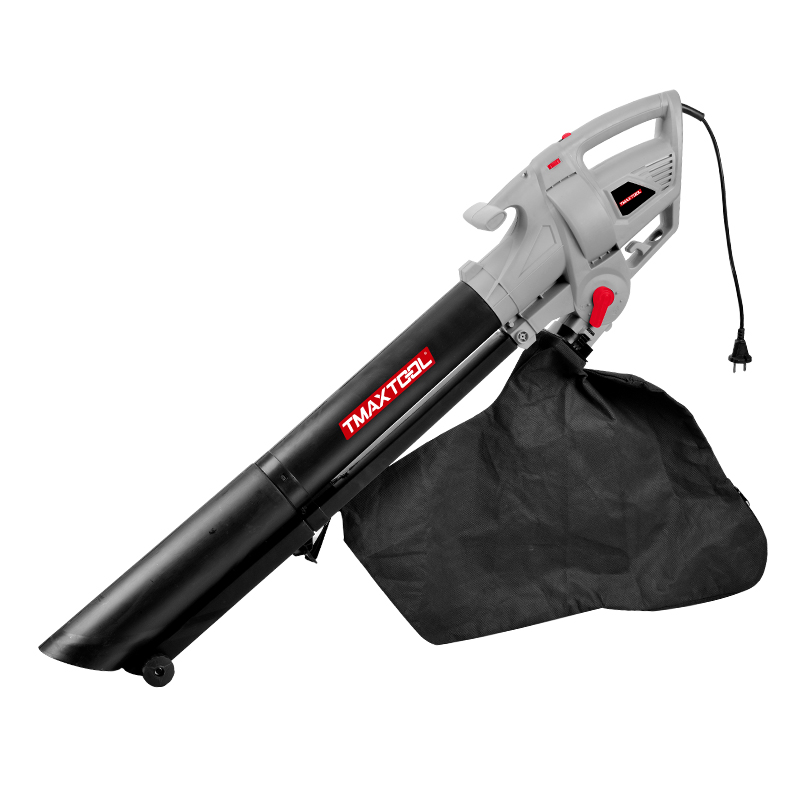 Portable Blower
 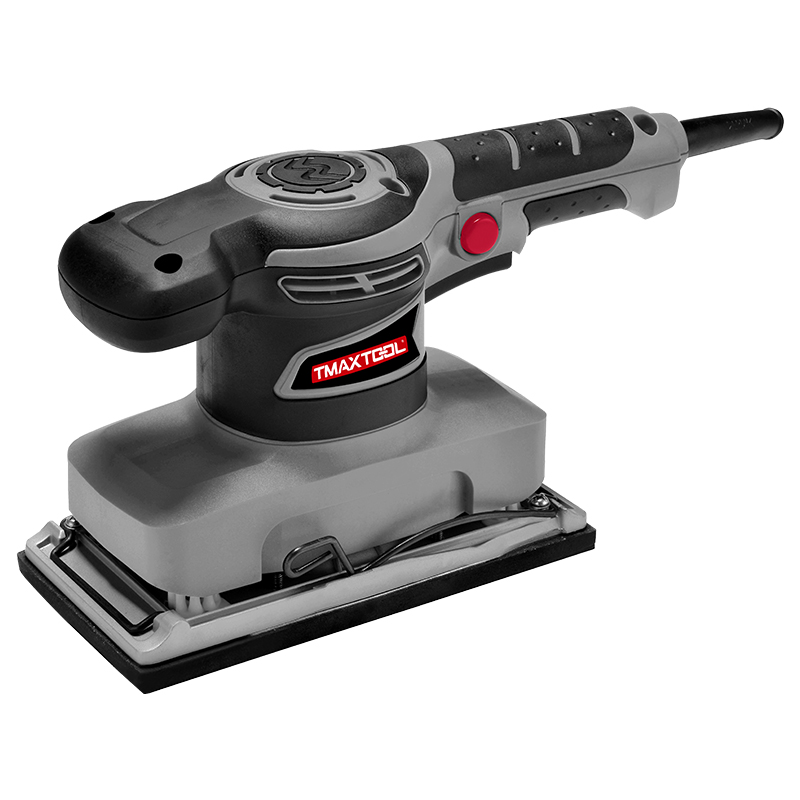 Orbital Sander
 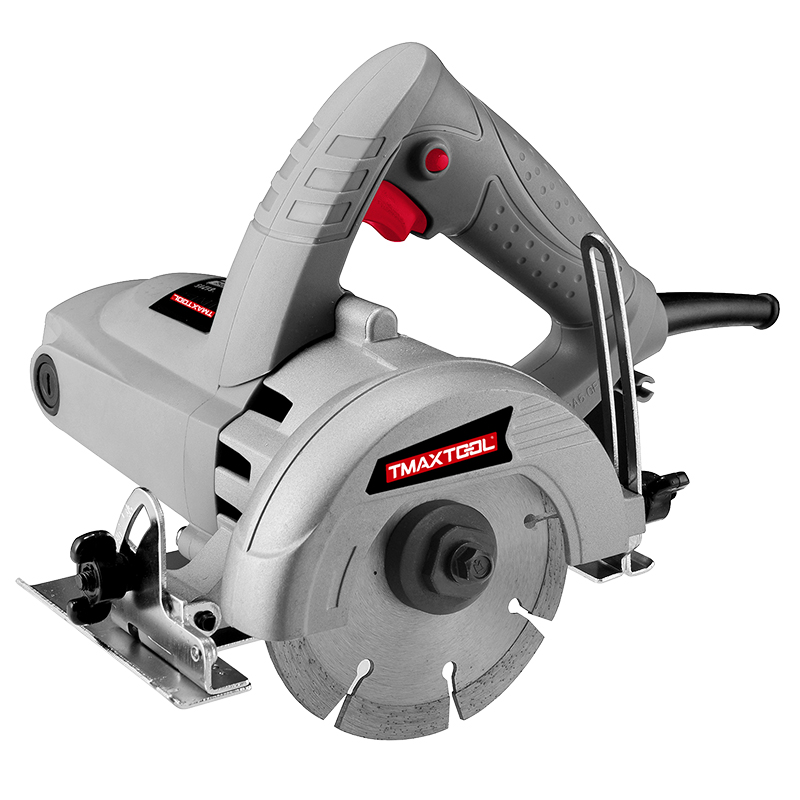 Marble Cutter
 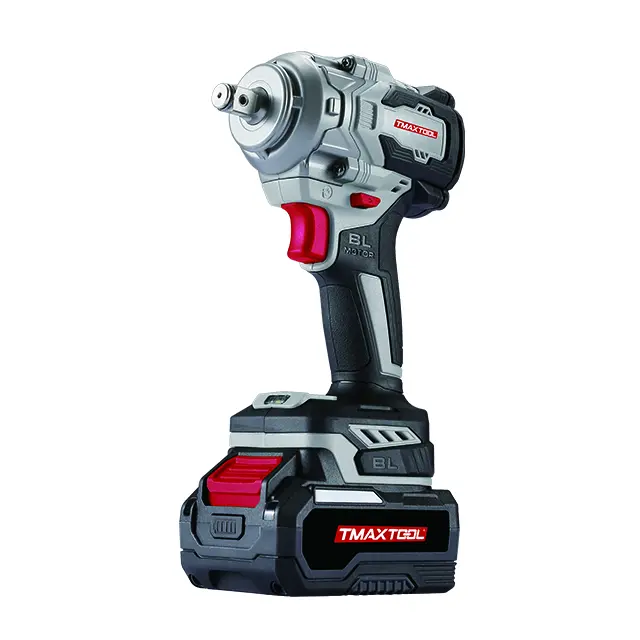 GARDEN TOOLS
 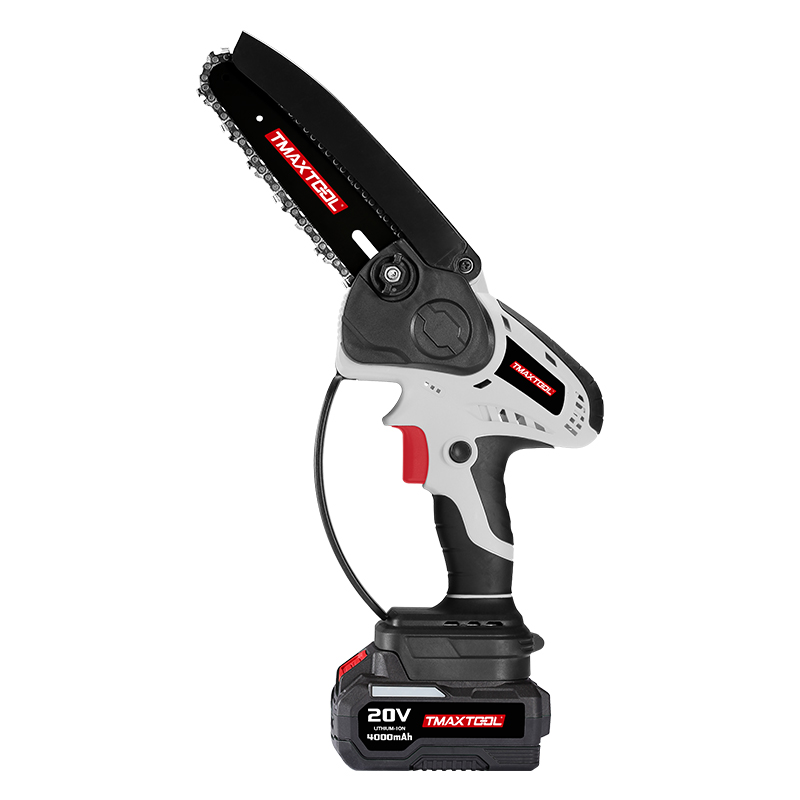 Battery Chain Saw
 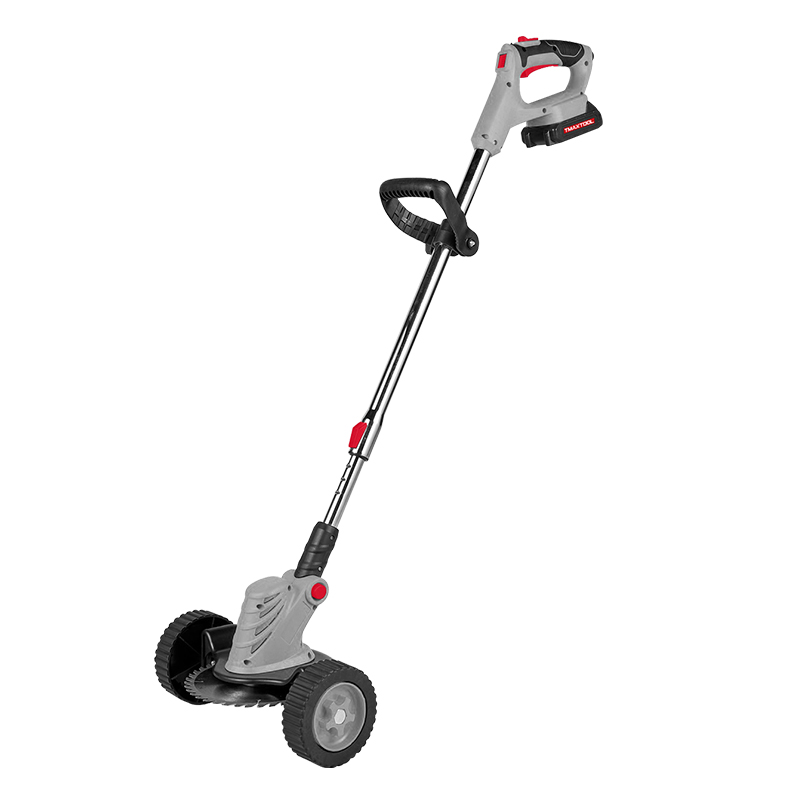 Battery Brush Cutter
 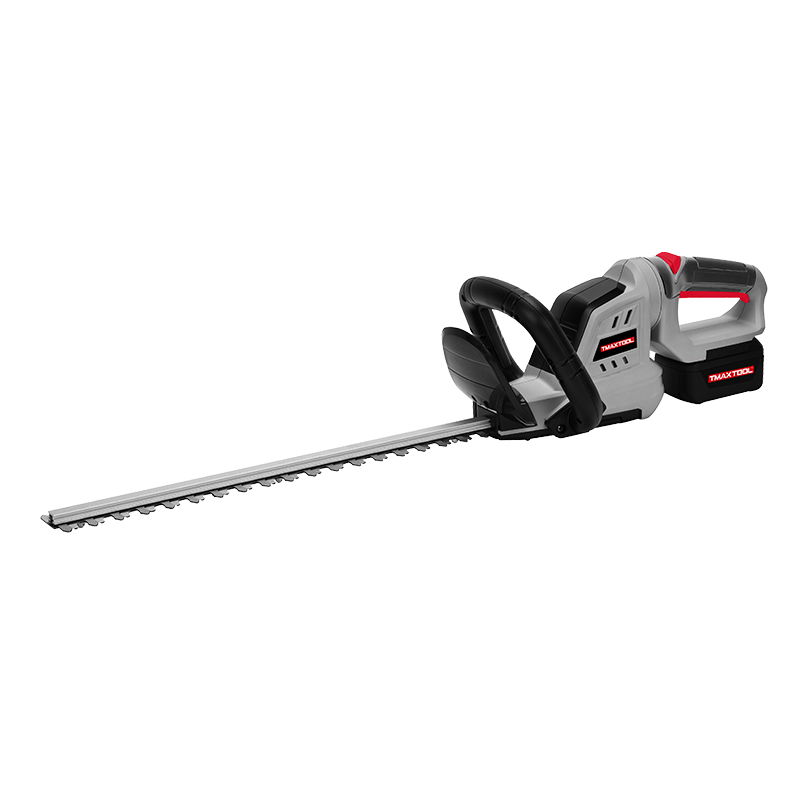 Battery Hedge Trimmer
 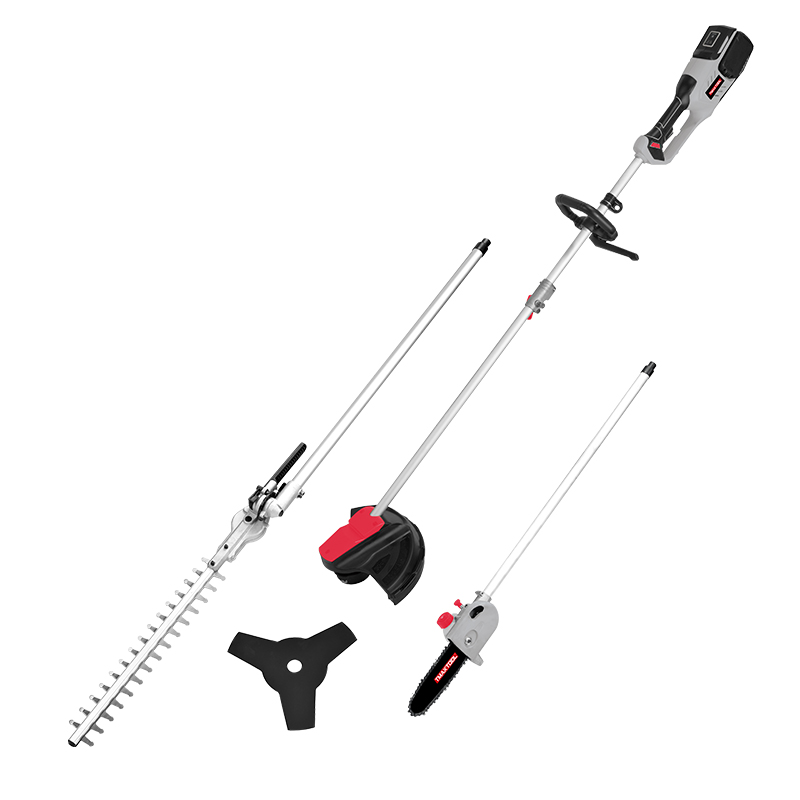 Battery Multi Tool
 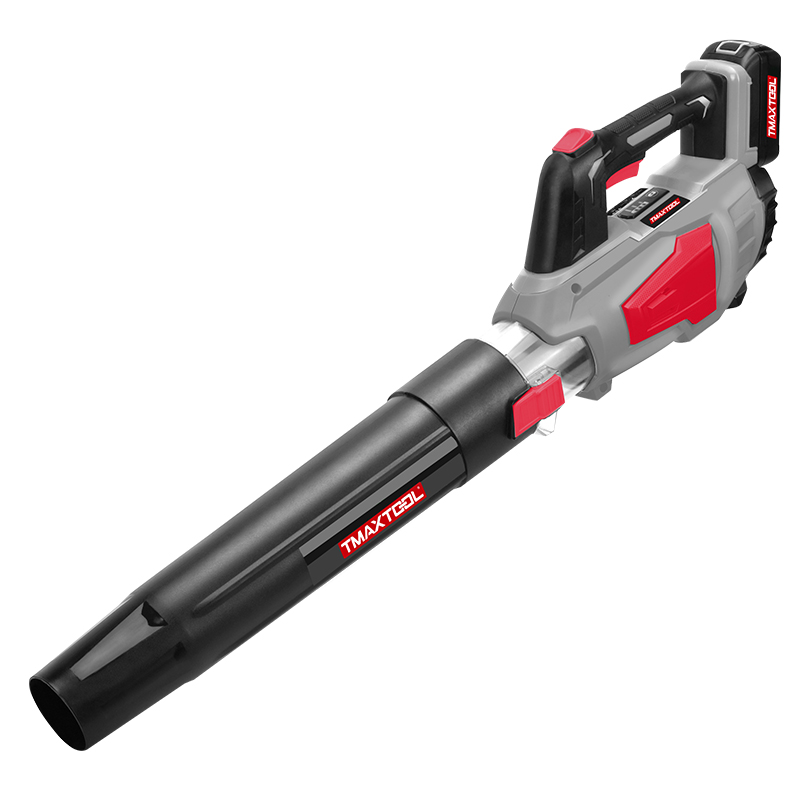 Battery Blower
 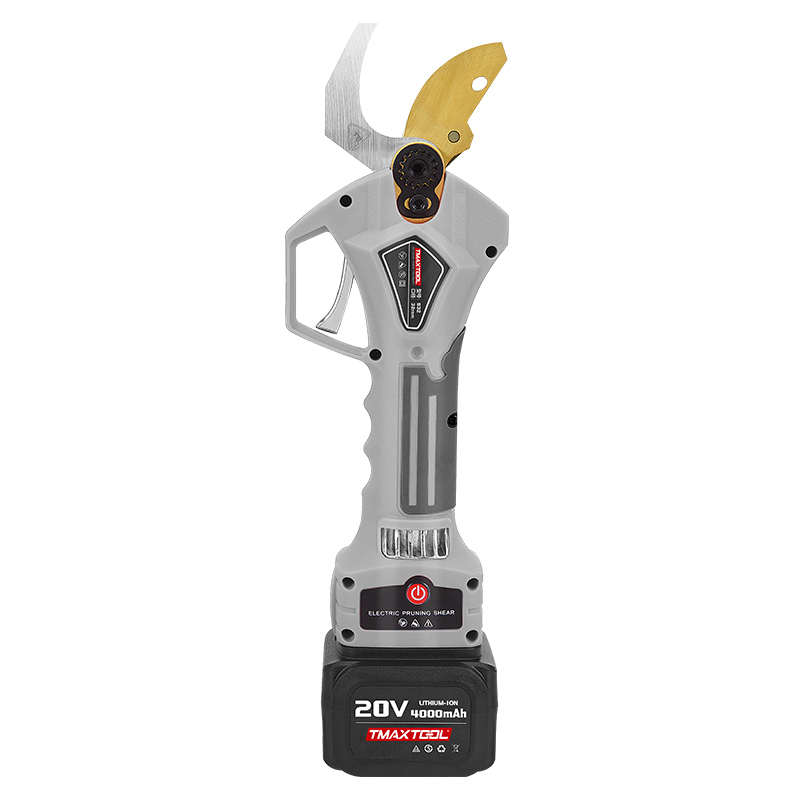 Batter Pruning Shears
 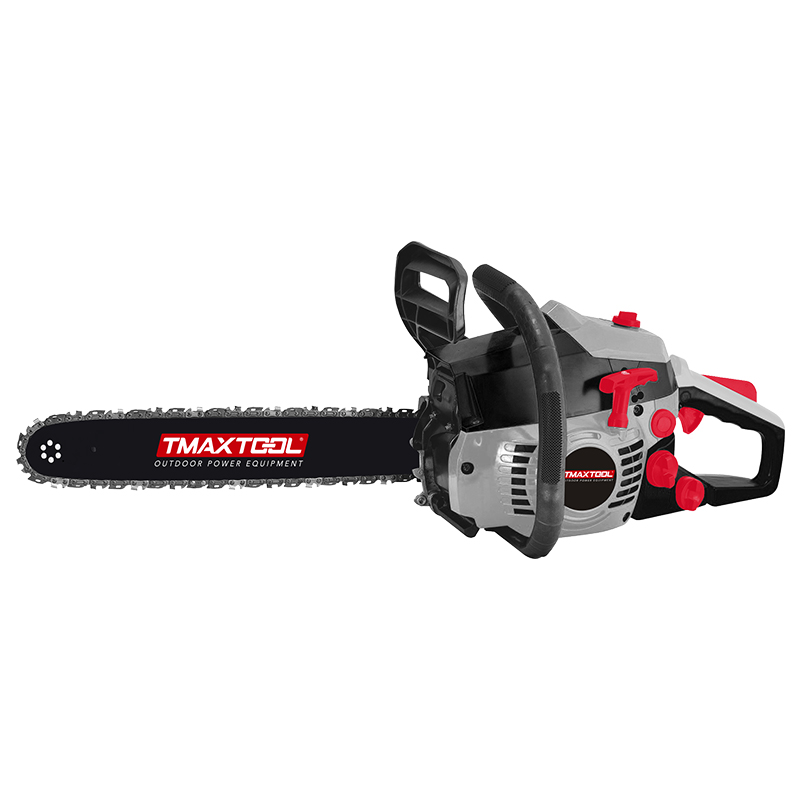 Chain Saw
 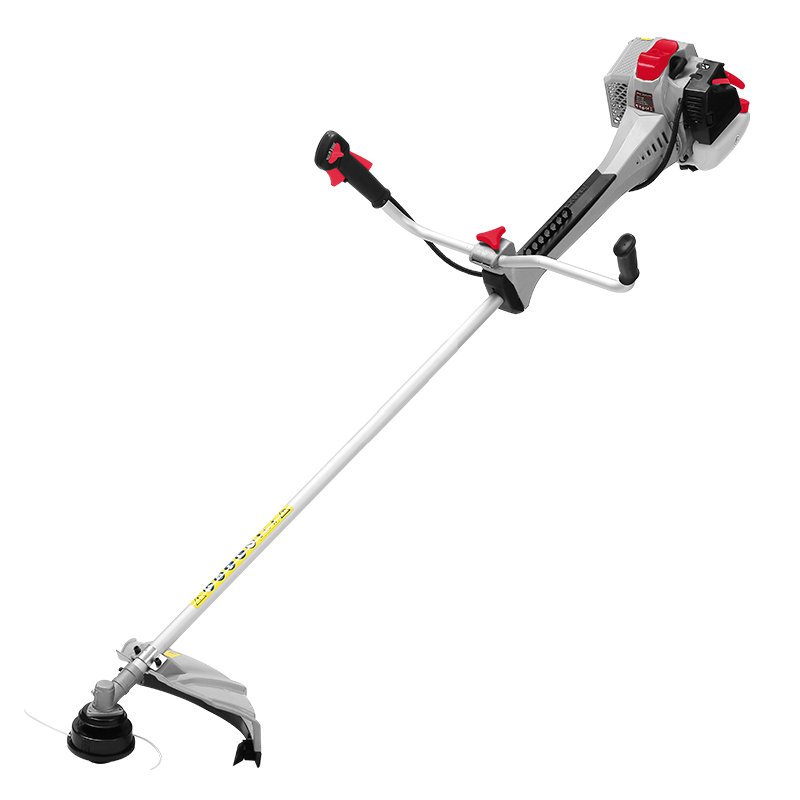 Brush Cutter
 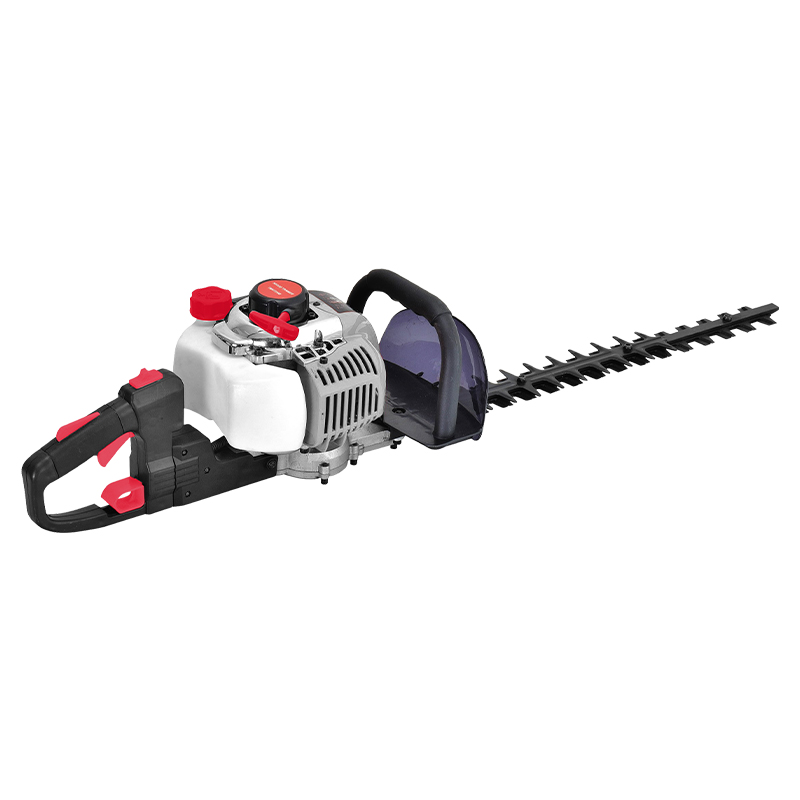 Hedge Trimmer
 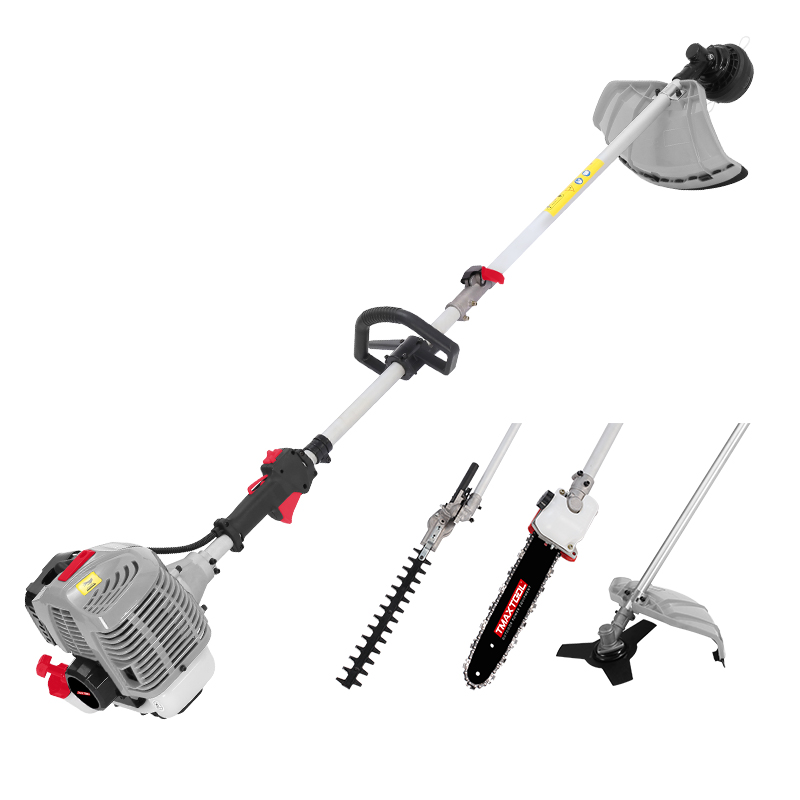 Multi Tool
 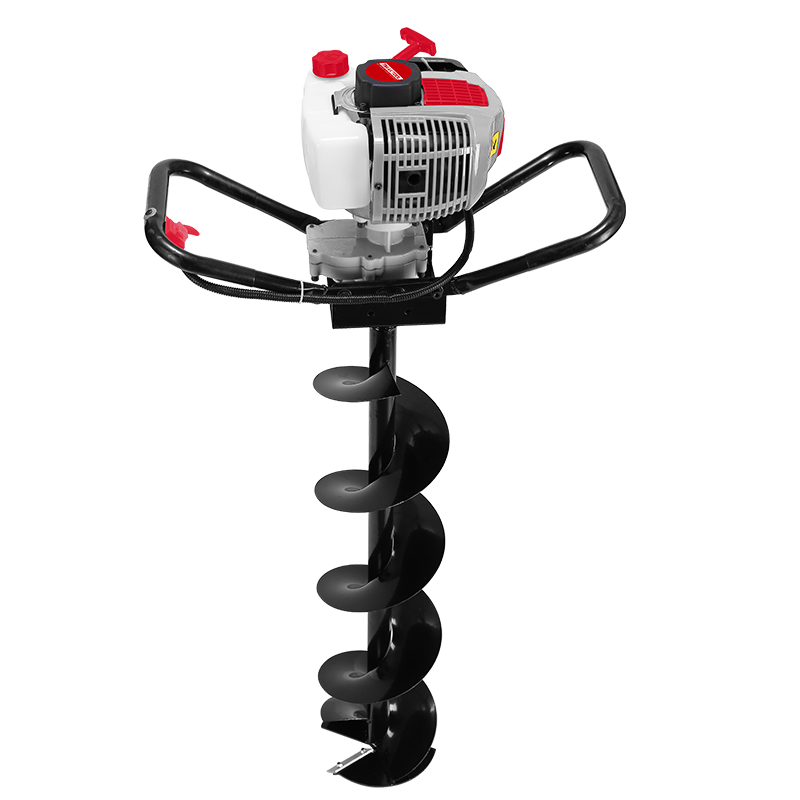 Earth Auger
 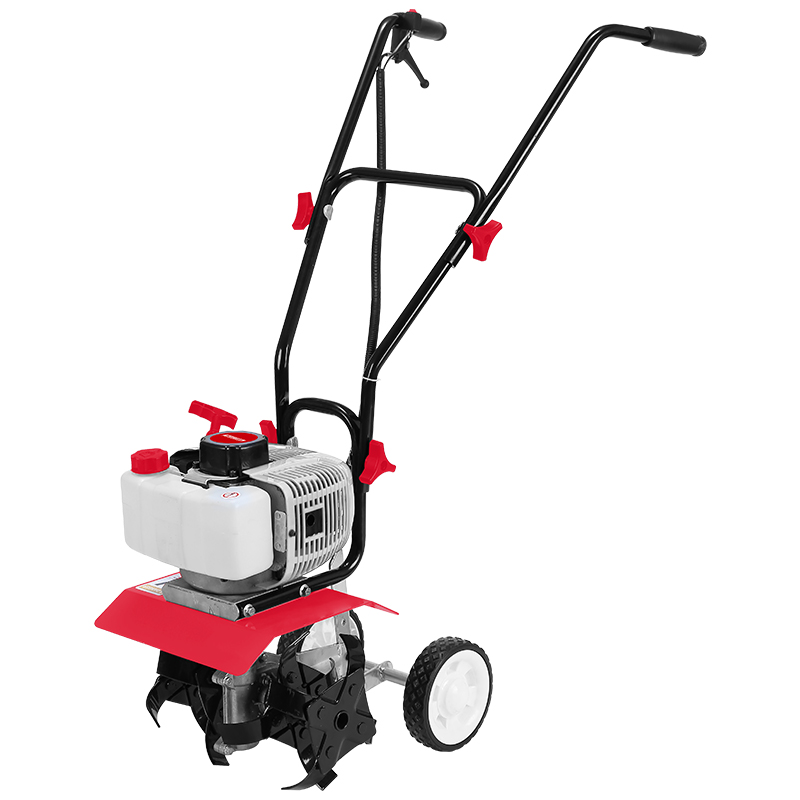 Tiller
 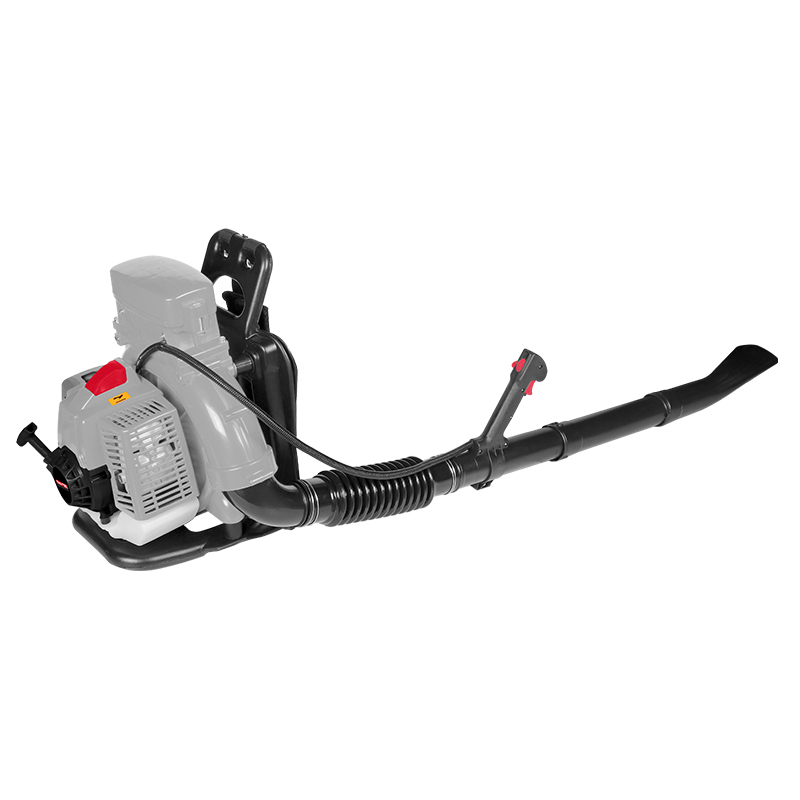 Blower
 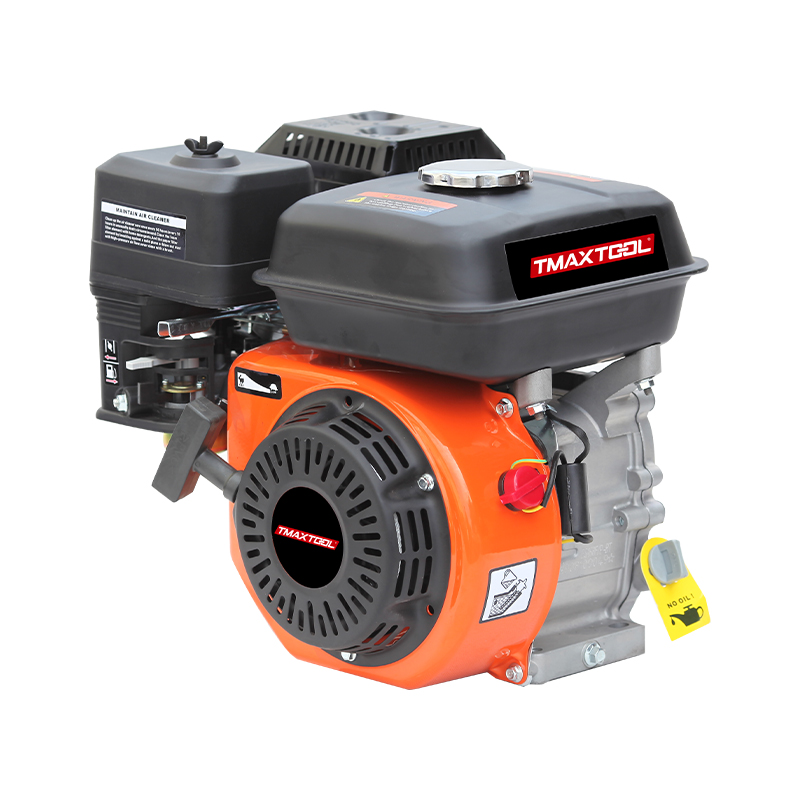 4 Stroke Gasoline Engine
 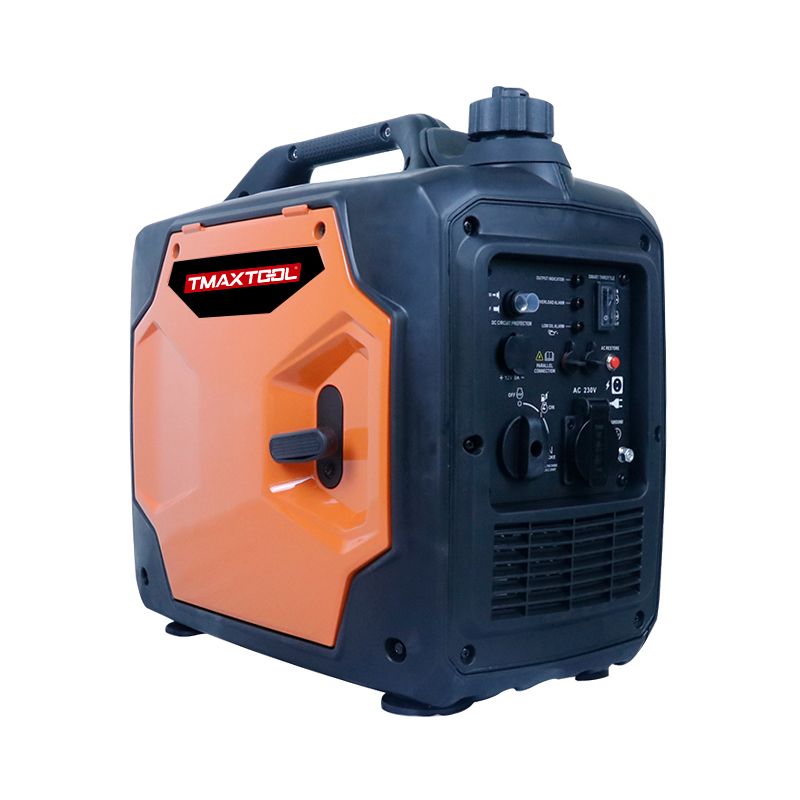 Generator
 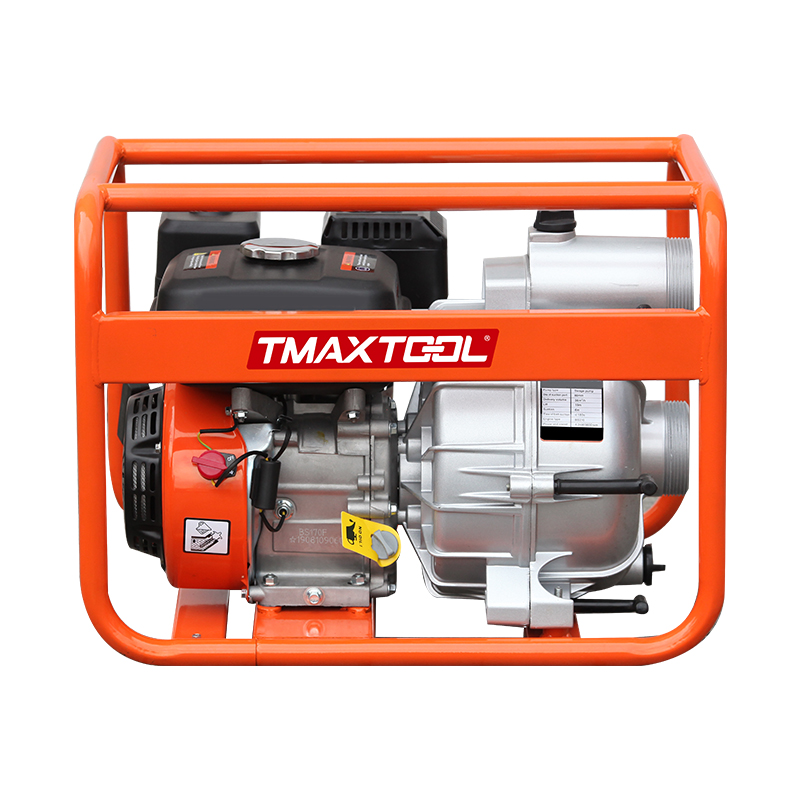 Water Pump
 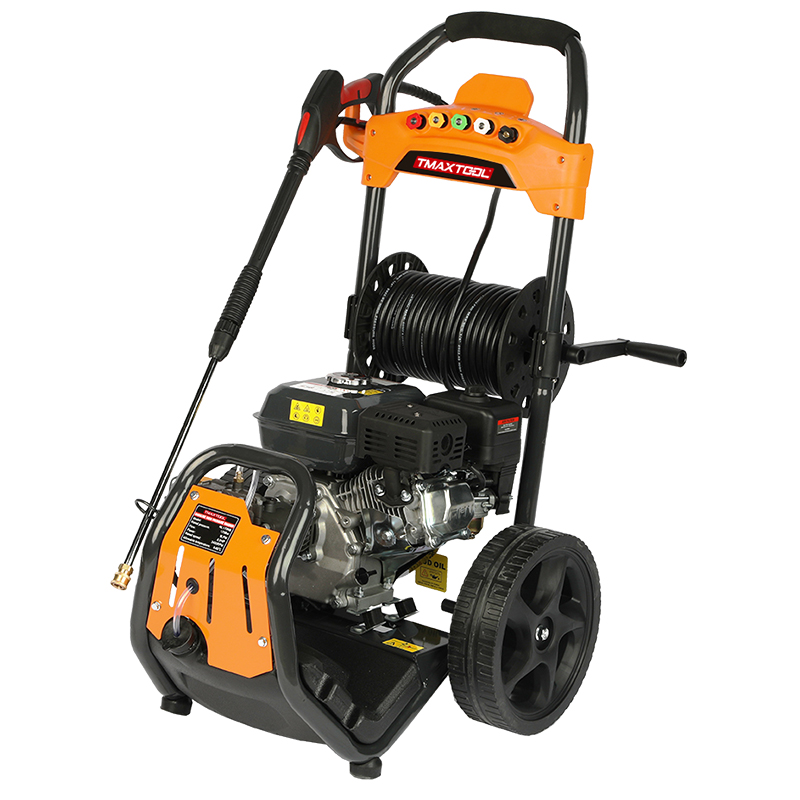 High Pressure Washer
 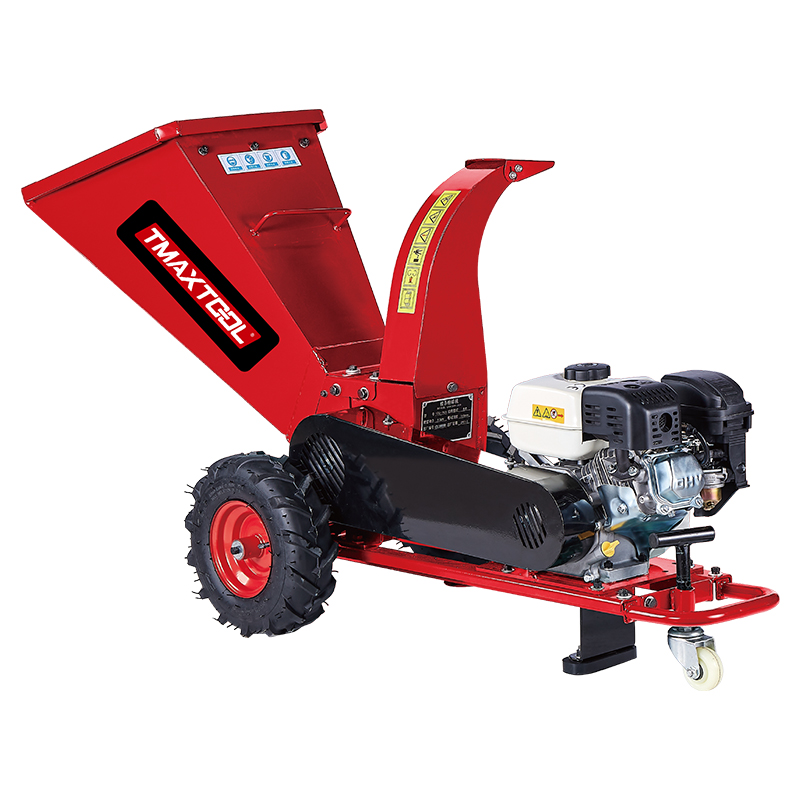 Wood Cutter
 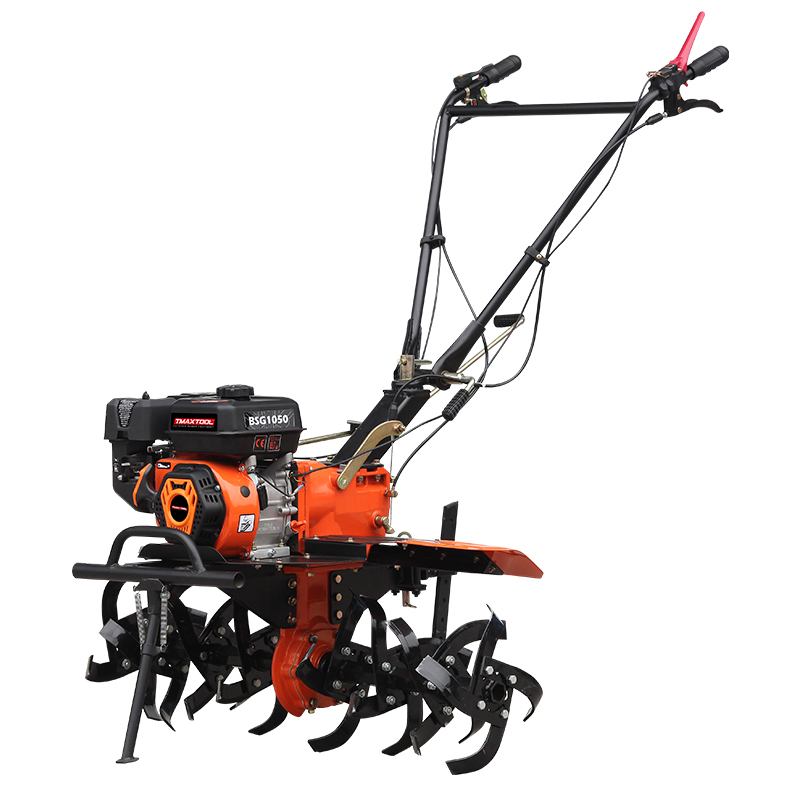 4 Stroke Tiller
 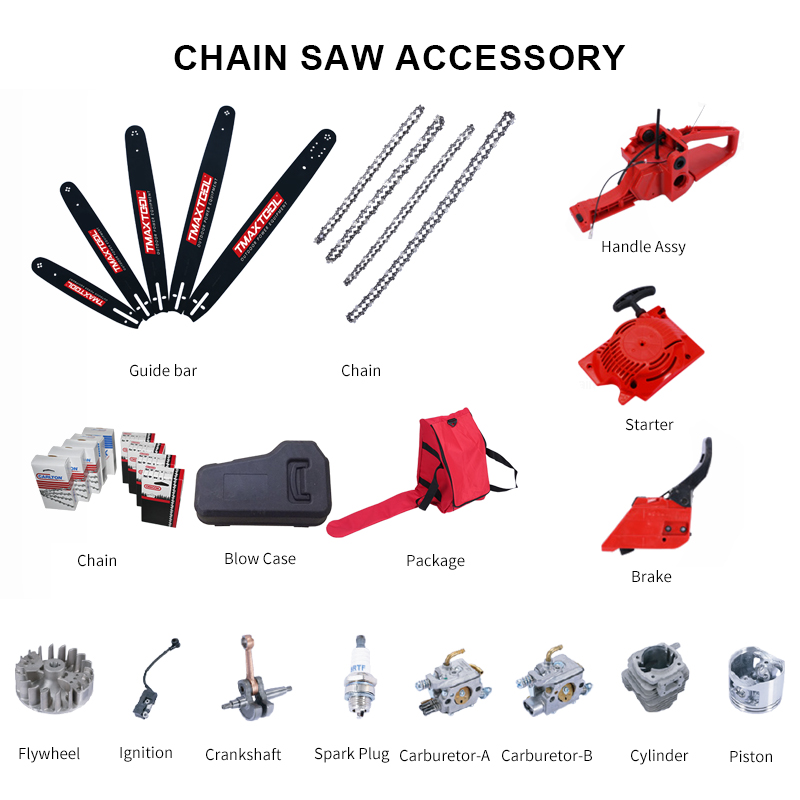 Chain Saw Accessory
 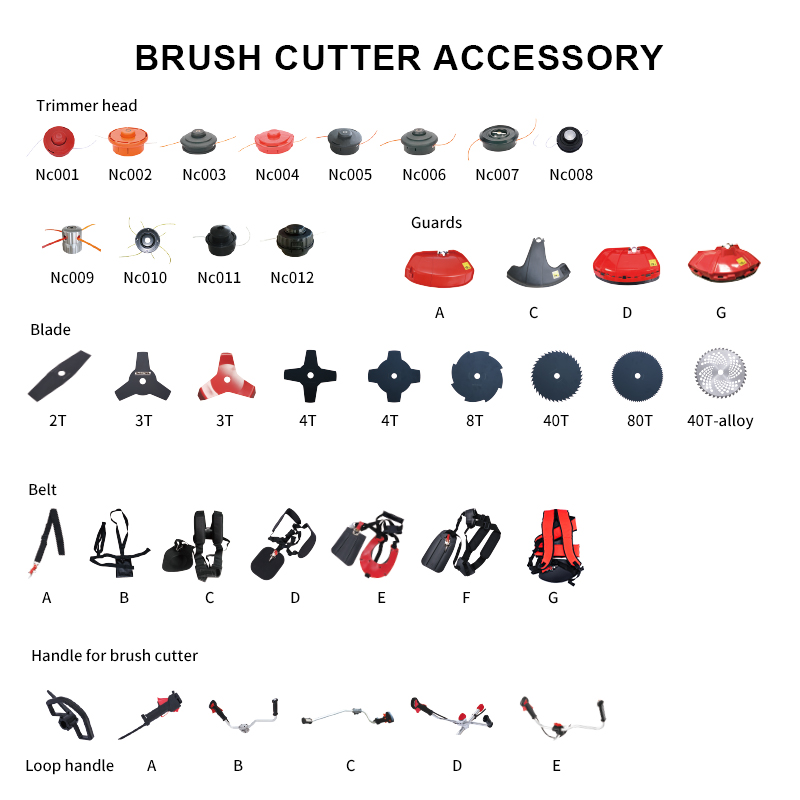 Brush Cutter Accessory
 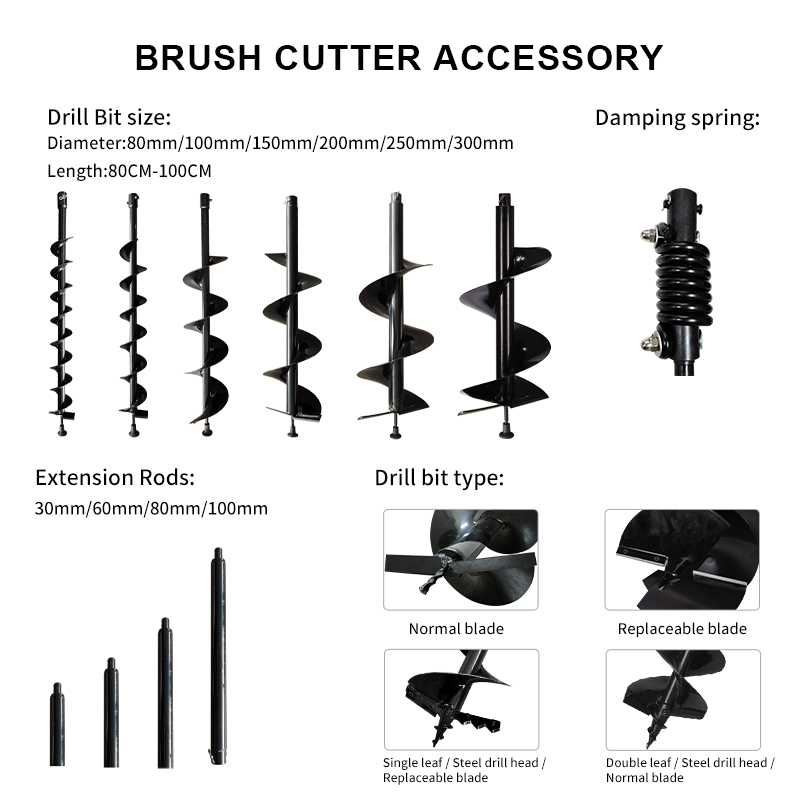 Earth Auger Accessory
 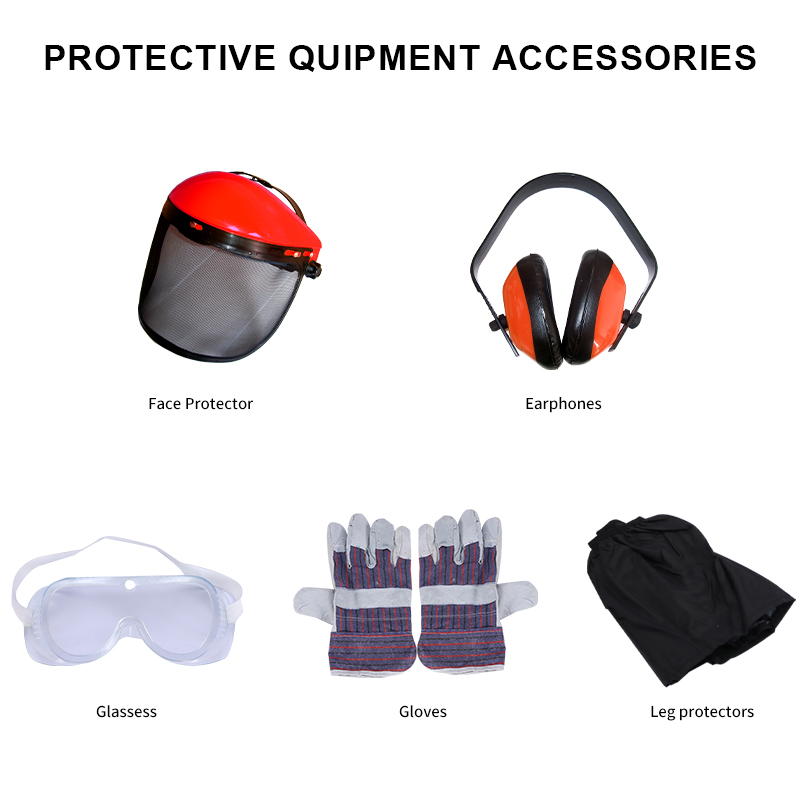 Protective Equipment Accessories
News
Leave Your Message


0102030405
Top Questions to Ask a Power Tools Manufacturer
2026-07-29
Top Questions to Ask a Power Tools Manufacturer
Table of Contents
- Understanding Why Supplier Vetting Questions Matter
- Core Manufacturing & Production Capability Questions
- Product Quality Control & Performance Questions
- Global Compliance, Testing & Certification Questions
- OEM, ODM & Customization Questions
- Commercial Terms, MOQ, Lead Time & Pricing Questions
- After-Sales, Warranty & Global Support Questions
- Logistics, Shipment & Order Flexibility Questions
- Red Flag Questions to Reveal Unreliable Suppliers
- Final Pre-Order Checklist Questions
- FAQs About Sourcing Power Tools From Manufacturers
- Conclusion
Understanding Why Supplier Vetting Questions Matter
For hardware retailers, wholesale distributors, construction supply brands and global importers, choosing a power tools manufacturer is one of the most high-stakes sourcing decisions you will make. Poorly vetted suppliers lead to inconsistent product performance, failed market compliance checks, delayed shipments, costly warranty claims, and permanent damage to your brand reputation.
Many buyers only focus on unit pricing during initial outreach, overlooking critical manufacturing, quality and after-sales details that shape long-term supply chain stability. Asking targeted, structured questions eliminates guesswork, separates genuine manufacturers from middleman trading firms, and aligns both parties on clear expectations before any sample or bulk order is placed.
This guide organizes the most essential questions to cover every stage of procurement, from factory production capacity to cross-border after-sales support, tailored to the priorities of international buyers operating across Europe, North America, Southeast Asia and beyond.
Core Manufacturing & Production Capability Questions
These questions confirm whether you are partnering with a real production factory rather than a third-party assembler or trading company without independent manufacturing control.
- Which key power tool components do you produce in-house, and which parts are outsourced to external vendors? Power tools rely on critical parts including motors, gear assemblies, lithium battery packs, plastic housings and metal chuck components. Factories with internal injection molding, motor winding and metal stamping lines maintain full quality oversight, while companies that outsource all core components cannot adjust specifications quickly or guarantee consistent material standards across batches.
- Can you share your monthly and annual total production output for the power tool categories I intend to order? Clear capacity numbers reveal if the factory can scale to match your seasonal demand spikes, annual framework orders or bulk seasonal restocks. Smaller facilities will struggle to fulfill large volume orders without extended lead times or split shipments.
- How many dedicated production lines operate for Cordless Power Tools, corded tools and garden power machinery separately? Separate assembly lines for different product families reduce cross-contamination of production schedules and cut downtime between order changeovers. Factories with shared multi-purpose lines often face bottlenecks when multiple large orders run simultaneously.
- Do you own all production tooling, molds and testing equipment for your core power tool models? Mold ownership is a defining difference between manufacturers and resellers. If a supplier rents or outsources molds, they cannot implement fast design tweaks for private label branding or performance adjustments, and risk delayed production if third-party mold vendors face scheduling conflicts.
- Can you provide a live virtual tour of your assembly, testing and raw material storage facilities? Genuine manufacturers will readily offer real-time video walkthroughs of active production floors. Trading companies will rely on pre-recorded stock footage or avoid facility tours entirely, as they lack direct access to manufacturing sites.
- What raw material standards do you follow for lithium batteries, gear steel and motor copper wiring? Low-grade raw materials create premature tool failure, battery swelling and gear stripping. Reputable suppliers maintain traceable grade standards for all critical inputs and can provide material test certificates upon request.
Product Quality Control & Performance Questions
Consistent quality control directly reduces return rates, customer complaints and warranty overhead for your business. Use these questions to audit a manufacturer’s full inspection workflow.
- Walk me through your complete quality control process from incoming raw materials to finished product dispatch. A robust QC system includes IQC (incoming material inspection), IPQC (in-process line checks), FQC (finished unit testing) and PSI (pre-shipment inspection). Each stage should have documented pass/fail criteria for torque, battery cycle life, electrical safety and mechanical durability.
- What is your standard AQL defect acceptance level for power tools, batteries and accessories? Established manufacturers follow industry-standard AQL tables for minor, major and critical safety defects. Vague or unstated AQL limits signal loose inspection standards and higher risk of defective units reaching your market.
- What endurance and performance testing do all finished power tools complete before packaging? Mandatory testing should include continuous runtime durability, drop impact testing, overcharge/over-discharge battery safety tests, torque consistency calibration and waterproof dust resistance checks for outdoor garden tools.
- What is your average factory defect rate for finished power tools over the past 12 months? Transparent manufacturers will share historical defect data split by product category. Consistently high defect rates above 2% indicate weak production oversight or low-grade component sourcing.
- How do you resolve quality discrepancies found during pre-shipment inspections? Clarify whether the factory covers full rework costs, absorbs replacement production time, or passes fees to the buyer when non-conforming products are identified before shipment.
- Do you provide independent third-party inspection reports upon buyer request? Suppliers confident in their quality control will welcome third-party audit teams from recognized inspection firms to validate batch quality before container loading.
Global Compliance, Testing & Certification Questions
Non-compliant power tools face customs seizure, market recall orders and heavy fines in nearly all international territories. Confirm all mandatory documentation upfront with these questions.
- Which market-specific safety certifications do you hold for each power tool model line? Key certifications vary by region: CE/UKCA/GS for the EU and United Kingdom, UL/ETL/CSA for North America, PSE for Japan, and SAA for Australia. Confirm certificates are issued by accredited testing bodies, not self-generated declarations.
- Can you provide full test reports, declaration of conformity documents and certification file numbers I can cross-verify with issuing labs? Legitimate certification includes traceable lab report IDs and matching factory manufacturing codes. Fake or expired certificates will fail customs clearance and regulatory market audits.
- What environmental compliance standards do your products meet (RoHS, REACH, food contact safety for agricultural equipment)? Many territories enforce strict limits on hazardous materials in power tool plastics, battery electrolytes and wiring. Request updated RoHS 3.0 and REACH SVHC documentation for all SKUs you plan to import.
- What lithium battery safety testing do you complete for cordless power tool packs? Lithium power tool batteries require UN 38.3 transport testing and IEC 62133 electrical safety certification to pass air and sea freight shipping regulations. Confirm all battery packs include multi-layer BMS protection against overheating, short-circuit and overcharging.
- Do you update product designs and testing protocols to align with annual changes to regional safety regulations? Global electrical standards evolve regularly. Reliable manufacturers maintain an in-house compliance team to update tool designs and retest products before new regulatory deadlines take effect.
OEM, ODM & Customization Questions
If you plan to launch private label power tools or modify base models for your market, clarify customization boundaries with these targeted questions.
- What full customization options do you offer for OEM and ODM orders? Cover branding (logo embossing, screen printing), custom housing colorways, voltage tuning for regional power grids, modified torque/speed settings, bespoke packaging design and multilingual user manual translation.
- What are the additional fees and lead times for creating custom product molds, packaging artwork and private label branding? Request transparent cost breakdowns for one-time mold creation, label printing setup and packaging design revisions, as these expenses significantly impact your initial launch budget.
- Who retains ownership of custom molds created exclusively for my brand? Some manufacturers retain mold ownership, limiting your ability to switch suppliers later. Negotiate clear mold ownership terms in written contracts for large private label product lines.
- Can you co-develop fully original ODM power tool models tailored to my target market’s user demands? Advanced manufacturers employ internal mechanical and electrical engineering teams to design new tool platforms, while basic assemblers only modify existing off-the-shelf models with limited performance adjustments.
- Do you provide editable marketing assets including product photos, demonstration videos and technical datasheets for custom-branded items? Many global distributors require ready-to-use digital marketing materials for online retail listings and in-store catalogs. Confirm if these assets are included free of charge or incur separate fees.
Commercial Terms, MOQ, Lead Time & Pricing Questions
Misaligned commercial terms create costly delays and negotiation conflicts after sampling. Cover all financial and order structure details before finalizing any RFQ.
- What is the minimum order quantity for standard stock models, and how does MOQ change for customized OEM private label orders? Factories set MOQs based on production line setup costs. Understand tiered MOQ structures for small trial orders versus annual bulk framework agreements.
- What is your standard sample lead time, and are sample fees fully refundable once a bulk order reaches a specified volume threshold? Clarify sample production turnaround, shipping costs for prototype units, and credit policies that offset sample expenses against future mass production orders.
- Can you share a transparent cost breakdown of unit pricing, separating raw material, labor, packaging and certification overheads? Full cost transparency helps you negotiate fair pricing for larger annual orders and identify areas to adjust packaging or component specifications to hit target retail margins.
- How do unit prices scale with larger order volumes, and what tiered discount brackets apply for annual recurring orders? Long-term partnership volume discounts drastically reduce per-unit costs compared to one-time small batch purchases. Secure tiered pricing agreements in formal contracts.
- What payment terms do you offer for established long-term buyers, and what deposit percentage is required to start mass production? New importers often face strict upfront deposit rules, while repeat partners may qualify for flexible payment windows or partial post-delivery settlement terms.
- How do volatile raw material prices impact final unit pricing, and what price adjustment safeguards are written into your sales contracts? Metal, lithium and plastic commodity prices fluctuate constantly. Confirm fixed-price validity windows for quotations to avoid unexpected cost hikes mid-order production.
After-Sales, Warranty & Global Support Questions
Power tools are heavy-use consumer and professional goods, making robust after-sales support non-negotiable for brand retention.
- What standard warranty length do you offer for power tools, lithium batteries and chargers separately? Most reputable manufacturers provide a minimum 12-month warranty covering factory defects for core tool bodies, with separate defined coverage periods for battery packs, which suffer faster wear during regular use.
- What exactly is covered under your warranty policy, and what damage scenarios are excluded from free repair or replacement? Clearly distinguish between manufacturing defects (covered) and damage from improper user operation, dropped tools or unauthorized third-party part modifications (excluded).
- How quickly can you supply replacement spare parts for defective units shipped to my market? Confirm lead times for gear sets, motors, battery cells and switch components, as slow spare part delivery creates long customer wait times for repairs.
- Do you provide multilingual technical repair guides and training materials for my local after-sales service teams? Distributors with in-house repair centers rely on detailed technical documentation to resolve customer issues without escalating every fault back to the overseas manufacturer.
- What is your formal RMA process for defective goods returned from my end customers? Clarify who covers return shipping costs for warranty claims, repair turnaround timelines, and whether the factory provides free replacement units instead of repair for severe batch quality issues.
Logistics, Shipment & Order Flexibility Questions
Supply chain disruptions can derail retail restocks and seasonal sales launches. Lock in shipping and order flexibility terms with these questions.
- What is your standard production lead time for standard stock orders versus fully customized OEM orders? Custom mold creation and private label printing add significant production weeks to base lead times; build buffer timelines into your inventory planning based on supplier responses.
- How do you prioritize urgent rush orders, and what additional surcharges apply for expedited production? Seasonal demand spikes (construction season, holiday retail) often require fast-track manufacturing. Confirm rush order fees and maximum capacity for accelerated batches.
- What shipping terms do you offer (FOB, CFR, CIF) and which loading port do you operate from? Align shipping terms with your logistics team’s preference to avoid unexpected freight, insurance or port handling fees after order confirmation.
- Can you consolidate multiple separate SKU orders into a single full container shipment to cut logistics costs? Container consolidation reduces per-unit freight expenses for buyers sourcing mixed assortments of drills, grinders, garden tools and hand Tool Sets.
- What contingency plans do you have if raw material shortages or production line downtime delay scheduled shipments? Reliable manufacturers maintain secondary raw material suppliers and backup assembly shifts to minimize delivery delays, with proactive communication protocols for order timeline adjustments.
Red Flag Questions to Reveal Unreliable Suppliers
Ask these probing follow-up questions to identify high-risk manufacturers before committing to orders:
- Can you share contact information for three long-term wholesale buyers operating in my target market as trade references? Legitimate factories will readily connect you with existing international partners for independent feedback. Refusal to provide references signals hidden quality or delivery issues.
- How do you handle large order cancellations after production has begun? Suppliers with unfair, non-negotiable cancellation penalty clauses often operate with thin profit margins and unstable cash flow, creating tension for future order adjustments.
- Are all production, testing and assembly operations owned and managed directly by your company, or do you subcontract full order batches to third-party factories? Full order subcontracting eliminates quality oversight and creates inconsistent product batches that fail to match your approved sample standards.
- Have you ever had products seized by customs or recalled by regulatory bodies in major global markets? Past compliance failures expose your business to identical customs and legal risks if you move forward with sourcing.
Final Pre-Order Checklist Questions
Before signing any formal purchase contract, confirm these final critical details in writing:
- Will the finished bulk order match the exact specifications, materials and finish of the pre-approved prototype sample?
- What documentation will you provide for customs clearance, including commercial invoices, packing lists and compliance certification bundles?
- How will you notify me of production milestones (raw material arrival, assembly start, pre-shipment inspection completion)?
- What liability clauses cover financial losses caused by delayed shipments, non-compliant products or consistent defective batches?
- Do you offer dedicated account management support for ongoing bulk order coordination and technical troubleshooting?
FAQs About Sourcing Power Tools From Manufacturers
What is the single most important question to ask a new power tool supplier first?
Start by verifying their in-house manufacturing scope and mold ownership. Trading companies cannot match the quality control, customization flexibility and delivery stability of fully integrated manufacturers with end-to-end production capabilities.
How many samples should I request before placing a bulk order?
Order at least two prototype samples: one initial design sample to validate branding and appearance, plus a second pre-production sample manufactured using full mass production tooling to test real-world performance and consistency.
Is a lower MOQ always a better advantage for new importers?
Not necessarily. Factories offering ultra-low MOQs often outsource all core components, resulting in weaker product durability and inconsistent batch quality. Balance small trial order flexibility with proven manufacturing infrastructure.
What certification documents should I never accept from a manufacturer?
Avoid self-issued certificates without third-party lab verification, expired regulatory reports, and test certificates listing different factory names or model numbers than the products you plan to purchase.
Conclusion
Sourcing power tools from an overseas manufacturer requires far more than comparing unit prices in initial quotations. Every question covered in this guide targets a critical risk point that can disrupt your inventory, erode customer trust and inflate long-term operational costs.
By systematically working through manufacturing capacity, quality control, compliance, customization, commercial terms, after-sales and logistics questions during your supplier vetting process, you filter out unreliable middlemen and under-resourced factories, and build transparent, sustainable partnerships with manufacturers capable of supporting your global brand growth for years.