 You know, the agricultural world is really going through a big change right now. Thanks to new tech and more farmers using modern machinery, things are shifting pretty quickly. I came across a report from MarketsandMarkets that says the global market for agricultural equipment could hit over $200 billion by 2025—that's a huge jump! A lot of it is thanks to smarter automation and tech innovations. Companies like Jinhua U Win Import & Export Co., Ltd., with their brand TMAXTOOL, are right there in the thick of it, making some pretty awesome power tools and farm machinery. They’ve got everything from drills and Pruning Shears to gas-powered chainsaws. These tools really boost farmers’ efficiency, helping them produce more food to meet the needs of our growing population. Bringing these machines into everyday farming isn’t just about increasing yields—it’s also changing the old-school way we used to do things, steering us toward a more sustainable and productive farming future.
The Rise of Automation in Agriculture
You know, the rise of automation in farming is really turning things upside down when it comes to traditional agriculture. Farmers are now able to tackle the huge challenge of feeding a growing global population, which, by the way, is expected to hit around 9.7 billion by 2050. With so many issues like shrinking arable land and dwindling natural resources, new tech is becoming absolutely essential. Think about it— drones, automated tractors, and all that fancy machinery—these tools are making planting, monitoring, and harvesting way more efficient. Not only does this boost productivity, but it’s also making farming more sustainable, which is pretty cool.
And get this—by 2023, the market for automated farm gear is projected to blow past $63.7 billion, growing fast every year. Innovations in digital ag—stuff like IoT and remote sensing—are giving farmers the ability to use resources smarter and manage their crops better than ever before. So, by jumping on these new technologies, agriculture isn’t just meeting the needs of more people; it’s also stepping into a more eco-friendly, smarter future. It’s pretty exciting to see where all this is headed!
Innovative Technologies Revolutionizing Crop Management
These days, new tech is really shaking up how we handle farming, turning old-school practices into something way more efficient and sustainable. Think about AI and machine learning — they’re now helping farmers make smarter decisions by analyzing data from all sorts of sources, like soil sensors and weather updates. This kind of real-time info makes it easier to fine-tune watering, fertilizing, and pest control, which not only boosts crop yields but also cuts down on wasted resources.
And then there’s the rise of autonomous equipment — drones and robots are becoming pretty common on farms now. Drones take to the skies to give farmers a bird’s-eye view of crops and spot any issues early on, which used to be pretty tricky before. On the other hand, robotic harvesters and planters are working faster and more accurately, lowering labor costs and boosting productivity. As these technologies keep getting better, we’re looking at a future where farming is more sustainable — helping feed the world while keeping our environment in check. It’s pretty exciting stuff!
The Future of Agriculture: How Cultivating Machines Are Changing Farming Practices
| Technology | Application | Benefits | Impact on Yield (%) |
| Drones | Crop monitoring and spraying | Reduced labor costs, increased efficiency | 10-30% |
| Precision Farming | Data-driven planting and resource management | Optimized input use, increased profitability | 15-25% |
| Vertical Farming | Indoor crop production | Space-efficient, year-round production | 20-50% |
| Automated Equipment | Seeding, harvesting and processing | Labor saving, precision operations | 15-35% |
| Blockchain | Supply chain transparency | Traceability, reduced fraud | N/A |
Impact of AI and Machine Learning on Farming Efficiency
You know, the way artificial intelligence (AI) and machine learning are sneaking into farming these days, it's pretty much changing everything. It’s like, farms are becoming more efficient and super productive all thanks to these new tech tools. With stuff like unpredictable weather and not enough farmhands, these technologies are really stepping up—helping farmers manage resources smarter and get better crop yields. For example, many farmers now use machine learning algorithms that sift through tons of data from different sources, giving them smarter advice on when to plant, how to water, or when to harvest.
And there’s more! AI-powered systems are making precision farming a reality—tracking soil and crop health in real-time. That means farmers can target their efforts exactly where needed, saving resources and doing their part for the environment. Drones are also pretty cool now—they fly over fields, snapping high-res images that tell farmers a lot about the plants’ health, so they can jump in quickly and maybe use fewer chemicals.
**A few tips for farmers out there:**
1. Give technology a shot—invest in AI tools or machine learning systems to help automate chores and make smarter decisions.
2. Keep yourself in the loop—stay updated on new tech breakthroughs in agriculture because they could really help you boost your yields.
3. Work with others—partner up with startups or innovators who are focused on ag-tech stuff to stay competitive and ahead of the game.

Sustainability Through Smart Agriculture Practices
You know, sustainable agriculture is really becoming more and more important as our global population keeps growing and environmental issues are worsening. Nowadays, smart farming techniques are stepping in, using tech like data analytics, IoT gadgets, and precision tools to help farmers work smarter—not just harder. These tools let farmers keep an eye on crop health, soil conditions, and weather in real-time, so they can make smarter decisions that are better for the environment. It’s pretty impressive — instead of spraying chemicals everywhere, they can target exactly when and where it's needed.
And those new-age machines with sensors and automation? They're game-changers. They help cut down on unnecessary fertilizer and pesticide use since they only apply what’s really needed. Plus, methods like precise planting and targeted watering mean less water and energy waste. Basically, this kind of sustainable farming isn’t just good for the land and ecosystems — it also helps fight climate change by keeping soil healthy and supporting biodiversity. At the end of the day, it’s all about creating a more resilient, future-proof food system that can better handle what’s coming next.
Challenges and Opportunities in Agricultural Automation
Agricultural automation is a game-changer, bringing both tough challenges and some really exciting opportunities for today’s farms. One of the biggest hurdles? The upfront cost. I mean, for many farmers—especially those running smaller operations—buying high-tech gear like drones, autonomous tractors, or precision tools can be pretty daunting financially. Plus, there’s a bit of a skills gap too; folks need proper training and education to really get the hang of these new gadgets. And honestly, making this switch isn’t just about spending money; it can feel a bit overwhelming, especially because it requires changing how farmers have done things for a long time.

On the flip side, the benefits are pretty amazing. Automation can seriously boost productivity, cut down on labor costs, and even help crops grow better. Thanks to sensors and data analysis, farmers can keep an eye on soil and crop conditions in real-time, which means smarter decisions and smarter resource use. Automating the repetitive or labor-intensive stuff also means farmers have more time to focus on planning and coming up with new ideas. So yep, there are some obstacles, but overall, the potential for smarter, more sustainable farming through automation is huge. It definitely feels like we’re heading toward a really promising future in agriculture.
The Role of Data Analytics in Modern Farming Techniques
You know, these days, combining data analytics with farming is really changing the game. It’s like switching from guesswork to knowing exactly what’s going on with your crops. Automation is getting better and better, and we're seeing more robots out in the fields—helping out with labor issues, boosting productivity, and cutting down costs. This whole move towards 'smart farming' is all about using data to keep an eye on crop health, use resources smarter, and even forecast yields. It’s like building a more sustainable and resilient farming system.
Honestly, the push for smart agriculture really comes from the growing awareness that traditional methods just might not cut it anymore. With the market for smart farming growing rapidly, farmers are starting to rely more on real-time data to make decisions. Thanks to data analytics, they can do precision farming—reducing waste while getting the most out of their land. This is super important, especially with more people moving into cities and hungry for fresh produce. So, combining tech with farming isn’t just making things easier; it’s setting us up for a stronger, more sustainable future in agriculture.
Maximizing Efficiency: The Impact of the 22.5CC Garden Gasoline Grass Tree Hedge Trimmer Machine on Landscape Maintenance Operations
In the realm of landscape maintenance, efficiency is paramount, and the 22.5CC Garden Gasoline Grass Tree Hedge Trimmer Machine stands out as a game-changer. Designed with a potent 2-stroke engine (model 1E32F) that delivers 650W of output power, this trimmer exemplifies superior cutting performance, essential for both DIY enthusiasts and industrial professionals. Its impressive blade length of 600mm, combined with a cutting length of 510mm, allows users to tackle extensive hedges and shrubbery with ease, ensuring a clean and precise finish.
The trimmer’s robust fueling capabilities, featuring a fuel tank with a capacity of 600ml and a fuel mixture ratio of 25:1, optimize operational efficiency, reducing downtime for refueling. The double-sided blade design ensures that users can trim in both directions, enhancing productivity during landscape maintenance tasks. The recoil start system simplifies ignition, making it user-friendly and accessible for operators of varying skill levels. With customized support available through OEM, ODM, and OBM options, businesses can tailor the trimmer to fit specific operational needs, further maximizing its impact on productivity and landscaping excellence.
FAQS
: Innovative technologies like artificial intelligence (AI), machine learning, drones, and robotic harvesters are transforming crop management by enabling data analysis and automating farming tasks.
AI and machine learning allow farmers to analyze real-time data from sources like soil sensors and weather patterns, facilitating precise decision-making for irrigation, fertilization, and pest control, which enhances crop yields while minimizing resource waste.
Drones are used for aerial surveys and monitoring crop health from above, providing insights that help farmers make informed decisions about their crops.
Robotic systems can perform tasks such as planting and harvesting with high accuracy and speed, which reduces labor costs and increases overall productivity.
Smart agriculture refers to the use of technology, such as data analytics and IoT devices, to promote sustainability by optimizing resource use, reducing waste, and enhancing productivity in farming practices.
Precision farming techniques allow farmers to monitor crop health and soil conditions in real-time, enabling informed decisions that minimize environmental impact and reduce reliance on chemicals.
Advanced sensors in cultivating machines help reduce the need for chemical fertilizers and pesticides by applying them only when necessary, leading to more sustainable farming practices.
Sustainable agriculture improves soil health and biodiversity, reduces resource consumption, and optimizes farming practices, all of which contribute to the mitigation of climate change impacts.
As the world’s population grows and environmental challenges increase, sustainable agriculture practices promote a resilient food system by ensuring efficient resource use and minimizing environmental degradation.
The continuous evolution of innovative technologies promises to support sustainable agriculture and enhance food security for future generations while protecting the environment.
Conclusion
You know, I recently came across this article called 'The Future of Agriculture: How Cultivating Machines Are Changing Farming Practices,' and honestly, it kind of opened my eyes to just how much farming is evolving these days. It talks about how automation and new tech are really shaking things up in agriculture. For example, these new cultivating machines, powered by AI and machine learning, are completely changing the game when it comes to managing crops. Not only do they make farming way more efficient, but they're also pushing sustainability forward with smarter, more eco-friendly practices.
And yeah, there are definitely some hurdles along the way—plus lots of exciting opportunities. Data analytics, for instance, has become a huge part of modern farming, helping farmers make smarter decisions and run their operations more smoothly. Companies like Jinhua U Win Import & Export Co., Ltd. are getting in on the action, focusing on agricultural machinery. All in all, it seems like the future of farming is this cool mix of old-school tradition with cutting-edge technology—kind of like a new era for farmers everywhere, you know?

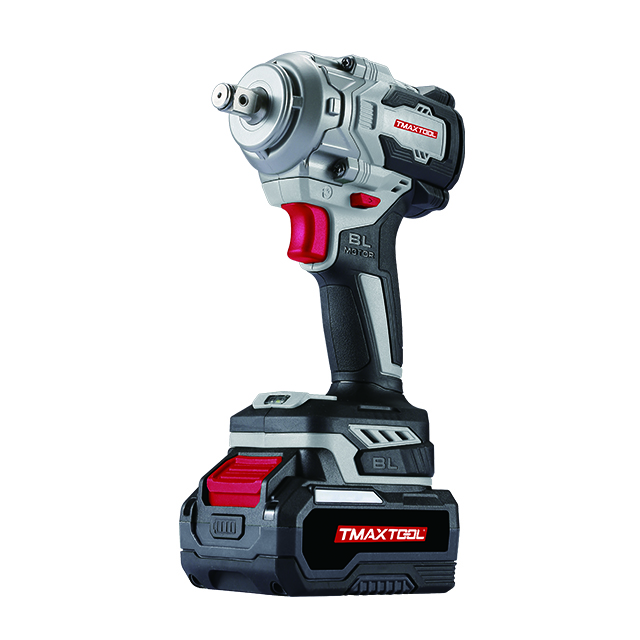 Impact Wrench
 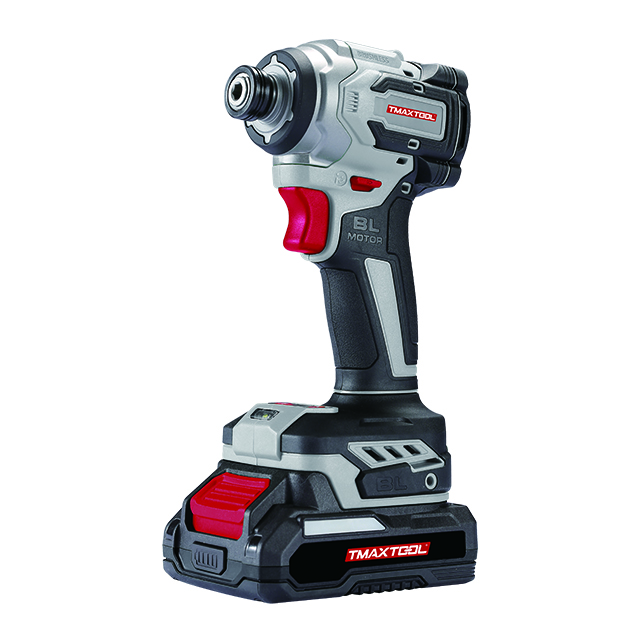 Screwdriver
 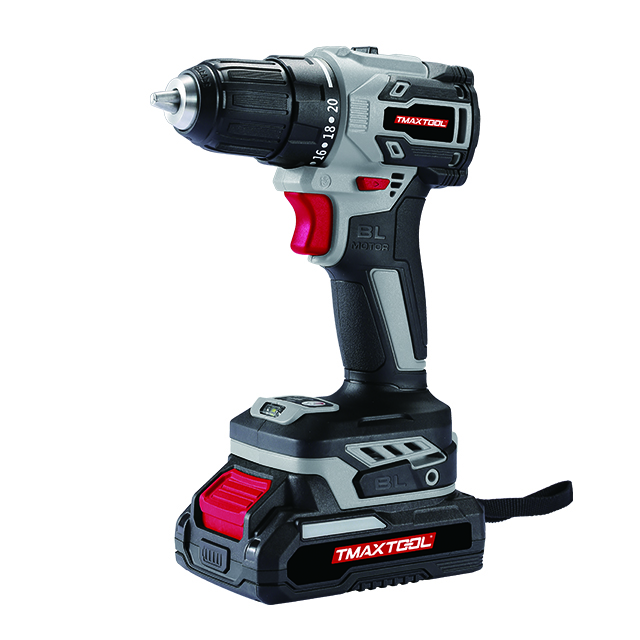 Cordless Drill
 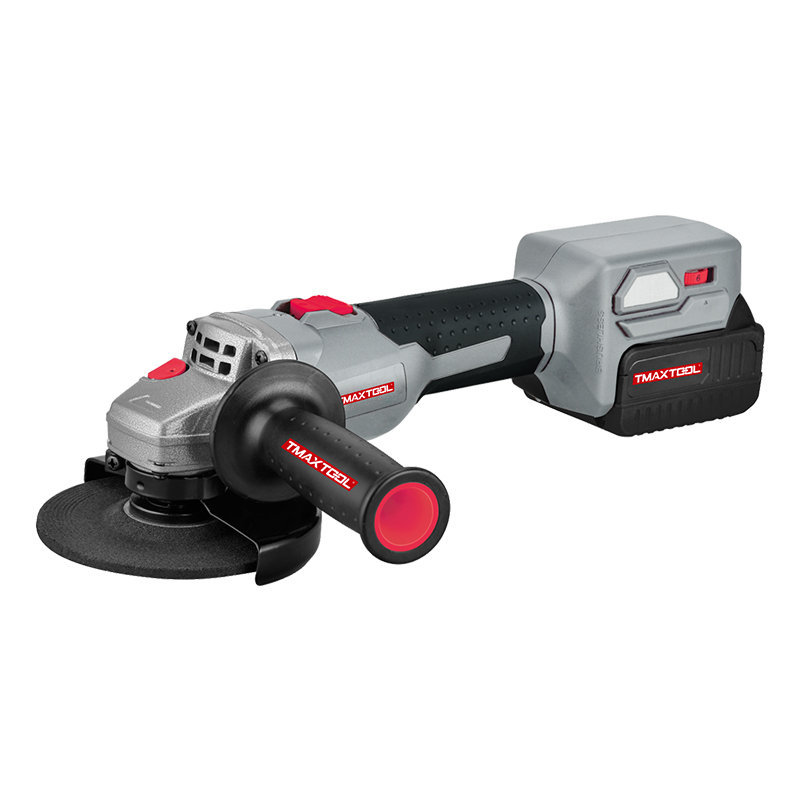 Angle Grinder
 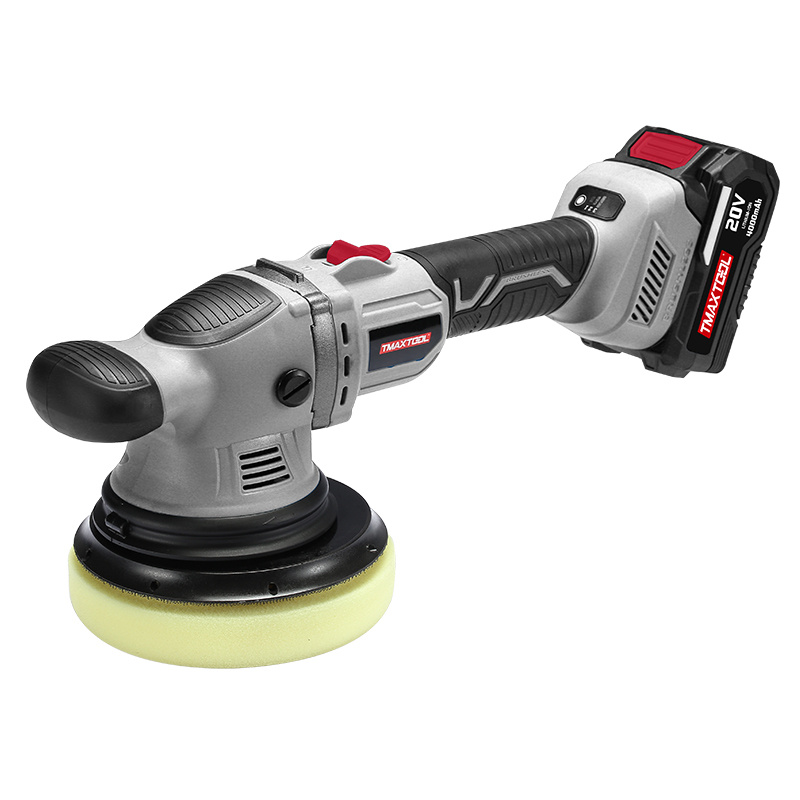 Polisher
 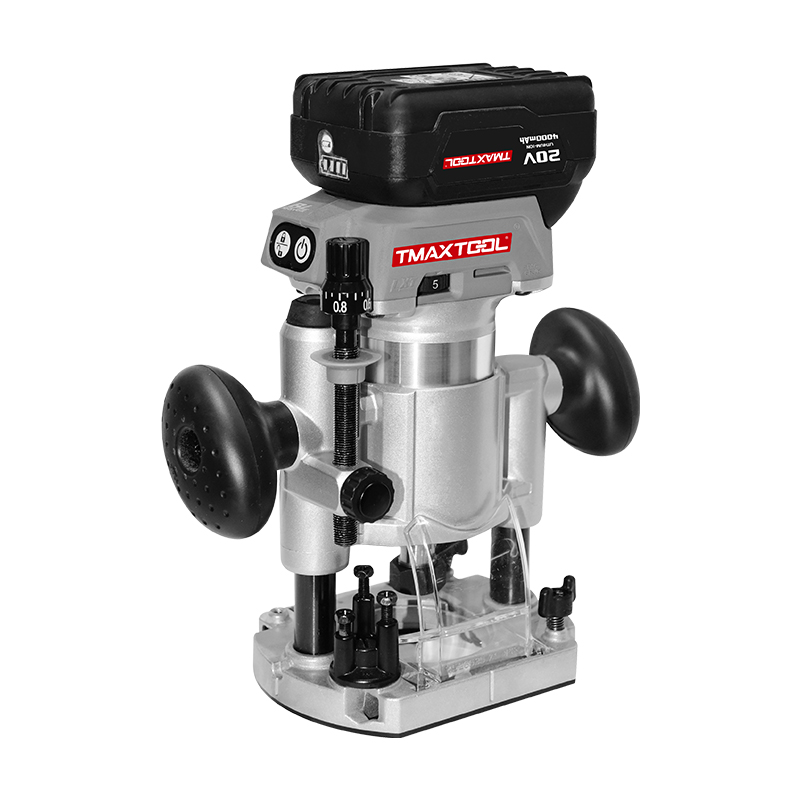 Wood Router
 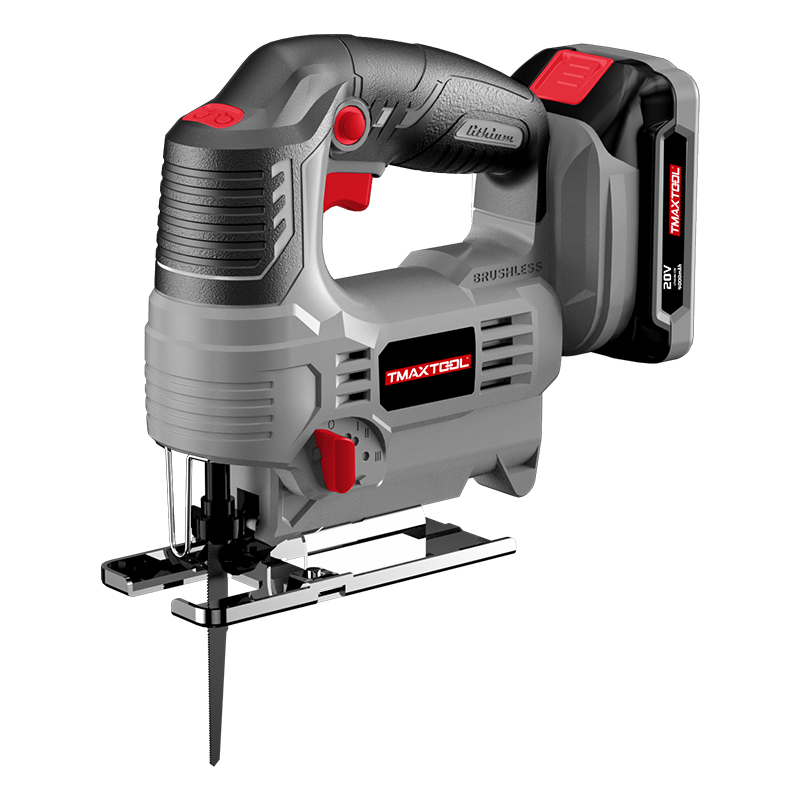 Jig Saw
 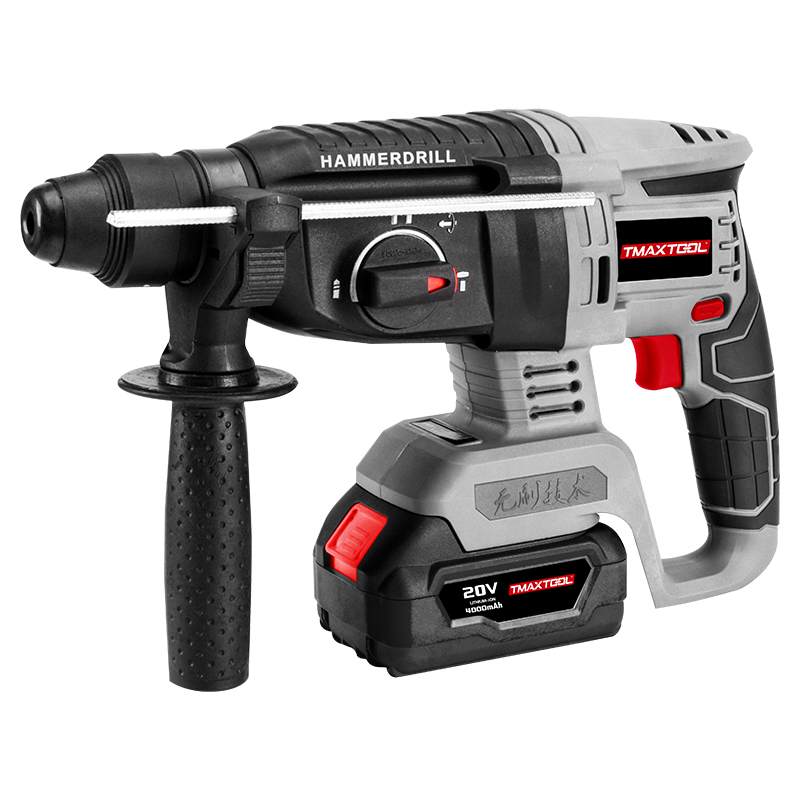 Hammer Drill
 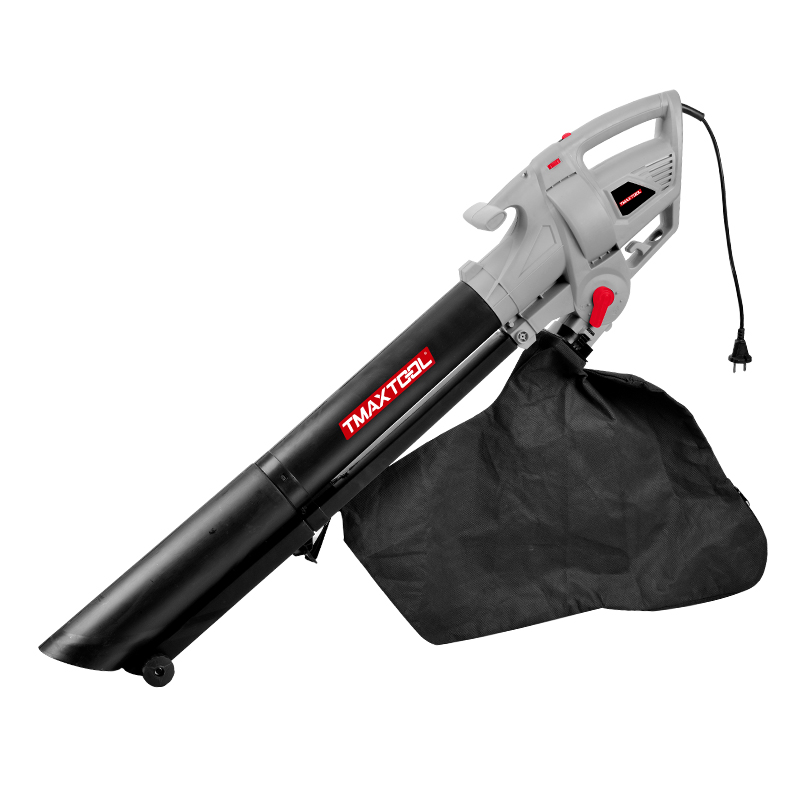 Portable Blower
  Orbital Sander
 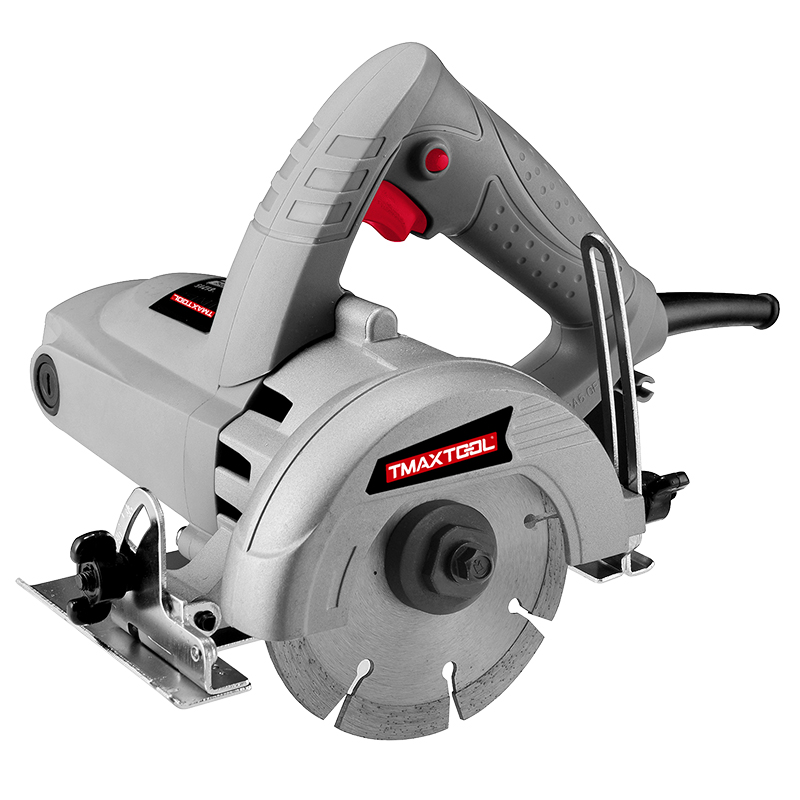 Marble Cutter
 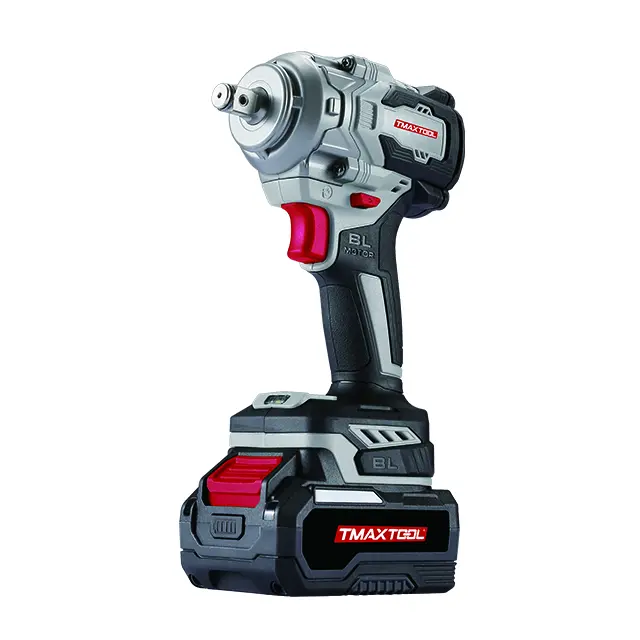 GARDEN TOOLS
 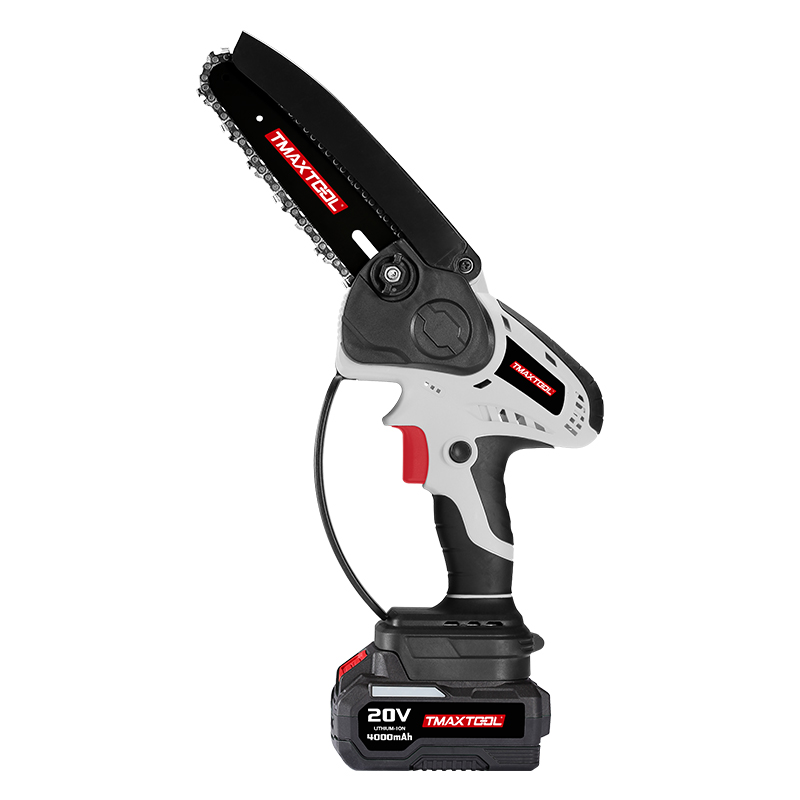 Battery Chain Saw
 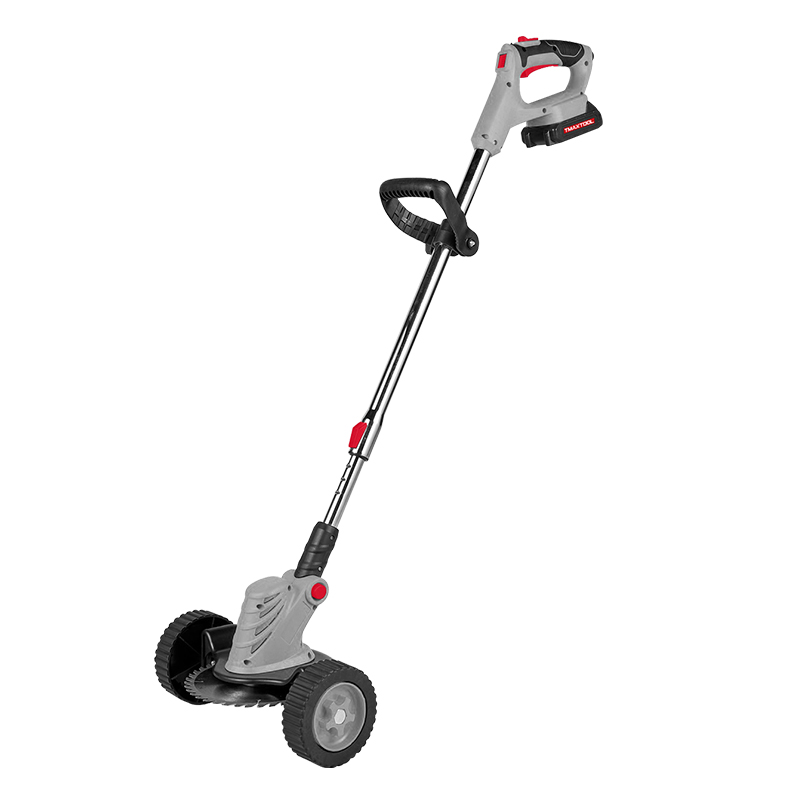 Battery Brush Cutter
 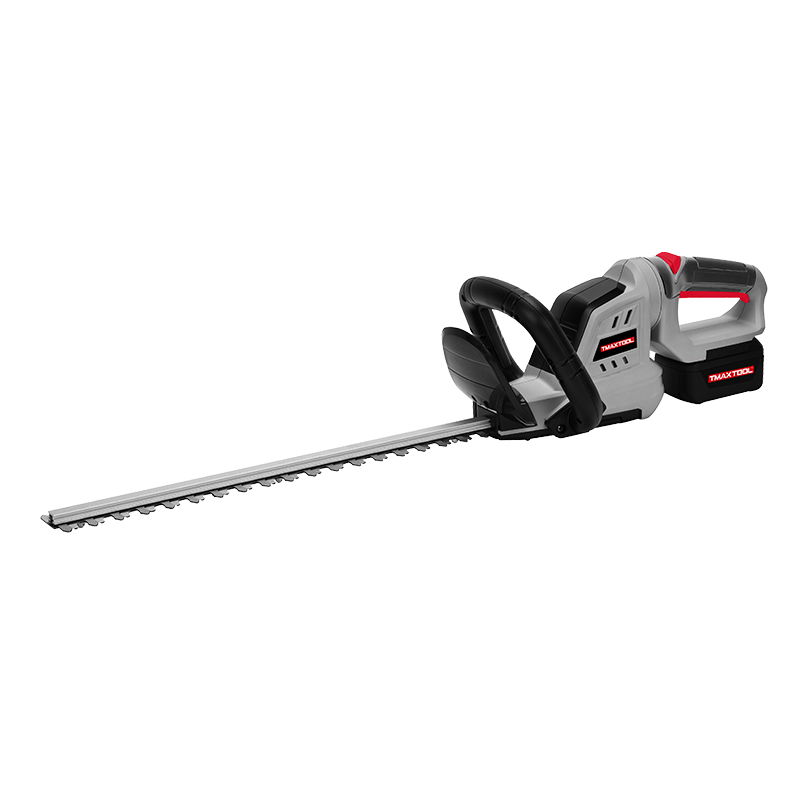 Battery Hedge Trimmer
 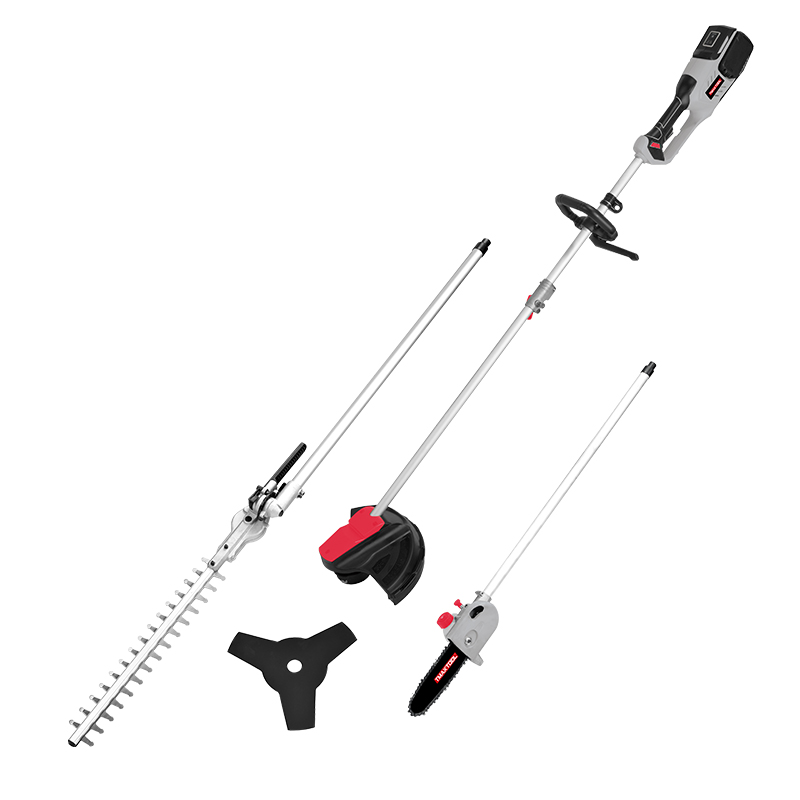 Battery Multi Tool
 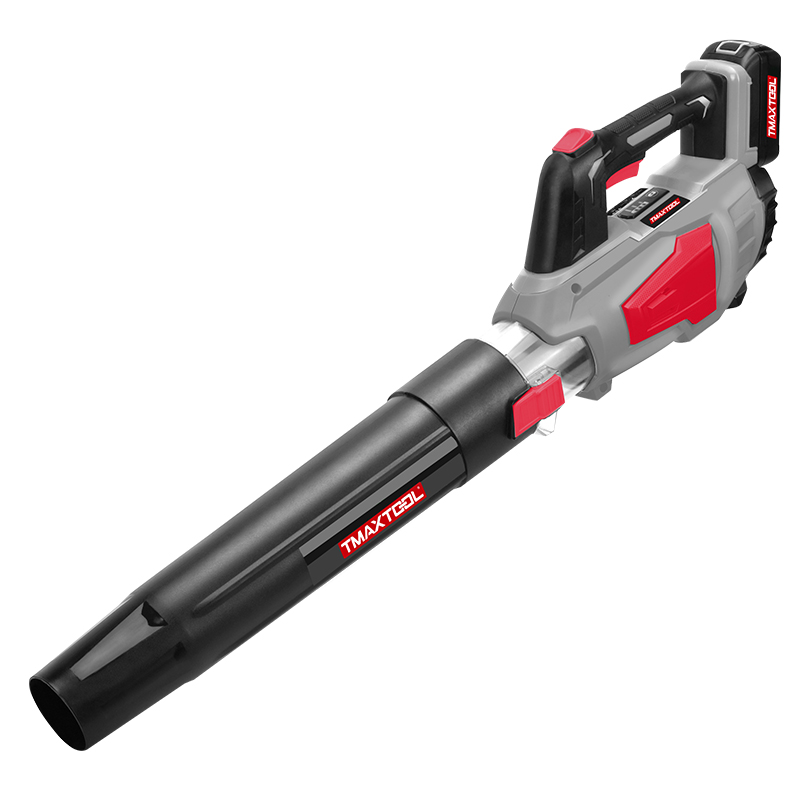 Battery Blower
 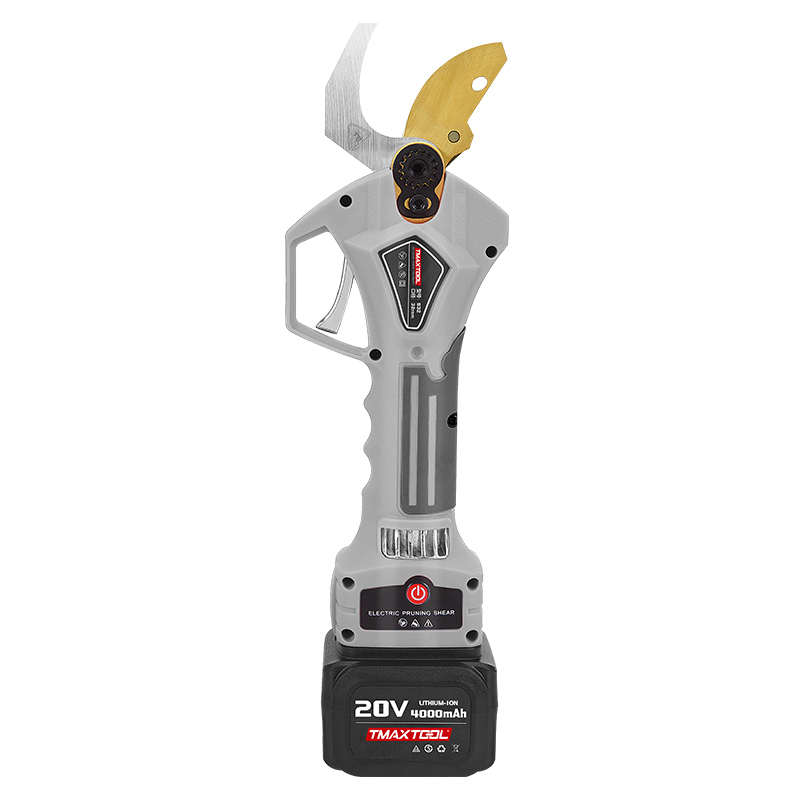 Batter Pruning Shears
 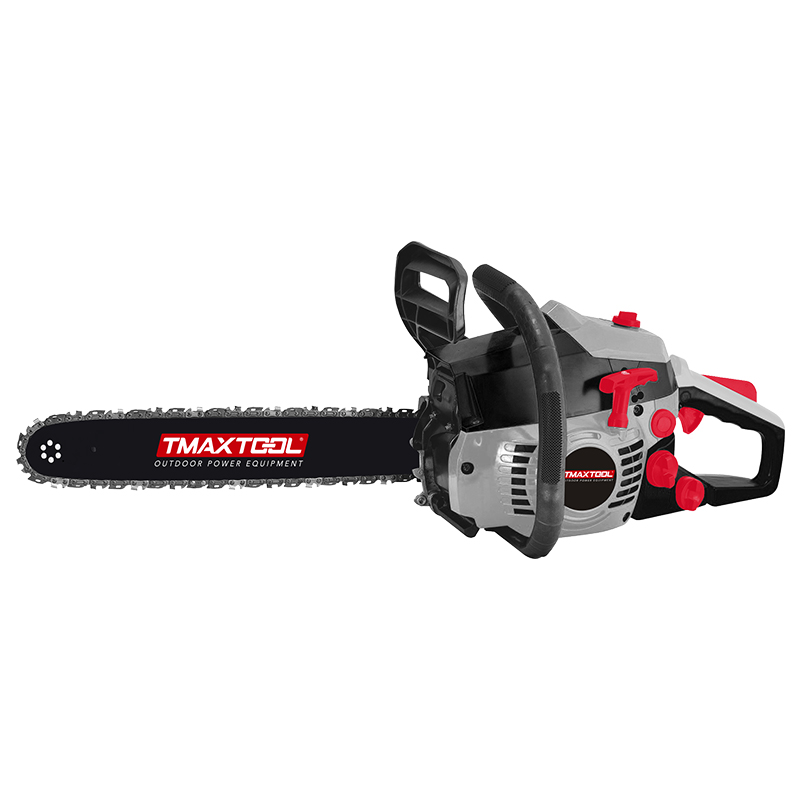 Chain Saw
 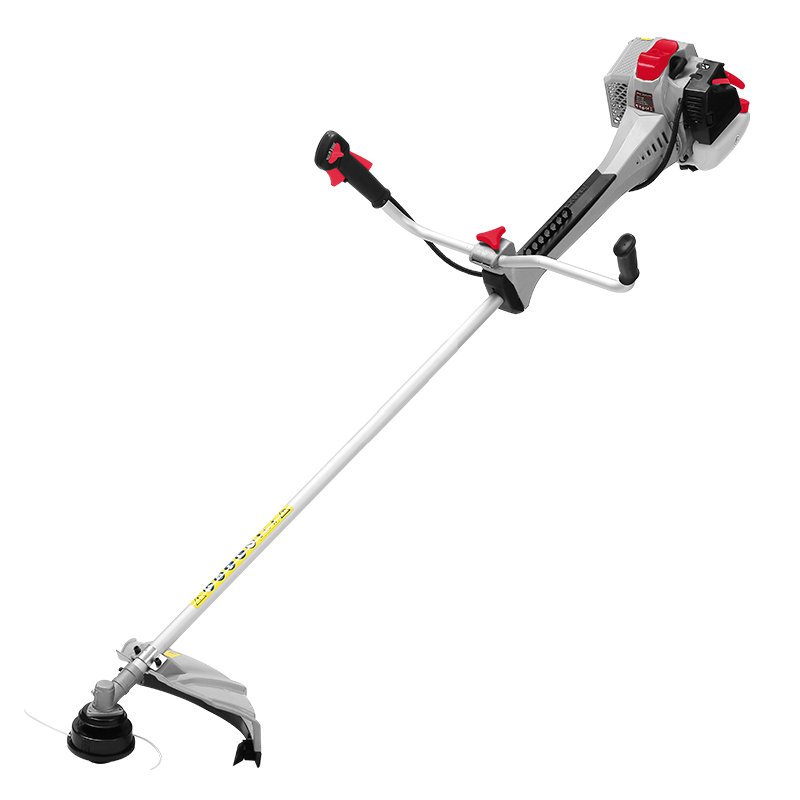 Brush Cutter
 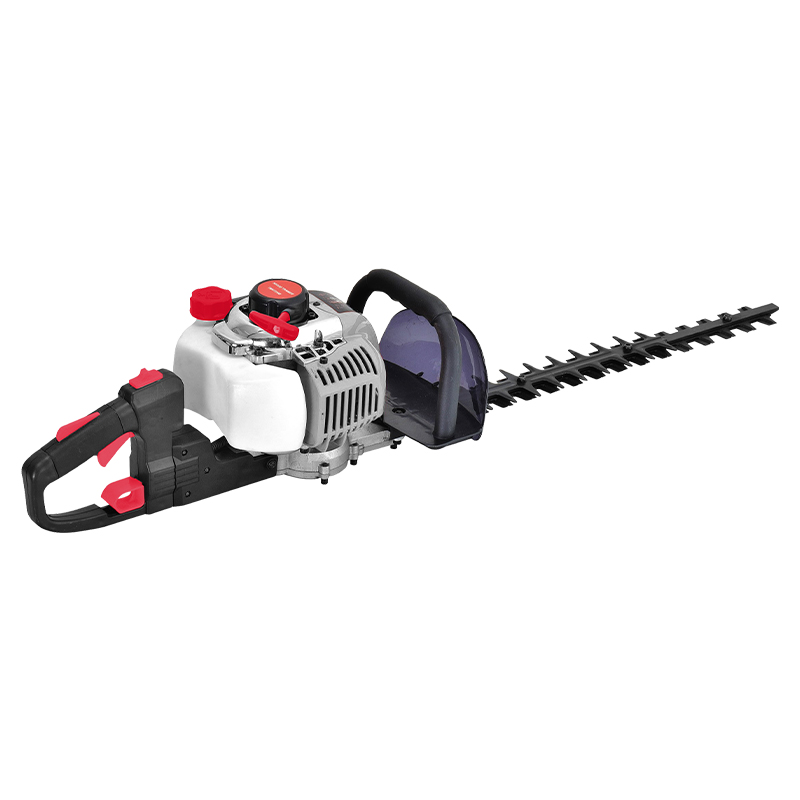 Hedge Trimmer
 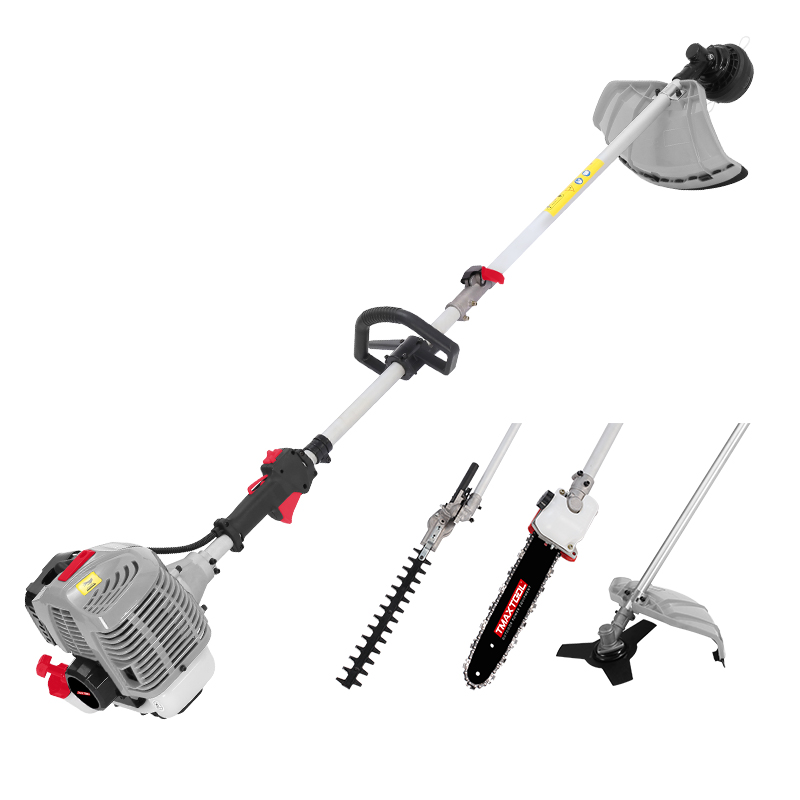 Multi Tool
 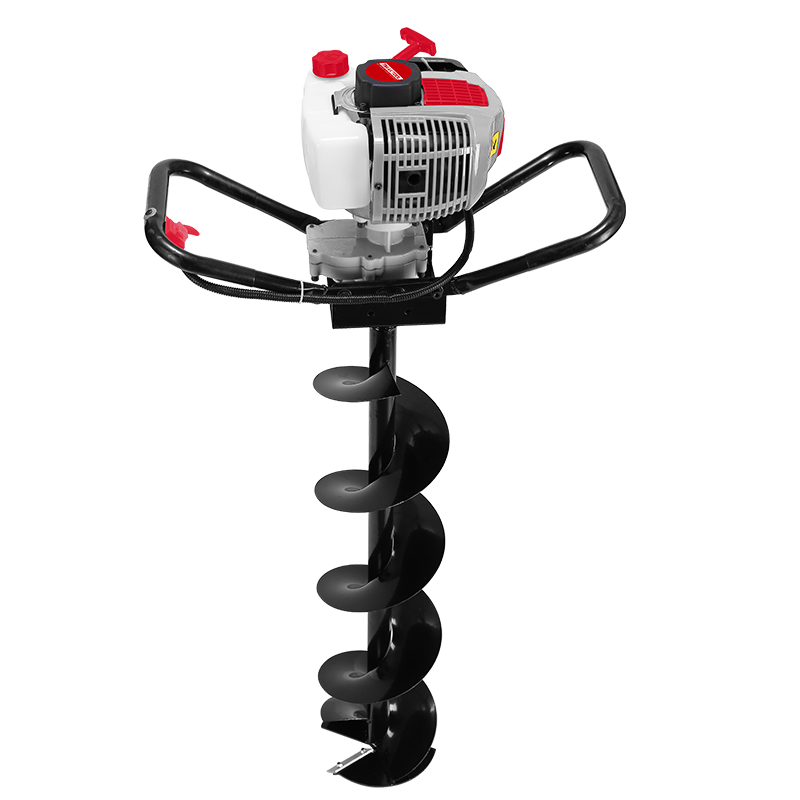 Earth Auger
 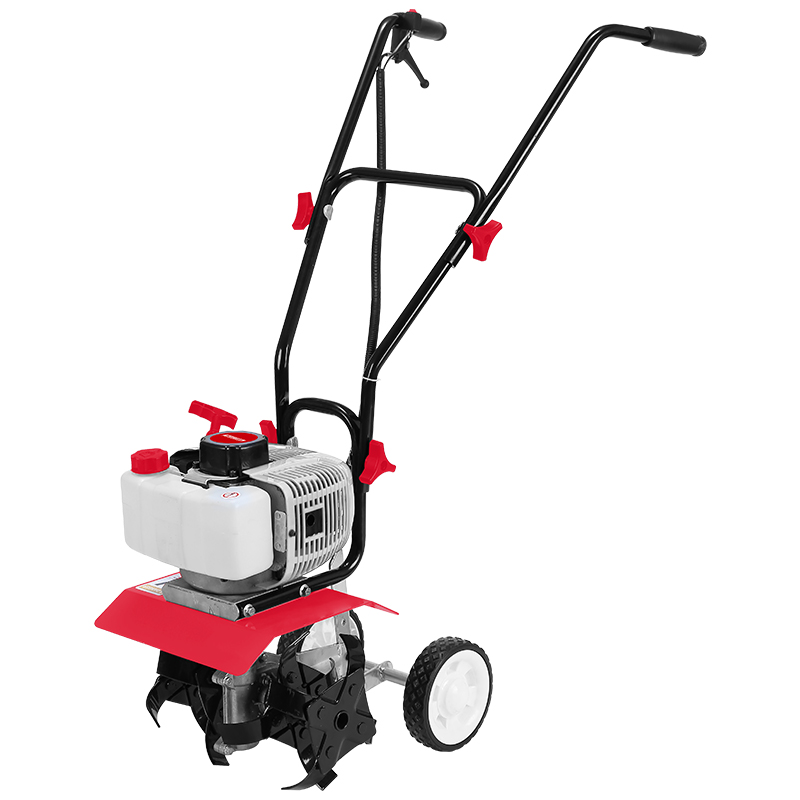 Tiller
 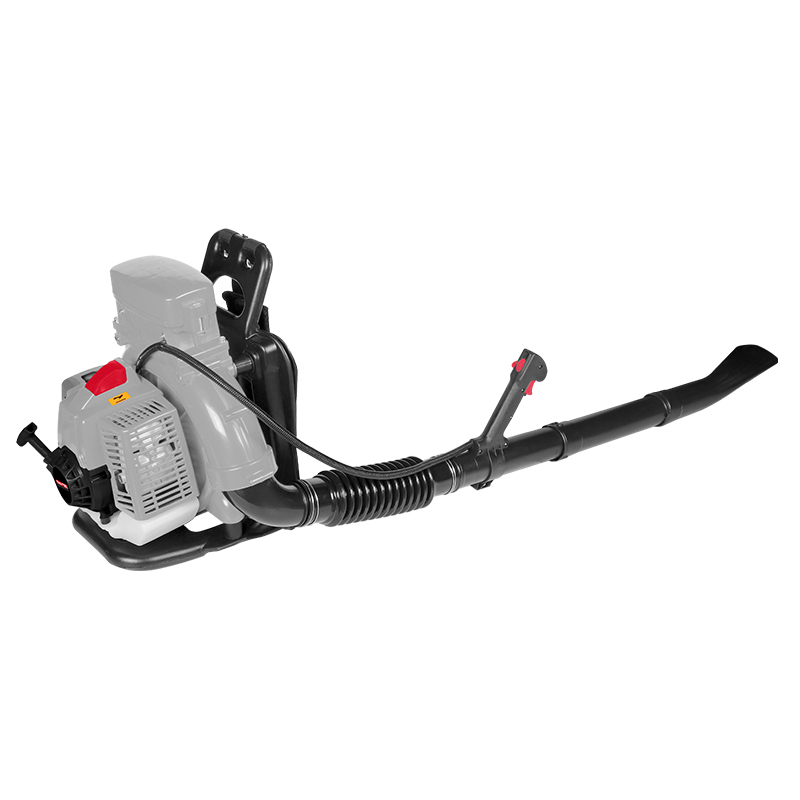 Blower
 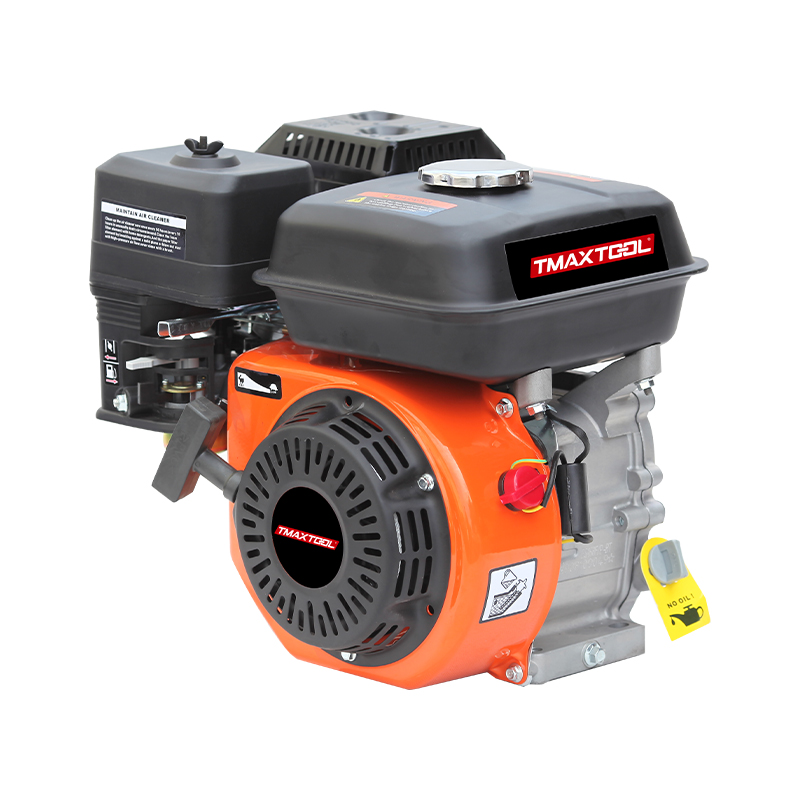 4 Stroke Gasoline Engine
 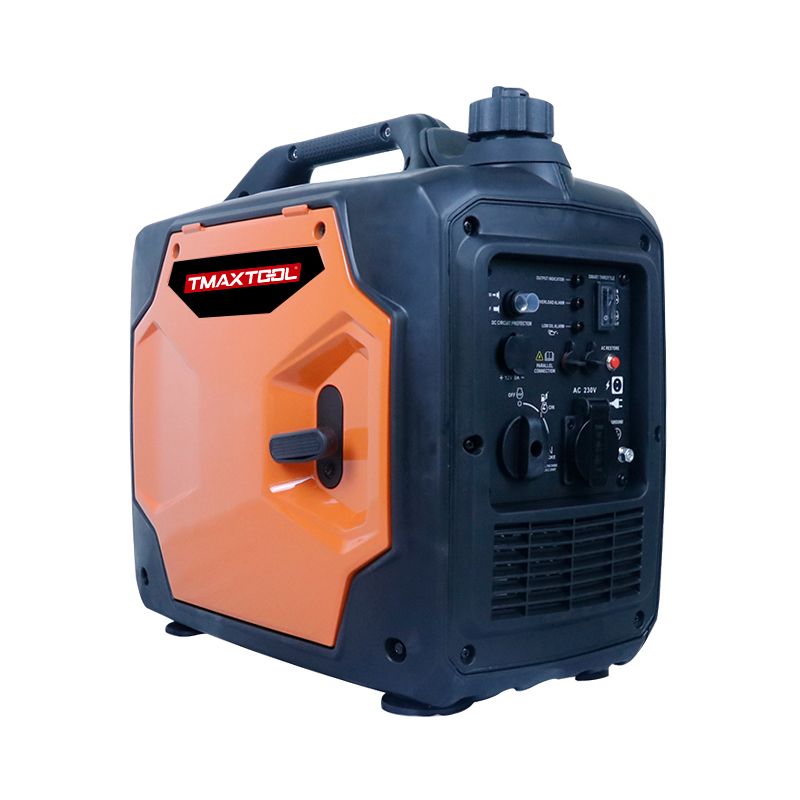 Generator
 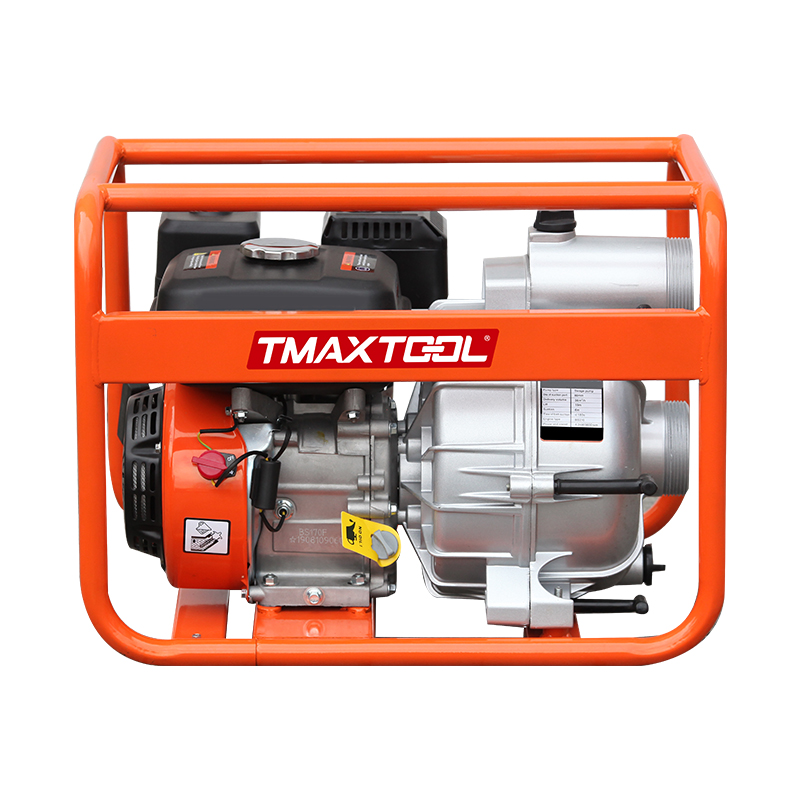 Water Pump
 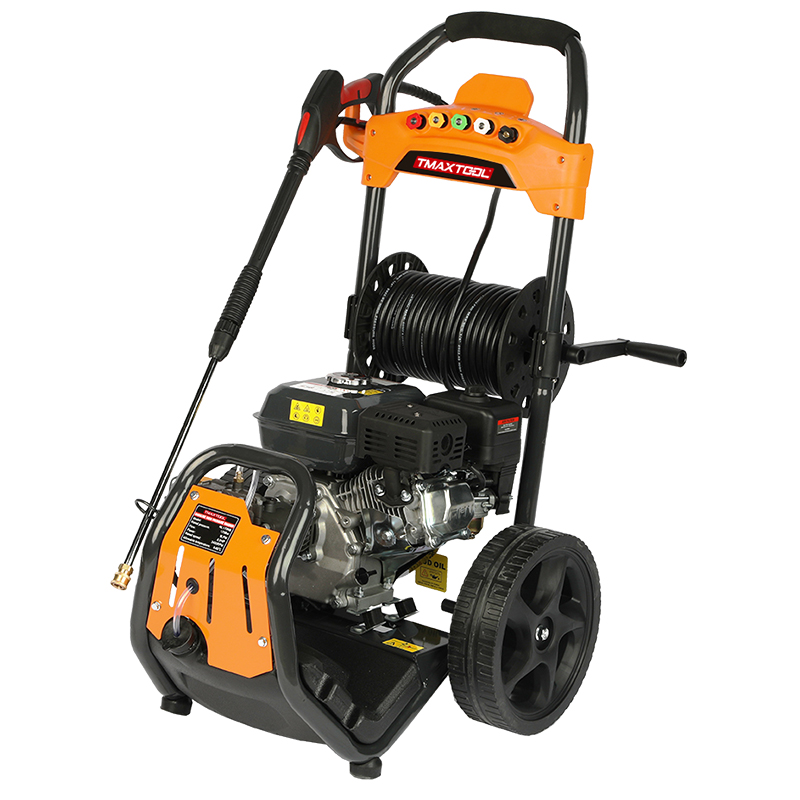 High Pressure Washer
 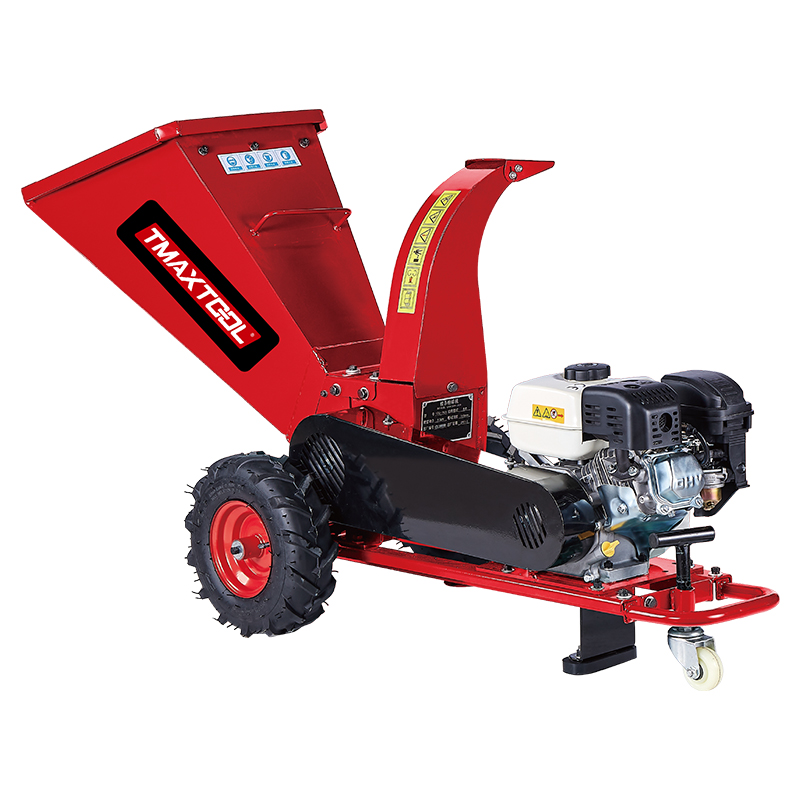 Wood Cutter
 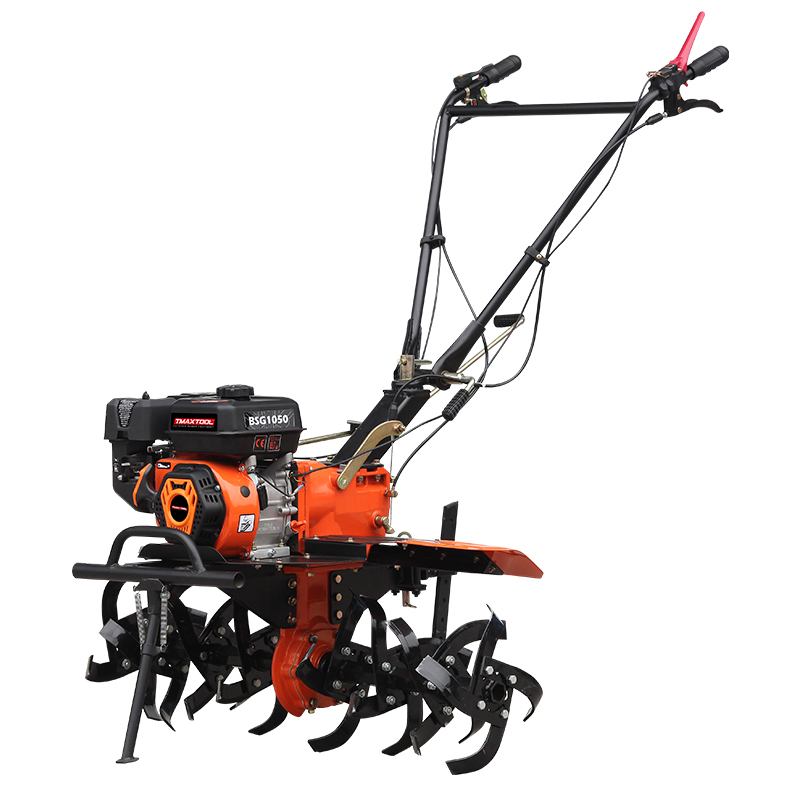 4 Stroke Tiller
 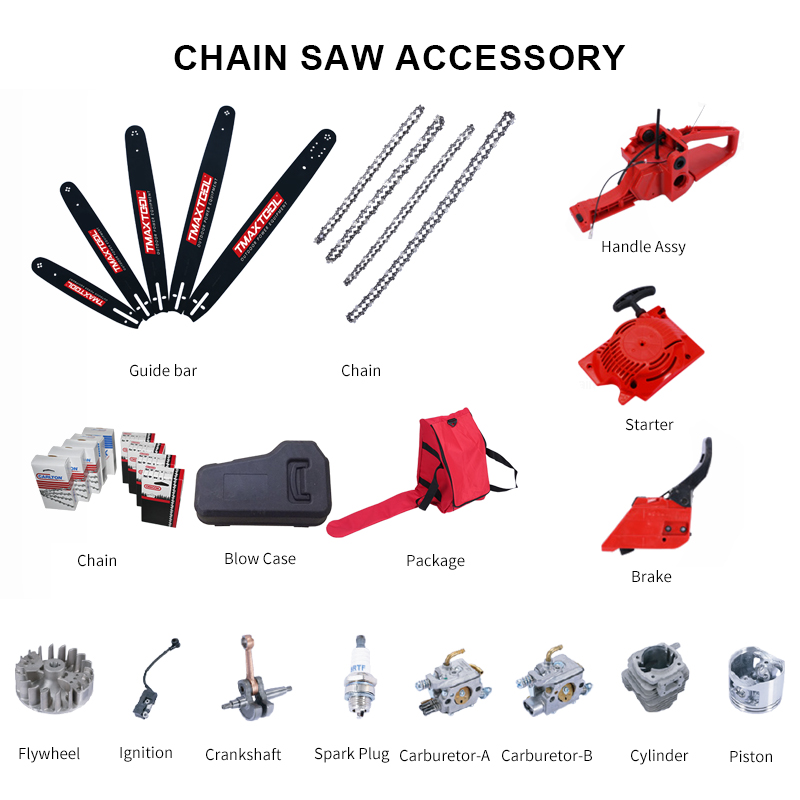 Chain Saw Accessory
 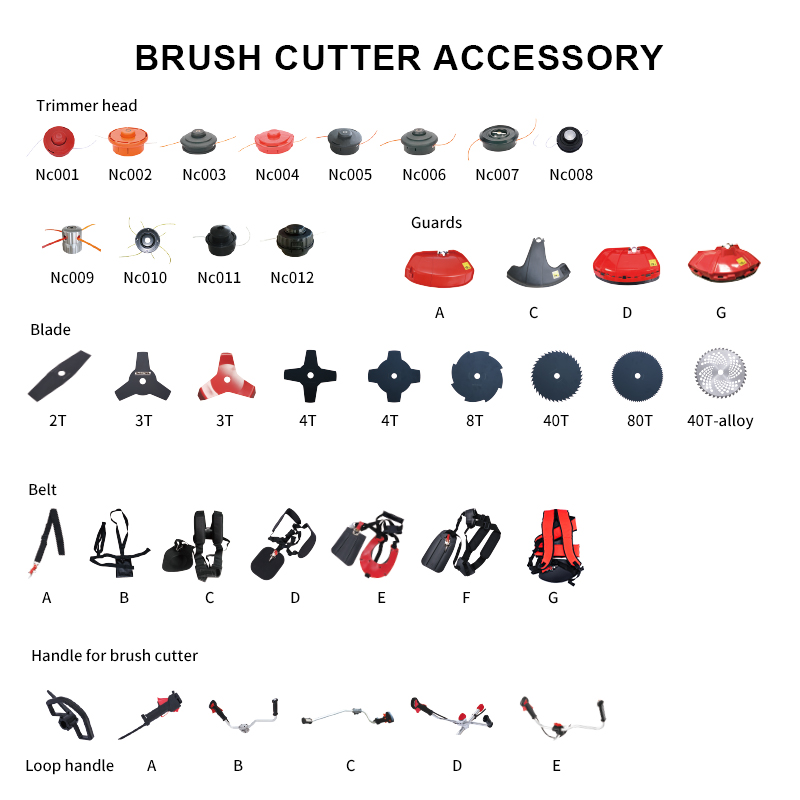 Brush Cutter Accessory
 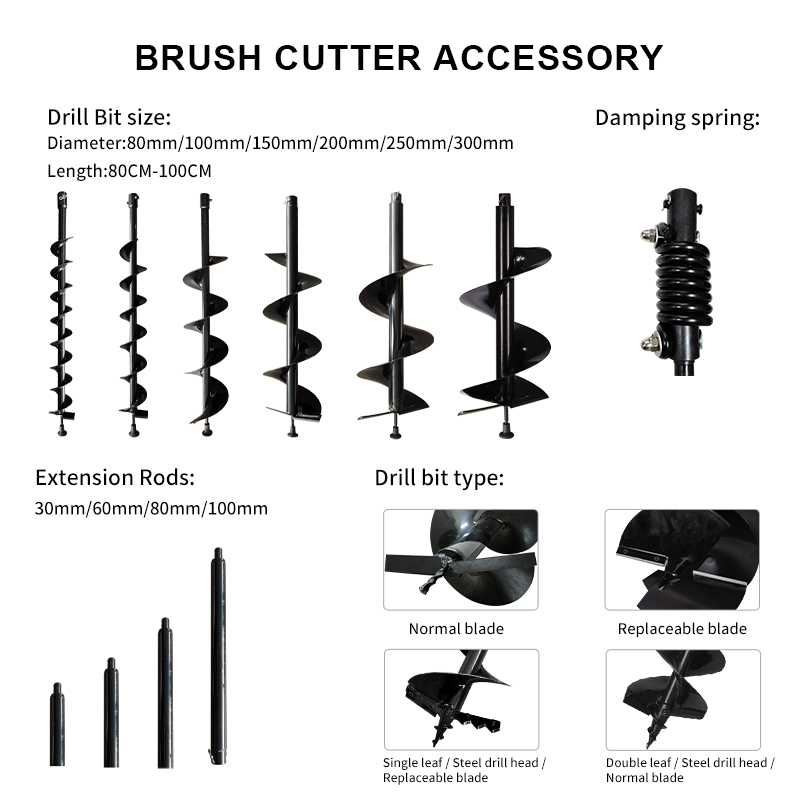 Earth Auger Accessory
  Protective Equipment Accessories


