
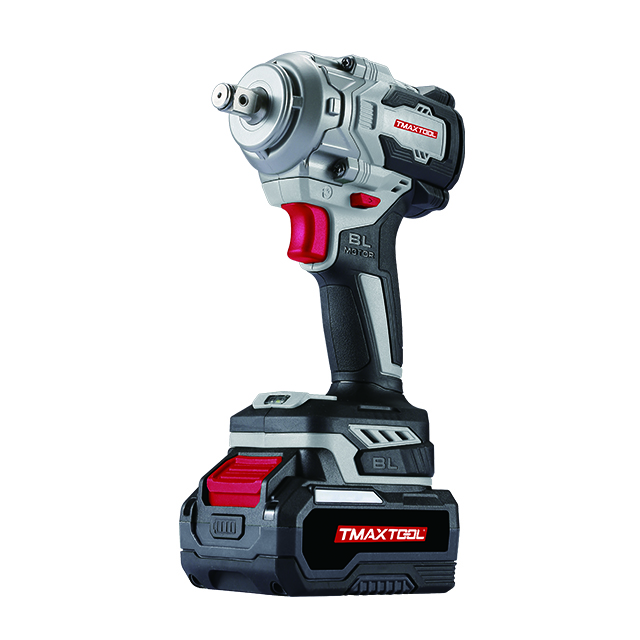
 Impact Wrench
 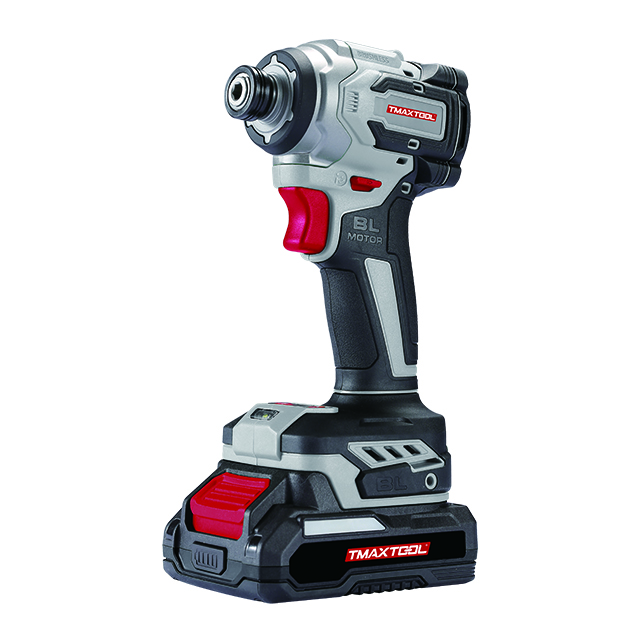 Screwdriver
 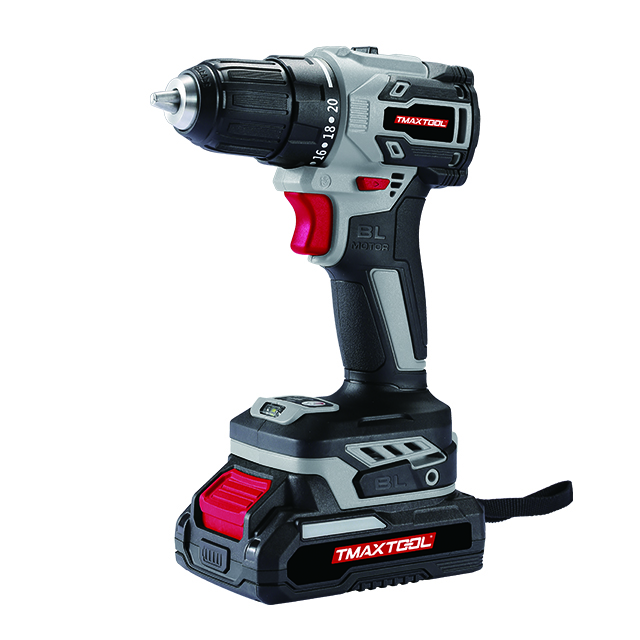 Cordless Drill
 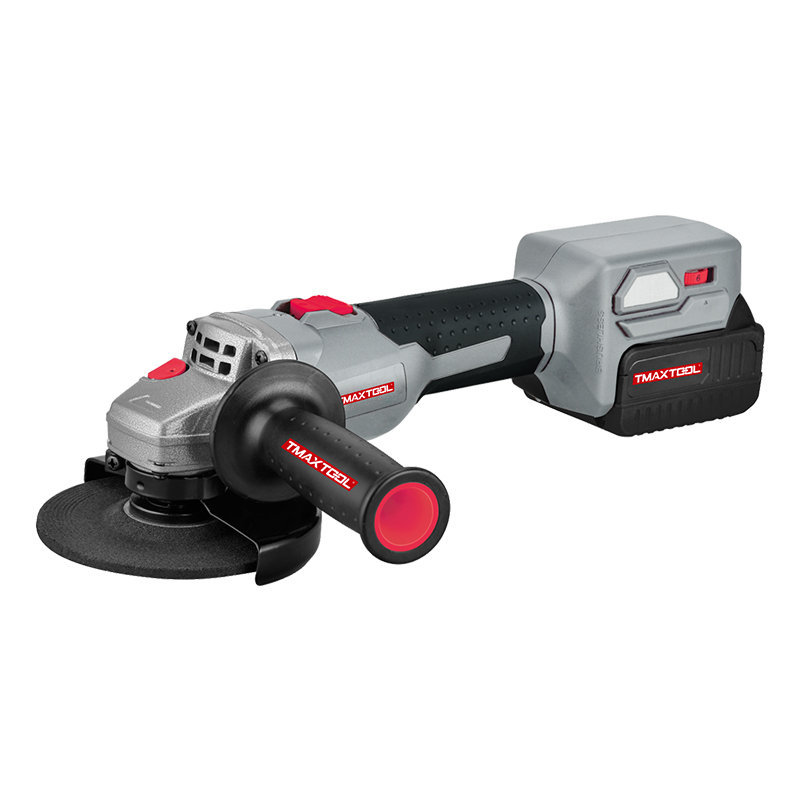 Angle Grinder
 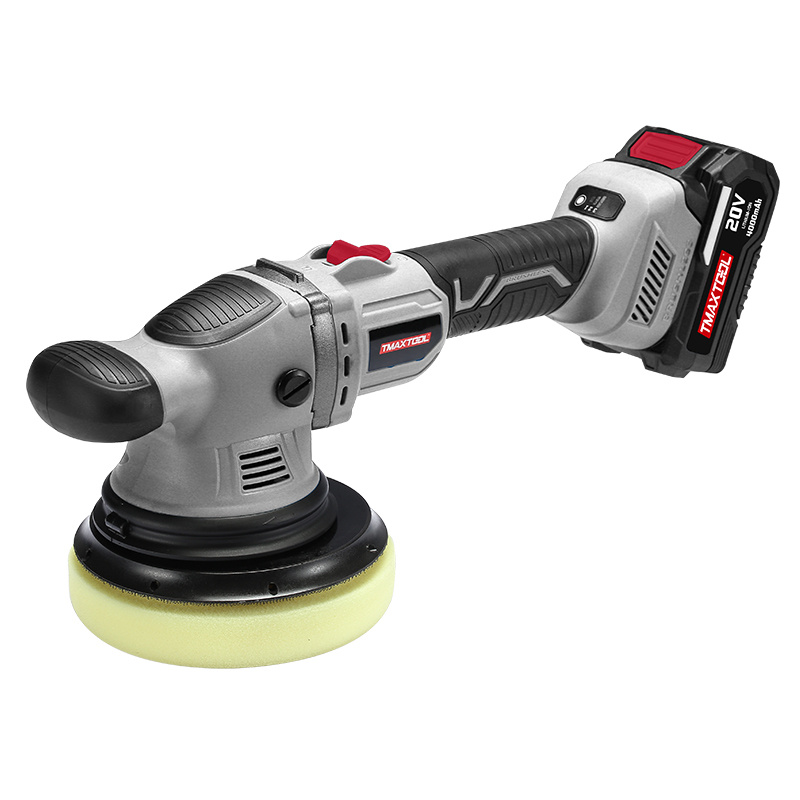 Polisher
 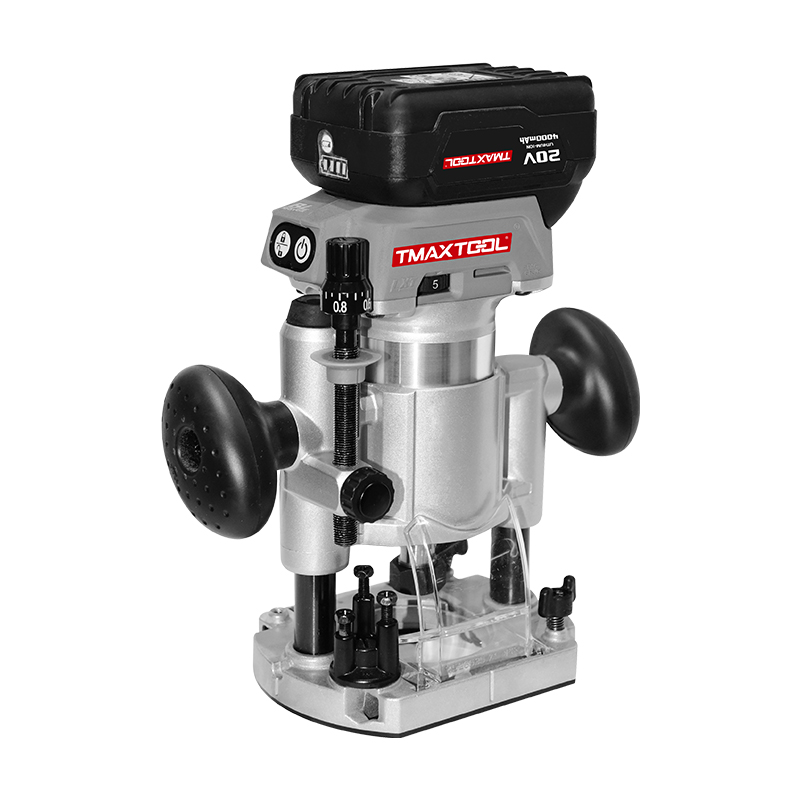 Wood Router
 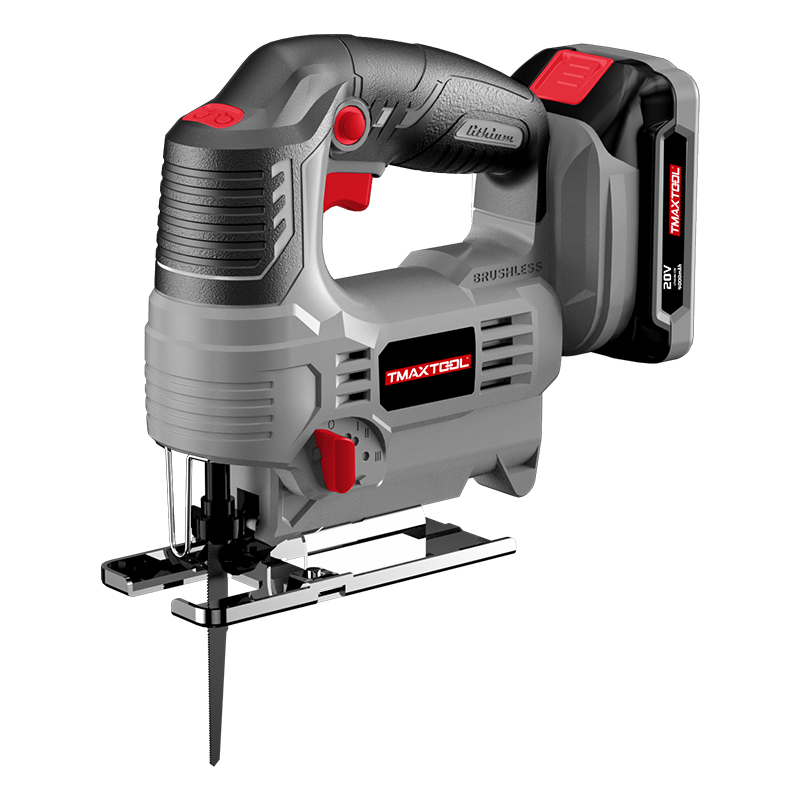 Jig Saw
 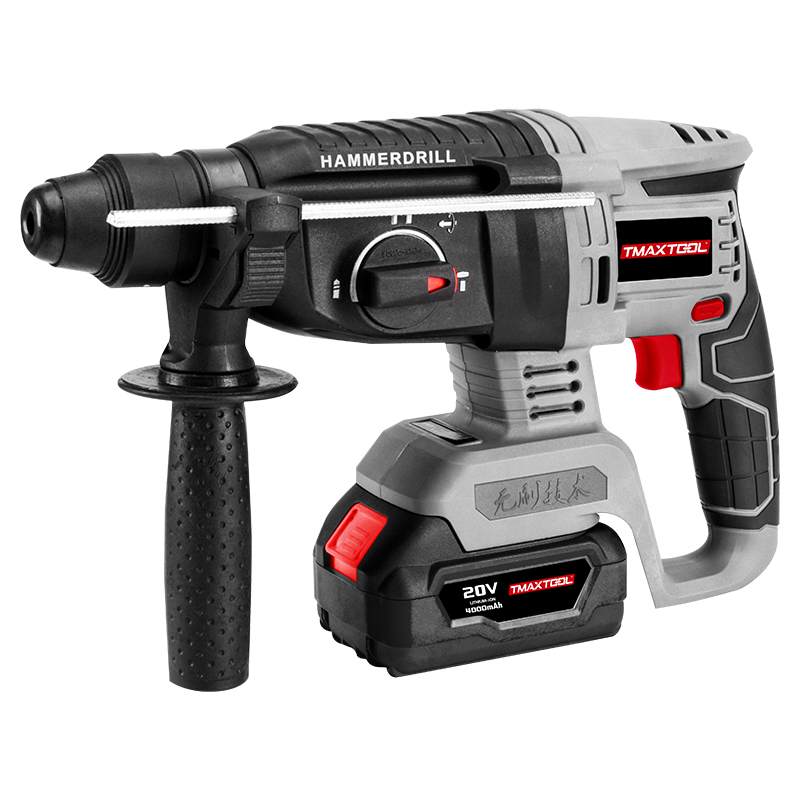 Hammer Drill
 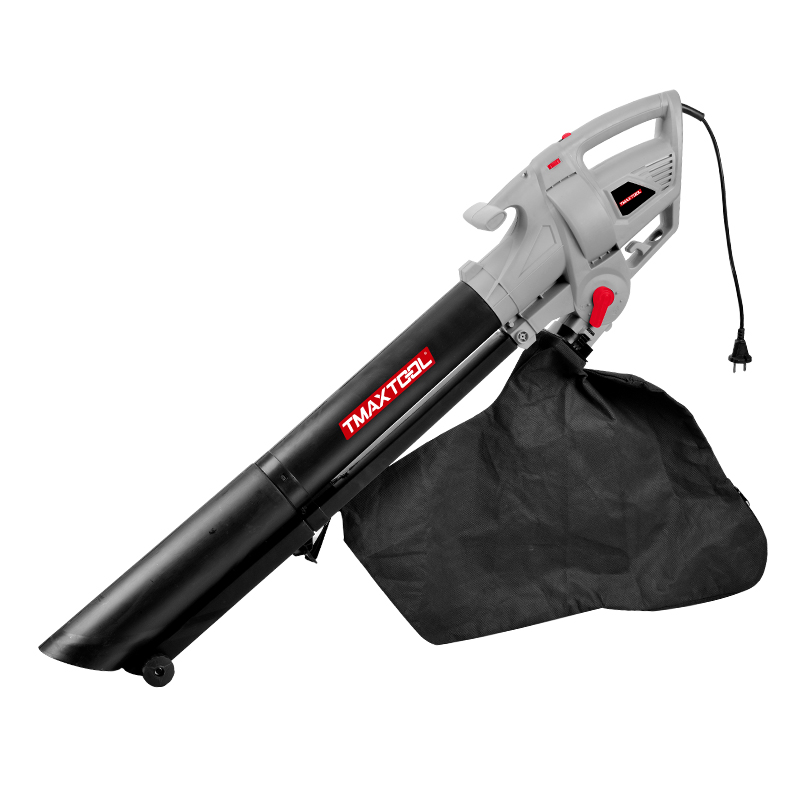 Portable Blower
 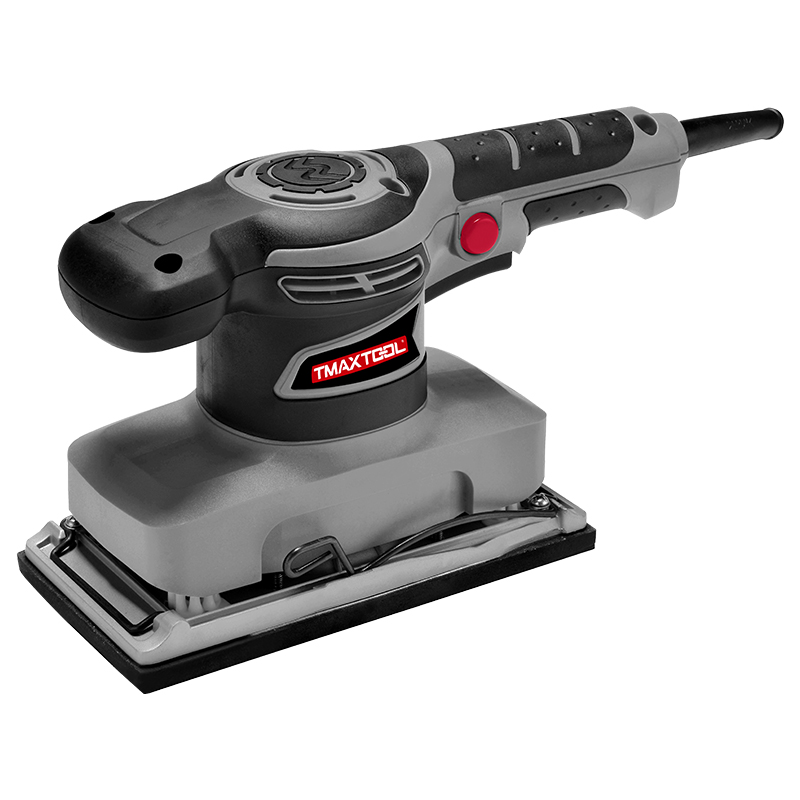 Orbital Sander
 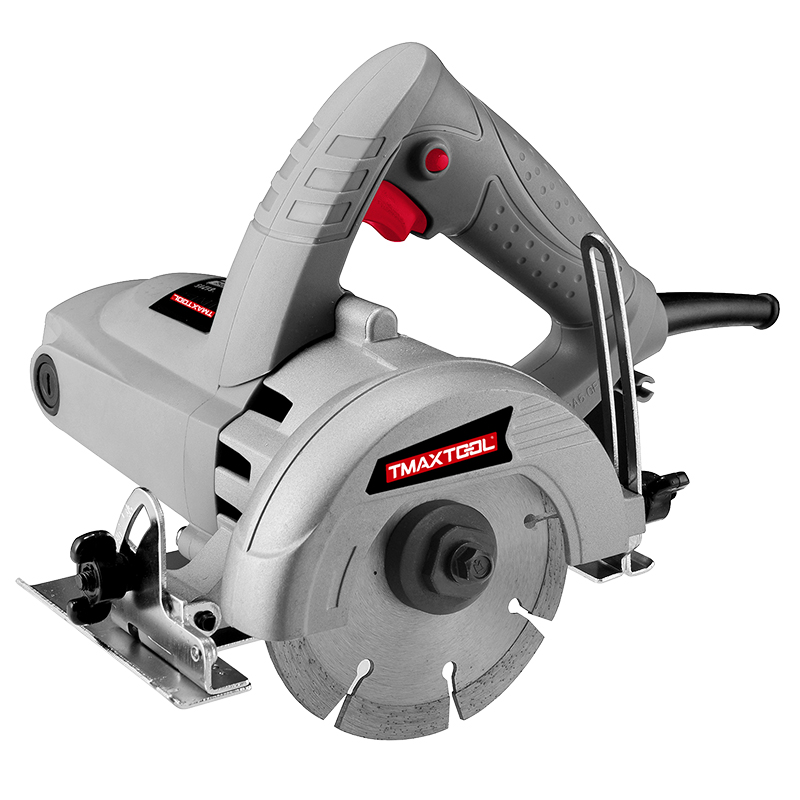 Marble Cutter
 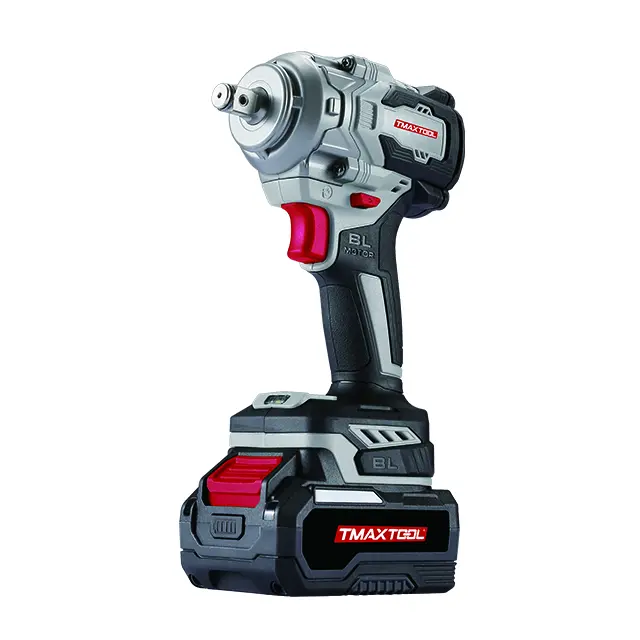 GARDEN TOOLS
 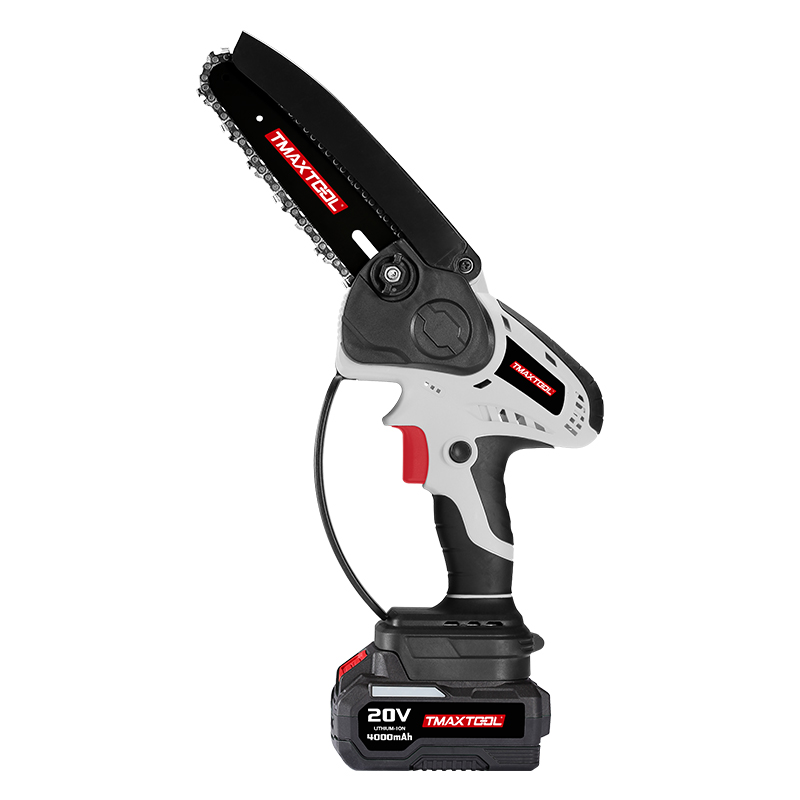 Battery Chain Saw
 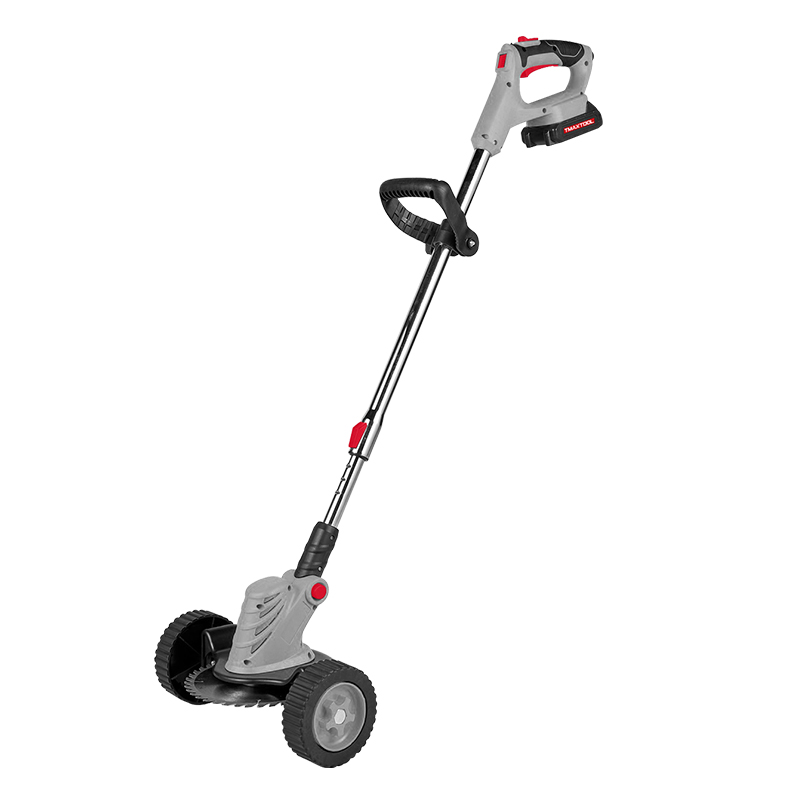 Battery Brush Cutter
 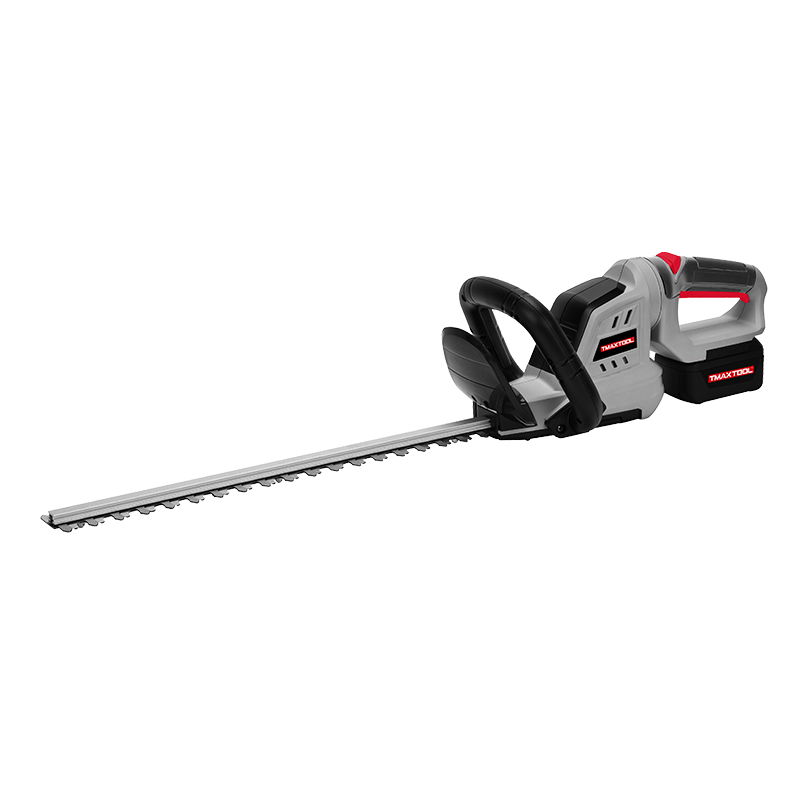 Battery Hedge Trimmer
 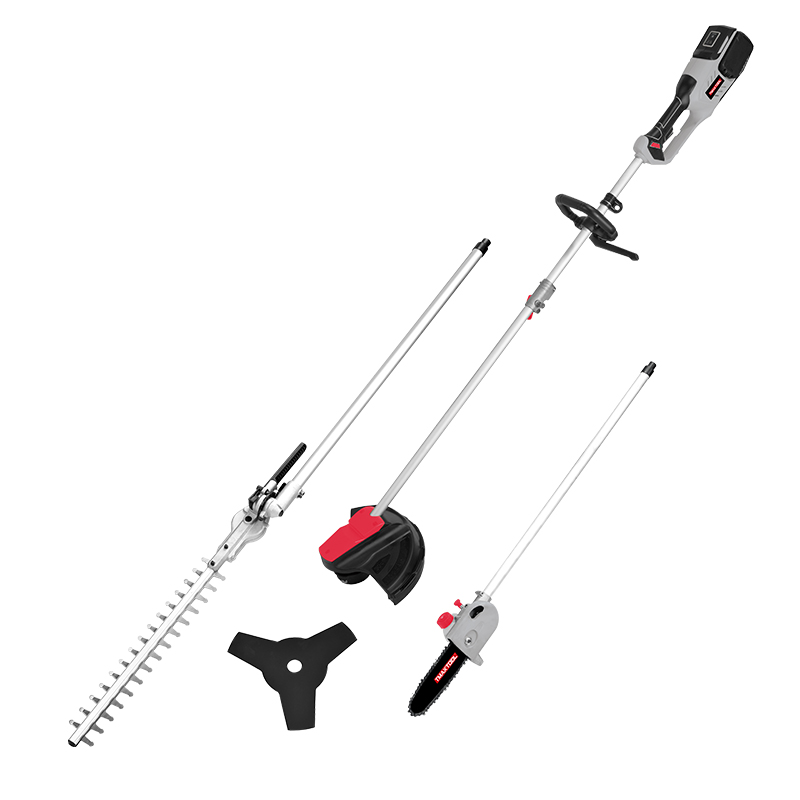 Battery Multi Tool
 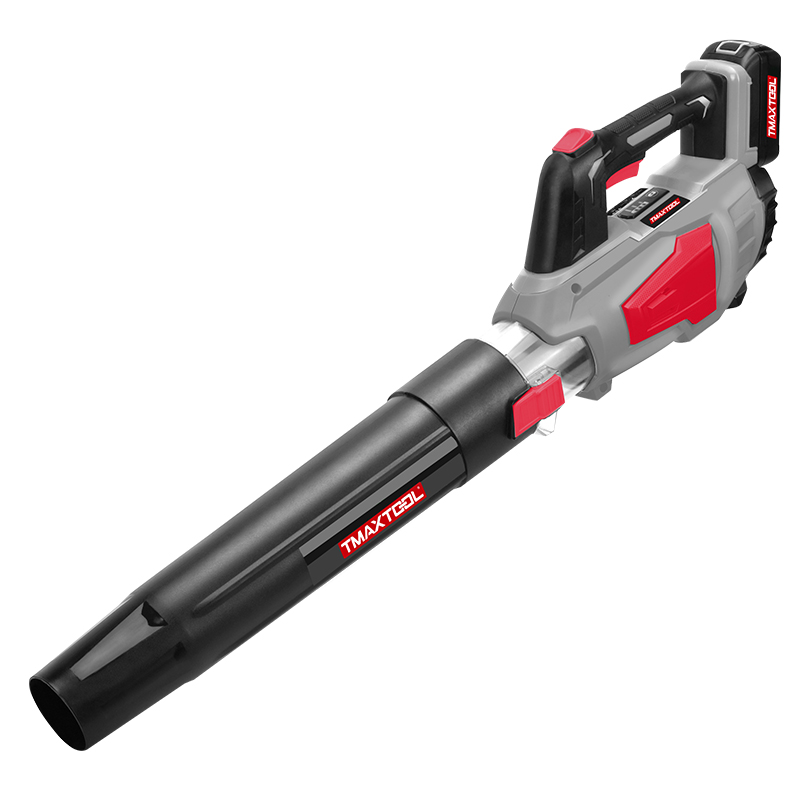 Battery Blower
 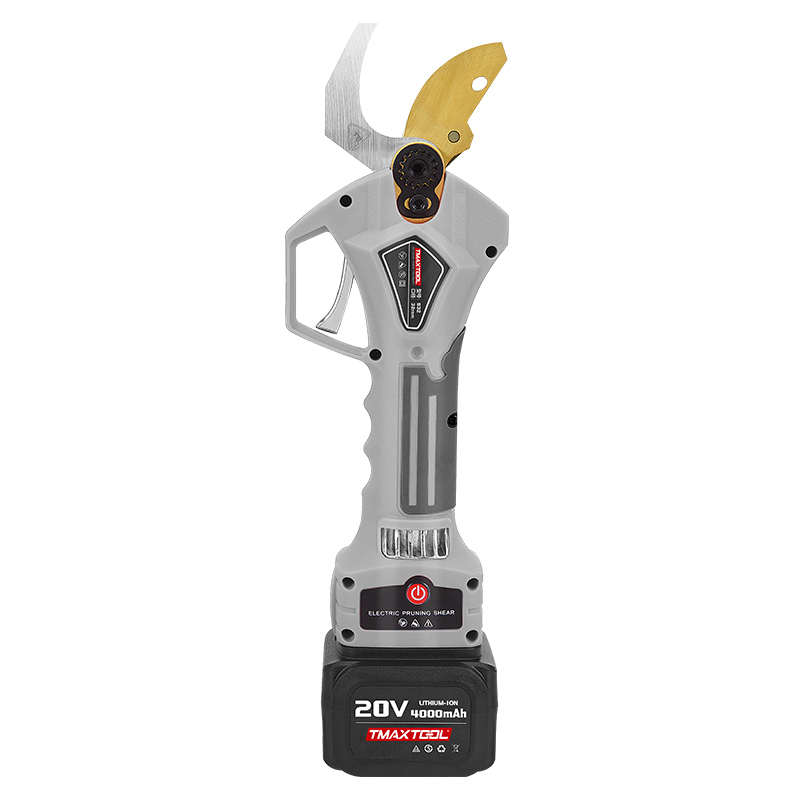 Batter Pruning Shears
 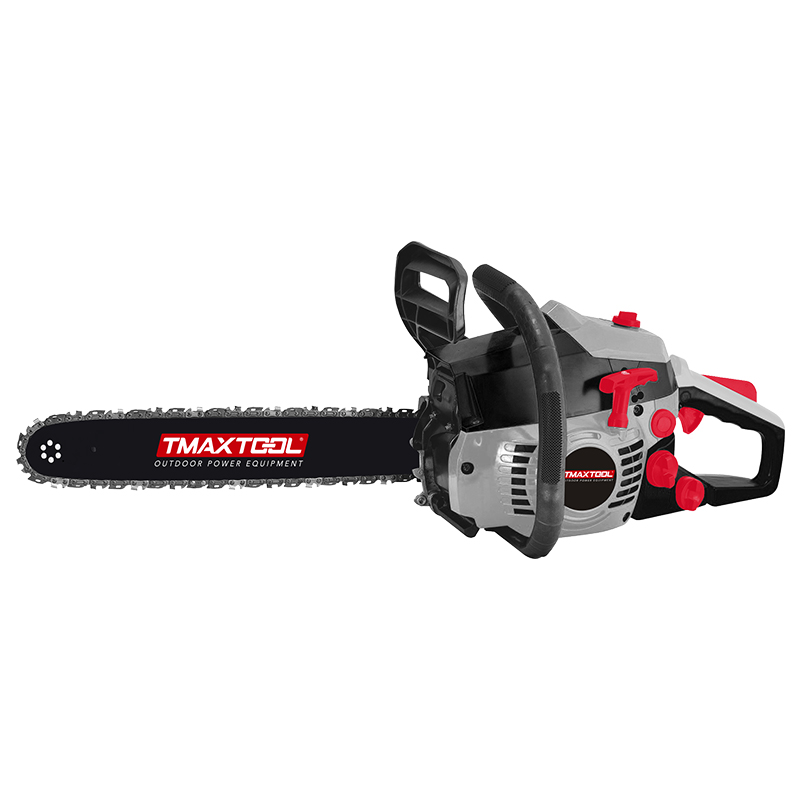 Chain Saw
 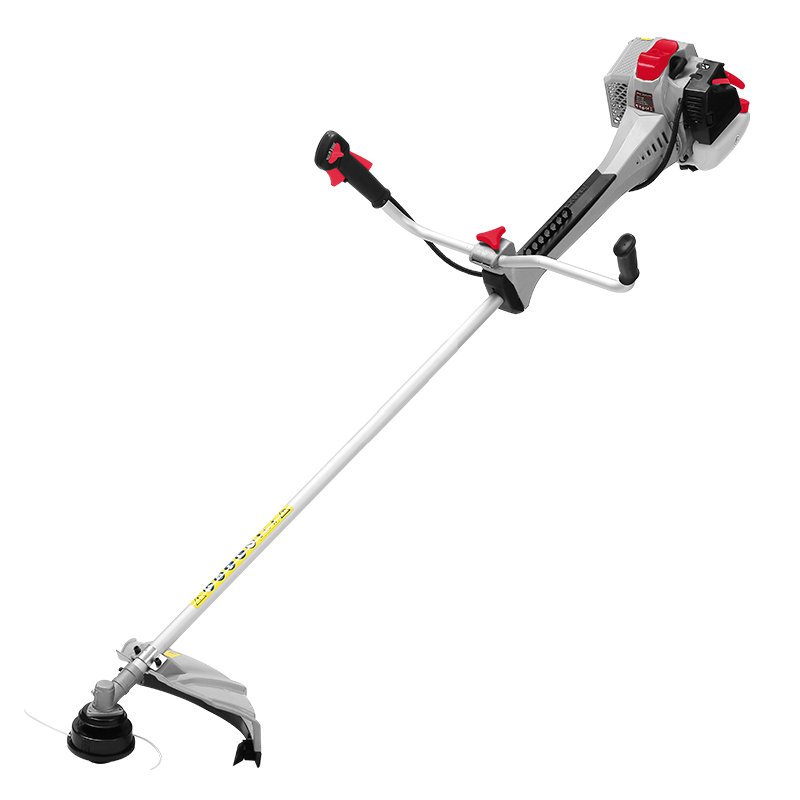 Brush Cutter
 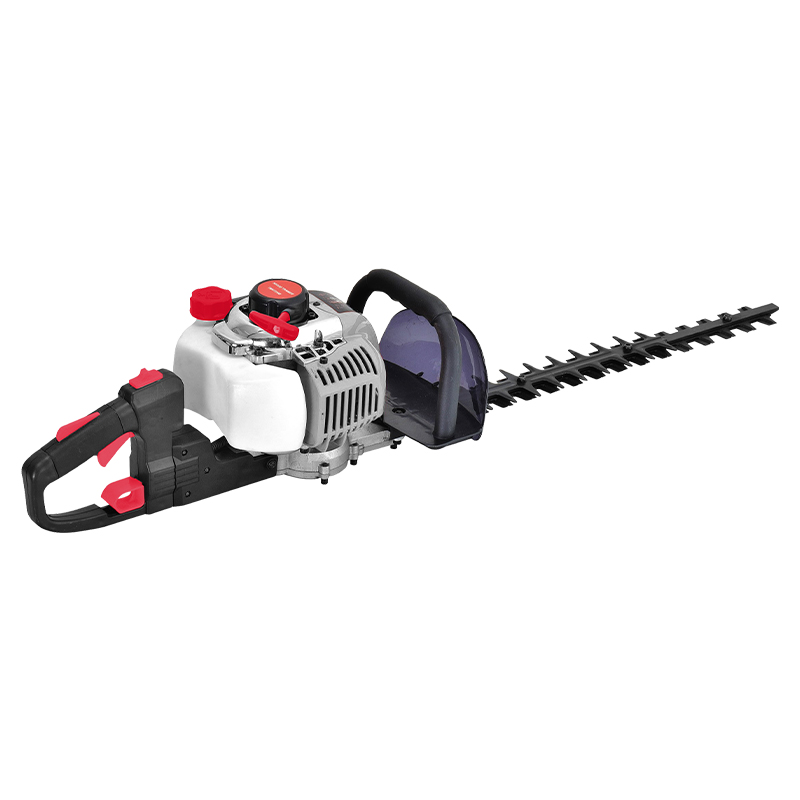 Hedge Trimmer
 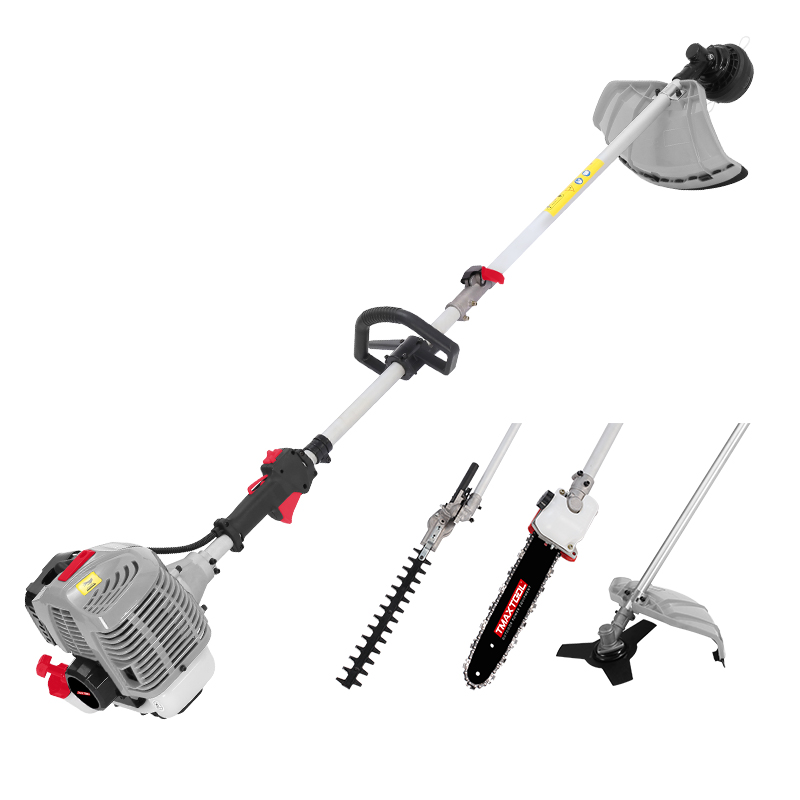 Multi Tool
 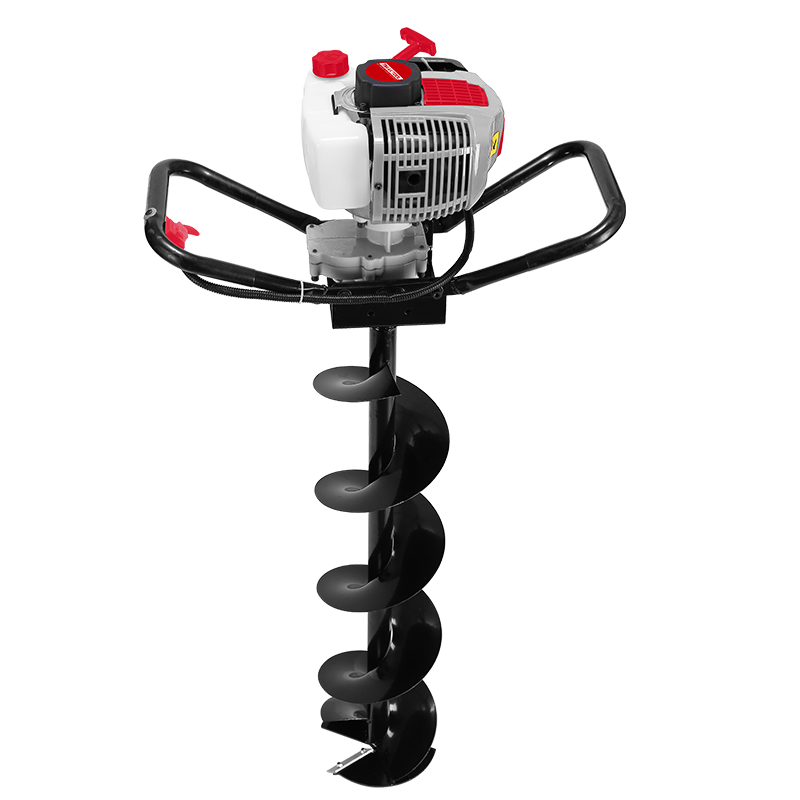 Earth Auger
 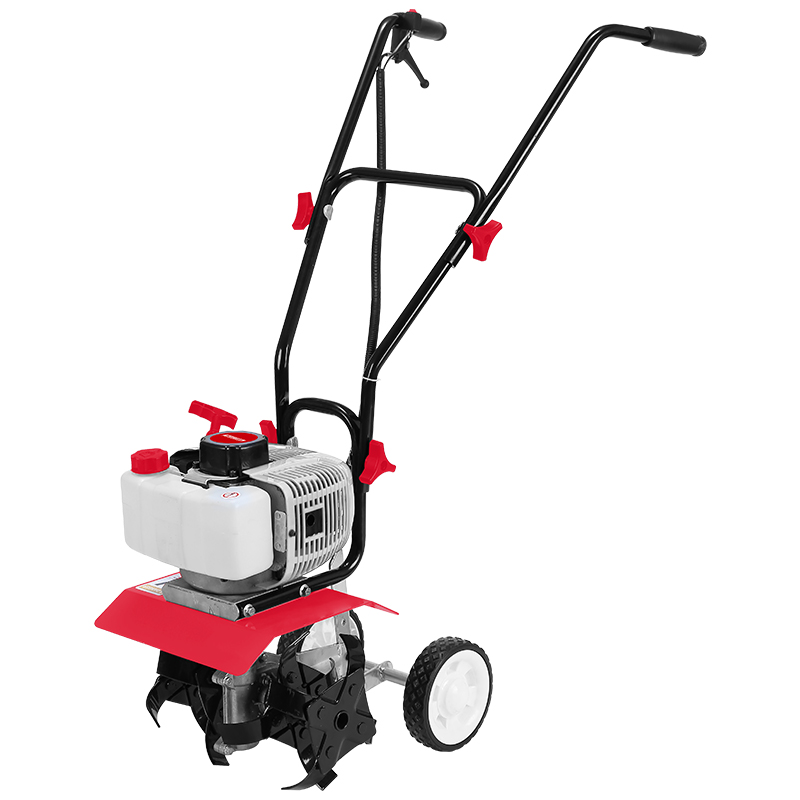 Tiller
 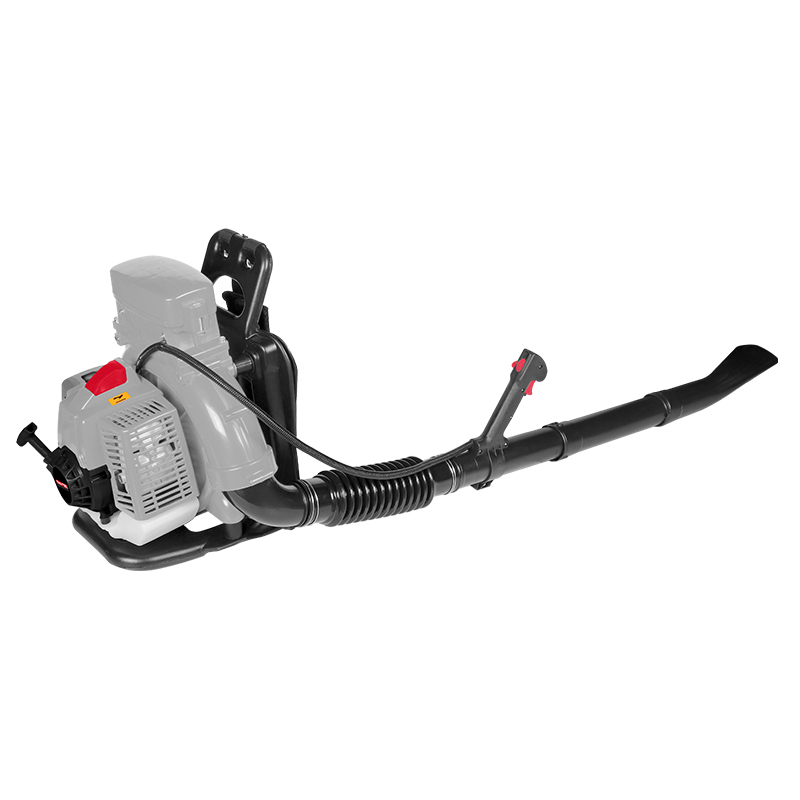 Blower
 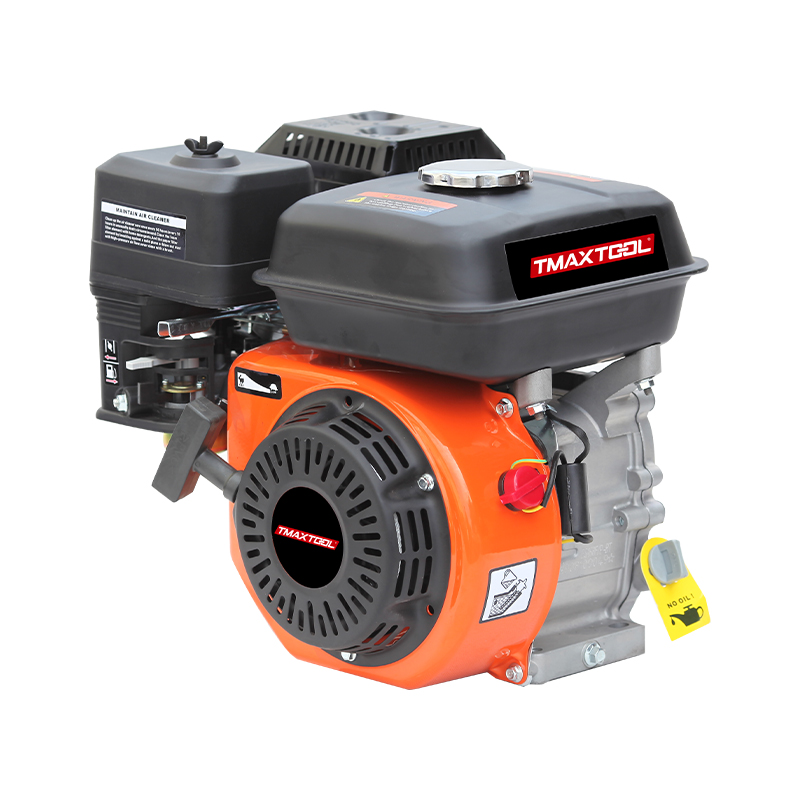 4 Stroke Gasoline Engine
 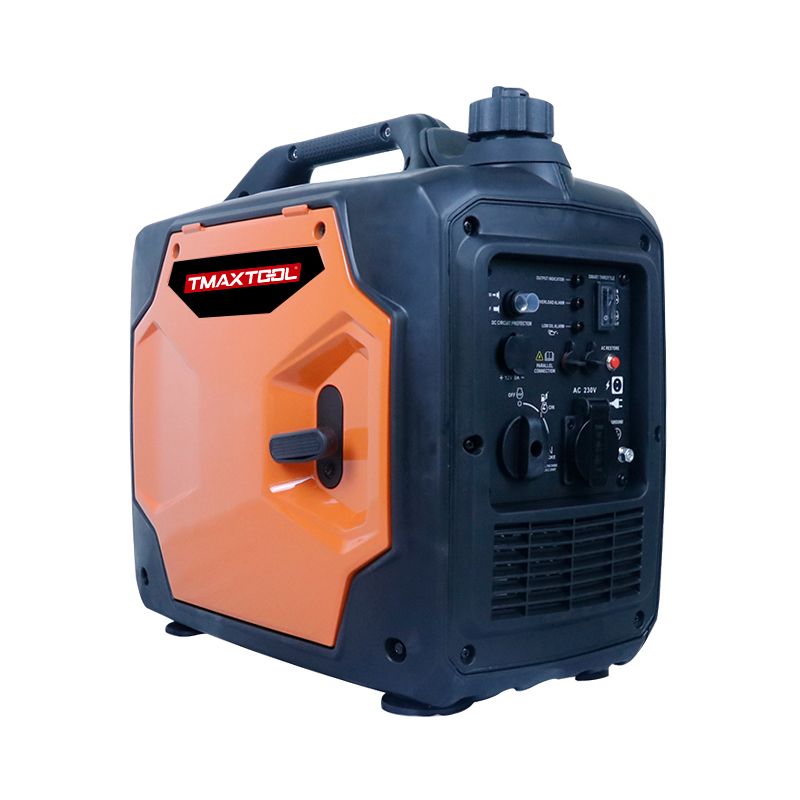 Generator
 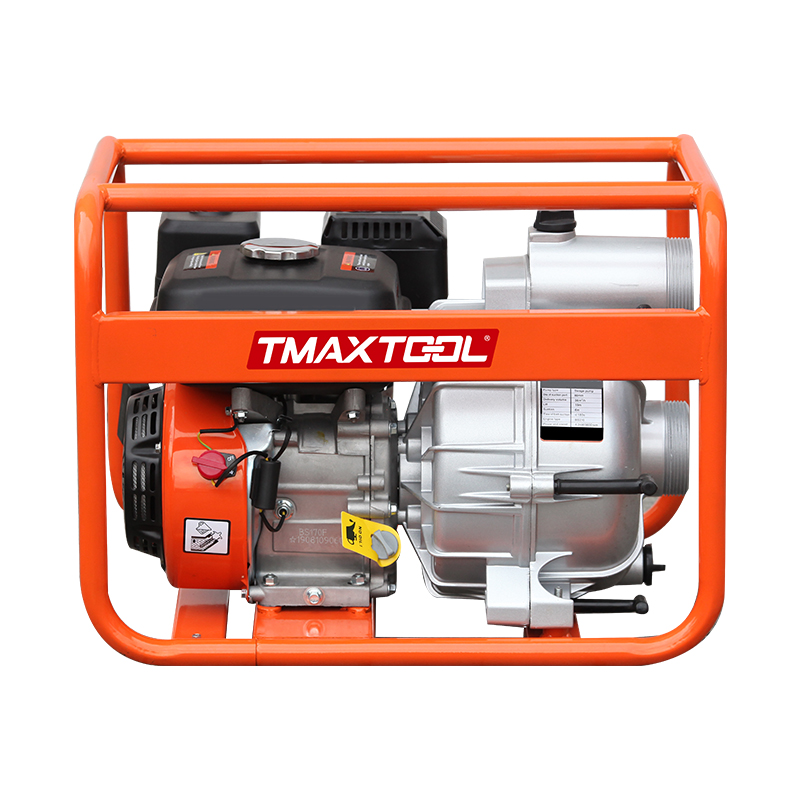 Water Pump
 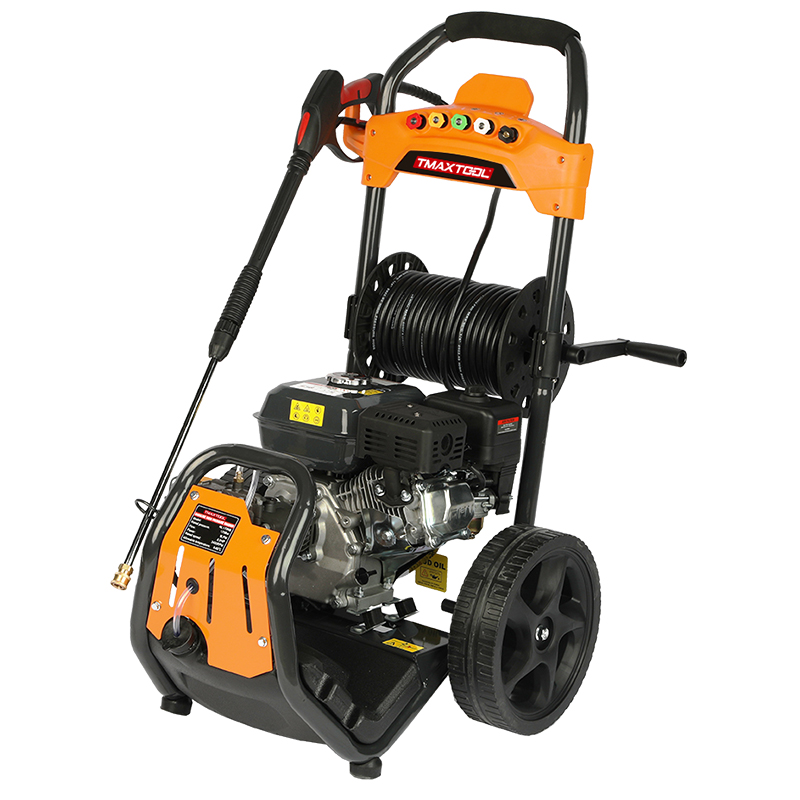 High Pressure Washer
 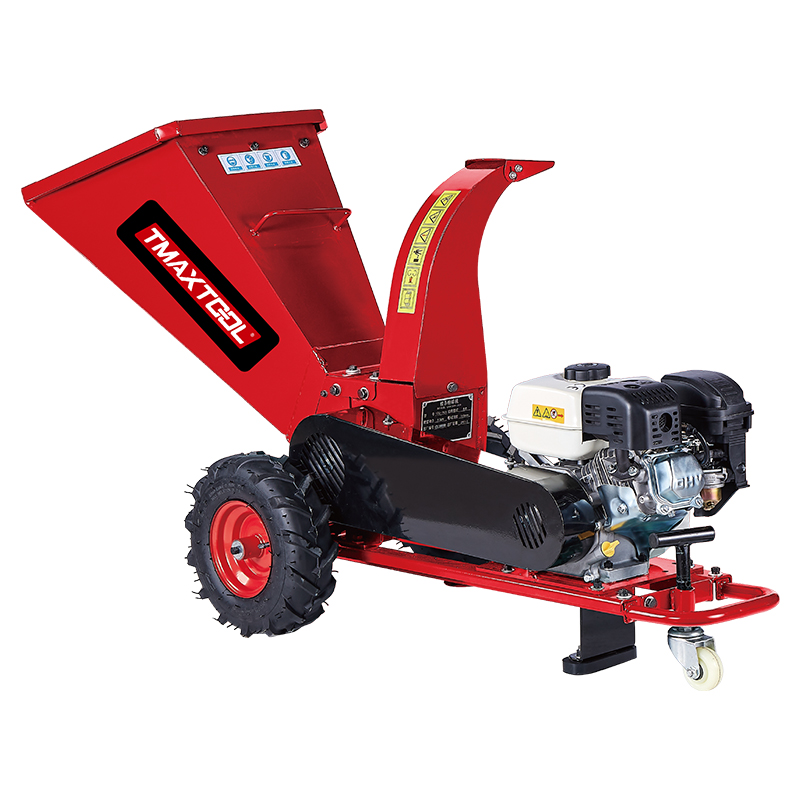 Wood Cutter
 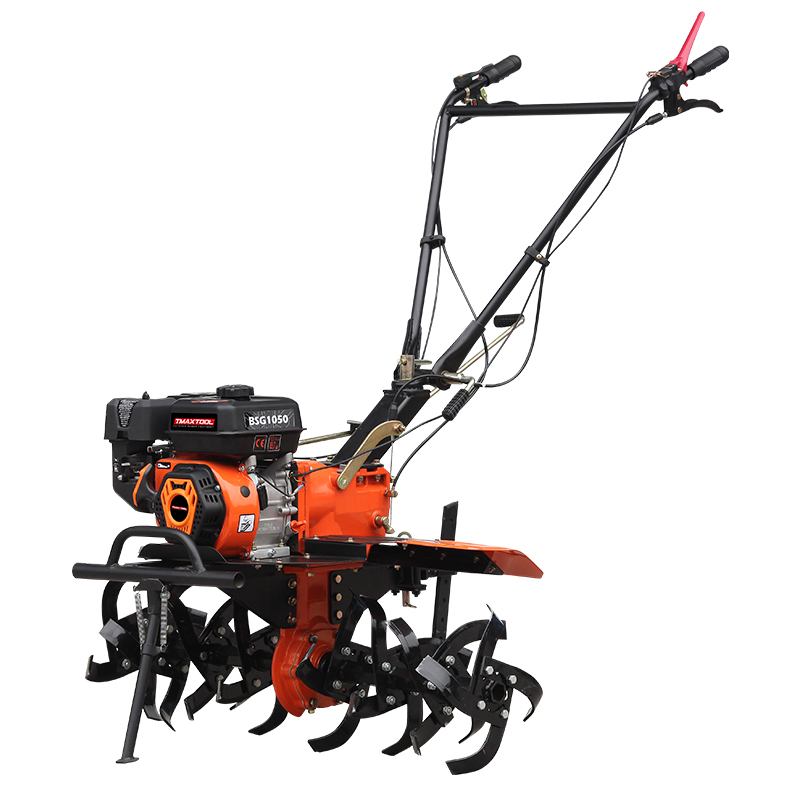 4 Stroke Tiller
 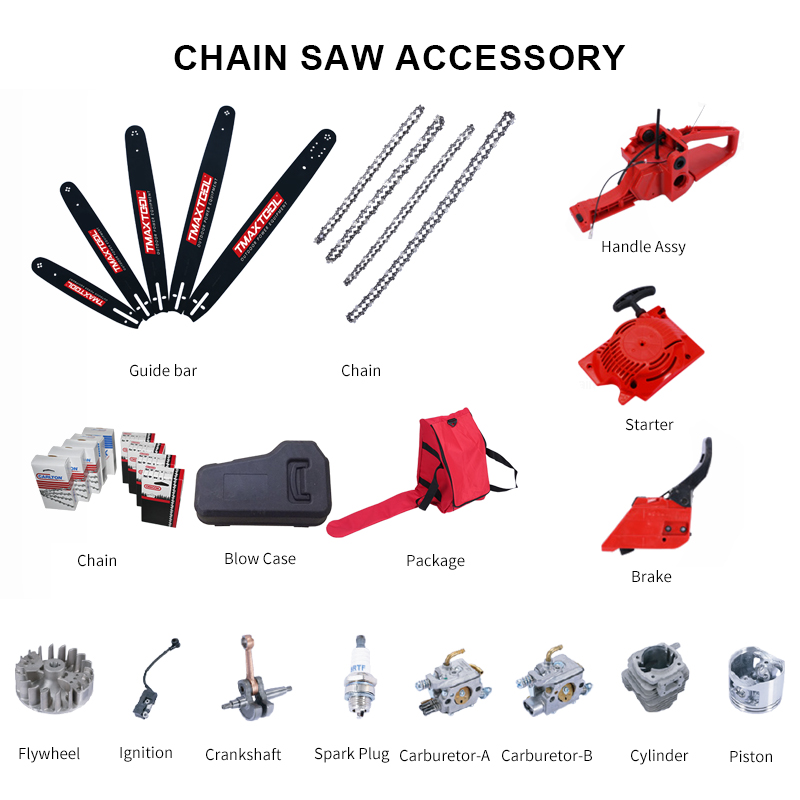 Chain Saw Accessory
 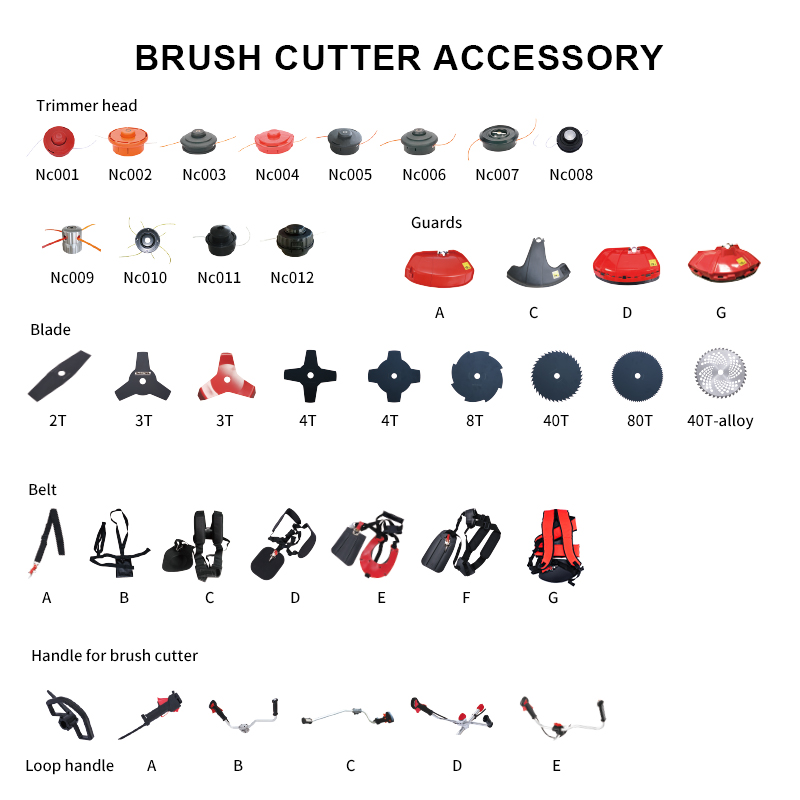 Brush Cutter Accessory
 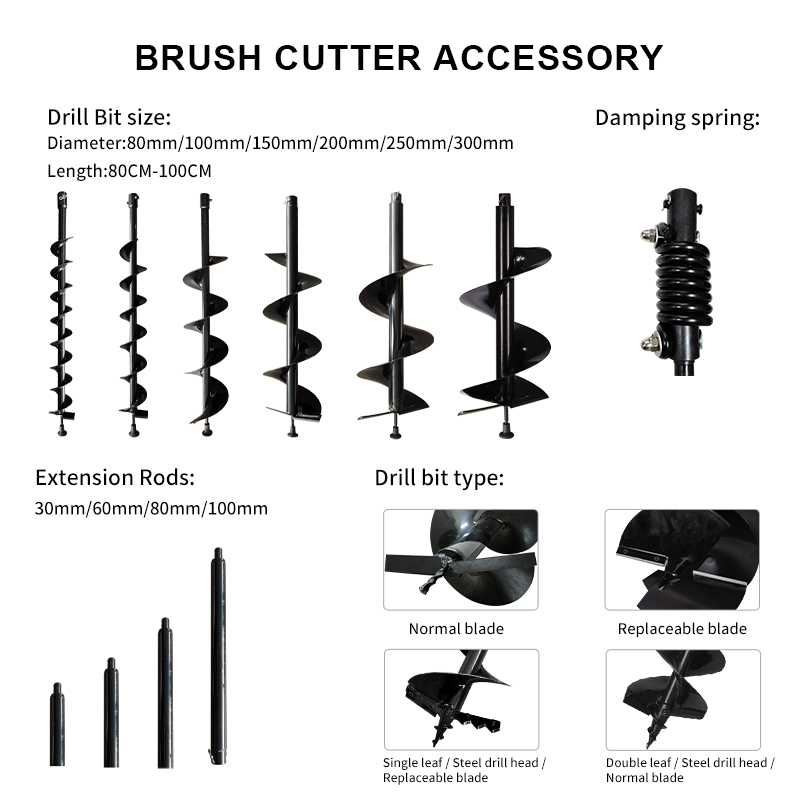 Earth Auger Accessory
 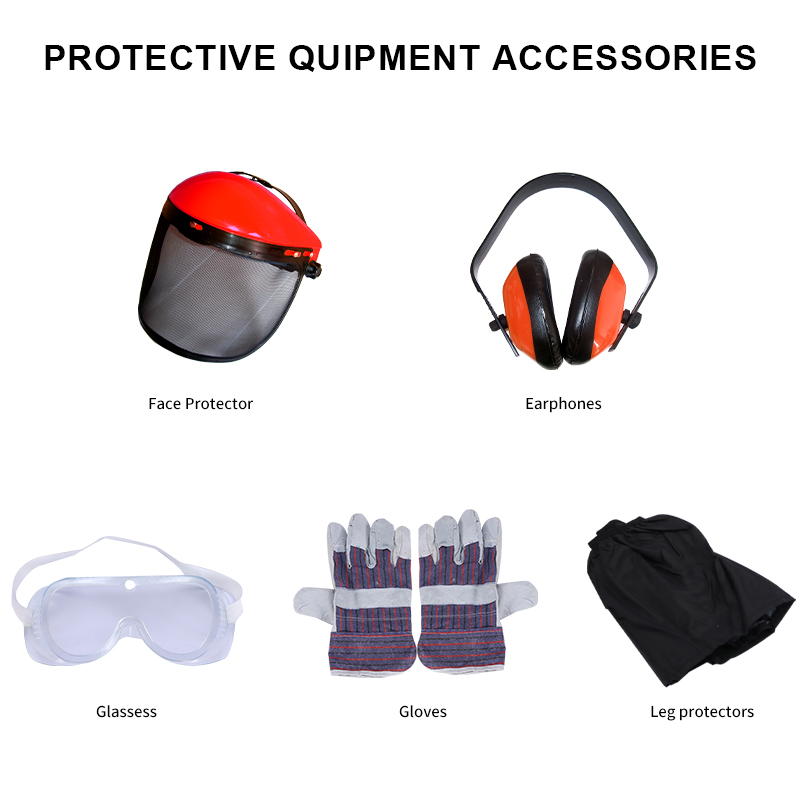 Protective Equipment Accessories
Leave Your Message


A Guide to Anti-Counterfeiting Power Tool Brands
A Guide to Anti-Counterfeiting Power Tool Brands
In the global power tool wholesale trade, counterfeit goods have become a hidden threat to buyers' profits and reputation. Industry data shows that counterfeit power tools lead to returns, customer complaints, and brand trust crises, resulting in over $10 billion in direct economic losses each year. For professional wholesalers focused on long-term partnerships and bulk purchases, mastering scientific anti-counterfeiting identification methods not only helps mitigate direct costs but also strengthens the foundation for partnerships with downstream customers. This article will examine the dangers of counterfeit goods and provide practical, multi-dimensional identification techniques to help global buyers establish an effective anti-counterfeiting screening system.

I. Three Core Dangers of Counterfeit Power Tools for Wholesalers
Before investing time in learning identification techniques, understanding the specific risks of counterfeit goods will help buyers prioritize the necessity of anti-counterfeiting efforts. For professional wholesalers, the impact of counterfeit power tools goes far beyond the superficial issue of "unusable products"; it represents a cascading crisis that permeates the entire supply chain, from procurement to sales and after-sales service.
Irreversible direct economic losses: Counterfeit goods often enter the market as "low-priced, high-quality imitations." Wholesalers who mistakenly purchase these goods face, at best, returns from downstream customers and unsaleable inventory backlogs. In worse cases, end-user injuries caused by counterfeit goods due to quality defects could lead to joint liability for compensation.
A complete breakdown of trust in brand partnerships: If buyers mix counterfeit goods with legitimate goods and sell them, once discovered by downstream customers or brands, they will not only lose long-term brand authorization but also be excluded from mainstream purchasing circles due to "integrity issues," impacting long-term business development.
Unlimited shifting of after-sales costs: Counterfeit power tools have no after-sales guarantee and are far more likely to malfunction than genuine products. Wholesalers who sell counterfeit goods must bear the cost of repairs and replacements, while also dealing with negative customer reviews and a loss of trust. The subsequent cost of regaining a customer is often more than three times the initial cost of the initial partnership.
II. Four-Step Practical Identification Method: Avoiding Counterfeit Risks at the Source
Given the product characteristics of power tools, which emphasize "high craftsmanship, strong labeling, and traceability," wholesalers can quickly screen for counterfeits during the procurement process through a four-step process of "inspection, inspection, verification, and verification." This allows for efficient identification without specialized testing equipment.
1. Step 1: "Observe the Details" - Identify Flaws in Packaging and Appearance
Counterfeit products often lack detailed craftsmanship. When purchasing, focus on three key areas to initially determine authenticity:
Anti-counterfeit Label Form: Authentic brand anti-counterfeit labels often use "temperature-sensitive ink" or "laser holographic" technology. Rub the label with your fingers to cause it to change color, and tilt it to reveal the brand's unique holographic pattern. Counterfeit labels often use ordinary printing and lack dynamic anti-counterfeiting effects. Body Label Printing: Authentic power tools feature body plates (indicating model, voltage, batch number, and other information) laser-engraved or etched, with clear, smooth edges that resist scratching with a fingernail. Counterfeit products often use screen printing, resulting in blurred, easily discolored characters, and even mismatches between the model and actual function.
accessories and Packaging Materials: Authentic packaging features high-strength cartons with uniform printing colors, and contains all the necessary accessories (such as the power cord, manual, and warranty card) with a sturdy feel. Counterfeit products often use thin paper packaging, may have missing accessories, and have rough manuals with numerous typos.
2. Step 2: "Check Traceability" - Verify Identity Through Official Systems
Currently, major power tool brands have established a "one item, one code" traceability system. Wholesalers can verify product authenticity through two official channels, which are the most direct and authoritative methods:
Scan Code Verification: Find the unique traceability code (usually a QR code or barcode) on the product packaging or body. Scan it with your phone to jump to the brand's official traceability page. Enter the product batch number to view information such as the manufacturing factory, shipping date, and authorized dealers. If you are redirected to an unofficial page, the information is unavailable, or it does not match the purchase channel, it is a counterfeit product.
Official Website/Customer Service Verification: If the traceability code cannot be scanned, visit the "Anti-Counterfeiting Query" section of the brand's official website and enter the traceability code or production batch number. You can also call the brand's global customer service hotline and provide product information for customer service assistance. (It is recommended to prioritize local customer service in the target country to ensure timely information synchronization.)
3. Step 3: "Performance Verification" - Test Core Functions Through Trial Use
The core value of power tools lies in their performance. Counterfeit products often skimp on key components like motors and gears, resulting in noticeable differences during trial use. Two simple tests can help distinguish them when purchasing:
No-load Running Test: After starting the tool, genuine products experience low noise and even vibration, without any harsh noises. Counterfeit products, due to insufficient motor turns, experience louder noise and severe vibration, and may even overheat (touching the tool after 5 minutes of operation will reveal significantly higher temperatures than genuine products).
Load Capacity Test: Using the tool for basic operations such as cutting and drilling (e.g., drilling wood with a drill or metal with an Angle Grinder), genuine products demonstrate stable power and consistent cutting/drilling efficiency. Counterfeit products are prone to power loss, stalling, or even shutdown, making them unable to sustain load operations.
4. Step 4: "Channel Verification" - Verifying Authenticity from the Source of the Supply Chain
For wholesalers, sourcing from legitimate, authorized channels is the first line of defense against counterfeit products. Before purchasing, it's important to verify two key documents:
Authorized Distributor Certificate: Suppliers must provide an "Authorized Distributor Qualification Certificate" issued by the brand. Verify that the certificate number matches the supplier's information using the "Authorized Distributor Lookup" function on the brand's official website. If the supplier cannot provide proof of authorization or the information is unavailable, the partnership should be abandoned.
Purchase Document Traceability: Legitimate suppliers will provide complete purchase documents (such as packing lists, invoices, and customs declarations for cross-border purchases). The product model and batch number on the documents must match the actual goods, and the invoice header must match the authorized distributor's name. Avoid sourcing from channels without or with ambiguous documents, as these channels carry a high risk of counterfeit goods.
III. Upgrading Wholesaler Anti-Counterfeiting Management: From "Single-Time Identification" to "Systematic Prevention and Control"
Beyond single-purchase identification, establishing a long-term anti-counterfeiting management system can help wholesalers completely eliminate the problem of counterfeit goods and enhance the trust of downstream customers. Establish a supplier profile: Create a profile for each supplier, including their authorization certificates, business licenses, and past purchase documents. Regularly (quarterly) update authorization information with the brand, and eliminate suppliers with expired authorization or questionable qualifications.
Bulk sampling mechanism: For large purchase orders, 3%-5% of the products are randomly sampled upon arrival for full-process verification (from appearance to traceability to performance testing). If even one counterfeit item is discovered, the entire batch will be immediately inspected and the supplier held accountable.
Downstream customer training: Basic anti-counterfeiting identification techniques (such as QR code scanning and appearance recognition) are shared with downstream customers. This not only helps them conduct self-verification and reduces post-sales disputes, but also strengthens customer trust in our supply chain through a "joint anti-counterfeiting" partnership model, encouraging repeat purchases.

Fourth, Choose a Reputable Partner Brand: We Protect Your Purchase
As a brand with 10 years of experience in the global power tool market, we understand wholesalers' core need for "authenticity assurance." For professional buyers worldwide, we offer triple anti-counterfeiting protection, eliminating the risk of counterfeit goods:
Full-chain traceability system: Each tool is equipped with a globally unique "blockchain traceability code" that supports querying in 17 languages. It synchronizes production, logistics, and authorization information in real time, enabling rapid verification even for cross-border purchases.
Officially authorized direct supply: We have authorized distribution centers in over 50 countries worldwide. All partner wholesalers receive exclusive authorization certificates, and their authorization status can be checked in real time on our official website, eliminating issues like "middlemen reselling" and "mixed counterfeit goods."
Advance compensation for counterfeit goods: If you discover a counterfeit product after purchase, we will immediately replace it with a genuine product after official verification and provide compensation for double the purchase price. We will also assist you in tracing the source of the counterfeit goods to protect your legal rights.