
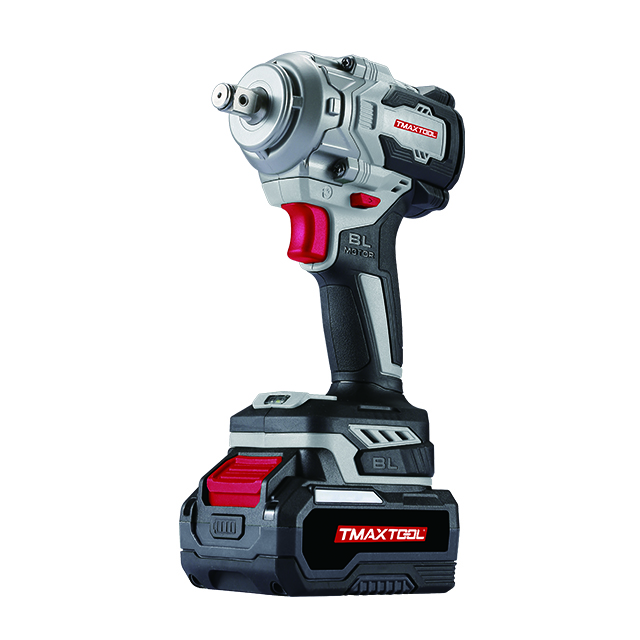
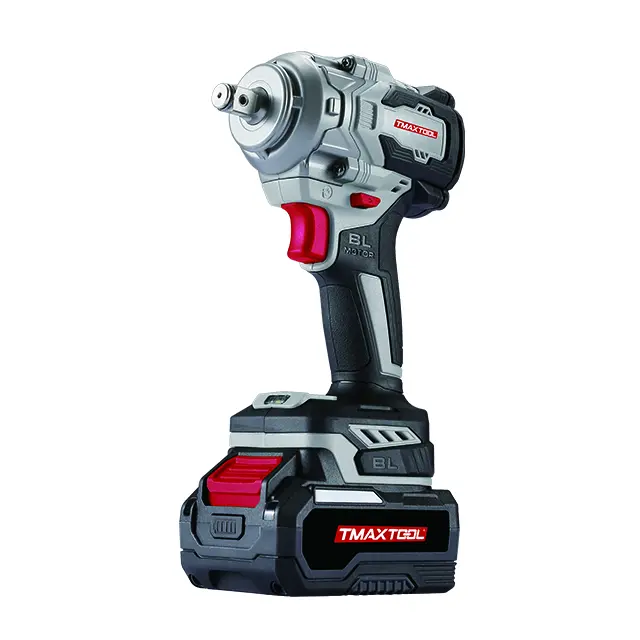
 Impact Wrench
 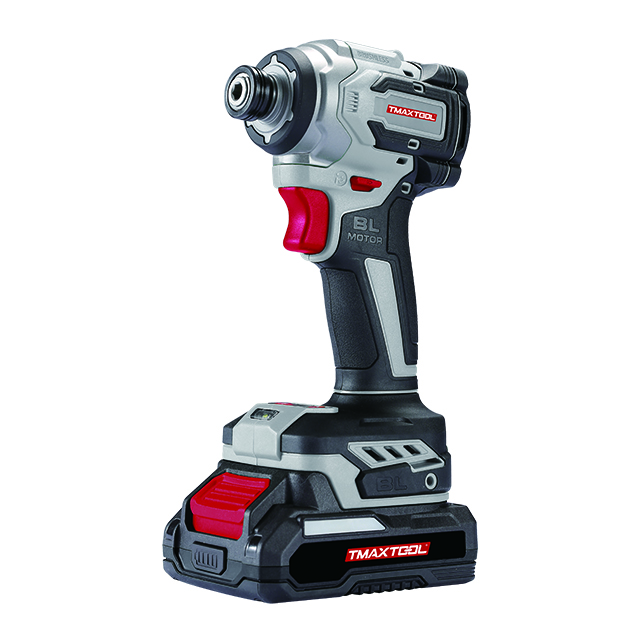 Screwdriver
 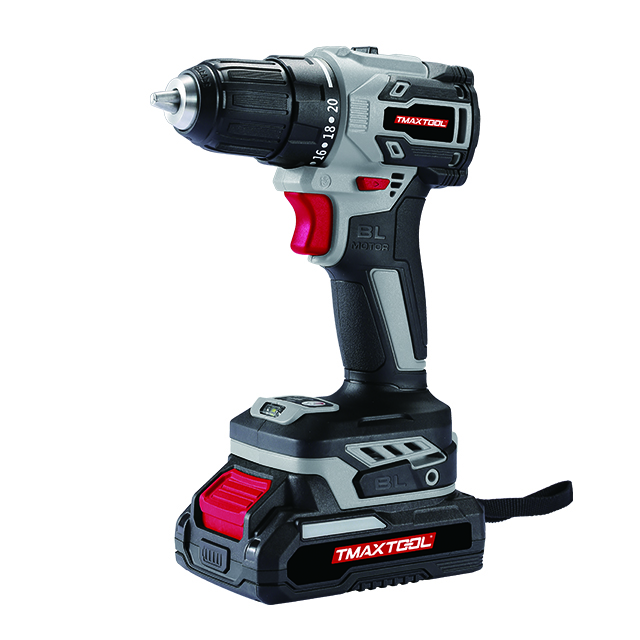 Cordless Drill
 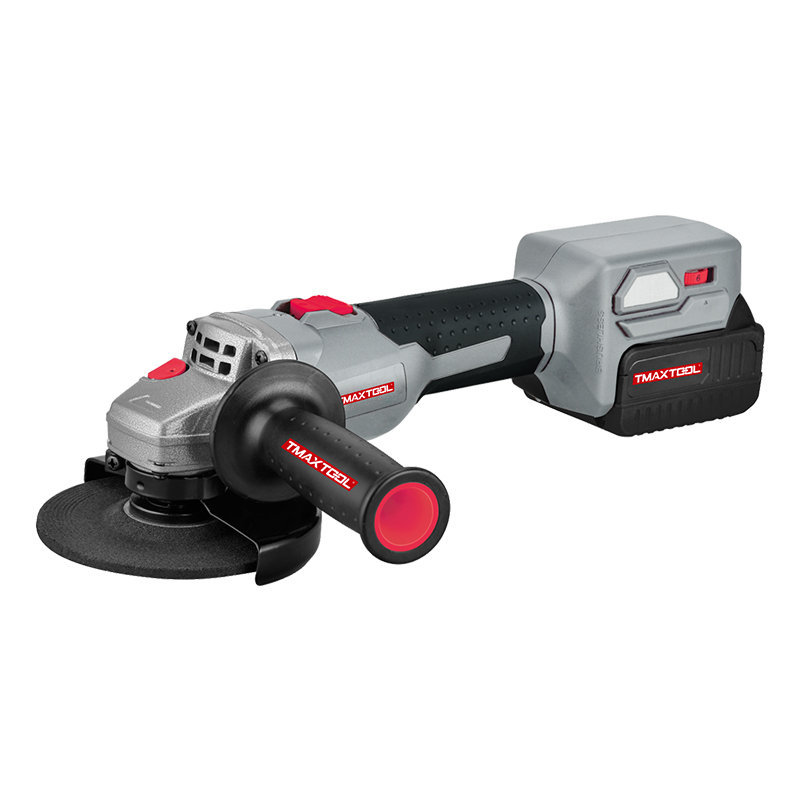 Angle Grinder
 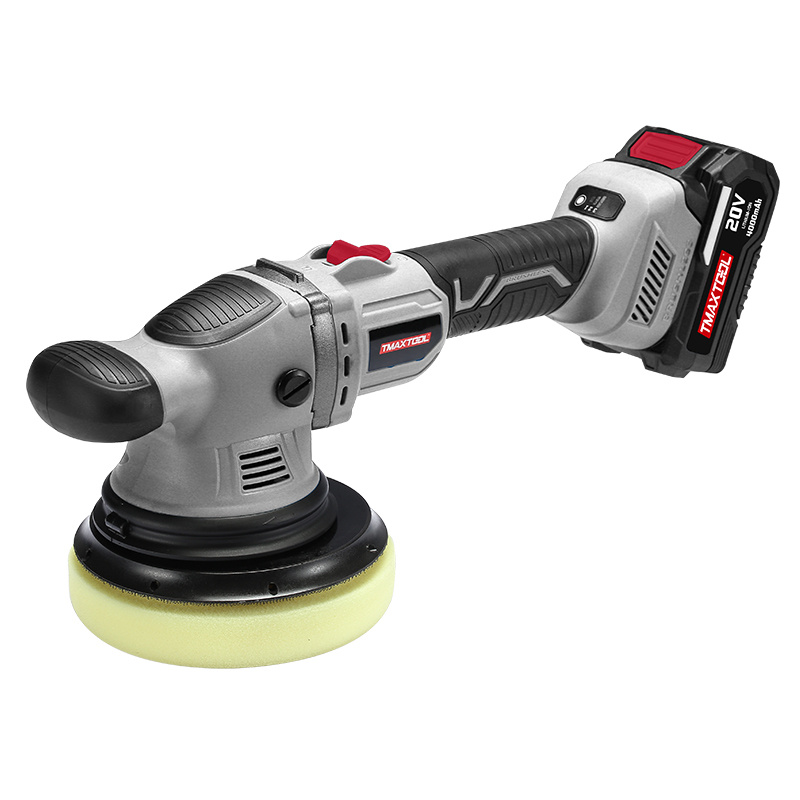 Polisher
 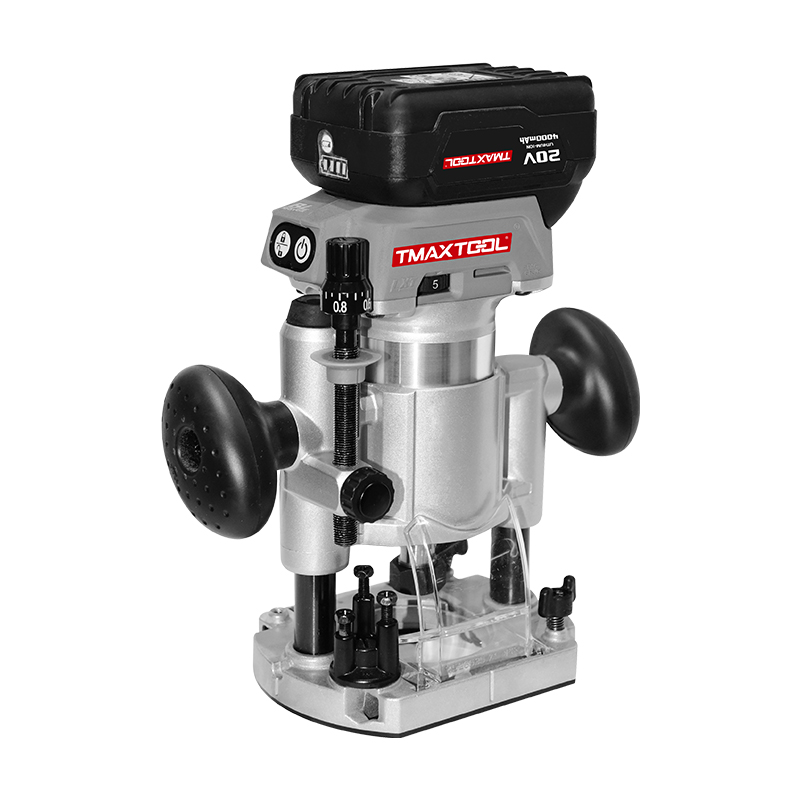 Wood Router
 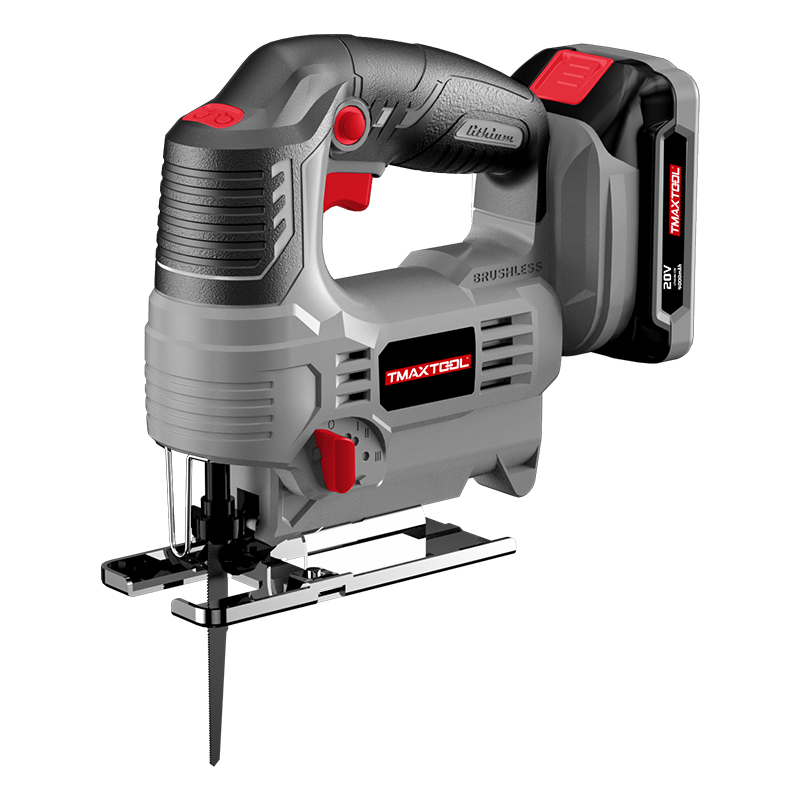 Jig Saw
 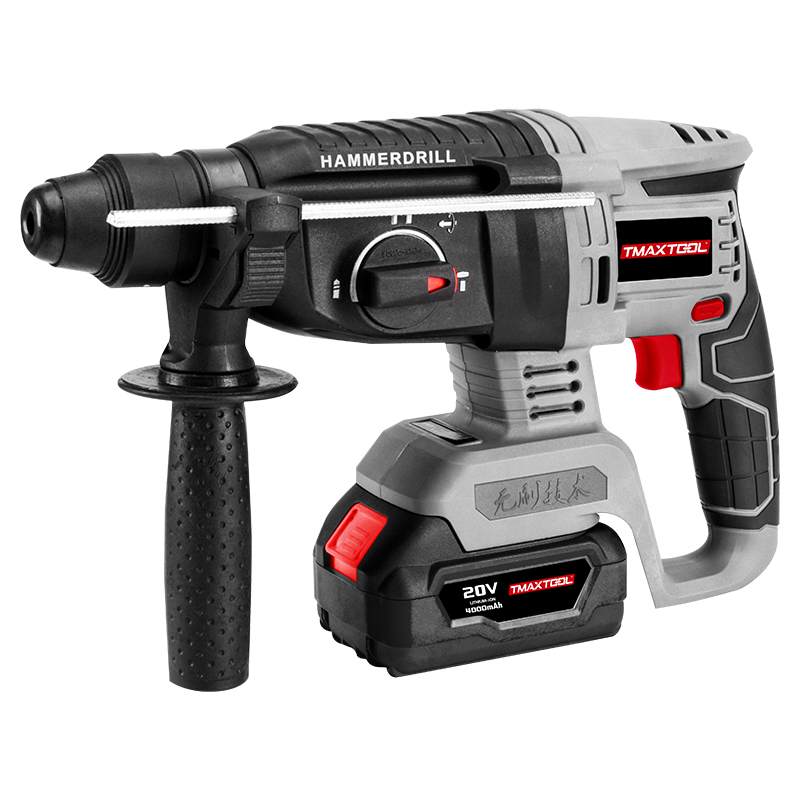 Hammer Drill
 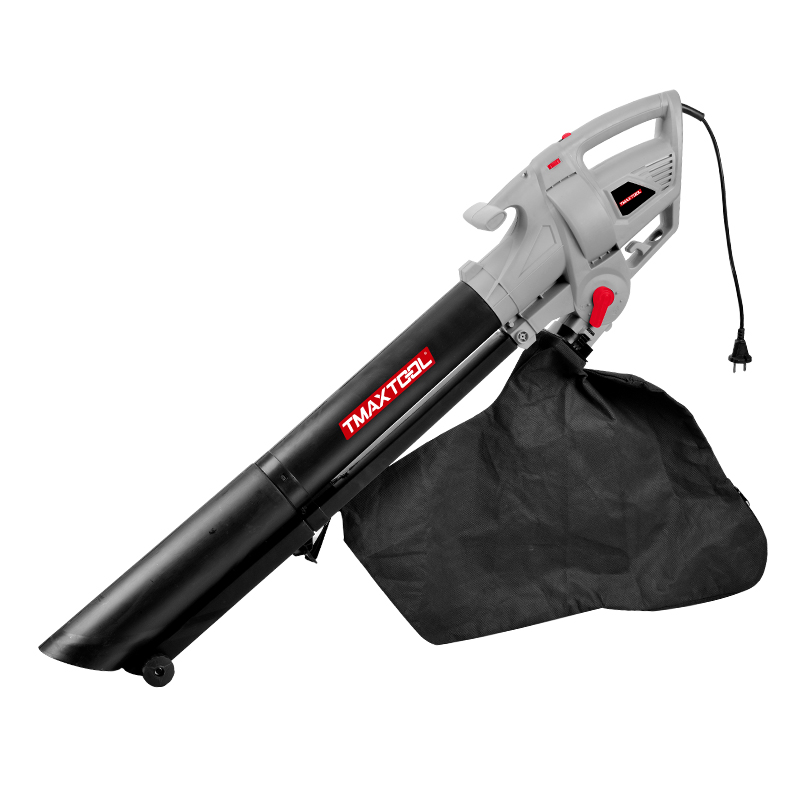 Portable Blower
 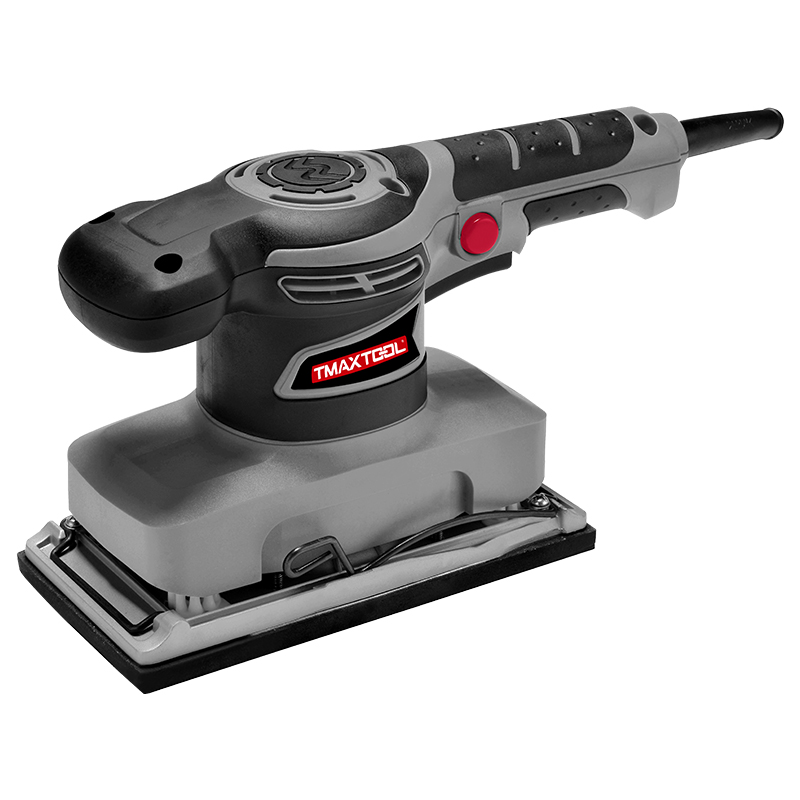 Orbital Sander
 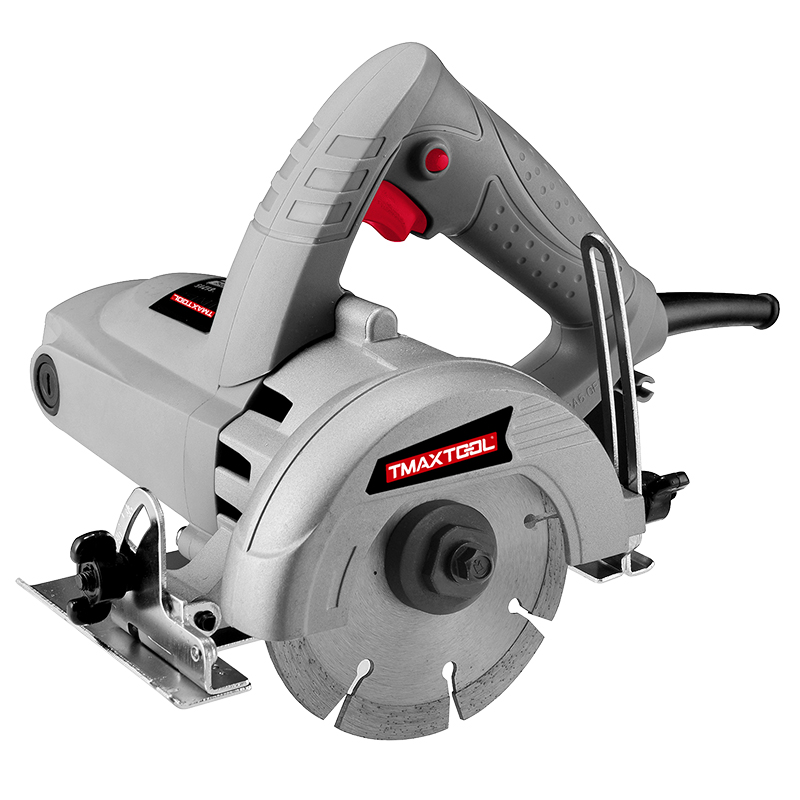 Marble Cutter
  GARDEN TOOLS
 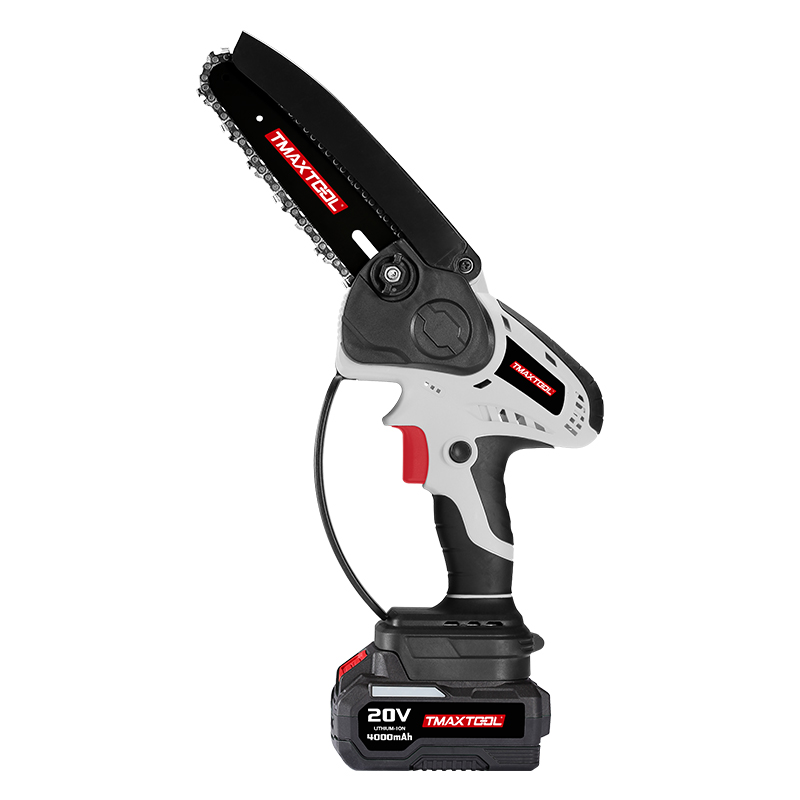 Battery Chain Saw
 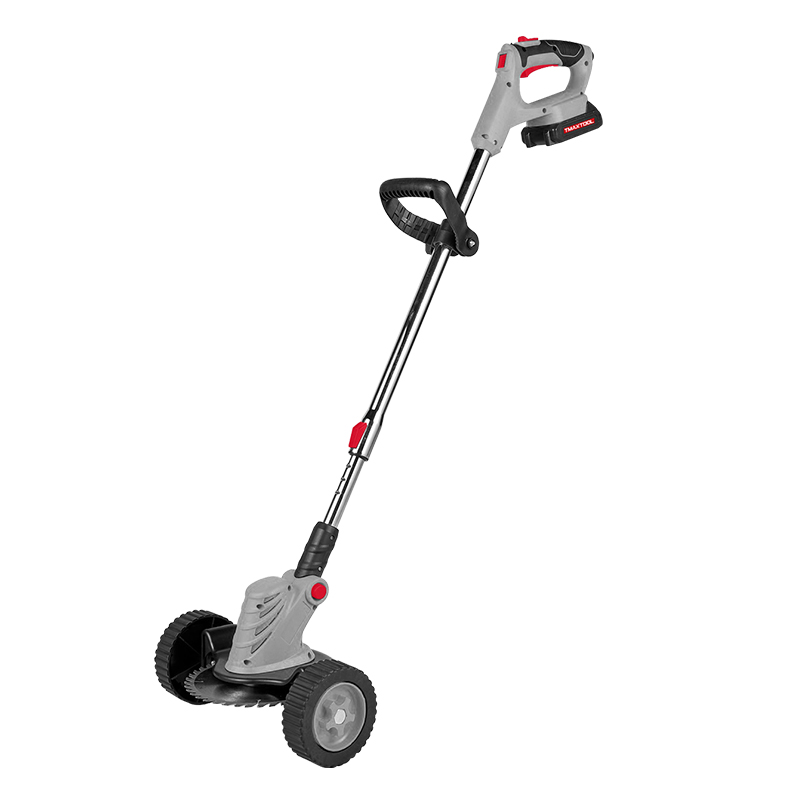 Battery Brush Cutter
 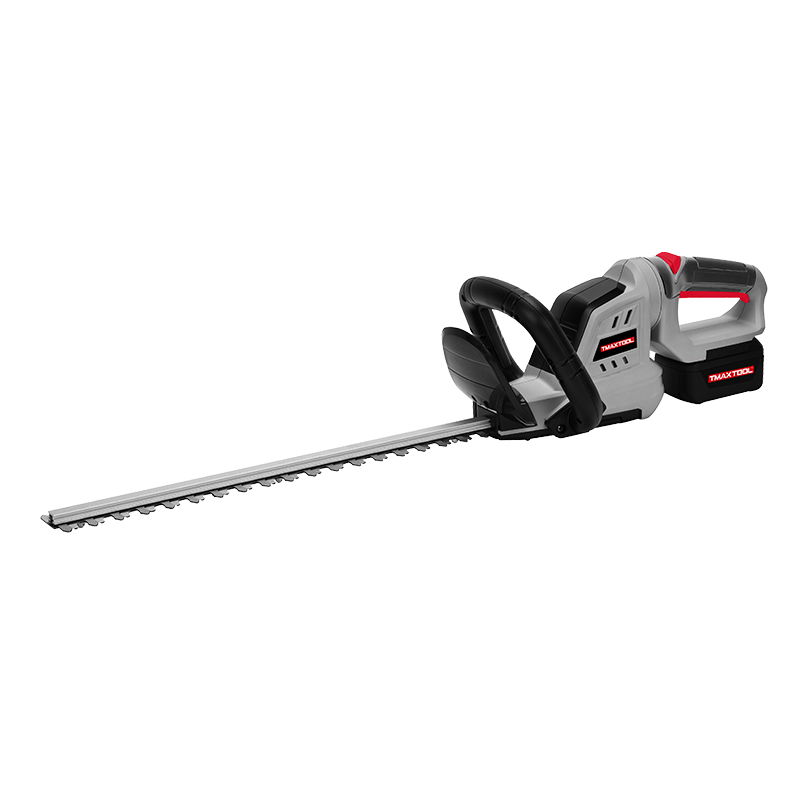 Battery Hedge Trimmer
 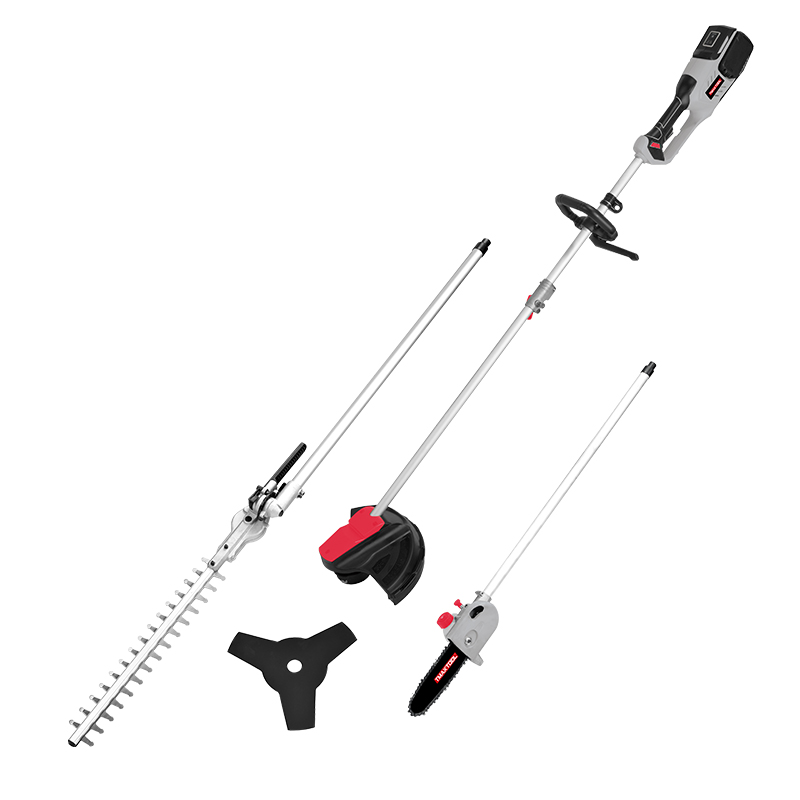 Battery Multi Tool
 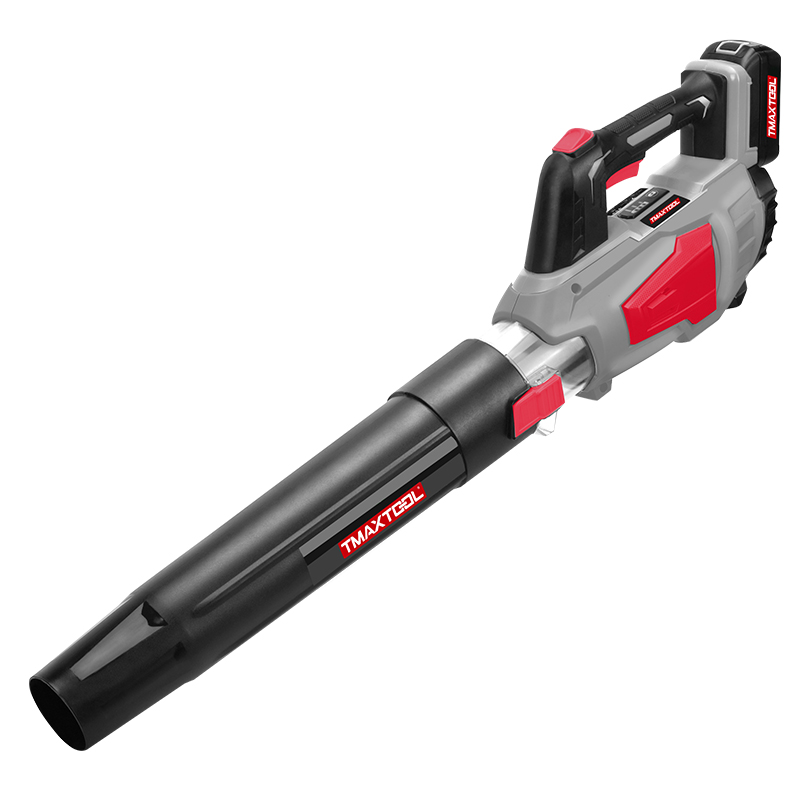 Battery Blower
 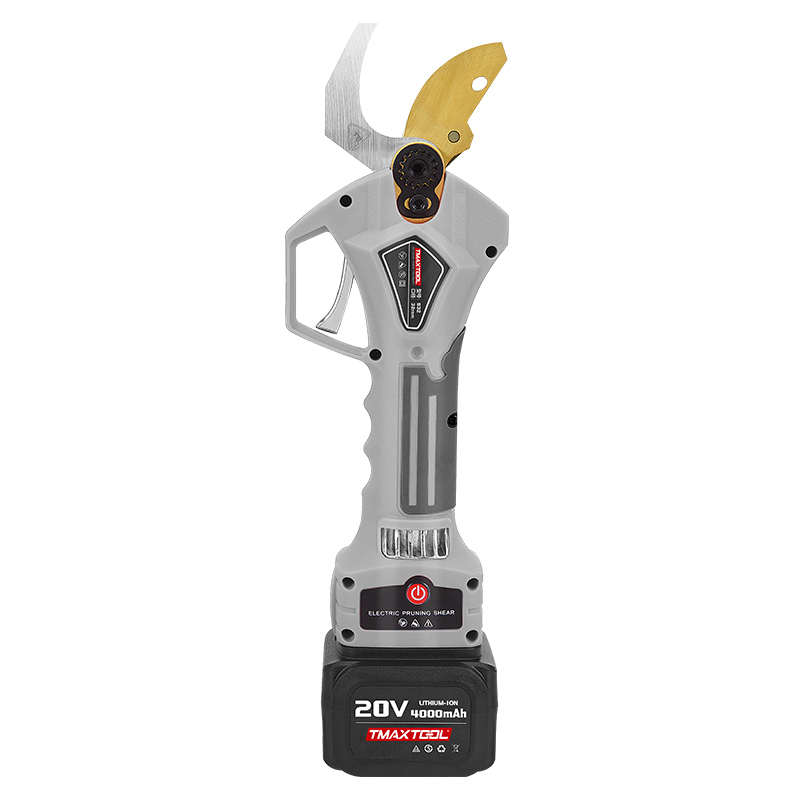 Batter Pruning Shears
 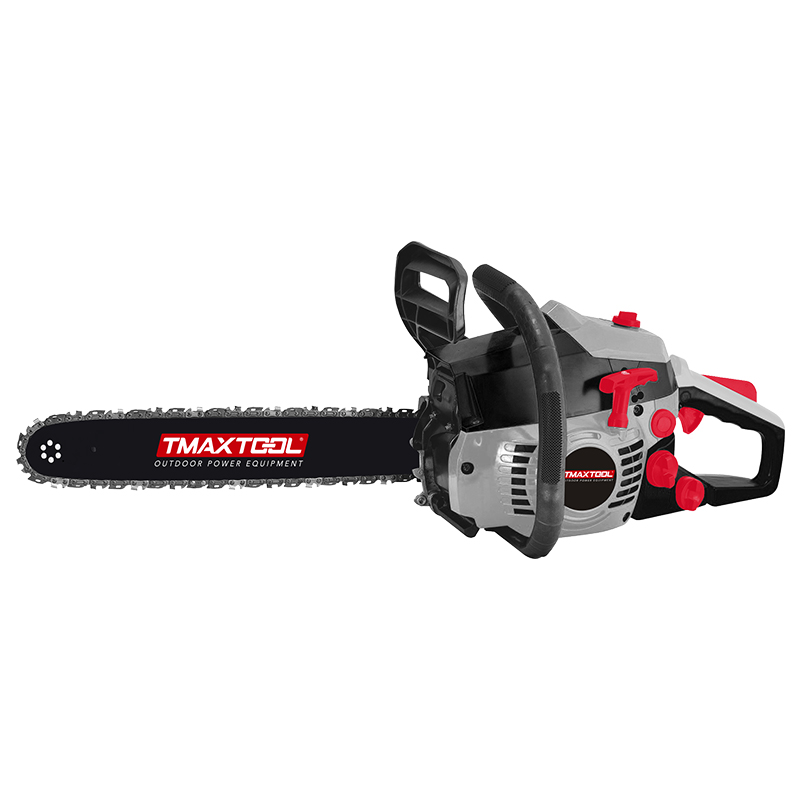 Chain Saw
 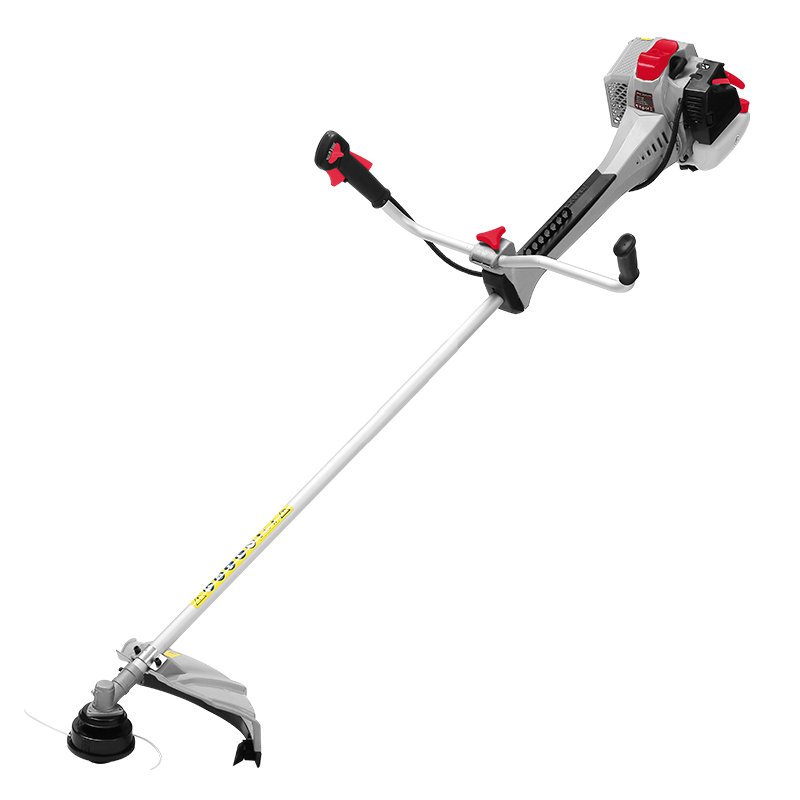 Brush Cutter
 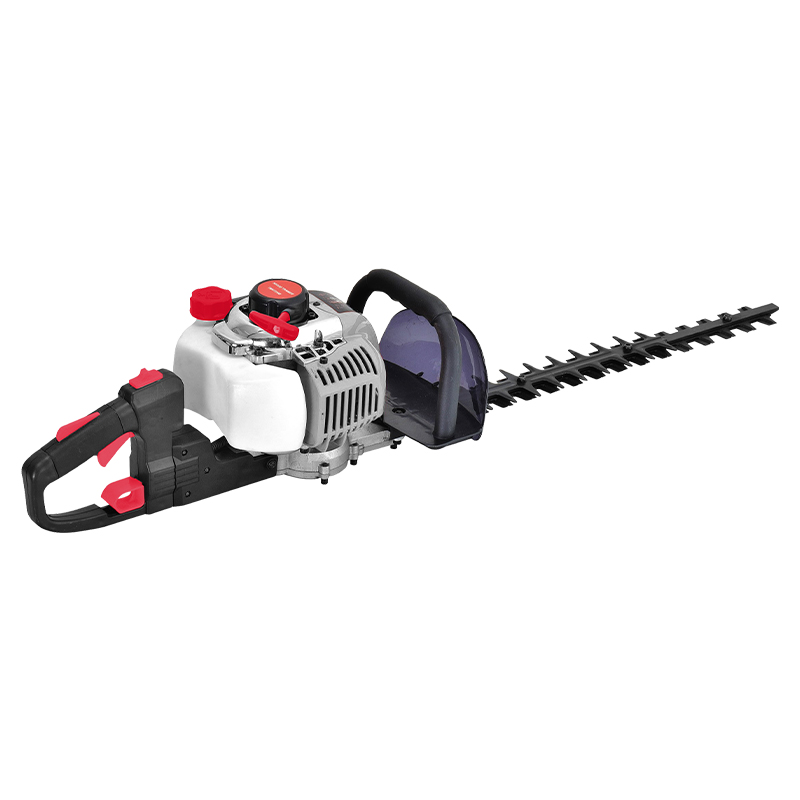 Hedge Trimmer
 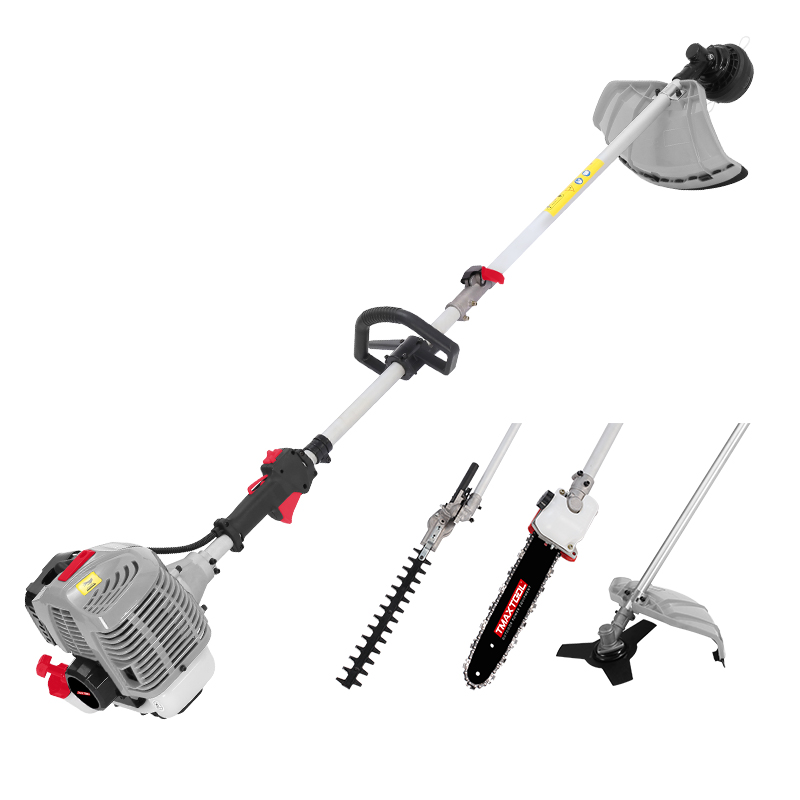 Multi Tool
 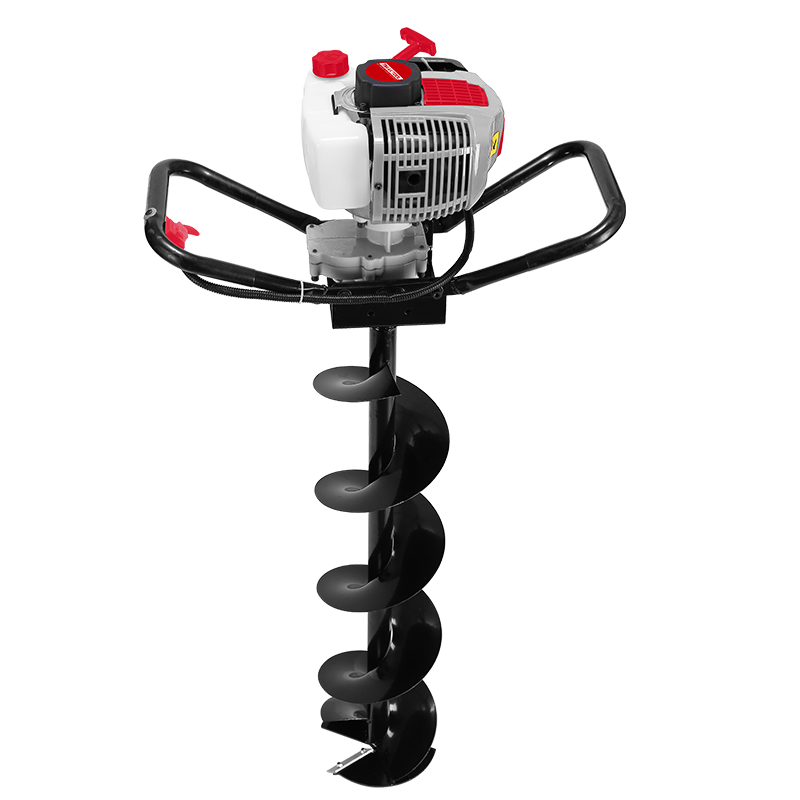 Earth Auger
 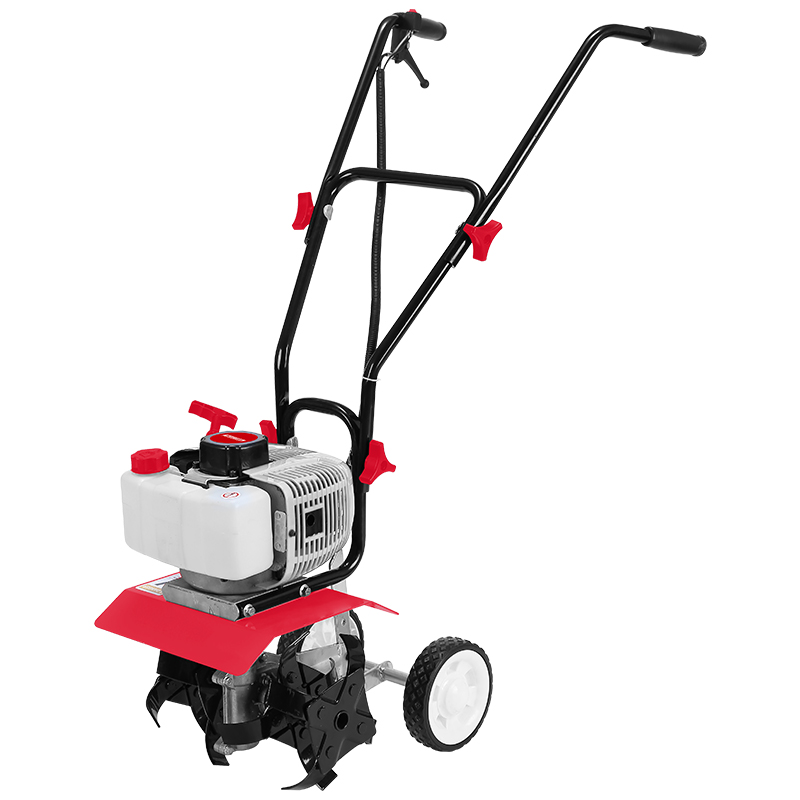 Tiller
 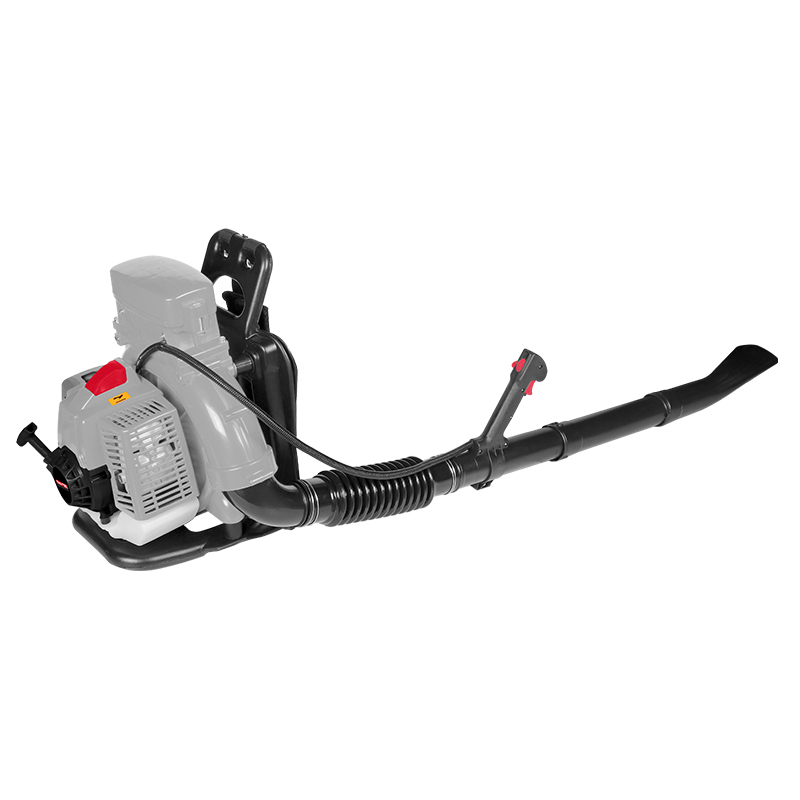 Blower
 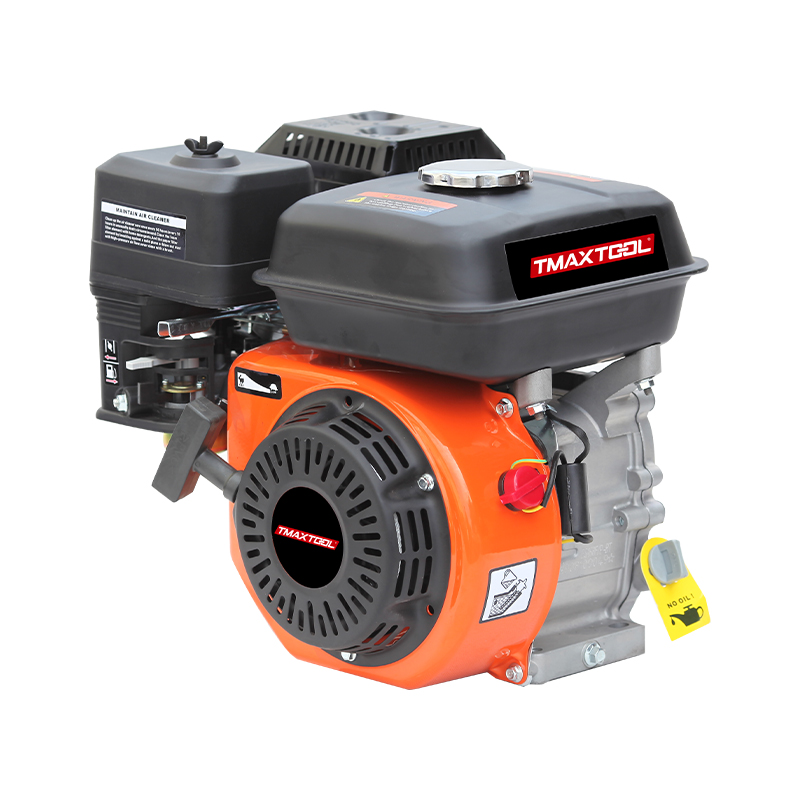 4 Stroke Gasoline Engine
 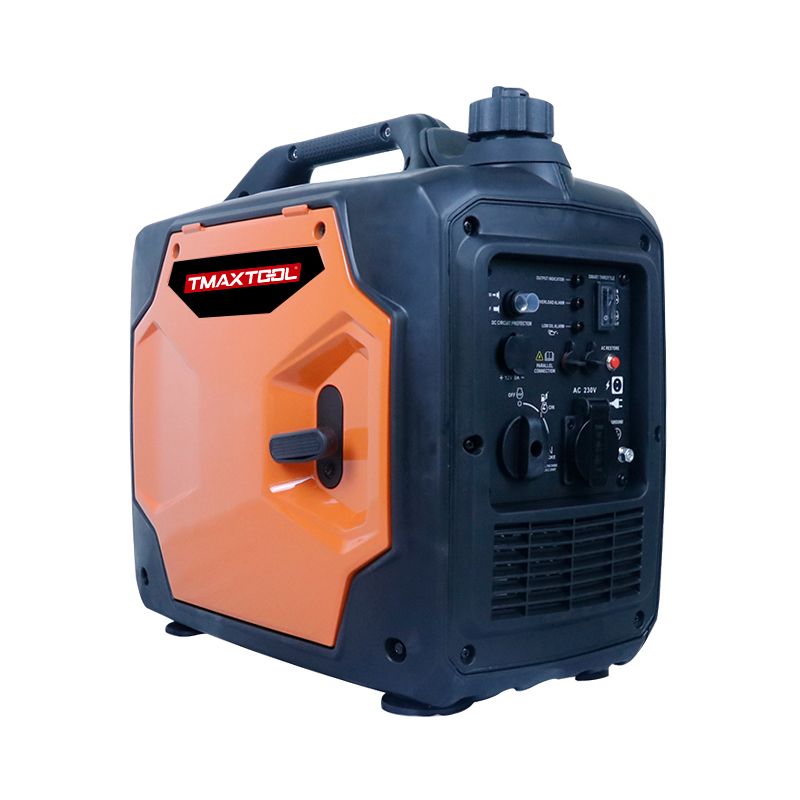 Generator
 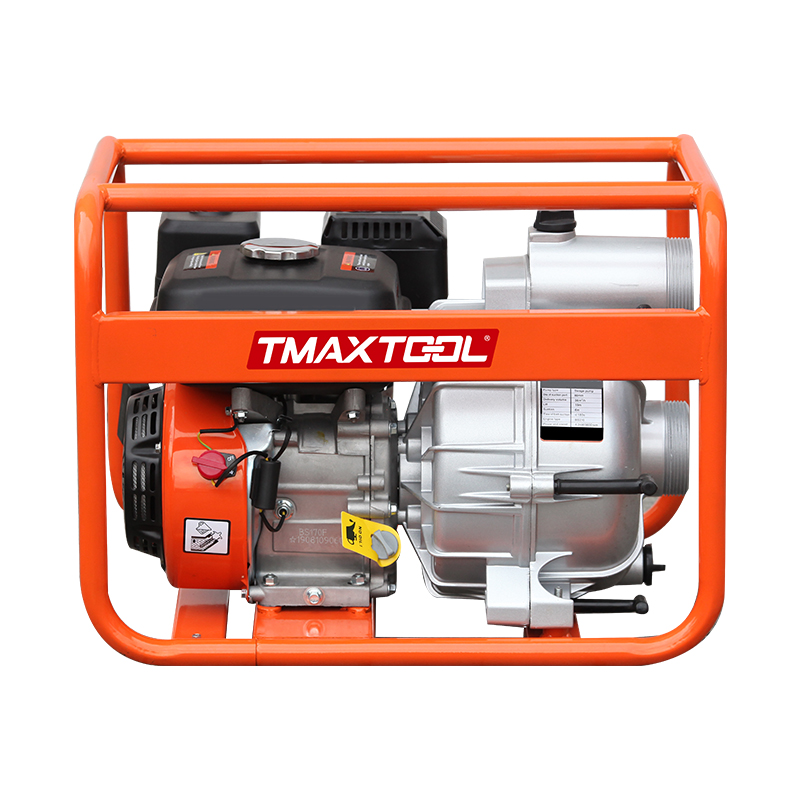 Water Pump
 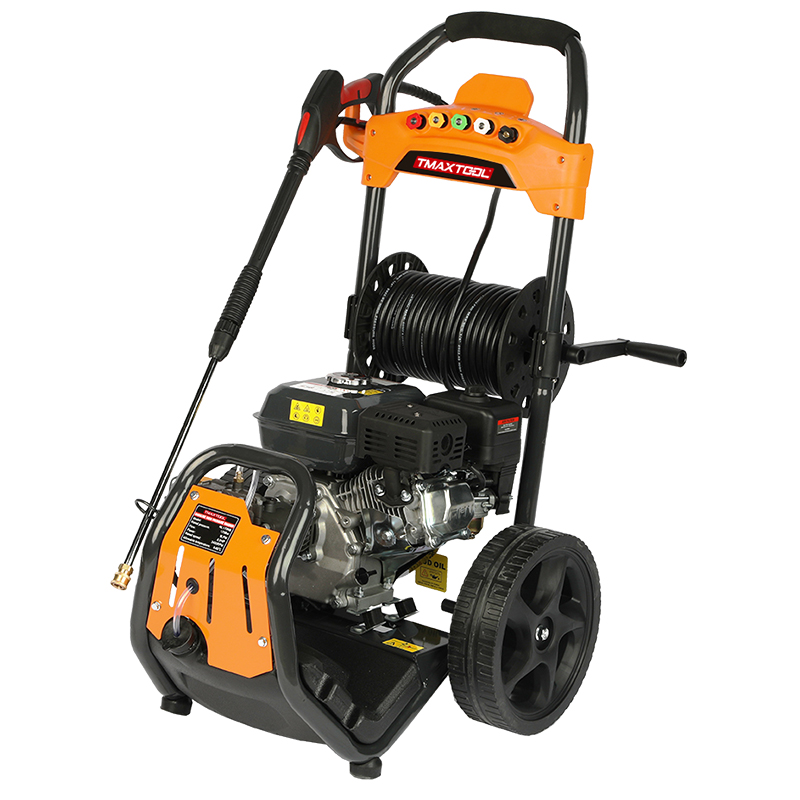 High Pressure Washer
 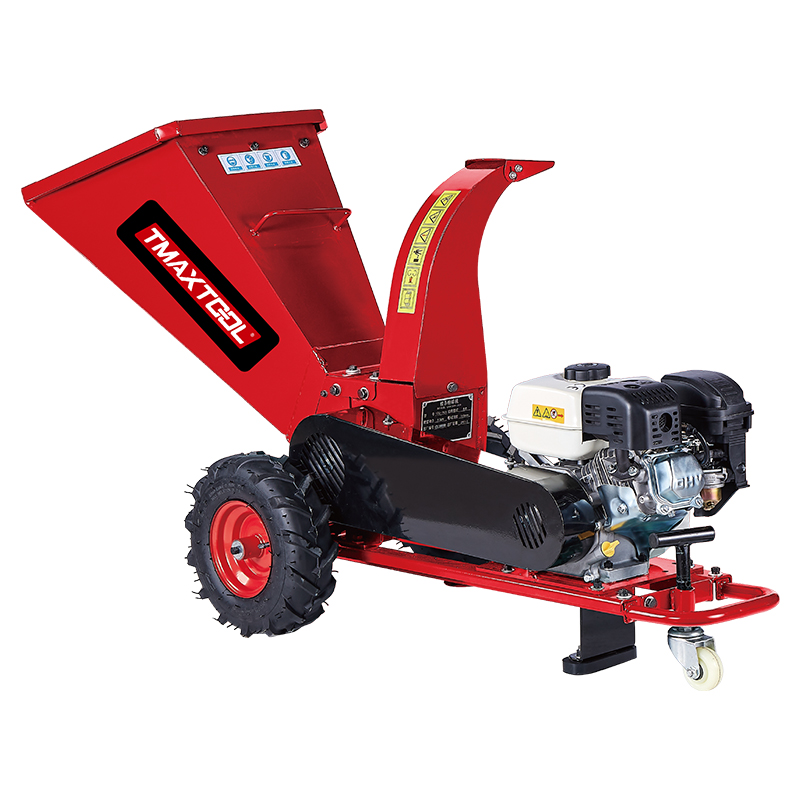 Wood Cutter
 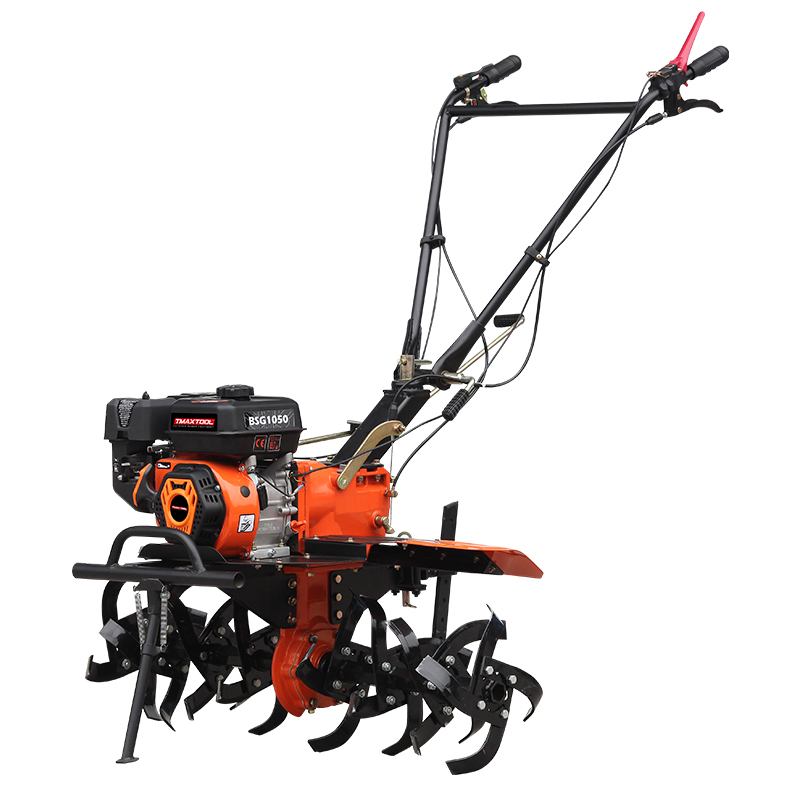 4 Stroke Tiller
  Chain Saw Accessory
 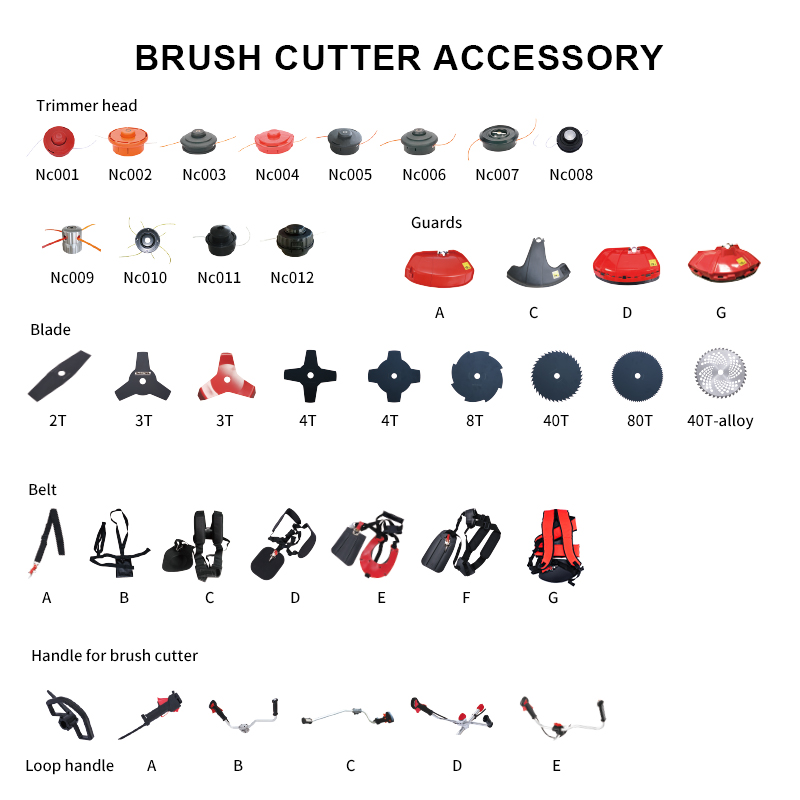 Brush Cutter Accessory
 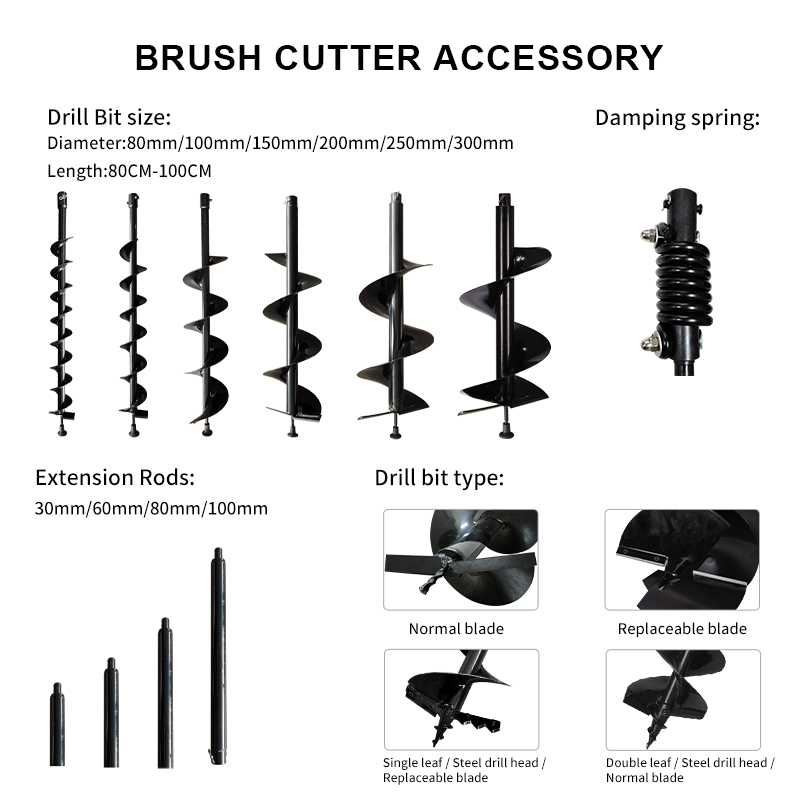 Earth Auger Accessory
  Protective Equipment Accessories
Products Knowledge
Leave Your Message


0102030405
Brush cutter Battery Maintenance: Extending Lifespan and Performance
2025-07-09
Electric lawn mowers have become increasingly popular for their convenience, efficiency, and environmental benefits. However, to ensure your electric mower remains reliable and performs well over time, proper battery maintenance is crucial. In this blog post, we’ll explore essential tips and best practices for maintaining your lawn mower’s battery, helping you extend its lifespan and get the most out of your investment.
Understanding Your Lawn Mower Battery
Most electric lawn mowers use either lead - acid batteries or lithium - ion batteries. Each type has its own characteristics and maintenance requirements:
Lead - Acid Batteries
Lead - acid batteries are the traditional choice for many electric mowers. They are generally more affordable but require more maintenance. These batteries are prone to sulfation, a process where lead sulfate crystals form on the battery plates, reducing capacity and performance.
Lithium - Ion Batteries
Lithium - ion batteries are more modern and offer several advantages, including higher energy density, lighter weight, and longer lifespan. However, they can be more expensive upfront. Lithium - ion batteries are less prone to sulfation and generally require less maintenance than lead - acid batteries.

Essential Battery Maintenance Tips
1. Regular Charging
Lead - Acid Batteries: These batteries should be kept fully charged as much as possible. Avoid letting them sit in a partially discharged state for extended periods, as this can lead to sulfation. Charge them after each use and before storing them for the winter.
Lithium - Ion Batteries: While lithium - ion batteries are more forgiving, it’s still a good practice to charge them regularly. Avoid letting them discharge completely, as this can reduce their overall lifespan. Most modern lithium - ion batteries have built - in protection circuits to prevent over - discharge, but it’s best to charge them when the battery level drops to around 20% - 30%.
2. Storage Conditions
Lead - Acid Batteries: Store them in a cool, dry place, ideally between 50°F and 80°F (10°C - 27°C). Avoid extreme temperatures, as they can accelerate sulfation and reduce battery life. If you live in a cold climate, consider bringing the battery indoors during winter.
Lithium - Ion Batteries: These batteries also benefit from being stored in a cool, dry environment. Avoid exposing them to direct sunlight or extreme temperatures. Lithium - ion batteries should be stored with a partial charge, around 50% - 70%, to maintain their health.
3. Cleaning and Inspection
Regularly inspect your battery for signs of corrosion, damage, or swelling. Clean the battery terminals with a mixture of baking soda and water to remove any buildup. For lead - acid batteries, check the electrolyte levels and top them up with distilled water if necessary.
4. Avoid Overloading
Using your lawn mower for extended periods or in heavy - duty applications can drain the battery quickly and stress the battery cells. Try to mow in shorter sessions and avoid overloading the mower with too much grass or debris.
5. Use the Right Charger
Always use the charger recommended by the manufacturer. Using an incompatible charger can damage the battery and reduce its lifespan. For lithium - ion batteries, avoid using fast chargers unless specified by the manufacturer, as they can generate excessive heat and degrade the battery.
Additional Tips for Long - Term Battery Health
Temperature Management
Both lead - acid and lithium - ion batteries are sensitive to temperature extremes. Avoid using or charging your lawn mower in temperatures below freezing or above 104°F (40°C). If you must use the mower in hot weather, allow the battery to cool down before recharging.
Regular Use
Batteries perform best when they are used regularly. Avoid letting your lawn mower sit idle for long periods. If you don’t need to mow frequently, consider using the mower for light tasks like trimming edges to keep the battery active.

Battery Management Systems (BMS)
If your lawn mower uses a lithium - ion battery, take advantage of any built - in battery management systems (BMS). These systems monitor and balance the battery cells, ensuring optimal performance and longevity. Follow the manufacturer’s guidelines for using and maintaining the BMS.
Conclusion
Proper battery maintenance is essential for extending the lifespan and performance of your electric lawn mower. Whether you have a lead - acid or lithium - ion battery, following these tips can help you get the most out of your investment. Regular charging, proper storage, cleaning, and using the right charger are all key factors in maintaining battery health.