
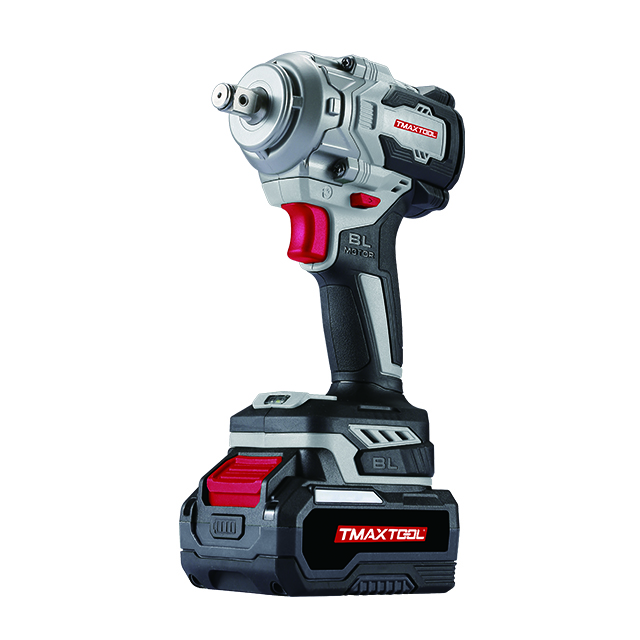
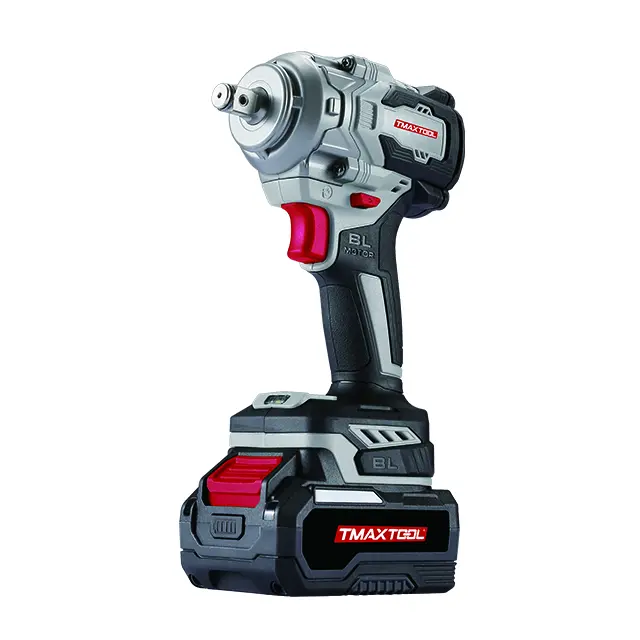
 Impact Wrench
 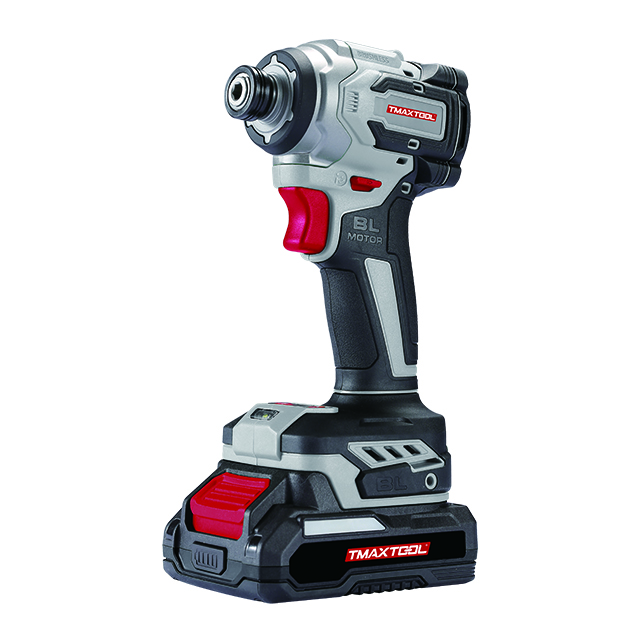 Screwdriver
 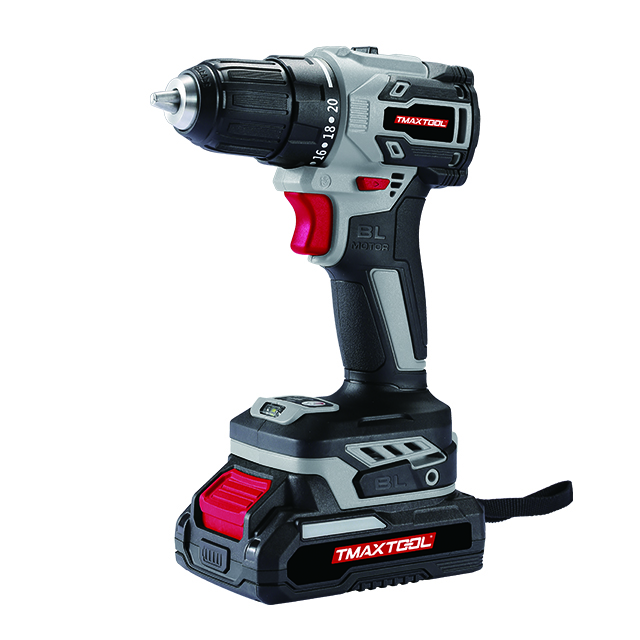 Cordless Drill
  Angle Grinder
  Polisher
 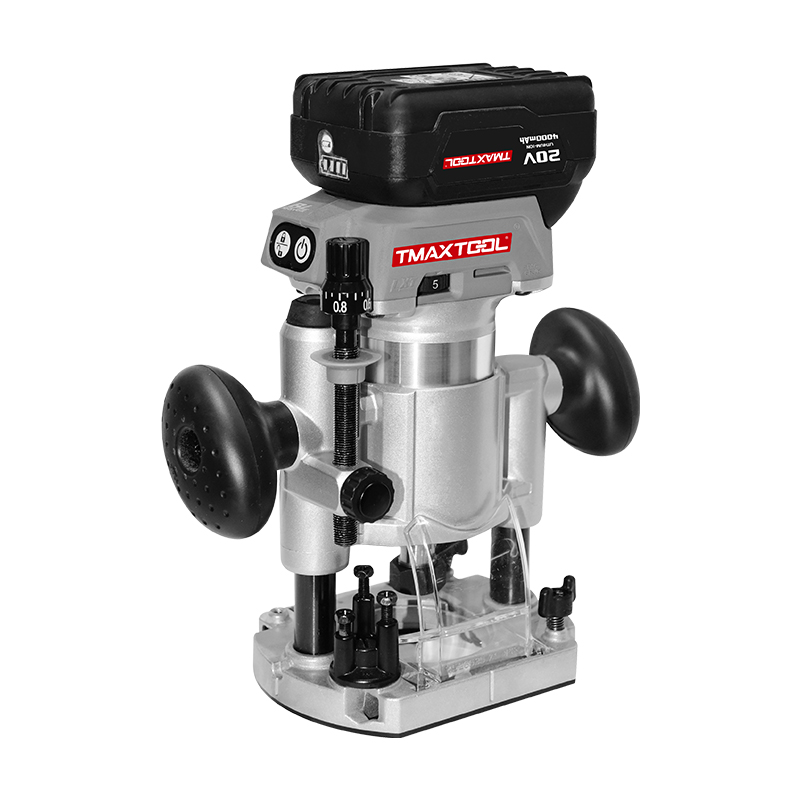 Wood Router
 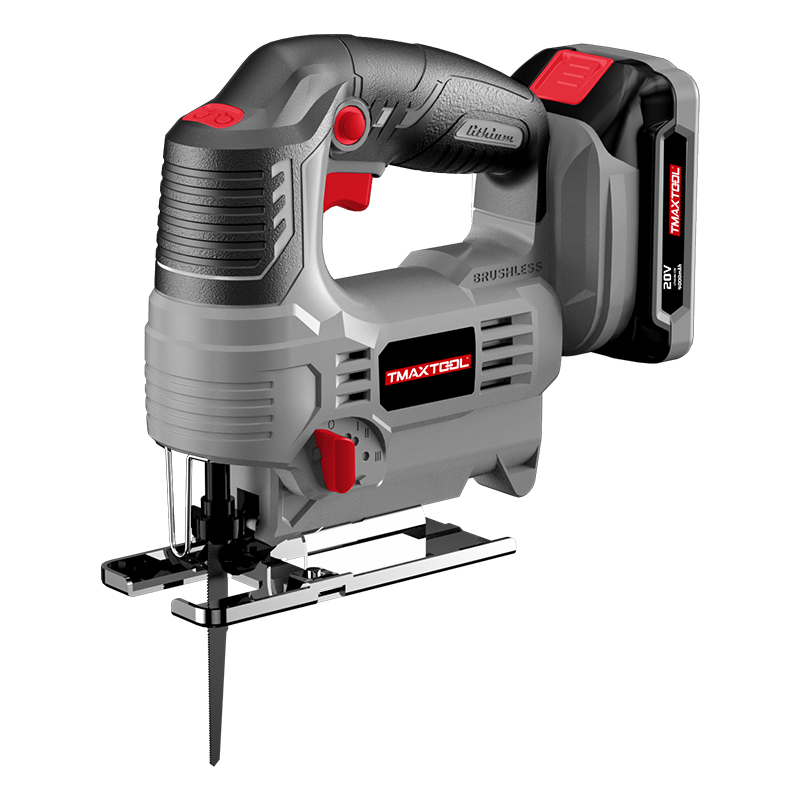 Jig Saw
 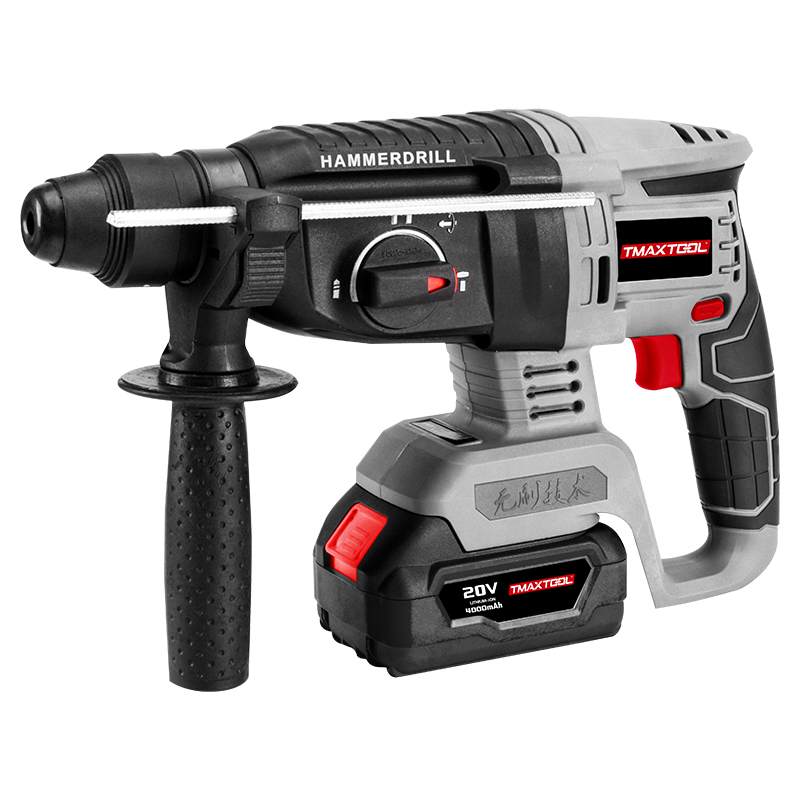 Hammer Drill
 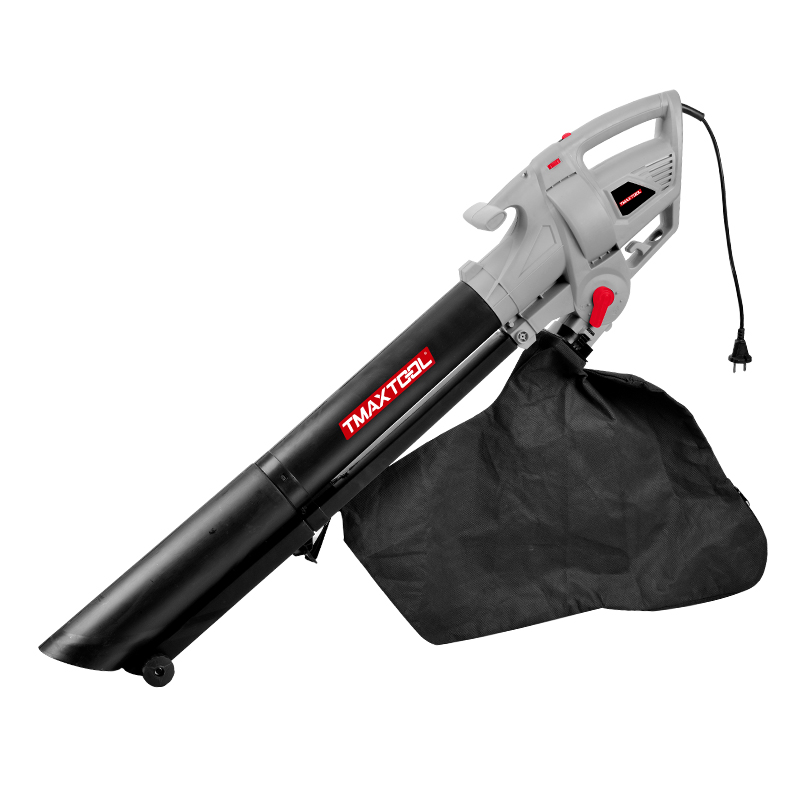 Portable Blower
  Orbital Sander
 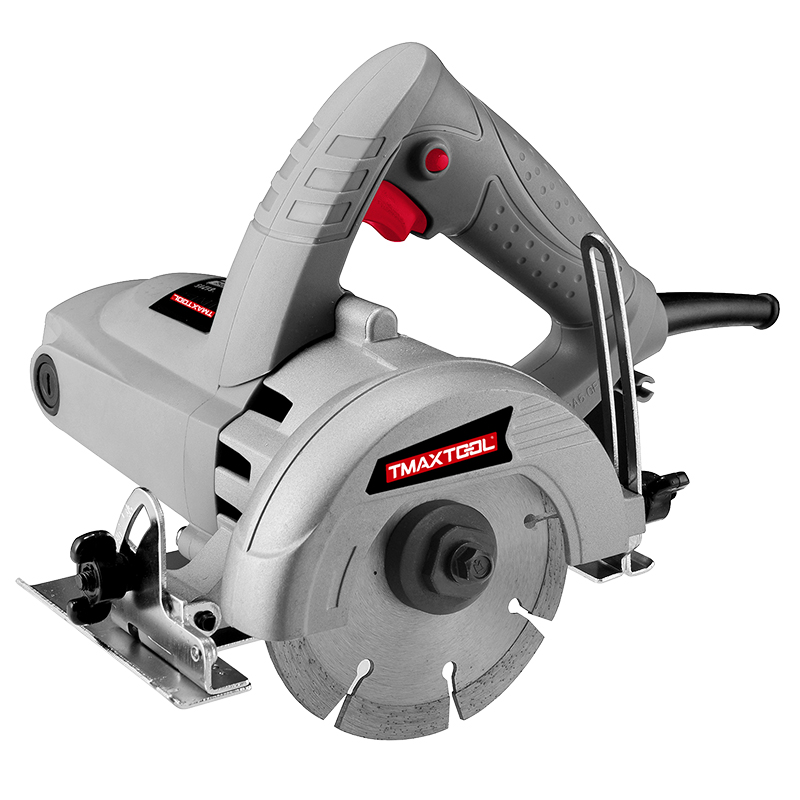 Marble Cutter
  GARDEN TOOLS
 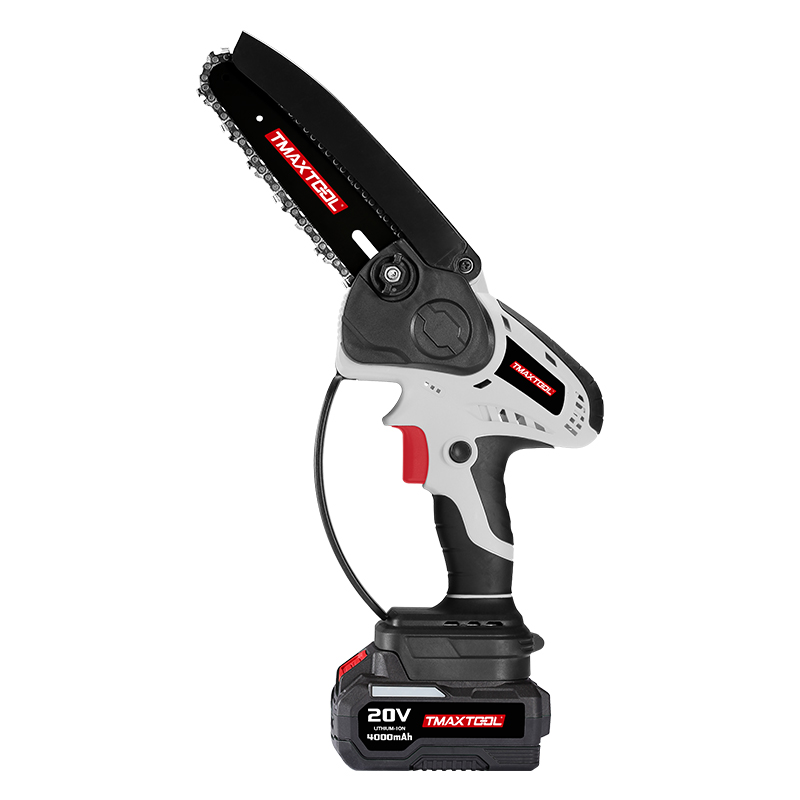 Battery Chain Saw
 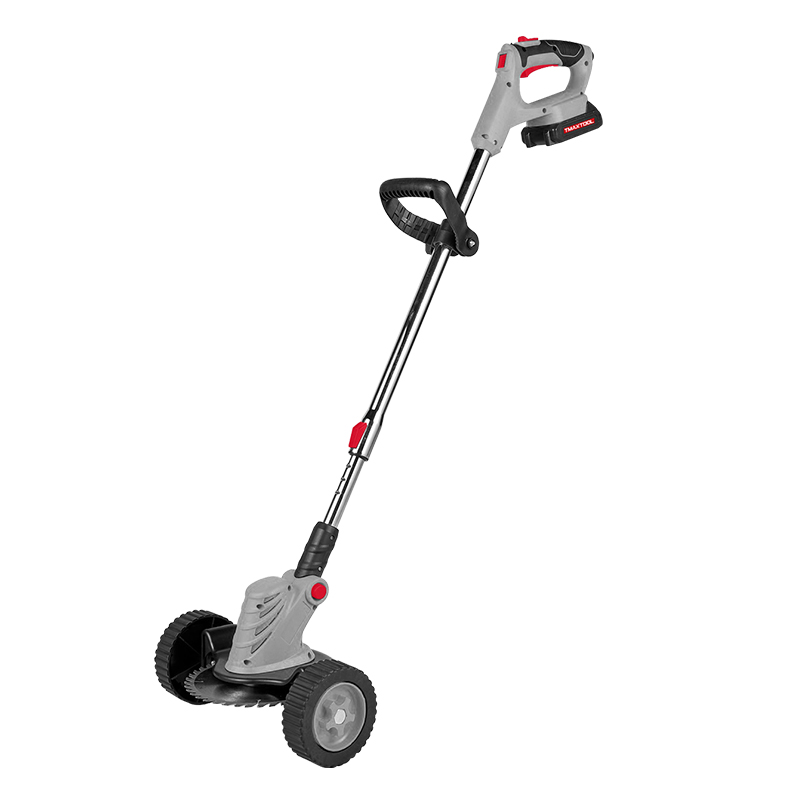 Battery Brush Cutter
 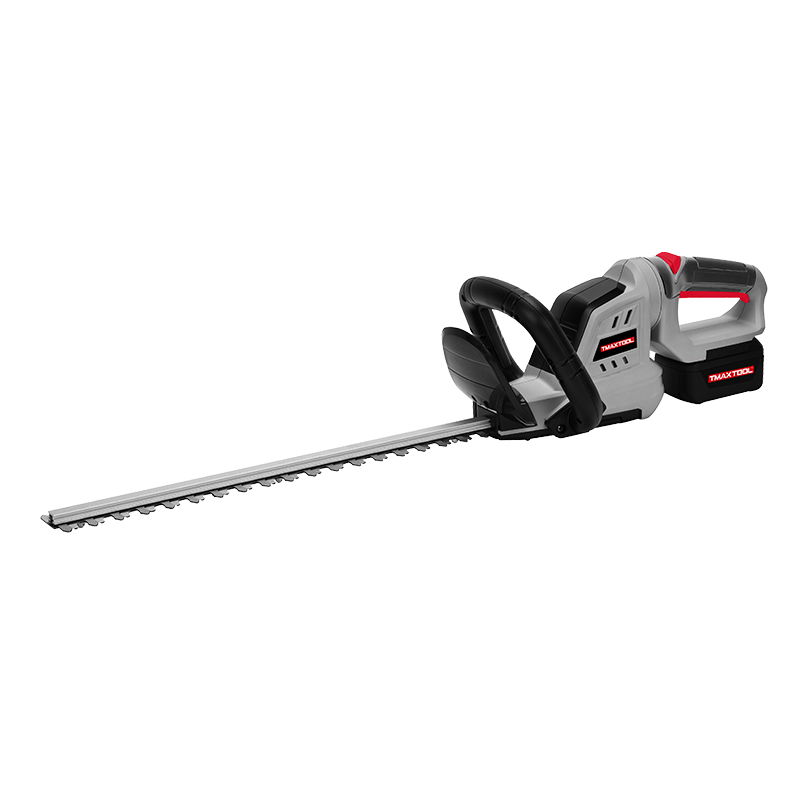 Battery Hedge Trimmer
 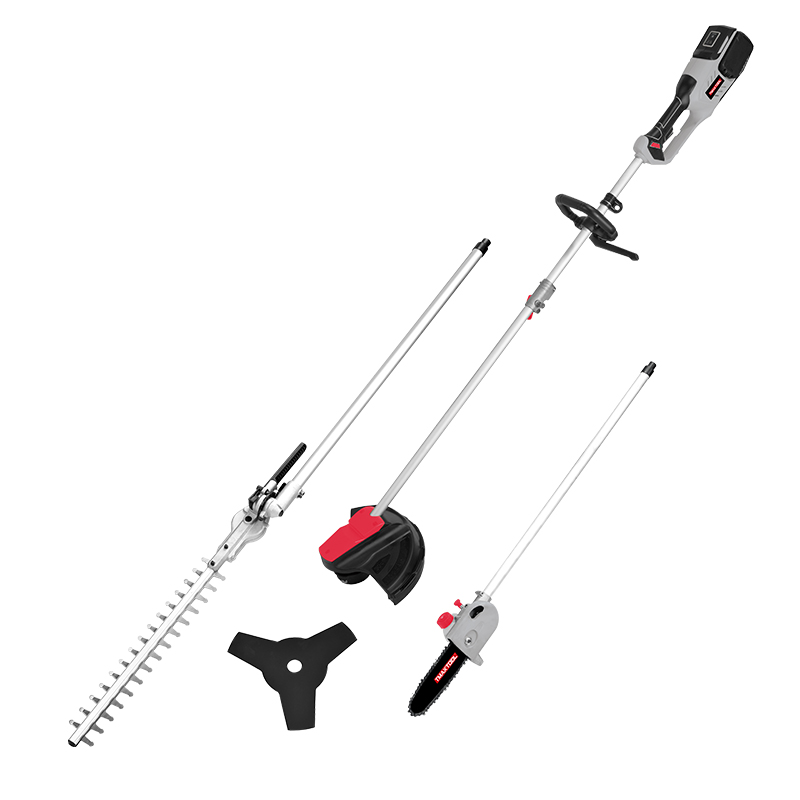 Battery Multi Tool
 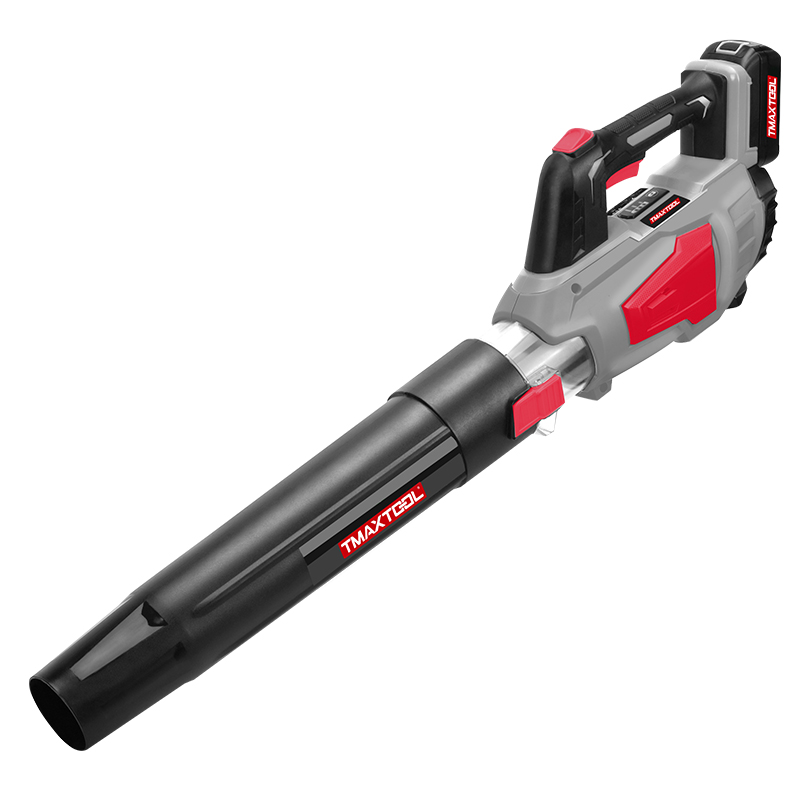 Battery Blower
 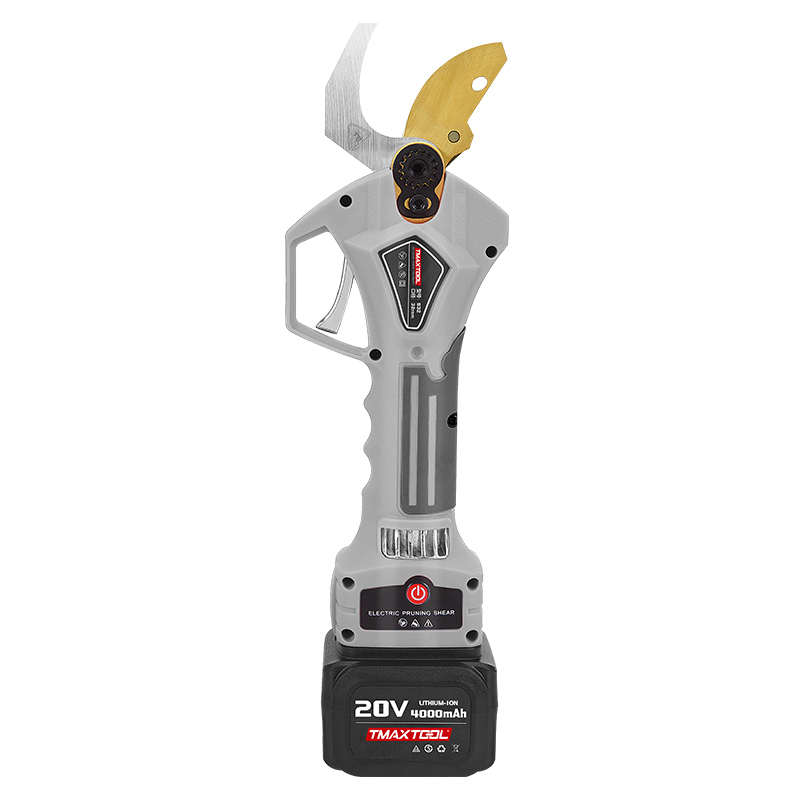 Batter Pruning Shears
 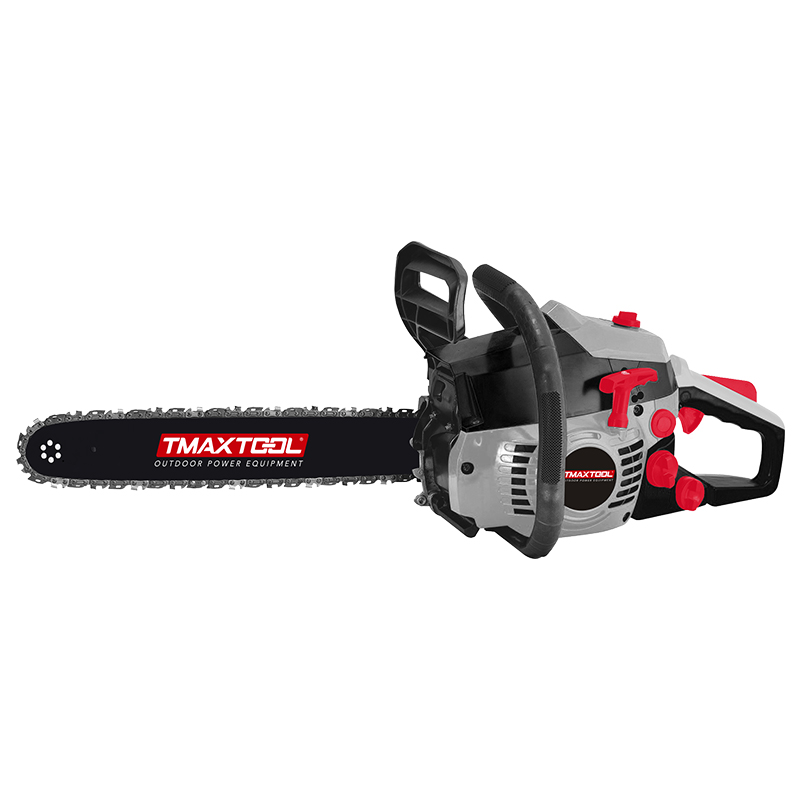 Chain Saw
  Brush Cutter
 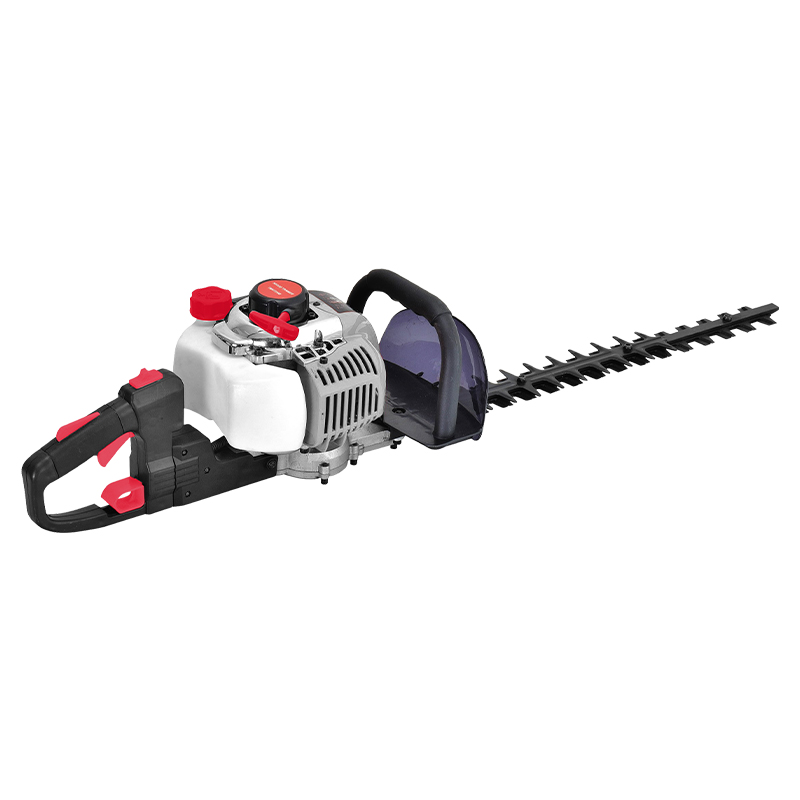 Hedge Trimmer
 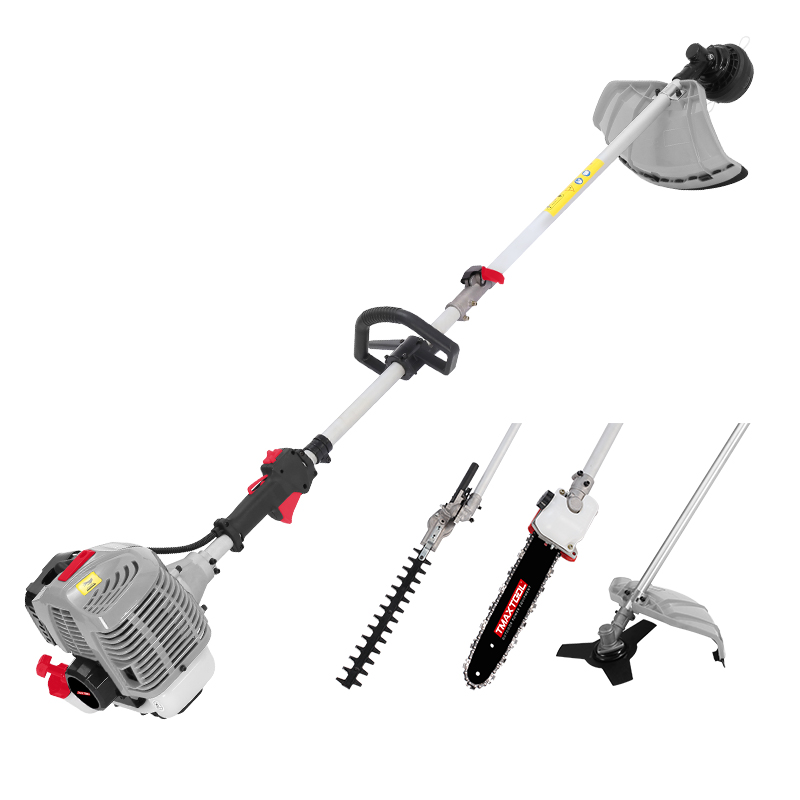 Multi Tool
 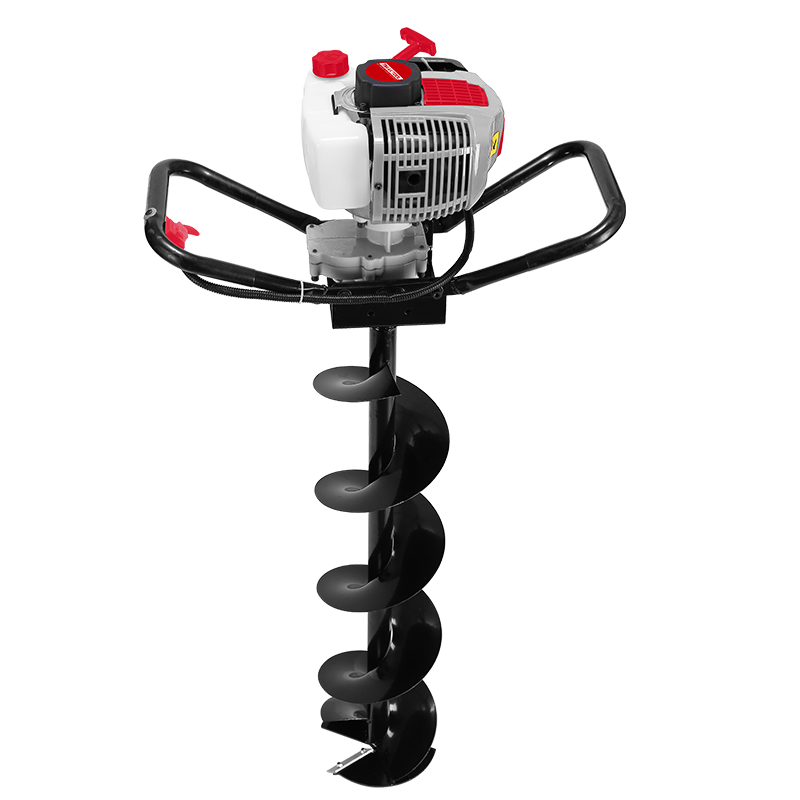 Earth Auger
 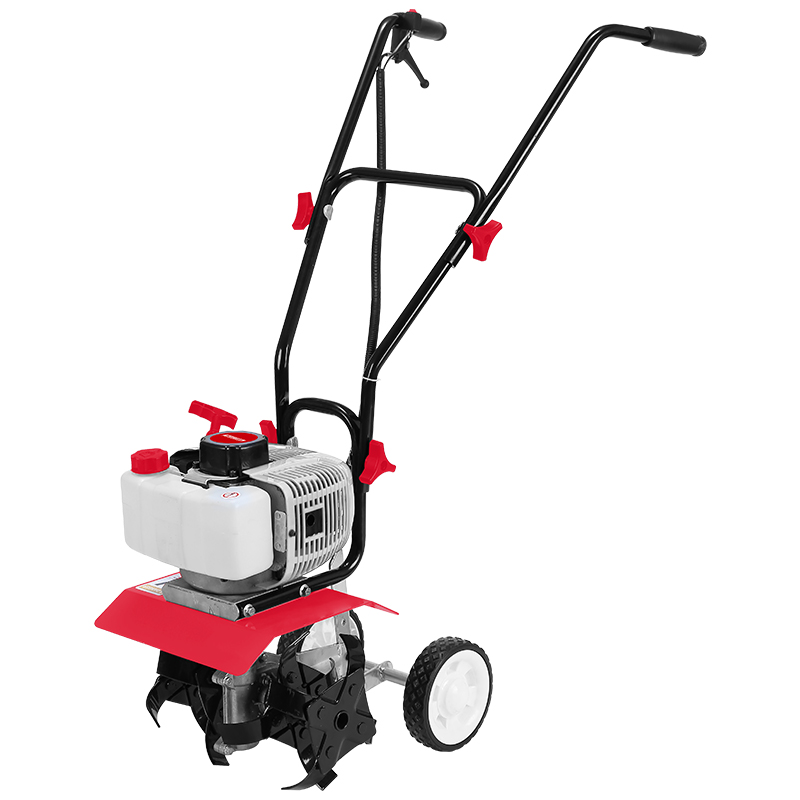 Tiller
 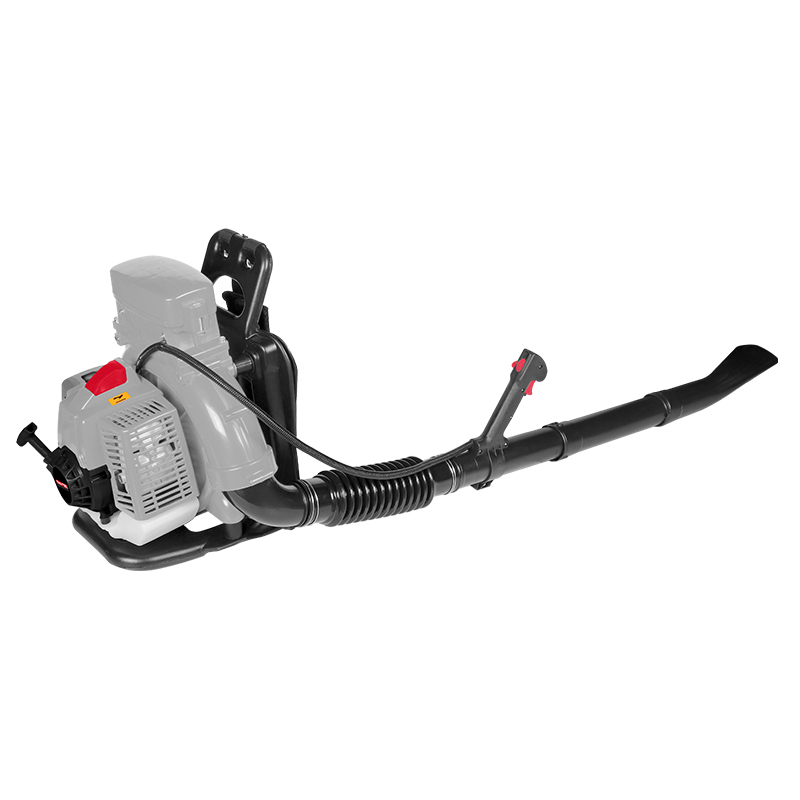 Blower
 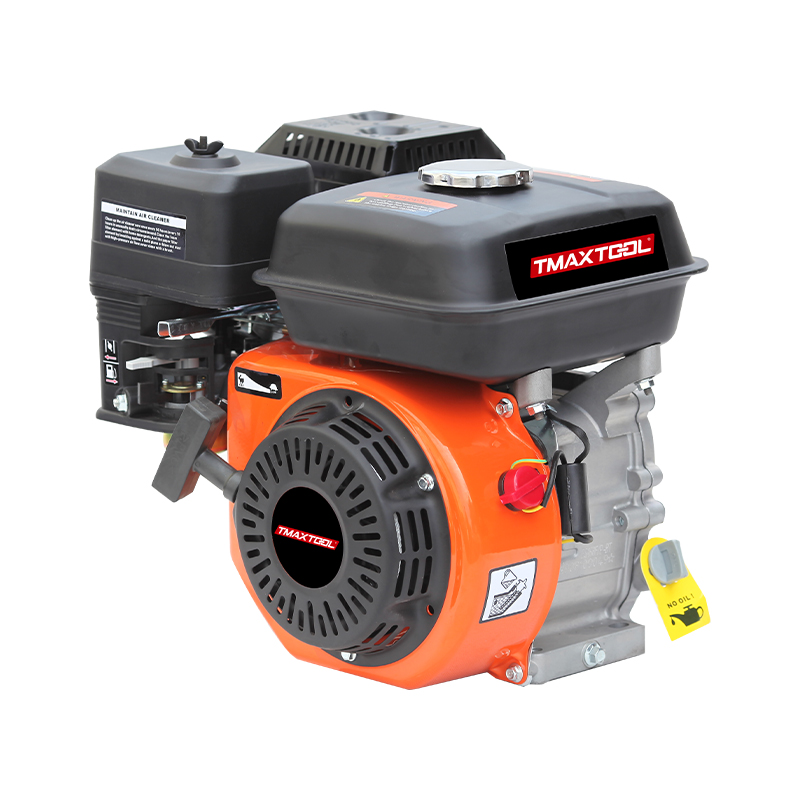 4 Stroke Gasoline Engine
 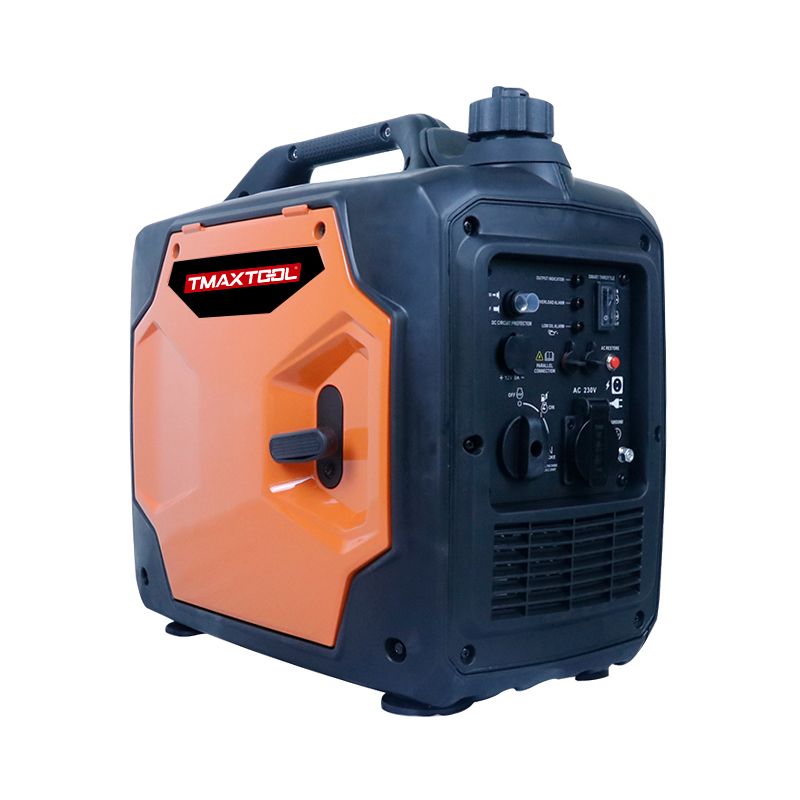 Generator
 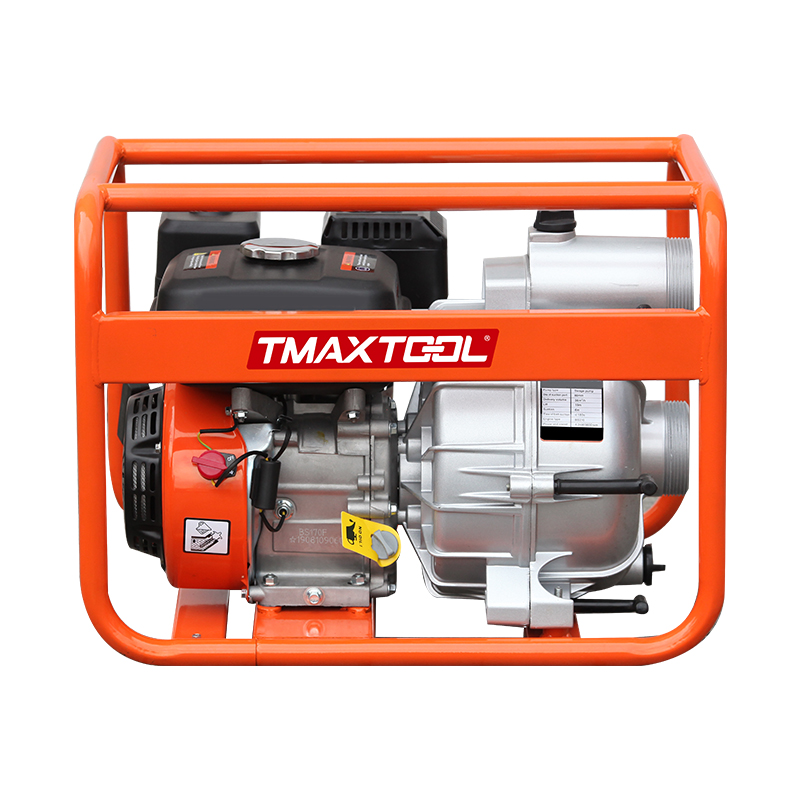 Water Pump
 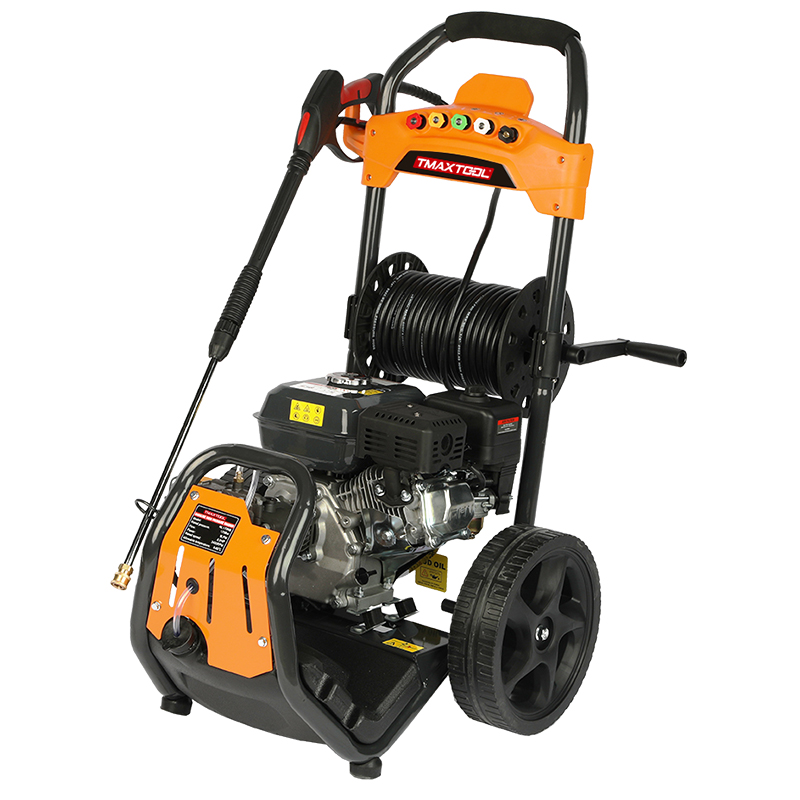 High Pressure Washer
 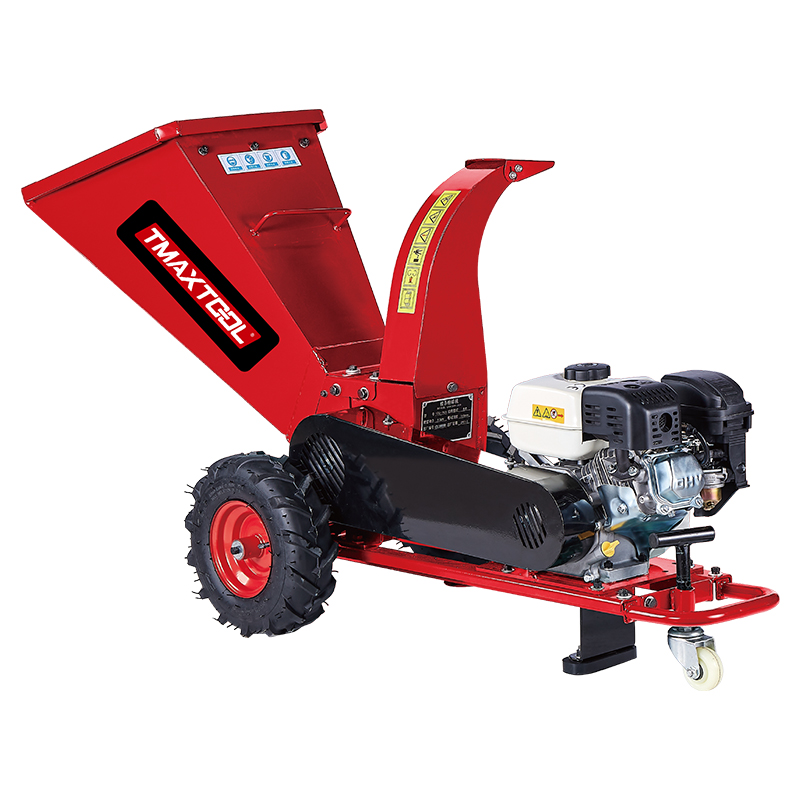 Wood Cutter
  4 Stroke Tiller
 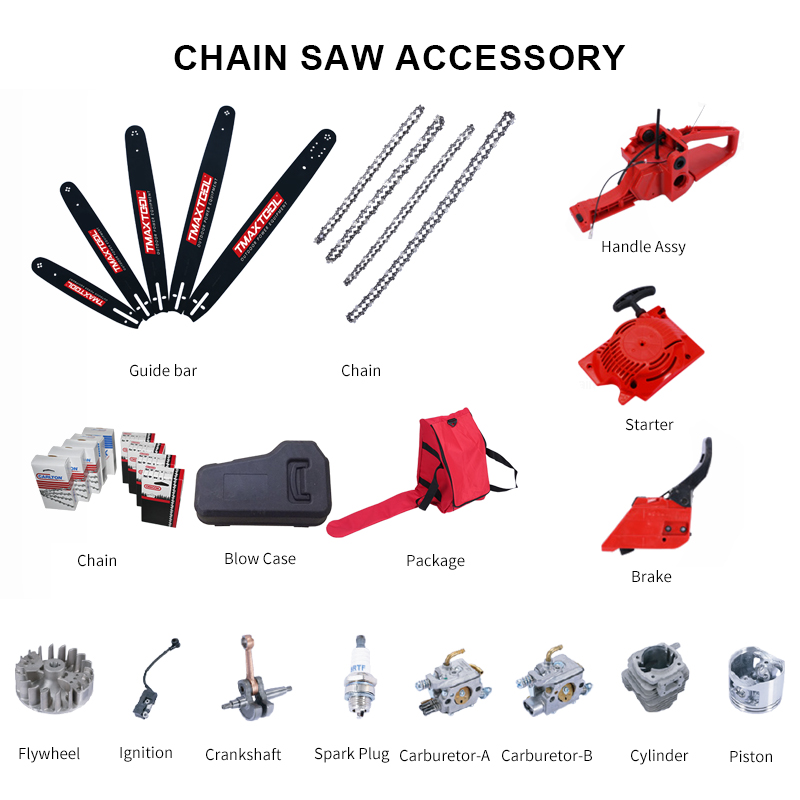 Chain Saw Accessory
  Brush Cutter Accessory
 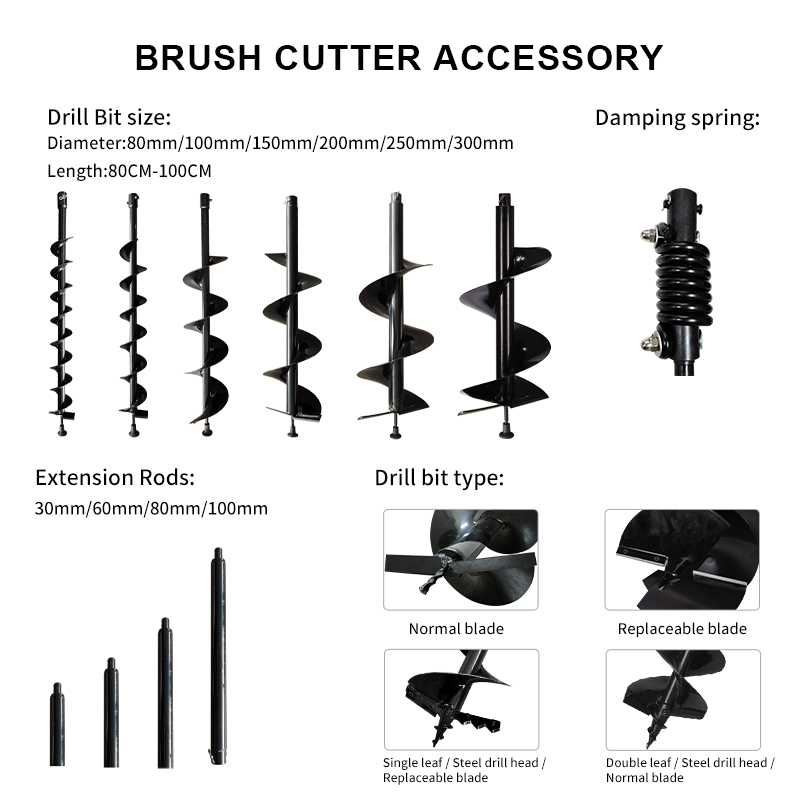 Earth Auger Accessory
  Protective Equipment Accessories
Leave Your Message


Economic analysis of Gasoline Chain Saws: Return on Investment and Cost-effectiveness
In fields such as forestry, garden maintenance and construction, gasoline chain saws, as an efficient and powerful tool, are widely used. However, for many enterprises or individual users, whether it is economical and cost-effective to purchase a gasoline chain saw requires a comprehensive analysis from multiple perspectives. This article will delve into the return on investment and cost-effectiveness of Gasoline Chainsaws to help you make an informed decision.
First, initial investment cost
The initial investment cost for purchasing a gasoline chain saw mainly includes the purchase price of the equipment, transportation expenses, and possible installation and commissioning costs. The price of gasoline chain saws varies depending on the model, function and quality. Generally speaking, the price of a medium-power gasoline chain saw ranges from several hundred to several thousand dollars. Although the initial investment may seem high, considering its long-term use value and efficiency improvement, this investment is worthwhile.

Second, operating costs
1. Fuel cost
The fuel consumption of gasoline chain saws is an important component of the operating costs. Depending on the frequency of use and the intensity of work, the monthly fuel cost of a gasoline chain saw may range from tens to hundreds of dollars. Although fuel costs are a continuous expense, by rationally planning working hours and tasks, fuel consumption can be effectively reduced.
2. Maintenance and upkeep costs
Regular maintenance and upkeep are the key to ensuring the long-term stable operation of gasoline chainsaws. This includes changing the engine oil, cleaning the air filter, checking the chain tension, etc. Although these maintenance tasks will incur certain expenses, compared with the losses caused by equipment downtime due to malfunctions, the maintenance costs are insignificant. Generally speaking, the annual maintenance cost is approximately 10% of the purchase price of the equipment.
3. Cost of component replacement
During use, some components may need to be replaced due to wear or damage. For example, chains, spark plugs, etc. The replacement costs of these components vary by brand and model, but usually do not have a significant impact on the overall operating costs.
Third, investment return analysis
1.Improve work efficiency
The high efficiency of the gasoline chainsaw is one of its greatest advantages. Compared with hand tools, gasoline chain saws can complete a large amount of work in a short time, significantly improving work efficiency. For instance, in forestry felling, the use of gasoline chainsaws can increase work efficiency several times over, thereby reducing labor costs and time costs. This improvement in efficiency is directly translated into economic benefits and shortens the payback period of investment.
2. Enhance business capabilities
For enterprises engaged in industries such as garden maintenance and construction, having efficient tools means being able to undertake more projects and expand their business scope. The use of gasoline chainsaws can not only enhance work efficiency but also boost the competitiveness of enterprises, thereby bringing more income opportunities.
3. Long-term durability
High-quality gasoline chainsaws usually have a longer service life. With proper maintenance and care, a gasoline chain saw can be used for many years, or even over a decade. This long-term durability means that the initial investment can pay off over a longer period of time, reducing the frequency and cost of equipment updates.

Fourth, cost-benefit summary
Taking into account the initial investment cost, operating cost and return on investment comprehensively, gasoline chain saws have demonstrated good cost-effectiveness in many application scenarios. Although the purchase and use of gasoline chainsaws require a certain economic investment, the improvement in work efficiency, enhancement of business capabilities and long-term durability it brings make this investment have significant economic benefits in the long term.
For international wholesale purchasers, choosing the right gasoline chainsaw not only meets their own business needs but also enhances overall operational efficiency and competitiveness through efficient tools. When choosing a gasoline chain saw, factors such as the performance, quality and after-sales service of the equipment should be comprehensively considered to ensure the rationality of the investment and the rate of return.
In conclusion, as an efficient and durable tool, the gasoline chainsaw holds significant economic value in many industries. By reasonably assessing and managing its cost and benefit, you can ensure that this investment brings long-term returns and success to your business.