
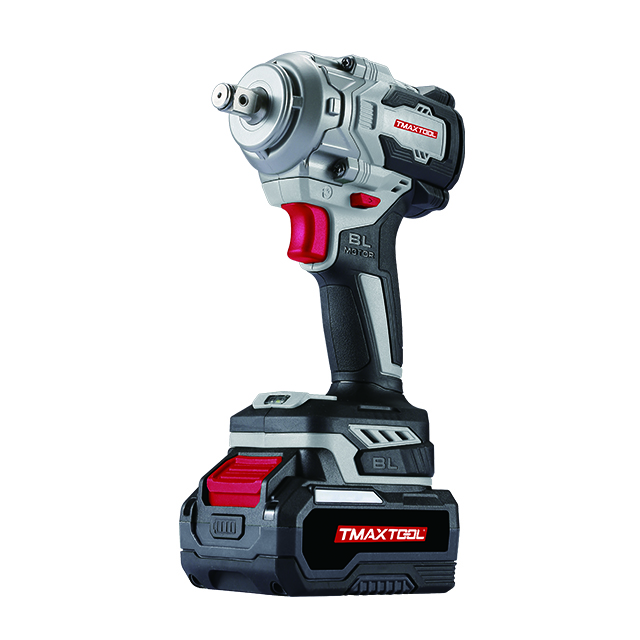
 Impact Wrench
 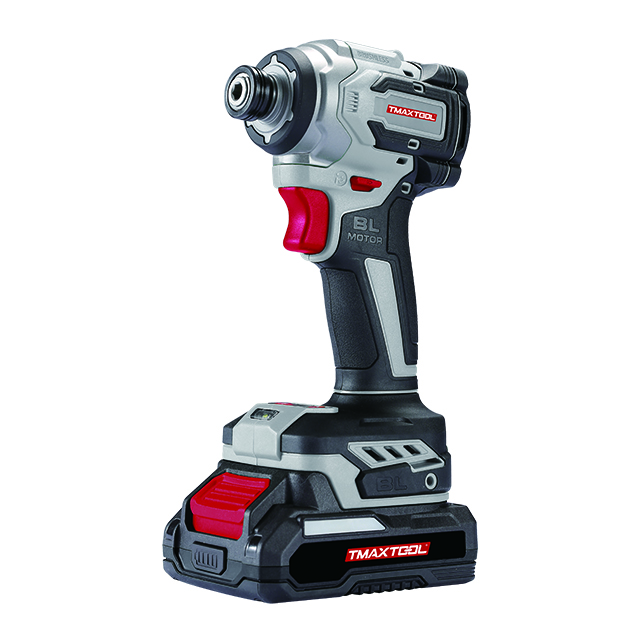 Screwdriver
 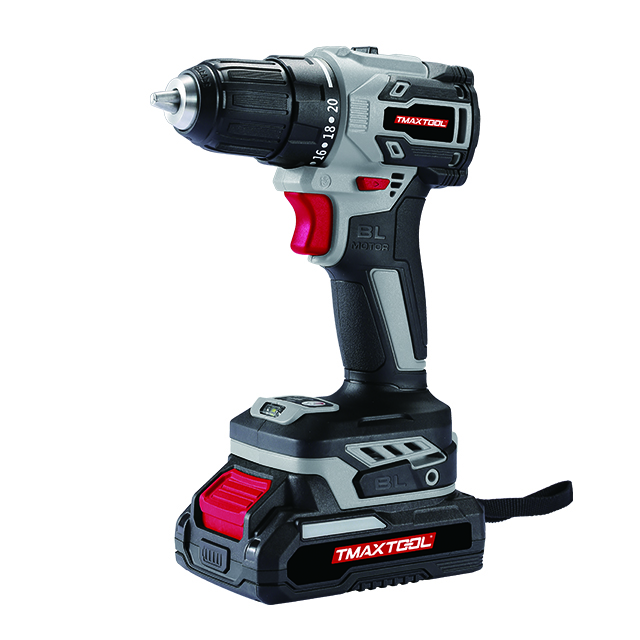 Cordless Drill
 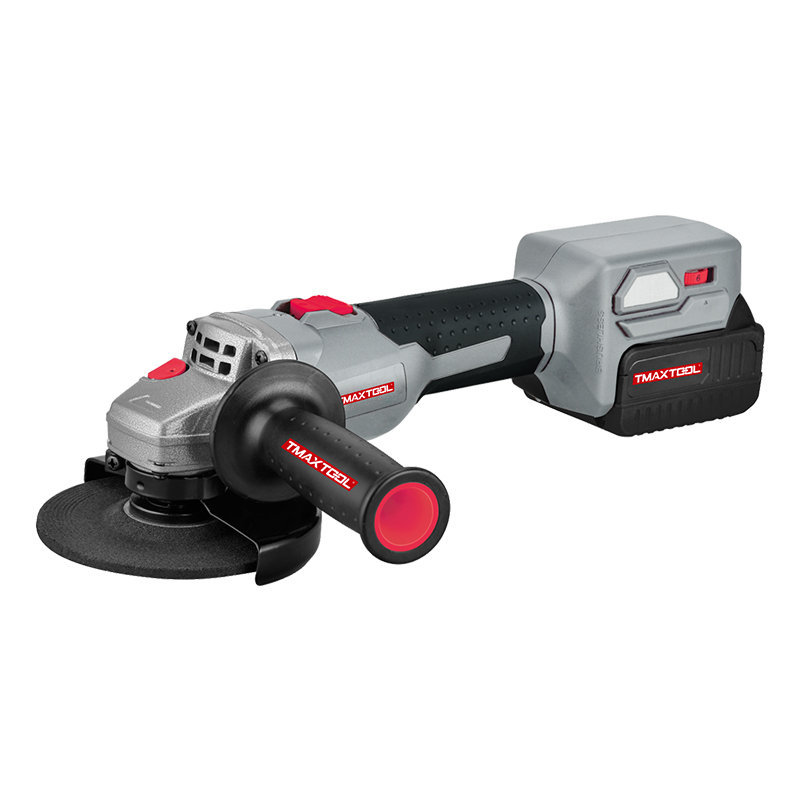 Angle Grinder
 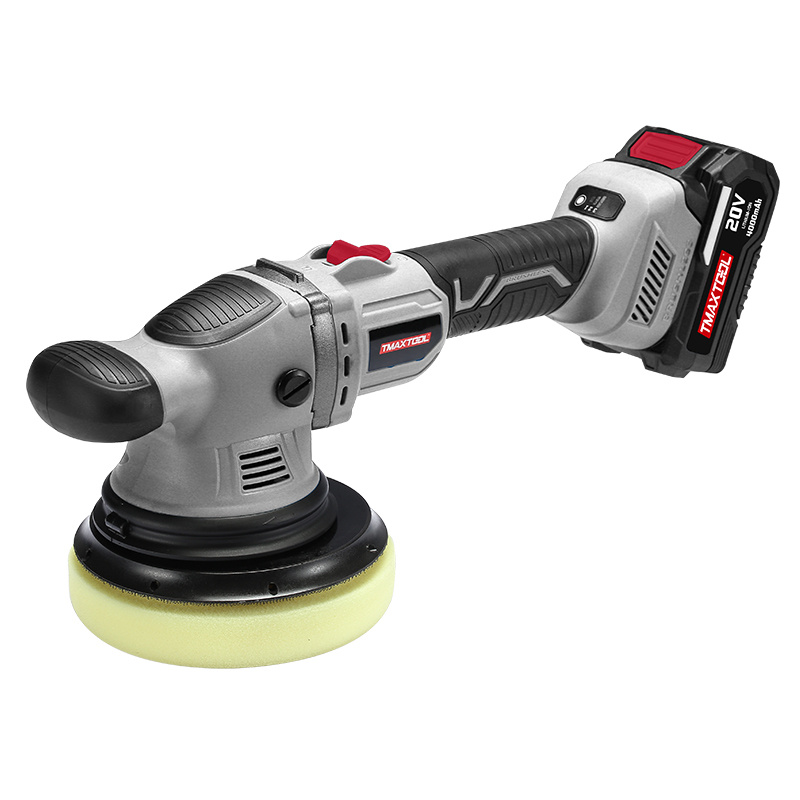 Polisher
 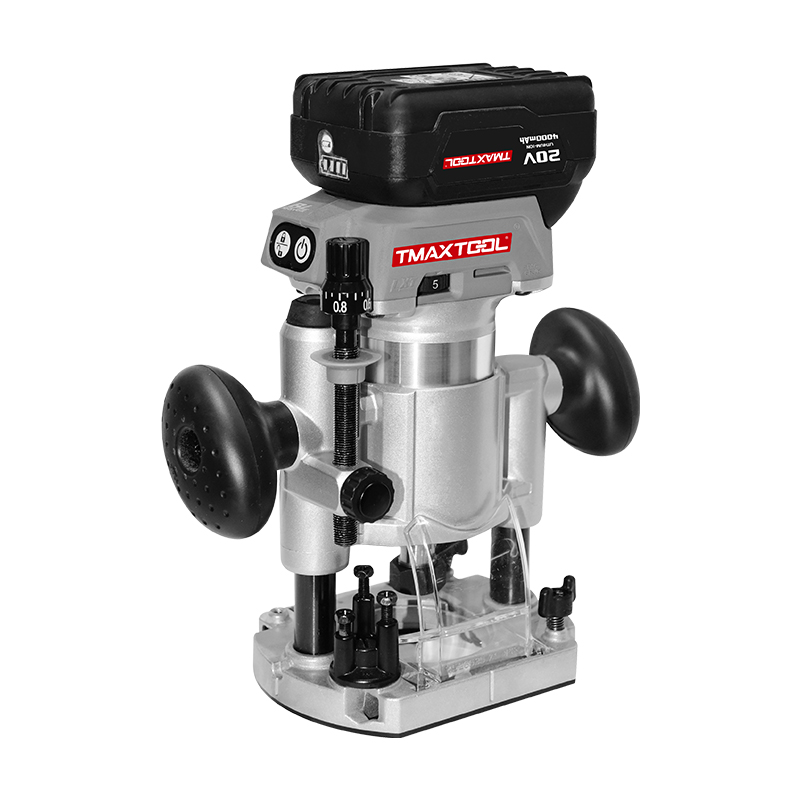 Wood Router
 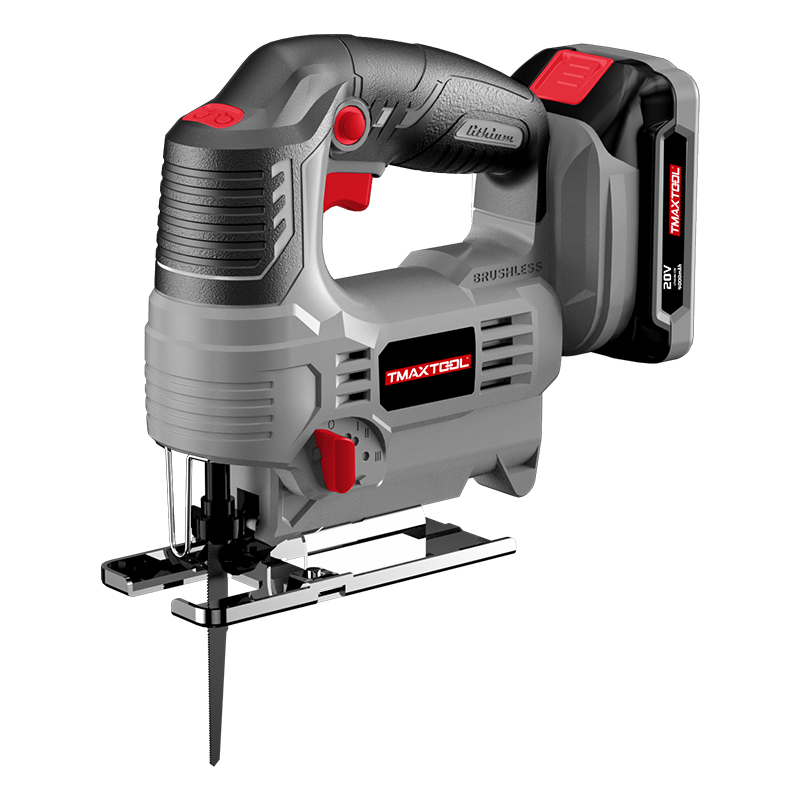 Jig Saw
 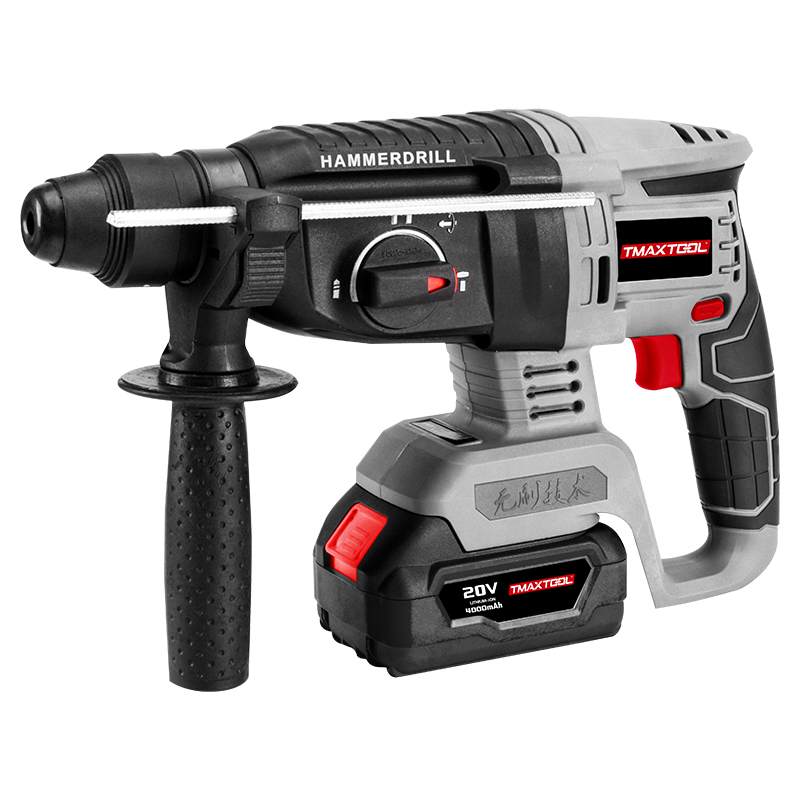 Hammer Drill
 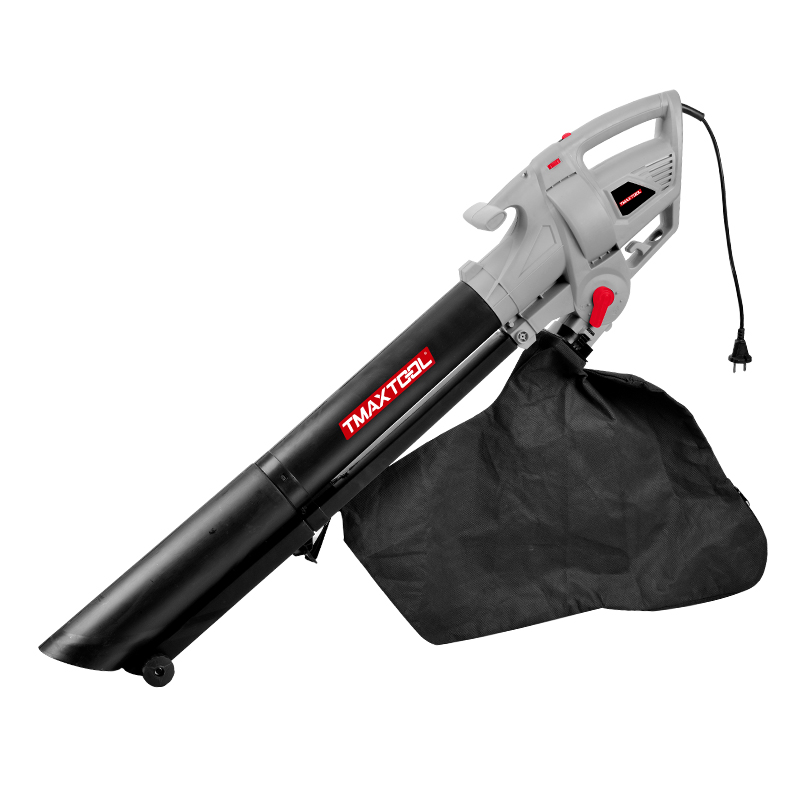 Portable Blower
  Orbital Sander
  Marble Cutter
  GARDEN TOOLS
 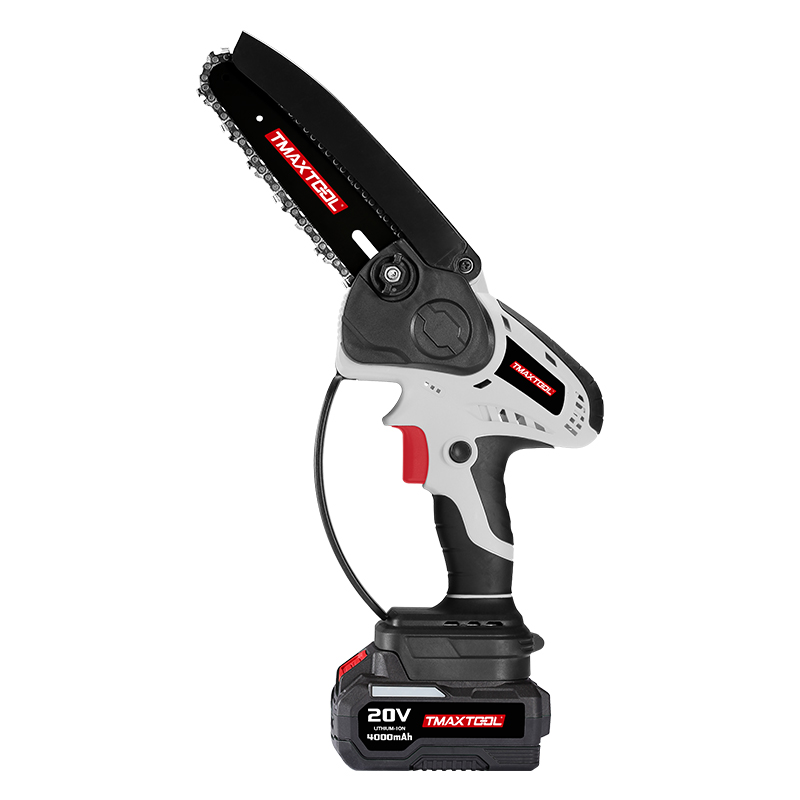 Battery Chain Saw
 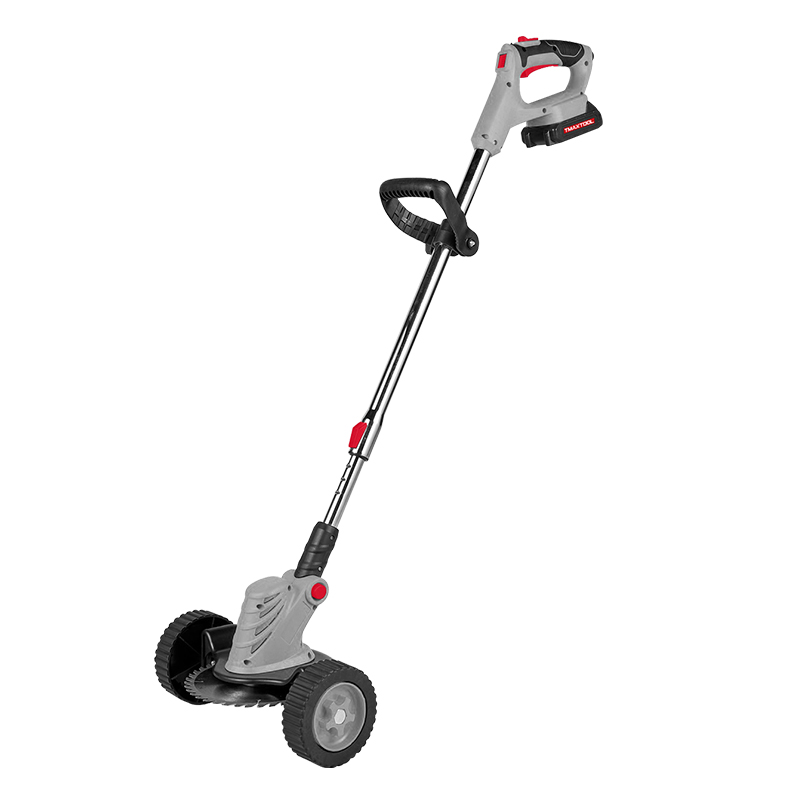 Battery Brush Cutter
 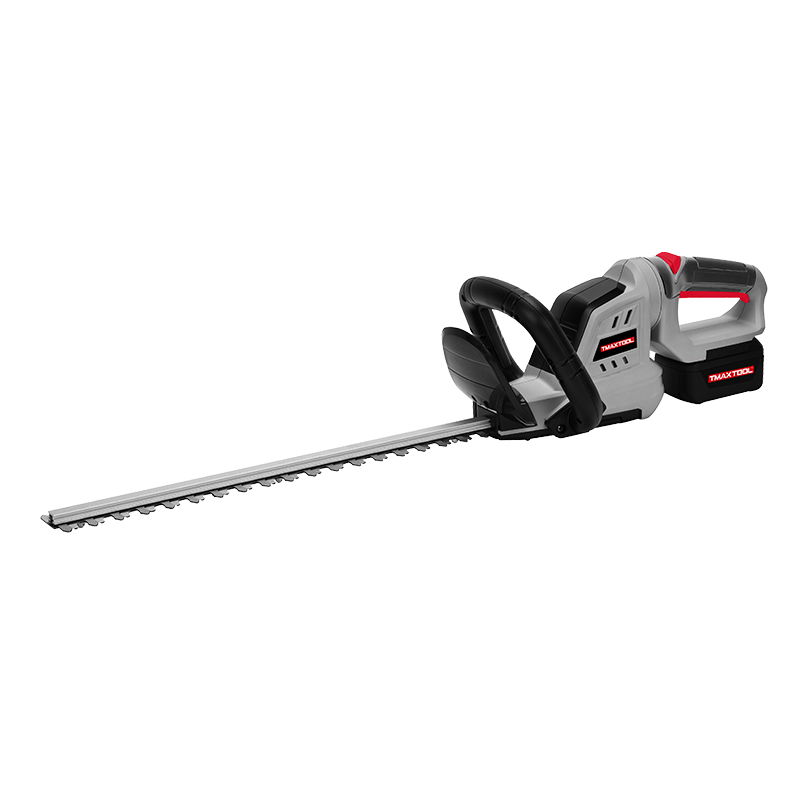 Battery Hedge Trimmer
 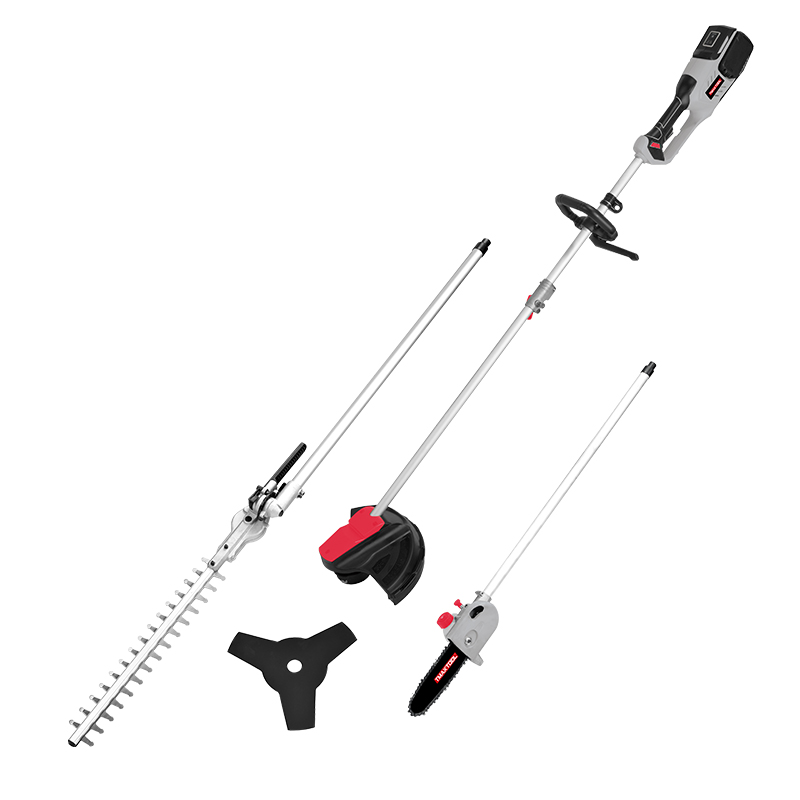 Battery Multi Tool
 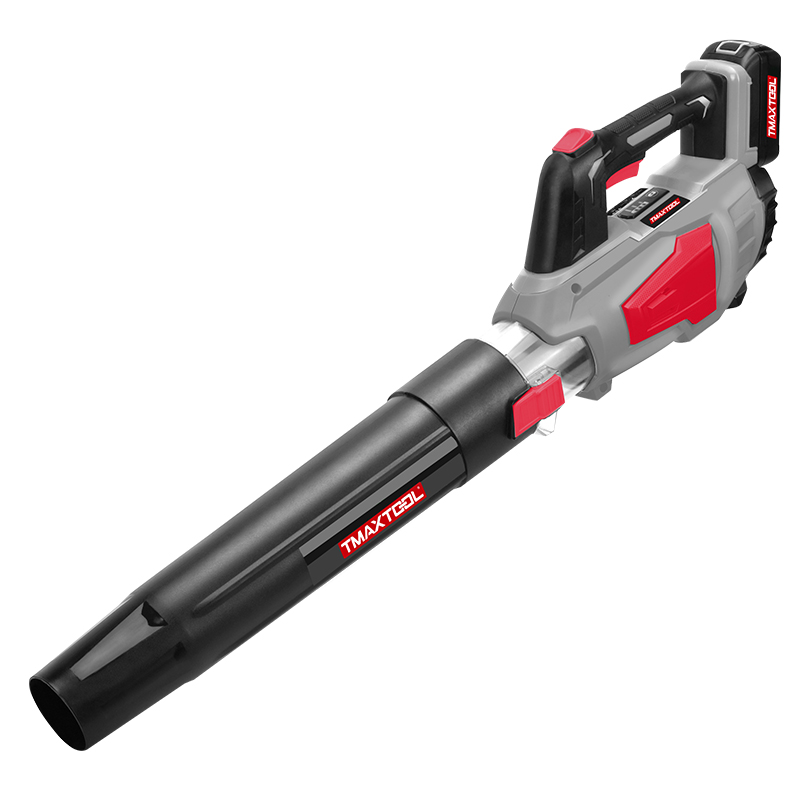 Battery Blower
 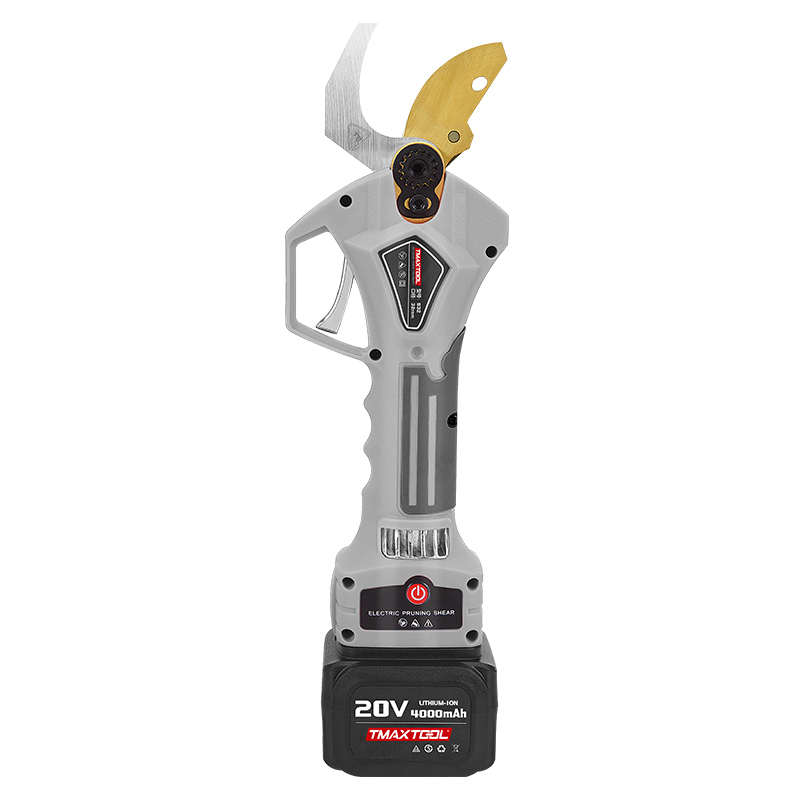 Batter Pruning Shears
 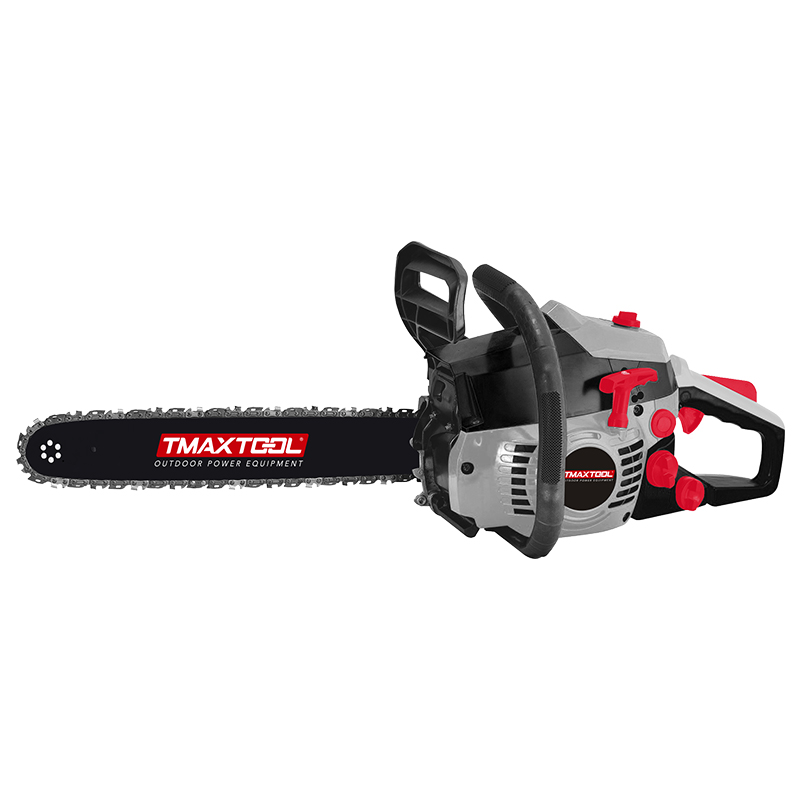 Chain Saw
 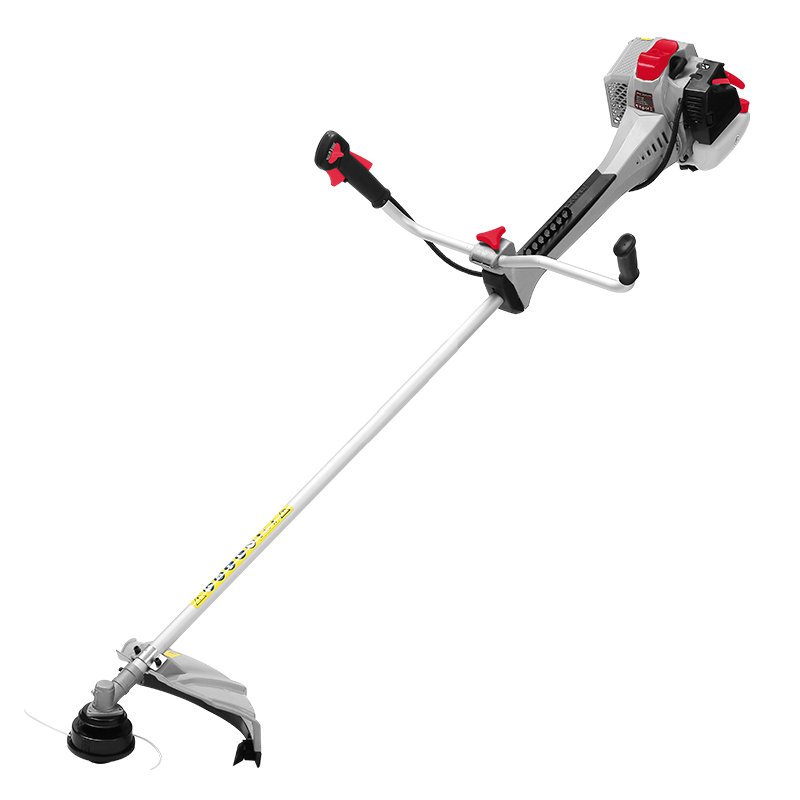 Brush Cutter
 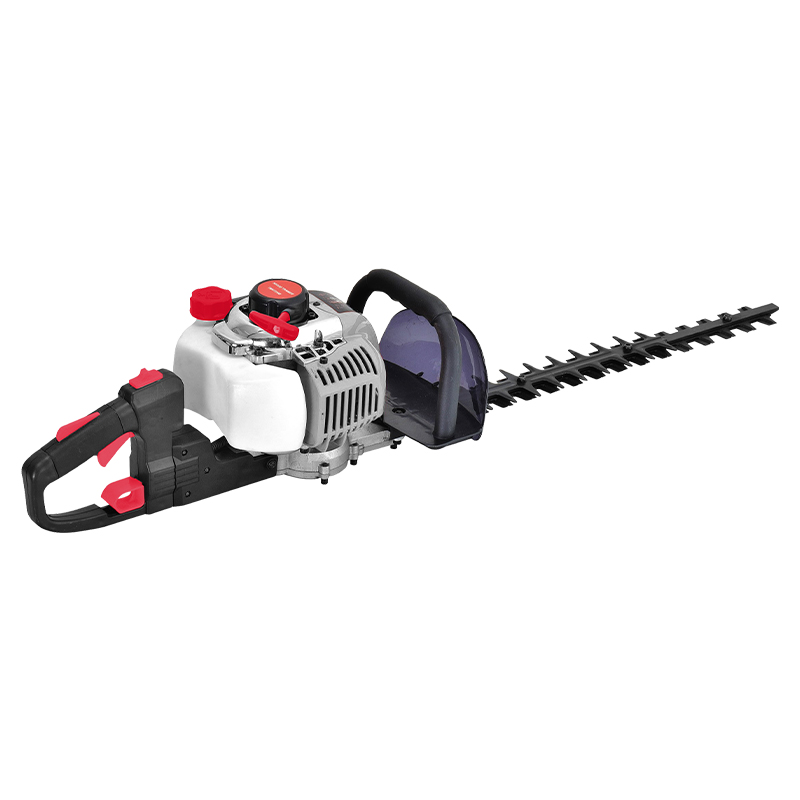 Hedge Trimmer
 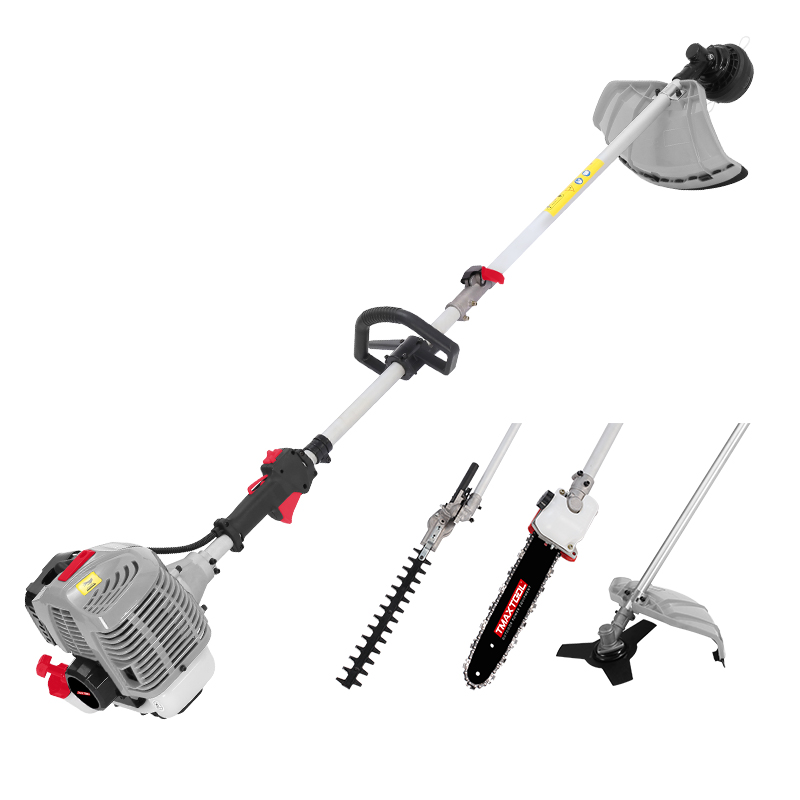 Multi Tool
 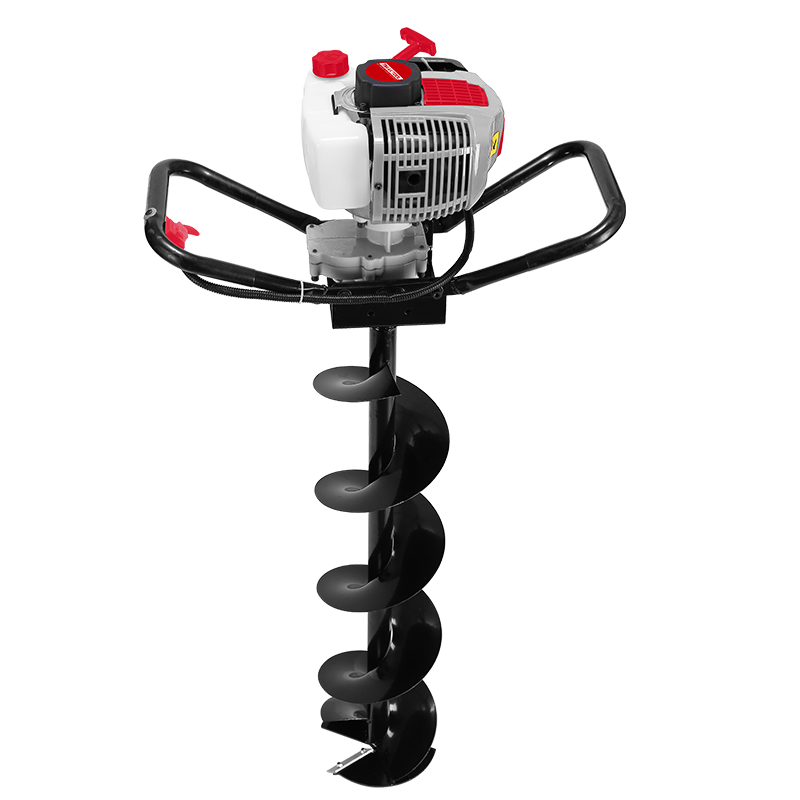 Earth Auger
 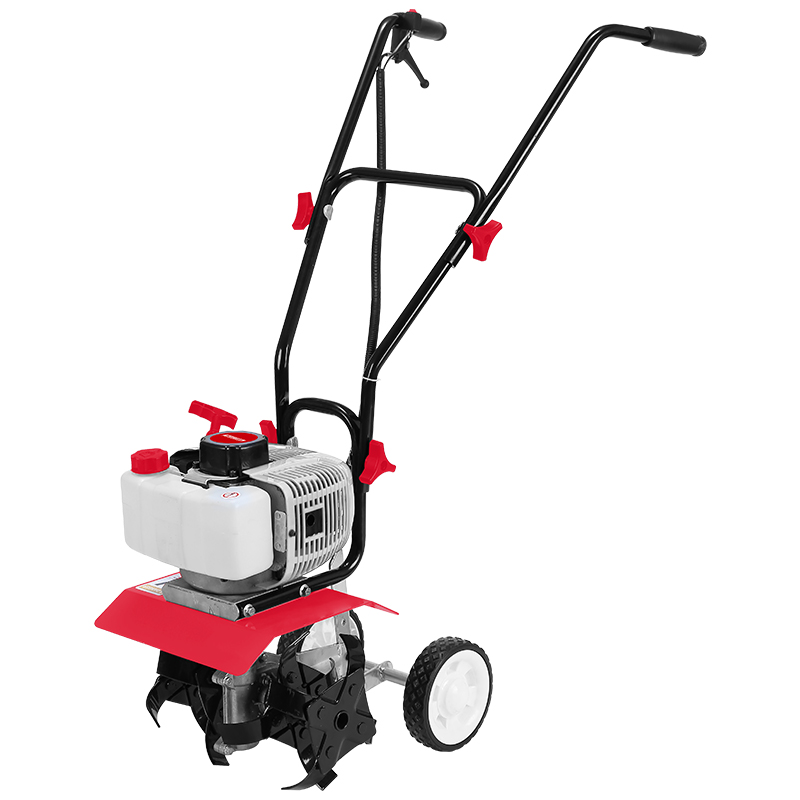 Tiller
 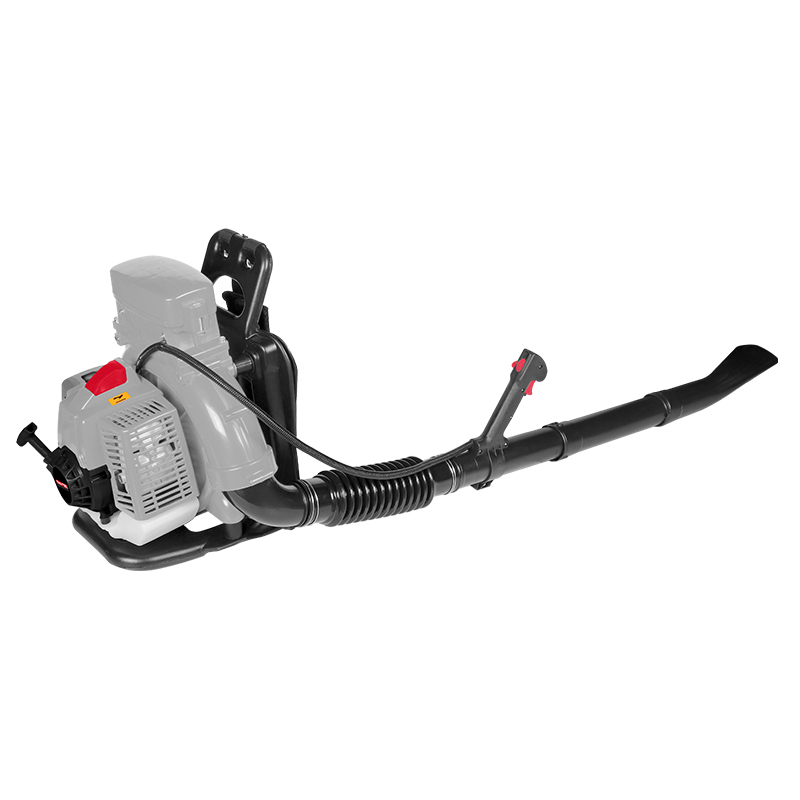 Blower
 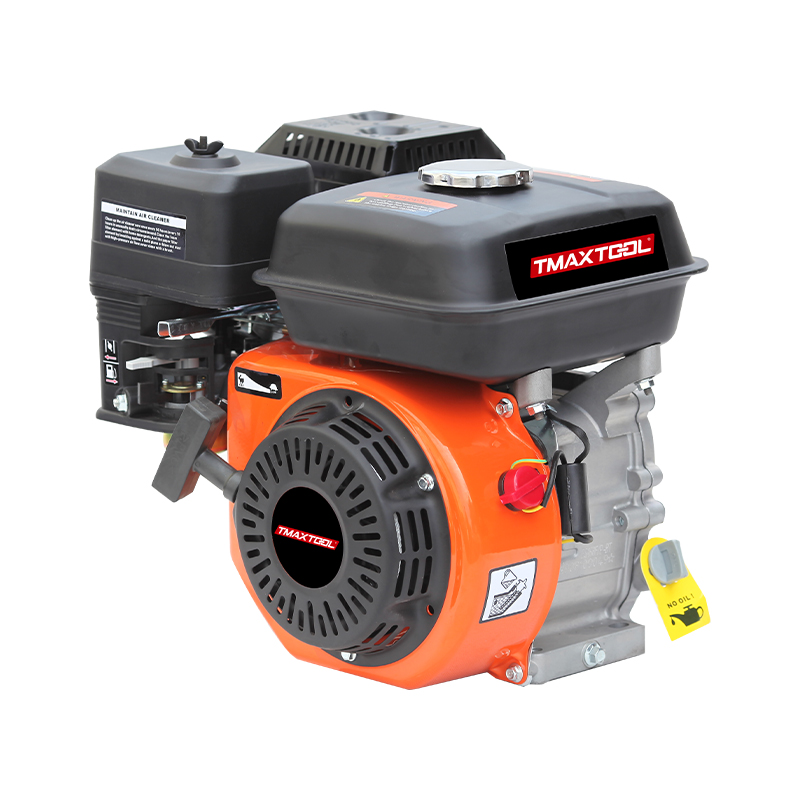 4 Stroke Gasoline Engine
 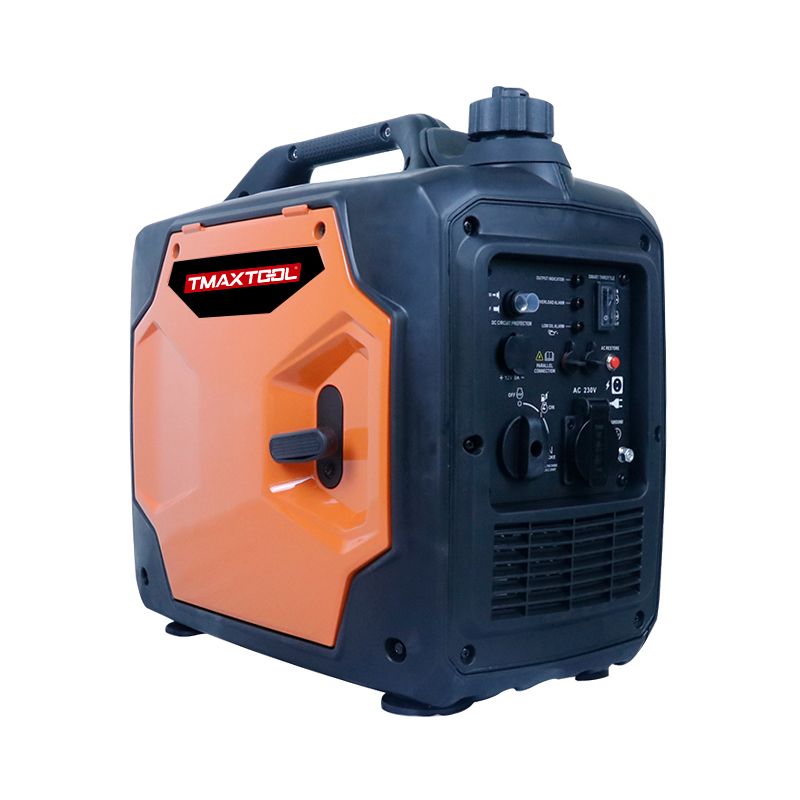 Generator
 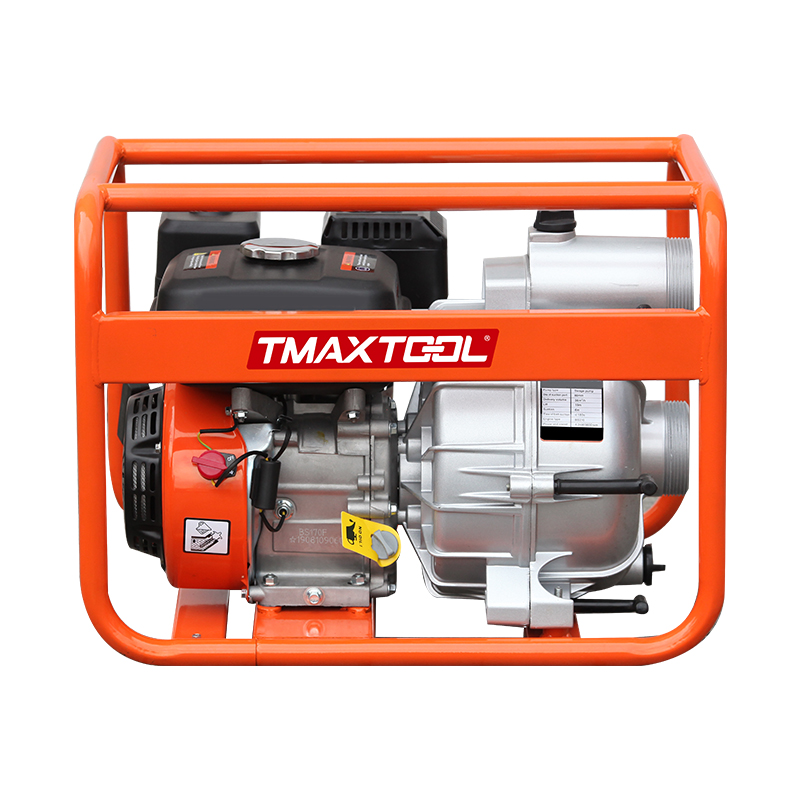 Water Pump
 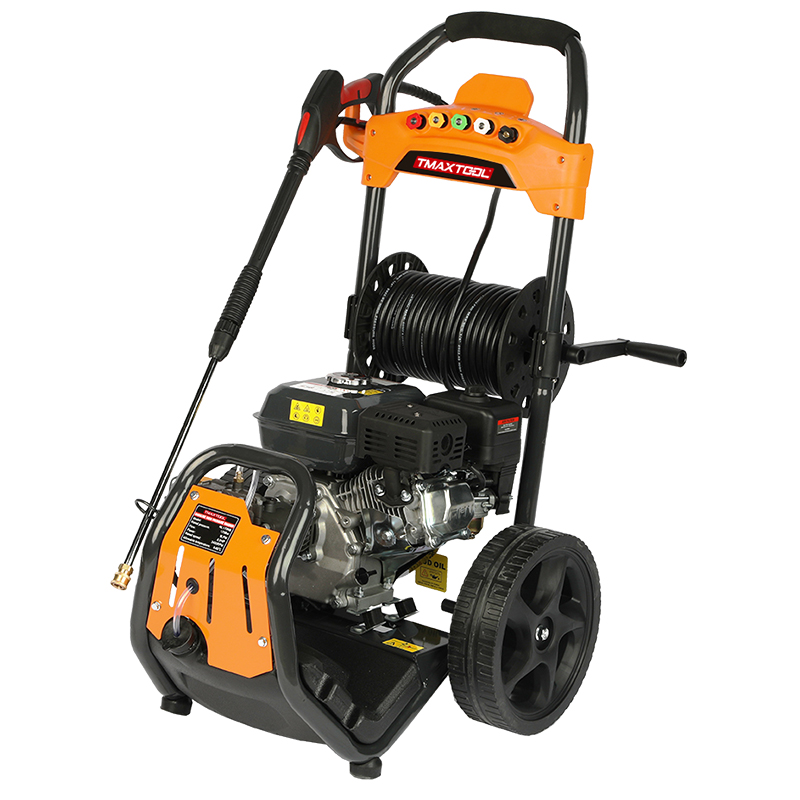 High Pressure Washer
 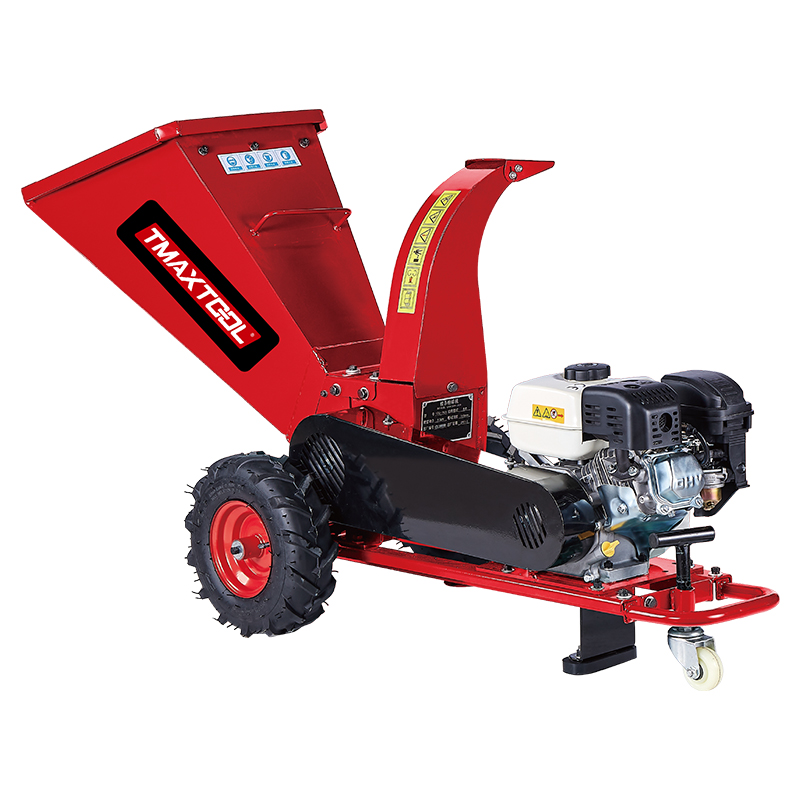 Wood Cutter
 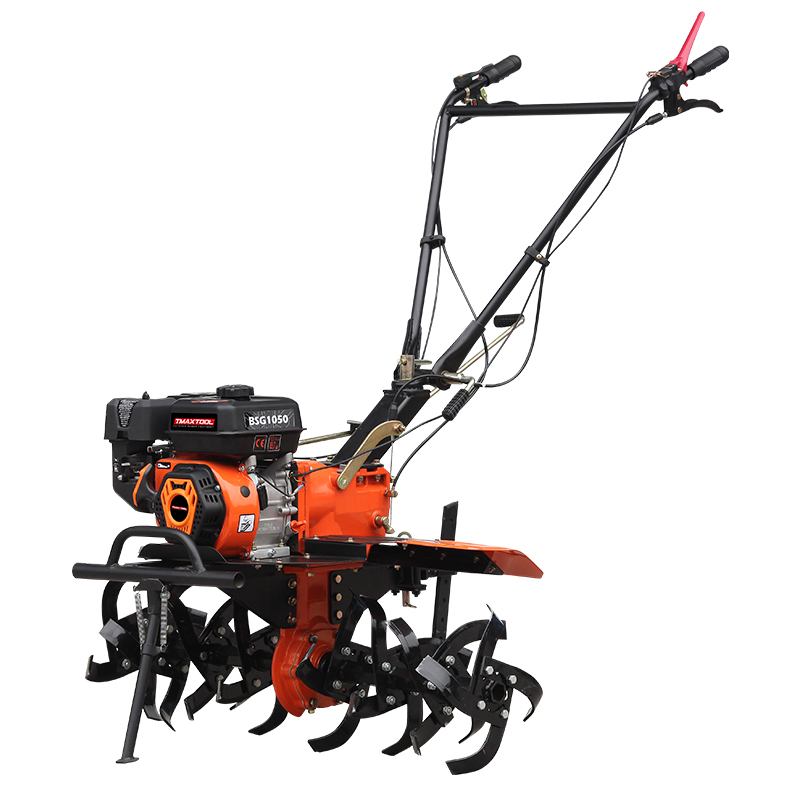 4 Stroke Tiller
 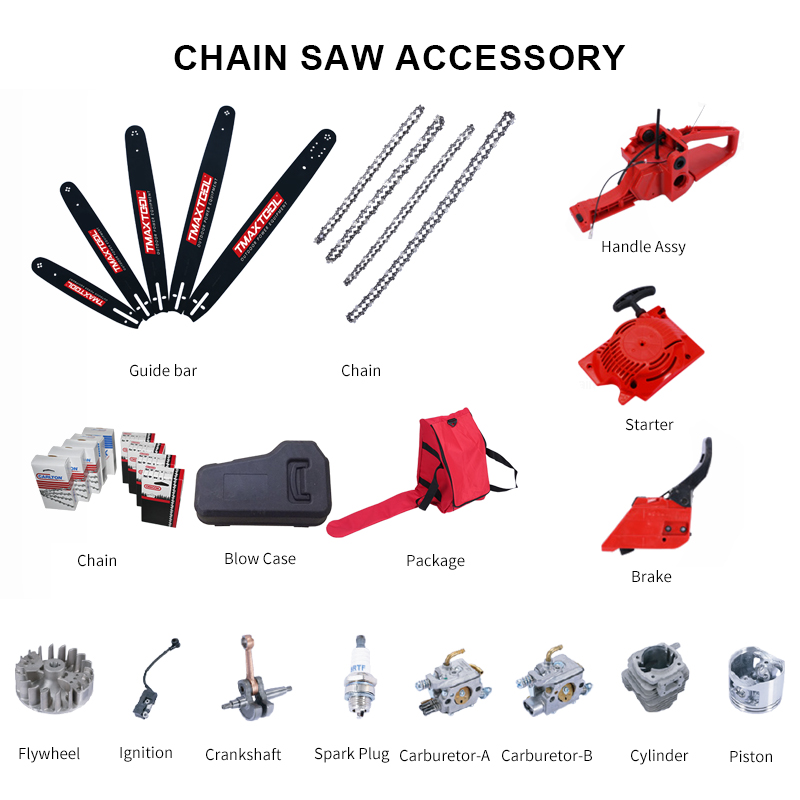 Chain Saw Accessory
 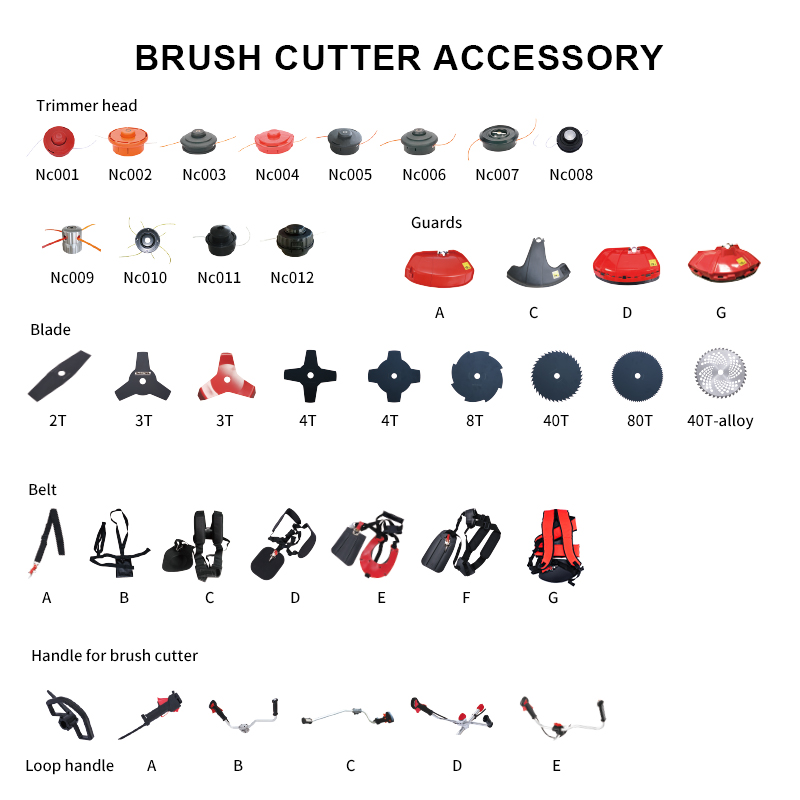 Brush Cutter Accessory
 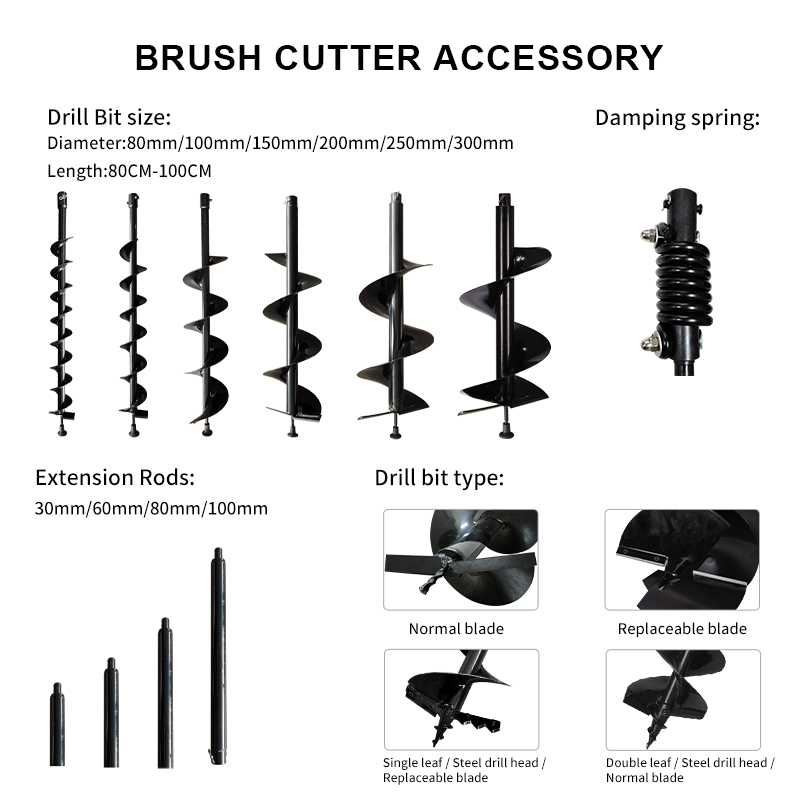 Earth Auger Accessory
 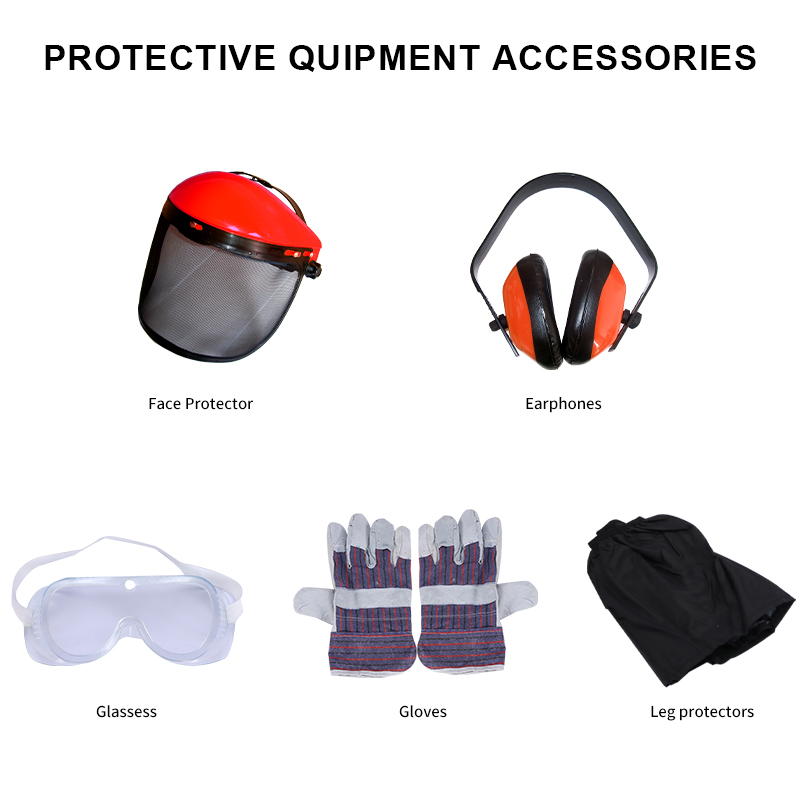 Protective Equipment Accessories
Leave Your Message


Efficient cleaning Tips: How to Use a Portable Blower for Efficient Cleaning
In daily cleaning and industrial maintenance, Portable Blowers are an indispensable tool. It can not only quickly remove dust, debris and debris, but also provide efficient cleaning solutions in a variety of scenarios. This article will provide a detailed introduction on how to use portable blowers for efficient cleaning, including some practical tips and real-world application scenarios, to help you make better use of this tool and enhance cleaning efficiency.
First, the basic functions of portable blowers
A portable blower is a small and lightweight power tool that generates a powerful airflow through a high-speed rotating fan to blow away dust, debris and other debris. Its main functions include:
Quick cleaning: Through a strong airflow, quickly remove dust and debris from the surface.
Drying function: After cleaning, it can be used to blow dry damp surfaces to prevent the growth of mold and bacteria.
Lightweight design: Easy to carry and operate, suitable for various scenarios, including home, office, workshop and outdoor.
Second, efficient cleaning techniques
1. Select an appropriate wind speed
Portable blowers usually have multiple wind speed Settings, allowing users to select the appropriate wind speed based on the cleaning object and scene. For example:
Low wind speed: Suitable for fine cleaning, such as electronic devices and precision instruments, to prevent damage to sensitive components.
High wind speed: Suitable for large-scale cleaning, such as floors, desktops and large equipment, quickly removing dust and debris.
2. Use the correct Angle
When using a portable blower, the choice of Angle is very crucial. The correct Angle can ensure that the airflow effectively contacts the cleaning surface and improve the cleaning efficiency. For example:
Vertical Angle: Suitable for vertical surfaces such as walls and the sides of furniture, ensuring that the airflow blows vertically towards the surface to remove dust and debris.
Horizontal Angle: Suitable for horizontal surfaces such as desktops and floors, ensuring that the airflow blows parallel to the surface to prevent dust from flying.
3. Control the distance
When using a portable blower, it is also very important to control the distance between the airflow and the clean surface. Too close a distance may cause dust to fly around, while too far a distance may reduce the cleaning effect. It is recommended to maintain a distance of 10 to 20 centimeters to ensure that the airflow can effectively remove dust and debris, while avoiding excessive blowing.
4. Clean by area
For large-scale cleaning tasks, it is recommended to divide the cleaning area into multiple small zones and clean them one by one. This method can ensure that each area is thoroughly cleaned and avoid omissions. For example, when cleaning the floor, the room can be divided into several small sections and cleaned one by one to ensure that every corner is clean and tidy.
5. Use in combination with other tools
Portable blowers can be used in combination with other cleaning tools to enhance the cleaning effect. For example:
Vacuum cleaner: After blowing away the dust and debris, use the vacuum cleaner for a secondary cleaning to ensure that all debris is thoroughly removed.
Damp cloth: For stubborn stains, you can first wipe them with a damp cloth and then dry them with a blower to ensure the surface is clean and tidy.

Third, practical application scenarios
1. Household cleaning
In a home environment, portable blowers can be used for a variety of cleaning tasks, such as:
Clean furniture: Regularly use a blower to blow away the dust on the surface of the furniture to keep it clean and shiny.
Cleaning carpets: Before vacuuming, use a blower to blow away the dust and debris on the carpet surface to enhance the vacuuming effect.
Clean electrical appliances: Regularly use a low-wind-speed blower to clean the interior of electrical appliances to prevent dust accumulation from affecting their performance.
2. Office cleaning
In an office environment, portable blowers can be used to clean office equipment and work areas, such as:
Clean the keyboard and mouse: Regularly use a blower to blow away the dust and debris on the surface of the keyboard and mouse to keep the equipment clean and hygienic.
Clean the office desk: When cleaning the office desk, use a blower to blow away dust and debris, and then wipe it with a damp cloth to ensure the desktop is clean and tidy.
Clean the filing cabinet: Regularly use a blower to blow away the dust on the surface of the filing cabinet to keep it clean and tidy.
3. Industrial cleaning
In industrial environments, portable blowers can be used to clean equipment and work areas, such as:
Cleaning mechanical parts: When repairing and maintaining mechanical parts, use a blower to blow away the dust and debris on the surface to ensure the cleanliness and normal operation of the parts.
Clean the workshop floor: When cleaning the workshop floor, use a high-wind-speed blower to blow away dust and debris, and then use a vacuum cleaner for a second cleaning to ensure the floor is clean and tidy.
Cleaning the production line: When cleaning the production line, a blower is used to blow away the dust and debris on the surface to ensure the cleanliness and hygiene of the production line.
4. Outdoor cleaning
In outdoor environments, portable blowers can be used to clean outdoor equipment and areas, such as:
Clean outdoor furniture: Regularly use a blower to blow away the dust and debris on the surface of outdoor furniture to keep it clean and shiny.
Clean garden tools: After using the garden tools, use a blower to blow away the soil and debris on the surface of the tools to keep them clean and hygienic.
Clean the vehicle: Before washing the vehicle, use a blower to blow away the dust and debris on the surface of the car to avoid scratching the car paint during the cleaning process.

Fourth, maintenance and upkeep
To ensure the long-term stable operation of portable blowers, regular maintenance and upkeep are indispensable. The following are some common maintenance and care measures:
Cleaning: Regularly clean the air inlet and outlet of the blower to prevent dust and debris from blocking and affecting the output of the airflow.
Inspection: Regularly check the wires and plugs of the blower to ensure they are not damaged or aged, to prevent leakage and short circuits.
Lubrication: Regularly lubricate the motor and fan of the blower to reduce friction between components and extend their service life.
Storage: When not in use, store the blower in a dry and well-ventilated place to avoid moisture and damage.
Regular maintenance and care can significantly extend the service life of portable blowers, improve their cleaning effect and reliability.
Fifth, Conclusion
The portable blower is an efficient and convenient cleaning tool, suitable for various scenarios and cleaning tasks. By choosing the appropriate wind speed, using the correct Angle, controlling the distance, cleaning by area and combining the use of other tools, the cleaning efficiency and effect can be significantly improved. Whether in a home, office, industrial workshop or outdoor environment, portable blowers can provide you with fast and efficient cleaning solutions. By understanding these efficient cleaning techniques, you can make better use of portable blowers, enhance cleaning efficiency, and maintain a clean and hygienic environment. Choose a portable blower that suits you to make cleaning work easier and more efficient.