
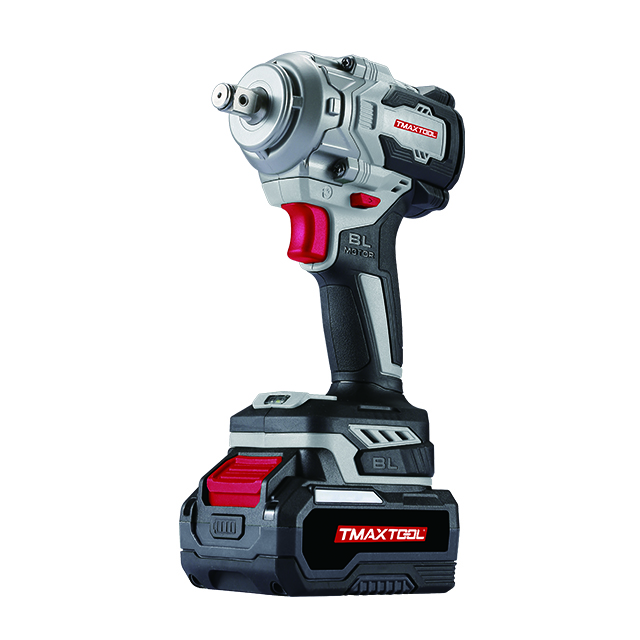
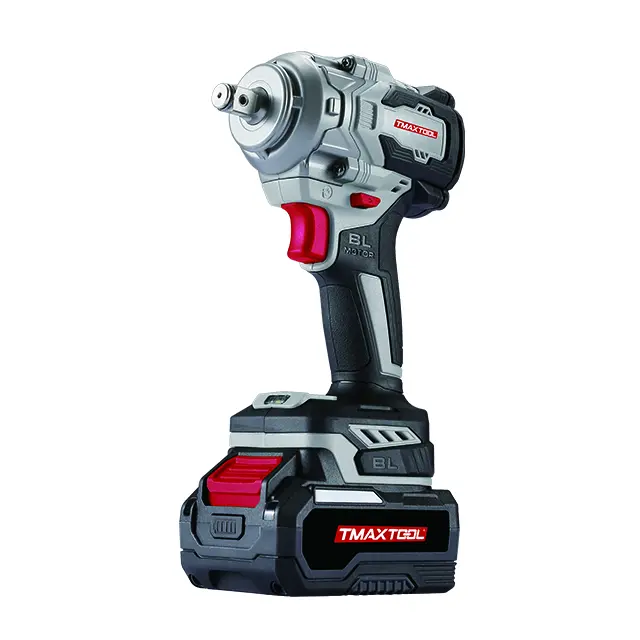
 Impact Wrench
 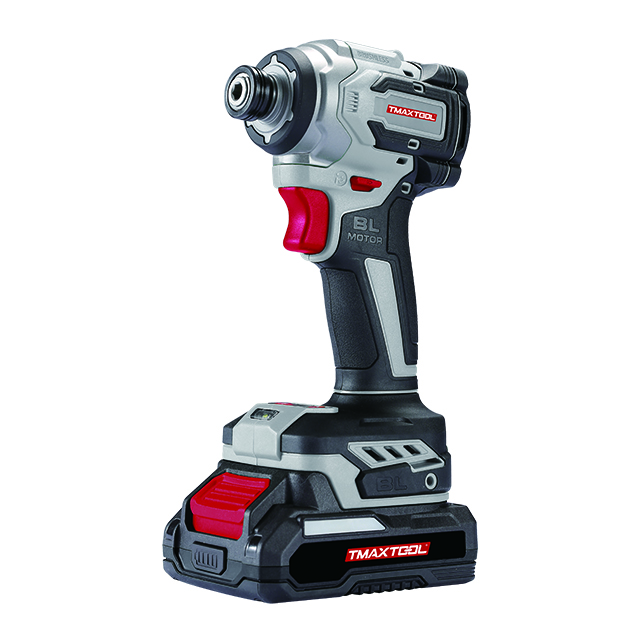 Screwdriver
 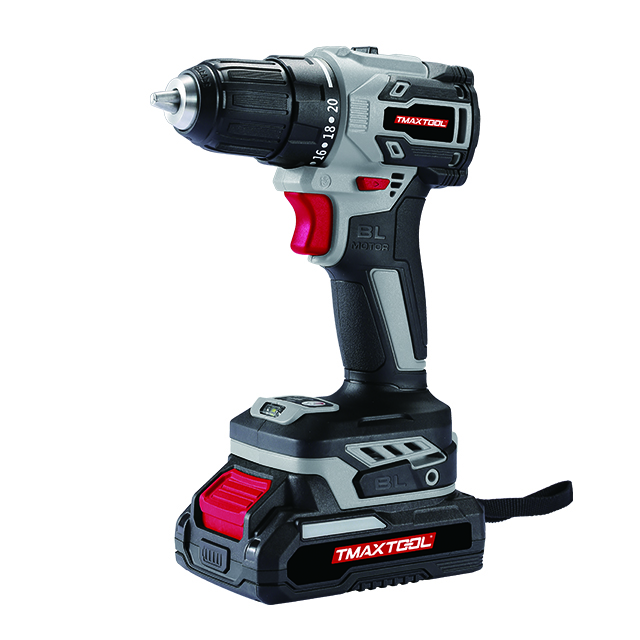 Cordless Drill
 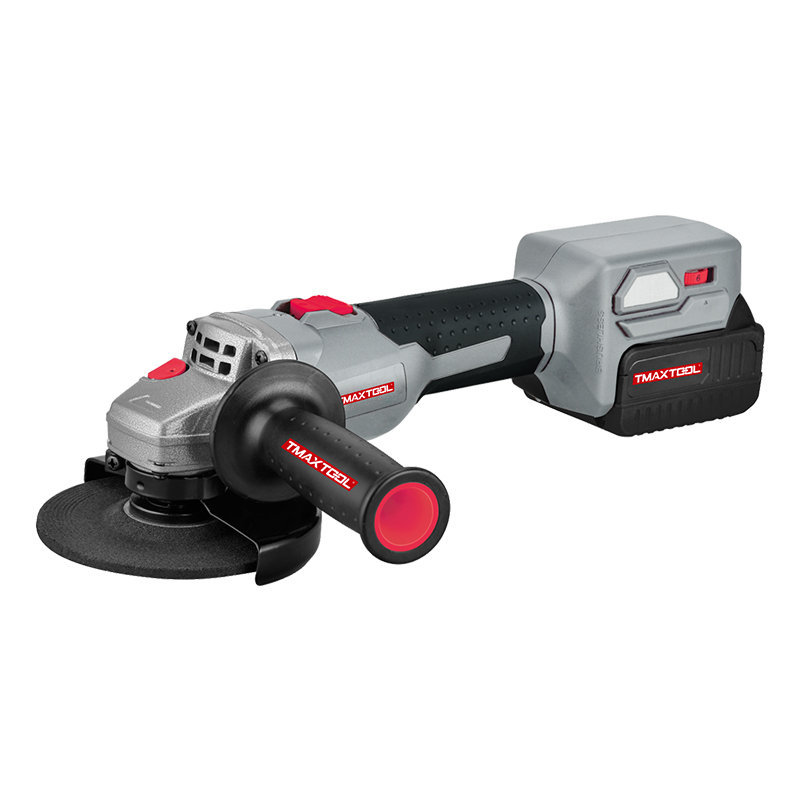 Angle Grinder
 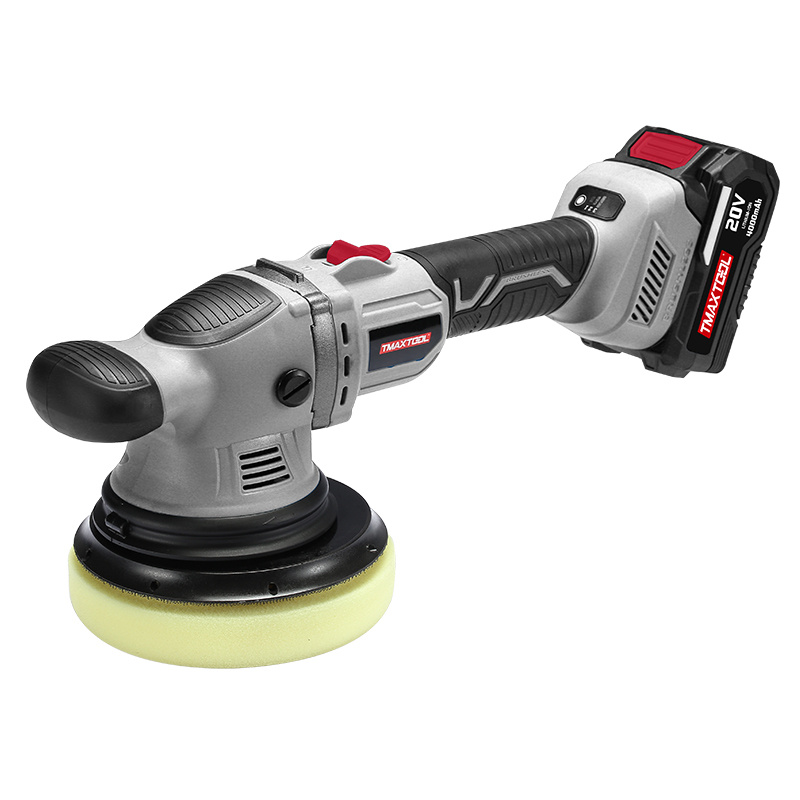 Polisher
 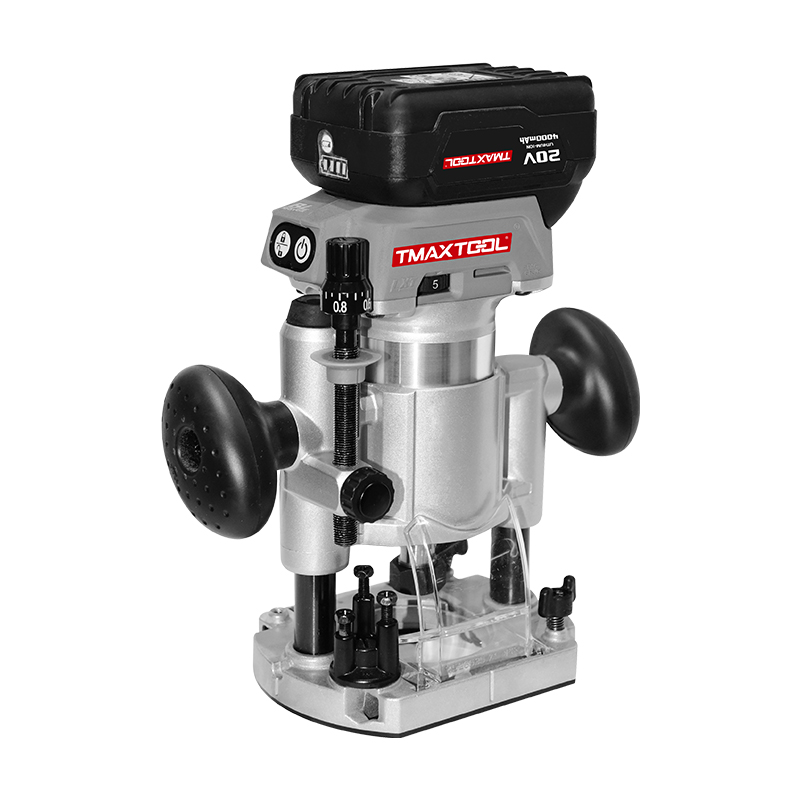 Wood Router
 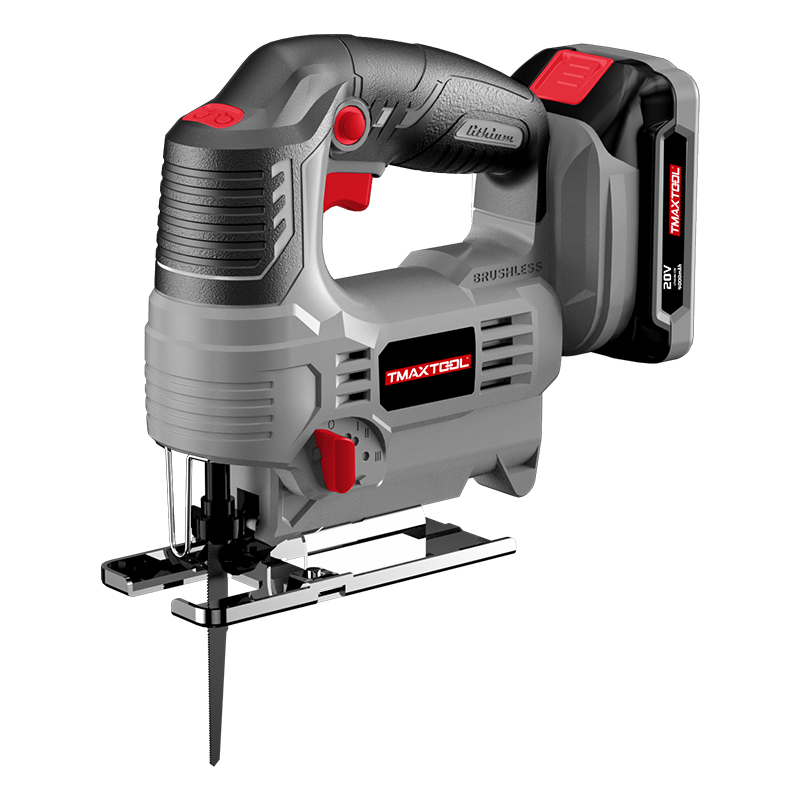 Jig Saw
 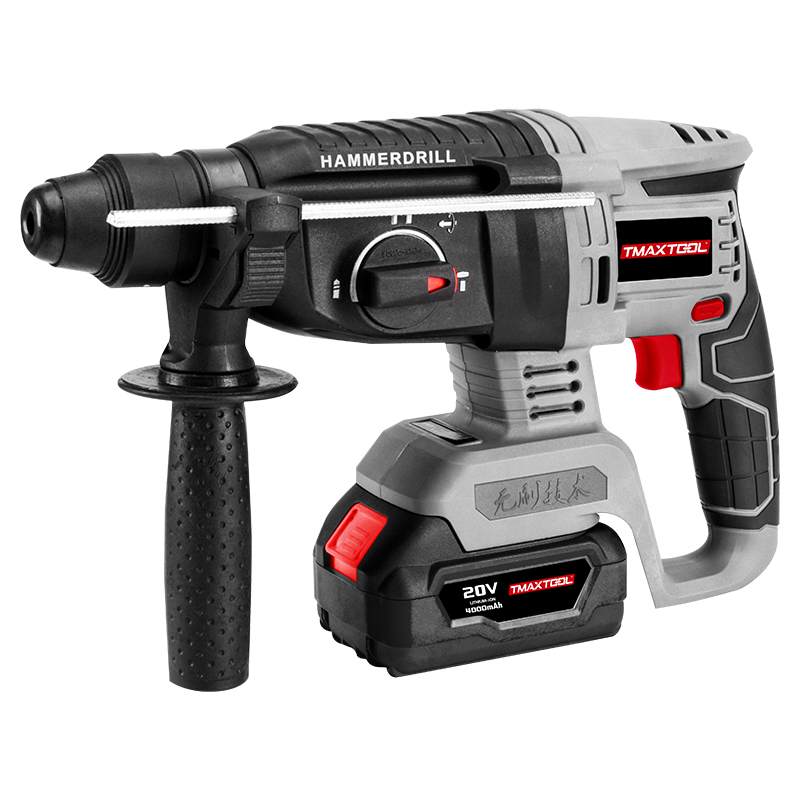 Hammer Drill
 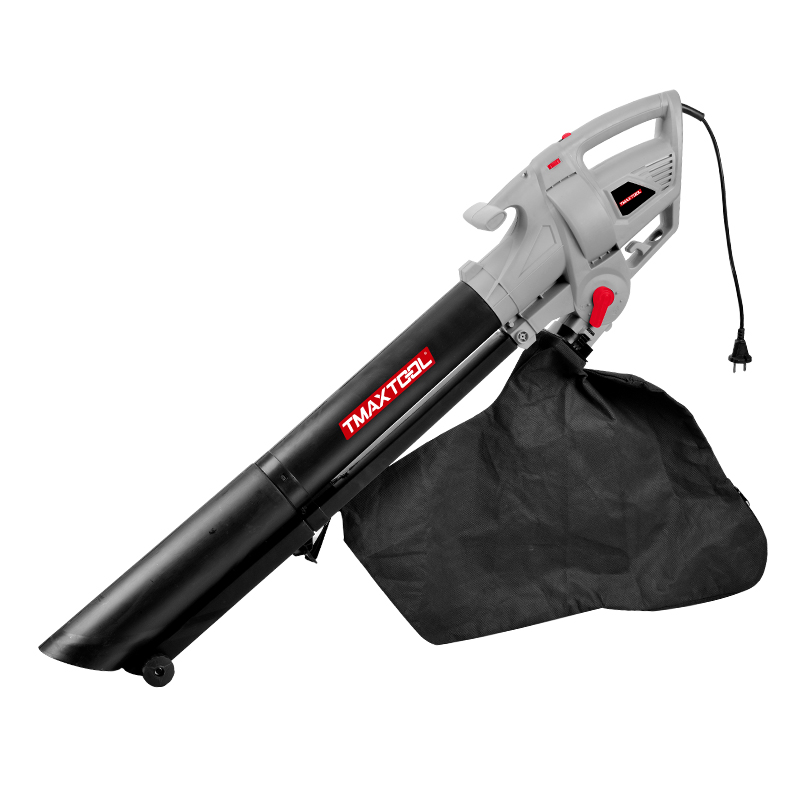 Portable Blower
 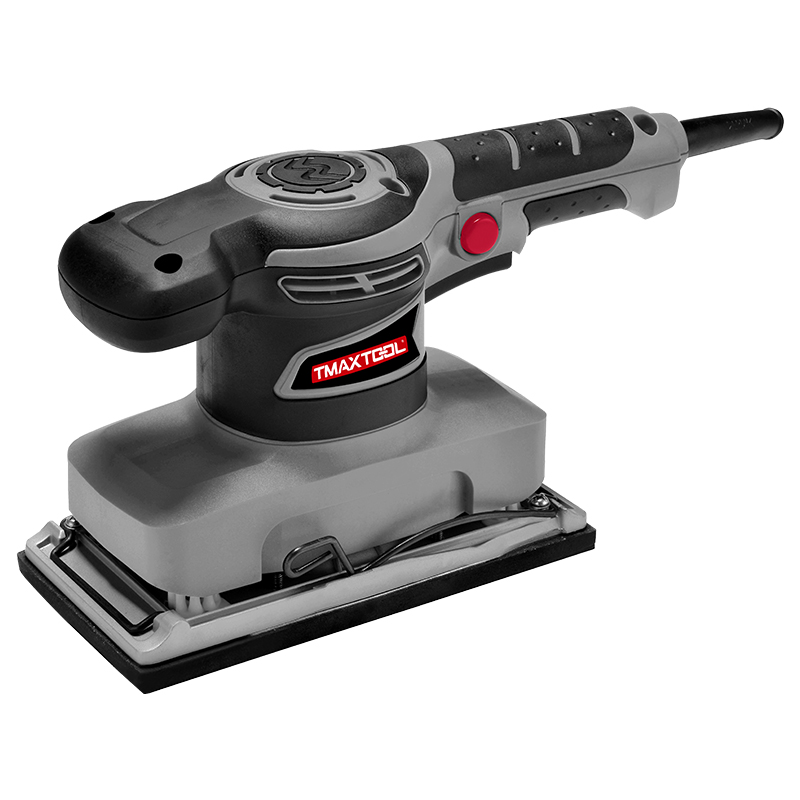 Orbital Sander
 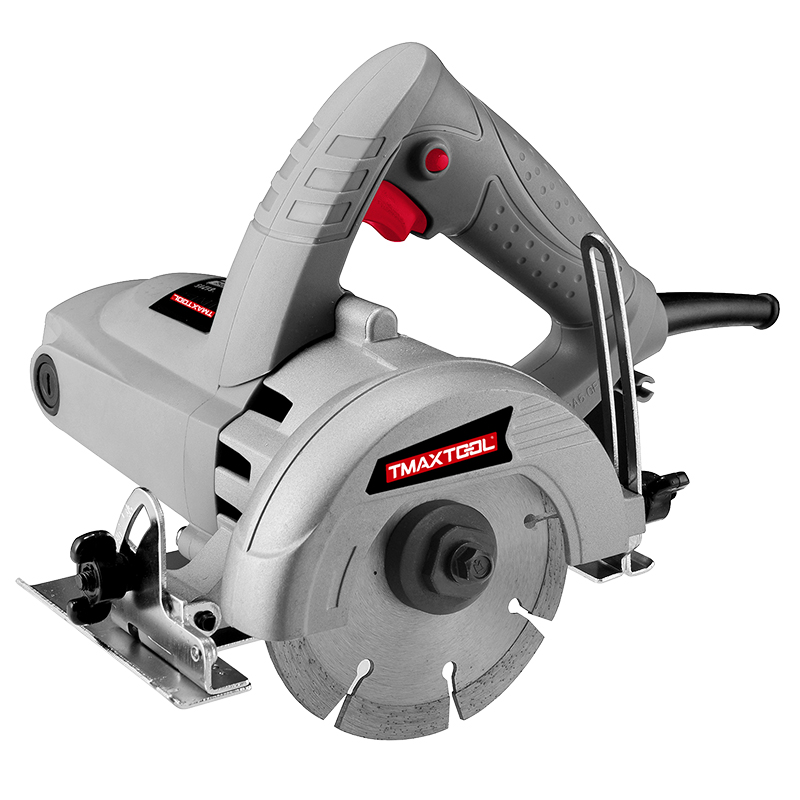 Marble Cutter
  GARDEN TOOLS
 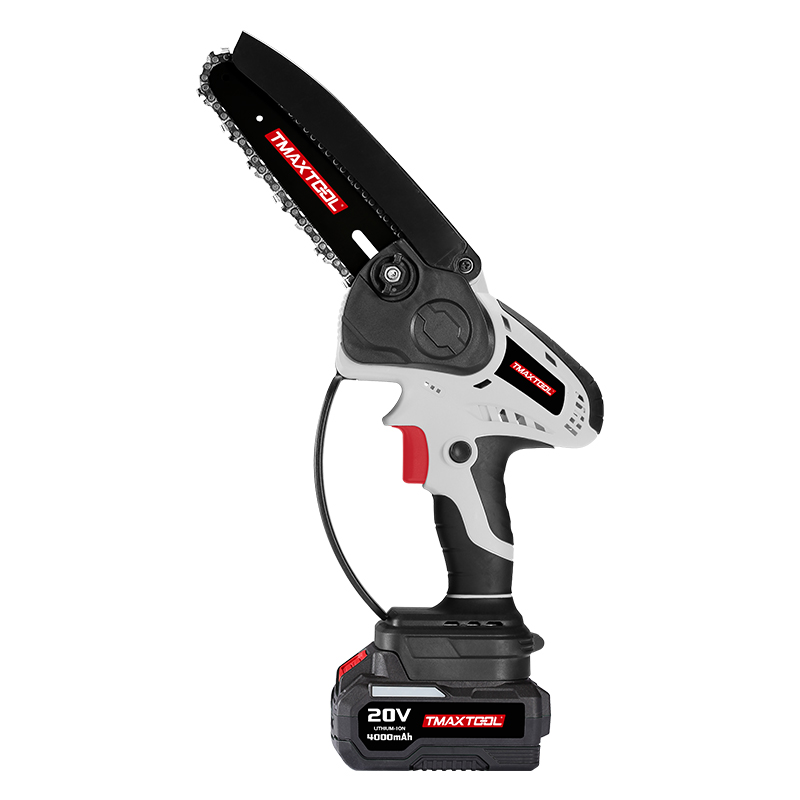 Battery Chain Saw
 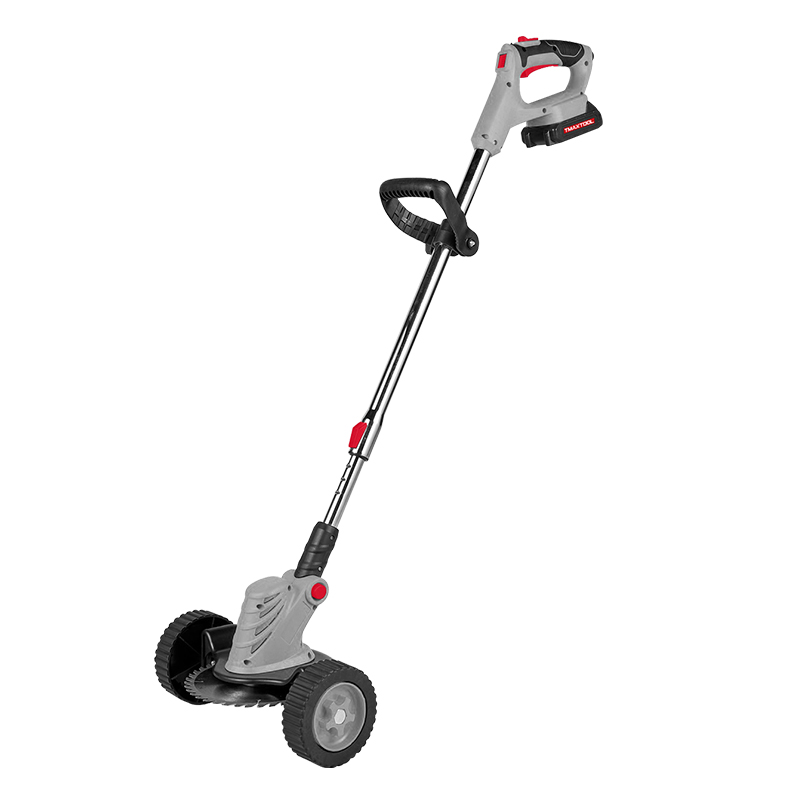 Battery Brush Cutter
 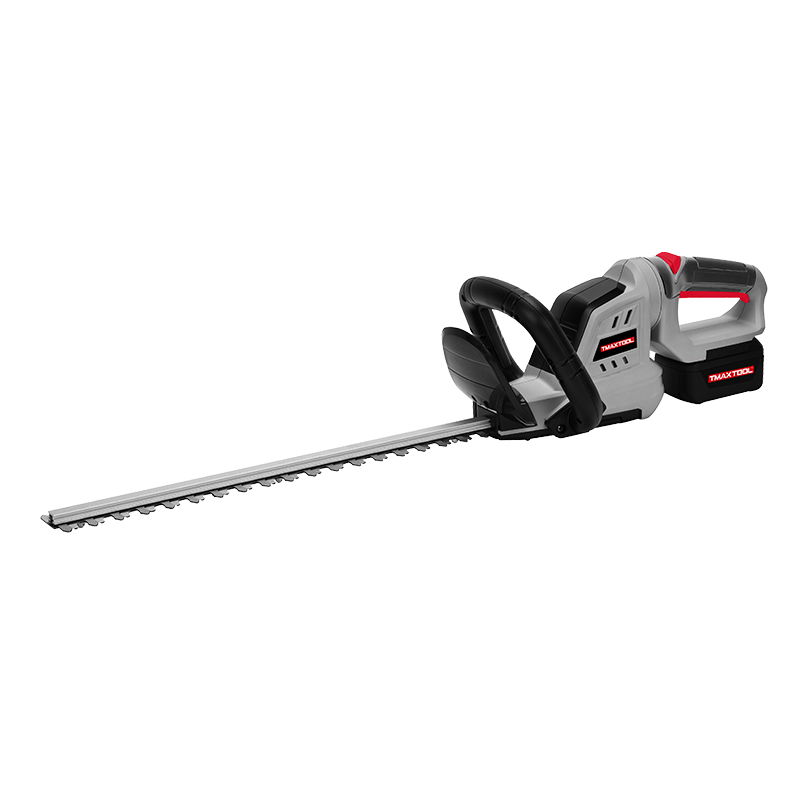 Battery Hedge Trimmer
 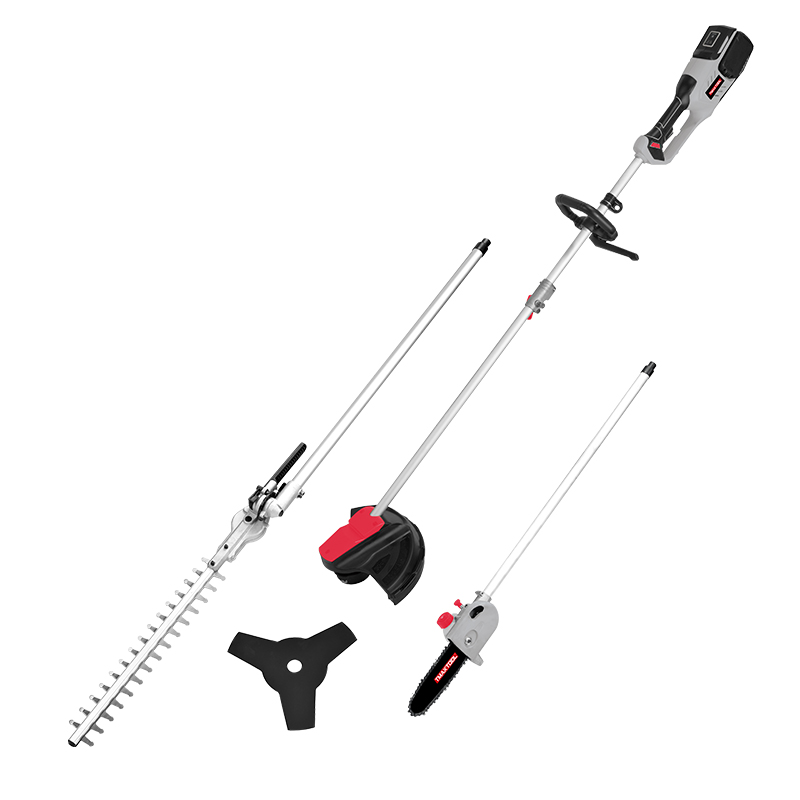 Battery Multi Tool
 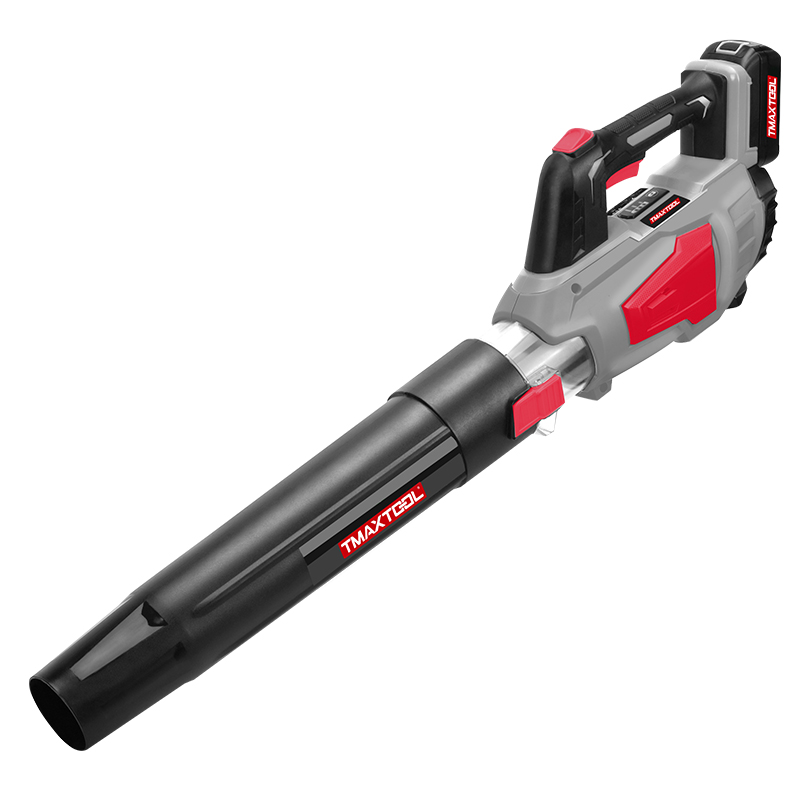 Battery Blower
 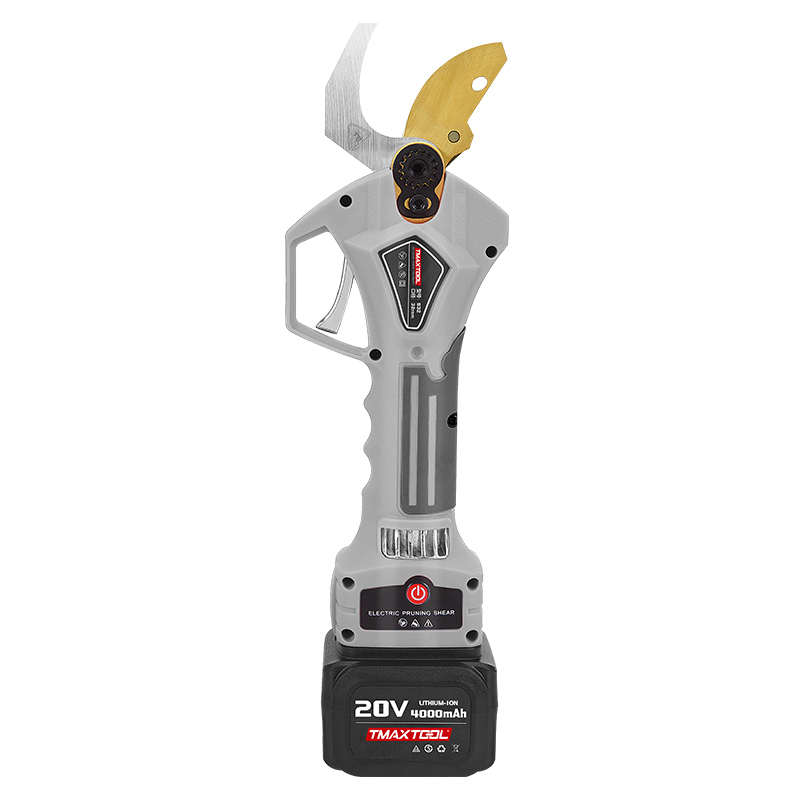 Batter Pruning Shears
 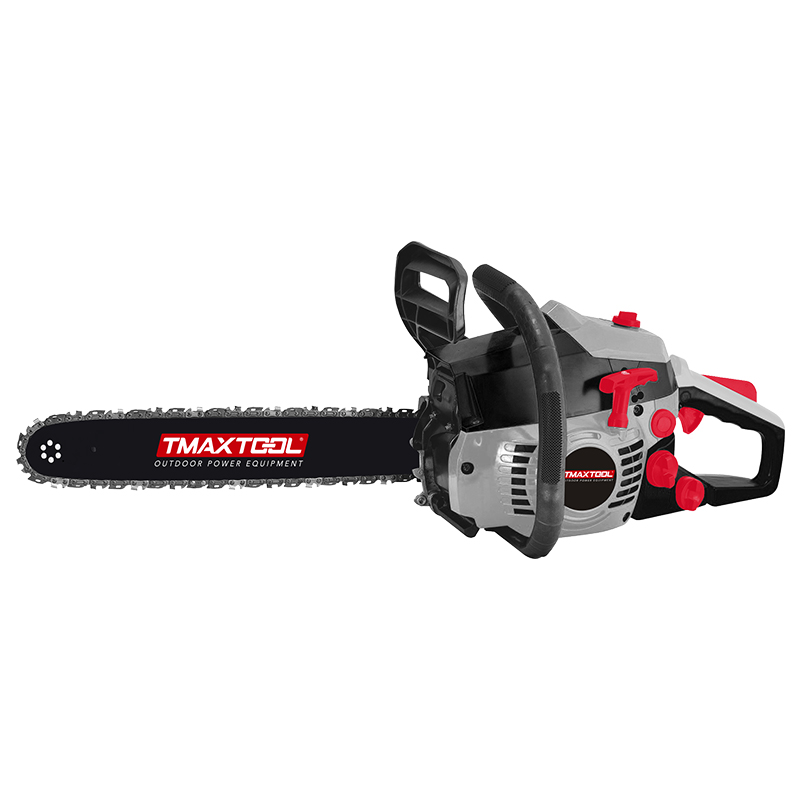 Chain Saw
 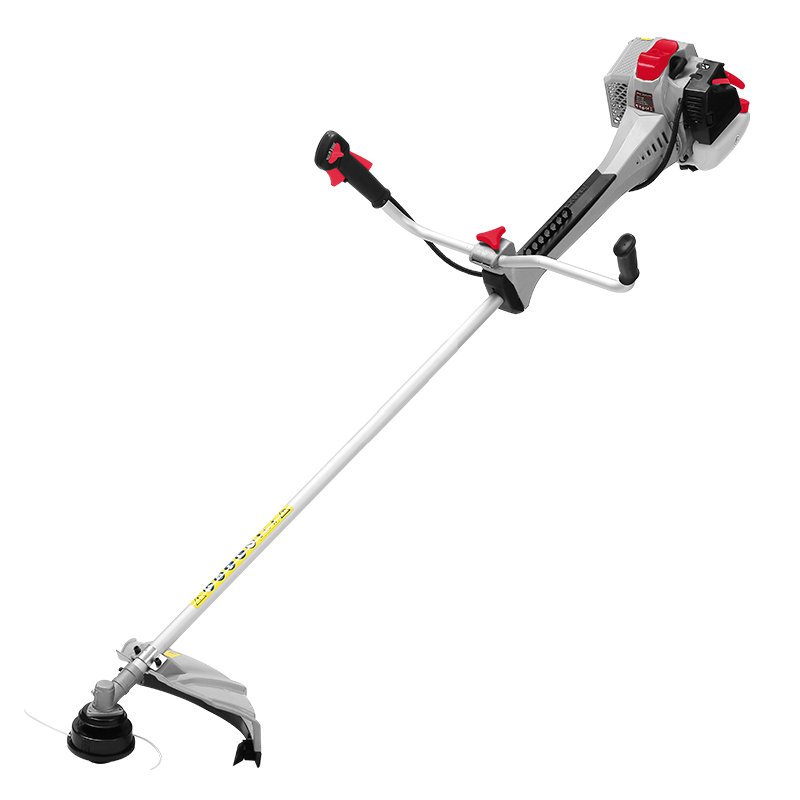 Brush Cutter
 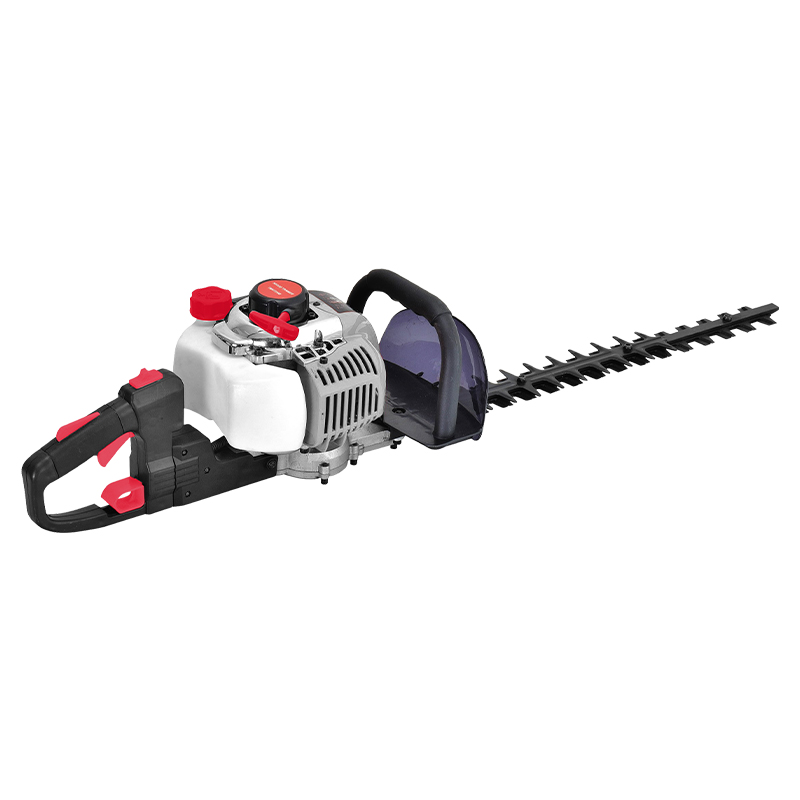 Hedge Trimmer
 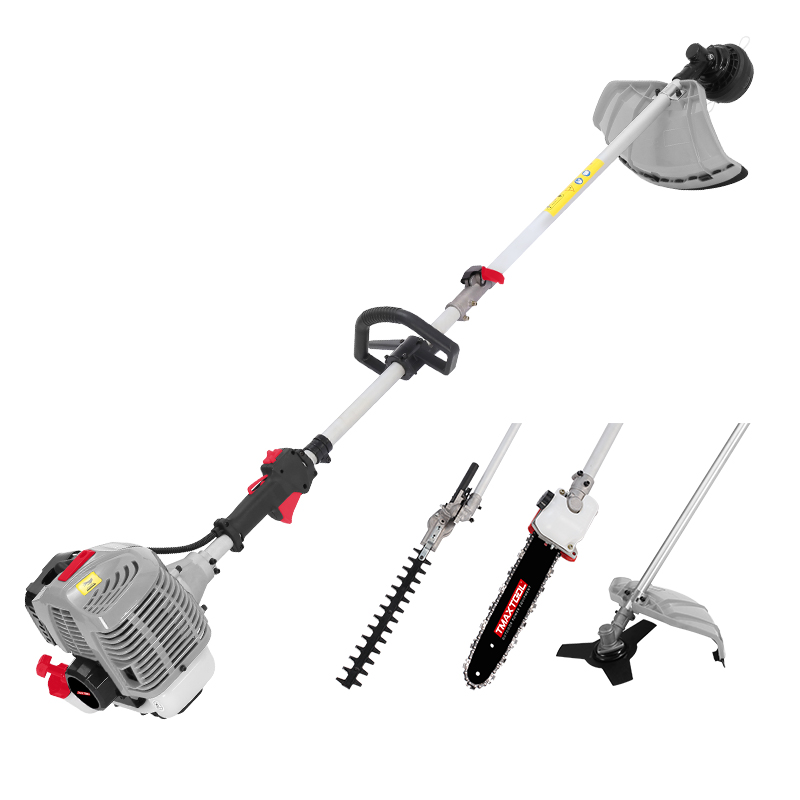 Multi Tool
 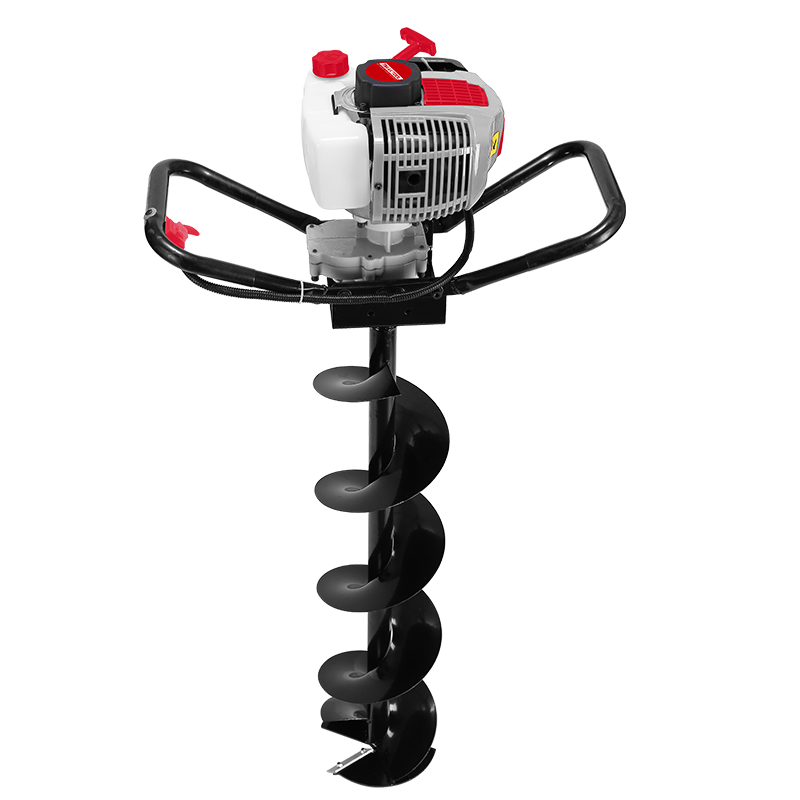 Earth Auger
 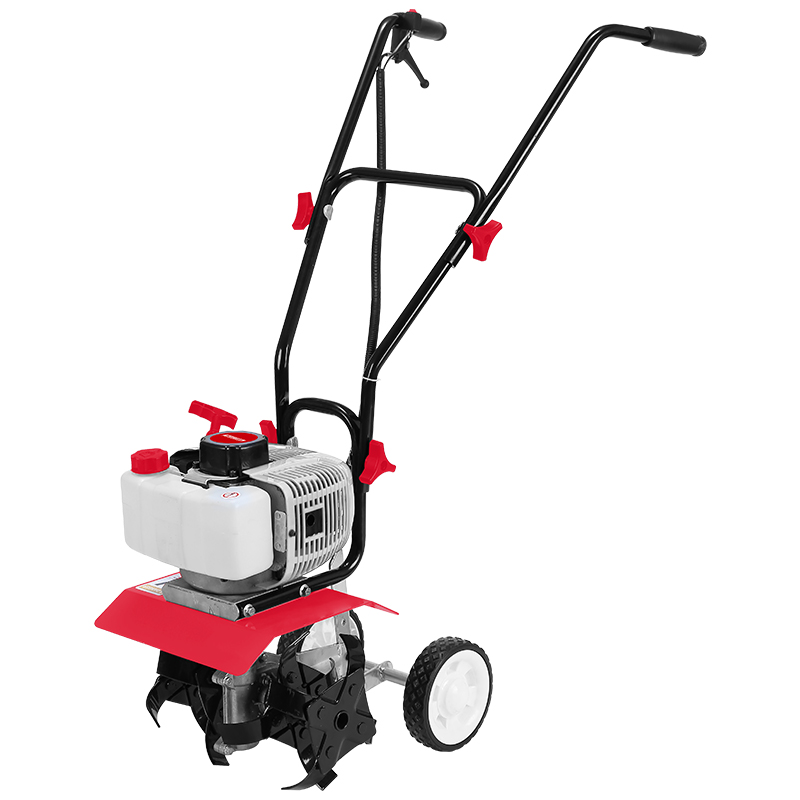 Tiller
 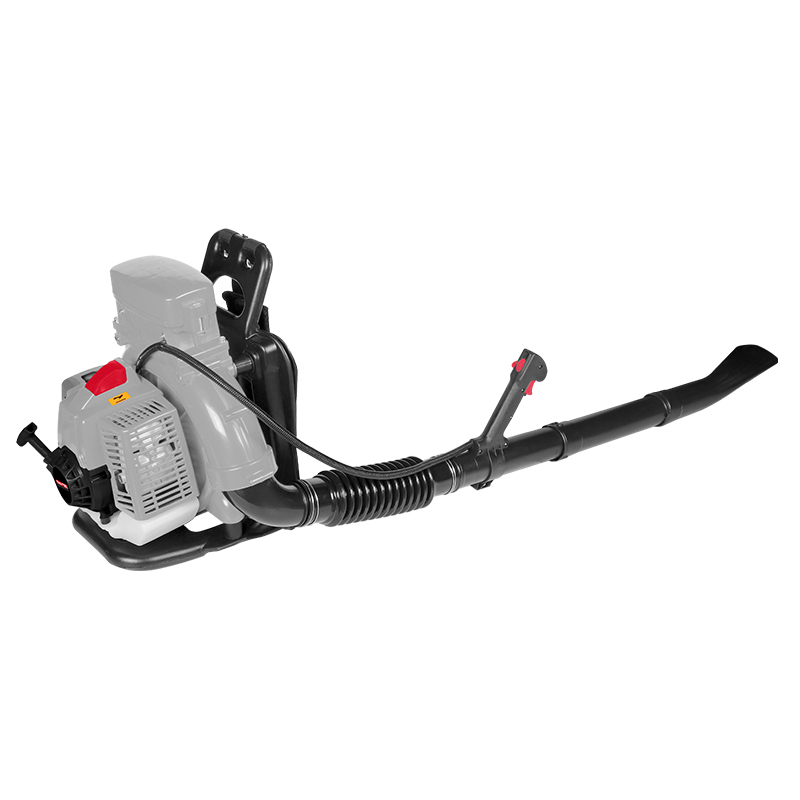 Blower
 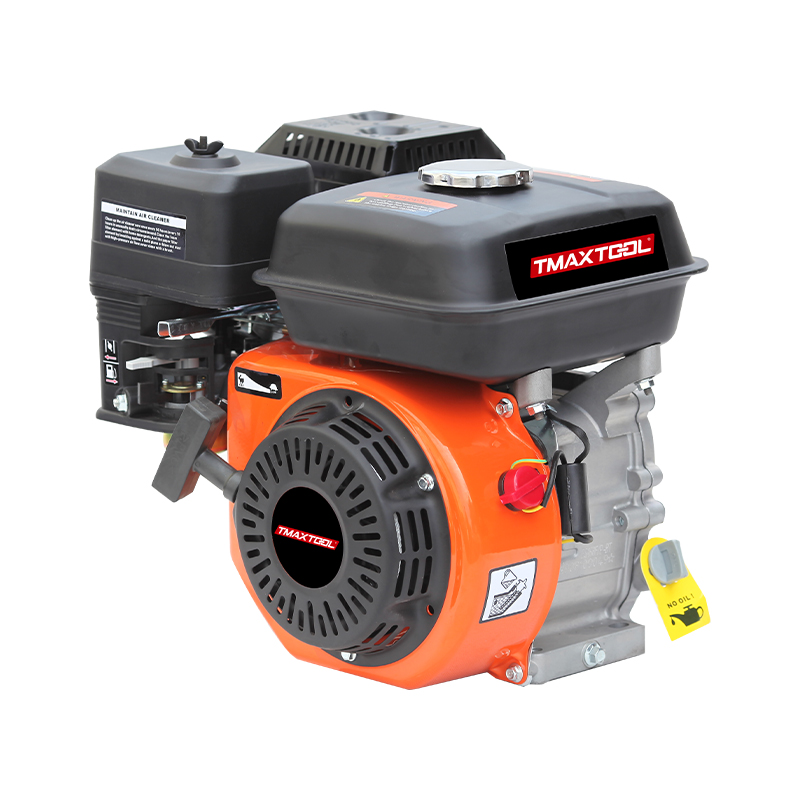 4 Stroke Gasoline Engine
 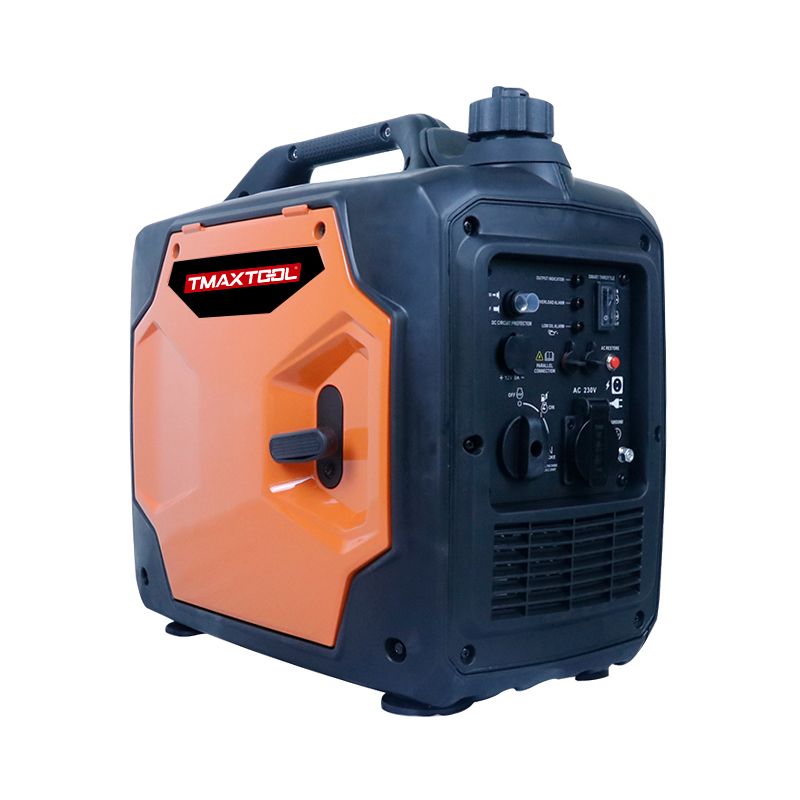 Generator
 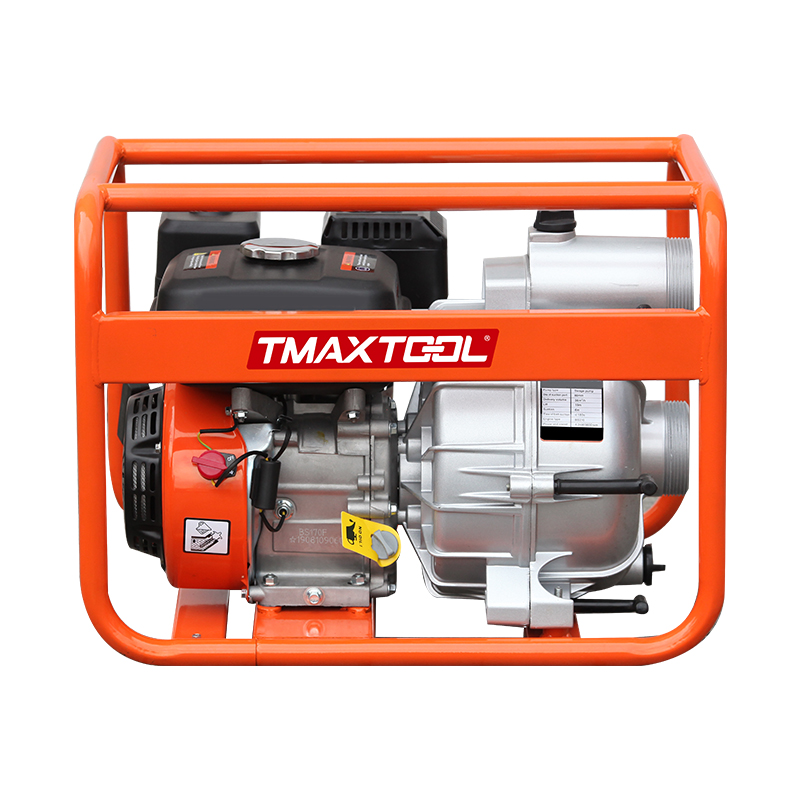 Water Pump
 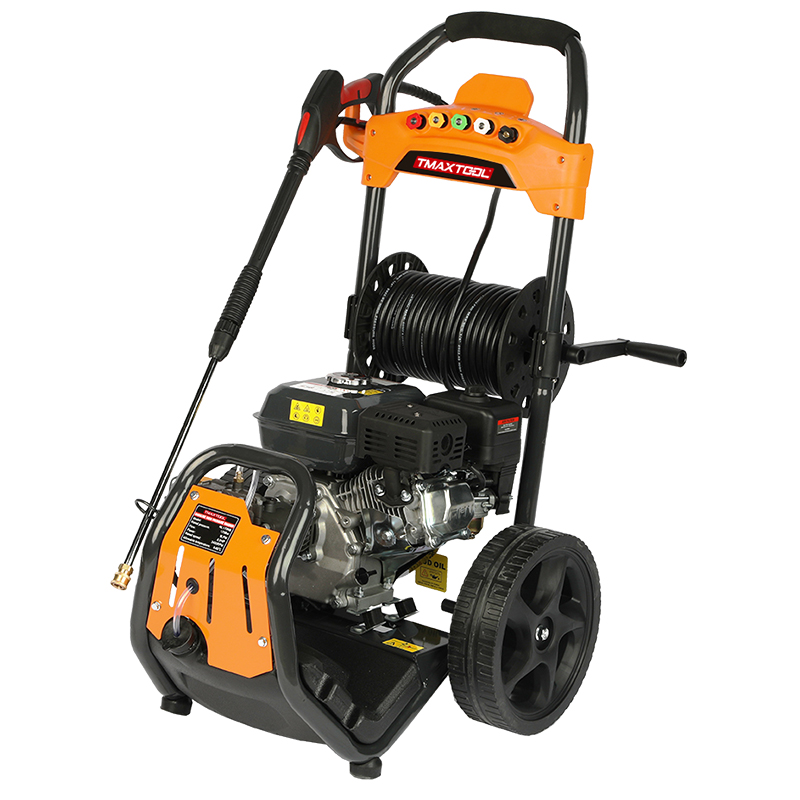 High Pressure Washer
 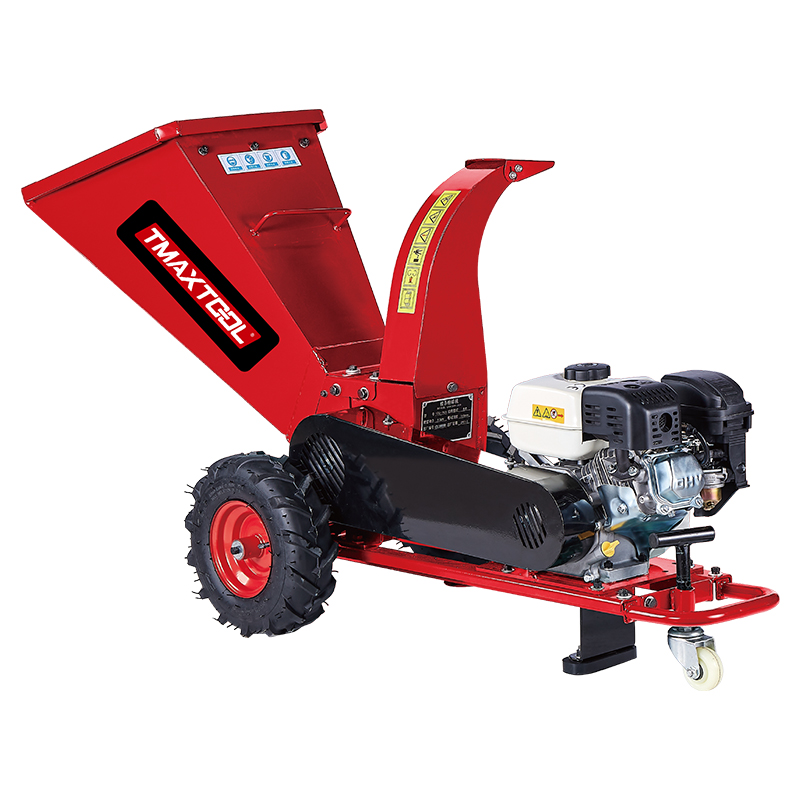 Wood Cutter
 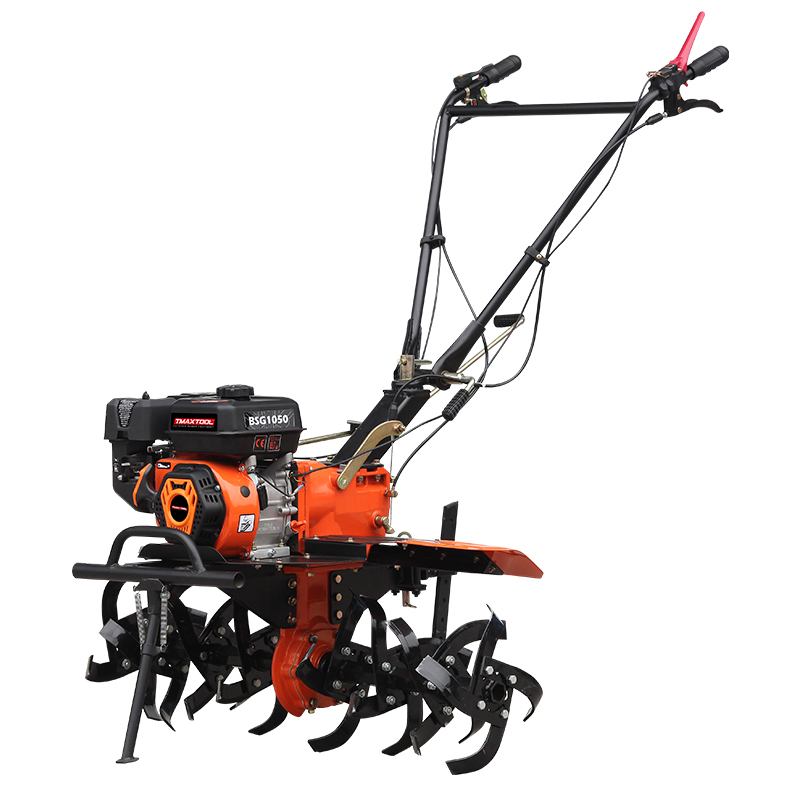 4 Stroke Tiller
 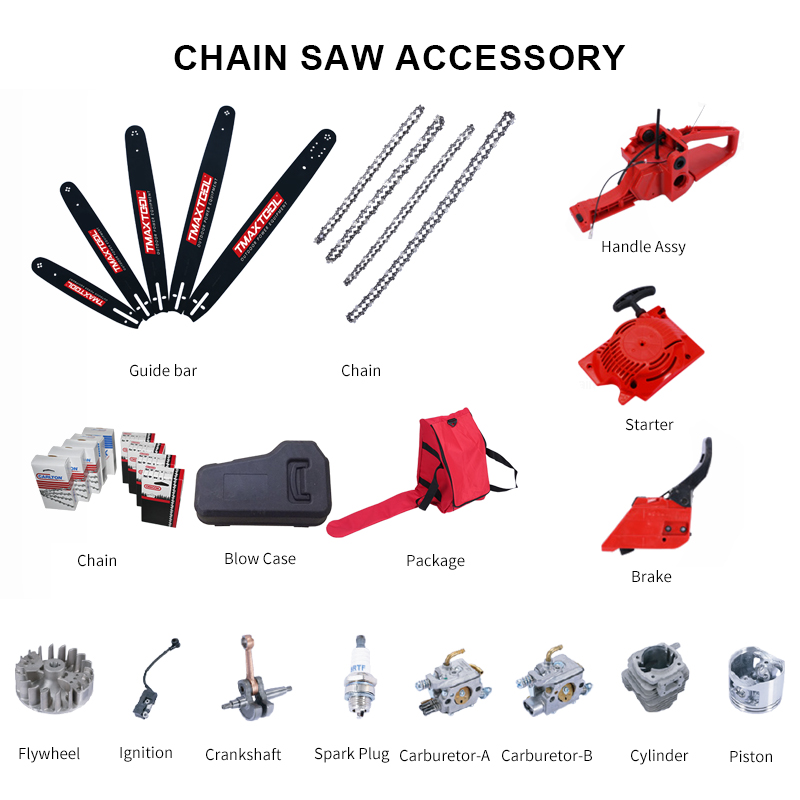 Chain Saw Accessory
 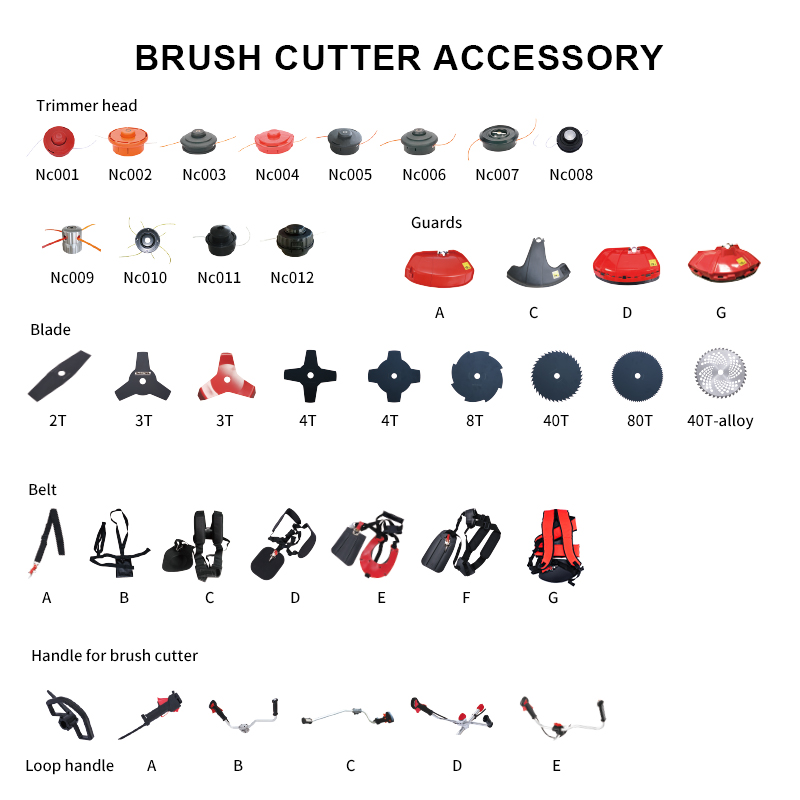 Brush Cutter Accessory
 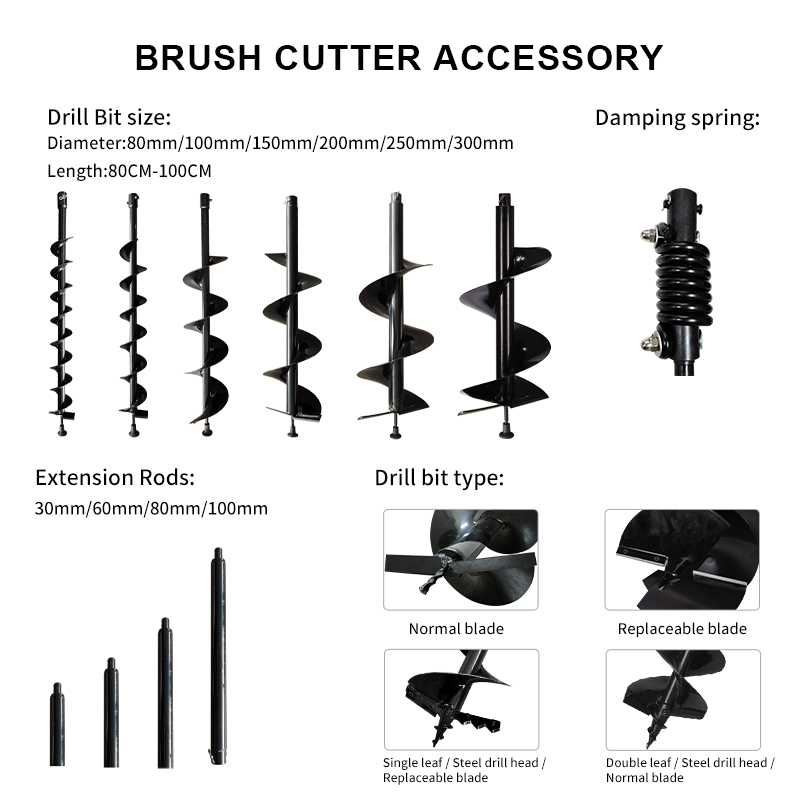 Earth Auger Accessory
 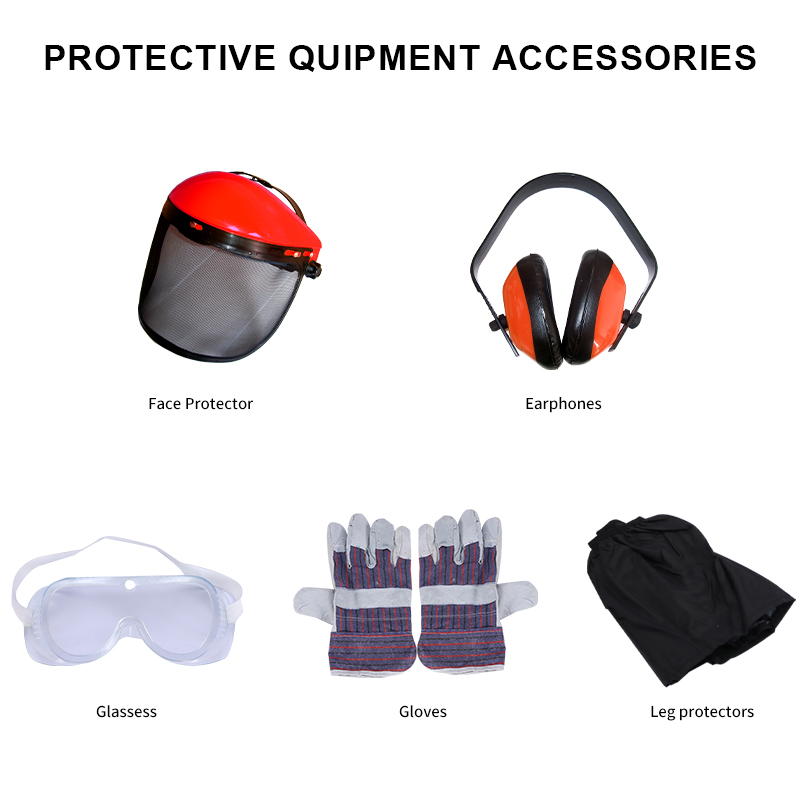 Protective Equipment Accessories
Leave Your Message


Garden Tool Distributor Selection Guide: Essential Supplier Screening Considerations for International Buyers
Garden Tool Distributor Selection Guide: Essential Supplier Screening Considerations for International Buyers
As an international garden tool distributor, choosing the right suppliers is a crucial prerequisite for expanding into global markets and achieving long-term profitability. High-quality suppliers provide stable product quality, efficient delivery capabilities, and comprehensive after-sales support, while inappropriate choices can lead to a series of problems such as uncontrolled quality, delivery delays, and damage to market reputation. Based on global garden tool industry procurement trends and practical experience in international cooperation, this article outlines key considerations for garden tool distributors when selecting suppliers, covering everything from qualifications and quality control to supply chain capabilities, from cooperation policies to localized support, comprehensively assisting international buyers in selecting high-quality partners that match their development needs.

I. Verify Supplier Compliance and Industry Certifications to Meet Global Market Access Standards
The international garden tool market has stringent compliance requirements for products. Different regions, such as the EU, North America, and Australia, have their own specific product certification regulations. A supplier's qualifications and certifications directly determine whether your products can successfully enter the target market; this is the primary hurdle in supplier selection.
First, it's essential to verify that the supplier possesses ISO 9000 quality management system certification, a fundamental guarantee of standardized product quality. For the EU market, verify whether the products have passed CE and RoHS certifications to ensure compliance with environmental and safety requirements. For the North American market, focus on UL and EPA certifications, especially emission standards for fuel-powered garden tools. Additionally, reputable international suppliers will also possess social responsibility certifications such as BSCI, meeting the supply chain audit requirements of large European and American supermarkets and distributors, avoiding customs seizures and termination of cooperation due to compliance issues.
Furthermore, verify the authenticity and validity of certifications, requiring suppliers to provide original certifications and the latest test reports, not just copies. For suppliers specializing in professional-grade garden tools, also check whether they possess industry-specific certifications to ensure product performance aligns with international standards.
II, assess product quality stability and quality control systems, rejecting "good samples, poor bulk production."
Quality is the core competitiveness of garden tool distributors. International buyers dislike suppliers offering "high-quality samples but substandard bulk production." Therefore, it's crucial to thoroughly examine the supplier's quality control capabilities and product quality consistency.
Reputable garden tool suppliers establish comprehensive quality control systems throughout the entire process, from raw material procurement and production to finished product delivery, with clear testing standards and records at each stage. You can request suppliers to provide quality control process documents to understand whether their first-pass yield rate reaches over 98% and whether the defect rate is controlled at an extremely low level. Simultaneously, verify their raw material traceability capabilities to ensure a stable supply and consistent quality of core components such as motors, batteries, and blades.
On-site factory visits are an effective way to verify quality control capabilities. You can visit the supplier's production workshop and quality control laboratory to check the completeness of their testing equipment and whether they have dedicated defect statistics dashboards for real-time monitoring of product quality. For suppliers working remotely, you can request multiple batches of samples for testing to compare the performance and workmanship of different batches and determine quality stability. Additionally, pay attention to the supplier's product warranty policy, such as whether they provide a product warranty of 12 months or more, which directly reflects their confidence in product quality.
III. Assessing Supply Chain Strength: Capacity, Delivery, and Inventory to Ensure Stable Market Supply
In the international garden tool trade, on-time delivery is the lifeline of supply chain cooperation, especially during peak gardening seasons such as spring and summer in Europe and America. Delivery delays can directly lead to missed market opportunities and significant economic losses. Therefore, a supplier's capacity, delivery capabilities, and inventory assurance capabilities are key assessment indicators.
First, understand the supplier's production scale: Does it have 10 or more professional production lines? Can its monthly production capacity meet your market inventory needs? Does its annual shipment volume have economies of scale? Simultaneously, verify its minimum order quantity (MOQ). For start-up or small-to-medium-sized agents, a low MOQ (e.g., 50pcs) can effectively reduce inventory risks and flexibly respond to changes in market demand.
Second, focus on the supplier's delivery efficiency: Is the delivery time for regular products controlled within 30 days? Does it have the capacity reserve for rapid response to urgent orders? Require the supplier to provide an accurate production progress update mechanism, such as weekly synchronized production and shipping information, to ensure you can monitor inventory status in real time. Furthermore, reputable suppliers establish robust inventory management systems and provide inventory assurance services. They stock up on popular garden tools in advance to avoid supply disruptions caused by raw material shortages or production scheduling issues. Simultaneously, it's essential to understand the supplier's logistics partnerships and whether they can provide one-stop international logistics solutions to reduce your logistics costs.
IV. Analyze Cost-Effectiveness and Pricing Policies, Pursuing "Reasonable Pricing + Transparency"
International buyers don't solely pursue the "lowest price," but rather high cost-effectiveness and transparent, sustainable pricing. Low prices often come with compromised quality and lack of after-sales service, ultimately increasing operating costs in the long run.
When evaluating prices, don't just compare the total price. Request a detailed cost breakdown from the supplier, including the percentage of costs for raw materials, production, packaging, and testing, to determine the reasonableness of the pricing. Also, pay attention to the supplier's pricing policies, checking for hidden charges, such as additional fees for customization or private labeling, and whether they communicate in advance when raw material prices rise, rather than raising prices abruptly.
Reputable garden tool suppliers offer tiered pricing policies based on the scale of cooperation. For long-term strategic partners, they provide more competitive wholesale prices while ensuring price stability. Furthermore, comparing a supplier's product configuration with competitors at the same price point allows you to assess their advantages in motor power, battery life, and component quality, thus determining the product's actual cost-effectiveness. For example, with the same specifications of Gasoline Chainsaws, if a supplier can achieve lower fuel consumption while maintaining performance, it brings real value to your end customers and enhances your product's market competitiveness.
V. Focus on Service Capabilities: Response Efficiency, Customization, and Technical Support
In cross-cultural international cooperation, the supplier's service capabilities directly determine the smoothness of the collaboration. Efficient response, personalized customization services, and professional technical support can solve many operational challenges for garden tool distributors.
First, assess the supplier's responsiveness. A high-quality supplier will reply to emails and phone inquiries within 24 hours and provide quick solutions to product and order issues, rather than making excuses or delaying. Additionally, consider whether they have a professional English-speaking team capable of accurately understanding your customization needs and market feedback, avoiding communication barriers that could lead to discrepancies in cooperation.
Second, focus on their customization capabilities: Do they support OEM/ODM, appearance customization, and functional customization? Can they adjust product parameters according to your target market needs, such as optimizing the noise level of garden tools for the European market or improving product durability for the North American market? Is the customized sampling cycle reasonable, and can samples be sent for testing quickly?
Furthermore, professional technical support is crucial, especially for high-tech products such as electric garden tools and fuel-powered multi-tools. The supplier should provide professional technical guidance, including training materials on product installation, debugging, and maintenance, to solve technical problems for you and your end customers. Also, consider whether they provide marketing support, such as product images, videos, and brochures, to help you quickly expand your market.
VI. Verify Cooperation Policies and After-Sales Support to Reduce Agency Operation Risks
International agency cooperation for garden tools is a long-term process. The supplier's cooperation policies and after-sales support system directly affect your operational risks and profit margins, requiring careful verification and clear agreement.
First, understand the supplier's agency policy: Does it offer exclusive regional agency authorization to avoid vicious competition within the same market? Are there incentive policies such as sales rebates and inventory support to help you increase market sales? Simultaneously, verify the terms of the cooperation agreement, clearly defining core content such as product quality standards, delivery time, payment methods, and return and exchange policies to avoid potential legal risks.
Second, focus on after-sales support capabilities: In addition to the product warranty period, does the supplier provide comprehensive return and exchange services? For products with quality issues, can they promptly replenish or replace them and bear the related logistics costs? Does the supplier have after-sales service outlets in major global markets, or can they provide remote after-sales support to solve after-sales problems for your end customers? High-quality suppliers will make "Worry-Free After Sales" a core service, allowing agents to focus on market development without worrying about after-sales issues.

VII. Focus on Supplier Industry Experience and Market Layout to Align with Global Development Trends
Suppliers with extensive industry experience are better able to grasp the development trends of the global garden tool market, providing agents with more forward-looking product and market advice. This is a crucial factor in supplier selection.
Prioritize suppliers with 15 years or more of experience in garden tool manufacturing. Through years of market accumulation, they not only possess mature production technology and quality control systems but also accurately grasp the specific needs of different regional markets. For example, the European market prefers lightweight and environmentally friendly electric garden tools, while the North American market focuses on professional-grade, high-powered fuel tools. Simultaneously, understand the supplier's international market layout: whether their products are exported to 50 or more countries and regions, and whether they participate in international hardware and garden tool exhibitions (such as the Cologne Hardware Fair in Germany and MITEX in Russia). This reflects the international recognition and market adaptability of their products.
Furthermore, focus on the supplier's product innovation capabilities: whether they continuously invest in new product development, and whether they can keep up with industry trends by launching new energy and intelligent garden tools, such as lithium-ion garden tools and intelligent lawnmowers. This will help you gain a competitive edge in the fiercely competitive international market.
In conclusion, for international garden tool distributors, selecting suppliers is not a simple matter of comparison, but a comprehensive consideration of their qualifications, quality, supply chain, service, and cooperation policies. A high-quality supplier is not only a product provider but also a global market partner, capable of cooperating with you to navigate market changes and achieve mutual benefit. The selection process requires thorough research, factory visits, and sample testing to clarify the cooperation needs and responsibilities of both parties. Simultaneously, it's crucial to focus on the supplier's long-term development potential and choose a partner with whom you can grow together. Only then can you achieve steady development in the global garden tool market and build your own core competitiveness.
Website:https://www.tmax-tool.com/
Email:info@tmaxtool.com
Whatsapp:+8613655793577
#GardenToolDistribution #GardenToolSupplierSelection #InternationalGardenToolProcurement #GardenToolSupplierScreening #InternationalGardenToolDistributorSupplierPrecautions #GardenToolInternationalBuyerProductSelectionGuide #GardenToolSupplierQualityControlAssessmentKeyPoints #GardenToolSupplyChainDeliveryCapabilityAssessment #LowMOQGardenToolSupplierScreening