
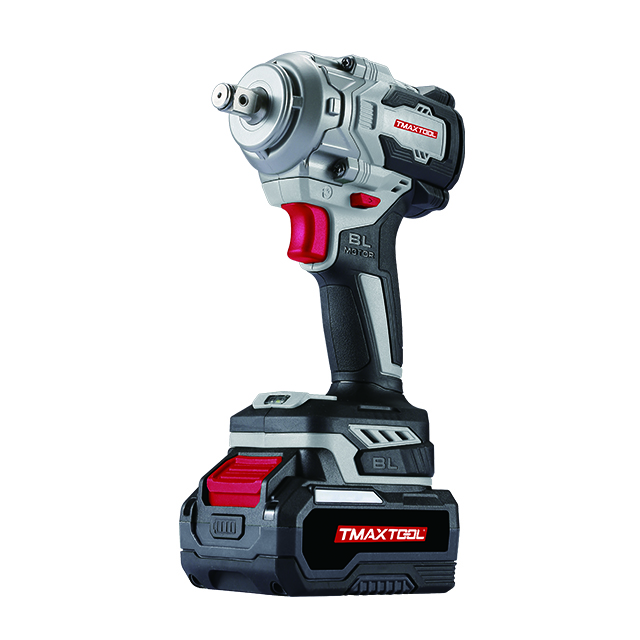
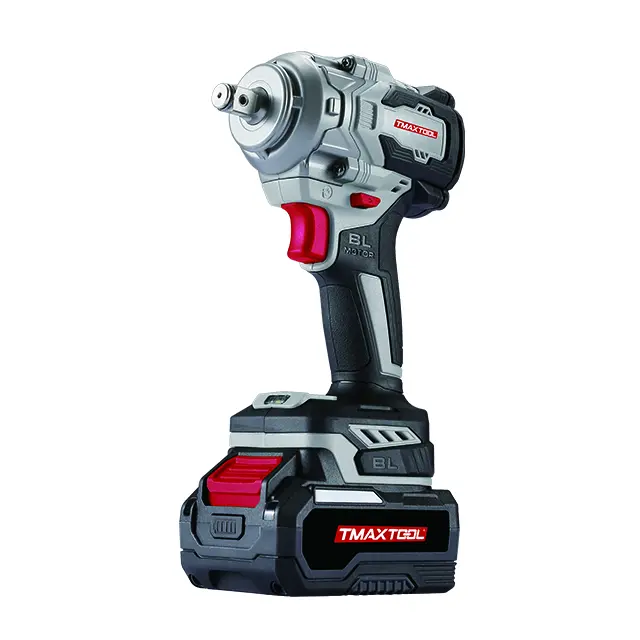
 Impact Wrench
 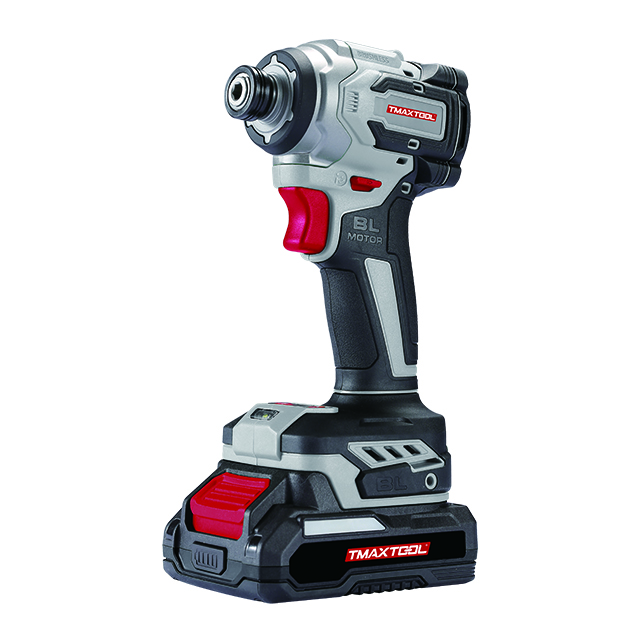 Screwdriver
 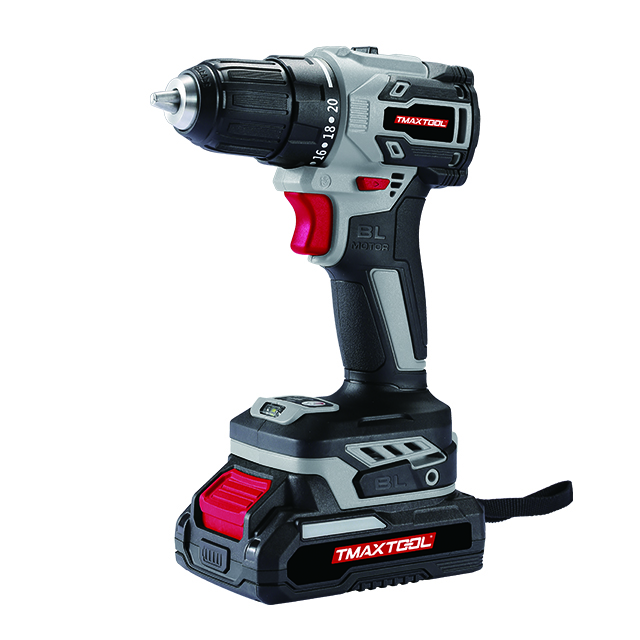 Cordless Drill
 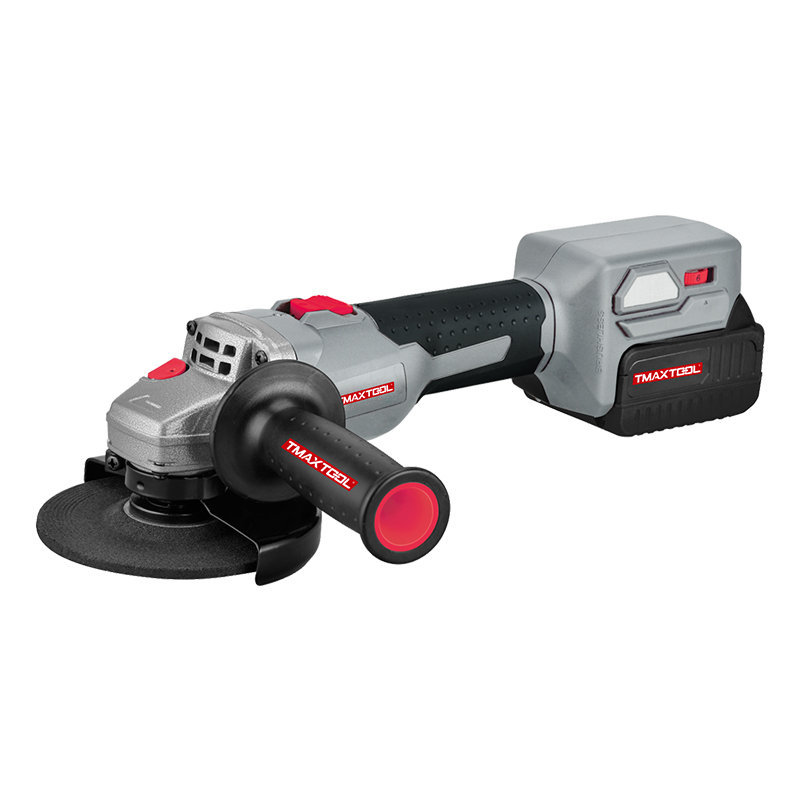 Angle Grinder
 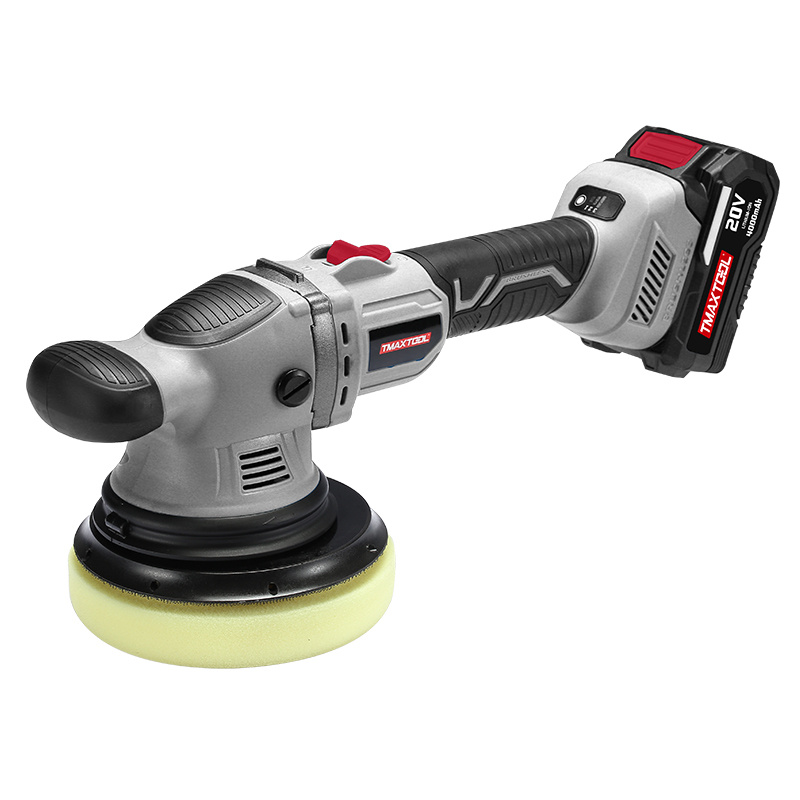 Polisher
 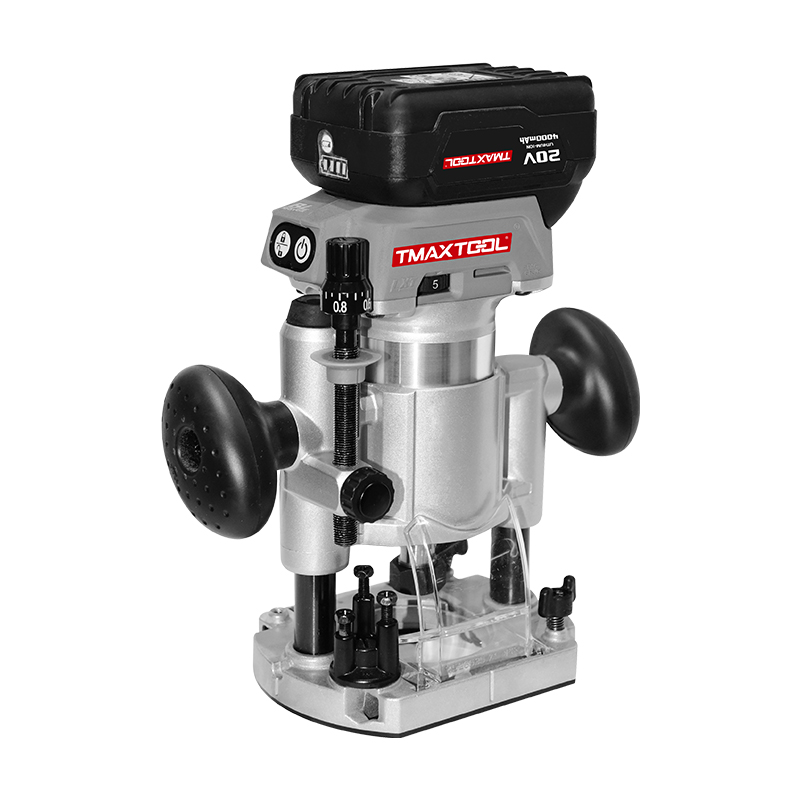 Wood Router
 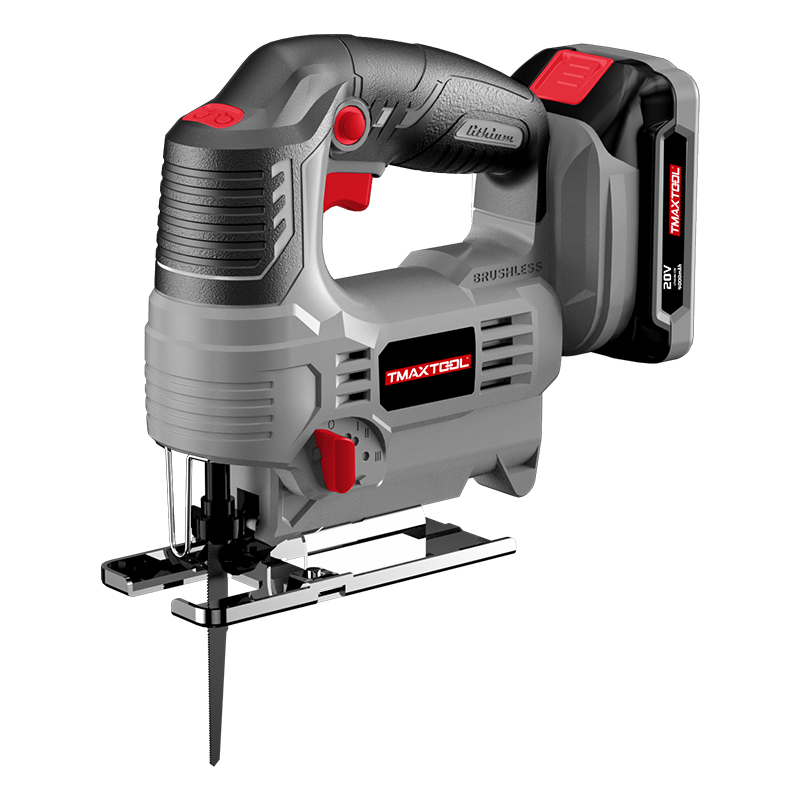 Jig Saw
 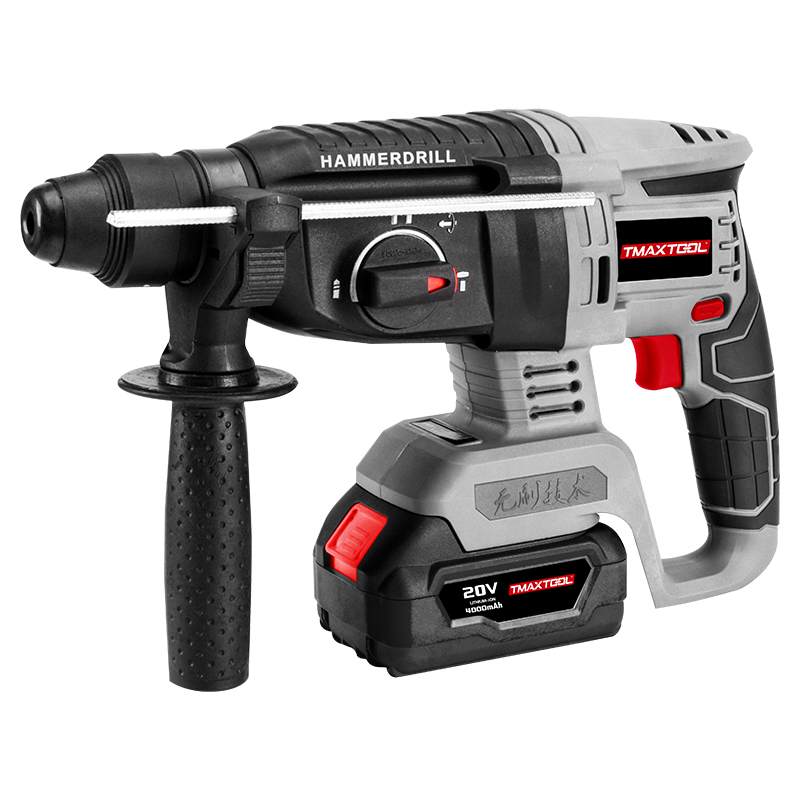 Hammer Drill
 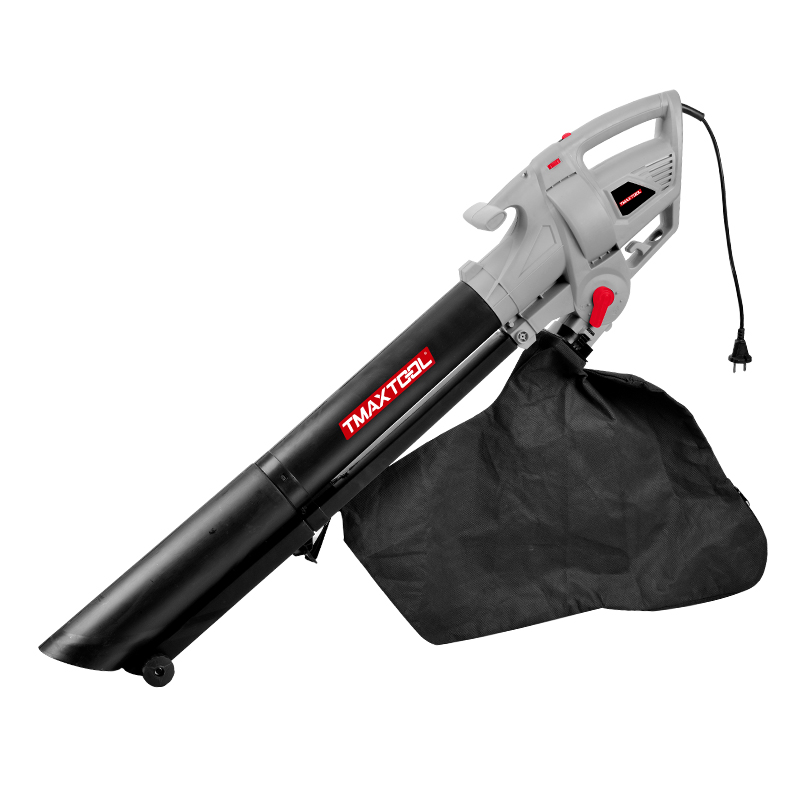 Portable Blower
 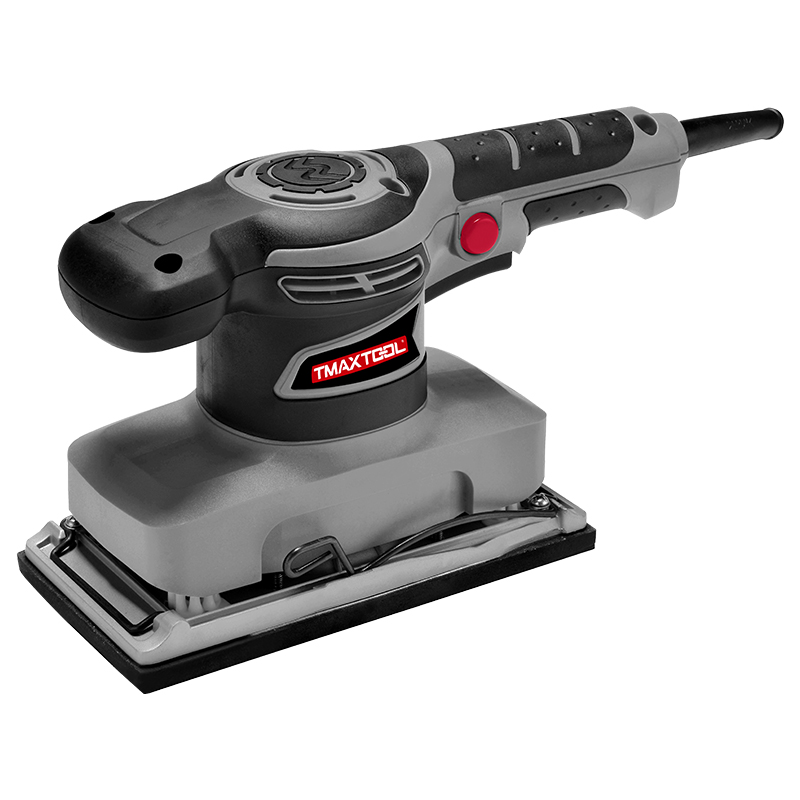 Orbital Sander
 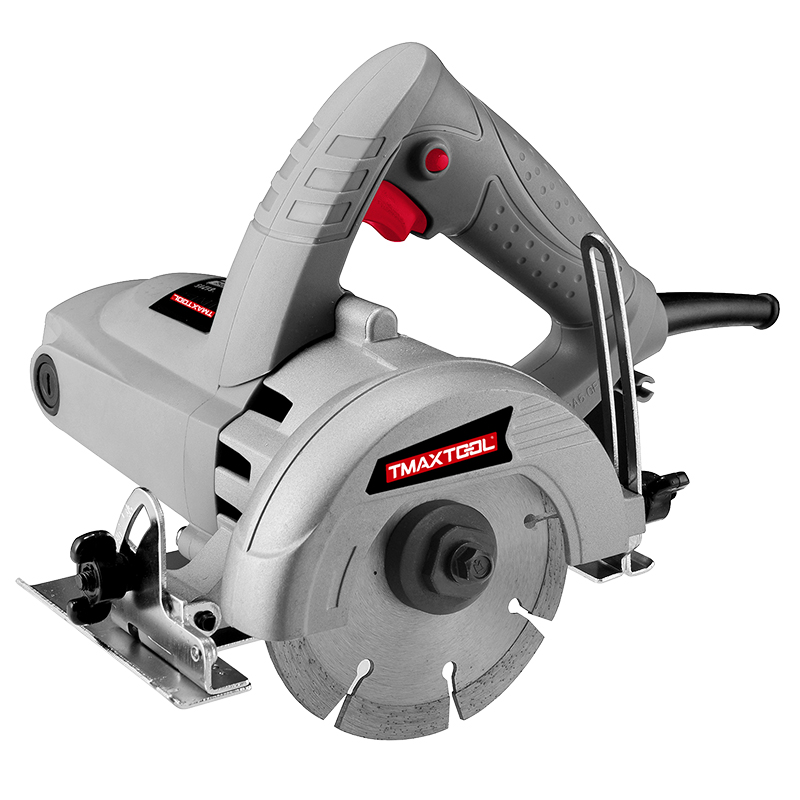 Marble Cutter
  GARDEN TOOLS
 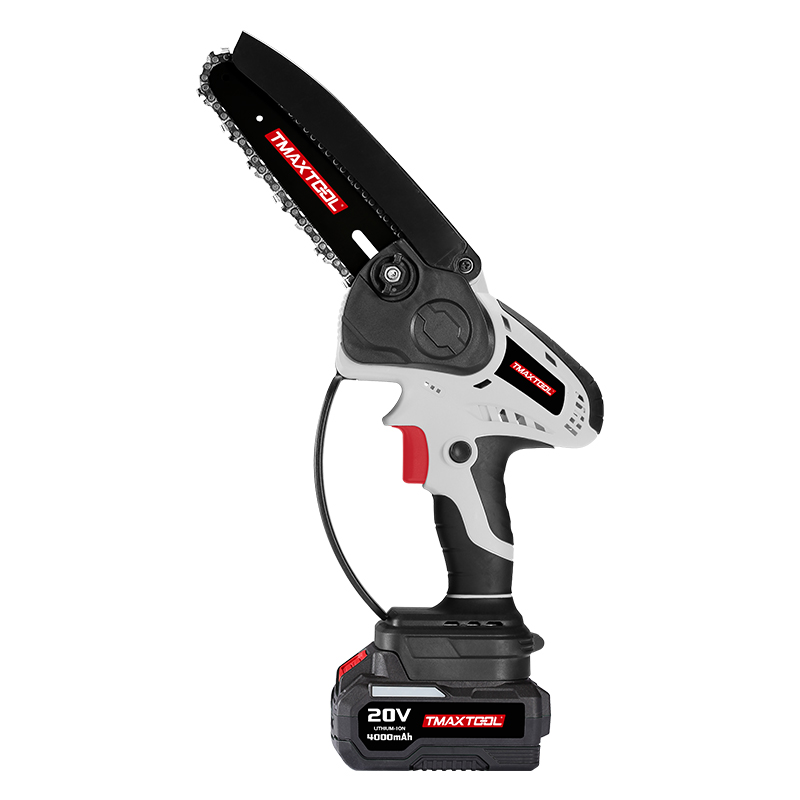 Battery Chain Saw
 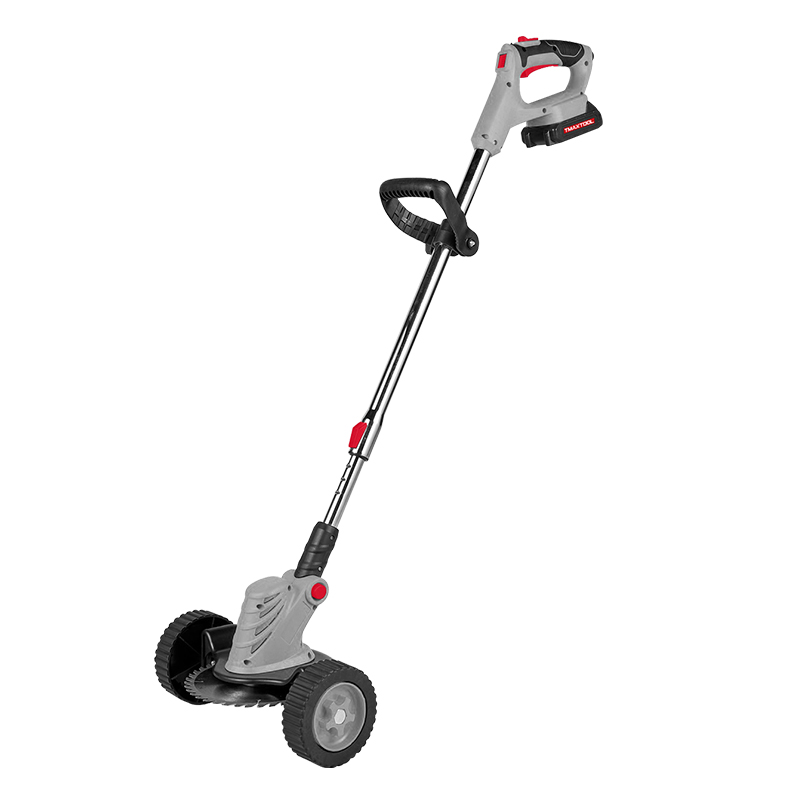 Battery Brush Cutter
 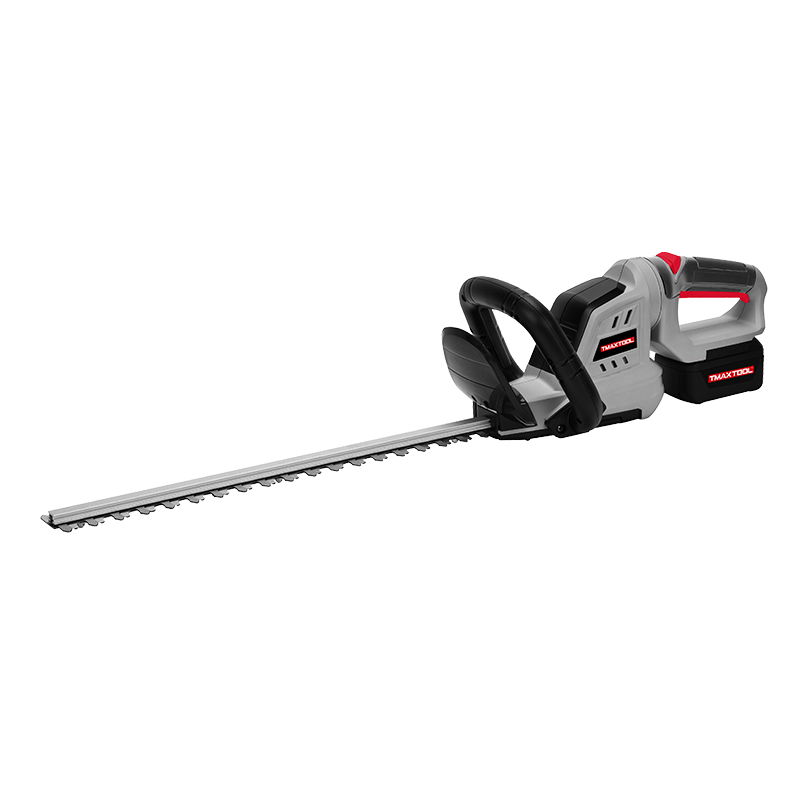 Battery Hedge Trimmer
 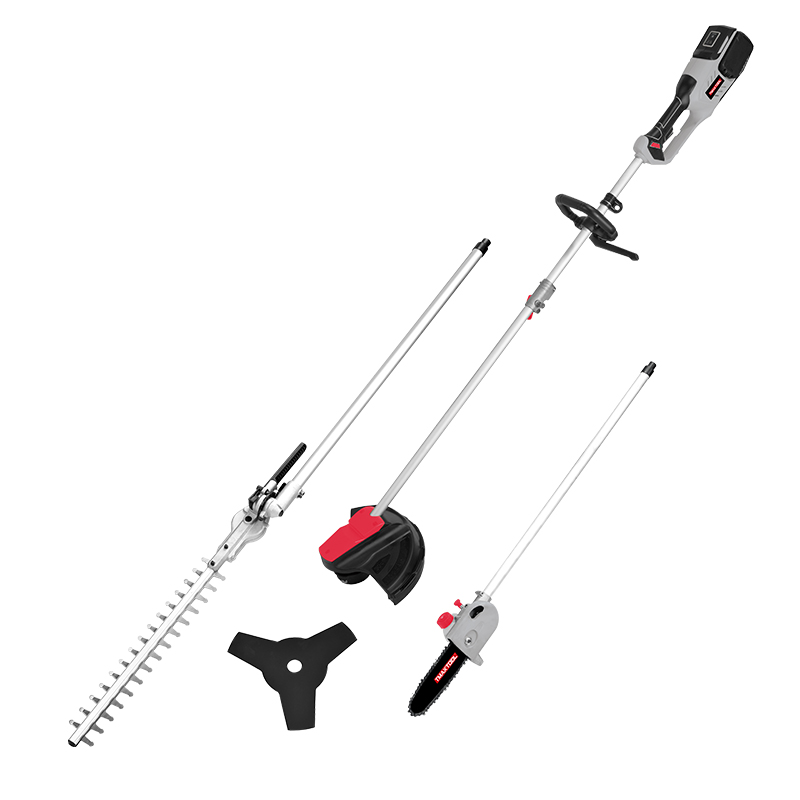 Battery Multi Tool
 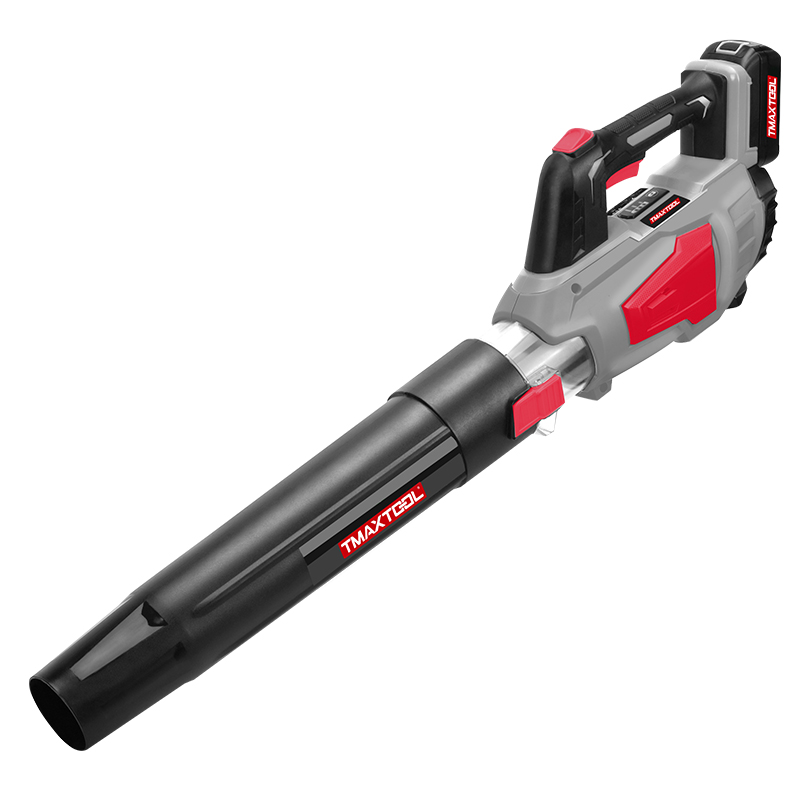 Battery Blower
 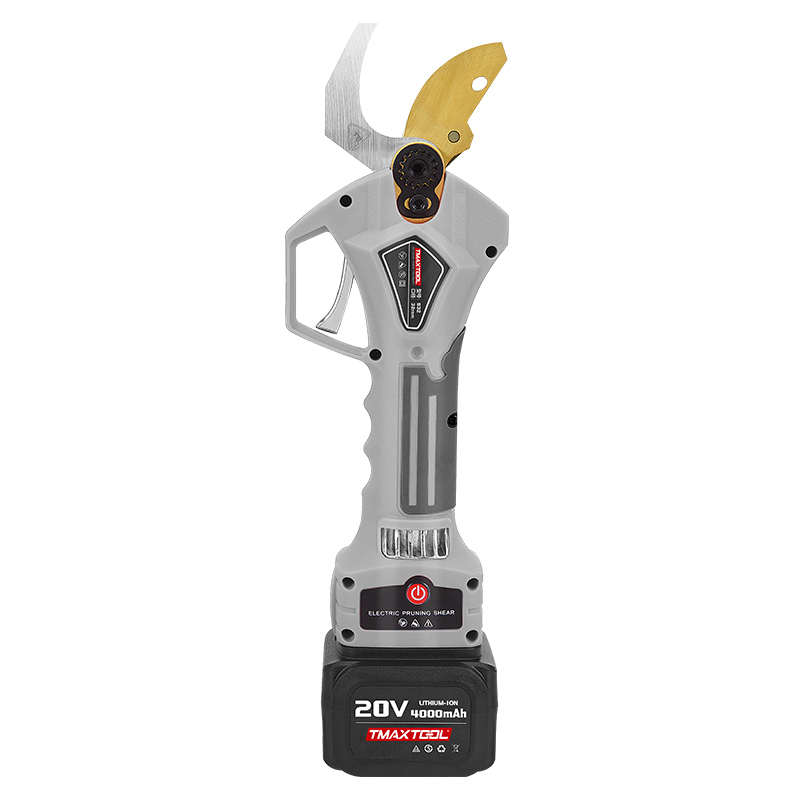 Batter Pruning Shears
 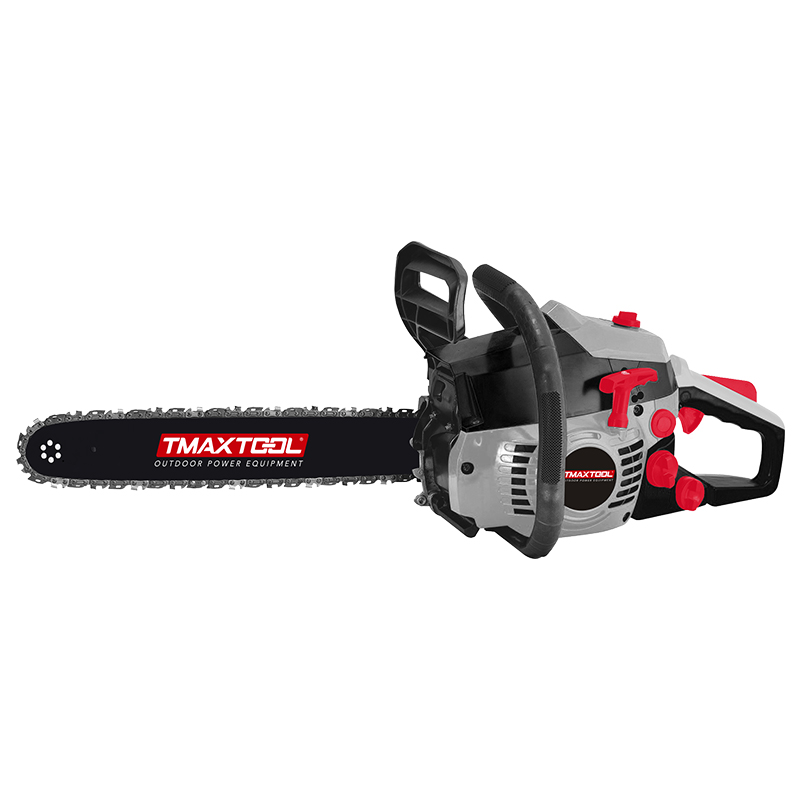 Chain Saw
 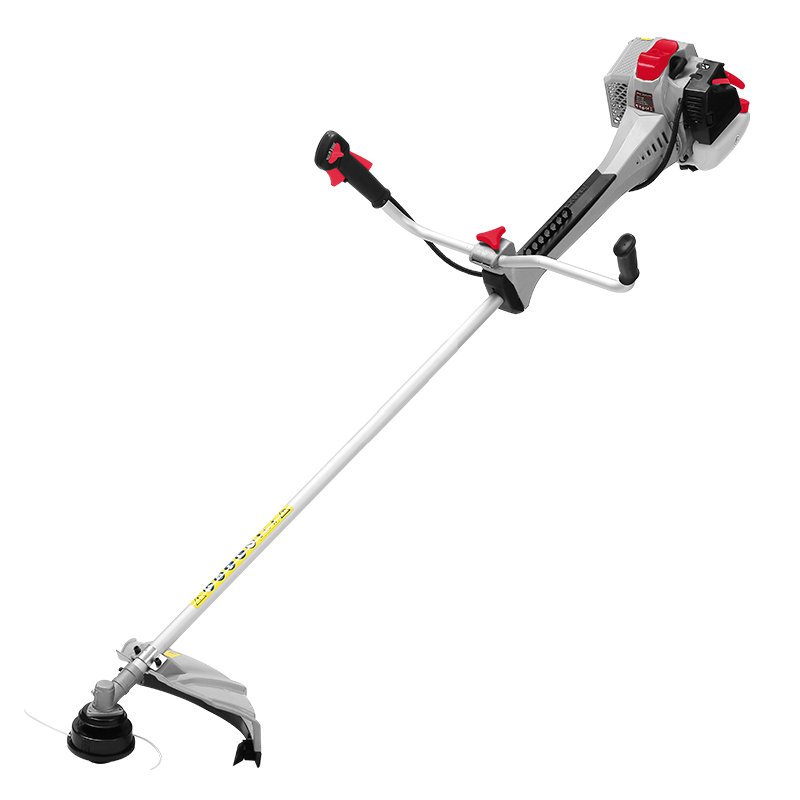 Brush Cutter
 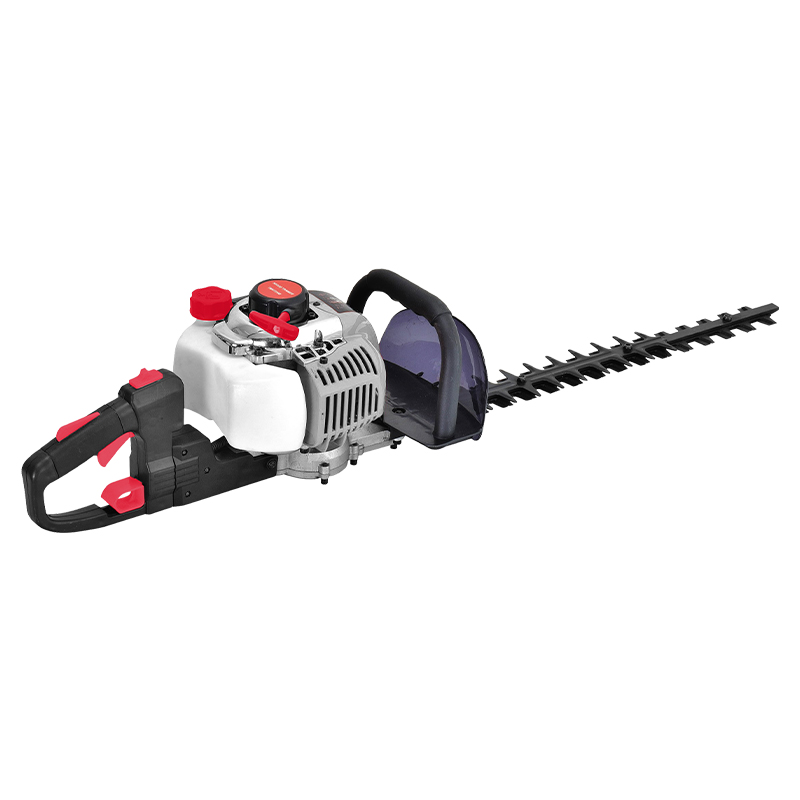 Hedge Trimmer
 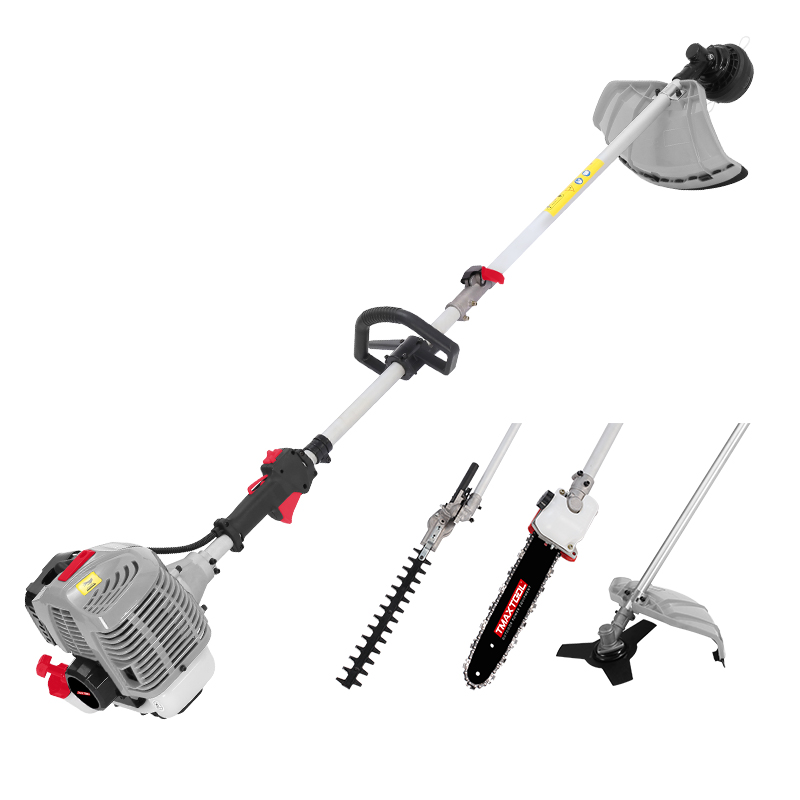 Multi Tool
 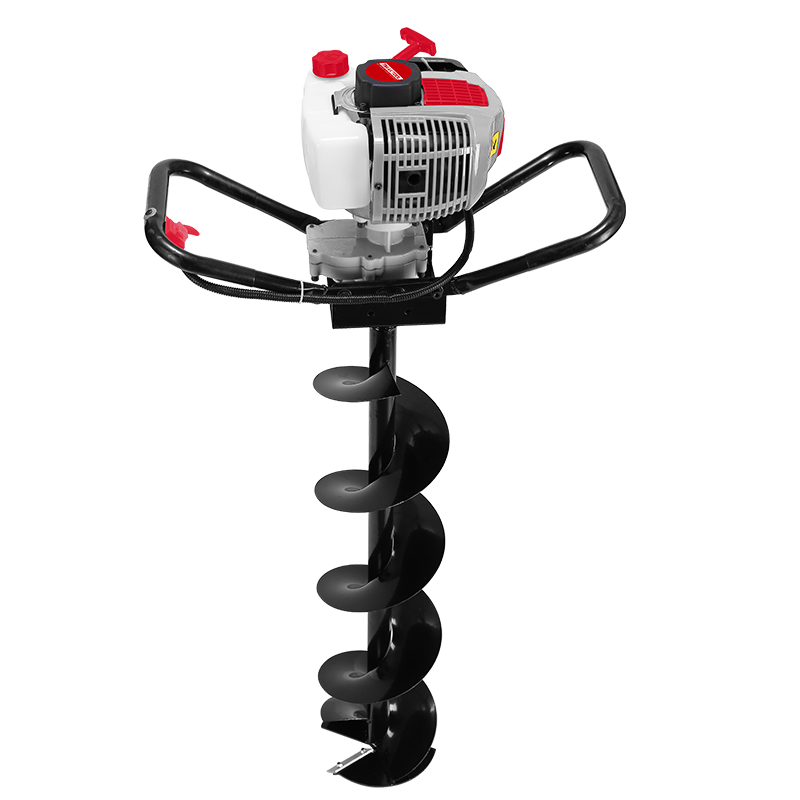 Earth Auger
 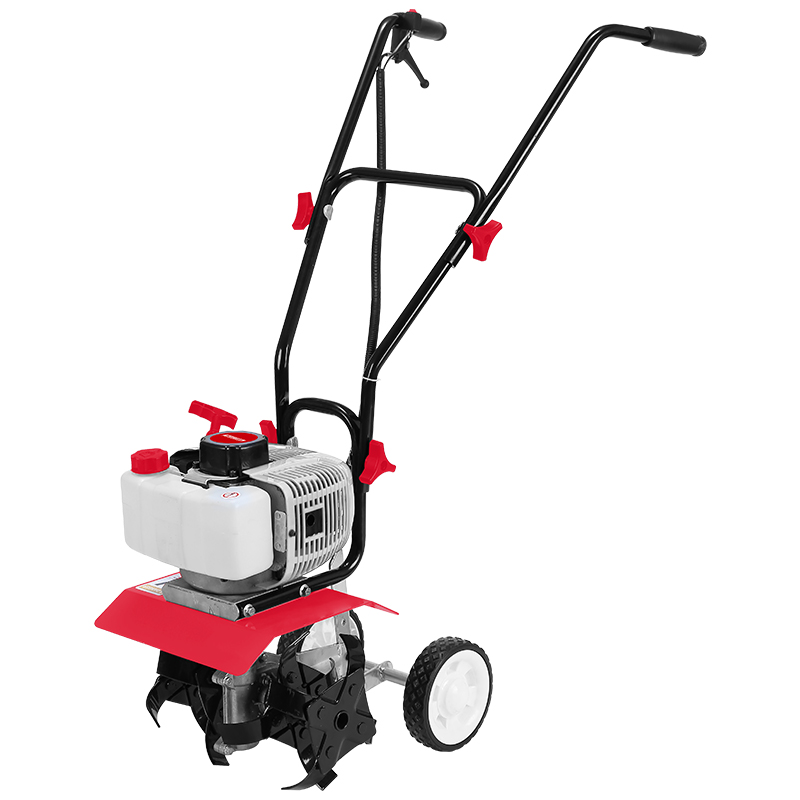 Tiller
 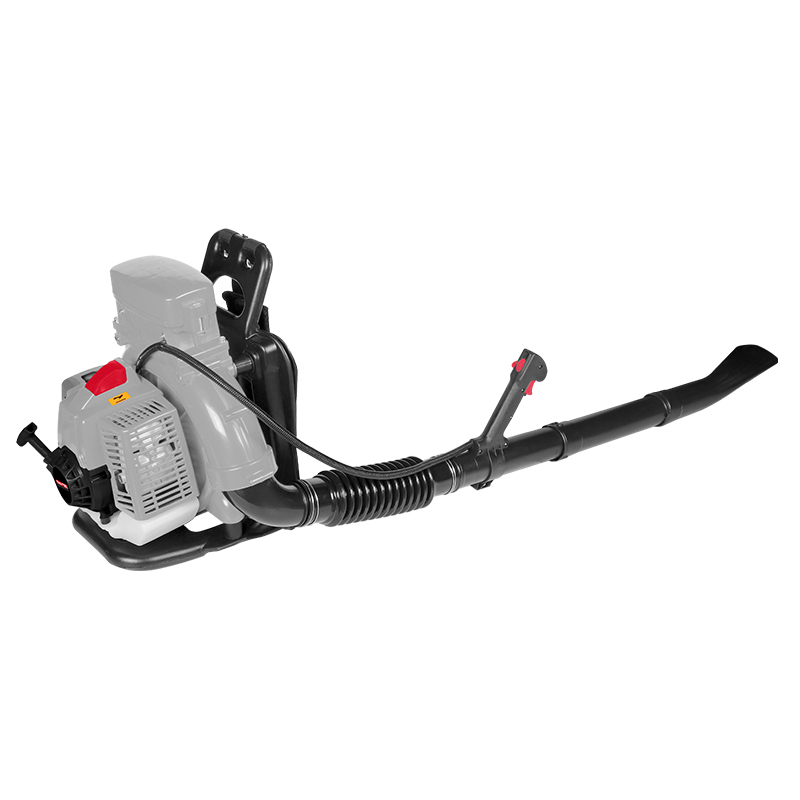 Blower
 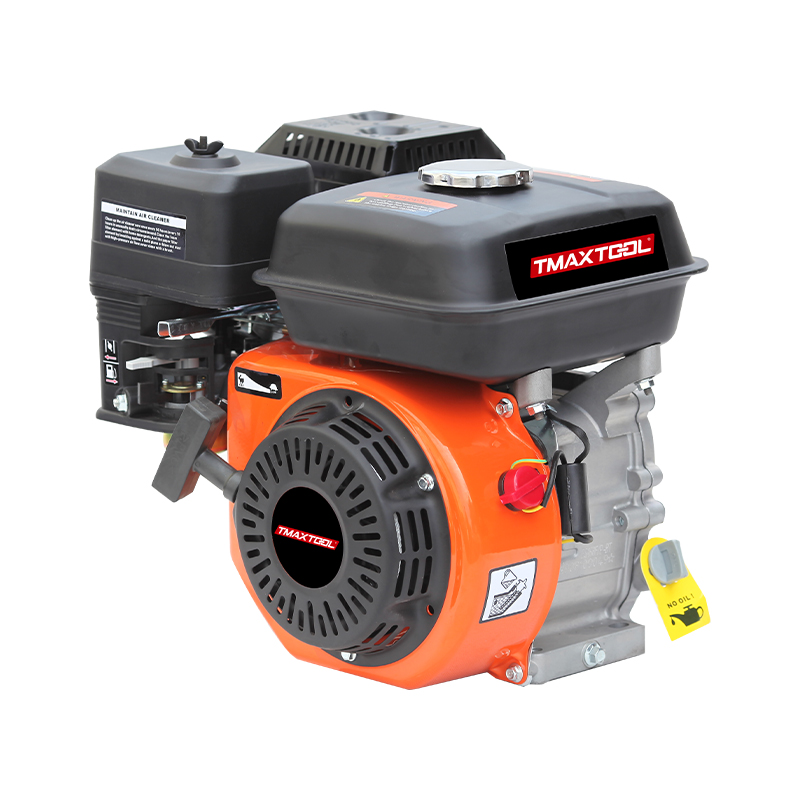 4 Stroke Gasoline Engine
 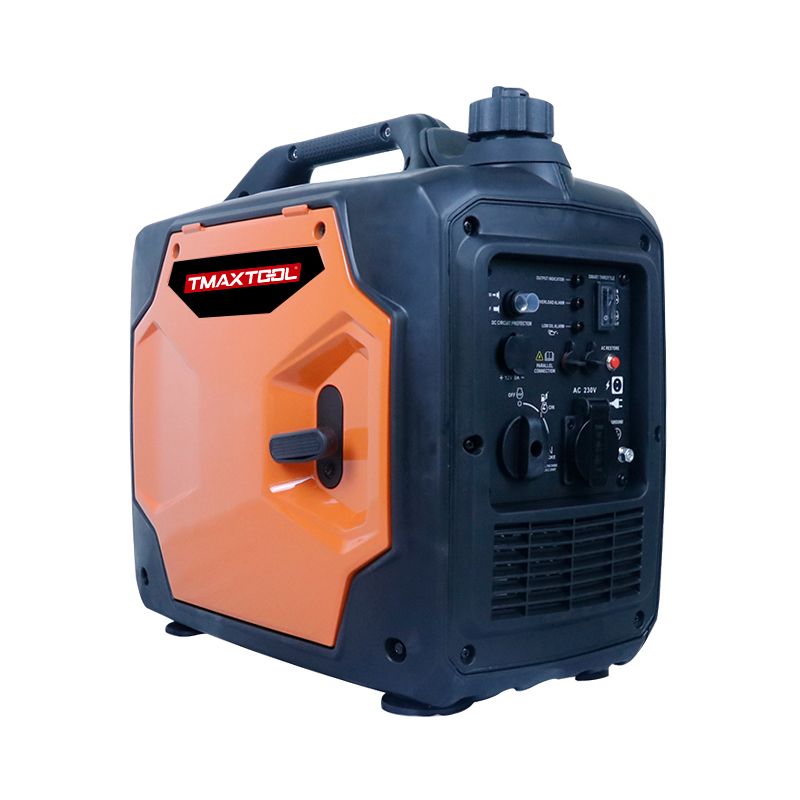 Generator
 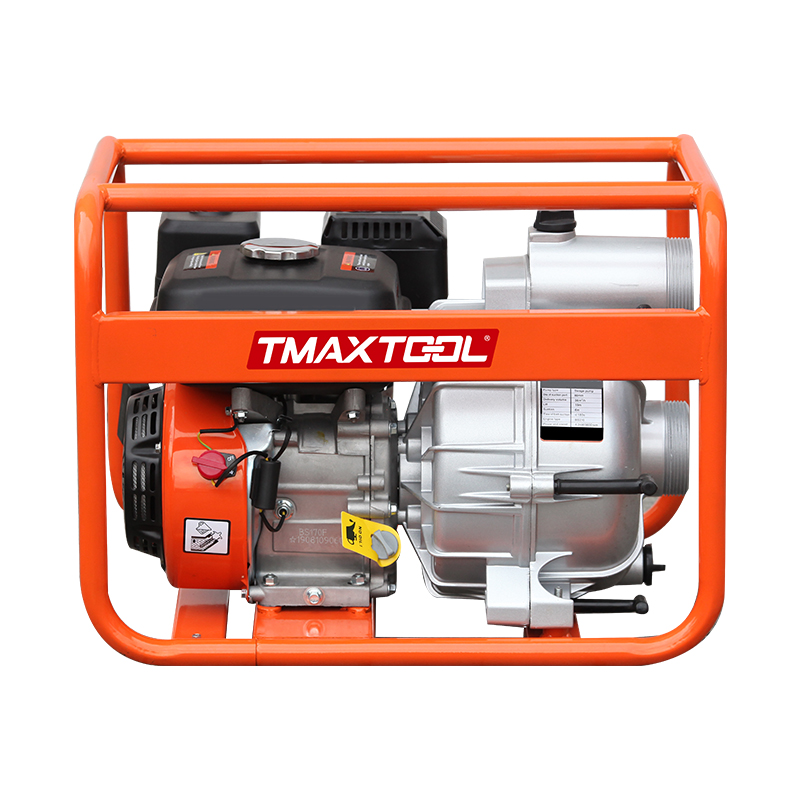 Water Pump
 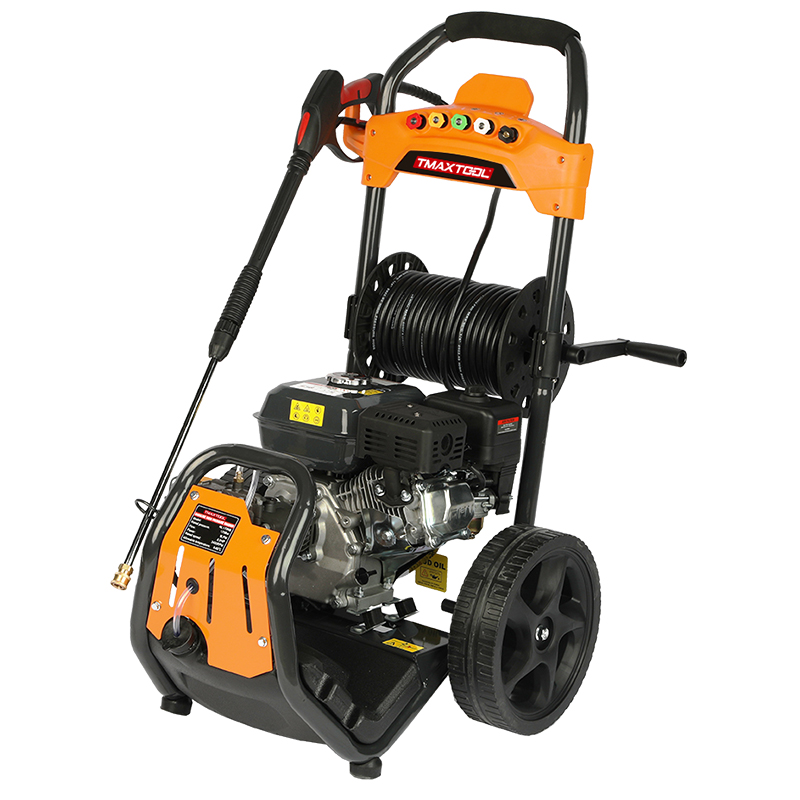 High Pressure Washer
 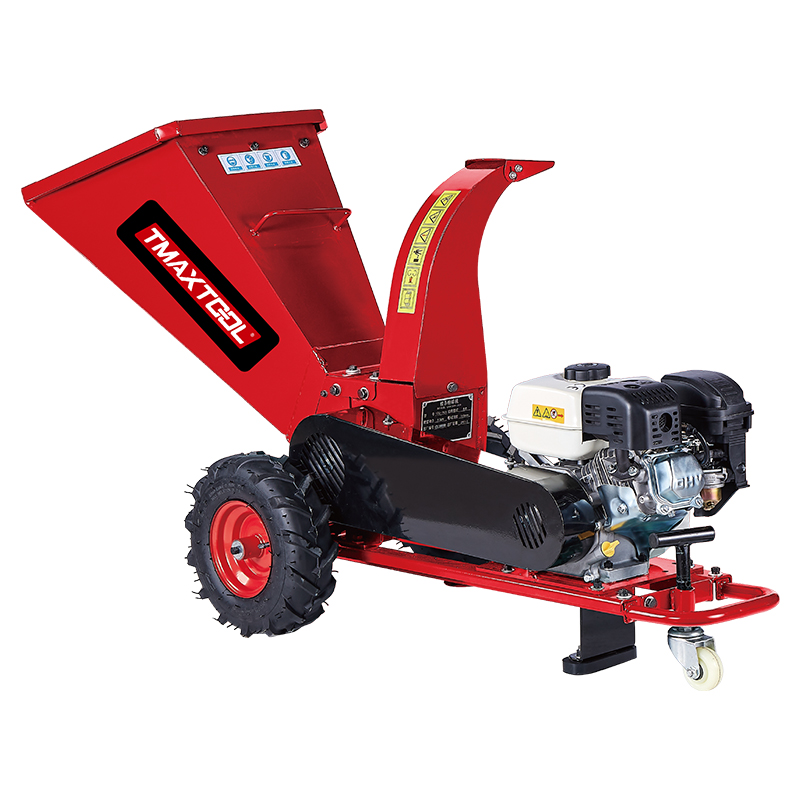 Wood Cutter
 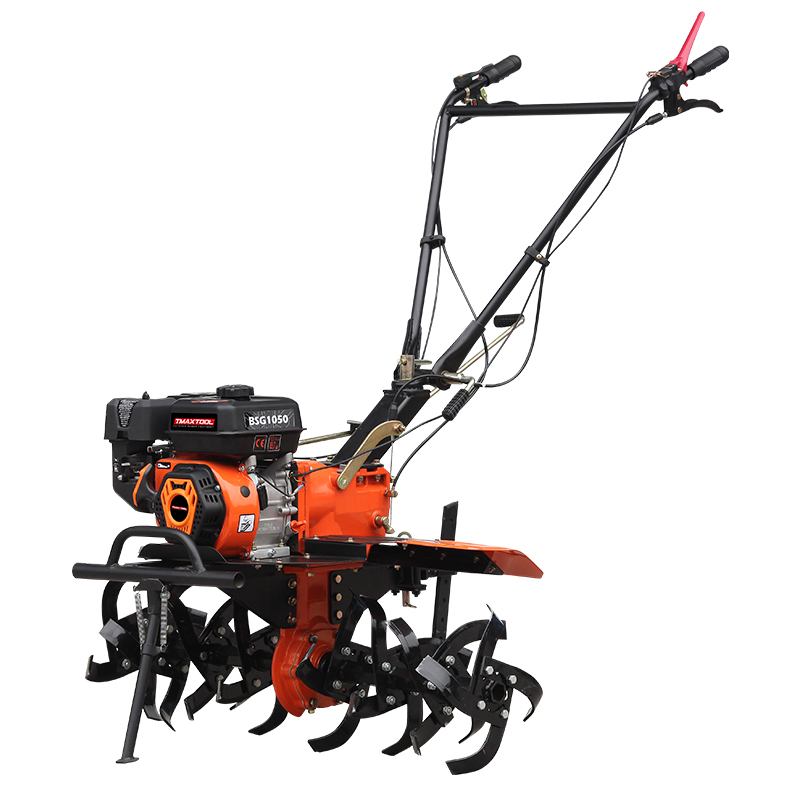 4 Stroke Tiller
 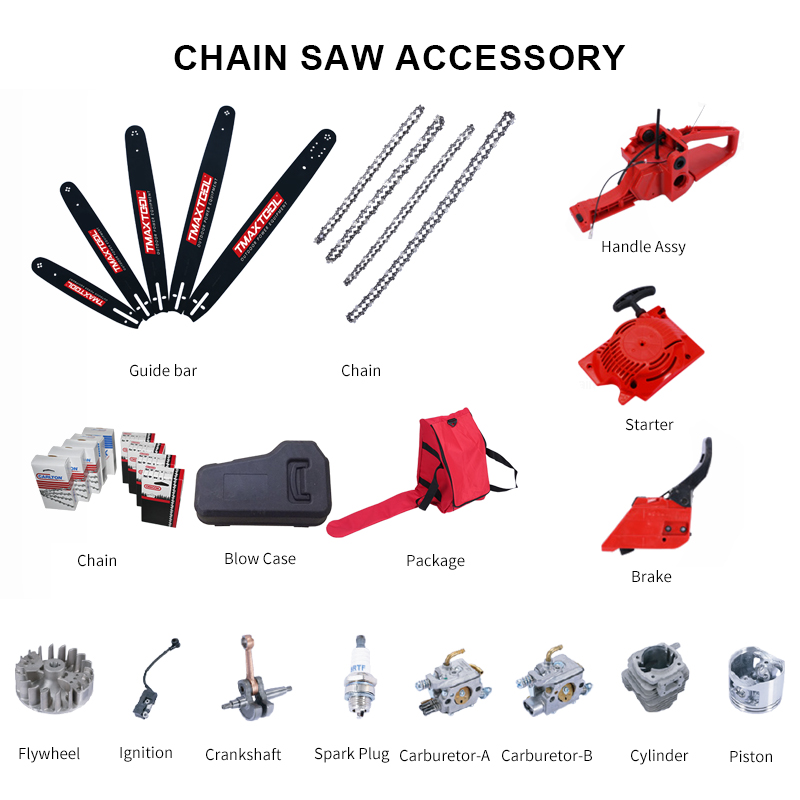 Chain Saw Accessory
 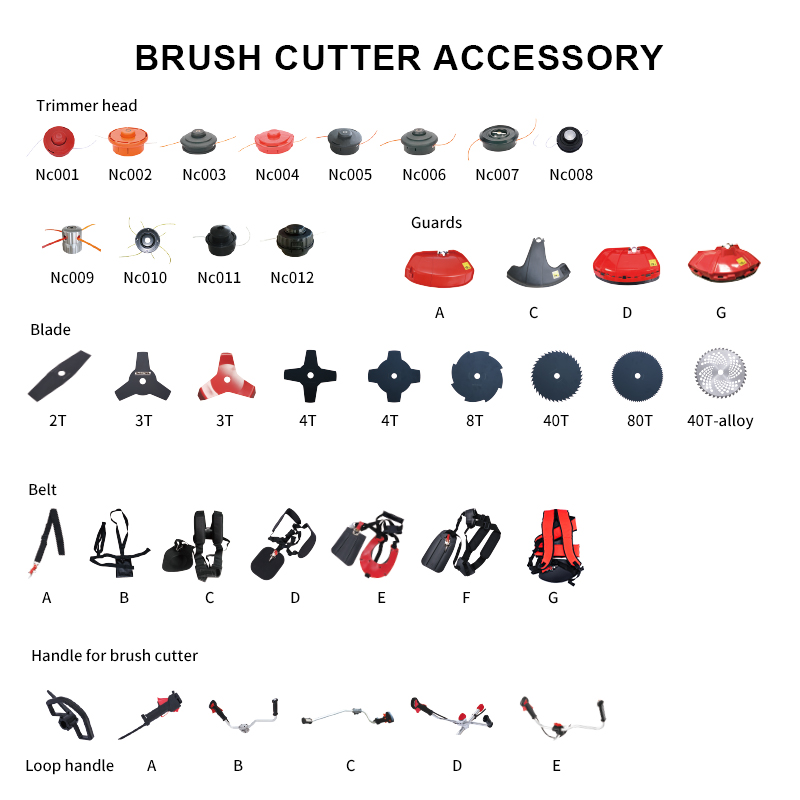 Brush Cutter Accessory
 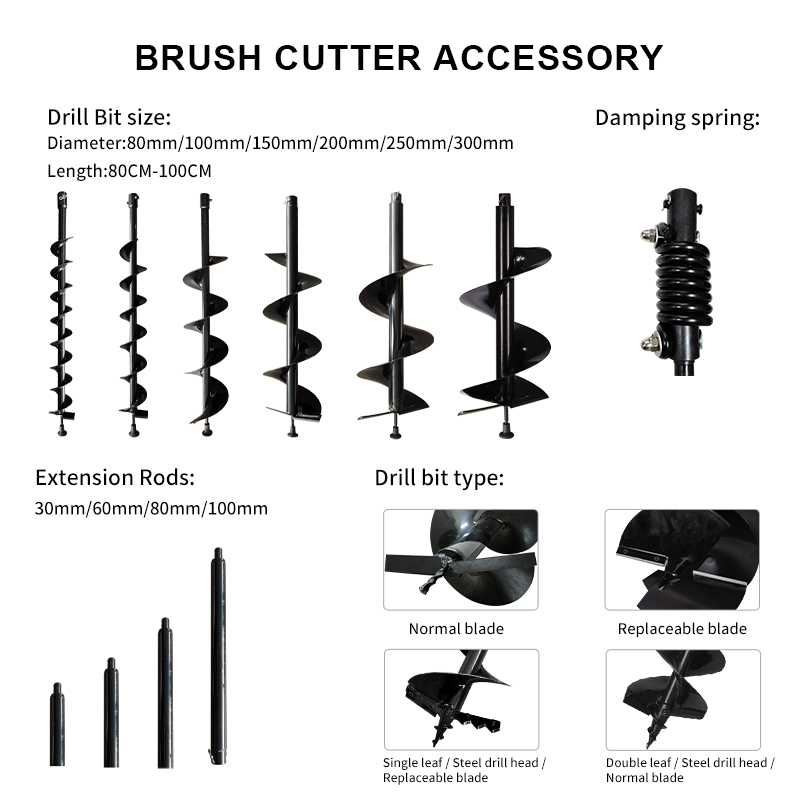 Earth Auger Accessory
 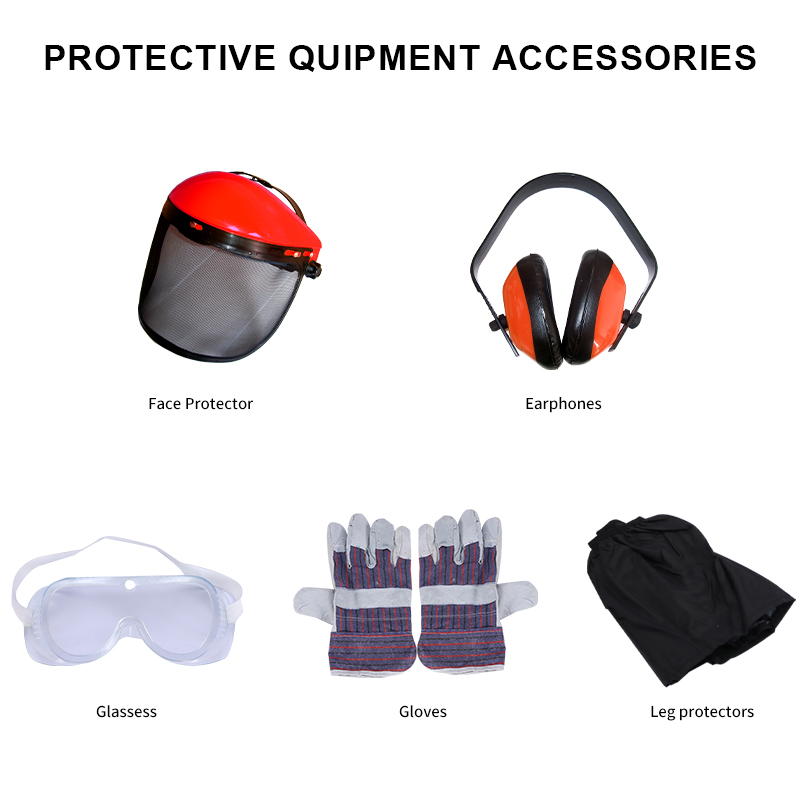 Protective Equipment Accessories
Leave Your Message


Garden Tool Peak Season Stocking Guide: Inventory Calculation Methods 3 Months in Advance
Garden Tool Peak Season Stocking Guide: Inventory Calculation Methods 3 Months in Advance
For global garden tool buyers, peak season inventory control directly determines profitability and market share throughout the sales cycle. Peak seasons for garden toolsin core markets such as Europe, America, and the Middle East exhibit distinct time patterns. Starting inventory calculation and stocking planning 3 months in advance can effectively avoid problems such as logistics delays, stockouts, and uncontrolled costs. Drawing on TMAXTOOL's 15 years of experience in garden tool manufacturing and global supply chain services, this article outlines a scientific inventory calculation logic, practical methods, and implementation strategies for international buyers, applicable to the peak season stocking needs of all categories of garden tools, including chainsaws, lawnmowers, and Hedge Trimmers.

I. Defining the Core: Global Peak Season Cycle and Stocking Timeline for Garden Tools
Accurate inventory calculation hinges on clearly identifying the peak season in the target market. Demand peaks for garden tools vary significantly across regions. Therefore, it's necessary to set key stocking milestones three months prior to the start of the peak season, while also considering the entire cycle of logistics, customs clearance, and production:
Major European and American Markets: The peak season begins in mid-to-late March, reaching its sales peak in May-June and continuing until the end of September. Outdoor power tools (OPE) such as lawnmowers, hedge trimmers, and Gasoline Chainsaws are core necessities; leaf blowers and snow blowers generate seasonal complementary demand during winter. Stocking should begin between December and January of the following year, with goods needing to be warehoused by the end of February.
Middle Eastern Market: Due to climate influences, the peak season for garden tools is concentrated between October and April of the following year, with gasoline-powered garden tools accounting for a high proportion of demand. Stocking should begin in July, with customs clearance and warehousing arrangements needing to be completed by the end of September.
Globally Applicable Principle: Accessory products (knife chains, filters, batteries, blades, etc.) do not have significant peak or off-peak seasons throughout the year. They can be planned proportionally during the main product inventory replenishment process, extending the profit cycle.
TMAXTOOL, targeting the peak season characteristics of various global markets, has achieved a 30-day delivery time for core products, a low minimum order quantity of 50 pieces, and supports customized product specifications according to market demand, allowing buyers ample time for inventory adjustments and market adaptation.
II. Core Logic: 3 Key Dimensions of Garden Tool Inventory Calculation
Inventory calculation is not simply "sales forecast × replenishment cycle." It requires combining three dimensions: historical sales data, supply chain cycle, and market volatility coefficient. It also needs to consider the characteristics of garden tools—"large size, power machinery, and the need for compliance certification"—to avoid calculation errors.
1. Basic Data: Based on historical sales volume, overlaid with market growth coefficients.
Mature Markets: Referencing average daily sales volume, peak sales volume, and SKU sales turnover rate during the same peak season over the past 2-3 years. If the annual growth rate of demand for garden tools in the target market is approximately 10%-20%, then the corresponding growth coefficient is overlaid on the historical data.
Emerging Markets: Using competitor sales volume for the same product category during peak season and the development level of the local gardening industry as references, combined with professional market reports provided by TMAXTOOL, basic sales volume is estimated.
2. Supply Chain Cycle: Precise Breakdown of End-to-End Time Consumption with Buffer Time Allowed
The entire lifecycle of garden tools, from order placement and production to overseas warehouse warehousing, consists of production cycle + logistics cycle + customs clearance cycle + warehousing and shelving cycle. The cycles vary significantly depending on the shipping method:
Sea Freight: The mainstream shipping method, with a total cycle of approximately 45-60 days, requiring buffer time for port congestion, weather, etc. (approximately 7-10 days).
Air Freight: Fast but costly, with a total cycle of approximately 7-15 days, suitable for replenishment or stocking high-value items.
TMAXTOOL promises 24-hour rapid response, a delivery completion rate of over 98%, and provides global compliance certifications such as EPA, CARB, and CE, significantly shortening customs clearance cycles and reducing supply chain variables for inventory calculation.
3. Market Fluctuations: Considering the Impact of Promotions, Holidays, and Industry Trends
Major Promotional Events: Events such as European and American garden exhibitions, Black Friday, and Amazon Prime Day can boost sales by 30%-50%. Promotional coefficients should be added during calculations.
Product Trends: Brushless motor lawnmowers, fuel-efficient gasoline chainsaws, and multi-functional Gasoline Garden Tools are global best-selling trends. The inventory ratio for these items can be appropriately increased.
III. Practical Methods: Garden Tool Inventory Calculation Formulas and Case Studies 3 Months in Advance
Based on the practical needs of international buyers, three core formulas have been compiled for general inventory calculation, safety stock calculation, and reorder point calculation. These formulas are applicable to all categories of garden tools and include practical case studies from TMAXTOOL for direct application.
Formula 1: Core Inventory Calculation (3-Month Advance Inventory)
Inventory Quantity = 30-Day Average Daily Sales × 90 Days × Market Volatility Coefficient - Existing Inventory - In-Transit Inventory
90 Days: Core inventory preparation period of 3 months in advance;
Market Volatility Coefficient: Mature markets 1.2-1.5, Emerging markets 1.5-2.0 (including growth and promotional expectations);
Deducting existing inventory and in-transit inventory avoids inventory backlog.
Example: A buyer is targeting the European market. Their TMAX 65cc gasoline chainsaw has an average daily sales volume of 50 units in the past 30 days. The European peak season market volatility coefficient is 1.3. They have 800 units in existing inventory and 500 units in in-transit inventory.
Inventory Quantity = 50 × 90 × 1.3 - 800 - 500 = 4550 units. Therefore, an order of 4550 units needs to be placed with TMAXTOOL to meet the core demand for 3 months during the European peak season.
Formula 2: Safety Stock Calculation (To Address Stockout Risk)
Safety Stock = (Estimated Maximum Daily Sales - 30-Day Average Daily Sales) × Procurement Lead Time
Estimated Maximum Daily Sales: Daily sales during peak season periods (refer to historical peaks or competitor data);
Procurement Lead Time: The entire cycle from order placement to goods arrival in the warehouse (e.g., the procurement lead time for TMAXTOOL production + sea freight is approximately 50 days).
Example: The above-mentioned buyer's estimated maximum daily sales of TMAX 65cc gasoline chainsaws is 100 units, with a 30-day average daily sales of 50 units, and a procurement lead time of 50 days.
Safety Stock = (100-50)×50=2500 units, meaning a safety stock of 2500 units is required to cope with sudden increases in peak season sales or supply chain delays.
Formula 3: Reorder Point Calculation (Threshold for Replenishment)
Reorder Point = 30-Day Average Daily Sales × (Procurement Lead Time + Logistics Buffer Period) + Safety Stock
Logistics Buffer Period: Reserve 7-10 days to cope with unexpected port and logistics situations;
When inventory drops to the reorder point, immediately initiate replenishment to avoid stockouts.
Example: The above-mentioned buyer has a 30-day average daily sales of 50 units, a procurement lead time of 50 days, a logistics buffer period of 7 days, and a safety stock of 2500 units.
Reorder Point = 50 × (50 + 7) + 2500 = 5350 units, meaning that when inventory reaches 5350 units, an immediate replenishment order must be placed.
Supplement: Inventory Ratio for Accessories
Garden tool accessories (knife chains, blades, batteries, filters, etc.) are estimated at 15%-20% of the main product inventory. These products are small in size, have low warehousing costs, and stable demand throughout the year, effectively increasing average order value and inventory turnover. For example, for the aforementioned 4550 chainsaws, 682-910 knife chains could be stocked accordingly.

IV. Optimization Strategies: 4 Practical Techniques for More Accurate Inventory Calculation
1. Stratify Inventory by SKU Sales Rate to Optimize Structure
For garden tool SKUs, categorize them into high-sales (sales rate ≥ 90%), medium-sales (60%-90%), and low-sales (< 60%):
High-sales SKUs (e.g., TMAX 65cc chainsaw, 21V brushless lawnmower): Stock up to the full amount calculated, appropriately increasing the safety stock ratio;
Medium-sales SKUs: Stock up to 80% of the calculated quantity, adjusting flexibly through small-batch replenishment;
Low-sales SKUs: Stock up to 50% of the calculated quantity to avoid overstocking.
2. Adjust Inventory Allocation Based on Warehousing Model
Overseas Warehouse Model: Pre-position 70%-80% of inventory in overseas warehouses to achieve rapid local fulfillment and reduce customer complaints due to logistics delays. TMAXTOOL can assist buyers with product repackaging and labeling services for overseas warehouse stock.
Local Warehouse Model: Reserve 20%-30% of inventory in local warehouses to address overseas warehouse replenishment needs, balancing warehousing costs and fulfillment efficiency.
3. Collaborate with Suppliers for Flexible Stockpiling
Select suppliers that support low MOQ, short lead times, and customized production (such as TMAXTOOL with a low minimum order quantity of 50pcs and a core lead time of 30 days). Before the peak season, prepare 60%-70% of the estimated inventory, with the remaining 30%-40% flexibly added based on real-time market sales, avoiding overstocking while ensuring supply.
4. Establish a Dynamic Inventory Monitoring System
Through an intelligent inventory management system, monitor inventory turnover rate, sales rate, and in-transit inventory progress in real time:
Inventory Turnover Rate: Core categories of garden tools should maintain ≥4 times/quarter. If this value is lowered, the inventory structure must be adjusted promptly, and slow-moving items cleared out.
Dynamic Adjustment: If market demand for a particular product surges before the peak season, suppliers will be immediately contacted to increase production. TMAXTOOL's 10+ production lines and 30,000+ monthly capacity can quickly respond to additional orders.
V. TMAXTOOL Safeguards Peak Season Stockpiling for Global Buyers
As a professional manufacturer with 15 years of experience in garden tool production and exports to over 50 countries, TMAXTOOL provides end-to-end support for international buyers' peak season stockpiling from three dimensions: product supply, supply chain services, and market support.
Stable Product Supply: 10+ product series and 500+ core SKUs, covering all categories including chainsaws, lawnmowers, hedge trimmers, and garden tool accessories, with a production qualification rate and delivery completion rate of over 98%, ensuring sufficient stock and product quality.
Efficient Supply Chain Services: 30-day core delivery time, low minimum order quantity of 50pcs, 24-hour rapid response, and provision of global compliance certifications such as EPA, CARB, and CE, significantly shortening customs clearance and production cycles.
Professional Market and Technical Support: Providing buyers with target market garden tool demand reports, product selection advice, and professional technical guidance and 12 One-month product warranty, eliminating after-sales concerns; Flexible cooperation models: Supporting exclusive authorization for global distributors, inventory guarantees, and marketing material support, helping buyers quickly seize the market during peak season.
Conclusion: The core of peak season inventory preparation for garden tools lies in accurate calculations "based on data, supported by the supply chain, and market-oriented," and starting planning three months in advance is key to balancing supply, cost, and market demand. For international buyers, choosing reliable garden tool manufacturers and scientific inventory calculation methods are both indispensable.
TMAXTOOL, with its core focus on "global one-stop garden tool procurement solutions," leverages fifteen years of global market experience and digital production capabilities to tailor peak season inventory preparation solutions for global buyers, making inventory preparation more efficient, inventory more reasonable, and profits more stable.
#Garden Tools Peak Season Stocking Up#Garden Tools Inventory Calculation#Global Garden Tools Procurement#Gasoline Chainsaw Stocking Up#Lawn Mower Peak Season Stocking Up#Garden Tools Stocking Up 3 Months in Advance#European and American Garden Tools Peak Season Inventory Calculation#Middle East Gasoline Garden Tools Stocking Up Guide#Garden Tools Safety Stock Calculation Formula#TMAXTOOL Garden Tools Stocking Up Plan