
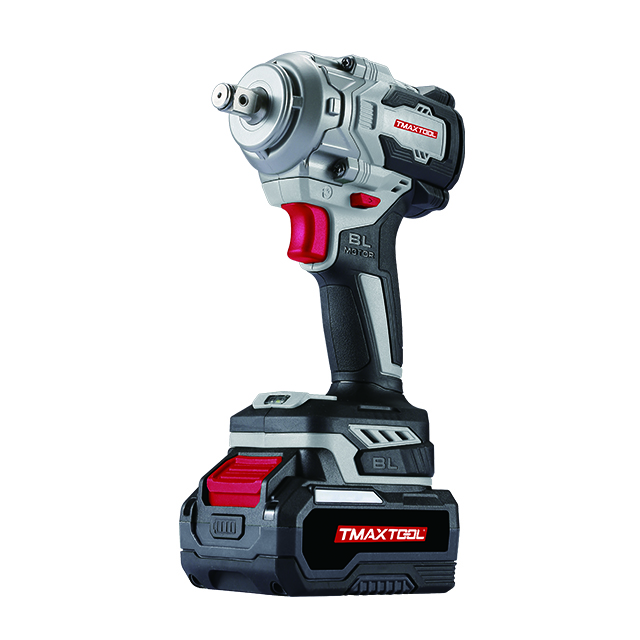
 Impact Wrench
 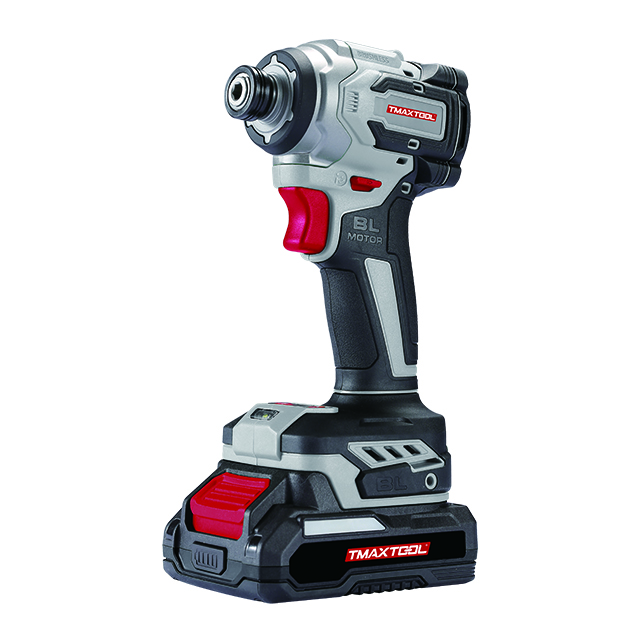 Screwdriver
 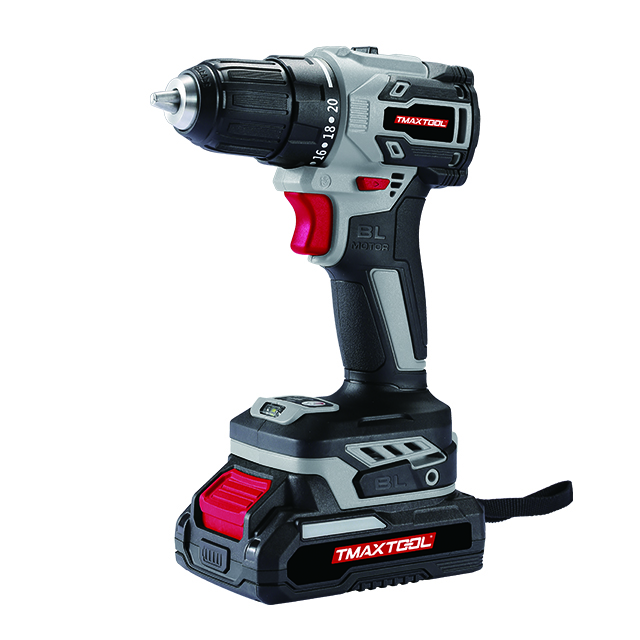 Cordless Drill
 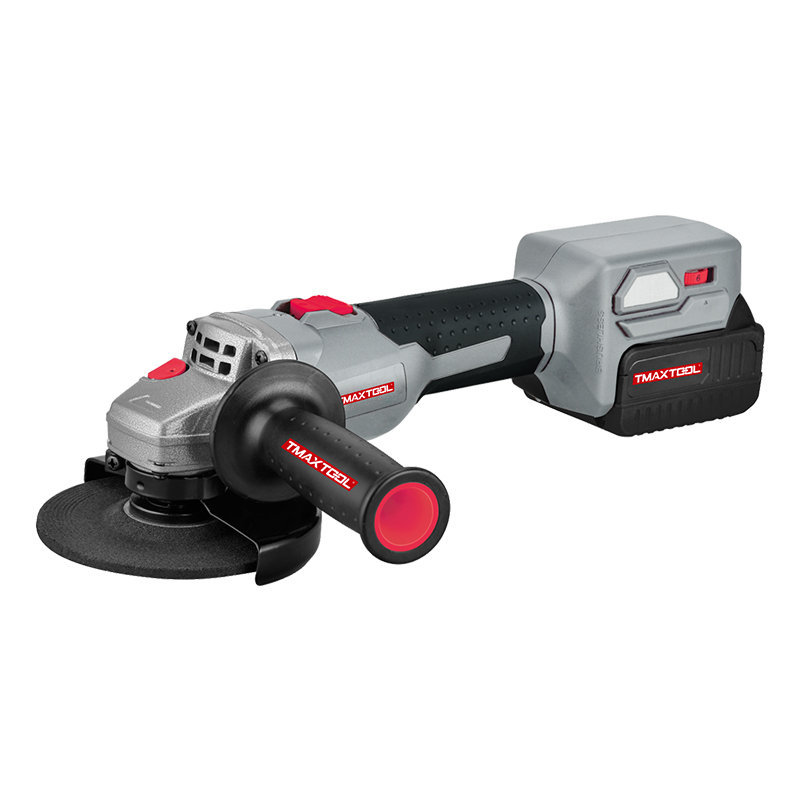 Angle Grinder
 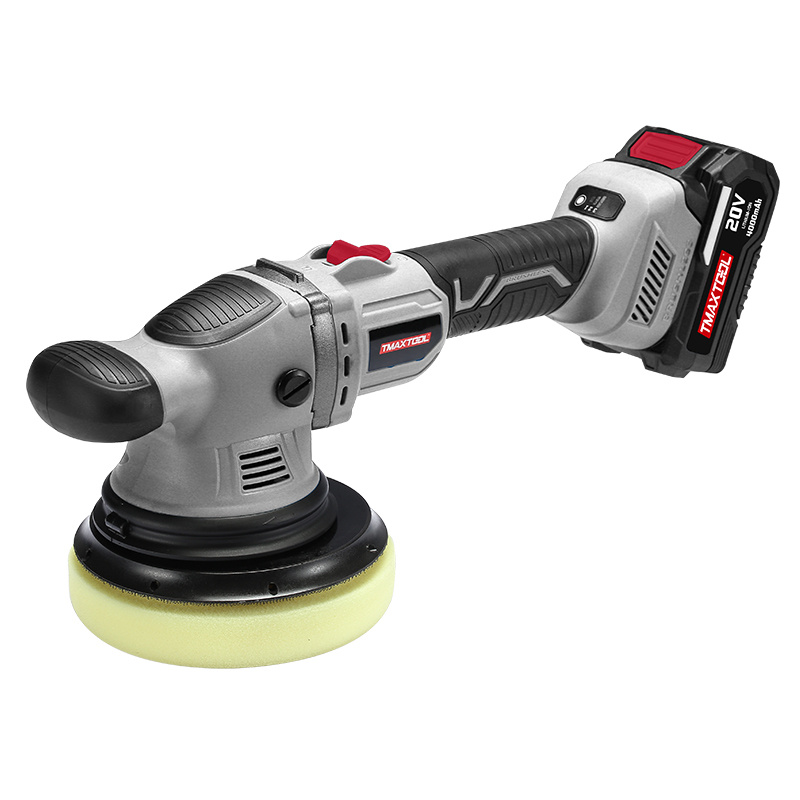 Polisher
 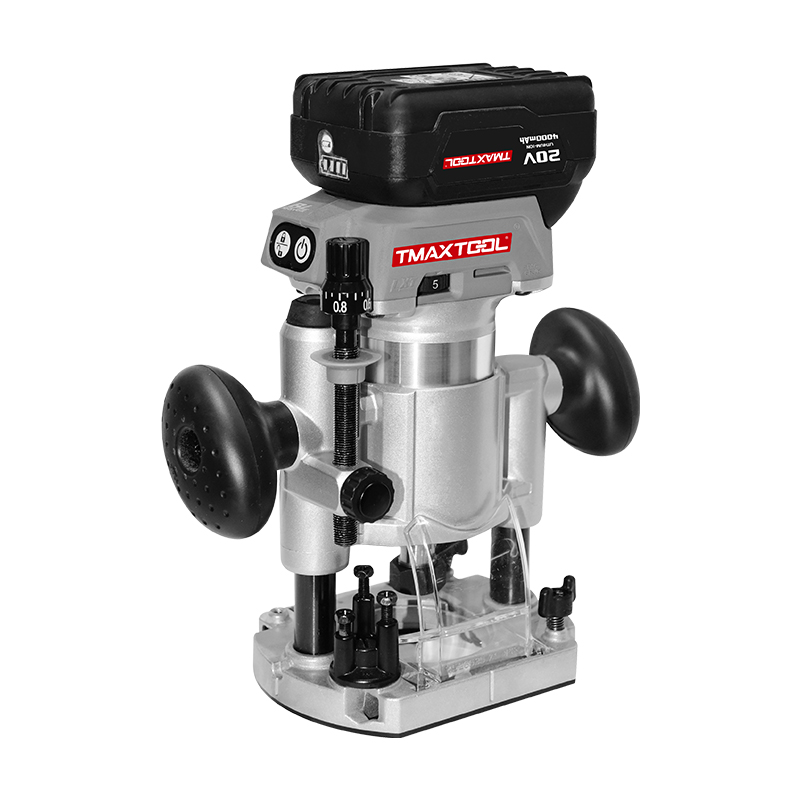 Wood Router
 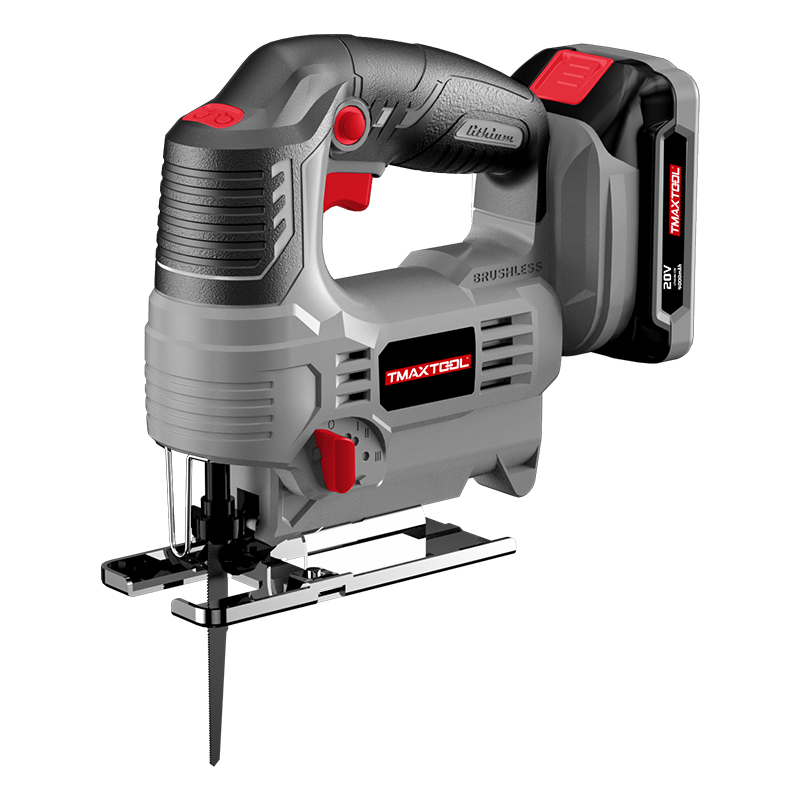 Jig Saw
 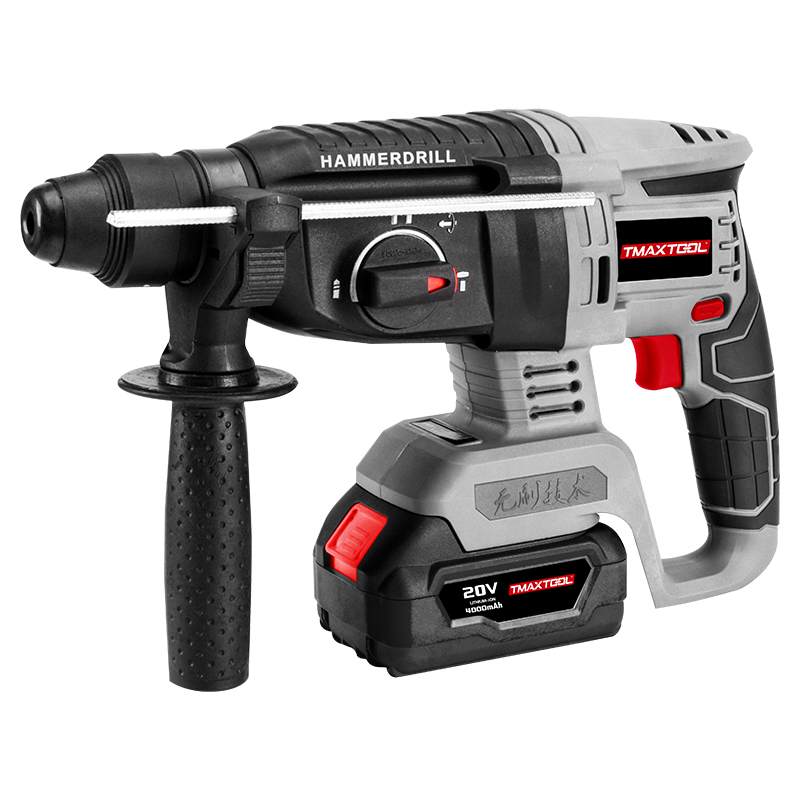 Hammer Drill
 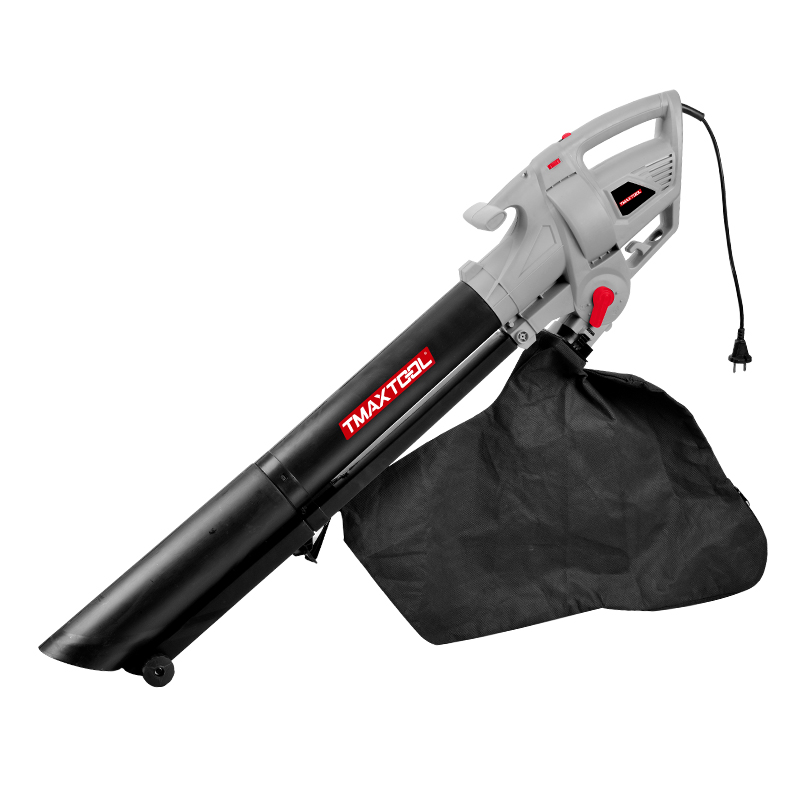 Portable Blower
 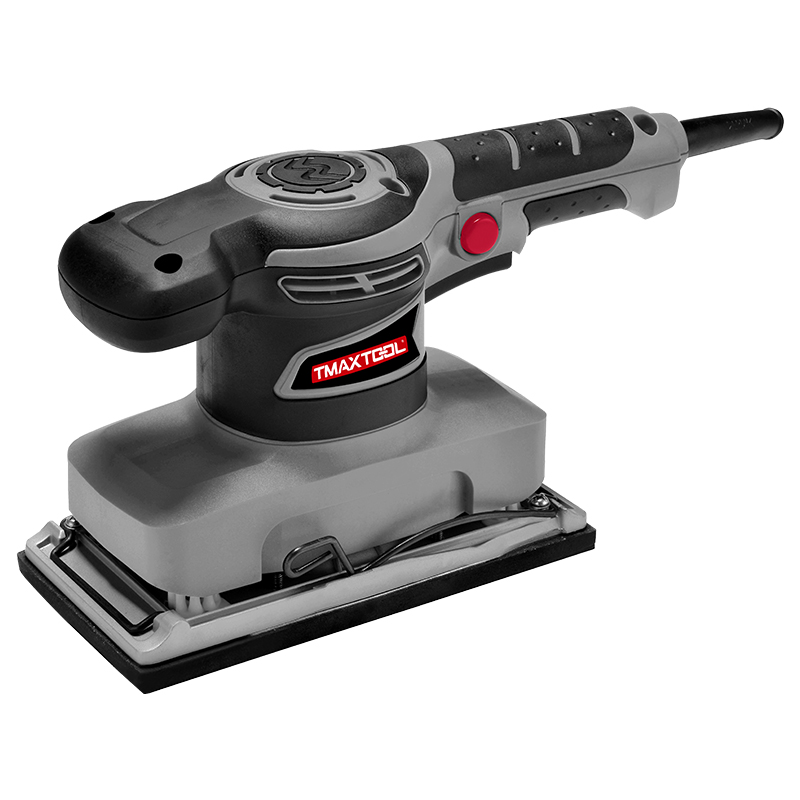 Orbital Sander
 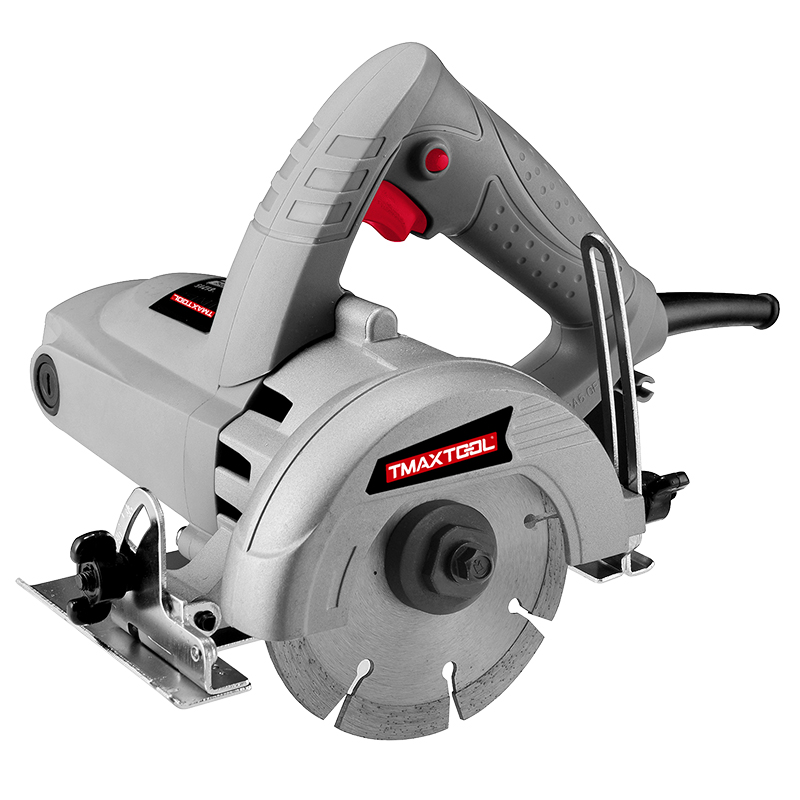 Marble Cutter
  GARDEN TOOLS
 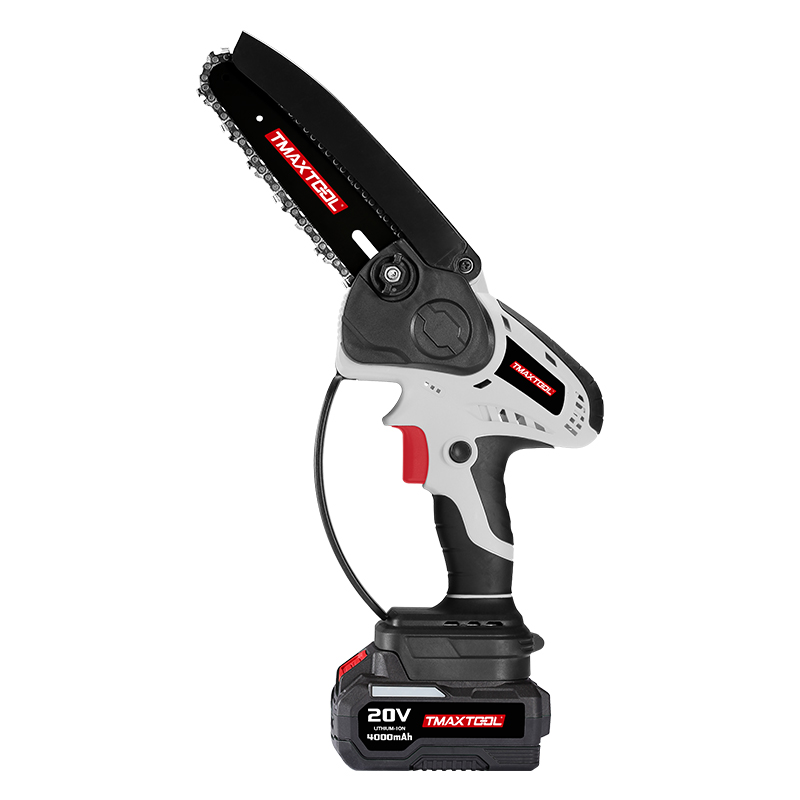 Battery Chain Saw
 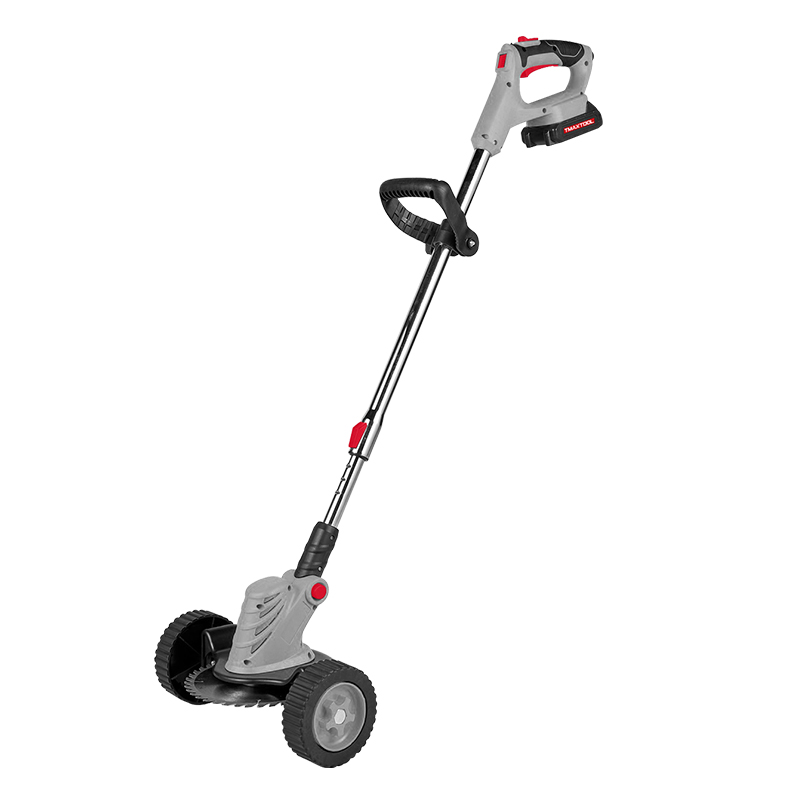 Battery Brush Cutter
 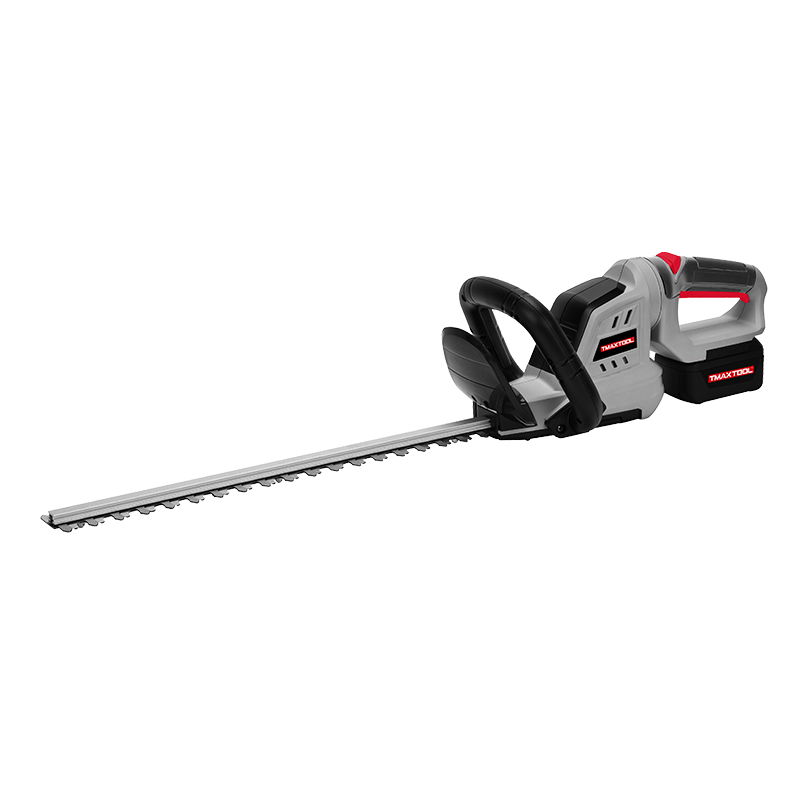 Battery Hedge Trimmer
 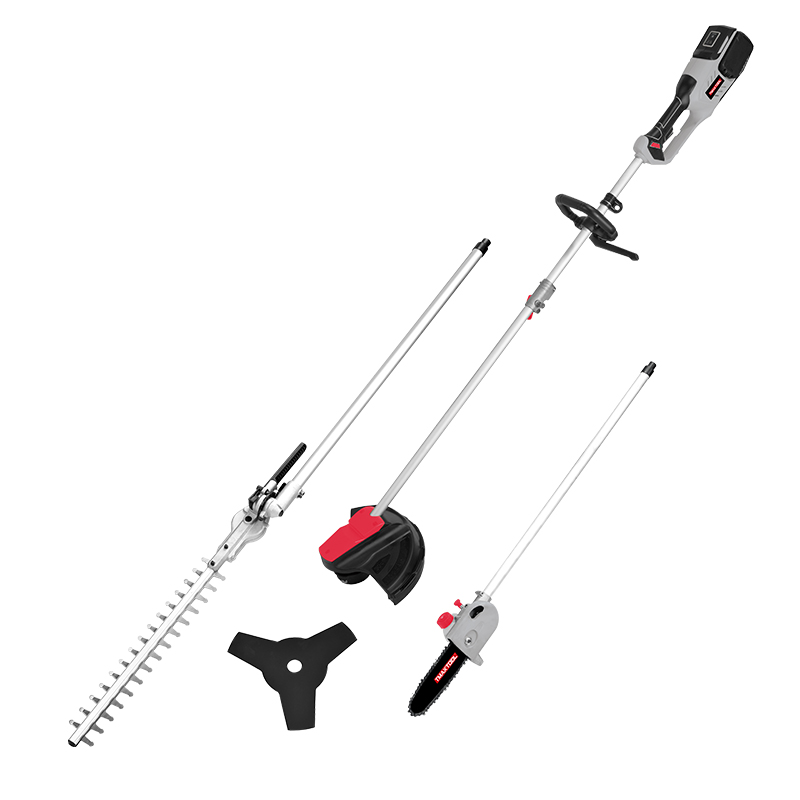 Battery Multi Tool
 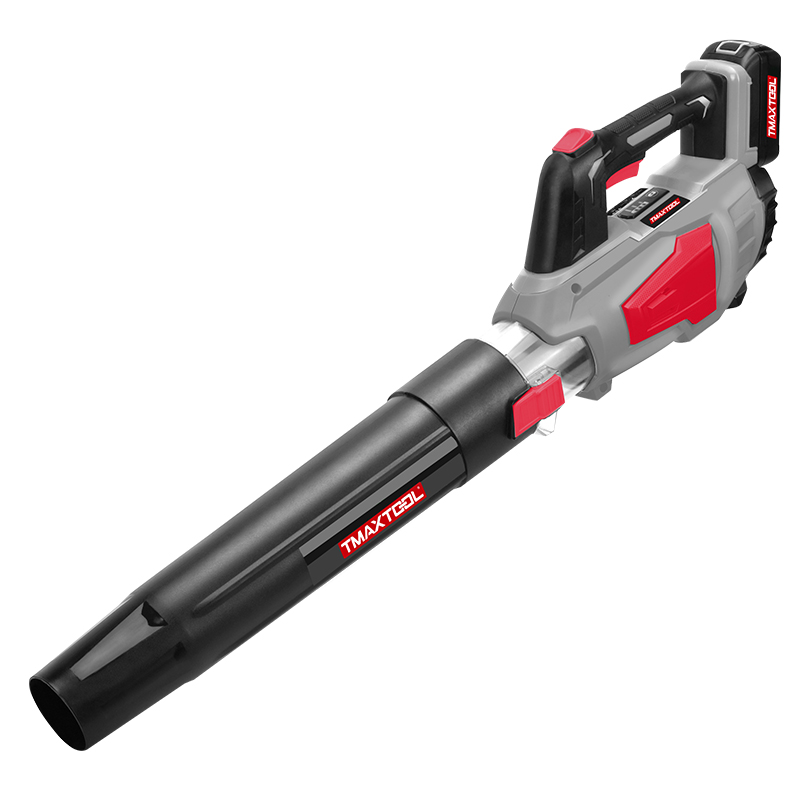 Battery Blower
 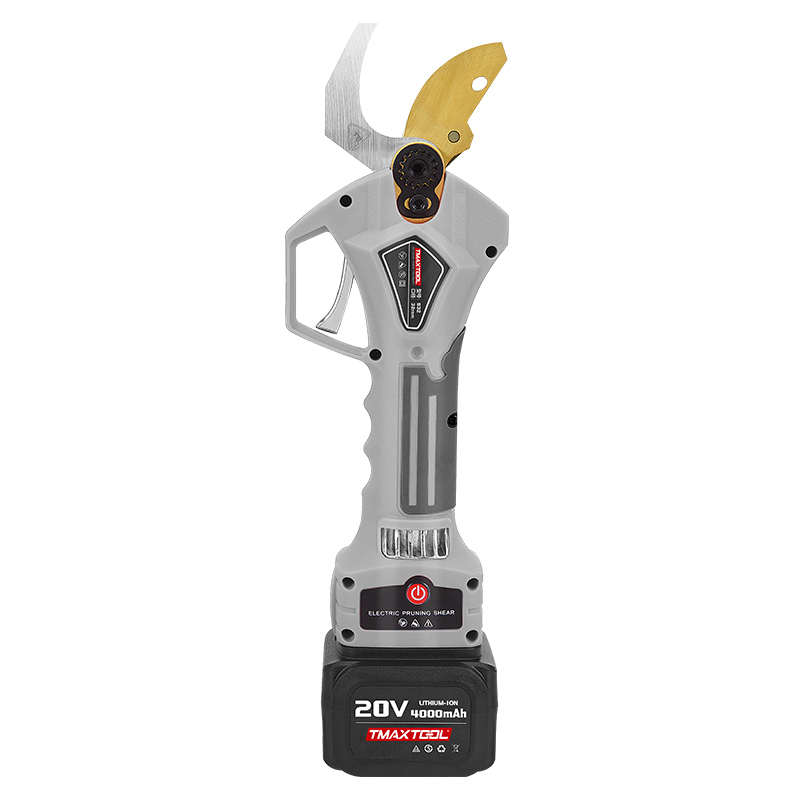 Batter Pruning Shears
 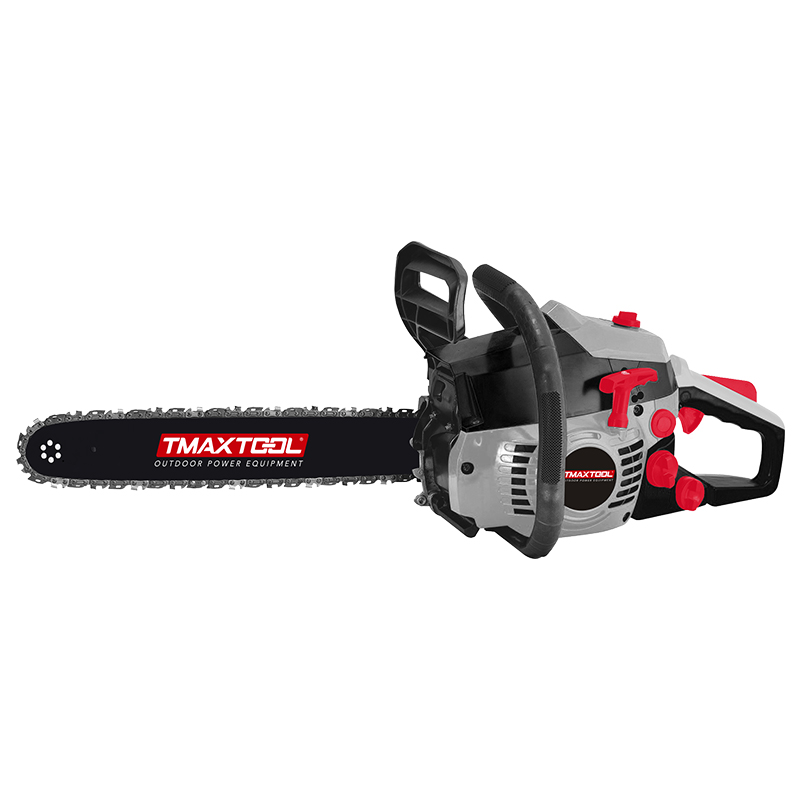 Chain Saw
 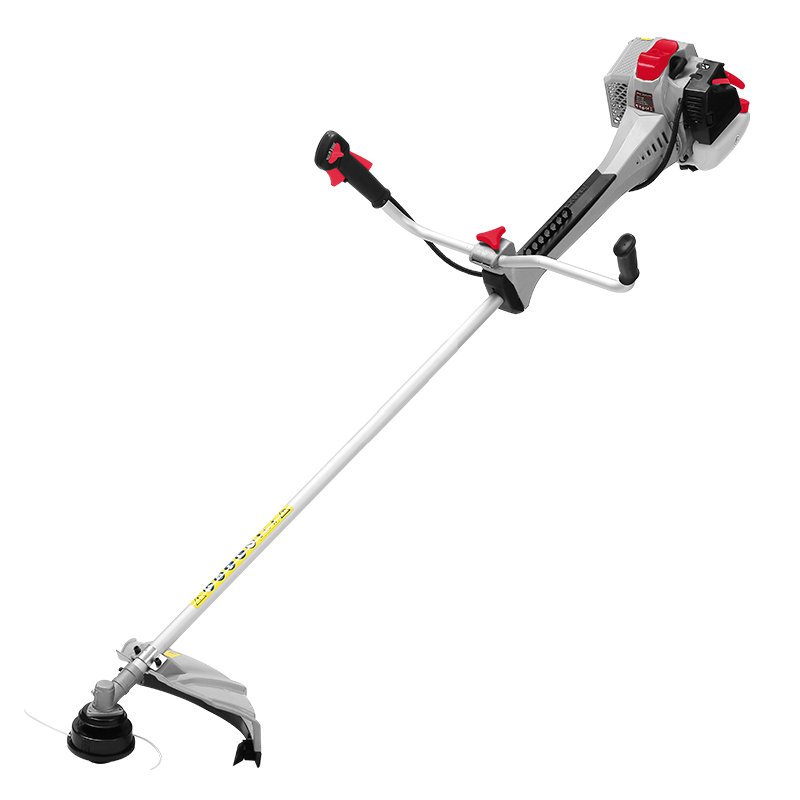 Brush Cutter
 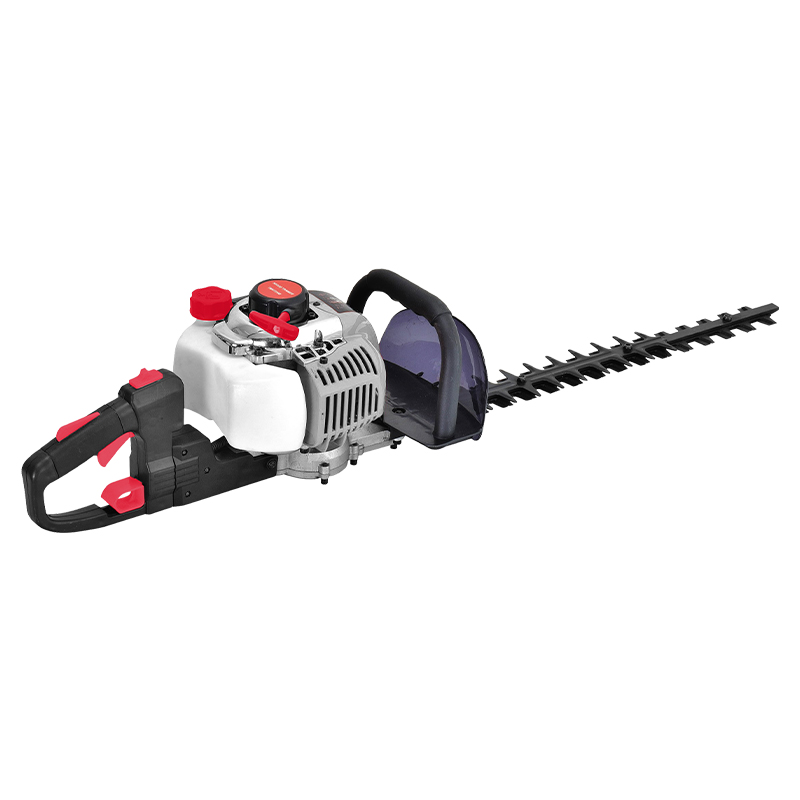 Hedge Trimmer
 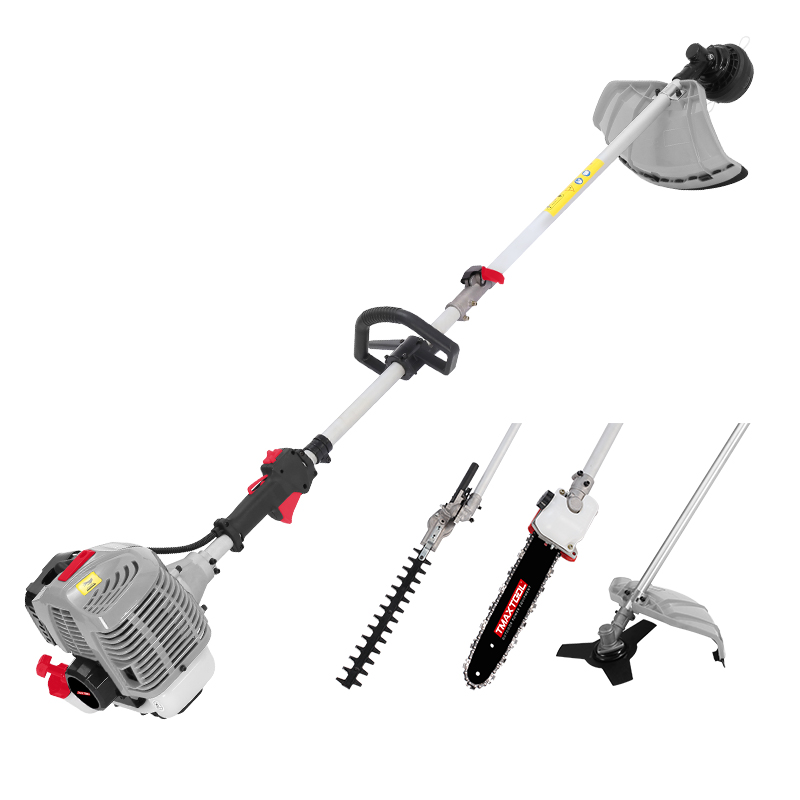 Multi Tool
 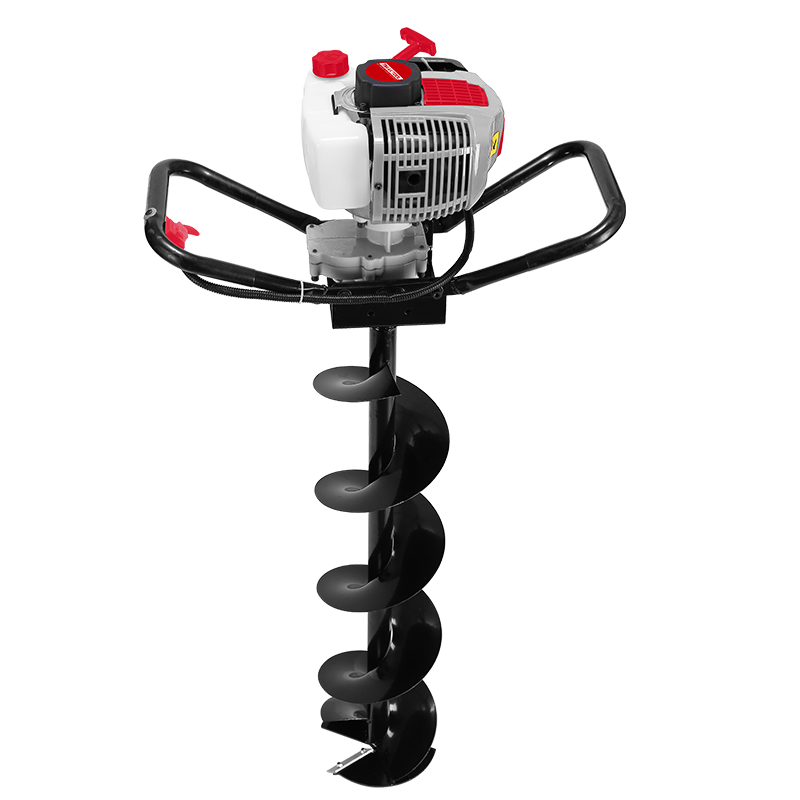 Earth Auger
 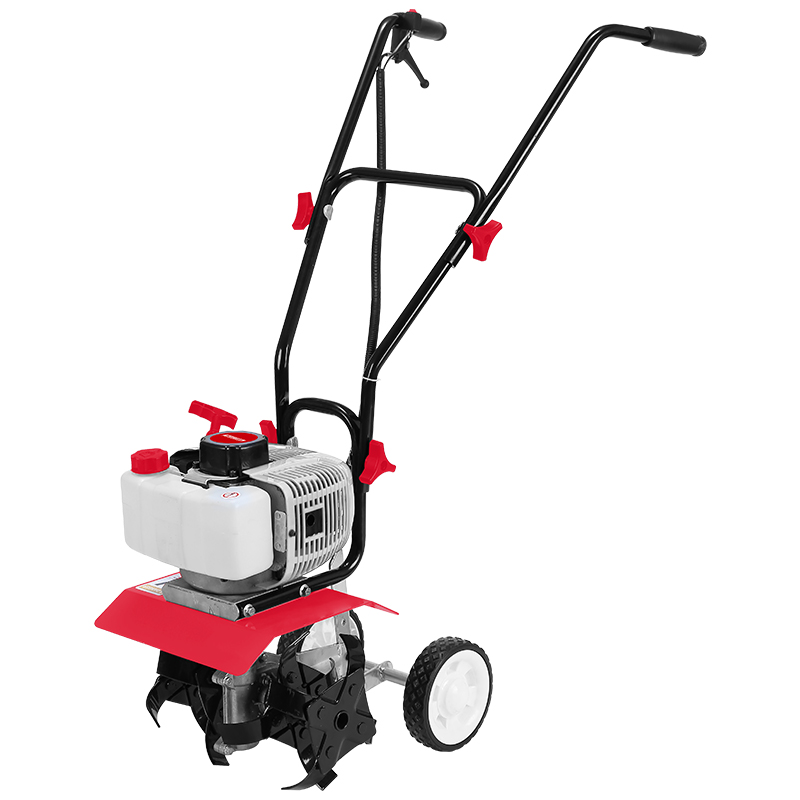 Tiller
 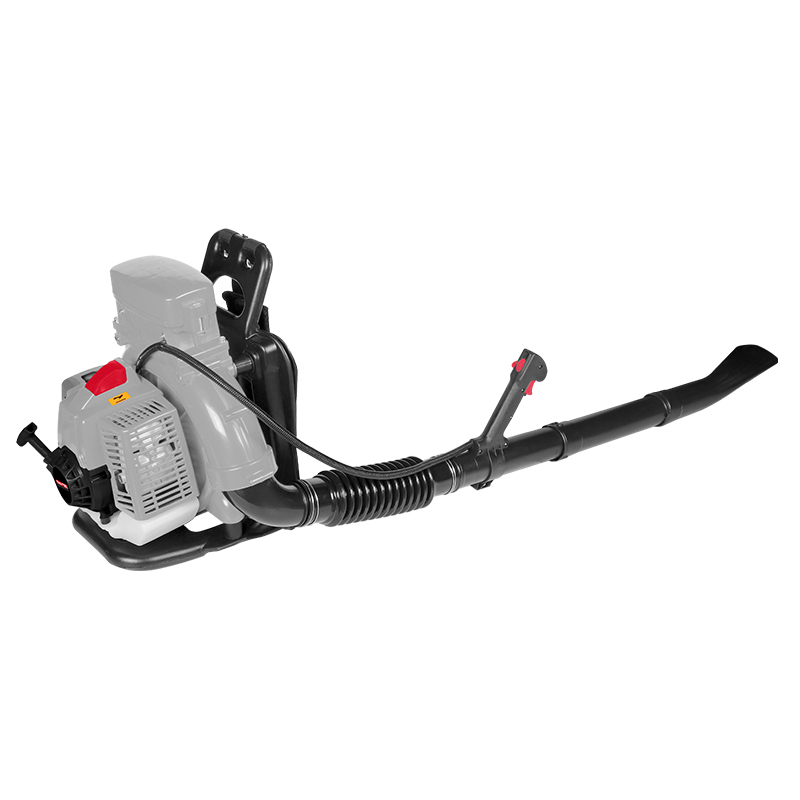 Blower
 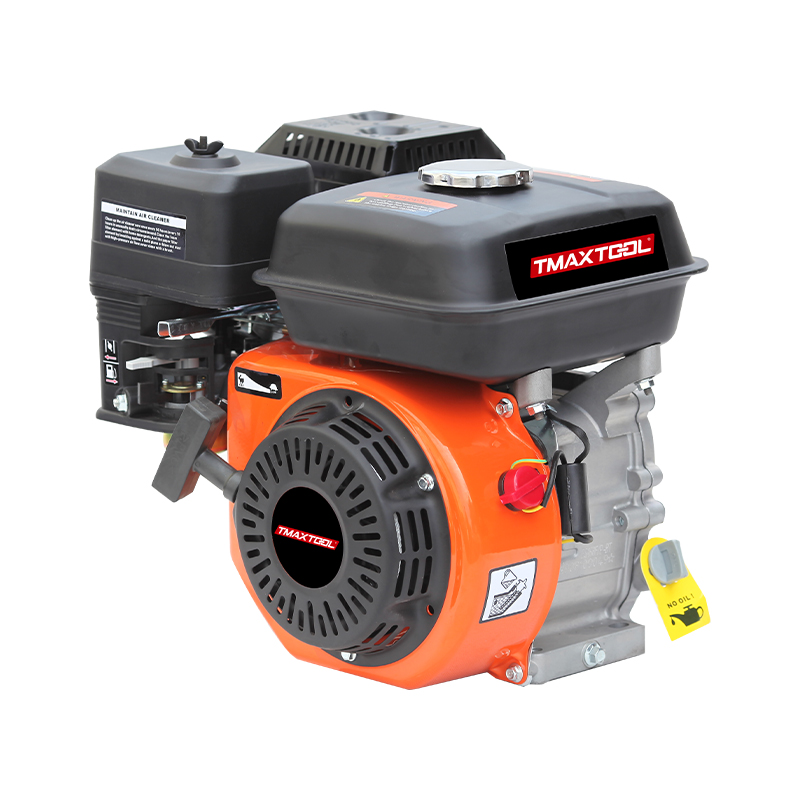 4 Stroke Gasoline Engine
 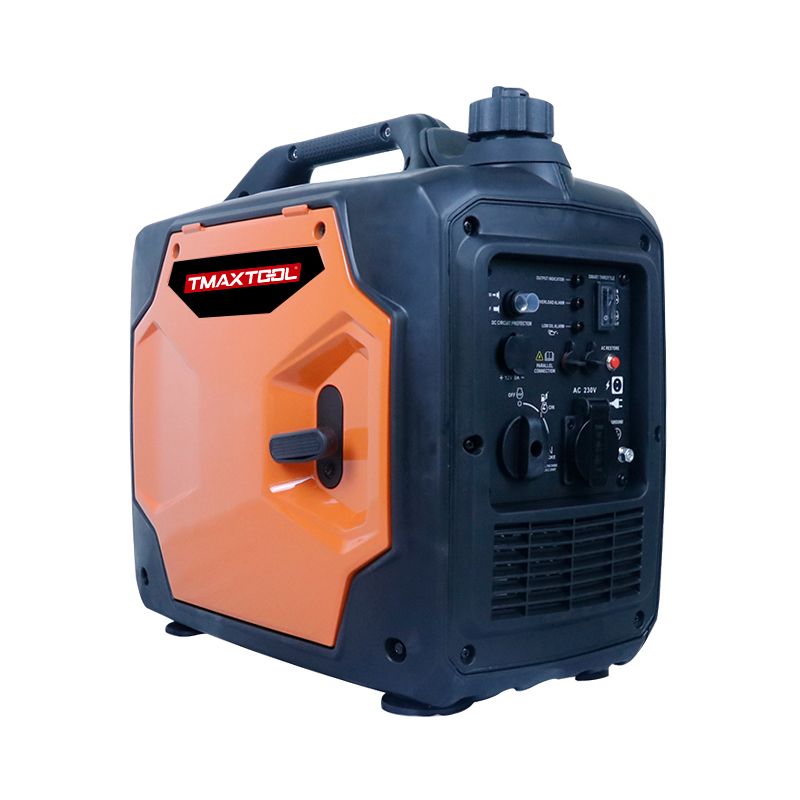 Generator
 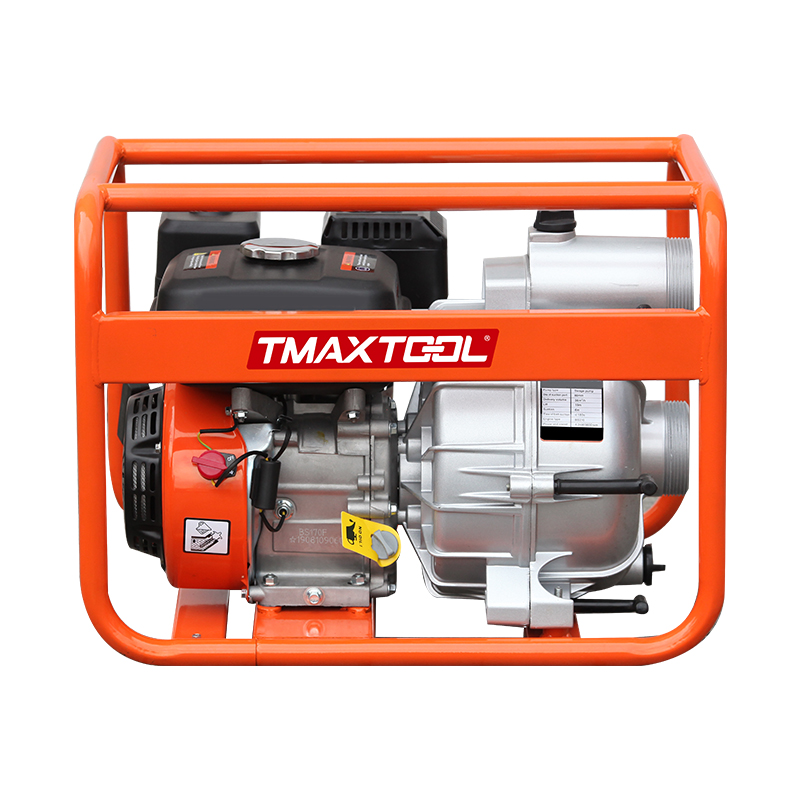 Water Pump
 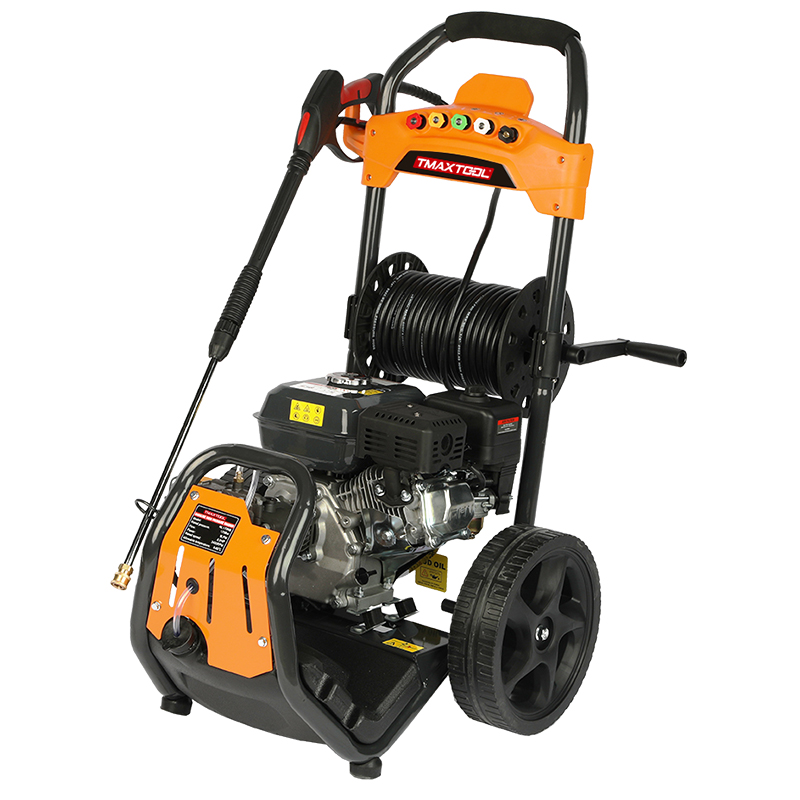 High Pressure Washer
 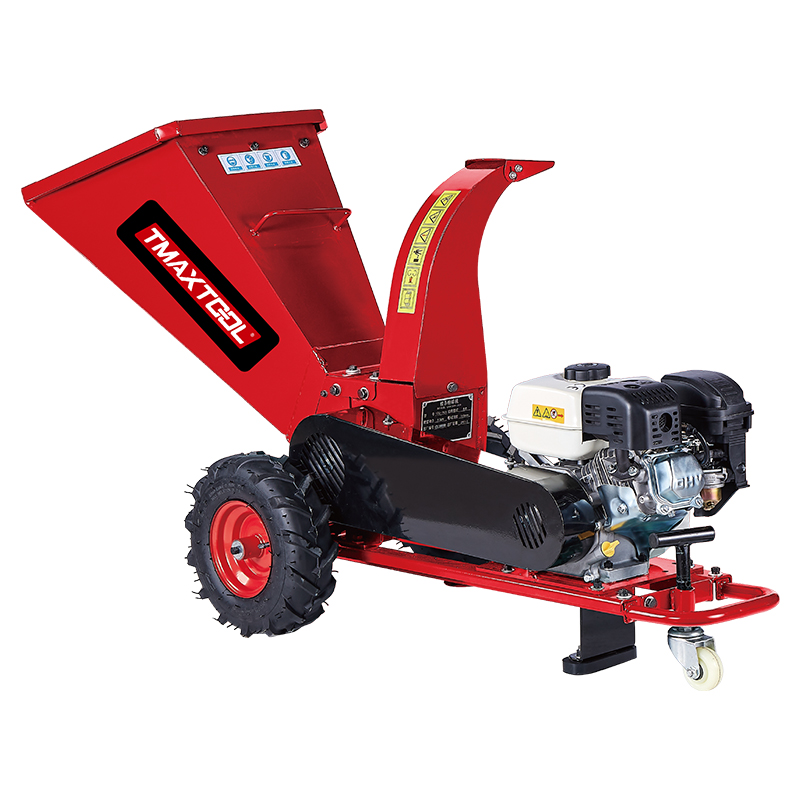 Wood Cutter
 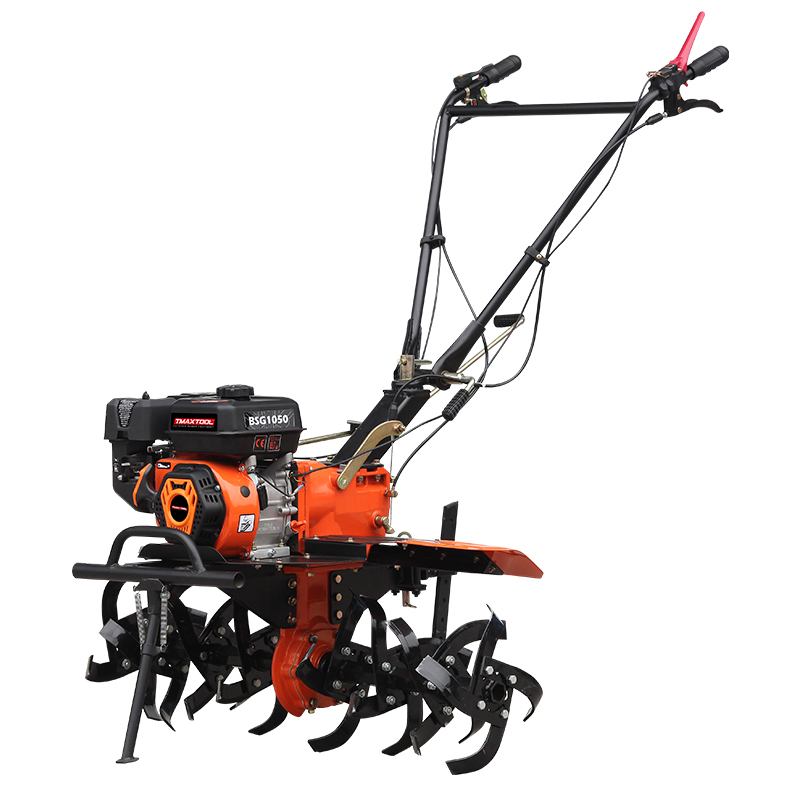 4 Stroke Tiller
 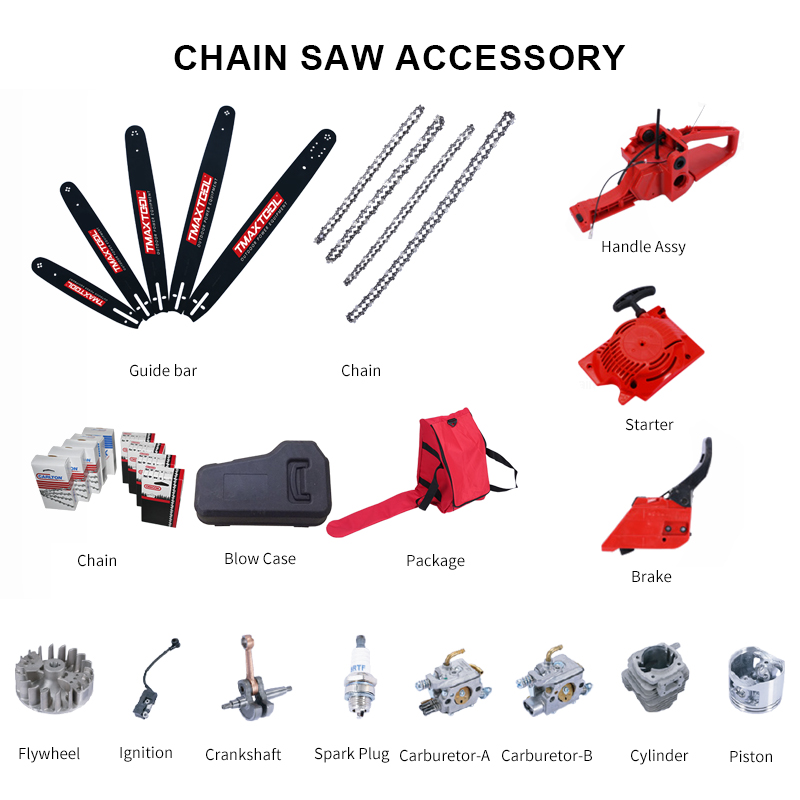 Chain Saw Accessory
 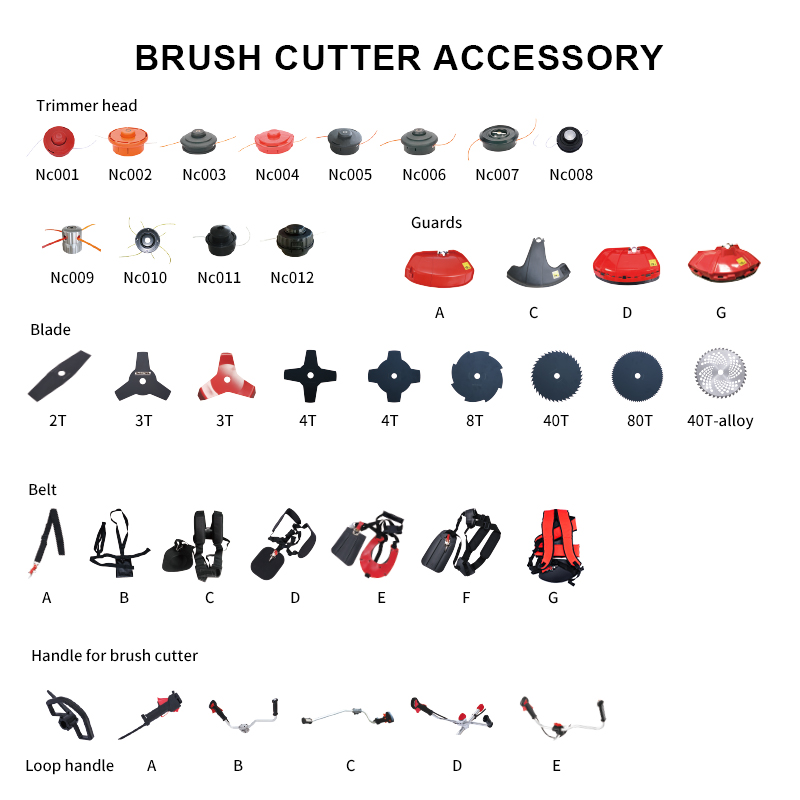 Brush Cutter Accessory
 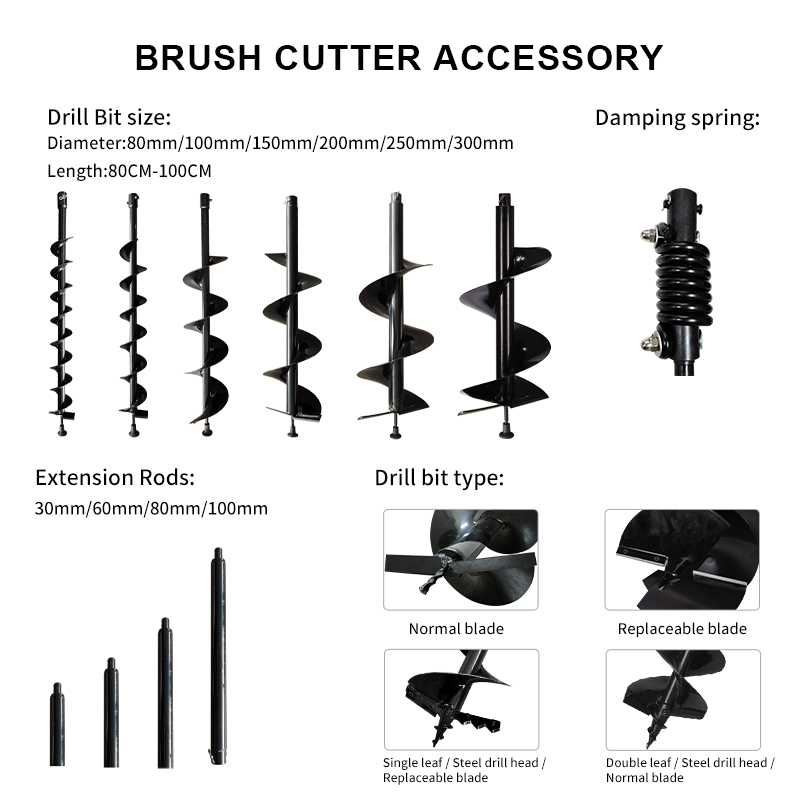 Earth Auger Accessory
 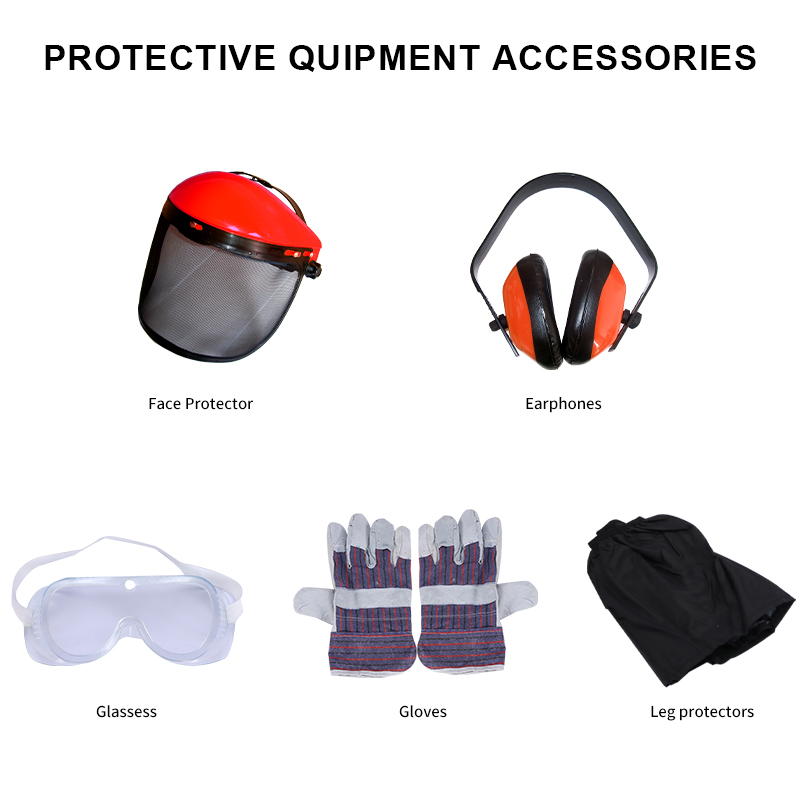 Protective Equipment Accessories
News
Leave Your Message


0102030405
Garden Tools Quality Standards Explained
2026-06-12
Garden Tools Quality Standards Explained: Why TMAX Stands Out in Global Compliance & Durability
For global buyers, distributors and landscaping professionals, choosing reliable garden tools goes far beyond comparing prices or basic functions. Quality standards act as the universal benchmark that determines product safety, service life, operational stability and market eligibility across different regions. With garden tools ranging from handheld manual gear to cordless electric trimmers and multi-functional petrol tools, a complete understanding of international quality rules has become essential for smart procurement. Today, we will break down the core garden tool quality standards worldwide, and explore how TMAX adheres to these rigorous rules to deliver consistent, market-ready garden tools for over 50 countries across the globe.
Core International Quality & Safety Standards for Garden Tools
Garden tools cover two main categories: manual garden tools and powered garden tools, each governed by a set of widely recognized global standards. These regulations unify testing methods, material requirements, safety designs and performance indicators, ensuring products work safely under complex outdoor working conditions.
1. Standards for Powered Garden Tools (Electric & Petrol Tools)
Powered garden tools such as cordless trimmers, petrol multi-tools and electric grass cutters face the strictest rules due to electrical risks, moving parts and mechanical hazards. TheIEC 62841 series serves as the global primary standard for motor-operated lawn and garden machinery, which has replaced older specifications and become the core basis for CE certification in the European market. This standard applies to most mainstream garden power tools with single-phase voltage below 250V and total power under 3700W, covering electrical insulation, mechanical protection, heat resistance and environmental adaptability.
For combustion-engine garden equipment like petrol trimmers, the ISO 5395 series sets unified safety and testing rules. It defines terminology, vibration control, debris protection and durability tests, effectively reducing operational injuries caused by long-time use. In North America, products need to comply with UL and ETL standards, while the German GS mark further verifies product safety for the European retail market.
Besides safety performance, environmental compliance is non-negotiable. RoHS regulations restrict harmful substances inside tools, ensuring garden tools do not pollute soil or the surrounding environment during use. All these standards together form a complete evaluation system for powered garden tools from safety, performance to environmental protection.
2. Standards for Manual Garden Tools
Handheld garden shears, blades and trimmer accessories focus more on material quality, structural strength and service life. Authoritative industrial standards set clear requirements for metal hardness, connection firmness and surface treatment. High-quality tool blades usually maintain a Rockwell hardness between HRC 45 to HRC 55. This range balances wear resistance and impact resistance: blades will not easily become blunt after long-term cutting, nor crack or chip when hitting hard branches or stones.
Key structural tests include handle pressure resistance and connection tensile strength. Qualified manual garden tools must withstand standard pressure and pull force without deformation, loosening or falling apart. Meanwhile, surface quality inspection requires no cracks, burrs or rust on tool surfaces, which not only extends service life but also prevents scratches during operation.
3. Universal Production & System Quality Standards
ISO 9001 is the most widely recognized quality management system standard worldwide. It regulates the entire production process from raw material incoming inspection, production processing to finished product testing. Manufacturers with ISO 9001 certification can maintain stable product quality in mass production, avoiding large differences between individual products. This is especially important for bulk export and long-term distribution cooperation.

How TMAX Implements Global Garden Tool Quality Standards
As a professional tool manufacturer with more than 15 years of industry experience, TMAX has built a full-process quality control system fully aligned with international garden tool standards. Combining digital production management and strict multi-level testing, the brand ensures every garden tool leaving the factory meets cross-border market requirements, which is why its products are popular in more than 50 export countries.
1. Strict Raw Material & Incoming Inspection Aligned with Standard Requirements
Quality starts with raw materials. TMAX selects high-grade metal materials and eco-friendly accessories that fully match international garden tool standards. For metal parts like blades and cutter heads, the team conducts hardness sampling tests one by one to guarantee the hardness stays within the optimal standard range, delivering excellent cutting performance and long wear resistance. For plastic components and internal circuits of electric garden tools, all raw materials pass RoHS compliance testing to eliminate harmful substances and meet environmental regulations of Europe, North America and other regions.
Every batch of raw materials goes through double inspection before entering the workshop. Unqualified materials are directly rejected, laying a solid foundation for finished product compliance.
2. Digital Production Ensures Consistent Standard Execution
TMAX operates a fully digital smart factory with standardized production workshops including injection molding, precision processing and finished product warehouses. More than 10 dedicated production lines support large-scale output, with a monthly production capacity of over 30,000 pieces and an annual output reaching 15 million products. Digital management unifies every production link according to quality standards, greatly reducing manual errors.
The factory maintains a production completion rate above 98% and a finished product pass rate also exceeding 98%. Each garden tool follows fixed processing procedures and testing steps during production, so products from different batches can keep consistent quality and performance. For customized garden tool orders, TMAX still strictly abides by international standards while meeting personalized demands, ensuring customized products also comply with local market rules.
3. Multi-Round Finished Product Testing Covering Full Standard Items
Before delivery, all TMAX garden tools undergo comprehensive performance and safety tests corresponding to global standards.
For electric garden tools such as 20V and 21V cordless garden trimmers, the team completes insulation testing, overheating protection and battery safety tests in accordance with IEC 62841 rules. The built-in battery packs with 4000mAh capacity pass overcharge, over-discharge and drop tests to ensure stable power output and safe use in outdoor complex environments.
For petrol multi-tools, blades and other garden accessories, testers simulate long-time continuous work to check cutting performance, structural stability and anti-vibration effects, referring to ISO 5395 related test methods. All moving parts and connecting structures are inspected to prevent loosening or failure during high-intensity work.
In addition, the brand keeps a customer complaint rate below 3%, a data that directly proves the reliability of products after reaching end users.
4. Complete Certifications to Match Global Market Access Rules
TMAX has obtained a full set of internationally recognized certifications including CB, BSCI, RoHS and ISO 9000. These certifications are the most direct proof that its garden tools meet global quality standards. Whether entering the European market that requires CE and RoHS compliance, or cooperating with North American distributors who focus on safety certifications, TMAX products can smoothly pass local market access inspections without additional compliance risks for buyers.
The brand also provides complete certification documents and product test reports for partners, helping global distributors simplify customs clearance and market promotion procedures.
Why Standard Compliance Matters for Global Garden Tool Buyers
Many international buyers tend to focus on unit price and delivery cycle, while ignoring the value of quality standards. In fact, choosing products that fully comply with global garden tool standards can bring long-term benefits for distributors and retailers.
First, standard-compliant products avoid market access risks. Non-compliant garden tools may be detained by customs, returned from the market or even fined due to safety and environmental problems, causing huge economic losses. Second, qualified tools have longer service life and lower after-sales rates. Stable quality reduces product returns and maintenance troubles, helping distributors build a good market reputation. Third, standardized products have stronger market adaptability. A single batch of compliant garden tools can be sold in multiple regions, greatly expanding sales scope.
TMAX fully understands the core demands of global buyers. While adhering to strict quality standards, it also offers flexible procurement solutions: a low minimum order quantity of 50 pieces, a sample delivery cycle within 7 days and a formal order lead time of 30 days. Balancing standard quality, flexible order conditions and cost performance, it creates stable and profitable cooperation for global partners.
Final Thoughts
Global garden tool quality standards are not rigid rules, but a reliable guarantee for product value and user safety. From material selection, production processing to finished product testing, every link determines whether a garden tool can stand the test of the market.
With years of deep cultivation in the garden tool industry, TMAX has integrated international quality standards into every production detail. Supported by digital smart factories, strict testing systems and complete certifications, its garden tools maintain stable quality, excellent performance and wide market adaptability. For global garden tool distributors, retailers and bulk procurement clients, choosing a brand that takes quality standards as the core is equivalent to choosing long-term stability and market competitiveness.