
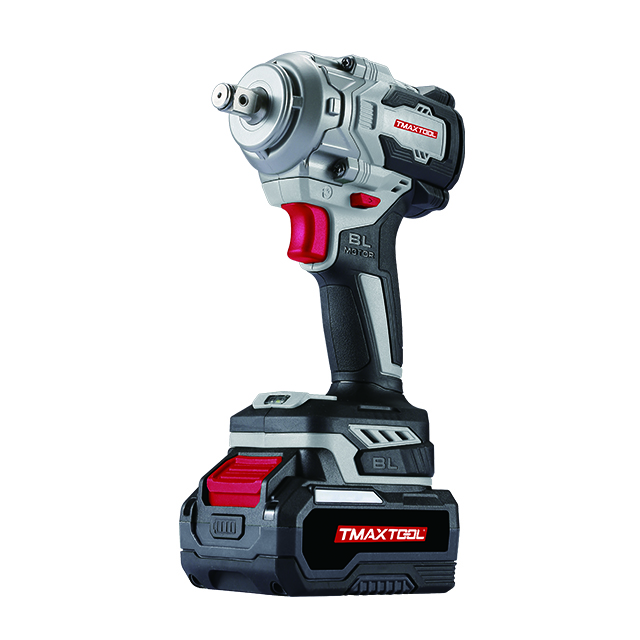
 Impact Wrench
 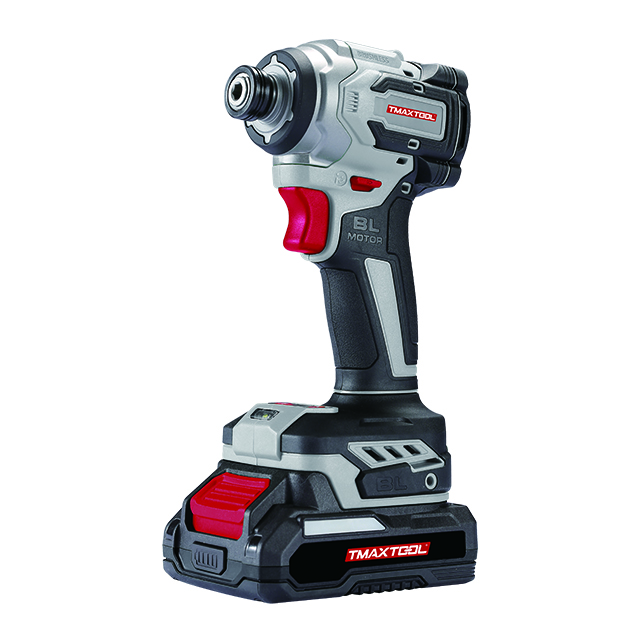 Screwdriver
 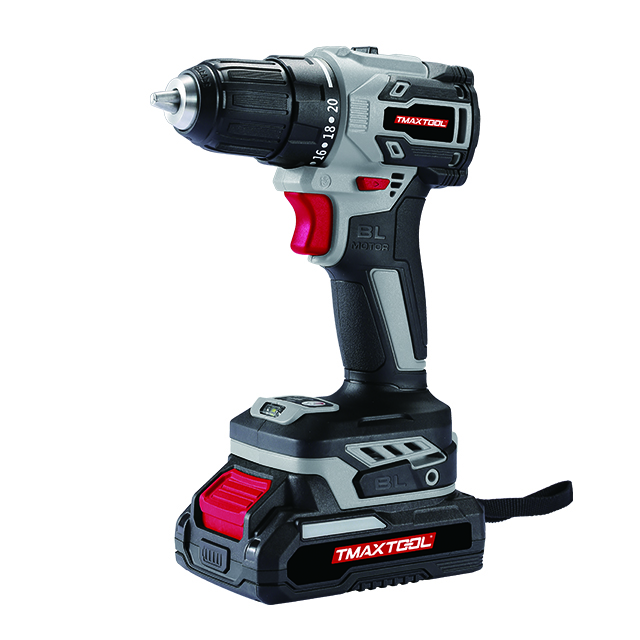 Cordless Drill
 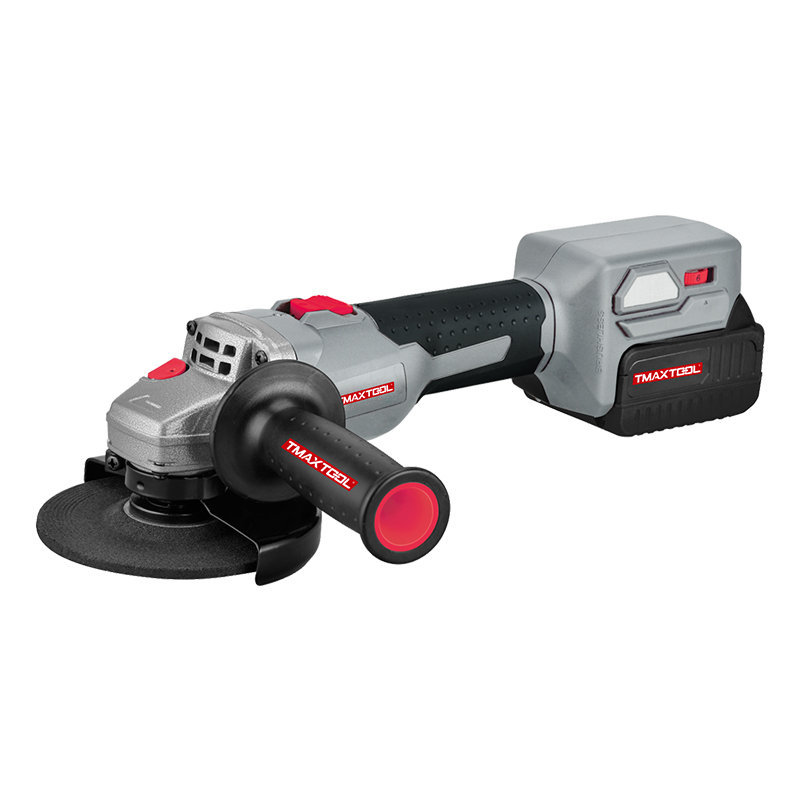 Angle Grinder
 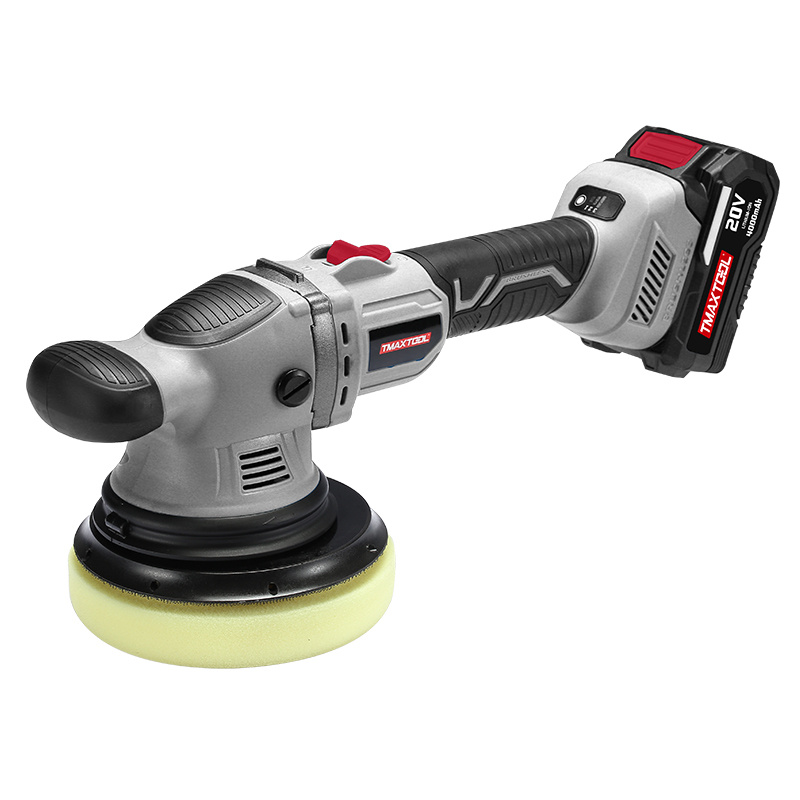 Polisher
 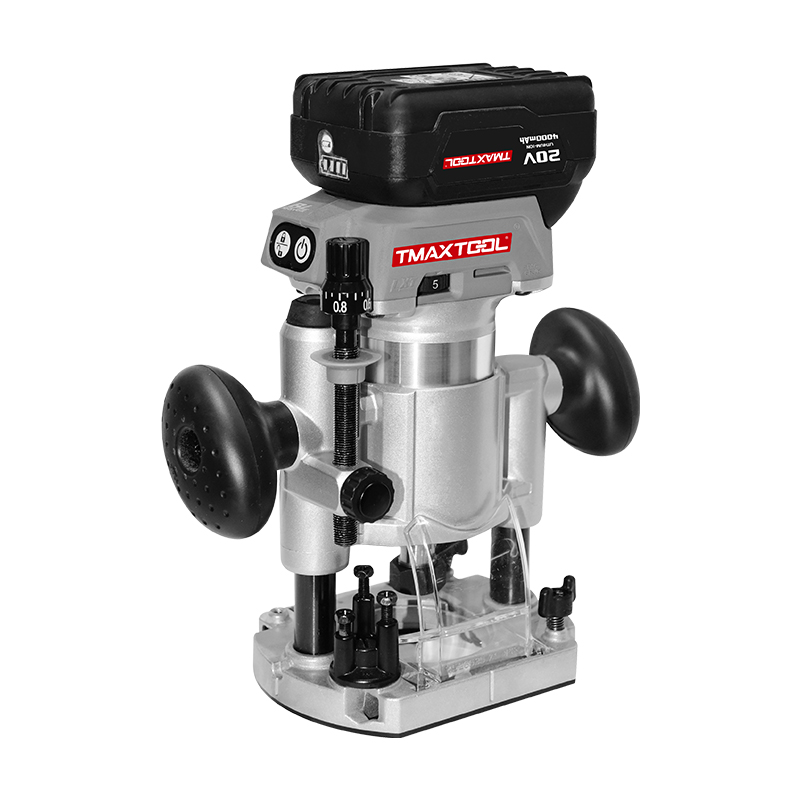 Wood Router
 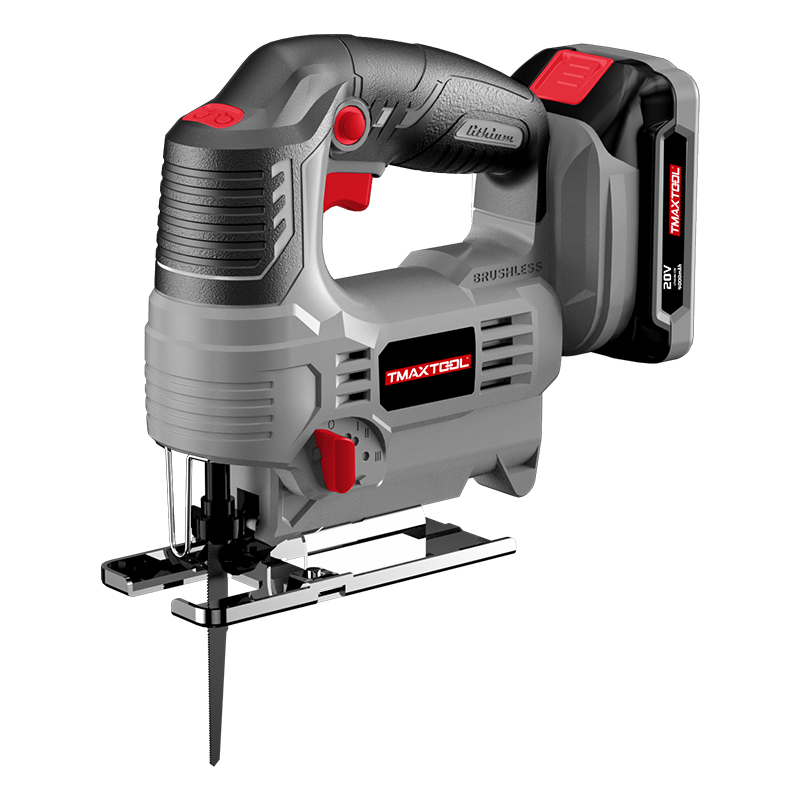 Jig Saw
 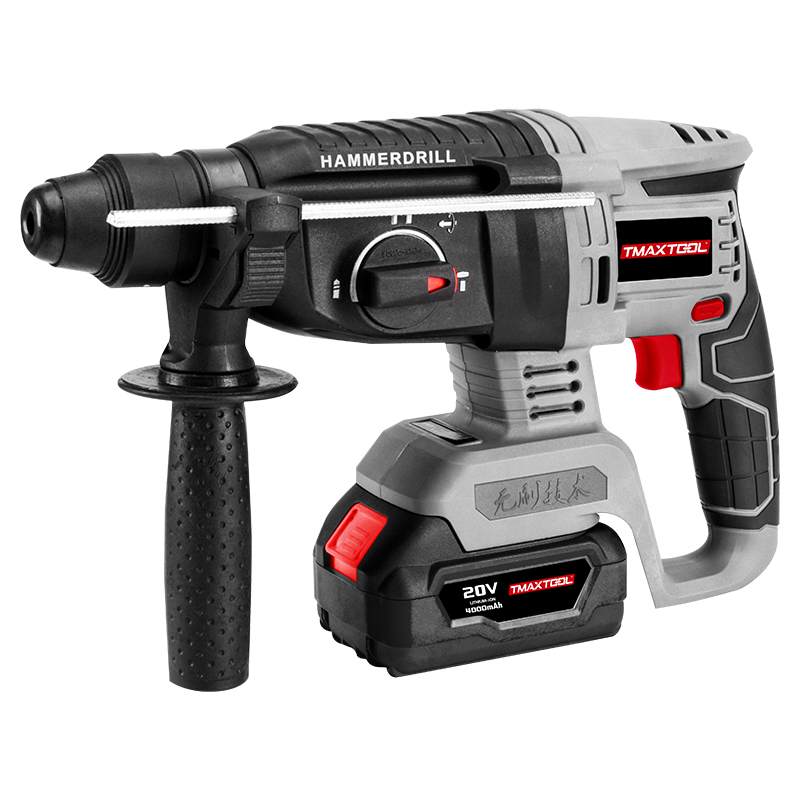 Hammer Drill
 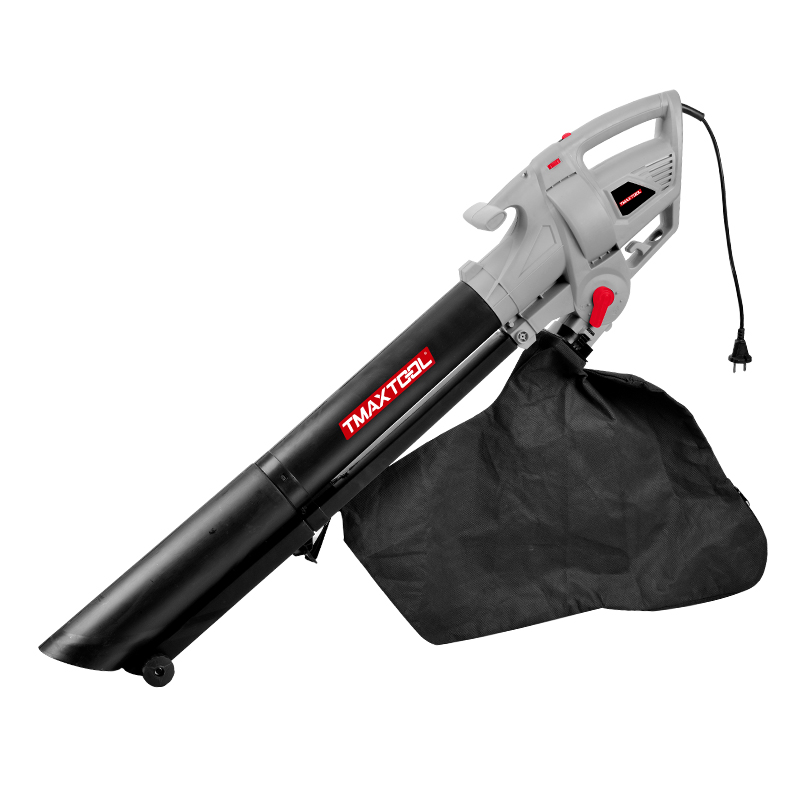 Portable Blower
 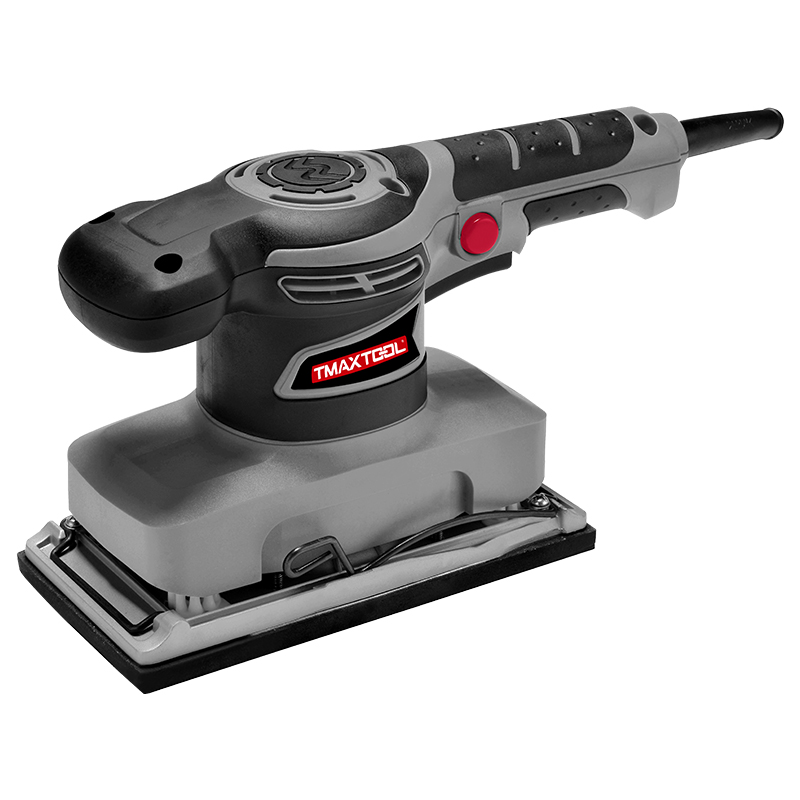 Orbital Sander
 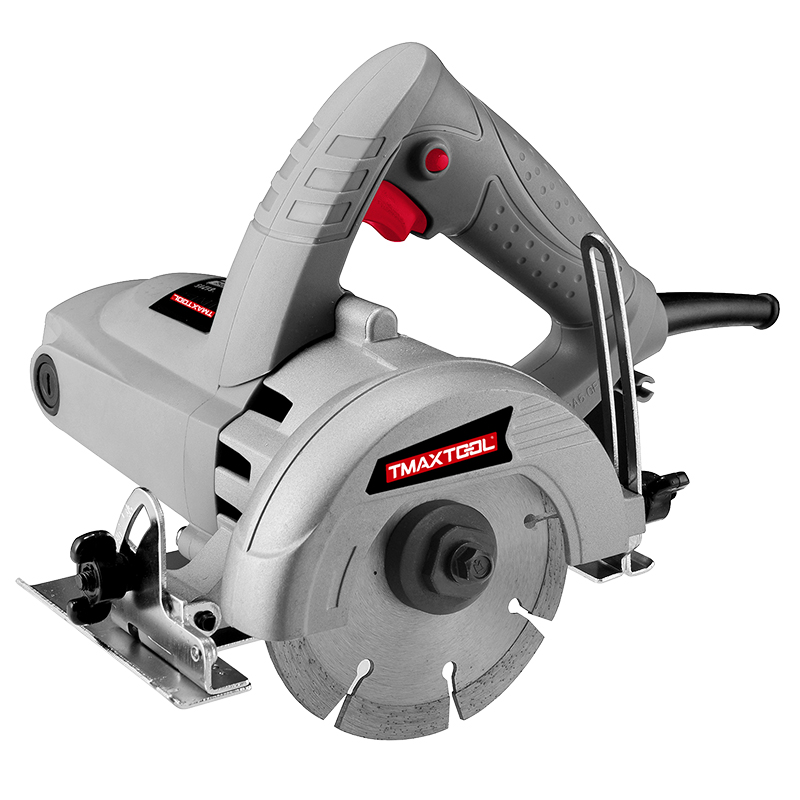 Marble Cutter
 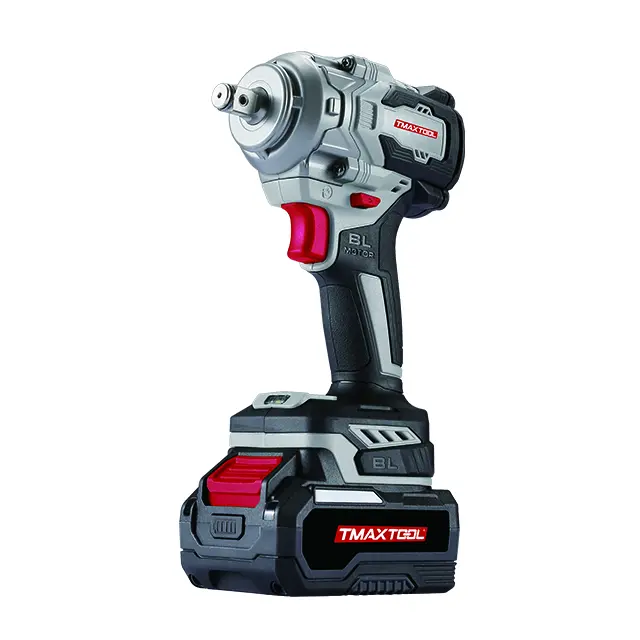 GARDEN TOOLS
 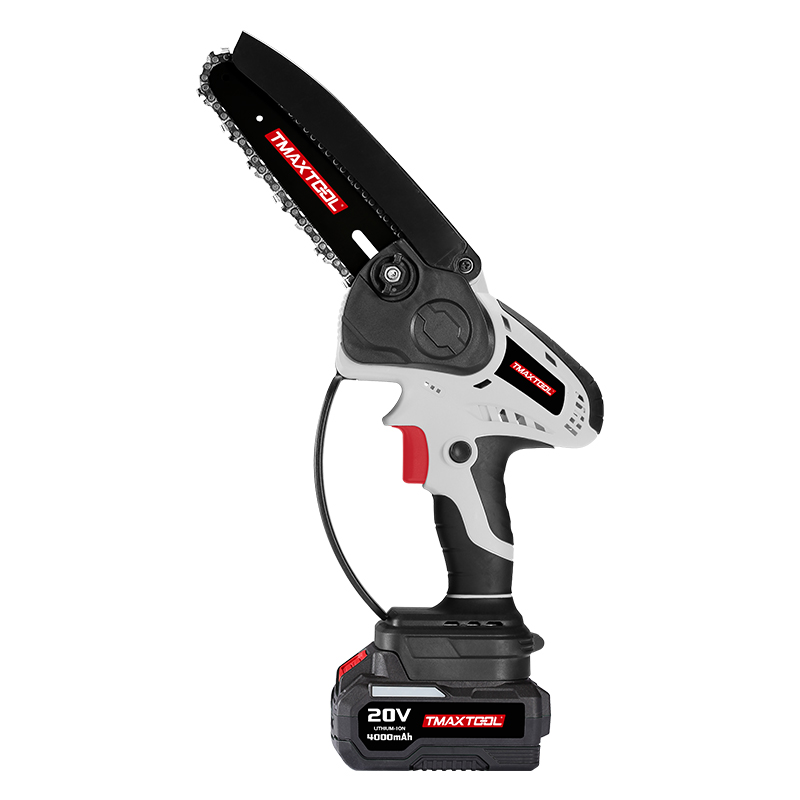 Battery Chain Saw
 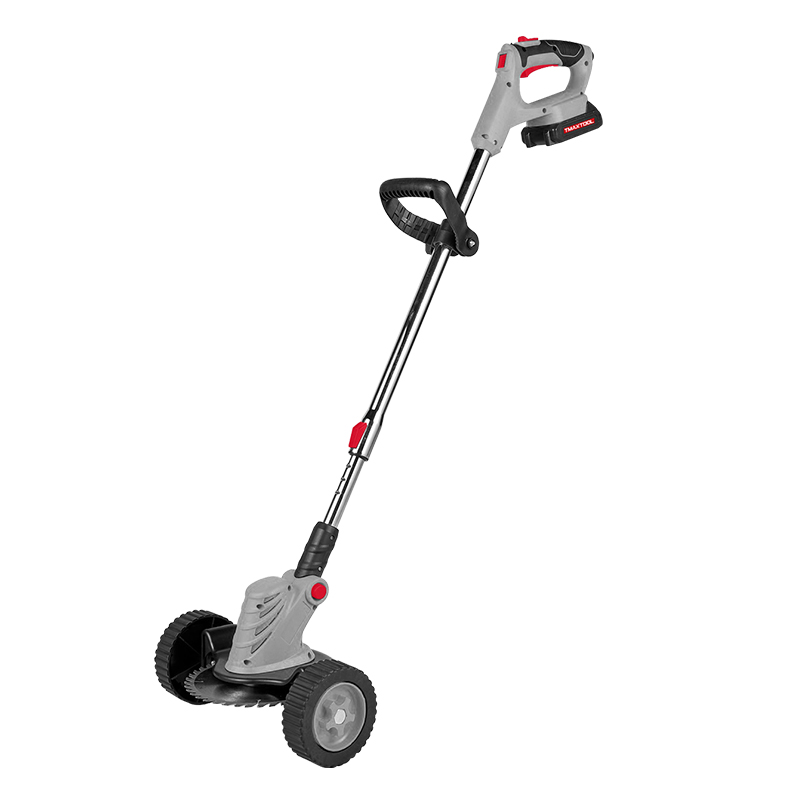 Battery Brush Cutter
 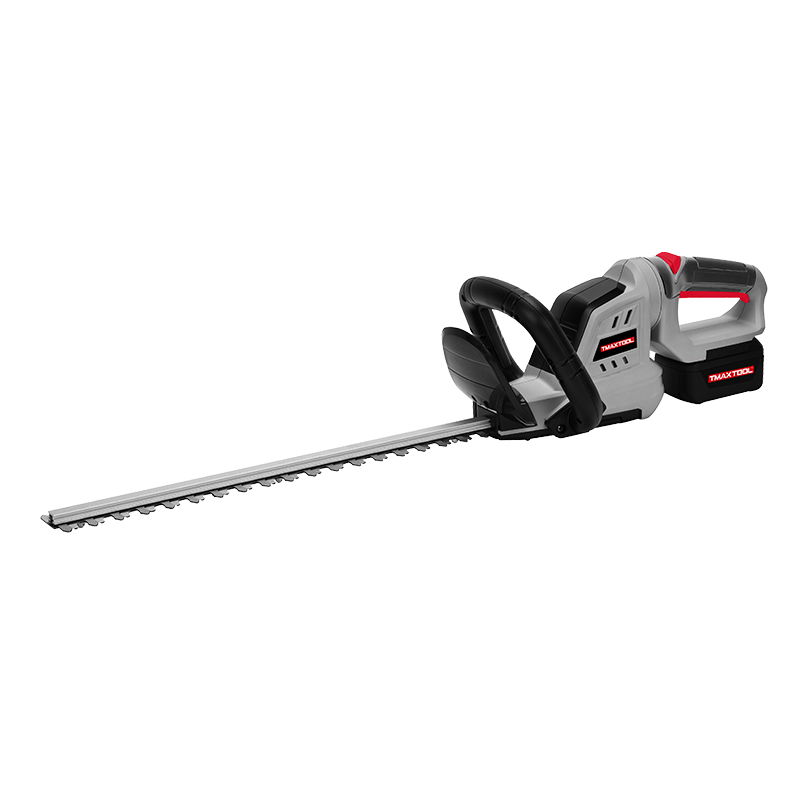 Battery Hedge Trimmer
 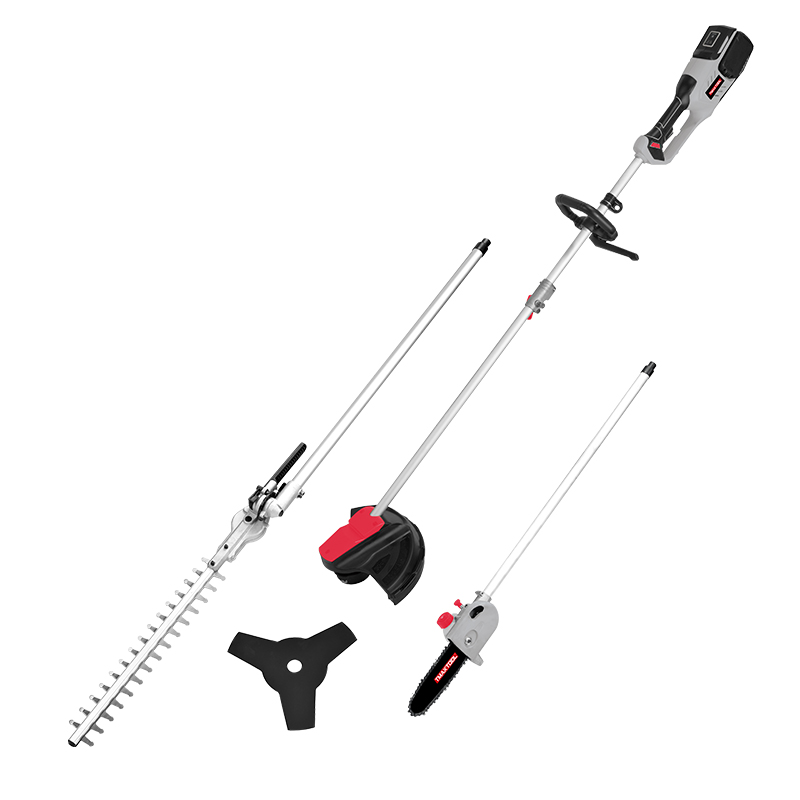 Battery Multi Tool
 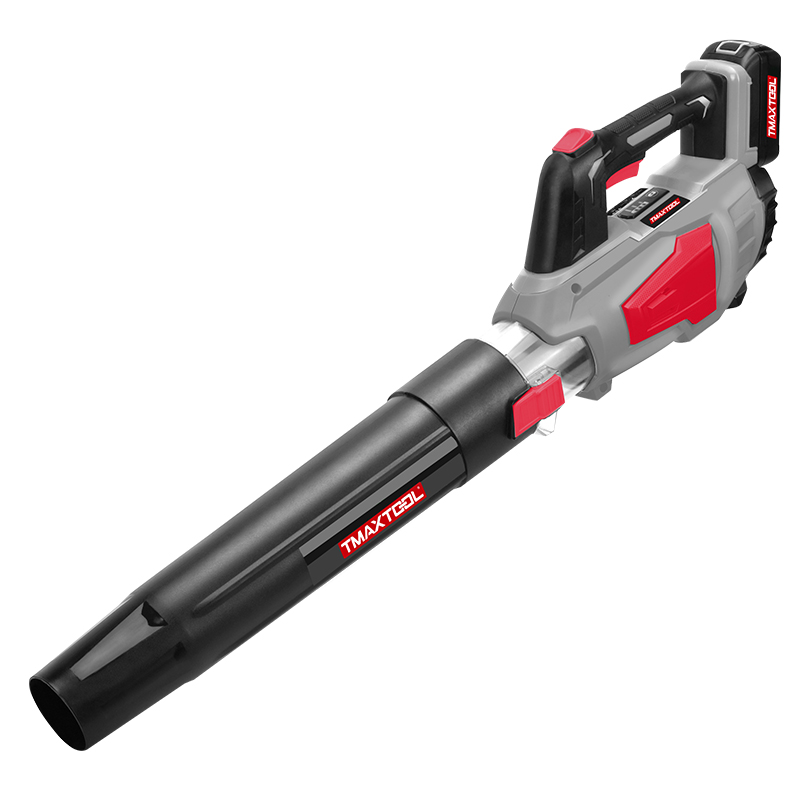 Battery Blower
 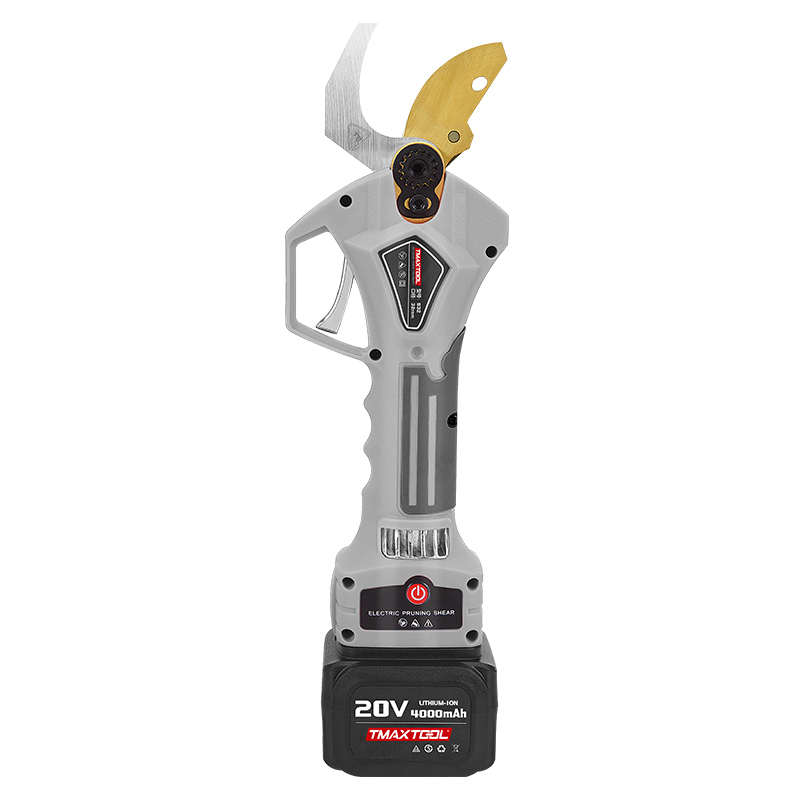 Batter Pruning Shears
 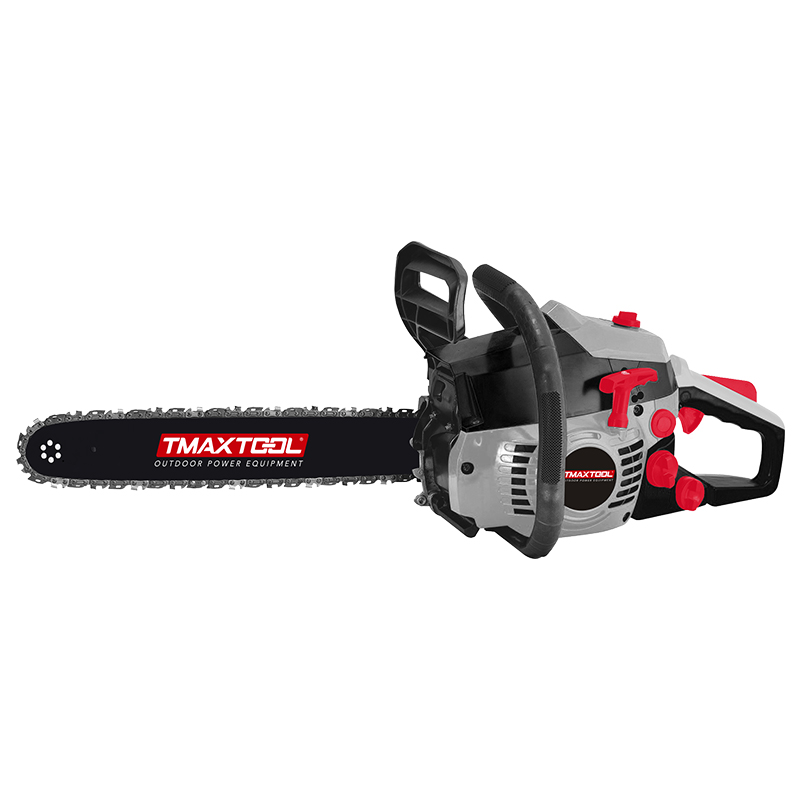 Chain Saw
 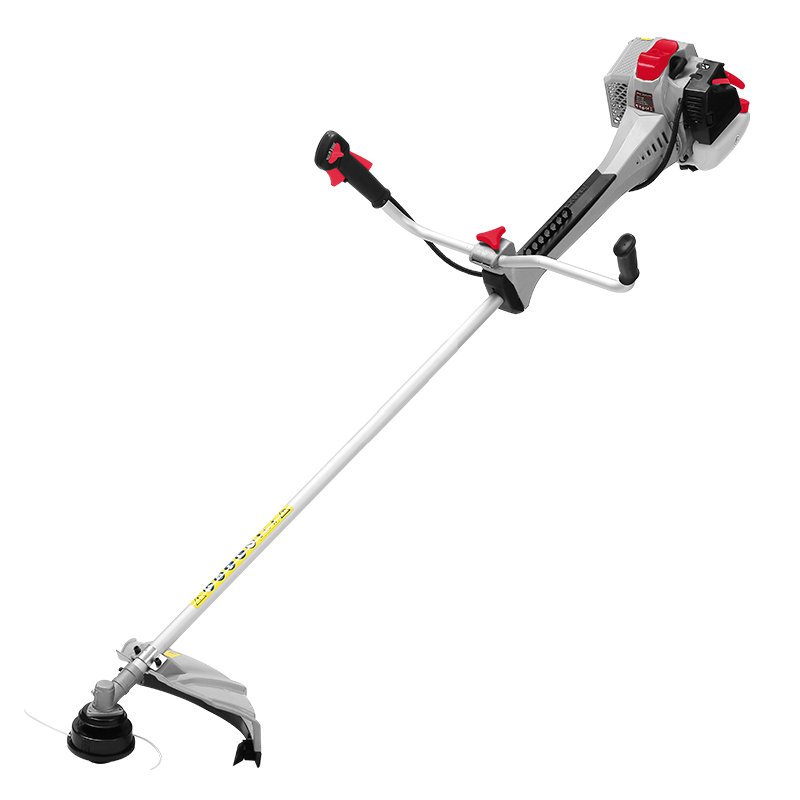 Brush Cutter
 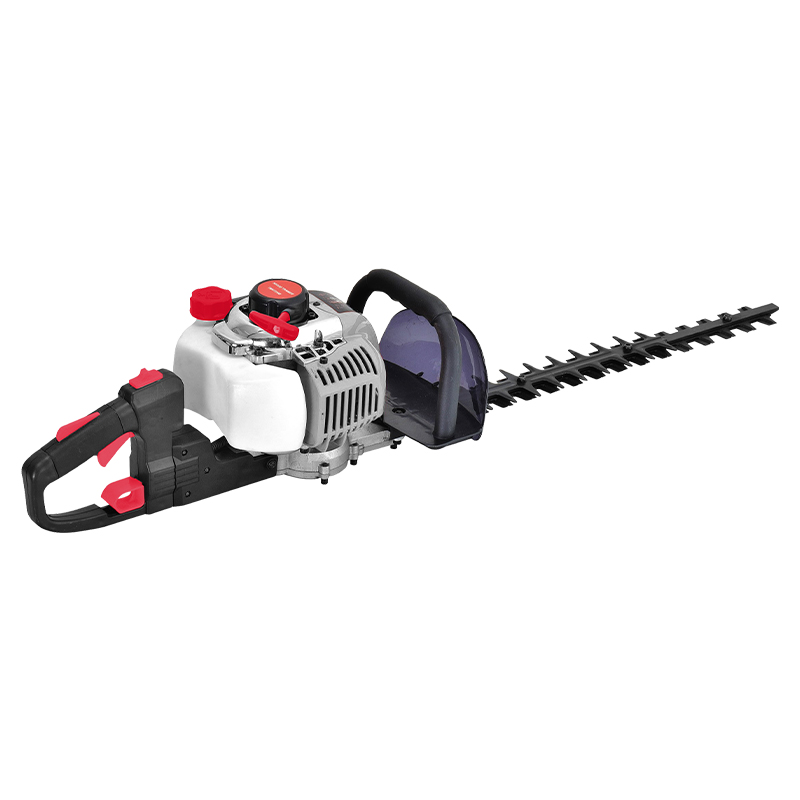 Hedge Trimmer
 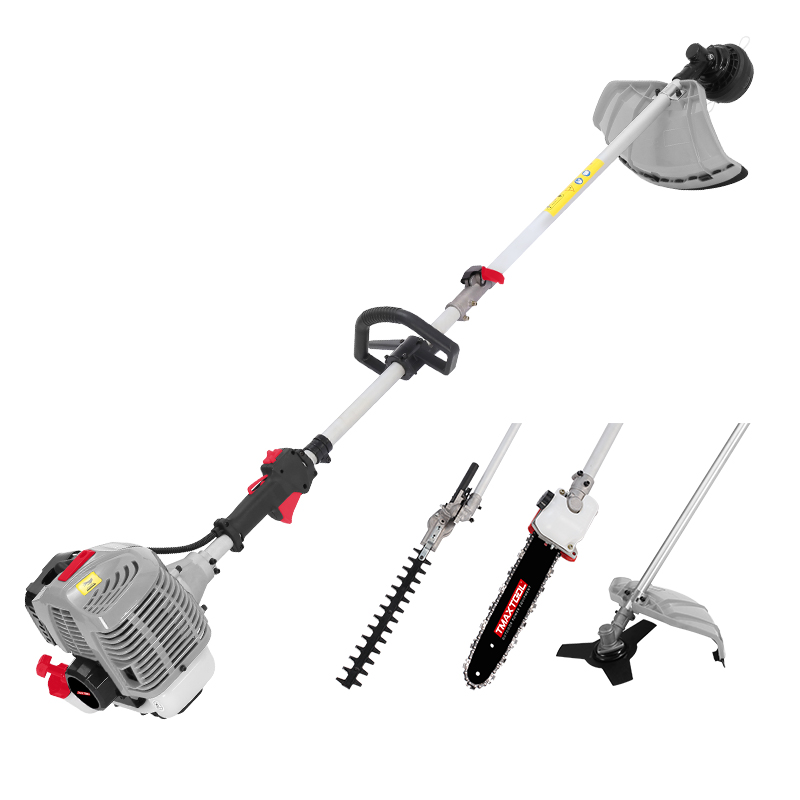 Multi Tool
 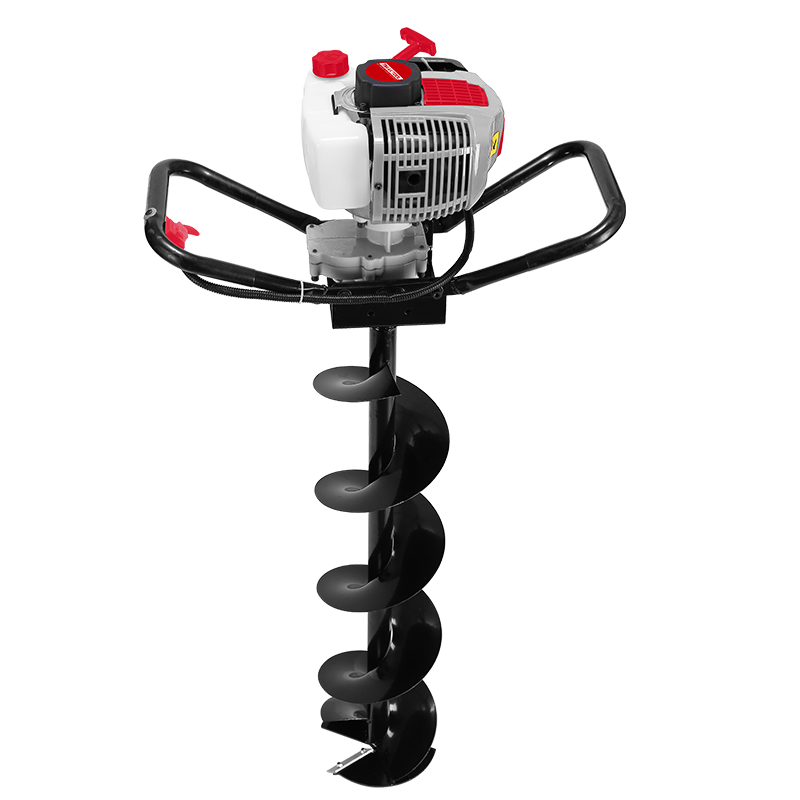 Earth Auger
 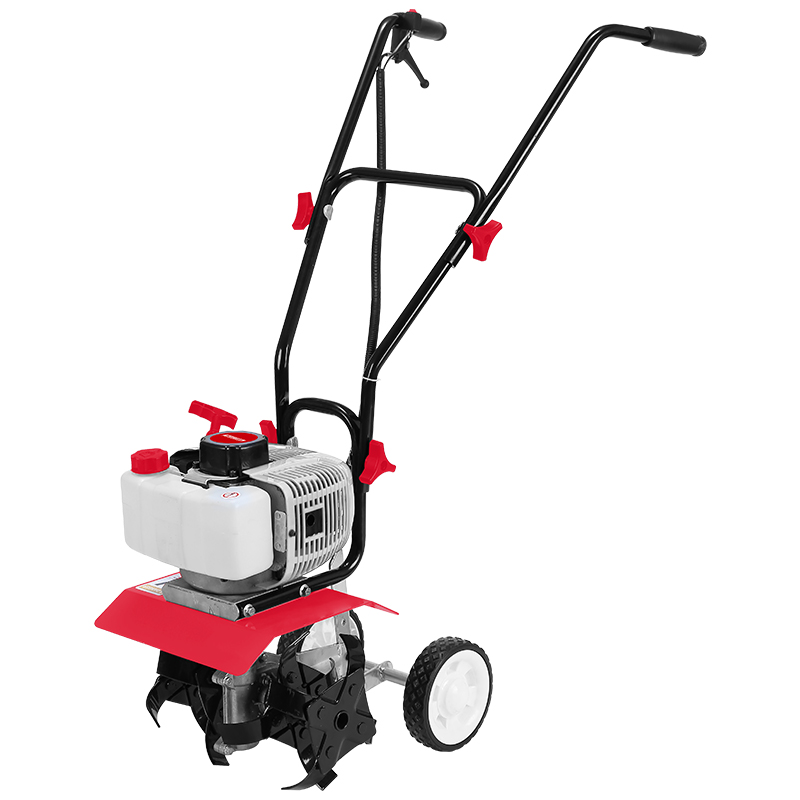 Tiller
 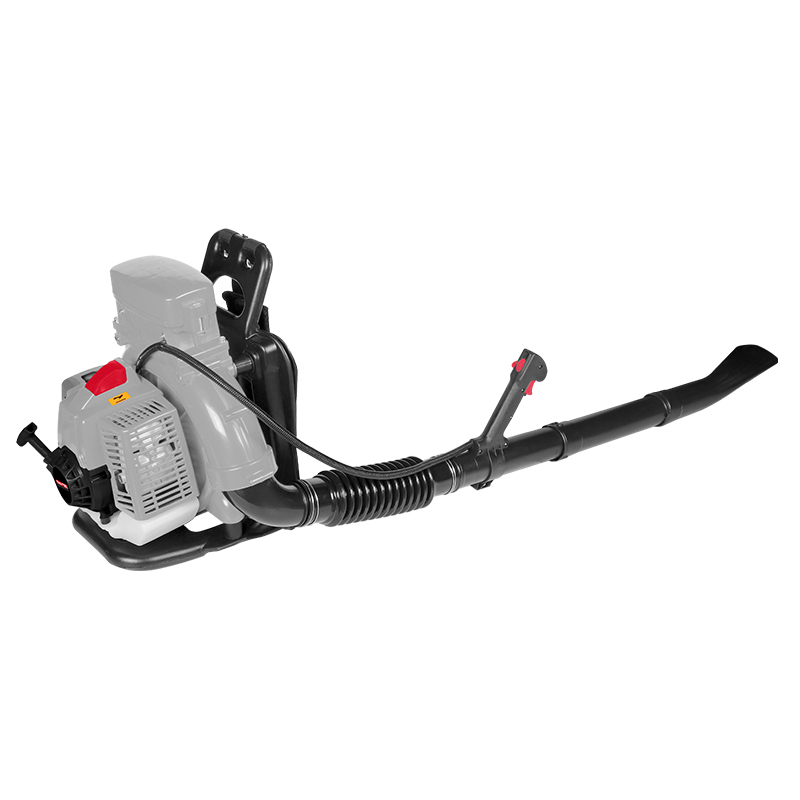 Blower
 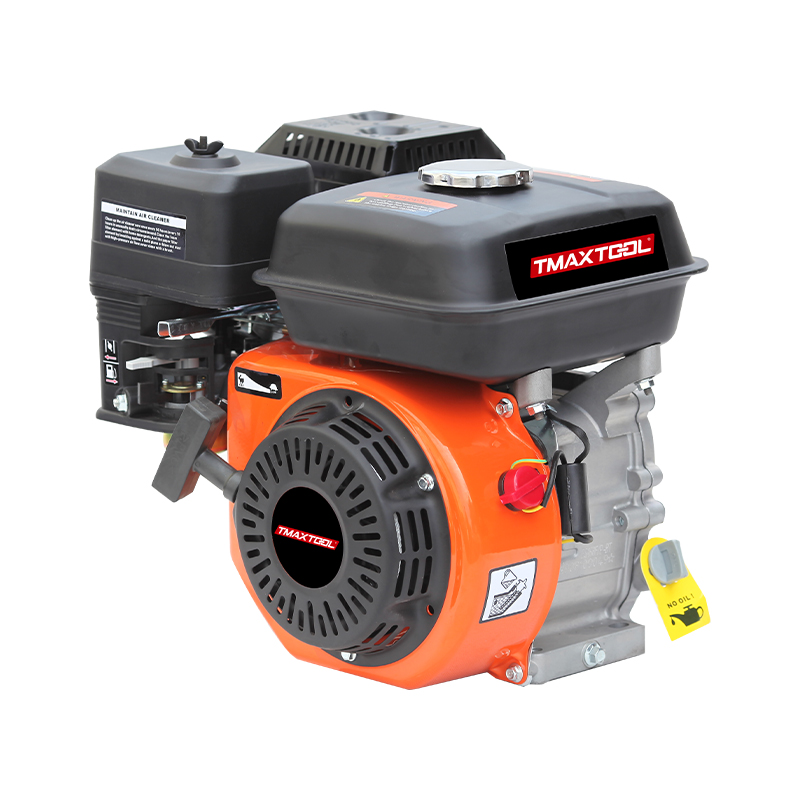 4 Stroke Gasoline Engine
 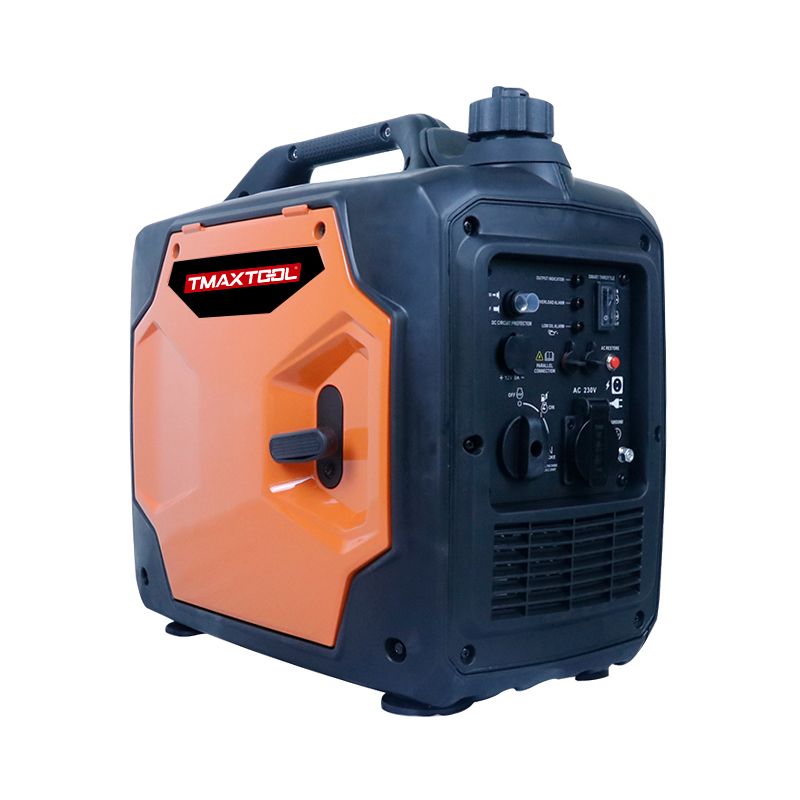 Generator
 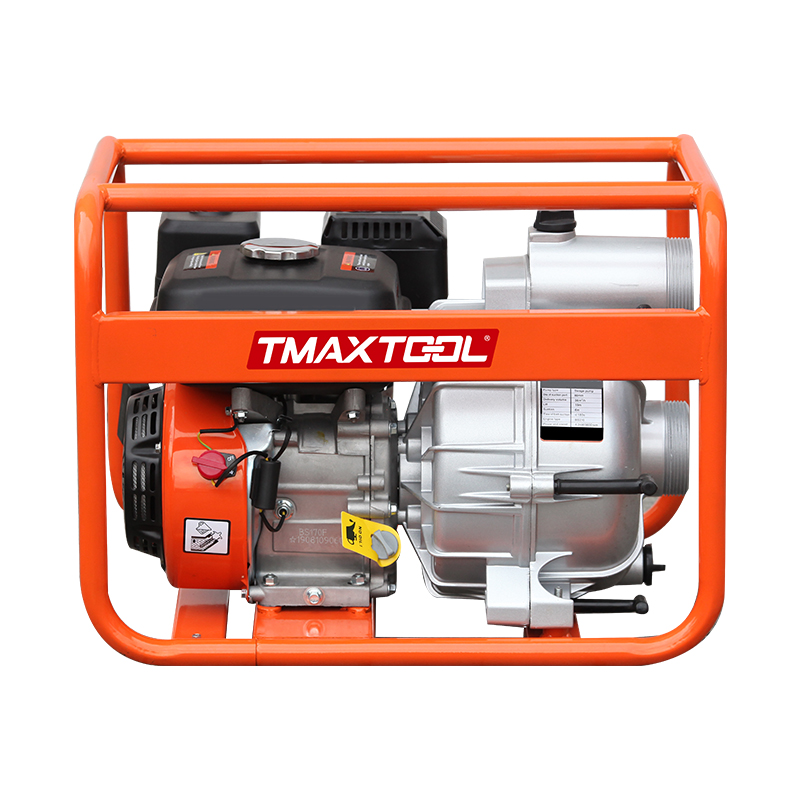 Water Pump
 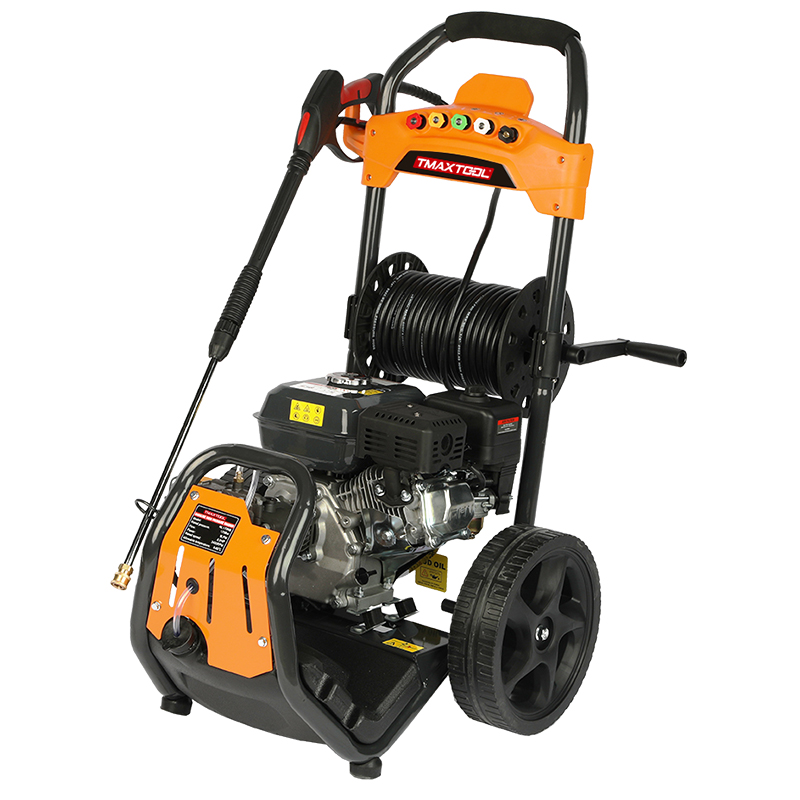 High Pressure Washer
 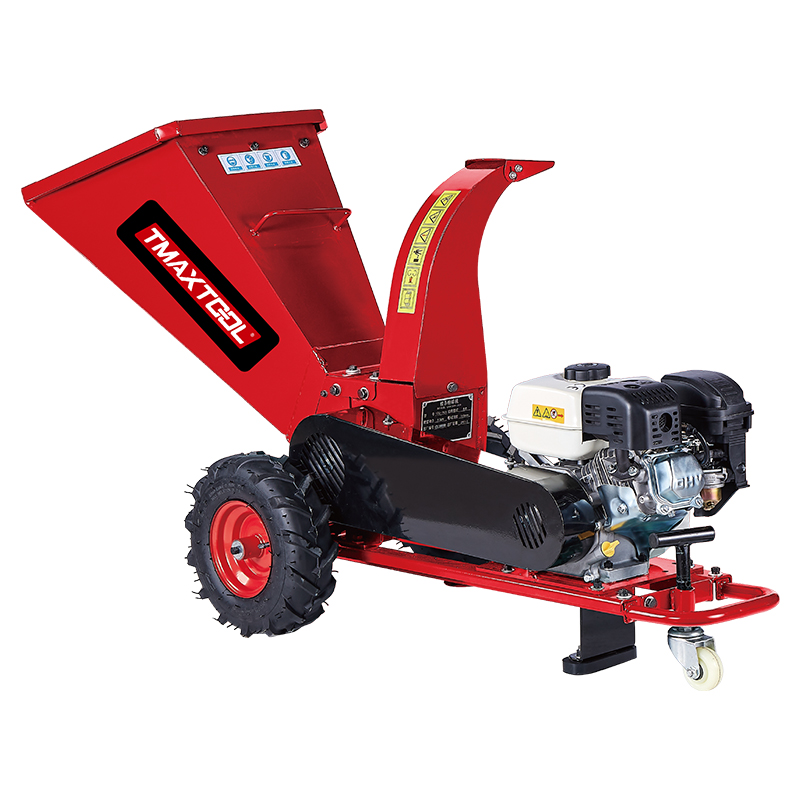 Wood Cutter
 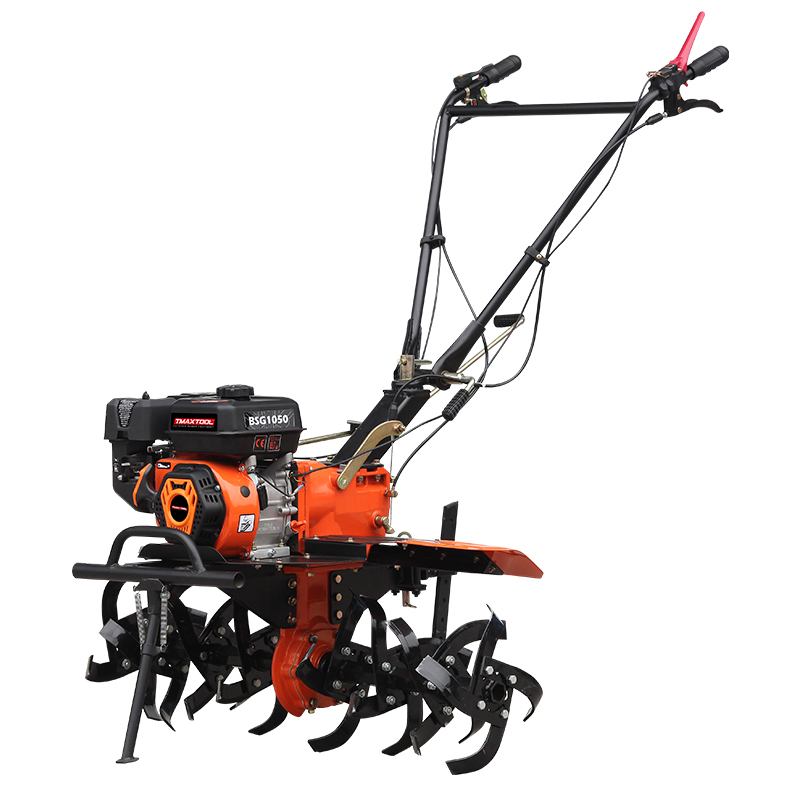 4 Stroke Tiller
 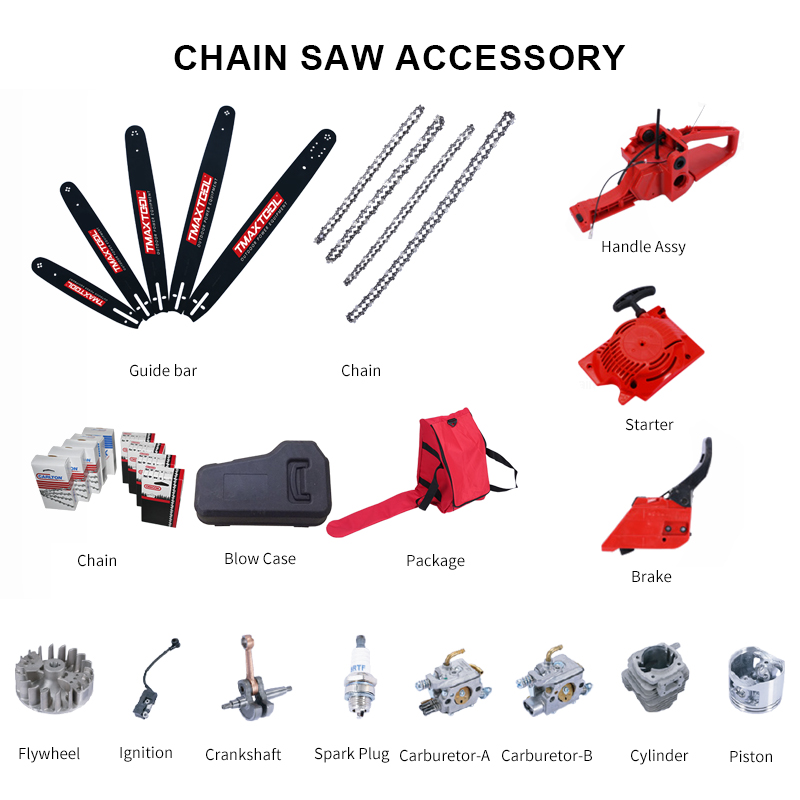 Chain Saw Accessory
 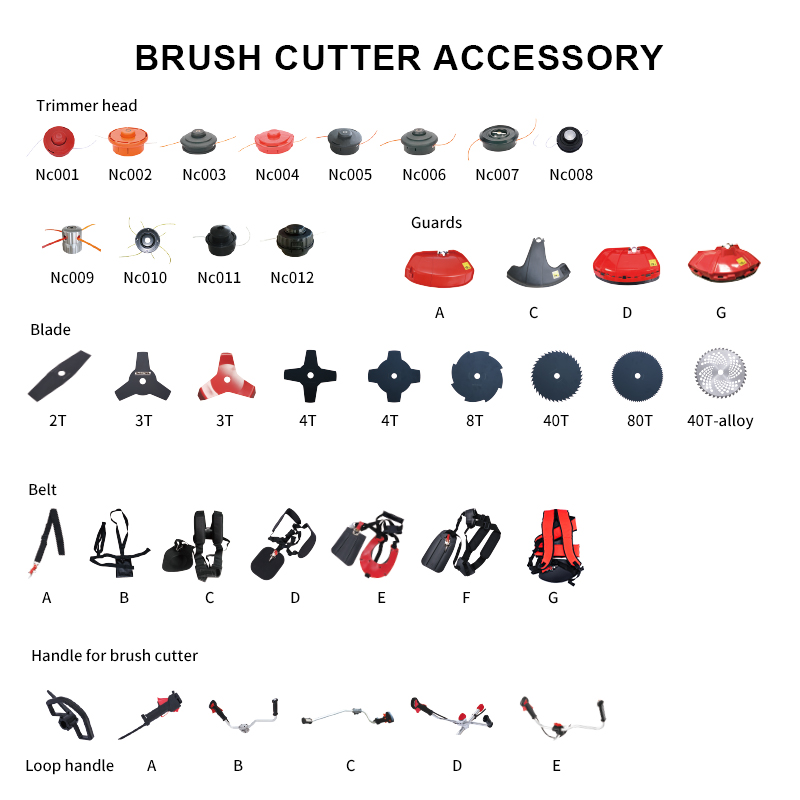 Brush Cutter Accessory
 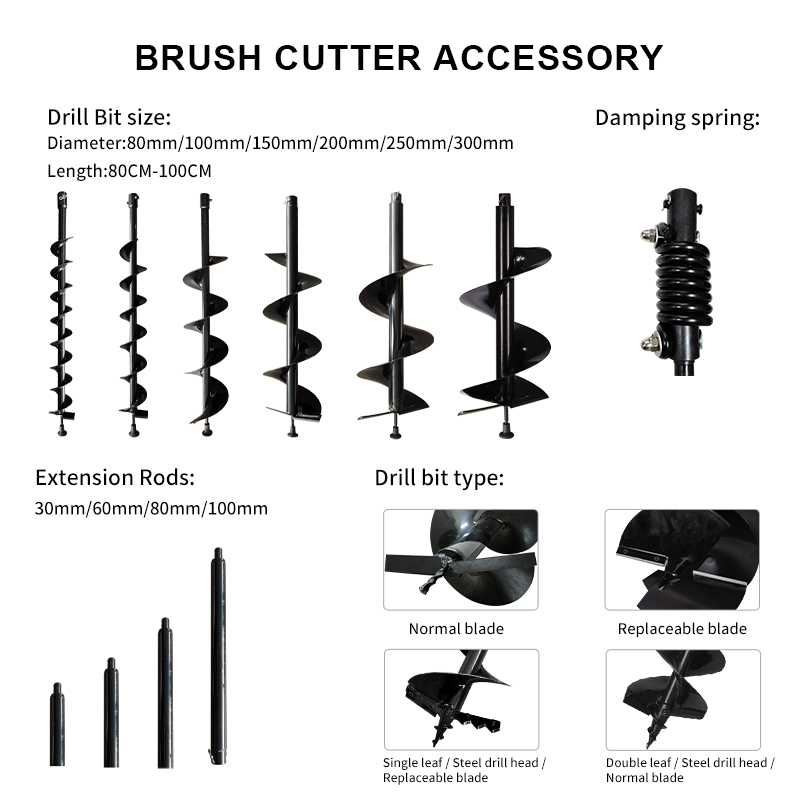 Earth Auger Accessory
 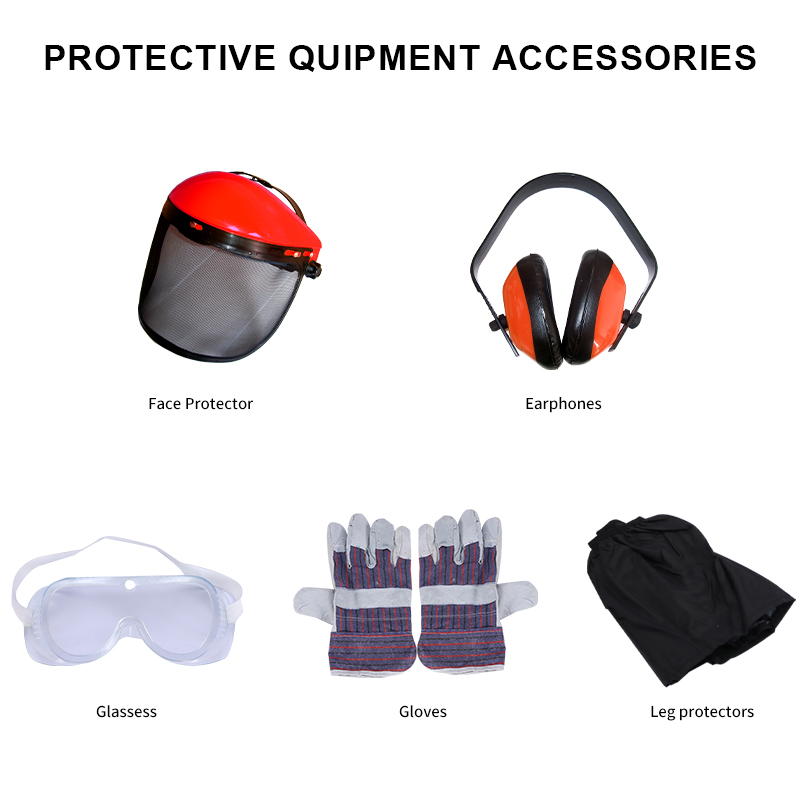 Protective Equipment Accessories
Leave Your Message


Gasoline brush cutter Structure
Gasoline lawn mower Structure: A Comprehensive Guide for International Wholesale Buyers
For international professional wholesale buyers in the gardening and agricultural equipment industry, understanding the structural composition of gasoline lawn mowers is not only the basis for product selection but also a key factor in providing technical support to downstream customers and optimizing inventory management. A high-quality gasoline lawn mower is a systematic integration of multiple core components, each of which directly affects the product's performance, durability, and user experience. This blog will conduct an in-depth analysis of the structure of gasoline lawn mowers, helping you gain a professional perspective to better evaluate and select products that meet market demands.

1. Core Power System: The "Heart" of Gasoline Lawn Mowers
The power system is the core driving force of gasoline lawn mowers, determining the equipment's mowing efficiency, fuel consumption, and service life. For wholesale buyers, understanding the details of the power system can help you distinguish product grades and match them to different market positioning (such as residential, commercial, or industrial use).
1.1 Gasoline Engine: Core Power Source
The gasoline engine of a lawn mower is usually a four-stroke single-cylinder air-cooled engine (a small number of low-end products use two-stroke engines, but they are gradually being phased out due to high emissions and noise). Its key components include:
Cylinder Block and Piston: Made of high-strength aluminum alloy, it has good heat dissipation performance and can adapt to long-term high-load operation (common cylinder diameters range from 50mm to 75mm, and displacement is usually between 140cc and 220cc). For commercial-grade lawn mowers, the cylinder block is often treated with nickel-plating technology to enhance wear resistance.
Carburetor: Responsible for mixing gasoline and air in a precise ratio (the optimal ratio is 14.7:1 for complete combustion). High-quality lawn mowers are equipped with float-type carburetors with anti-vibration structures, which can avoid fuel leakage caused by equipment vibration during operation and ensure stable power output.
Ignition System: Mainly composed of an ignition coil and a spark plug. The ignition coil converts the low-voltage current of the battery into high-voltage current (up to 20,000V), which generates an electric spark through the spark plug to ignite the fuel mixture. For wholesale buyers, it is necessary to pay attention to whether the spark plug uses a well-known brand (such as NGK or Bosch), as this directly affects the ignition efficiency and engine startup performance.
Air Filter: Prevents dust and debris from entering the engine and causing wear. Commercial-grade lawn mowers usually use double-layer air filters (paper filter + foam filter), which have a filtration efficiency of over 99% and can adapt to harsh working environments (such as dry and dusty lawns).
1.2 Fuel System: Ensuring Stable Fuel Supply
The fuel system includes a fuel tank, fuel pipe, and fuel filter, and its design focuses on safety and fuel efficiency:
Fuel Tank: The capacity is usually between 1.5L and 3.5L. Commercial-grade products will use thicker high-density polyethylene (HDPE) materials to prevent fuel leakage and corrosion. At the same time, the fuel tank is equipped with a transparent oil level window, which is convenient for users to check the fuel volume at any time.
Fuel Filter: Installed at the inlet of the fuel pipe, it filters impurities in the fuel (such as sediment and rust) to avoid clogging the carburetor. High-quality fuel filters use stainless steel mesh or nylon filter elements, which have a long service life and can be cleaned and reused.
2. Cutting Execution System: The "Sharp Blade" for Efficient Mowing
The cutting execution system directly determines the mowing effect (such as grass cutting flatness and stubble height) and is the core functional part that end-users care about most. For wholesale buyers, understanding the differences in cutting systems can help you recommend products that meet the needs of different regions (such as lawns with different grass species and lengths).
2.1 Cutting Deck: The "Carrier" of the Cutting System
The cutting deck is the shell that covers the cutting blade, and its material, shape, and size all affect the mowing efficiency and durability:
Material: Common materials include cold-rolled steel plates (thickness 1.5mm-2.5mm) and aluminum alloy (thickness 3mm-4mm). Steel decks have high strength and are suitable for commercial use (such as mowing large-area lawns), but they need anti-rust treatment (such as electrostatic spraying or galvanizing); aluminum alloy decks are lightweight and corrosion-resistant, and are more popular in residential markets (especially in humid coastal areas).
Shape and Size: The cutting deck is usually designed in a dome shape, which can reduce air resistance during operation and avoid grass clippings from accumulating. The cutting width ranges from 46cm (residential grade) to 76cm (commercial grade). For example, a 53cm cutting deck can mow an area of about 1,500 square meters per hour, which is suitable for small and medium-sized lawns; a 76cm cutting deck is suitable for large-area lawns such as golf courses and parks.
Grass Discharge Method: The cutting deck is designed with different grass discharge structures according to user needs:
Side Discharge: Suitable for mowing overgrown grass (stubble height above 15cm), and the grass clippings are discharged from the side of the deck, which is not easy to block.
Rear Collection: Equipped with a grass collection bag (capacity 50L-80L), which is suitable for users who need to clean up grass clippings (such as residential lawns and scenic areas).
Mulching: The cutting deck is equipped with a mulching blade and a baffle, which crushes the grass clippings into fine particles and returns them to the soil as fertilizer. This method is environmentally friendly and is widely used in European and American markets.
2.2 Cutting Blade: The "Core Tool" for Cutting Grass
The cutting blade is the key component that directly contacts the grass, and its material, shape, and number determine the cutting effect:
Material: High-quality cutting blades are made of 65Mn spring steel or 420 stainless steel. 65Mn spring steel has high hardness (HRC 45-50) and good toughness, which can withstand impacts from stones and branches during mowing; 420 stainless steel has excellent corrosion resistance and is suitable for humid working environments.
Shape: Common blade shapes include straight blades and curved blades:
Straight Blades: Suitable for mowing short grass (stubble height below 10cm) and have a flat cutting surface.
Curved Blades: Also known as "mulching blades", they have a spiral design that can generate strong airflow to crush grass clippings into fine particles, which is suitable for mulching operations.
Number of Blades: Single-blade designs are common in residential-grade lawn mowers (cutting width below 50cm), while double-blade or triple-blade designs are used in commercial-grade lawn mowers (cutting width above 53cm). Multiple blades can improve the cutting efficiency and make the grass stubble more uniform.

3. Transmission and Walking System: Ensuring Stable Operation
The transmission and walking system is responsible for transmitting the power of the engine to the wheels (or walking mechanism) to realize the movement of the lawn mower. For wholesale buyers, the type of transmission system directly affects the product's price and application scenarios.
3.1 Transmission System: Power Transmission Core
Common transmission systems for gasoline lawn mowers include manual transmission and automatic transmission:
Manual Transmission: Also known as "gear transmission", it is equipped with 2-3 forward gears and 1 reverse gear. The user needs to manually shift gears to adjust the walking speed. This type of transmission system has a simple structure and low maintenance cost, and is suitable for residential-grade lawn mowers (price range: 200−400).
Automatic Transmission: Including hydrostatic transmission and variable-speed belt transmission:
Hydrostatic Transmission: Uses hydraulic oil to transmit power, and the user can adjust the walking speed by pushing the speed control lever (stepless speed change). This type of transmission system has a smooth operation and high transmission efficiency, and is suitable for commercial-grade lawn mowers (price range: 800−1,500). It can adapt to long-term high-load operation and is widely used in large-area lawn mowing operations.
Variable-Speed Belt Transmission: Uses a variable-speed belt to adjust the transmission ratio, and the speed adjustment is more flexible than manual transmission. It is a mid-range transmission solution, suitable for semi-commercial lawn mowers (price range: 400−700).
3.2 Walking System: Movement Support
The walking system includes wheels, axles, and suspension structures (for high-end products):
Wheels: The front wheels are usually small (diameter 15cm-20cm) for flexible steering, and the rear wheels are large (diameter 25cm-35cm) to provide strong traction. The wheel material is rubber with anti-slip patterns, which can improve the grip on wet or sloped lawns. For commercial-grade lawn mowers, the rear wheels are equipped with turf-friendly tires (with shallow patterns) to avoid damaging the lawn surface.
Axle: The front axle is usually a solid steel axle (for steering), and the rear axle is a drive axle (connected to the transmission system). High-quality axles are treated with quenching and tempering to enhance their load-bearing capacity (the maximum load-bearing capacity of commercial-grade axles can reach 150kg).
Suspension Structure: Only high-end commercial-grade lawn mowers are equipped with a front suspension (using springs or shock absorbers), which can reduce the vibration of the cutting deck during operation and ensure the flatness of the grass cutting surface (especially on uneven lawns).
4. Control and Safety System: Guaranteeing User Operation Safety
The control and safety system is an important part of gasoline lawn mowers, which not only ensures the convenience of user operation but also prevents safety accidents (such as accidental startup and blade injury). For wholesale buyers, the completeness of the safety system is a key factor in complying with international certification standards (such as CE, EPA, and CARB).
4.1 Control System: User Operation Interface
The control system is mainly concentrated on the handle, including the following components:
Engine Start Control: There are two types of start methods: recoil start and electric start:
Recoil Start: The user pulls the recoil rope to drive the engine to start. This method has a simple structure but requires a certain amount of force, and is suitable for small-displacement engines (below 160cc).
Electric Start: The user presses the start button to start the engine through the battery (12V lead-acid battery). This method is convenient and fast, and is widely used in commercial-grade lawn mowers and large-displacement engines (above 180cc).
Speed Control Lever: Used to adjust the engine speed (idle speed and working speed). The idle speed is usually 1,500-2,000 rpm (for engine warm-up), and the working speed is 3,000-3,600 rpm (for mowing).
Walking Control Lever: For automatic transmission lawn mowers, the walking speed is adjusted by pushing the lever (forward speed: 0.8-6 km/h, reverse speed: 0.5-3 km/h). For manual transmission lawn mowers, the gear is shifted by the gear lever.
4.2 Safety System: Accident Prevention Guarantee
The safety system of gasoline lawn mowers must comply with international standards, and the key components include:
Blade Safety Clutch: When the user releases the handle (or presses the emergency stop button), the clutch is disconnected immediately, and the blade stops rotating within 3 seconds to prevent accidental injury.
Engine Safety Switch: Also known as the "dead man switch", if the user leaves the operating position, the switch will automatically cut off the engine power to stop the engine.
Fuel Tank Safety Valve: Prevents fuel leakage when the lawn mower is tilted (such as when cleaning the cutting deck or moving the equipment).
Protective Cover: The cutting deck is equipped with a metal protective cover to prevent grass clippings and debris from splashing and injuring the user.

5. Structural Design Considerations for Wholesale Buyers
When selecting gasoline lawn mowers for wholesale, in addition to understanding the structure of each component, you also need to pay attention to the following structural design details to meet the needs of different markets:
Weight and Portability: Residential-grade lawn mowers should be lightweight (weight below 35kg) for easy movement and storage; commercial-grade lawn mowers can be heavier (weight 45kg-80kg) but need to be equipped with a handle for easy lifting.
Maintenance Convenience: The cutting deck should be easy to disassemble (with quick-release bolts) for cleaning the blade and replacing the air filter; the engine oil filling port and oil drain port should be designed in a convenient position to facilitate oil change.
Adaptability to Regional Environments: For high-altitude areas (such as the Andes Mountains and the Himalayas), the engine should be equipped with a high-altitude carburetor (to adjust the fuel-air ratio to adapt to low air pressure); for humid areas (such as Southeast Asia and South America), the cutting deck and frame should be treated with anti-rust (such as hot-dip galvanizing or powder coating).
Compliance with International Certifications: The product must comply with the emission standards of the target market (such as EPA Tier 4 in the United States, EU Stage V in Europe, and China's National IV standard) and safety certifications (such as CE, GS, and UL). The structural design should meet the requirements of these certifications (such as the height of the protective cover and the sensitivity of the safety switch).、
Conclusion
The structure of a gasoline lawn mower is a systematic integration of power, cutting, transmission, and safety components. Each component's design and quality directly affect the product's performance, durability, and user experience. For international professional wholesale buyers, in-depth understanding of the structural details can help you:
Accurately position products (residential, commercial, or industrial grade) to meet the needs of different market segments.
Provide professional technical support to downstream customers (such as explaining the maintenance methods of the transmission system and the replacement cycle of the cutting blade).
Optimize inventory management (such as increasing the stock of high-wear components such as blades and air filters).