
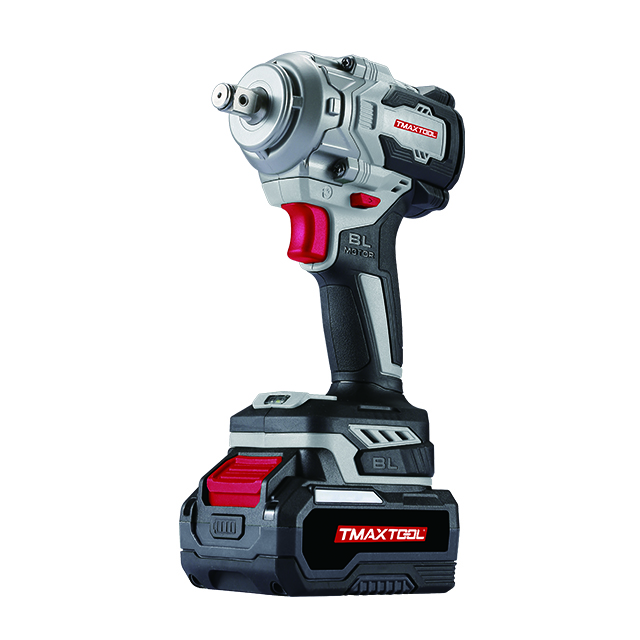
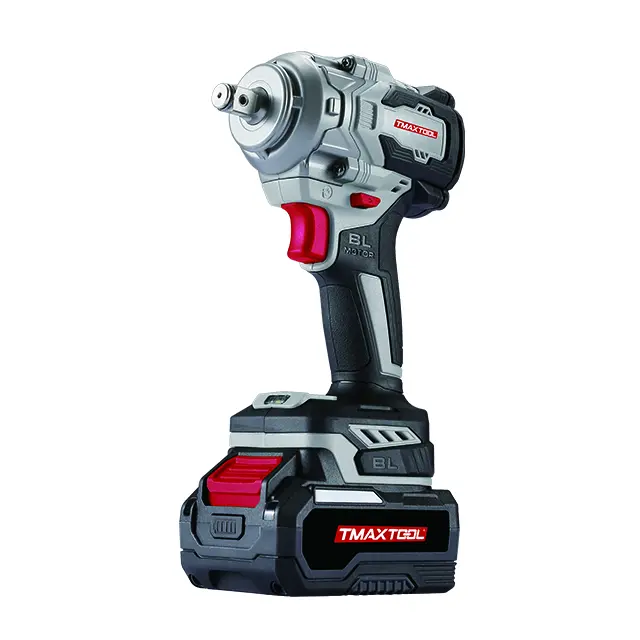
 Impact Wrench
 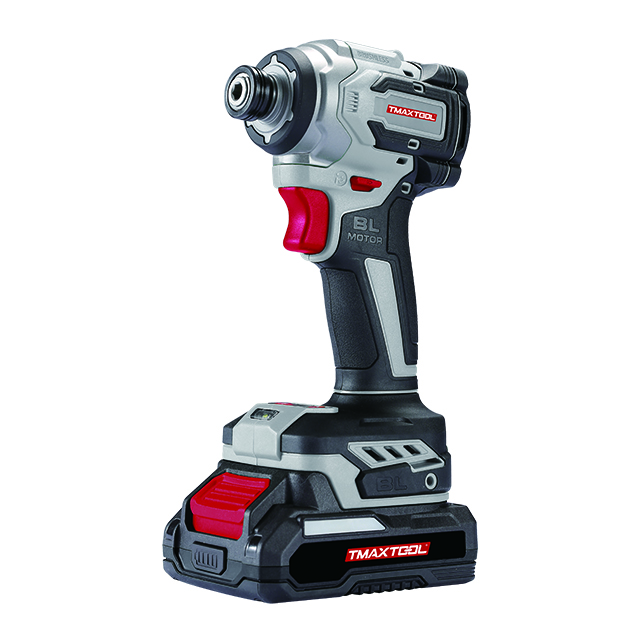 Screwdriver
 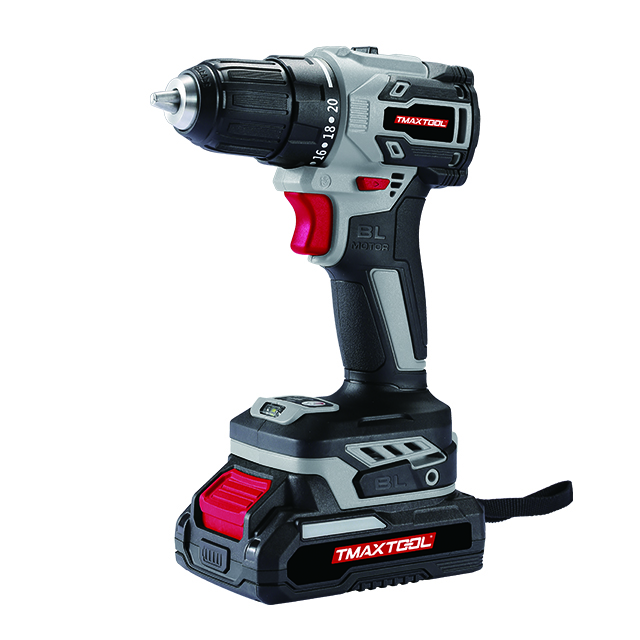 Cordless Drill
 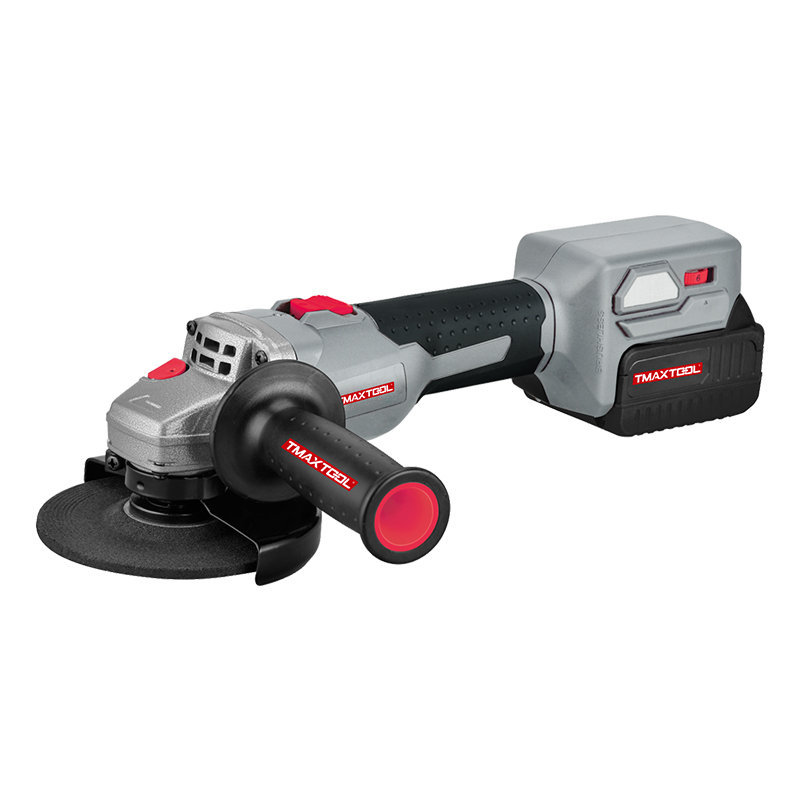 Angle Grinder
 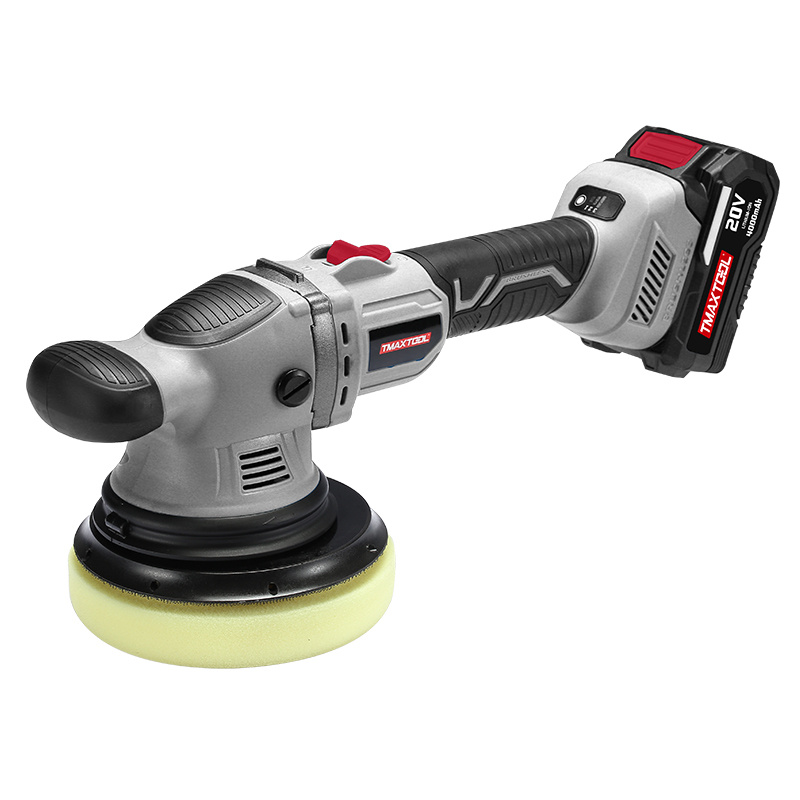 Polisher
 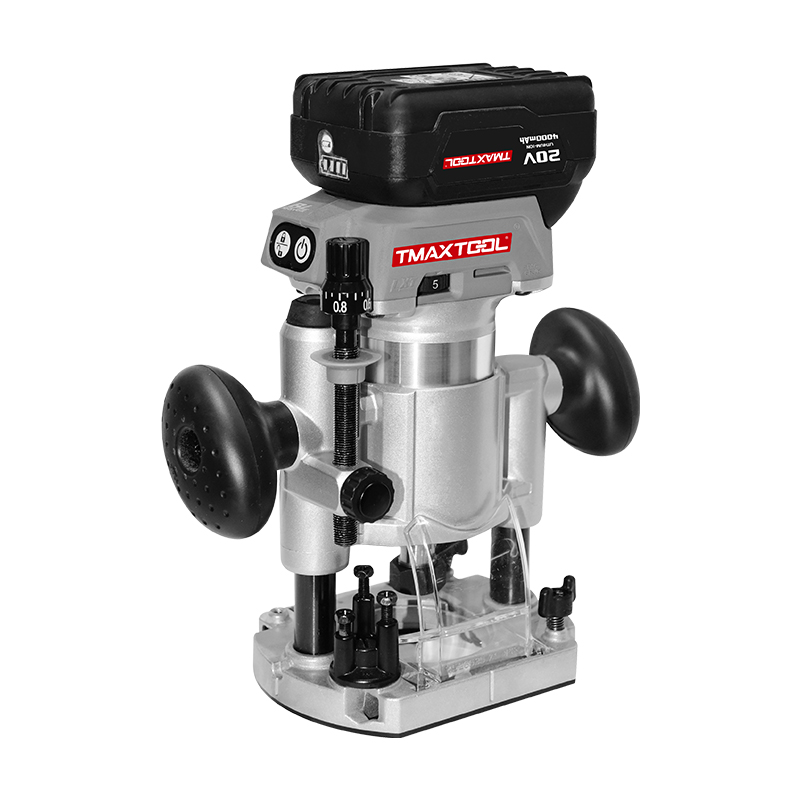 Wood Router
 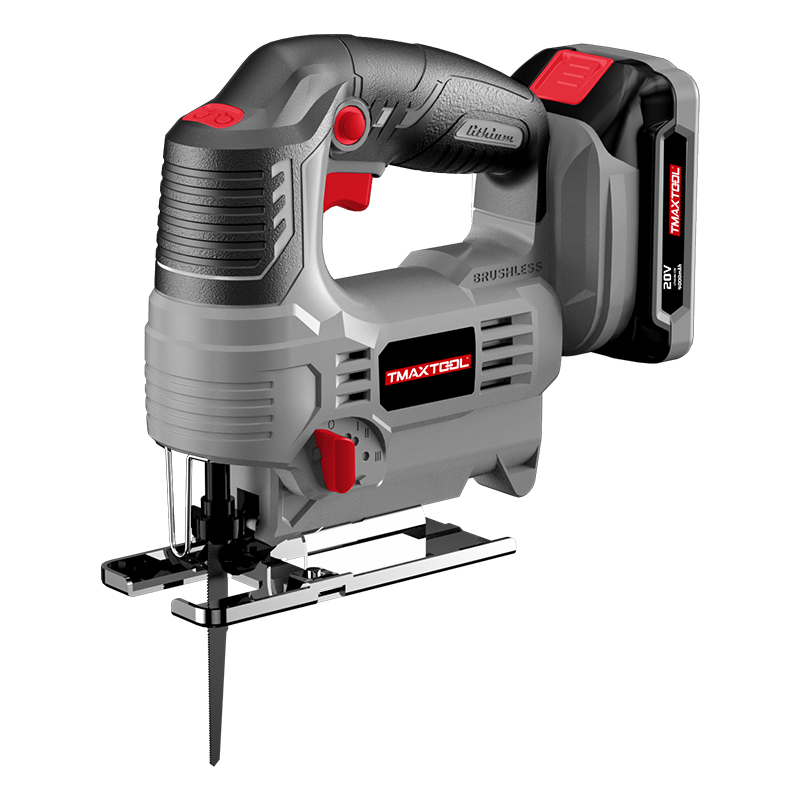 Jig Saw
 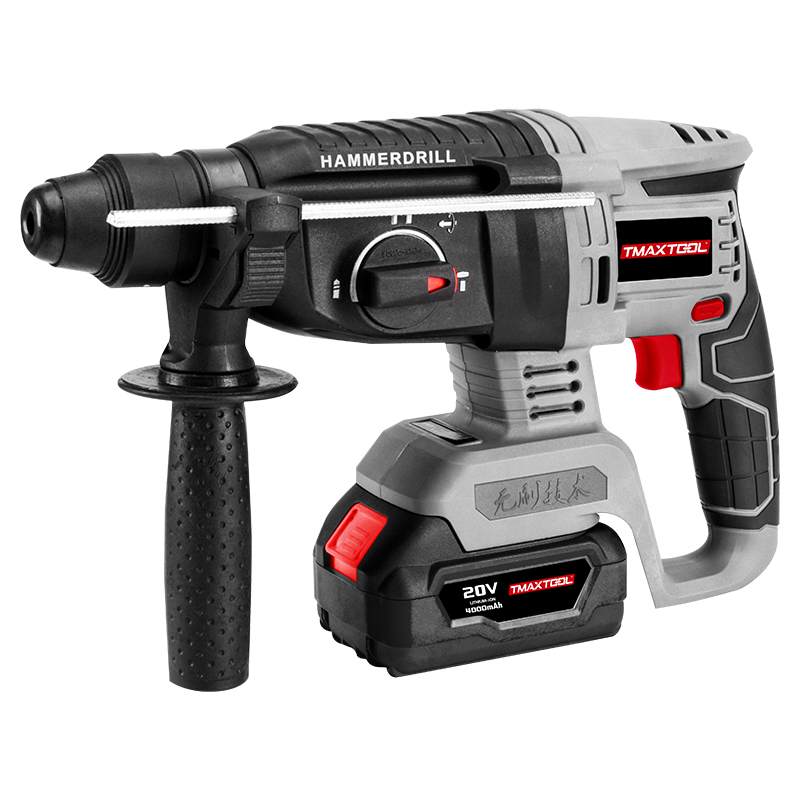 Hammer Drill
 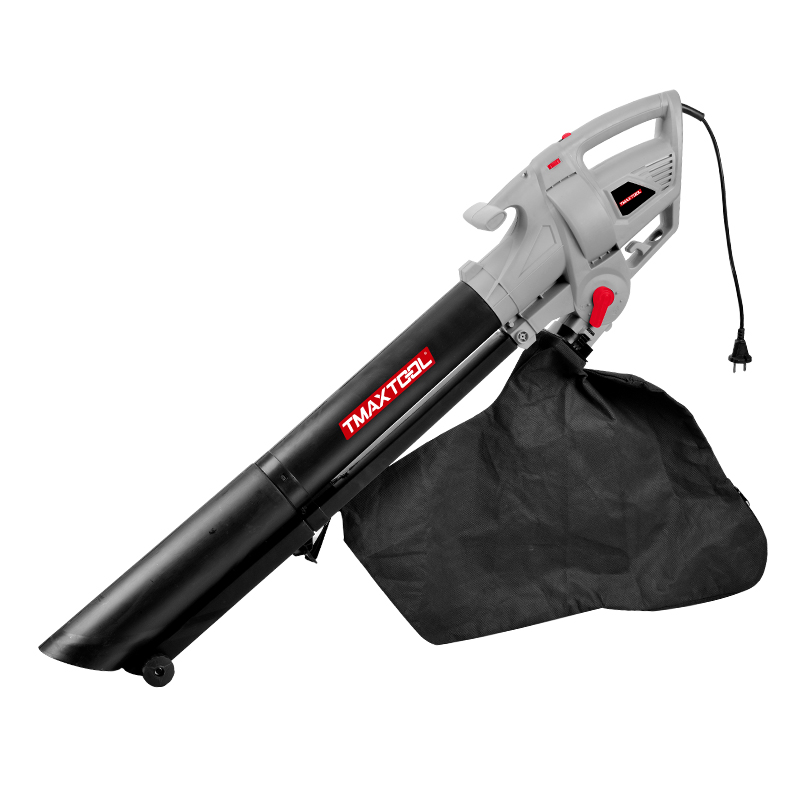 Portable Blower
 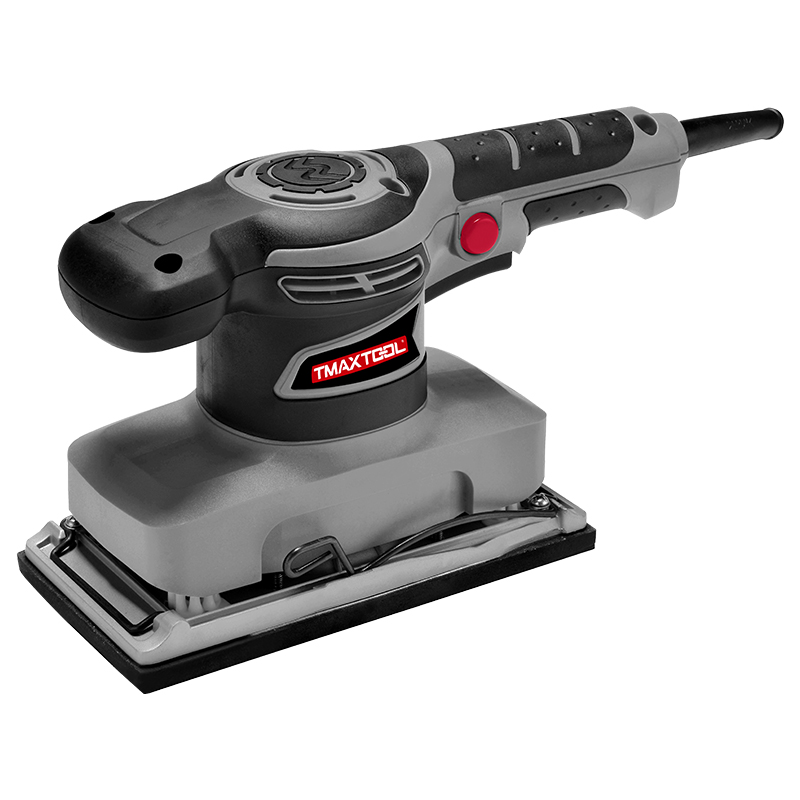 Orbital Sander
 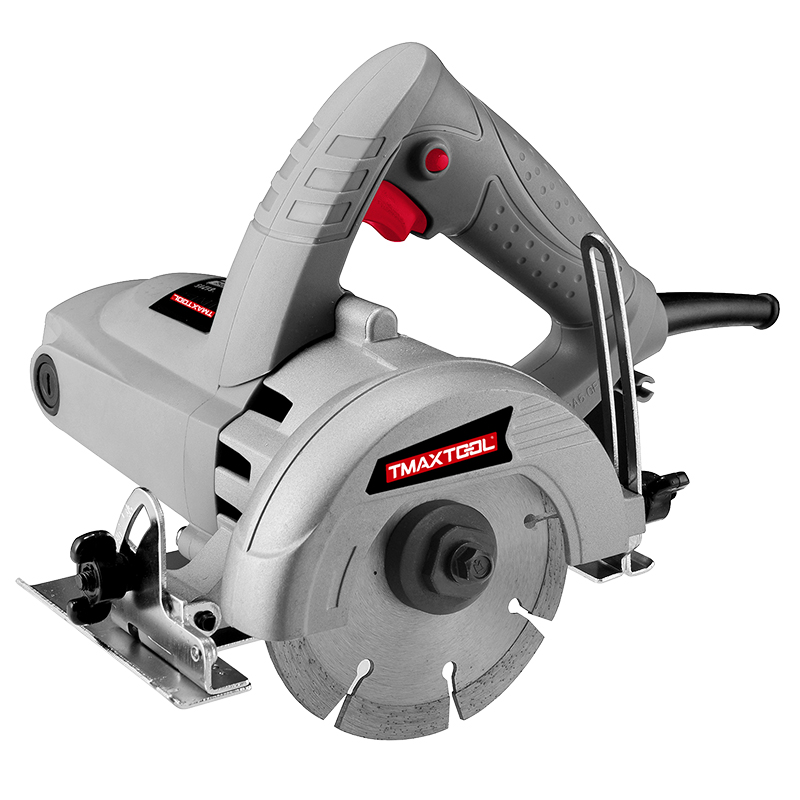 Marble Cutter
  GARDEN TOOLS
 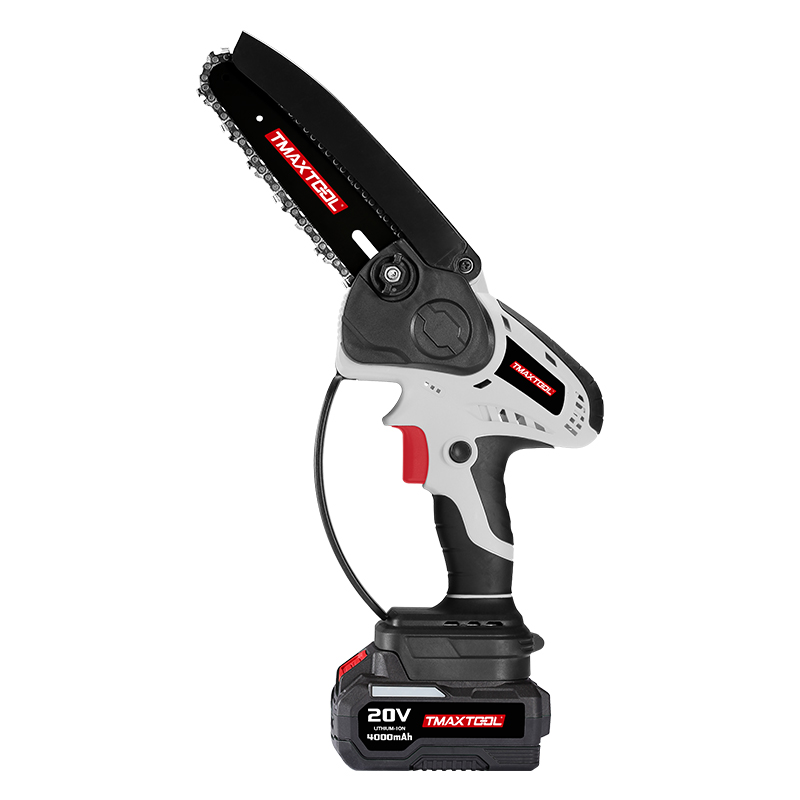 Battery Chain Saw
 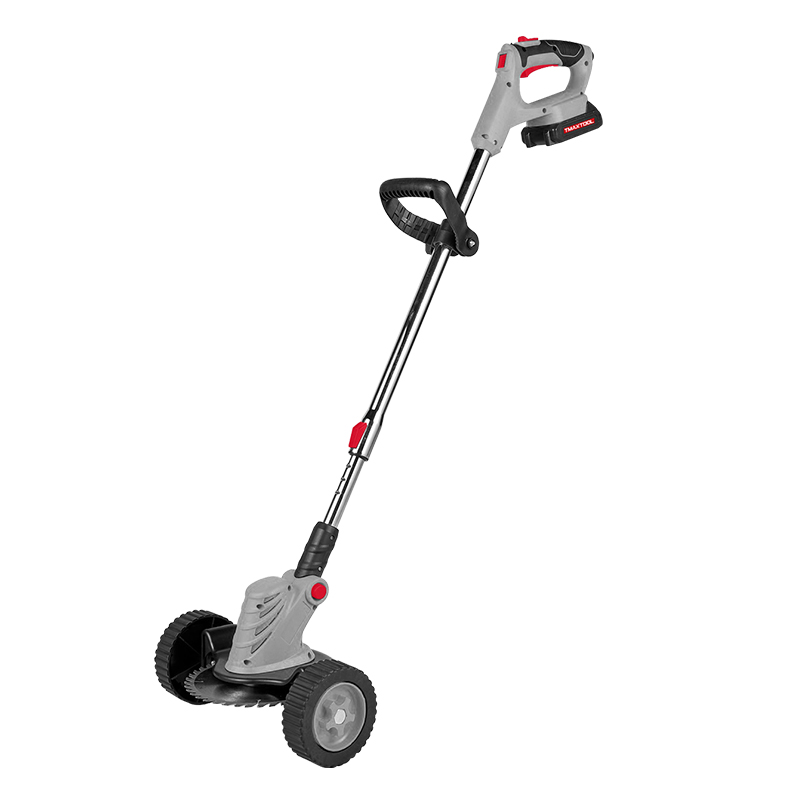 Battery Brush Cutter
 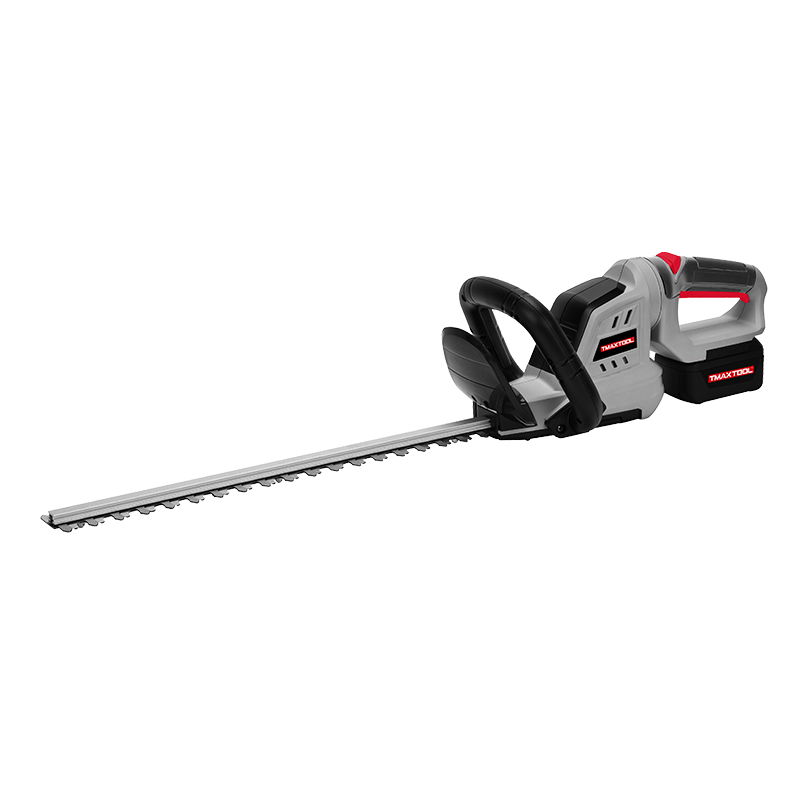 Battery Hedge Trimmer
 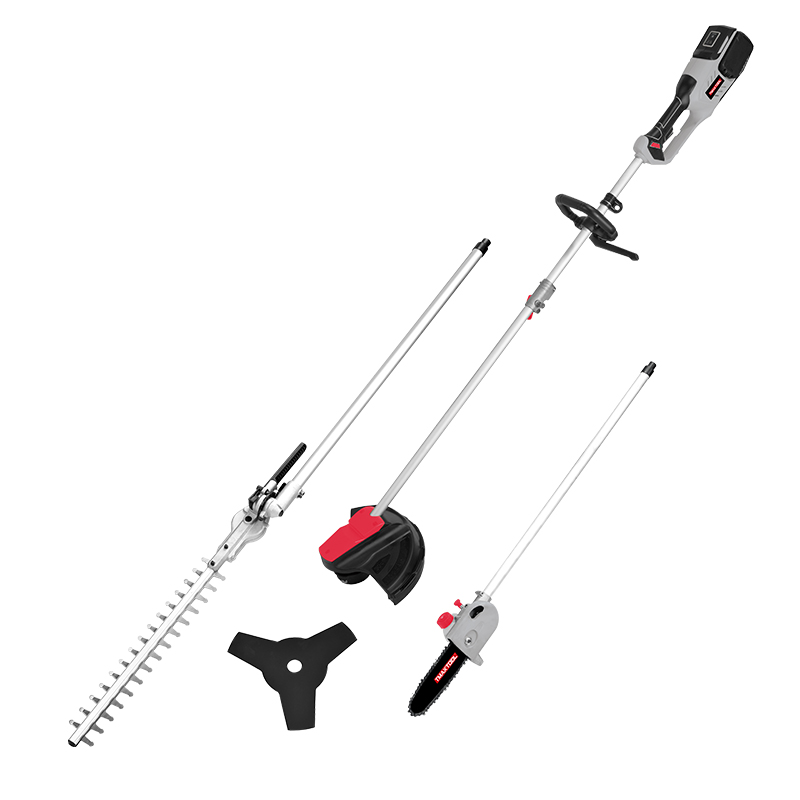 Battery Multi Tool
 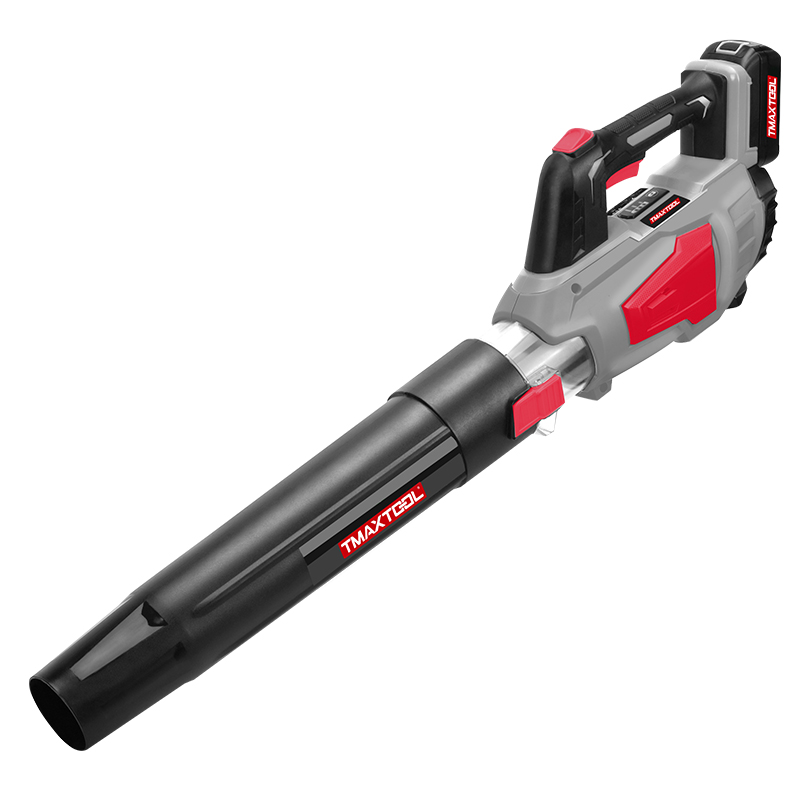 Battery Blower
 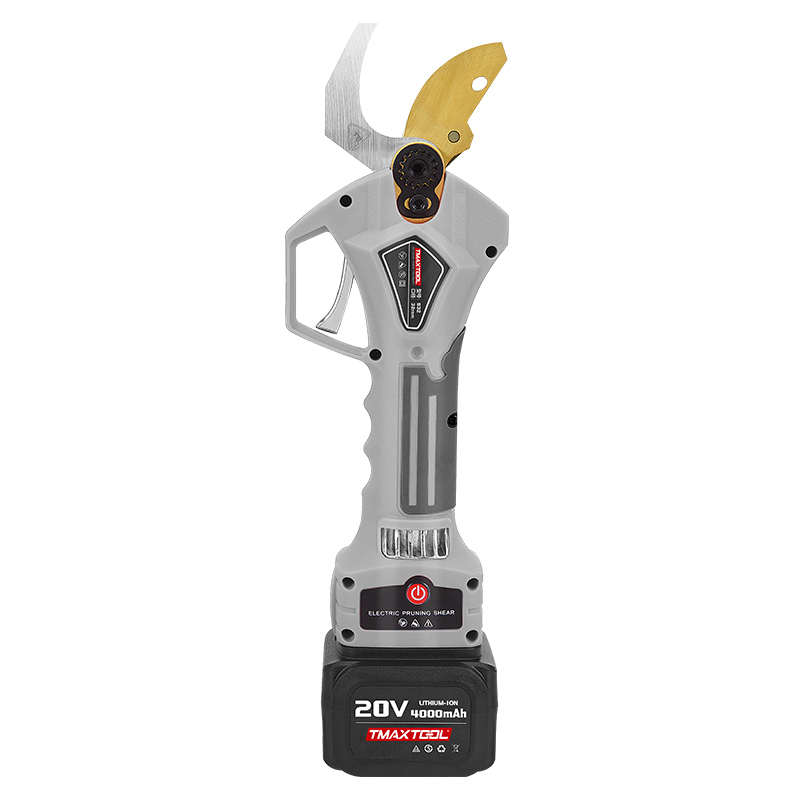 Batter Pruning Shears
 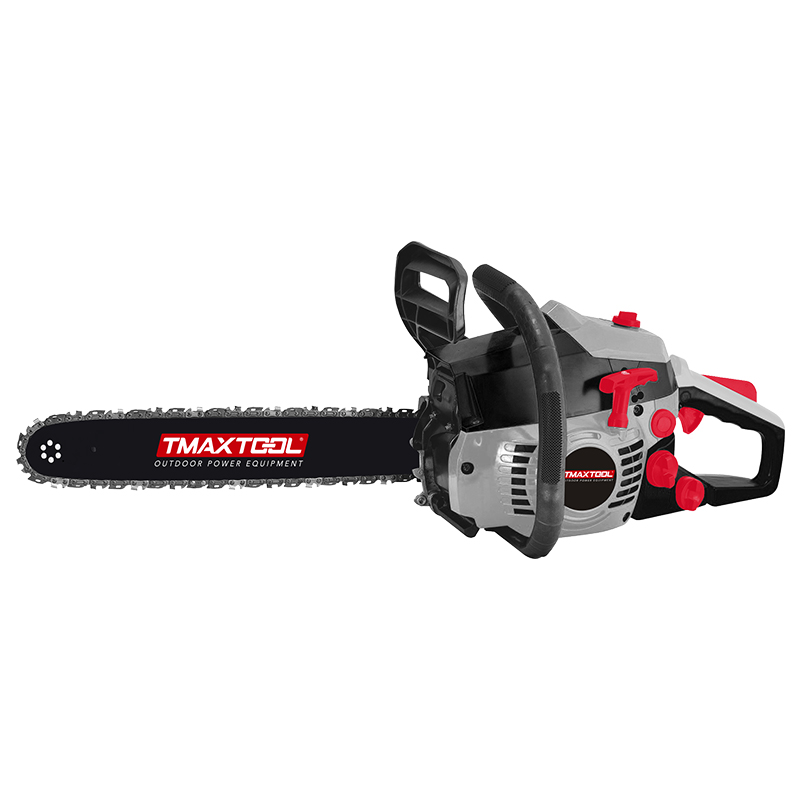 Chain Saw
 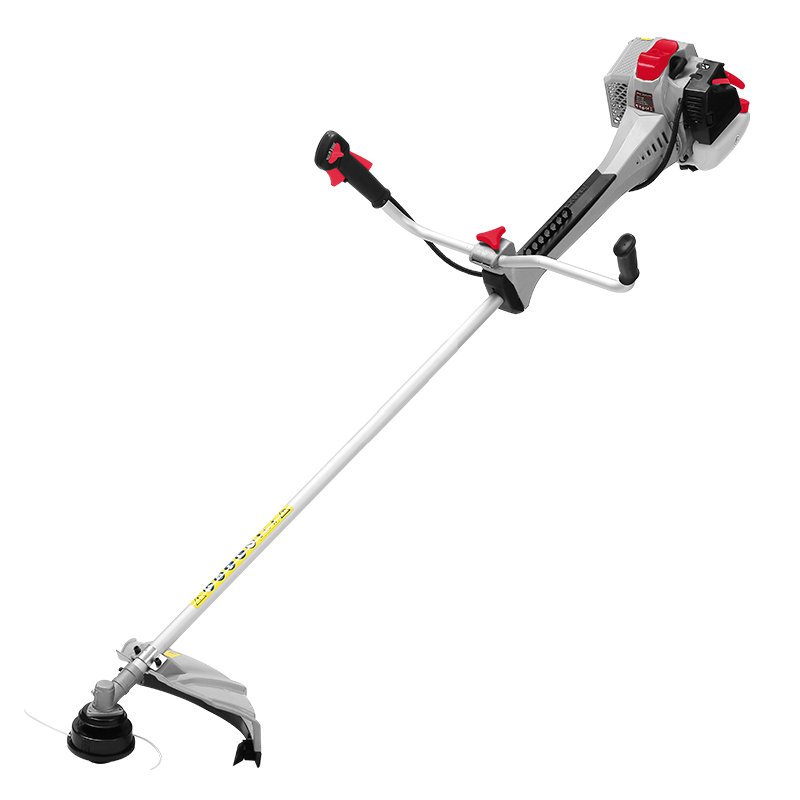 Brush Cutter
 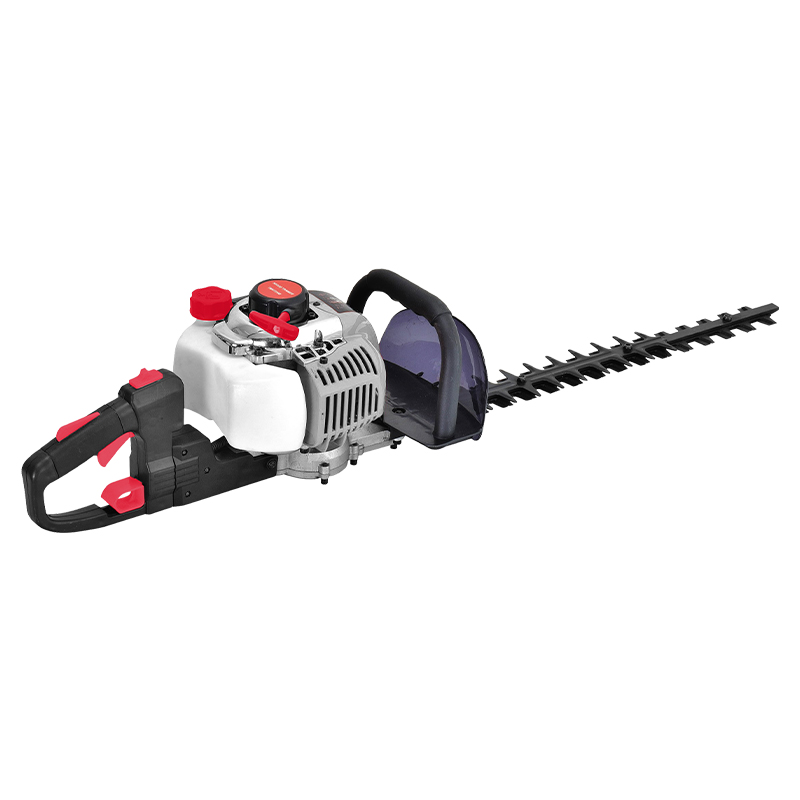 Hedge Trimmer
 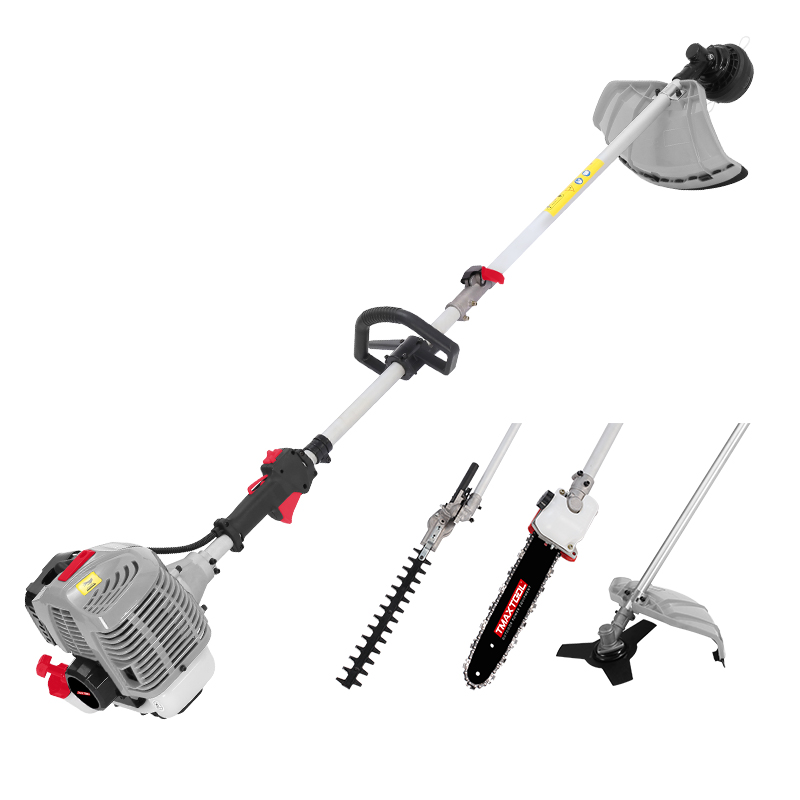 Multi Tool
 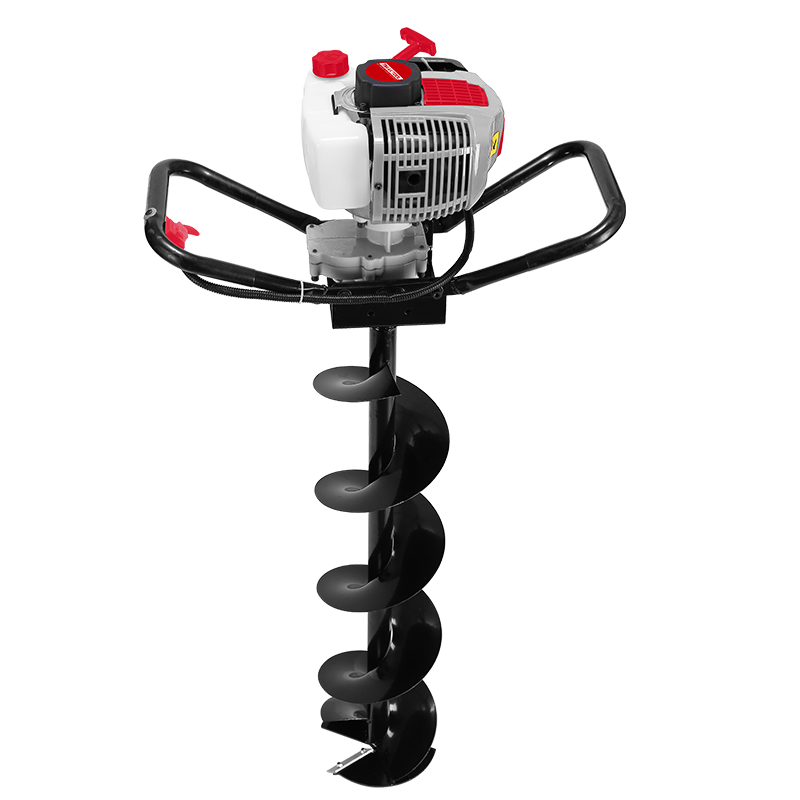 Earth Auger
 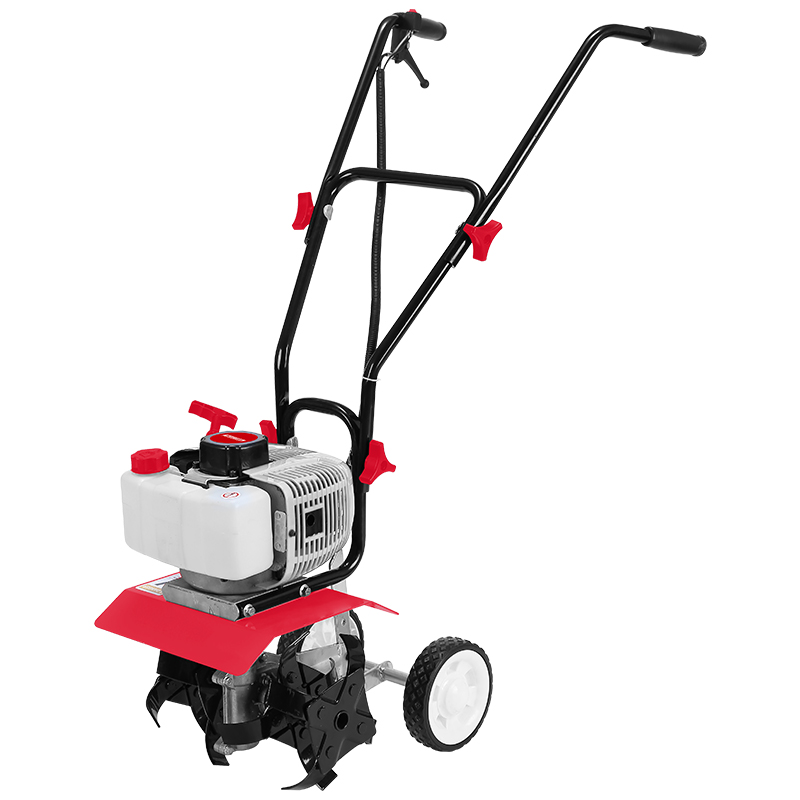 Tiller
 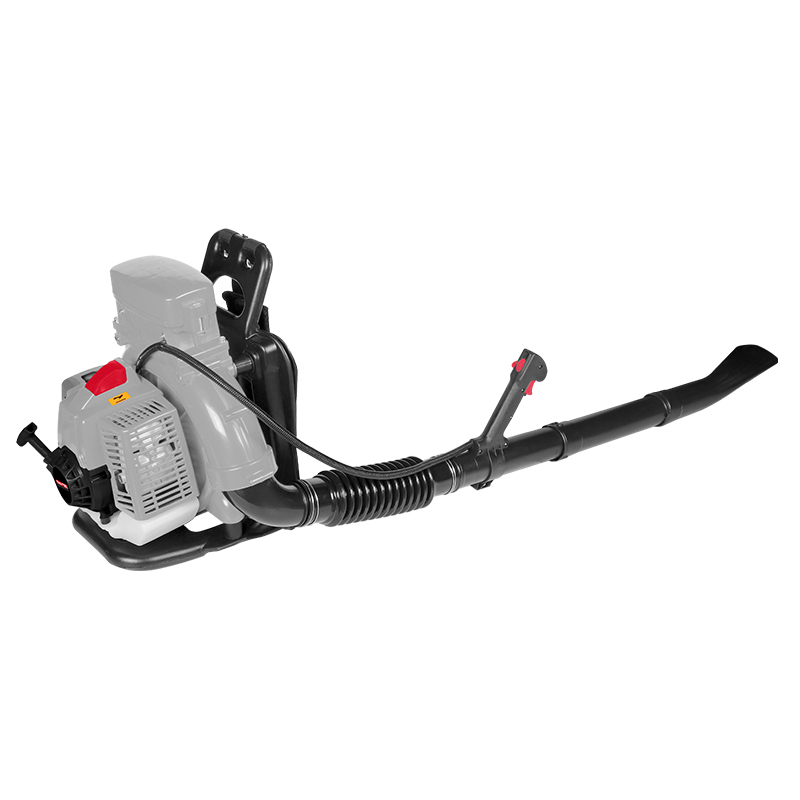 Blower
 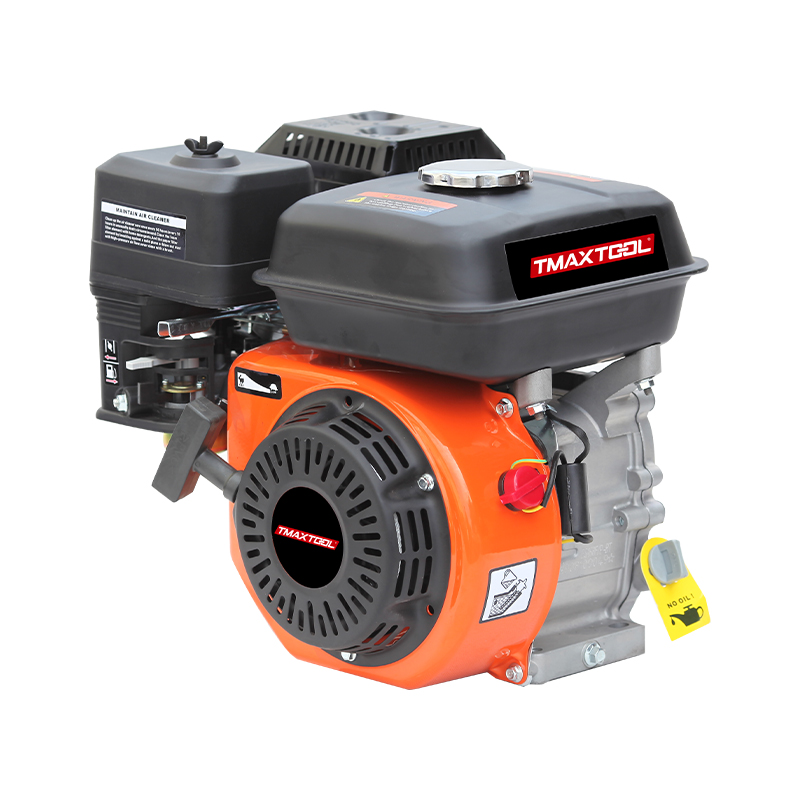 4 Stroke Gasoline Engine
 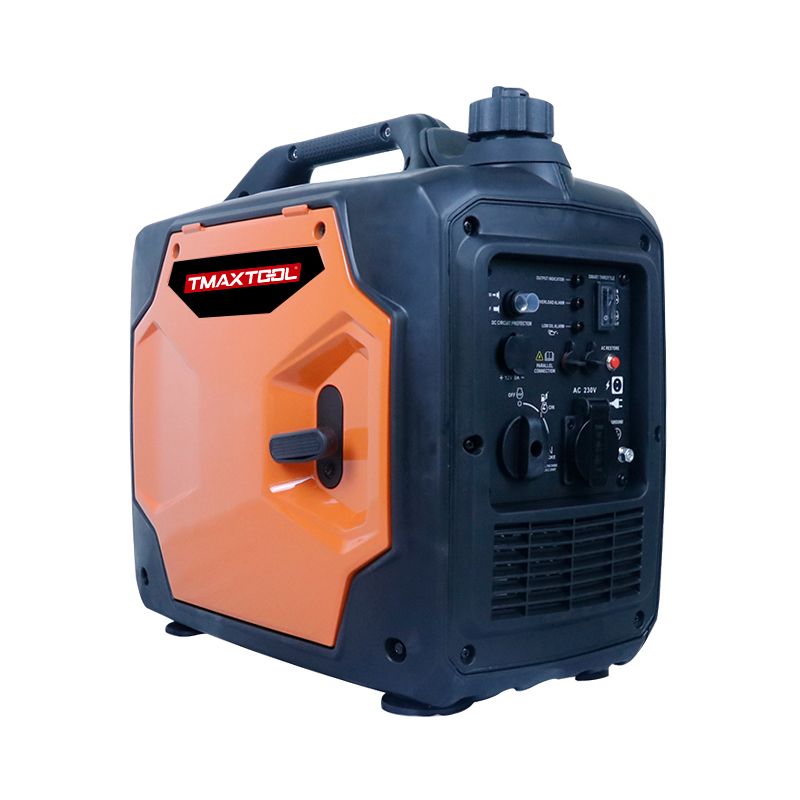 Generator
 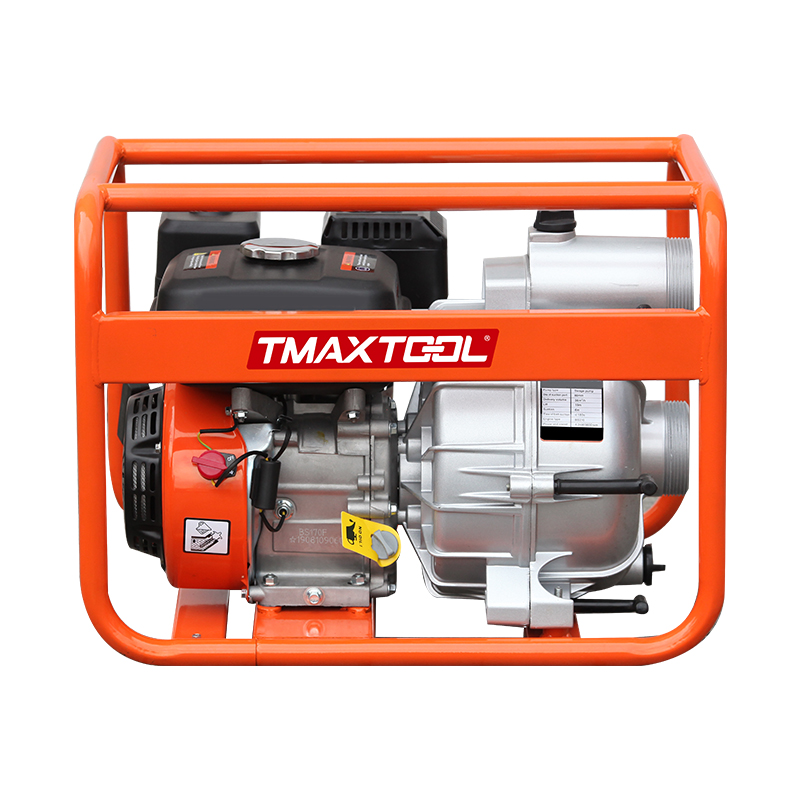 Water Pump
 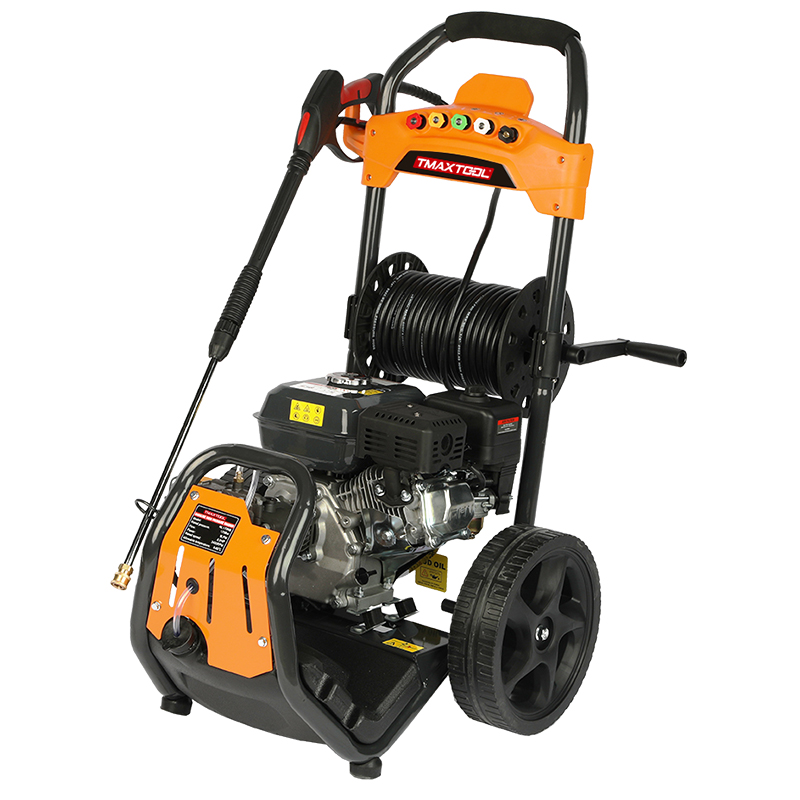 High Pressure Washer
 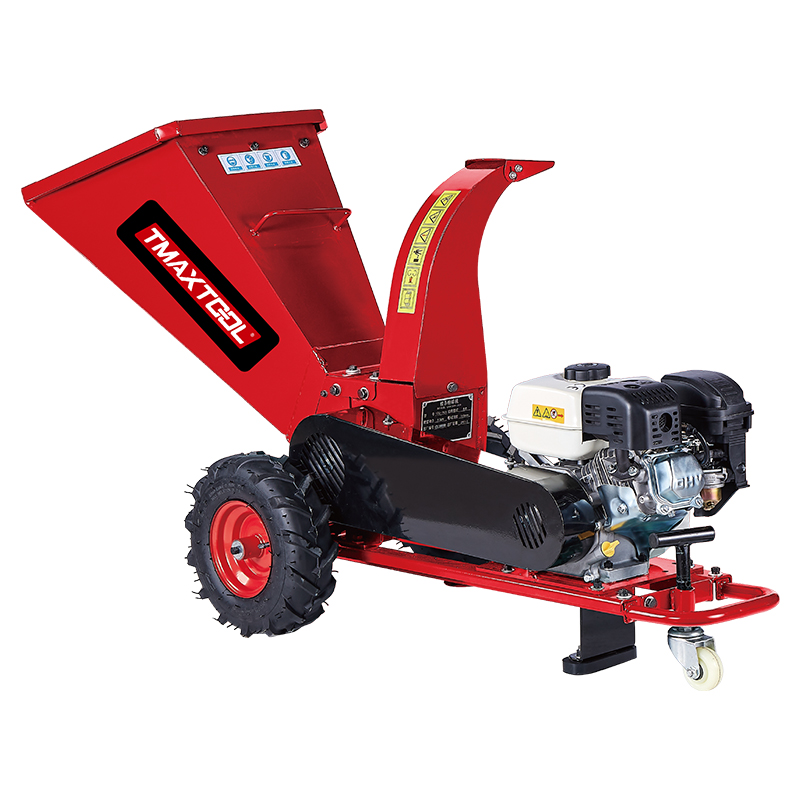 Wood Cutter
 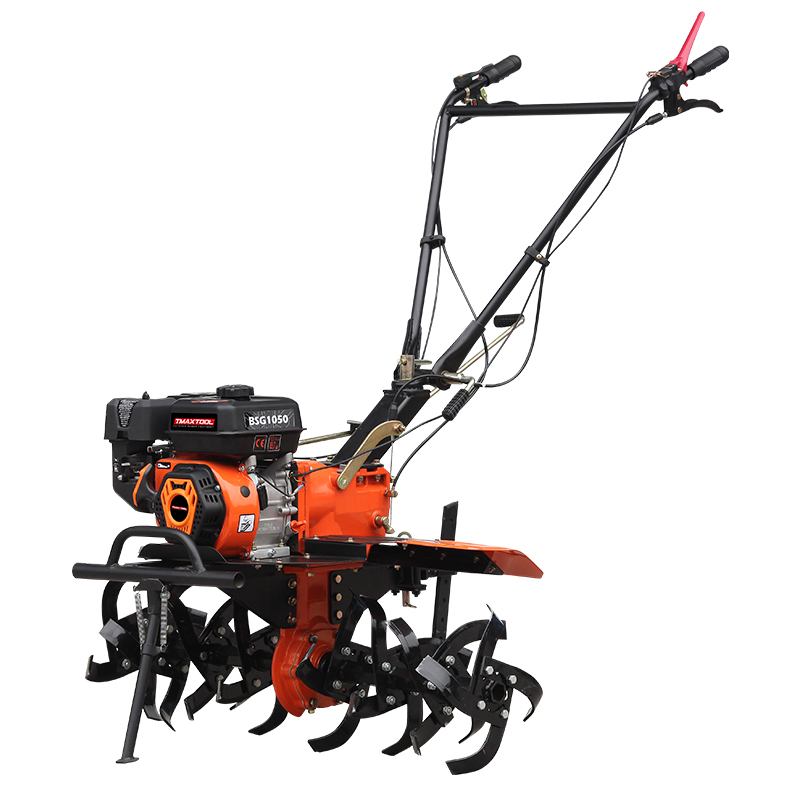 4 Stroke Tiller
 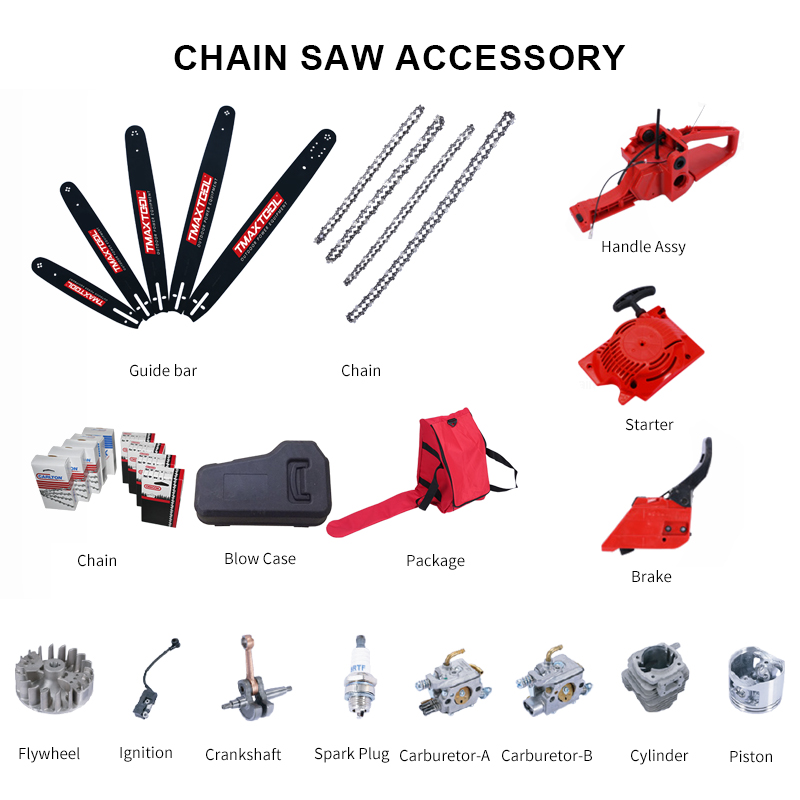 Chain Saw Accessory
 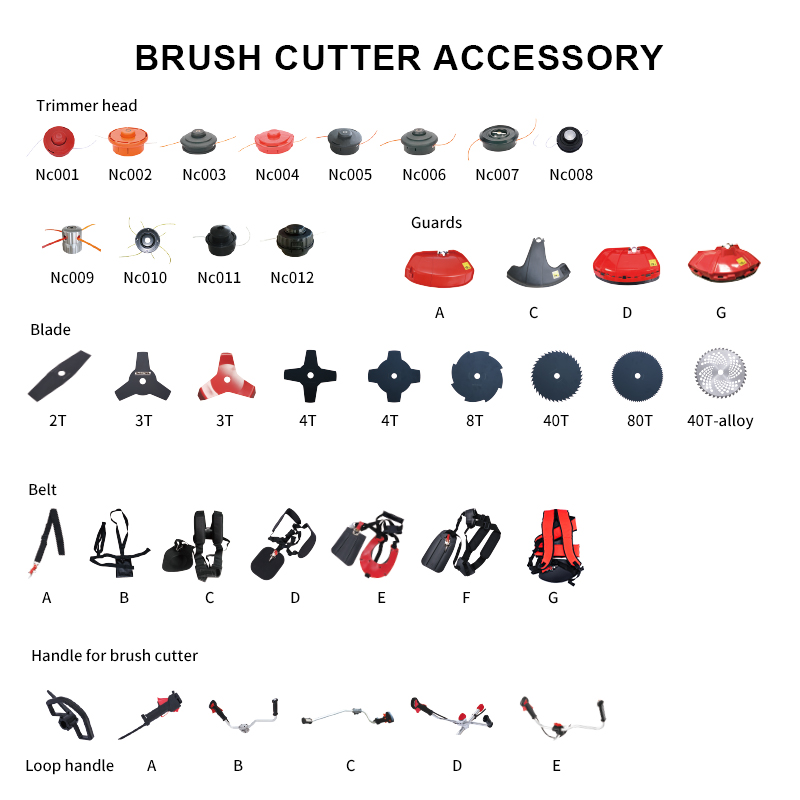 Brush Cutter Accessory
 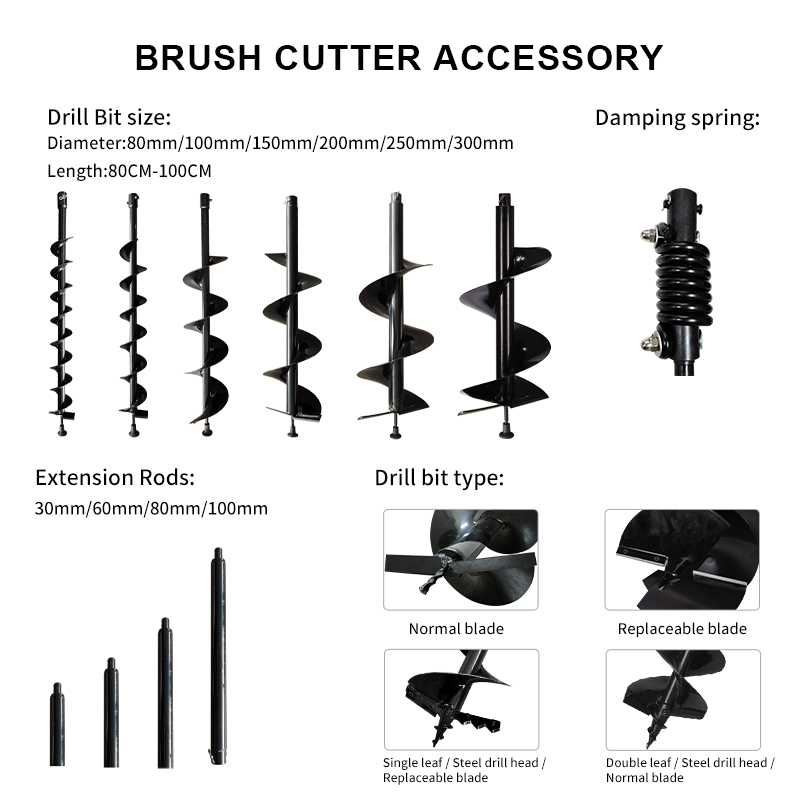 Earth Auger Accessory
 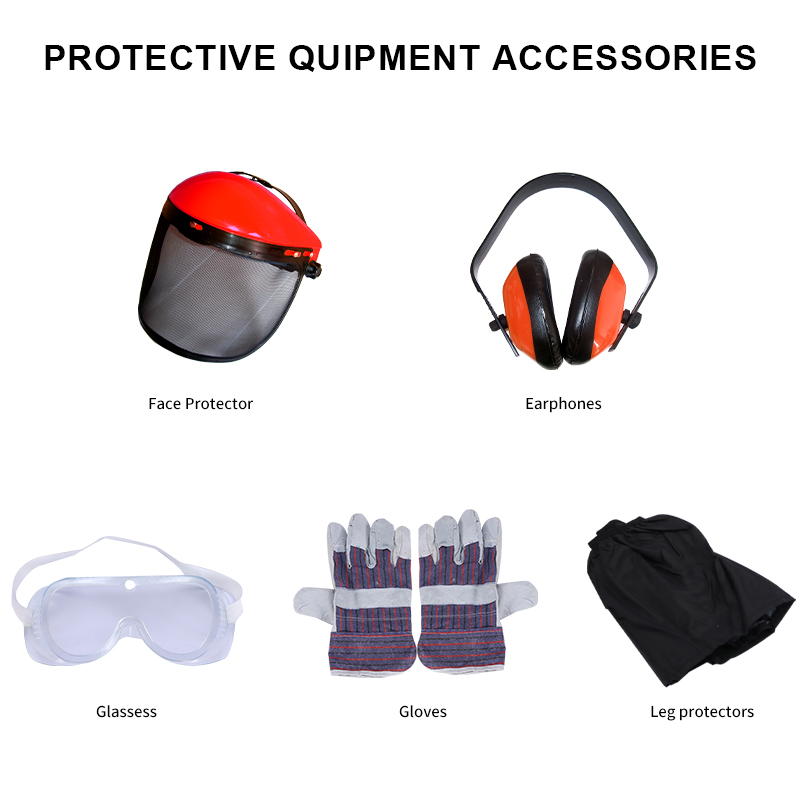 Protective Equipment Accessories
Leave Your Message


Global Power Tool Market Trends: Industry Analysis Report 2024-2025
Global Power Tool Market Trends: 2024-2025 Industry Analysis Report
1. Global Market Size and Demand Structure Differentiation Trend
2. Technological Innovation Themes: Lithium-ion Batteries, Intelligentization, and Material Upgrades
3. Regional Market Dynamics: Differentiated Characteristics of North America, Europe, and Emerging Markets
4. Evolution of the Competitive Landscape: Concentration of Leading Players and New Strategies for Globalization
5. Compliance and Sustainable Development: Policy-Driven Industry Transformation
I. Global Market Size and Demand Structure Differentiation Trend
In 2024, the global power tool market officially surpassed the $50 billion mark, exhibiting a dual pattern of "steady growth in industrial-grade products and rapid expansion in consumer-grade products." North America, with $15.76 billion, accounted for 41% of the global market share, becoming the largest consumer region. This was mainly due to the surge in demand for construction tools driven by the real estate recovery, with construction and road-related products accounting for 40% of the market. From an application perspective, the industrial sector remains the core source of demand (accounting for 37%). High-end applications such as new energy vehicle manufacturing and aerospace are driving up the average price of professional-grade products by 12%-15%, for example, the precision error of car body grinding tools needs to be controlled within ±0.1mm.
The consumer market, however, shows stronger growth elasticity. The popularization of DIY culture and the integration of smart homes are creating new demand. In 2024, the growth rate of household power tools reached 8%, significantly higher than the 5%-6% growth rate of the professional market. Cordless products have become the market mainstream. In 2024, the global cordless power tool market reached US$28.63 billion, with a penetration rate exceeding 59%. Among them, garden tools such as smart lawnmowers and pool cleaners have become hot spots for consumption upgrades, with an annual increase of 23% in penetration rate in European and American households.

II. Key Technological Innovation Themes: Lithium-ion Batteries, Intelligentization, and Material Upgrades
1. Deep Penetration of Lithium-ion Batteries
The iterative development of lithium battery technology is accelerating the industry's cordless transformation. In 2024, the global lithium-ion battery penetration rate of power tools reached 90.21%, with energy density exceeding 300Wh/kg, increasing product range by 40%. 15-minute fast charging technology is gradually becoming widespread, significantly reducing downtime. In the professional market, 48V and above high-voltage platforms have become the mainstream configuration. Combined with silicon carbide (SiC) power devices, overall energy efficiency is improved by more than 18%, and the market share reached 12% in 2025. It is expected to dominate the industrial market by 2030. The application ratio of lithium iron phosphate (LFP) batteries in professional products jumped from less than 5% in 2021 to 22.3% in 2025, becoming the preferred choice for new energy engineering scenarios due to its safety advantages.
2. Integration of Smart Technology and the Internet of Things (IoT)
The penetration rate of smart power tools is rapidly increasing, reaching 28% in 2025 and projected to exceed 50% by 2030. Technology applications are showing a polarization: industrial-grade products focus on cloud management and data interconnection; for example, Milwaukee's ONE-KEY system enables remote status monitoring and maintenance cycle management for hundreds of tools. Consumer-grade products emphasize lightweight smart functions, integrating Bluetooth connectivity, app tutorials, and voice prompts to lower the barrier to entry. The adoption rate of IoT modules increased from 15% in 2022 to 37% in 2024, enabling predictive maintenance through components such as vibration sensors, reducing after-sales costs by 30% and extending product lifecycles by 25%.
3. Materials and Process Innovation
The application of low-carbon materials has become a new direction for technological upgrades. In 2024, the usage rate of recycled polycarbonate and bio-based plastics in tool housings reached 30%, and the application rate of magnesium alloy housings increased from 12% to 35%, reducing carbon emissions by an average of 1.2 kg per product. In high-end product lines, the penetration rate of carbon fiber transmission components reached 28%, achieving a 20%-30% weight reduction while improving strength, significantly optimizing the user operating experience. The replacement process of brushless motors is accelerating, with a global penetration rate reaching 55% in 2025, an increase of 25 percentage points compared to 2021, driving an overall energy efficiency improvement of over 40%, and is expected to exceed 80% by 2030.
III. Regional Market Dynamics: Differentiated Characteristics of North America, Europe, and Emerging Markets
1. North American Market: Real Estate Recovery and Channel Transformation
As the world's largest market, North America saw a 7.8% demand growth rate in 2024, with a rebound in new and existing home sales driving a surge in demand for construction tools. In terms of channels, e-commerce continued to increase its share, with platforms like Amazon becoming the core of brand competition. However, tariff policies prompted Chinese companies to accelerate production capacity deployment in Mexico and Vietnam to circumvent trade barriers. Social e-commerce platforms like TikTok Shop emerged, with live-streaming sales of tools exceeding 20 billion yuan in 2024. Emerging brands captured 60% of the market share through scenario-based marketing.
2. European Market: High-End and Environmental Compliance-Driven
The European market reached $13.84 billion. Germany and France saw strong demand for intelligent lawnmowers and high-precision industrial tools, with high-end products accounting for over 50%. At the policy level, the EU's Circular Economy Action Plan requires a 70% recyclability rate for power tools by 2030, promoting modular design among companies. ERP III energy efficiency certification mandates standby power consumption below 0.5W, forcing companies to increase their R&D intensity from 3.2% in 2023 to 4.5% in 2025. The implementation of the Digital Product Passport (DPP) increases compliance costs, leading to a concentration of orders among leading companies with complete certifications.
3. Emerging Markets: Southeast Asia and the Middle East Become Growth Engines. The Asia-Pacific (excluding China), Southeast Asia, and Middle East markets are showing strong growth momentum. Southeast Asia's annual growth rate reached 18%-25%, mainly benefiting from infrastructure investment and consumption upgrades. The RCEP region has become a new highlight of trade. In the first quarter of 2025, China's power tool exports to Vietnam and Thailand increased by 34% and 28% year-on-year, respectively, with the construction of localized production and service networks becoming key to company expansion. The Middle East market, relying on new energy projects, is experiencing an annual increase of over 20% in demand for industrial-grade power tools, becoming a new battleground for high-end brands.
IV. Evolution of the Competitive Landscape: Concentration of Leading Players and New Strategies for Globalization
1. Increased Differentiation Among Brand Tiers
The market is characterized by "foreign companies dominating the high-end market, while domestic brands are breaking into the mid-range." Bosch, Makita, and TTI, the three major international brands, hold a 60% share of the high-end market. Bosch has invested 5 billion yuan in R&D for smart tools, and Makita plans to have its new energy product line contribute 40% of its revenue by 2030. Domestic brands are seizing the mid-range market through technological innovation and cost advantages. Quanzhou Capital and Gree Electric Appliances have achieved a 15%-18% market share for their own brands in North America. The global industry CR5 is projected to increase from 38% to 45% by 2025, while SMEs are accelerating their exit from the market due to technological backwardness.
2. New Paths to Globalization
Companies are generally adopting a "technology licensing + localized production" model to circumvent trade barriers. Quanzhou Capital's production capacity in Thailand has increased to 30%, and Giant Star Technology has established an assembly plant in Mexico to serve the North American market. Mergers and acquisitions have become a crucial means of brand expansion. Chinese companies have rapidly acquired technology patents and channel resources by acquiring international brands such as SKIL and German Flex. The export share of their own brands increased from 25% in 2020 to 39% in 2024.
3. Channel Transformation Reshapes the Rules of Competition. The proportion of online channels continues to rise, and is expected to exceed 50% by 2030. Live-streaming e-commerce and social media marketing have become new engines for brand customer acquisition. Overseas warehouse deployment is accelerating. In 2024, the inventory of Chinese brands in overseas warehouses increased by 170%, and logistics timeliness was reduced to within 3 days, significantly improving user experience. Offline channels are transforming into "experience stores + after-sales service centers," strengthening user stickiness through scenario-based displays and professional services. The revenue share of after-sales services for leading companies has exceeded 10%, and the gross profit margin of remote diagnostic services is as high as 65%-70%.

V. Compliance and Sustainable Development: Policy-Driven Industry Transformation
1. Upgraded Global Energy Efficiency and Safety Standards
Regulatory policies in various countries are becoming increasingly stringent. The Ministry of Industry and Information Technology's 2024 revision of the "Energy Efficiency Limits and Energy Efficiency Grades for Electric Tools" raised the minimum energy efficiency threshold for Class I tools by 12% and added energy efficiency assessment indicators for Battery Management Systems (BMS). The EU and the US simultaneously upgraded their safety standards, imposing higher requirements on electrical safety, mechanical strength, and temperature rise control, driving the industry to eliminate 12% of outdated production capacity. The energy efficiency labeling system has been fully implemented, with online sales of electric tools with energy efficiency labels increasing by 37.2% year-on-year in 2024, far exceeding the industry average.
2. Carbon Footprint and Green Supply Chain Requirements
The "dual carbon" goals are driving the industry's carbon reduction transformation. International market demand for low-carbon products has surged. In 2024, the export share of electric tools with third-party carbon footprint certification reached 34.7%, doubling compared to 2022. Enterprises are accelerating the construction of zero-carbon factories. Among the top 20 companies in the industry, 12 have completed or are building zero-carbon/near-zero-carbon factories, with energy consumption per unit of output decreasing by 22.5% compared to 2020. The battery recycling system is gradually improving, and it is expected that the industry's battery recycling rate will increase from the current less than 15% to over 40% by 2026, reducing the carbon emissions hidden in raw material mining.
3. ESG Becomes a New Dimension of Competition
ESG performance has a significant impact on corporate valuations. The capital market gives ESG leaders a valuation premium of 15%-20%, and the number of companies making RE100 commitments has increased to 8. Government procurement is strengthening its green orientation, with many countries including energy efficiency level 1 power tools in their priority procurement scope. It is expected that green products will account for over 60% of public project procurement by 2026. Supply chain ESG compliance has become a prerequisite, with downstream customers increasingly requiring suppliers to provide carbon footprint reports, labor rights protection, and other supporting documentation, promoting sustainable development across the entire industry chain.
Website:https://www.tmax-tool.com/