
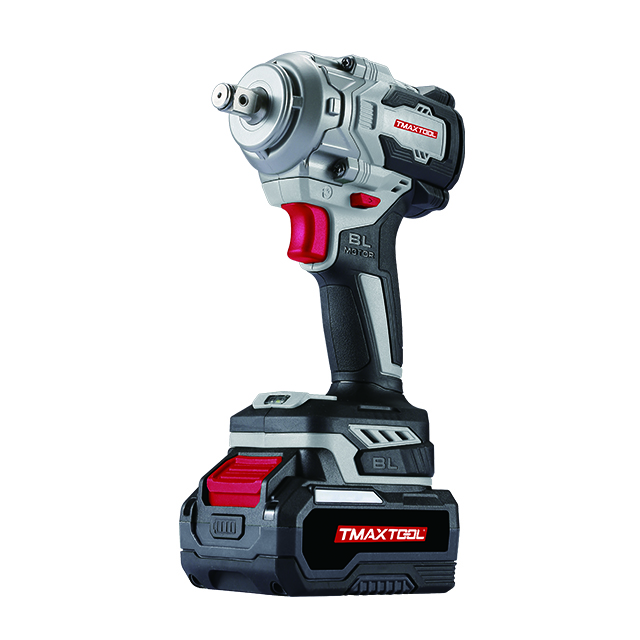
 Impact Wrench
 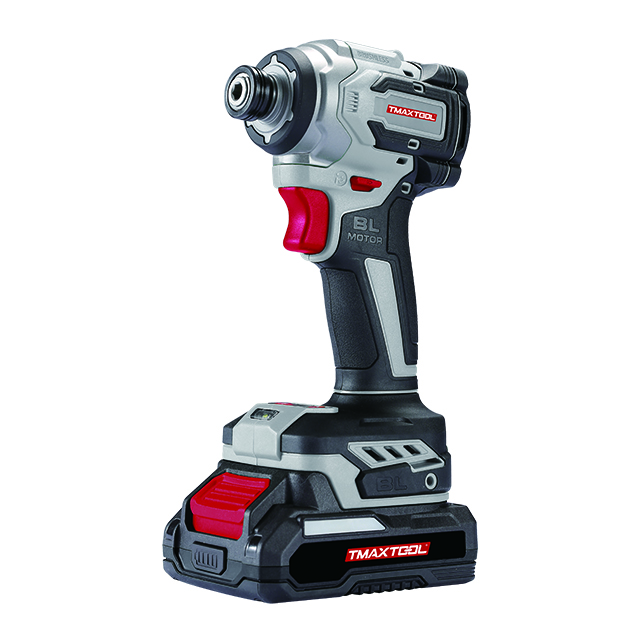 Screwdriver
 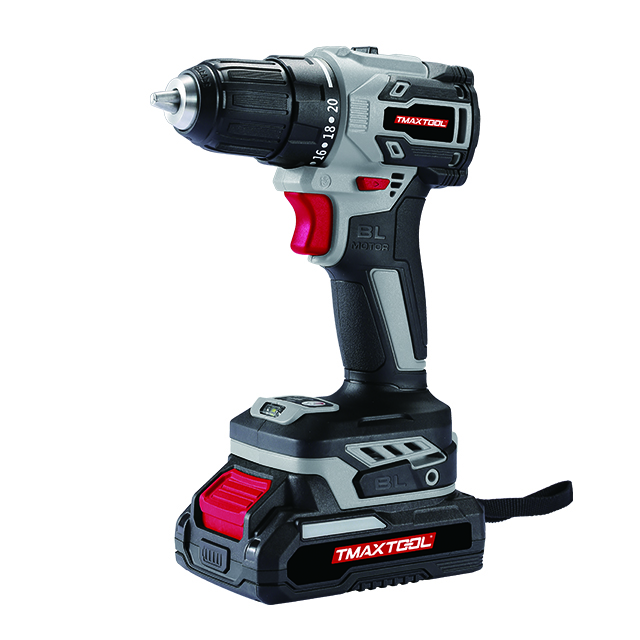 Cordless Drill
 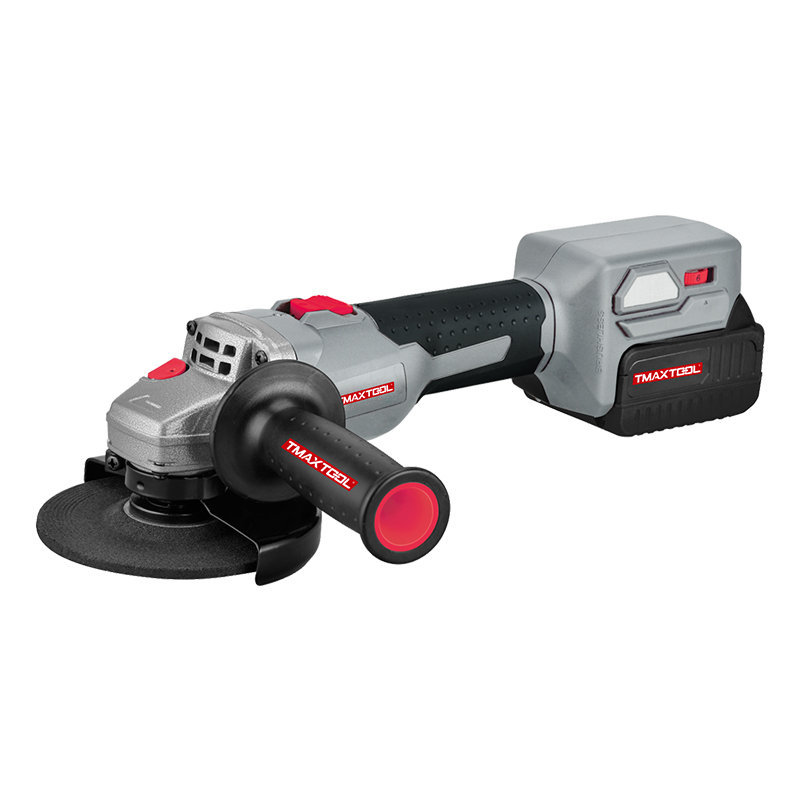 Angle Grinder
 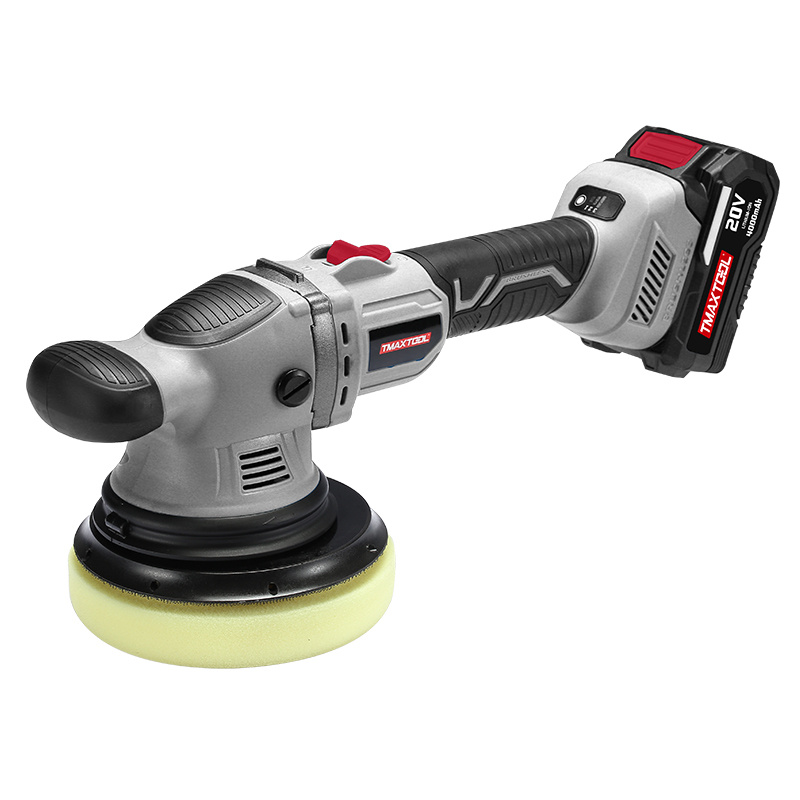 Polisher
 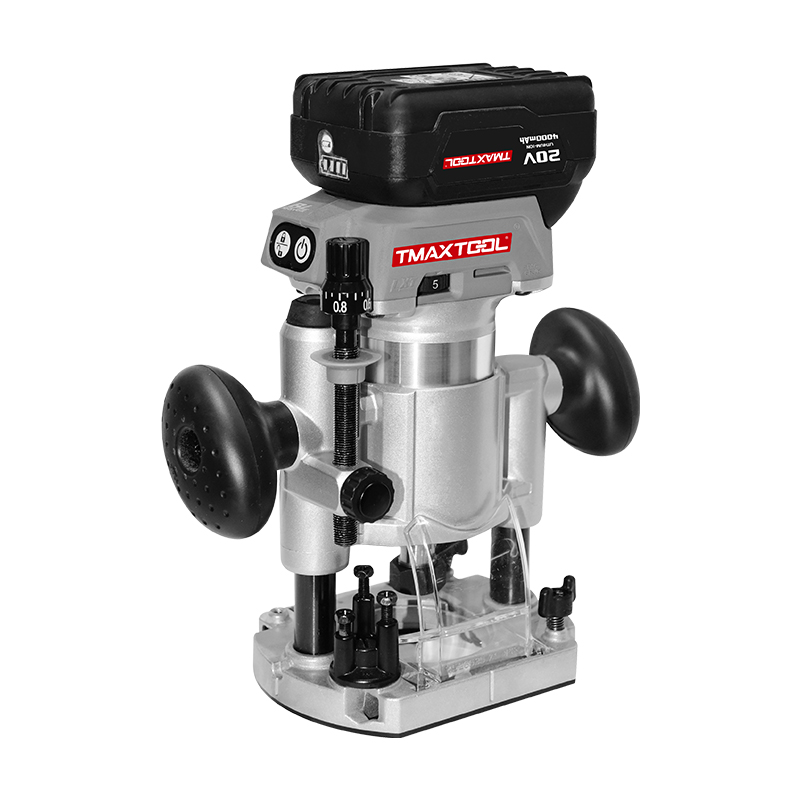 Wood Router
 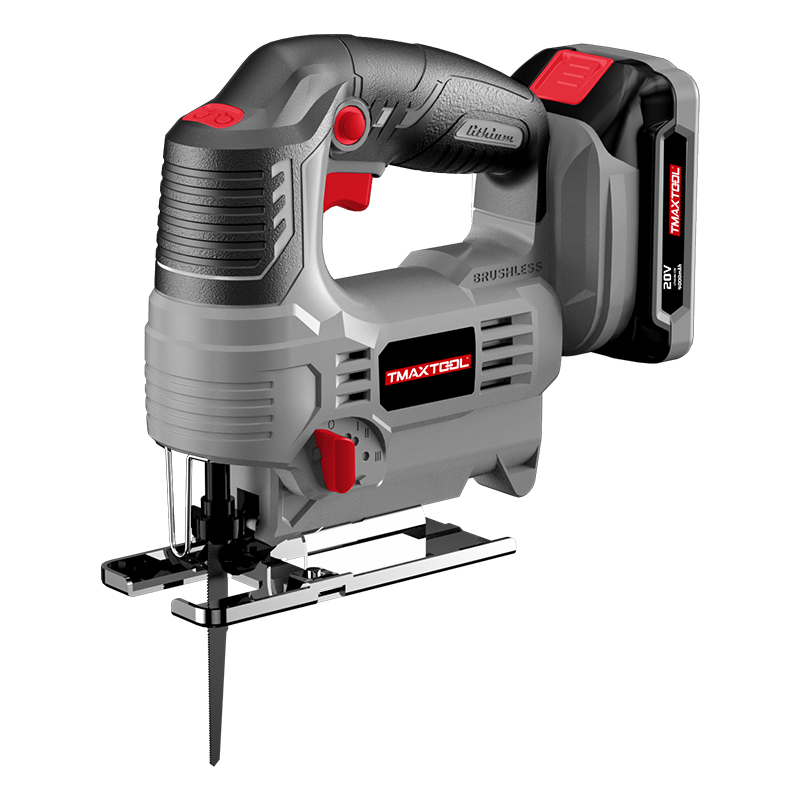 Jig Saw
 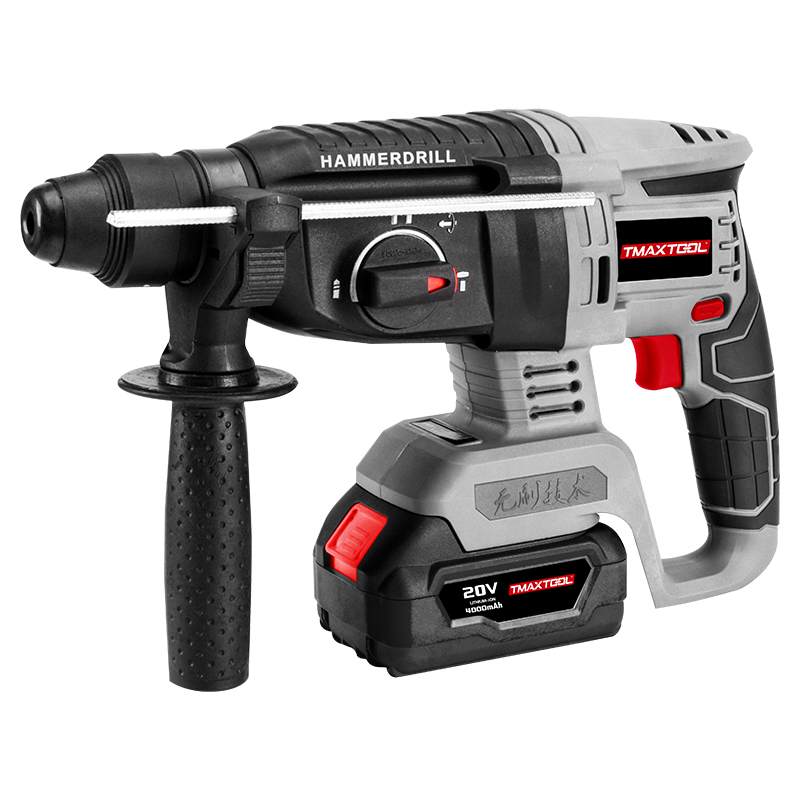 Hammer Drill
 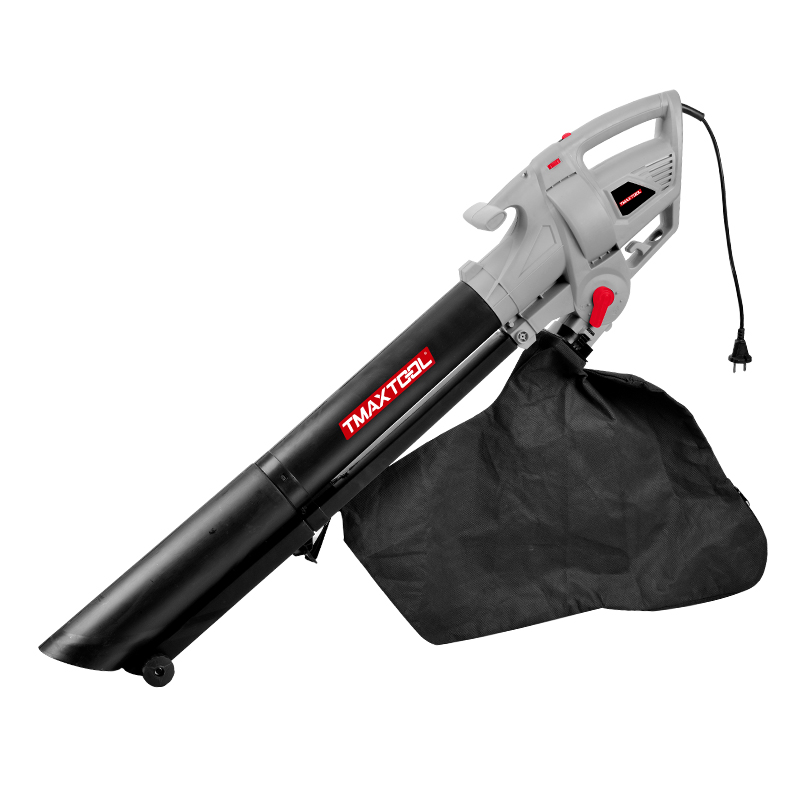 Portable Blower
 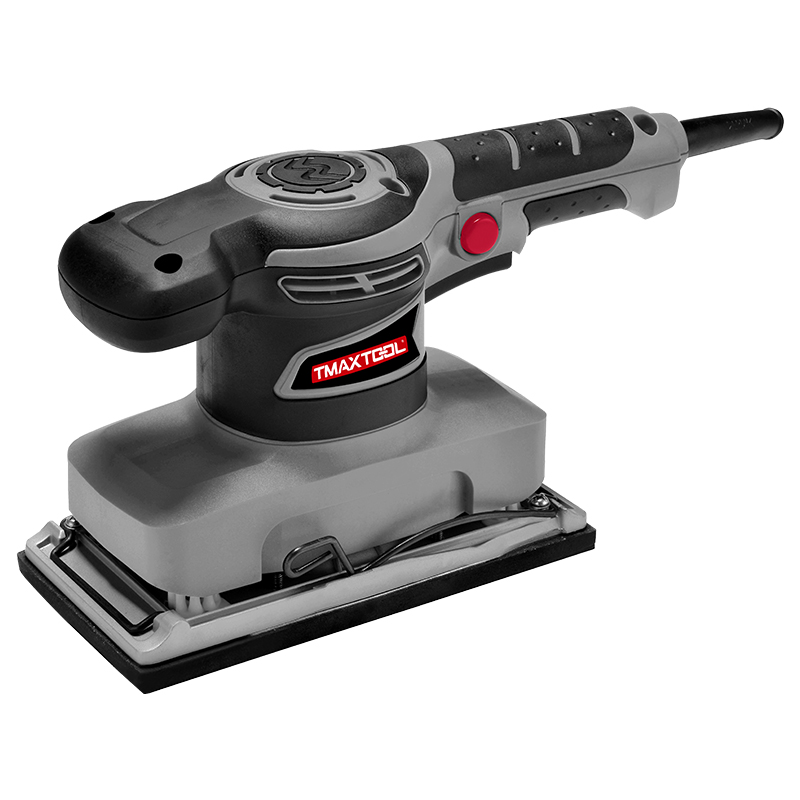 Orbital Sander
 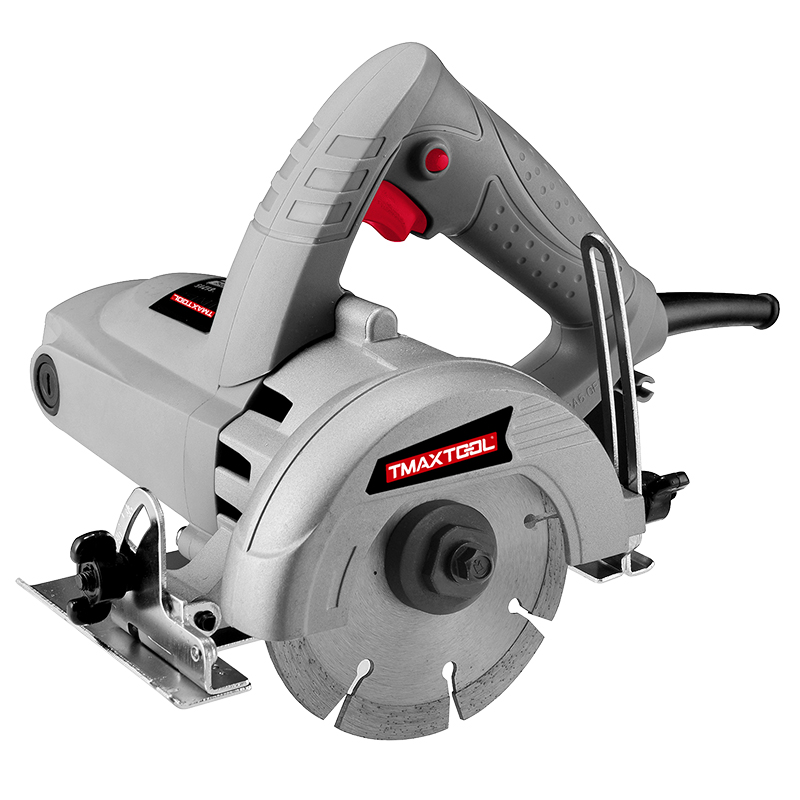 Marble Cutter
 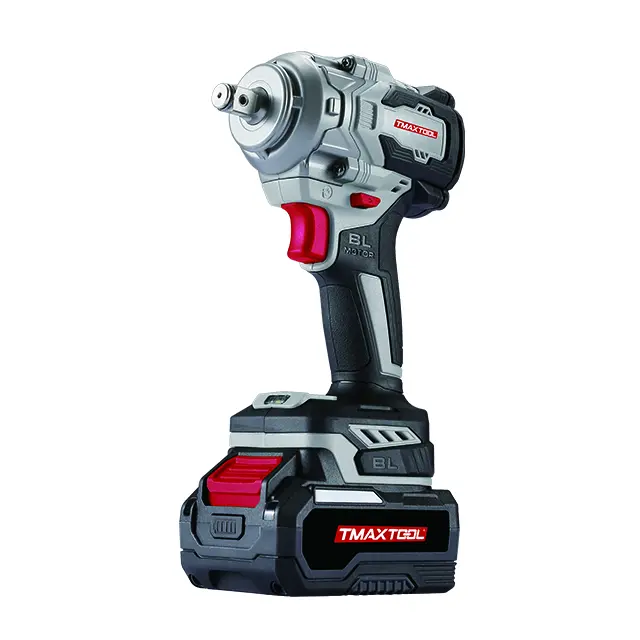 GARDEN TOOLS
 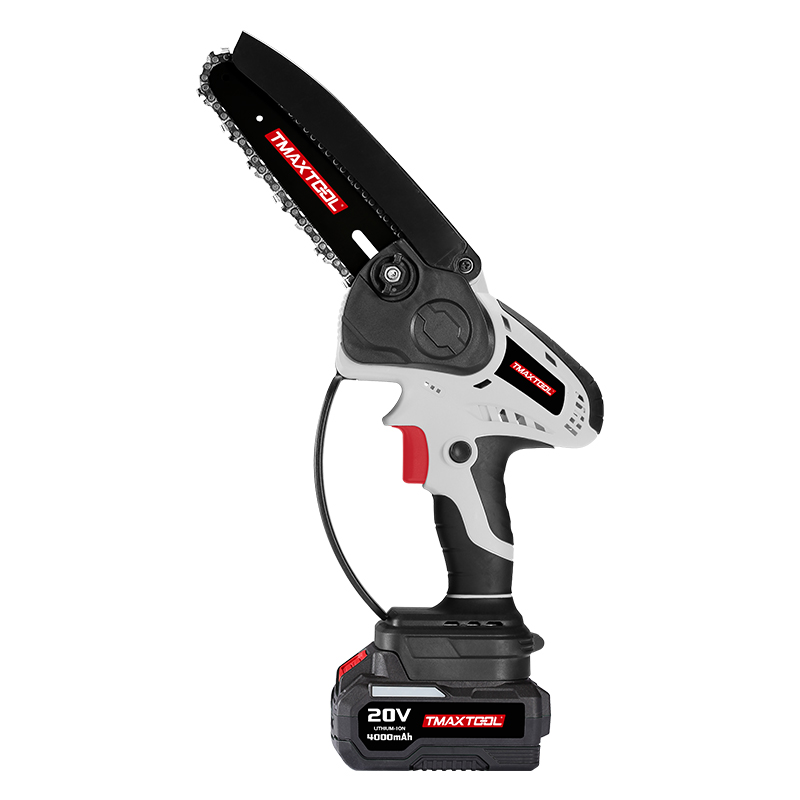 Battery Chain Saw
 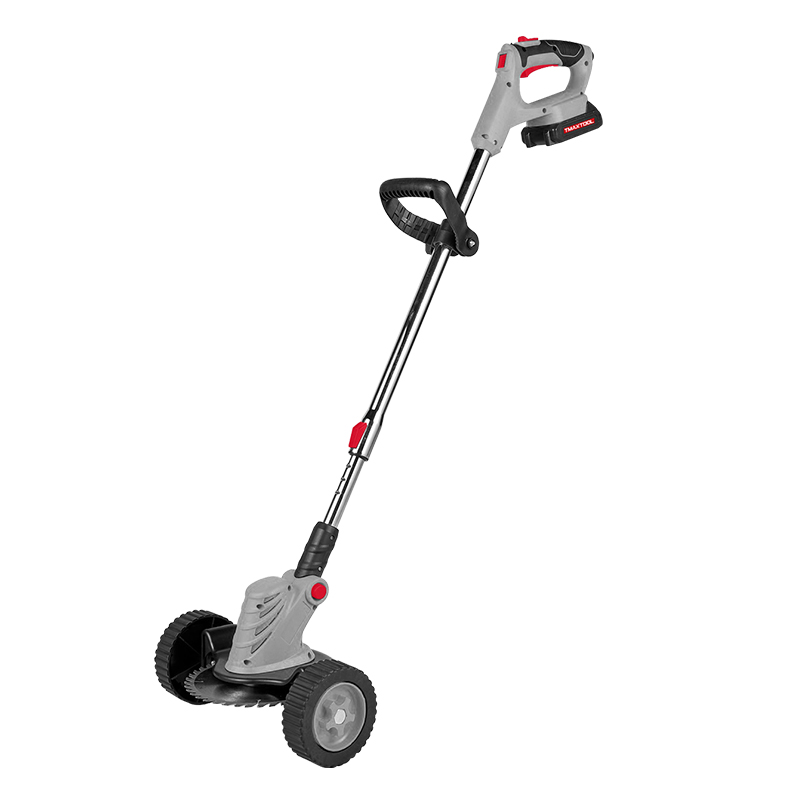 Battery Brush Cutter
 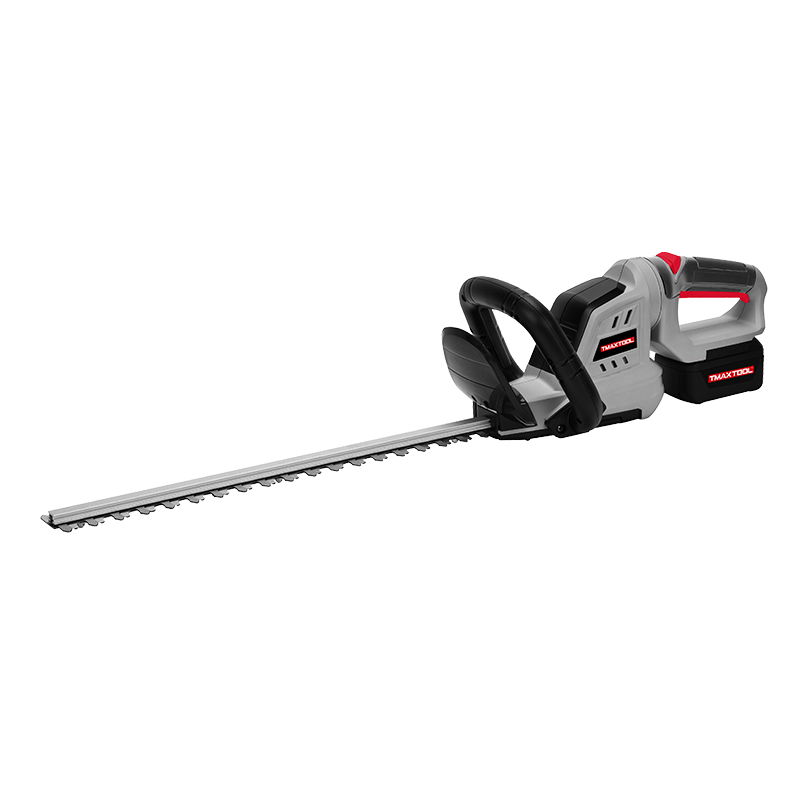 Battery Hedge Trimmer
 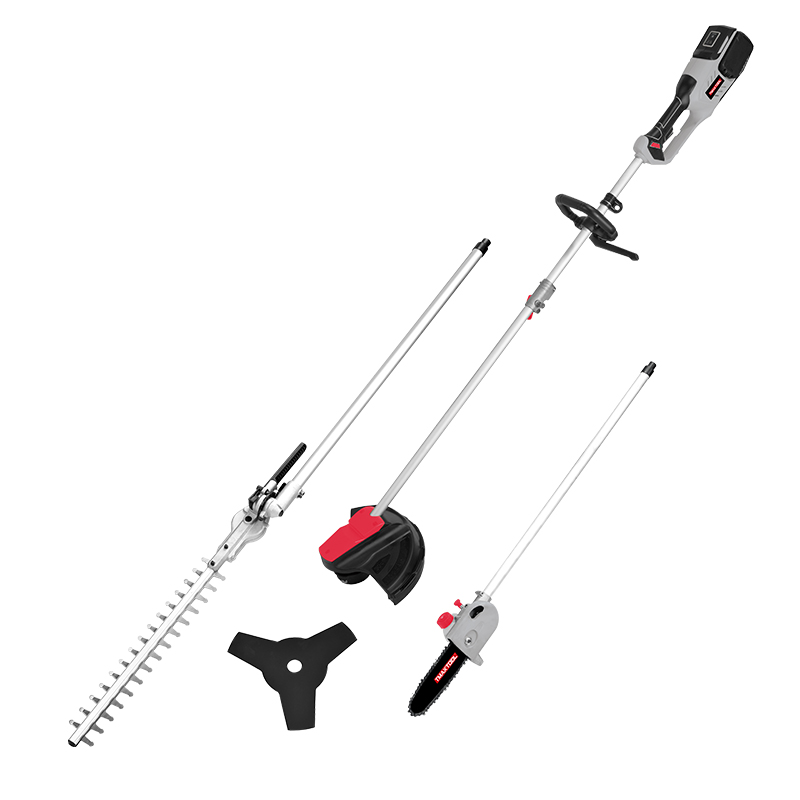 Battery Multi Tool
 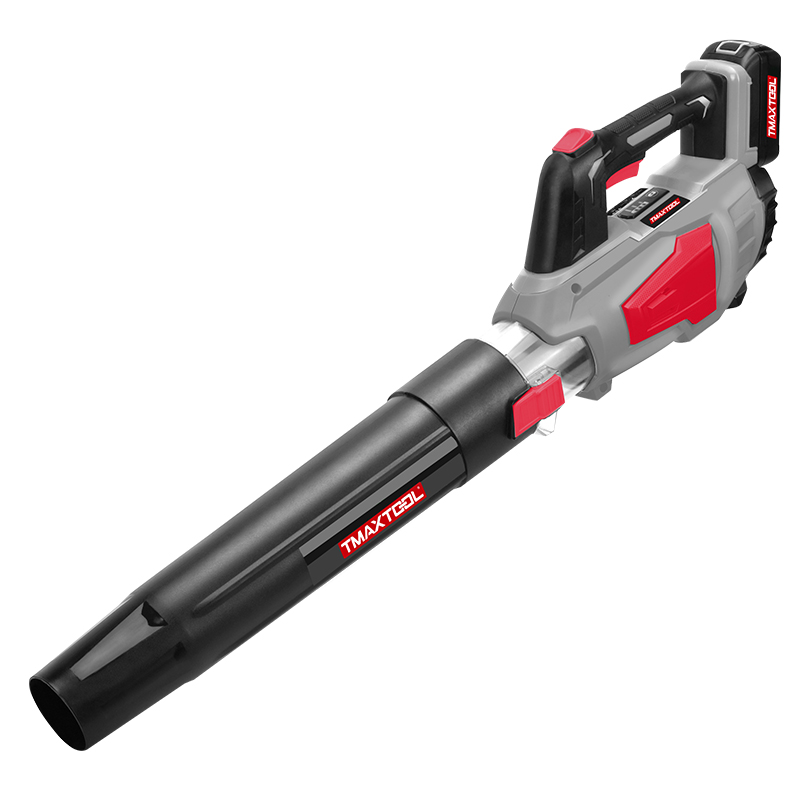 Battery Blower
 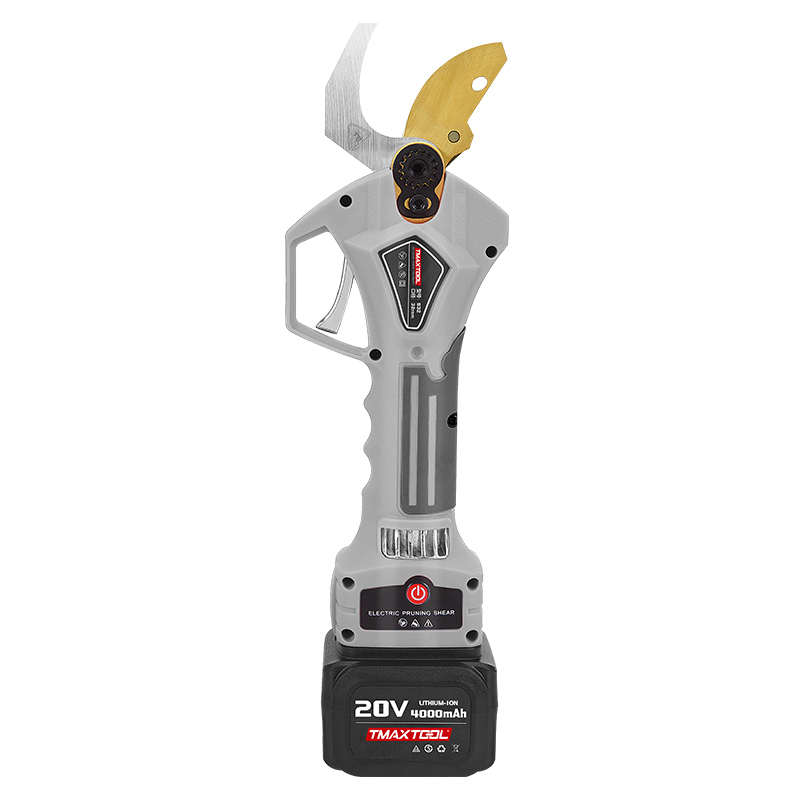 Batter Pruning Shears
 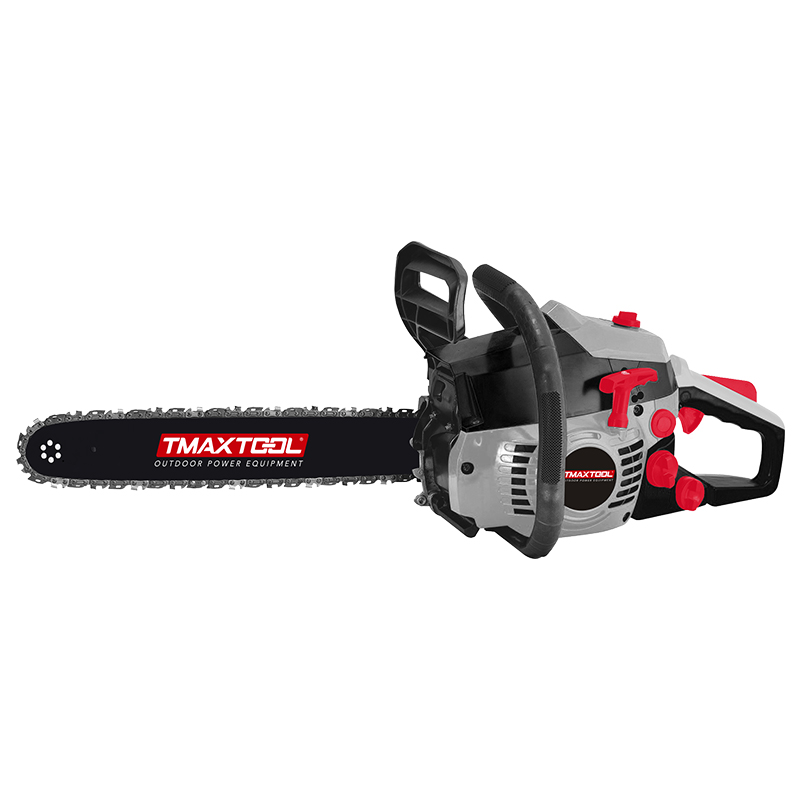 Chain Saw
 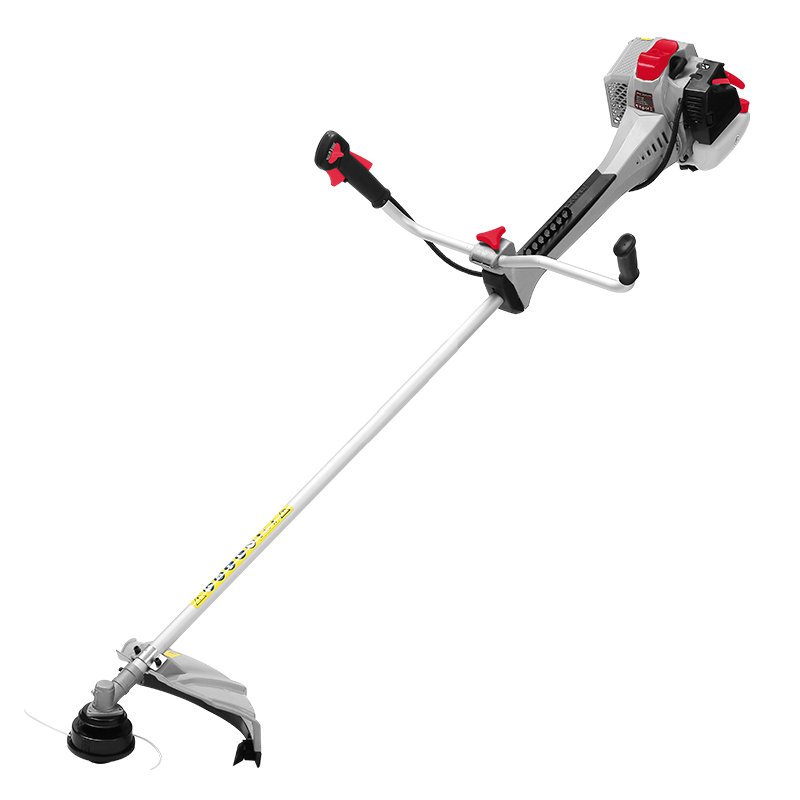 Brush Cutter
 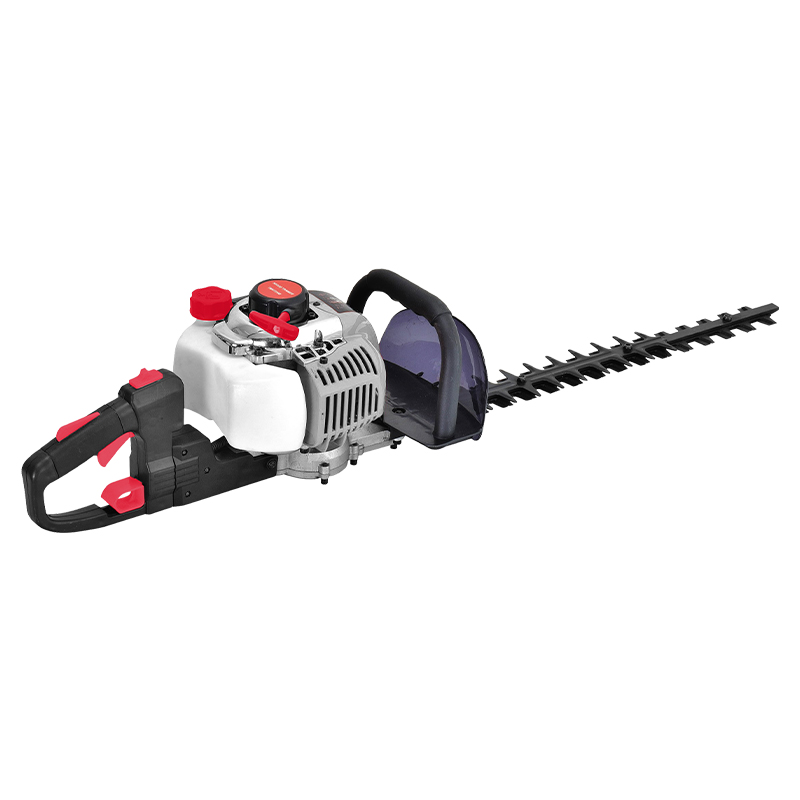 Hedge Trimmer
 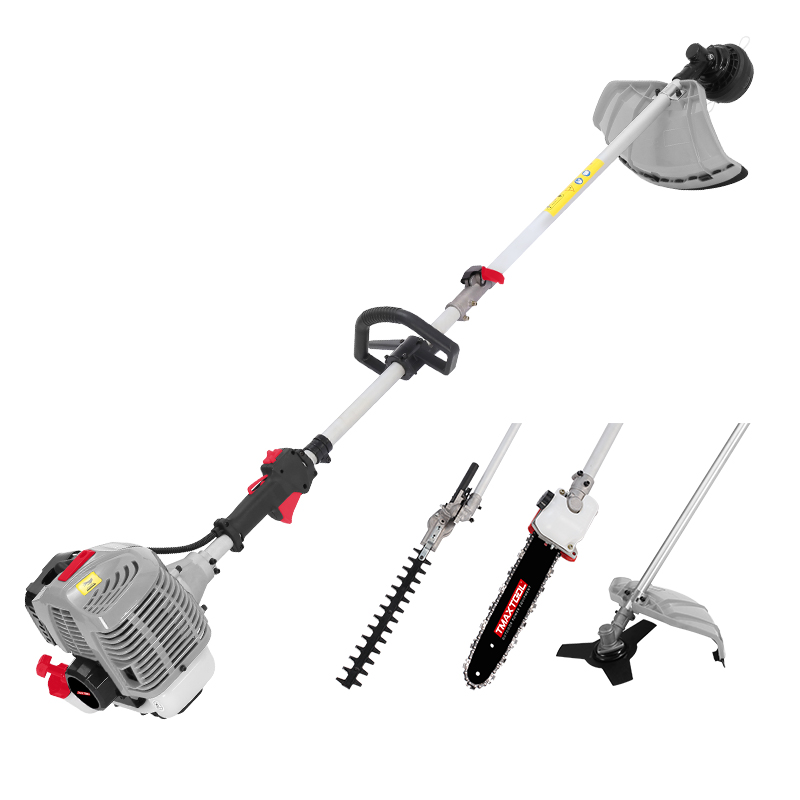 Multi Tool
 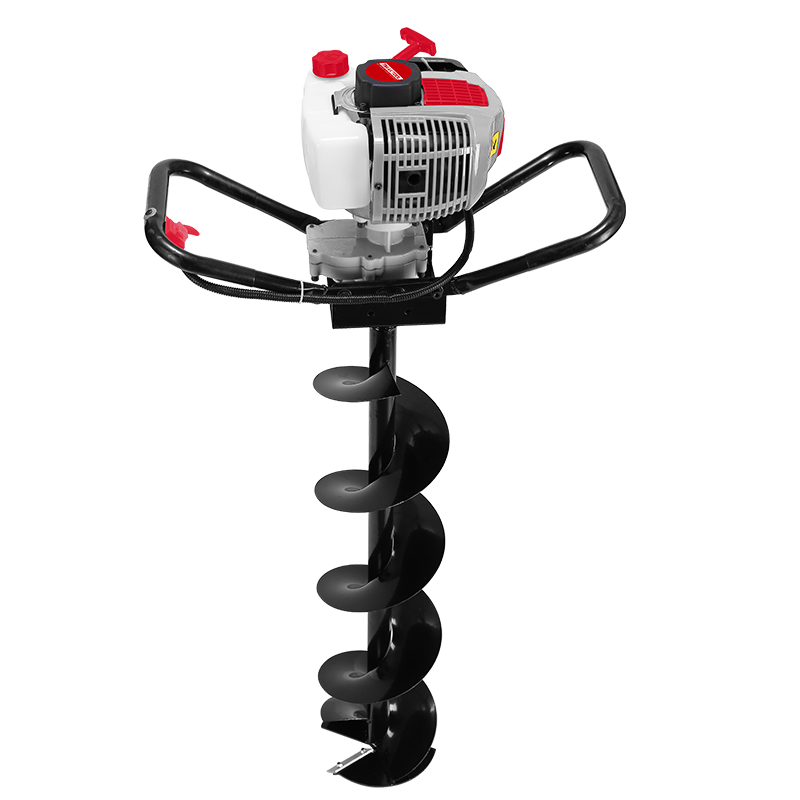 Earth Auger
 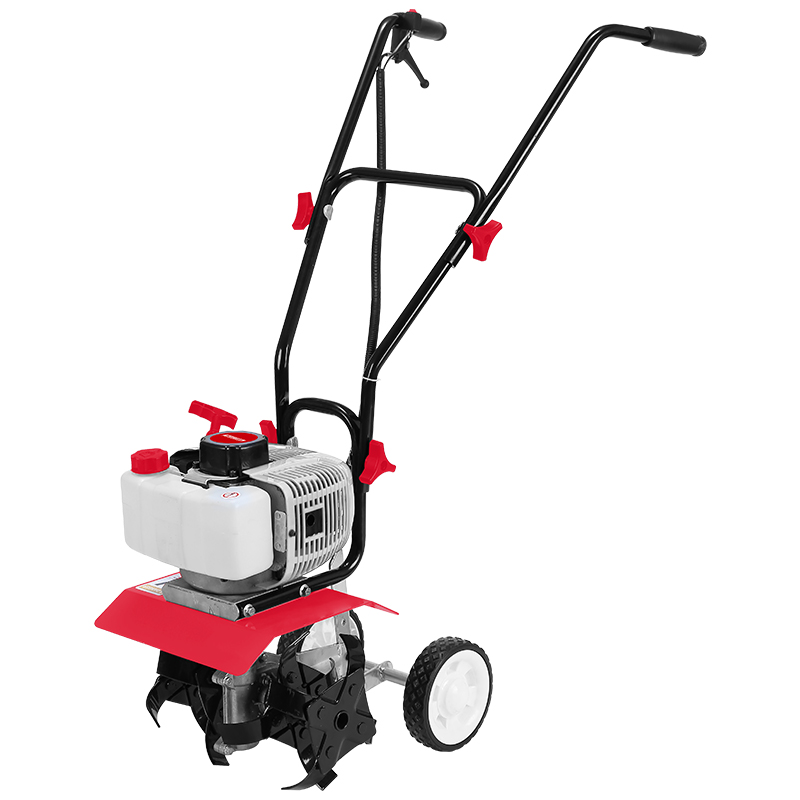 Tiller
 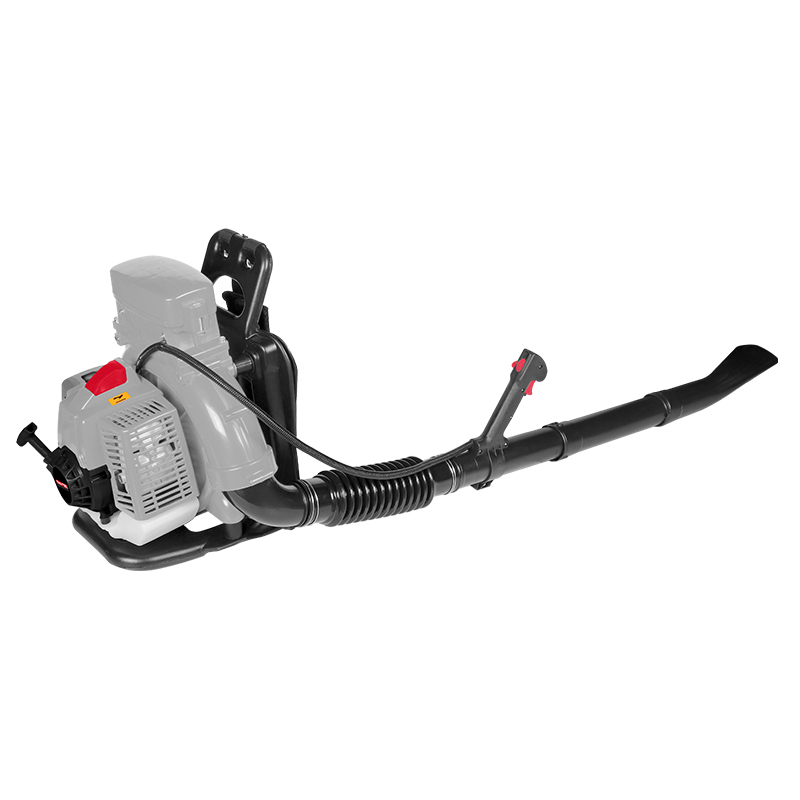 Blower
 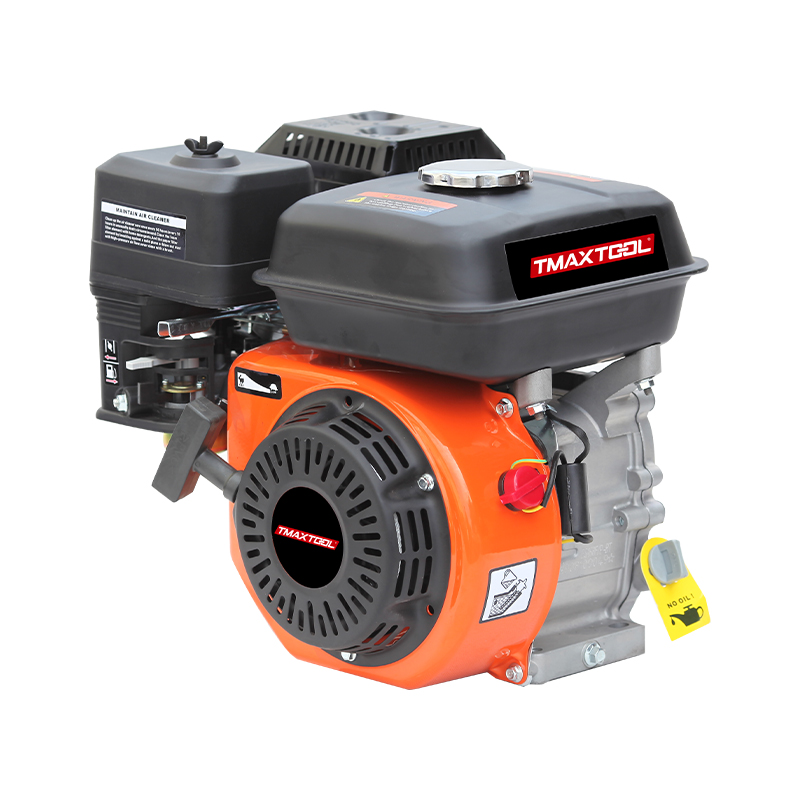 4 Stroke Gasoline Engine
 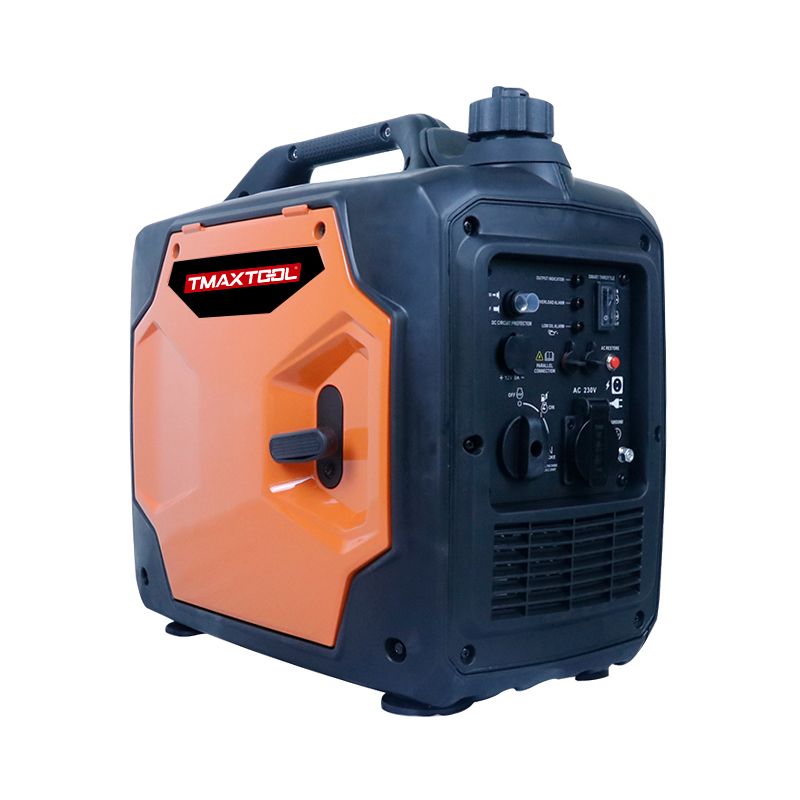 Generator
 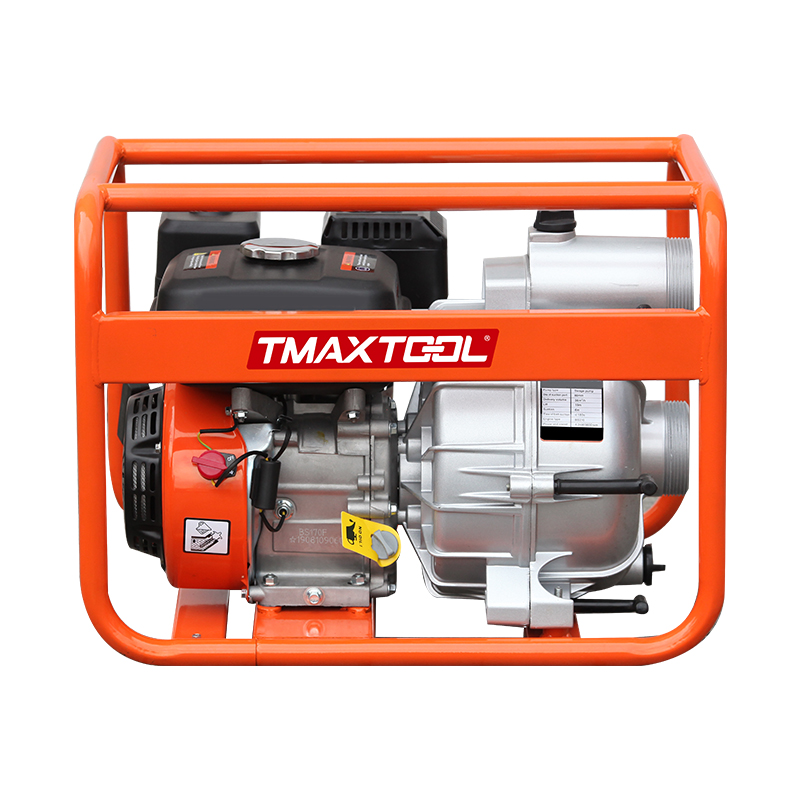 Water Pump
 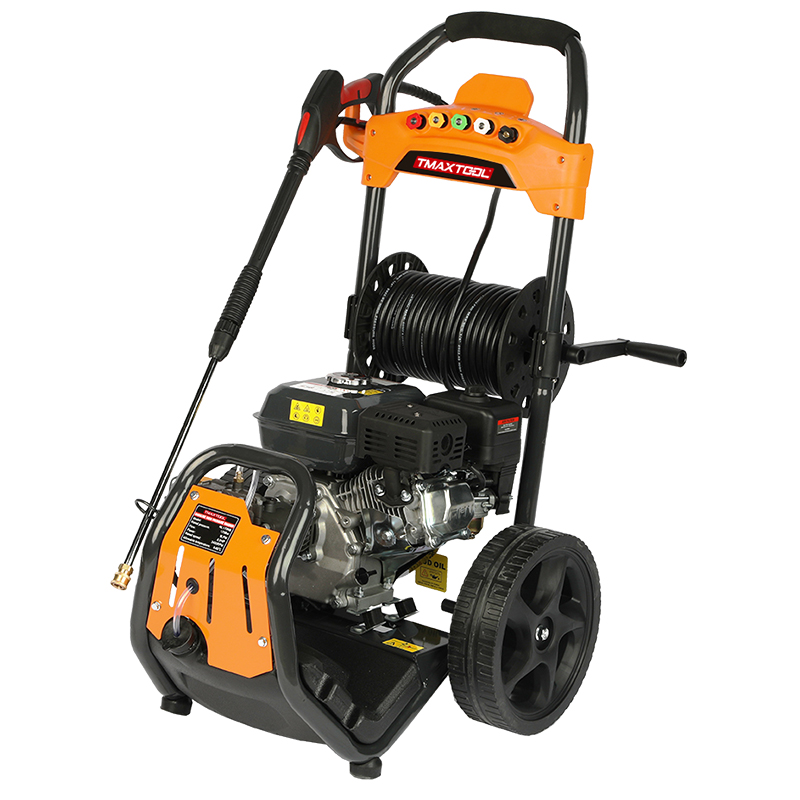 High Pressure Washer
 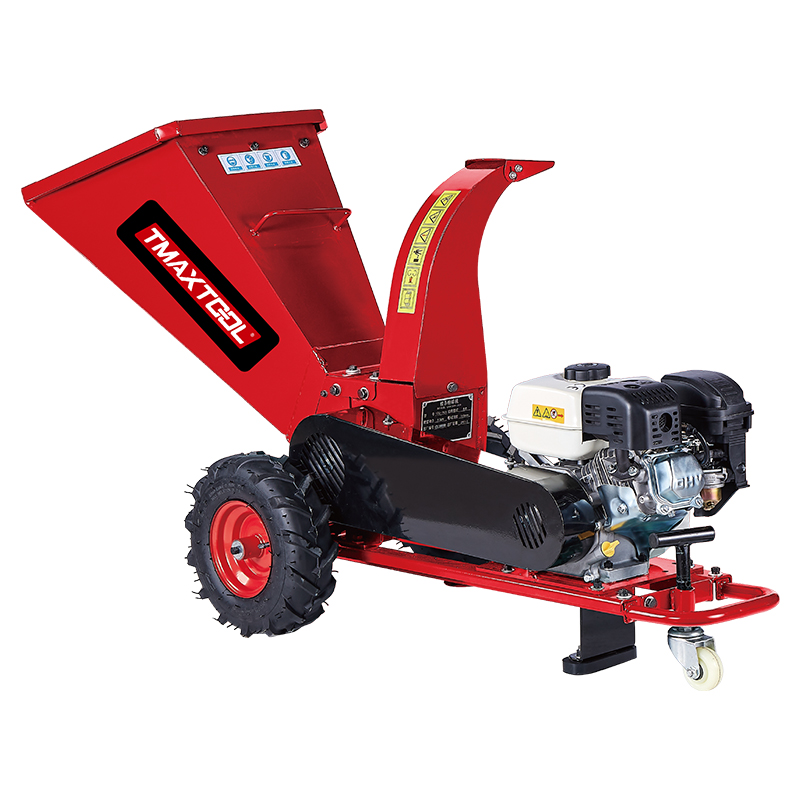 Wood Cutter
 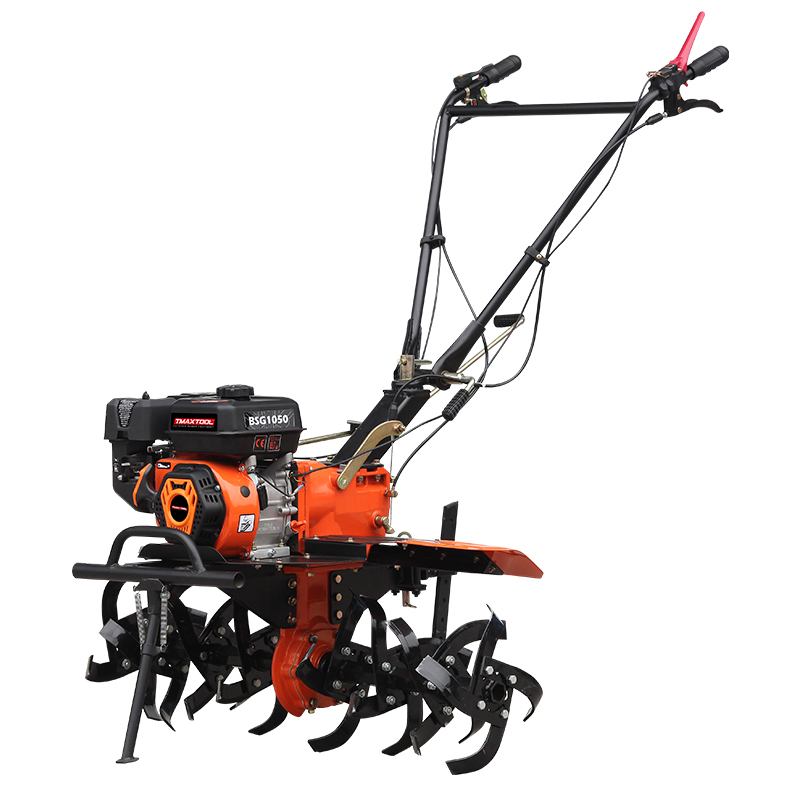 4 Stroke Tiller
 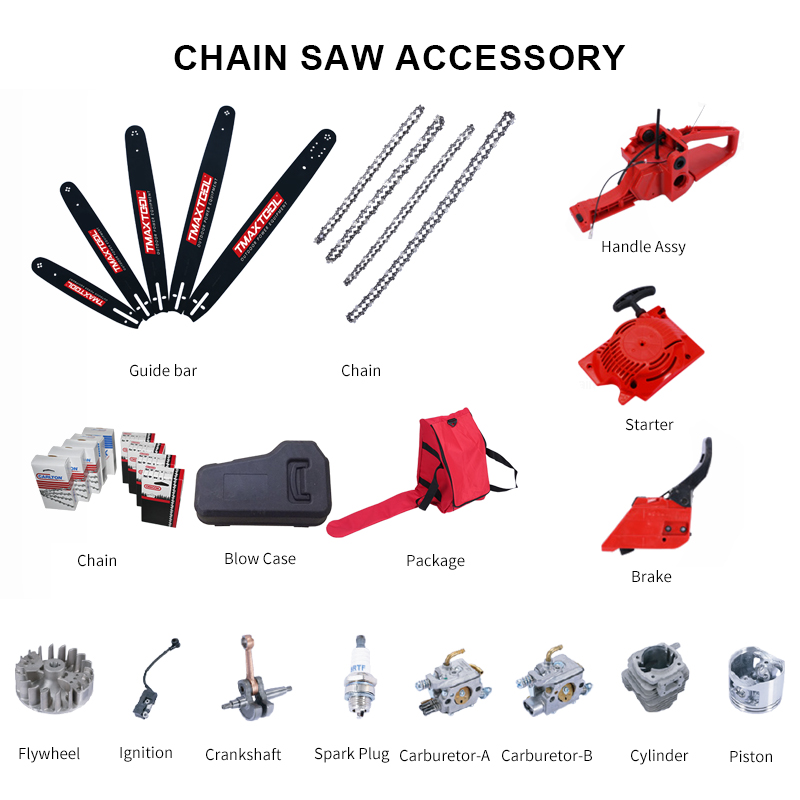 Chain Saw Accessory
 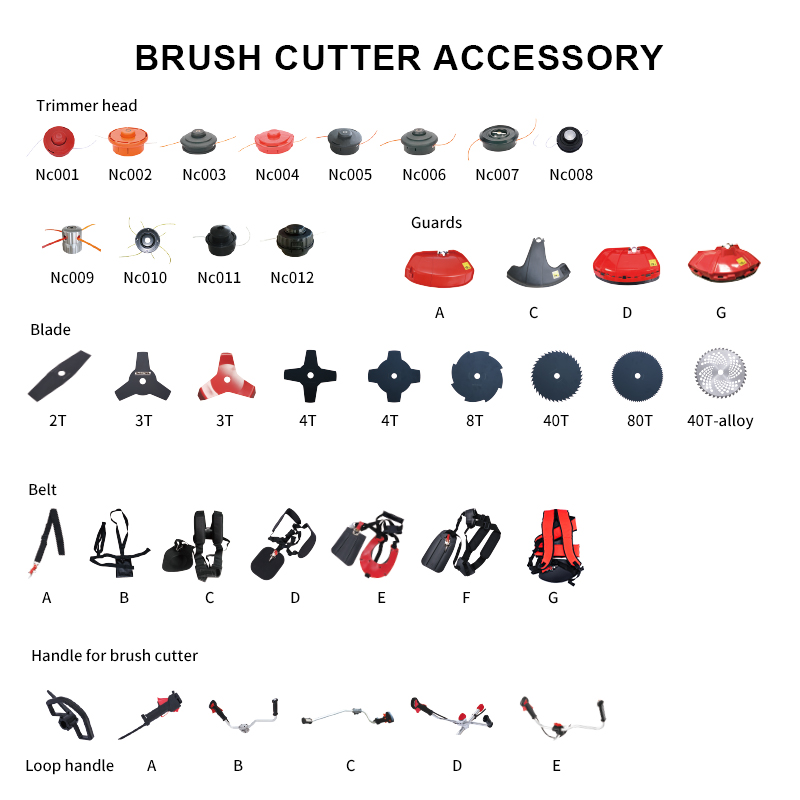 Brush Cutter Accessory
 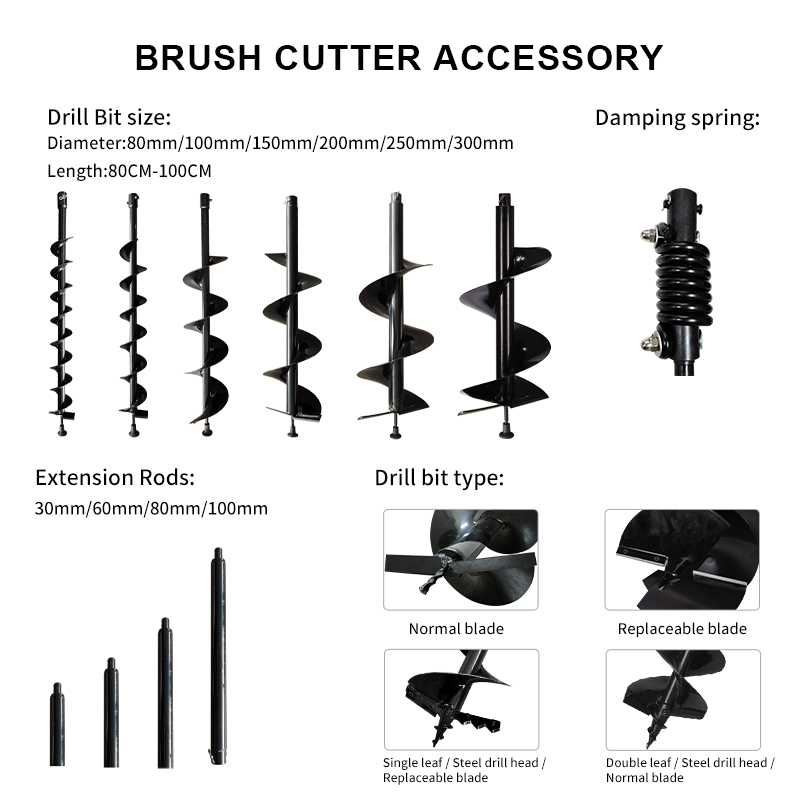 Earth Auger Accessory
 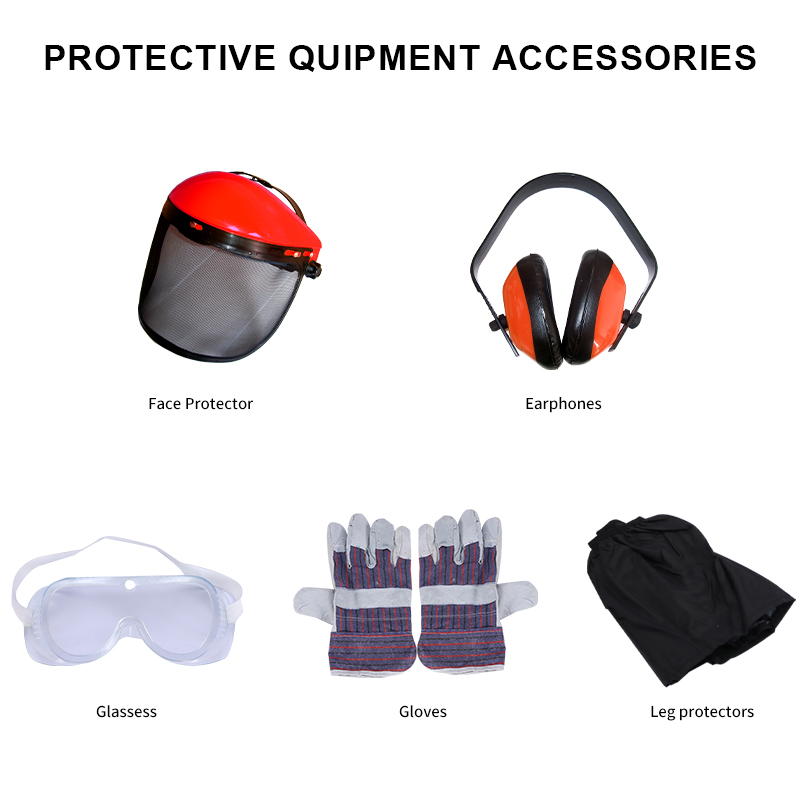 Protective Equipment Accessories
Leave Your Message


How to Choose the Right Tool Distributor for Global Business
How to Choose the Right Tool Distributor for Global Business
Table of Contents
Why Choosing the Right Tool Distributor Matters
Core Criteria for Selecting a Professional Tool Distributor
Product Line Completeness and Market Adaptability
Certification and Compliance for Global Sales
Lead Time, MOQ and Supply Stability
After-Sales Support, Warranty and Technical Service
Pricing, Profit Margin and Cooperation Terms
Logistics, Customs Clearance and Global Delivery
Brand Strength, Market Reputation and Client References
How to Verify and Audit a Tool Distributor
Common Mistakes to Avoid When Choosing a Tool Distributor
FAQs
Conclusion
For global importers, retailers, contractors and industrial buyers, selecting a reliable tool distributor is one of the most critical decisions for long-term business success. A professional partner not only ensures stable product supply but also brings competitive pricing, complete certifications, efficient logistics and strong after-sales support. Choosing the wrong distributor can lead to delayed orders, quality risks, customs barriers, lost profits and damaged customer trust.
This guide shares practical, globally applicable standards to help you evaluate and select the best tool distributor for your market.
Why Choosing the Right Tool Distributor Matters
A qualified tool distributor acts as your stable supply backbone in the international market. They connect manufacturers with local buyers, handle product compliance, streamline cross-border logistics and provide ongoing support. Key values include:
Stable and predictable supply to avoid stock shortages
Full compliance with EU, US, AU and other regional standards
Competitive pricing that protects your profit margin
Professional after-sales and warranty to reduce complaints
Efficient logistics and customs clearance to speed up cash flow
Without a trusted distributor, you may face inconsistent quality, delayed shipments, non-compliant goods detained at customs and unresponsive support—all of which hurt your reputation and bottom line.
Core Criteria for Selecting a Professional Tool Distributor
When evaluating tool distributors worldwide, focus on these non-negotiable factors:
Official authorization and stable cooperation with brands
Complete product portfolio covering power tools, garden tools, hand tools and accessories
Full international certificates such as CE, GS, EMC, RoHS, FCC
Clear lead time, flexible MOQ and reliable production capacity
Transparent pricing, reasonable profit space and flexible payment terms
Professional after-sales, warranty policy and technical support
Mature logistics network and customs clearance experience
Good market reputation, real client testimonials and long-term operation history

Product Line Completeness and Market Adaptability
A strong tool distributor should offer a one-stop procurement solution to reduce your sourcing cost and complexity.
Key points to check:
Covers power tools, garden tools, agricultural machinery, hand Tool Sets and accessories
Products match demand in your target market (EU, North America, South America, Middle East, etc.)
Supports mixed orders and catalog updates to follow market trends
Provides customized packaging, labeling and configuration for regional markets
Rich and adaptable product lines help you expand categories, satisfy diverse clients and improve overall turnover.
Certification and Compliance for Global Sales
Global tool sales require strict product certification. Non-compliant products risk being detained, recalled or banned.
A professional distributor must provide:
Complete test reports and certificates for each model
Compliance with EU CE, GS, EMC; US FCC; and other local standards
Regular product updates to meet latest regulatory changes
Clear documentation for customs clearance
For example, CE certification allows smooth access to European markets, while GS certification increases consumer trust in quality and safety.
Lead Time, MOQ and Supply Stability
For international distributors, on-time delivery directly affects sales plans and inventory turnover.
Evaluate these points:
Standard sample lead time (ideally 7 days or shorter)
Bulk order lead time (usually 25–35 days)
Flexible MOQ for new market testing
Stable production capacity to support peak seasons
Inventory planning to avoid long out-of-stock periods
Stable supply ensures you can fulfill orders smoothly and maintain customer loyalty.
After-Sales Support, Warranty and Technical Service
Quality tools need reliable after-sales to build long-term market reputation.
A professional distributor offers:
Clear warranty terms for power tools, garden tools and machinery
Accessory supply for repair and maintenance
Technical guidance for installation, operation and troubleshooting
Responsive after-sales team to handle claims and feedback
Strong support reduces your after-sales pressure and improves customer satisfaction.
Pricing, Profit Margin and Cooperation Terms
Healthy profit margins are essential for sustainable business.
When negotiating with tool distributors:
Compare unit prices, bulk discounts and promotional support
Confirm flexible payment terms for long-term cooperation
Check for marketing materials, catalogs and sales support
Look for exclusive agent policies and regional protection
Reasonable terms let you price competitively while maintaining healthy profits.
Logistics, Customs Clearance and Global Delivery
Cross-border logistics and customs clearance are often the biggest pain points for importers.
A professional distributor should have:
Experience shipping to 50+ countries and regions
Standard export packaging to prevent damage
Full documentation to avoid customs delays
Cooperation with reliable freight forwarders
Efficient logistics shorten delivery cycles and lower overall operational risks.
Brand Strength, Market Reputation and Client References
Long-term cooperation requires brand trust and real market feedback.
Use these to judge credibility:
Years of industry experience (15+ years indicates stability)
Real client stories from different regions
Positive feedback on quality, delivery and service
Active participation in international industry exhibitions
Patents and innovative technologies to enhance product competitiveness
Brands with global recognition are more likely to provide consistent quality and support.

How to Verify and Audit a Tool Distributor
Before formal cooperation, complete these verification steps:
Request official authorization documents and business certificates
Ask for product samples to check quality and workmanship
Request test reports and compliance documents
Request contact information of existing clients for reference
Review historical orders, delivery records and after-sales cases
If possible, arrange online or on-site factory audits
Thorough verification reduces risks and lays a solid foundation for long-term partnership.
Common Mistakes to Avoid When Choosing a Tool Distributor
Many global buyers make these avoidable errors:
Choosing only by lowest price, ignoring quality and compliance
Ignoring certification, leading to customs problems
Overlooking after-sales support, causing future complaints
Not checking supply stability, facing frequent stockouts
Skipping client references and background verification
Accepting unclear cooperation terms and hidden fees
Avoid these to build a low-risk, high-profit tool distribution business.
FAQs
What is the most important factor when choosing a tool distributor?
Compliance and supply stability are most critical. Certified products ensure smooth sales, while stable delivery maintains your market reputation.
How can I check if a tool distributor is reliable?
Review certifications, client testimonials, sample quality, lead time and after-sales policy. Real market feedback is highly valuable.
What certifications are essential for global tool sales?
Commonly required: CE, GS, EMC, RoHS, FCC. Requirements vary by region—your distributor should provide matching documents.
What lead time is reasonable for tool orders?
Samples: about 7 days; bulk orders: 25–35 days. Stable lead time helps you plan inventory.
Can small importers cooperate with professional tool distributors?
Yes. Reliable distributors support flexible MOQ to help new importers test markets safely.
Conclusion
Choosing the right tool distributor is a strategic decision that affects your long-term profitability and market reputation. Focus on authorization, product completeness, certification, supply stability, after-sales service, logistics and brand credibility.
A professional, client-oriented tool distributor helps you overcome cross-border challenges, expand your market and achieve sustainable growth. Whether you are in Europe, South America, North America or other regions, using the criteria in this guide will help you select the best partner.
#tool_distributor #how_to_choose_tool_agent #reliable_tool_supplier #global_tool_import #power_tool_distributor #garden_tool_agent #certified_tool_supplier #tool_wholesale_global #one_stop_tool_solution #TMAX_tool_distributor