
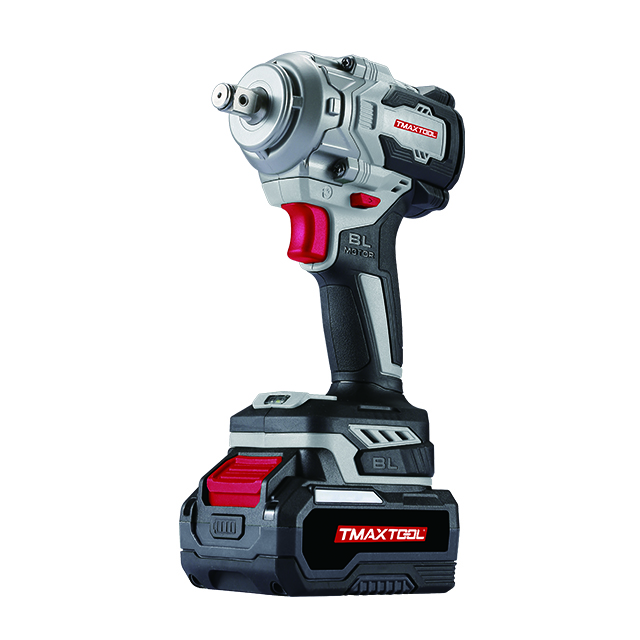
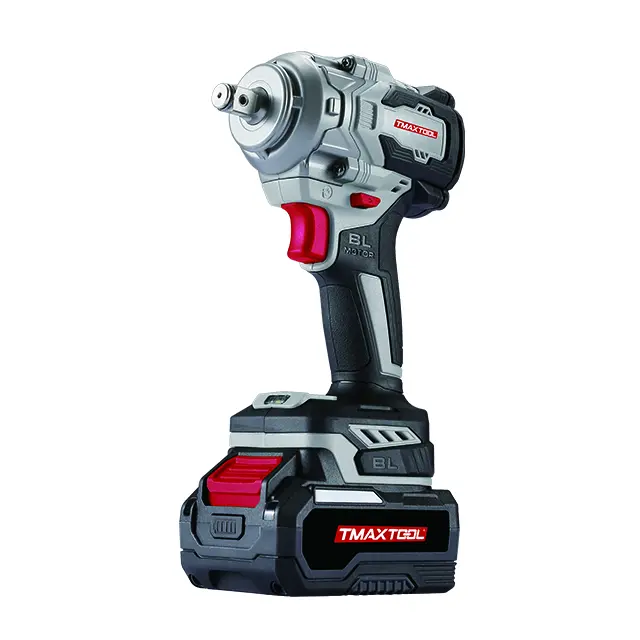
 Impact Wrench
 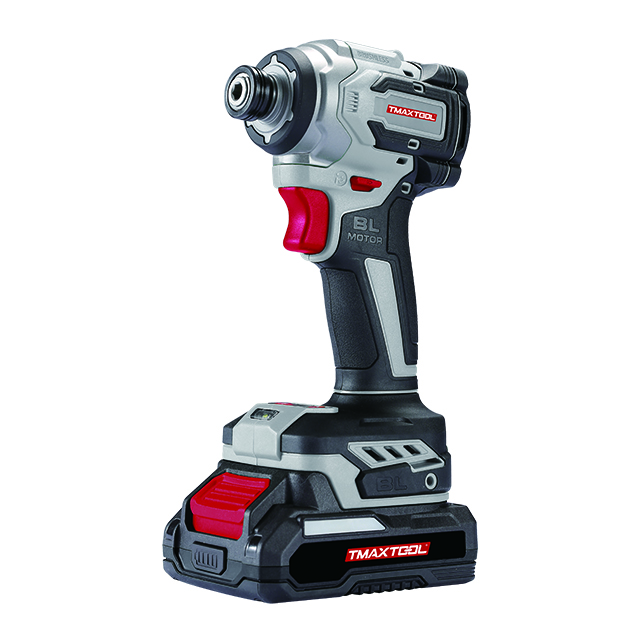 Screwdriver
 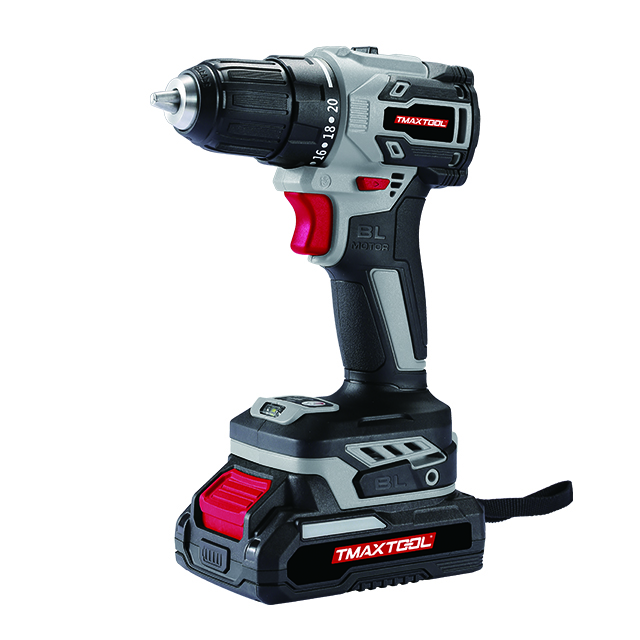 Cordless Drill
 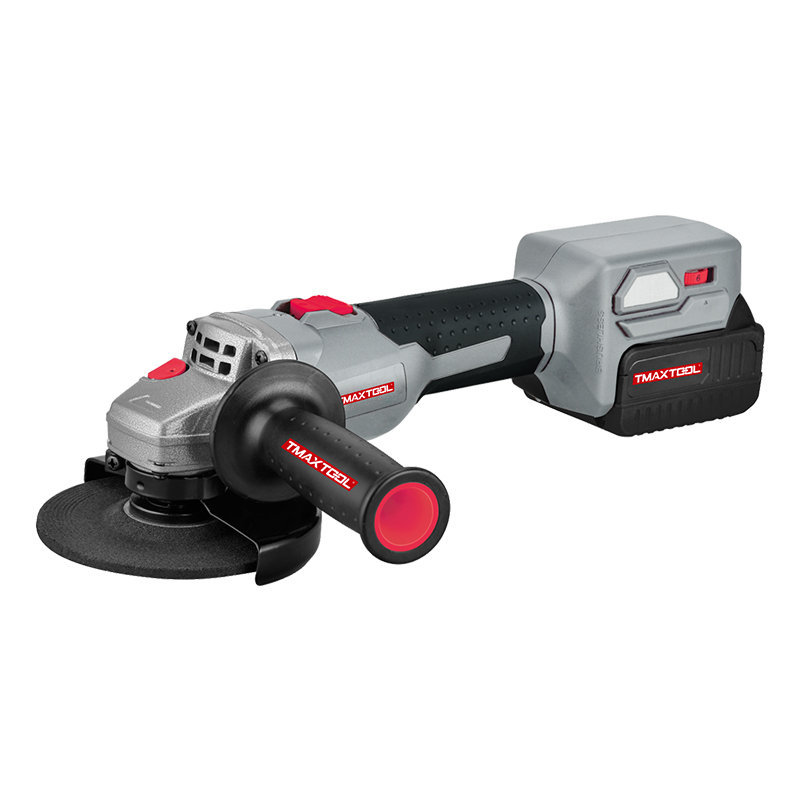 Angle Grinder
 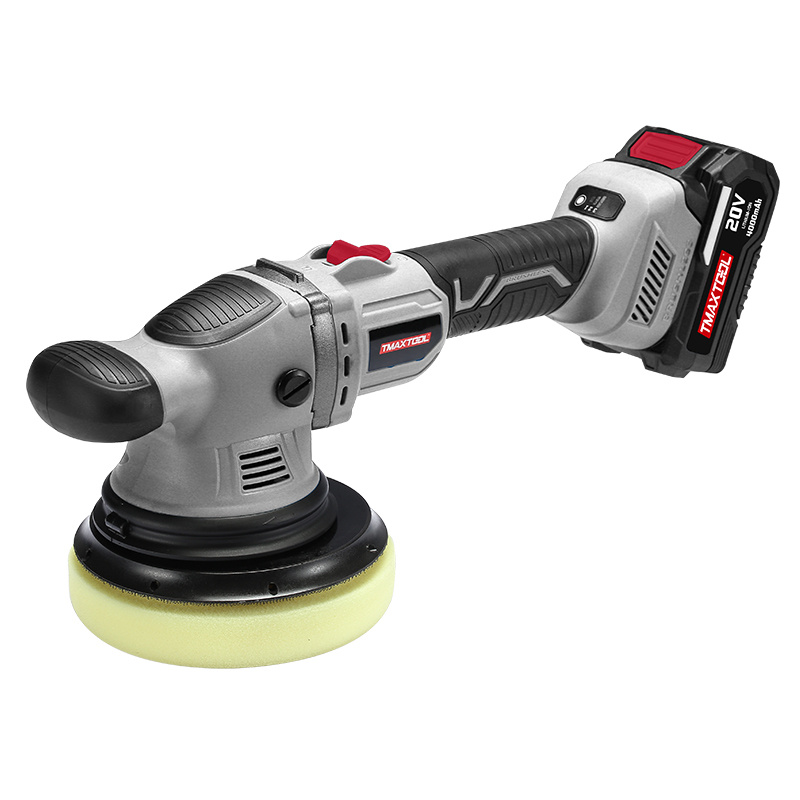 Polisher
 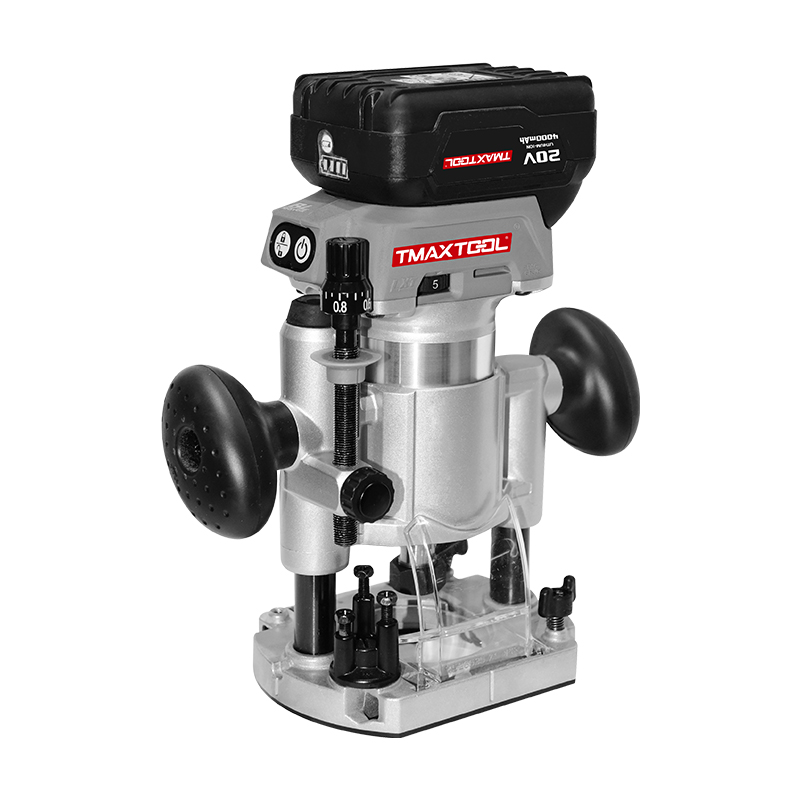 Wood Router
 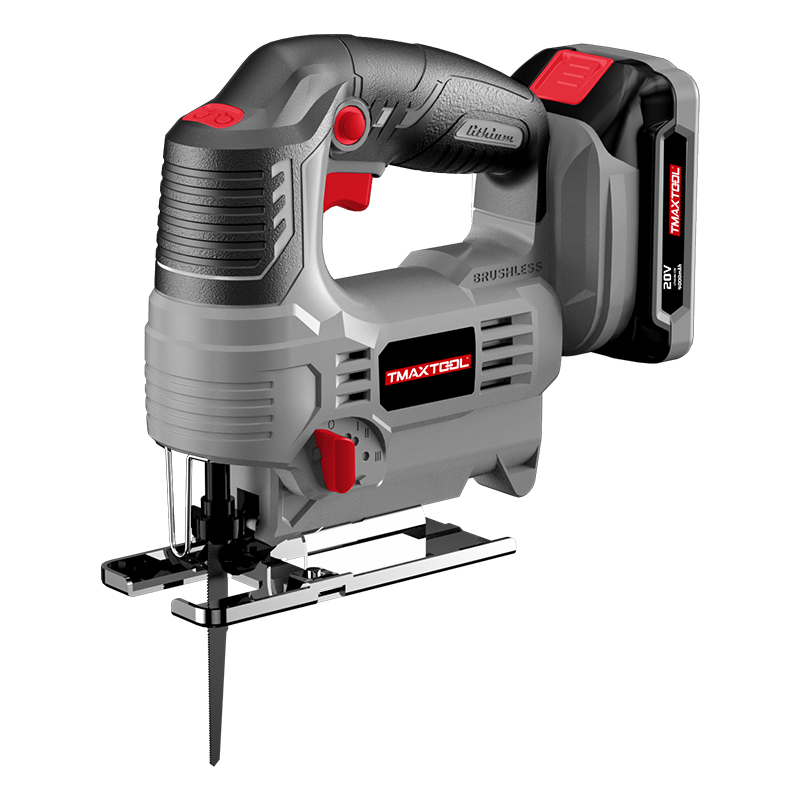 Jig Saw
 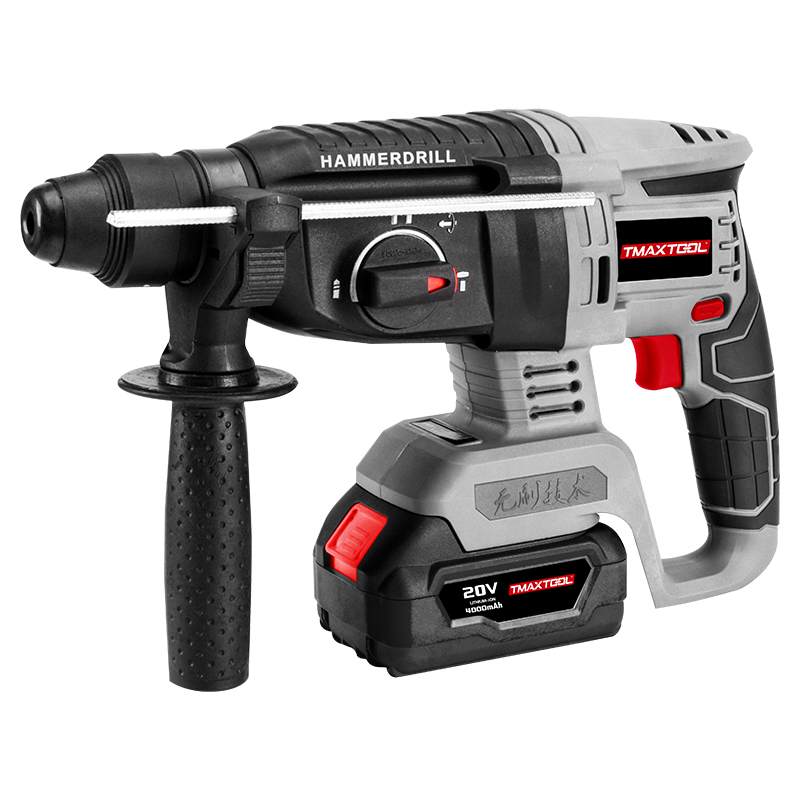 Hammer Drill
 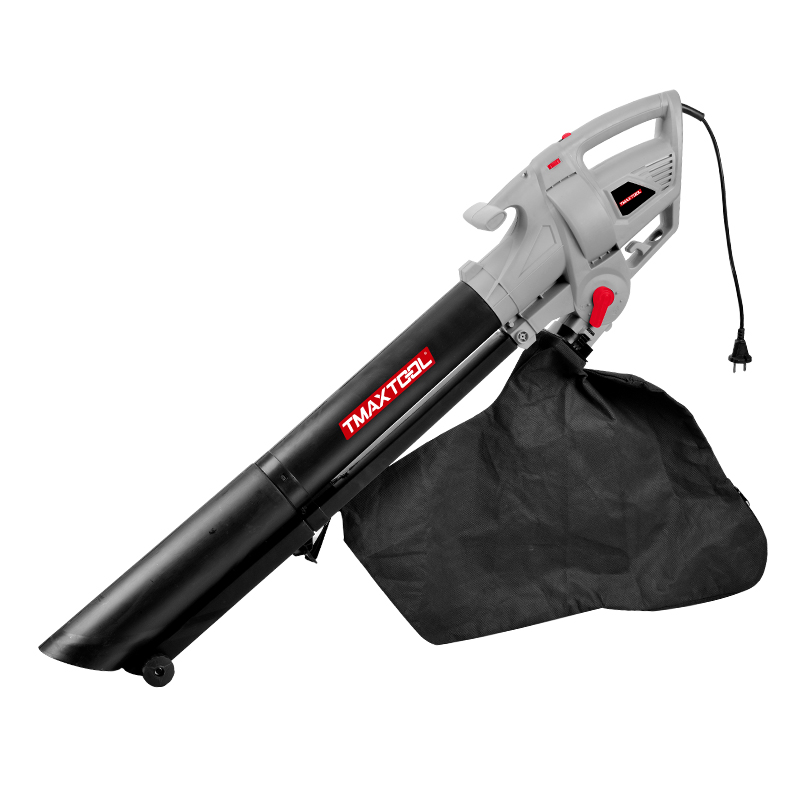 Portable Blower
 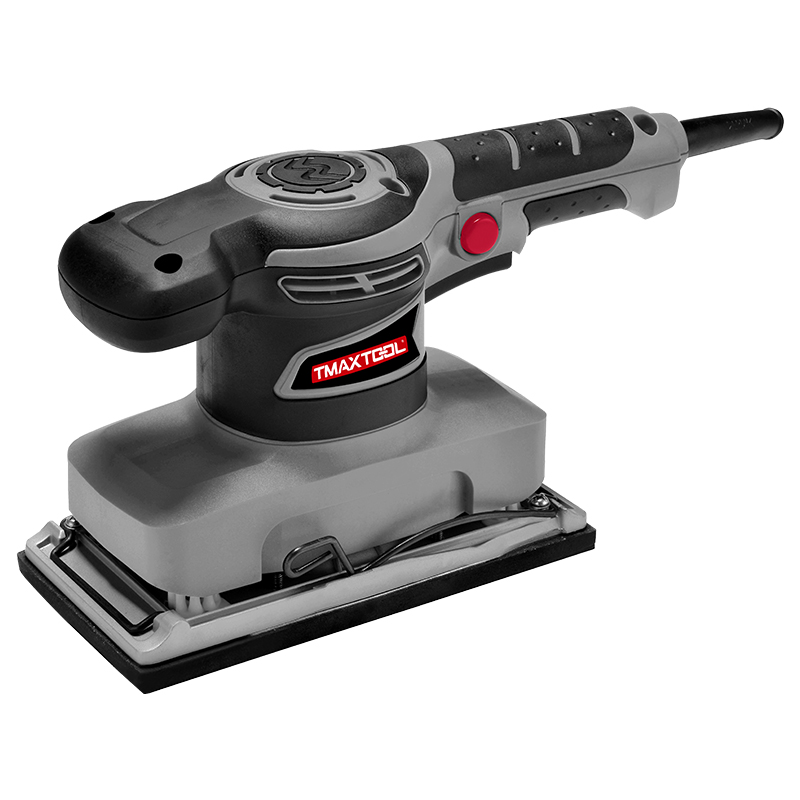 Orbital Sander
 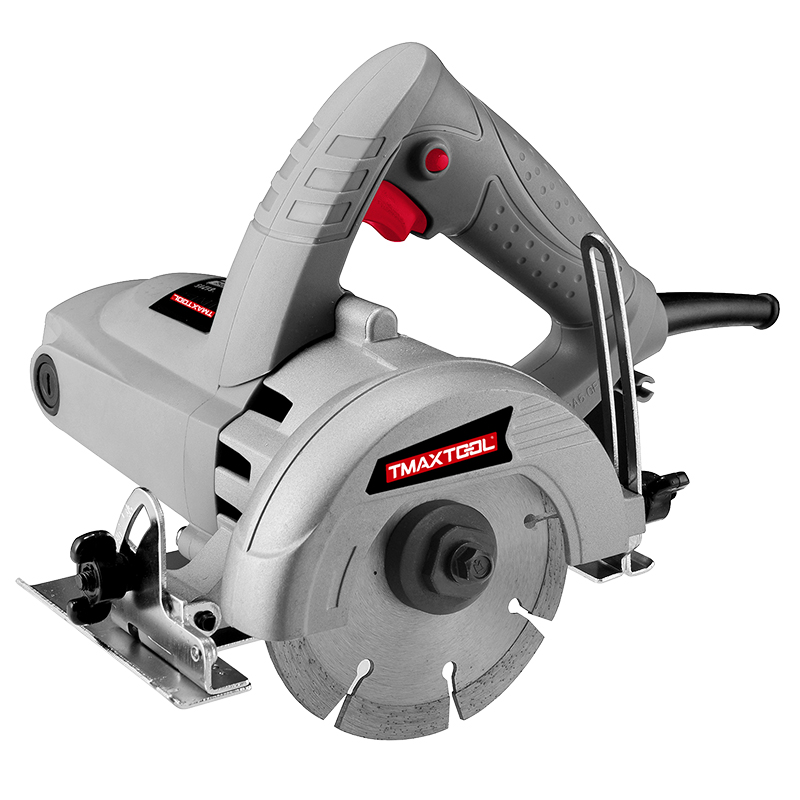 Marble Cutter
  GARDEN TOOLS
 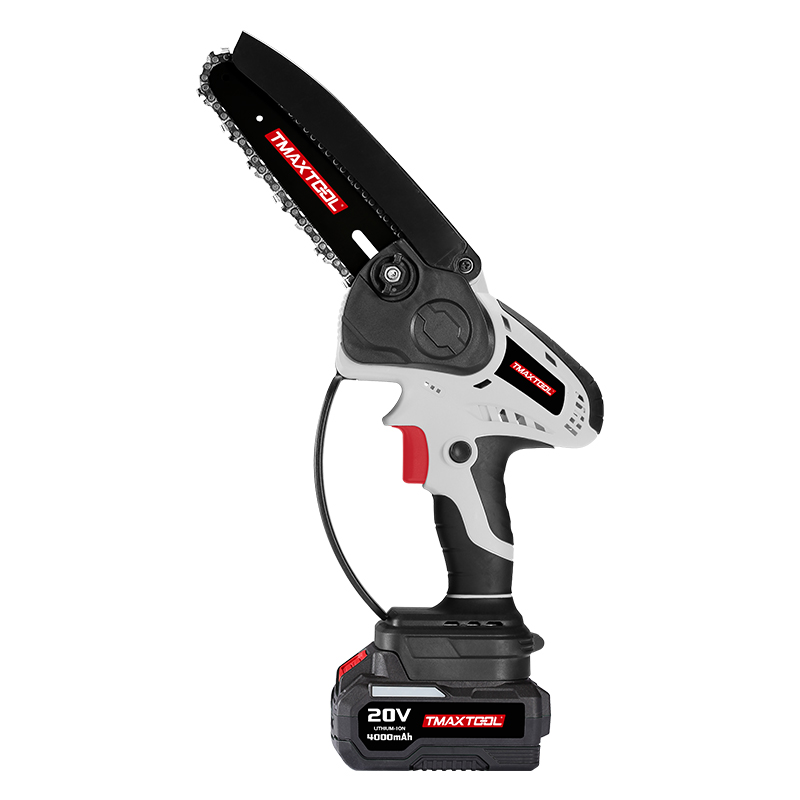 Battery Chain Saw
 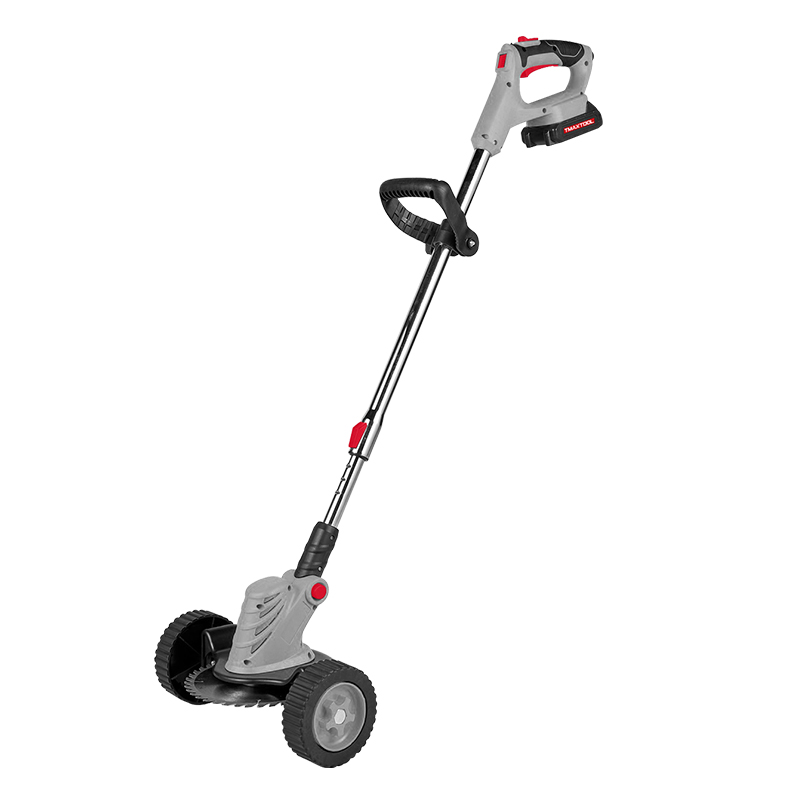 Battery Brush Cutter
 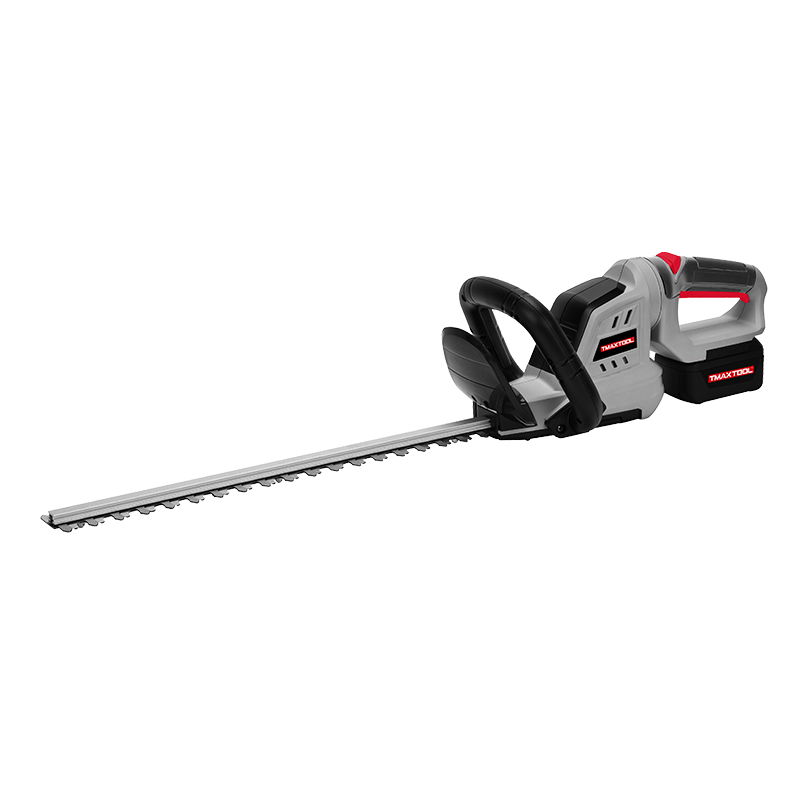 Battery Hedge Trimmer
 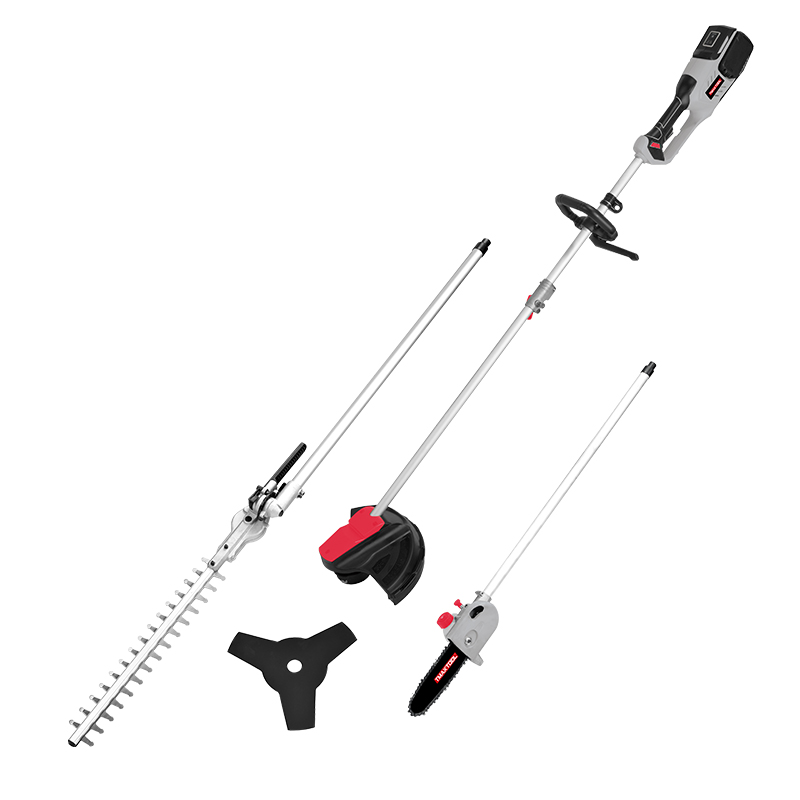 Battery Multi Tool
 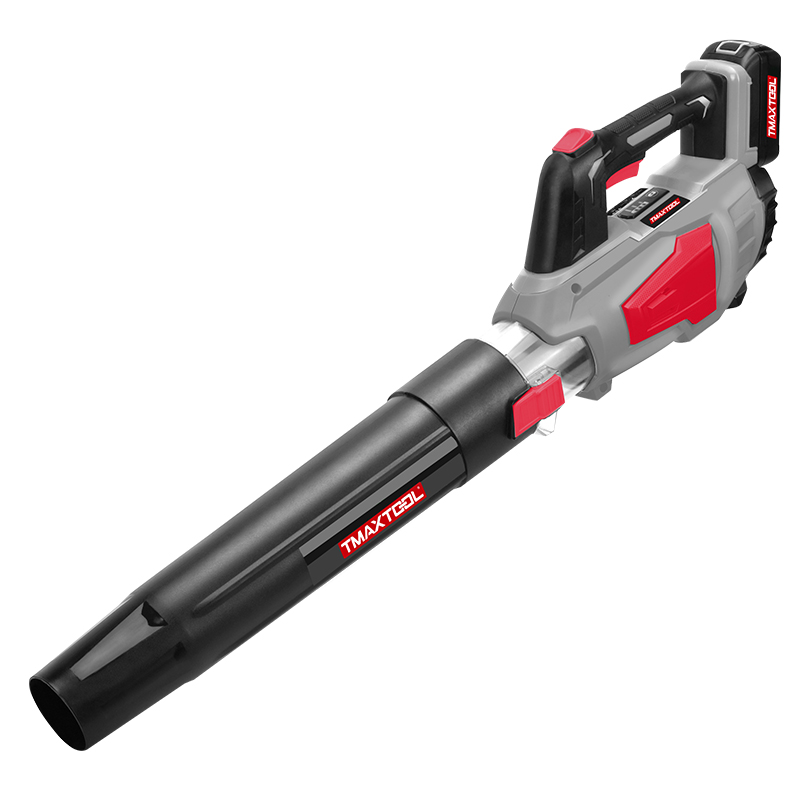 Battery Blower
 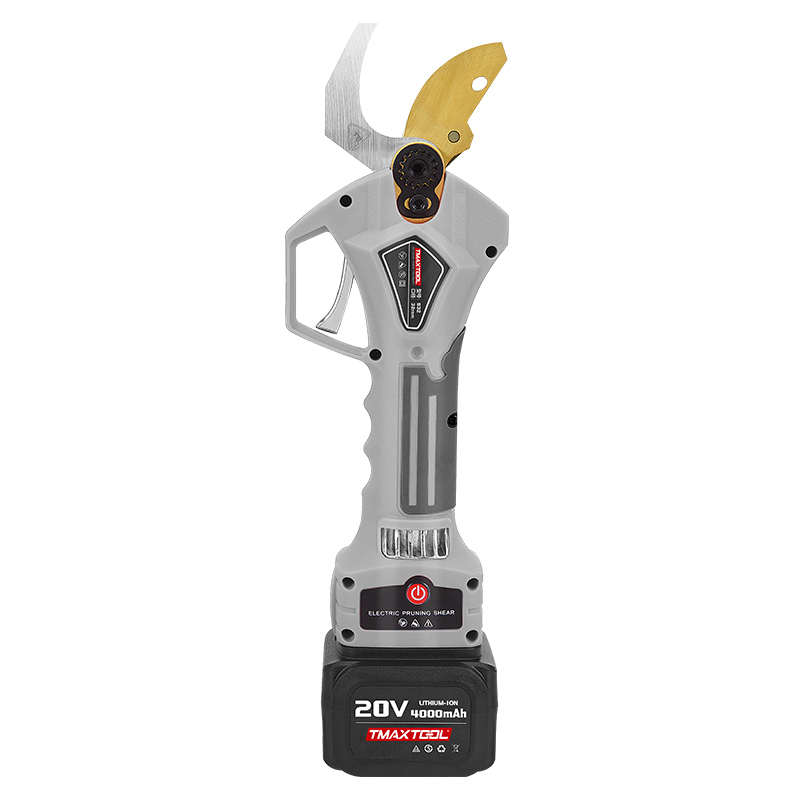 Batter Pruning Shears
 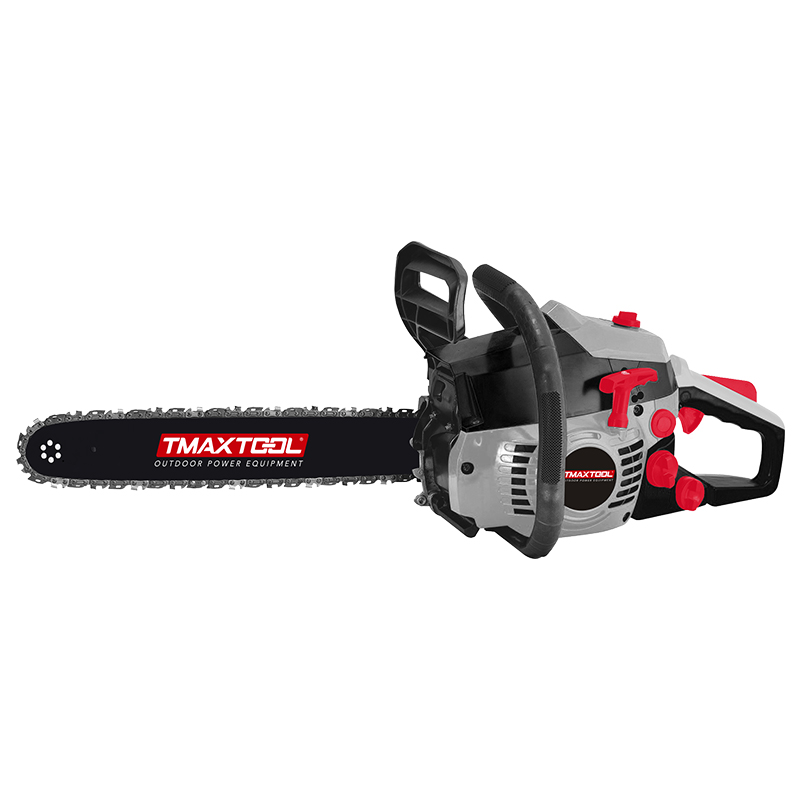 Chain Saw
 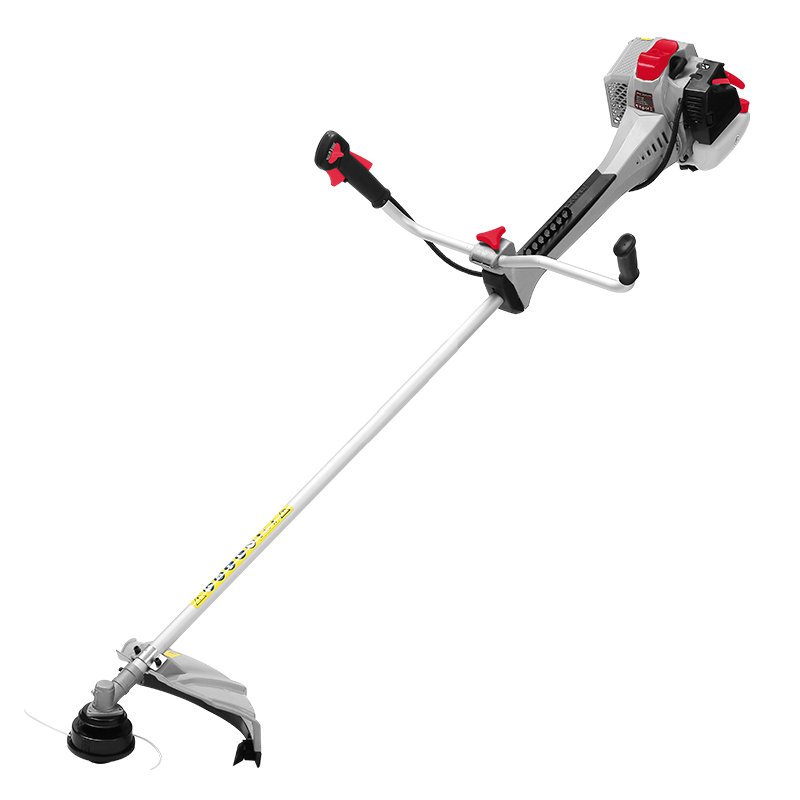 Brush Cutter
 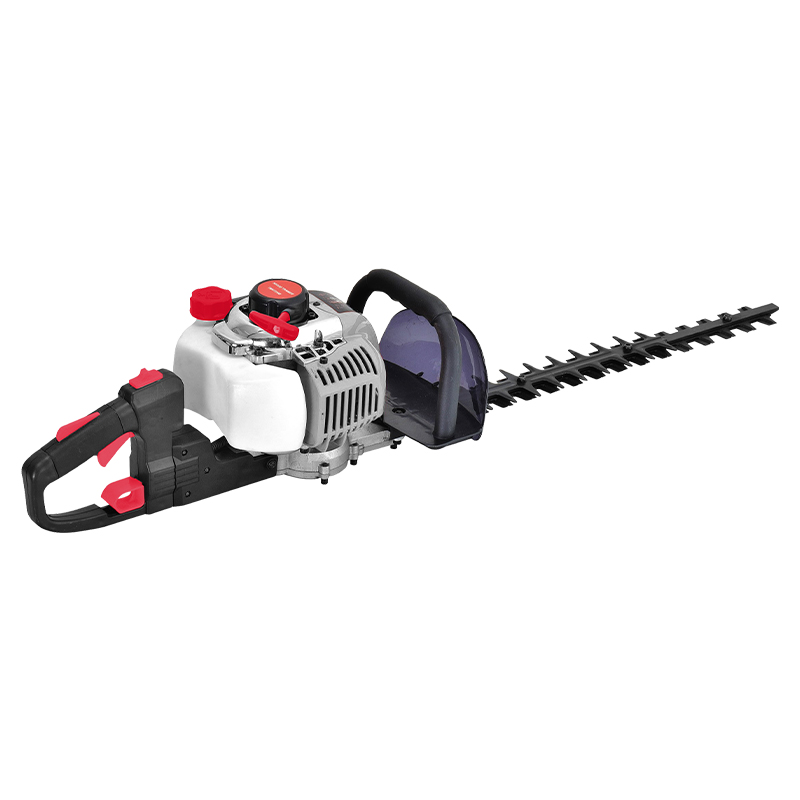 Hedge Trimmer
 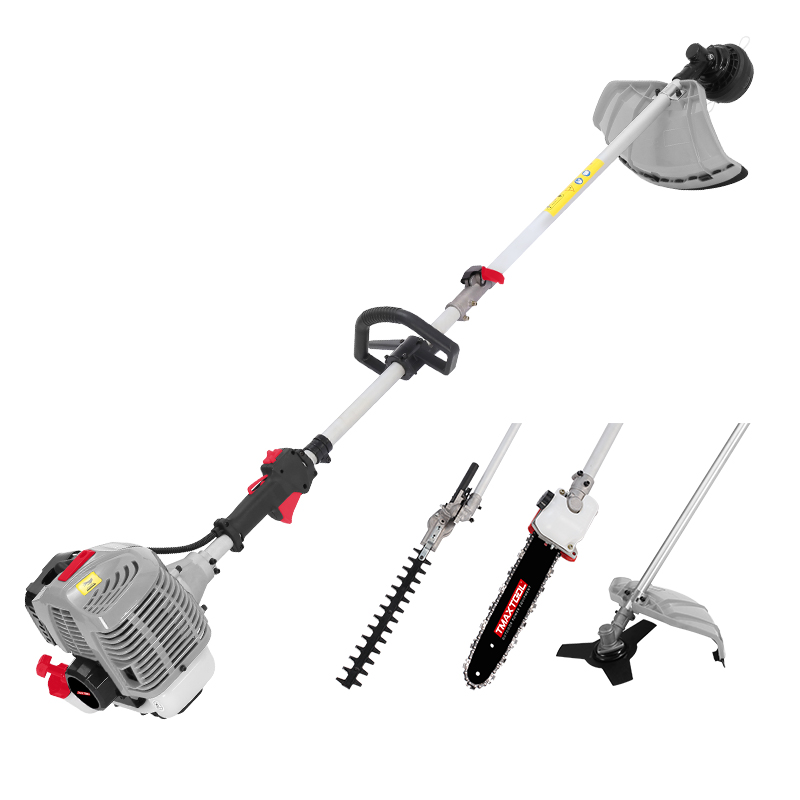 Multi Tool
 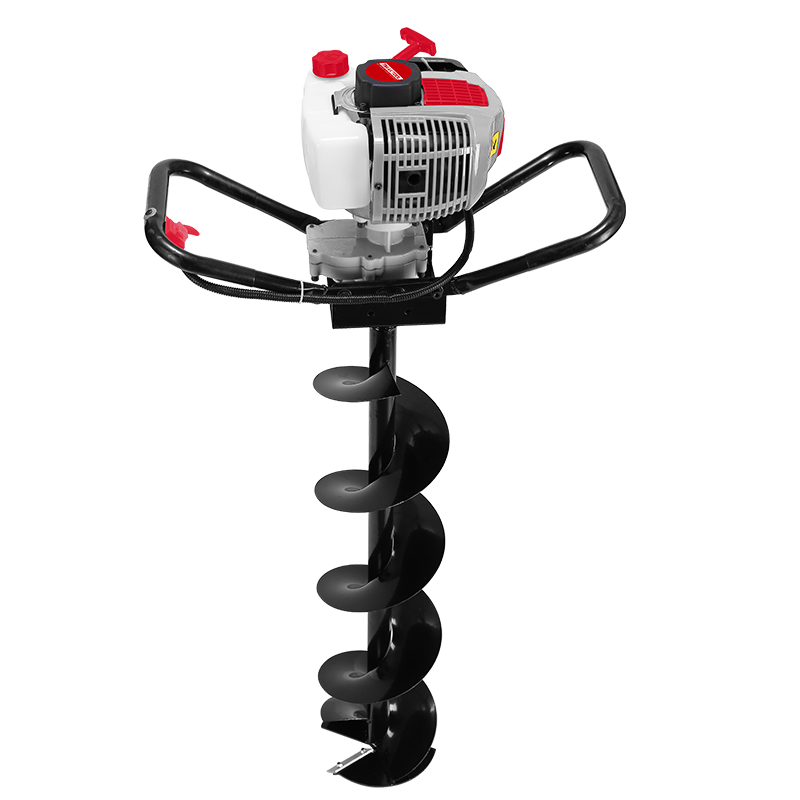 Earth Auger
 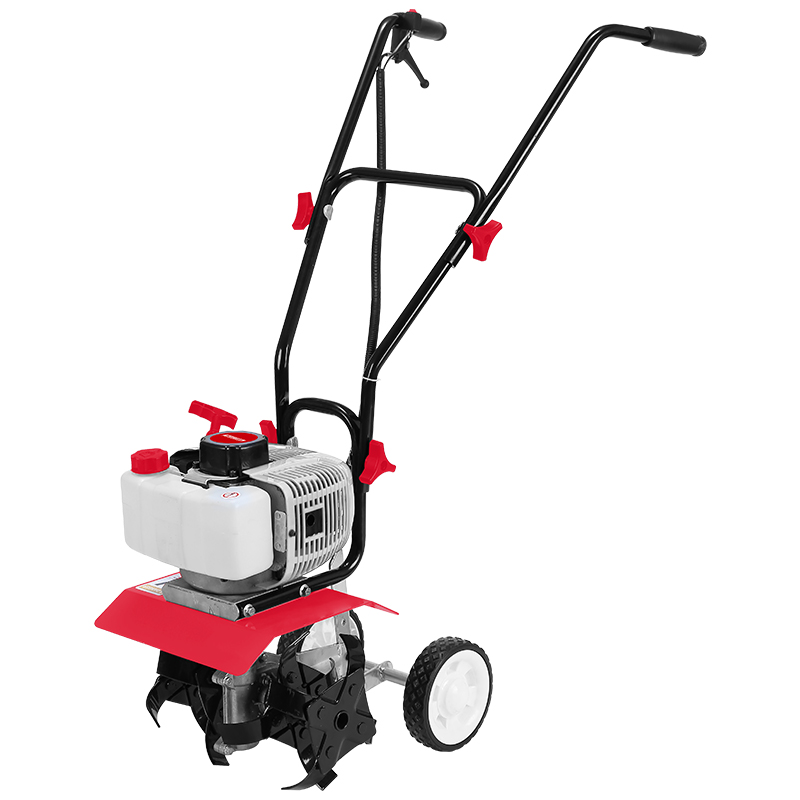 Tiller
 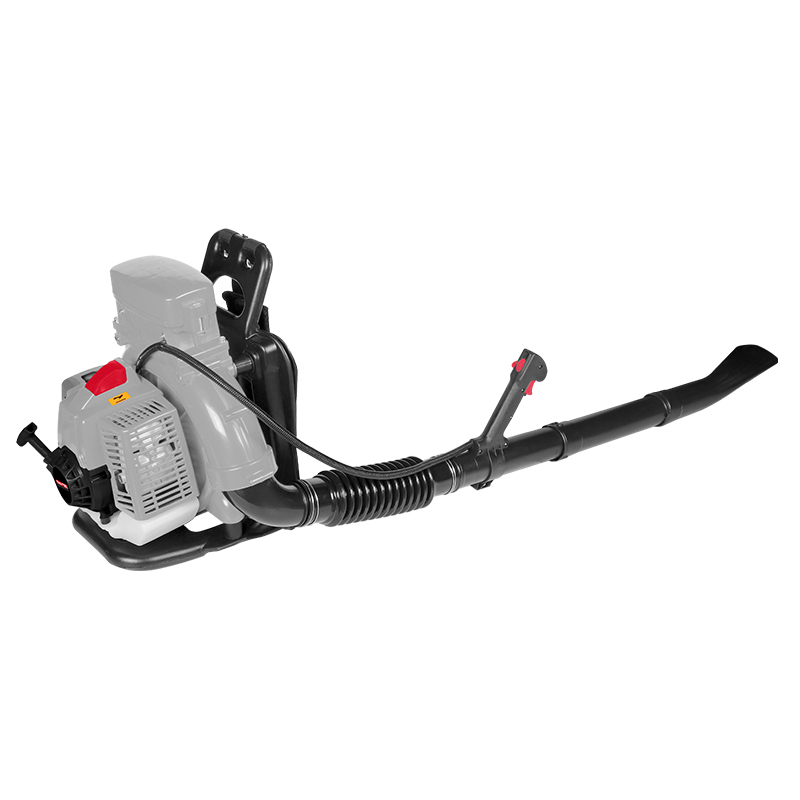 Blower
 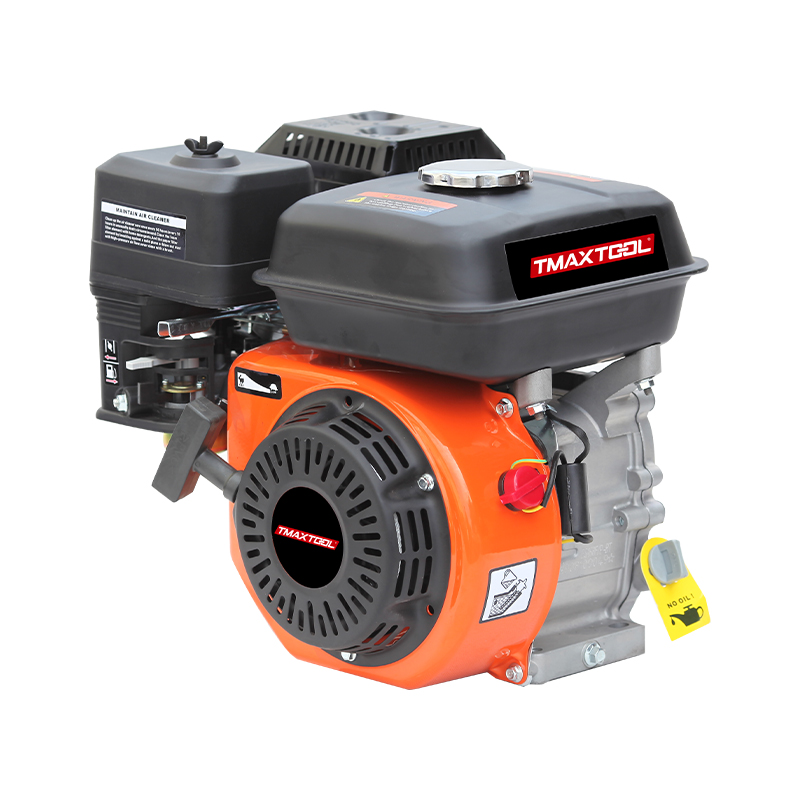 4 Stroke Gasoline Engine
 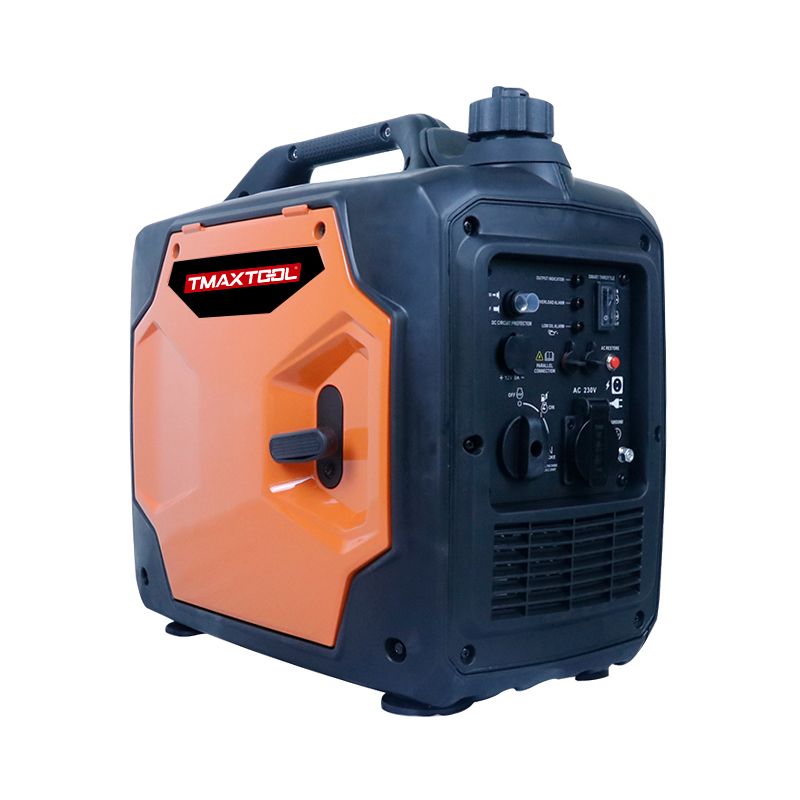 Generator
 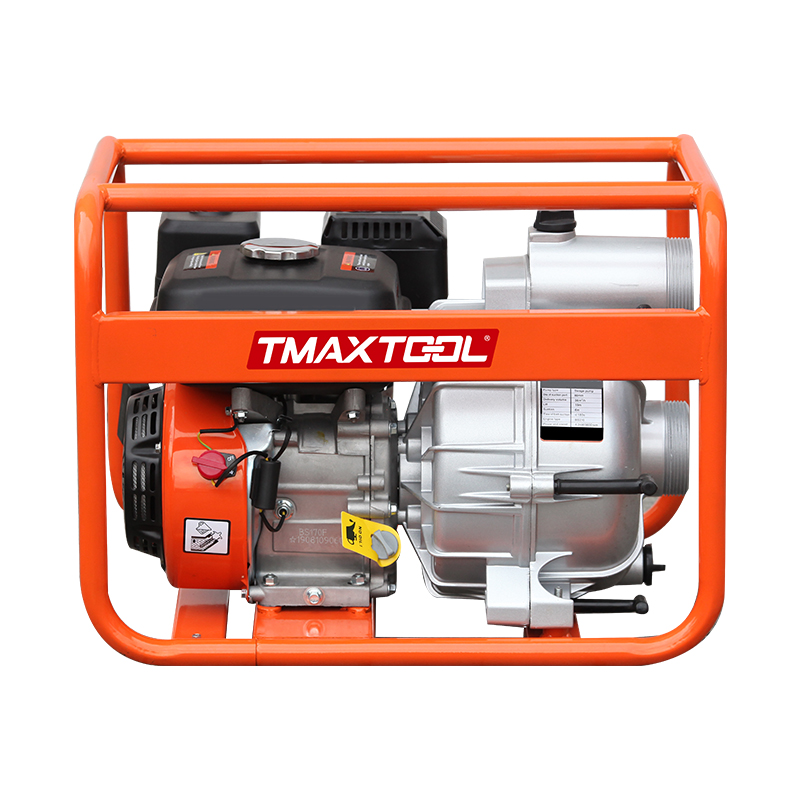 Water Pump
 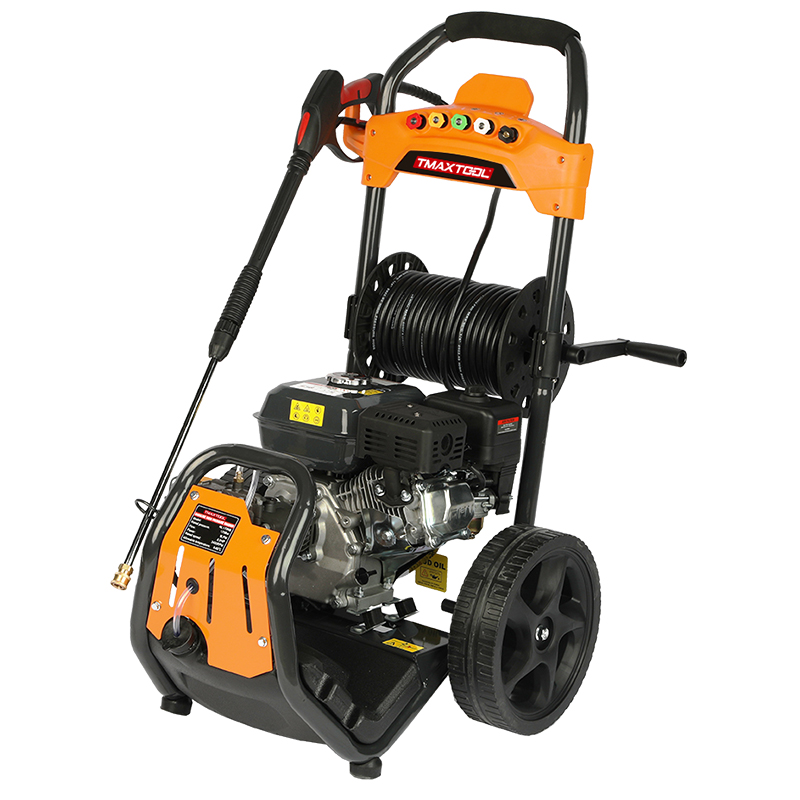 High Pressure Washer
 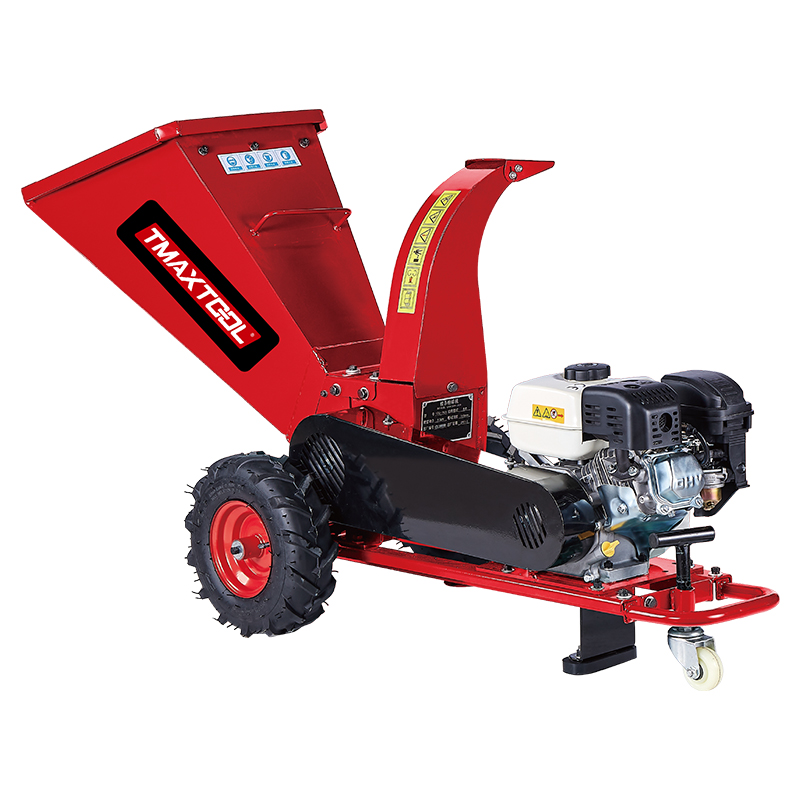 Wood Cutter
 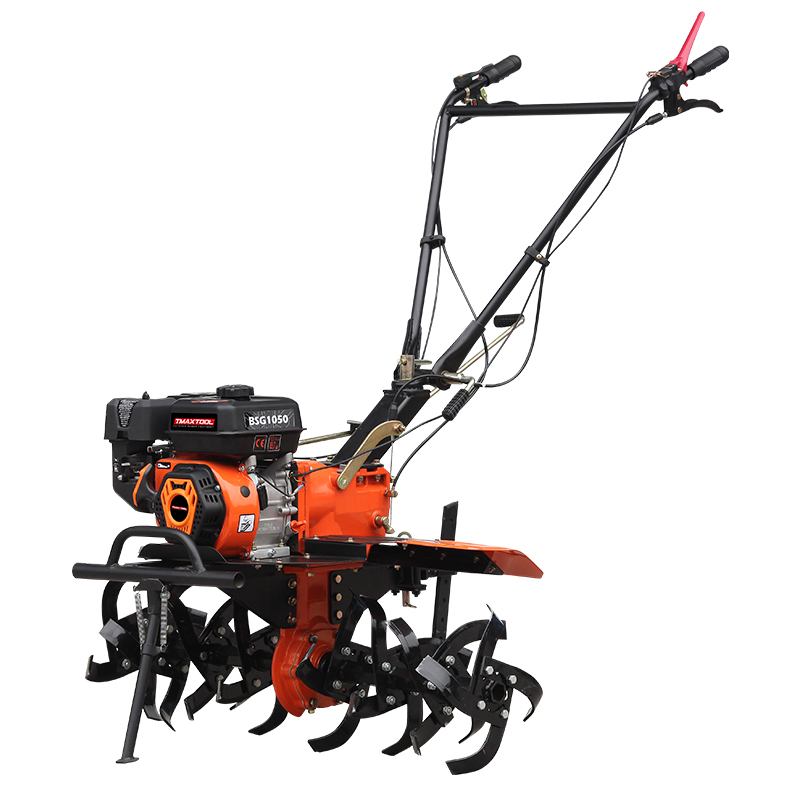 4 Stroke Tiller
 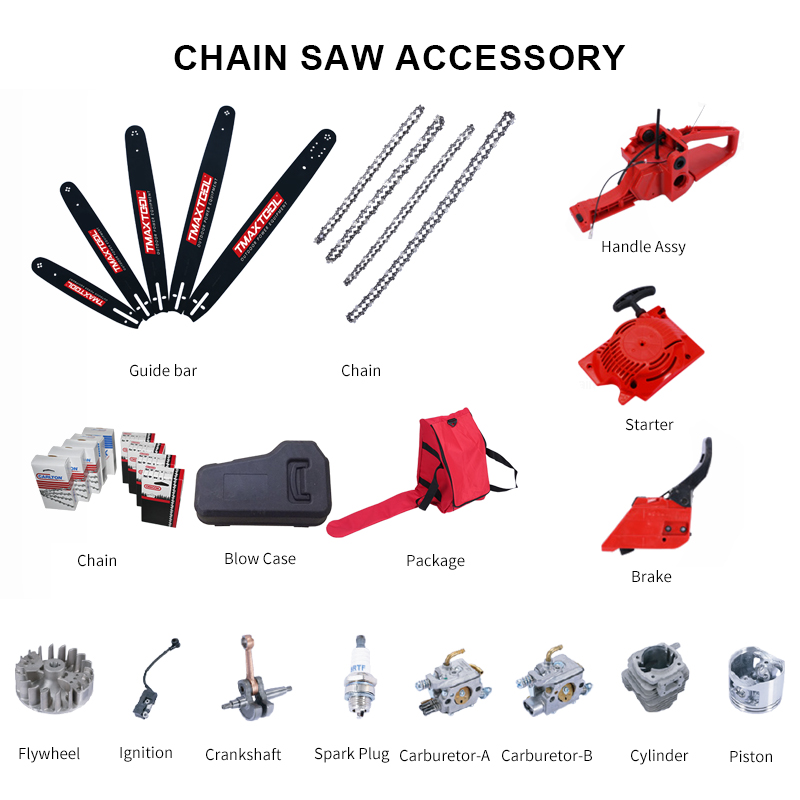 Chain Saw Accessory
 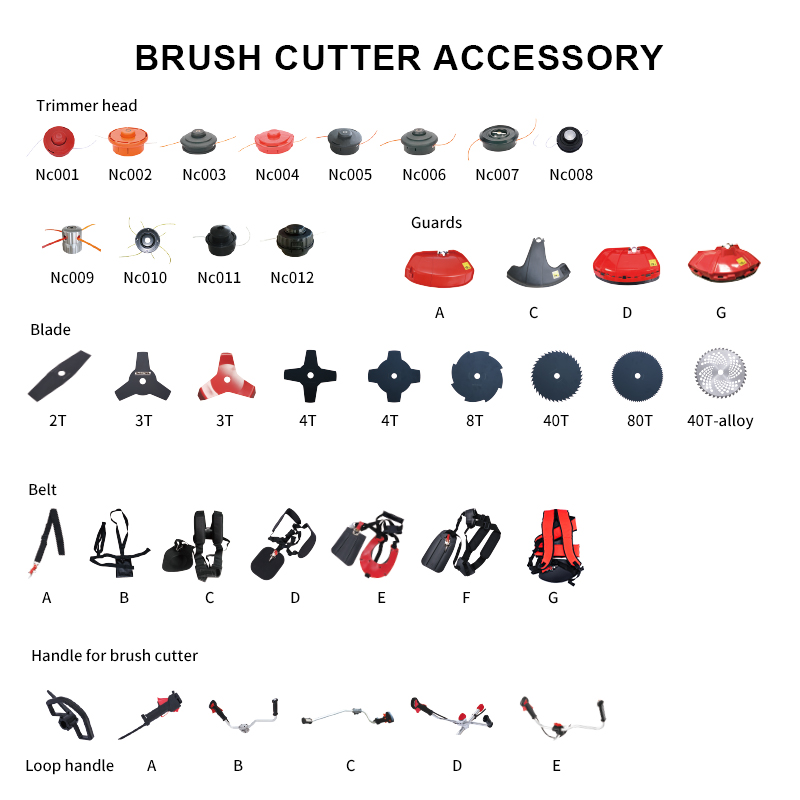 Brush Cutter Accessory
 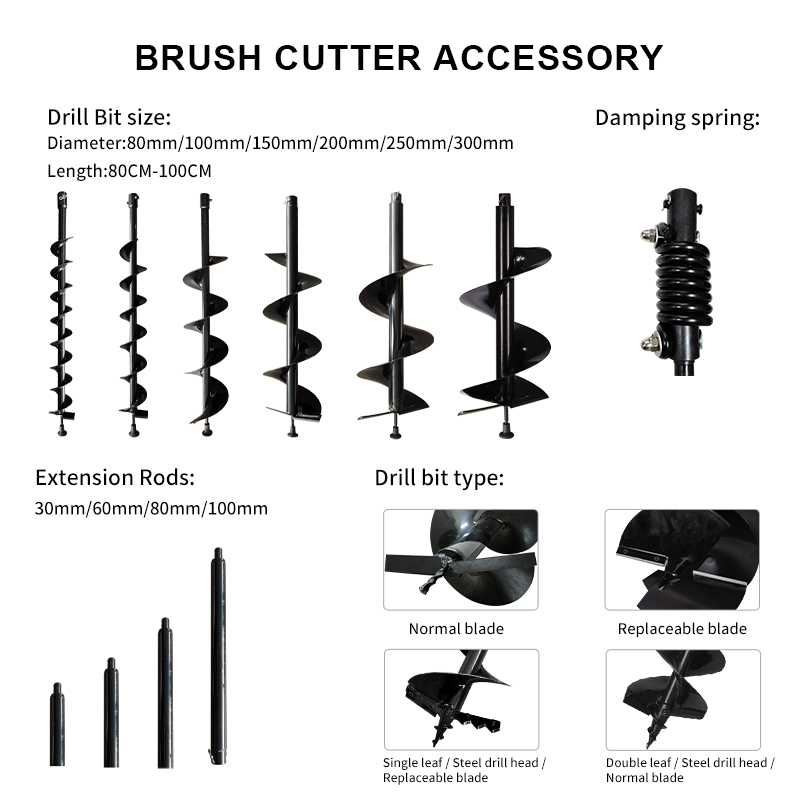 Earth Auger Accessory
 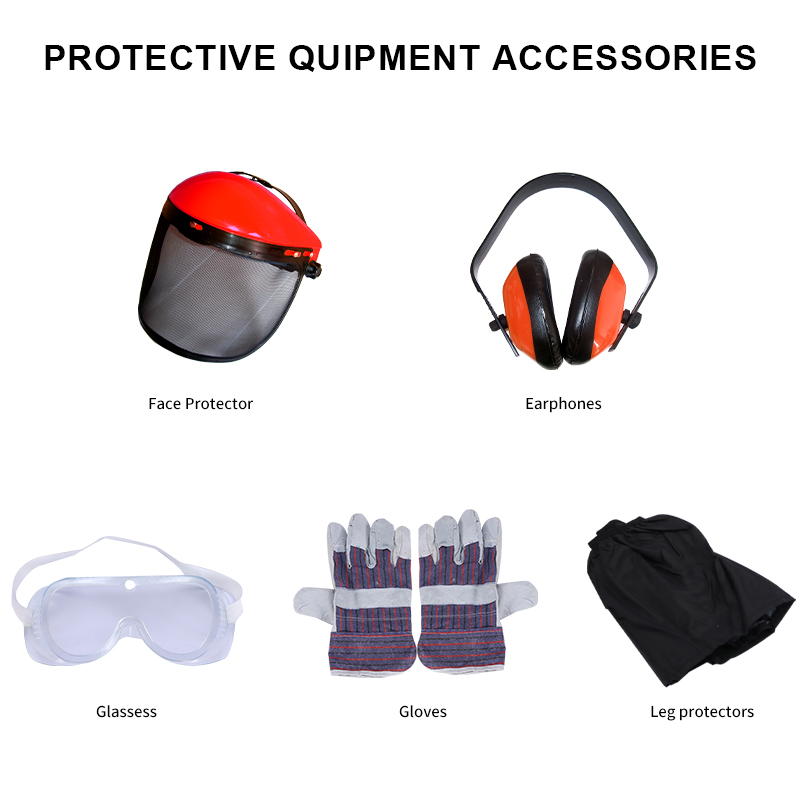 Protective Equipment Accessories
Leave Your Message


How to Import Power Tools from China Step by Step
How to Import Power Tools from China Step by Step
China has long been the world’s manufacturing hub for power tools, garden equipment, and agricultural machinery. For international buyers—whether you are a distributor, retailer, or industrial procurement professional—navigating the import process efficiently can mean the difference between a smooth supply chain and months of costly delays.
This guide walks you through every stage of importing power tools from China, with practical insights drawn from working with established manufacturers like TMAXTOOL, a company that has been supplying power tools, garden tools, and agricultural machines to over 50 countries worldwide.
Step 1: Define Your Product Requirements Clearly
Before you reach out to any supplier, you need to know exactly what you are looking for. The power tools category is vast—ranging from impact wrenches and cordless drills to angle grinders, polishers, and wood routers, not to mention garden tools like chain saws, brush cutters, and hedge trimmers, as well as agricultural machinery including Generators and water pumps.
Start by answering these questions:
-
What specific product categories do you need?
-
What voltage and plug standards are required for your target market (e.g., 110V for North America, 230V for Europe)?
-
Do you need cordless (battery-powered) or corded tools?
-
What certifications are mandatory in your country (CE, GS, UL, etc.)?
A reliable supplier will help you match your requirements with the right products. TMAXTOOL, for instance, offers an enriched product portfolio with various features and sizes to satisfy both professional workforce and home use needs.
Step 2: Research and Shortlist Potential Suppliers
Finding the right manufacturing partner is the most critical decision you will make. The global power tool market continues to grow, and countless manufacturers are vying for attention. However, not all suppliers are created equal.
Here is what to look for:
Manufacturing experience. How long has the company been in the industry? TMAXTOOL, for example, has over 15 years of tool manufacturing experience. Longevity often indicates stability, refined processes, and a track record of delivering on promises.
Production capacity. Can the supplier scale to meet your order volumes? TMAXTOOL operates 10 production lines across a 15,000-square-meter facility, with a monthly production capacity of 30,000 units. These are the kinds of metrics that matter when you are planning bulk orders.
Quality assurance systems. Ask about certification and quality control processes. TMAXTOOL manufactures most major parts in-house to facilitate quality control, and over 90% of their products are TUV certified. They also implement standards according to ISO 9000.
Client portfolio. Reputable suppliers often work with well-known brands. TMAXTOOL’s client list includes names like Mr.Bricolage, Varo, Brocofer, Lidl, Go/On, and Brumar. This kind of endorsement speaks volumes.
Step 3: Request Samples and Evaluate Quality
Never commit to a bulk order without testing the product first. Sample evaluation is your opportunity to verify that the manufacturer’s quality claims hold up in the real world.
When requesting samples:
-
Ask for samples that match your exact specifications.
-
Test the tools under conditions similar to how your end users will use them.
-
Check for build quality, ergonomics, noise levels, vibration damping, and overall performance.
-
Verify that safety features function as intended.
TMAXTOOL emphasizes that their products are characterized by low emission, low oil consumption, low noise, and effective damping effects, with an optimum combination of price and performance. These are exactly the kinds of attributes you should be testing for.
Sample lead times are another important consideration. TMAXTOOL offers sample delivery within 4 days, which is notably efficient compared to industry averages.
Step 4: Negotiate Terms and Finalize the Order
Once you are satisfied with the samples, it is time to move to the commercial stage. Key points to negotiate include:
Minimum Order Quantity (MOQ). MOQ and unit pricing are always closely related. Understand the supplier’s MOQ requirements and how they affect your per-unit cost.
Pricing and payment terms. Common payment methods include T/T, LC, PayPal, Cash, and Escrow. Discuss what works best for both parties.
Lead time. TMAXTOOL’s average lead time is 45 days, though this can vary based on order size and product complexity.
Customization. If you need private labeling, custom packaging, or specific feature modifications, confirm that the supplier can accommodate these requests. TMAXTOOL offers customized services.
Before signing, review the supplier contract carefully. Key clauses to pay attention to include quality specifications, delivery schedules, penalty provisions for delays, and after-sales support terms.
Step 5: Arrange Logistics and Shipping
Shipping power tools from China involves several logistical decisions. You will need to choose between sea freight (cost-effective for large volumes) and air freight (faster but more expensive).
Incoterms define who bears the cost and risk at each stage of transportation. Common terms for power tool imports include FOB (Free on Board) from Chinese ports like Ningbo or Shanghai—both of which are major export hubs—and CIF (Cost, Insurance, Freight) where the supplier arranges shipping to your destination port.
Work with your supplier to determine the best shipping method based on your order size, timeline, and budget.
Step 6: Prepare Export Documentation
This is where many first-time importers stumble. Incomplete or inaccurate documentation can lead to customs delays, fines, or even seizure.
Essential documents for importing power tools typically include:
-
Commercial Invoice
-
Packing List
-
Bill of Lading (for sea freight) or Air Waybill (for air freight)
-
Certificate of Origin
-
Export License (TMAXTOOL’s export license number is 00807564)
-
Product Certificates (CE, GS, etc.)
-
Insurance Certificate (if applicable)
TMAXTOOL provides guidance on agricultural equipment export documentation, and the same principles apply to power tools and garden tools. Accurate and complete documentation stands as the backbone of smooth customs clearance.
Step 7: Customs Clearance in Your Country
Once your shipment arrives at the destination port, it must clear customs in your country. This process varies by jurisdiction but generally involves:
-
Filing an import declaration
-
Paying applicable duties and taxes
-
Presenting all required documentation
-
Potentially undergoing physical inspection
Work with a licensed customs broker in your country to navigate this step efficiently. They can help you classify your products correctly under the Harmonized System (HS) codes and ensure you are paying the correct duty rates.
Step 8: After-Sales Support and Quality Feedback
The import process does not end when the goods arrive. Establishing a feedback loop with your supplier is essential for long-term success.
A good supplier will track feedback from customer comments and concerns to make improvements and develop better products. This after-sales process ensures that quality issues are addressed and that future orders benefit from continuous improvement.
TMAXTOOL’s commitment to total customer solutions is supported by innovative designs, powerful production facilities, professional management teams, and conscientious services. This kind of partnership approach is what distinguishes reliable manufacturers from transactional ones.

Why TMAXTOOL Stands Out for Power Tool Imports
Throughout this guide, we have referenced TMAXTOOL as an example of what to look for in a power tool supplier. Here is a quick summary of why they are worth considering for your import needs:
Comprehensive product range. From power wrenches and drills to garden tools and agricultural machinery, TMAXTOOL covers the full spectrum.
Proven quality. Over 90% of products are TUV certified, and most major parts are manufactured in-house to ensure quality control.
Global reach. With customers across Europe, Oceania, South America, and Southeast Asia, TMAXTOOL understands international requirements.
Efficient lead times. Sample delivery in 4 days and an average lead time of 45 days.
Strong client roster. Working with major retailers like Lidl and Mr.Bricolage demonstrates reliability at scale.
After-sales commitment. A structured process for tracking and acting on customer feedback.
Final Thoughts
Importing power tools from China is a multi-step process that requires careful planning, thorough research, and ongoing communication with your supplier. By following this step-by-step guide—from defining your requirements to managing after-sales relationships—you can build a supply chain that delivers quality products consistently and cost-effectively.
The key is to choose a manufacturing partner that combines manufacturing expertise, quality assurance, and a genuine commitment to customer satisfaction. Companies like TMAXTOOL demonstrate that with the right partner, importing from China can be a smooth and profitable endeavor.
Whether you are sourcing Cordless Drills for a retail chain, garden tools for a landscaping distributor, or agricultural machinery for industrial clients, the principles remain the same: define your needs, vet your suppliers thoroughly, test before you commit, and maintain open lines of communication throughout the process.