
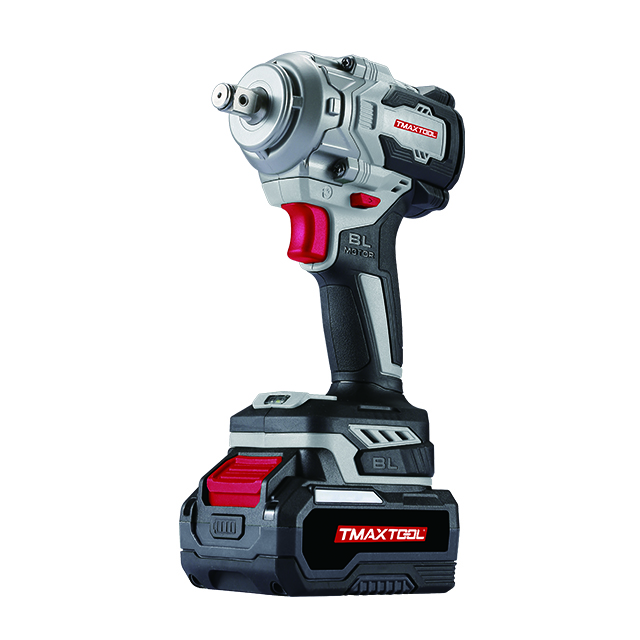
 Impact Wrench
 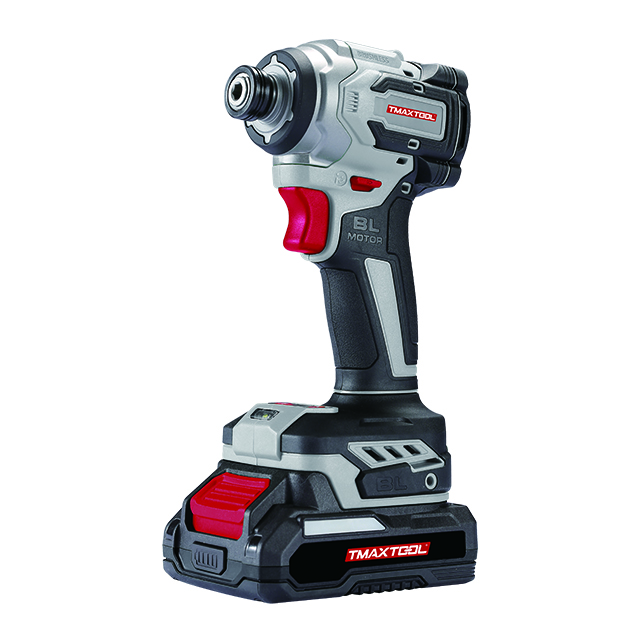 Screwdriver
 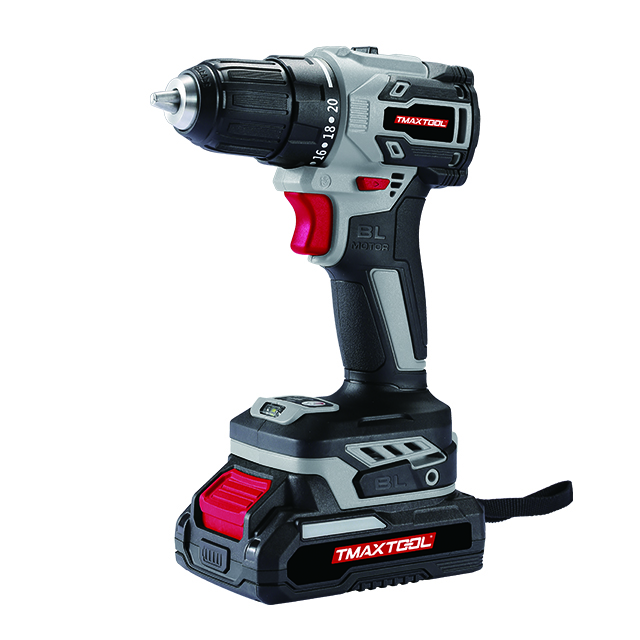 Cordless Drill
 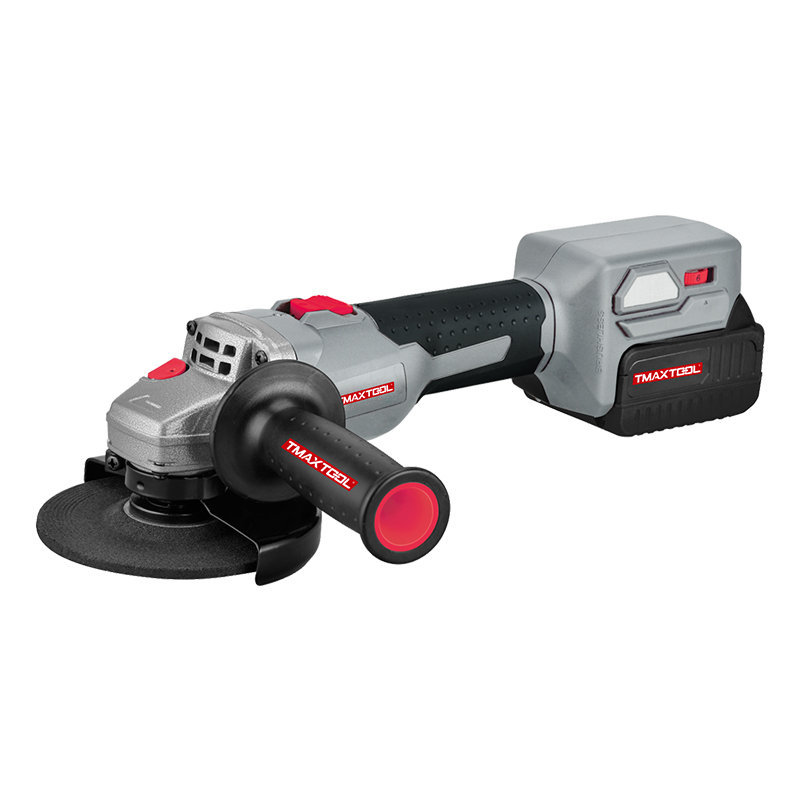 Angle Grinder
 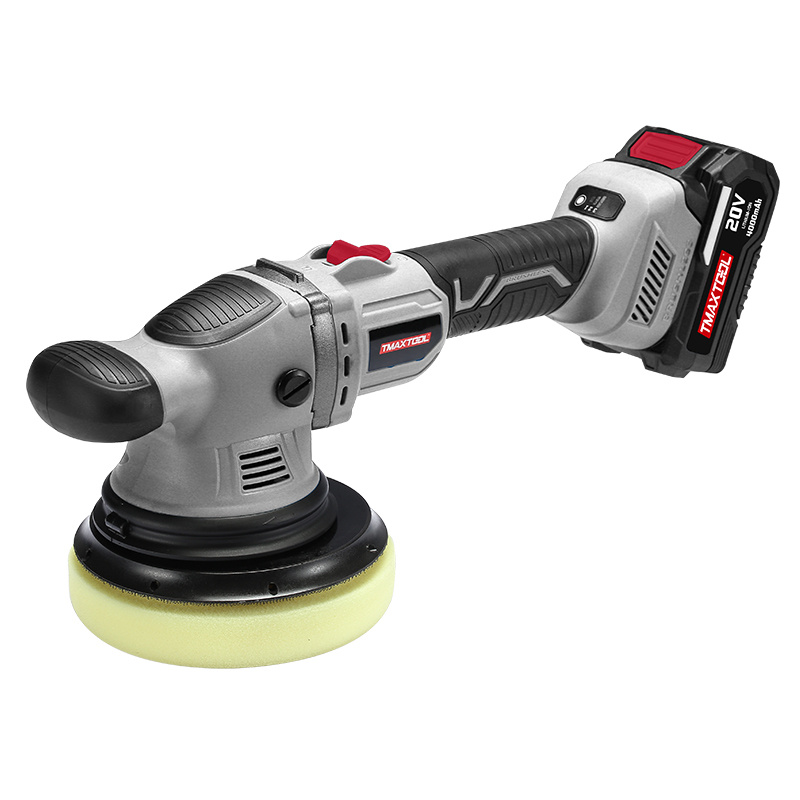 Polisher
 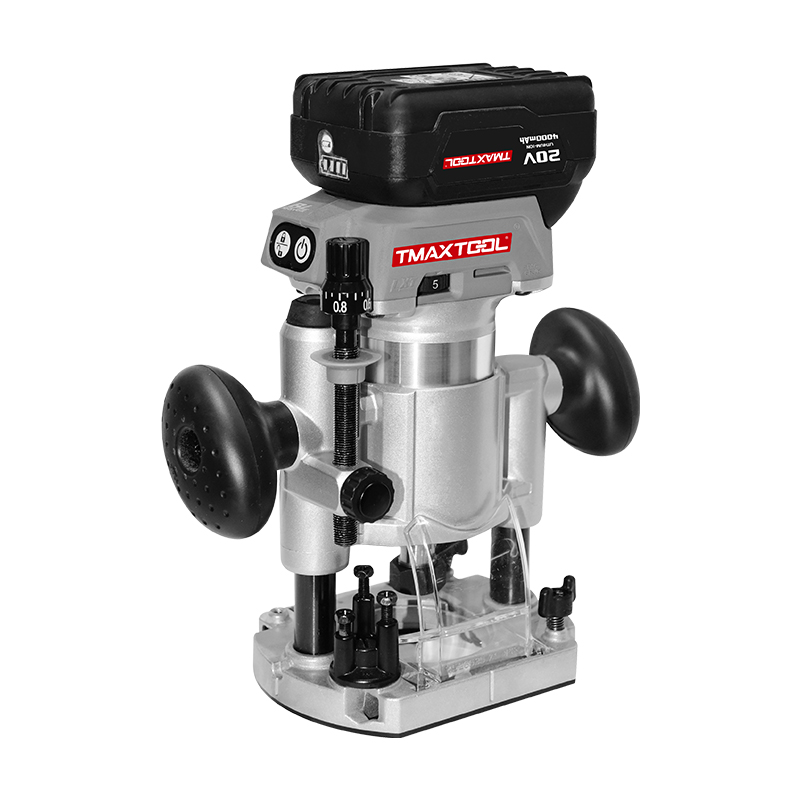 Wood Router
 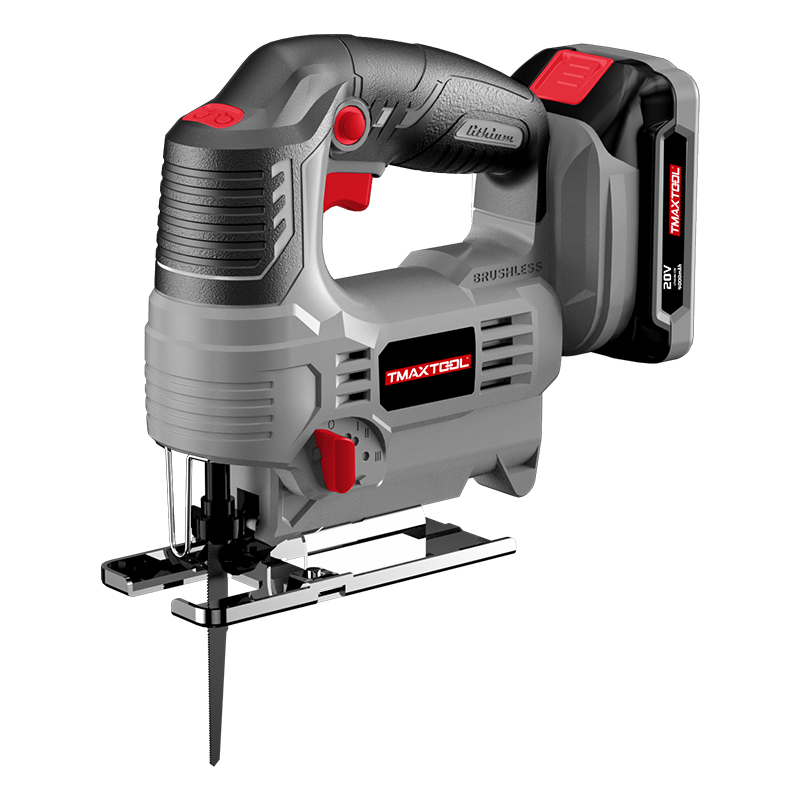 Jig Saw
 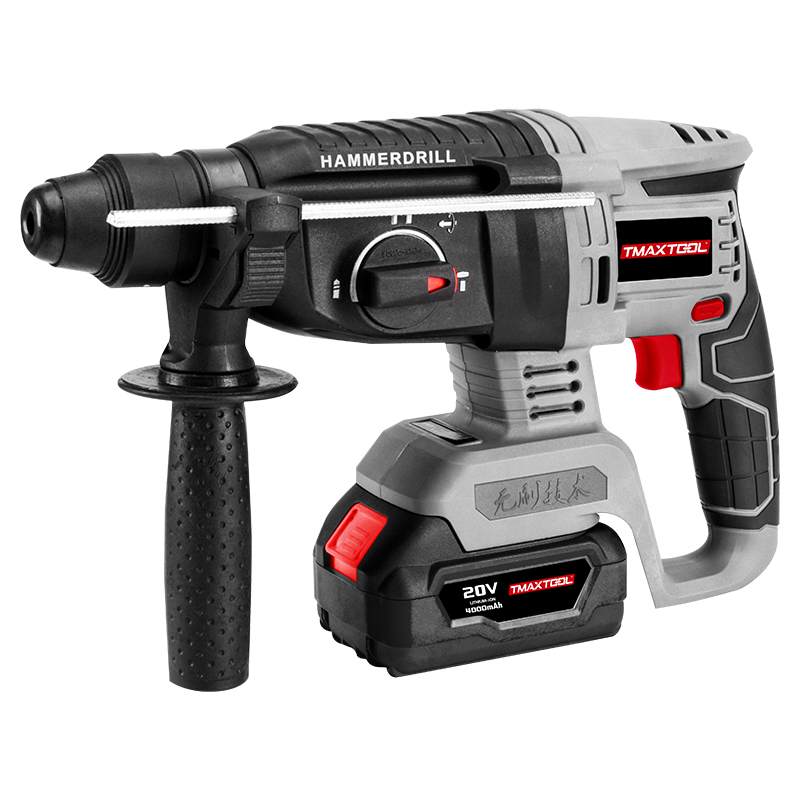 Hammer Drill
 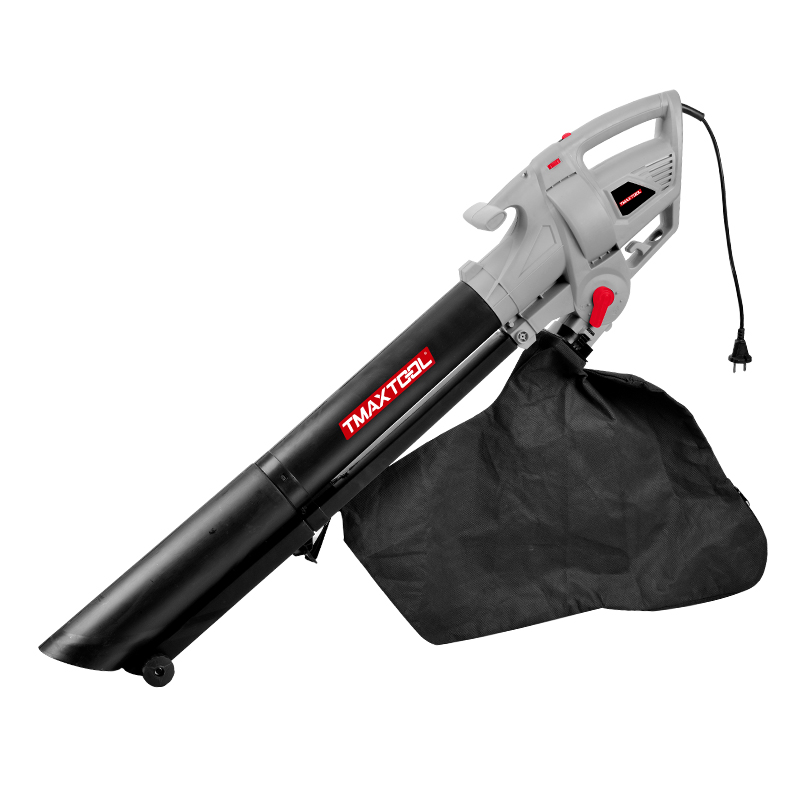 Portable Blower
 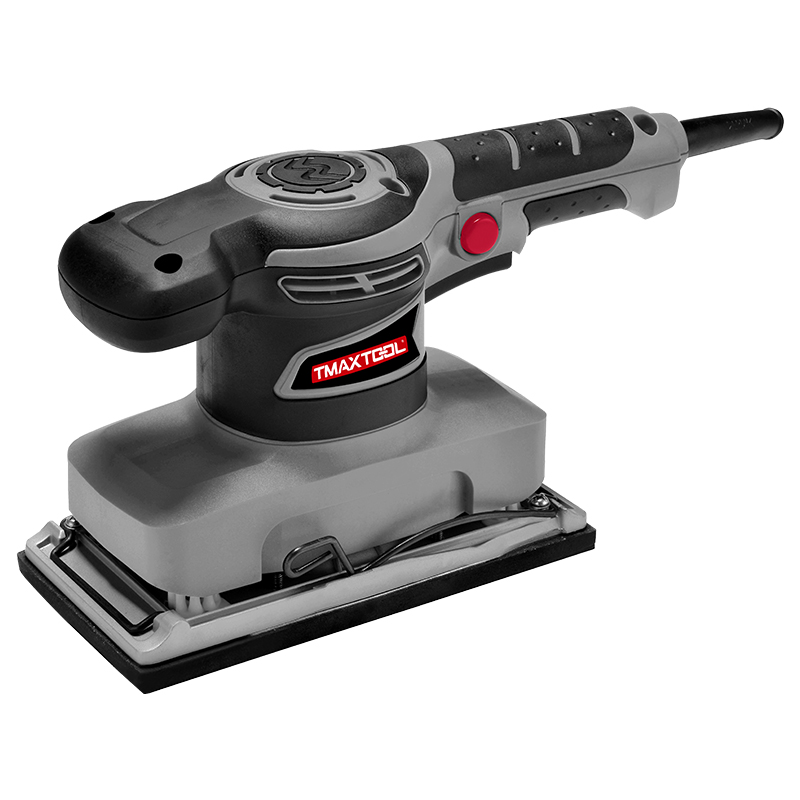 Orbital Sander
 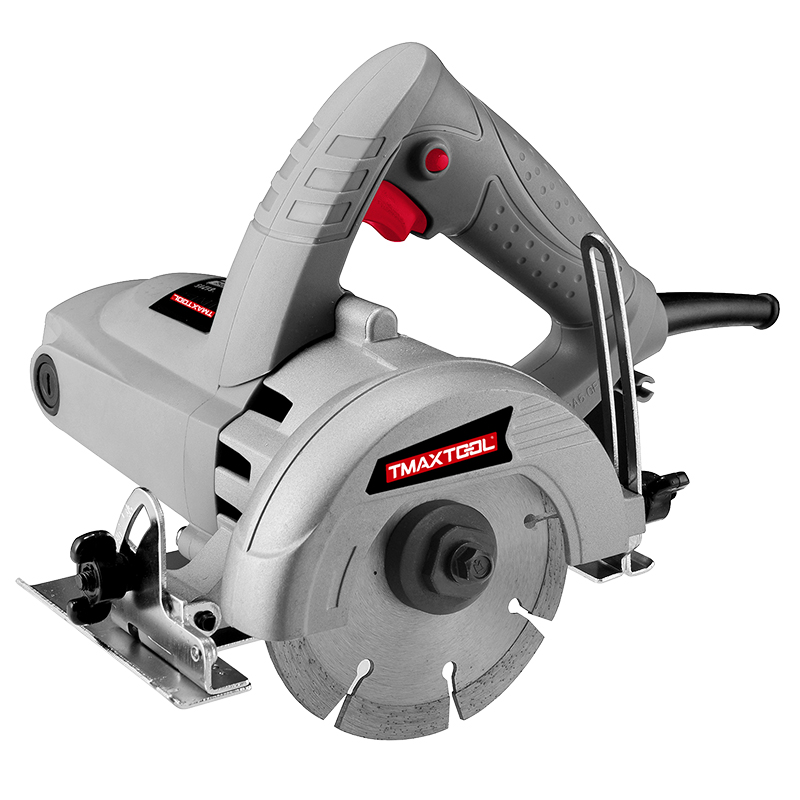 Marble Cutter
 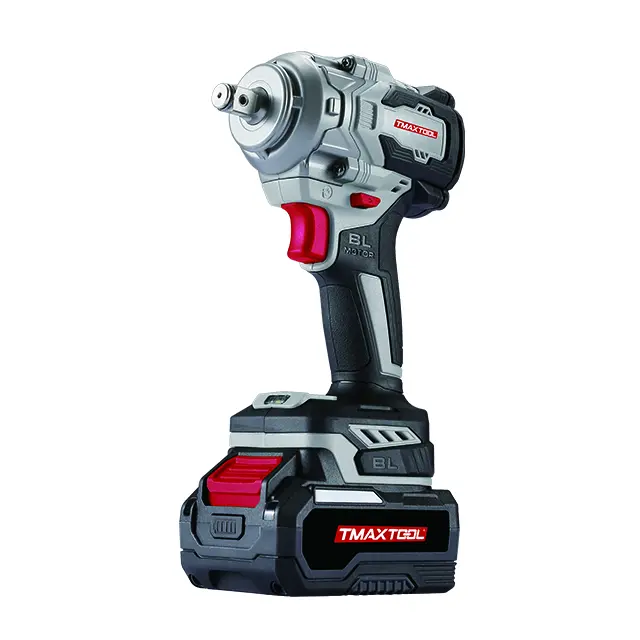 GARDEN TOOLS
 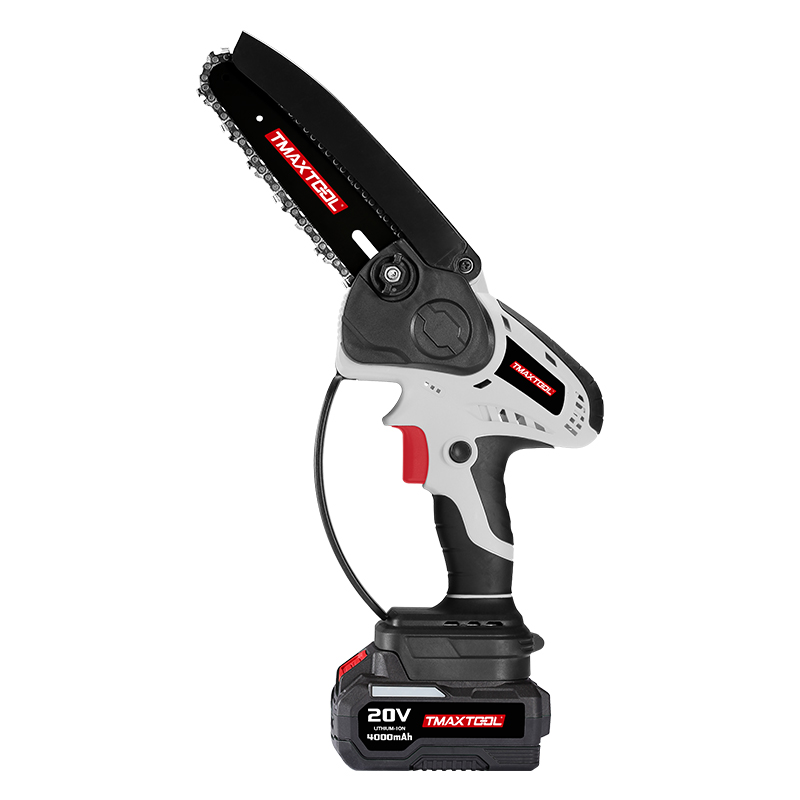 Battery Chain Saw
 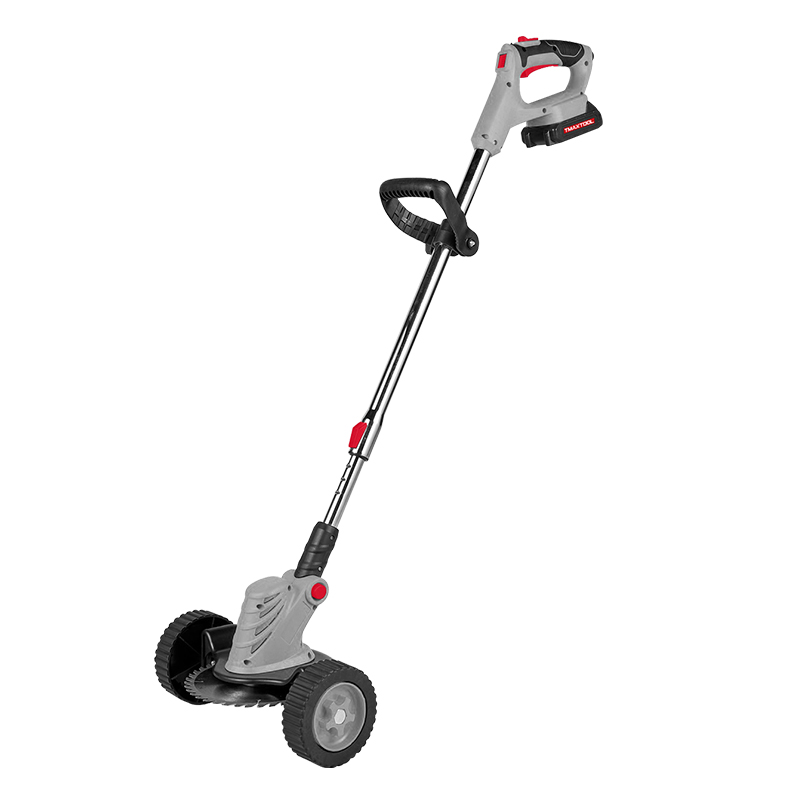 Battery Brush Cutter
 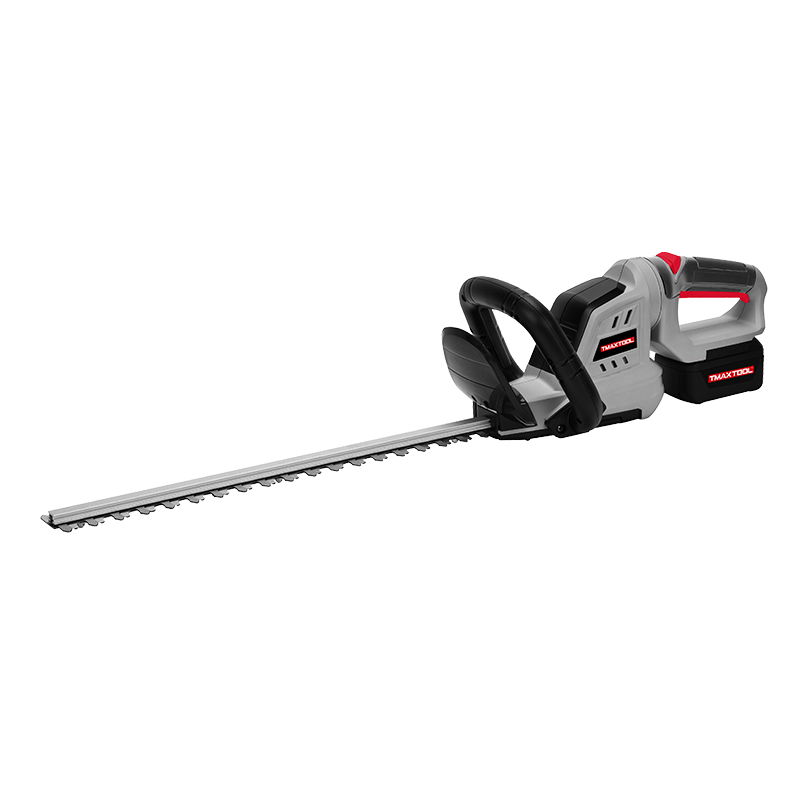 Battery Hedge Trimmer
 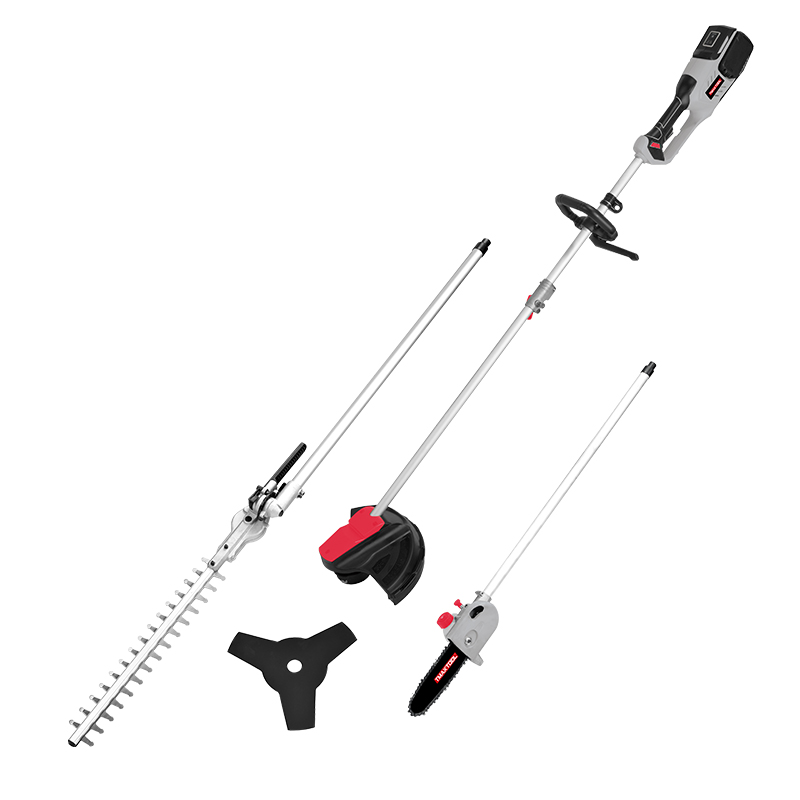 Battery Multi Tool
 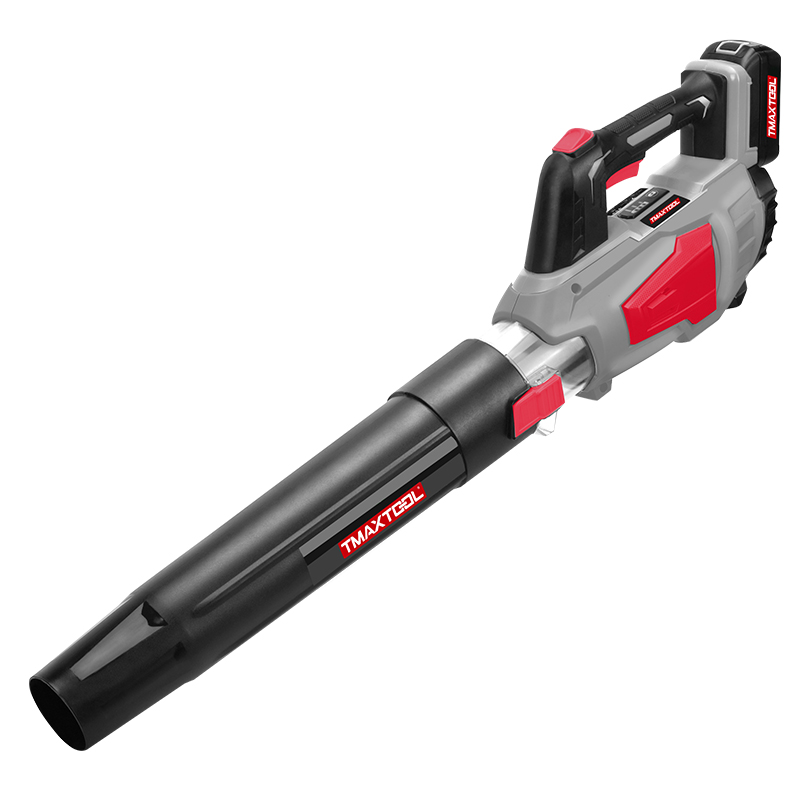 Battery Blower
 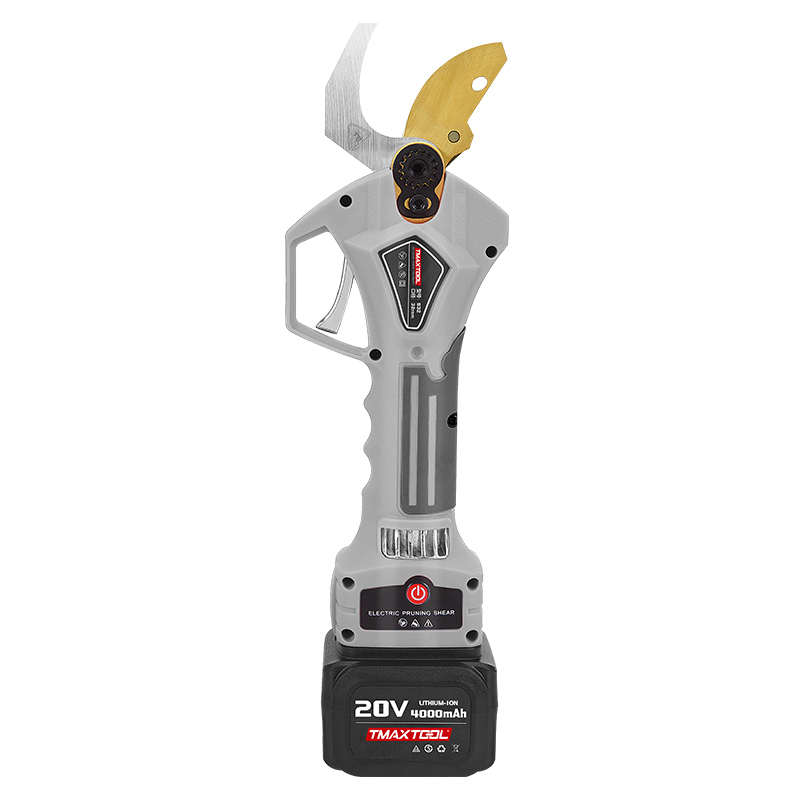 Batter Pruning Shears
 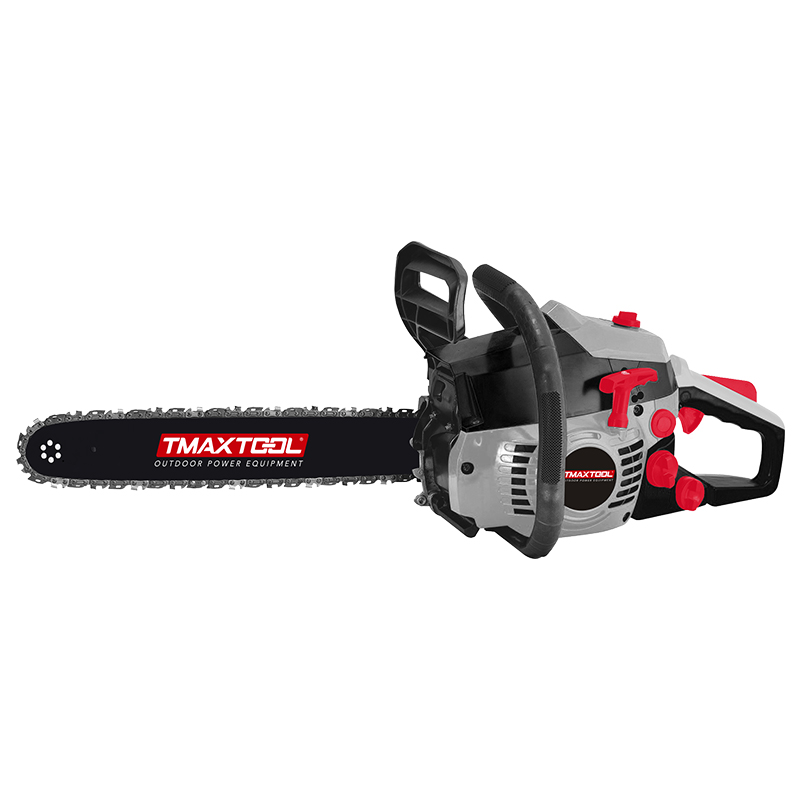 Chain Saw
 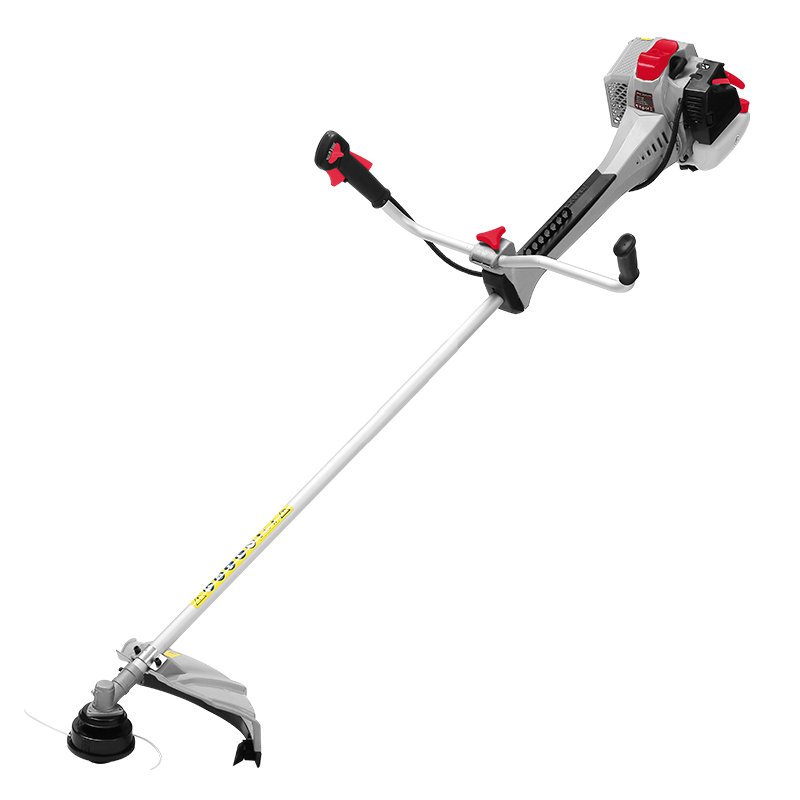 Brush Cutter
 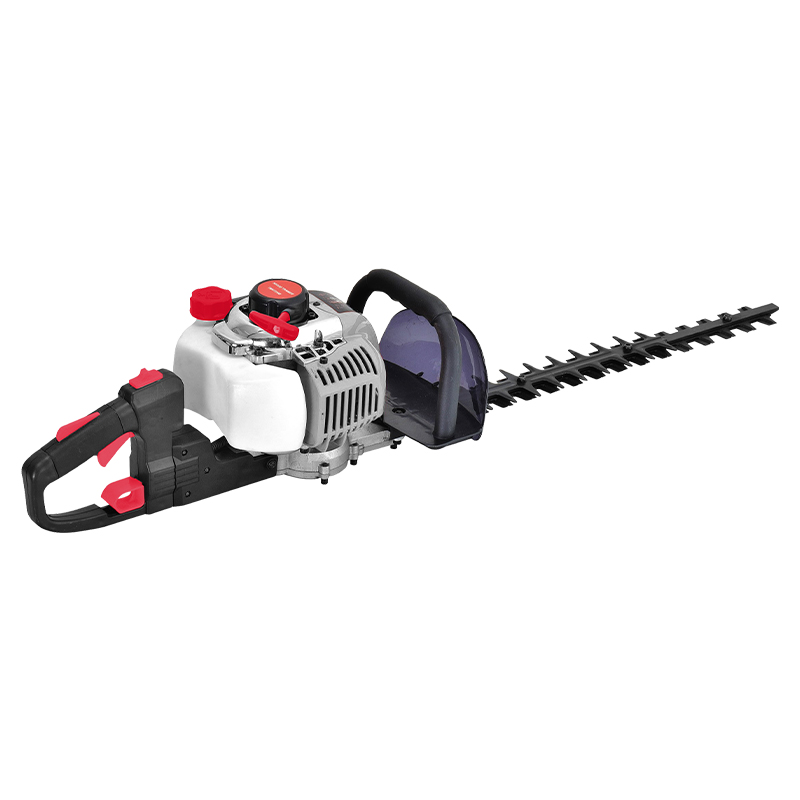 Hedge Trimmer
 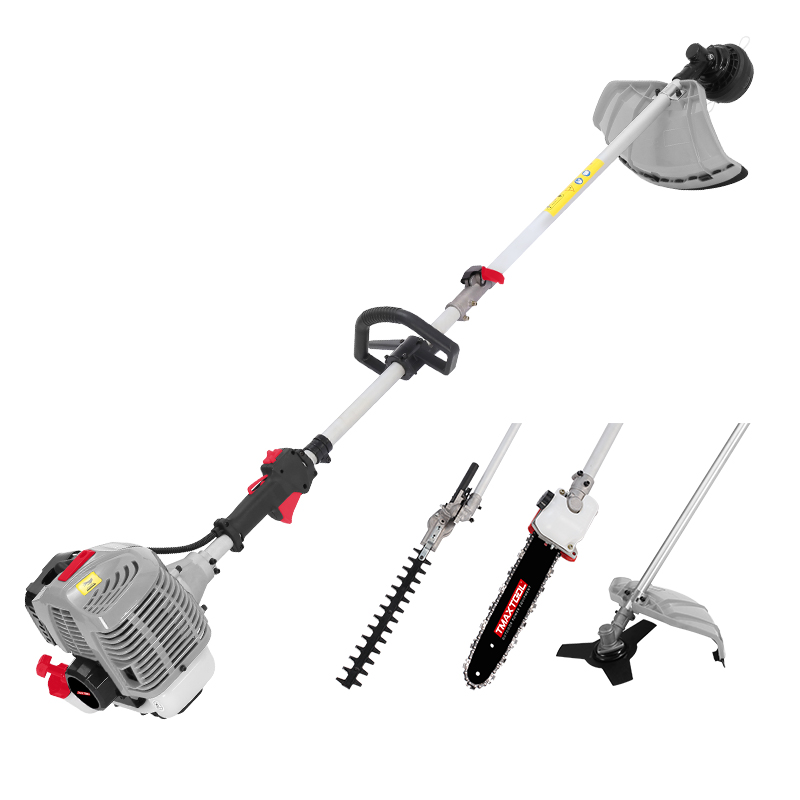 Multi Tool
 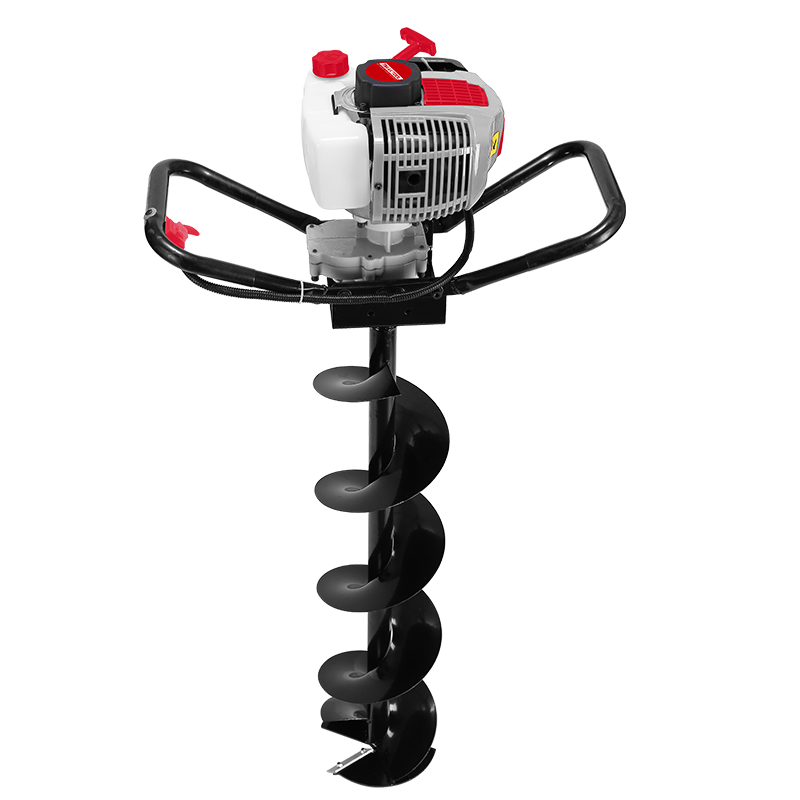 Earth Auger
 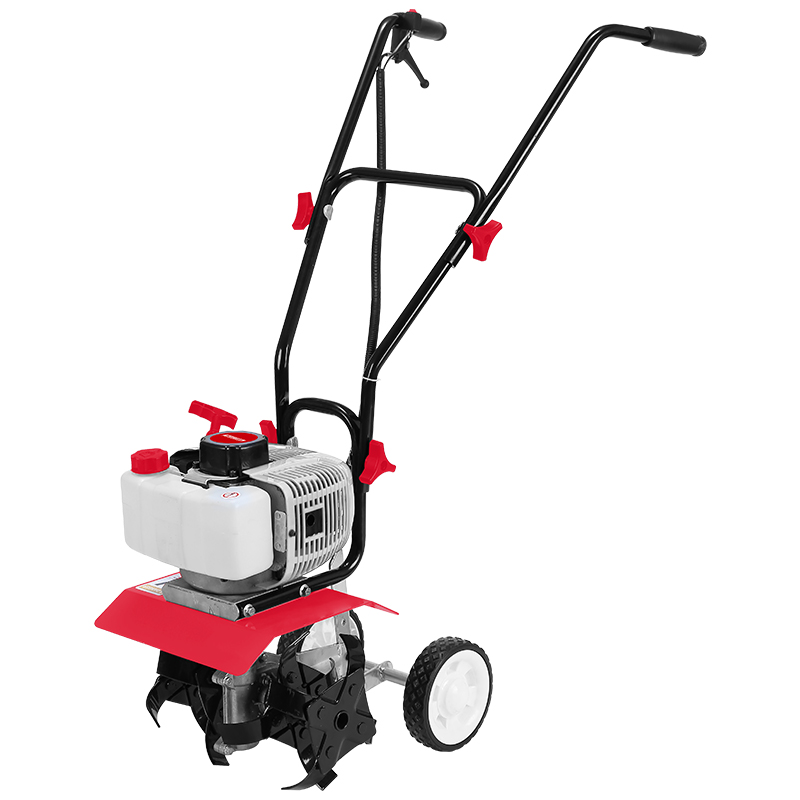 Tiller
 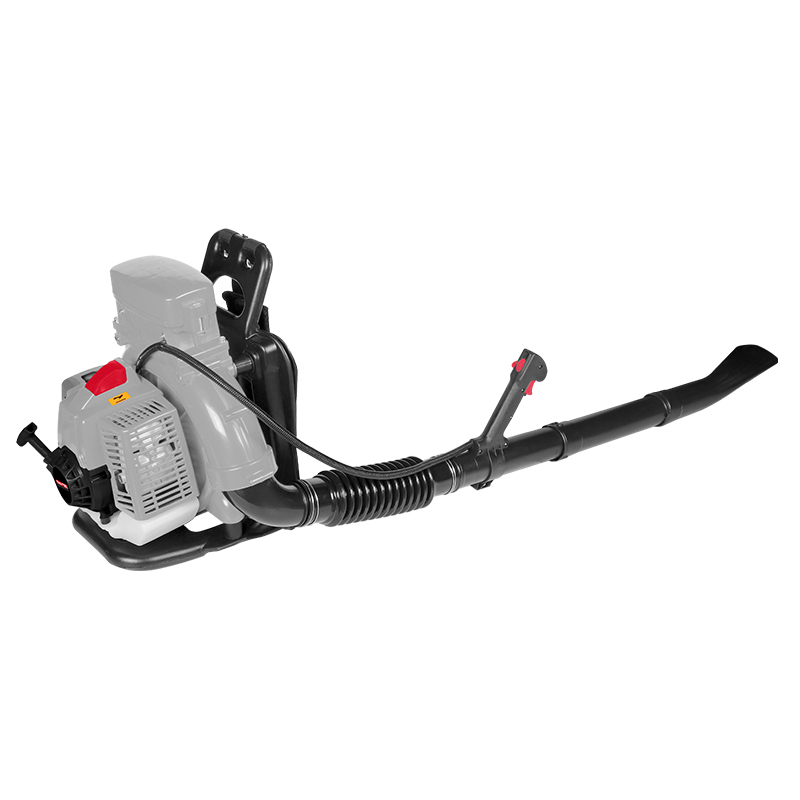 Blower
 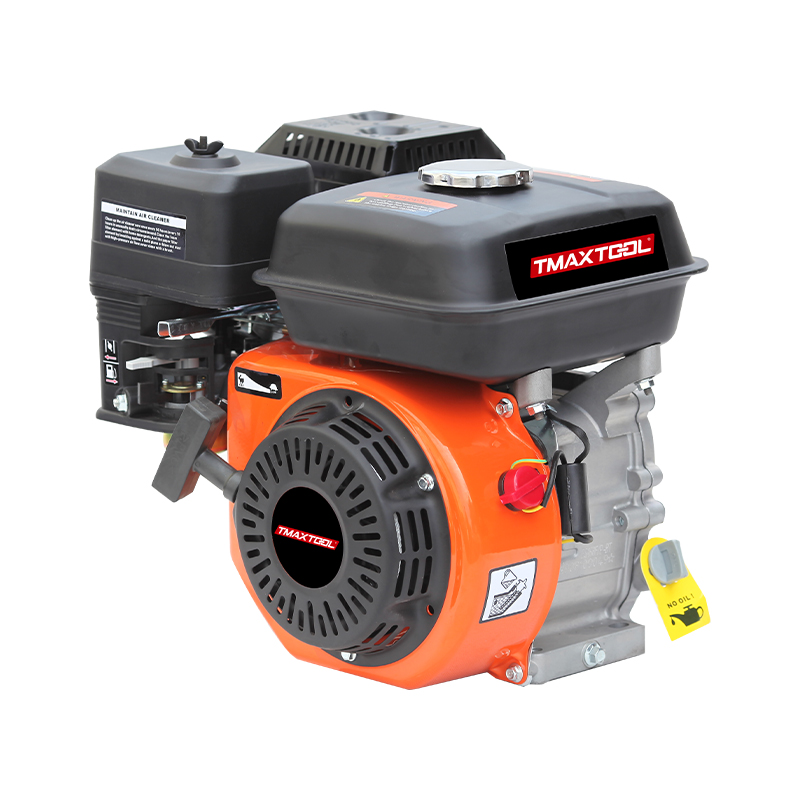 4 Stroke Gasoline Engine
 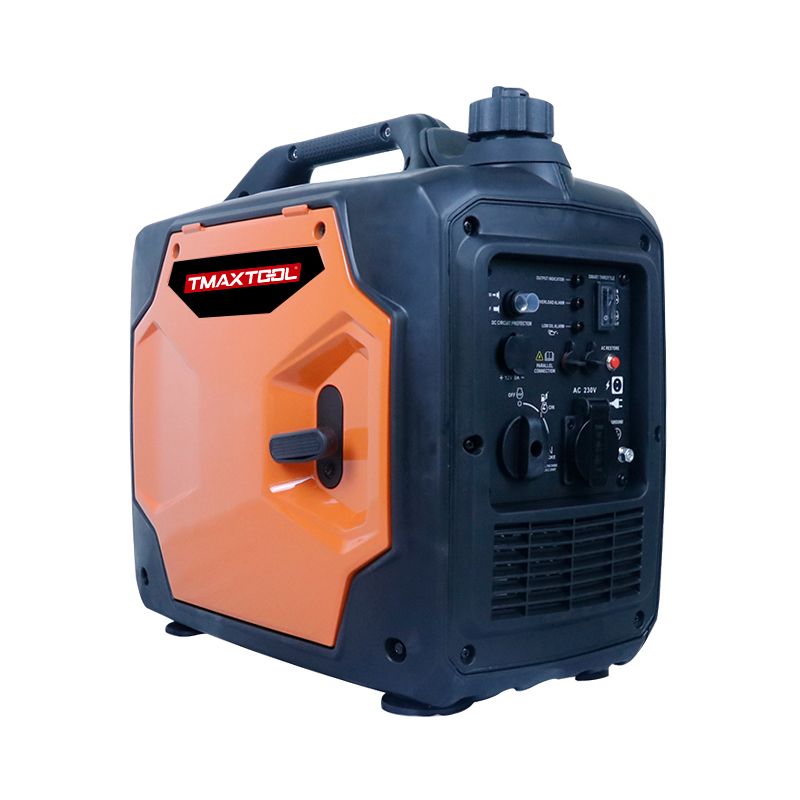 Generator
 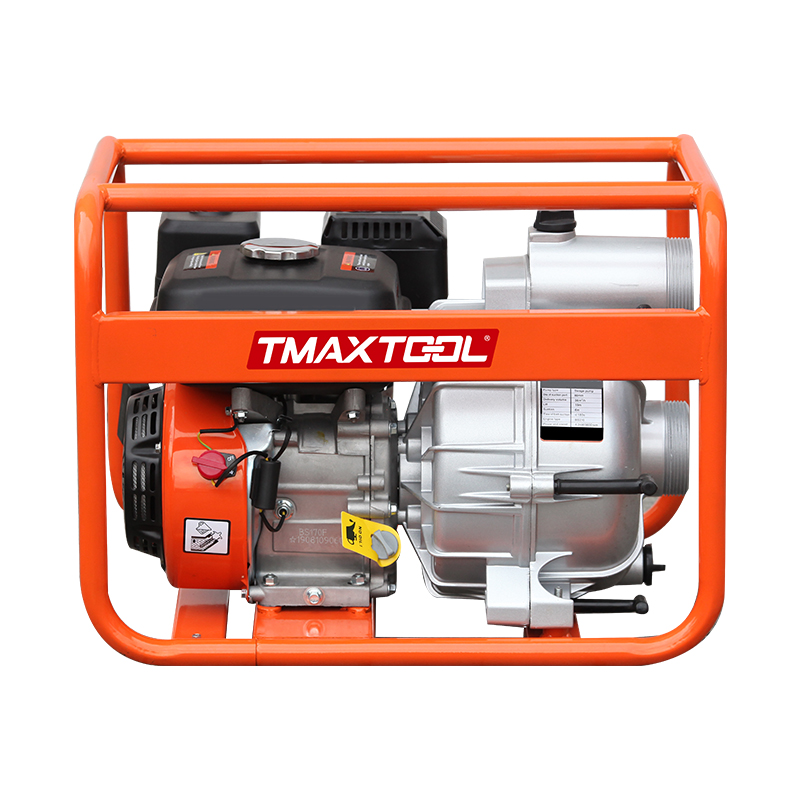 Water Pump
 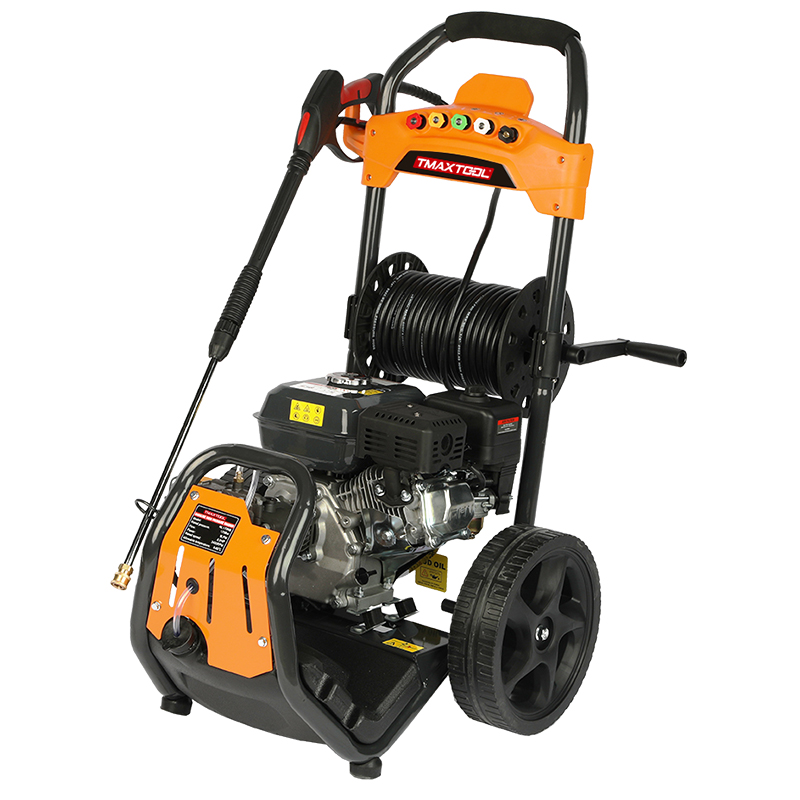 High Pressure Washer
 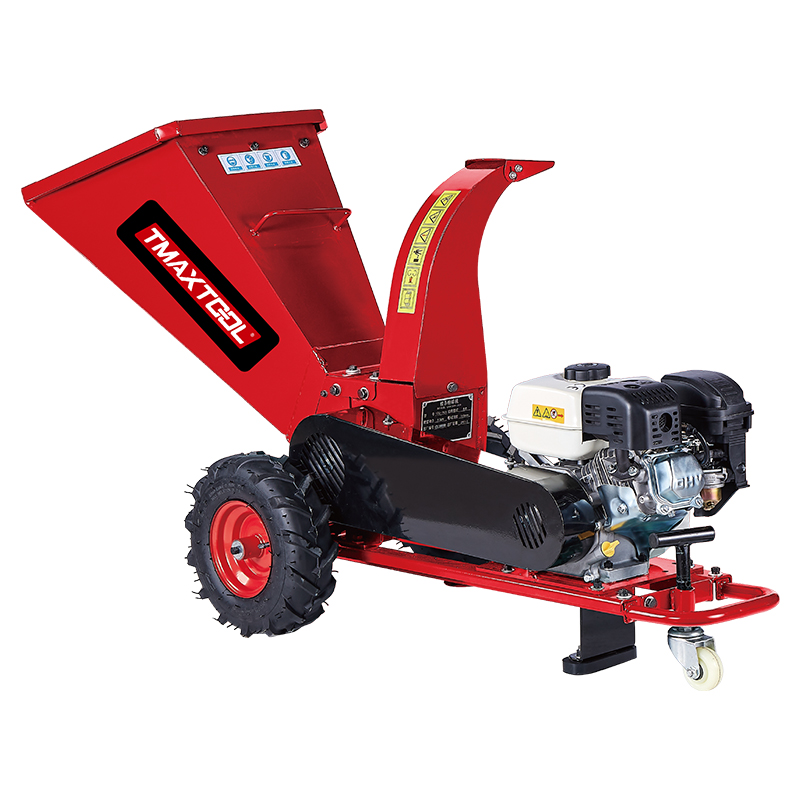 Wood Cutter
 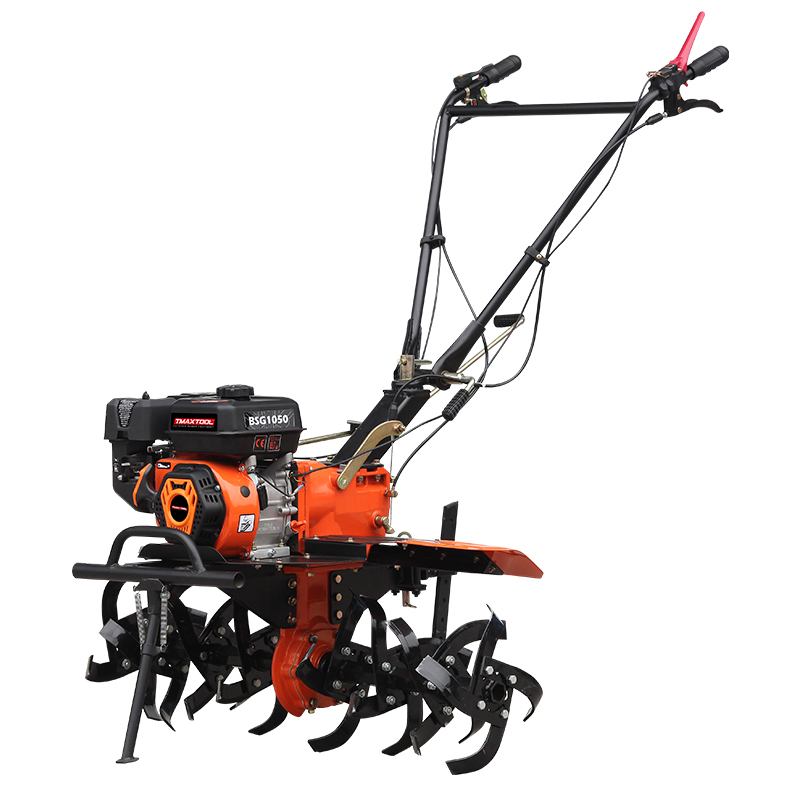 4 Stroke Tiller
 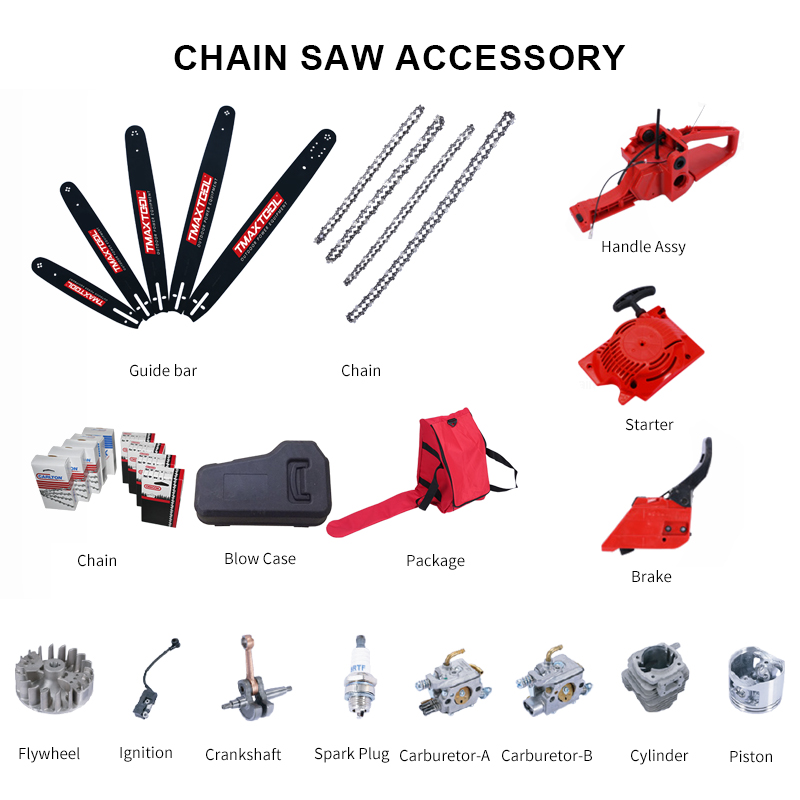 Chain Saw Accessory
 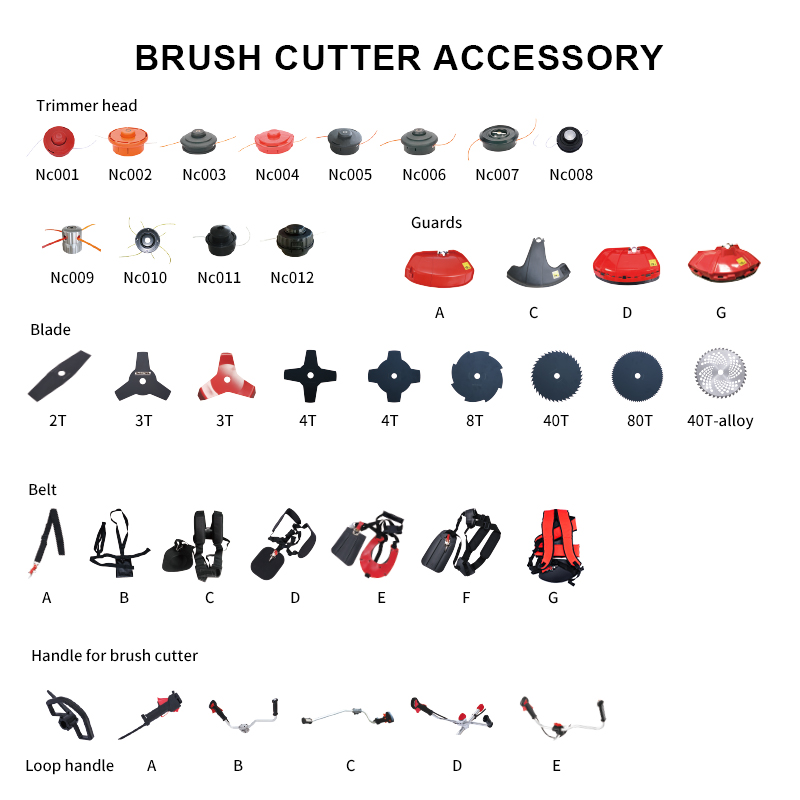 Brush Cutter Accessory
 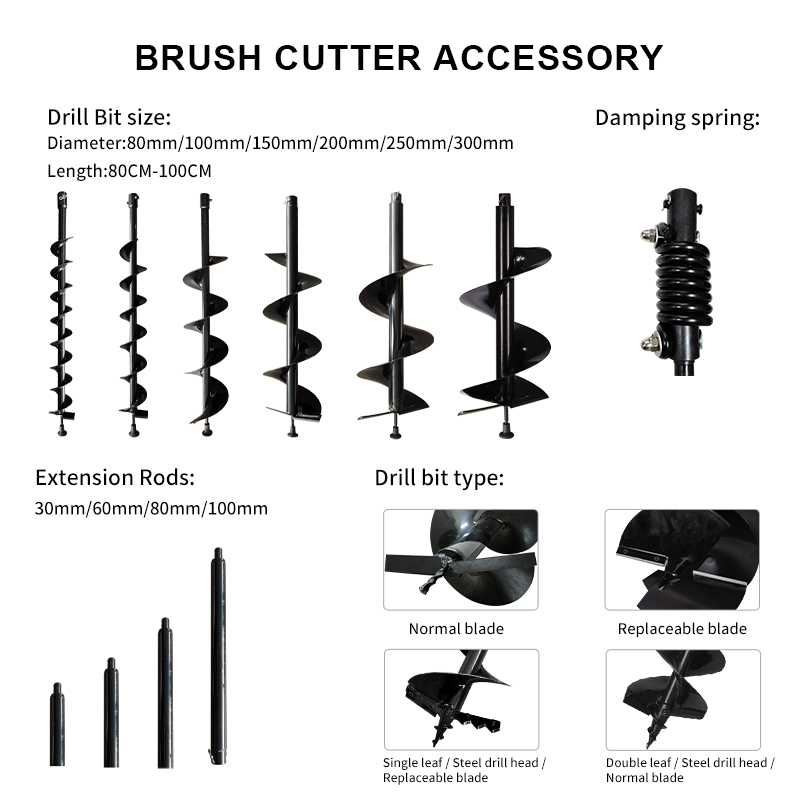 Earth Auger Accessory
 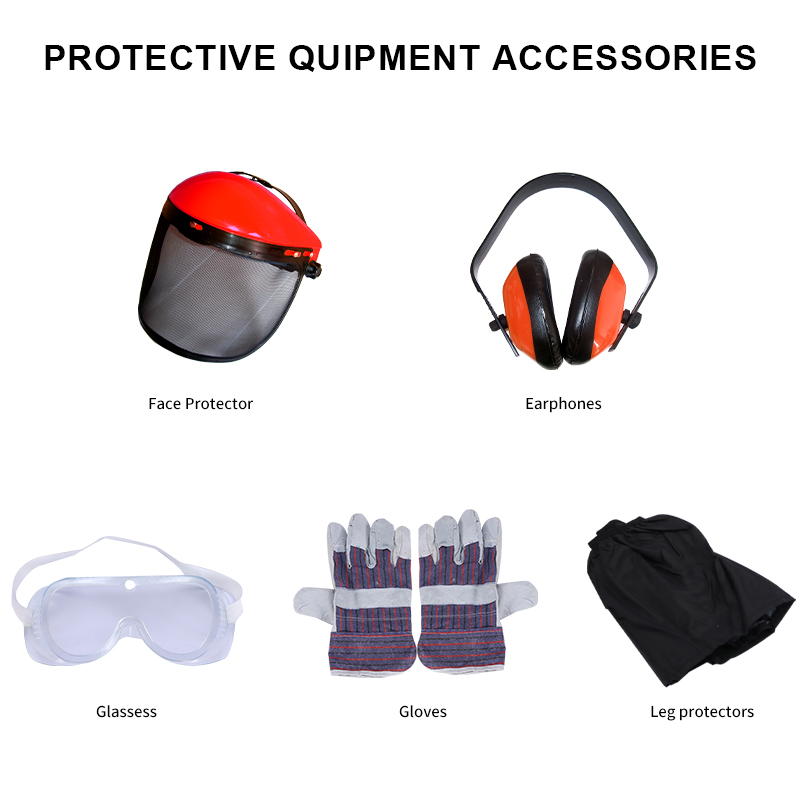 Protective Equipment Accessories
Leave Your Message


How to prevent collapse when using a spiral drill in the desert?
In the highly mobile desert, the most common problem encountered during the operation of auger drills is "hole collapse" - as soon as the drill bit is lifted, the hole wall collapses instantly due to water loss, self-weight or disturbance. To prevent this phenomenon, we can start from the three main lines of "stabilizing the hole, solidifying the wall, and reducing disturbance". The specific measures are as follows:
Wet spiral drilling - Water is injected while drilling
Low-pressure clean water is injected into the center of the drill pipe. The water seeps out evenly along the spiral blades, forming a water film on the hole wall and quickly wetting the sand grains. The originally loose sand is temporarily cemented due to capillary action, significantly reducing the probability of hole collapse. The water volume should be controlled at "moistening without flushing" to avoid excessive dilution causing quicksand.
The casing or arm guard plate follows synchronously
A detachable thin-walled steel casing is set behind the drill bit, or a helical drill with a "guard arm plate" is used. When drilling a section, the casing sinks for a section, which is equivalent to providing a "temporary hoop" for the hole wall to prevent the hole opening and the upper part from collapsing first.

Staged reaming reduces one-time disturbance
First, form a "guide hole" with a small-diameter helical drill, and then gradually expand it to the designed hole diameter. Graded reaming can reduce the single shear force on the hole wall, lower the risk of hole collapse, and facilitate timely correction of skew.
Platform-based operations reduce human trampling
A load-bearing platform with rollers and support columns is adopted to lift the drilling rig as a whole off the sand surface, avoiding secondary collapse caused by repeated trampling of the sand around the hole opening by personnel. The platform can also integrate water tanks, electric control valves and dust removal devices to achieve continuous and stable operation.
Rapid continuous operation and shortened exposure time
Immediately after the drilling is completed, lower the steel cage or seedlings and promptly refill with concrete or raw sand to minimize the exposure time of the hole wall to the air and prevent strength attenuation caused by water evaporation.
On-site hardening and marking
For construction passages, steel plates can be temporarily laid or a thin layer of concrete cushion can be poured to enhance the bearing capacity of the foundation and prevent the tracks from sinking and the center of gravity from being unbalanced when the drilling rig shifts. The completed holes should be surrounded with light strips or flags to prevent accidental pressure at night.
Through the closed-loop process of "water injection for sand fixation - casing wall protection - graded hole expansion - platform disturbance reduction - rapid hole formation", even in mobile sand dunes with extremely low water content and extremely fine particles, the hole collapse rate can be controlled within the acceptable range of the project, providing stable holes for subsequent greening and tree planting or photovoltaic pile foundation construction.
