
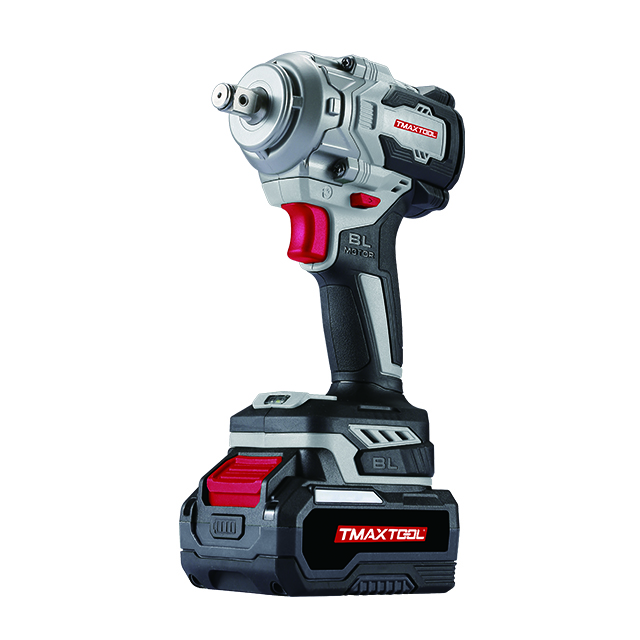
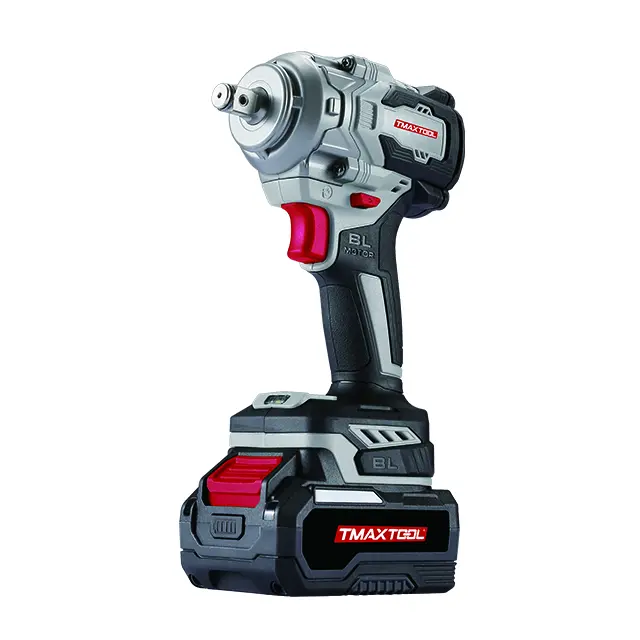
 Impact Wrench
 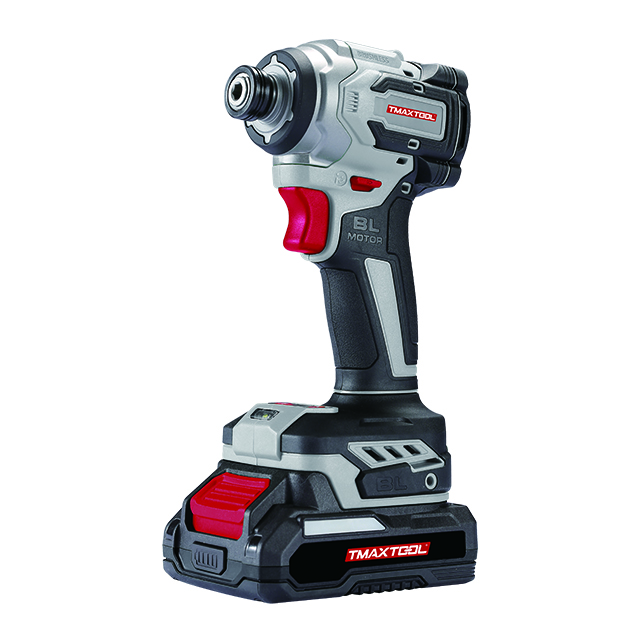 Screwdriver
 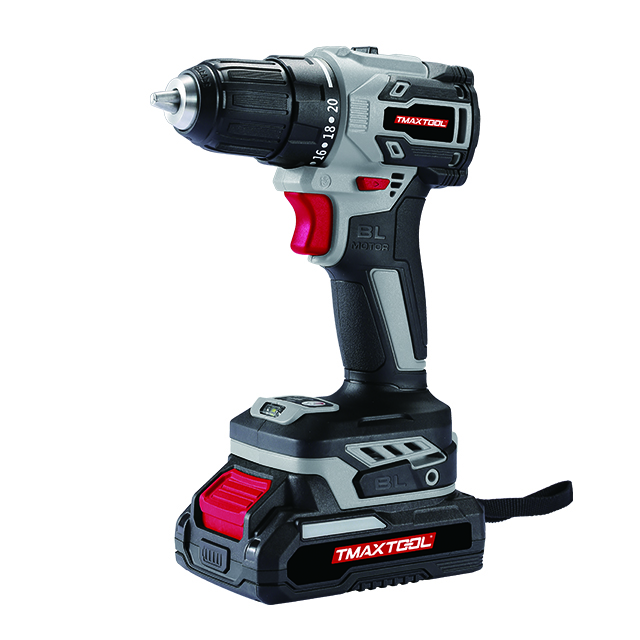 Cordless Drill
 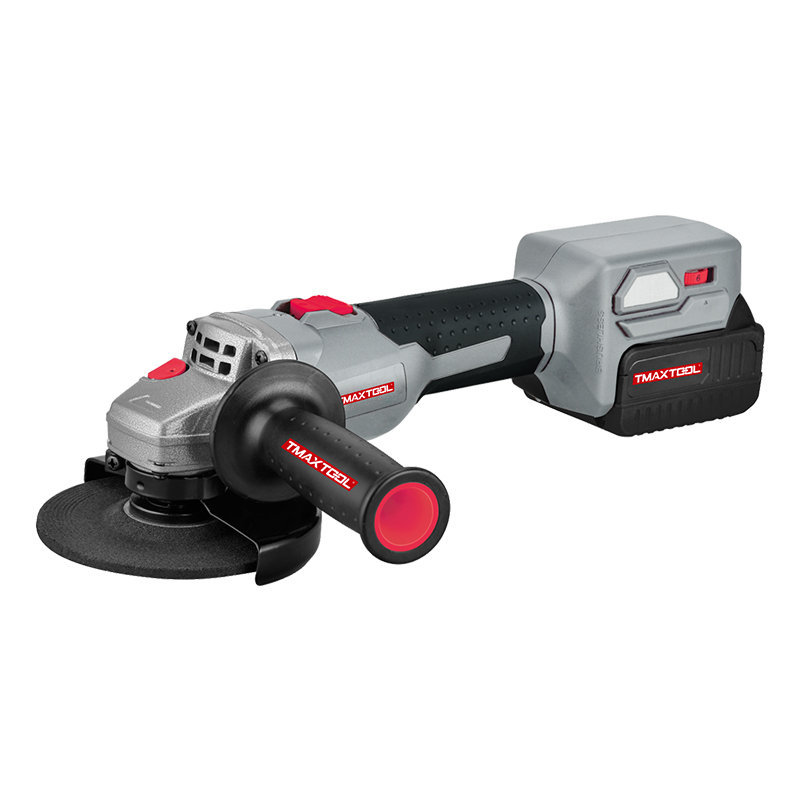 Angle Grinder
 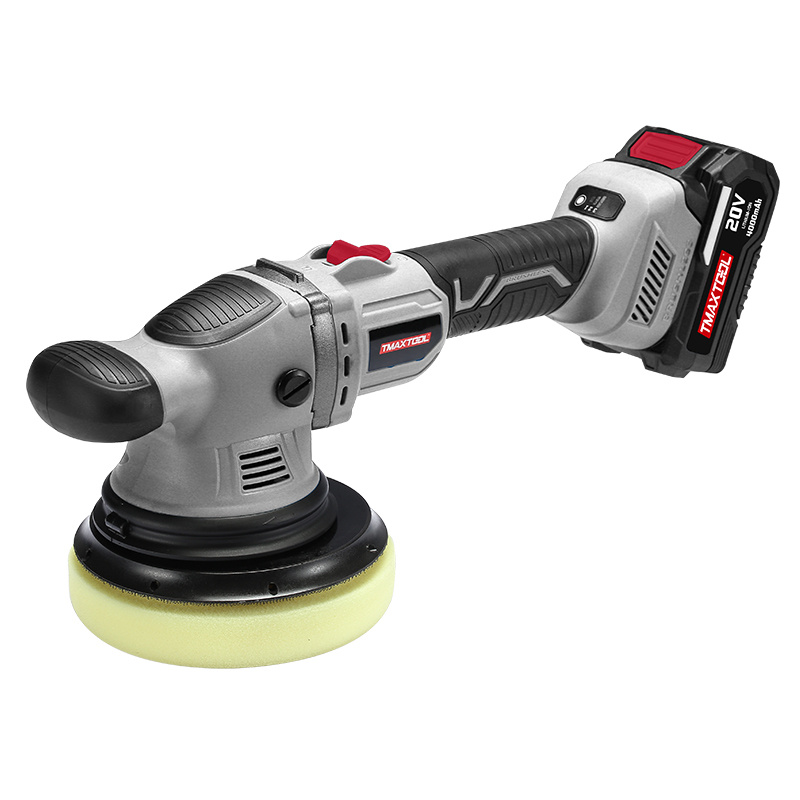 Polisher
 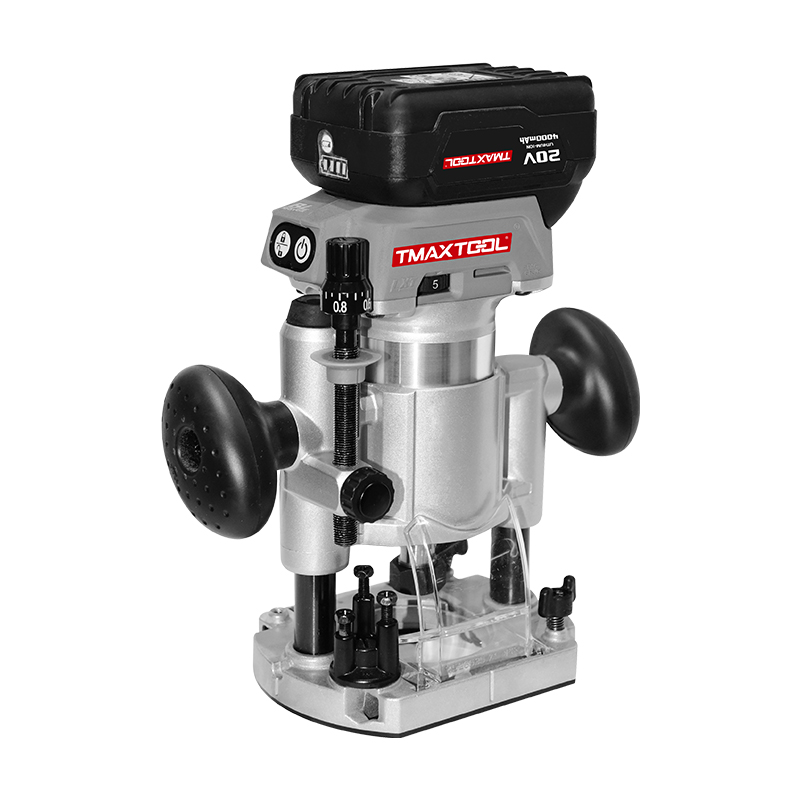 Wood Router
 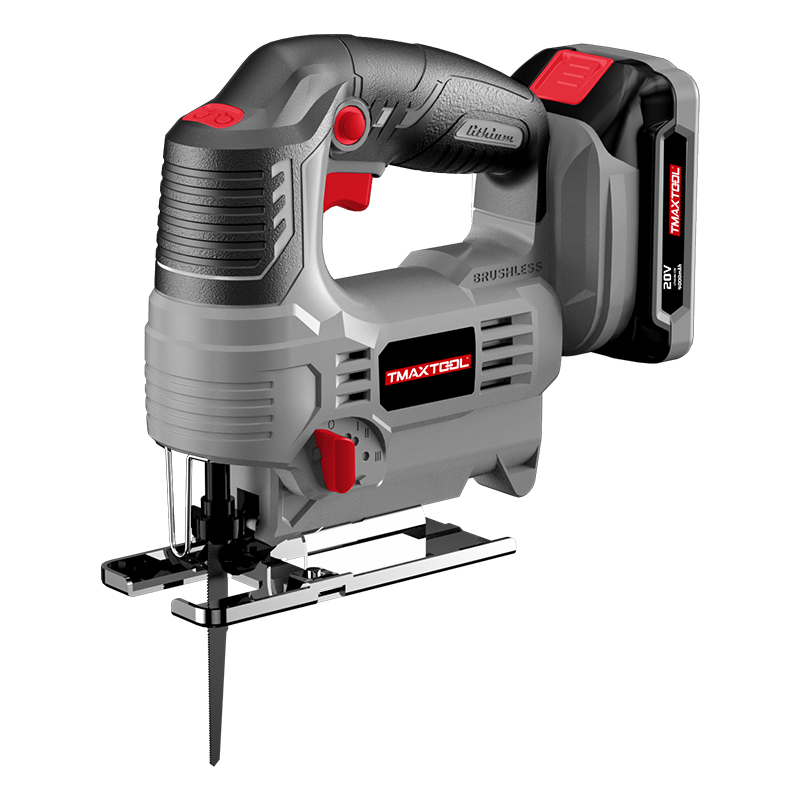 Jig Saw
 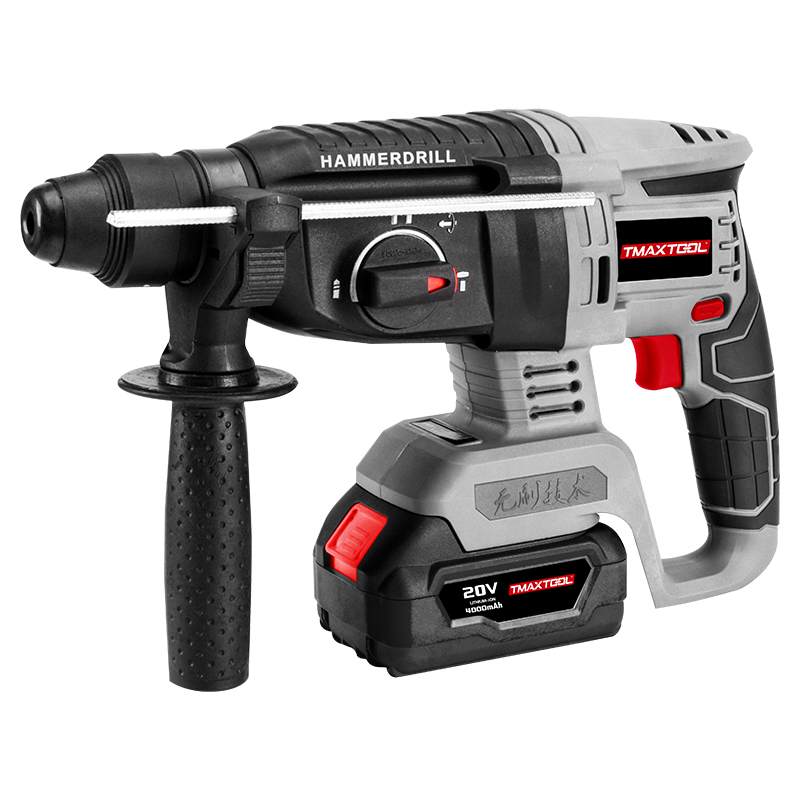 Hammer Drill
 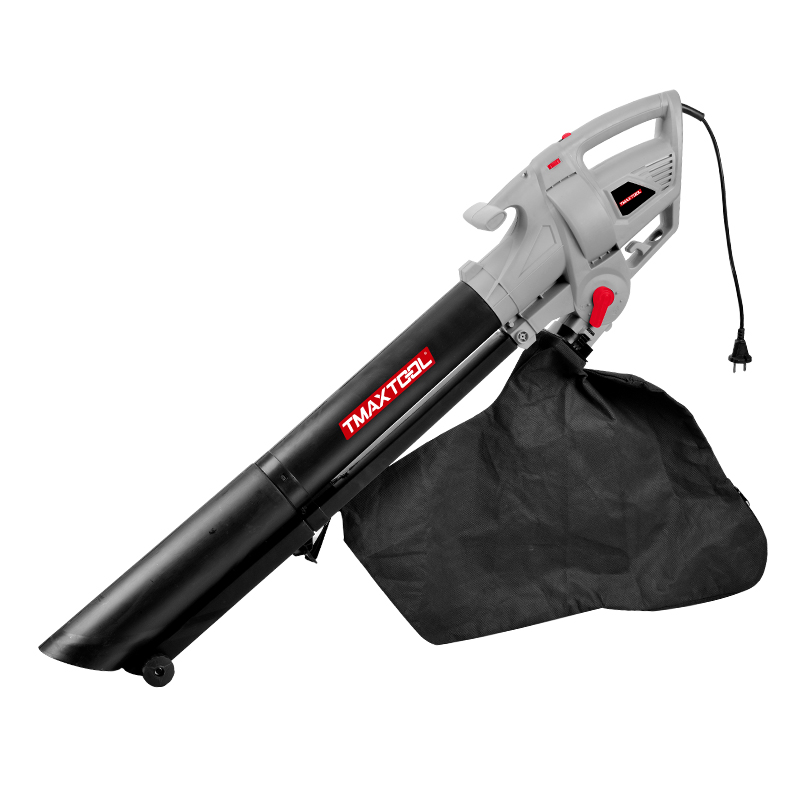 Portable Blower
 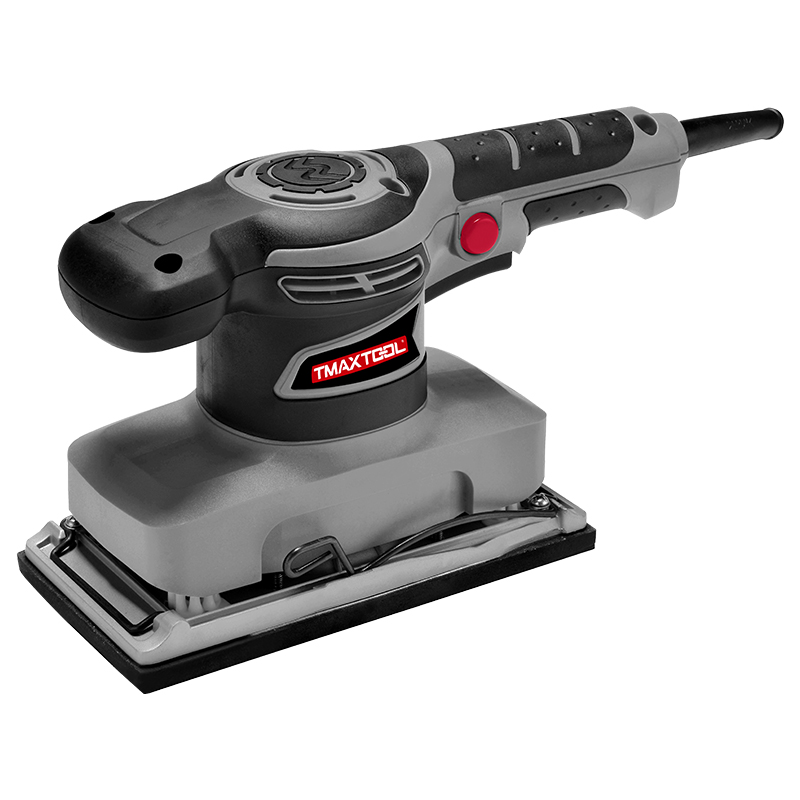 Orbital Sander
 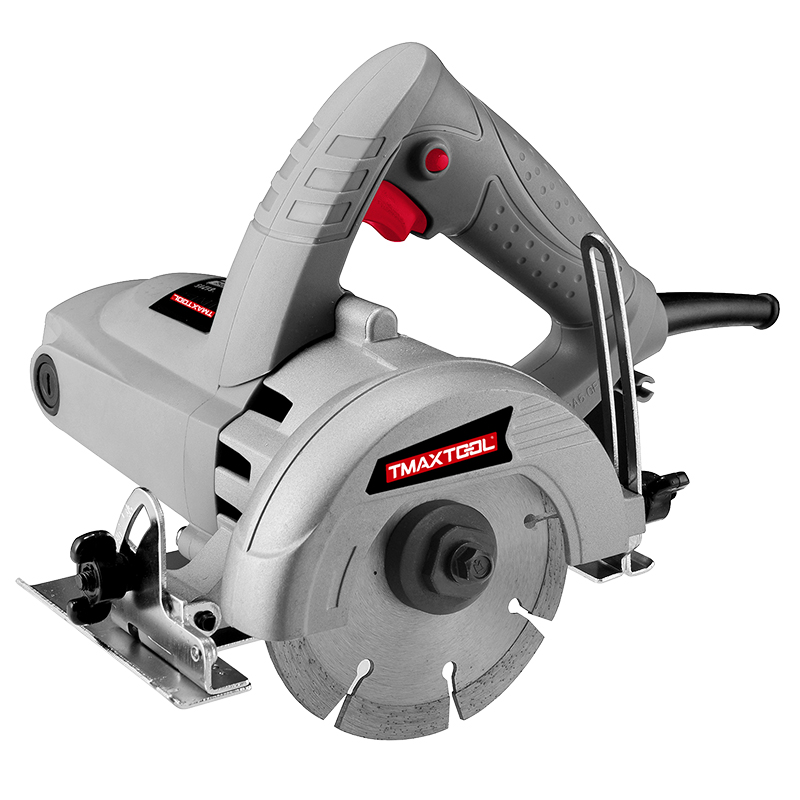 Marble Cutter
  GARDEN TOOLS
 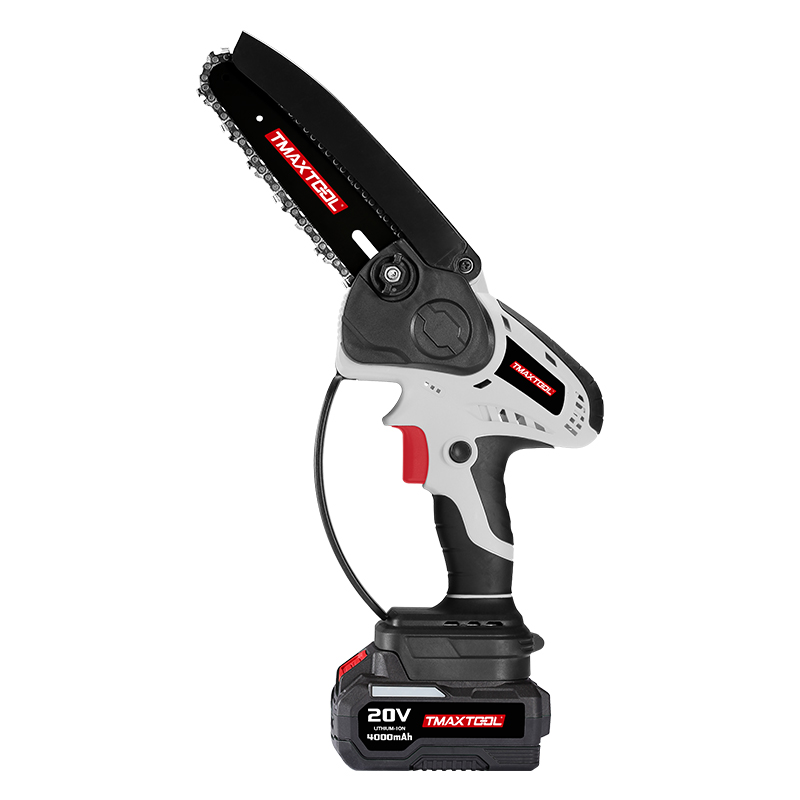 Battery Chain Saw
 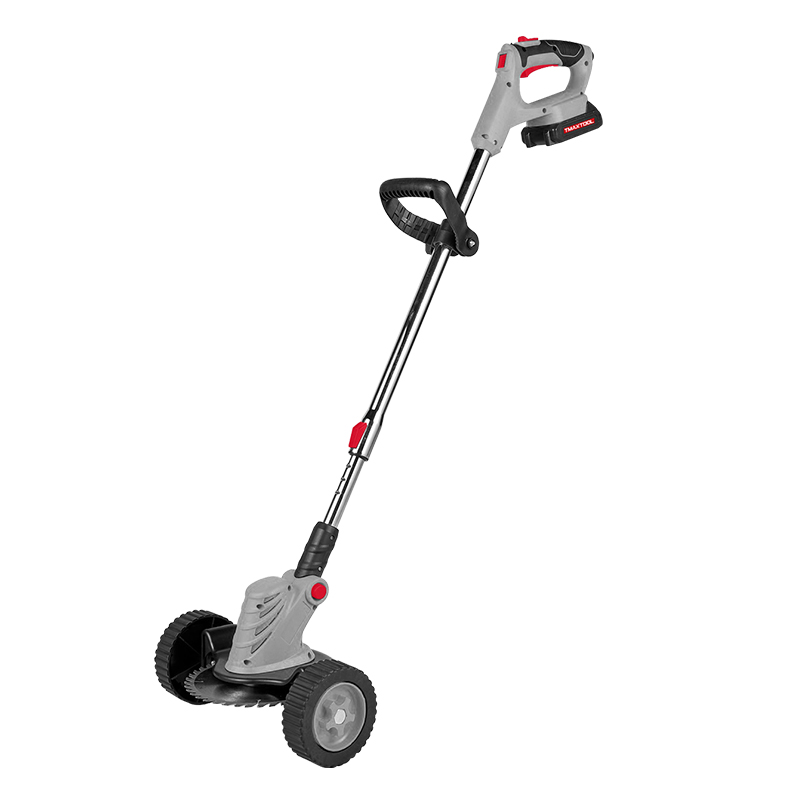 Battery Brush Cutter
 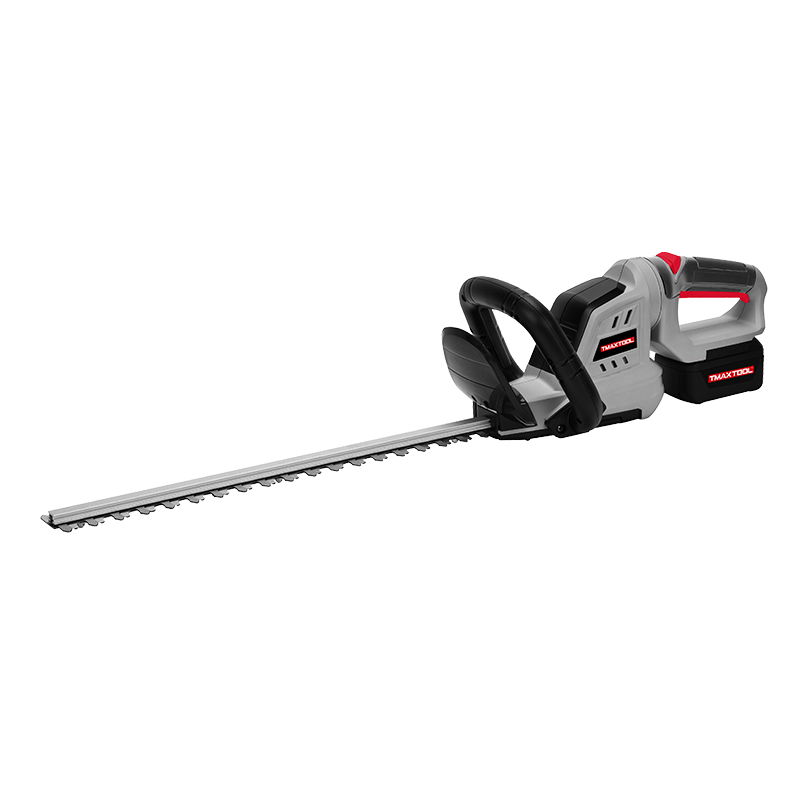 Battery Hedge Trimmer
 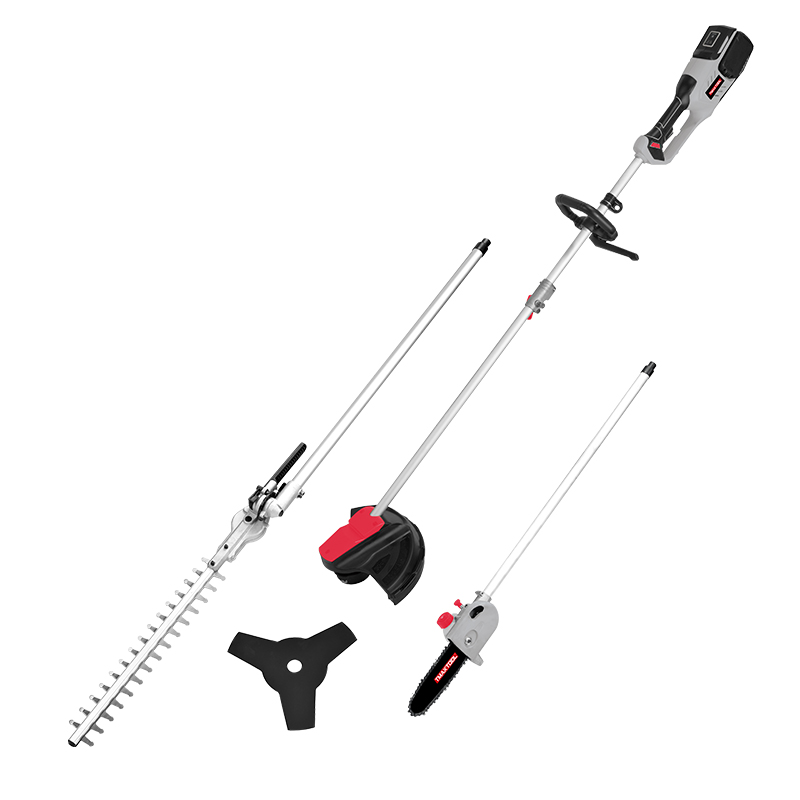 Battery Multi Tool
 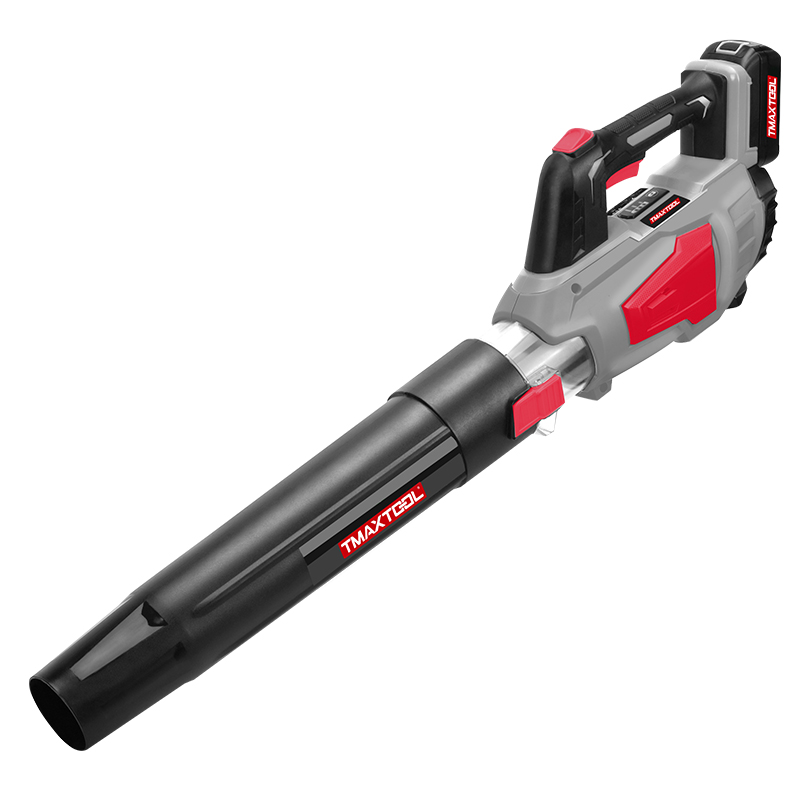 Battery Blower
 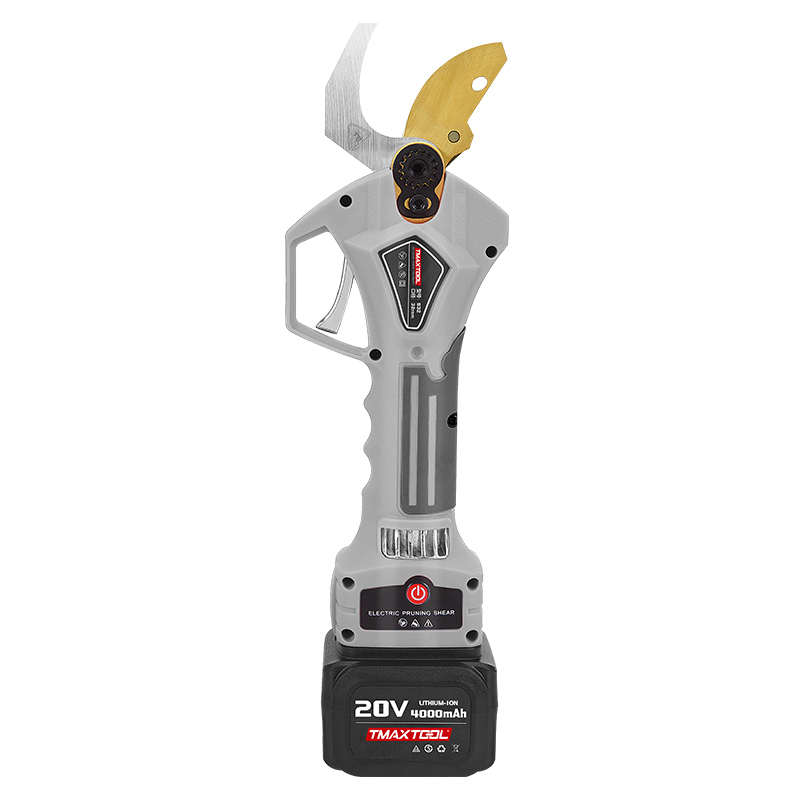 Batter Pruning Shears
 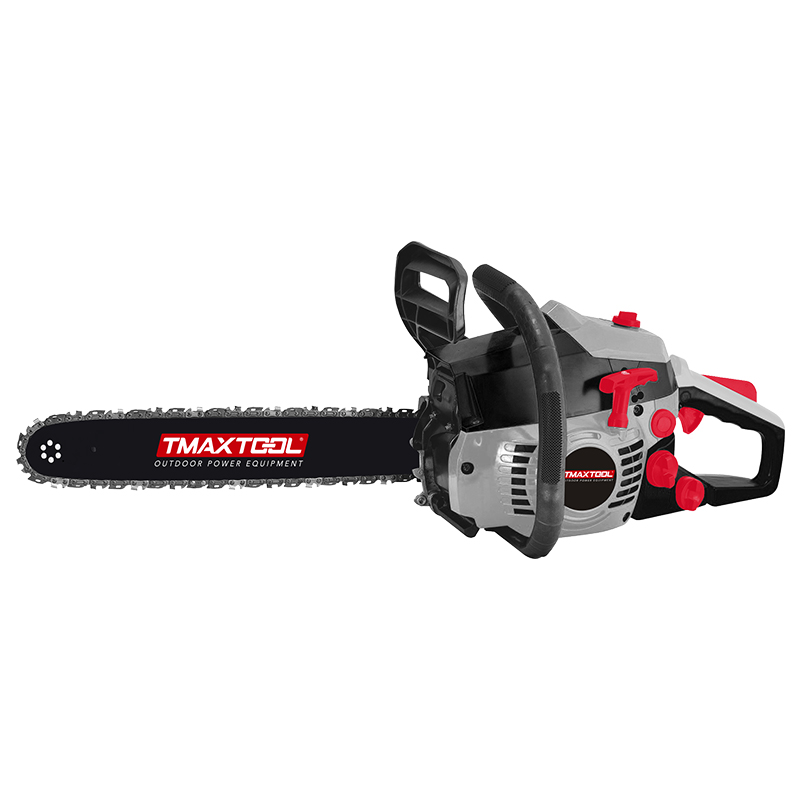 Chain Saw
 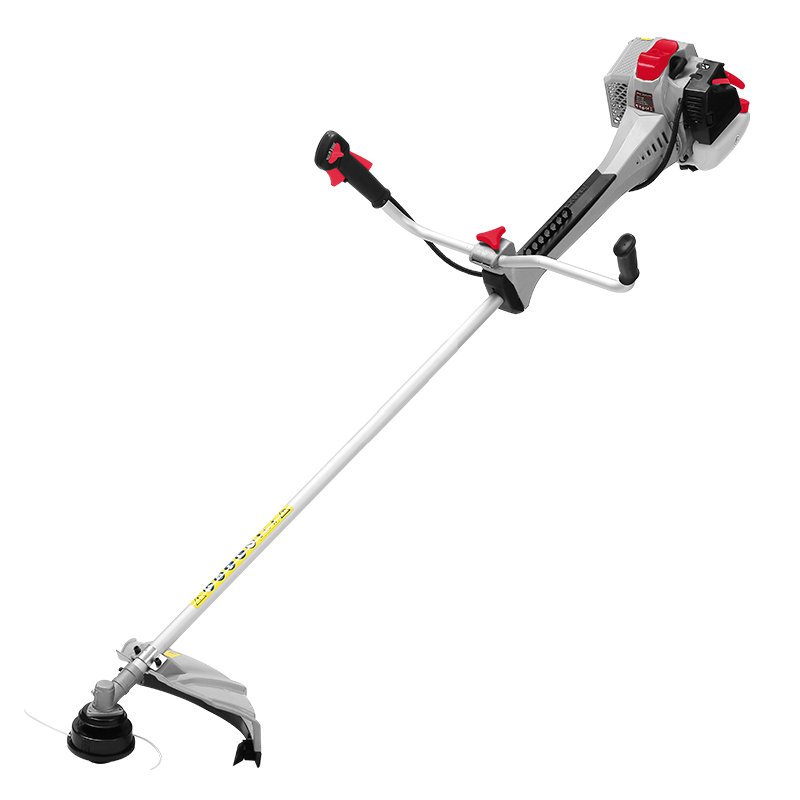 Brush Cutter
 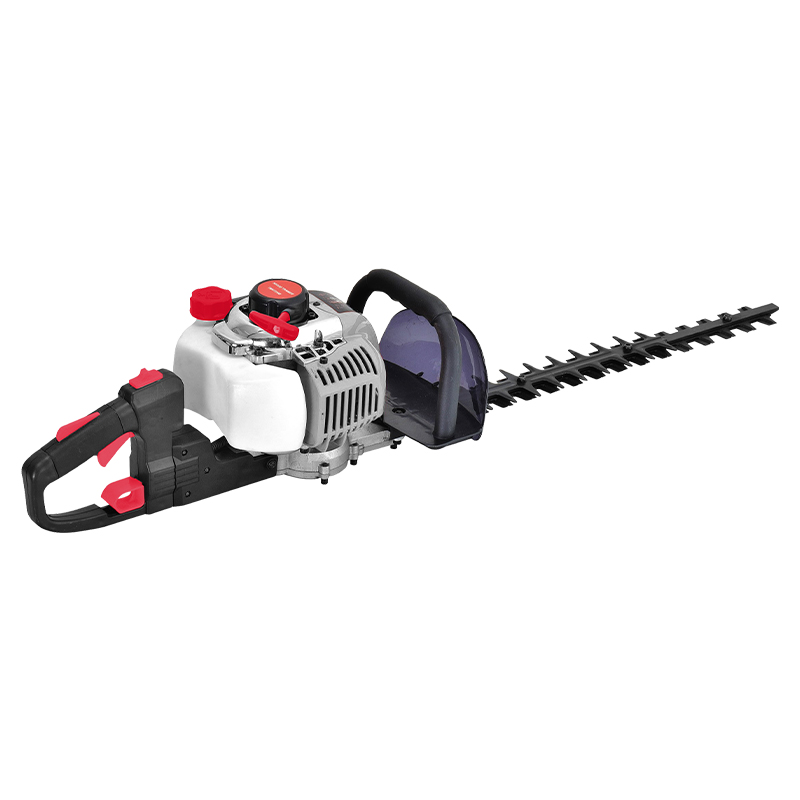 Hedge Trimmer
 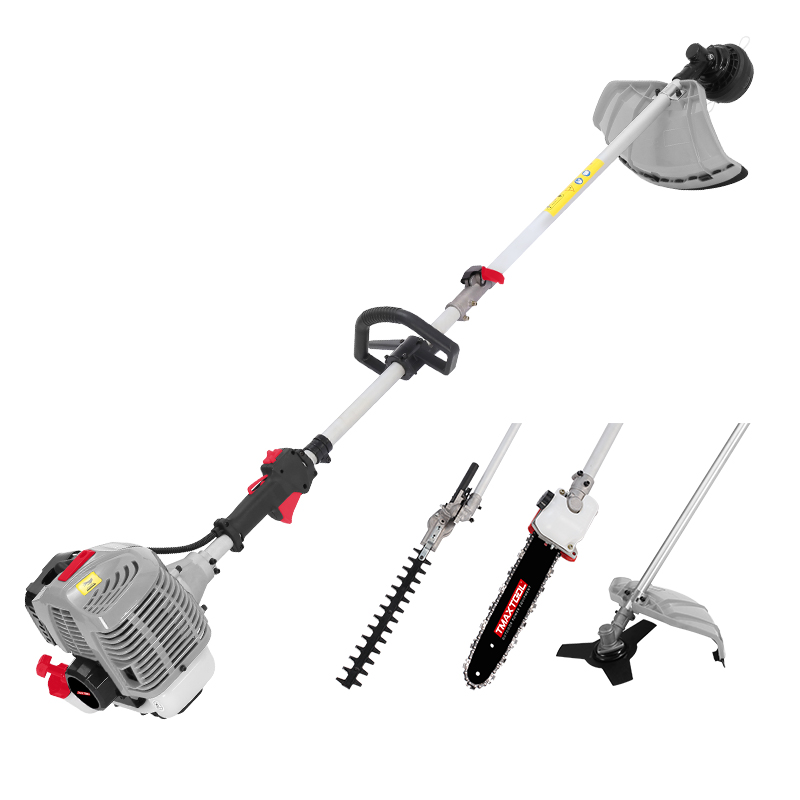 Multi Tool
 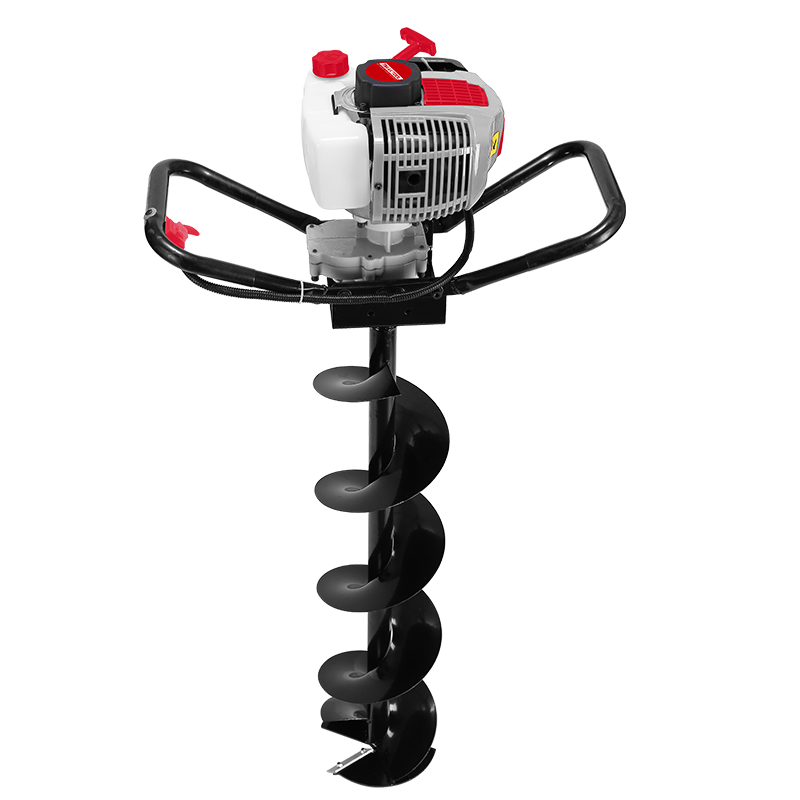 Earth Auger
 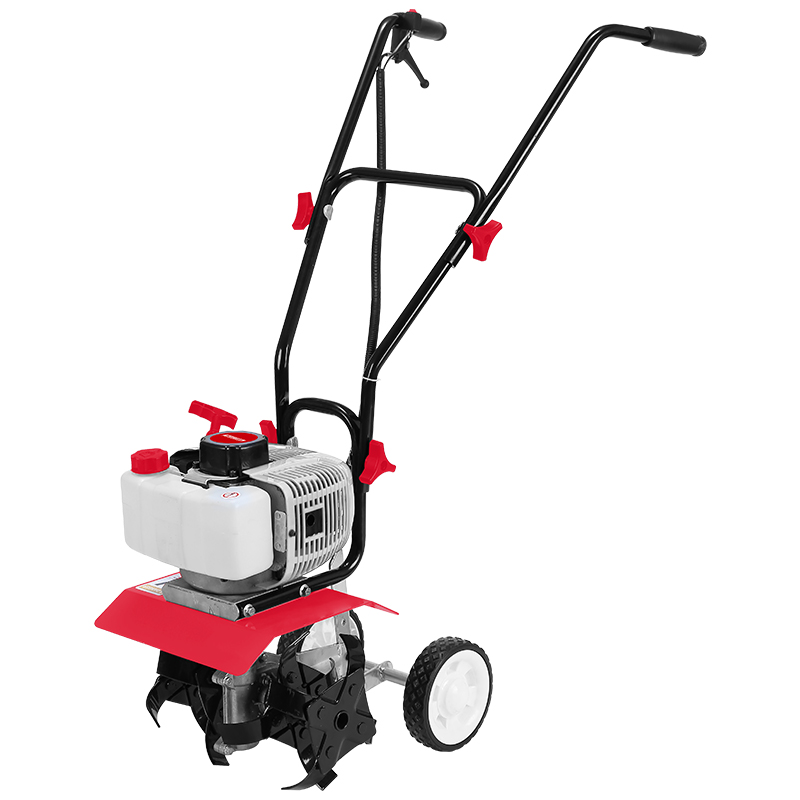 Tiller
 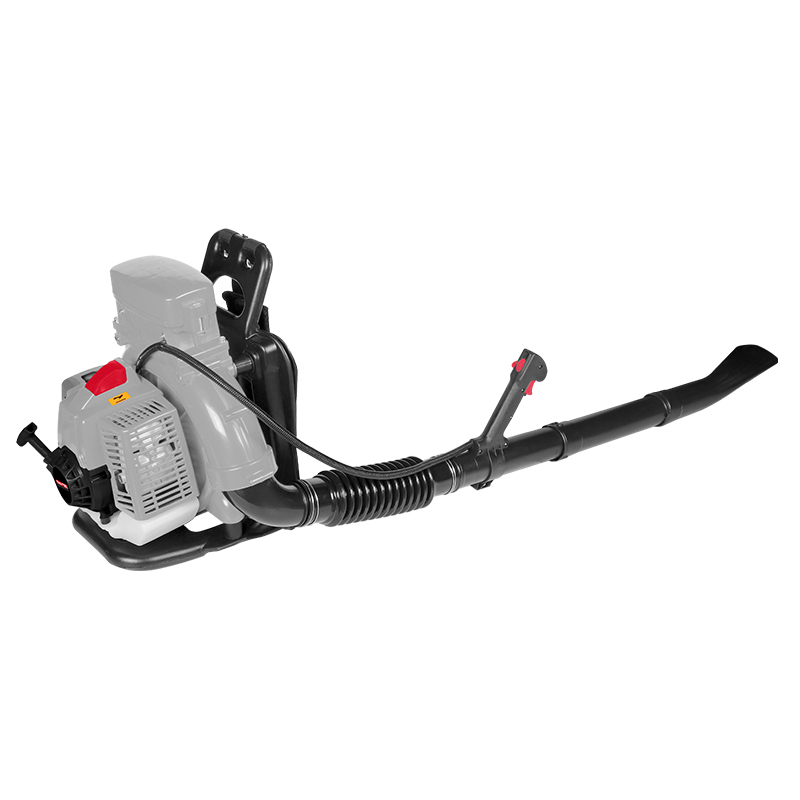 Blower
 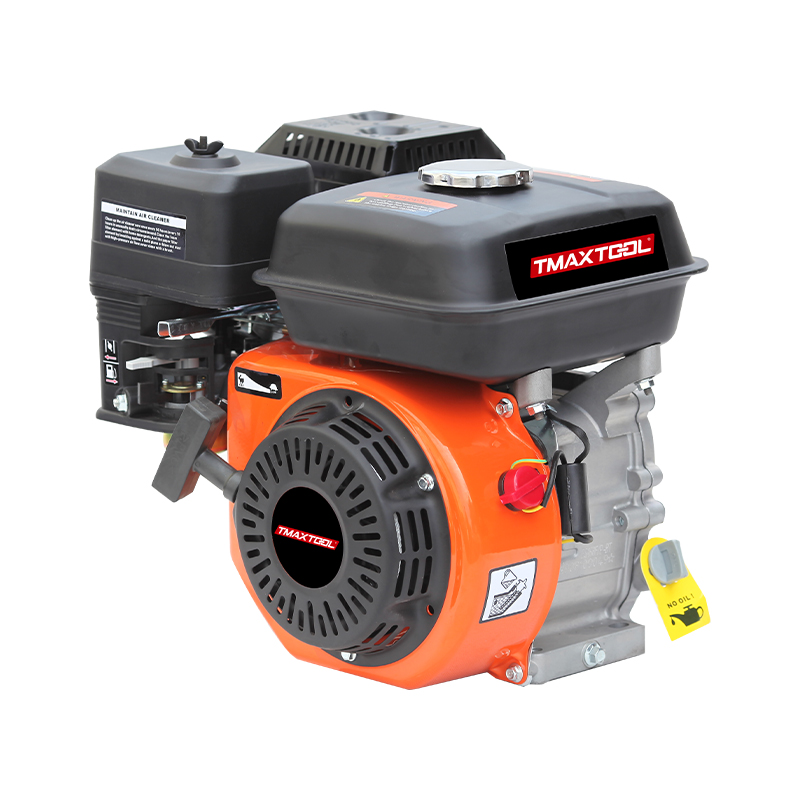 4 Stroke Gasoline Engine
 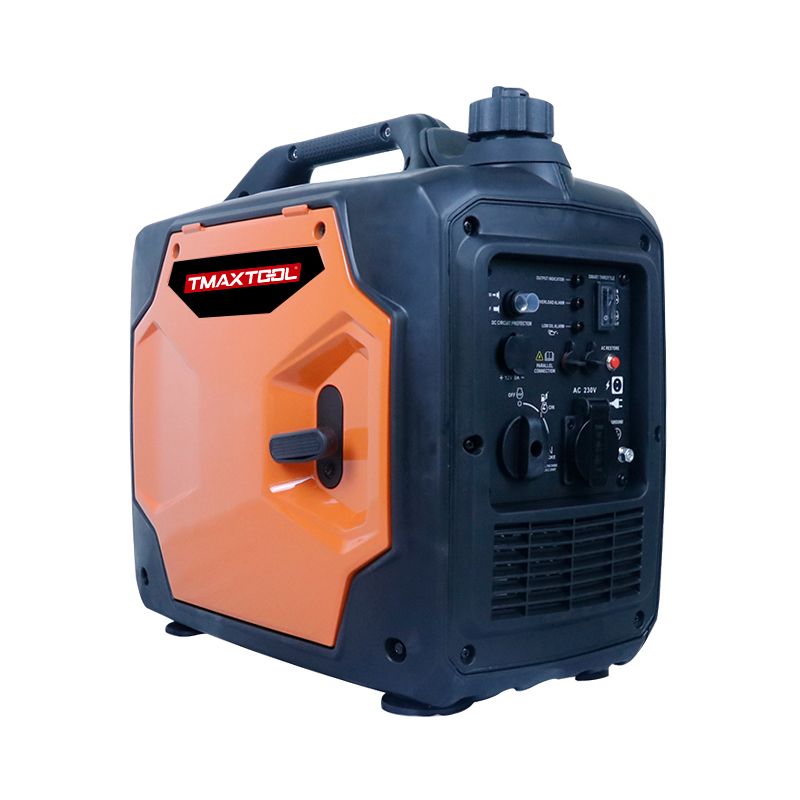 Generator
 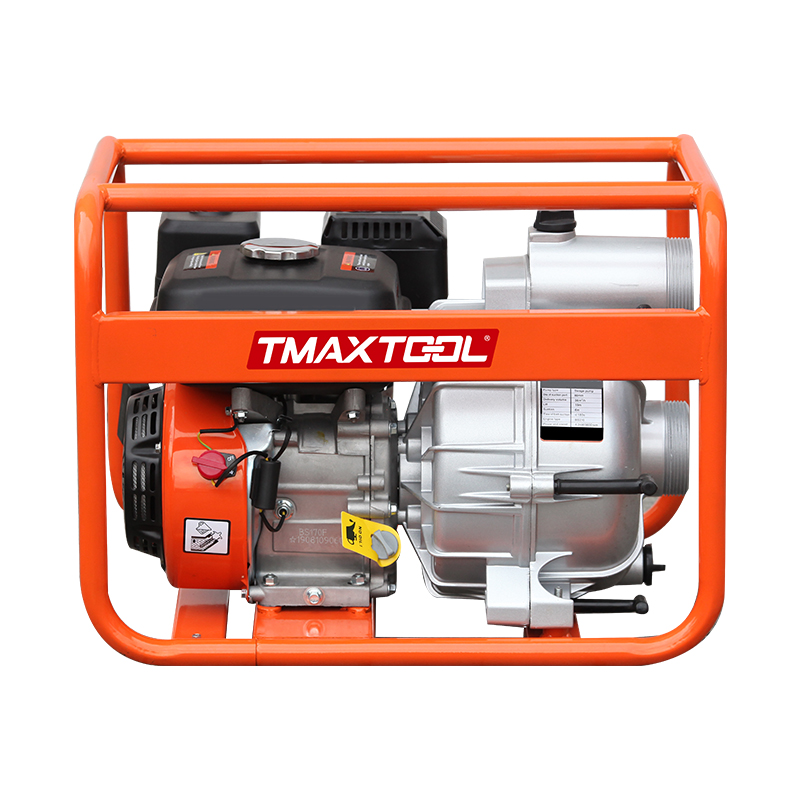 Water Pump
 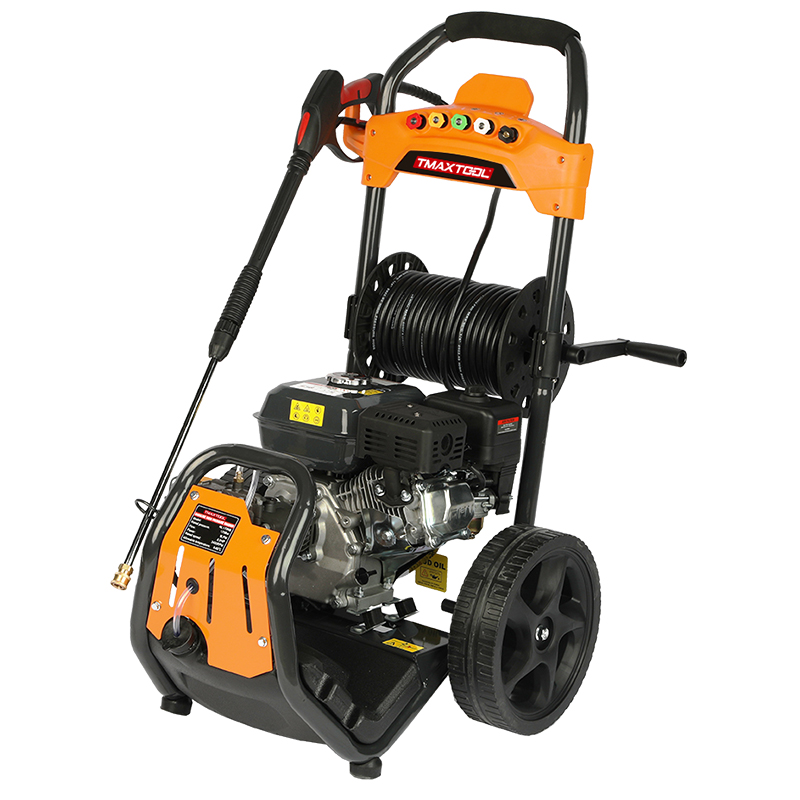 High Pressure Washer
 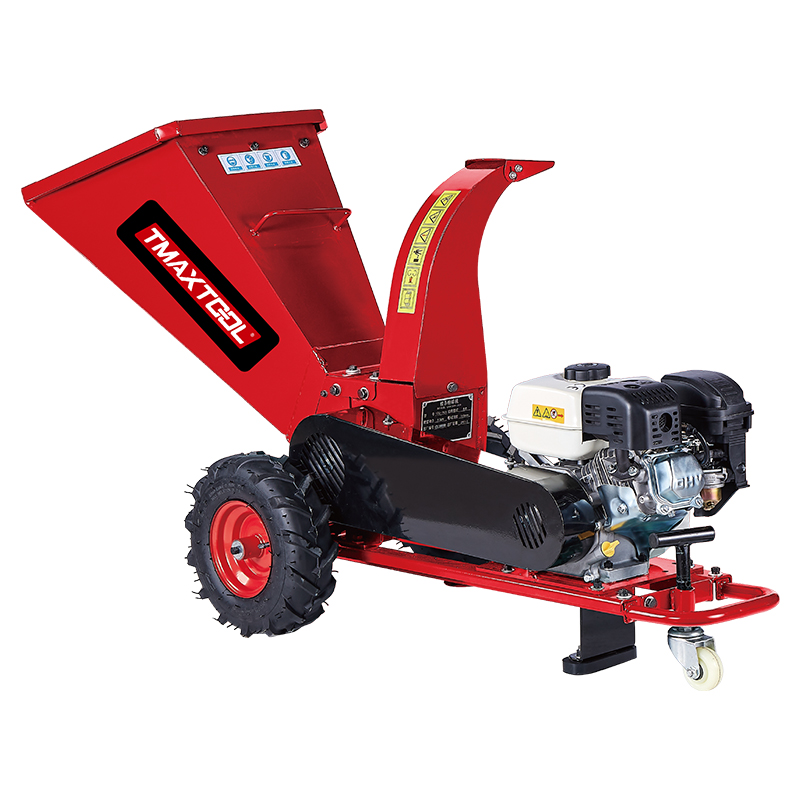 Wood Cutter
 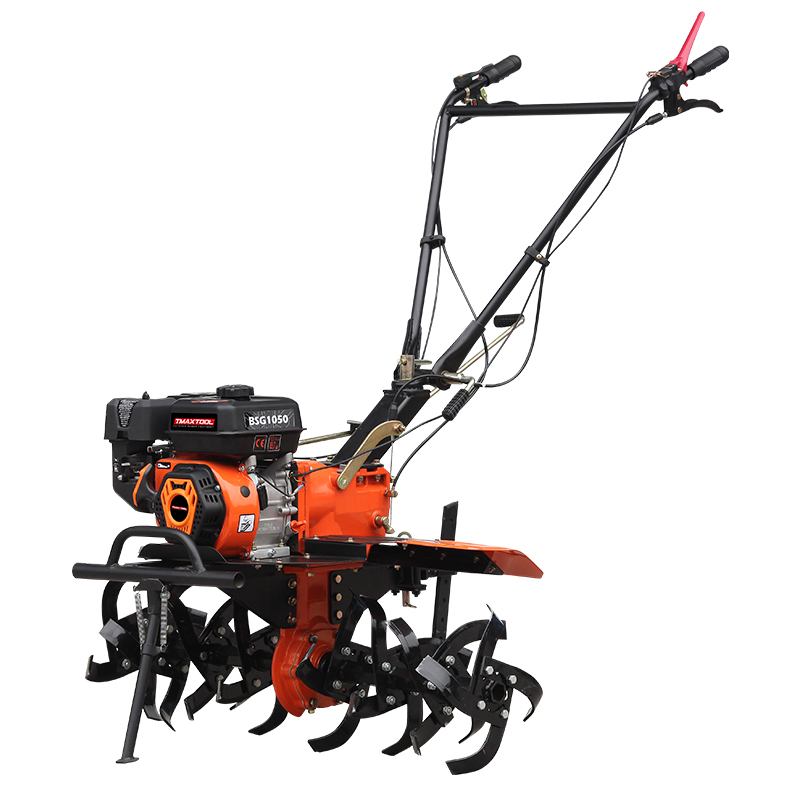 4 Stroke Tiller
 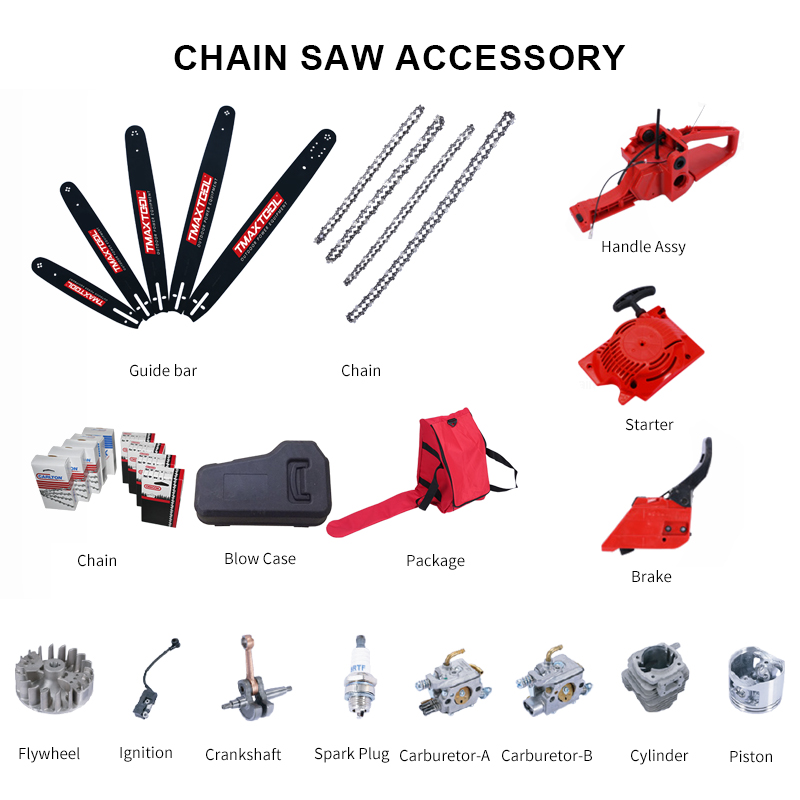 Chain Saw Accessory
 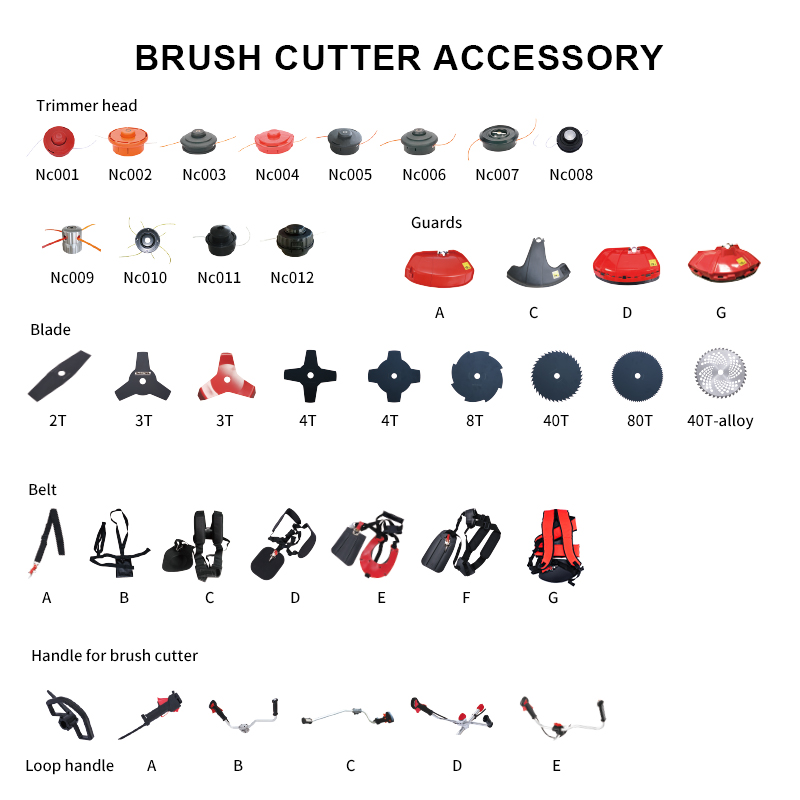 Brush Cutter Accessory
 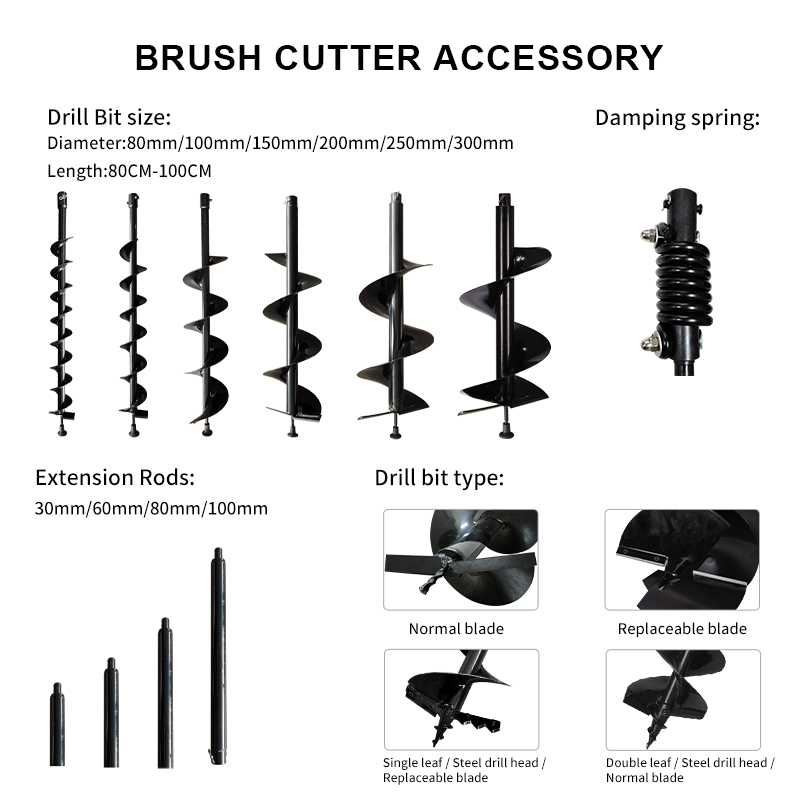 Earth Auger Accessory
 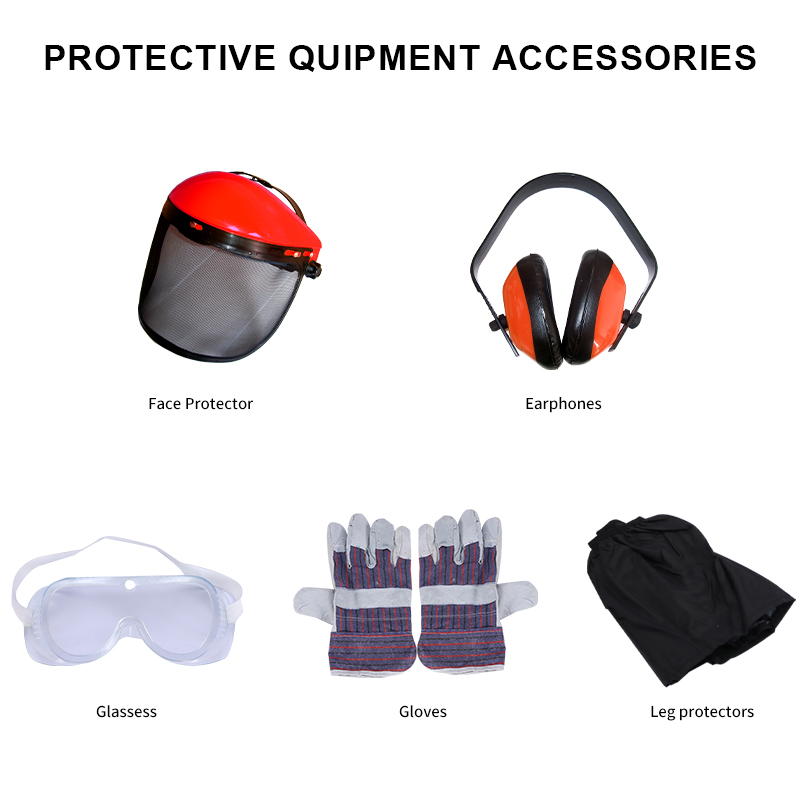 Protective Equipment Accessories
News
Leave Your Message


0102030405
How to Select Voltage for Cordless Drill Wholesale
2026-08-03
How to Select Voltage for Cordless Drill Wholesale
Table of Contents
- Understanding How Voltage Defines Cordless Drill Performance
- Breakdown of Standard Cordless Drill Voltage Tiers & Wholesale Market Fit
- The Critical Difference Between Nominal 18V and 20V/21V Max Labeling
- Core Factors Wholesale Buyers Must Evaluate Before Picking Voltage
- Regional Market Voltage Demand Breakdown for Global Distributors
- Matching Drill Voltage to Your Target Customer Segments
- Advanced Wholesale Sourcing Strategies for Multi-Voltage Inventories
- Frequently Asked Questions for Cordless Drill Wholesale Sourcing
- Final Wholesale Voltage Selection Checklist & Conclusion
- Related Wholesale Power Tool Buying Guides
Cordless drills remain one of the highest-turnover SKUs for hardware distributors, retail chains, and cross-border e-commerce wholesalers worldwide. For bulk buyers, voltage is not just a technical specification—it shapes inventory cost, target customer appeal, profit margins, and long-term resale performance. Many new wholesale importers make costly missteps by overstocking mismatched voltage drills for their regional market, or misaligning power tiers with end-user job requirements.
This guide is built exclusively for international wholesale buyers, distributors, and private-label partners. It breaks down every layer of voltage selection from market demand data, regional buying habits, and bulk inventory economics, with actionable frameworks to optimize your cordless drill product lineup without relying on guesswork.
1. Understanding How Voltage Defines Cordless Drill Performance
Voltage directly correlates with a drill’s potential torque, runtime capacity, and weight, three core metrics that drive end-customer purchasing decisions. All modern cordless drills use lithium-ion battery packs built from standard 3.6V nominal single cells wired in series to hit target voltage brackets. Key wholesale-relevant performance tradeoffs tied to voltage include:
- Torque output: Higher voltage platforms deliver sustained rotational force for drilling dense hardwood, metal, and masonry; low voltage models prioritize light fastening and compact portability.
- Unit weight: Every step up in voltage adds extra battery cells, increasing total drill weight. Lightweight low-voltage drills appeal to casual DIY users, while heavier high-voltage units serve professional tradespeople working extended shifts.
- Wholesale landed cost: Each upward voltage tier raises production, shipping, and battery replacement costs, altering minimum order value and retail price positioning for your catalog.
- Ecosystem expandability: A consistent voltage platform lets customers share batteries across grinders, saws, and impact drivers—creating repeat accessory sales for your wholesale business.
It is critical for bulk buyers to separate raw voltage numbers from real-world performance. A drill’s motor design (brushed vs brushless), battery amp-hour rating, and gearbox configuration often impact daily usability more than voltage alone. Two drills with identical voltage labels can deliver drastically different torque and durability for end users.
2. Breakdown of Standard Cordless Drill Voltage Tiers & Wholesale Market Fit
Global wholesale supply chains standardize four primary voltage brackets, each with distinct target markets, price points, and inventory turnover speeds. Below is a buyer-focused breakdown of each tier’s strengths and limitations for bulk sourcing:
12V Compact Tier (3-cell lithium packs)
Wholesale Advantages
- Lowest unit landed cost, ideal for promotional bundles, entry-level retail starter kits, and gift hardware sets
- Ultra-lightweight design appeals to apartment DIYers, furniture assembly teams, and small repair shops
- Low minimum order barriers; many manufacturers offer 50-piece small MOQs for 12V drill lines
Market Limitations
- Limited torque cannot handle masonry drilling, thick lumber, or continuous professional use
- Small battery capacity shortens runtime for all-day jobs
Best Wholesale Channels: Budget home hardware retail, supermarket seasonal promotions, cross-border marketplace entry lines, small local repair contractors
16.8V Mid-Entry Tier (4-cell lithium packs)
Wholesale Advantages
- Balanced price-to-power ratio, fills the gap between compact 12V and full-size 18/20V drills
- Popular in Southeast Asia, Latin America, and African emerging markets where consumers want more power without premium pricing
- Versatile for household renovations, fence building, and light carpentry
Market Limitations
- Limited cross-tool ecosystem support; fewer matching grinders or saws built for 16.8V platforms
Best Wholesale Channels: Regional general hardware distributors, rural market retailers, budget private-label importers
18V Nominal / 20V/21V Max Standard Tier (5-cell lithium packs)
This is the dominant global wholesale voltage platform, split into two labeling systems that frequently confuse new bulk buyers. We cover the technical difference in Section 3, but for sourcing purposes, this tier delivers universal all-purpose power for both serious DIY and light professional trades.
Wholesale Advantages
- Largest global supply pool with flexible OEM/ODM customization for private-label brands
- Extensive matching tool ecosystem (Angle Grinders, circular saws, hedge trimmers) to boost add-on sales
- Balanced weight and torque for wood, metal, and occasional brick drilling
- Strong resale value across North America, Europe, Australia, and Middle Eastern construction markets
Market Limitations
- Higher bulk shipping costs vs 12V models due to increased unit weight
Best Wholesale Channels: Full-line hardware chains, professional contractor supply stores, cross-border industrial e-commerce, European and North American branded distribution
36V–40V Heavy-Duty Tier (10-cell lithium packs)
Wholesale Advantages
- Maximum torque for continuous construction work, concrete anchoring, structural metal drilling
- Premium price positioning with higher per-unit profit margins for wholesale distributors
- Low direct market competition compared to mid-tier drills
Market Limitations
- Highest production and inventory holding costs; larger minimum order requirements
- Narrow customer base limited to professional construction crews and industrial maintenance teams
- Heavier weight creates higher product return rates for users unaccustomed to heavy tools
Best Wholesale Channels: Industrial equipment suppliers, construction material wholesalers, specialized pro-tool retail chains
3. The Critical Difference Between Nominal 18V and 20V/21V Max Labeling
A top pain point for new international wholesale buyers is distinguishing 18V nominal and 20V/21V Max drills, as both use identical 5-cell lithium-ion battery hardware with nearly identical real-world performance. The split stems entirely from industry labeling standards rather than core power output:
- 18V Nominal: This rating reflects consistent operating voltage under active load, the standard adopted by European professional tool brands including Bosch and Milwaukee. When drilling thick materials, the battery stabilizes around 18V of sustained power.
- 20V/21V Max: This label references peak fully charged voltage (each lithium cell hits 4.2V at full charge; 5 cells × 4.2V = 21V). North American brands like DeWALT popularized this marketing format to signal high power to retail consumers.
Wholesale Sourcing Takeaways
- Do not treat 18V and 21V drills as separate power tiers for inventory planning—they deliver matching torque during daily use.
- Match labeling to your target region’s consumer expectations: European markets prioritize 18V nominal branding, while North American, Southeast Asian, and Latin American buyers respond better to 20V/21V Max marketing on packaging.
- Confirm battery cross-compatibility with your full tool lineup before bulk ordering, even if voltage labels appear similar. Many manufacturers lock battery connectors to exclusive 18V or 21V platforms to avoid interchangeability.

4. Core Factors Wholesale Buyers Must Evaluate Before Picking Voltage
Beyond end-user job capacity, six wholesale-specific variables will define your voltage selection strategy for cordless drill bulk orders:
Factor 1: Regional Consumer Label Preference
Market research consistently shows buyers filter drill listings by voltage label first. Stocking mislabeled voltage drills creates slow-moving inventory:
- EU, UK, Scandinavia: 18V nominal labeling drives higher conversion rates for professional and mid-tier DIY segments
- USA, Canada, Mexico, Brazil, Southeast Asia: 20V Max / 21V Max packaging performs better in retail and online listings
- Small emerging African, Central Asian markets: Cost-focused consumers prioritize 12V and 16.8V labels over premium high-voltage options
Factor 2: Target Customer Income & Price Sensitivity
Low-income regional markets rely heavily on 12V and 16.8V drill inventory to hit affordable retail price points. Developed markets with mature construction sectors can absorb larger volumes of 18/20V and 40V professional drills with higher price ceilings.
Factor 3: Inventory Turnover Goals
12V and 18/20V drills deliver the fastest stock rotation for most wholesalers, as they serve the broadest cross-section of end users. High-voltage 40V drills carry slower turnover but larger per-unit gross profit margins, ideal for distributors with dedicated professional tool store partners.
Factor 4: Cross-Tool Ecosystem Expansion Plans
If your wholesale catalog includes grinders, saws, garden power tools, and impact wrenches, standardizing on a single voltage platform reduces battery SKU complexity and drives repeat accessory purchases. Most established distributors centralize inventory around either an 18V nominal or 21V Max platform to simplify supply chain management.
Factor 5: Minimum Order Quantity (MOQ) & Cash Flow Constraints
12V drill lines carry the lowest factory MOQs, making them perfect for new wholesale importers testing a market with limited capital. 40V heavy-duty drills require far larger batch orders, suitable only for established distributors with stable retail partner pipelines.
Factor 6: After-Sales & Warranty Logistics
Higher voltage battery packs contain more lithium cells, increasing replacement and warranty claim volume for bulk buyers. Wholesalers operating in regions with limited local repair infrastructure should balance high-voltage inventory with affordable low-voltage lines to reduce after-sales overhead.
5. Regional Market Voltage Demand Breakdown for Global Distributors
Global wholesale power tool demand data from 2025–2026 identifies clear regional voltage preferences to align your bulk sourcing strategy:
North America (USA, Canada)
Dominant voltage: 20V Max (market standard for all retail and contractor supply) Secondary inventory: 12V compact starter kits for mass-market retail promotions; limited 40V heavy-duty stock for construction specialist partners
European Union & United Kingdom
Dominant voltage: 18V nominal (industry standard recognized by CE certified professional tool brands) Secondary inventory: Small volume 12V compact drills for budget supermarket hardware sections; low-volume 36V industrial drills for commercial construction clients
Southeast Asia (Indonesia, Thailand, Vietnam, Malaysia)
Dominant voltage: 21V Max mid-tier drills balancing cost and power Secondary inventory: Large 16.8V entry-level batches for rural retail networks; small 12V promotional kits for e-commerce flash sales
Latin America (Mexico, Brazil, Colombia)
Dominant voltage: 21V Max consumer-grade drills Secondary inventory: High volume 12V budget lines for low-income regional retail; limited 40V stock for urban construction supply stores
Middle East & North Africa
Dominant voltage: 21V Max hammer drills for residential renovation and construction projects Secondary inventory: Smaller 12V compact kits for residential retail, minimal 40V inventory due to price sensitivity
Australia & New Zealand
Dominant voltage: Dual 18V nominal and 20V Max inventory to serve both European brand loyalists and North American import buyers Secondary inventory: 12V compact lines for home DIY retail chains
Central & Eastern Europe, Sub-Saharan Africa
Dominant voltage: 12V and 16.8V low-cost drills for price-sensitive consumer markets Secondary inventory: Limited 18V mid-tier stock concentrated in major urban hardware hubs
6. Matching Drill Voltage to Your Target Customer Segments
Every wholesale distributor serves layered customer groups; segment alignment eliminates slow-selling voltage inventory:
Casual DIY Homeowners (Mass Retail, Supermarkets, E-Commerce Marketplaces)
Optimal Voltage: 12V and 16.8V Core tasks: Furniture assembly, small wall fastening, minor home fixture repairs Wholesale benefit: High sales volume, low customer return rates, simple marketing messaging highlighting lightweight ease of use
Serious Hobbyists & Renovation Enthusiasts (Mid-Tier Hardware Retail)
Optimal Voltage: 18V Nominal / 20V Max Core tasks: Full home remodels, deck building, woodworking, occasional brick drilling Wholesale benefit: Balanced profit margin and turnover; opportunity to upsell matching grinders, saws, and spare batteries
Light Tradespeople (Electricians, Plumbers, Small Carpenters)
Optimal Voltage: 18V Nominal / 21V Max Brushless Models Core tasks: Daily residential service calls, fixture installation, light framing Wholesale benefit: Repeat bulk orders from trade businesses; higher perceived quality to support premium retail pricing
Professional Construction Crews & Industrial Maintenance Teams
Optimal Voltage: 36V–40V Heavy-Duty Hammer Drills Core tasks: Continuous concrete drilling, structural metal fabrication, large commercial building projects Wholesale benefit: Highest per-unit gross profit; long-term recurring orders from construction supply partners
7. Advanced Wholesale Sourcing Strategies for Multi-Voltage Inventories
Established global distributors rely on three proven inventory frameworks to balance multi-voltage cordless drill stock without overextending working capital:
Strategy 1: Tiered Mix Inventory (Best for General Hardware Distributors)
Allocate bulk order volume by market turnover rate:
- 60% inventory: Core mid-tier 18V/20V drills (broadest customer appeal)
- 30% inventory: Low-cost 12V/16.8V entry kits (promotions and casual buyers)
- 10% inventory: 36V–40V heavy-duty drills (niche professional partner orders) This mix minimizes dead stock risk while covering all customer price tiers.
Strategy 2: Single Voltage Ecosystem Standardization (Best for Private-Label Wholesalers)
Select one primary voltage platform (either 18V nominal or 21V Max) for your entire power tool catalog, including drills, grinders, saws, and garden equipment. This strategy simplifies battery spare parts inventory, reduces supplier negotiation complexity, and creates brand loyalty as customers invest in interchangeable batteries.
Strategy 3: Regional Specialized Line Sourcing (Best for Cross-Border E-Commerce Wholesalers)
Customize voltage batches per sales region instead of holding universal inventory. For example, ship exclusive 20V Max drill batches to North American warehouses and separate 18V nominal batches to EU fulfillment centers. This eliminates misaligned labeling and power tier mismatches for localized consumer demand.
8. Frequently Asked Questions for Cordless Drill Wholesale Sourcing
Q1: Is higher voltage always better for wholesale resale profit?
No. While high-voltage drills carry larger per-unit margins, their slower turnover and higher upfront bulk order costs tie up capital for longer periods. Low and mid-tier voltage drills deliver consistent monthly sales volume that generates steady cumulative profit for most general hardware wholesalers.
Q2: Can I mix 18V nominal and 21V Max drill inventory for the same regional market?
You may mix them only if you clearly separate marketing packaging, pricing tiers, and battery spare parts. Consumers frequently confuse the two labeling systems, leading to returns when batteries fail to cross-compatible. Most experienced distributors focus on one primary voltage label per territory to avoid customer confusion.
Q3: How does brushless motor design change my voltage sourcing decisions?
Brushless motors boost torque efficiency by 15–20% across identical voltage platforms. When sourcing mid-tier 18/20V drills for professional trade customers, prioritize brushless variants regardless of voltage label—they command higher retail prices and lower warranty return rates than brushed models.
Q4: Do different regional electrical grid standards impact cordless drill voltage selection?
Cordless drill battery voltage is fully independent of local wall outlet AC voltage (110V vs 220V). All modern drill chargers use universal 100–240V wide voltage input compatible with every global market. Your only regional consideration remains consumer voltage label preference, not grid power infrastructure.
Q5: What voltage drill sets perform best for wholesale bundle kits?
12V and 20V Max kits lead global bundle sales. 12V compact drill + bit sets are top sellers for seasonal retail promotions, while 20V Max multi-tool combo kits (drill + grinder + saw) drive high average order values for professional hardware retailers.
9. Final Wholesale Voltage Selection Checklist & Conclusion
Pre-Bulk Order Voltage Checklist for All Wholesale Buyers
- Map your primary sales regions and confirm dominant consumer voltage label preference (18V nominal vs 20V Max)
- Segment your target end customers to split inventory between entry, mid, and heavy-duty voltage tiers
- Calculate cash flow constraints to set appropriate MOQ limits for low vs high voltage drill lines
- Evaluate cross-tool ecosystem demand to decide on single-platform standardization or mixed voltage inventory
- Compare landed cost, shipping weight, and projected turnover for each voltage bracket to balance profit and stock speed
- Confirm factory battery connector compatibility if mixing multiple tools under one voltage platform
Conclusion
Voltage selection is the foundational decision shaping every cordless drill wholesale business. Successful global distributors avoid the common trap of prioritizing raw power numbers over regional market demand, customer segmentation, and inventory economics. Low-voltage 12V and 16.8V drills drive mass-market volume, while 18V/20V mid-tier platforms deliver universal versatility for hobbyists and light tradespeople. Premium 36–40V heavy-duty drills serve niche professional construction clients seeking maximum torque.
By aligning your voltage inventory mix with your target region’s labeling preferences, customer income brackets, and sales channel goals, you will reduce slow-moving dead stock, improve retail partner satisfaction, and build more predictable long-term wholesale revenue from cordless drill bulk orders.