
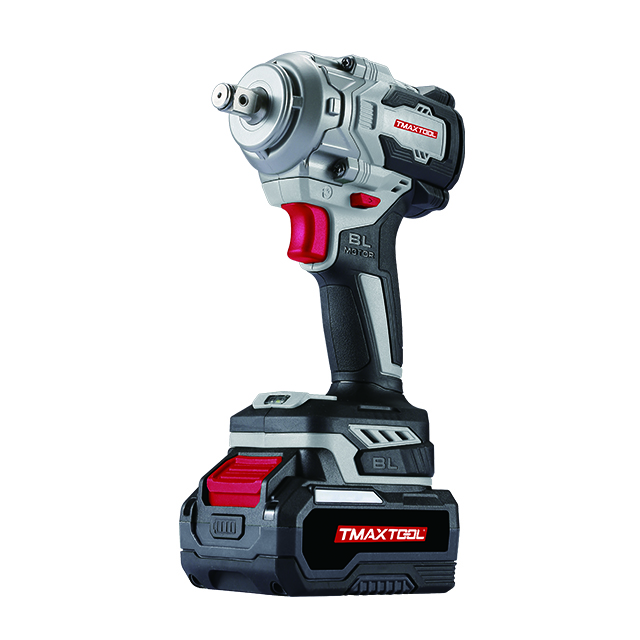
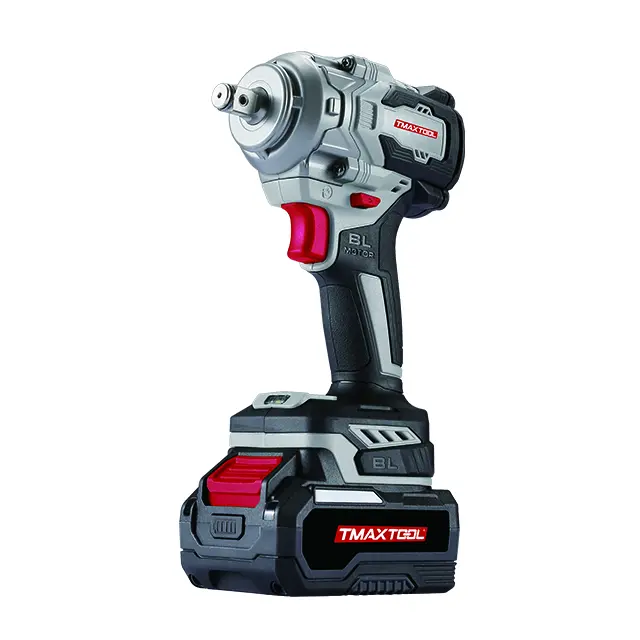
 Impact Wrench
 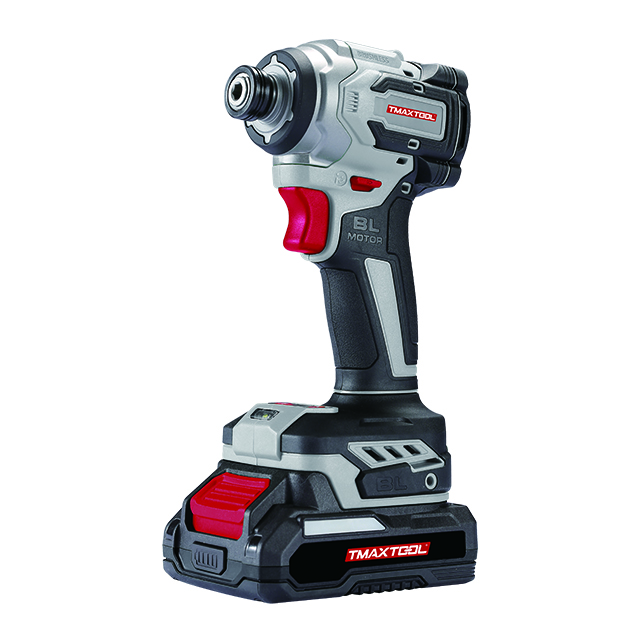 Screwdriver
 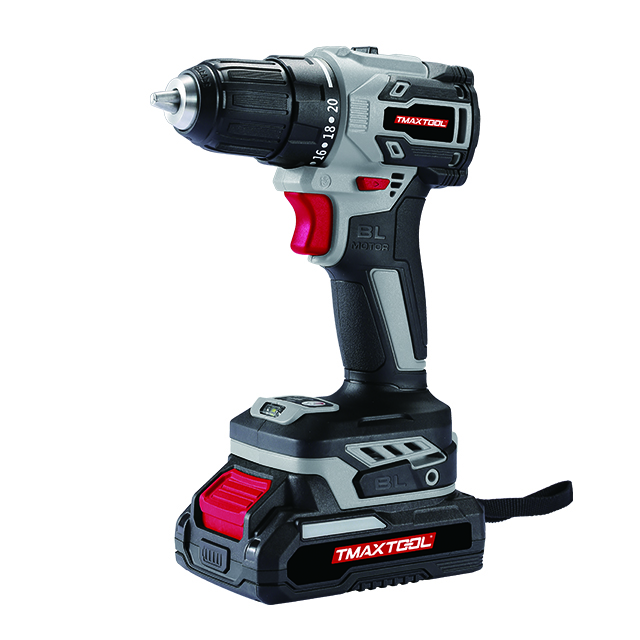 Cordless Drill
 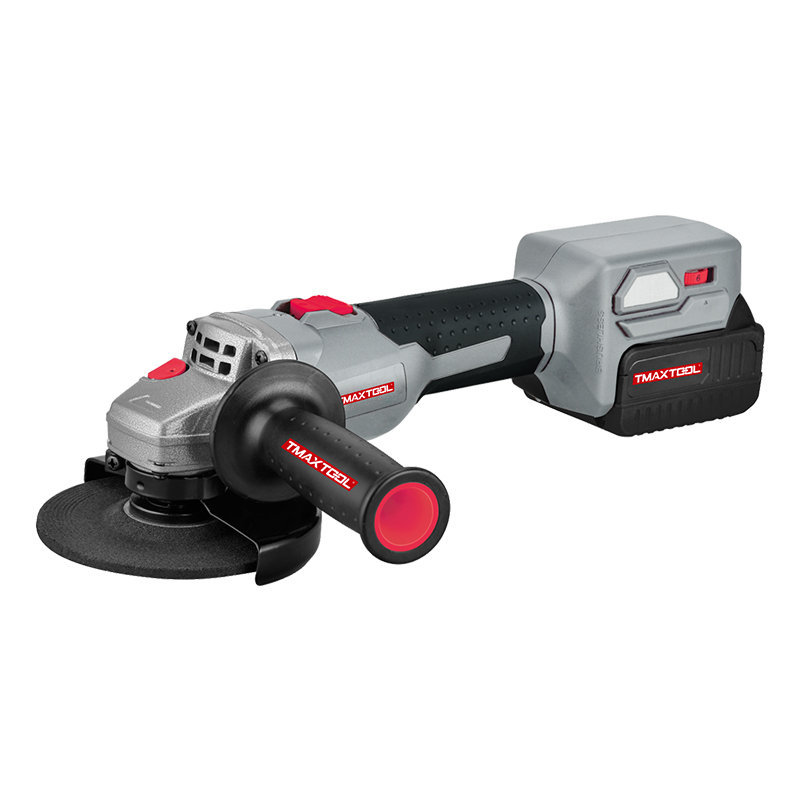 Angle Grinder
 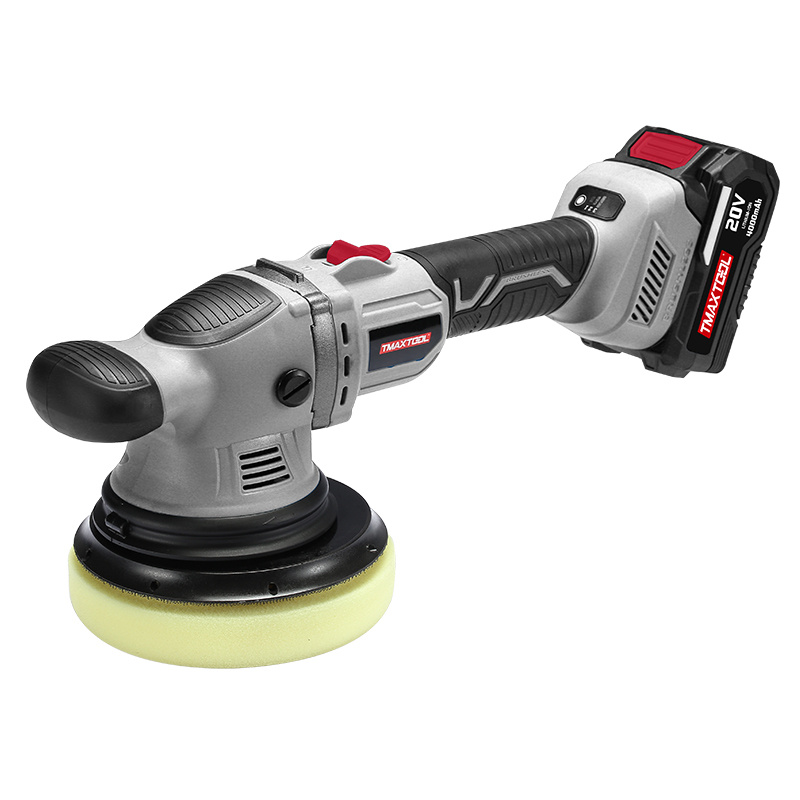 Polisher
 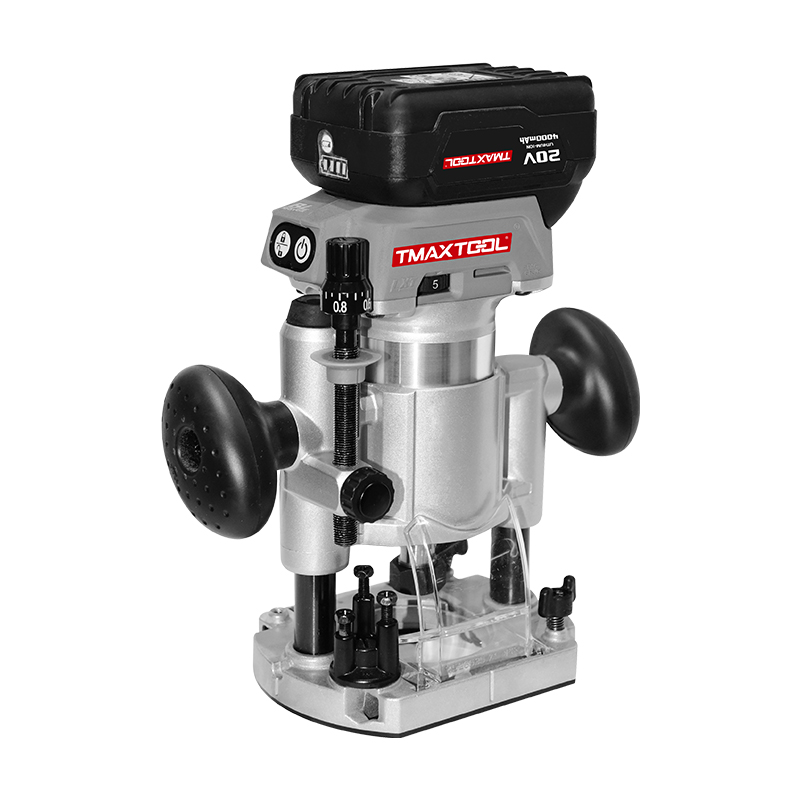 Wood Router
 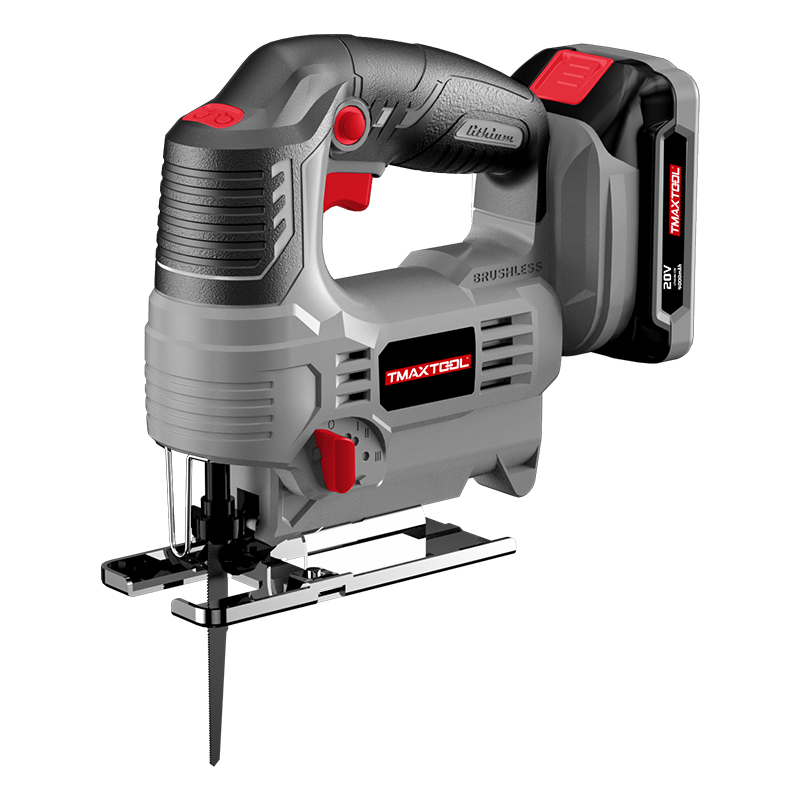 Jig Saw
 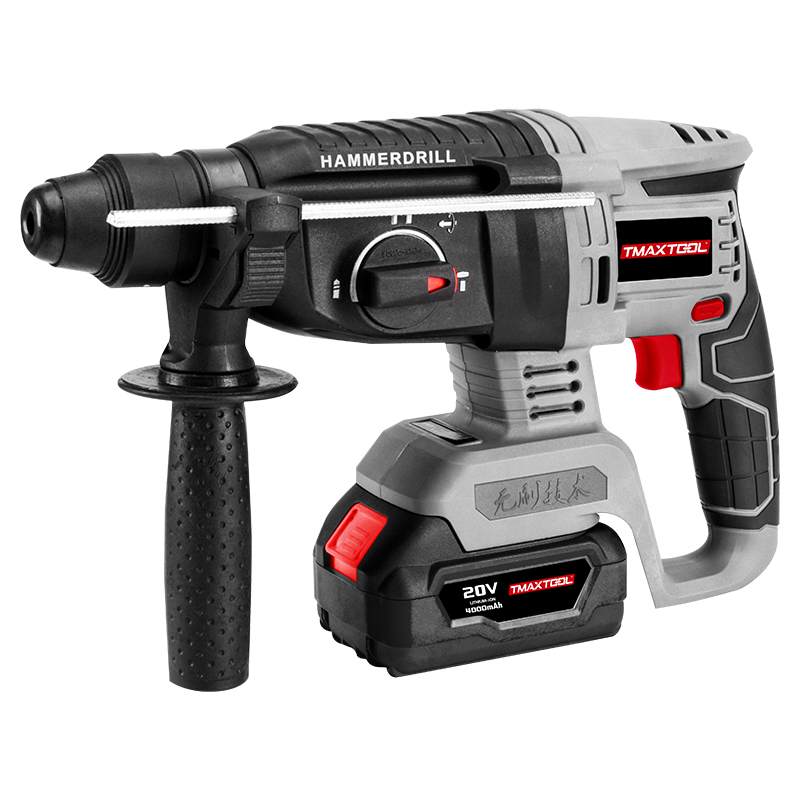 Hammer Drill
 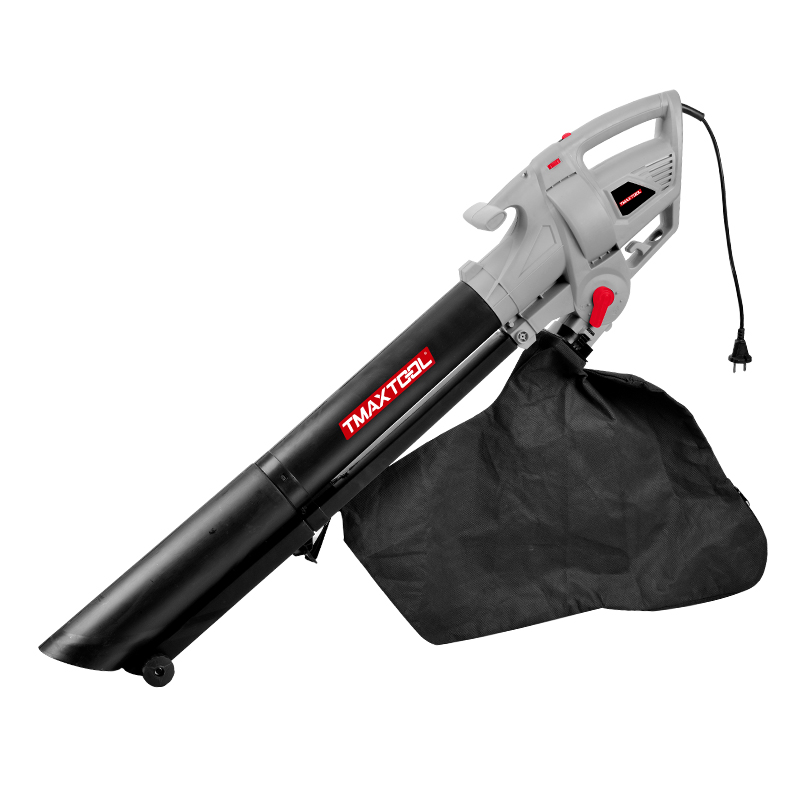 Portable Blower
 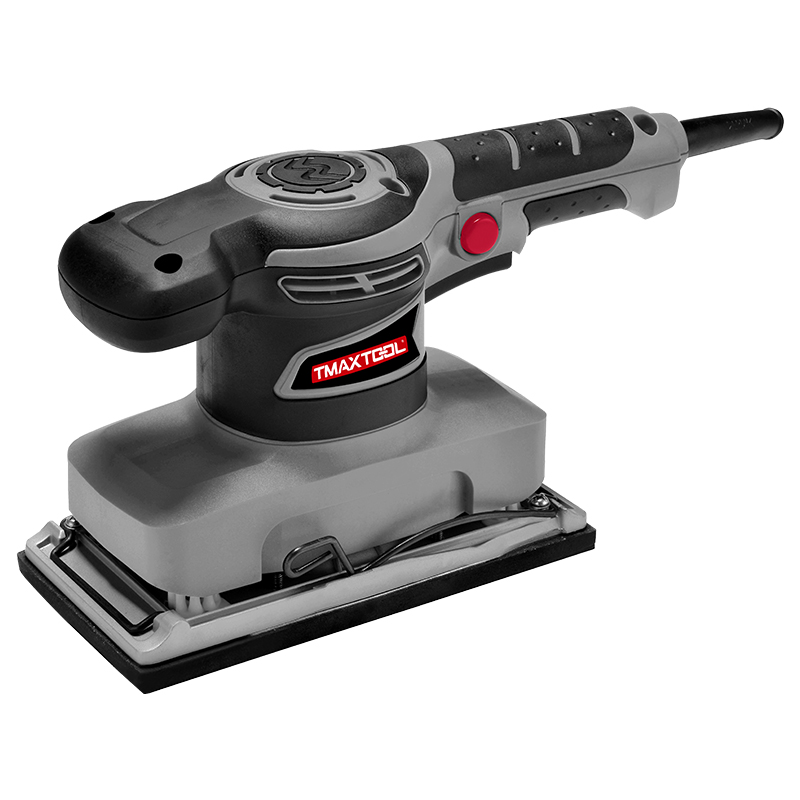 Orbital Sander
 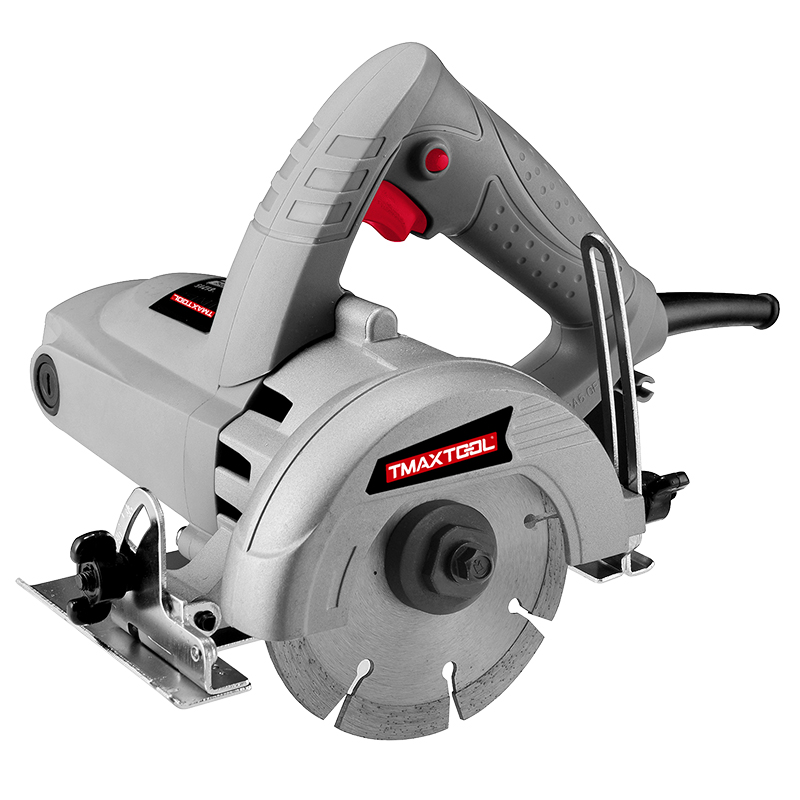 Marble Cutter
  GARDEN TOOLS
 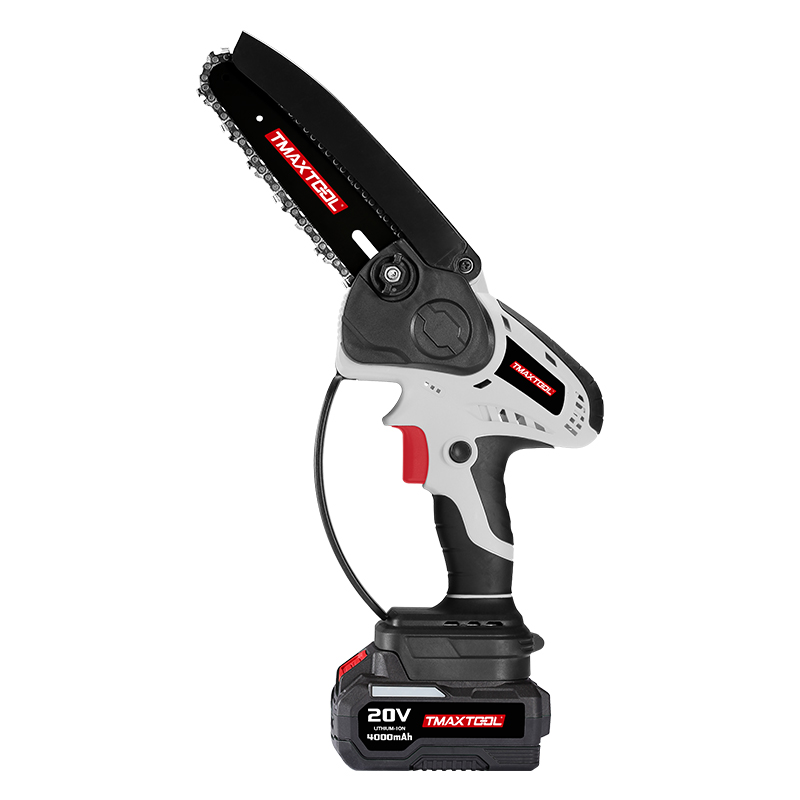 Battery Chain Saw
 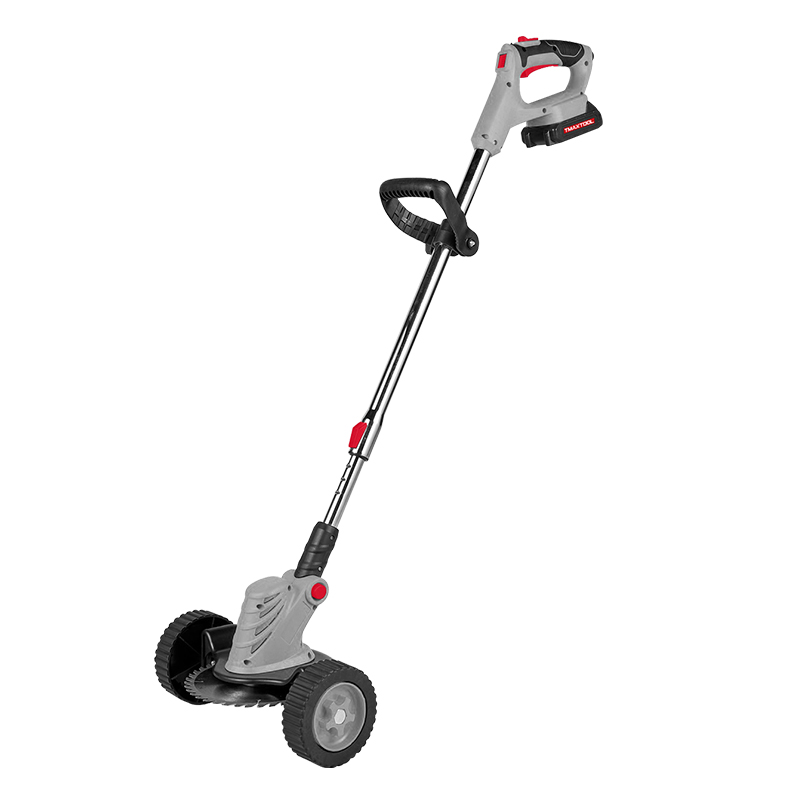 Battery Brush Cutter
 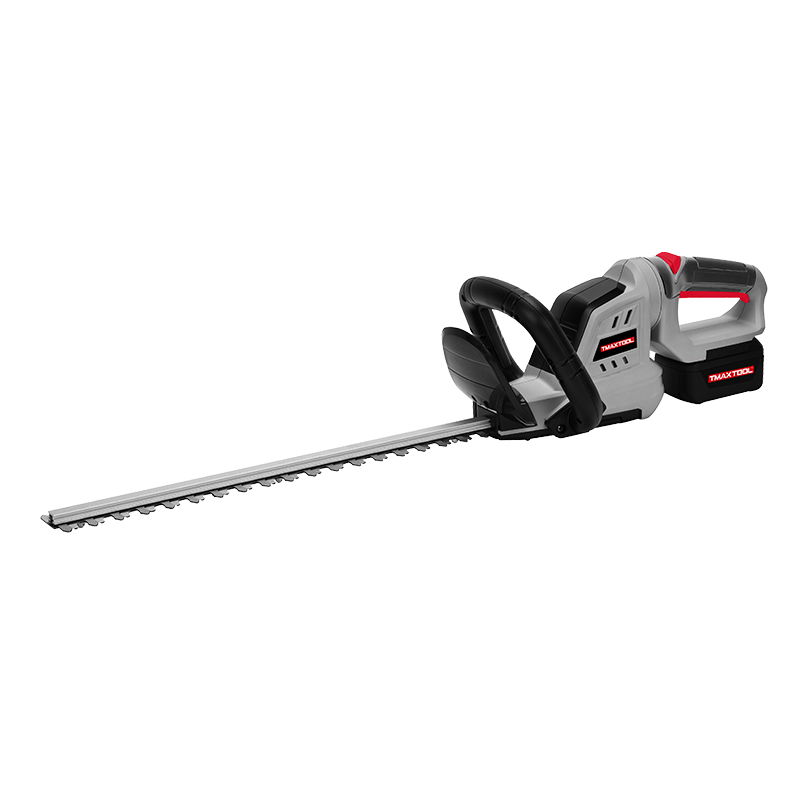 Battery Hedge Trimmer
 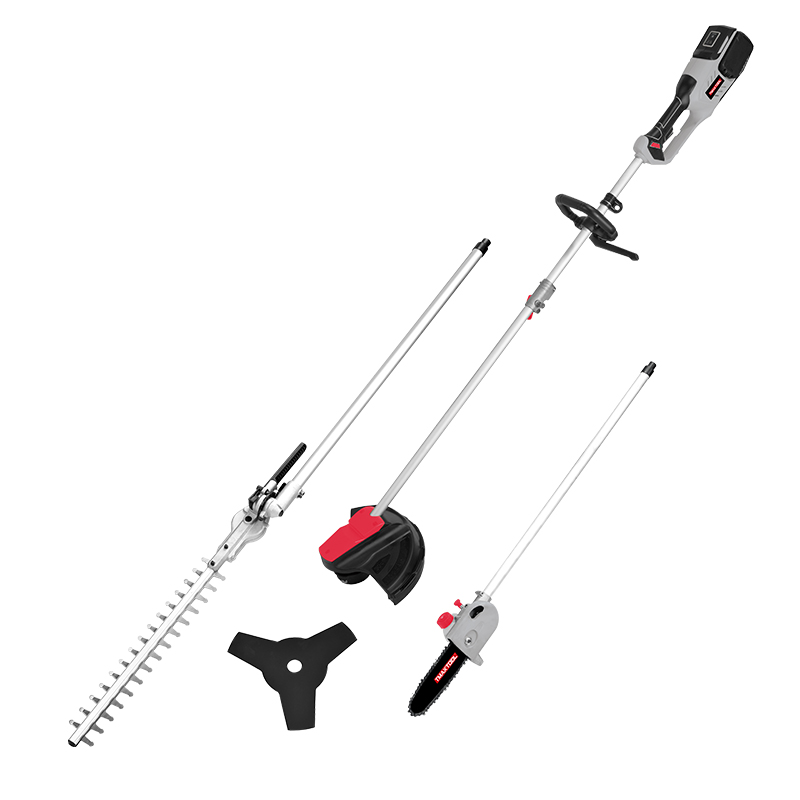 Battery Multi Tool
 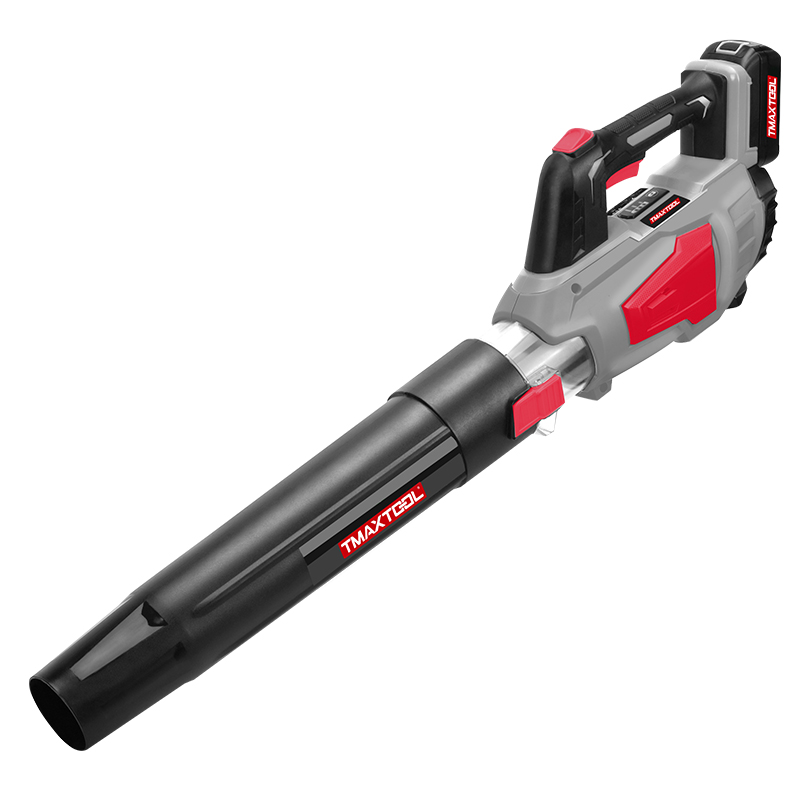 Battery Blower
 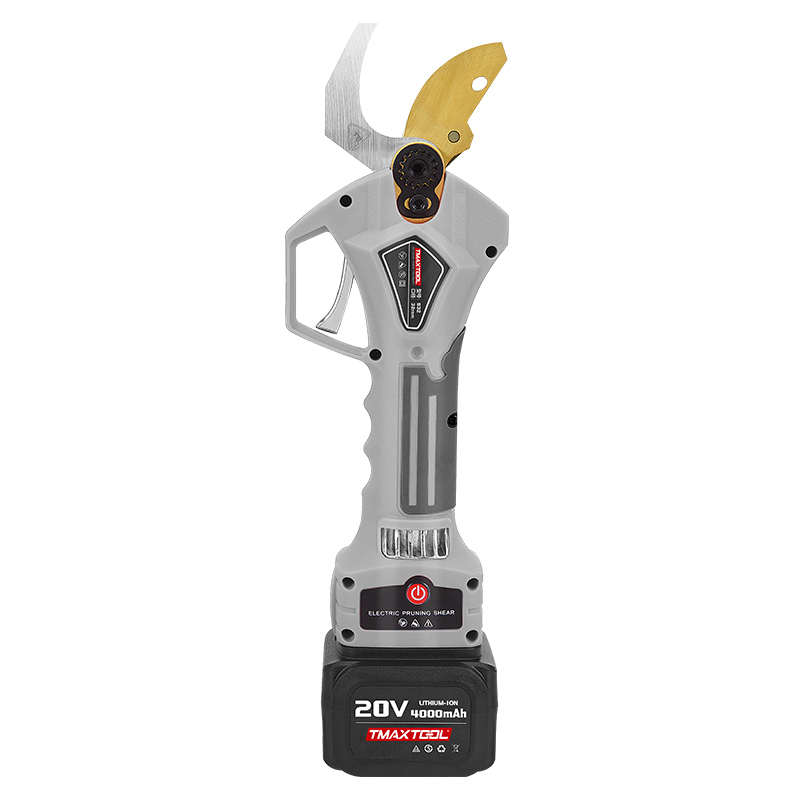 Batter Pruning Shears
 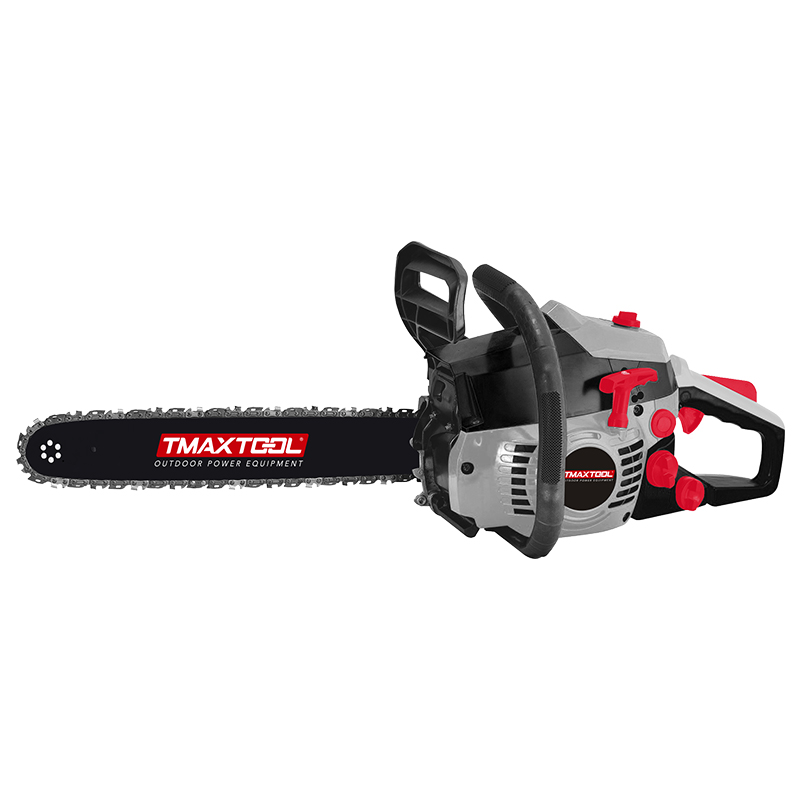 Chain Saw
 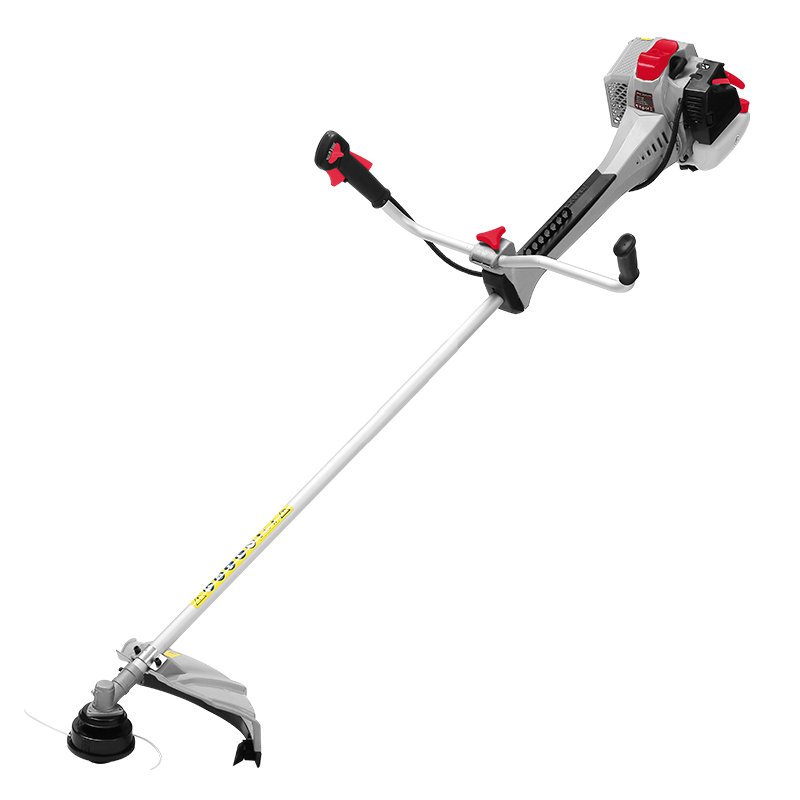 Brush Cutter
 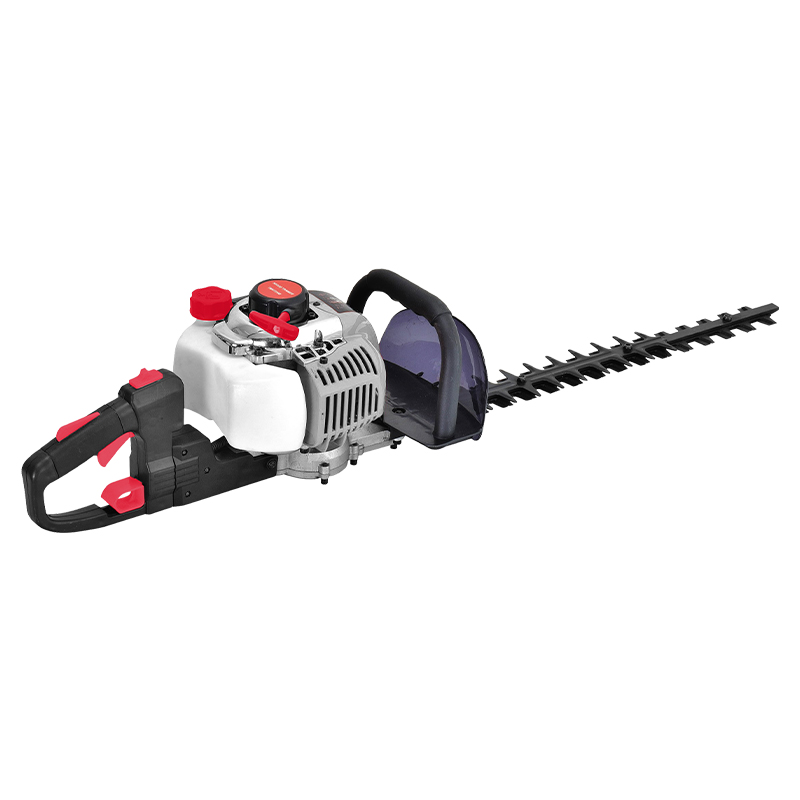 Hedge Trimmer
 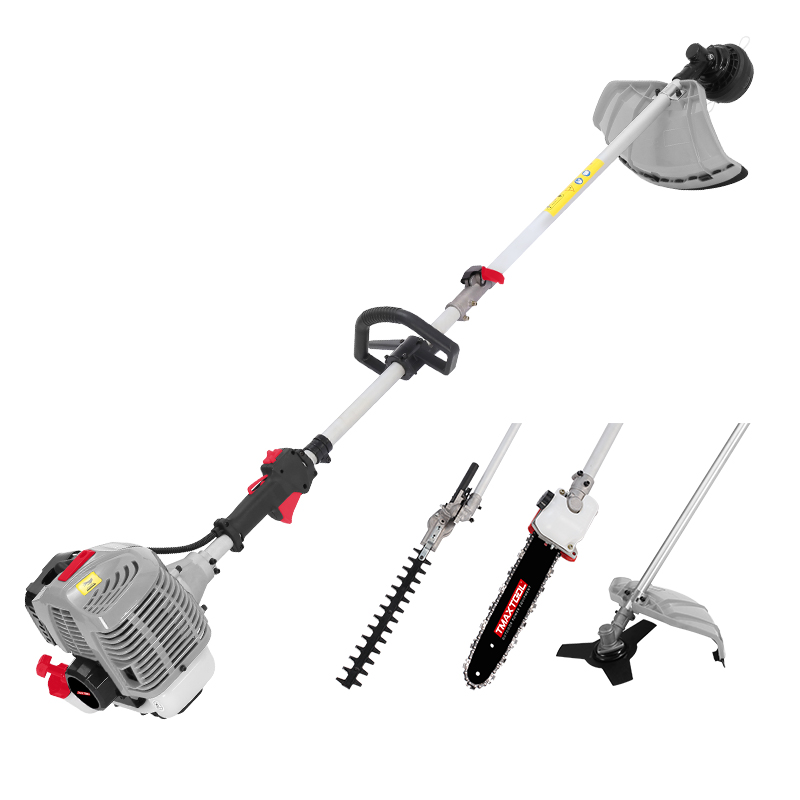 Multi Tool
 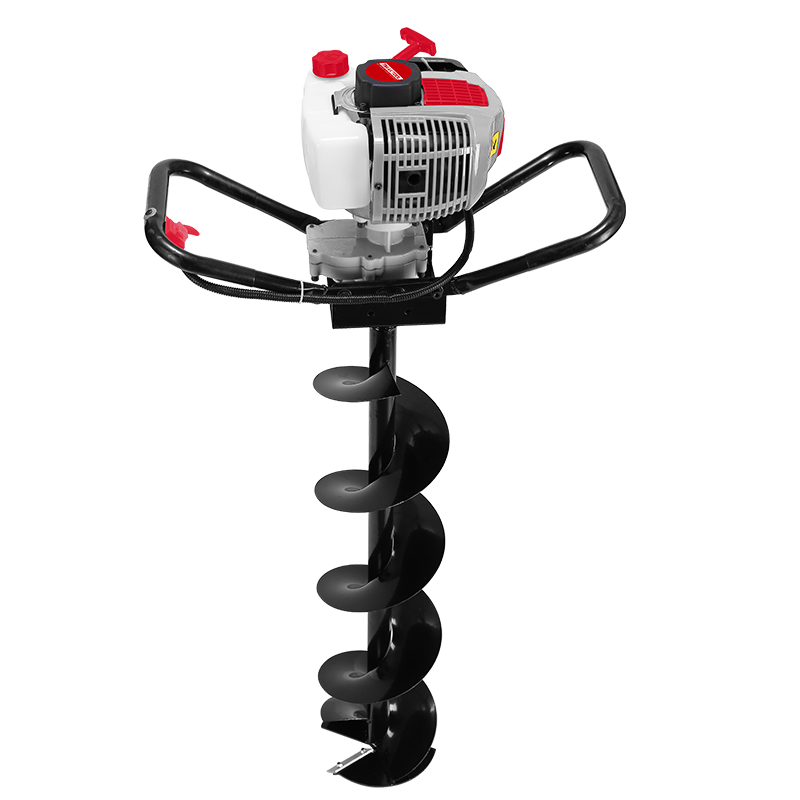 Earth Auger
 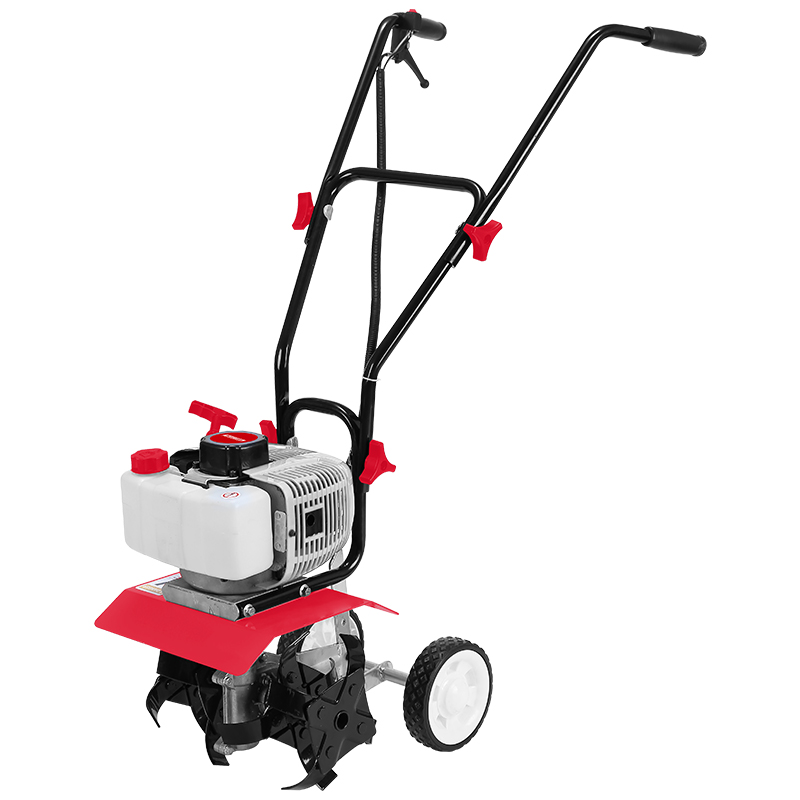 Tiller
 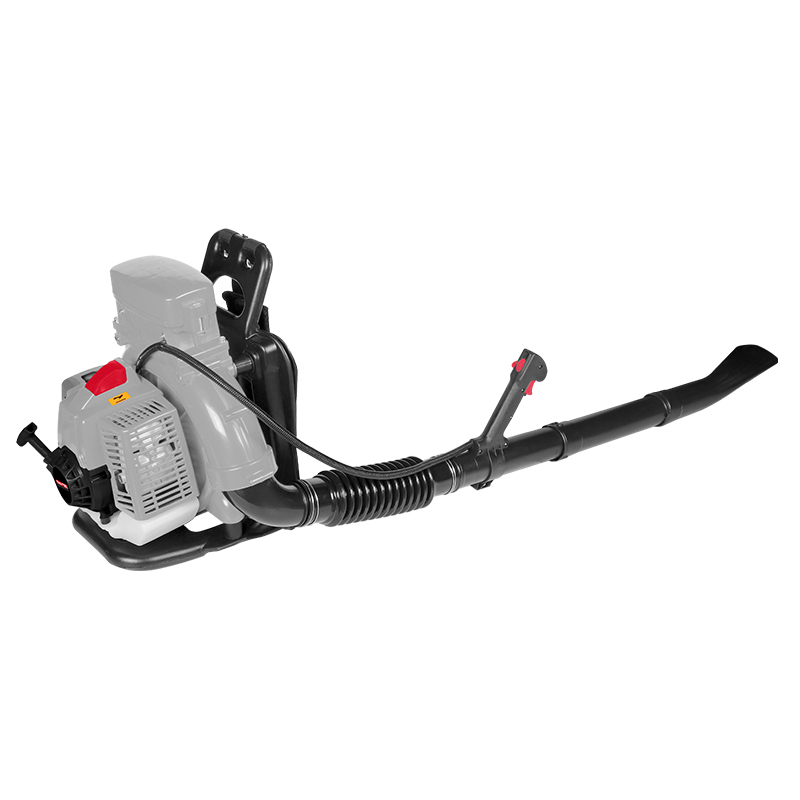 Blower
 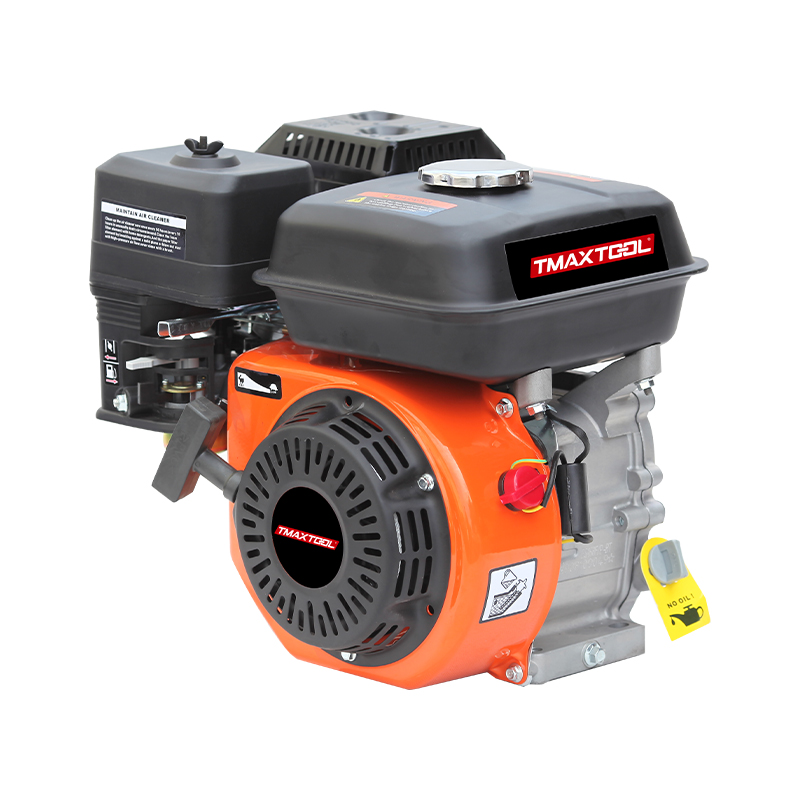 4 Stroke Gasoline Engine
 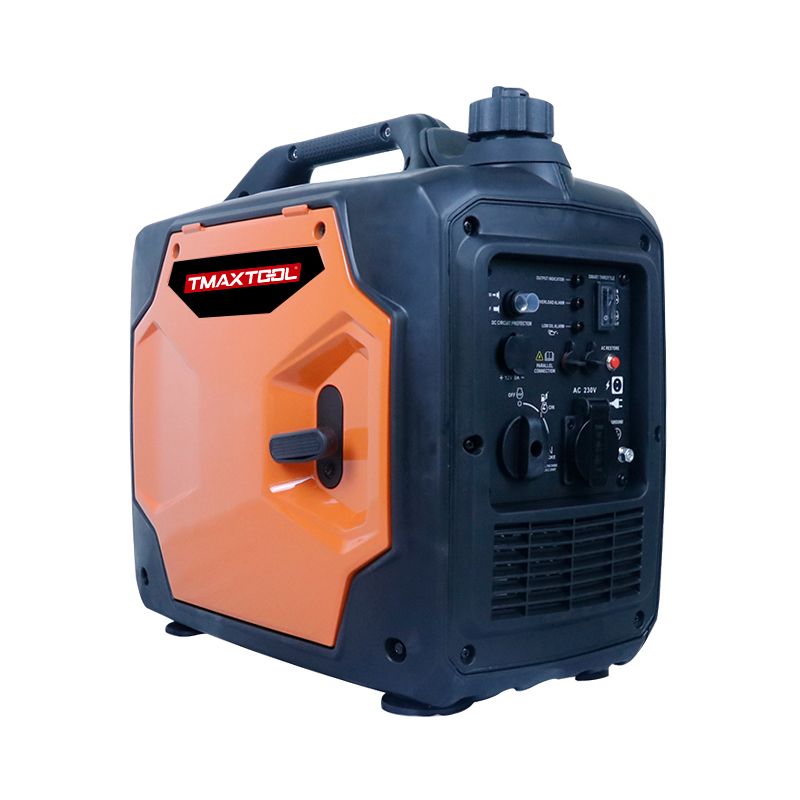 Generator
 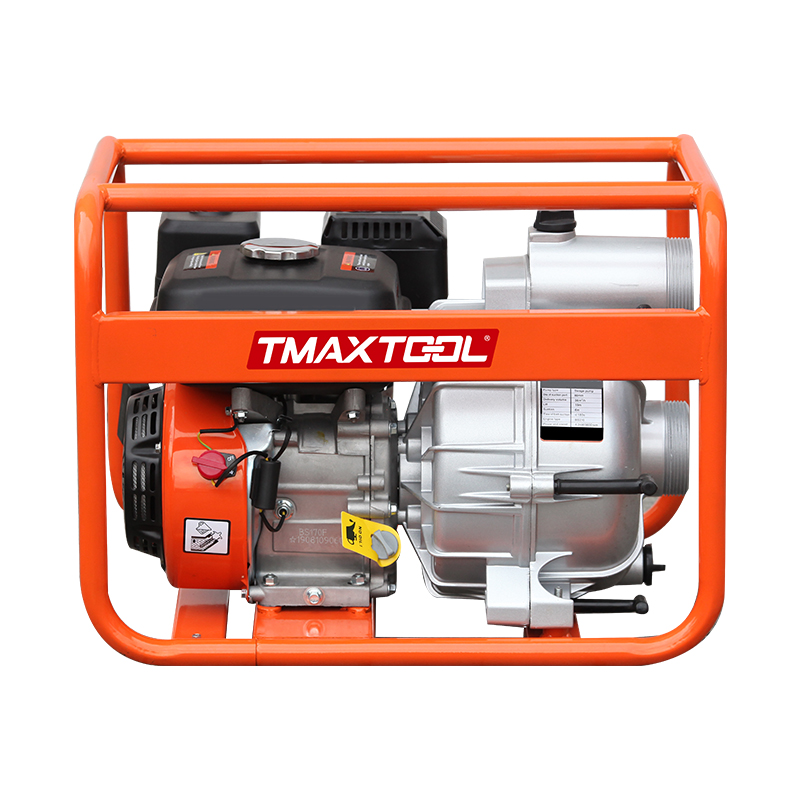 Water Pump
 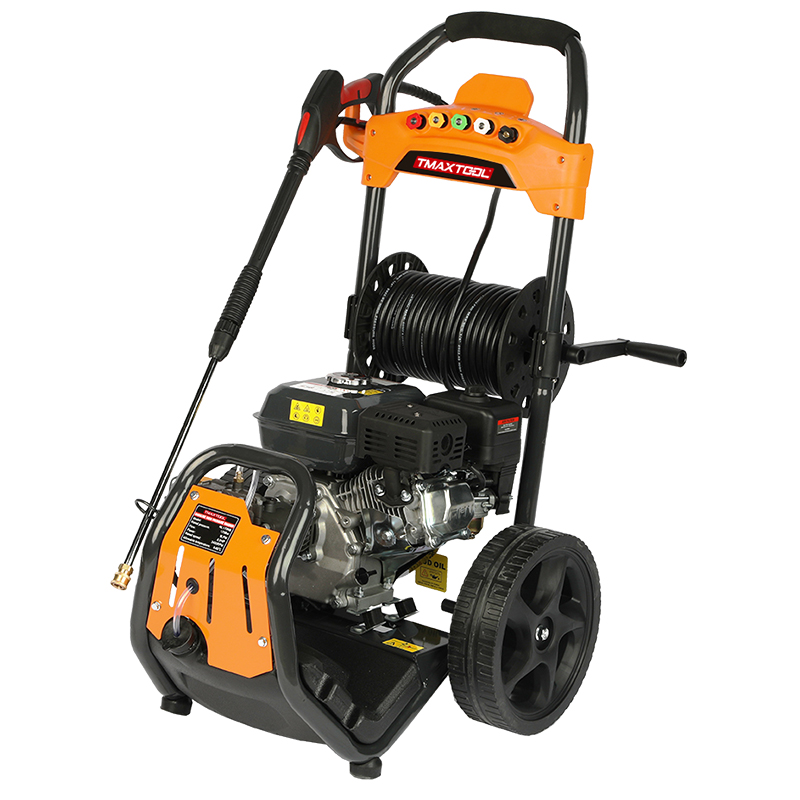 High Pressure Washer
 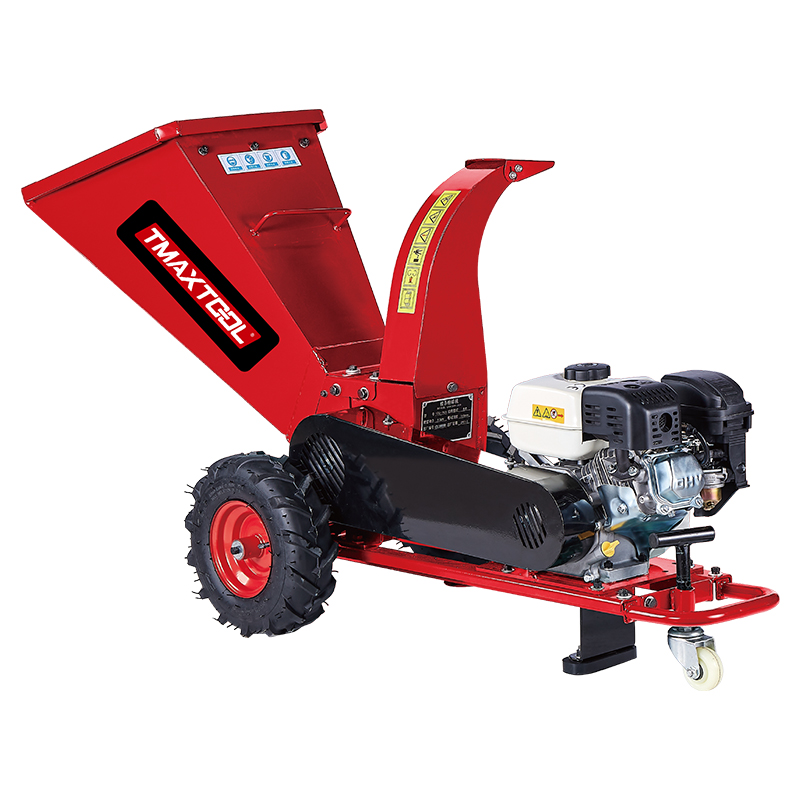 Wood Cutter
 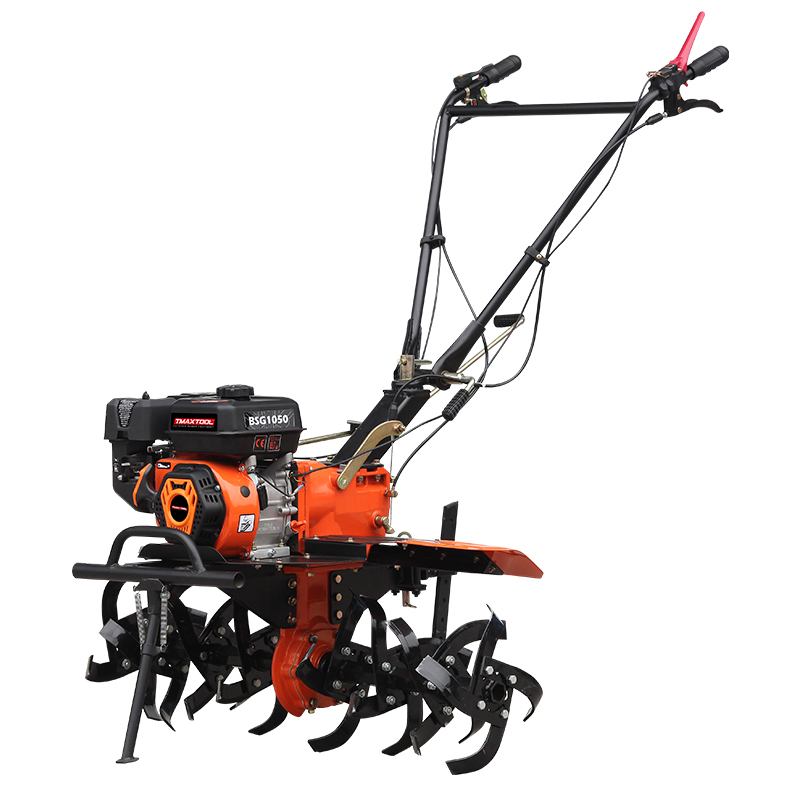 4 Stroke Tiller
 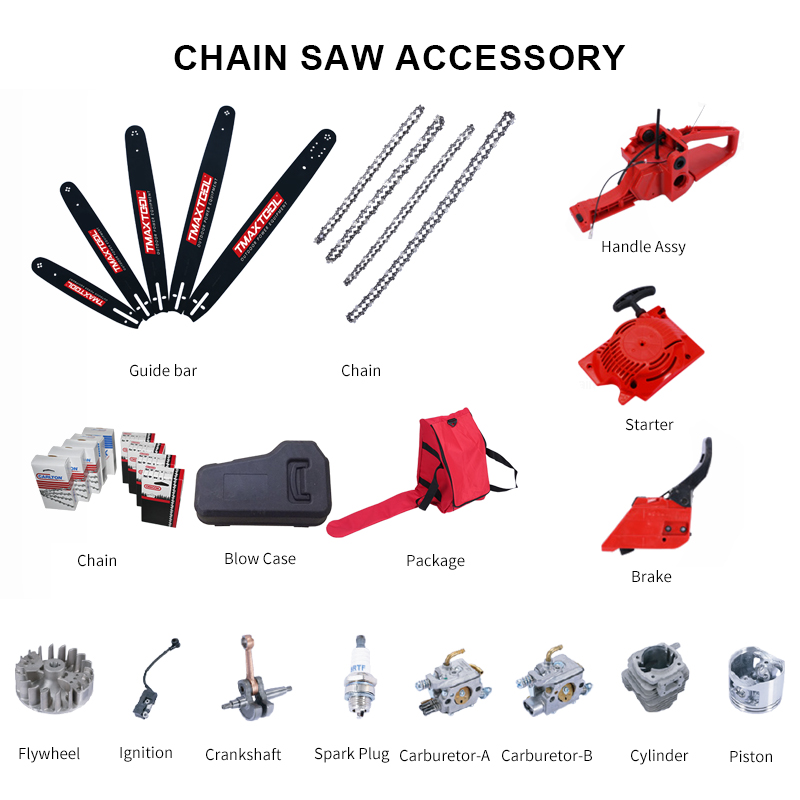 Chain Saw Accessory
 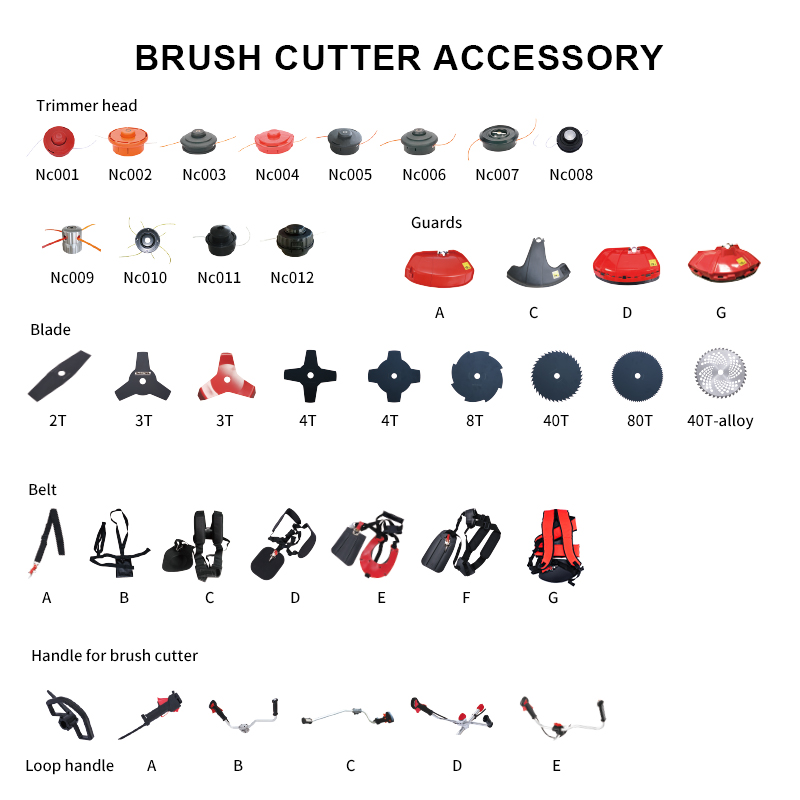 Brush Cutter Accessory
 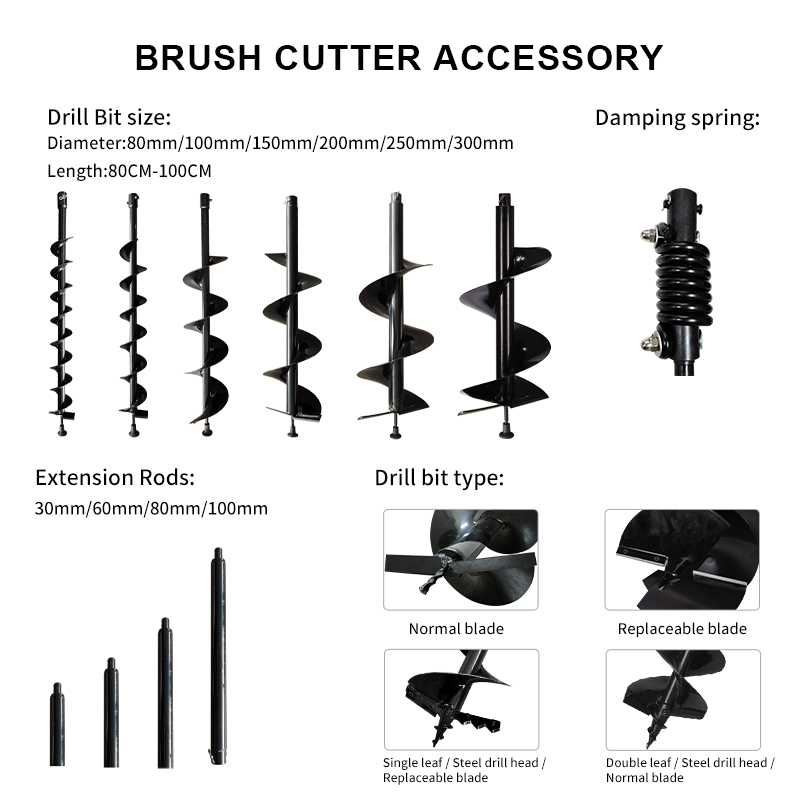 Earth Auger Accessory
 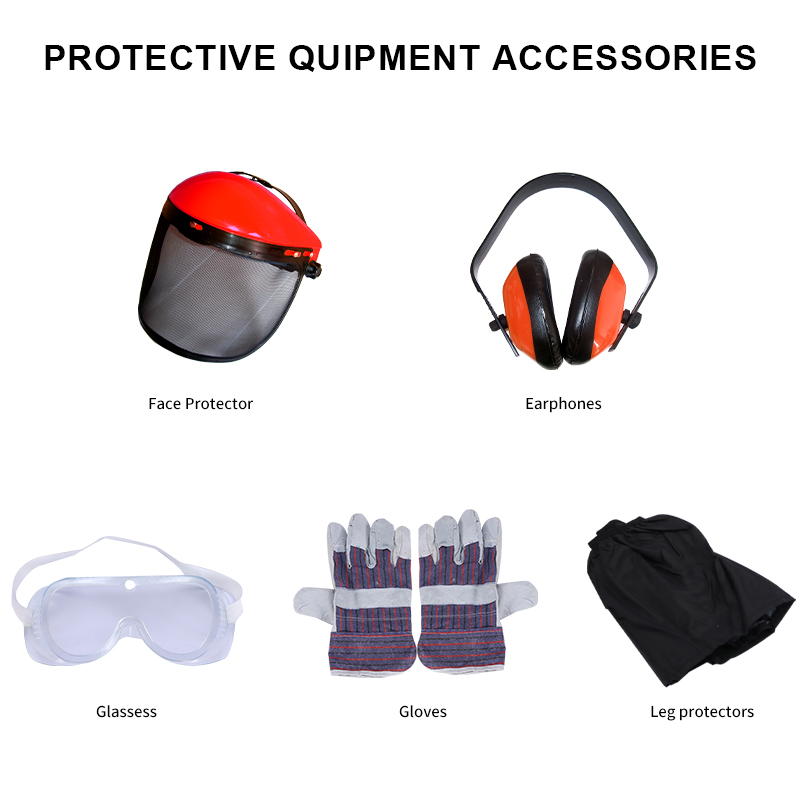 Protective Equipment Accessories
Leave Your Message


Import Considerations for Power Tools and Garden Tools
Import Considerations for Power Tools and Garden Tools
As an international buyer, importing power tools and garden tools requires balancing product quality, compliance, and safety with the market standards and customs clearance rules of different countries and regions, while also controlling procurement costs and supply chain efficiency. From certification and compliance, quality testing, logistics and customs clearance, to after-sales support, meticulous attention to detail at each stage directly impacts procurement efficiency and subsequent market operations. This article, combining global power tool industry standards and practical international procurement experience, outlines key considerations for global buyers importing power tools and garden tools, helping them complete procurement efficiently and compliantly.

I. Prioritize Verifying International Product Certifications and Matching Target Market Access Standards
The core prerequisite for importing power tools and garden tools is compliance with the mandatory certification requirements of the target market. Certification systems in different regions vary significantly in safety standards, testing dimensions, and compliance requirements. Products that have not passed the corresponding certifications will be unable to clear customs and be sold in the market; this is the primary consideration in international procurement.
1. Core Certification Systems and Key Requirements in Major Markets The core global certification systems for power tools are CE (EU), CSA (North America), SAA (Australia and New Zealand), and NOM (Mexico). Each system has its own specific testing standards and compliance requirements. When purchasing, it is essential to ensure that the product fully complies with these standards:
EU CE Certification: Mandatory requirement for entry into the European Economic Area. It must cover the LVD (Low Voltage Directive) and EMC (Electromagnetic Compatibility Directive). Since 2023, new requirements have been added, including traceability QR codes and a 3-decibel increase in noise testing standards. Product technical documentation must be retained for at least 10 years. Certification uses a self-declaration model, but the accuracy and compliance of test data must be ensured.
North American CSA Certification: Core certification for the Canadian and US markets. It focuses on product structural safety and electromagnetic compatibility. Lithium-ion battery-powered tools must pass 12 specific tests, including overcharge and short circuit tests. It uses an "on-site assessment + continuous monitoring" model, with a certification cycle of approximately 6-8 weeks.
Australia and New Zealand SAA Certification: Based on AS/NZS 60745.1, it emphasizes tropical climate adaptability and requires products to undergo a 72-hour aging test at 40°C/95% RH. From 2024 onwards, an IP6X dustproof rating is mandatory.
Mexico NOM Certification: Strict localization testing requirements; samples must be sent to a Mexican accredited laboratory; labels must include Spanish safety warnings; control switches must pass 20,000 mechanical life cycles; the certification cycle is up to 12 weeks.
2. General Safety and Environmental Certifications Cannot Be Ignored
In addition to regionally specific certifications, IEC (International Electrotechnical Commission) standards are the universal reference for power tools globally, such as IEC 62841 (Handheld Power Tools and Garden Machinery) and IEC 60745 (Safety of Handheld Power Tools). Products conforming to IEC standards are more likely to pass regional certifications. Meanwhile, environmental certifications such as RoHS (Restriction of Hazardous Substances) and BSCI (Business and Social Responsibility) are common requirements in the EU and many other countries. It is necessary to confirm that the product's heavy metal and hazardous substance content meets the limits, and that the production process meets social responsibility standards.
Procurement Tips: Prioritize suppliers with certifications in multiple regions, which can significantly reduce the cost of secondary testing for product adaptation to different markets; require suppliers to provide original certifications and test reports to avoid issues such as "fake certifications" or "expired certifications." In some markets, the validity of certificates can be verified through official certification platforms.
II. Strictly Control Product Quality and Conduct Comprehensive Testing and Acceptance
Power tools and garden tools are products with high usage rates and high safety requirements. Quality defects not only affect the user experience but may also lead to safety accidents. When procuring internationally, it is necessary to establish comprehensive quality testing standards, checking everything from appearance and performance to safety testing, to ensure that products meet procurement standards and internationally accepted inspection specifications.
1. Basic Appearance and Workmanship Inspection
Appearance and workmanship directly reflect the product's quality control level and require focused inspection:
The outer shell material conforms to product specifications, the color is uniform without fading or color difference, the surface is smooth without burrs, cracks, or deformation, and the paint surface is free of bubbles, peeling, or scratches;
Injection molded parts are free from defects such as shrinkage, cold material, and ripples; screws, nuts, buttons, and other accessories are complete and securely fastened, without loosening or falling off;
The handle fits tightly to the machine body, the power cord is securely fixed, and the safety guards for operating parts such as blades and saw blades are installed in place and reliably.
2. Core Performance and Safety Testing
Performance and safety are core aspects of power tools and must be tested according to internationally accepted inspection standards (such as ANSI/ASQ Z.14 sampling standard). Key test items include:
Electrical Safety: Protective measures to prevent contact with live parts are in place; the tool can withstand 10 consecutive no-load starts at 0.85 times the rated voltage without failure; input power and current meet rated standards; moisture-proof and rust-proof performance meets standards.
Heat Resistance and Flame Retardancy: Non-metallic shells and insulating components have strong heat resistance and deformation resistance; no open flame spread when exposed to fire; meets IEC 60745 heat resistance and flame retardancy requirements.
Mechanical Safety: Working parts are firmly fixed, without sharp edges or burrs; protective devices such as covers have sufficient mechanical strength and cannot be disassembled without tools; portable garden tools (such as lawnmowers and chainsaws) meet stability standards.
Durability: After multiple start-stop and load tests, there is no insulation damage or loosening of components; core components such as switches and motors show no performance degradation, meeting the long-term use requirements for commercial or civilian applications.
3. Key Testing Points for Garden Tools
Garden tools (such as chainsaws, Pruning Shears, and lawnmowers) require additional verification of their outdoor adaptability due to their complex usage scenarios. For example, fuel-powered chainsaws should meet the target market's environmental standards for fuel consumption and emissions; electric garden tools should have sufficient battery life and a waterproof rating (IPX4 and above) suitable for humid outdoor environments; and the sharpness and durability of cutting and trimming parts should meet standards.
Purchasing Tips
It is advisable to commission a third-party professional inspection agency (such as GIS) to conduct testing according to AQL Level II sampling standards (fatal defects not allowed, major defects 1.5, minor defects 4.0) and issue a formal inspection report. For customized products, confirm the sample testing results in advance before bulk purchasing to avoid batch quality issues.
III. Clarify Procurement Terms and Control MOQ, Delivery Time, and Supply Chain Efficiency
In international procurement, the clarity of procurement terms directly affects the stability of the supply chain, especially core terms such as minimum order quantity (MOQ), production delivery time, and logistics methods. These should be confirmed with the supplier in advance and written into the contract to avoid later disputes.
1. Reasonably Confirm MOQ and Production Capacity
Different suppliers have significantly different MOQ requirements. When purchasing, it's crucial to consider your own procurement volume and market demand: prioritize suppliers supporting low MOQs (e.g., 50pcs), suitable for small-to-medium batch trial sales or multi-category procurement; simultaneously verify the supplier's production capacity, such as monthly output and number of production lines, to ensure they can meet the delivery needs of large orders and avoid delivery delays.
2. Clarify Delivery Dates and Logistics Details
Confirm the production delivery date (e.g., delivery within 30 days for regular products) and agree on compensation clauses for delivery delays; for urgent orders, confirm the supplier's expedited production capacity and additional costs;
Choose the logistics method based on the target market. For example, for the European and North American markets, consider sea freight + overseas warehousing to reduce logistics costs; for the Southeast Asian and Australian markets, consider air freight to improve delivery efficiency; also confirm whether the supplier provides door-to-door logistics services, covering customs declaration, clearance, and the entire logistics process, reducing the buyer's operational costs.
3. Control Product Customization and Accessory Compatibility
If product customization is required (e.g., brand logo, packaging, functional adjustments), confirm the customization cycle and additional costs with the supplier in advance. Ensure the customized content meets the branding and language requirements of the target market (e.g., multilingual instruction manuals, local language safety warnings). Simultaneously, confirm whether the supplier provides complete accessory packages (e.g., batteries, chargers, replacement blades, belts) to avoid difficulties in procuring accessories later and enhance the product's market competitiveness.
IV. Comply with Customs Clearance and Mitigate Customs Supervision Risks
The customs clearance process for imported power tools and garden tools must strictly comply with the customs supervision rules of the target market. Prepare all necessary documents in advance and confirm whether the product falls under the control of legal inspection, 3C certification (in some countries), energy efficiency labeling, etc., to avoid cargo congestion, return shipments, and economic losses.
1. Prepare all necessary customs clearance documents in advance. Core customs clearance documents include: commercial invoice, packing list, bill of lading, certificate of origin, product certification certificate, test report, and product manual (multilingual version). For products with wooden packaging, an IPPC fumigation certificate is required to avoid customs detention due to substandard wooden packaging.
2. Clarify product regulatory categories to mitigate compliance risks. Different countries have different regulatory requirements for power tools, which must be confirmed in advance: If importing used electromechanical power tools, confirm whether the target market allows imports. Some countries (such as China) require pre-shipment inspection of used electromechanical products, necessitating a Pre-shipment Inspection Certificate for customs clearance. Some countries mandate energy efficiency labeling for power tools; ensure the product bears the corresponding energy efficiency label, otherwise customs clearance will be impossible. For the purchase of complete sets of equipment (such as a combination of power tools and garden tools), clearly label the product as "complete set of equipment" during customs declaration and complete inspection according to the requirements of the target market. Procurement Tips
Confirm with suppliers whether they provide customs clearance assistance services, such as helping with document preparation and liaising with local customs brokers. For markets entered for the first time, consider entrusting a local professional customs clearance company to handle the process, reducing compliance risks.

V. Emphasize After-Sales Support and Establish a Long-Term Service System
Power tools and garden tools are consumable products. Comprehensive after-sales support not only enhances the end-user experience but also reduces the buyer's market operating costs. When procuring internationally, it is essential to clarify after-sales terms with suppliers and establish a long-term, efficient after-sales cooperation system.
1. Confirm Product Warranty Period and Scope
Prioritize suppliers offering warranties of 12 months or more. The warranty scope must cover core components (such as motors, batteries, and switches), and clearly define the free repair and replacement policy for non-human-caused damage. For lithium battery-powered tools, the battery warranty period must be confirmed separately to avoid gaps in the warranty coverage of core components.
2. Verify After-Sales Support Capabilities
Confirm whether the supplier provides a global after-sales network or authorized repair centers, especially in the target market, to ensure end users can quickly obtain repair services;
Confirm whether the supplier provides technical support, such as professional guidance on product installation, use, and repair, and provides multilingual technical manuals and online technical consultation;
Confirm parts supply capabilities. The supplier should be able to provide replacement parts stably and consistently, with short lead times and convenient logistics to avoid product repair issues due to parts shortages.
3. Agree on After-Sales Dispute Resolution Methods
Agree with the supplier in advance on after-sales dispute resolution methods, such as the return and exchange process for product quality issues, who bears the shipping costs, and the repair timeframe within the warranty period. Include these in the purchase contract to avoid unresolved after-sales disputes later.
VI. Select High-Quality Suppliers and Establish Long-Term Stable Partnerships
The core of international procurement is selecting high-quality, reliable suppliers. A supplier's R&D capabilities, quality control level, and service capabilities directly determine procurement efficiency and product market competitiveness. When procuring, it's crucial to verify supplier capabilities from multiple dimensions, prioritizing professional tool manufacturers with digital production, full-category supply, and global service capabilities.
1. Verify Supplier Core Strengths
Industry Experience: Prioritize suppliers with 15 years or more of tool manufacturing experience. A mature production system ensures better control over product quality.
R&D and Production: Confirm that the supplier possesses independent R&D capabilities and multiple standardized production lines, enabling digital production and management with a product qualification rate exceeding 98%.
Market Coverage: Select suppliers whose products are exported to 50 or more countries and regions. Their products are better suited to the standards and needs of different global markets, and their certification systems are more comprehensive.
2. Confirm Supplier Value-Added Services
High-quality suppliers can provide one-stop procurement solutions, such as a full-category product supply (power tools, garden tools, hand tools and accessories), market research reports, marketing material support (images, videos, product manuals), dealer authorization and training, etc., helping buyers quickly expand into target markets.
3. On-site Inspection or Sample Verification
For long-term suppliers, on-site factory visits can be conducted to verify their production scale, quality control processes, and R&D capabilities. If on-site inspection is not possible, samples can be purchased first for comprehensive testing. Bulk purchases should only proceed after confirming that the product quality, certifications, and performance meet requirements.
Conclusion: The core of imported power tools and garden tools lies in **"compliance as the foundation, quality as the core, efficiency as the priority, and service as the shield"**. International buyers need to carefully control each of the six key aspects—certification compliance, quality testing, procurement terms, customs clearance and logistics, after-sales support, and supplier selection—to complete procurement efficiently and compliantly, while reducing market operation risks.
Choosing a professional tool supplier with global certifications, low MOQ, short lead times, and comprehensive after-sales service is crucial for achieving a dual improvement in procurement efficiency and product competitiveness. TMAXTOOL, a professional manufacturer with over 15 years of experience in tool production, offers a full range of products including power tools, garden tools, and hand tools. Our products are certified by major global standards such as CE, CSA, SAA, and RoHS. We support low MOQ (Minimum Order Quotient) of 50pcs, 30-day fast delivery, and provide a 12-month warranty and global after-sales support. We offer a one-stop solution for global buyers to procure power tools and garden tools, helping them expand into global markets.
Website:https://www.tmax-tool.com/
Email: info@tmaxtool.com
WhatsApp:+8613655793577
#ImportedPowerToolsPrecautions #InternationalPowerToolProcurement #GardenToolImportGuide #InternationalPowerToolCertification #ImportedToolQualityInspection #EUCECertifiedPowerToolProcurement #NorthAmericanCSACertifiedGardenToolImport #InternationalCustomsClearanceRulesForPowerTools #LowMOQPowerToolSupplier #ImportedGardenToolAfterSalesGuarantee