
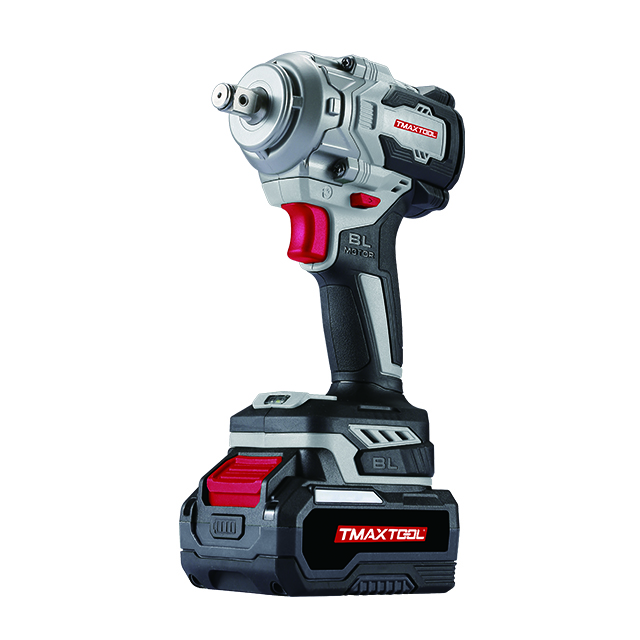
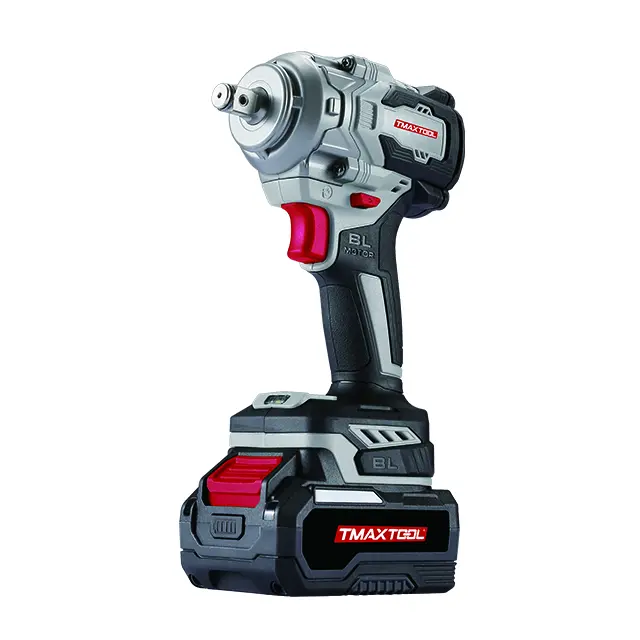
 Impact Wrench
 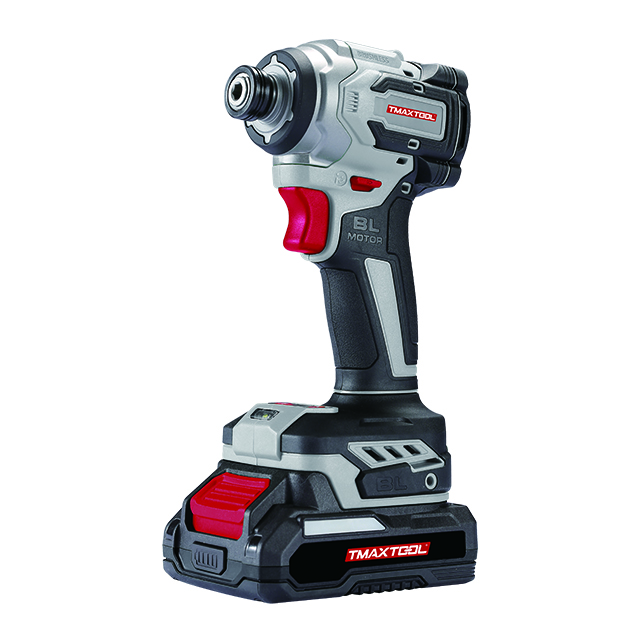 Screwdriver
 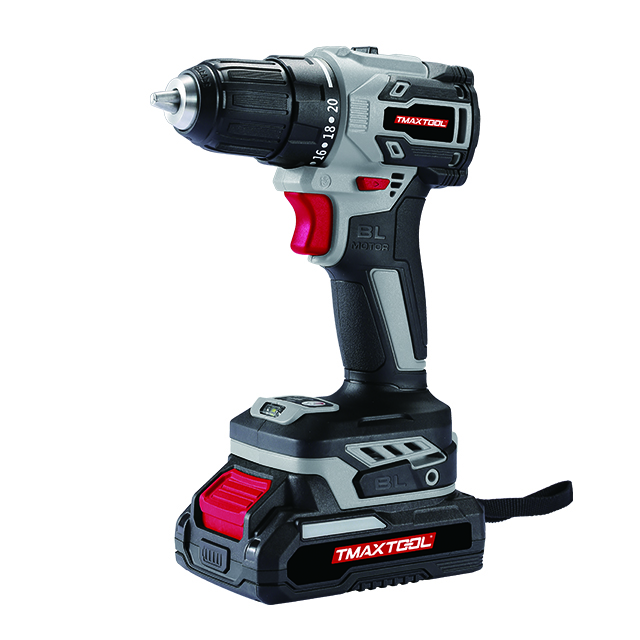 Cordless Drill
 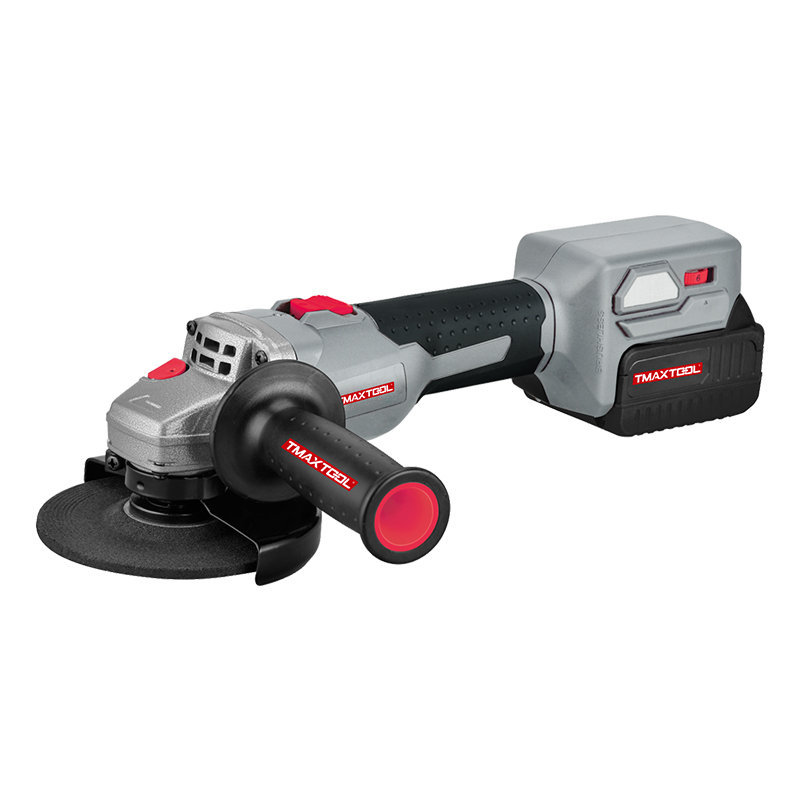 Angle Grinder
 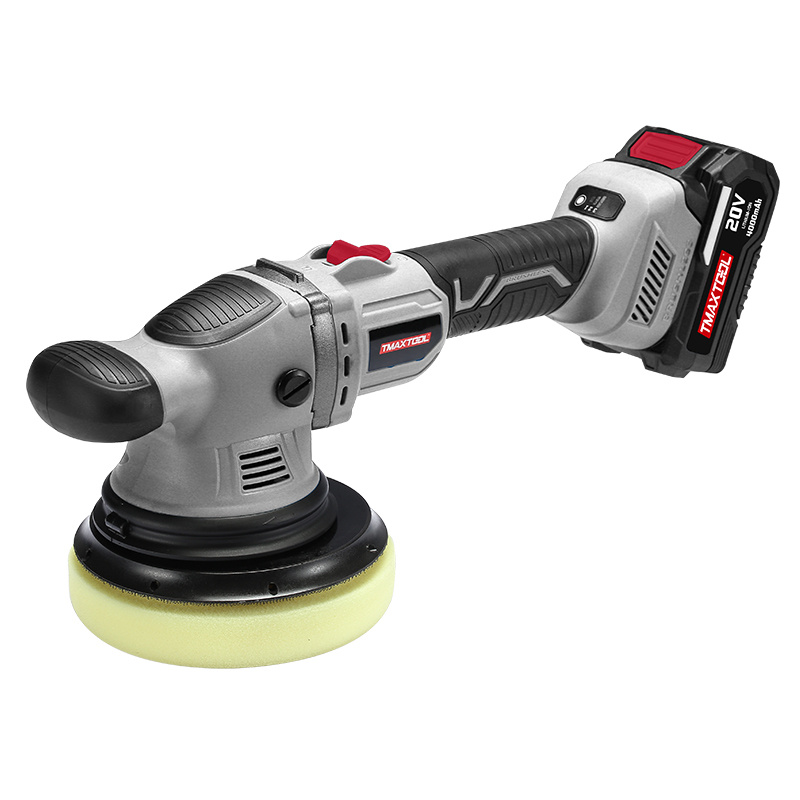 Polisher
 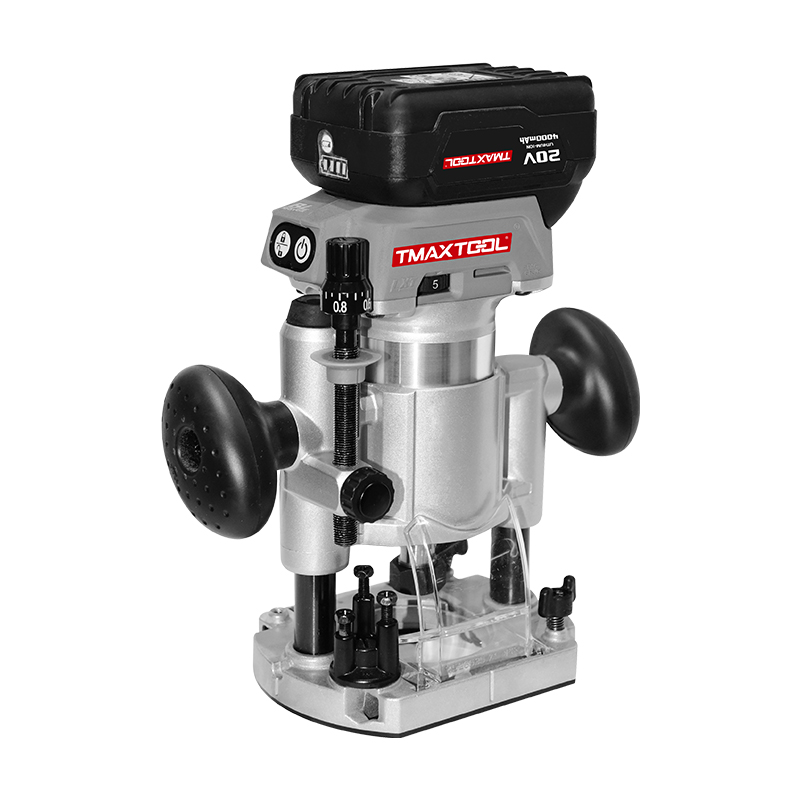 Wood Router
 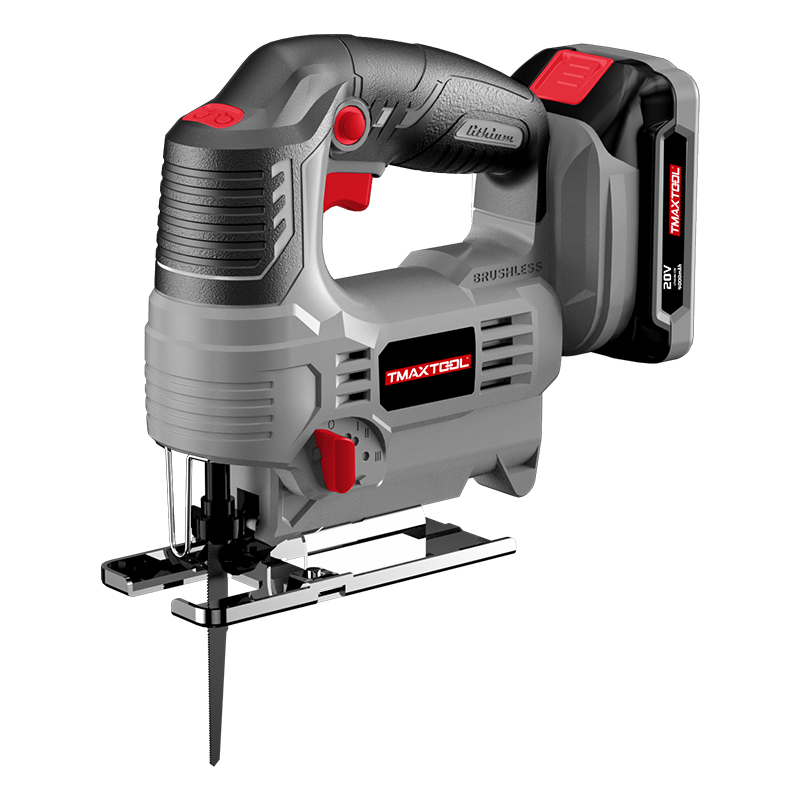 Jig Saw
 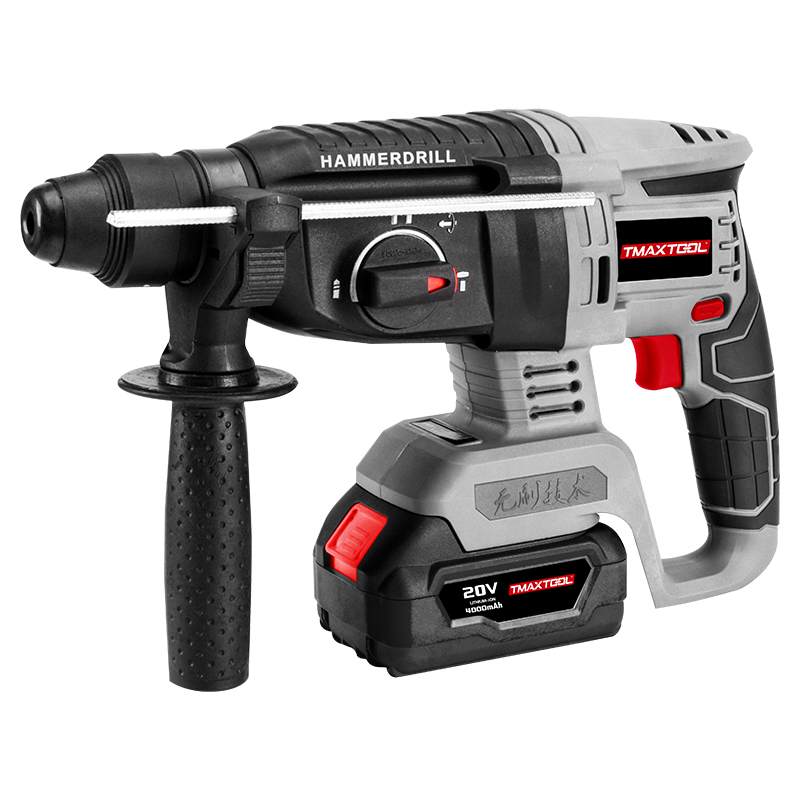 Hammer Drill
 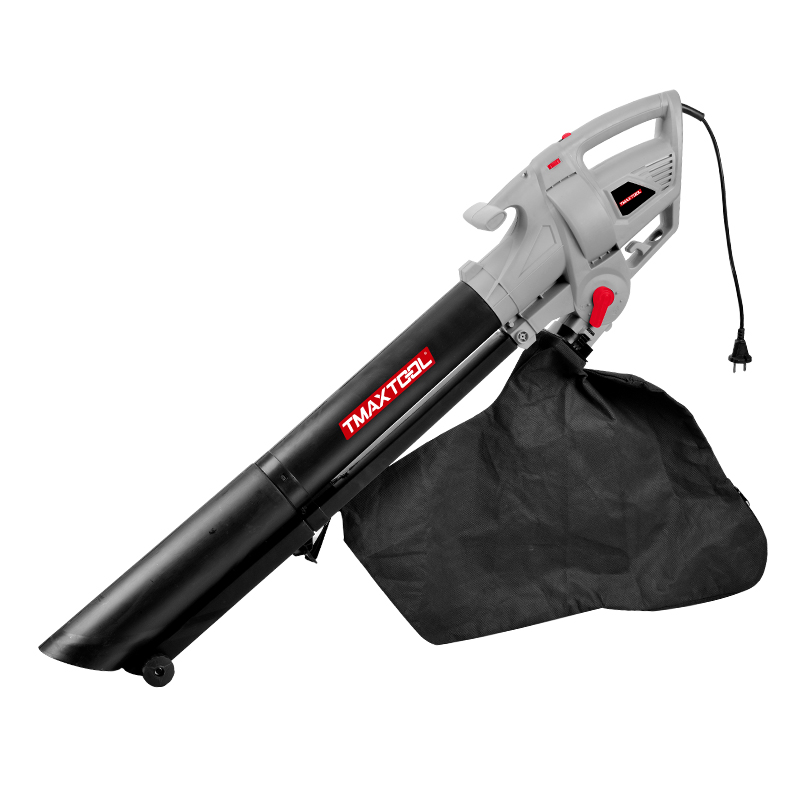 Portable Blower
 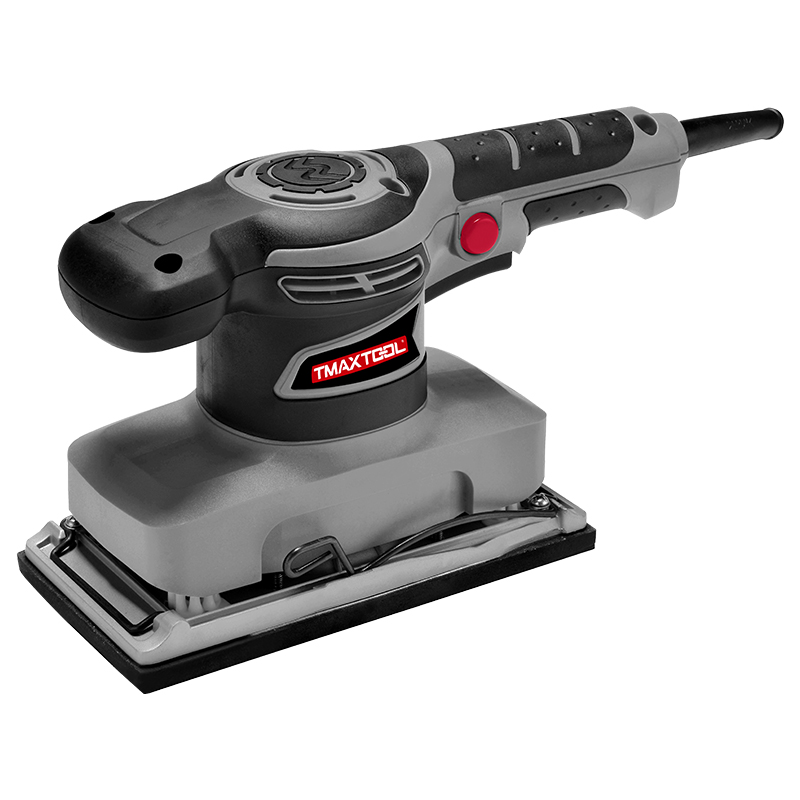 Orbital Sander
 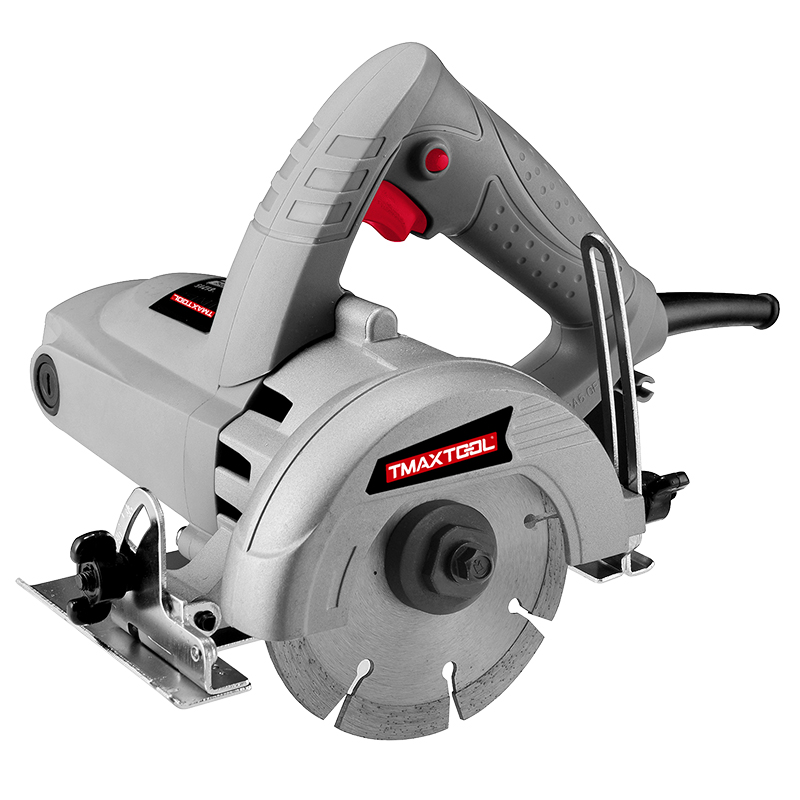 Marble Cutter
  GARDEN TOOLS
 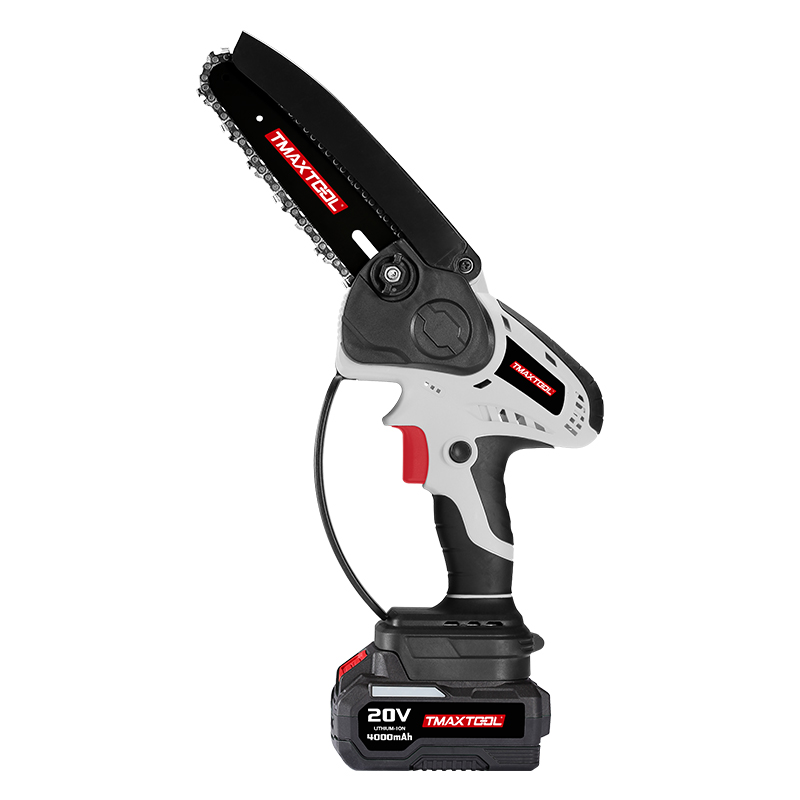 Battery Chain Saw
 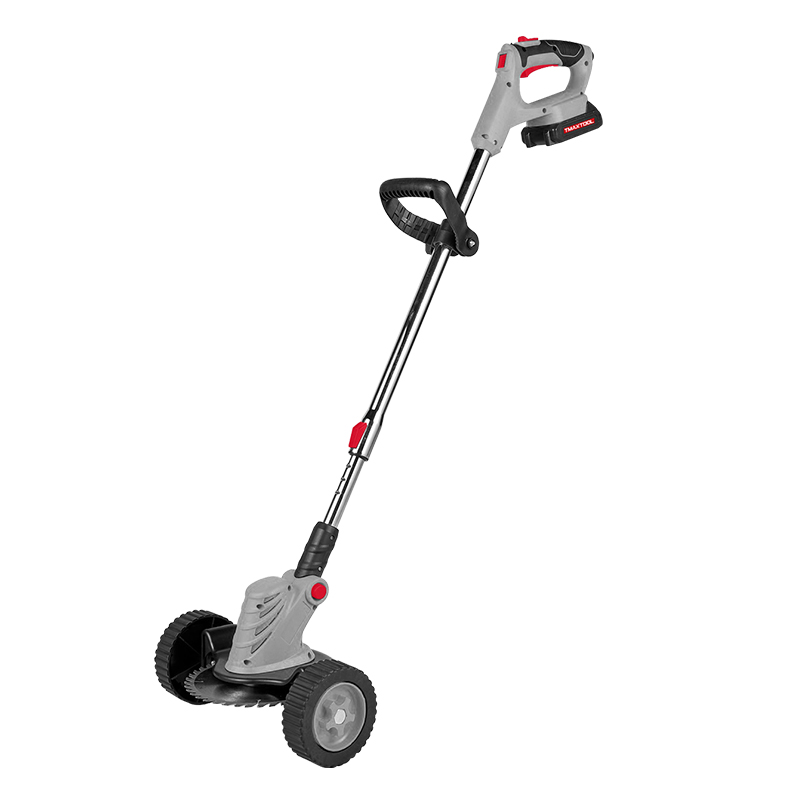 Battery Brush Cutter
 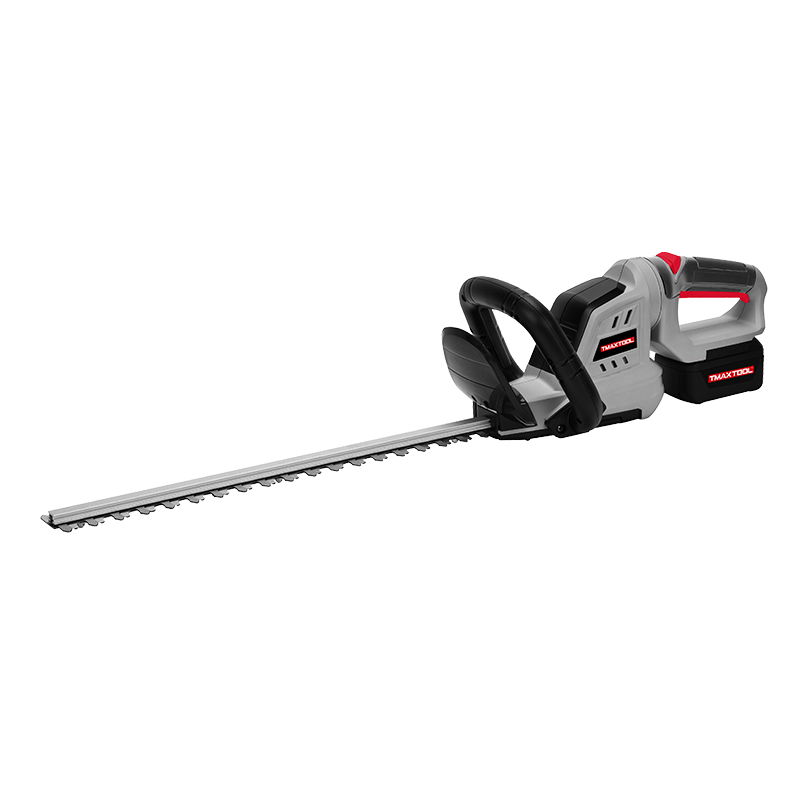 Battery Hedge Trimmer
 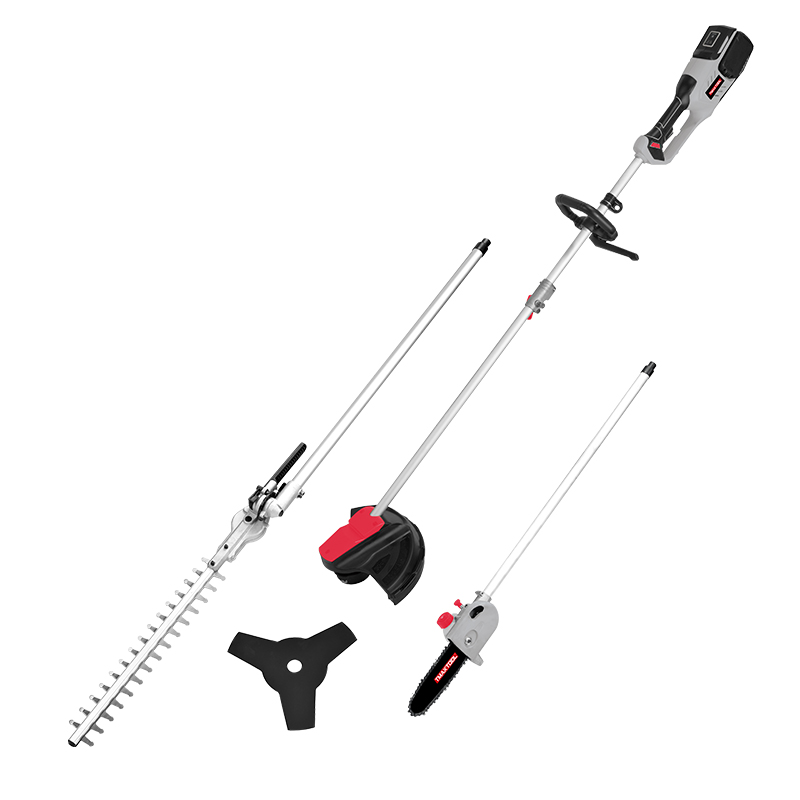 Battery Multi Tool
 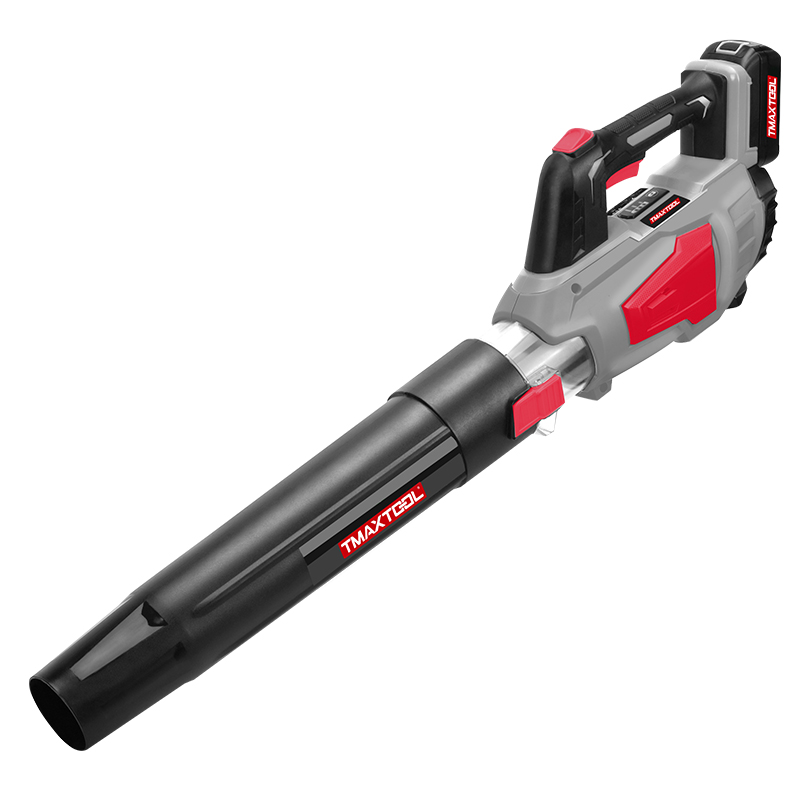 Battery Blower
 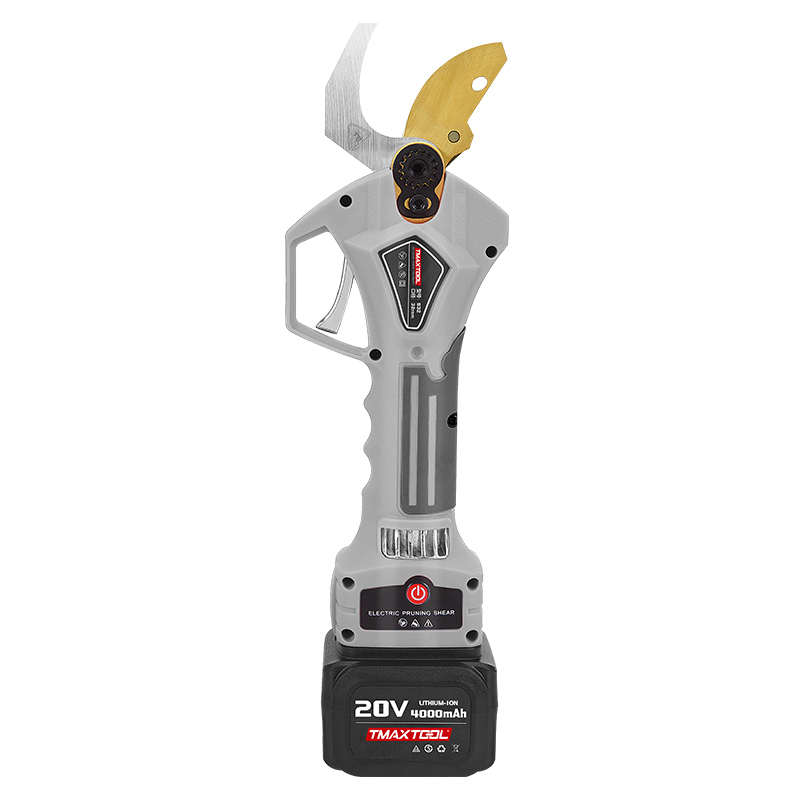 Batter Pruning Shears
 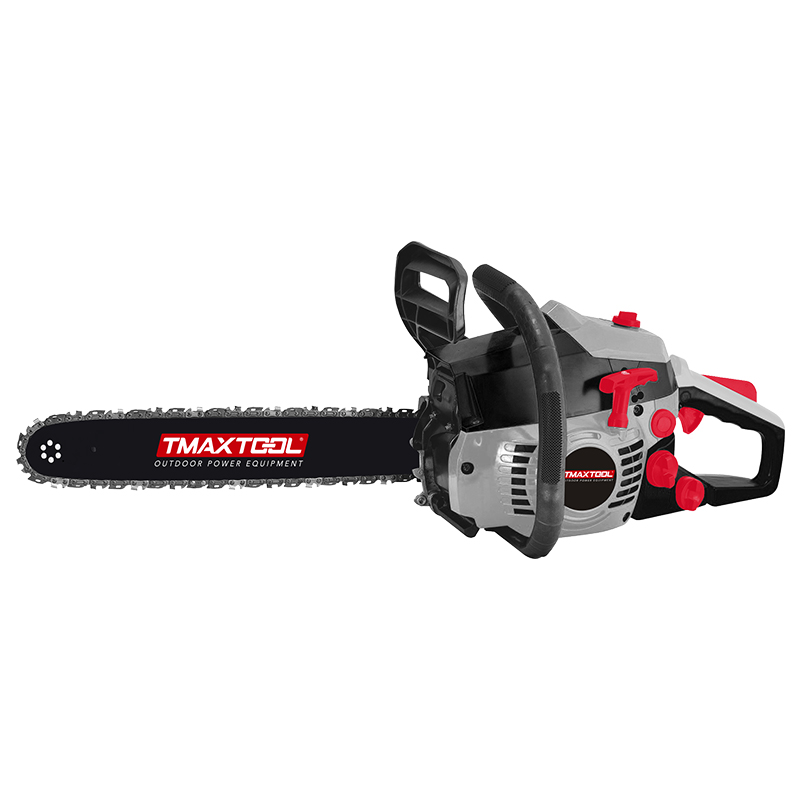 Chain Saw
 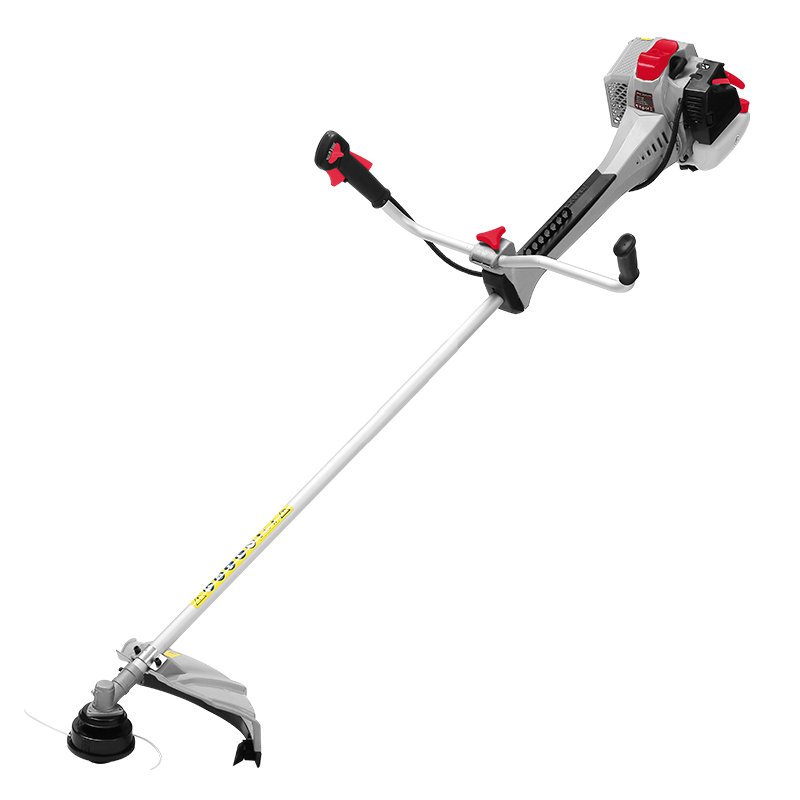 Brush Cutter
 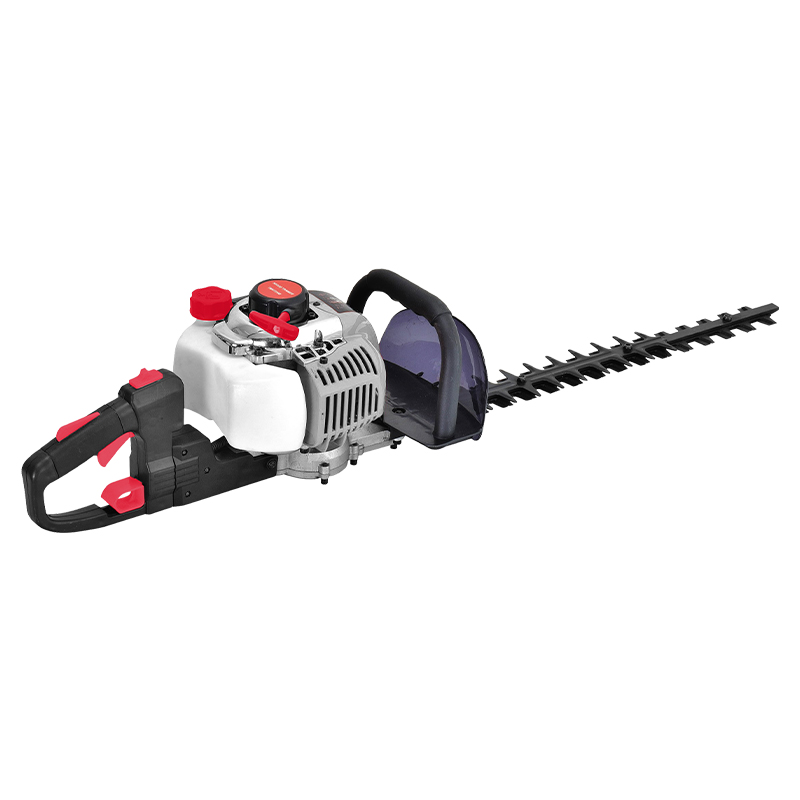 Hedge Trimmer
 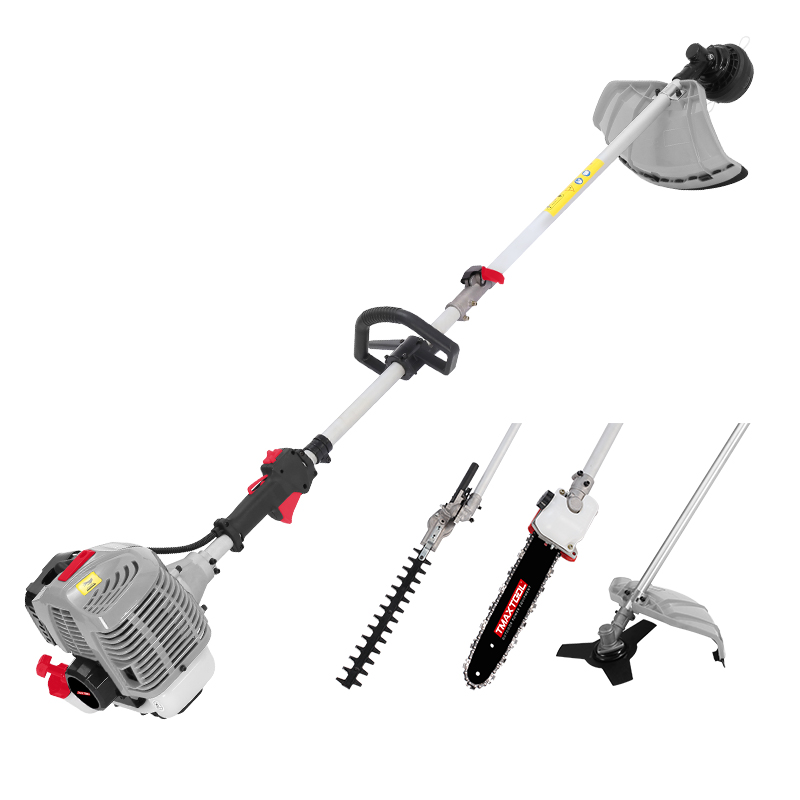 Multi Tool
 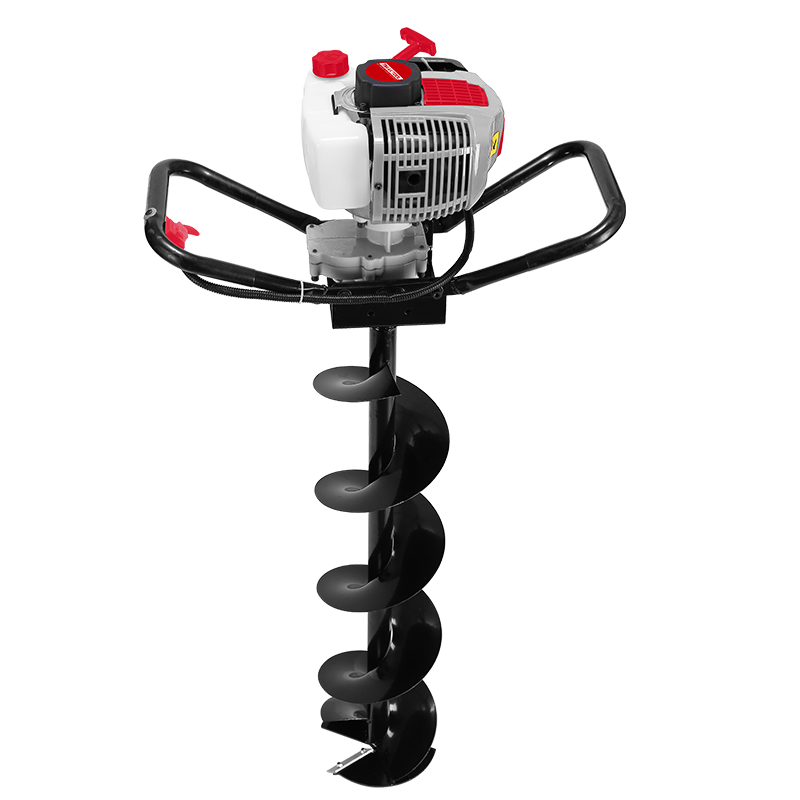 Earth Auger
 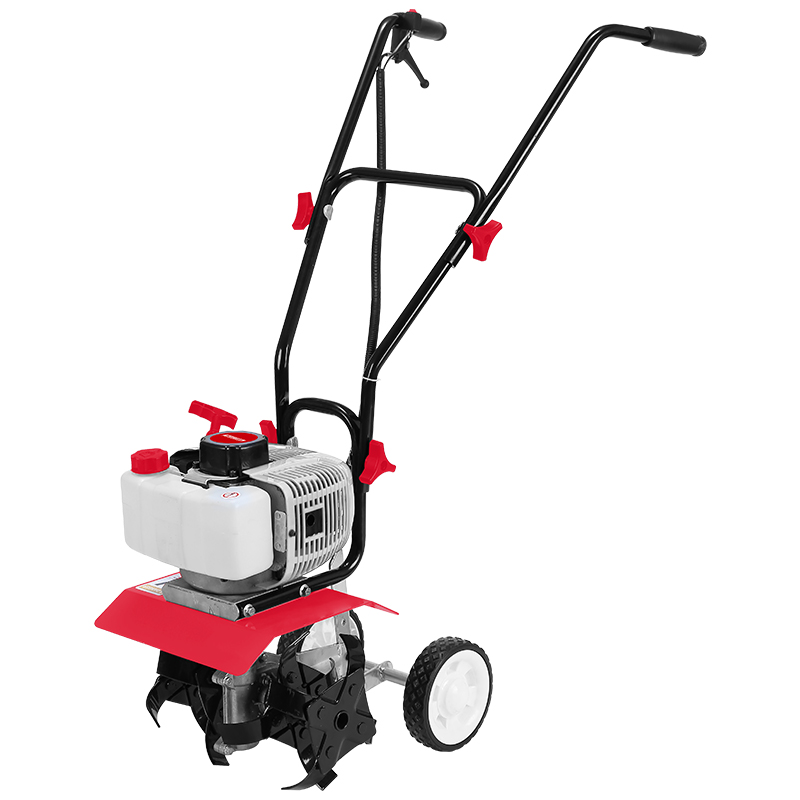 Tiller
 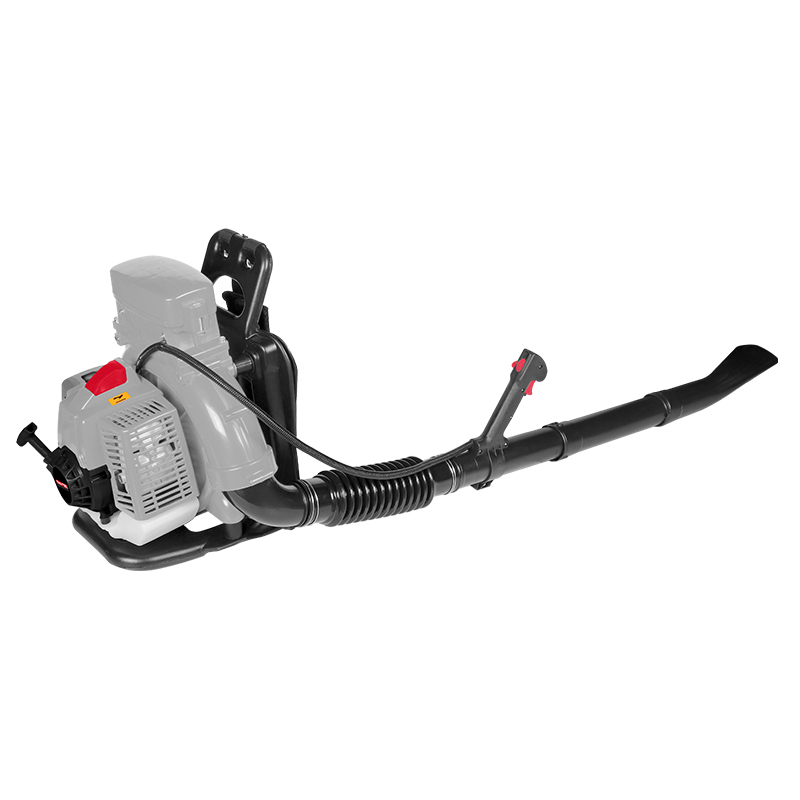 Blower
 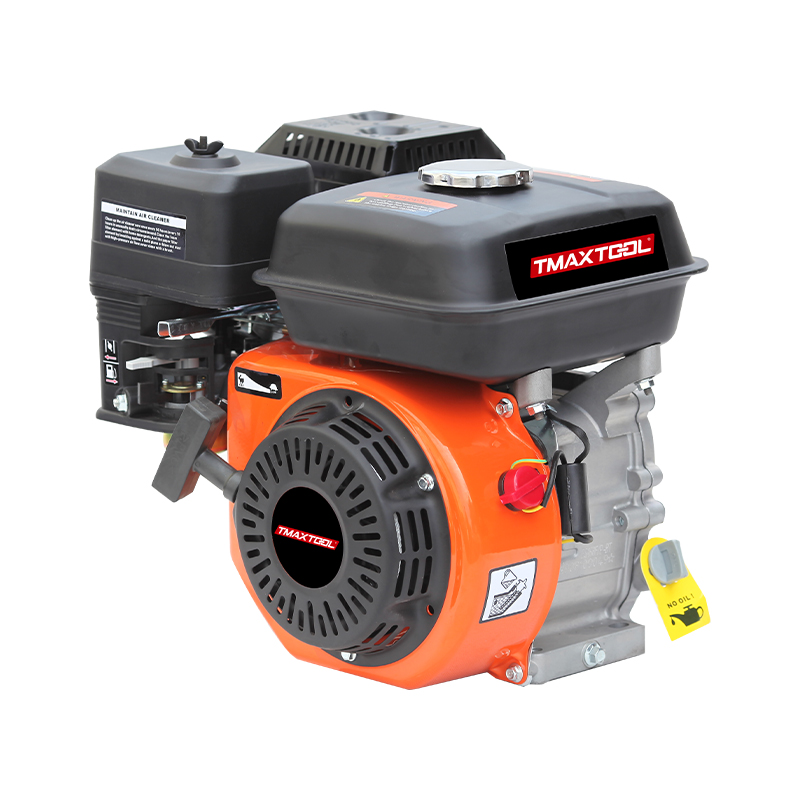 4 Stroke Gasoline Engine
 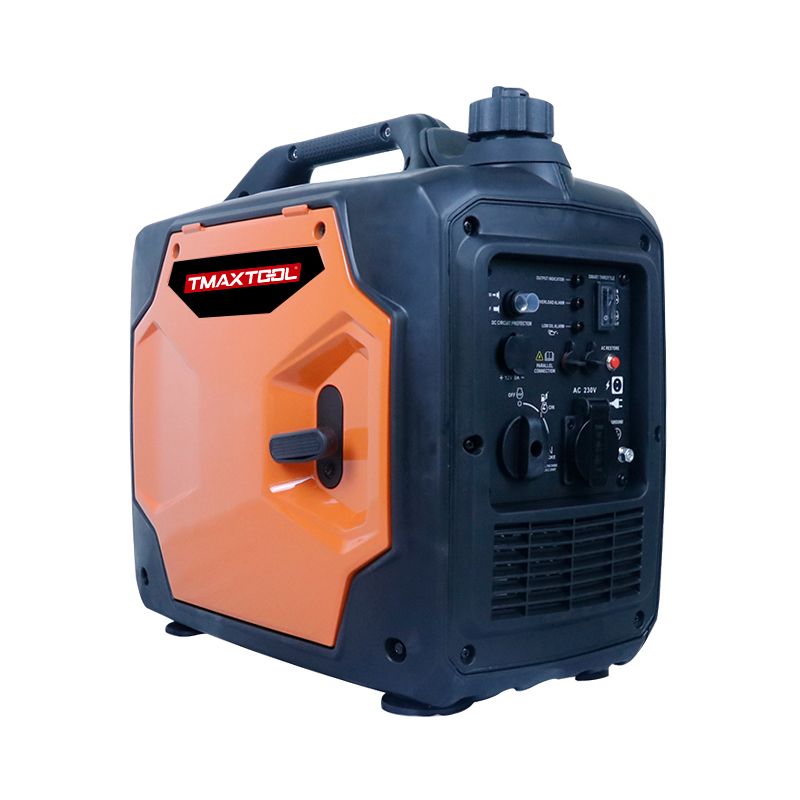 Generator
 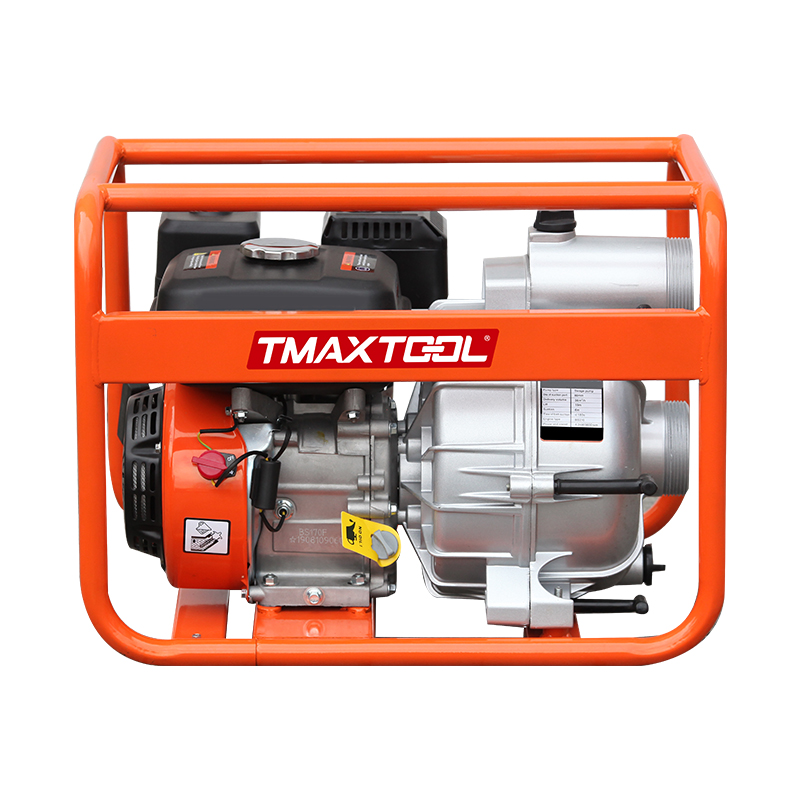 Water Pump
 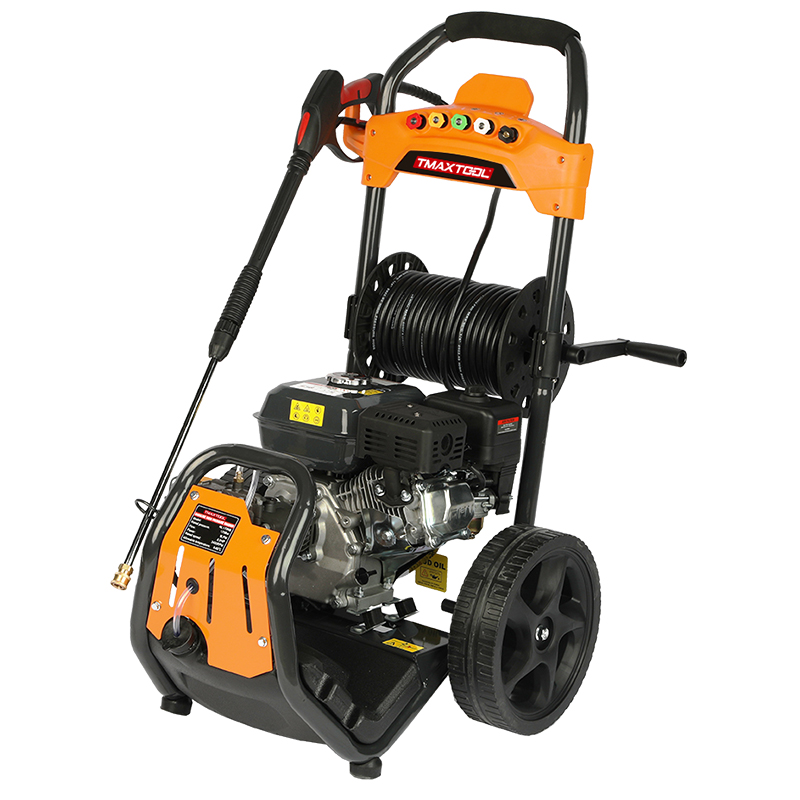 High Pressure Washer
 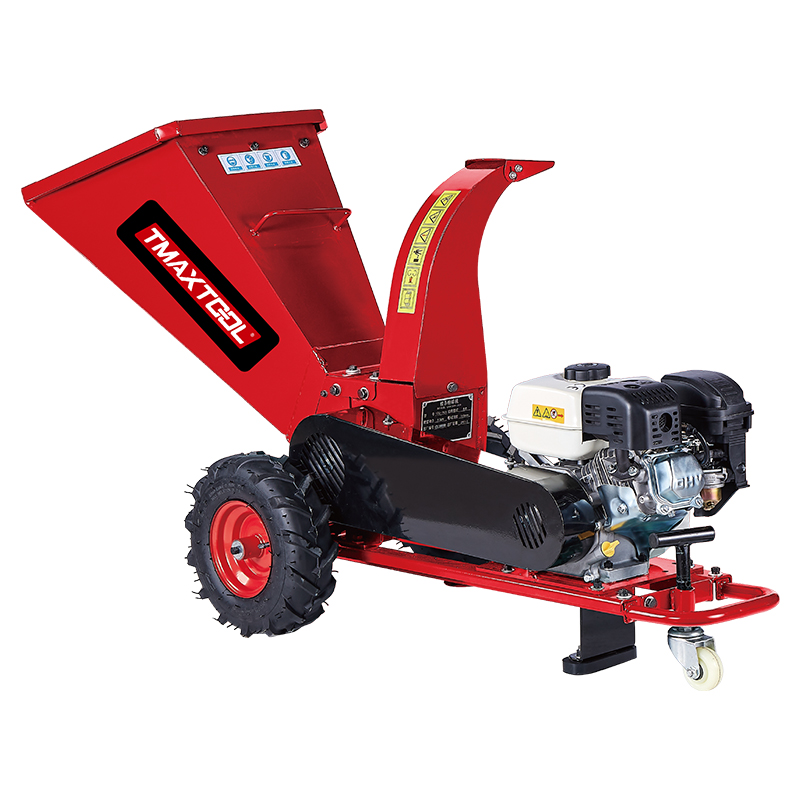 Wood Cutter
 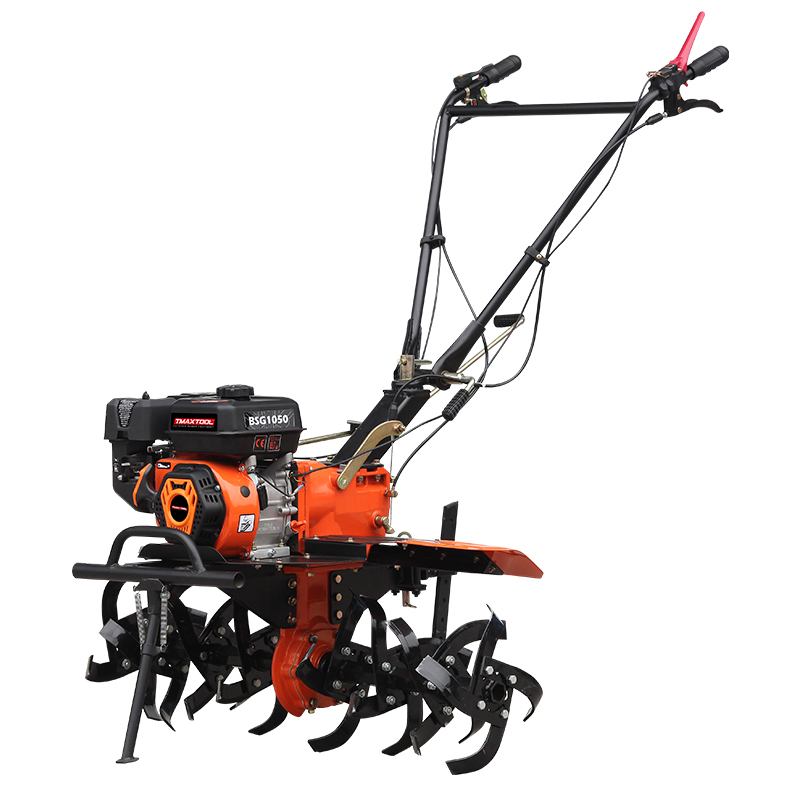 4 Stroke Tiller
 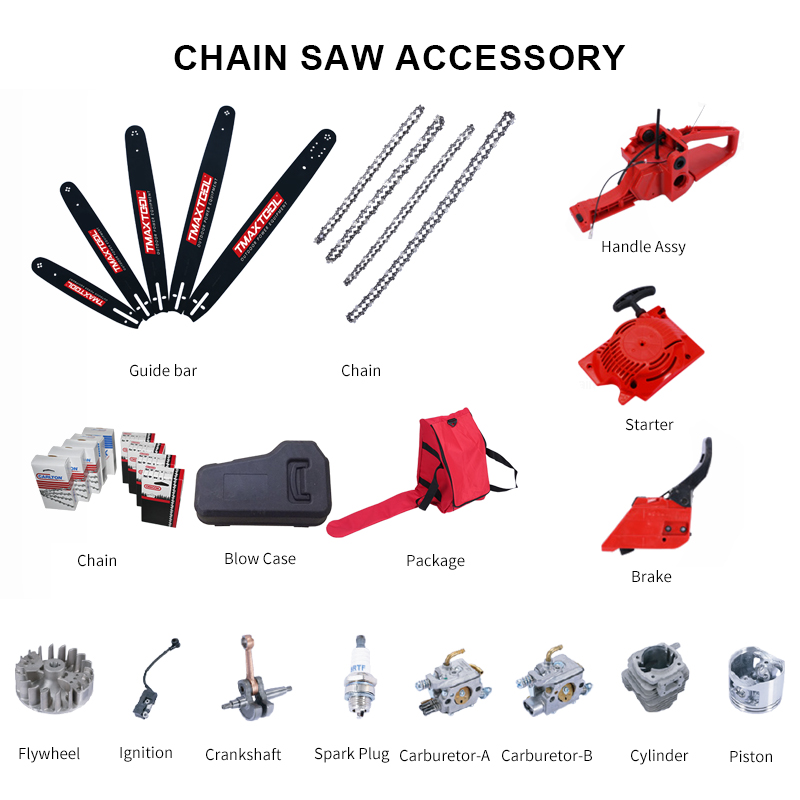 Chain Saw Accessory
 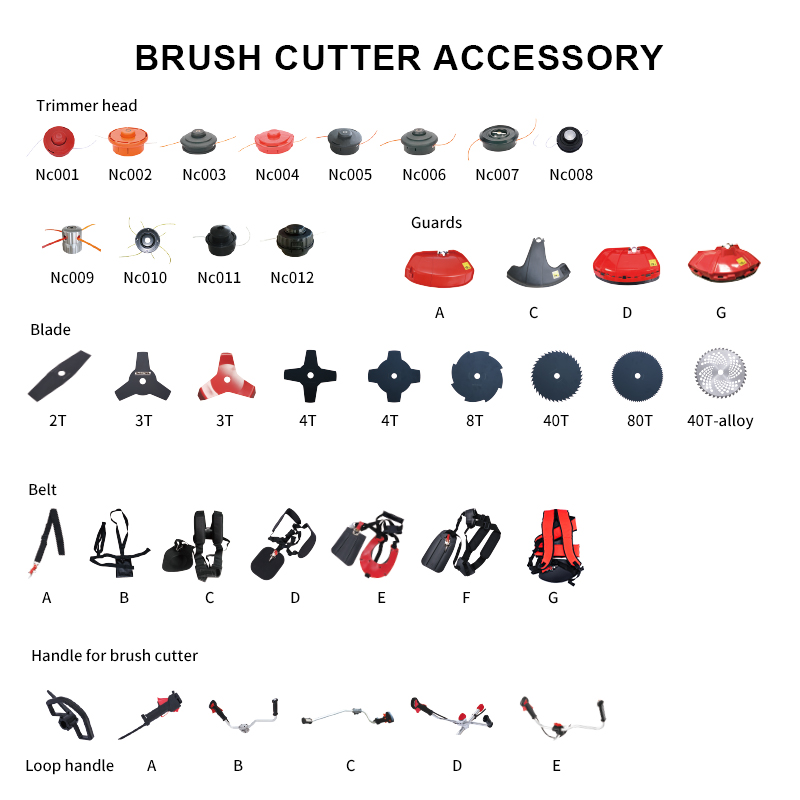 Brush Cutter Accessory
 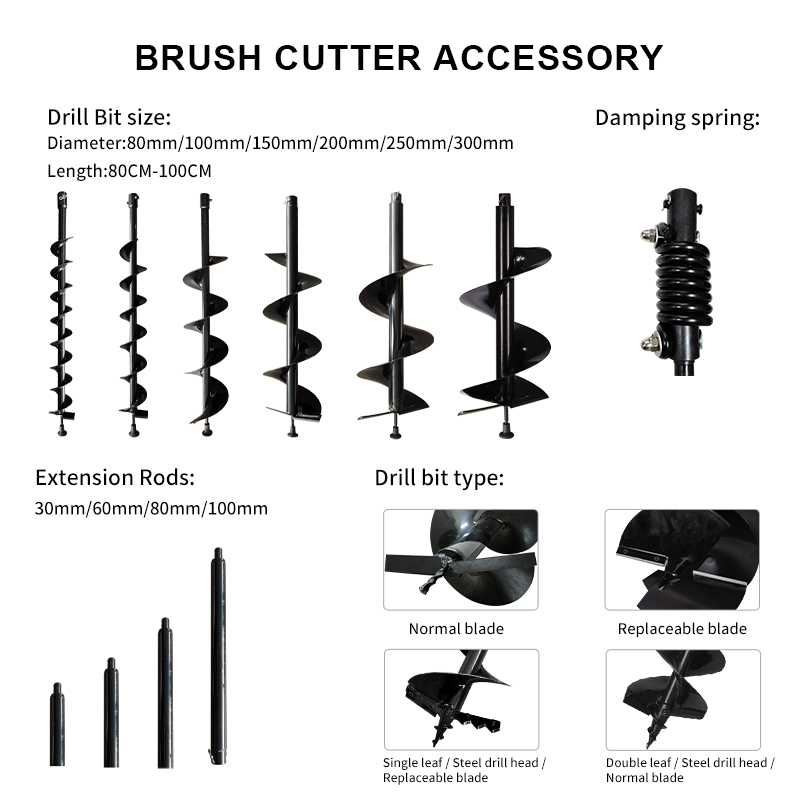 Earth Auger Accessory
 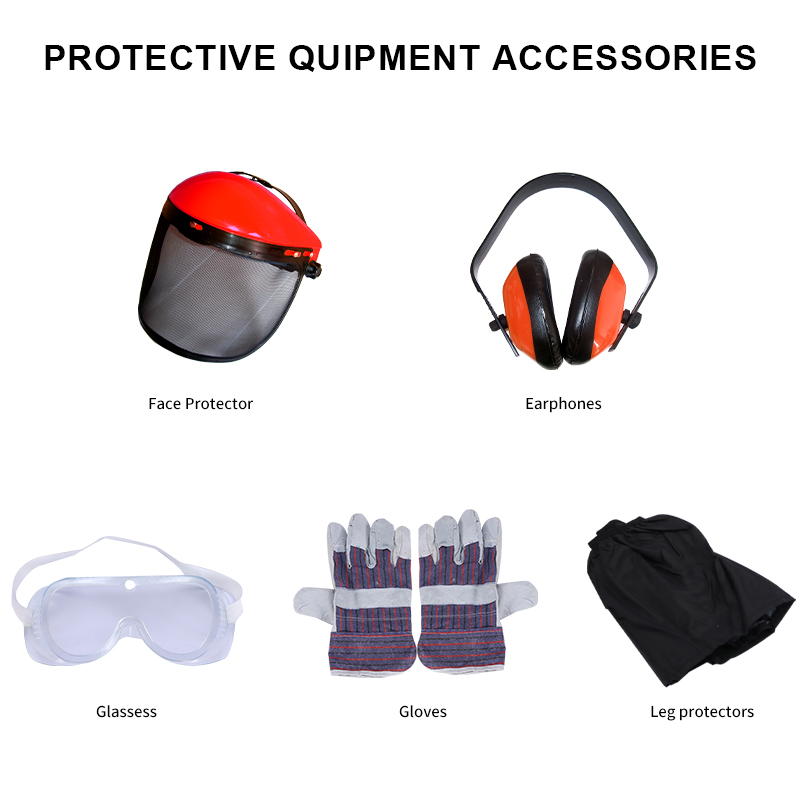 Protective Equipment Accessories
Leave Your Message


Import Regulations and Certification Requirements for Power Tools in the South American Market
Import Regulations and Certification Requirements for Power Tools in the South American Market
1. Mandatory Certification Systems in Core Markets (Brazil/Argentina/Mexico-led)
2. Key Regulatory Requirements for Electrical Safety and Electromagnetic Compatibility (EMC)
3. Certification Process and Technical Documentation Specifications
4. Key Points for Labeling, Packaging, and Localization Compliance
5. Common Compliance Risks and New Regulations Trends in 2025

I. Mandatory Certification Systems in Core Markets (Brazil/Argentina/Mexico-led)
Power tool market access in South America is centered on the mandatory certifications of these three countries, covering over 90% of the mainstream consumer market. Products that fail to obtain certification face customs detention, fines, and even market bans.
Brazil INMETRO Certification: As one of the strictest certification systems in South America, it applies to all handheld power tools (drills, Angle Grinders, chainsaws, etc.), and is based primarily on the ABNT NBR IEC 60745 series standards. The certification mandates coverage across four dimensions: electrical safety, mechanical performance, noise and vibration control, and energy efficiency. Products must pass withstand voltage tests (1000V-3000V for 1 minute), insulation resistance tests (≥1MΩ), and grounding continuity verification. Certified products must permanently display the INMETRO mark and certification number, with a character height of at least 5mm. The certification is valid for 1-5 years, requiring an annual declaration of conformity to maintain accreditation.
Argentina IRAM Certification: A major update was implemented in 2025, integrating the original certification mark into the "S-Mark" safety mark, mandating the inclusion of the certification body number (e.g., IRAM1234). The certification scope covers electrical safety (IRAM 62490 series), mechanical protection (IRAM 62368-1), and electromagnetic compatibility (IRAM 55022/55024). Smart power tools now require compliance with the UN/ECE R155 cybersecurity protocol. Notably, non-Argentine companies must designate a legal representative within Argentina (providing an OAA registration number) to handle certification communication and incident recalls. Mexico's NOM certification: Based on the NOM-024-SCFI-2013 standard, it enforces mandatory controls on the labeling and safety performance of power tools, covering power compatibility, leakage protection, and material flame retardancy requirements. Unlike Brazil and Argentina, Mexico allows products holding IECEE CB reports to be exempt from some tests, but requires supplementary testing for local differences.
In addition, Chile's SENCE certification and Colombia's ICONTEC certification, while having narrower coverage, require high alignment with IEC standards and must meet local grid voltage (220V/50Hz) compatibility requirements.
II. Key Regulatory Requirements for Electrical Safety and Electromagnetic Compatibility (EMC)
South American countries focus on three core dimensions for power tool safety compliance, and standards are upgraded annually: Electrical Safety Standards: A unified requirement is that products comply with the IEC 60745 basic standard, but local variations exist in different countries. Brazil has an additional mandatory ABNT NBR 14136 plug and socket standard, requiring continuous and reliable grounding lines and a fault current resistance to ground of ≤0.1Ω. Argentina explicitly stipulates that insulation materials must pass the IRAM 60730-1 flame retardancy test and prohibits the use of components containing asbestos or certain plasticizers. Mexico emphasizes the response speed of overload protection devices, requiring a power-off mechanism to be triggered within 0.5 seconds in the event of a short circuit.
Electromagnetic Compatibility (EMC): Both Brazil and Argentina have included EMC testing in their mandatory certification scope. Brazil adopts the ABNT NBR IEC 61000 series standards, testing 12 indicators including radiated emissions and electrostatic discharge immunity. Argentina's IRAM 55022/55024 standards are more stringent, requiring smart power tools to additionally pass the UN/ECE R155 cybersecurity protocol certification (effective January 2025) to prevent data leakage risks. Environmental and Energy Efficiency Restrictions: Brazil's ABNT NBR 15620 standard is equivalent to the EU RoHS directive, limiting the content of six types of hazardous substances, including lead and cadmium. Starting in 2024, battery recycling labeling requirements will be added. Argentina will implement the new IRAM 62400:2025 energy efficiency standard in 2025, requiring power tools to bear energy efficiency rating labels (levels 1-5). Level 1 products are eligible for import tariff reductions. Mexico does not currently mandate energy efficiency certification, but requires that the deviation between the product's nominal power and actual output not exceed ±10%.
III. Certification Process and Technical Documentation Specifications
The certification process in major South American markets follows a three-stage model of "testing + auditing + surveillance," with a cycle of 3-6 months. Advance planning of timelines is necessary:
1. Preliminary Preparation Stage: Three core document categories are required: ① Technical documents (circuit diagrams, parts list, Spanish/Portuguese instruction manuals; English documents require notarized translation); ② Test samples (3-5 complete products, including core components such as motors and PCBs, requiring UL/VDE certification); ③ Quality management system documents (ISO 9001 certificate or IRAM 9001 declaration of conformity). It is recommended to prioritize product models already certified by IECEE CB, which can exempt 30%-50% of testing items and shorten the certification cycle.
2. Testing and Auditing Stage: Samples must be sent to a local accredited laboratory for testing. Core testing items include: electrical safety (withstand voltage, insulation resistance, grounding continuity), mechanical performance (durability, drop test), EMC (radiated emissions, immunity), and noise and vibration (Brazil requires noise ≤85dB and vibration ≤2.5m/s²). During the auditing stage, both Brazil's INMETRO and Argentina's IRAM may conduct random factory inspections to verify the consistency of production processes and technical documents. Mexico's NOM certification does not currently mandate factory audits but reserves the right to conduct random inspections.
3. Certification Maintenance Stage: The certificate is valid for 1-5 years (Brazil's INMETRO has a maximum of 5 years, and Argentina's IRAM has 5 years). An annual declaration of product conformity and annual fee (approximately US$1200/year in Argentina) are required. Regarding market surveillance, Brazil's INMETRO conducts random inspections quarterly; non-compliant products face recalls and fines of up to US$100,000. Argentina will implement a digital auditing system in 2025, increasing the frequency of surveillance to once every six months. Special Requirements: Non-South American companies must designate a local legal representative (Brazil requires a CNPJ registration number, Argentina requires an OAA registration number) to be responsible for certification communication, incident handling, and recall execution. Applications without a local representative will be rejected outright.

IV. Labeling, Packaging, and Localization Compliance Key Points
Labeling and packaging compliance is a crucial aspect of South American import customs clearance. 60% of returned shipments are due to labeling errors. The following requirements must be emphasized:
Mandatory Label Content: Must include ① Certification marks (INMETRO/S-Mark/NOM mark + certification number, character height ≥ 5mm); ② Product information (brand, model, rated voltage/power, production date); ③ Safety warnings (in Spanish/Portuguese, such as "Not for use by minors" or "Wear protective equipment"); ④ Country of origin label (clearly stating "Made in XX"). Brazil additionally requires a battery recycling label (if lithium batteries are included), and Argentina requires an energy efficiency rating label. Packaging Specifications: Moisture-proof and shock-resistant packaging is required to prevent product damage during transportation and subsequent failure to pass inspections. The packaging must affix information consistent with the product label, and materials made from endangered species are prohibited (e.g., redwood packaging is prohibited in Brazil). Mexico requires the importer's name and address to be clearly stated on the packaging, while Argentina requires the contact information of the local agent.
Localization Details: Regarding language, Portuguese is required for the Brazilian market, while Spanish is required for Argentina, Mexico, and Chile. Bilingual labeling can reduce compliance risks. Voltage compatibility must conform to local power grid standards (220V/50Hz is universal throughout South America; avoid products designed for North American 110V). Plug types must be compatible (Brazil uses the NBR 14136 three-pin plug, Argentina uses the IRAM 2063/2073 standard plug).
V. Common Compliance Risks and New Regulations Trends in 2025
High-Frequency Compliance Risks:
① Labeling errors (not using the local language, missing certification number, insufficient character height), this is the primary reason for returns from Argentina;
② Electrical safety non-compliance (insufficient high-voltage resistance of insulation materials, grounding line faults), accounting for 70% of test failures in Brazil;
③ Material non-compliance (including asbestos, excessive plasticizers), will result in direct rejection and inclusion on the market blacklist;
④ Failure to update certification in a timely manner (failure to recertify after product design changes), facing market supervision penalties.
2025 New Regulations Trends
① Certification Integration and Upgrade: Argentina's IRAM has completed the unification of its mark (S-Mark), simplifying the certification process and reducing the digital audit cycle to 4-6 weeks (from 8 weeks);
② Cybersecurity Expansion: Smart power tools must pass UN/ECE R155 cybersecurity certification, covering data encryption and vulnerability protection requirements;
③ Increased Energy Efficiency Thresholds: Argentina and Chile will gradually implement an energy efficiency rating system, and low-energy-efficiency products (level 4-5) may face import restrictions;
④ Increased Supervision: Brazil's INMETRO has expanded its market sampling scope, including products from e-commerce channels under key supervision, increasing the sampling rate to 15%.
Compliance Recommendations: Start the certification process 6 months in advance, prioritizing the CB report conversion path to reduce testing costs; establish a label review mechanism to avoid language and information errors; pay attention to updates to national standards (such as the annual standards list published by IRAM) to ensure continuous product compliance.
Website:https://www.tmax-tool.com/
Whatsapp:+8613655793577