
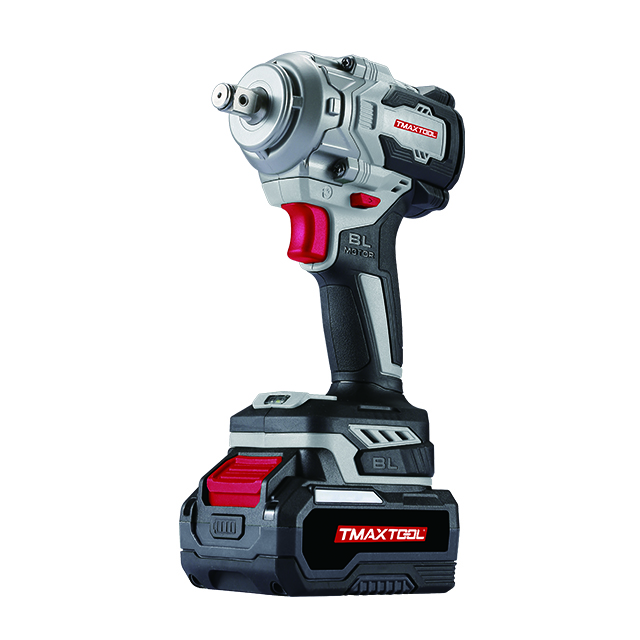
 Impact Wrench
 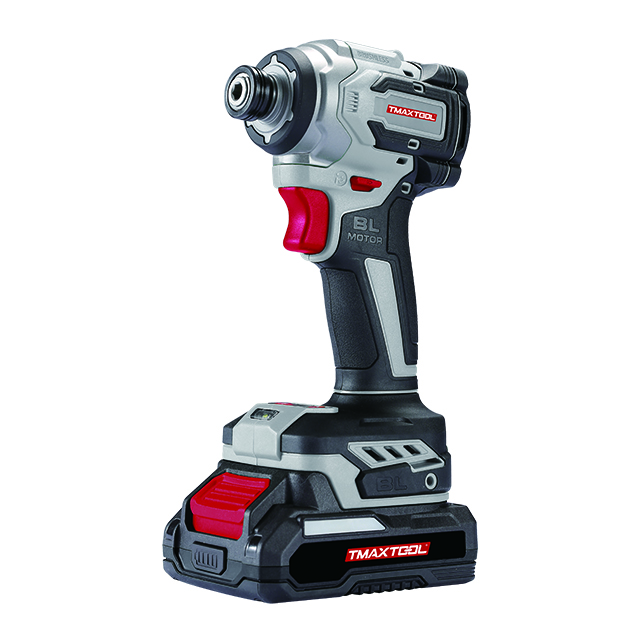 Screwdriver
 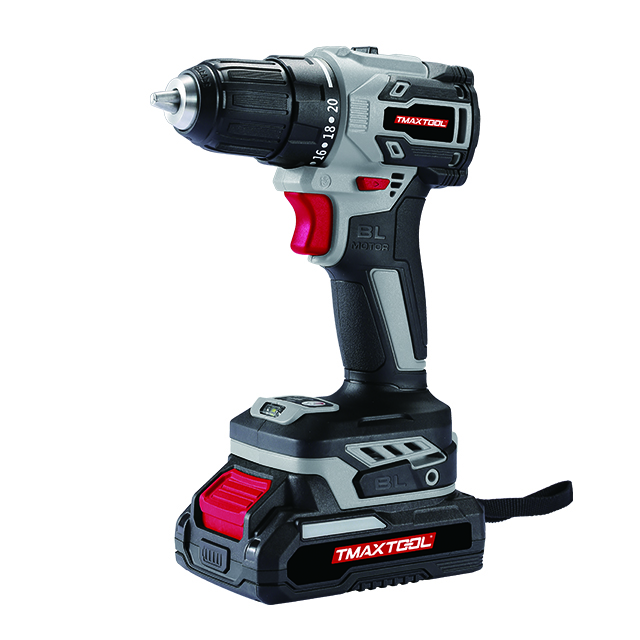 Cordless Drill
 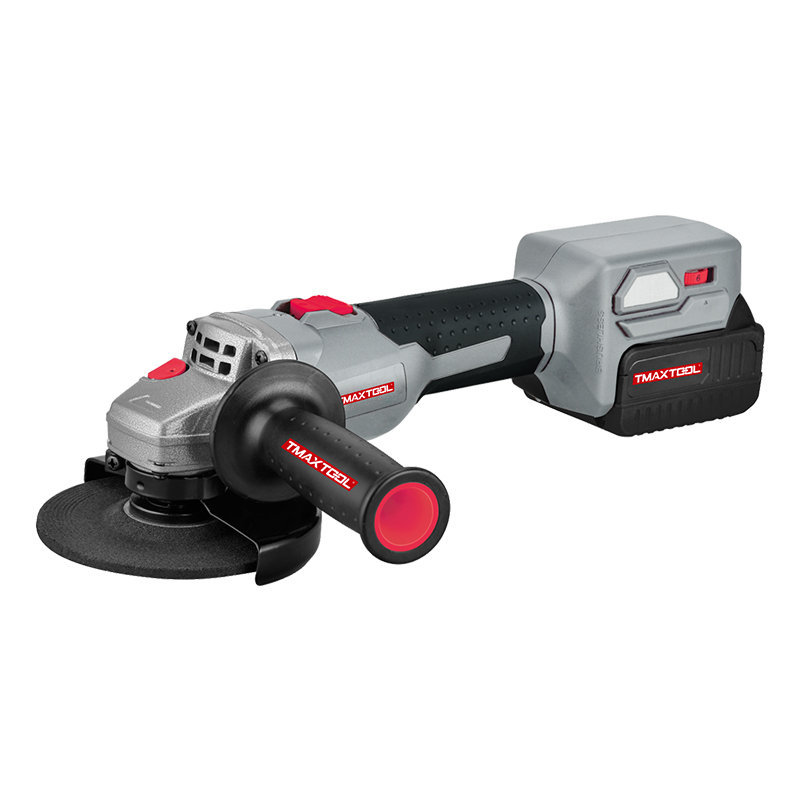 Angle Grinder
 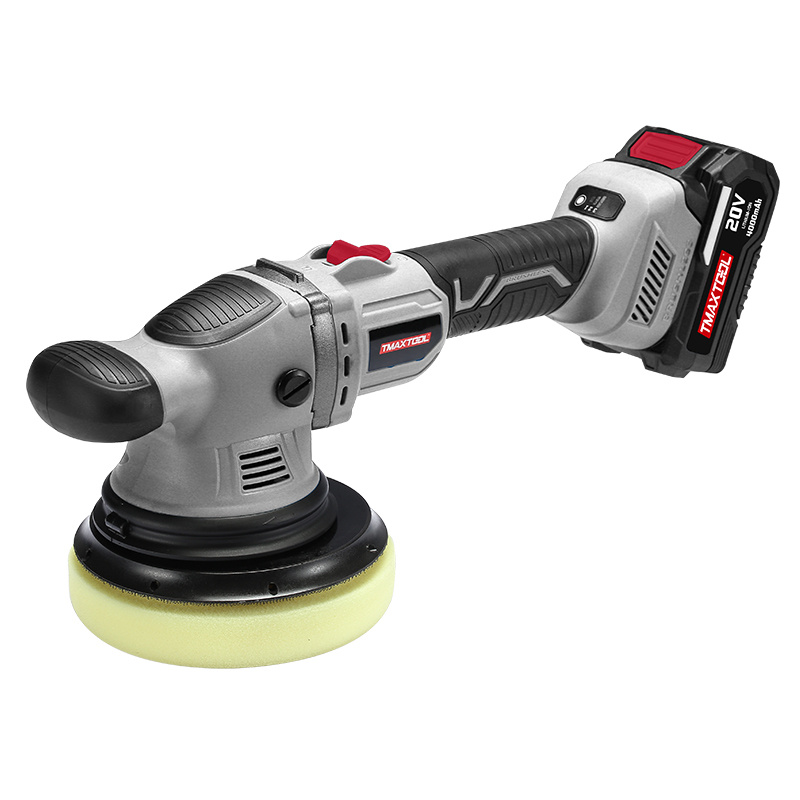 Polisher
 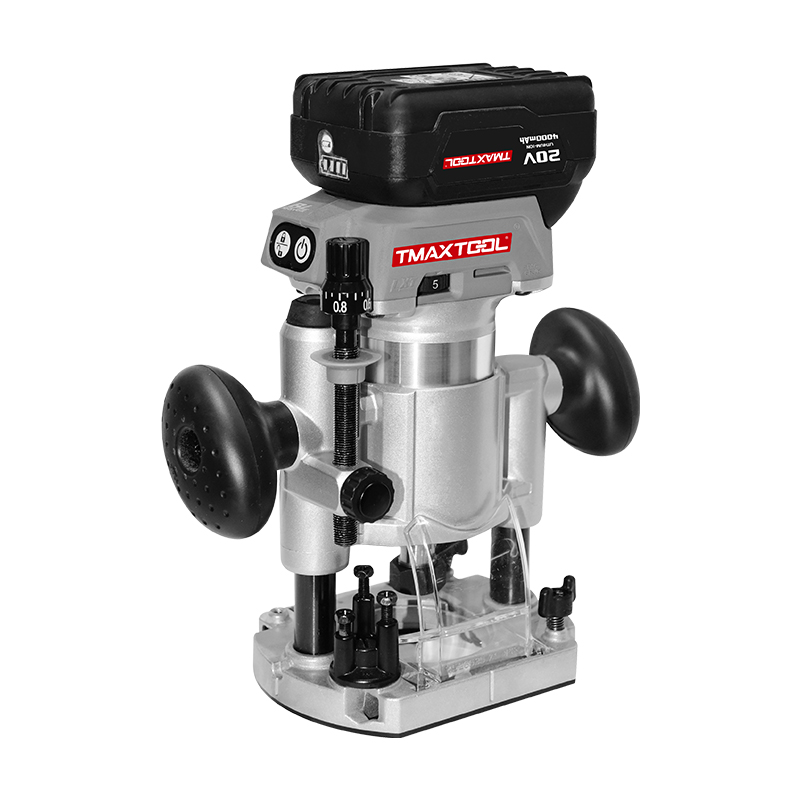 Wood Router
 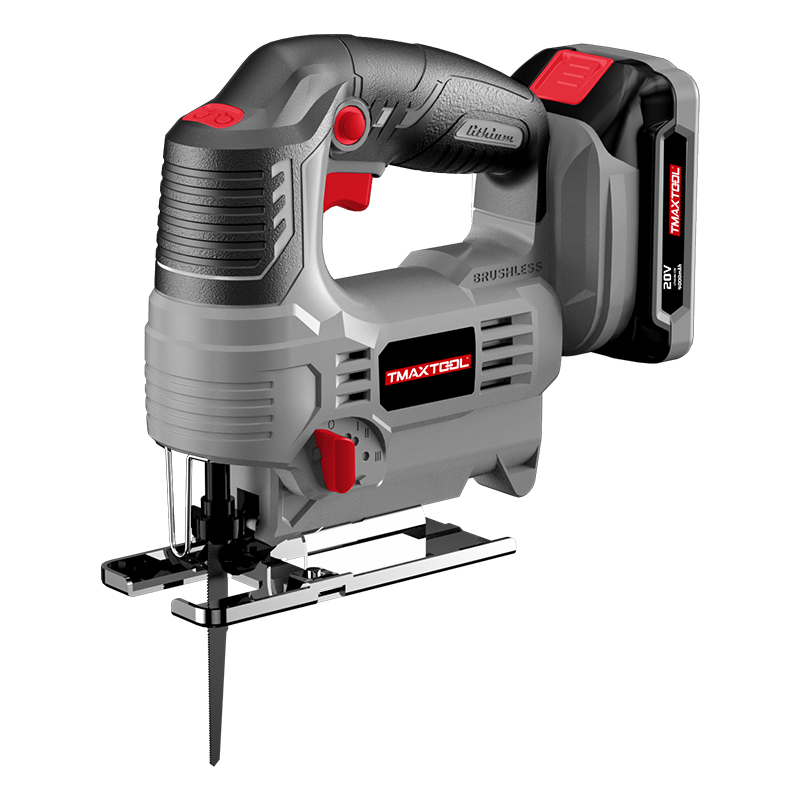 Jig Saw
 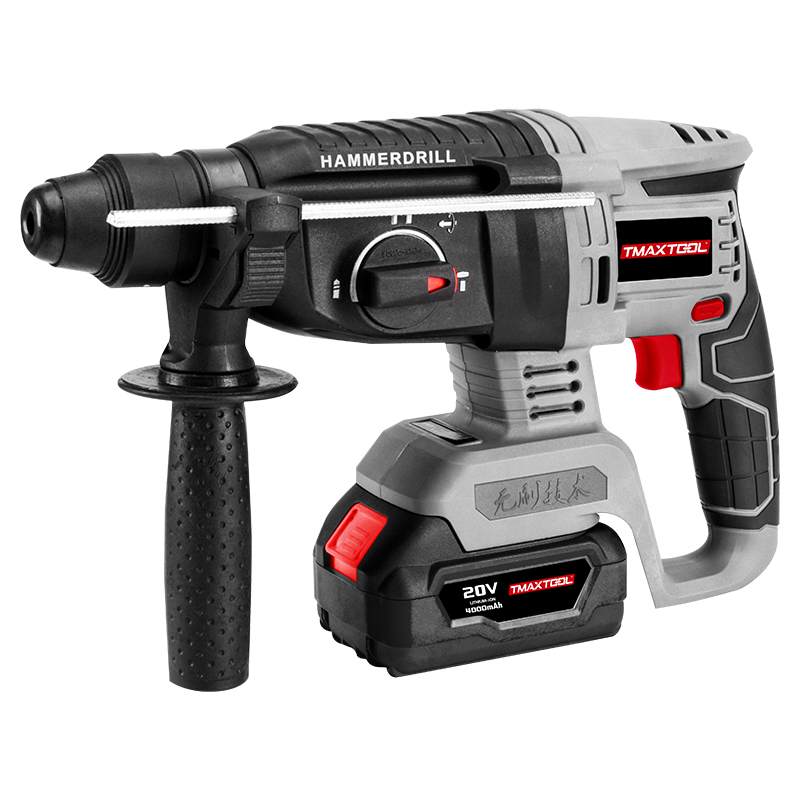 Hammer Drill
 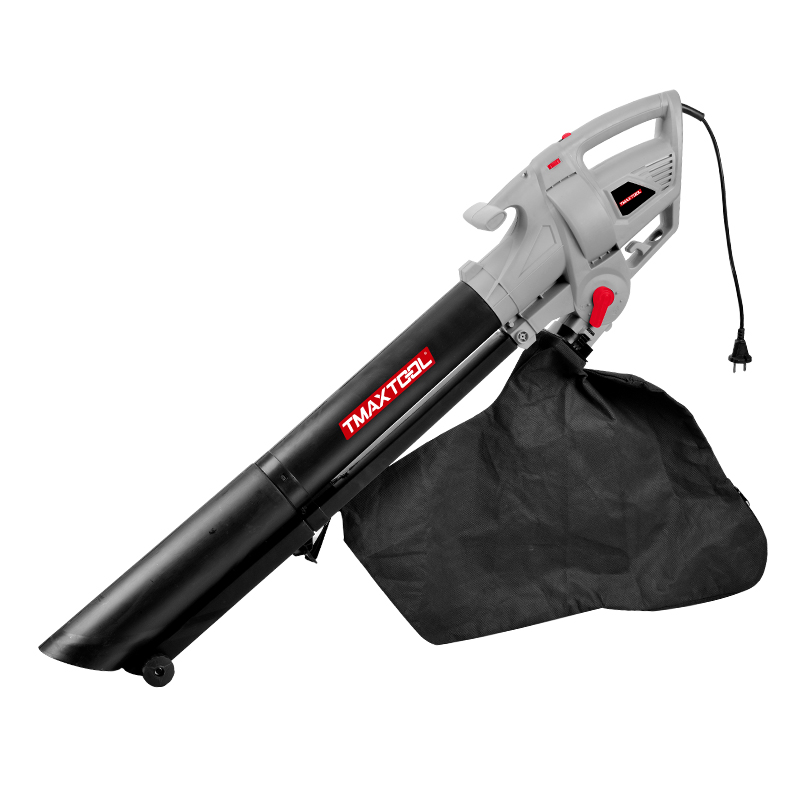 Portable Blower
 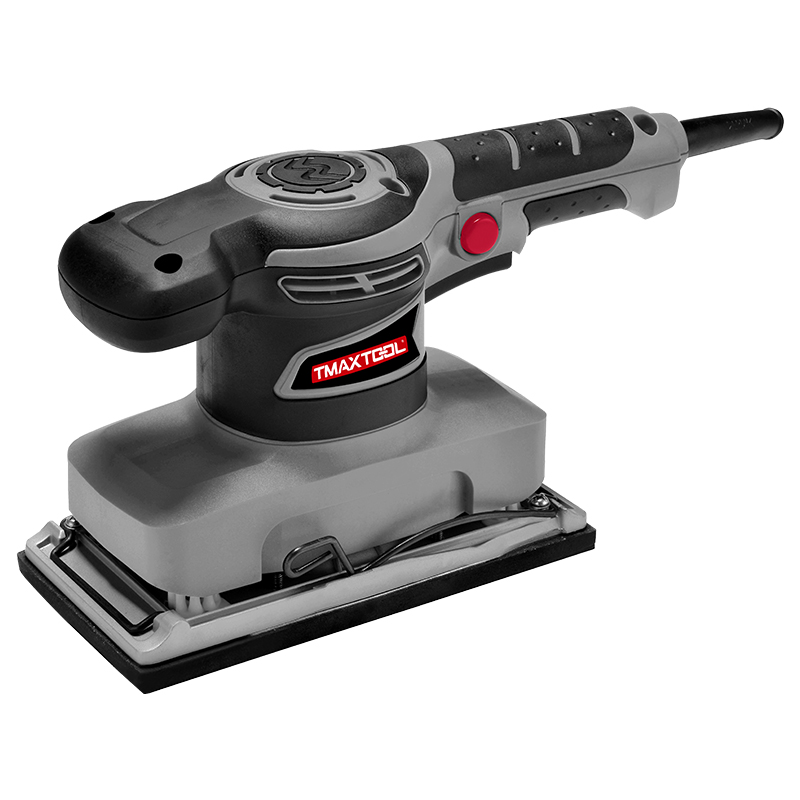 Orbital Sander
 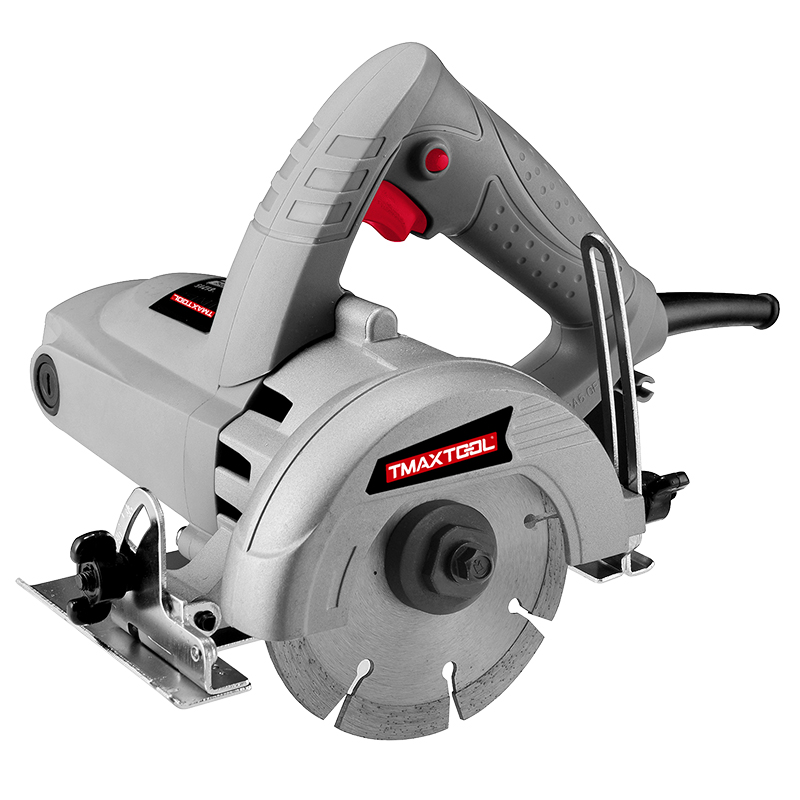 Marble Cutter
 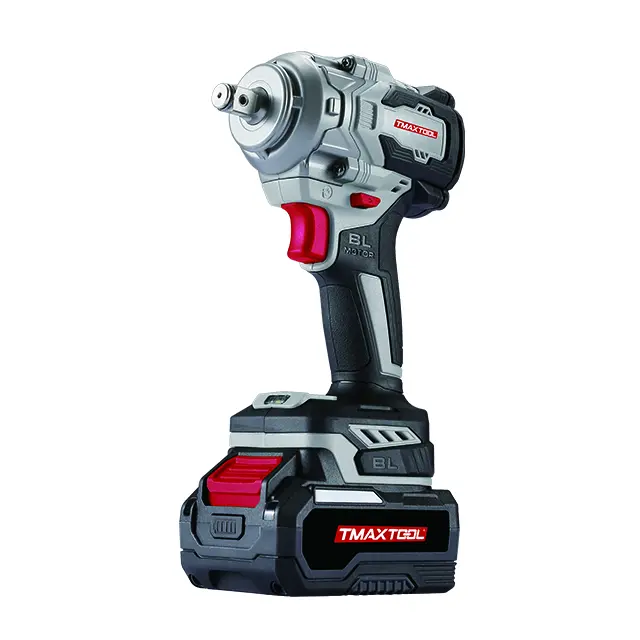 GARDEN TOOLS
 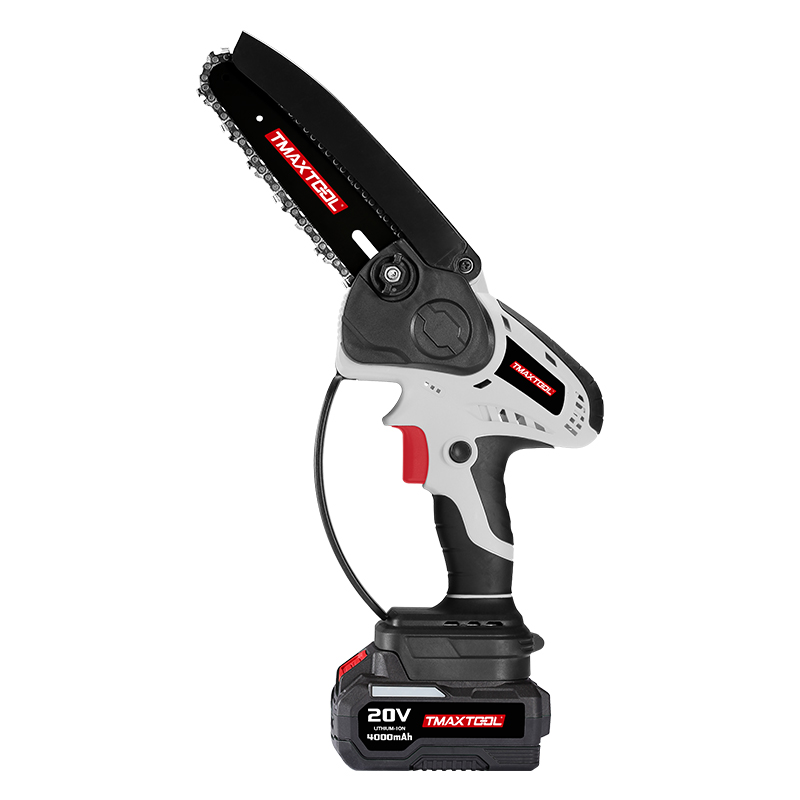 Battery Chain Saw
 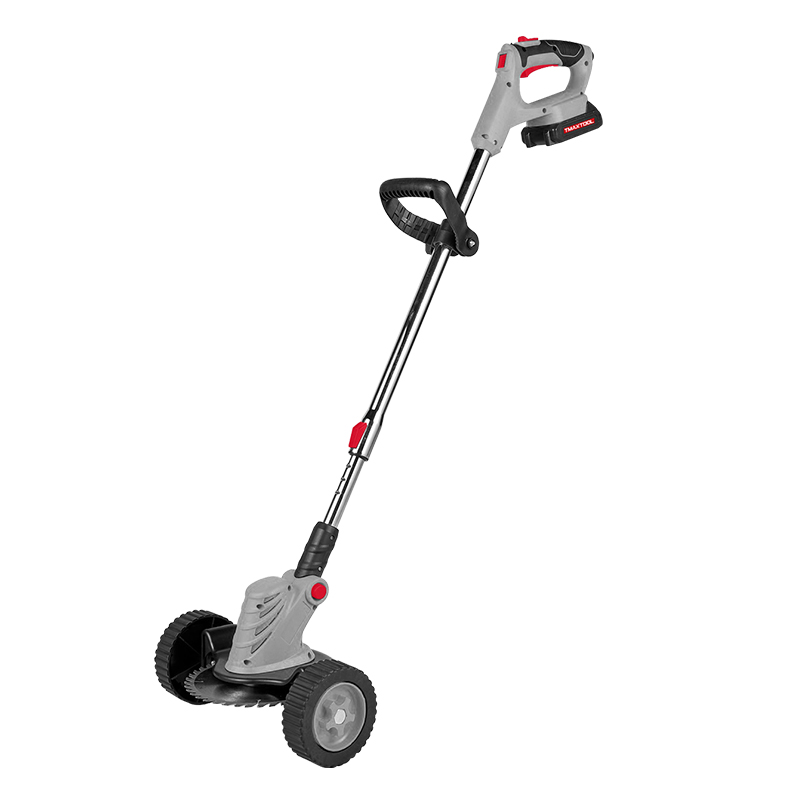 Battery Brush Cutter
 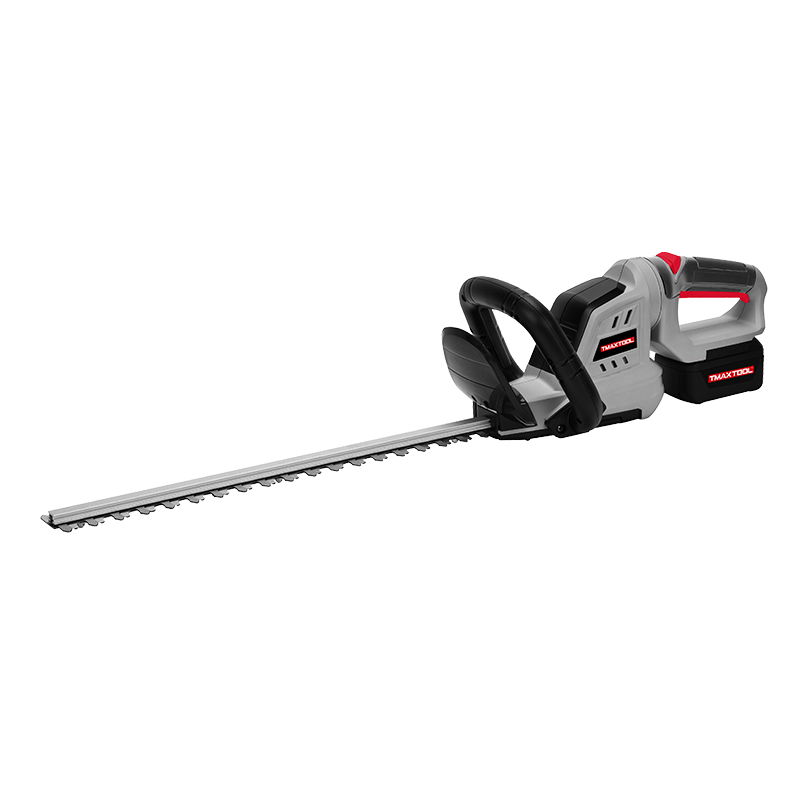 Battery Hedge Trimmer
 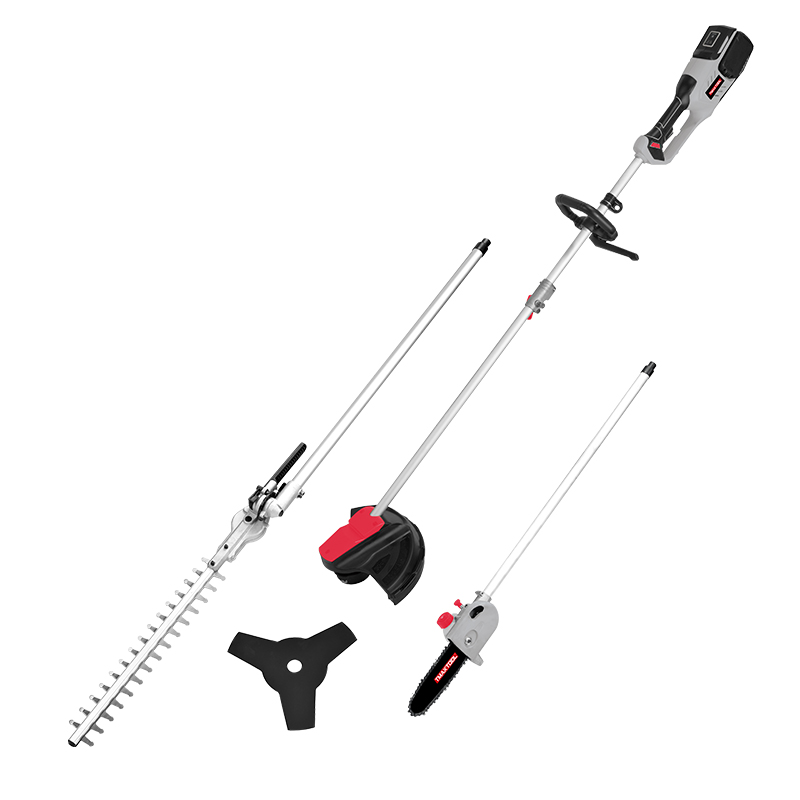 Battery Multi Tool
 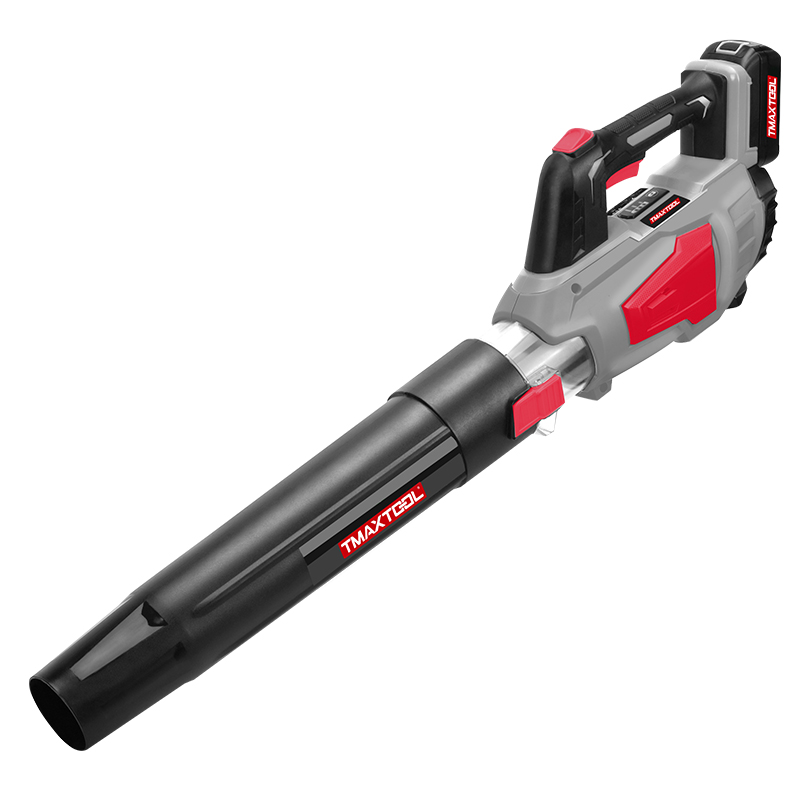 Battery Blower
 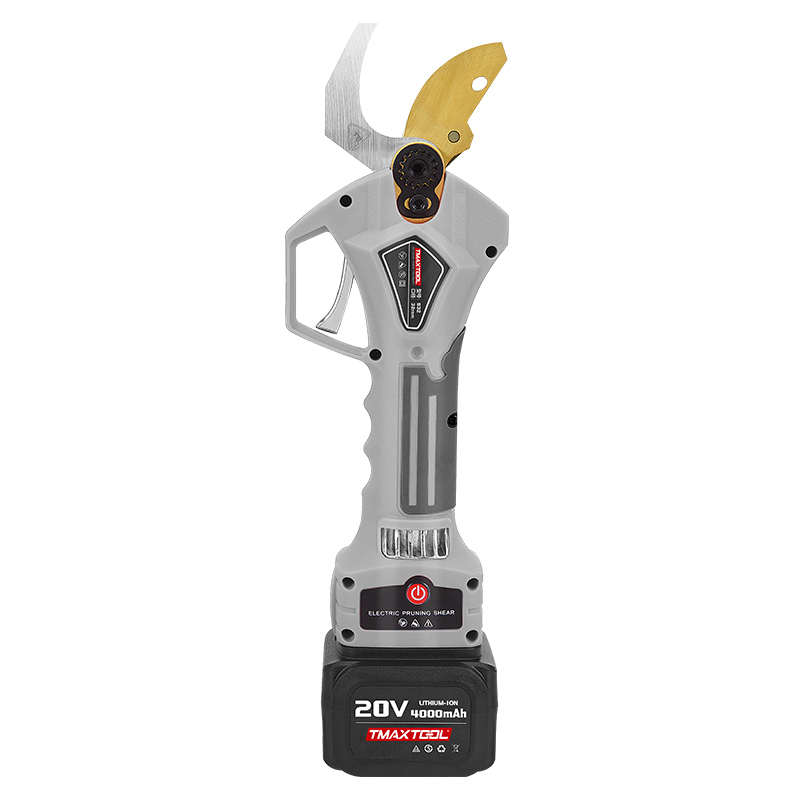 Batter Pruning Shears
 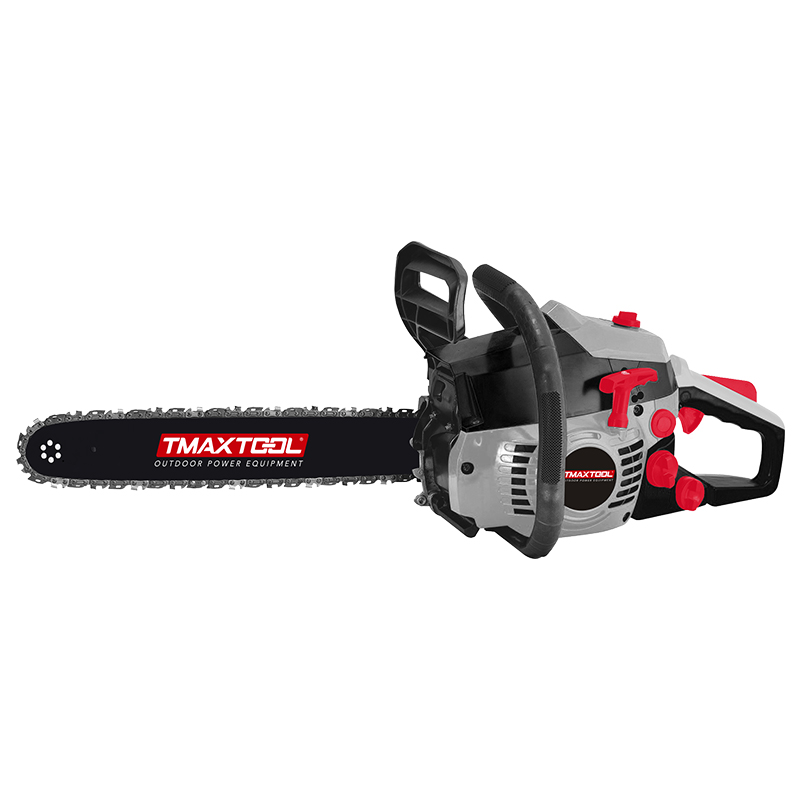 Chain Saw
 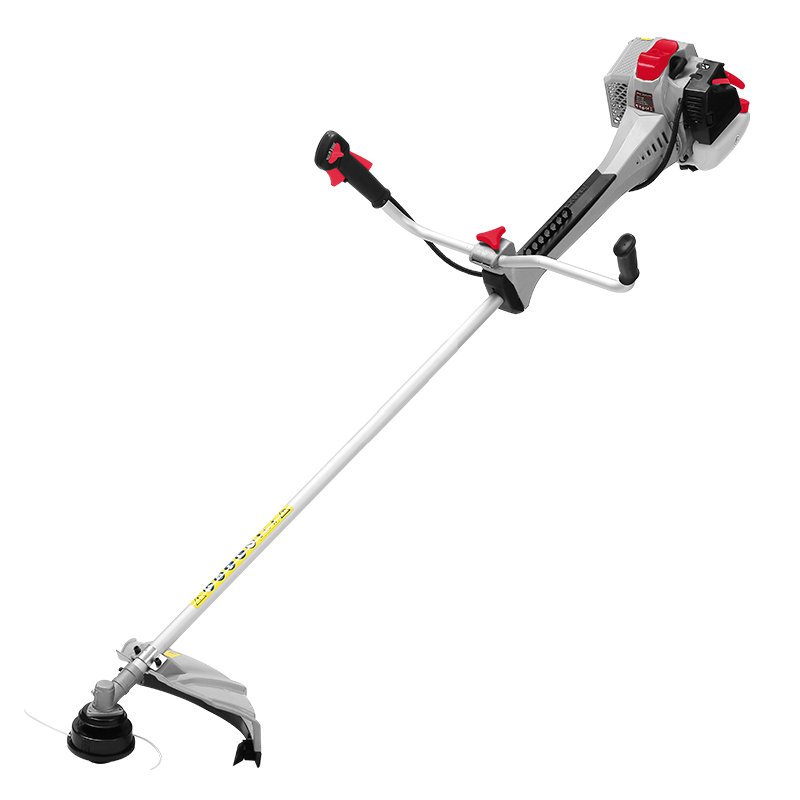 Brush Cutter
 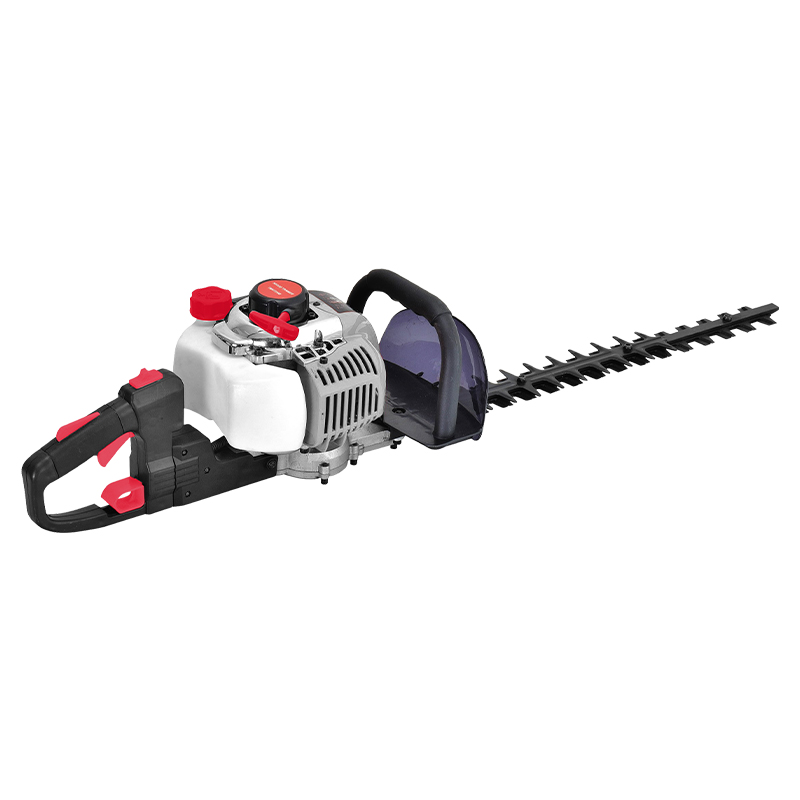 Hedge Trimmer
 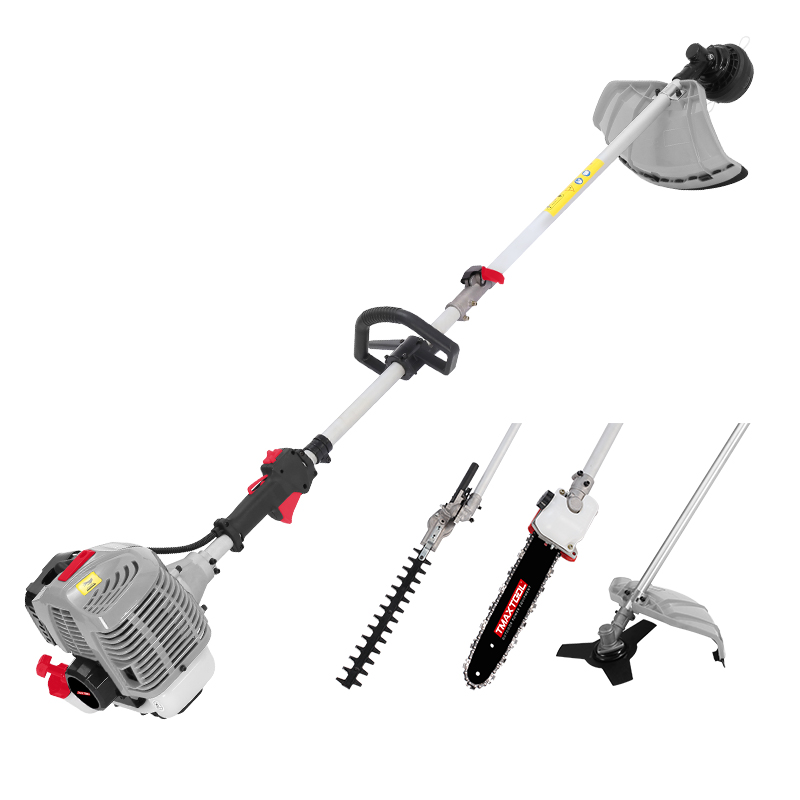 Multi Tool
 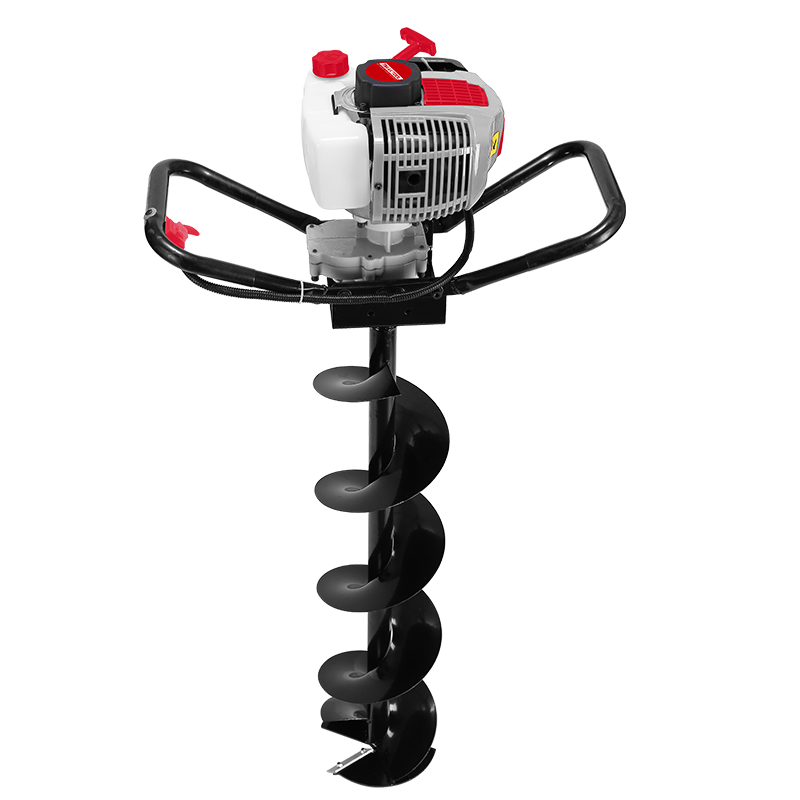 Earth Auger
 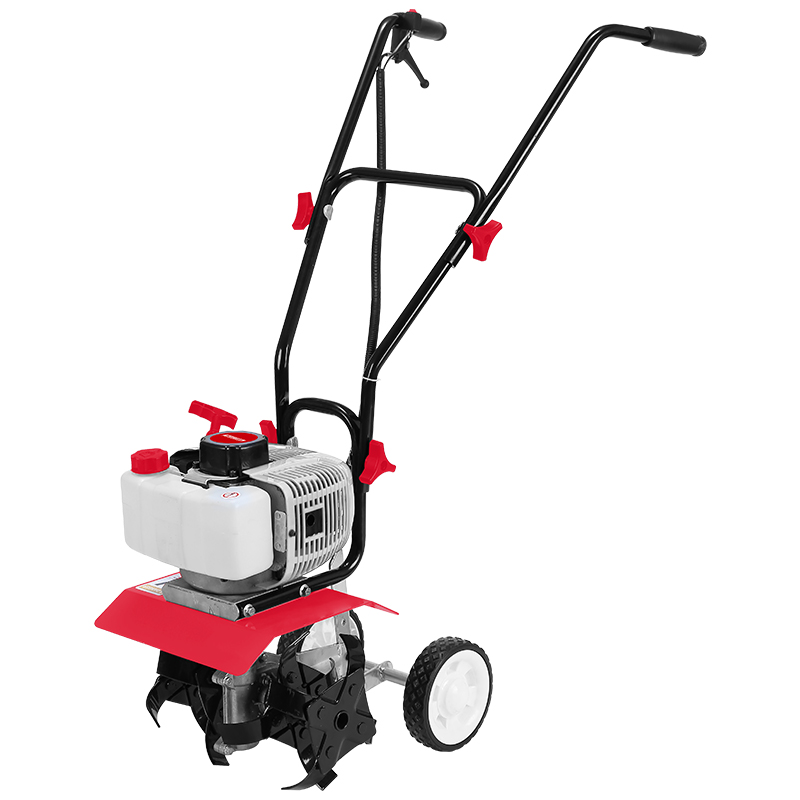 Tiller
 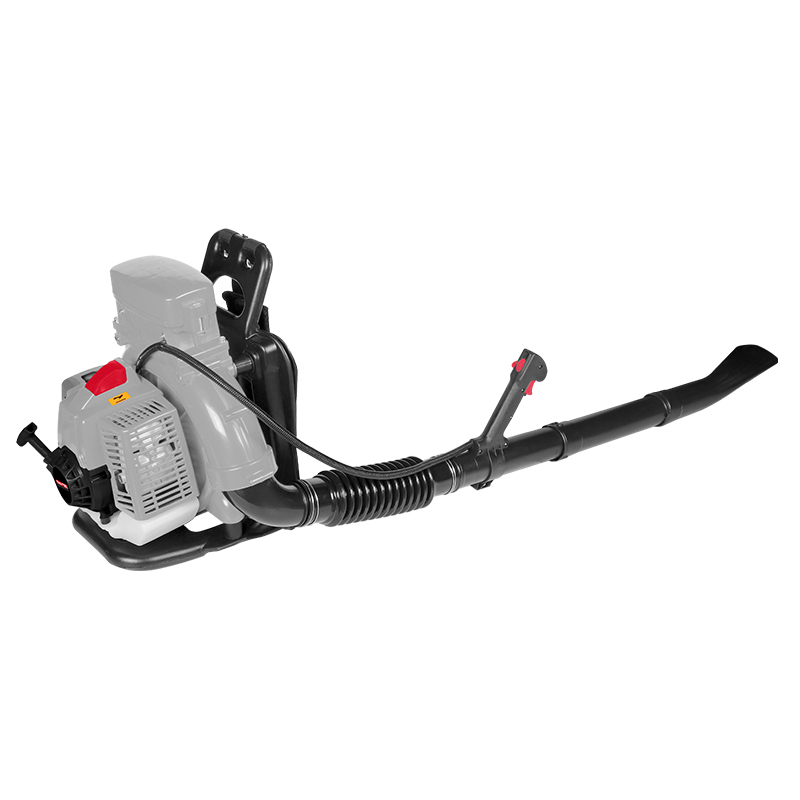 Blower
 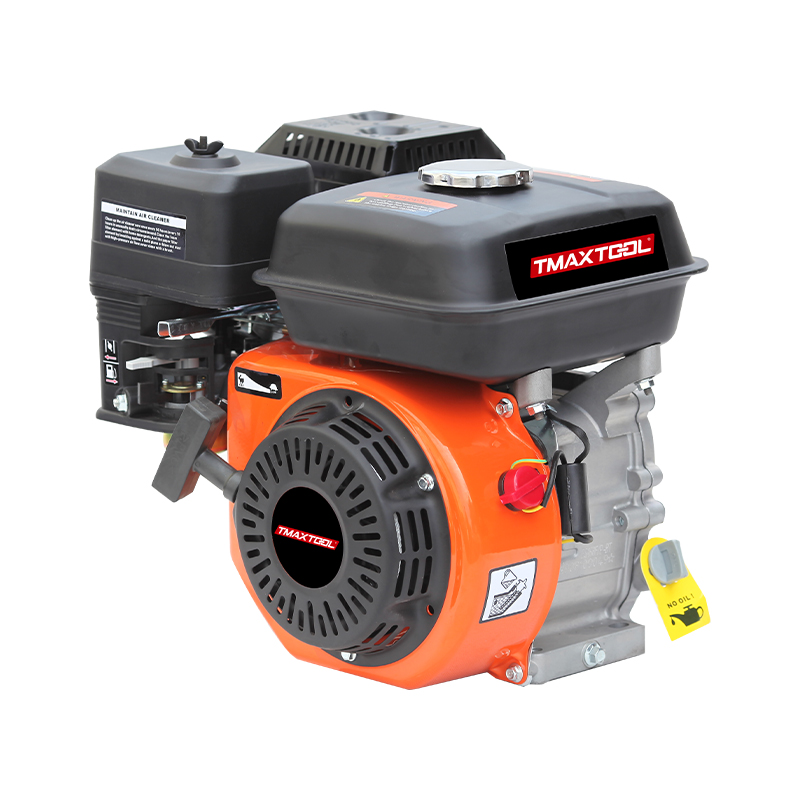 4 Stroke Gasoline Engine
 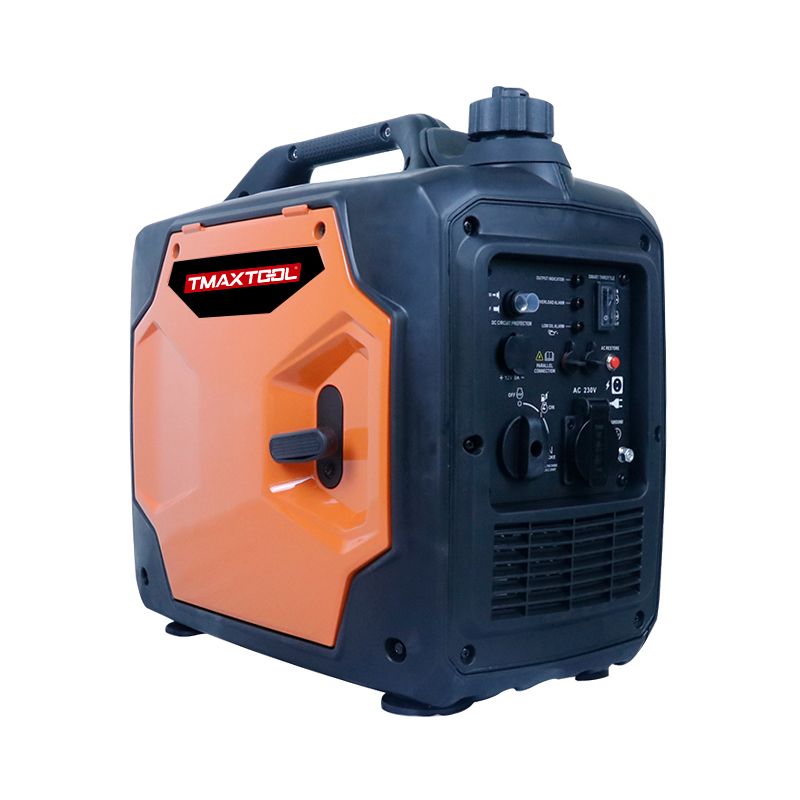 Generator
 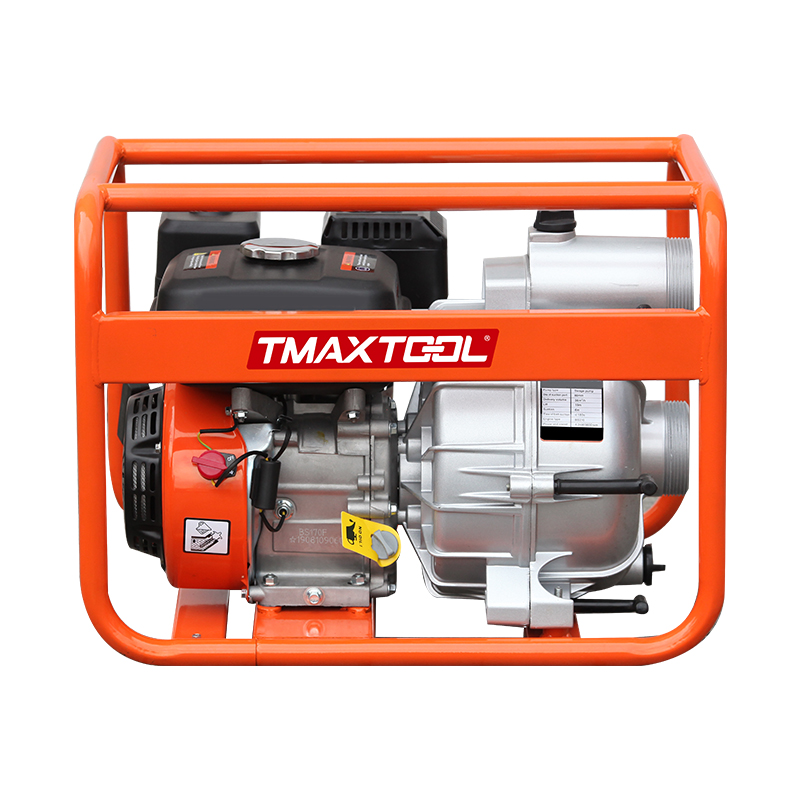 Water Pump
 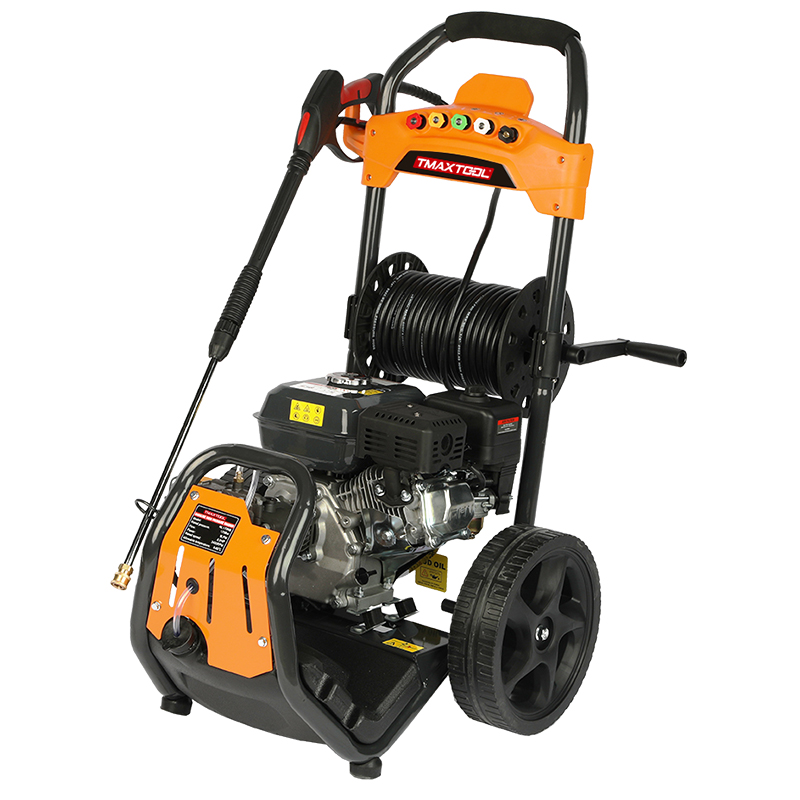 High Pressure Washer
 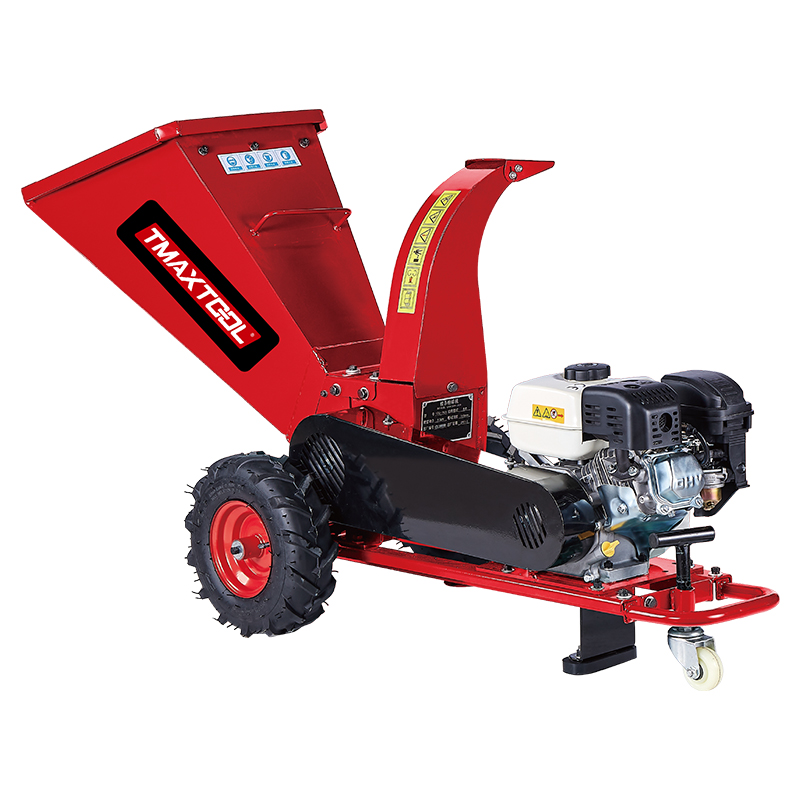 Wood Cutter
 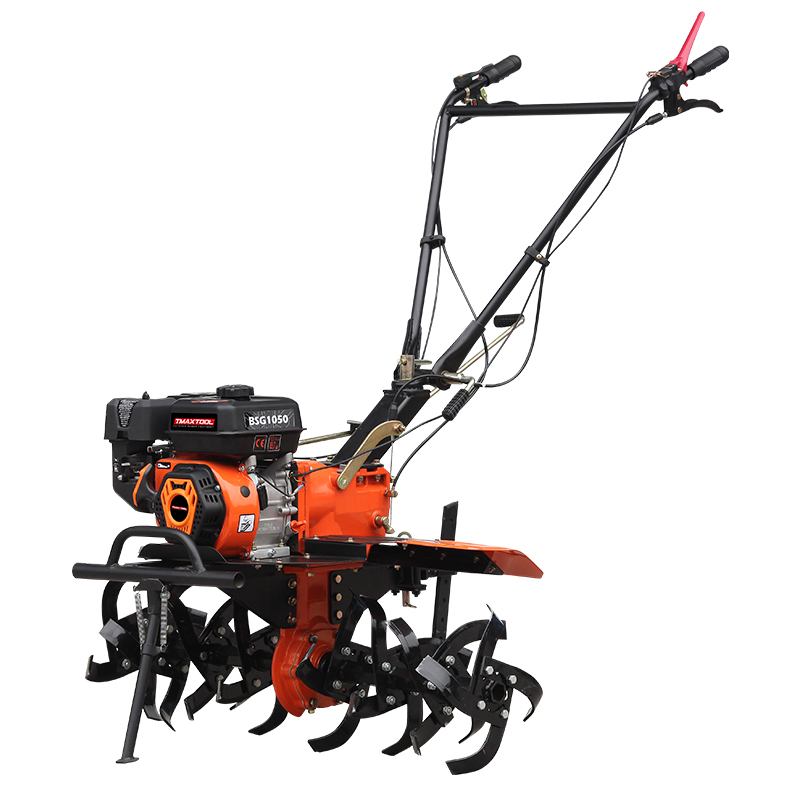 4 Stroke Tiller
 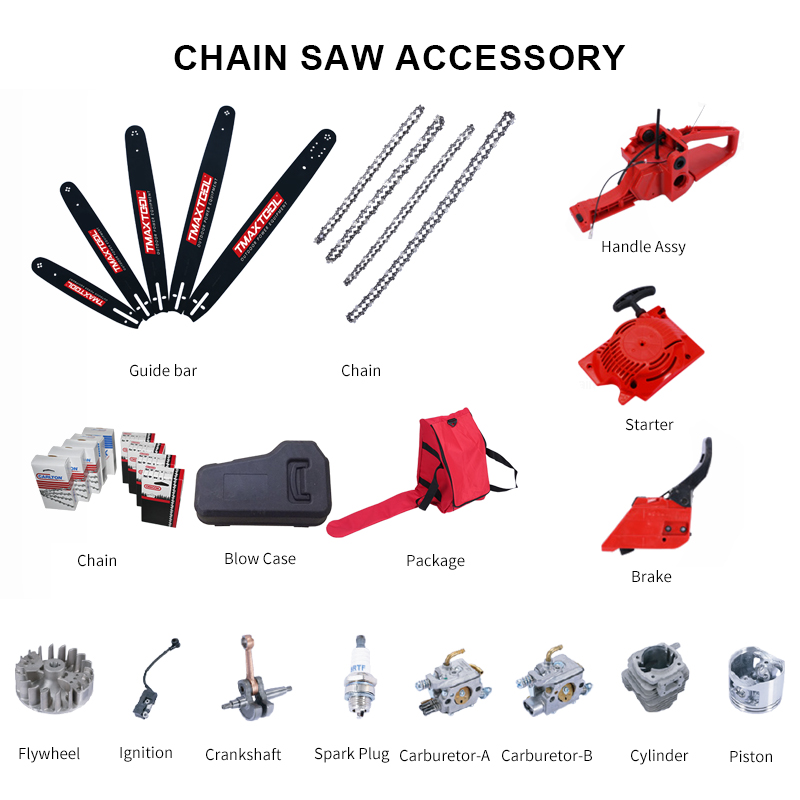 Chain Saw Accessory
 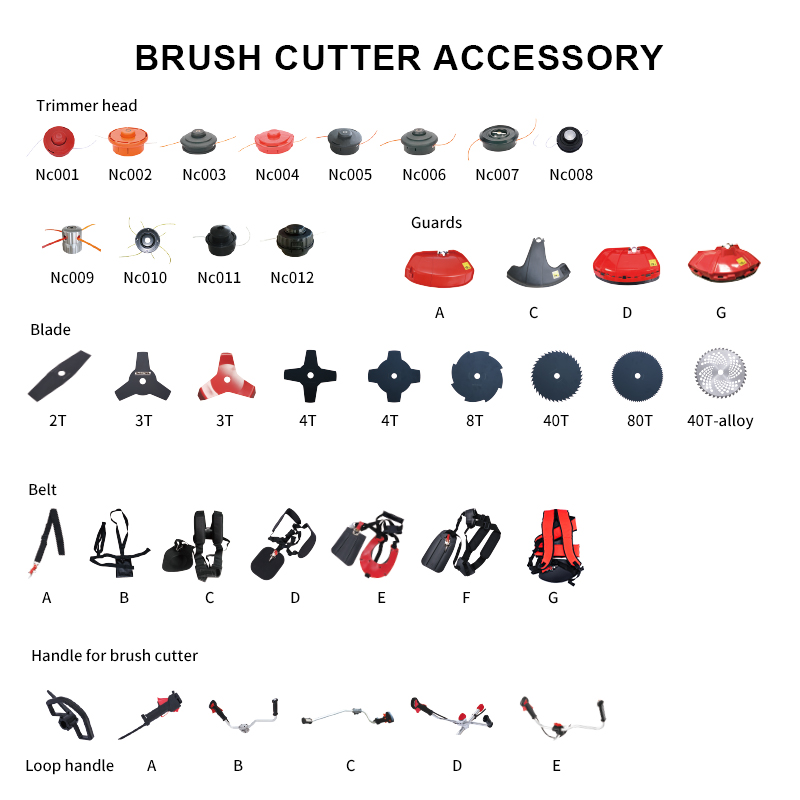 Brush Cutter Accessory
 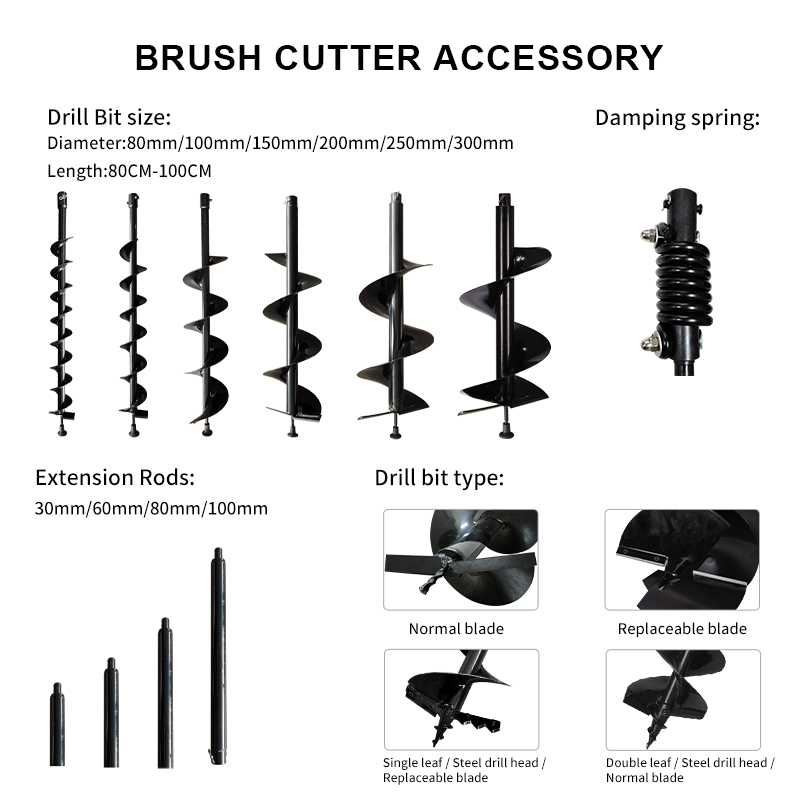 Earth Auger Accessory
 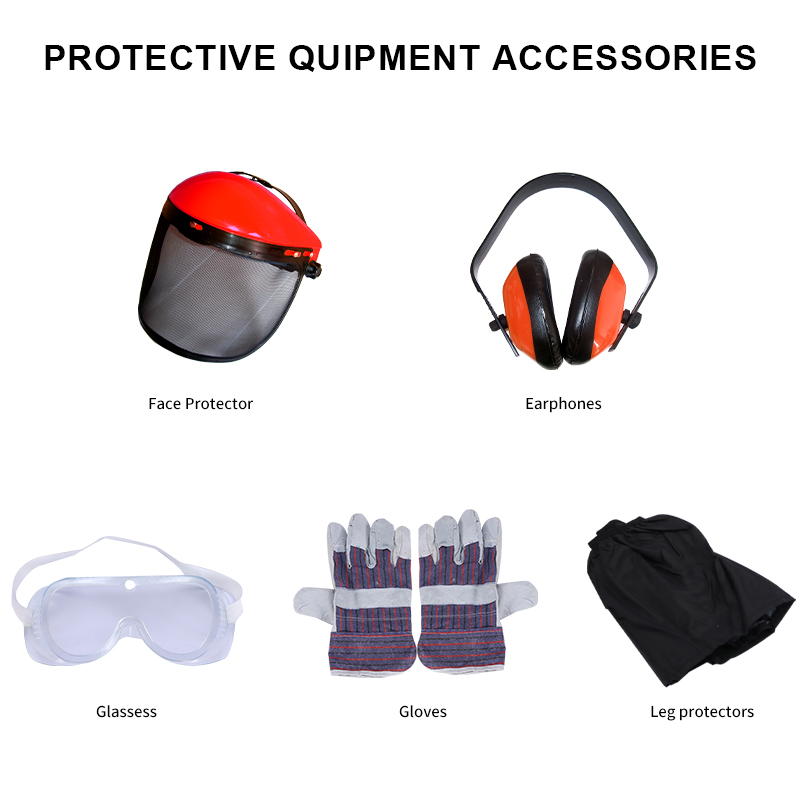 Protective Equipment Accessories
Leave Your Message


New 2026 Energy Efficiency Standards Impact Euro Power Tool Market
New Regulations for the European Power Tool Market: Impact of the 2026 Energy Efficiency Standard Upgrade on Wholesale Orders
The countdown to the 2026 upgrade of EU power tool energy efficiency standards has begun. As a core market for global power tool exports, the EU's revision of the ErP Directive (Ecodesign of Energy-related Products) will not only adjust product technical specifications but will also reshape the wholesale trade logic of the entire industry chain.

I. Decoding the New Regulations: Core Changes and Compliance Thresholds for the 2026 Energy Efficiency Upgrade
Since implementing the ErP Directive in 2005, the EU has completed multiple revisions. The 2023 amendment (EU) No. 2023/1791 further expanded power tools into the scope of key regulatory oversight and clarified the implementation of the second phase of strengthened standards in 2026. This upgrade goes beyond simply raising numerical requirements; rather, it establishes a "full lifecycle energy efficiency management" system. Key changes focus on three dimensions:
1. Dual Strengthening of Energy Efficiency Indicators
Compared to the first phase standards in 2025, the 2026 new regulations systematically tighten core energy efficiency indicators for power tools. In terms of motor efficiency, the minimum conversion efficiency requirement for industrial-grade power tools has been increased from 82% to 88%, while for handheld cordless tools, it has been increased from 78% to 85%. This means that traditional series-wound motors will gradually be replaced by permanent magnet synchronous motors. Standby power consumption has been tightened, with corded tools reduced from 0.5W to 0.15W, and cordless tools capped at 0.05W during hibernation. This standard is comparable to the efficiency upgrades previously made to LED lamps.
2. Comprehensive testing standard coverage
The previous standard focused solely on energy consumption during the product's use phase, while the new 2026 regulations extend testing to the entire product lifecycle: production, transportation, use, and recycling. Companies are required to submit product carbon footprint reports, demonstrating that emissions from the entire process from raw material extraction to end-of-life recycling meet EU CBAM (Carbon Border Adjustment Mechanism) requirements. Furthermore, the recycled content of plastic components must not be less than 30%, and the overall recycling rate must exceed 85%. For cordless tools, the battery cycle life test standard has been raised from 500 charge and discharge cycles to 1,000 cycles, and intelligent power management capabilities are required.
3. Digital Upgrade of Compliance Supervision
To improve regulatory efficiency, the EU requires that starting in 2026, all compliance data must be uploaded in real time through the "Product Compliance Database" (EPAC), including core information such as test reports, energy efficiency data, and carbon footprint calculations. Traceability must be ensured through blockchain technology. This means that companies must not only meet technical standards but also establish a digital compliance management system; otherwise, they risk filing delays or review failures.
II. Four Core Impacts on Wholesale Orders: A Comprehensive Restructuring from Cycle to Structure
The impact of upgraded energy efficiency standards on wholesale trade goes beyond a single cost transmission dimension. Instead, it triggers profound changes in order cycles, pricing logic, product structure, and even partnerships through behavioral changes on both the supply and demand sides.
1. The "Bimodal Fluctuation" Effect of the Order Cycle
According to historical patterns in EU regulatory implementation, there is typically a rush to install new energy efficiency standards in the 12 months prior to an upgrade, followed by an "adaptation period" and a trough 6-9 months after the upgrade, creating a typical bimodal fluctuation. When the EU implemented new standby power consumption regulations in May 2025, wholesale orders for products like Wi-Fi routers saw a 47% month-over-month increase. However, orders plummeted by 32% in the two months following the implementation of the new regulations. The power tool industry is expected to repeat this trend: from late 2025 to early 2026, European wholesalers may pre-stock inventory compliant with the old standards, leading to a short-term surge in orders. However, starting in the second quarter of 2026, orders may experience a temporary decline due to a shortage of compliant products and pressure to clear inventory of products compliant with the old standards.
2. Restructuring the Cost Transmission of Pricing Systems
Energy efficiency upgrades directly increase production costs, thereby reshaping wholesale pricing logic. From the supply chain perspective, the procurement cost of permanent magnet synchronous motors is 15%-20% higher than traditional motors. Low-power circuit designs that comply with the new regulations increase R&D costs by over 25%. Combined with the added expenses for carbon footprint testing and EPAC data management, the overall cost of a single power tool will rise by 12%-18%. This cost pressure will be transmitted through the wholesale chain: on the one hand, exporters will be forced to raise supply prices, leading to higher procurement costs for wholesalers; on the other hand, wholesalers, to maintain profits, may pass on 30%-50% of these cost increases to end retailers, ultimately impacting market demand.
3. Product Structure Adjustment: "Weeding Out the Weak, Retaining the Strong"
The new regulations will accelerate the market elimination of inefficient products and drive wholesale orders towards high-efficiency categories. Currently, approximately 35% of handheld power tools in the European market still use motors that meet the old standard, and sales of these products will be banned after 2026. Accordingly, high-end products with intelligent power regulation, long-life batteries, and recyclable designs will become the mainstream of wholesale orders. From a category perspective, due to stricter standby power consumption requirements, the share of orders for rechargeable power tools is likely to increase from the current 58% to 75%. Among corded tools, only industrial-grade high-power products will maintain stable demand.
4. Deepening Compliance Binding in Partnerships
The collaborative approach between wholesalers and suppliers will shift from price-driven to compliance-first. Major European building materials wholesalers such as Obi and Bauhaus have begun requiring suppliers to provide pre-certification of compliance for 2026, including energy efficiency test reports and carbon footprint accounting documents issued by third-party testing agencies. Some wholesalers have even incorporated compliance clauses into long-term contracts, stipulating that suppliers will bear the costs of inventory recalls if products fail to meet standards. This binding relationship creates a more stringent entry barrier for small and medium-sized exporters, while brands with the ability to achieve pre-emptive compliance will receive more orders.

III. Two-Way Response: A Solution for Suppliers and Wholesalers
Faced with the order restructuring brought about by the new 2026 regulations, power tool exporters and European wholesalers need to establish a coordinated response mechanism, shifting from passive compliance to proactive planning.
1. Exporters: Compete for Order Dominance with Compliance Capabilities
Technology Pre-R&D: Prioritize resources for R&D of core technologies such as permanent magnet synchronous motors, low-power circuits, and recycled plastic components. Collaborate with universities or research institutions to optimize energy efficiency, completing product iterations 6-8 months in advance to avoid missing order windows due to testing and certification delays.
Green Supply Chain Upgrade: Select raw material suppliers with environmental credentials, establish VOC emission control and solid waste recycling systems, and reduce energy consumption in production by more than 10%, thereby meeting carbon footprint requirements and reducing compliance costs.
Digitalize Compliance Processes: Connect to the EU EPAC database in advance, establish an automated system for uploading product test data, and collaborate with organizations such as SGS and TÜV to establish a fast track from testing to certification to declaration, reducing the compliance cycle from 3 months to under 45 days. Pre-order communication: Provide wholesalers with a "Compliance Cost Breakdown + Energy Efficiency Benefit Calculation" report. This data demonstrates that while the purchase price of high-efficiency products may increase by 5%-8%, end users can save over 20% on their annual electricity bills, helping wholesalers build confidence in pricing.
2. European wholesalers: Mitigate risks through inventory and category management.
Inventory clearance planning: Develop a tiered clearance plan for existing products under the old standard, aiming to complete 70% of inventory by the end of 2025. Promote sales to mitigate the risk of unsold products, while reserving 30% of warehouse space for new products under the new standard.
Supplier tiering and screening: Establish a "Compliance Capability Rating System" to rank suppliers based on technical reserves, certification progress, and carbon footprint. Prioritize long-term contracts with the top 30% of rated companies to mitigate the risk of supply disruptions. Category Structure Optimization: Focus on increasing procurement of high-efficiency products such as cordless impact drills and brushless Angle Grinders. These products are expected to command a 15%-20% premium at the end of the year after 2026. Reduce the share of orders for low-efficiency corded tools and shift resources toward professional-grade products.
IV. Long-Term Trend: Energy Efficiency Becomes a Core Competitiveness in Wholesale Trade
Energy efficiency upgrades in 2026 are not an isolated policy, but a crucial component of the EU's 2050 carbon neutrality goal. Long-term, the wholesale power tool trade will exhibit three major trends: First, energy efficiency labels will become a core factor in order decisions, with the wholesale premium for A+++-rated products stabilizing at over 20%. Second, products combining "energy efficiency and intelligence" will be increasingly favored, with products featuring adaptive load regulation accounting for over 60% of high-end orders. Third, green supply chain capabilities will become a key requirement for cooperation, with companies that can provide proof of full lifecycle compliance dominating mainstream wholesale channels.