
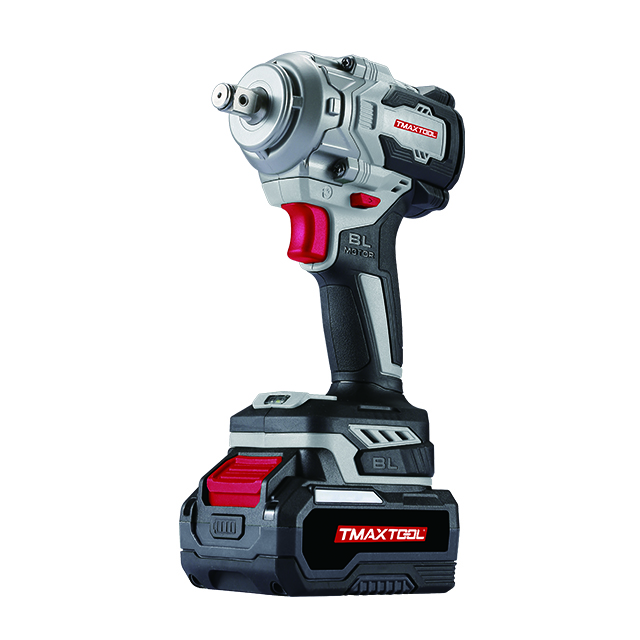
 Impact Wrench
 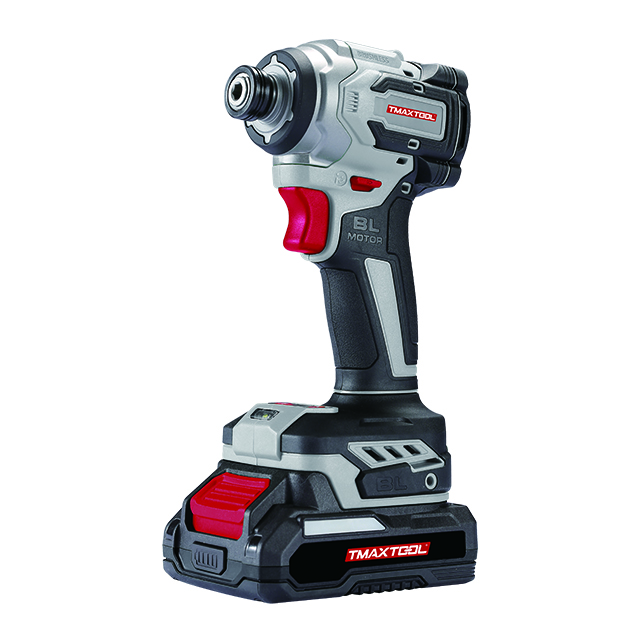 Screwdriver
 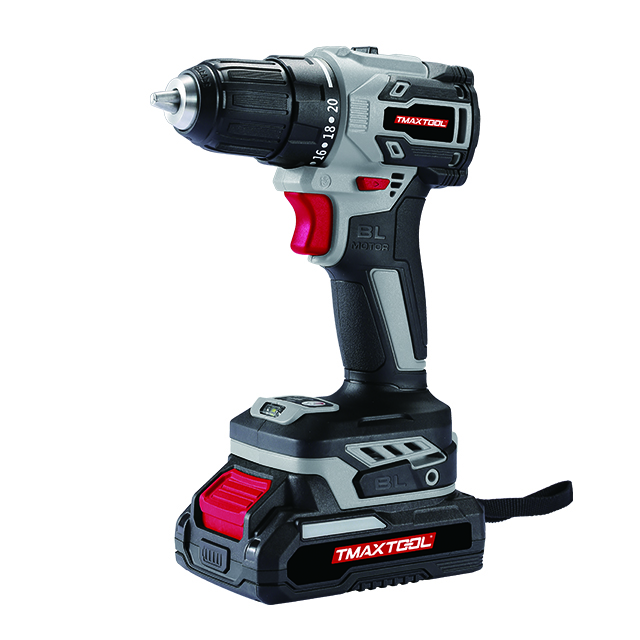 Cordless Drill
 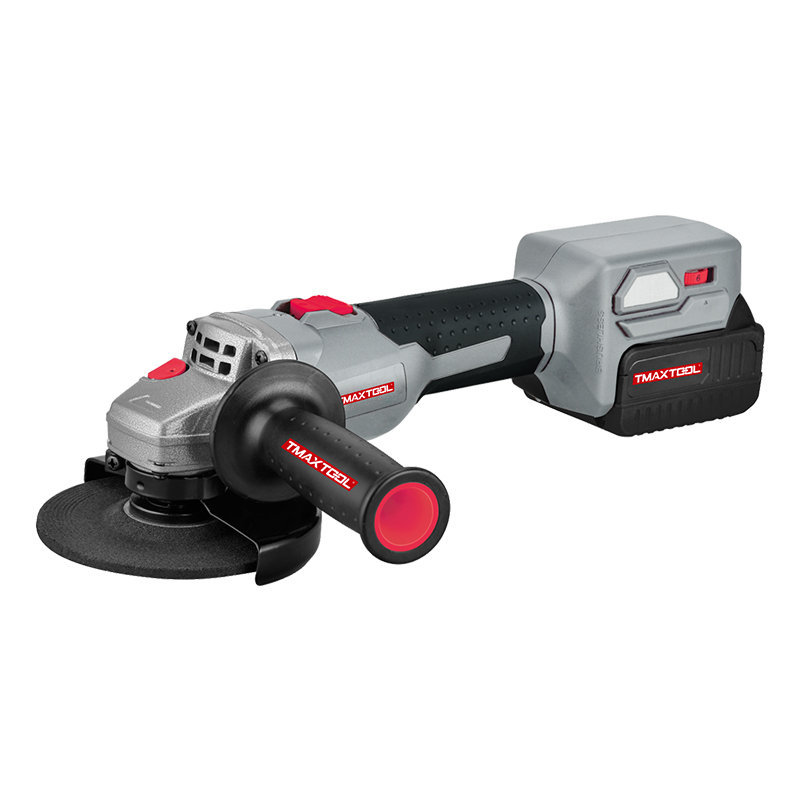 Angle Grinder
 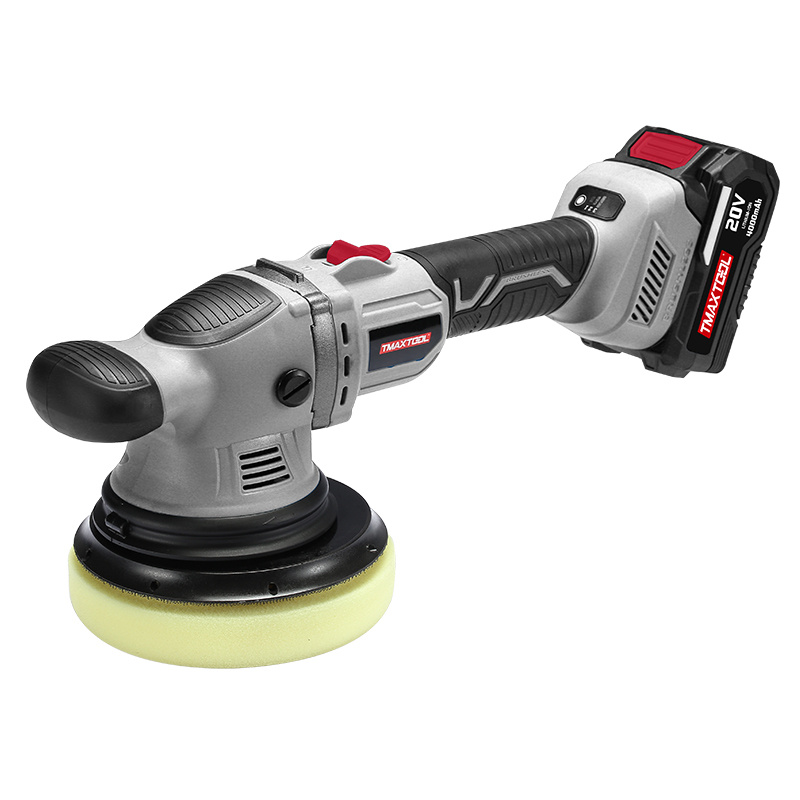 Polisher
 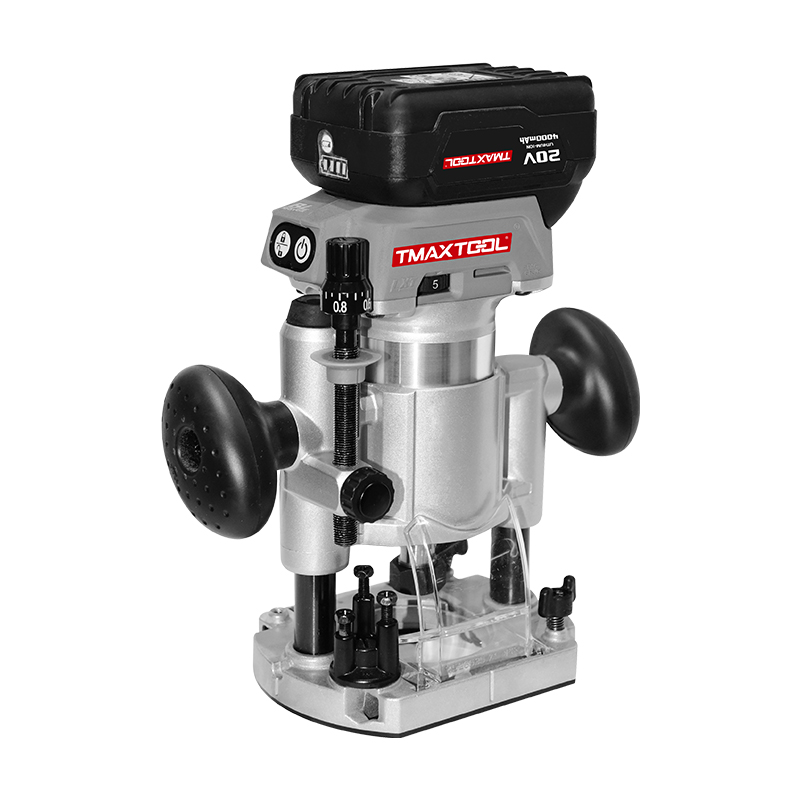 Wood Router
 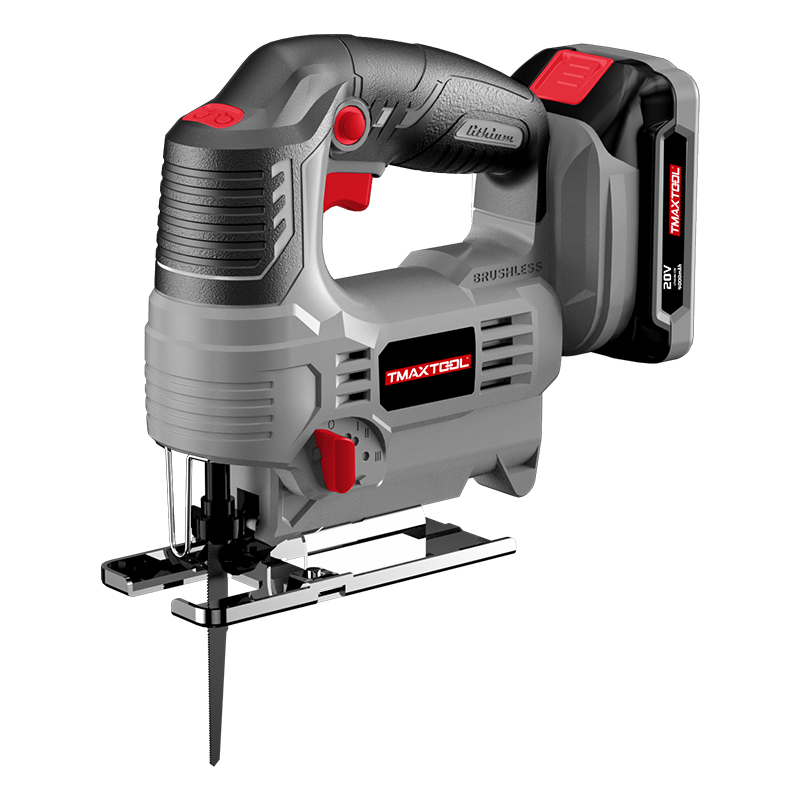 Jig Saw
 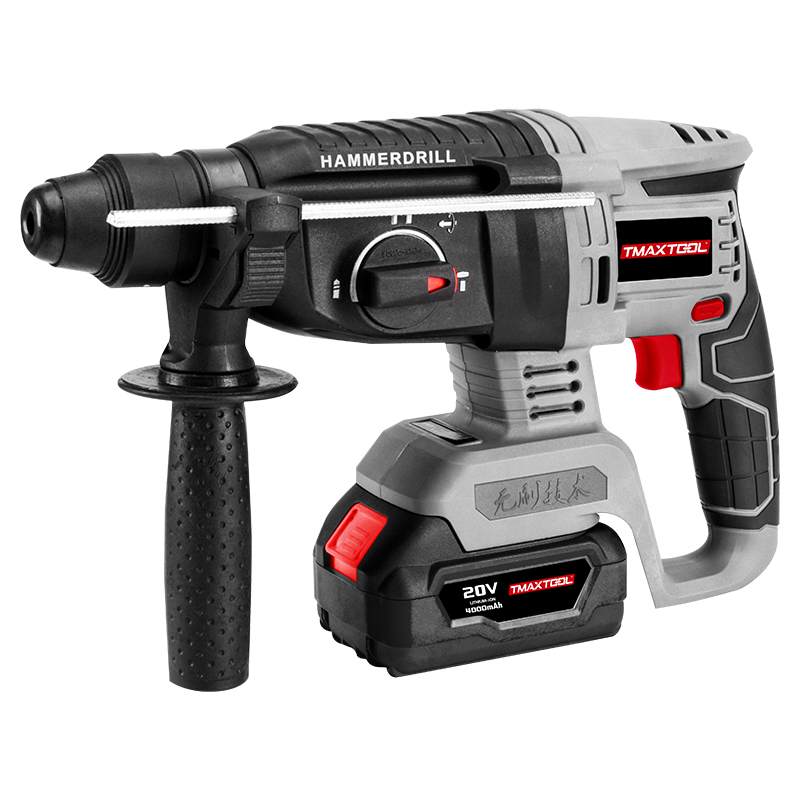 Hammer Drill
  Portable Blower
 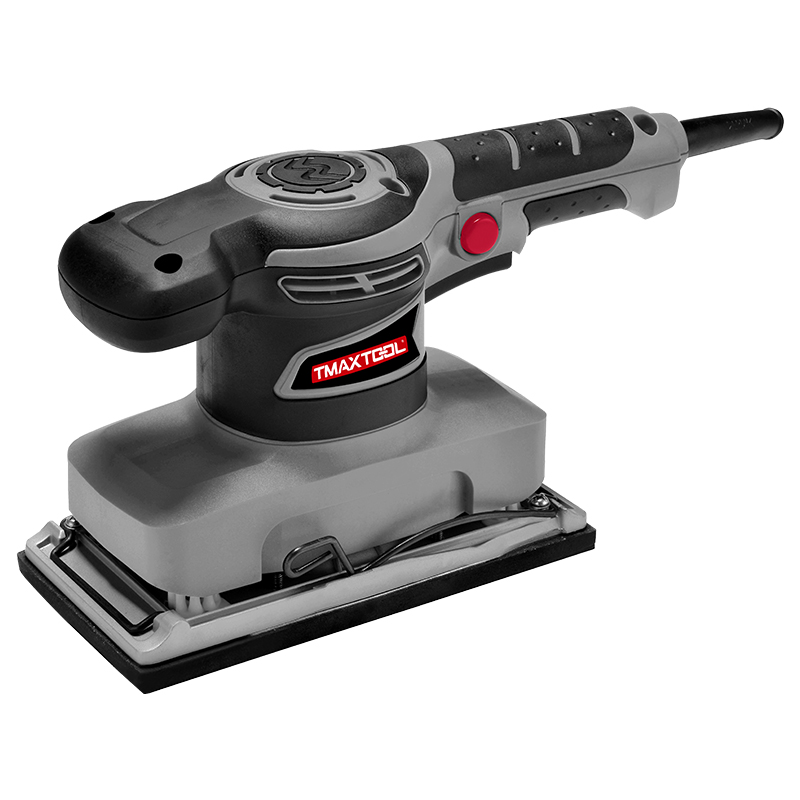 Orbital Sander
 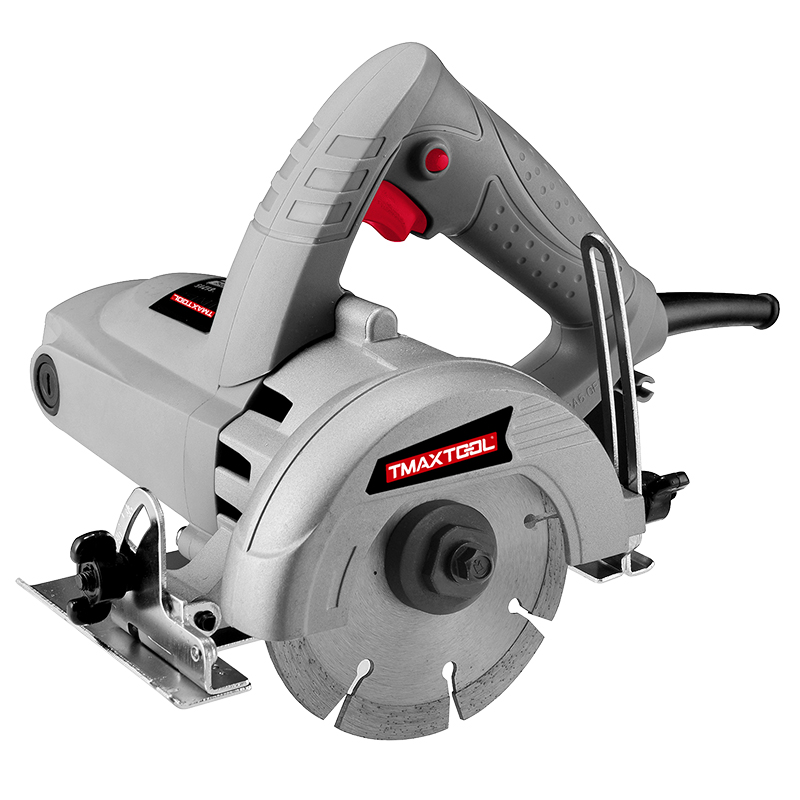 Marble Cutter
  GARDEN TOOLS
 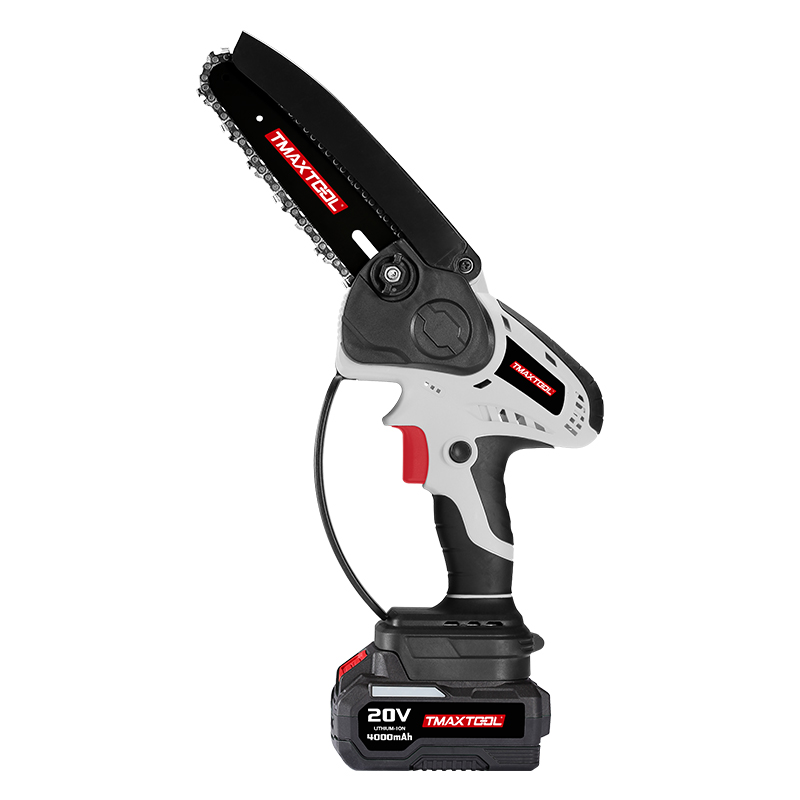 Battery Chain Saw
  Battery Brush Cutter
 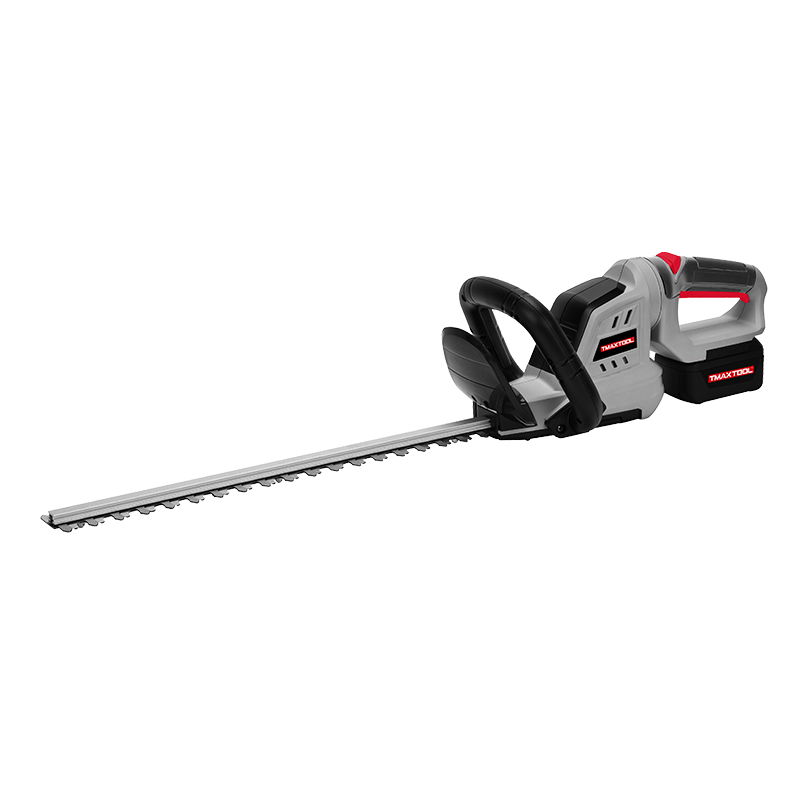 Battery Hedge Trimmer
 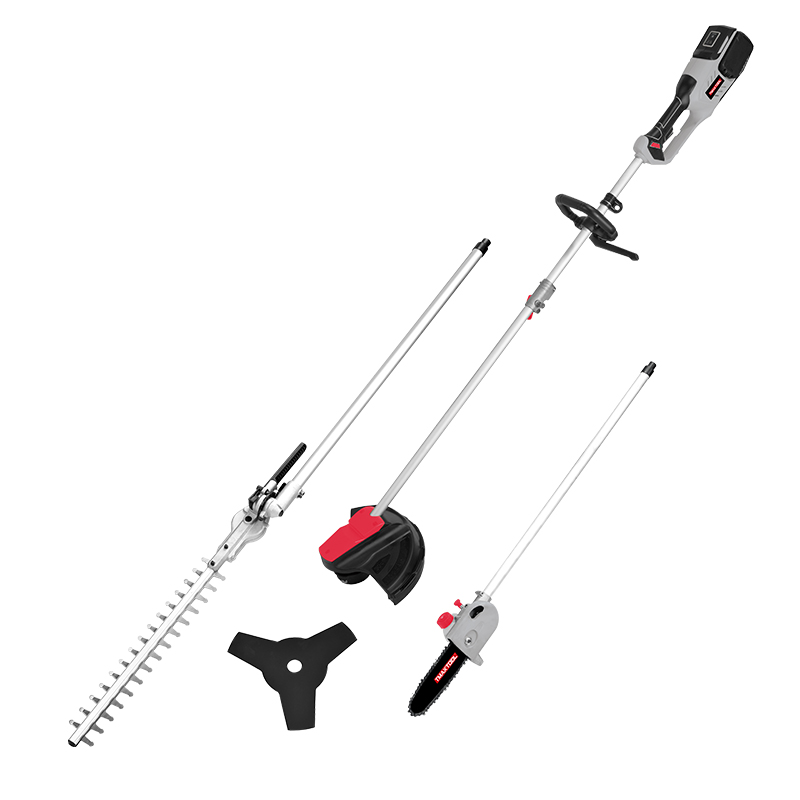 Battery Multi Tool
 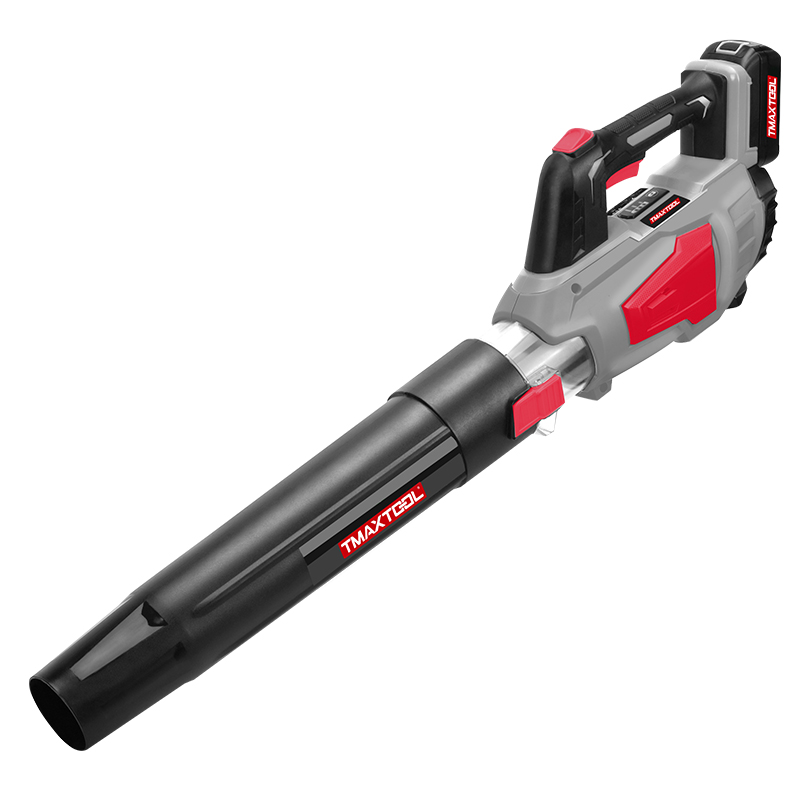 Battery Blower
 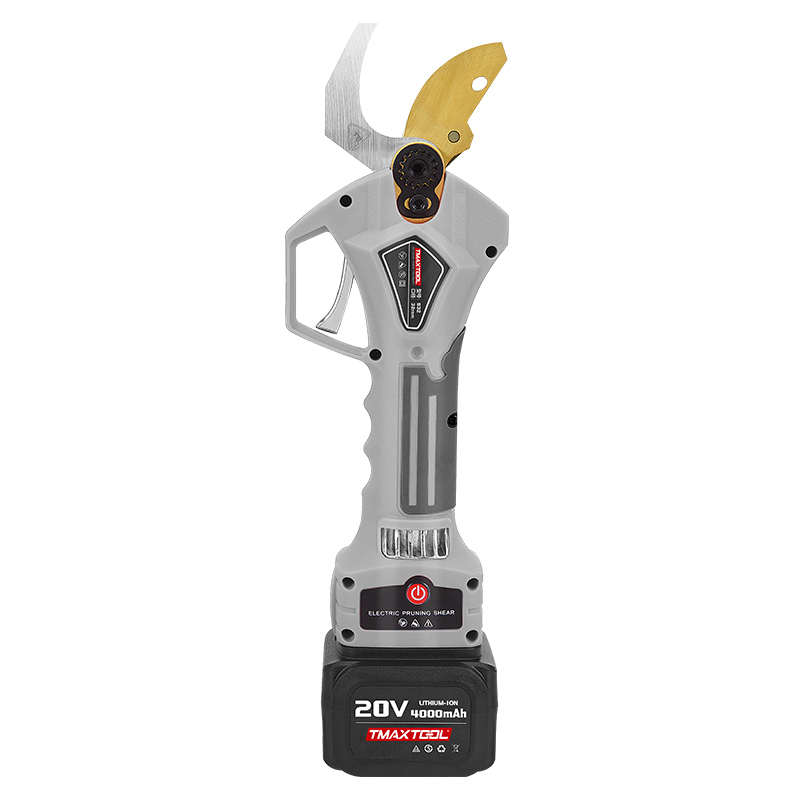 Batter Pruning Shears
 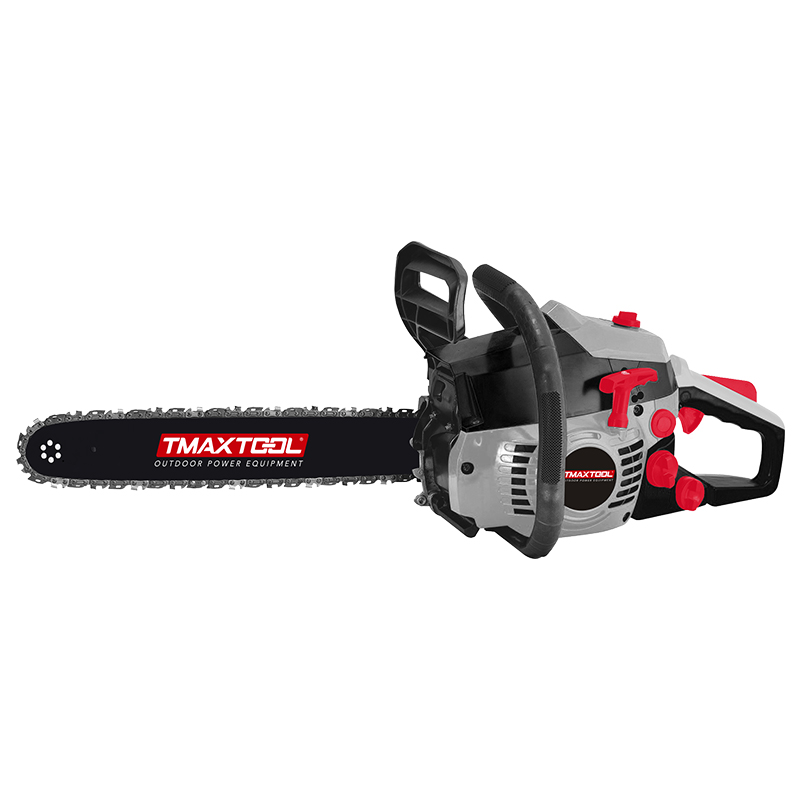 Chain Saw
  Brush Cutter
 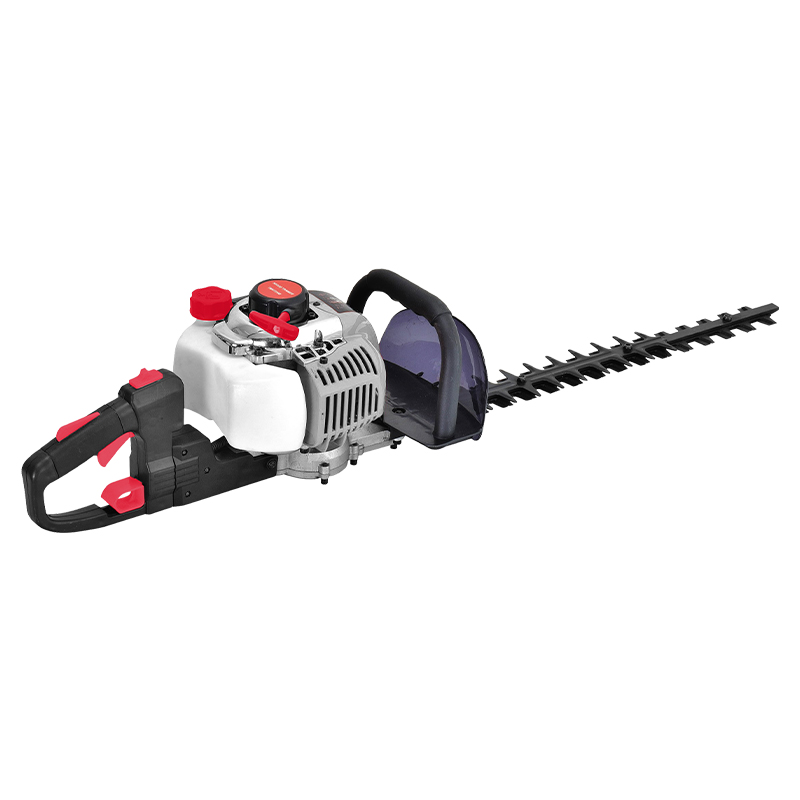 Hedge Trimmer
 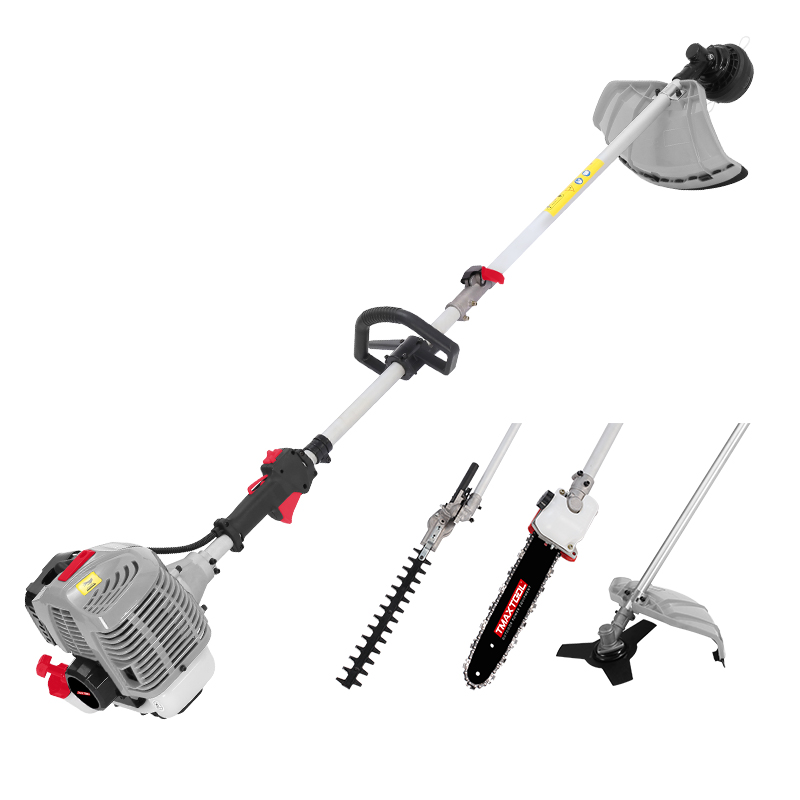 Multi Tool
 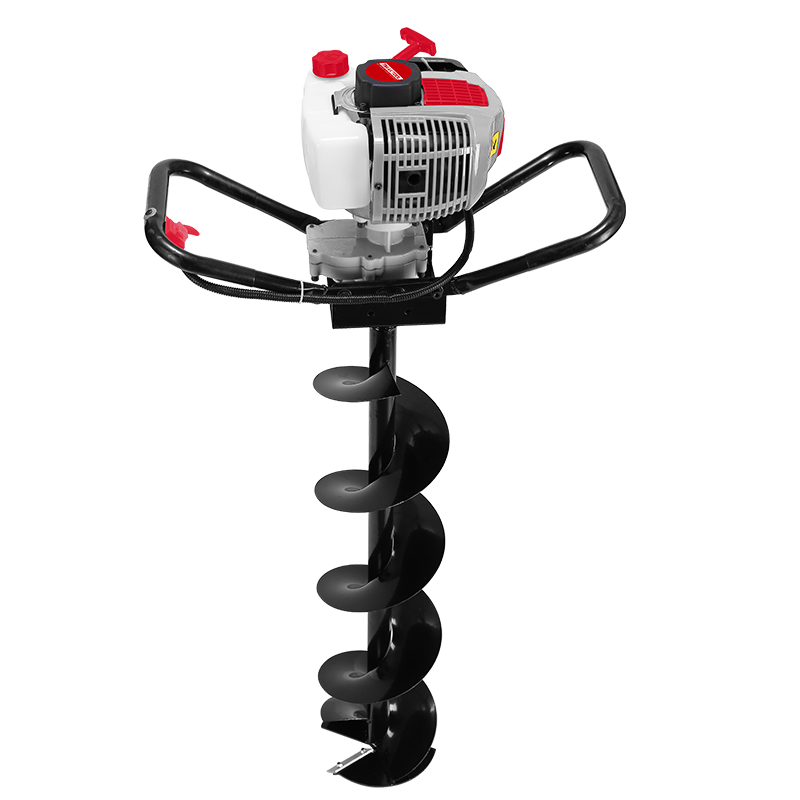 Earth Auger
 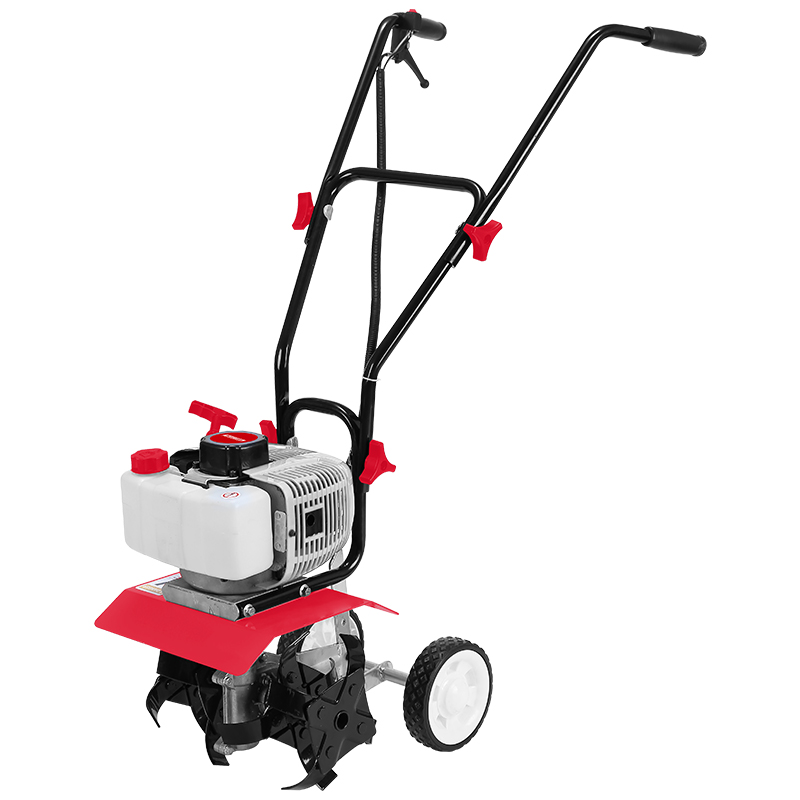 Tiller
  Blower
 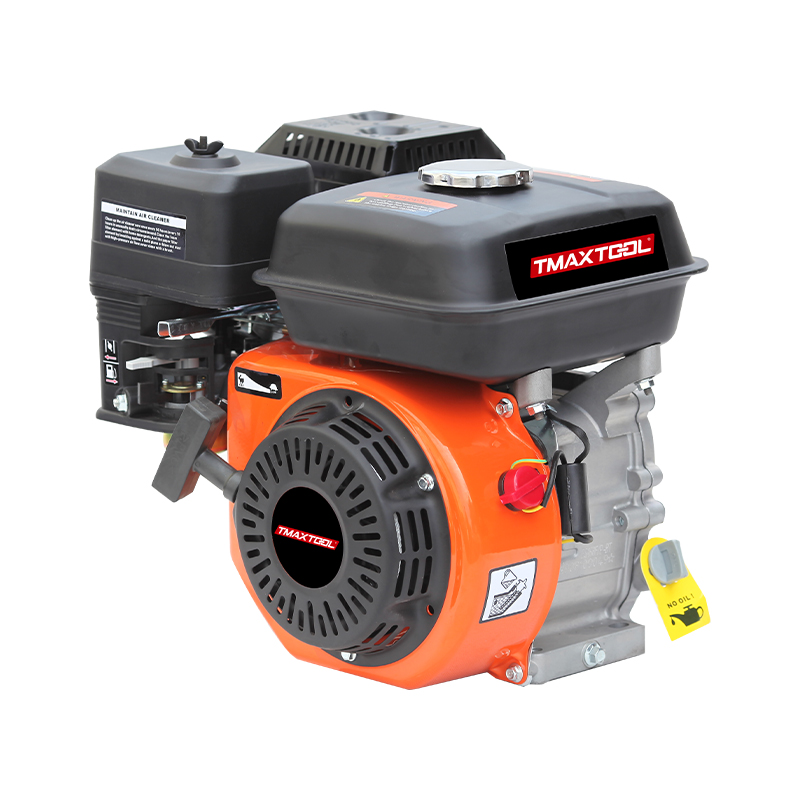 4 Stroke Gasoline Engine
 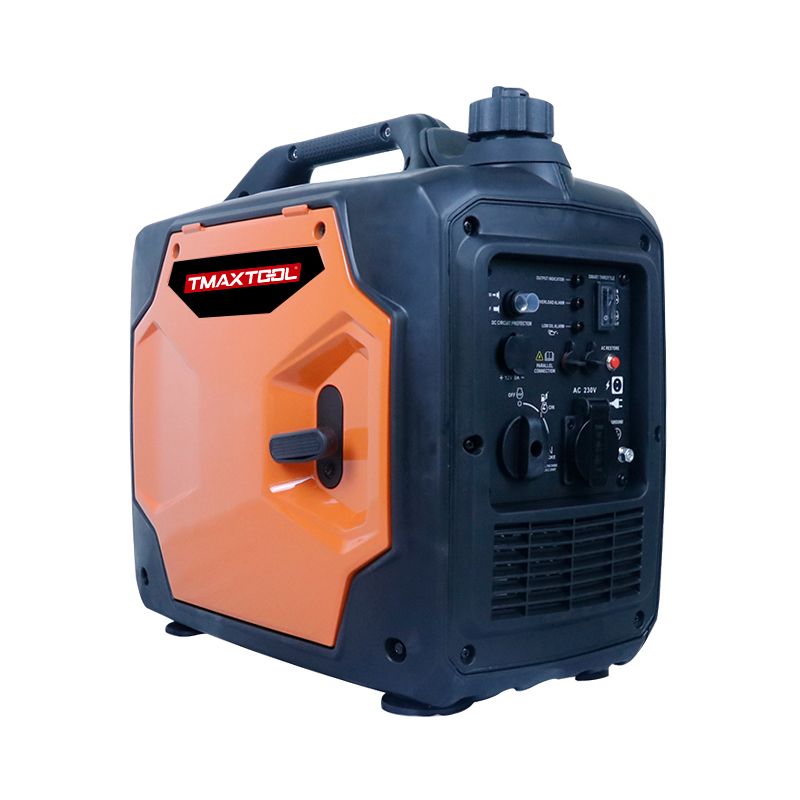 Generator
 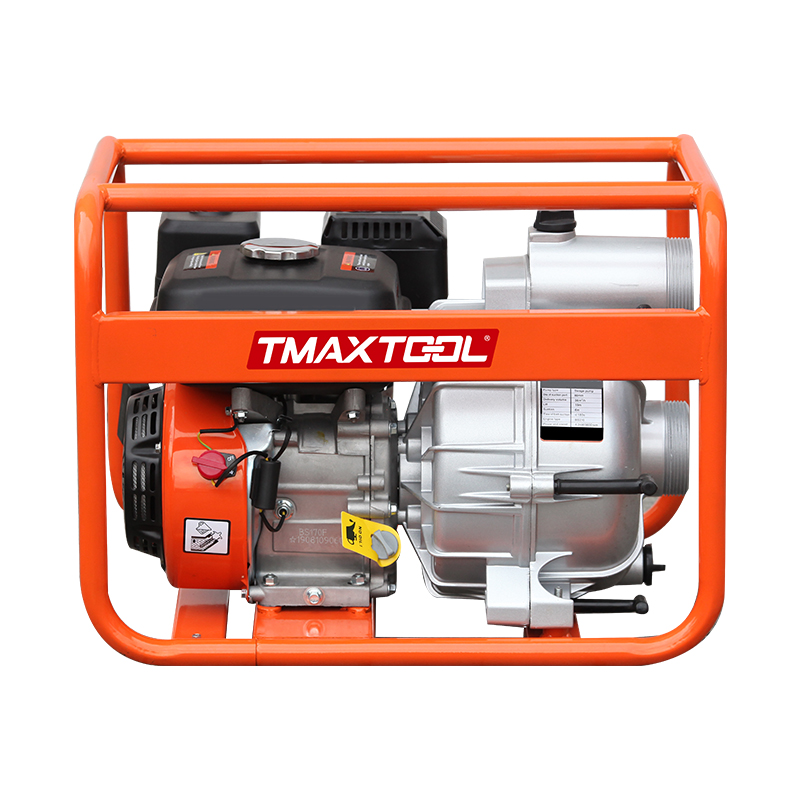 Water Pump
 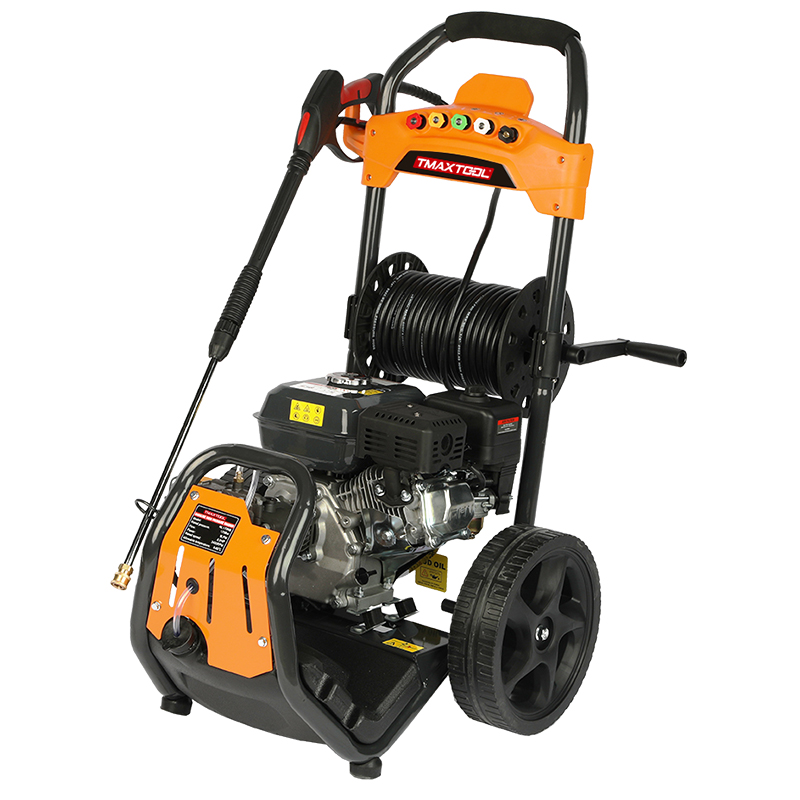 High Pressure Washer
  Wood Cutter
 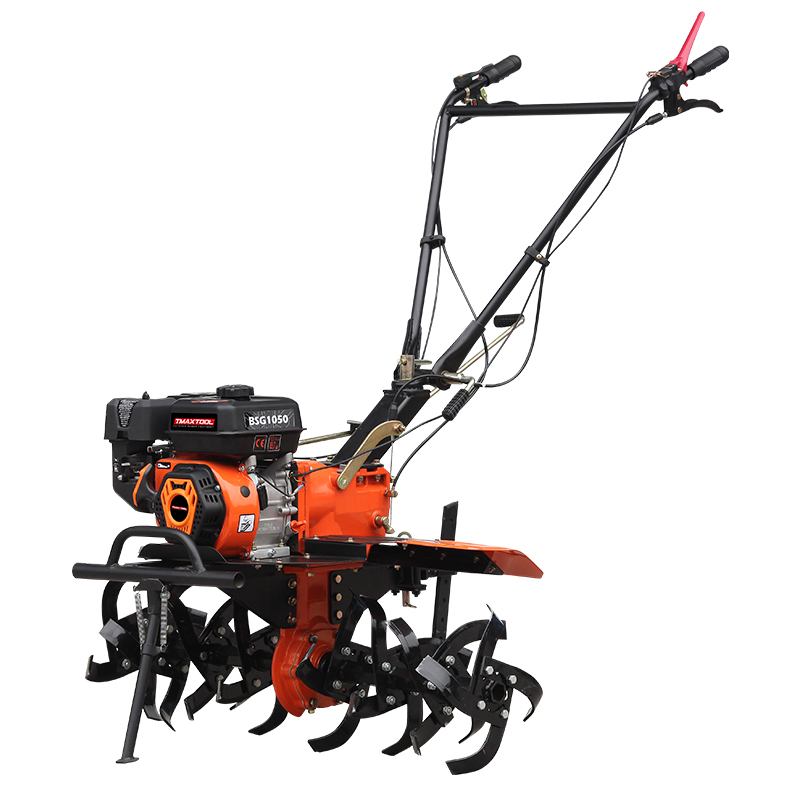 4 Stroke Tiller
  Chain Saw Accessory
 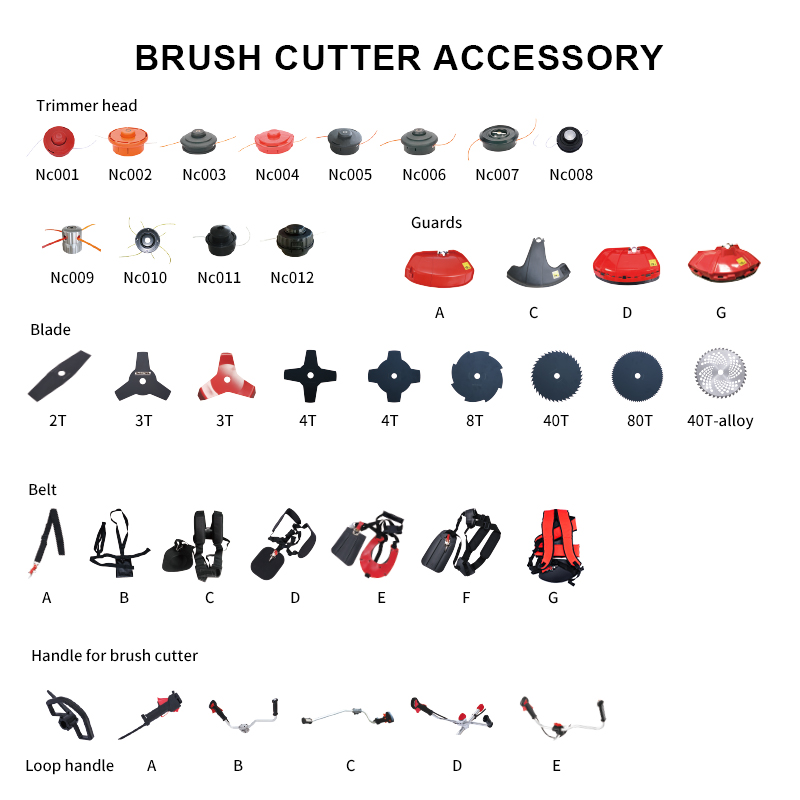 Brush Cutter Accessory
 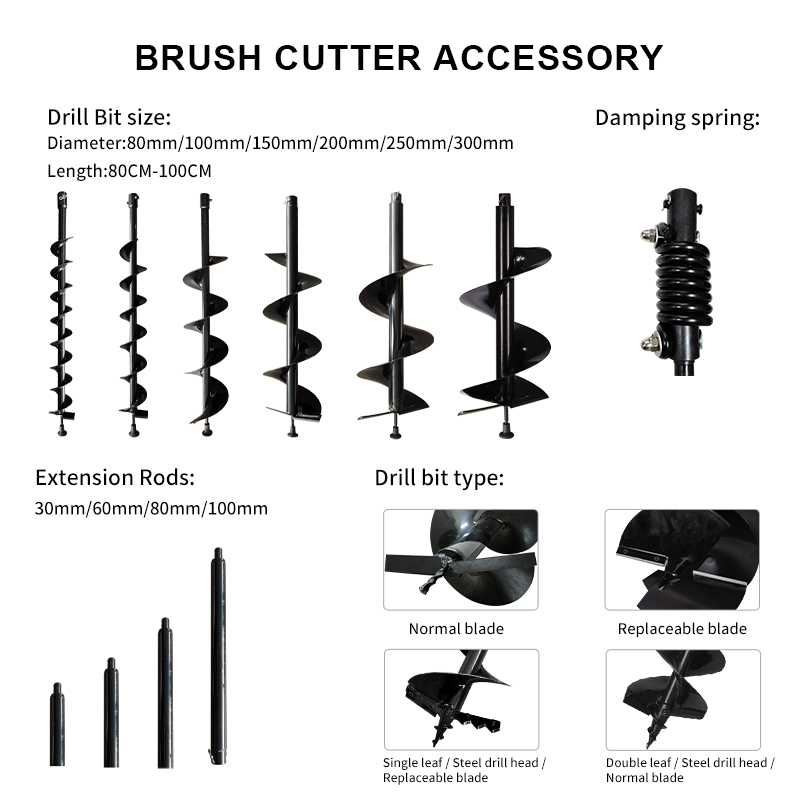 Earth Auger Accessory
  Protective Equipment Accessories
Leave Your Message


Operating techniques for electric planers: A beginner's guide
For the novice woodworker, the Electric Planer is both a powerful and slightly complex tool. Mastering the correct operation skills can not only improve work efficiency, but also ensure safety. Here are some basic operating tips to help beginners quickly get started with electric planers.
First, understand the basic structure
Before starting the operation, familiarize yourself with the basic structure of the electric planer. Electric planers usually include the following key parts:
Planer: A blade used to plane wood, usually with adjustable depth.
Adjusting wheel: used to adjust the cutting depth of the planer.
Handle: Used to hold and operate the planer.
Bottom plate: the flat part in contact with the wood to ensure smooth operation of the planer.

Second, security preparation
Wear protective equipment: Always wear safety glasses and earplugs to protect your eyes and hearing when operating an electric planer.
Check the equipment: Before use, check the planer wire, plug and planer knife is intact. Make sure the planer is firmly installed and not loose.
Clean up the work area: ensure that the work area is clean and tidy, free of debris and obstacles, to avoid accidents during operation.
3. Basic operation steps
Adjust planing depth: According to the thickness of the wood to be planed, use the adjusting wheel to adjust the depth of the planing tool. When using for the first time, it is recommended to start with a shallow planing depth and gradually deepen.
Fixed wood: The wood that needs to be planed is fixed to the work surface to ensure its stability. A clamp or bench vice can be used to secure the wood to avoid movement during planing.
Start the planer: Press the switch to start the electric planer. Wait for the planer to reach full speed before you start planing.
Smooth operation: Press the bottom plate of the planer against the surface of the wood and push the planer smoothly to move it along the length of the wood. Maintain a constant speed and avoid exerting too much or too fast.
Check the planing effect: During the planing process, check the planing effect regularly to ensure that the surface of the wood is smooth and smooth. If the planing is found to be uneven, the depth of the planer or the operating speed can be adjusted appropriately.
4. Precautions
Avoid over-planing: Do not planing too thick wood at once, so as not to damage the planer or cause the planer to overload.
Keep the planer sharp: check the sharpness of the planer regularly, dull knives not only have poor planing effect, but also may damage the wood.
Cleaning the shavings: the shavings generated during the planing process should be cleaned in time to avoid accumulation affecting the normal operation of the planer.

V. Summary
Electric planer is a powerful woodworking tool, mastering the correct operation skills can not only improve work efficiency, but also ensure safety. By being familiar with the equipment structure, making safety preparations, mastering the basic operation steps, and paying attention to the details in the operation process, the novice can quickly start the electric planer and enjoy the fun of woodworking.