
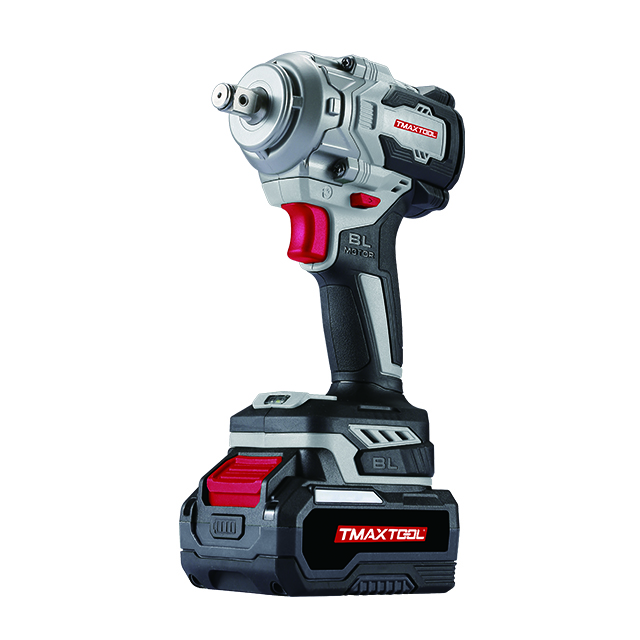
 Impact Wrench
 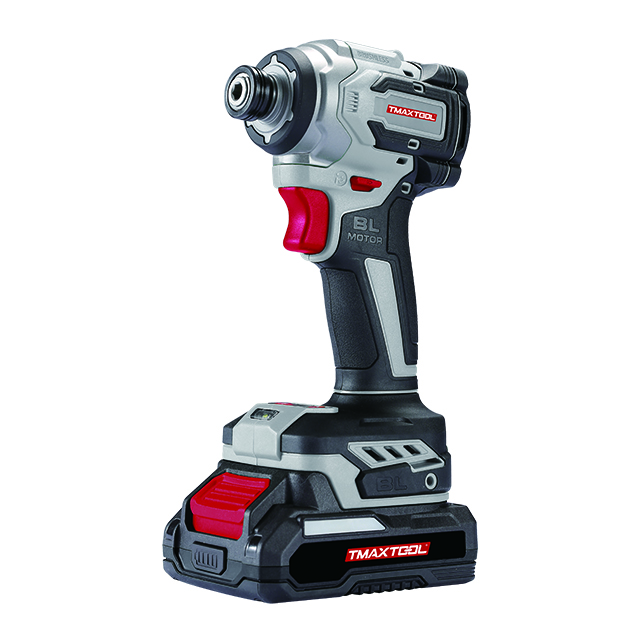 Screwdriver
 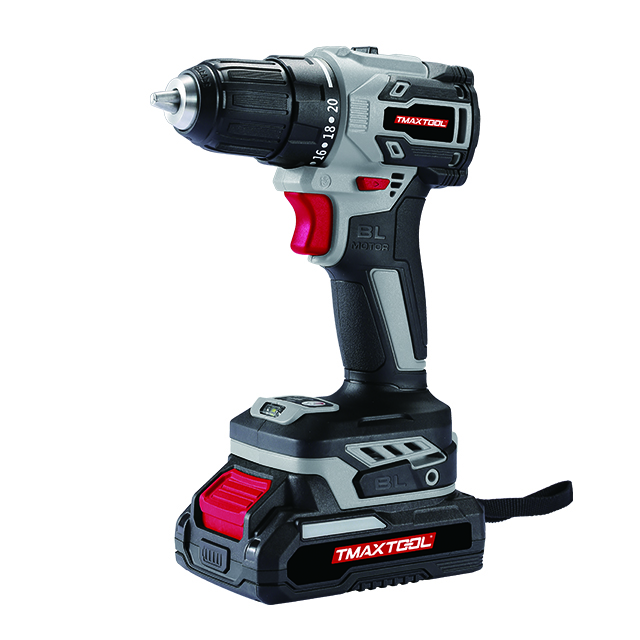 Cordless Drill
 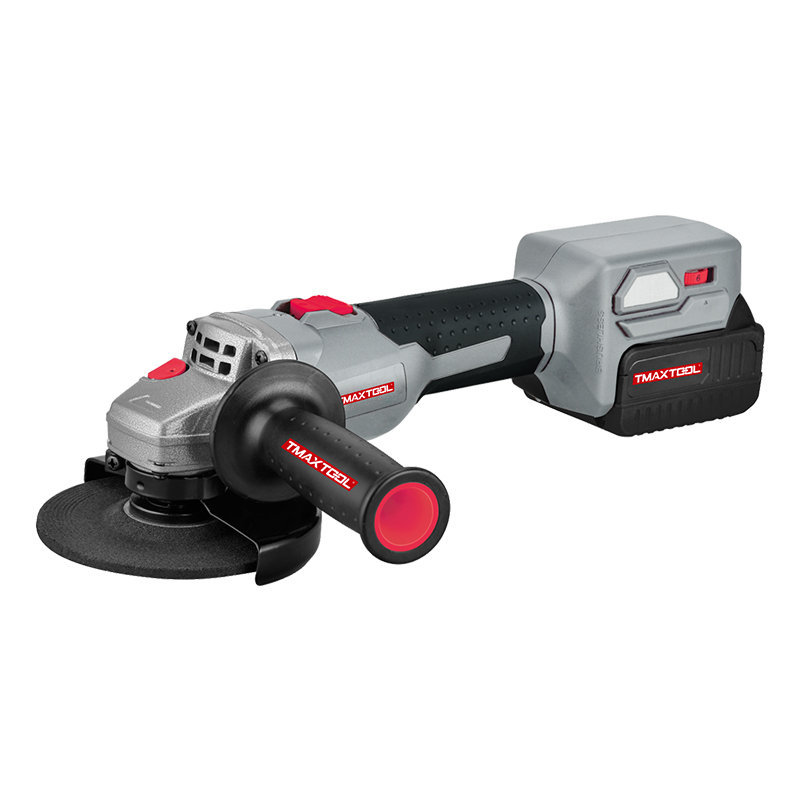 Angle Grinder
 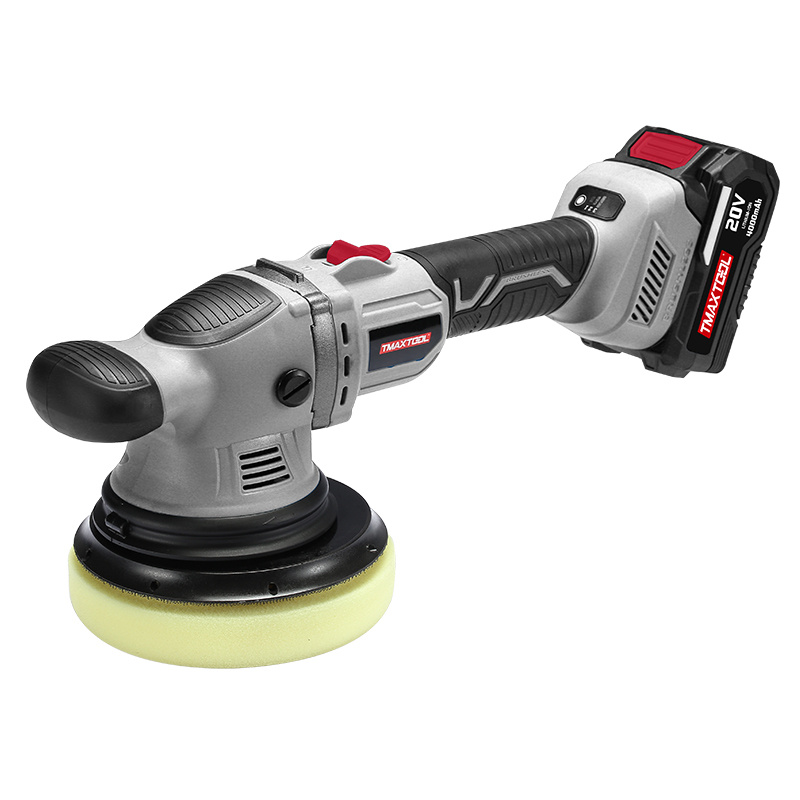 Polisher
 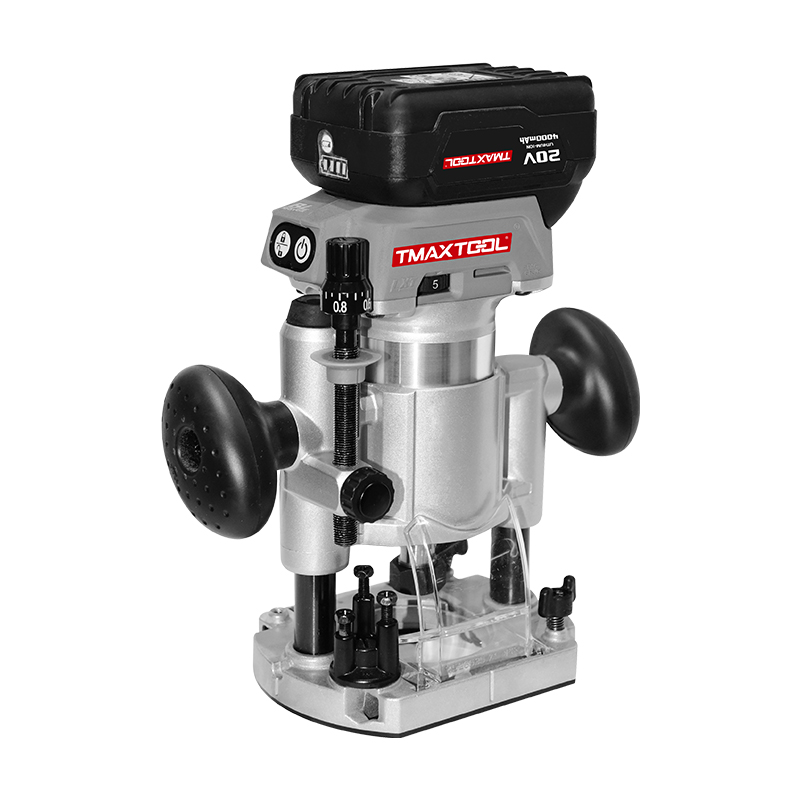 Wood Router
 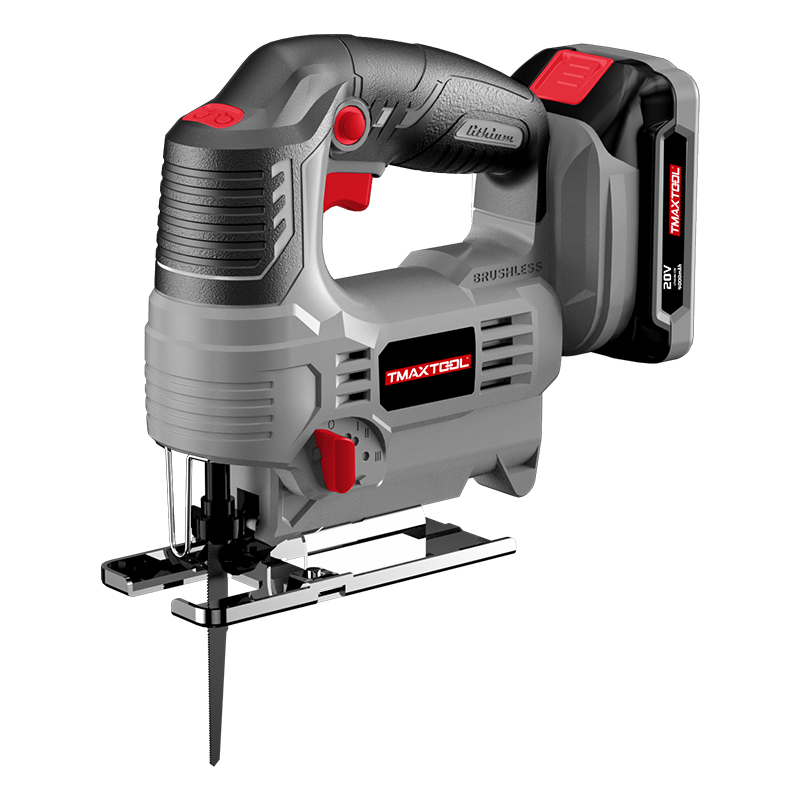 Jig Saw
 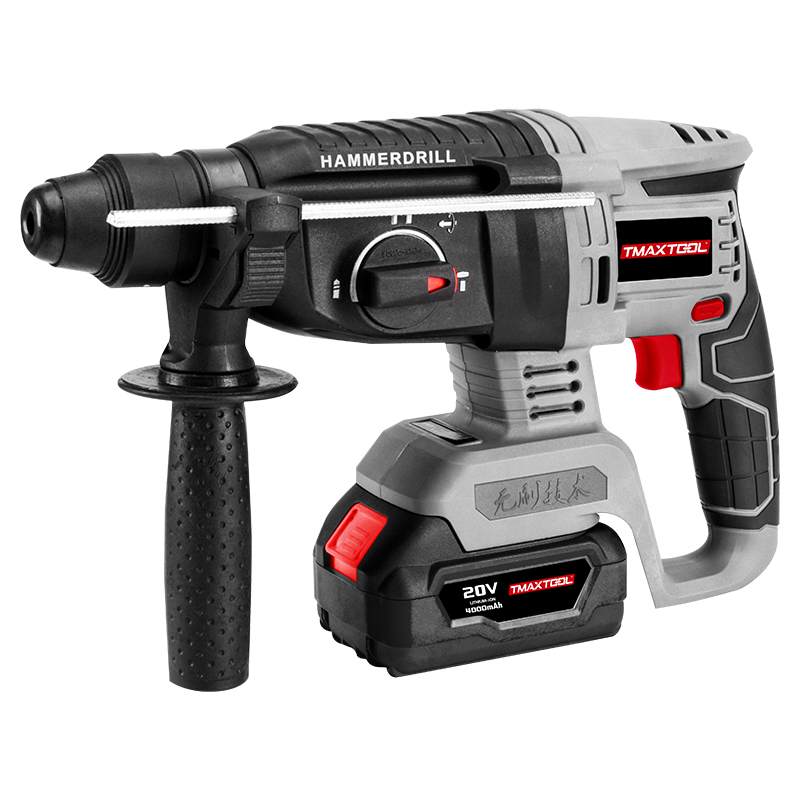 Hammer Drill
 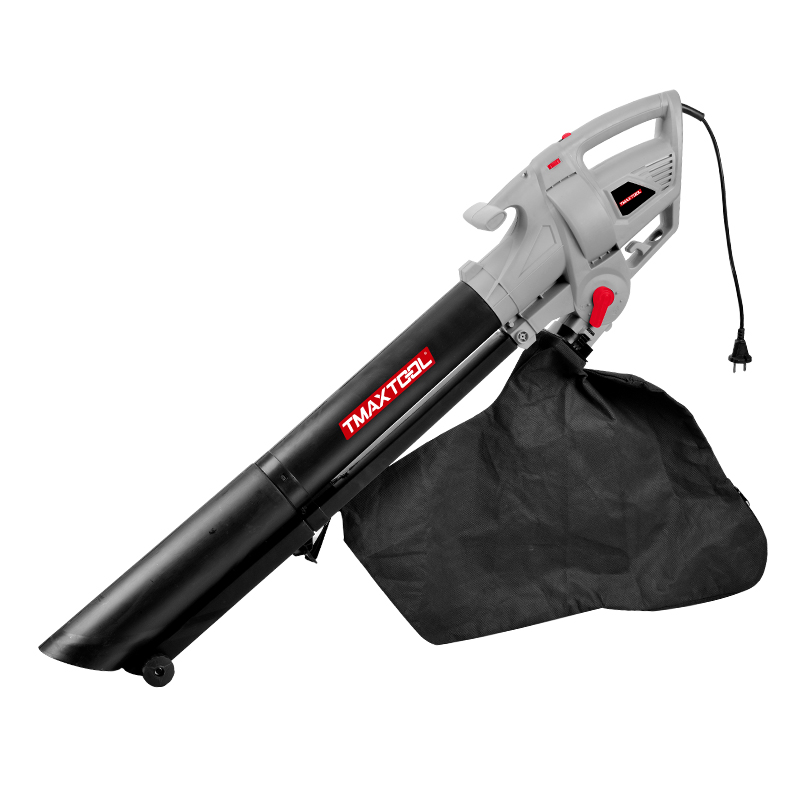 Portable Blower
 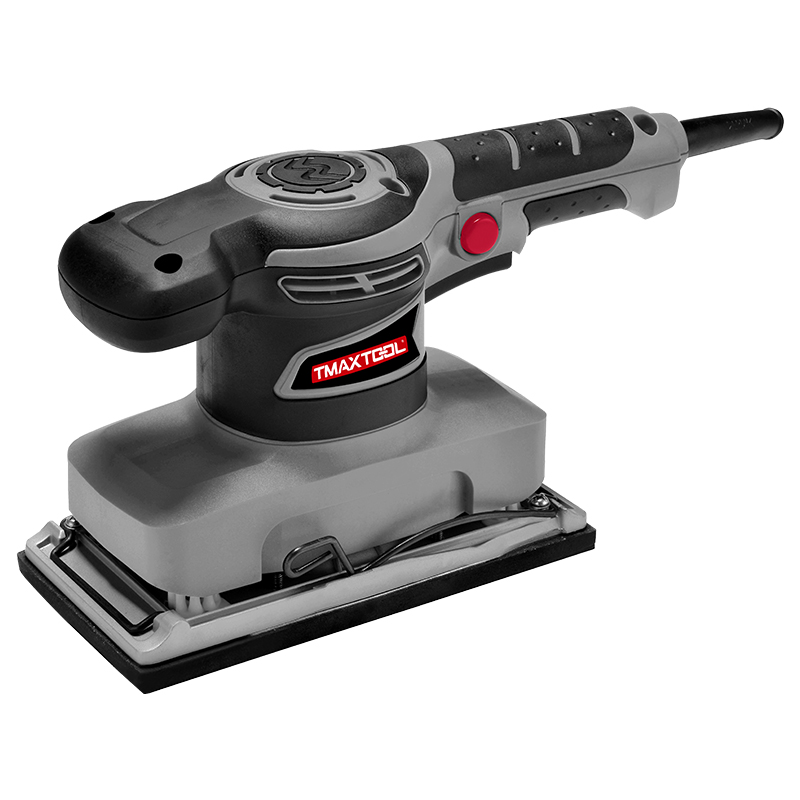 Orbital Sander
 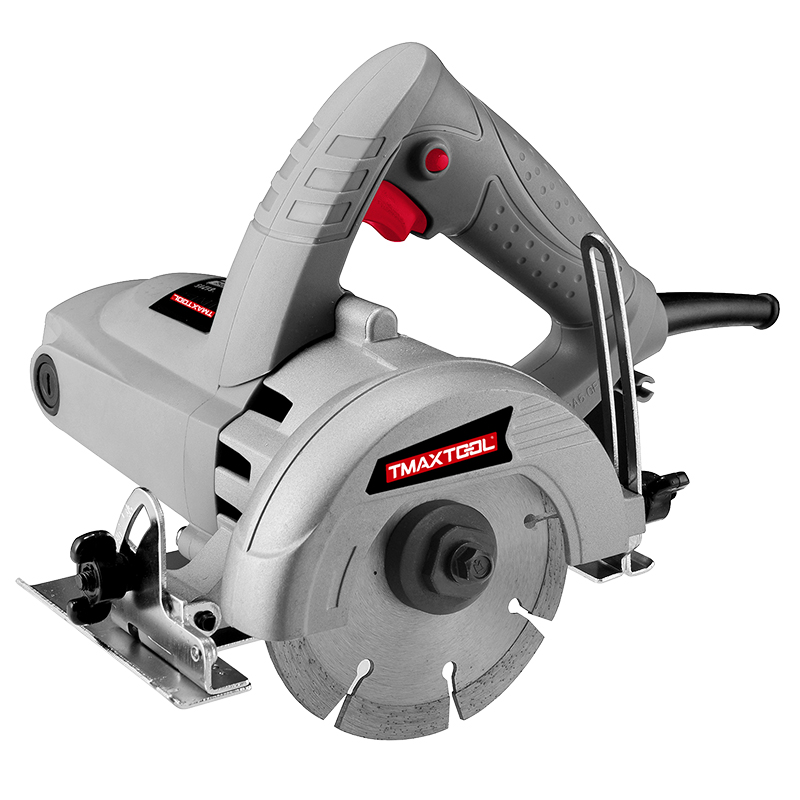 Marble Cutter
 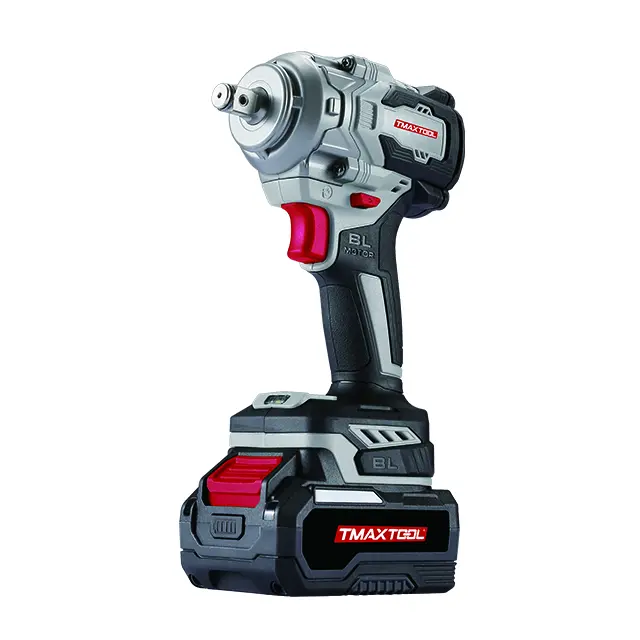 GARDEN TOOLS
 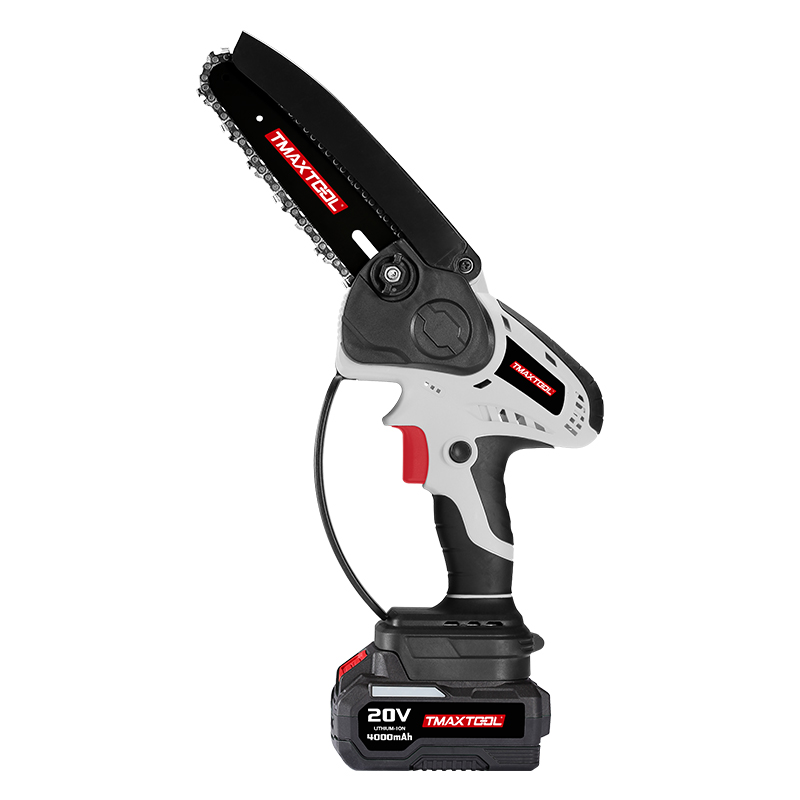 Battery Chain Saw
 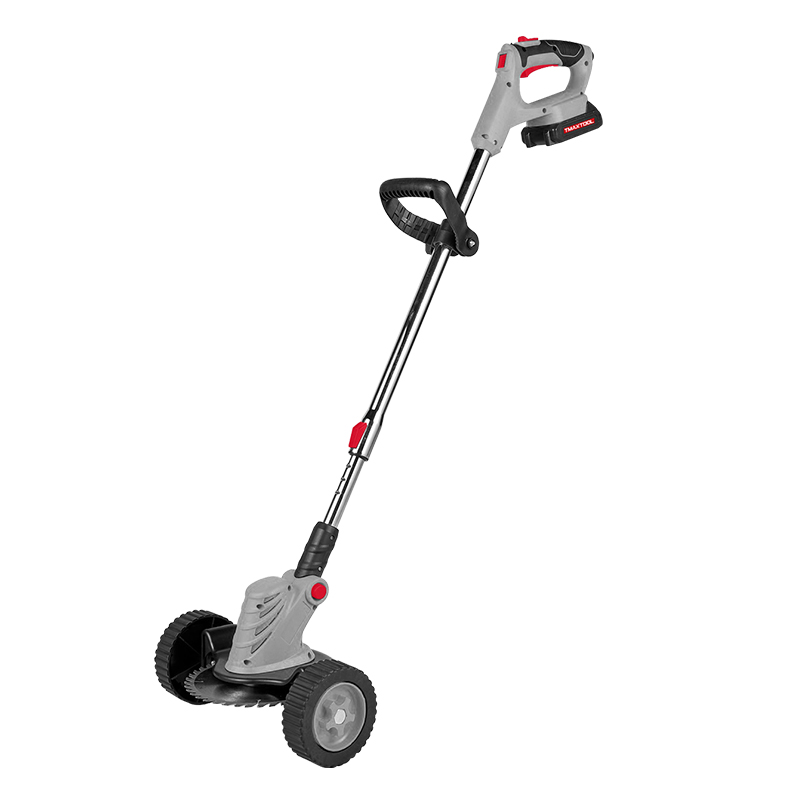 Battery Brush Cutter
 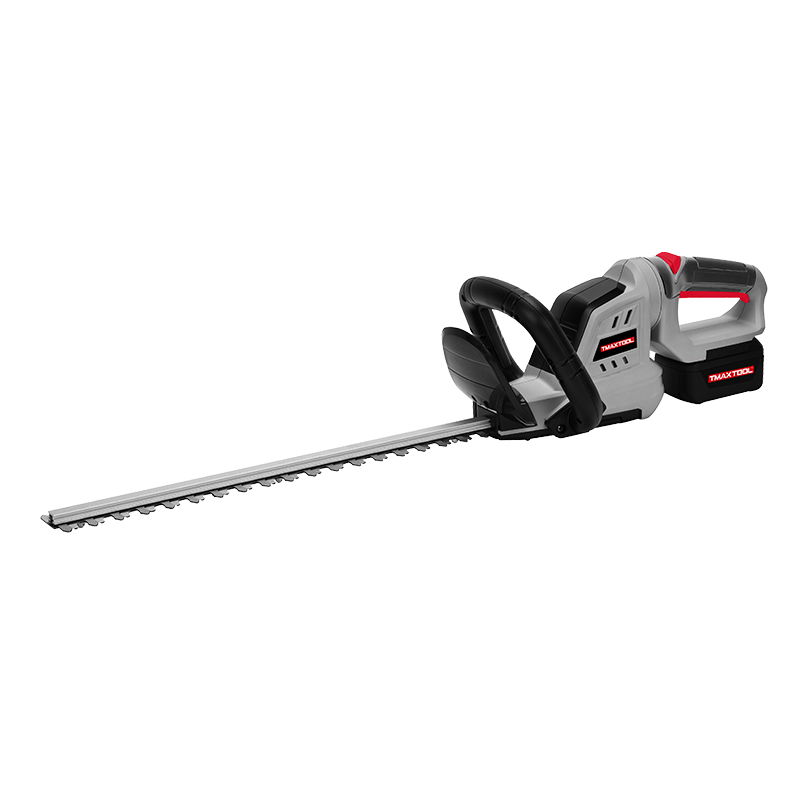 Battery Hedge Trimmer
 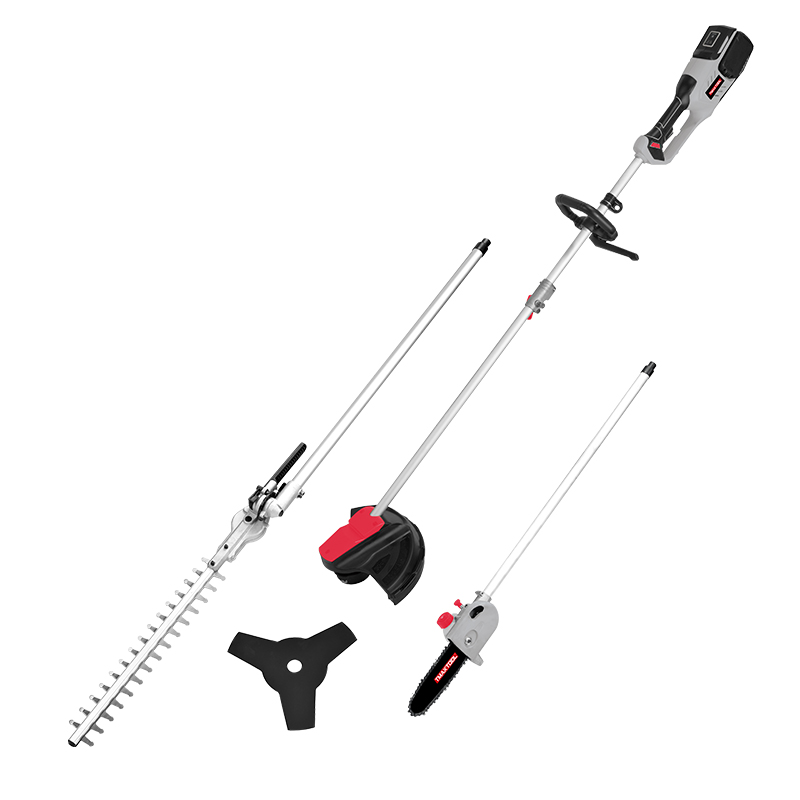 Battery Multi Tool
 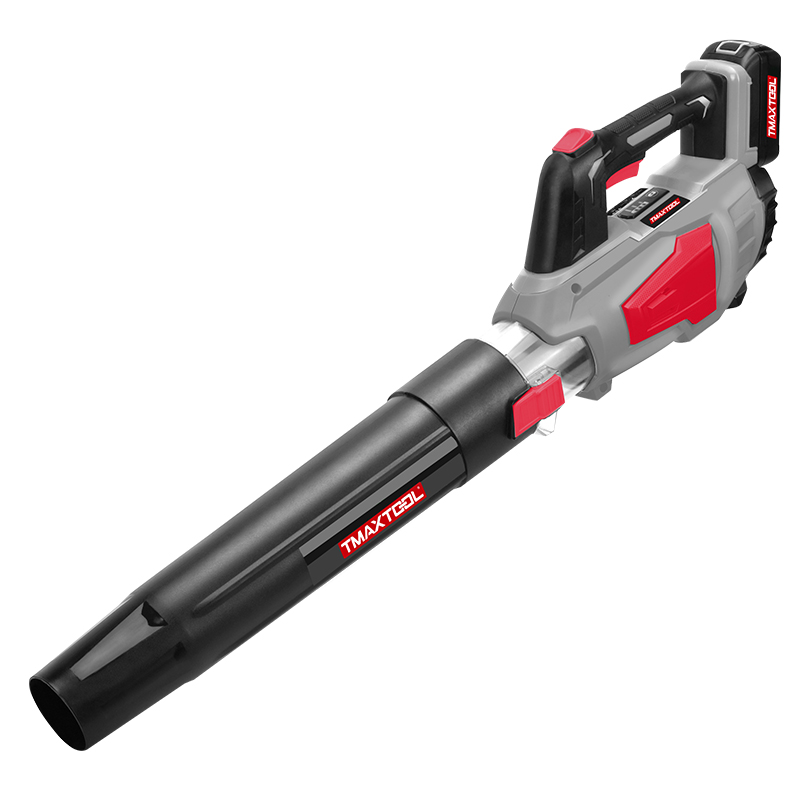 Battery Blower
 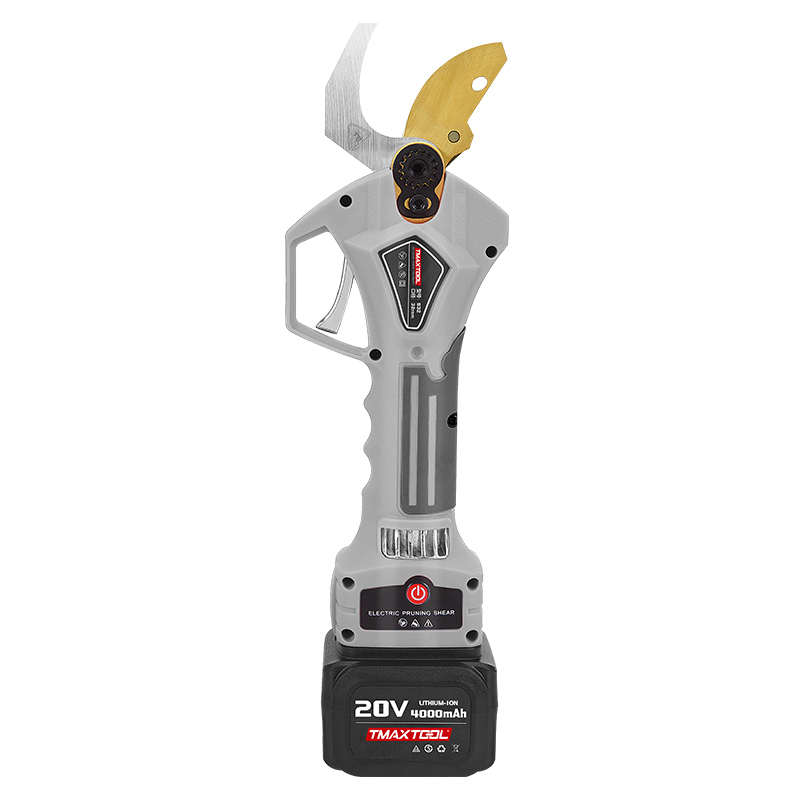 Batter Pruning Shears
 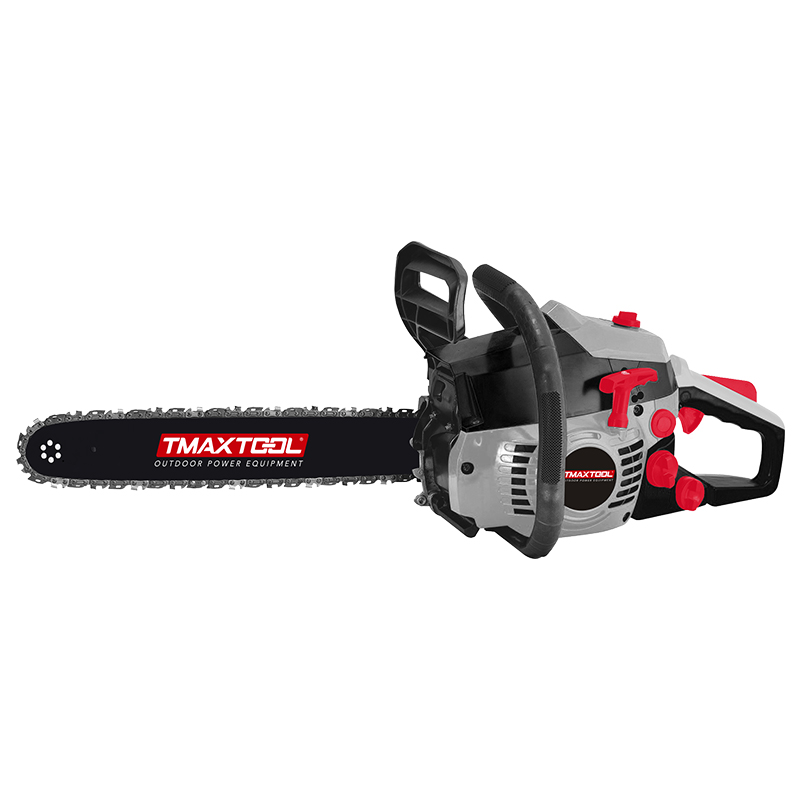 Chain Saw
 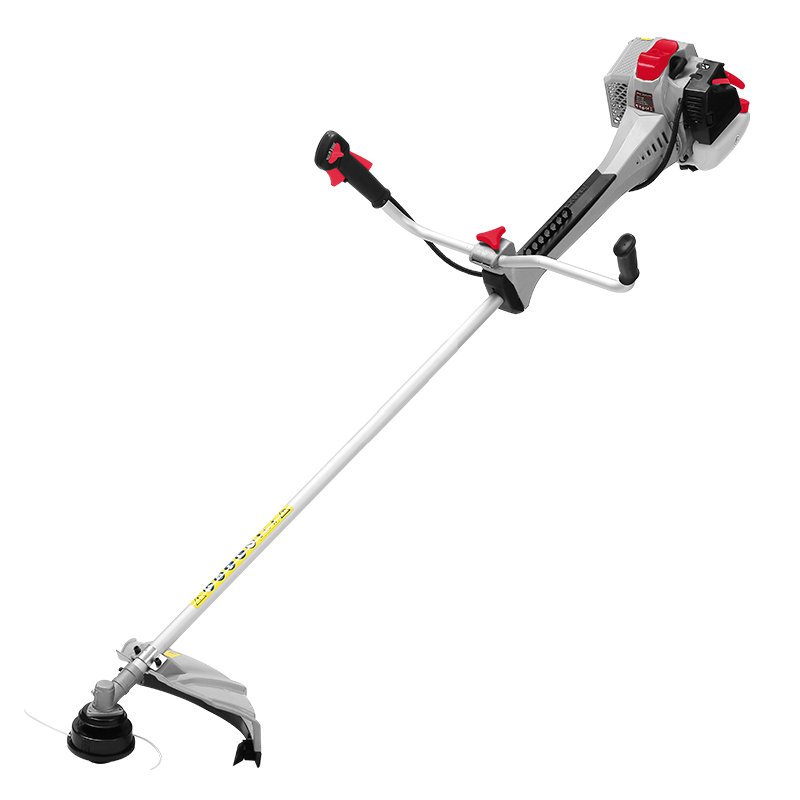 Brush Cutter
 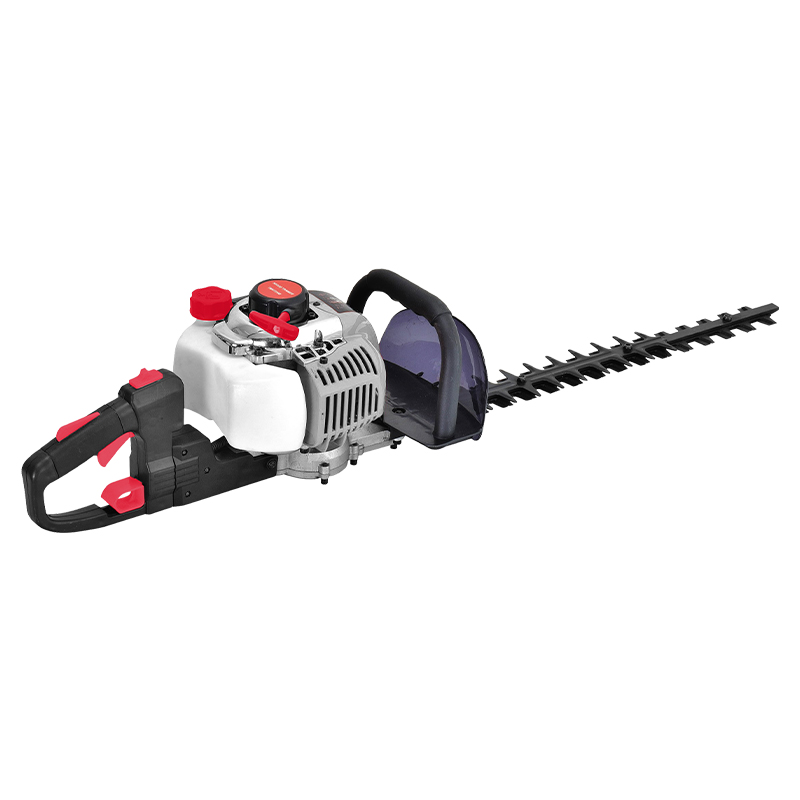 Hedge Trimmer
 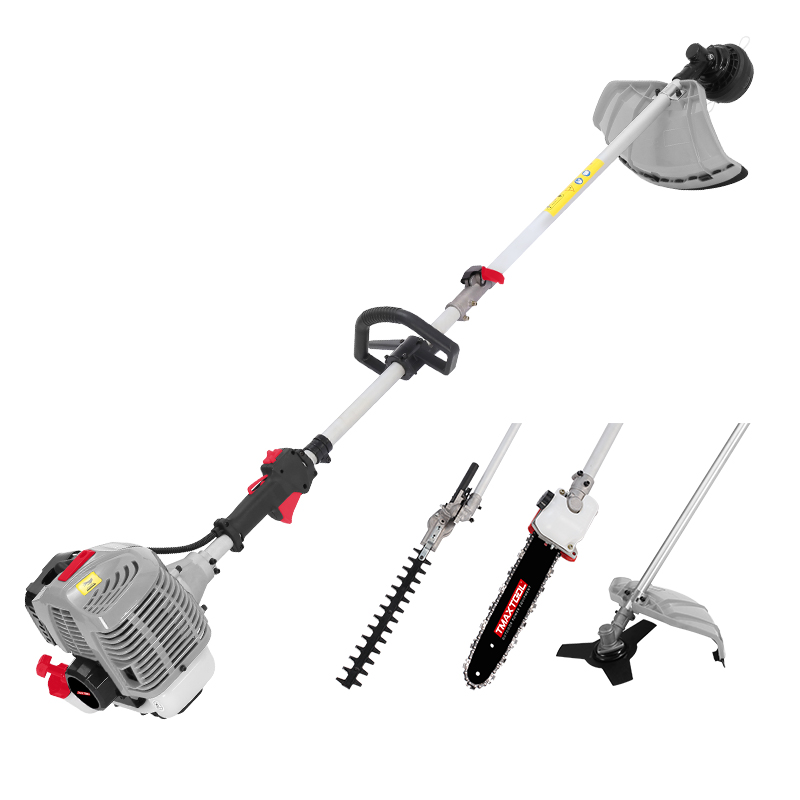 Multi Tool
 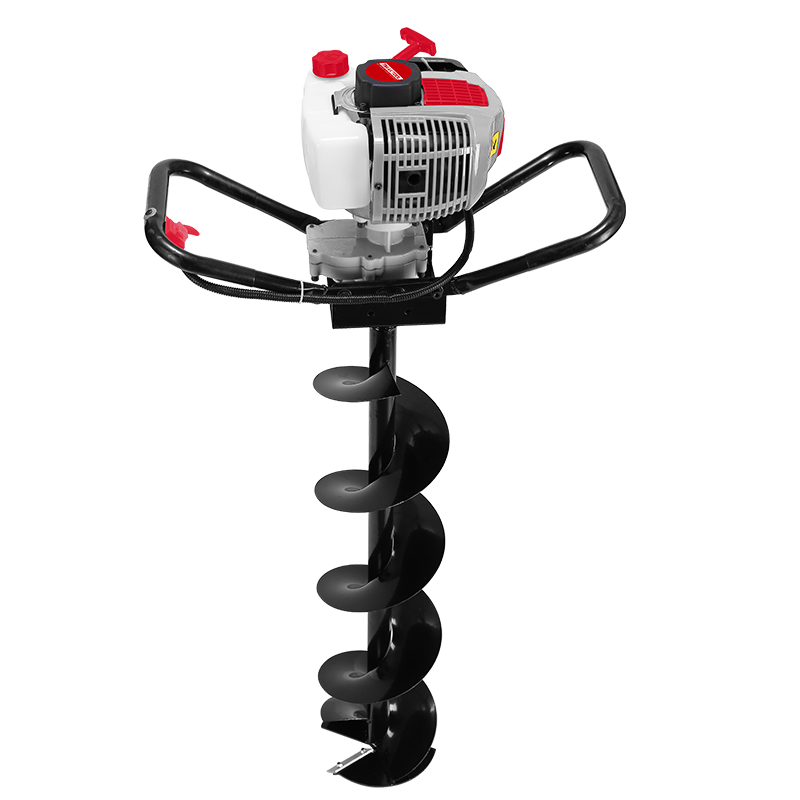 Earth Auger
 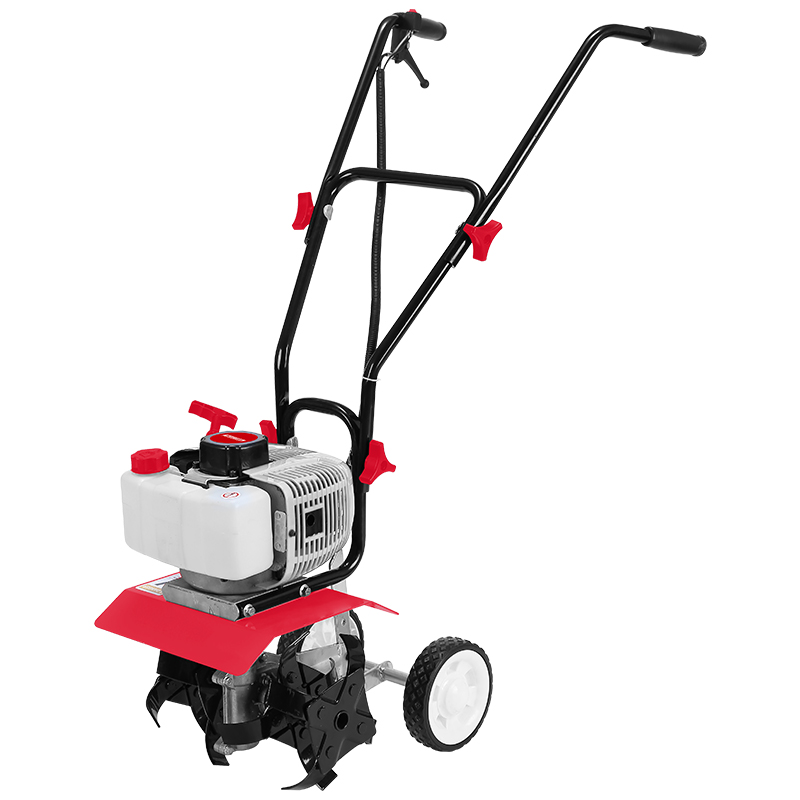 Tiller
 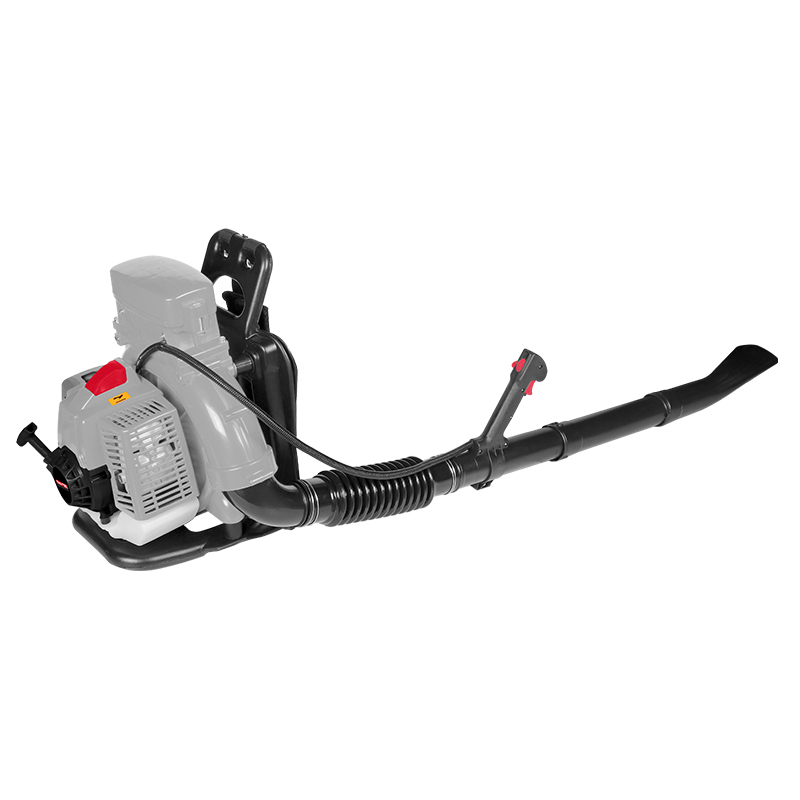 Blower
 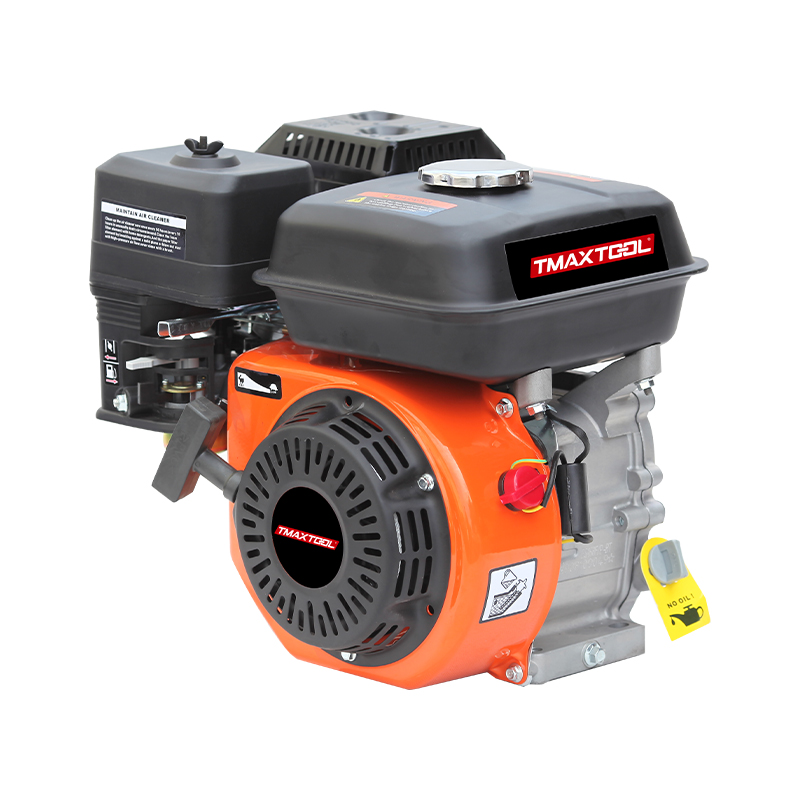 4 Stroke Gasoline Engine
 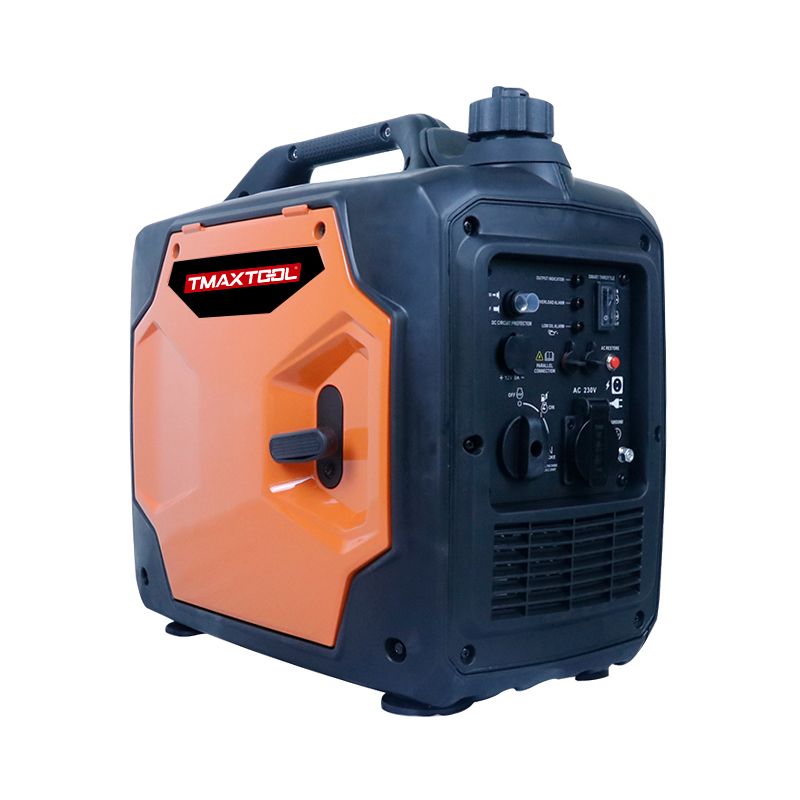 Generator
 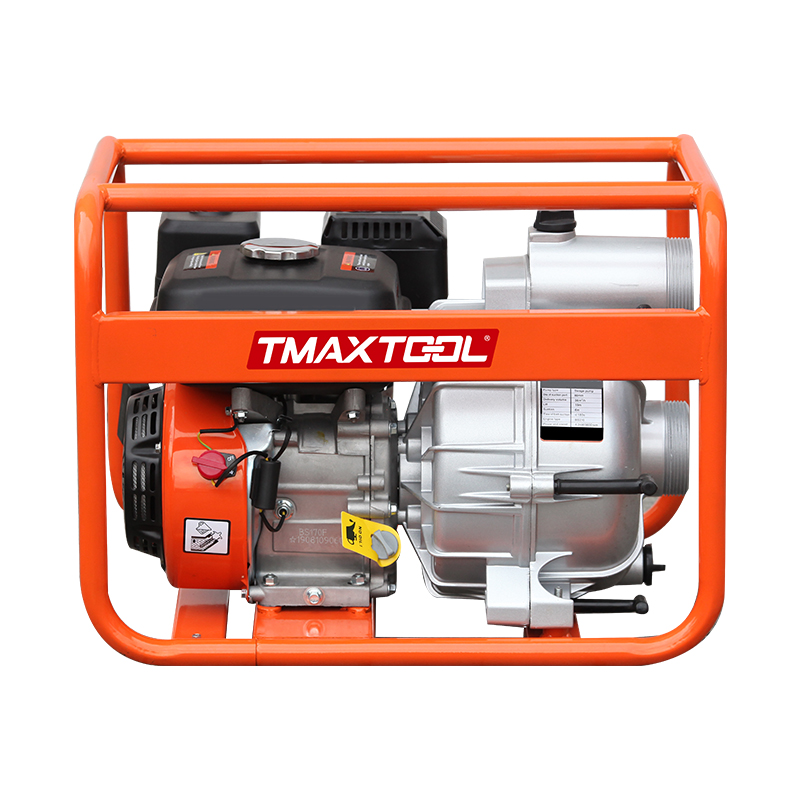 Water Pump
 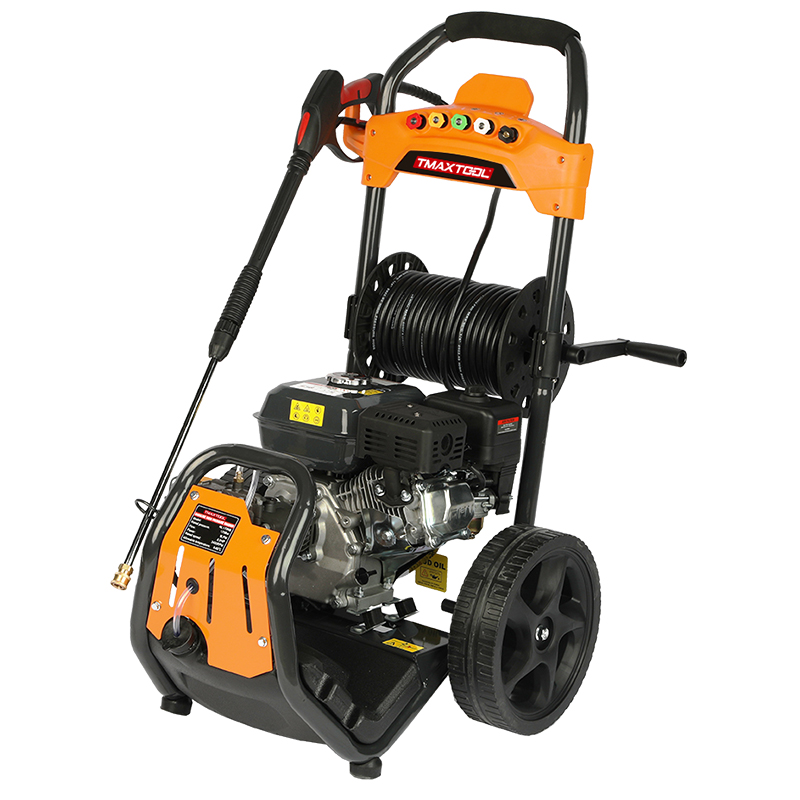 High Pressure Washer
 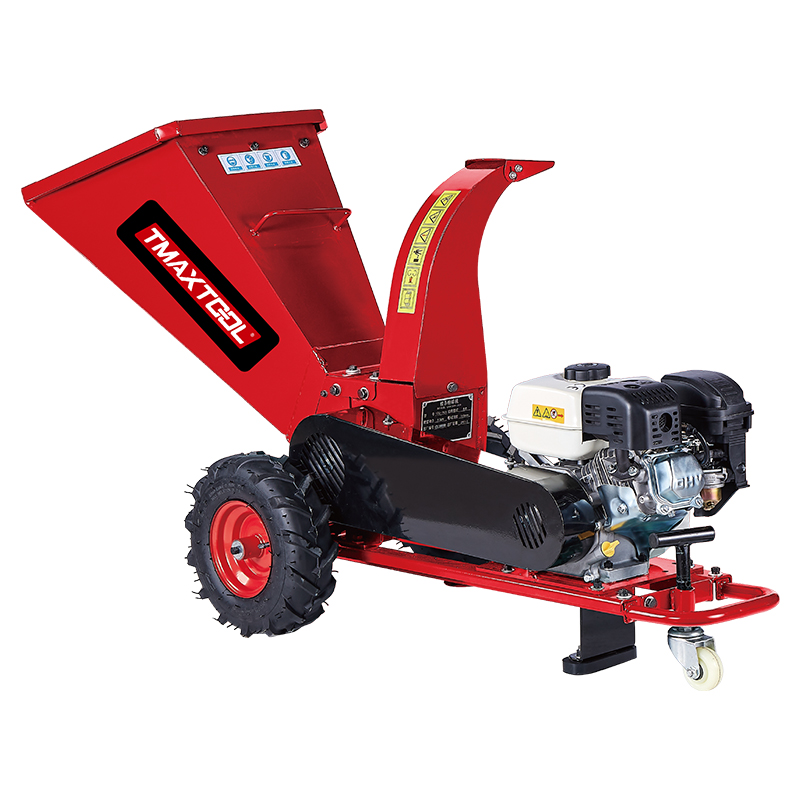 Wood Cutter
 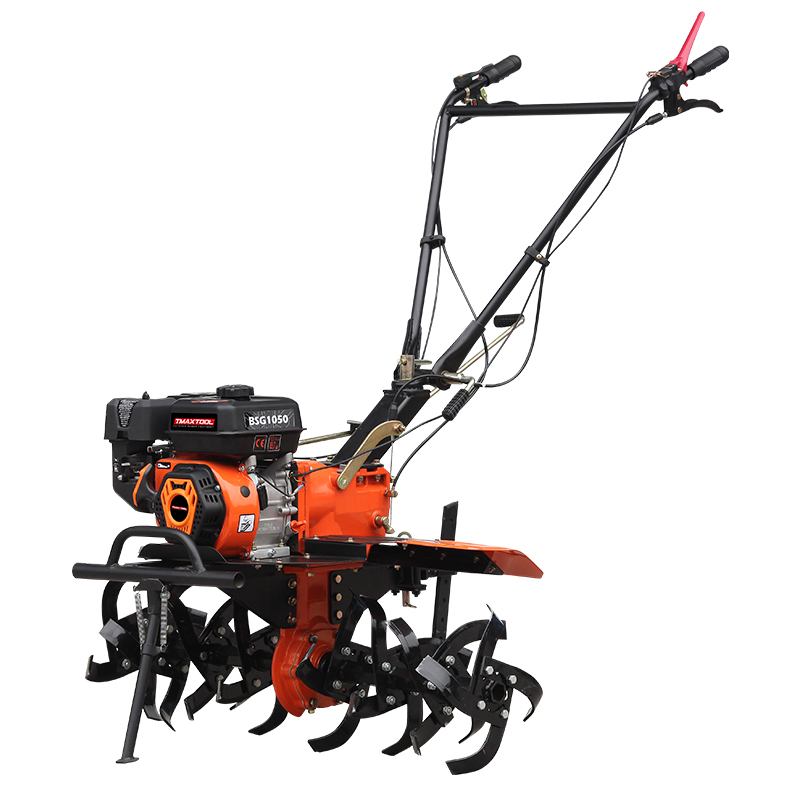 4 Stroke Tiller
 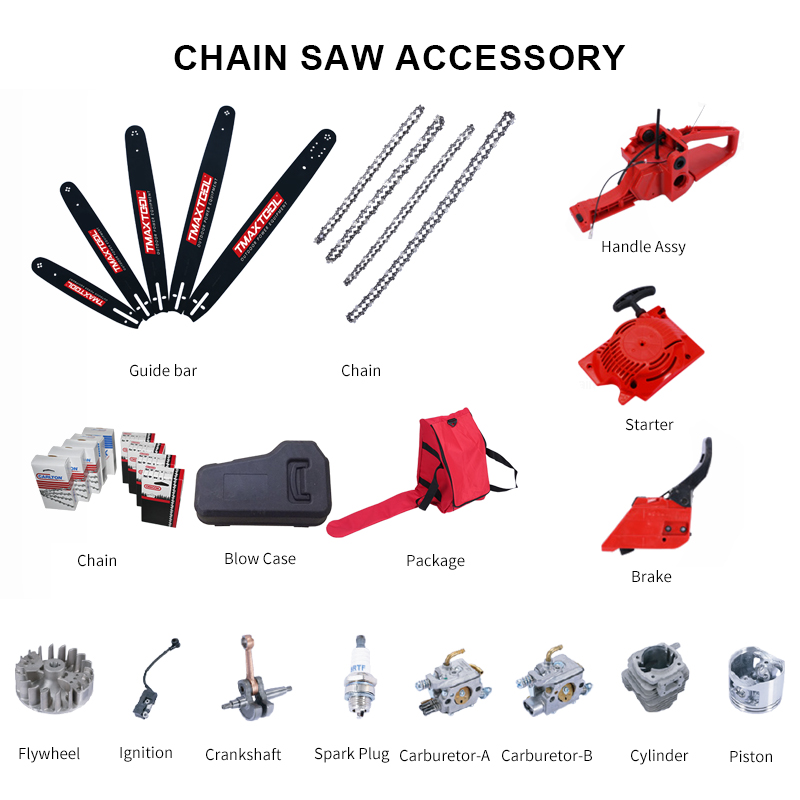 Chain Saw Accessory
 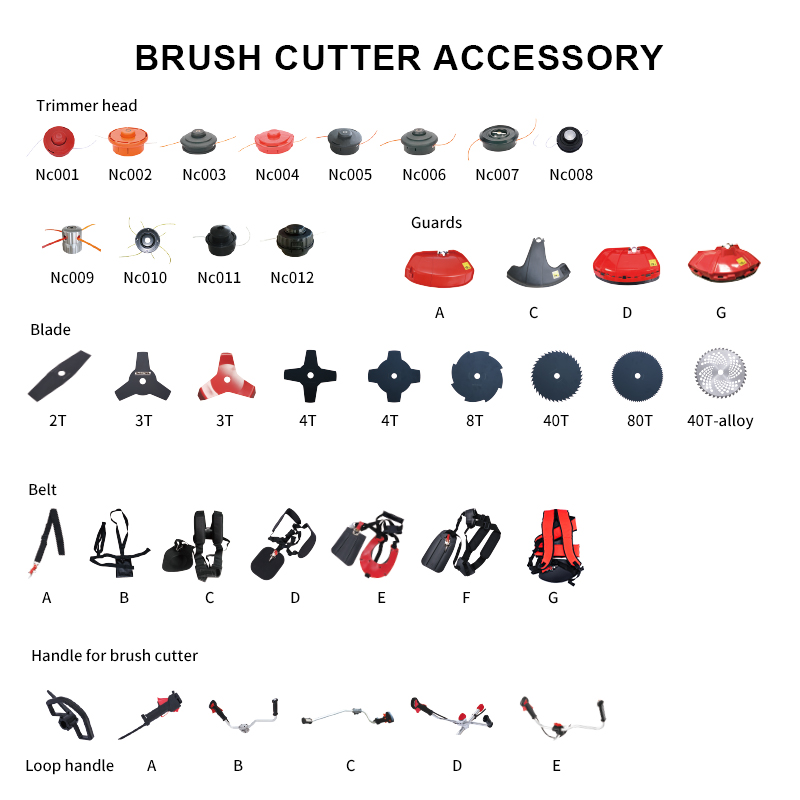 Brush Cutter Accessory
 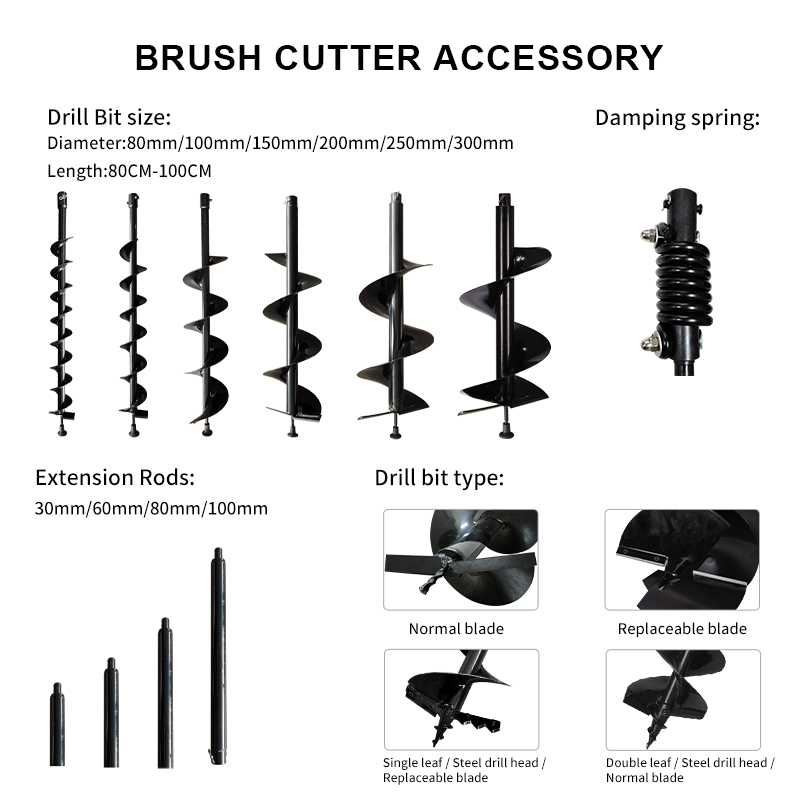 Earth Auger Accessory
 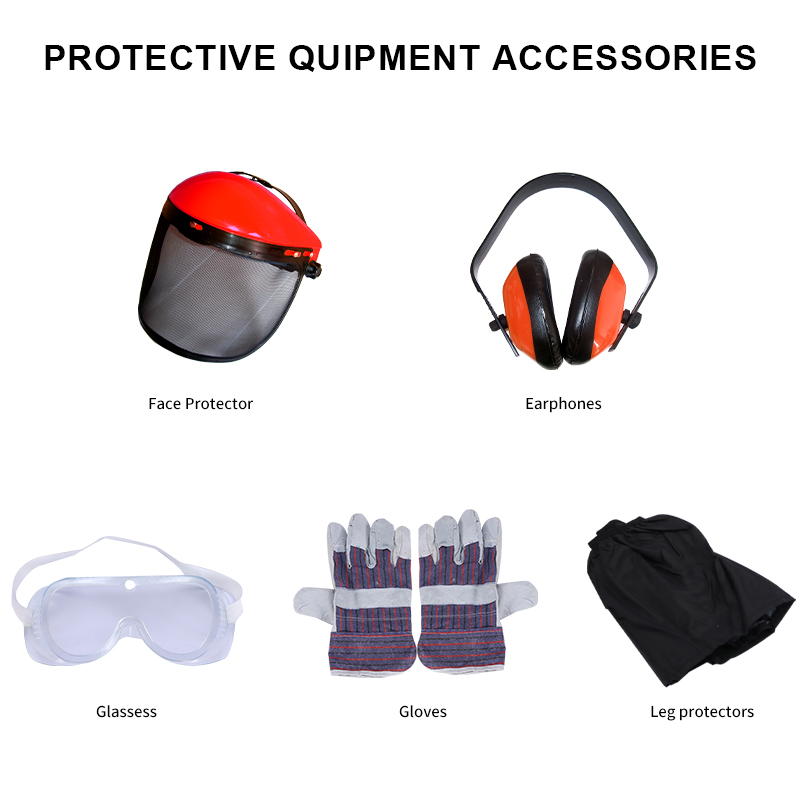 Protective Equipment Accessories
Leave Your Message


Power Tools Bulk Order Quality Control Guide
Power Tools Bulk Order Quality Control Guide: A Practical Framework for Global Distributors
For distributors, hardware retailers, and industrial procurement teams, placing a bulk order for power tools is one of the most consequential decisions you will make. Unlike single-unit retail purchases, bulk orders involve significant capital investment, long supply chain lead times, and direct impact on your brand reputation in the local market. A single quality failure in a container-sized shipment can translate into thousands of returned units, warranty claims that erode your margins, and customer relationships that take years to rebuild.
This guide provides a practical, step-by-step framework for quality control in power tools bulk procurement—from supplier evaluation and sample testing to production monitoring and post-delivery verification. Drawing on established manufacturing standards and real-world practices from TMAX Tool, a professional power tools manufacturer with over 15 years of industry experience and exports to more than 50 countries worldwide, we will walk through what international buyers should look for at every stage of the bulk ordering process.

Why Quality Control in Bulk Orders Demands a Different Approach
When you buy power tools in bulk, you are not purchasing a handful of units you can test individually. You are committing to an entire production run—often hundreds or thousands of identical units—that will be shipped, warehoused, and sold through your distribution network. The cost of discovering a quality issue after delivery is exponentially higher than catching it before production begins.
For this reason, professional buyers treat quality control as a system, not a single inspection. The system spans four critical phases: supplier qualification, pre-production sample evaluation, in-process production monitoring, and post-production verification. Each phase serves as a quality firewall, and skipping any one of them introduces unnecessary risk into your supply chain.
Phase One: Supplier Qualification – Evaluating the Factory Behind the Brand
Before you even request a sample, you need to assess whether the manufacturer has the fundamental capability to deliver consistent quality at scale. This is where many buyers make their first mistake—choosing based on price or catalog presentation rather than production reality.
Manufacturing vs. Trading: Why It Matters
One of the first questions to ask is whether you are dealing with an actual OEM manufacturer or a trading company. An OEM manufacturer owns and operates production lines, controls raw material sourcing, and manages assembly, testing, and quality assurance in-house. A trading company, by contrast, sources finished goods from various factories and acts as a middleman.
For bulk orders, the difference is substantial. Manufacturers provide direct factory pricing, full customization support, direct oversight of production quality, and transparent lead times. Trading companies offer convenience for small, mixed-item purchases but cannot offer the same level of control or cost transparency. When you are scaling a power tools business, partnering directly with a manufacturer gives you stability that a trading company simply cannot match.
Production Capacity and Stability
A manufacturer's production capacity directly affects their ability to fulfill bulk orders consistently. Look for documented capacity metrics: number of production lines, monthly output, annual capacity, and on-time delivery rates. TMAX Tool, for example, operates 10+ production lines with a monthly capacity exceeding 30,000 units and an annual output of up to 15 million units. Their production pass rate and on-time delivery rate both consistently exceed 98%—metrics that indicate a mature, stable operation capable of handling sustained bulk production without quality degradation or delivery delays.
Quality Management Systems and Certifications
Certifications are not just paperwork—they are evidence that a manufacturer follows standardized processes. International buyers should look for ISO 9000 quality management certification, which indicates a structured approach to quality control. BSCI social compliance certification demonstrates attention to labor standards and ethical production. RoHS compliance confirms that products meet environmental regulations regarding hazardous substances. CE certification is essential for European market access.
TMAX Tool holds multiple international certifications including ISO 9000, BSCI, RoHS, and CE, with all products backed by a 12-month warranty and a customer complaint rate maintained below 3%. These credentials provide buyers with documented assurance that the factory operates to recognized international standards.
Phase Two: Sample Evaluation – Testing Before You Commit
Once you have qualified a manufacturer, the next step is to evaluate product samples thoroughly. This is not a formality—it is your most important quality firewall. A properly evaluated sample reveals whether the manufacturer can deliver what they promise and whether their production standards match your market requirements.
Visual and Structural Inspection
Begin with a detailed physical examination. Check for uniform color, smooth surfaces, and the absence of burrs, flow marks, or deformation. Test shell rigidity—a firm grip with no noticeable flex or creaking indicates quality materials and proper assembly. Ensure tight, gap-free fitting between housing parts.
Open the tool to inspect internal components if possible. Look for neat wiring, secure connectors, and no loose parts. Check the spindle and gearbox for stability and the absence of abnormal axial movement. The switch should have smooth action with clear feedback—no sticking or lag. Protective guards and flanges should be solid, easy to adjust, and secure when locked.
Safety and Compliance Verification
Safety is non-negotiable for power tools. Your sample must demonstrate essential safety features appropriate to the tool type. For Angle Grinders, this includes effective protective guard design, double insulation or reliable grounding, anti-restart function to prevent accidental startup after power recovery, and stable spindle lock for safe disc replacement.
Ask the supplier to provide safety test reports matching your regional standards and certifications such as CE, GS, EMC, or UKCA as applicable. TMAX angle grinders, for example, are built in line with global safety requirements and supported by complete certification documentation. This documentation is not optional—it is essential for customs clearance and market access.
Performance and Durability Testing
The true quality of a power tool reveals itself under load. Conduct a no-load test by running the tool continuously for 8 to 10 minutes, checking for stable speed, normal noise levels, and the absence of excessive vibration or overheating. Test under load with representative materials to evaluate cutting, grinding, or driving performance. Check thermal behavior—the tool should not overheat during sustained operation.
For cordless tools, pay particular attention to battery performance and compatibility. A unified battery platform across tools within the same voltage tier reduces end-user accessory costs and simplifies your inventory management.
Ergonomics and User Experience
Power tools are used by professionals who handle them for hours at a time. Evaluate grip comfort, weight balance, and trigger placement. A tool that feels awkward or tiring to use will not sell well, regardless of its technical specifications.
Phase Three: In-Process Production Monitoring – Maintaining Quality at Scale
Once you approve samples and place a bulk order, quality control shifts to production monitoring. This is the phase where many buyers lose visibility—and where quality problems can develop unnoticed.
Understanding the Manufacturer's Quality Control System
A professional manufacturer should have documented quality inspection procedures integrated throughout the production cycle. TMAX Tool, for instance, implements 20 comprehensive quality inspection processes across its chainsaw production line. These span raw material entry (material composition verification, dimensional accuracy pre-inspection, supplier qualification verification), core component machining (real-time monitoring of machining precision, hardness testing, tensile strength testing), and final assembly.
This level of process integration is what separates professional manufacturers from low-cost producers. It eliminates potential problems at the source rather than relying on final inspection to catch defects.
Digital Production Management
Modern manufacturing facilities use digital systems to track quality in real time. A digitized intelligent factory with real-time quality defect statistical tracking allows manufacturers to identify and correct issues immediately. Production pass rates, completion rates, and defect rates can be monitored continuously.
TMAX Tool operates a 15,000-square-meter digital production workshop equipped with sophisticated processing equipment, automated assembly lines, and a comprehensive quality control system. This digital infrastructure ensures that even small-batch customized orders—with a minimum order quantity as low as 50 pieces—receive the same production standards and quality inspection processes as large orders.
Third-Party Inspection Options
For high-value bulk orders, many international buyers engage third-party inspection services to verify quality before shipment. This provides an independent layer of quality assurance and can be particularly valuable when building a relationship with a new supplier. Discuss inspection protocols and access arrangements with your manufacturer during contract negotiation.
Phase Four: Post-Delivery Verification – Confirming What Arrived
Even with rigorous pre-production and in-process controls, it is good practice to verify a sample from the delivered shipment against your approved sample. This confirms that the production run matched the quality standard you approved.
Receiving Inspection
When the shipment arrives, inspect a statistically meaningful sample. Check packaging integrity, labeling accuracy, and product condition. Run functional tests on a sample of units to confirm they perform to the same standard as your pre-production sample. Verify that certifications, manuals, and compliance documentation are complete and accurate.
Warranty and After-Sales Support
A strong warranty protects your business after the sale. Look for a clear warranty policy—typically 12 months for power tools—with defined replacement rules, fast technical support, and accessible spare parts. TMAX Tool provides a 12-month warranty for all products, with 24-hour fast response for inquiries and two-hour rapid feedback for order and production issues.

Order Flexibility and Lead Time Considerations
Quality control cannot be separated from supply chain practicality. Even the best quality tools are worthless if they arrive too late for your sales season.
Minimum Order Quantities and Trial Orders
Flexible MOQ policies allow buyers to test new markets or seasonal items without overcommitting capital. TMAX Tool Sets a low 50-piece starting MOQ for most core SKUs, allowing first-time importers to place trial bulk orders without overstock pressure. This flexibility is particularly valuable for small and medium-sized wholesalers who need to balance inventory investment with cash flow.
Lead Times and Delivery Reliability
Standard bulk order lead times typically range from 30 to 45 days. Sample lead times are generally faster—around 7 days. On-time delivery rates above 98% indicate a manufacturer with reliable production scheduling and supply chain management.
TMAX Tool sets 30 days as the conventional order lead time and 45 days for customized bulk orders, with strict on-time delivery management. This predictability allows distributors to plan inventory and cash flow with confidence.
Common Quality Pitfalls in Bulk Power Tools Procurement
Based on industry experience, several quality issues recur in bulk power tools procurement. Being aware of these can help you build better evaluation criteria.
Inconsistent Batch Quality
This is the most common complaint among bulk buyers. Samples may be excellent, but production batches vary. The solution is to verify that the manufacturer has documented quality control procedures applied consistently across all production runs—not just for samples.
Incomplete or Incorrect Certification Documentation
Missing or incorrect certification documents can delay customs clearance, trigger inspections, or result in penalties. Always verify that certification documentation matches the specific products you are ordering and the markets you are shipping to.
Packaging and Labeling Errors
In bulk orders, packaging and labeling errors are surprisingly common. Incorrect voltage markings, missing safety warnings, or inadequate packaging that leads to in-transit damage can all create problems at the retail level. Include packaging and labeling specifications in your quality control checklist.
Component Substitution
Some manufacturers may substitute lower-cost components during production to protect margins. This is why in-process monitoring and post-delivery verification are essential—they catch substitutions before they reach your customers.
Building a Long-Term Quality Partnership
The most successful bulk buyers treat their manufacturer relationships as long-term partnerships rather than transactional purchases. This approach yields better quality outcomes because manufacturers invest more in relationships they expect to continue.
Clear Communication of Requirements
Provide your manufacturer with detailed specifications, quality expectations, and compliance requirements upfront. Ambiguity invites interpretation—and interpretation often leads to quality gaps.
Regular Quality Reviews
Schedule periodic reviews of quality metrics with your manufacturer. Discuss complaint rates, return reasons, and improvement opportunities. TMAX Tool, for example, maintains customer complaint rates below 3% and uses this data to drive continuous improvement.
Collaborative Problem-Solving
When quality issues arise—and they will, occasionally—approach them as collaborative problems to solve rather than confrontations. Manufacturers who view you as a partner are more willing to invest in solutions that protect your mutual interests.
Conclusion
Quality control in power tools bulk procurement is not a single inspection—it is a system that spans supplier qualification, sample evaluation, production monitoring, and post-delivery verification. Each phase serves as a quality firewall, and each requires attention to detail and clear communication with your manufacturing partner.
Manufacturers like TMAX Tool demonstrate what professional bulk procurement should look like: documented quality management systems, multiple international certifications, transparent production capacity metrics, flexible order policies, and comprehensive after-sales support. Their digital production facilities, 20-point quality inspection processes, and 98%+ production pass rates provide the kind of documented quality assurance that international buyers should expect from any serious manufacturing partner.
Whether you are a first-time importer testing a new market or an established distributor scaling your product lines, applying this quality control framework will reduce your risk, protect your margins, and build the kind of reliable supply chain that keeps your customers coming back.
Email:info@tmaxtool.com
Whatsapp:+8613655793577