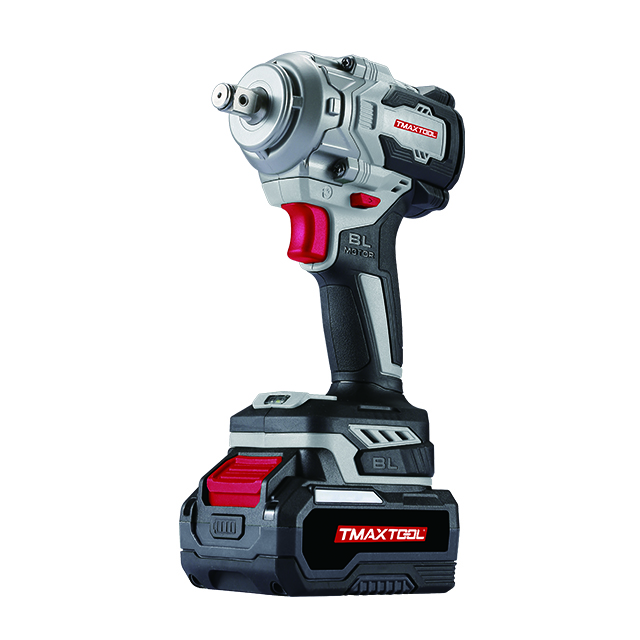
 Impact Wrench
 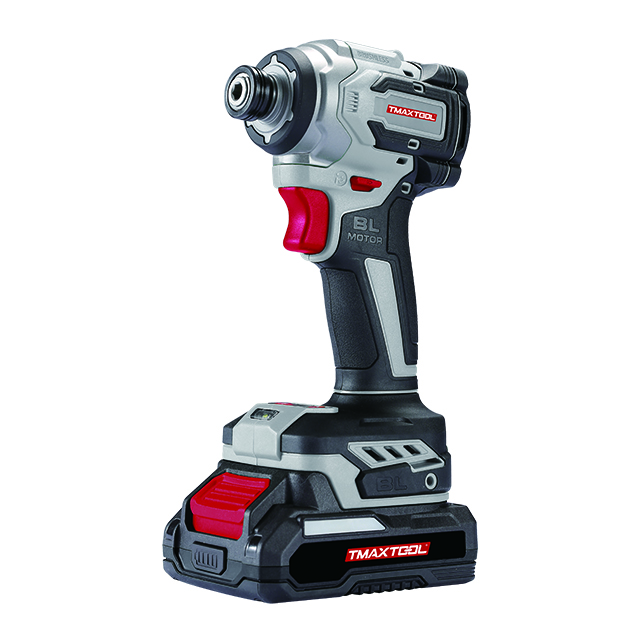 Screwdriver
 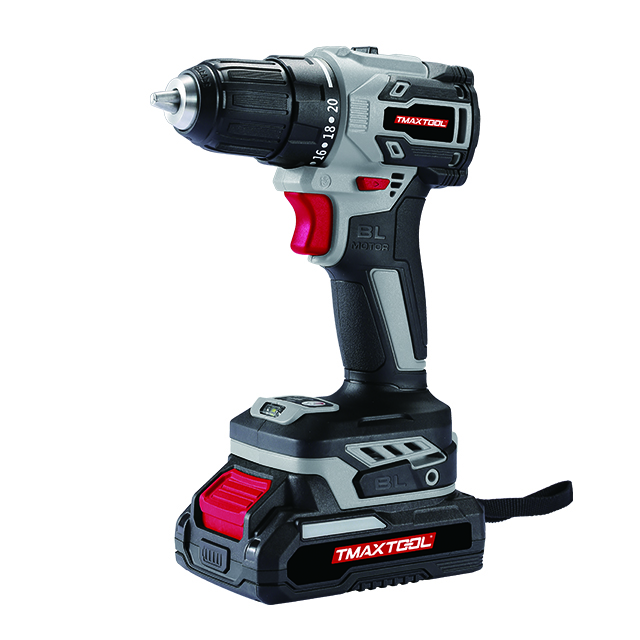 Cordless Drill
 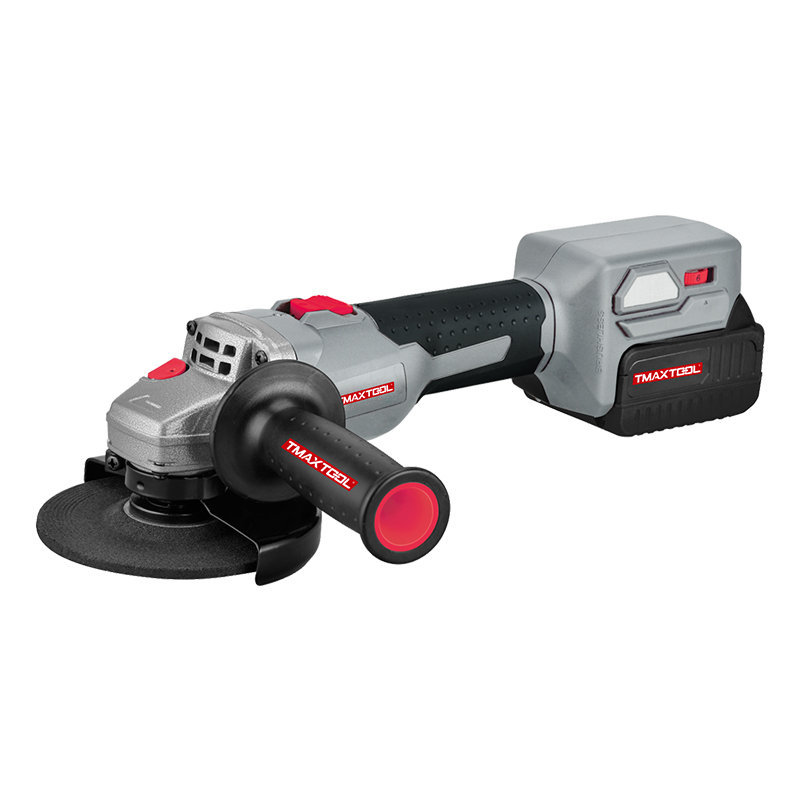 Angle Grinder
 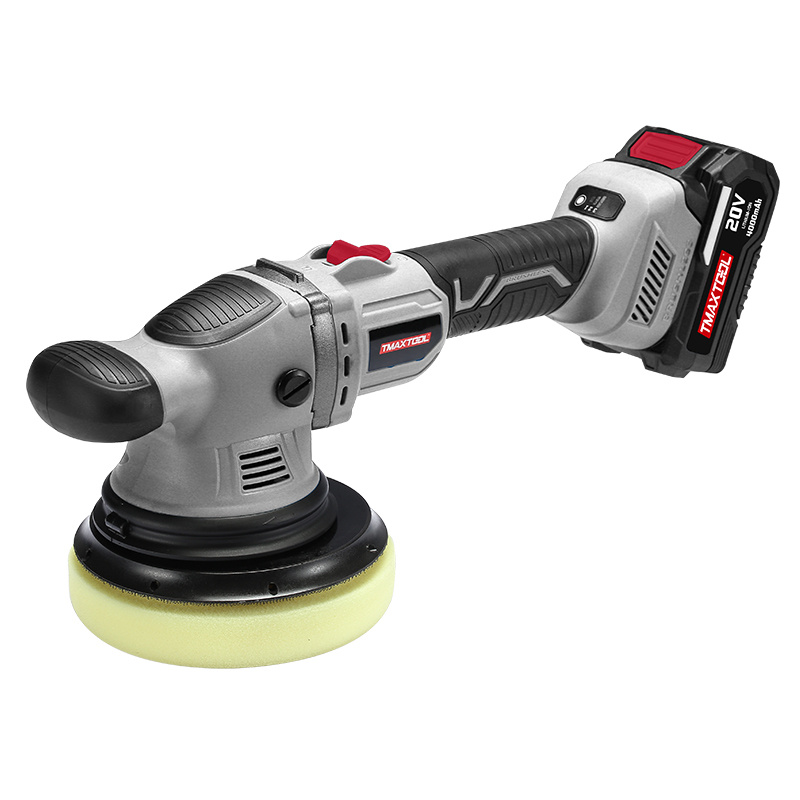 Polisher
 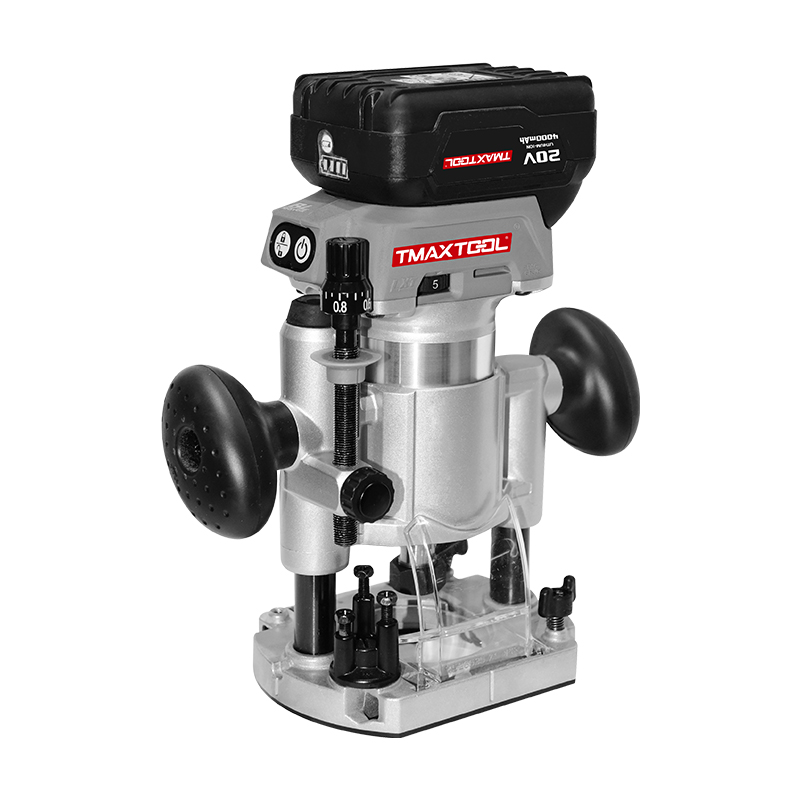 Wood Router
 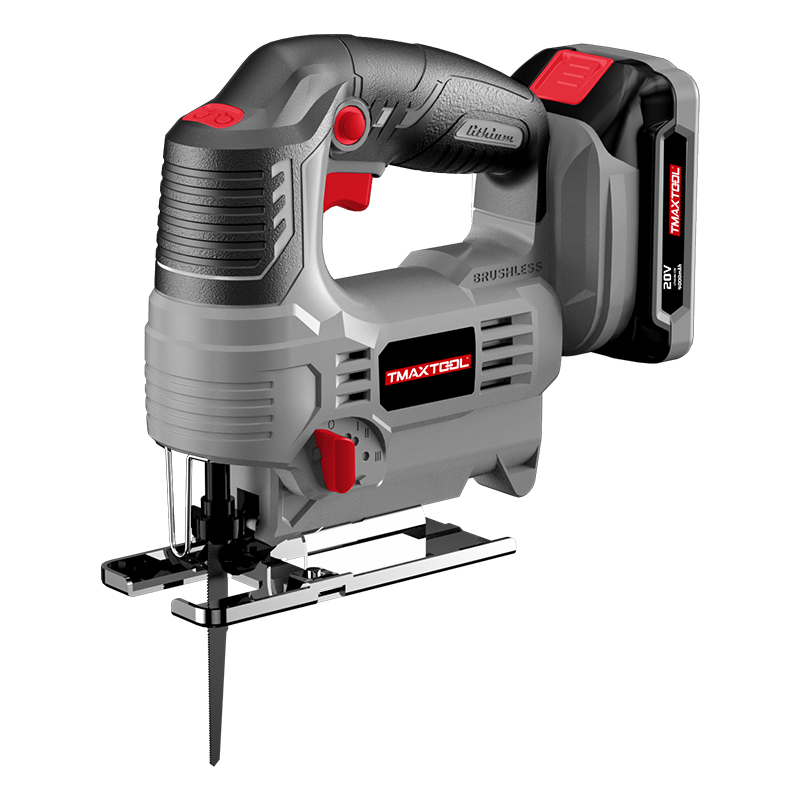 Jig Saw
  Hammer Drill
 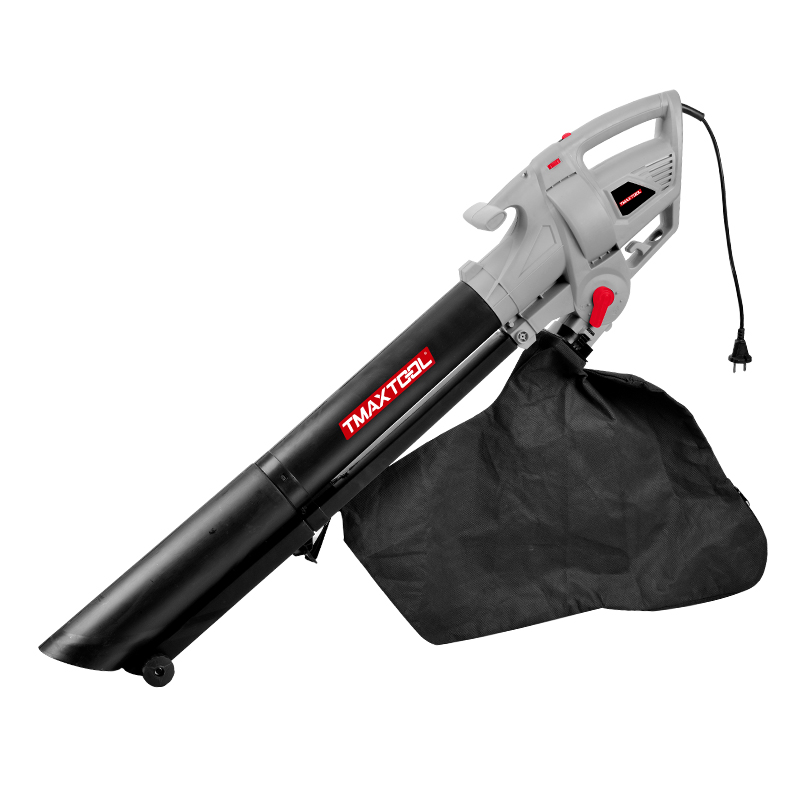 Portable Blower
  Orbital Sander
 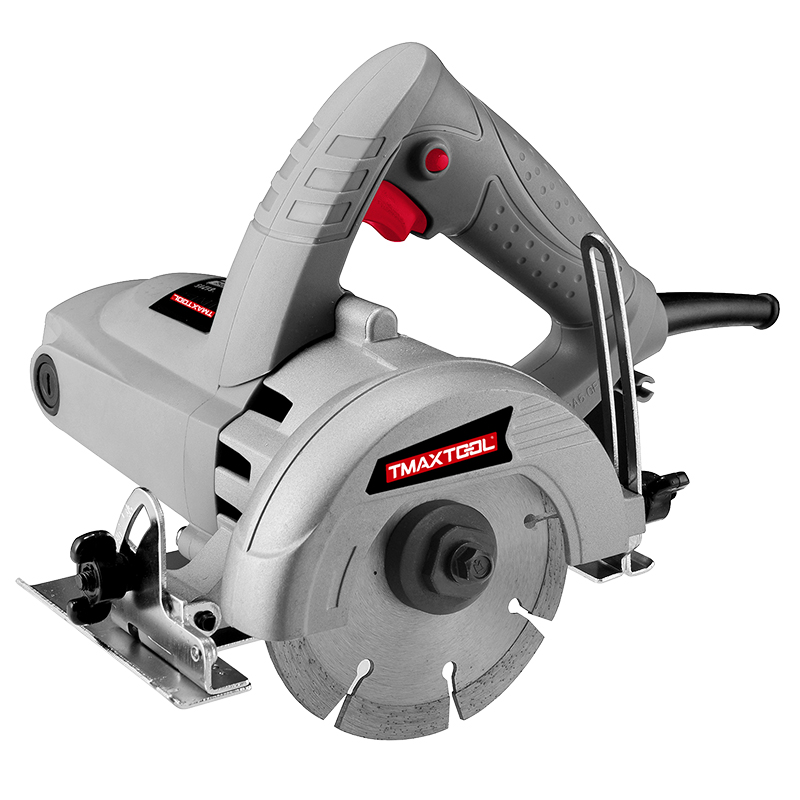 Marble Cutter
  GARDEN TOOLS
 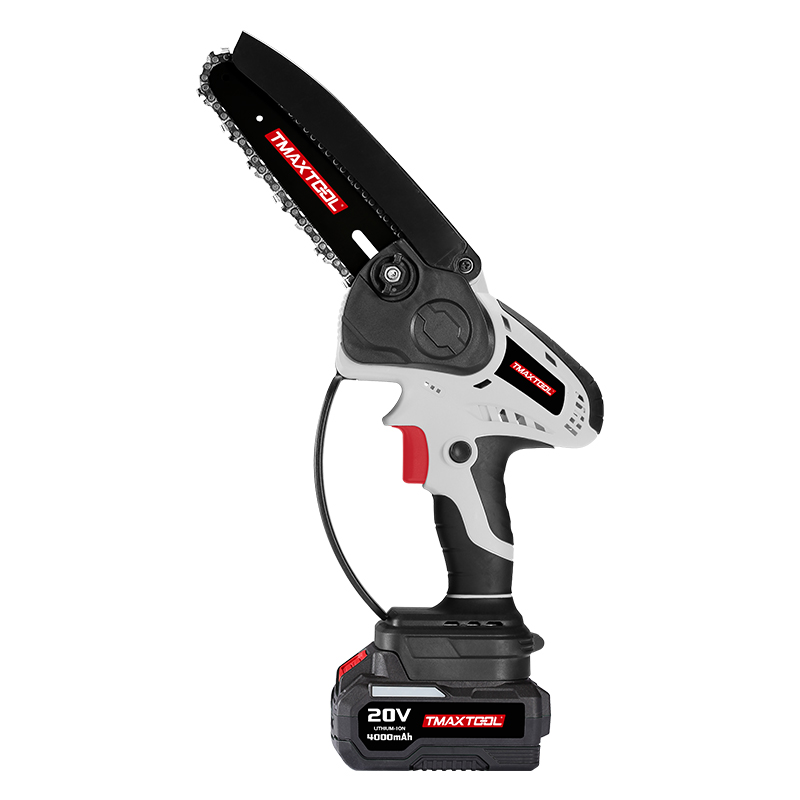 Battery Chain Saw
 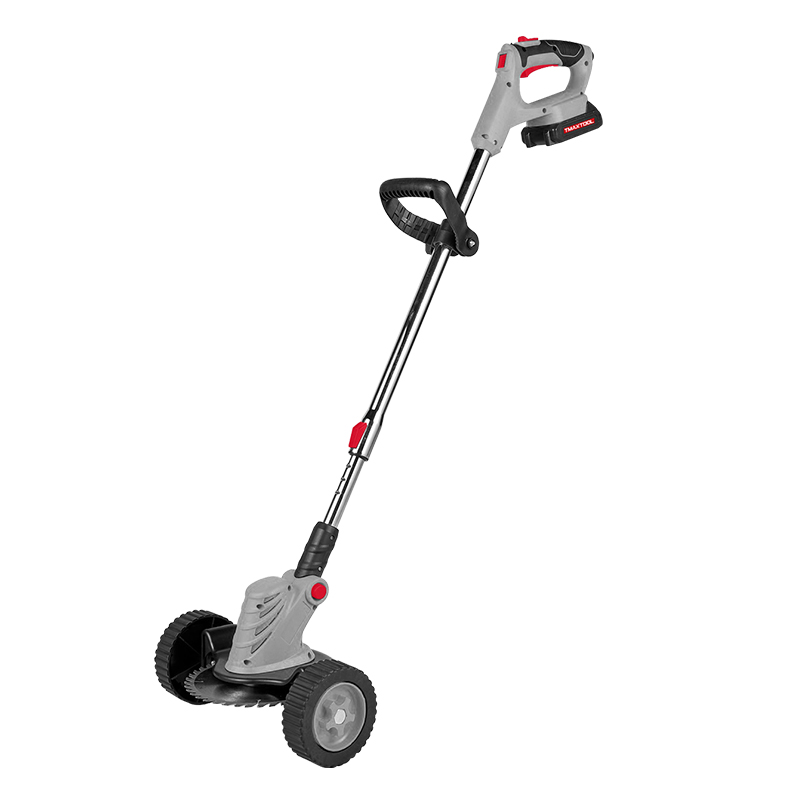 Battery Brush Cutter
 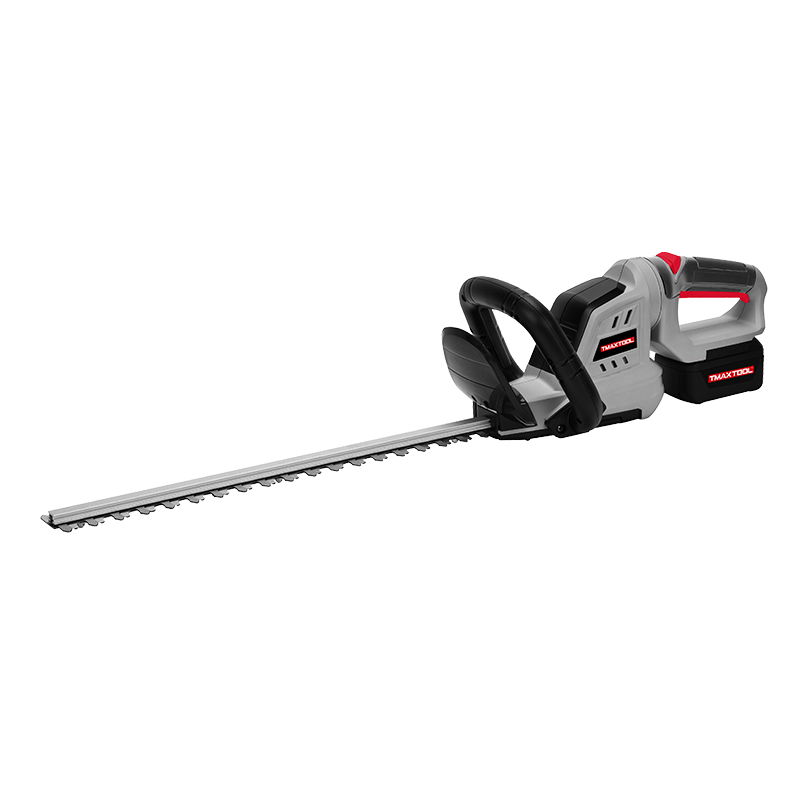 Battery Hedge Trimmer
 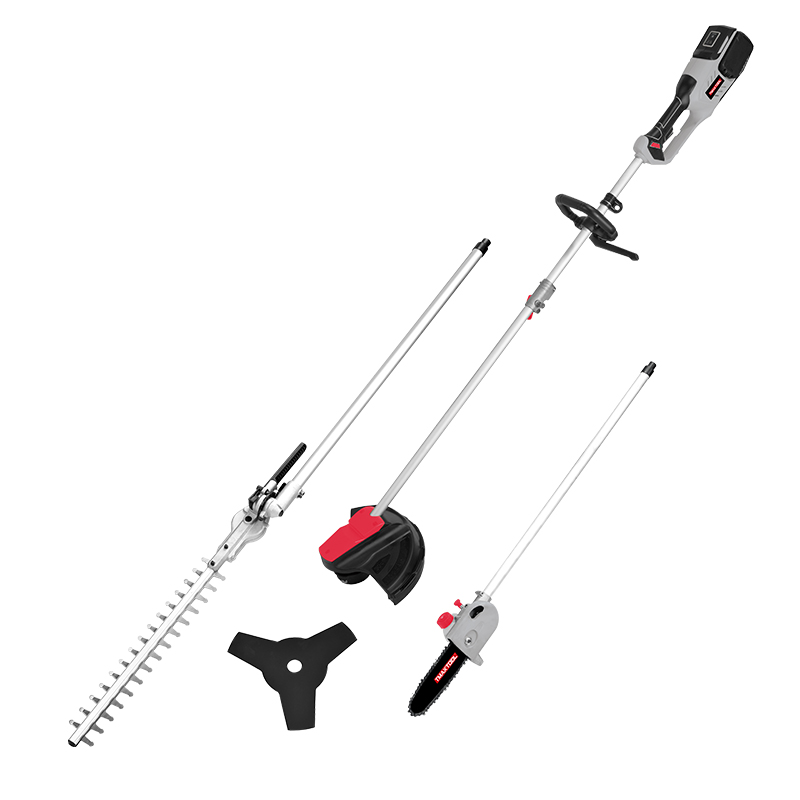 Battery Multi Tool
 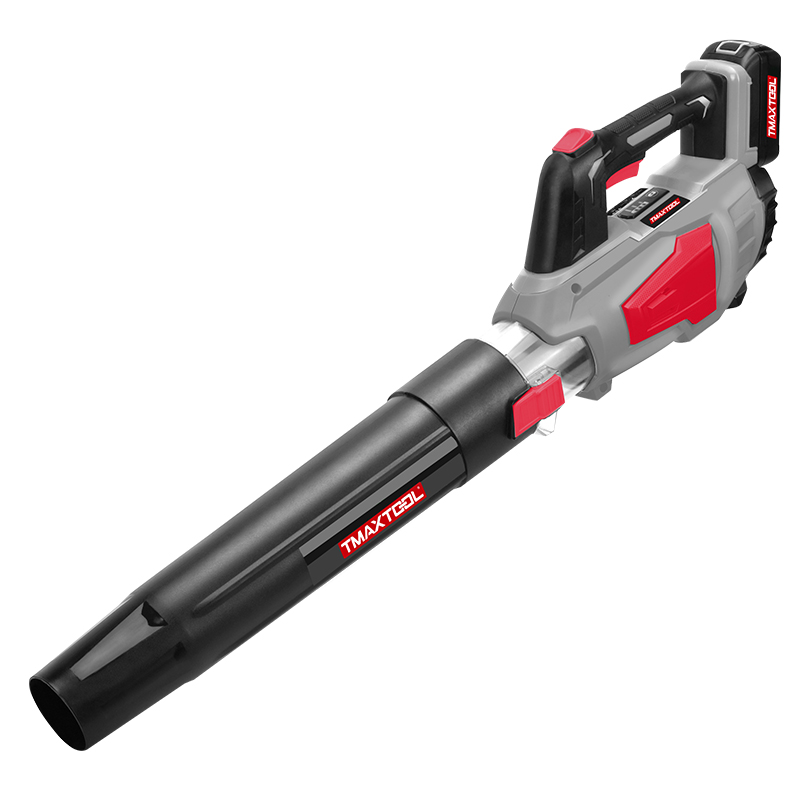 Battery Blower
 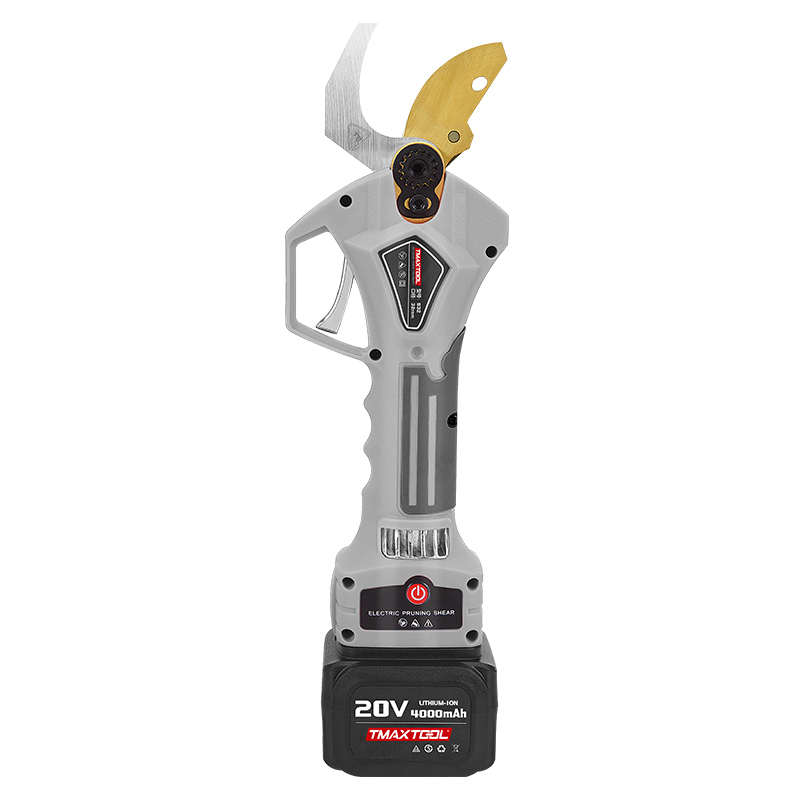 Batter Pruning Shears
 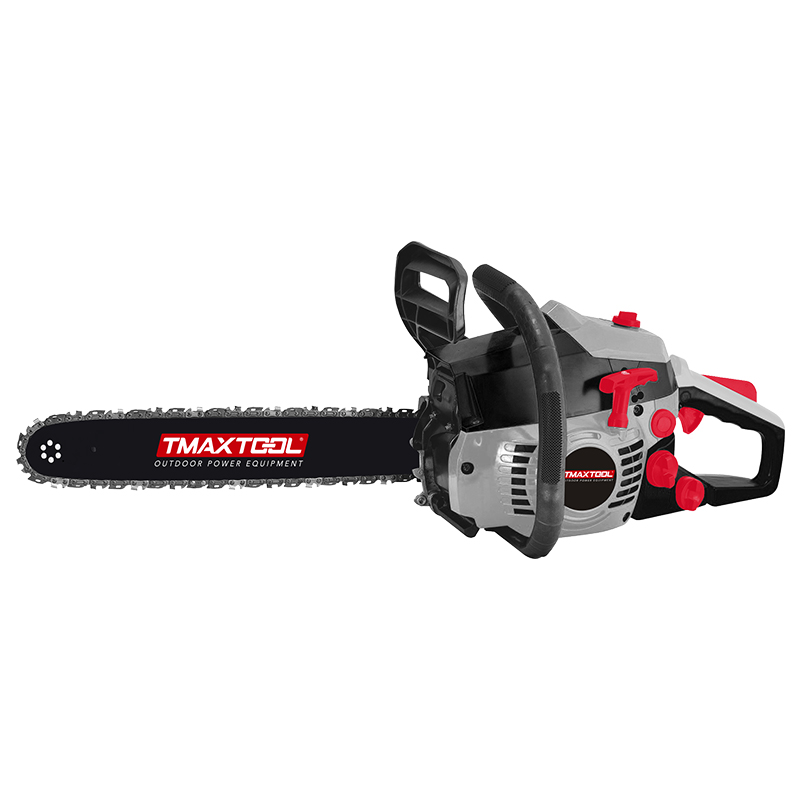 Chain Saw
  Brush Cutter
 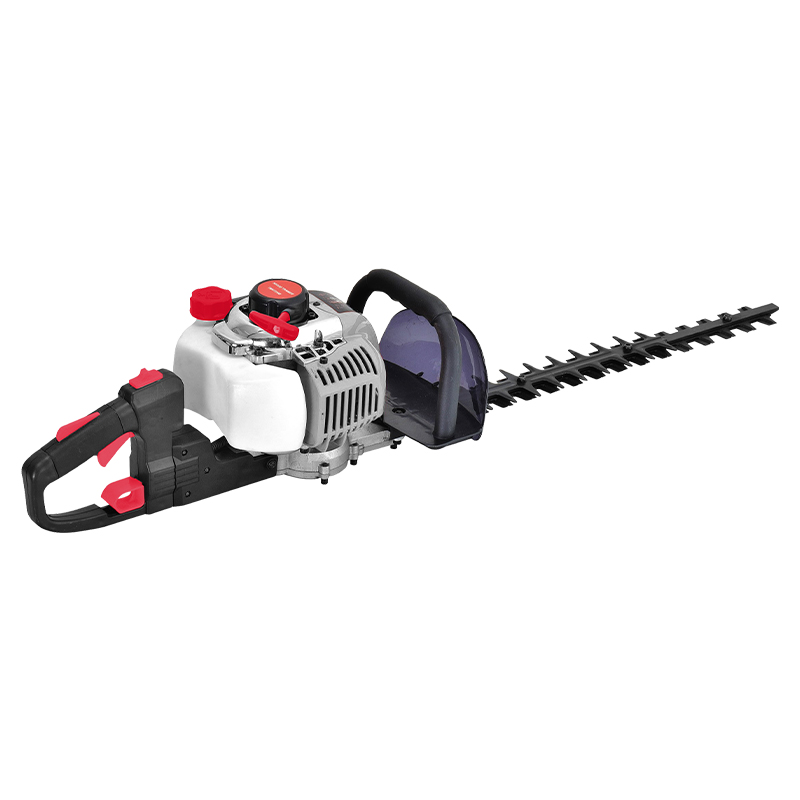 Hedge Trimmer
 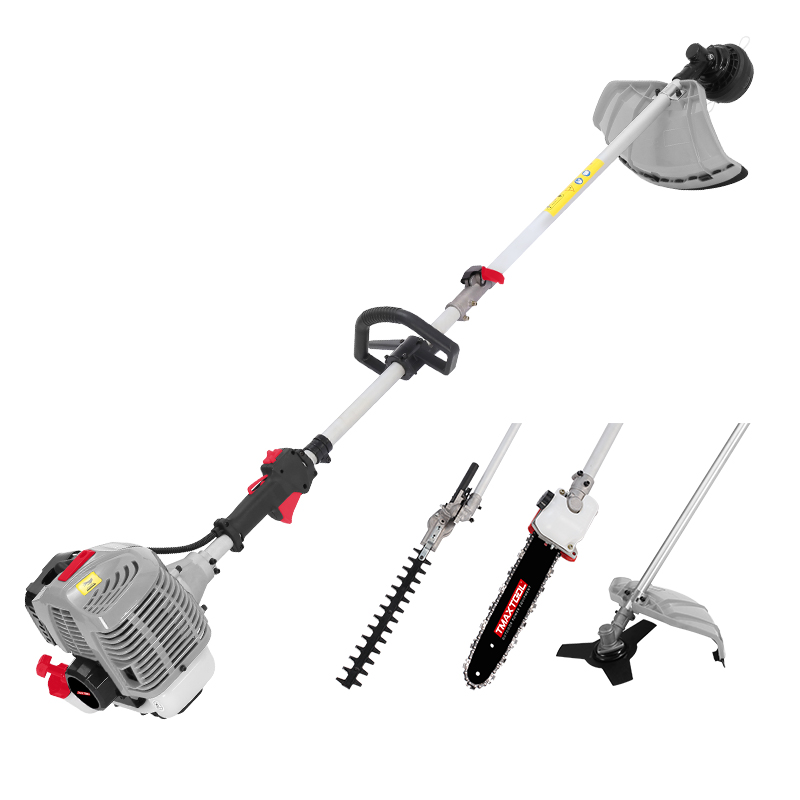 Multi Tool
 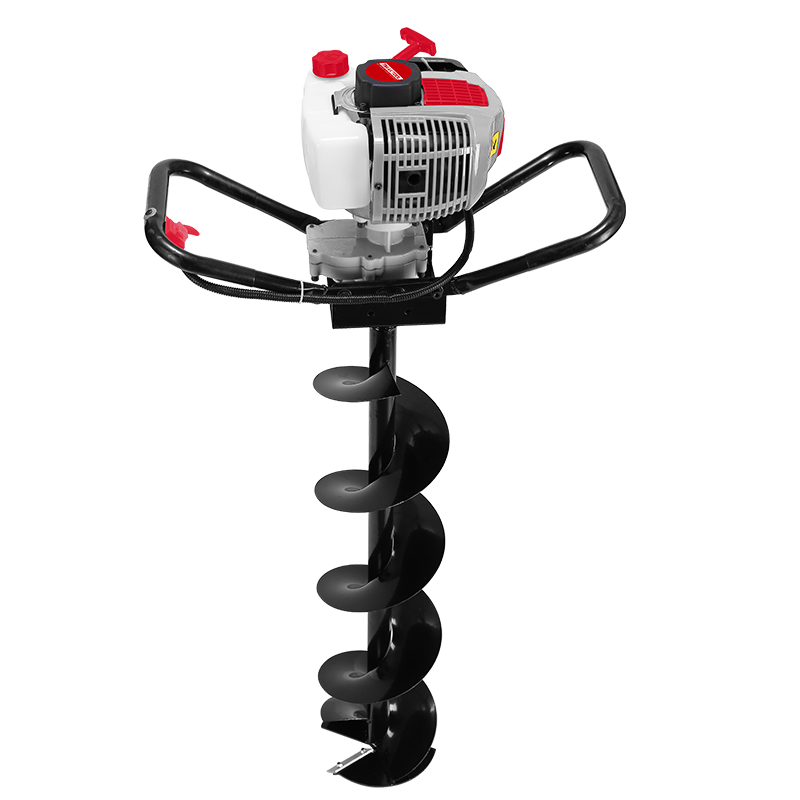 Earth Auger
  Tiller
  Blower
 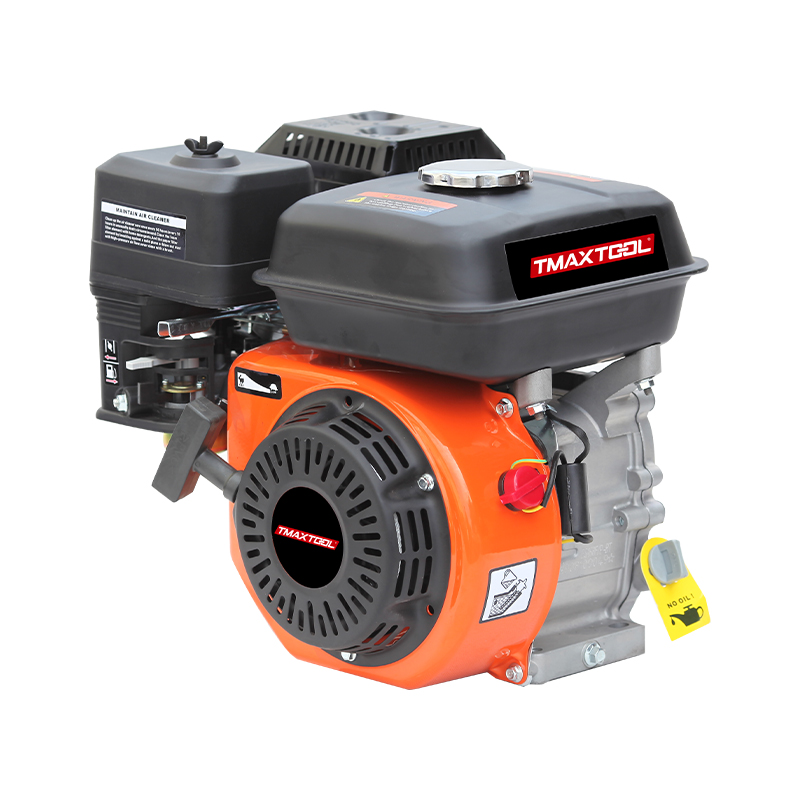 4 Stroke Gasoline Engine
 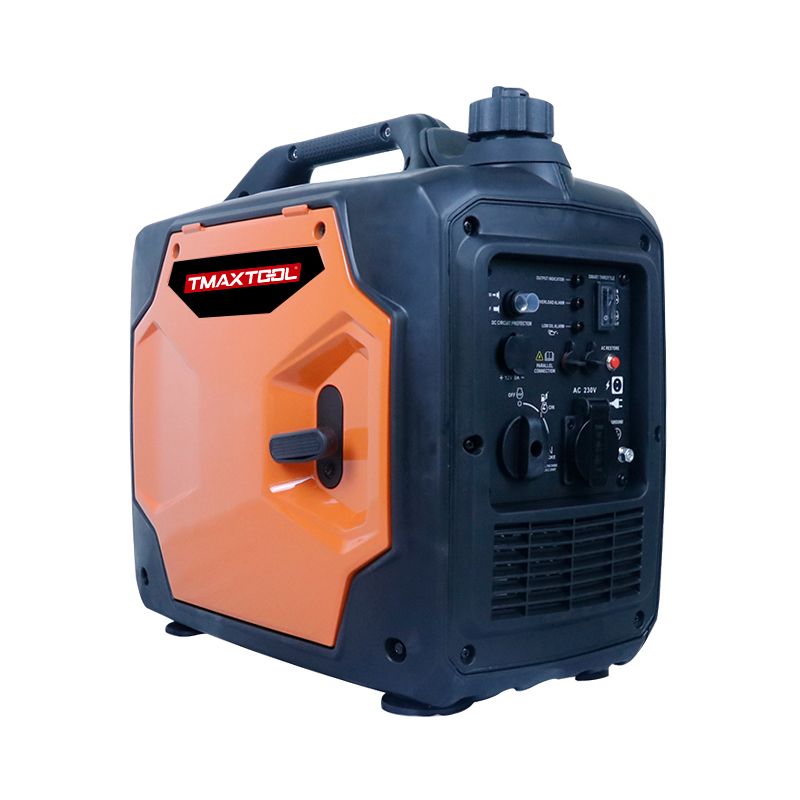 Generator
 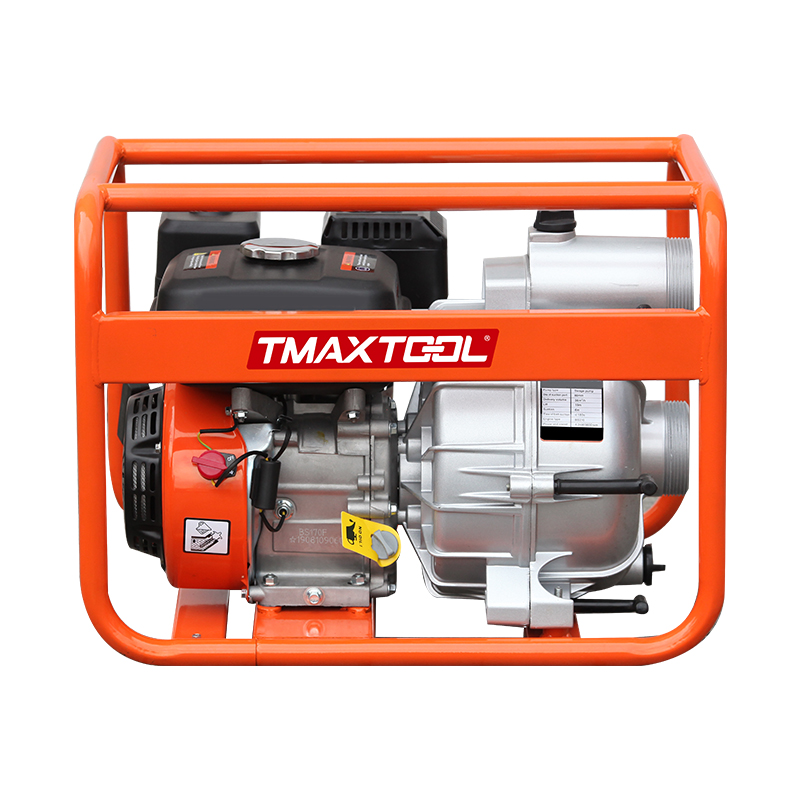 Water Pump
 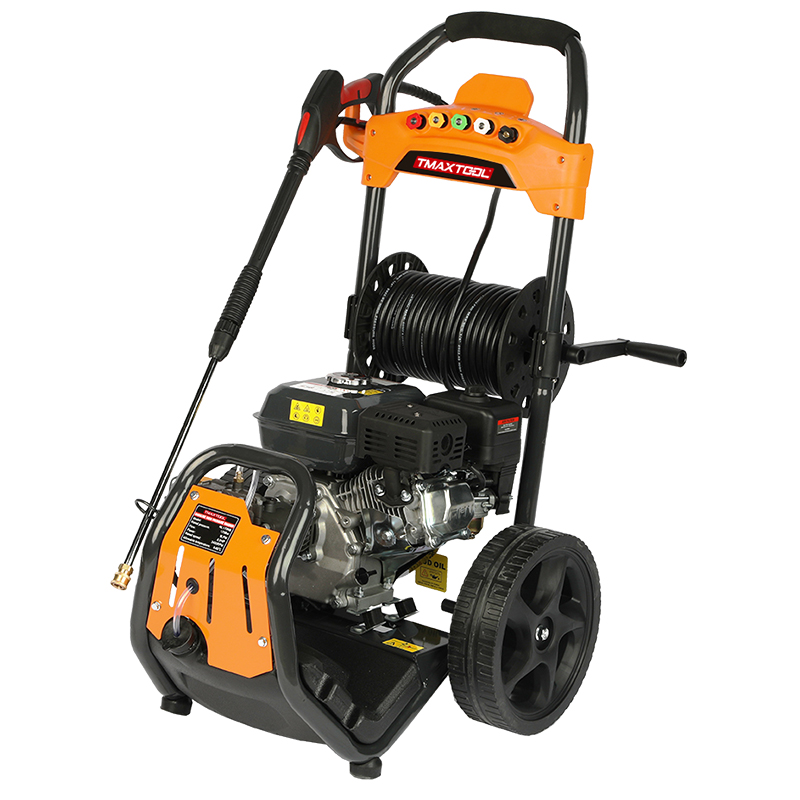 High Pressure Washer
 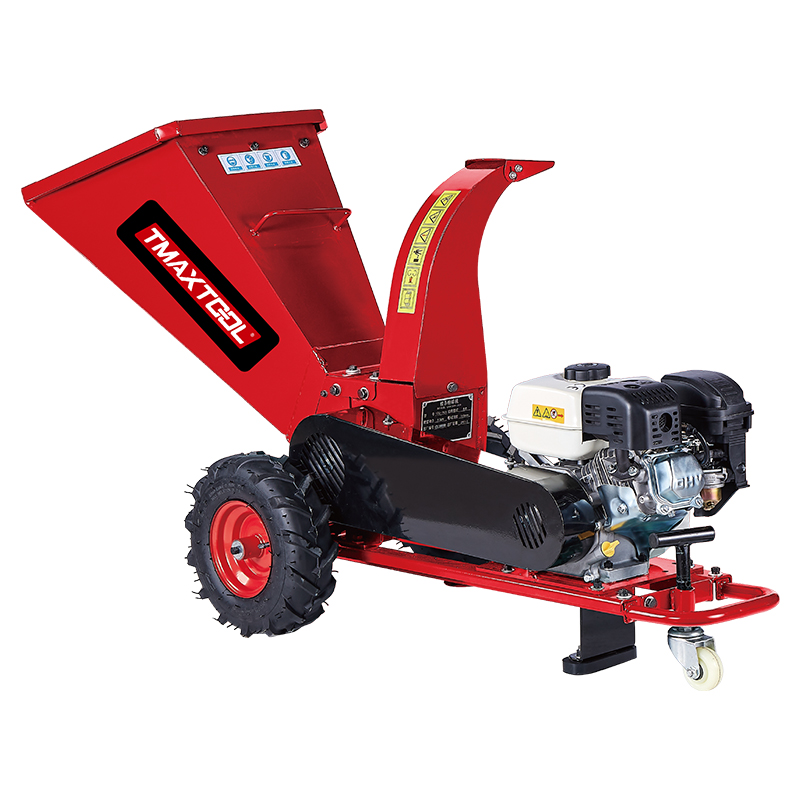 Wood Cutter
 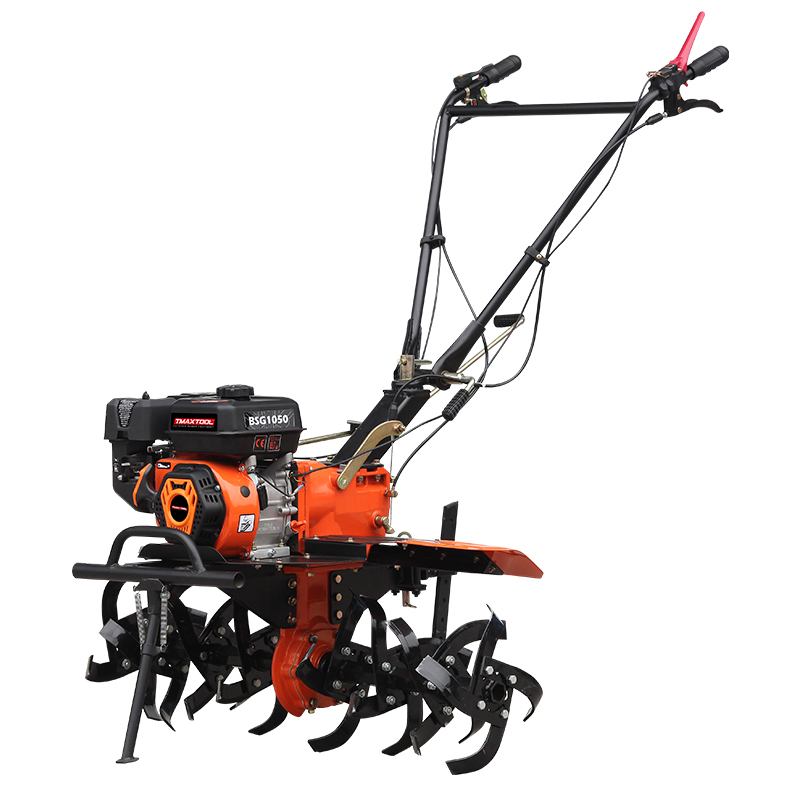 4 Stroke Tiller
 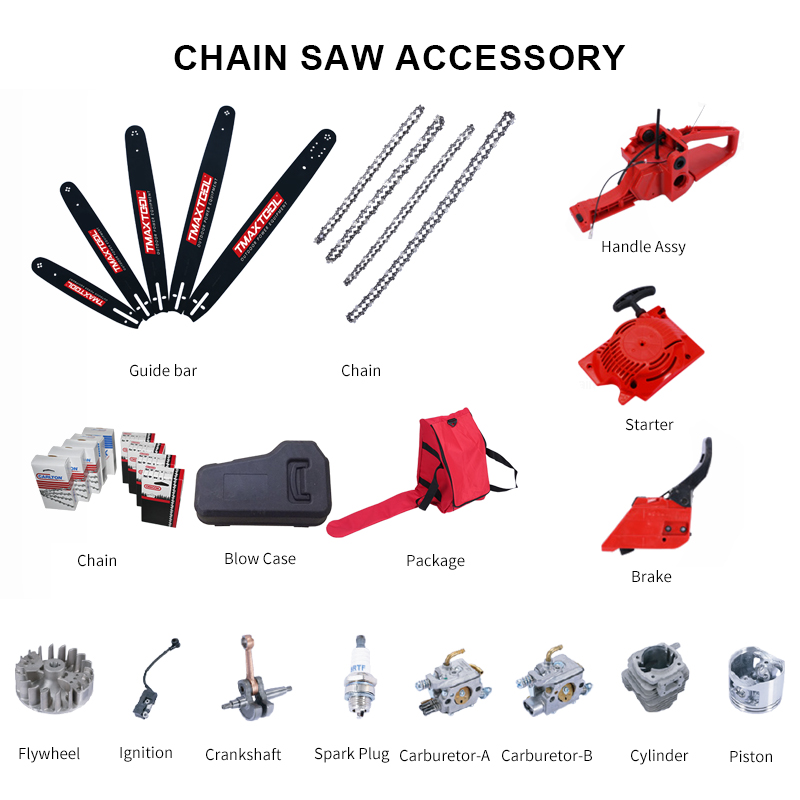 Chain Saw Accessory
  Brush Cutter Accessory
  Earth Auger Accessory
 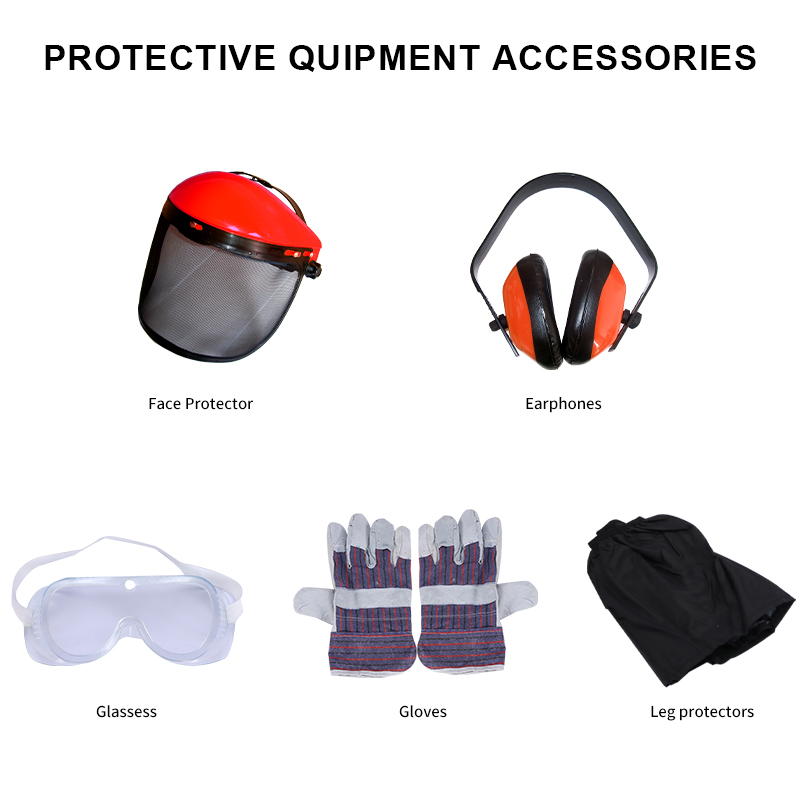 Protective Equipment Accessories
Leave Your Message


Safety operation Guide for Logging machines
As a heavy piece of equipment in forestry and engineering operations, the powerful cutting and handling capabilities of the logging machine carry relatively high operational risks. According to industry statistics, accidents involving logging machines caused by improper operation account for over 35% of the total forestry accidents. The consequences range from minor equipment damage to severe casualties. Adhering to scientific safety operation norms is the core prerequisite for reducing risks and ensuring the safety of operations. This article elaborates on the key points of safe operation of logging machines from three dimensions: pre-operation preparation, in-operation norms, and emergency handling.
Before operation: Equipment inspection and environmental assessment
Comprehensive equipment inspection
Before starting the logging machine, a systematic inspection should be carried out to eliminate potential fault hazards. Focus on inspecting the following areas:
Power system: Check the engine oil level, fuel quantity and coolant level to ensure there is no leakage. After starting the engine, listen to whether the running sound is smooth and whether all the indicators on the instrument panel (water temperature, oil pressure) are within the normal range (water temperature 60-90℃, oil pressure 2.5-4bar).
Working device:Check the tension of the Chain Saw Chain (enough to pull the chain 1-2cm), and whether the saw teeth are damaged or cracked. Check if the hydraulic system pipelines are aged or damaged, and whether the hydraulic oil level meets the standard. After starting, test whether the extension and rotation of the mechanical arm are smooth, without any jamming or abnormal noise.
Safety devices: Confirm that the cab protective net (thickness ≥3mm) and the anti-roll frame (impact strength ≥30kJ) are intact and undamaged. Check whether the buckle of the seat belt (width ≥50mm) is firm and can extend and retract freely. Whether the emergency stop button is sensitive and can immediately cut off the power output after being pressed.
Assessment of the working environment
The complexity of the on-site environment is an important factor causing accidents. The following evaluations need to be completed before operation:
Site investigation: Remove obstacles (such as stones and tree stumps) within the operation area, mark the positions of underground pipelines (cables, water pipes), and ensure that there is no obstruction within the range of the robotic arm's movement. In areas with a slope exceeding 25°, anti-slip MATS should be laid or crawler-type logging machines should be used instead to prevent the equipment from overturning.
Surrounding safety: Designate an operation warning area (radius ≥15 meters), set up warning signs (reflective cones, warning lines), and strictly prohibit unauthorized personnel from entering. If working by the roadside, a dedicated person should be arranged to guide traffic and avoid interference from passing vehicles.
Weather conditions: Operations are prohibited in case of severe weather such as heavy rain, strong wind (wind speed ≥10m/s), thick fog (visibility < 50 meters), etc. In winter, when frost or ice forms, it is necessary to clear the ice and snow on the equipment tracks/tires first, apply anti-skid agent, and then start the equipment.
During the assignment: Operation norms and risk prevention and control
Basic Operating guidelines
When the logging machine is in operation, it is necessary to strictly follow the mechanical characteristics and ergonomic principles to avoid dangerous operations
Start-up and shutdown: Before starting, ensure that the robotic arm is retracted (with an Angle of no more than 30° to the machine body), and that the chainsaw is kept away from the ground and other objects. When stopping the machine, first place the mechanical arm on the ground, turn off the power of the working device, then turn off the engine, and finally tighten the parking brake.
Cutting operation: When handling trees, first fix the trunk with the mechanical arm (the clamping force should be controlled at 1.2 times the trunk diameter to avoid cracking the trunk due to excessive tightness), and adjust the speed of the chainsaw according to the trunk diameter (use medium speed for diameters less than 30cm and high speed for diameters greater than 50cm). The cutting direction should be consistent with the direction of the tree trunk tilting. At least 3 meters of safe tilting space should be reserved. It is strictly prohibited to face buildings, cables or other trees directly.
Load control: When handling cut wood, the single load must not exceed the rated load capacity of the equipment (usually marked on the side door of the cab), and the length of the wood must not exceed 80% of the maximum extension radius of the robotic arm. When lifting wood, keep the center of gravity within the support surface of the equipment's tracks/tires to avoid overturning due to excessive load on one side.
Avoidance of high-risk scenarios
For special scenarios prone to accidents, targeted protective measures should be taken:
Dealing with tilted trees: For trees with an inclination Angle greater than 15°, first dig a shock-absorbing groove at the bottom of the trunk (away from the direction of tilting), with a depth of 1/3 of the trunk diameter. Then, slowly pull it with a mechanical arm and cut it with a chain saw. Do not directly cut the root to avoid sudden tilting of the tree.
Overhead operations: When pruning branches at high altitudes, the maximum elevation Angle of the robotic arm should not exceed 70°. Operators must fasten their safety belts and observe the high-altitude conditions through auxiliary cameras to prevent the chainsaw from touching the cables (especially high-voltage lines, with a safety distance of ≥10 meters).
Collaborative operation: When multiple people cooperate, a clear signal system (gestures, walkie-talkies) should be established, and the robotic arm operator should maintain a distance of more than 3 meters from the ground guide. Ground personnel are not allowed to stand within the rotation radius of the robotic arm or on paths where trees may fall.
After work: Equipment maintenance and emergency handling
Equipment Maintenance Specifications
Proper maintenance after the completion of work can extend the service life of the equipment and reduce the risks of its next use.
Cleaning and inspection: Remove wood shavings and resin from the chainsaw and apply anti-rust oil. Flush the dirt off the surface of the equipment and check if the hydraulic pipeline joints are loose. Drain the water from the fuel tank (if the ambient humidity is greater than 80%) and add fuel stabilizer.
Component maintenance: Lubricate the bearings of each joint of the robotic arm weekly (using lithium-based grease), replace the hydraulic oil filter element monthly, and check the wear of the chainsaw chain quarterly (replace if the sawtooth wear is greater than 2mm).
Storage requirements: Park the logging machine on a flat and hardened ground, fully retract the mechanical arm, and lower the chainsaw to the ground. When stored outdoors, it should be covered with a rainproof cloth, the doors and Windows of the driver's cabin should be closed, the key should be removed and properly kept.
Emergency response procedure
The correct response in unexpected situations can minimize the losses caused by accidents to the greatest extent
Equipment failure: In case of mechanical arm jamming, chain saw breakage or other situations, immediately press the emergency stop button to cut off the power. It is strictly prohibited to climb for maintenance while the equipment is in operation. Wait until the engine has completely stopped before checking for faults.
Injury to personnel: In case of limb entrapment, compression or other injuries, immediately stop the machine and call the emergency number (such as 120). At the same time, take initial first aid measures such as stopping the bleeding (binding a tourniquet near the heart of the wound and releasing it for 1 minute every 30 minutes) and immobilizing the fracture site (fixing it with a wooden board and bandage) to avoid moving the injured person and causing secondary injuries.
Fire accident: In case of fire caused by fuel leakage, immediately evacuate to a safe area and use the dry powder fire extinguisher (capacity ≥4kg) provided with the equipment to put out the fire. Do not use water to extinguish electrical fires. When the fire gets out of control, abandon the equipment and move away from the scene, then call the fire alarm number.
Personnel qualifications and training requirements
The operator of the logging machine must possess professional qualifications: hold a special equipment operation certificate (Class N2) and pass both theoretical and practical operation assessments. Participate in no less than 24 hours of safety training every year to be familiar with the characteristics and emergency handling procedures of different models of logging machines. Newly recruited personnel must complete at least 50 hours of on-the-job work under the guidance of experienced operators. Only after passing the assessment can they operate independently.
The core principle of safe operation of a logging machine is "prevention first and standardized operation". From equipment inspection to environmental assessment, from operation norms to emergency response, the meticulous control of every detail in each link serves as a solid defense against risks. Operators must always remain vigilant and incorporate safety awareness throughout the entire operation process to ensure that the logging machine not only enhances efficiency but also remains in a controllable and safe state at all times.